
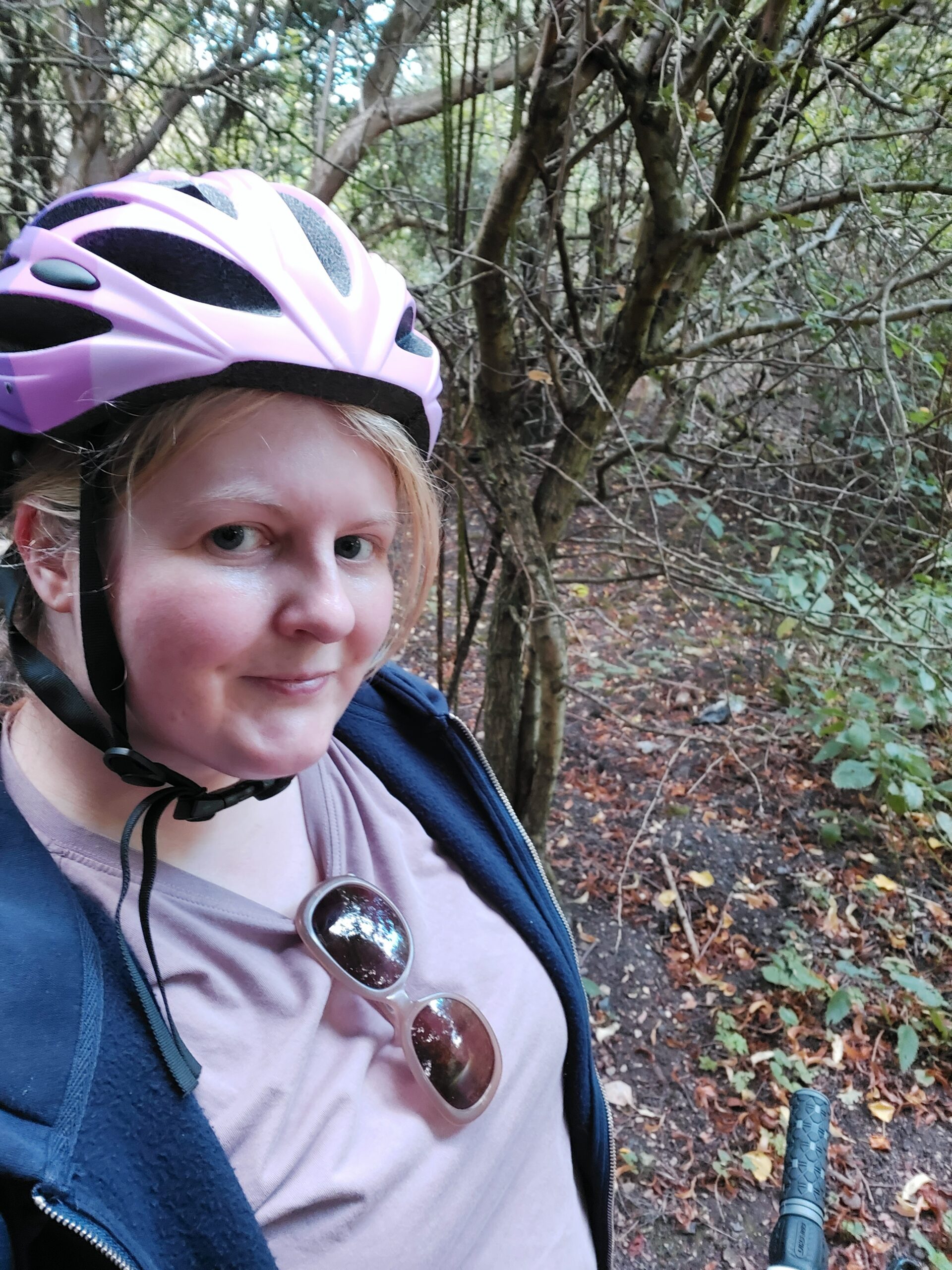
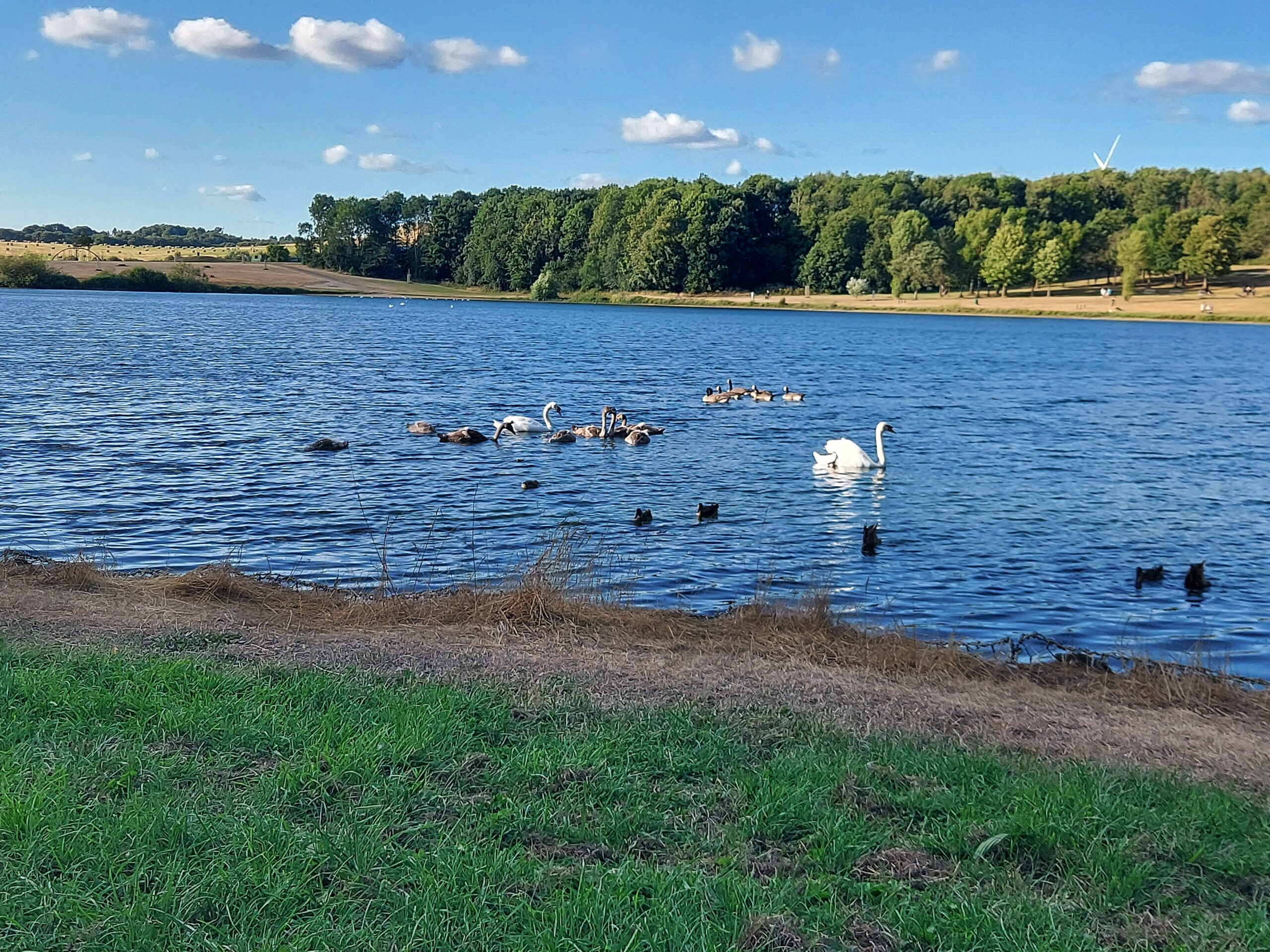
I thought I would never be able to do the Cyclist badge, as I don’t own a bike and hadn’t cycled for twenty years, but I moved home temporarily late last year and my brother lent me his old bike so I could work on the badge. Over the last few months I’ve cycled regularly, often down my local park, sometimes going further afield.
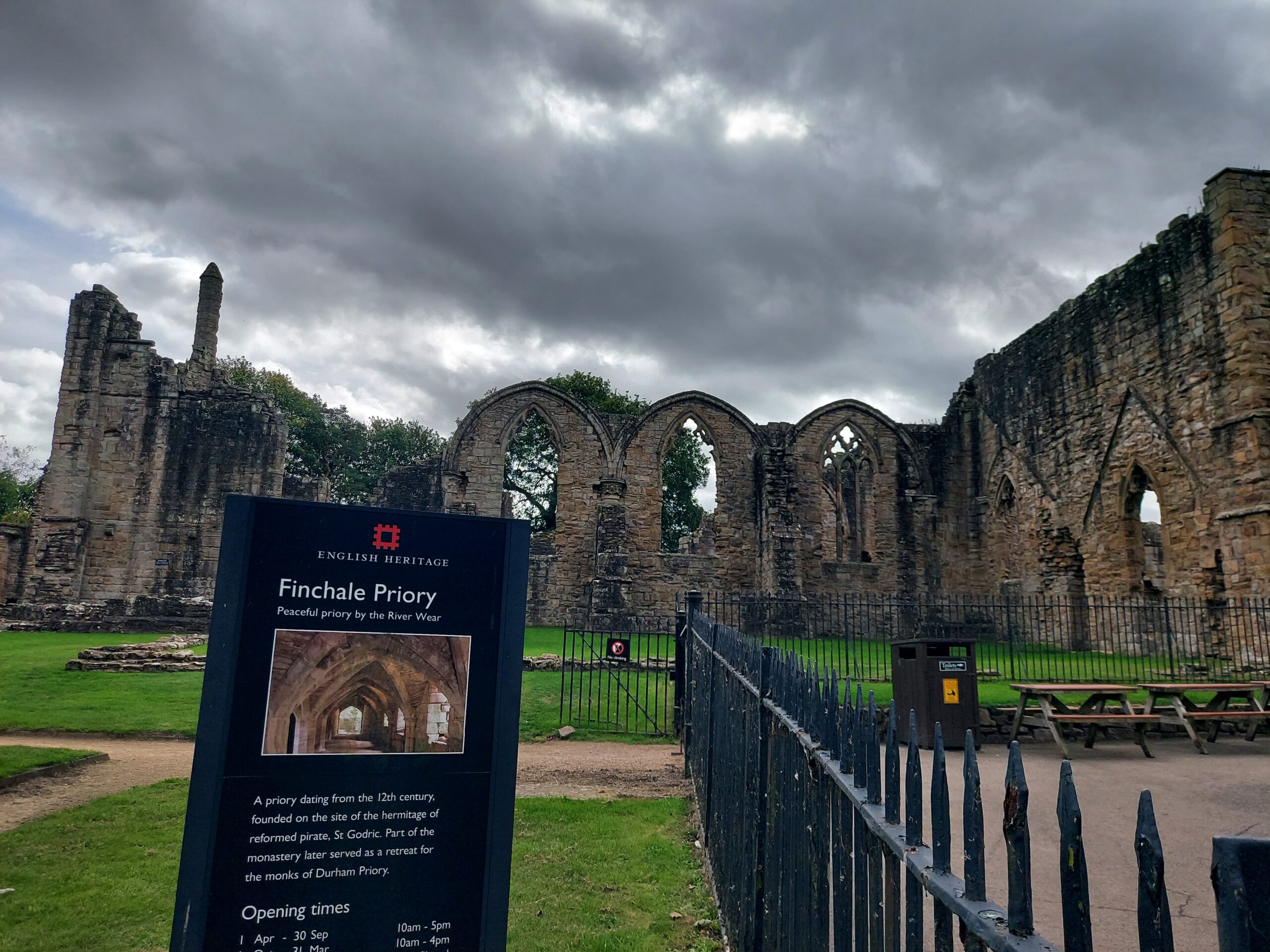
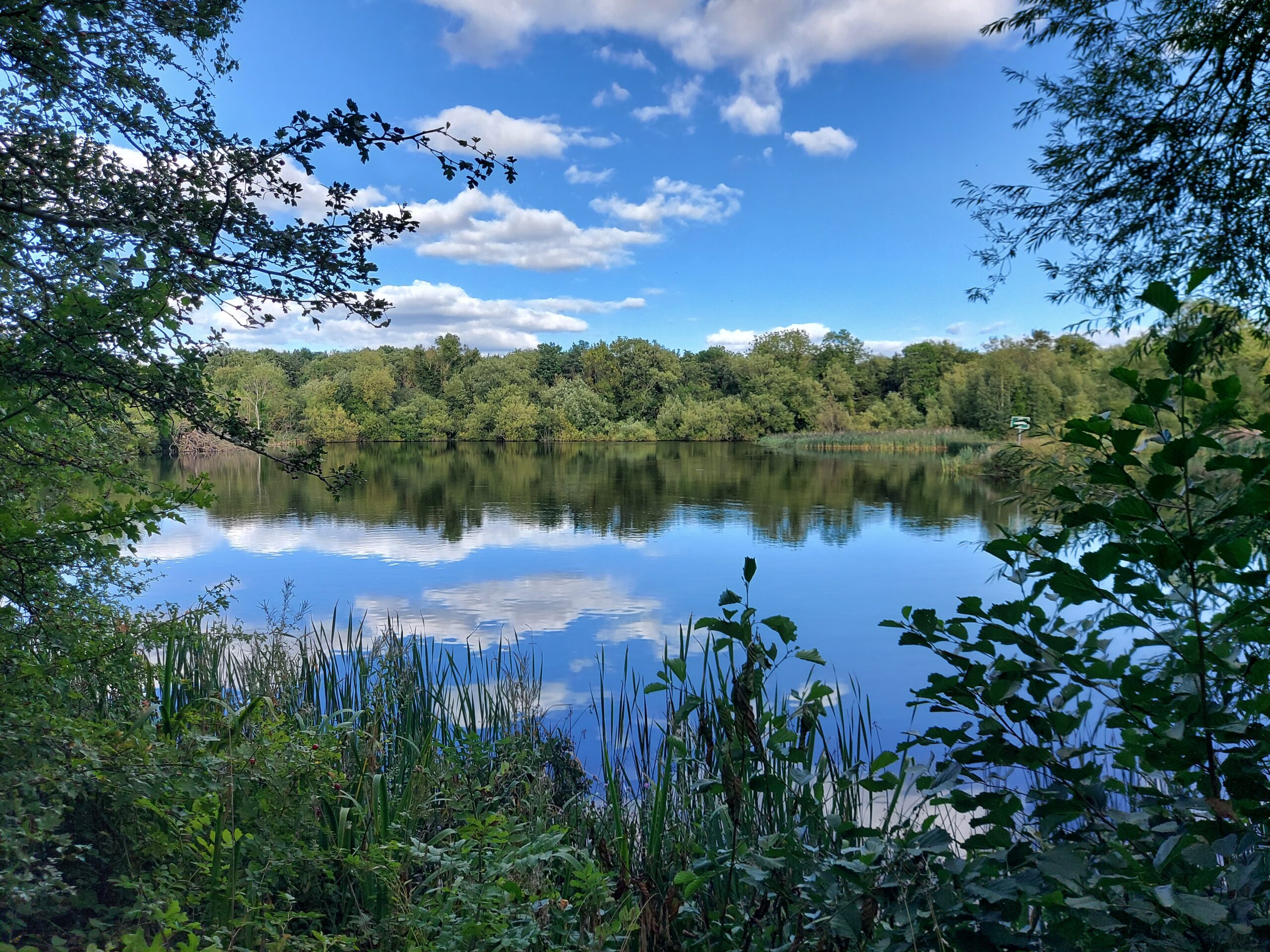
The badge has been tough as it’s very hilly round here, and I struggle even more with hills riding a bike than I do walking, which is saying something! I’ve enjoyed it though, and I’ve definitely increased in confidence over the last three months. I’m now able to cycle on roads and go further on the bike than I’d ever imagined. I have been able to visit places that public transport doesn’t reach – like a local nature reserve, and Finchale Priory.
Know how to clean and maintain your bike.
My brother showed me how to check and inflate my tyres and adjust the height of the seat. I also watched some YouTube videos on bike maintenance.
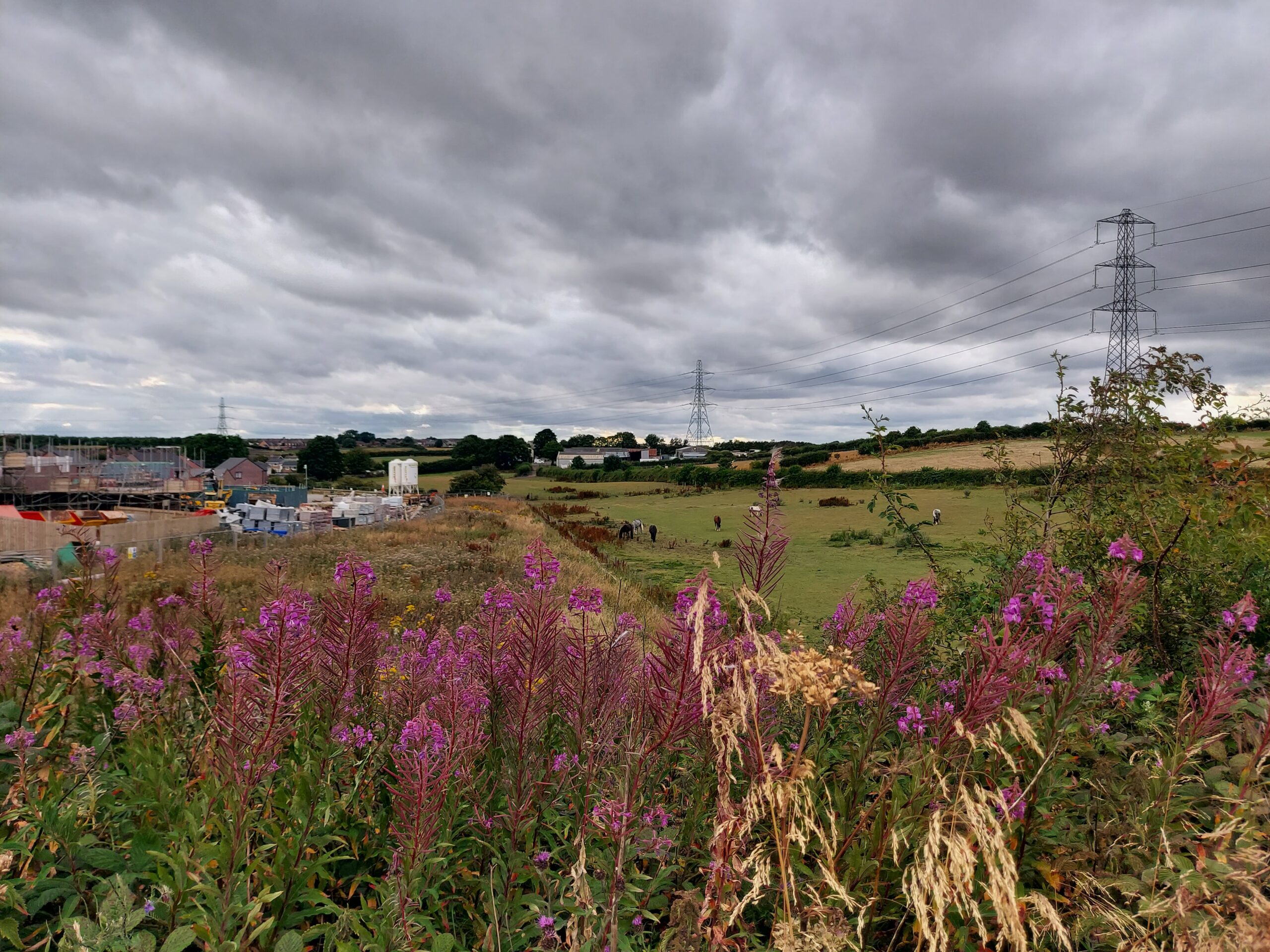
Be able to cycle a minimum of 5 miles on your bike.
I completed several rides of 5 miles or more, including my final big ride which was a 12 mile round trip.
Have a working understanding of the Highway Code as it applies to bikes.
Rules 59 to 82 apply specifically to bikes. I also refreshed my knowledge of road signs – I covered these when I learned to drive but that was a long time ago!
Understand the dangers and know the modifications while cycling.
Loose clothing can catch on bicycle machinery; headphones can stop you being aware of your surroundings; phones can be a distraction and dark clothing can prevent you being seen.
When cycling on wet roads, reduce your speed, increase your following distance and brake earlier. On steep hills, use lower gears and high cadence, shift gears early and maintain a steady pace. At night, use bright lights and high-visibility reflective clothing.
Research different equipment designed to help keep you safe and visible on a bike.
The obvious piece of equipment is the helmet. I looked up the arguments for and against helmets. Personally I always wear one, but if I ever get injured on my bike it will likely be from falling off it, which is exactly the kind of situation helmets are designed for.
After my first ride I also bought a cushioned bike seat, which proved invaluable!
Other equipment includes:
- Gloves – keep your hands warm, allow for a more comfortable grip on the handlebars, provide protection in case of a fall
- Reflectors and lights – so that you can be seen in the dark
- Protective glasses – to protect your eyes from insects, dust and debris while travelling at speed
- Mirrors – to help you see traffic around you
Arguments for and against wearing a helmet while cycling
| For | Against |
|---|---|
| Reduction in risk of head injuries (up to 88%) | Helmets can lead to a false sense of security |
| Increased visibility | Other parts of the body are still vulnerable to injury |
| Protection from the elements | Mandatory rules around helmets can discourage cycling |
| Setting an example to children | Helmets are not designed to withstand vehicle impact |
| Psychological comfort | Helmet requirements can shift blame from negligent drivers |
Set yourself a cycle-specific challenge to be carried out over at least 3 months.
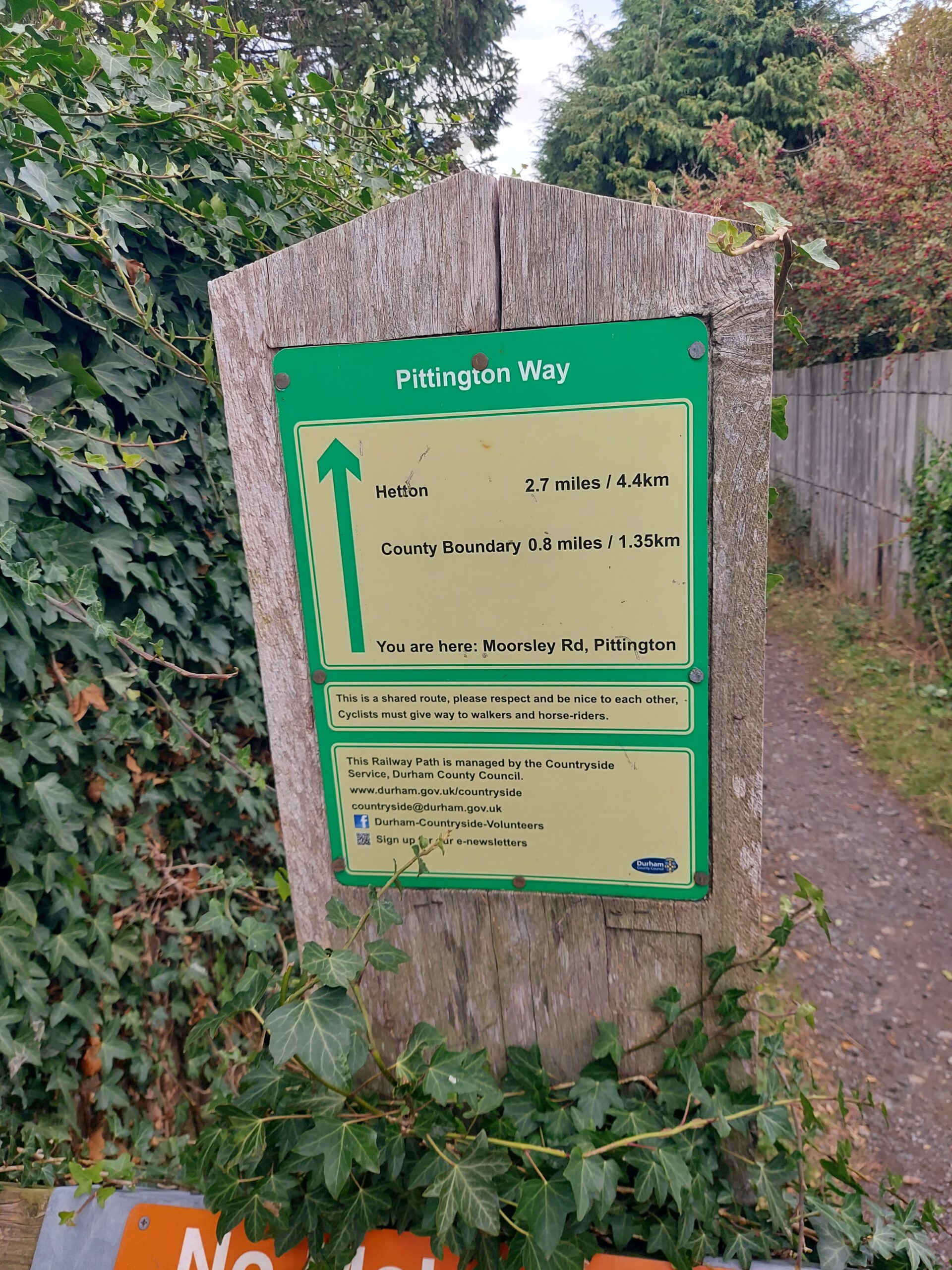
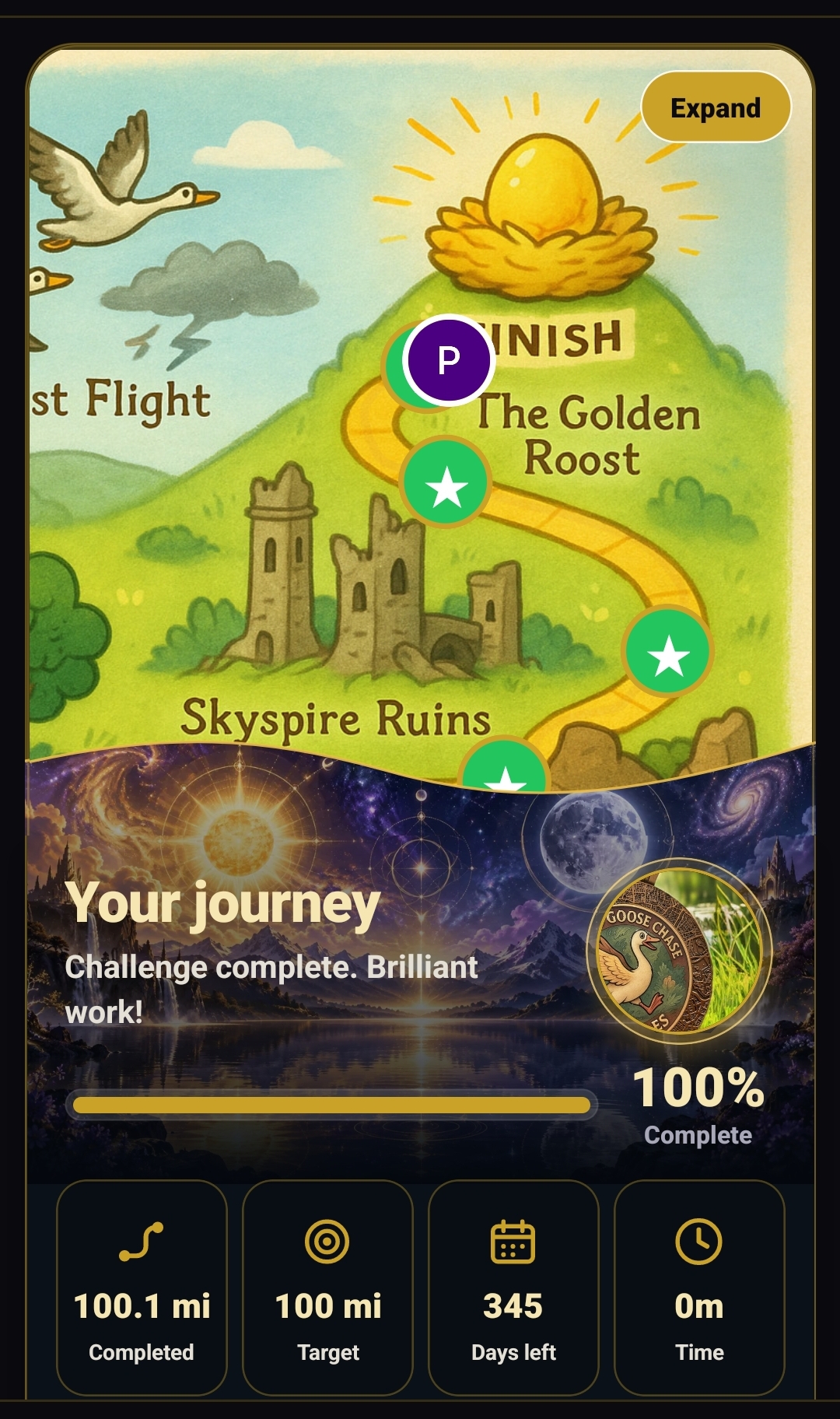
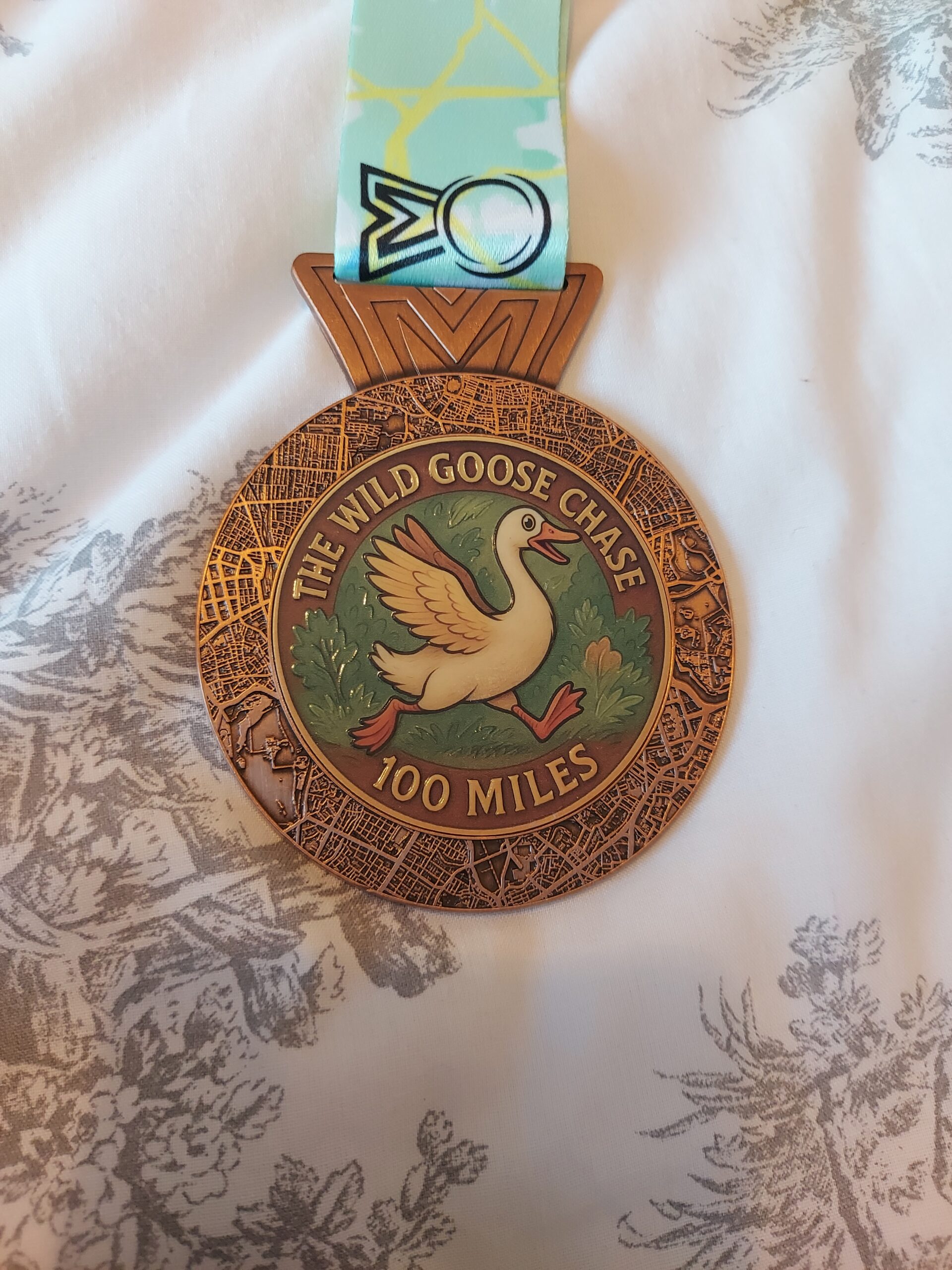
I completed a 100-mile virtual challenge, which doesn’t sound very impressive, but for me I promise you it was!
Date completed: 29 September 2026