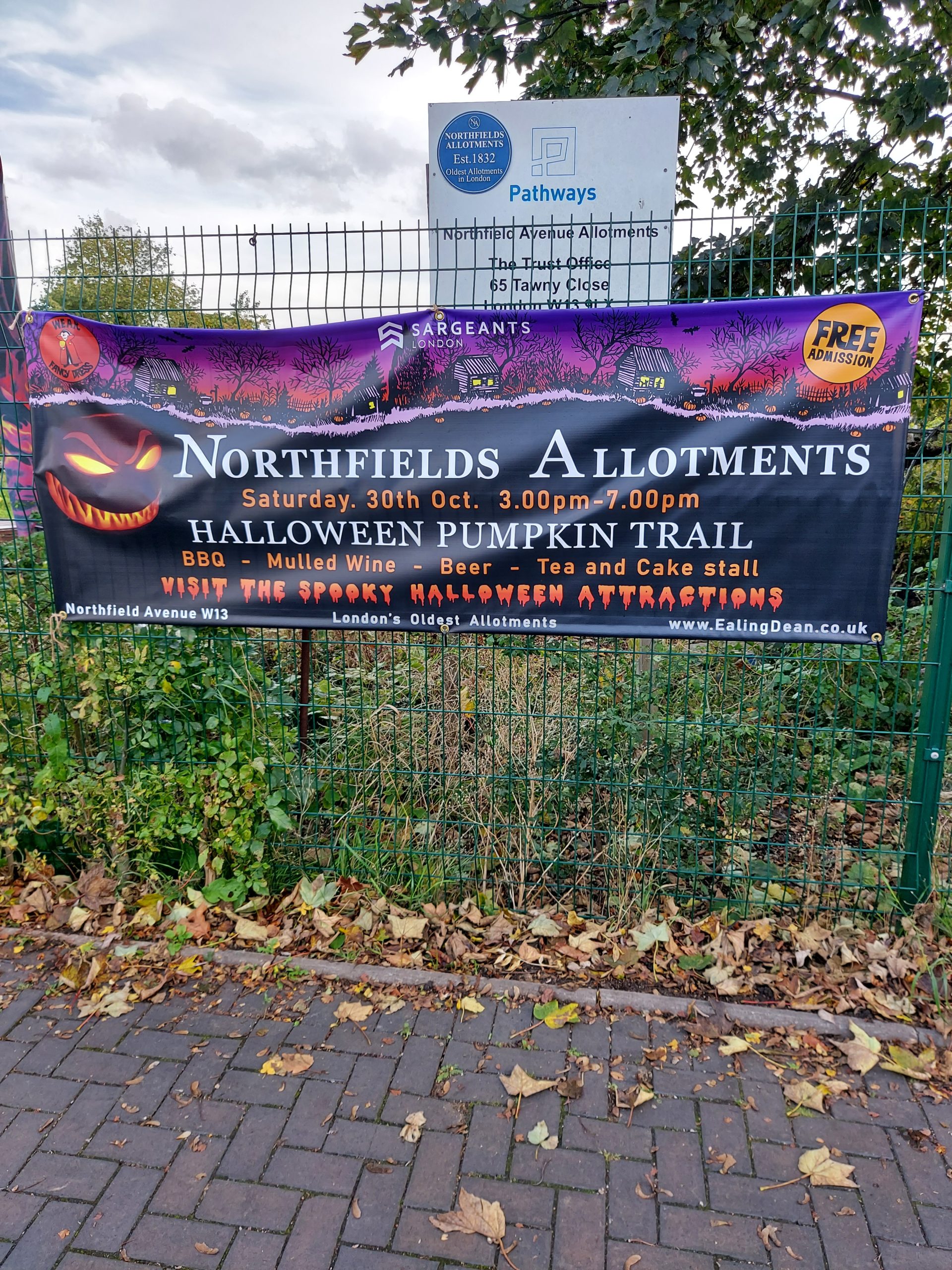
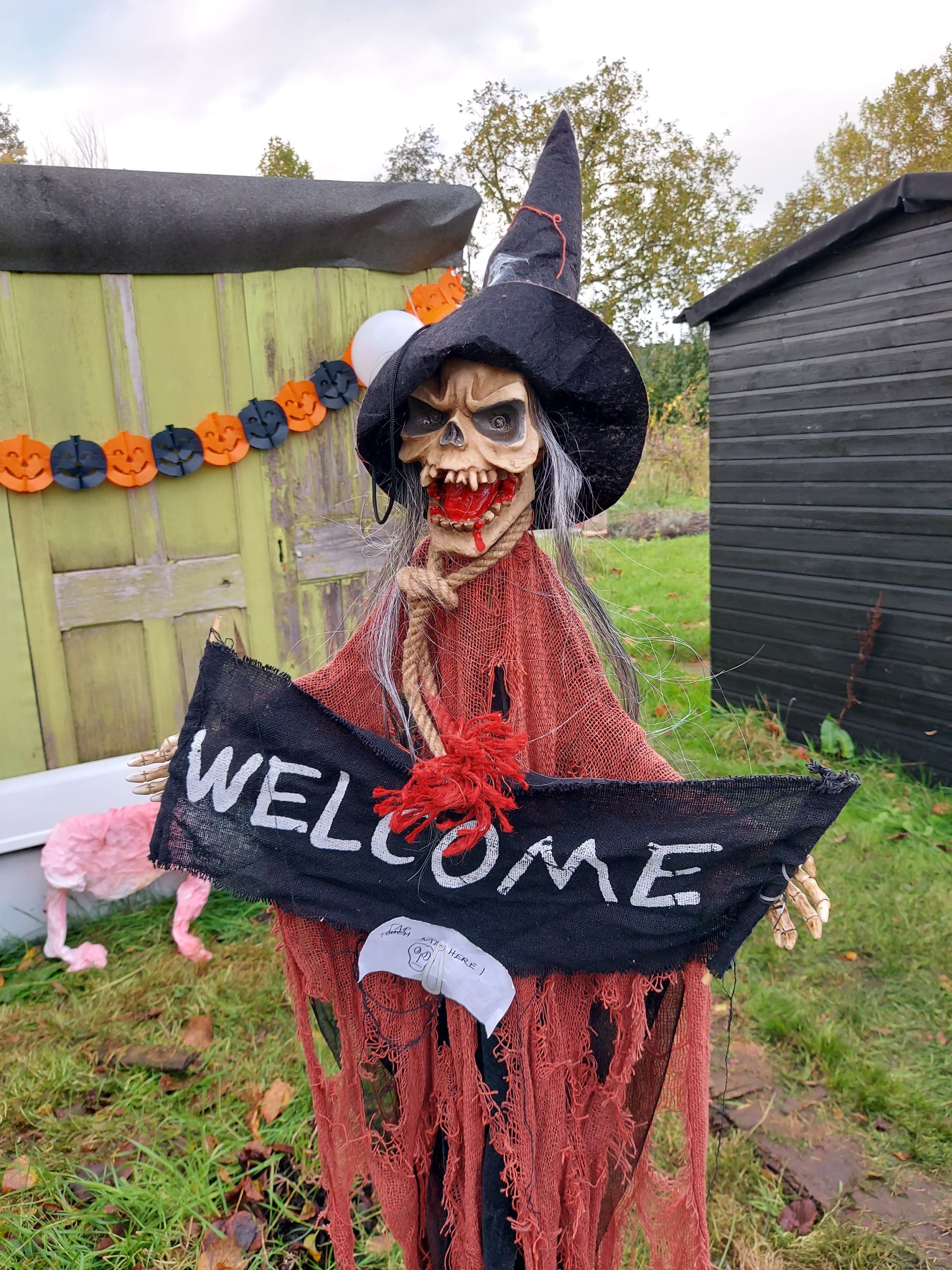
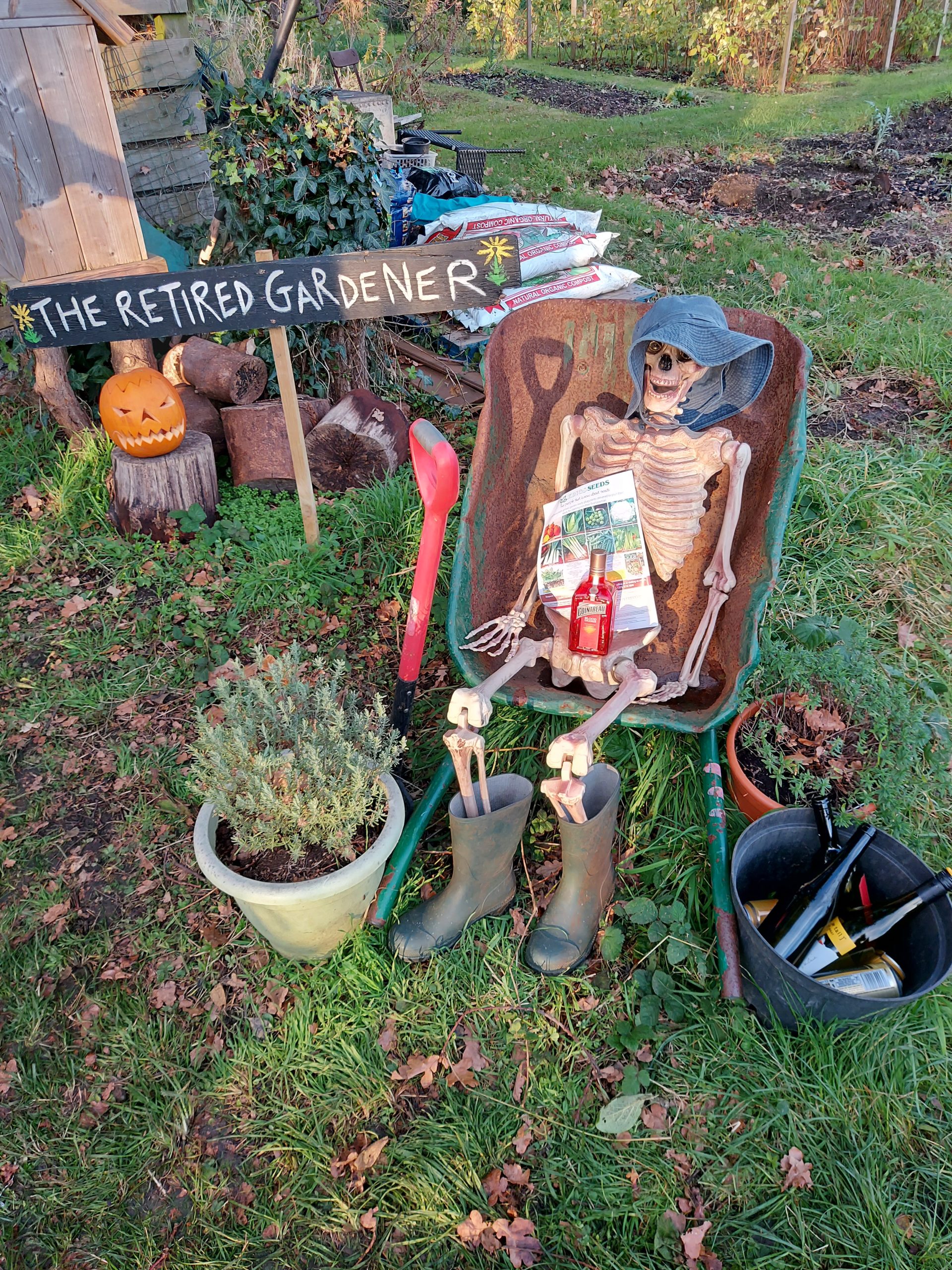
As I was browsing Facebook earlier this year, up popped an event that intrigued me – the annual Halloween Trail at Northfields Allotments. These allotments are local to me and I love Halloween, so I decided to pay the trail a visit – it was free, after all.
Northfields Allotments are the oldest allotments in London and apparently this event has been running for a few years (it was cancelled last year due to Covid). It seems to be hugely popular – when I arrived the queue was round the block! Luckily, I managed to find another entrance that was less crowded. Once inside, there was a one-way route round the trail.
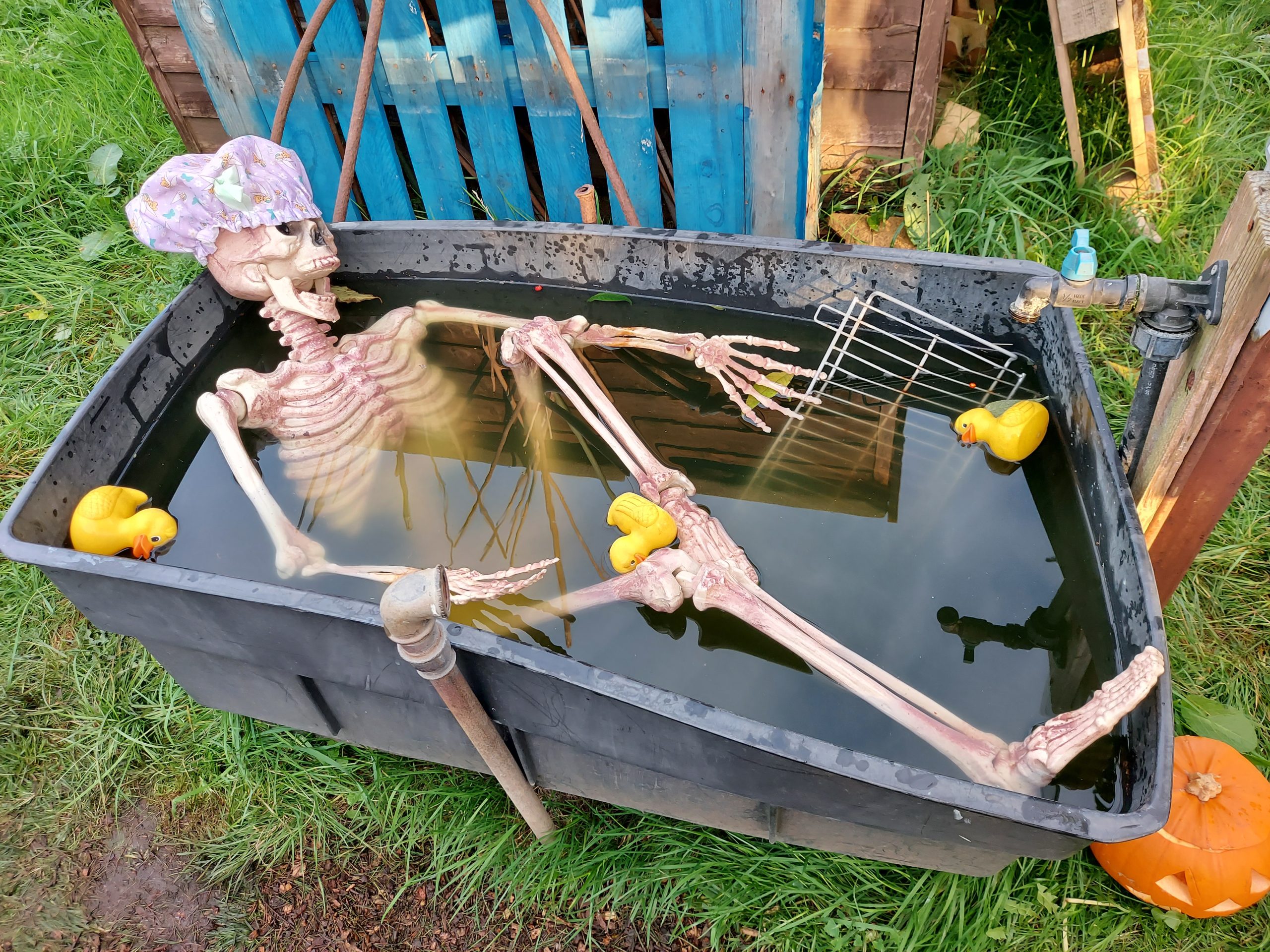
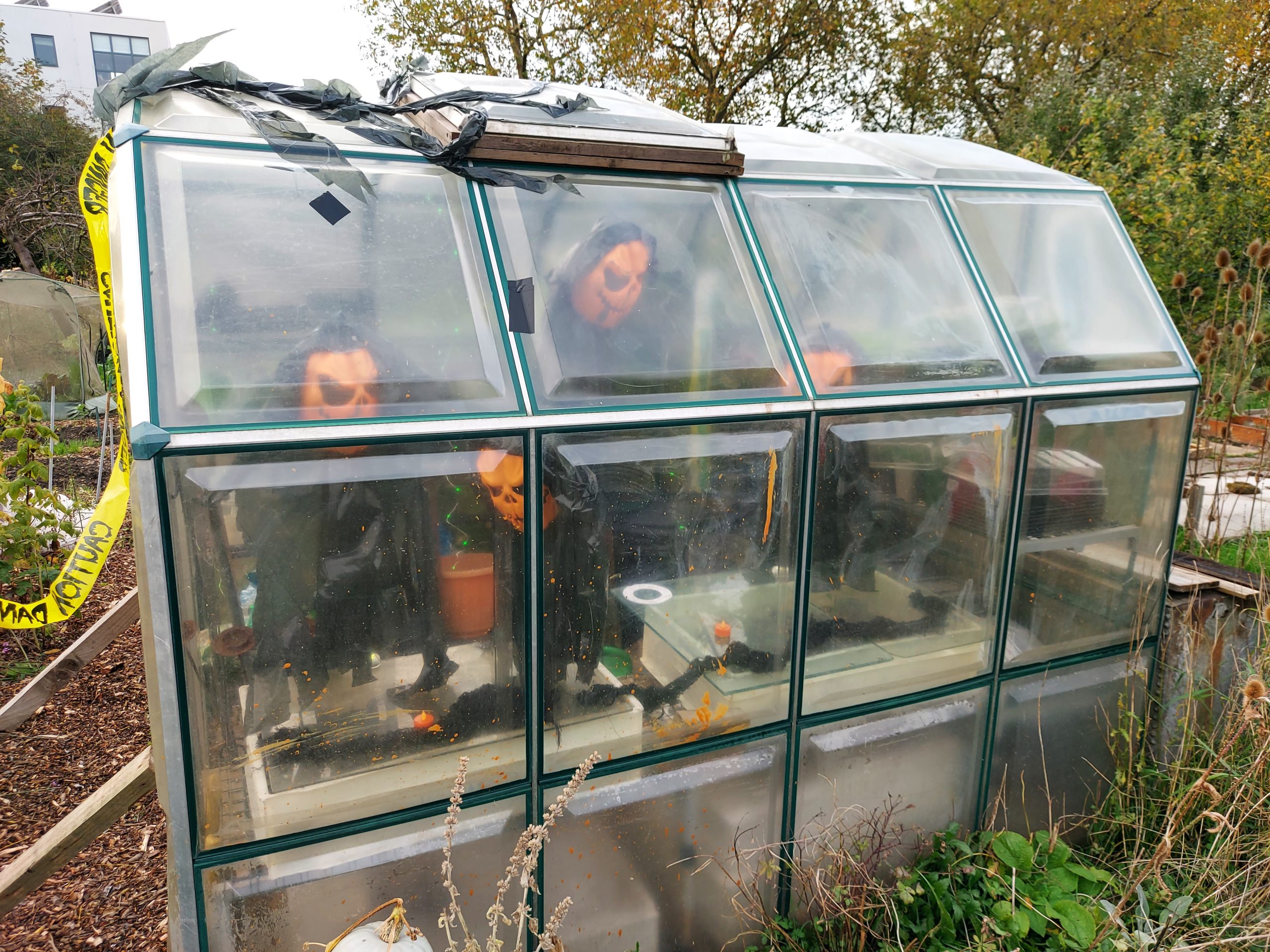
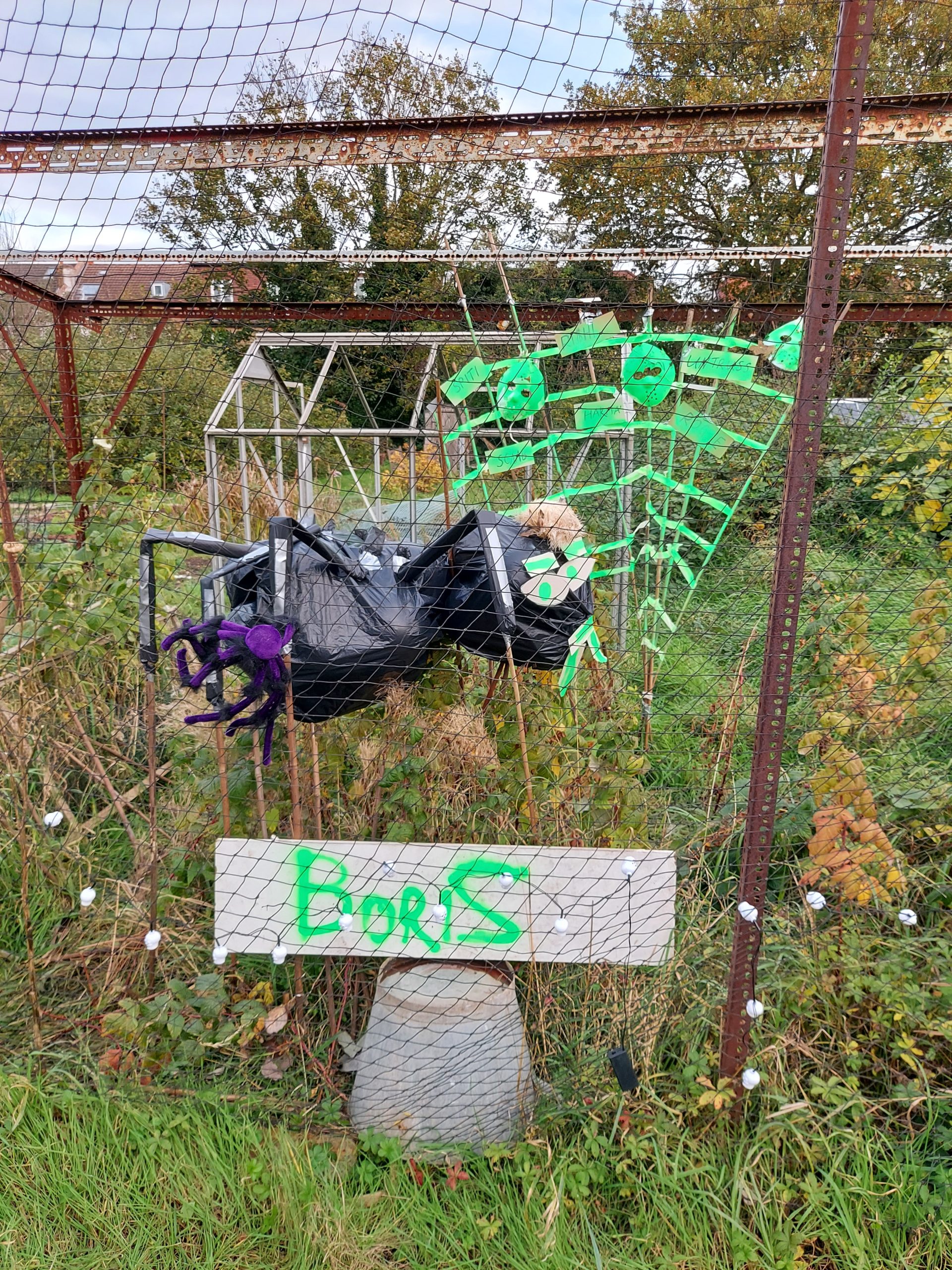
The plotholders of the allotment clearly went all-out to create a brilliant spectacle. There were some fantastic displays. The event is clearly aimed at children, but that didn’t stop me enjoying myself. I didn’t stop at the refreshments area as it was rather busy, but there were plenty of drinks and food available.
Well done to the team at Northfields for a brilliant event.
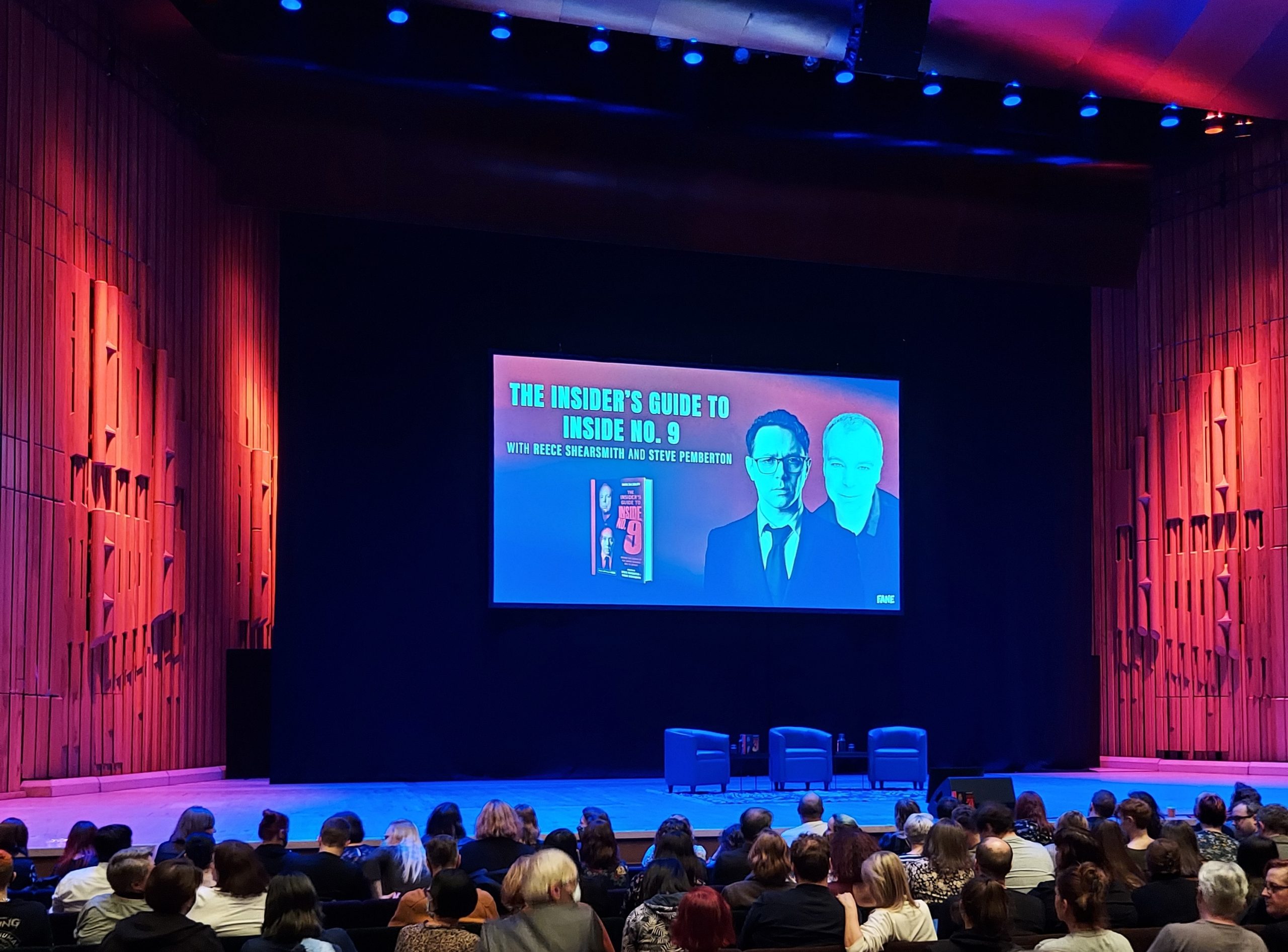
Inside No. 9 is one of my favourite TV shows, and I was excited to attend an event at the Barbican featuring its creators and stars, Reece Shearsmith and Steve Pemberton. They were there to discuss the show and promote their new book The Insider’s Guide to Inside No. 9, a copy of which was included in the ticket price. Interviewing them was author of the book, Mark Salisbury. There was also a surprise appearance by David Bedella, musical theatre actor and star of the Series 1 Last Gasp episode, who sang a couple of songs for us.
The first half of the evening involved the pair discussing the Inside No. 9 series, its creation and their writing process, their inspiration and other interesting insights. The second half featured questions from the audience. I was interested to hear that they have a policy of not using any actor twice (Derek Jacobi was a slight exception, only because one of his appearances was voice-only). I was particularly intrigued to hear that they haven’t ruled out a film or theatrical adaptation in the future, and they hope to at least reach series 9 (number 7 is out imminently). It was fun to hear some of the behind the scenes stories and made me want to re-watch the series with new eyes.
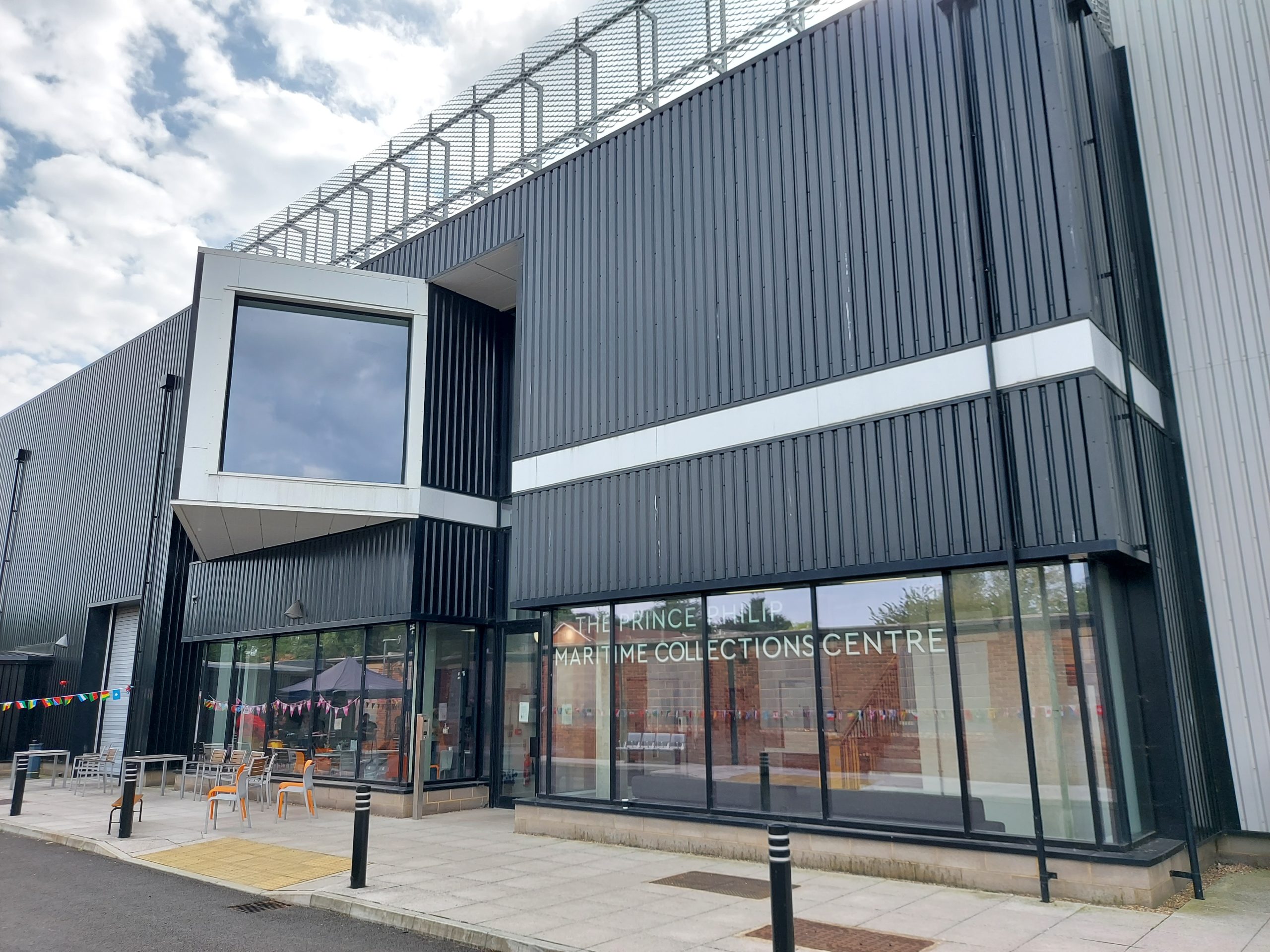
I went along during the Heritage Open Days weekend, and was interested enough to book on one of their Saturday Super Store tours (a longer Behind the Scenes tour is also available on the first Thursday of every month, and allows you to see what the conservators get up to).
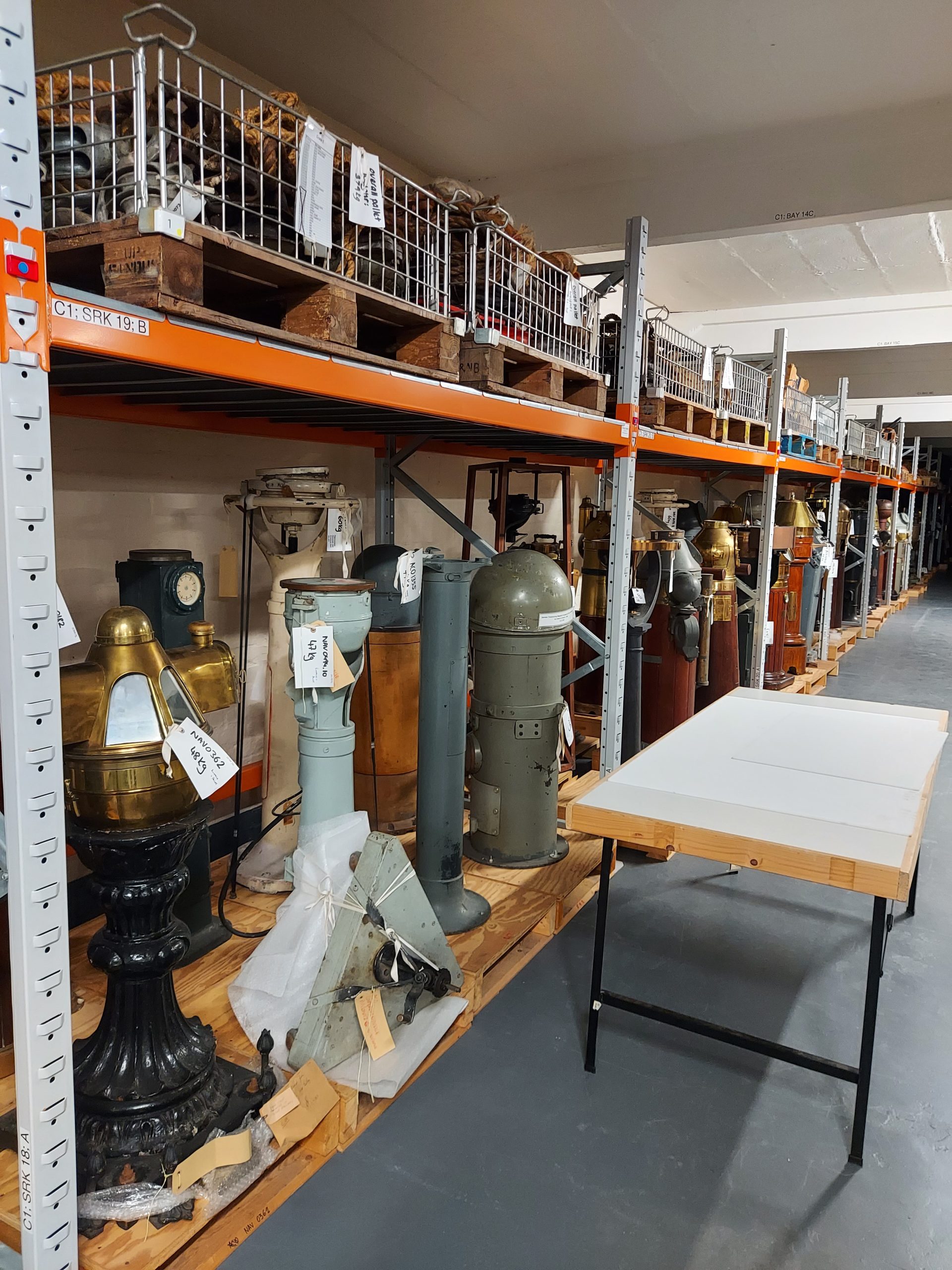
Inside the collections store
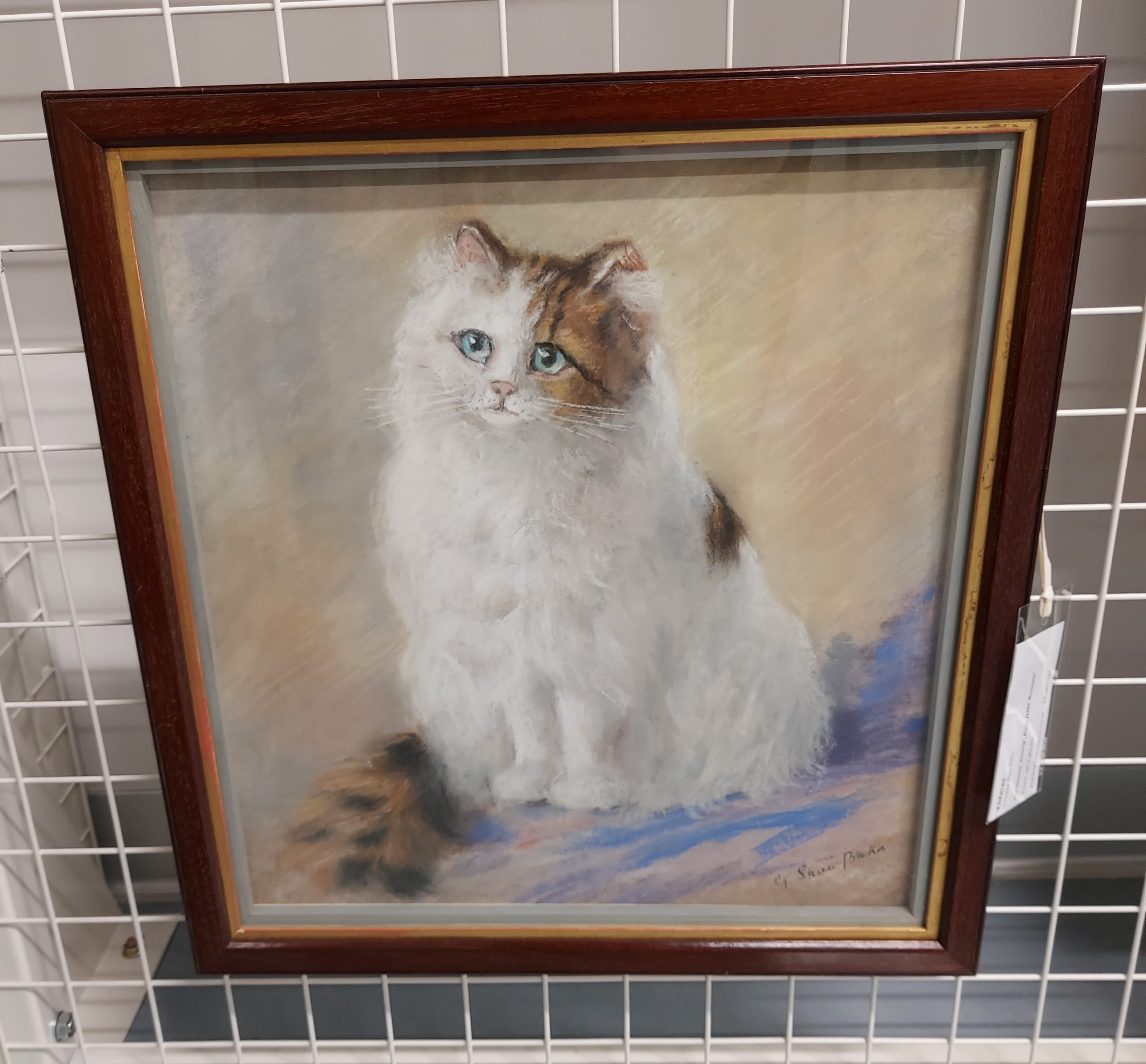
Our tour started in a room full of huge objects taken from ships, including a whale-rendering cauldron, a fireplace from a ship of Queen Victoria’s era that sank, numerous cannon, and other assorted items. We also visited a room that contained several model ships, which were often used to demonstrate to insurers that the ship in question was seaworthy. Another room contained works of art relating to maritime history, including paintings of notable sailors and other figures (including ships’ cats), as well as naval battle scenes. The Museum is actively trying to fill gaps in its collection by seeking out pictures and artefacts relating to women and minorities who have historically been underrepresented in the collection.
Cat!
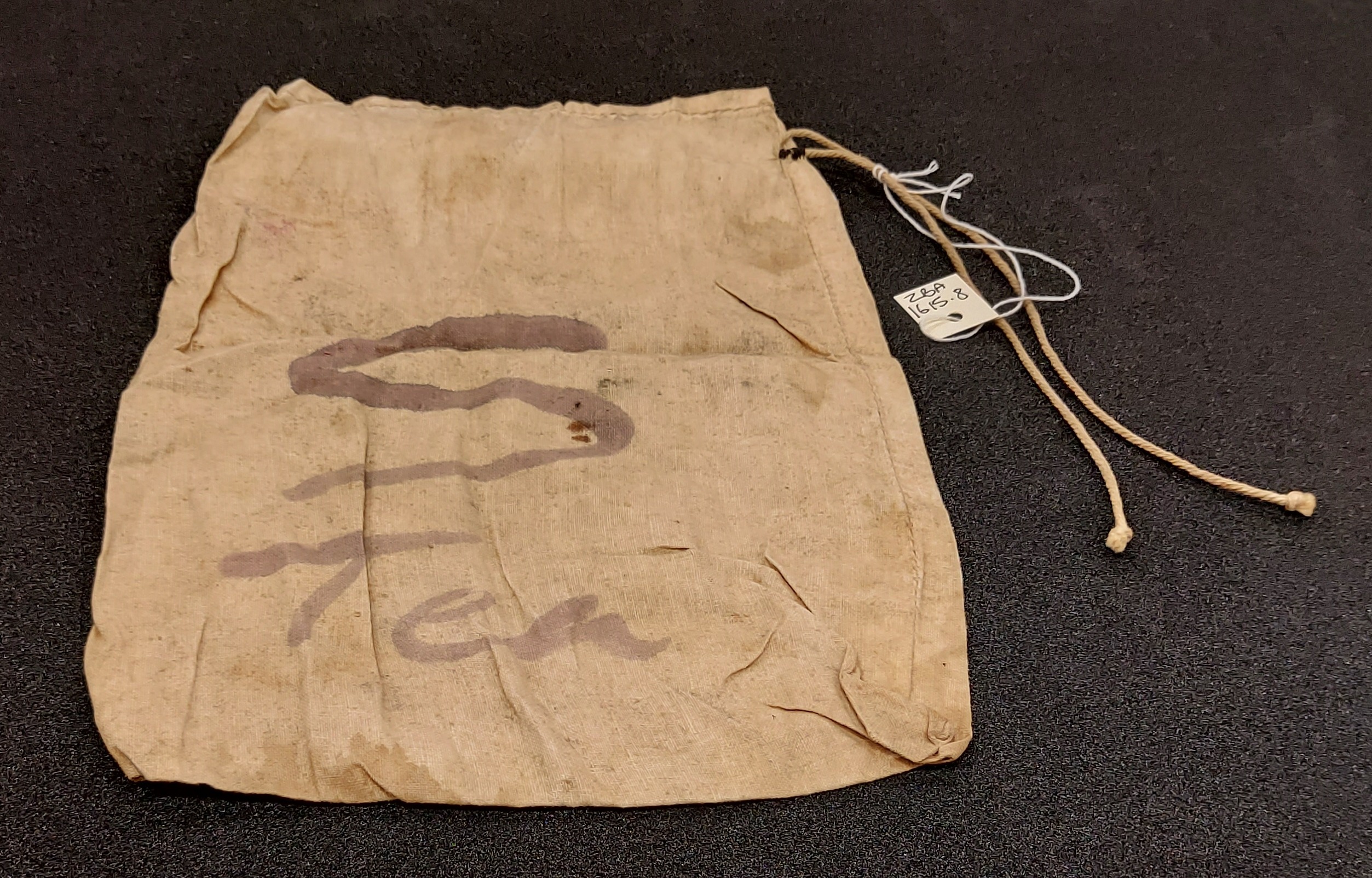
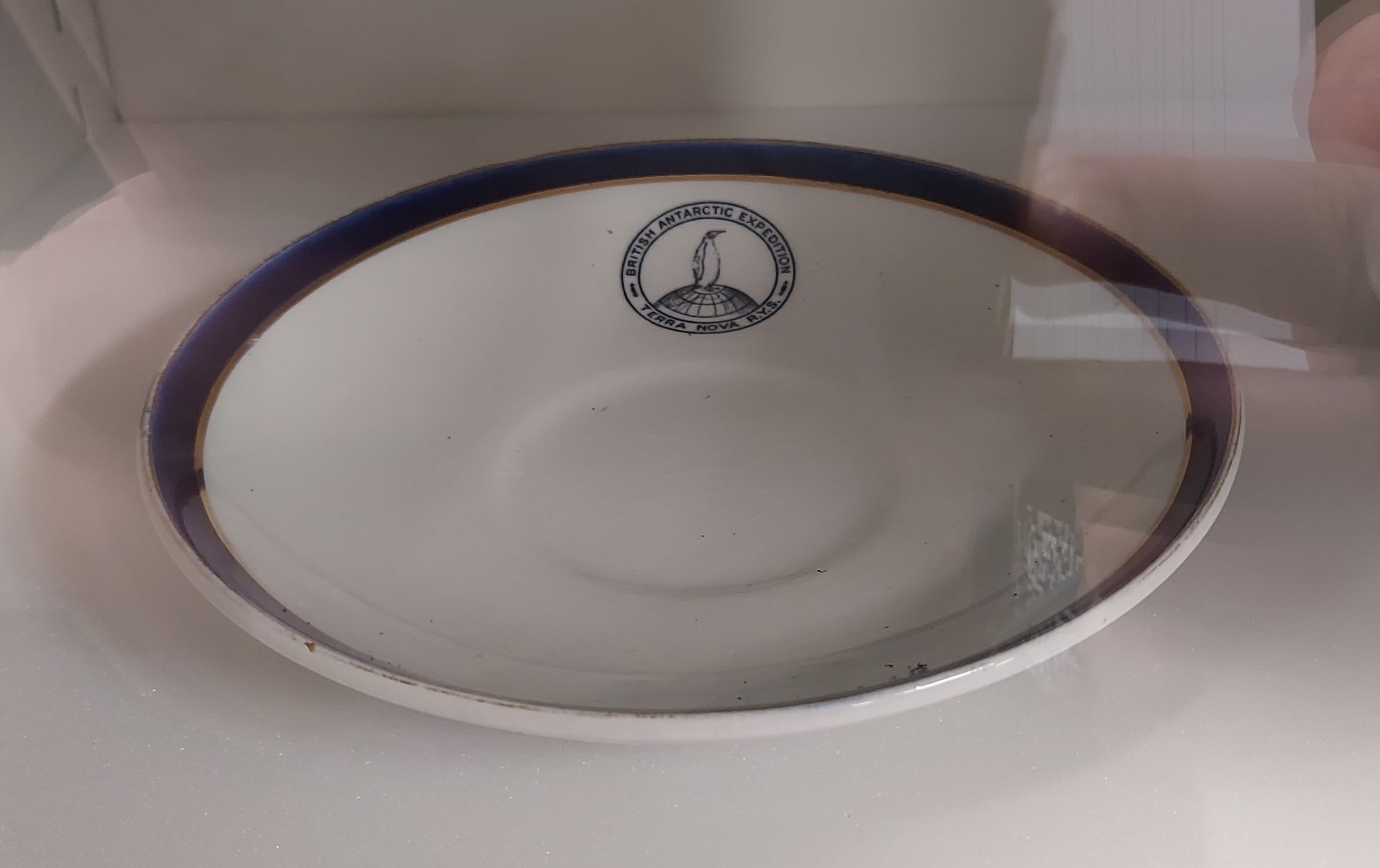
Another room was filled with china, other tableware and small artefacts – there was lots of Nelson memorabilia, but I was particularly excited to see china from Scott’s Terra Nova expedition. I’m particularly interested in polar exploration – during my Heritage Open Days visit I was excited to see ration bags from this same expedition.
Plate from the Terra Nova expedition
Finally, we got to see one of the most poignant items from the collection: the little toy pig belonged to Titanic survivor Edith Rosenbaum. It was given to her by her mother to aid her recovery after a road accident. Edith was travelling back to America on the Titanic and, of course, took her beloved pig with her. After the collision with the iceberg she was reluctant to get on the lifeboat, but when a crew member grabbed the pig from her and threw it onto the lifeboat, Edith took it as a sign and climbed aboard. While waiting to be rescued, Edith kept the other passengers on the lifeboat amused by winding up the pig – which doubled as a music box – and playing a tune. The little pig is too fragile to photograph, but you can view images here.
I attended a virtual tour of the Kingsway Tram Tunnel during lockdown, so I was excited to get the chance to attend a real, in-person tour when lockdown eased. I booked the day off work specially, and headed to the entrance ready for the start time.
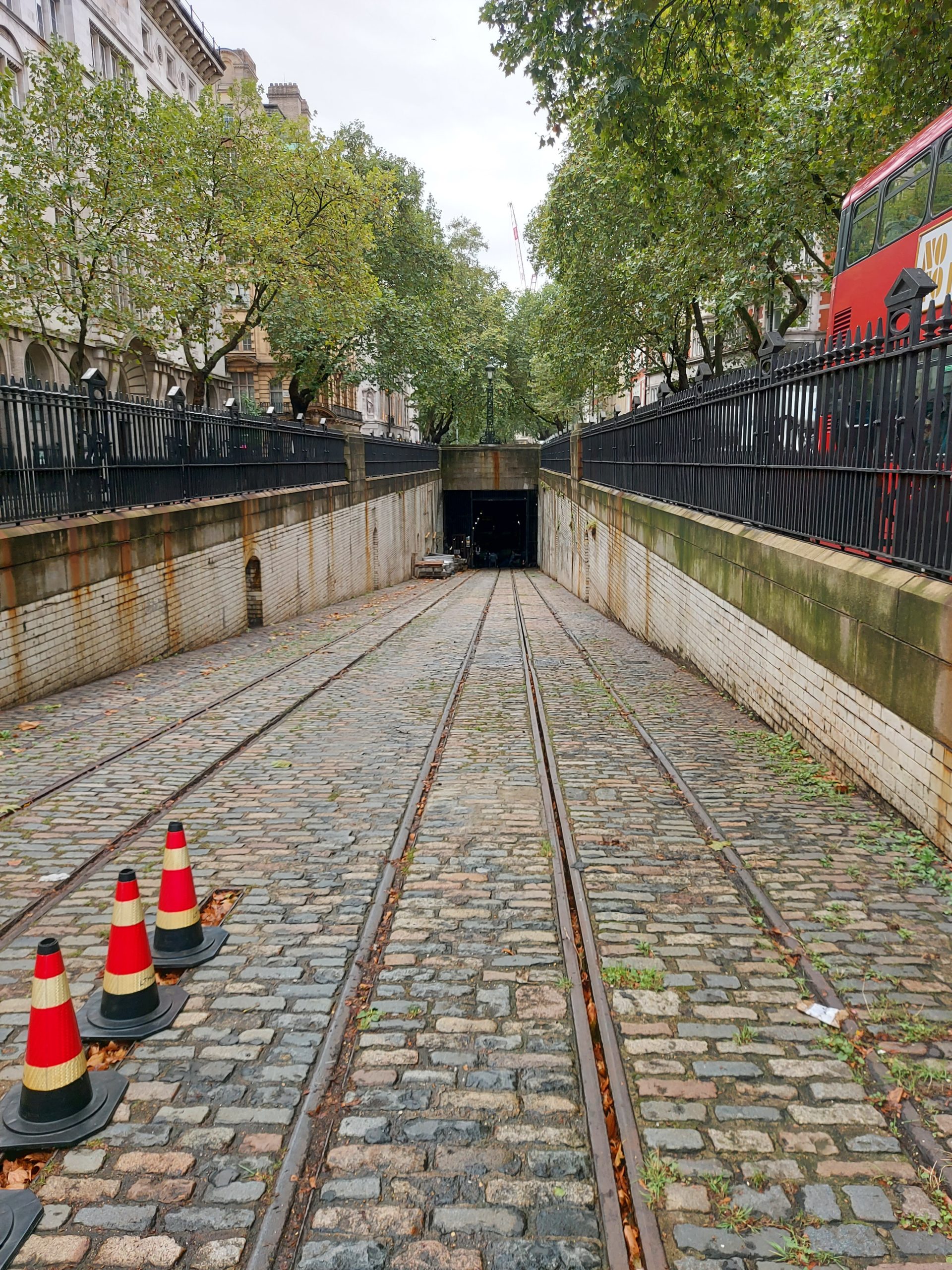
I’ve seen the entrance plenty of times before – a line of tram tracks, heading down into a tunnel, with black railings on either side and lamps marking the beginning of the tunnel. This time, I actually got to go through the gate and see what was hidden in the depths of that tunnel.
We were shown a map of tram routes in London at the beginning of the 20th century, and it became apparent just how necessary the Kingsway tram tunnel was in order to connect north and south. Originally built between 1906 and 1908, the tramway finally closed in 1952.
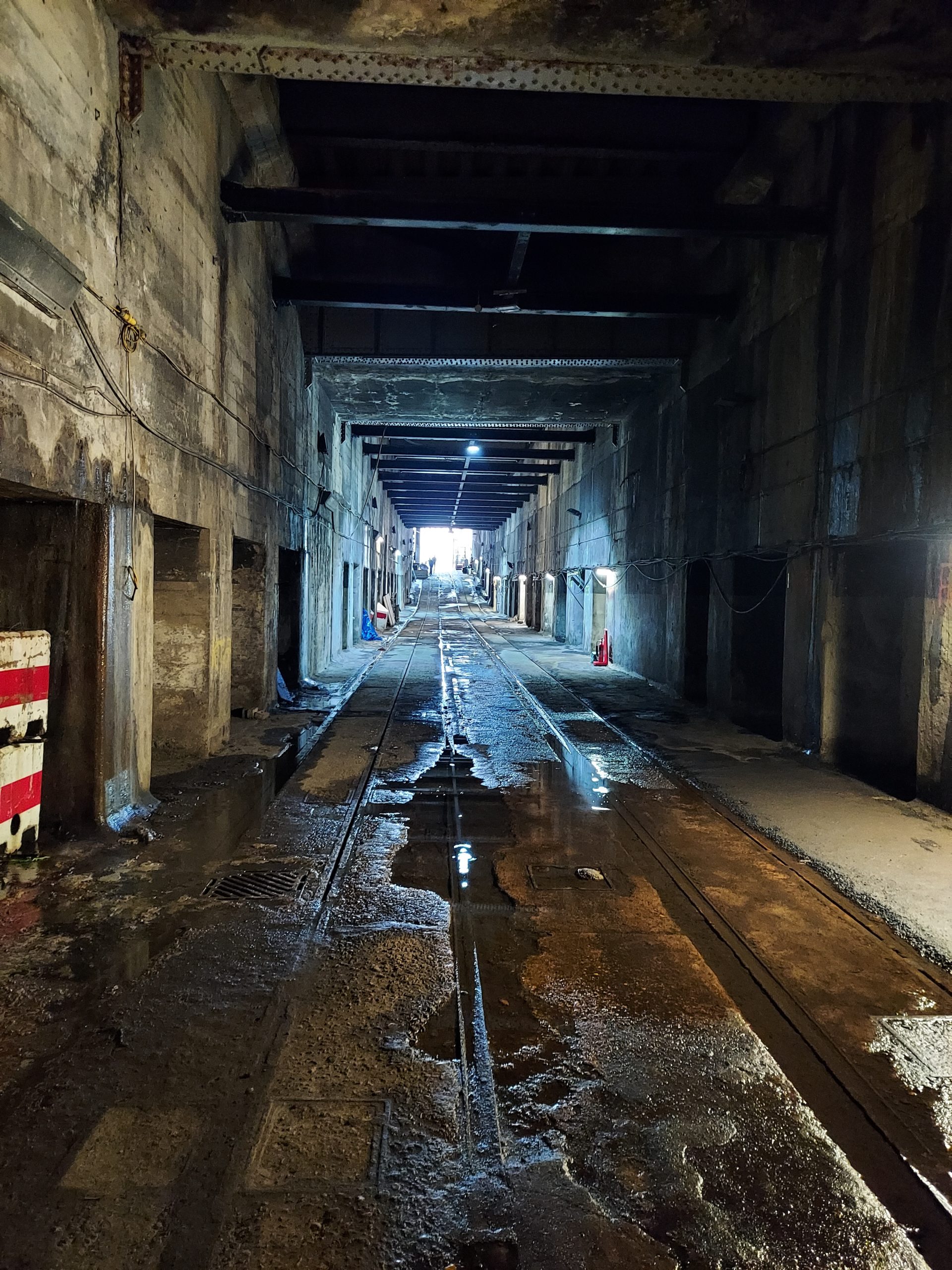
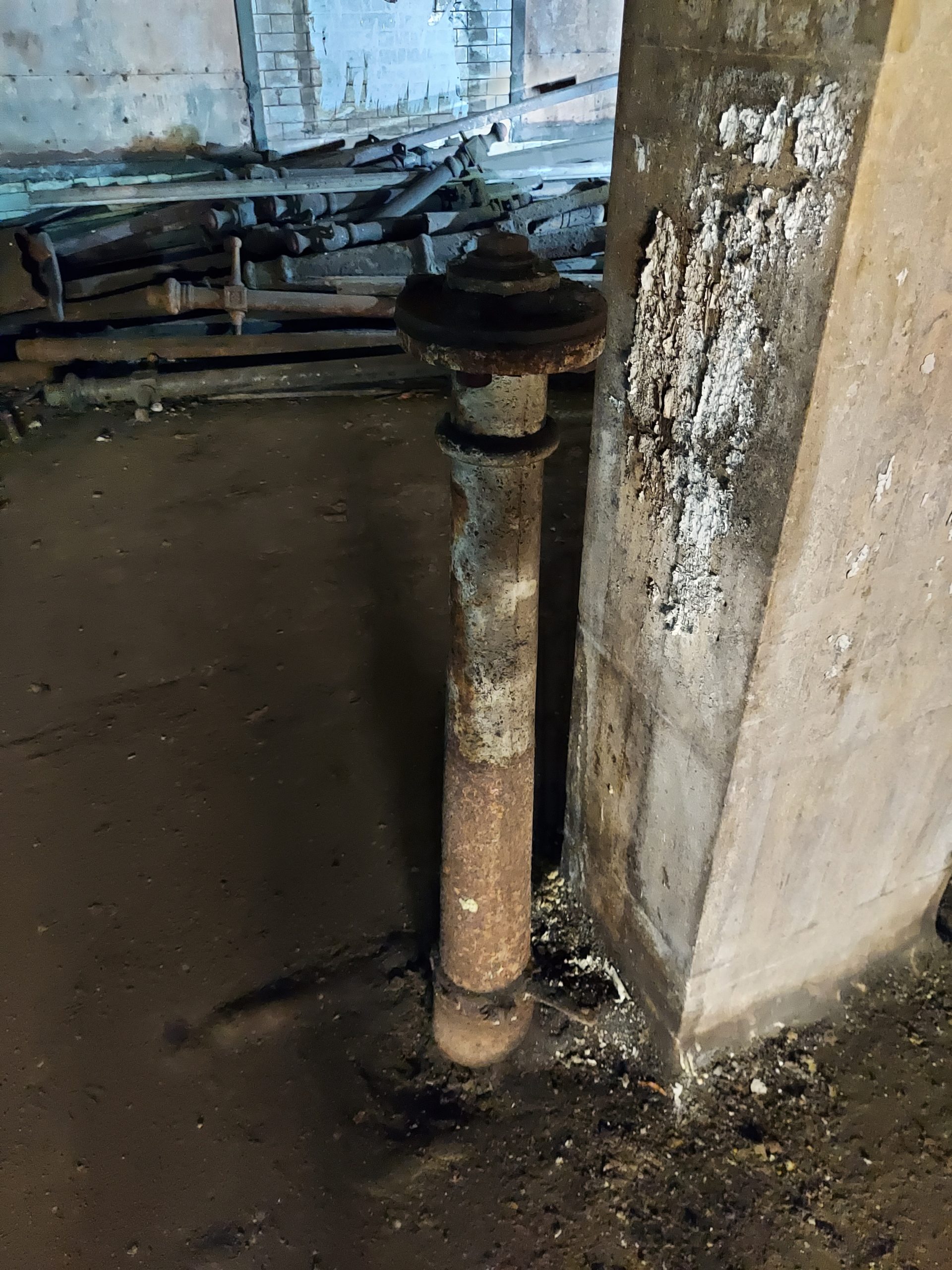
The tunnel is dirty and dusty, and there is plenty of equipment lying about left over from when construction workers used the tunnel as a way in to the Crossrail construction site. The original tram tracks and iron ceiling, however, still remain. In the 1920s the tunnel was made bigger to accommodate double-decker trams, and this was mostly done by lowering the floor – which can be seen at various points along the route (at this northern end the roof was raised, and this can still be seen). The hill down to the tunnel is quite steep, and trams used to speed up at this part, slowing down when they got to the bottom. Alcoves are situated at several points along the tracks, allowing workers to safely hide as the trams were going by.
The central point of the tour was the platform itself, with staircases (now closed off above ground) marking the entrance and exit points for travellers. I’ve seen black and white photos of passengers waiting for trams, and it was eerie to be in that very same place, decades later.
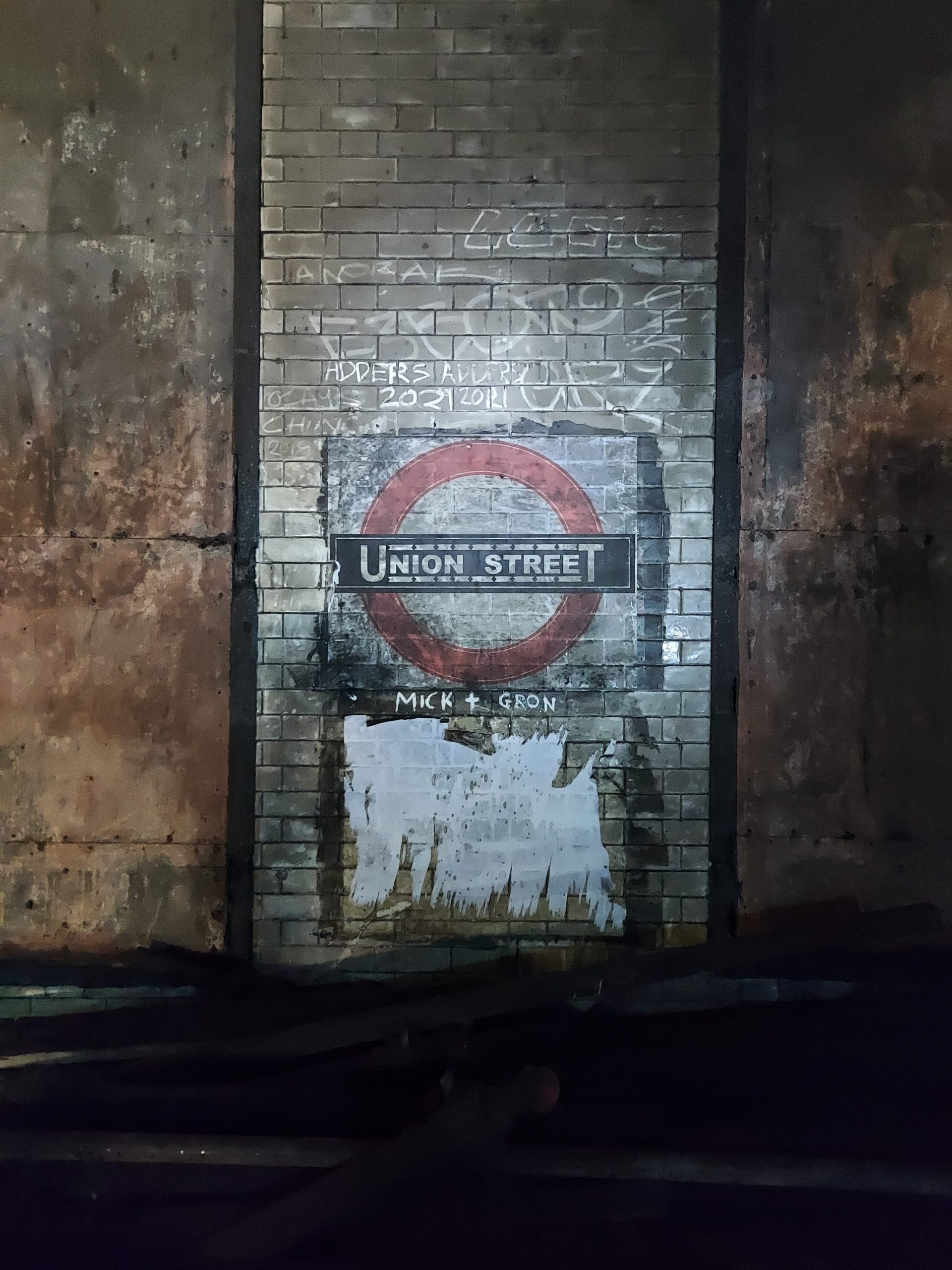
A TfL roundel can be seen on the wall, labelled ‘Union Street’, but this is not original – it is left over from when the tunnel was used as a filming location and stood in for an Underground station. Much of the equipment and other assorted items down here are from Camden Council, who use it for storage – but the poster display rack is probably original.
Our guides regaled us with stories about the trams and the people who used them, including tales from those who remember travelling on the original trams, and those who travelled alongside them – such as cyclists who got their bikes stuck in the tram tracks and were told off by angry drivers! It was fascinating to hear these stories and imagine what it would have been like to travel on these trams all those years ago.