Rebel Badge Club: Rebel Health Check 2023

The Rebel Health Check badge was so popular last year that it’s returned this year – bigger and better! Once again there are a number of clauses to choose from. In the past year I’ve kept up with screenings and checks, had an eye test, and registered with a new dentist (thanks to my old one retiring), so for the badge I’ve chosen the following clauses:

Water

I rarely drink enough water, although this is really important especially in the summer. Thanks to the Good Habits badge I try to drink a small bottle of water each morning, and I’ve decided to try and drink at least three small bottles of water a day for this badge.

Exercise

I am doing the Walker badge at the moment anyway, so I decided to recommit to reaching my target distance of 150km this month. I also want to complete the Green Chain walk around South East London.

Sleep

I find it tricky to get to sleep early enough – my mind won’t stop racing and I feel like I’ve got so much to do. I’ve tried to get ready for bed at roughly the same time each night and read a book (not on my phone) to help me feel tired.

First Aid Kit

All my existing medicines are in date, but I bought myself a new first aid kit. It fits in with other badges too and will come in handy when I go to camp!

Green and white first aid kit

Mental Wellbeing

For the first full week of June, I kept a mood tracker.
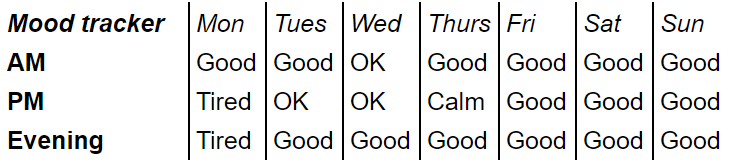
I’m sure my couple of days off work plus Rebel Fest helped to contribute to my good mood! I definitely feel happier when I’m being productive or when I am learning new things. On Thursday I went for a long walk as part of my Walker badge and I’m pretty sure that has contributed too. I need to keep this in mind to maintain my mental health in the future.

Balanced Diet

I tracked my food for a week and it wasn’t great – way too many crisps and biscuits. I made an effort to improve my diet the following week, eating more fruits and vegetables and less chocolate. This is something I definitely need to keep an eye on!
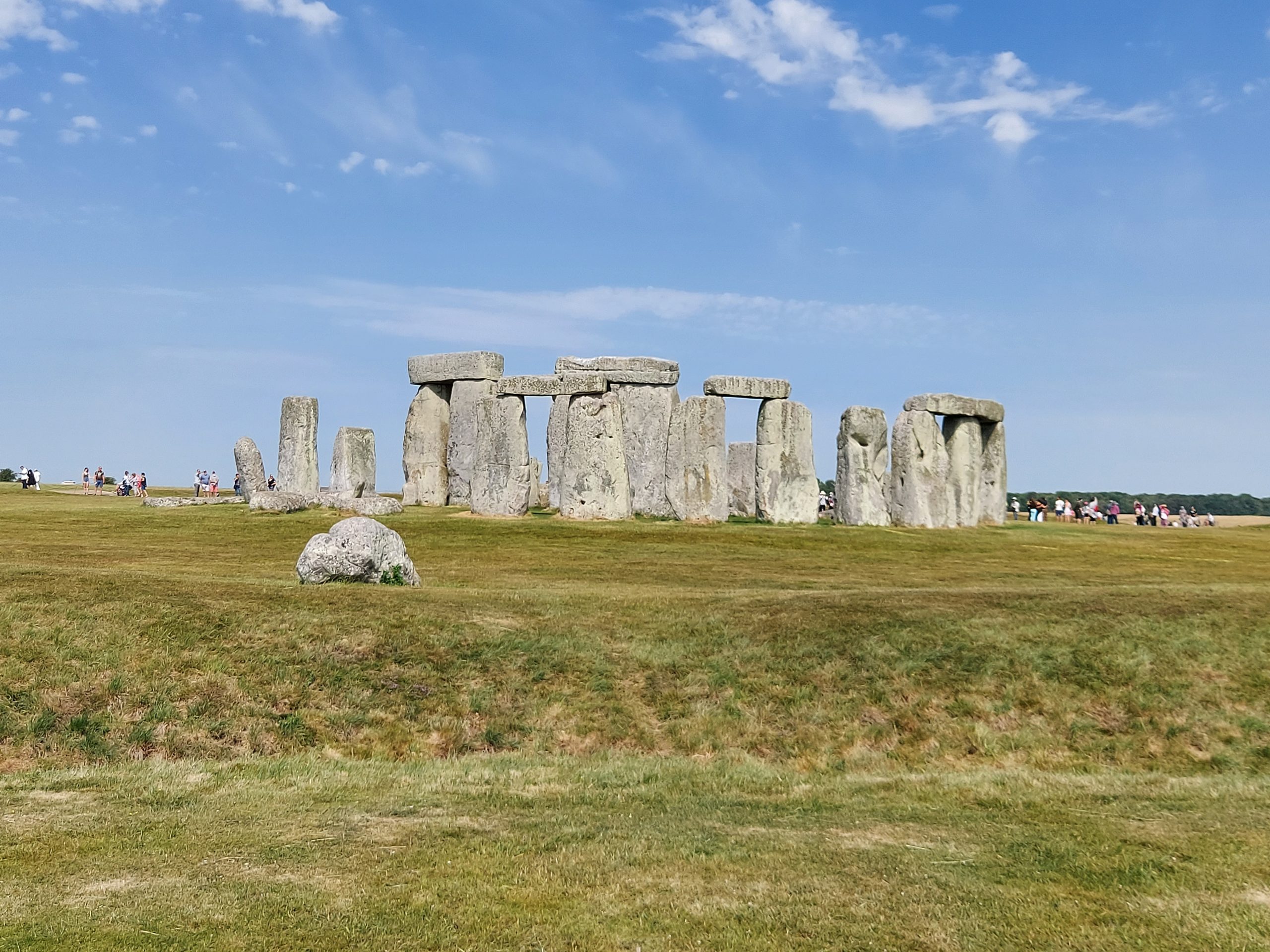
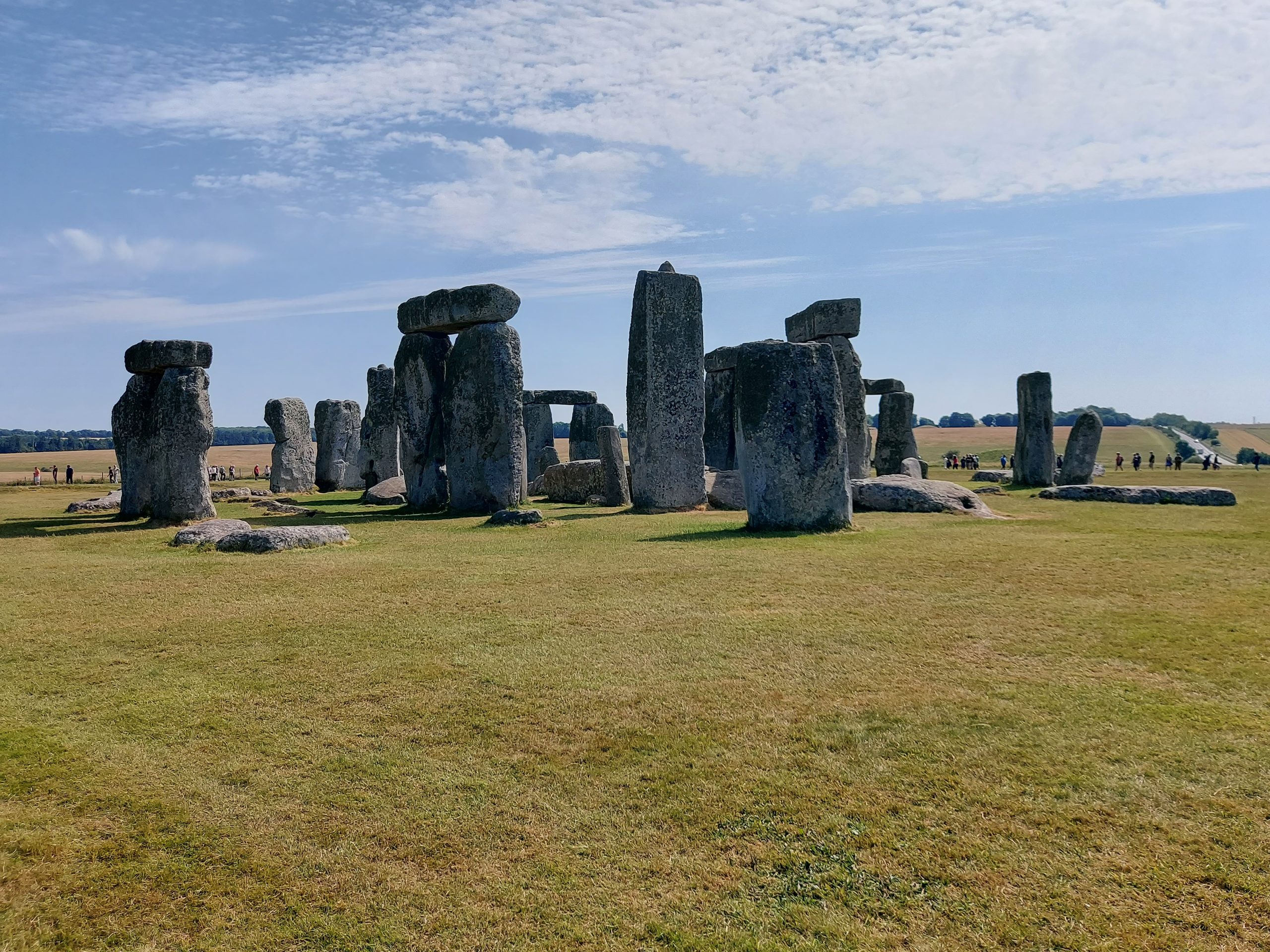
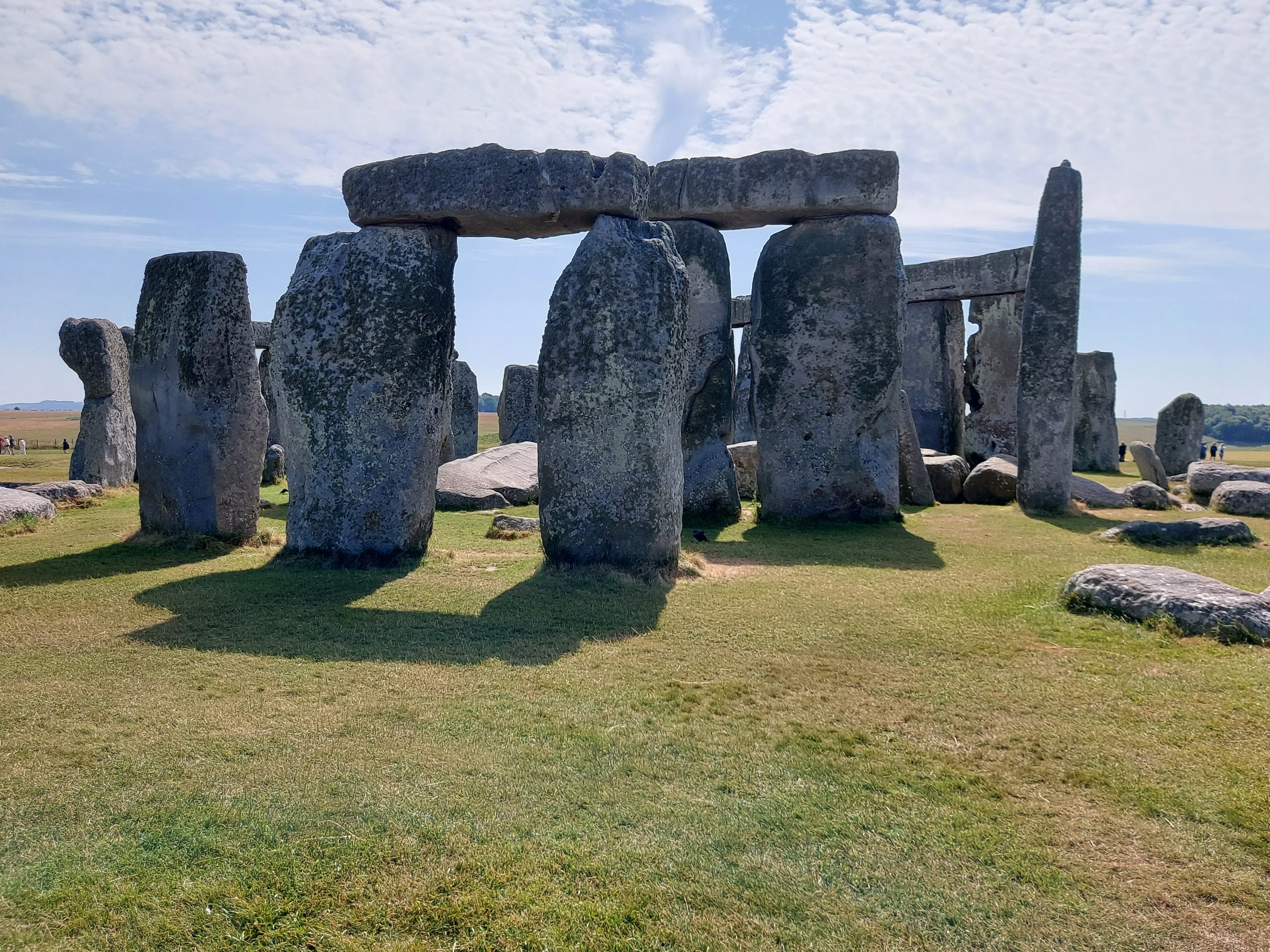
Stonehenge

Stonehenge has been on my list of places to visit for years, and I finally got around to visiting this year. I found out that you can sign up for coach trips that take you from central London there and back, so I chose one and arrived bright and early on a Sunday morning.

Stonehenge

The early start proved worth it when we arrived at the site and there weren’t too many people around (as opposed to the huge numbers who had arrived by the time we left). The first thing I did was to hop on the shuttle bus that takes you from the visitor centre up to the Stones. In other circumstances I might have walked, but we only had a limited time at the site, and I wanted to make the most of it.

I genuinely found Stonehenge really impressive. There is something magical about a stone circle, in place for millennia on the Salisbury plain. I took my time walking around the site, taking it all in and observing the position of the stones – many have collapsed or been moved since they were originally in place, but it’s still possible to identify the layout as it corresponds to sunrise and sunset during the Solstice.

Stonehenge

I then caught the bus back down to the visitor centre and spent some time looking around the small Neolithic village that has been built outside. I then headed indoors and explored the exhibition, which looks at the life of Stonehenge over the years and how it might have been used, as well as showcasing some of the finds from the site. My favourite theory is that which suggests Stonehenge was a place for the dead, while nearby Woodhenge was a site for the living.

A temporary exhibition, Circles of Stone: Stonehenge and Prehistoric Japan, was fascinating and compared and contrasted stone circles of prehistoric Japan with Stonehenge, built around the same time.

I spent some time looking around the gift shop, but didn’t have time to visit the cafe. I’d brought my own lunch with me, however, so this was no problem.

Overall I’m so glad I got to tick this place off my list – it’s a must-visit.

Stonehenge

FACTS

Address: Near Amesbury, Wiltshire, SP4 7DE

Website: english-heritage.org.uk/visit/places/stonehenge

Opening Hours: Daily 9:30-5

Price: Adult £23, concession £20, child £14

Rebel Badge Club – Mixologist

For the ‘Life Less Ordinary’ quarterly challenge, I had to complete a badge chosen by someone else. I asked my family in our WhatsApp group chat, and after a worrying moment when I thought my brother might select Advanced Adulting, my dad suggested Mixologist. So that’s what I did!

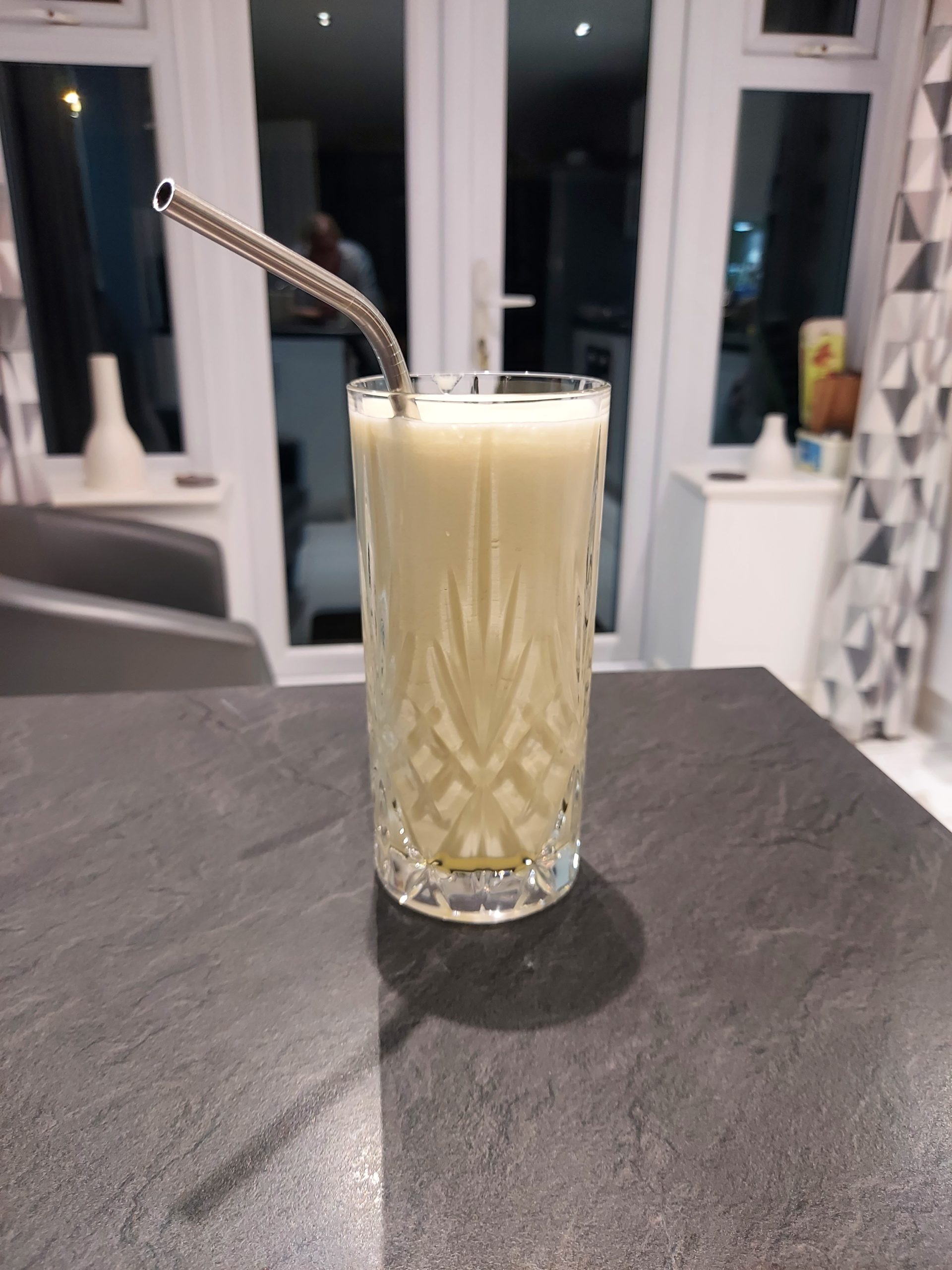
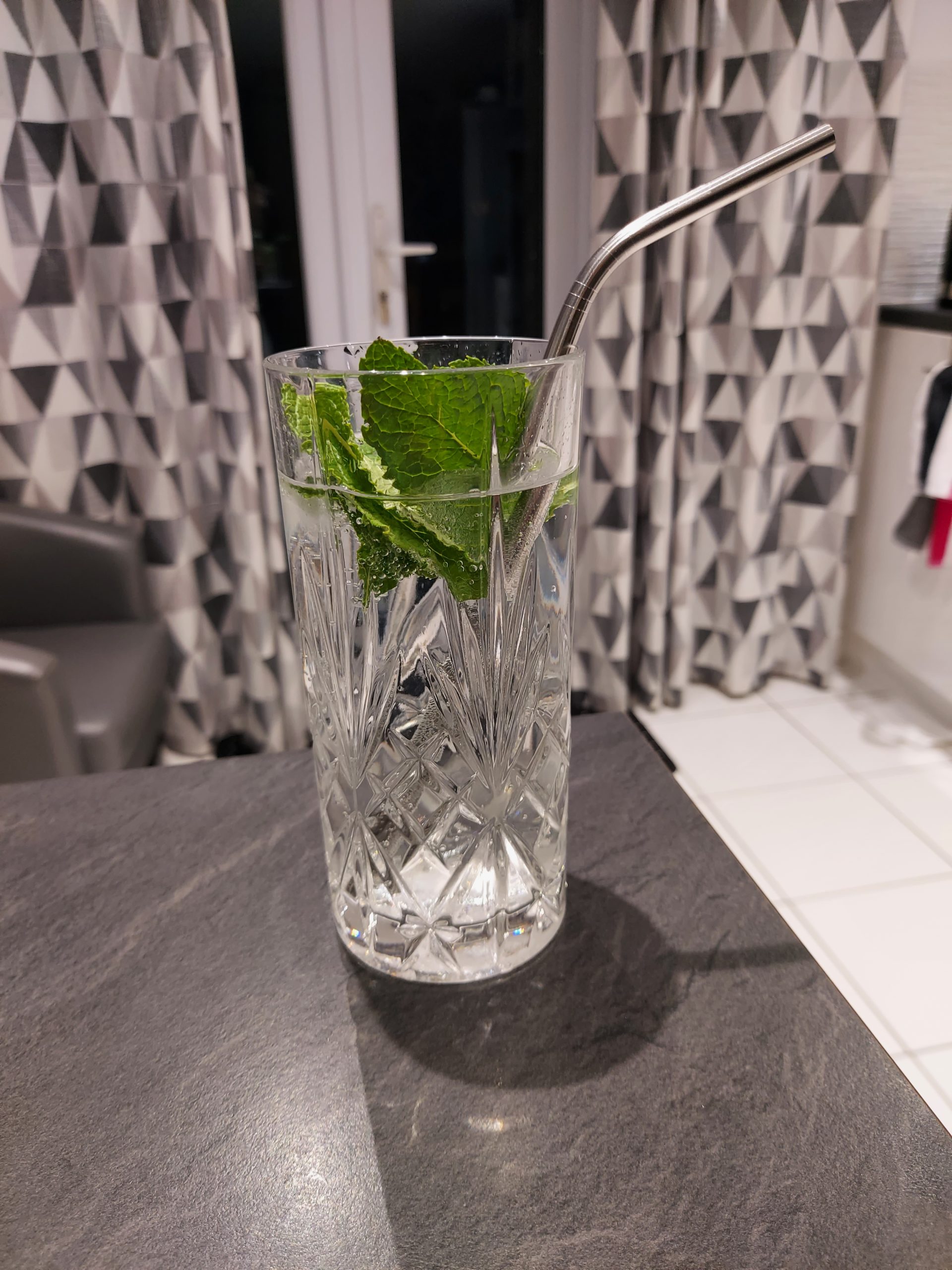
For this badge, I had to make at least six cocktails and learn about their histories. My family did benefit from this badge as I made them piña coladas and mojitos when I was at home!

Piña Colada

The piña colada originated in Puerto Rico. It is made with white rum, coconut cream or milk, and pineapple juice. The name literally means “strained pineapple”.

The earliest known story suggests that a Puerto Rican pirate, Roberto Cofresi, invented the drink for his crew in the nineteenth century. Other sources suggest that either bartender Ramón “Monchito” Marrero or bartender Don Ramon Portas Mingot created the drink in the mid-20th century.

Mojito

The Mojito comes from Havana, Cuba and consists of white rum, sugar, lime juice, soda water and mint.

One theory suggests that it began as a medicine (lime juice alone was effective against scurvy and dysentery), while another is that it was invented by Sir Francis Drake, albeit with brandy rather than rum.

Espresso Martini

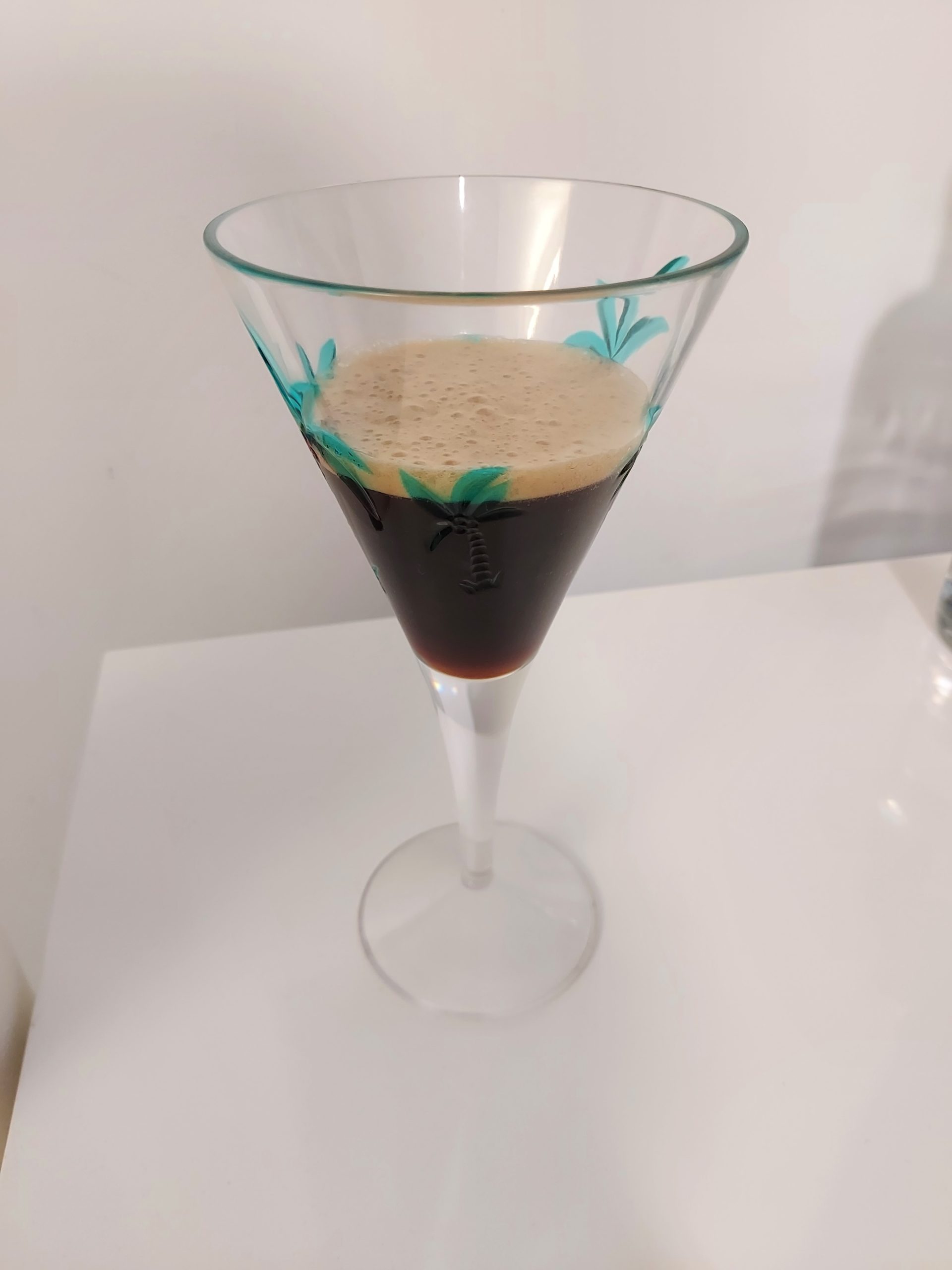
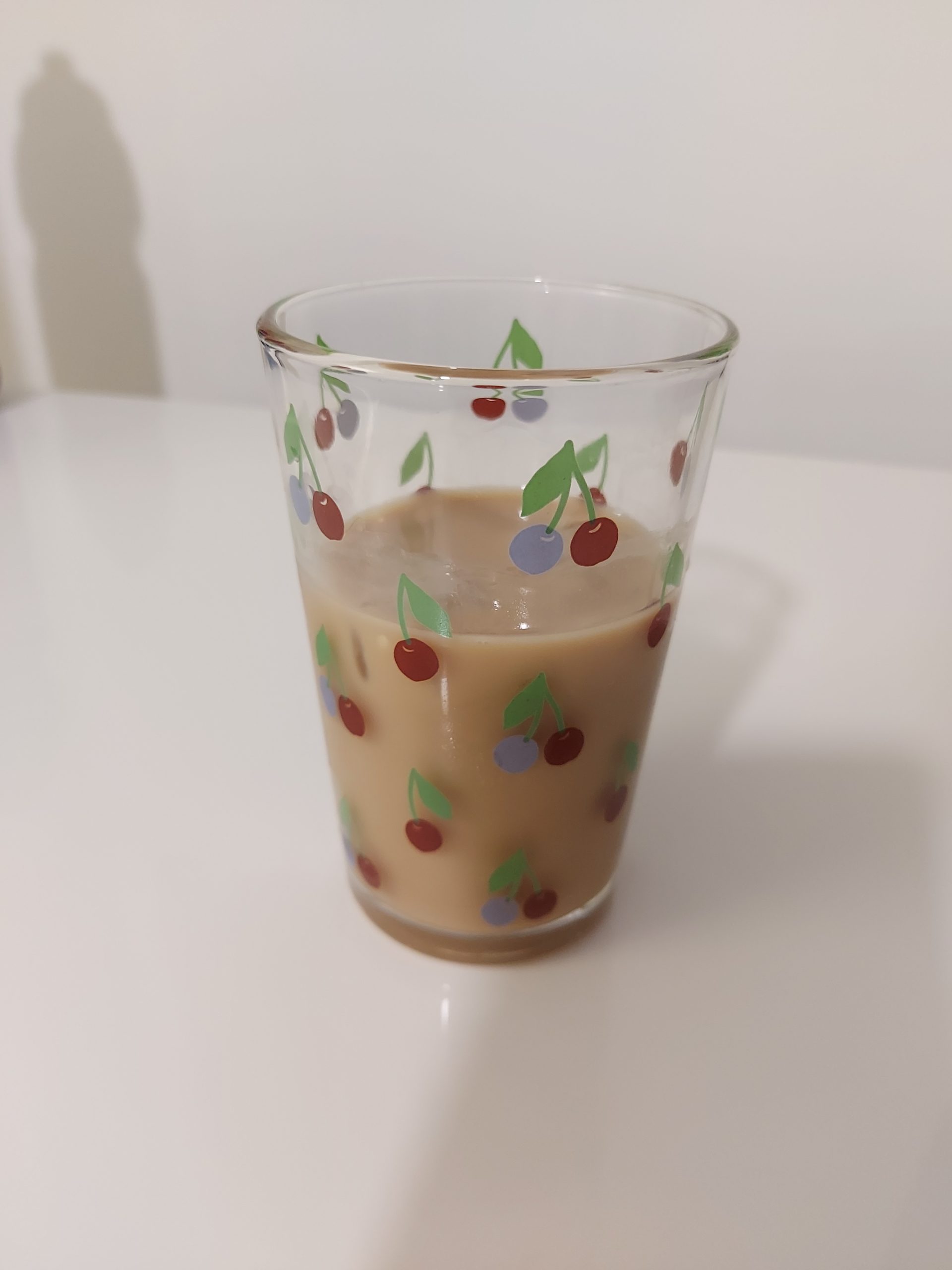
The Espresso Martini is not a true martini, as it contains neither gin nor vermouth, but it is usually served in a martini glass. The drink consists of espresso, coffee liqueur (such as Kahlúa), and vodka.

One origin theory is that it was created by Dick Bradsell at Fred’s Club in the 1980s. He worked next to the coffee machine, and vodka was very popular at the time, hence the drink was born.

Bloody Mary

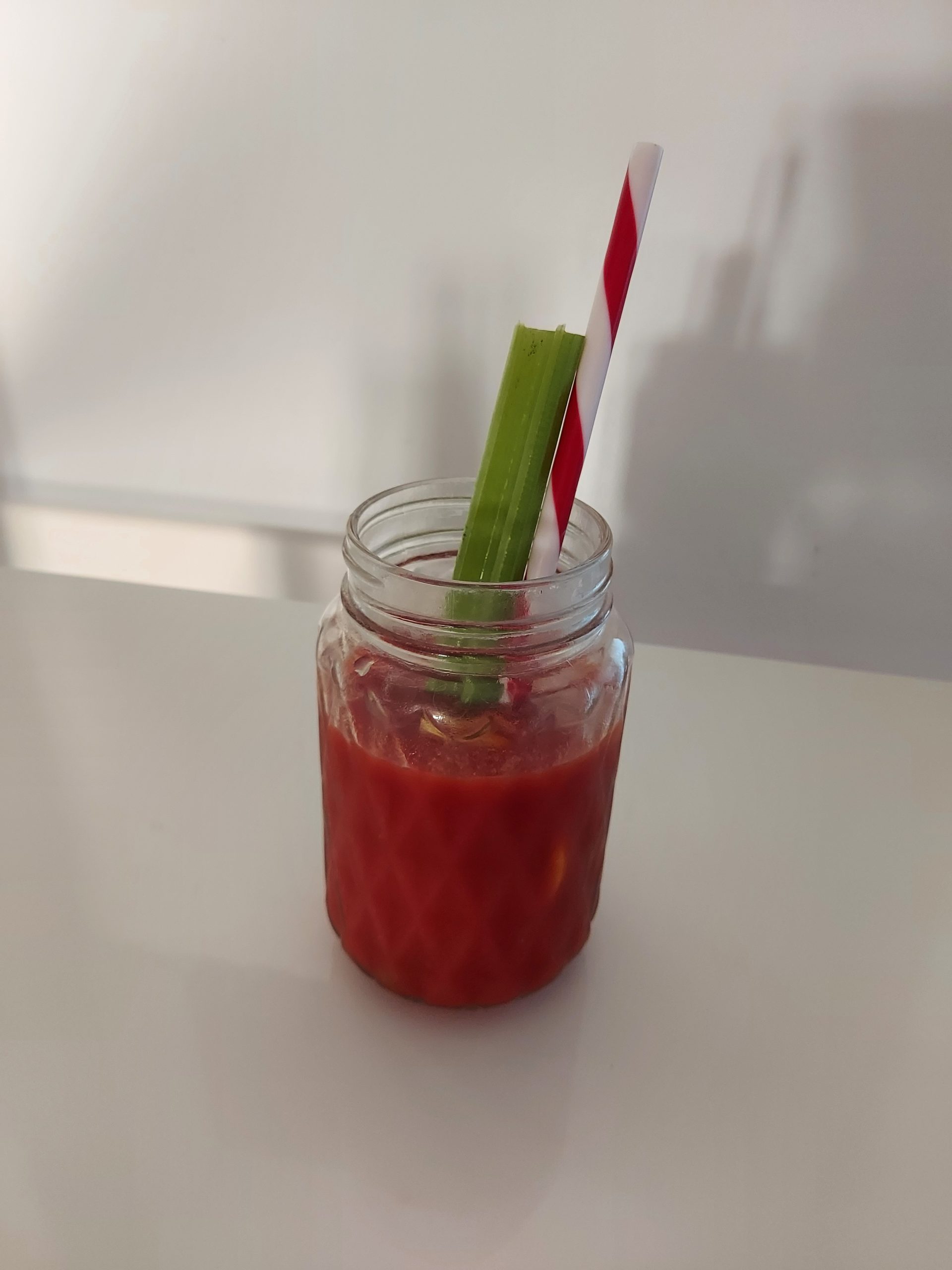
A Bloody Mary is a cocktail consisting of vodka, tomato juice, and various spices and flavourings such as Worcestershire sauce and tabasco. It is commonly drunk as a breakfast cocktail and is often served at brunches.

One origin story has the cocktail created by French bartender Fernand Petiot in the famous New York Bar in Paris (later known as Harry’s New York Bar), as far back as 1921. Other claims give credit to the 21 Club in New York. The name is often associated with Mary I of England, but some believe it came from Hollywood star Mary Pickford, or a waitress named Mary who worked at a Chicago bar called the Bucket of Blood.

White Russian

A White Russian consists of vodka, coffee liqueur (such as Kahlúa), and cream. The name comes from the fact that it is made with vodka, and that cream has been added (as opposed to a Black Russian which omits the cream).

The Black Russian cocktail first appeared in 1949, supposedly created by Gustave Tops, a Belgian barman, at the Hotel Metropole in Brussels. The White Russian variant emerged at around the same time. The 1998 film The Big Lebowski popularised the White Russian, a drink which had been long out of fashion, once again.

Gin Fizz

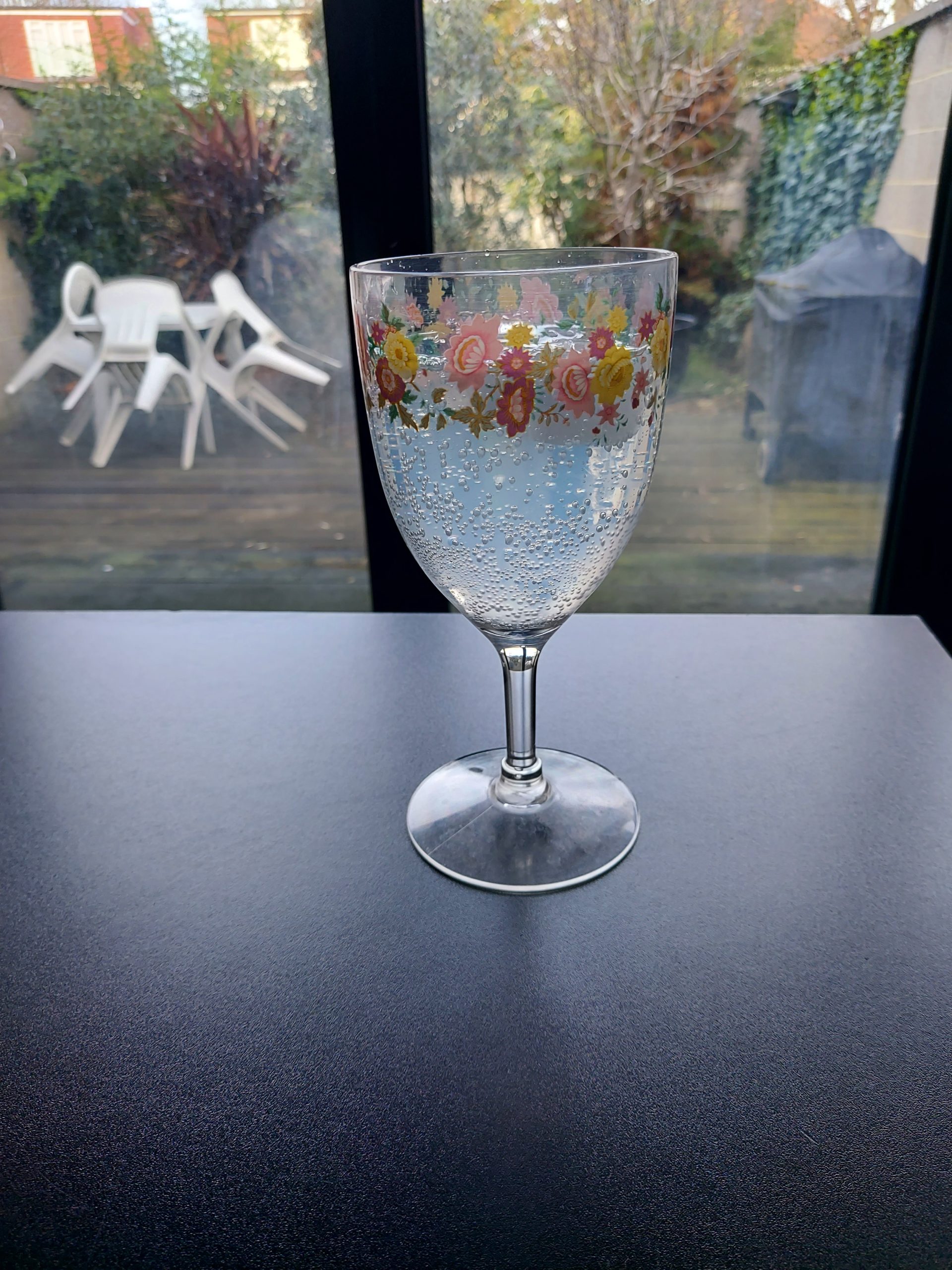
The Gin Fizz is a cocktail made with gin, sugar syrup, lemon juice, ice, and sparkling water. Some recipes also include an egg white.

The cocktail originated in New Orleans, Louisiana, and was originally known as a ‘New Orleans Fizz’. It was invented by Henry C. Ramos at his bar, the Imperial Cabinet Saloon, in 1888.

Date completed: 25 June 2023

St Pancras Waterpoint Tour

I signed up for a St Pancras Waterpoint tour at the weekend, organised by St Pancras Cruising Club. I love visiting anything unusual or historical, so this was perfect for me.

St Pancras Waterpoint

The Waterpoint was built in 1872 in order to supply water to the expanding steam railway network at St Pancras. Like the Midland Grand Hotel, the building was designed by the office of Sir George Gilbert Scott. It is three stories high, measuring around 9m x 6m. The top floor contains a cast iron water tank, with a capacity of 2,400 cubic feet.

Our tour took us up to the Waterpoint and inside. It looks impressive from the outside, with ornate brickwork and detailing typical of the Victorian period. Inside, there are several information panels about the history of the tower.

In 2001, the Waterpoint was threatened with demolition owing to the development of the new Channel Tunnel Rail Link Terminus. English Heritage intervened and an agreement was reached to move the monument. The building was sliced into sections, lifted onto a transporter, and moved by road. One of the largest available mobile cranes in the UK was used for the job. A news report from the time is shown on a loop inside the tower, and is incredible to watch. The journey of 700 metres was completed without incident and the sections of the building reunited at their current location, on top of a heavily reinforced concrete slab.

St Pancras lock

We were able to climb to the top of the Waterpoint, inside the former water tank, and enjoy the views over London, particularly St Pancras Station, the Victorian gas works, the lock, and Camley Street National Park.

Finally, we got to enjoy a canal boat journey, which was a lovely way to round off the visit. You can sign up for a tour on Eventbrite.

After Impressionism: Inventing Modern Art – National Gallery

Entrance to the After Impressionism exhibition

On my day off I also paid a visit to the exhibition After Impressionism: Inventing Modern Art at the National Gallery.

The exhibition explored the years between 1880 and 1914 when artists such as Paul Cézanne, Vincent van Gogh and Paul Gauguin pushed the boundaries of art and inspired new generations.

It featured almost one hundred works by artists such as Klimt, Munch, Matisse and Kandinsky, loaned by the likes of the New York Museum of Modern Art, the Musée d’Orsay in Paris, and the Museu Nacional d’Art de Catalunya in Barcelona.

The sheer variety of art on display was impressive and really showed just how creative and original the artists of the period were. The exhibition showed how they experimented and pushed the boundaries of art, and it was fascinating to see.

Science Fiction: Voyage to the Edge of Imagination – Science Museum

I decided to pay a visit to this exhibition before it closed. Science fiction isn’t my favourite genre, but I’ve read several novels in this area and do feel like it’s worth exploring further.

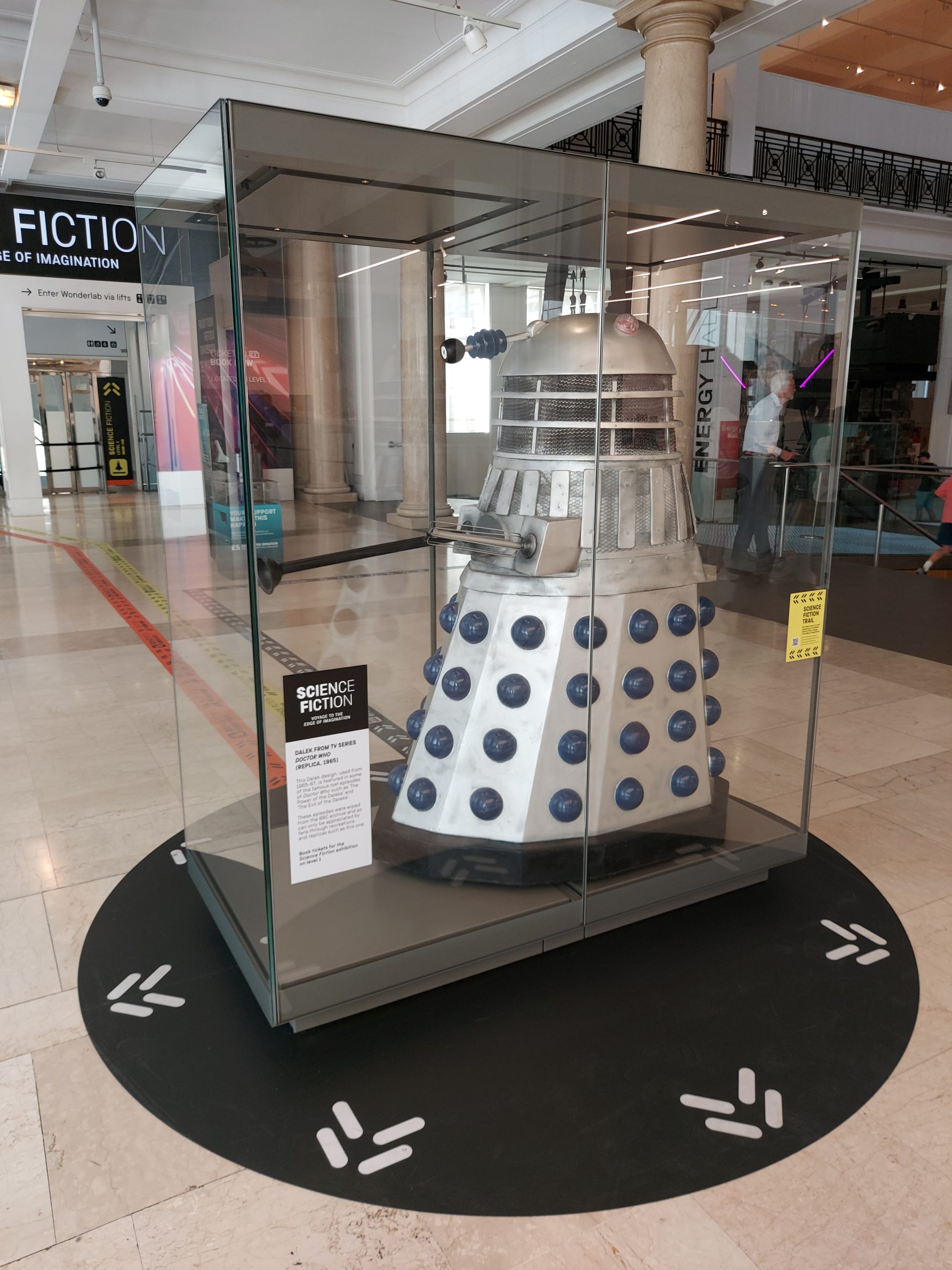
Model of a Dalek in the Science Museum foyer

Science Fiction: Voyage to the Edge of Imagination explores how science fiction writers – and scientists – have used their imagination and knowledge to create new worlds and try to understand our own. It explores well-known science fiction stories such as Star Wars and Star Trek, Doctor Who, Frankenstein, and classic novels by H. G. Wells and Jules Verne.

The entrance to the exhibition was pretty awesome. You have to get in a ‘spaceship’ and are ‘transported’ to the exhibition, which is quite exciting. Unfortunately for me, this was the best part of the exhibition.

Overall I thought the exhibition was rather light on detail and I didn’t feel I learned an awful lot. If you’re a fan of sci-fi franchises, the chance to see original costumes is a definite plus. But my interests lean more towards the written word, and there wasn’t much to see or learn.

I did like the part that focused on advances in science, previously the stuff of fiction, that are helping people today – such as bionic limbs. Overall, though, I wasn’t particularly wowed by this exhibition.

Rebel Fest!

I just had one of the best weekends ever, and I didn’t even leave the house. The reason? Rebel Fest – planned back in the winter, taking place over Saturday 10th and Sunday 11th June 2023. The weekend featured classes, workshops and talks from 9am to 9pm, as well as a Friday night meeting for Council members, which was a lovely way to kick off proceedings.

The first event on Saturday morning was a Bollywood dance class run by Shaneen of Nayi Taal Dance, which was great fun even though I clearly have two left feet! It was followed by a foraging talk from Colin, delivered – appropriately – from the middle of a park. After that, we had a fun sign language lesson from Penny and Karen of Vision Signing Choir, learning to sign Lady Gaga’s ‘Born This Way’.

After a break for lunch we were straight into the afternoon’s activities. The self portrait art class with Rod was challenging but he had a lot of good tips that helped me. Next, Joel from Headlock Escape Rooms ran a session called The Keeper and the Fungus Among Us which featured puppets and SONGS. It was brilliant! Following, there was a CSI Skills class with Jon from Sci High which was fascinating – his enthusiasm was infectious and I learned loads.

Another break followed, then we were straight into ‘Weird and Wacky Plants’, a talk by Mr Plant Geek. I had no idea plants were so interesting, though I was slightly disturbed by the number of plants that smell of rotting meat! We then had a talk from adventurer Anna McNuff, who was incredibly inspiring – I think hers was my favourite talk of the weekend. Finally, we enjoyed a cocktail making session with Tom and his wife Crystal. I made Espresso Martinis, though with hindsight I probably shouldn’t have had three, as I was buzzing for hours.

9am Sunday and it was time for Day 2. A restorative, peaceful yoga session was run by Emma (who also ran a session at Bromsgrove) and it was the perfect way to start the day. Next, we had a Challah baking session hosted by Allegra Kurer aka ChallahMummy. I didn’t bake along with the group as it was far too hot to bake, but I watched with interest and I will definitely be giving the recipe a go soon. The last session of the morning was a patrol breakout session, so I got to chat to fellow Rosas and have fun with a scavenger hunt.

After a break, Charly gave us a talk on how to host a successful blog, and even though I’ve been blogging for years, I picked up loads of tips. We then had a Q&A session with bestselling author Nell Pattison, who is herself a Rebel. I haven’t read any of her books yet but I definitely will be now! Next up, we had another Q&A session, this time with Andy from Hopwood Games, which was great fun.

Following the final break of the weekend, we headed into our breakout sessions. I joined the Rebel Readers session for LGBTQIA+ allies, where we discussed the book A Lady for a Duke by Alexis Hall. It’s not the sort of thing I normally read but I really enjoyed it. The penultimate session was Expedition First Aid with Allan – I was gobsmacked at all the things that can go wrong with expeditions abroad, but grateful for the useful tips on what to take in terms of equipment.

The weekend finished with a Pub Quiz session run by Charly. I didn’t do very well, except on the capital cities round – but never mind!

I then went and bought my ticket for December’s Rebel Fest, because I had such a brilliant time.

A smiling blonde-haired woman wearing black, next to a laptop with a Zoom screen

Rebel Badge Club: Sign Language

The Sign Language badge wasn’t really on my radar, until I had the opportunity to sign up to a beginner course with work. I’ve really enjoyed the badge and learning about all the intricacies of BSL. I’d like to continue with it and perhaps gain a proper Level 1 qualification.

Choose a type of sign language and spend three months learning it.

As mentioned above, I chose BSL and learned it during March, April and May, with my course at work beginning Friday 3 March. I also enrolled onto the Introducing British Sign Language course from british-sign.

Dedicate at least 2 hours a week to practicing your chosen language.

I completed this clause, learning and practicing using the resources available to me, and ended by successfully passing the course assessment.

Download an app to help with your learning.

I downloaded an app called Bright BSL which has lots of free lessons. I found the app really helpful, especially when I was away from my computer.

Be able to have a conversation in your chosen type of sign language.

While studying the course through my work I had the opportunity to connect with other learners online, and practice my new skills with them.

Learn a song in your chosen sign language

Thanks to Rebel Fest I was able to learn Lady Gaga’s ‘Born This Way’ in a session from Karen and Penny from Vision Signing Choir. It was so much fun!

Understand the importance of non-verbal communication

My work course and the british-sign course I completed both covered the importance of facial expressions and gestures, which I found fascinating. I also learned how to approach a D/deaf person and how to communicate more effectively (e.g. make sure you are not standing too close, speak clearly and at normal volume to help with lip reading). I don’t know any D/deaf people in real life so this was really helpful.

Learn more about an area of Deaf culture or identity

I learned about deaf culture in the context of theatre, as theatre is something I’m passionate about anyway. I explored the site of Deafinitely Theatre, a deaf-led theatre company, and researched accommodations made for Deaf patrons at the theatre (e.g. surtitles/captions, including new phone apps that are designed to show these). I also looked at how some theatremakers are going beyond this by integrating sign language into their productions, creating productions from the ground up designed for accessibility, or casting a D/deaf actor who uses sign language in an otherwise speaking production.

Date completed: 10 June 2023

Hidden Stories of St James’s Park

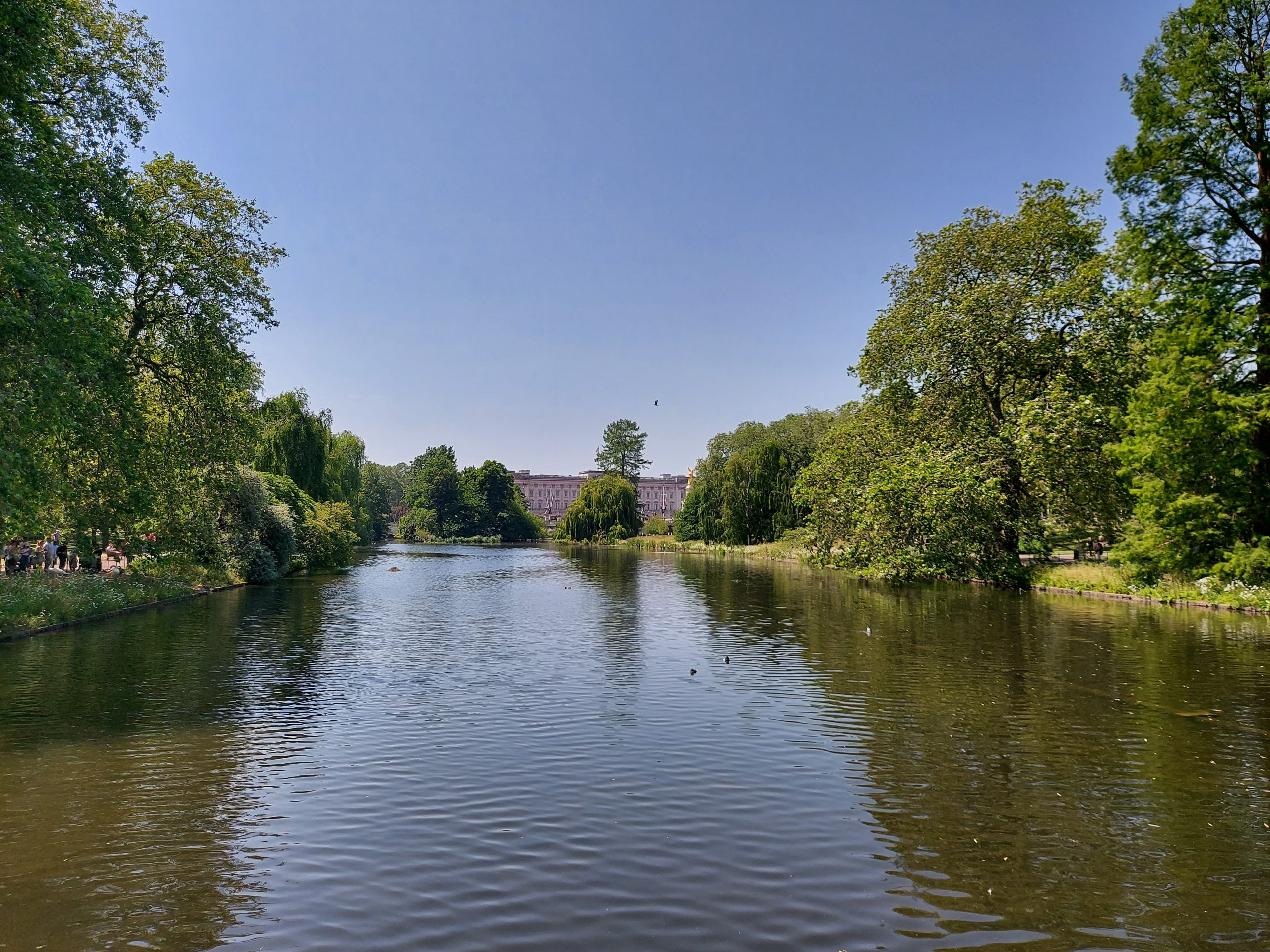
St James's Park looking towards Buckingham Palace

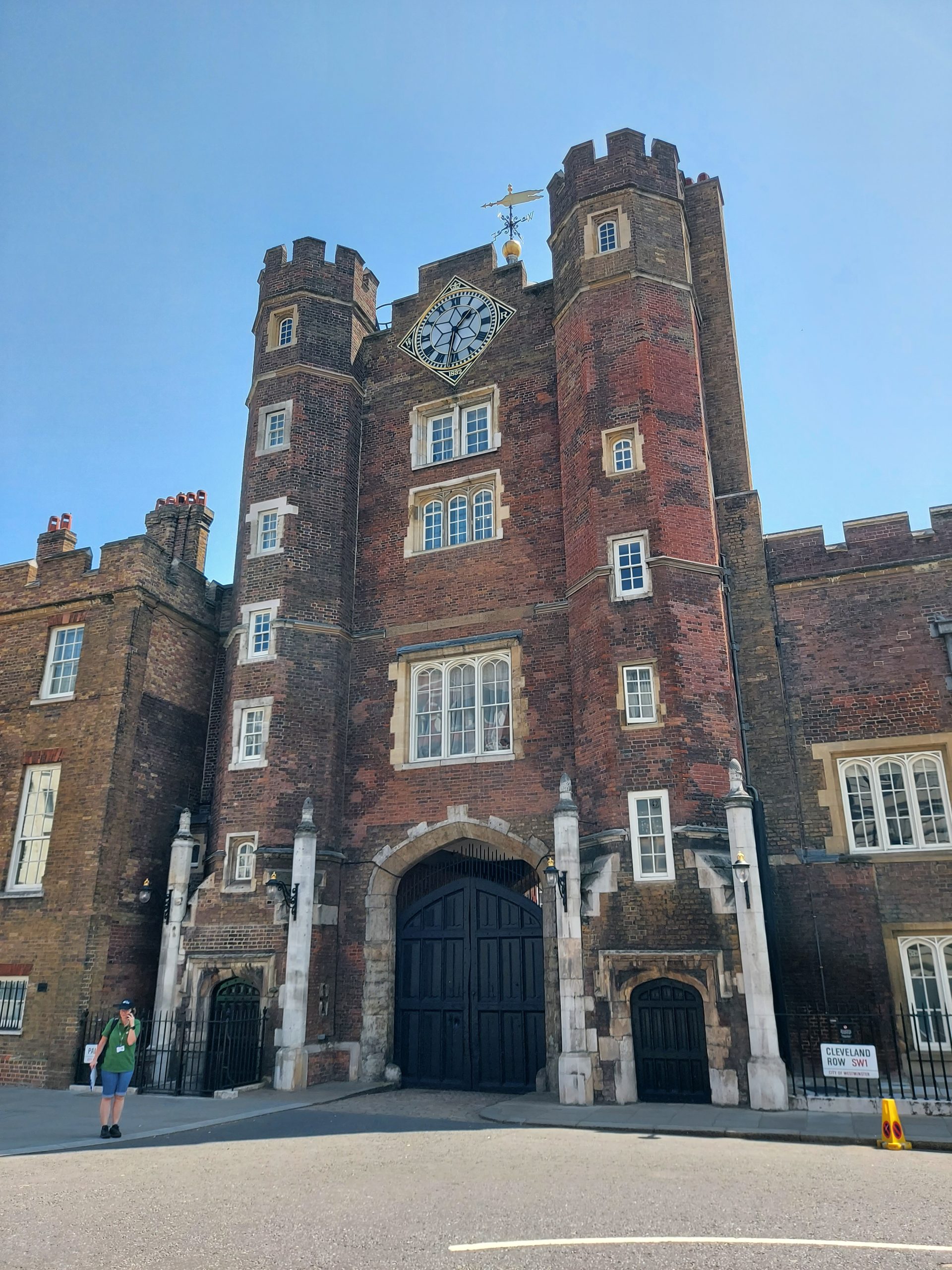
I signed up for a Hidden Stories of St James’s Park walk and attended on a sunny day in early summer. The walk began inside the park but then we headed out towards St James’s Palace, which was was built by Henry VIII on the site of the Hospital of St. James, Westminster between 1531 and 1536. To be honest this is a palace I didn’t know much about and hadn’t really paid any attention to, so I was glad to get a closer look at it. You can tell it is from the same era as Hampton Court Palace as it has a similar look about it.

St James's Palace

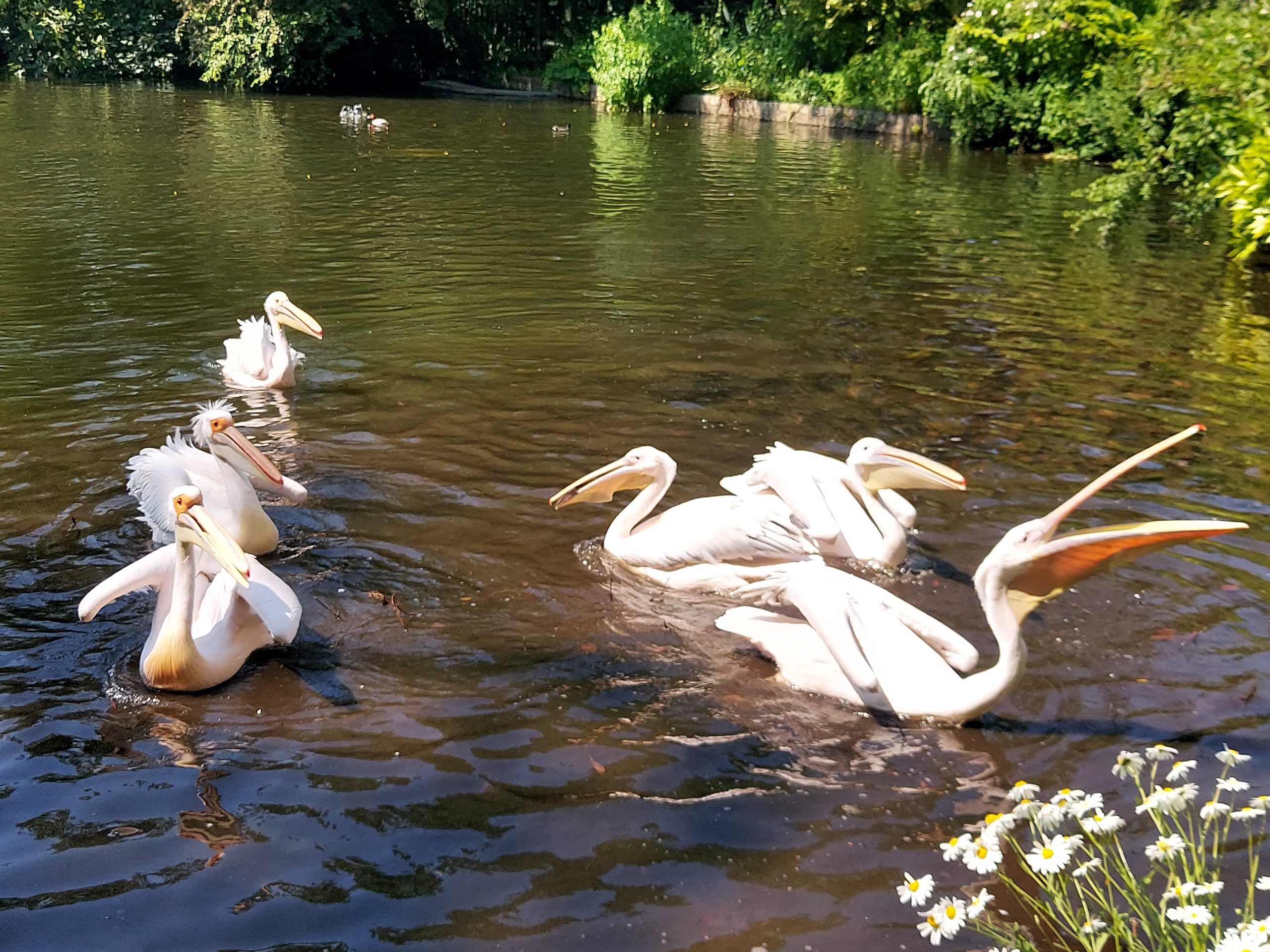
We learned about the history of the park and had a good look round. The best part was when we got to go and see the pelicans at feeding time. These quirky creatures are a familiar fixture in the park.

Pelicans at St James's Park

Check out the Royal Parks Events page for more information about this walk and other events run in the parks.