Rebel Badge Club: Scrap Heap Challenge

The September monthly badge was Scrap Heap Challenge. There were two options for this badge: one was a competition, which I decided not to take part in (though I loved seeing everyone else’s amazing entries). The other was a challenge to reduce the amount of household waste across the month.

I’ve already done something similar as part of the Conscious Consumer badge, so I tried something a bit different for this badge. I follow Orjenise on Instagram, and every so often she runs an #Orjenise100 challenge which involves decluttering, recycling and organising. I worked on the challenge throughout the month and managed to sort quite a few things, so I will count this towards the Scrap Heap Challenge badge.

St Augustine’s Tower – Open House London

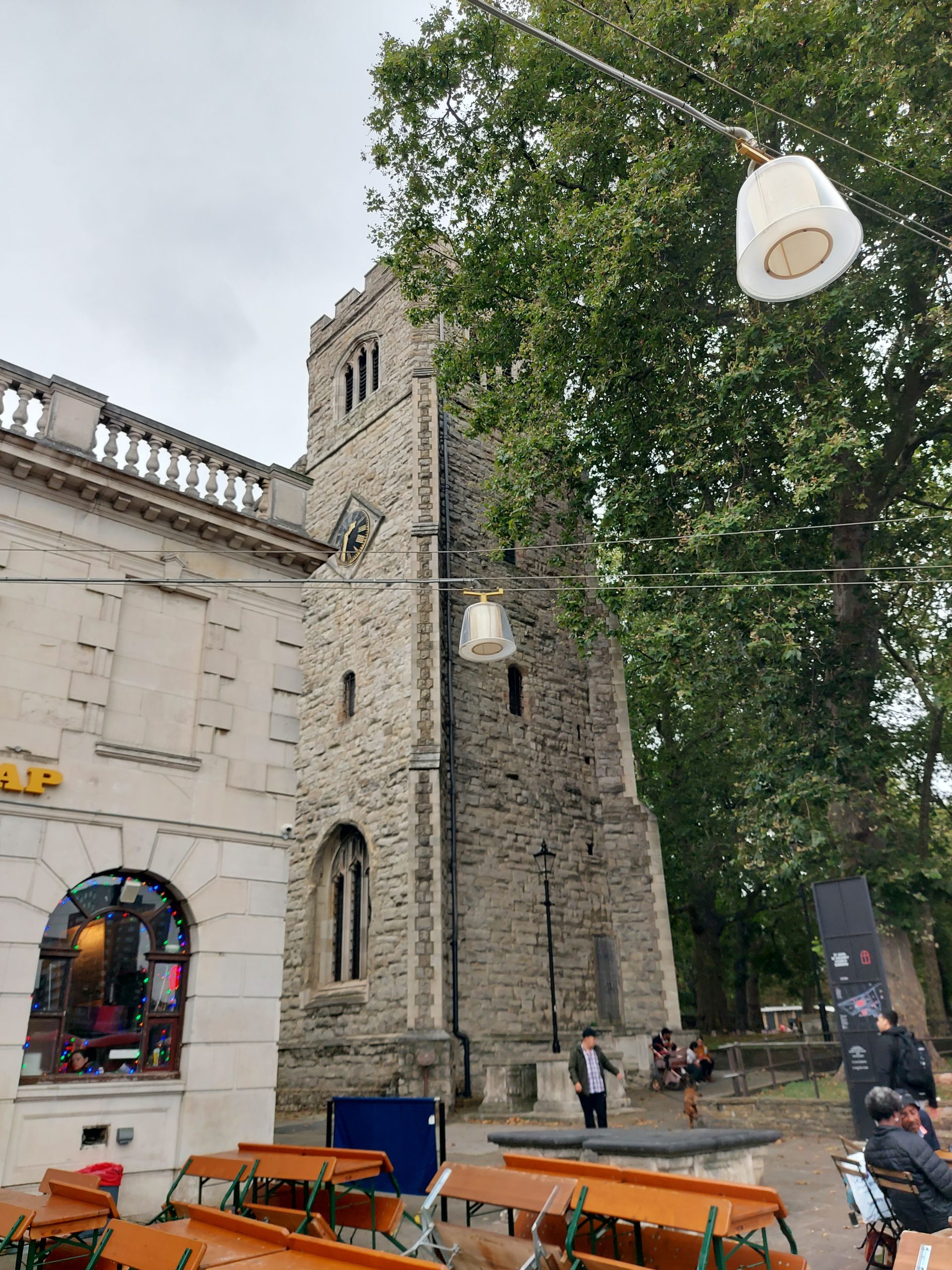
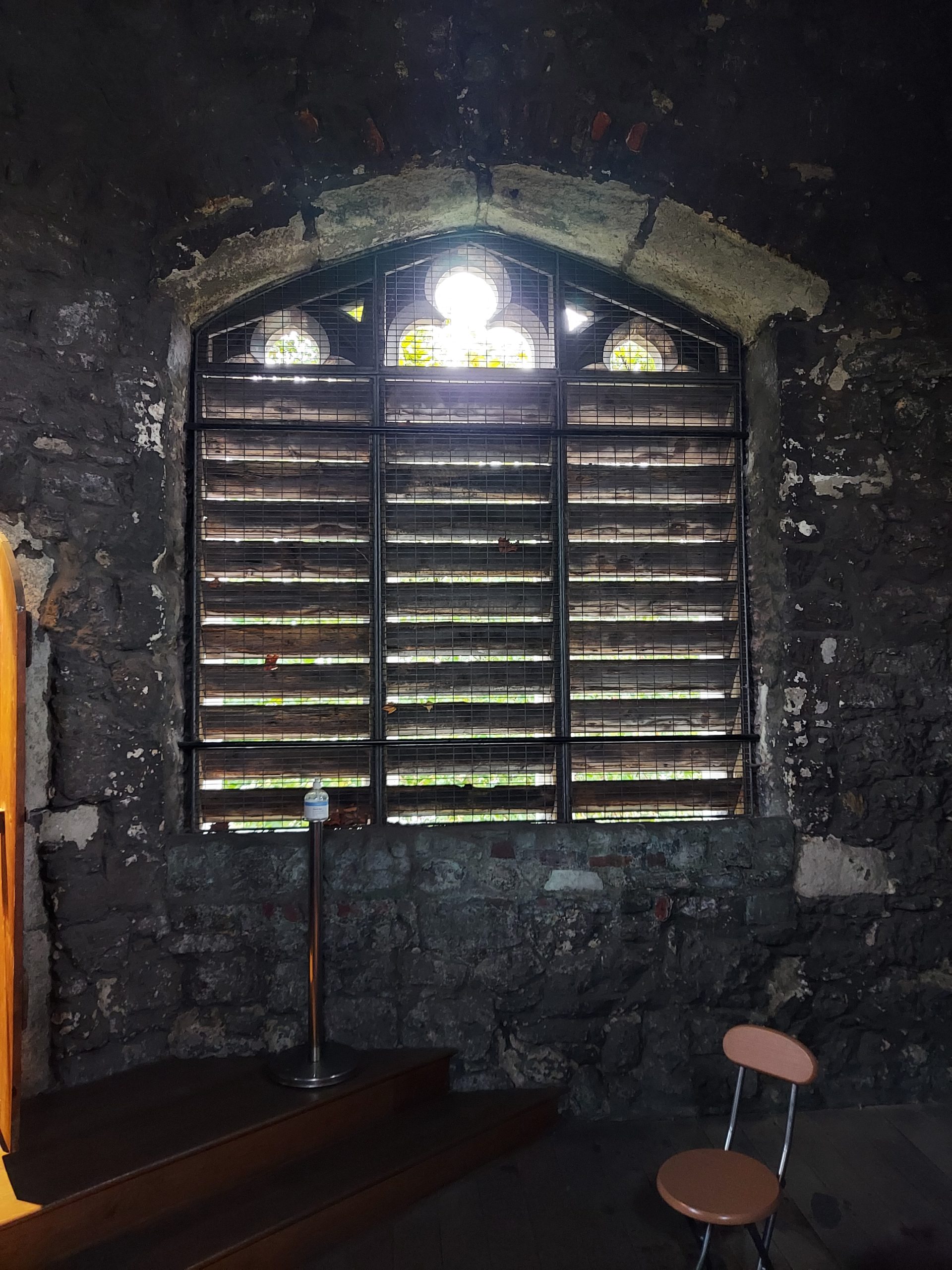
St Augustine's Tower

As part of my Advanced Community Service badge for Rebel Badge Club, I had to take part in three one-off volunteering projects. One of the projects I chose was helping out at an Open House London event, as I have attended many of these as a visitor over the years.

I ended up helping out at St Augustine’s Tower. Grade I listed, this is the oldest building in Hackney, and stands in the centre of the original village. It is what remains of the Church of St Augustine, built at the end of the thirteenth century and later renamed to St John.

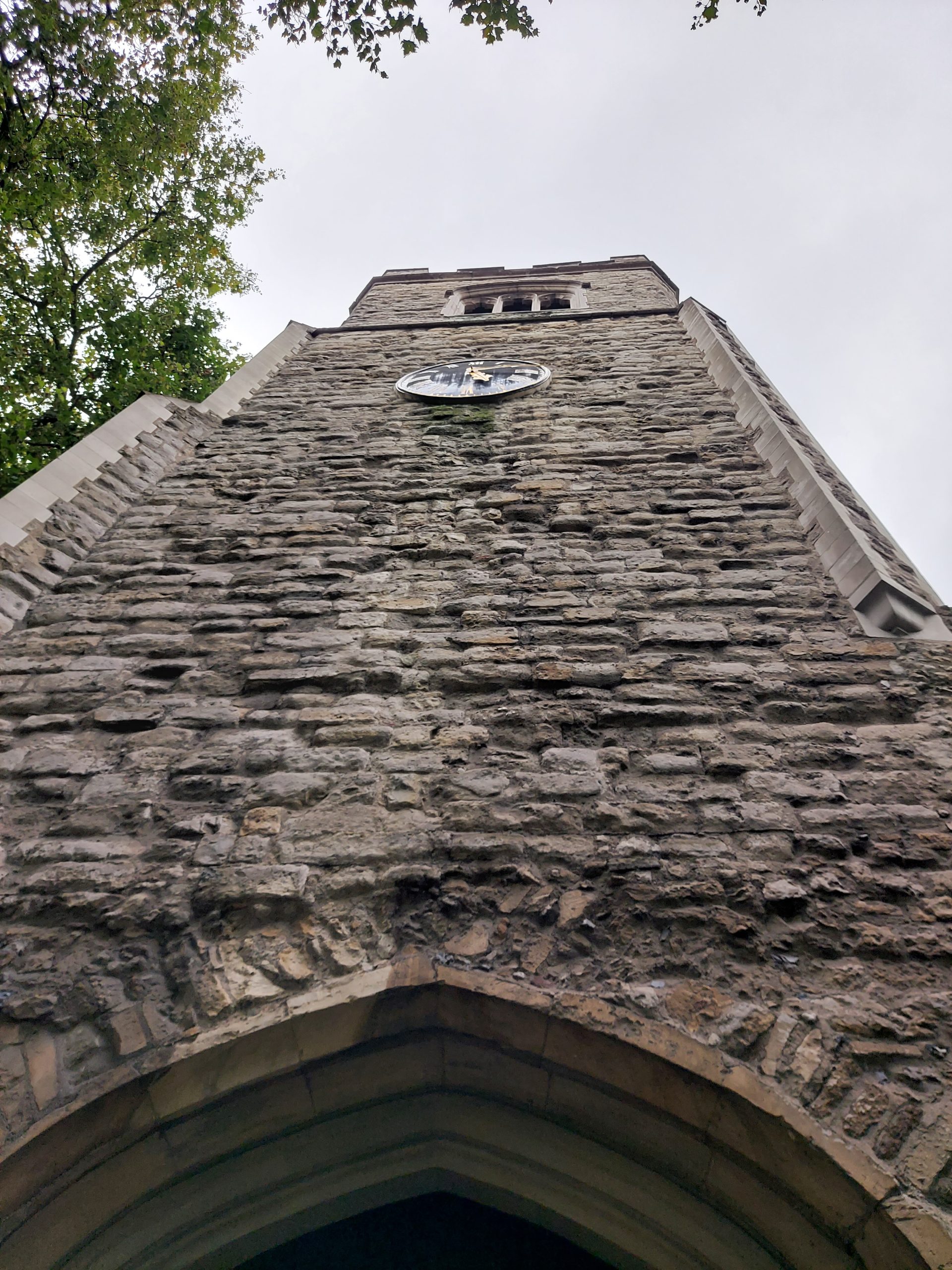
A close up of the tower

Despite extensions and additions, the church was deemed too small for the growing congregation in Hackney, and a new church was commissioned and designed by James Spiller, completed in 1797. Built without a steeple, one was eventually added in 1814, but it was not strong enough to bear the weight of the bells, so these remained with the original tower. This ensured that the tower was saved when the rest of the church was demolished. Even after the bells were finally moved in 1854, the tower was left standing, partly because pulling it down seemed more trouble than it was worth.

Hackney Council bought the tower in 1929 to save it from being demolished. Hackney Historic Buildings Trust has owned it since 1990, and has raised money to undertake repairs and open it to the public more often.

Inside the tower

Owing to the weather, I wasn’t able to climb up to the top of the tower and look at the view. However, I got to see the rest of the tower during my volunteering session. The ground floor contains information and displays about the history of the tower. The floor above contains displays about the history of Hackey as a whole. Higher up, you can see the original clock workings dating from the sixteenth or seventeenth century.

I definitely want to return to St Augustine’s Tower in the future to climb up to the roof. This little gem is well worth visiting.

FACTS

Address: Hackney, London, E8 1HT

Website: staugustinestower.org

Opening Hours: 2-4:30pm the last Sunday of the month (except December)

Price: Free

Thames River Police Museum – Open House London

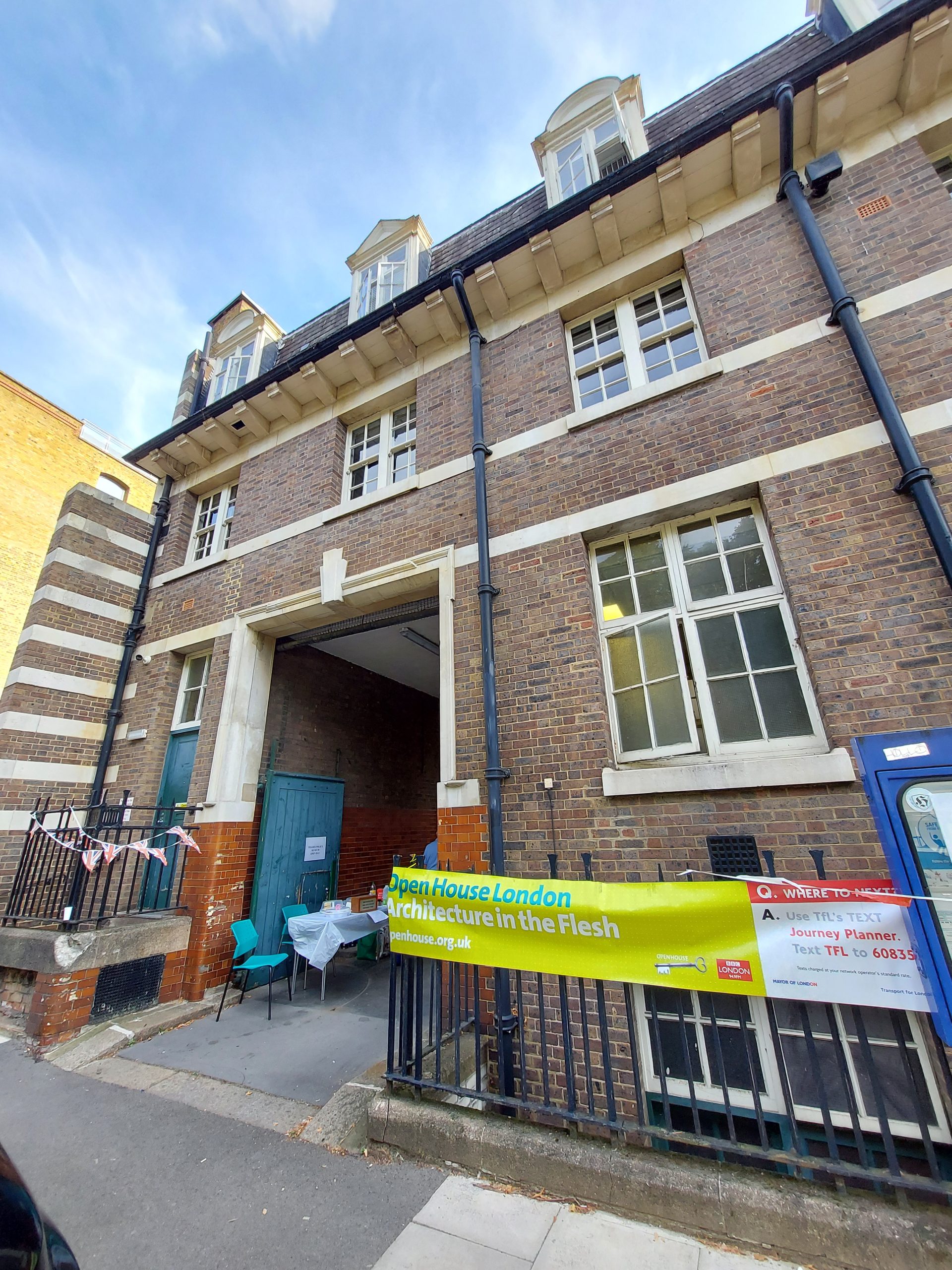
Thames River Police Museum

As part of Open House London, I decided to visit the Thames River Police Museum, as I was going to be in the area and thought it sounded interesting. The museum is located in Wapping, and is only open on a handful of days per year, as it is situated within a working police station (the Metropolitan Police’s Marine Police Unit). Whatever your opinion of the Met or views on the police in general, the museum is a fascinating place to visit, crammed full of history, and exploring the Thames River Police from 1798 to the present day.

The River Police were one of the first uniformed forces in the world. Though it was a government body, it was funded by the shipping companies, who were losing lots of money to thieves who regularly pilfered their stock. The force proved very successful, saving over £122,000 in the first six months of its operation, not to mention several lives.

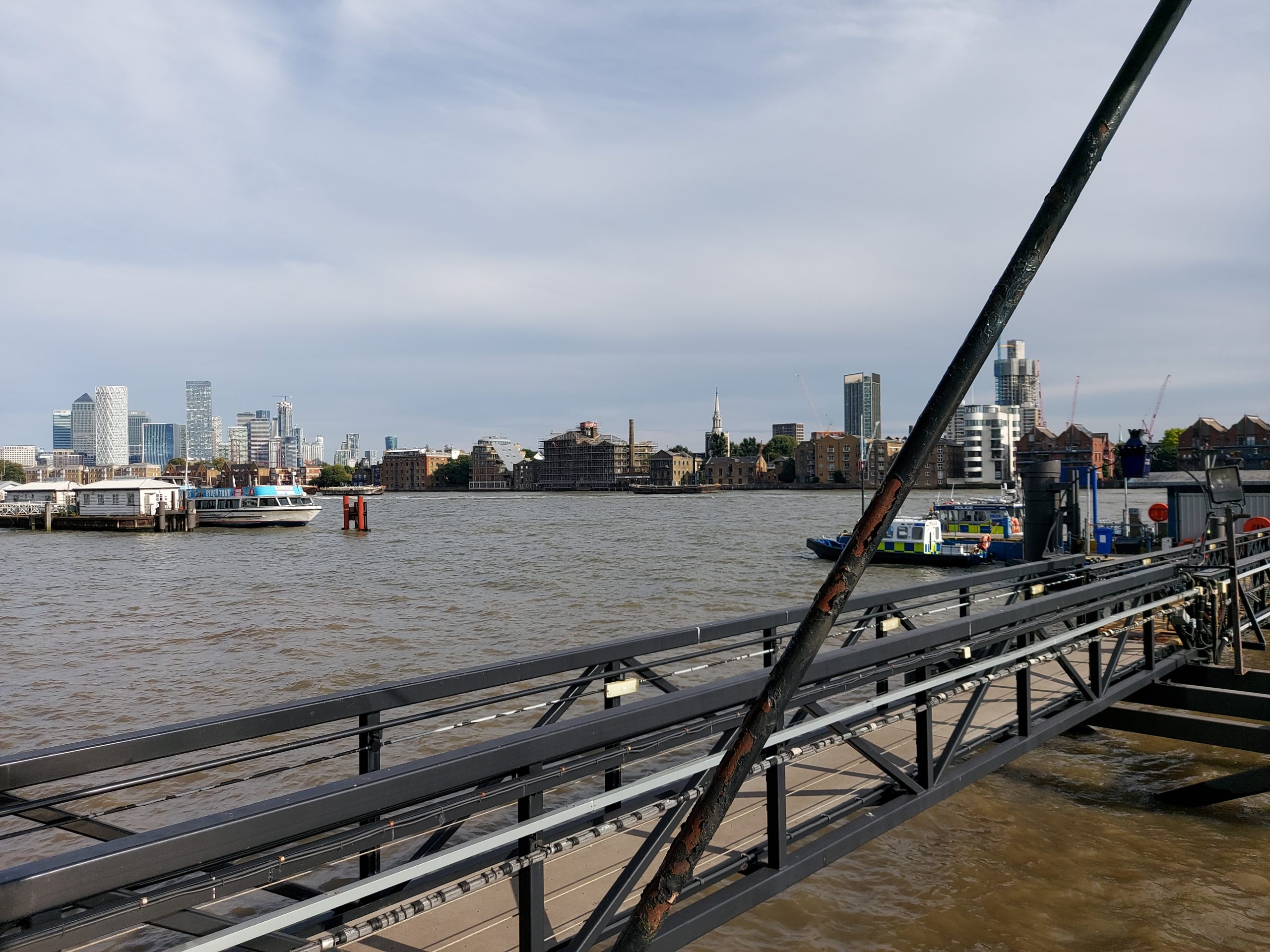
View of the Thames from the back of the museum

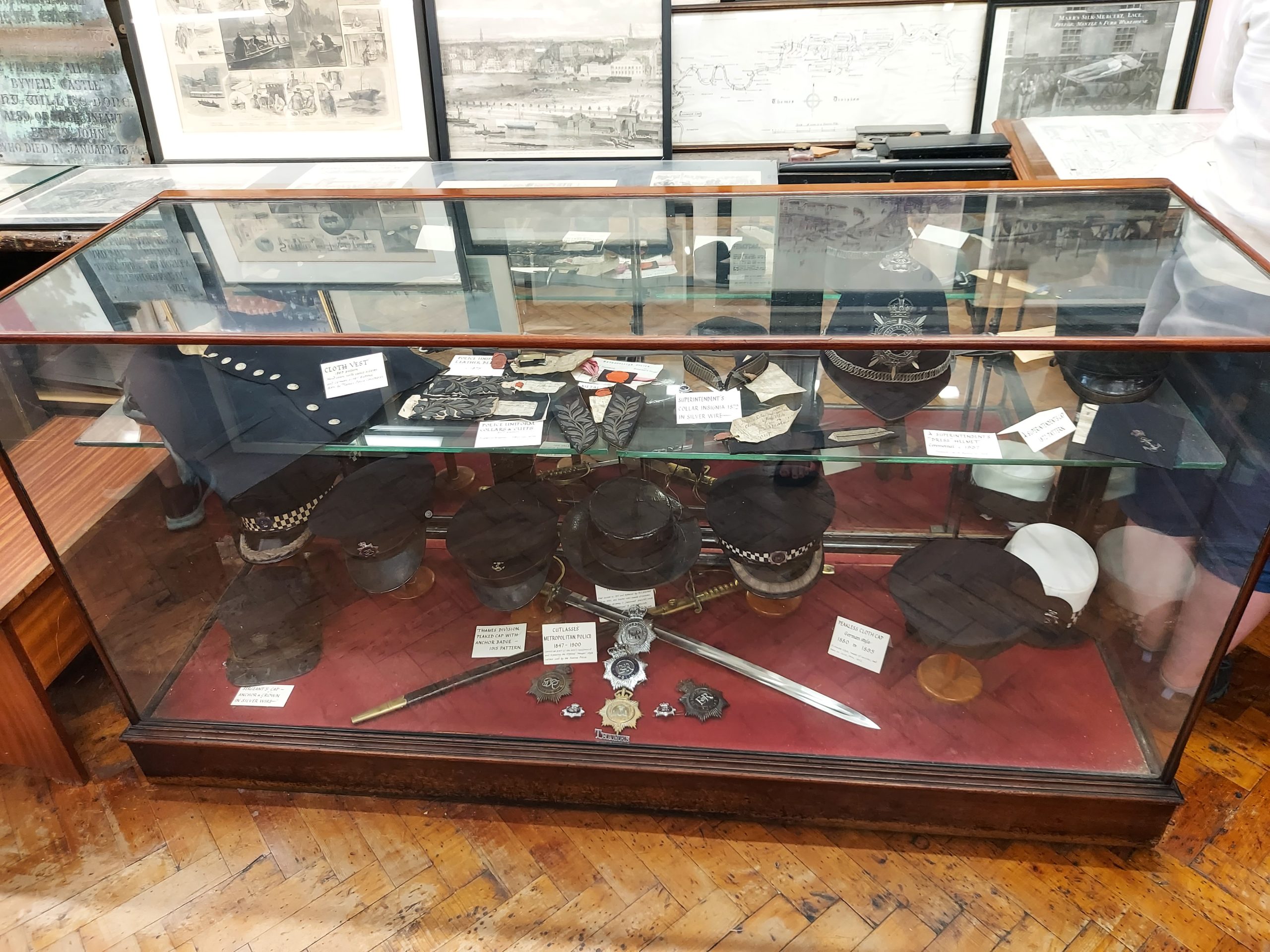
Like many small museums, this one contains many artefacts and it would take a very long time to go through all of them. Some of the most interesting items are old uniforms and equipment worn and used by police officers of the past. Photographs and documents tell the stories behind the force. One of their jobs is the recovery of dead bodies from the river: I certainly don’t envy them this work.

Some of the most poignant items relate to the Princess Alice Disaster of 1878, in which almost 650 individuals died after the paddle steamer sank while returning from a trip to the seaside. The museum contains the boat’s original flag.

This little museum is definitely worth a visit, so keep an eye out for its opening days – or head down during the next Open House London weekend.

Hats and equipment used by members of the Thames River Police

FACTS

Address: 98 Wapping High Street, London, E1W 2NE

Website: thamespolicemuseum.org.uk

Opening Hours: By advance appointment and on special dates

Price: Free

Rebel Badge Club: Outdoor Cook

This was one of the badges I overlooked when I first read through the Badge Book, but over the last year I’ve looked again and seen how I can manage to complete it. Staying at a campsite in Dorset helped, as I had access to an open fire pit and a stove.

Cook a meal on an open wood fire.

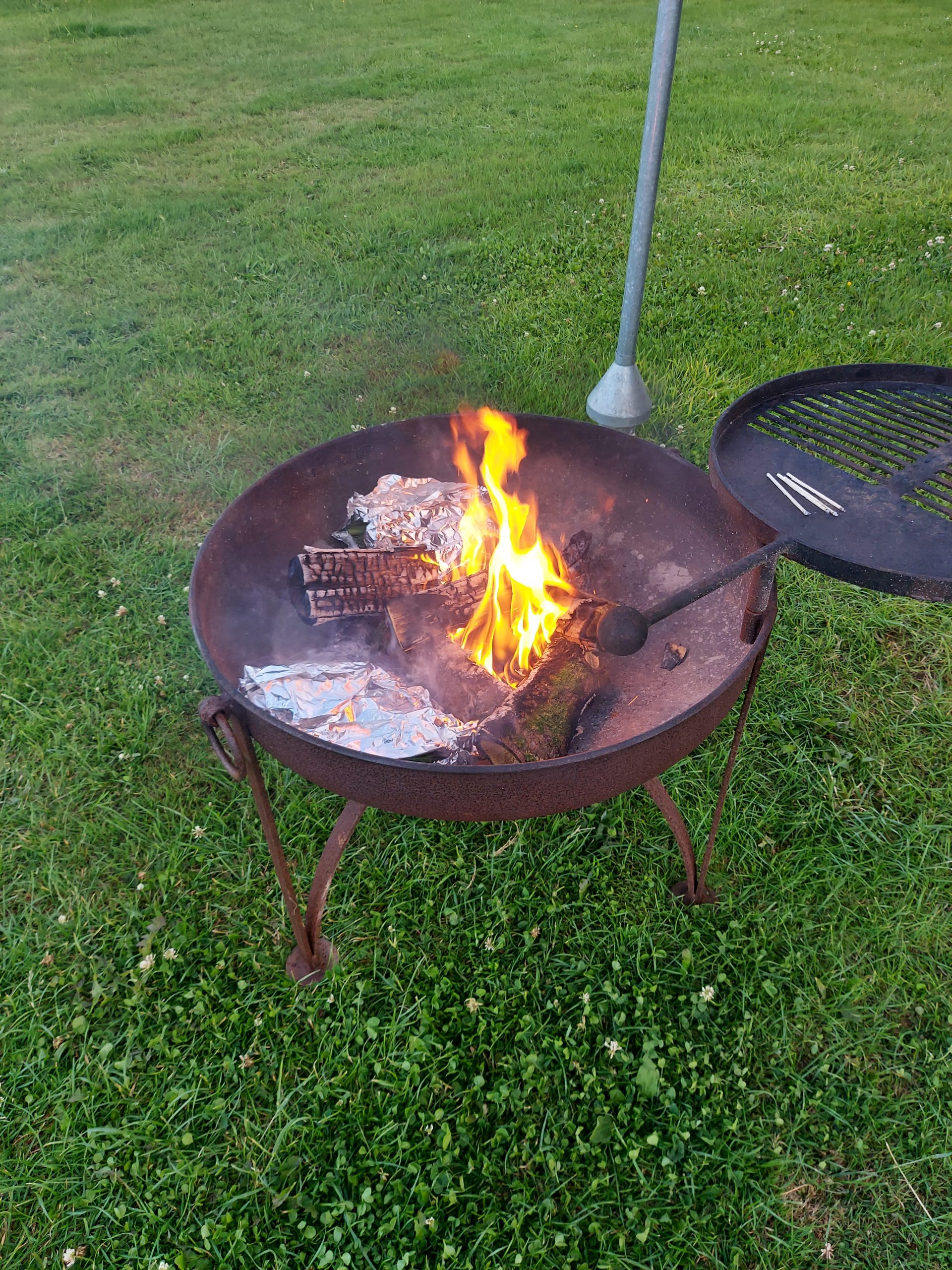
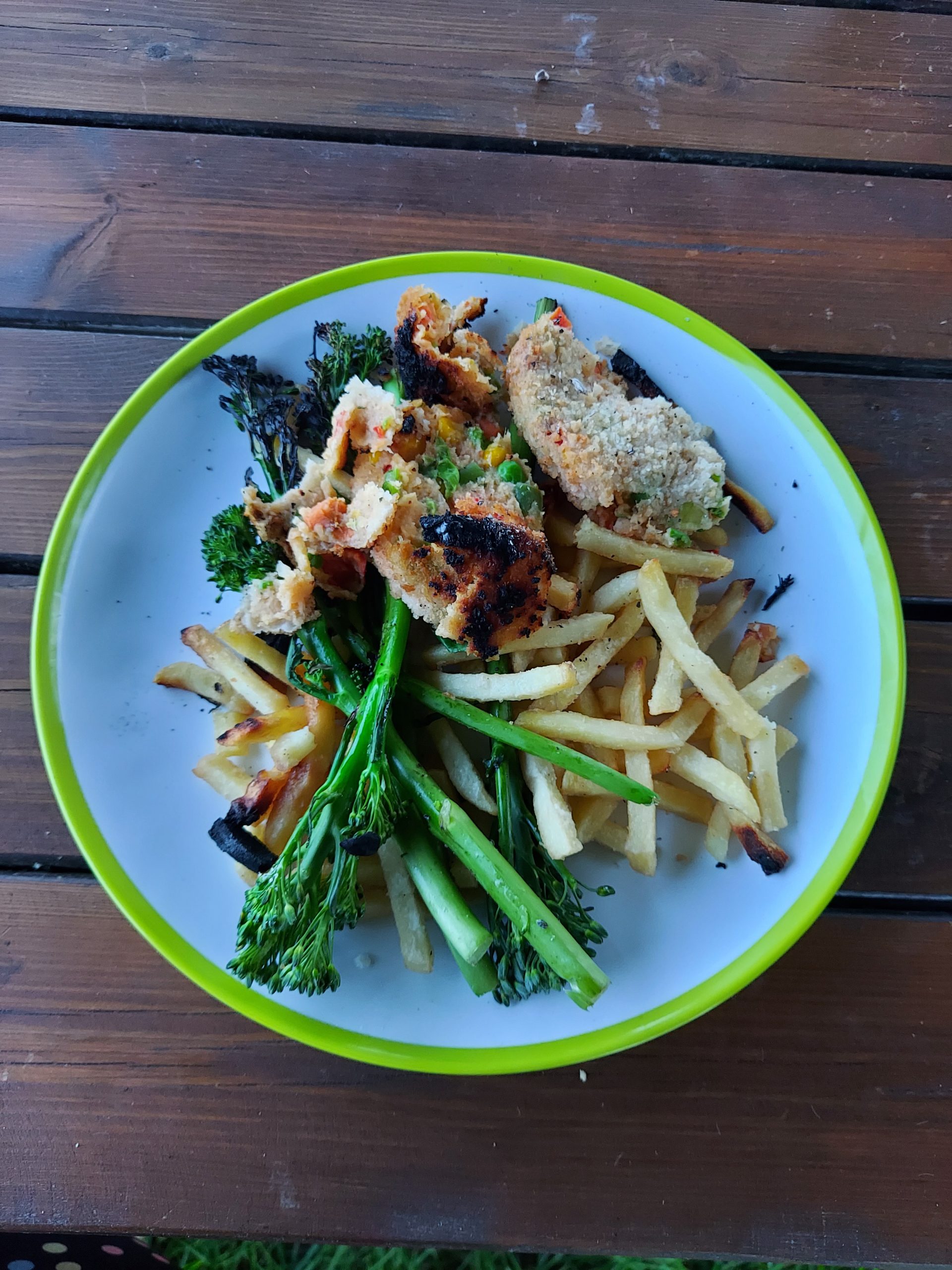
I did this while on my glamping trip in Dorset. I had never built and lit a fire myself so this was quite exciting! I cooked veggie burgers with chips and tenderstem broccoli.

Collect and stack suitable firewood. What safety precautions do you need to take when lighting a fire?

My firewood was already available for me to use, but for future reference oak, ash, beech, birch and elm are the best. Woods with a high resin content should be avoided.

Set up the fire in the open, away from buildings and anything that could burn. Check the wind conditions and never leave the fire unattended. Keep a bucket of water nearby, and don’t sit too close.

Cook a meal on a portable stove.

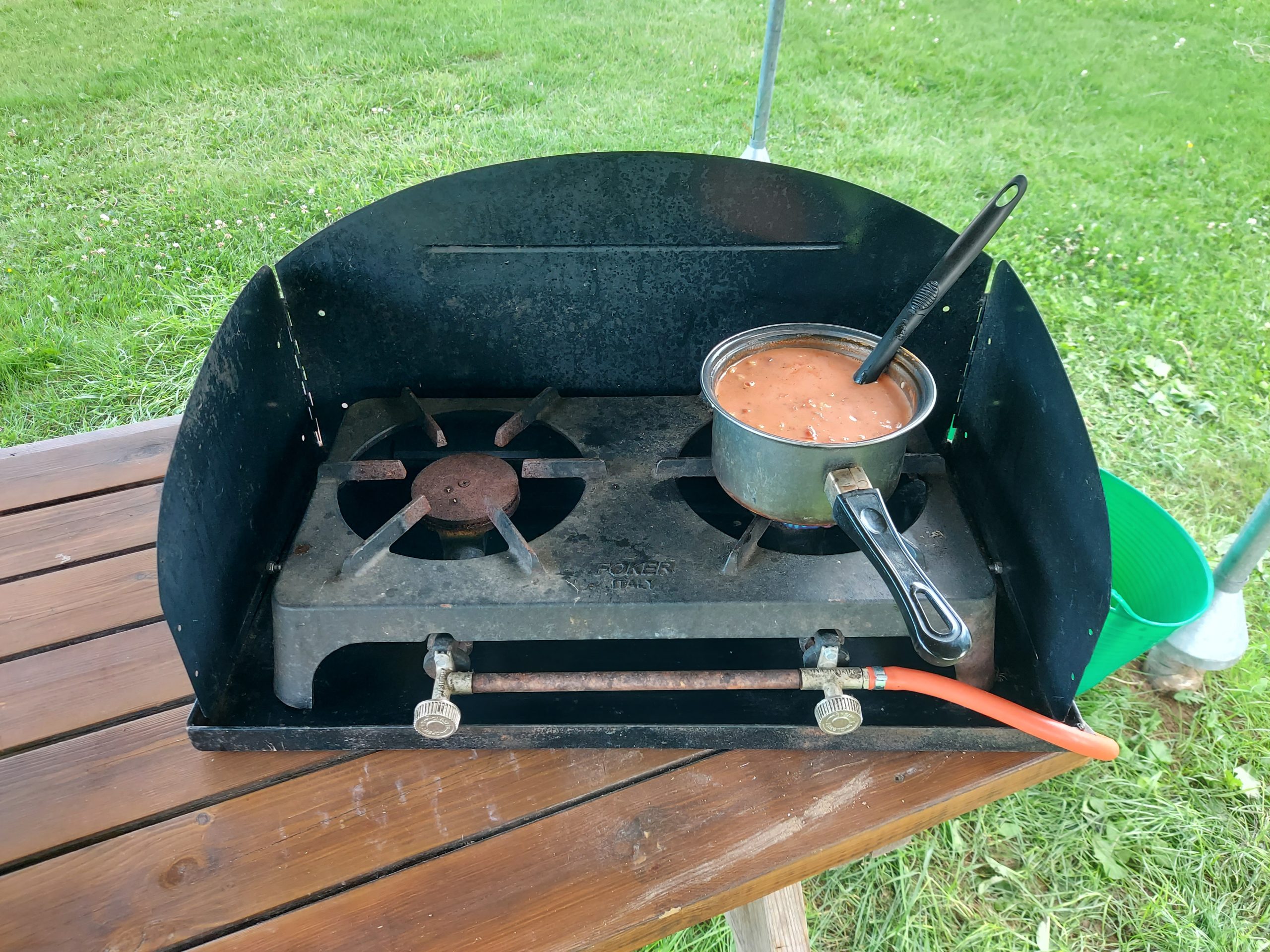
I cooked a meal on a stove while staying in Dorset. I made a stew from tinned ingredients: tomatoes, broad beans, chickpeas and coconut milk, along with some spices I’d brought from home.

What safety precautions do you need to take with your stove? How do you refuel the stove?

Make sure there is adequate airflow over the top and around the sides of the stove. Don’t use pans that are too large as they can concentrate heat back to the gas canister. Use the stove in a well-ventilated place and don’t leave a lit stove unattended.

Cook a meal on a barbecue.

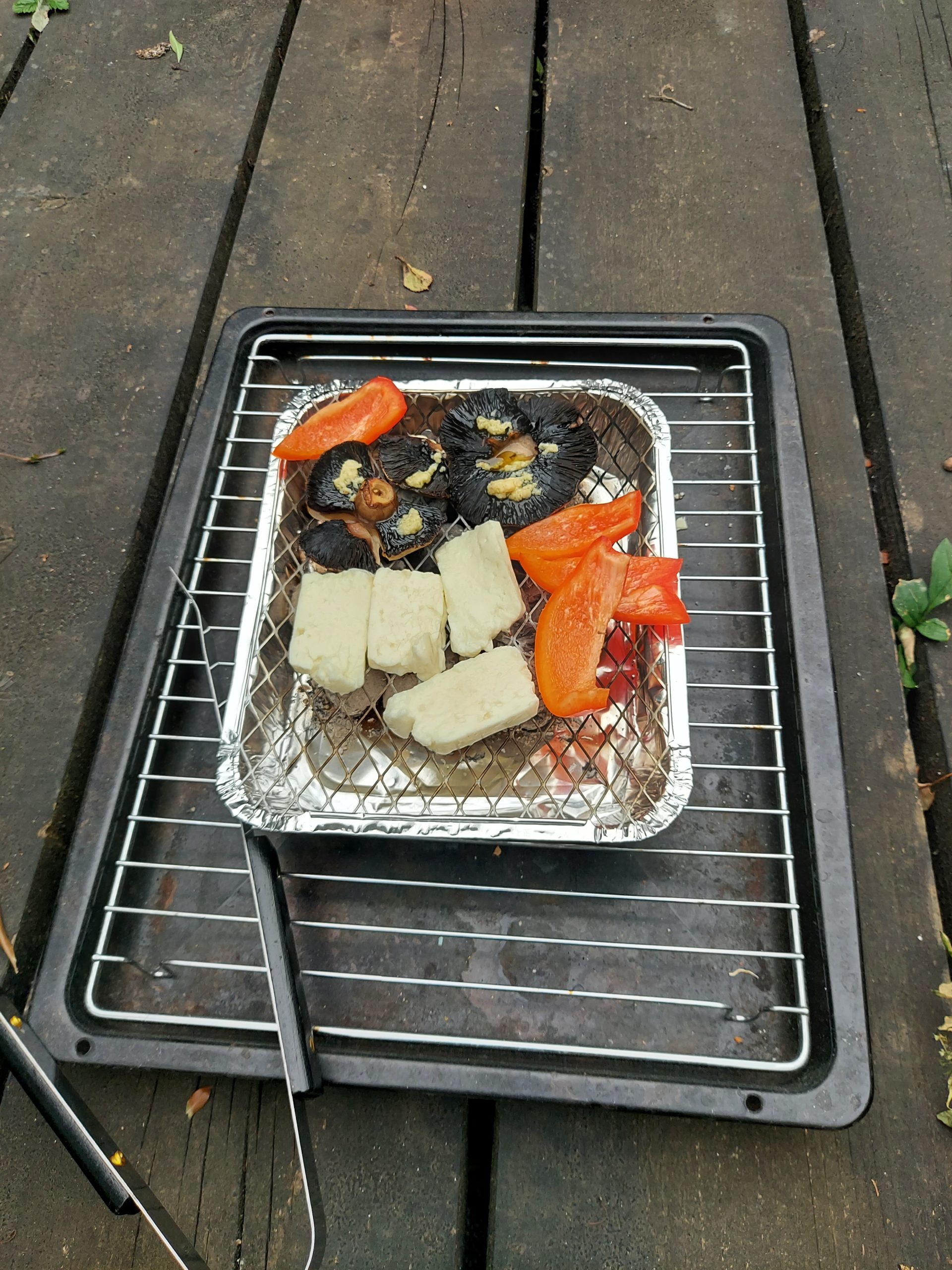
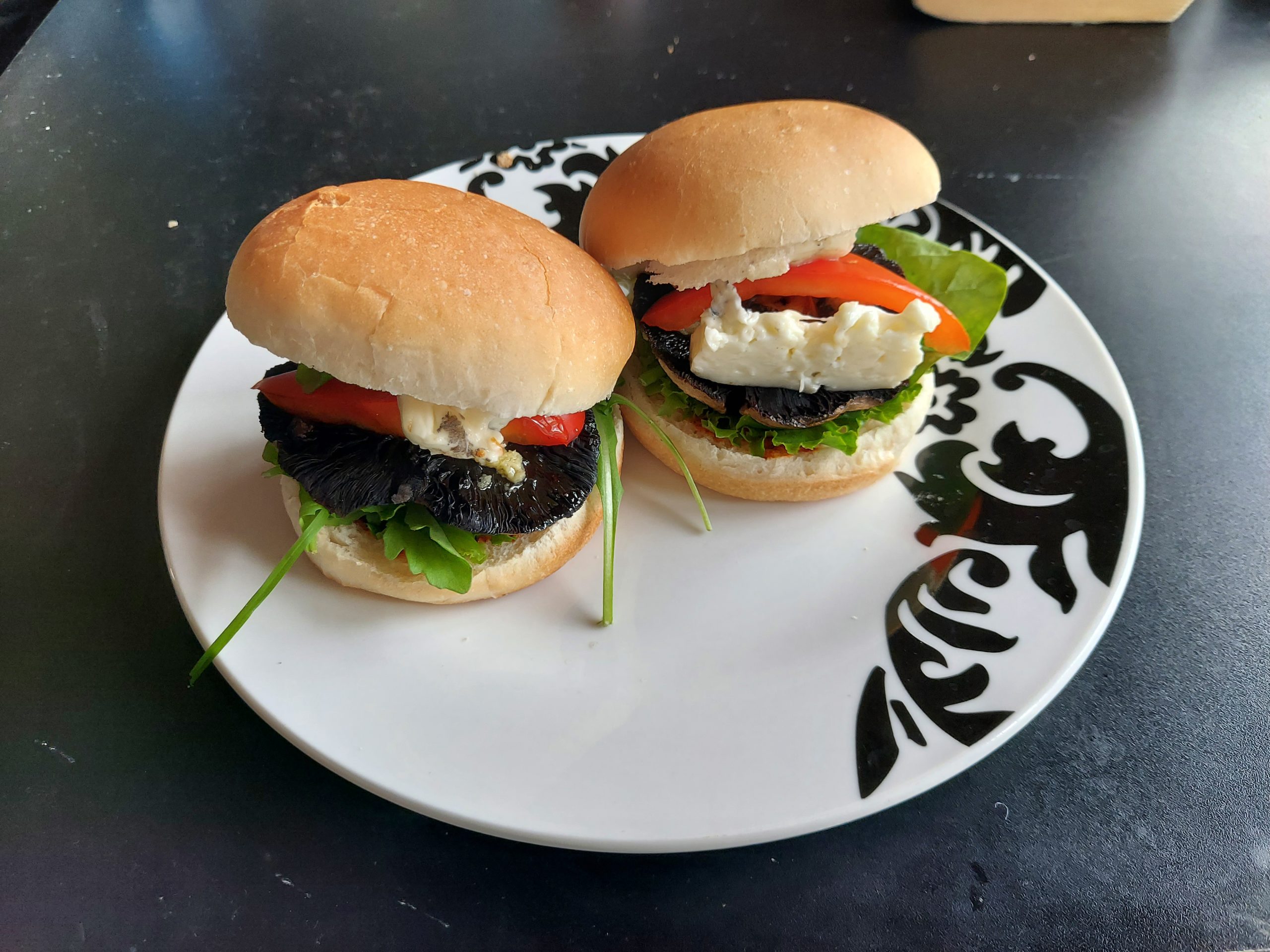
I bought a disposable barbecue to complete this clause. I’m aware of the environmental implications and won’t make a habit of this, but the only other barbecue available to me is regularly used for meat. I made halloumi, mushroom and red pepper burgers.

How would you store ingredients outside?

Tinned and packet foods are best where there is no fridge available to keep them cool.

You can take frozen food and allow it to defrost before eating it on the first night/morning. You can use a cooler if you have one.

Use UHT milk, and store food in plastic containers to keep bugs out.

Make a pocket first aid kit.

I have a first aid kit that I bought from the St John’s Ambulance website and learned how to treat cuts, burns and scalds on my first aid course.

Make a menu book of at least 10 dishes which you can cook outside.

I had fun making my book on Canva.

Date completed: 20 September 2023

Royal Pharmaceutical Society Museum – Open House London

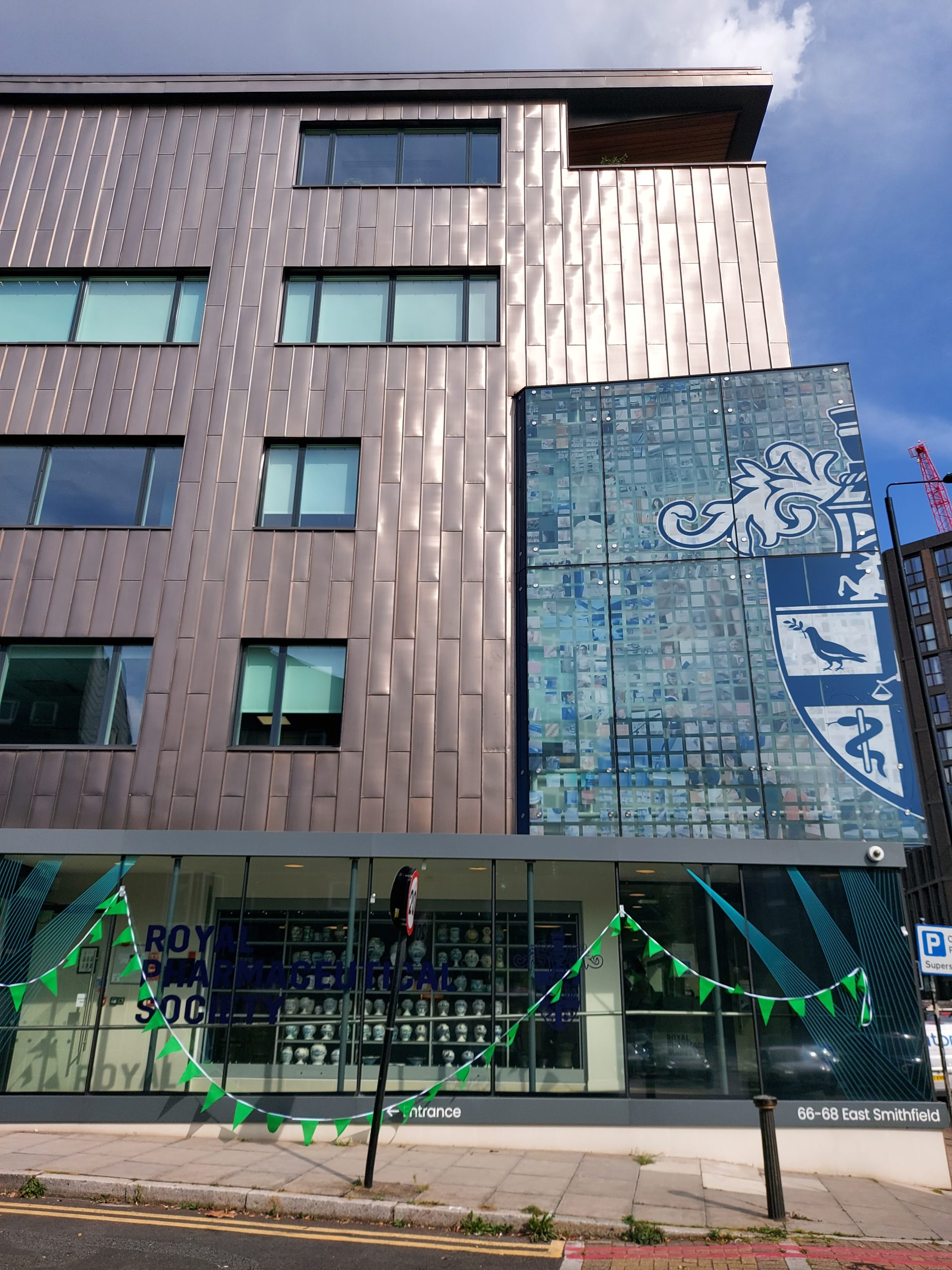
The Royal Pharmaceutical Society

As part of my Open House London explorations I paid a visit to the Royal Pharmaceutical Society Museum and Library. Not far from Tower Hill, it was a bit off the beaten track compared to the places I usually visit, but it was definitely worth it.

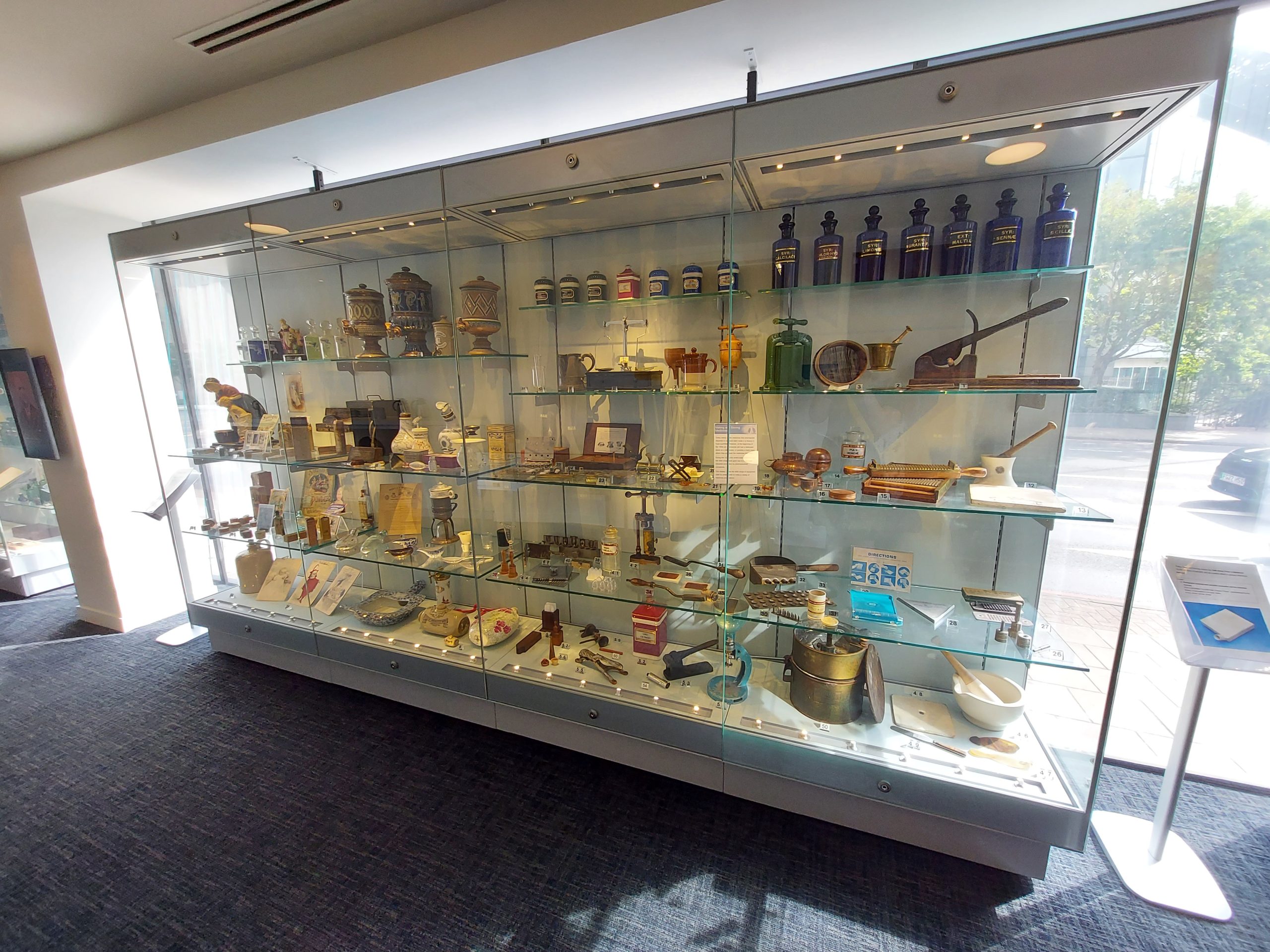
Items on display at the RPS

The building itself is new, having been designed in 2015, but the RPS’s museum was originally founded in 1842. It was meant to be a study resource for students of the newly formed School of Pharmacy. In 1937, it was decided to establish a historical collection, and librarian Agnes Lothian played a key role in purchasing relevant artefacts. In the 1950s, some of the collections were deemed less relevant and transferred away, while in 1976 the Society’s move to new premises in Lambeth prompted the decision to display items from the collections throughout the building. Since 2015 the collections have been housed in the Society’s new headquarters, mostly on the ground floor. The collections, which cover the history of pharmacy in Britain from the fourteenth century to the present day, including traditional dispensing equipment and storage containers, oil paintings and photographs, branded medicines, mortars, and drug jars – not forgetting early printed books, including herbals and early pharmacopoeias, housed in the library.

I enjoyed a free guided tour before checking out the collections for myself. There were some fascinating artefacts on display, including a polar bear-shaped container for bear grease, supposedly meant to stop hair loss, and drugs once widely prescribed including morphine and cocaine. Definitely a worthwhile place to visit if you’re in the area.

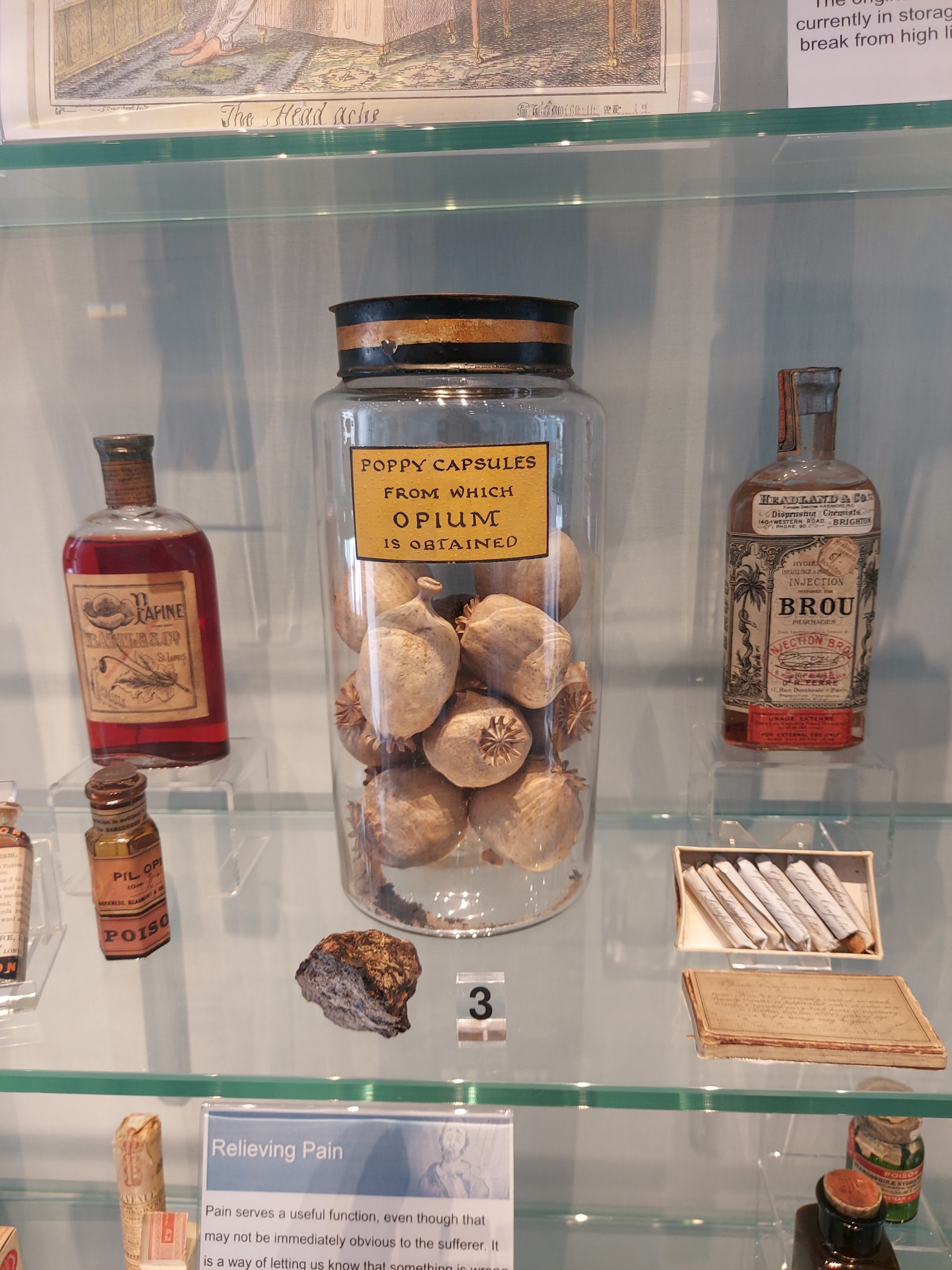
Opium poppy capsules

FACTS

Address: 66 East Smithfield, London, E1W 1AW

Website: rpharms.com/about-us/museum

Opening Hours: Mon-Fri 9am-5pm (closed on Bank Holidays)

Price: Free

Kensington Gardens Nature Walk

Kensington Gardens

I signed up to attend a nature walk in Kensington Gardens. I was mainly prompted to do this by the Nature Lover badge, but I was excited nevertheless. It was a lovely autumn day in the Gardens, and we saw and learned a lot.

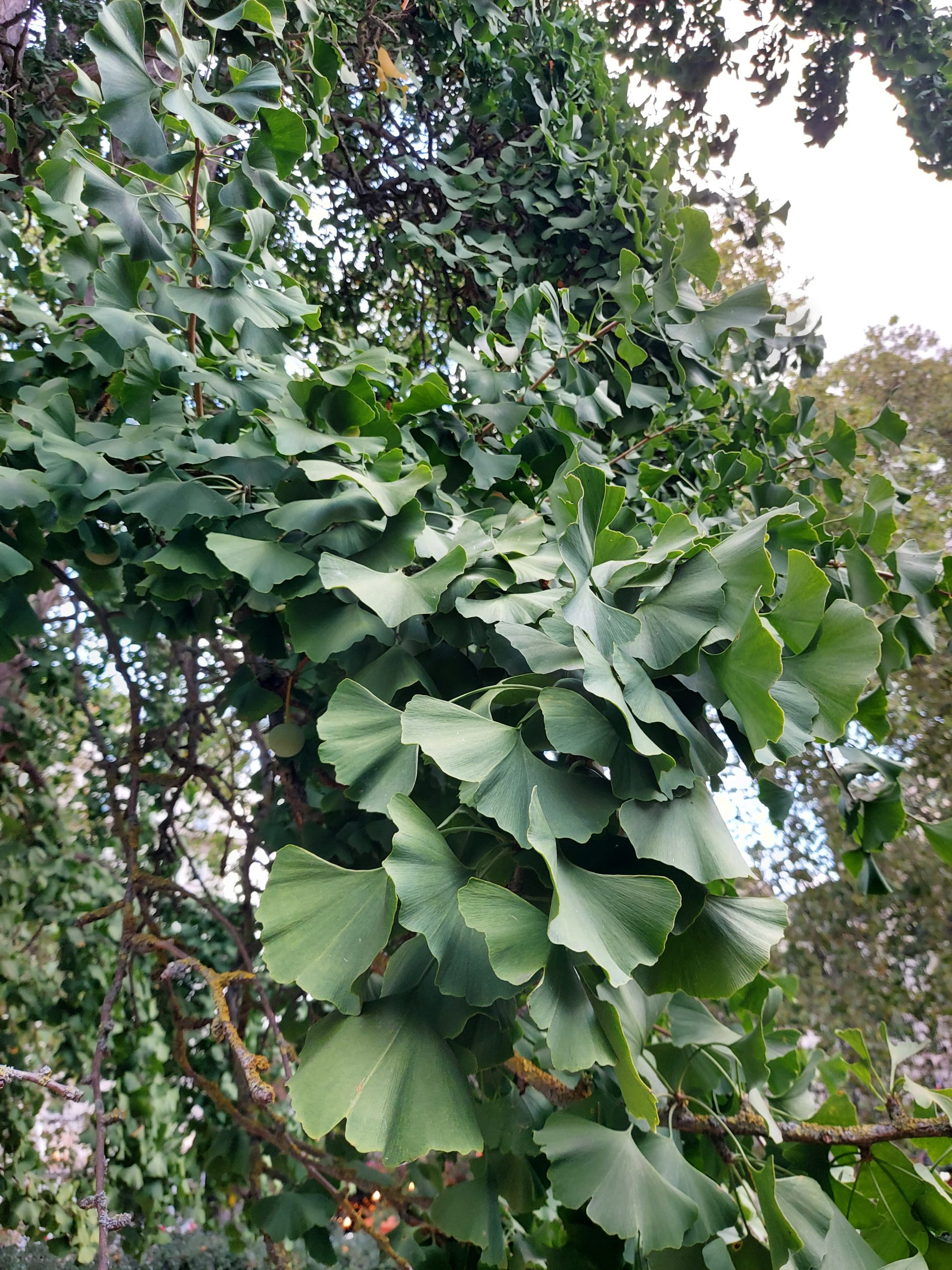
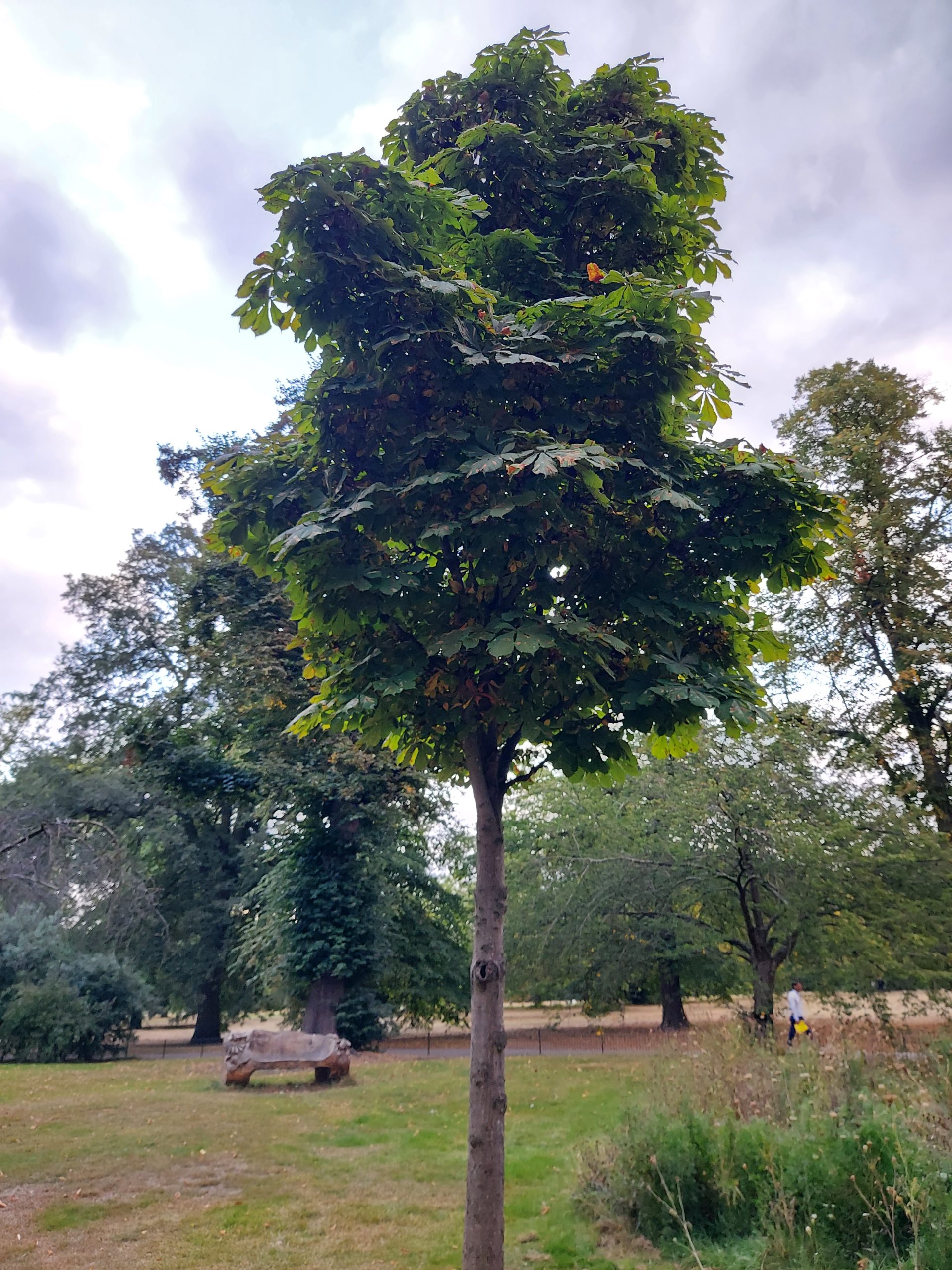
Some of the trees we were introduced to included bay, ginkgo biloba, turkey oak, yew, horse chestnut, sweet chestnut and lime/linden. We learned that the ginkgo biloba tree has ‘swimming’ sperm and can switch gender; the turkey oak has male and female flowers on the same tree; and the oldest trees in London and the UK are yews, which have separate sex trees – only the females produce berries. Horse chestnut trees are not native to the UK and will probably go extinct in the next century because of climate change, whereas sweet chestnuts have prettier flowers, are edible, and are more spiky.

ginkgo biloba treeGinkgo Biloba tree

Some of the plants we came across included rosemary, lavender, brambles and stinging nettles, as well as numerous flowers. Flowerbeds in the Gardens can be created with AI to provide the most pollen and nectar. Interestingly, some butterflies (including peacock butterflies) will only lay eggs on stinging nettles.

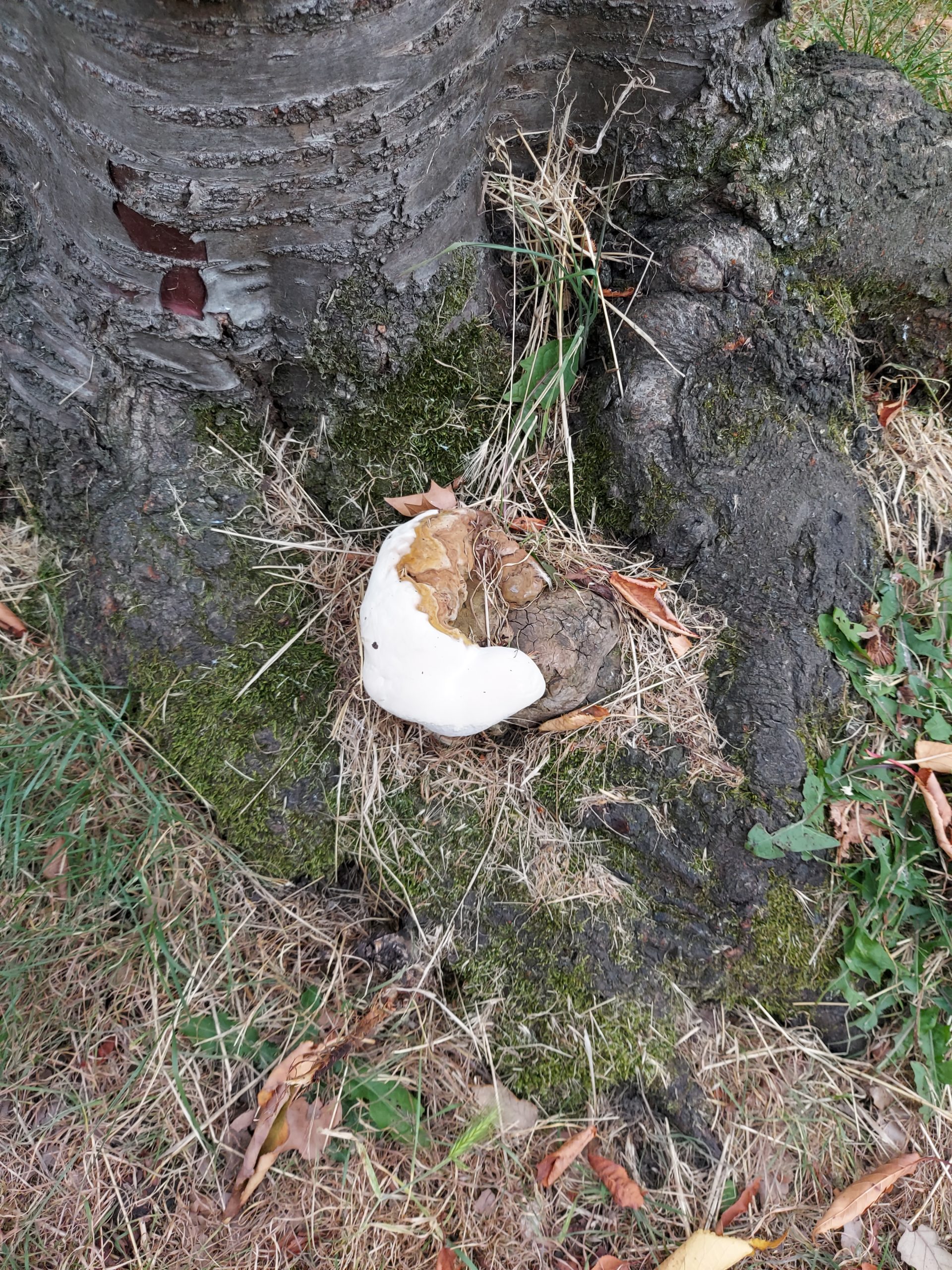
Throughout the walk we came across plenty of fungi, including artist’s bracket, chicken of the woods and birch polypore. Chicken of the woods is commonly found on oak and cherry trees (the one we saw was on a cherry). Birch polypores generally only grow on dead and dying birch trees; these fungi have about 80 sexes to be as compatible with as many others as possible.

LoggeryLoggery

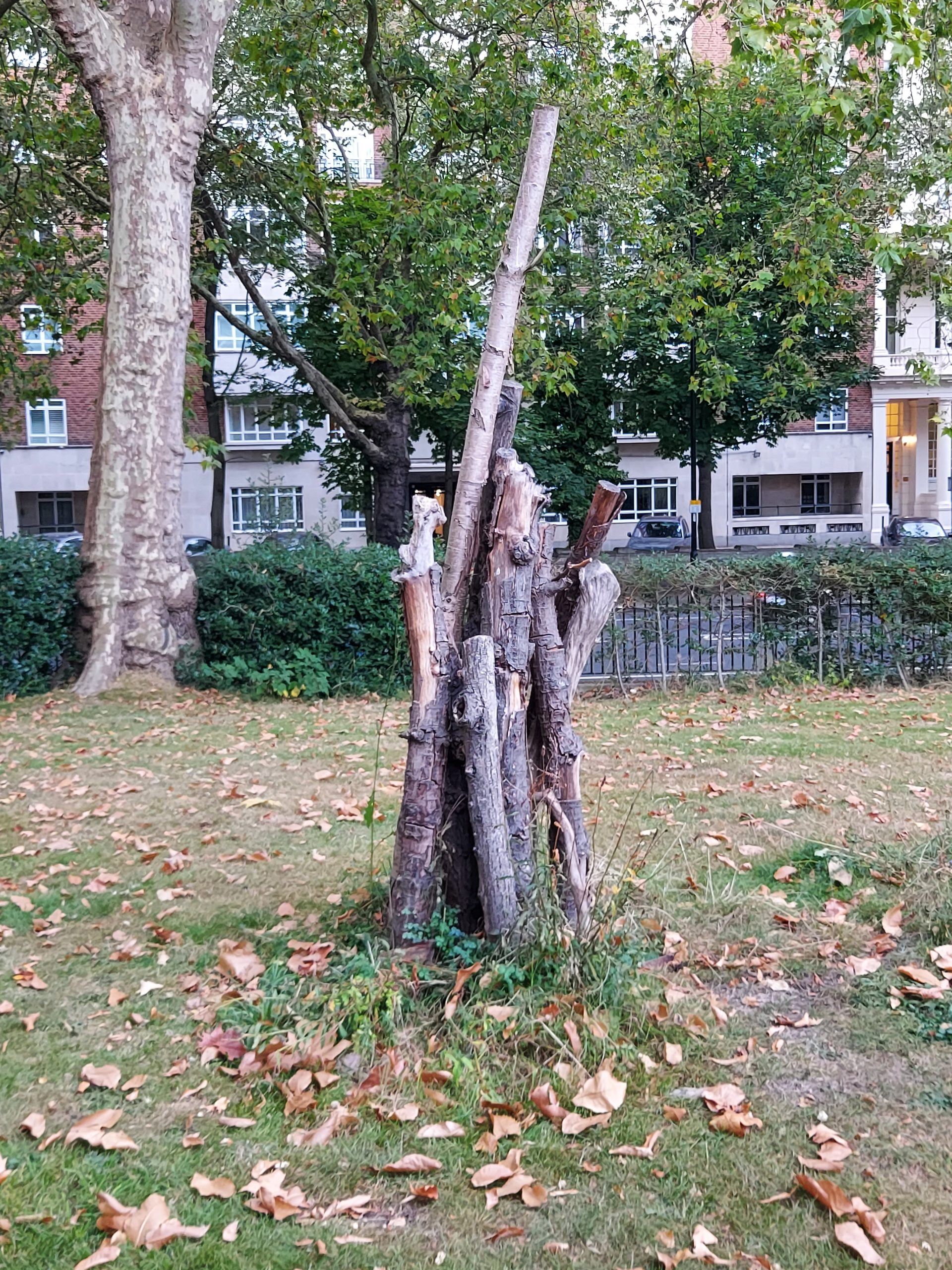
We spied a loggery designed for beetles and also turned over some logs to see what we could find. Stag beetles are endangered in the UK; we didn’t see any on our walk, but they do live in the park, on or in rotting wood. We did spot woodlice: some woodlice are all female and reproduce asexually, because of a bacteria that turns eggs female while they are developing. Ladybird larvae can be found on leaves – they look very different to adult ladybirds. We learned about aphids, which are fascinating: aphids clone themselves (though they can mate with others if needed);  they have babies that are already pregnant and they can also have babies with wings (or without). Amazing!

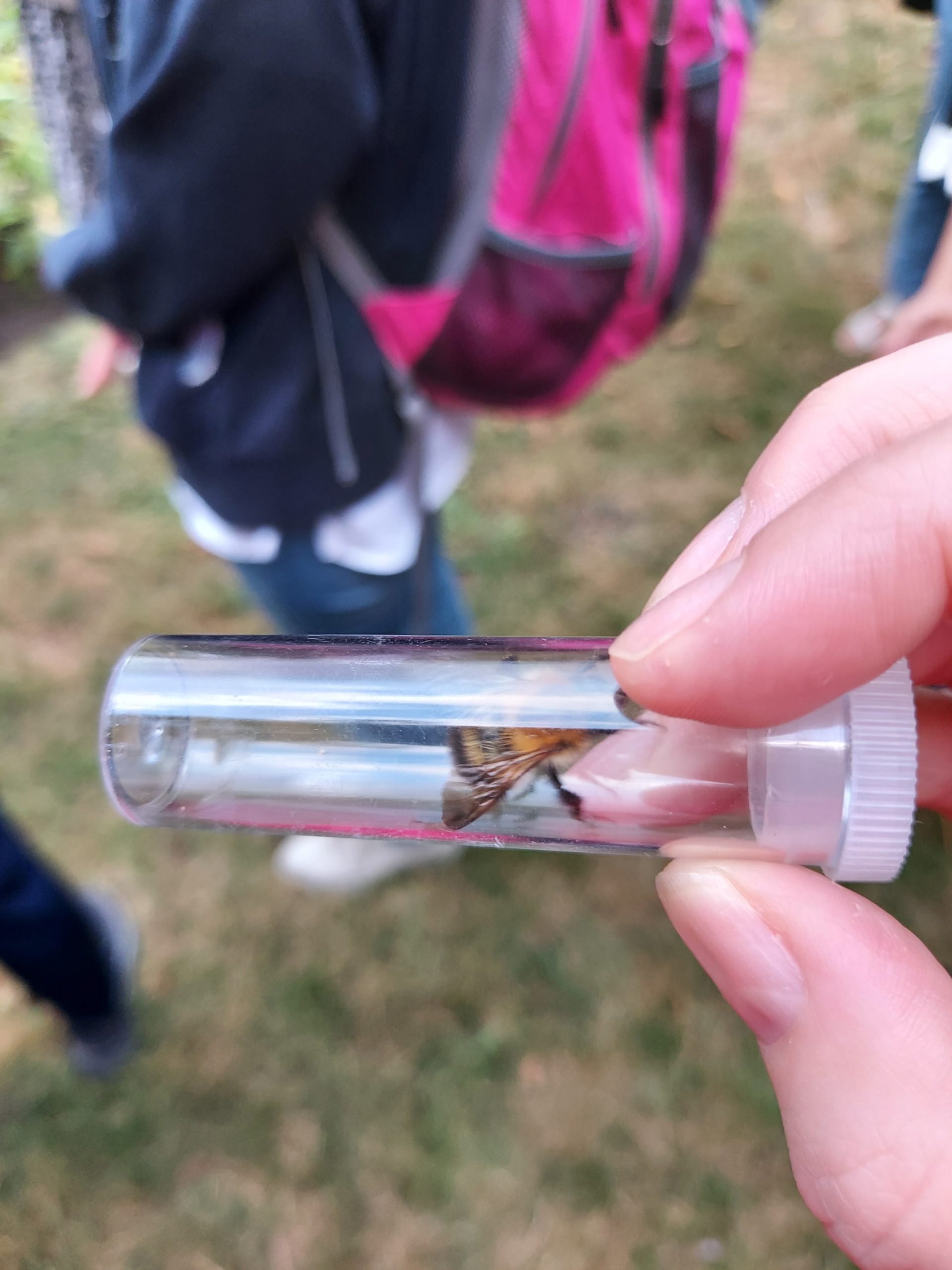
We found a bee and were able to take a closer look. Most bees are, in fact, solitary. Apparently there is a type of bee called a cuckoo bee that will kill the queen and settle in to the hive so that the worker bees feed their larvae instead!

A beeBee

My favourite thing I learned during the walk was about galls and oak gall ink. Galls on acorns are created by wasps to house their larvae. Oak gall ink was the first permanent ink, made with ground up oak apple galls and iron sulphates. The Magna Carta and the American Declaration of Independence were both signed with this ink! It has also been suggested that the existence of wasp nests could have inspired humans to make paper. It seems that wasps are useful for something after all!

I thoroughly enjoyed my nature walk and the chance to spend more time in Kensington Gardens.

Sugababes (One Night Only) at the O2

Sugababes on stage

I saw the Sugababes at Hammersmith Apollo last year, and had such a good time that I booked to see them at their One Night Only concert at the O2 Arena. They were just as good this time round, and played even more of their classics.

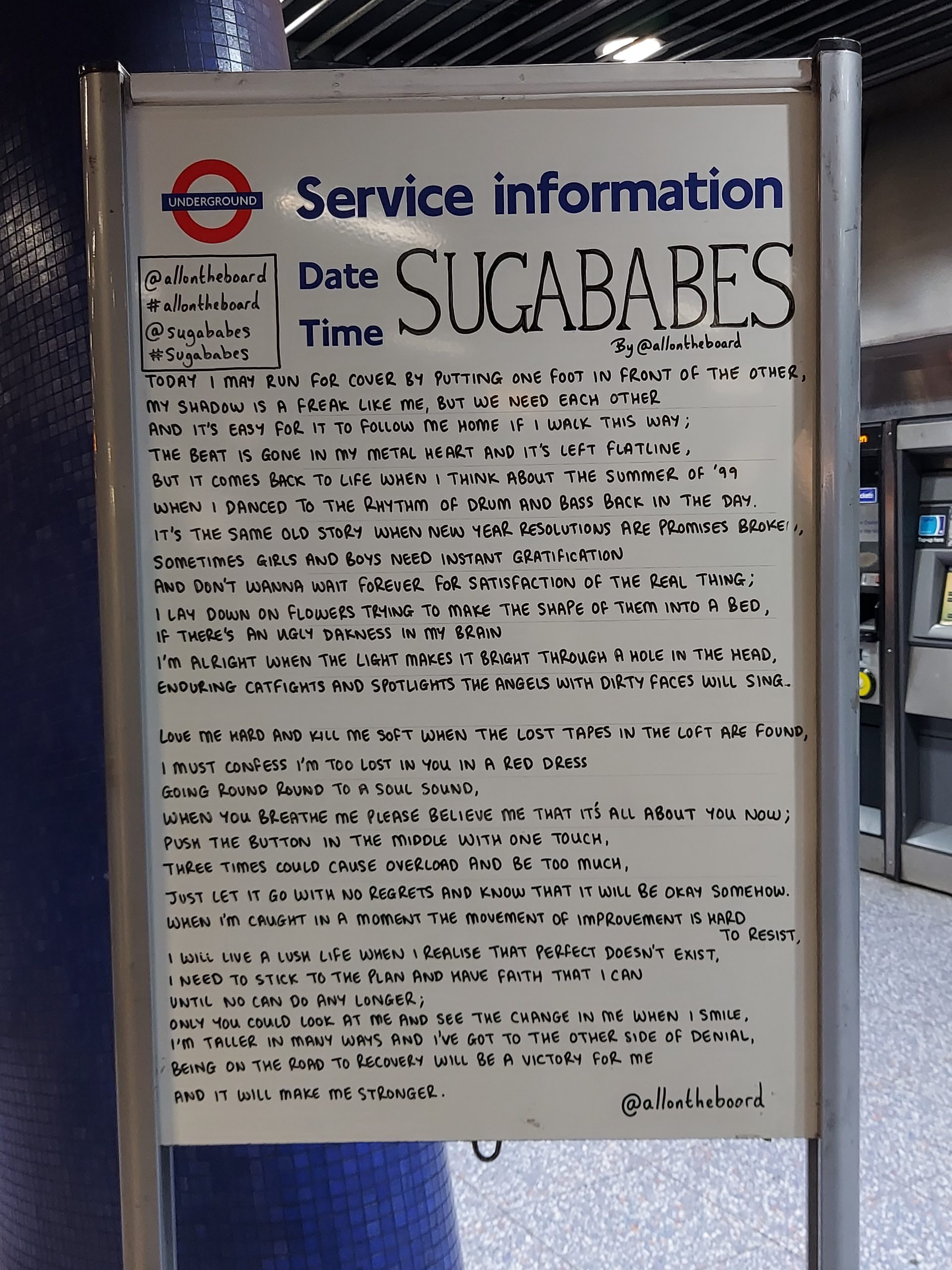
The group kicked off with the super catchy Push the Button, continuing with Red Dress, Hole in the Head and Ugly. I’m now used to seeing Siobhan sing songs previously performed by her successor in the band, Heidi, and she fits really well into these Noughties-era tracks. Keisha and Mutya are stalwarts of the group, and the three of them have superb stage presence and flawless vocals.

About a decade ago, the trio released a superb song, Flatline, under the name MKS (Mutya Keisha Siobhan). It was great to hear them perform it tonight, along with other classics of that era that were never released at the time, such as Today and Beat Is Gone. Luckily, with the recent release of The Lost Tapes, fans can finally own these tracks and more.

I was pleasantly surprised to hear one of my favourite songs, Run For Cover, performed, as well as other album tracks from Overload such as One Touch, Lush Life and One Foot In. These were performed against a backdrop of retro video footage showing the girls as young teenagers around the year 2000, which was incredibly nostalgic to see.

Sugababes have a huge back catalogue these days, but they still managed to play many of their hits that I love, such as Too Lost In You, Stronger and, of course, Freak Like Me. The encore featured the classics Round Round and About You Now, as well as the new single When The Rain Comes, showing that the group still has plenty to offer.

Board at North Greenwich station

Setlist

  • Push the Button
  • Red Dress
  • Hole in the Head
  • Ugly
  • Flatline
  • Run For Cover
  • Today
  • Shape
  • One Touch
  • Lush Life
  • One Foot In
  • Overload
  • Flowers
  • Too Lost in You
  • Beat Is Gone
  • Stronger
  • Freak Like Me

Encore

  • When the Rain Comes
  • Round Round
  • About You Now

Rebel Badge Club: Nature Lover

I did the Nature Lover badge in order to achieve my Go Wild! quarterly badge. I really enjoyed the badge – it helped me get outside and enjoy nature. To achieve the badge I had to complete eight clauses out of a possible sixteen, as detailed below.

Visit a nature reserve.

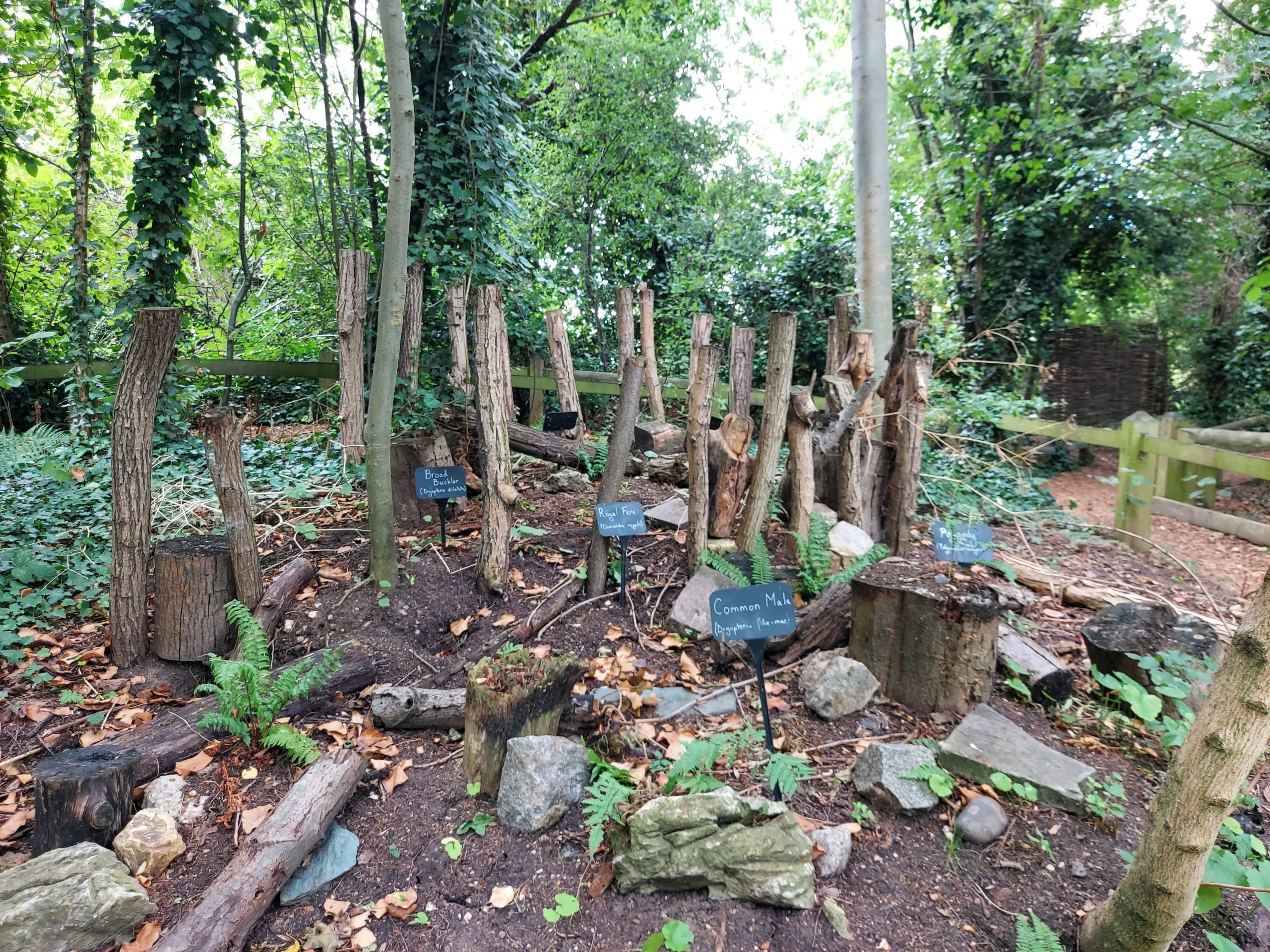
I visited Camley Street Natural Park, a small but peaceful nature reserve near King’s Cross Station. I had a lovely relaxing walk around the park and then enjoyed a coffee beside the canal.

Labelled logs in Camley Street Natural Park

Watch at least three documentaries on the natural world.

Turning to the trusty BBC, I enjoyed Wild Isles, The Green Planet, and Patagonia: Earth’s Secret Paradise on iPlayer.

Learn about different natural habitats, and identify those found in your local area.

This clause reminded me of school (in a good way!). I learned about different natural habitats, and identified those in my local area as being mainly urban/suburban, grassland and woodland, with nearby areas of wetland and farmland.

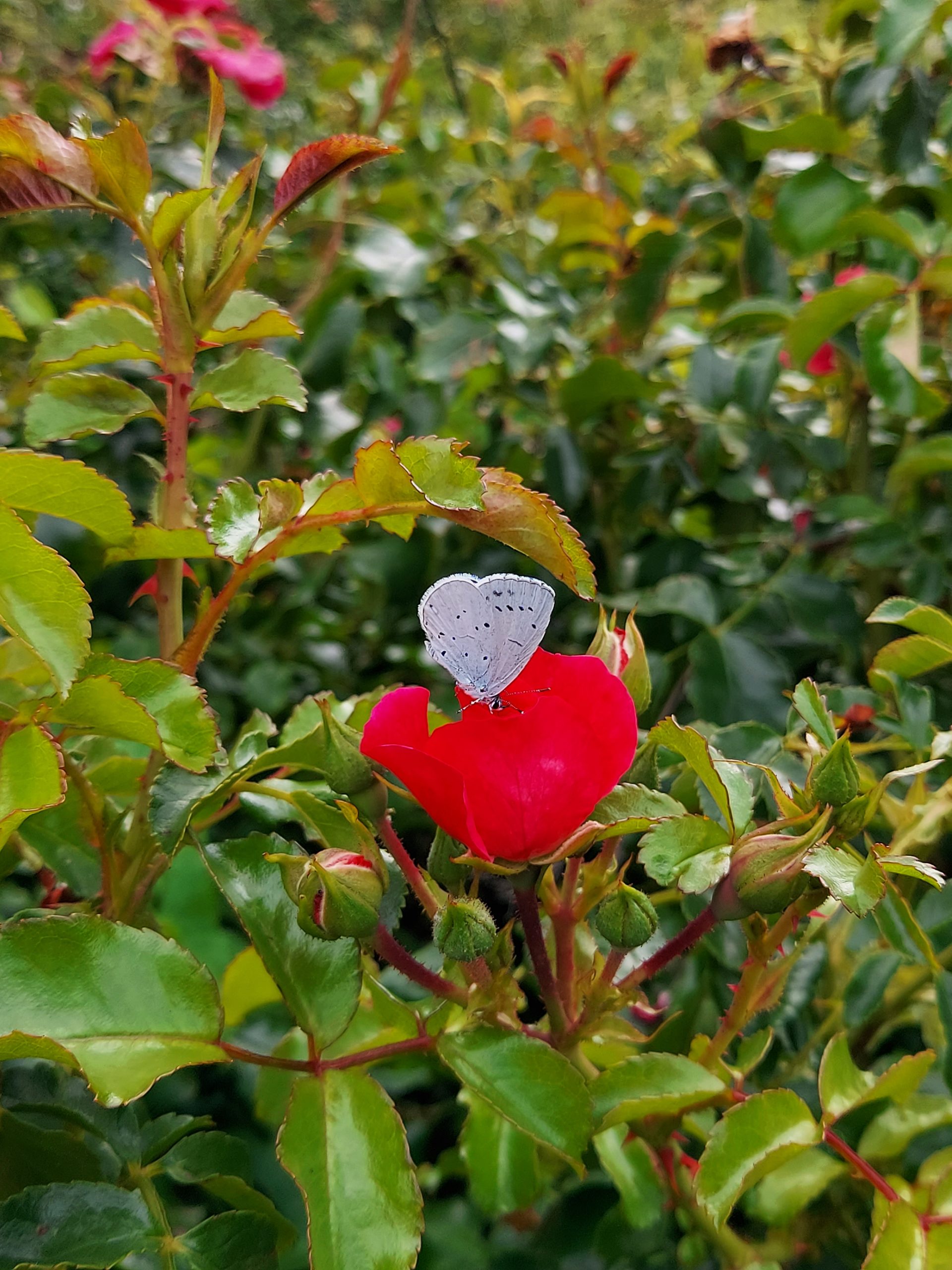
A blue butterfly on a red flower

Take action to protect nature in your area.

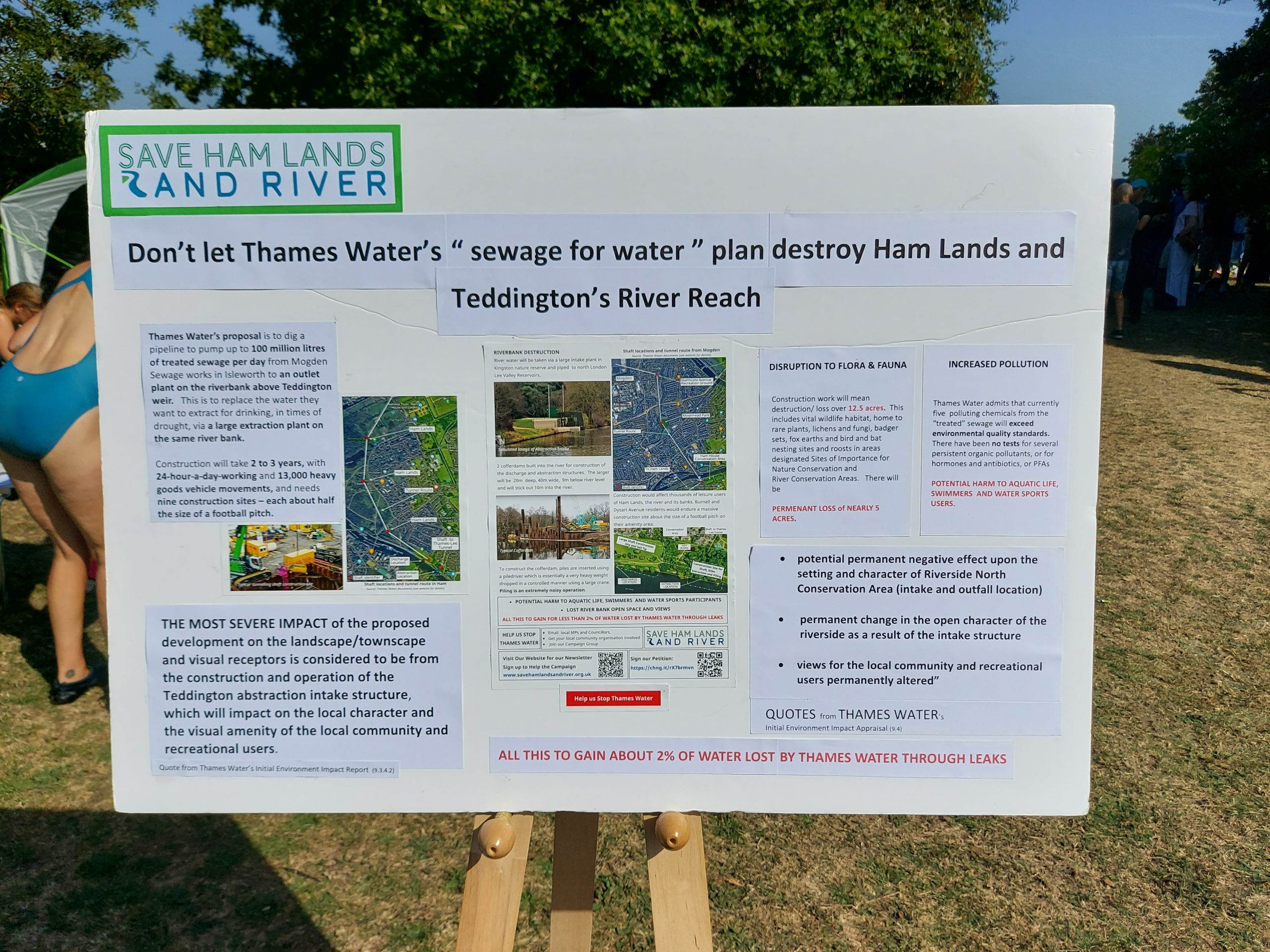
I joined a protest against Thames Water’s plans to build a river abstraction plant on the nature reserve and riverbank near Ham.

Sign protesting against Thames Water's sewage plans

Take part in a local or national survey.

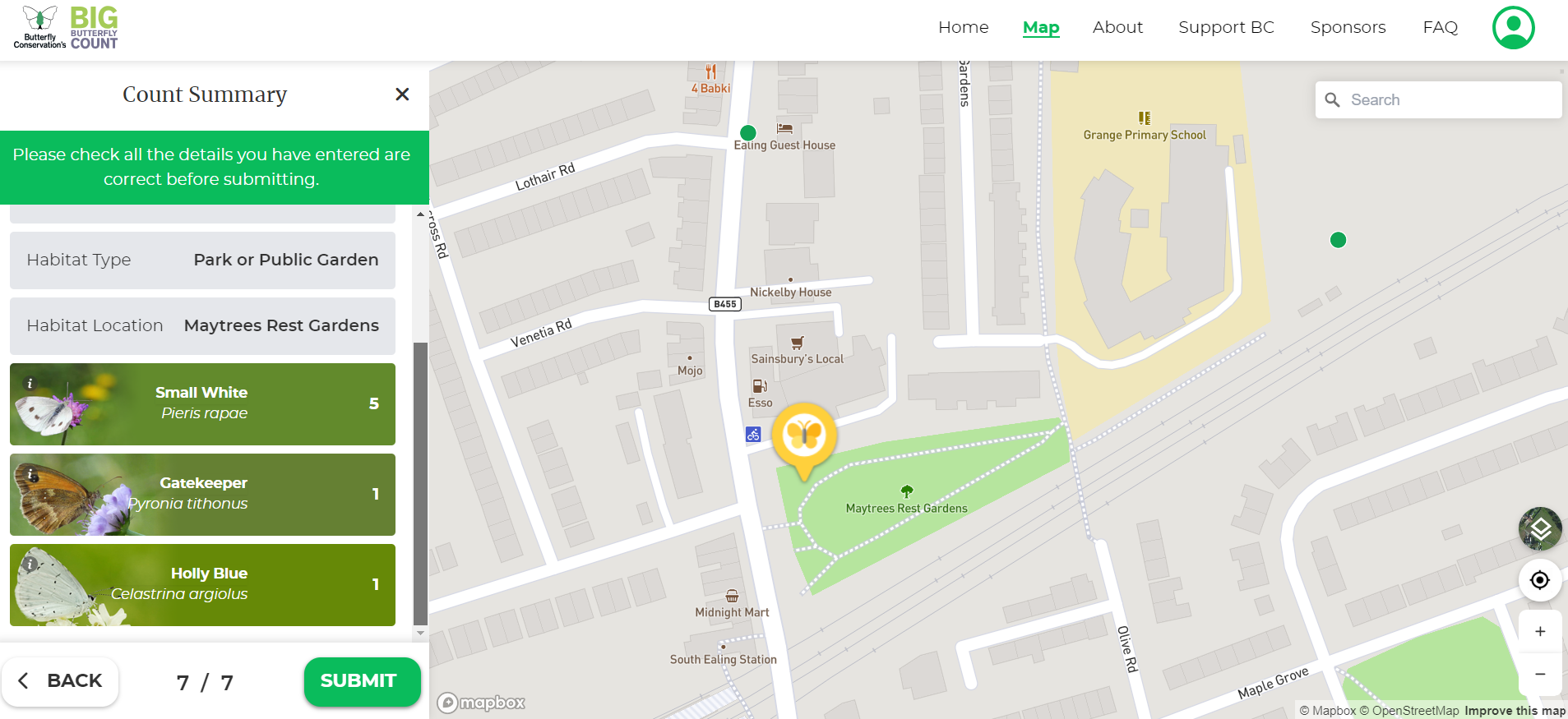
I took part in the Big Butterfly Count in a green space local to me. I really enjoyed the count, and it made me really stop and think about the species of butterfly I was observing.

Map showing the location of my Big Butterfly Count

Make an identification key for a local habitat of your choice.

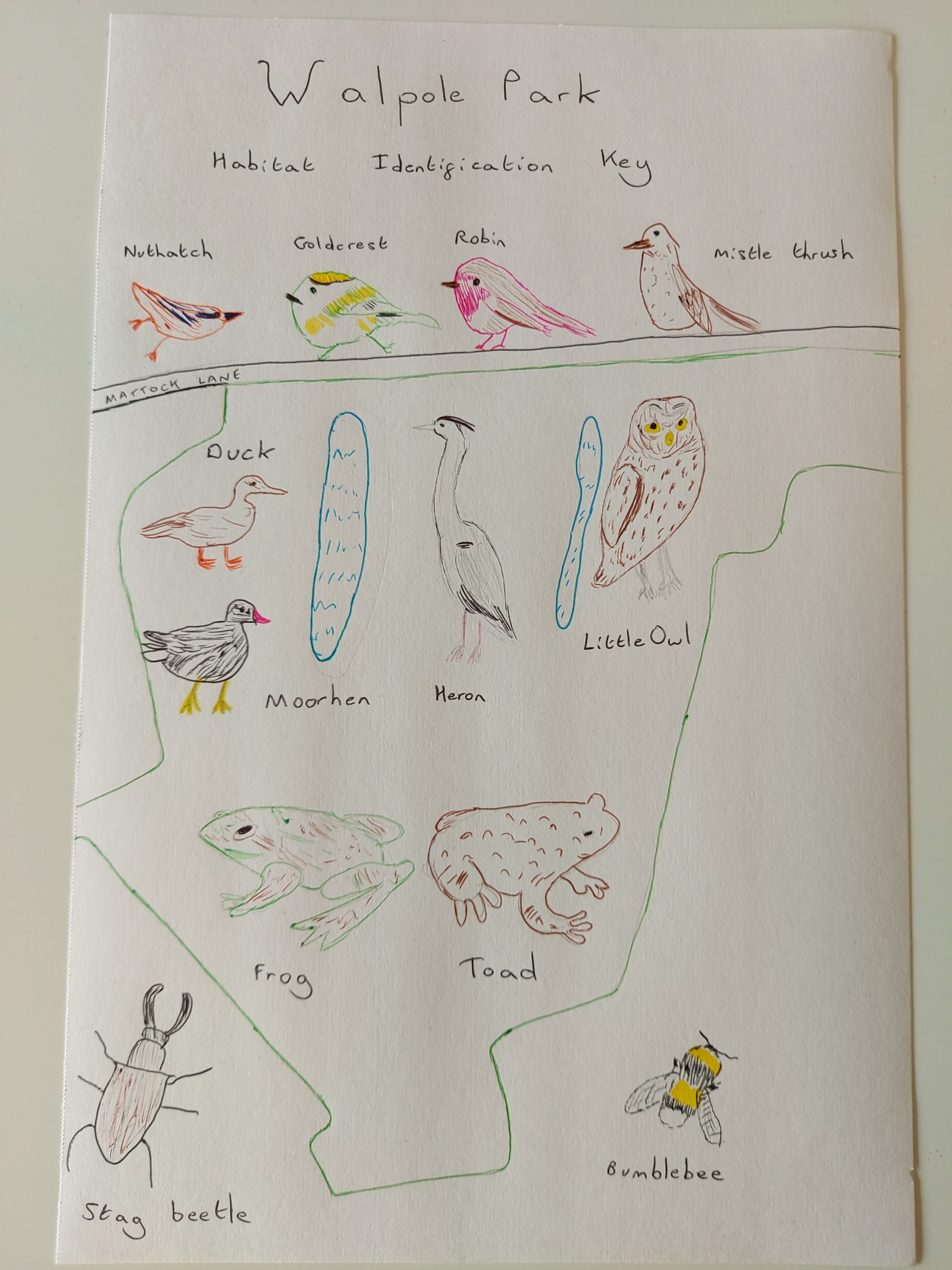
I made a key for a park local to me. My drawings aren’t the best, but I enjoyed doing it.

A habitat key to Walpole Park

Go on a nature walk with a group.

I went on a nature walk in Kensington Gardens organised by the Royal Parks. Some of the things we saw included ginkgo biloba, yew and chestnut trees, fungi such as artist’s bracket and birch polypore, insects such as a carder bee and interesting things such as bat boxes and a loggery for insects.

I learned lots: the most interesting thing I learned was that oak gall ink – made from oak apple galls produced by wasps – was the first permanent ink, made with ground up oak apple galls and iron sulphates. The Magna Carta and the American Declaration of Independence were signed in this ink.

Learn about the Countryside Code.

I read up about the Countryside Code and found it very interesting.

Date completed: 13 September 2023

Livery Halls – Open House London

There is so much choice when it comes to Open House London that sometimes I like to come up with a theme in order to work out what buildings I want to visit. In the past, for example, I have focused on churches and theatres. This year, I decided to visit several livery companies, located in the City of London.


Chartered Accountants’ Hall
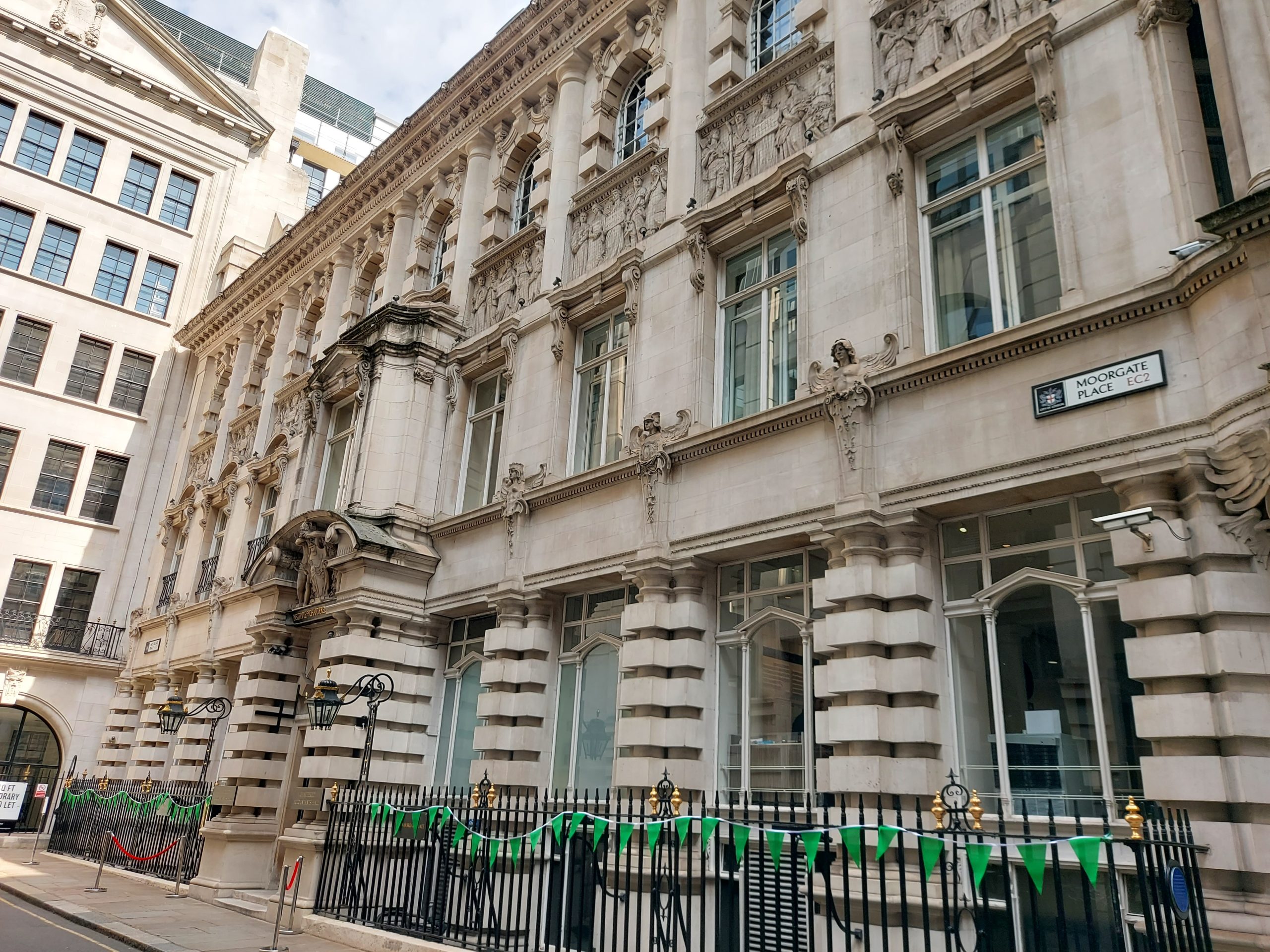
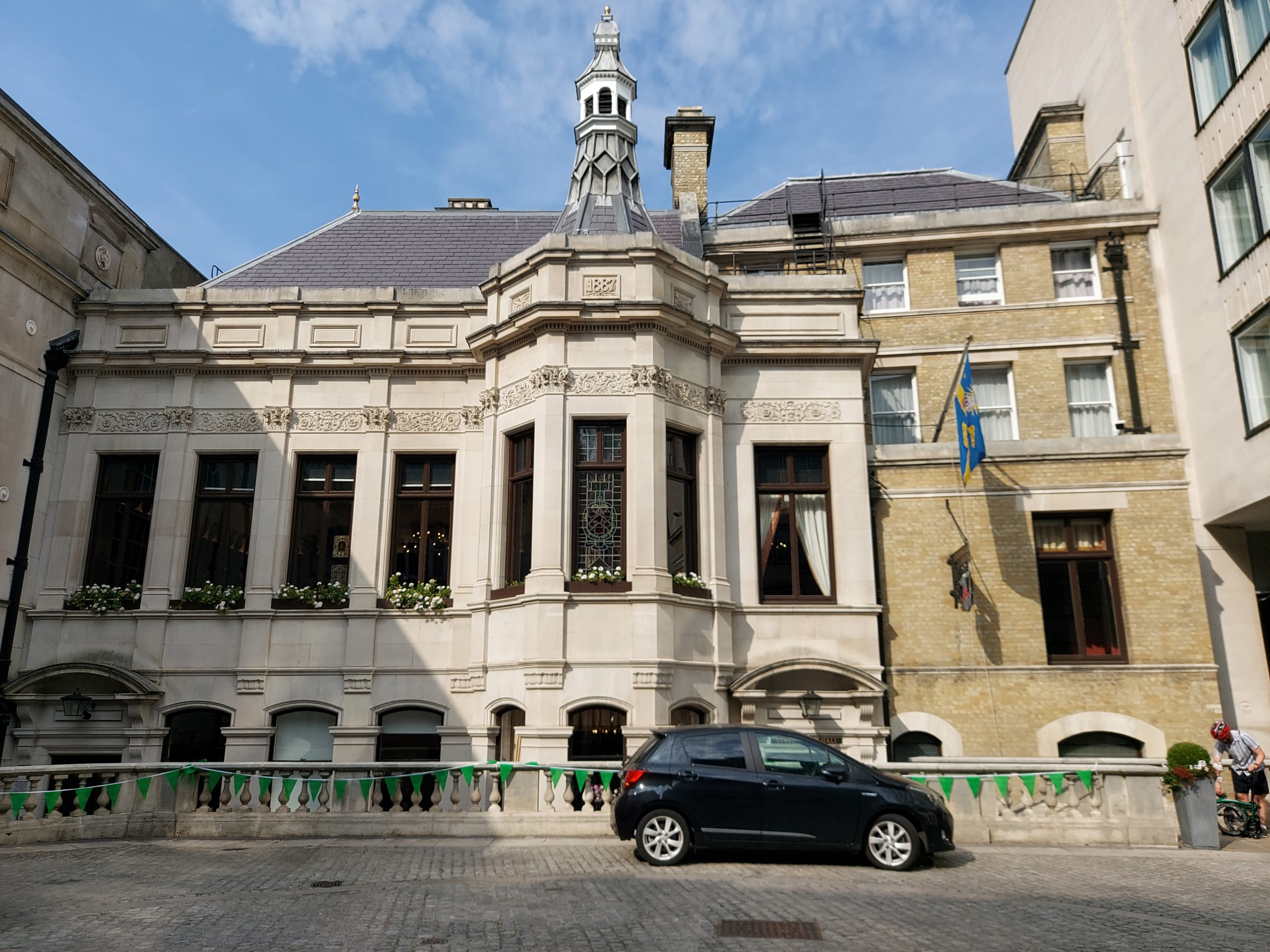
The front of Chartered Accountants' Hall

I began the day with a visit to the Chartered Accountants’ Hall, the headquarters of the Institute of Chartered Accountants in England & Wales. It was originally built in 1890 to the design of Sir John Belcher RA, and was extended in the 1930s and again in the 1960s, this time to a more modern design by Sir William Whitfield. I enjoyed my guided tour of the Hall, especially the decorative bridge, inspired by the Rialto Bridge in Venice. The stained glass windows in this room – the members’ room – are relatively recent, having been created by Alexander Beleschenko in 2022. Now Grade II listed, the building has a fascinating exterior, with a carved stone frieze by Hamo Thorneycroft. Its interior features works of art by, among others, Eduardo Paolozzi.
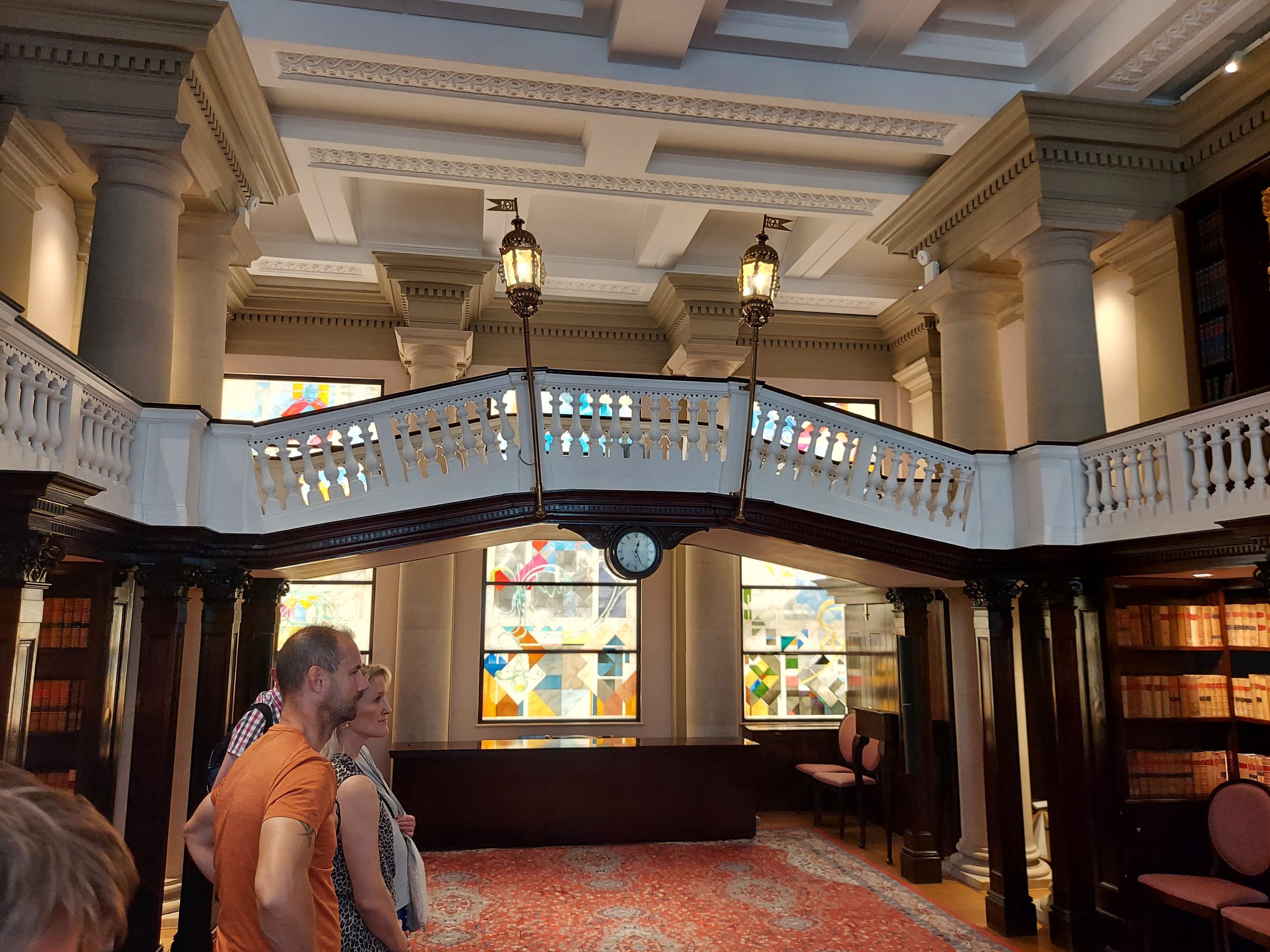
Decorative bridge at Charted Accountants' Hall


Stationers’ Hall

The front of Stationers' Hall

I then made my way to the Stationers’ Hall, home of the Stationers’ Company. The Company has the strap line, “The City of London Livery Company for the Communications and Content Industries“. Stationers’ Hall is one of the few ancient remaining Livery Halls in the City of London. It is Grade I listed and was completed in 1673, after the Great Fire of London.

The hall has several beautiful rooms. The Stock Room, named after the Company’s publishing venture founded in 1603, has oak panelling and carvings dating back to the 17th century, as well as armorial shields of Past Masters of the Company.

She oak panelling and carvings in the Stock Room date back to the 17th century, while around the friezes are displayed the armorial shields of Past Masters or the Company including HRH The Duke of Windsor.  The room takes its name from the Company’s publishing venture founded in 1603. The Court Room is bright, ornate and richly carpeted, with an 18th century carved mantelpiece and gold Rococo ornamentation on the walls. I also particularly liked the images of books dotted here and there around the room.

The Main Hall is the most magnificent room of all, with oak flooring and carved oak panelling dating from the 1600s. It even has a Minstrels’ Gallery. The stained glass windows display several important figures in the world of books and printing, such as William Shakespeare, William Caxton and William Tynedale.

This Hall also has a lovely peaceful garden, which was a joy to relax in after the hectic day.
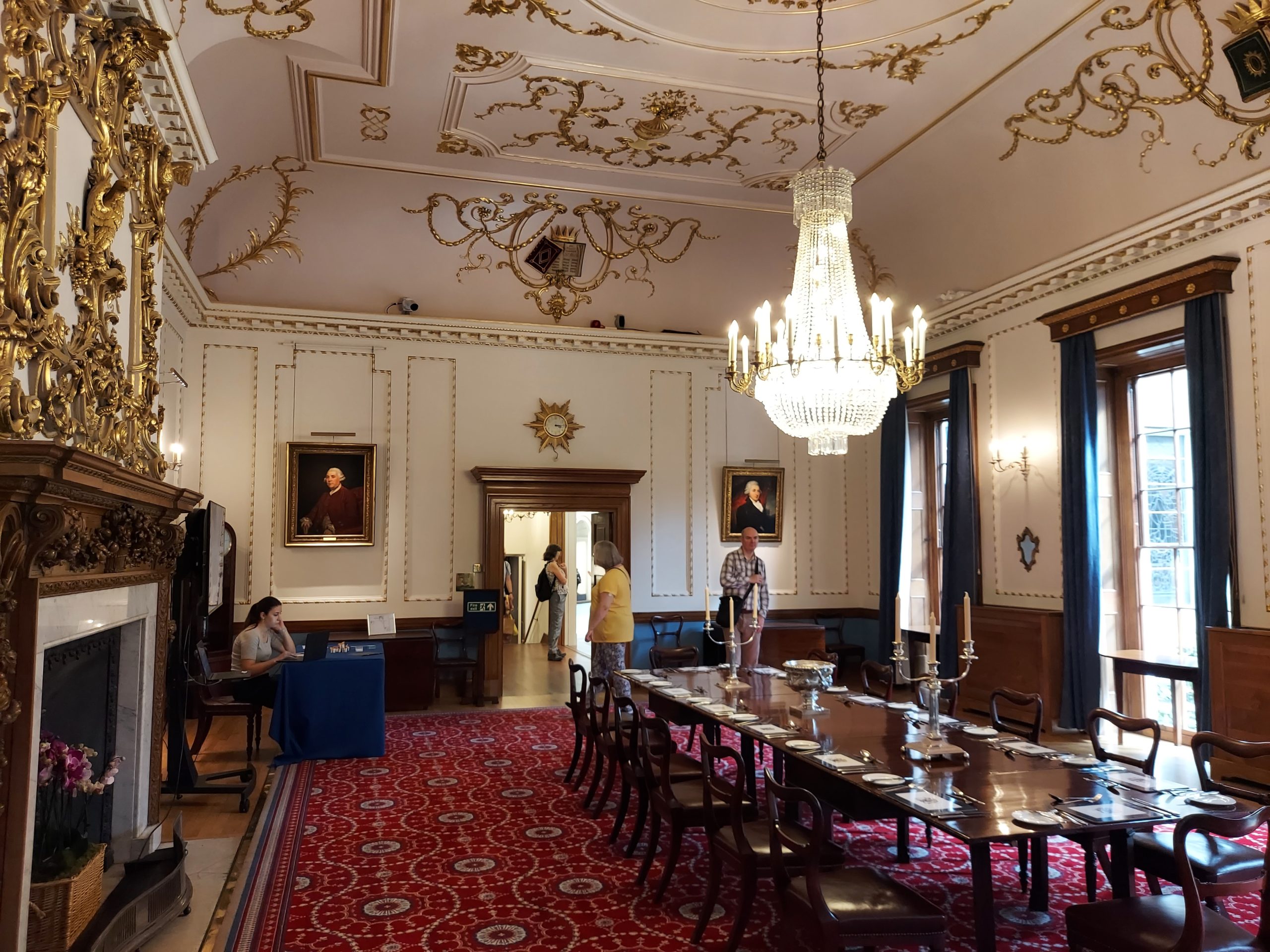
Court Room at Stationers' Hall


Founders’ Hall

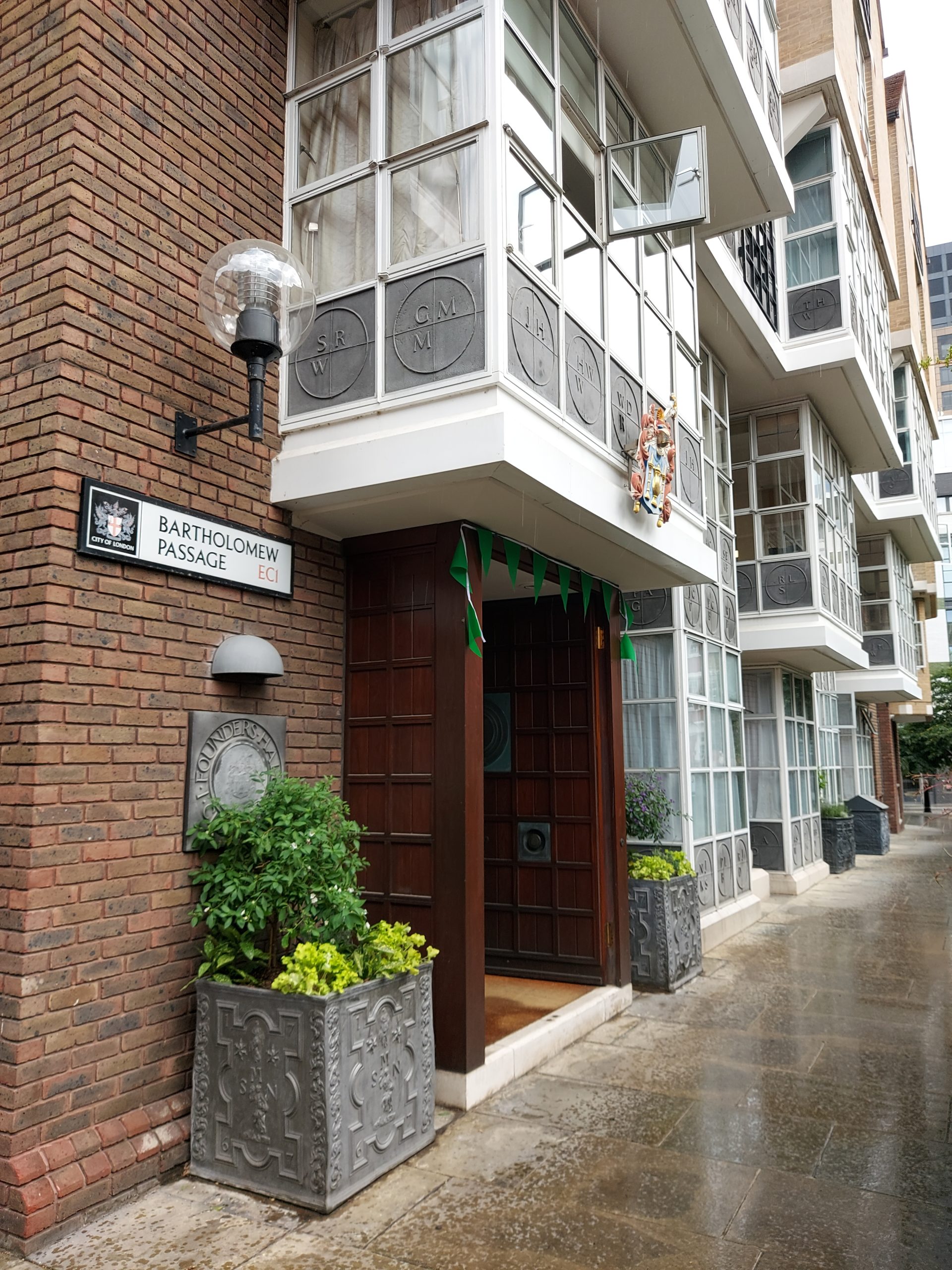
The front of Founders' Hall

Finally, I popped into Founders’ Hall, home to the Worshipful Company of Founders. Unlike the other two halls I visited today, Founders’ Hall is contemporary, though the company itself dates back to 1365. It was formed as a guild aiming to ensure high standards in the production of bronze and brass articles.

The first Hall was destroyed in the Great Fire of London. This one is actually the fifth Hall for the Company, and was begun in 1985, designed by Sam Lloyd. It was Grade II listed in 2018, and contains Arts & Crafts and postmodern influences. Here, it was particularly interesting to see the coats of arms and other articles on display in the basement Hall, and have the chance to ring some bells in the ground floor Parlour.
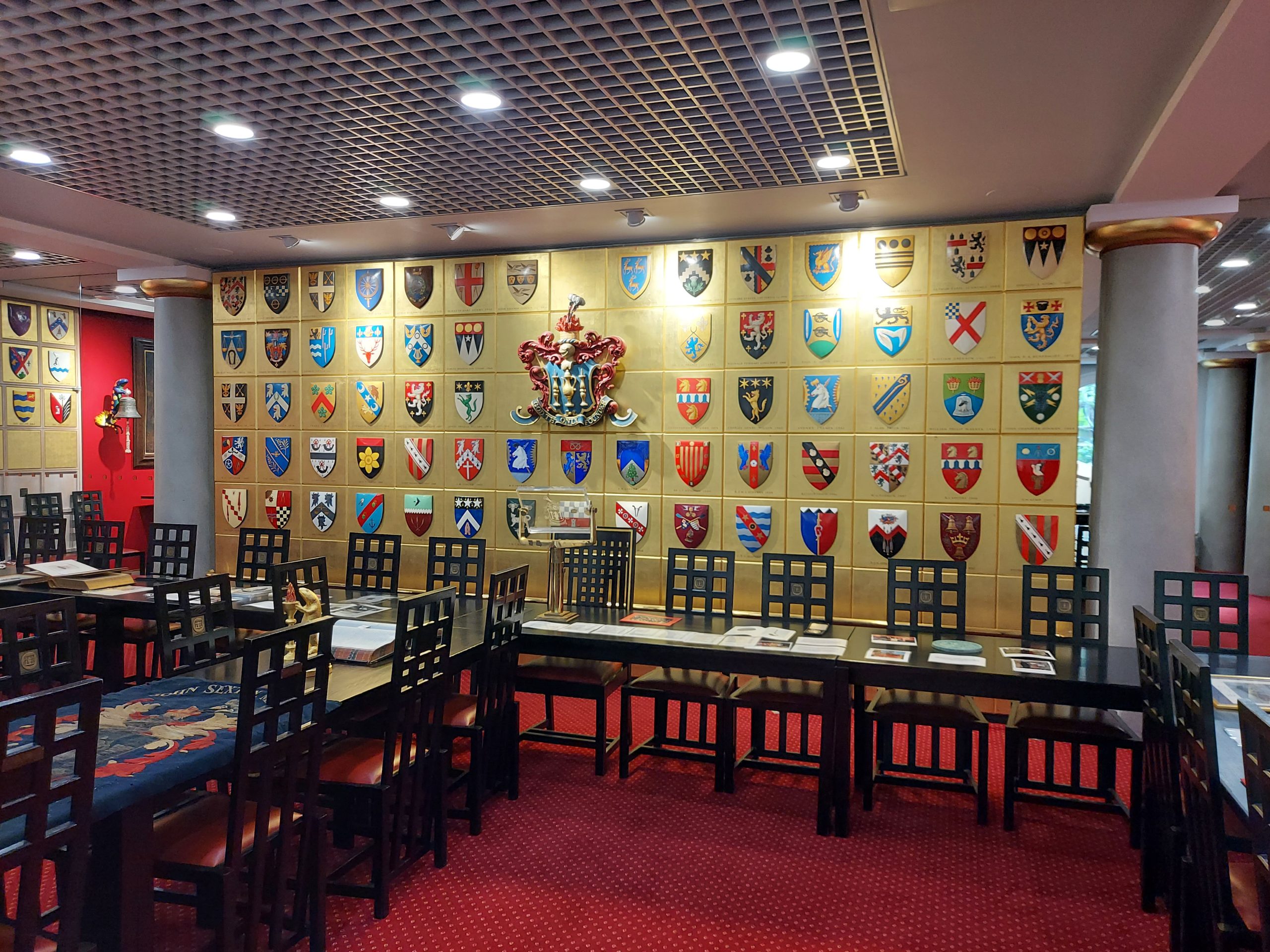
Coats of arms inside Founders' Hall


I had a great day exploring these Halls. I think my favourite was probably Stationers’ Hall, owing to their connection with books and their lovely garden, but they all have their merits, and a great deal of history.

The Golden Hinde (Heritage Open Days)

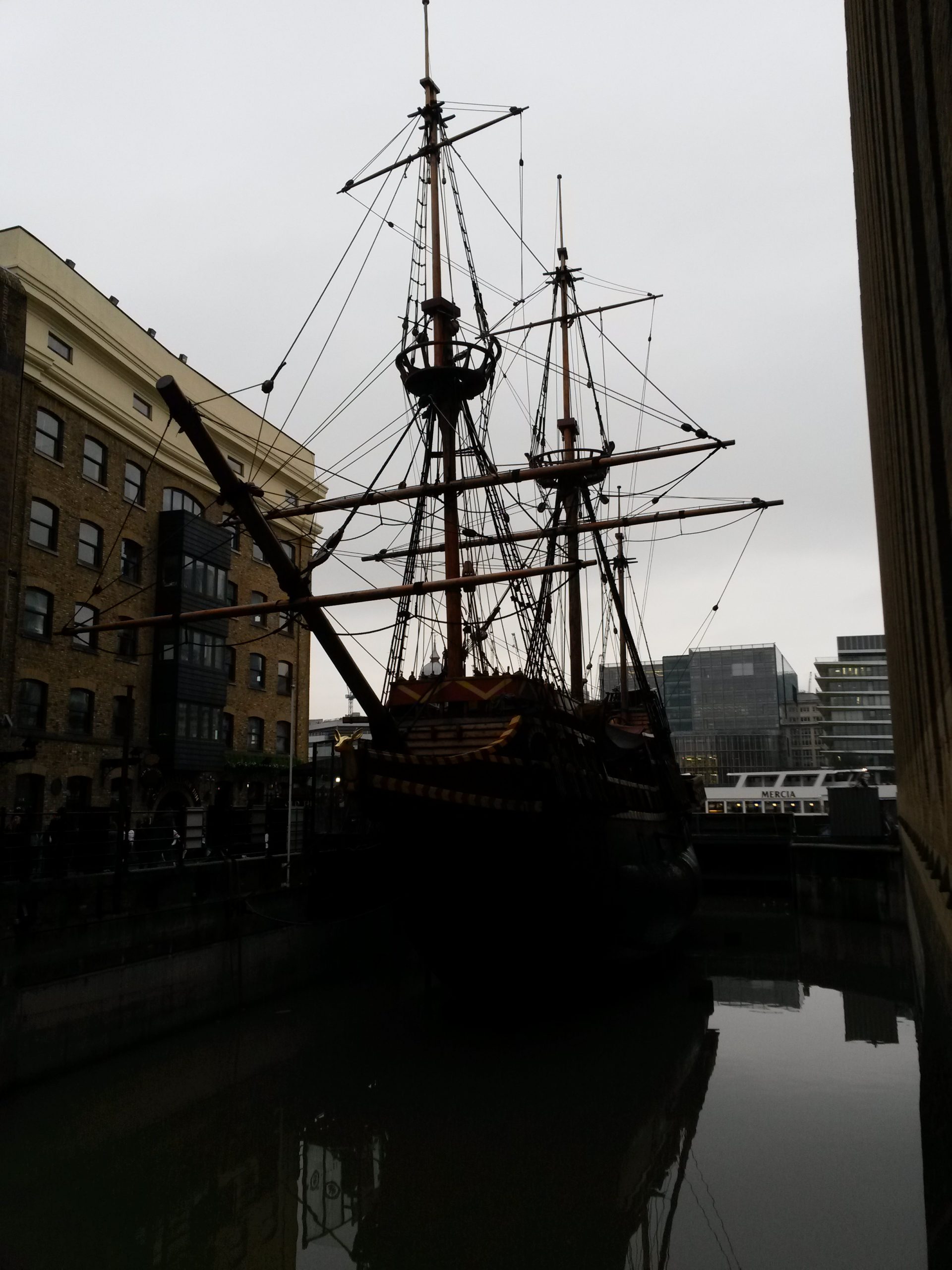
The Golden Hinde

I’ve been meaning to visit the Golden Hinde in Southwark for years, but never got round to it, until this year’s Heritage Open Days when I finally got a chance to pay a visit (and for free).

The original Golden Hinde – the galleon in which Sir Francis Drake circumnavigated the world between 1577 and 1580 – rotted away and eventually broke up some time in the mid-seventeenth century (The best of the remaining timber was made into a chair, known as the ‘Drake chair’, which can be found in the Bodleian Library in Oxford). The current ship, located at St Mary Overie Dock on Bankside, is a full-size reconstruction and was built using traditional methods in Devon, launched in 1973. She has also circumnavigated the world, and has travelled more than 140,000 miles altogether, though she has been based at her current location since 1996.

Below deck on the Golden Hinde

It was fun to wander around the ship, imagining how sailors would have lived and worked on such a craft in the sixteenth century. Costumed guides were also on the ship and entertained the children visiting (as well as adults like me) with stories of life on board. I was particularly grossed out by tales of how the sailors wiped their bottoms, but the kids were delighted!

The water in the dock is currently drained as the ship is undergoing conservation work aimed at preserving it well into the future. Tours of the ship are available, and gigs occasionally take place on board, as well as events such as talks about female pirates to celebrate International Women’s History Month.

Inside the Golden Hinde

FACTS

Address: St Mary Overie’s Dock, Cathedral St, London, SE1 9DE

Website: goldenhinde.co.uk

Opening Hours: Daily 10am-5pm

Price: Visitors aged 3 and over £6, visitors aged 2 and under free, families of 4 £18.