Rebel Badge Club: Local Adventure

I decided to work on the Local Adventure badge as I was back up north staying with my parents. Despite growing up in the area there were loads of places I’d never been to (and others I last visited a long time ago) so it was great to get out more and see new things.

Learn to navigate using an Ordnance Survey map.

I completed this clause as part of the Explorer badge.

Set a map using a compass.

I also completed this clause for Explorer.

Create a detailed map of your local area, including key landmarks, local features and infrastructure.
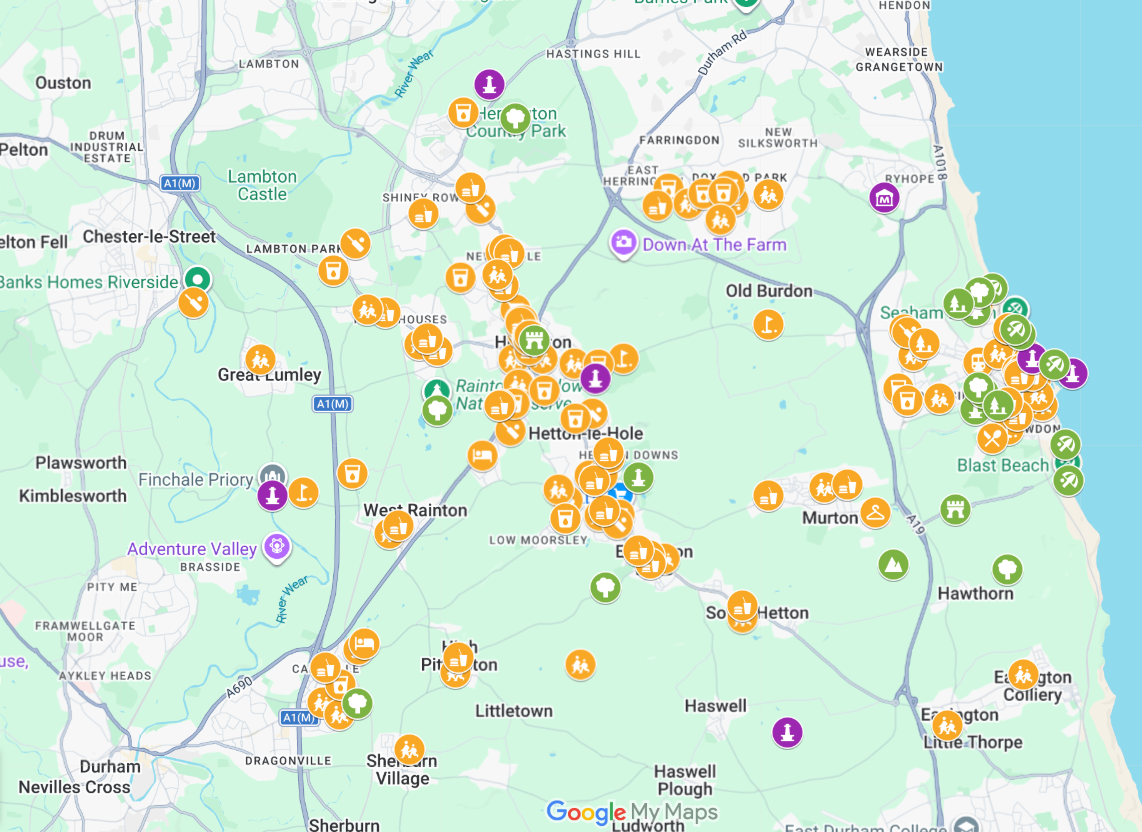
Map of my local area

Over a period of three months, explore your local area using public transport, and keep a log of your trips, including date, distance, location and weather.

DateDistanceLocationPlaceWeather
24/01/202611.5 milesBeamishBeamish MuseumCold, bright
28/02/202618.7 milesTynemouthTynemouth AquariumCold, cloudy
21/03/202614.1 milesJarrowJarrow HallWarm, bright
04/05/20266.1 milesSeahamSeaham BeachWarm, bright
25/05/202651.9 milesAlnwickAlnwick GardensWarm, bright
16/06/202617.3 milesWallsendSegedunum Roman FortCool, windy
19/06/202615.6 milesSouth ShieldsArbeia Roman Fort, South Shields Museum & Art GalleryWarm, bright
15/08/202611.7 milesWashingtonWashington Old HallWarm, bright
16/08/20268 milesDurhamCrook Hall GardensWarm, bright
06/09/202677.6 milesHoly IslandLindisfarne PrioryRainy, cool
12/09/202610.2 milesSunderlandHylton CastleWarm, bright
12/09/20267.1 milesSunderlandRyhope Engines MuseumWarm, bright
15/09/202633.9 milesCorbridgeCorbridge Roman TownWarm, windy
17/09/202626.6 milesStocksfieldCherryburnWarm, bright
17/09/202618 milesOuseburnVictoria TunnelWarm, bright
20/09/202630.5 milesWylamGeorge Stephenson’s BirthplaceWarm, bright

Research the different modes of public transport available in your area.

Mode of TransportProsCons
BusServes a wide network
Cheapest mode
Delays
Irregular services
Long journeys
MetroFast
Serves urban areas
Good value (when using Pop card/day ticket)
Delays
Doesn’t cover everywhere
Expensive (single ticket)
Shields FerryQuickest way to travel between North & South ShieldsOnly useful in that specific location
CoachUseful for day trips
Good value
Sticks to rigid timetable
Subject to late passengers
TaxiDoor-to-door serviceExpensive

Plan a journey which involves at least two hours of travel each way, to somewhere you have never been before.

I visited Corbridge Roman Town, which involved two separate bus journeys of an hour each. I loved exploring the town, which has only been partly excavated, but still has a lot to see. There is also a small museum.
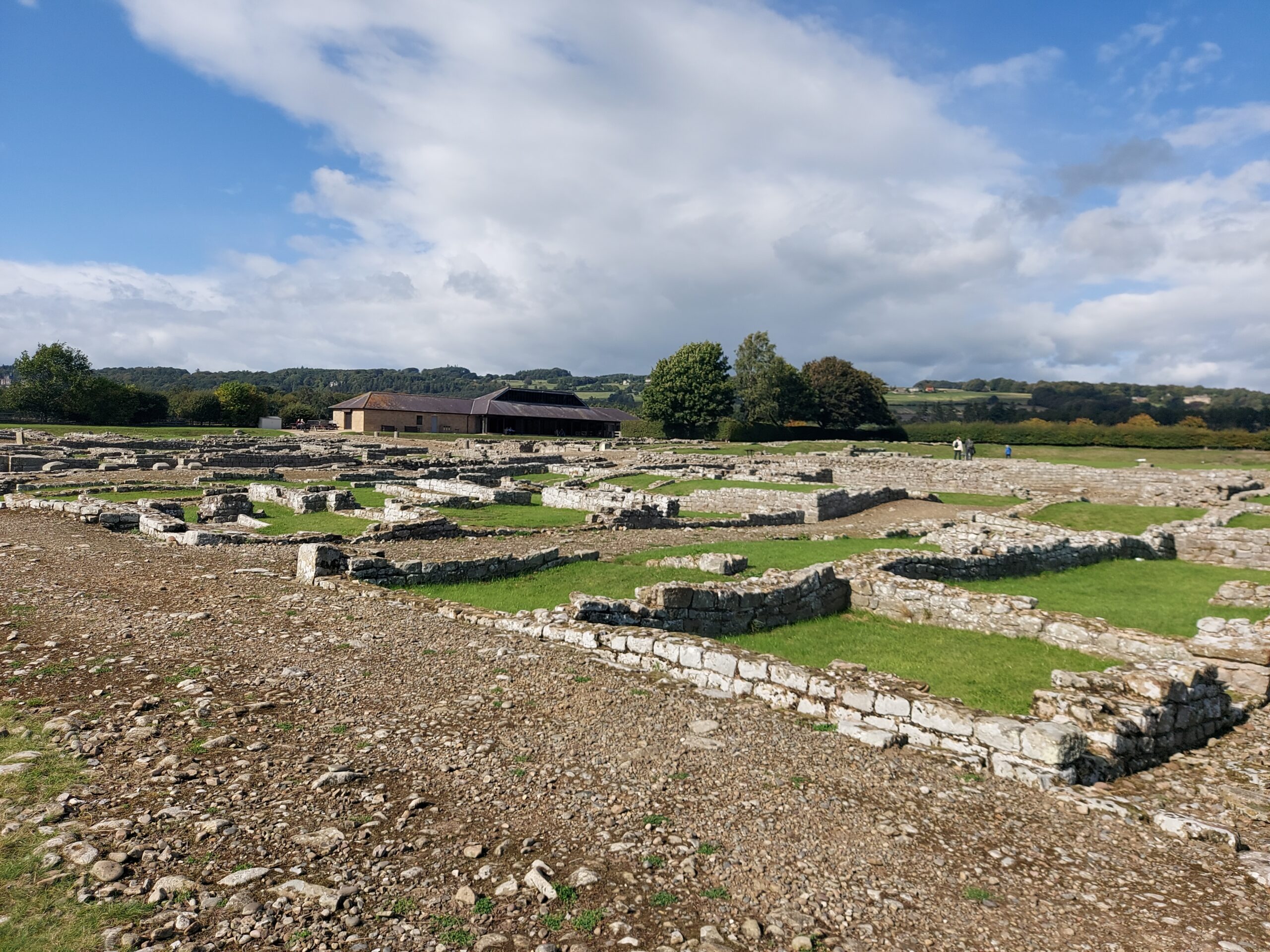
Corbridge Roman Town

Plan an interesting day trip. Visit at least three different places of interest.

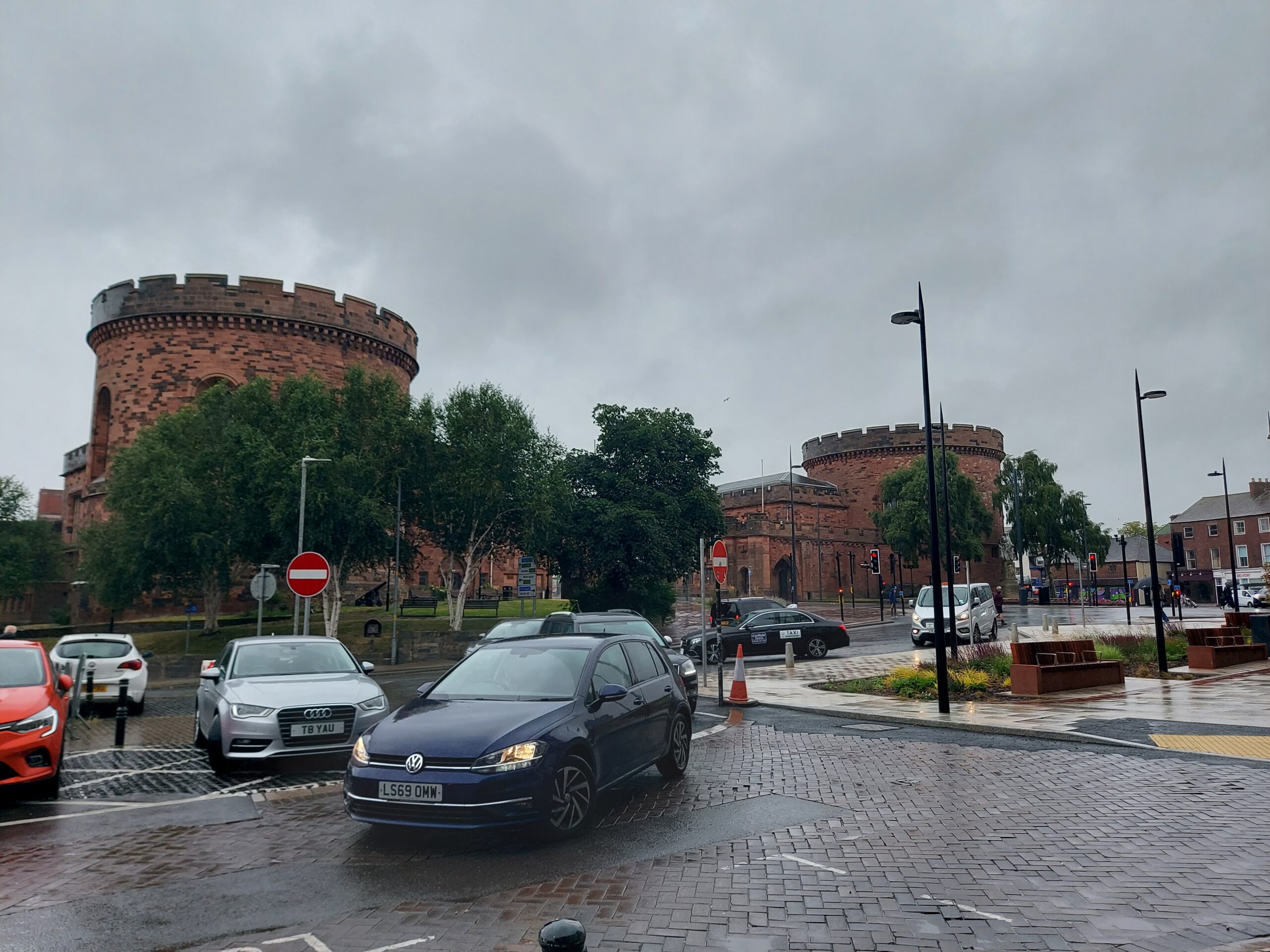
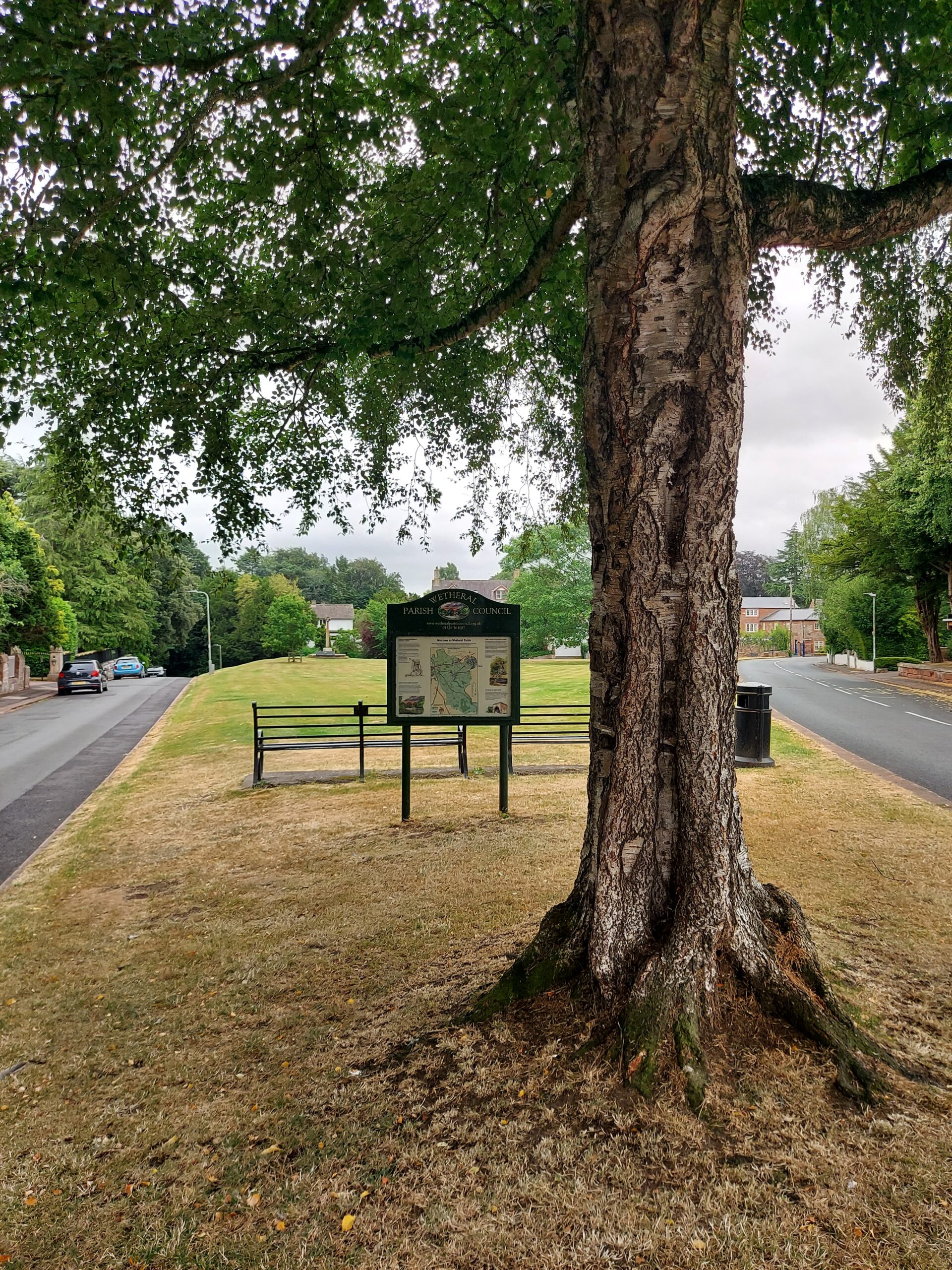
My friend Elisa and I decided to travel all the way to Carlisle on the Tyne Valley Line and work our way back. In the end we only had time for three stops – Carlisle, Wetheral and Corbridge – before returning to Newcastle. We still had a lot of fun and experienced all kinds of weather (stopping off in Primark in Carlisle for emergency raincoats). I enjoyed exploring Carlisle Cathedral and learning about its history but the funniest part of the day was crashing a wedding reception in Wetheral.
Plan a solo overnight trip.

I spent three nights staying at Herding Hill Farm, a glamping site near Haltwhistle, from 16-19 June. I travelled there via bus and train and took clothes for all weathers, crafting paraphernalia, tea and coffee, and food to microwave.

I spent my time visiting Roman forts and other sites on and near Hadrian’s Wall, including Vindolanda, Housesteads, Birdoswald, the Roman Army Museum and Lanercost Priory. I loved experiencing these sites without the pressure of walking the Wall. I learned a lot about life in Roman times!
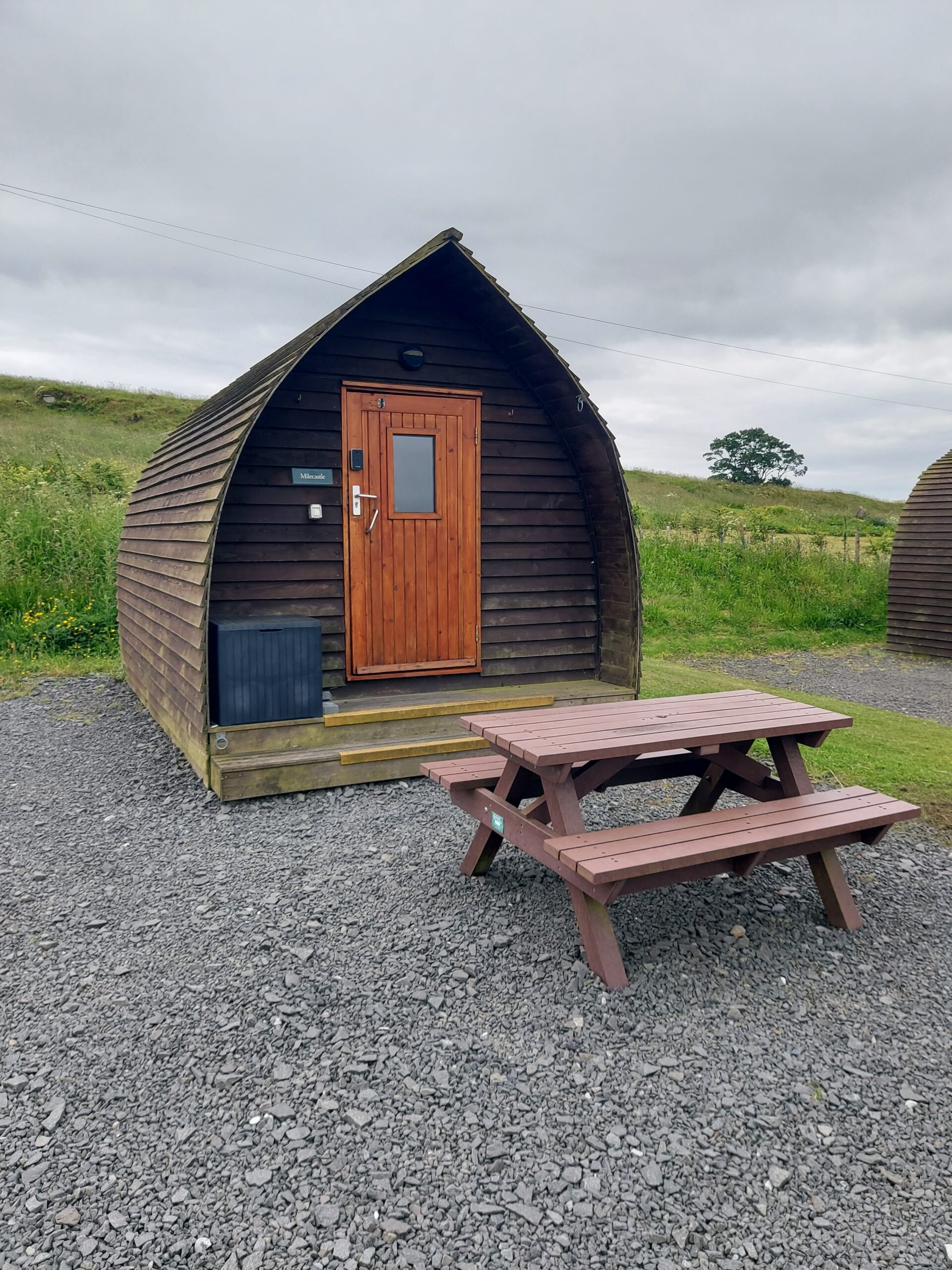
Herding Hill Farm

Plan a two night stay with friends, somewhere you have never been before.

I took part in the North East England Rebellion Camp from 21-23 August. We stayed at Pasture House near Consett; some of us camped and others stayed inside. Some drove, others took the bus and I got a taxi for the last part of my journey. I took all my camping equipment and we organised a food delivery. We did lots of activities including wine tasting, bobbin lace making and wood whittling. I particularly enjoyed the talent show!
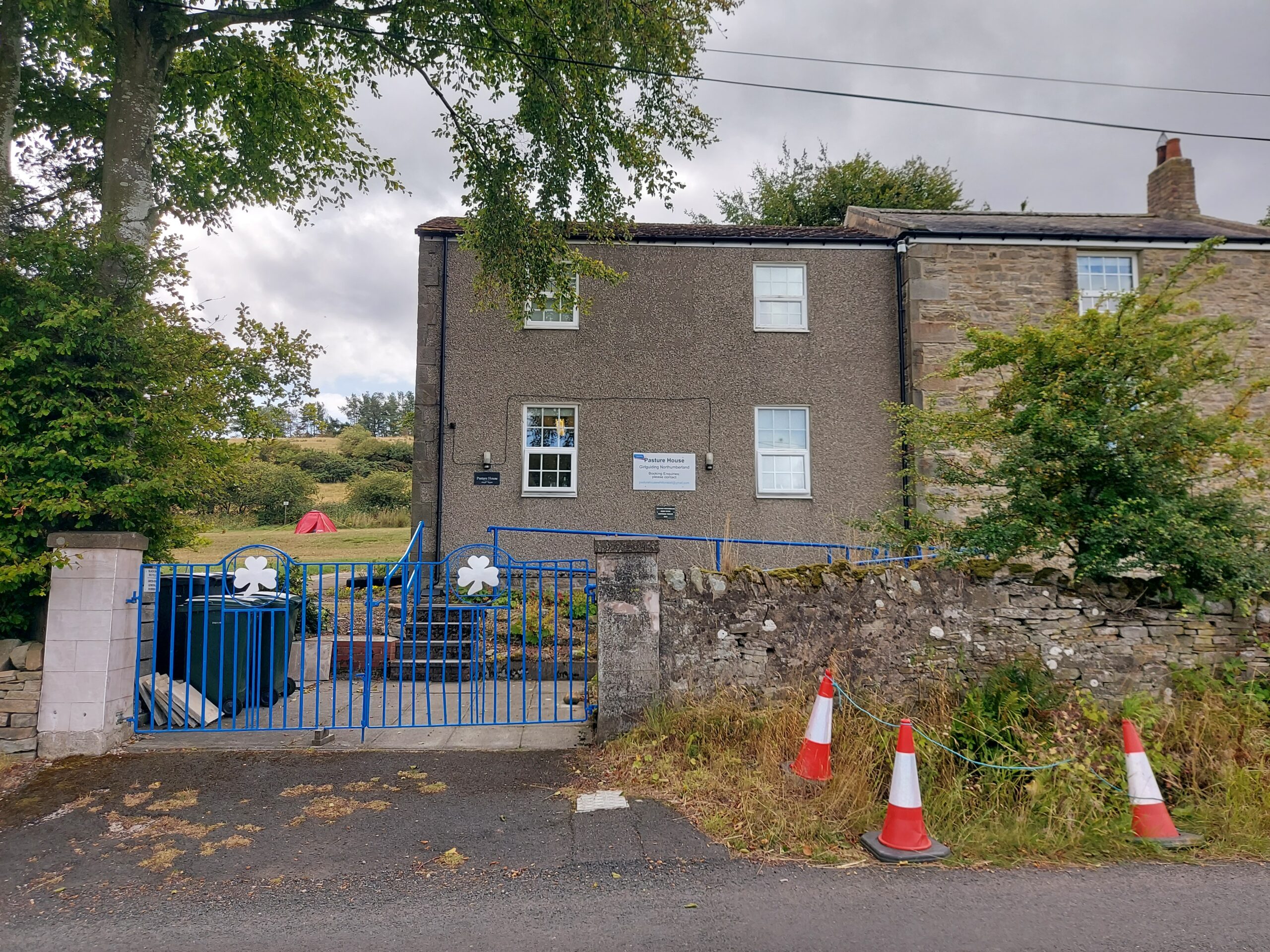
Pasture House

Play a volunteer role in an organised event.

I volunteered for the Great North Run, as part of the team handing out the medals at the end of the event. The atmosphere was brilliant and I had a great time. We also had lunch provided by Greggs!
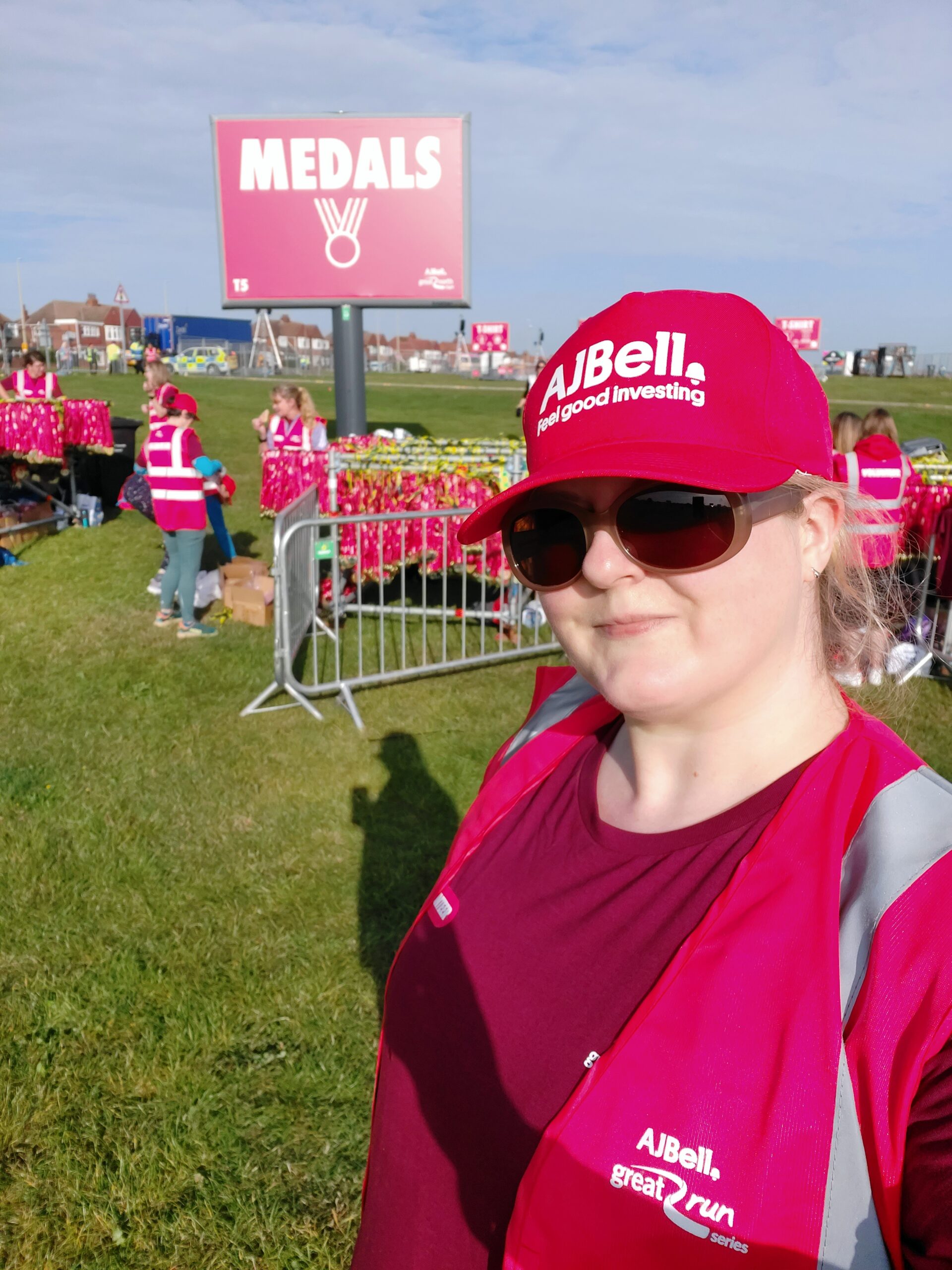
Me at the Great North Run

Date completed: 30 September 2026
Rebel Badge Club: Wild Crafter

I completed this badge as part of the Be Creative quarterly. I enjoyed all of these crafts and would try them all again. I completed the following five projects:

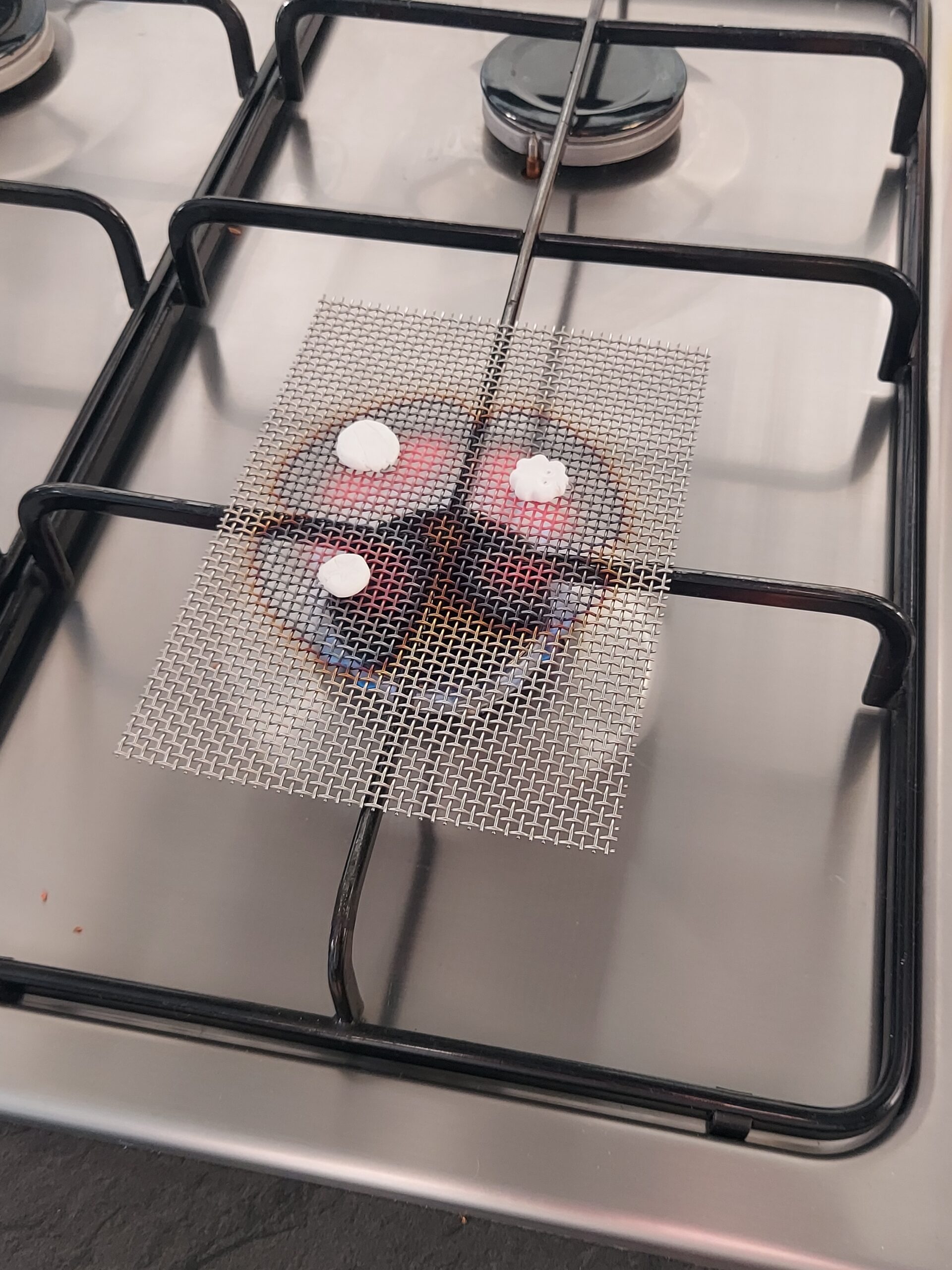
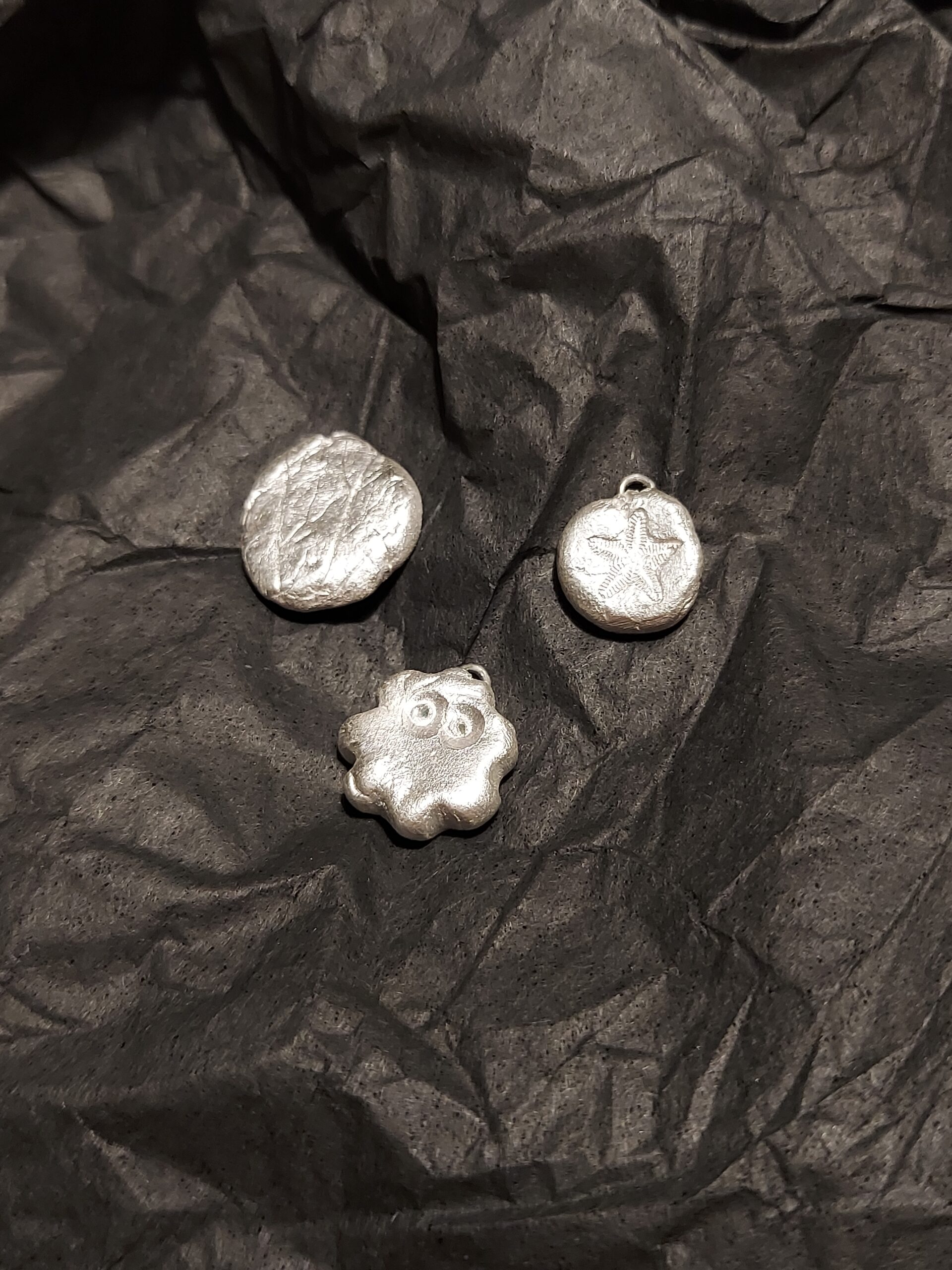
Make an item of jewellery using a natural find & silver clay

I made one charm using a leaf to make an imprint, and another using a fossil. I had a bit of clay left over so made a soot sprite.

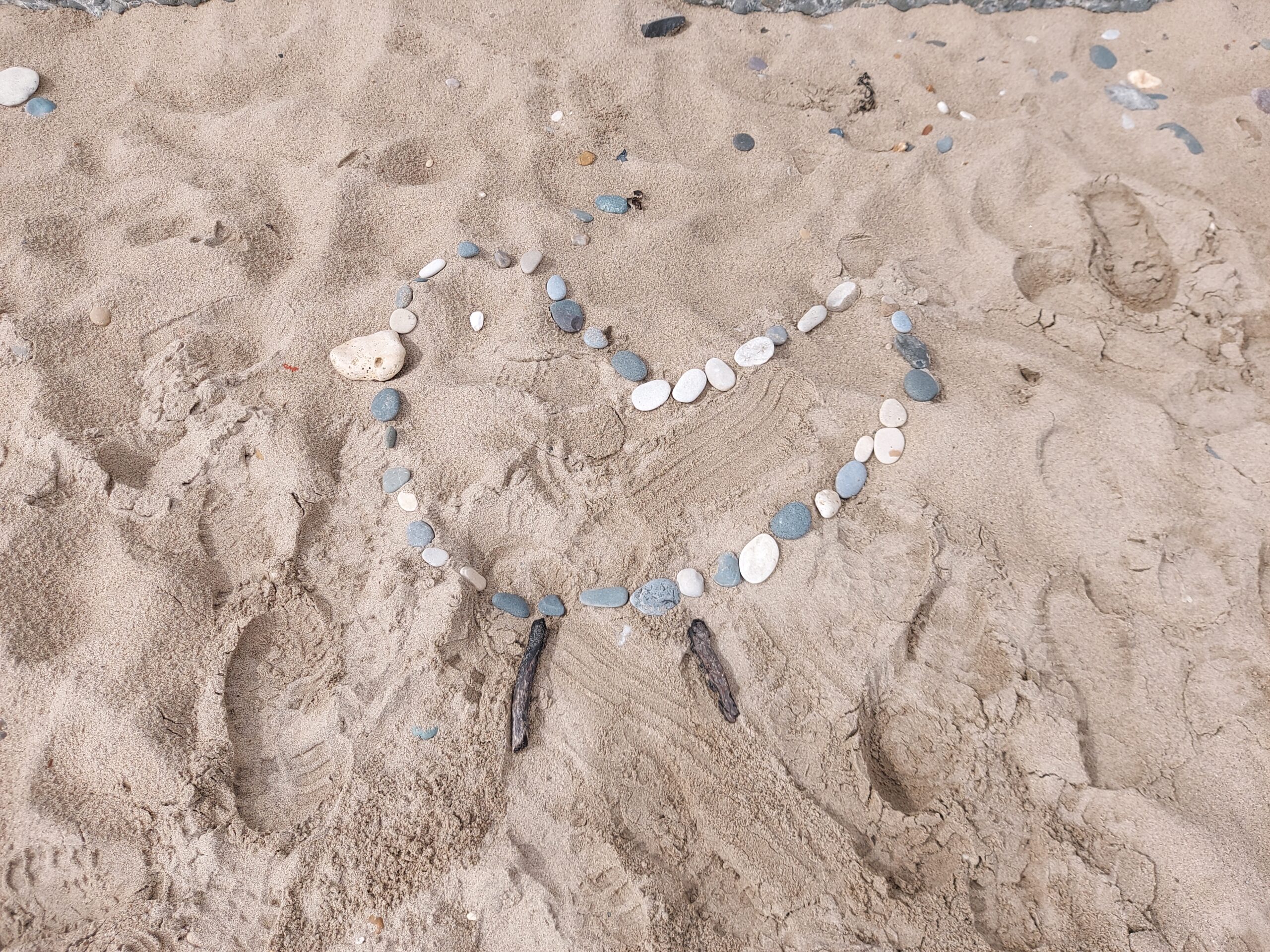
Make a piece of ephemeral art outdoors

I used pebbles to make a picture of a duck at the beach.

A duck made from pebbles

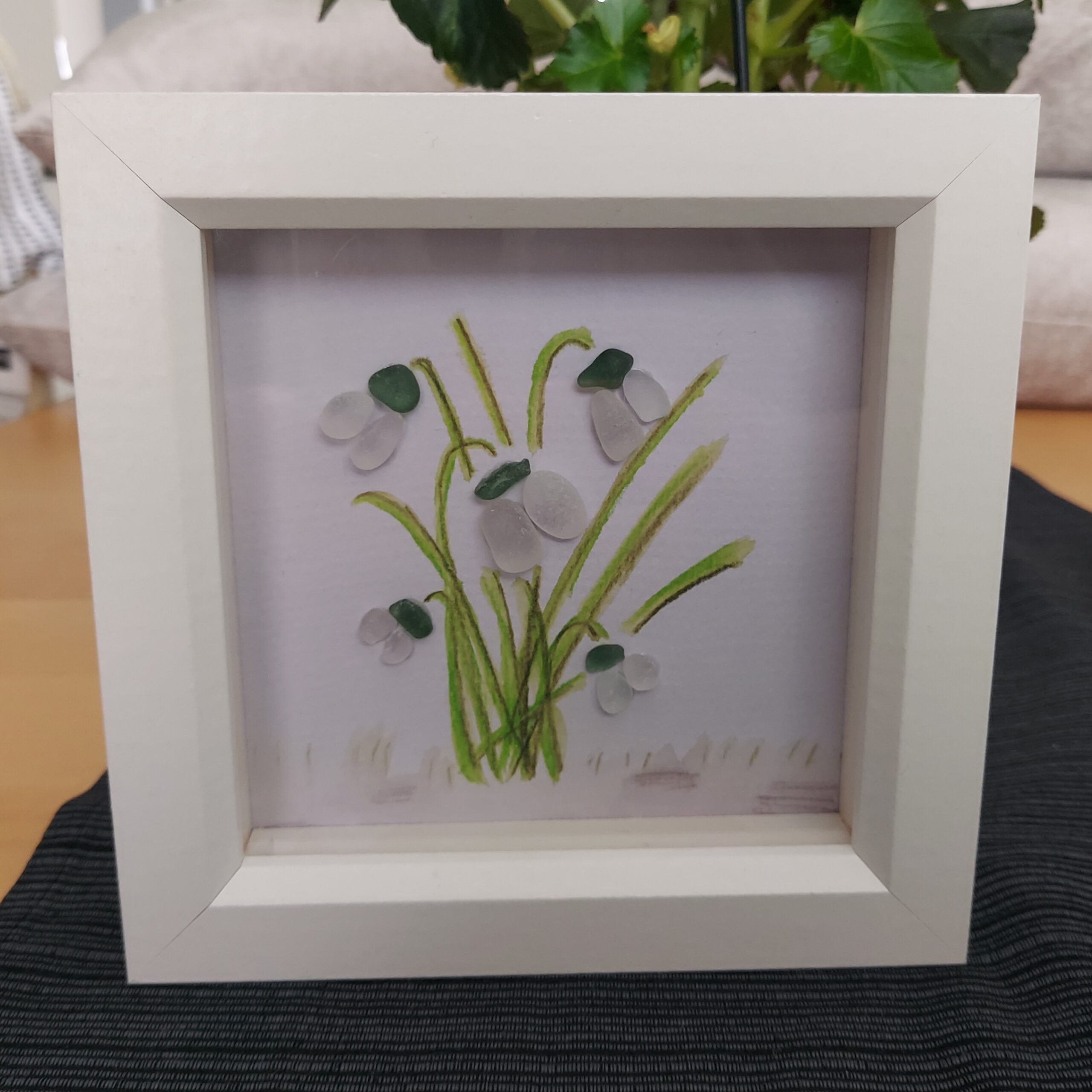
Create a piece of art using sea glass

I collected sea glass at Seaham and used it to make a picture of some snowdrops.

Snowdrop sea glass art in a frame

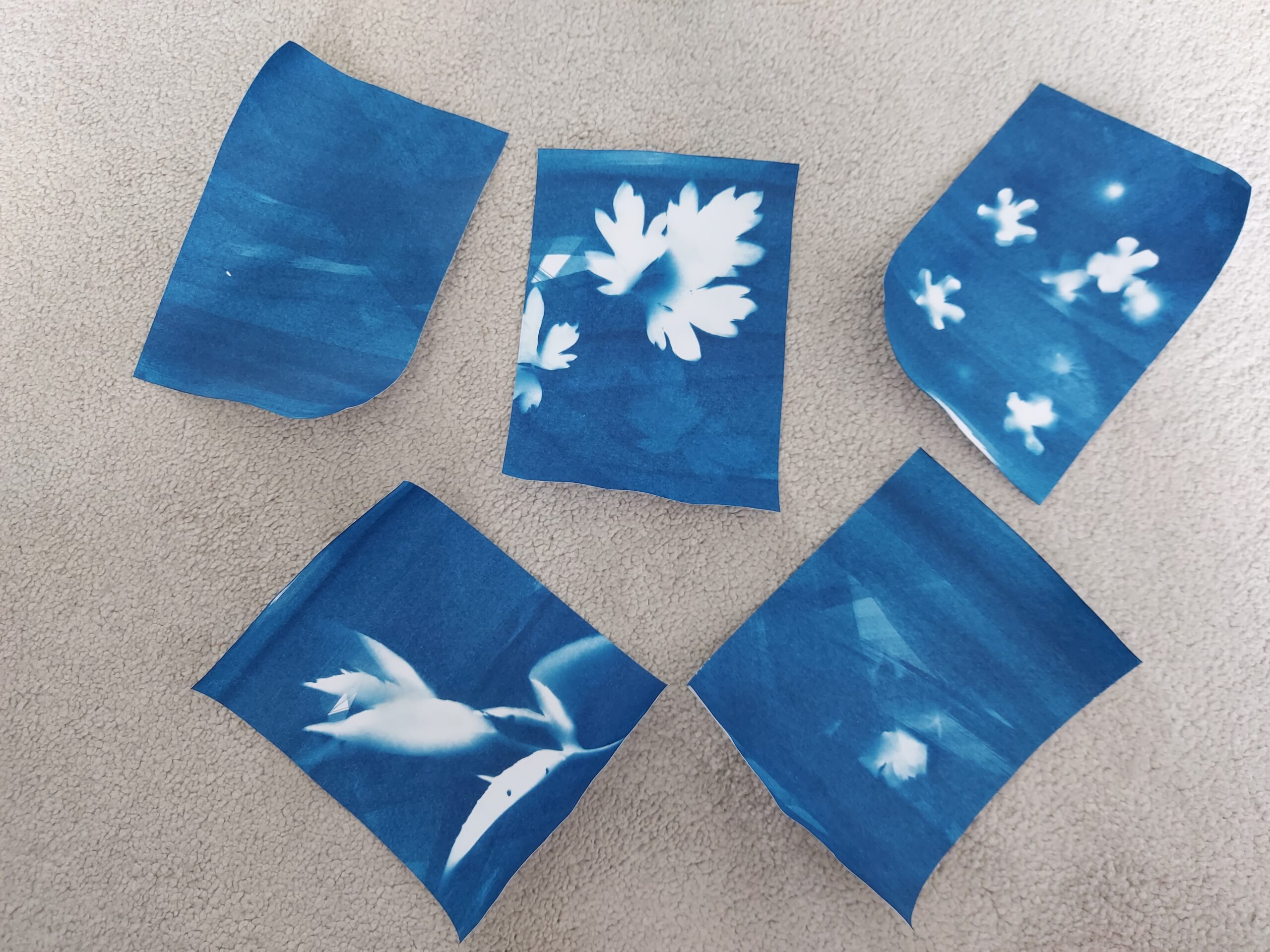
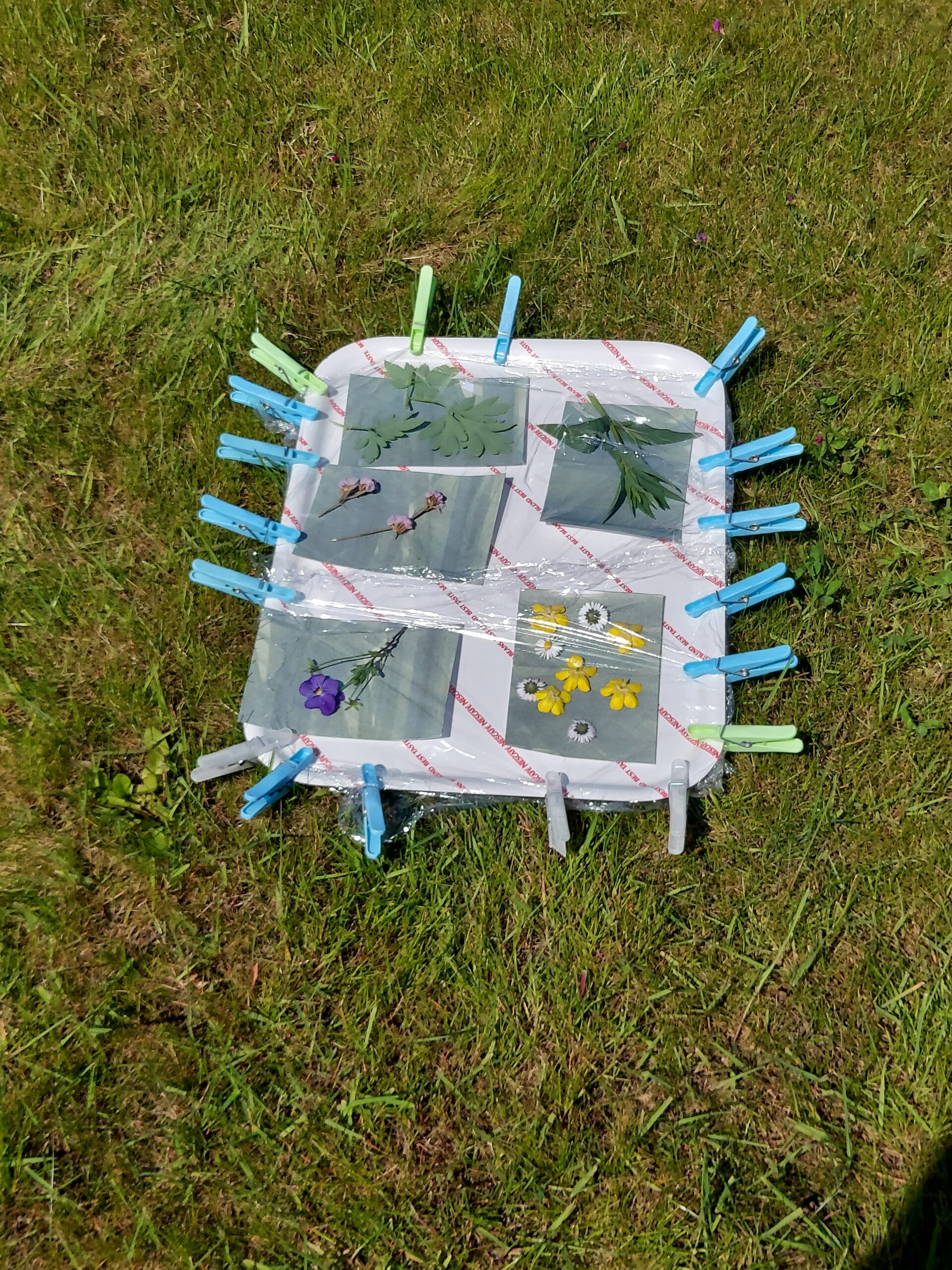
Use cyanotype paper or fabric to make art using natural objects and the sun

I enjoyed this process, although the wind drove me mad and nearly ruined some of the pictures. Some of my images came out better than others: I’d like to try this one again.

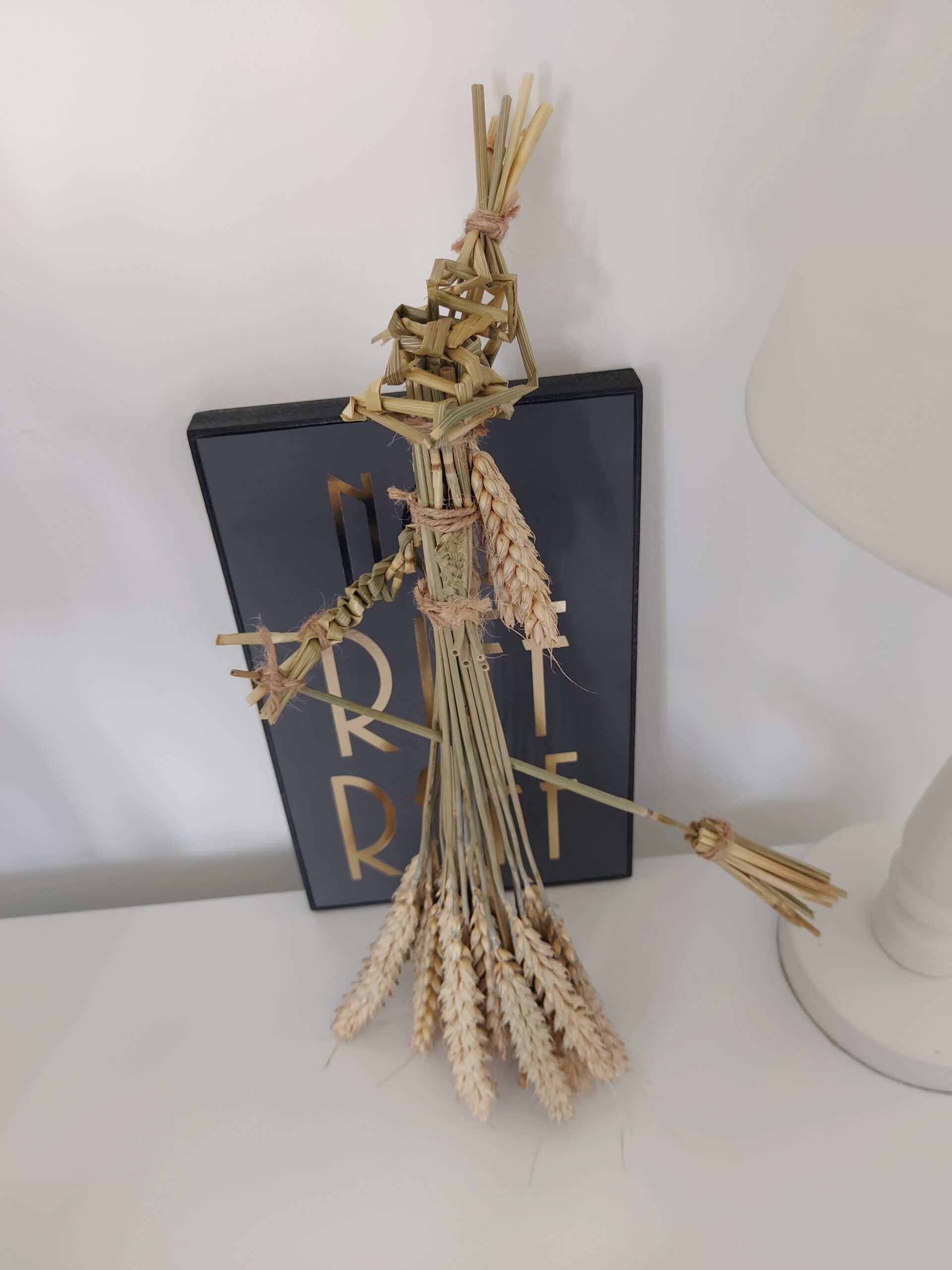
Make a straw dolly or corn husk doll

I made a straw witch for a Cup task a couple of years ago.

Straw Dolly

Date completed: 29 May 2026

Rebel Badge Club: Archaeologist

I completed the Archaeologist badge as part of the Inspire 2026 quarterly challenge. I really enjoyed this badge and did a lot more clauses than I had to! I don’t know if I would make a good archaeologist, because I would get bored and tired with all the outdoor excavations and the long periods of finding nothing, but I do enjoy reading about the subject.

Make a beginner’s guide to archaeology.

Visit a site where a significant archaeological find was made.

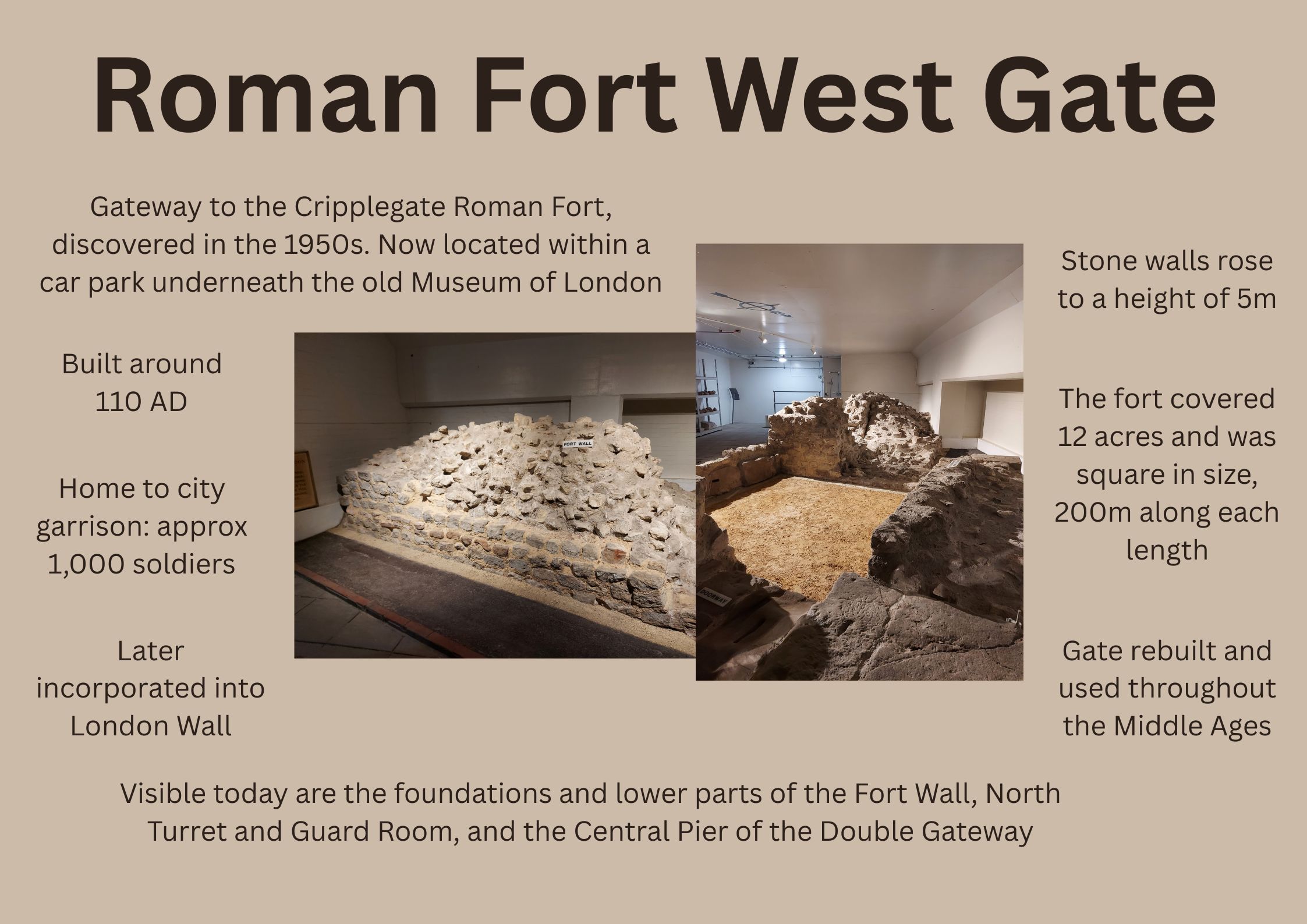
I went on a tour of the Roman Fort West Gate near the old Museum of London, and made a poster about my findings.

Roman Fort West Gate poster

Watch a documentary or read a book about a significant archaeological discovery.

I read Howard Carter‘s trilogy about the discovery of Tutankhamun’s tomb.

Research the career of a well known archaeologist.

I made a presentation about the archaeologist Max Mallowan, best known for being the husband of Agatha Christie.

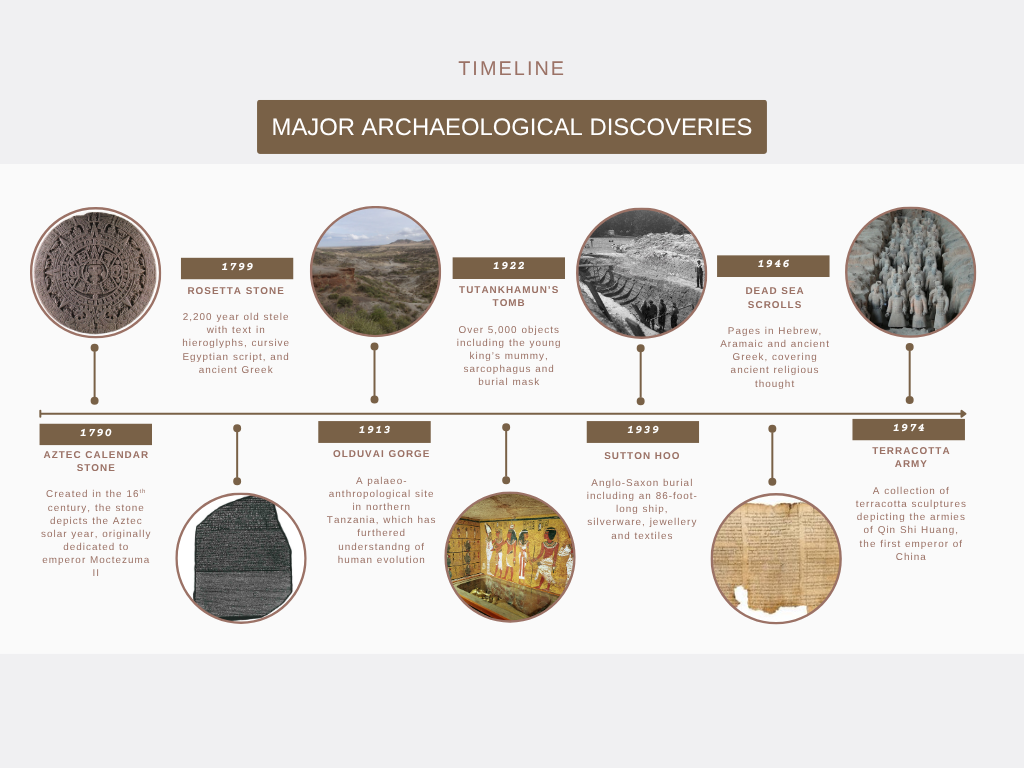
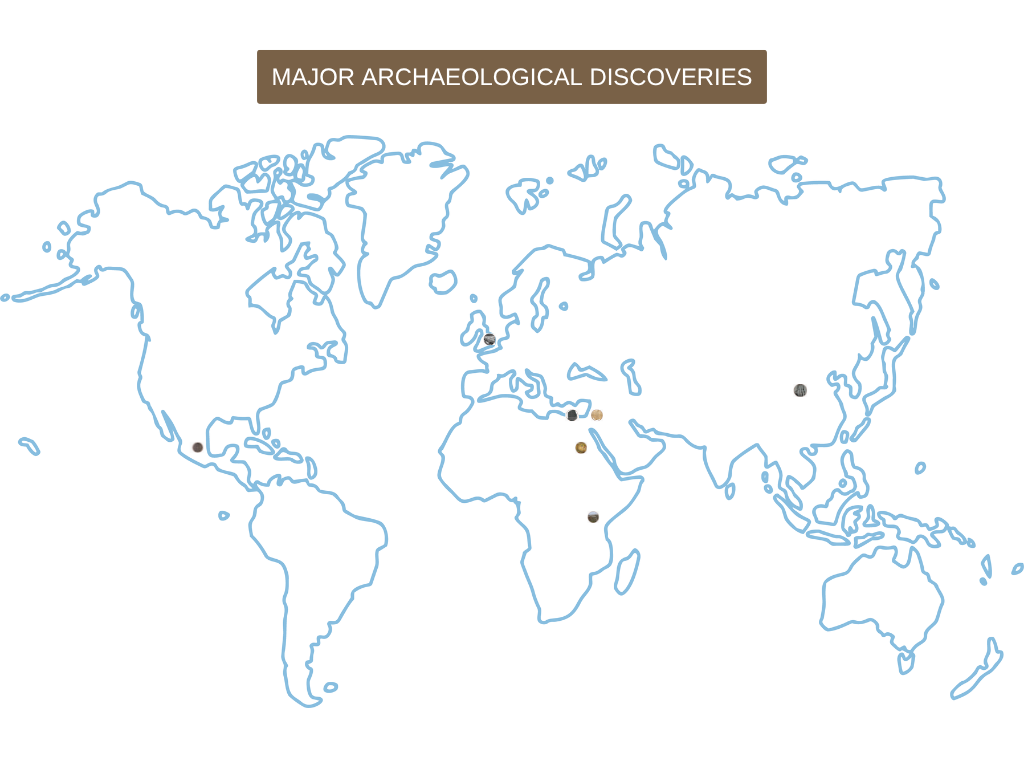
Make a timeline of major archaeological discoveries.

Major Archaeological Discoveries timeline

Major Archaeological Discoveries mapped

Find out about digs in your local area and what has been discovered where you live.

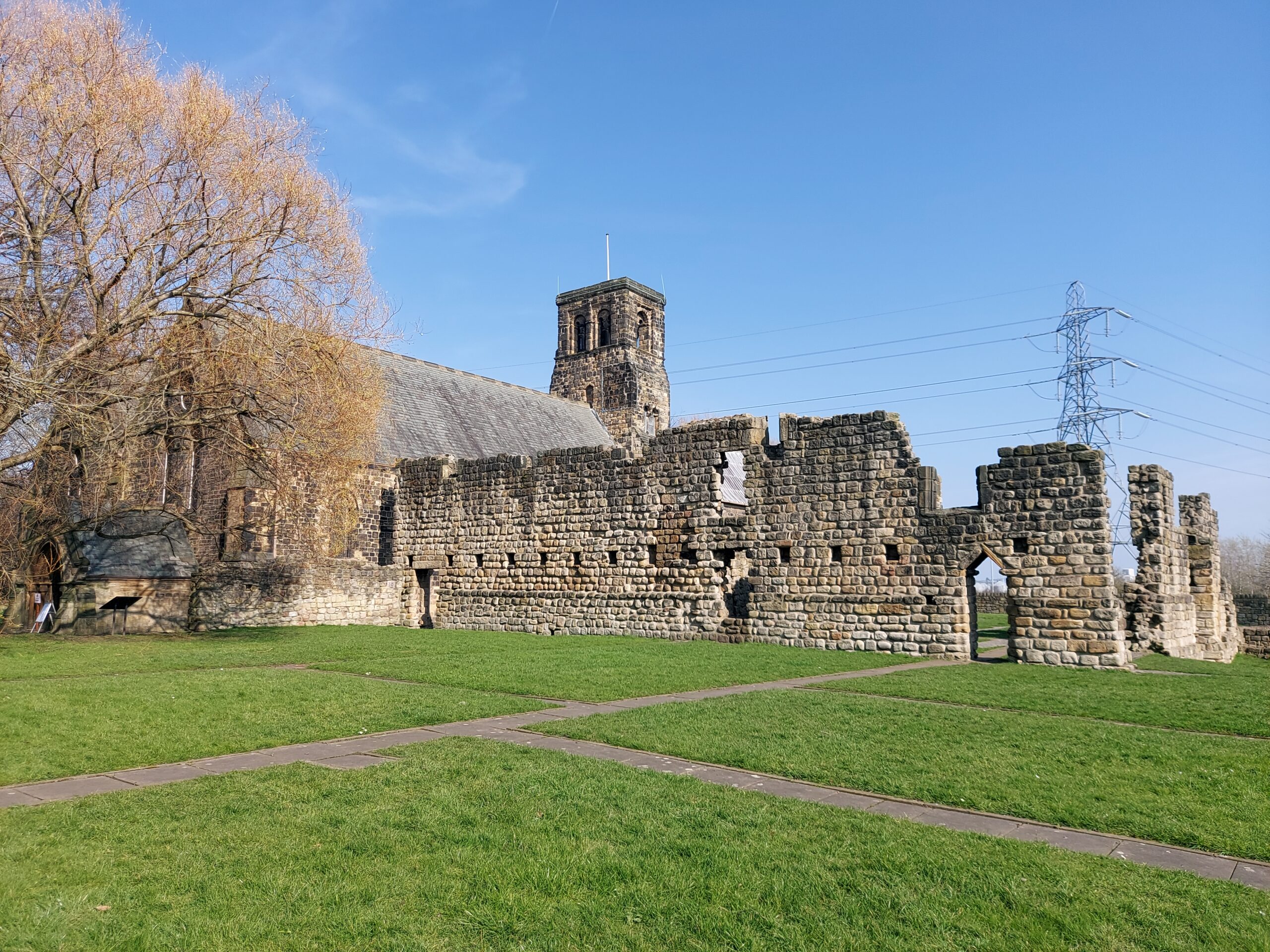
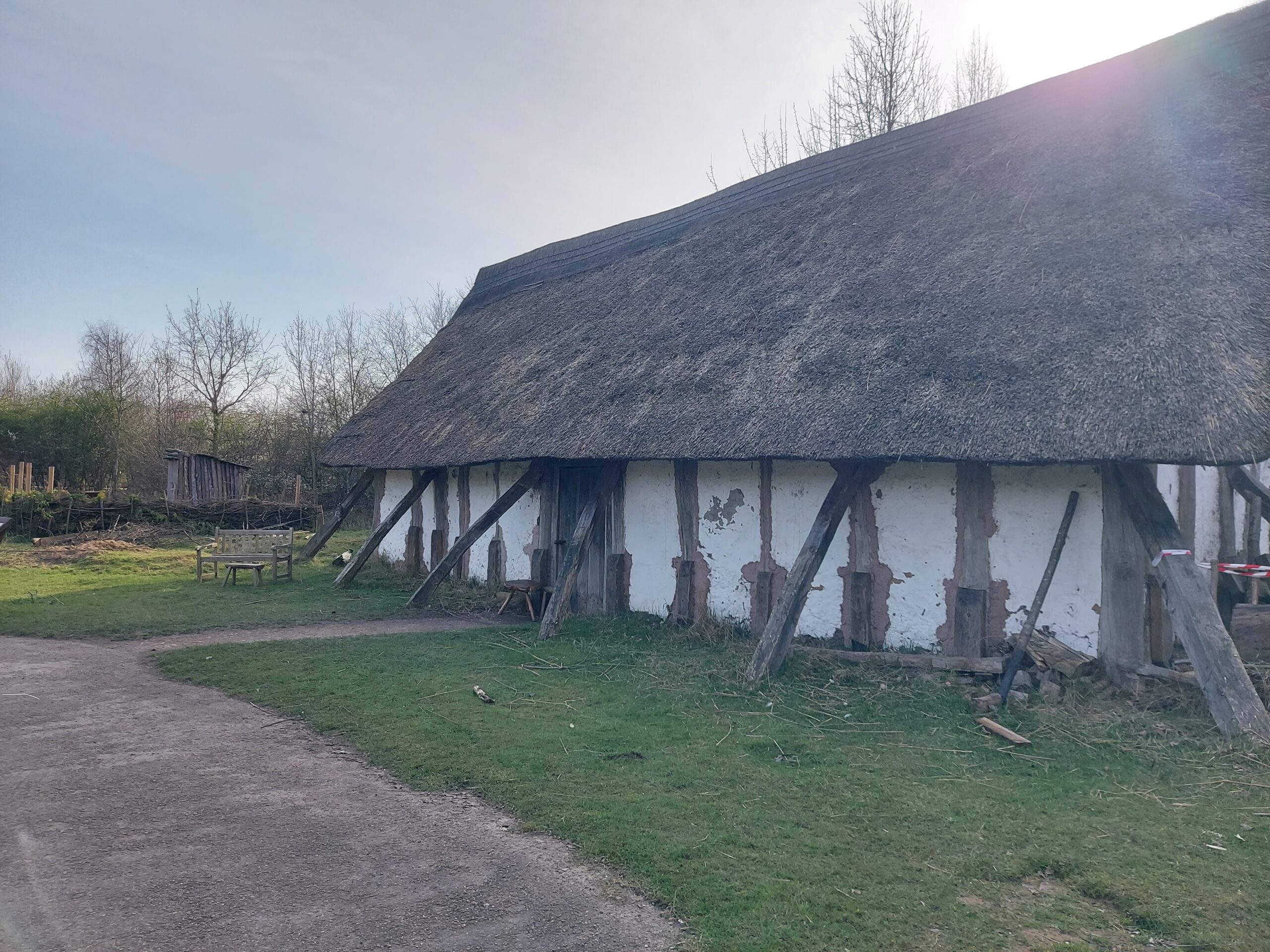
I visited Jarrow Hall: Anglo-Saxon Farm, Village and Bede Museum near Newcastle, Tyne and Wear. Bede Museum displays artefacts relating to medieval monastic life, many found nearby on the site of St Paul’s Monastery. The Anglo-Saxon Farm is an exercise in experimental archaeology, featuring breeds close to those that would have been farmed during the monastery’s heyday, and the Village contains buildings reconstructed from archaeological discoveries and plans.

Attend a talk about an archaeological dig.

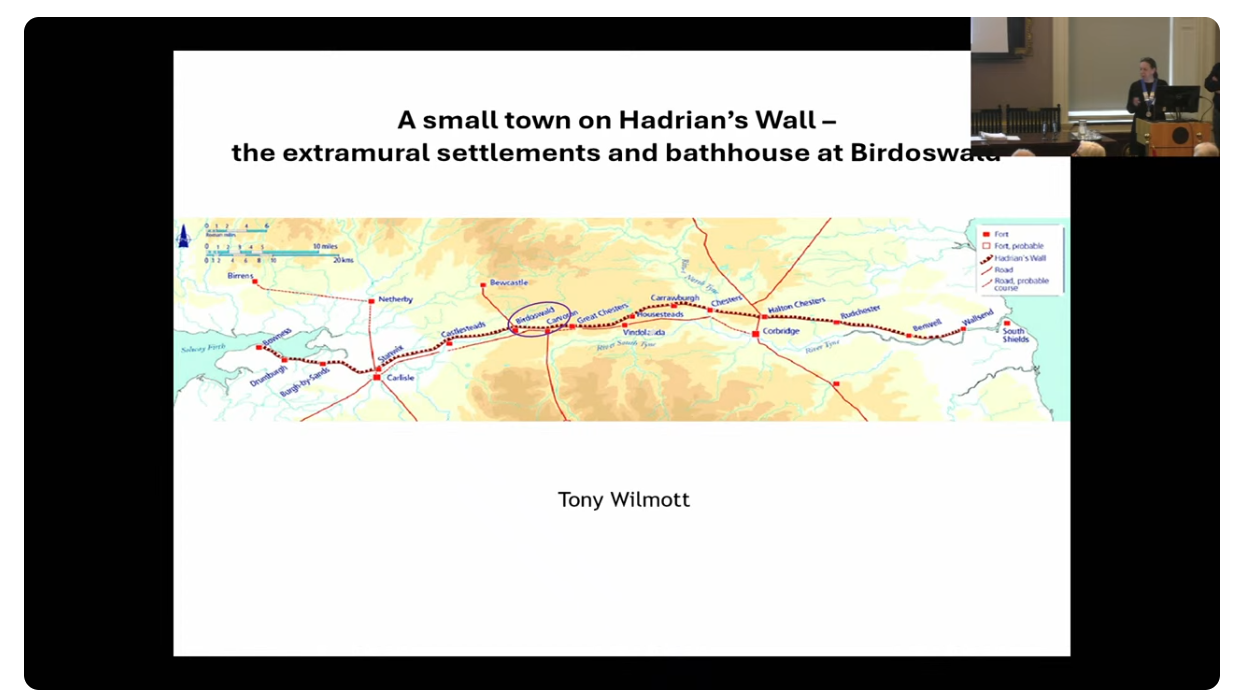
I attended an online talk about Birdoswald Roman fort, A small town on Hadrian’s Wall? by Tony Wilmott.

Presentation screenshot

Look at burial rituals and how they differ geographically and across time.

I read Buried by Alice Roberts, which was fascinating.

Explain the difference between relative and absolute dating.

Relative dating: determines the chronological order of artefacts and features, but does not provide a specific age. Relative dating can be determined by stratigraphy and superposition.

Absolute dating: provides a specific age or age range. It can be established by using various scientific techniques, such as carbon dating or dendrochronology.

Look at different perspectives of an archaeological site.

I looked at different perspectives of Stonehenge over the centuries, which was really interesting.

Learn about at least five archaeological anomalies around the world.

I read an article about archaeological anomalies and found it fascinating.

Complete a short course in archaeology.

I completed an archaeology diploma course with Centre of Excellence.

Learn about the various uses of photography in archaeology.

  • Artefact documentation: a visual record that can be used for further study as well as recording exactly where an object was found
  • Excavation records: Capturing digs before, during and after excavation to document changes over time
  • Fluorescence photography: can detect infrared (IRF), ultraviolet (UVF), and laser-stimulated fluorescence (LSF) techniques to reveal hidden details, chemicals, and conservation on artefacts without causing damage
  • Endoscopic photography: using endoscopes to capture images within sealed or contained spaces, such as mummified remains, tombs and other artefacts
  • Thermal infrared imagery: non-invasive imaging that can capture temperature variations on landscapes to detect subsurface structures and hidden features

Research an object regularly found on digs.

As I have a considerable collection of brooches (and used them for the My Collection badge!), the brooch was an obvious choice of object for me to research. I found some beautiful examples, most uncovered in the UK but one notable piece was found at Troy.

Date completed: 30 March 2026

Rebel Badge Club: Marine Biologist

I really enjoyed this badge. I remember doing a careers questionnaire at school and it said that Marine Biologist was the ideal job for me. I rejected it as I wanted to go down the arts route, not the science route, but sometimes I wish I had followed that path, as maybe I’d be a penguinologist by now. Oh well!

Learn how to identify different types of cetaceans, and which sub-orders they belong to.

The Order of Cetacea (cetaceans) comprises whales, dolphins and porpoises. Taxonomy divides the group into two suborders:

  • Mysticeti (baleen whales or mysticetes – approximately 14 species, including blue whales)
  • Odontceti (toothed whales or odontocetes – approximately 75 species, including dolphins and belugas)

The website https://iwc.int/about-whales/cetacea goes into further detail.

Research the marine and coastal wildlife code. Learn who to call for local aquatic wildlife in distress.

The marine and coastal wildlife code comprises awareness of the ways in which wildlife can be disturbed, knowledge of when marine wildlife is at its most vulnerable, how to act responsibly and how to behave around wildlife. The code can be viewed here.

To report an injured, dead or distressed animal you can call the British Divers Marine Life Rescue hotline on 01825 765546 for whales, dolphins, porpoises, seals, turtles and sharks, or the RSPCA (England and Wales) on 0300 1234 999.

Report large marine animals that you find dead or floating at sea to the Cetacean Strandings Investigation Programme (CSIP) on 0800 652 0333 (England and Wales). This includes whales, dolphins, porpoises, seals, sharks and marine turtles.

How do aquatic species differ between salt water, fresh water and brackish water? How does the salinity affect their biology?

Osmoregulation is the physiological process by which aquatic species in salt, fresh, and brackish water differ. The process is concerned with how salt and water are balanced in the body. Saltwater species excrete salt, freshwater species retain salt, and species living in brackish water have mechanisms to cope with fluctuating salinity levels.

Salt Water Species (Ocean, Seas, Reefs)

In high-salinity environments, species lose water constantly through osmosis. They drink large amounts of seawater, excrete concentrated urine, and use their gills to secrete excess salt.

Examples of salt water species include tuna, sharks, sea urchins, blue mussel, coral.

Freshwater Species (Lakes, Rivers, Wetlands)

Species in low-salinity environments have higher internal salt concentrations, so they constantly absorb water. They do not drink, but they excrete large volumes of diluted urine and absorb salts through their gills.

Examples of fresh water species include goldfish, trout, bass.

Brackish Water Species (Estuaries, Mangroves, Salt Marshes)

Brackish environments contain a fluctuating mix of fresh and saltwater. Organisms here are often euryhaline, meaning they can tolerate variations in salinity. Many have specialised behavioural adaptations to manage saline levels, such as moving between zones or possessing specialised salt-excreting glands.

Examples of brackish water species include red drum, blue crab, salmon, eels, mullet, flounder, mudskippers, crocodiles.

Research a current marine conservation issue. Are there steps which you can take to help tackle it?

African penguins, which are important for marine ecosystems and tourism, are critically endangered and face extinction by 2035 due to food shortages by climate change and overfishing. Their main food sources are sardines and anchovies but they struggle to compete with fisheries.

The Save African Penguins campaign was created to pressure the South African government to end commercial fishing around six of the most significant major penguin breeding colonies.

The campaign succeeded, but penguins still remain at risk from climate change. I can help by trying to be more environmentally friendly and supporting politicians and governmental policies that prioritise the environment.

Learn about invasive aquatic species and how they affect native species. How is your government tackling them?

Invasive aquatic species can have disastrous impacts on native species by threatening biodiversity, altering ecosystems and damaging infrastructure. In the UK, common invasive aquatic species include floating pennywort, signal crayfish and killer shrimp.

In the UK, the government encourages members of the public to report sightings of invasive species. When concerns are raised, governmental organisations can despatch groups to investigate the issue. For instance, when egg cases potentially belonging to the Japanese oyster drill (a marine mollusc native to the North Pacific) were found in East Sussex in 2024, a rapid response group was formed to survey the surrounding beaches. When an Atlantic blue crab (a species native to the east coast of North America) was sighted in Brighton in 2024, another group was formed which launched a programme to raise awareness of the dangers of releasing crabs into the environment.

Learn about the different species at different depths of the ocean. Draw your findings in a cross-section diagram. Include water properties such as temperature and salinity.

I love this visual representation of the depths of the ocean, which I wanted to share because it’s brilliant.

I had planned to complete this clause as written, but I recently discovered that Climbing Goat Designs are running a stitchalong this year focusing on the ocean. I’ve joined that SAL and will work on the project this year.

Learn about a newly discovered deep ocean species. What adaptations have deep sea creatures developed to survive extreme conditions?

I enjoyed learning about the Carnivorous “death ball” sponge (Chondrocladia sp. nov.), discovered by The Nippon Foundation–Nekton Ocean Census during a deep-sea expedition near Antarctica. The sponge was discovered 2.2 miles deep in a trench north of Montagu Island in the Southern Ocean. It uses small hooks on the end of its orbed appendages to catch and absorb its prey, typically small crustaceans such as the skeleton shrimp, from the sea bed.

Adaptations

Bioluminescence – many deep-sea creatures have the ability to glow in the dark, an evolutionary adaptation which developed owing to the absence of light in the depths of the ocean. For instance, the anglerfish has a glowing lure, while some jellyfish emit a hypnotic glow. Bioluminescence can attract prey, confuse predators, and enable communication.

Pressure resistance – deep-sea creatures need to be able to withstand immense pressure from the volume of water above. As an example, the barrel-eye fish has fluid-filled spaces in its body enabling it to equalise pressure.

Gigantism and miniaturisation – some creatures, like the colossal squid and the giant isopod, grow to enormous sizes, possibly to compensate for the lack of food in the depths of the ocean. Others, such as some jellyfish and amphipods, are tiny, perhaps in order to more efficiently navigate the vastness of the sea.

Slowness – many deep-sea species have extremely slow metabolisms, such as the Greenland shark, which can live for centuries.

Camouflage and transparency – these features enable creatures to blend into their surroundings, invisible to both predators and prey. For instance, the cuttlefish and the glass squid can change colours, vary patterns, and even become transparent.

Create a food web for your closest marine environment.

I created a food web for the North Sea.

Food web for the North Sea

Learn about sustainable fishing practices.

Sustainable fishing means leaving enough fish in the ocean so that populations can recover and the impact on local habitats and ecosystems is minimised.

Scientists can collect data on how many fish can be safely caught to ensure sustainability. Other measures can also be implemented, such as prohibiting fishing during spawning season, and imposing limits on the size of fish caught to ensure that juveniles are left in the water.

Harvest control rules are precautionary measures that require catches to be reduced if the stock population declines.

Visit an aquarium.

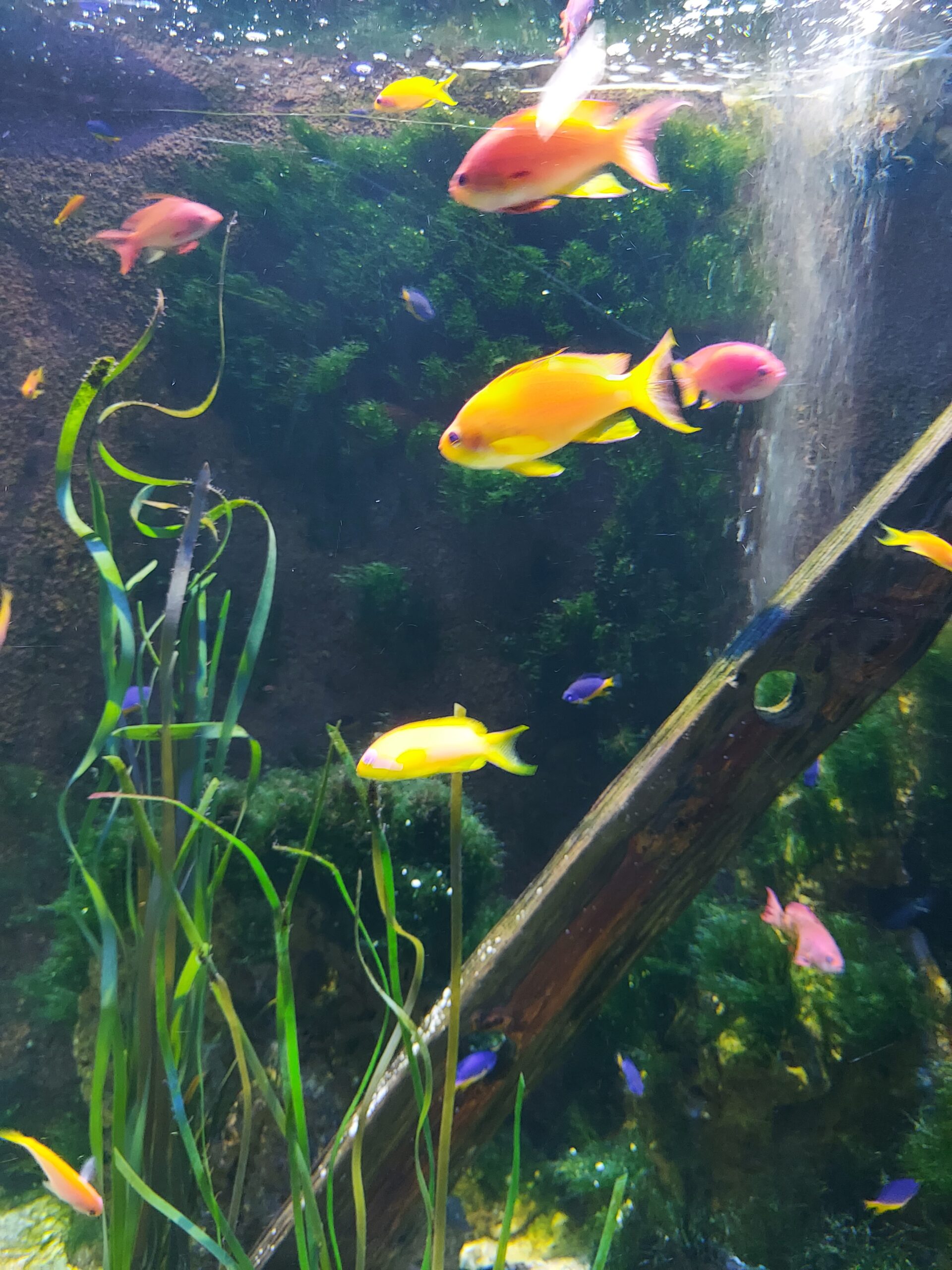
I paid a visit to Tynemouth Aquarium and saw lots of different fish, as well as turtles, axolotls and seals.

Fish in an aquarium tank

Learn how marine biologists tag creatures for future identification.

Marine telemetry helps us understand more about species migration, habitat usage, behaviour and population health. Tags can also transmit information about the individual animal’s health and the qualities of its environment.

Common tagging techniques include satellite tags (tracking long-distance movement on larger animals like sharks, whales and turtles), acoustic tags (tracking animals such as fish or rays in more specific areas), Passive Integrated Transponder (PIT) tags (inserted under the skin for long-term tracking and identification) and newer techniques, such as soft bioadhesive interfaces, for delicate creatures such as jellyfish.

Make a model of your favourite ocean creature.

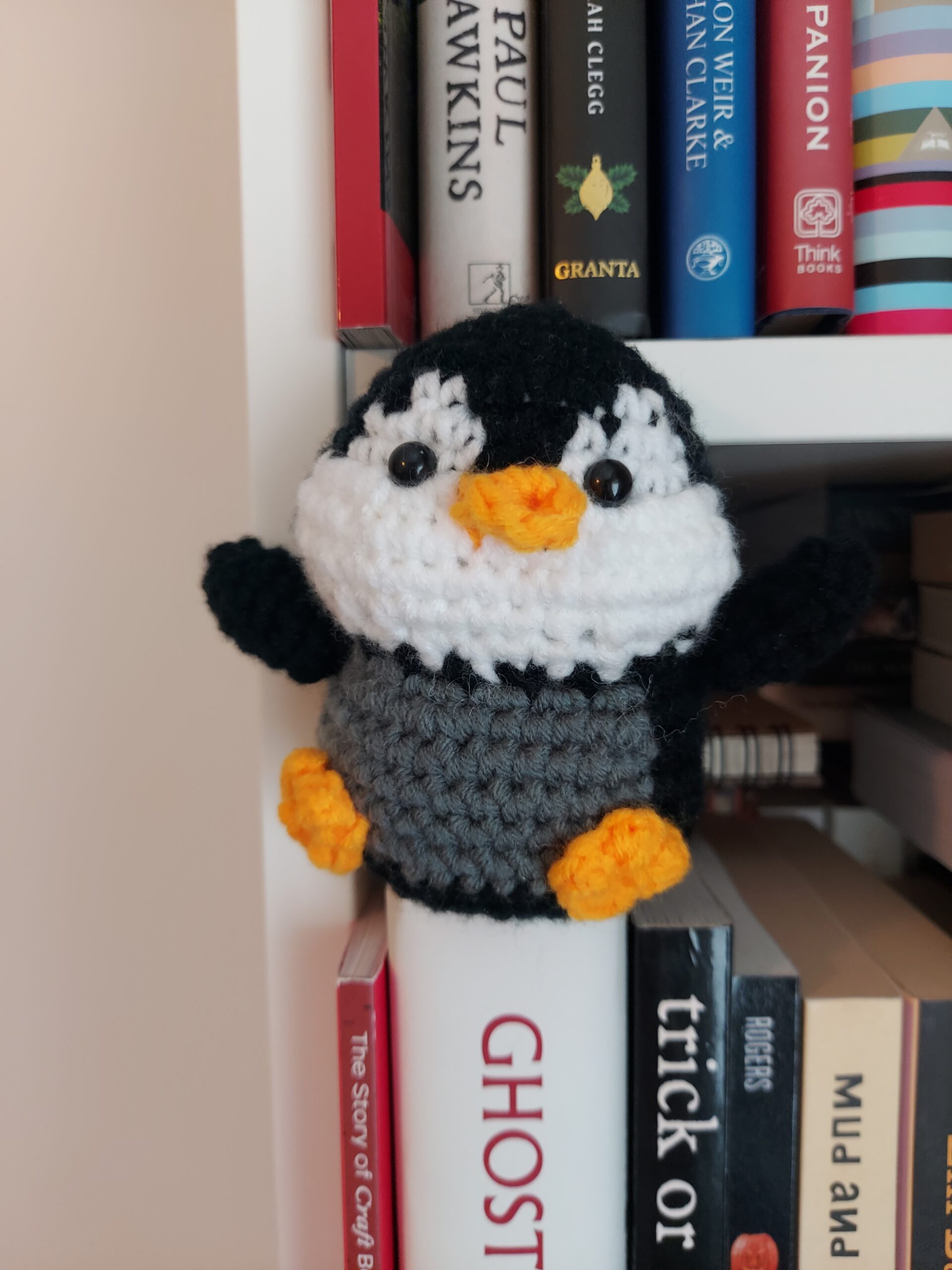
Of course, I had to make a penguin. I chose the medium of crochet.

Crochet Penguin

Date completed: 28 February 2026

Rebel Badge Club: Advanced Camper

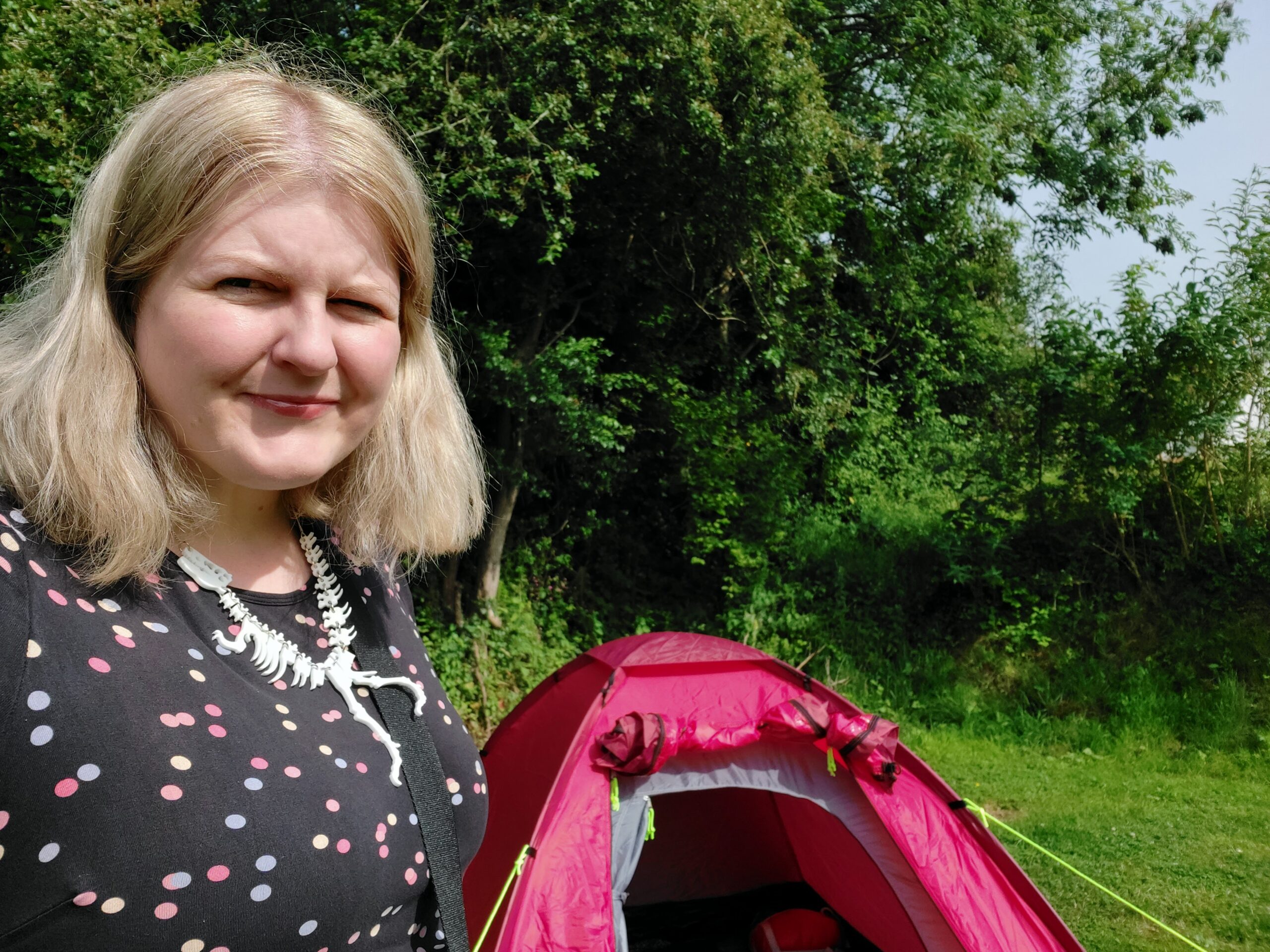
Me outside of my tent

I’m proud to be able to claim my Advanced Camper badge.

When I originally got the first book I looked at the Camper badge and thought, “lol, no way”. Then Rebel Summer Camp 2023 happened and I managed to earn the badge.

After that I knew that the Advanced badge was within my reach. I’ve completed the 10 nights of camping as follows:

I didn’t take my own tent to Lake 32 but I did help with putting up and taking down other people’s tents and gazebos, which are much bigger than mine and therefore much more of a challenge!

I cooked my own food on some of my trips so got to practice cooking simple easy meals on a camping stove. I took a first aid kit with me each time but I haven’t had to use it yet (fingers crossed!). I’m now very used to putting up and taking down my tent, checking for damage, making sure it’s dry before storing, and so on. Without a car I have to pack light, and I’ve become quite adept at only bringing the essentials.

After vowing I’d never camp again after completing D of E many years ago, I’ve started to really enjoy it!

Date completed: 21 September 2025

Rebel Badge Club: Palaeontologist

This badge caught my eye as soon as I bought Book 2, but out of a desire to “save the best ’til last”, I waited until I’d completed most of the other badges first. I really enjoyed this badge, even making a special trip to Lyme Regis during their Fossil Festival to go fossil hunting and visit dinosaur museums.

Learn about the three Mesozoic eras.

I read The Rise and Fall of the Dinosaurs by Steve Brusatte and learned about the three Mesozoic eras:

  • Triassic Period (251.902 to 201.4 million years ago)
  • Jurassic Period (201.4 to 143.1 million years ago)
  • Cretaceous Period (143.1 to 66 million years ago)

Choose twenty dinosaurs and categorise them according to era and diet.

I chose North American dinosaurs for this clause, as some of the most notable and famous dinosaurs lived on that land.

Choose your favourite dinosaur. Make a poster, fact sheet or children’s book about it.

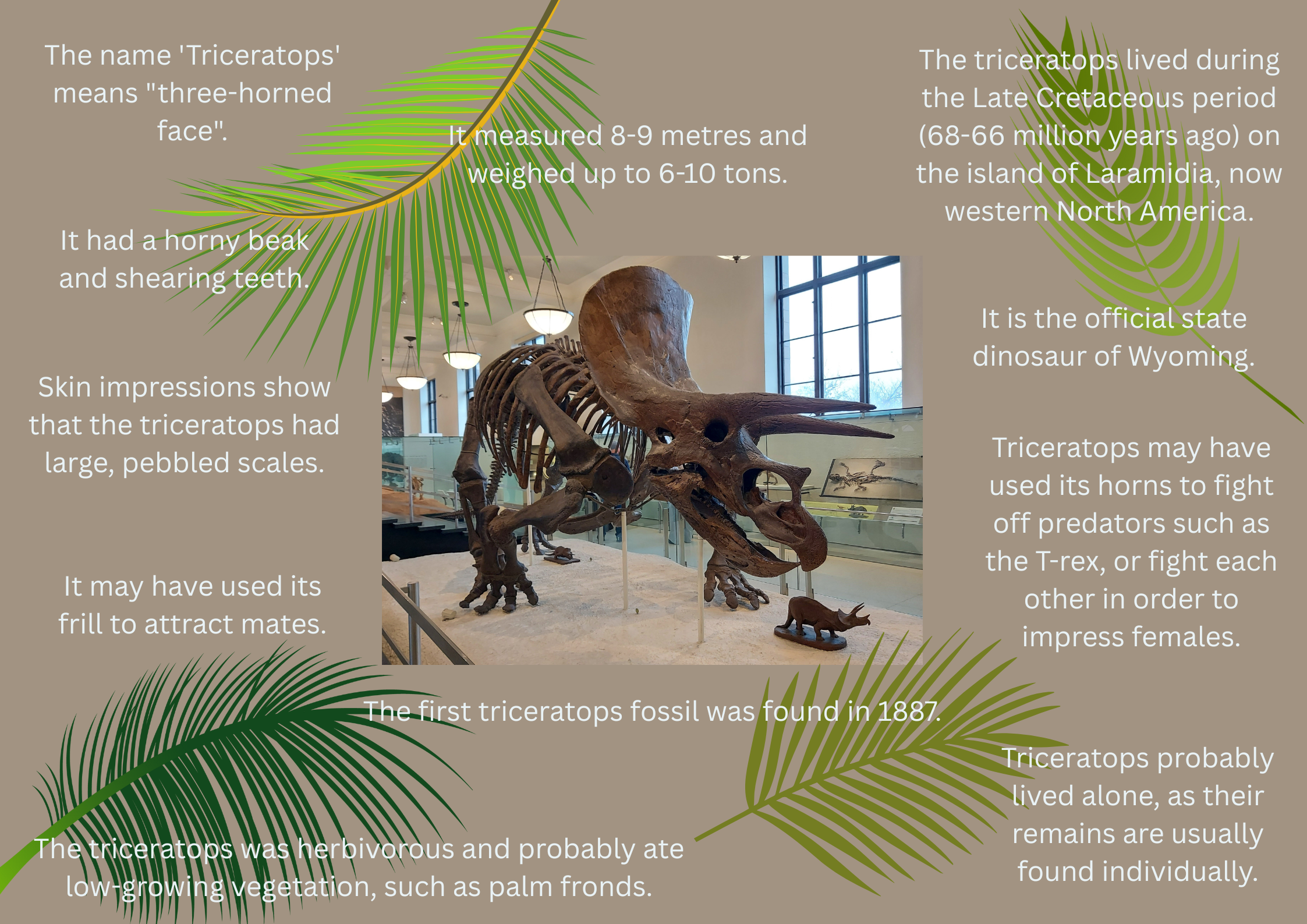
I made a poster of facts about the triceratops.

Triceratops fact sheet

Make a model of a dinosaur in the medium of your choice.

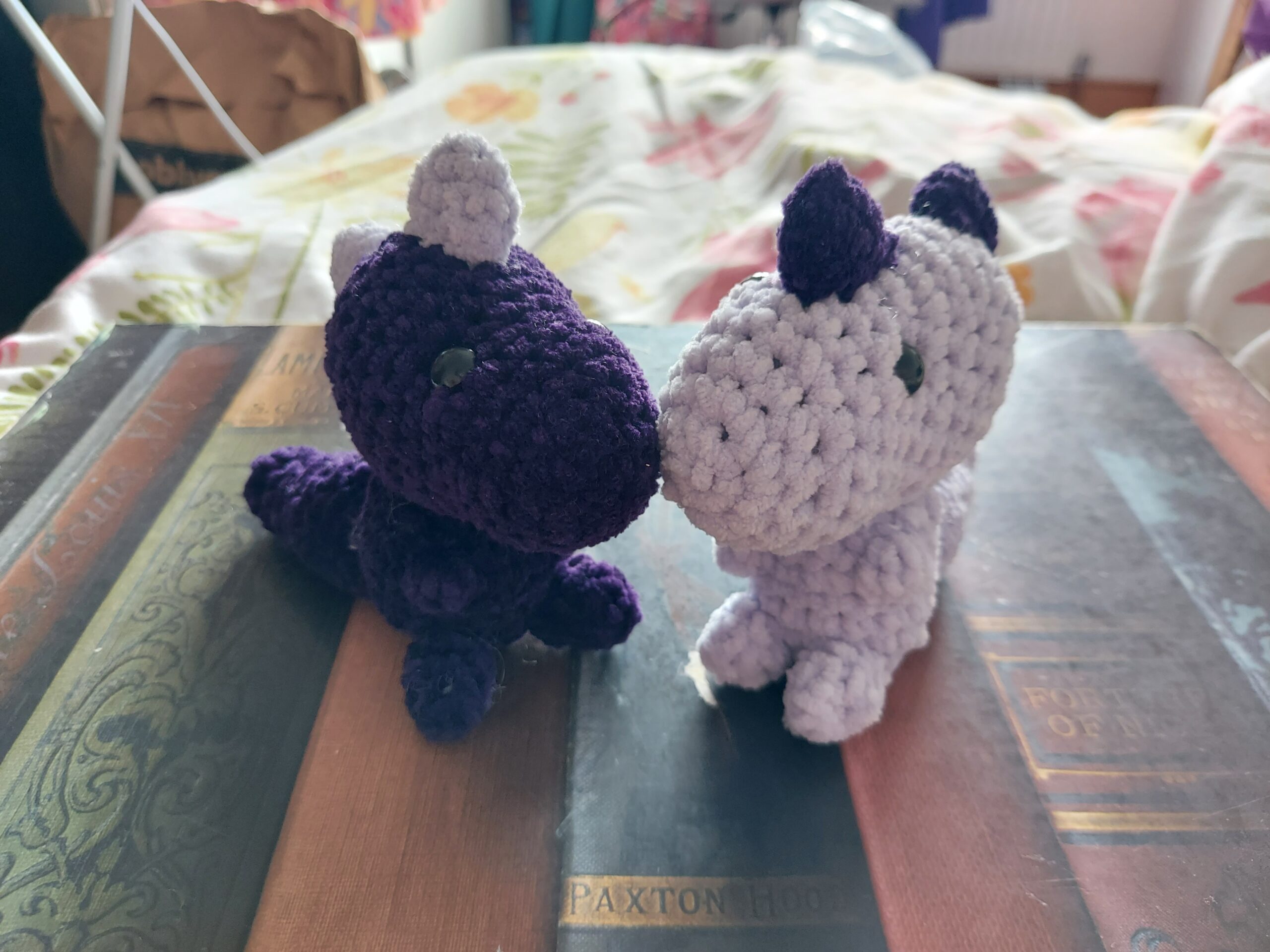
I made a pair of crochet dinos with a kit from Wrensnestknits.

2 crochet dinosaurs

Visit a dinosaur exhibit and sketch something you see.

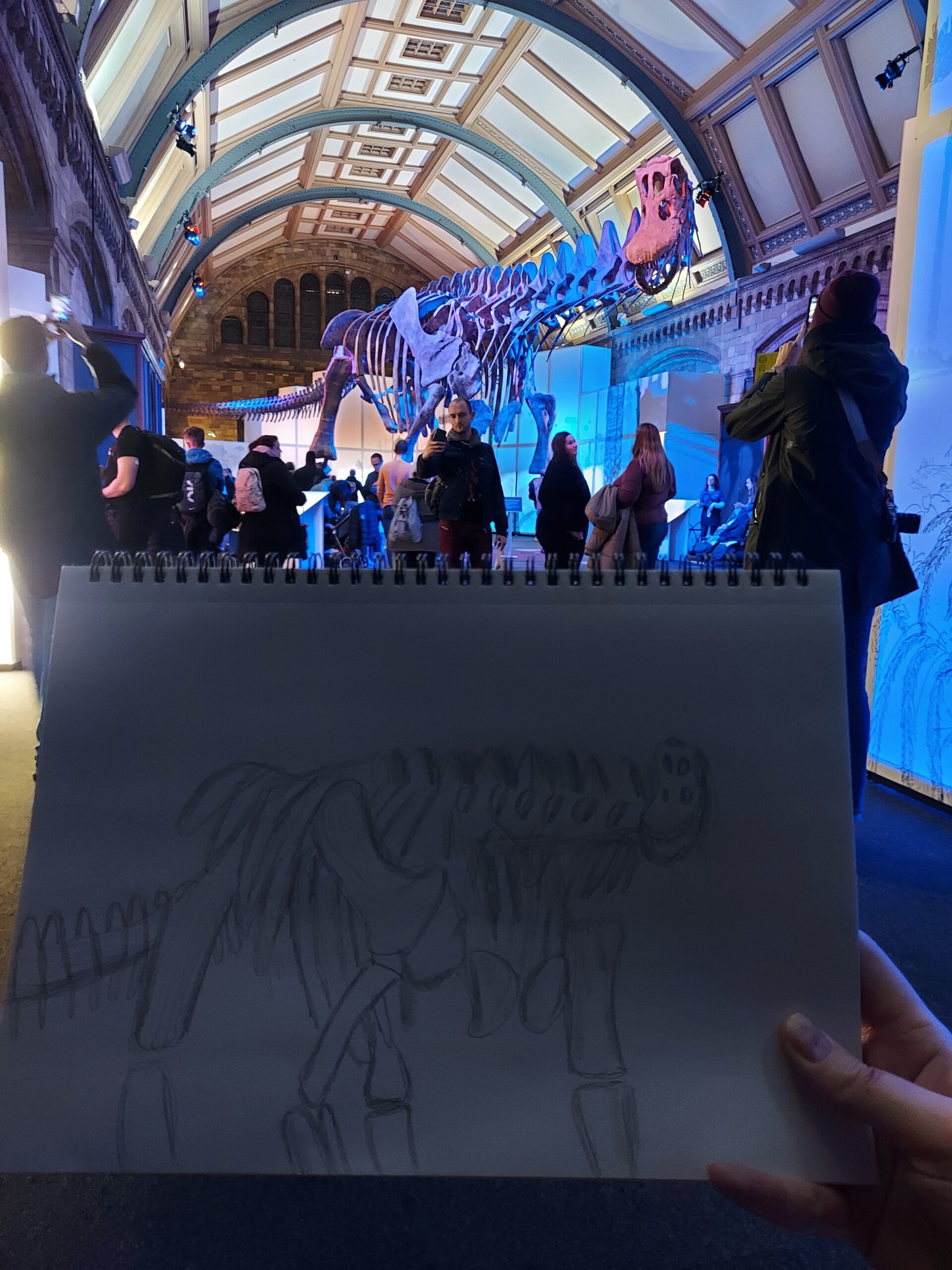
I visited the Titanosaur: Life as the Biggest Dinosaur exhibition at the Natural History Museum, and sketched the Titanosaur skeleton.

Titanosaur sketch

Make your own fossil from a medium of your choice.

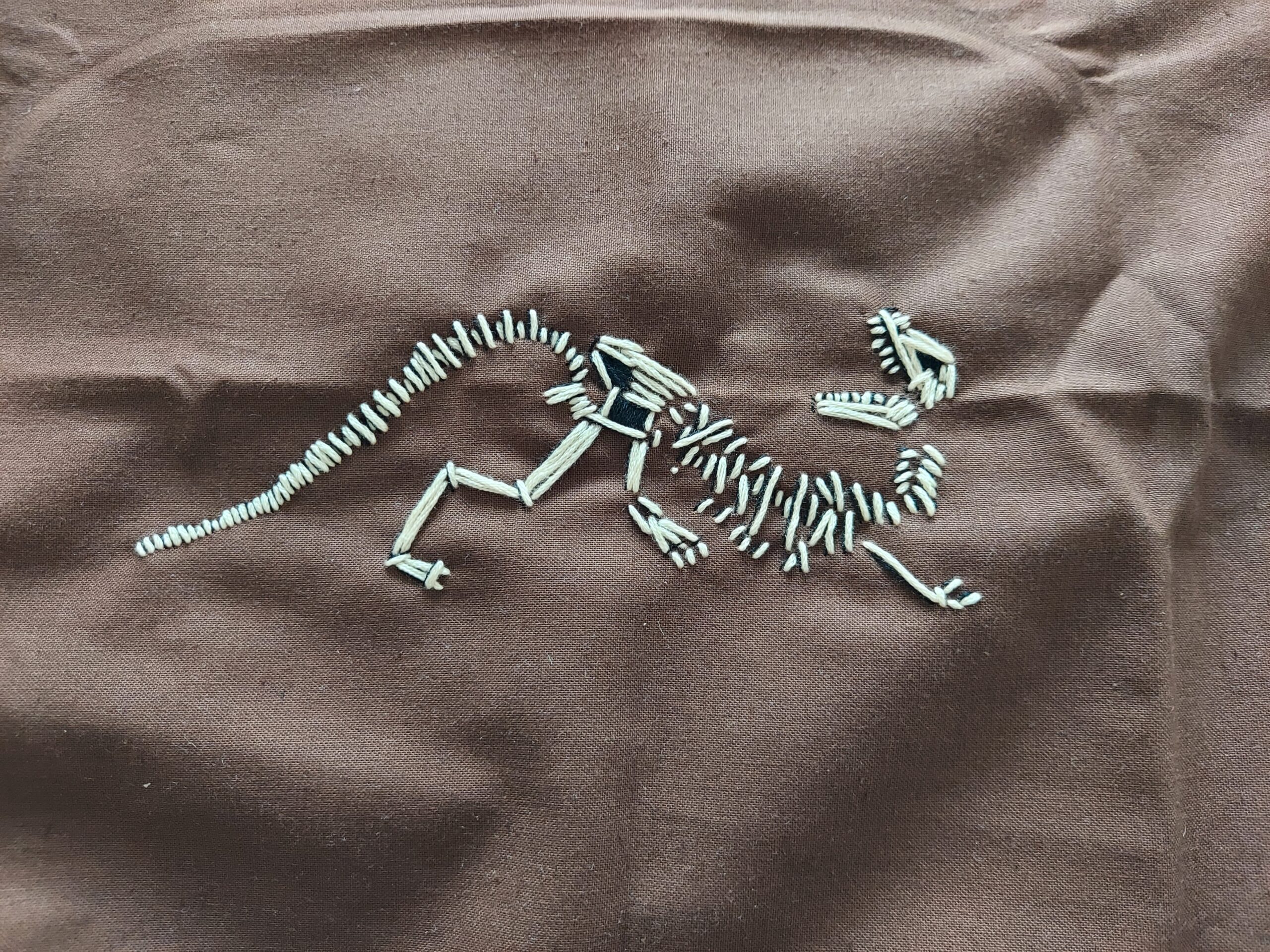
I made an embroidered fossil using a pattern from EvansSent.

Dinosaur fossil embroidery on a brown background

Go fossil hunting.

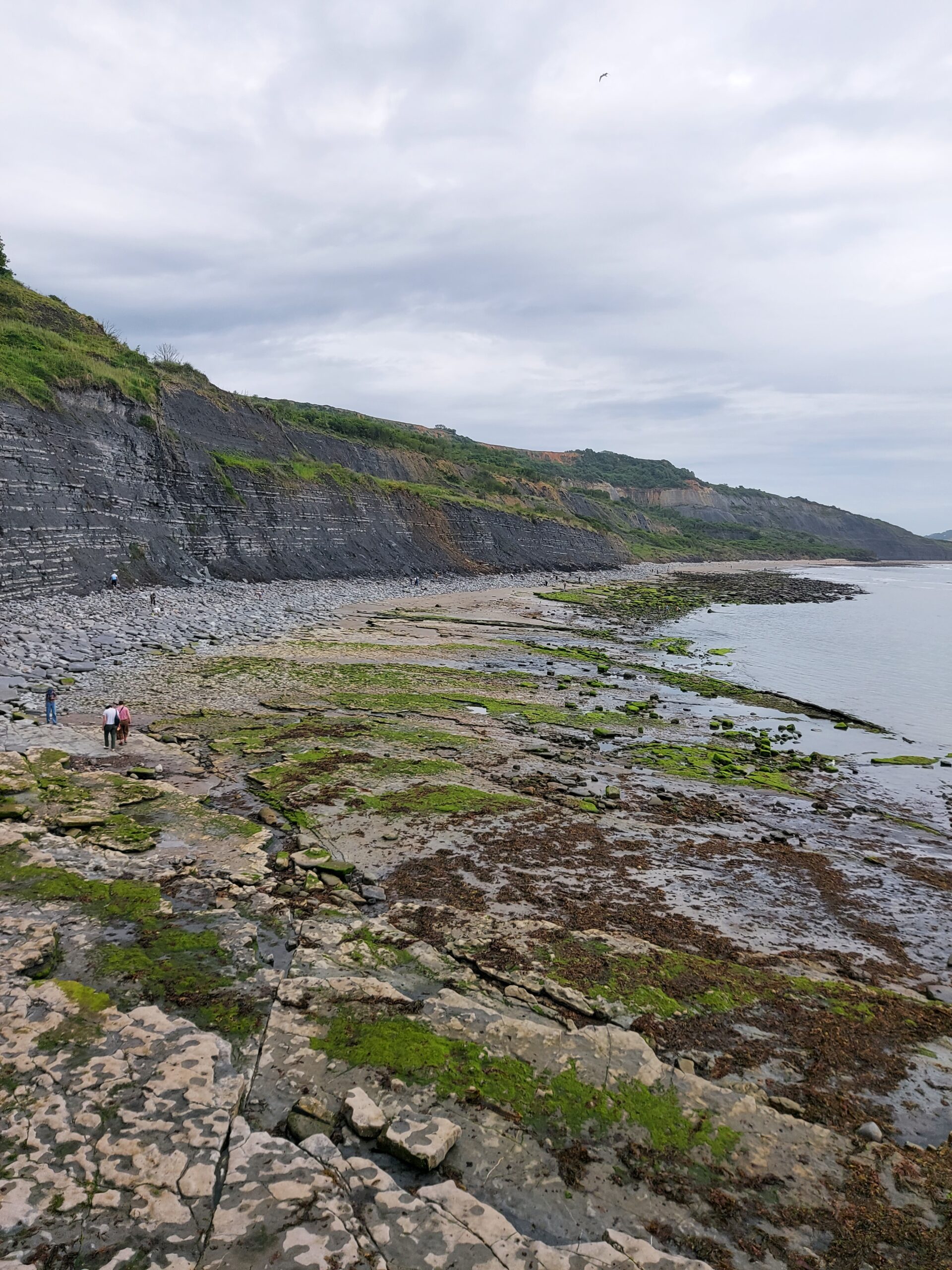
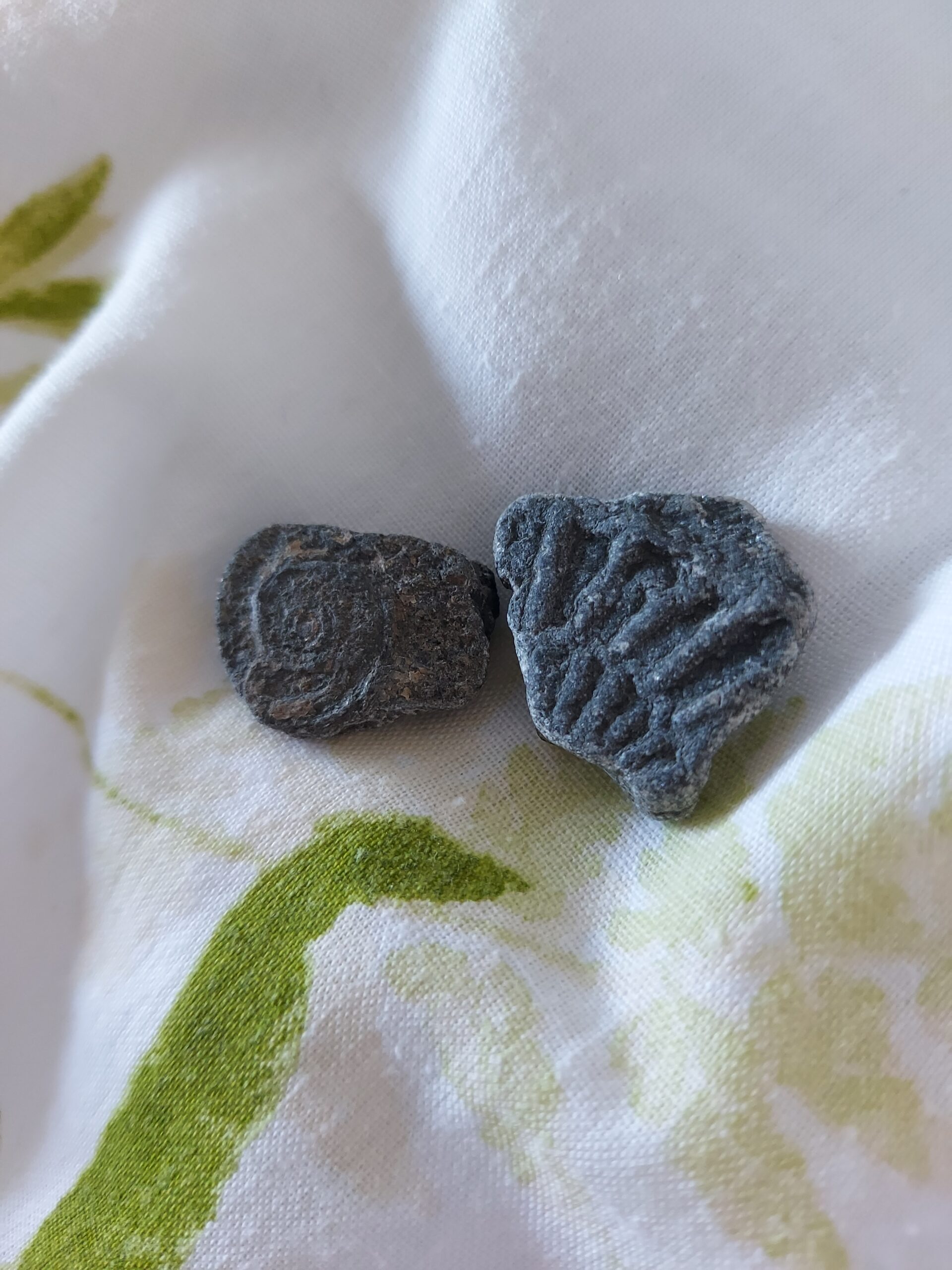
I went on a camping holiday to Lyme Regis and attended a fossil walk run by the museum. I learned a lot about how to find fossils and managed to find a couple myself!

Lyme Regis fossil beach

The fossils I found

Make a presentation about a notable palaeontologist.

I made a presentation about the palaeontologist Edwin H. Colbert, mainly because he was involved in fieldwork in Antarctica!

Incorporate a dinosaur into the craft of your choice.

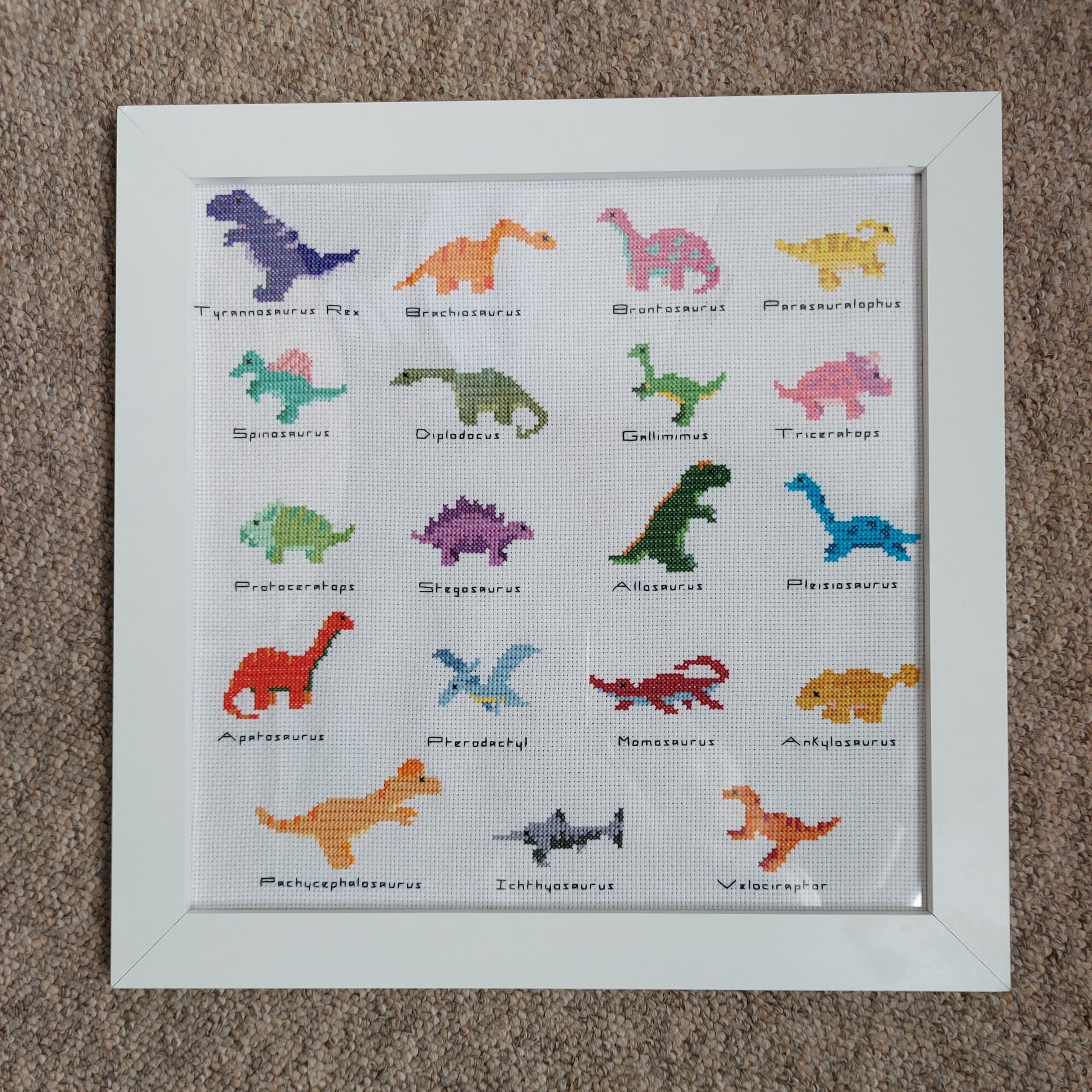
I cross stitched a design made up of several dinosaurs for my friend’s little girl.

Dinosaur cross stitch

Date completed: 30 July 2025

Rebel Badge Club: Geographer

I did Geography A level so this badge was a really nice refresher of several topics I used to know something about. I tried to pick a range of clauses across the different geographical areas and covered a variety of parts of the world.

Understand the difference between physical, human and environmental geography.

  • Human geography is the study of societies, cultures and economies.
  • Physical geography is the study of landscapes and environments.
  • Environmental geography is the study of how humans impact the Earth.

Understand the water cycle.

The water cycle is the process by which water is transferred between the surface of the earth and the atmosphere.

Evaporation/transpiration/sublimation

Water at the surface of the earth (e.g. in oceans) is heated by the sun, turns to liquid or gas and becomes water vapour, rising into the atmosphere. At the same time, plants and trees release water vapour from their leaves into the atmosphere via transpiration. Ice can change straight into water vapour by a process called sublimation.

Condensation

As air rises and cools in the atmosphere, often forming clouds, the water vapour is forced to condense from a gas into liquid water droplets.

Precipitation

Within clouds, liquid water droplets often merge together over time. At some point, they may get large enough to fall from the sky, resulting in hail, rain, sleet or snow.

Once the water reaches the surface, it may flow into bodies of water (e.g. rivers), soak slowly into the soil (eventually reaching a river), collect on ice caps or glaciers or soak into plant or tree roots. The cycle then begins again.

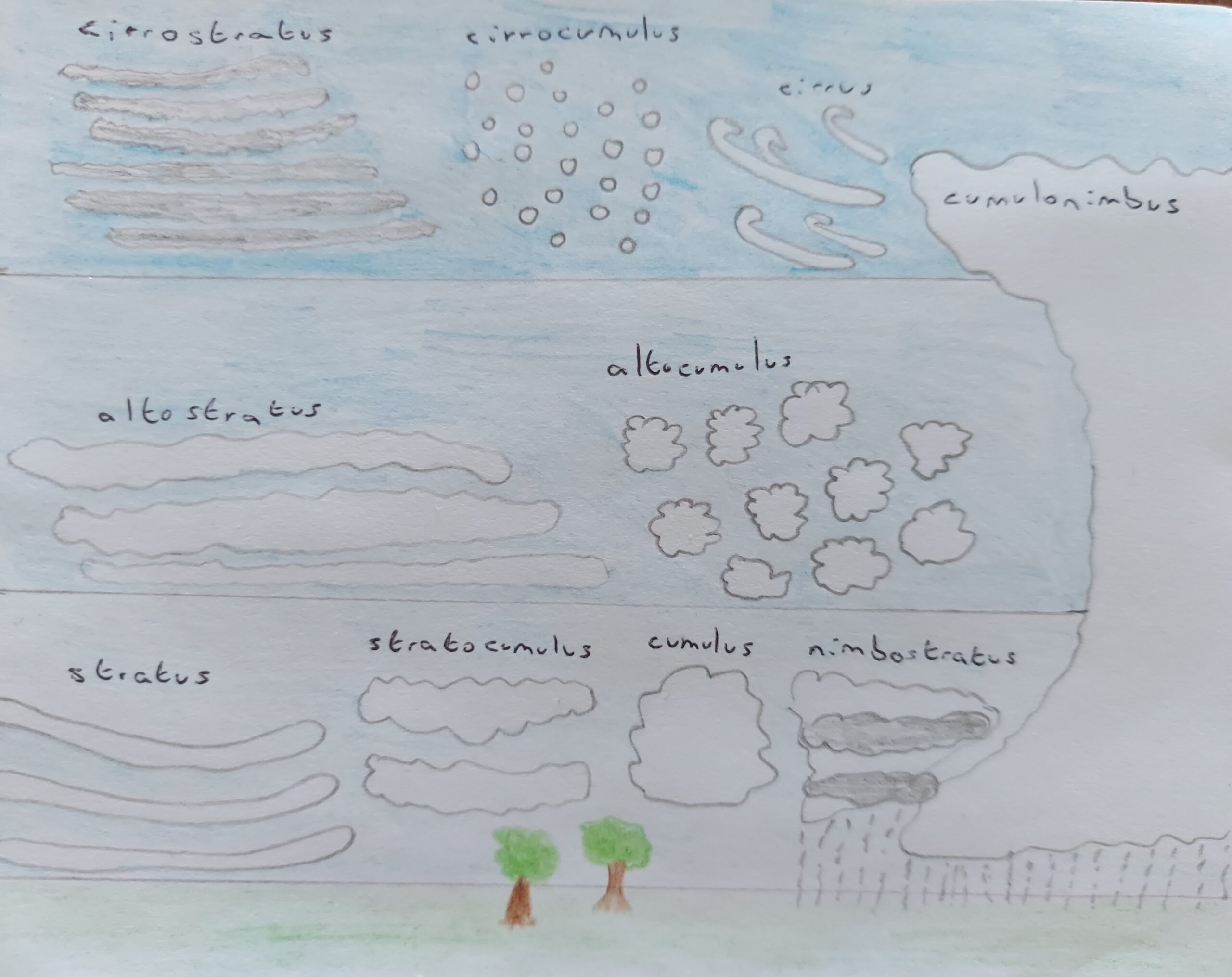
With the help of the UCAR website I drew a diagram of the different cloud types.

Diagram of different cloud types

Cloud cover is measured in oktas, or eighths. This involves visually assessing how much of the sky is covered by clouds, ranging from 0 oktas (no clouds) to 8 oktas (full cloud cover).

The Met Office often uses terminology to describe how cloudy it is: for instance, scattered cloud usually means 3 or 4 oktas, broken cloud is 5 to 7 oktas, and overcast is 8 oktas.

Learn about the three different types of rock.

Sedimentary rock forms when particles accumulate in layers. These particles are often former living organisms. The pressure of the layers eventually squeezes them together to form solid rock.

Metamorphic rock forms when existing rocks are changed by heat, pressure or reactive fluids (but not melted). These rocks can be igneous, sedimentary or even metamorphic.

Igneous rock forms when magma or lava cools and solidifies.

I made models of the different kinds of rock using chocolate shavings, but there are no photos as I ate the evidence!

I also completed an OpenLearn course on An introduction to geology.

Make a 3D representation of a 2D map.

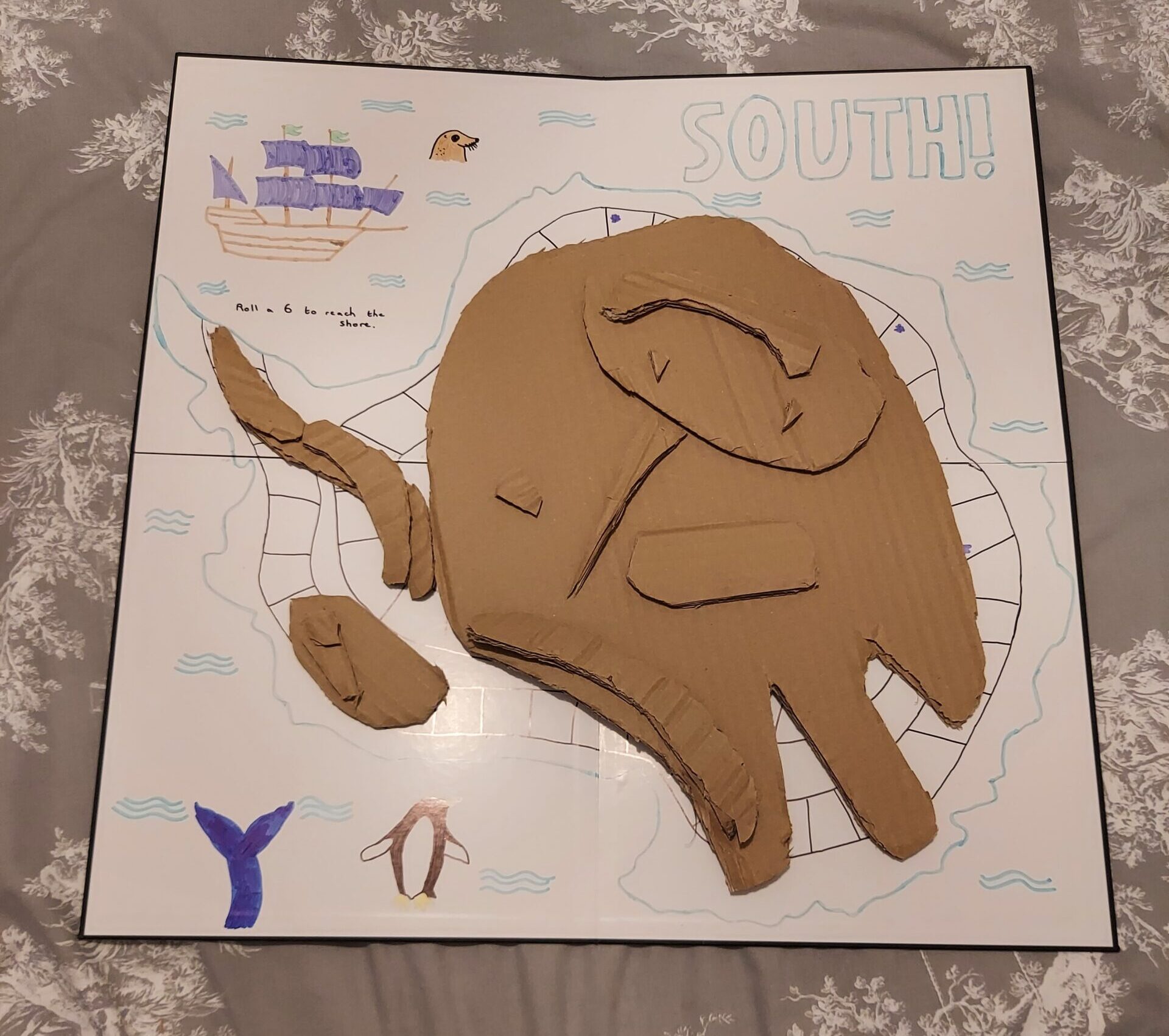
Inspired by the release of a new map of the landscape beneath the ice of Antarctica, I made a 3D representation.

Cardboard 3D map of Antarctica

Pick a continent and find out how the boundaries, languages spoken, and names of countries have changed over time.

I decided to learn about Asia, and found a brilliant YouTube video exploring the history of this continent over time.

Choose a continent you are not totally familiar with. Learn the names and capitals of all the countries or states, and be able to identify them from location and shape.

I chose Africa and used this map to help me.

What are the characteristics of a rainforest?

  • Tropical rainforests have distinct characteristics which support biodiversity. They have a consistent climate with a hot and humid atmosphere, and an average temperature of 28°C. They are very wet, with over 2,000 mm of rainfall per year.
  • Soils are not very fertile, although there is a thin fertile layer on the surface where the dead leaves decompose, red in colour and rich in iron. The high rainfall means that nutrients are quickly washed out of the soil.
  • There is a wide range of plant species supporting many different animals, birds and insects.

Rainforests can be found in the tropical climate region, near the equator. Regions include central America, central Africa and south-east Asia.

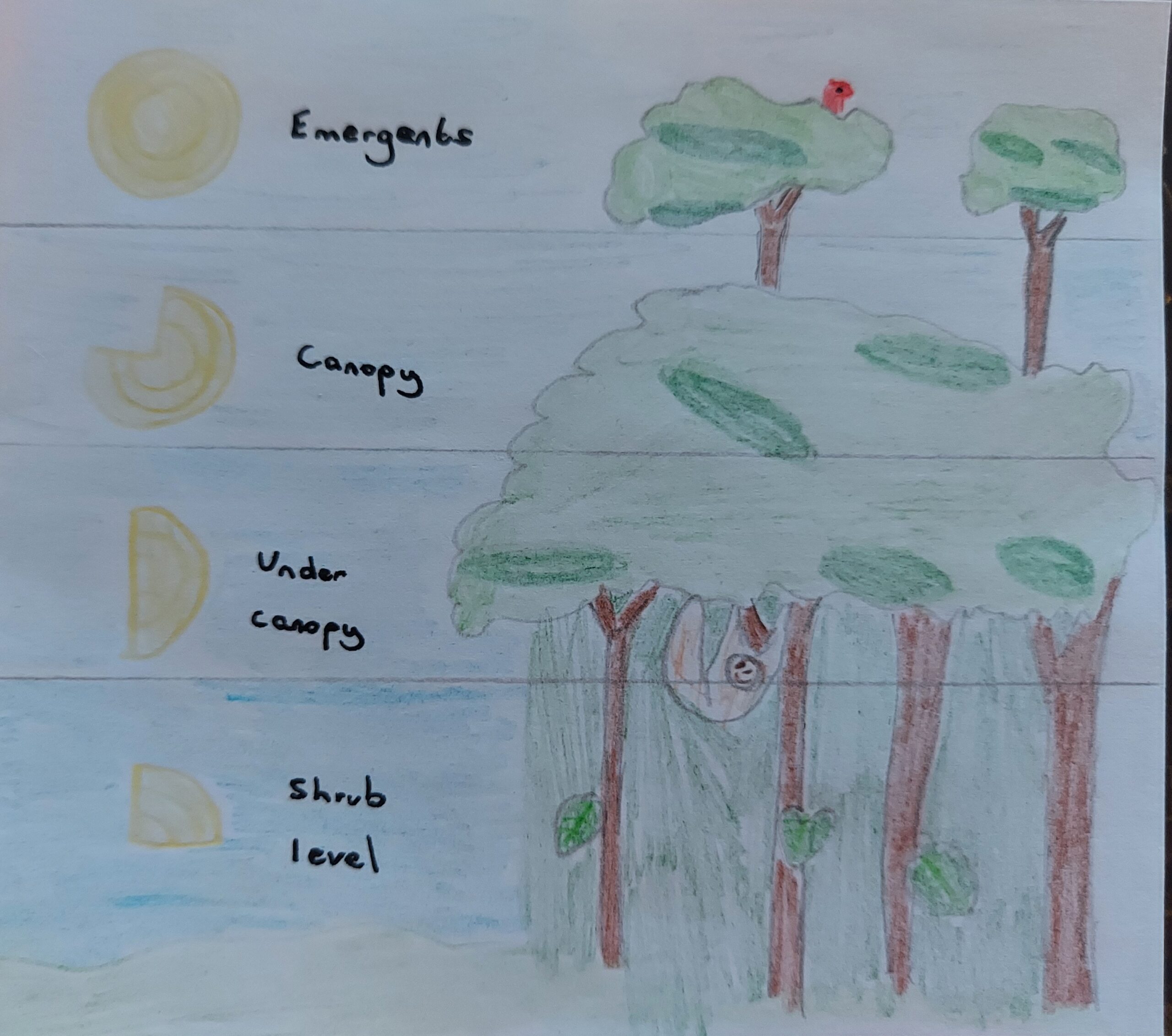
A diagram of the different layers of a rainforest

I drew a diagram of the different rainforest layers. The emergent layer has the tallest trees in the forest. They are supported by buttress roots so that they don’t blow over. The canopy is a bit more sheltered, has fruit all year round, and is home to most wildlife including insects, tree snakes, birds and mammals such as howler monkeys, jaguars and sloths. The under canopy is shady and cooler, and seedlings lie dormant here until plants and trees die, leaving a space for them to grow. Lianas (vines) take root in the ground and climb up trees to reach sunlight. The shrub layer is dark, and is covered with dead and decaying roots and leaves (humus); it is prone to flooding during torrential rainfall.

Deforestation is the removal of trees and forests. It is done for purposes of farming, logging, mining and road creation, as well as clearing land for population growth and the creation of hydroelectric power stations. Deforestation results in soil erosion, loss of biodiversity and climate change but often also results in economic development.

Understand the evidence for and against climate change. What are the natural and human causes of climate change?

It is pretty clear that climate change is happening. The Royal Society has a very useful page on how it works.

Natural causes include:
  • Orbital changes – the Earth has natural warming and cooling periods caused by  variations in the tilt and orbit of the Earth around the Sun.
  • Volcanic activity – during a volcanic eruption carbon dioxide is released into the atmosphere.
  • Solar output – there can be fluctuations in the amount of radiation from the Sun. A high amount results in an increase in Earth’s temperatures.
Human causes include:
  • Burning fossil fuels, eg coal, gas and oil – these release carbon dioxide into the atmosphere.
  • Deforestation – trees absorb carbon dioxide during photosynthesis. If they are cut down, there will be higher amounts of carbon dioxide in the atmosphere.
  • Dumping waste in landfill – when the waste decomposes it produces methane.
  • Agriculture – agricultural practices lead to the release of nitrogen oxides into the atmosphere.

What is the UN, and how is it working to protect the planet?

The United Nations is an intergovernmental organisation that aims to maintain international peace and security, develop friendly relations among states, promote international cooperation, and serve as a centre for coordinating global action.

The UN holds a Climate Change Conference each year in order for world leaders to meet and assess progress on climate change goals. The Paris Agreement was set out in 2015 at COP21. It is a legally-binding international treaty and 195 parties (194 states plus the EU) have joined. The Agreement set goals for all nations to reduce greenhouse gas emissions, periodically assess collective progress and finance developing countries to help them mitigate and adapt.

Choose a country you do not live in. Evaluate the positive and negative impacts of tourism on that country.

While not strictly a country, Antarctica has experienced growing tourism in recent years and it’s a topic I’m very interested in, particularly as I would love to visit myself. It does seem as though the negative impacts can outweigh the positive, although many can be mitigated by following all the rules in place to protect the continent. The positive impacts should not be overlooked, however.

Positive Impacts
  • Tourists become ambassadors for Antarctica – able to speak up in favour of protecting the continent. Why should anyone care about a place no one knows about or visits?
  • As Antarctic tourists are more likely to be wealthier, better-educated and influential, they are more likely to be receptive to the message of conservation.
Negative Impacts
  • Oil spills from ships and boats are a continual risk.
  • Erosion or disturbance of fragile environments from many tourists exploring the same small areas.
  • Spreading diseases from pathogens carried on footwear.
  • Impact on breeding birds if the presence of numerous people causes them anxiety.
  • Invasive species brought in as cargo, or on food or clothes.

Learn about natural disasters.

I completed a course on FutureLearn called Extreme Geological Events, which covered earthquakes, volcanoes, floods and tsunamis, the countries affected by them, and mitigating measures.

Date completed: 31 May

Rebel Badge Club: Geocacher

I’d heard of geocaching before, but never really understood what it was until last year’s Scavenger Hunt when one of the items on the list was a geocache. From there I began to understand more about it, and picked up the odd cache when I was out and about. This summer, I decided to work on the Geocacher badge and took out a Premium subscription to help.

Research the history of geocaching.

I read about the history of geocaching on the Geocaching website.

Learn about the different cache types.

This page on the Geocaching website helped me to learn about the different cache types.

Use a geocaching app or website to find out how many geocaches are in your local area.

I used the official Geocaching site to find out how many caches there are near me. The exact number depends on how ‘local area’ is defined but there are definitely over 50 – the benefits of living in London!

Over a three month period find at least eight different caches.

I managed to find 28 caches over July, August and September, a mix of traditional, virtual, mystery and multi.

Complete a linked series of at least four geocaches.

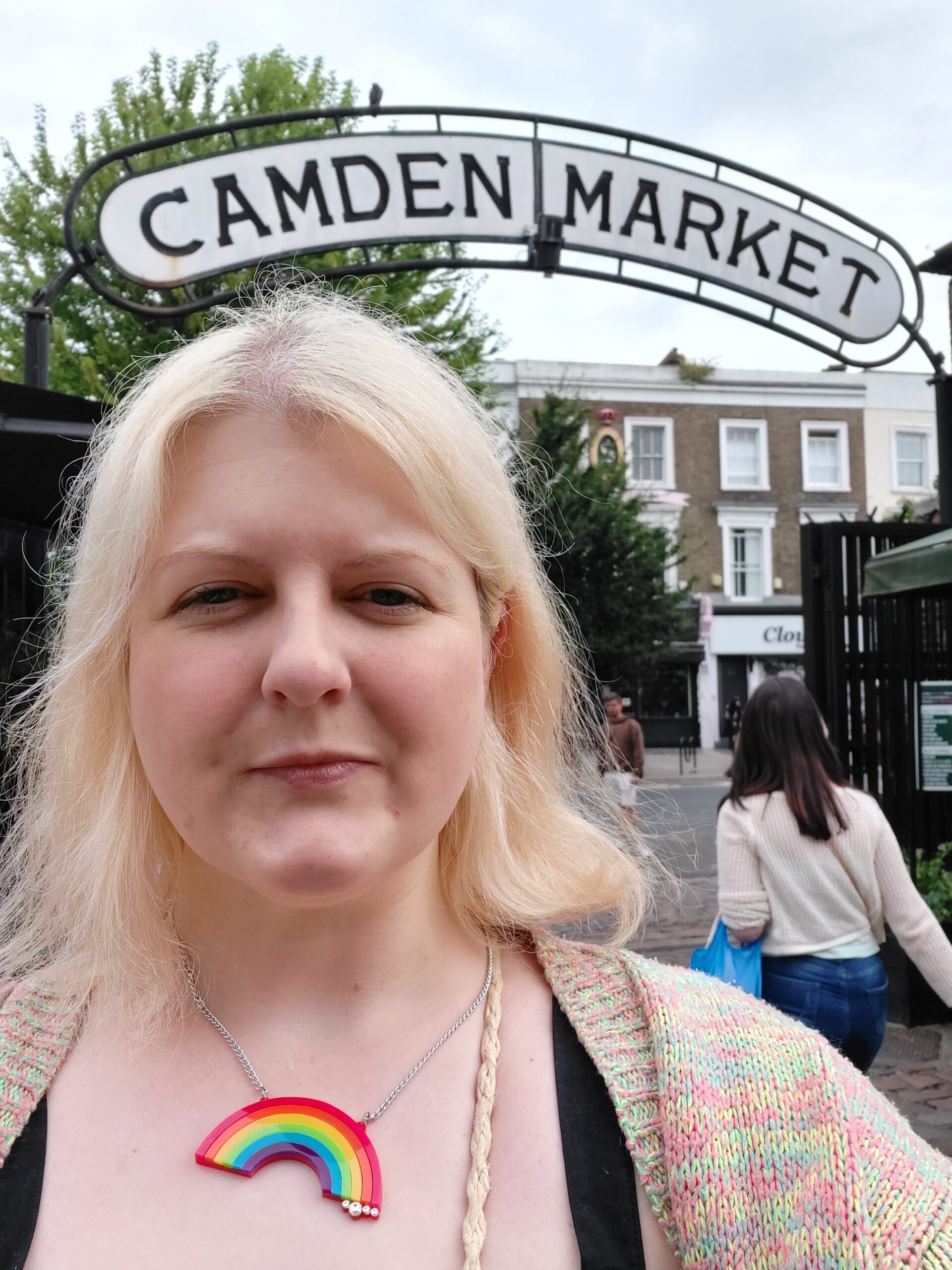
I had an epic day out completing the virtual London Rainbow Cache series, then solved the puzzle and found the final, physical cache on a later date.

Me in front of a Camden Market sign

Learn about the guidelines for setting a geocache.

The official Geocaching website has detailed instructions on setting geocaches.

Learn about different types of geocache container.

Again I used the offical Geocaching website to find out about the different types of container.

On a map, locate the oldest cache in the world, and the oldest cache in your country.

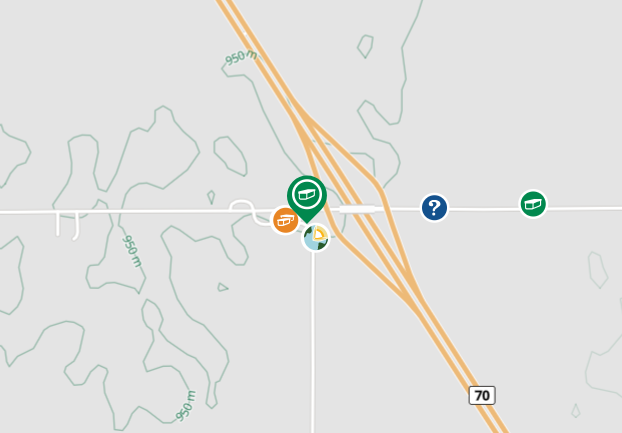
The oldest active cache in the world is Mingo in Kansas, published on 11 May 2000.

Map showing the oldest geocache in the world
Map showing Mingo

The oldest active cache in the UK is Scotland’s First, and the oldest in England is View from Coombe Hill.

Map showing the oldest geocache in the UK
Map showing Scotland’s First

Map showing the oldest geocache in England
Map showing View from Coombe Hill

Date completed: 30 September 2024

Rebel Badge Club: Scientist

The Scientist badge was one of the badges I got in my Badge Roulette, and I decided to work on it this summer.

To complete the badge I had to make a book of 10 different children’s science experiments, and complete these experiments myself.

Here is my book, which I had a lot of fun making!

Date completed: 31 August 2024

Rebel Badge Club: Glamper

The Glamper badge was a badge I got in my Badge Roulette. I had never been glamping before, but I really enjoyed doing this badge – it was certainly more relaxing than standard camping!

Spend at least two consecutive nights in a vehicle

I stayed in a gypsy caravan near Ringwood, Hampshire.

Spend a further two nights in a structure in the wild

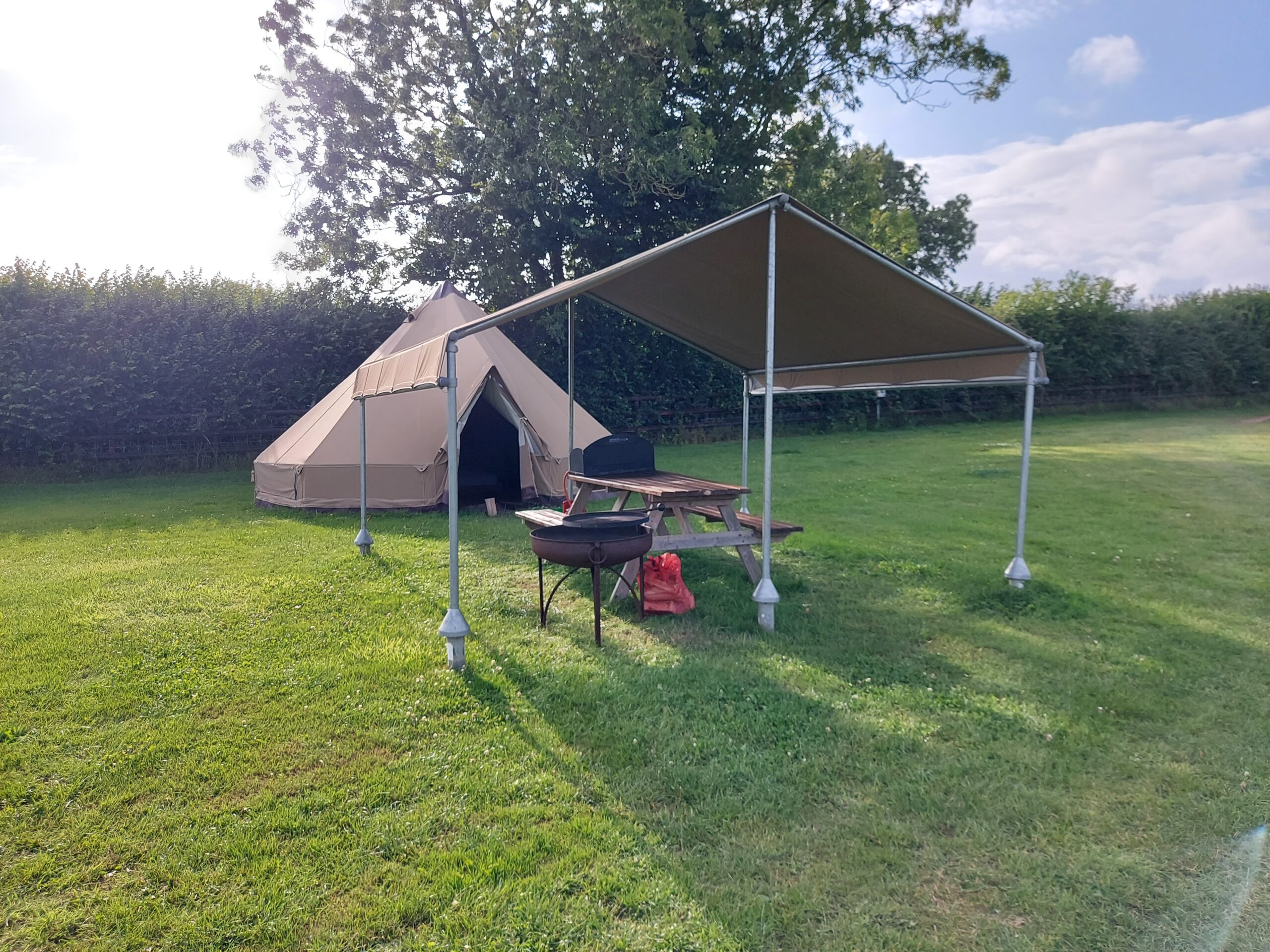
I stayed in a bell tent near Dorchester, Dorset.

Design the menu for both your trips

I had access to a fridge for both my trips so was able to keep food cold. I planned a varied vegetarian menu for both my trips.

Cook at least two meals outdoors

At the caravan, I cooked halloumi wraps and sweet potato fries. In the bell tent, I made a bean stew and some veggie burgers with chips and tenderstem broccoli.

Kit out your camp kitchen

I took tinfoil, barbecue tongs, cutlery and a plate to cook my meals.

Sanitary arrangements for the vehicle

While staying in the caravan I had access to a compost toilet and made sure to dispose of all waste safely.

Leave minimal trace

I recycled all my waste where possible and tidied up after myself.

Know how to treat camp injuries

Last year I did a three-day First Aid at Work course so I would know how to treat any injuries.

Prepare a first aid kit for your trip

I took plasters, painkillers and antiseptic cream with me on my trips.

Take part in three outdoor activities in camp

At the caravan, I went wild swimming, explored a nature reserve and visited an owl, raptor and reptile sanctuary. Staying in the tent, I explored an Iron Age hill fort, went sailing, and made a campfire.

Date completed: 16 June 2024