Rebel Badge Club: Halloween Challenge 2023

It’s the greatest time of year once again! I loved last year’s Halloween challenge, so couldn’t wait to get stuck into this year’s.

Carve something which isn’t a pumpkin.

I honoured my Northern roots by carving a turnip. Mine ended up looking rather cat-like, but it’s still creepier than a pumpkin.
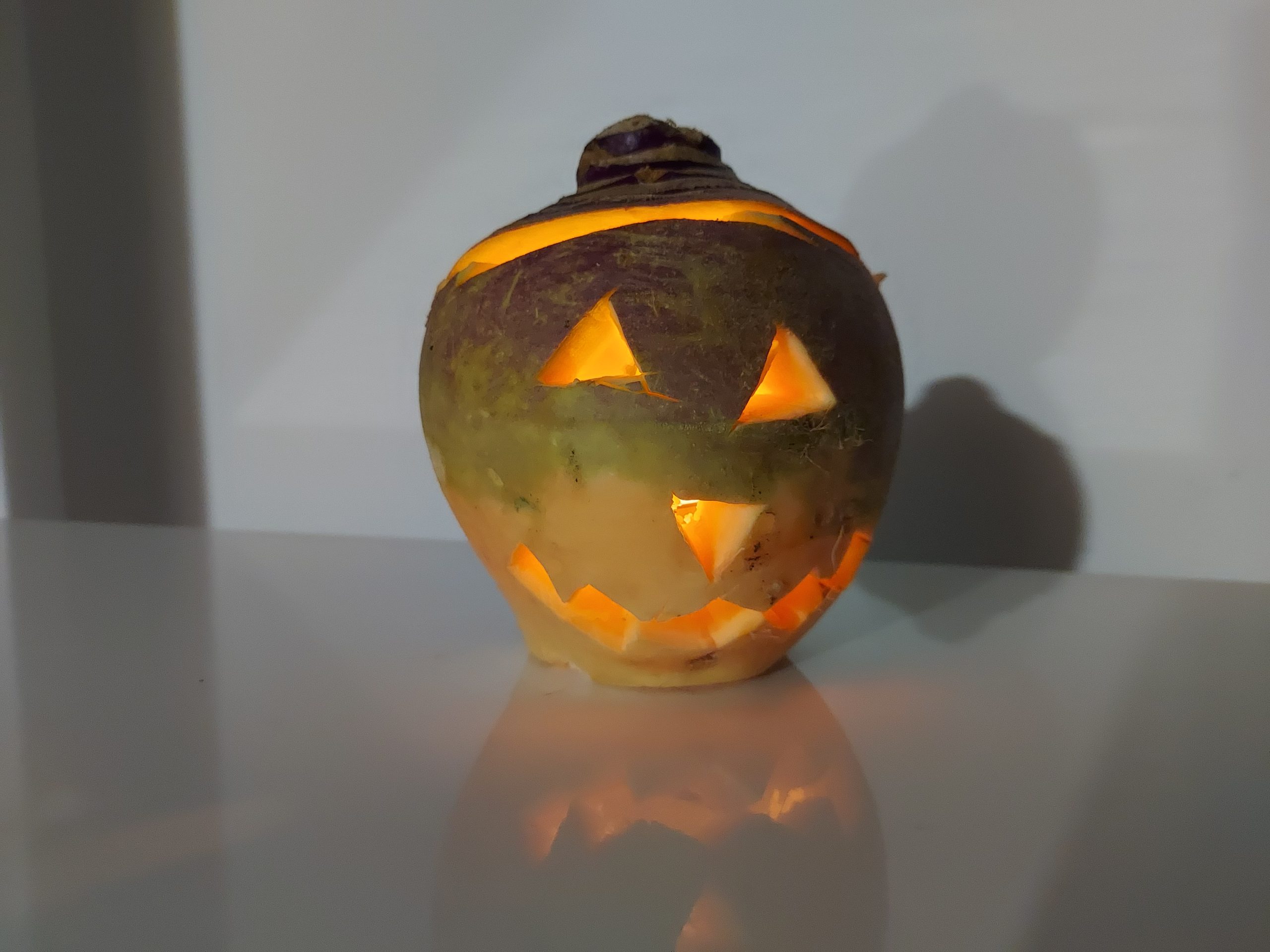
A turnip lantern with a lit tealight inside.

Make something with pumpkin you’ve never made before.

I made a lentil, pumpkin and spinach curry, which was delicious.
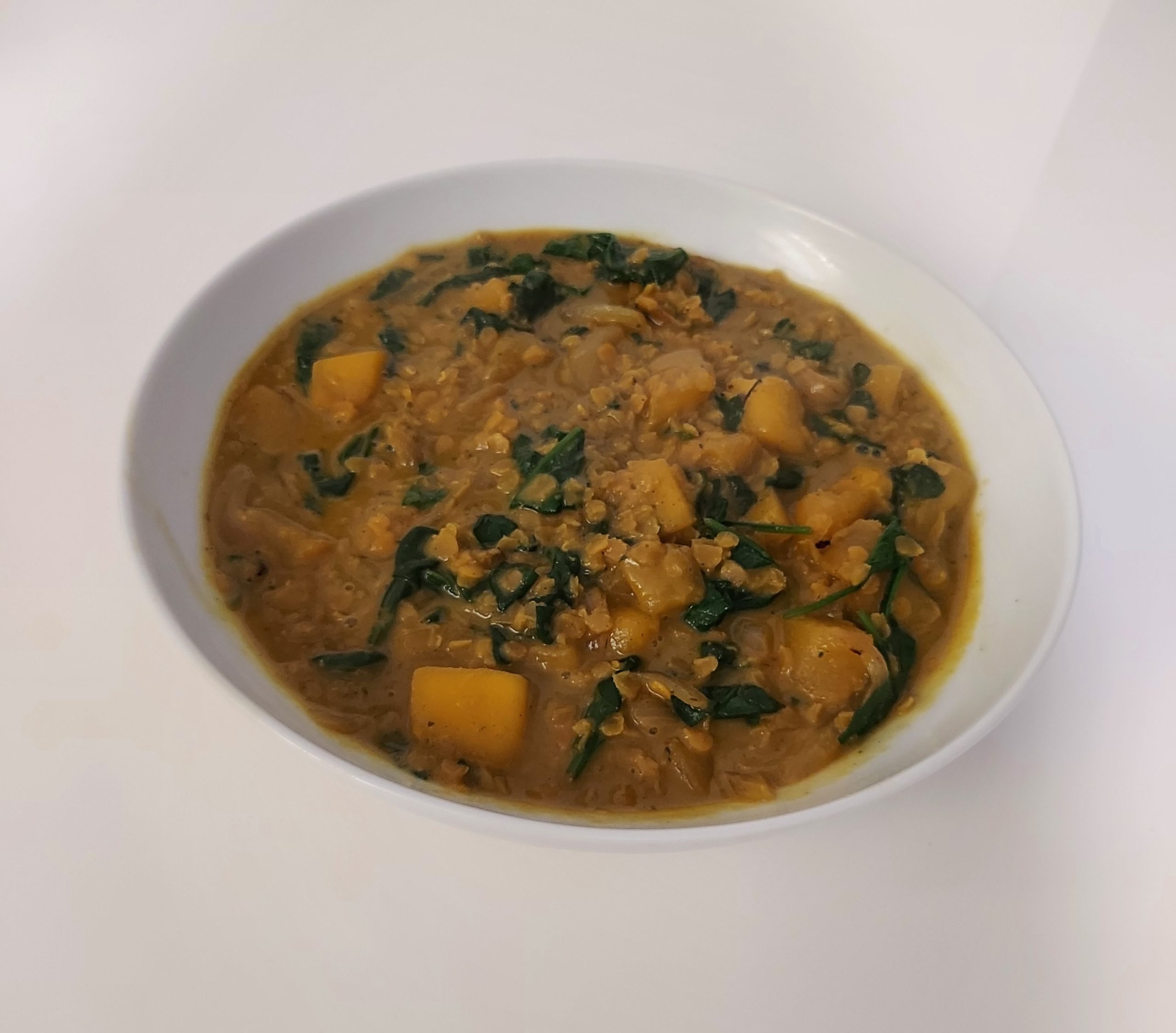
A bowl of pumpkin, lentil and spinach curry

Make apple or vegetable crisps.

I made apple crisps dusted with cinnamon, which were very tasty.
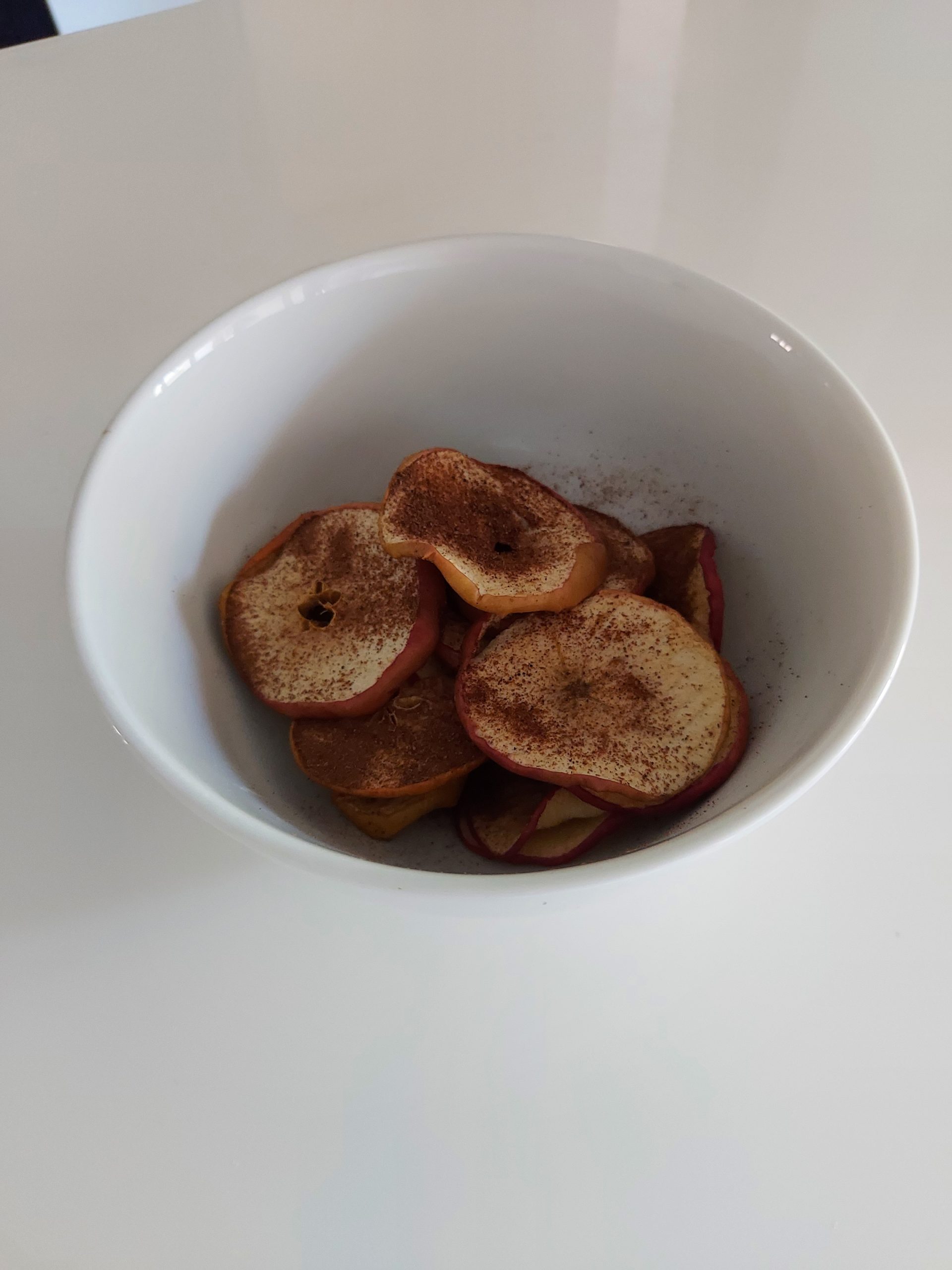
apple crisps dusted with cinnamon

Learn about the teal pumpkin project.

I found this so interesting and I think it’s a brilliant idea. The teal pumpkin project helps to make Halloween trick-or-treating more inclusive for children with food intolerances, allergies or other conditions. Putting a teal pumpkin on your doorstep shows that you have non-food treats available which are suitable for all.

I don’t get kids coming to my door where I live now, but if I ever live somewhere where that changes, I will be sure to take part.

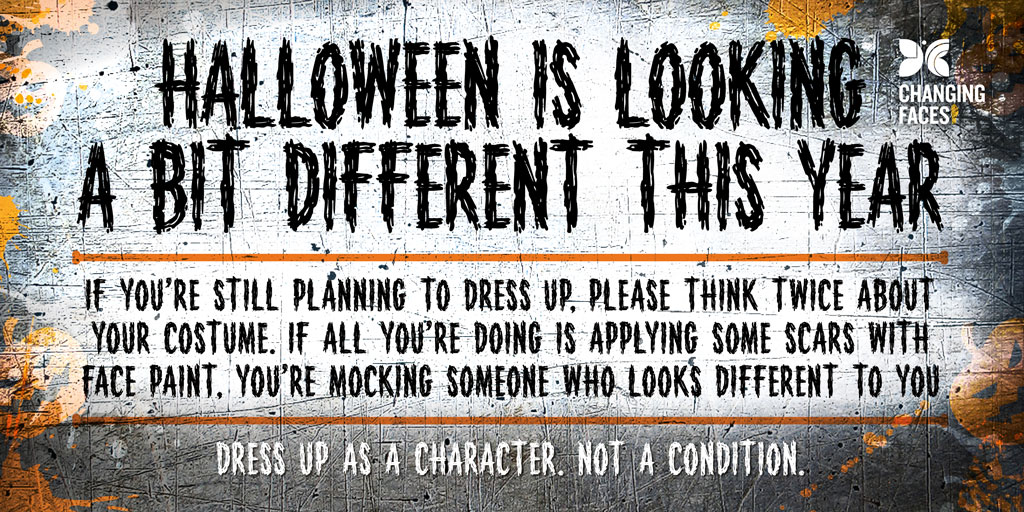
Read about the campaign to remove visible differences from Halloween costumes.

This also provided plenty of food for thought. I found that the charity Changing Faces campaigns for the avoidance of such costumes on Halloween and it’s understandable why, as it perpetuates stereotypes and increases stigma for those with a visible difference.
Make an autumn-themed wreath.

I bought a kit from The Range and had fun putting it together.

Find out about a local legend or ghost story.

I did some research and found out about 16 Montpelier Road in Ealing. (CW: mention of suicide). It’s a fascinating tale that I hadn’t heard before.

Write a spooky story.

I had fun writing my short story.

A turnip lantern, glowing in the dark.

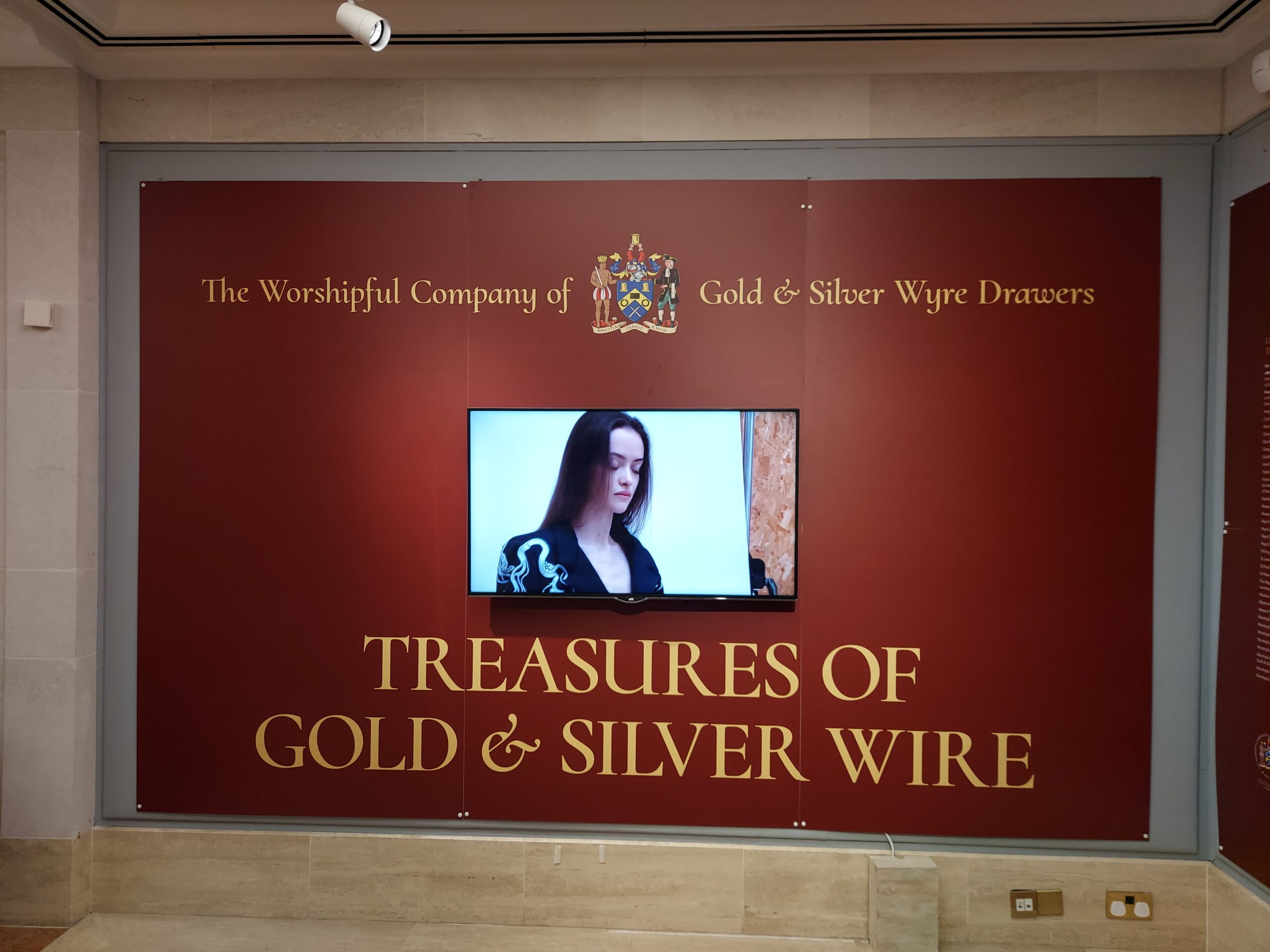
Treasures of Gold and Silver Wire – Guildhall Art Gallery

The entrance to the exhibition

In recent years I’ve got really into embroidery and other needlecrafts, so I was excited to visit the exhibition Treasures of Gold and Silver Wire at Guildhall Art Gallery. The exhibition, curated by Dr. Karen Watts, Curator Emeritus at the Royal Armouries, marks the 400th anniversary of the Worshipful Company of Gold and Silver Wyre Drawers, and features over 200 beautiful items made of gold and silver wire, some historical and others more recent, from a variety of different contexts.

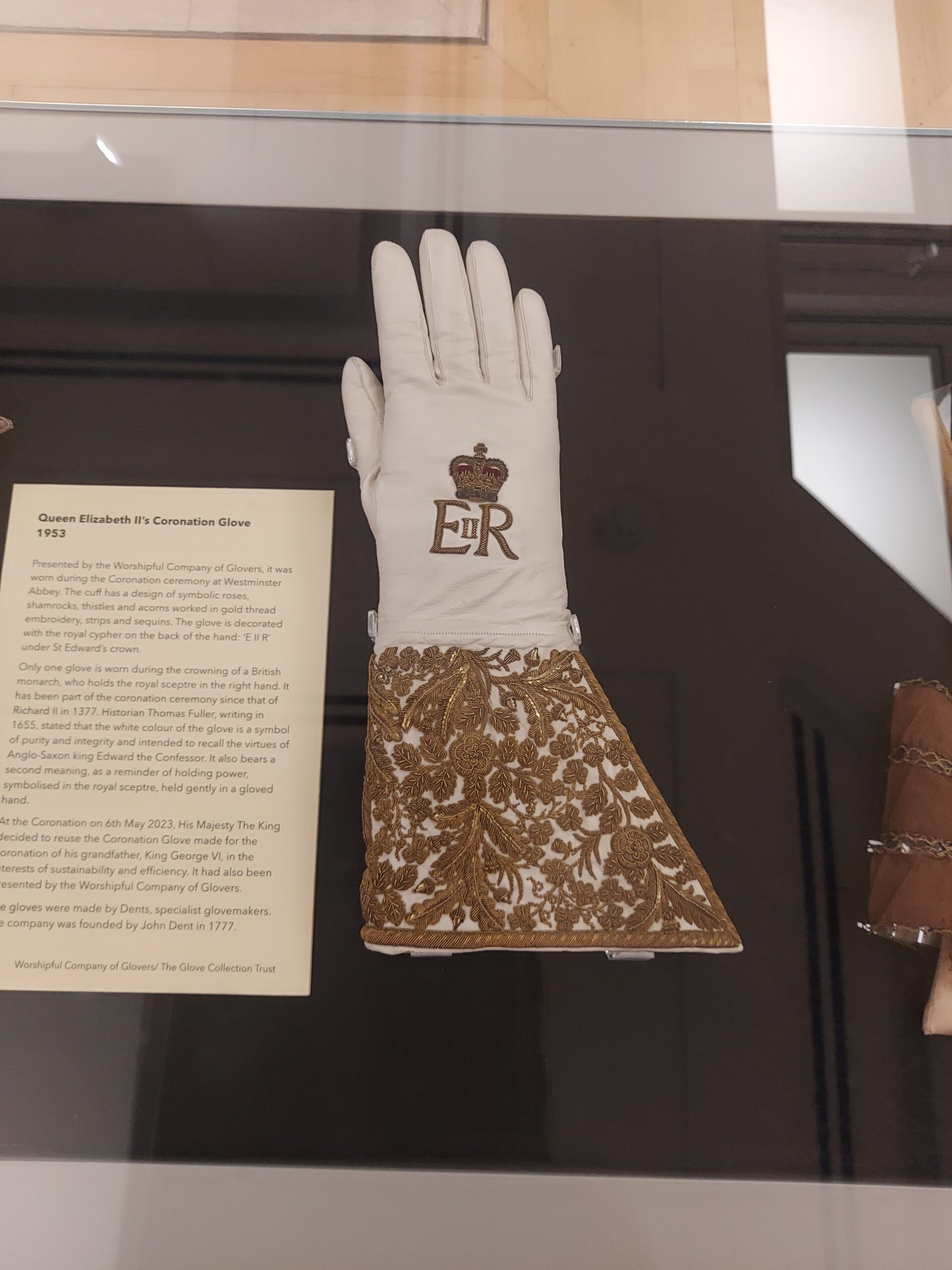
Many items in the exhibition are royal: garments worn by both Queen Elizabeth I and Queen Elizabeth II include the 16th century Bacton Altar Cloth, her only surviving dress, and a glove worn by the late Queen at her Coronation in 1953. The coronation dress worn by Queen Mary in 1911, adorned with gold and silver silk thread, is also featured.

A white glove embroidered with gold including the emblem of Queen Elizabeth II
Queen Elizabeth II’s Coronation glove

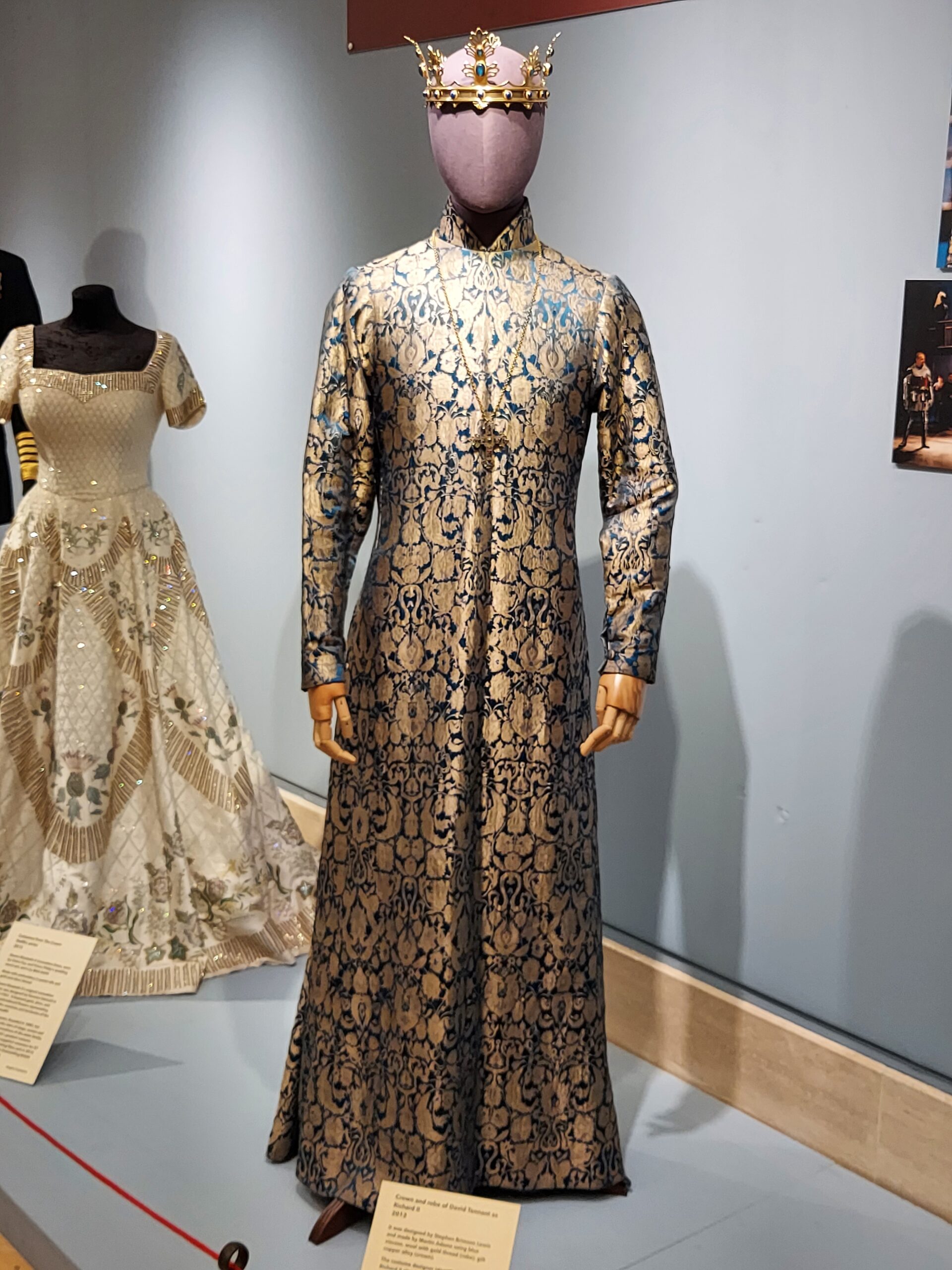
My favourite pieces in the exhibition came from theatre, such as a robe and crown worn by David Tennant in the title role of Richard II in the RSC’s production, as well as a crown and robe worn by Dame Helen Mirren in the RSC’s production of Antony and Cleopatra. Costumes worn by actors in the television series The Crown are also on display.

David Tennant's costume for Richard II
David Tennant’s costume for Richard II

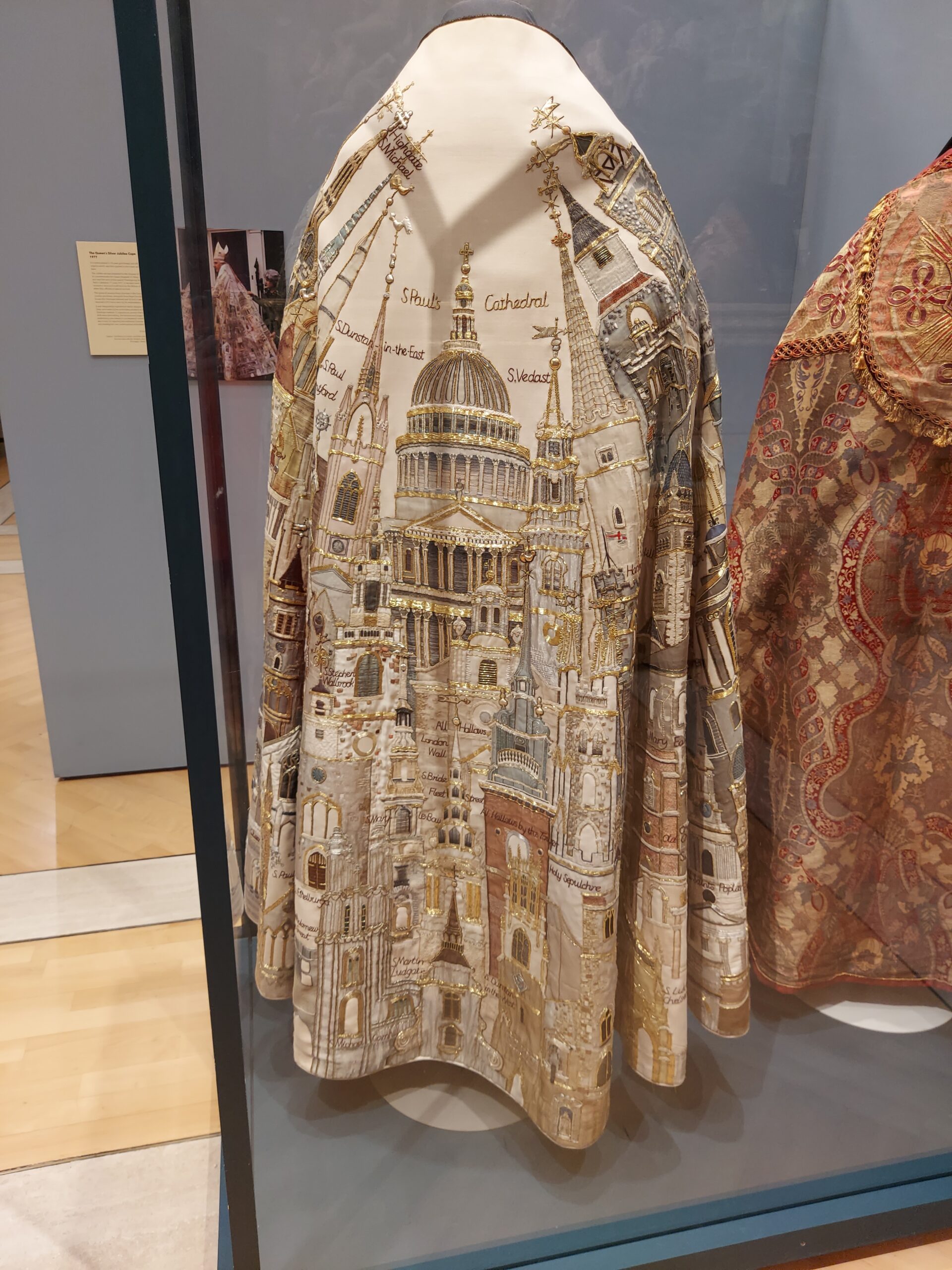
Menswear features strongly in the exhibition. A court suit worn by novelist Charles Dickens is shown, as is the Bishop of London’s Silver Jubilee Cope from 1977, and gold-braided dress uniforms from the British Army, Royal Navy, and Royal Air Force. A beautifully-embroidered hearse cloth from 1515 is one of the oldest pieces in the exhibition, and a piece of Oliver Cromwell’s dressing gown is also on display.

A cope embroidered with various London spires
The Bishop of London’s Silver Jubilee cope

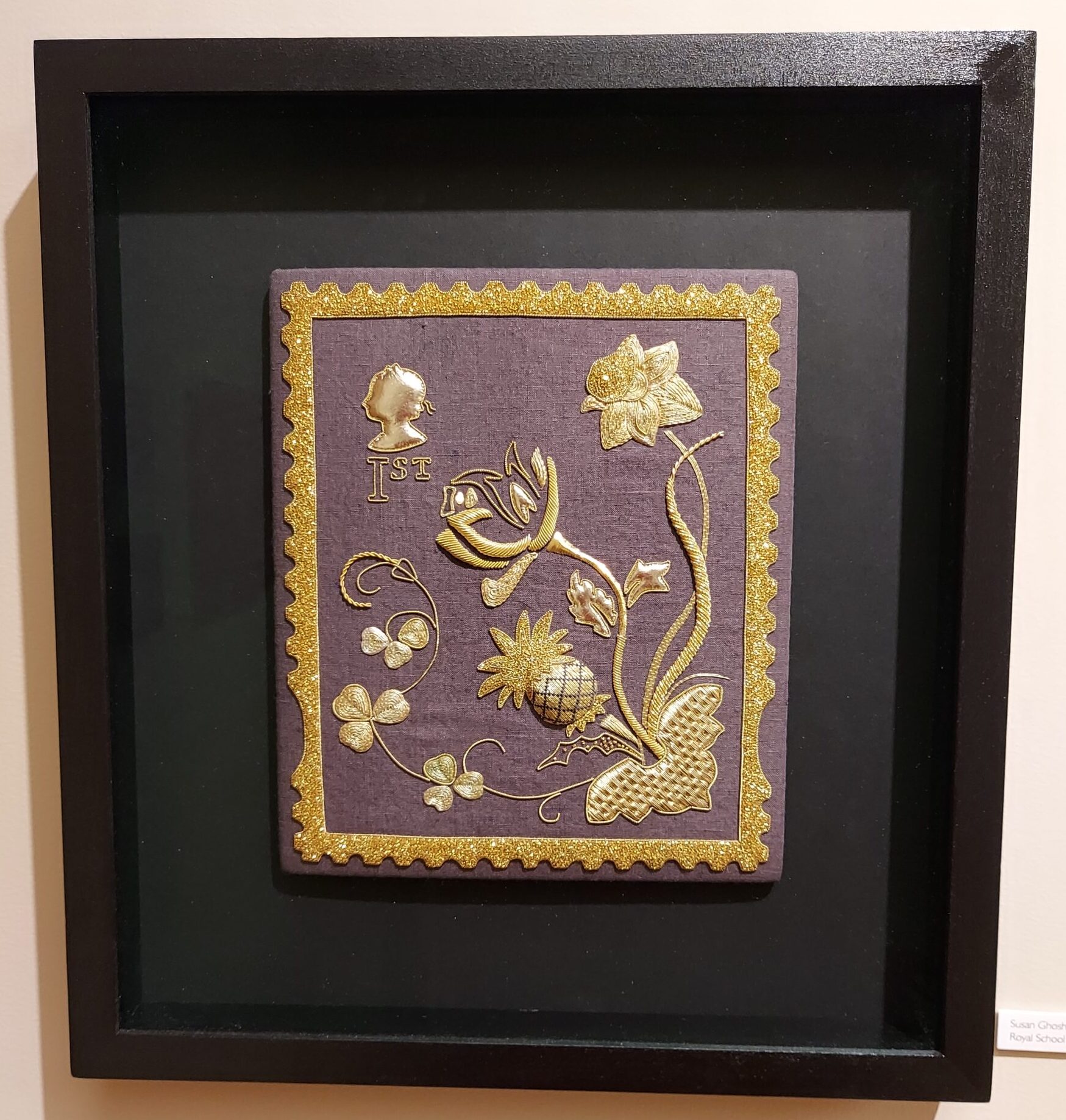
The exhibition ends with some beautiful examples of modern-day embroidery and jewellery using gold and silver wire. These gave me serious envy and inspired me to get working on more embroidery myself!

A stamp design embroidered in gold on purple
A modern stamp design

‘Fighting Spirit’ Distillery Tour & Tasting

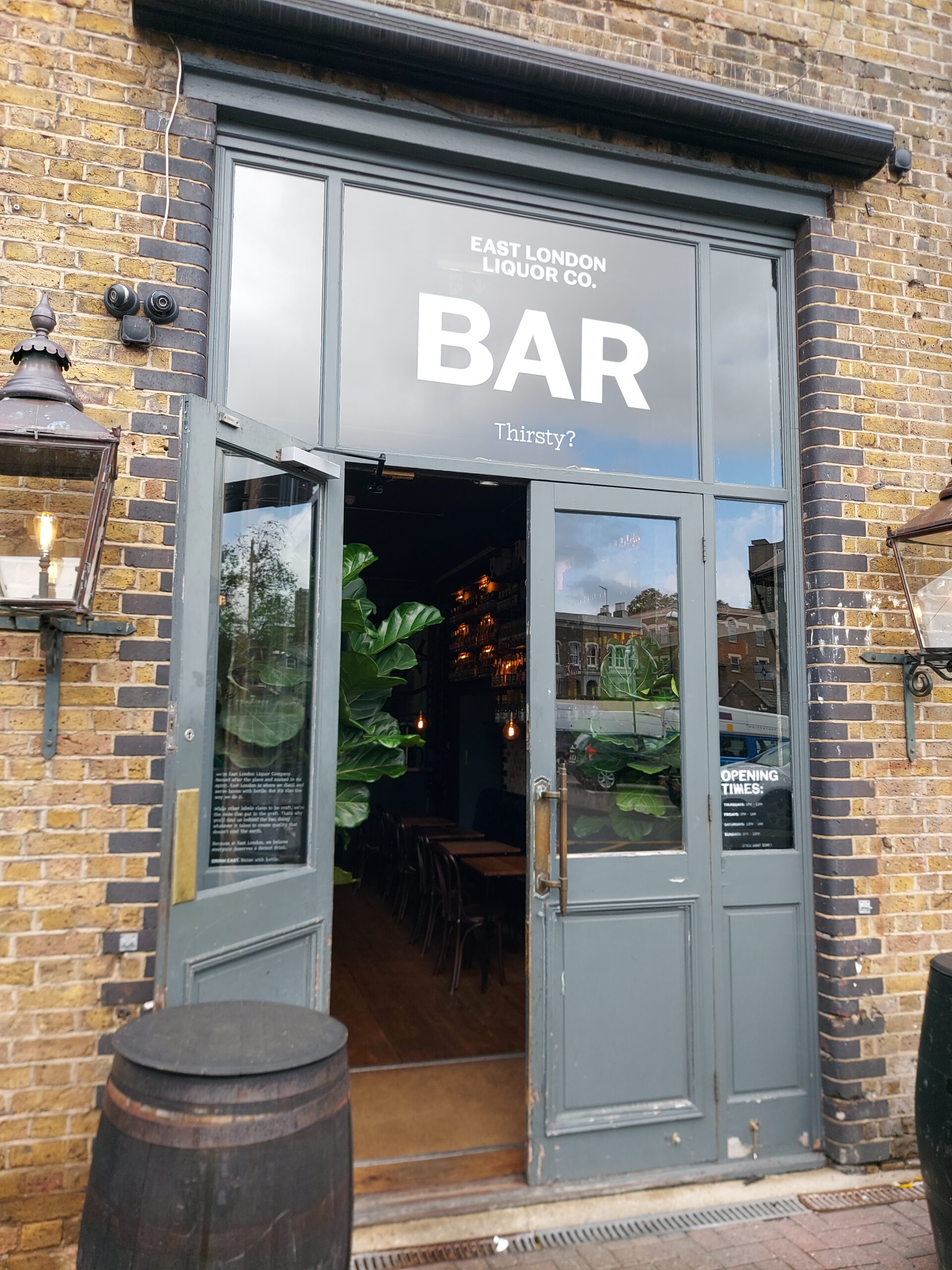
Entrance to the East London Liquor Company

Every time my friend Elisa comes down to London, we go to a gin tasting, and this time was no exception. On this occasion we chose the East London Liquor Company and their ‘Fighting Spirit’ Distillery Tour & Tasting.

The Company makes gin, vodka and whisky, distilling it in Bow, east London. It also imports rum from Jamaica and Guyana. Our tour focused on gin, and we learned about how it is made in the stills. This process is familiar to us from other gin tours we have been on, but it was still interesting.

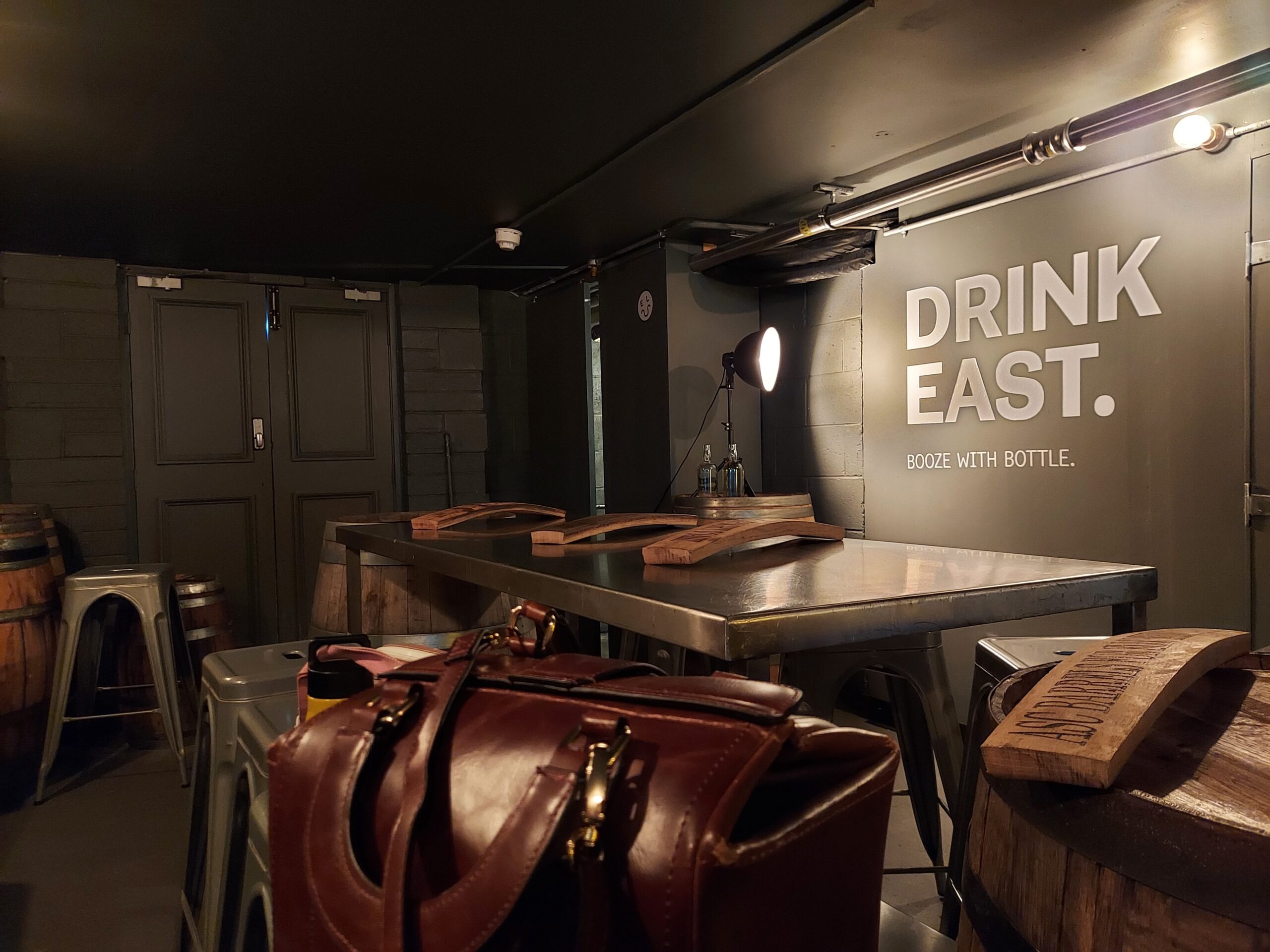
After this it was time for the tasting. We got a chance to sample the basic ingredients of gin and taste some of their varieties, including their standard gin, Louder Gin, Lighter Gin and Kew Gin. They all had their own merits and it was interesting to compare and contrast. Learning about the label design of the bottles was also really interesting.

Inside the gin tasting room

Monopoly Lifesized

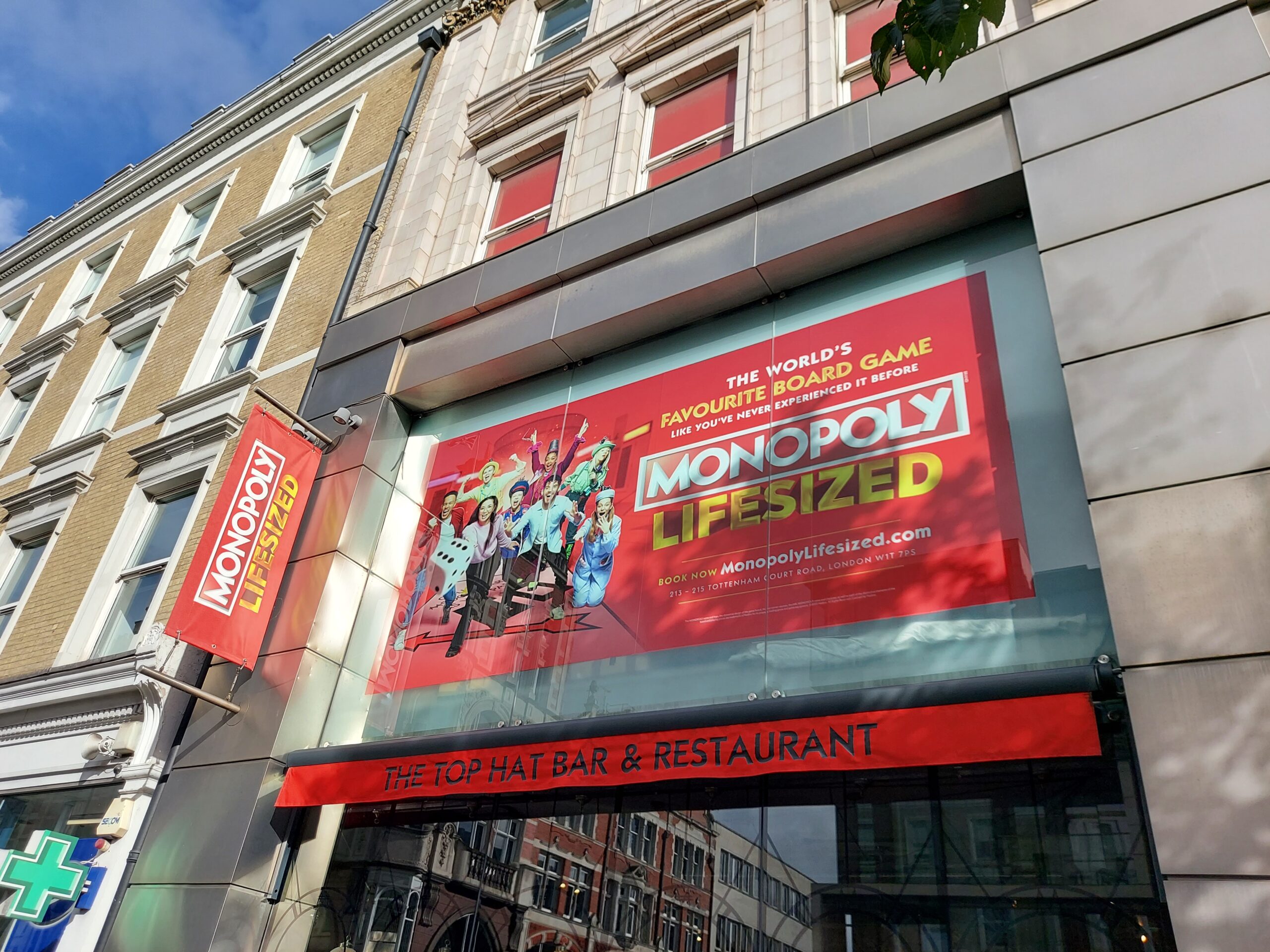
The facade of the Monopoly Lifesized building on Tottenham Court Road

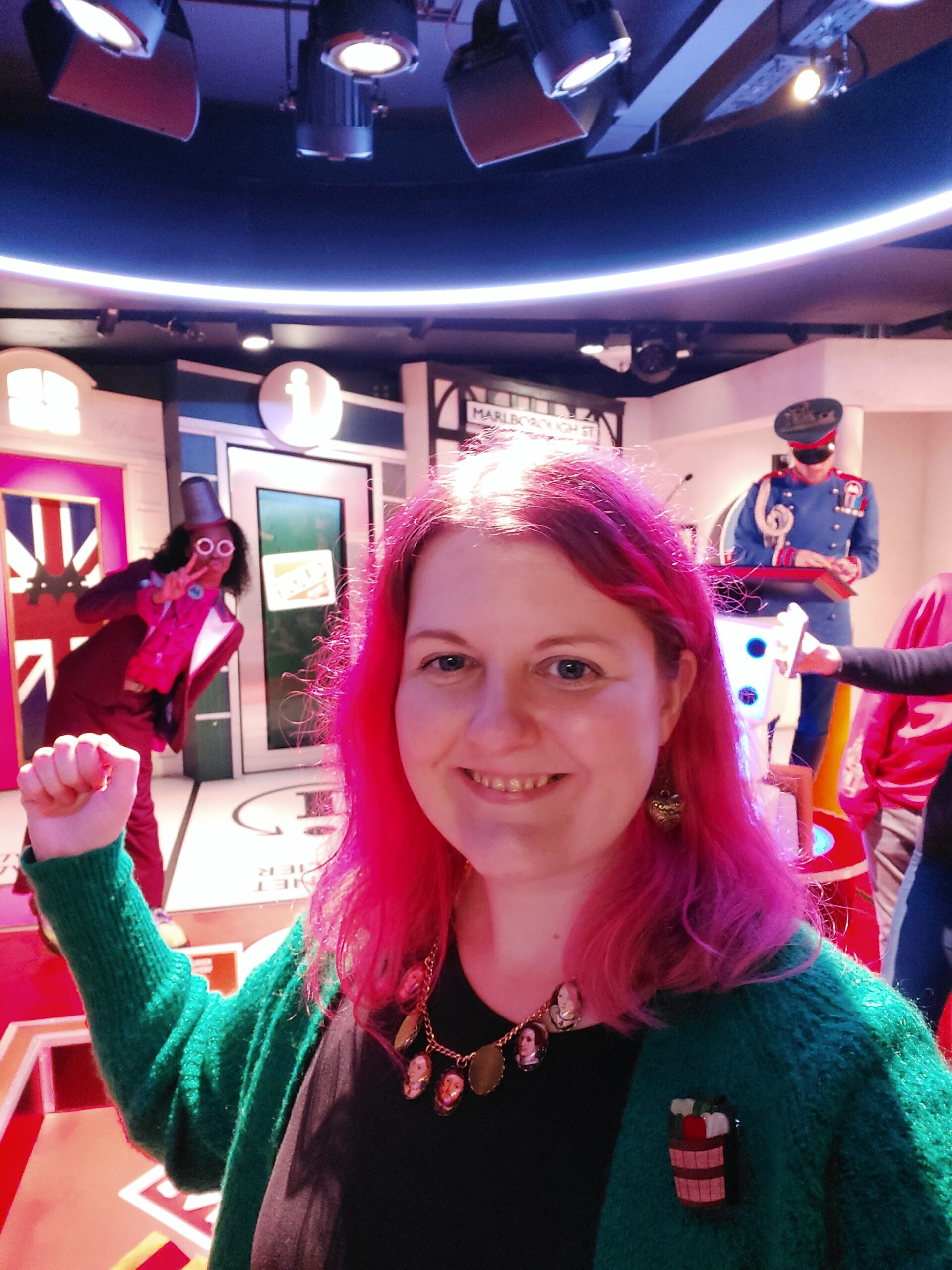
When my friend visited London recently, we paid a visit to Monopoly Lifesized. This giant version of the famous board game offers players the chance to try their luck at an escape room-like experience based on the game we already know. Four different boards are available: Classic, City, Luxury and Classic – Own It All. I actually wanted to go for Classic, but spaces weren’t available so we chose City instead. This board focuses on London-based challenges and ended up being really fun.

On arriving at the venue we queued up to enter our board at the relevant time and were taken into the next room by ‘Mr Monopoly’. We were joined up with two other groups and between us had to pick ‘roles’ for our group members, including dice roller and banker, as well as pick a team name. I was a bit apprehensive about being on a team with strangers, but we got on really well.

Taken upstairs to our board, we competed against the other teams, taking it in turns to roll the dice, answer questions, build houses and hotels, and play in escape room-type scenarios. Some of these were puzzle-related, others – including the dance challenge – were more practical. The time went by really quickly, and unbelievably our team won (no thanks to the pair of us I must say!).

The Monopoly Lifesized experience is quite expensive and definitely something to experience on special occasions, rather than an everyday event. Having said that, it was really good fun, and I recommend it for something a bit different – whether or not you are a fan of the original game.

Selfie of me smiling in the Monopoly room with performers behind me

Danny Robins’ Uncanny – Live

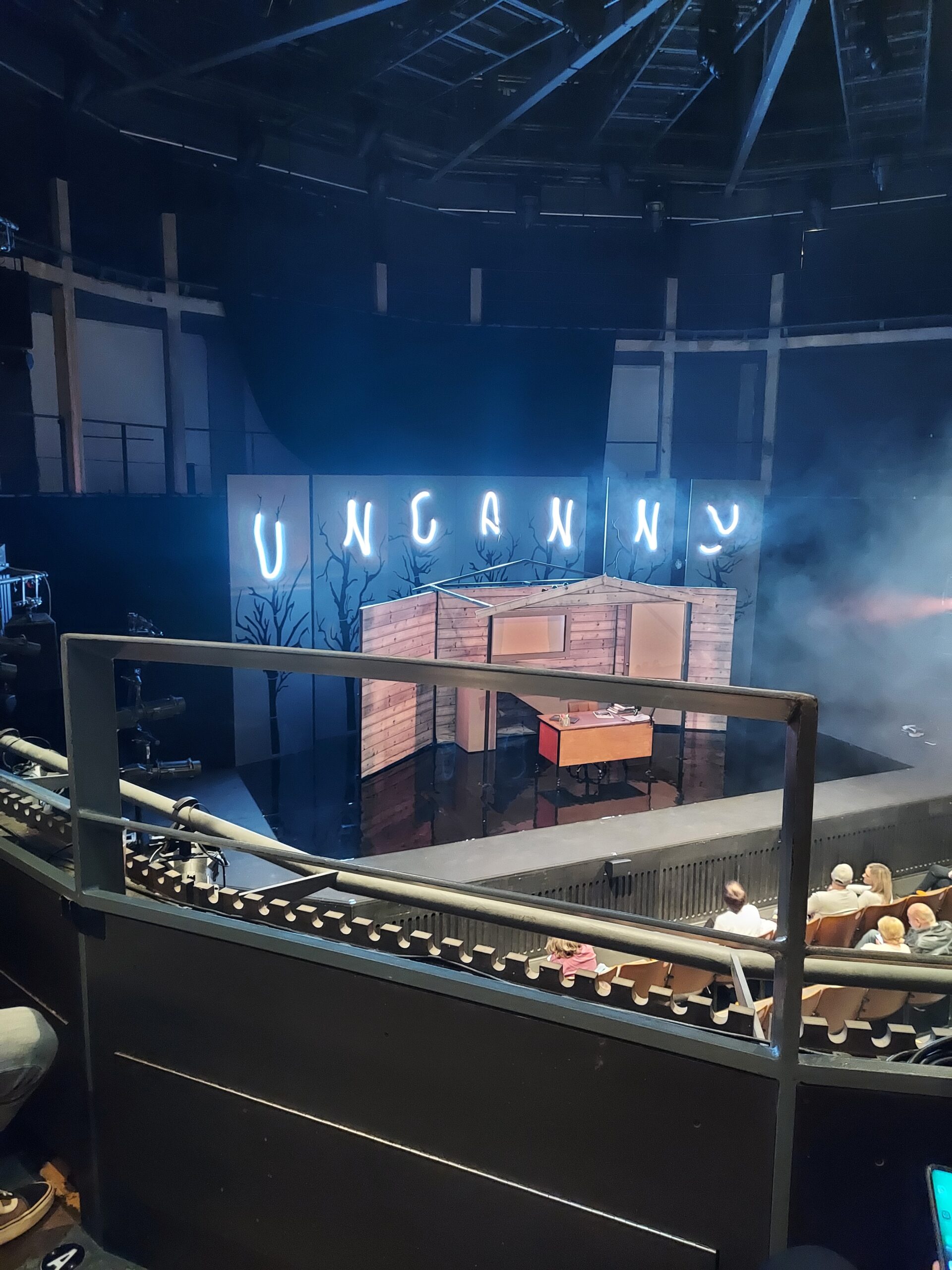
The stage of the Rose Theatre, Kingston

I’m a huge fan of Danny Robins’ podcast Uncanny and the accompanying TV show, so was happy to get the chance to go to the live show at the Rose Theatre in Kingston.

Robins is an excellent host, theatrical and entertaining but convincing and honest. He understands why people might want to believe in ghosts, and the show – which builds on the familiar podcast format with professional guests of opposing beliefs (Ciarán O’Keffe representing Team Sceptic and Evelyn Hollow representing Team Believer) – allows for the whole spectrum of viewpoints. It was engaging and entertaining, featuring several new real-life experiences which were quite chilling.

As it’s a theatrical production, it did feature some ‘special effects’, which didn’t entirely work for me – I actually find it more scary to just sit and listen to peoples’ stories, but I can understand why Robins and his team wanted to add a bit more to the experience.

Personally, I’m Team Not Sure, and neither the podcast nor the TV show have managed to convince me otherwise. Neither has this live edition, but overall it was still a great evening.

Crown to Couture – Kensington Palace

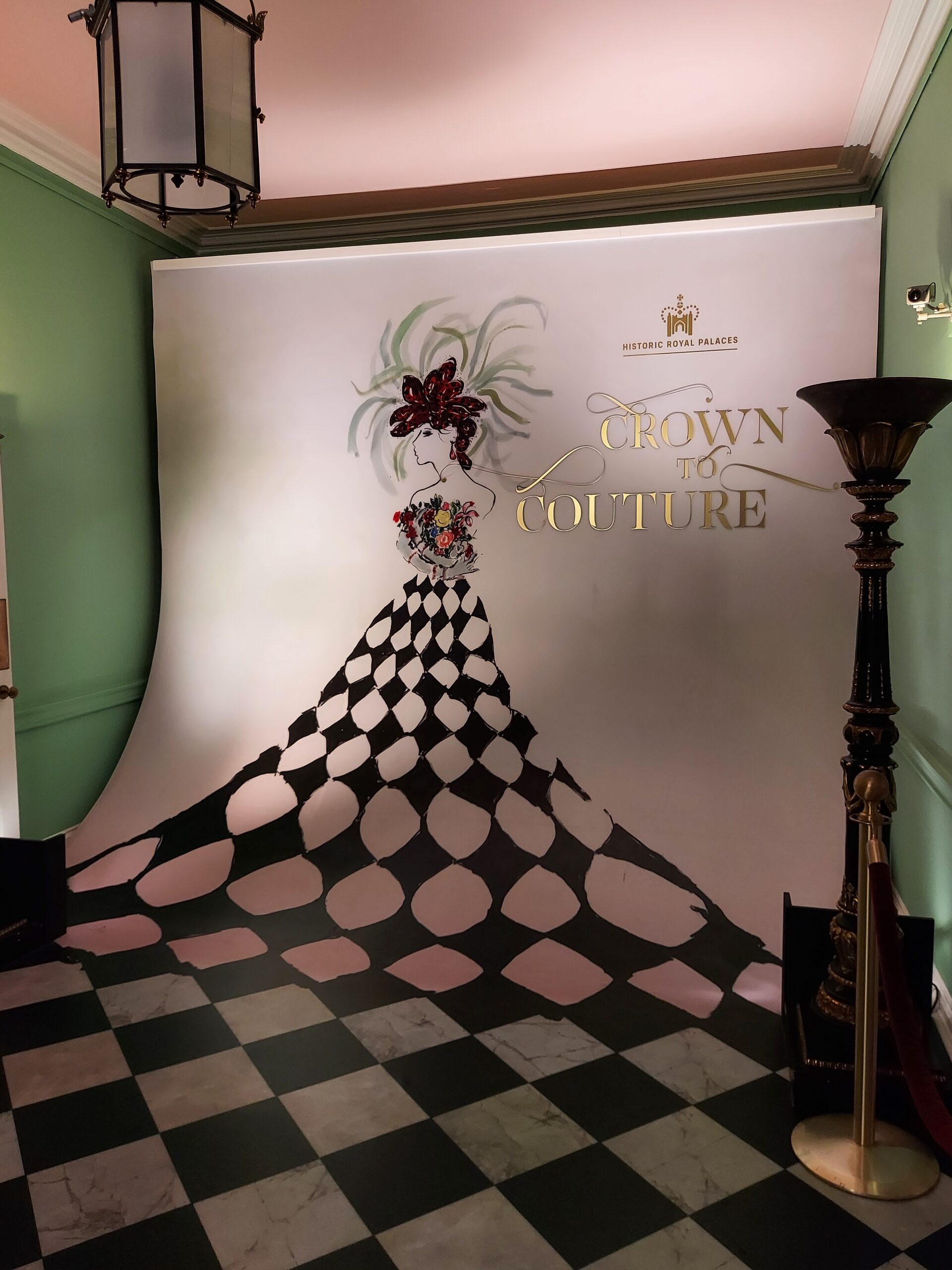
entrance to the Crown to Couture exhibition

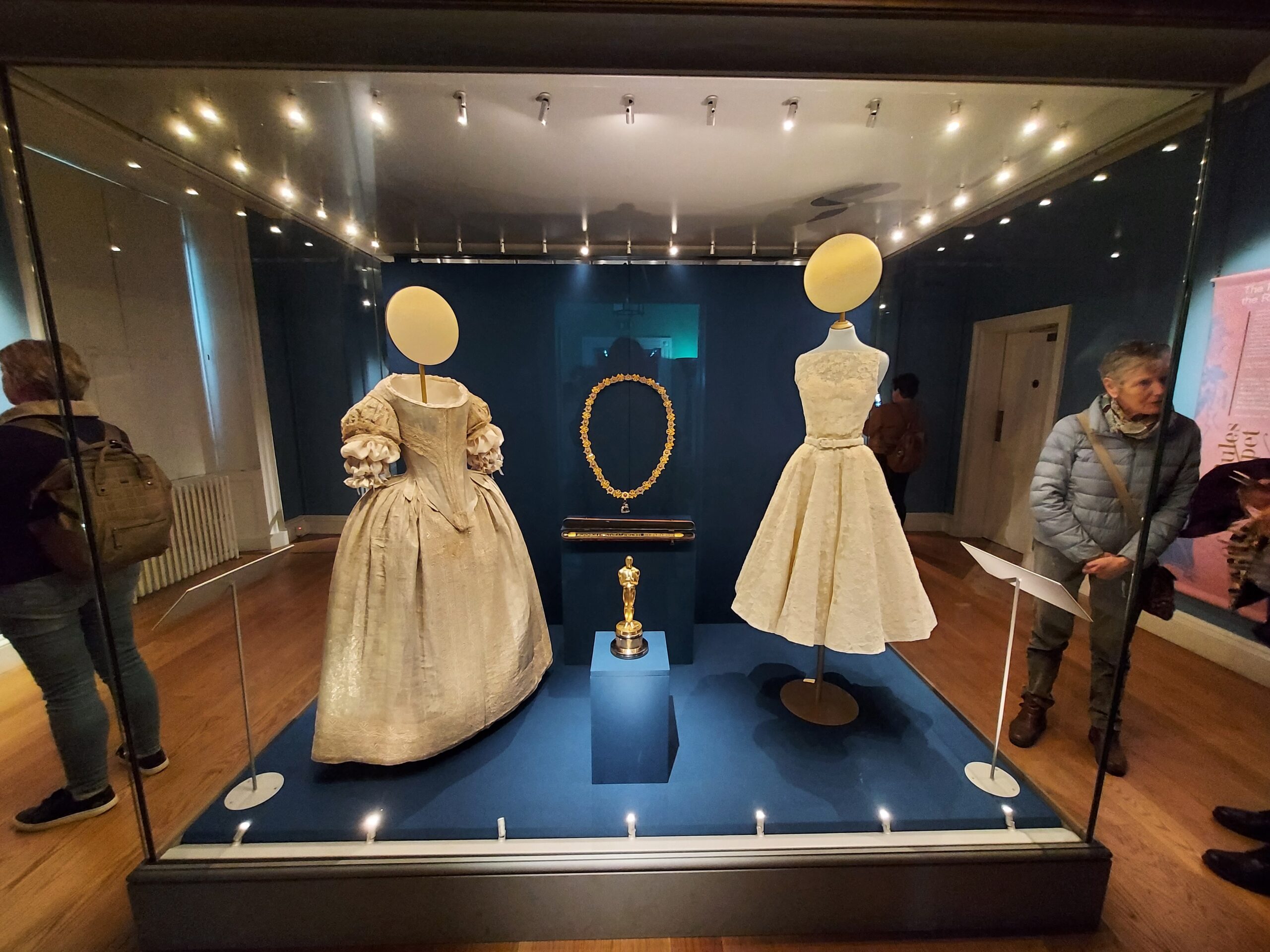
I attended the Crown to Couture exhibition at Kensington Palace one sunny Sunday in October. With 200 artefacts placed around the State Apartments, this is the largest exhibition ever held by Kensington Palace. It compares and contrasts eighteenth-century court fashions, then the height of style and glamour, with Hollywood designer outfits from the 1950s to the modern day.

While the eras are different in many ways, they have a lot in common. Both featured outlandish outfits worn to get the wearer noticed – either by the king, or by the media. As a rule, they are completely impractical – see the ridiculously wide ‘mantua’ dresses of the 1700s, or Katy Perry’s ‘chandelier’ dress – but they were also often beautiful, and sometimes made statements in other respects, such as Billy Porter’s outfits chosen to protest against gender and racial norms.

This rich, fascinating exhibition is well worth a visit. It is excellently put together and has some jaw-dropping costumes on display.

An eighteenth-century court dress and a 1950s Hollywood dress

Big Rebel Meet Up – Reading, October 2023

Almost a year to the day after attending my first Big Rebel Meet Up in Reading, I went back again for another one. I loved the first, and the second was no less exciting and varied in terms of the activities we took part in.

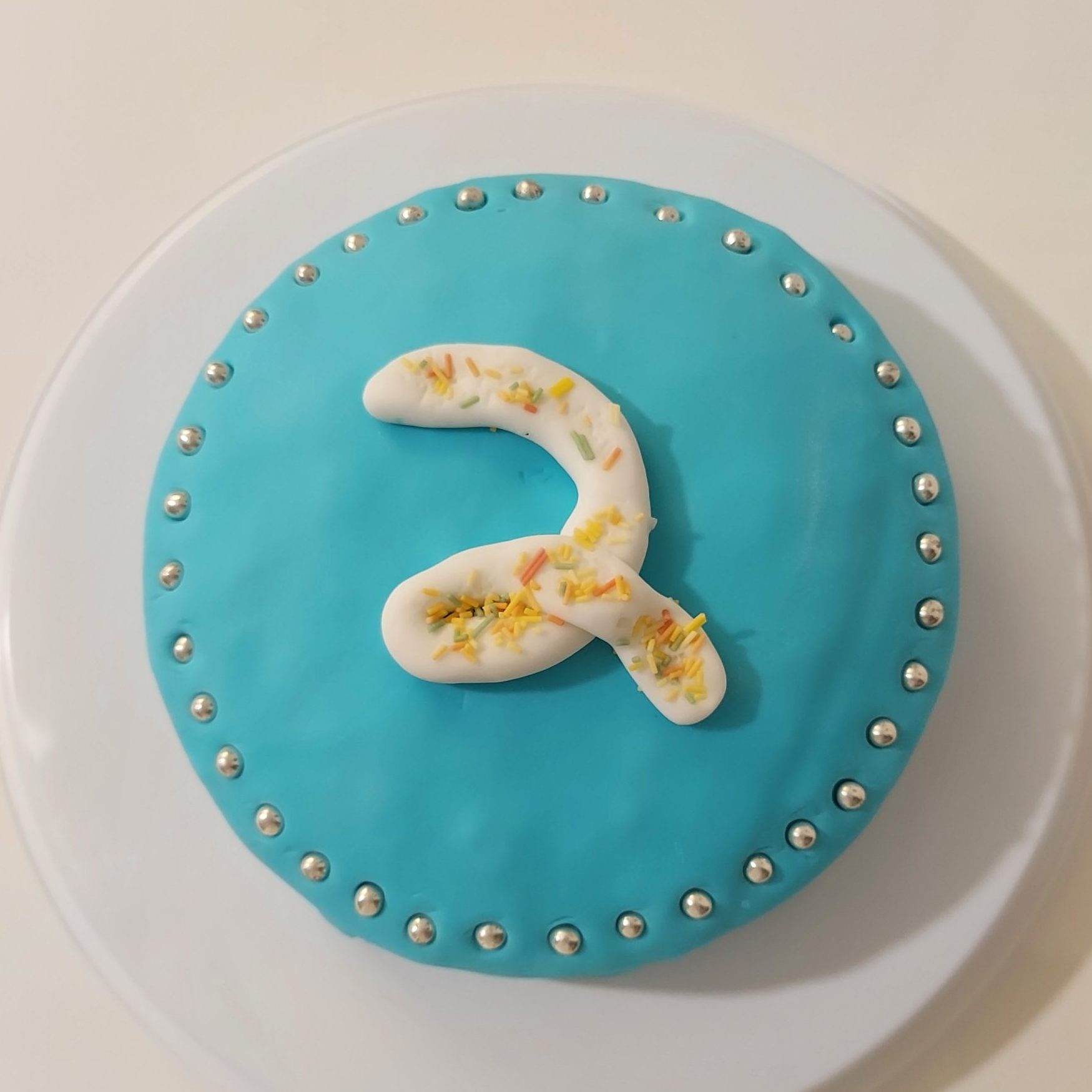
I was proud to be a Patrol Leader for the first time, and I was in Rosa Patrol – which is also the patrol I chose for the Cup. I made a cake for the celebration, which also fulfilled the 2nd Birthday badge clause to design a cake – it was a vanilla sponge covered in bright blue icing with the number ‘2’ on top.

My 2nd birthday cake

The day kicked off with a ‘geocaching’ session in a local park. Luckily the weather stayed bright and sunny for us, but our shoes did get a bit muddy from running around looking into hedges! Charly had spent ages depositing Kinder egg middles with exciting duck surprises around the park, and as a group we managed to find most of them, though I personally only managed to find one. There were plenty of bemused dog walkers asking why there were so many of us lurking in the park on a Saturday morning!

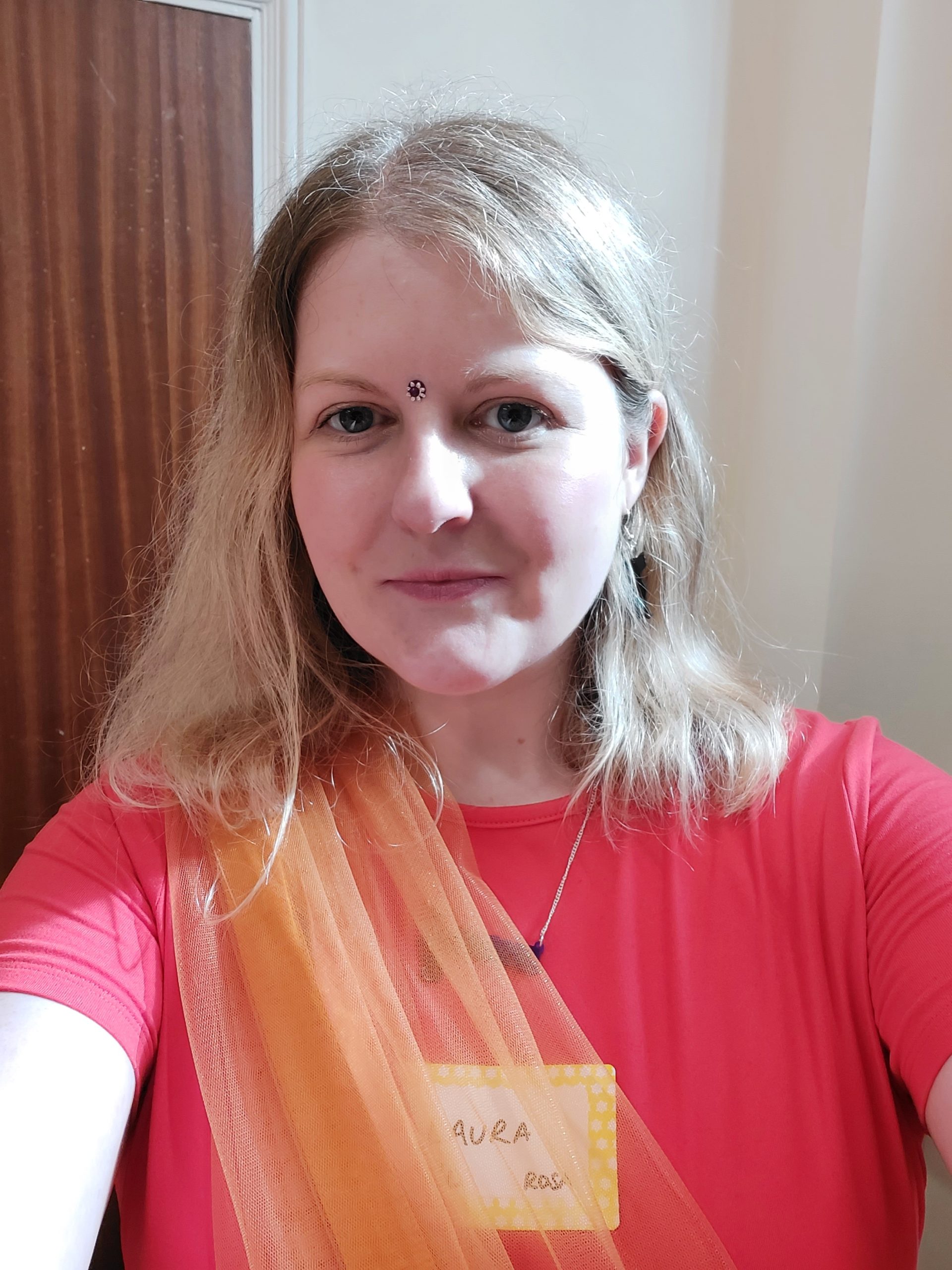
After heading back to the hut, and having lunch, it was time for the afternoon’s activities. My Patrol’s first activity was Bollywood dancing with Shanneen, who also ran a session at Rebel Fest. This was so much fun – I’m not a good dancer but I thoroughly enjoyed myself, and Shanneen is a great teacher.

Me dressed up for Bollywood dancing (accessories provided by Shanneen)Ready for Bollywood

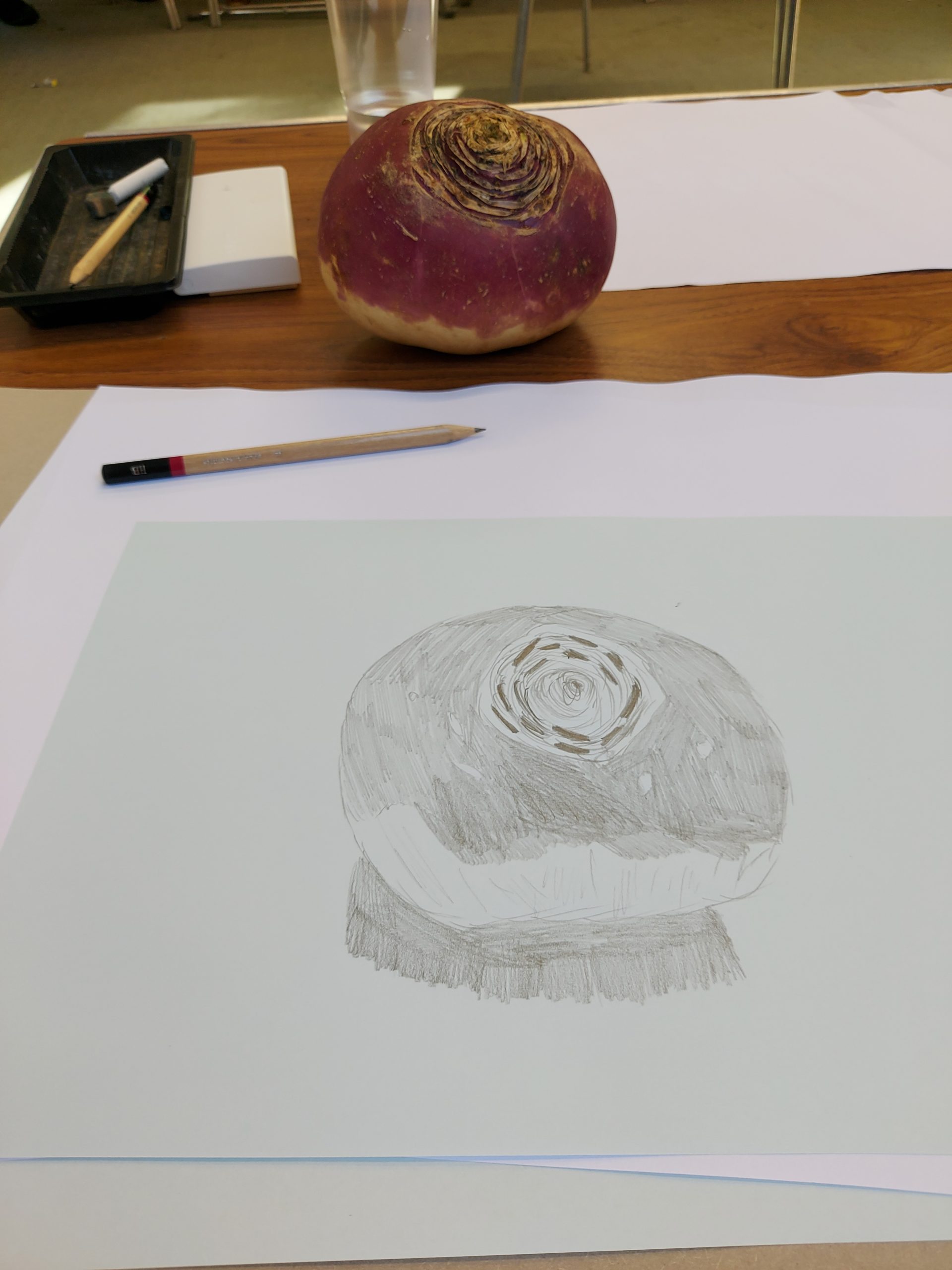
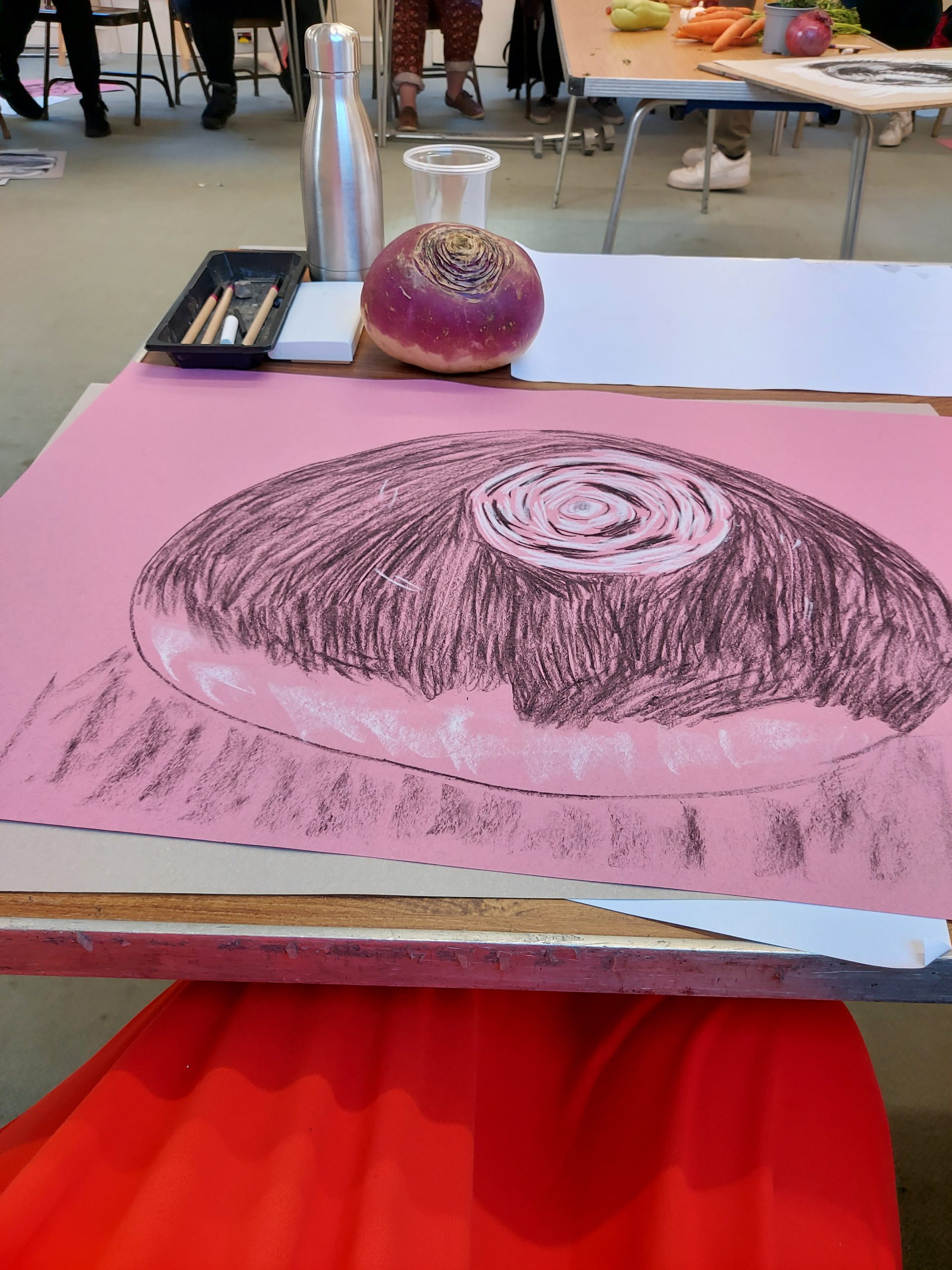
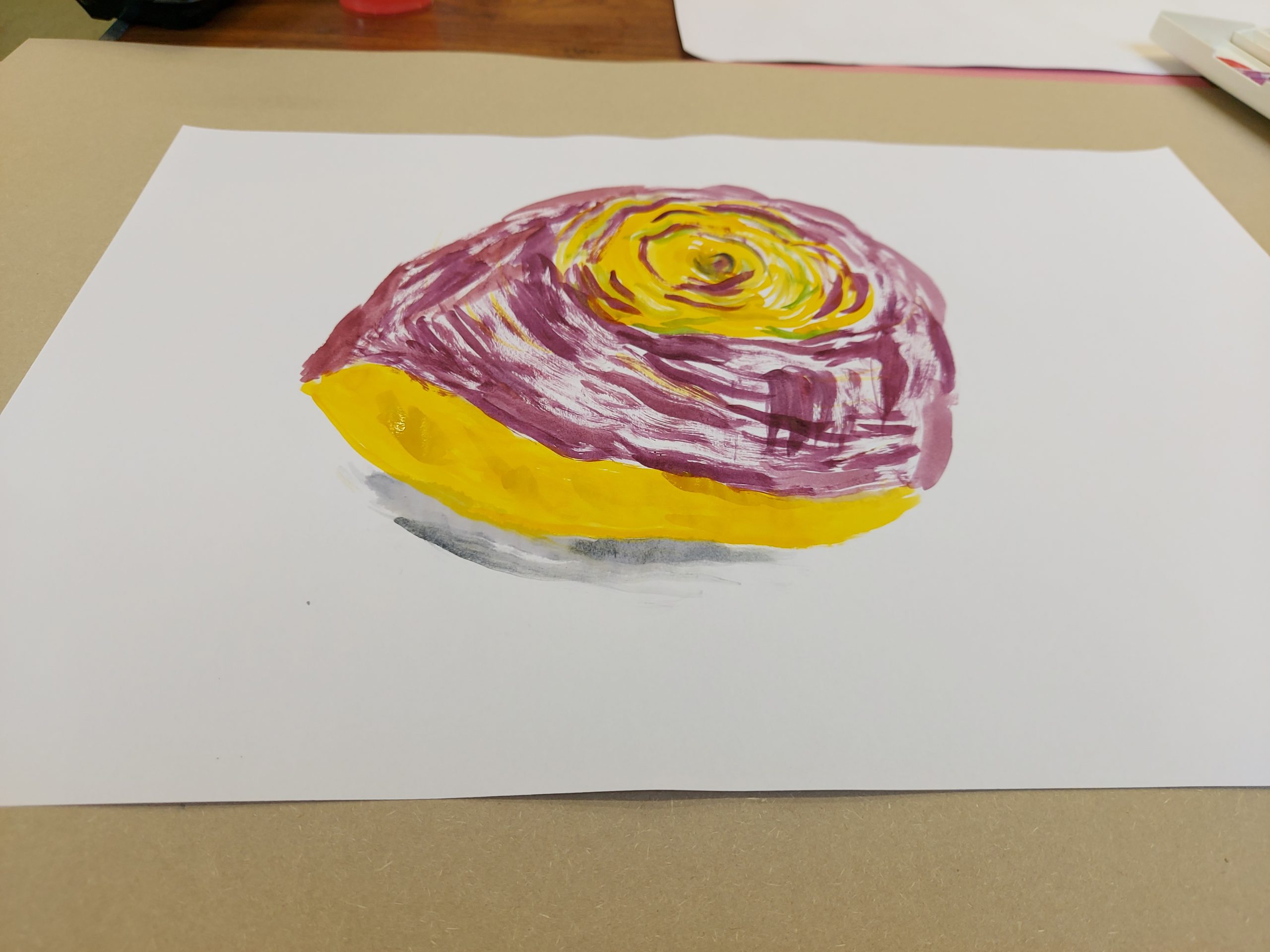
Next up, we had a still life drawing session with Rod, who also ran the life drawing session last October. We had a number of autumnal vegetables to choose from: I chose a turnip and had a nice time drawing it in charcoal, pencil and paint. I’m not a great artist but I did enjoy this session.

My favourite session of the day was Improv with Monica. I’m definitely an introvert but Monica made us all feel really comfortable and we had fun coming up with different scenarios. I really enjoyed letting my imagination run wild on this one.

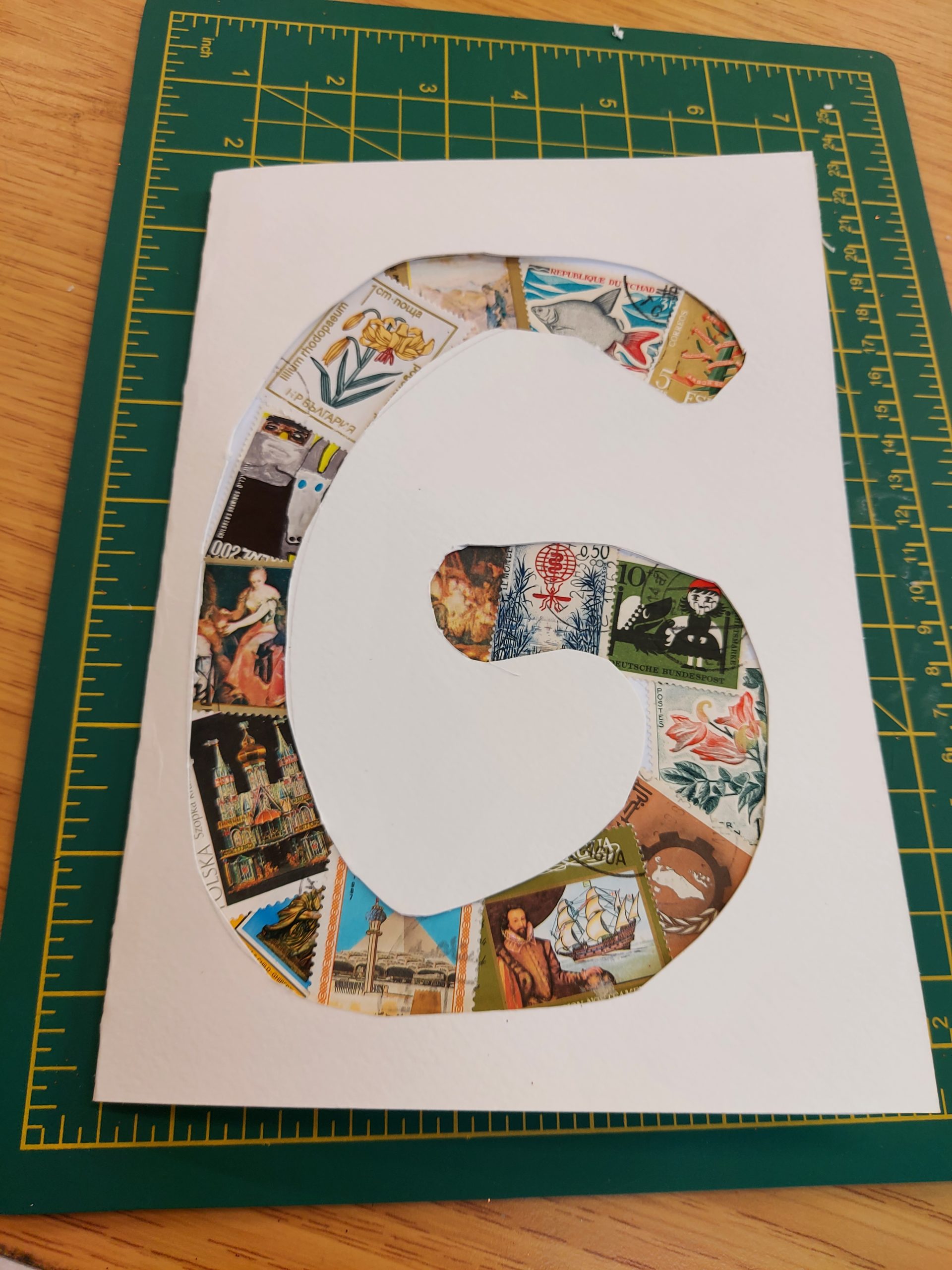
Our final session of the day was collage. This was a lovely relaxing session to end the day. I made a birthday card for my friend with vintage stamps.

White card with vintage stamps in the shape of the letter 'G'My birthday card collage

With these two Reading meet ups, one in Bromsgrove, Rebel Fest and Rebel Summer Camp, I’m now eligible for my ‘5 Meet Ups’ badge, which I will hopefully be able to collect at the next meet up in Stockport!

Spirit of Invention – The National Archives

I visited the Spirit of Invention exhibition at The National Archives, partly to get inspiration for my RBC Inventor badge, but also because I was interested in seeing the wacky Victorian inventions on display, alongside intriguing modern creations.

Board for the Spirit of Invention exhibition

Innovation was rife during the nineteenth century, thanks to a combination of industrialisation, economic prosperity and societal change. In 1843, the Utility Designs Act made the process of protecting an idea much simpler and cheaper, so ordinary people were keener to get involved with inventing.

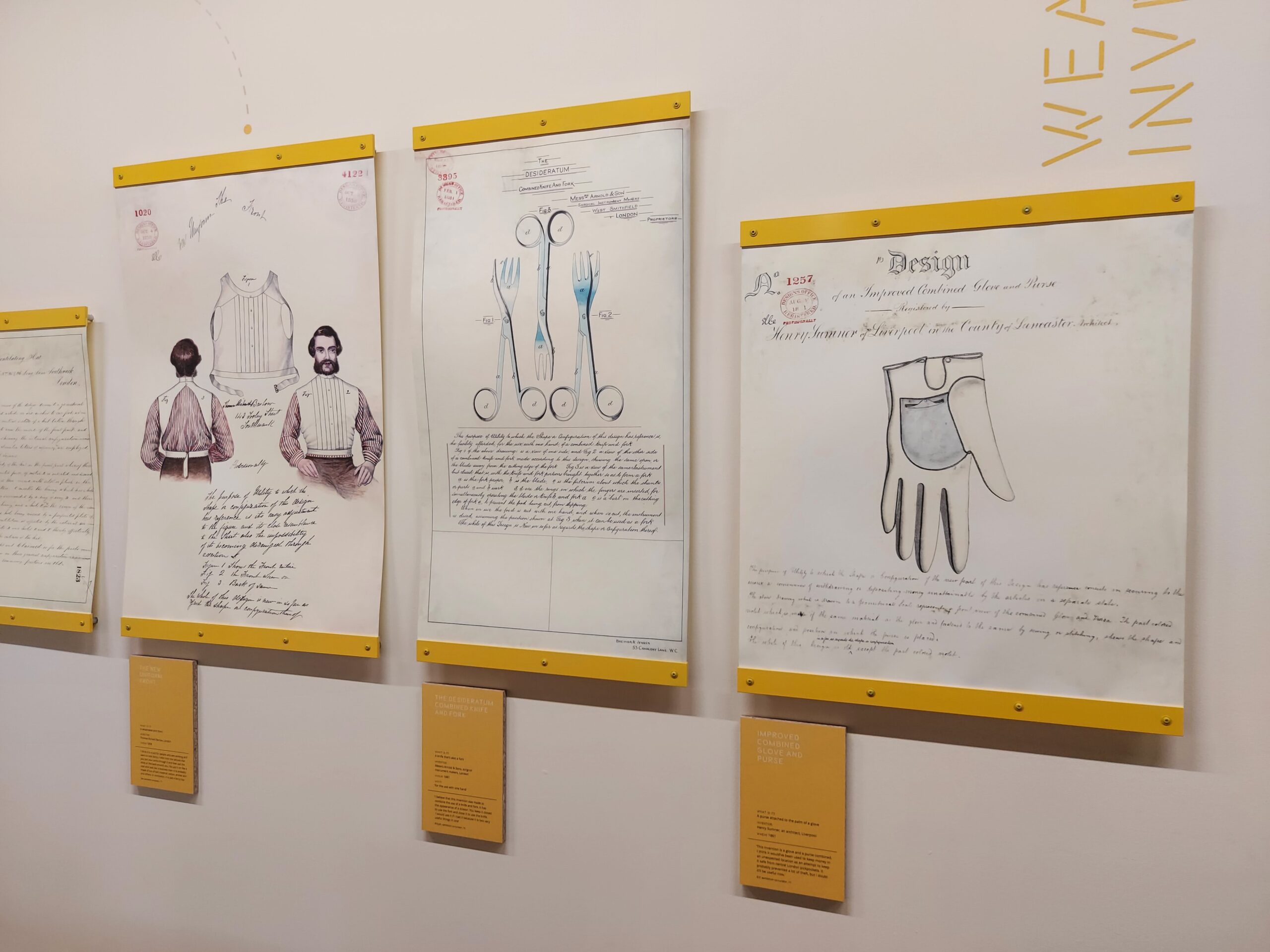
One of the most interesting and potentially useful inventions was the combined knife & fork by Messrs Arnold & Son. By making it easier to eat a meal with only one hand, it helped those with certain disabilities. John Mechi and Charles Bazin created the United Service Travelling Case, which even now looks handy for taking on holiday.

Some Victorian design ideas

The modern inventions explored in the exhibition are no less intriguing. For example, the Soul Cap is a swimming cap designed to accommodate particularly thick and full hair. It is designed for those with afro hair, ensuring that Black people can also protect their hair while in the pool. The ‘Hero Arm’ is a prosthetic arm with transferable covers, so wearers can use an arm designed to look like Iron Man or other superheroes.

The exhibition was great fun and gave me plenty ofinspiration for the badge!

St Mary’s Church, Ealing: Open Day

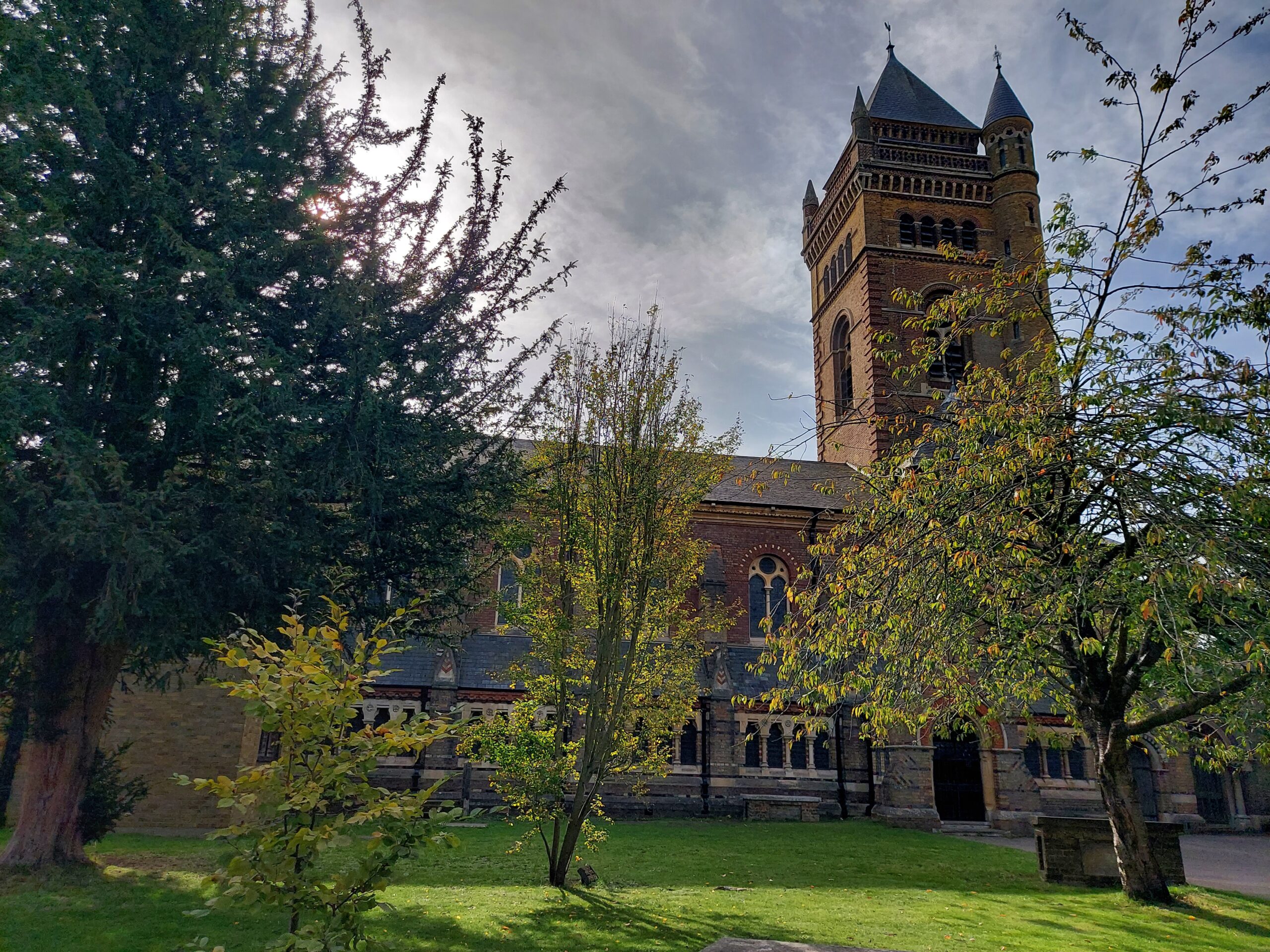
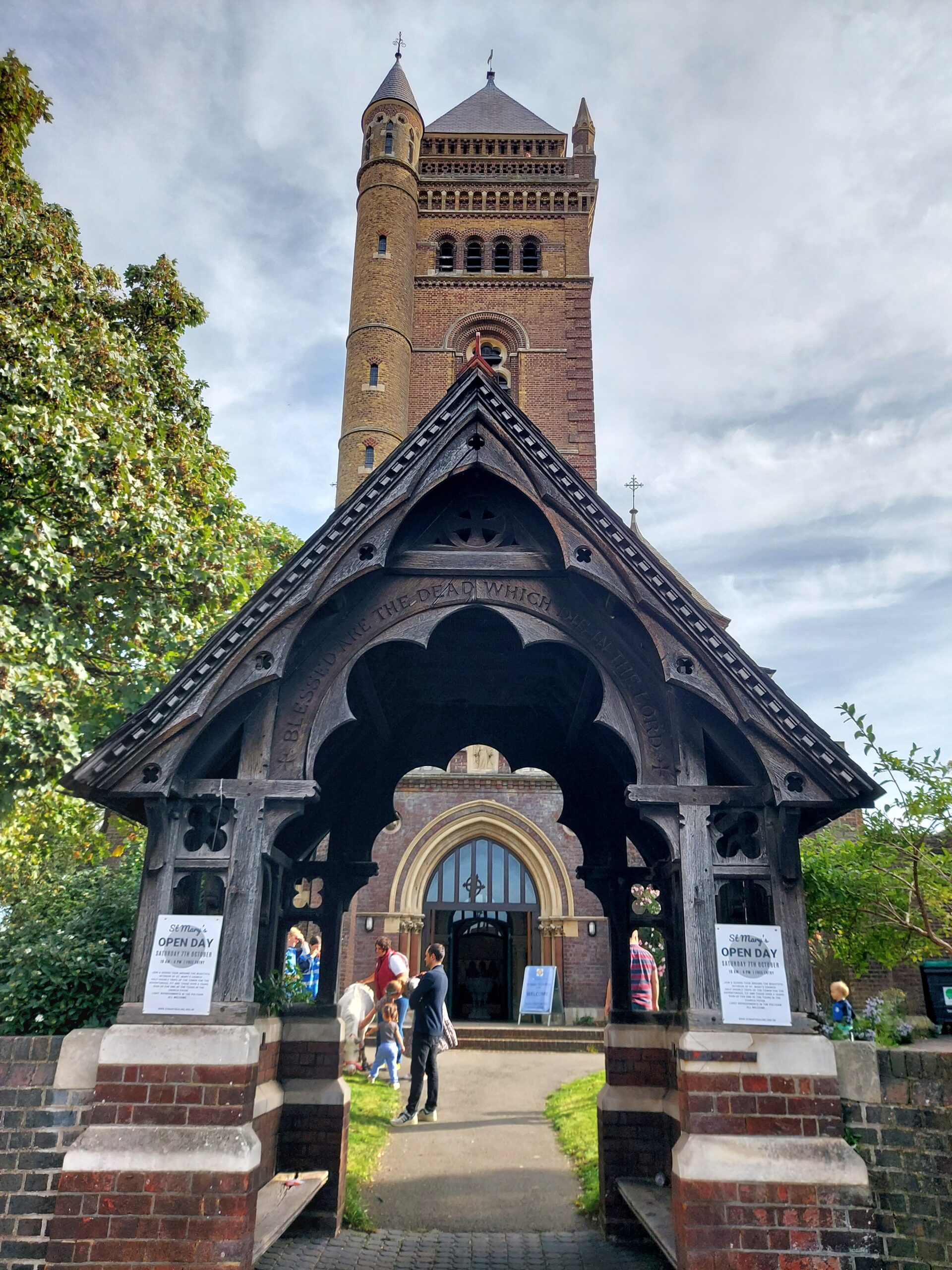
St Mary's Church seen from the side

I’m not religious at all, but I find churches interesting from a historical point of view, so when my local church, St Mary’s Ealing, had an open day recently I made sure to go.

There has been a church on the site for almost a millennium. Located on St Mary’s Road on the way from Ealing Broadway to South Ealing, the Grade II listed church originally marked the centre of Ealing. As the only church in a large parish stretching from Brentford towards Wembley, it was a key landmark in the area. Richard Smart, the vicar at the end of the sixteenth century, compiled a census recording a total of 427 inhabitants in the area. The only two roads from London to the West passed through the parish, and travellers often stopped to rest at the parsonage.

St Mary's Church seen from the front

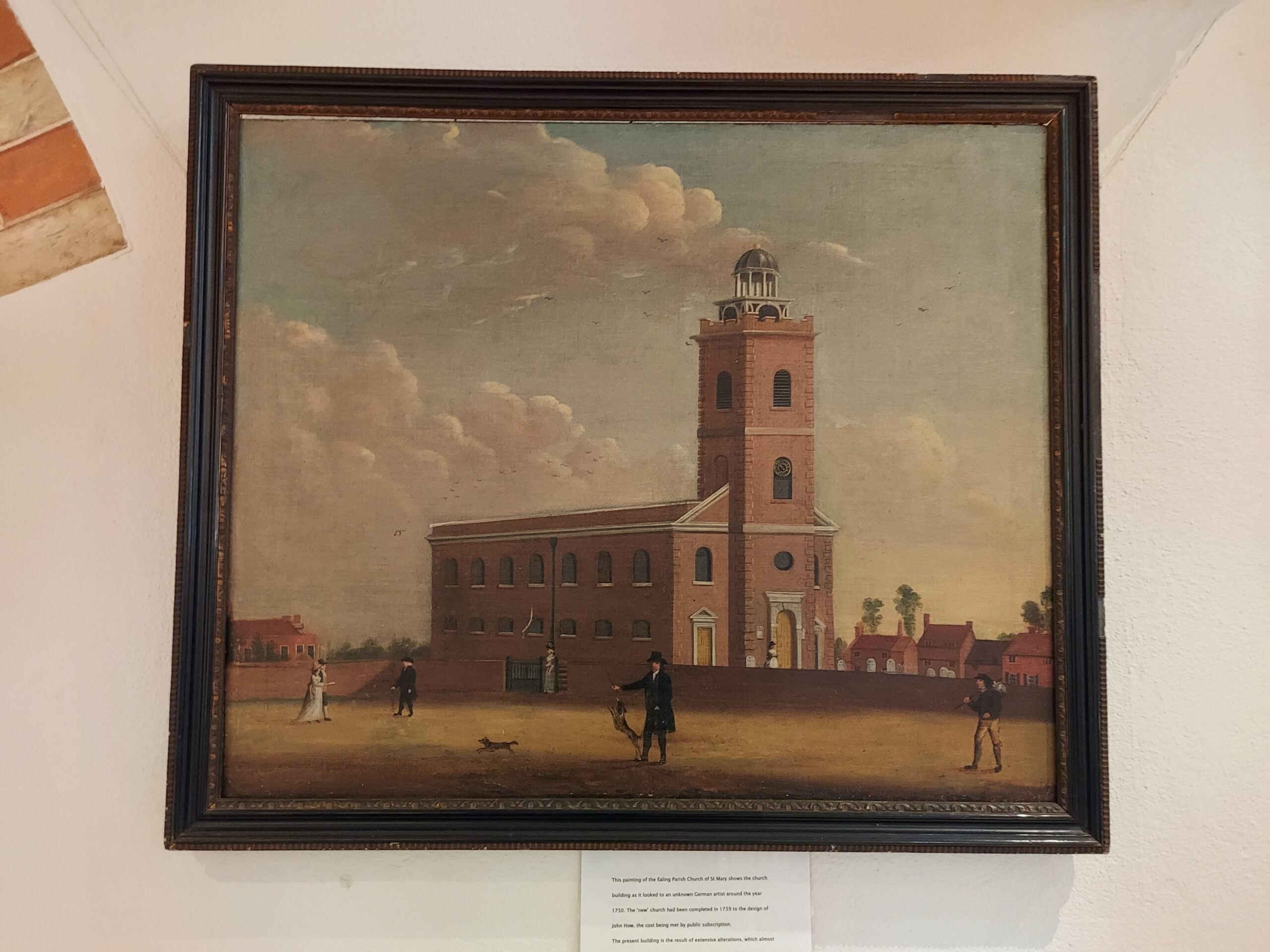
In 1642, during the English Civil War, the church was severely damaged by Cromwell’s troops. In 1650, a parliamentary survey described St Mary’s as “ruinated and lying open since the plundering”. The Plague, which followed soon after, did not help, as many parishioners died. The original medieval church – now neglected and of which, sadly, no pictures survive – was demolished in 1720, to be replaced by James Horne’s design in 1740.

An eighteenth-century painting of the churchThe church as it looked in around 1750
Once the railway reached Ealing in 1838, the area’s population began to grow rapidly, and the centre began to shift towards what is now Ealing Broadway.

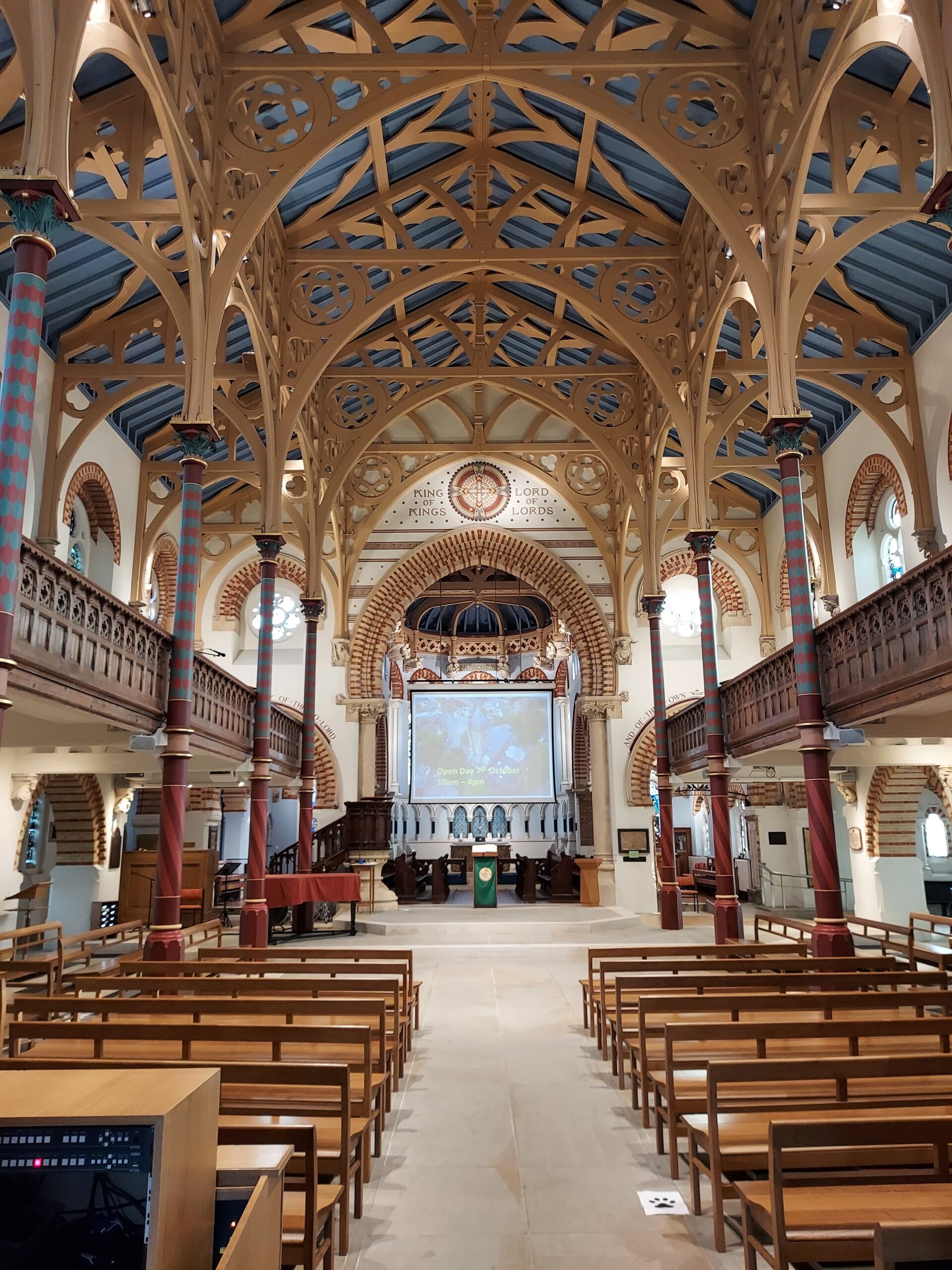
Between 1865 and 1873, S. S. Teulon adapted and enlarged the Georgian church, so that it resembled a Greek Byzantine basilica. A vestry was added in 1887 and the organ enlarged in 1927, while further redecoration took place in the 1950s and the ‘Polygon’ building – used as a community space – was built in 1978. The church was restored in 2003.

The inside of St Mary's Church

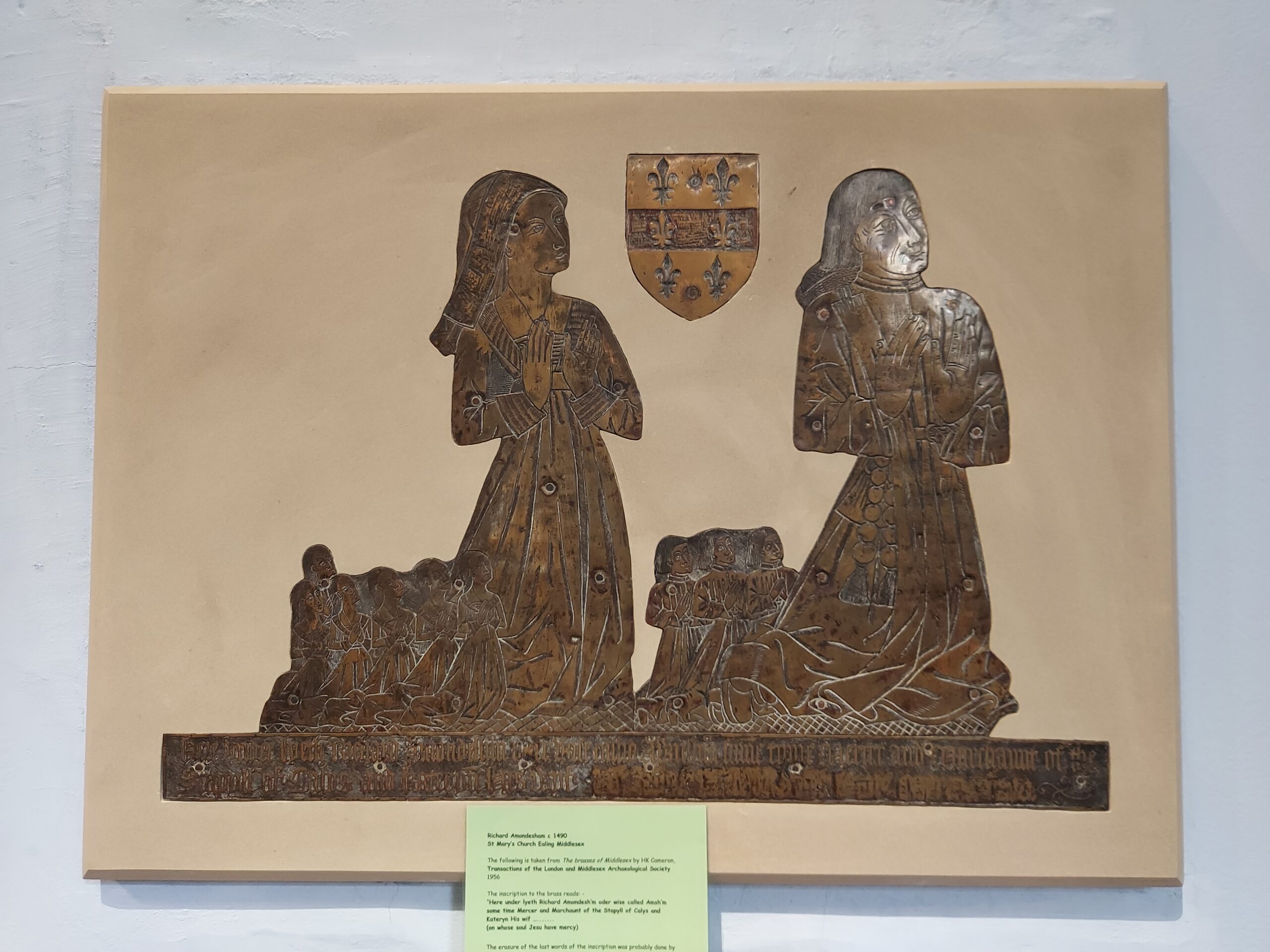
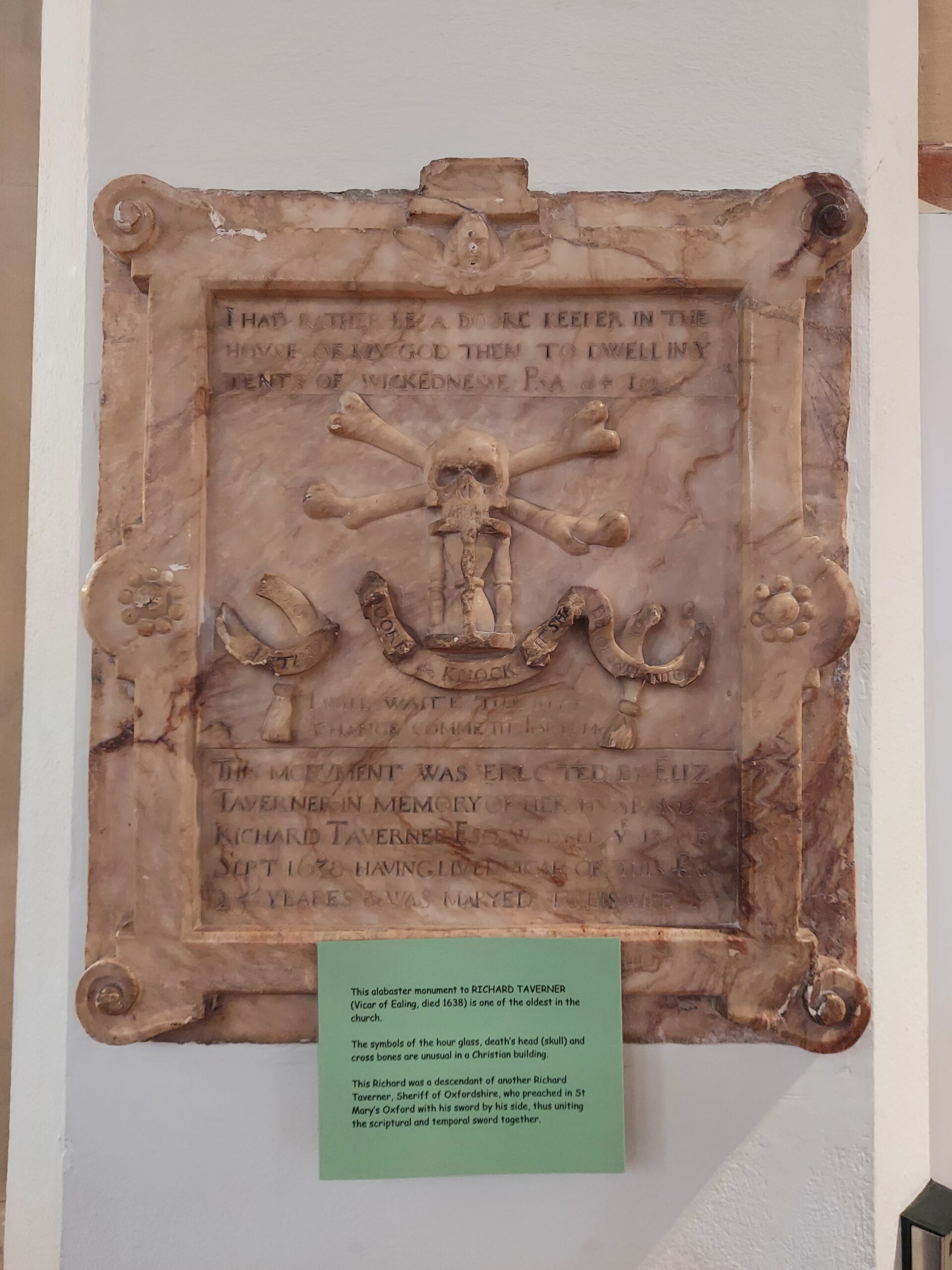
Victorian stained glass windows were commissioned by Thomas Boddington, who lived at Gunnersbury Lodge. From the old church, wall tablets and a medieval brass to Richard and Kateryn Amondesham (around 1490) were retained.

Alabaster monument to Richard Taverner

medieval brass to Richard and Kateryn Amondesham

Members of the Church were on hand to take groups of lucky visitors up the tower. It was a hard climb but the beautiful views were worth it.

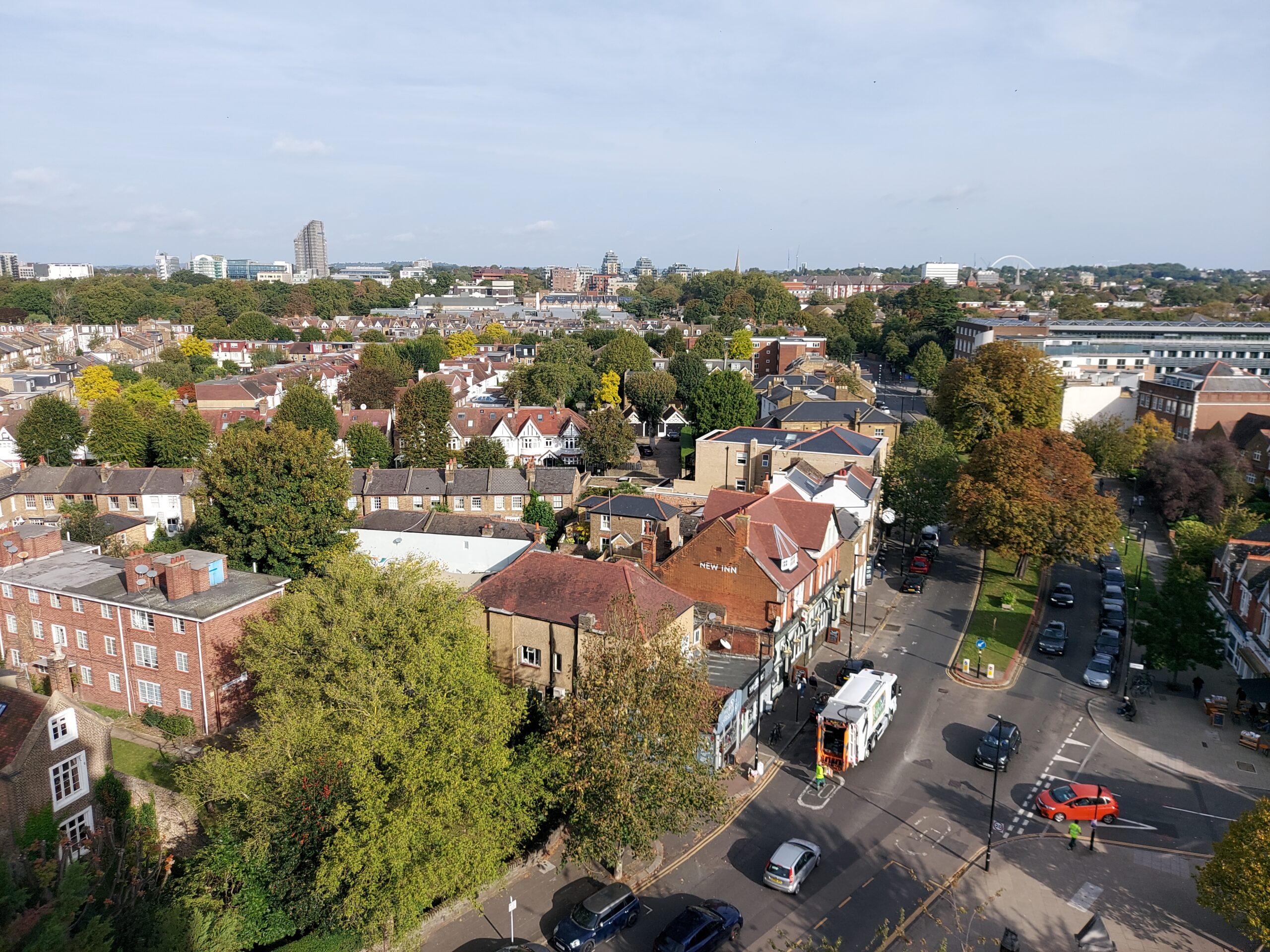
South Ealing Road, looking north, with Wembley Stadium visible in the distance

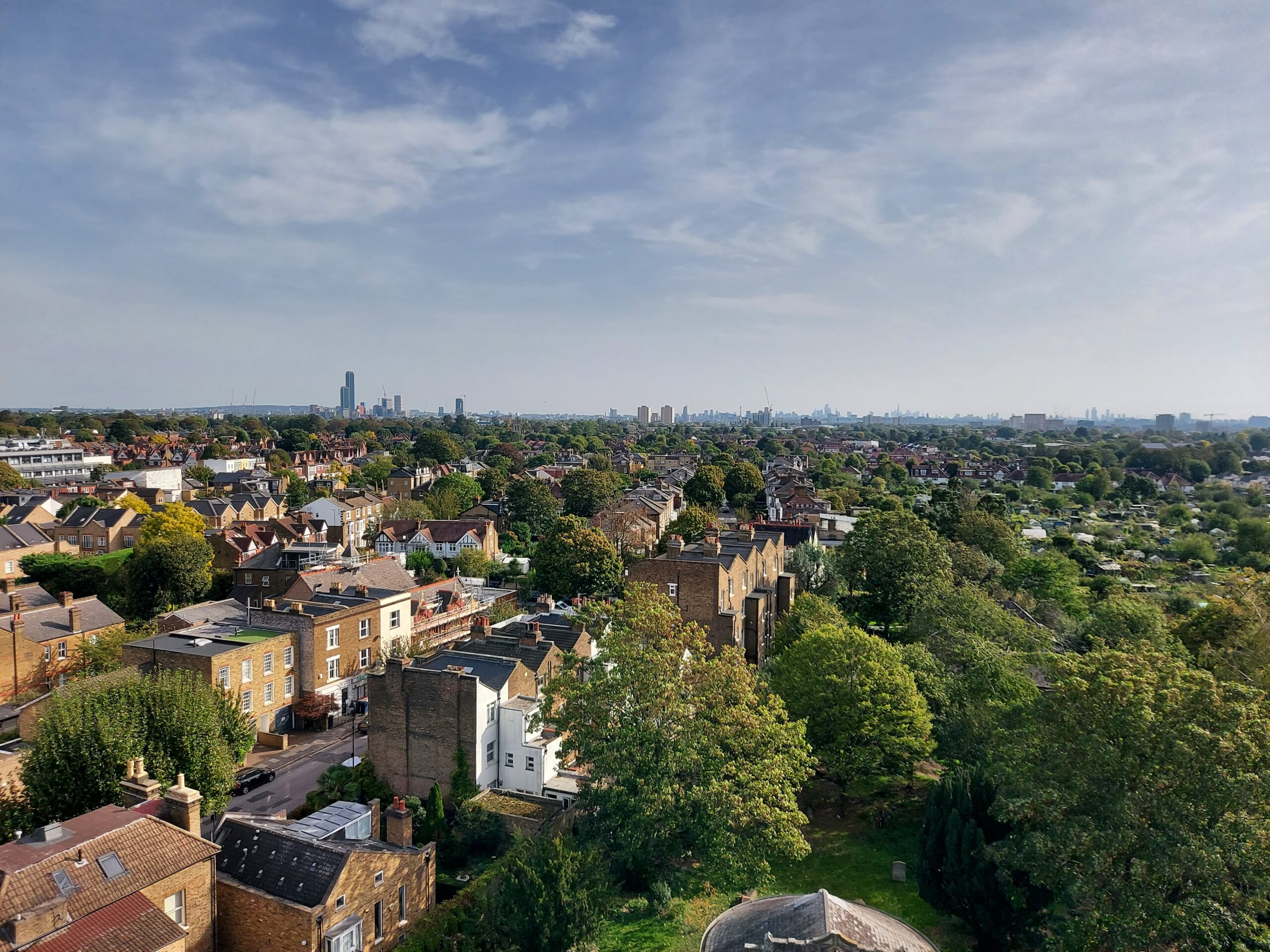
Looking east towards London

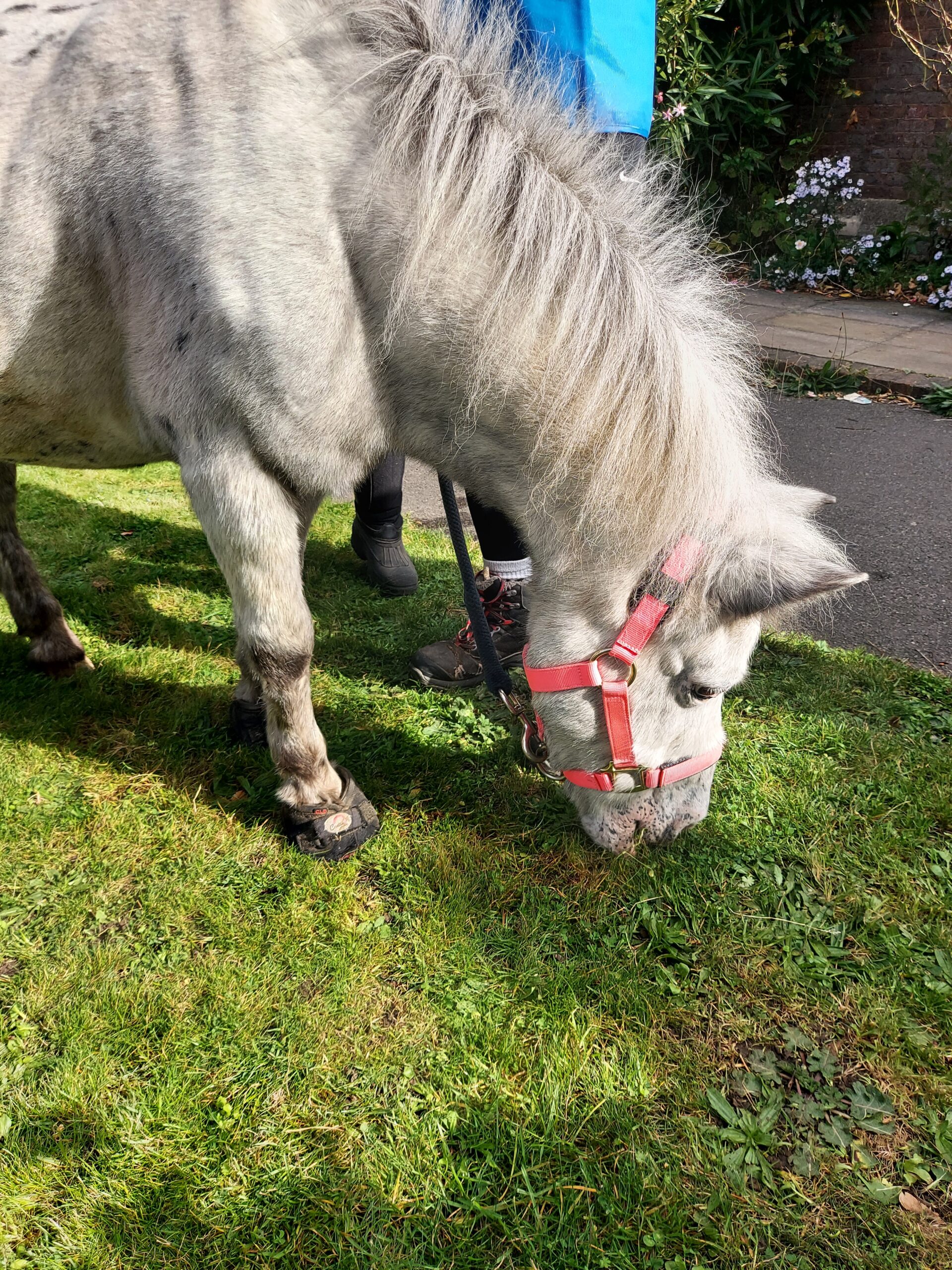
Finally, as part of the open day some gorgeous ponies had been brought over for a visit from a nearby riding school!

Lithuania Day 4 | Vilnius, Republic of Užupis, Museum of Occupations and Freedom Fights, National Gallery of Art

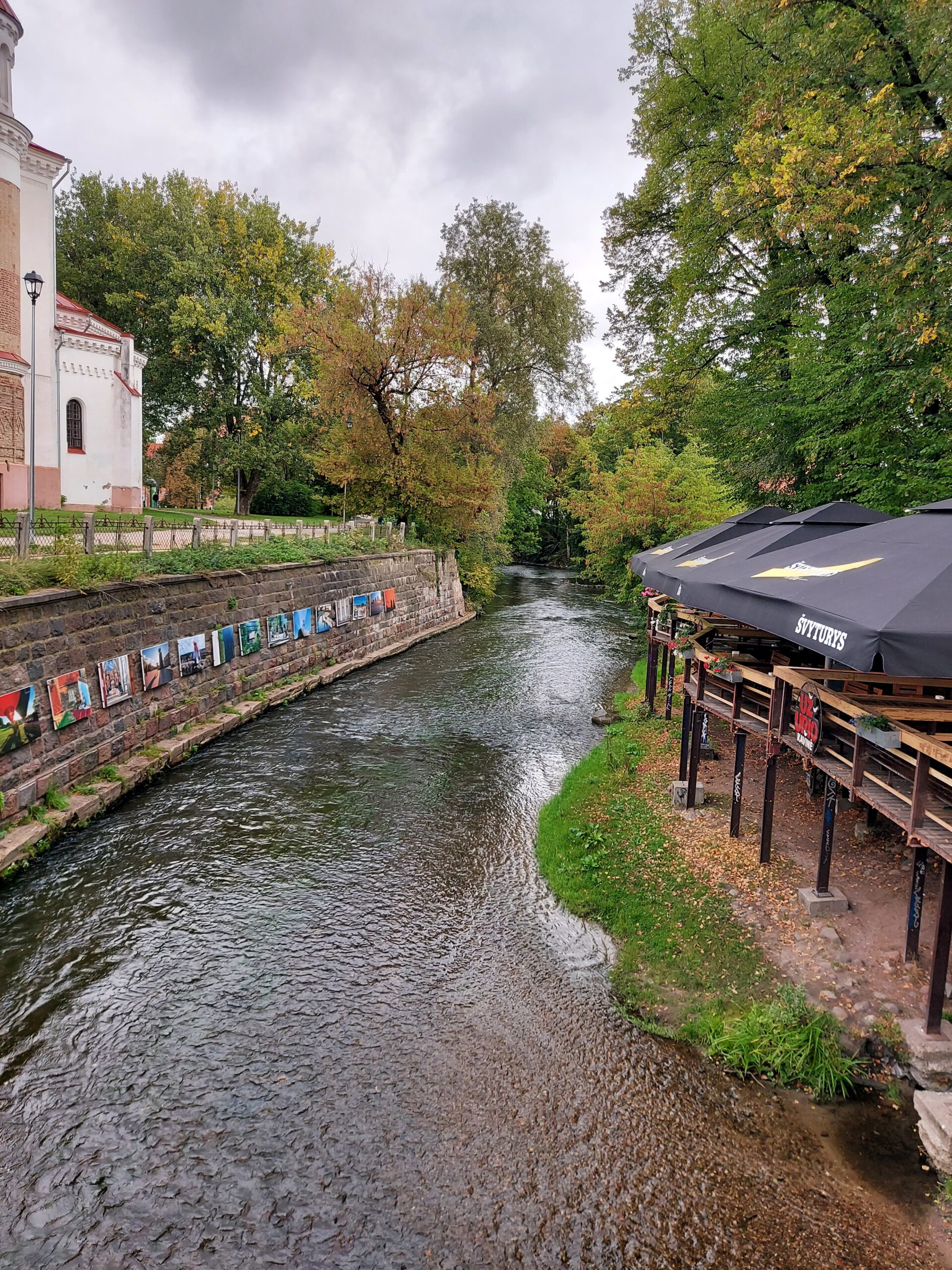
The Vilnia River
Crossing the Vilnia River

I made the most of my last day in Lithuania. I wasn’t due to fly back home until the evening, and I was up early to walk around Vilnius and explore parts of the city I hadn’t seen yet. As I mentioned earlier, it is a unique mix of pretty old buildings and new and quirky statues.

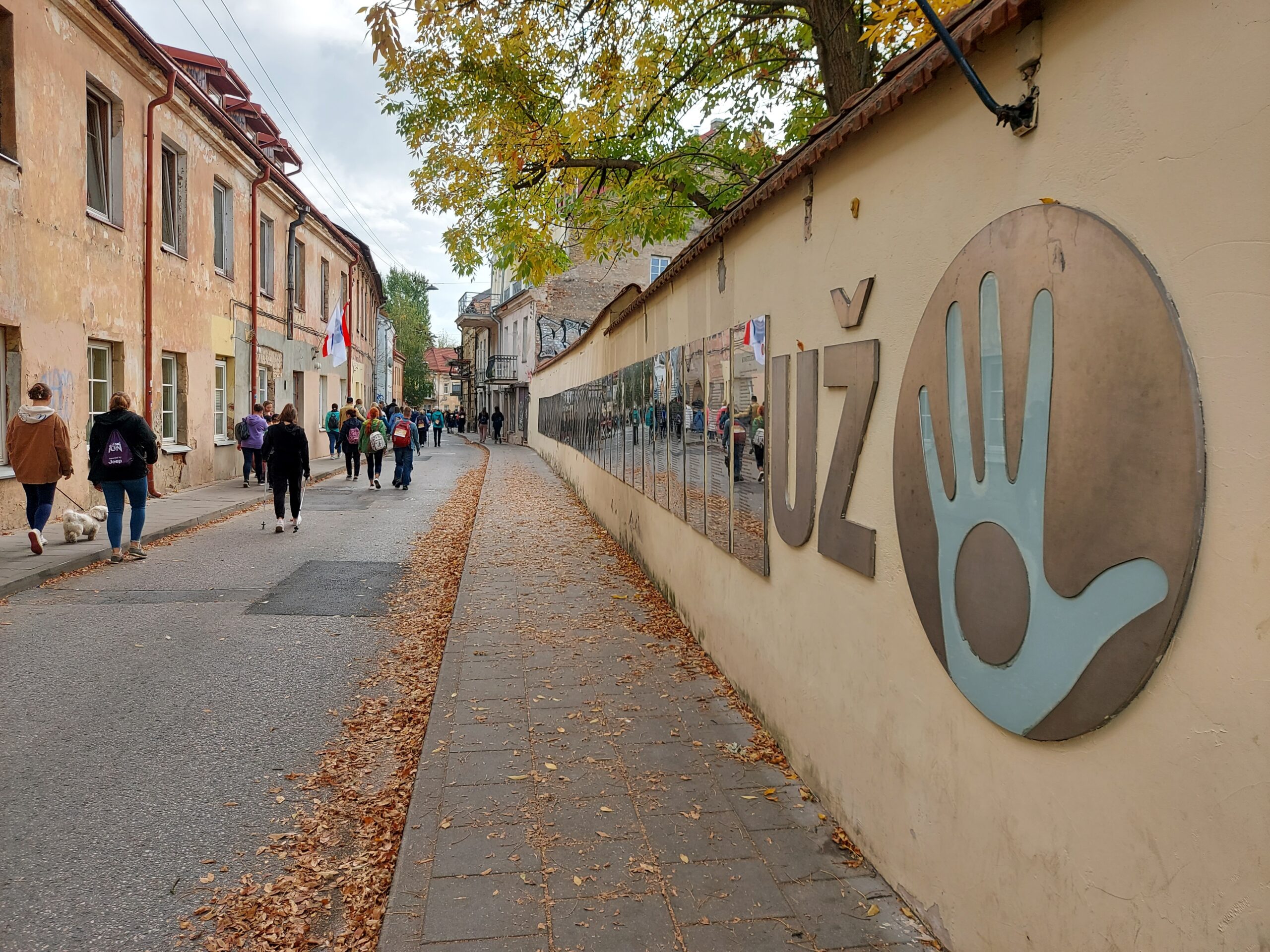
Republic of Užupis
The Republic of Užupis

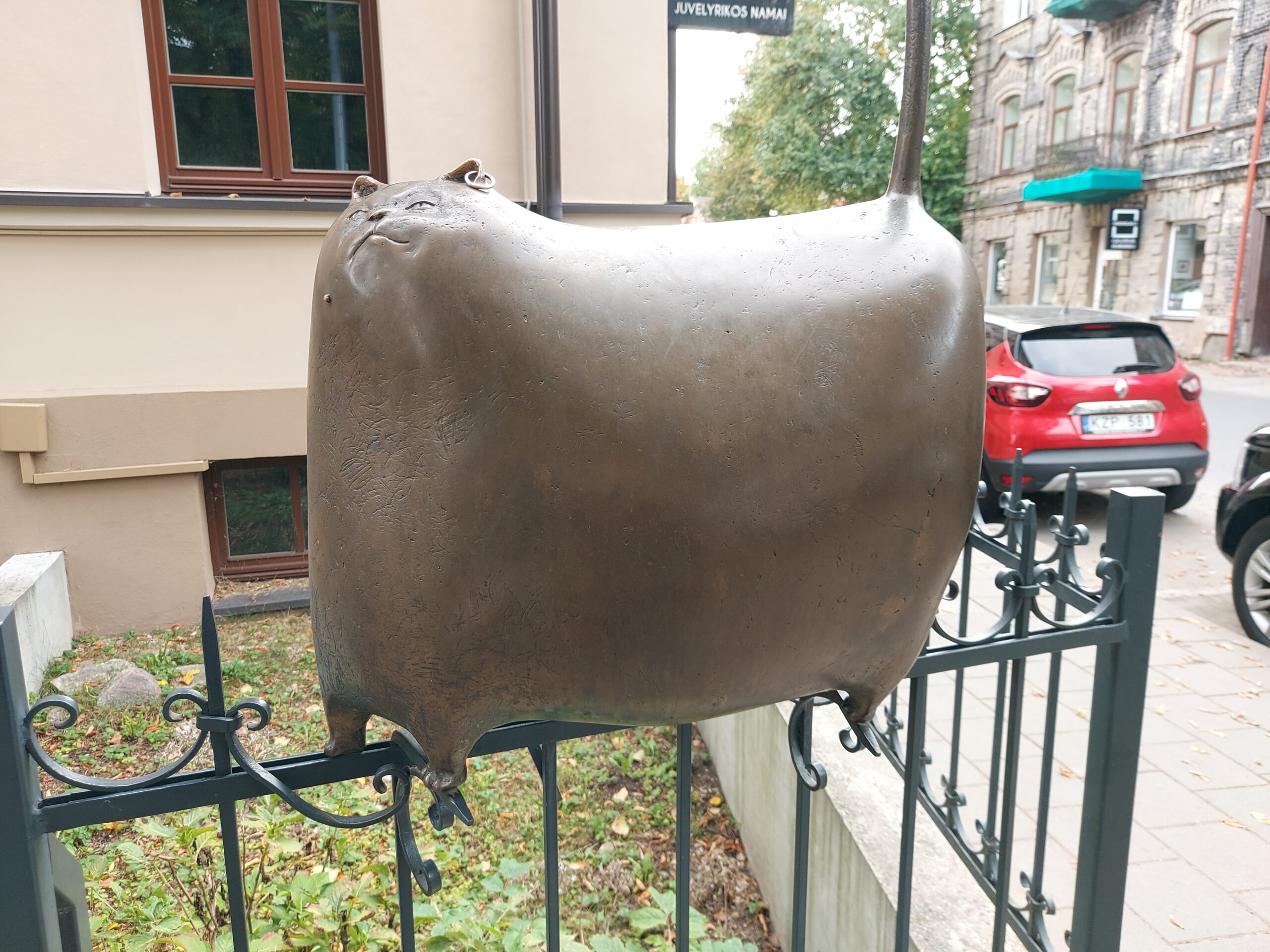
Nowhere is this more apparent than in the Republic of Užupis, a neighbourhood in the city with its own ‘constitution’. Residents, who have historically been bohemians and artists, declared the Republic back in 1997. It has its own flag, unofficial currency, president and an army (now retired). While in the area I came across the Užupis Cat, a sculpture by Jonas Geltis which invites the viewer to “Touch my ear – feel no fear”.

The Užupis Cat
The Užupis Cat

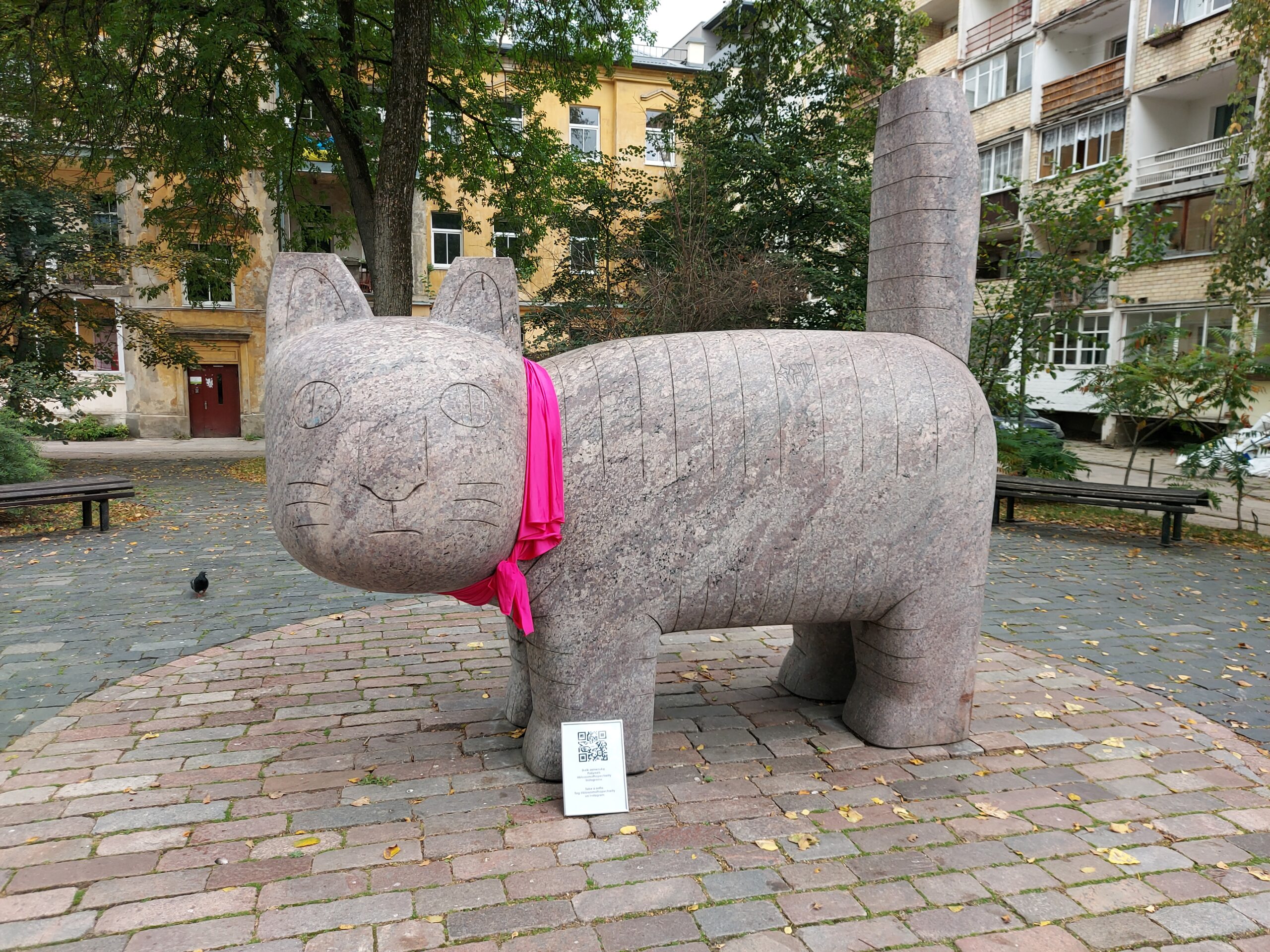
This was not the only cat sculpture I visited. I also went to see Ksenija Jaroševaitė’s cat, created in memory of Lithuanian writer Jurga Ivanauskaitė. This cat was wearing a cute pink ribbon and was very sweet.

Cat by Ksenija Jaroševaite

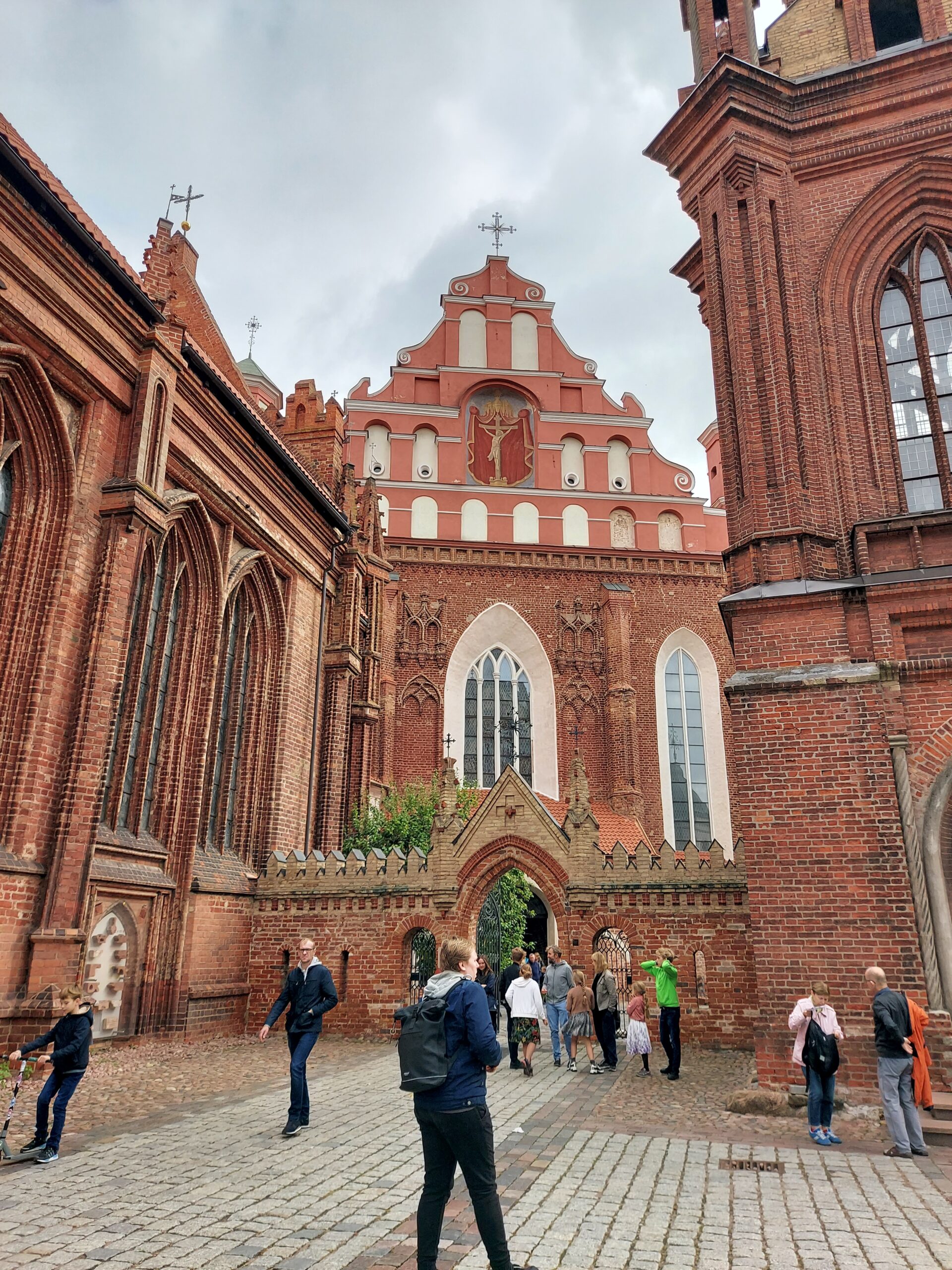
As I was walking around the city, there seemed to be some kind of community walk going on, as there were lots of families out for a stroll. I made my way towards the centre of the city, past further interesting sights such as St Anne’s Church.

St Anne's Church

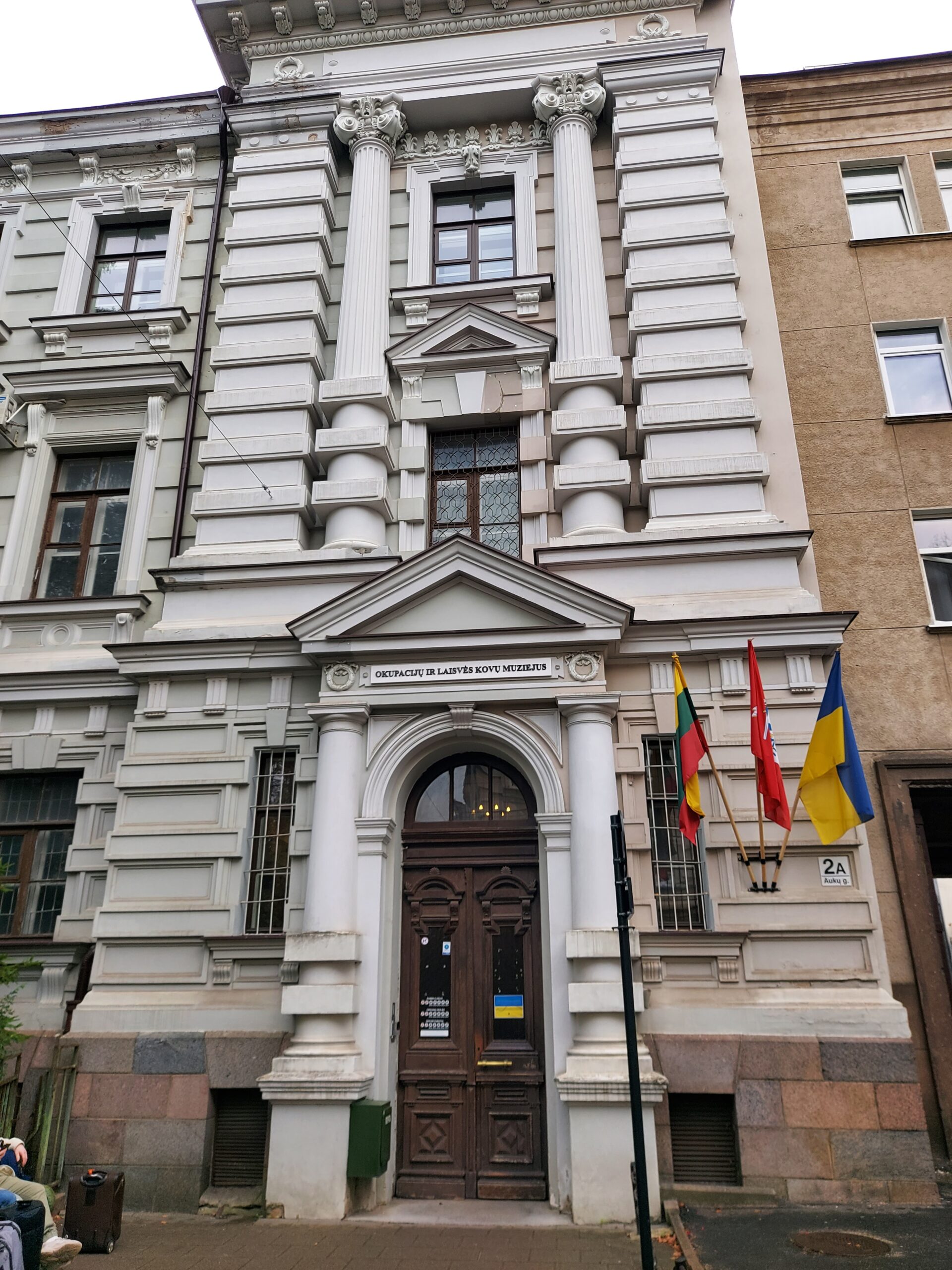
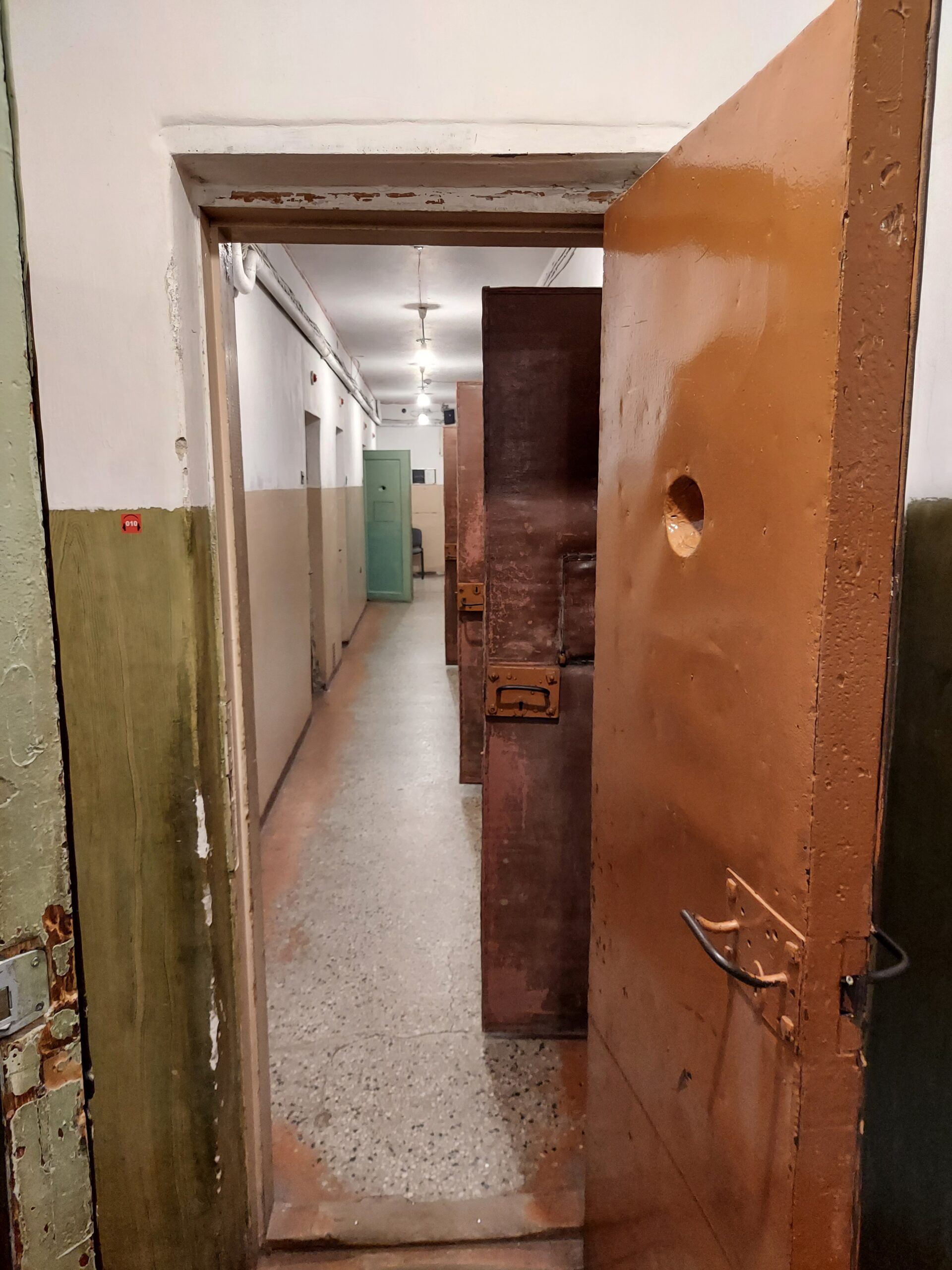
Making my way towards the north west of the city, I headed for the Museum of Occupations and Freedom Fights, also known as the KGB Museum. Situated in the former KGB headquarters, it tells the story of the Lithuanians killed there after the Second World War and of Soviet rule in the country. The prison in the basement was particularly chilling.

Museum of Occupations and Freedom Fights

The prison in the basement

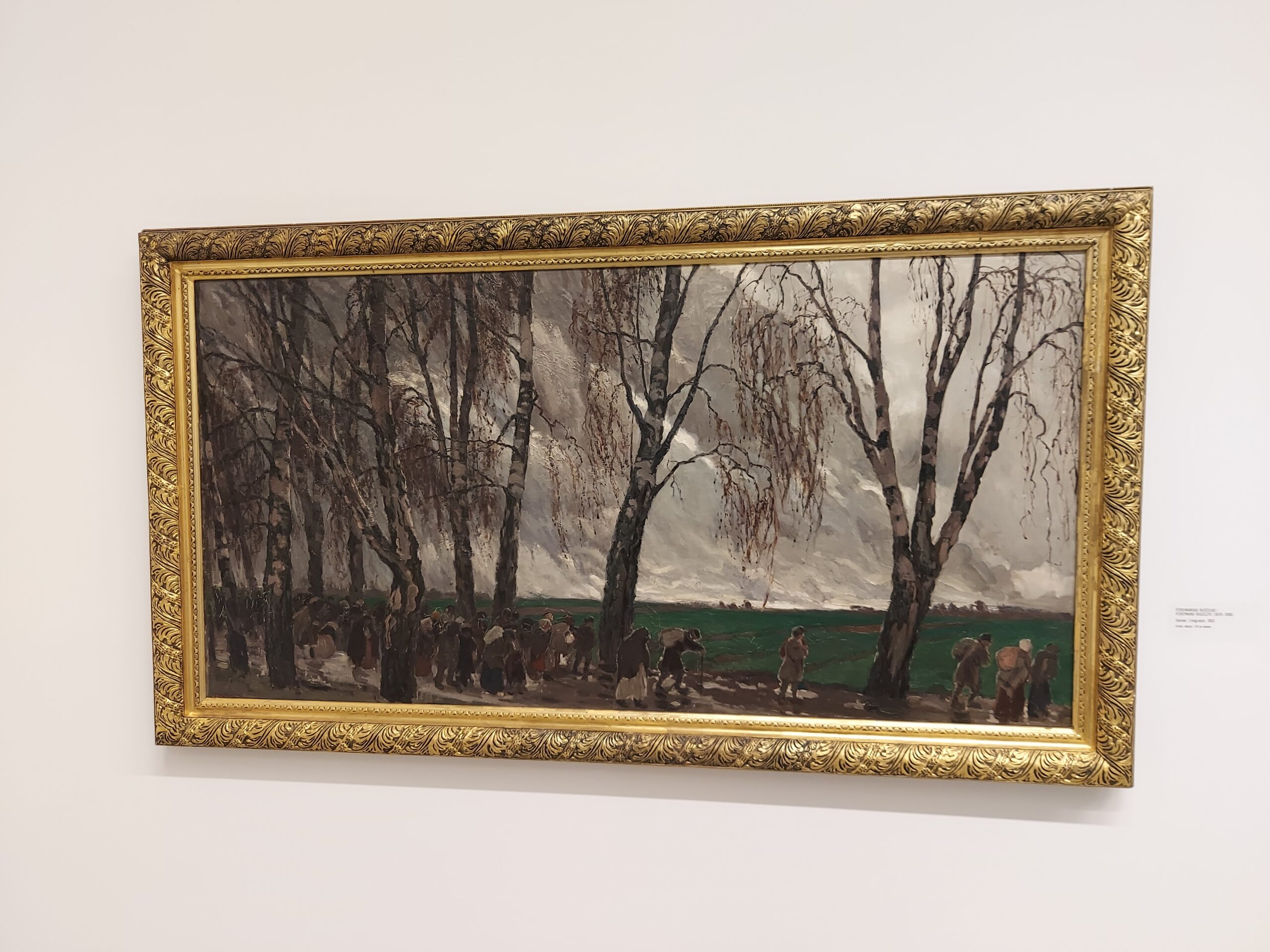
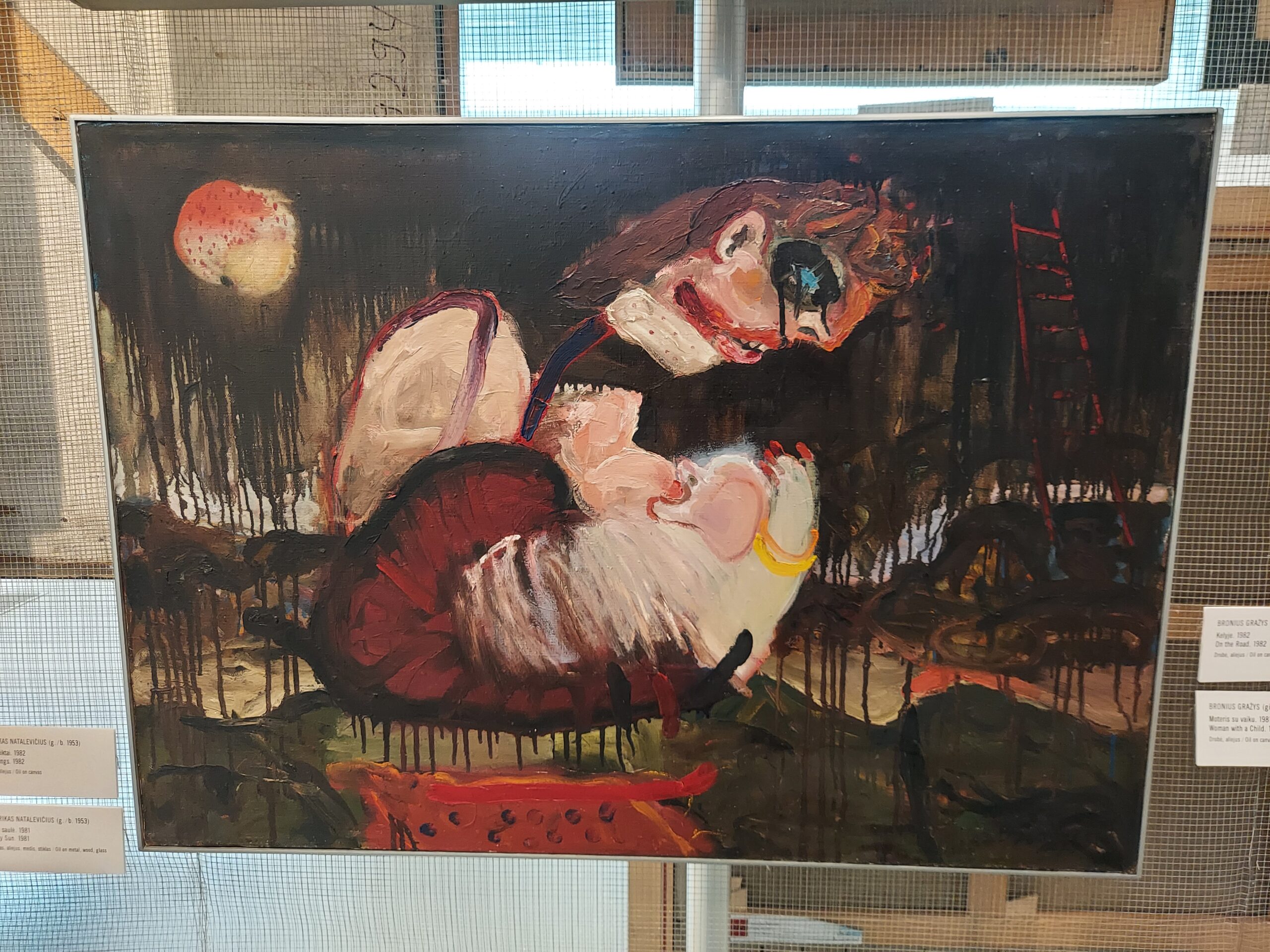
Finally, I strolled across the Neris River and visited the National Gallery of Art. This was super quiet: I practically had the Gallery to myself! It was really interesting, focusing on 20th and 21st-century art from Lithuania and beyond.

Ferdynand Ruszczyc, "Emigrants", 1902
Ferdynand Ruszczyc, “Emigrants”, 1902
Bronius Grazys, "Woman with Child", 1981
Bronius Grazys, “Woman with Child”, 1981

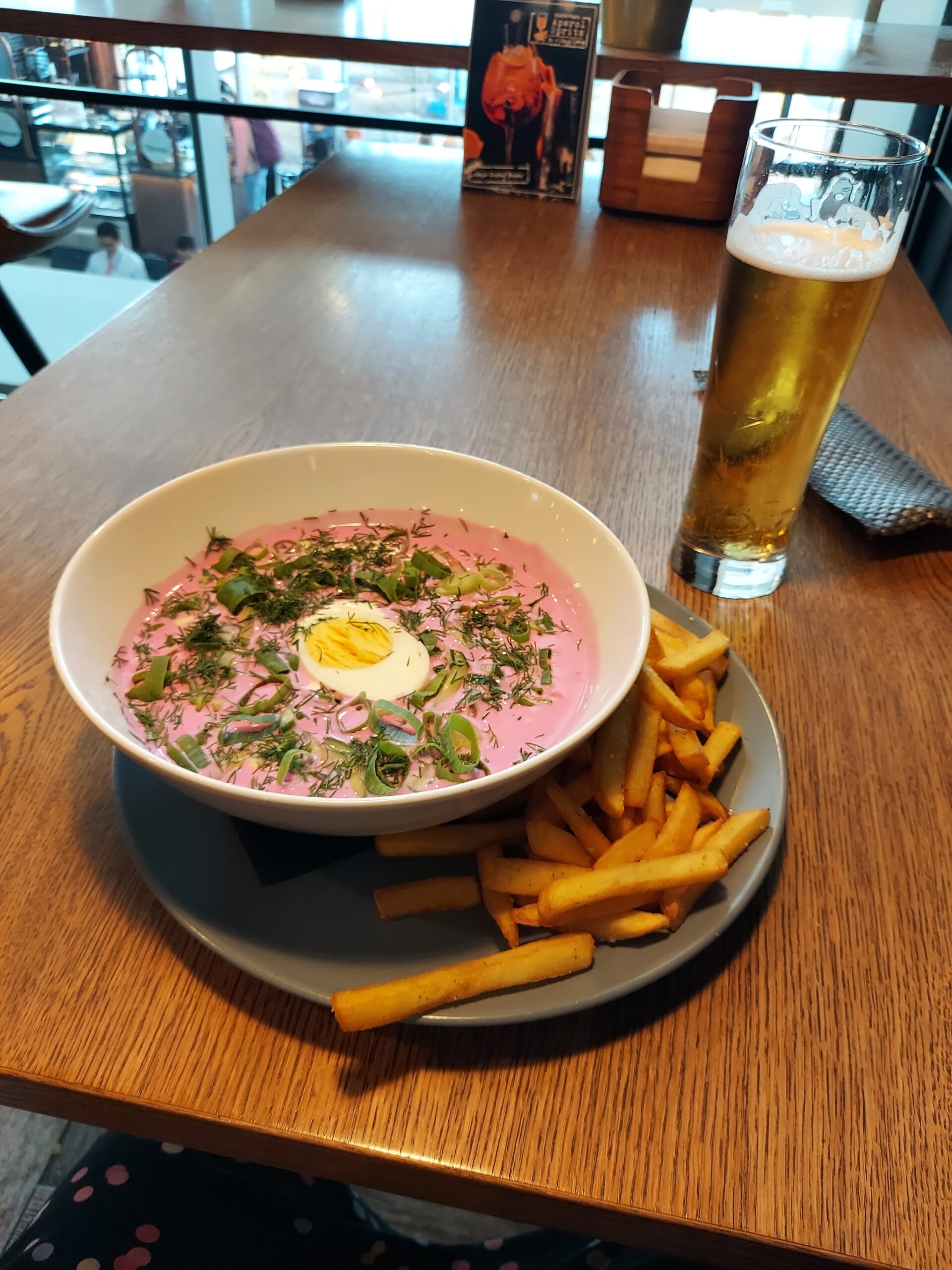
Finally, I got the bus to the airport. Before I flew home there was time to sample Lithuania’s famous ‘pink soup’: this is cold beetroot soup with half a boiled egg in the middle. It doesn’t sound great but it was honestly delicious!

A bowl of pink soup with a side of chips and a pint of lager