Rebel Badge Club: Rebel Sports Day

I’m not a super sporty person, but I was looking forward to this badge, because it has a great variety of clauses on offer. I did want to do more of the active ones, but ran out of time. I still enjoyed the research clauses.

Volunteer at a sporting event which is new to you.

I volunteered at Shrewsbury Parkrun during the Rebel Retreat weekend.

Find out about the history of the Paralympics

Sport for disabled athletes had existed since the 19th century, but after World War II there was a desire to help those who had been injured during wartime, both veterans and civilians. A spinal injuries centre was opened by Dr. Ludwig Guttmann at the Stoke Mandeville Hospital in 1944, and over time, rehabilitation sport evolved into recreational sport and then into competitive sport.

The London 1948 Olympic Games opened on 29 July. On that day, Dr. Guttmann organised the Stoke Mandeville Games: an archery competition for wheelchair athletes. 16 injured servicemen and women took part. The International Stoke Mandeville Games were founded in 1952 when Dutch ex-servicemen joined the Movement.

The first Paralympic Games evolved from the Stoke Mandeville Games, taking place in 1960 in Rome, Italy. 400 athletes from 23 countries took part. The Games have taken place every four years ever since. The first Winter Games were held in 1976 in Sweden, and have also taken place every four years since. Since 1988 (Summer) and 1992 (Winter) the Games have taken place in the same cities and venues as the Olympics.

Research the history of the Commonwealth Games

While a sporting competition bringing together the various countries of the British Empire was first proposed by John Astley Cooper in 1891, the first British Empire Games was not held until 1930 in Hamilton, Ontario, Canada. A forerunner of the Games took place at the Crystal Palace in 1911, to celebrate the coronation of George V, but only Australasia, Canada, South Africa and the UK competed. In 1930, 11 countries took part, while 16 took part in the 1934 Games, held in London. By the fifth edition of the Games in 1954, held in Vancouver, the name had been changed to the British Empire and Commonwealth Games, and it became the British Commonwealth Games in 1970.

The 1978 Games, held in Edmonton, Alberta, Canada, were the first to bear the name of the Commonwealth Games. Almost 1,500 athletes from 46 countries took part.

Find out about historical World Cup controversies

The 2026 World Cup has been notorious for its controversies, but this is nothing new. Previous controversies include:

France 1998: Iraqi footballers were reportedly tortured after performing poorly in qualifying matches, being taken to prison camps, having their heads shaved, being dragged through gravel and immersed in vats of raw sewage.

United States 1994: Colombian player Andrés Escobar scored an own goal during a Colombia-US match, contributing to Colombia’s early exit from the tournament. Days after returning home, Escobar was shot dead – potentially because of the own goal.

Mexico 1986: Diego Maradona’s ‘Hand of God’ – during the England v Argentina quarter-final, Maradona scored a goal using his hand, which was unbelievably not disallowed.

Chile 1962: the group stage match between Chile and Italy was marked with fouls, violent confrontations, two send-offs, and even police interventions.

Italy 1934: under the rule of Mussolini, the Italian team performed fascist salutes at its matches.

Watch a sports documentary

I watched Kevin Bridges: In Search of the Beautiful Game on BBC iPlayer.

Read a non-fiction book related to sport

I read Ancient Greek Athletics by Stephen G. Miller.
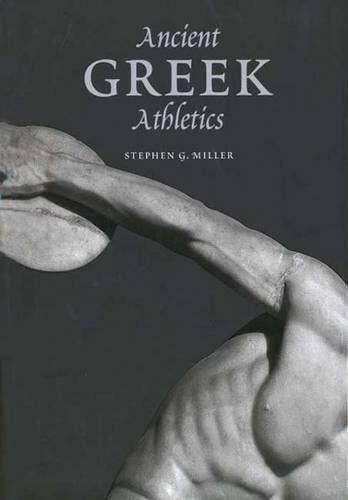
Front cover of Ancient Greek Athletics

Bonus clause: Fake a creative note from your ‘parents’ explaining why you need to skip this badge!

To whom it may concern,

I am writing to let you know that Laura will not be able to take part in Rebel Sports Day.

By complete coincidence, she has appointments with the optician and the orthodontist at that time – appointments that cannot possibly be rescheduled.

Happily I am sure that her absence will make no difference to her team’s performance. Last Sports Day, her glasses got tangled in netting during the obstacle race, resulting in her coming in last. (Incidentally, she was very proud of her ‘I Ran In A Race’ sticker).

She does not exactly excel in PE. When her class plays rounders, she spends the whole time fielding, making half-hearted attempts to saunter towards the ball in the unlikely event it comes anywhere near her. The beep test nearly gives her a heart attack, and during cross country runs she inevitably comes in towards the end, alongside the students who walk the course while smoking. During shorter runs, any requests for her to ‘go faster’ result in her slowing down due to sheer stubbornness.

Should you ever hold a ‘Sports Day’ featuring the following activities:

-Reading
-Daydreaming
-Composing silly songs

I am sure Laura will be happy to participate and will prove an asset to her team.

Kind regards,

B. A. Steel
Fairy Tales – The British Library

Before getting the train back up north, I paid a visit to the Fairy Tales exhibition at the British Library.

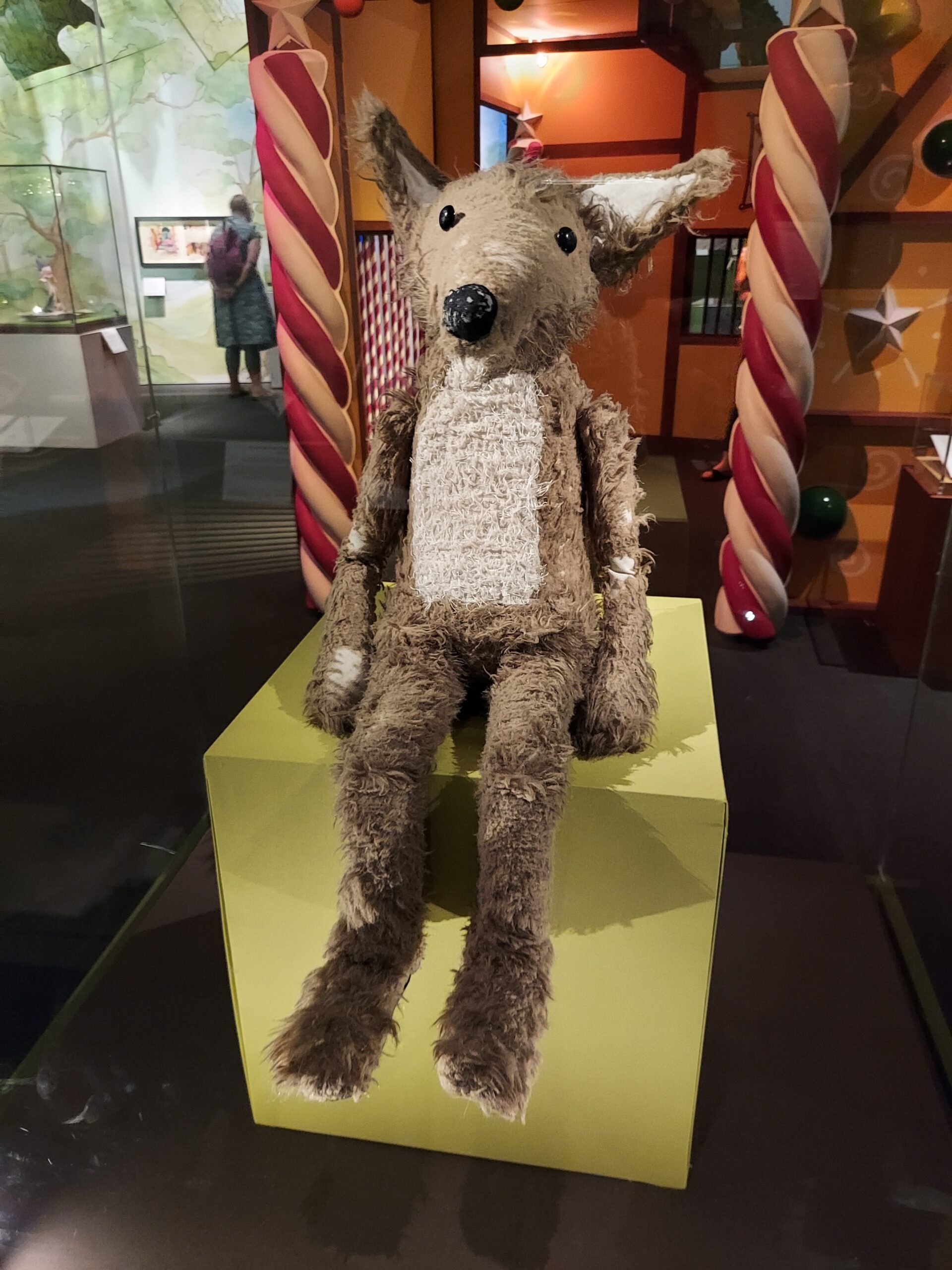
Wolf puppet

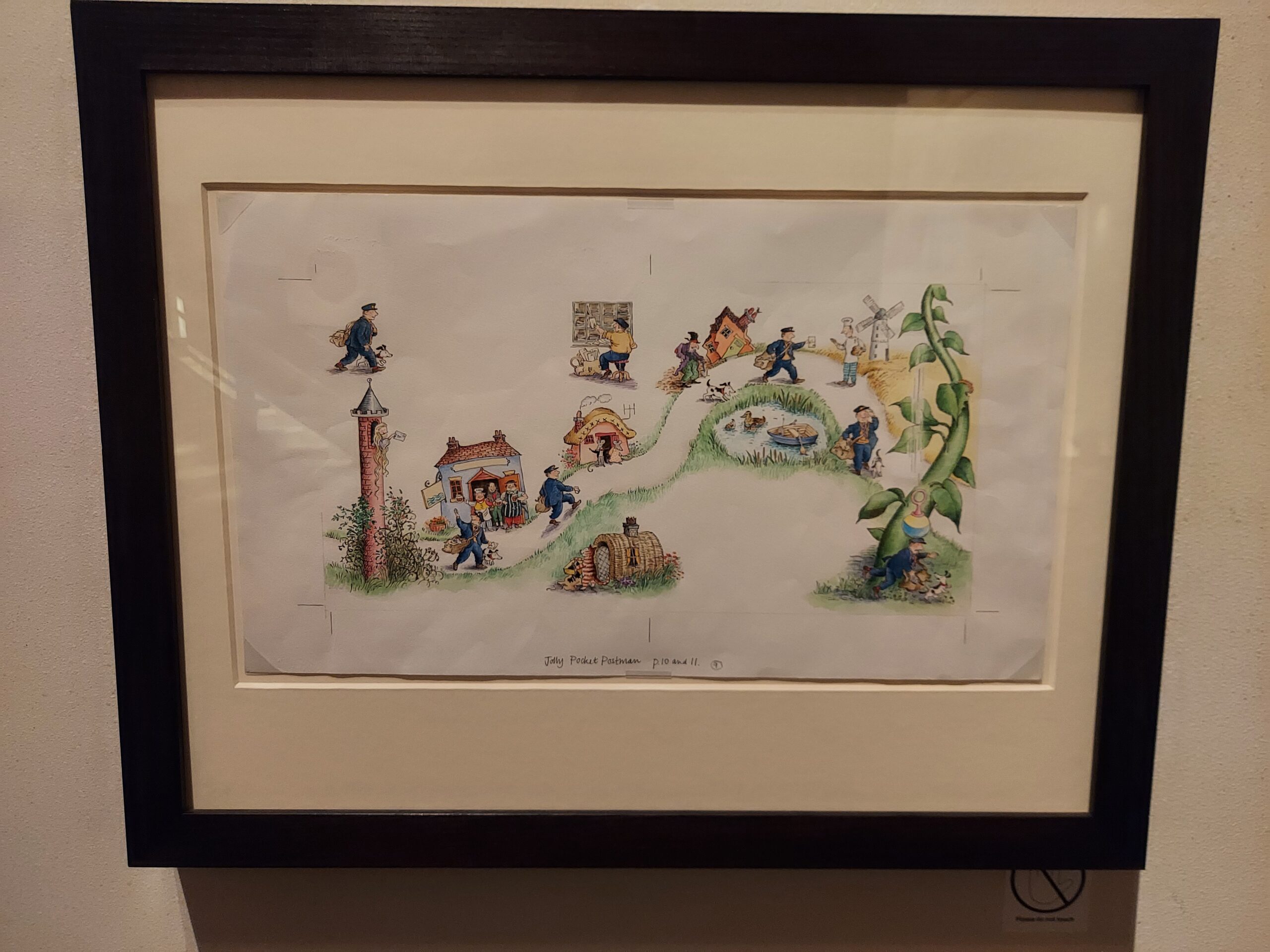
As the title suggests, the exhibition explores the concept of fairy tales over the centuries, the kinds of fairy tales that remain popular and how they have changed over time. Much of the exhibition is aimed at children, with activities for them to do and questions designed to draw them in, but there is plenty for adults to enjoy as well. I particularly enjoyed looking at the puppets from the Little Angel Theatre, and the illustrations from The Jolly Postman, a book I loved as a child.

Original artwork from The Jolly Postman

Robyn (The Sexistential Tour) at the O2

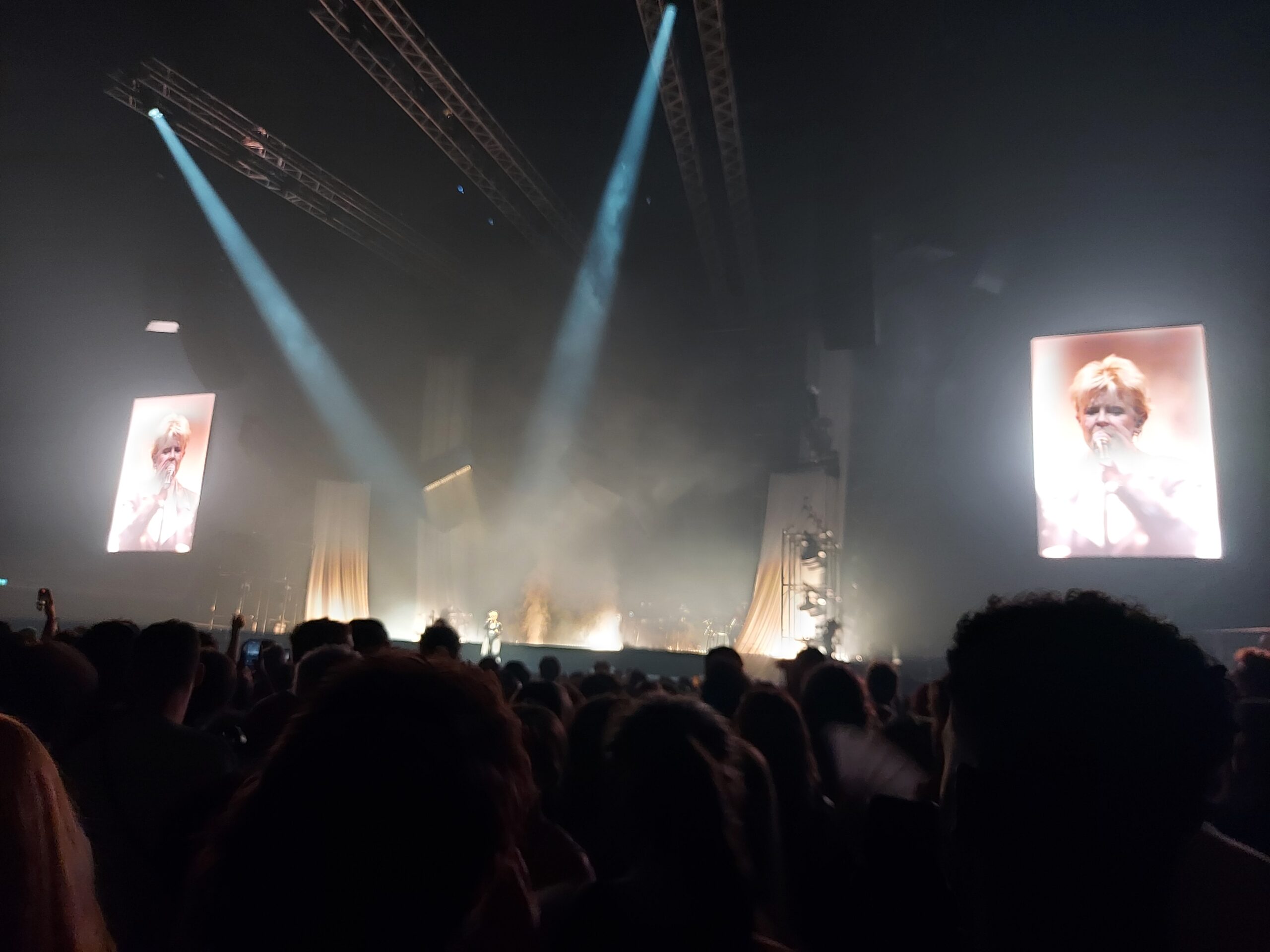
I saw Robyn at Alexandra Palace back in 2019 and had a brilliant time, so was excited to see her again this summer at the O2. I ended up loving this gig even more.

Most of the songs she performed were from her new album Sexistential, such as the title track, ‘Sucker for Love’, and ‘Dopamine’. However, she delved into her extensive back catalogue for the likes of ‘Love Kills’ and ‘Fembot’, as well as performing ‘Missing U’, the title track, and ‘Ever Again’ from her 2019 album Honey. One of my highlights was a ballad version of ‘Be Mine!’ and another was a special second encore featuring her early hit ‘Show Me Love’ (which musical theatre fans may recognise from & Juliet).

The best part, though, was when Robyn sang ‘Dancing On My Own’ to round off the first encore. It’s an absolute classic anyway, but when the entire audience sang the chorus back to her, it was magical.

Robyn at the O2

Setlist

  • Blow My Mind
  • Fembot
  • Talk to Me
  • Hang With Me
  • Ever Again
  • Dopamine
  • Honey
  • Life
  • Love Is Free (Robyn & La Bagatelle Magique)
  • Sexistential
  • Really Real
  • Love Kills
  • Be Mine! (Ballad Version)
  • It Don’t Mean a Thing
  • Sucker for Love
  • Light Up
  • With Every Heartbeat

Encore

  • Missing U
  • Call Your Girlfriend
  • Dancing on My Own

Encore 2

  • Show Me Love (2008 version)

Marilyn Monroe: A Portrait – National Portrait Gallery

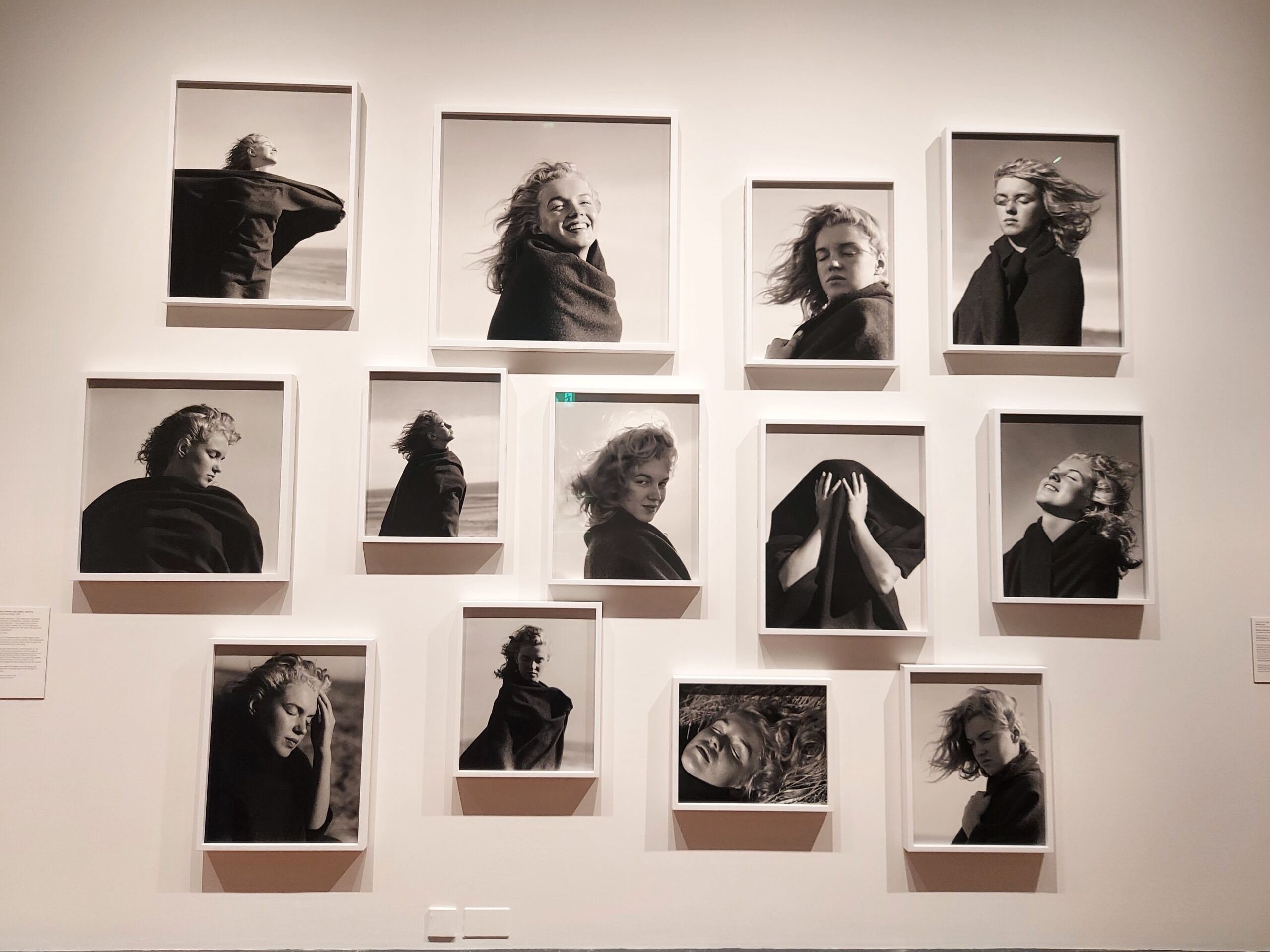
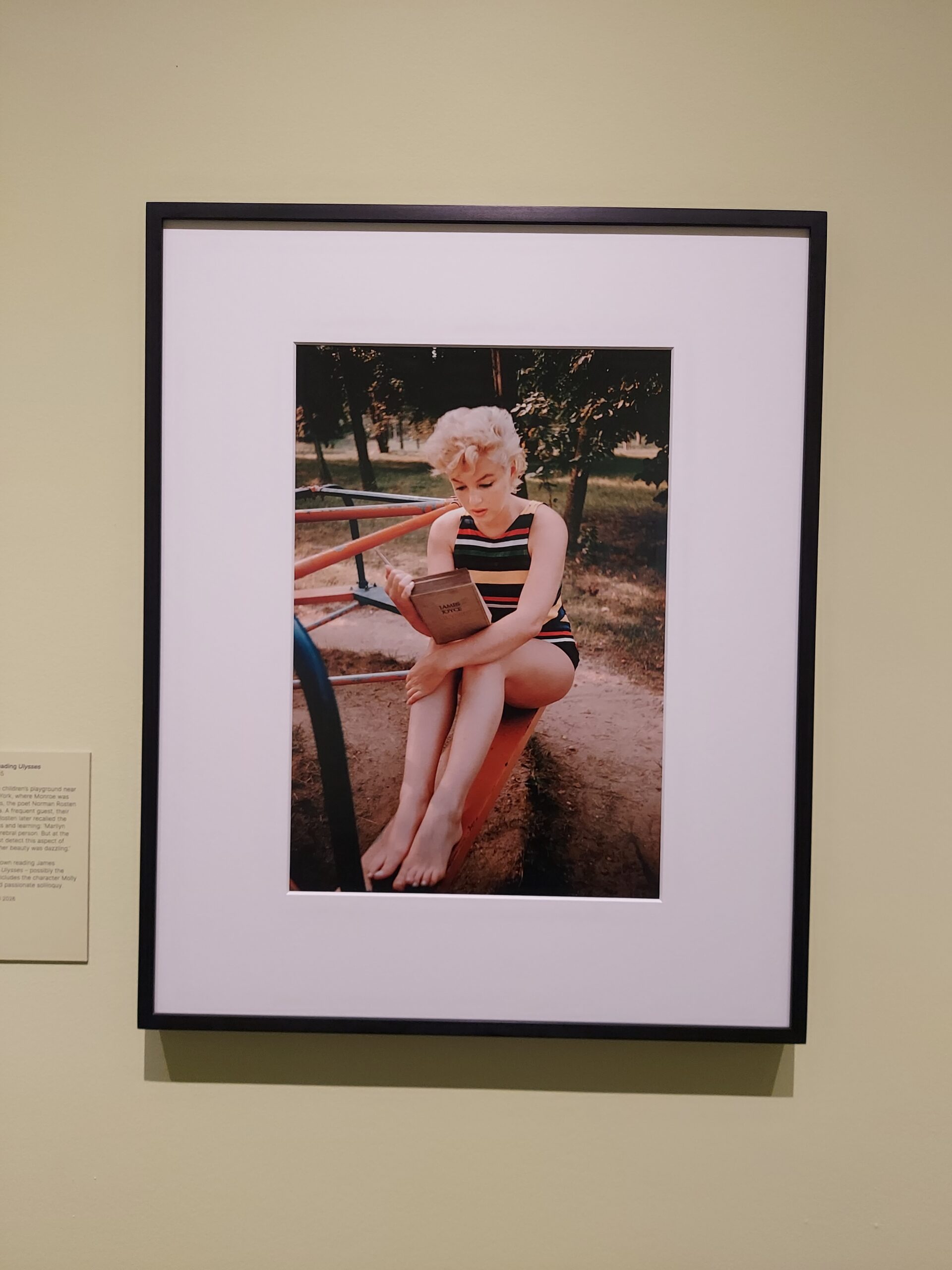
Marilyn Monroe in black and white


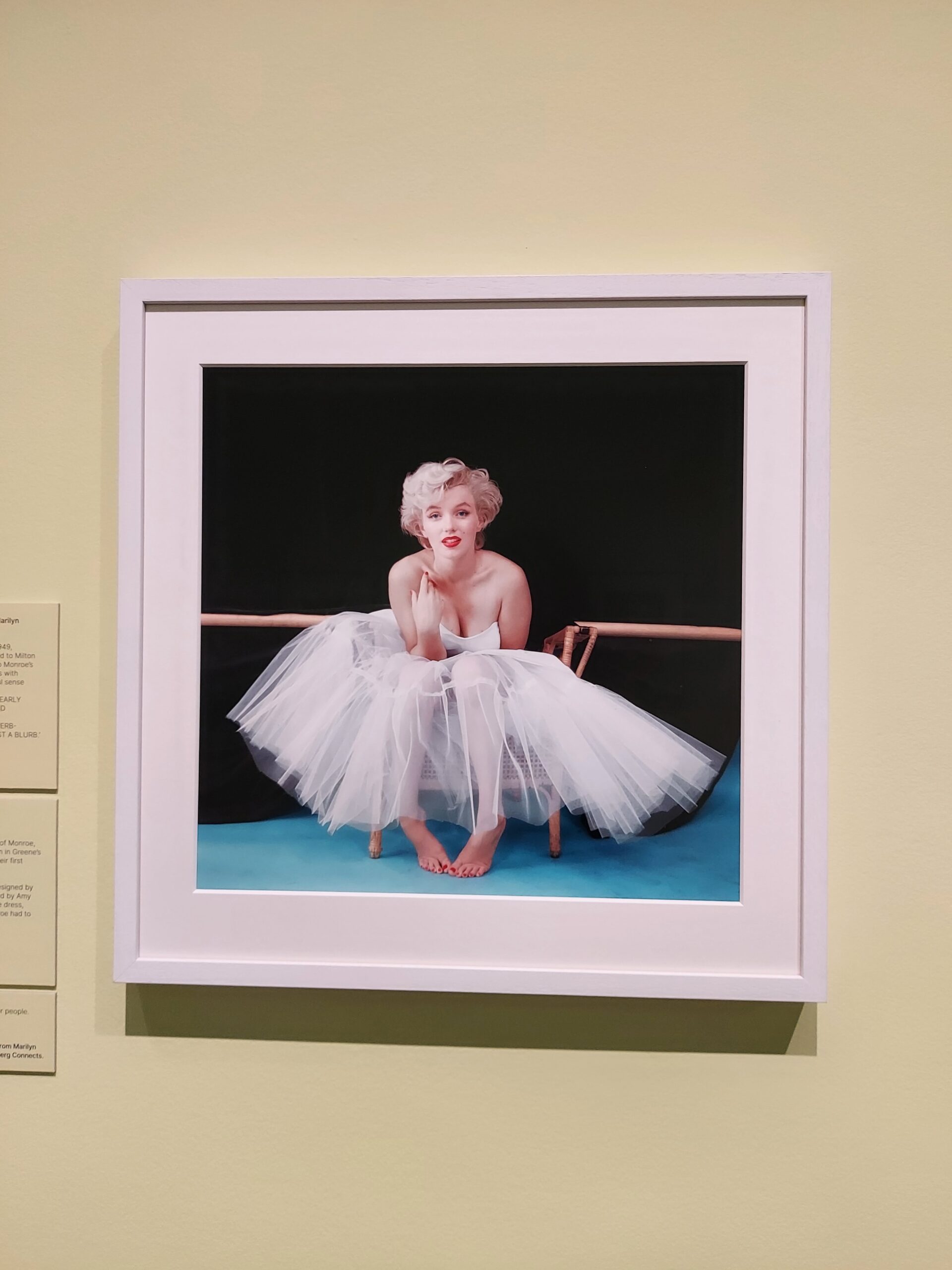
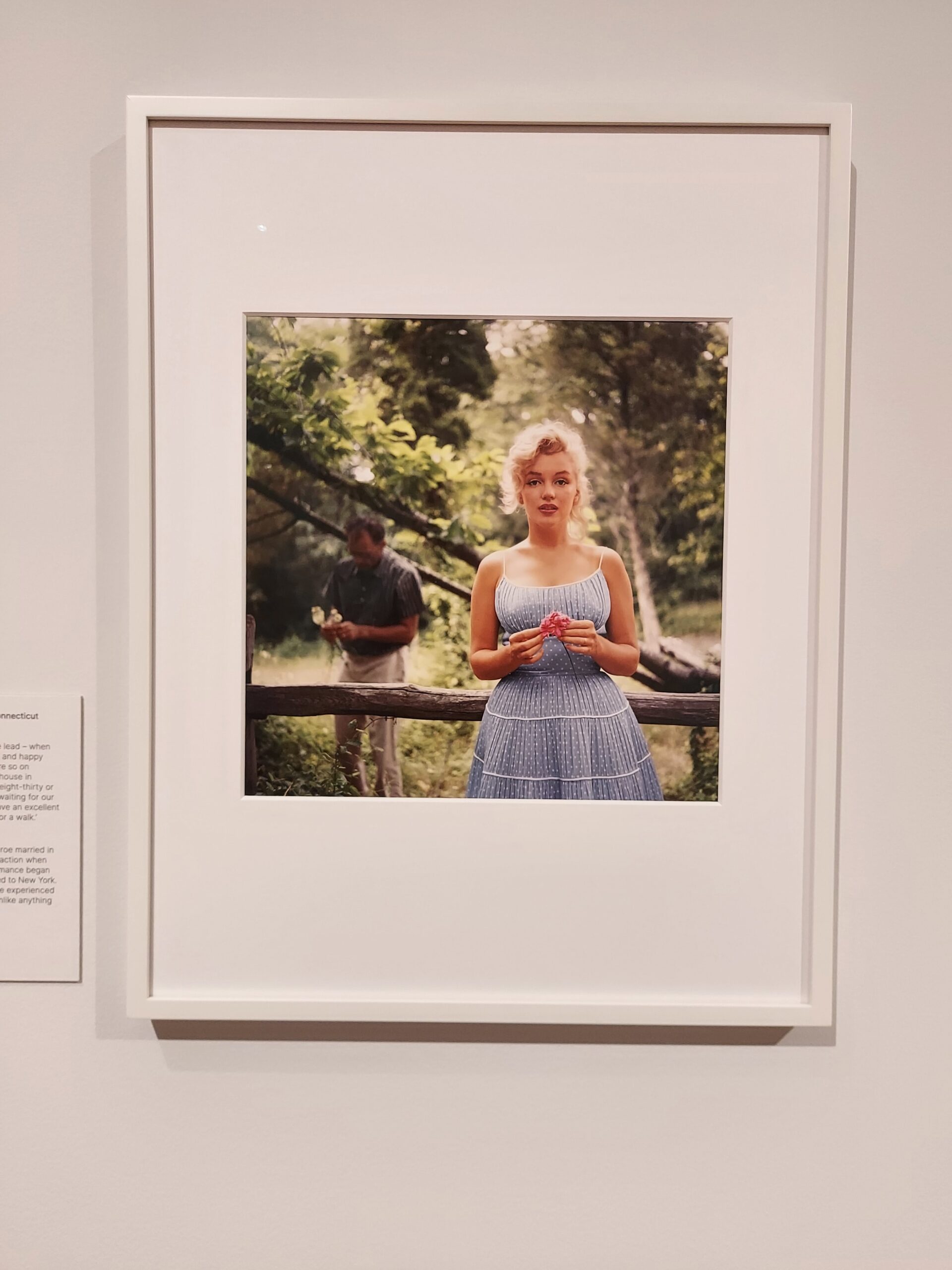
While in London I popped along to the National Portrait Gallery to check out the exhibition Marilyn Monroe: A Portrait. Marking Monroe’s 100th birthday, the exhibition features portraits from across her career by some of the most significant photographers and artists of the 20th century.

The exhibition features works by the likes of Andy Warhol, Pauline Boty, Marlene Dumas, Cecil Beaton, André de Dienes, Eve Arnold and more. It also exhibits some of her personal possessions, such as scripts and clothes. The exhibition aims to show how multi-faceted Monroe was as a person and an actress, and I think succeeds admirably.

Inside Aardman: Wallace & Gromit and Friends – Young V&A

Entrance to the exhibition


I wanted to visit the Inside Aardman: Wallace & Gromit and Friends exhibition at the Young V&A as soon as it was announced, and during my last visit to London there was a special adults-only evening opening, which was perfect timing.

The exhibition begins with a selection of drawings and stills from various Aardman animations, including Morph and the Wallace and Gromit films. It goes on to show how the characters are designed, how sets are built, and how the films are made, including lighting, direction and sound.

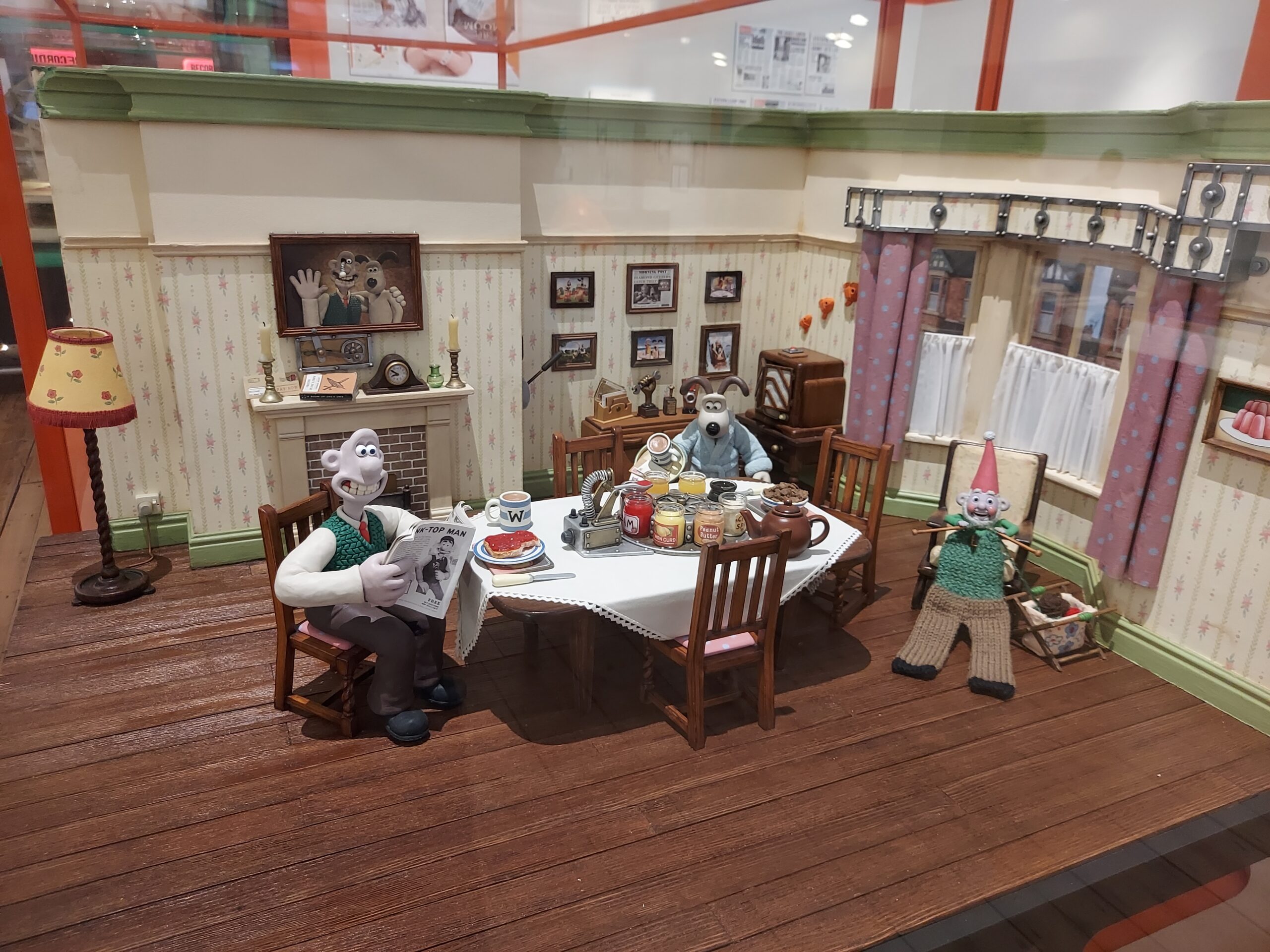
Model of Wallace's living room with Gromit and Norbot


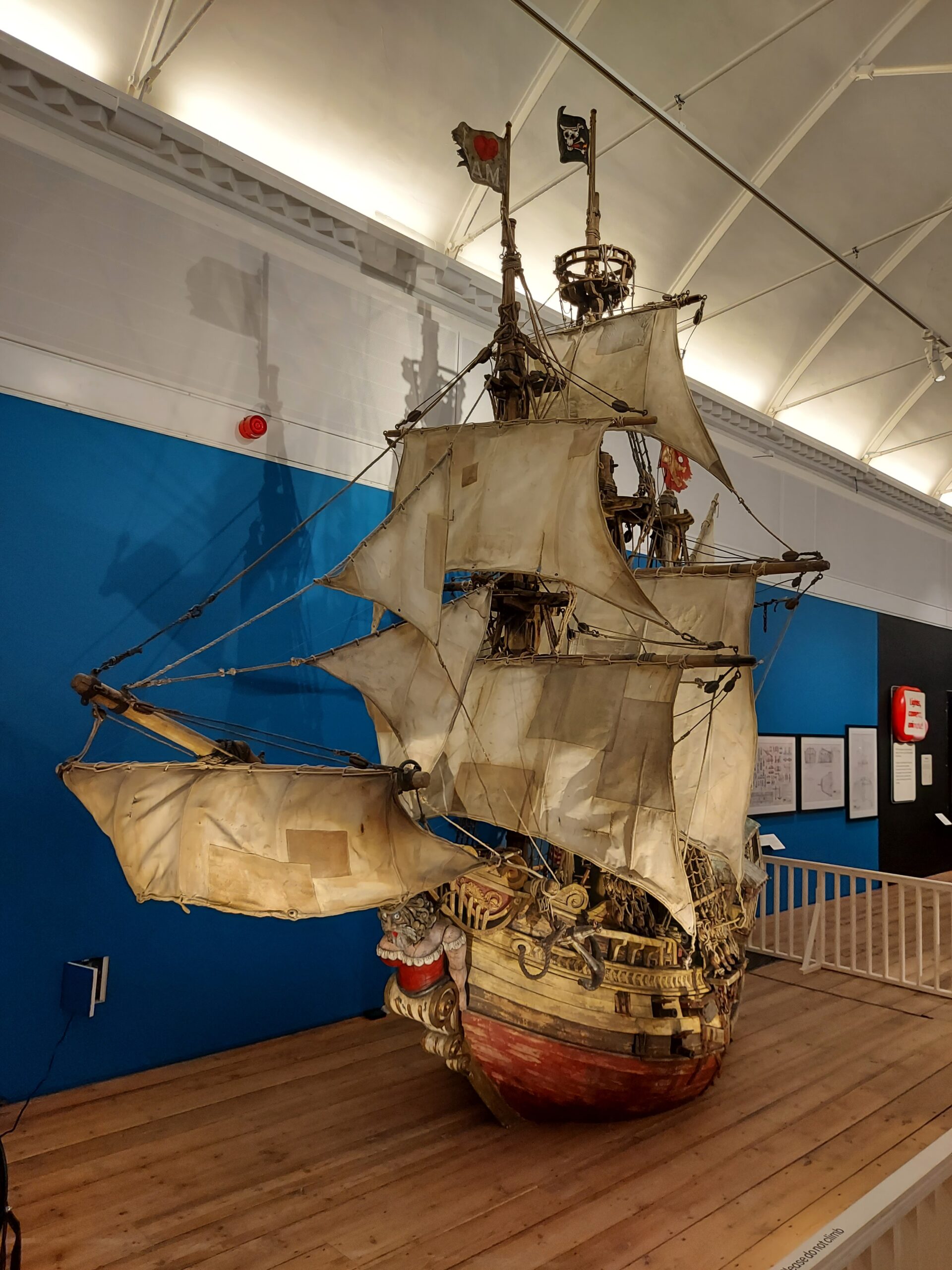
Within the exhibition there are several models of the characters and sets that form part of Aardman’s world. Among the most impressive is the pirate ship from Pirates! In an Adventure with Scientists, which reveals the sheer amount of detail that goes into a model of this size. There is also the spaceship from A Grand Day Out, which features lentils as rivets! Some of the more complex models, such as the were-rabbit from the Wallace and Gromit film, contain mechanical machinery within, but even the simplest of models take painstaking work to animate, with – for example – multiple different heads available depending on the facial expression the character requires.

Model of pirate ship from The Pirates in an Adventure with Scientists


Any fan of Aardman will love this exhibition. It was fascinating to learn more about how their works are made.

James McNeill Whistler – Tate Britain

While I was in London I visited the James McNeill Whistler exhibition at Tate Britain.

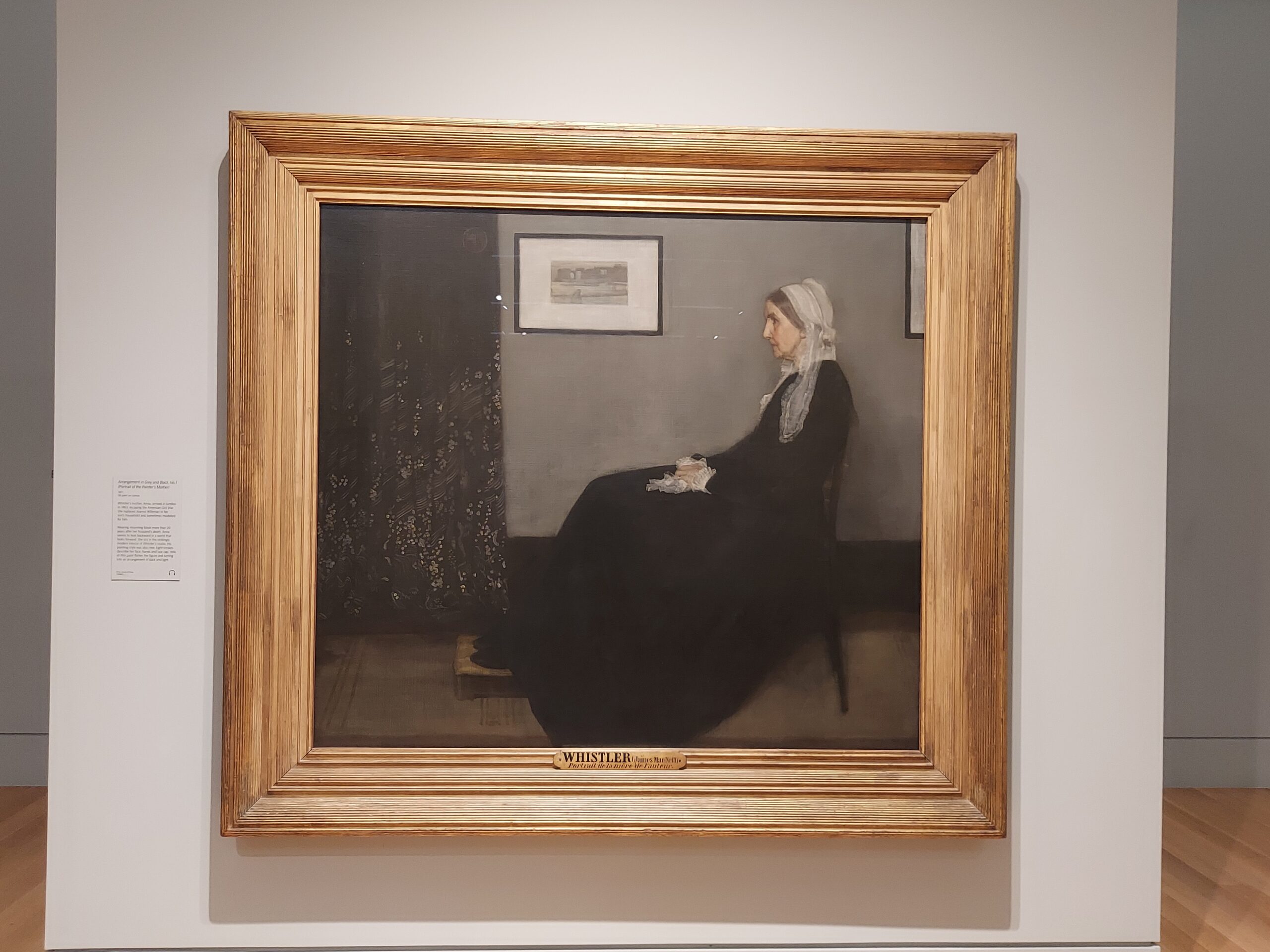
Whistler was born in the US but grew up in St Petersburg. He began his career with linocuts and etchings, but after coming into a small inheritance aged 27, he took up art seriously. He was inspired by Chinese and Japanese art, and influenced by bohemian Paris.

Whistler's Mother

Whistler’s philosophy of art argued that art should improve on nature. His works displayed here illustrate his interests and influences. His use of colour is notable, as well as his interpretation of light and shade.

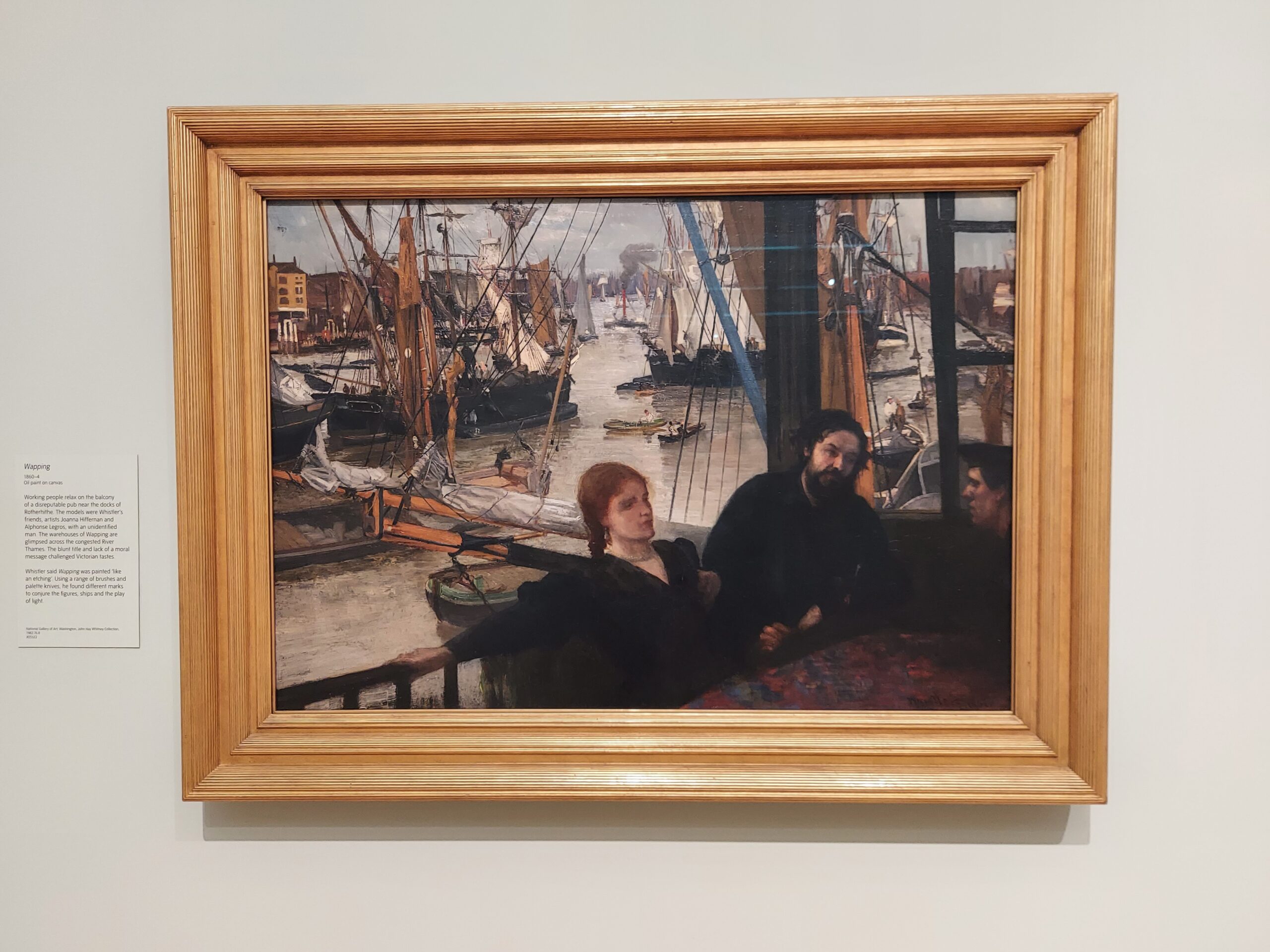
'Wapping'

I was interested to learn about his feud with Leighton – a reconstruction of the Peacock Room he created for the other artist is displayed in the exhibition, complete with cartoon featuring Whistler and Leighton as fighting peacocks. Whistler was also involved in a libel case with Ruskin: not all those in the contemporary art world understood him and his work.

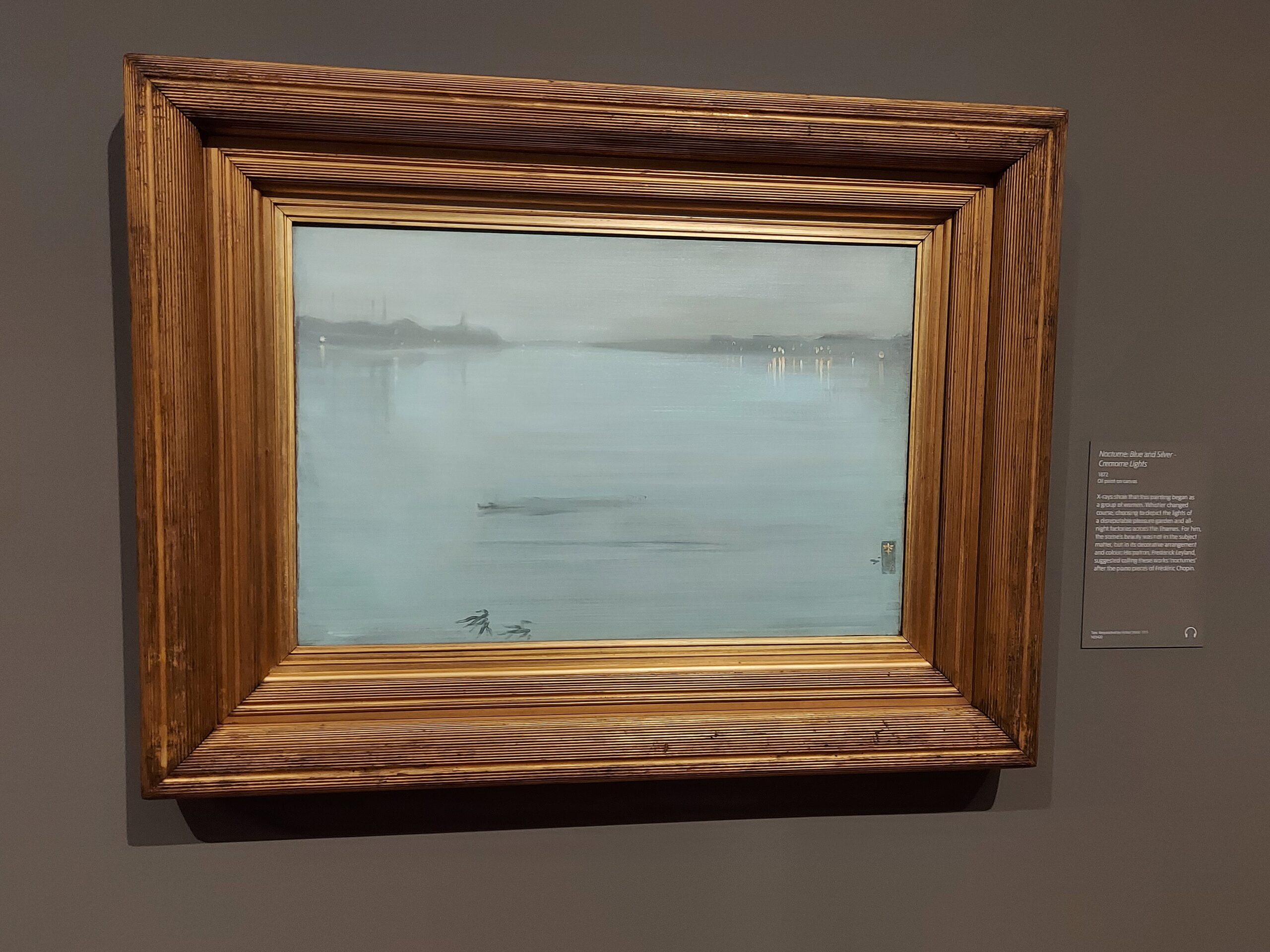
Nocturne

I was impressed with Whistler’s use of black, grey and white (as in his portraits of society women and of his own mother), his vivid landscapes of London (such as ‘Wapping’), and his ‘Nocturnes’. I enjoyed the exhibition and found a lot to appreciate in it.

Rebel Badge Club: The Greatest Show (Quarterly badge 3, 2026)

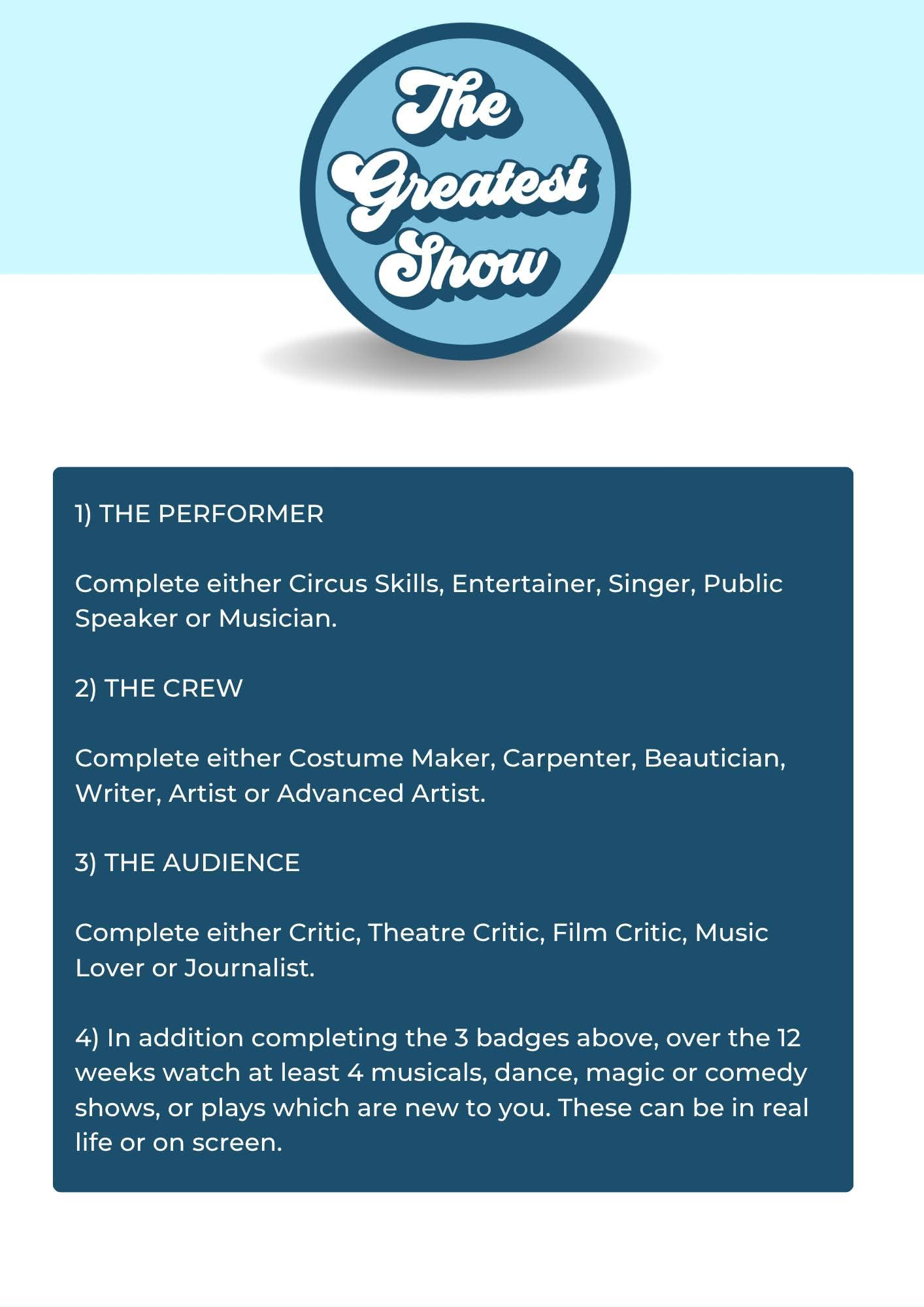
The Greatest Show badge criteria

The third quarterly challenge for 2026 is The Greatest Show. As a theatre lover this is right up my street!

This badge is set out a little differently. To complete it, I need to choose three badges from a selection, each corresponding to a category:

  • THE PERFORMER: I’ve chosen Musician
  • THE CREW: I’ve chosen Writer
  • THE AUDIENCE: I’ve chosen Critic

I will link to my posts on the above badges once I’ve completed them.

I also need to watch at least 4 shows which are new to me. I watched:

  • Archduke by Rajiv Joseph at the Royal Court Theatre
  • The Misanthrope by Molière at the National Theatre
  • The Oresteia by Simon Stone (adapted from Aeschylus’ original) at the Bridge Theatre
  • The Greatest Showman (2017)