Rebel Badge Club: The Poop Challenge

The Poop Challenge is September’s monthly challenge badge, with a cute poop emoji logo. The serious side of this badge is getting Rebels to understand more about bowel issues, which will help both ourselves and others.

To gain this badge, I needed to complete six clauses. I enjoy research, so I focused on this type of clause.

Read a book about someone’s experiences with bowel issues.

I read Deborah James’ book How to Live When You Could Be Dead, which was inspiring and moving. Dame Deborah died of bowel cancer at the age of 40 and was instrumental in campaigning for increased awareness and funding for the disease.

Learn about the symptoms of bowel cancer, the ‘Never Too Young’ campaign and what changes are cause for concern.

I learned about these on the Bowel Cancer UK website.

Learn about bowel diseases including ulcerative colitis, Crohn’s and IBS. Learn about the use of stoma bags.

I found the Crohn’s & Colitis UK website really useful for this, as well as The IBS Network.

Learn how paleontologists use poop in their work.

I found this article from Science World very interesting.

Learn about gut microbiome and what you can do to support it.

I found this Guardian article helpful for this clause.

Learn about ways to protect and improve your bowel health.

I found an article How To Improve Your Digestive Health: 8 Powerful Tips which had lots of useful information.

Learn about the role of the king’s ‘Groom of the Stool’.

The Tudor Society website has an interesting article about this.

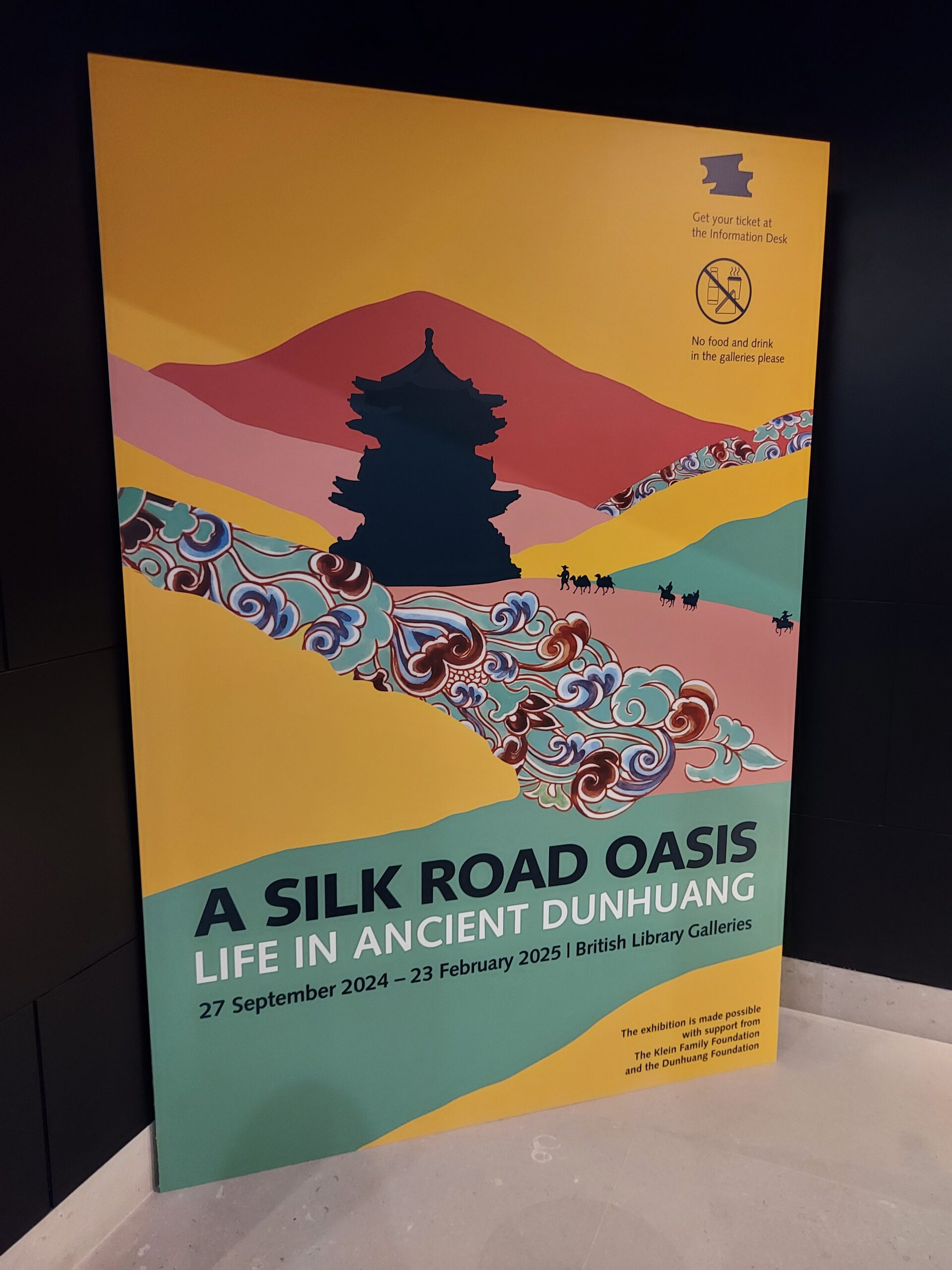
A Silk Road Oasis: Life in Ancient Dunhuang – British Library

Entrance to the exhibition

I went along to the British Library‘s new exhibition, A Silk Road Oasis: Life in Ancient Dunhuang, which I found fascinating. The exhibition looks at life in one particular settlement during the first millennium, largely based on artefacts discovered in the Mogao Caves.

Archeological research shows that Dunhuang, a Chinese city, was an important settlement on the edge of the Gobi Desert. As a frontier garrison on the Silk Road, it was fortified with defensive walls and watchtowers (the Dunhuang Limes) and was a prime example of multiculturalism: a multilingual stele from 1348 displays a Buddhist mantra in six different scripts – Sanskrit, Tibetan, Old Uyghur, Phags-pa, Tangut and Chinese.

We explore the history of this settlement via the stories of individuals who played a part in shaping Dunhuang society. For instance, ‘The Merchant’ discusses how Sogdians – an Iranian people with settlements approaching China – helped to form a network of agents and messengers spreading news such as impending attacks by the Huns. We see a letter written by Miwnay, an abandoned wife with a young child forced to serve a wealthy Chinese family while she tries to find out what has become of her husband (could he have been killed on the Silk Road?).

In ‘The Printer’, ‘The Scribe’ and ‘The Artist’ we learn how printing technology (developed in China in the seventh century) was used to print religious and other texts in Dunhuang, while scribes created manuscripts and sutras on behalf of the Tibetan empire who ruled Dunhuang between 786 and 848. A government-supported painting academy, featuring artists from all over the region, emerged in the 10th century, allowing the creation of works on silk, hemp and paper, as well as murals in the Mogao Caves.

Religion played an important part in Dunhuang life. The city was a major hub for Buddhist worship from the fourth century. ‘The Lay Buddhist’ focuses on an anonymous man in his 80s who copied a dozen small booklets of the Diamond Sutra in Chinese, using his own blood as ink. At the other end of the age spectrum, ‘The Buddhist Nun’ shows how Deng Ziyi was granted permission to become a novice nun at the young age of 10, two years before the official age permitted. Becoming a nun allowed women the chance for a role beyond that of daughter, wife and mother; between 800 and 1000 there were more nuns than monks living in Dunhuang.

In ‘The Diplomat’, we are introduced to multilingual envoy Ca Kima-sana, originally from the central Asian kingdom of Khotan, 1,800 km to the west. A wealthy Khotanese community was established in Dunhuang from the 10th century. This exchange of ideas contributed to the transmitting of medical knowledge. ‘The Fortune Teller’ showed how people like Shenzi, the monk and yin and yang master, helped both the ruling elite and ordinary people by advising on the best time and date to start a project or begin a journey. A scroll on display from 649-700 is the oldest complete star chart in existence from any civilisation.

An entire section at the back of the exhibition is devoted to the Mogao Caves. In 1900, a Daoist priest, Wang Yuanlu, discovered a small room (now known as the Library Cave, or Cave 17) containing tens of thousands of manuscripts, paintings and other objects from the fifth to the eleventh centuries. These were eventually brought to the UK by the archaeologist Marc Aurel Stein, while other artefacts were dispersed to France, Japan and Russia, as well as Beijing.

This raises questions about colonialism and who has ownership over these items. The International Dunhuang Project (now Programme) was founded in 1994 in order to provide access to Dunhuang and other collections relating to the Eastern Silk Road worldwide and help to ensure their long-term preservation. I must admit I am grateful to have been able to view these wonderful items.

Inside the exhibition

Rebel Badge Club: Athlete

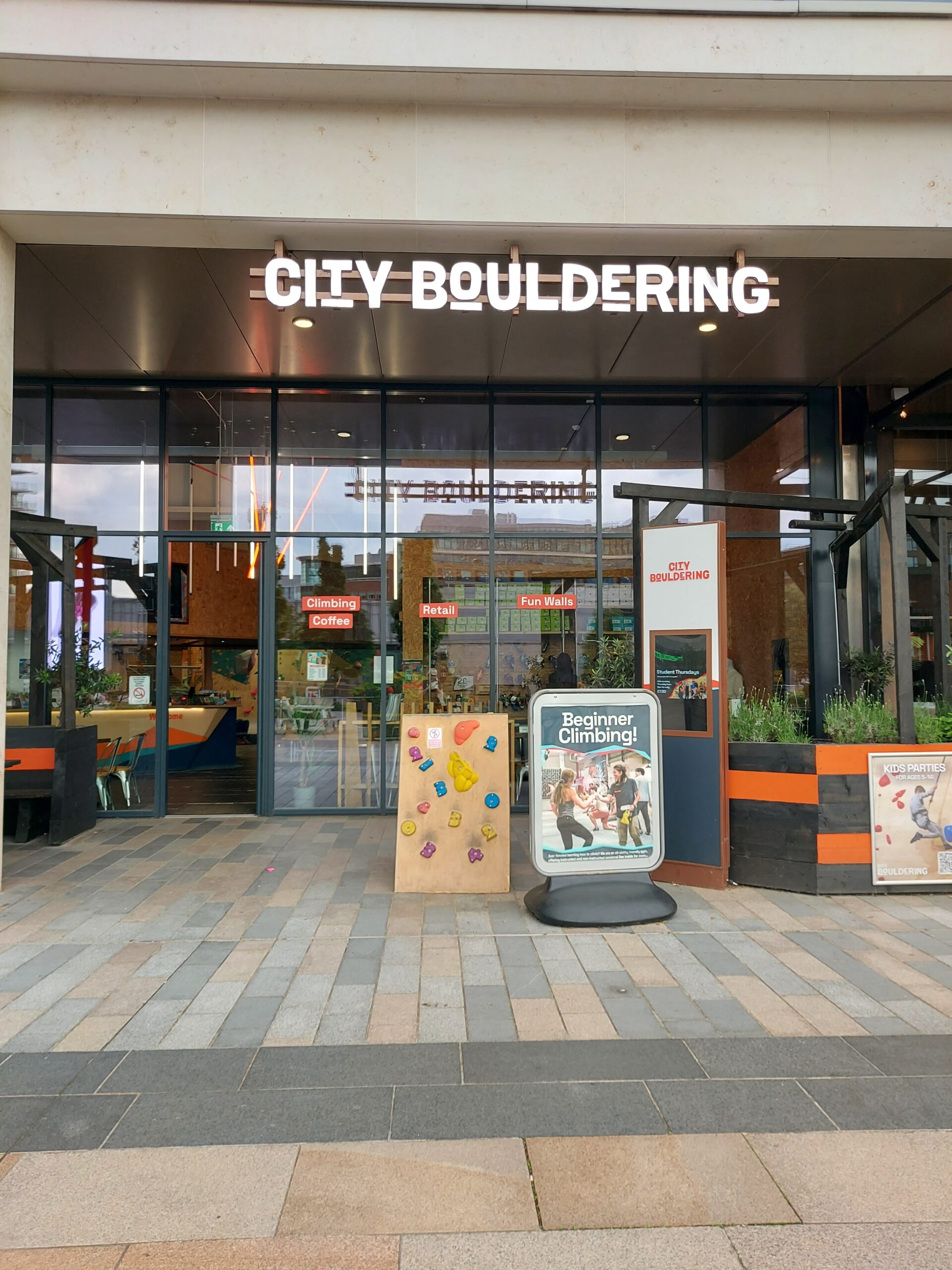
Entrance to White City Bouldering

I’m the least athletic person you can imagine, so I’m proud to have completed my Athlete badge, which I have spent the summer working on. To achieve the badge, I had to pick three sports from the list and spend at least ten hours on each one.

Rock climbing (Bouldering): I started off with bouldering in my local centre (a type of rock climbing which doesn’t involve ropes). I really wanted to love this as I am an introvert and imagined evening sessions climbing by myself, listening to music or a podcast. Unfortunately, my lack of upper body strength proved my downfall (I could have predicted this to be honest). I was pleased to be able to complete some of the easier climbs, which was a marked improvement on my performance at Camp last year, but I really struggled with everything else and ended up getting bored with the lack of variety as I just couldn’t handle anything beyond the easiest routes.

I also managed to give myself a black eye, which is not the injury I was expecting from this sport!

Martial Arts: I first of all took part in a free women’s self-defence session, which I really enjoyed, then joined a beginner’s kickboxing class. I enjoyed the class more than I thought I would, but the tough warm-ups reinforced how unfit I really am. I decided not to continue as the centre is a bit far away from me, but I wouldn’t rule out picking it up again at some point in the future.

Netball: I found a local group that meets on a Tuesday evening. Netball was the only sport that I didn’t absolutely hate in school, mainly owing to the fact that I am tall! I am finding these sessions trickier as – unlike school – everyone is there because they want to be; most have an aptitude for the sport and are much better than me. However, this doesn’t matter as it is all for fun and everyone is really friendly. I definitely plan on keeping this up.

Date completed: 24 September 2024

Hell Époque: Death-Themed Cabarets of 19th Century Paris and Let me be mad! Absinthe Exhibition – Last Tuesday Society

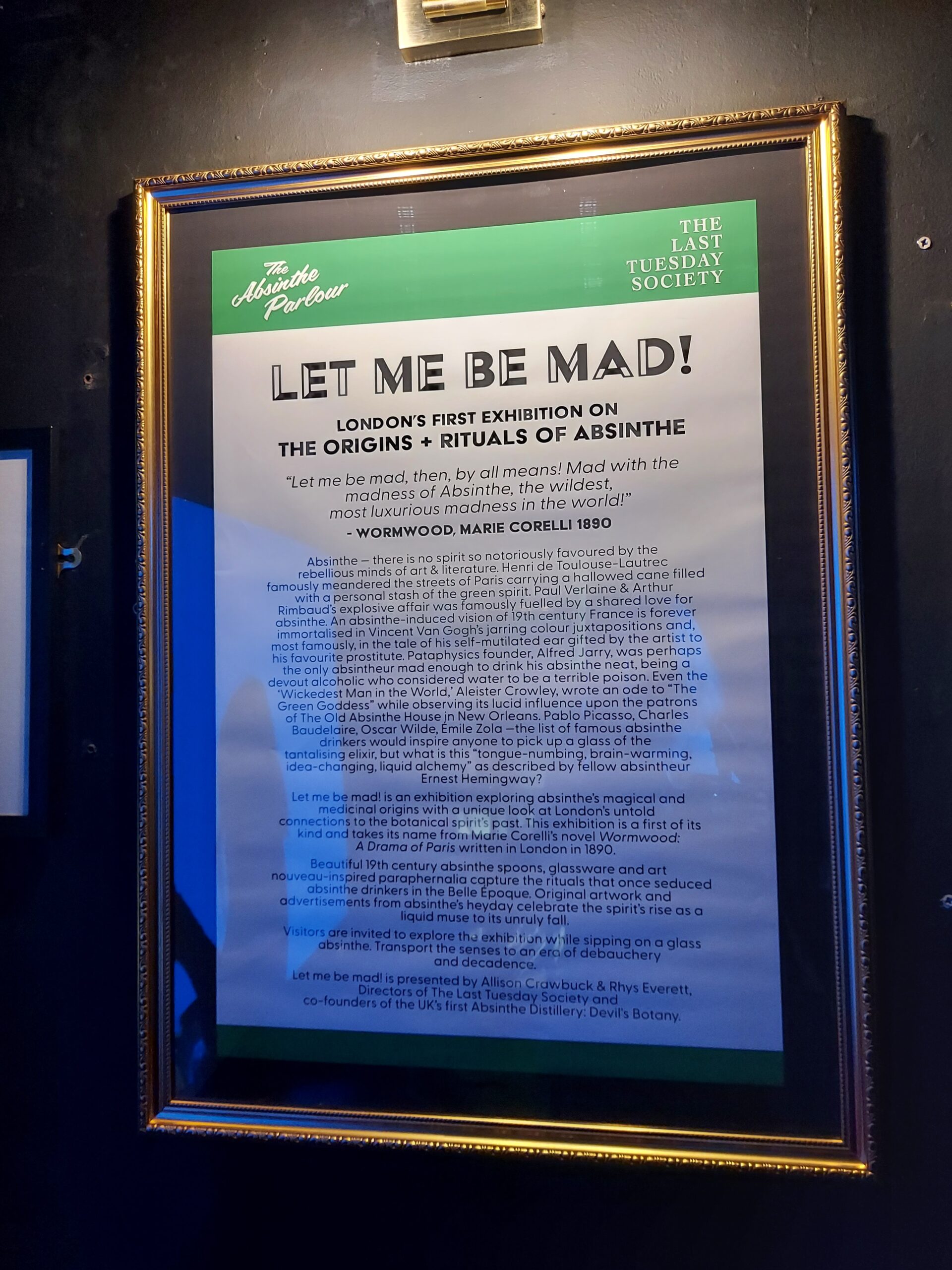
Exhibition poster

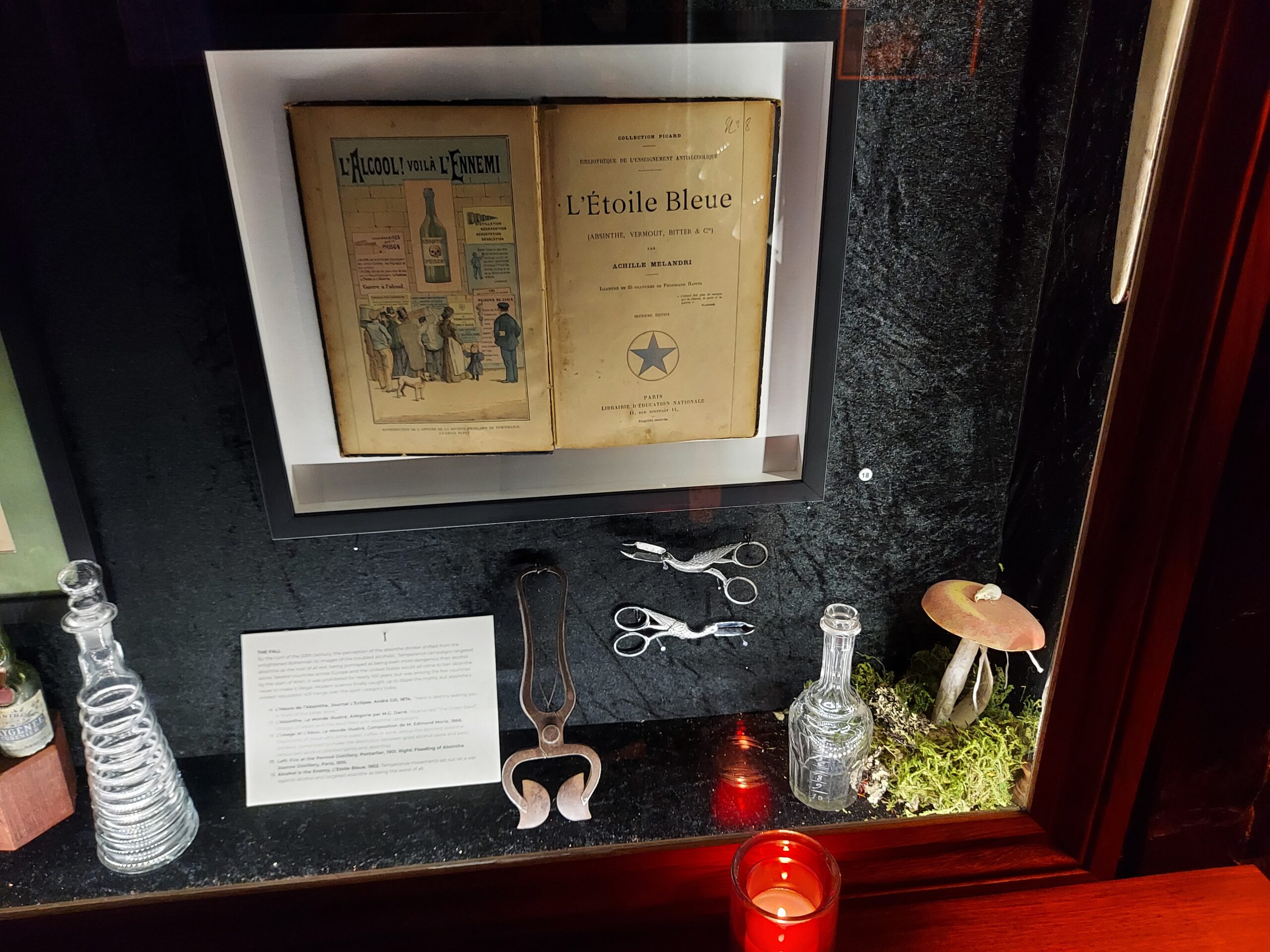
I visited Let me be mad! the Absinthe Exhibition at the Last Tuesday Society in order to learn more about this infamous beverage and see artefacts related to it. The exhibition was quite small, but still worth a visit if you are interested.

At the same time I attended a talk about death-themed cabarets in nineteenth-century Paris. Eugène Atget’s 1898 photograph of Cabaret de L’Enfer’s (Cabaret of Hell) façade at 53 boulevard de Clichy is famous, but it is not the only cabaret to have existed with such a theme. Vadim Kosmos gave a talk about this facet of Parisian nightlife which was fascinating.

Some of the artefacts on display

Shakespeare and War – National Army Museum

Entrance to the exhibition

I popped in to the National Army Museum to check out their exhibition on Shakespeare and War before it closed. The exhibition looks at how Shakespeare’s plays have been used across the centuries to criticise, justify and explore the consequences of war.

The material featured dates from the English Civil War and covers the period up to the current Ukraine conflict. It includes propaganda created by those at the top, including a World War I recruitment poster featuring a line from Macbeth, and more personal reflections by soldiers who looked to Shakespeare’s plays to find meaning in times of conflict. Recent productions of plays featuring war have taken their soldierly background seriously, such as a Royal Shakespeare Company production of Othello that explored the idea that the general was suffering from PTSD. The exhibition was interesting and covered a topic I wasn’t all that familiar with.

Hidden London – Baker Street: The World’s First Underground

In recent years, Hidden London tours have expanded to encompass not only disused stations, but working stations with lots of history. Baker Street is one such station, and I attended a tour on a sunny Sunday.

Baker Street is one of the earliest Underground stations, and is Grade II* listed. Today, it has 10 platforms served by 5 different lines – more than any other on the network. It first opened in 1863 as part of the Metropolitan Railway: these original platforms are still in use by the Circle and Hammersmith & City lines and look a lot like they did back then.

The oldest platforms at Baker Street
Original Baker Street platforms

We got to go into some hidden corners of the station; in particular a space once used as a waiting room.

Former waiting room
Former waiting room

Later platforms were built in 1868 as part of the Metropolitan & St John’s Wood Railway. The platforms were rebuilt in 1892, but still struggled to cope with increased demand, so a decision was taken to rebuild the station and create a new headquarters for the Metropolitan Railway at the same time.

Jubilee line platforms
Metropolitan line platforms

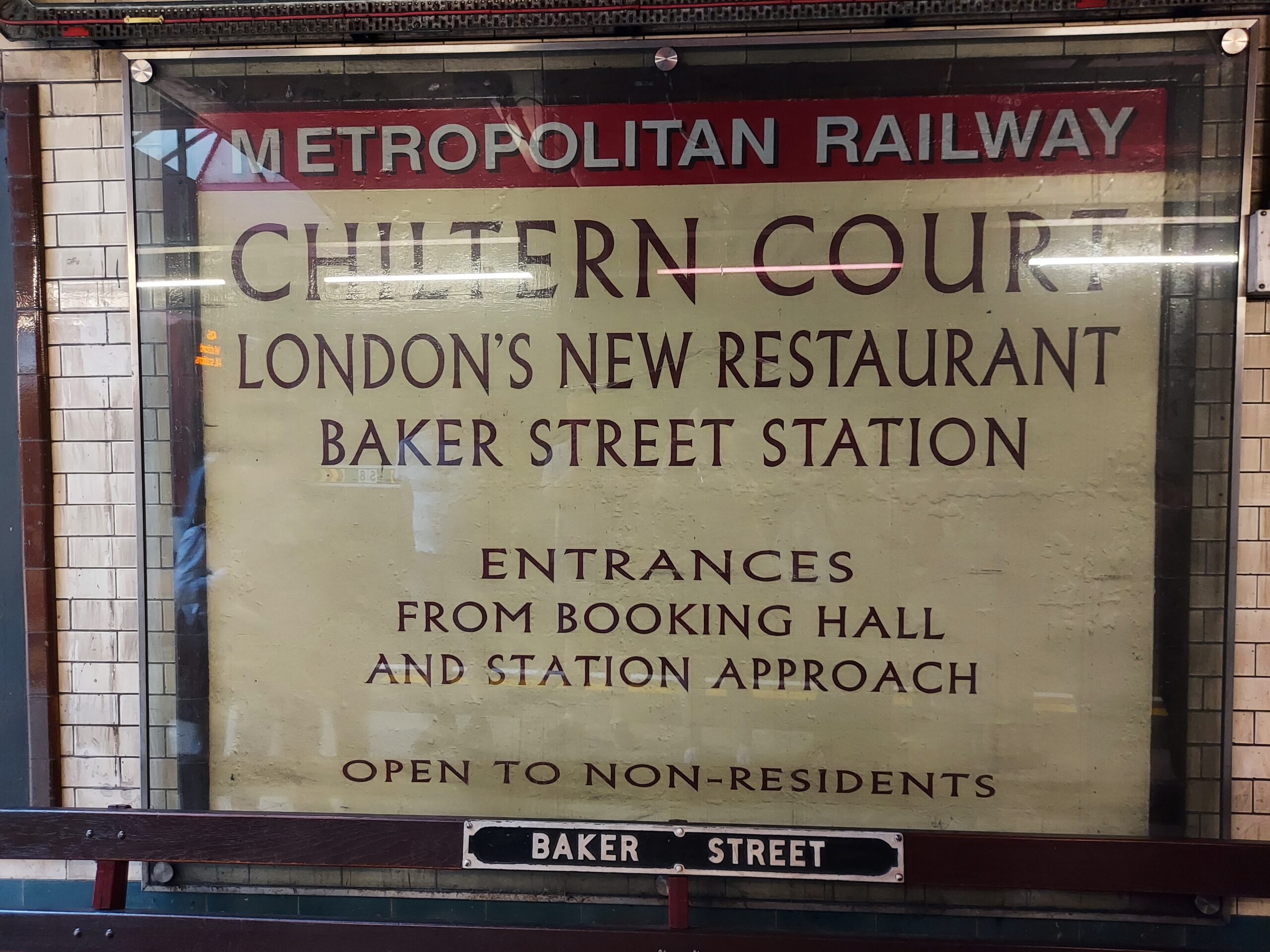
The architect Charles Walter Clark replaced the original buildings and created a single sub-surface ticket hall, as well as a subway linking the Circle and Bakerloo lines (the latter had originally opened on a separate site with a Leslie Green station). Plans to build a hotel on top of the station were halted by the First World War, but similar plans were revived in the 1920s with the construction of Chiltern Court. This block of flats was highly prestigious and included such distinguished residents as H. G. Wells and Arnold Bennett.

Poster advertising the Chiltern Court restaurant

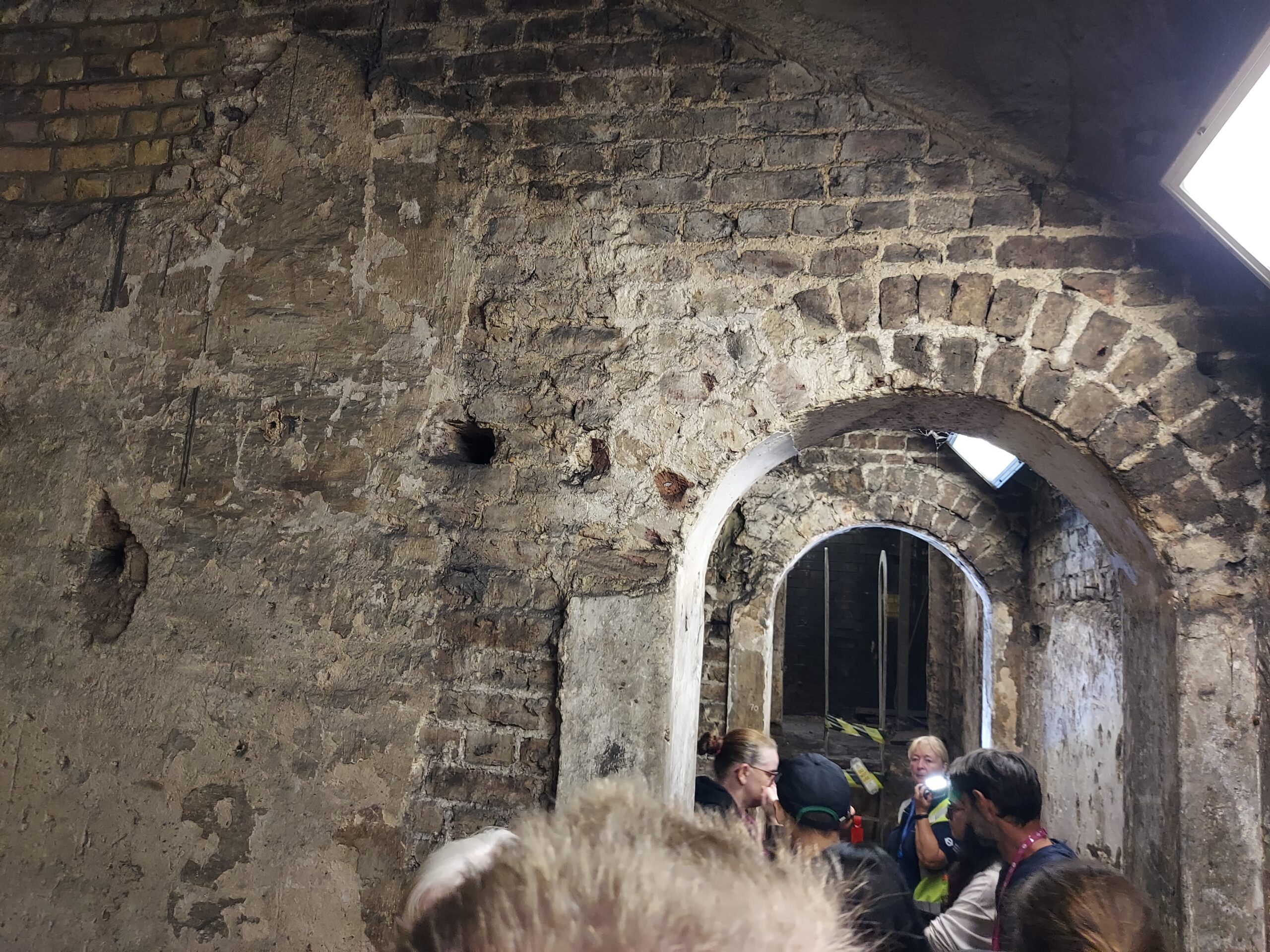
One of the most exciting parts we got to see was the original underground Bakerloo station, including tiling and lift shafts. We also got to look down through gratings to see the trains pulling in to the platform (now the Jubilee line).

Original Bakerloo line tunnel
Original Bakerloo line tunnel, with tiling visible

As the home of the Metropolitan line, the station has been a headquarters for transport staff for many years. Its facilities have included the Central Control Rooms for the Bakerloo, Central, Jubilee and Metropolitan lines; one of the first operational sites of the British Transport Police; a canteen staff training school; and the Lost Property Office. The London Transport Rifle Club was also located here until the 1990s.

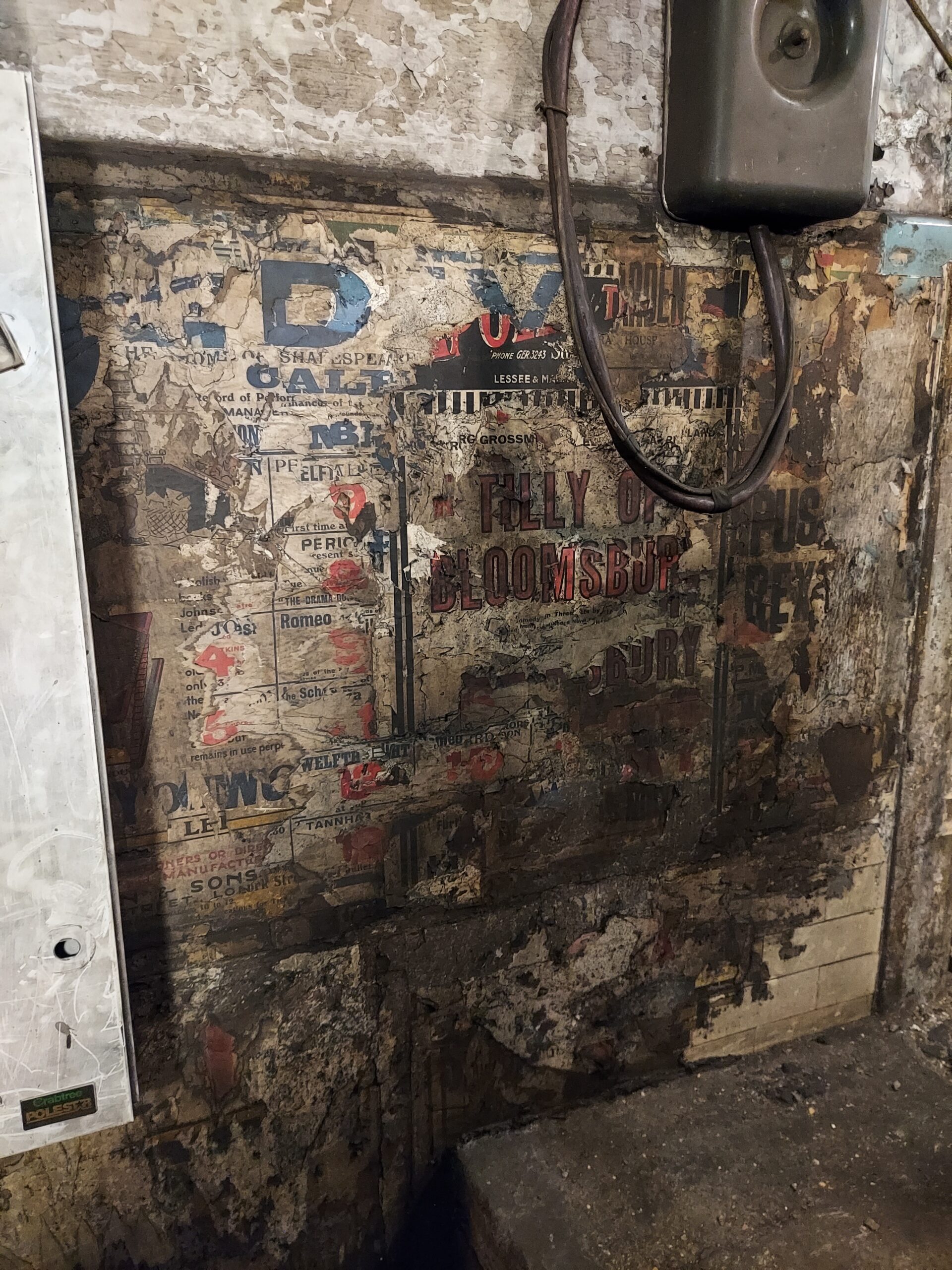
Original posters
Original posters

My tour of Baker Street proves that even current stations have a lot of history and hidden areas to explore. Definitely recommended, and I can’t wait to book another Hidden London tour.

Rebel Badge Club: Scientist

The Scientist badge was one of the badges I got in my Badge Roulette, and I decided to work on it this summer.

To complete the badge I had to make a book of 10 different children’s science experiments, and complete these experiments myself.

Here is my book, which I had a lot of fun making!

Date completed: 31 August 2024