Florence Nightingale Museum

Florence Nightingale Museum

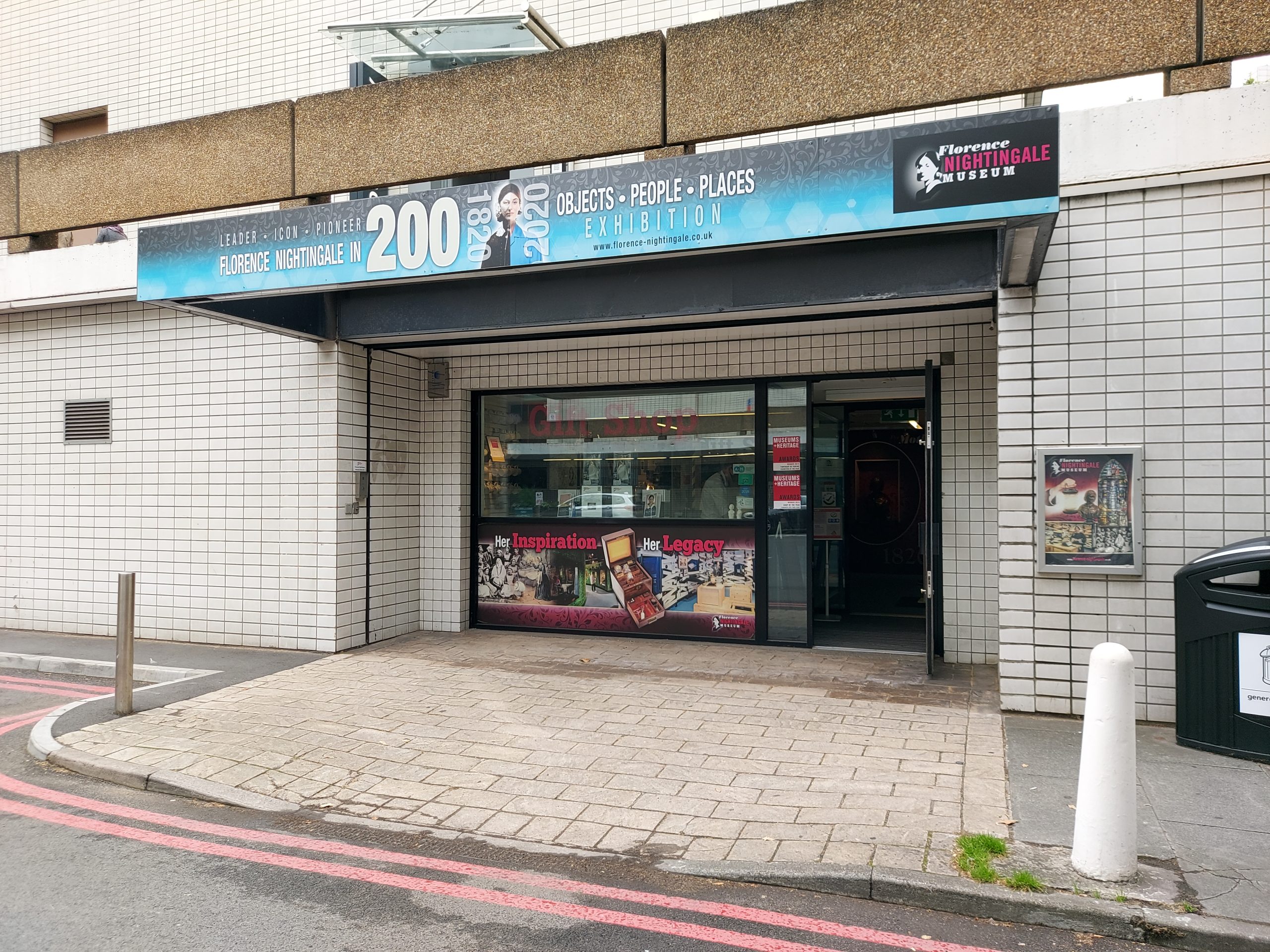
On the Saturday before I went back to work, I headed down to the Florence Nightingale Museum. I had been planning to go for a while, but then COVID hit. The museum has reopened – albeit only on the first full weekend of each month – so I took this opportunity to visit. The museum, which is on the site of St Thomas’ Hospital, can be reached via Waterloo station or via Westminster station and then crossing Westminster Bridge, which is how I got there.
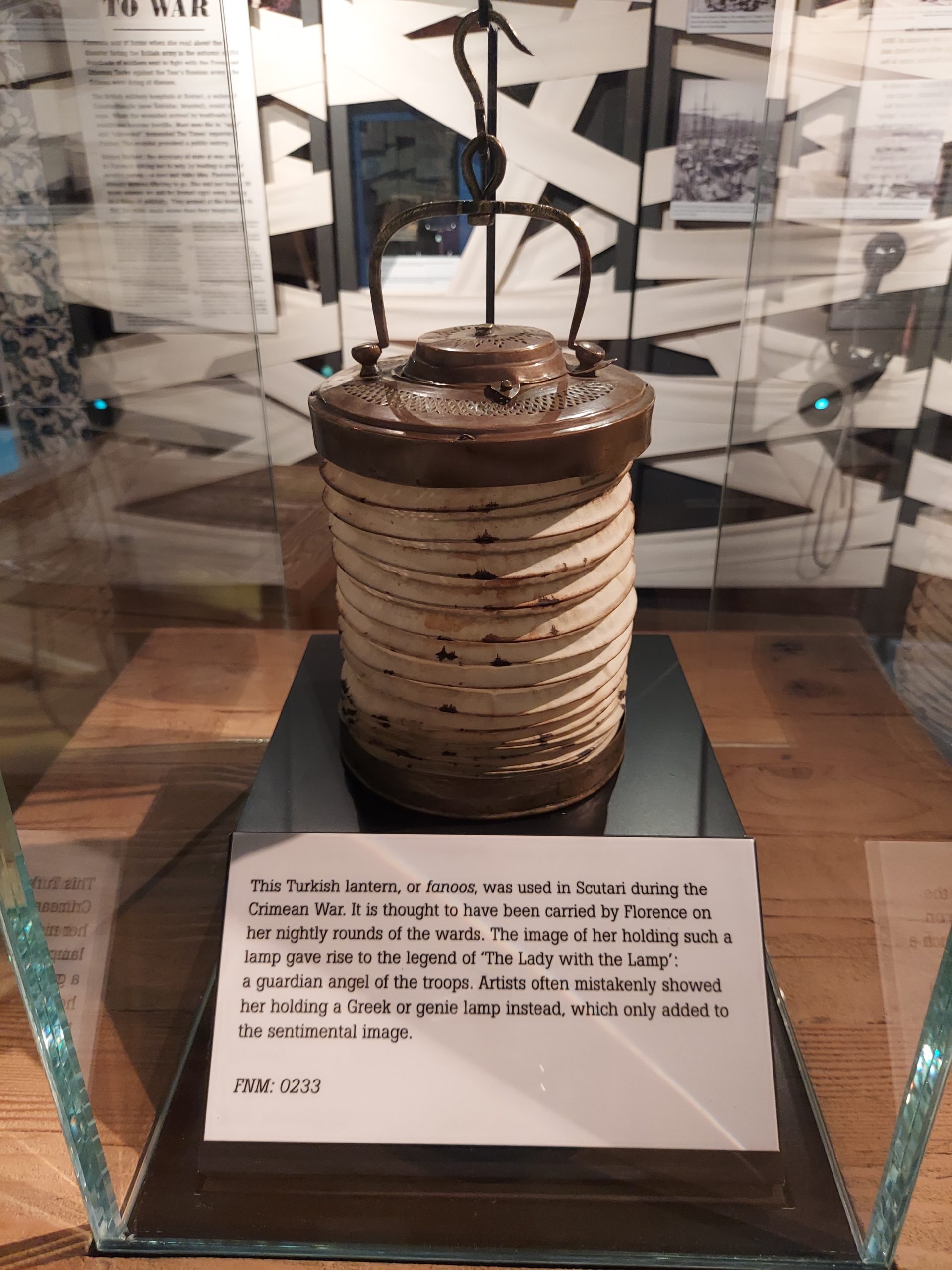
Turkish lantern
Florence’s famous lamp

The museum explores the life of Florence, the famous Crimean War nurse who was known as “The Lady with the Lamp”. The current exhibition Florence Nightingale in 200 Objects, People & Places marks the 200th anniversary of Florence’s birth in 1820 (originally planned for 2020, the exhibition has been extended into 2021). In the museum and exhibition there are countless artefacts that bring Florence to life and tell her story.
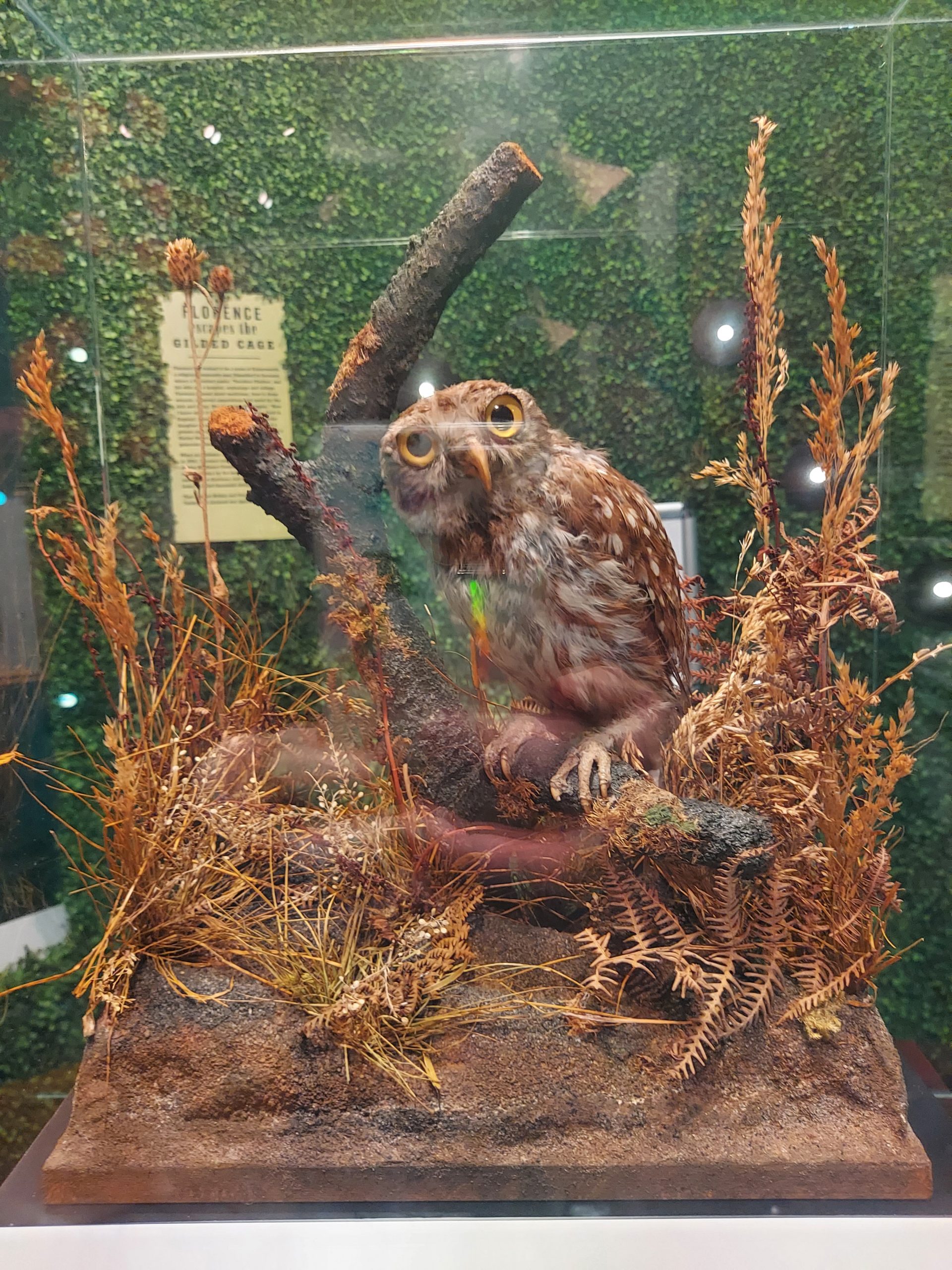
stuffed owl
Athena, Florence’s pet owl

The first section of the museum covers Florence’s childhood, growing up in a middle-class educated family. Artefacts such as photos, sketches and books belonging to her and her sister Parthenope are displayed here, alongside more unusual exhibits such as Florence’s pet owl Athena, stuffed after its death. Bibles and prayer books show Florence’s religious faith, and other books and novels reveal the breadth of her education.

photographs and paintings
Pictures of Florence and her sister

The next section looks at the time Florence spent nursing in the Crimea, with artefacts from the time including medicine chests, nurse’s uniforms and record books. Florence’s main strengths were in management and organisation, and she kept her trainee nurses in line – sometimes rather strictly. She also – crucially – implemented hygienic practices such as handwashing, which helped to reduce the death rate, as most soldiers died due to poor sanitation rather than injuries.
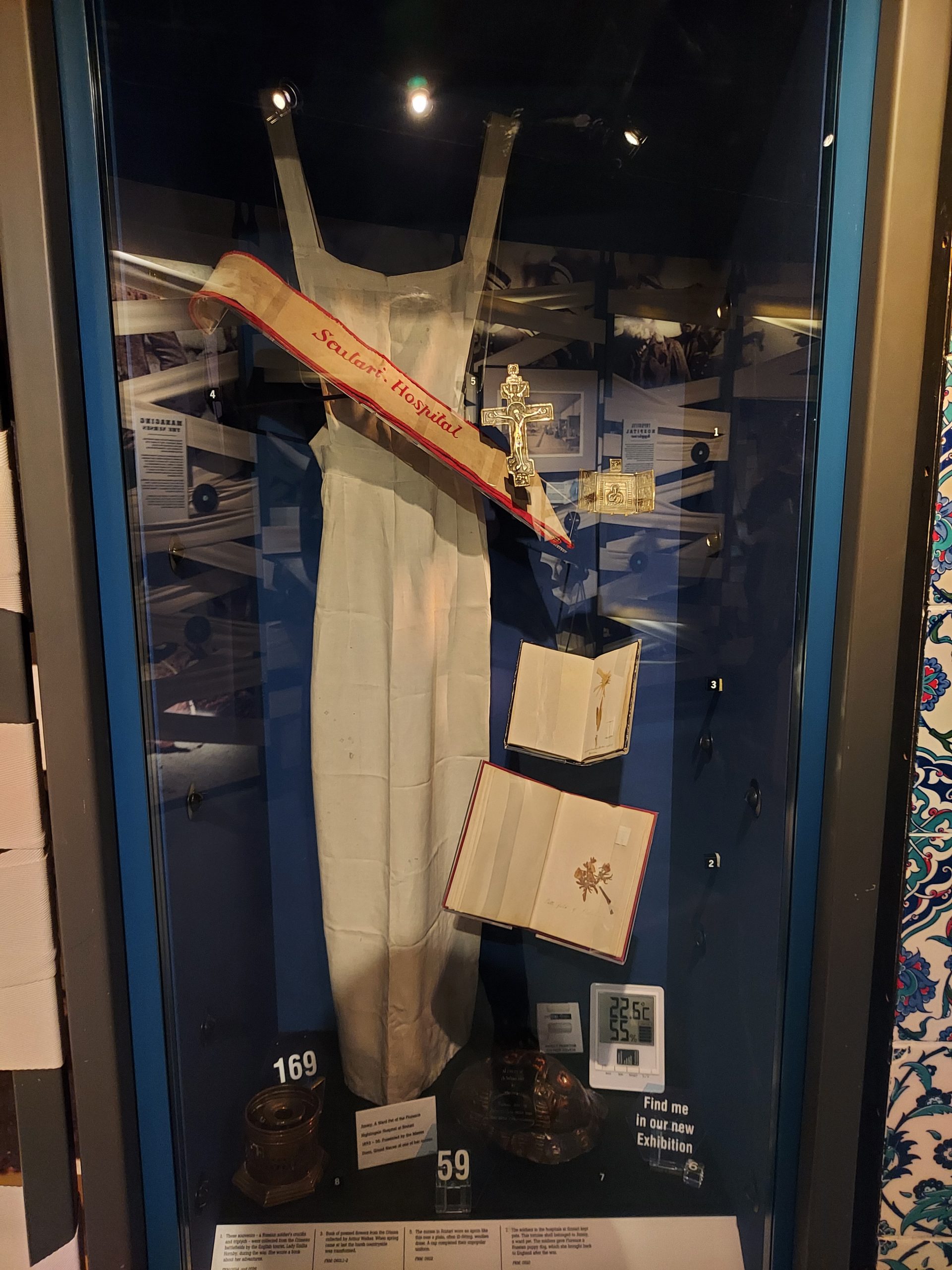
nurse's uniform
Nurse’s uniform and artefacts

After the Crimea, Florence set up a nursing school back in England and published Notes on Nursing, a classic of the genre. She influenced the sphere of nursing for decades to come. This section also looks at nursing in a wider context, and features other notable nurses such as Edith Cavell (her stuffed dog is on display here) and Mary Seacole. The special exhibition section at the back of the building had lots more objects including letters, photographs, documents, and even a Florence Nightingale Barbie which was released last year.
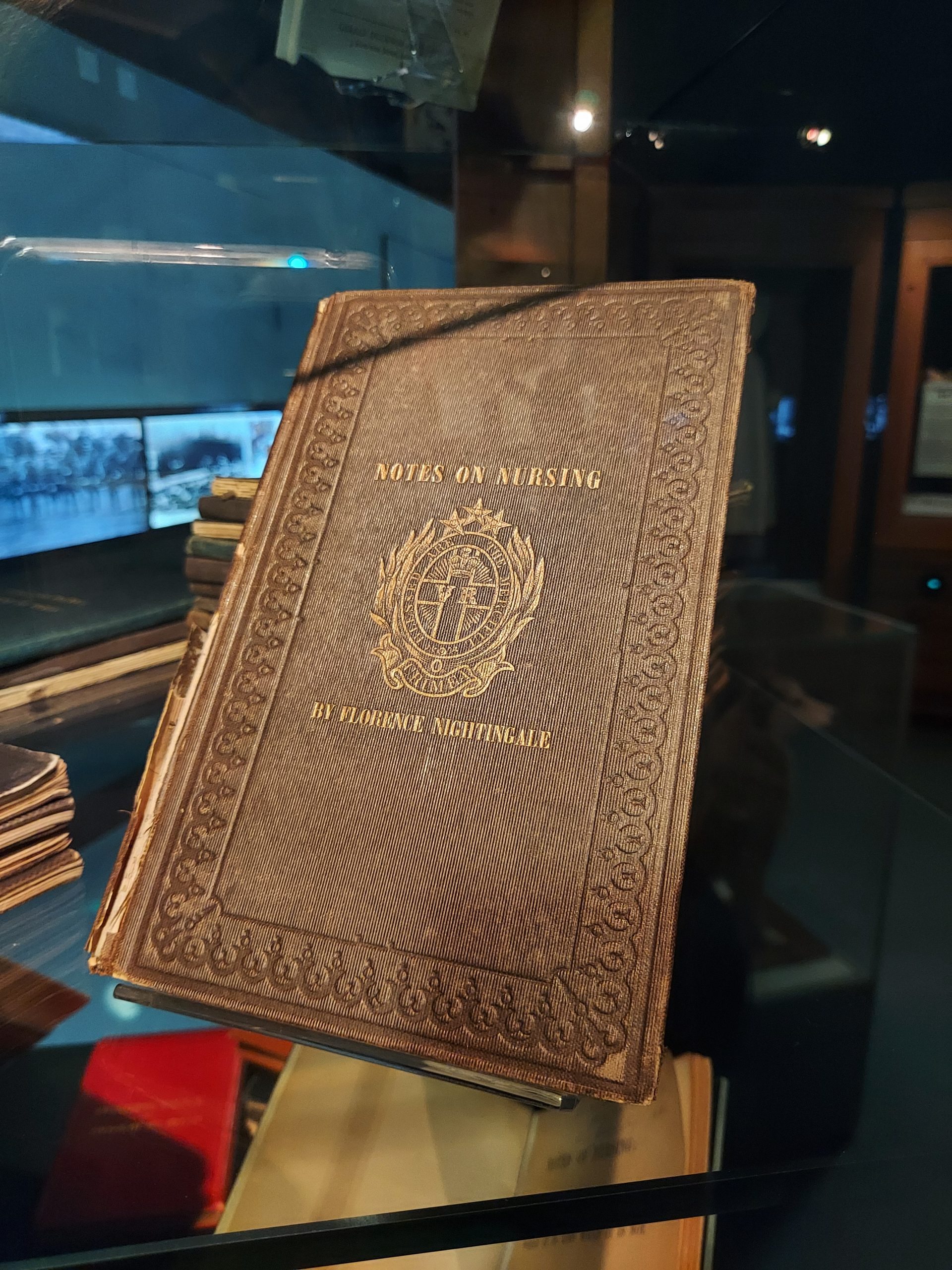
brown book
Nightingale’s ‘Notes on Nursing’

The museum is well worth a visit: it has plenty to see and everything is well organised and displayed. Book a visit soon and support this small but worthwhile museum.

FACTS

Address: St Thomas’ Hospital, 2 Lambeth Palace Road, London, SE1 7EW

Website: florence-nightingale.co.uk

Opening Hours: First full weekend of every month, 10.15am – 4.30pm

Price: Adult £9, concession £7, student £6, child £5

Benjamin Franklin House – Architectural Tour

The Benjamin Franklin House has been a visitor attraction in London for years, but I’d never got around to visiting, until now. Looking for something to do during my week off, I found the museum’s website which advised that architectural tours run every Friday. It’s not often I get a Friday off when I’m in London, so I booked straight away.

Benjamin Franklin House

Benjamin Franklin was one of the Founding Fathers of the United States of America. He was a polymath and one of the leading intellectuals of his time. The Grade 1 listed house is at 36 Craven Street, a Georgian side street not far from Charing Cross station and Trafalgar Square – it really is very central. It dates from around 1730, and Franklin lodged there for 16 years between 1757 and 1775 in his role as chief colonial diplomat. The street would have looked very different at the time – this was before the Embankment was built, so the Thames would have been much closer to the house.

brown door
Front door

As it turned out, it was a quiet day and there were only two of us on the tour, but the house had been decorated in red, white and blue in preparation for Independence Day celebrations at the weekend. We were shown around the house starting with the basement: a brown plaque is on display here that was originally on the side of the wrong house on this street. A room here is devoted to the history of the house, which served as a lodging house for much of its life before being converted into a hotel in the 20th century. In the late 1990s, the Friends of Benjamin Franklin House were granted the freehold to 36 Craven Street from the British government, and set about restoring the property.

display table
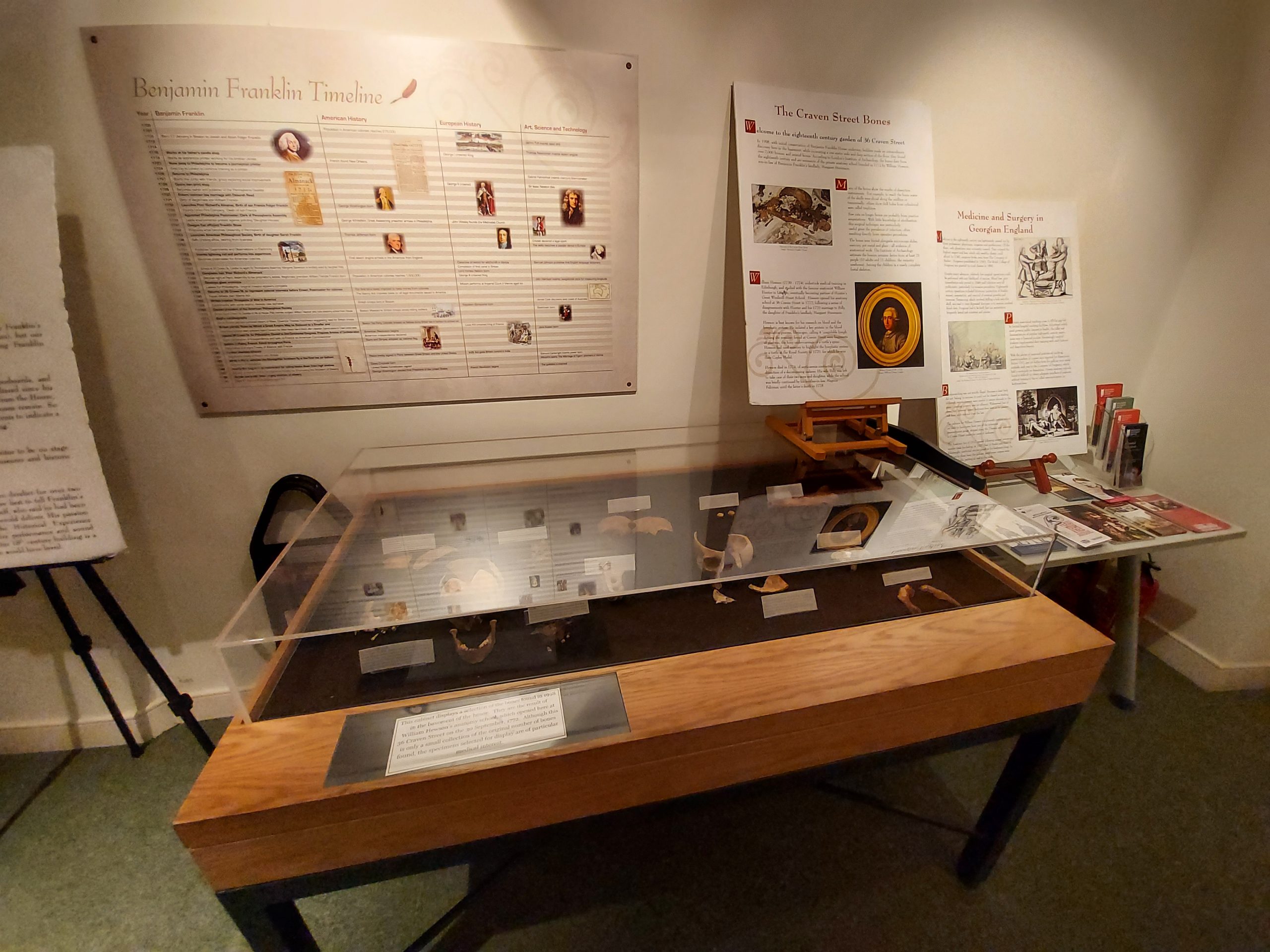
Human bones found during excavation

During the excavation, a number of human bones were found. It is believed that William Hewson, Franklin’s landlady’s son-in-law, was responsible for these remains: an early anatomist, he had been living in the house for two years and working in secret, as well as running an anatomy school. The basement is also where the kitchen is located, where food would be cooked for the landlady, her family and lodgers. The kitchen includes a recess built into the wall – historians aren’t certain what it is, but some believe it may have been a kind of early fridge.

sitting room
Sitting room

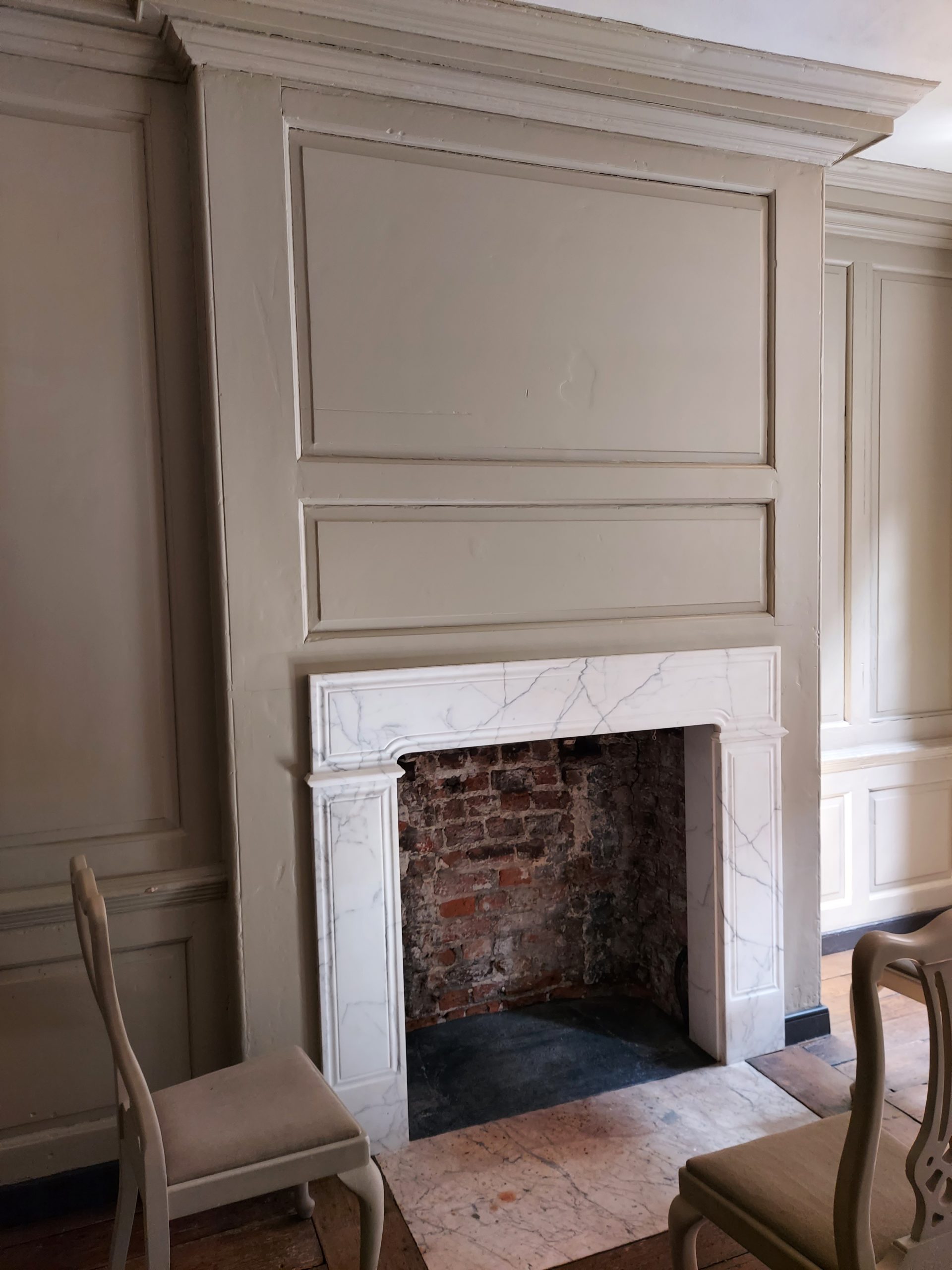
The ground floor was the main sitting room used by the family – as a valued and longstanding guest Franklin was also able to spend time here. The address gained a reputation as the ‘first American embassy’ as he used to invite statesmen and cultural figures to discuss events of the day. Many of the features in this room are original, such as the two-part window shutters, although parts of the fireplace are not. The floor slopes in places, being built on slightly uneven ground. On this floor, our guide also showed us the mechanism by which the door would have been kept shut by means of a chain.

window
Window featuring original shutters

Upstairs is the set of rooms inhabited by Franklin, although at the time it would have been one big room. He apparently used to ‘sunbathe’ naked with the windows wide open – luckily this was early in the morning so no one else would have had to see this sight. Franklin also used to go swimming in the Thames to keep fit – presumably the pollution levels were lower then than they would later become. The back of the house holds a key and kite display in honour of one of Franklin’s most famous experiments, and the fireplace contains a bust of Franklin, currently topped with a jaunty party hat.

large spacious room
Franklin’s room

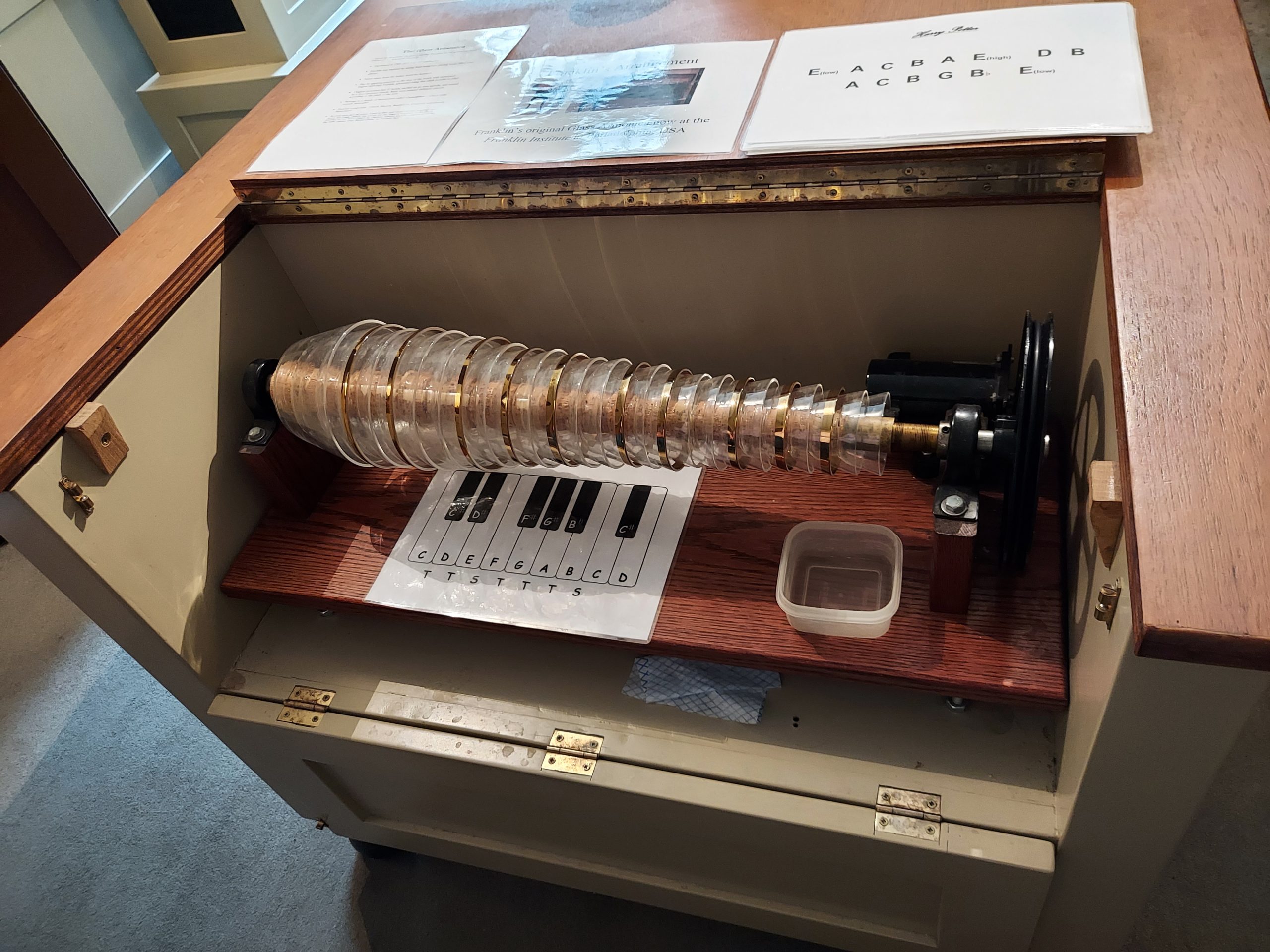
Above this were rooms used by the landlady, similar in style to Franklin’s below, while above this were rooms used by other lodgers. Today these rooms host educational resources, including Franklin’s own invented instrument, a glass harmonica.The tour was fascinating and I definitely plan to return for the Historical Experience.

glass harmonica
Glass harmonica

Noël Coward: Art & Style – Guildhall Art Gallery

entrance to Noel Coward exhibition

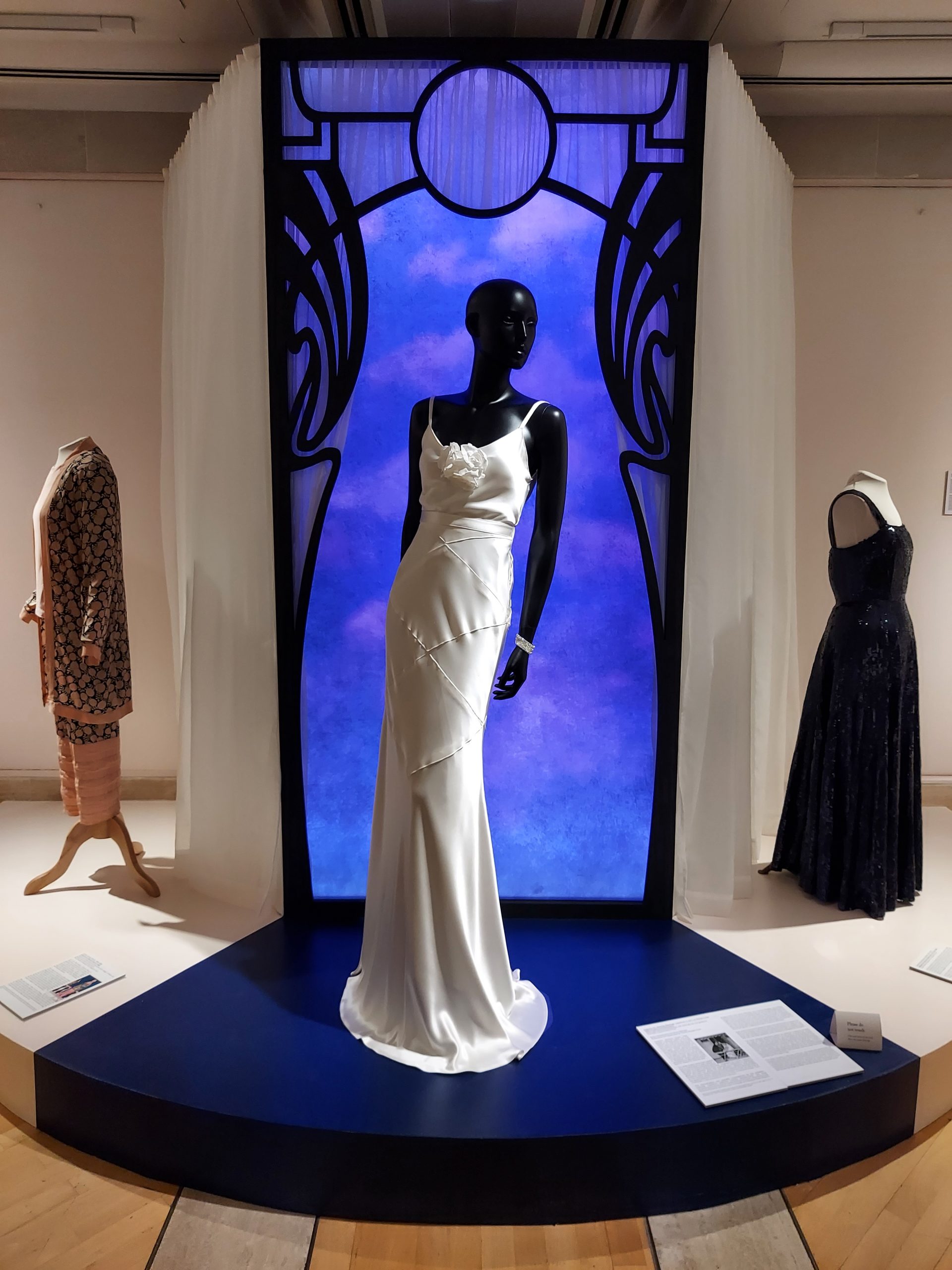
On the last day of my leave I decided to head to the Guildhall Art Gallery to see the Noël Coward: Art & Style exhibition. This free exhibition runs until December and focuses on the visual aspects of Coward’s style – his personal appearance, his various homes and also his stage shows. In the exhibition, dresses worn by actresses performing his work, outfits worn by Coward himself, and items from his personal collection are displayed.

black and white check dressing gown
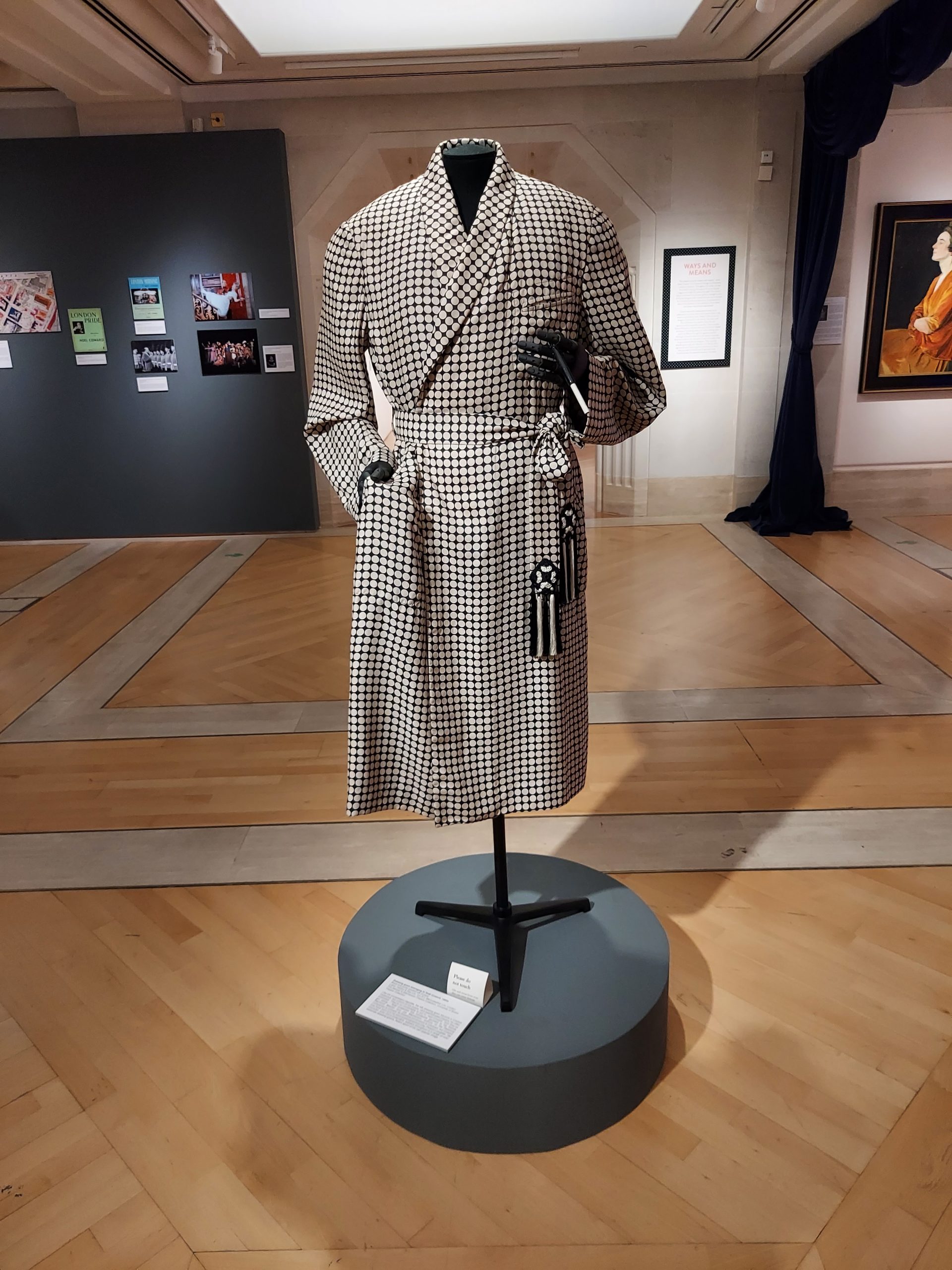
One of Coward’s famous dressing gowns

Coward was born in Teddington and grew up in a middle-class family. He performed on stage as a child and this gave him a taste for the theatre. Starting out as a song and sketch writer, Coward penned many musical revues and began to collaborate with artists, couturiers and designers including Cecil Beaton and Gladys Calthrop to create stylish looks for his shows.

30s dresses
Some of the beautiful dresses worn by female stars of Coward’s shows

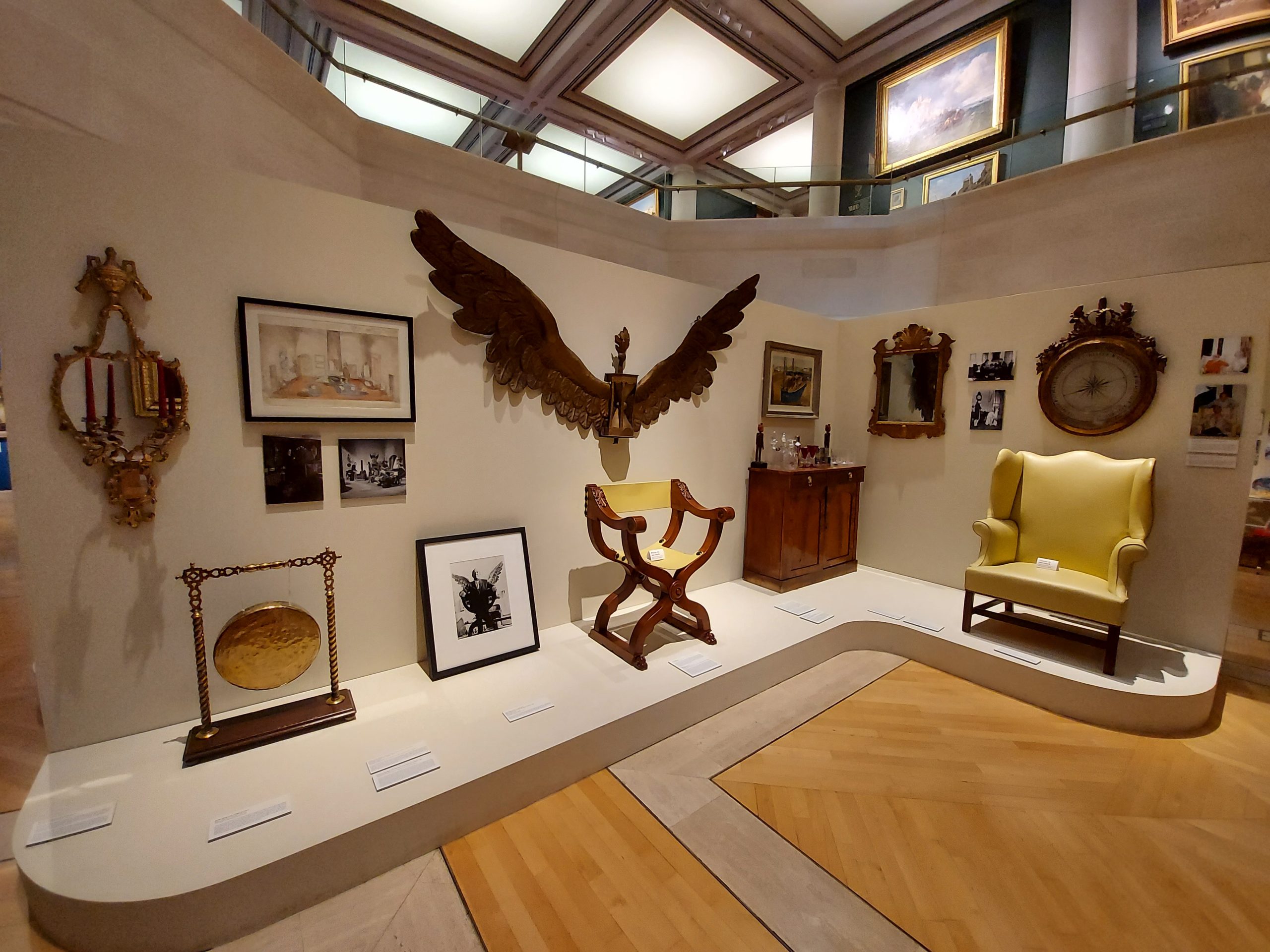
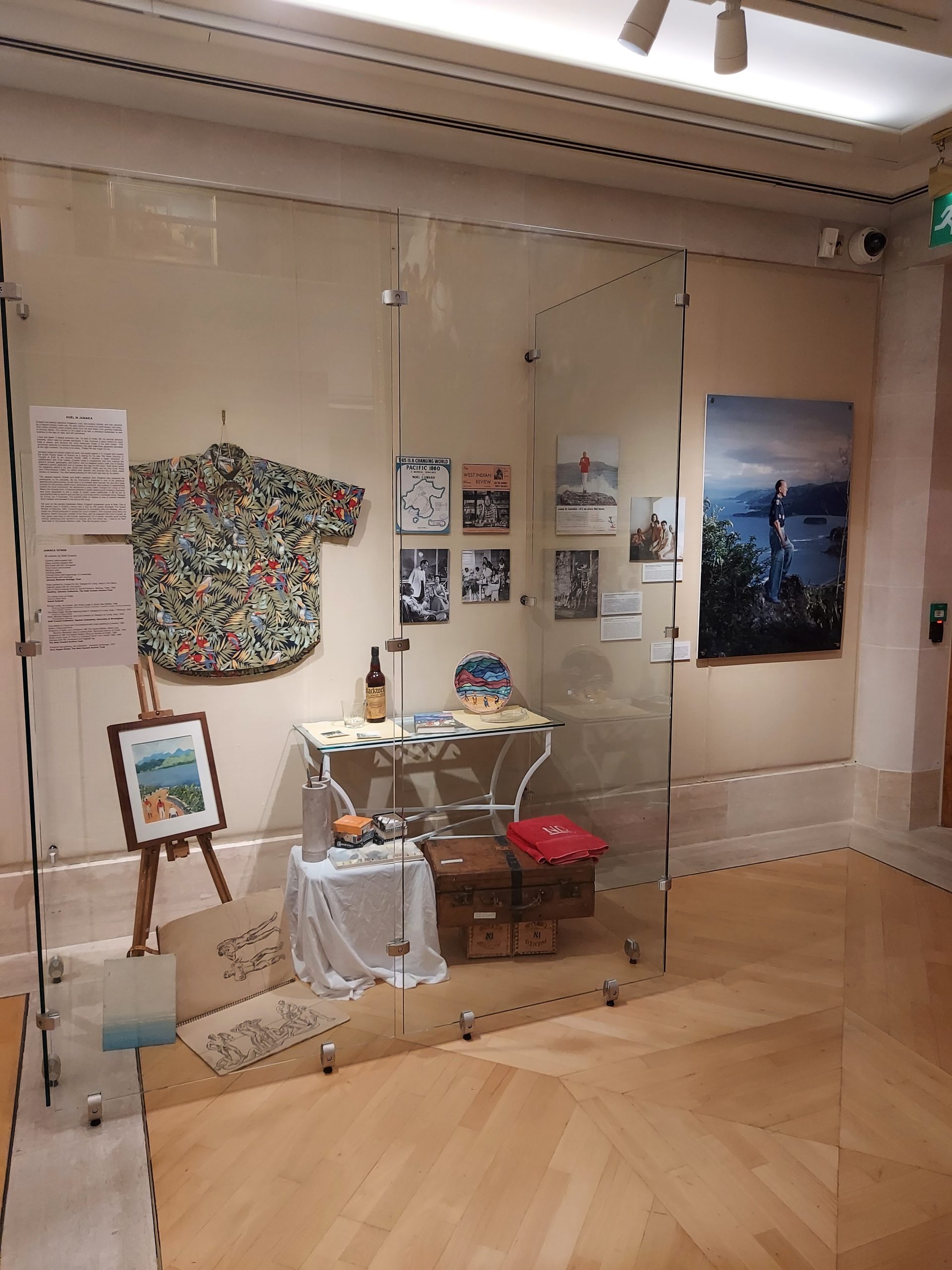
Aware of his public image, Coward perfected the art of appearing in promotional pictures in his trademark silk dressing gown. He was an amateur painter, and spent much of his relaxation time in Jamaica developing his style. He decorated his various homes in the UK and abroad with items that became instantly recognisable. In the exhibition, items themselves are displayed alongside photographs of Coward that feature them.

household items
Some of Coward’s favourite pieces of furniture

Even after Coward’s death, his popularity has remained and his works are constantly being reinvented and restyled. The costumes for the 2020 film adaptation of Blithe Spirit, for example, were inspired by Coward and his world.

household and clothing items
Clothing and household items used by Coward in Jamaica

This exhibition is fascinating and hugely detailed. The fact that it is free is fantastic – I would normally expect an exhibition of this calibre to charge an entrance fee. It’s worth seeing for any fans of Coward, or indeed any fans of 20th century style.

Alice: Curiouser and Curiouser – V&A

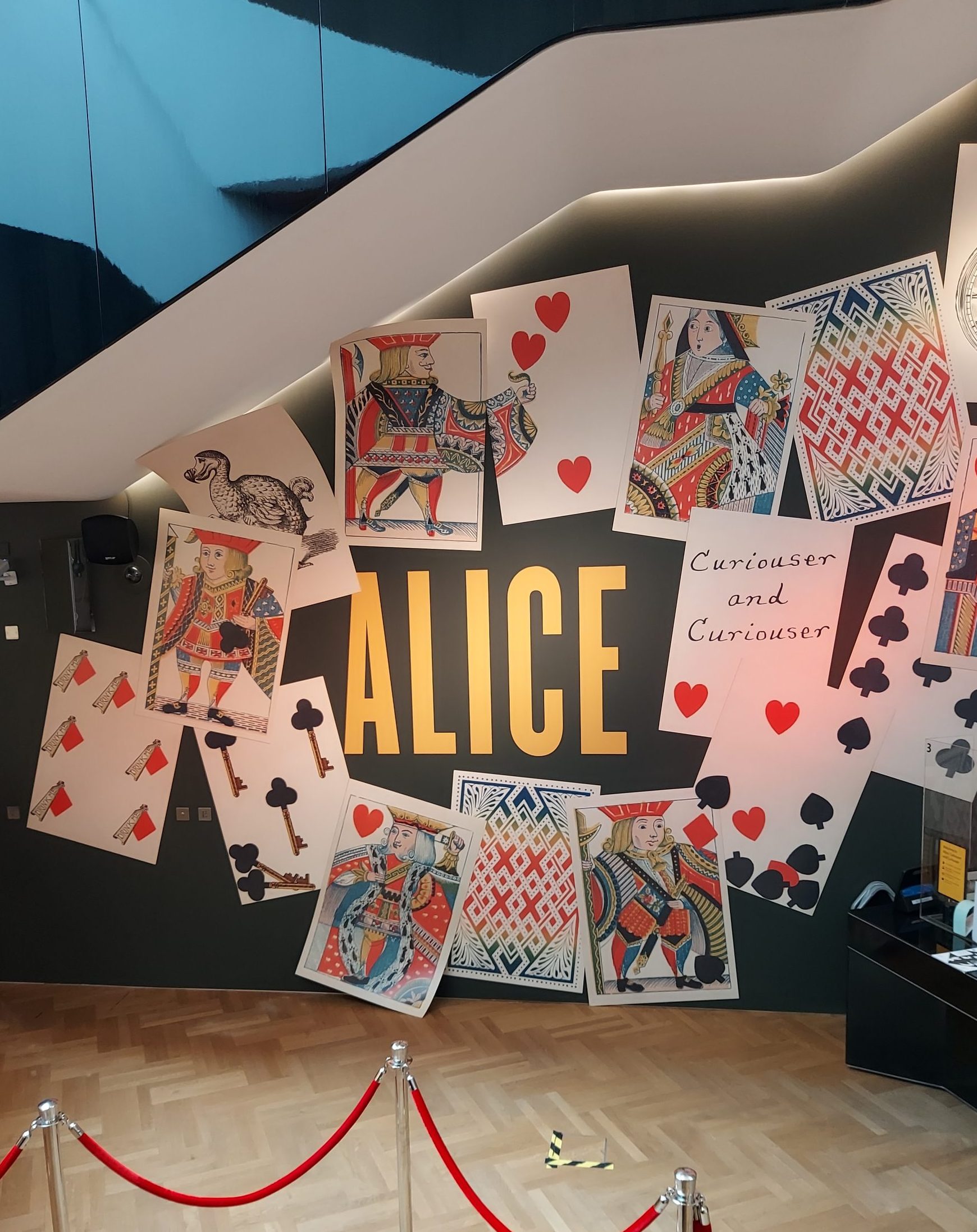
Alice exhibition entrance

Alice’s Adventures in Wonderland and its sequel, Through the Looking Glass, and What Alice Found There, are two of my all-time favourite books and I’ve loved them since I was a child. I was excited, therefore, to hear about the V&A‘s new exhibition, Alice: Curiouser and Curiouser. The exhibition looks at the story’s beginnings as a tale told by Charles Lutwidge Dodgson (aka Lewis Carroll) to the three daughters of the Dean of Christchurch one sunny day in Oxford, to its legacy in film, fashion, art, literature and the public imagination.

long table
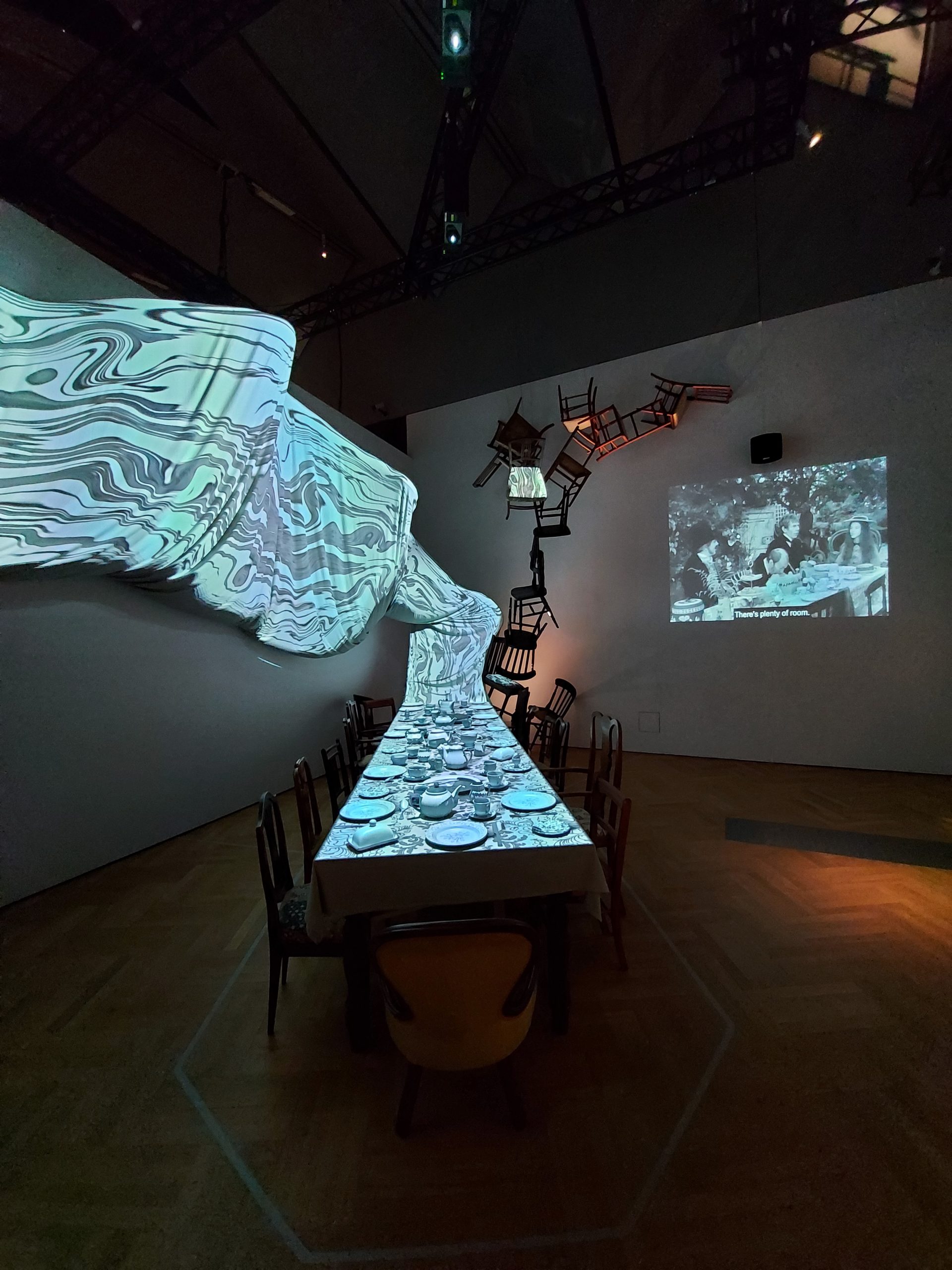
The Mad Hatter’s tea party with Jonathan Miller’s Alice film

The first room of the exhibition is devoted to the creation and initial reception of Alice, with pictures, manuscripts and photographs related to the original books. Some of my favourite exhibits were original drawings by John Tenniel, first illustrator of the published Alice, and photographs of Carroll and the Liddell children, particularly Alice herself who inspired the original tale. This section of the exhibition also incorporates contemporary Wonderland merchandise, such as a chess set.

film poster
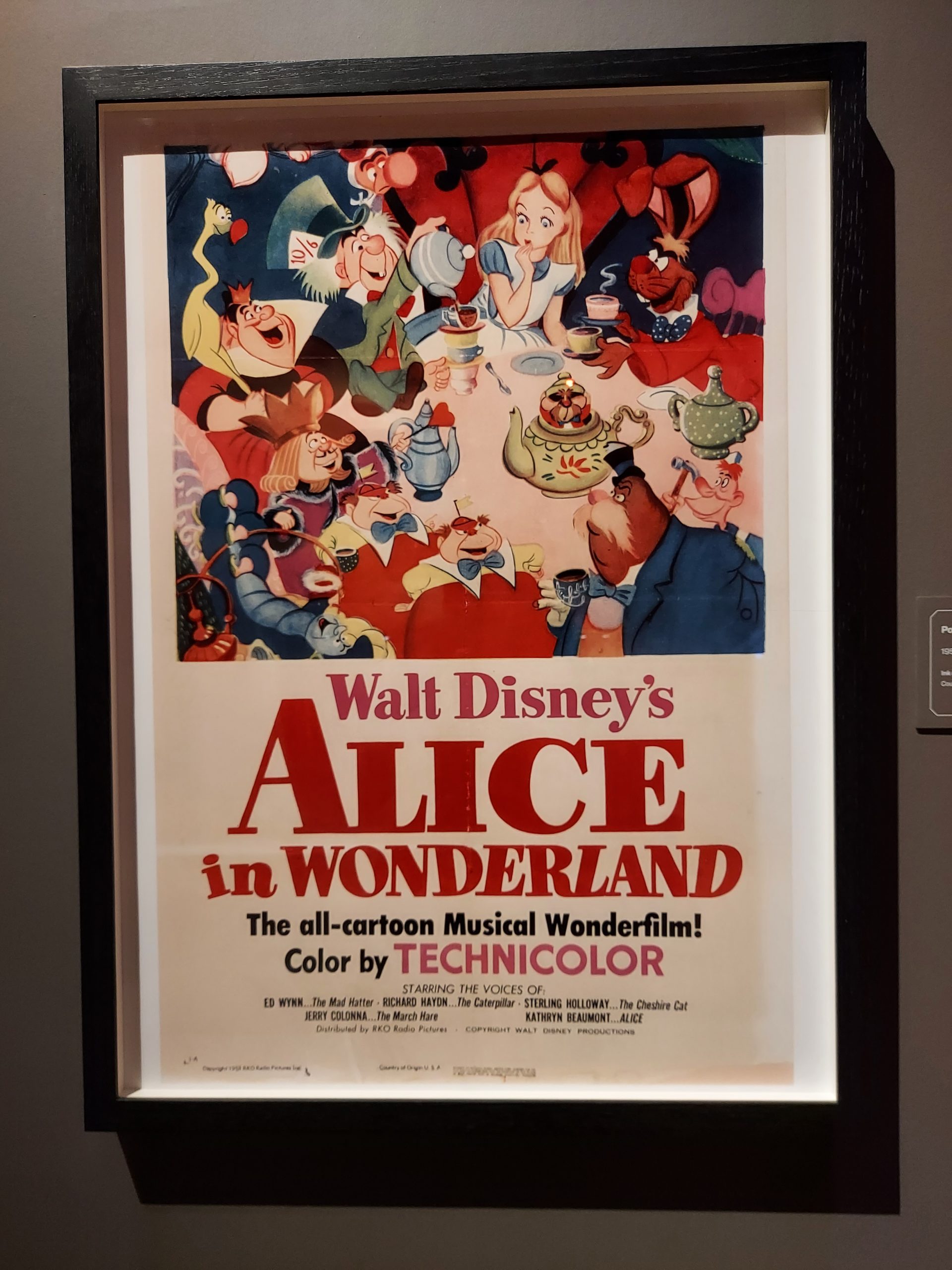
Poster for Disney’s Alice in Wonderland

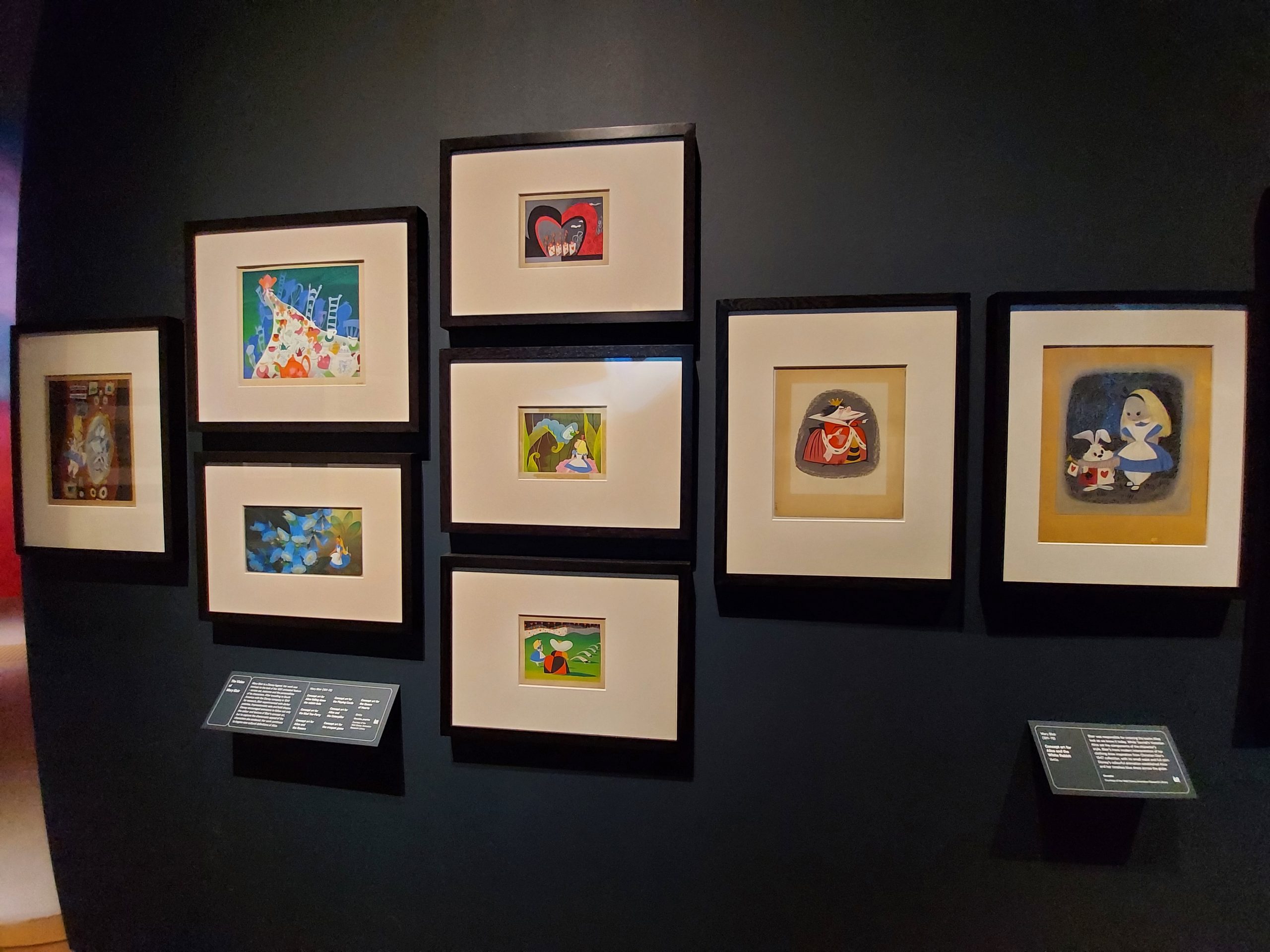
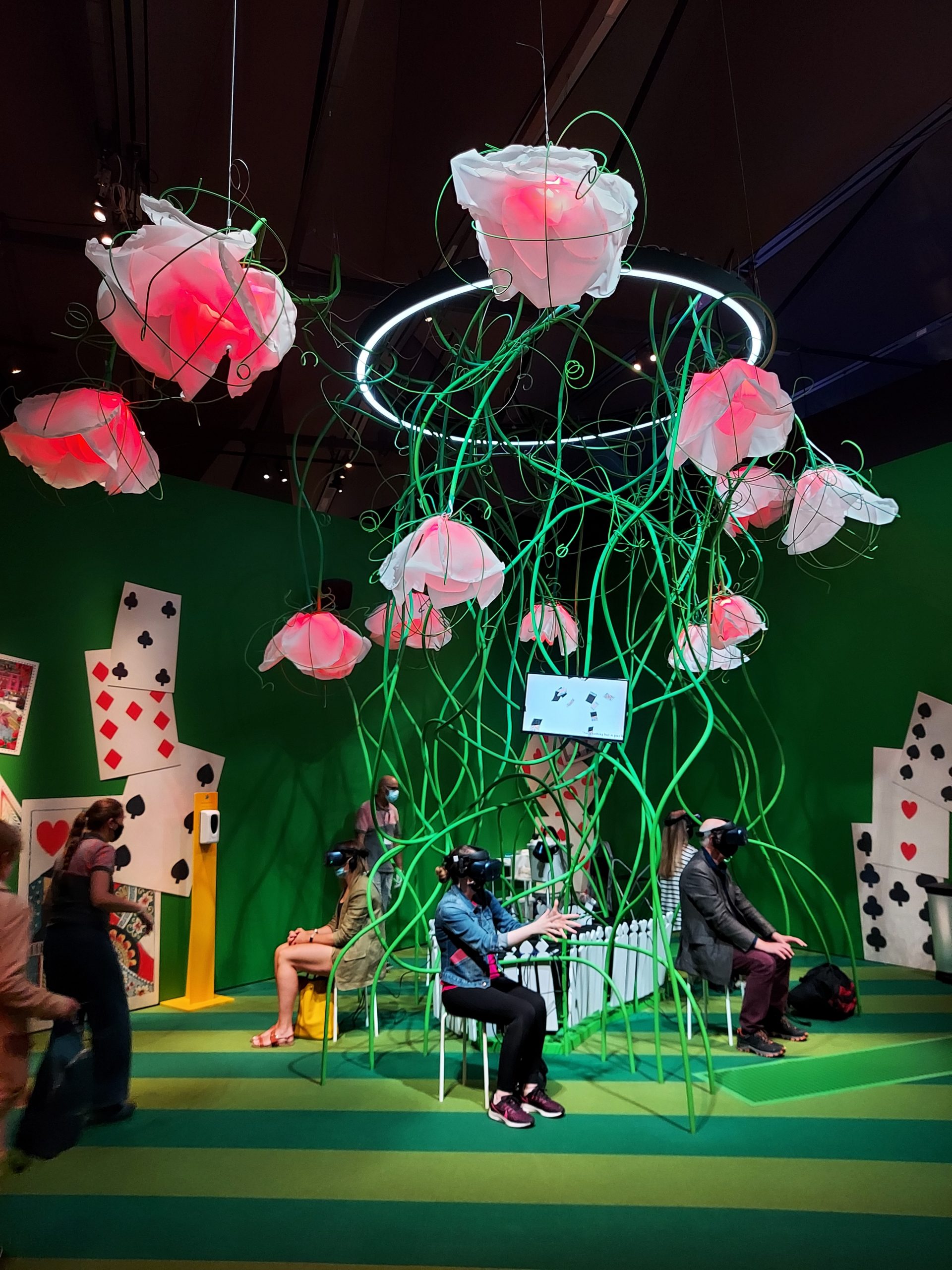
The exhibition then moves on to look at how Wonderland has been explored and interpreted over the last 150 years, making use of interactive exhibitions and beautifully staged sets. One room shows the Mad Hatter’s and March Hare’s tea party alongside clips from Jonathan Miller’s dreamlike adaptation from 1966. Another features an interactive virtual reality experience which lets you play croquet with the Queen of Hearts. A side room contains stills from Disney’s animated Alice in Wonderland – my favourite film adaptation – alongside works by Mary Blair which inspired the look of the movie.

film stills
Stills from the Disney Alice

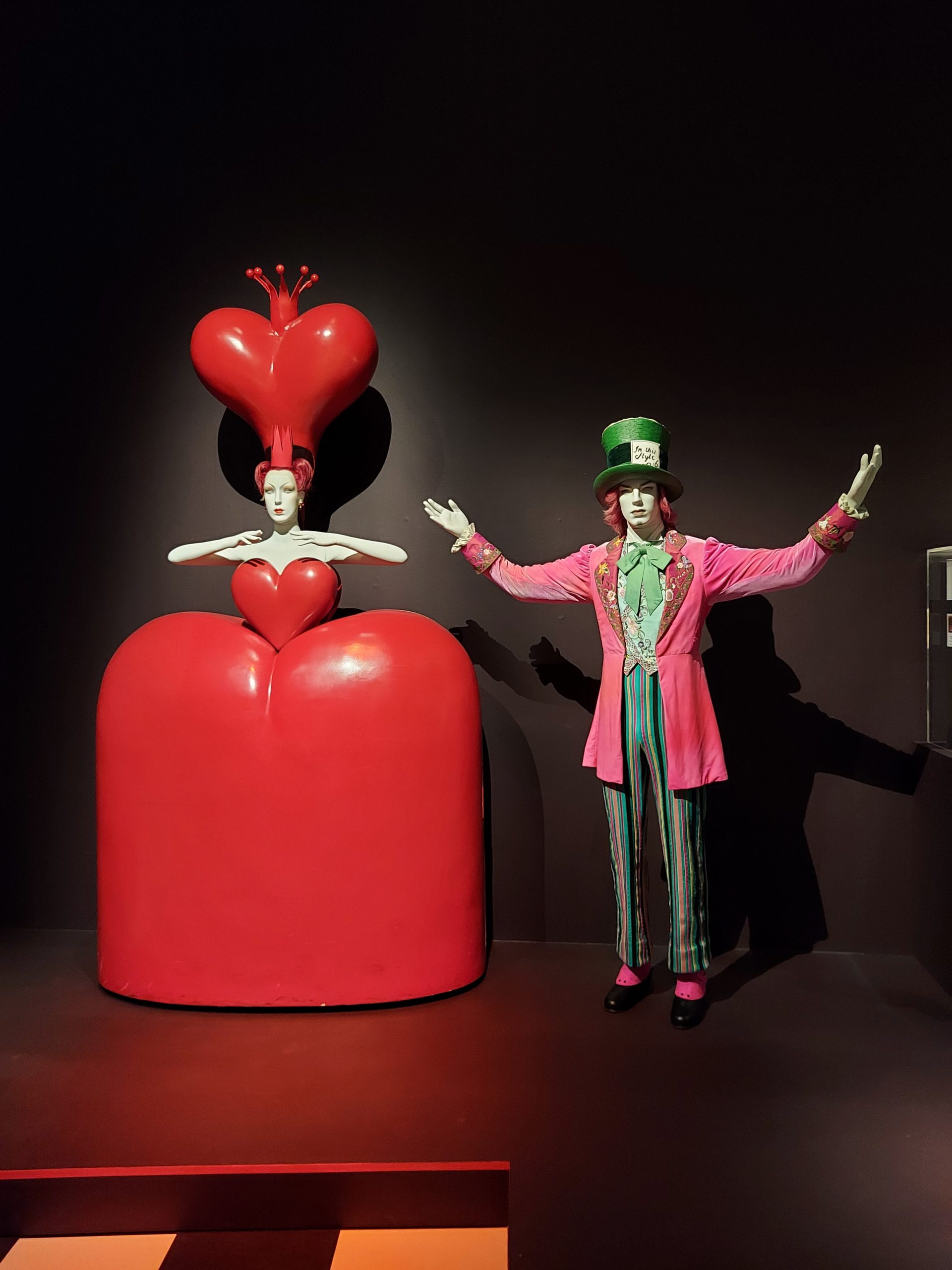
Later exhibits explore the inspiration of Alice’s look in modern fashion shoots, as well as stage adaptations such as the Royal Opera House’s recent ballet. The power and fascination of Alice and her world continues to inspire.

Queen of Hearts and Mad Hatter costumes
ROH costumes: the Queen of Hearts and the Mad Hatter

I loved this exhibition and it is a must-see for Alice fans. It is accessible to those who only know the main story but has plenty for those with a keener interest. Definitely recommended.

room with giant flowers and a VR set
VR experience

Unearthed: Photography’s Roots – Dulwich Picture Gallery

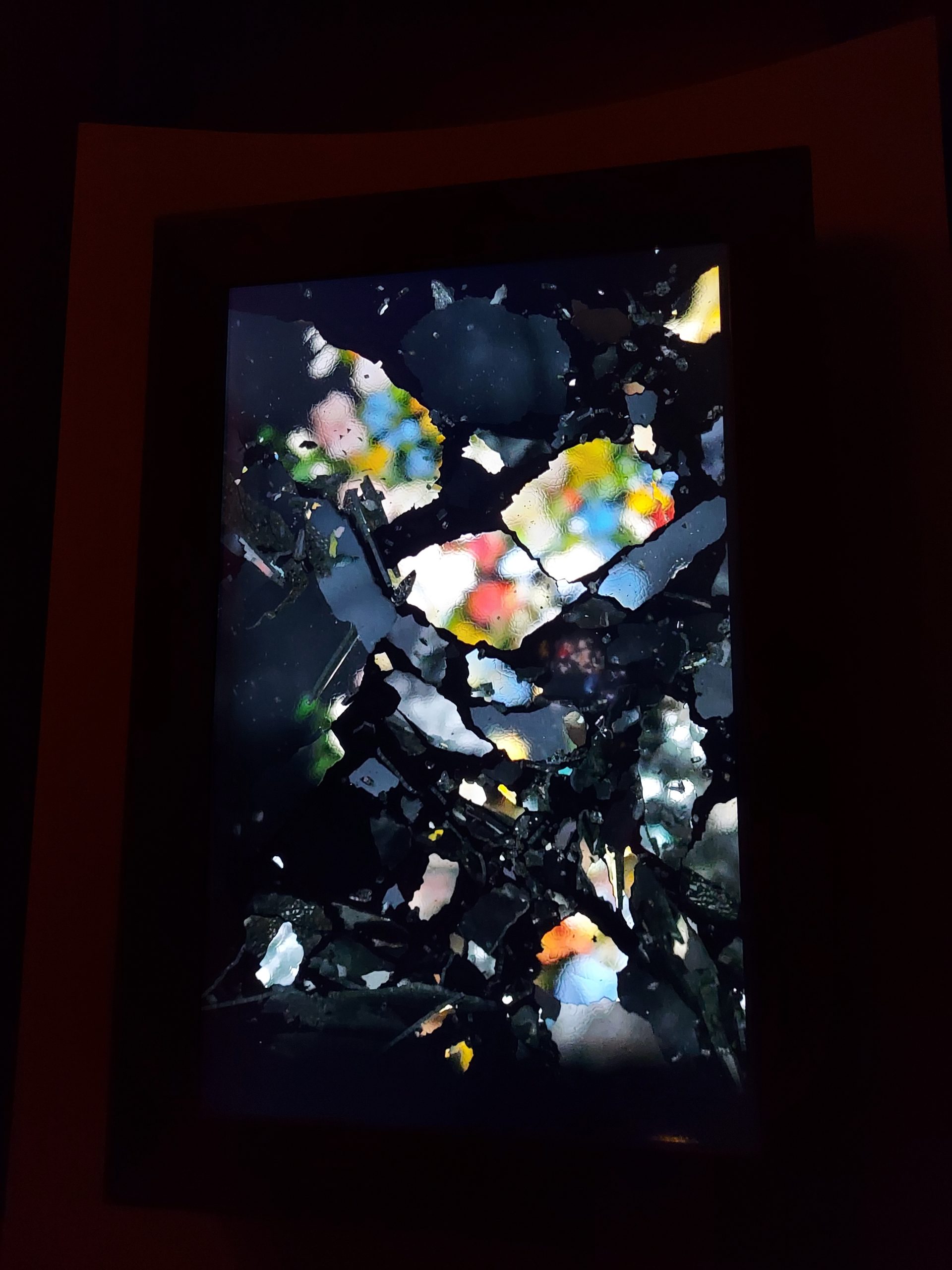
Crackling mirror effect
Ori Gersht, On Reflection

On the Wednesday of my day off work I headed down to Dulwich Picture Gallery to see their latest exhibition. Unearthed: Photography’s Roots was described as looking at the “pioneering story of photography from the 1840s to today told through stunning still lifes of plants and botany.” The exhibition began with Victorian still life pictures by early pioneers such as William Henry Fox Talbot and Anna Atkins. Most of these were of flowers and other plants – ferns were a popular choice, as these were a passion for many Victorians. Also on display were photographs by Japanese artist Kazumasa Ogawa and English gardener Charles Jones. Jones’ pictures were particularly interesting knowing the background behind them – they were discovered in a trunk at Bermondsey Market in 1981, 20 years after his death.

Later in the exhibition, more modern versions of still life pictures were displayed by the likes of Robert Mapplethorpe and Richard Learoyd, using many of the same techniques as the Victorian photographers. I definitely preferred the nineteenth century images, early photography being an interest of mine, but the later pictures had merit too.

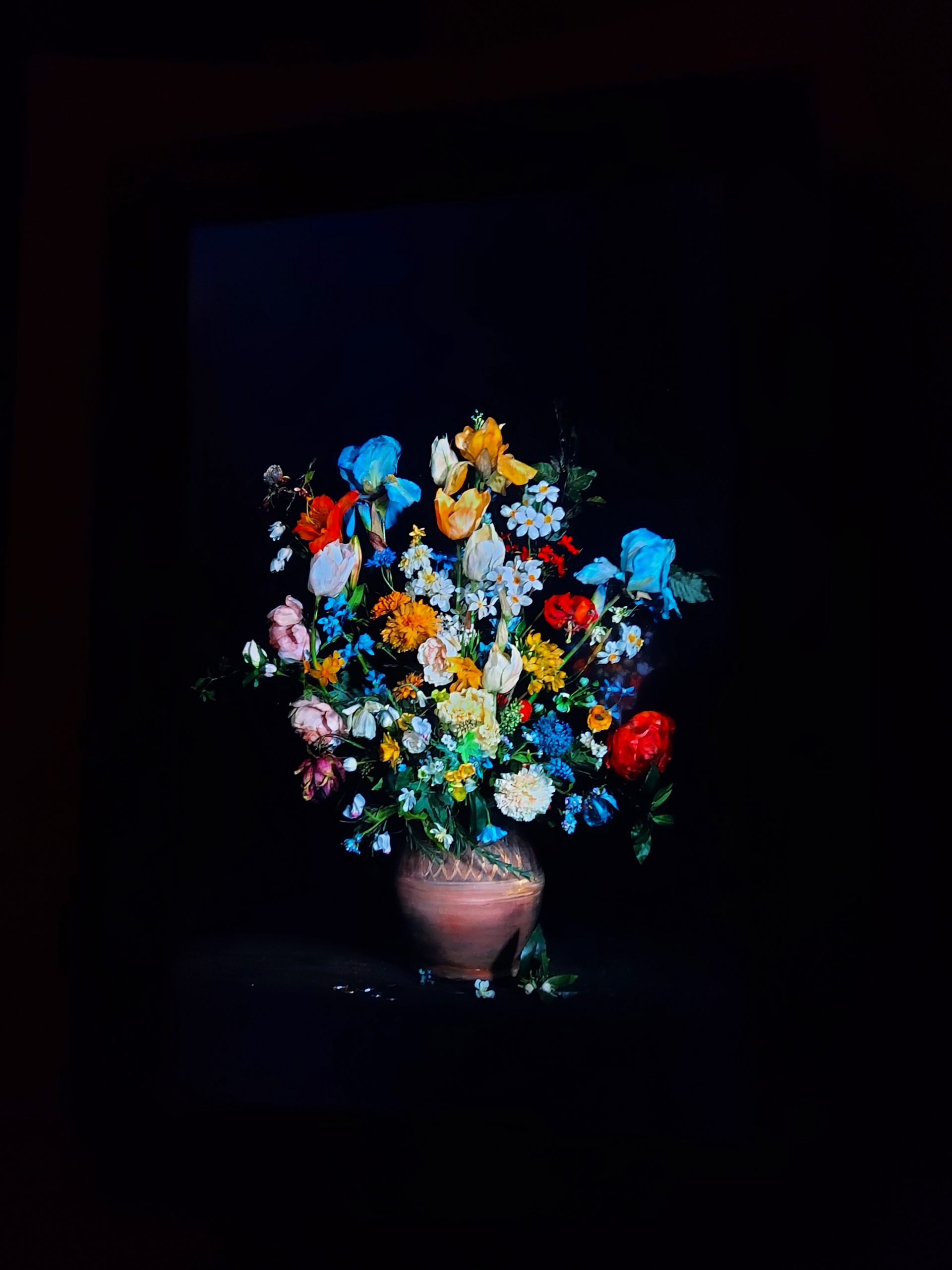
In the mausoleum, an installation from Ori Gersht was displayed, based on a still life painting by Brueghel the elder. It showed the painting ‘cracking’ like a mirror and coming back together, which was compelling to watch.

Photograph of still life flower bouquet painting
Ori Gersht, On Reflection

Oxford House Building and History Tour

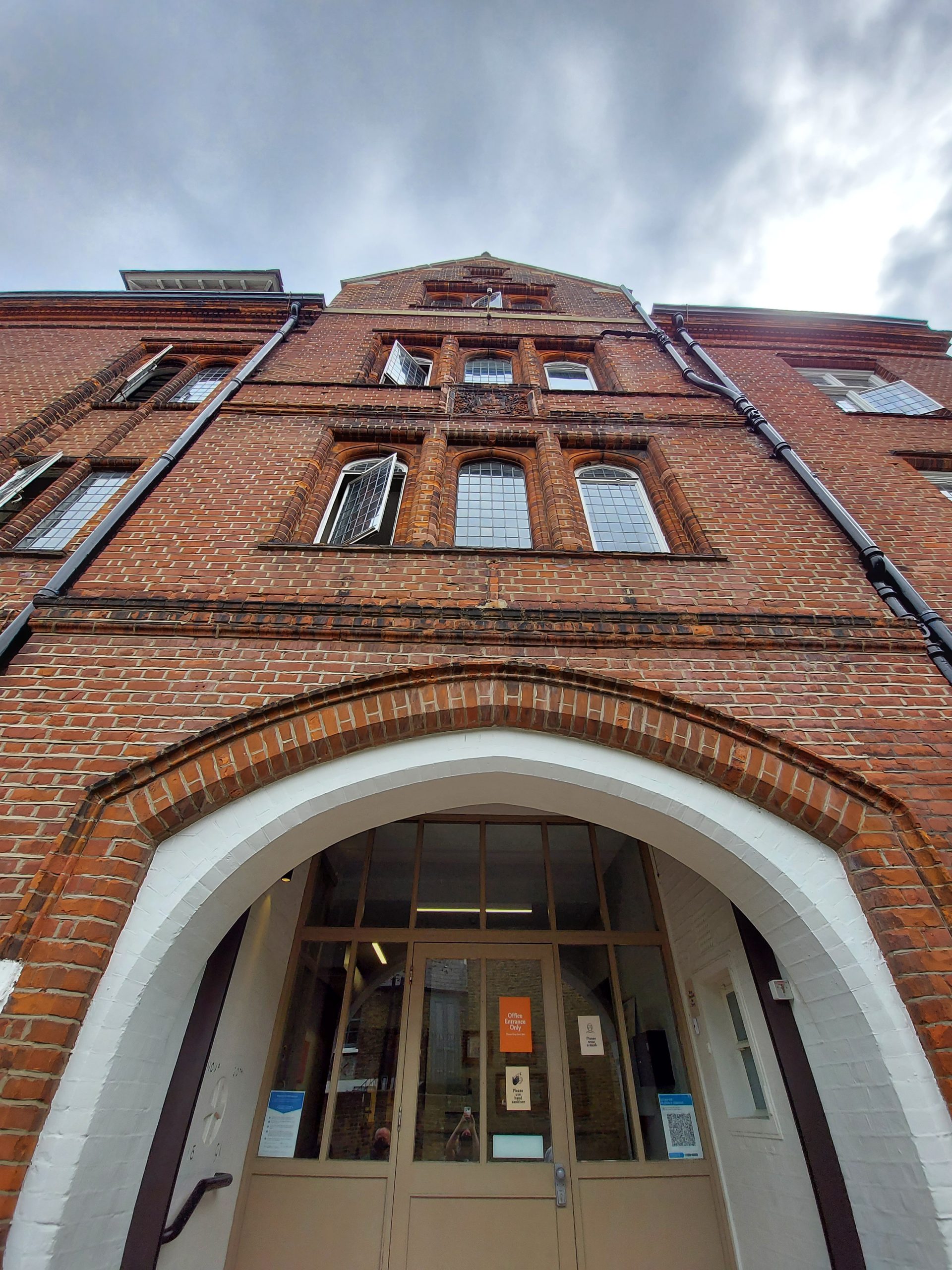
Oxford House
Oxford House
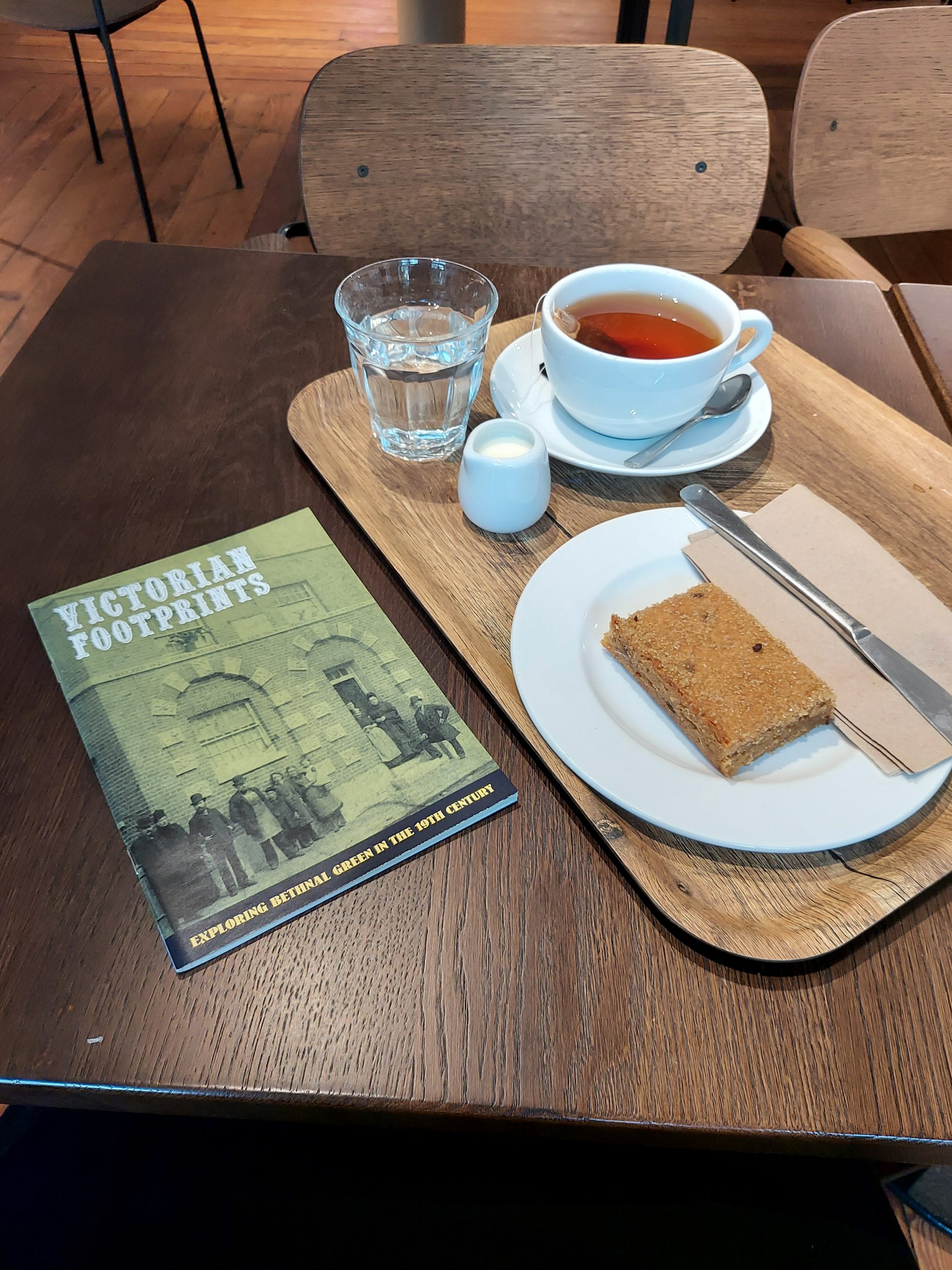
Coffee and cake
Relaxing in the cafe

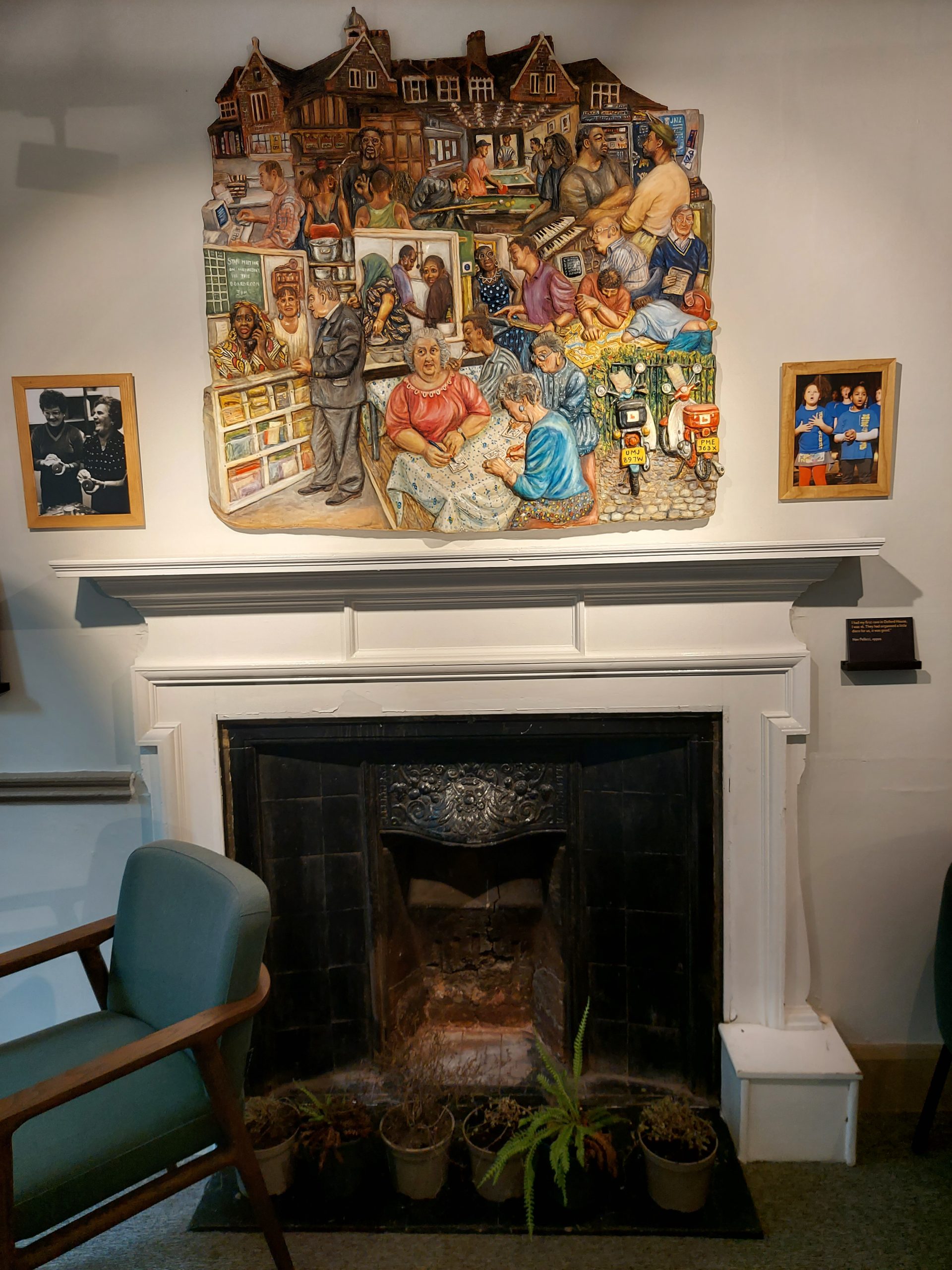
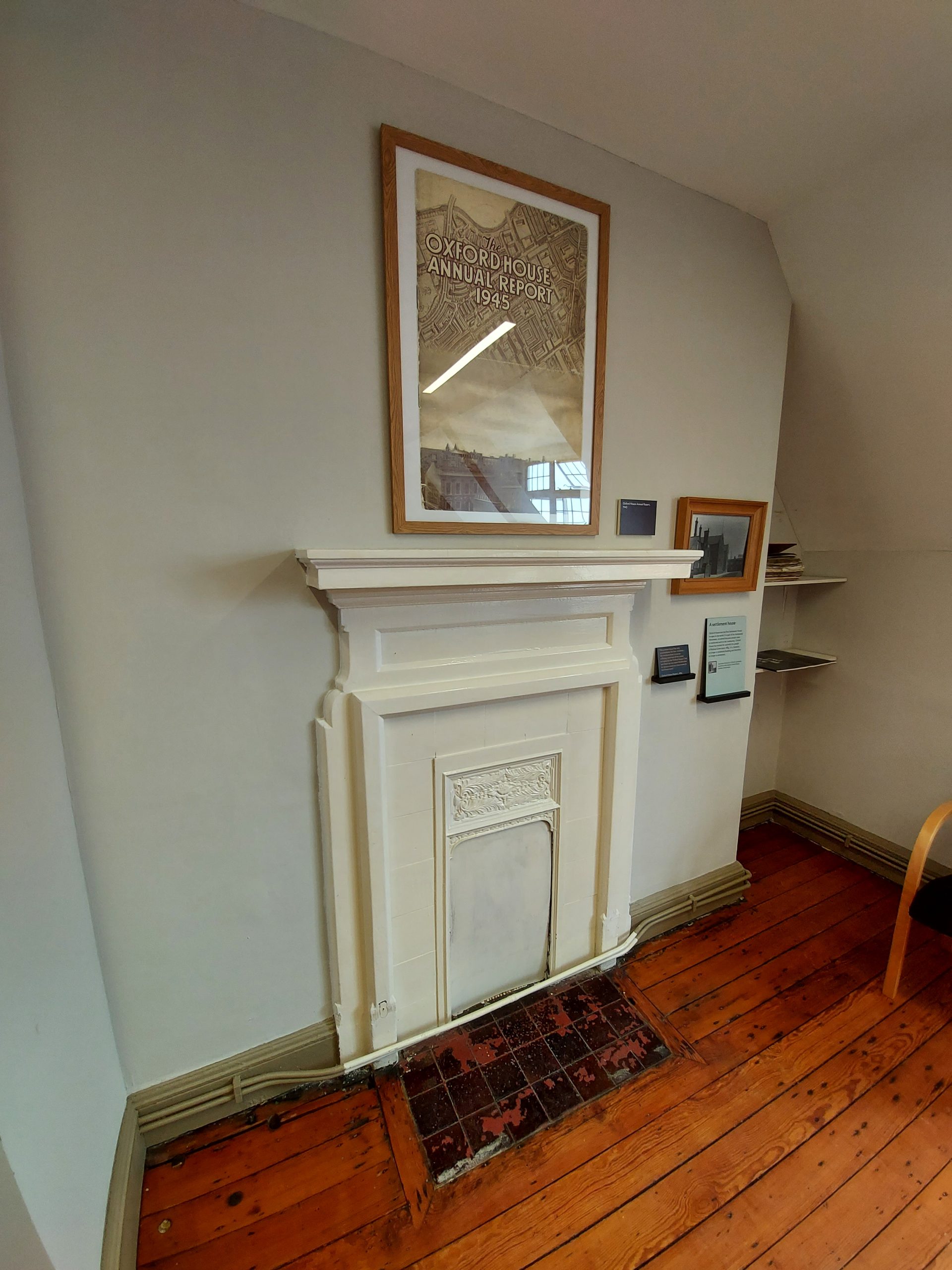
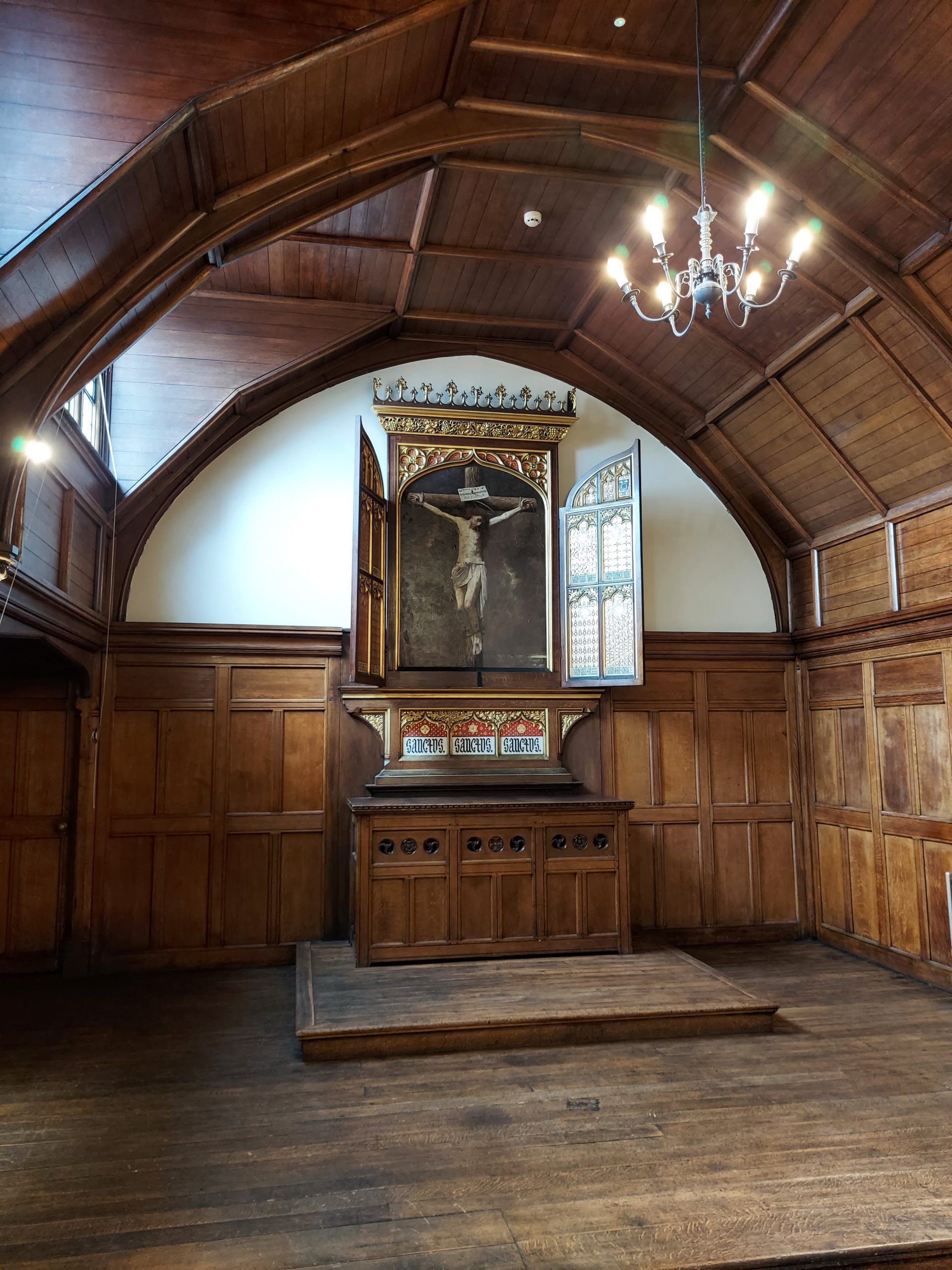
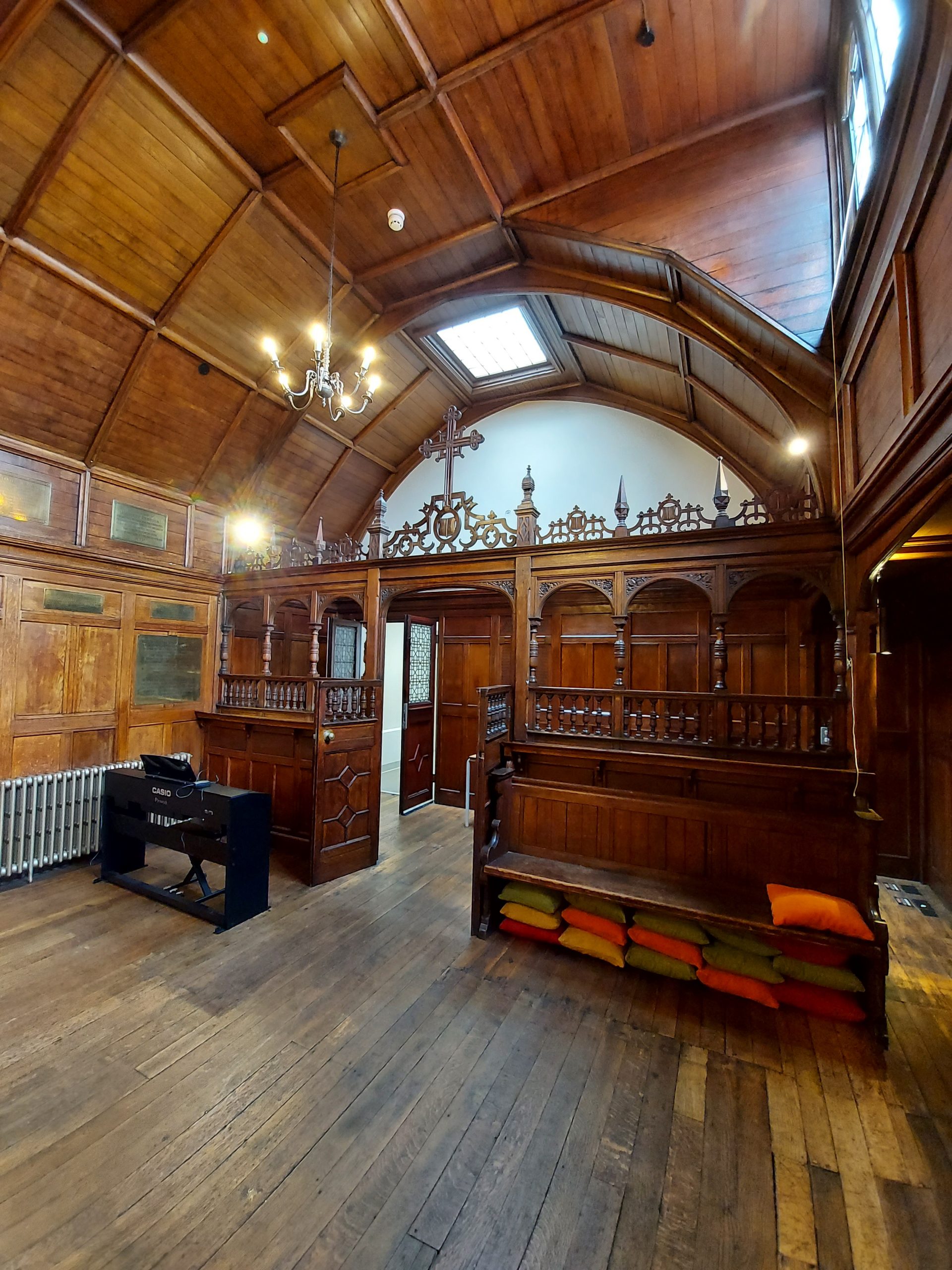
On my second day off I’d booked a tour of Oxford House in east London. Located in Bethnal Green, this building originally opened in 1884 as a settlement house. Such houses were common in the Victorian era, designed for well-off students to experience living in a poorer area and working for the betterment of society. Unlike the nearby secular Toynbee Hall, Oxford House was planned as a religious house, with a chapel inside. Students from Keble College, Oxford would live in, holding prayer meetings and taking classes in and around the House.

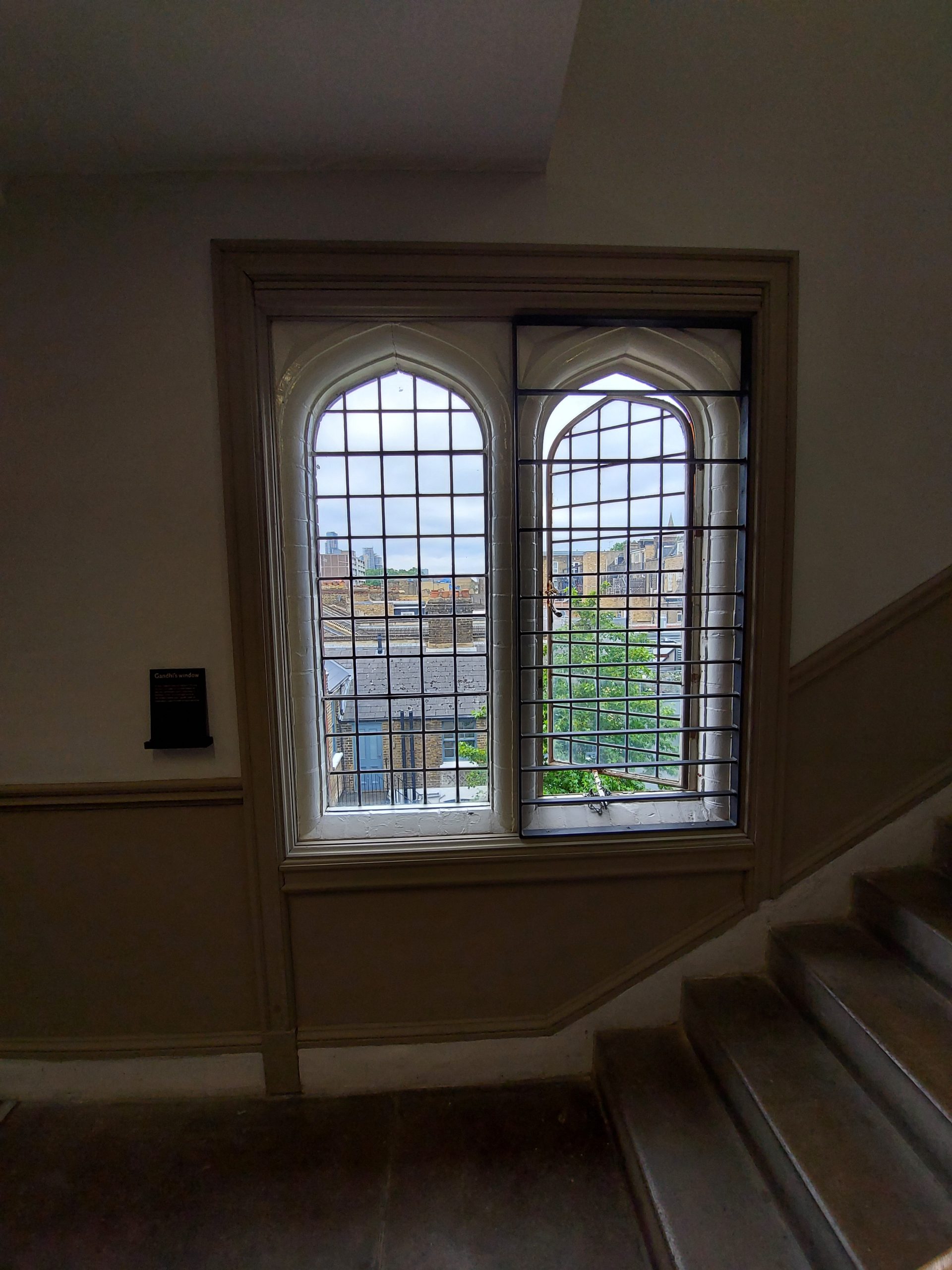
In later years, there were more efforts to ensure that the people running the House were part of the community. During World War II it became a house for pacifists and conscientious objectors; in 1935 Gandhi, on a tour of the UK, visited and made an impromptu speech out of a window. In later years, Oxford House was popular with the Somali community – many people remember the delicious food cooked by the Somali women in charge of the kitchens – and was host to groups such as the Lesbian and Gay Christian Association. Oxford House is now a community and arts centre, and seeks to remain part of the community it has served for over a century.

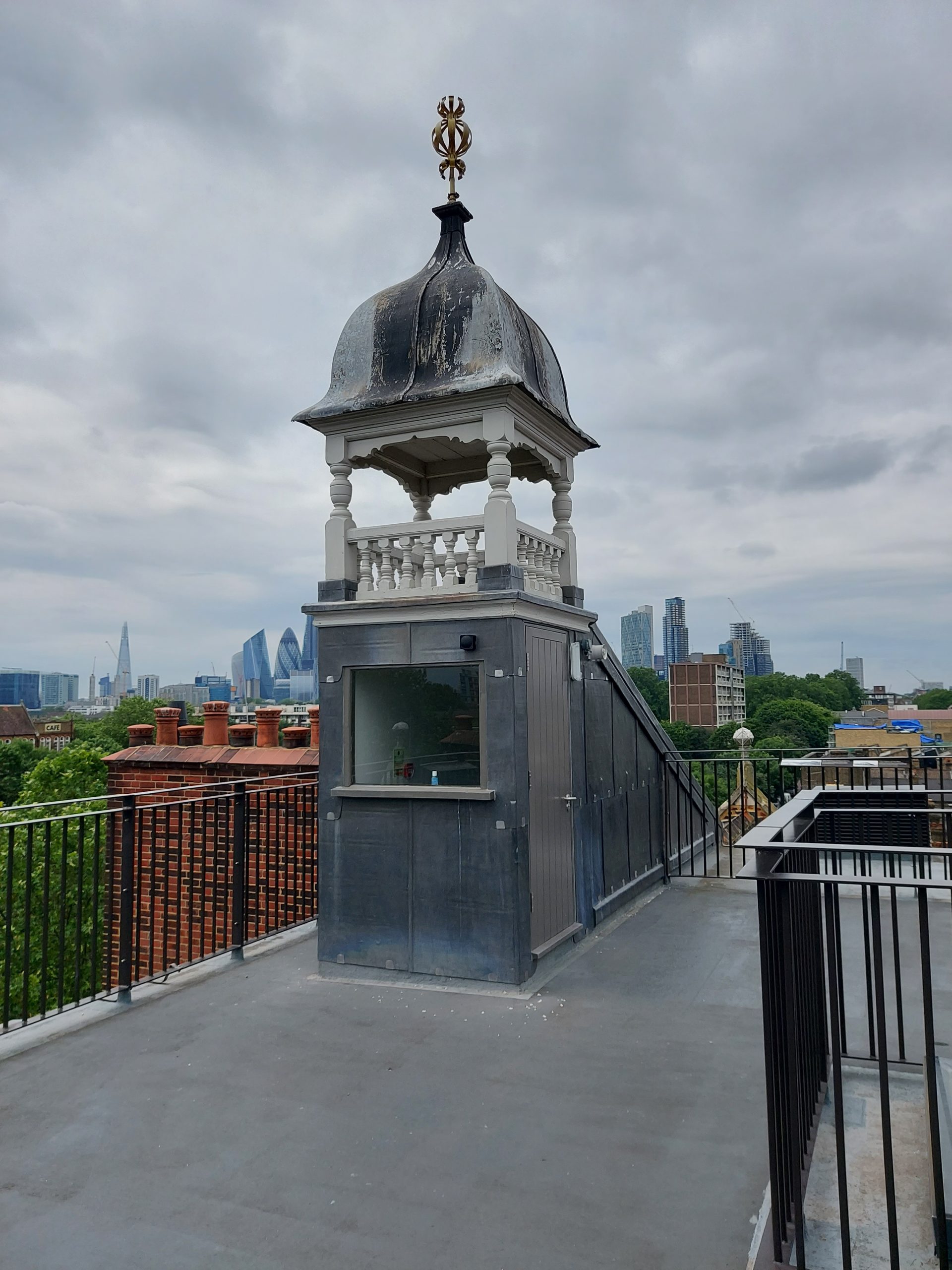
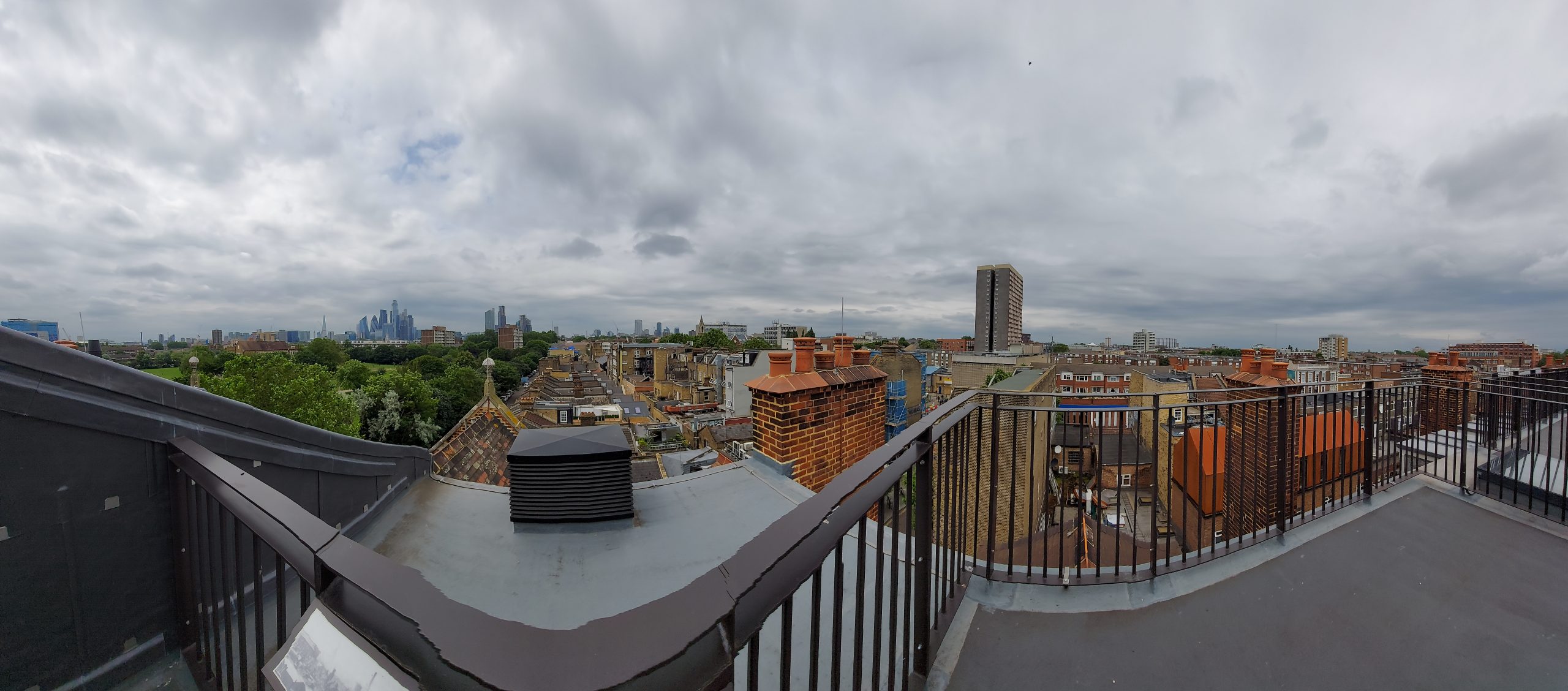
On the roof of Oxford House
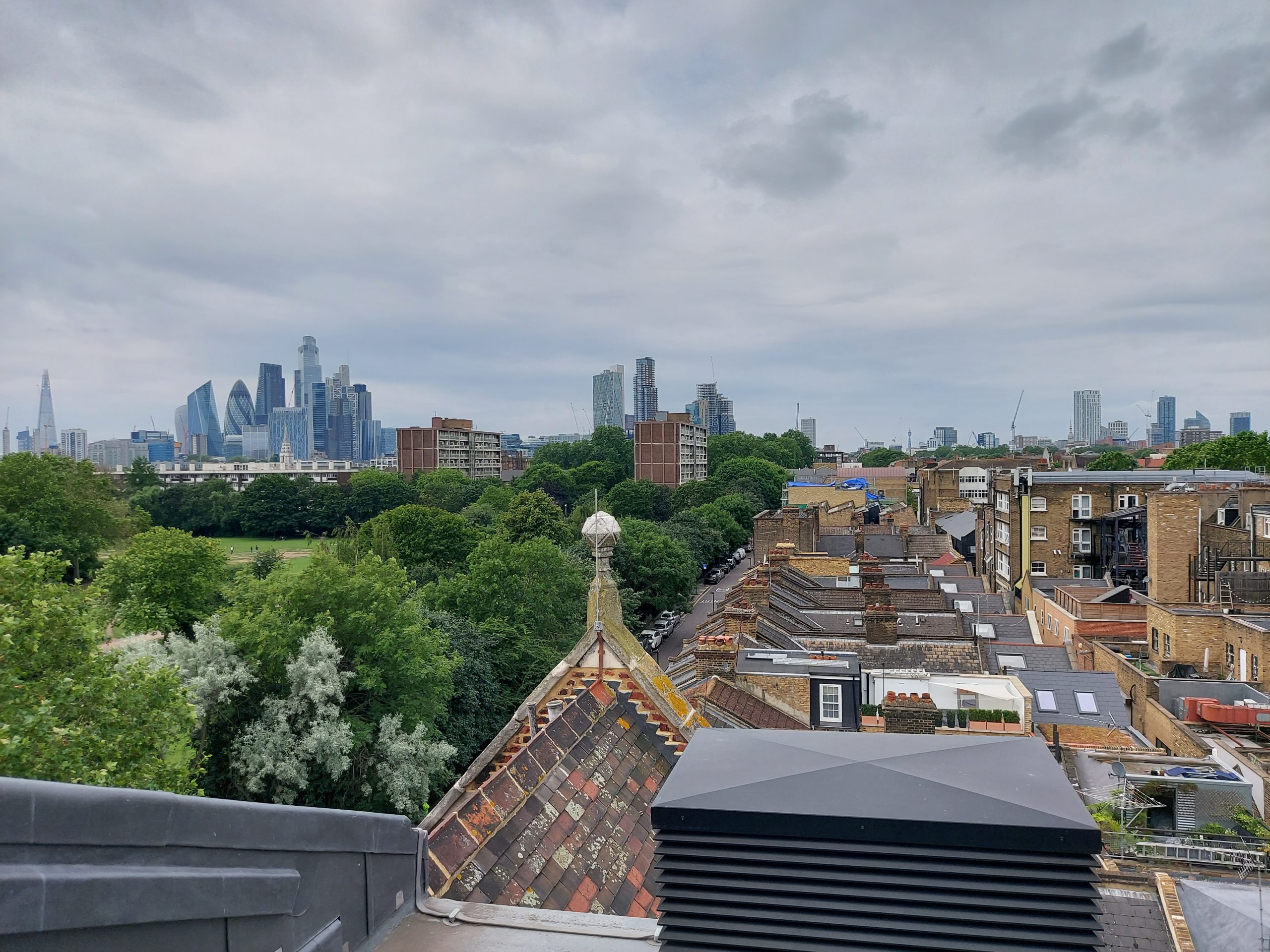
The view from Oxford House

At the end of the tour we got to visit the roof, which offers impressive views over east London. It’s not usual to see London from up high in this part of the city, and I really enjoyed the experience.

Panoramic picture from the roof