Jarrow Hall

I visited Jarrow Hall, formerly Bede’s World, in spring. I think I might have visited before in the dim and distant past, but I can’t remember anything about it.

The attraction’s full name is Jarrow Hall Anglo-Saxon Farm, Village and Bede Museum. It sits alongside St Paul’s Church and Monastery which I also visited, forming part of the twin monastery of Wearmouth-Jarrow. Built in 681 AD, the location was home to the venerable Bede, a famous medieval scholar and monk.
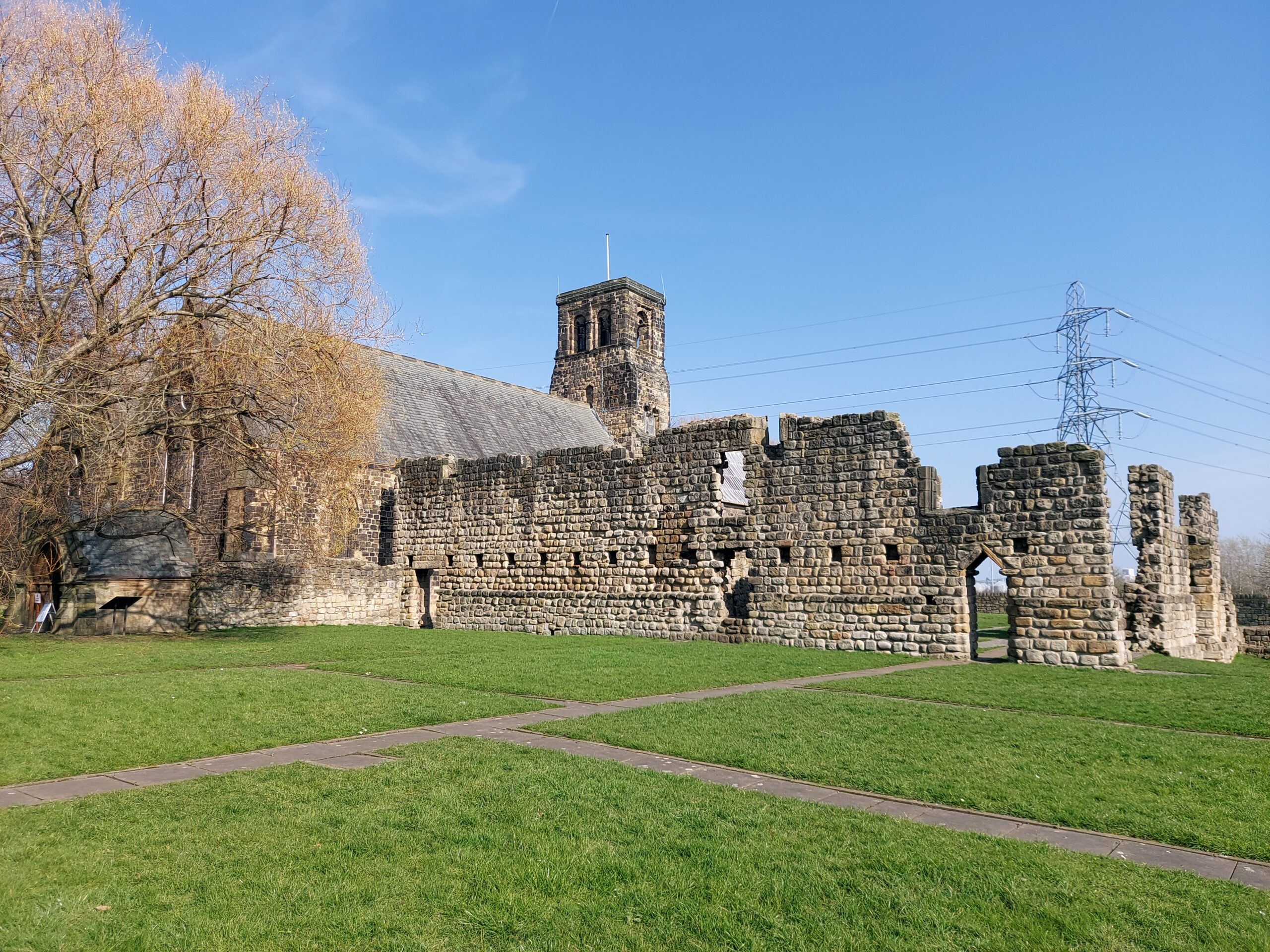
St Paul's Church and Monastery

I started my visit by exploring the Bede Museum. The museum tells the story of Bede and his time, alongside the wider Anglo-Saxon period. Known as ‘the father of English history’, Bede was an author, scholar, linguist and translator who also composed works on astronomical timekeeping and the motions of the sun, Earth and Moon. His most famous work is The Ecclesiastical History of the English People, which helped to develop an English national identity.

The museum contains artefacts from the location and period, including Europe’s largest collection of coloured glass from the 7th and 8th centuries, as well as stonework, tools and other artefacts. It contains the Abbadia Reliquary and a full-sized reproduction of the Codex Amiatinus, the oldest complete Latin bible in existence.
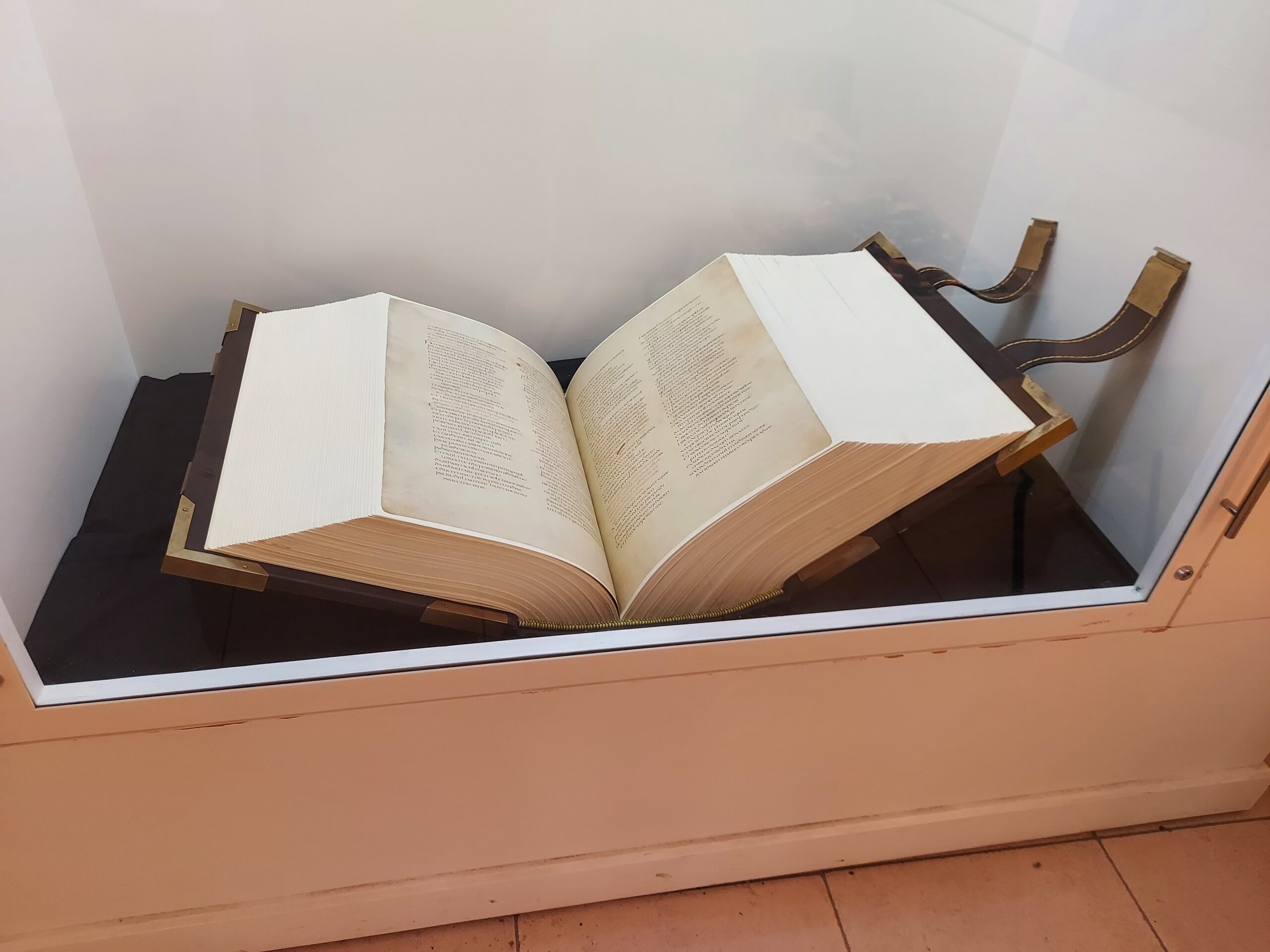
Codex Amiatinus

I also wandered around the Anglo-Saxon farm, which features primitive and rare-breed animals close to those that would have been around in Bede’s time. These include Cheviot goats, Iron Age pigs, Dexter bullocks and primitive sheep. Some of the animals were taken in as rescues. Alongside the farm there is a reproduction Anglo-Saxon village, based on excavations carried out in Northumberland. Thirlings Hall represents a large, high-status hall, while the Monastic Workshop cell would have been used for praying and reading, and the Grubenhaus would have been used for grain storage, weaving and sleeping.
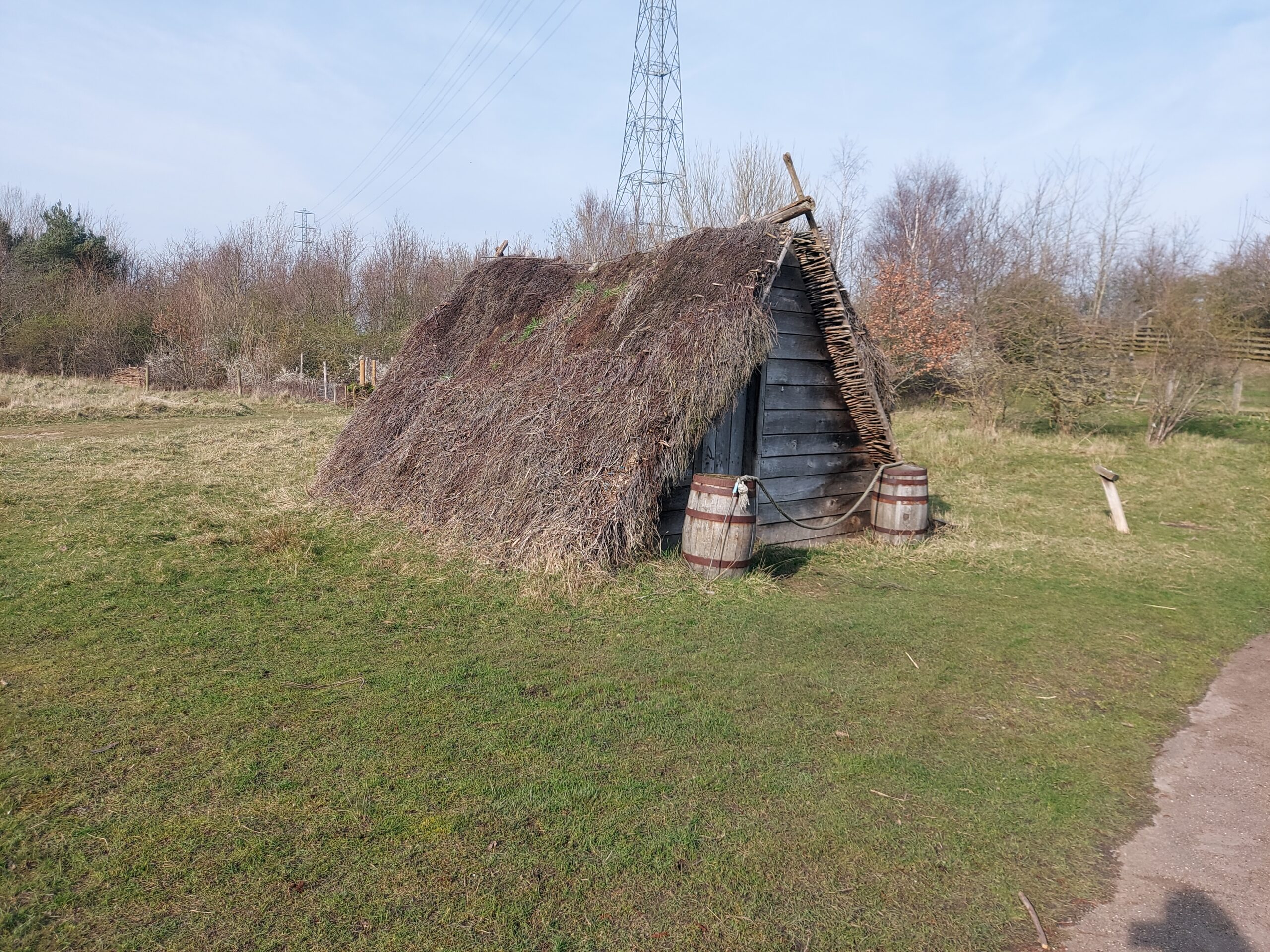
Anglo-Saxon Village

Jarrow Hall is definitely worth a visit for anyone interested in history. The animals are also lovely to see. Tickets are valid for twelve months after purchase, so you can make repeat visits.
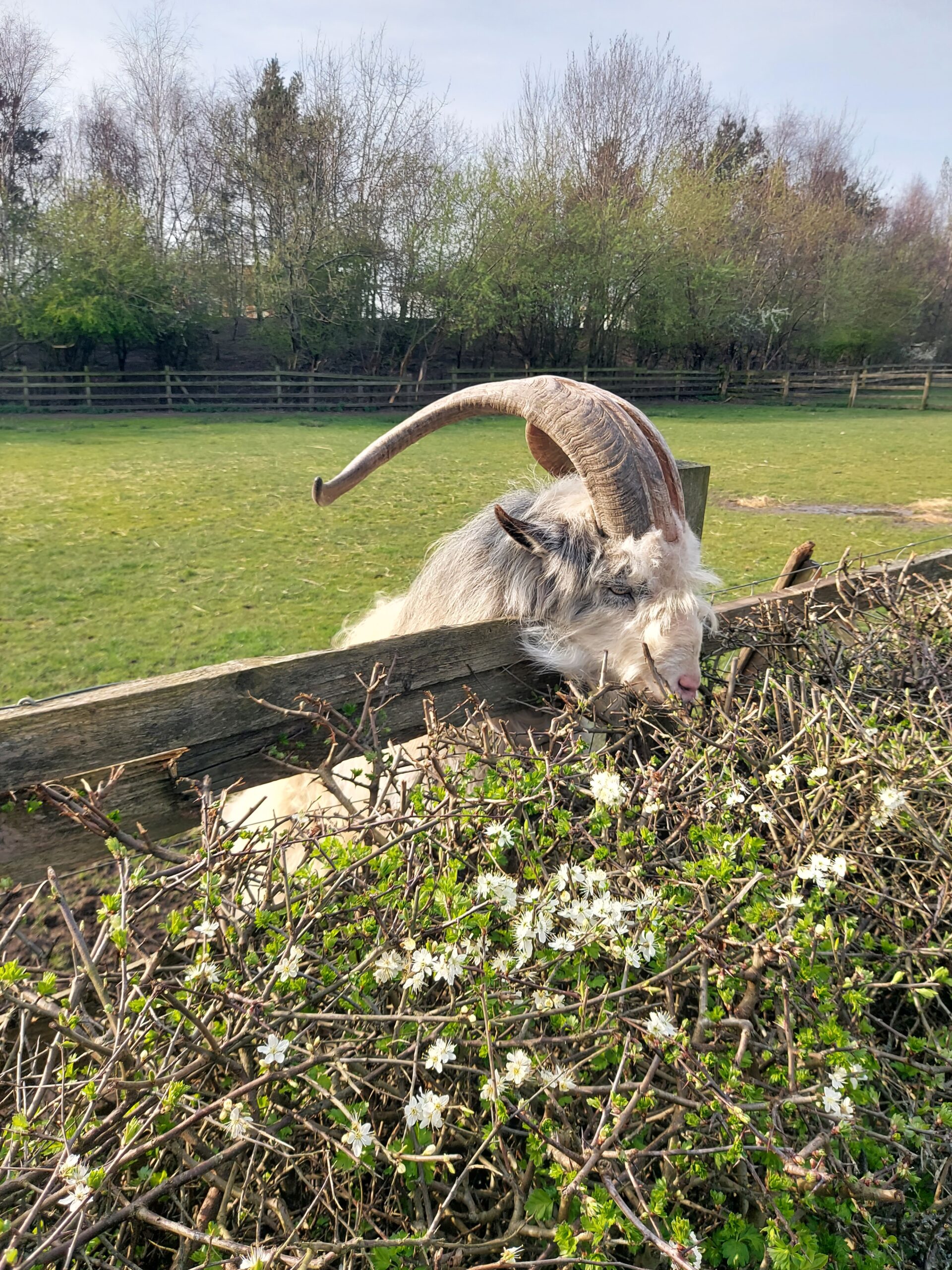
Goat

FACTS

Address: Jarrow Hall, Church Bank, Jarrow, South Tyneside, Tyne and Wear, NE32 3DY

Website: jarrowhall.com

Opening Hours: School holidays – Tues-Sun 10am-4pm; Term time – Thurs-Sun 10am-4pm.

Price: Adult £11.50, Concession £10.50, Child £8.50. Tickets offer unlimited access for 12 months.
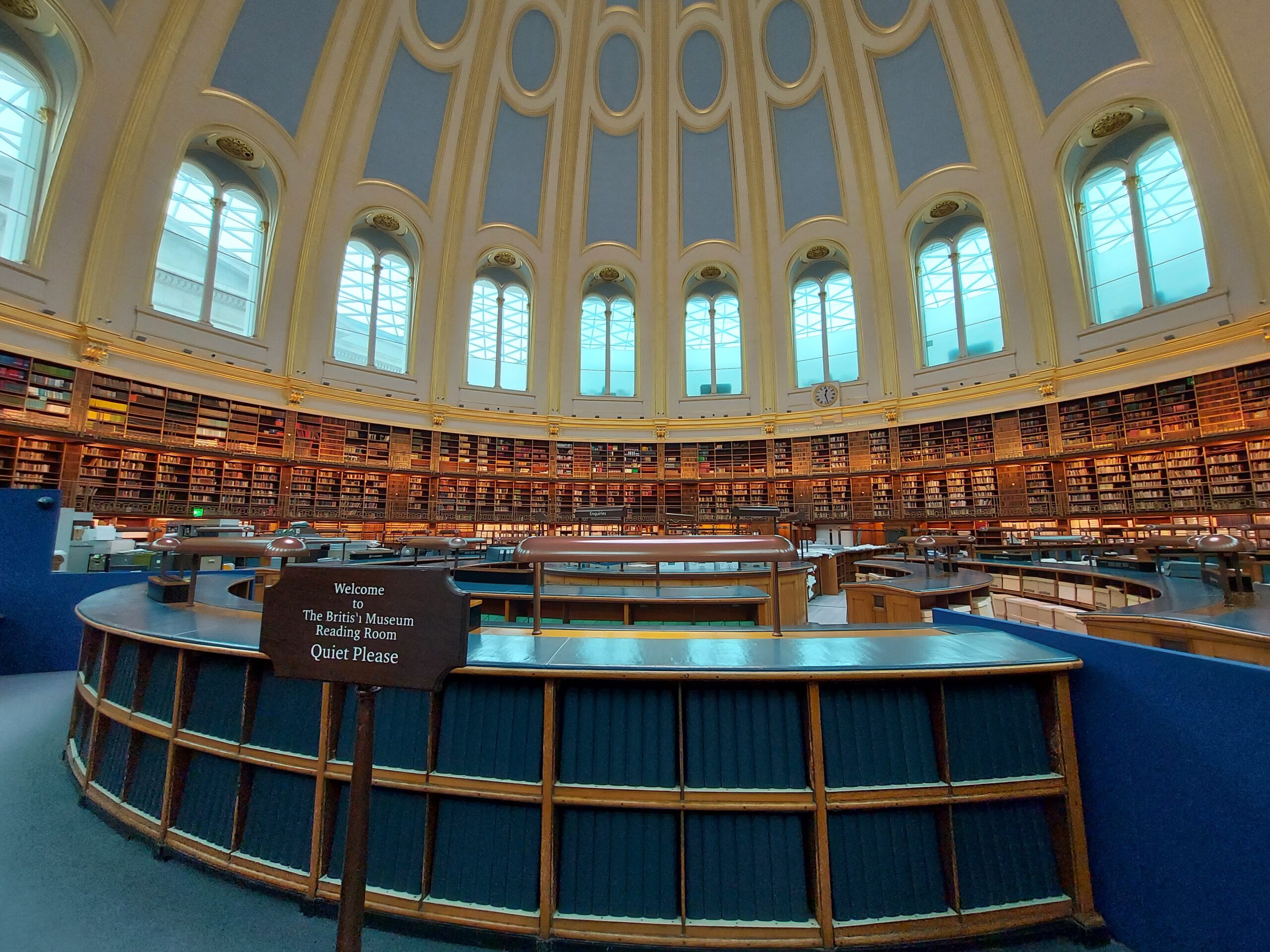
British Museum Reading Room

British Museum Reading Room

After Rebel Summer Camp I took an extra day off and went along to the British Museum. Recently, tours of the famous Reading Room have been made available at 11 and 12 on Tuesdays. Accessed via the Great Court, the Reading Room has a rich history.

The tour explored the history of the Room, how it evolved over decades, and some of the famous people who studied there. The British Museum itself opened in the 1820s but by the 1850s it could be seen that the Library needed a larger reading room and more storage for books. The Principal Librarian Antonio Panizzi suggested building a round room, surrounded by shelving, in the then-empty courtyard. The architect, Sydney Smirke, created a pioneering design with a concrete floor, modern heating and ventilation systems, and a domed ceiling supported by cast iron. After opening in 1857, over 62,000 people came to visit the new Reading Room in the first ten days.

In the beginning, the space supported a maximum of 302 readers, with 2 of the 38 long tables reserved for women. The room had underground heating, leather chairs and over 40km of shelving. To consult a book, a patron would examine the General Catalogue of Printed Books in the centre of the room, fill out a request form, and wait for around an hour. In 1979, the Reading Room became one of the first public places in London to have electric lighting, having previously relied on natural light and gas lanterns, which meant that it was impossible to work in the darkness of winter or when London was enveloped by fog, which was frequently. Some of the notables who made use of the Reading Room include Karl Marx, Lenin, Sylvia Pankhurst, Oscar Wilde, Gandhi and Beatrix Potter.

In 1997 the British Library, which had formally detached from the British Museum in 1973, moved to a purpose-built building near St Pancras. The Reading Room was open to visitors between 2000 and 2007, and for the following decade hosted a number of special exhibitions. It was then closed to the public once again, until 2023 when these tours resumed. I’m glad I got a chance to see this historic Reading Room and I hope visitors can continue to access it in the future.

London Canal Museum

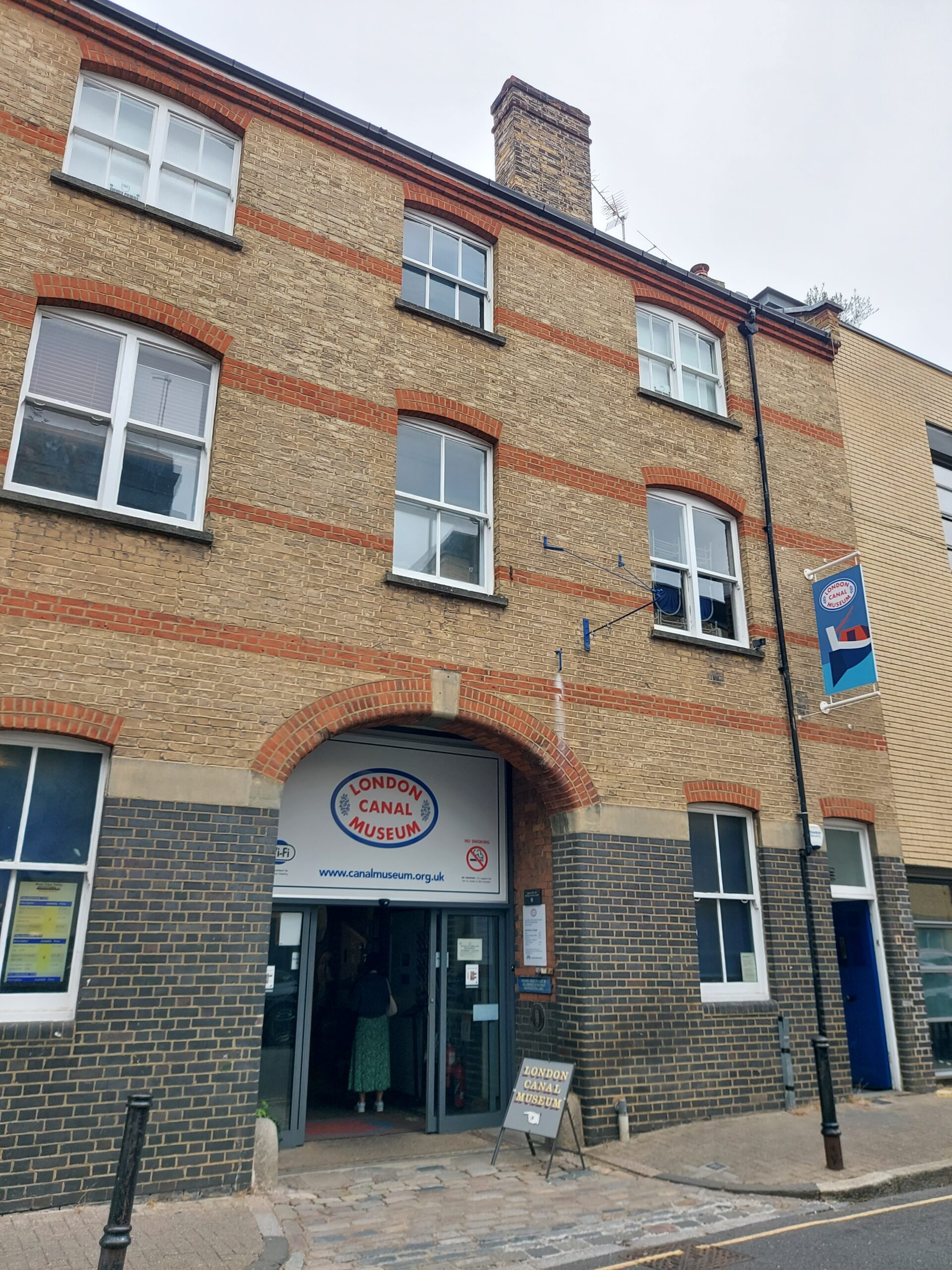
Outside the Canal Museum

I finally visited the London Canal Museum for the first time in August. The museum is located in King’s Cross, on the Regent’s Canal which runs across North London. The building was formerly Gatti’s Ice House, originally constructed in 1862-63, and the museum opened in 1992.

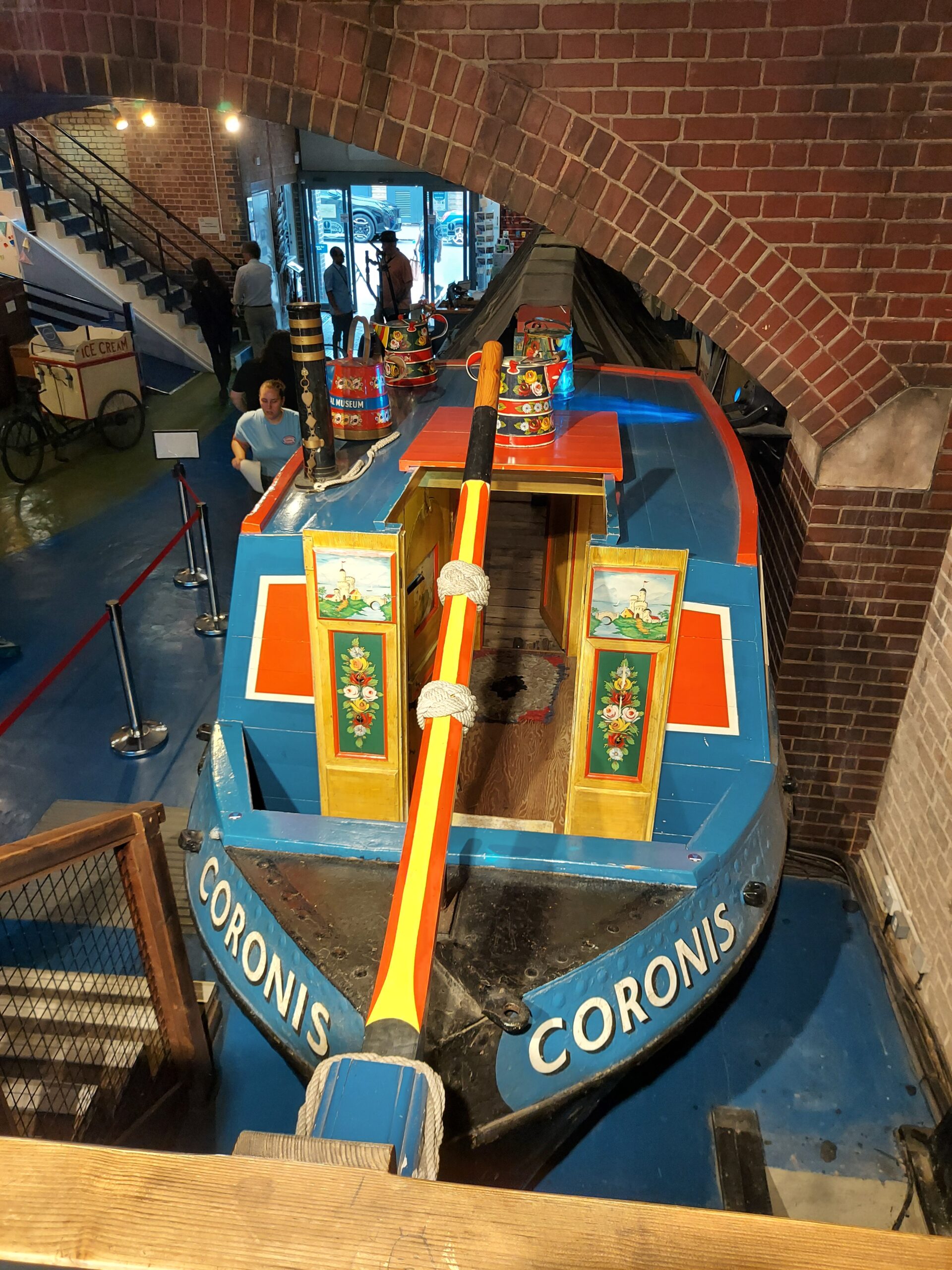
Boat in the Canal Museum

The museum tells the interesting story of London’s canals, with information about canal engineering, boats and cargoes, focusing on the Regent’s Canal in particular. It also looks at the social history of canal workers, the art of canals and canal boats, ice cream and the ice trade. There is a life size narrowboat cabin, too, so you can imagine sailing along the canal in a pleasant boat.

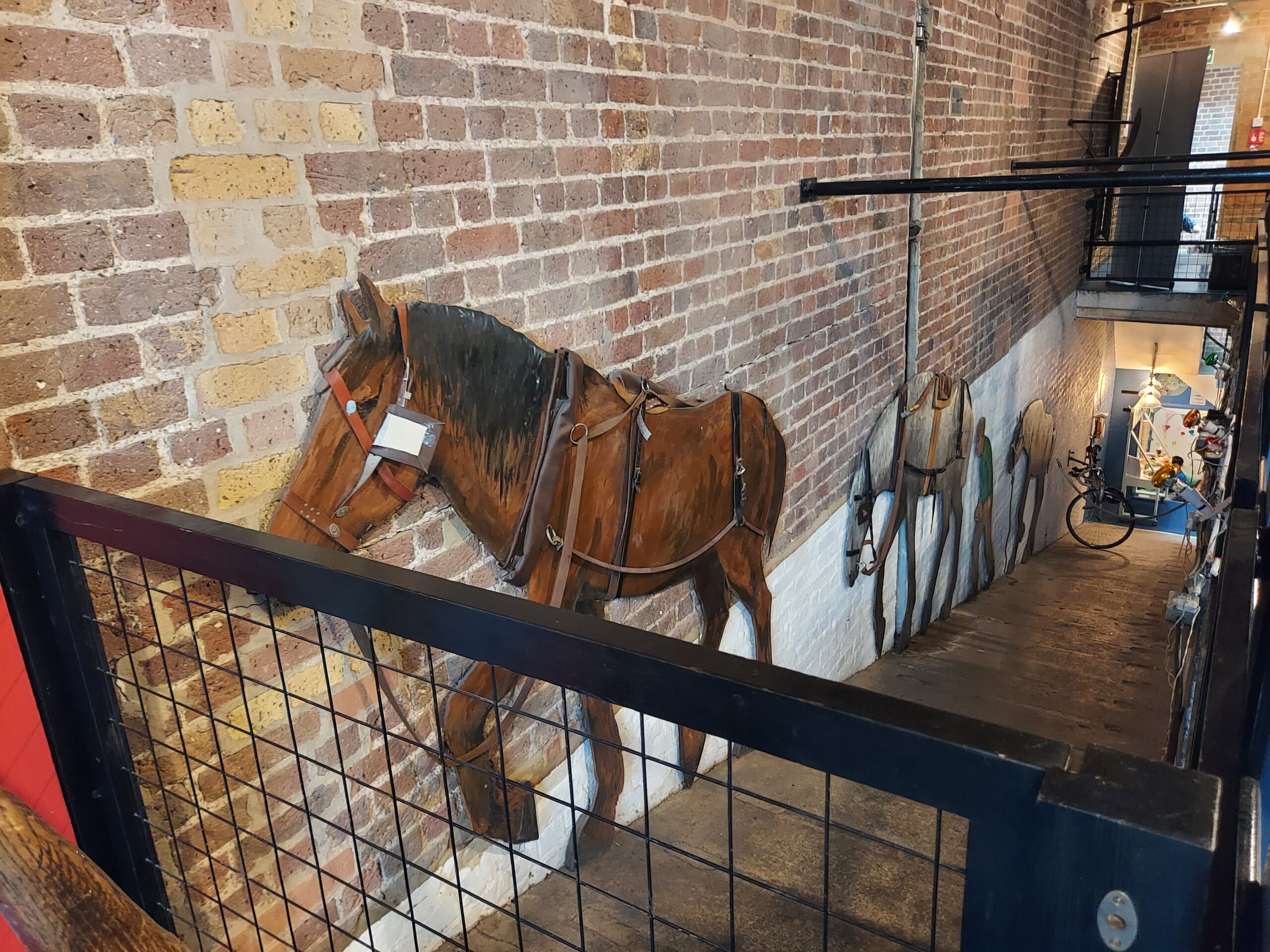
Stables ramp within the Canal Museum

The museum is small, but there is a surprising amount to see, over two floors. You can also take a canal boat ride from just outside the museum – I didn’t do this, but I definitely want to in the future.

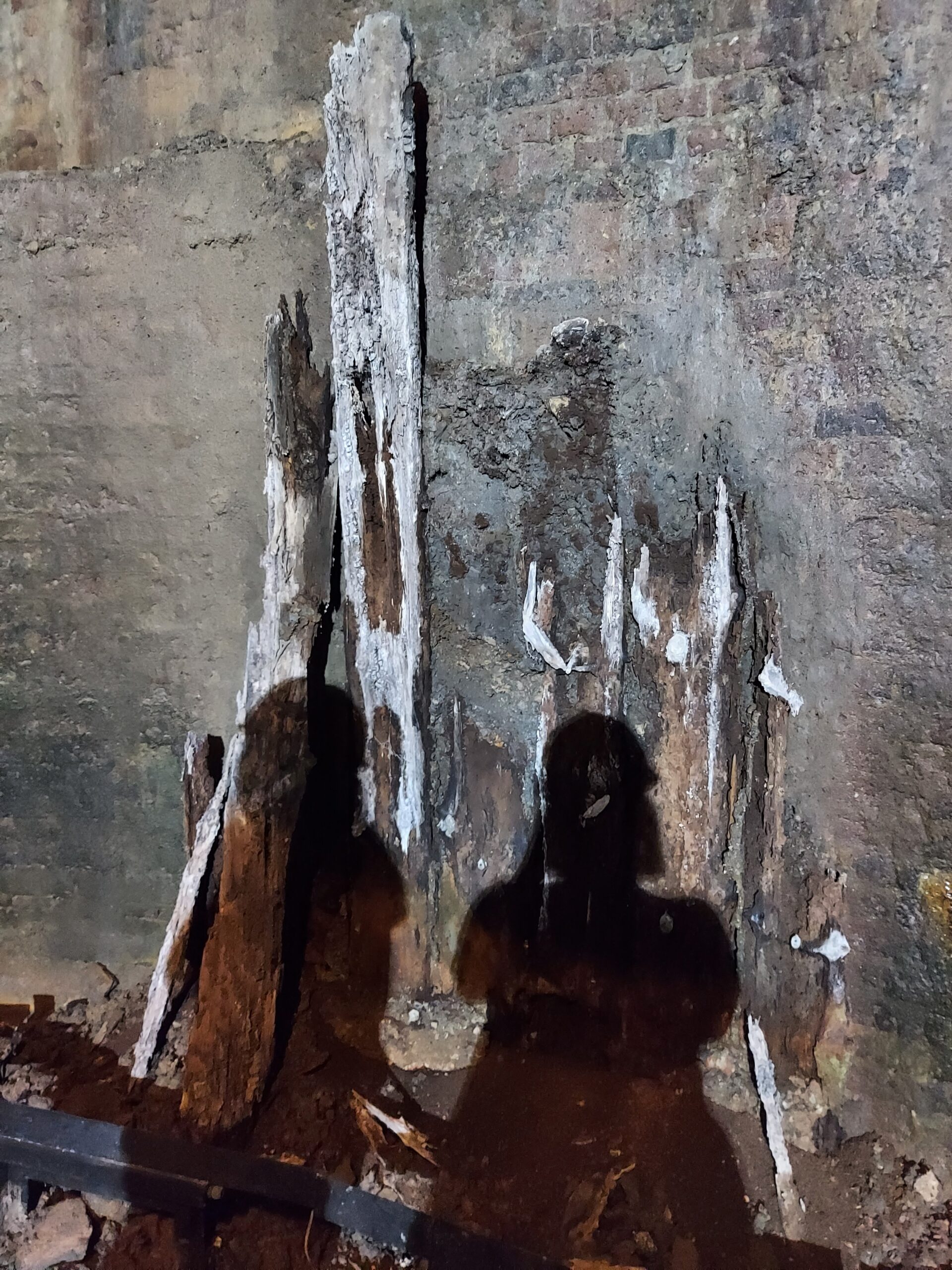
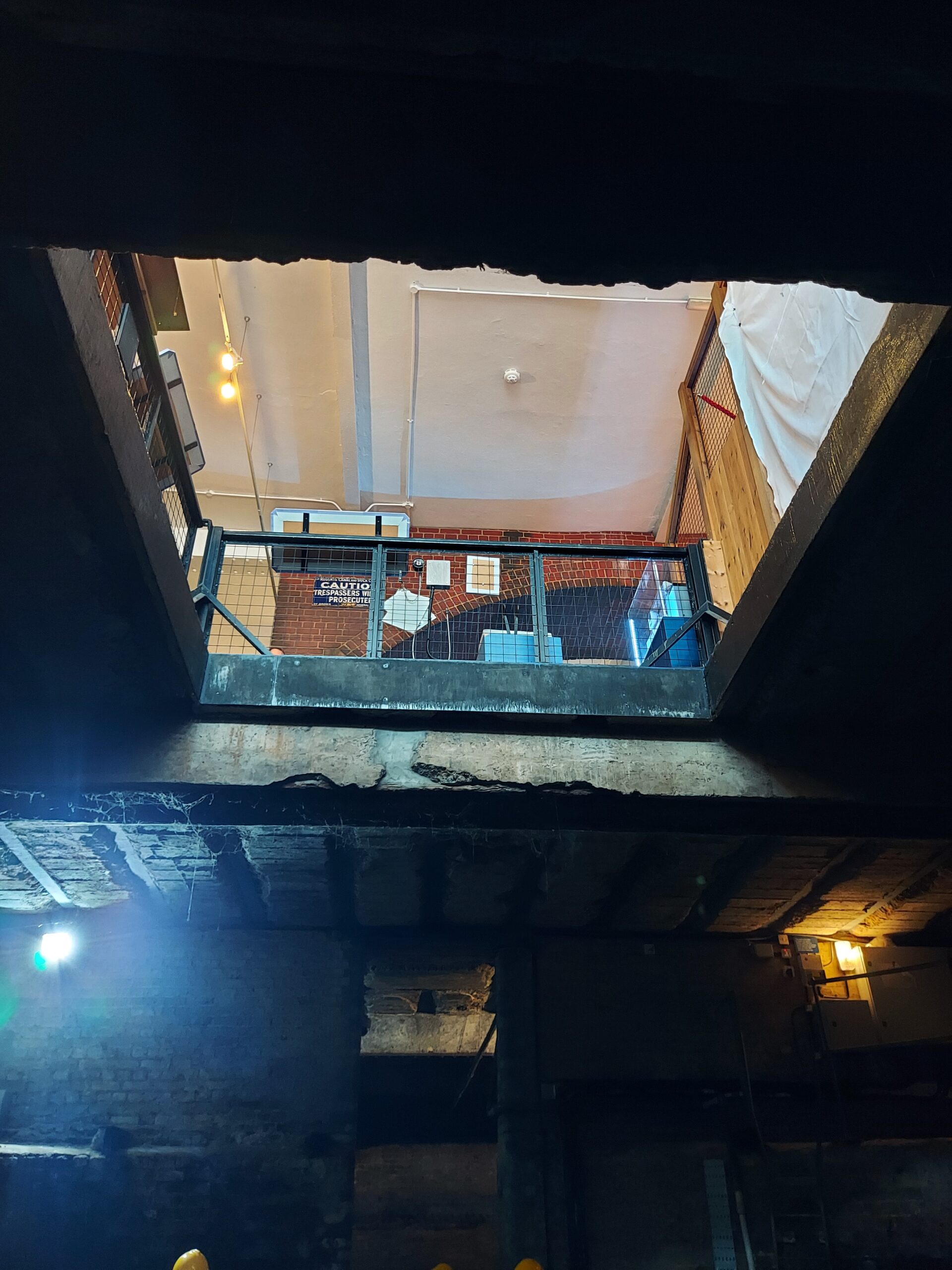
Ice Well Descent

The reason I particularly wanted to visit on this date was the annual ice well descent, allowing visitors to descend into the underground ice store at the heart of the museum. Before freezers, ice was imported from Norway and kept in wells like this for preservation, sold to restaurants and food shops to keep food cool. These particular ice wells were used until at least 1902, beneath stables for the horses which pulled the ice delivery carts. It was fun to go down into the ice well and imagine what it might have been like when they were full of ice.

I definitely recommend a visit to the London Canal Museum to learn more about London’s industrial past.

FACTS

Address: 12/13 New Wharf Road, London, N1 9RT

Website: canalmuseum.org.uk

Opening Hours: Tue-Sun 10 – 16:30

Price: Adult £8, concession £6.50, child £4

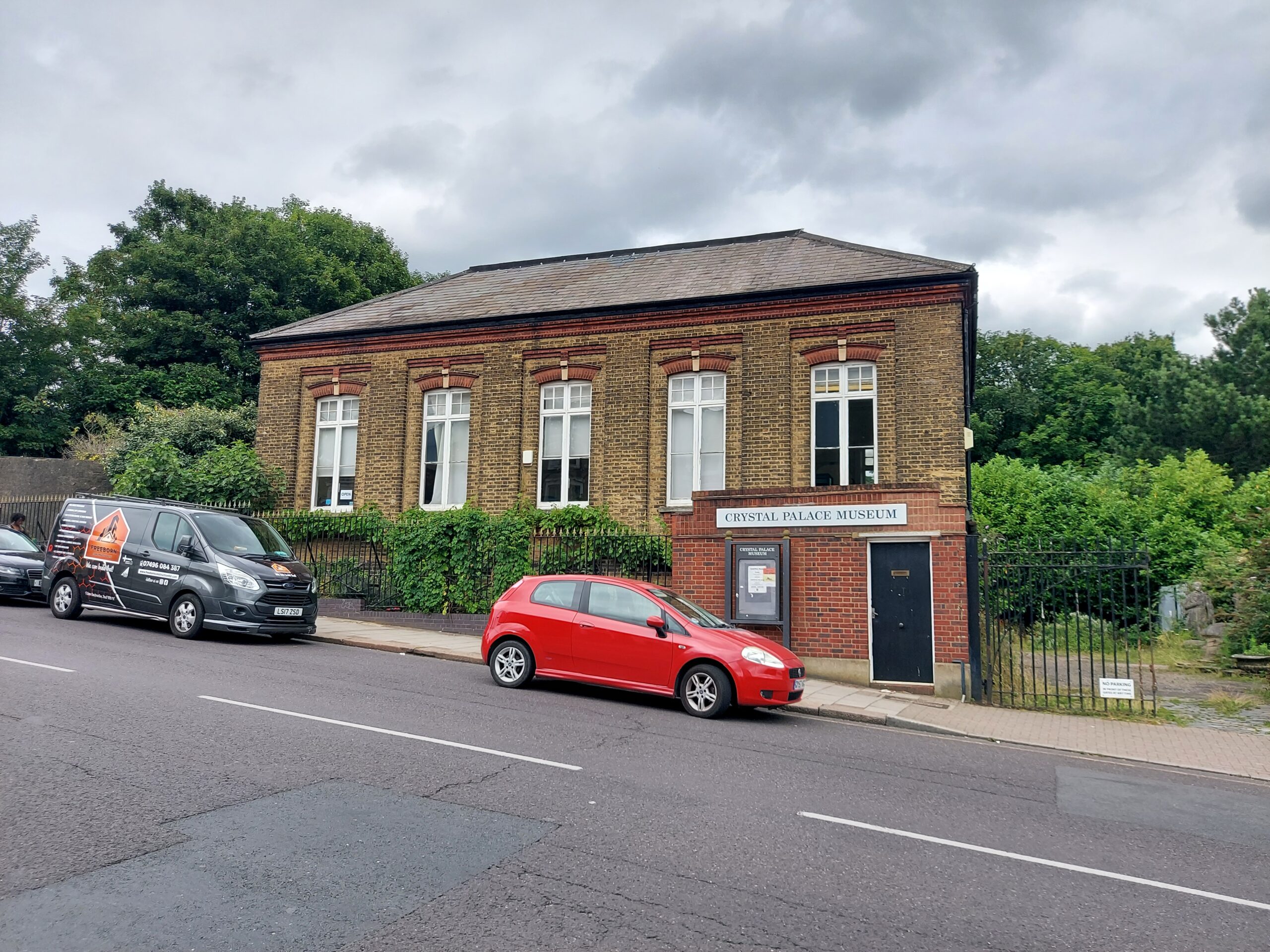
Crystal Palace Museum

Crystal Palace Museum

I’ve been meaning to visit the Crystal Palace Museum for years, but it only opens on Sundays so I never managed to get round to it, until I started walking the Capital Ring and began Section 4 at Crystal Palace railway station, just down the road from the museum.

The museum tells the story of the Crystal Palace from its beginnings in Hyde Park to its eventual destruction in a fire in November 1936. The museum itself is housed in the only surviving building constructed by the Crystal Palace Company, built around 1880 as a lecture room for the Crystal Palace Company’s School of Practical Engineering. The museum was opened on 17 June 1990 by the Duke of Devonshire.

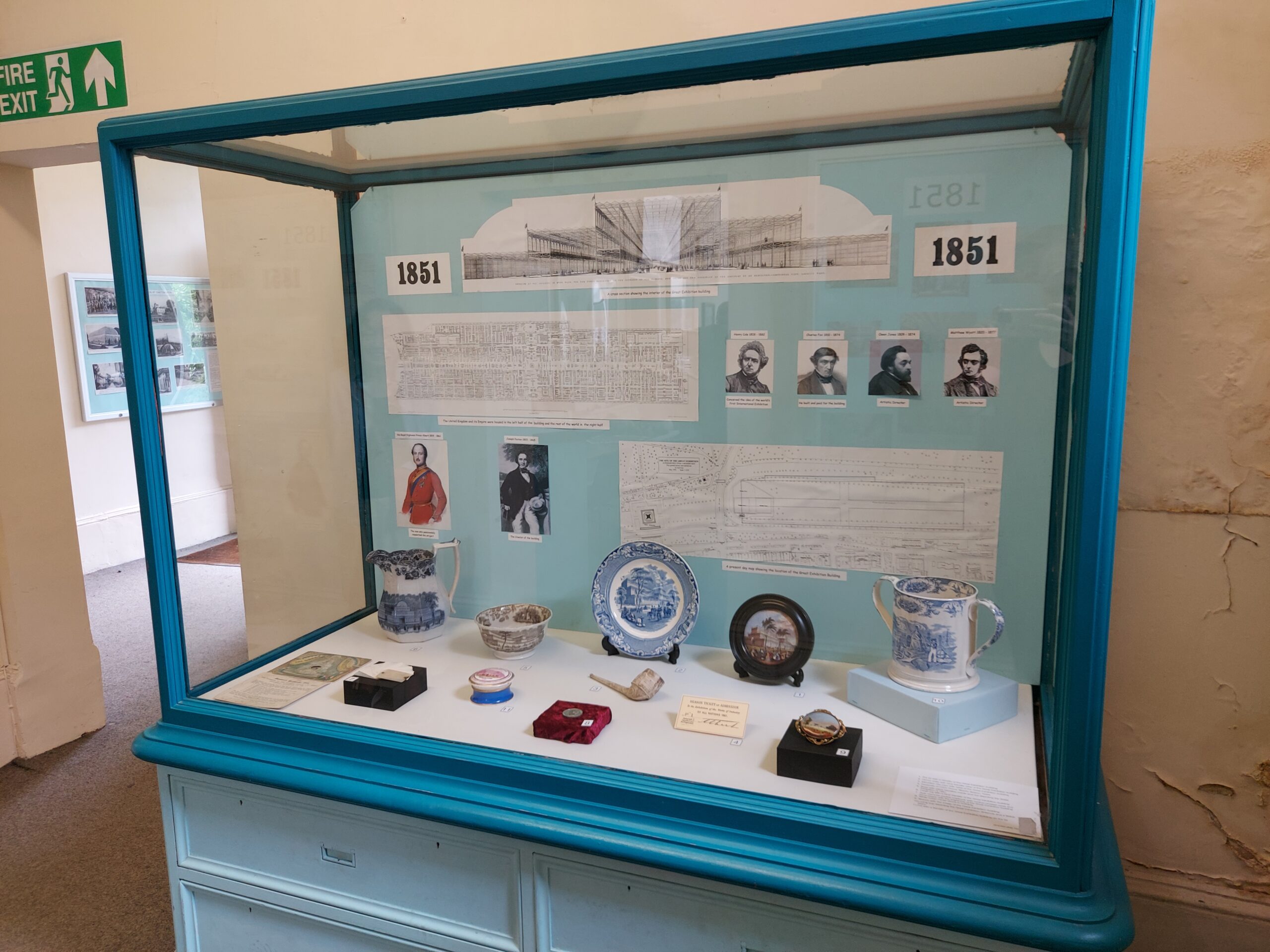
Artefacts from the opening of the Crystal Palace in 1851

Originally created by Joseph Paxton to house the Great Exhibition of 1851 (the ‘Exhibition of the Industry of All Nations’ staged in Hyde Park), the Crystal Palace was left empty after the exhibition closed. It had been a great success – Paxton was knighted – but it was not to be allowed to remain in Hyde Park. Luckily, nine businessmen came to the rescue, purchasing the building from the contractors and eventually resurrecting it on Sydenham Hill in south east London. Reopening in 1854, it became a focus of entertainment and education for the people, featuring courts of architecture, art and manufacture, beautiful fountains and statues, unusual trees and shrubs and full size models of prehistoric animals (many of which can still be seen today). In 1856, Brunel was commissioned to design magnificent water towers. In later decades, the Palace and its grounds hosted firework displays, ballooning, cycle racing, football, funfairs and motor racing. The Palace eventually gave its name to the entire area.

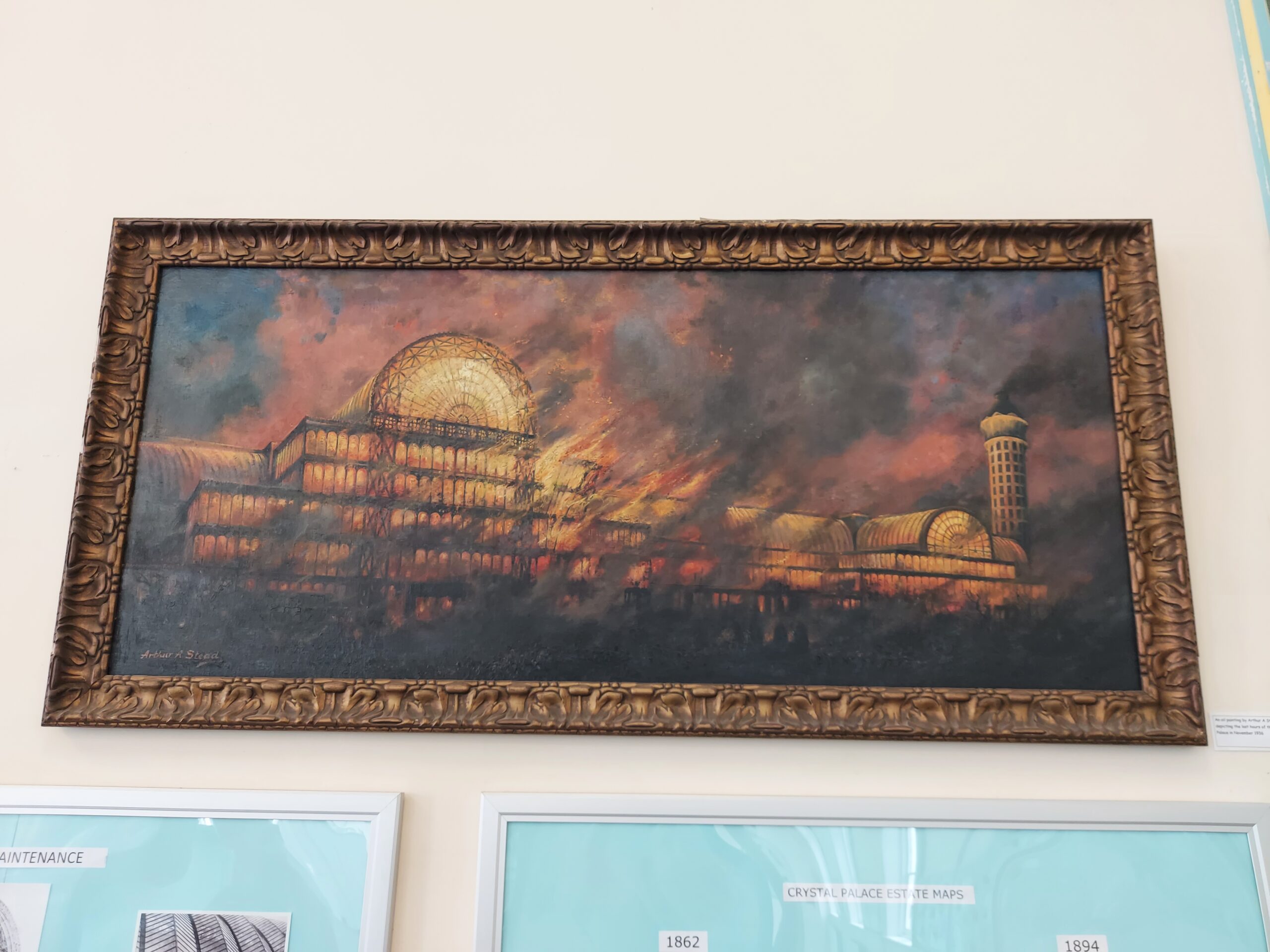
During the First World War the palace and grounds were taken over by the Admiralty and was renamed HMS Victory VI for the duration of the war. Sadly, it was destroyed by fire in 1936.

A painting showing fire engulfing the Palace

The museum tells the Palace’s story in roughly chronological fashion. I was interested to see how it changed over time when relocated to Sydenham – it did not remain static. The staff are friendly and knowledgeable and very willing to chat about the Palace and its history. Many artefacts linked to the Palace from every stage of its existence can be seen, from Great Exhibition souvenirs to pieces of the building recovered from the rubble. I hadn’t been aware that the Palace suffered several fires before the final, destructive one – I suppose it was only a matter of time before it went up in flames, but it still seems a shame that it is no longer in existence. I definitely recommend a visit to this free museum to learn more.

FACTS

Address: Anerley Hill, London, SE19 2BA

Website: crystalpalacemuseum.org.uk

Opening Hours: 11am-3pm Sundays

Price: Free

Titanosaur: Life as the Biggest Dinosaur – Natural History Museum

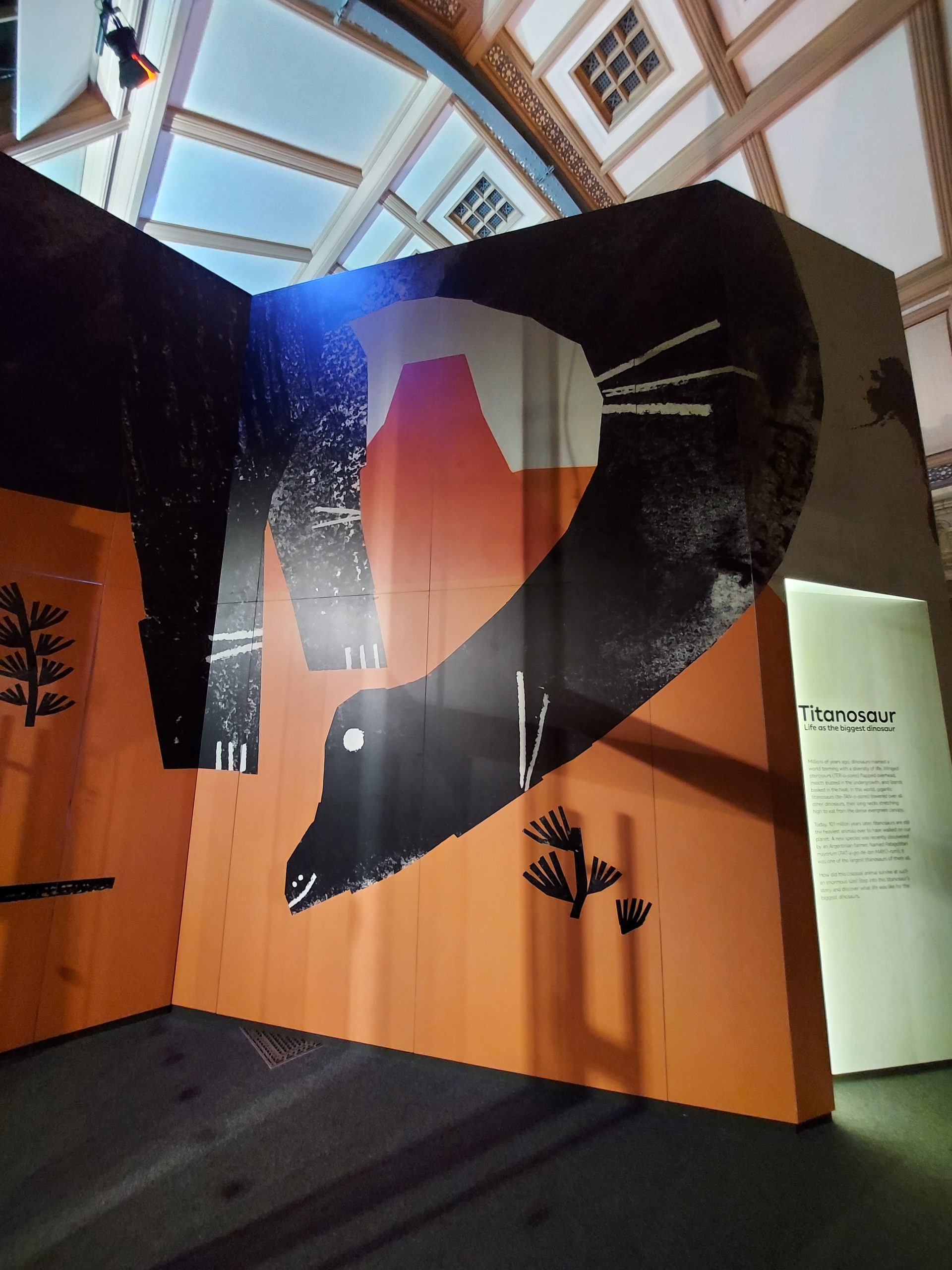
Entrance to the Titanosaur exhibition

I had some days off work to use up before Christmas and decided to pay a visit to the new Natural History Museum exhibition, Titanosaur: Life as the Biggest Dinosaur. Who doesn’t love dinosaurs, right? The exhibition had lots aimed at children, including an interactive game where you had to try and keep baby titanosaurs alive, but even as an adult it was hugely informative and fun.

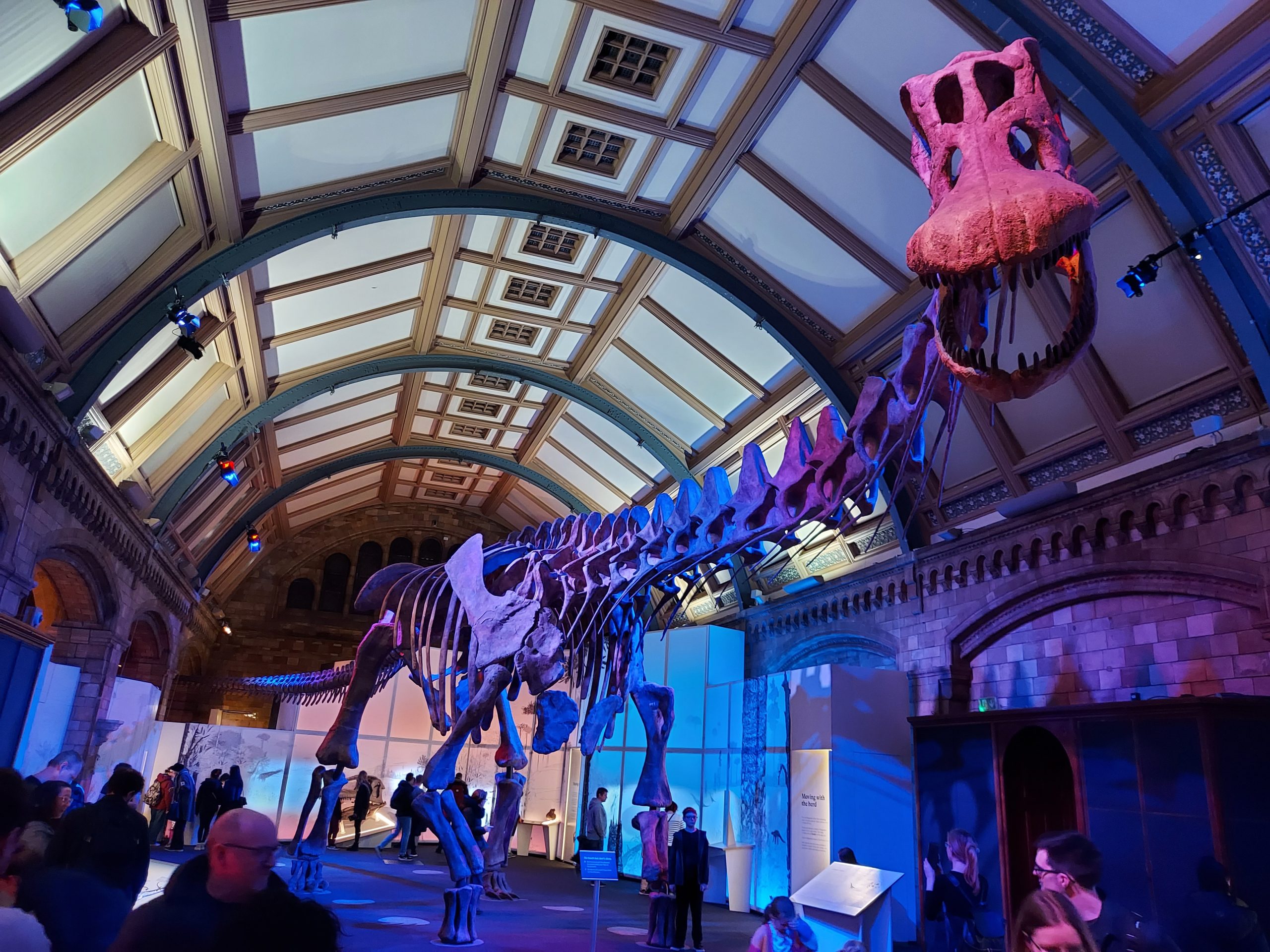
The exhibition is all about the huge titanosaur Patagotitan mayorum. It was first discovered in 2010 when an Argentinian farmer spotted a large bone sticking out of the ground. Scientists descended on Patagonia, aiming to discover more, and as they dug nearby they found more bones from other titanosaurs: hundreds were found over a period of two years, from at least six individuals. By piecing these bones together, scientists have been able to recreate one nearly complete skeleton.

Thigh bone of the Titanosaur

Scientists have examined these bones to learn more about the titanosaur, and have modelled their skulls based on Sarmientosaurus, a close relative. Their peg-shaped teeth show that they bit leaves and swallowed them whole: usually conifer, horsetail and tree ferns. They had lots of space for jaw muscles, suggesting a strong grip. Their eyes and nostrils were placed far back to prevent twigs poking them as they explored trees for food.

A whole section of the exhibition explores the childhood of the titanosaur. Only one in one hundred babies survived to adulthood, as parents would lay eggs and then just leave them. The babies were tiny versions of adults from the very start, and only took two months to grow ten times their hatchling weight. Scientists can look at their bones to see how they grew: one ring equals one year of growth.

The exhibition also looks at how the titanosaur coped with being so huge, and why it might have grown so big in the first place. Patagotitan absorbed oxygen when it breathed in AND when it breathed out, helping it to function. It had light bones, with air sacs to make them even lighter, and wide hips for support, with a long tail for balance. They may have been able to keep warm by trapping heat in their body, generated by their guts and muscles. Their long legs also enabled them to walk huge distances in search of food. Their large size made it harder for them to get eaten.

With their rapid growth, long neck, sturdy legs and efficient lungs, they are the heaviest animals to ever walk the earth. The skeleton on display at the end of the exhibition makes you realise just how massive they were. I thoroughly enjoyed this fascinating exhibition.

Model of the Titanosaur skeleton

Thames River Police Museum – Open House London

Thames River Police Museum

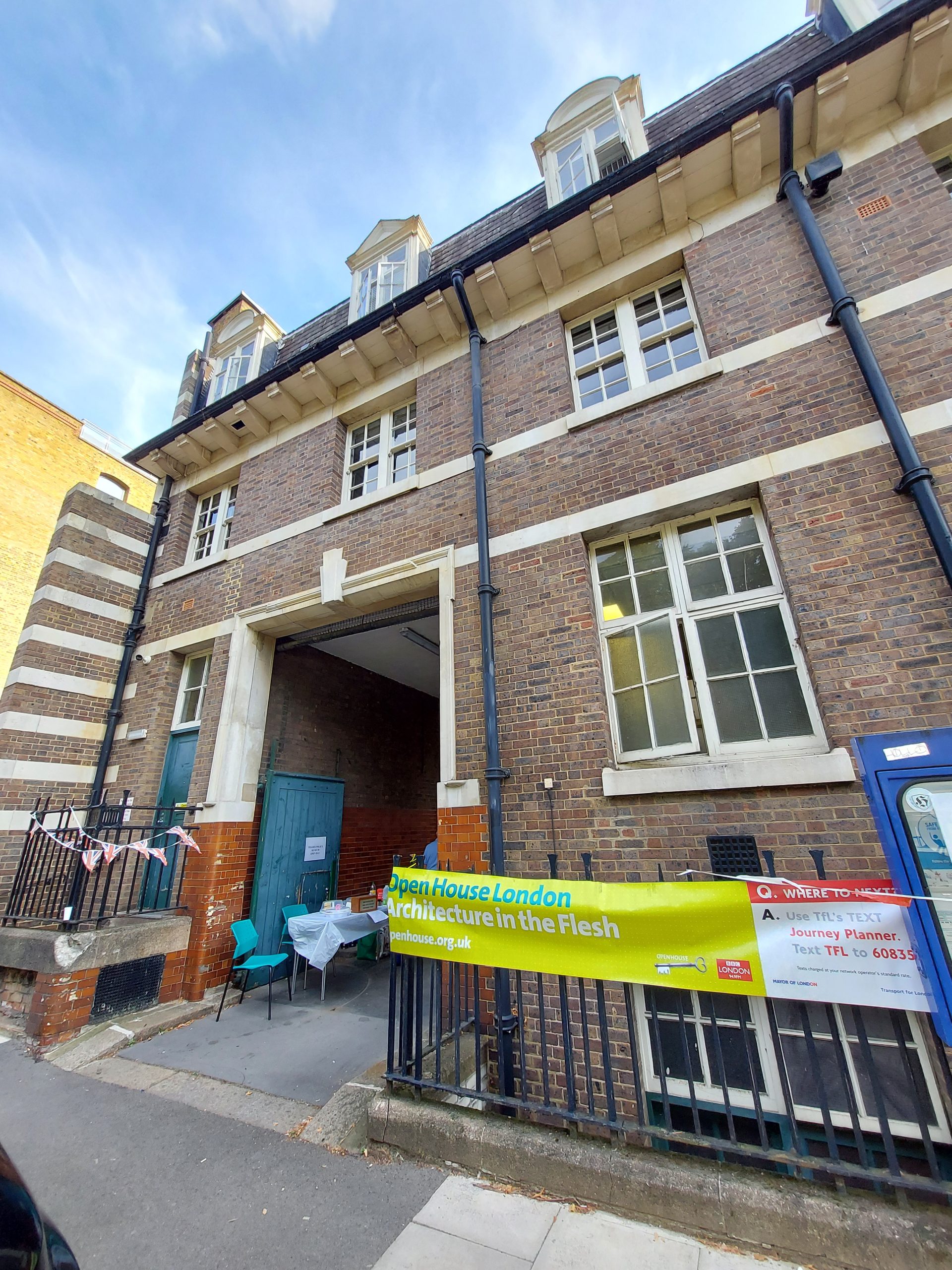
As part of Open House London, I decided to visit the Thames River Police Museum, as I was going to be in the area and thought it sounded interesting. The museum is located in Wapping, and is only open on a handful of days per year, as it is situated within a working police station (the Metropolitan Police’s Marine Police Unit). Whatever your opinion of the Met or views on the police in general, the museum is a fascinating place to visit, crammed full of history, and exploring the Thames River Police from 1798 to the present day.

The River Police were one of the first uniformed forces in the world. Though it was a government body, it was funded by the shipping companies, who were losing lots of money to thieves who regularly pilfered their stock. The force proved very successful, saving over £122,000 in the first six months of its operation, not to mention several lives.

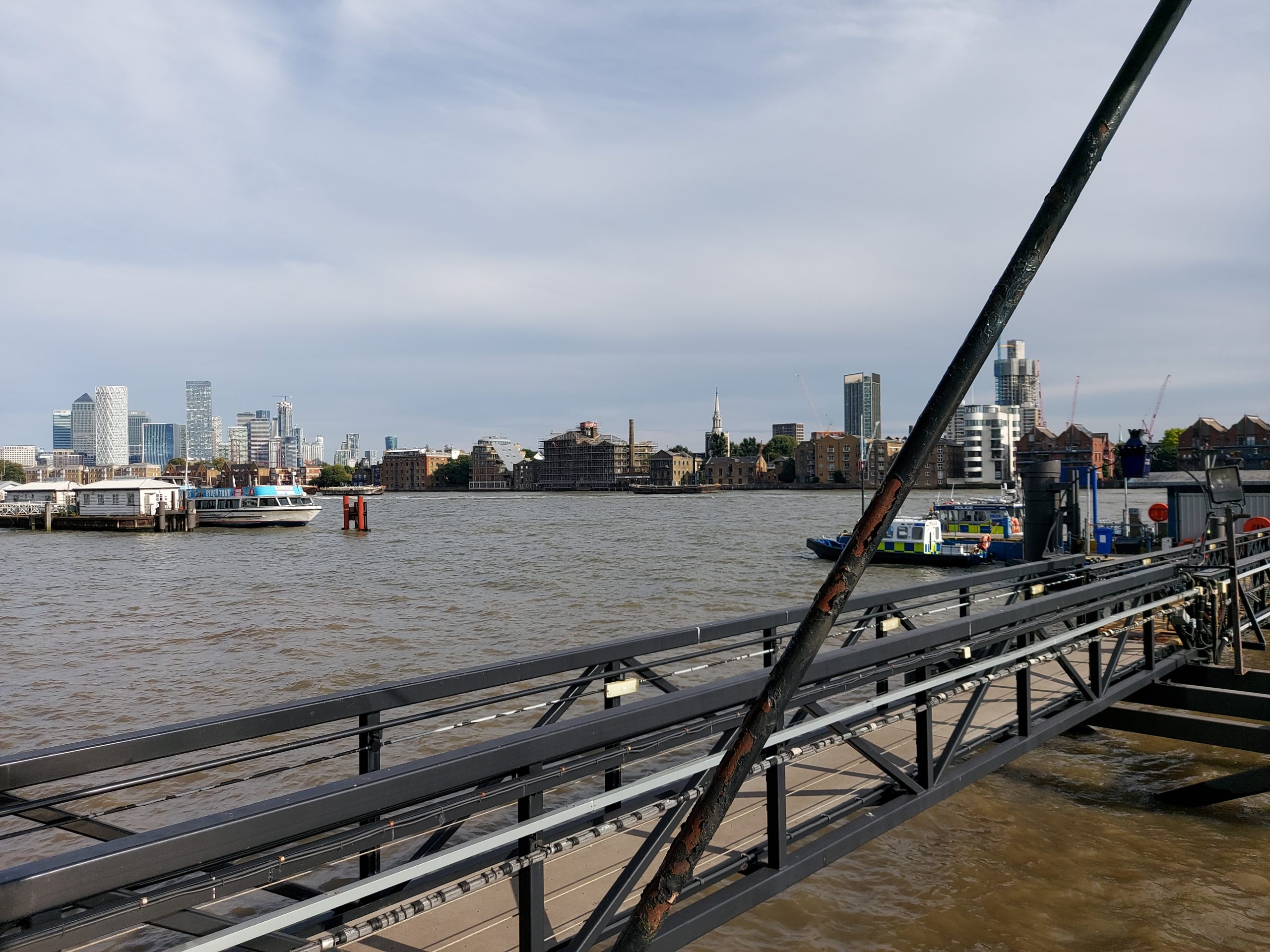
View of the Thames from the back of the museum

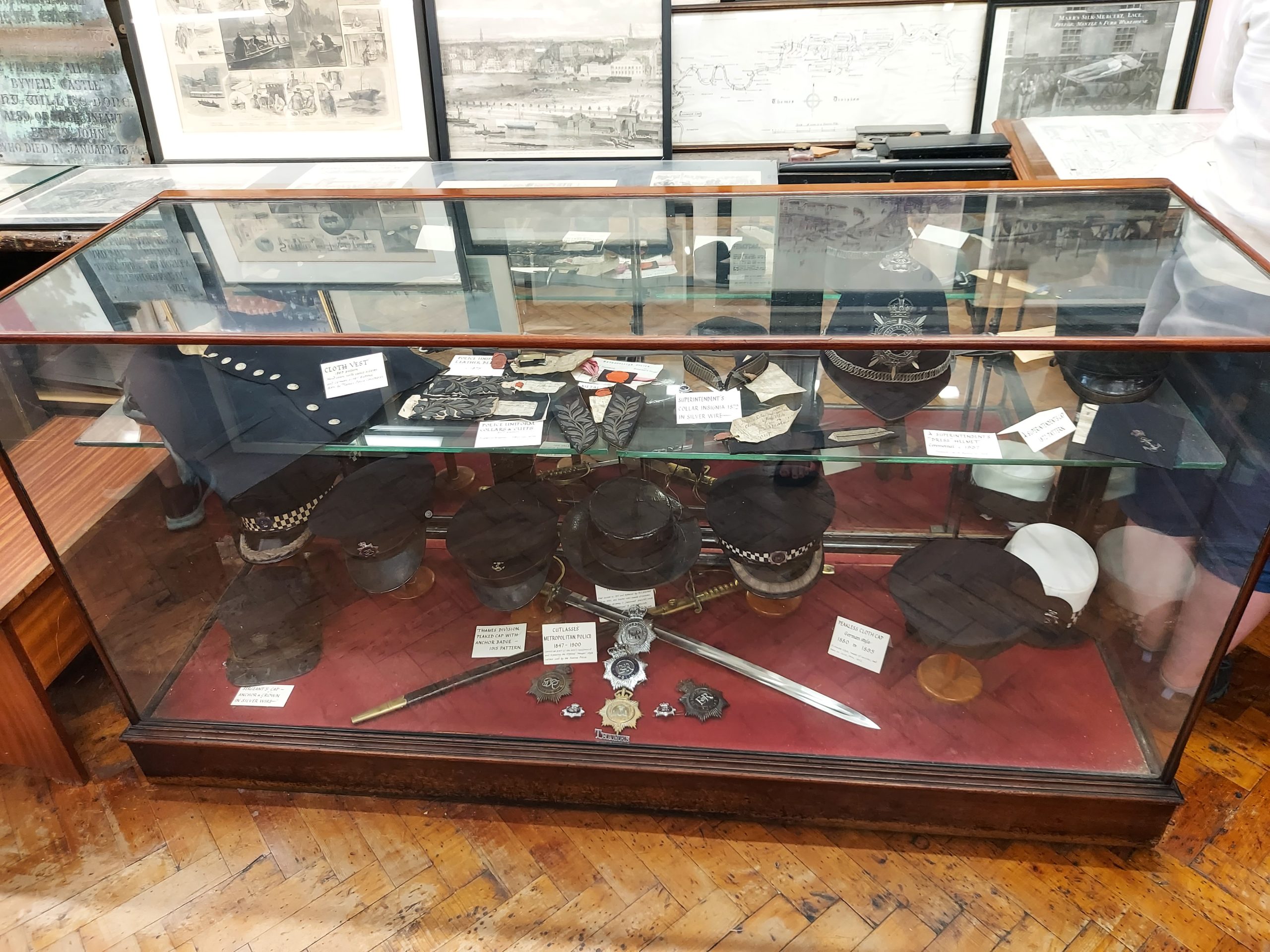
Like many small museums, this one contains many artefacts and it would take a very long time to go through all of them. Some of the most interesting items are old uniforms and equipment worn and used by police officers of the past. Photographs and documents tell the stories behind the force. One of their jobs is the recovery of dead bodies from the river: I certainly don’t envy them this work.

Some of the most poignant items relate to the Princess Alice Disaster of 1878, in which almost 650 individuals died after the paddle steamer sank while returning from a trip to the seaside. The museum contains the boat’s original flag.

This little museum is definitely worth a visit, so keep an eye out for its opening days – or head down during the next Open House London weekend.

Hats and equipment used by members of the Thames River Police

FACTS

Address: 98 Wapping High Street, London, E1W 2NE

Website: thamespolicemuseum.org.uk

Opening Hours: By advance appointment and on special dates

Price: Free

Royal Pharmaceutical Society Museum – Open House London

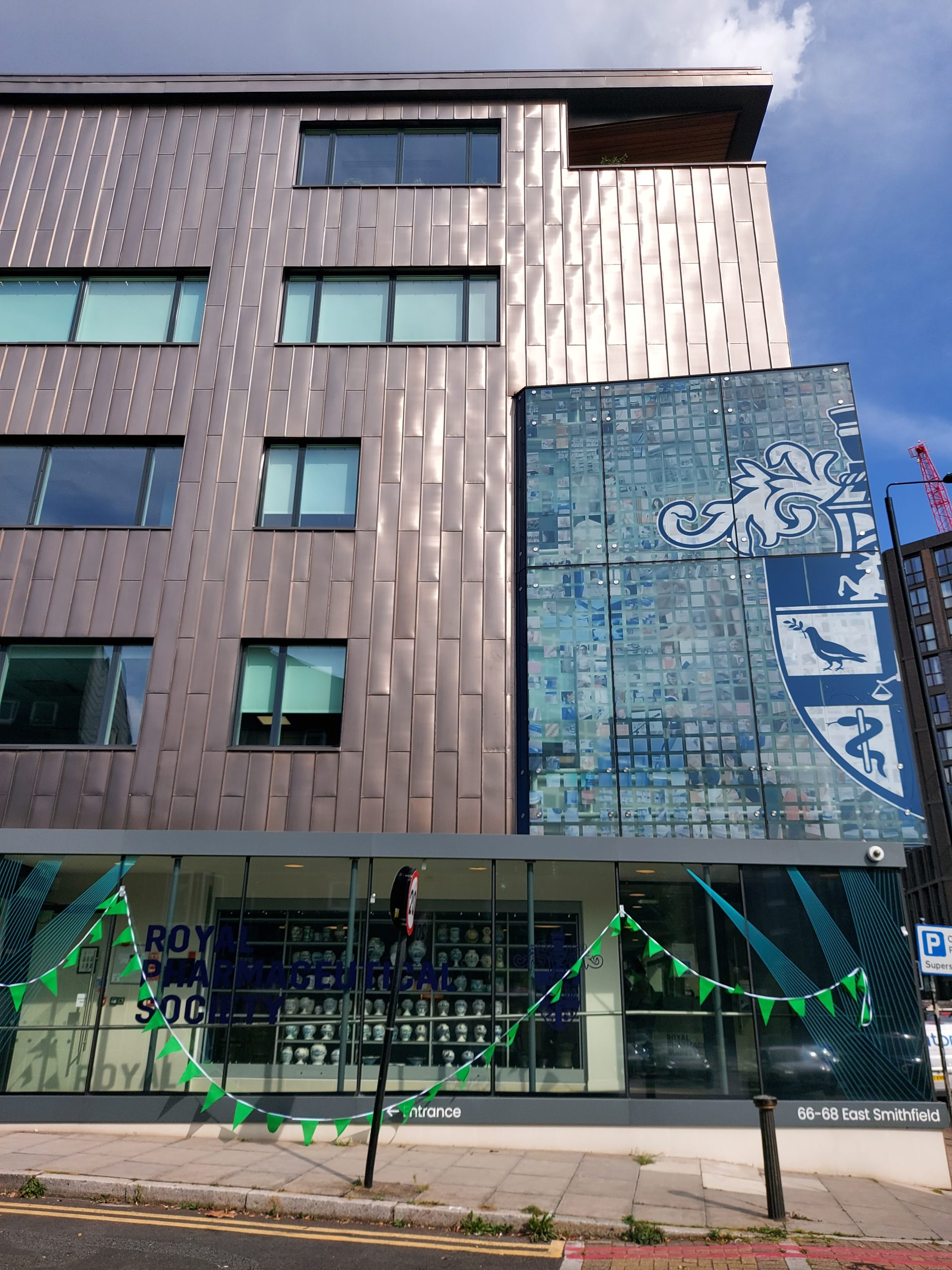
The Royal Pharmaceutical Society

As part of my Open House London explorations I paid a visit to the Royal Pharmaceutical Society Museum and Library. Not far from Tower Hill, it was a bit off the beaten track compared to the places I usually visit, but it was definitely worth it.

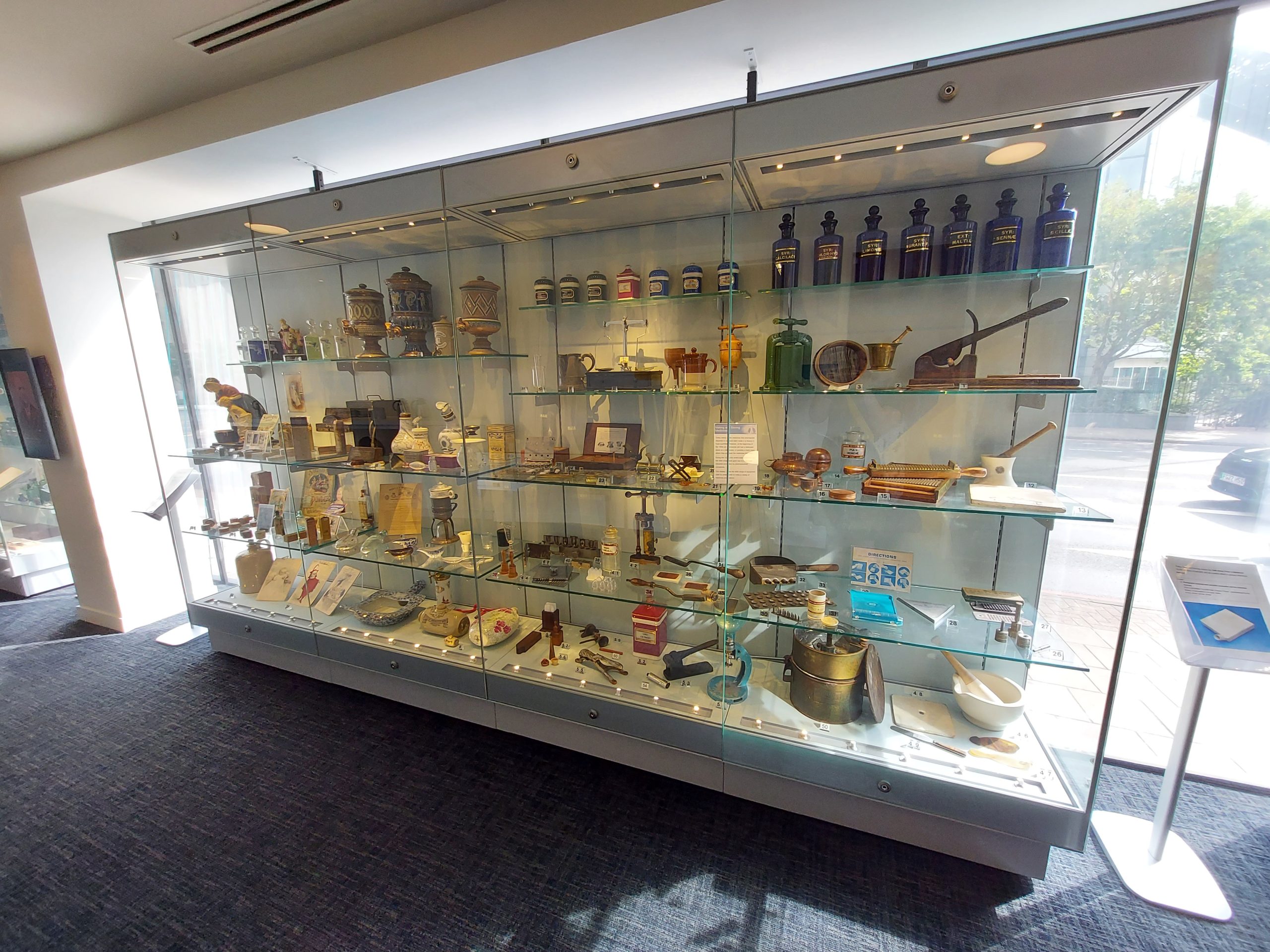
Items on display at the RPS

The building itself is new, having been designed in 2015, but the RPS’s museum was originally founded in 1842. It was meant to be a study resource for students of the newly formed School of Pharmacy. In 1937, it was decided to establish a historical collection, and librarian Agnes Lothian played a key role in purchasing relevant artefacts. In the 1950s, some of the collections were deemed less relevant and transferred away, while in 1976 the Society’s move to new premises in Lambeth prompted the decision to display items from the collections throughout the building. Since 2015 the collections have been housed in the Society’s new headquarters, mostly on the ground floor. The collections, which cover the history of pharmacy in Britain from the fourteenth century to the present day, including traditional dispensing equipment and storage containers, oil paintings and photographs, branded medicines, mortars, and drug jars – not forgetting early printed books, including herbals and early pharmacopoeias, housed in the library.

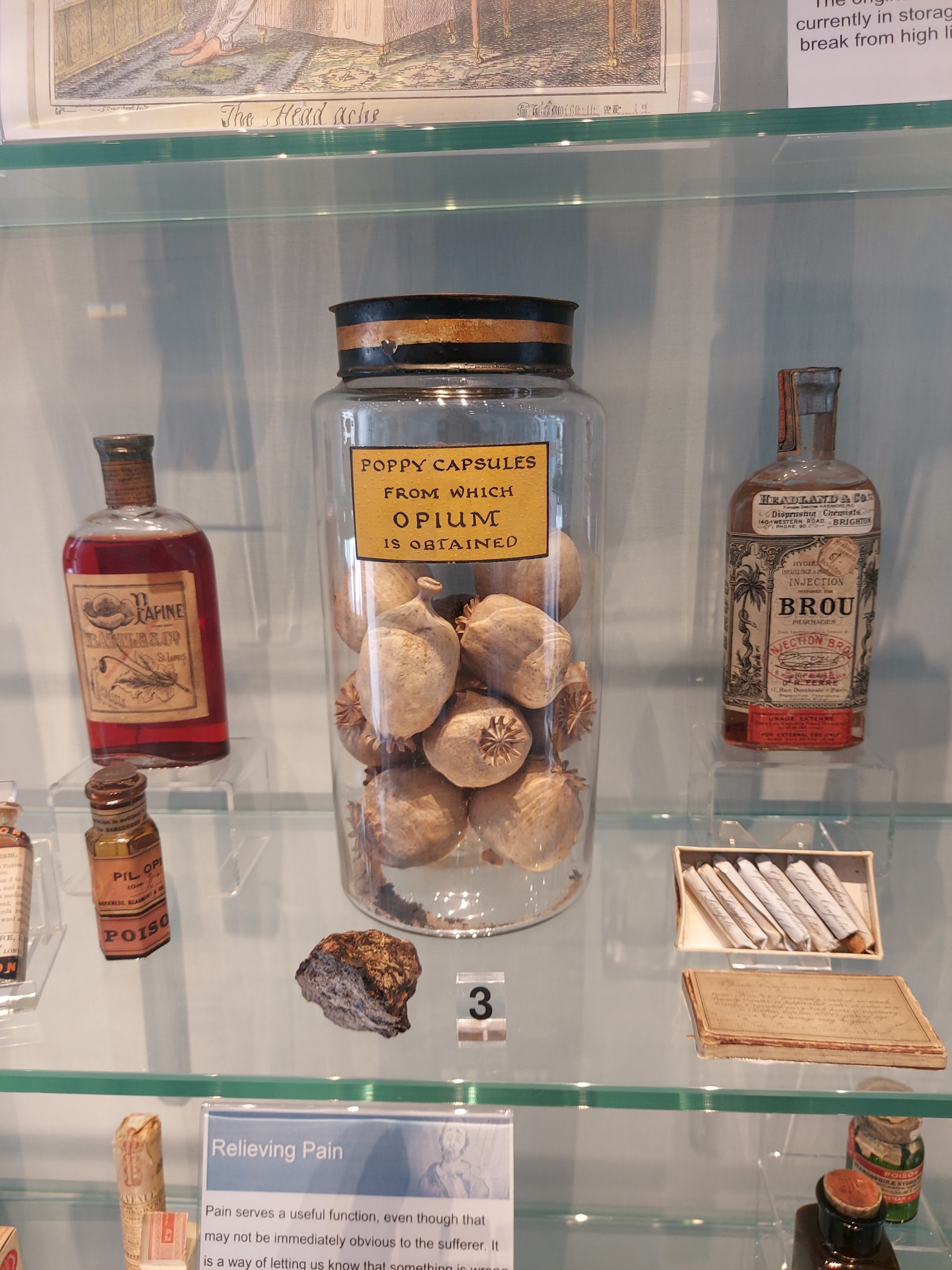
I enjoyed a free guided tour before checking out the collections for myself. There were some fascinating artefacts on display, including a polar bear-shaped container for bear grease, supposedly meant to stop hair loss, and drugs once widely prescribed including morphine and cocaine. Definitely a worthwhile place to visit if you’re in the area.

Opium poppy capsules

FACTS

Address: 66 East Smithfield, London, E1W 1AW

Website: rpharms.com/about-us/museum

Opening Hours: Mon-Fri 9am-5pm (closed on Bank Holidays)

Price: Free

The Golden Hinde (Heritage Open Days)

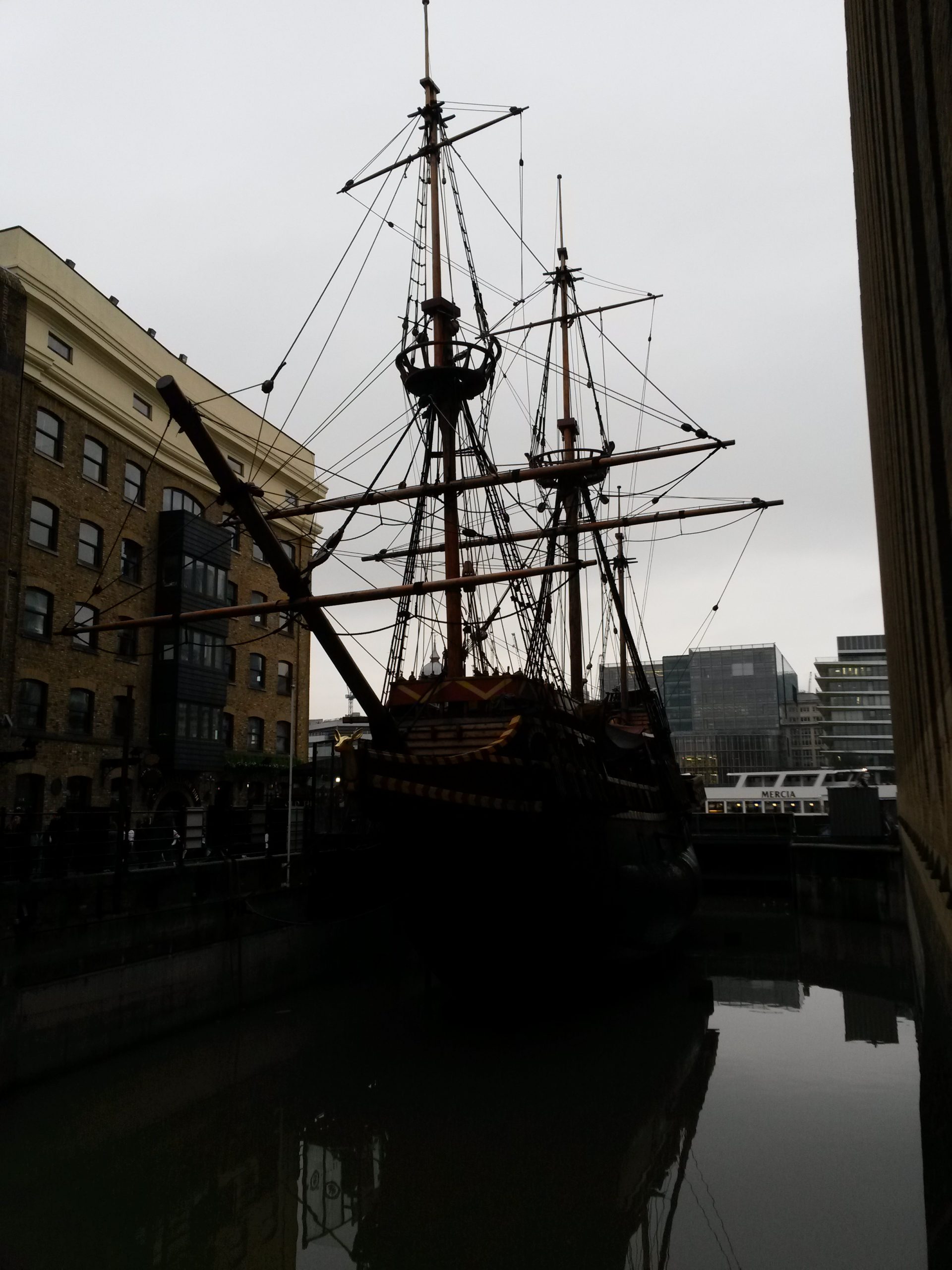
The Golden Hinde

I’ve been meaning to visit the Golden Hinde in Southwark for years, but never got round to it, until this year’s Heritage Open Days when I finally got a chance to pay a visit (and for free).

The original Golden Hinde – the galleon in which Sir Francis Drake circumnavigated the world between 1577 and 1580 – rotted away and eventually broke up some time in the mid-seventeenth century (The best of the remaining timber was made into a chair, known as the ‘Drake chair’, which can be found in the Bodleian Library in Oxford). The current ship, located at St Mary Overie Dock on Bankside, is a full-size reconstruction and was built using traditional methods in Devon, launched in 1973. She has also circumnavigated the world, and has travelled more than 140,000 miles altogether, though she has been based at her current location since 1996.

Below deck on the Golden Hinde

It was fun to wander around the ship, imagining how sailors would have lived and worked on such a craft in the sixteenth century. Costumed guides were also on the ship and entertained the children visiting (as well as adults like me) with stories of life on board. I was particularly grossed out by tales of how the sailors wiped their bottoms, but the kids were delighted!

The water in the dock is currently drained as the ship is undergoing conservation work aimed at preserving it well into the future. Tours of the ship are available, and gigs occasionally take place on board, as well as events such as talks about female pirates to celebrate International Women’s History Month.

Inside the Golden Hinde

FACTS

Address: St Mary Overie’s Dock, Cathedral St, London, SE1 9DE

Website: goldenhinde.co.uk

Opening Hours: Daily 10am-5pm

Price: Visitors aged 3 and over £6, visitors aged 2 and under free, families of 4 £18.

Bow Street Police Museum

Entrance to the Bow Street Police Museum

On Saturday I paid my first visit to the Bow Street Police Museum, a new museum in Covent Garden. I visited in order to attend a talk, arranged for Heritage Open Days, called Performing Justice: How satire created London’s first police force. The fascinating talk explored how writer Henry Fielding, famous for his satirical plays hugely popular on the London stage, applied his keen mind to the role of Magistrate and ended up founding the Bow Street Runners, sometimes called the first police force. Fielding was fiercely critical of the corrupt court system and endeavoured to stamp out bribery and a good deal of brutality when he was in charge. True, he didn’t challenge capital punishment, which was a feature of the period: but he had sympathy for many criminals and understood how circumstances conspired to leave many feeling they had no choice but to turn to crime.

Gallery from the Magistrates' CourtGallery from the Magistrates’ Court

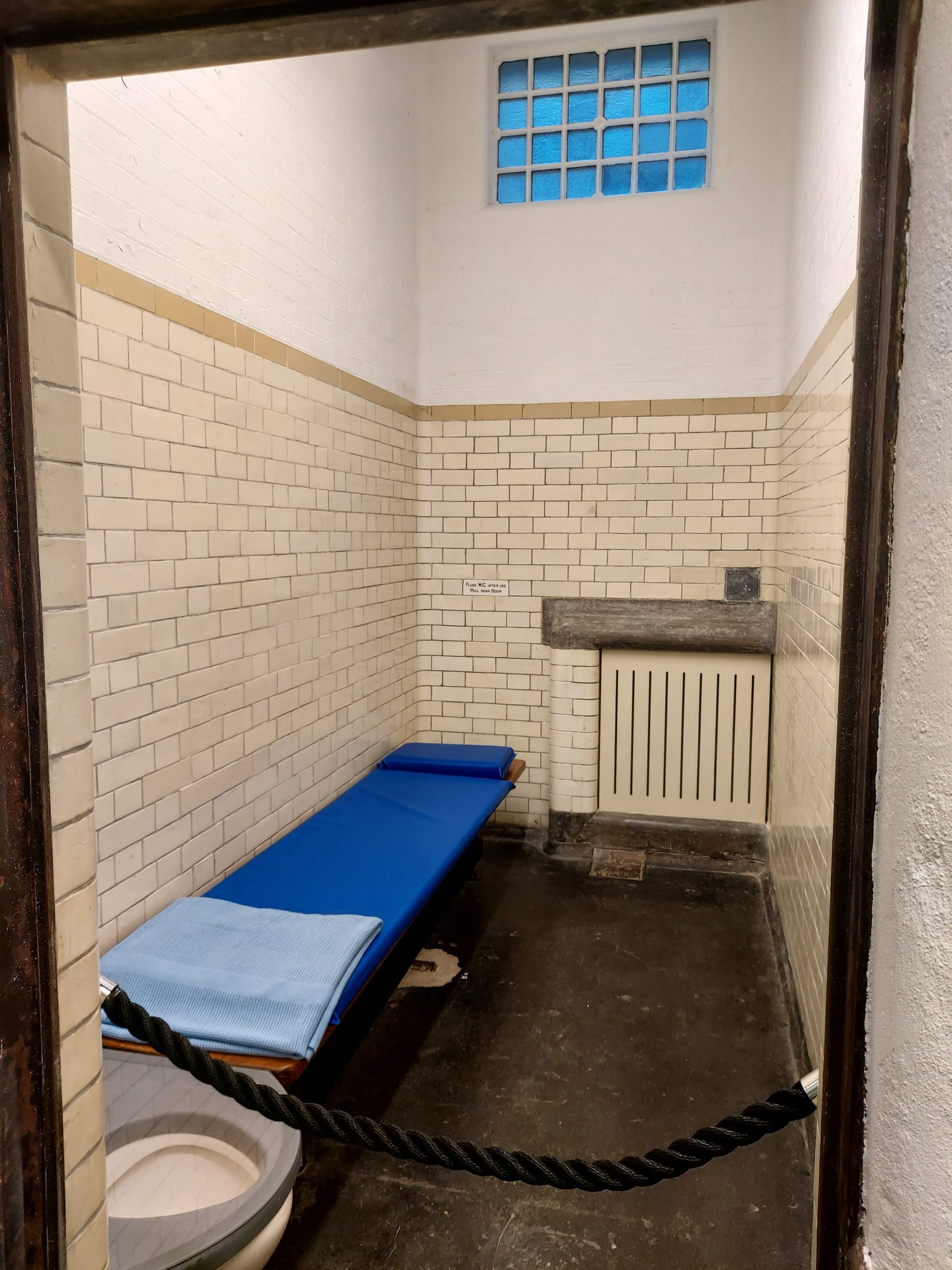
Trials were held at Bow Street Magistrates’ Court, which took place in the building next door: notable figures to be tried here include Oscar Wilde. The museum itself shows how the site developed over the years to become an early police station, with police cells built next to the court and used to house prisoners until the 1990s. Many of the original cells can be visited and they hold objects from the Metropolitan Police Heritage Service and videos featuring former Met officers, stationed in this building, telling their stories.

A police cell

The museum is fascinating and an essential resource to explore the history of policing in London, which is linked to the social history of the city and of Covent Garden. The museum also runs regular talks, and occasional walks and special events.

FACTS

Address: 28 Bow Street, London, WC2E 7AW

Website: bowstreetpolicemuseum.org.uk

Opening Hours: Fri-Sun 11am-4:30pm

Price: Adult £6, concession £4.50, under 12 free

Museum of London

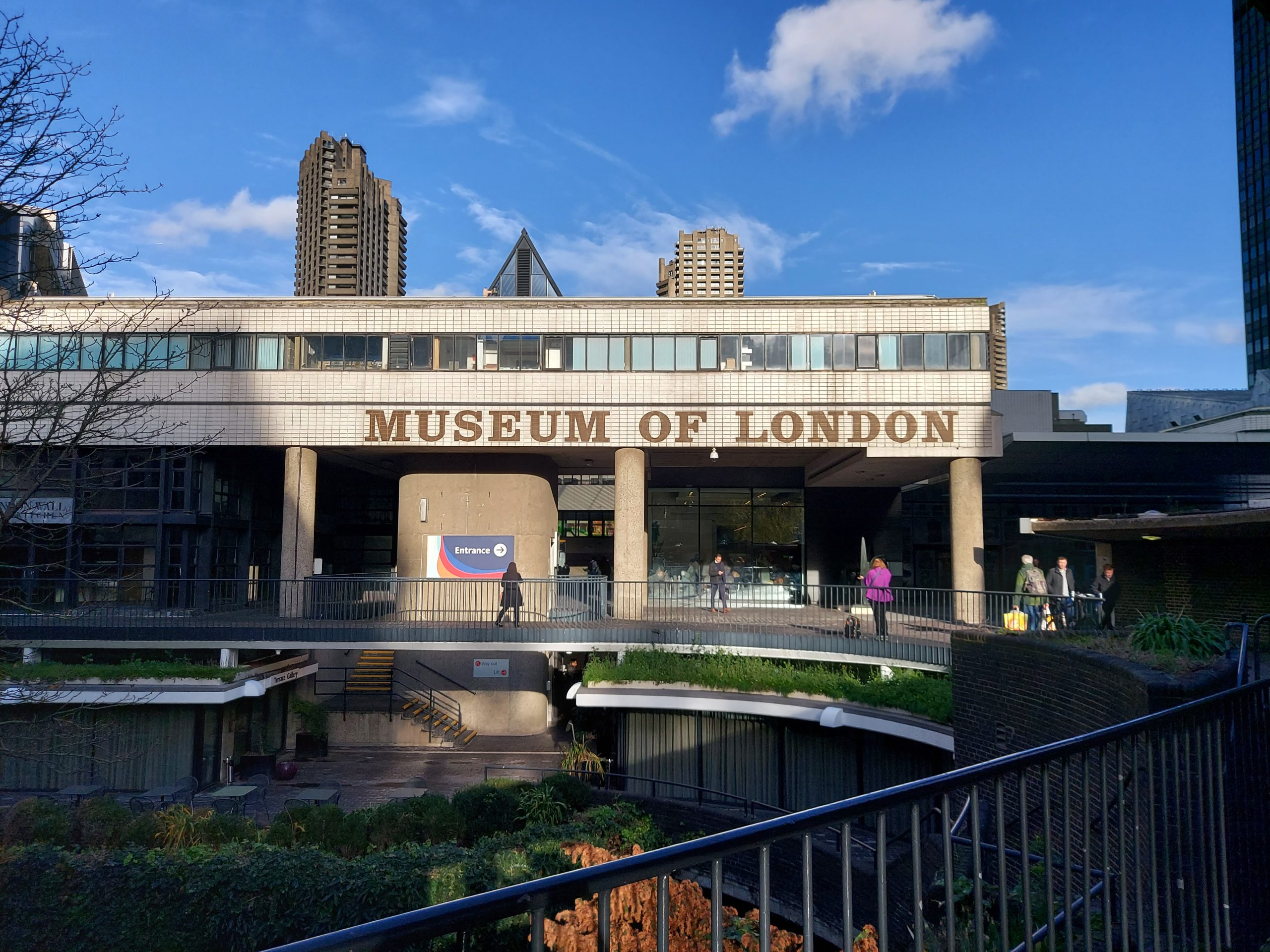
The front of the Museum of London

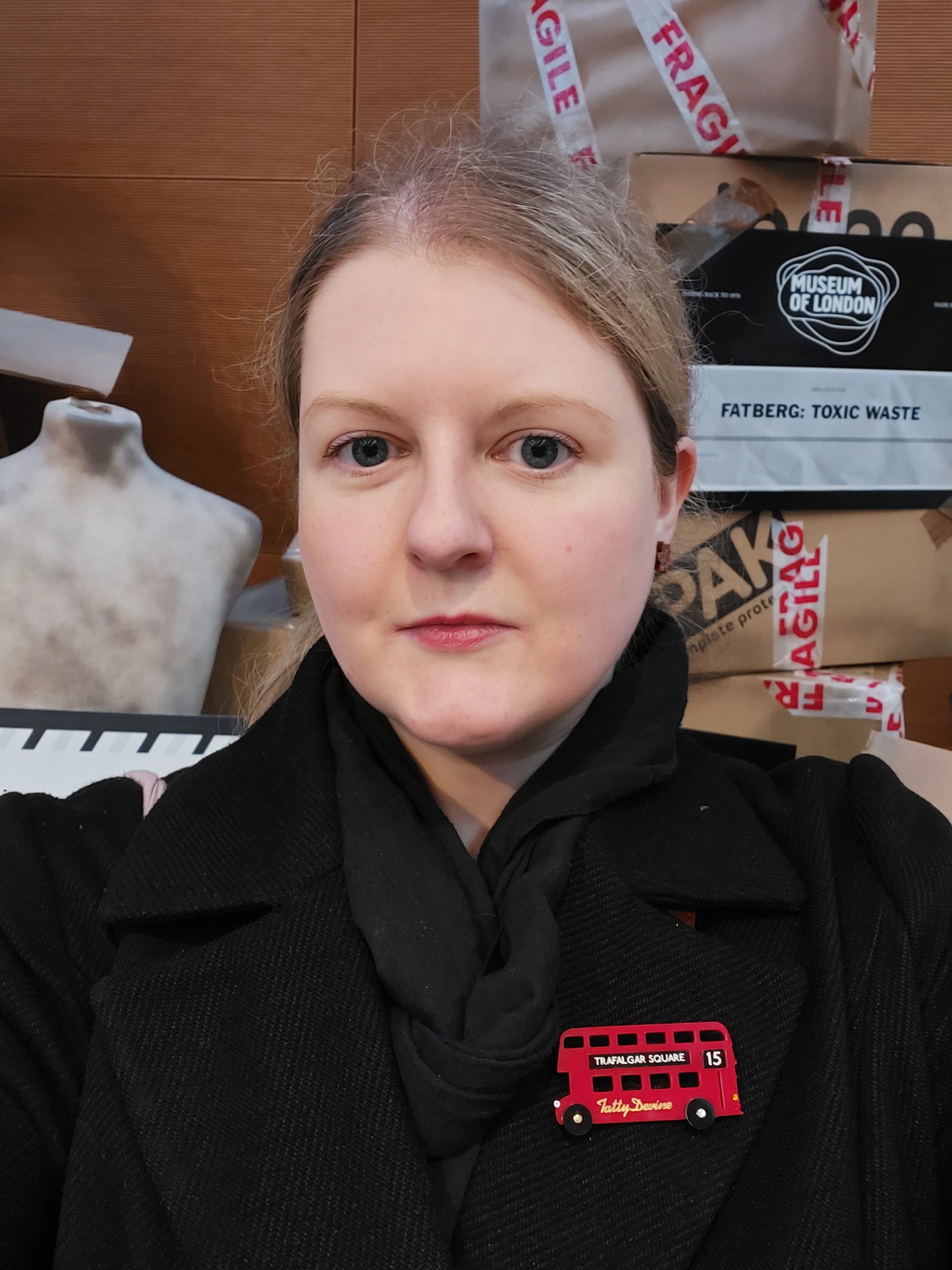
I’ve been to the Museum of London several times over the years, but as it’s about to close before moving to a new site in Smithfield market in a few years, I wanted to go again one last time. The museum is preparing for closure by offering the chance to take a selfie in front of a pile of packing boxes, an opportunity which I took!

Selfie at the Museum of London

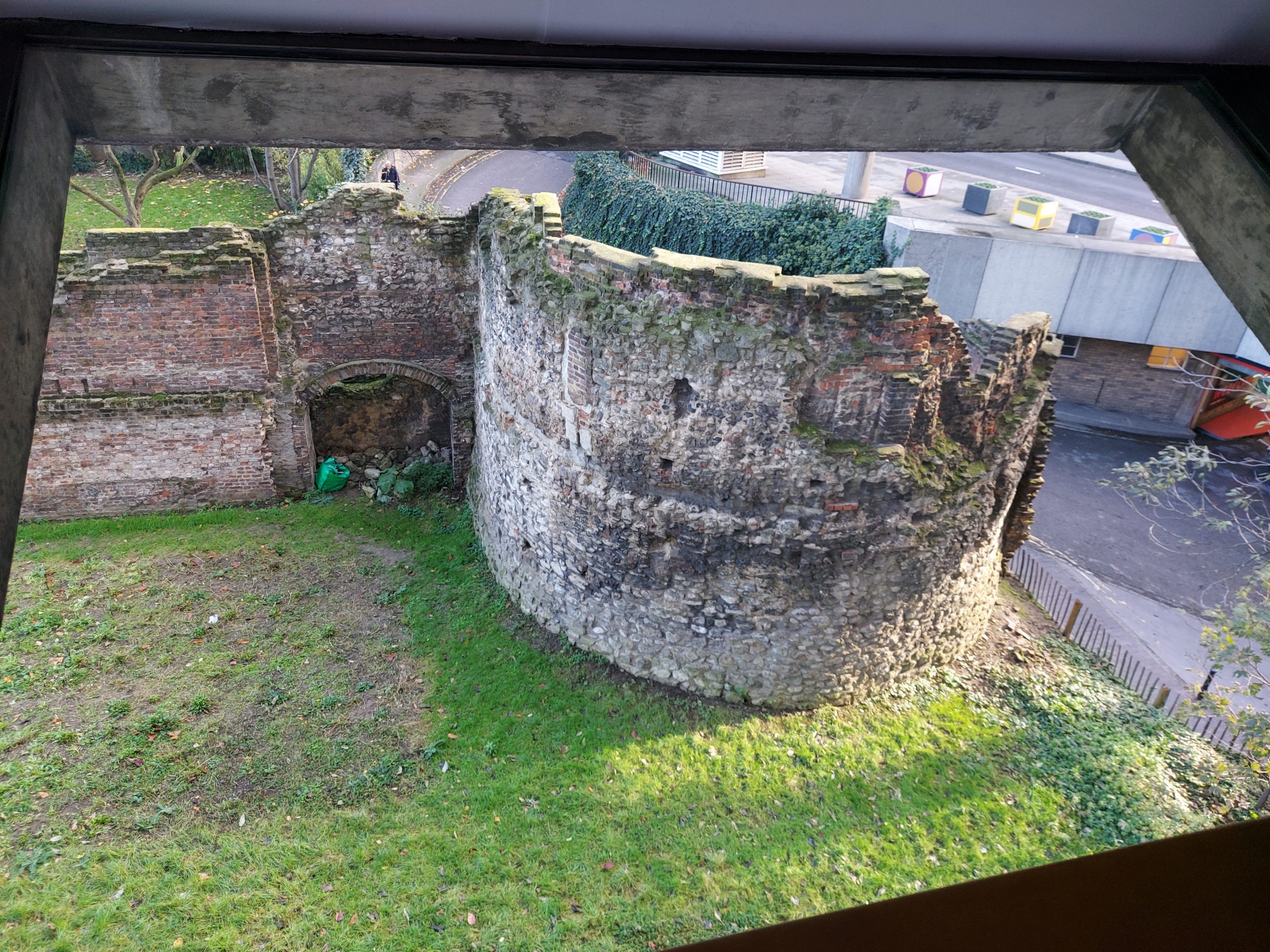
The museum begins with a prehistoric gallery, ‘London Before London’, telling the story of a time when lions, tigers and hippopotami lived on the land we now call London. It then moves on to ‘Roman London’, exploring the first major significant period of London’s history, with some incredible statues and pieces of jewellery that have been dug up over the years. At this point, you can also look out of the window and see a part of the original Roman wall.

View of London Wall from the Museum of London

The ‘Medieval’ gallery explores the Black Death and the Great Fire of London, two events which helped to shape the history of the city. The audiovisual displays are a little bit dated now but still enjoyable. ‘Georgian London’ takes us into the Vauxhall Pleasure Gardens and also displays the door of Newgate Prison, while ‘Victorian London’ is explored through a warren of shops. The Blitz is given a prominent position in the museum as we move into the twentieth century, while we can also learn about poverty, women’s suffrage and workers’ movements. Postwar is represented by various artefacts including a Mary Quant dress, while a cauldron from the 2012 Olympics is one of the most significant objects on display representing the 21st century.

It will be interesting to see how the new museum presents the rich and diverse history of London. I’m looking forward to finding out, although I’m sorry to see this one go.