Being obsessed with anything to do with Antarctica, I decided to go and see the IMAX film Antarctica 3D at the Science Museum at the weekend. Narrated by Benedict Cumberbatch, the film showcases the weird and wonderful wildlife that lives on this frozen continent.
The filmography was simply beautiful, with gorgeous shots of Antarctic sunsets, icebreakers on their way to the continent, and all kinds of creatures. Some of the most impressive sequences showed the Antarctic seabed and the sea creatures that live here, including fish that are prevented from freezing by the antifreeze in their bodies. Later, on land, we got to see close-up shots of elephant seals fighting, leopard seals chasing penguins, and whales doing their thing.
If you’re interested in Antarctica this film is simply a must-see. Its beauty took my breath away.
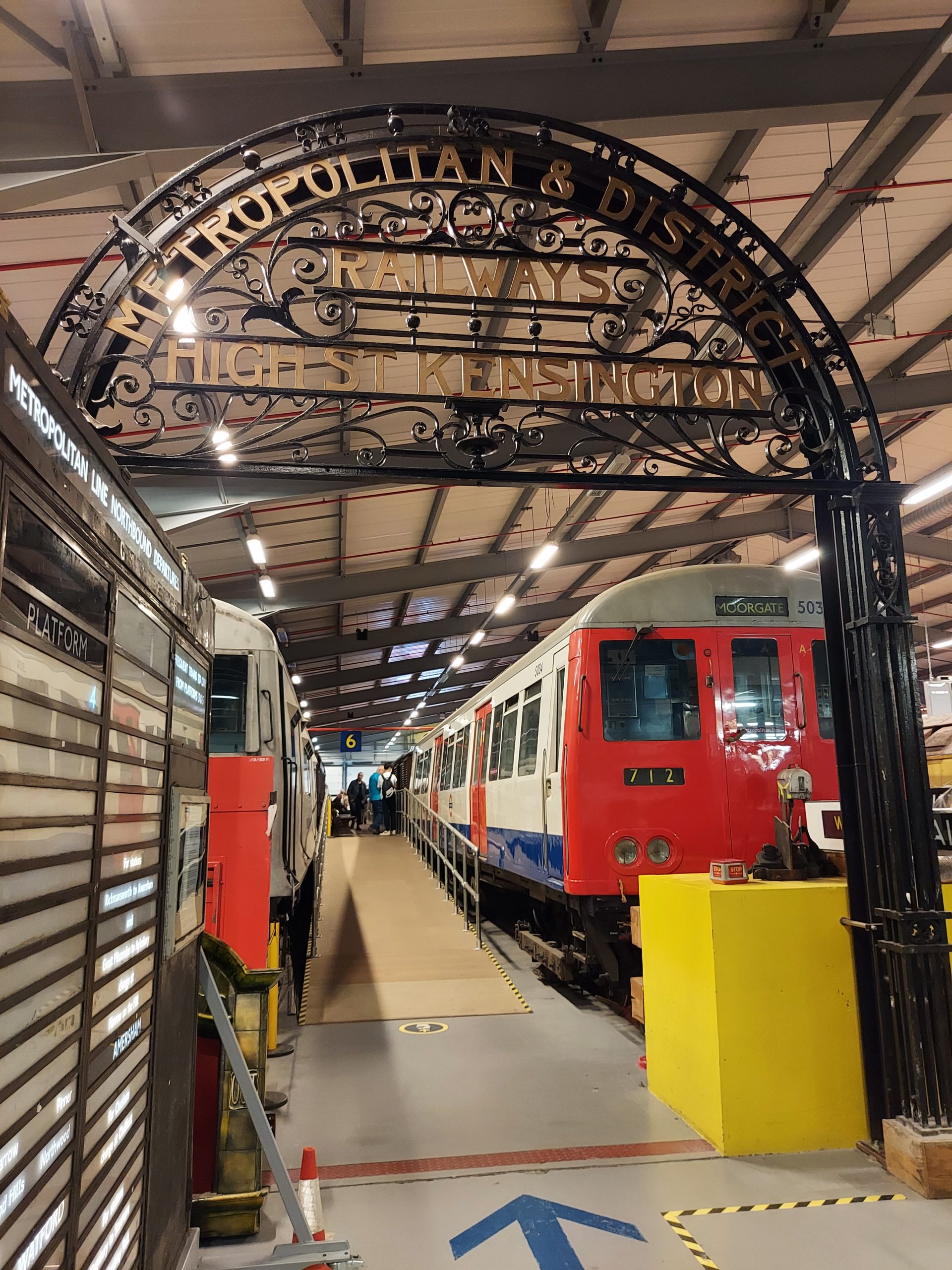
It’s been a long time since I’ve visited the London Transport Museum‘s Acton depot, so I decided to go along to their ‘Underground Uncovered’ event in September. As on my previous visit, there was plenty to see – buses, trams, and Underground cars including one of the District Line carriages that I travelled on frequently before they replaced them a few years ago.
During my visit I attended a talk, The Development of the Underground Logo and Roundel, with Nick Gill. This was fascinating and I learned a lot – not least that the roundel was nearly superseded by a different logo at one point, but the new one did not catch on, to say the least.
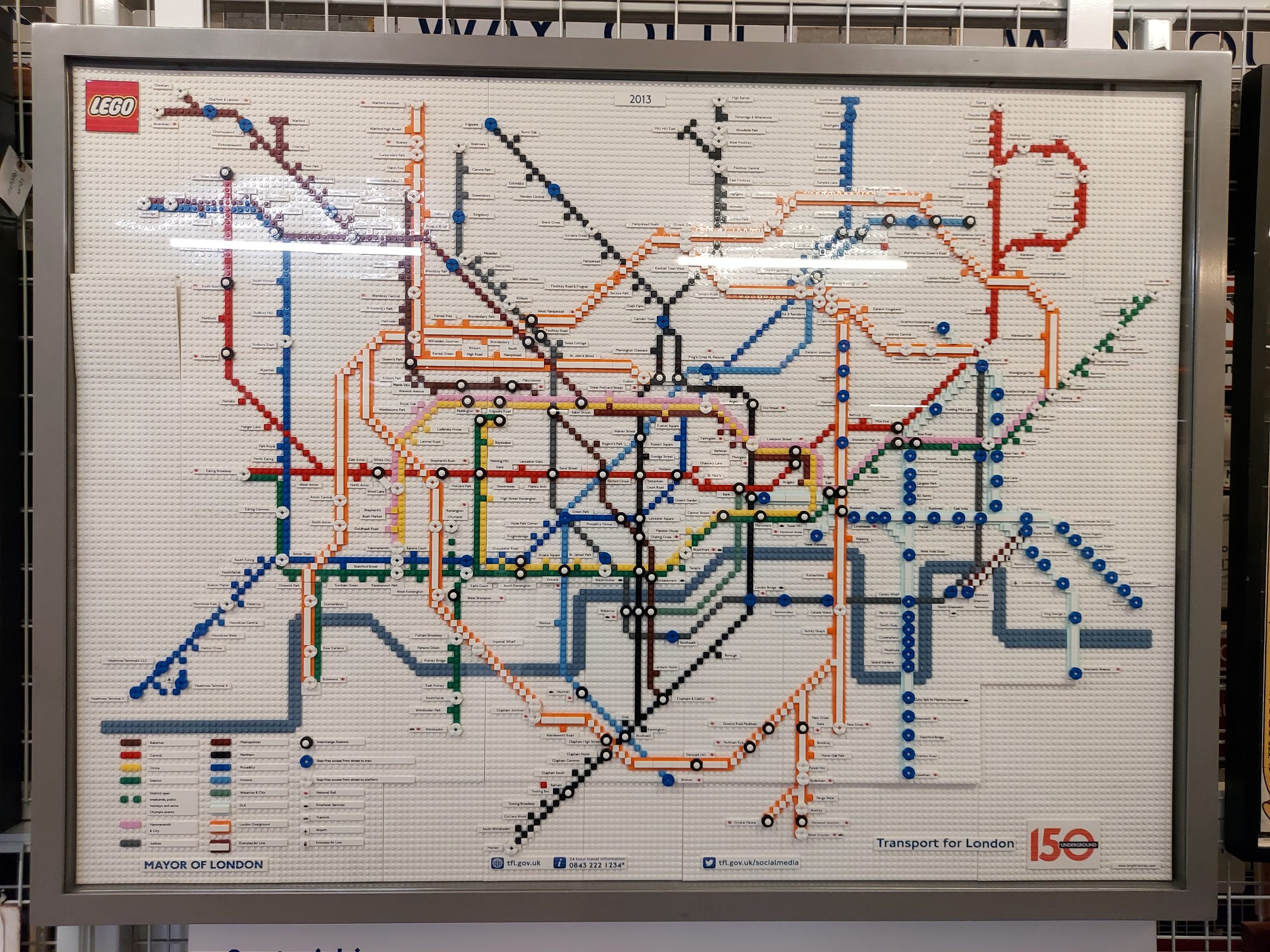
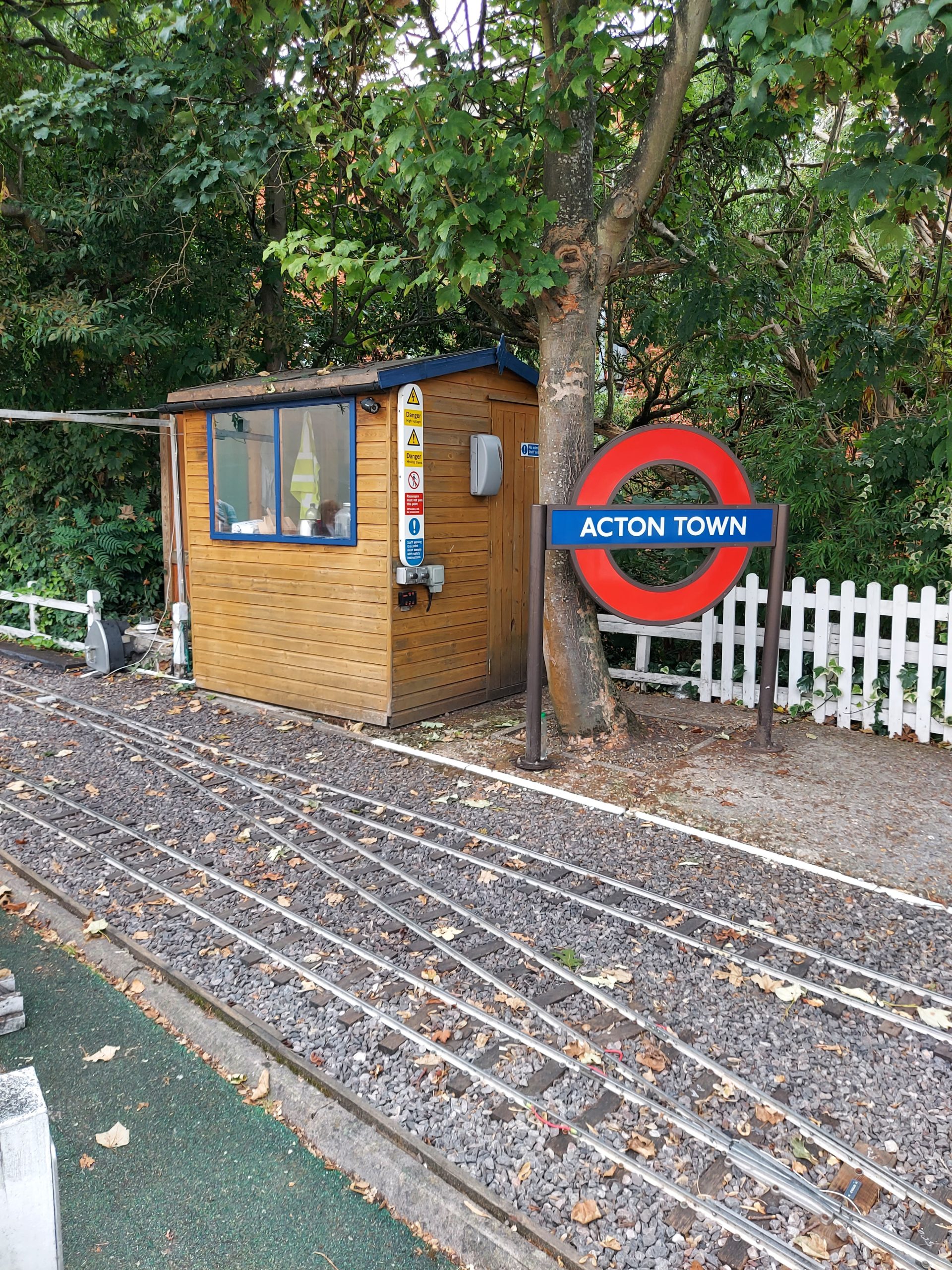
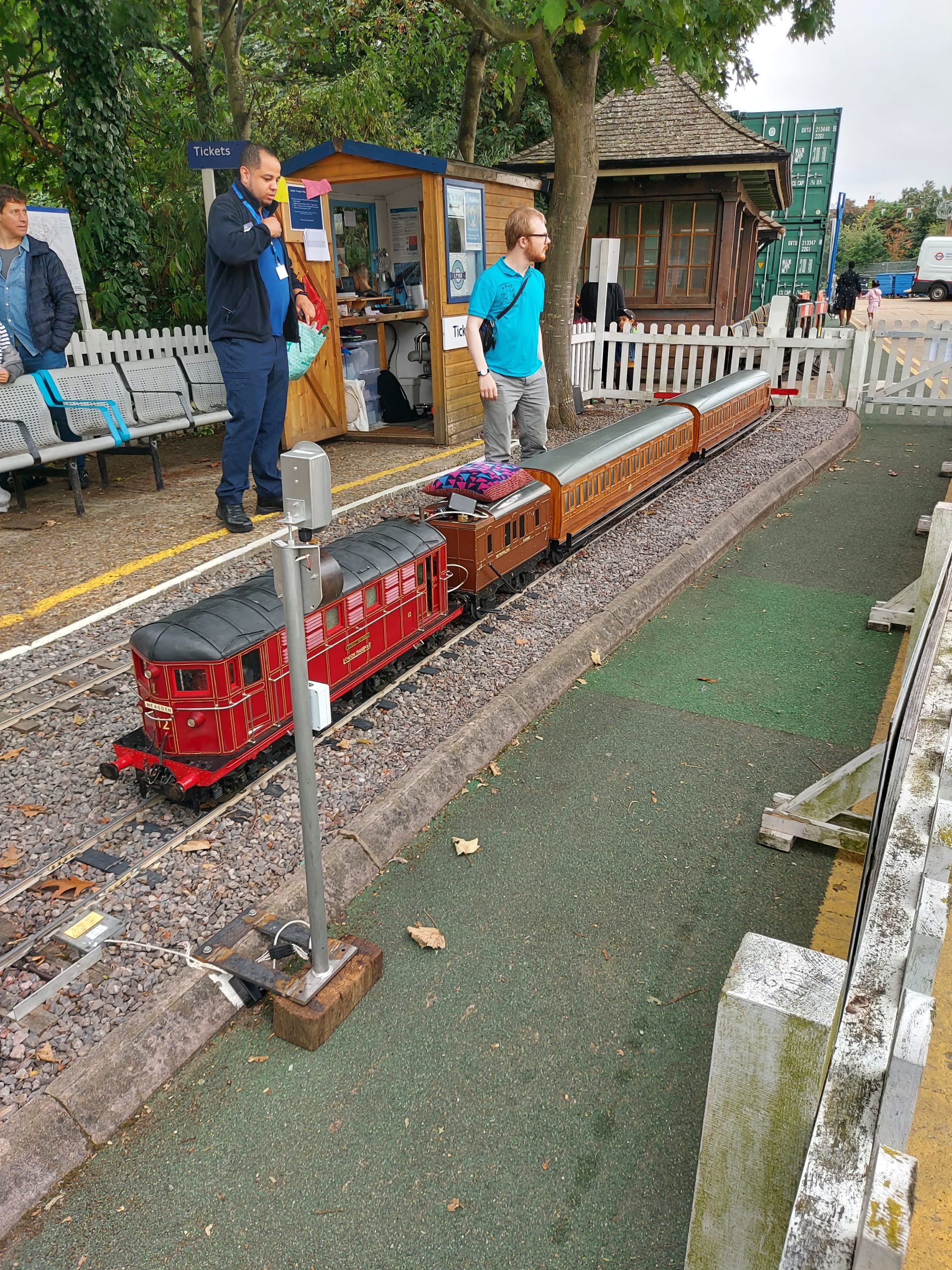
There were also some new things to see: notably a Lego map of the Underground, and – most excitingly – the miniature railway! I got to have a ride on this, and it was great fun.
The Acton depot is open on several weekends throughout the year – check out the museum website for details.
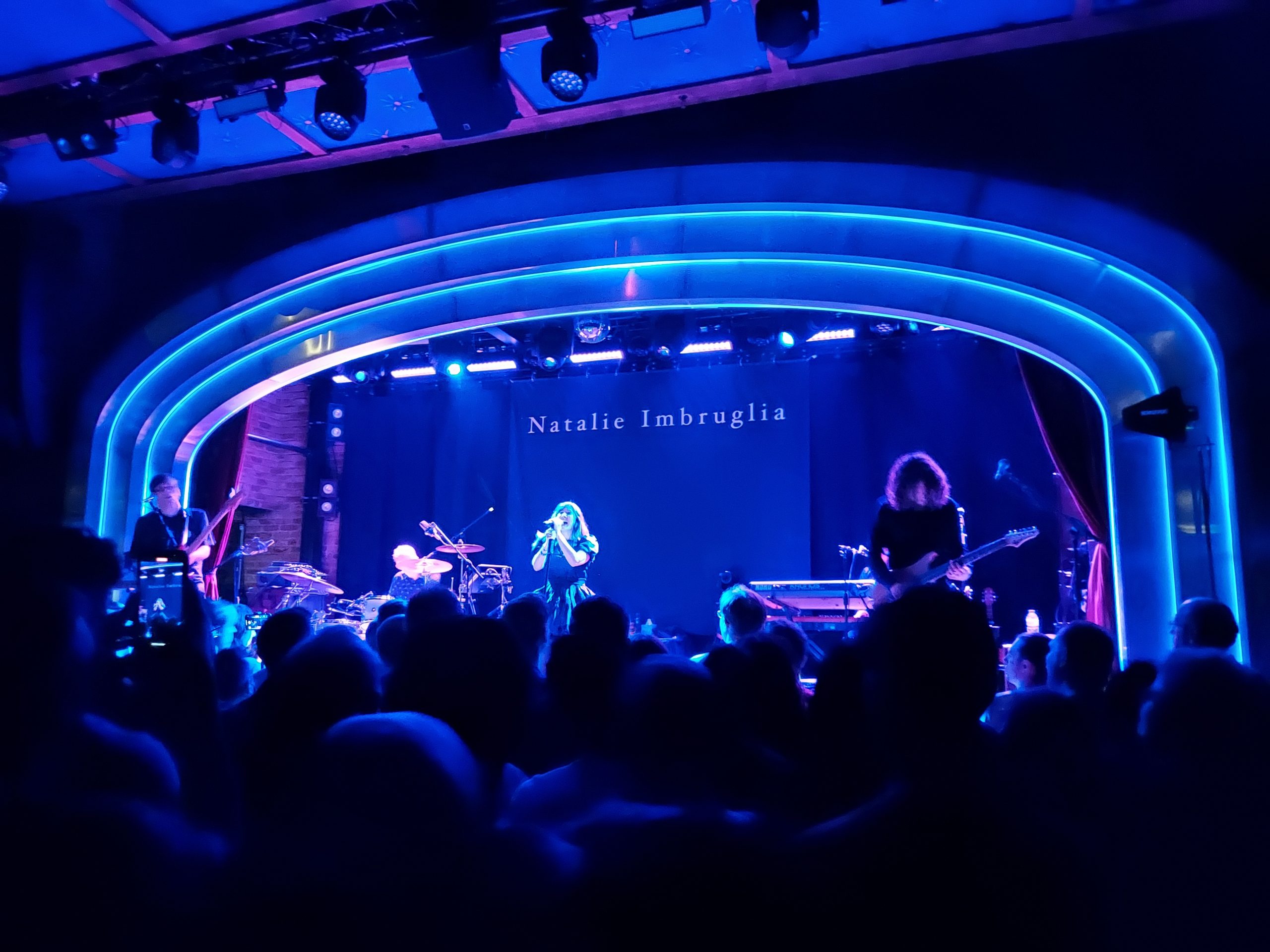
I’ve been a fan of singer Natalie Imbruglia for years – ever since she released her first single, Torn, in 1997 – and have all her albums since; she is certainly no one-hit wonder. Her first album for several years, Firebird, has just been released, and she performed a gig at King’s Cross venue Lafayette to celebrate. I was very excited to go along as I’d never seen her live.
I absolutely loved Natalie’s dress (and hope I look half as good when I’m her age) and most importantly she sounded amazing. She sang plenty of songs from her new album, including the singles ‘Maybe It’s Great’ and ‘Build It Better’, which I already love, as well as the title track ‘Firebird’, which was gorgeous. I loved that she played some of my favourites, like ‘Wrong Impression’ and ‘Shiver’, and, of course, ‘Torn’, ending with the brilliant ‘Big Mistake’.
So glad I went and I would definitely go to another of her gigs.
Setlist
Nothing Missing On My Way Wrong Impression Shiver Maybe It’s Great Just Like Old Times Wishing I Was There Smoke Torn Invisible Things Firebird Dive to the Deep Build It Better
I’ve passed York Road station before – it’s a red brick Leslie Green building not far from King’s Cross – so was glad to have the opportunity to see inside on a Hidden London online tour.
Located between King’s Cross and Caledonian Road on the Piccadilly Line (formerly the Great Northern, Piccadilly and Brompton Railway), the station, on the corner of York Road (now York Way) and Bingfield Street, opened in 1906. However, it was never heavily used, and closed in 1932 when the northern extension to the Piccadilly Line – Finsbury Park to Arnos Grove – opened.
The station featured lifts, which – uniquely to this station and a couple of others – took passengers directly to the platforms. Because of this, the tracks curved outwards around the platform. The station contains a small signalling cabin, which remained in use until 1964, many years after the station had closed. I don’t envy the poor workers who had to sit there all alone!
The station platforms no longer exist, but the site is used as an emergency exit, so lights do still exist on one of the pathways out. It’s possible to view the station from the train – why not have a look next time you’re travelling north from King’s Cross?
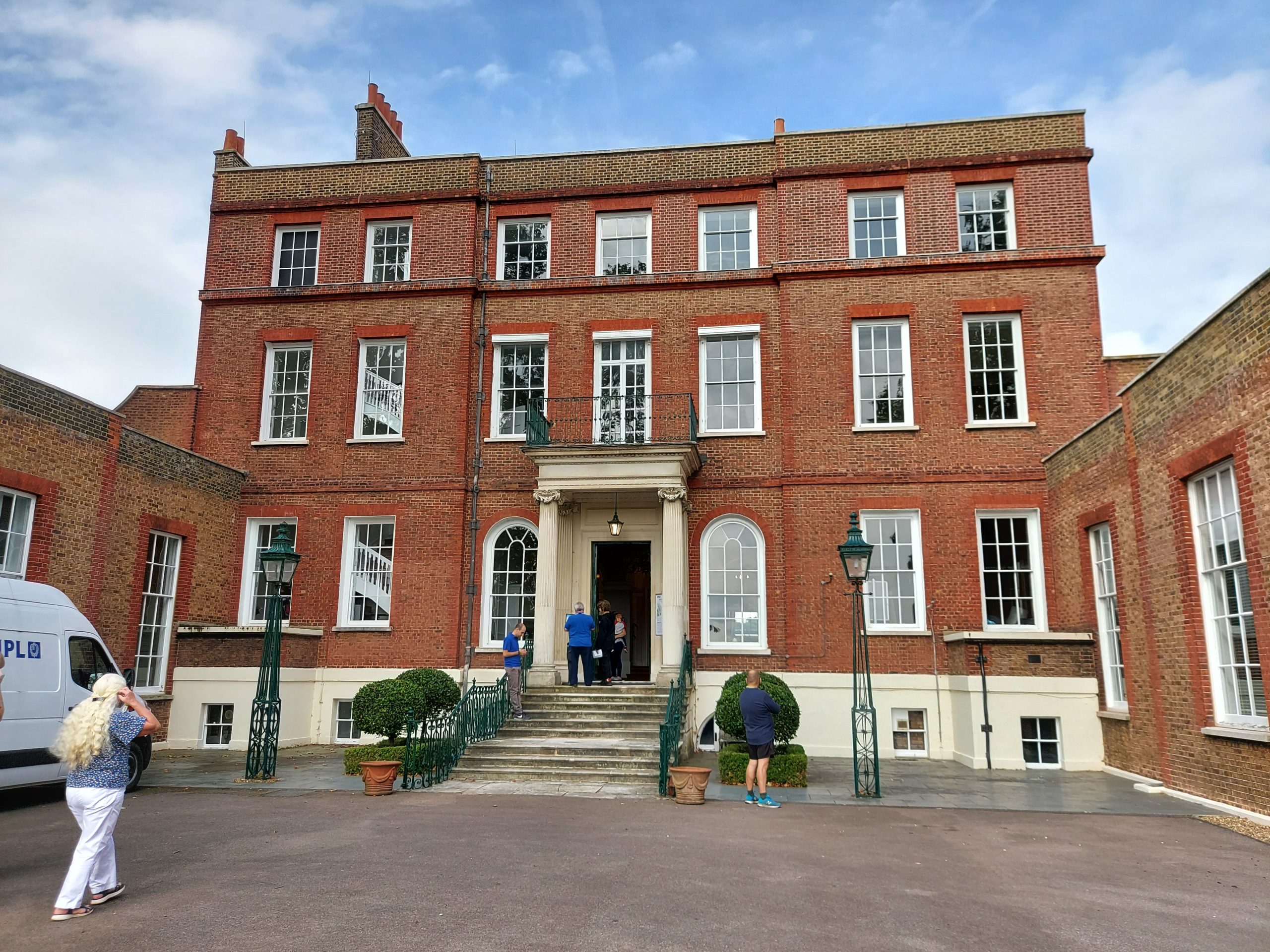
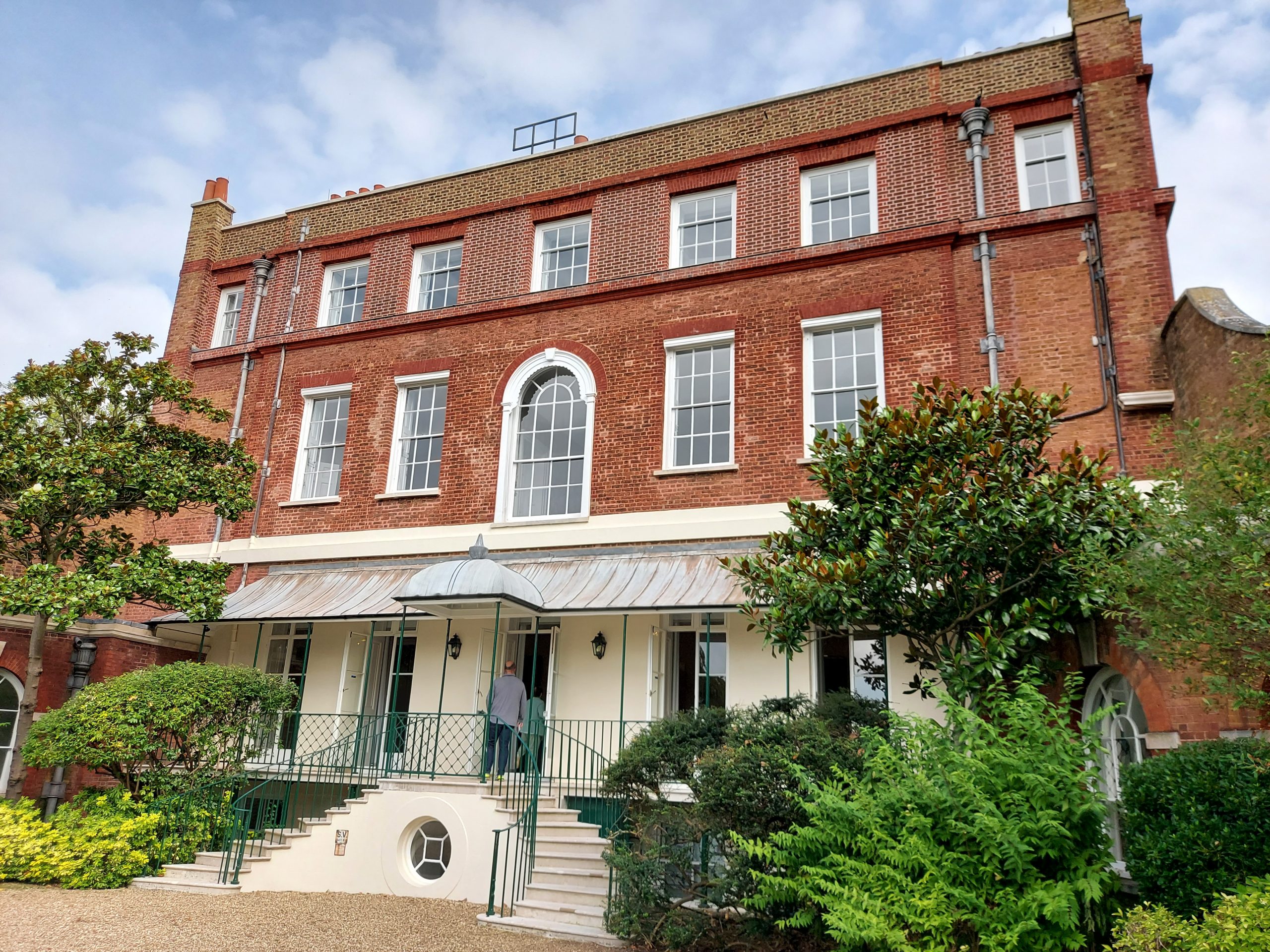
As part of Open House London this weekend I paid a visit to Bushy House and Gardens in Teddington. The house has a long and distinguished history, is a former residence of King William IV and Queen Adelaide, and is now part of the National Physical Laboratory. It is rarely open to the public, so this was an exciting event.
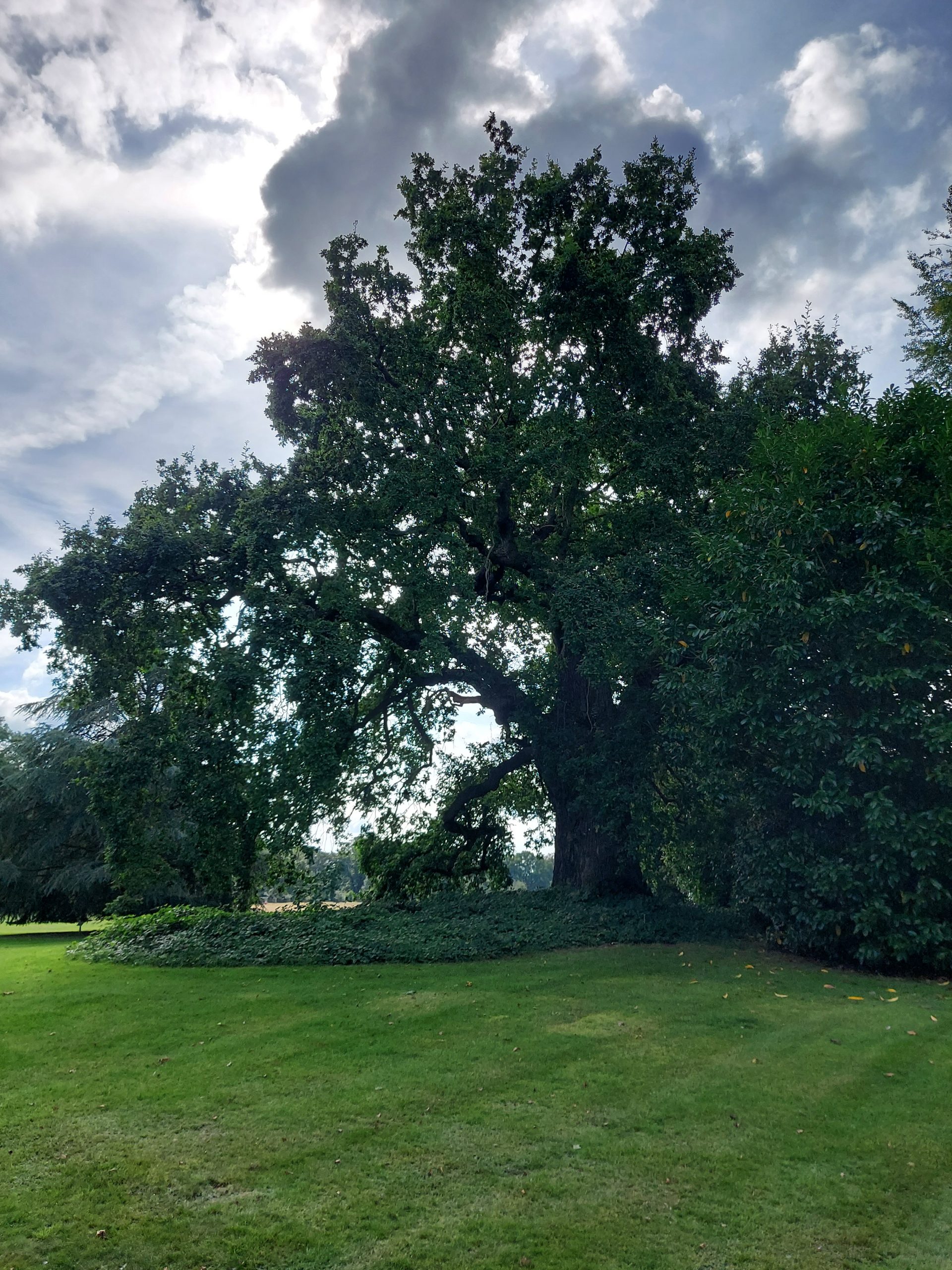
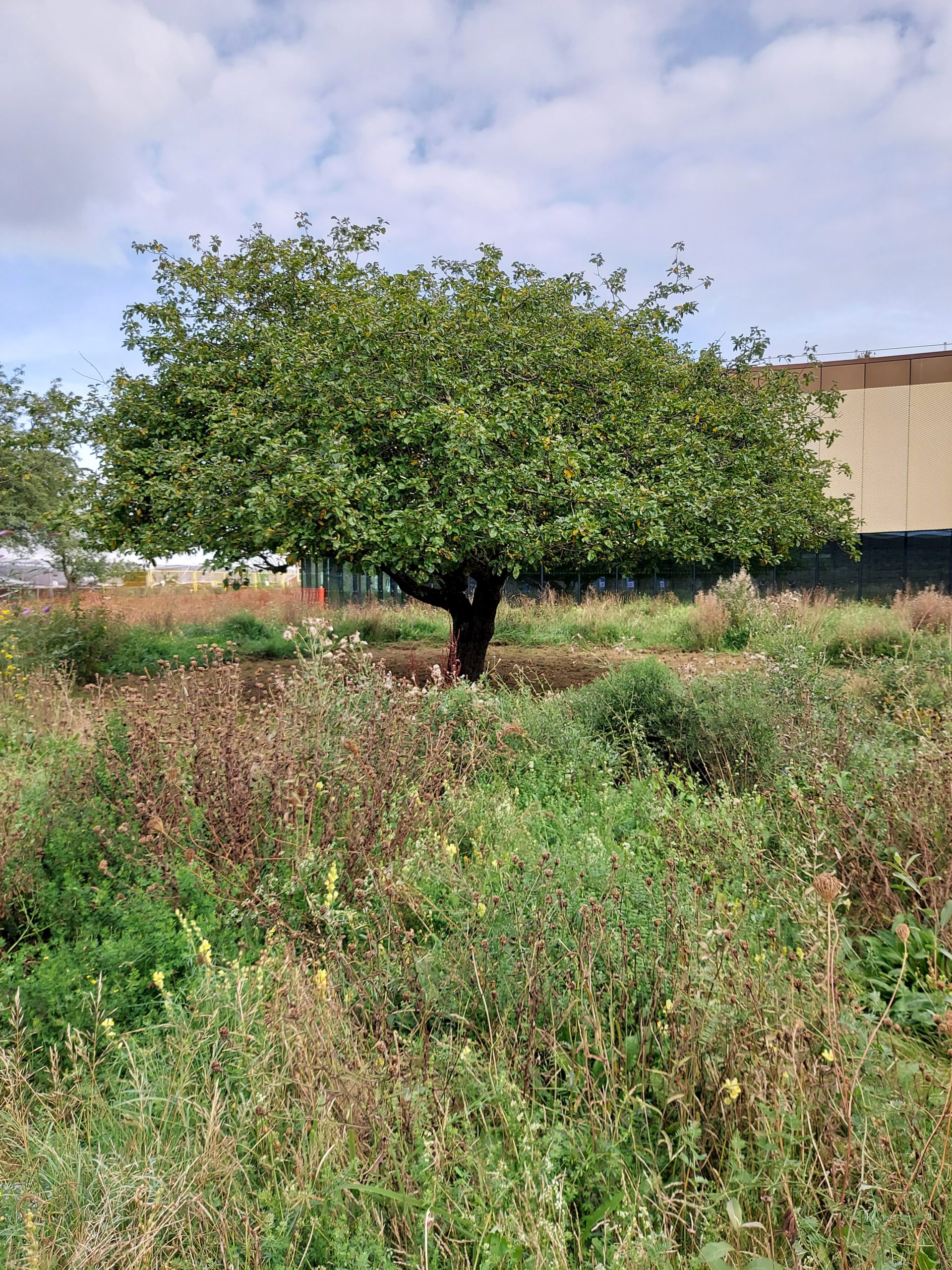
It was a beautiful sunshiny day, and we enjoyed some science demonstrations with liquid nitrogen that were taking place on the lawn. We also explored the grounds, visiting a temple and some impressive trees, including one planted for the Queen’s Silver Jubilee, an ancient oak, and an apple tree descended from Newton’s original.
Ancient oakApple tree descended from Newton’s originalTree planted for the Queen’s Silver Jubilee
We also found time to visit the house itself. These days the house is most often used for meetings and conferences, although it also contains some laboratories and a museum. The museum mainly contains scientific equipment and also tells the story of the house through the ages.
The house was originally built in 1663 by William Samwell for Edward Proger, but was rebuilt by the Earl of Halifax from 1714 to 1715. In 1797, King George III made his son, the Duke of Clarence, ranger of Bushy Park, and Clarence lived there with his mistress Dorothea Jordan and their ten children. Their relationship ended in 1811 and Clarence’s wife Princess Adelaide moved in after their marriage in 1818. Clarence was at Bushy House in 1830 when a messenger arrived from London to inform him that King George IV was dead and he was now King William IV. After William’s death in 1837, Adelaide continued to reside at the house as ranger until her own death in 1849.
Later in Queen Victoria’s reign, the house was used by members of the exiled French royal family, but became empty after the death of the last of the line. The National Physical Laboratory chose Bushy House for its headquarters, and the Prince of Wales (later King George V) officially opened it in 1902.
It was great to get the chance to visit and everyone had a lovely day.
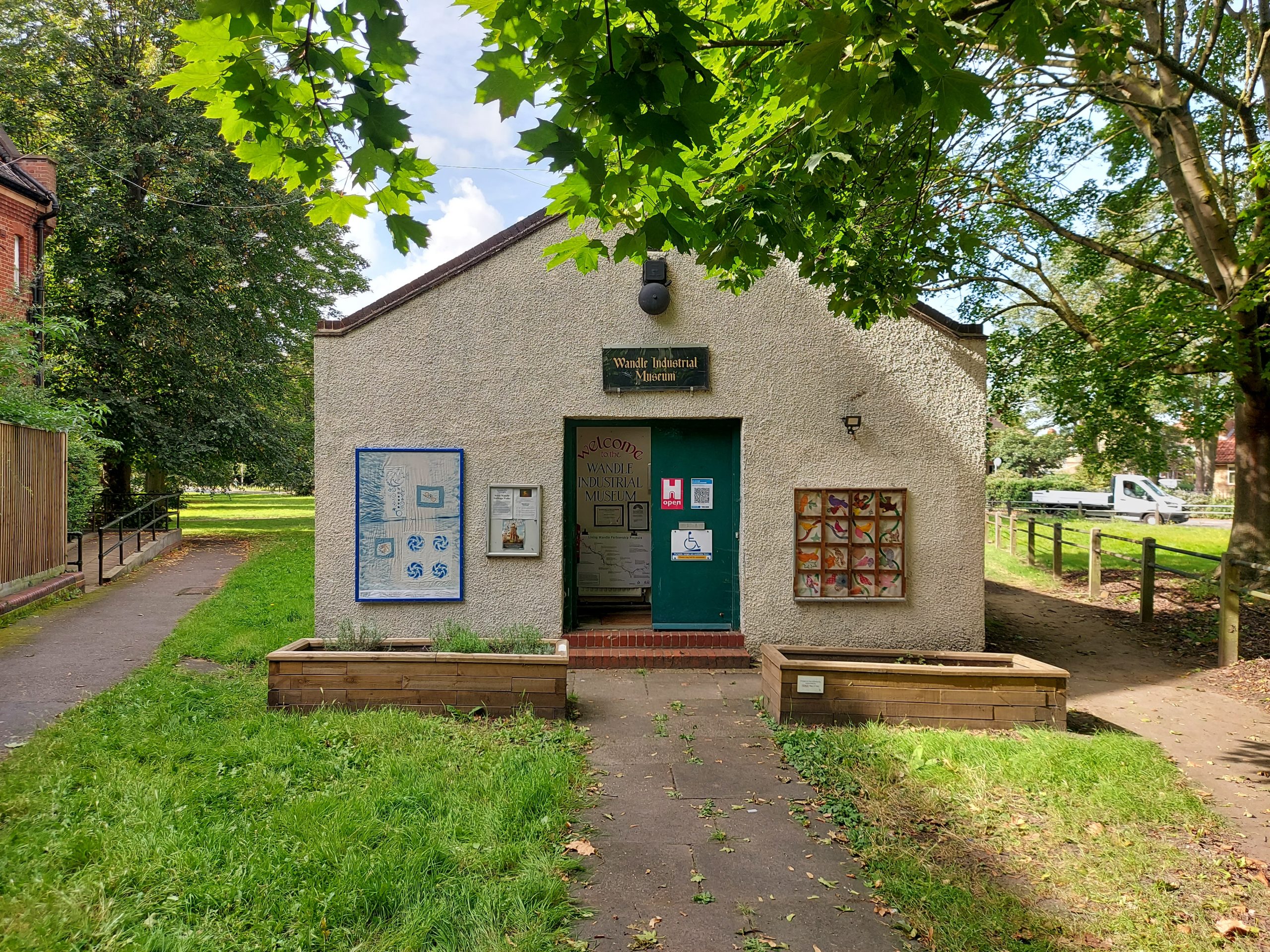
As part of Heritage Open Days I decided to pay a visit to the Wandle Industrial Museum in Mitcham. The museum was founded in 1983, and is run by volunteers. It aims to preserve, store and interpret the heritage and history of the industries and people of the River Wandle.
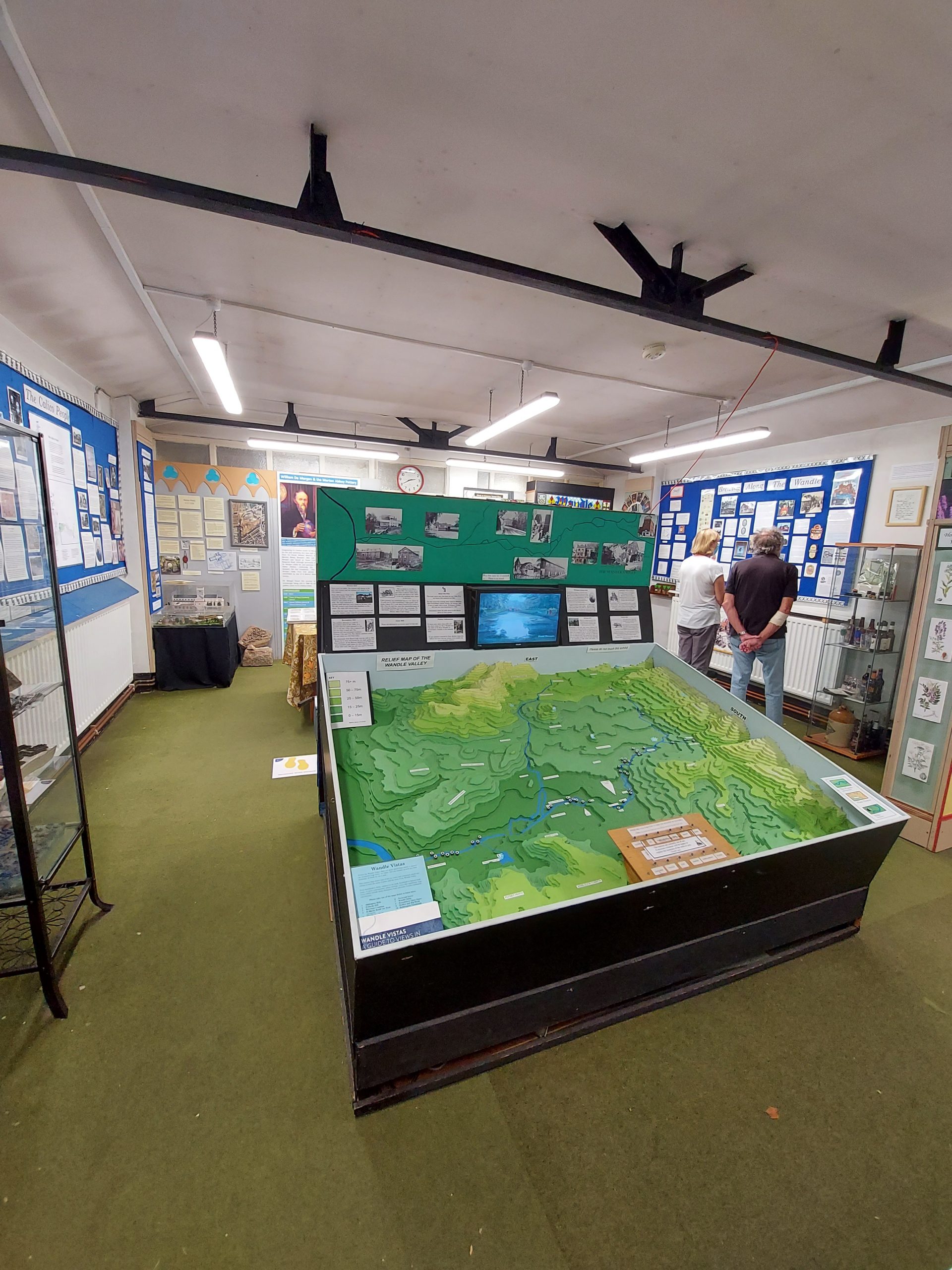
Inside the museum
The museum is located in a hut beside Vestry Hall, alongside London Road on the way into Mitcham. Its showpiece is a large display showing the River Wandle and its immediate environs. I found this fascinating as although I have walked the route of the Wandle before and I know that rivers flow through valleys, I hadn’t realised just how much of a valley the Wandle’s immediate environment was, and how hilly the surrounding areas were.
Display on William de Morgan
The museum has a section on the industries of the Wandle valley, including printing and textile factories such as that owned by William Morris. There is also a section on the lavender industry which prospered in Mitcham in the 19th and 20th centuries.
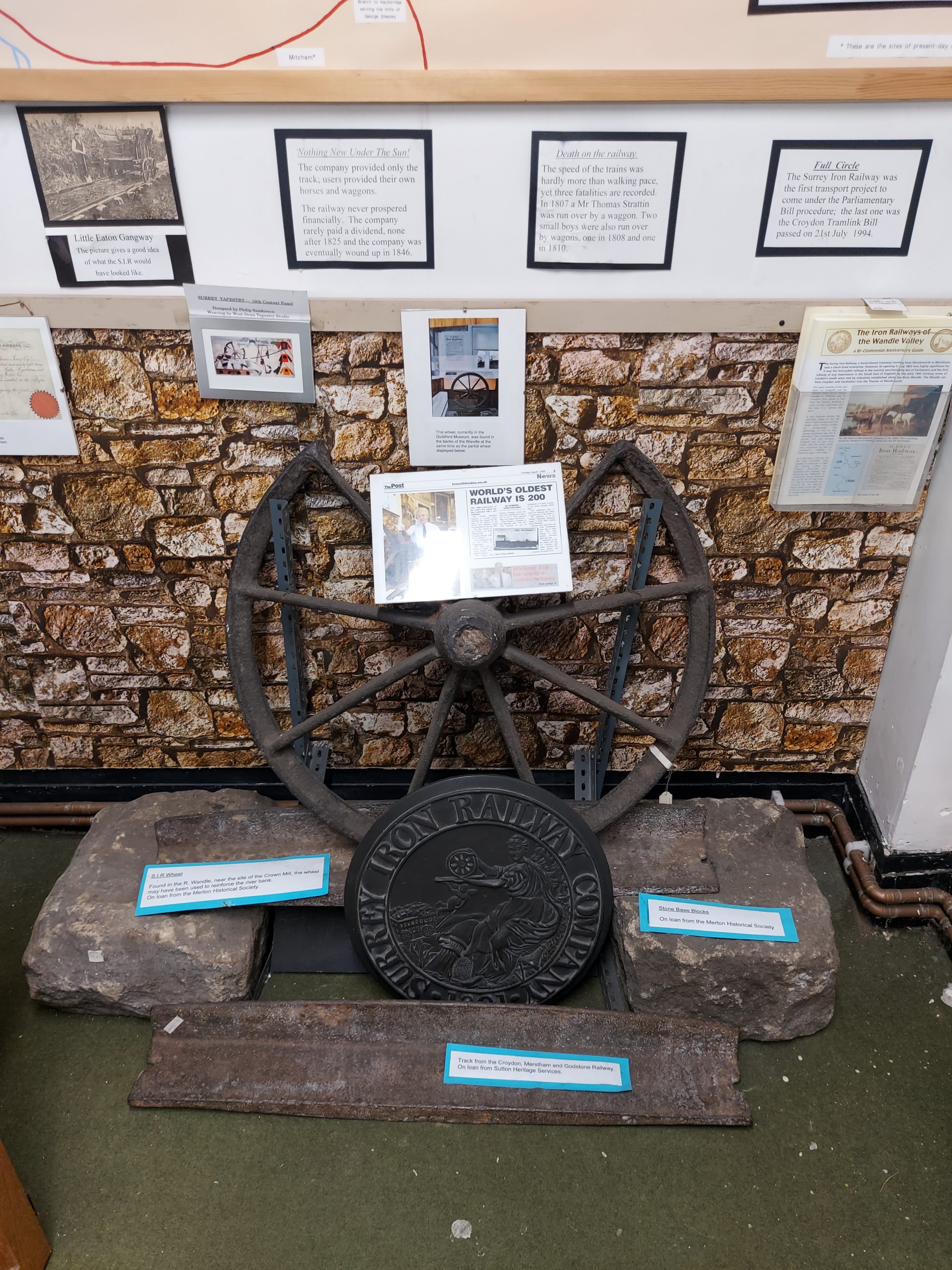
Wheel from one of the area’s many mills
This is a tiny, rather sweet museum that is worth a visit if you’re in the area – and the entry fee is a bargain.
FACTS
Address: Vestry Hall Annex, London Road, Mitcham, Greater London, CR4 3UD
My Open House London Sunday visit was to St Bart’s Hospital, to check out the old parts of the hospital in the North Wing. When I arrived there was a bit of a queue so I almost didn’t bother, but in the end the queue went down really quickly.
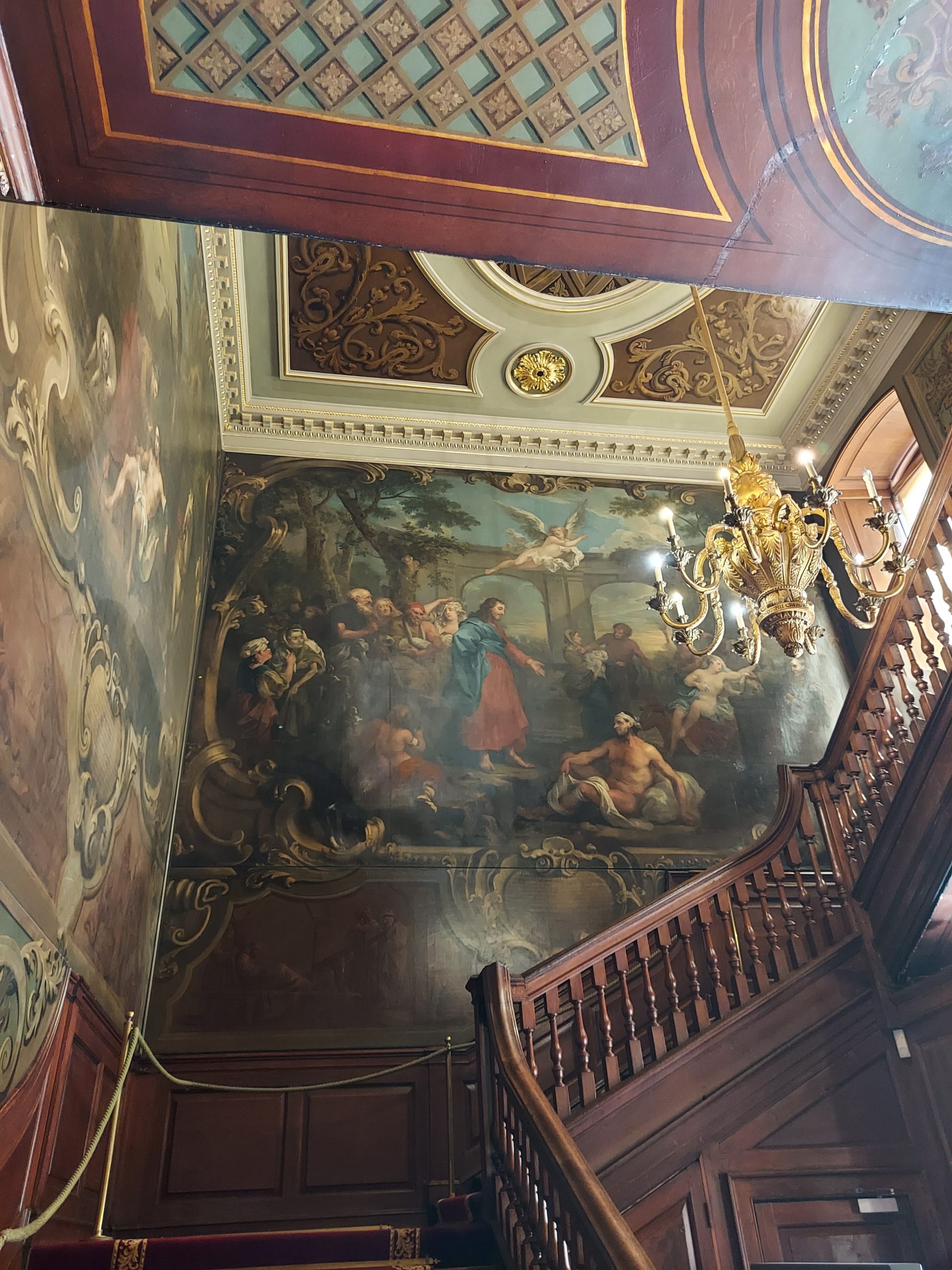
The Hogarth Staircase
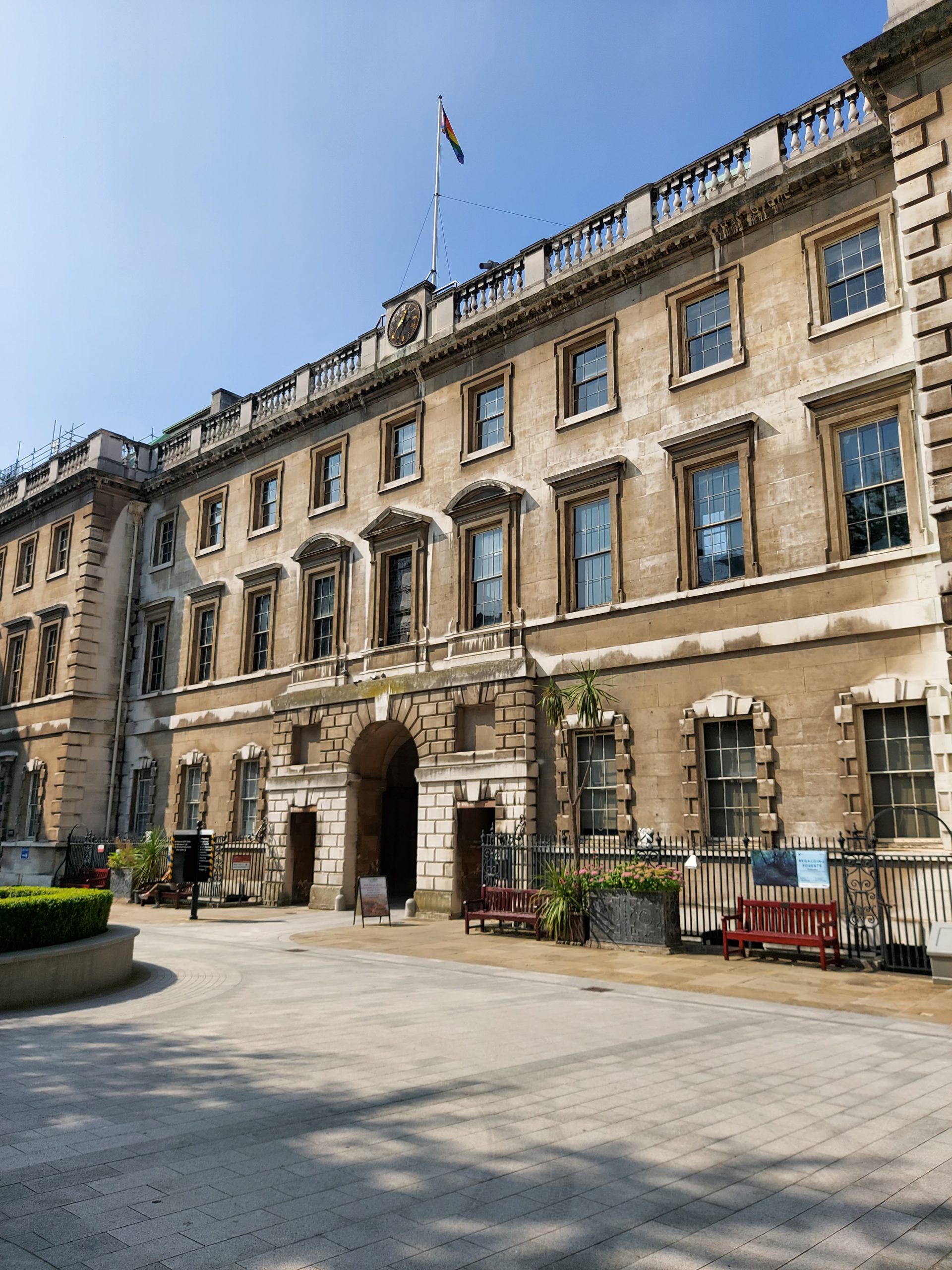
The hospital was founded in 1123 to care for the poor of the City of London, but this building was built in 1730 to designs by James Gibbs. It is one of several historic buildings on the site: the Gatehouse (1702), the church of St Bartholomew the Less (with 15th century tower), and the other two James Gibbs blocks of the 18th century, the East and West Wings. These buildings surround a square with an elegant Victorian fountain and other Victorian buildings.
St Bartholomew
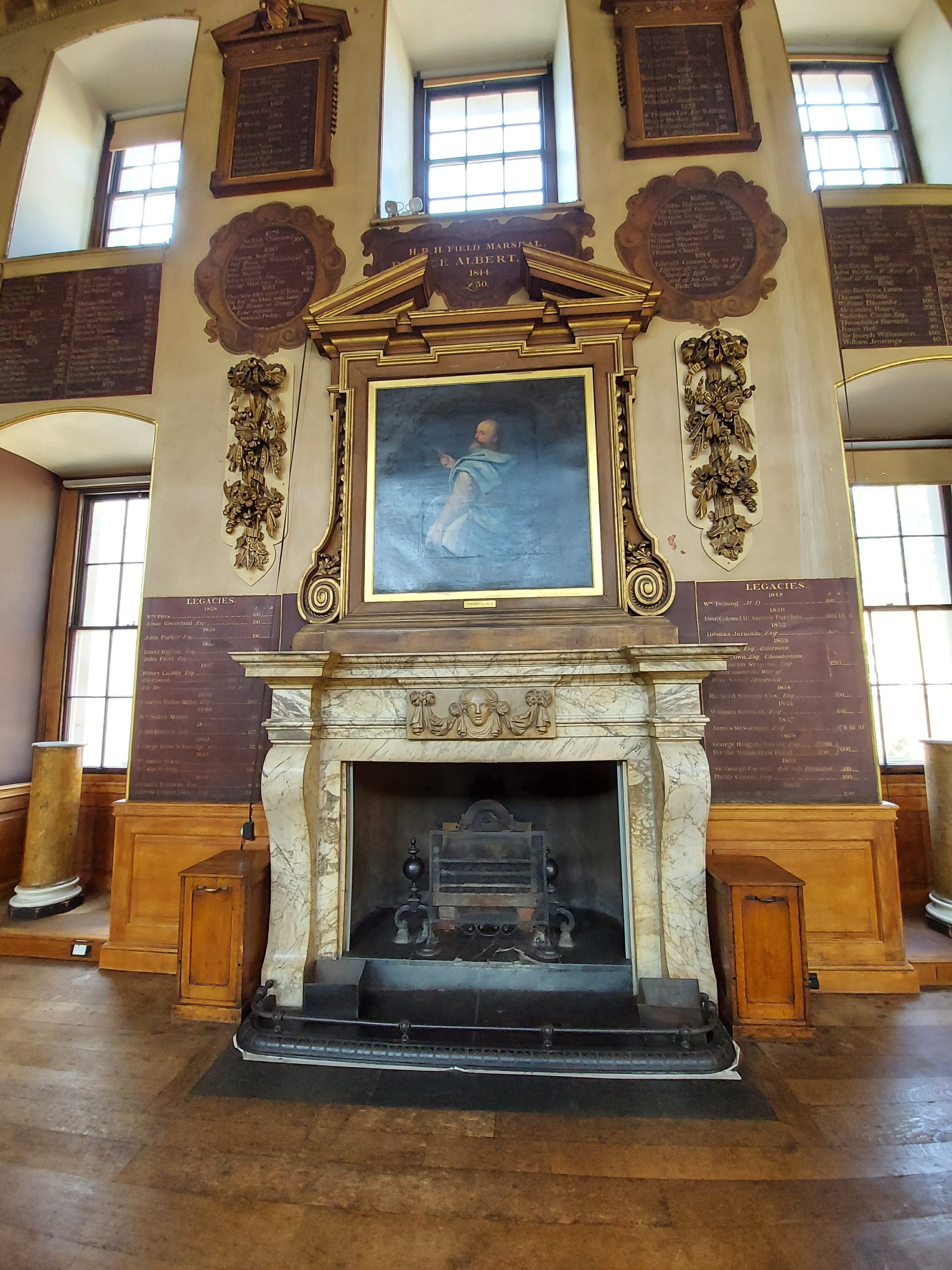
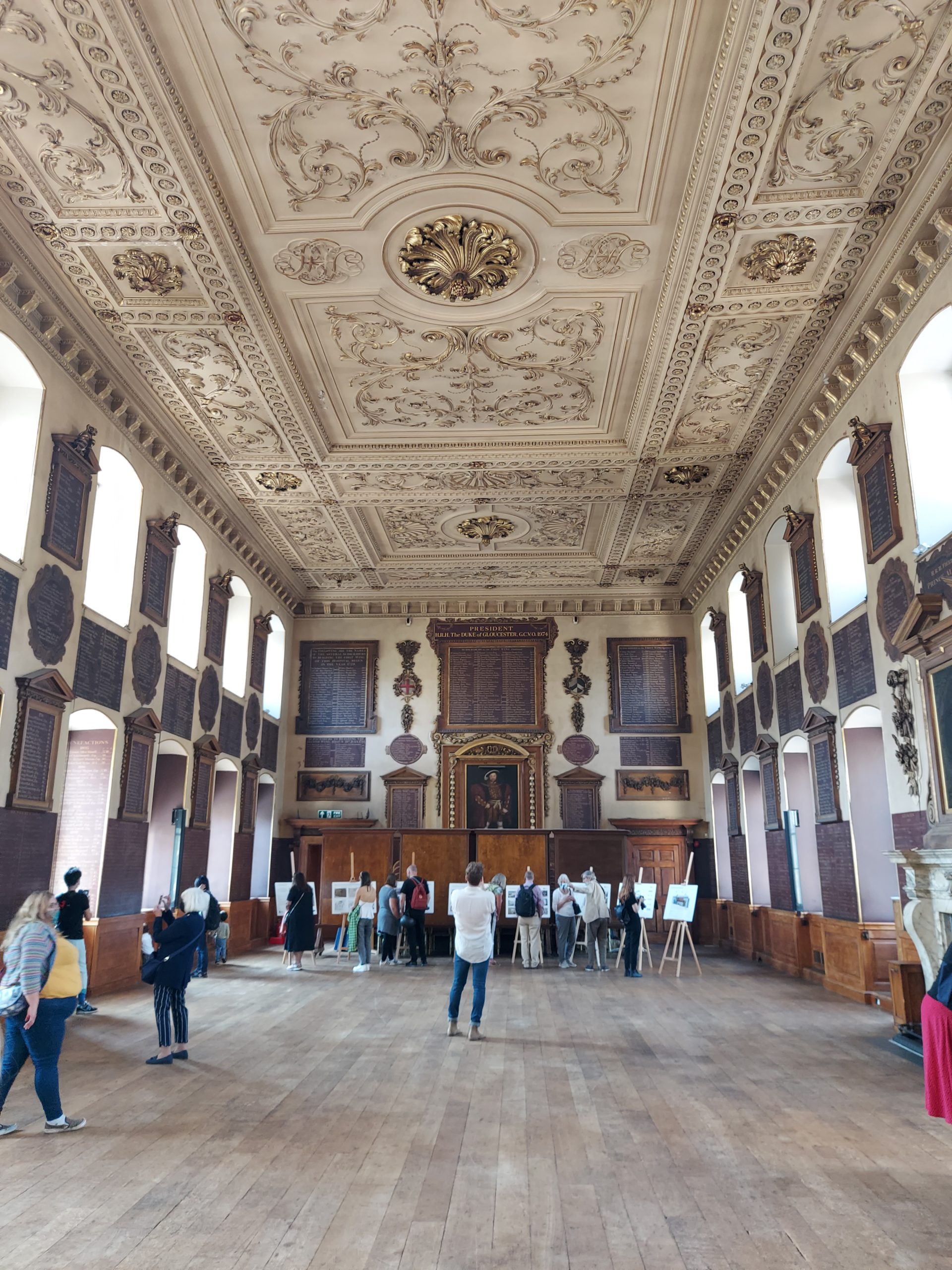
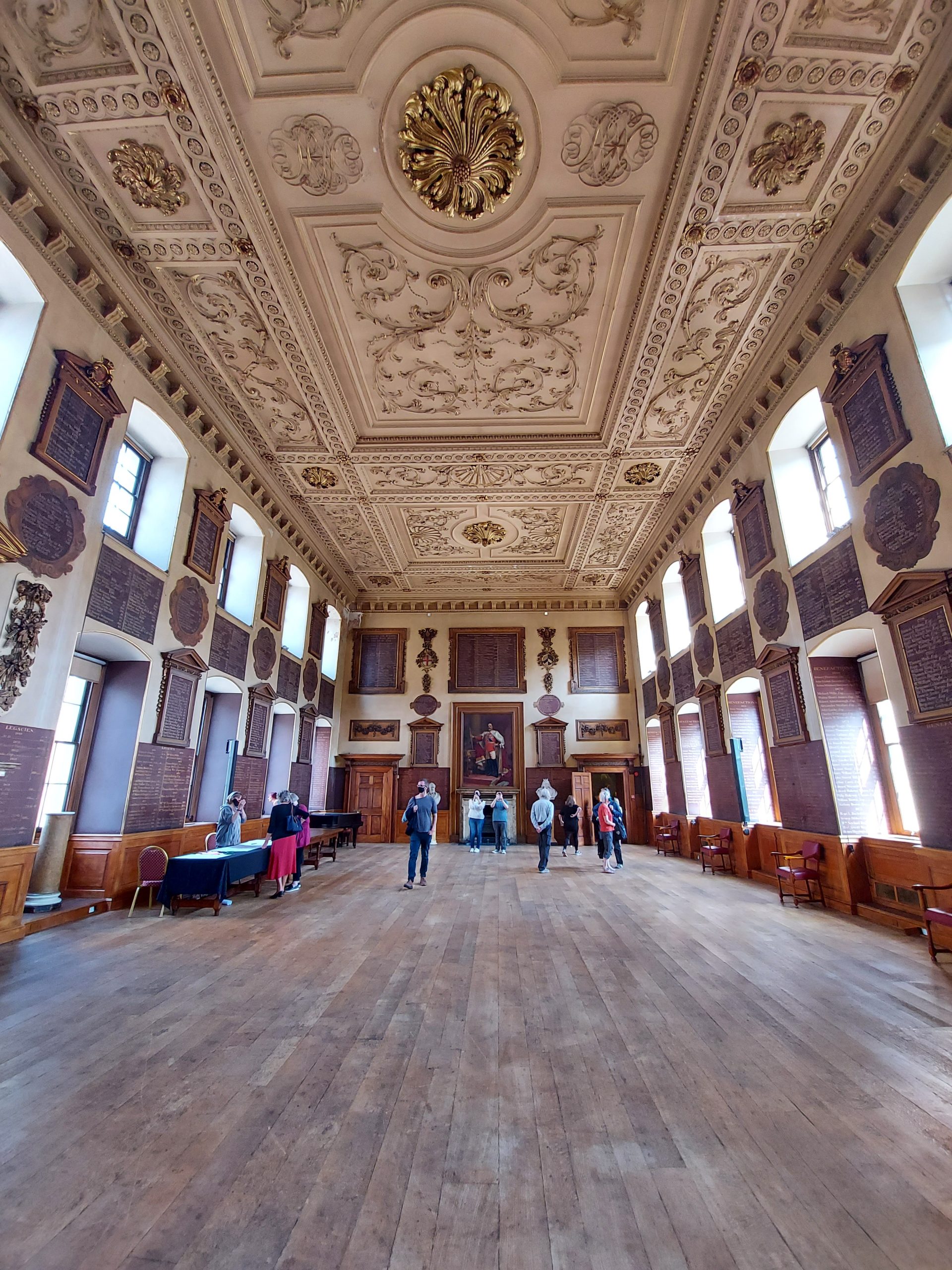
The North Wing was built to contain the financial and management functions of the hospital, including the work of the hospital’s governors, who would use the Great Hall to entertain potential donors in the times before the NHS. On entering the building, the first thing you see is the Hogarth Staircase, decorated by the famous painter William Hogarth and designed to showcase a variety of different illnesses. This magnificent staircase leads to the Great Hall, which is full of portraits and dedications to the early contributors to the redevelopment of the hospital. There is a portrait of Henry VIII at the west end of the room – a copy of a portrait that was hung in the Palace of Whitehall – and a portrait of St Bartholomew hangs over the central fireplace. Opposite this is the 17th century Charter Window, moved to the building from its previous location. The gold leaf ceiling is by Jean Baptiste St Michell.
The Great Hall
In recent years the building has been used for receptions, dinners, cultural events and examinations. A new charity, Barts Heritage, has now taken it over and is planning a major restoration project to start in 2023, which is the 900th anniversary of the Hospital.
The Great Hall
Museum
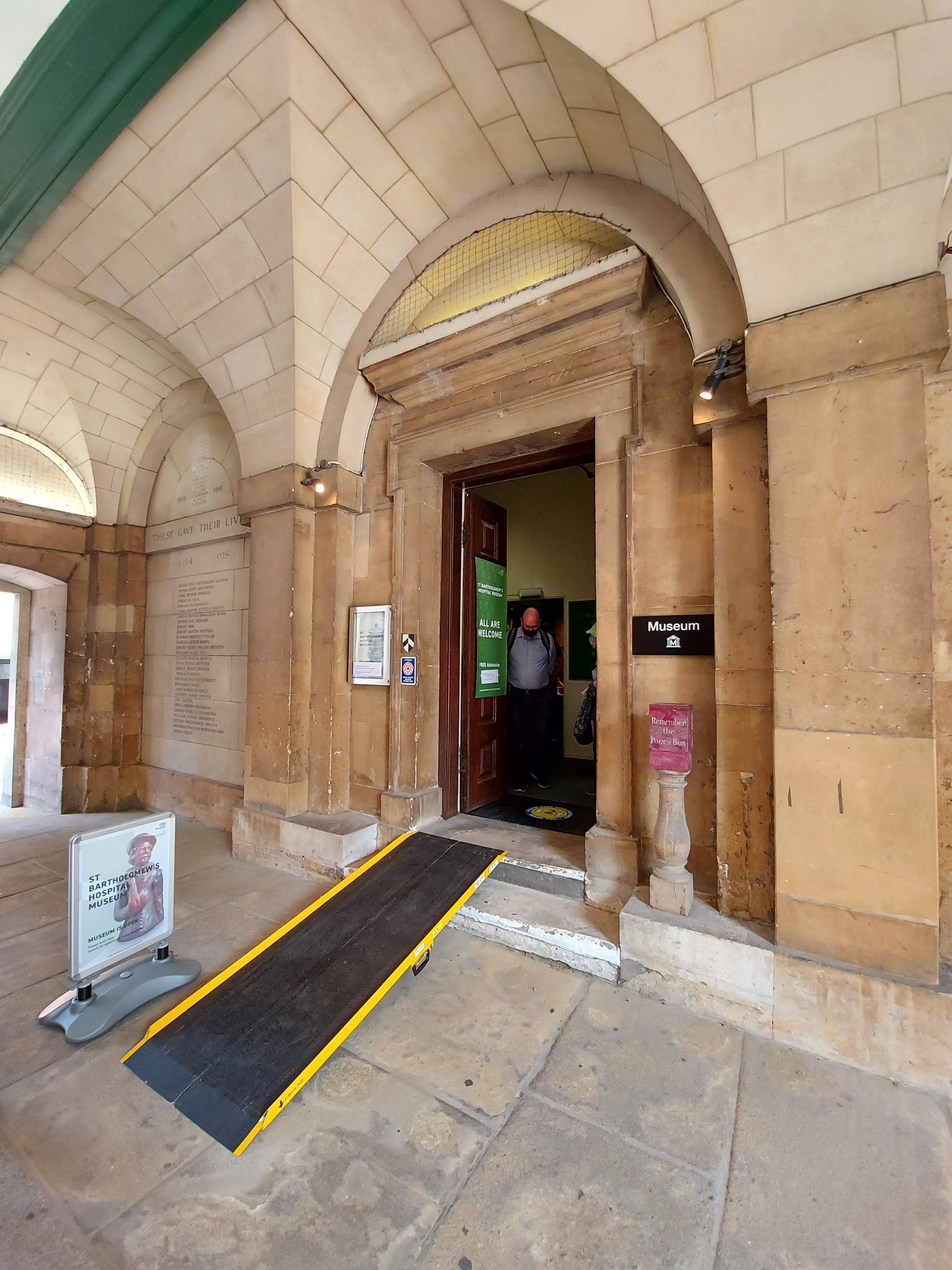
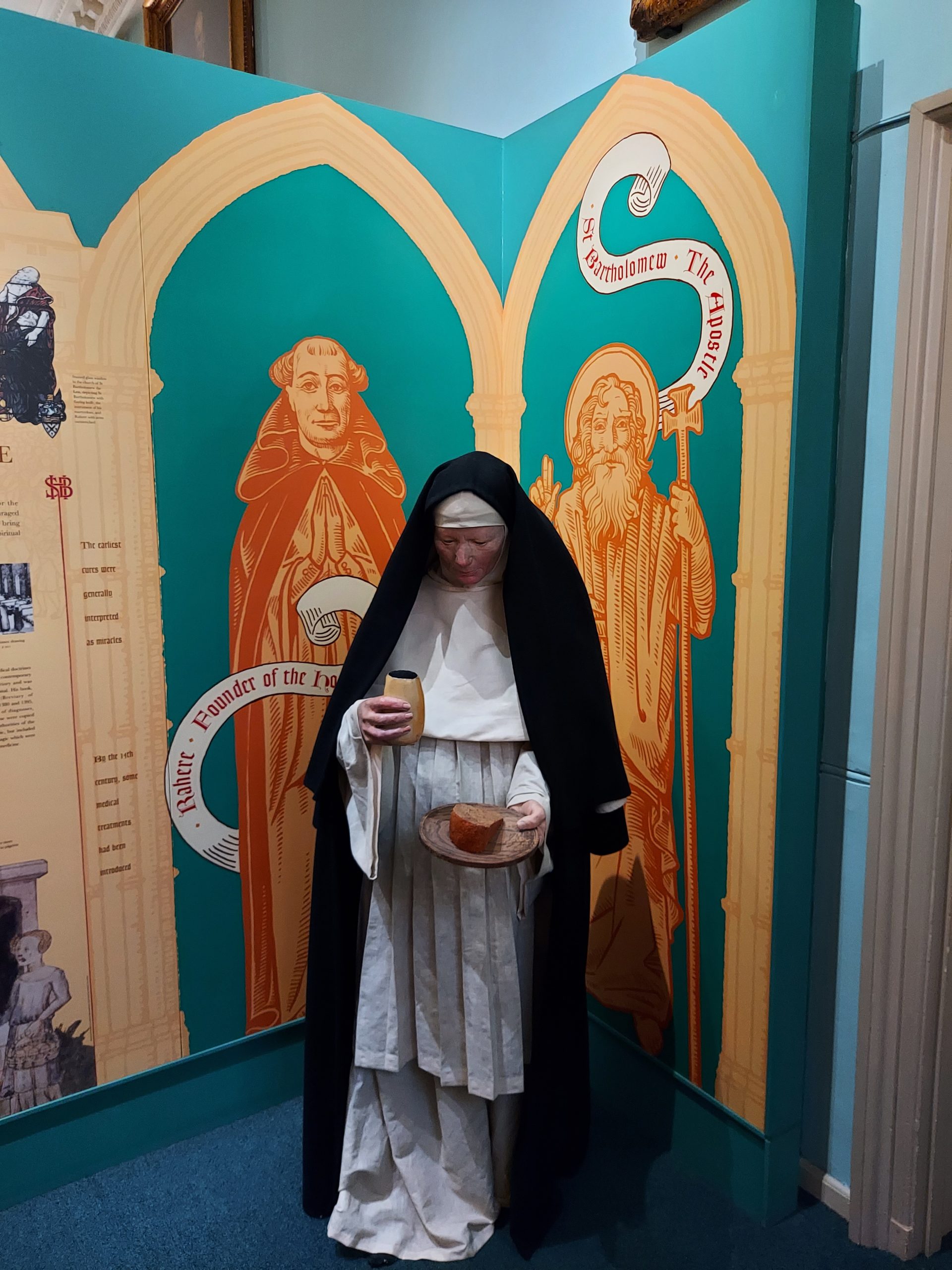
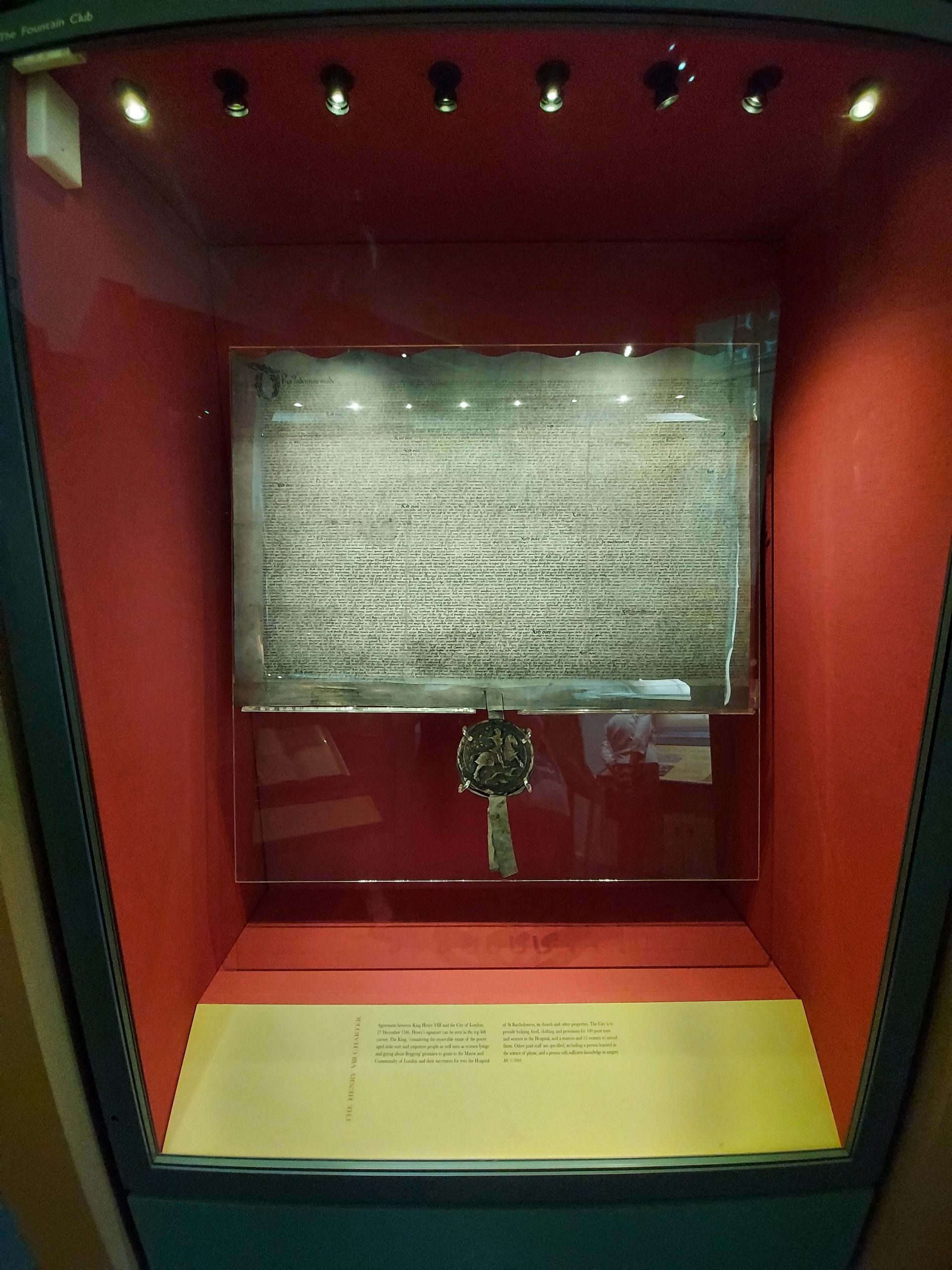
The St Bartholomew’s Hospital Museum (not to be confused with the Barts Pathology Museum) is located on the ground floor and tells the story of the hospital from its foundation to the present day. The permanent exhibition includes original and facsimile archives, objects and works of art, including Rahere’s grant of 1137 – the oldest document in the hospital archives – and the 1546 agreement between Henry VIII and the City of London which refounded the hospital.
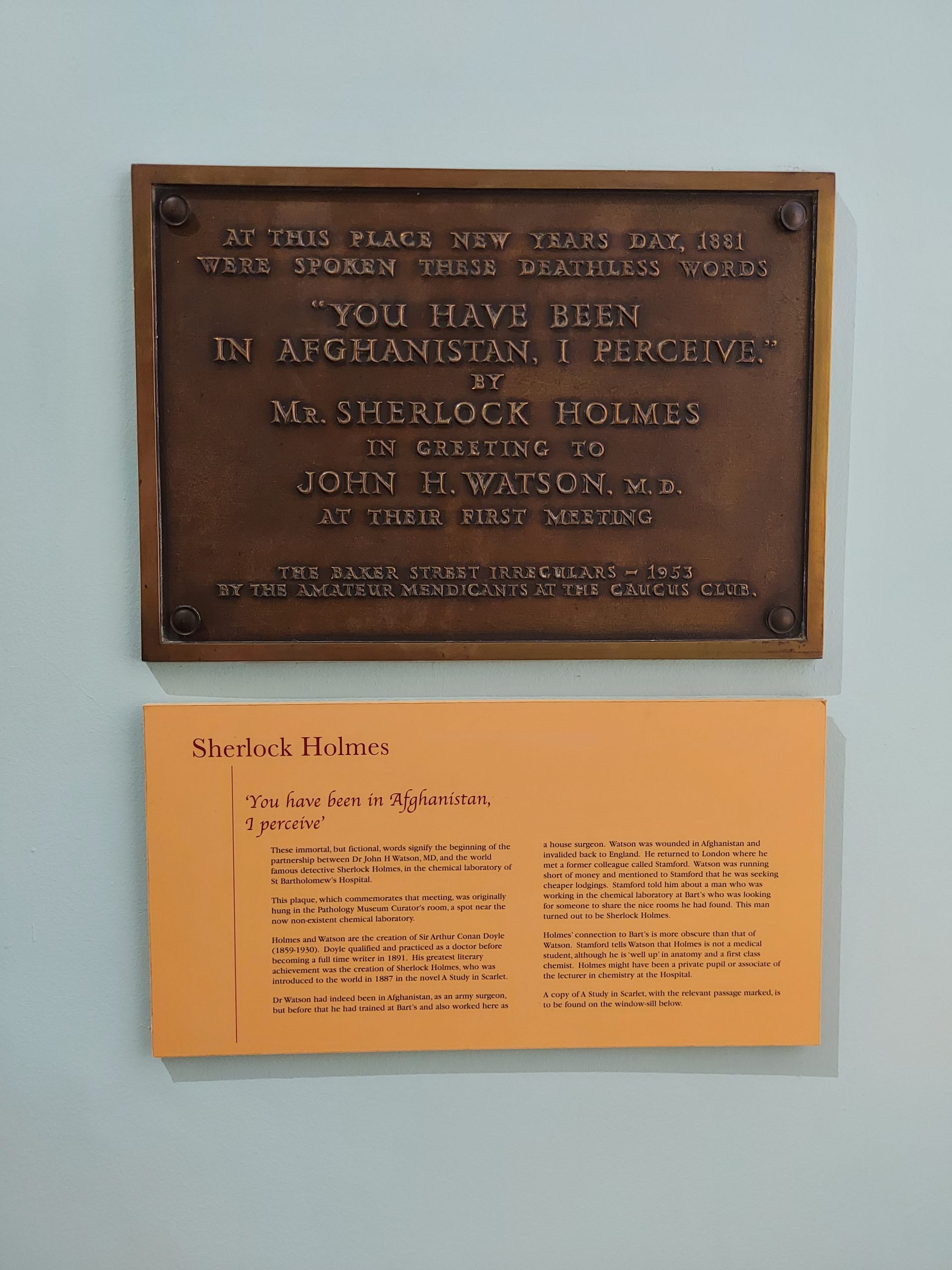
Plaque marking the location of the first meeting between Sherlock Holmes and Dr Watson (moved from its original location)
The first thing you see is a plaque marking the first meeting between Sherlock Holmes and Dr John Watson (which was moved here from elsewhere in the hospital).
The museum proper begins with an exploration of the hospital’s foundation as part of the Priory of St Bartholomew, by Rahere, formerly a courtier of Henry I. When the Priory was closed as part of Henry VIII’s dissolution of the monasteries, its future was in doubt but following a petition from the City of London, he granted them the hospital and established an endowment so that it could continue its work.
Hospital seal
A Board of Governors was set up to administer the hospital, and a matron, nursing sisters, and surgeons were employed to tend to the poor. The general set-up remained fairly constant until the establishment of the NHS in 1948.
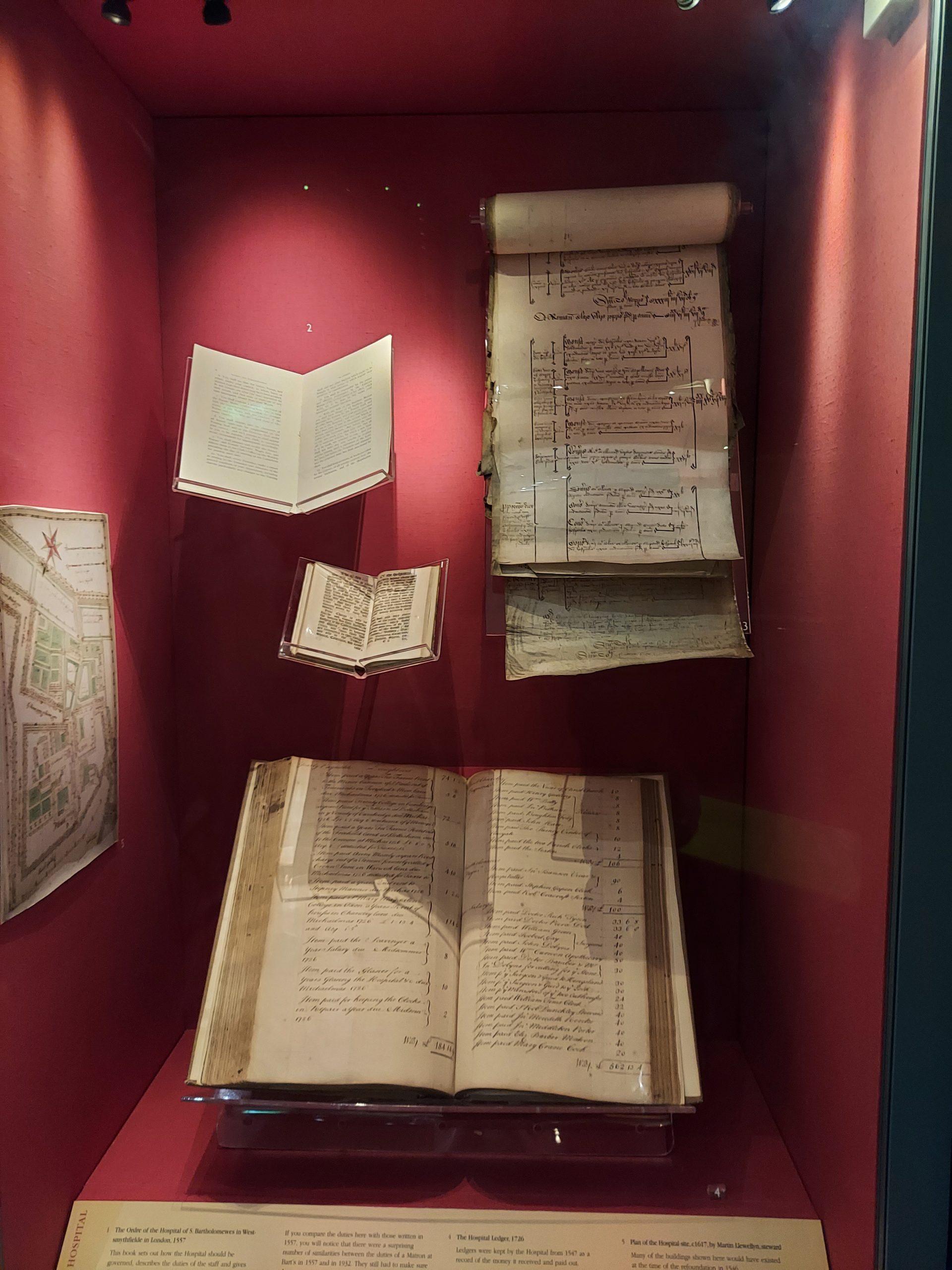
Hospital records
Apprentice surgeons worked at the hospital from the 17th century, and in 1734, anatomy lectures were established. A purpose-built lecture theatre was constructed in 1791, and a formal Medical College established in the 19th century, followed by a School of Nursing in 1877.
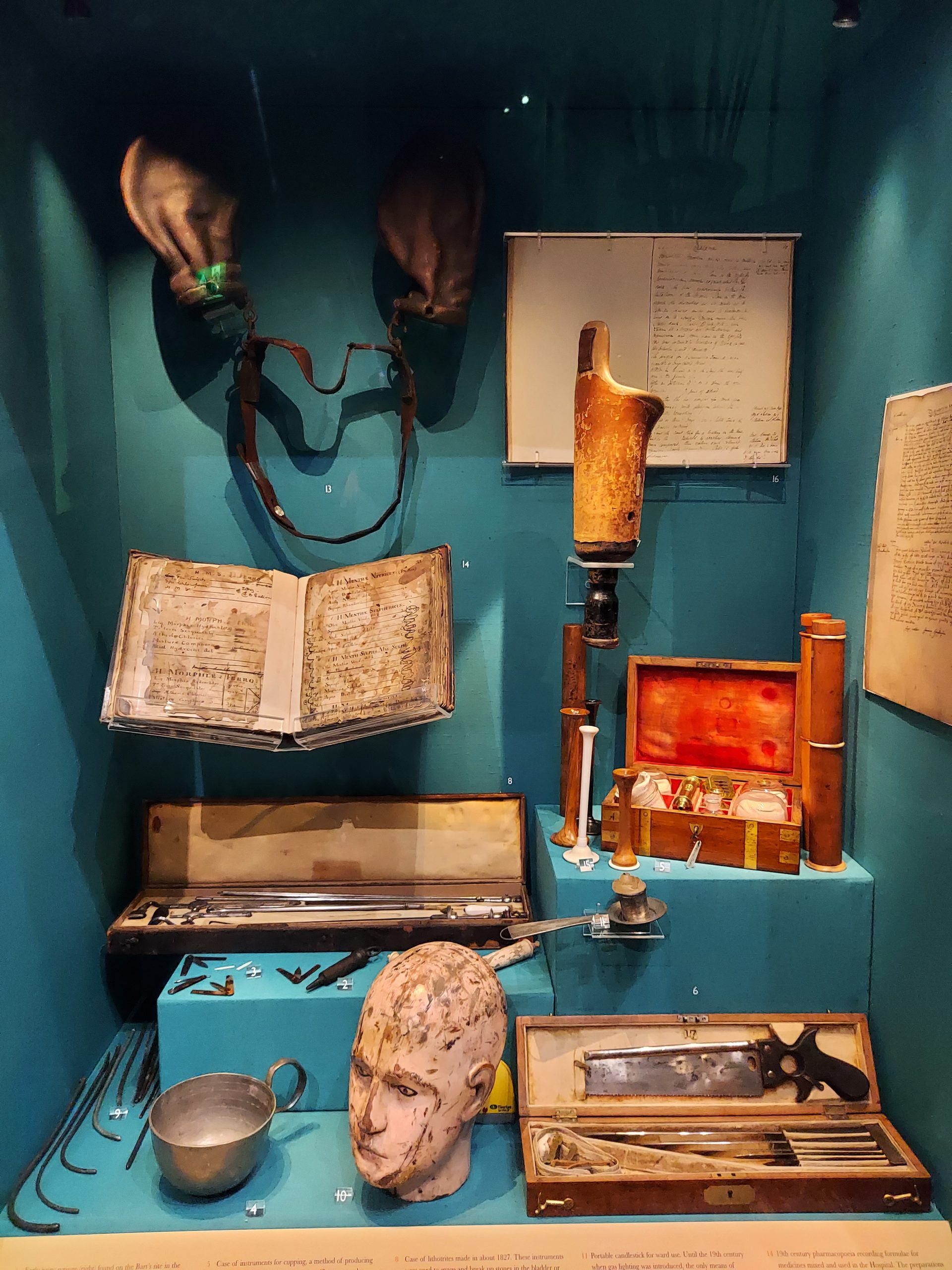
Equipment used in the hospital
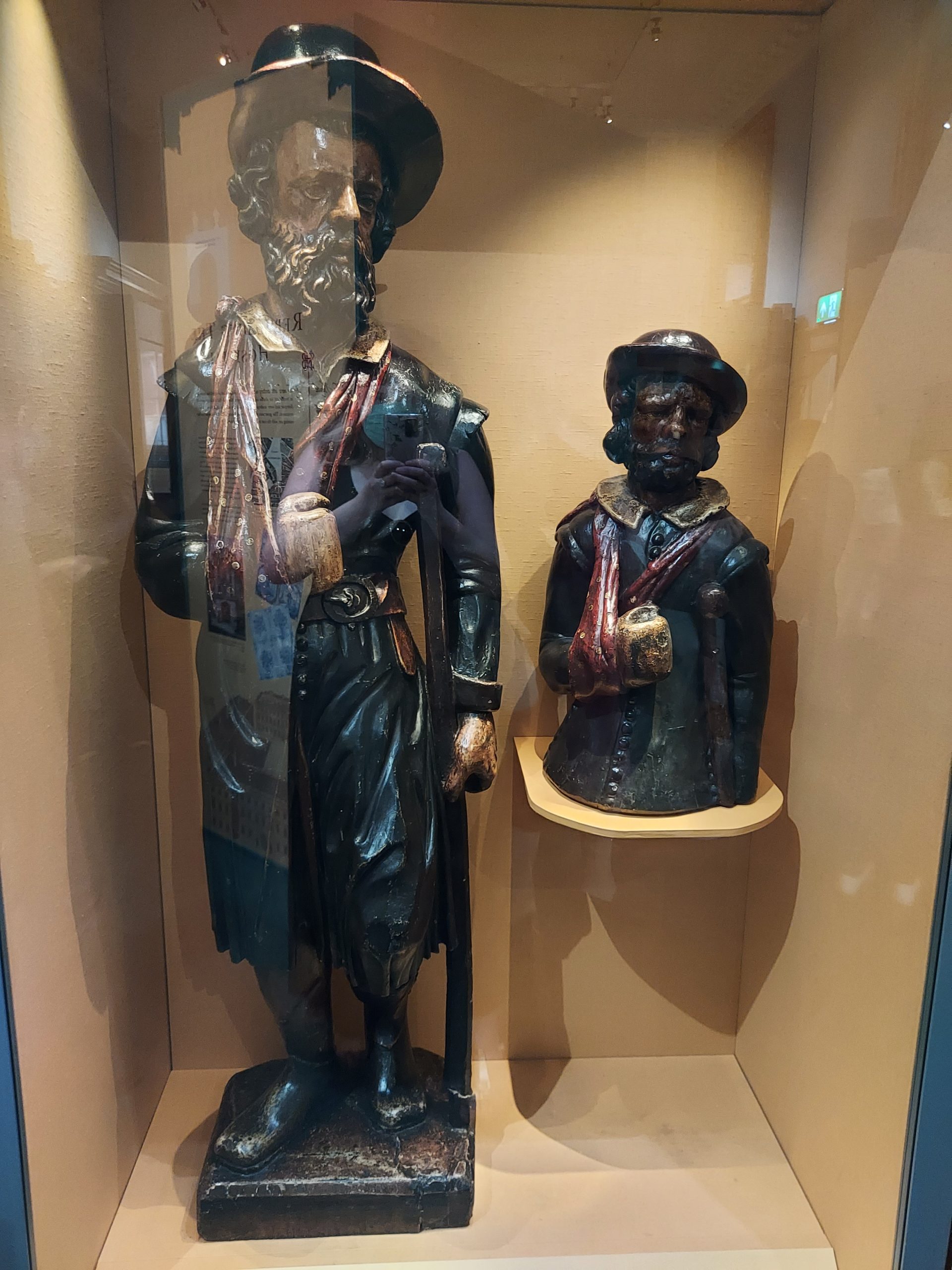
Figurines which stood outside the hospital in the 17th century
FACTS
Address: North Wing, St Bartholomew’s Hospital, West Smithfield, London, EC1A 7BE
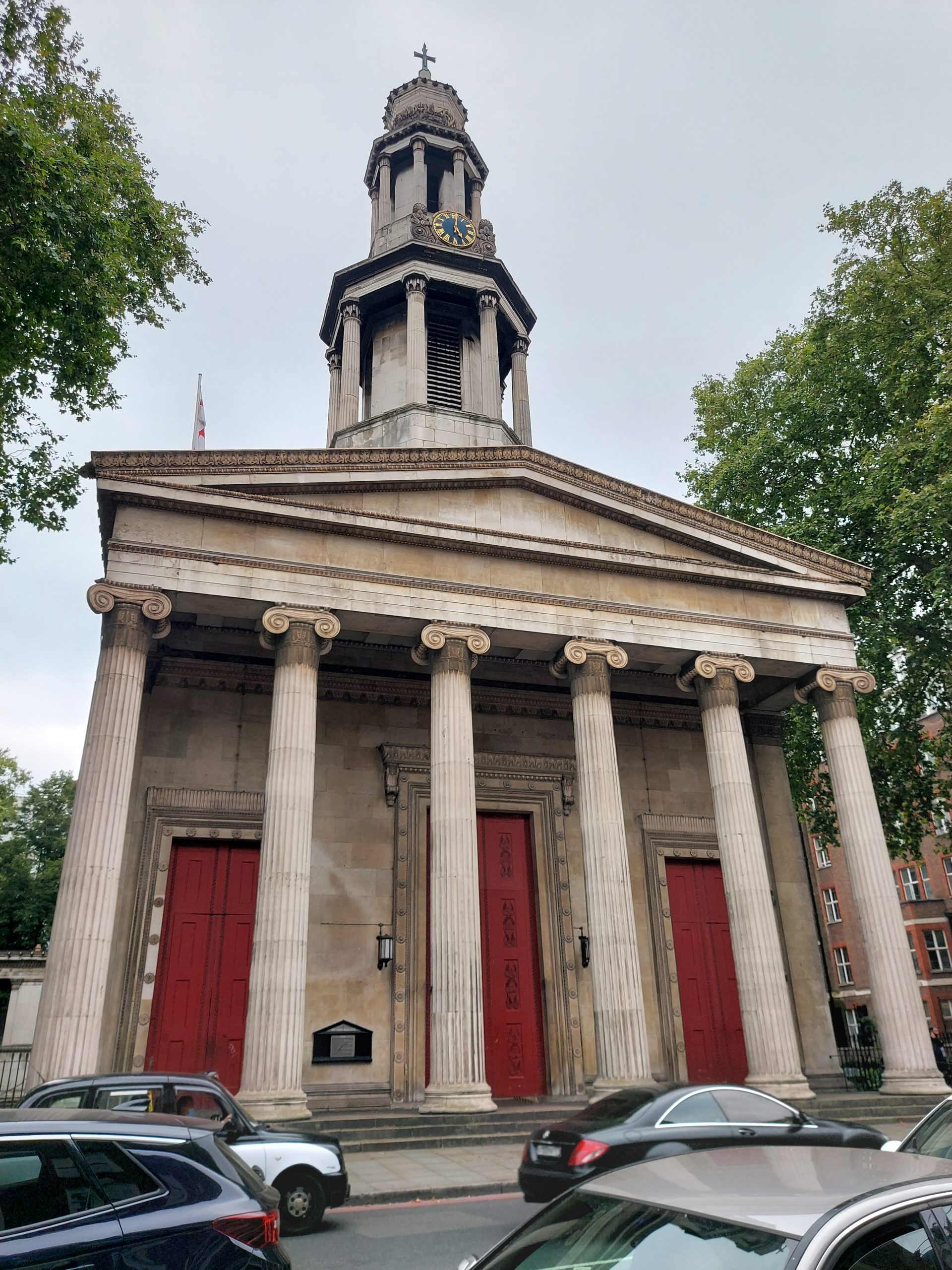
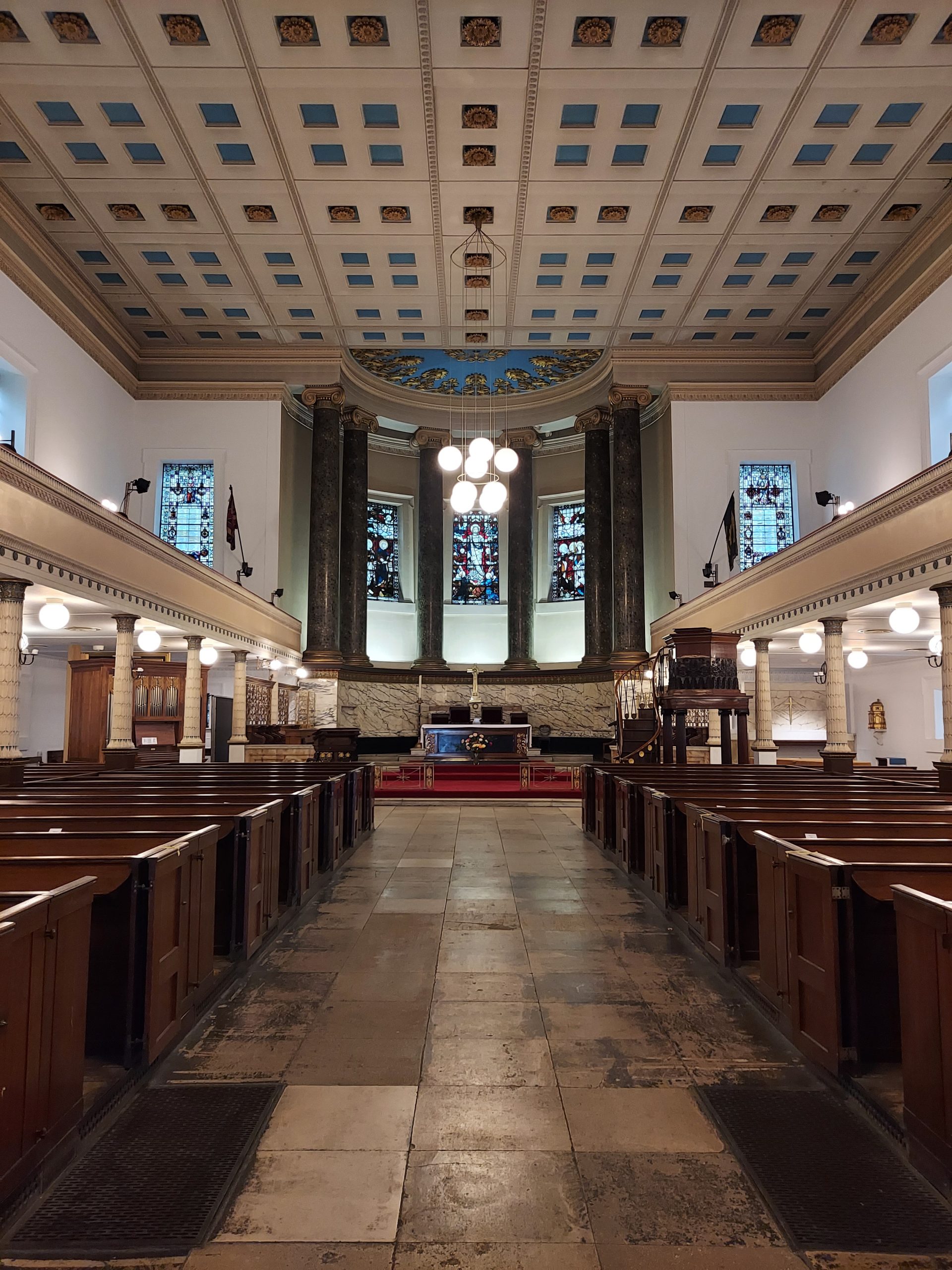
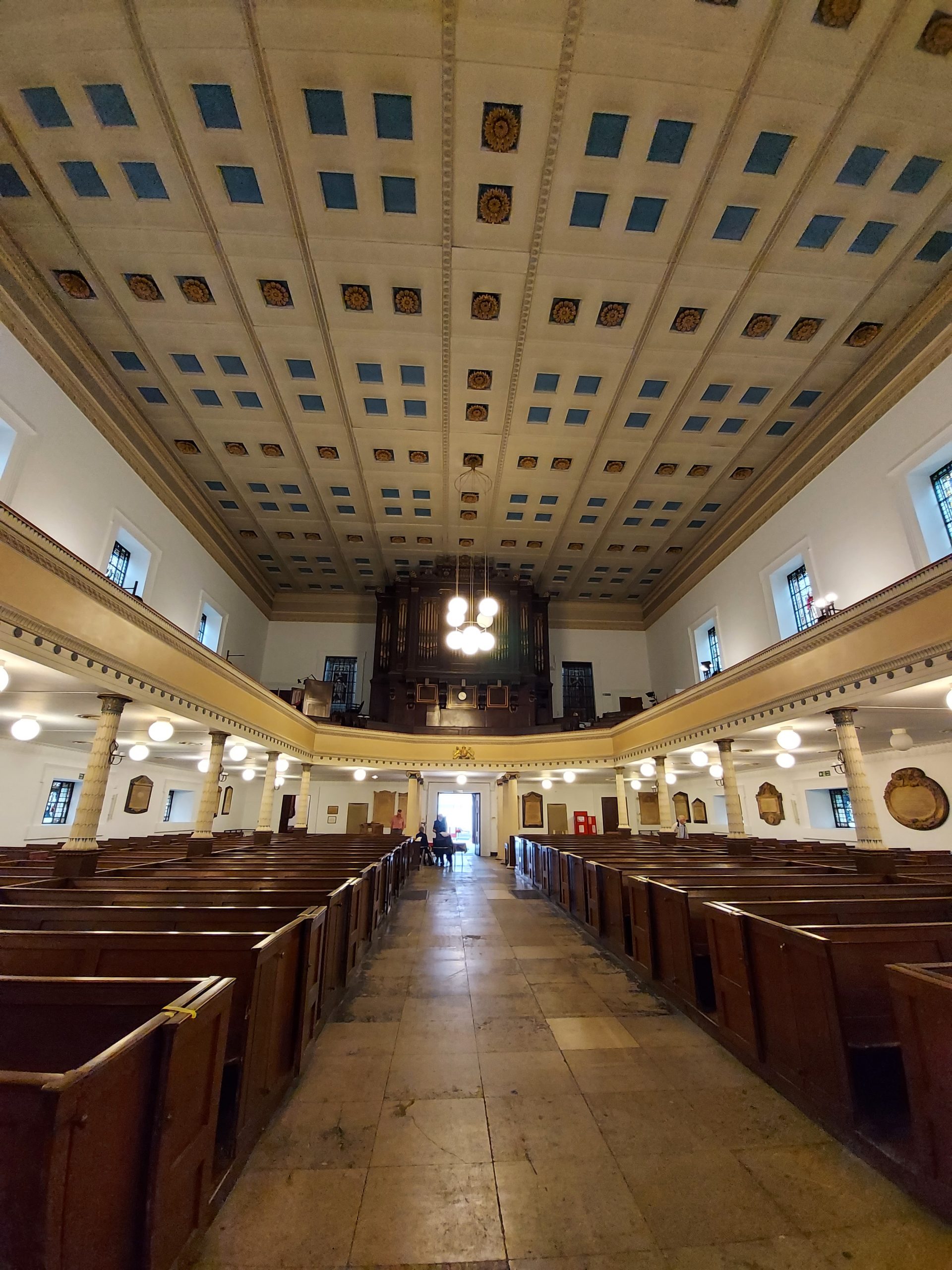
I’ve visited St Pancras Old Church before, but despite walking past it on numerous occasions I’d never been inside St Pancras New Church, built in 1822 to accommodate the increasing population of the area. Designed by architect William Inwood, with help from his son Henry William, it is a fine example of Georgian architecture, taking inspiration from Greek design and boasting an elegant simplicity. Ionic columns can be seen outside and inside the church, and the walls are a light white colour (the Victorians painted them dark red, and also installed the stained glass windows – the windows originally contained plain glass).
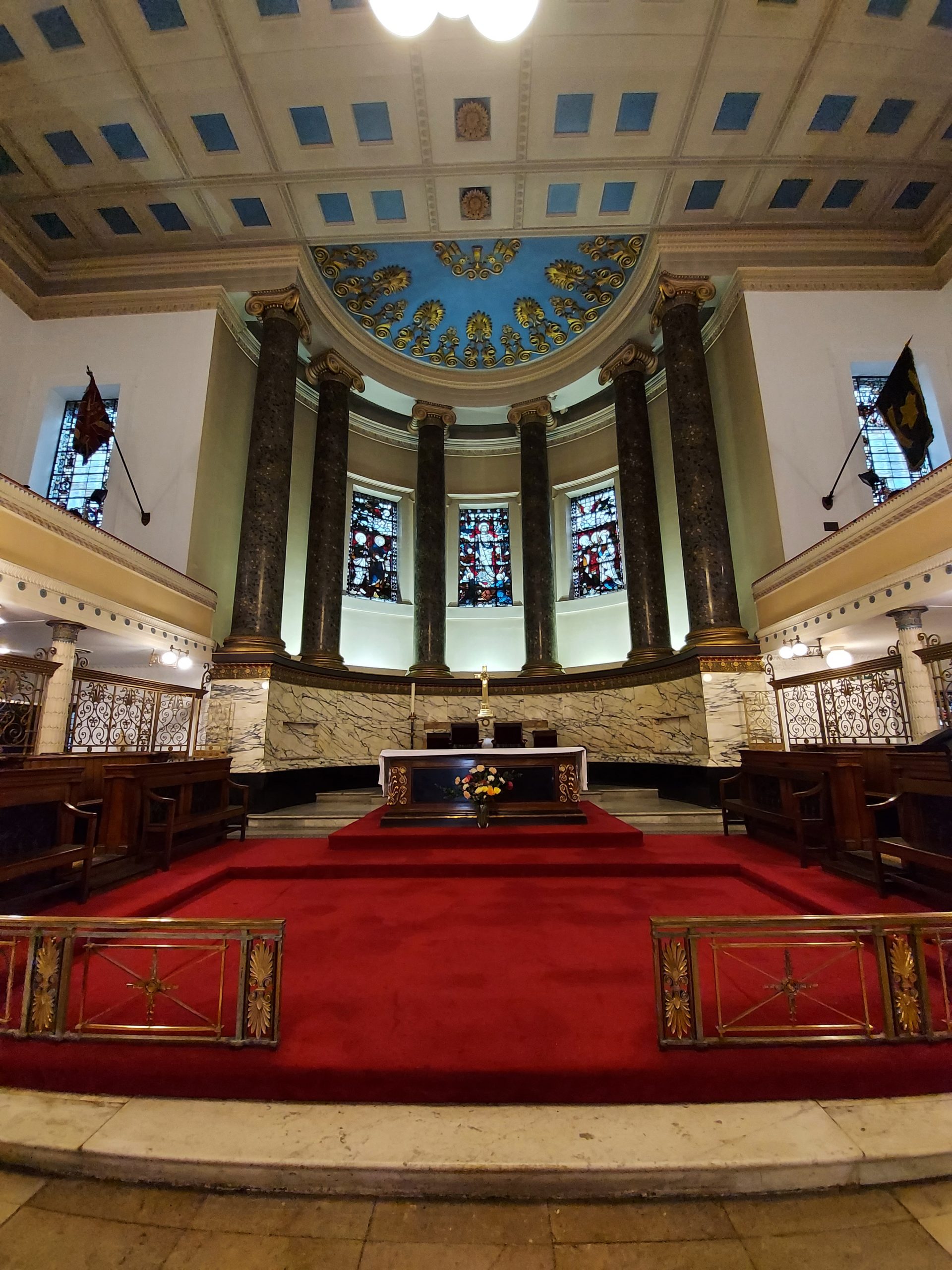
Eastward view of the church’s interior
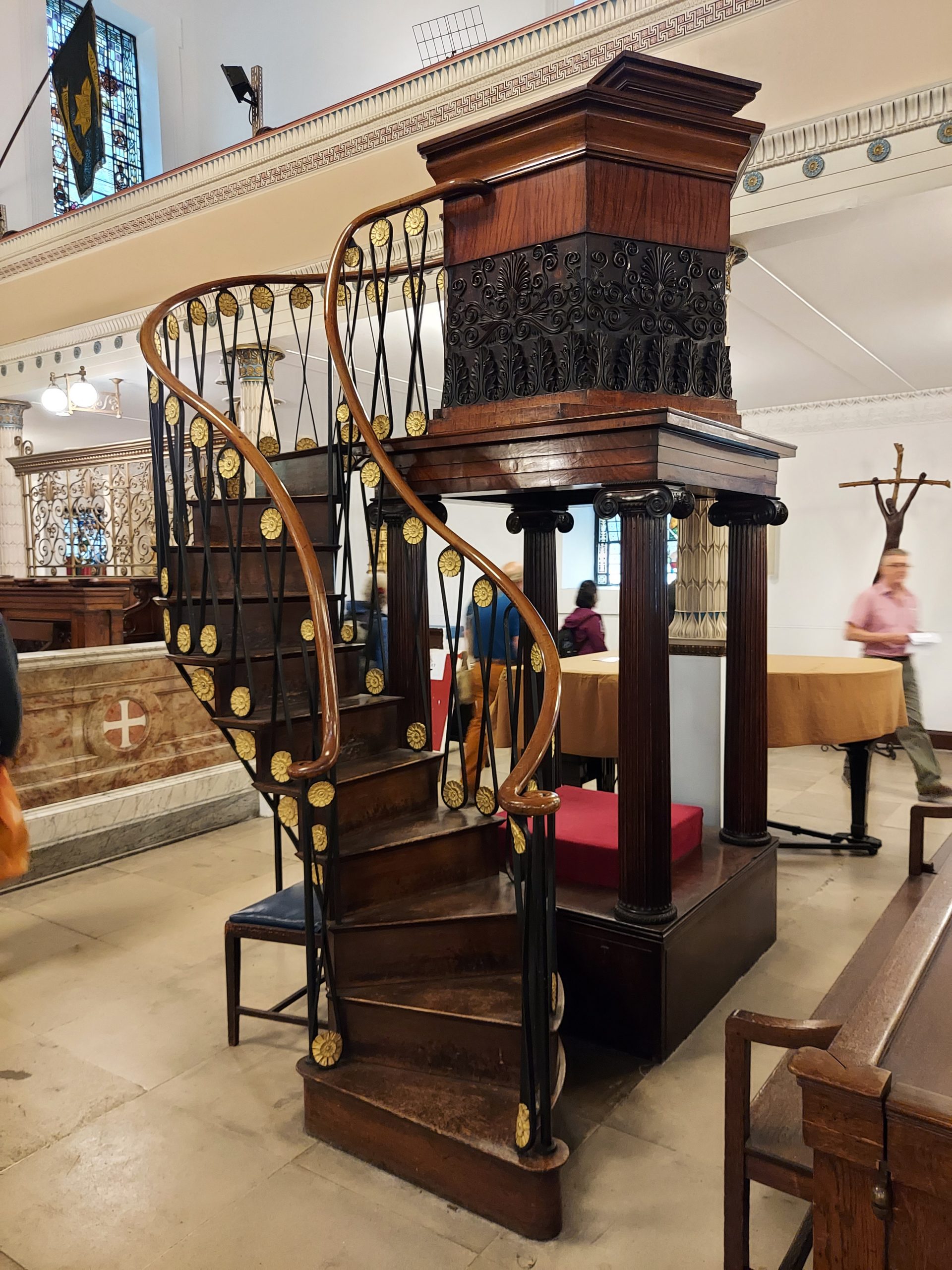
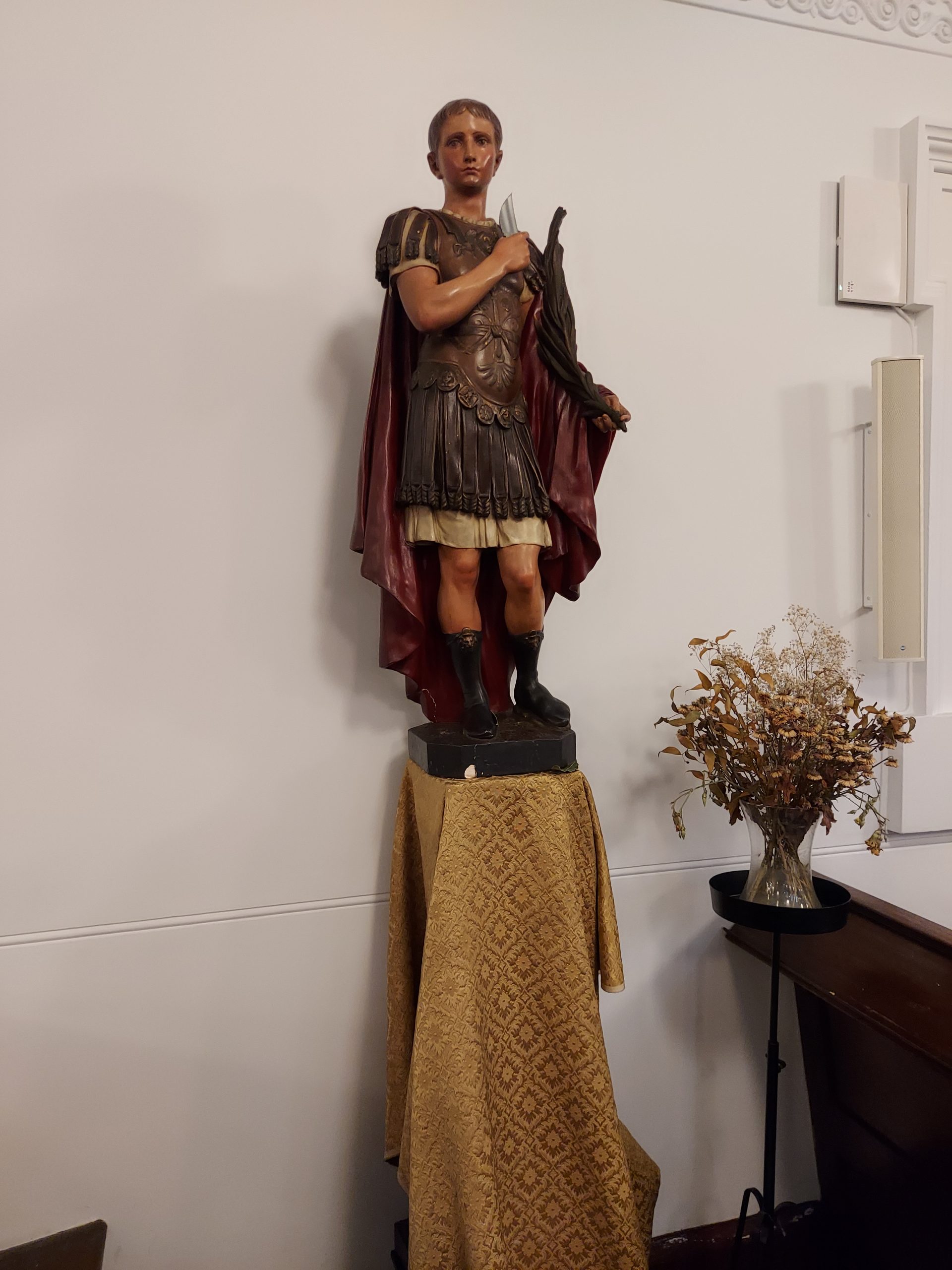
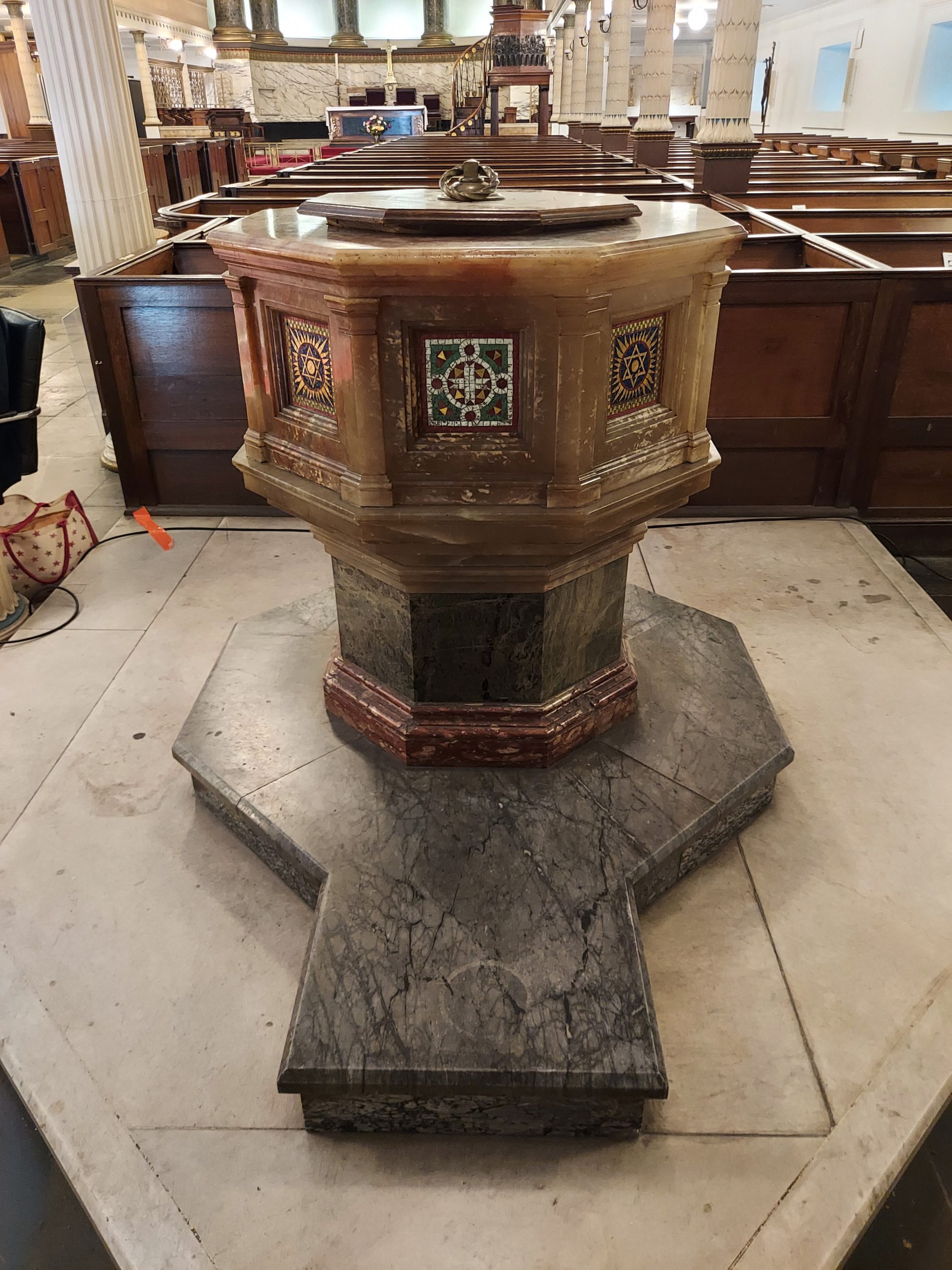
A statue of St Pancras, a Roman boy who converted to Christianity and was beheaded in 304AD for refusing to recant, stands on the left hand side of the church, surrounded by plaques dedicated to the good and the great of the parish. The font stands at the west end of the church – the base is of marble, the top of alabaster, and it dates from 1887, although the bowl inside is original. The pulpit, made from the Fairlop Oak from Hainault Forest, was originally taller, to alllow those sitting on the balcony to see and hear the speaker; it has since been shortened.If the high altar along the back wall looks familiar and rather modern, that is because it is by Charles Holden, who also designed Senate House and numerous Underground stations. It dates from 1914. The organ on the balcony at the back of the church was installed in 1864, and came from a music hall in Birmingham.
The pulpit, made from wood from the Fairlop OakStatue of St PancrasFont from 1887
View of the church interior westwards, including the organ
Charles Holden’s high altar
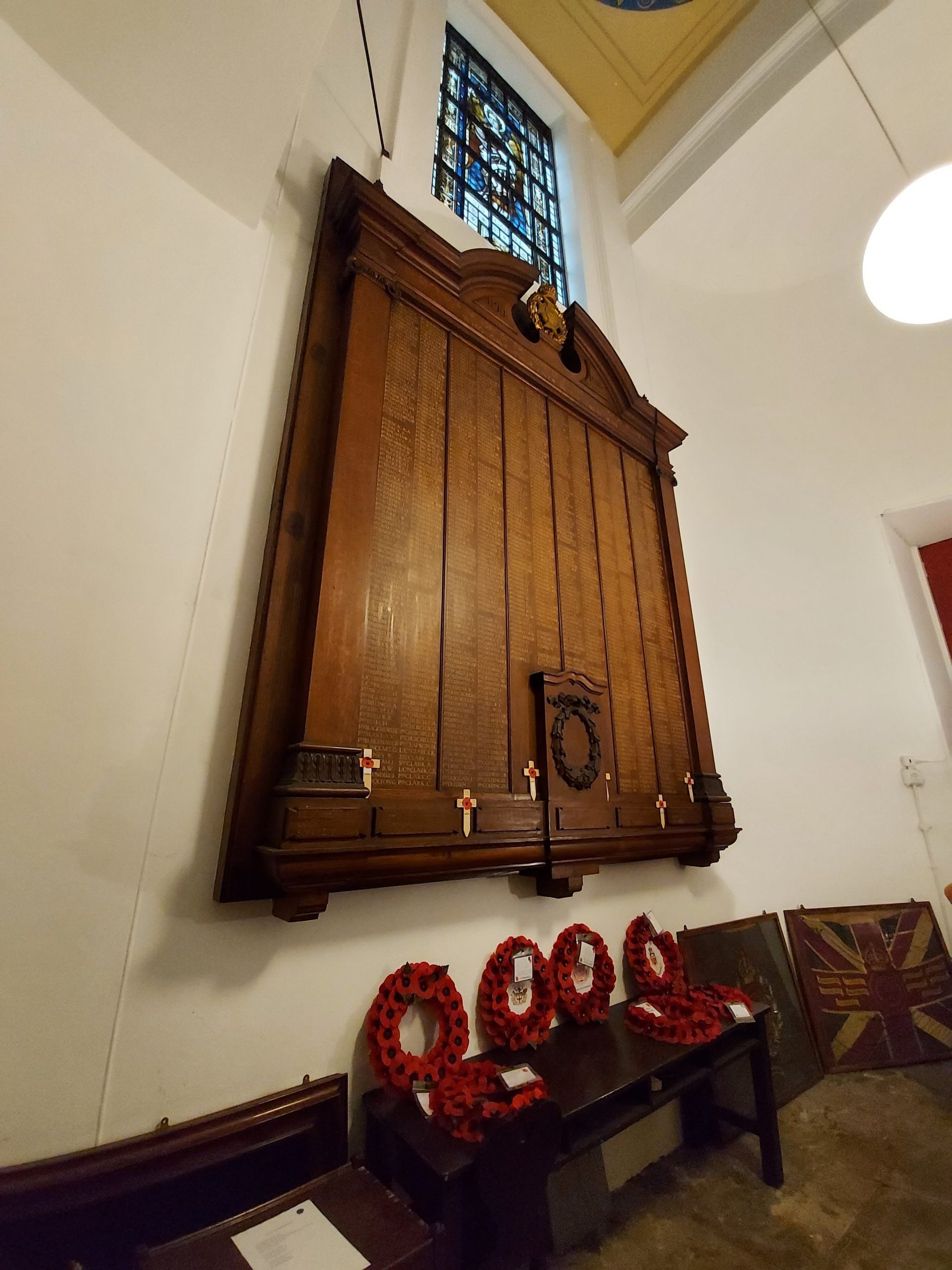
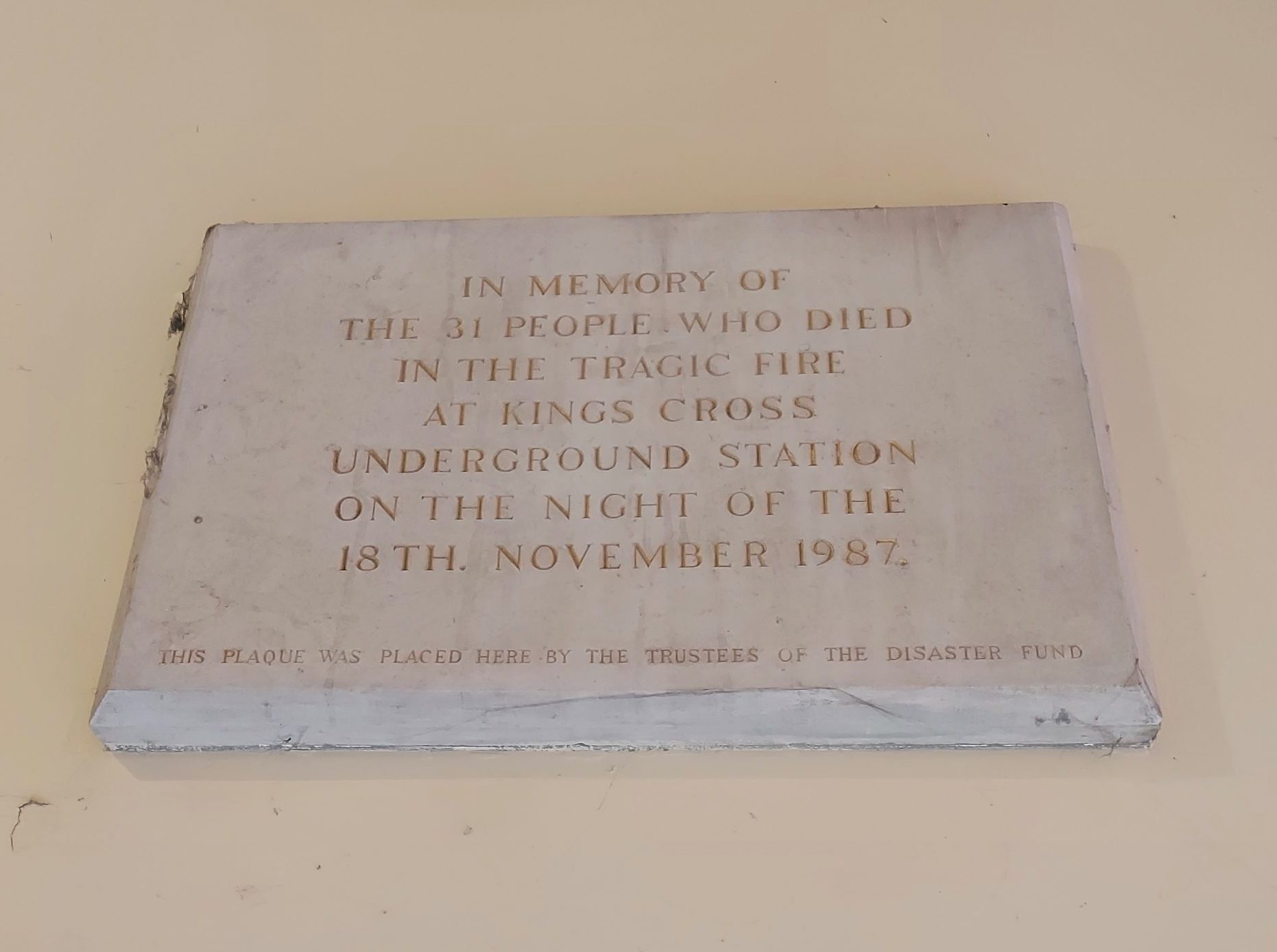
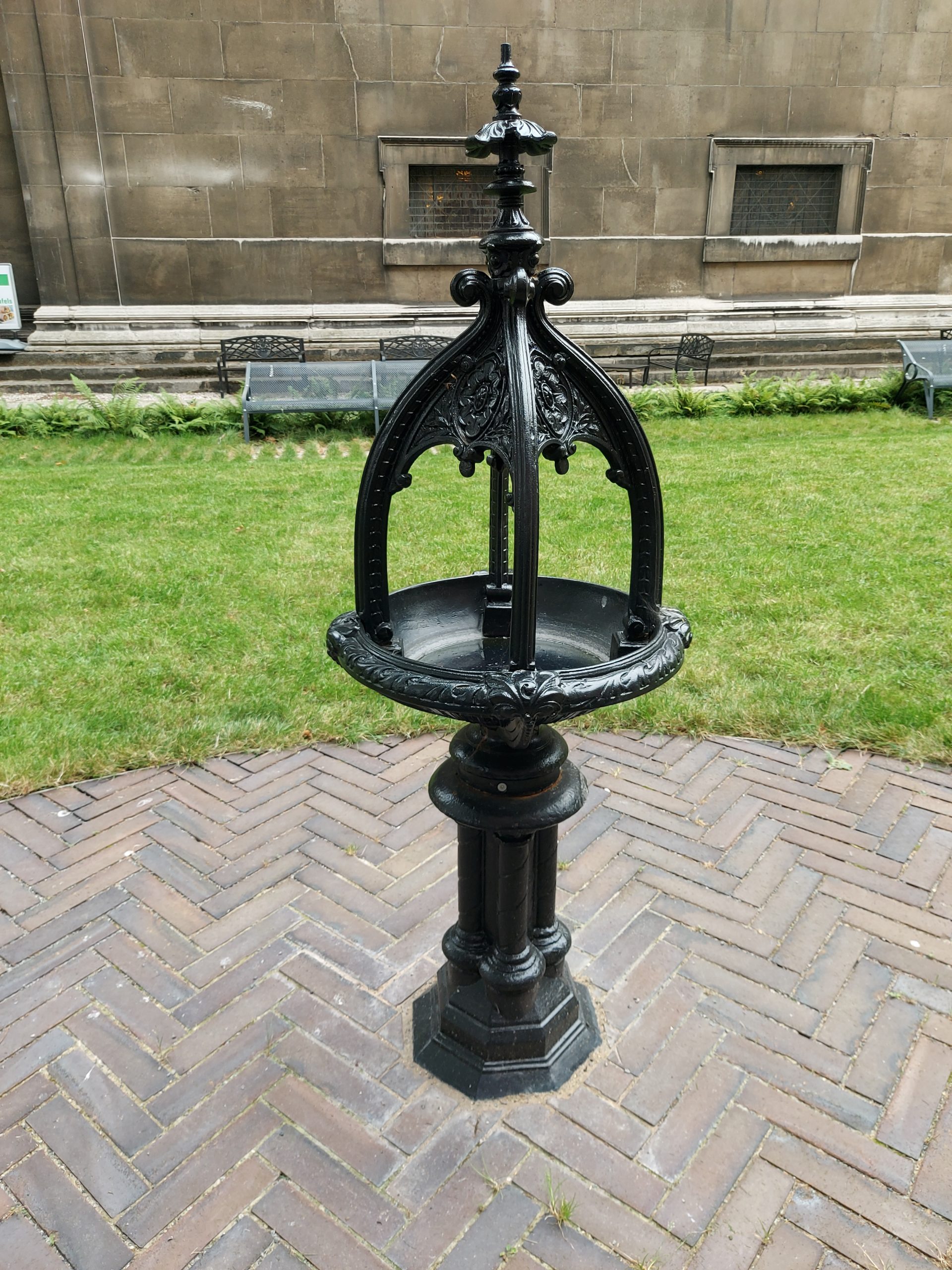
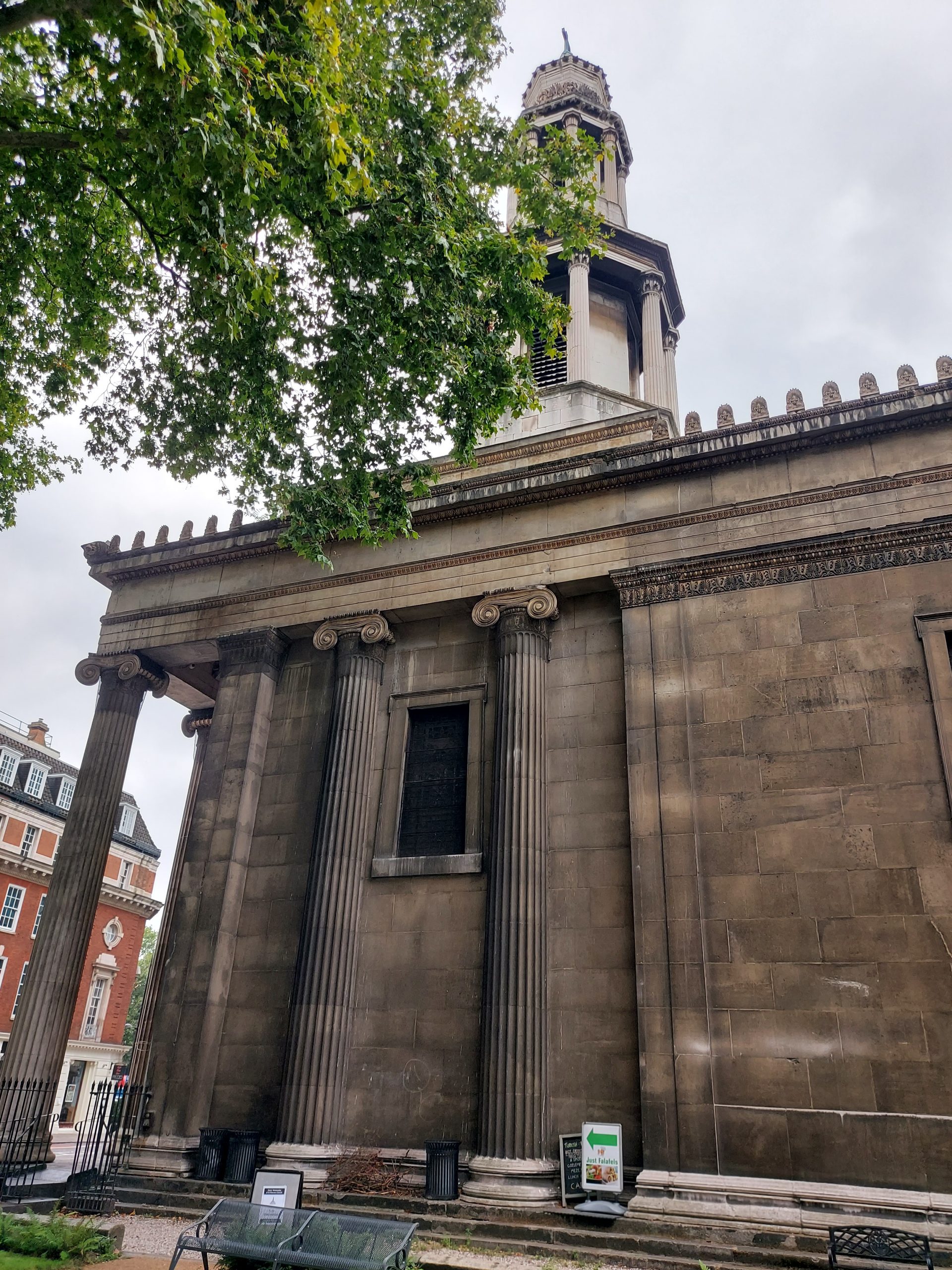
The south vestibule contains a huge memorial to the members of the St Pancras Regiment, dating from World War I. The entrance to the church contains more plaques, including one to those who died in the King’s Cross fire of 1987.There is a lovely peaceful garden at the side of the church, behind the busy main road. It contains a Victorian drinking fountain, dating from the 1880s, which was originally in St James’s Gardens, a space west of Euston station and now lost owing to the work on HS2. From the garden you can see the octagonal tower, which was copied from the Tower of the Winds in Athens. Here also you can see that in places, the Portland stone, now darkened by pollution, has retained its original bright white colour.
Memorial to the St Pancras RegimentPlaque in the vestibule commemorating the victims of the King’s Cross fireThe Victorian drinking fountain
Side view of the church
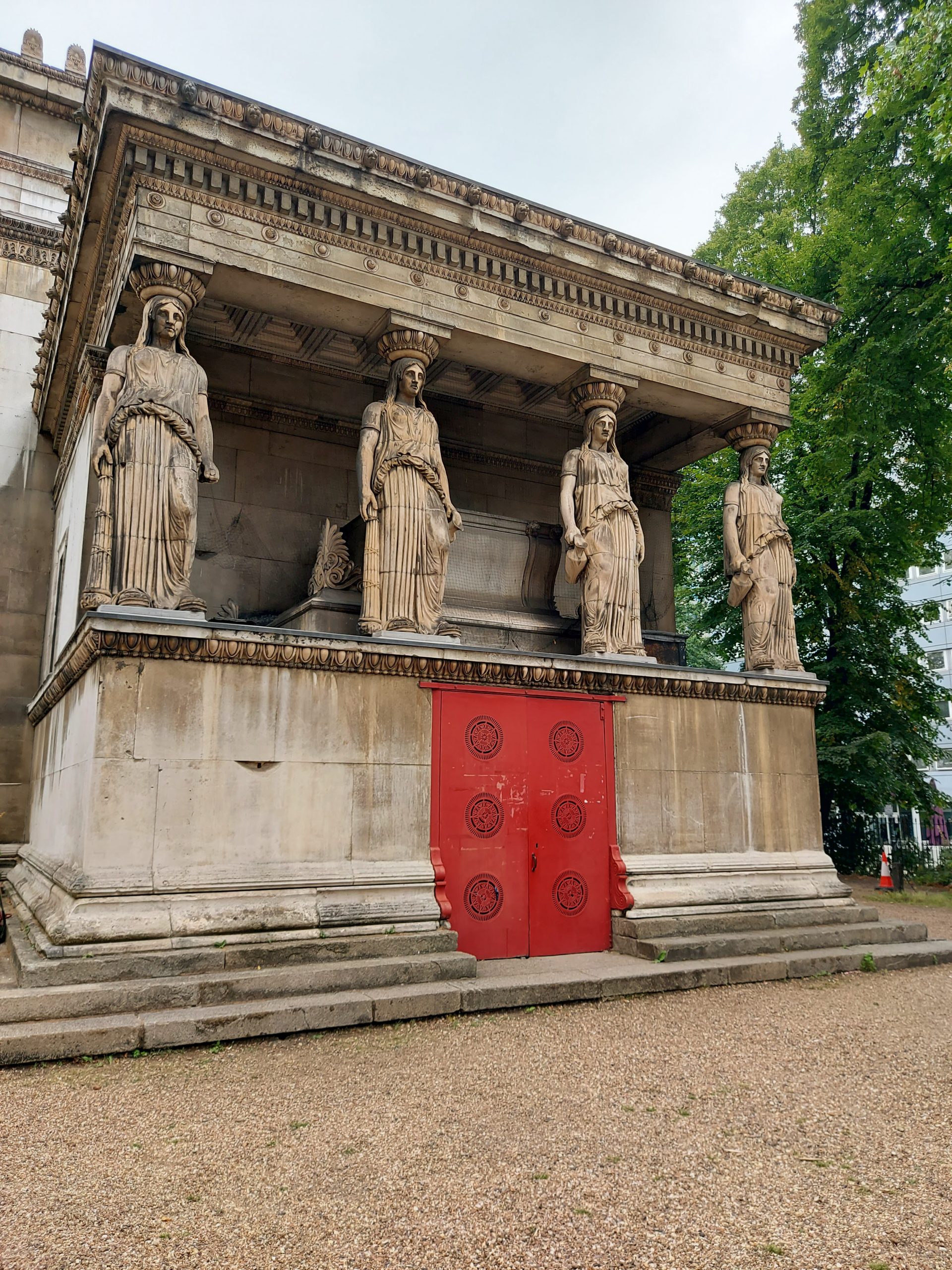
The crypt underneath the church is guarded by caryatids (statues of women holding up the roof). These were also inspired by similar statues in Athens, but had to be shortened in the middle as they were originally too big to fit. Sadly the crypt was closed by the time I got there, but it plays host to regular art exhibitions, so I will have the chance to see it in the future.
Open House London is taking place at the beginning of September this year, not the end, which is slightly discombobulating, Still, I organised myself well enough to plan my weekend, and decided to head up to Enfield to visit Whitewebbs Museum of Transport. The nearest station is Crews Hill, which can be reached via train from King’s Cross or Finsbury Park. From there it is a fifteen-minute walk to the museum, past seemingly every garden centre in outer London.
History
The museum was originally Whitewebbs Pumping Station, built in 1898, one of 16 such stations built to pump water from the well below ground into the New River (actually a man-made canal some 400 years old) in a bit to bring fresh water to Londoners (the river followed a different course at that time, if you’re wondering why no river can be seen nearby). This was later abandoned – most water now reaches Londoners through underground pipes – and the museum team aquired the then-derelict building in 1986. They restored the building, added floors, staircases and a cafe, and populated the museum site with other vehicles and related buildings.
Museum
Inside the building the ground floor plays host to numerous old cars. I’m no expert on vehicles but I do like imagining myself in an early-20th century open-top car with a picnic basket in the back heading out for a relaxing summer’s day, and several of these fit the bill. Others belonged to a later period – the Seventies or the Eighties.
On the first floor, the cafe led into a room full of motorbikes – one a rare Soviet model. Above this was a selection of miniature cars for children, along with an atmospheric mock-up of the kind of situation many old cars are found in – rotting away in old sheds. Alongside this car was a motorbike from the days prior to World War II.
On the first floor
The top floor held other artefacts such as cameras, children’s toys and even a wedding dress. One volunteer excitedly demonstrated the horse racing game, which seemed fairly ingenious. I spoke to a few volunteers in the museum: they were all lovely and very enthusiastic.
Top floor
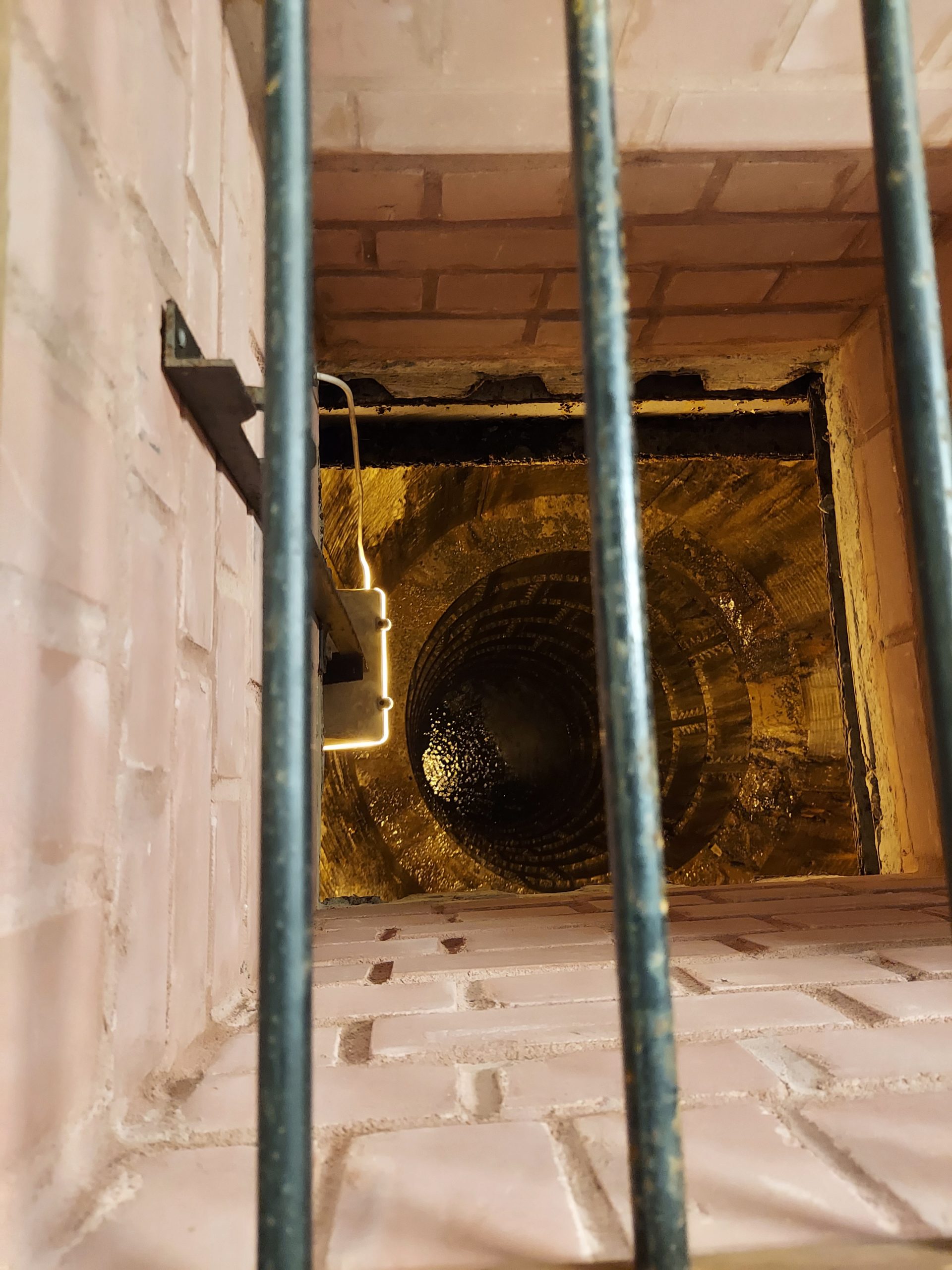
Finally, I was taken down to the basement as part of a small group to see the well whose construction provided the foundation for the entire building. I was convinced I was going to drop my phone in – luckily I managed to avoid this mishap.
View into the well
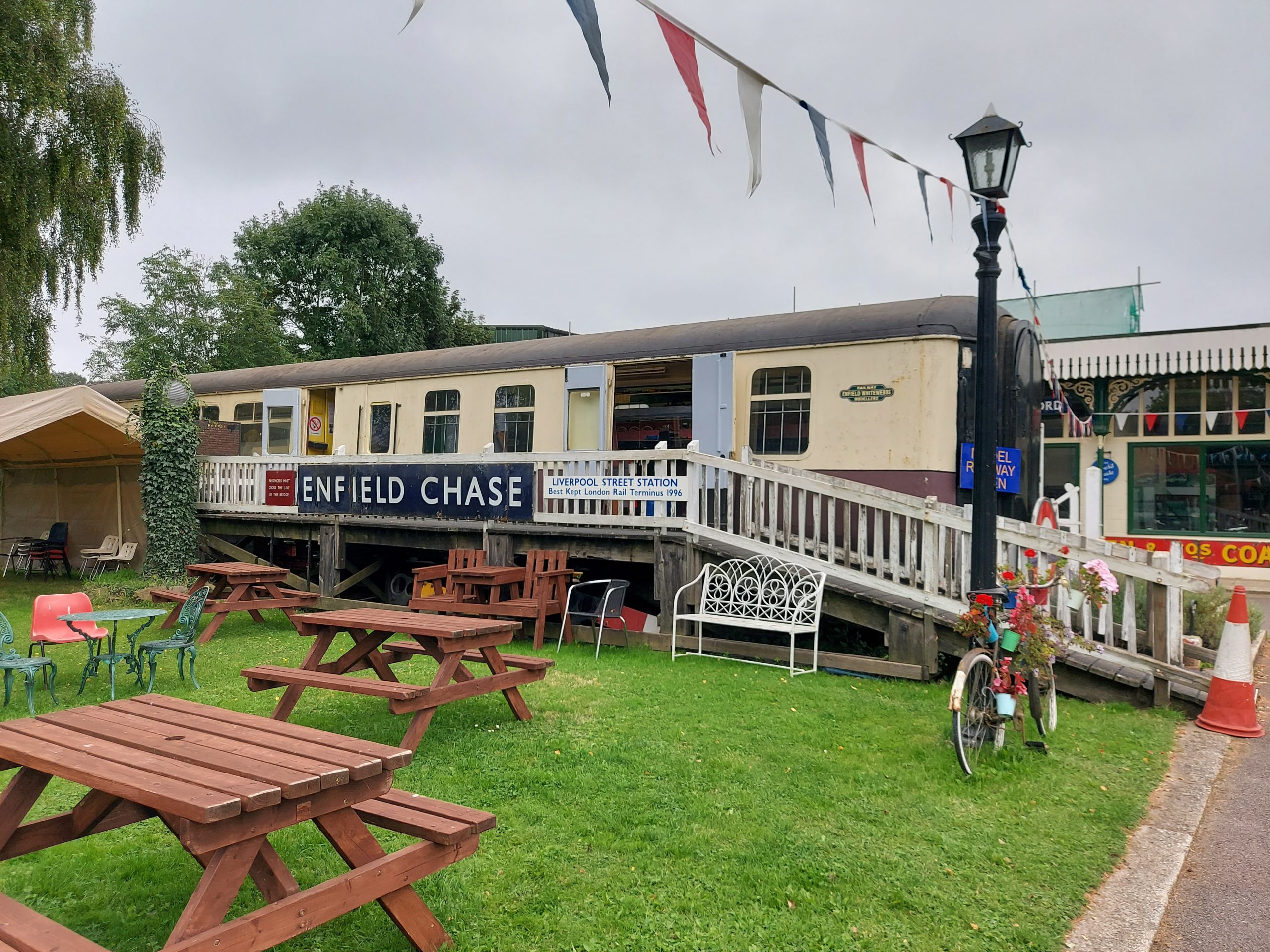
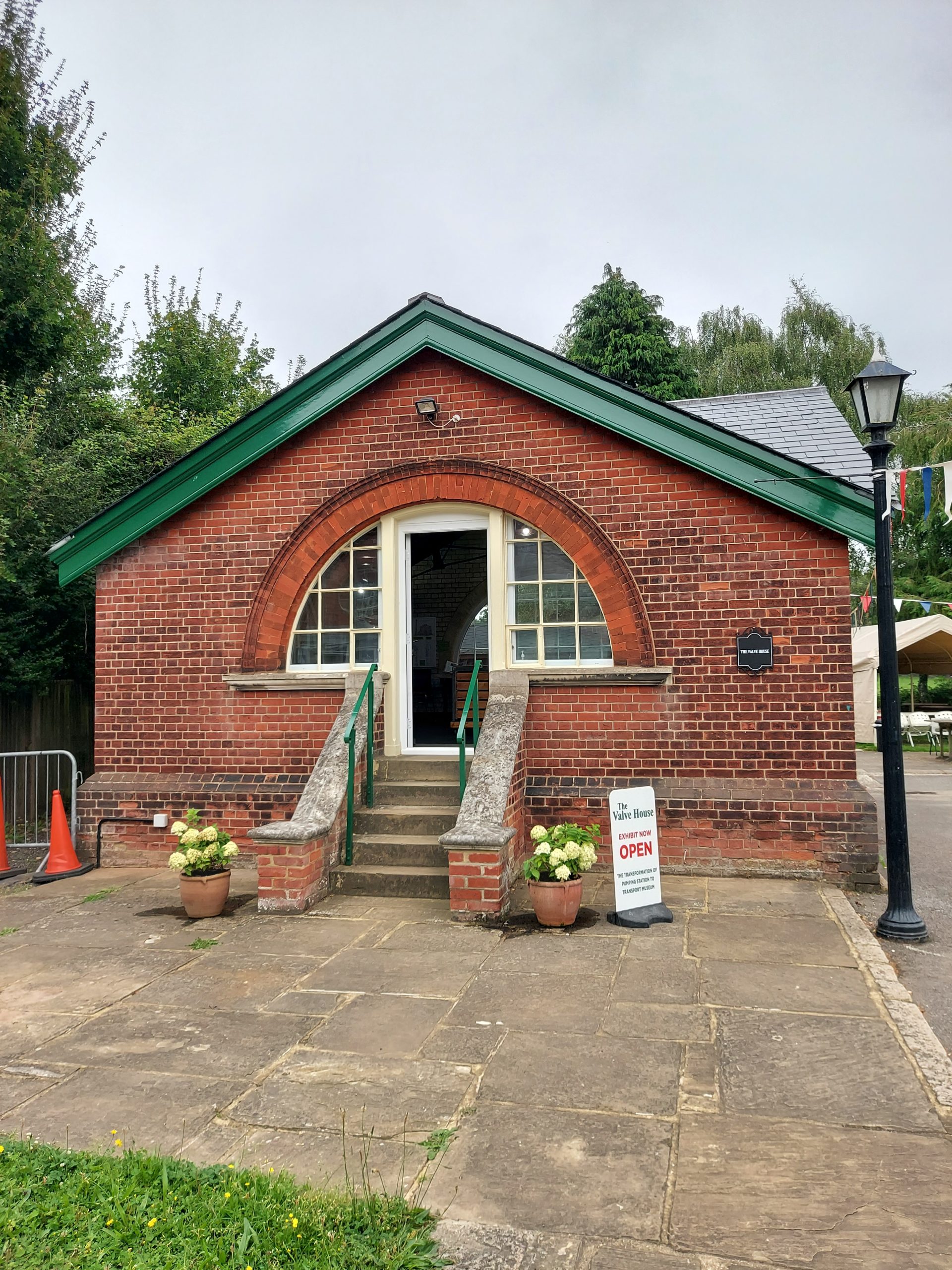
At the back of the museum, there was more to see, including garages, a fire station, ‘shops’ and larger vehicles, including early fire engines – one of which was happily spraying water onto the car park. There was also a railway carriage which played host to a model railway, as well as the original valve house which housed a plan of the original pumping station.
At the back of the museum
Old railway carriage, home to a model railway
The original valve house
Despite the distance, Whitewebbs is a worthwhile place to visit and makes for a pleasant day out.