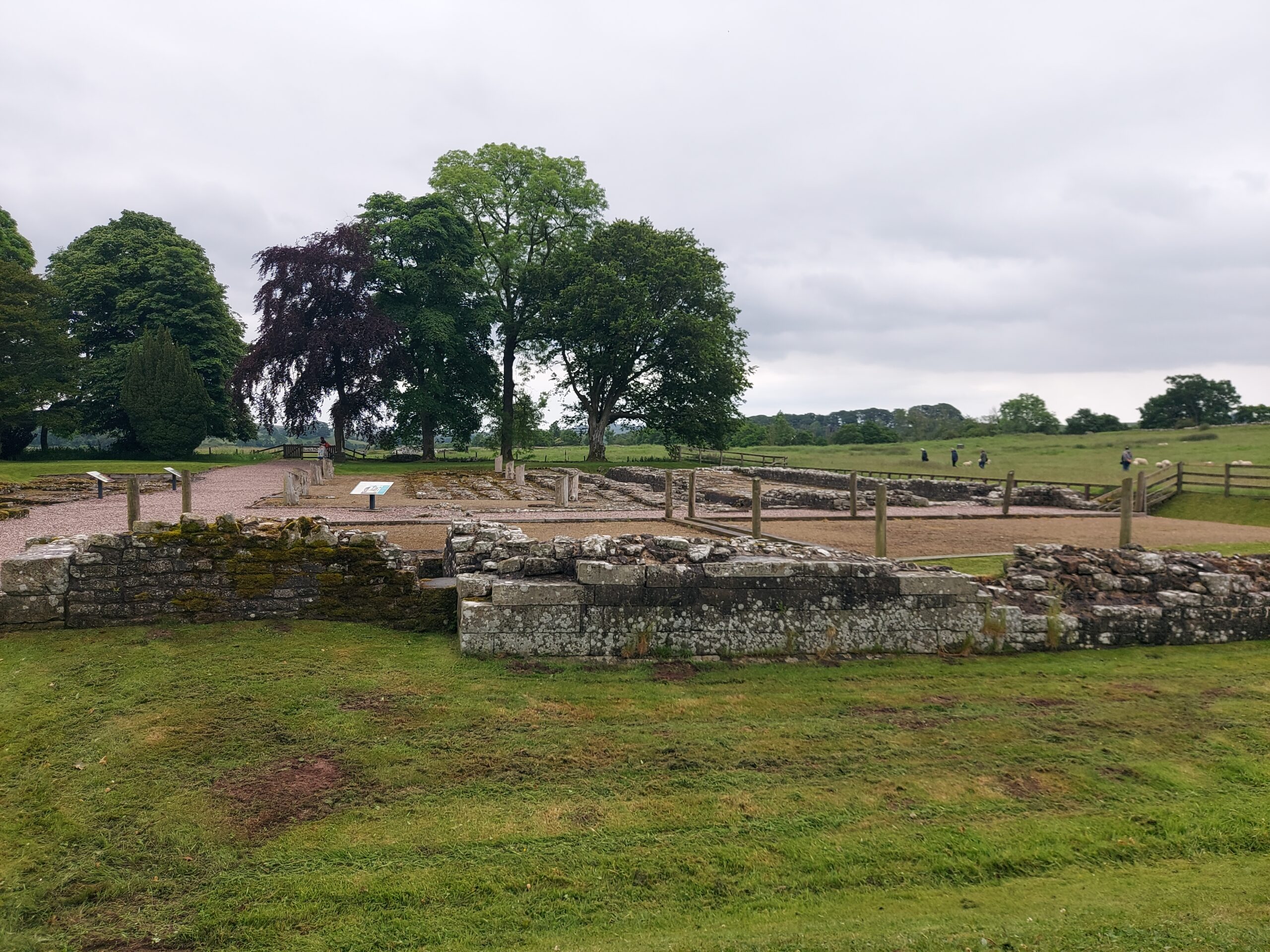
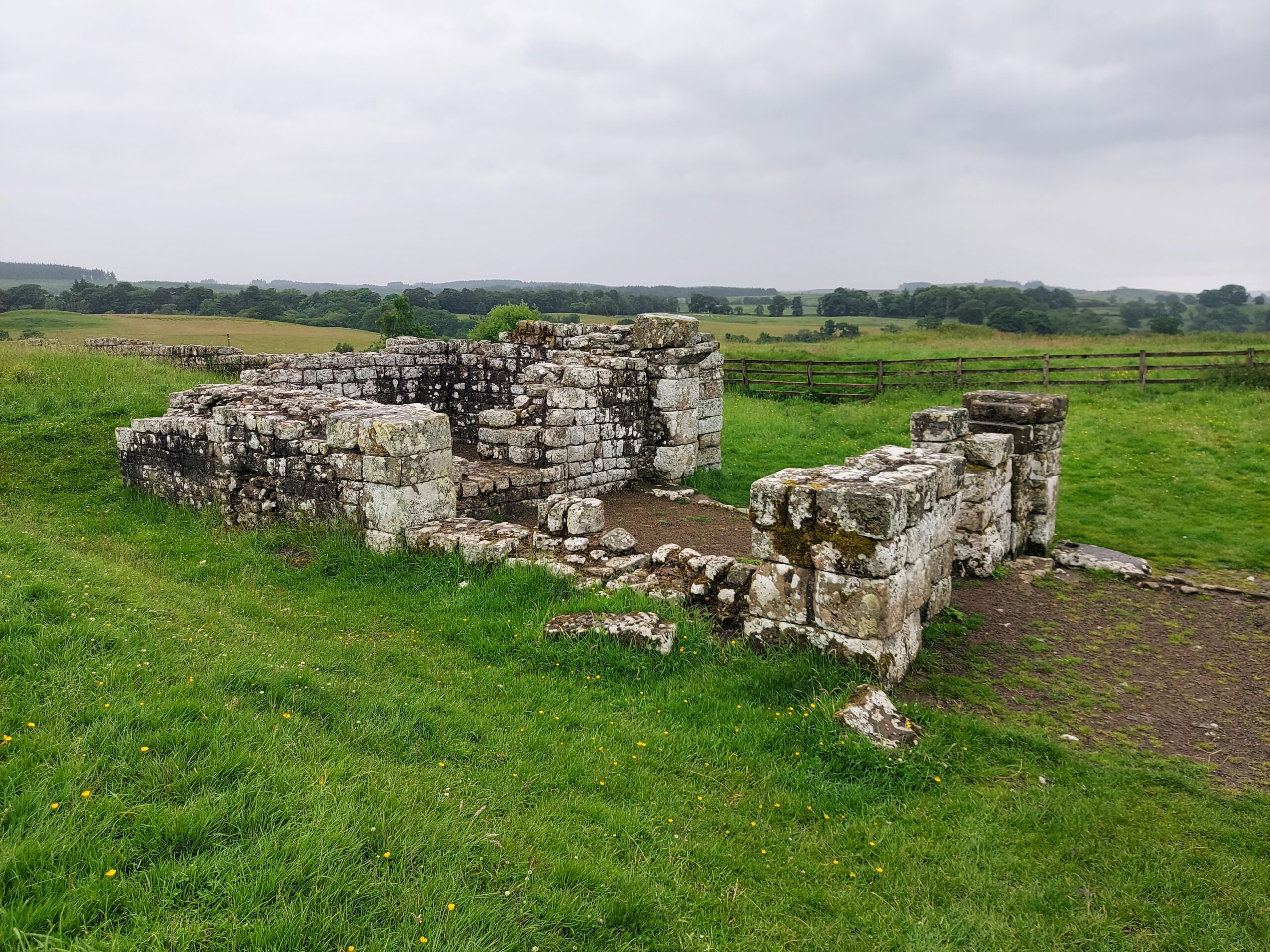
The final fort I visited on my holiday was Birdoswald. I passed through the area on my Hadrian’s Wall walk, and bought a much-needed ice cream at the café, but didn’t get a chance to have a look around at the time.
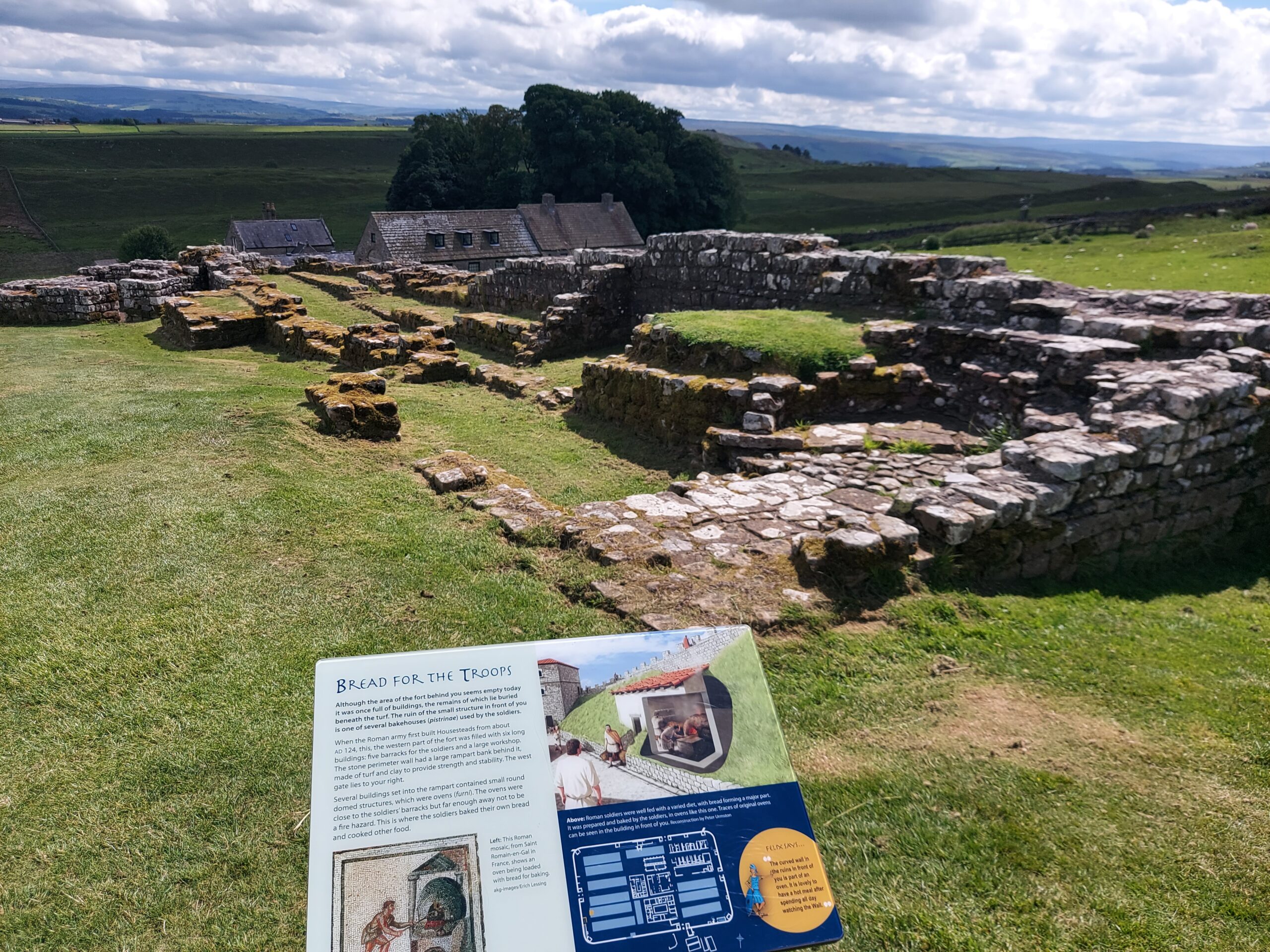
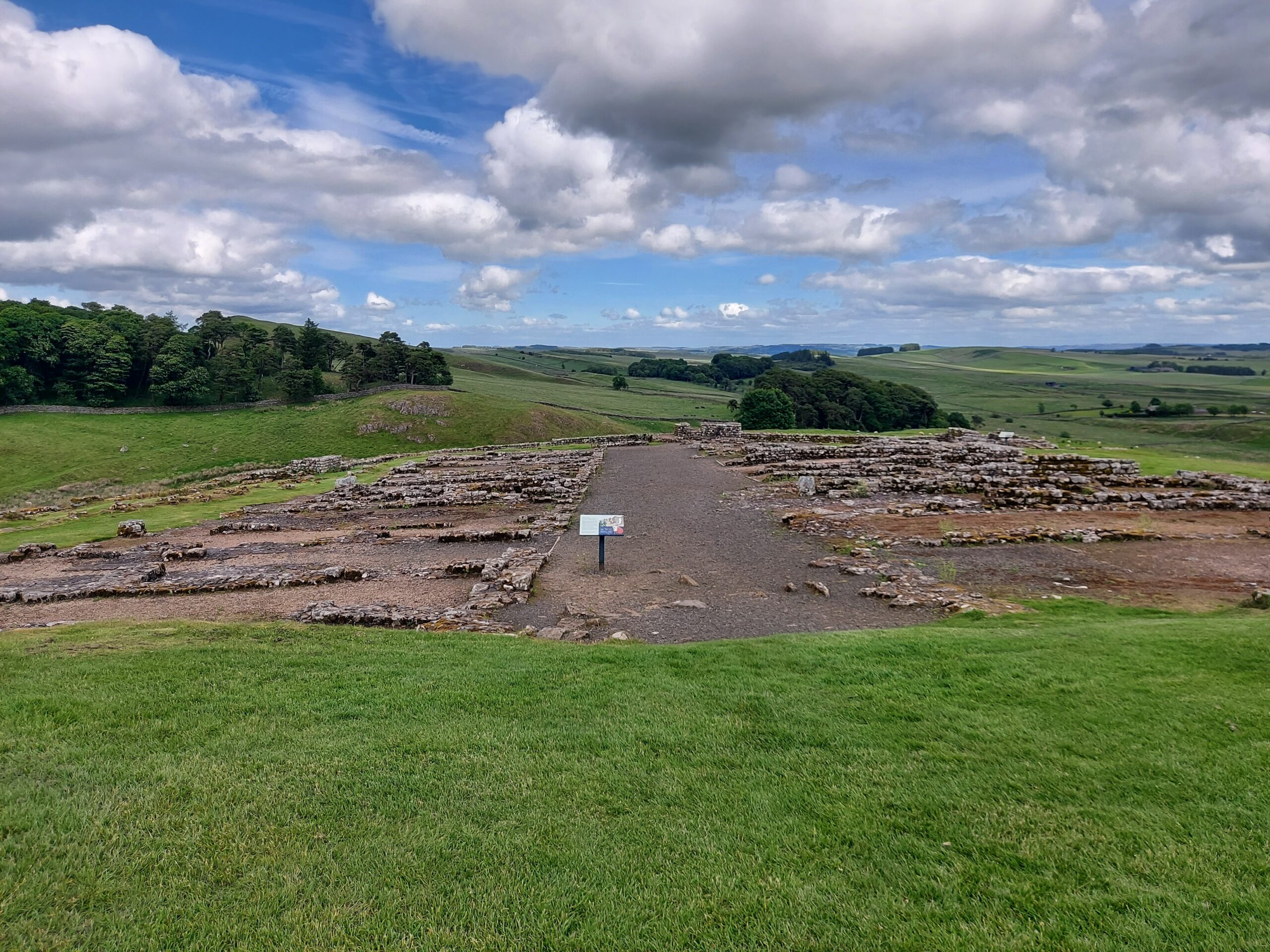
Birdoswald, known to the Romans as Banna, is further west than the other forts I visited – it is in Cumbria, rather than Northumberland. Like Housesteads, it lies along Hadrian’s Wall, and the location is one of the best places to see the first Wall, which was made of turf. The Romans had to clear and drain the land of forest and bog before they could start building.
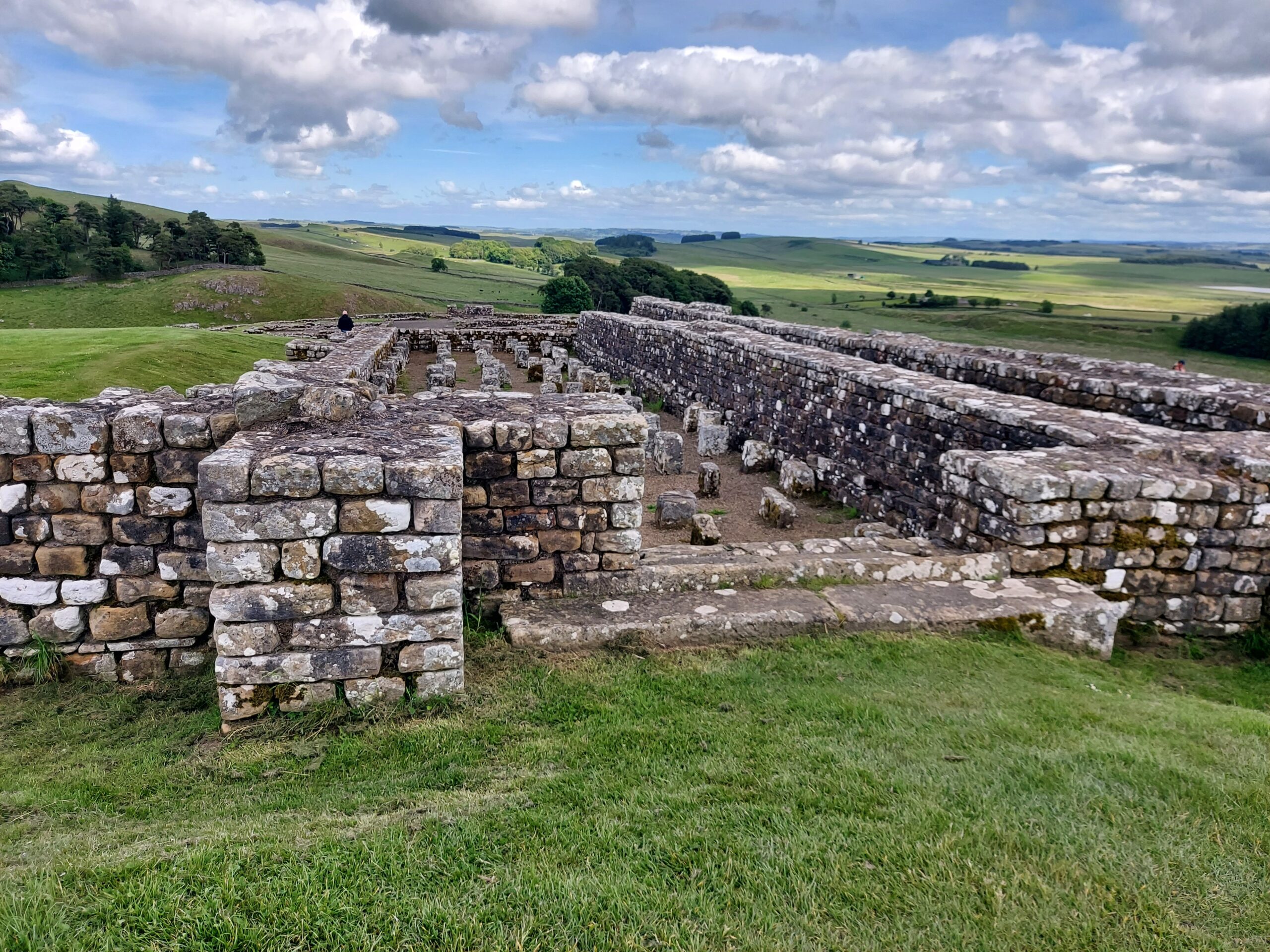
The site has very well preserved defences. The military unit most associated with Birdoswald is the Dacians, who came from modern-day Romania. Symbols from their homeland can be seen in the fort walls, and like many units, worshipped local gods as well as Roman ones. Among the items excavated from the fort are several burial urns, revealing that women and children were buried here as well as military men.
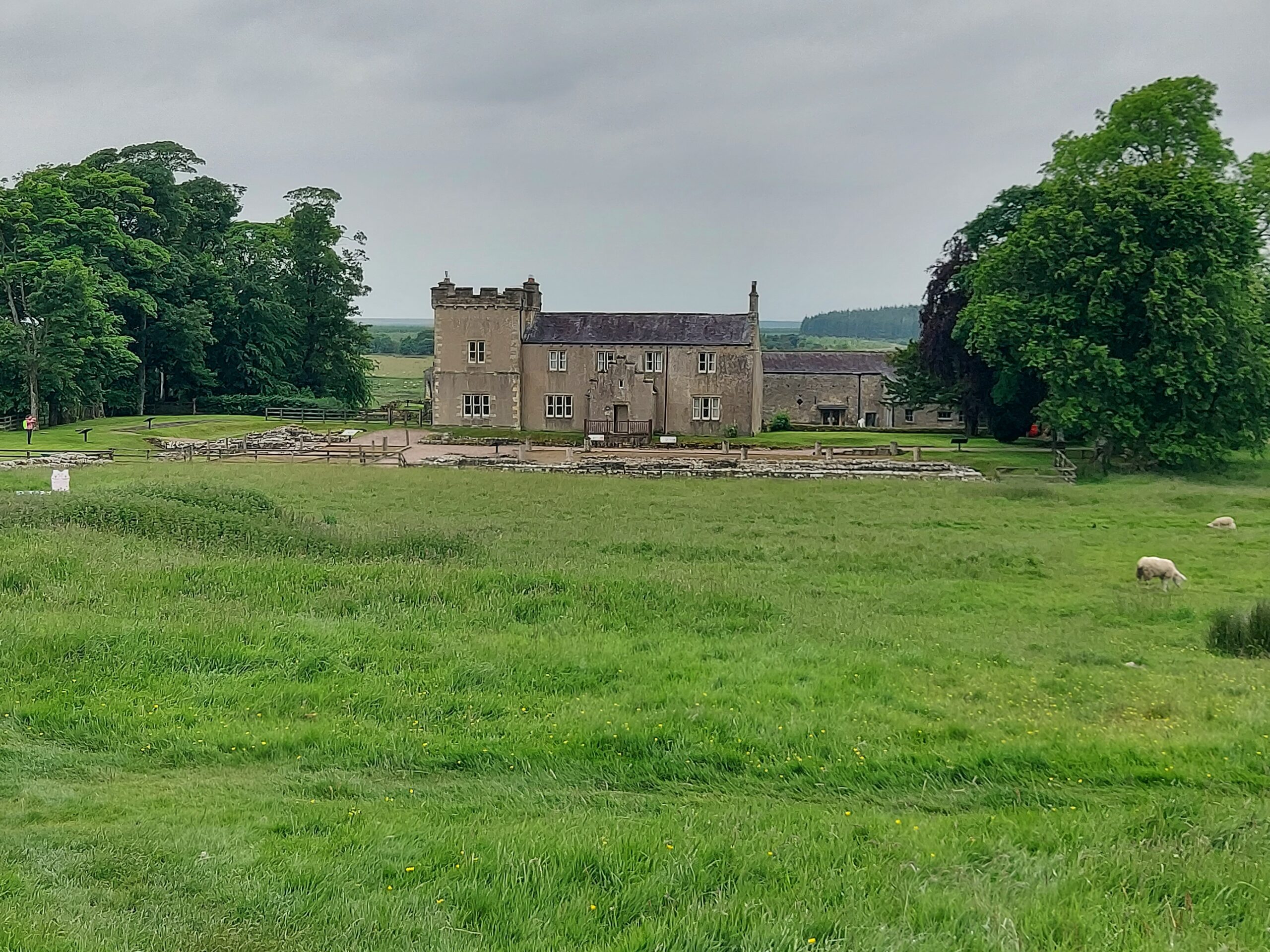
Excavations reveal that the fort carried on after the Romans left. The history of the site continued over the next few centuries, with a bastle house – a fortified farmhouse – built in the 16th century to protect against border raiders. Archaeological research began in the 19th century, and has continued to unearth more and more about Birdoswald and its role in defending the Roman frontier.
After visiting Vindolanda, I caught the bus to Housesteads. This is Britain’s most complete Roman fort, and I saw it briefly during my Hadrian’s Wall walk, as the fort lies along the Wall. It was nice to go back and explore it in a more relaxed fashion when I actually had the energy to do so.
The Visitor Centre at the bottom of the hill is currently closed, but when you climb the hill to the fort, toilets are available and there is also a small museum and shop. The fort has fantastic views of the surrounding countryside, and would have been an ideal defensive point for the Romans two millennia ago.
Originally named Vercovicium, the 5-acre Housesteads (named after a later farm on site) was home to around 800 soldiers and remained occupied for almost 300 years. The remains of gateways and a turreted wall can clearly be seen, as well as the commandant’s house, a hospital and – famously – a communal toilet block.
A civilian settlement existed on the south side of the fort, outside the boundaries. Here, two skeletons were found, beneath an apparently newly-laid floor, leading the location to be nicknamed the “Murder House”. The settlement – known as the vicus – was abandoned in around AD270, over a century before the Romans left the fort itself, around AD409.
During a holiday at a nearby glamping site, I spent time visiting all the Roman forts and historical attractions in the vicinity of Hadrian’s Wall. The first one I visited was Vindolanda, and it was fantastic – if you can only visit one Roman fort, make it this one.
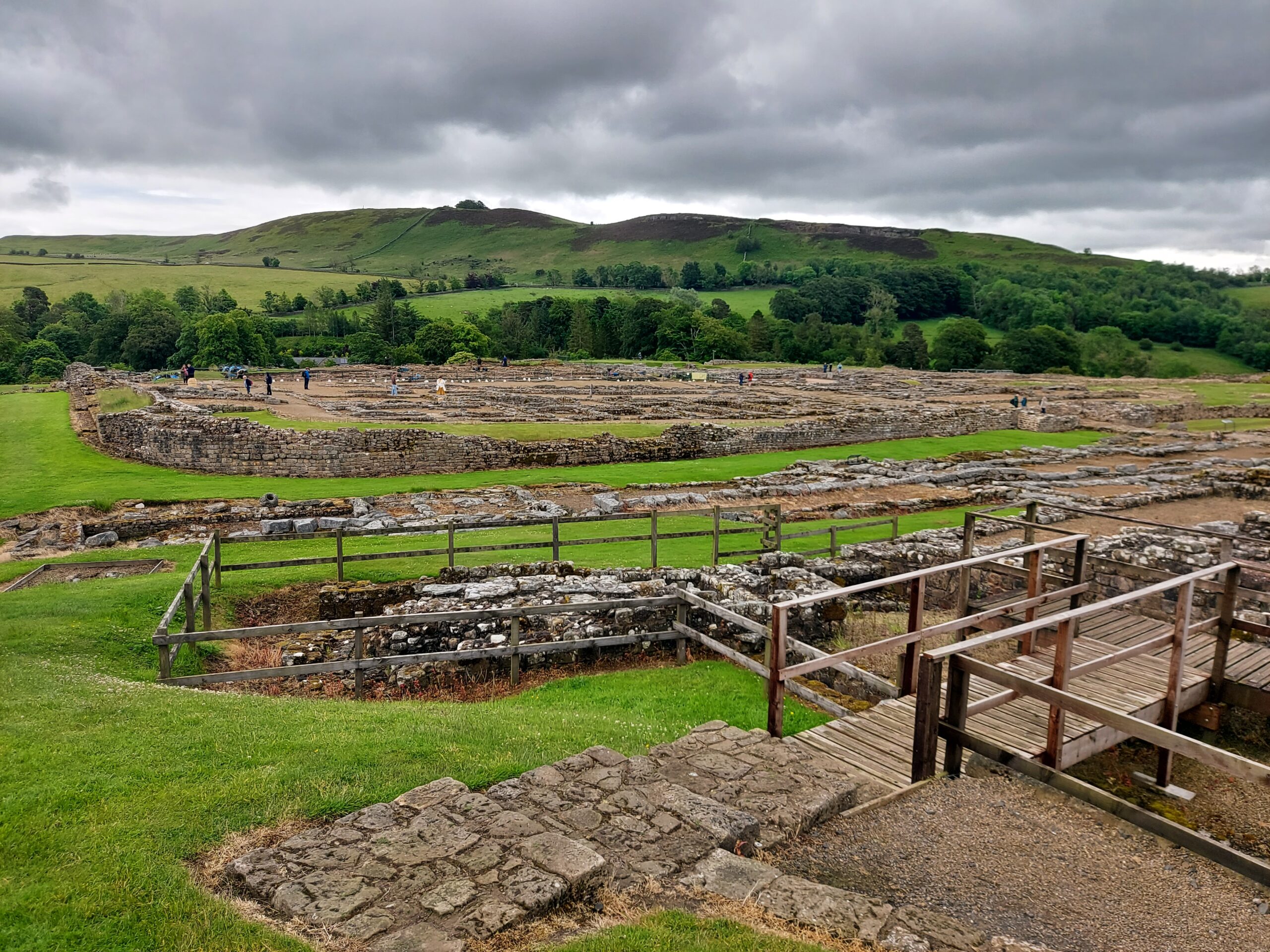
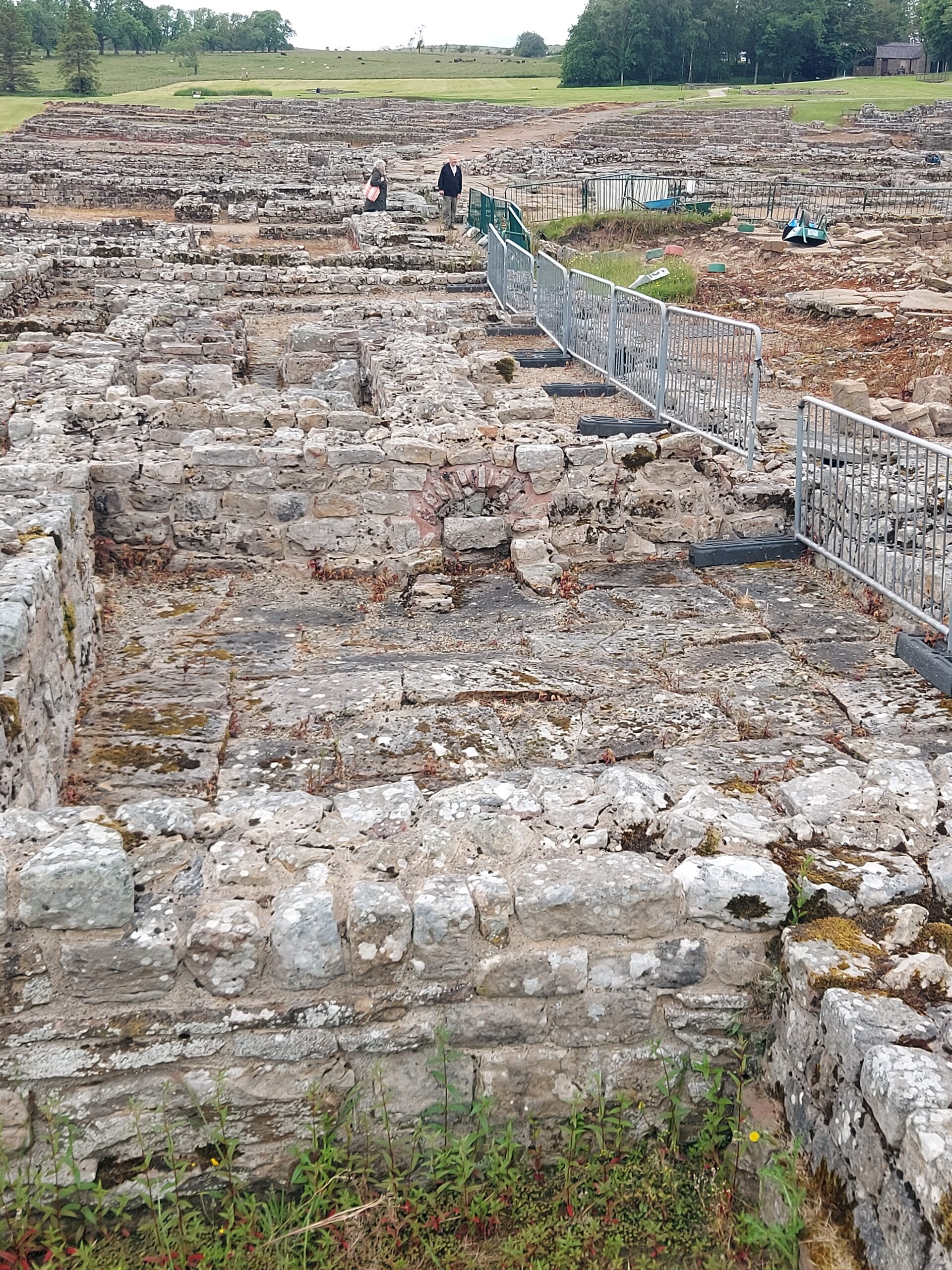
Vindolanda does not sit alongside Hadrian’s Wall, but next to the Stanegate Road, the first Roman frontier in the north. Occupied for over 300 years, it was founded long before the Wall was constructed. The site is run by the Vindolanda Charitable Trust, founded in 1970. This group was founded in order to excavate and investigate the site, and excavations are ongoing to this day. Some of the discoveries include a bath house, commanding officers’ residences, barracks, civilian houses and workshops, latrines, a strong room and a Roman Celtic temple. There is also a post-Roman mausoleum and Christian church. Small sections of Hadrian’s Wall have been replicated on-site in turf, timber and stone.
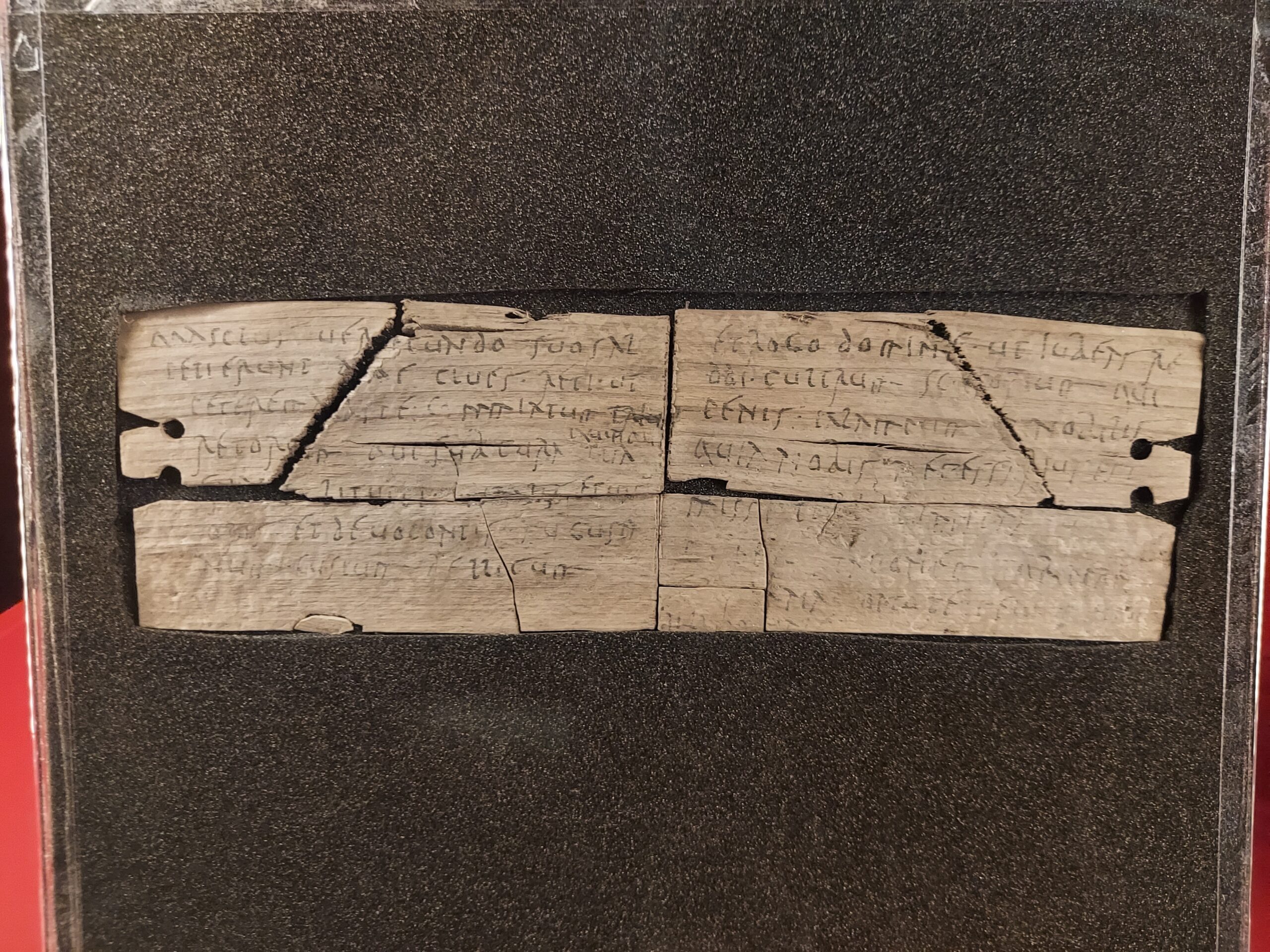
Probably the most famous discovery from Vindolanda is that of the well-known writing tablets. These are delicate slivers of wood covered in writing, preserved thanks to the oxygen-free environments of buried early wooden forts. The tablets offer insights into everyday life at Vindolanda, and are absolutely fascinating. One commander asks for more beer to be sent, as the soldiers have none; a military wife welcomes a visit from the wife of a nearby camp commander in order to ease her boredom.
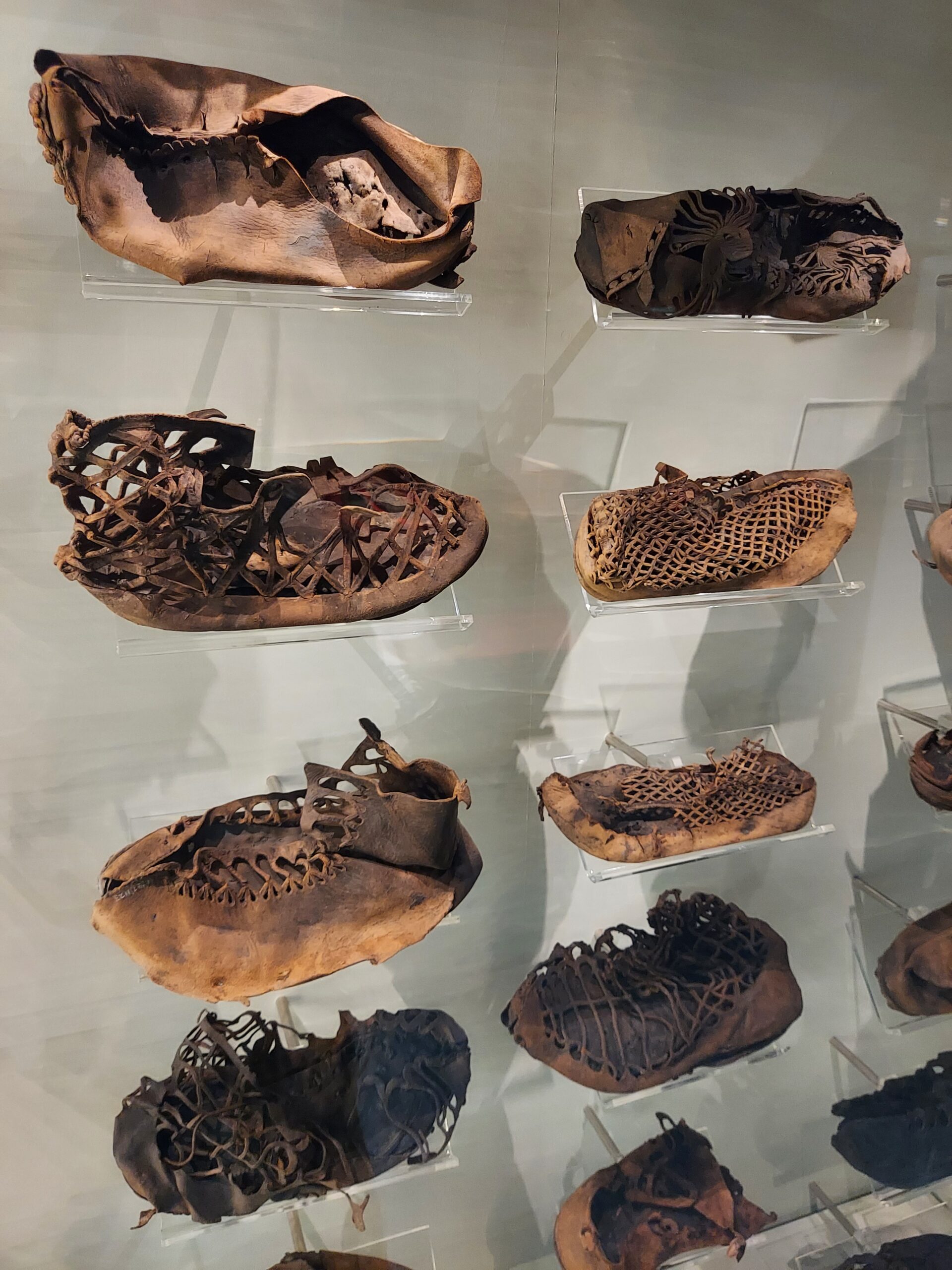
Other items have been preserved in the unique conditions here, including very many leather shoes, which are displayed in a striking case within the informative museum. Vindolanda actually has the largest collection of Roman leather items anywhere in their historical Empire, including bags and purses as well as shoes. Wooden objects have been discovered too, including parts of furniture, tent pegs and combs, as well as the more usual jewellery, weapons and bones.
I took a guided tour during my visit which was fascinating. Our guide told us about the history of the site and more information about the people who lived and worked there. I was particularly amused to hear about the sausage seller – Roman fast food!
The site at Vindolanda is large and I think it would be possible to spend an entire day there. Sadly I had to leave in time to get the bus to the next place. There is a lovely café in the same building as the museum, so you can stop for a break.
I took advantage of a day off to visit Segedunum Roman Fort. This was the starting point for last year’s Hadrian’s Wall walk, but we didn’t have time to actually visit, and I wanted to change that.
The fort stood at the eastern end of Hadrian’s Wall, built around AD125, a few years after the construction of the main Wall, and was home to Roman soldiers for nearly 300 years. The site of the fort, on a plateau on the north bank of the river Tyne, was perhaps chosen because of the views eastwards downriver towards South Shields, and upriver towards Newcastle. The name ‘Segedunum’ means ‘strong fort’.
The museum contains information about the construction of the fort, the people who lived and worked here, and the role the fort played defending the Roman frontier. Before the fort was built, the area was mostly farmland, part of the territories of the Brigantes tribe. People would have lived in farmsteads, around a 15 minute walk apart, made up of roundhouses surrounded by earth banks and ditches. In between the ditches were fields for crops and pasture for animals. Cattle and other animals might have lived on the ground floor, with people living above them. When the Romans arrived to build the fort, they confiscated the land.
When first built, the barracks were made from timber, though they were later rebuilt in stone. Eventually, these stone buildings were demolished and replaced by new back-to-back barracks. A stone hospital was also demolished at this time. Later, the west gates area seems to have become a marketplace. Use of the site probably ended in around AD380.
The site as it exists today is one of the most completely excavated forts anywhere in the Roman Empire. It is laid out as it would have been in AD200. Visible are walls and gateways, granary stores, barrack blocks and the Commanding Officer’s house. There is also a hospital and, discovered more recently, the foundations of a bath house. Part of Hadrian’s Wall can also be seen here, alongside a reconstruction of the Wall.
FACTS
Address: Buddle Street, Wallsend, Newcastle upon Tyne, NE28 6HR
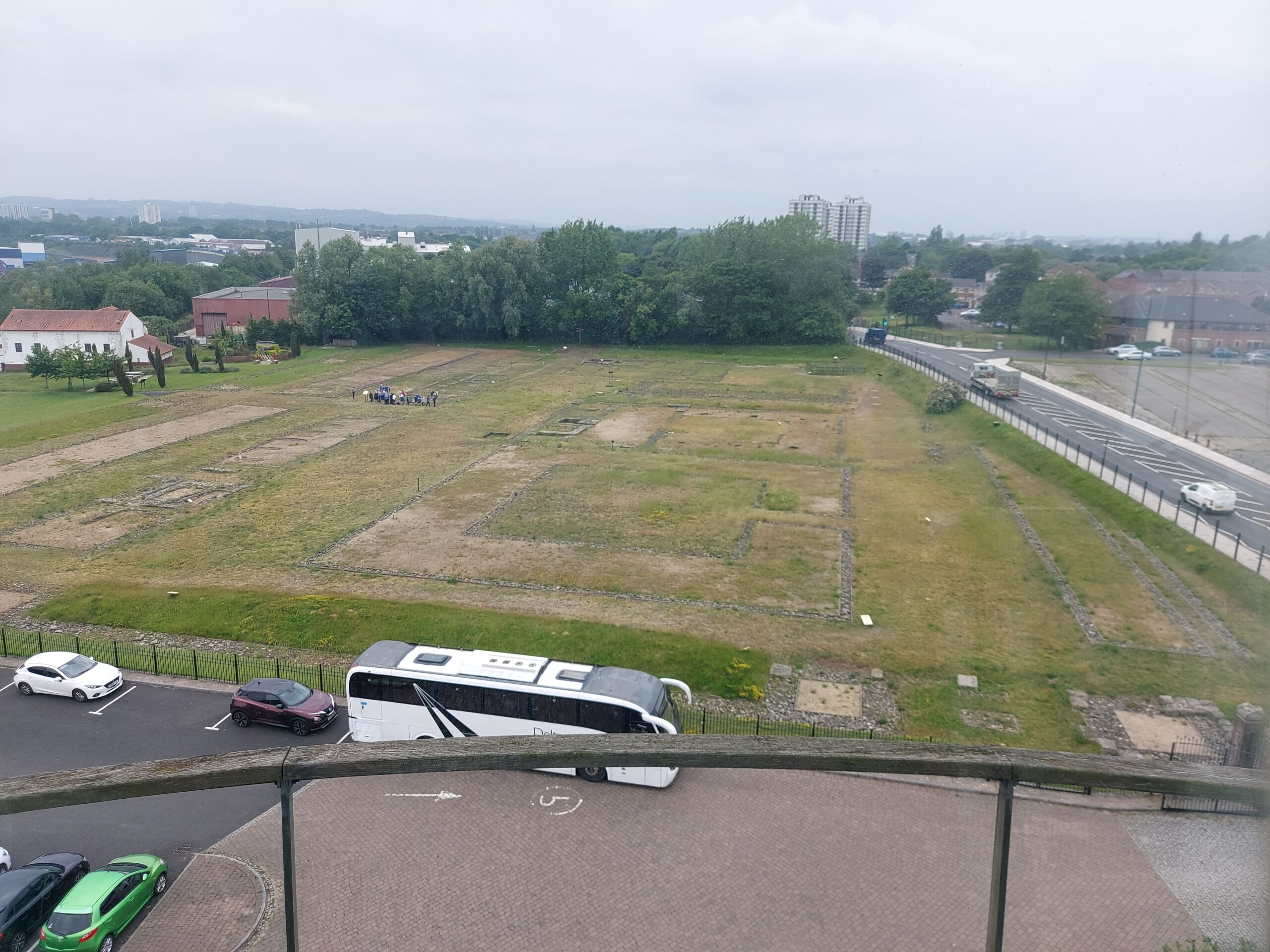
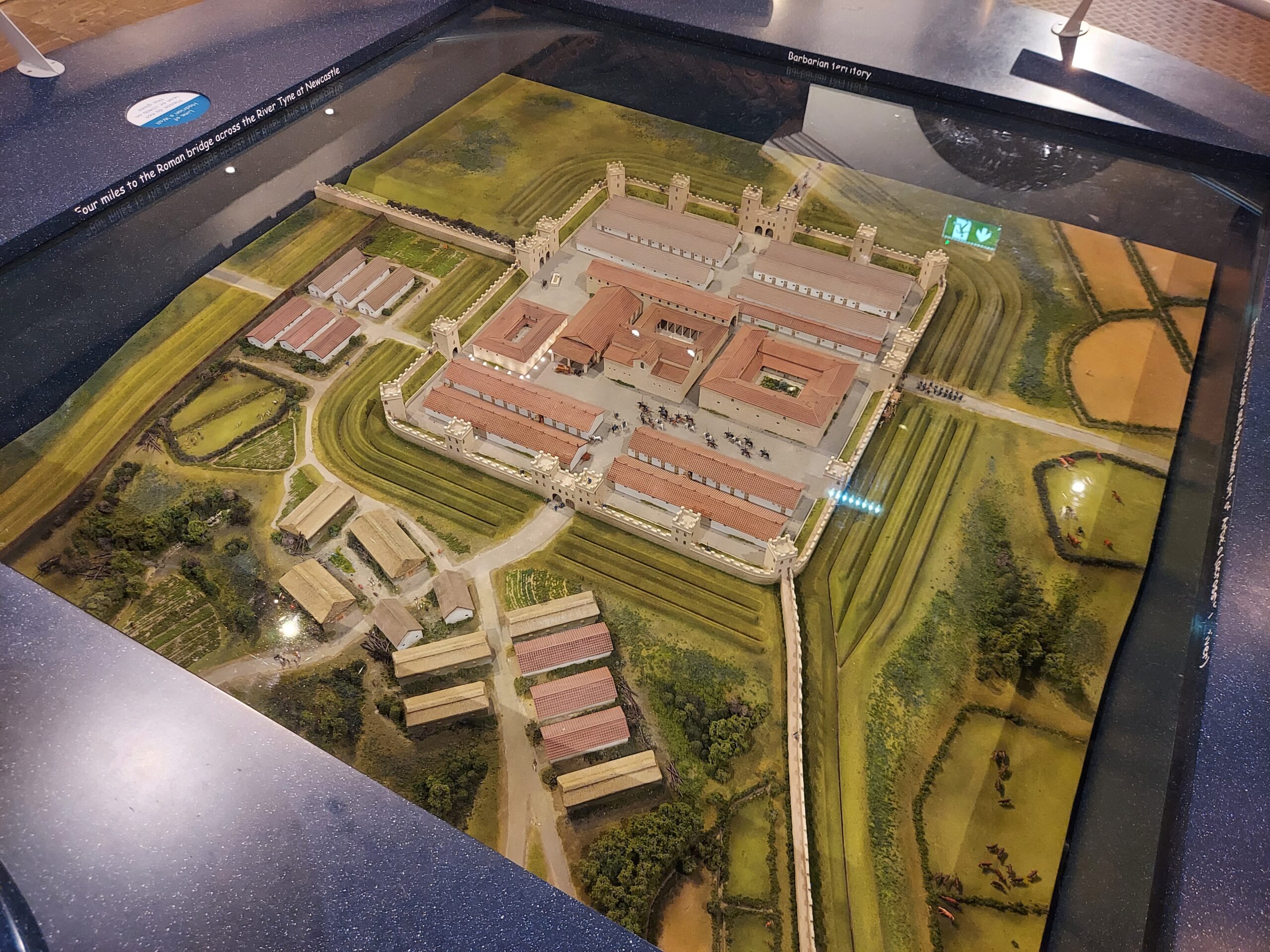
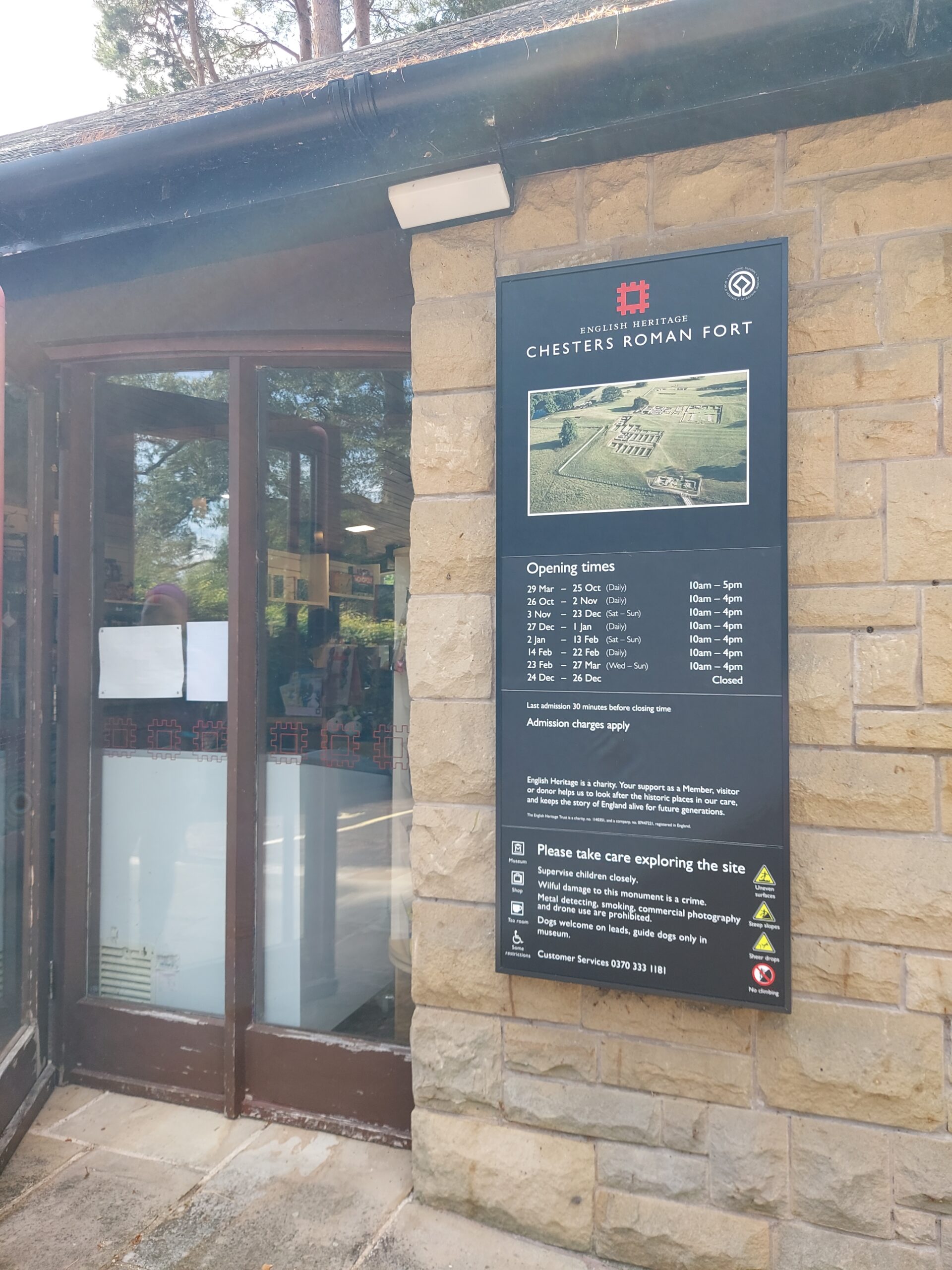
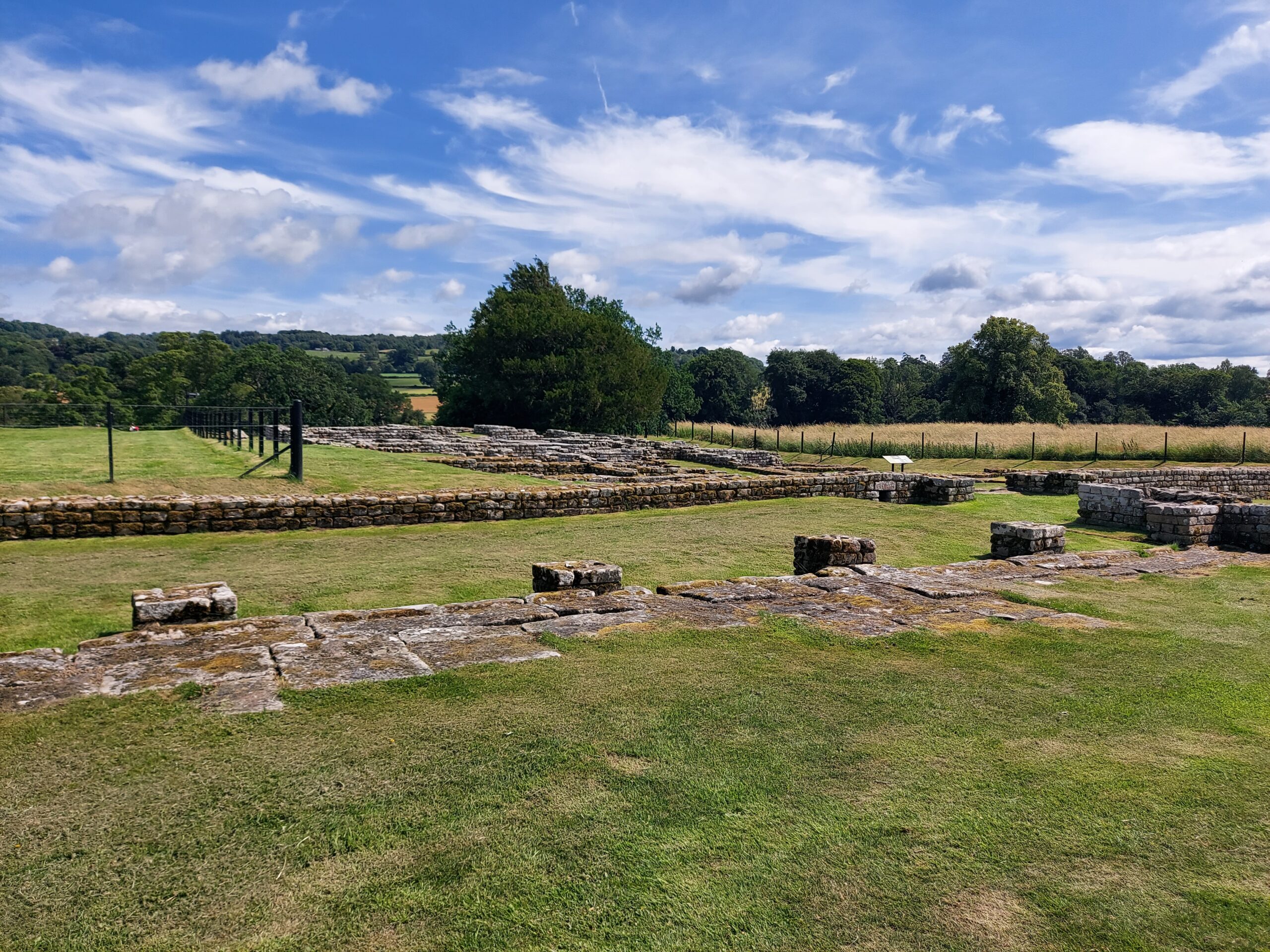
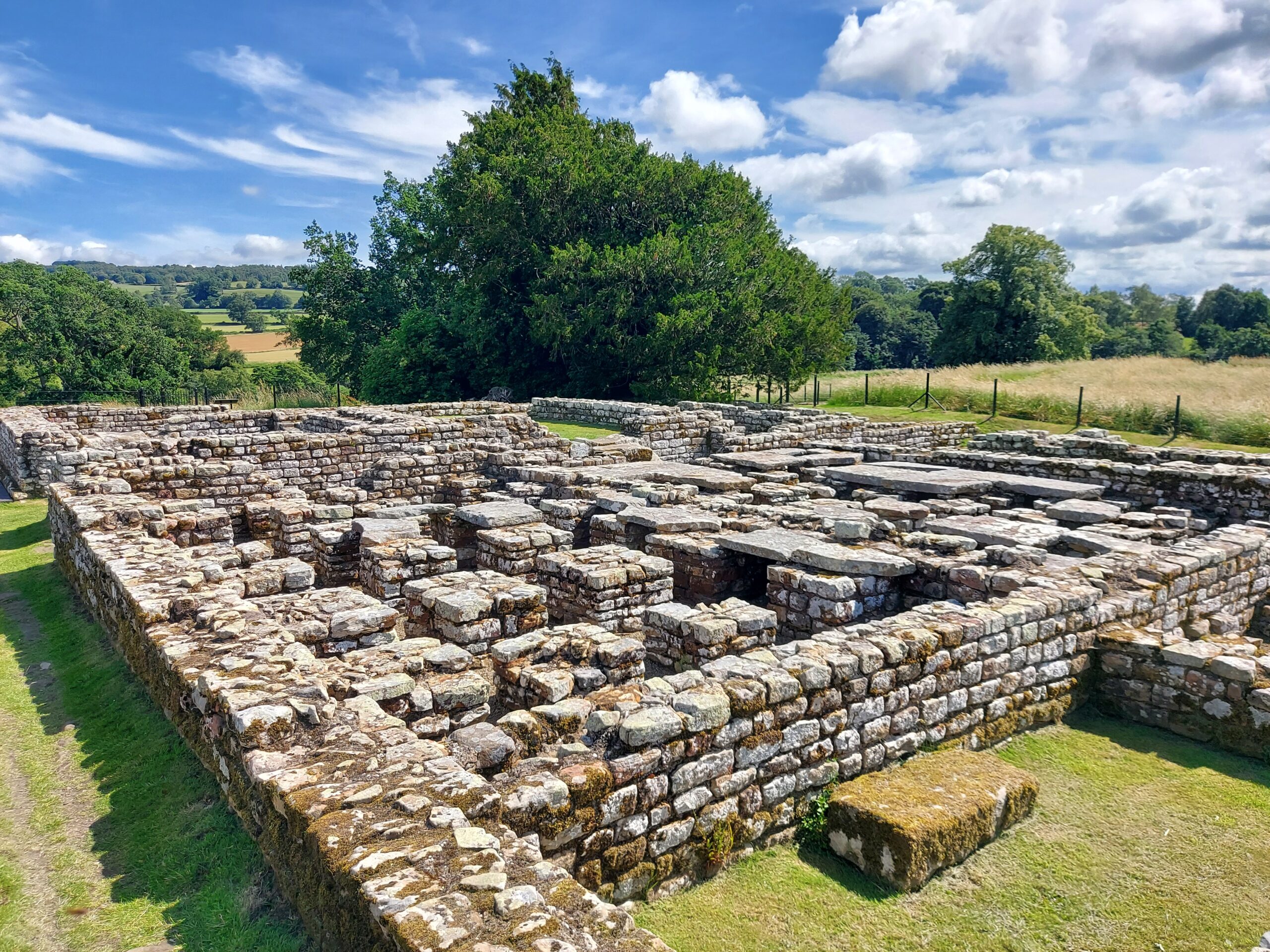
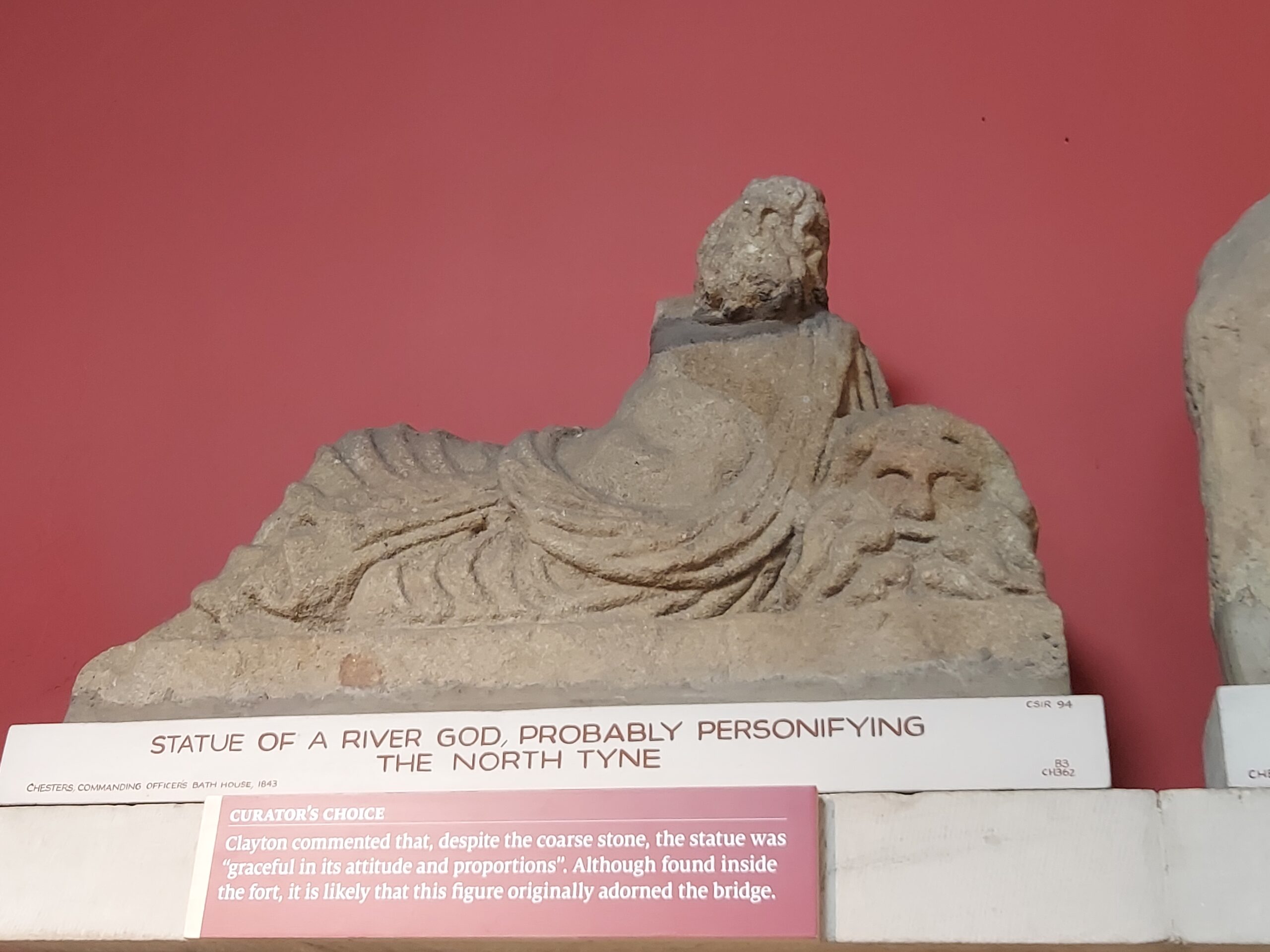
Before embarking on the rest of my Hadrian’s Wall trek, I decided, along with my walking friend Heather, to visit Chesters Roman Fort. Located in the village of Chollerford in Northumberland, it was known to the Romans as Cilurnum and has been called the best-preserved Roman cavalry fort in Britain.
Cilurnum was built in CE 124 on the banks of the North Tyne. It was home to around 500 cavalry troops for almost three centuries. The fort was originally uncovered by John Clayton, a Victorian antiquarian.
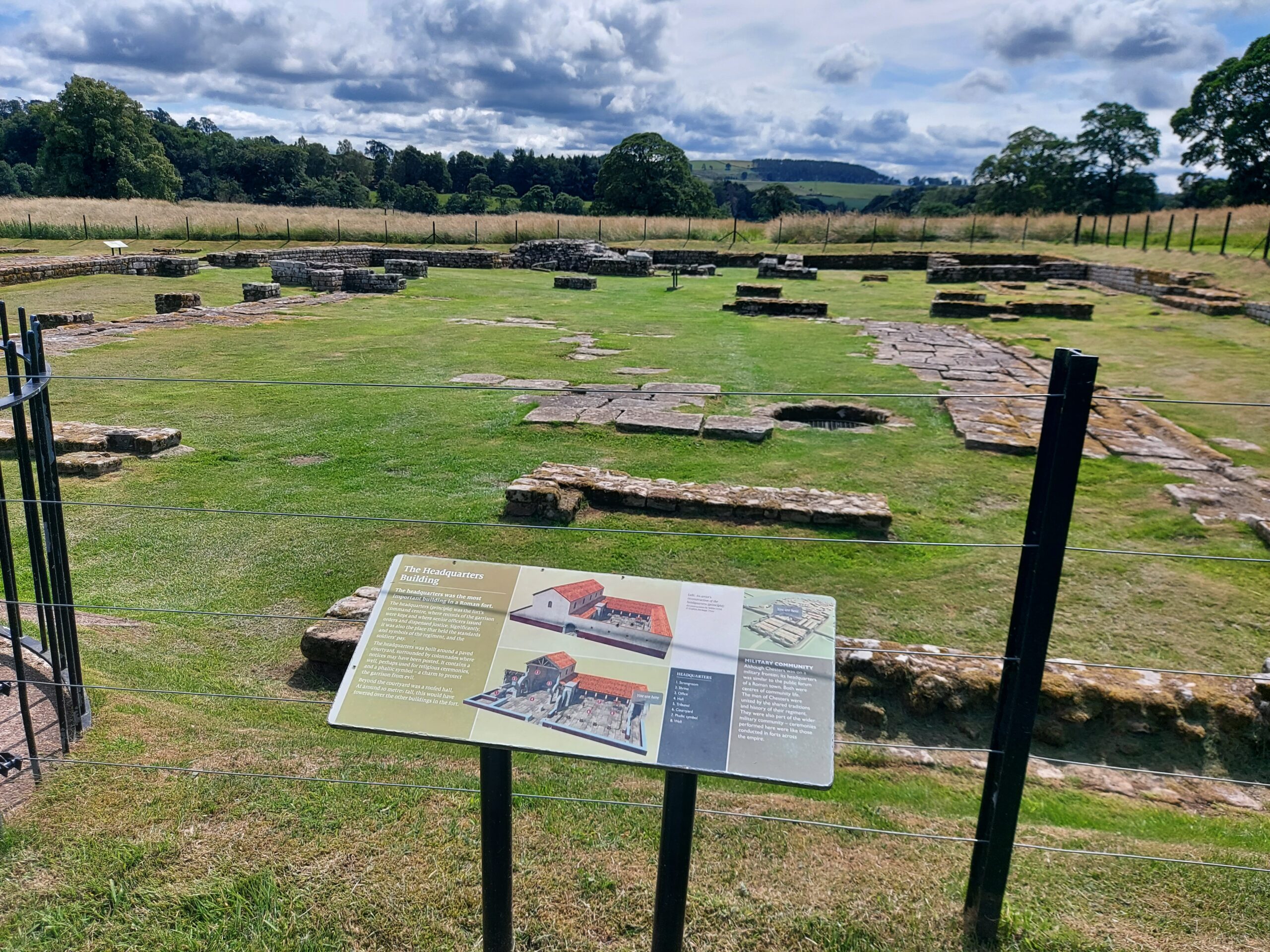
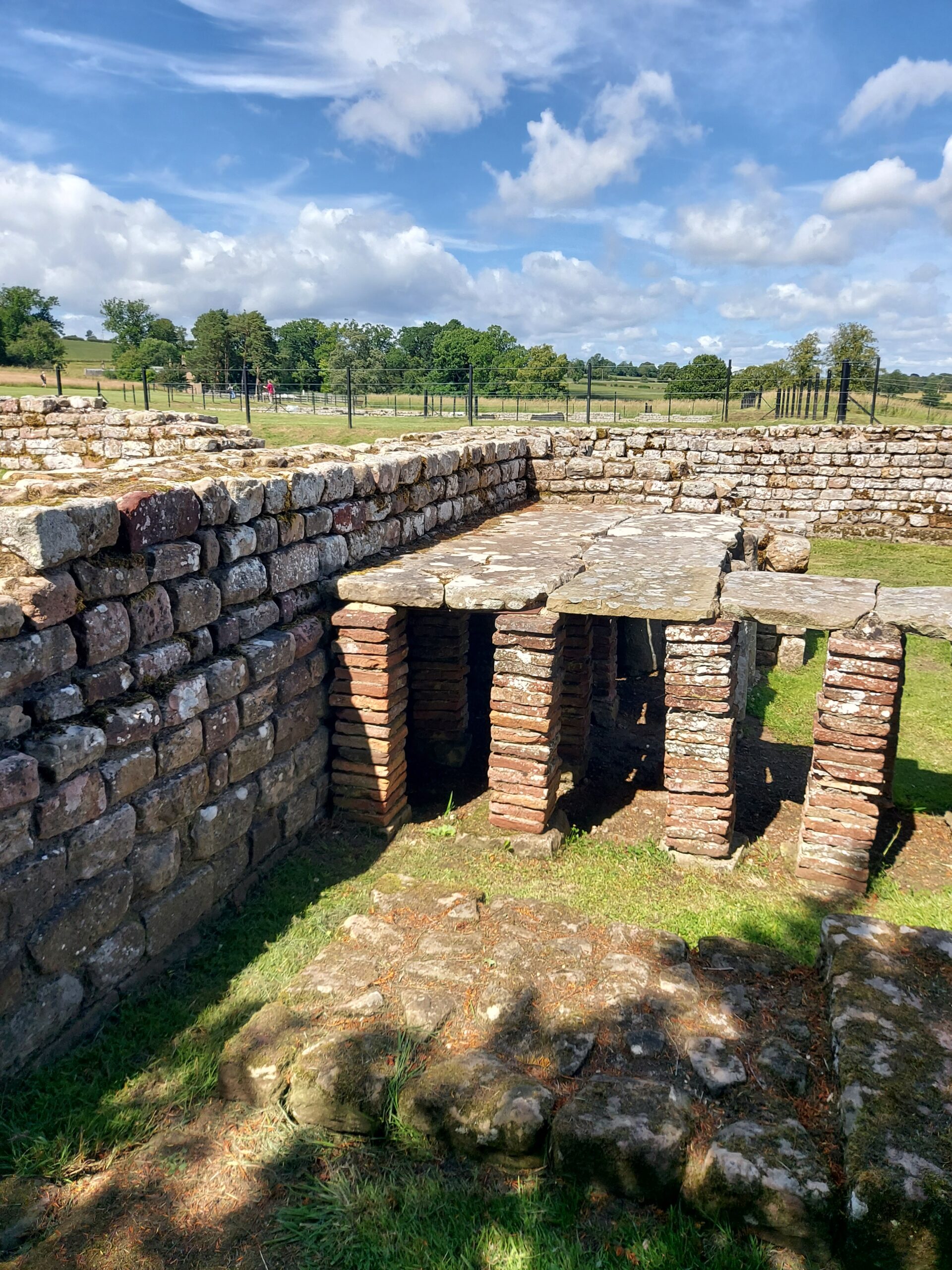
On arriving at Chesters, we first joined a tour of the site. Our guide was really interesting and informative and showed us the principal gates, the headquarters building, the stables and even the external bathhouse, which was particularly impressive.
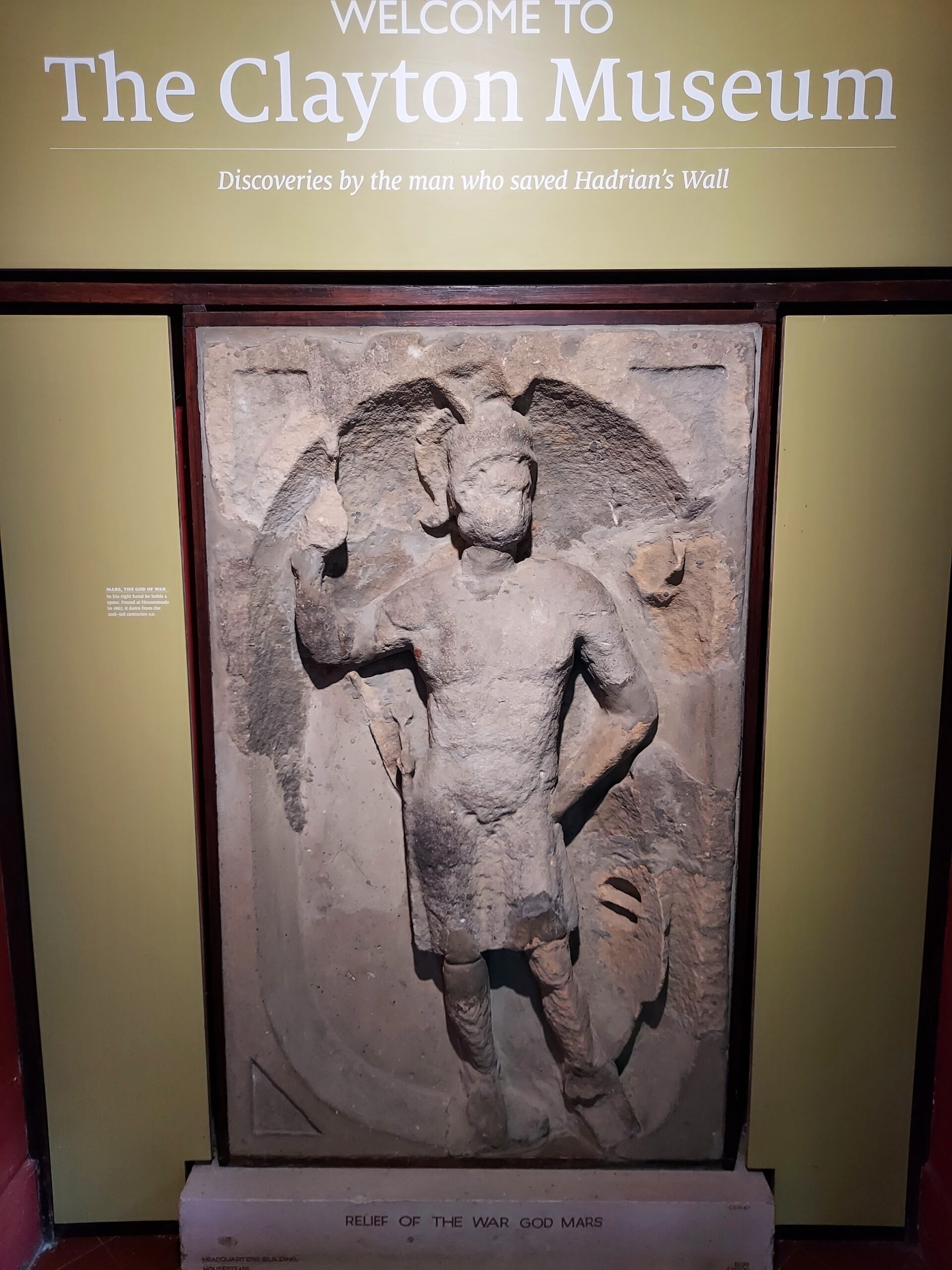
We then visited the Clayton Museum, home to several Roman artefacts from the area and nearby, including Coventina’s Well.
We got our passports stamped before heading back to the Hadrian’s Wall path. Our visit was great fun and really helped put the Wall into context, imagining the Roman soldiers who once stayed here and walked the Wall.
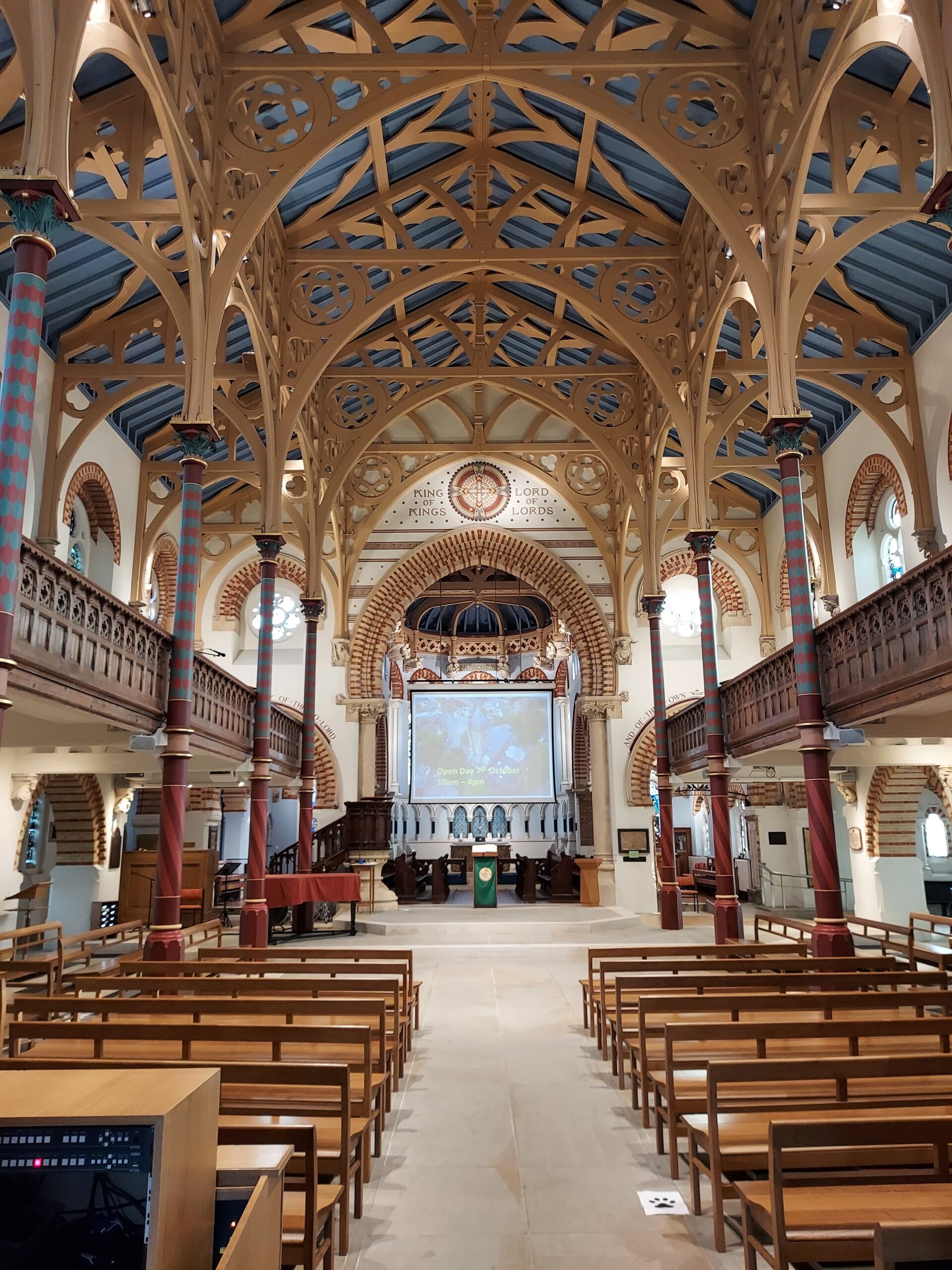
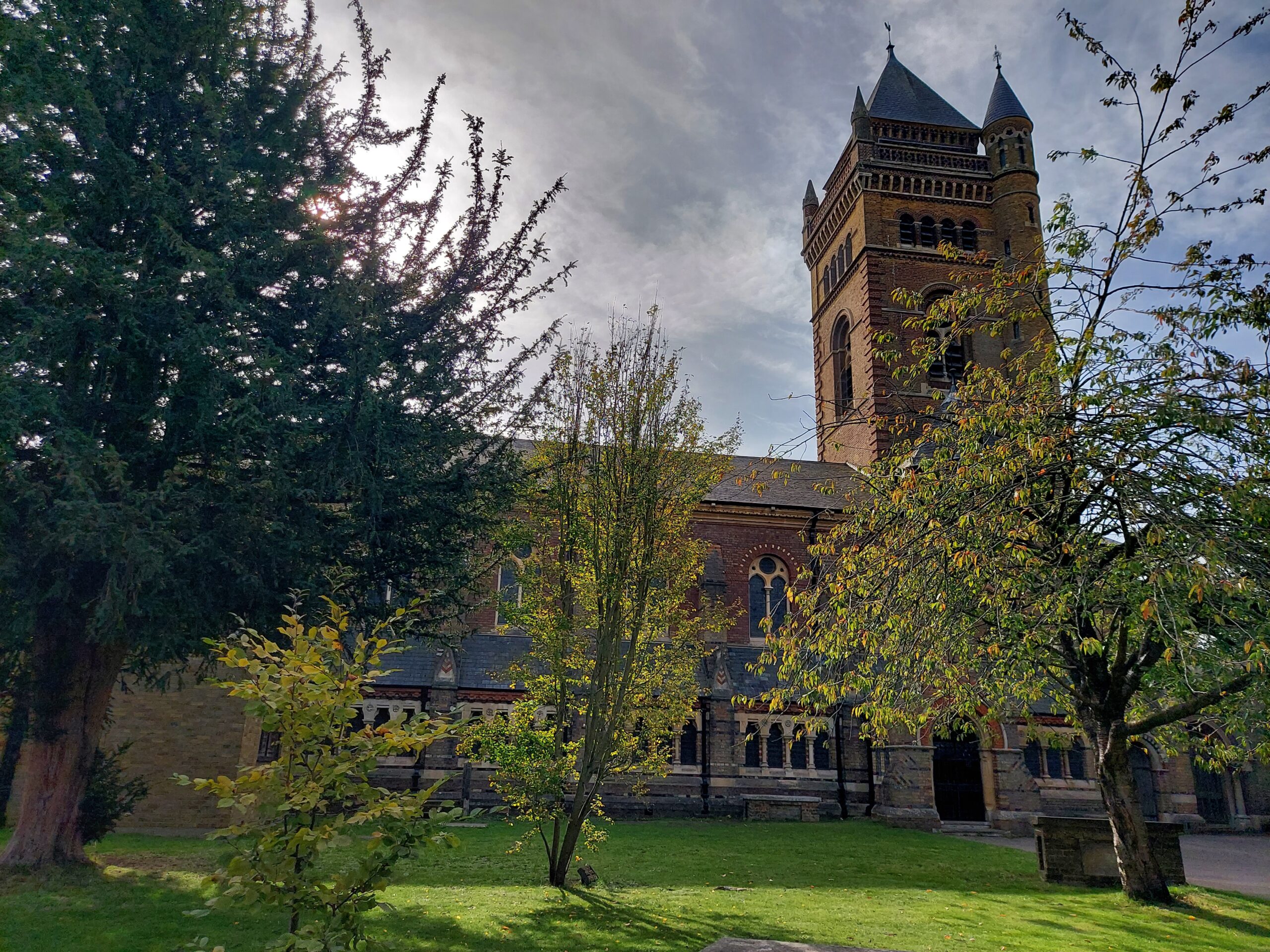
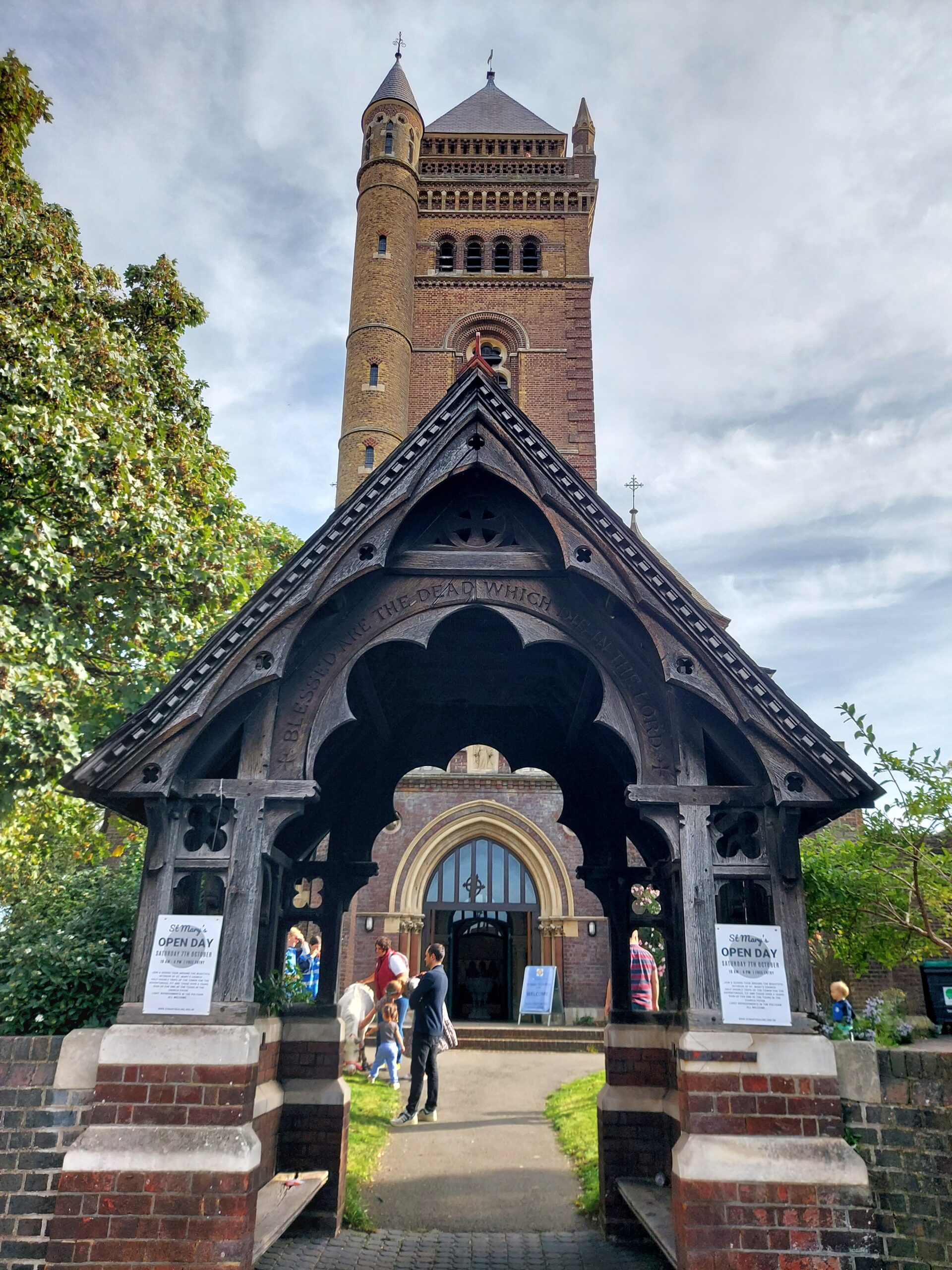
I’m not religious at all, but I find churches interesting from a historical point of view, so when my local church, St Mary’s Ealing, had an open day recently I made sure to go.
There has been a church on the site for almost a millennium. Located on St Mary’s Road on the way from Ealing Broadway to South Ealing, the Grade II listed church originally marked the centre of Ealing. As the only church in a large parish stretching from Brentford towards Wembley, it was a key landmark in the area. Richard Smart, the vicar at the end of the sixteenth century, compiled a census recording a total of 427 inhabitants in the area. The only two roads from London to the West passed through the parish, and travellers often stopped to rest at the parsonage.
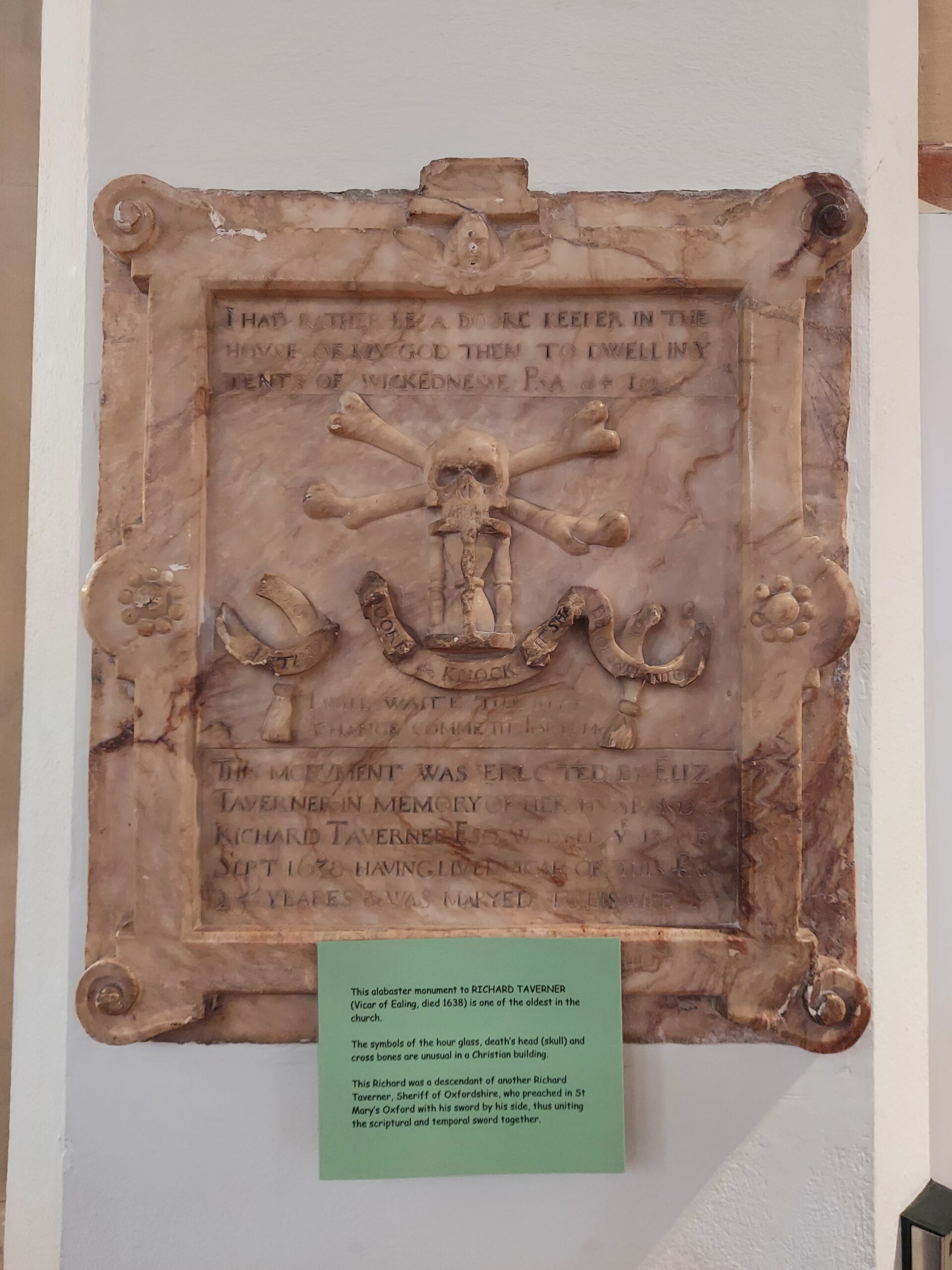
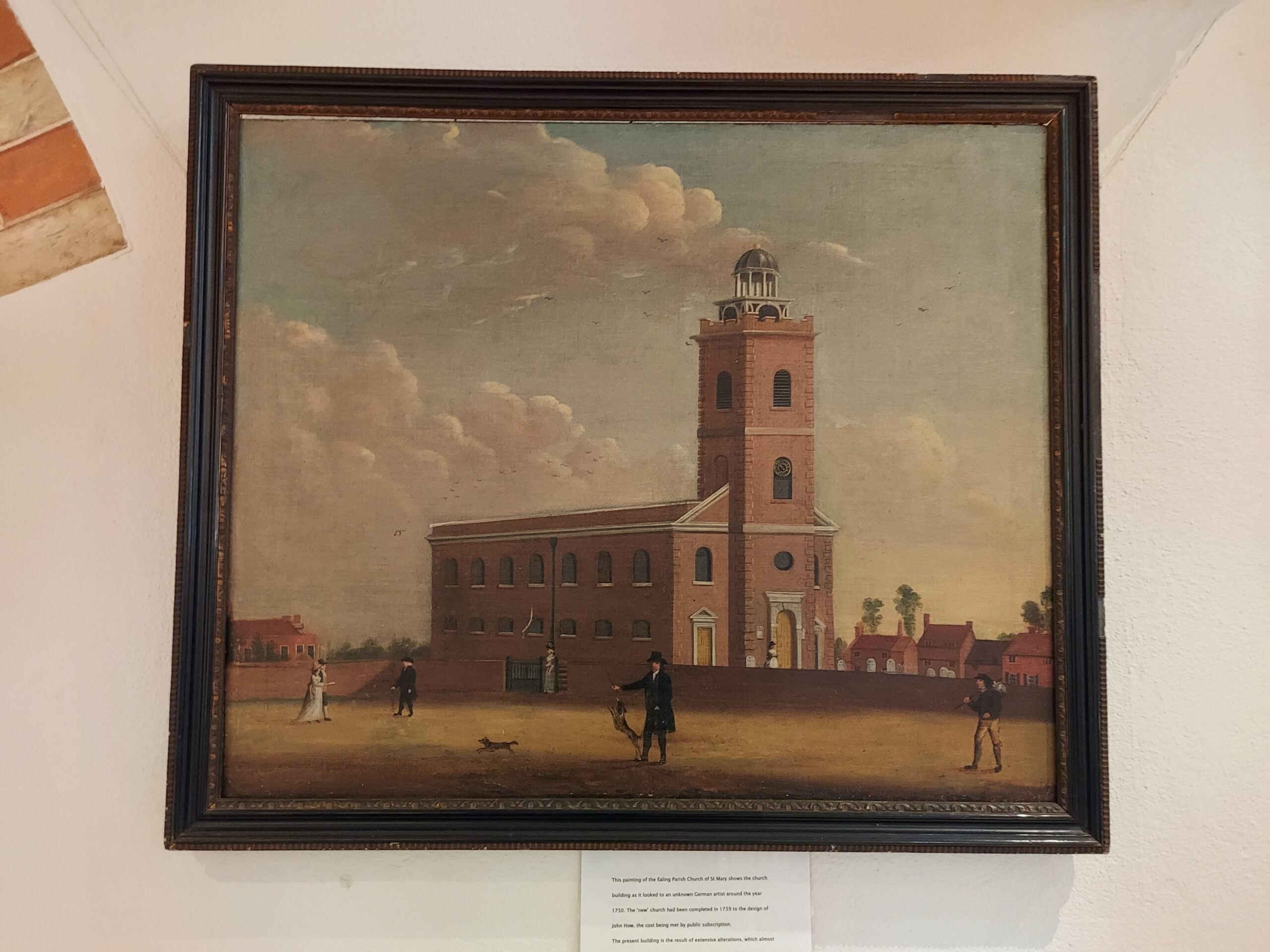
In 1642, during the English Civil War, the church was severely damaged by Cromwell’s troops. In 1650, a parliamentary survey described St Mary’s as “ruinated and lying open since the plundering”. The Plague, which followed soon after, did not help, as many parishioners died. The original medieval church – now neglected and of which, sadly, no pictures survive – was demolished in 1720, to be replaced by James Horne’s design in 1740.
The church as it looked in around 1750
Once the railway reached Ealing in 1838, the area’s population began to grow rapidly, and the centre began to shift towards what is now Ealing Broadway.
Between 1865 and 1873, S. S. Teulon adapted and enlarged the Georgian church, so that it resembled a Greek Byzantine basilica. A vestry was added in 1887 and the organ enlarged in 1927, while further redecoration took place in the 1950s and the ‘Polygon’ building – used as a community space – was built in 1978. The church was restored in 2003.
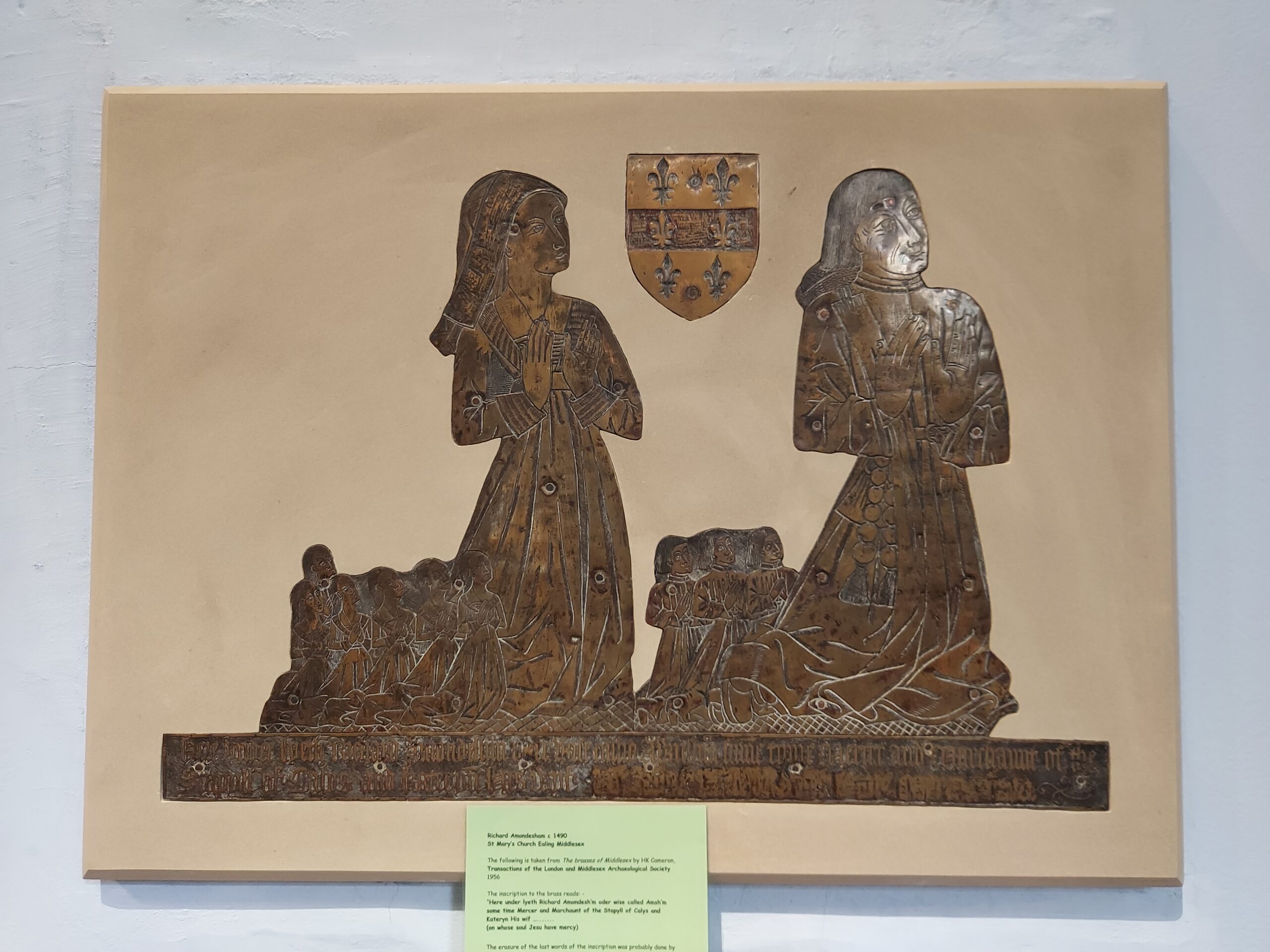
Victorian stained glass windows were commissioned by Thomas Boddington, who lived at Gunnersbury Lodge. From the old church, wall tablets and a medieval brass to Richard and Kateryn Amondesham (around 1490) were retained.
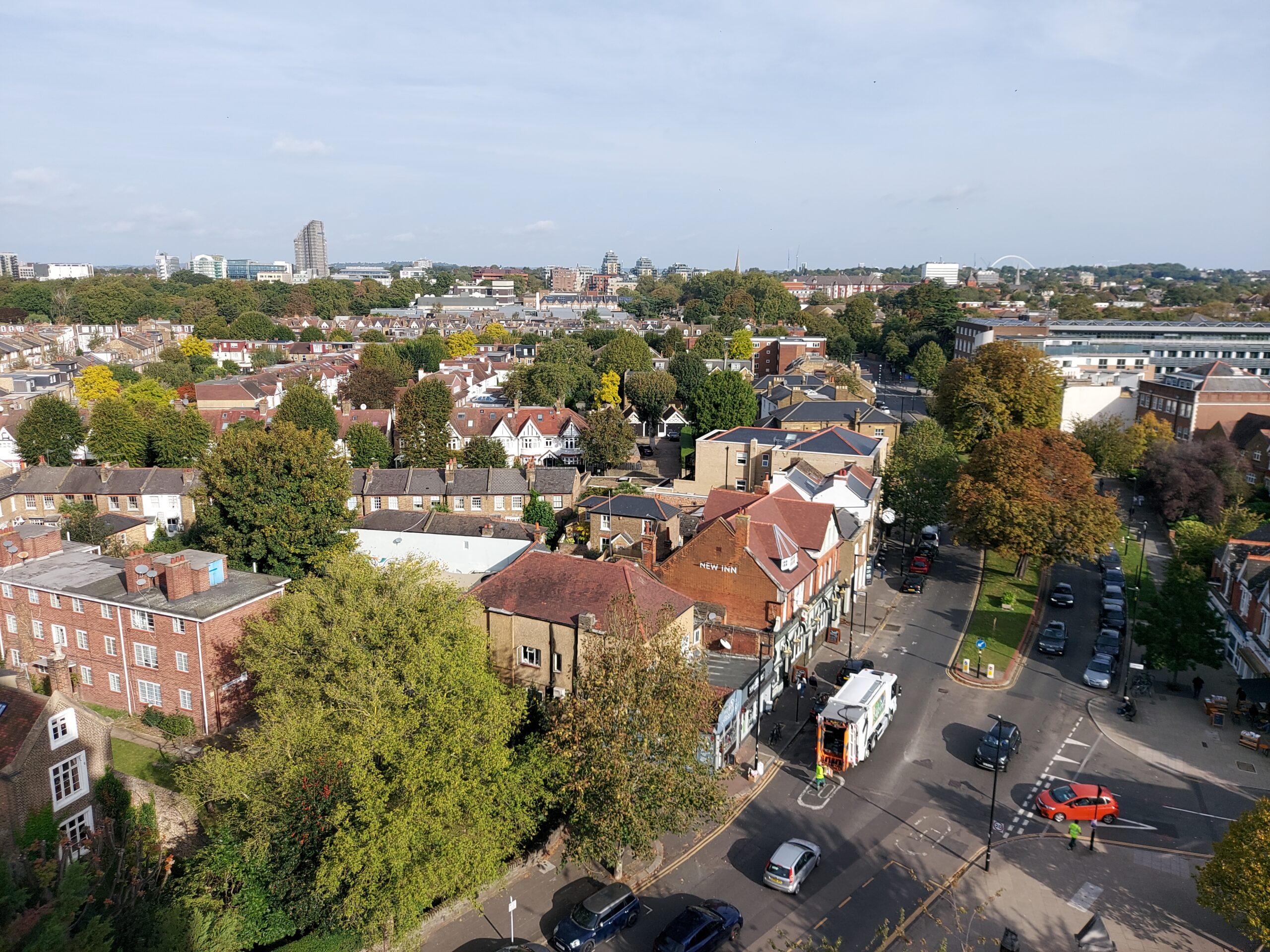
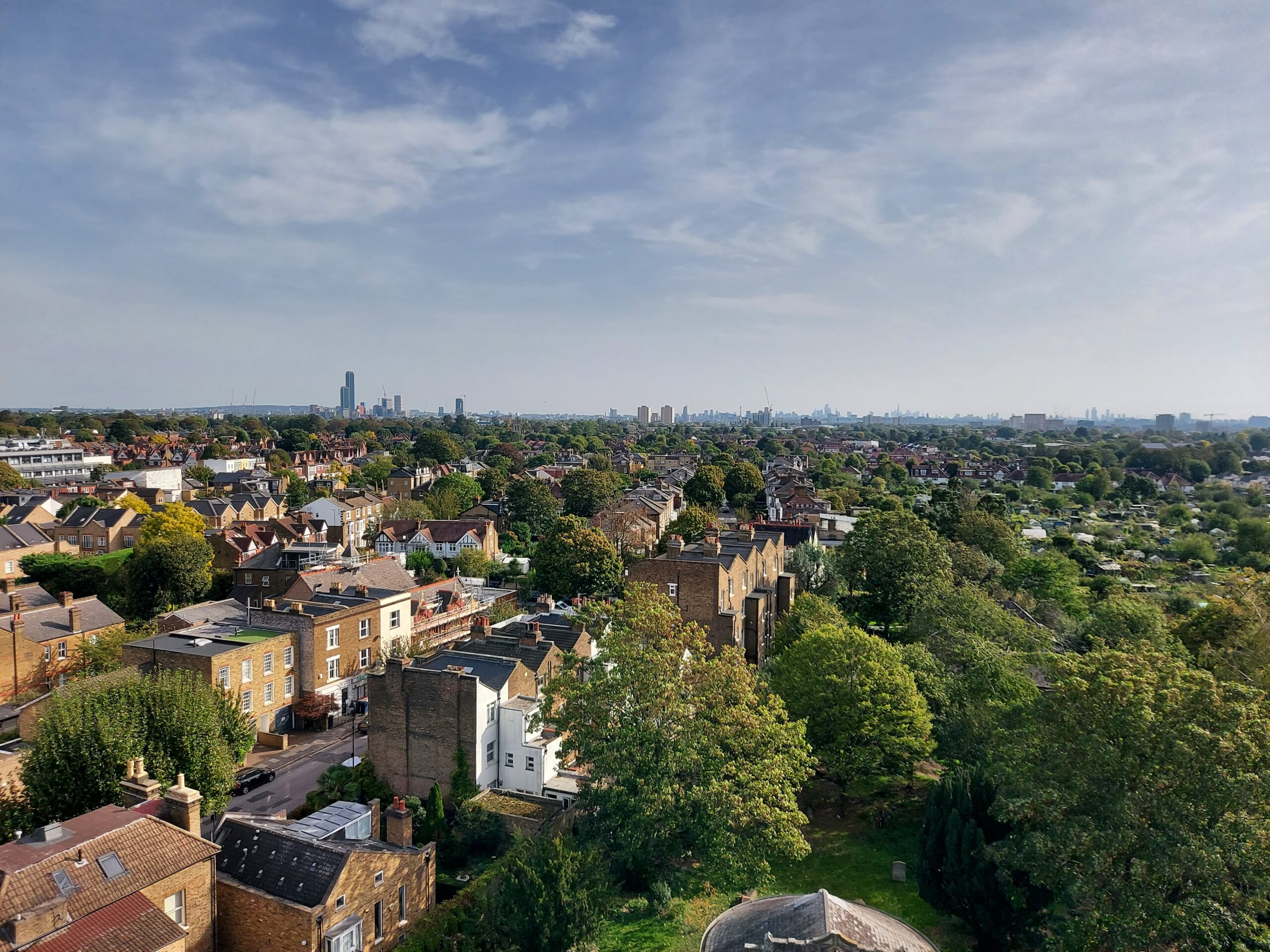
Members of the Church were on hand to take groups of lucky visitors up the tower. It was a hard climb but the beautiful views were worth it.
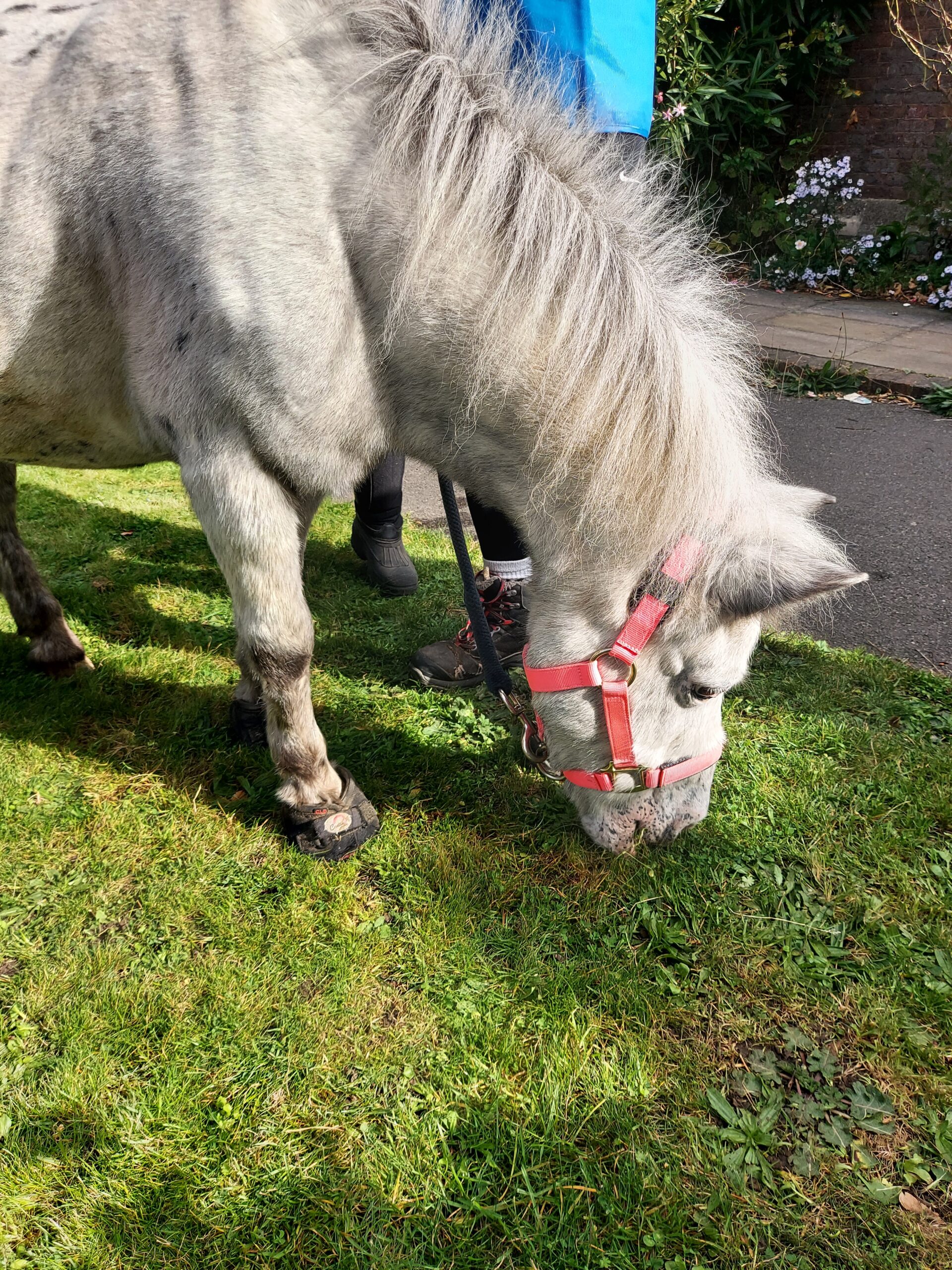
Finally, as part of the open day some gorgeous ponies had been brought over for a visit from a nearby riding school!
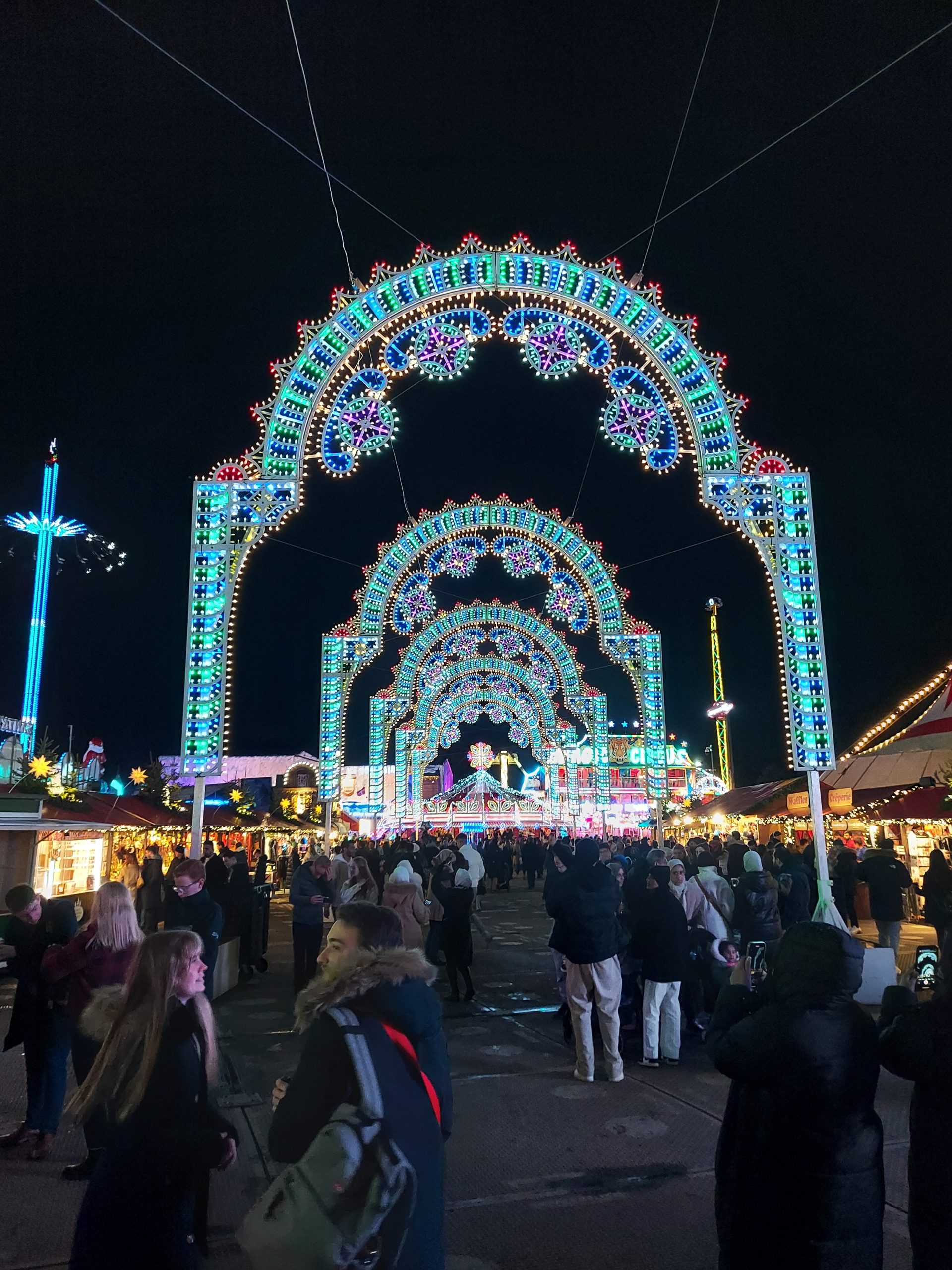
My friend came down to visit for a few days, and one of the things she wanted to do was go to Winter Wonderland in Hyde Park. It’s somewhere I’ve always avoided in the past, because of how touristy it always is and how busy it is supposed to get, but I thought we would be okay on a weekday in November.
We booked our entry tickets online, which were free for our chosen off-peak time, and had the option to book other events too, although we didn’t bother. In the event, we were able to book everything we wanted on the day. If you go at a busier time, though, I would definitely recommend booking activities in advance – as the day moved into evening the park started filling up, and the queue for the big wheel in particular was huge.
Some of the things we did in the park included:
Christmas markets: we had a look round the many market stalls, although we didn’t buy anything. There is plenty of variety on offer, though nothing you wouldn’t see at the markets on the South Bank, for instance.
Food & drink: throughout the day we kept our energy up with pretzel pizzas, mac n’ cheese, loaded fries and churros, as well as mulled wine, mulled cider and hot chocolate.
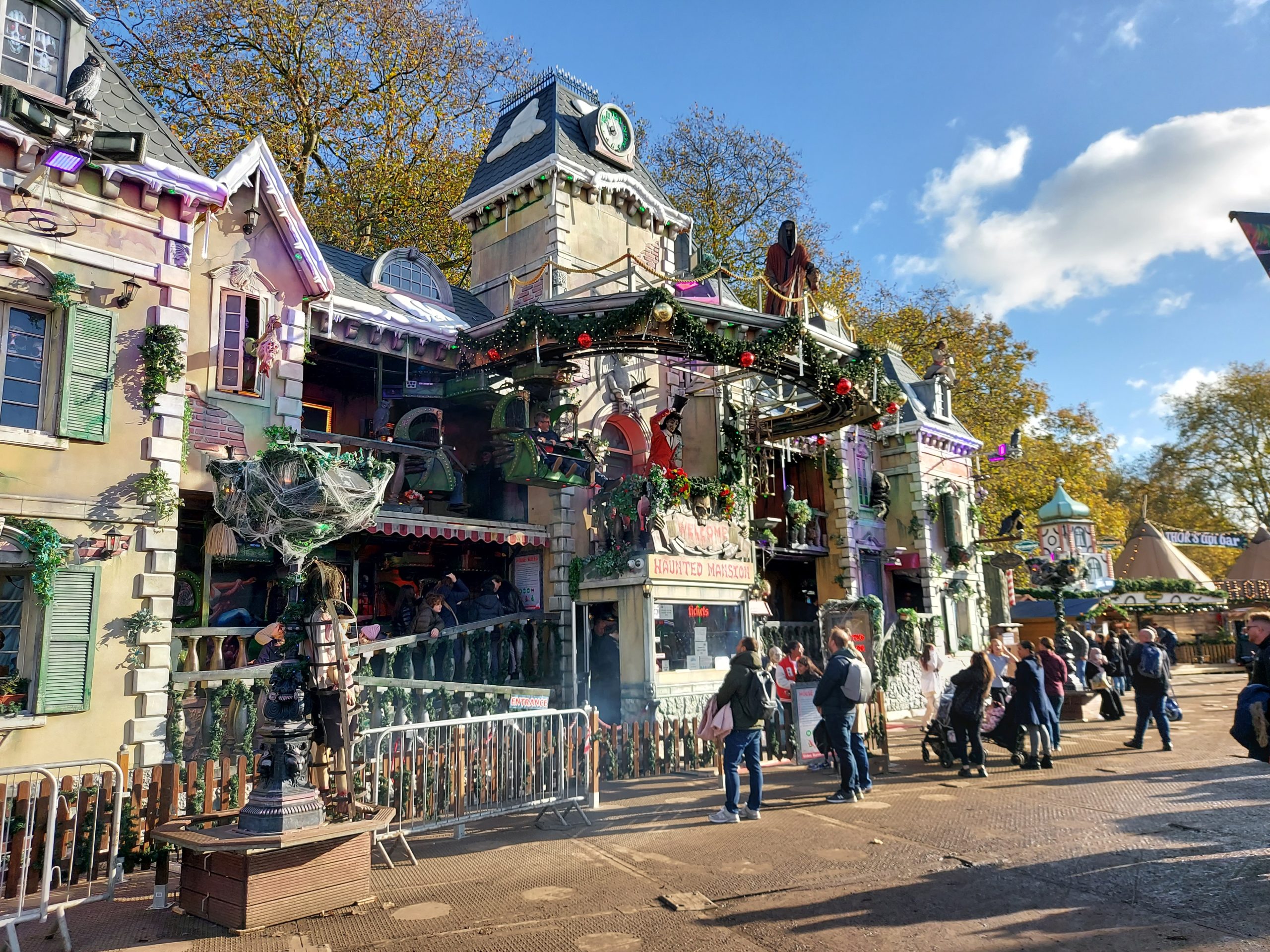
Haunted House: we went on this fairground ride for a laugh but it wasn’t that scary – probably just as well!
The Giant Wheel: this was great as we got lovely views over London and got to listen to festive songs on the way around, too.
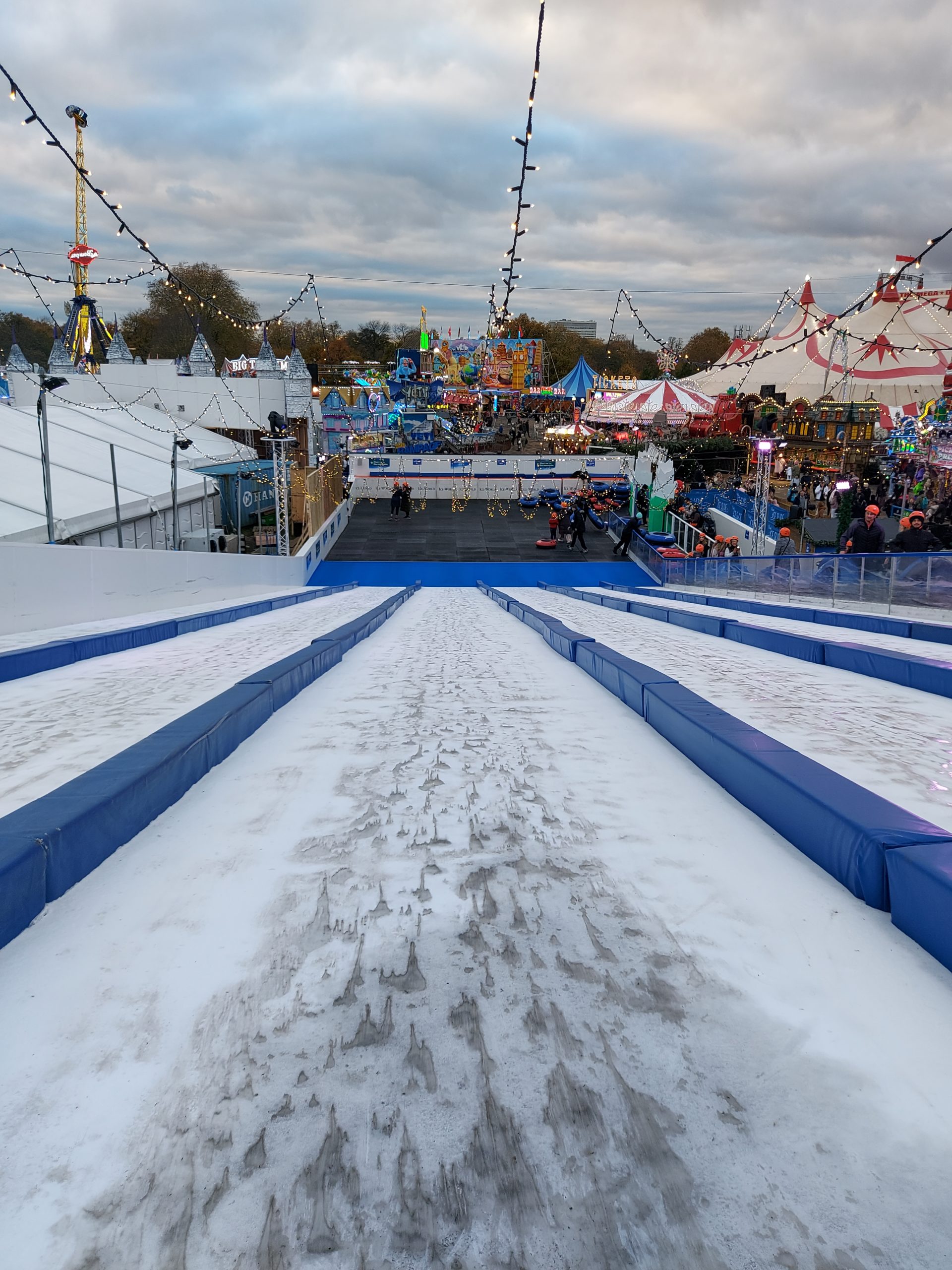
Ice slide: this was so much fun! You sit in a giant tube and are pushed down a giant ice slide.
Ice bar: we enjoyed cocktails drunk out of ice glasses in a bar made of ice with ice sculptures, while wearing ice parkas.
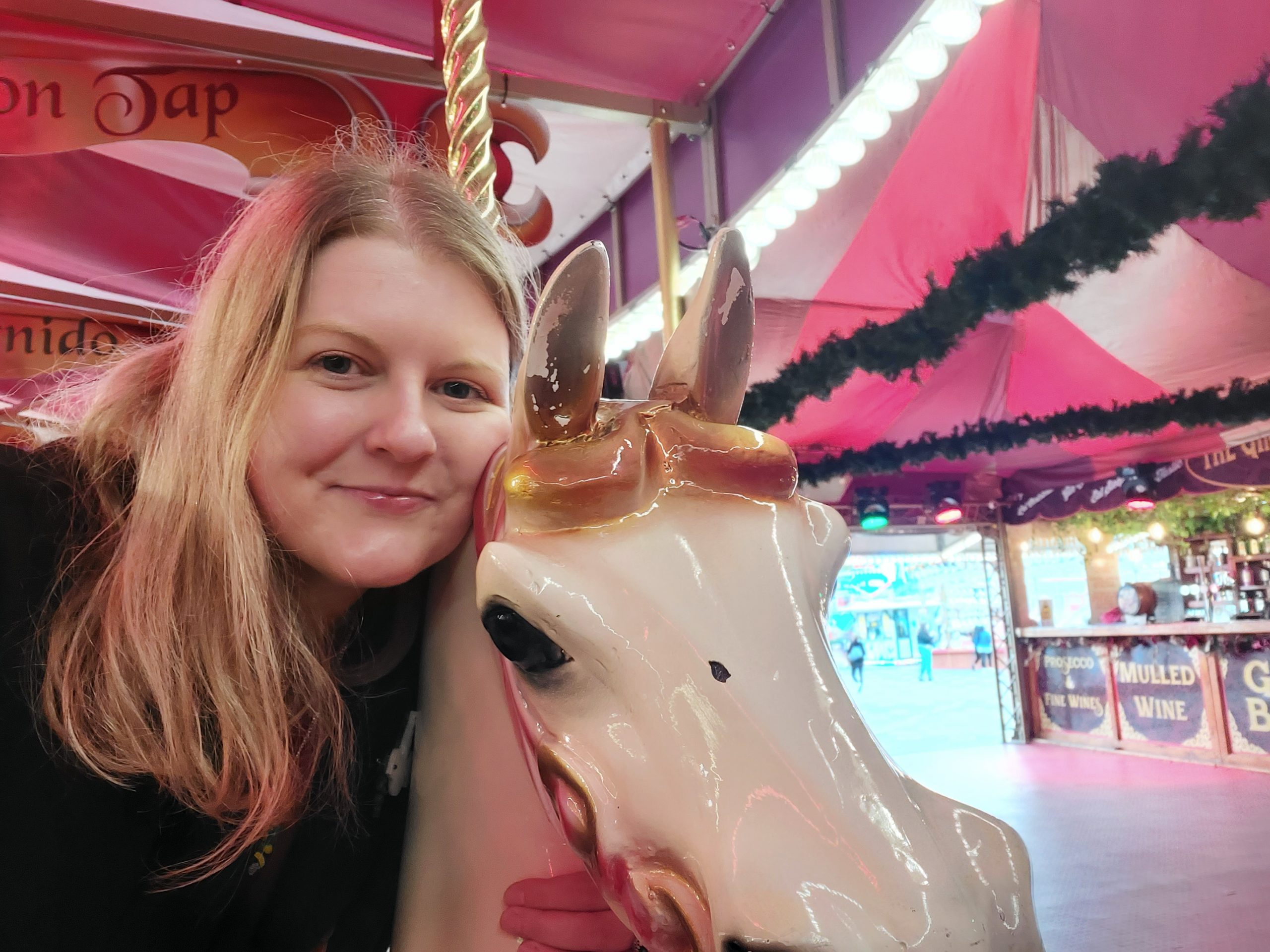
Carousel bar: while it was quiet we enjoyed a drink on a moving carousel bar.
Teepee: we also had a drink in the teepee, though it was so warm we couldn’t really appreciate the open fires in there.
Cirque Beserk: we booked this show in the Big Top on the spur of the moment and it was so good! Highlights included motorbikes zooming around a velodrome, amazing feats of skipping, aerial acts and hand balancing (which is more impressive than it sounds). This show is suitable for all the family but is not aimed at children (a children’s circus show is available earlier in the day).
Some of the things we didn’t bother with include:
Fairground rides: other than the Haunted House, we didn’t bother with fairground rides, although I was eyeing up the carousel. Most of the attractions take the form of fun houses which I would have loved as a child, but which don’t impress me as an adult!
Fairground stalls – we didn’t bother with these, having no desire to win a giant soft toy prize that we would have to lug around the park all day. Clearly we were in the minority though, judging by the sheer amount of giant coloured bananas we witnessed during the day.
Ice skating: I have been ice skating once – never again.
Live music: later in the day, live music can be heard at some of the bars and especially the Bavarian Village.
Winter Wonderland runs until 2 January. Entrance must be pre-booked and it is free at off-peak times. During peak times there is a charge but this can be overridden by booking activities within the park up to a certain amount.
I do think it’s worth going – the activities can add up, but you don’t have to spend loads of money if you don’t want to – you can just wander round the markets and take in the atmosphere if you prefer. I definitely recommend going at a quieter time, though!
Up at The O2 is something that’s been on my list for quite a while now, so I decided to take a trip to celebrate my birthday. I was keen to complete the journey during this time of social distancing, since the trips have been redesigned to include fewer group members – less than 20 as opposed to the 30 that normally make up a full complement of climbers.
I opted for a sunset climb (daytime and twilight climbs are also available), partly because I thought sunset would produce the best views, but also because I hoped the weather would be slightly cooler by then! I made the right decision, as it was pretty warm during the day, and I would not have enjoyed climbing up the O2 in the heat.
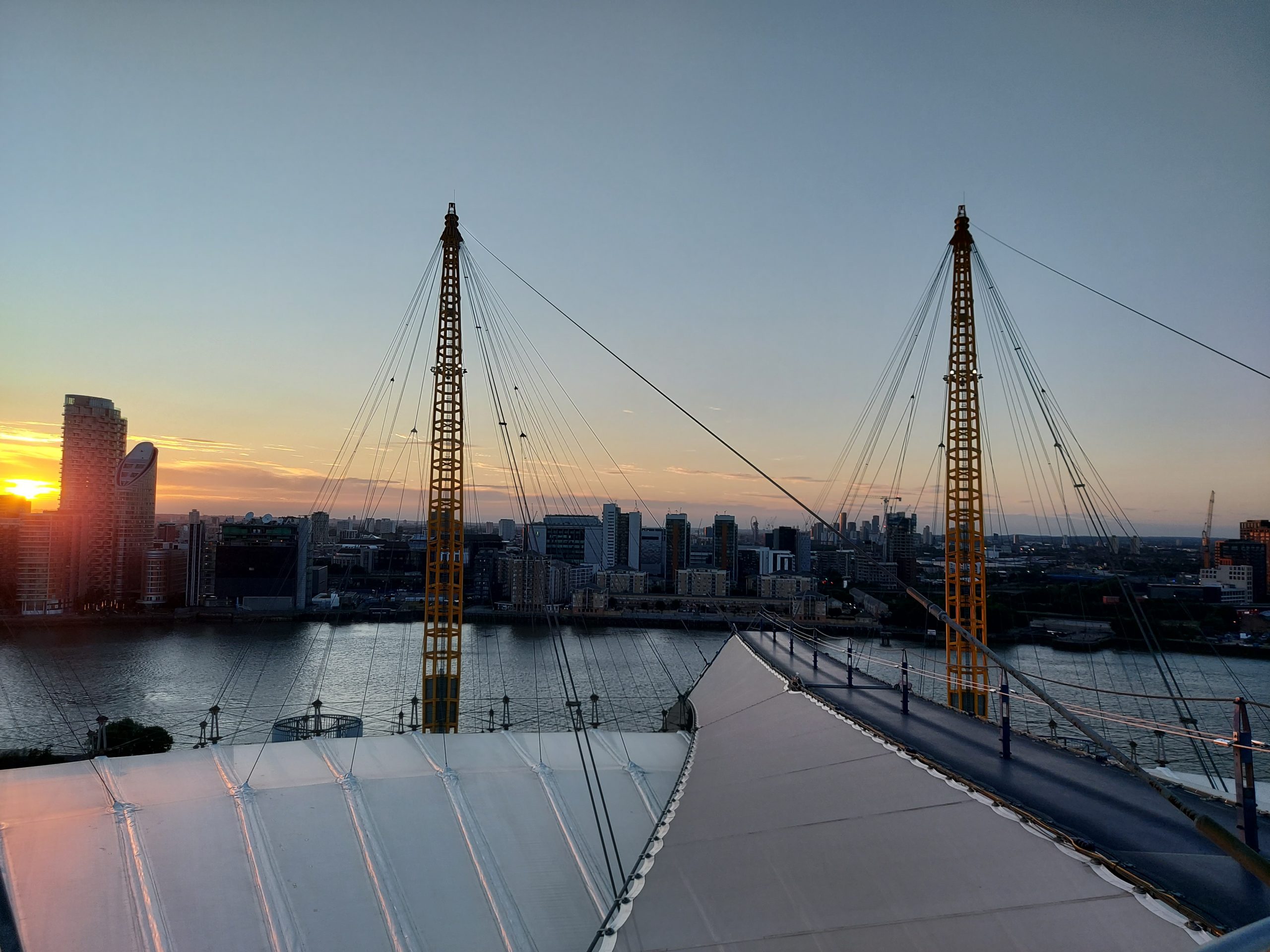
The Thames
It’s necessary to book online before you visit. Once you arrive, you are directed to a waiting area where you experience an introduction and short safety briefing before being provided with a harness and climbing boots (in non-COVID times, climbing suits are provided too). Here I must confess that I made a bad decision in wearing a dress, thanks to the need for the harness to fit under it – slightly awkward.
It turns out that the harness is necessary so that you can be clipped to the rope hanging alongside the walkway. I hadn’t realised just how steep it was – it was tough going and bouncy, to boot – imagine trying to walk on a bouncy castle. That said, it was exciting too – I know the O2 well, having attended several gigs and events there, and I even got to visit it back at the turn of the millennium when it was known as the Millennium Dome and housed science exhibitions. Being able to climb on top of it, after years of being inside it staring up at the ceiling, was fun.
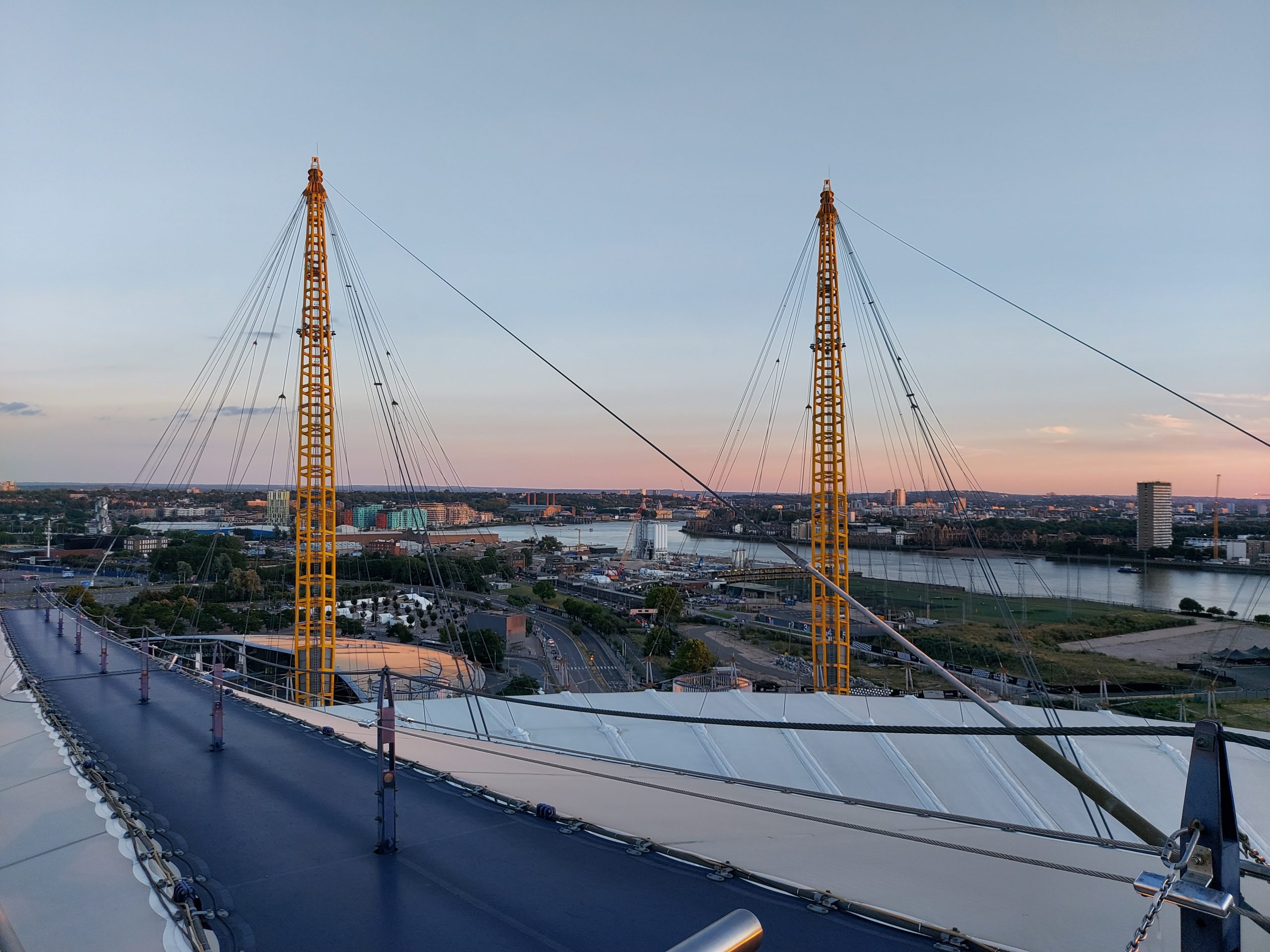
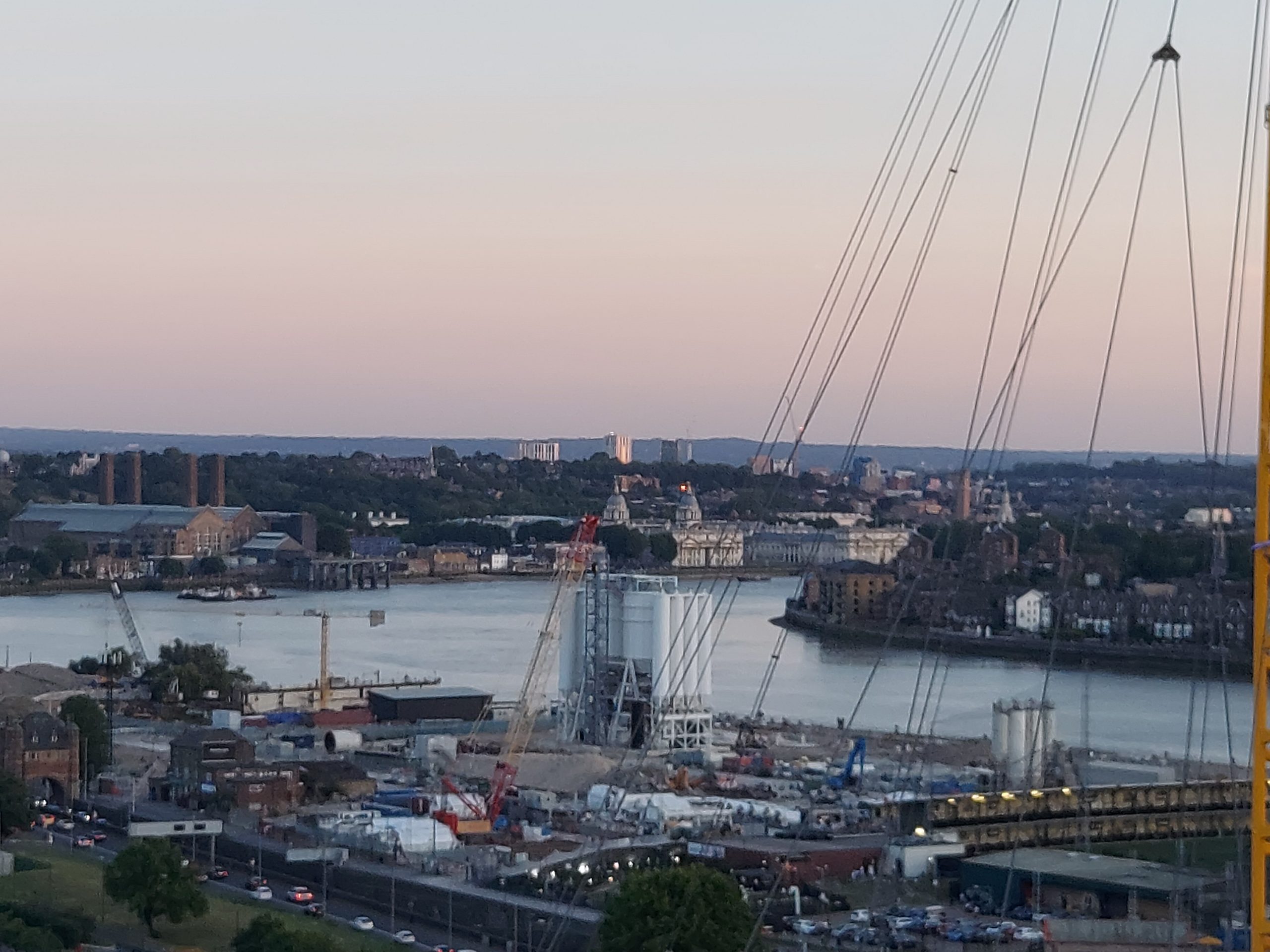
Old Royal Naval College
It took a good twenty minutes to reach the top – happily, I was not the slowest in my party – and there was a chance to catch my breath and look at the views. It was definitely worth it – you can see so much, from Canary Wharf close to you, to the Old Royal Naval College in Greenwich, to the old Olympic Park in Stratford on a clear day.
We had around twenty minutes on the top before heading back down, which was harder than it sounds as the walkway gets pretty steep in places. Luckily the shoes provided grip well and the harness is there to protect you if you do fall. Once at the bottom, there was a trip to the gift shop (naturally) and then it was time to change our shoes and get out of our harnesses before heading off.
The Up at the O2 experience was definitely worth it for me. I really enjoyed it and would certainly recommend the sunset climb. The experience is not cheap, costing up to £40 per person, but if you are an O2 customer discounts are often available.
Chislehurst Caves have been on my list of places to visit in and around London for ages. I finally got round to going on Bank Holiday Monday, along with a friend. I thought they would be an ideal place to visit whatever the weather turned out to be like – they’re underground, after all! The Caves are really easy to get to – Chislehurst station is about fifteen or twenty minutes from Charing Cross, Cannon Street or London Bridge, and the Caves are only five or ten minutes walk from the station.
Artefacts on display
The only way to visit the Caves are via guided tour, which can be booked on arrival. While we were waiting for our tour, we had a look around the visitor centre – displaying various documents and artefacts associated with the caves – and eating in the good-value cafe. The website states that tours take place once an hour, but they seem to vary this according to demand: it was fairly busy when I went and there seemed to be tours every fifteen minutes. Our tour lasted about an hour, and we got a good look at the Caves and heard plenty of stories about them – some true, others more dubious.
Map of the caves
While the name would suggest a natural phenomenon, Chislehurst Caves are in fact entirely man-made, mined for flint and lime-burning chalk from the thirteenth to the nineteenth century. William Nichols, the Vice President of the British Archaeological Association, theorised in 1903 that the mines were made by the Druids, Romans and Saxons. This is the theory put forward on the tour and it was only when I got back home and did some searching that I discovered it has now been more or less discredited.
Modern sculpture in the caves
This doesn’t prevent the tours from focusing on the Druids quite heavily, including a mock demonstration of a Druid sacrifice (which, to be fair, was emphasised to be only speculation). At one point we stood very still and had our lamps taken away so that we could experience what the caves were like in absolute darkness. This was quite exciting albeit somewhat spoilt by some idiot using their phone as a light. I do wish the website instructions about not using flash photography or the light function on mobile phones had been adhered to, as it would have made the tour a more pleasant experience for everyone.
I enjoyed hearing about the resident ghost, supposedly a woman whose skeleton was found when a natural pond was emptied and filled with rocks during the war. During the second half of the twentieth century, a reward was offered to anyone who successfully stayed in the Caves overnight; only one person ever successfully completed the challenge, and it is no longer running.
The underground chapel
During the First World War, the Caves were used as ammunition storage by the Royal Arsenal. In the inter-war years, mushrooms were grown in the damp tunnels, but this came to a stop with the outbreak of World War 2. One of the most fascinating aspects of the history of the Caves is their use as an air raid shelter in this war: local families spent their nights here in specially-allocated bunks, and there was a hospital area on-site. One baby was actually born here, and christened in the chapel we saw at the beginning of the tour. The Caves later opened as a tourist attraction, and many rock stars played concerts here during the 1960s, including Jimi Hendrix and David Bowie.
Reconstruction of an air raid shelter
The Caves are definitely an interesting place to visit and a tour is a good value way to spend an hour or so. I do wish it was made clearer which stories about the caves are true and which myth: I felt the tour was rather sensationalist in parts, and really the caves are interesting enough without this. Still, I did enjoy my visit and I do recommend Chislehurst Caves.
Entrance during the air raid shelter days
FACTS
Address: Caveside Close, Old Hill, Chislehurst, Kent, BR7 5NL
Opening Hours: Tours on the hour 10am-4pm, Wednesdays to Sundays and Bank Holidays (except Christmas and New Year), every day during local school holidays.
I’ve wanted to visit Warwick Castle for years – it’s one of the major historical sites in the UK and every time I go to Stratford on the train I go through Warwick and see the signs to the Castle. As a birthday treat to myself I decided to finally visit.
History
The beginnings of the Castle go back to 914 when Ethelfleda, daughter of Alfred the Great, ordered the building of a ‘burh’ or an earthen rampart to protect the small hill top settlement of Warwick from Danish invaders. In 1068, William the Conqueror founded a motte and bailey fort, consisting of a large earth mound with a timber stockade around both the top and base. This mound is still visible as part of the Castle today.
The earliest part of the Castle
Henry de Beaumont was appointed the 1st Earl of Warwick in 1088. Successive Earls followed until the title passed to Richard Neville, who married the prior Earl’s sister, in 1449. This is the part of Warwick Castle’s history I’m most familiar with, because of Neville’s role in the Wars of the Roses and his unofficial title of ‘Kingmaker’. Later, the Castle lapsed into disrepair until James I presented it to Sir Fulke Greville in 1604. In 1871, a fire damaged the Private Apartments and the Great Hall and over 100 years later the Castle was bought by the Tussaud’s Group, marking its beginnings as a tourist attraction.
My Visit
I booked online because it was a bit cheaper – also you get to skip the queue once you get there. The Castle is not far from the centre of town so it isn’t much of a walk.
Inside, there is lots to see and do. I decided to do all the rampart-climbing in the morning, before it got too hot and before I ran out of energy. There are great views over the Warwickshire countryside, and there are informative panels that explain the history of different parts of the Castle.
View from the ramparts
Underneath the main building there is a walk-through display which shows the Earl of Warwick preparing for battle. Some of the wax figures are a little creepy, but this area is also pretty informative about what is probably the most famous period of the Castle’s history. Across the grounds, there is a ‘time machine’ exhibition which uses video technology to take you through the many centuries of the Castle’s history, with Horrible Histories-style humour.
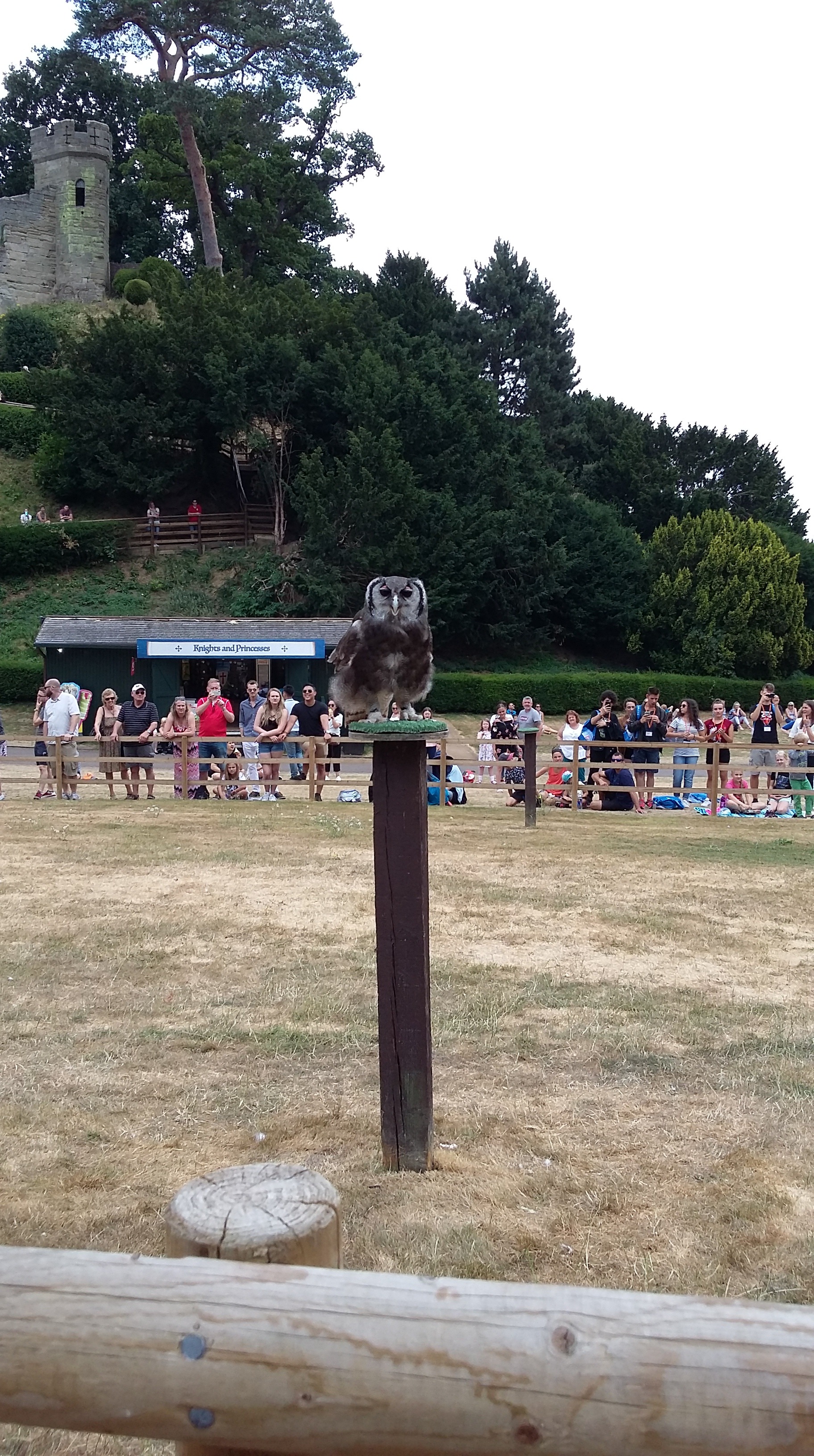
I climbed to the top of the hill, formerly the old motte and bailey castle, and then decided I wanted a rest. This proved opportune as I was just in time for a birds of prey flying display, which was amazing. I actually ended up seeing two of these, and they were fascinating, featuring kestrels, eagles, an Andean condor, and my favourite – Ernie the owl.
Ernie the owl
I left the big part of the Castle until last. This part was rebuilt after a fire in the nineteenth century. It explored the history of the Castle as a retreat for the great and the good in later centuries, with waxworks of Victorian worthies demonstrating the weekend parties and lavish entertainments that went on here.
Newer part of the Castle
I didn’t visit the Dungeons, being somewhat squeamish – this part costs more to visit anyway. I didn’t visit the Princess Tour either, that being aimed at very young children.
Nevertheless, I found that there was plenty to do – I think all ages and temperaments would find something to entertain them here. I’d definitely recommend Warwick Castle for a day out.
Opening Hours: 10am-4/5pm depending on season/event
Prices: £36 for an open-dated ticket for one adult that allows you to visit the Castle and Dungeon at any time within 12 months; discounts are available for booking a selected day in advance (as opposed to just turning up), omitting the Dungeon, and for children or concessions. Check the website for special offers. Short breaks are also available.

 The church as it looked in around 1750