Housesteads Roman Fort

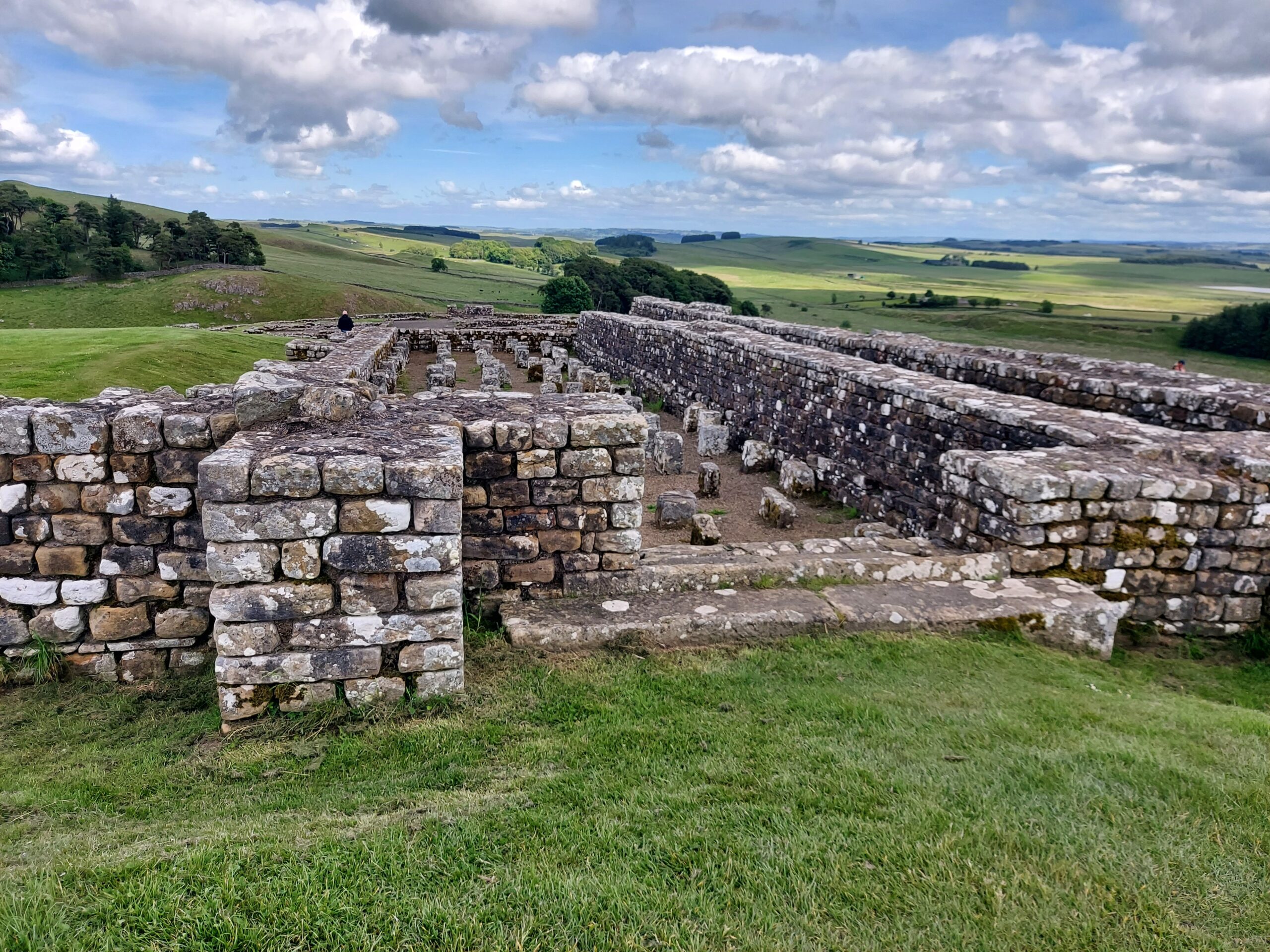
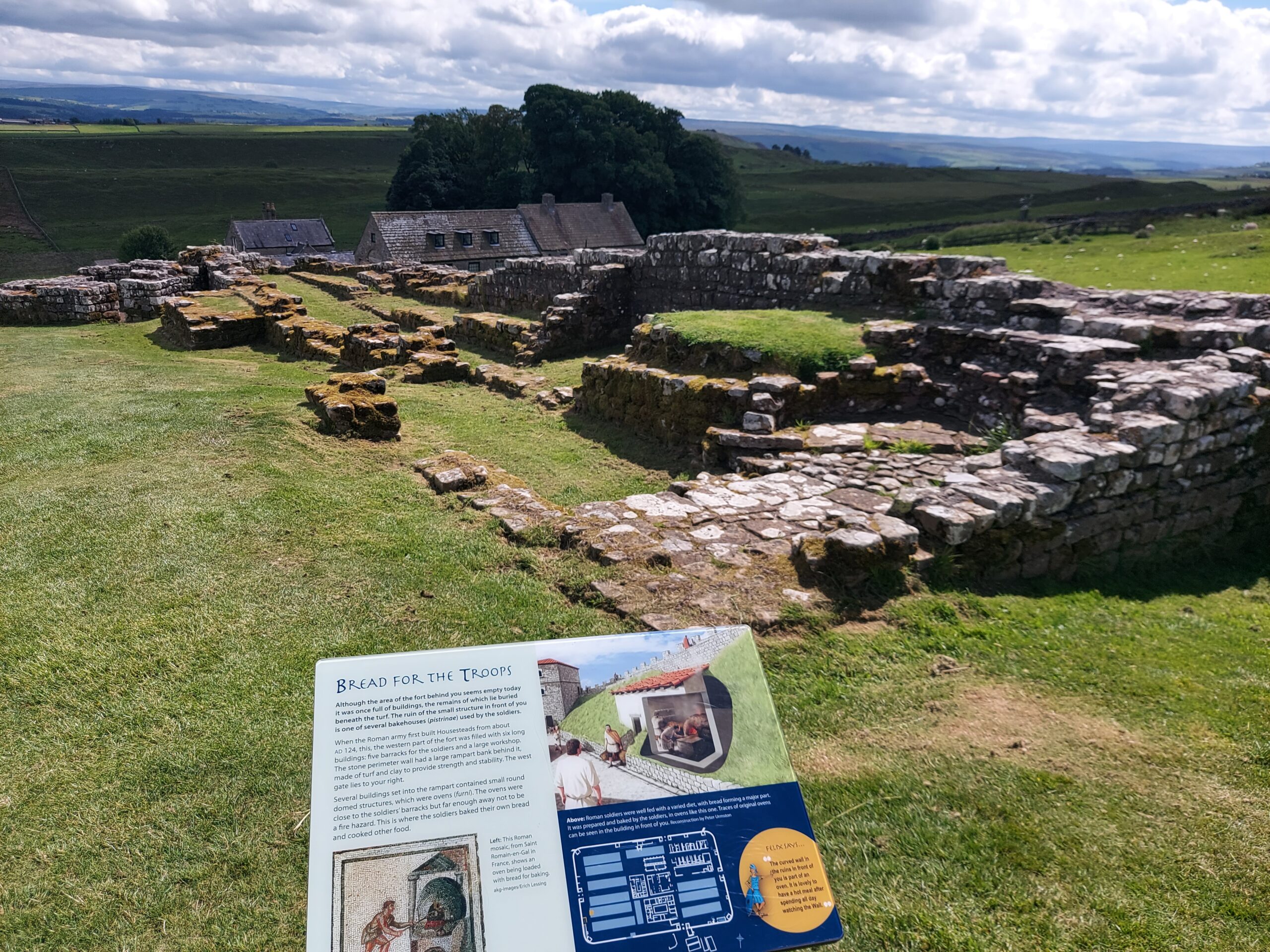
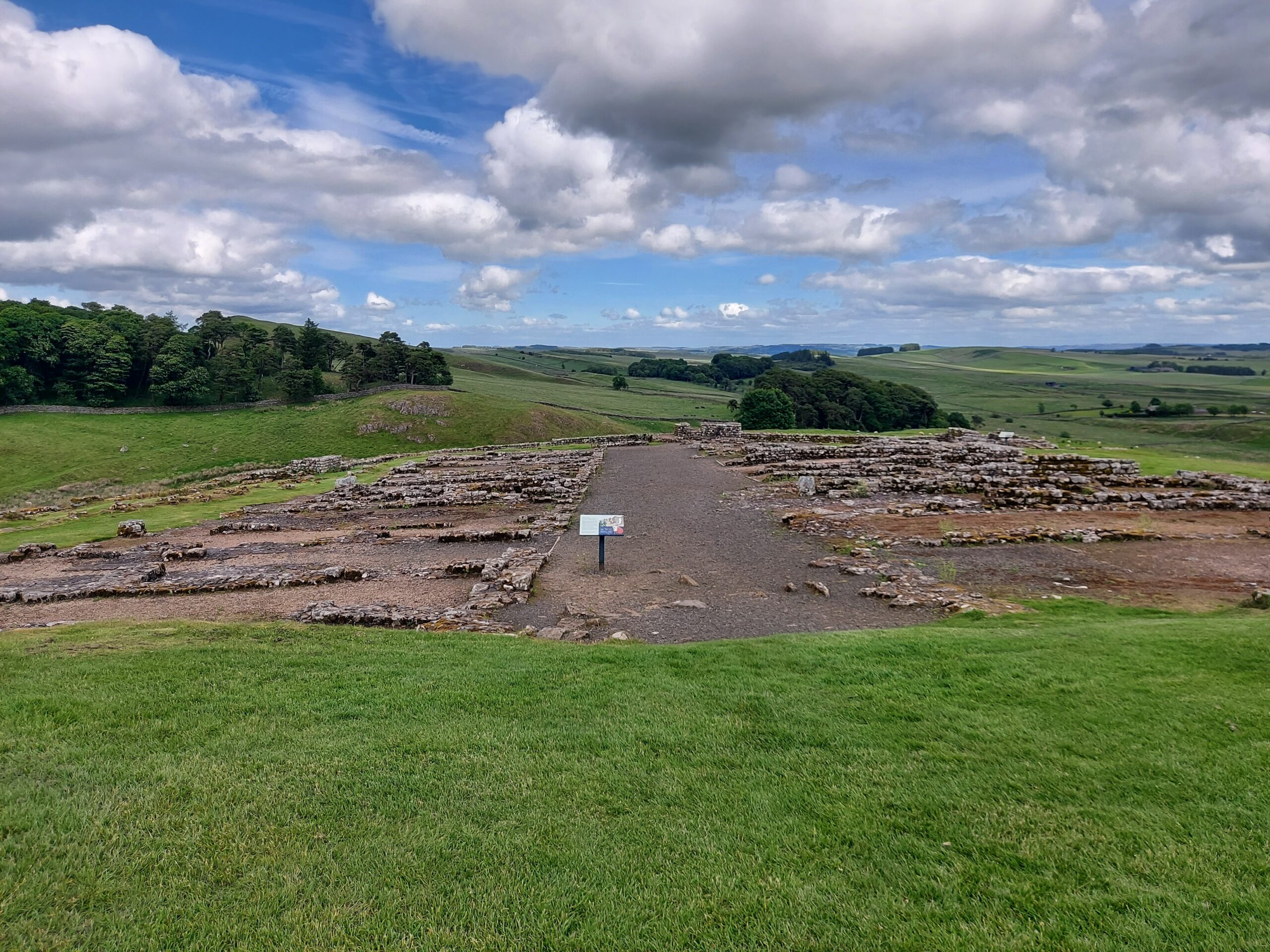
After visiting Vindolanda, I caught the bus to Housesteads. This is Britain’s most complete Roman fort, and I saw it briefly during my Hadrian’s Wall walk, as the fort lies along the Wall. It was nice to go back and explore it in a more relaxed fashion when I actually had the energy to do so.

Housesteads

The Visitor Centre at the bottom of the hill is currently closed, but when you climb the hill to the fort, toilets are available and there is also a small museum and shop. The fort has fantastic views of the surrounding countryside, and would have been an ideal defensive point for the Romans two millennia ago.

Housesteads


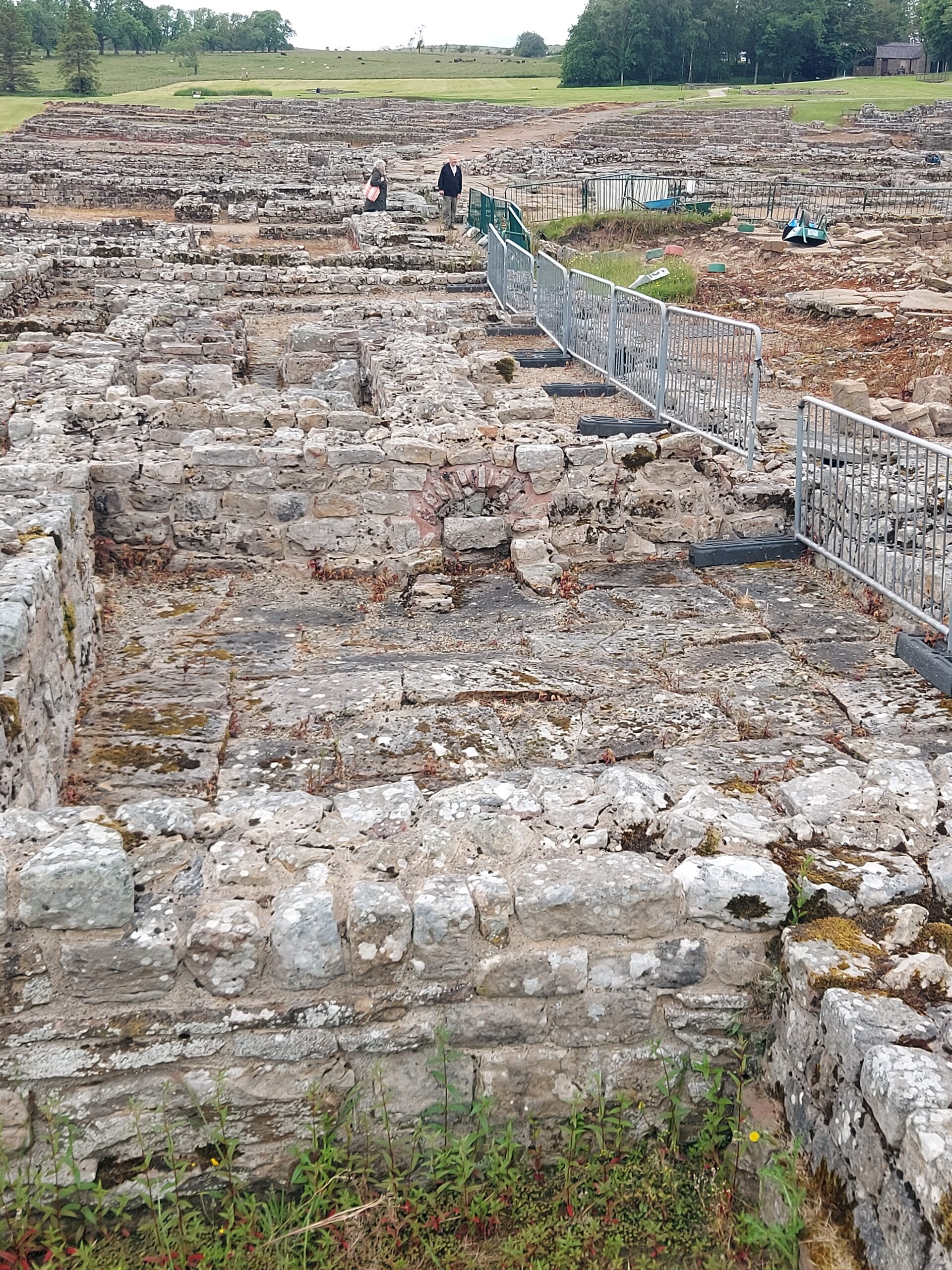
Originally named Vercovicium, the 5-acre Housesteads (named after a later farm on site) was home to around 800 soldiers and remained occupied for almost 300 years. The remains of gateways and a turreted wall can clearly be seen, as well as the commandant’s house, a hospital and – famously – a communal toilet block.

Housesteads

A civilian settlement existed on the south side of the fort, outside the boundaries. Here, two skeletons were found, beneath an apparently newly-laid floor, leading the location to be nicknamed the “Murder House”. The settlement – known as the vicus – was abandoned in around AD270, over a century before the Romans left the fort itself, around AD409.

FACTS

Address: Hexham, NE47 6NN

Website: english-heritage.org.uk/visit/places/housesteads-roman-fort-hadrians-wall

Opening Hours: 10am – 5pm

Price: Adult £16.50, child £7.50. Joint tickets available with the Roman Army Museum.

Vindolanda Roman Fort

Vindolanda

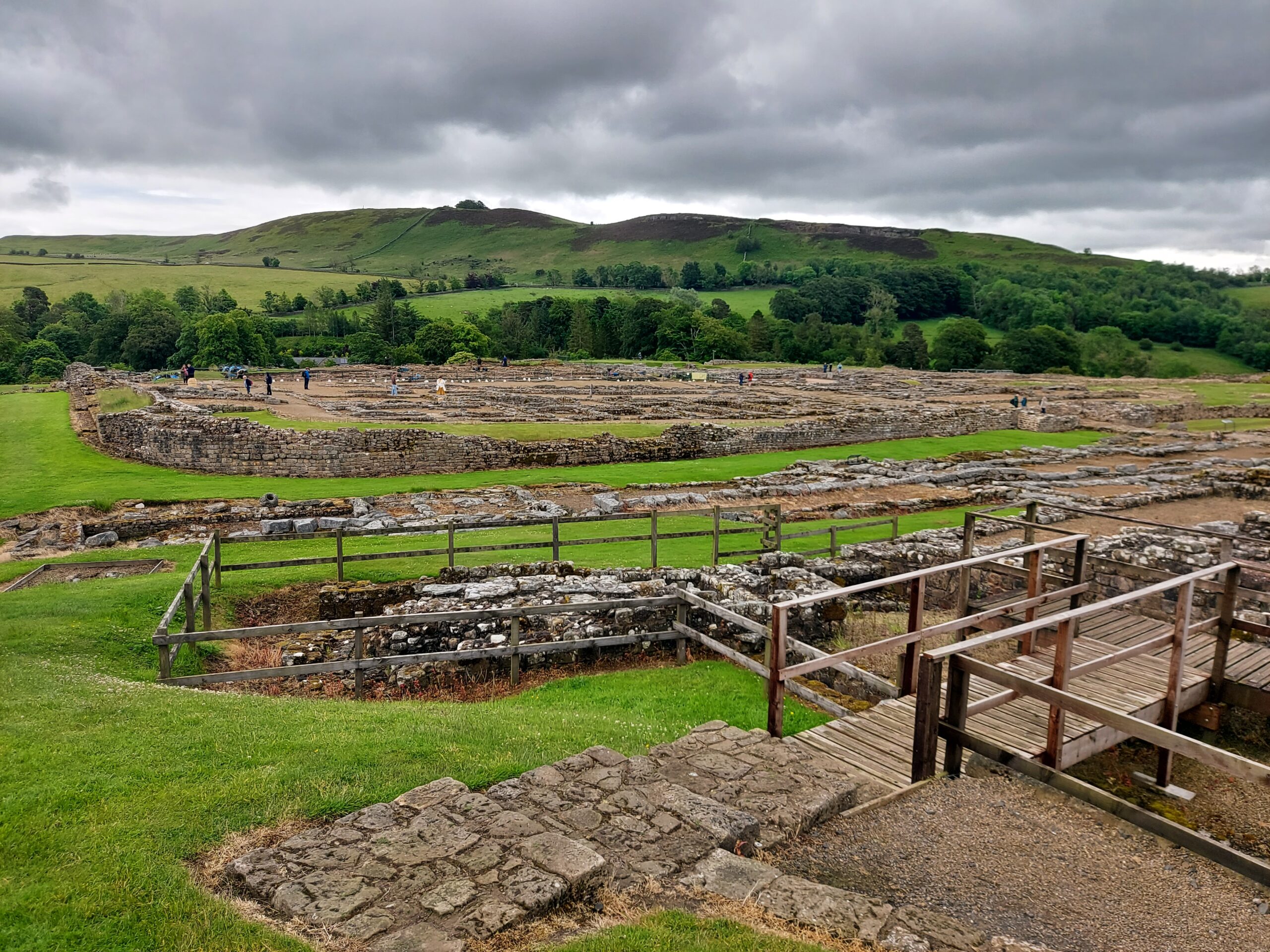
During a holiday at a nearby glamping site, I spent time visiting all the Roman forts and historical attractions in the vicinity of Hadrian’s Wall. The first one I visited was Vindolanda, and it was fantastic – if you can only visit one Roman fort, make it this one.

Vindolanda does not sit alongside Hadrian’s Wall, but next to the Stanegate Road, the first Roman frontier in the north. Occupied for over 300 years, it was founded long before the Wall was constructed. The site is run by the Vindolanda Charitable Trust, founded in 1970. This group was founded in order to excavate and investigate the site, and excavations are ongoing to this day. Some of the discoveries include a bath house, commanding officers’ residences, barracks, civilian houses and workshops, latrines, a strong room and a Roman Celtic temple. There is also a post-Roman mausoleum and Christian church. Small sections of Hadrian’s Wall have been replicated on-site in turf, timber and stone.

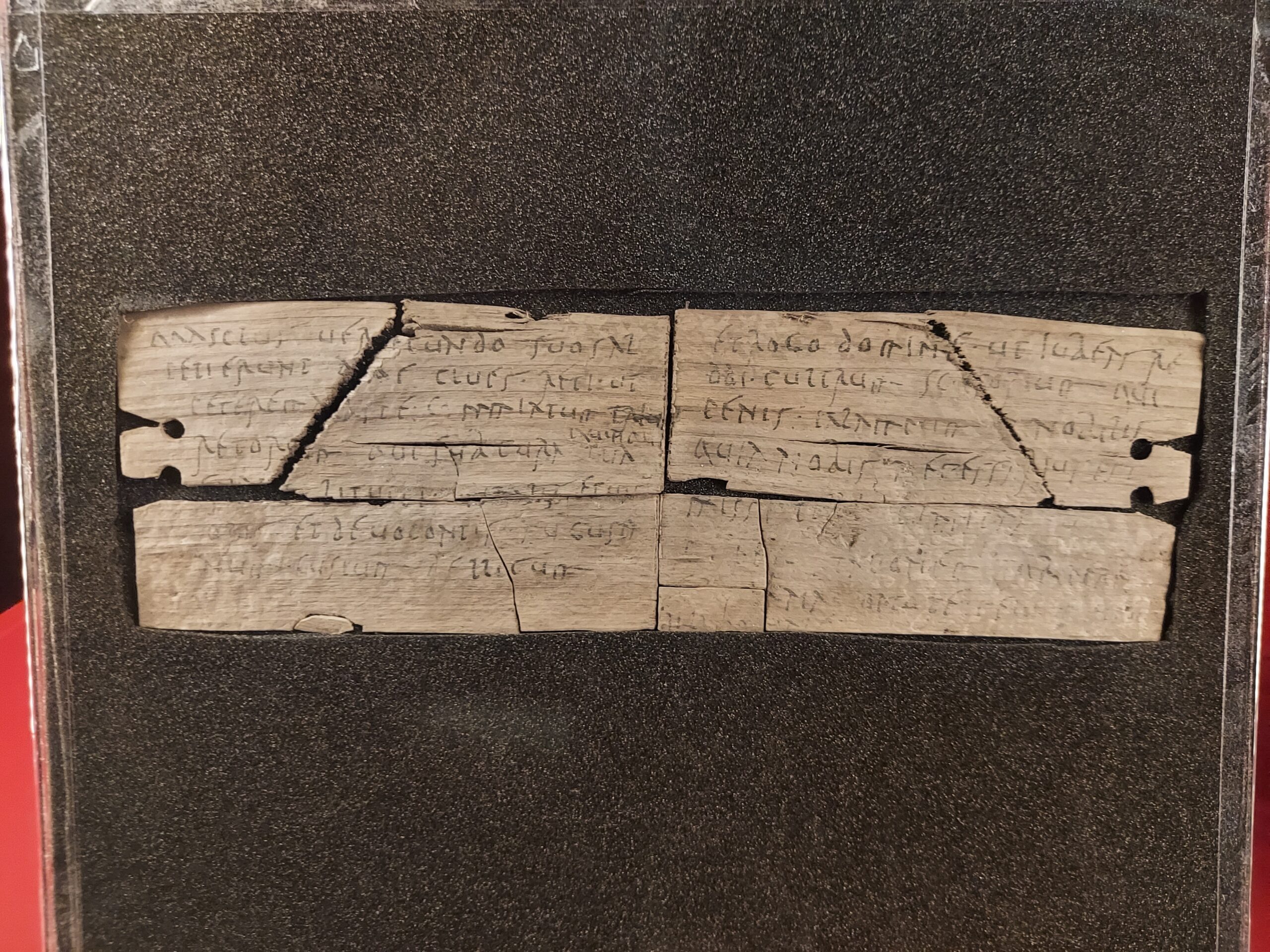
A writing tablet

Probably the most famous discovery from Vindolanda is that of the well-known writing tablets. These are delicate slivers of wood covered in writing, preserved thanks to the oxygen-free environments of buried early wooden forts. The tablets offer insights into everyday life at Vindolanda, and are absolutely fascinating. One commander asks for more beer to be sent, as the soldiers have none; a military wife welcomes a visit from the wife of a nearby camp commander in order to ease her boredom.

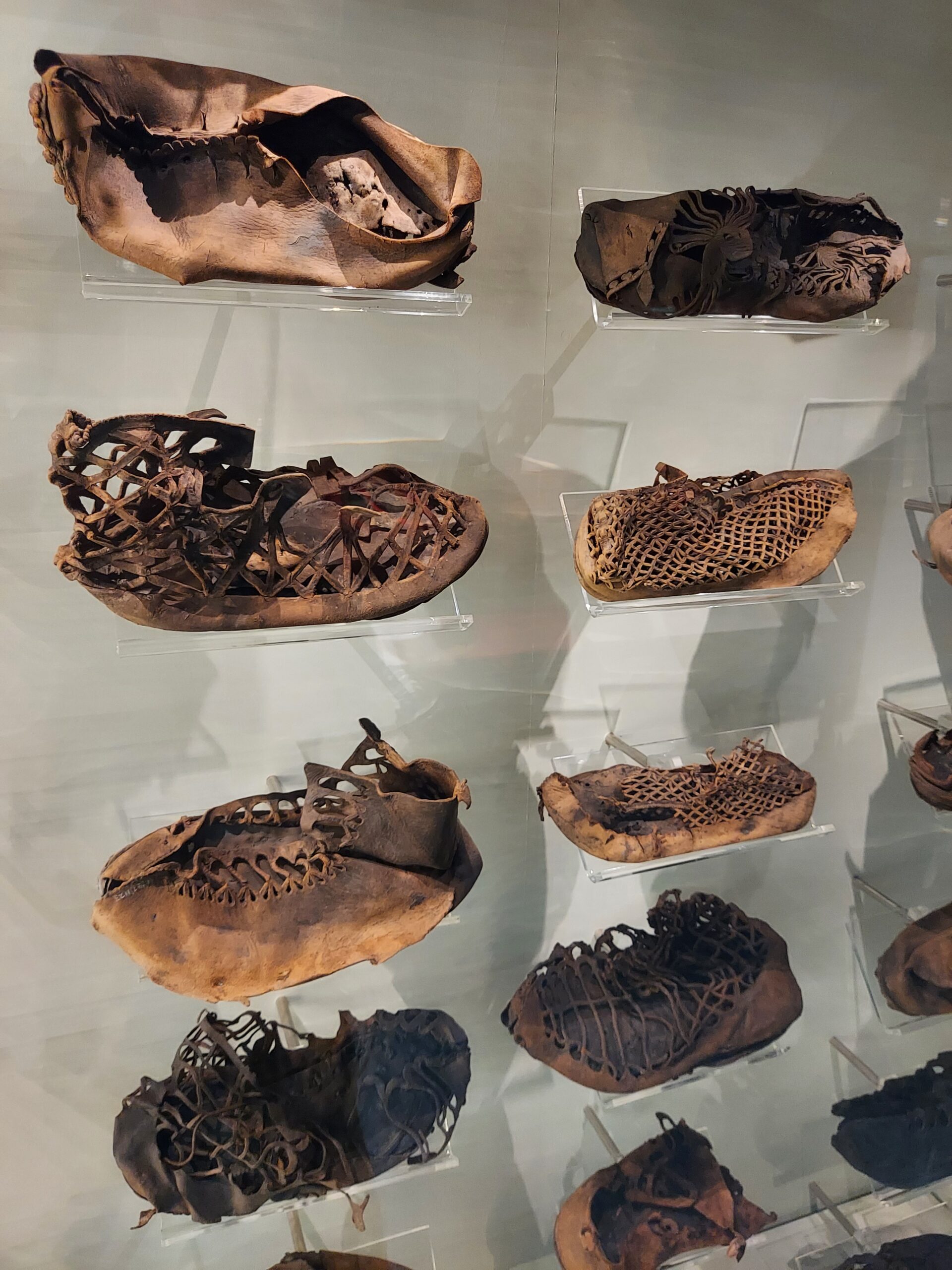
Shoes found at Vindolanda

Other items have been preserved in the unique conditions here, including very many leather shoes, which are displayed in a striking case within the informative museum. Vindolanda actually has the largest collection of Roman leather items anywhere in their historical Empire, including bags and purses as well as shoes. Wooden objects have been discovered too, including parts of furniture, tent pegs and combs, as well as the more usual jewellery, weapons and bones.

I took a guided tour during my visit which was fascinating. Our guide told us about the history of the site and more information about the people who lived and worked there. I was particularly amused to hear about the sausage seller – Roman fast food!

Vindolanda

The site at Vindolanda is large and I think it would be possible to spend an entire day there. Sadly I had to leave in time to get the bus to the next place. There is a lovely café in the same building as the museum, so you can stop for a break.

FACTS

Address: Hexham, NE47 7JN

Website: vindolanda.com

Opening Hours: 9:30am – 5pm

Price: Adult £16.50, child £7.50. Joint tickets available with the Roman Army Museum.

The Alnwick Garden

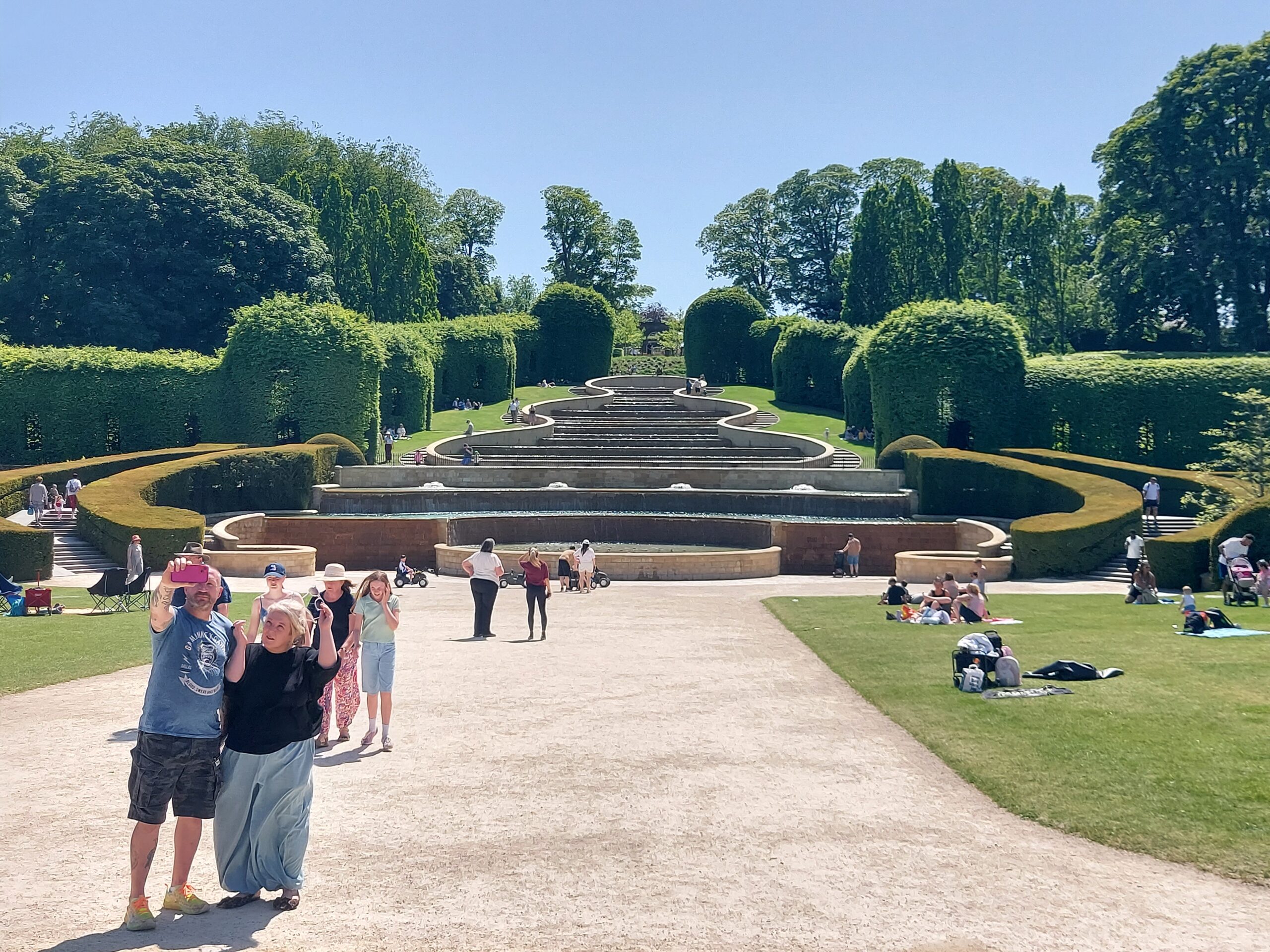
Grand Cascade

This May bank holiday I paid a visit to the Alnwick Garden with my friend. I’ve been to the castle before, a few years back, but never before visited the garden.

The garden opened in 1750, designed by Capability Brown for the 1st Duke of Northumberland. It was expanded by subsequent Dukes before being converted for food production during World War II. It then fell into disrepair.

Ornamental garden

In 1997, Jane Percy, Duchess of Northumberland, decided to redevelop the gardens, employing Belgian designers Jacques and Peter Wirtz. The first phase opened in 2001 and additional parts, such as the Poison Garden, have been added since.

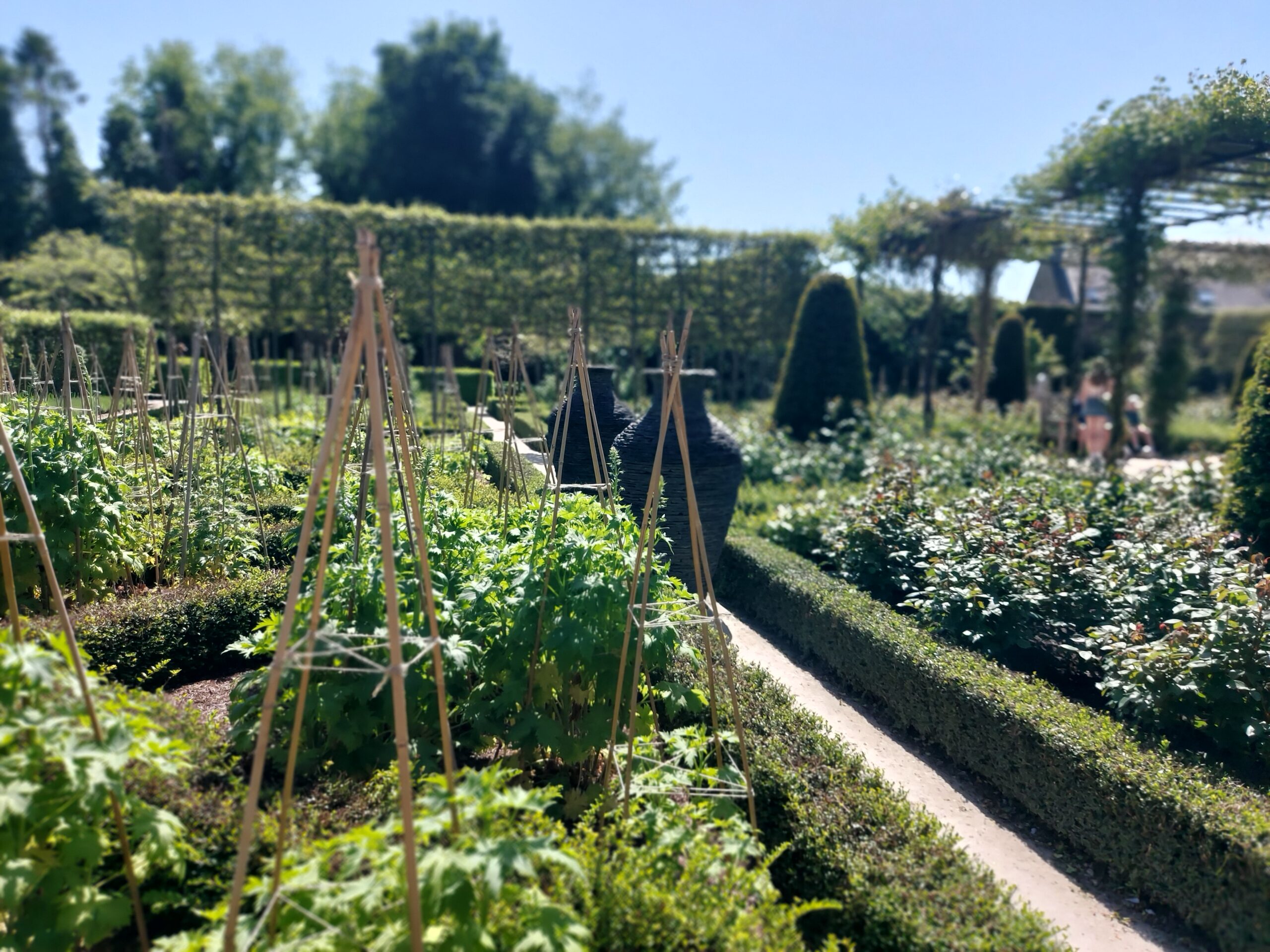
The Garden is impressive to look at from the start, with the Grand Cascade a feast for the eyes and the water very refreshing to look at on a hot day. The nearby cherry orchard has relaxing swings to enjoy yourself with, while the ornamental garden is beautiful and restful. Children are well catered for, with interesting fountains and a labyrinth.

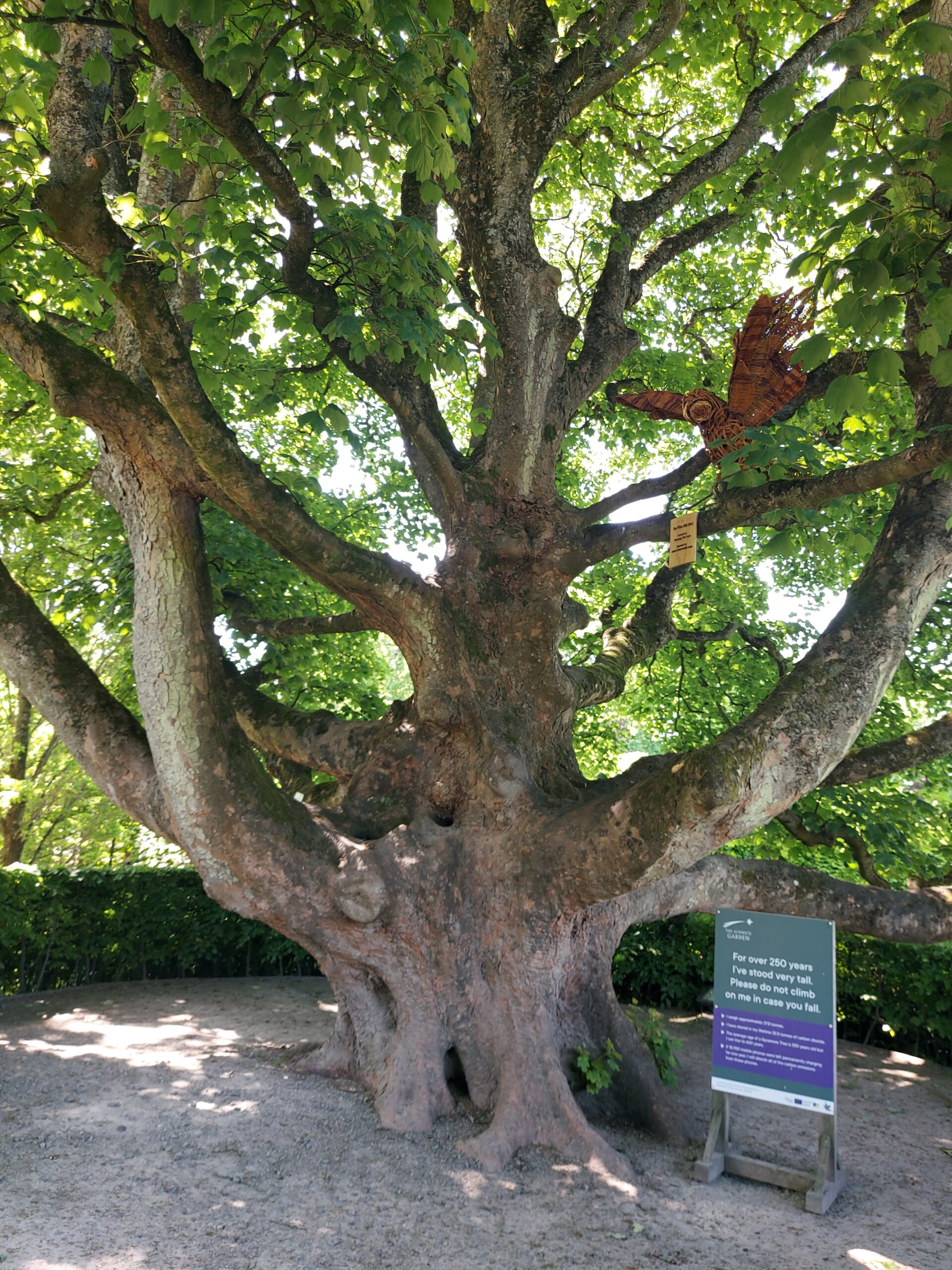
Ancient tree

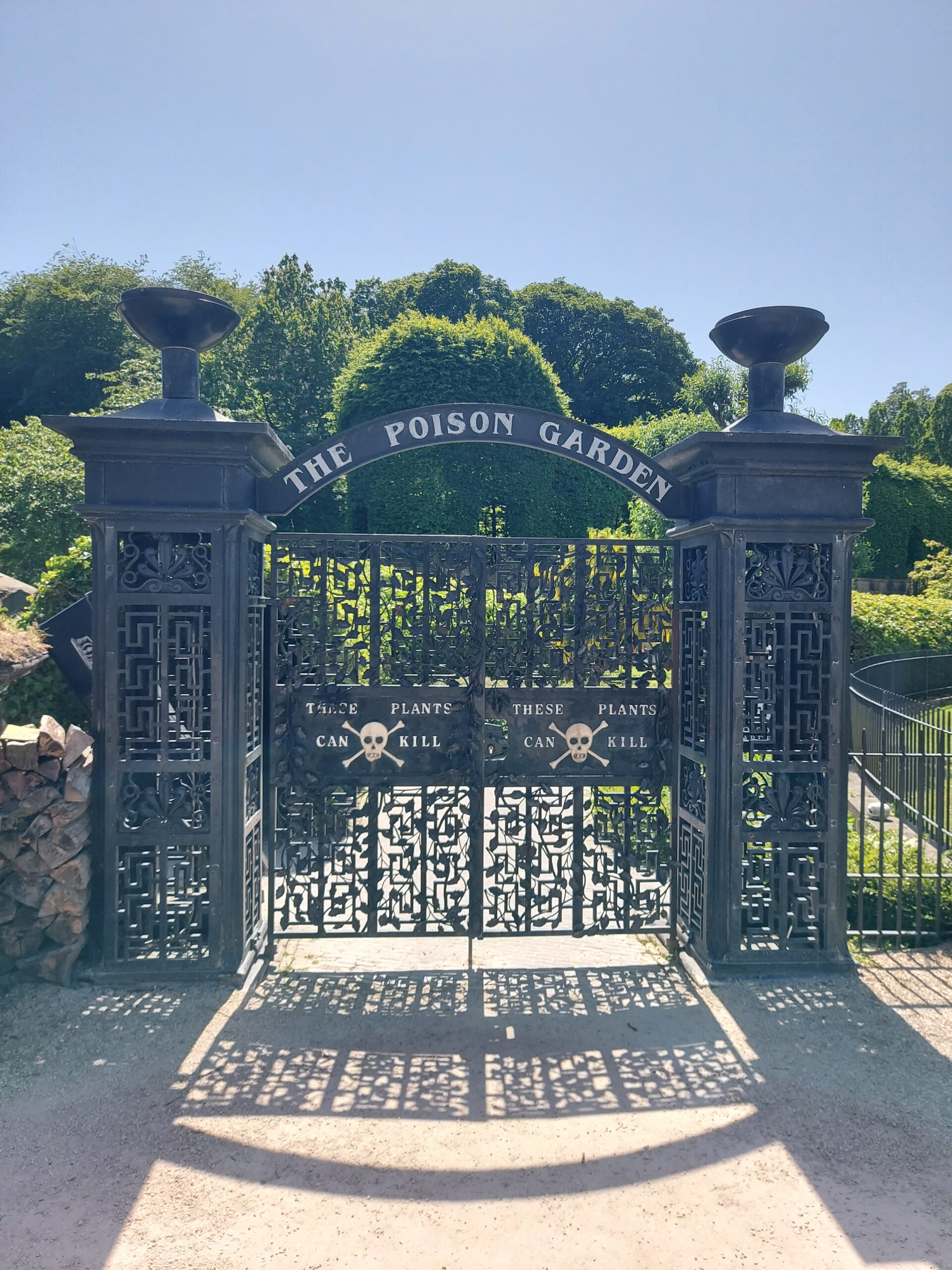
My friend and I paid extra for a tour of the poison garden, probably the best part of our visit. The garden is kept locked outside of guided tours as it contains many dangerous and poisonous plants, including laburnum, atropa belladonna, and monkshood. During the tour we learned how some of these plants have been used for nefarious purposes in the past. Don’t miss the poison garden when you pay a visit!

Poison Garden entrance

FACTS

Address: The Alnwick Garden, Denwick Lane, Alnwick, Northumberland, NE66 1YU

Website: alnwickgarden.com

Opening Hours: Hours vary depending on season, usually open daily except in winter

Price: Adult £19.70, Child free/£6.90 (up to 4 free children per adult). A flexi ticket is £1.50 extra and allows you to reschedule your booking up to 3 times. Poison Garden tours are an extra £1.10.

Chesters Roman Fort

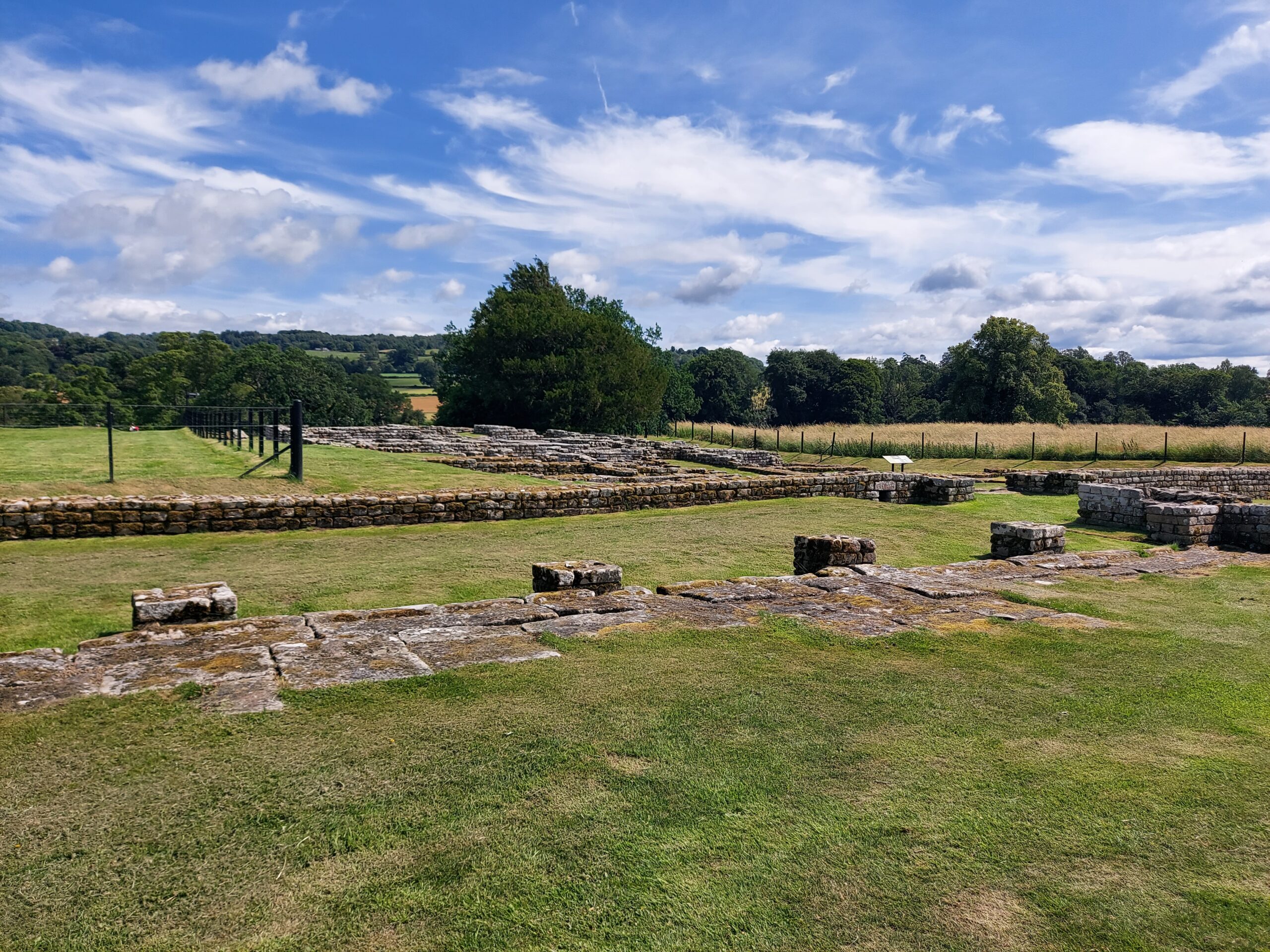
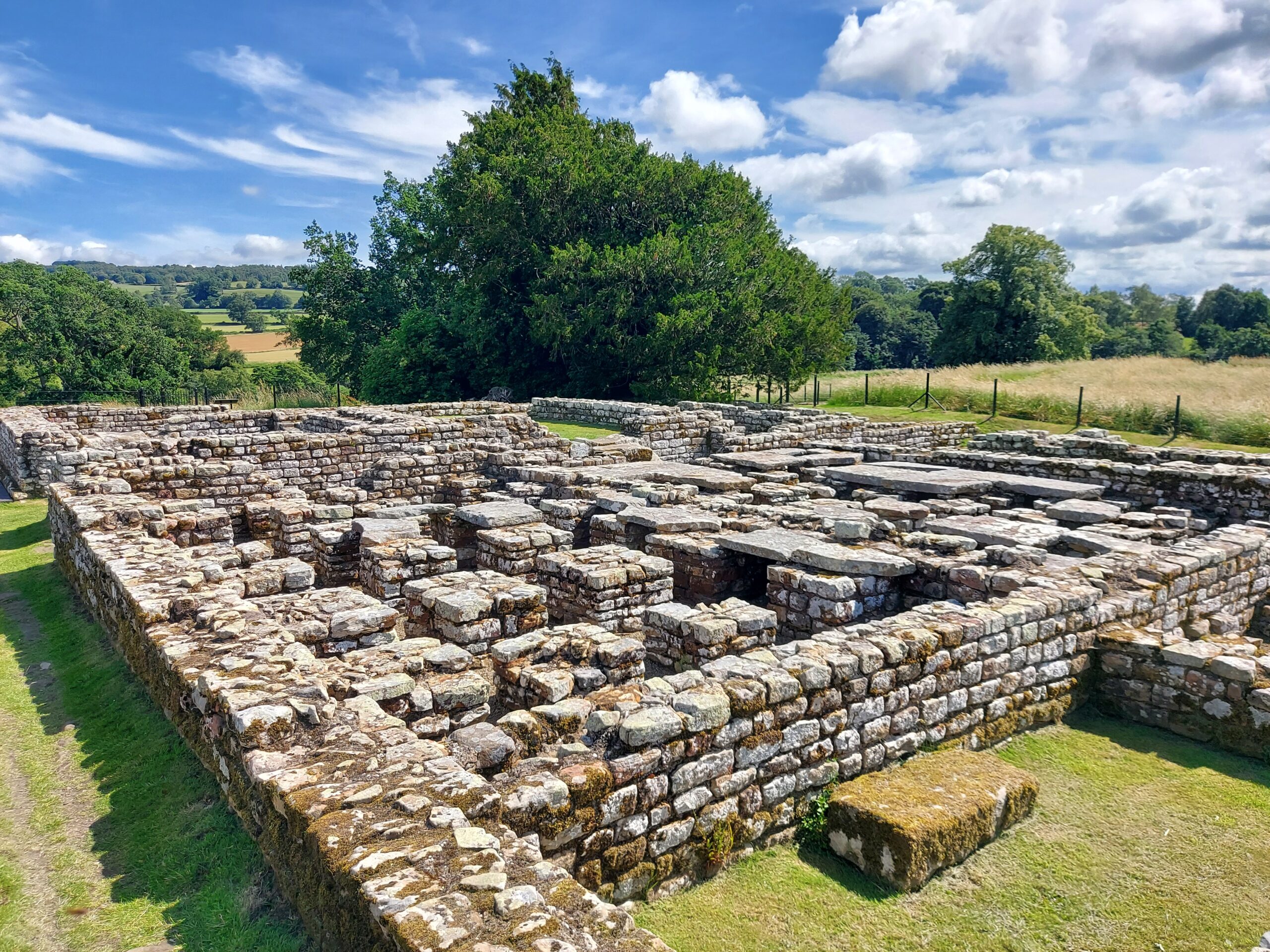
Before embarking on the rest of my Hadrian’s Wall trek, I decided, along with my walking friend Heather, to visit Chesters Roman Fort. Located in the village of Chollerford in Northumberland, it was known to the Romans as Cilurnum and has been called the best-preserved Roman cavalry fort in Britain.

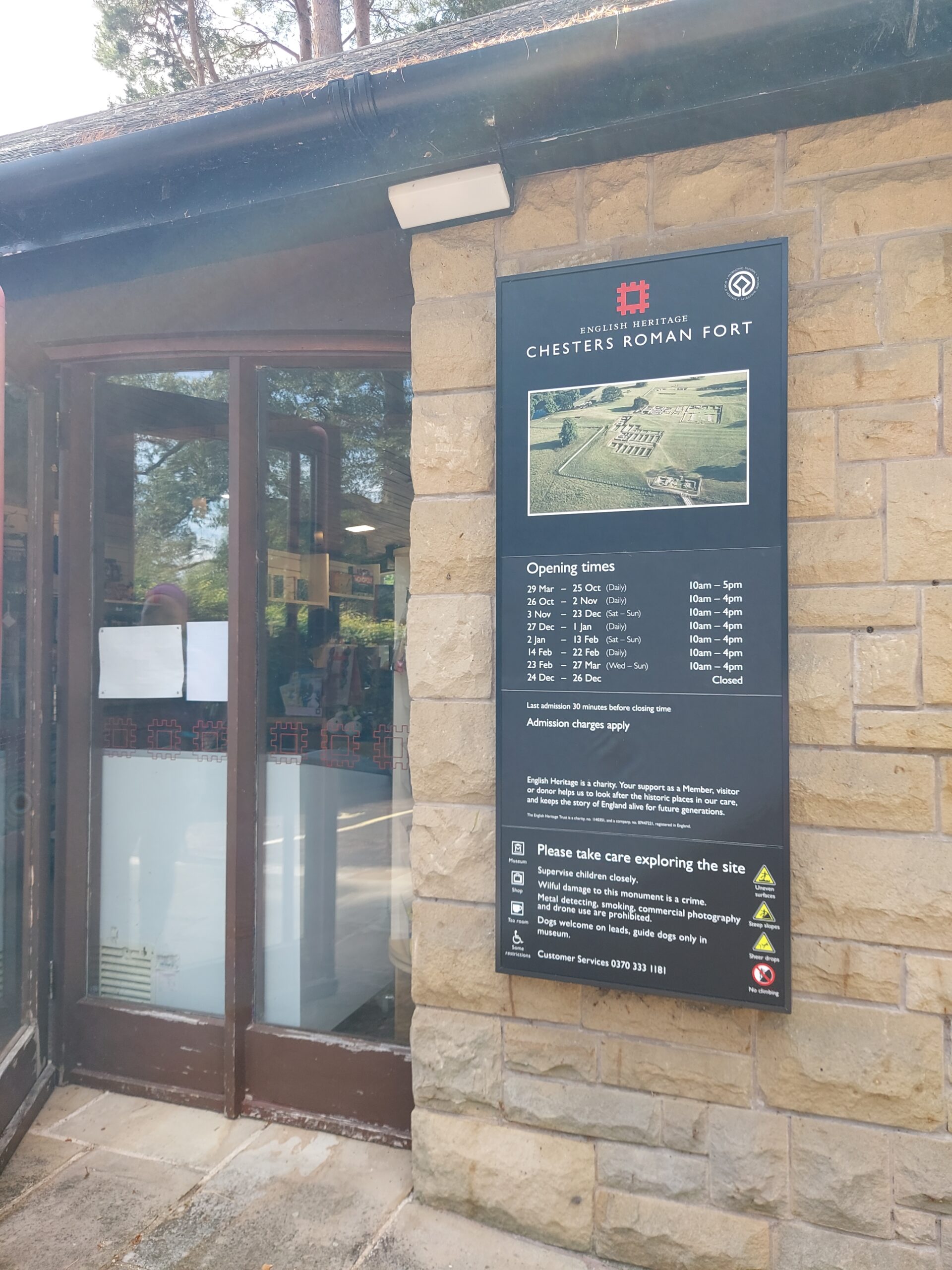
Entrance to Chesters Roman Fort

Cilurnum was built in CE 124 on the banks of the North Tyne. It was home to around 500 cavalry troops for almost three centuries. The fort was originally uncovered by John Clayton, a Victorian antiquarian.

The fort

The fort

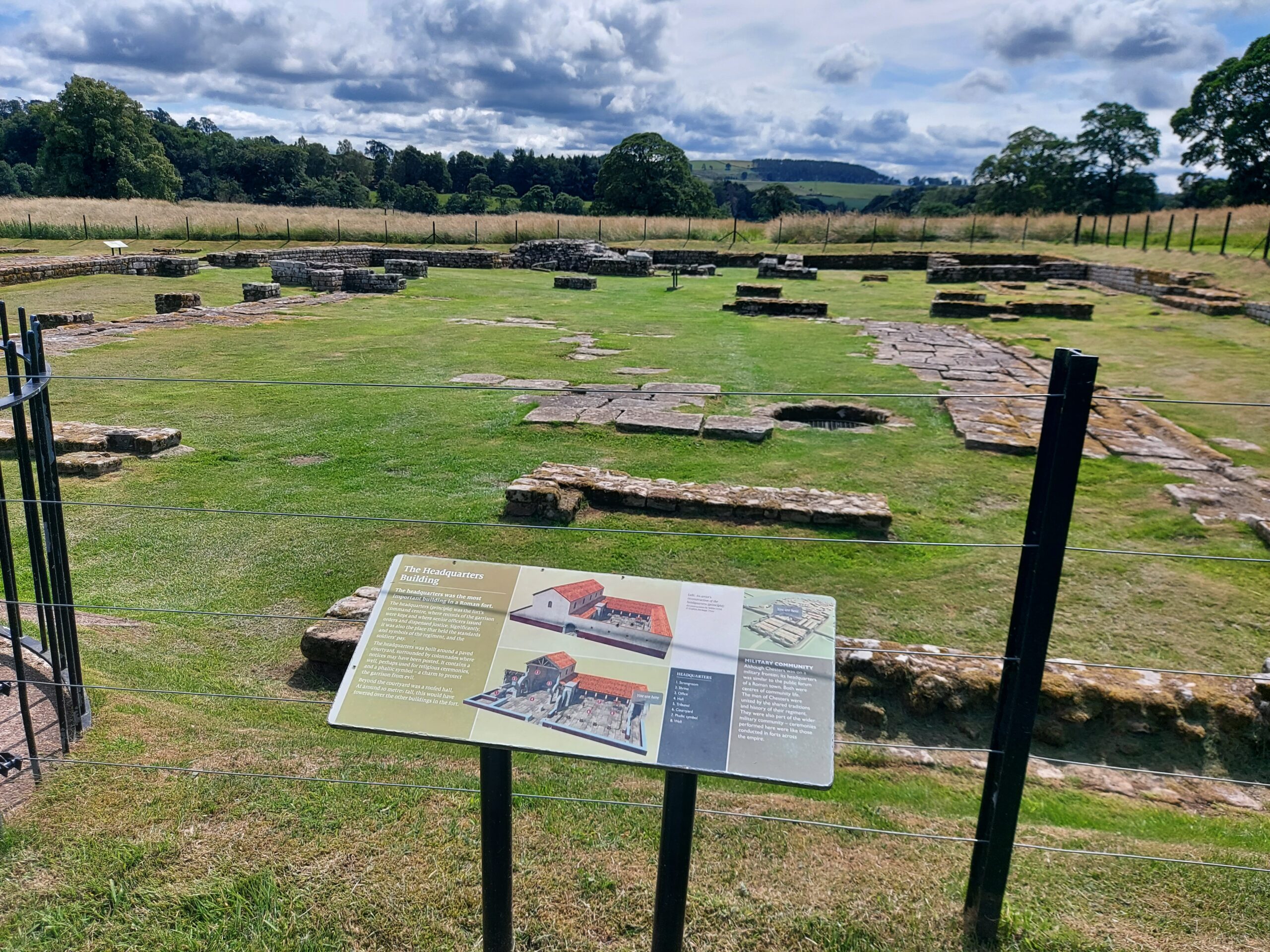
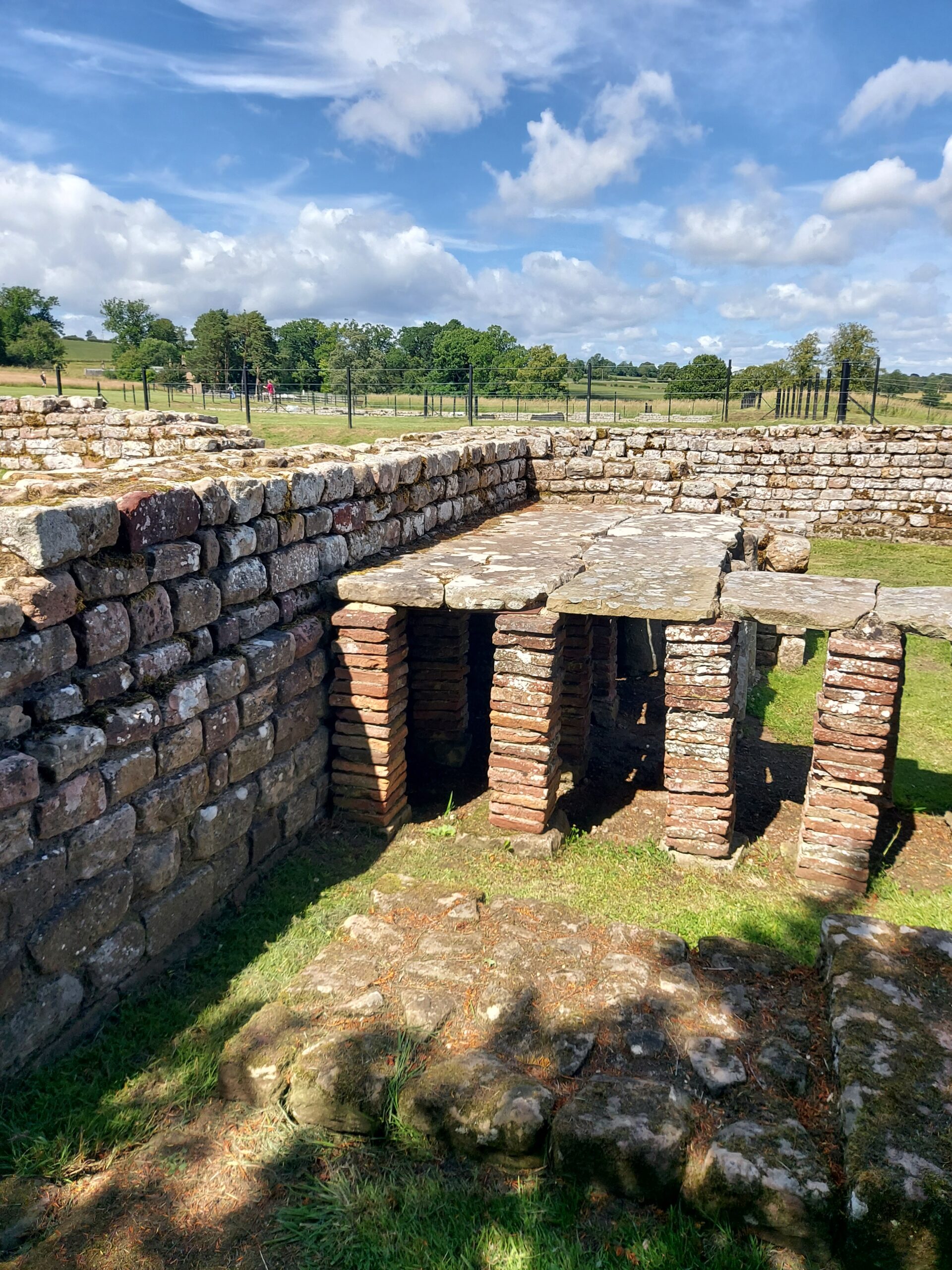
On arriving at Chesters, we first joined a tour of the site. Our guide was really interesting and informative and showed us the principal gates, the headquarters building, the stables and even the external bathhouse, which was particularly impressive.

Headquarters Building

Bathhouse

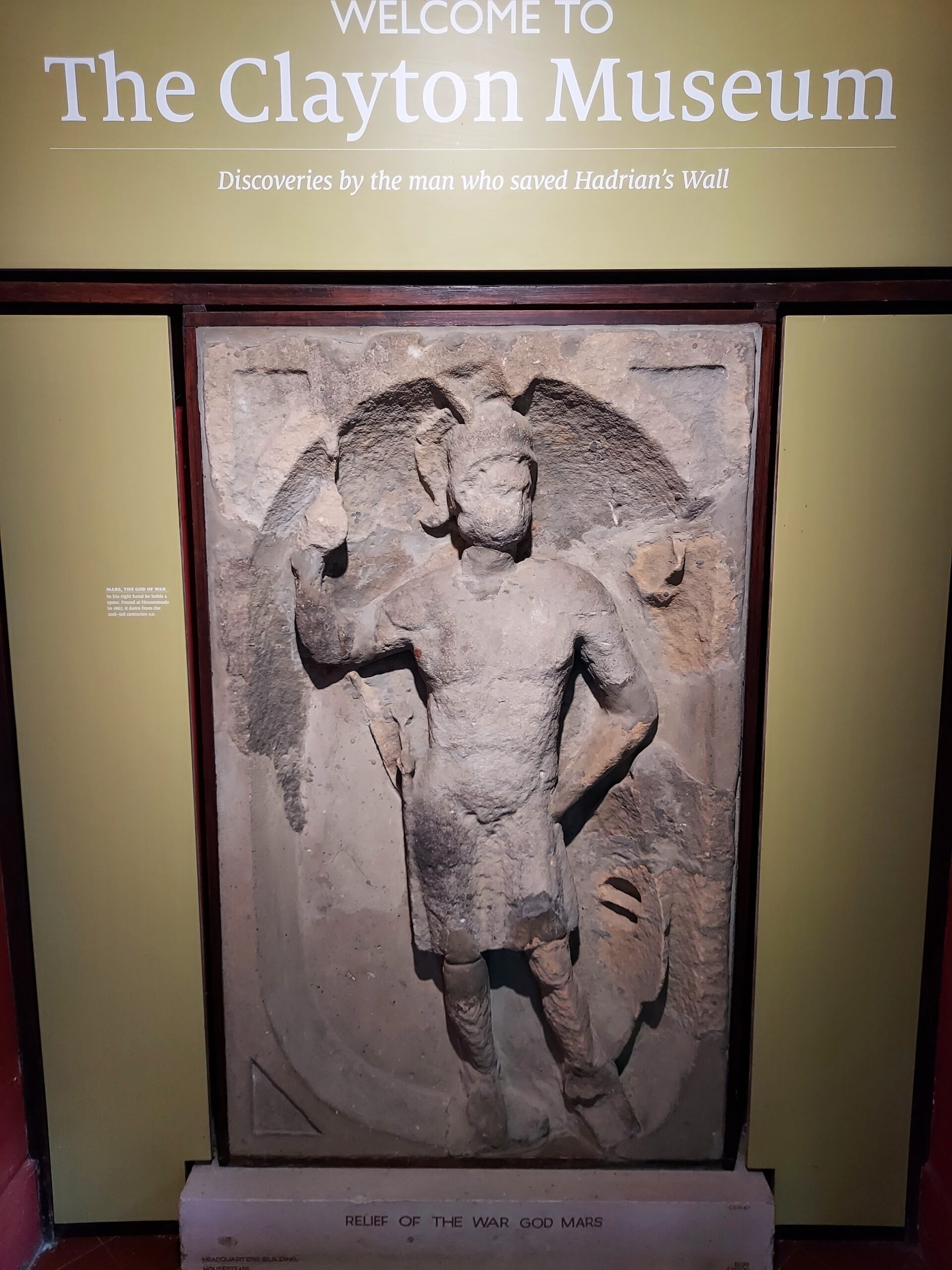
We then visited the Clayton Museum, home to several Roman artefacts from the area and nearby, including Coventina’s Well.

Clayton Museum entrance

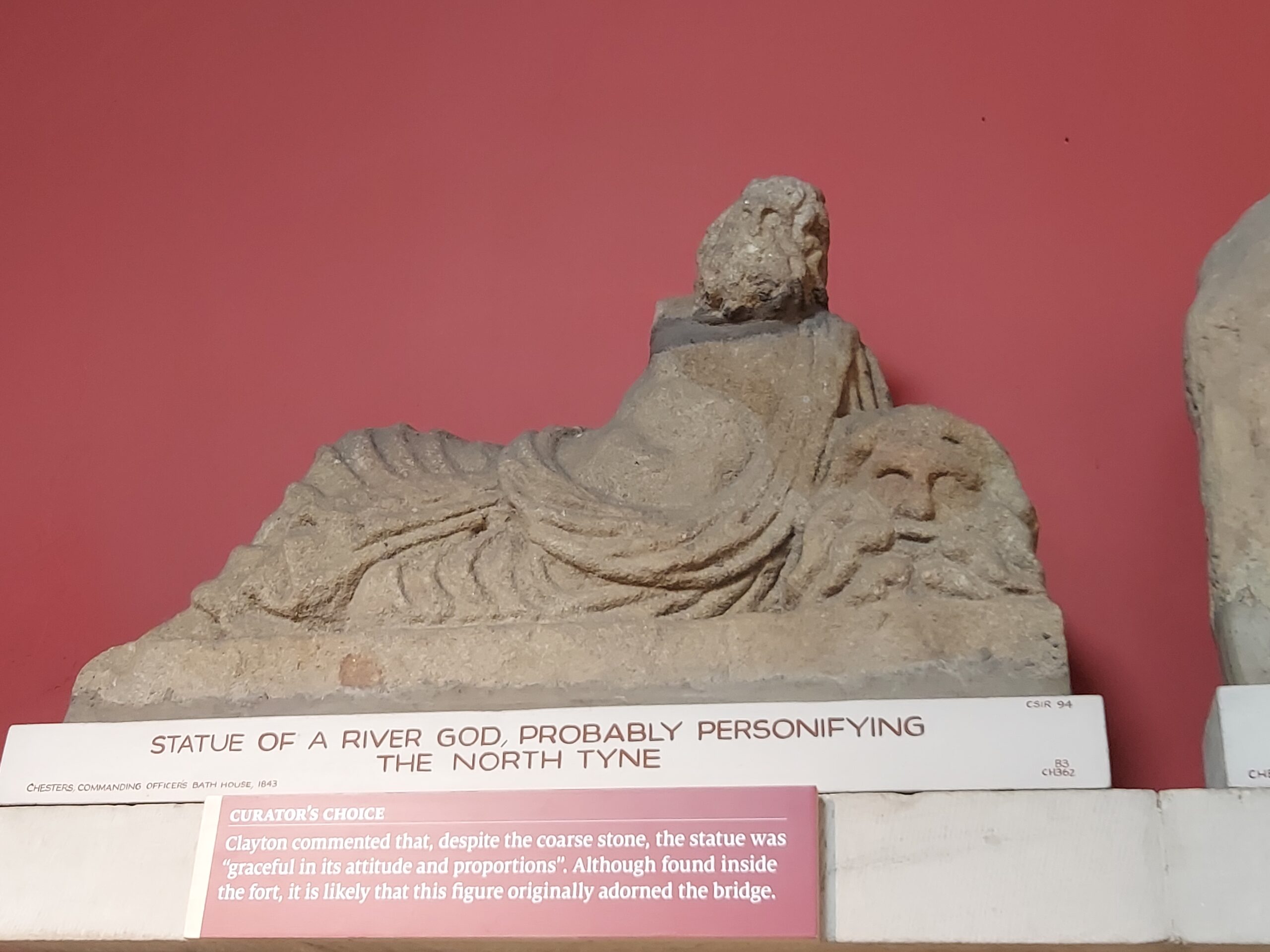
Statue of a river god, possibly representing the North Tyne

We got our passports stamped before heading back to the Hadrian’s Wall path. Our visit was great fun and really helped put the Wall into context, imagining the Roman soldiers who once stayed here and walked the Wall.

FACTS

Address: B6318, Chollerford, Hexham NE46 4EU

Website: english-heritage.org.uk/visit/places/chesters-roman-fort-and-museum-hadrians-wall/

Opening Hours: Daily 10am-5pm

Price: Adult £11.90, child £5.95, concession £11.05

Wedding up North(umberland)

I love weddings. I really do. A chance to get dressed up in an over-the-top outfit and enjoy yourself, surrounded by people you (hopefully) know and who are in the mood to celebrate. Of course, not every wedding is a positive experience, but happily the wedding of a family friend I went to last week was lovely.

The wedding took place in Newton Hall in Northumberland. The venue was gorgeous, but it was a shame about the weather, which prevented the photos being taken outside in front of the Hall. Still, a great deal of fun was had by all.
I got this bargainous dress from Collectif a few weeks ago: it’s the Maria Bloom Swing Dress. My mam made me do it: I had a different dress planned to wear, but she persuaded me to get this one. Well, it was in the sale.

Me wearing my new Collectif dress
Awkward mirror selfie

My shoes are ones that I’ve had a long time. They’re lovely and relatively comfortable, but it’s so long since I’ve worn heels that they started to kill me. The bride had thoughtfully provided flip-flops for all the ladies, but I’ve never been able to wear them (toe posts kill me). So I took my own Rollasoles instead. My bag was a charity shop bargain. I did have a jacket to wear but I ended up leaving it in the house, which meant I was absolutely freezing when we got there. Luckily once we made it inside the building it was nice and warm.

The wedding was beautiful, lots of speeches were made and plenty of wine was drunk (mainly by me). I got to see people I haven’t seen for ages, and I may also have had a bit of a dance. Perhaps.

Cragside, Northumberland

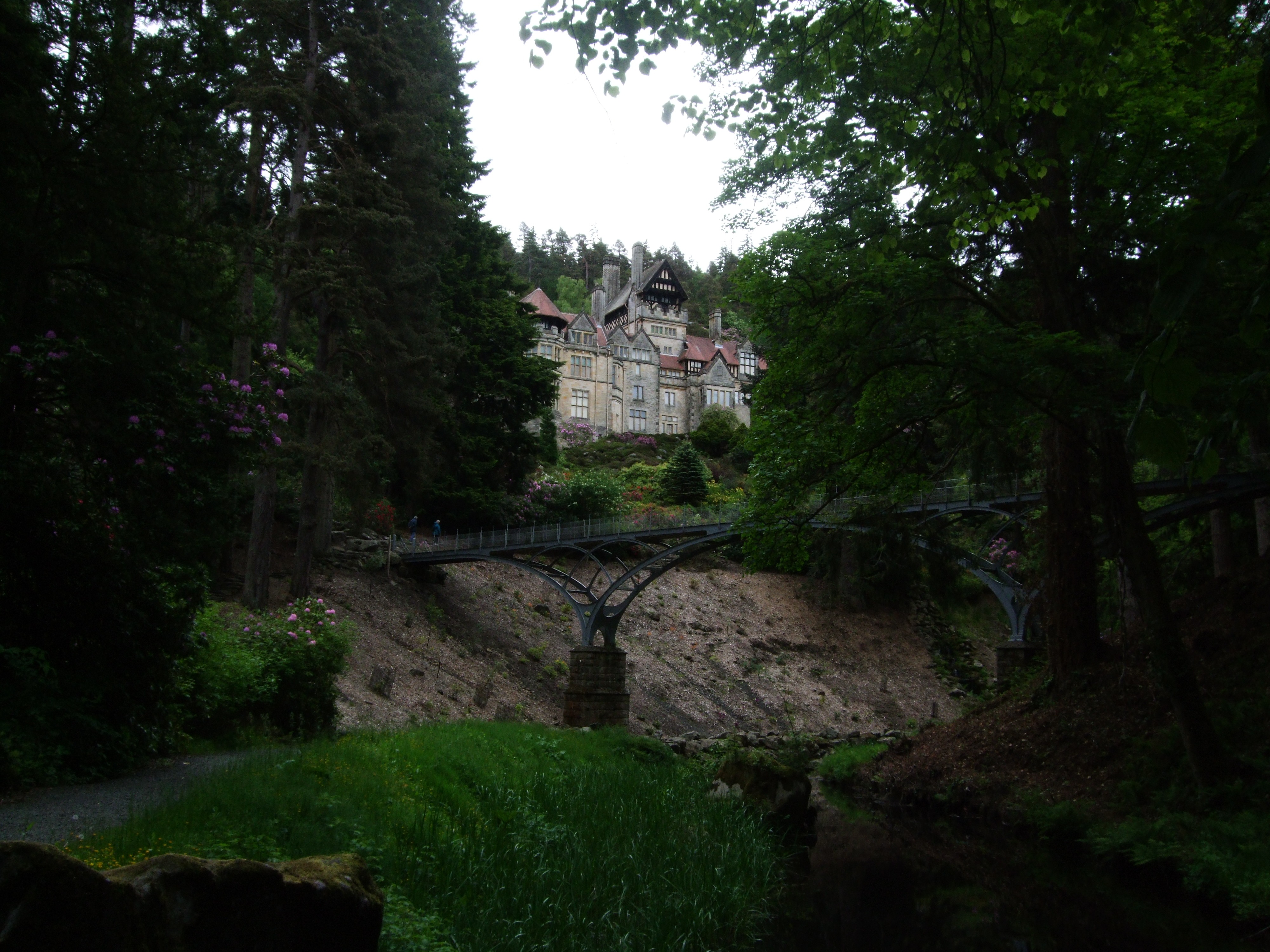
When I was at home a few weeks ago, I visited Cragside with my friend Elisa. Cragside is a historic Victorian property owned by the National Trust,  and I’ve wanted to visit for ages, but being a non-driver, getting there would have been extremely difficult. There are bus connections to nearby Rothbury, with connections from Newcastle Monday to Saturday and a special summer Sunday service to the property, but I thought this sounded like a bit of a hassle, so I was glad when my friend, who has a car, said she would like to go. The house is on the B6341, 15 miles north-west of Morpeth on Coldstream road (A697), and you turn left on to the B6341 at Moorhouse Crossroads, with the entrance three miles on the left. It took us roughly an hour to drive there from Washington (just south of Newcastle/Gateshead), and there was some beautiful scenery en route. A good thing about the site is that parking is both free and plentiful.

When you turn into the estate, you pay an assistant while still in your car. An adult ticket for the garden and the house is £13.80 (£6.90 for children), with lower prices for the garden only and for winter visits. I am a National Trust member so I got in for free.
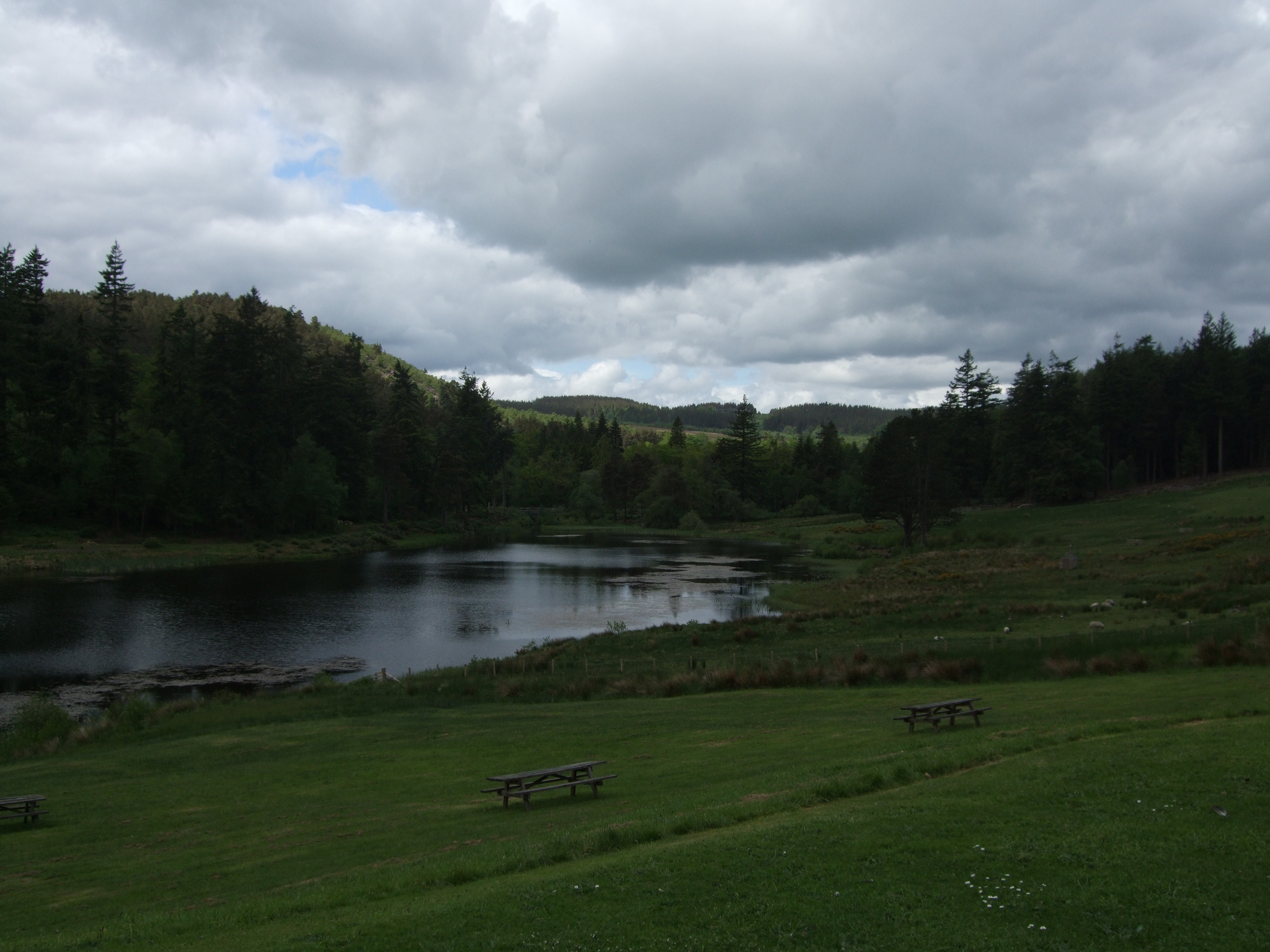
It was around lunchtime when we arrived so we decided to sit by the lake and eat the picnic food we had brought with us. The scenery was stunning, and it was so quiet and peaceful. We also took the time to look around the small visitor centre – the former stables – and check out the gift shop.
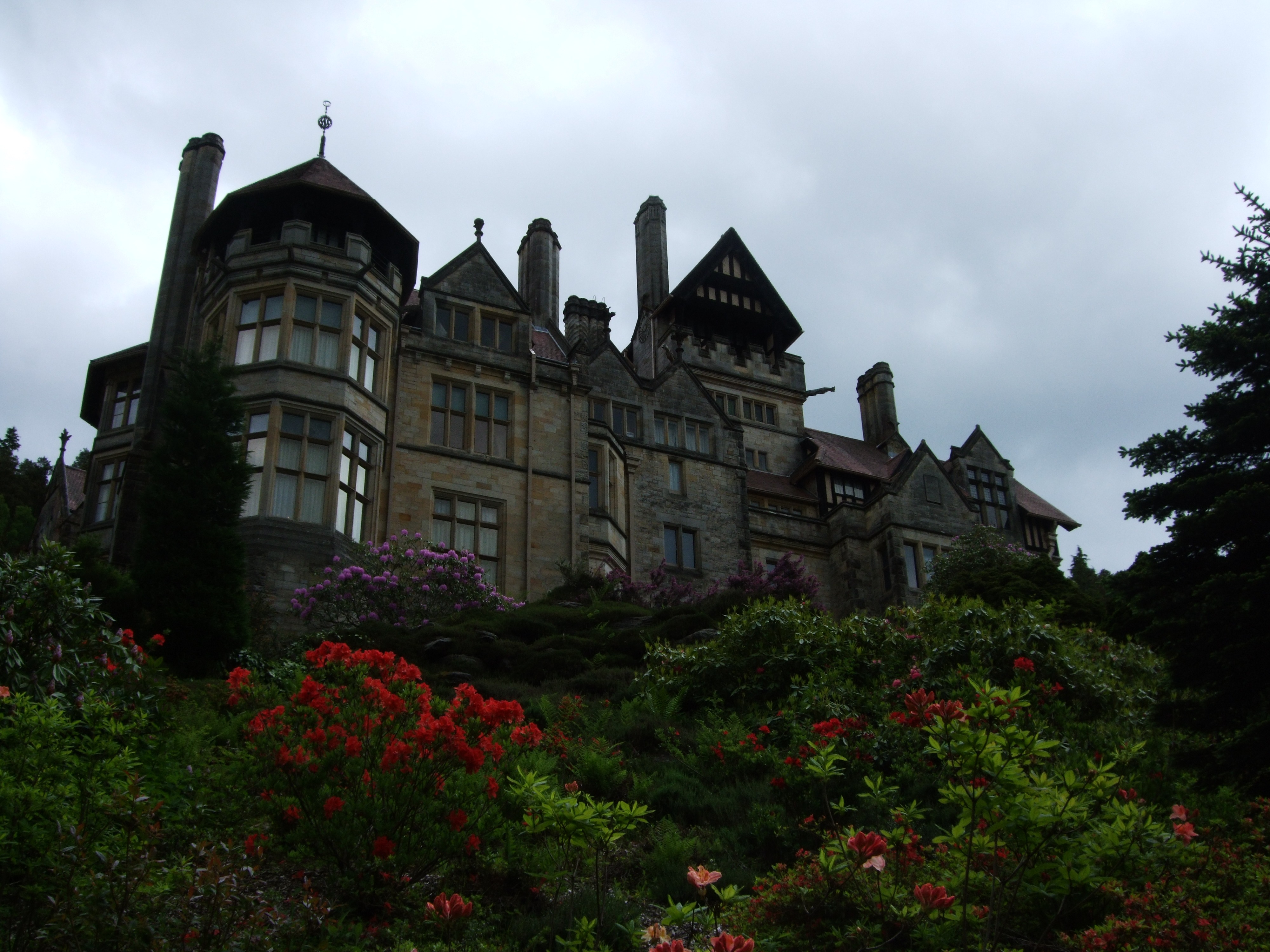
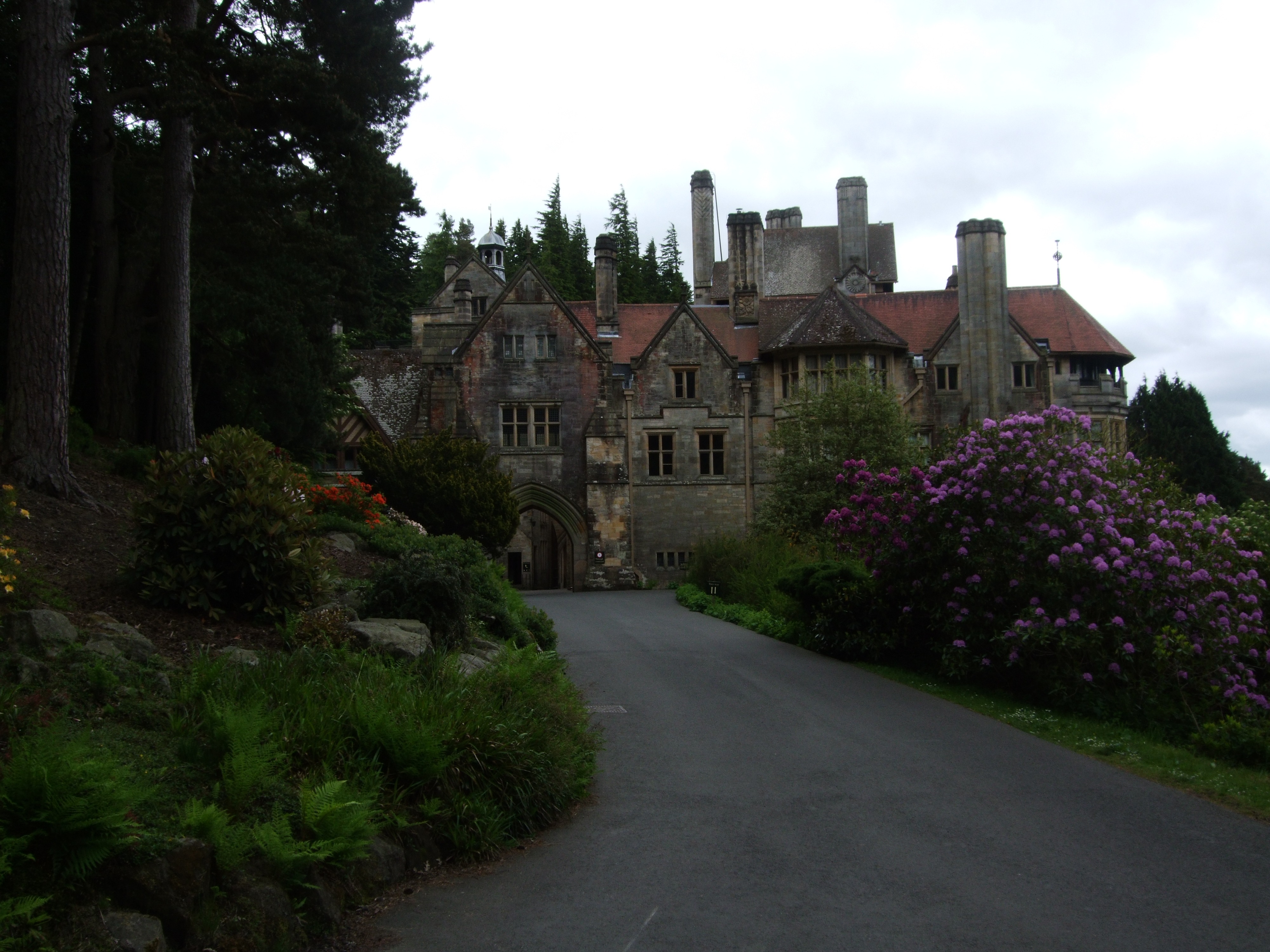
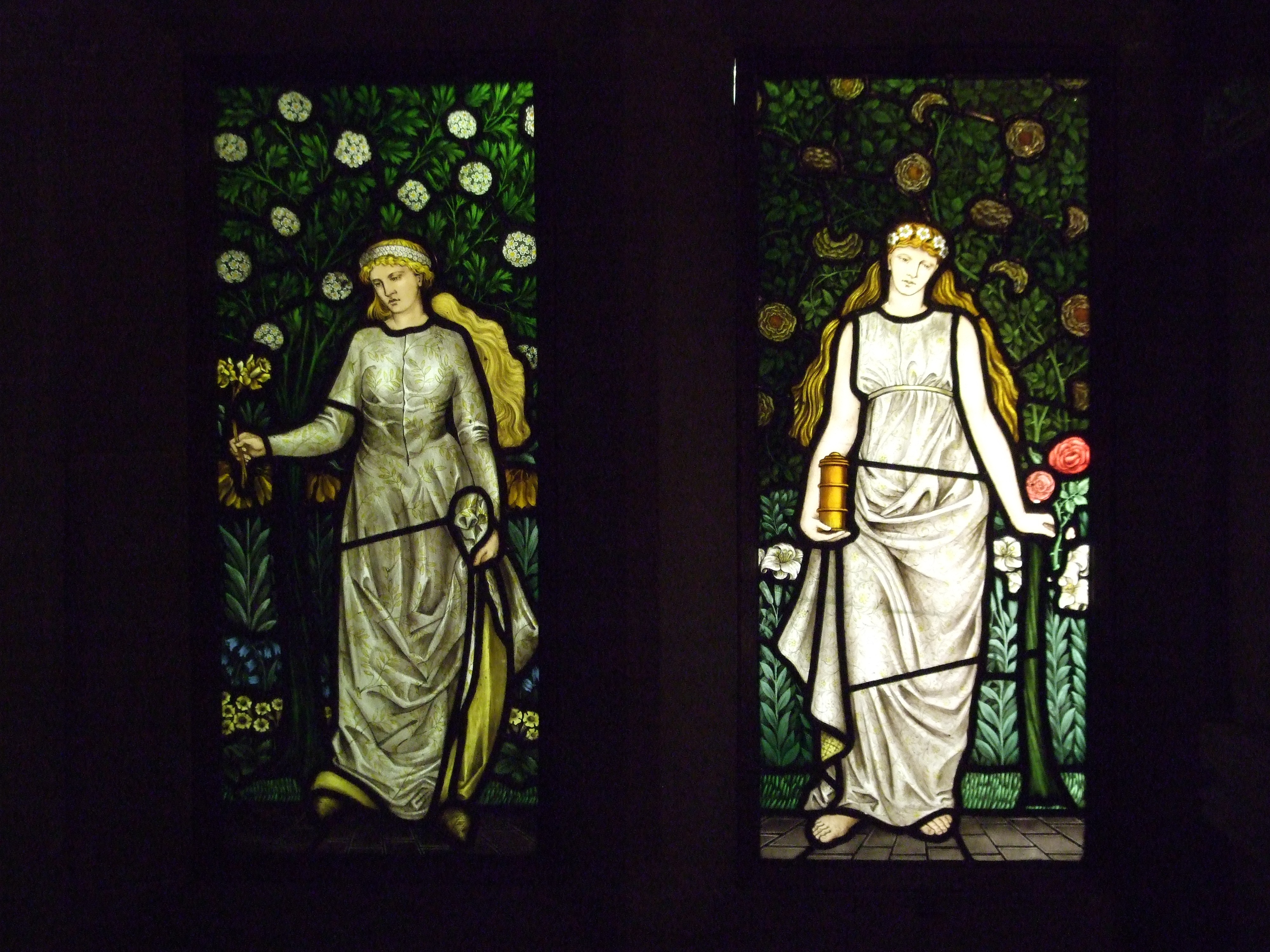
Heading towards the house, we were impressed by the beauty of it and its surroundings. Cragside is celebrating its 150th anniversary this year: it was begun in 1863 by the visionary inventor Sir William, later 1st Lord Armstrong (1810-1900), who decided to build it after recalling happy childhood memories of Northumberland during a visit to Rothbury in 1863. He was devoted to the study of engineering, science and technology, despite having been pushed towards a career in the law by his father, and Cragside became a space where he could experiment and try new things. It was the first house in the world to be lit by hydroelectricity, and it also had a hydraulic passenger lift, a dishwasher, hot and cold running water and a plunge bath – incredible for the time. The house is beautiful as well as technologically advanced, with ornate architecture, beautiful furniture and stunning Pre-Raphaelite stained glass windows.

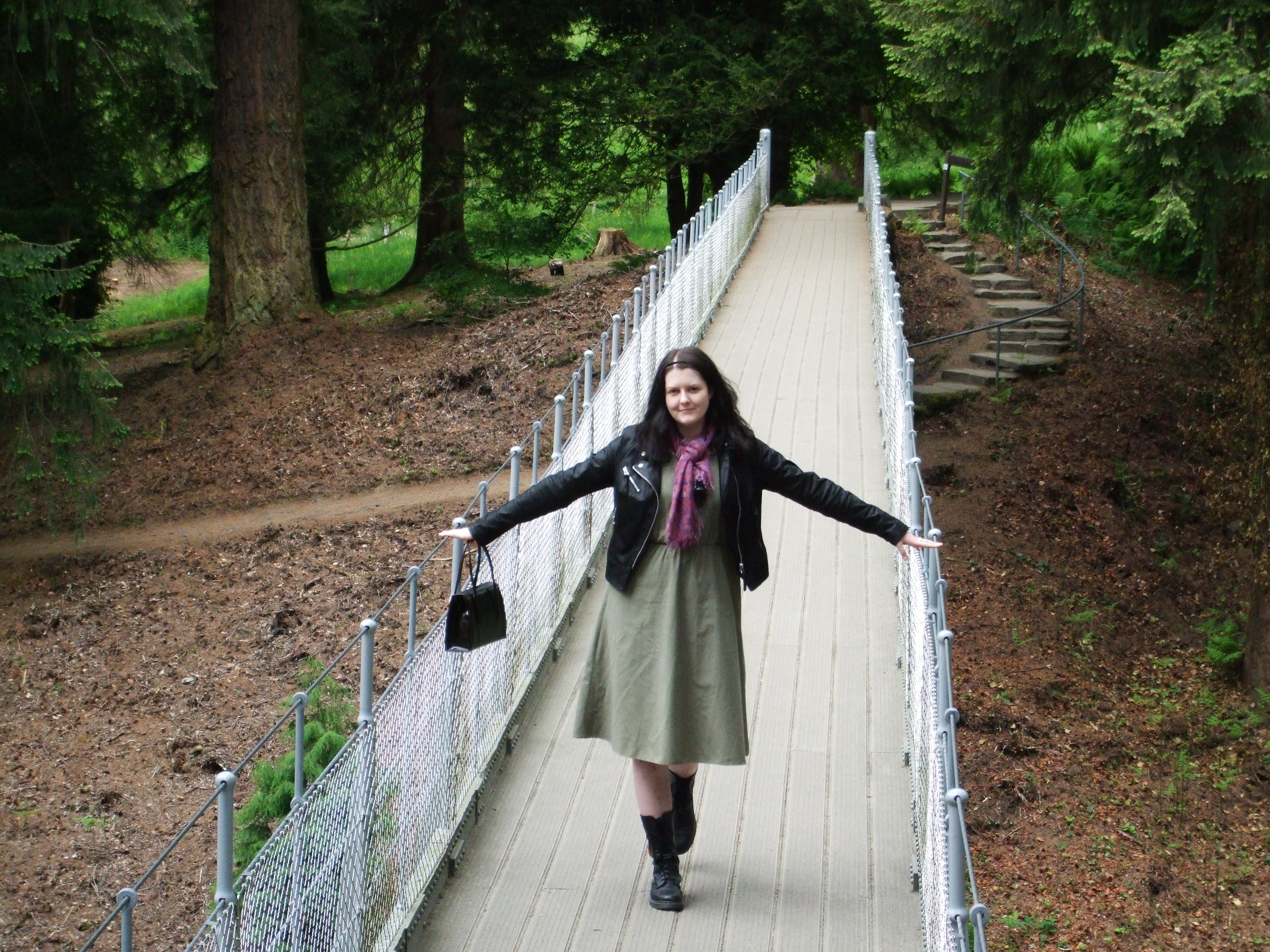
Outside, the house is set in the most beautiful grounds I’ve ever seen. My friend and I walked down the rockery, crossed the bridge and wandered around the wooded areas and the formal gardens. While the house was largely Lord Armstrong’s playground, the garden was the focus of his wife, Lady Margaret Armstrong, who took an active role in its development.
After a cup of tea in the outdoor café, we decided to drive around the estate. There is a specially designed route with a very low speed limit allowing you to travel slowly around the huge estate and take in the scenery. There was much excitement when a deer ran out onto the road in front of us and disappeared into the forest – I’d never seen a deer in real life before so I loved this!

Cragside is a gorgeous place and well worth a visit. If you’re in the north east, it’s a must see: beg, borrow or steal a car to get there if you have to.
FACTS

Address: Rothbury, Morpeth, Northumberland, NE65 7PX

Website: nationaltrust.org.uk/cragside

Opening Hours: Tues-Sun during the summer; Fri-Sun in winter

Prices: Adult £16.50, Child £8.30