When I first got the badge book, I assumed I wouldn’t be able to do the DIY badge, as I rent and live in a shared house. However, with a few tweaks I have been able to manage it, and I actually found the badge very rewarding – I have realised I know more than I thought I did.
Know how to turn the water, electricity, and gas supplies off to your home.
I actually did this clause for the Emergency Helper badge. I didn’t think my landlord would be too keen if I asked for this info, so I asked my parents about their house instead. The water can be turned off under the sink in the kitchen*, the electricity is on a switch in a box above the mirror in the hallway, and the gas flow to the cooker has a switch off point on the top shelf under the left cupboard beside the cooker. The boiler can be switched off via the cupboard in the kitchen.
*If the water stop tap fails you have to go out onto the path and turn off the main tap into the house. (This actually happened to us at our last house, so important to know!)
Change a lightbulb.
This is one of the things I’ve actually done quite often – starting when I was at my university house – so I feel confident in ticking off this clause.
Change a tap washer (and understand when they need changing).
I asked my dad about this and he said their new house has ceramic washers, which need changing very rarely, so instead of actually changing one I watched several YouTube videos and read this helpful article.
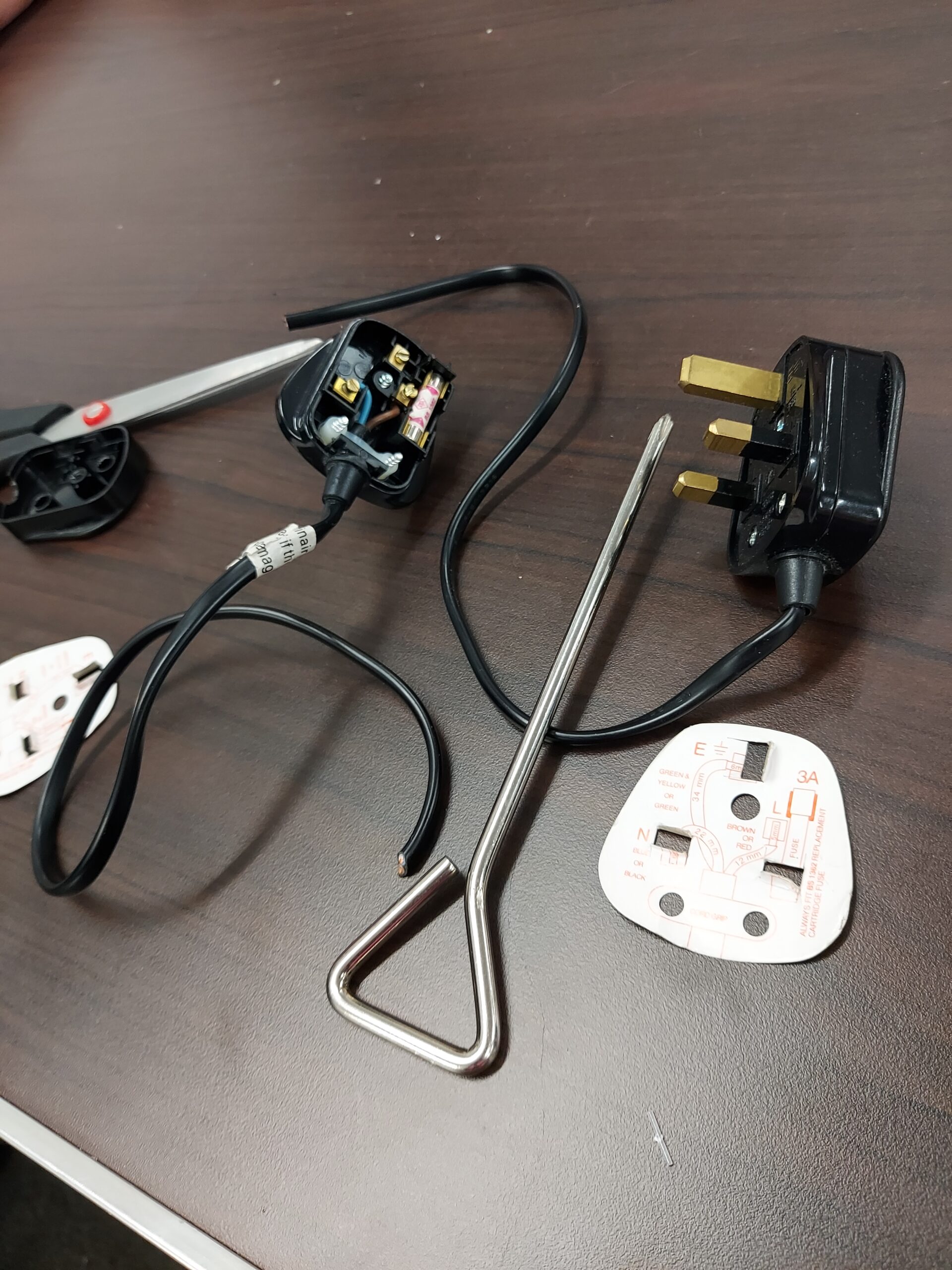
Fit a fused electrical plug to a cable.
I completed this clause at the 2023 Rebel Camp when Liz kindly brought in a few plugs for demonstration.
Reset a mains circuit breaker or replace a fuse.
I have actually done this in one of my previous homes when every so often the oven would trip and we would have to reset the mains circuit breaker to turn it back on. I’ve also changed a fuse in another place I rented.
Assemble a tool kit, and describe what each item is for.
I decided not to get my own toolkit as I don’t need one at the moment and it would just take up space. I have used a few different tools over the years so I am not completely unfamiliar with them. I watched several YouTube videos and found this helpful article about toolbox essentials.
Complete at least 2 projects:
I chose the following two projects from the selection provided:
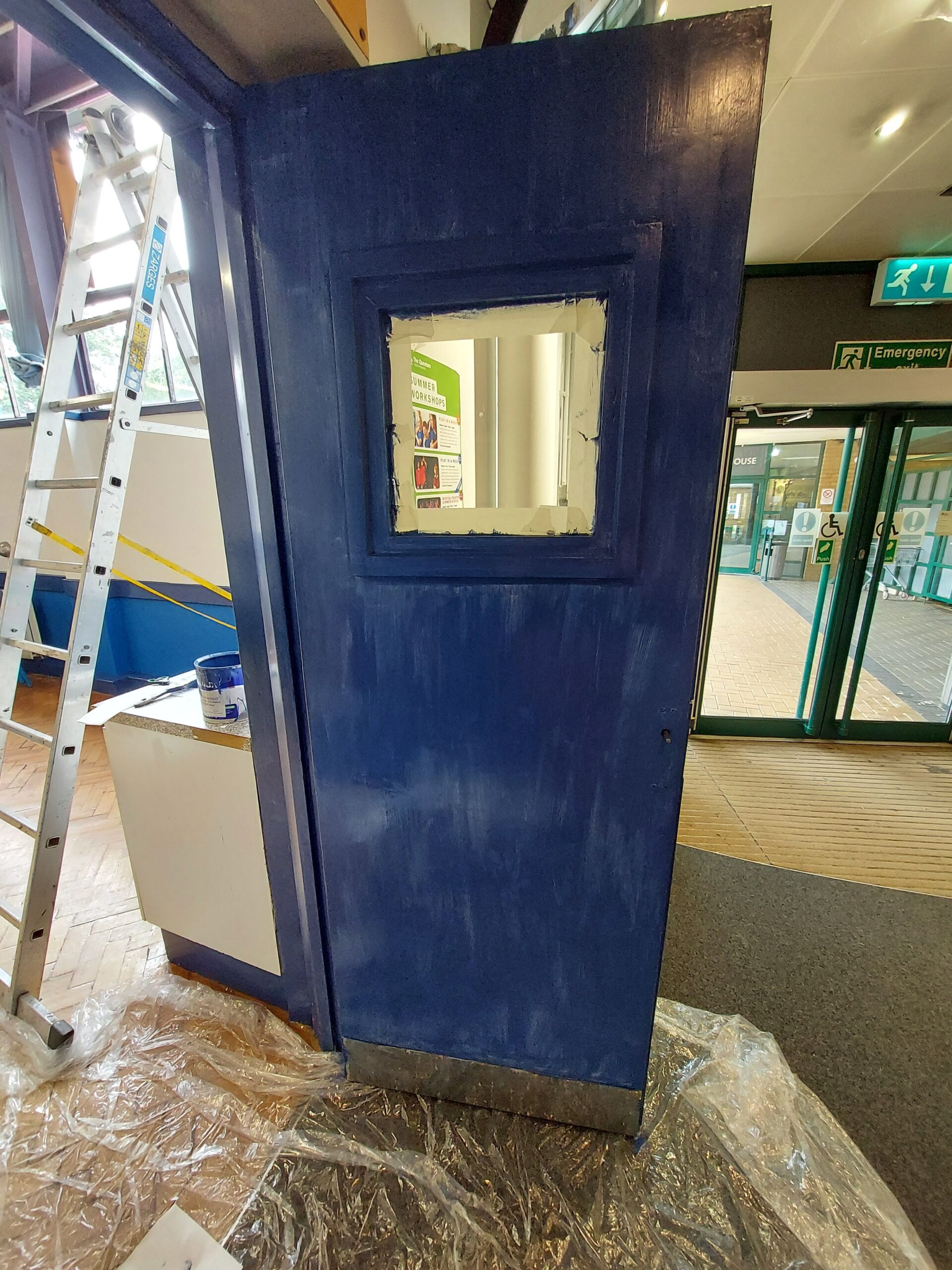
Decorate a wall. Prepare and then paint, paper or tile a wall.
Back in 2023 the theatre I volunteer at asked for helpers to redecorate the front of house areas. I helped to repaint the studio foyer, and I don’t think I did too badly despite never having painted before.
I hadn’t done anything to prep the wall, so this Easter when I was visiting my parents I helped my dad prep the walls in the spare room.
Flat pack. Build an item of flat pack furniture.
I feel happy claiming this clause retrospectively, as I built a bookcase for myself a few years ago and felt very proud of it at the time.
I started working on the Music Lover badge at the beginning of the year. I have to admit music isn’t the most important thing in my life – I was always more into books, and I’ve never really made the effort to explore different genres beyond what is popular. So this badge was a challenge for me, but I really enjoyed it.
Over a period of three months explore at least three different genres of music.
I chose the following genres:
Modern Pop: I love pop music but my knowledge largely ends in around 2010. I listened to some of the most popular artists of the last decade or so including Raye, Ed Sheeran, Dua Lipa, Doja Cat, Self Esteem, Harry Styles, Miley Cyrus, Sam Smith, Olivia Rodrigo, Ariana Grande and Billie Eilish. My favourites were Olivia Rodrigo (a Gen Z Avril Lavigne), Dua Lipa (catchy dance tracks) and Harry Styles (I feel like I understand now why he is so acclaimed). I really wanted to like Self Esteem but I just couldn’t get into her.
Heavy Metal: I explored the history of this genre by listening to some of its pioneers such as Led Zeppelin, Black Sabbath, Deep Purple, Alice Cooper, Van Halen, Kiss, Judas Priest, Motörhead, Iron Maiden and Metallica. I also asked my brother (who is really into this kind of music) for recommendations and he sent me his most listened-to songs from last year, including artists such as Bleed From Within and Asking Alexandria. From his playlist, I particularly liked Alter Bridge and Disturbed, but overwhelmingly I preferred older bands from this genre. I love the rock sound and the heavy beats, but am not keen on scream-singing, which modern groups in particular seem to do a lot of.
Country: By contrast, I preferred the more modern singers and acts from this genre. I don’t know a lot about country, except that Dolly Parton is one of the greatest humans alive today, and The Dixie Chicks were blacklisted by American radio stations after speaking out against the Iraq war back in the Noughties – both of which are positives for the genre as far as I am concerned. I listened to The Carter Family, Jimmie Rodgers, Roy Acuff, Bob Willis, Hank Williams, The Stanley Brothers, Dolly Parton, Garth Brooks, Lady Antebellum/Lady A, The Chicks (formerly The Dixie Chicks), Carrie Underwood and Beyoncé’s new album. I like the genre’s focus on storytelling, and it has a rich history, but a lot of the songs have a Christian sensibility I’m personally not keen on. It’s a very ‘American’ genre and being British I don’t think I quite ‘get’ it. However, I would definitely listen to some of the acts again – Carrie Underwood in particular is like a country version of Kelly Clarkson (not surprising as she also rose to fame on American Idol) and Beyoncé’s Cowboy Carter is simply outstanding.
Choose one of the three genres and create a scrapbook showcasing your learning about the genre.
Where possible attend at least three separate concerts. Write reviews of the performances.
I go to quite a few concerts (more than I did when I was younger, anyway!) and for this badge chose a bit of a theme for my concert reviews – older female singers. One of them is in her late thirties and the other two celebrated their 50th birthdays with their concerts – of course thirties is not ‘old’ but in the music industry I feel it can be, so I find the singers concerned inspiring and I love how they have continued to make excellent music and perform it to their loyal fans.
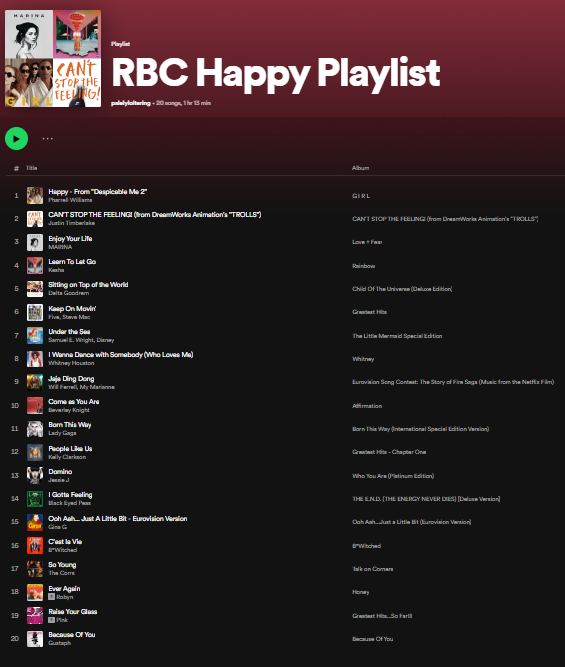
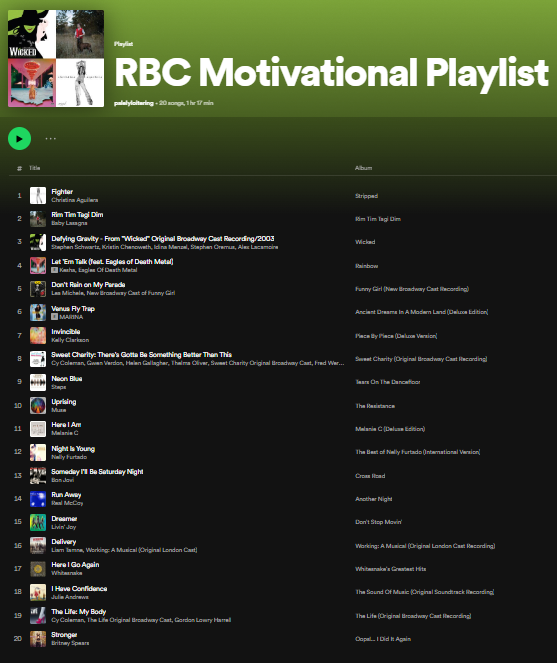
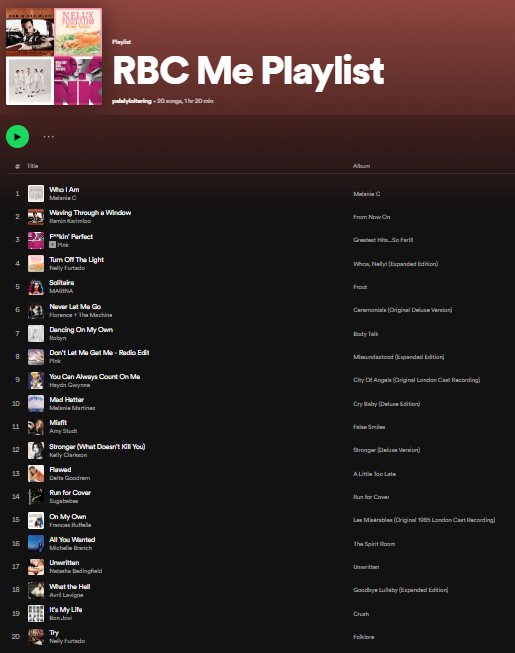
Create three playlists: one which makes you feel happy, one which motivates you, and one which represents you as a person.
This was tough! After a while I was able to make three playlists, with 20 songs on each. They are pictured and linked below.
Research the different technologies which have evolved to help music fans get the most out of music. Write about at least five different innovations designed for the audience rather than the musicians.
I visited the Science Museum exhibition Turn It Up: The Power of Music as I thought it would relate to this badge and help me to answer this question. I enjoyed the exhibition but it didn’t really address this clause – never mind! I did some research myself.
The phonograph: Invented in 1877, this early method of music playback allowed listeners to enjoy recorded music. No longer did they have to play music ‘live’ or attend concerts to listen to music.
Headphones: Created in 1910, these meant that people could listen to music in private. Coupled with later innovations in portability, they were the first step in enabling people to take their music with them anywhere.
The LP: Invented in 1933, the LP was the foremost way of packaging and selling music for decades, and has recently enjoyed a resurgence thanks to its high audio quality when compared to digital music.
The Walkman: this was created in 1979 by Japanese brand Sony as the company’s co-founder Masaru Ibuka wanted to be able to listen to music on long flights. It was small – not much bigger than the cassette tape itself – and light to carry. It also prompted the company to create light headphones designed for walking – previous models were designed to be used while stationary, and were usually very heavy. The Walkman led to a culture shift in society, as wearing headphones became the norm, instead of being seen as antisocial.
File-sharing: Illegal music-sharing sites like Napster were popular in the early 2000s. They enabled listeners to obtain their favourite music and discover different genres, all for free. Understandably, they weren’t popular with musicians, who were not earning any money by this method. However, file-sharing certainly changed the music landscape and paved the way for the popularity of digital music.
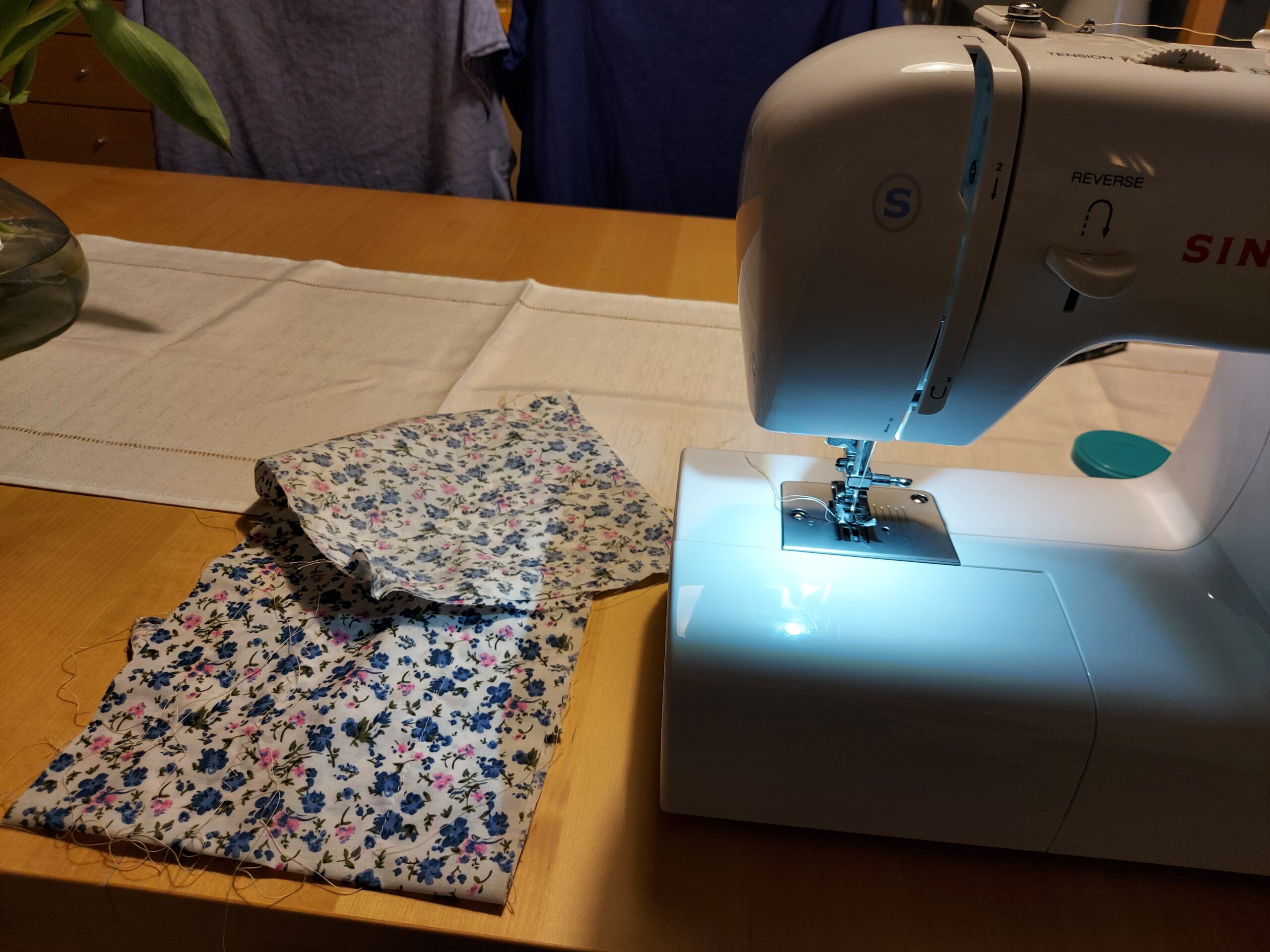
I was quite excited about this month’s badge, The Big Rebel Sewing Bee. Inspired by the TV programme, it had several potential clauses, rated Bronze, Silver or Gold, from which you had to pick one.
I actually ended up doing two clauses. I was at home for the month, and Mam taught me how to use the sewing machine.
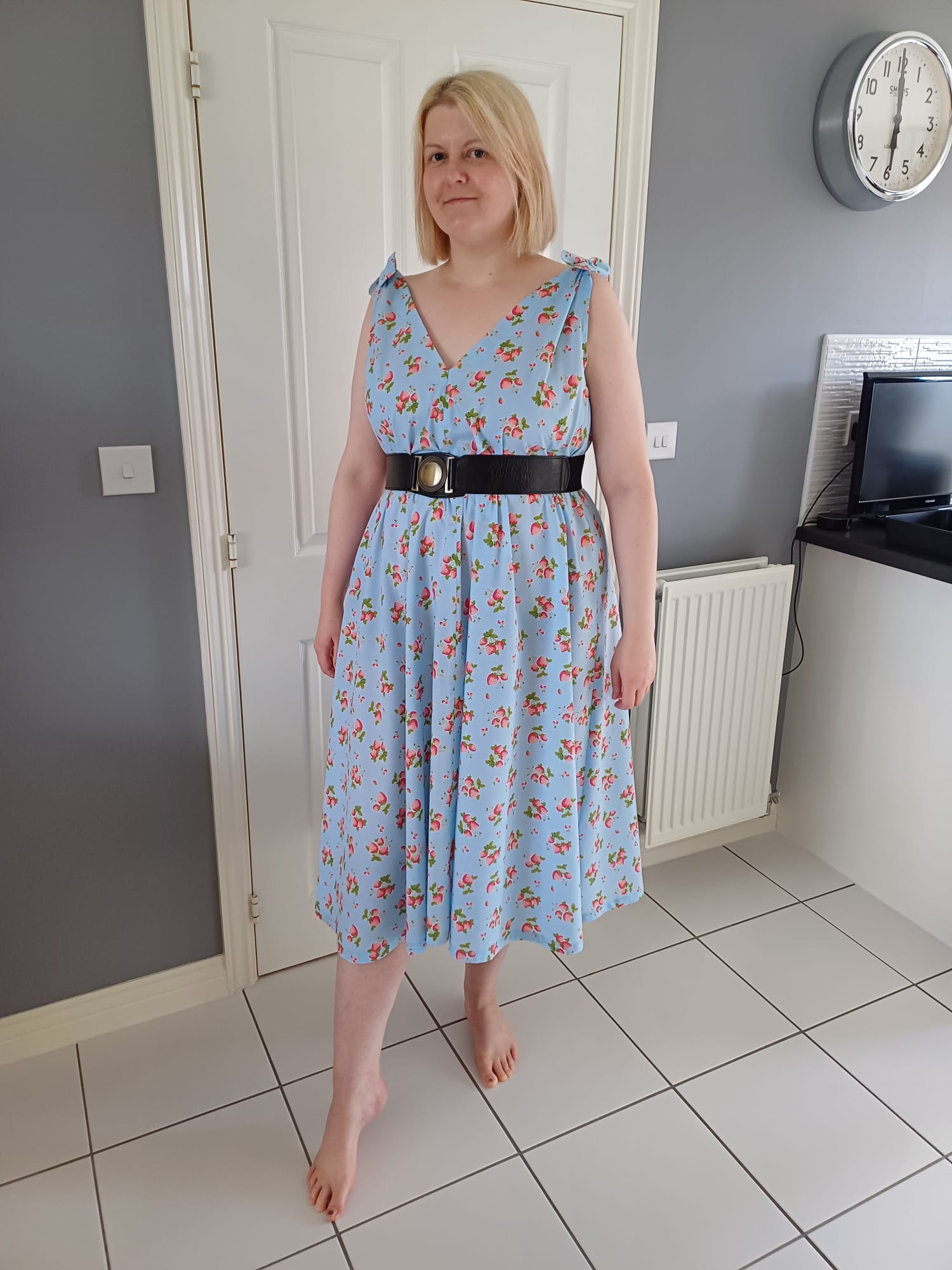
I also kickstarted my Designer badge by making a dress, the pattern of which came in a book I got as a Christmas present after seeing someone I follow on Instagram give it a go. With Mam’s help, I made this lovely Popover Dress in a summery strawberry print fabric.
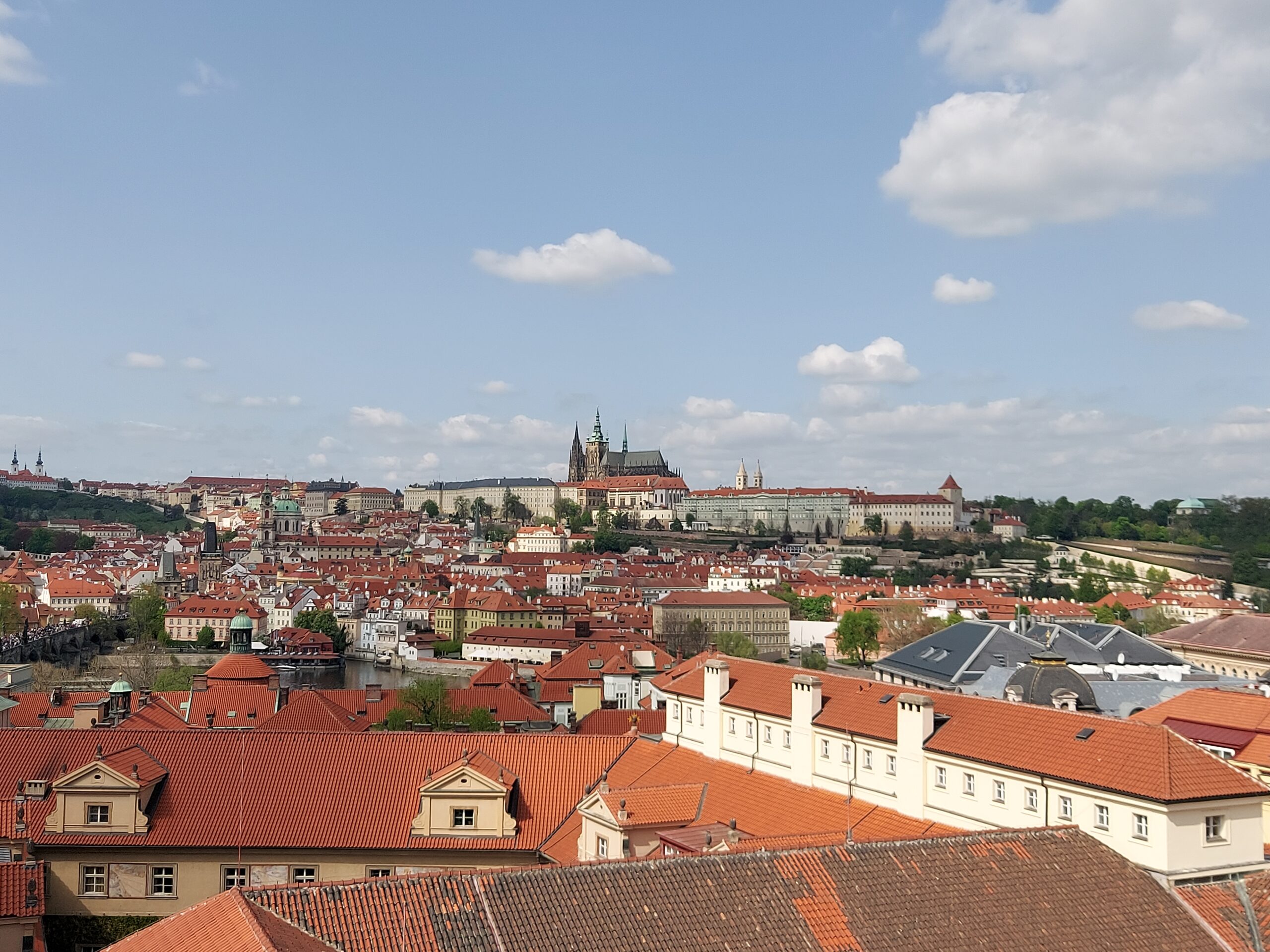
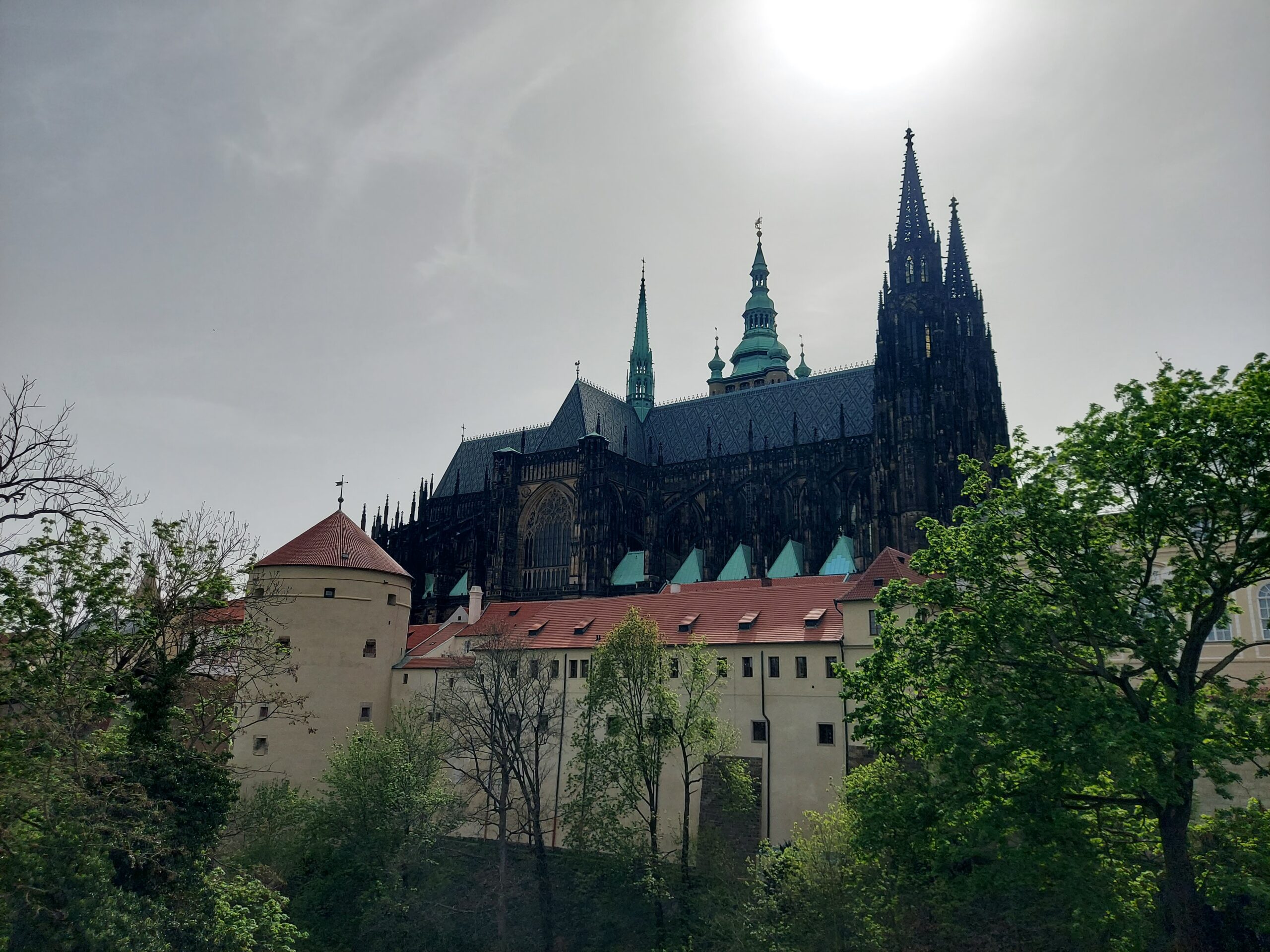
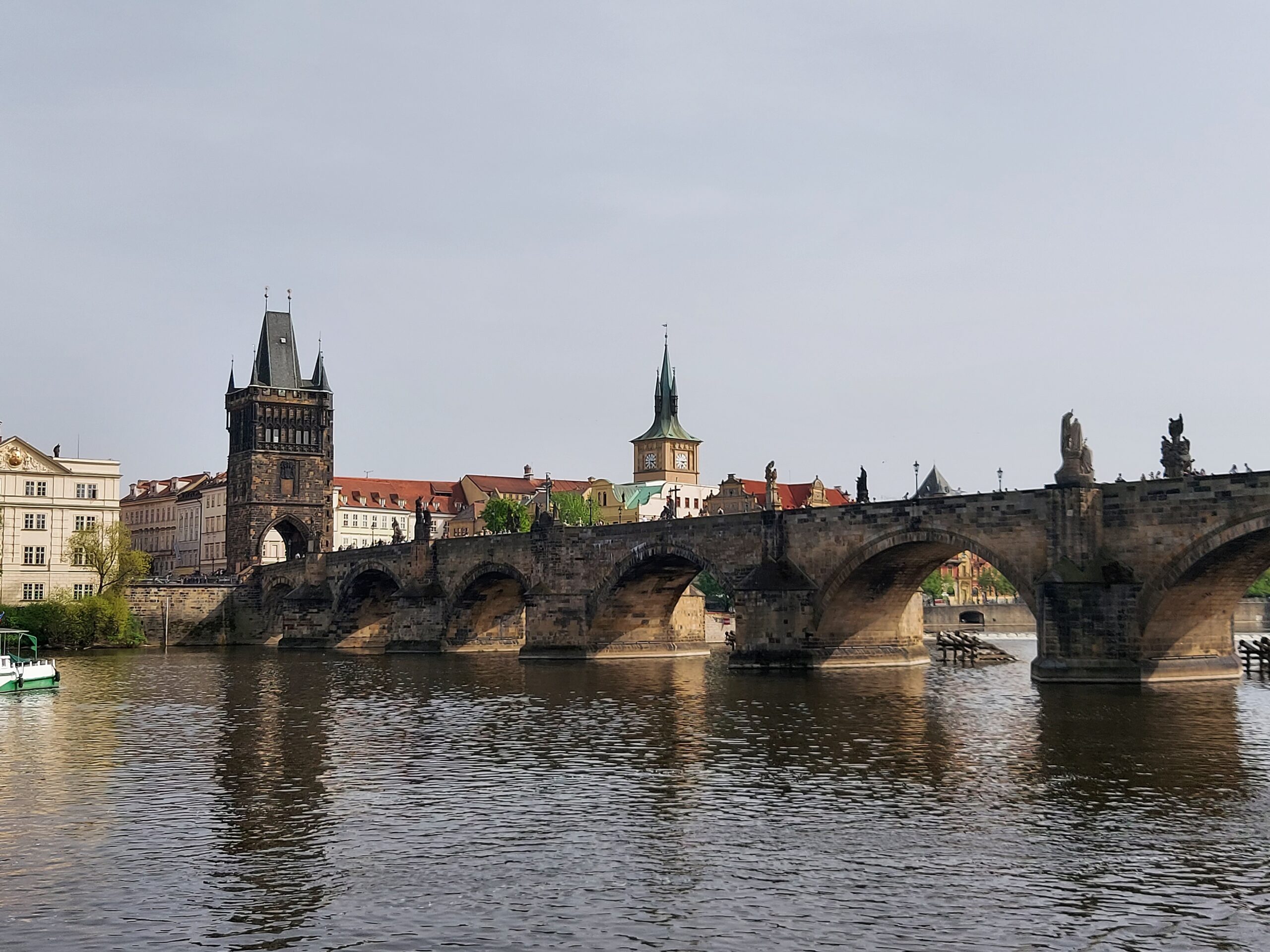
The Prague skyline, with the castle in the distance
After visiting Rome last year, I think my mam was a bit nervous about going on holiday with me again! So when we decided to go to Prague, we also brought along her friend Helen. The three of us had a great time in the Czech capital.
My brother drove us to Newcastle Airport and we headed inside, dropped our bags off and went through security. After that we had over two hours to wait until our flight! So we had coffee and a sandwich, wandered round the shops, and had a drink at a bar. We also ran into some people Mam knew – the same couple we saw in Seaham at Christmas time last year.
The flight was uneventful. I read quite a lot of my book. The queue through passport control at the other end was massive, though. Once we’d got our bags, we decided to take a taxi to the hotel, Hotel Galileo.
After checking in, we went out and found an Italian restaurant right next to the hotel. We all had mojitos and garlic bread. I had mushroom risotto, which was amazing. We were all pretty tired so we went back to the hotel after that.
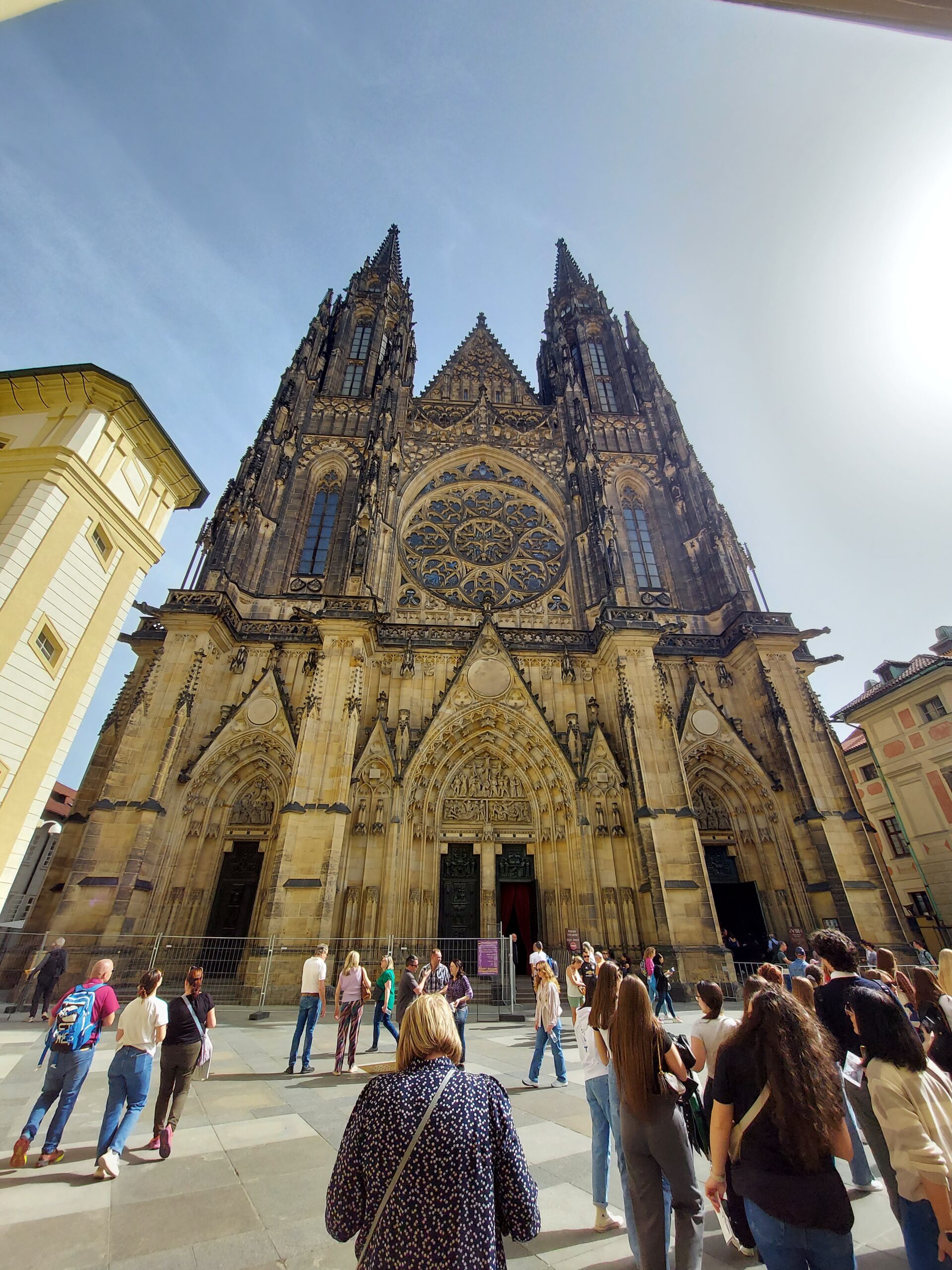
Prague Castle and St Vitus Cathedral
The next morning we were up fairly early and headed to the top floor for breakfast. There was some interesting stuff on offer including egg salad, doughnuts and pastries. After getting ready we went out to find the tour bus stop, which was a short walk away. We stayed on the bus until the castle, learning about the Prague flood of 2002.
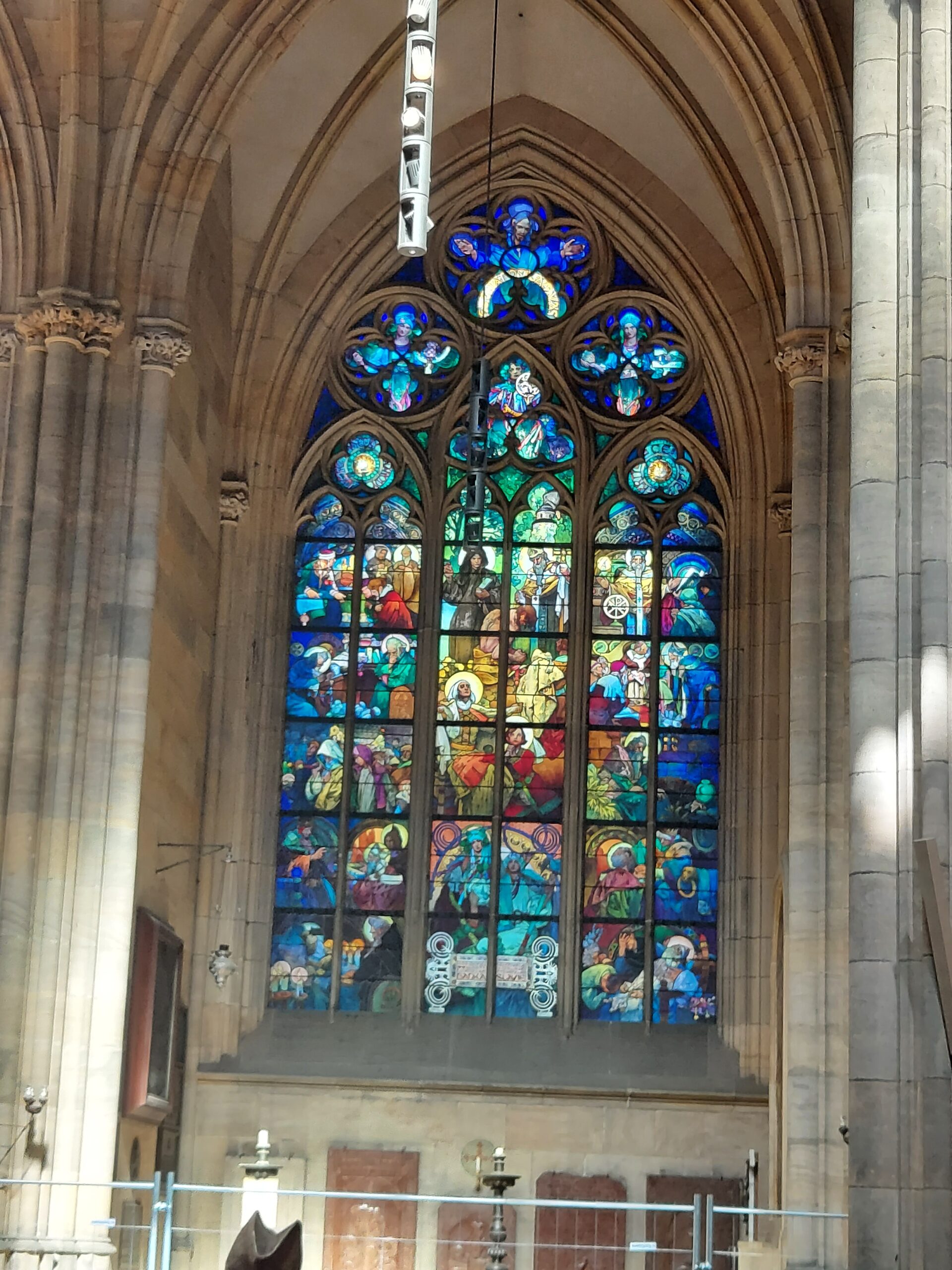
St Vitus CathedralThe Alphonse Mucha window in the cathedral
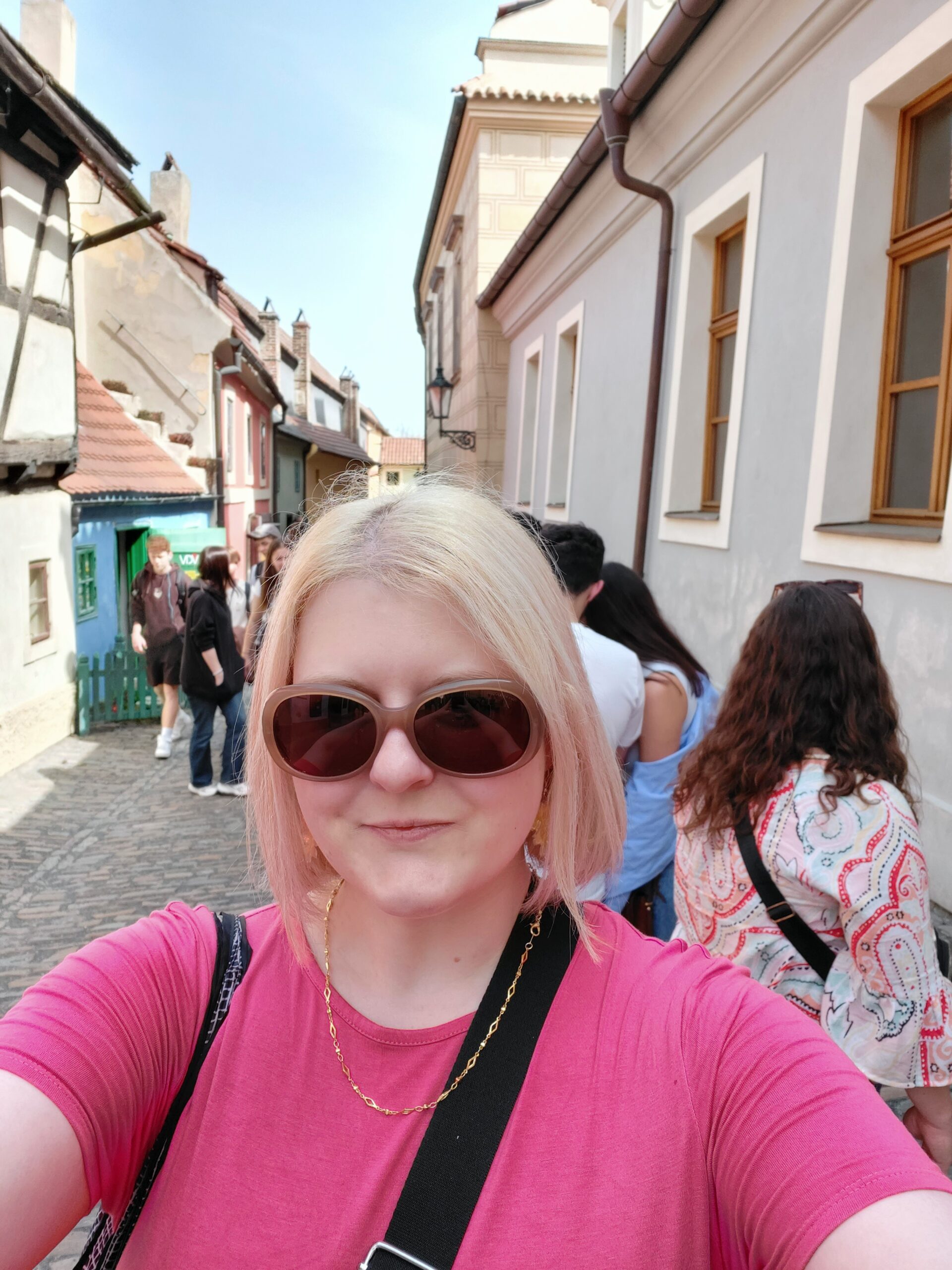
At Prague Castle, we visited St Vitus Cathedral first of all, where Bohemian royalty have been buried for centuries and the Czech crown jewels are still kept. This was a beautiful cathedral with so much to see, the highlight for me being Alphonse Mucha’s stained glass window. After that, we went into the Old Palace which had a huge hall, several other rooms including a courtroom, and great views over Prague. Next we went into St George’s Basilica and finally down Golden Lane, a quaint road in which many interesting characters lived, including artisans in order to avoid the guild laws.
Golden Lane
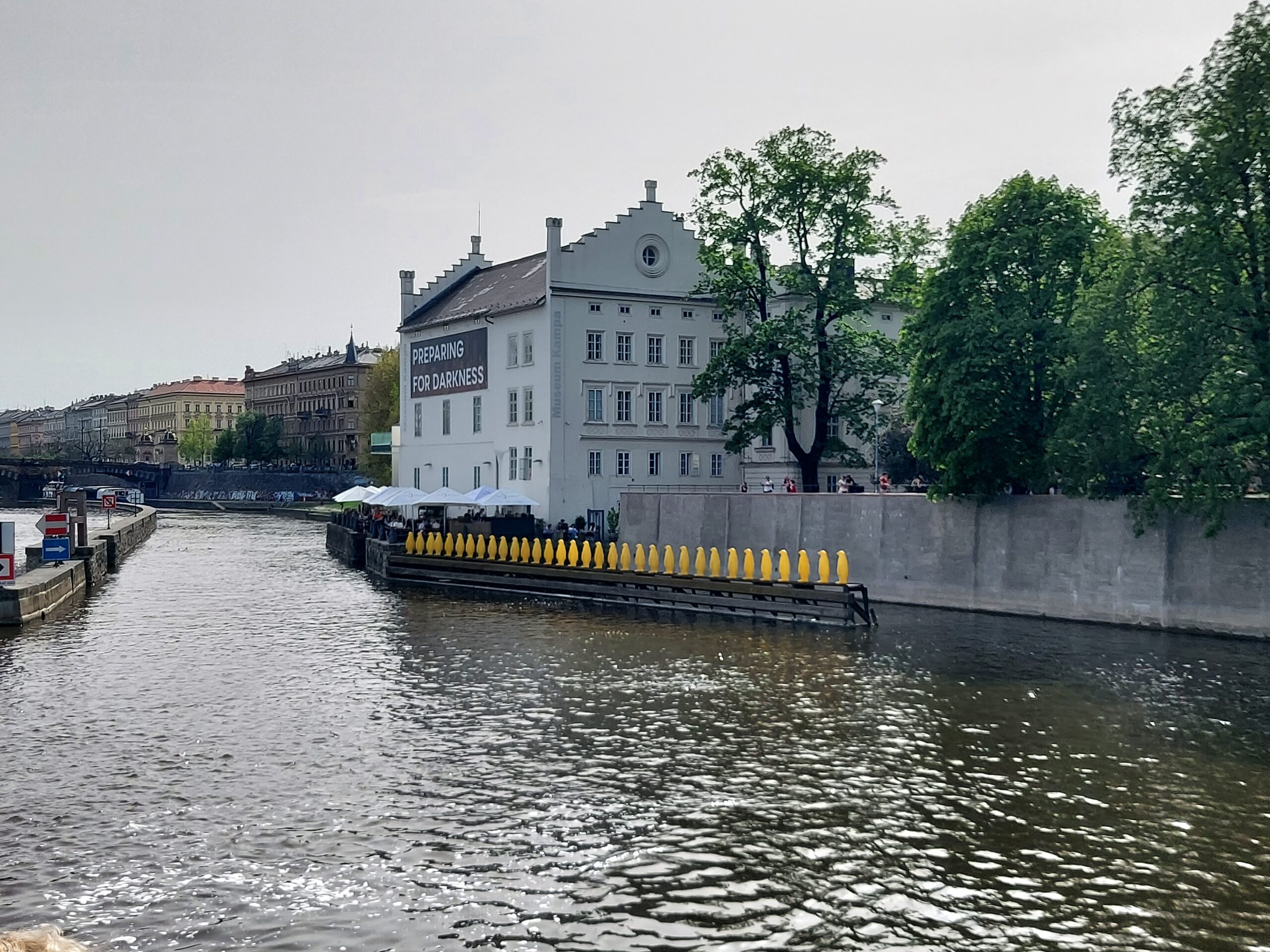
After our visit we got back on the tour bus and then changed lines to stop off at the river. It was still really hot so it was nice to get on a boat. Our trip took us past the Charles Bridge and several others, and we chatted to a Dutch lady who was sitting at our table.
The Charles Bridge seen from the river
When we disembarked we caught the tram back to the hotel. We were a bit nervous about taking public transport but in the end it was fine, you just have to pay on board using a contactless card. We had burgers at the Irish pub near our hotel. Mam and Helen shared a bottle of wine and I had several Aperol Spritzes, mainly because they were so much cheaper than they would be at home. After all that, we still had a relatively early night.
An ominous message
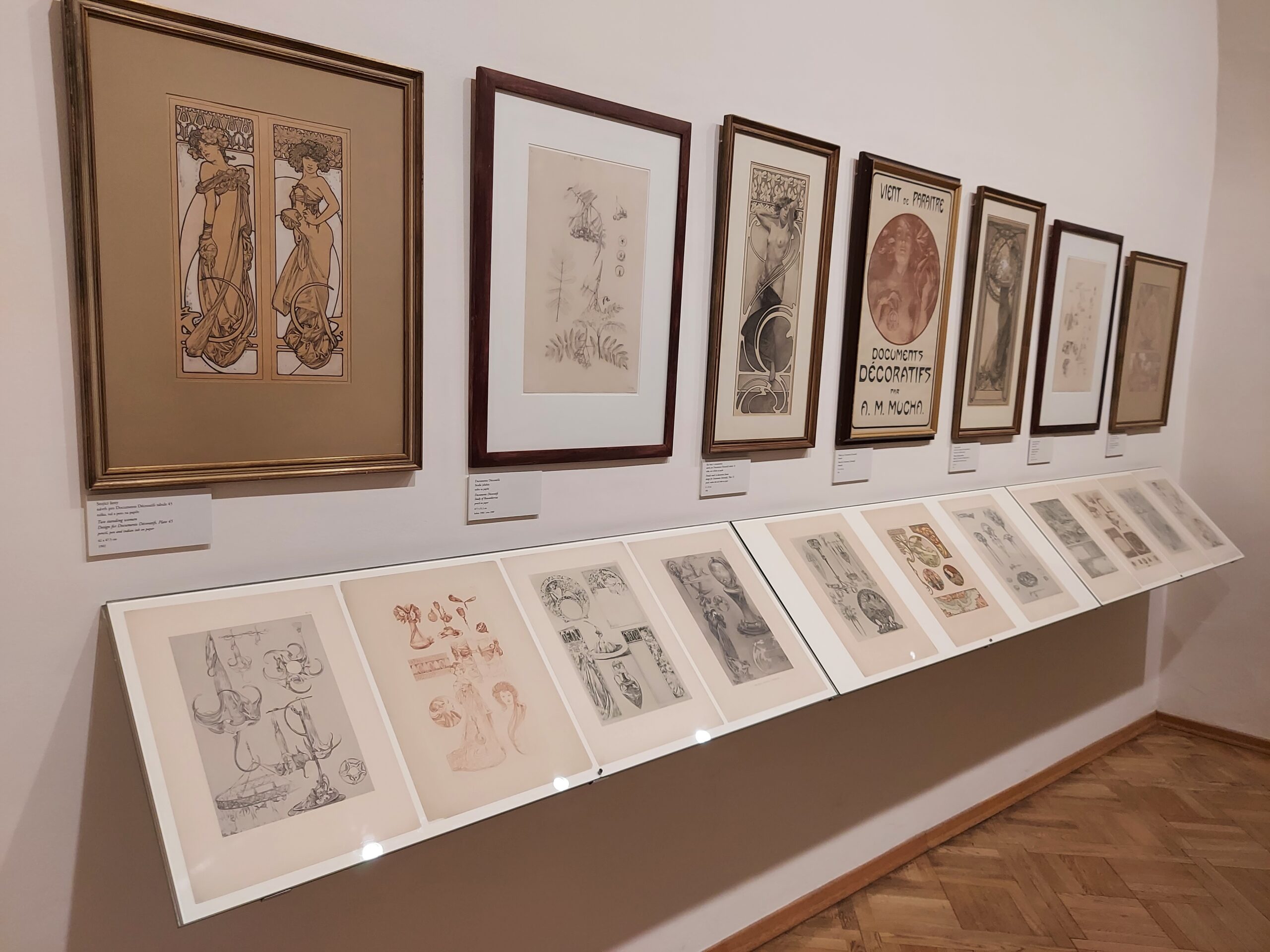
The next day, we were up in good time again. This time I sampled more breakfast foods including potatoes with mixed vegetables, cake and doughnuts. We caught the tram up to St Wenceslas Square and got on the tour bus going on the other route. We stayed on the bus all the way round, going through the Old Town, and on the second time around got off near the Mucha Museum.
Artworks in the Mucha Museum
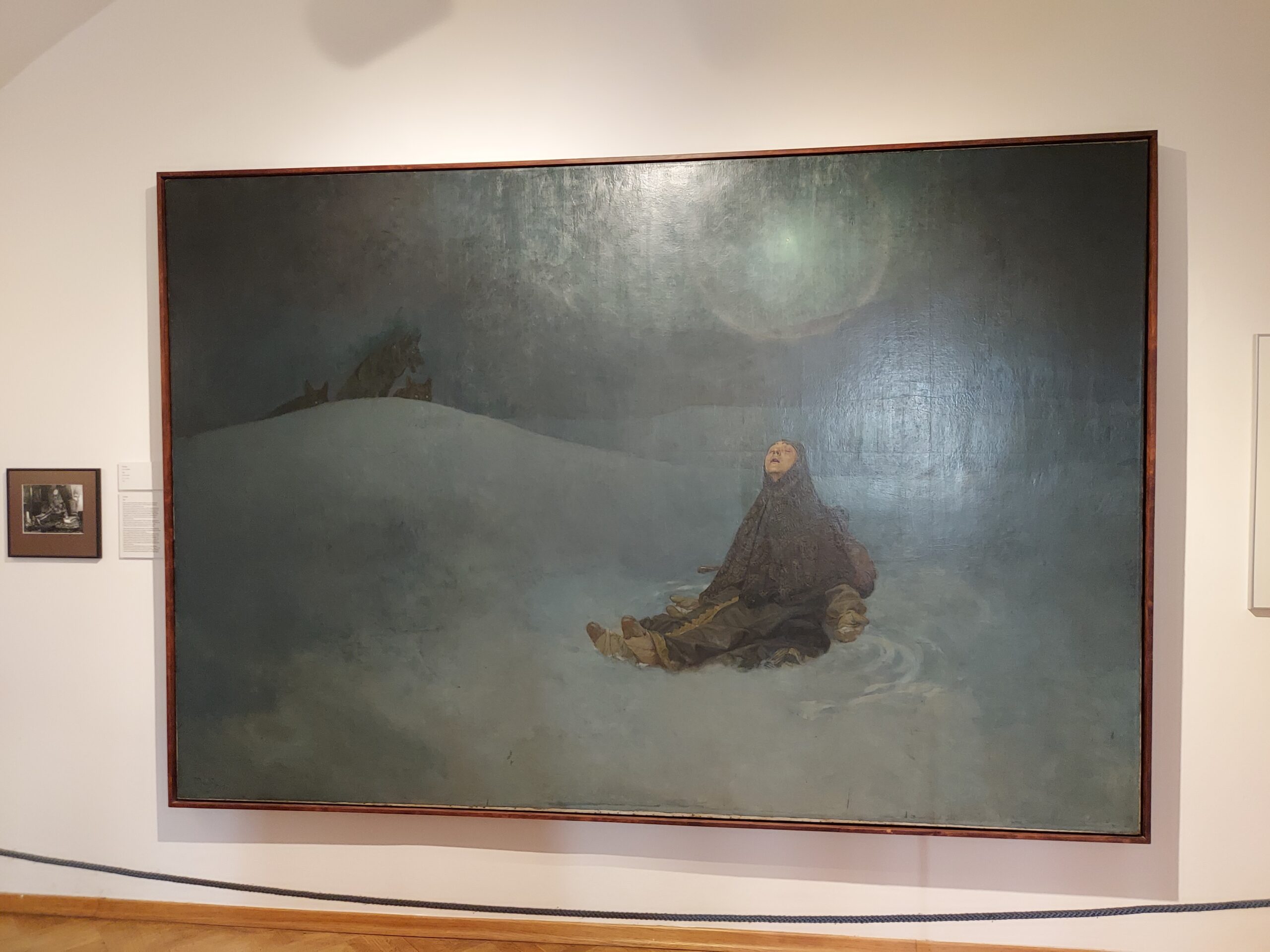
The museum was super interesting, especially as a Mucha fan. There were photos of him in his studio and examples of his oil paintings and other designs, as well as his work on posters. Sadly the gift shop wasn’t that great, but I suppose it saved me money.
Alphonse Mucha, Woman in the Wilderness
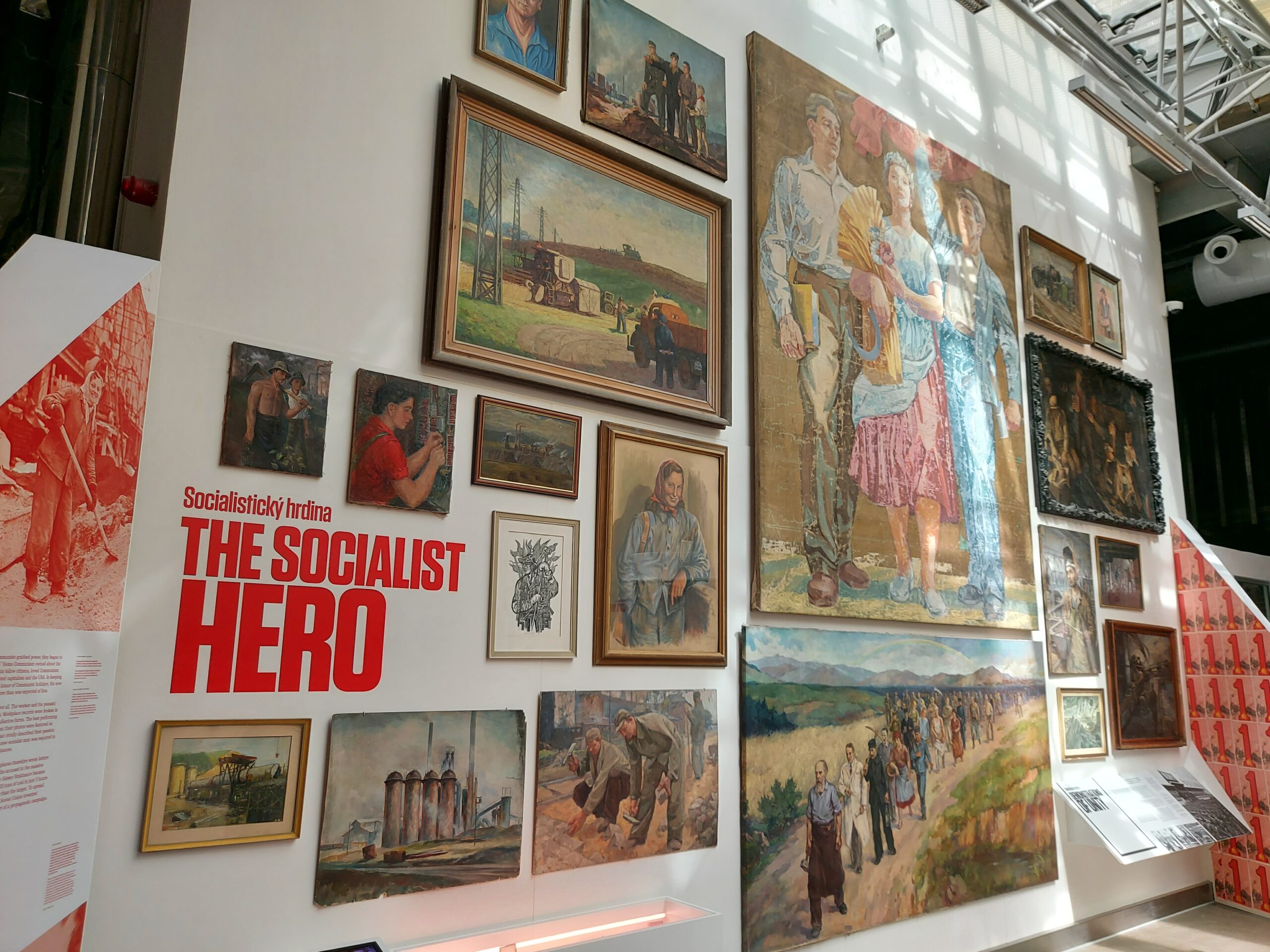
The next thing we did was go to Paul for coffee and lunch, followed by a trip to the Museum of Communism, which told the story of the Soviets in then Czechoslovakia. It should really have been called the anti-Communism museum. It was interesting and informative, but very one-sided.
The Museum of Communism
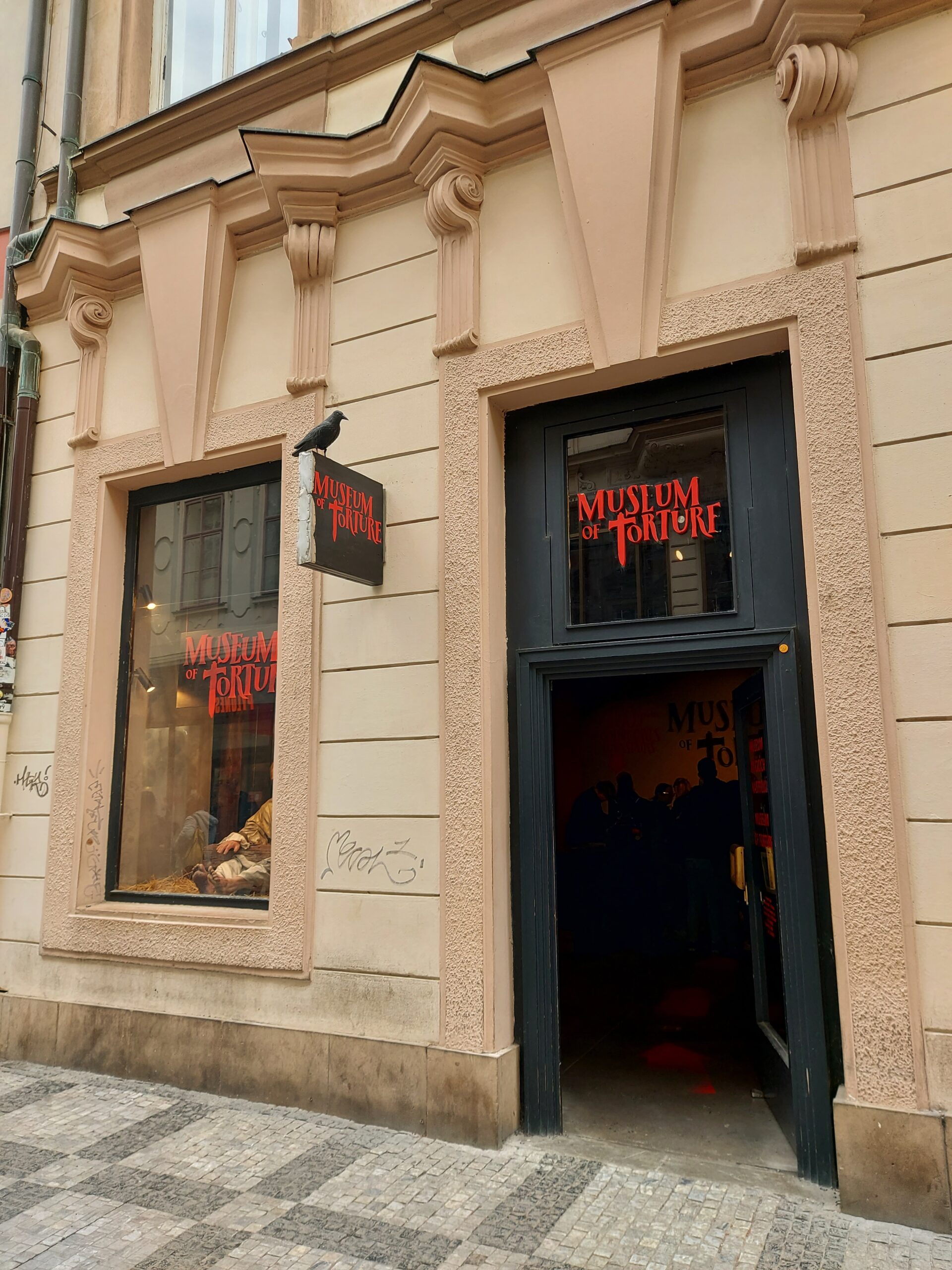
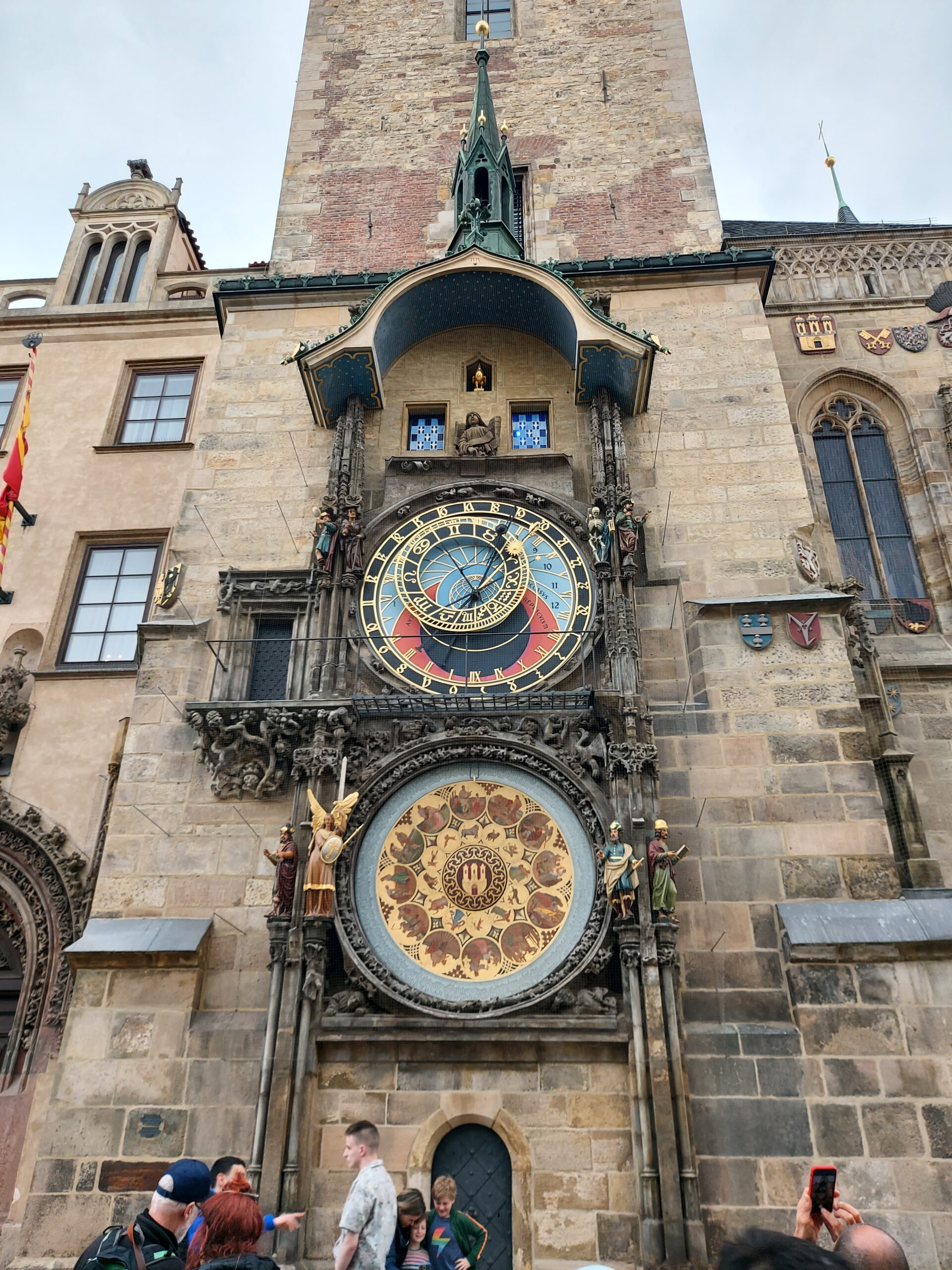
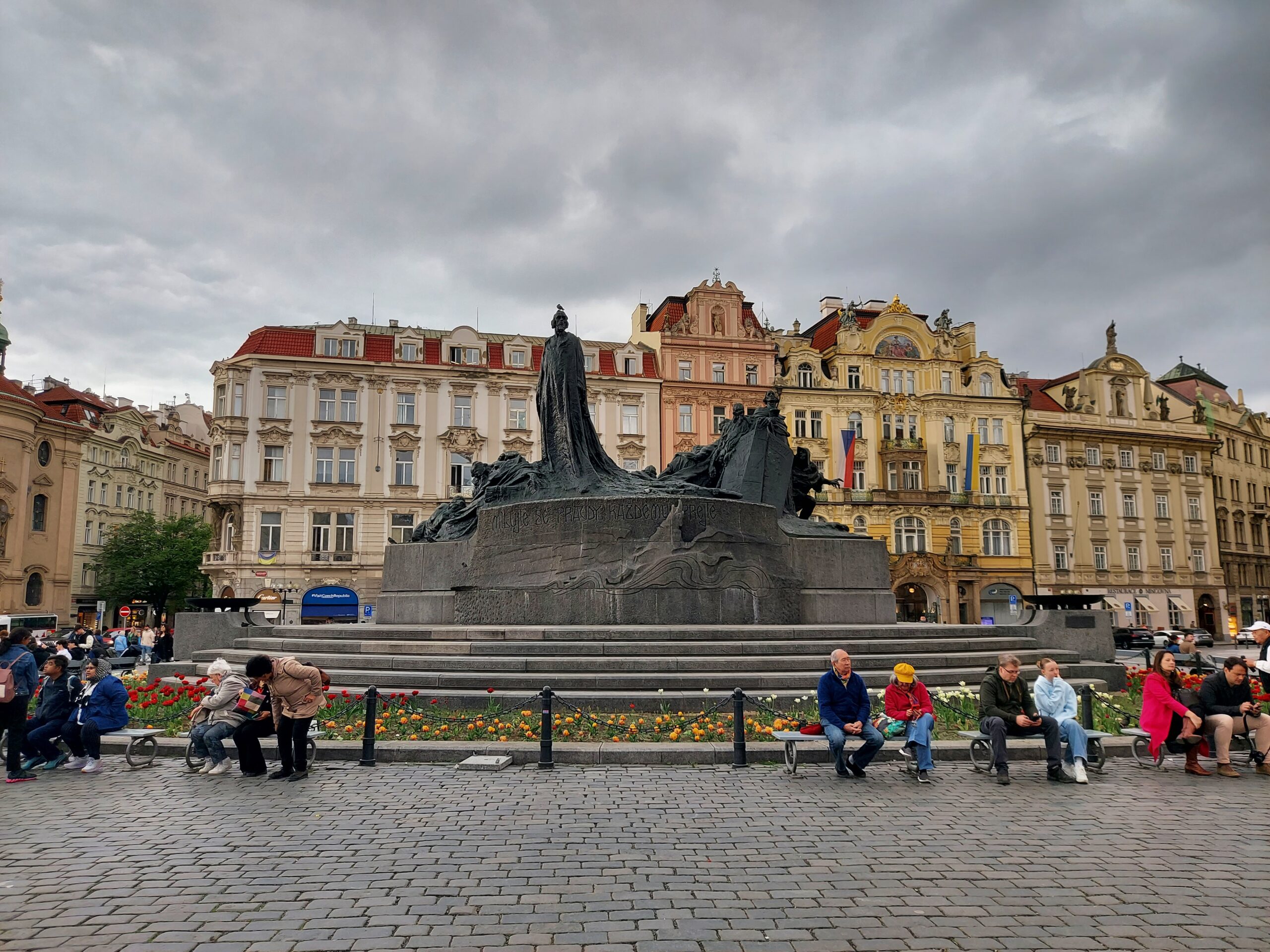
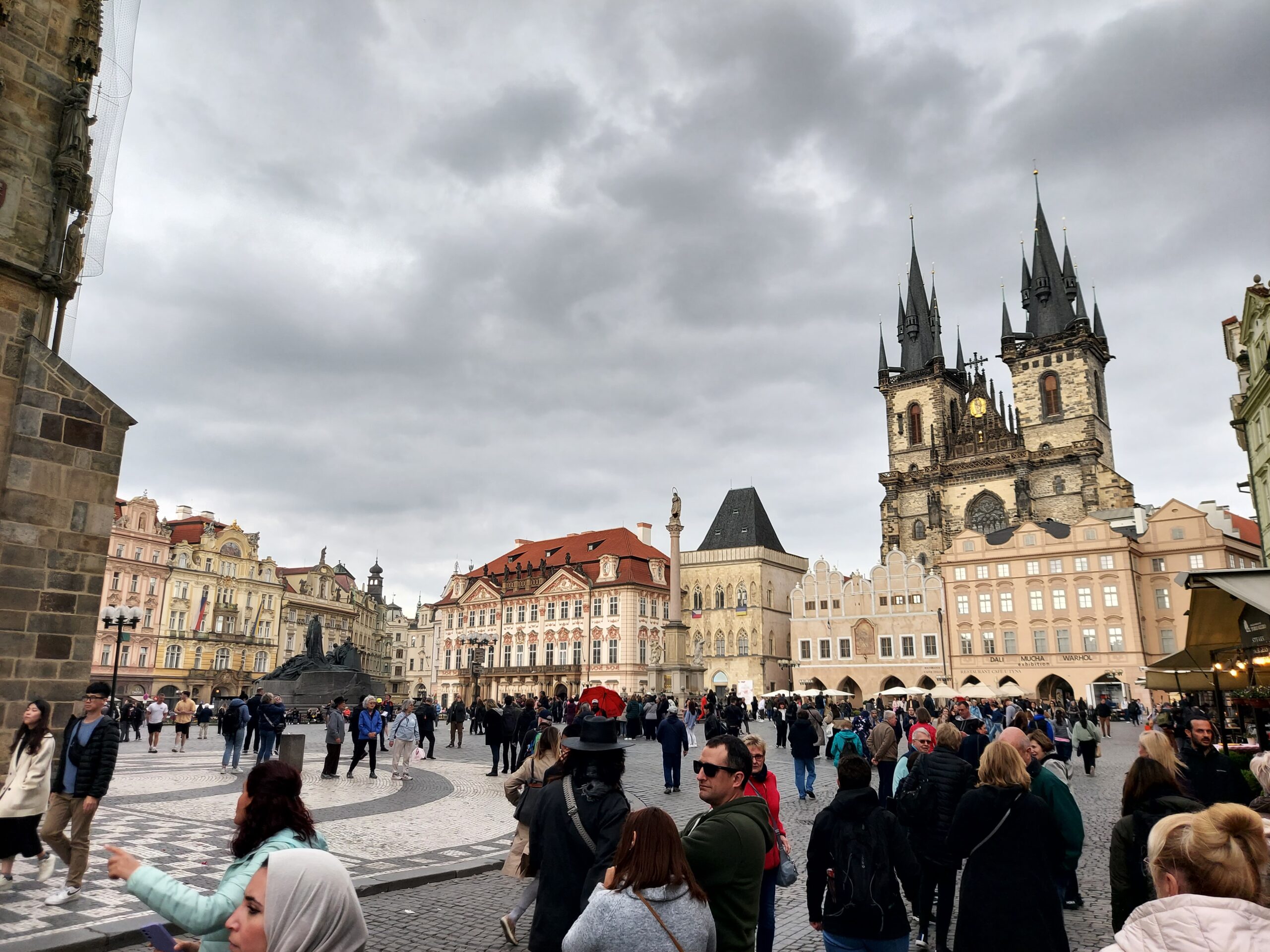
Walking back towards Old Town Square, we stopped off at the Museum of Torture which was as horrible as expected, with examples of the many weird and wonderful ways humans have devised to inflict pain on one another. Once we left it was rather nice to be in the beautiful surroundings of the most picturesque part of Prague. We admired the beautiful clock and settled in at a nearby bar to watch the hourly demonstration, which was somewhat underwhelming.
The Museum of TortureThe astronomical clock
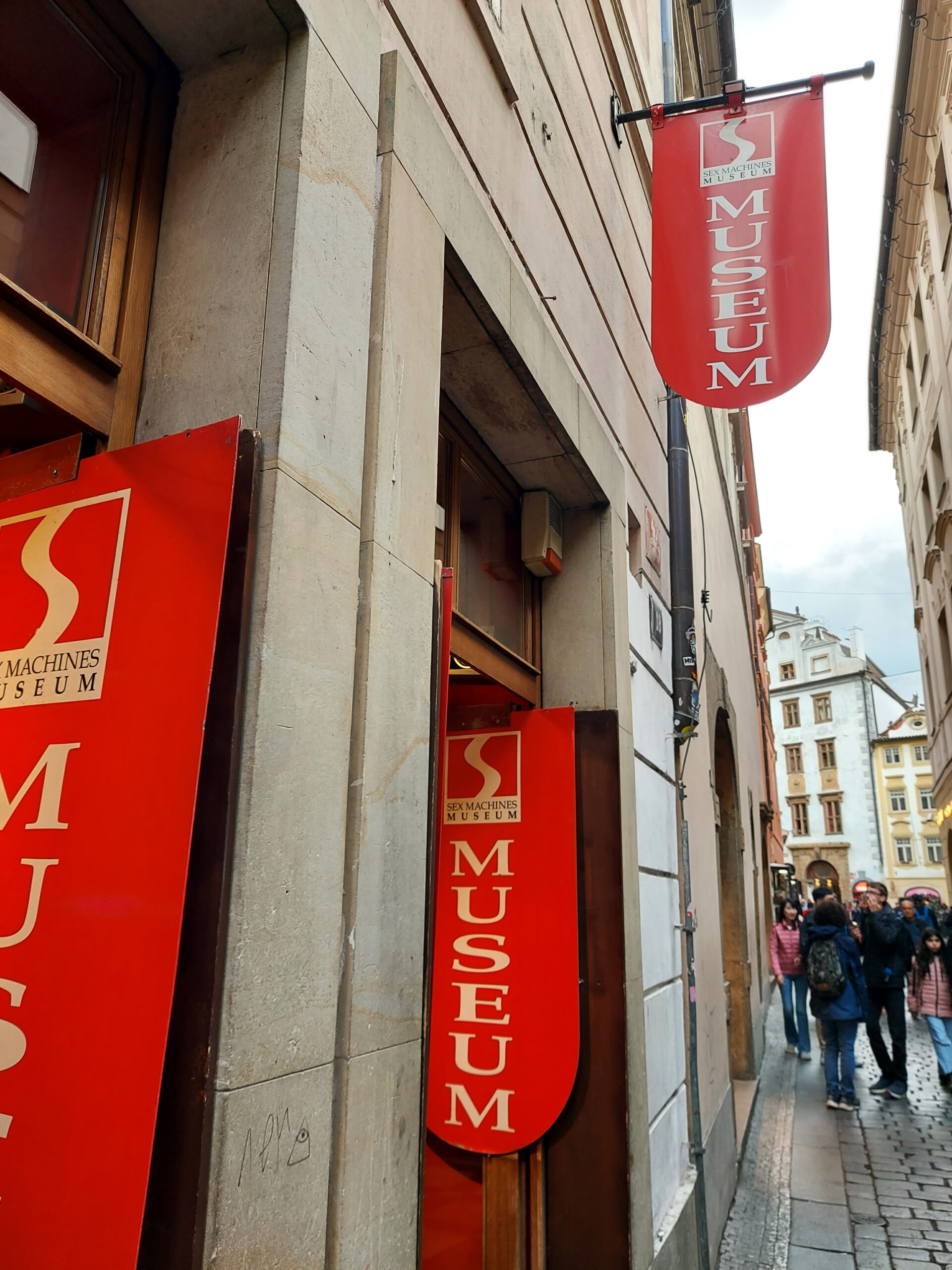
Having had a couple of glasses of wine we went into the Sex Machines Museum which had displays of related items spanning centuries of human behaviour. Many were genuinely quite interesting. Some of them resembled torture devices. The most interesting part was an early silent black and white movie featuring a priest. The stag group behind us kept making silly comments and we all got the giggles.
Sex Machines Museum
We had pizza for tea in a restaurant overlooking the square, then got the tram back to the hotel and had one last drink in a nearby bar before heading inside.
Jan Hus Memorial, Old Town SquareOld Town Square
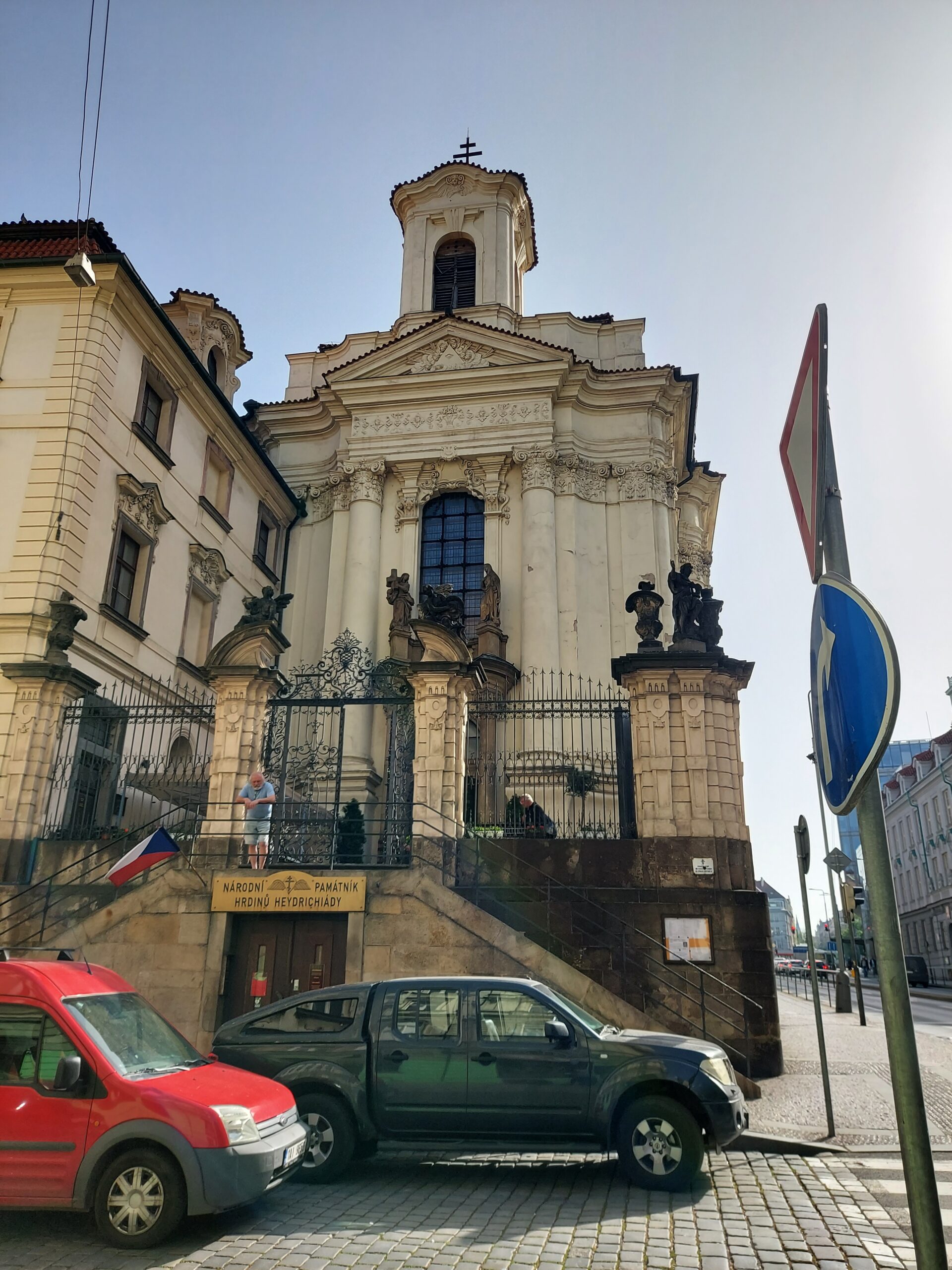
Next day, we caught the tram to the Church of St Cyril and St Methodius, as Mam wanted to visit. In 1942, during the Second World War, an assassination attempt was made on the life of Reinhard Heydrich, the Nazi governor. The seven Czech paratroopers involved in Operation Anthropoid, as this was known, hid out in the crypt of this church until they were betrayed and discovered. Some died in the ensuing fight, while others chose suicide rather than be taken by the Germans. Today, the church houses a small museum, the National Memorial to the Heroes of the Heydrich Terror. You can also visit the crypt, which still bears the bullet holes and the scars from the fight. It was a really moving experience.
Church of St Cyril & MethodiusInside the crypt
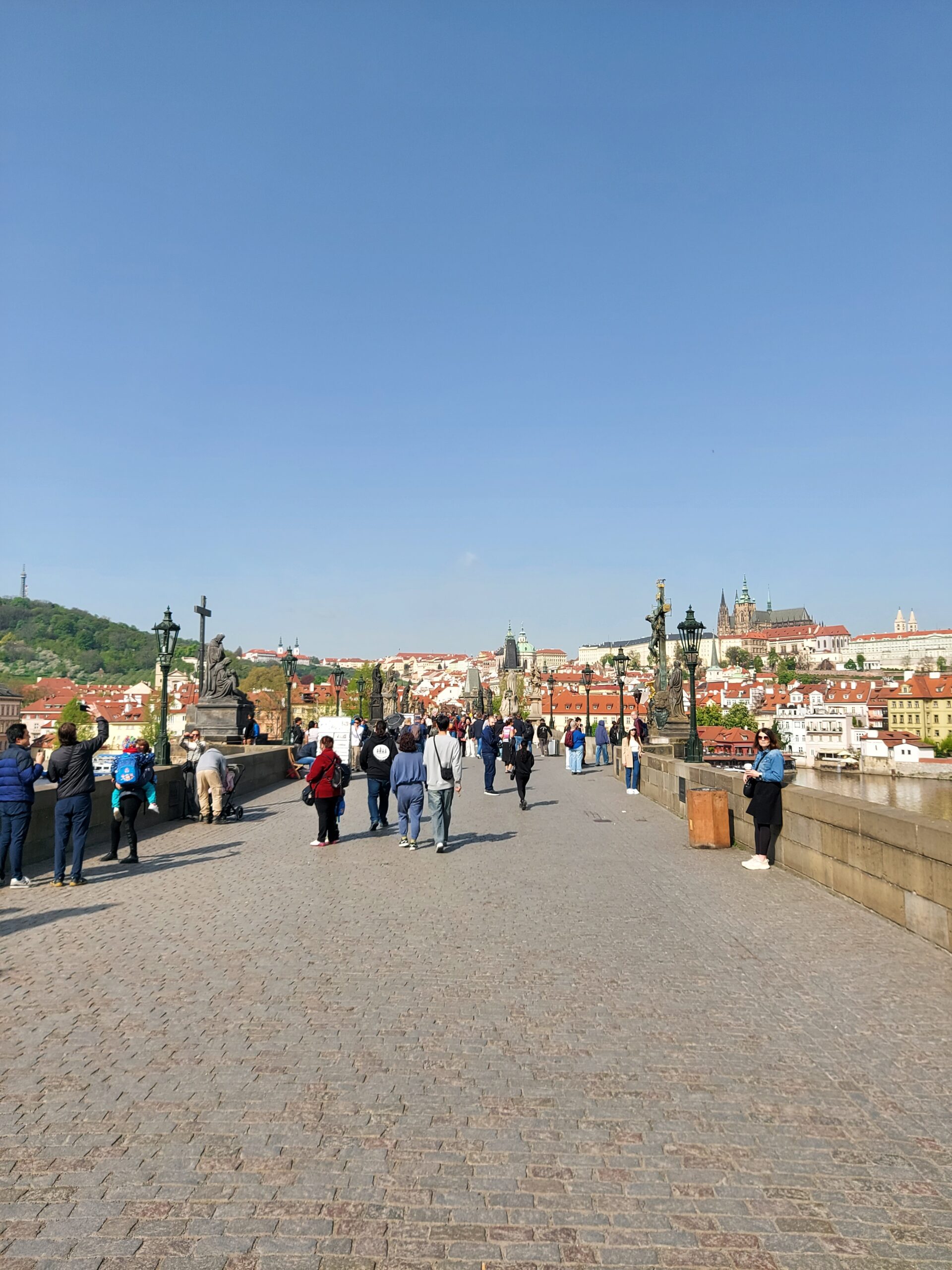
Following this, we walked along the river until we reached the Charles Bridge, the famous medieval bridge of Prague. We strolled over the bridge, and then I left Mam and Helen to head back and attend a tour at the Klementinum. This former Jesuit college has a beautiful Baroque library, which I loved seeing, and has a rich history of meteorological research and discovery, as well as an astronomy tour with excellent views of the city.
The beautiful library inside the Klementinum
After meeting up with Mam and Helen at a cafe, we went for a wander around the Old Town, stopping at a restaurant for pizza and wine (or, in my case, a very large glass of beer). It was quite warm, so we decided to head back to the hotel for a lie down before going out again in the evening. We had pasta and wine at a local restaurant before going back to pack and have an early night.
Crossing the Charles Bridge
The next day, we were up bright and early to have our final breakfast before taking a taxi to the airport. Our taxi driver was very talkative and interested in history. Once again, our flight was uneventful and we reached Newcastle without incident, before getting on the Metro to be picked up by my Dad at Heworth.
I had an amazing time in Prague. I already know I will have to go back again – Mucha’s Slav Epic is due to be returned to Prague at some point in the next few months or years – and I will be happy to do so, because I had a brilliant time and there is plenty more to see.
Another annual badge introduced this year is ’52 Books in a Year’. Some readers have chosen to follow the specific challenge created by The 52 Book Club, but I’m still working on my Advanced Reader badge, so I have decided to read any 52 books for the challenge. This wasn’t too hard for me – I don’t think there’s a year in my adult life when I’ve read fewer than 100 books, and I usually manage many more. I managed to complete this challenge after three months.
This was a fun badge to work on over the winter period. It helped me to get outside when the weather was dubious and appreciate nature during a cold and dark time – even if some aspects of the badge were made harder by doing them at this time of year!
Over a period of at least three months, monitor the changes to an area of at least ten square metres. Visit the area and make a record of any changes at least once a week.
I chose to monitor the changes outside my bedroom window. I saw the area slowly start to come back to life as the seasons changed from winter to spring, with buds spouting and birds singing.
Choose an outdoor area. Observe it for at least an hour. Identify different species of plants and wildlife in the area. Identify the impact which human activities have on this area.
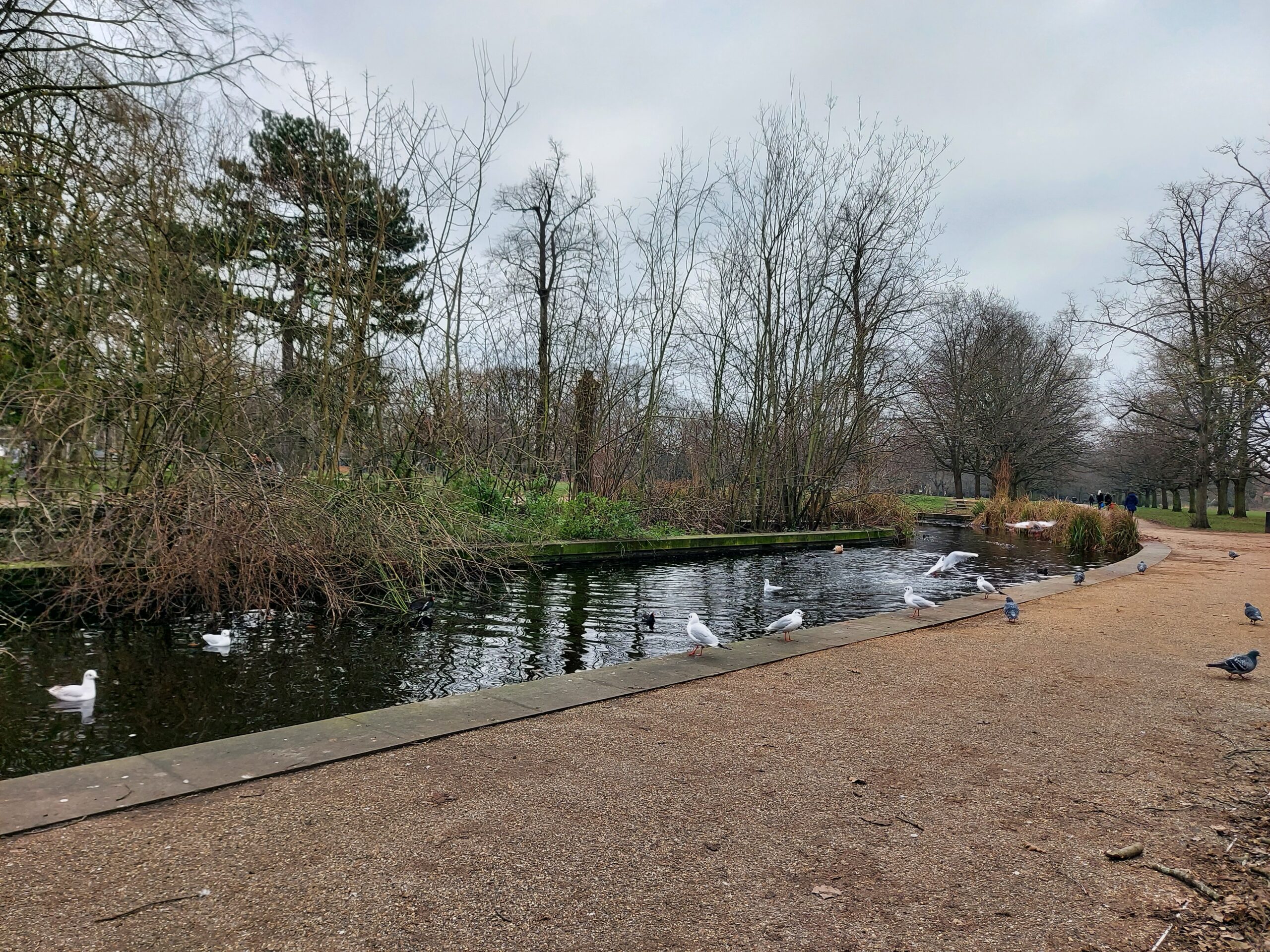
I chose a spot in my local park, next to a pond, to do this clause. I saw several species of wildlife, including black-headed gulls, moorhens, Egyptian geese, stock doves, mallards, bluetits and a robin, as well as a few grey squirrels. The plants I saw included brambles, beech trees, rushes and dog roses.
While I was there I noticed: a male stock dove trying to seduce a female; doves and gulls engaging in what resembled gang warfare; and two moorhens chasing after a gull for some bread.
In terms of positive impact, humans built the pond and also maintain it. Visitors also feed the birds in the park. However, the food tends to be bread, which is not always the most nutritious. Humans also unfortunately drop litter in the park.
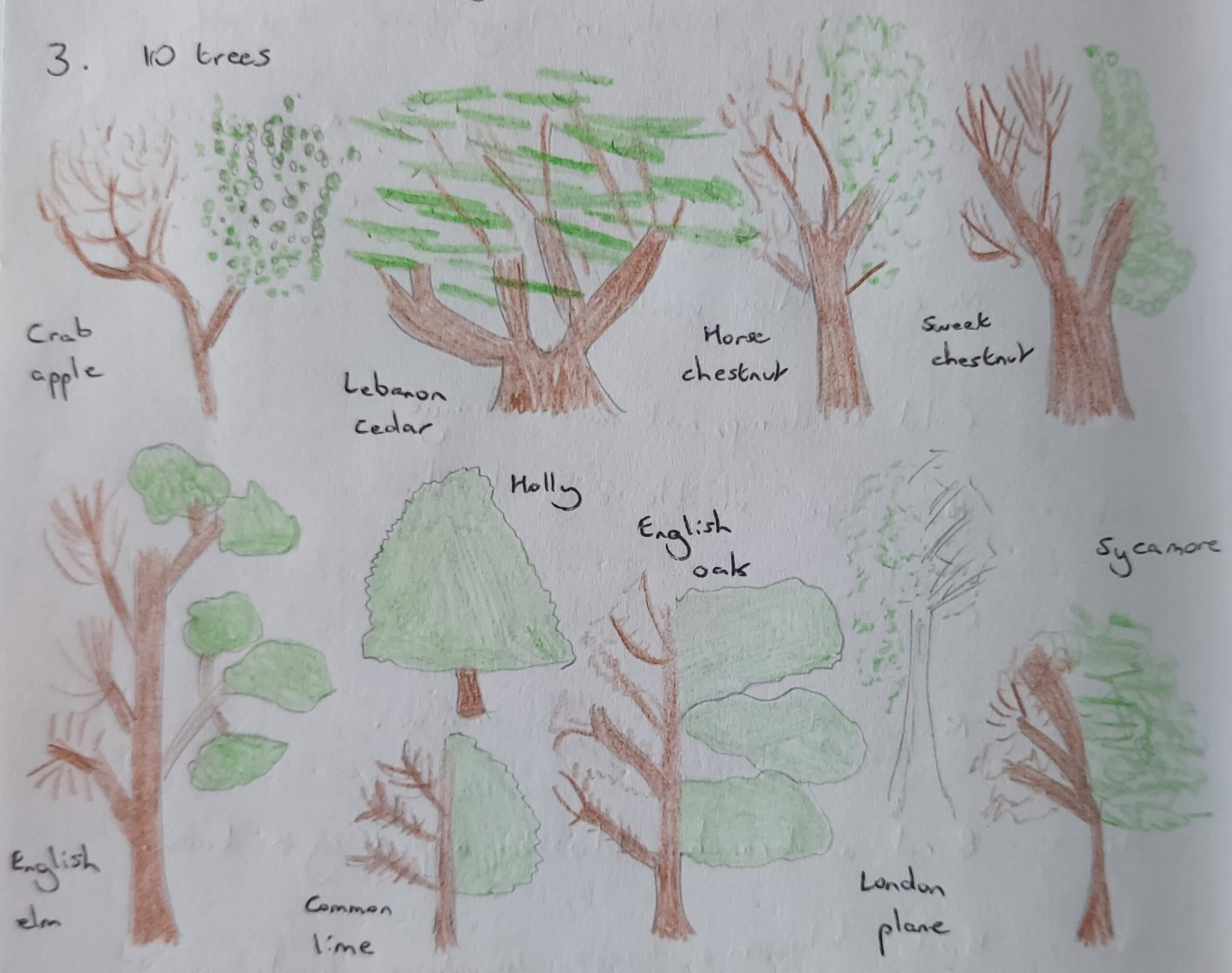
Learn how to use a tree identification key. Be able to identify at least ten different trees from your local area. Draw diagrams of what they look like in summer and winter.
I used the British Trees Tree ID app from the Woodland Trust to learn to identify trees – I wish I’d done this clause in the summer as it would have been much easier to identify trees from their leaves! However, I did manage to select ten trees, learn about them, and draw diagrams.
Be able to recognise at least ten different birds which live in your local area. Make a book to help a child recognise your ten chosen birds.
To prepare myself for this clause I went on a bird walk and survey in my local park. We saw a surprising number of species: robins, moorhens, black-headed gulls, Egyptian geese, mallards, pigeons, bluetits, green woodpeckers, jays, a dunnock, a nuthatch, a coal tit, a great tit, a wren and a goldcrest. Here is the link to my book about birds.
Be able to identify at least ten different types of flowering plants. Draw coloured diagrams of all ten plants.
I selected my plants and managed some diagrams, although drawing is not my strong point.
<
For at least a month keep a daily record of the weather.
I kept a record of the weather during January.
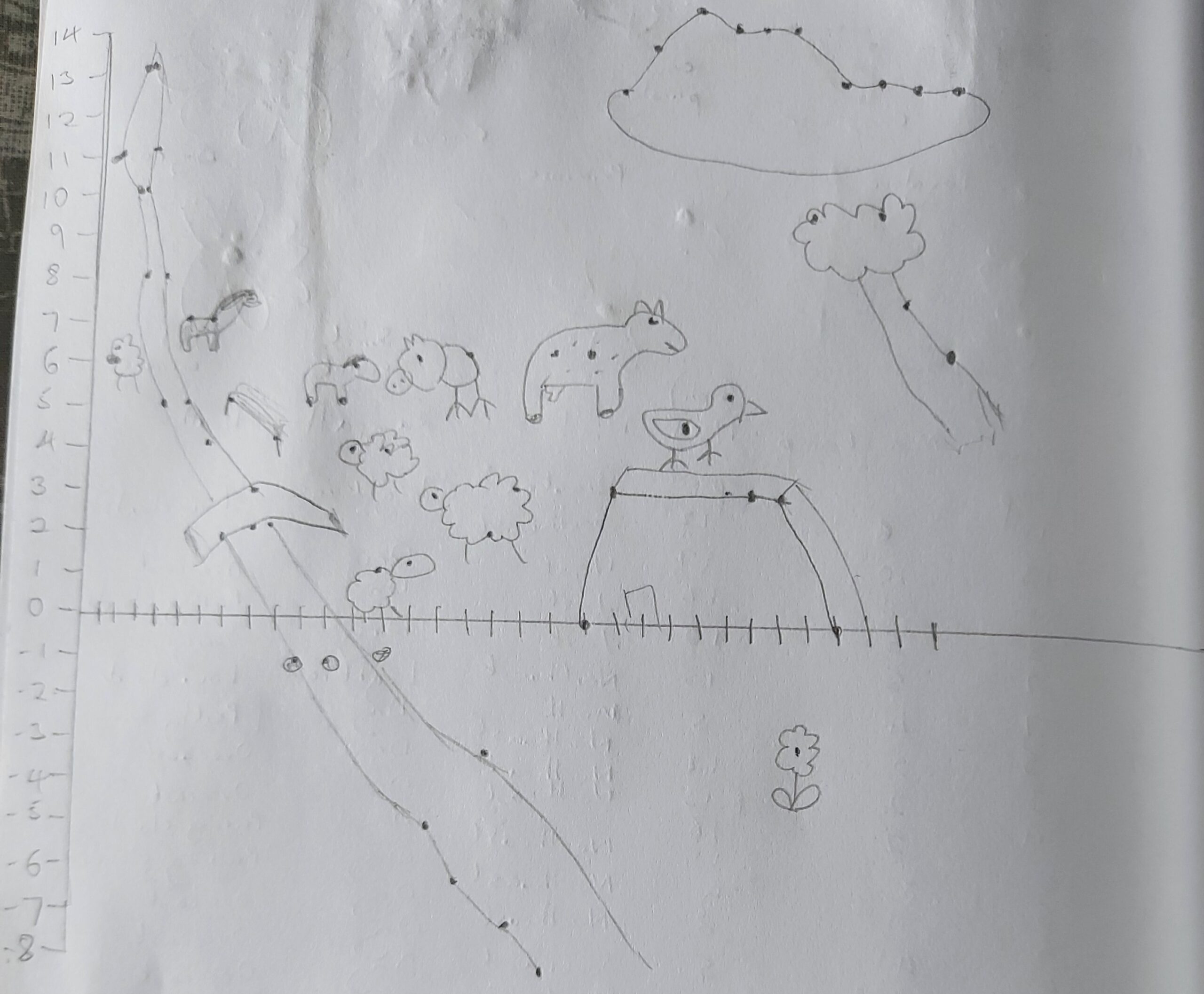
Choose one of your completed weather records. Find a creative way to record your findings visually.
I chose the min/max temperature, made a graph from the figures, and drew a picture incorporating all of the points.
Take an hour to sit on a bench, or at a coffee shop table in a relatively busy area. Observe the world around you.
I decided to complete this clause while waiting for a train at King’s Cross station. I sat outside Gregg’s and observed my surroundings. I saw a pigeon preening itself on top of the departure board and was amused when it dived down directly in front of someone and gave them a shock! I also spotted some interesting outfits and wondered why everyone was carrying paper bags from Wasabi.
I chose Coder as the Grown Up badge to work towards as part of the Kickstart 2024 quarterly challenge. I did start to learn code several years ago, but quit pretty quickly as it didn’t make a lot of sense to me.
This time, I worked through 100 Days of Code: The Complete Python Course. While it was difficult – especially later on – it made a lot more sense to me this time around. I won’t be changing careers any time soon, but my skills have definitely improved.
For my project, I chose to make a to-do list, but called it a ‘Badgemin List’ for keeping track of badgemin tasks.
Complete a badge of your choice, which allows you to either use or learn a practial or manual skill: I’ve chosen Designer.
I will link to my posts on the above badges once I’ve completed them.
I also need to do the following:
Make a list of at least 12 ways I can personally make a difference this year with my actions.
Complete at least 4 of them this quarter.
My list of twelve is below:
Vote
Give blood
Litter pick
Plant wildflowers
Donate food to a foodbank
Sign a petition
Attend a protest
Raise money for charity
Donate to a fundraiser
Email my MP
Cut down on fast fashion
Shop sustainably
This quarter, I’ve done 1, 4, 6 and 9.
Do one thing I’ve been saying I will do for ages but have been putting off.
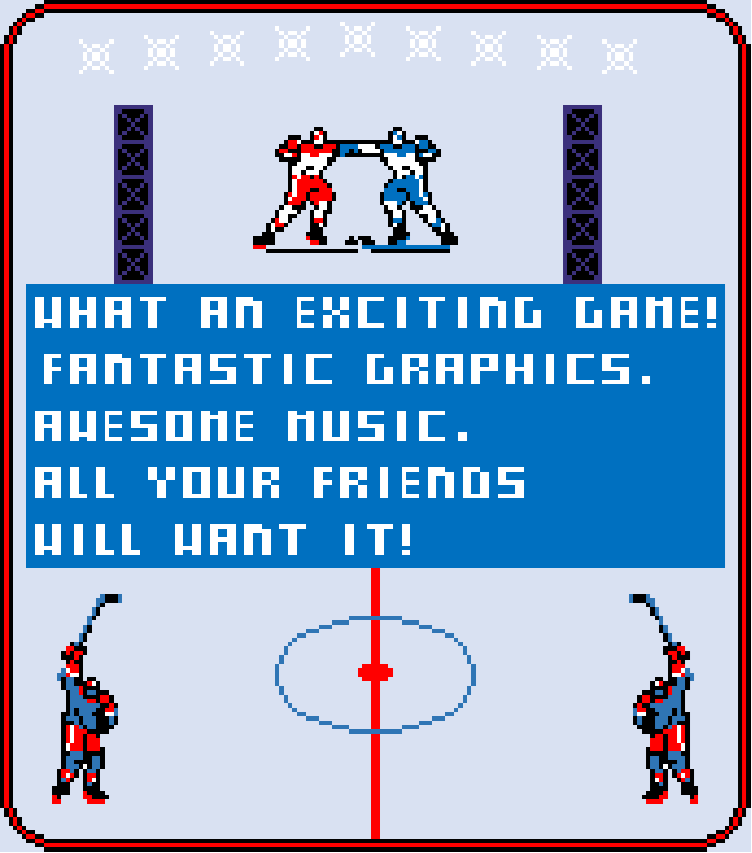
I’ve been meaning to design a cross stitch pattern for my brother for ages. This badge was the push I needed to finally design it! I still need to stitch it, but that’s the easy part. The pattern is inspired by a NES game we used to play as children.