Rebel Badge Club: Advanced Baker

This was a challenging badge to complete and one I’ve been working on all year. I took advantage of staying with my parents to make the most of my mam’s well-stocked kitchen and I had several appreciative tasters in my parents and brother. I enjoyed learning new recipes and techniques, even if I lack the patience to make these bakes on a regular basis.

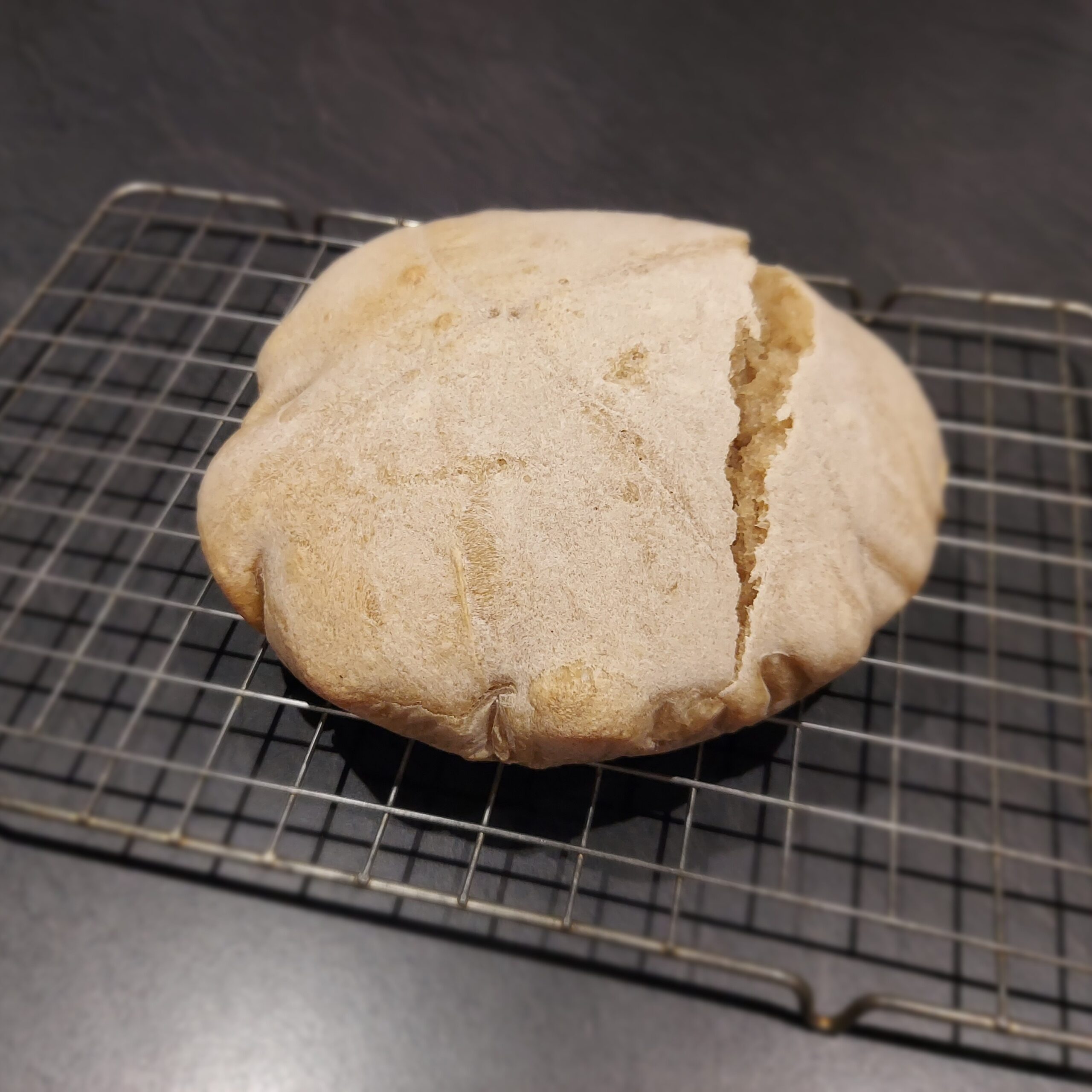
Cultivate your own sourdough & bake a loaf

I completed this clause last as it was definitely the most complicated. The sourdough took several days and military-style planning but the result was reasonably successful.

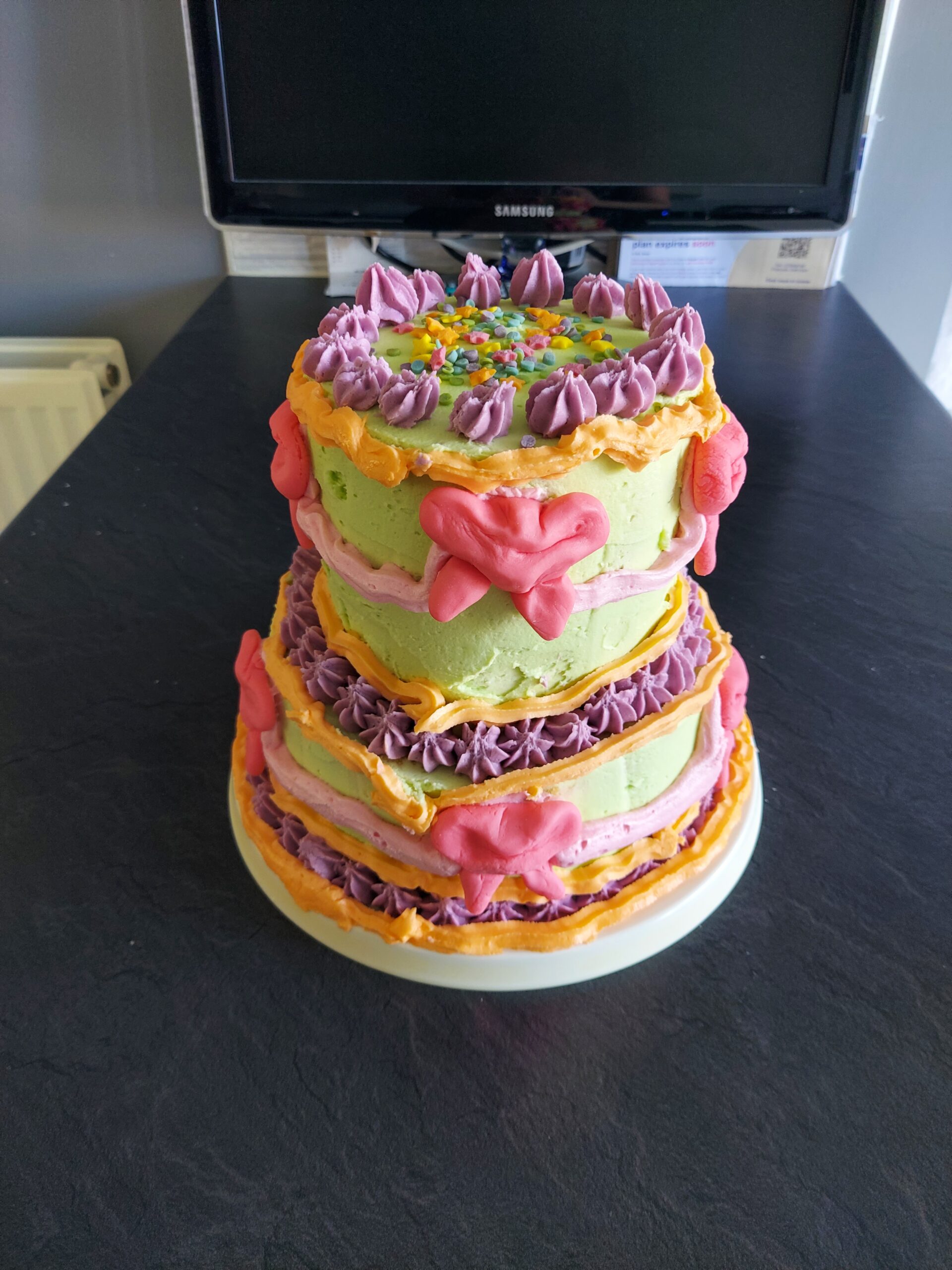
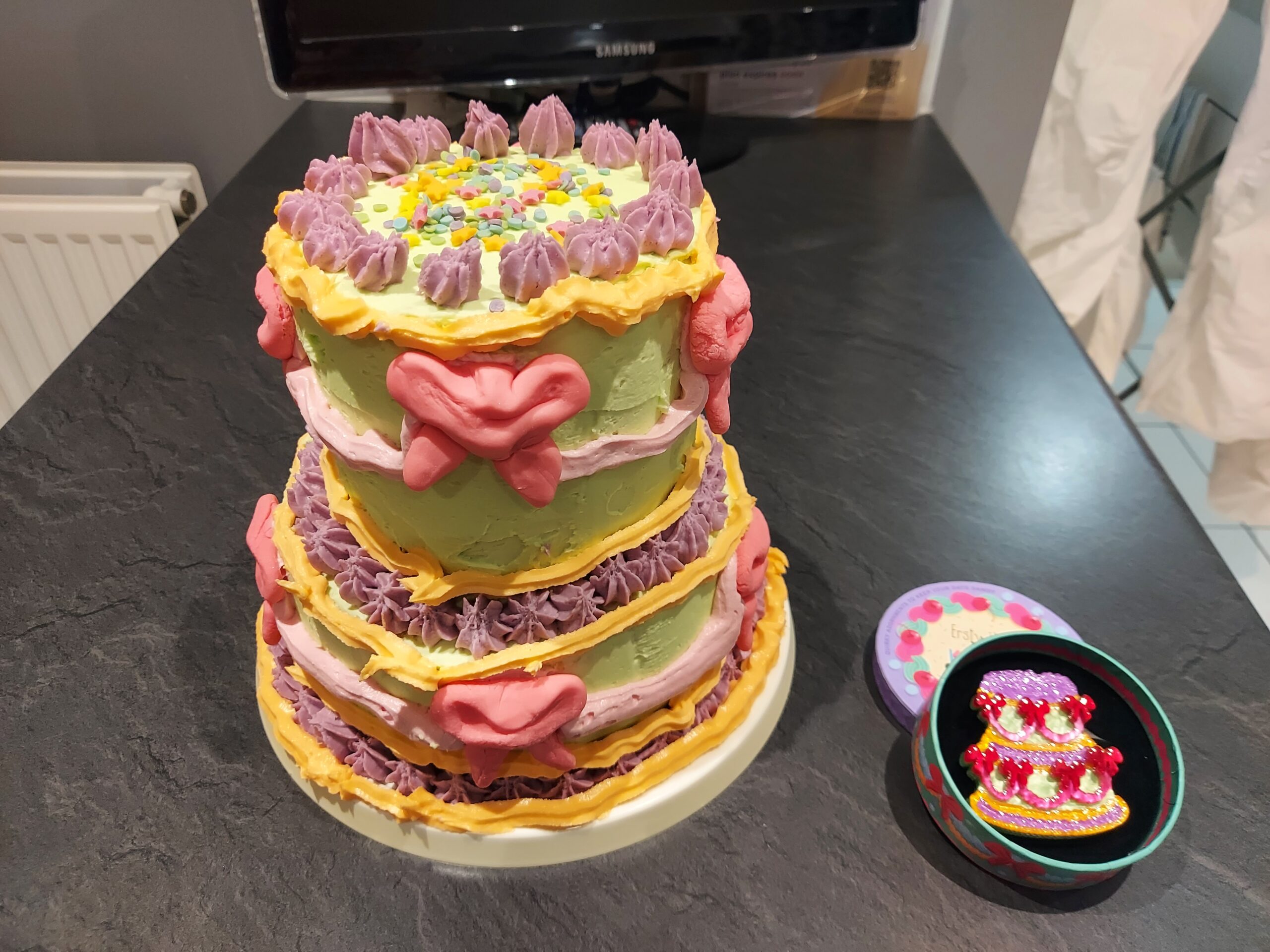
Make a showstopper cake including at least 2 tiers

I decided to try and recreate the cake pictured on a brooch I own.

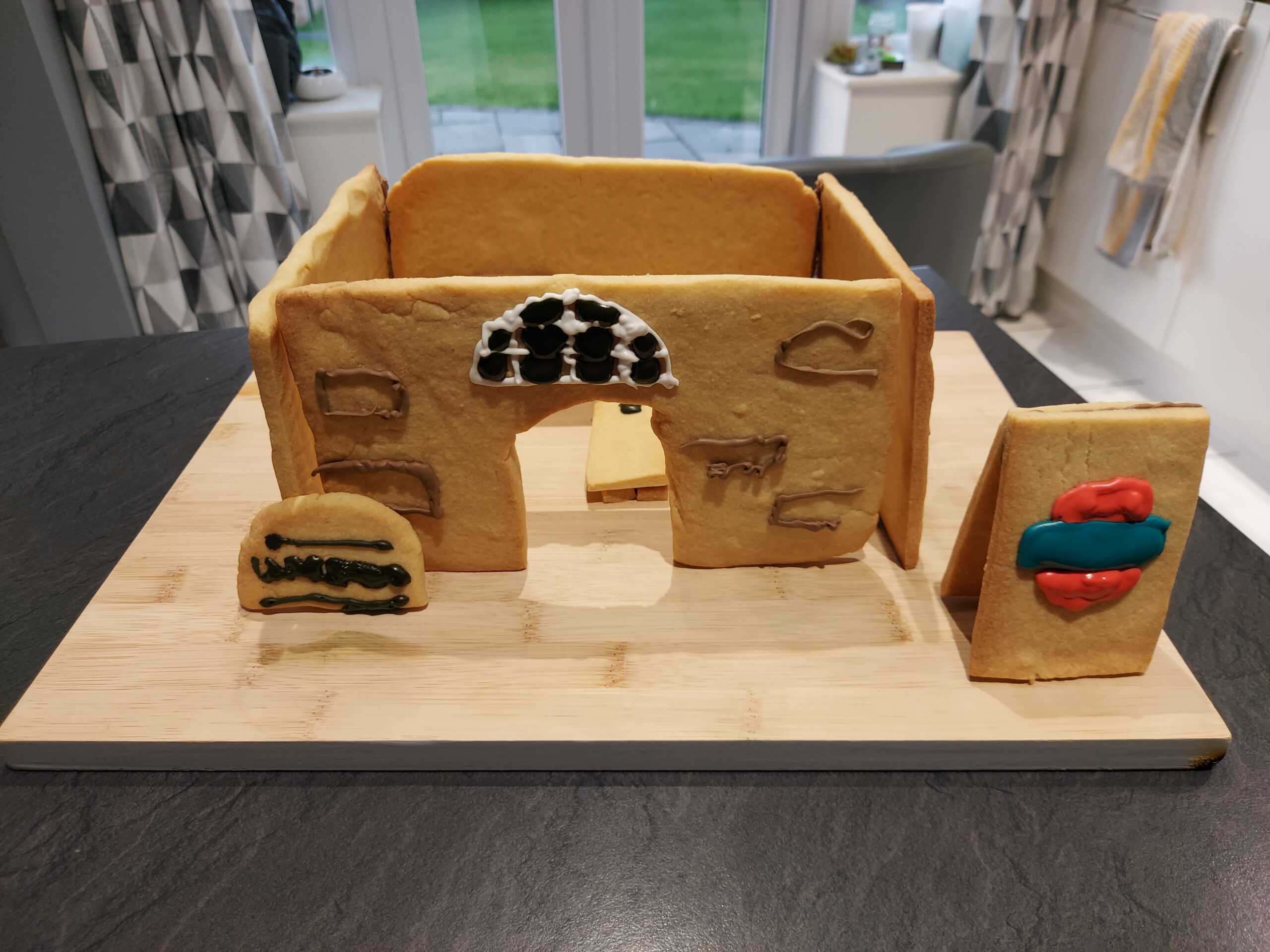
Make a biscuit sculpture

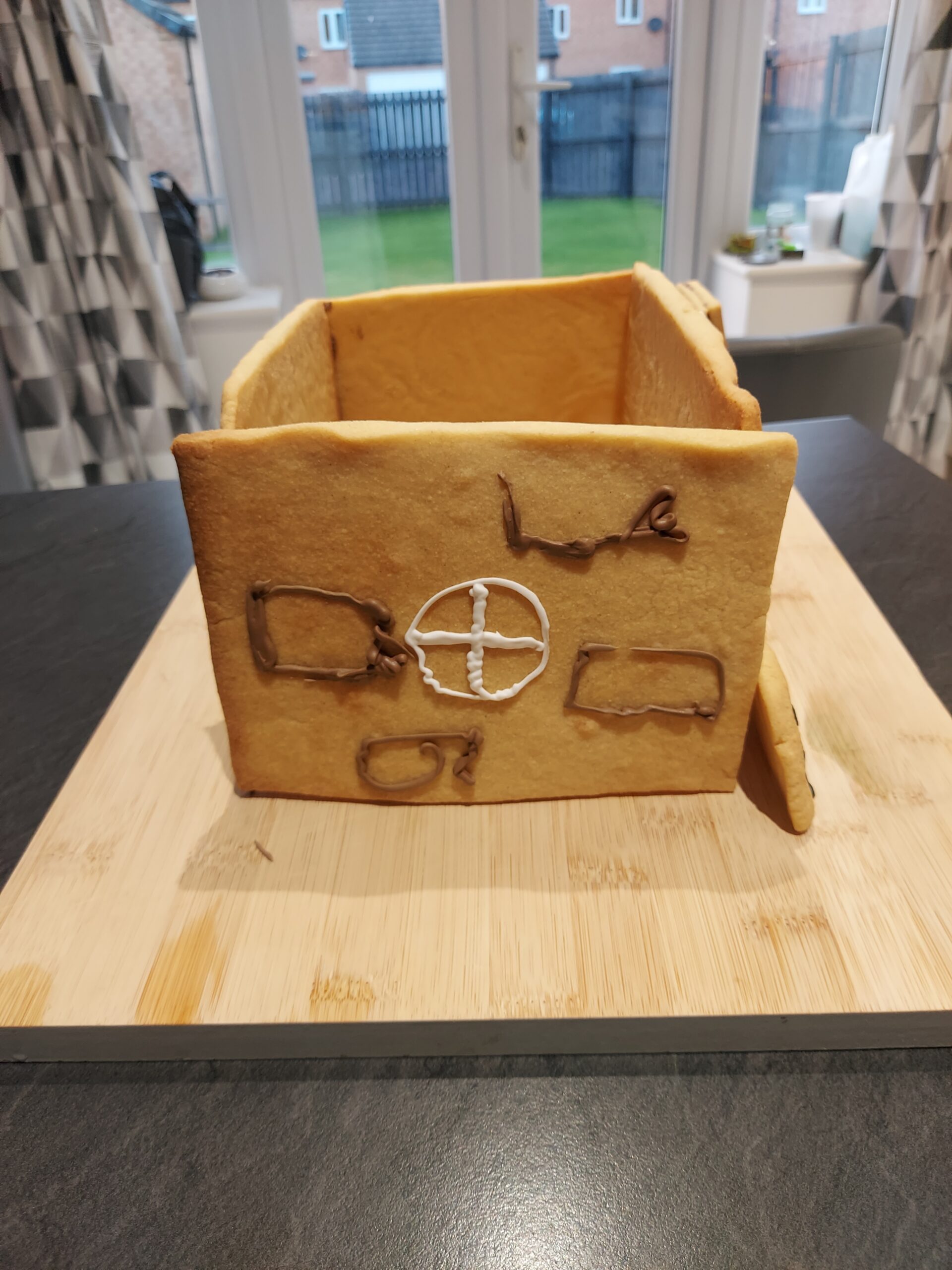
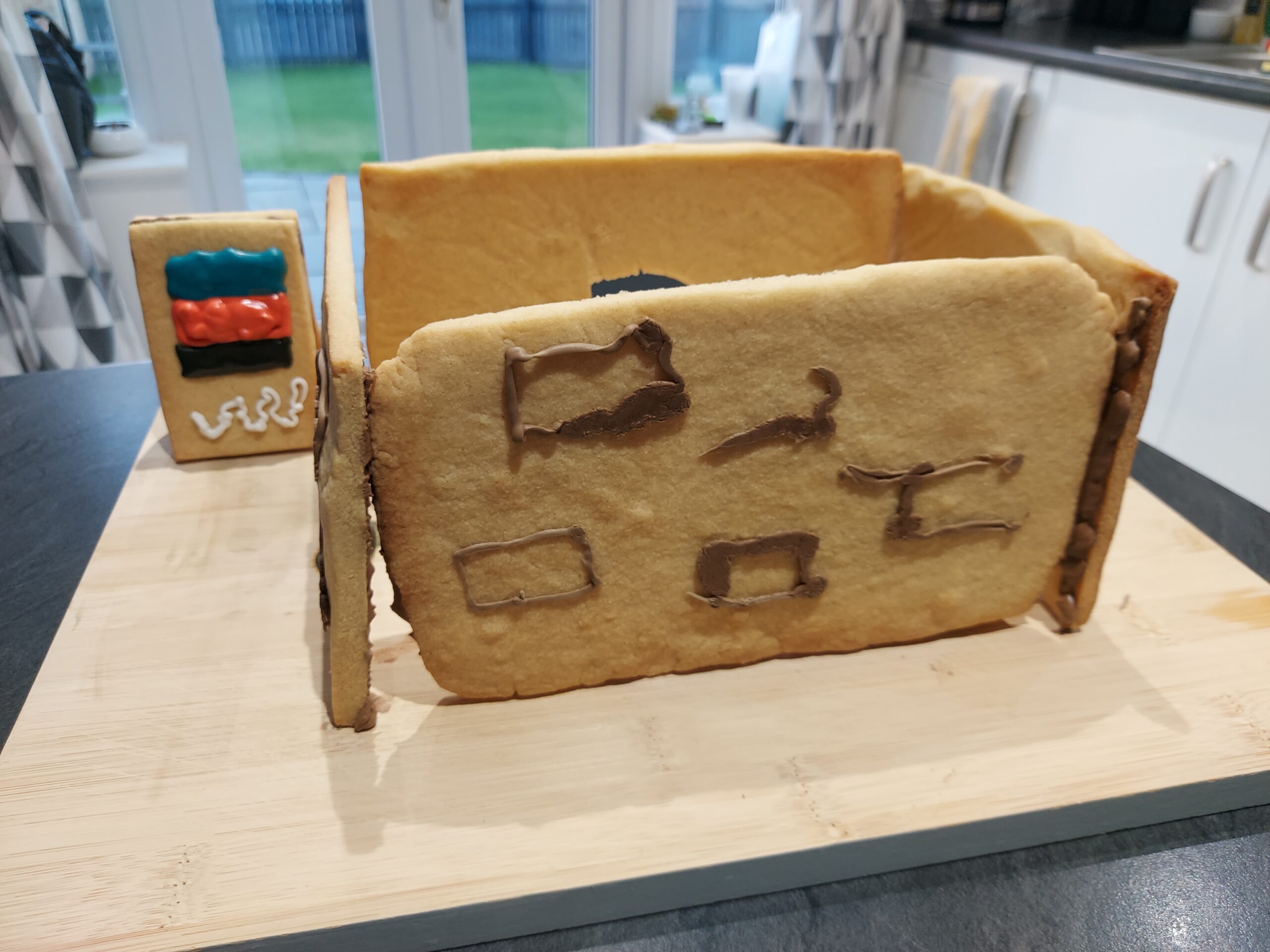
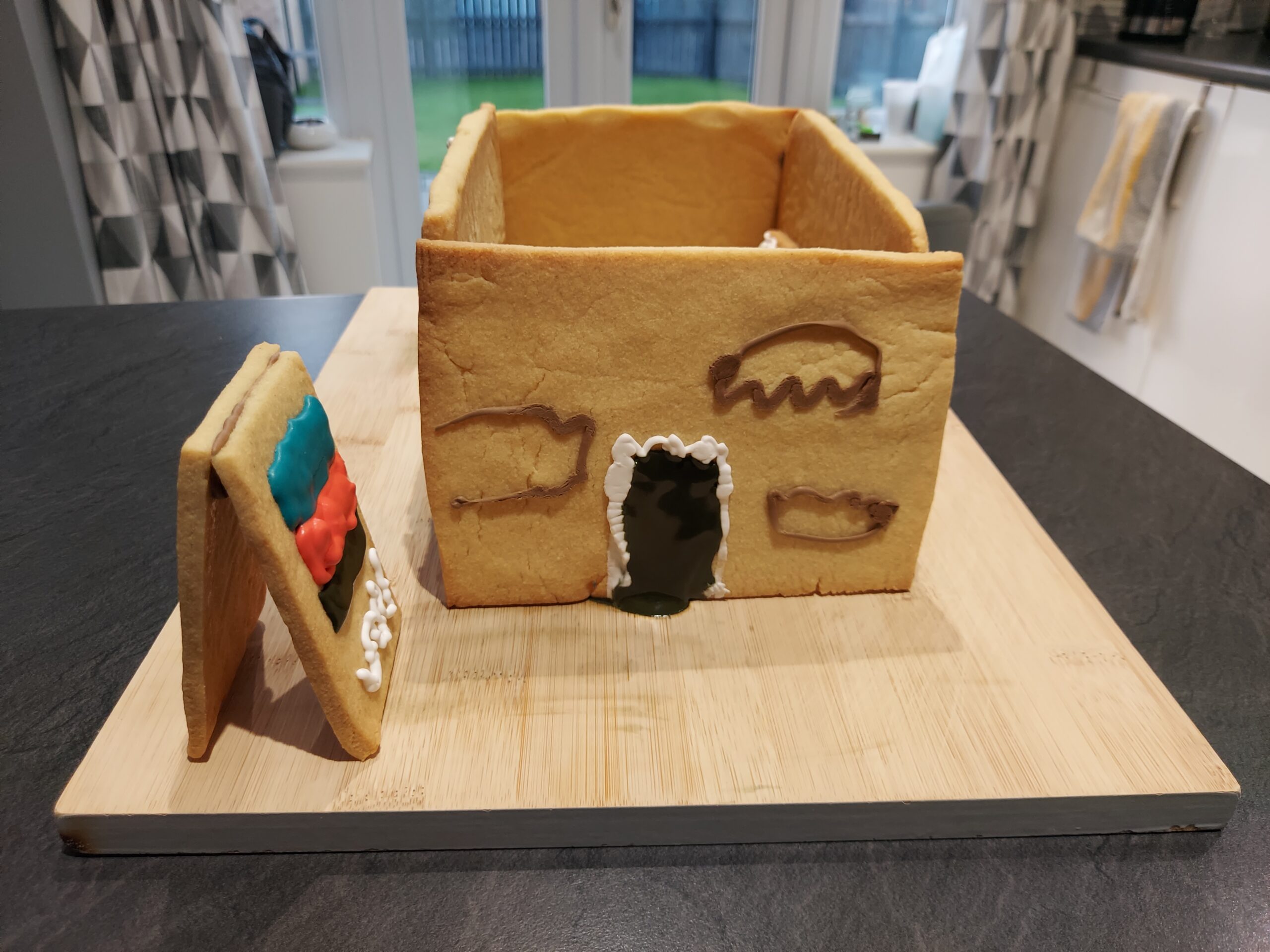
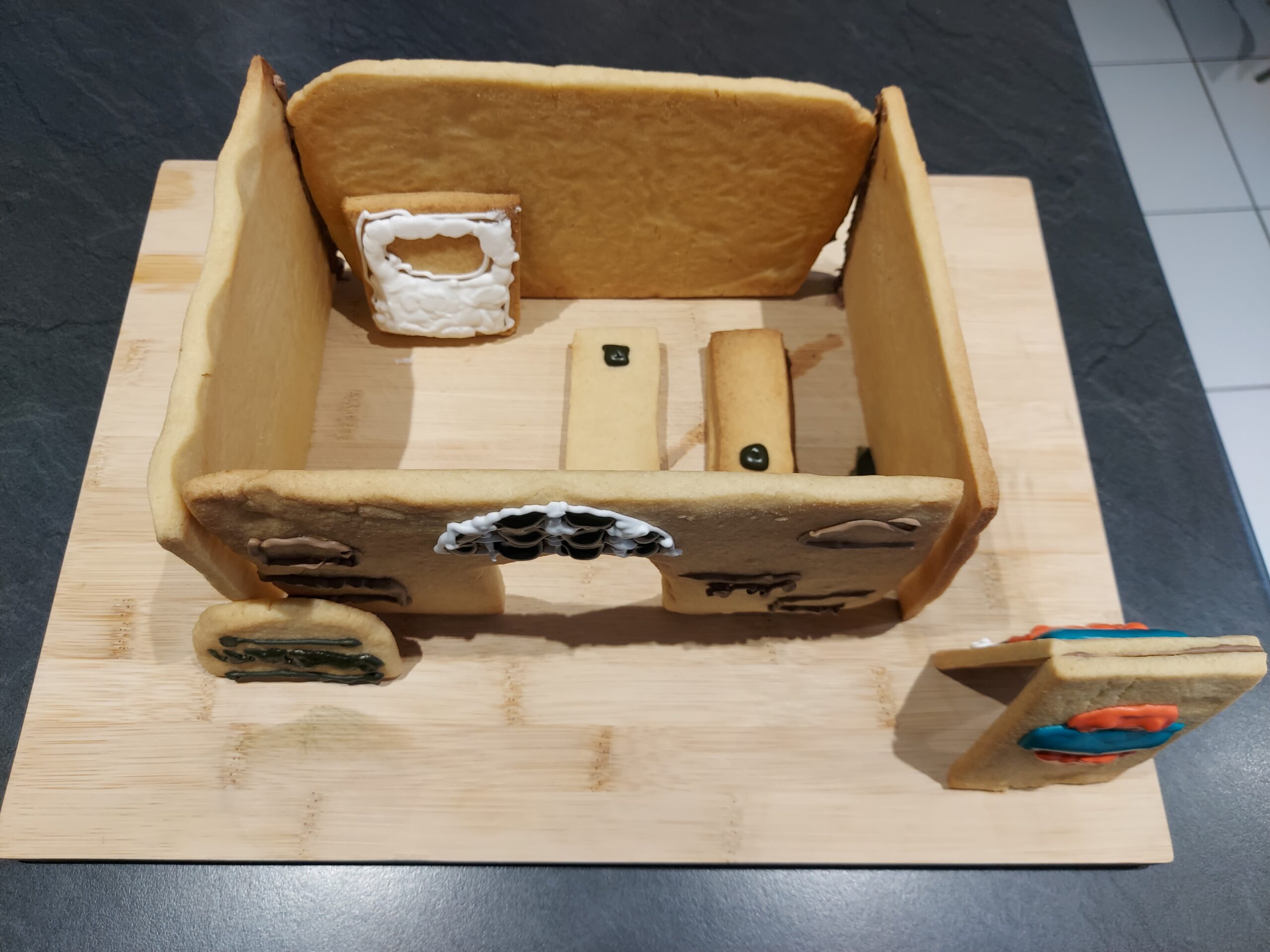
I decided to make an Underground station using the biscuit recipe from Rebel Fest and some flood icing.

Make 3 different traditional bakes from a foreign country of your choice

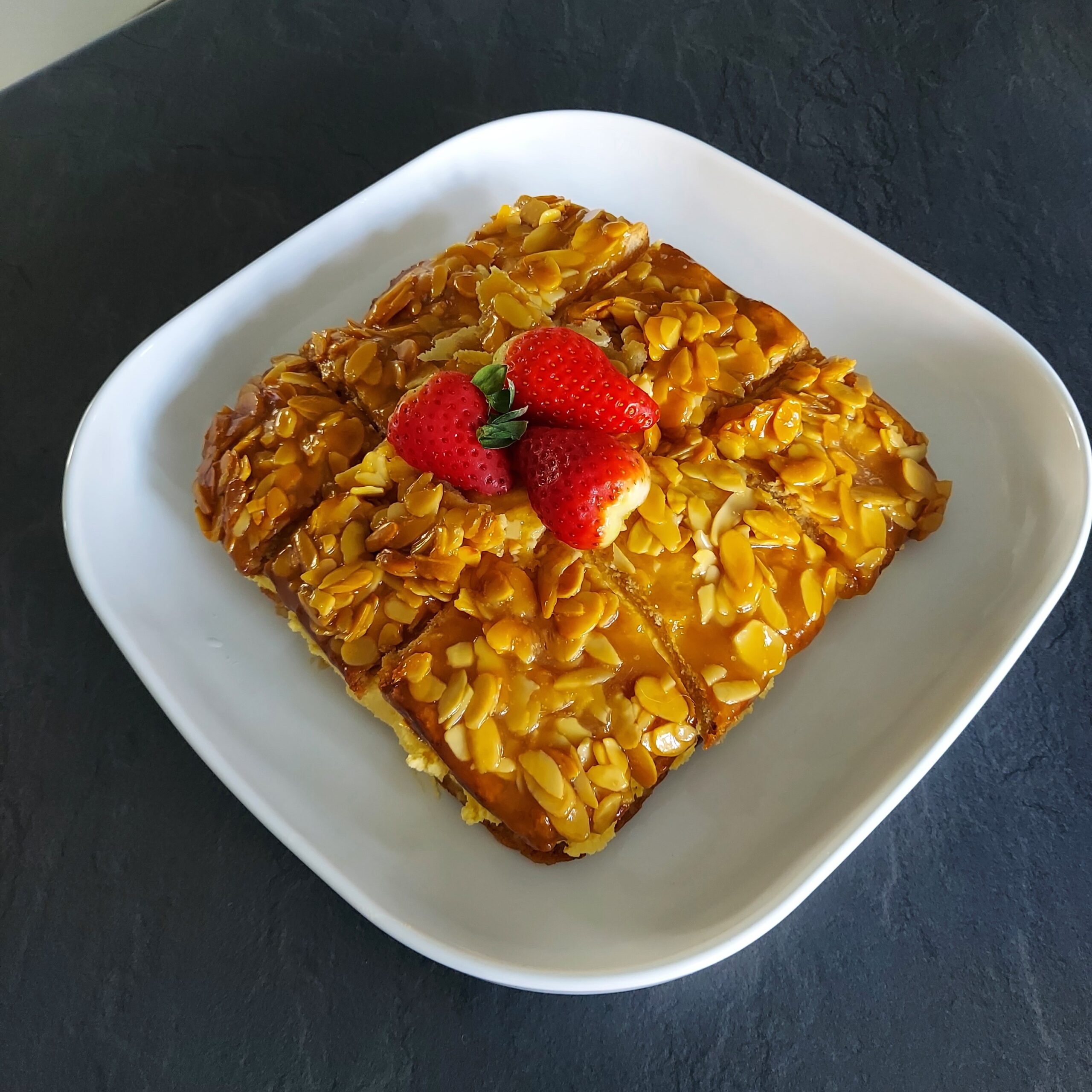
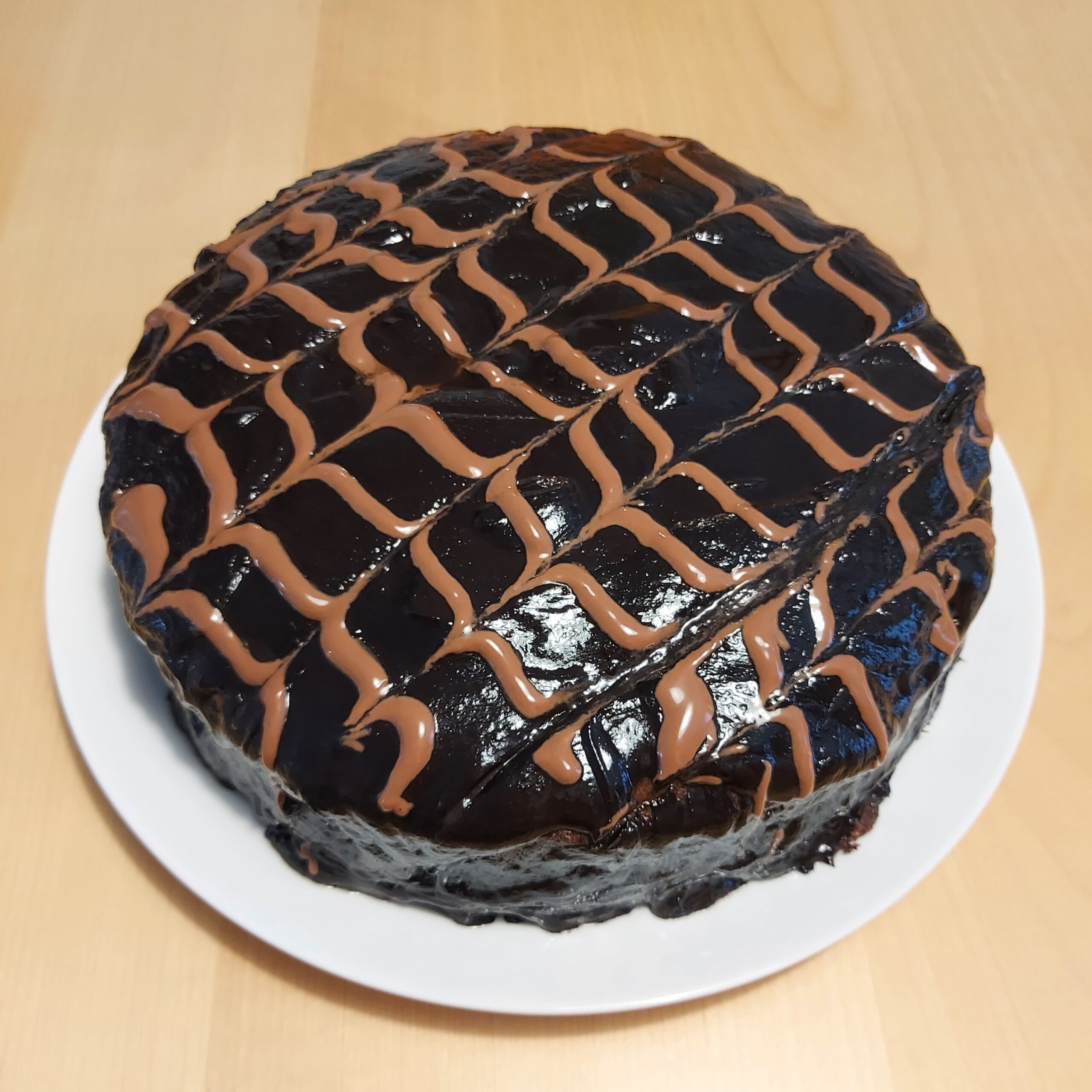
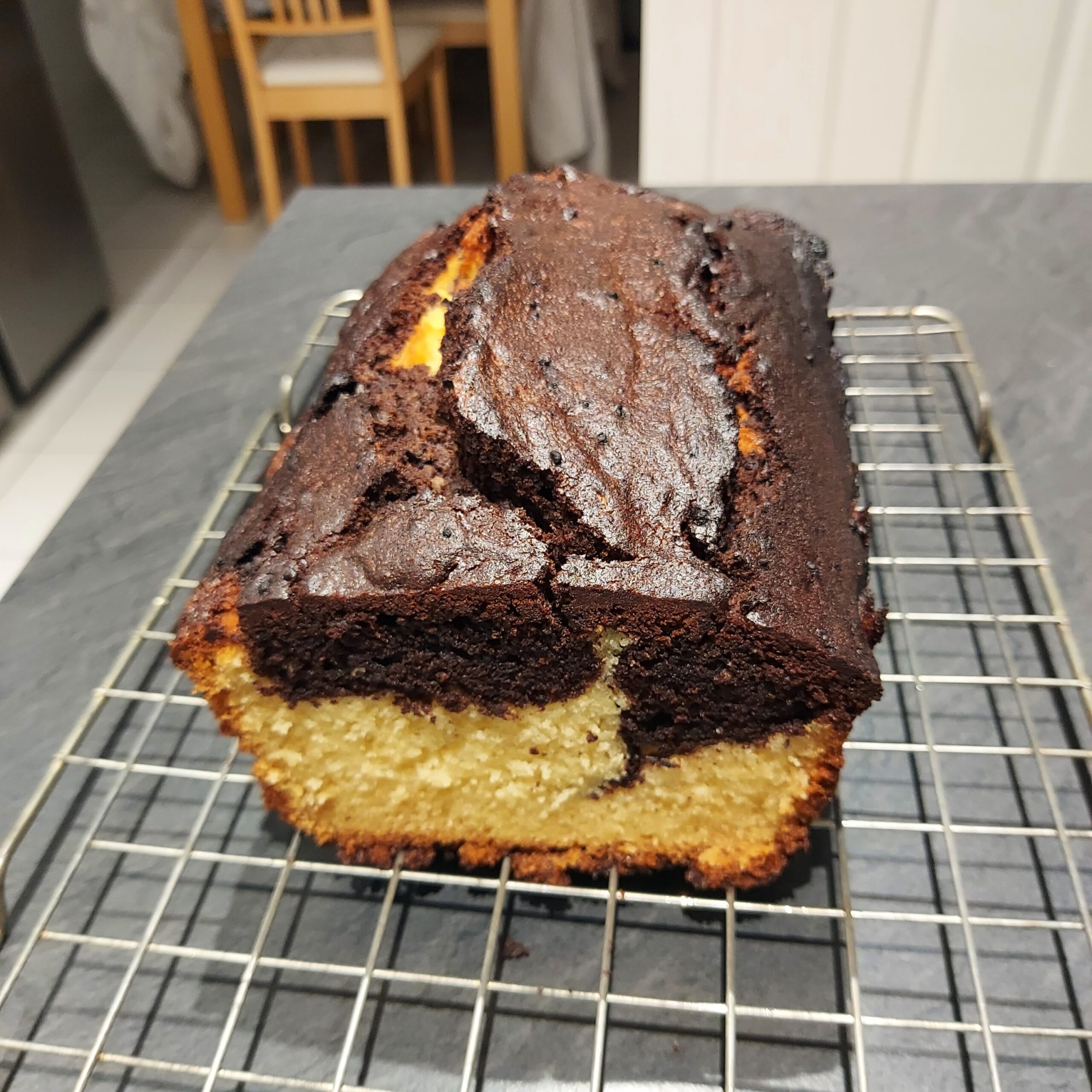
I chose Germany/Austria and I made Bienenstich (bee sting cake), Sachertorte and Marmorkuchen (marble cake).

Adapt a bake to accommodate a dietary requirement

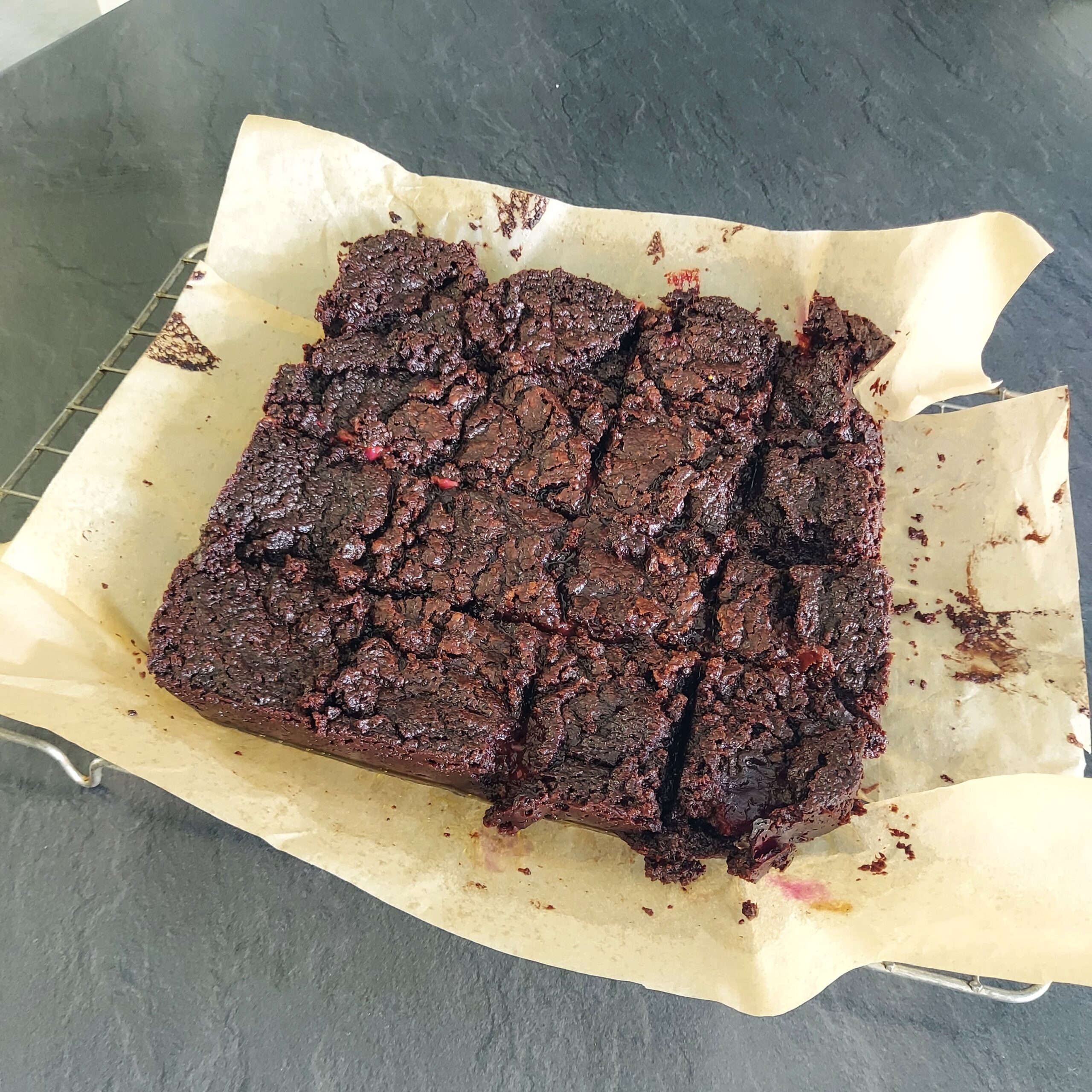
I made chocolate and raspberry brownies, making them vegan by using vegan butter and flax eggs instead of real eggs.

Make 3 types of French patisserie which are new to you

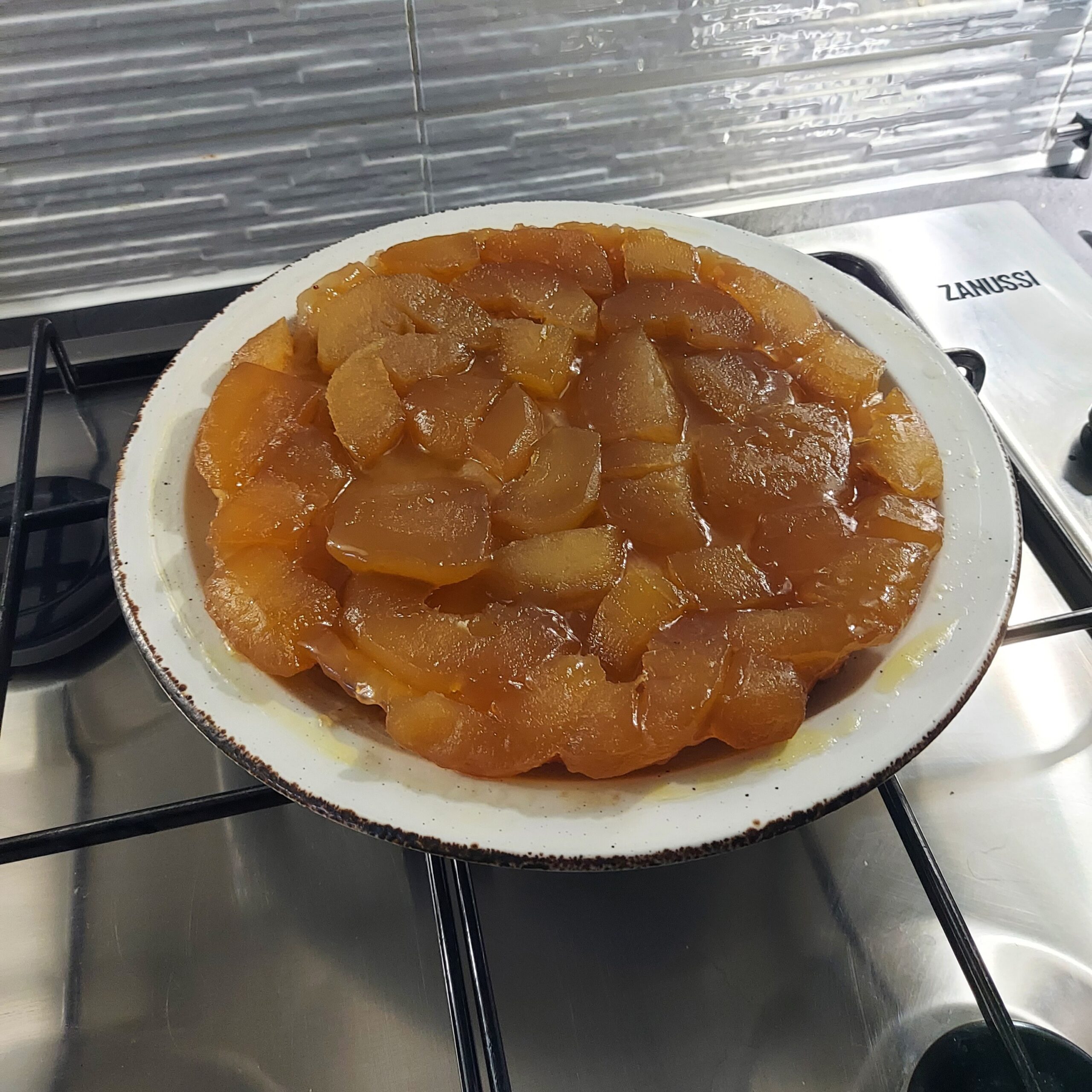
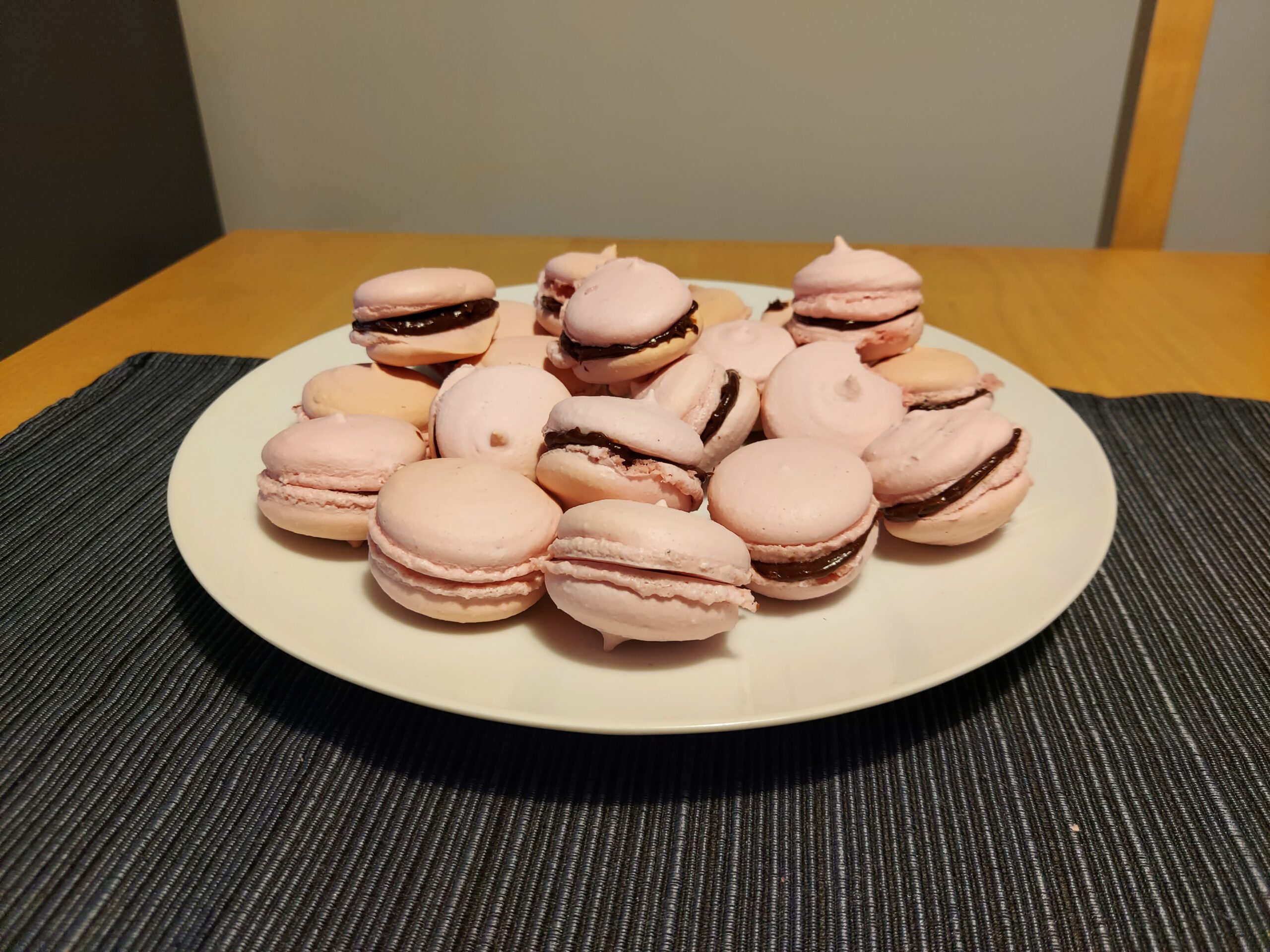
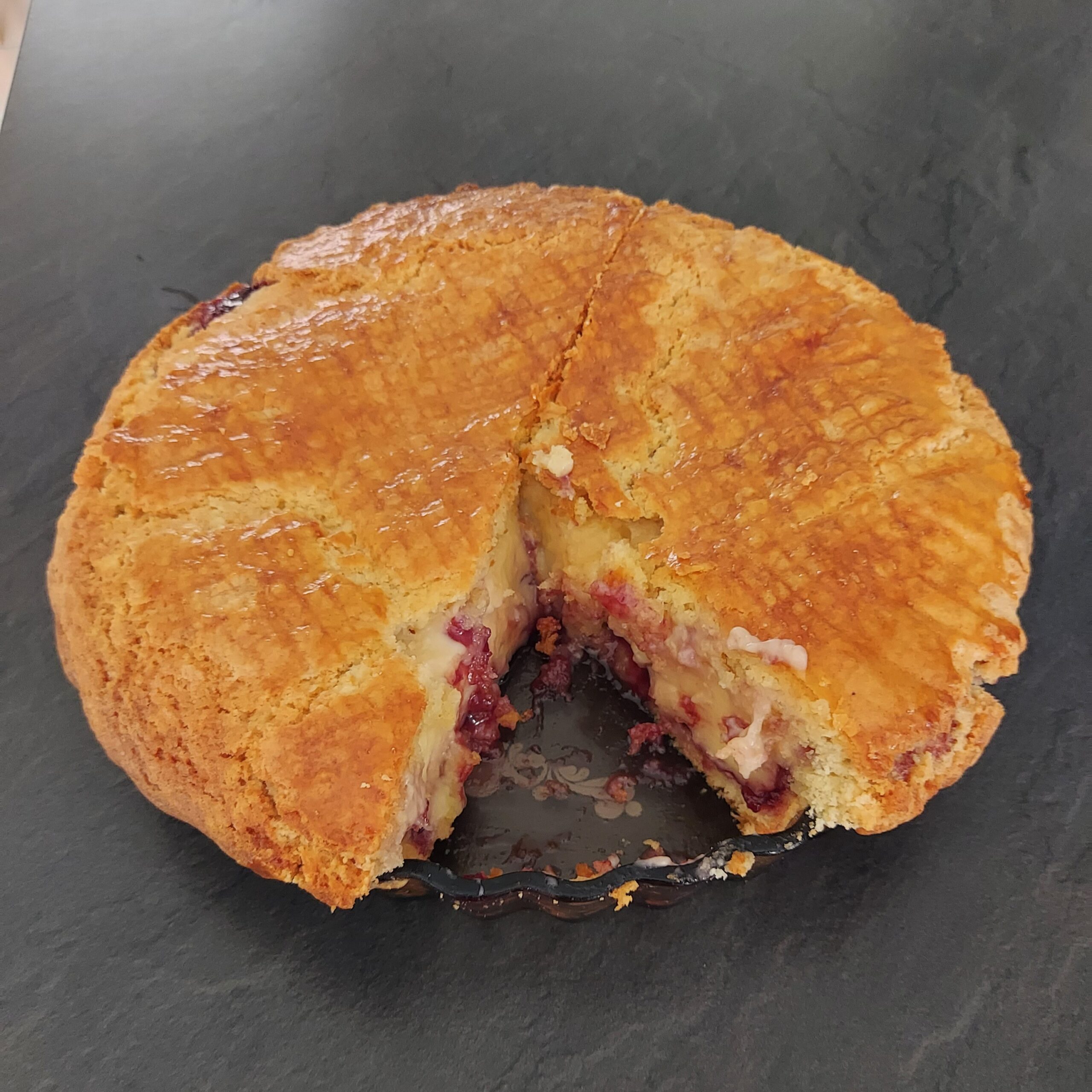
I made a tarte tatin, macarons, and a gateau basque.

Research and make a heritage bake from your region

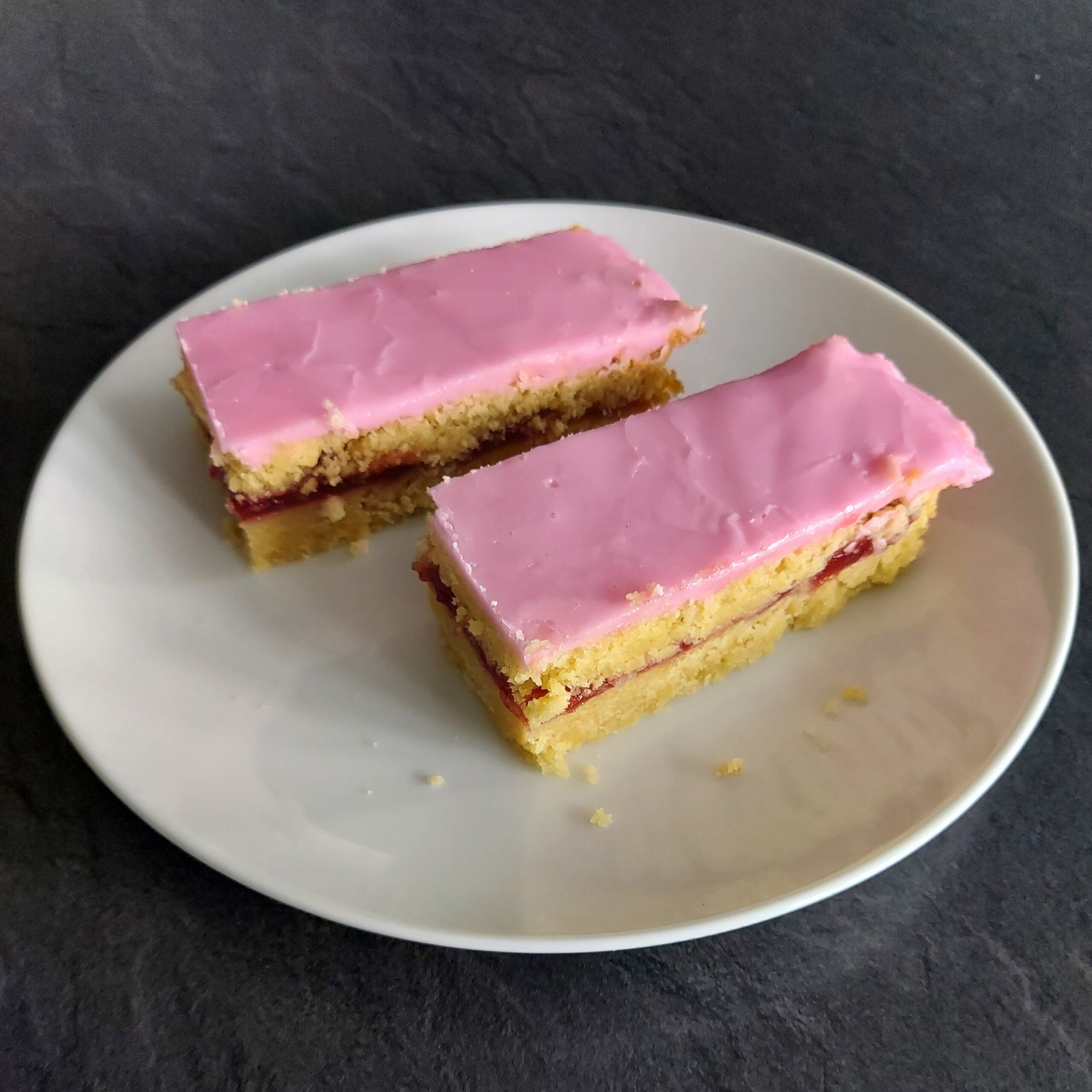
I made Sunderland Pink Slice, a traditional local bake a bit like iced shortbread. The treat’s origins are shrouded in mystery but it may be based on a 1923 Be-Ro recipe.

Make all butter puff pastry from scratch

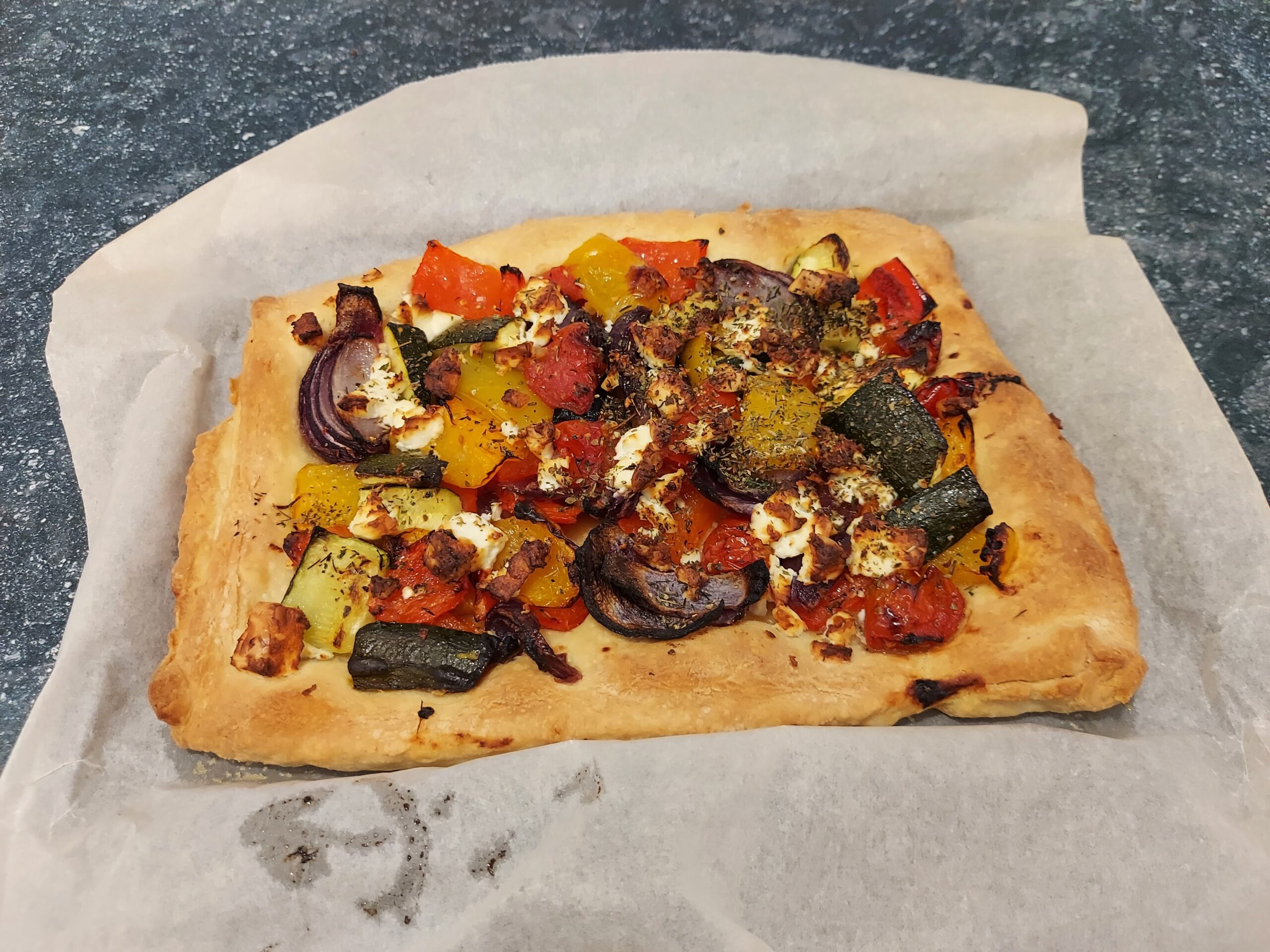
I made puff pastry for the Big Rebel Bake Off badge, and used it to make a roast vegetable and feta tart.

Roasted Vegetable Puff Pastry Tart

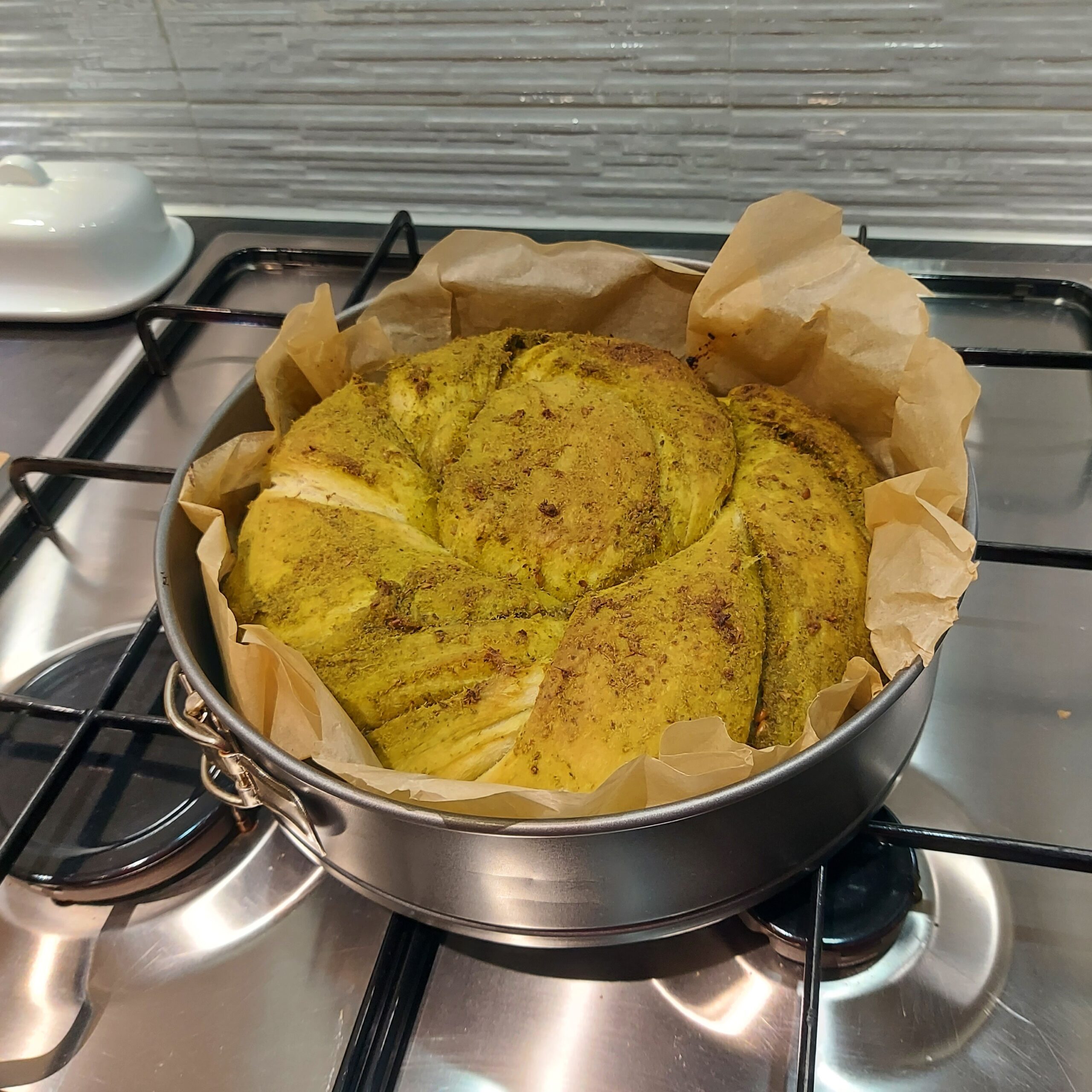
Make a plaited bread

I made a plaited pesto bread.

Date completed: 22 September 2026

Rebel Badge Club: Advanced Detective

After completing the Detective badge earlier in the year, I started work on the Advanced Detective badge. This involved solving twelve cases throughout the year, in a mix of formats. I completed the following:

The Missing Mbira Mystery by Julie Davenham – an amusing cosy mystery

Murder Trial Tonight III – The Doorstep Case – a theatrical ‘trial’ where the audience could vote based on the evidence presented – long, but thorough and interesting

Murder Trial Tonight stage

Solve Along A Murder She Wrote – comedic interactive screening of an episode of Murder She Wrote (this episode was ‘Joshua Peabody Died Here…Possibly’) in which presenter Tim Benzie and the audience try to identify the murderer

CSI: Crime Scene Improvisation – improvised crime on stage based on audience suggestion

Royal Parks – Famous Gardens Treasure Trail – a detective mystery solved by visiting different locations in Hyde Park and Kensington Gardens

‘Grease Frightening’ murder mystery at Camp – a fun murder mystery where we took on the roles of the suspects

Solve This Murder podcast: The Mystery of the Murdered Medium – an audio murder mystery

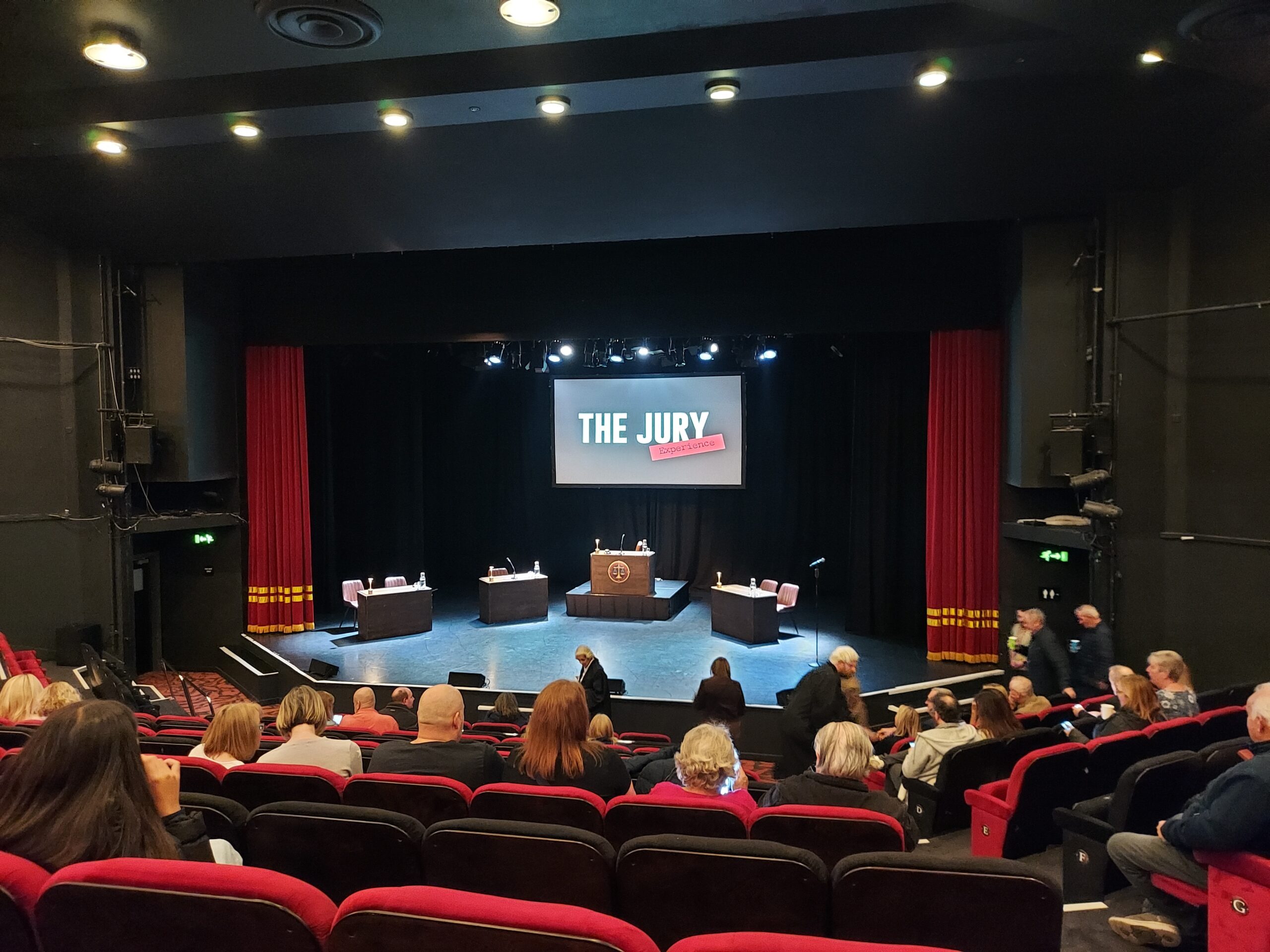
The Jury Experience: An Immersive Courtroom Case: Diamonds, Lies, and a Dead Man – a theatrical trial involving theft of a diamond necklace

Jury Experience stage

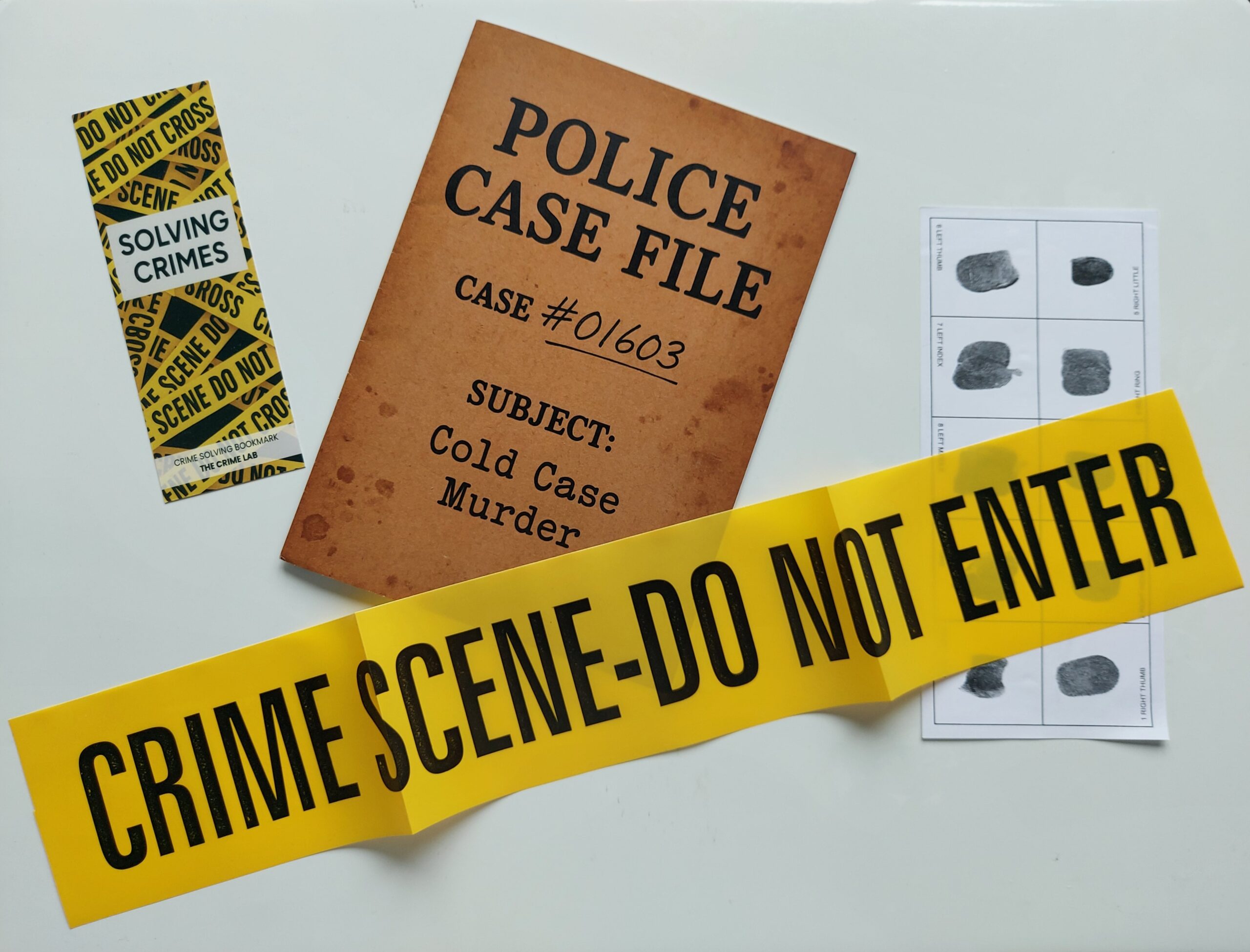
The CSI Murder School – a talk delivered on Zoom

CSI Murder School pack

Murder, She Didn’t Write – an Agatha Christie-style improvised murder mystery on stage

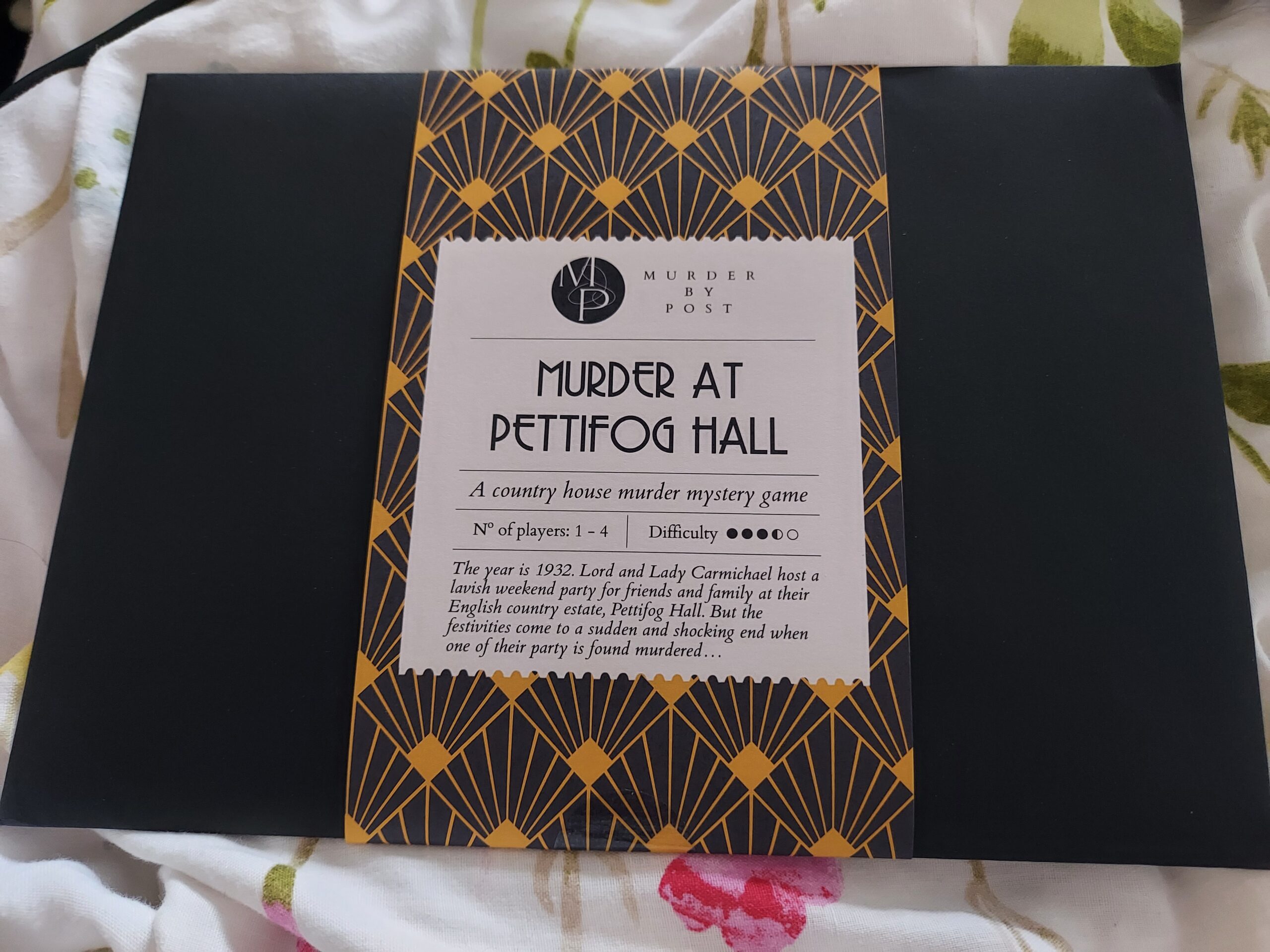
Murder by Post: Murder at Pettifog Hall – a collection of pieces of evidence which you use to try and solve the crime

Murder at Pettifog Hall envelope

Can You Solve the Murder? by Antony Johnston – a choose-your-own-adventure mystery where you take on the role of a detective

Date completed: 30 December 2025
Rebel Badge Club: Foodie

I probably enjoyed this badge a bit too much and it’s just as well I’ve come to the end of it. I had a great time trying lots of different foods and cooking new things.

Pick a food you enjoy and try at least five new varieties.

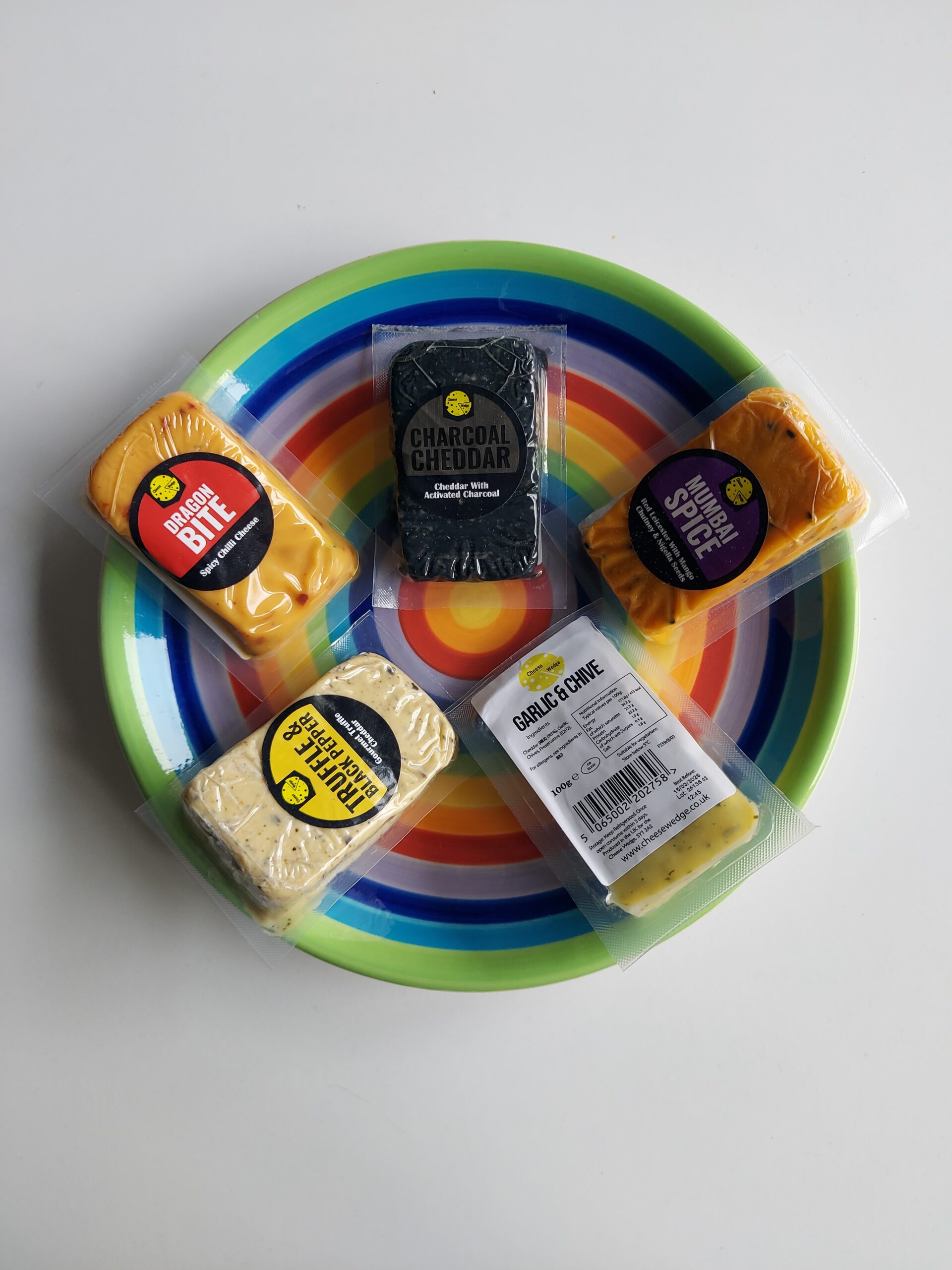
I ordered five cheese wedges online and had great fun trying them all out.

  • Dragon Bite: a spicy chilli cheese with a pleasant kick.
  • Charcoal Cheddar: goth cheese! Different in appearance, but not so much in taste.
  • Mumbai Spice: my favourite, distinct flavour of mango chutney with nigella seeds.
  • Truffle & Black Pepper: delicious but rich.
  • Garlic & Chive: flavoursome and tasty.

Five cheeses arranged on a plate

Over a period of a month, cook with at least three new ingredients which you’ve never used before.

I used the following ingredients:

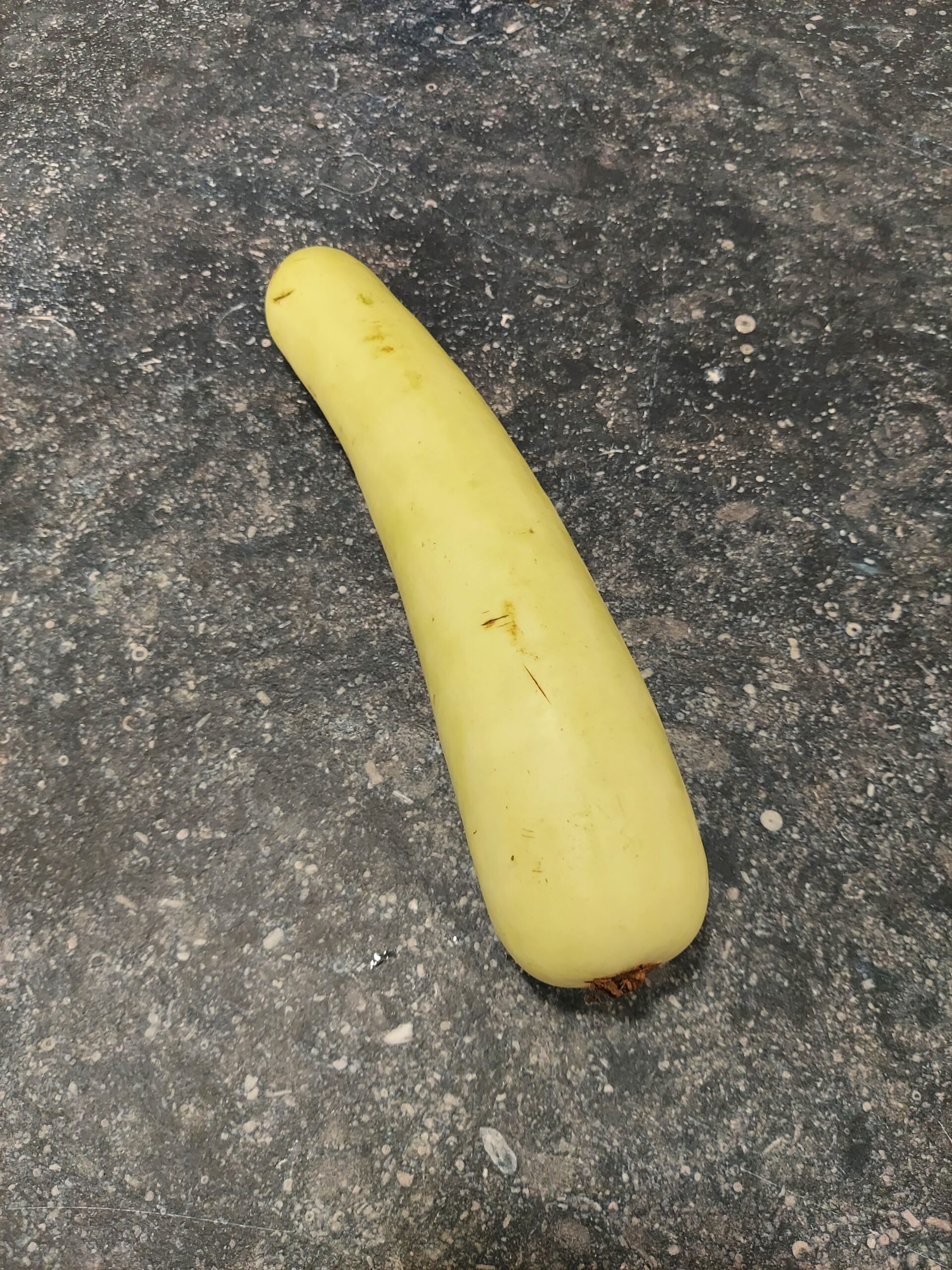
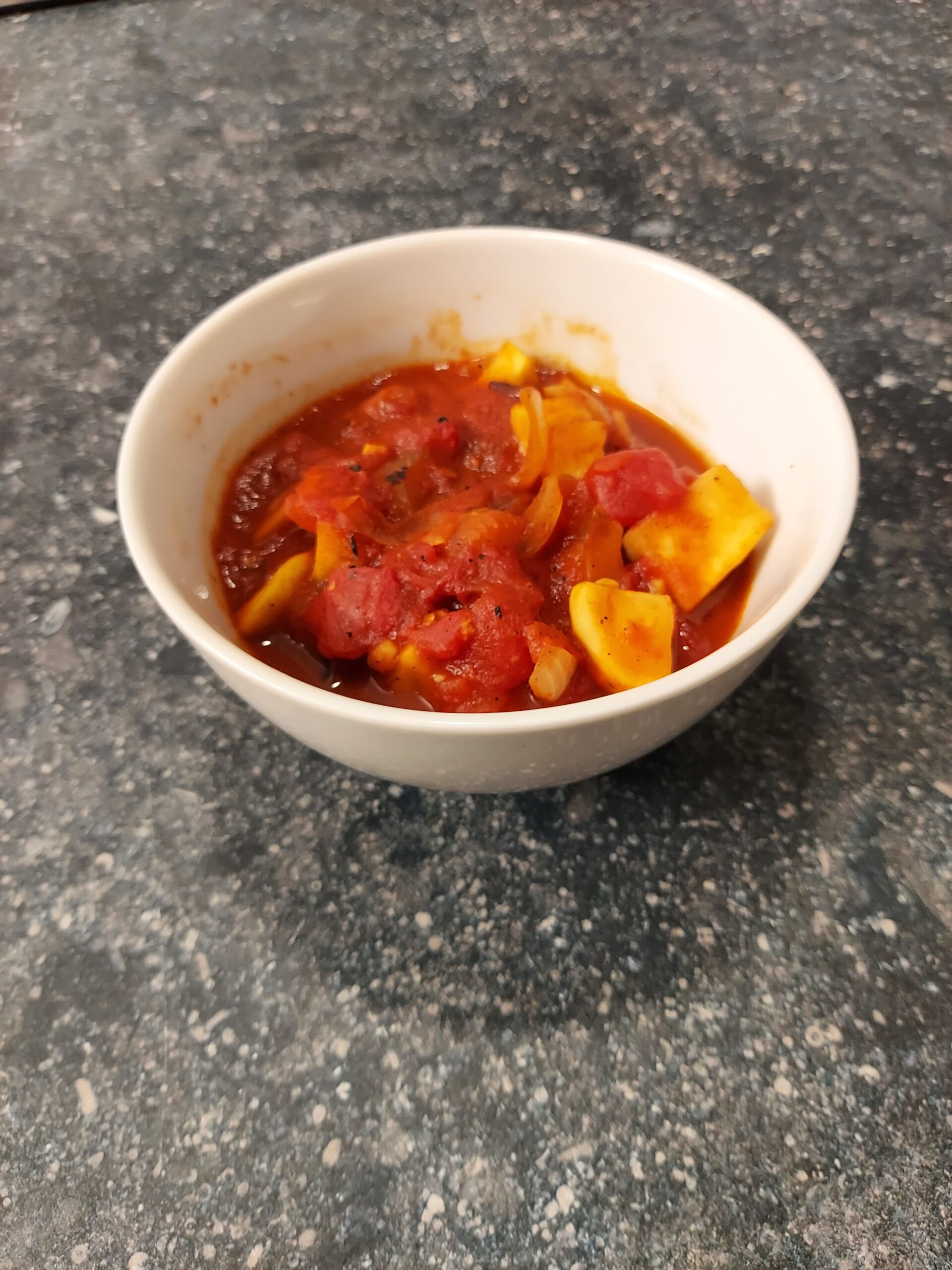
Dudhi – also known as bottle gourd, lauki, or calabash, the dudhi is a squash similar to courgette. I made a tomato-based curry from mine and it turned out quite tasty.

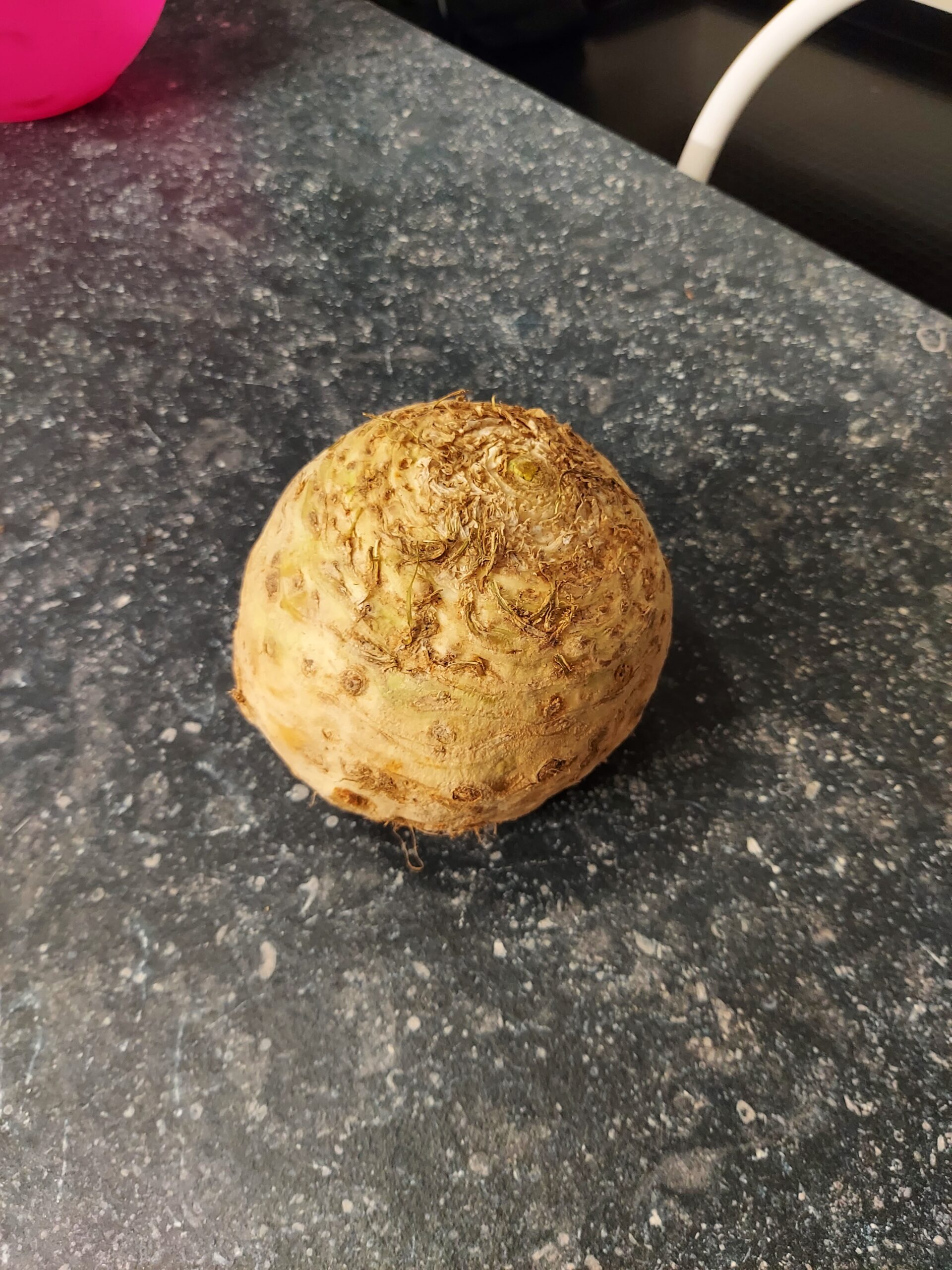
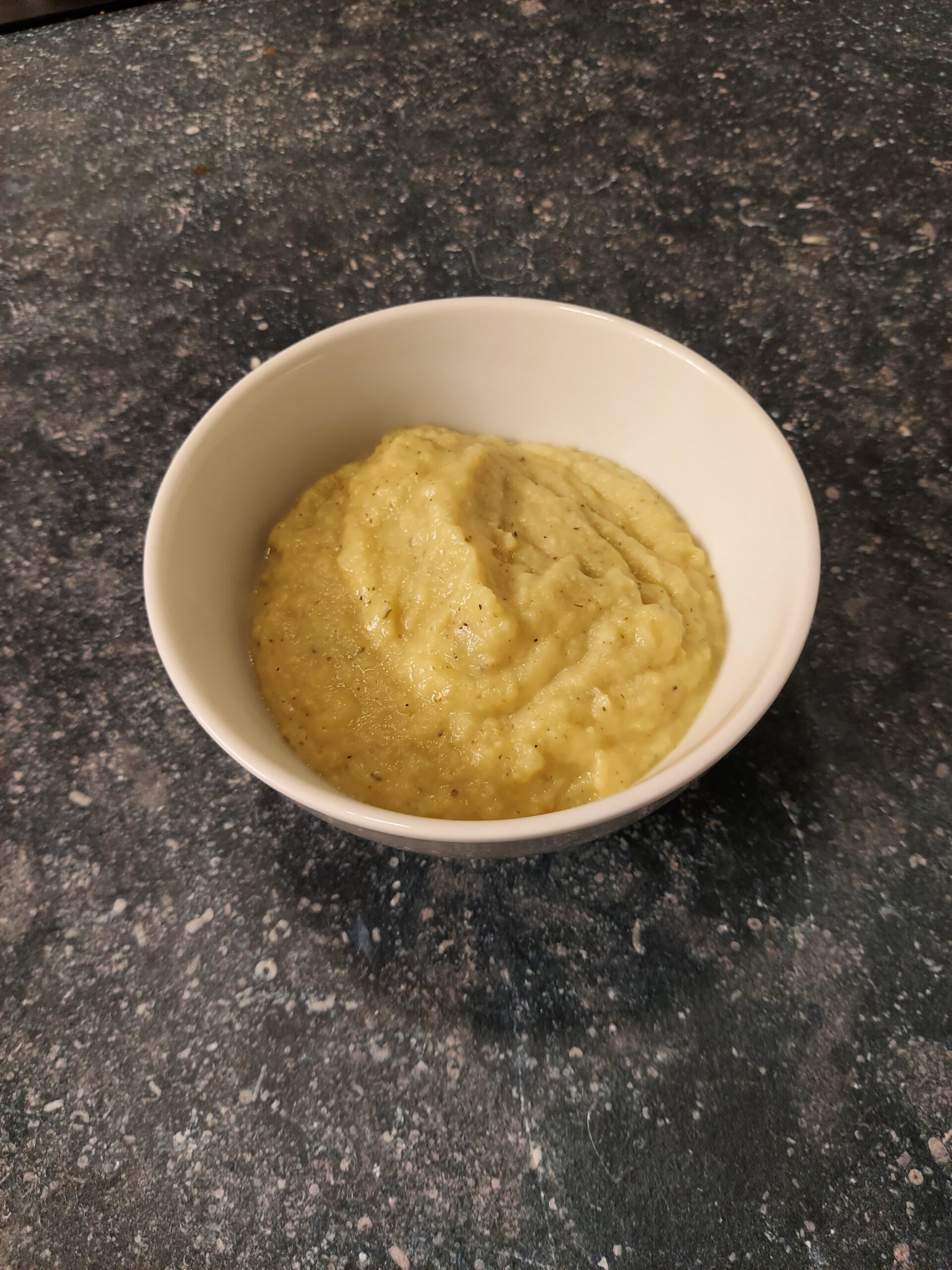
Celeriac – I’ve always wanted to try cooking with this vegetable but never got round to it. I made it into a soup which was really delicious.

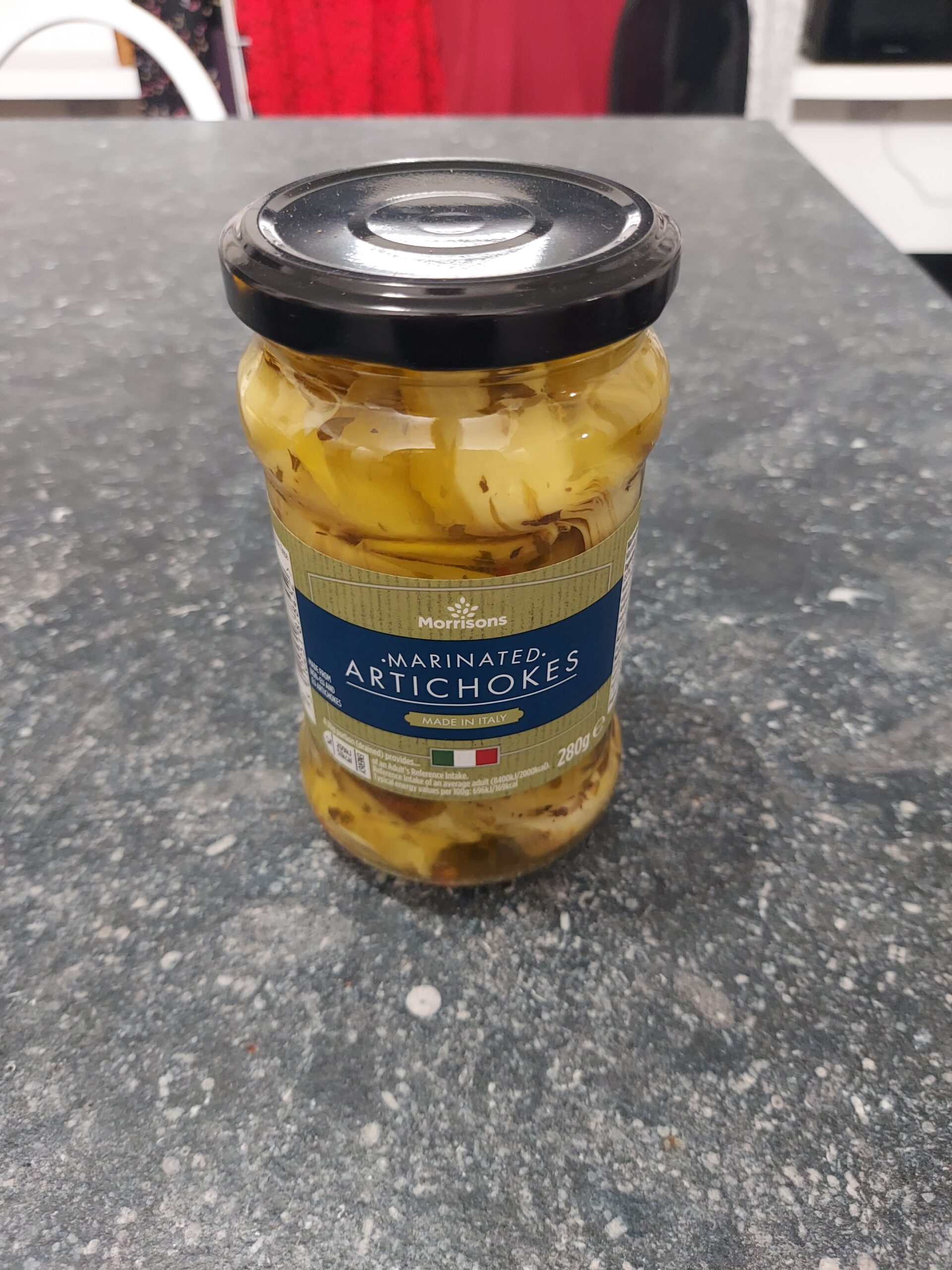
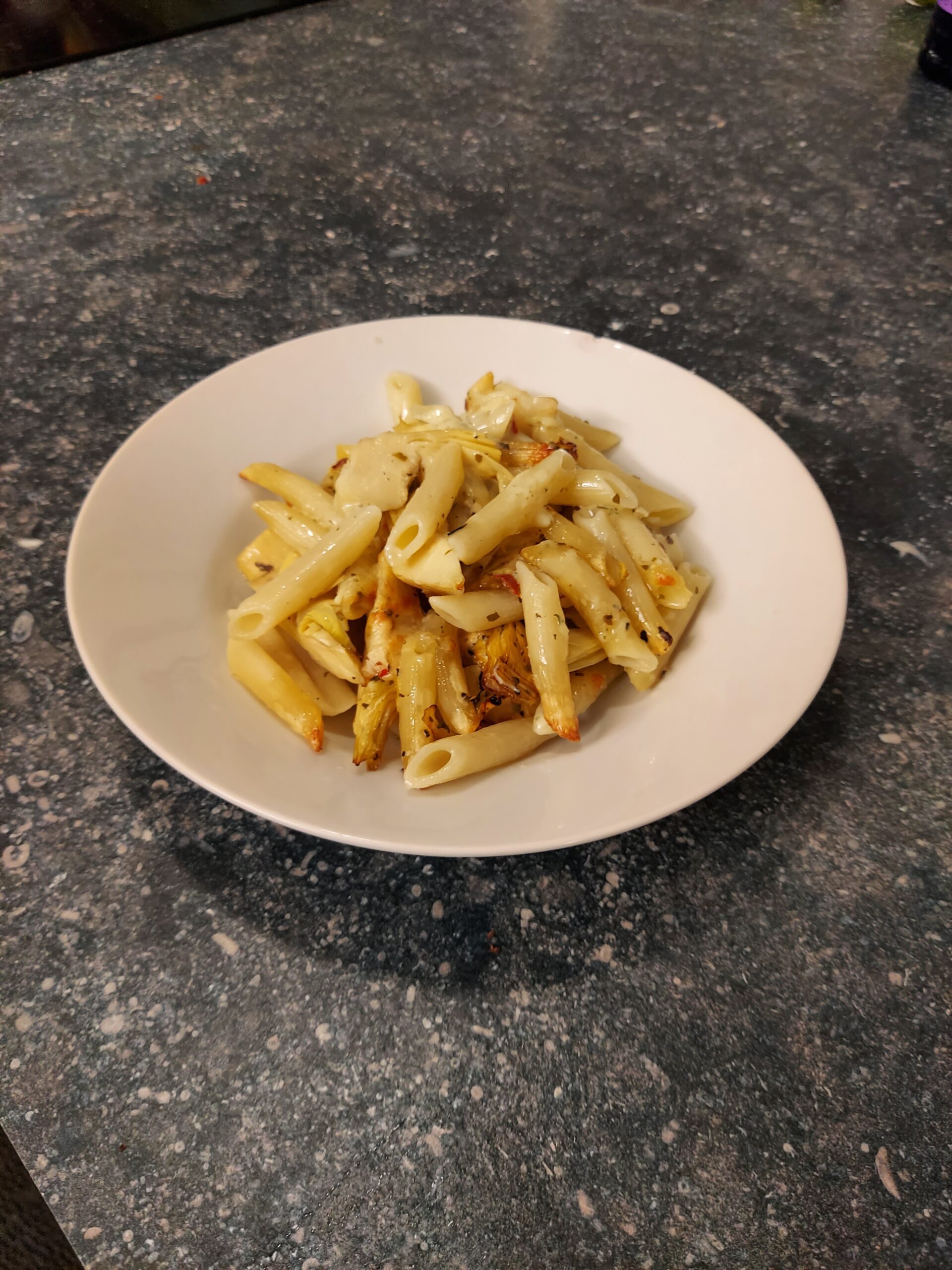
Artichokes – I never think to buy these but I got a jar and cooked them in a pasta sauce. This food was probably my favourite!

Eat out on at least three separate occasions, and rate and review your meals online.

I visited and reviewed the following:

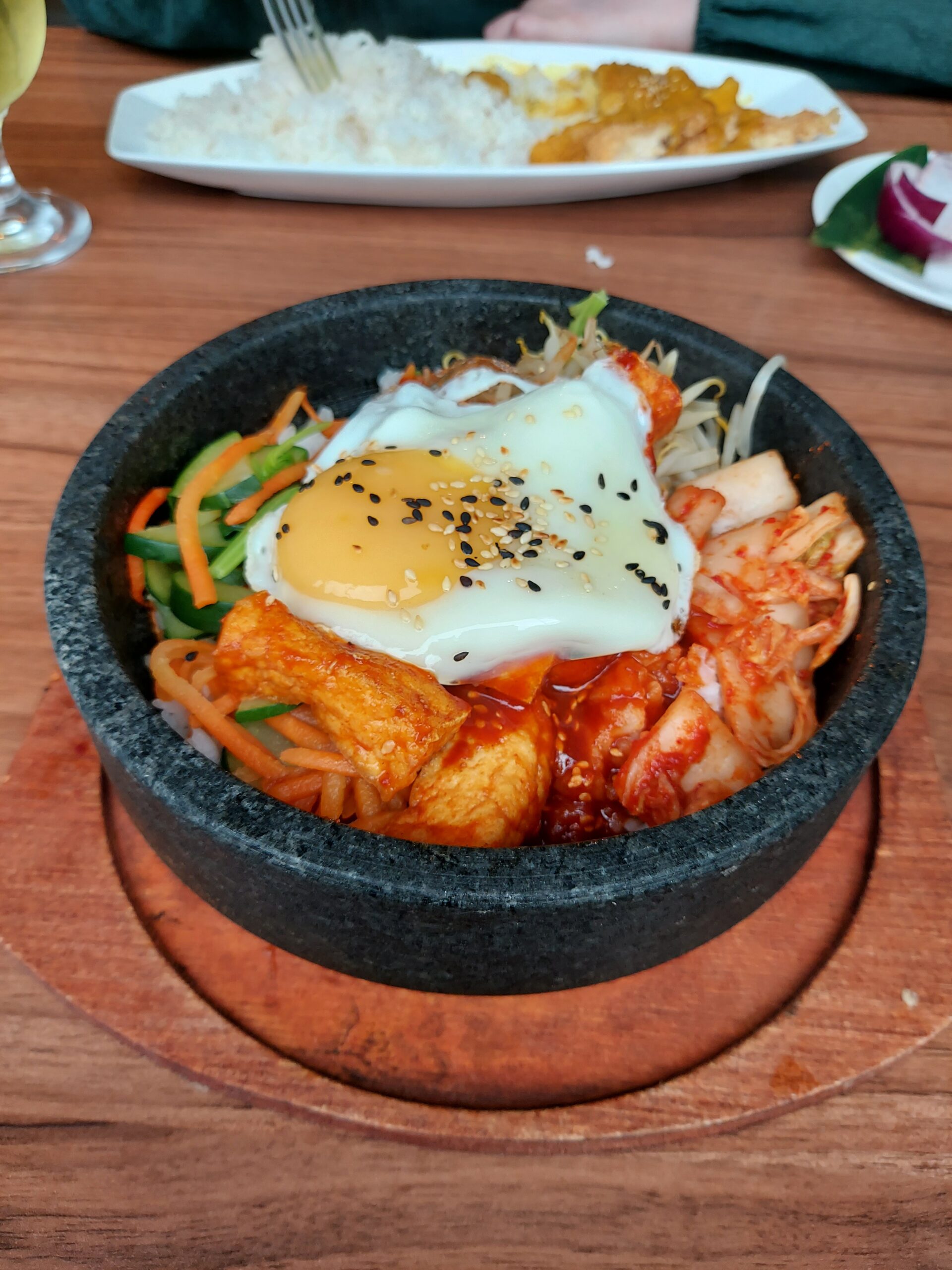
The Korean Spoon – Sunderland

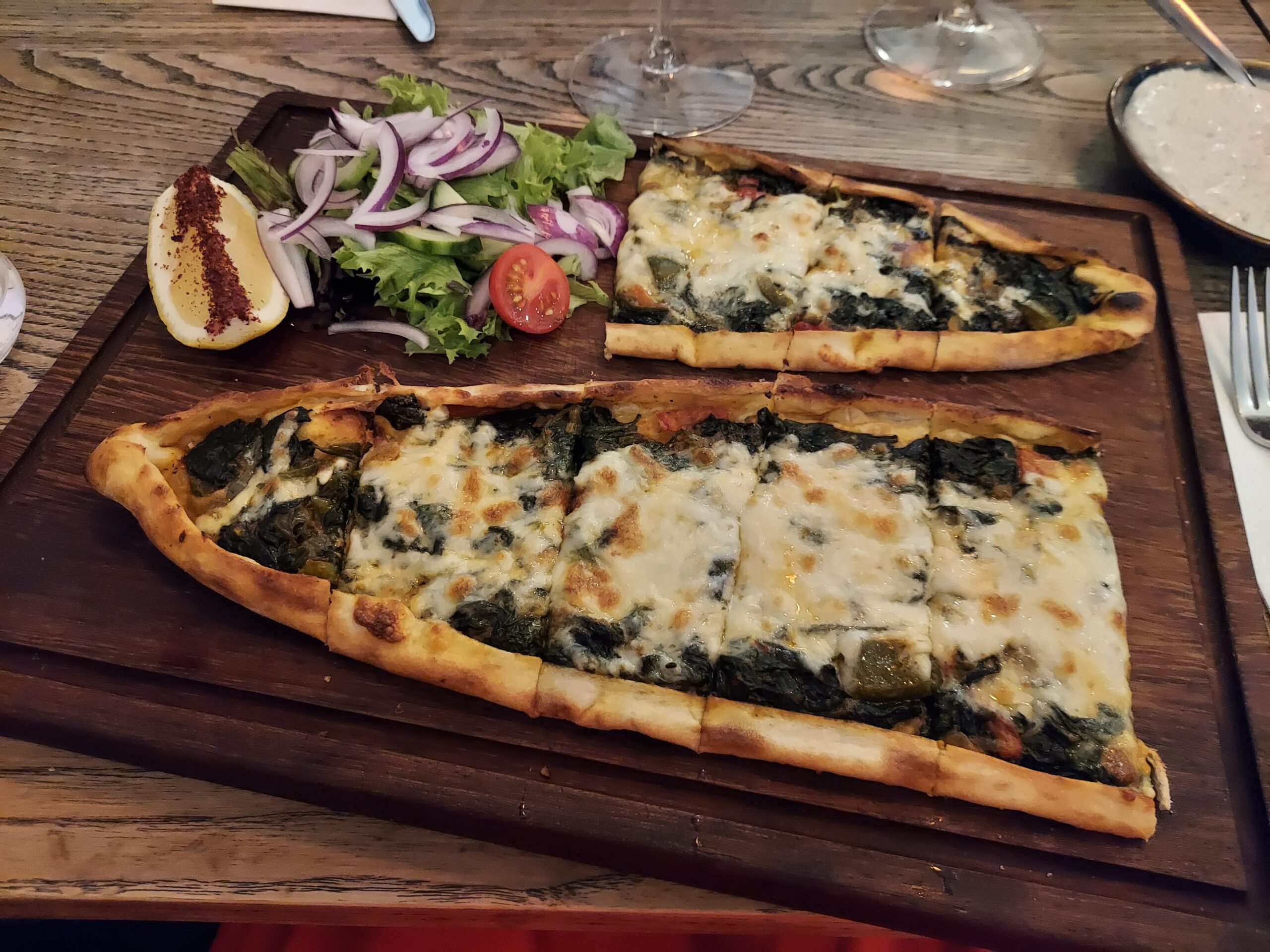
Ada Meyhane – Pangbourne

Bar Estilo – Teddington

Over a period of three months try at least five different types of cuisine.

I made the most of this clause! Throughout the duration of this badge I tried Spanish, Korean, Japanese, Turkish, Argentinian, Nepalese, Austrian and Mexican cuisine.

Try variations of food designed for other dietary requirements.

I tried fake meat, gluten free bread and vegan pizza. I thought the vegan pizza was surprisingly nice, but I’m not a huge fan of fake meat generally, and the gluten free bread was awful.

Visit a local Farmers’ Market. Try at least 3 foods produced locally.

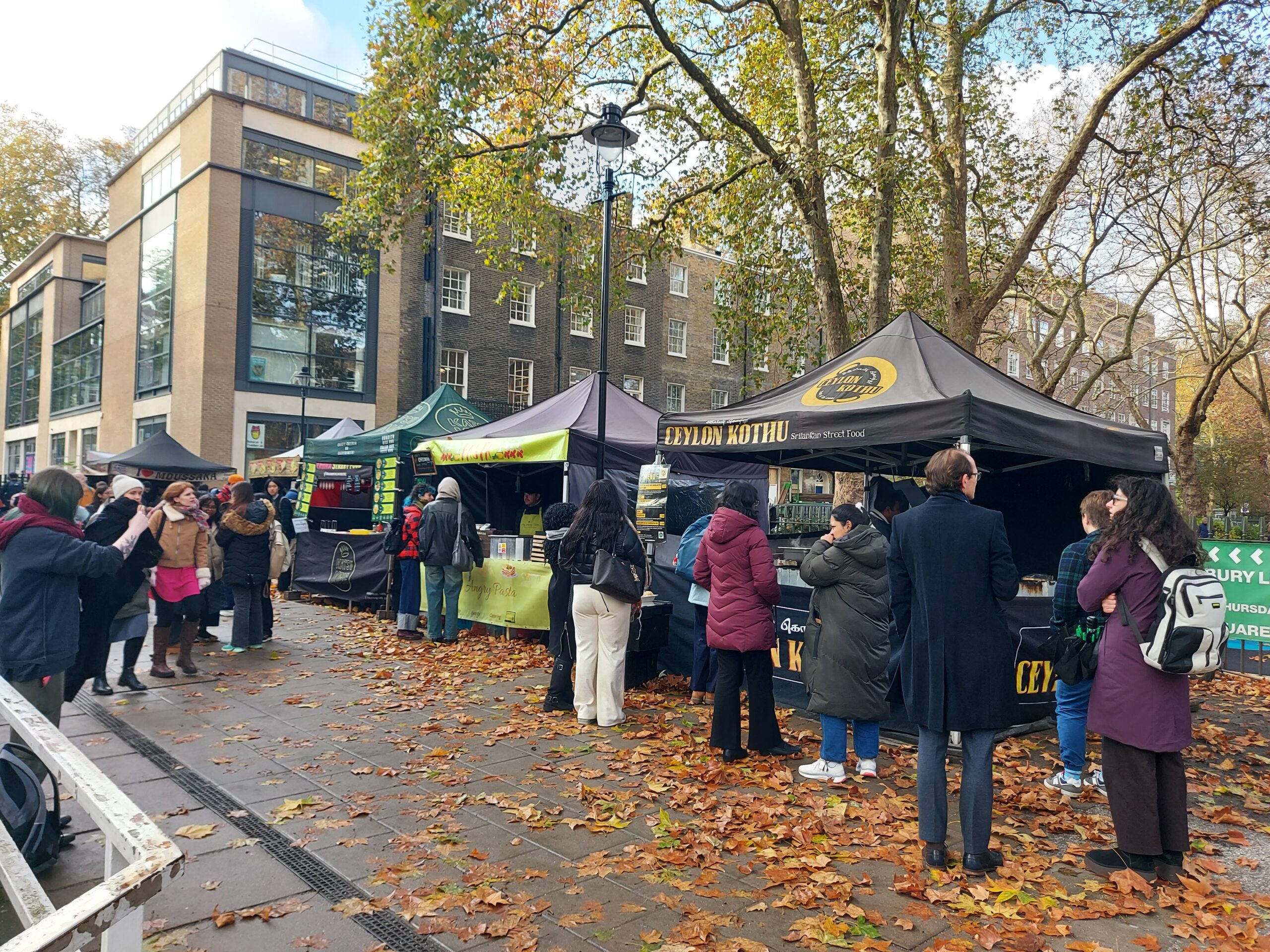
Bloomsbury Farmers Market

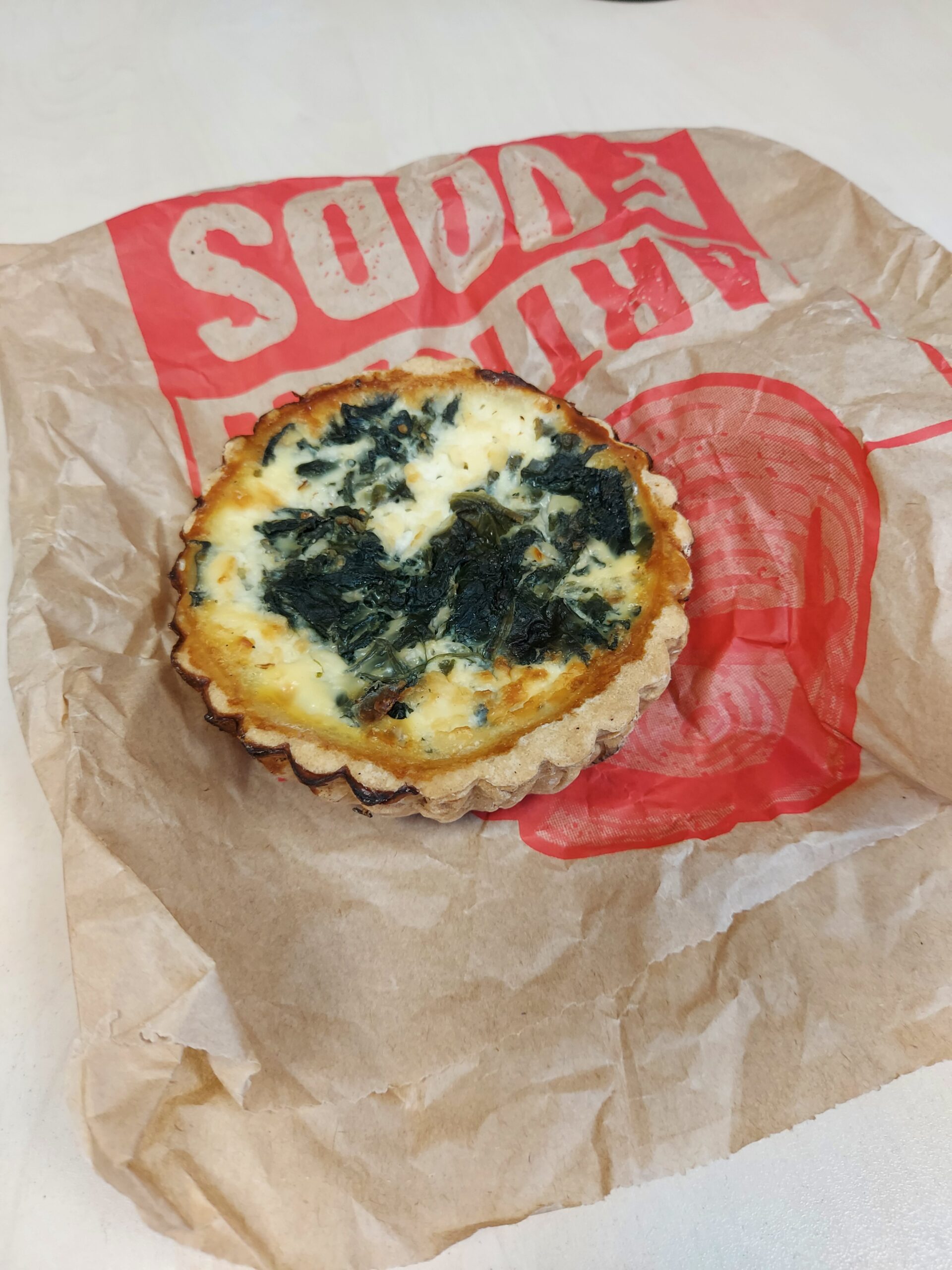
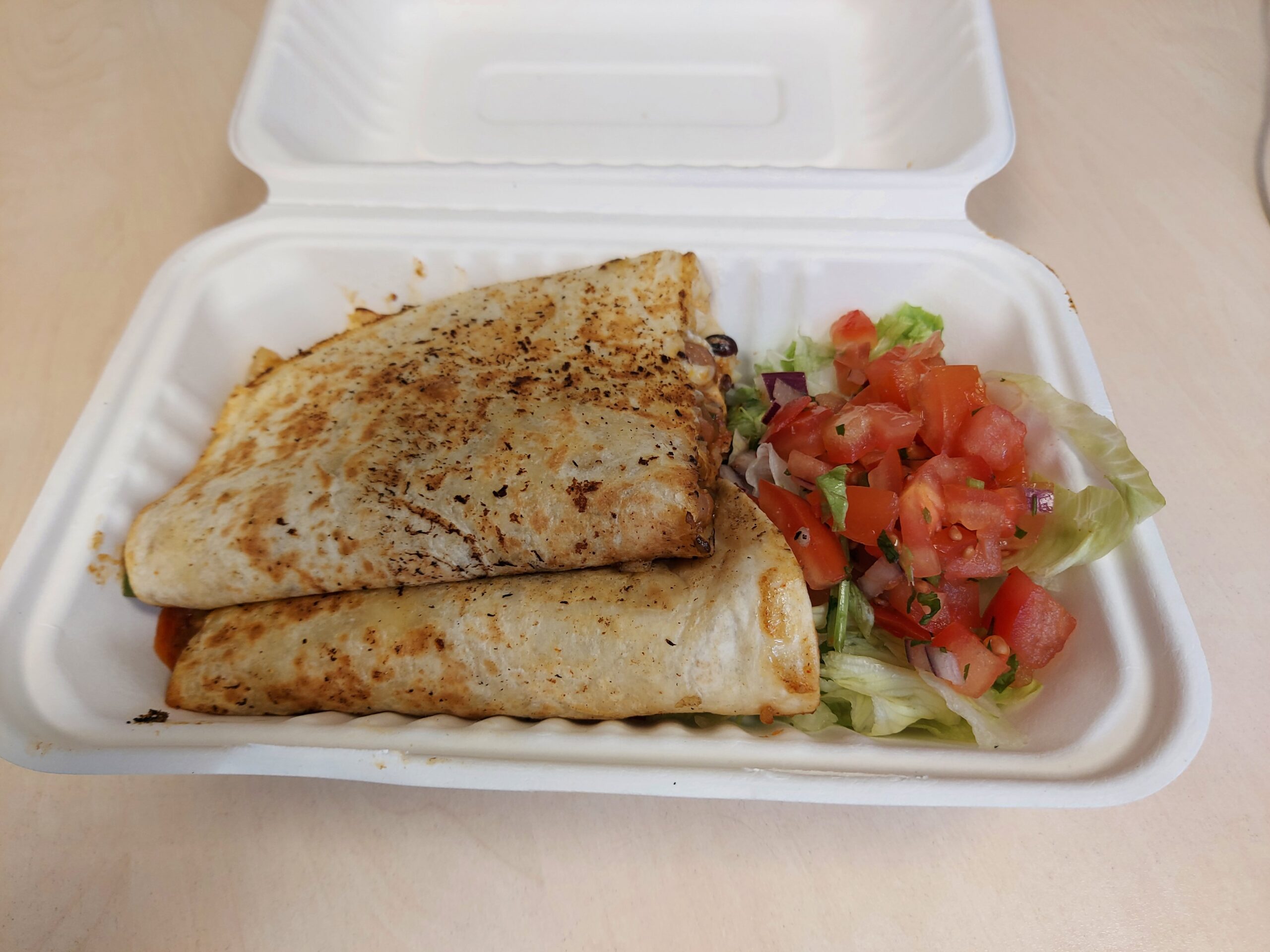
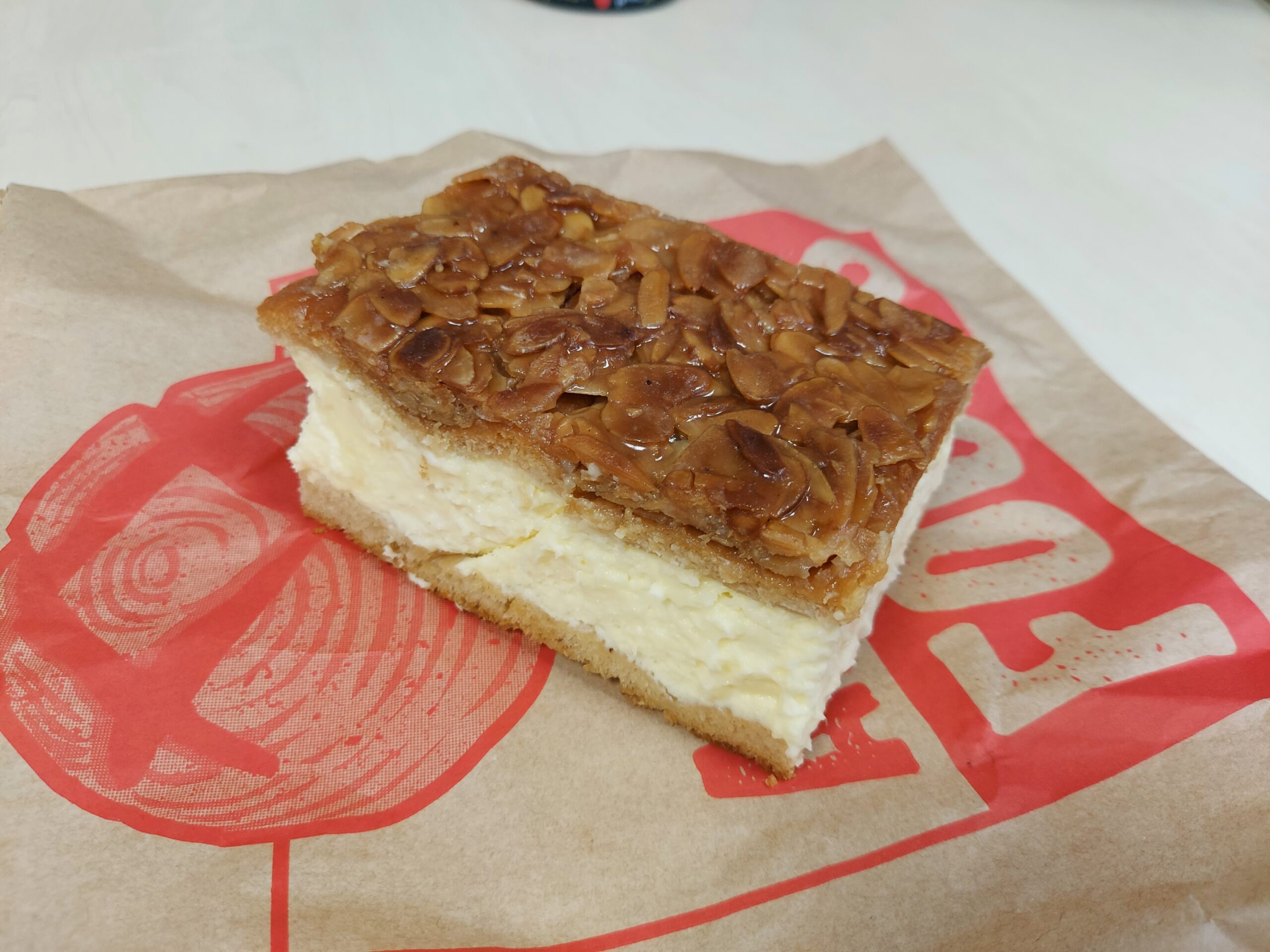
I visited Bloomsbury Farmers’ Market and came away with several goodies to try. I had a quesadilla for lunch and a Biscoff tart for dessert. I also obtained a spinach and ricotta tart and a piece of Austrian cake called Bienenstich, or bee sting cake, a cream cake with a honey and almond topping.

Cook a meal out of things you already have in your cupboards.

I’m quite adept at this as I’m often having to improvise! For this clause specifically I made lentil dahl.

Take a food-related class.

I took a class at last year’s Rebel Fest which involved making Vietnamese summer rolls with a dipping sauce.

Date completed: 30 November 2025
Rebel Badge Club: Sommelier

I’ve had my eye on the Sommelier badge ever since I got Book 2, and I finally got round to completing it in October. I love my wine, so it was nice to explore it in more depth.

Visit a winery and learn about the process of making wine.

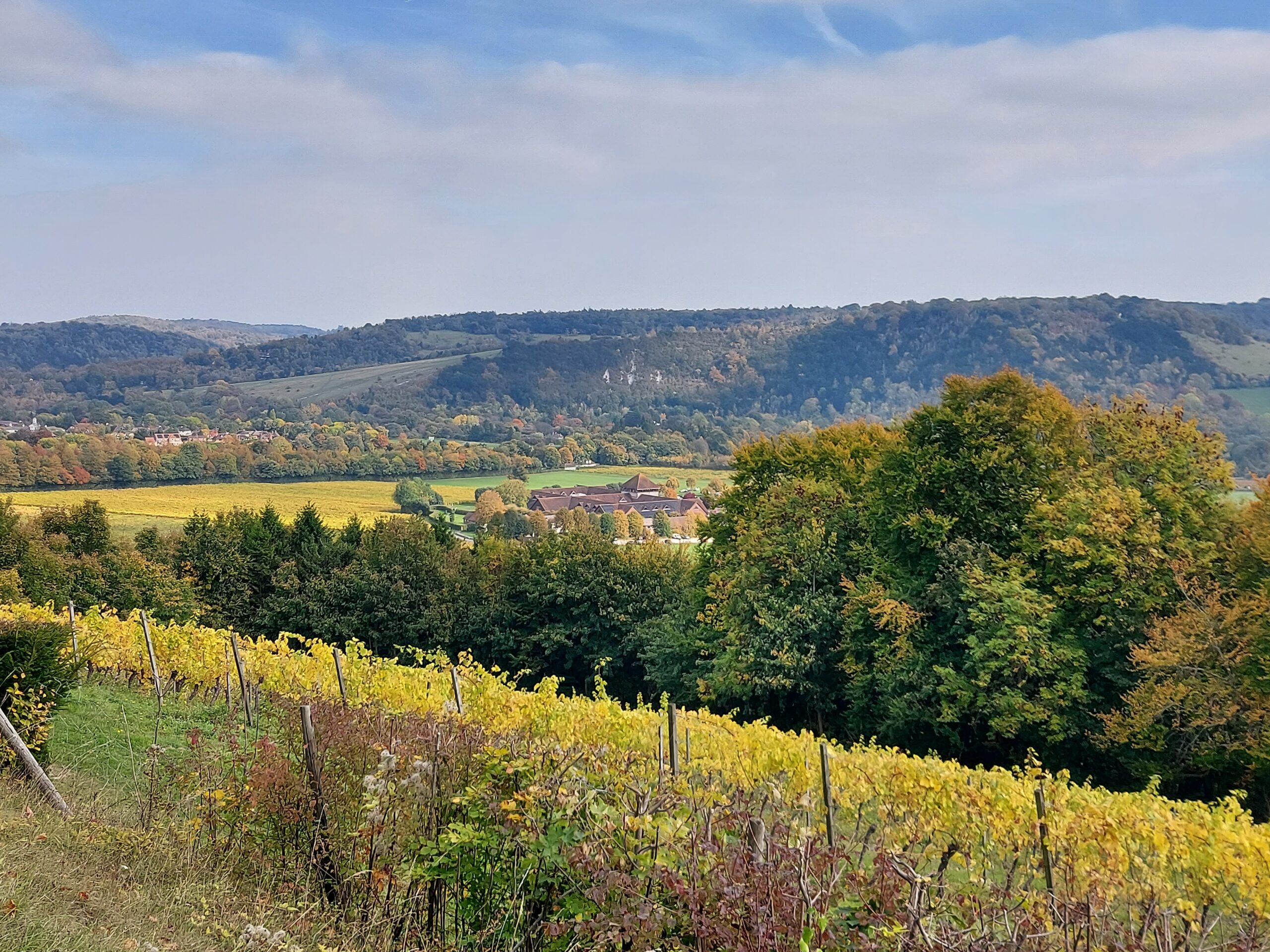
I visited Denbies Wine Estate in Surrey and did the indoor and outdoor tours.

Denbies Wine Estate

Take part in a wine tasting.

At Denbies I also took part in a wine tasting. We sampled Whitedowns Rosé NV, Pinot Gris 2023, Surrey Gold and Pinot Noir 2022.

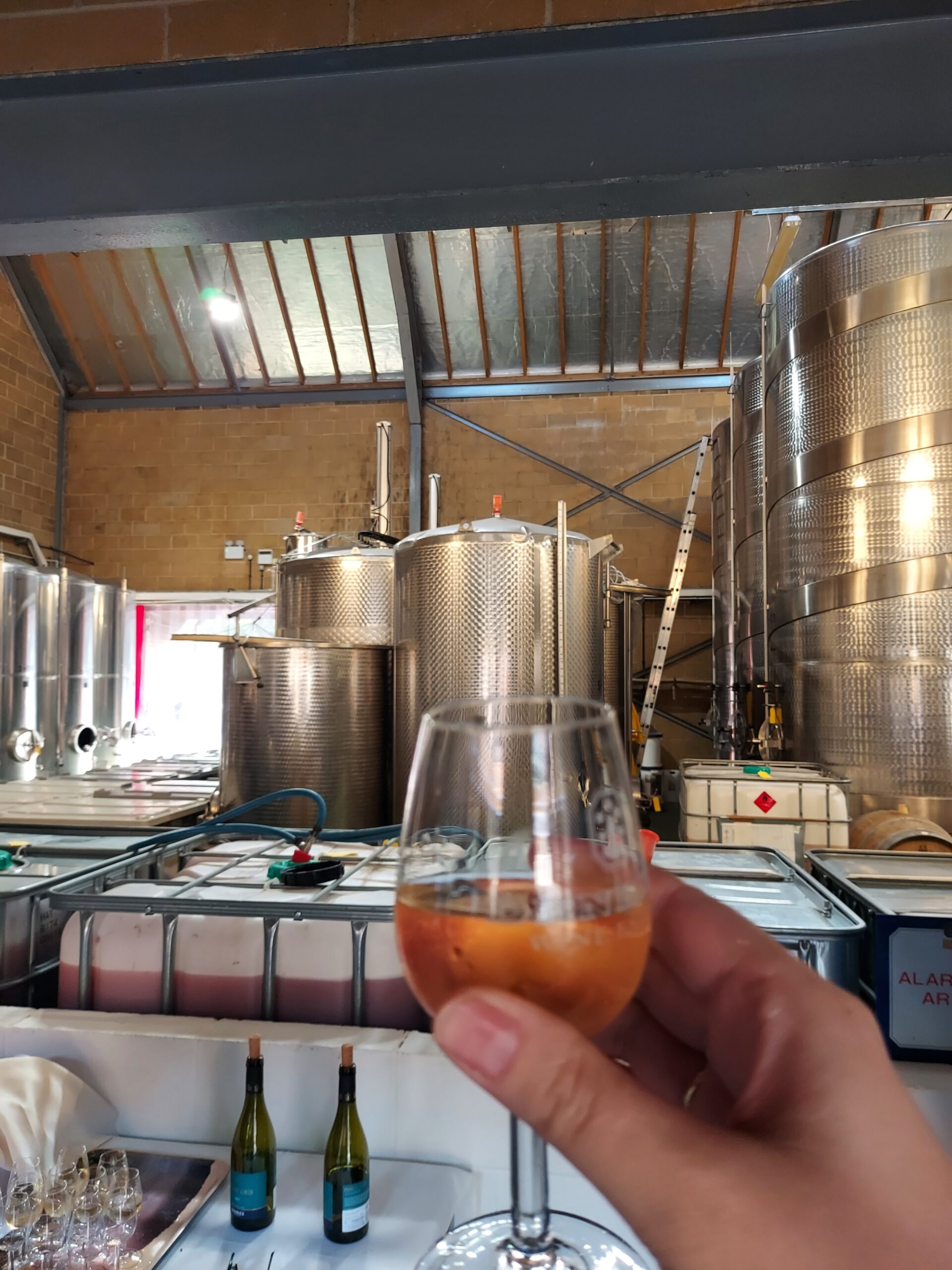
Holding up a wine glass in front of the winemaking equipment

Learn about the different types of glass, bottles and wine glasses.

Bottles

Wine bottles come in many different sizes. The ‘standard’ size is 750ml, which is around five glasses of wine. A ‘half bottle’, or ‘demi’, contains 375ml and a ‘quarter bottle’, ‘split’, ‘piccolo’ or ‘mini’ holds 187.5ml. Bottles tend to be round because this shape was traditionally easier for glassblowers to produce, and modern winemakers tend to stick with tradition.

Standard sizes come in a variety of shapes which traditionally correspond to types of grape/flavours of wine. The most common is the Bordeaux which is tall with high shoulders. Associated grapes include Merlot, Malbec, Sauvignon Blanc and Chenin Blanc. The Burgundy has a wider base, sloping shoulders and a shorter neck. It is usually used for Chardonnay and Pinot Noir.

Slightly less common are the Rhone, similar to the Burgundy but with a longer neck, used for grapes such as Grenache and Mourvedre; the Champagne, a Burgundy-style bottle made with thicker glass to withstand the pressure of the bubbles and typically used for sparkling wine; and the Alsace or Rhine, tall and slender and used most commonly for grapes like Riesling and Pinot Gris.

Larger sizes are also available: the Magnum (1.5l), Double Magnum/Jeroboam (3l), Rehoboam/Methuselah (4.5l), Imperial (6l), Salmanazar (9l), Balthazar (12l), Nebuchadnezzar (15l) and the Midas/Melchizedek (30l).

The ‘punt’, the indent at the bottom of the bottle of wine, does not usually mean anything, although a deeper punt is desirable for sparkling wines as it can help make the bottle stronger.

Glasses

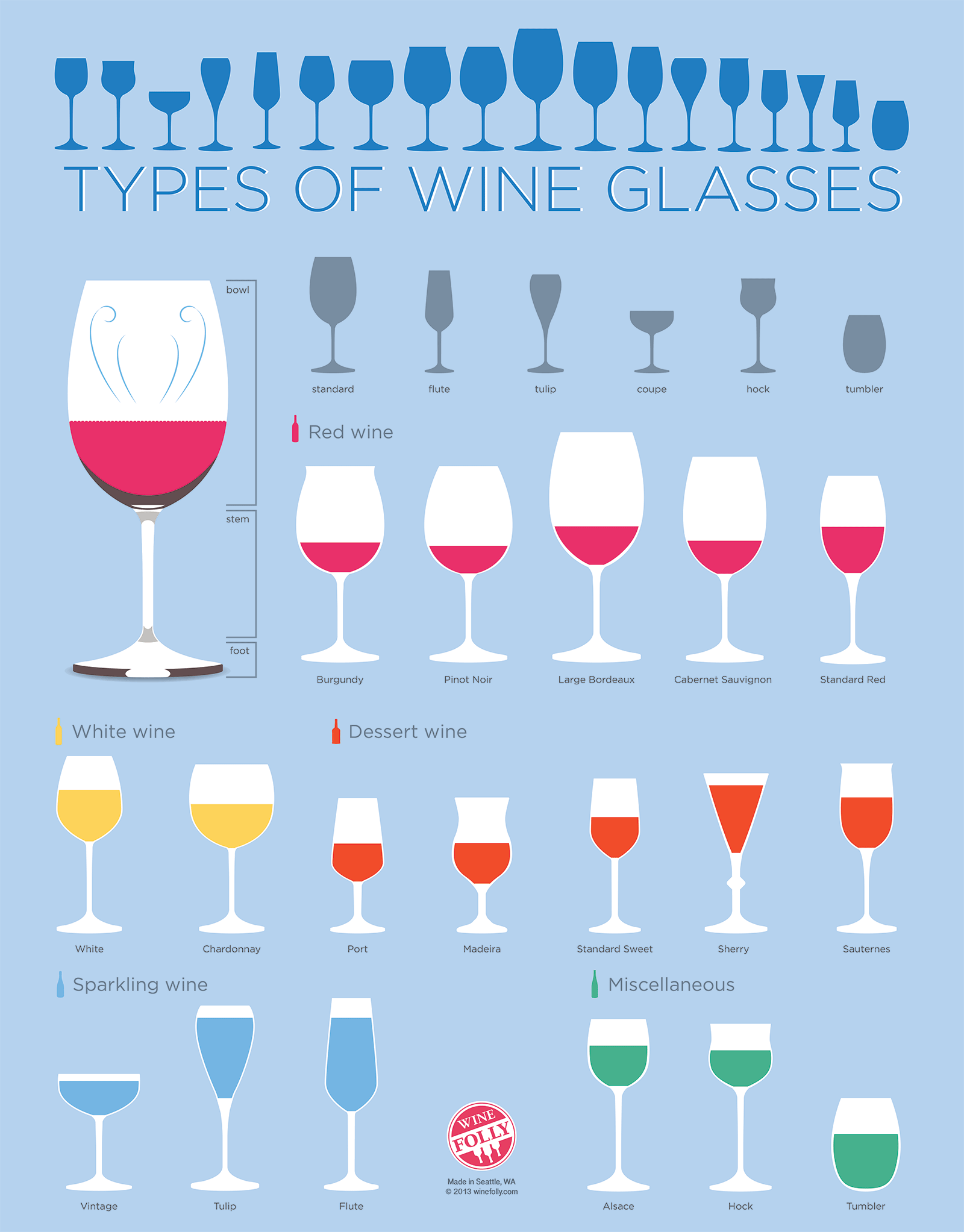
Wine glasses are designed for different types of wine in order to maximise the qualities of that wine. I found this article very helpful.

Red wine glasses are generally larger and taller than white wine glasses, to allow the wine to come into contact with more oxygen. The widest, albeit shortest, of the red wine glasses are those for Burgundy and Pinot Noir, owing to the bolder aromas of these wines. Glasses for Bordeux, Cabernet and Merlot are the tallest, while glasses for Syrah, Shiraz, Sangiovese and Malbec are shorter and slightly smaller. For white wine, the smaller bowl makes it easier to detect the subtler aromas, although Chardonnay glasses are much wider and resemble red wine glasses, providing a bigger surface area for this full-bodied wine.

Learn the differences between ‘old’ and ‘new world’ wine.

Old WorldNew World
France, Germany, ItalyAustralia, Chile, USA
Restricted by traditionAble to be experimental
Often labelled with regional nameGrape varieties usually mentioned
Typically lighter in bodyCan be fuller-bodied
Terroir-drivenGrape-driven
Lower alcohol contentHigher alcohol content

Learn how rosé and sparkling wines are made.

Rosé wine is made by using the same fermentation process as red wine, but at the temperature of white.

Sparkling wine is made by starting with a base wine (made in the white wine way) and fermenting it for a second time, trapping the carbon dioxide in the liquid which dissolves into the wine, creating tiny bubbles. Premium sparkling wines are then aged in the bottle, the yeast subsequently removed by turning the bottles regularly over time. A sugar dosage is then added to make the wine sweeter before it is resealed.

Learn about the different tools available to make wine taste its best.

  • Corkscrew or other wine-opening tool
  • Wine glasses
  • Decanter
  • Wine preserver
  • Champagne stopper
  • Glass polishing cloth
  • Book about wine

Learn about the different types of wine flavours.

White wine exists on a spectrum from sweet to dry.

Red wine exists on a spectrum from fruity to full-bodied.

Wine flavours can include red or black fruits, such as raspberry and plum; citrus, like lemon or lime; other fruits such as peach; floral like rose and jasmine; and herbal such as basil or rosemary. Spicy flavours can include cinnamon, black pepper and vanilla; earthy notes can include mushroom, leather and soil.

Write a glossary of wine terms useful to a newcomer.

Acidity – the tartness that adds liveliness to wine

Appellation – a legally-defined geographic area where wine is produced, e.g. Champagne or Bordeaux

Body – how a wine feels in your mouth. Can also be checked by swirling it around in your glass

Dry – in the context of wine, dry is the opposite of sweet

Finish – wine flavours that linger after swallowing

Legs – when you swirl wine around in your glass, the legs are the streaks you can see running down the side

Nose – a wine’s aroma. Swirl the wine in your glass to release the scent

Tannins – bitter-tasting compounds present in the skin and seeds of grapes that produce a dry feeling in the mouth

Terroir – a French word referring to the terrain where a grape is grown: the soil, climate and land

Typicity – how true a wine’s flavour is to its region and grape variety

Varietal – a wine made from one specific grape variety

Variety – the specific grape type used to make wine

Vintage – the year the grapes were harvested

Date completed: 11 October 2025
Rebel Badge Club: Farmer

I’ve been working on the Farmer badge for several months, and finally finished it off in time to count it for the Ready Player One quarterly. I had fun with this one! I never thought I would be able to make butter, grow chillis or make chutney, but I managed all of those tasks and more.

Brew beer

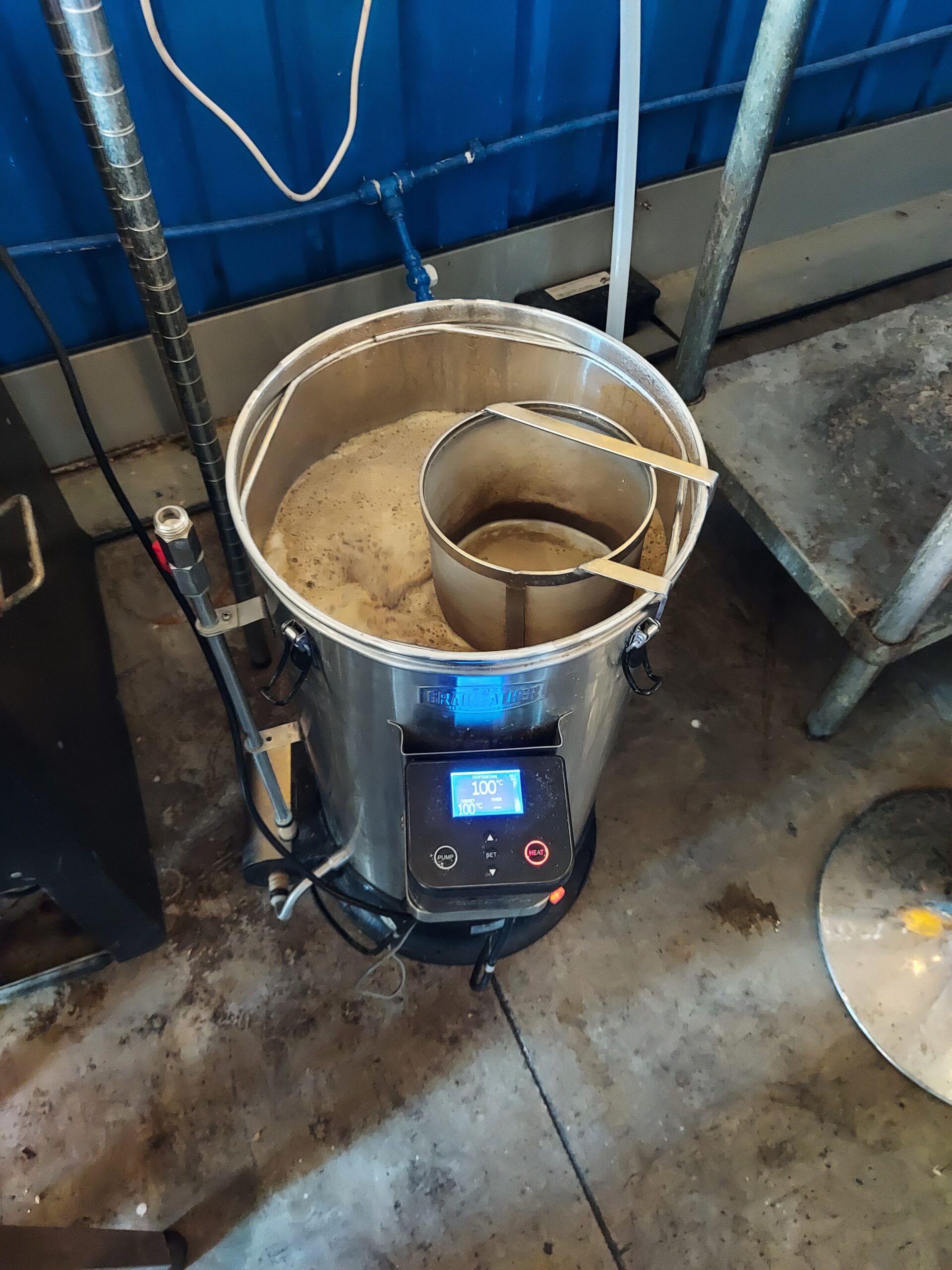
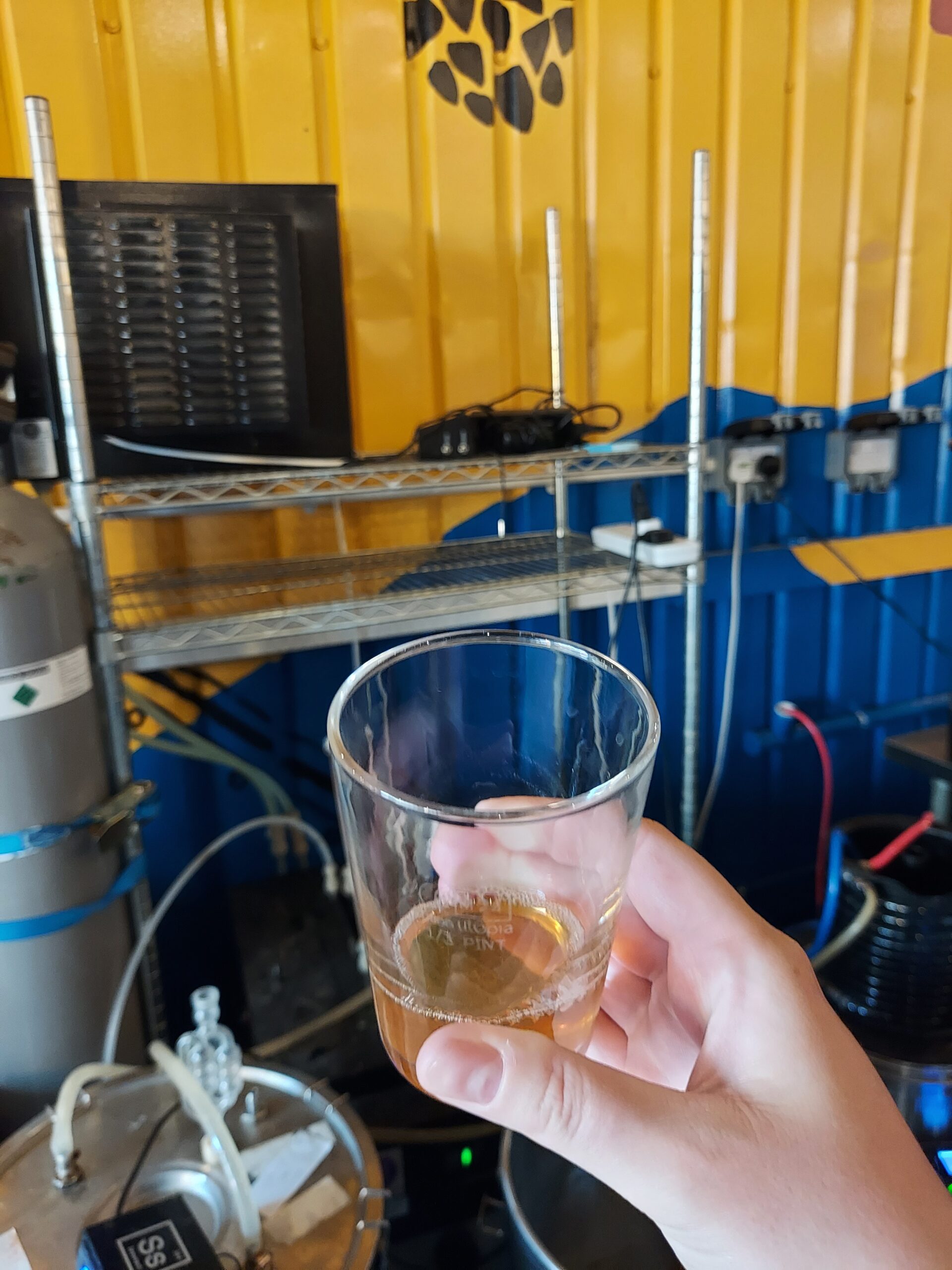
Along with some London Rebels, I attended a beer brewing session at Mash Paddle Brewery in Bermondsey, and collected the results a few weeks later. We named our IPA ‘Charly’s Ale-Jewels’.

Pickle vegetables

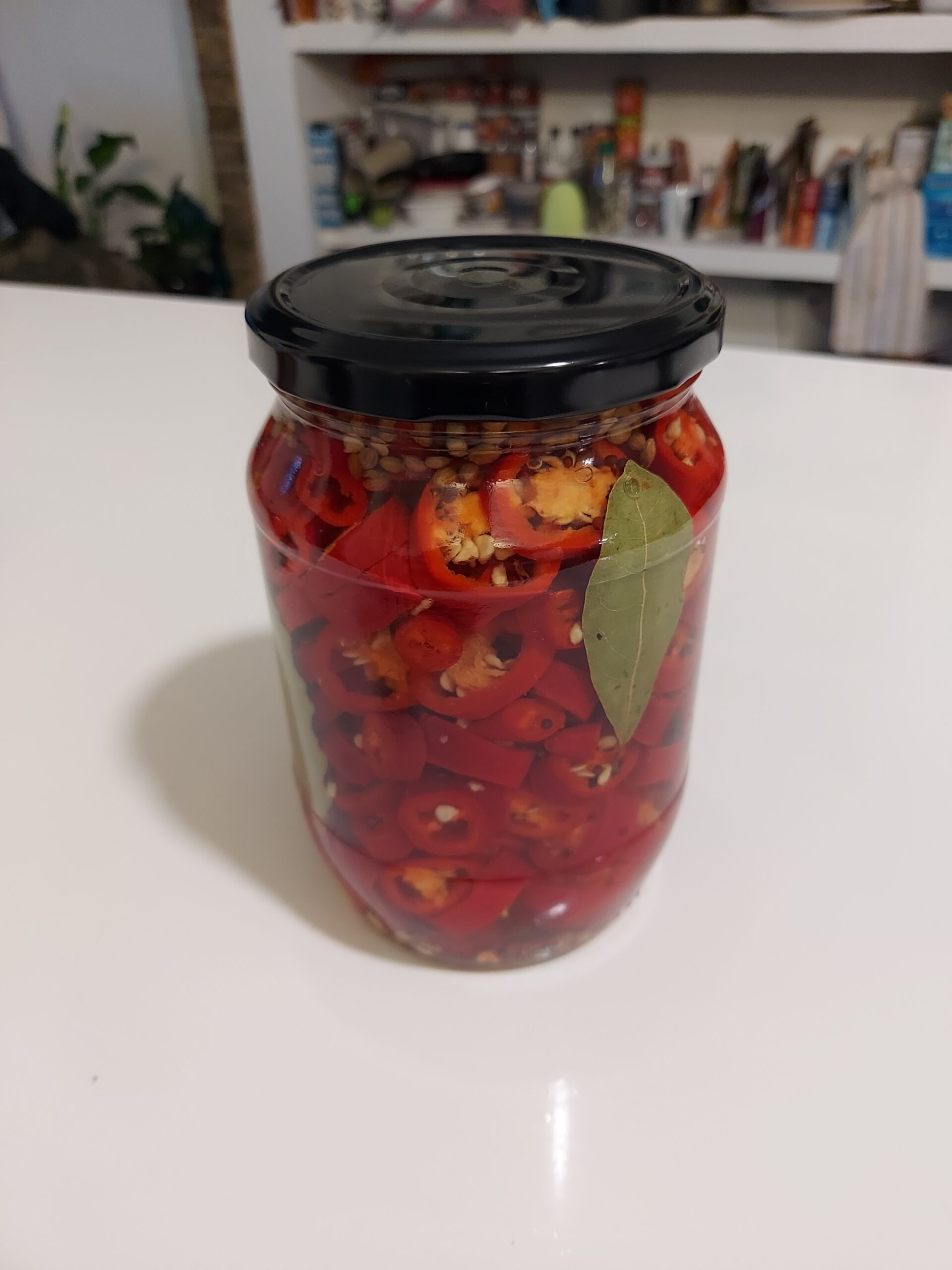
I pickled some chillis (not the same ones I grew – these were shop-bought).

Jar of pickled chillis

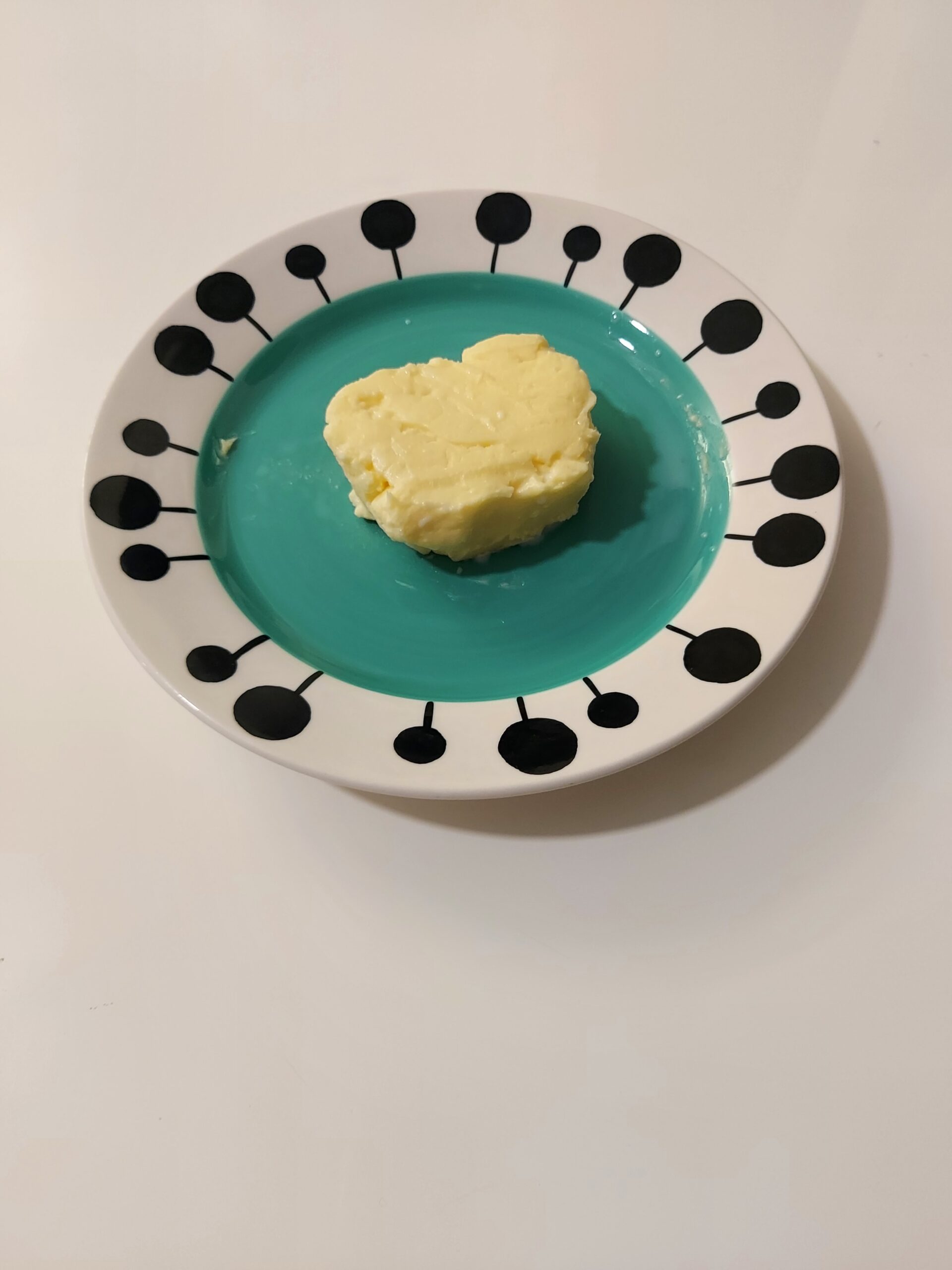
Make butter

I couldn’t believe how easy this was.

Butter

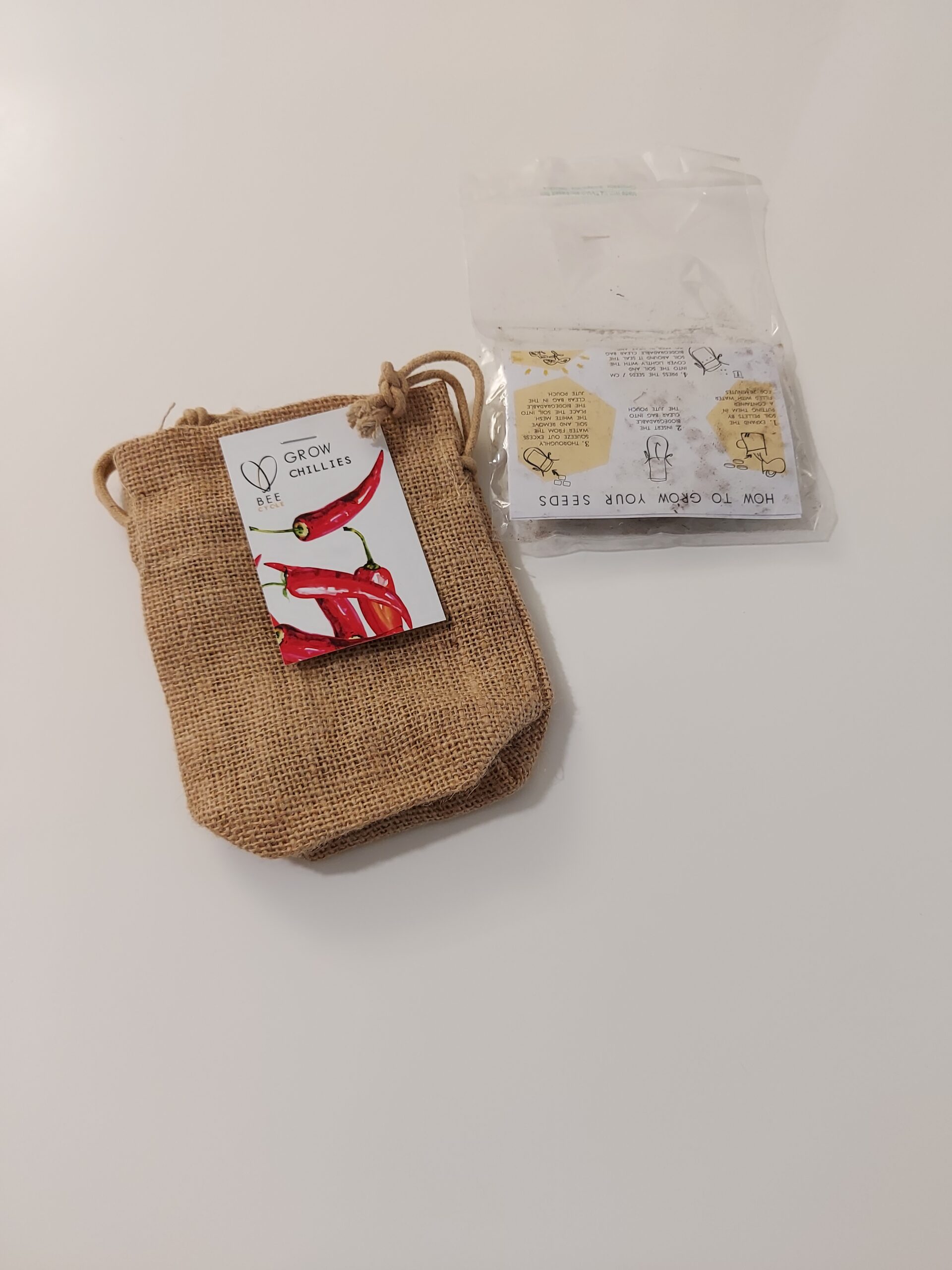
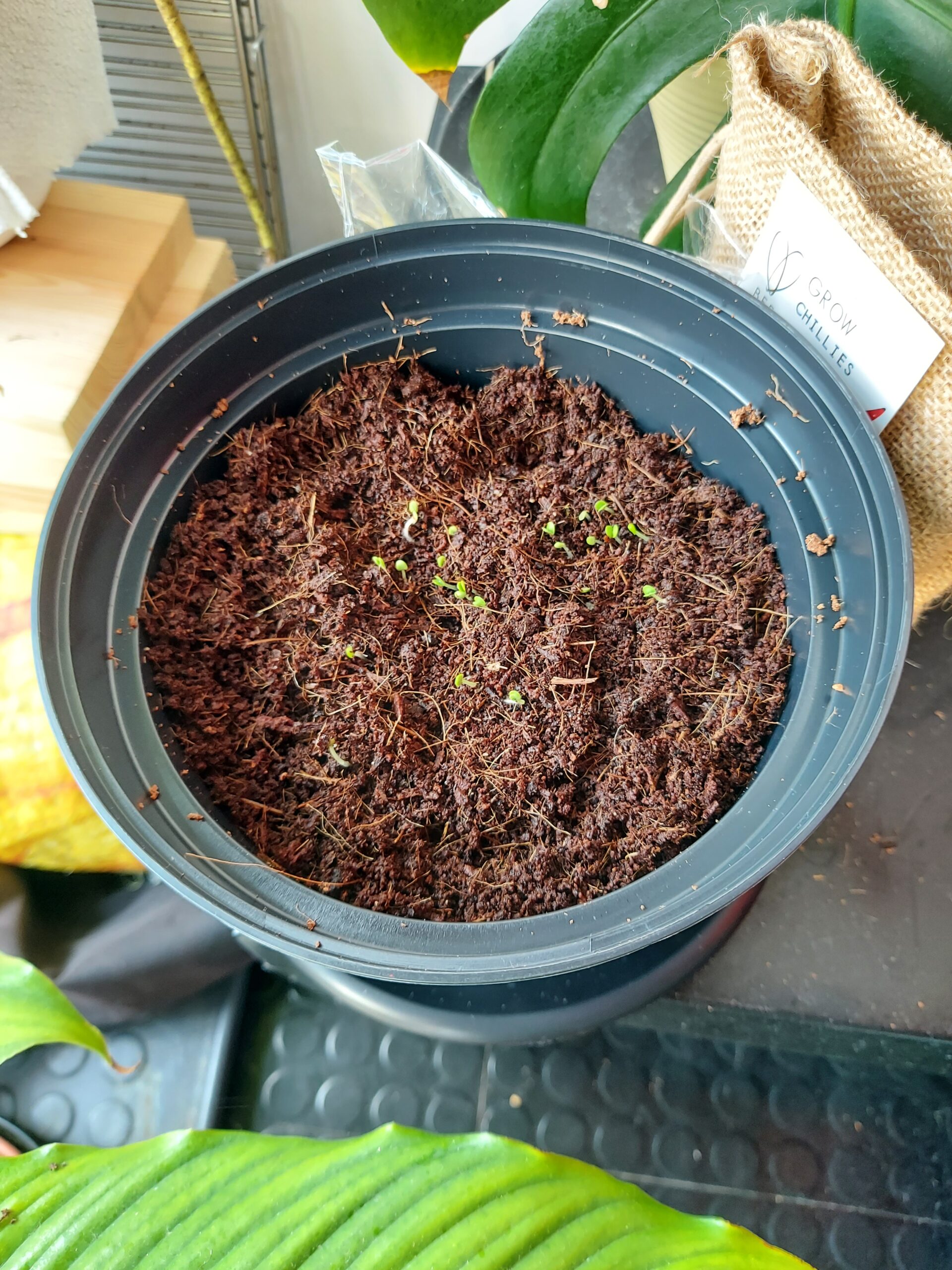
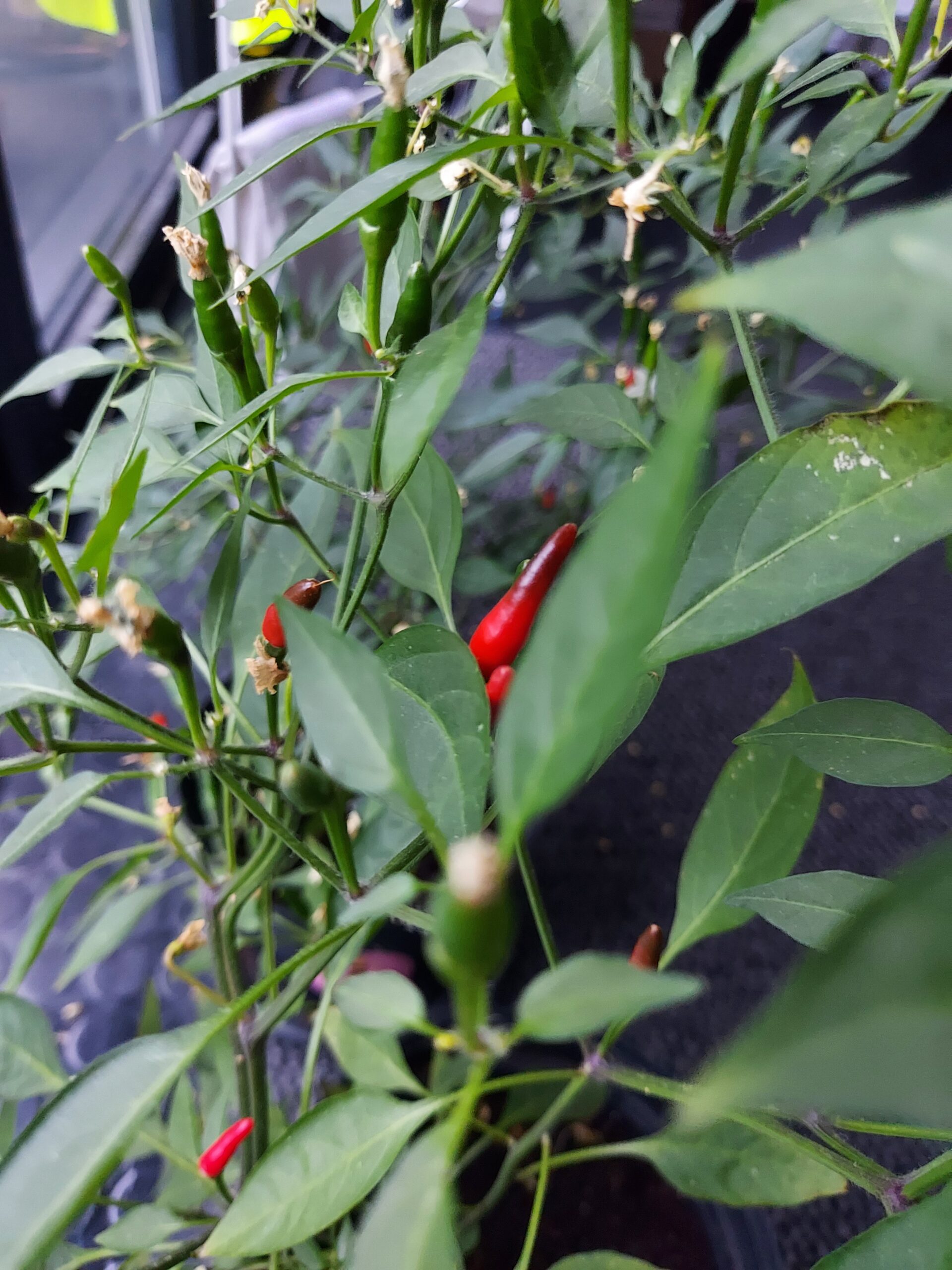
Grow onions, garlic or chilli peppers from seed

I grew chillis, which I was quite proud of as it took several months.

Make jam, curd, marmalade or chutney

I made tomato chutney using this recipe.

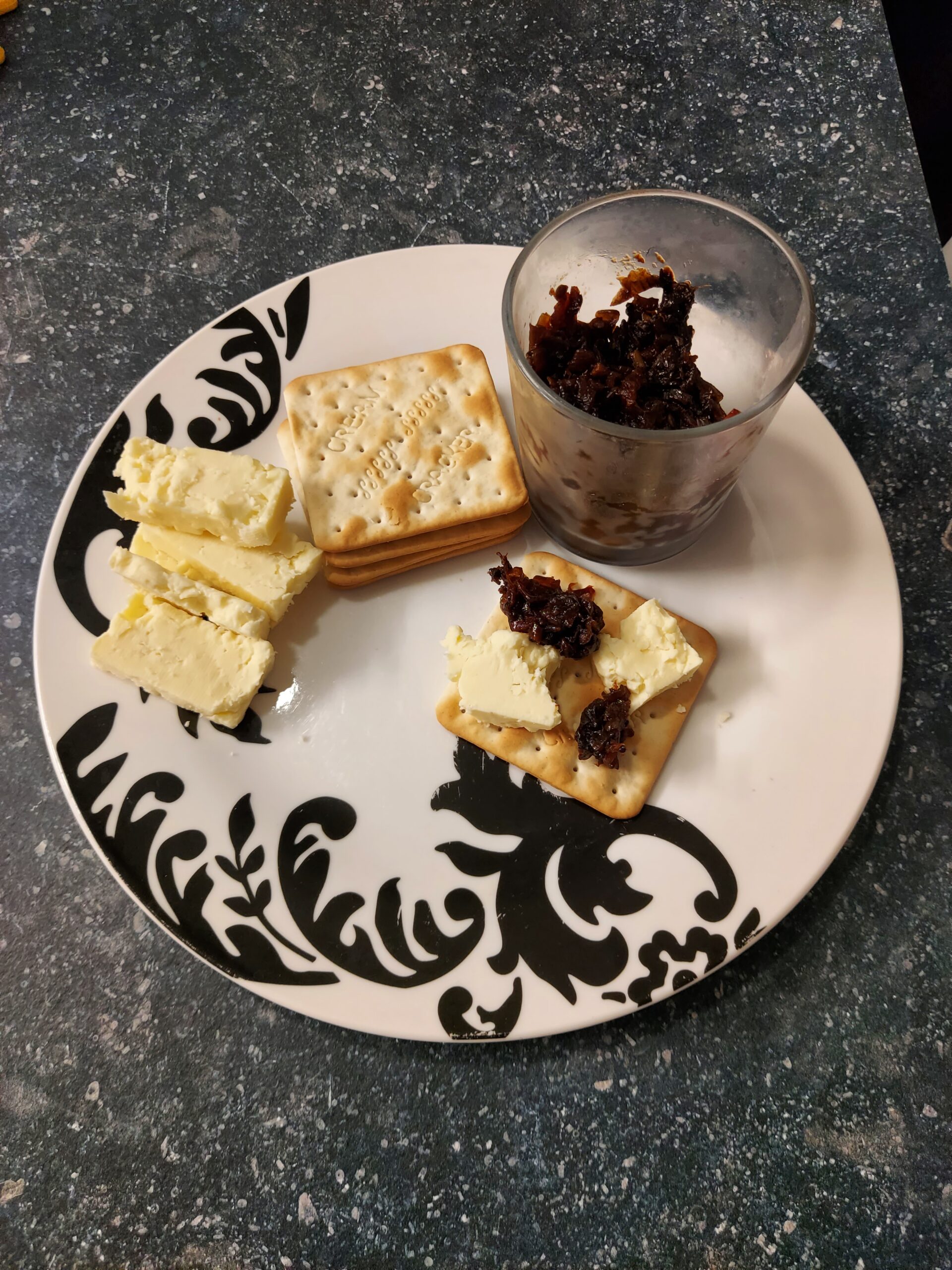
Crackers, cheese and chutney

Date completed: 19 September 2025
Rebel Badge Club: Librarian

I completed the Librarian badge as part of the Ready Player One quarterly challenge, as the badge related to books or films. I’m actually a qualified librarian, so I’ve done several of the clauses already, such as learning about different classification systems, and learning how to handle rare books. Therefore I chose different clauses for this badge, which I really enjoyed.

Reorganise and catalogue your own book collection as a personal library.

I updated my book collection on LibraryThing, including tags.

Get to know your local library.

I use my local library a lot, but I learned more about the events and groups that my local library runs, including craft clubs, rhyme time, a chess club and an English club for non-native speakers.

Visit a famous library. Create a presentation exploring the architecture of some of the world’s most beautiful libraries.

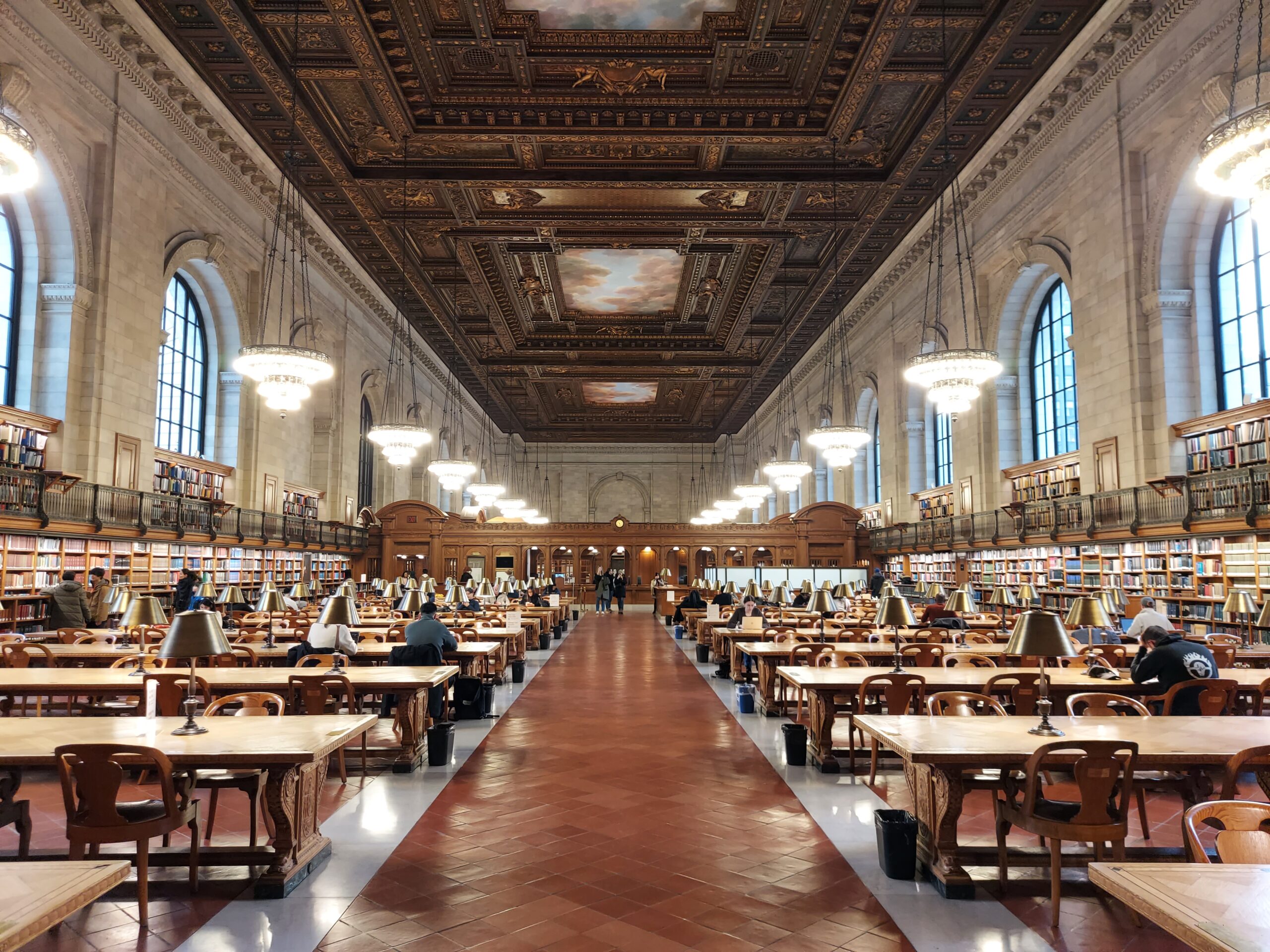
I was lucky enough to visit the New York Public Library in February.

New York Public Library reading room

I also created a presentation exploring libraries around the world.

Learn about 10 banned books – why were they banned, and where?

Nineteen Eighty-Four by George Orwell was banned in the USSR until 1988; these days Russians protesting against the Ukraine war have been arrested for giving out free copies. In addition, it is forbidden to name the novel on Chinese social media.

The Kite Runner by Khaled Hosseini is banned in many US school districts for portraying homosexuality, violence and ethnic tensions. The film adaptation was banned in Afghanistan.

Persepolis by Marjane Satrapi was banned in Iran and Lebanon, but also banned by schools in US areas such as Chicago, Alaska and Iowa, supposedly for the book’s “graphic language and images”.

Slaughterhouse-Five by Kurt Vonnegut was banned in schools in Michigan and North Dakota because it was considered “immoral”, “anti-Christian” and “obscene”. More recently it has been banned by school boards in Texas and Florida.

The Handmaid’s Tale by Margaret Atwood was removed from school libraries in at least 10 US states, most recently in 2023, owing to its references to sex and exploration of right-wing ideology.

The Witches by Roald Dahl was criticised for misogyny, as witches in the book are always women, but American parents in Oregon and Ohio had it banned for promoting occultism and because it was “derogatory to children”.

Lysistrata by Aristophanes was banned in Greece during the Nazi occupation and later under military rule from 1967. In the US it was banned under the Comstock laws prohibiting lewd or obscene material from being sent through the post.

Lady Chatterley’s Lover by D. H. Lawrence was famously the subject of an obscenity trial in the UK, banned in many countries after being privately published in 1928.

Nineteen Minutes by Jodi Picoult has 98 bans among school districts in America, not usually because of its portrayal of a school shooting, but its use of the word “erection”.

Lolita by Vladimir Nabokov was banned in France shortly after publication, and in Britain it was illegal to import “such utter filth”. Publication in the UK, Argentina and South Africa was banned for several years.

Visit a newspaper archive.

I explored the British Newspaper Archive and found regional and national papers from the day I was born.

Attend a book signing, literature festival, author Q&A or similar book-related event.

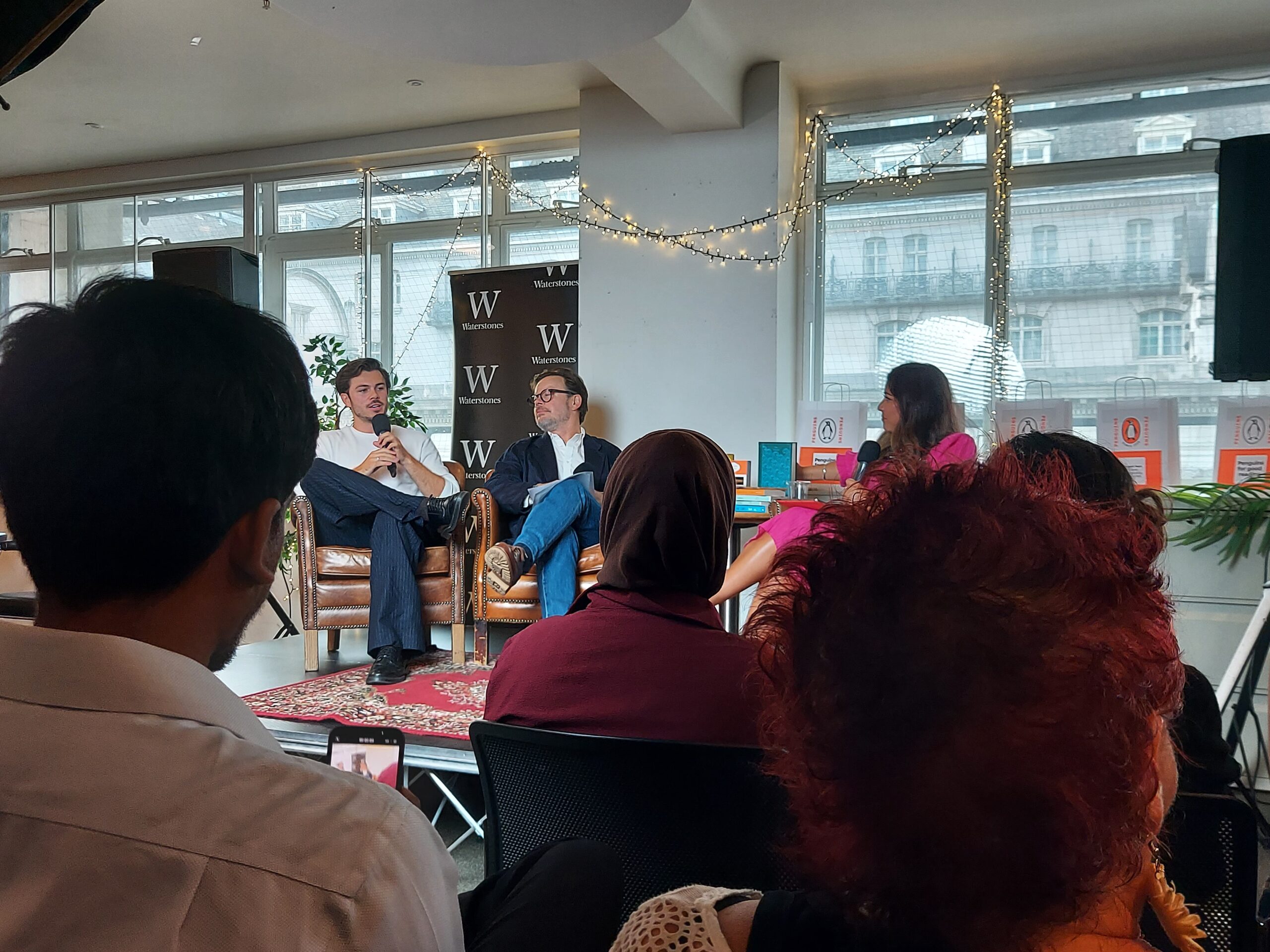
I attended a live recording of the Penguin Podcast at Waterstones in Piccadilly, hosted by Rhianna Dhillon and featuring publisher Simon Prosser and Bookstagrammer Jack Edwards. The panel discussed some of the most interesting, noteworthy and controversial books published by Penguin over the last ninety years and I left with several recommendations.

Penguin Podcast at Waterstones

Make a book nook, book ends, a fancy bookmark or a fake book storage box.

I made a cross-stitched bookmark as part of the World Book Day monthly badge.

Learn how to hand-bind a book.

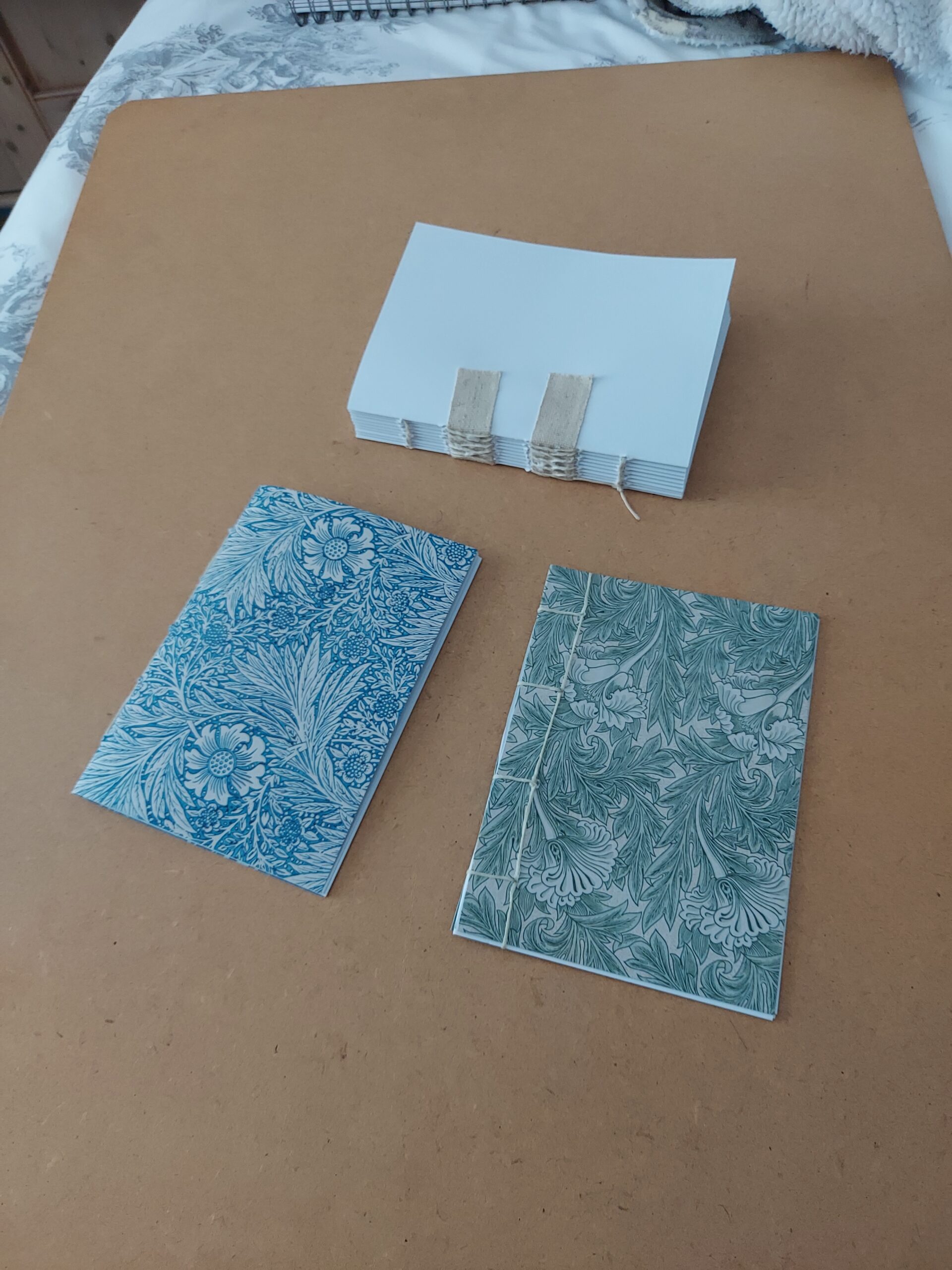
I bought a book-binding kit at Christmas and made not only my Rebel Cup passport, but a Japanese stab-binding notebook and a diary to use throughout 2025.

Handmade books

Date completed: 31 August 2025
Rebel Badge Club: Event Planner

I’m finally able to claim Event Planner. This is one of my longest-running badges as I waited for relevant events to come up! I arranged:

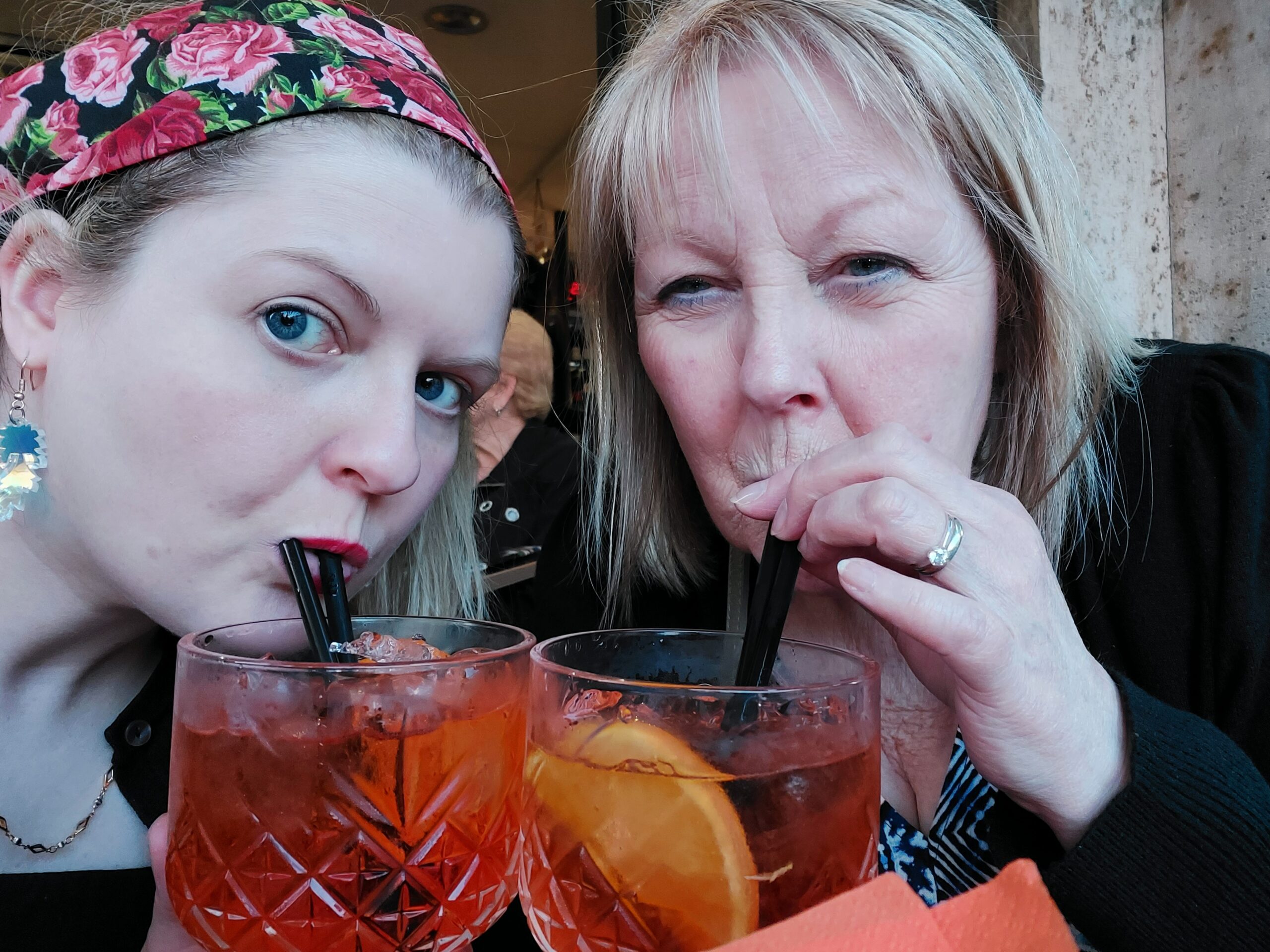
  • A holiday with my mam – we went to Rome and had a great time – I have no issues planning holidays for myself but it’s a lot more stressful planning for other people.
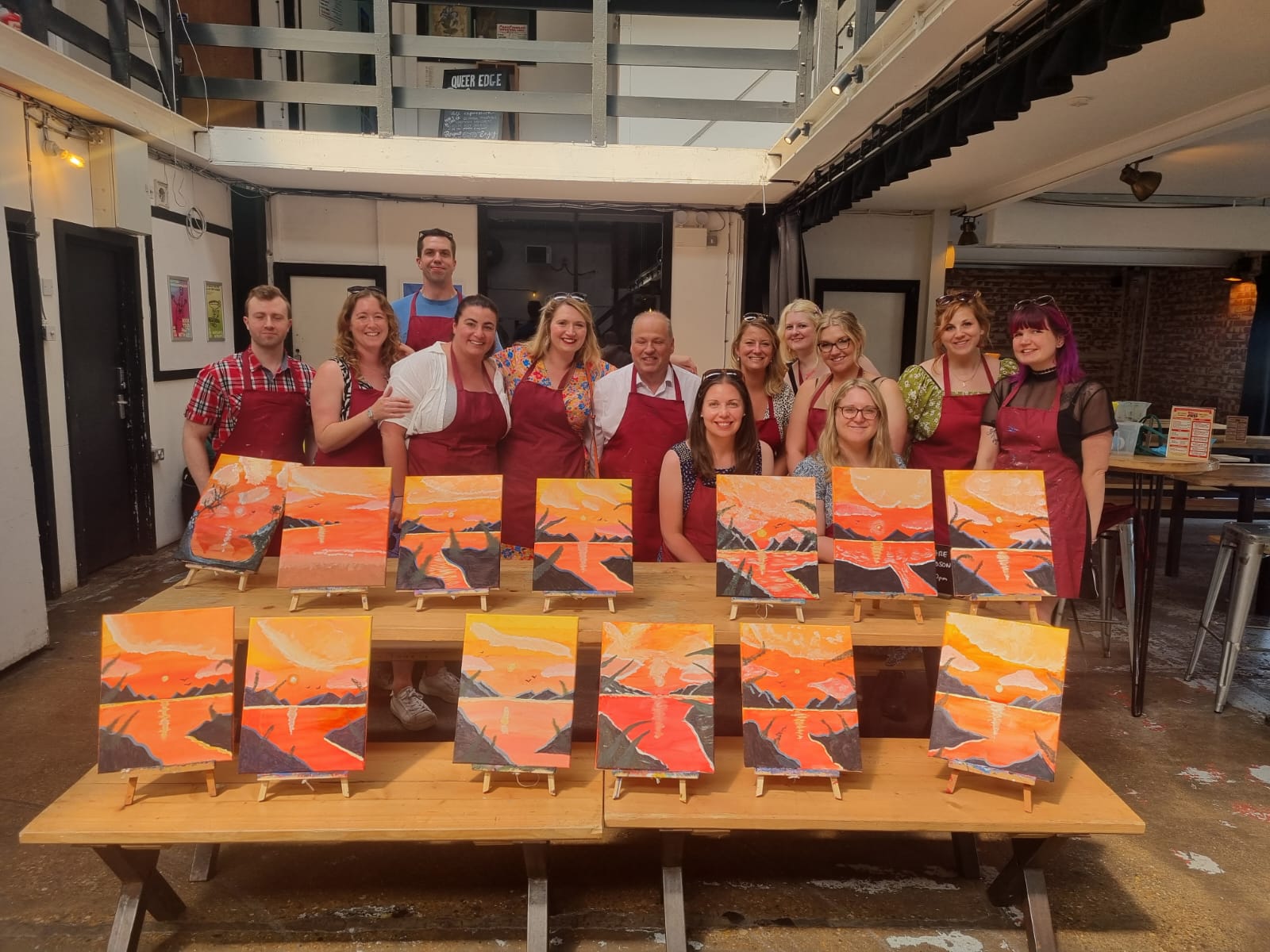
  • A hen do for my friend Hayley – we did a paint and sip class which was really fun.
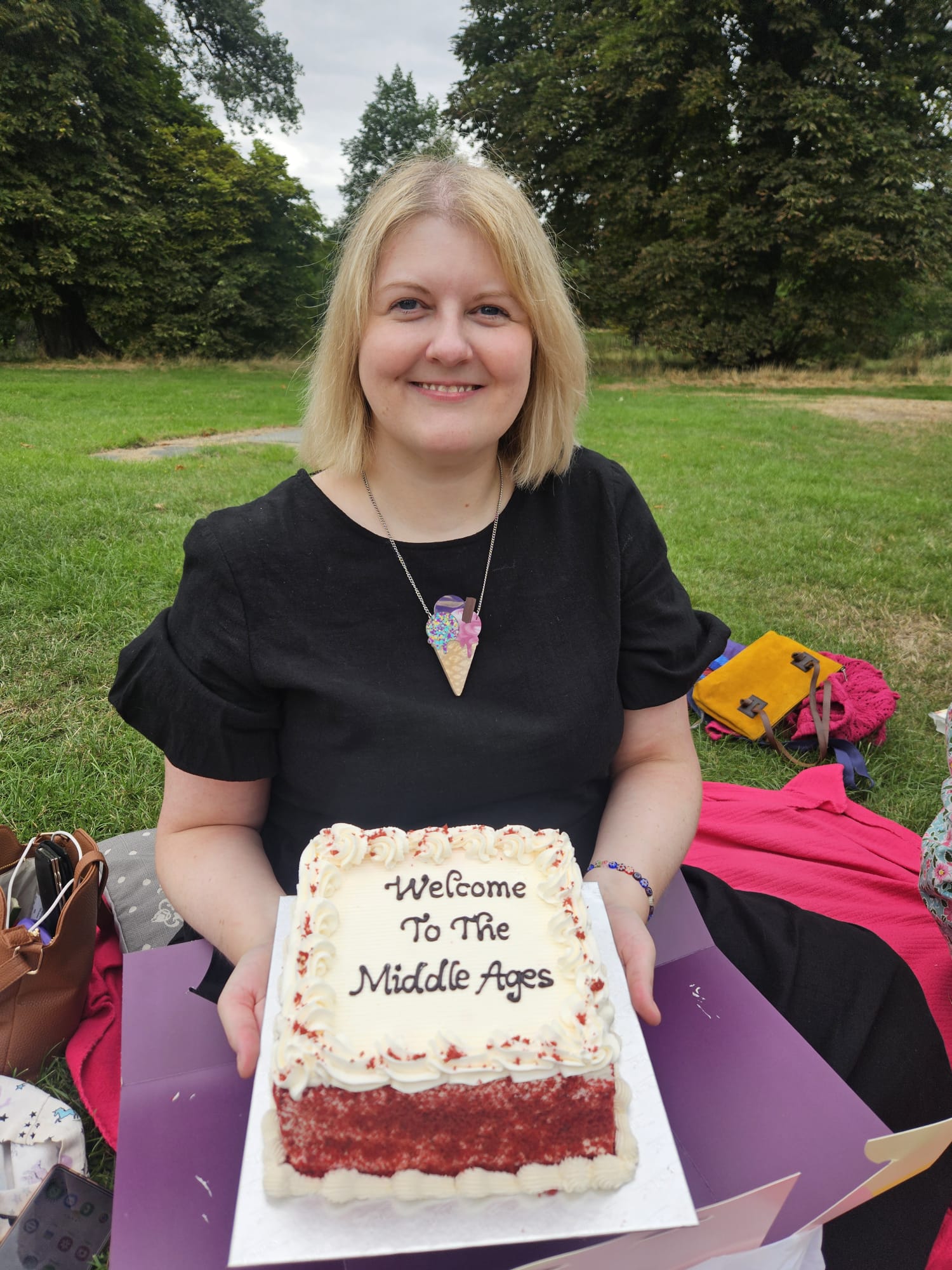
  • My own 40th birthday party!

Date completed: 2 August 2025

Rebel Badge Club: Advanced Mixologist

I decided to do the Advanced Mixologist badge as part of the ‘Curiouser and Curiouser’ quarterly challenge. For this badge, I had to make another six cocktails and learn about their histories. I really enjoyed this one – always good to add some more cocktails to my repertoire!

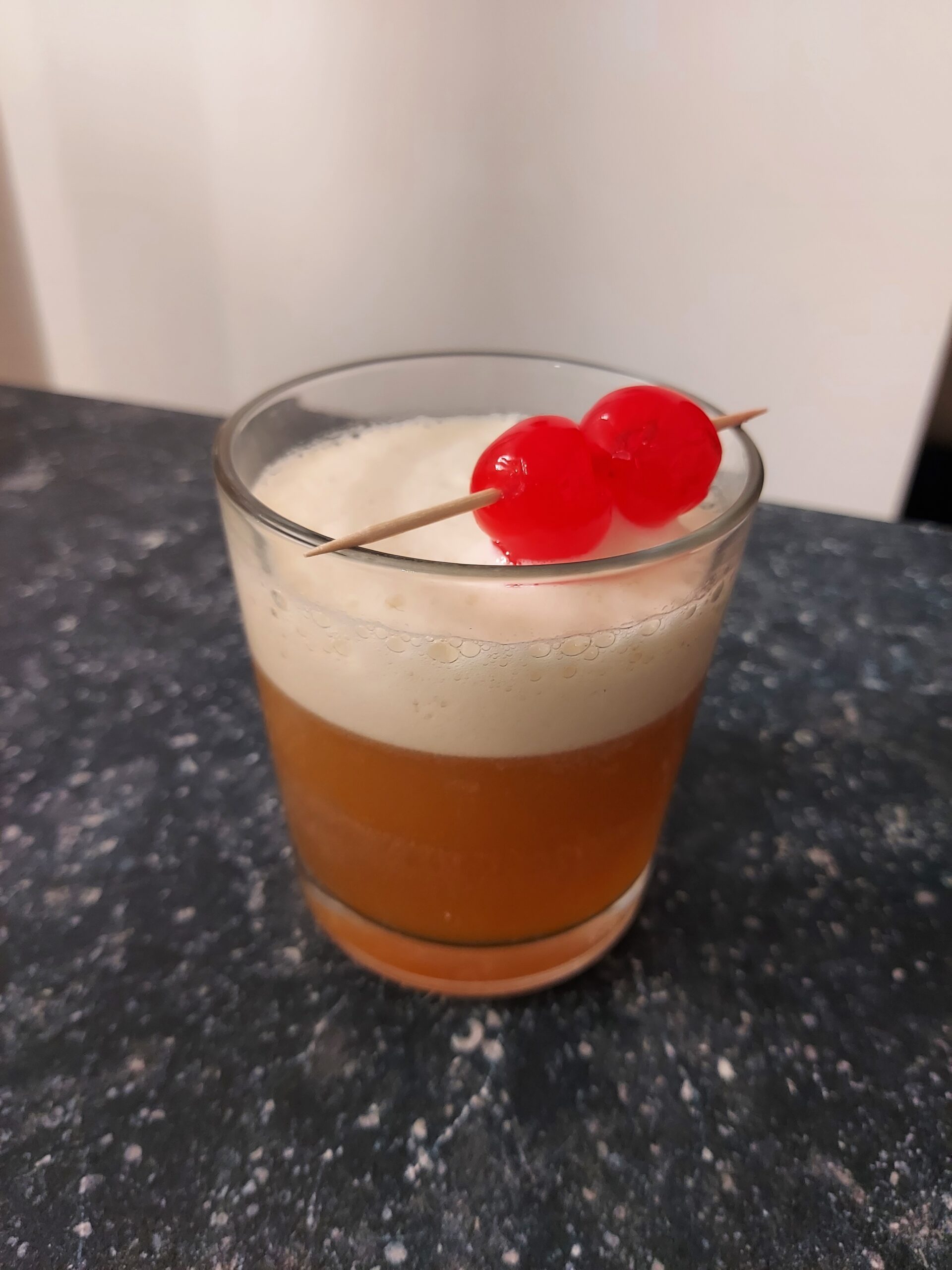
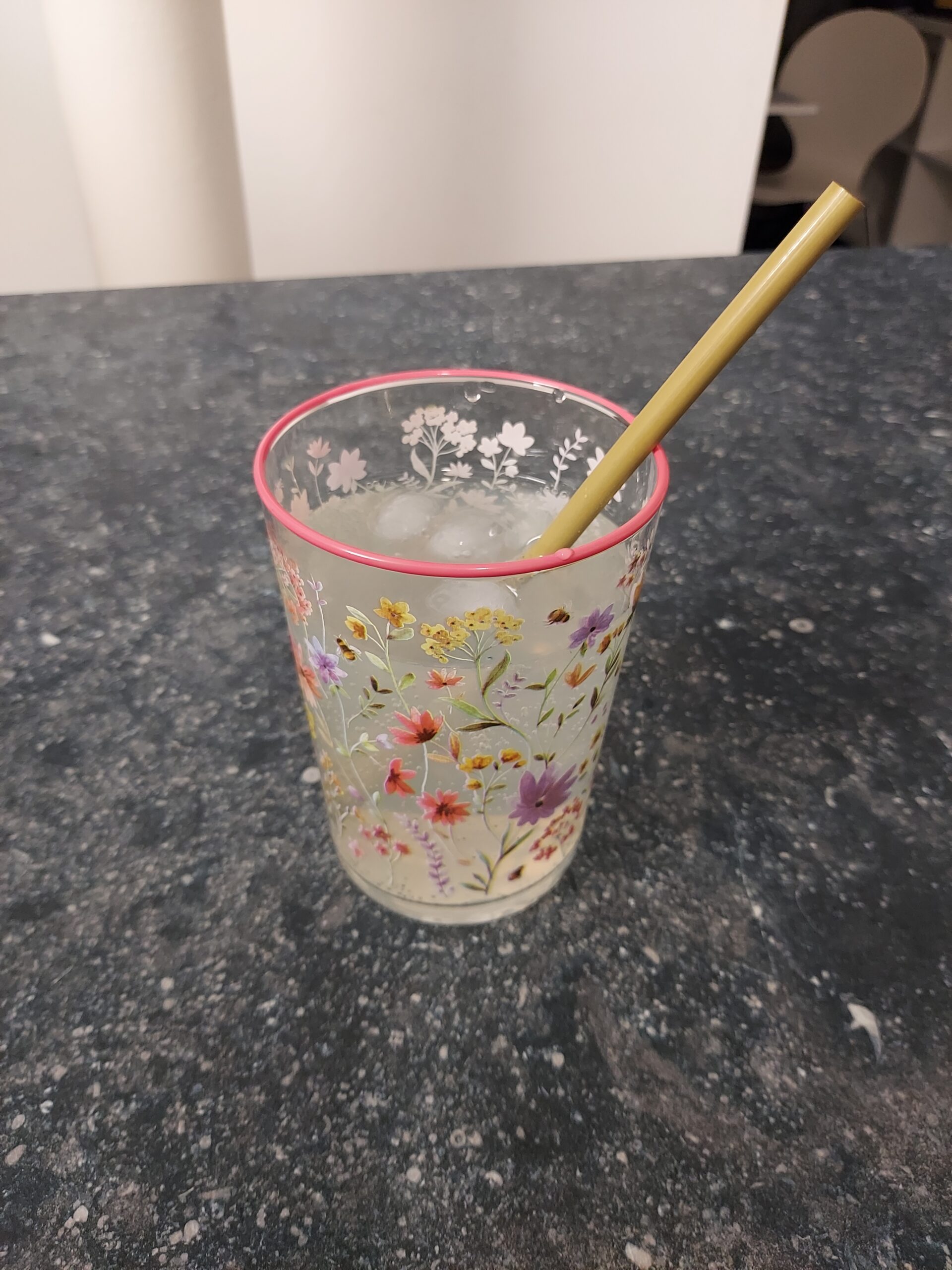
Amaretto Sour

An Amaretto Sour is a type of sour, a mixed drink made with a base spirit, citrus juice, and a sweetener. This particular sour was devised in 1974 by the importer of Amaretto di Saronno, originally a mix of two parts amaretto liqueur to one part lemon juice. It was especially popular in the 1980s, and these days often includes whipped egg white and bourbon. I made mine with aquafaba instead of egg white, and it worked really well.

Amaretto Sour

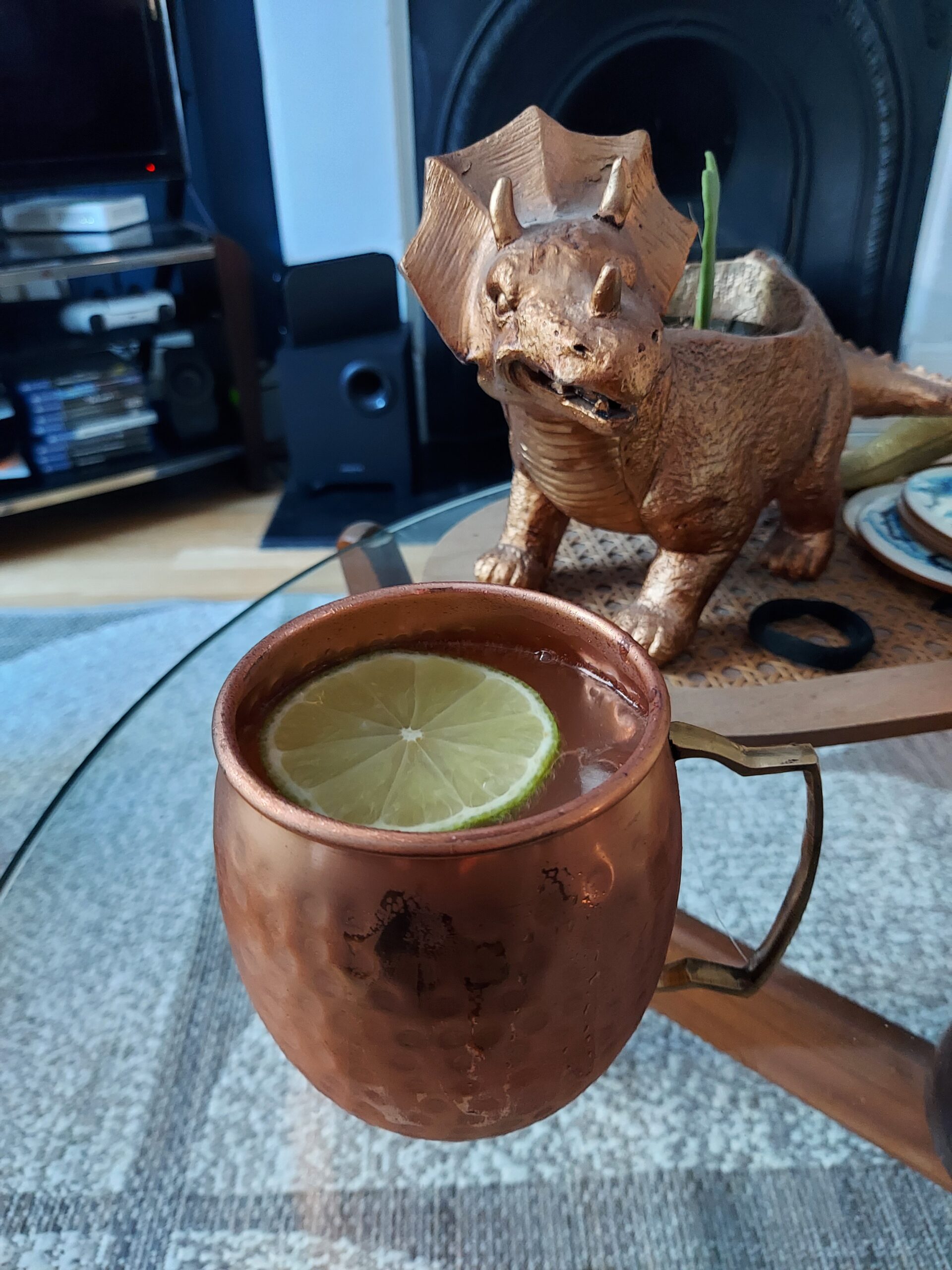
Moscow Mule

A Moscow Mule consists of vodka, ginger beer and lime juice, garnished with lime and a sprig of mint. It is traditionally served in a copper mug, which takes on the temperature of the drink (the mug should have a protective coating on the inside to prevent copper toxicity).

The beginnings of the Moscow Mule seem to lie in Hollywood’s Cock ‘n’ Bull pub. The details are slightly different depending on what source you look at, but one theory argues that the cocktail was created as a way to sell vodka, ginger beer, and copper mugs – all of which the creators wanted to get rid of.

Moscow Mule

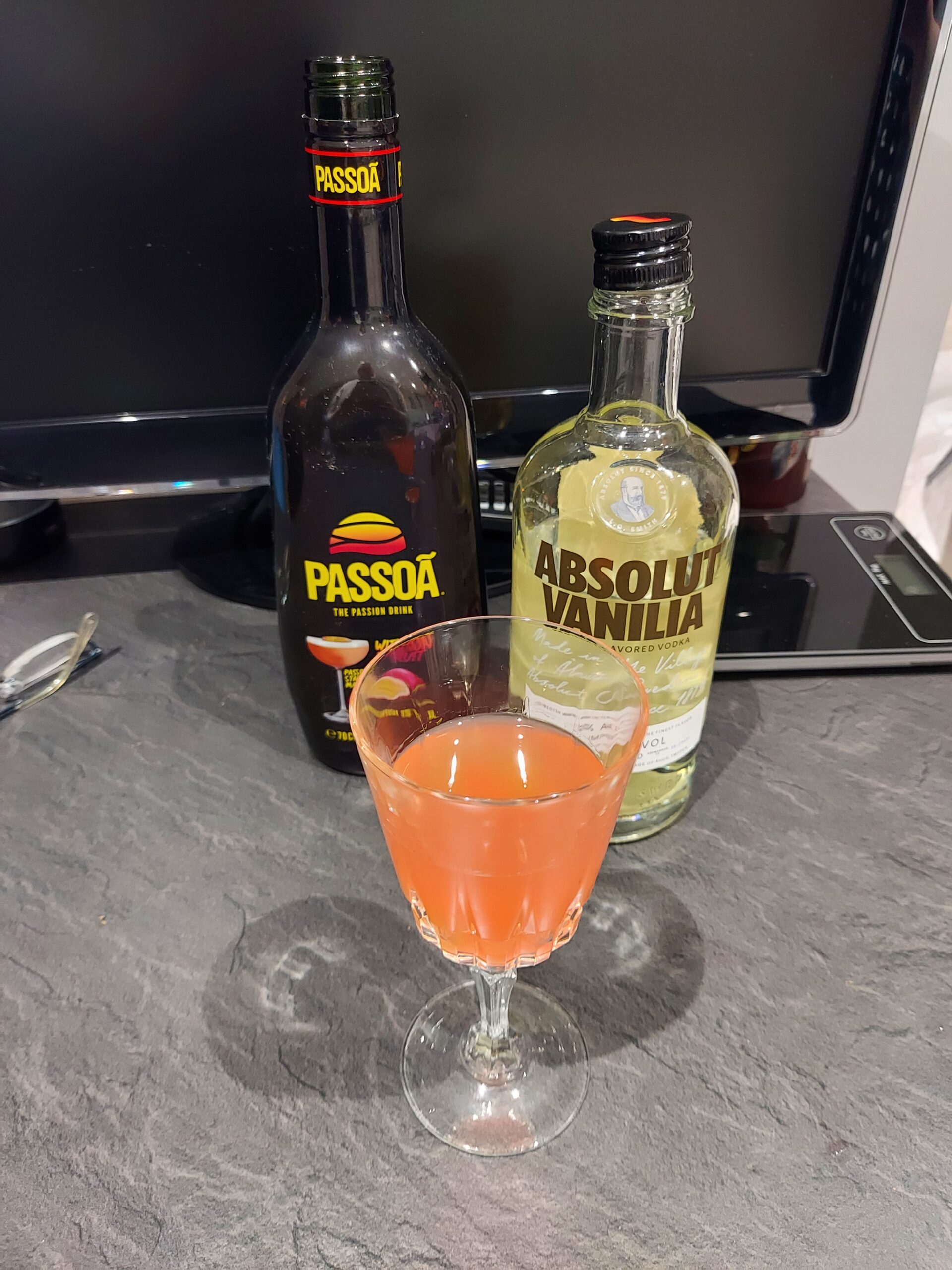
Passionfruit Martini

The Passionfruit Martini was invented in 2002 at the Townhouse Soho bar in London. Originally named the Maverick Martini, creator Douglas Ankrah renamed it to the P0rn Star Martini, believing it was a drink that a p0rn star would enjoy. Made with vodka, Passoa (passionfruit liqueur), passionfruit juice and lime juice, it is often served with a shot glass of champagne.

Passionfruit Martini

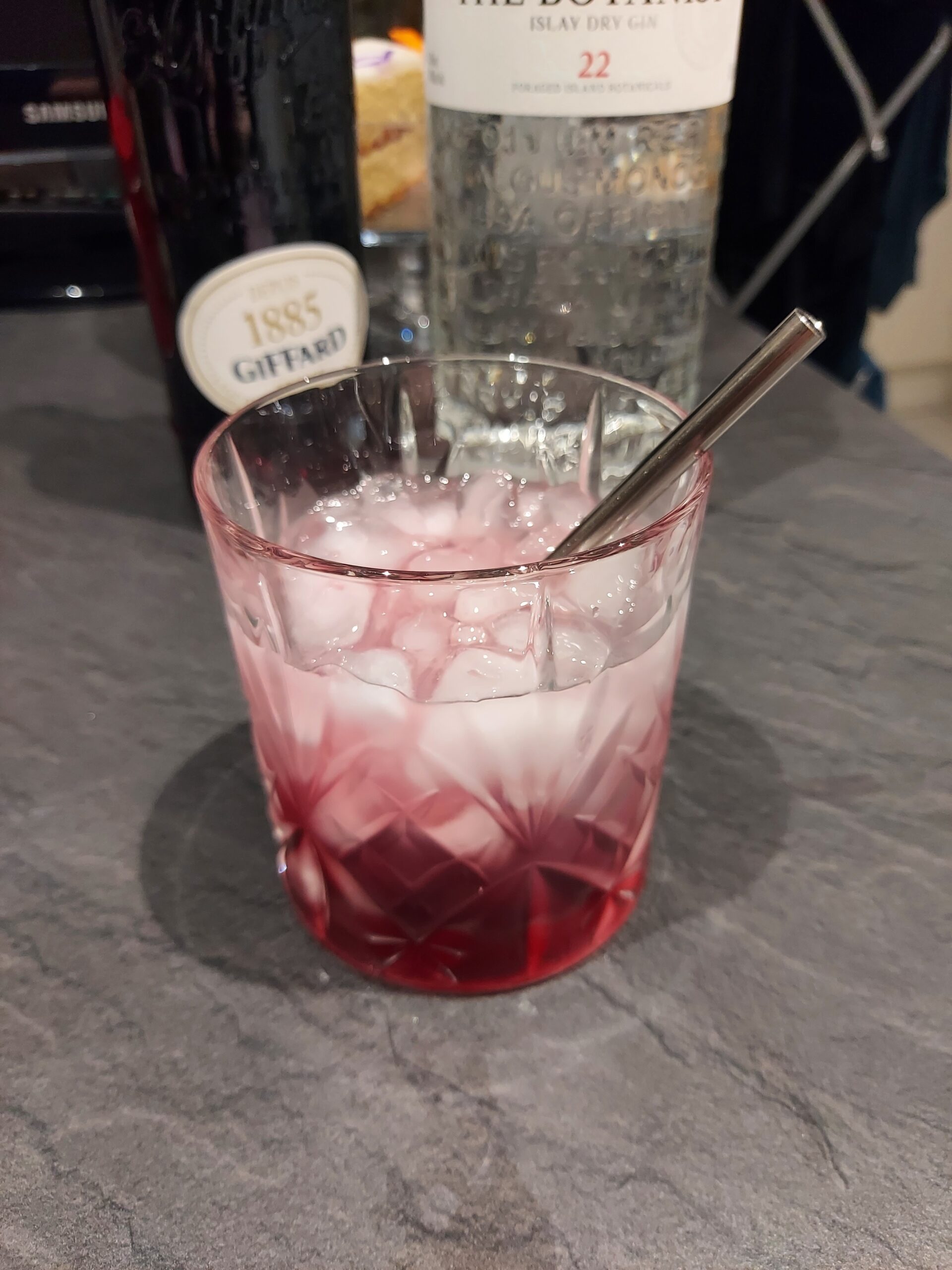
Bramble

The Bramble was my cocktail of choice during my postgrad student days in Sheffield. It is made with gin, lemon juice and sugar syrup over crushed ice, topped off with crème de mûre. The drink was invented in London in 1984 by Dick Bradsell, inspired by his memories of going blackberrying on the Isle of Wight.

Bramble

Butterbeer

The Butterbeer cocktail was inspired by J. K. Rowling’s Harry Potter series. Presumably low- or no-alcohol in the books and films (given that it is drunk by schoolchildren), several alcoholic versions have sprung up over the years. Most recipes include butterscotch schnapps, but there is a lot of variety out there.

Butterbeer

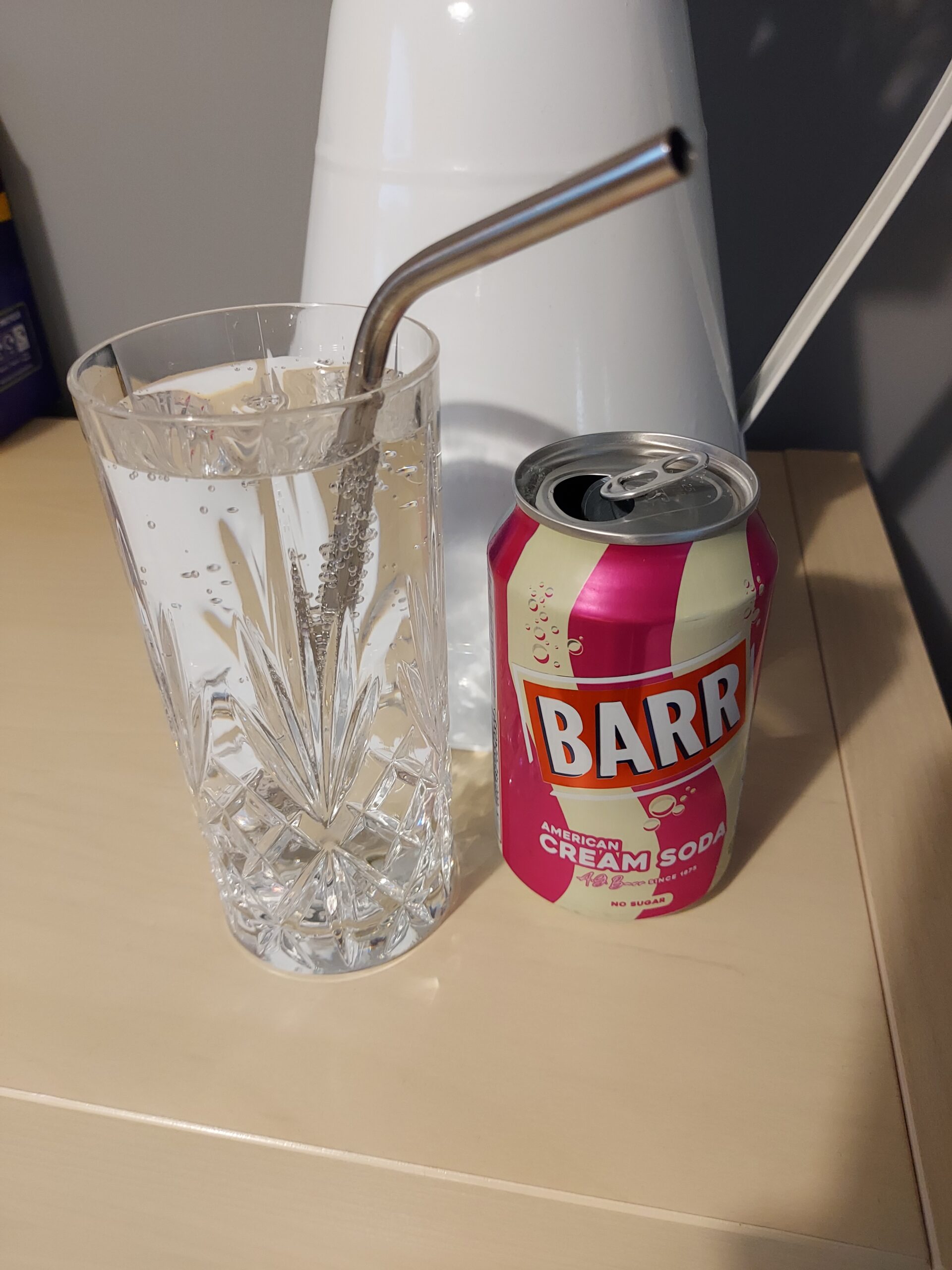
Tom Collins

A Tom Collins contains gin, lemon juice, sugar and soda water. Typically it is served in a Collins glass with a cherry garnish. The earliest printed mention of the drink is in Harry Johnson’s 1882 Bartender’s Manual, but it is said to closely resemble the gin punches served at London clubs such as the Garrick at the beginning of the nineteenth century.

The ‘Tom’ in the name may refer to the ‘Old Tom’ gin that was used in traditional recipes, though these days any gin can be used. Originally a John Collins was the name for the cocktail made with London dry gin.

Tom Collins

Date completed: 29 June 2025

Rebel Badge Club: Barista

Unlike a lot of Rebels, I found it hard to choose which drink to base my Barista badge on as I enjoy coffee, tea and hot chocolate. In the end I opted for coffee, since the term ‘Barista’ suggests ‘coffee’ to me, and coffee beans are the symbol for the badge.

I come from a highly caffeinated family: we usually have at least two cups of coffee and one or two cups of tea a day. I’m not quite as hardcore as my dad, who drinks another cup of coffee before bed and falls straight to sleep, but I do need my tea and coffee to get me through the day. I tend to go through phases where I drink more tea or more coffee – I’m definitely going through a coffee phase right now. Hot chocolate is more of an occasional treat.

Research the history of your chosen beverage, including how it found its way to your country. Present your findings in an interesting way.

Draw a diagram to show the journey from growing a coffee bean all the way to your mug.

I found some interesting sources on this, including liquidline.co.uk, and made a diagram.

Diagram showing the journey of coffee from plant to cup

Choose at least 5 different types of your chosen drink – learn about their origins, and differences in appearance, scent and flavour profile.

Espresso: a concentrated drink made with roasted beans and an espresso machine. High water pressure and finely ground beans result in a concentrated shot with a top layer of foam or ‘crema’. The espresso forms the basis of many coffee-based drinks including the cappucino and the latte. I was really surprised by how modern espresso is. The espresso machine was invented in 1884 by Angelo Moriondo. The first commercial machine was created in 1901 by Luigi Bezzera.

Americano: espresso with added hot water. This water creates a longer drink and helps to tone down any bitterness. It is believed to have originated in Italy during World War II, when American soldiers found the local espresso too strong so watered it down. The long black, which developed in Australia and New Zealand, is similar but tends to contain more crema; it is made by pouring espresso into hot water, instead of the other way around.

Cappucino: equal parts espresso, steamed milk, and milk foam. It has a creamy, smooth consistency, with more caffeine and a richer flavour than standard coffee. This drink appeared in northern Italy in the 1930s.

Latte: one part coffee and three parts milk, topped with foam. Lattes are rich and creamy; they have a smooth texture and a subtle taste. The term caffè e latte was first used in English in 1867 by William Dean Howells in his essay “Italian Journeys”, but as this predated the espresso machine, it was likely very different than today’s lattes.

Flat White: a double shot of espresso topped with milk and microfoam. The drink came about in the 1980s, invented in either Australia or New Zealand – both countries claim ownership.

Macchiato: another variation of a cappucino, but without steamed milk. Espresso is added to the cup after a small amount of milk froth, and the rest of the milk is spooned over the espresso after it is brewed. It likely originated in the 80s as a lighter alternative to espresso. The cortado is a Spanish version of this drink made without froth.

Mocha: this drink originated in Mocha, Yemen. It is made in a similar way to a cappucino, but with added drinking chocolate.

Iced coffee: espresso cooled with ice cubes; milk and any flavourings are then added.

Cold brew: unlike iced coffee (which is made by pouring hot coffee over ice), cold brew is created by steeping coarsely ground coffee beans in water for an extended period of time. This method has been popular in Japan for centuries.

Cafe au lait: usually made with French Press coffee, it is served with scalded milk. The first French Press was patented in 1852 in France by Jacques-Victor Delforge and Henri-Otto Mayer.

Explore the different ways to make your chosen drink. Get confident making a wide variety of your chosen beverage.

I’ve taken the opportunity to research all the different ways to make coffee, which I’ve always found confusing. In particular I found this article really helpful for exploring all the different brewing methods. I would love to try them all, but I don’t want to buy loads of expensive equipment, so I’ve stuck to filters and trying out my parents’ French Press.

I prefer filter coffee with a little bit of milk. I normally find syrups a bit sickly – the exception being when it comes to iced coffee – so I’ve avoided these.

Make a list of at least six different shops or cafés which serve your chosen beverage. Visit each one and rate your drink.

This was a great excuse to visit some local coffee shops I hadn’t had a chance to try.

TasteTemperaturePresentationValue for MoneyAmbienceOverall Experience
Kimbo888888
J&Y Coffee House998
7
67
Café Zee887888
Red Box988888
Paperback788788
The Moon687787

Learn about ethical production of your chosen drink, and the various ethical marks used on packaging in your country. Understand the concerns related to Fair Trade supply.

I found ethicalconsumer.org a really useful source in learning about the ethics of coffee. The roots of coffee’s popularity lie in colonialism, and labour abuses still exist today. Around 80% of the world’s coffee comes from smallholder farms, mostly in the Global South, but the majority of the profits are accumulated in the consuming country.

Coffee beans are commonly roasted closer to the point of sale (usually the Global North). It is often argued that this process is best for product quality and freshness, but this is not necessarily true, and roasting it closer to the point of origin could make it easier and cheaper to transport and help increase value for its producers.

Human rights issues in coffee production can be eliminated or mitigated by the use of cooperatives. In Brazil, where most coffee is produced, cooperatives have been shown to be an effective way for farmers to organise.

Women make up a considerable proportion of the workforce in coffee production, but are less likely to be landowners or involved in cooperatives or training. In Guatemala, the Red de Mujeres (network of women) self-organised and formed an association to help address this balance, while coffee buyers Equal Exchange have developed a ‘Grown by Women’ range.

Sun-grown coffee dominates the industry, as it delivers maximum product for a cheaper price, but its prevalence has led to deforestation and biodiversity loss. Shade-grown coffee is better for the environment, preserving carbon, reducing soil erosion, and providing habitat.

Ethical marks used on coffee include Fairtrade, Rainforest Alliance and Fair for Life. Exclusive to coffee is the Bird Friendly certification, while Starbucks has its own (much criticised) C.A.F.E.Practices scheme. Fairtrade seems to be considered the best certification scheme, though it is not perfect.

The Fairtrade label means that the coffee has a minimum price that must be paid when the market price falls below it, as a safety net. However, being certified Fairtrade does not mean that producers are selling their produce as Fairtrade. The coffee price also fluctuates more widely than the tea price.

Host some form of event related to your chosen drink.

I hosted a coffee afternoon while I was staying with my parents.

Date completed: 23 June 2025

Rebel Badge Club: Detective

When I was little I loved to read books like Enid Blyton’s Secret Seven and Five Find-Outers, and I remember having my own fingerprinting kit and my own detective club (never actually popular with anyone else). Therefore I was really looking forward to the Detective badge.

Learn about the science of fingerprinting.

Fingerprints are completely unique, even more so than DNA. Fingerprints are the tiny ridges, whorls and valley patterns on the tip of each finger. They form from pressure on a baby’s tiny, developing fingers in the womb. Fingerprint analysis has been used in criminal cases from the mid-nineteenth century. Scotland Yard established its first Fingerprint Bureau in 1901. The Japanese National Police Agency established the first electronic fingerprint matching system in the 1980s.

Fingerprints are an example of biometrics. They are relatively accessible and easy to classify and sort. They are made up of ridges called friction ridges. Each ridge contains pores, which are attached to sweat glands under the skin.

The three distinct shapes are arch, loop and whorl. Arches slope upward and then down, like narrow mountains. Loops begin on one side of the finger, curve around or upward, and exit on the other side. Whorls form a circular or spiral pattern. Looking at my own fingerprints, I appear to have whorls! Scientists analyse these patterns, including characteristics called minutiae that cannot be seen with the naked eye.

The technique of fingerprinting is known as dactyloscopy. Until digital scanning came about, it was done using ink and card. Fingerprints found at the scene of a crime can be categorised as visible prints – those that leave an impression, such as on blood, dirt or clay – or latent prints – those that can be made visible using powder, lasers or other light sources.

Learn about the use of DNA evidence.

DNA evidence has been utilised since the mid-1980s.

DNA is also known as a “genetic blueprint” as it contains the instructions that govern the development of an organism. Just 2% of human DNA contains genes that determine hair colour, eye colour and height as well as other physical features. This part is called the coding region. The other 98% is called the non-coding region, and this is used by forensic scientists in criminal investigations. It contains unique repeating patterns called short-tandem repeats (STRs) that can be measured to define the DNA profile of an individual.

All cells contain DNA except mature red blood cells. Sweat, semen, body fluids or skin cells left behind at a crime scene can be examined. No two people have completely matching STR markers, except for identical twins.

Investigators collect items from the crime scene that might have DNA on them, and analyse them. The best evidence comes when DNA from a suspect is found where it should not be. For instance, during a break-in where the suspect would not have any legitimate reason to have been there. Reference samples are taken from suspects and victims, as well as elimination samples to rule out e.g. investigators. Evidence should be properly collected and preserved in appropriate conditions.

Parents share around 50% of their DNA with their children. Siblings also share around 50% of their DNA. Grandparents/grandchildren, aunts and uncles/nieces and nephews, and half siblings share between 17% and 34%.

Learn about blood spatter analysis and different patterns.

Blood behaves according to certain scientific principles. Therefore, blood left behind at a crime scene can be analysed to work out how the blood may have been shed. Patterns, size, shape and location of the bloodstains can be analysed using principles of biology, physics and mathematics to work out where the blood came from, what caused the wounds and from what direction, the position of the victim and perpetrator and any movements made afterwards. Information can be gathered not only about what happened, but also what could not have happened, perhaps corroborating or refuting witness statements.

Bloodstains can be classified into three basic types: passive (including drops and pools), transfer (resulting from objects coming into contact with existing bloodstains) and impact (such as gushes, spurts and splashes).

Make a scrapbook about your favourite fictional detective.

I made a scrapbook about Inspector Erlendur from my favourite Icelandic detective series.

Solve at least three cases.

At the Big Rebel Meet Up last autumn I worked with my patrol to solve The Balthazar Stone.

I read The Aerial Acrobat Mystery, a solve-it-yourself detective novel.

I also listened to Cold Tapes, a podcast series investigating a murder on a remote Antarctic base.

Learn at least three different methods of concealing a message.

I completed this clause while working on the Codebreaker badge, but I will repeat my findings here. Some ways to hide a message include using invisible ink, using constrained writing (e.g. acrostics or intentional spelling mistakes), and hiding messages within digital photographs.

Watch at least three true crime documentaries, listen to at least three different true crime podcast series, or read three detective novels. Write reviews of the chosen media.

I love detective novels, so I read and reviewed three books.


Holy Island – L. J. Ross

I don’t read a lot of contemporary British crime. My preferences are for either classic crime of the Agatha Christie era, or modern Scandinavian crime fiction. For the Detective badge I decided to branch out and give some British crime a go. This series has been on my radar for a while as it’s set in my home region – although I’ve never actually been to Holy Island. Something I need to rectify!

This first book in the series sees our protagonist DCI Ryan enduring some enforced time off after a particularly stressful case (which we learn more about over the course of the story). The discovery of the body of a young woman, killed in a ritualistic fashion on the island of Lindisfarne, brings him back to work. Soon he and his team realise that they have a serial killer on their hands – or do they?

There was a lot to like about the book. The island setting worked well and I enjoyed the discussions of history, ritual and folklore. The plot had plenty of twists and turns and kept me guessing throughout. DCI Ryan is a likeable protagonist, even if he is a bit of a cliche – highly able but flawed, taciturn but respected by his team. Oh, and, of course, he’s hot.

Some aspects I was less keen on. The book is littered with incongruous Americanisms, though I’m inclined to blame the publisher for those. I was uncomfortable with the casual misogyny – on first meeting Anna Taylor, another major character, Ryan refuses to believe she is an academic doctor – the book is set in 2015 by the way, not 1915. The comparative descriptions of Anna and her sister made me feel uneasy. Anna herself is also hot (of course), and has seemingly gone from study at Durham University straight to an academic career at the same place without any stressful moves or fixed-term contracts, which, from what I know about academic careers these days, seems highly unlikely. I could have done without the romance, which had me rolling my eyes, and the plot, while compelling, was extremely far-fetched.

All things considered, and admittedly against my better judgement, I did enjoy this book despite its flaws. I’ll probably read the rest of the series, if only to spot locations I’m familiar with.


Tokyo Express – Seichō Matsumoto

For my second book for the Detective badge I went for Tokyo Express by Seichō Matsumoto. I’ve seen it in bookshops and thought it looked intriguing, so now was the time to give it a go.

Originally published in 1958, it is the mystery of a young couple found dead on a rocky beach. They have both died by cyanide, and it is assumed that it is a lovers’ suicide. However, two detectives – experienced Torigai Jutaro and young Kiichi Mihara from Tokyo – believe that something is not right. Between them they work to solve the puzzle of this case.

The story is unusual in that we have no real doubt of the killer’s identity – the interest is in how the detectives manage to work it out. I have come across this in other Japanese detective fiction I have read – perhaps inspired by this book, considered a classic. There are still surprises in store, motivations to uncover, and the puzzle of “howdunit”. One thing that struck me is that the plot could not have taken place in the UK – our public transport is simply too unreliable.

I liked the relationship between the two detectives, Torigai and Mihara, as there is a sense of mutual respect, particularly from the younger to the older. The tone of the book is elegiac, reminiscent of Georges Simenon novels. There is an unhurried atmosphere, yet this does not make the book any less compelling.

I appreciated the occasional diagrams showing platform layouts and train times, as they helped me to visualise what was being talked about. Similar descriptions in other novels often leave me lost without these visual aids.

I found the book very satisfying, and enjoyed the writing style. I would certainly read more by this author. I’ve never read a Japanese crime novel I didn’t like – perhaps this is because only the best are translated into English, but either way, it bodes well.


Death On Ice – R. O. Thorp

The third book I chose as part of my Detective Badge was Death On Ice by R. O. Thorp. I chose it because I’m a sucker for anything set in the Arctic. The blurb promised a cosy mystery on a cruise ship filled with scientists, crew members and rich eccentric guests – great stuff.

This is the first book in what will be a series featuring the Blanchard twins, Finn and Rose. Both scientists, they are on the ship to study Greenland sharks. When a murderer strikes, they are the only individuals free from suspicion – since they are in a submersible exploring the Arctic Ocean at the time – so end up helping two British policemen currently in Svalbard, Tom and Titus, investigate.

The Arctic setting is a great one because of the isolation, the cold and the simple inhospitableness. Rose and Finn are both appealing characters, with a close relationship that is lovely to see. I also enjoyed the relationship between the two detectives and how the four of them all worked together.

Thorp has a quirky writing style that I love, with a turn of phrase that reminded me of Wodehouse. ‘Cosy crime’ is an apt description, because even when bad things are happening, the writing made me smile. The wider cast of characters – the ship’s captain and crew, the assorted guests – are all really well drawn.

Without getting into spoiler territory, I really enjoyed the LBTQIA+ representation in the book. I wasn’t aware of this before going in, but it’s another point in the book’s favour.

I might have chosen the book because of the setting, but I definitely want to keep up with the series – I’m looking forward to the next book about this duo.

Date completed: 28 February 2025