Dora Maar – Tate Modern

Dora Maar exhibition poster

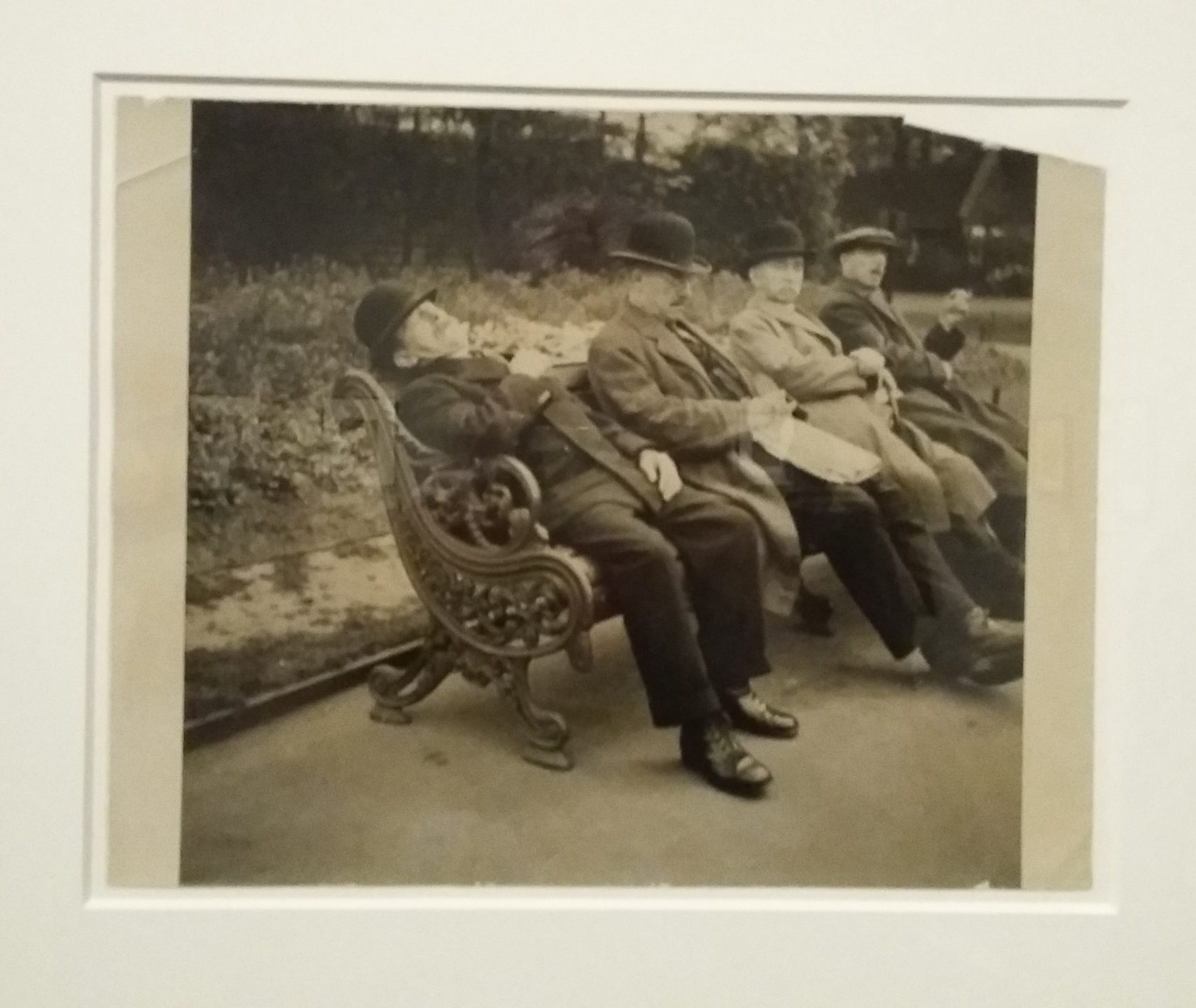
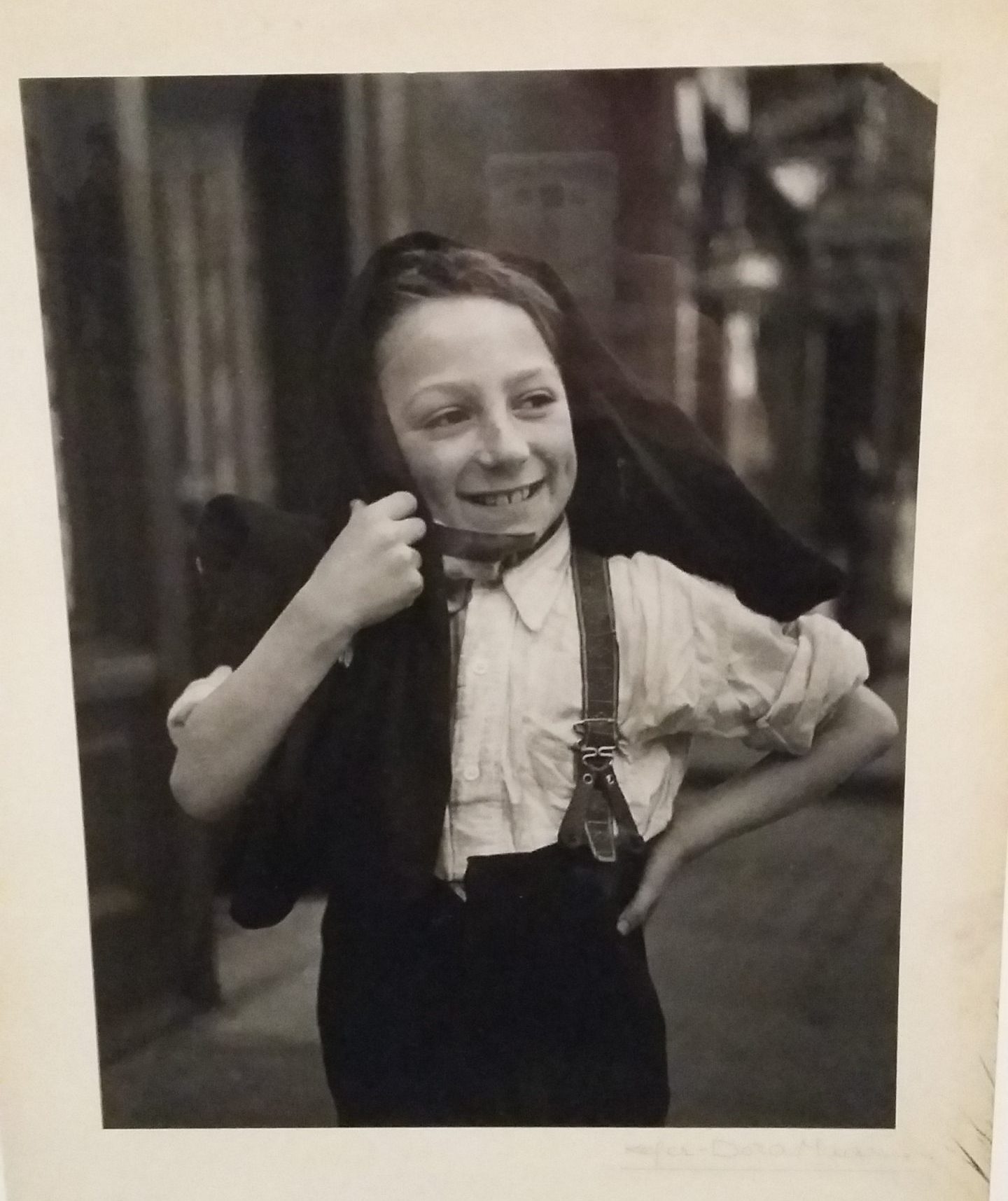
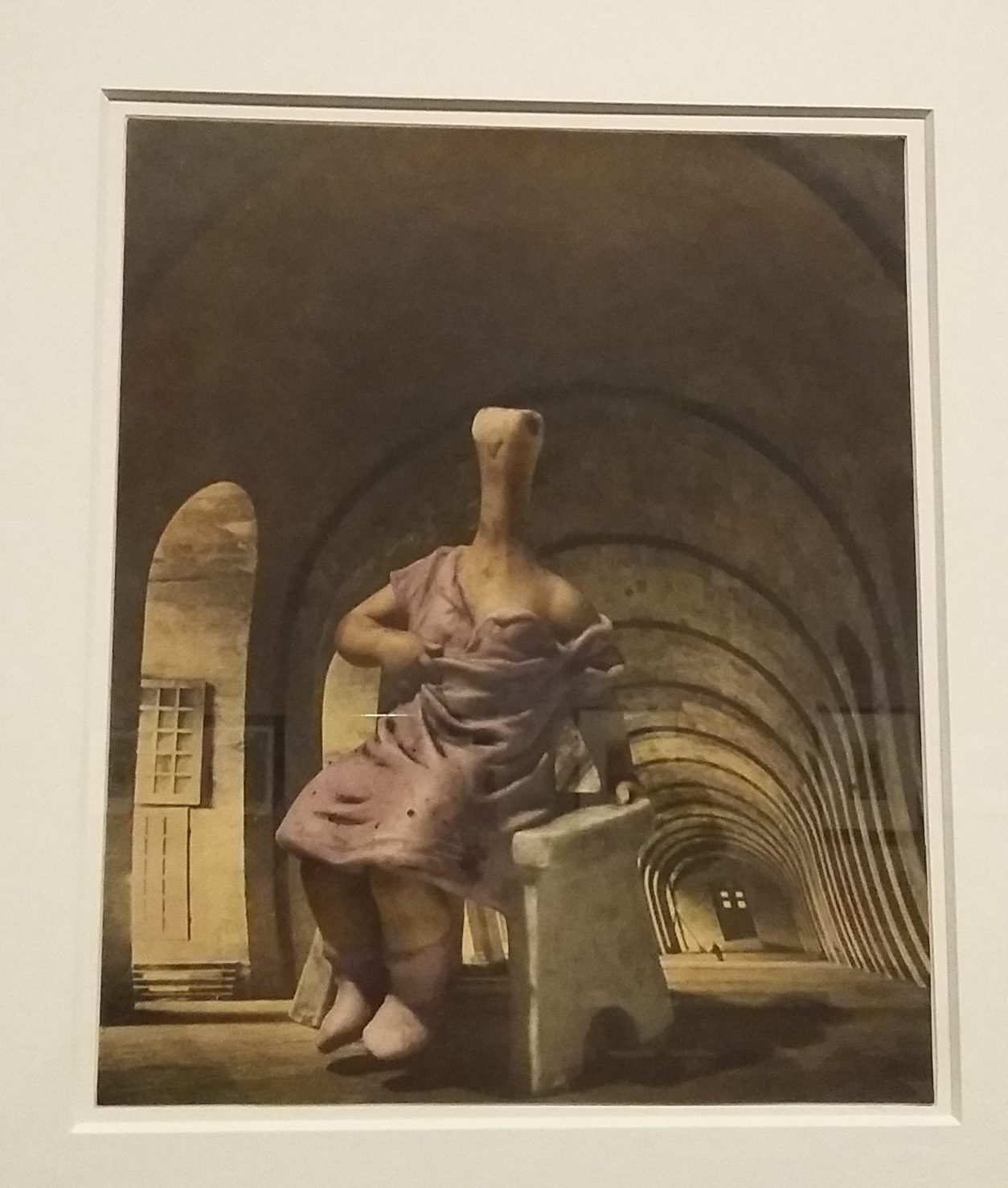
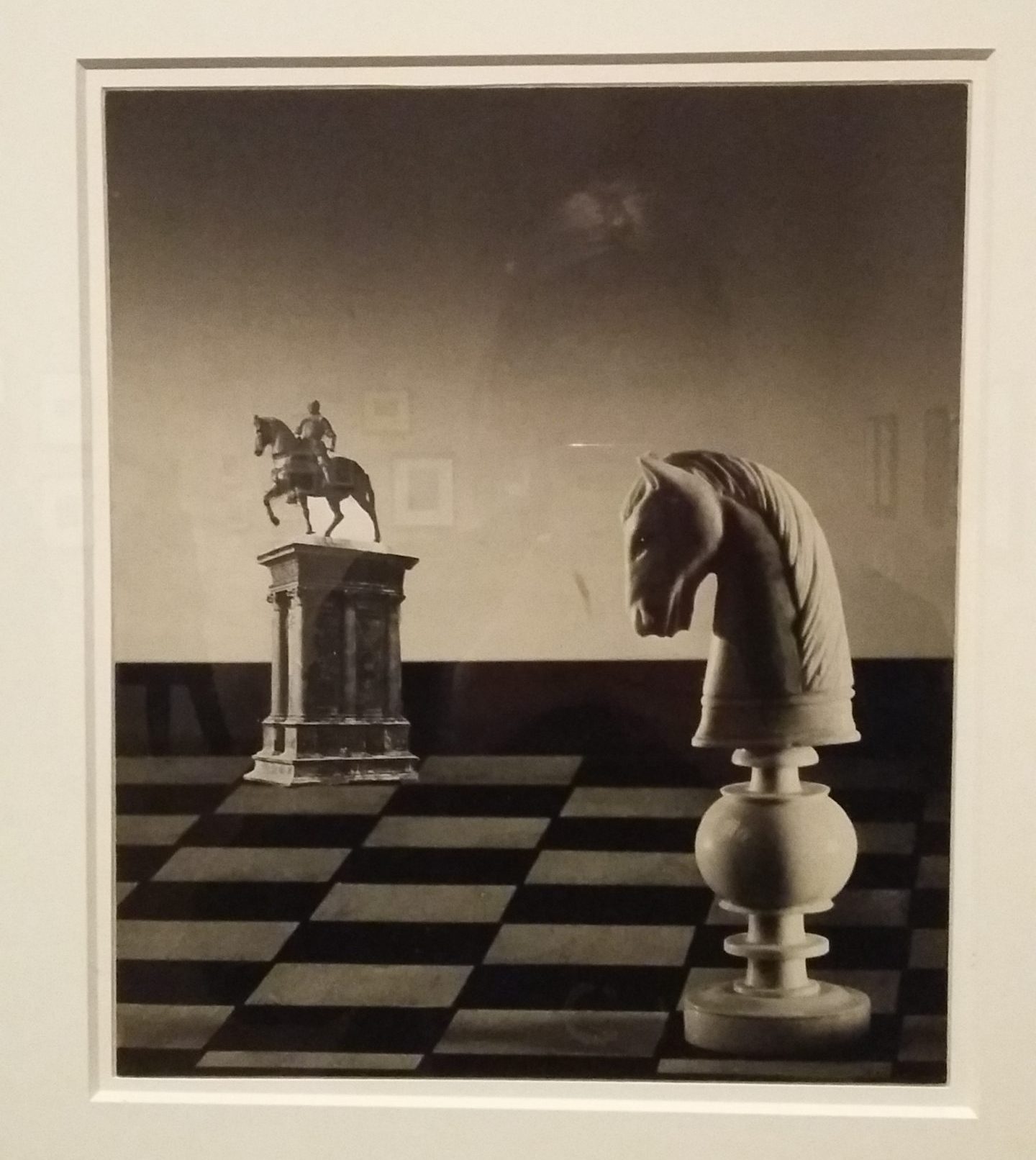
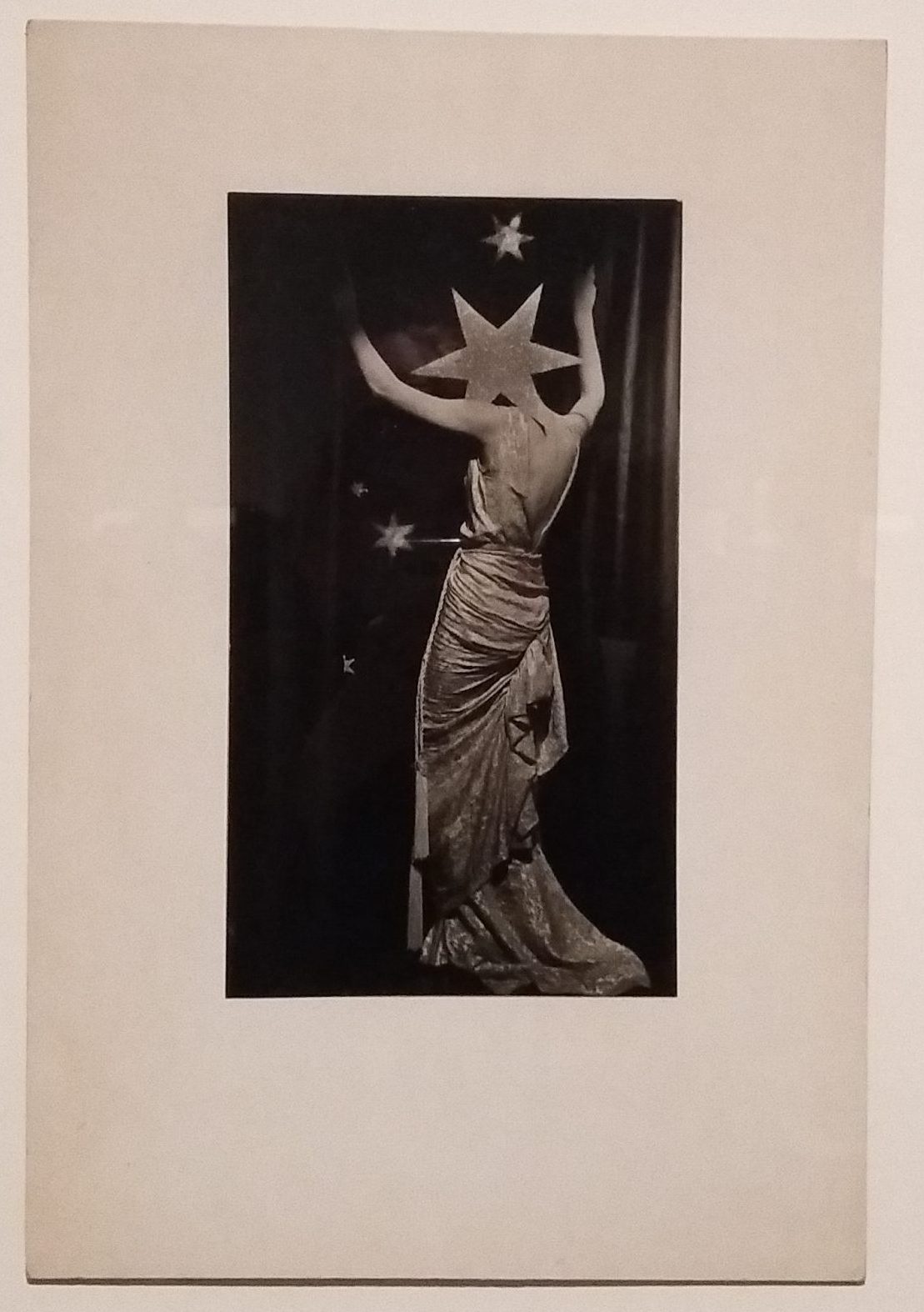
When I visited Tate Modern‘s Dora Maar exhibition I didn’t know it would be my last exhibition for a while, but with hindsight it was a good one to go out on. I confess I had never previously heard of Maar, but I ended up loving her work.

While Maar (1907-1997) had a long and illustrious career, she is barely remembered today, forgotten mainly thanks to her gender and also perhaps her relationship with Pablo Picasso, which overshadowed her. She helped to document his Guernica of 1937, in the period which most defined her – her works of Surrealism were celebrated at the time and these are the most remembered today. Her images from this period are striking and unique.

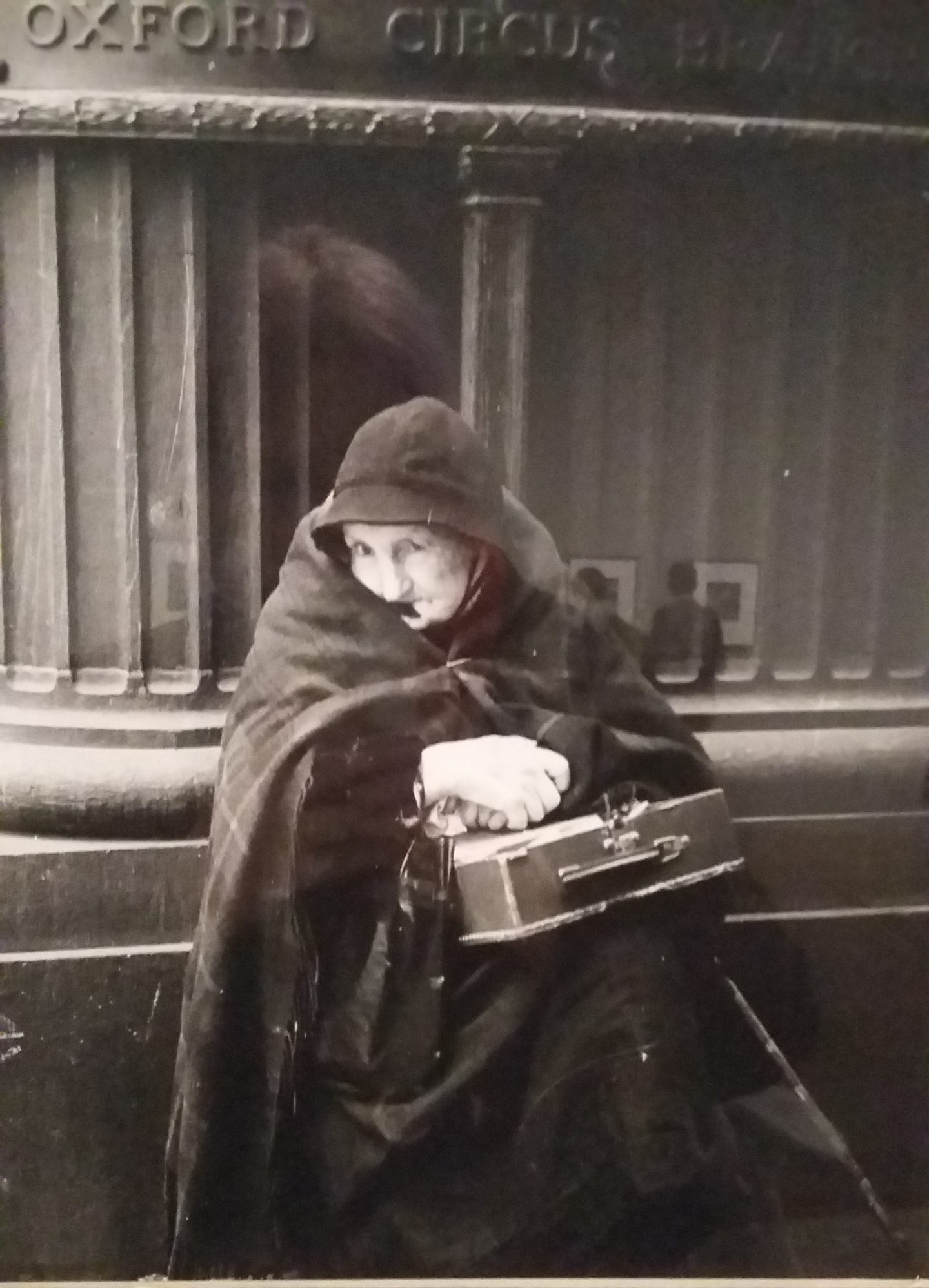
What I liked even more, however, were Maar’s realism-influenced photographs taken on the streets of Barcelona, Paris and London during the Great Depression of the 1930s. These really stood out to me, revealing the characters behind the faces, and making me want to know more about them. It doesn’t surprise me that Maar signed her name to many left-wing manifestos – an unusual guesture for a woman in that period, but one which seems natural in her obvious appreciation and admiration for ordinary people.

I’m so glad I got the chance to visit this unique exhibition before everything closed down – it’s one which will stick in my mind for many years.
Amersham Fair Organ Museum

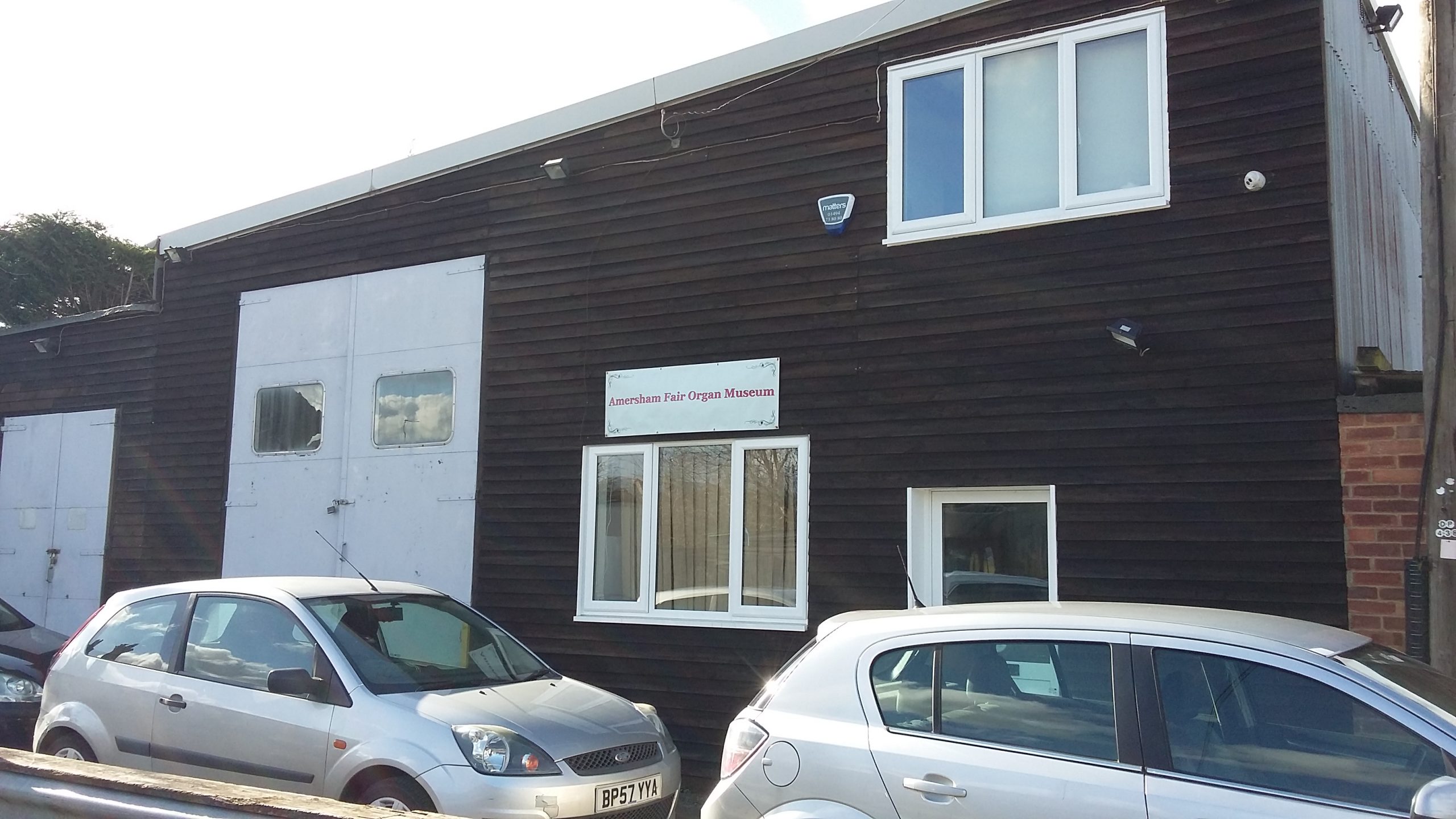
Entrance to the Amersham Fair Organ Museum

I paid a visit to the Amersham Fair Organ Museum on Sunday, on its last open day of the year. The museum hosts open days on the first Sunday of every month during the winter, when visitors can attend for free, listen to organ music and enjoy a cup of tea and a piece of cake.

A fairground organ

The museum is about a fifteen-minute walk from Amersham station, on a small industrial estate beyond the town centre. You hear it before you see it: organ music coming from a bland-looking industrial building is a strange experience indeed. Inside, the museum space was full of visitors sitting and listening to the organs as they were played one by one.

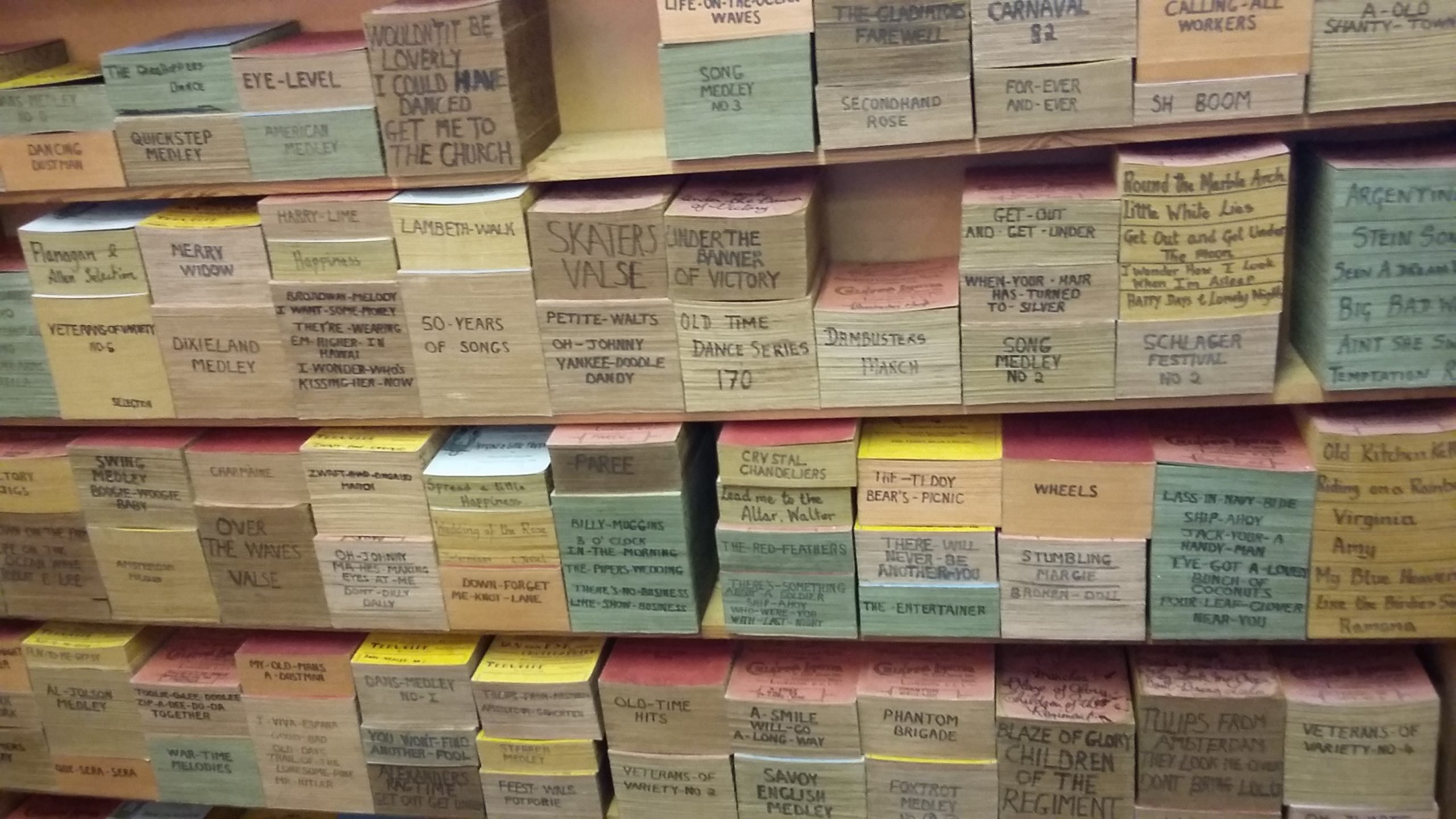
Perforated music for the organs

The museum contains instruments by Gavioli, Marenghi and Hooghuys among others, and preserves them for the enjoyment of the enthusiast and casual visitor. It also contains a huge number of perforated music books which enable the organs to play the music they are famed for. Organ music has a rather nostalgic feel – to me, anyway – but there is something slightly sinister about it. The instruments are impressive and varied, slightly garish but this only adds to the effect they have.

A fairground organ

FACTS

Address: 28 Plantation Road, Amersham, HP6 6HJ

Website: fairorganmuseum.org.uk

Opening Hours: 11am-5pm on designated winter Open Days (see website for details)

Price: Free

Museum of Army Music

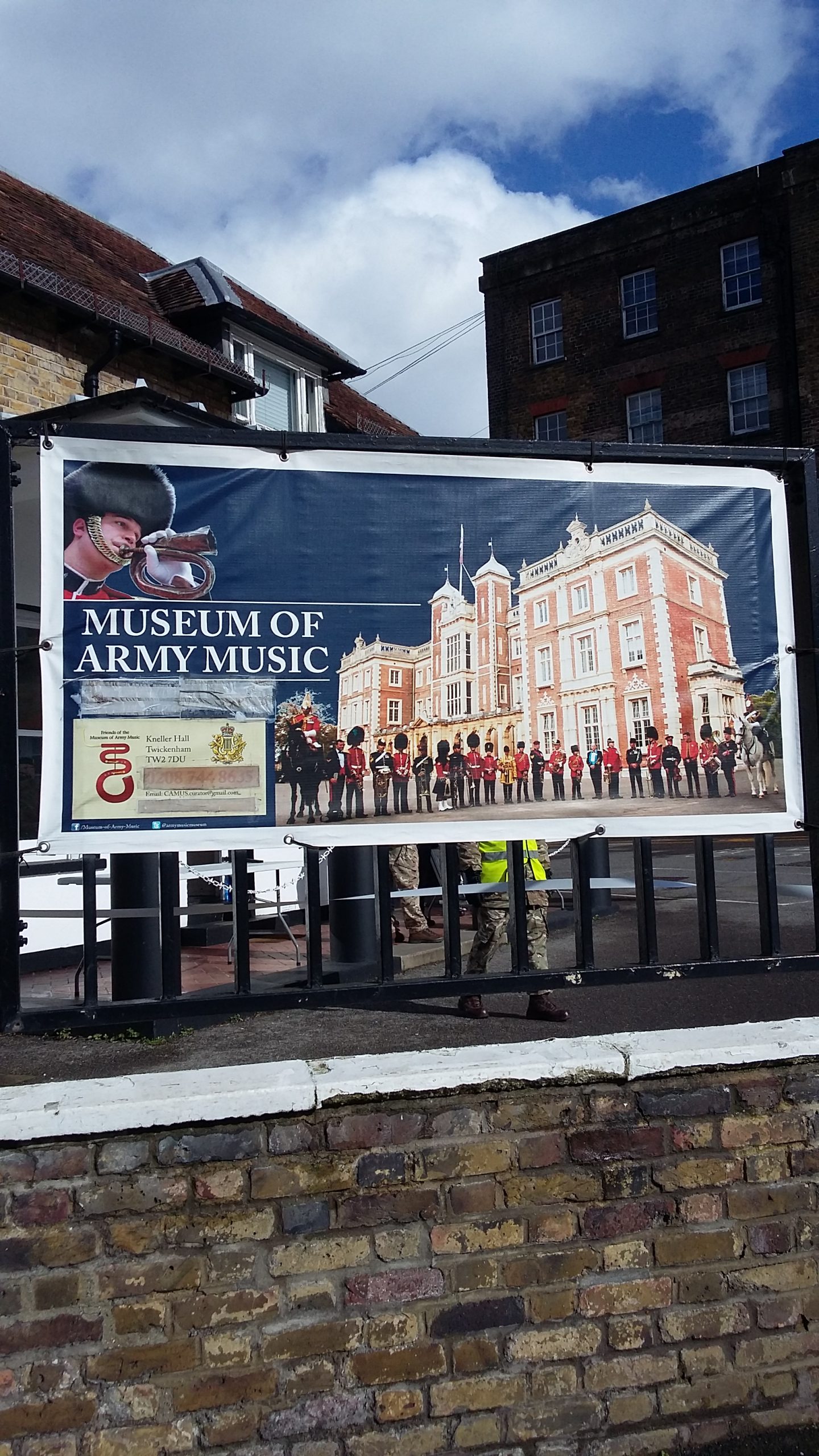
Entrance to the museum

Going through my list of museums in London, which I am trying to visit one by one, I discovered that the Museum of Army Music was to close, as the army was leaving Kneller Hall, near Twickenham, where it is based. The last public open day was to be Saturday 29 February, and I duly booked a place on a tour.

It took a few buses to get to Whitton, where Kneller Hall is located. On arrival I headed to a hut at the far end of the site where I waited for my tour. There were plenty of people there and while we waited we were treated to live performances by some of the army’s brass players. Our tour started outside and took in the history of the building itself as well as the museum.

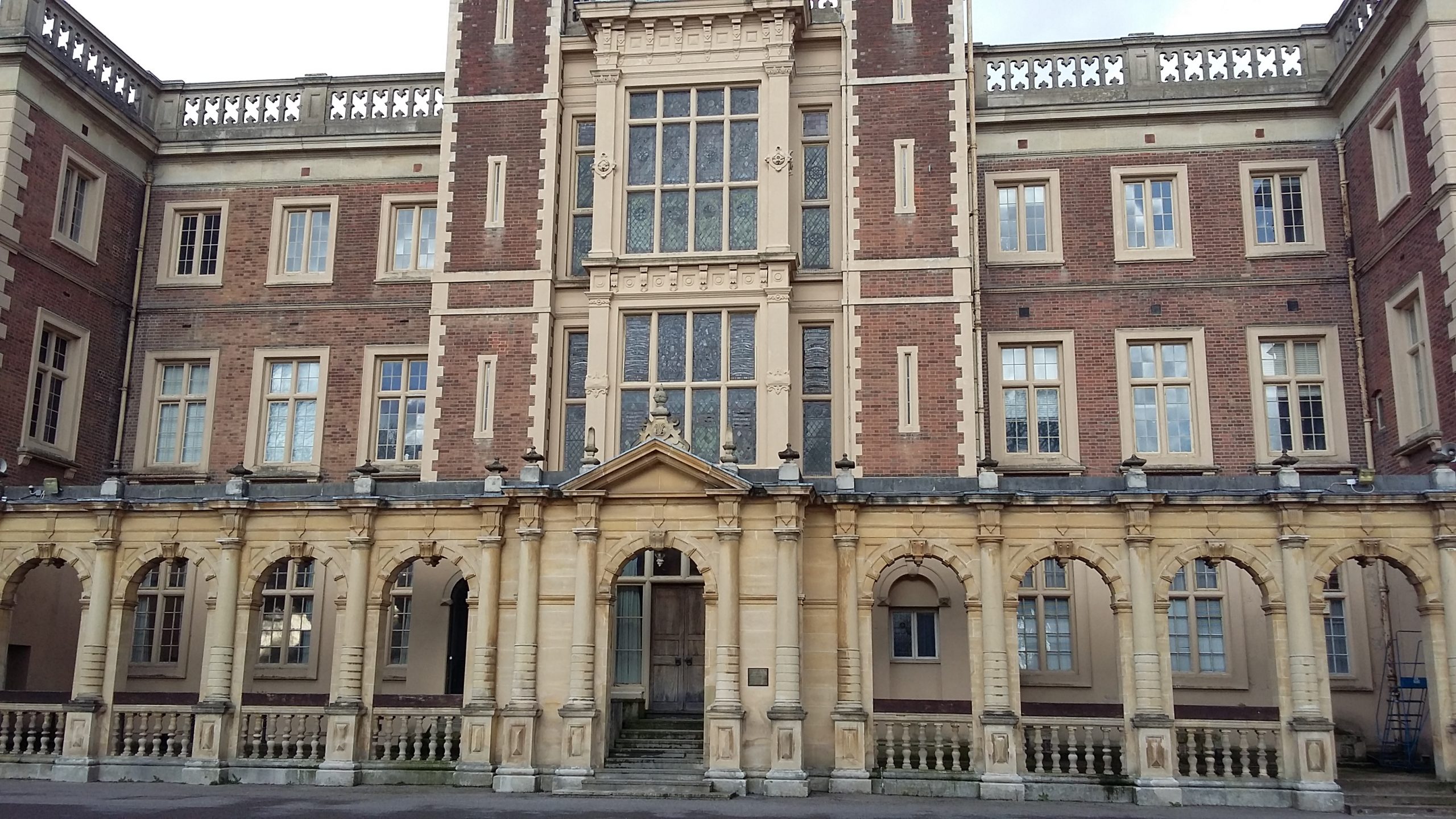
Kneller Hall

Kneller Hall was named for artist Sir Godfrey Kneller. Edmund Cooke built the first house on the site between 1635 and 1646: in 1664 it was the fourth largest house in Twickenham. Kneller bought the site in 1709 and commissioned a new building, purportedly by Sir Christopher Wren. The house was extended by a later owner, a London lawyer, and was further expanded by the MP Charles Calvert.

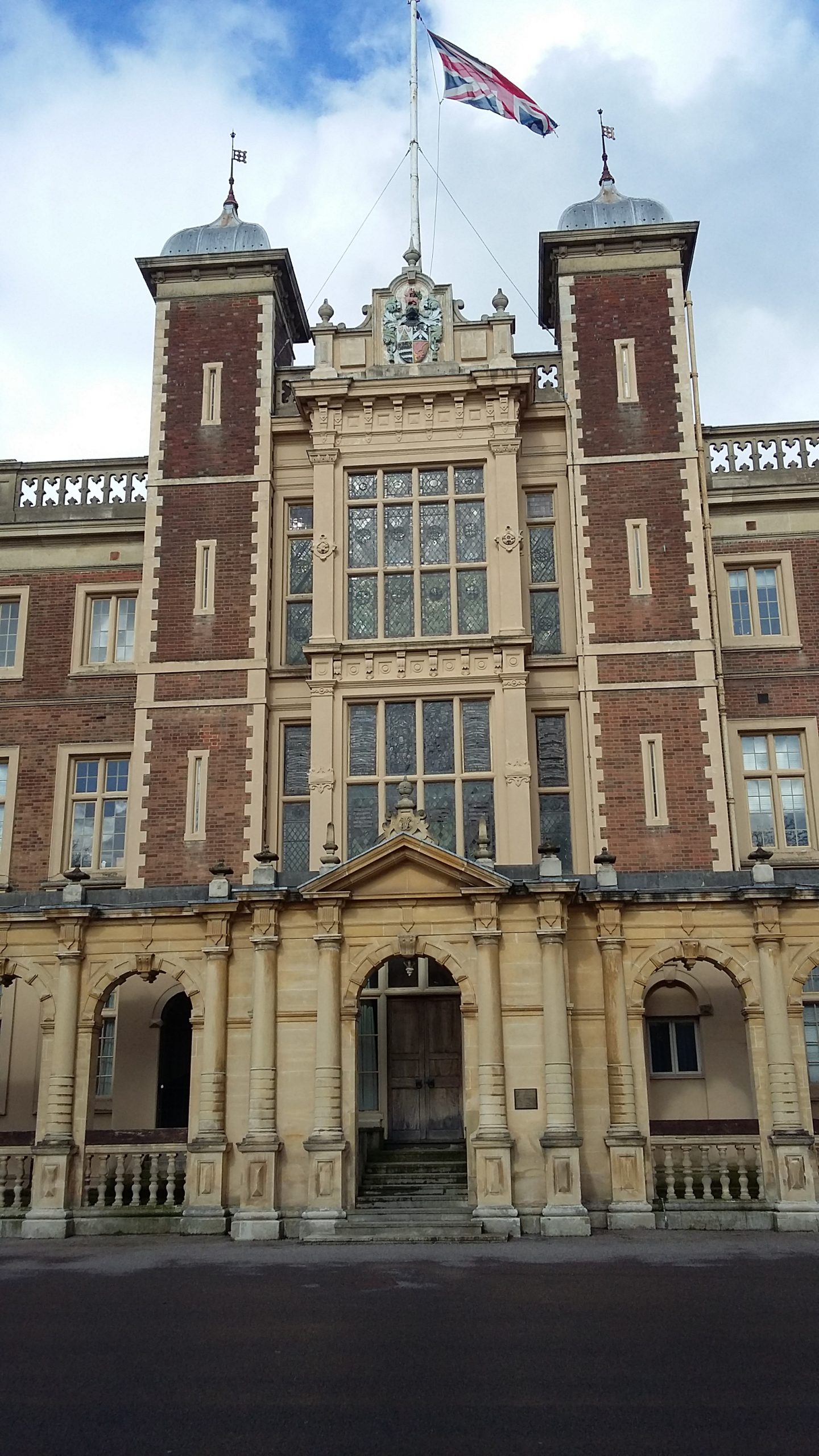
Kneller Hall

The worn Wren building was demolished in 1850 but the Georgian additions by Philip Hardwick were preserved as the wings of the new building, by George Mair. Mair’s building, which still stands today, was built in a Jacobethan style.

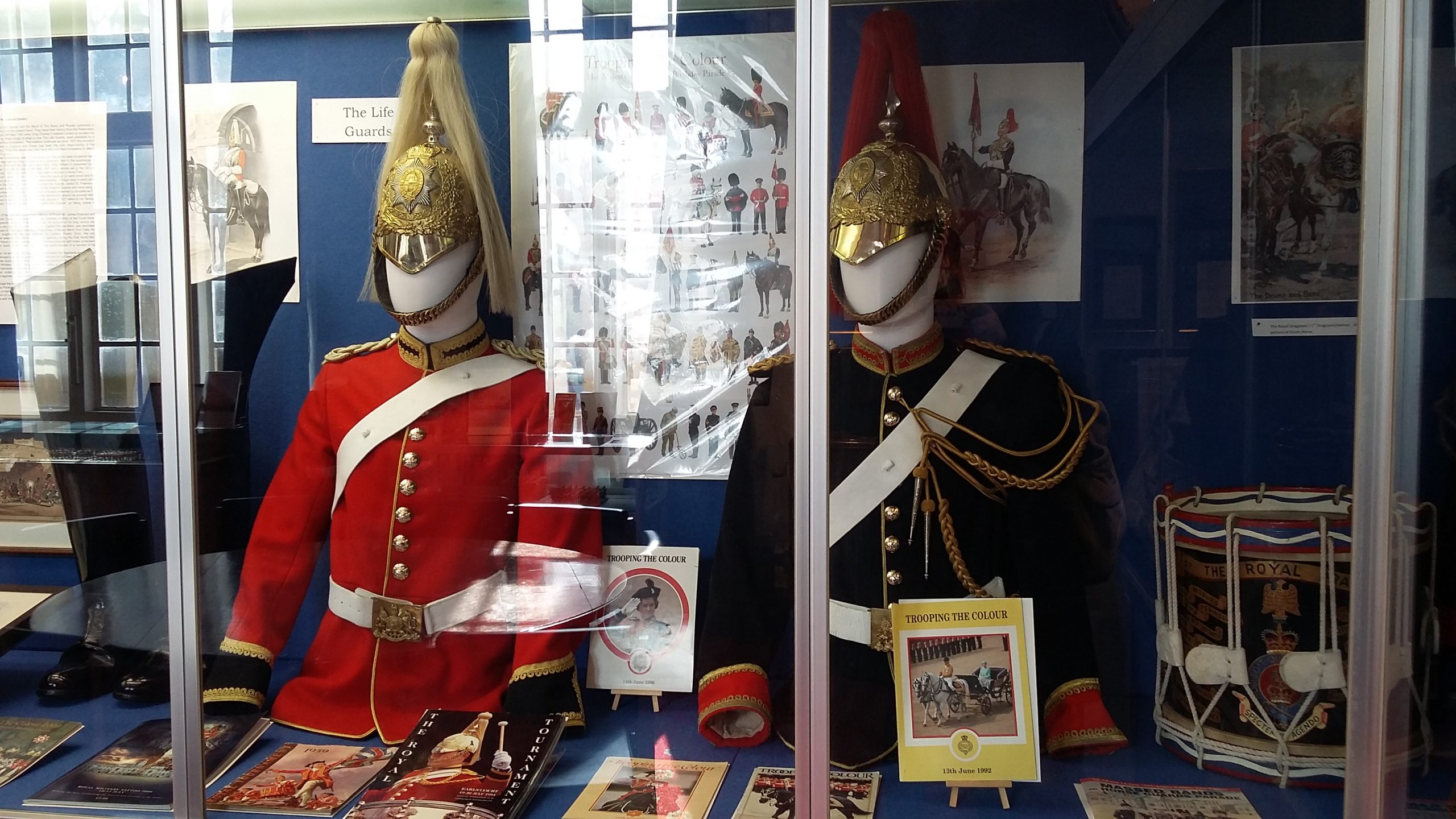
Some uniforms

After serving for a brief period as a teacher training college, in 1857 the building was taken over by the War Office as the base for a school for army bandsmen. Eventually it evolved into the Royal Military School of Music.

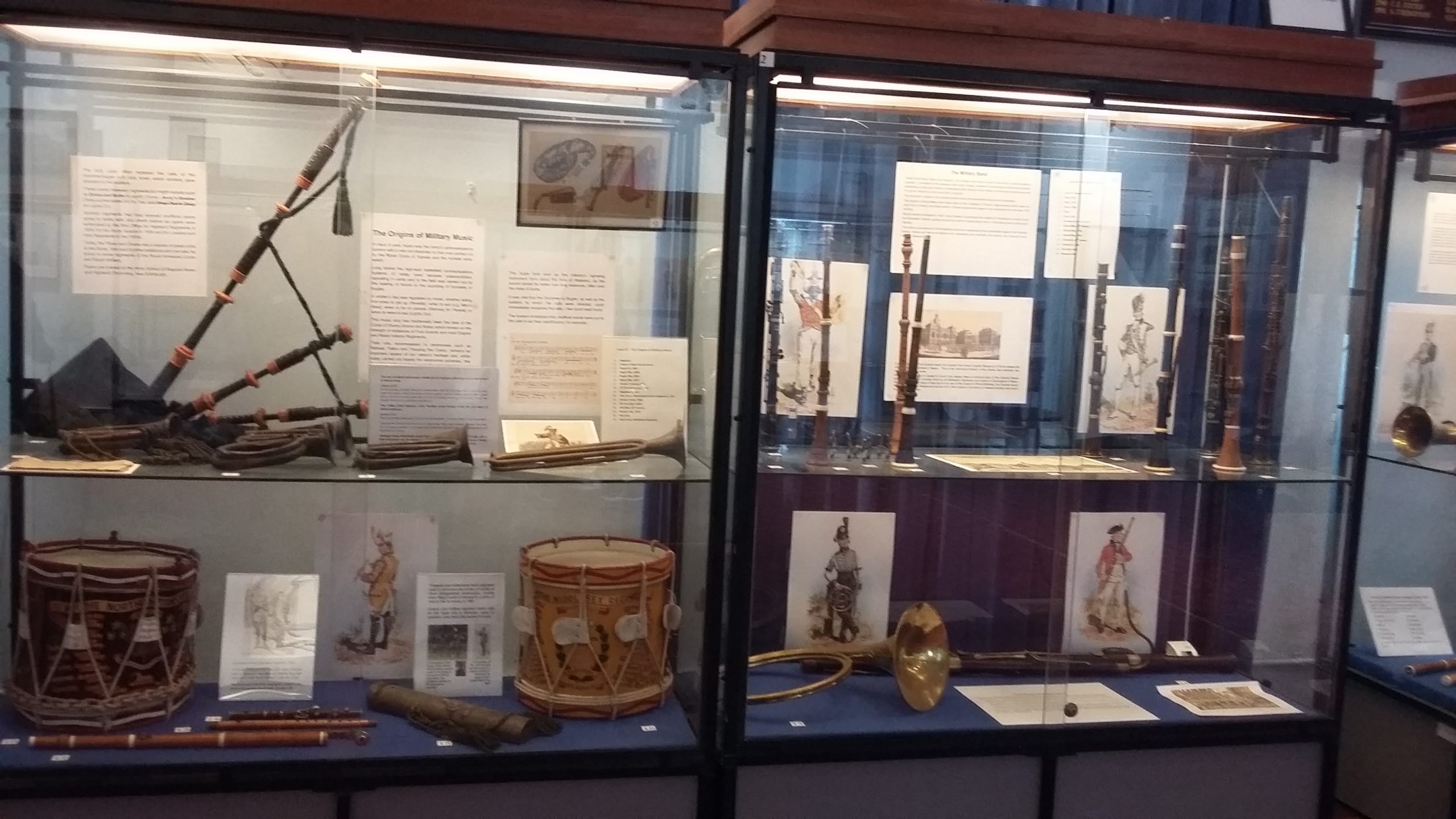
Selection of instruments

I enjoyed a fascinating tour taking in the history and architecture of the beautiful building, as well as a walk around the grounds and journey into the inside of the Hall. We also paid a visit to the museum itself, which recounts the history of army music, including its role as a morale-boosting and propaganda toool. The museum has lots of different examples of instruments played and uniforms worn throughout the age. There are banners, medals, model bands, documents, prints, manuscripts and paintings illustrating the history of military music.

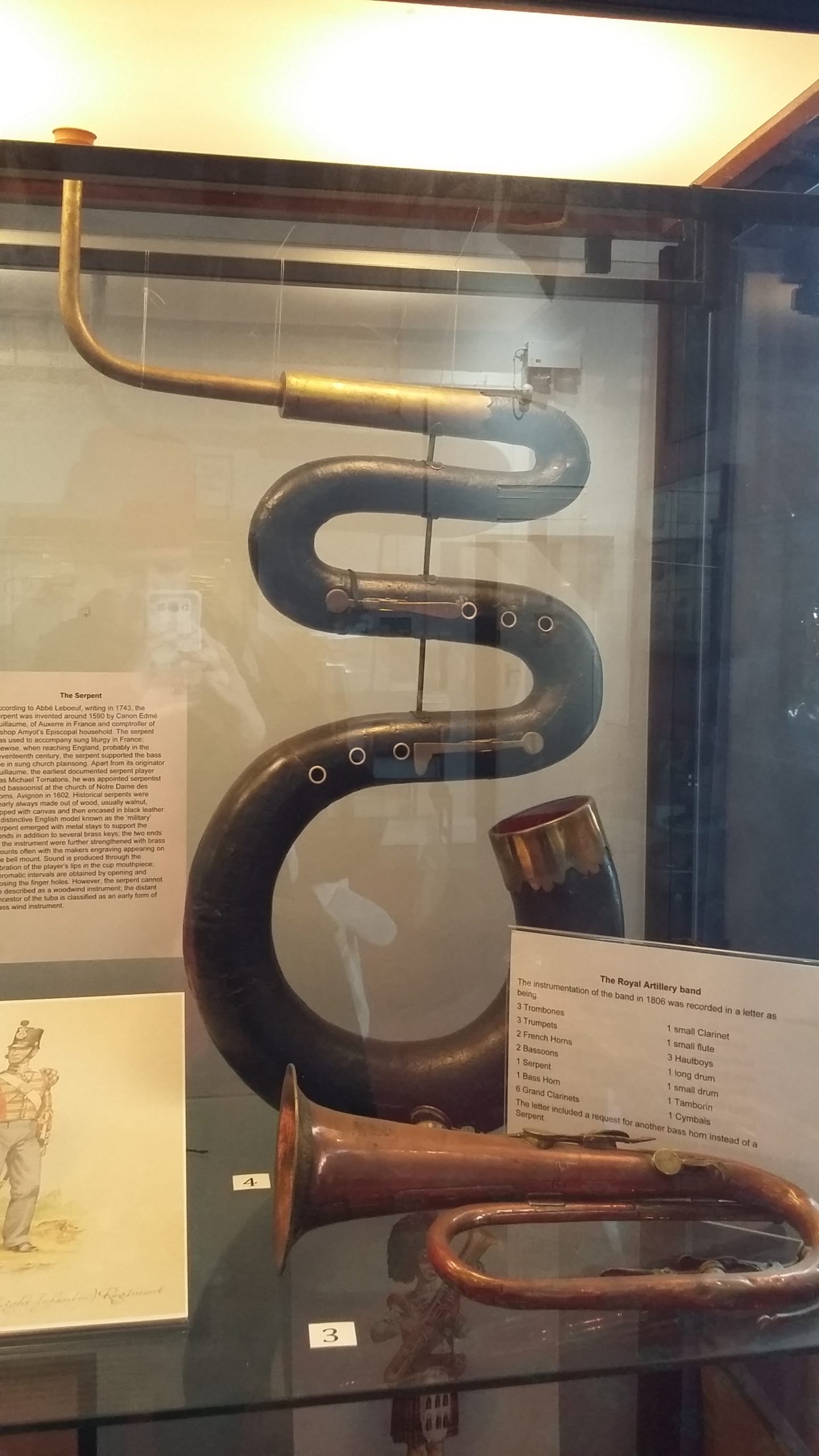
Strange instrument

I would recommend a visit, but sadly the museum is now closed. I’m glad I paid a visit before the end.

FACTS

Address: Kneller Hall, 65 Kneller Road, Twickenham, TW2 7DN

Website: museum-of-army-music

Opening Hours: Sadly now closed

Price: Free