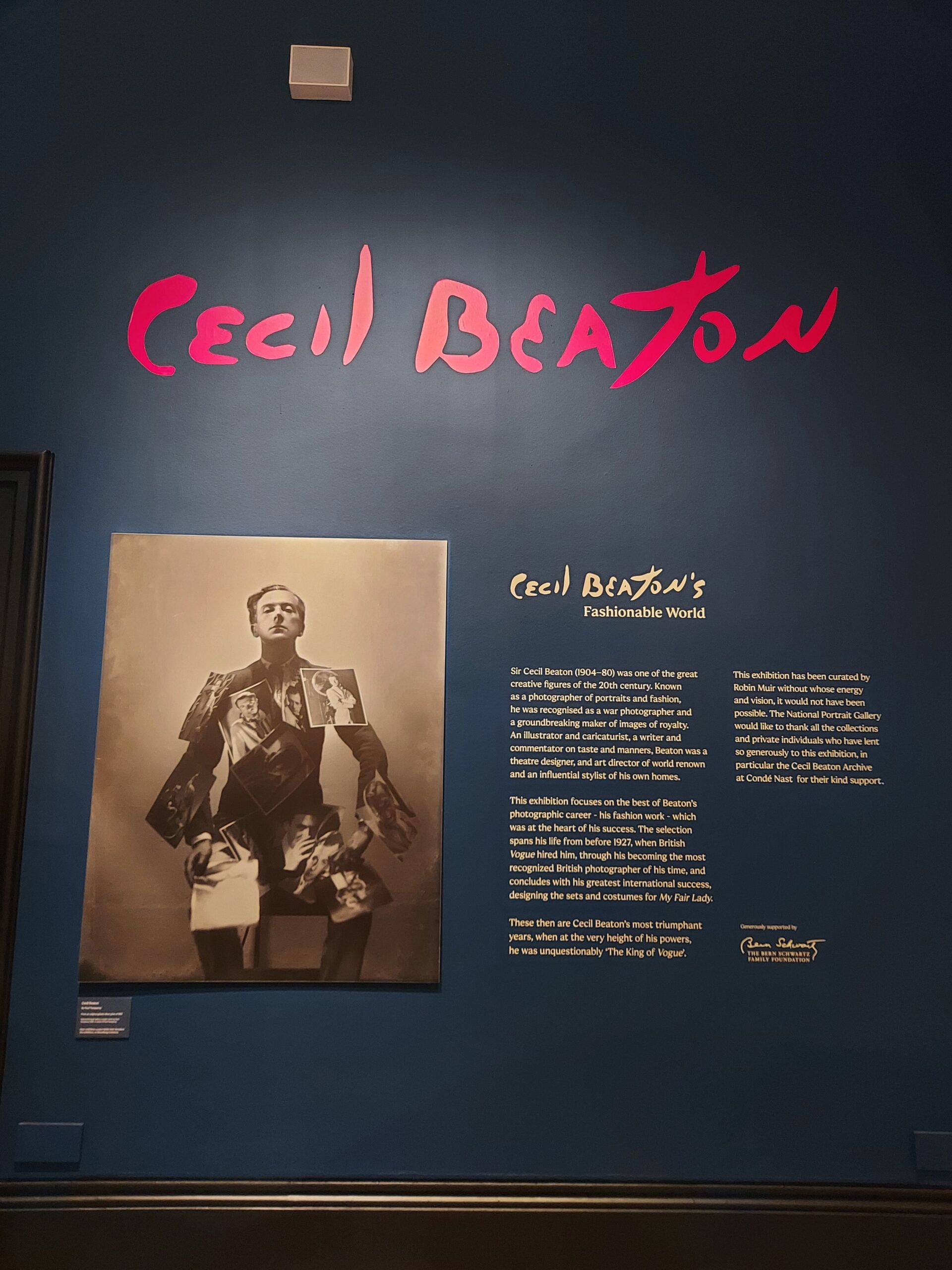
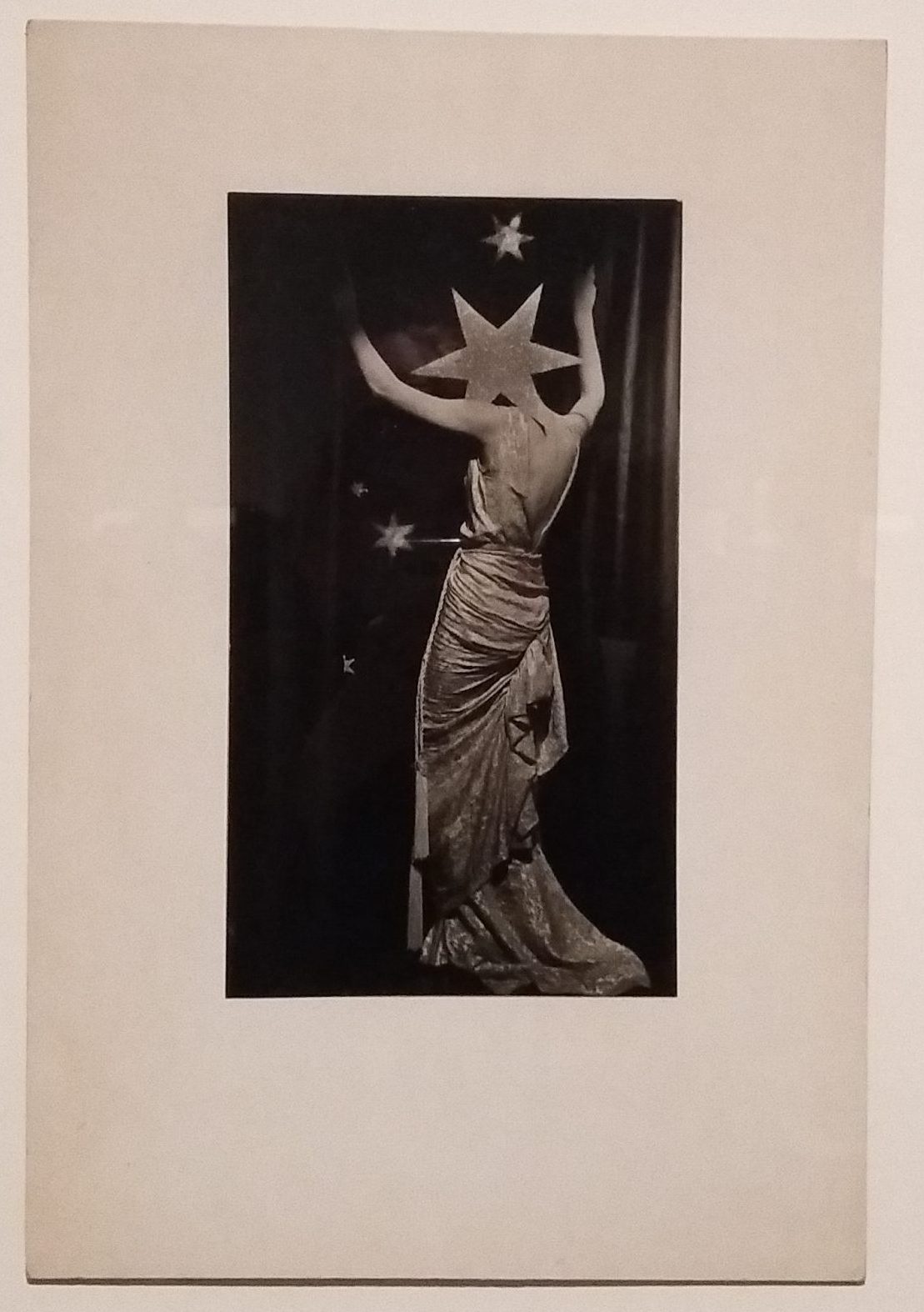
In a previous life, I worked in a library and catalogued the letters of Cecil Beaton, so any exhibition relating to him or his work is a must-see for me. Cecil Beaton’s Fashionable World at the National Portrait Gallery looks at his work in the realms of fashion and portrait photography.
The work on display here covers the Bright Young Things of the 1920s and the Jazz Age, the interwar years, the glamorous 1950s and the dazzle of Hollywood. The exhibition includes over 200 items including photographs, sketches, illustrations and letters, and features stars such as Marilyn Monroe, Audrey Hepburn and Elizabeth Taylor.
This enjoyable exhibition is well worth a visit to appreciate Beaton’s talent, variety, and the styles of the mid-20th century.
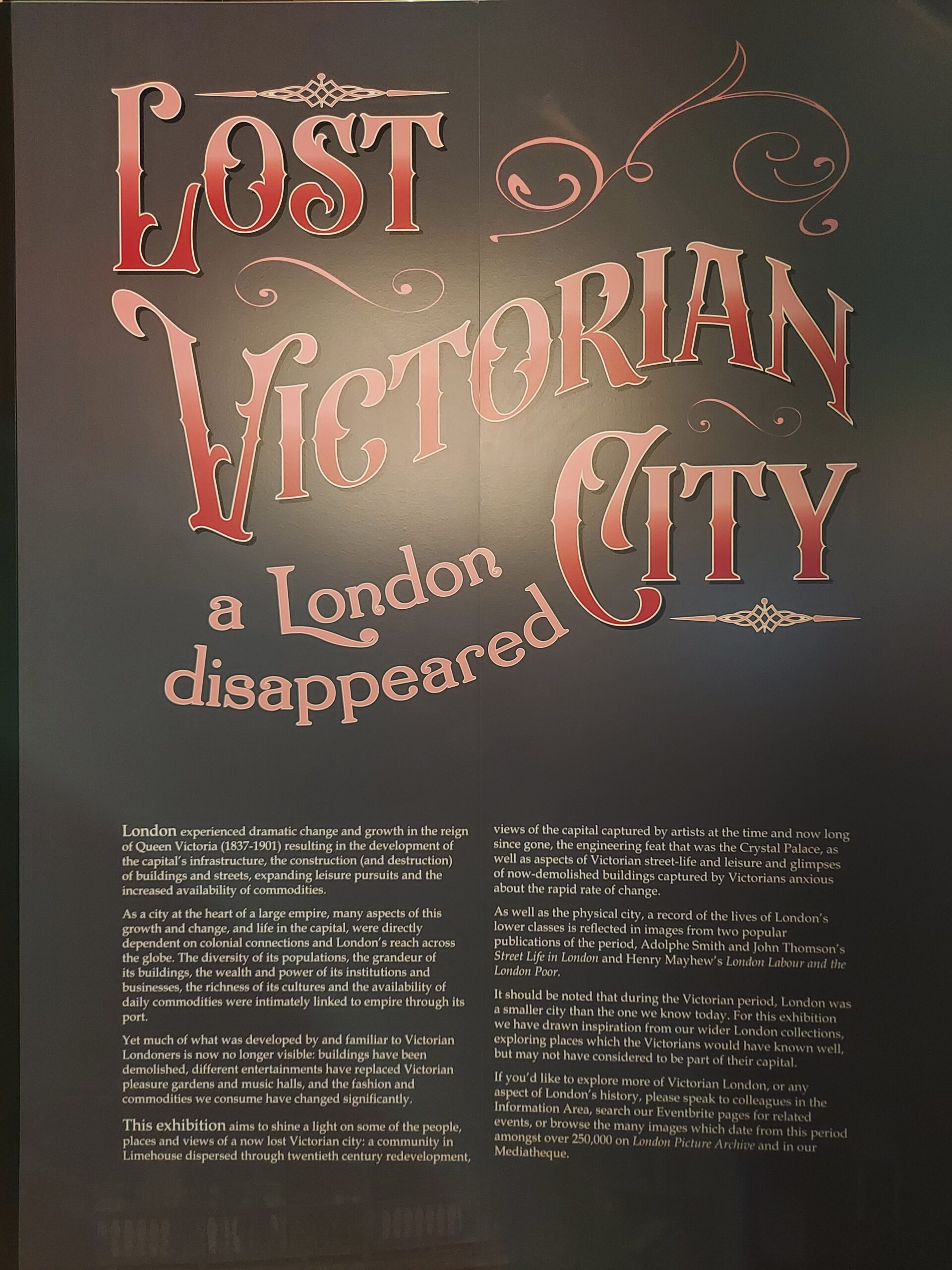
I headed to the London Archives (formerly the London Metropolitan Archives) on Saturday to see their latest exhibition, Lost Victorian City: A London Disappeared. The exhibition consists of photographs and other resources documenting a London that no longer exists, from the Crystal Palace to Limehouse, obsolete forms of transport to vanished pubs.
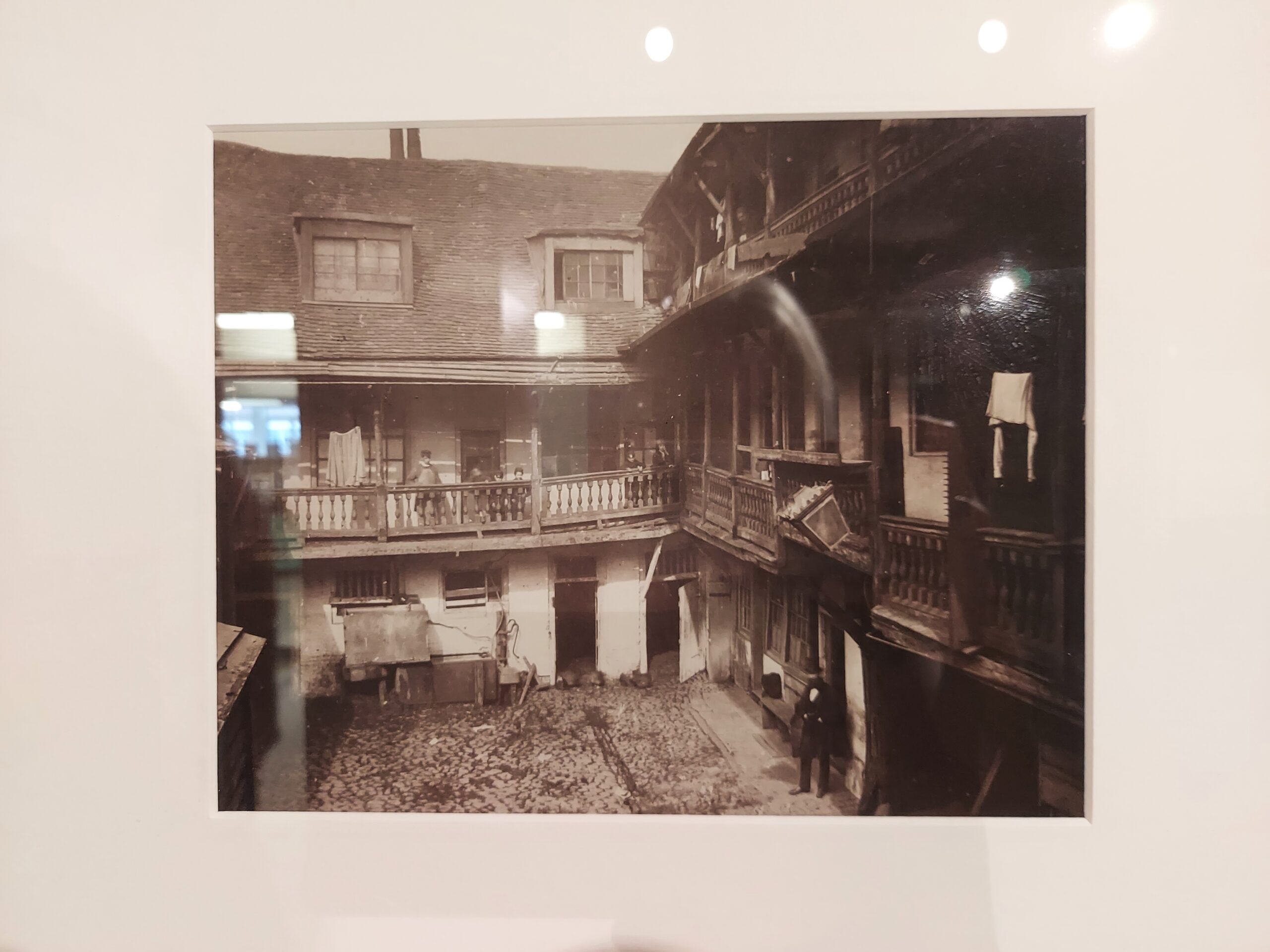
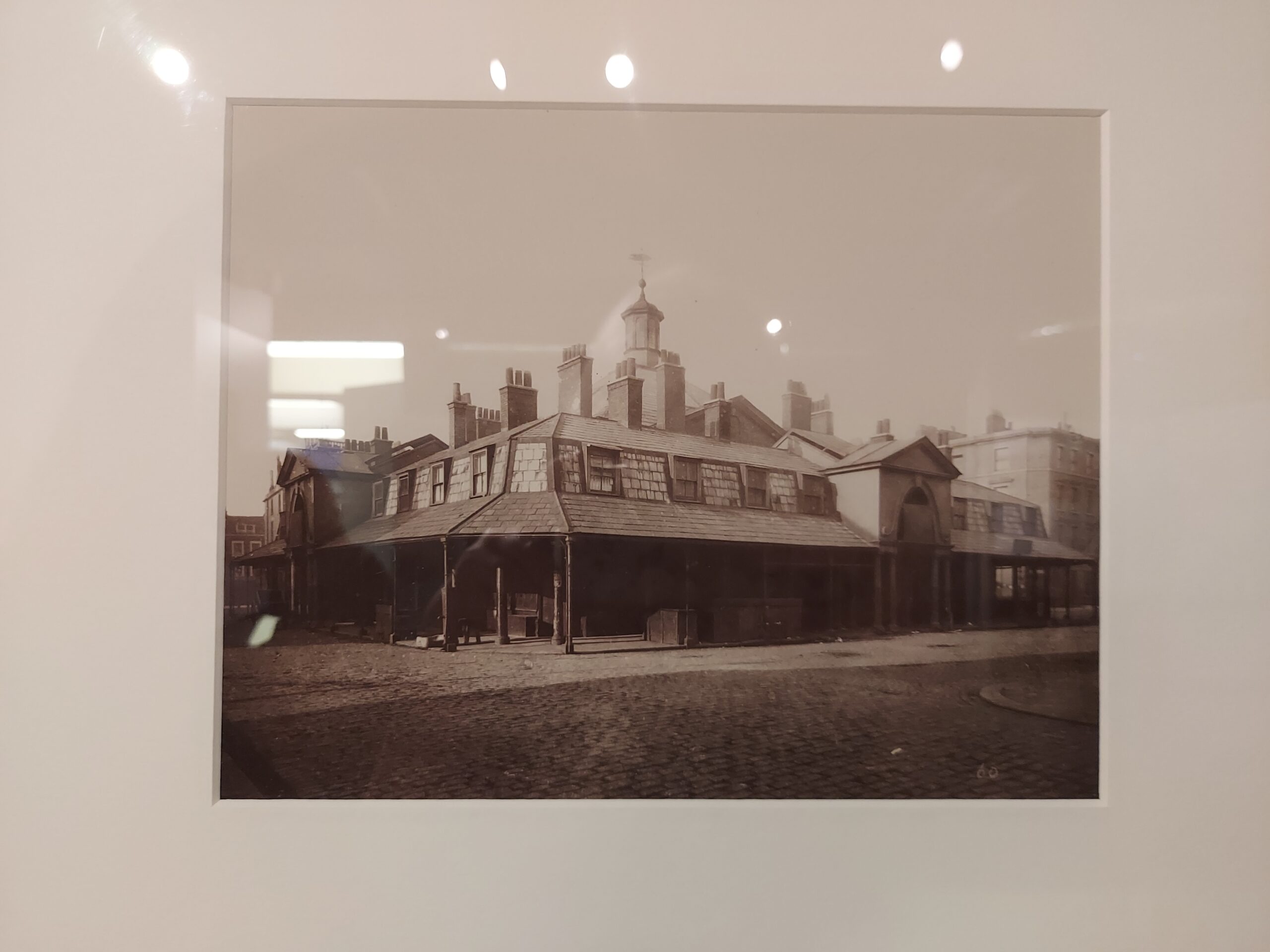
My favourites were the pictures taken by the Society for Photographing Relics of Old London, including the Oxford Arms, a galleried inn on Warwick Lane – near what is now the Old Bailey – and Oxford Market on a very different-looking Oxford Street. This prescient group wanted to capture a rapidly vanishing world, and succeeded admirably.
The Oxford Arms, Warwick LaneOxford Market, Oxford Street
Having a longstanding interest in polar exploration, I was happy to see that there was a new, free exhibition at the Royal Geographical Society – Shackleton’s legacy and the power of early Antarctic photography. This exhibition marks the 200th anniversary of Shackleton’s death and runs until 4 May.
The exhibition begins with a look at Shackleton’s childhood in south London, his school career at Dulwich and desire to go to sea, his love of poetry and interest in adventure. He took part in a number of Antarctic expeditions, but he is most famously known for the Endurance expedition, on which the exhibition focuses.
Famously, the expedition met with disaster when the Endurance became locked in ice, eventually sinking. The team made it off the ice and to Elephant Island, before Shackleton and five others left on a risky boat journey towards South Georgia. The photographs were mostly taken by the Australian Frank Hurley, the expedition’s official photographer. Hurley’s photographs capture the ship’s voyage south, the experience of the team stranded on ice, their journey to Elephant Island and the long wait for rescue.
I have seen most of the photographs before, but I never get tired of looking at them. They really capture the lives of the crew and the magic of Antarctica. I am particularly fond of the photo of the scientists scrubbing the floor – an example of how everyone involved in the expedition pitched in – and of the images of the Endurance frozen in, looking almost ghostly in the long Antarctic night.
The exhibition is a must-see for anyone interested in adventure, in Antarctica, or in photography.
On the Wednesday of my day off work I headed down to Dulwich Picture Gallery to see their latest exhibition. Unearthed: Photography’s Roots was described as looking at the “pioneering story of photography from the 1840s to today told through stunning still lifes of plants and botany.” The exhibition began with Victorian still life pictures by early pioneers such as William Henry Fox Talbot and Anna Atkins. Most of these were of flowers and other plants – ferns were a popular choice, as these were a passion for many Victorians. Also on display were photographs by Japanese artist Kazumasa Ogawa and English gardener Charles Jones. Jones’ pictures were particularly interesting knowing the background behind them – they were discovered in a trunk at Bermondsey Market in 1981, 20 years after his death.
Later in the exhibition, more modern versions of still life pictures were displayed by the likes of Robert Mapplethorpe and Richard Learoyd, using many of the same techniques as the Victorian photographers. I definitely preferred the nineteenth century images, early photography being an interest of mine, but the later pictures had merit too.
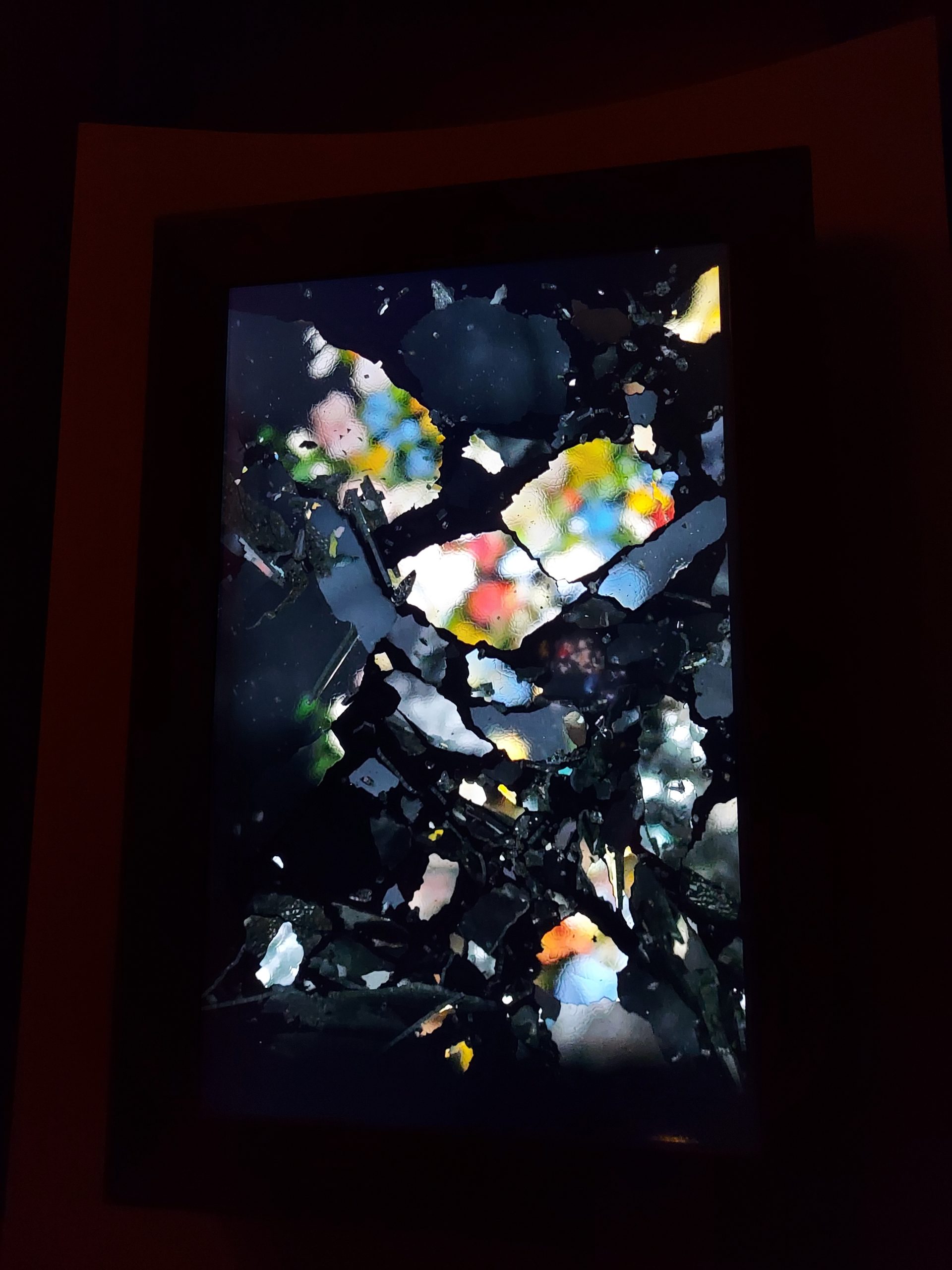
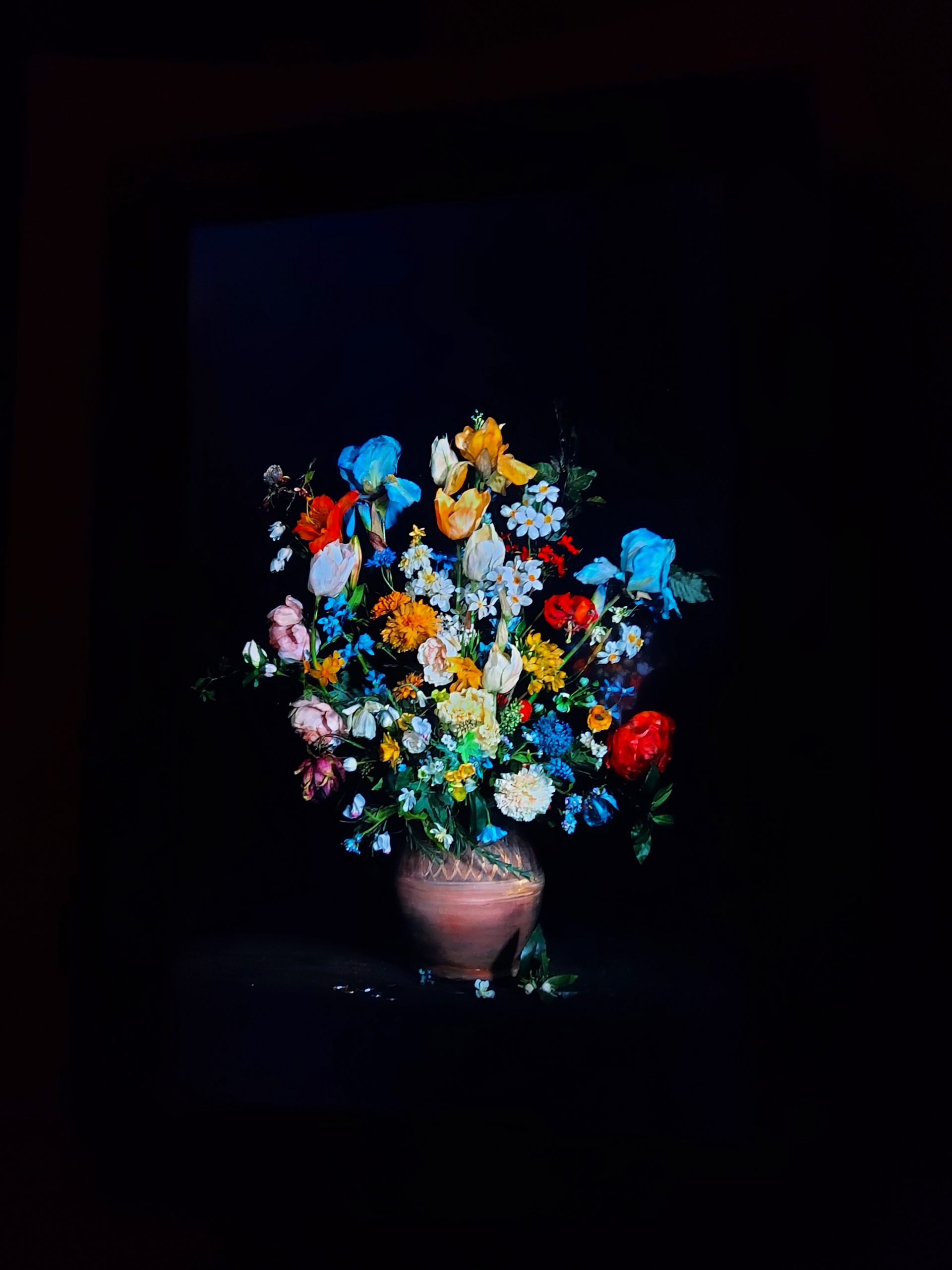
In the mausoleum, an installation from Ori Gersht was displayed, based on a still life painting by Brueghel the elder. It showed the painting ‘cracking’ like a mirror and coming back together, which was compelling to watch.
When I visited Tate Modern‘s Dora Maar exhibition I didn’t know it would be my last exhibition for a while, but with hindsight it was a good one to go out on. I confess I had never previously heard of Maar, but I ended up loving her work.
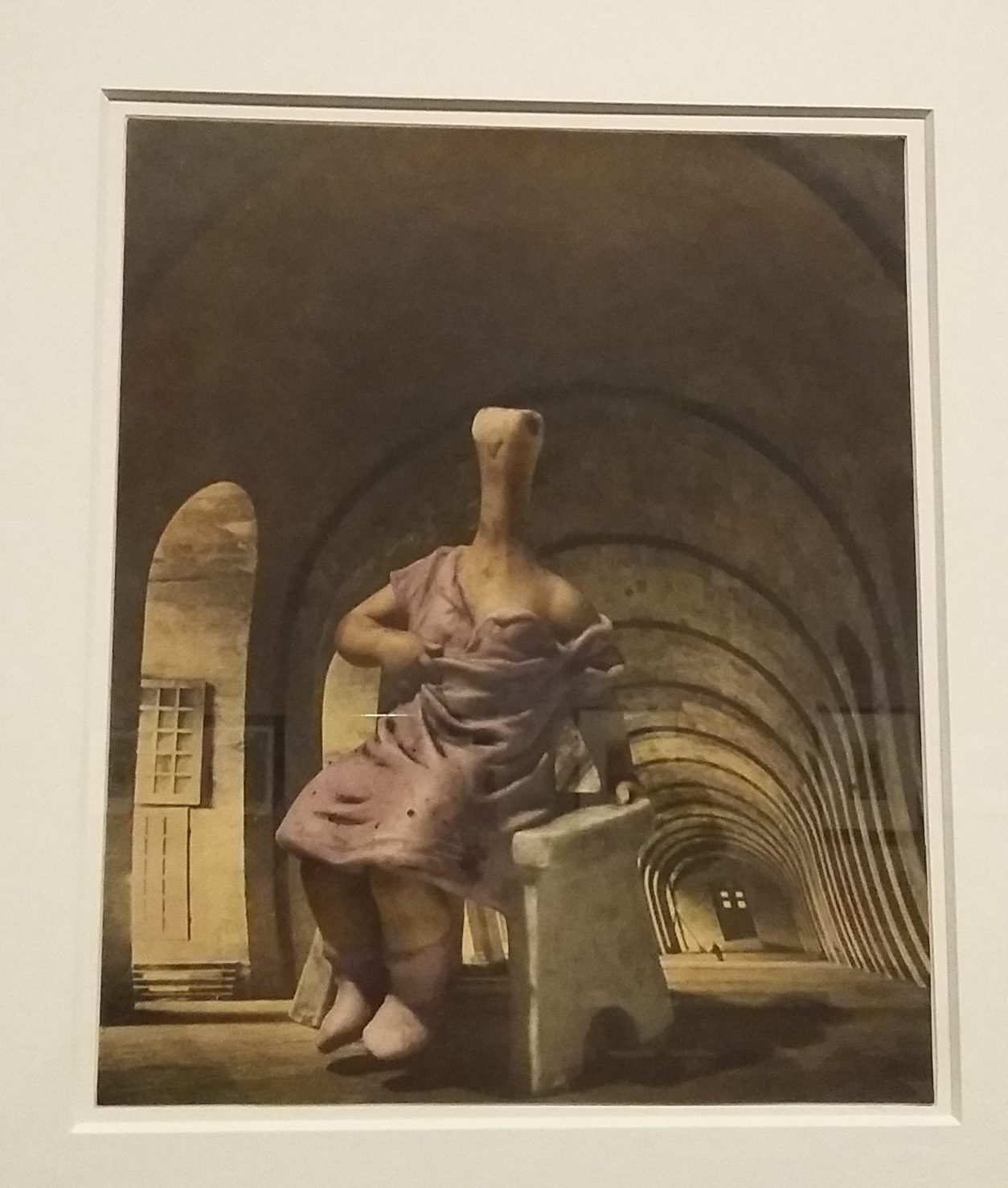
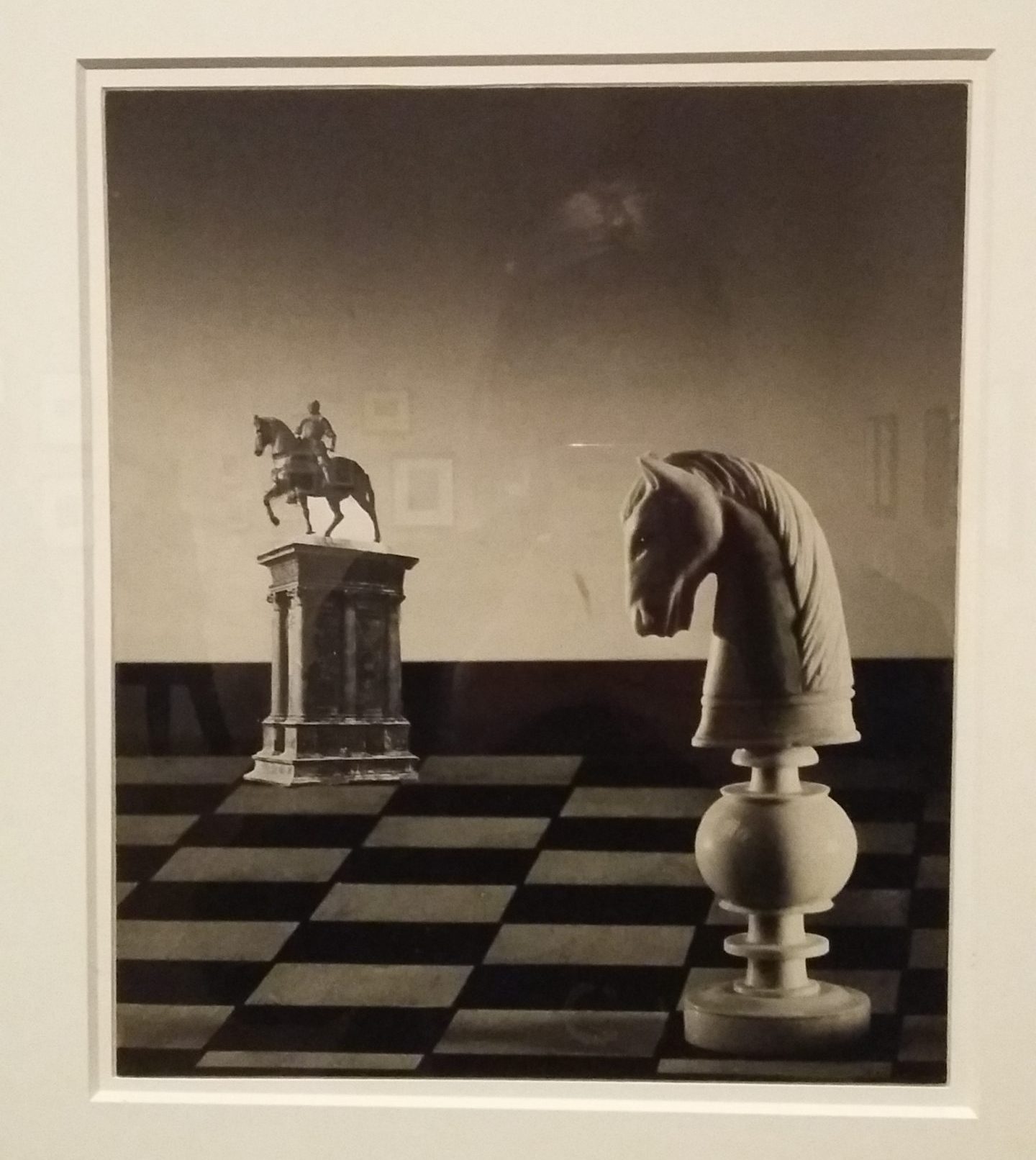
While Maar (1907-1997) had a long and illustrious career, she is barely remembered today, forgotten mainly thanks to her gender and also perhaps her relationship with Pablo Picasso, which overshadowed her. She helped to document his Guernica of 1937, in the period which most defined her – her works of Surrealism were celebrated at the time and these are the most remembered today. Her images from this period are striking and unique.
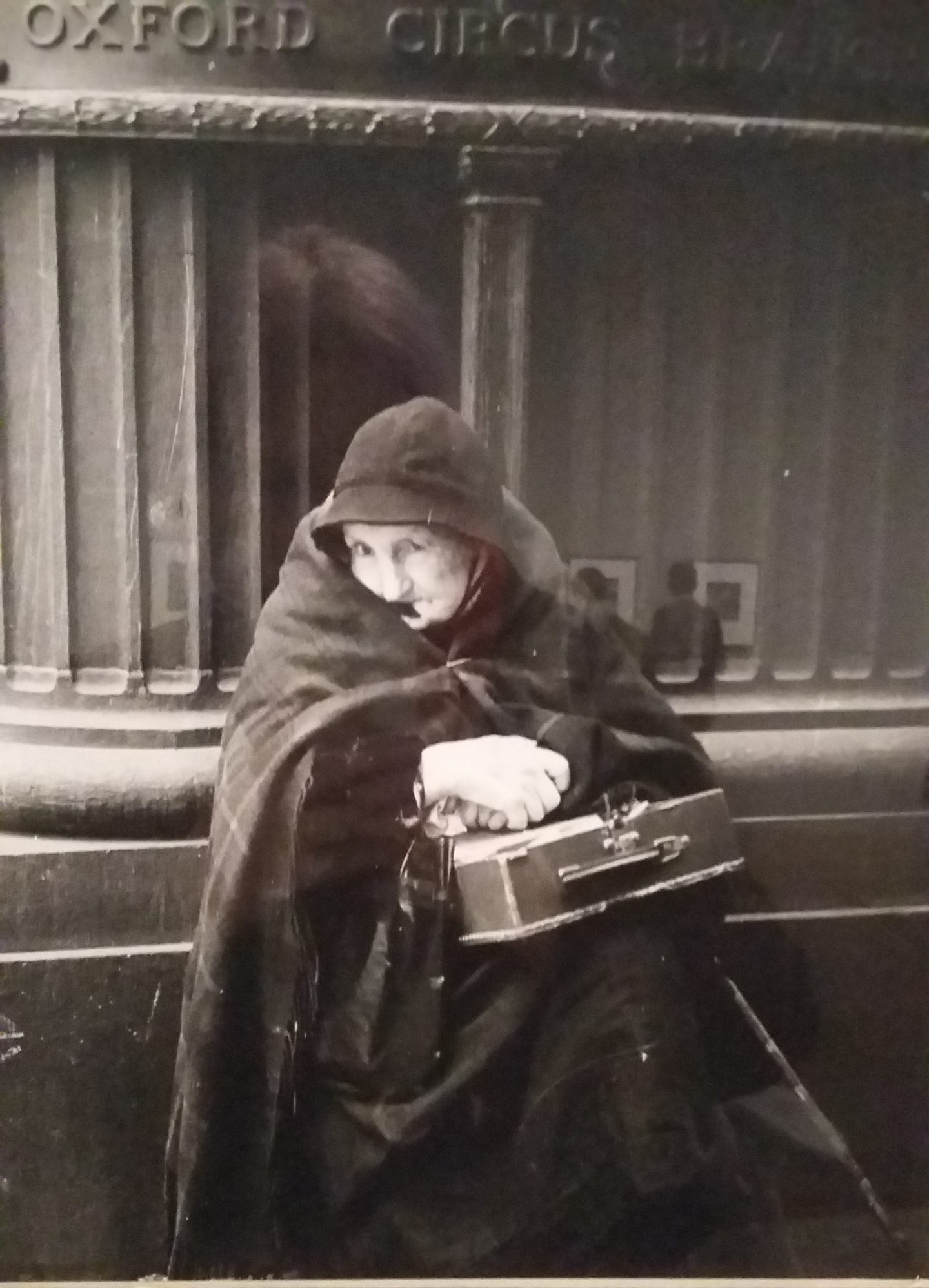
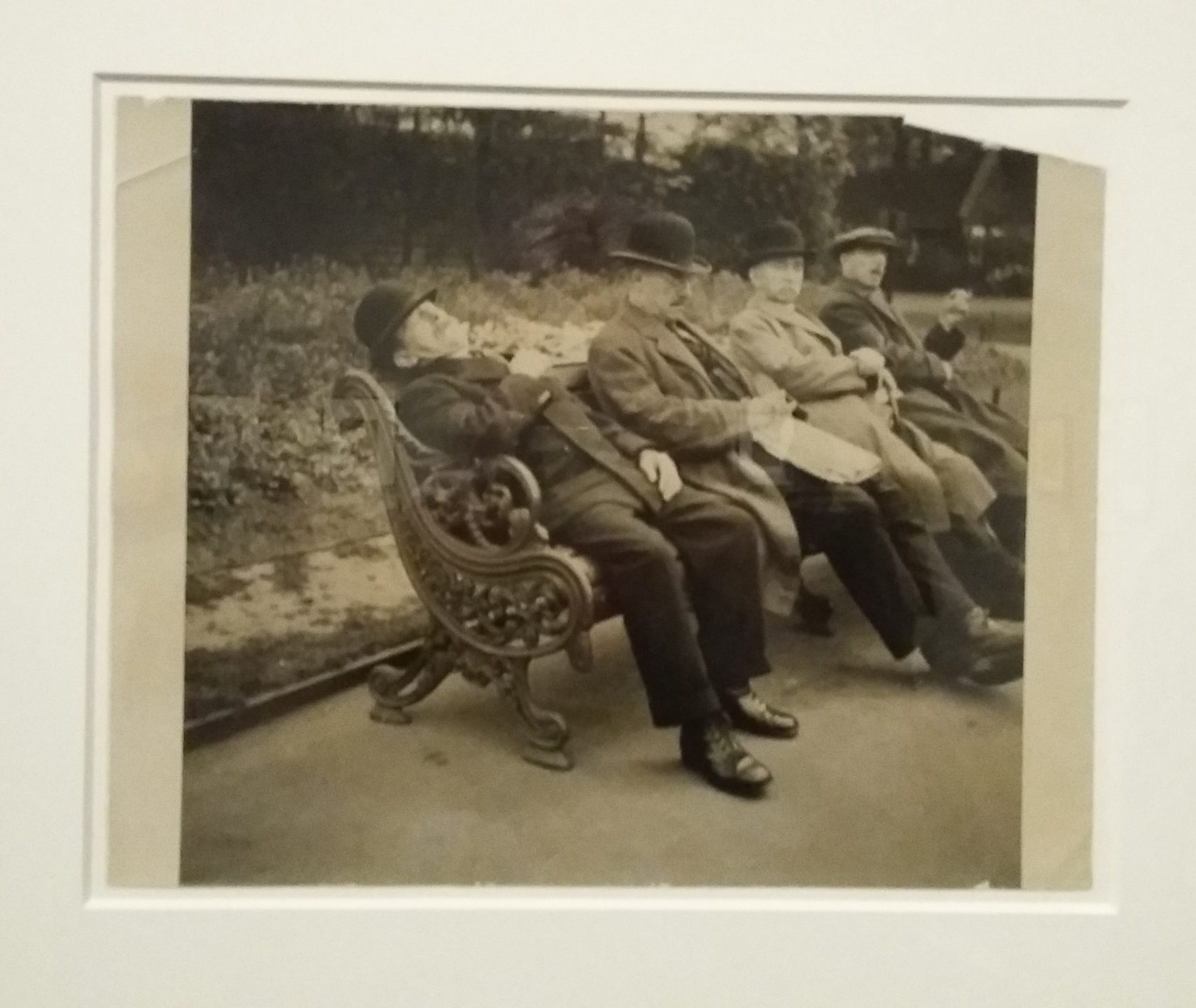
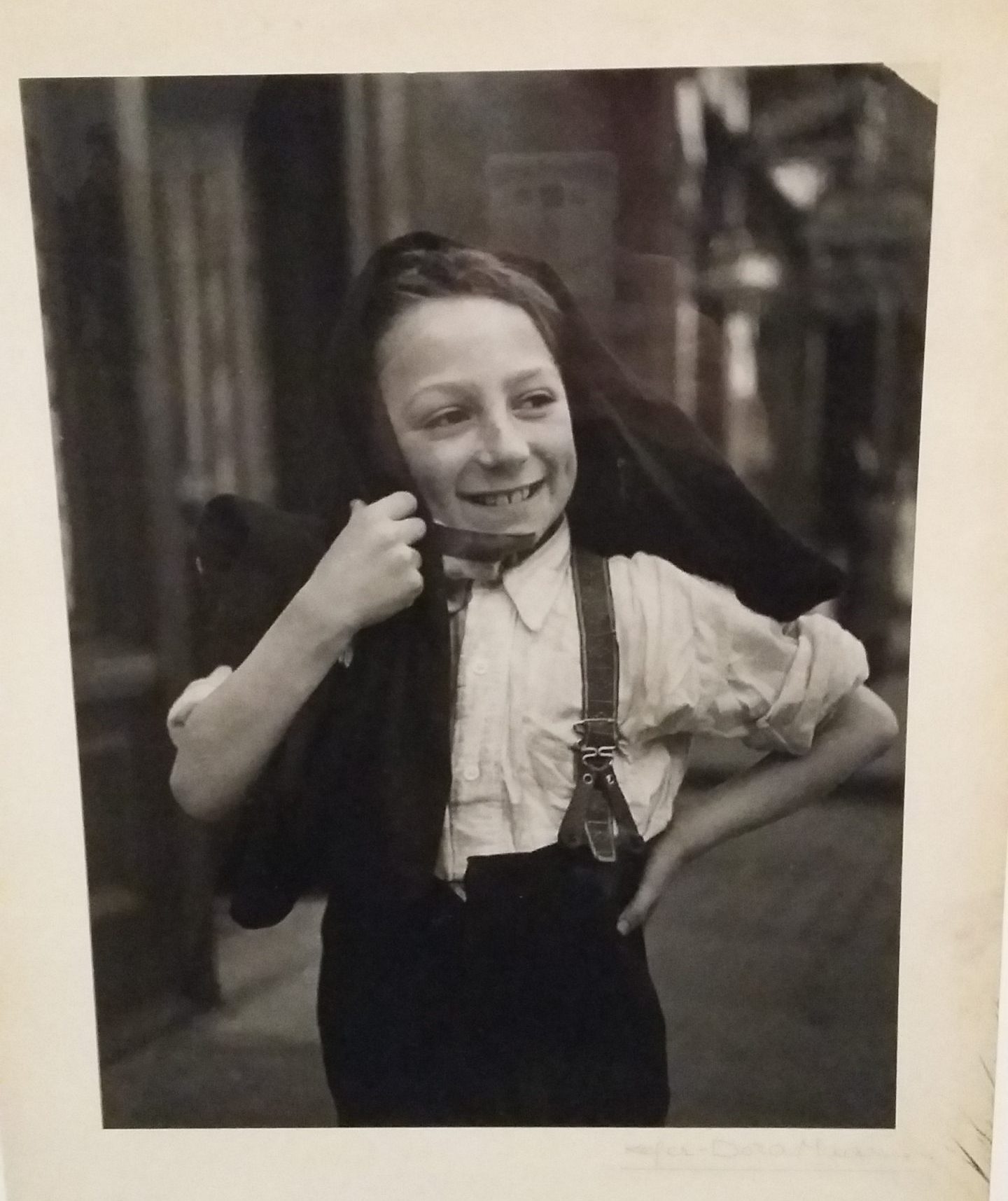
What I liked even more, however, were Maar’s realism-influenced photographs taken on the streets of Barcelona, Paris and London during the Great Depression of the 1930s. These really stood out to me, revealing the characters behind the faces, and making me want to know more about them. It doesn’t surprise me that Maar signed her name to many left-wing manifestos – an unusual guesture for a woman in that period, but one which seems natural in her obvious appreciation and admiration for ordinary people.
I’m so glad I got the chance to visit this unique exhibition before everything closed down – it’s one which will stick in my mind for many years.
I went to an exhibition of Victorian photography at the National Portrait Gallery, Victorian Giants: The Birth of Art Photography. The exhibition featured four photographers: Oscar Rejlander, Julia Margaret Cameron, Clementina Hawarden and Lewis Carroll. These four were pioneers in the world of photography in the 1960s, sharing ideas and inspiration and creating a body of work that still looks radical decades on.
I have some familiarity with the work of Cameron and Carroll, but I was previously unaware of Hawarden and Rejlander. I particularly liked Hawarden’s portrait of a woman by a mirror, in which we see both the woman and her reflection. I also enjoyed Rejlander’s composite photograph of decadent nudes, which resembled a dramatic painting.
There was lots to enjoy in the exhibition, from candid photographs of children (I loved the grumpy child photographed by Carroll) to portraits of important figures of the age and unknown sitters dressed up as mythological figures.
I went to this New Approaches to the Archive talk, part of Magnum Photos Now, a series of lectures about Magnum Photos in this year of their 70th anniversary, because I work in the field of libraries and archives and was interested to learn more about a photographic archive. I expected the talk to be more about the archives themselves, but actually the evening was fascinating even though it wasn’t really what I had expected.
The evening was made up of two talks. The first was delivered by Diane Dufour, director of Le Bal, Paris, who recounted her experiences with exploring the Magnum Photo archives and exploring the concepts behind the photos taken, as well as looking at the differences in opinions of the photographers involved. One section was particularly telling, with pictures of Jewish people settling in Israel, while another photographer’s work showing displaced Palestinians was not published anywhere.
Dr Mark Sealy, curator and cultural historian, then talked about the Eurocentric gaze of typical photography archives and made the important point that the first photographs appeared at the same time as slavery was just coming to an end in the UK – as part of a wider point that a photo shows just one aspect of the world at a particular time. He showed us photographs by and of black people during the twentieth century and emphasised the importance of having diversity among the people who are able to search the archives in the first place.
As someone who works in the field of libraries and archives, the talk was an interesting look at the varied uses which can be made of those archives, and their importance in terms of culture and history.
When I read about this exhibition, I knew I wanted to check it out. Mat Collishaw: Thresholds is a unique recreation of William Henry Fox Talbot’s first exhibition of photographs in Birmingham in 1839. But instead of plonking down the original photos and inviting audiences to view them again, the exhibition is more daring: it uses virtual reality technology to take you back to the original exhibition.
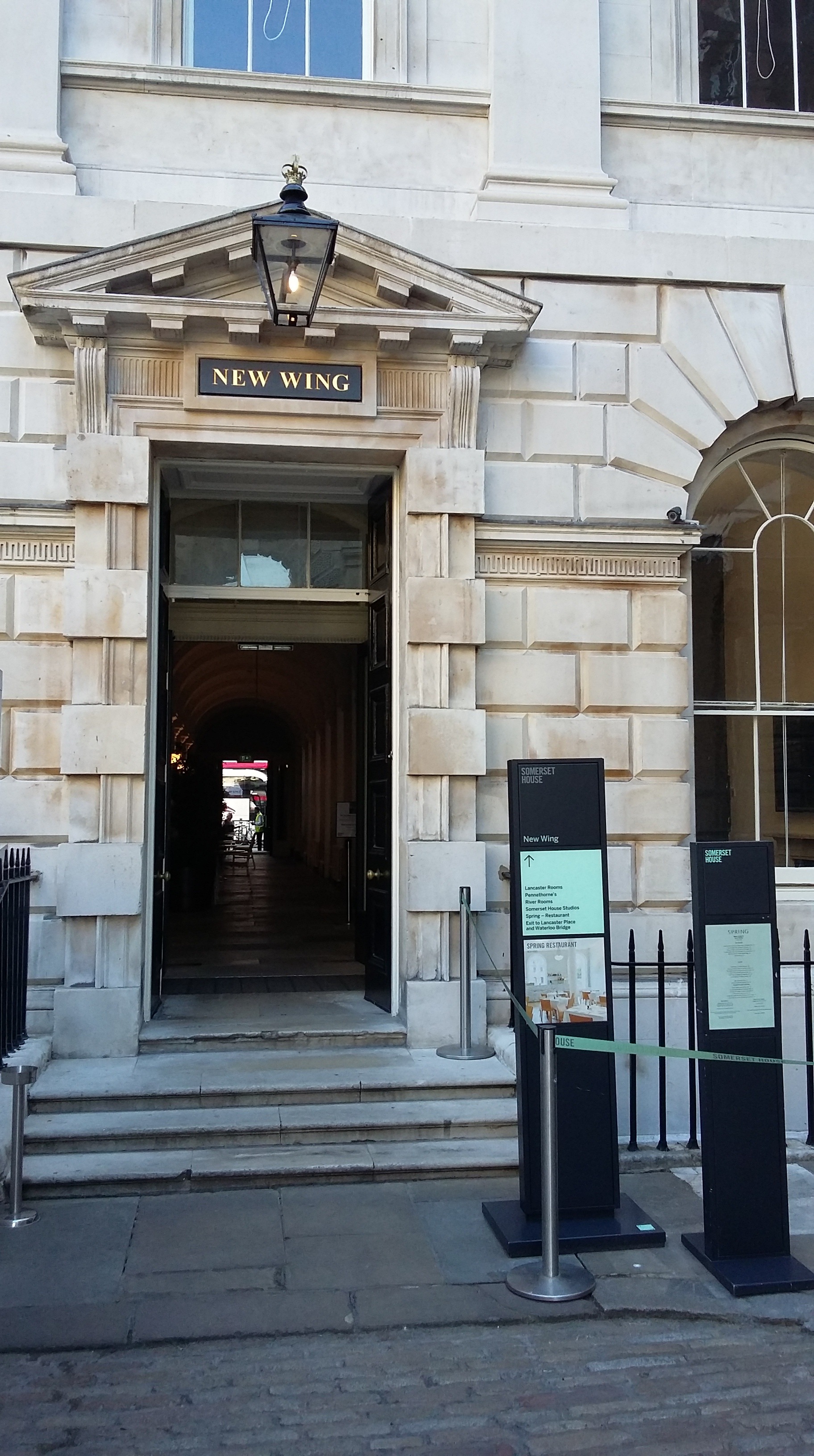
The actual room you enter, in a corner of the New Wing at Somerset House, is stark white and filled with plain white cases. When you put on the special backpack, with glasses and headphones, however, the space is transformed. Around you is a recreation of the original exhibition space. In front of you, cases showcase the impressive photographs that were originally displayed, and you can pick them up to take a closer look. Mice run along the floor, spiders creep over the paintings, and a fire burns in the corner. Outside, you can see guards policing the streets, and towards the end of the experience you can even see and hear the Chartist protesters who rioted in 1839 on the streets of Birmingham.
The actual experience lasts six minutes, though you need to allow time for the introduction and to get your equipment set up. Though short, it’s unforgettable, and its use of very modern technology reminds you of how cutting-edge the science of photography would have seemed to exhibition attendees in the mid-nineteenth century. The exhibition isn’t on for very long, but I’d urge you to catch it before 11 June.
I visited the exhibition Fox Talbot: Dawn of the Photograph, held at the Science Museum. Often called the “father of the photograph”, William Henry Fox Talbot pioneered the negative-positive process, a technique that formed the basis of photography around the world for over 150 years. The exhibition contains many photographs taken by him, as well as by those whom he inspired. Many of Talbot’s photos feature his home, Lacock Abbey, in Wiltshire. Though the subjects are often mundane: a door, a tree, a broom leaning against the wall – they are exciting because they are among the first photographic representations of such things.
The exhibition did take a fairly scientific slant (unsurprisingly, it’s the Science Museum after all), which went over my head at times. However, there were snippets of fascinating information, too. In France, another photographic pioneer, Hippolyte Bayard, was so annoyed that his contemporary Louis Daguerre seemed to be getting all the credit that he created a photograph of himself as a drowned man with a suicide note on the back. Pretty dramatic. Ultimately, it was the pictures that were the fascinating things for me.
The exhibition runs until 11 September, so there’s still time to catch it.
The usual stereotypes – queueing, drinking tea, sitting on the beach – were present, but there were many quirky and unusual shots. Most people photographed were ordinary people going about their day-to-day lives: even the pictures taken during the Coronation of George VI concentrated on the crowds rather than the royals. The exhibition is going to Manchester later this year, and it’s worth catching it if you can.