Rebel Badge Club: Advanced Good Habits

Advanced Good Habits was the final badge I had to complete for the Inspire 2026 challenge. It’s not one of the most outwardly exciting badges, but it’s a worthwhile one.
Advanced Good Habits

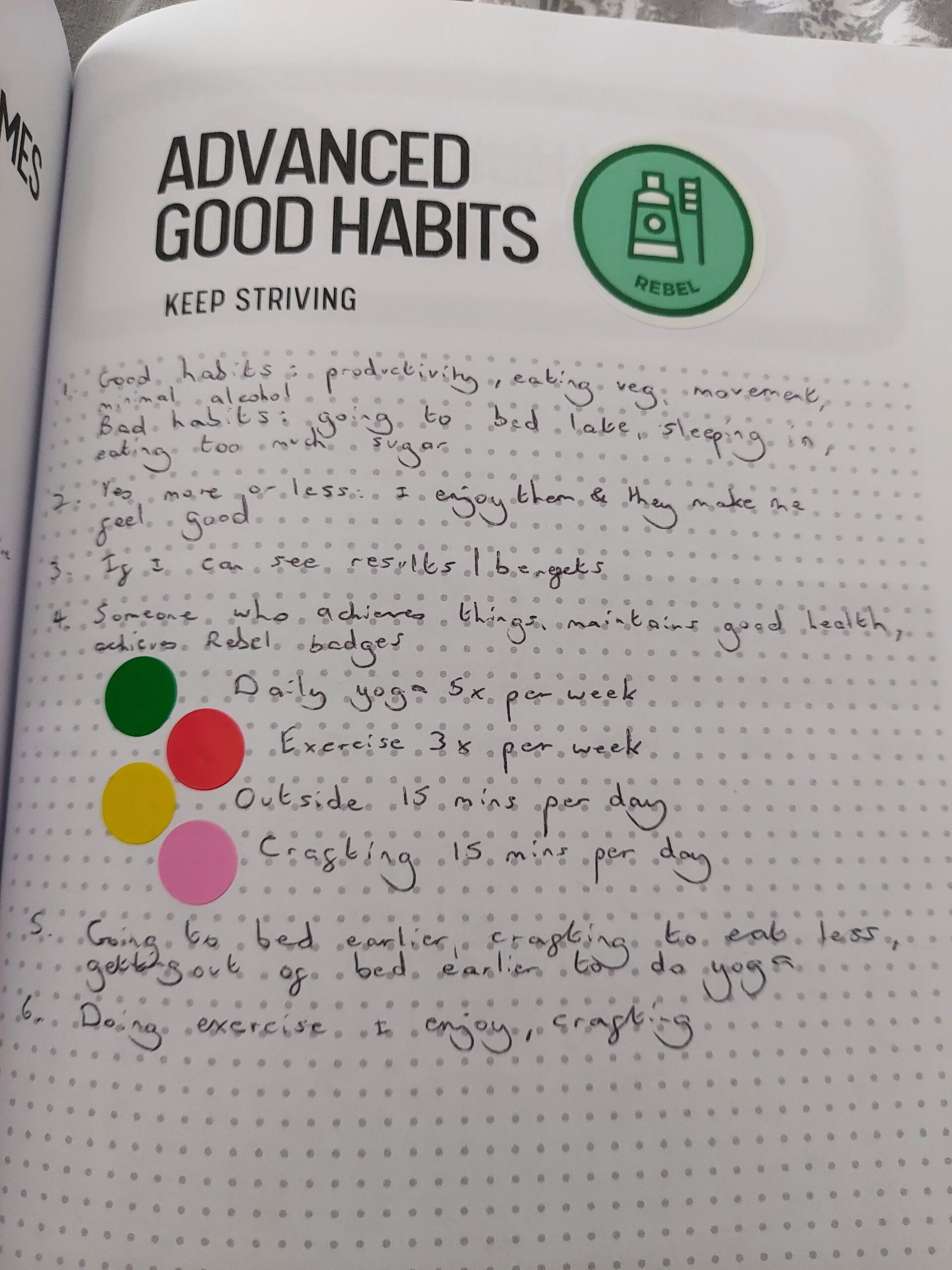
I spent a week observing my habits: good habits include eating plenty of vegetables, being fairly productive, exercising in some small way and minimising my alcohol intake. Bad habits include going to bed too late, struggling to get up in the morning, and eating too much sugar.

I managed to generally keep up the habits I established during the Good Habits badge. I managed this because those habits were enjoyable and/or made me feel good. I maintain habits better when I can see and feel the benefits they bring.

The ideal version of myself is someone who is well in body and mind and who achieves many Rebel badges! I decided on the following four habits to maintain over 90 days:

  • Yoga 5x per week
  • Exercise 3x per week
  • Outside 15 minutes per day
  • Crafting 15 minutes per day

Positive changes I could make to my life to help minimise bad habits include going to bed earlier, crafting to keep myself occupied and therefore eat less, and getting out of bed earlier in order to do yoga.

I’m not sure if there are specific ways to make my habits more ‘fun’. Crafting is fun in general. Going outside can be fun if I do something enjoyable while I’m out there, such as geocaching. I can try and choose more enjoyable forms of exercise, too.

I wasn’t perfect with my habits this quarter, but I did manage to mostly stick to them, and when I did miss a day, I usually had a good excuse.

Date completed: 31 March 2026
Rebel Badge Club: Archaeologist

I completed the Archaeologist badge as part of the Inspire 2026 quarterly challenge. I really enjoyed this badge and did a lot more clauses than I had to! I don’t know if I would make a good archaeologist, because I would get bored and tired with all the outdoor excavations and the long periods of finding nothing, but I do enjoy reading about the subject.

Make a beginner’s guide to archaeology.

Visit a site where a significant archaeological find was made.

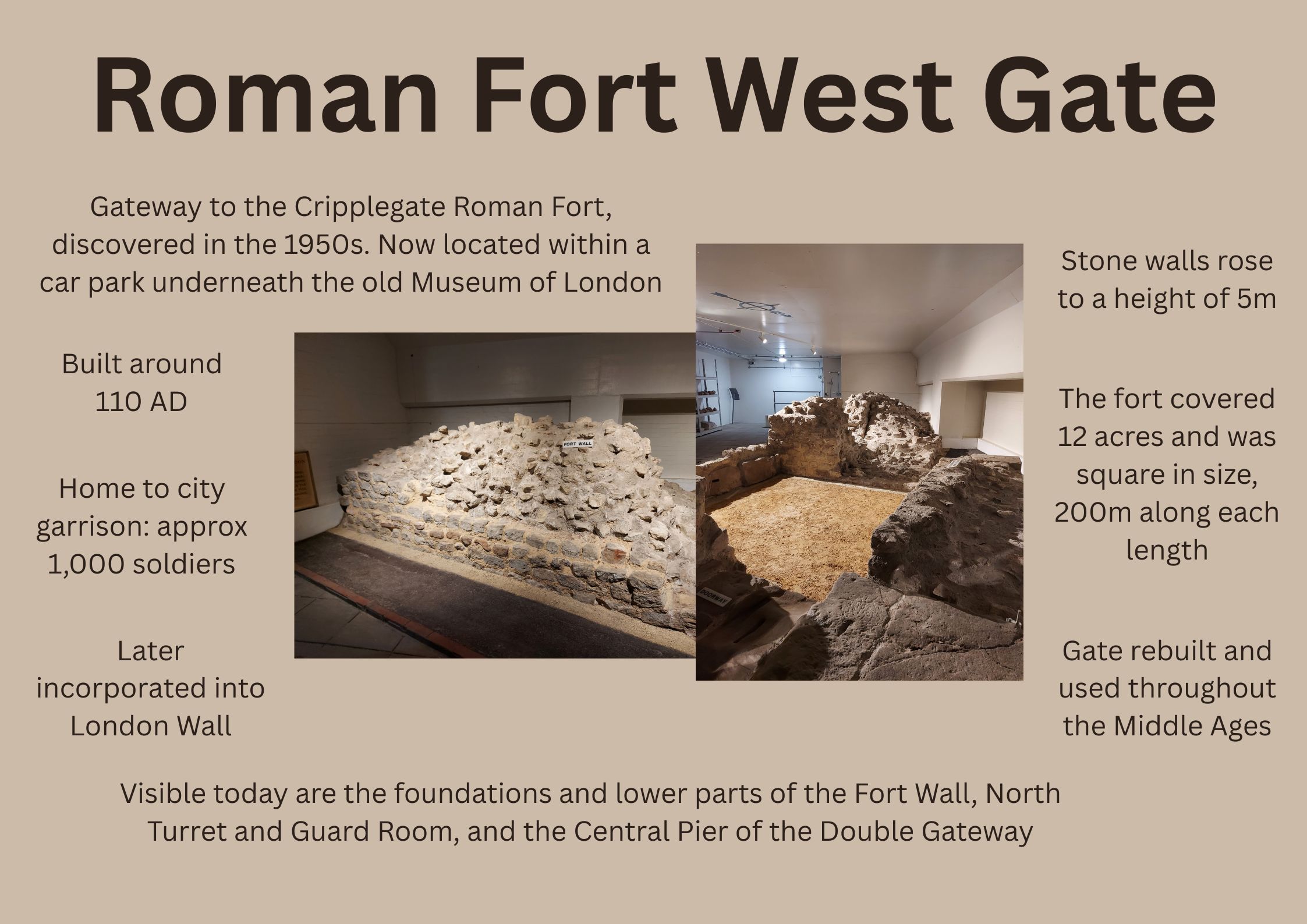
I went on a tour of the Roman Fort West Gate near the old Museum of London, and made a poster about my findings.

Roman Fort West Gate poster

Watch a documentary or read a book about a significant archaeological discovery.

I read Howard Carter‘s trilogy about the discovery of Tutankhamun’s tomb.

Research the career of a well known archaeologist.

I made a presentation about the archaeologist Max Mallowan, best known for being the husband of Agatha Christie.

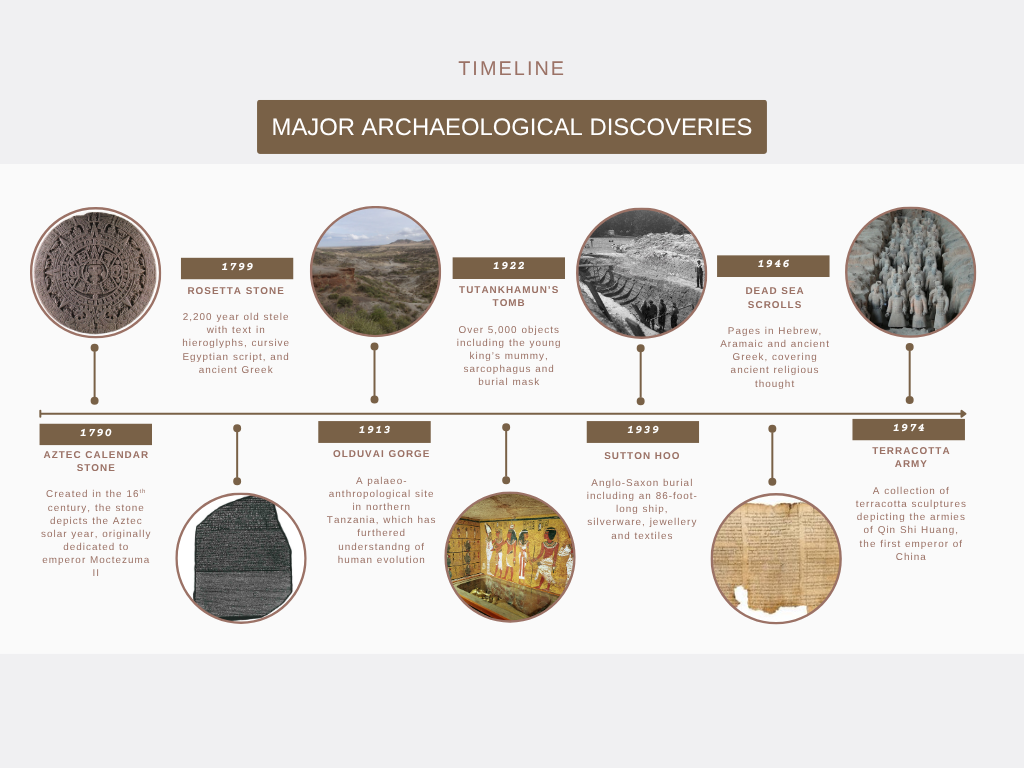
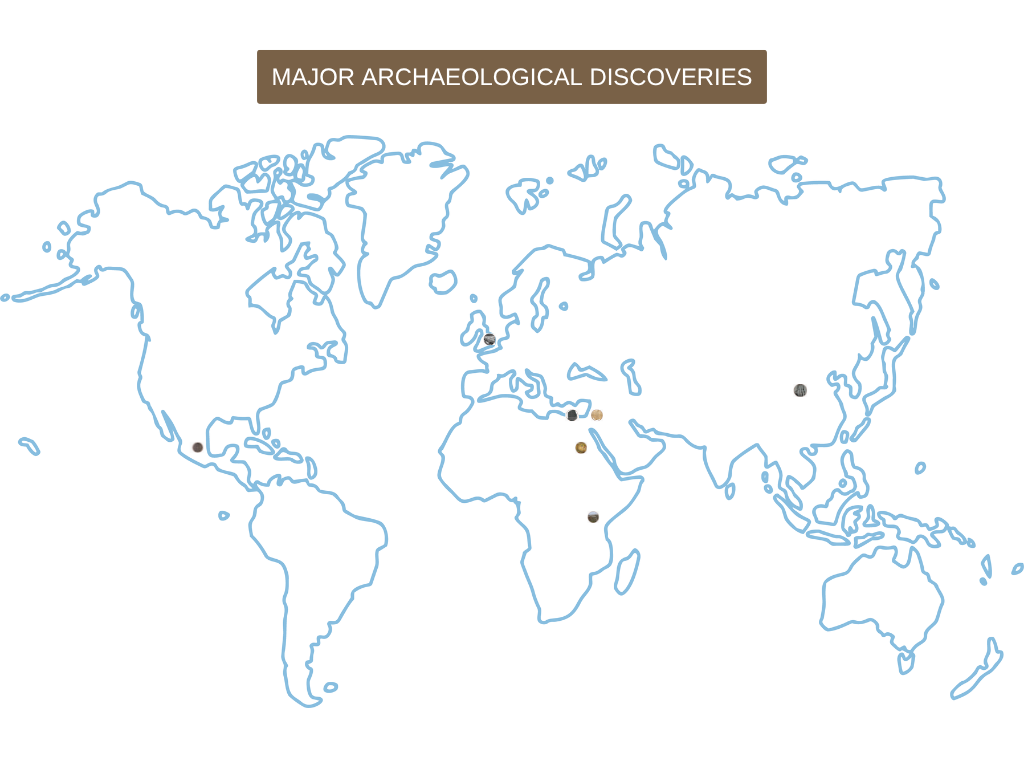
Make a timeline of major archaeological discoveries.

Major Archaeological Discoveries timeline

Major Archaeological Discoveries mapped

Find out about digs in your local area and what has been discovered where you live.

I visited Jarrow Hall: Anglo-Saxon Farm, Village and Bede Museum near Newcastle, Tyne and Wear. Bede Museum displays artefacts relating to medieval monastic life, many found nearby on the site of St Paul’s Monastery. The Anglo-Saxon Farm is an exercise in experimental archaeology, featuring breeds close to those that would have been farmed during the monastery’s heyday, and the Village contains buildings reconstructed from archaeological discoveries and plans.

Attend a talk about an archaeological dig.

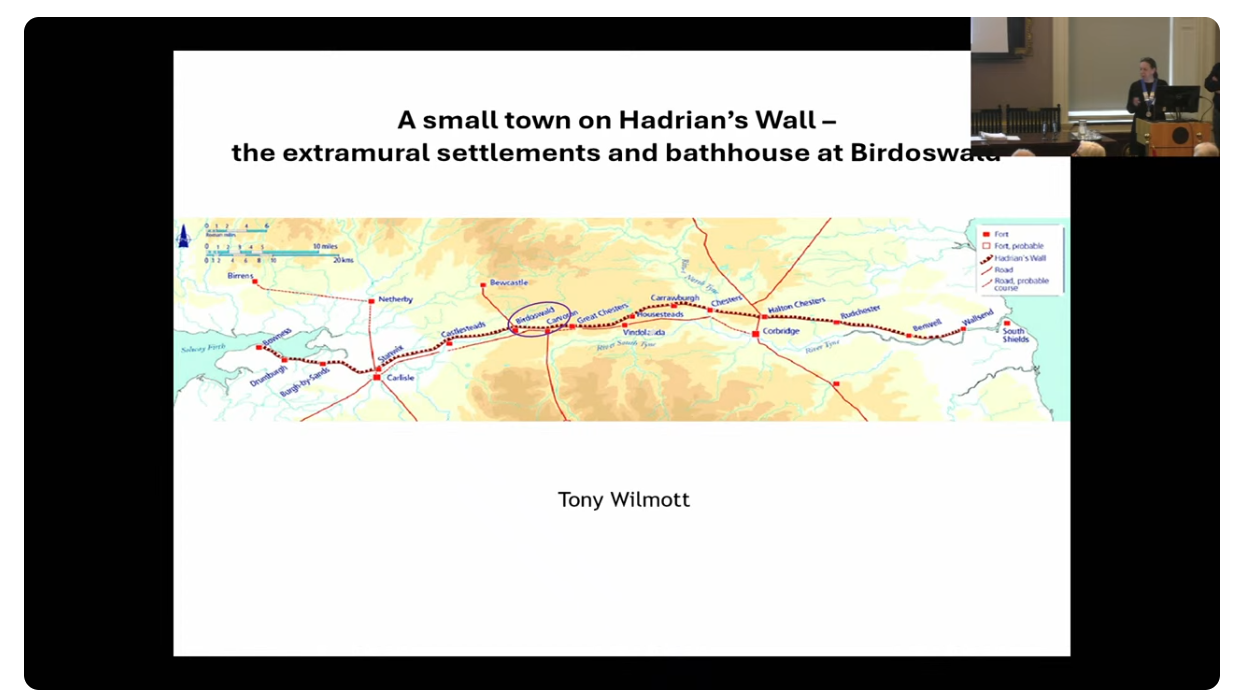
I attended an online talk about Birdoswald Roman fort, A small town on Hadrian’s Wall? by Tony Wilmott.

Presentation screenshot

Look at burial rituals and how they differ geographically and across time.

I read Buried by Alice Roberts, which was fascinating.

Explain the difference between relative and absolute dating.

Relative dating: determines the chronological order of artefacts and features, but does not provide a specific age. Relative dating can be determined by stratigraphy and superposition.

Absolute dating: provides a specific age or age range. It can be established by using various scientific techniques, such as carbon dating or dendrochronology.

Look at different perspectives of an archaeological site.

I looked at different perspectives of Stonehenge over the centuries, which was really interesting.

Learn about at least five archaeological anomalies around the world.

I read an article about archaeological anomalies and found it fascinating.

Complete a short course in archaeology.

I completed an archaeology diploma course with Centre of Excellence.

Learn about the various uses of photography in archaeology.

  • Artefact documentation: a visual record that can be used for further study as well as recording exactly where an object was found
  • Excavation records: Capturing digs before, during and after excavation to document changes over time
  • Fluorescence photography: can detect infrared (IRF), ultraviolet (UVF), and laser-stimulated fluorescence (LSF) techniques to reveal hidden details, chemicals, and conservation on artefacts without causing damage
  • Endoscopic photography: using endoscopes to capture images within sealed or contained spaces, such as mummified remains, tombs and other artefacts
  • Thermal infrared imagery: non-invasive imaging that can capture temperature variations on landscapes to detect subsurface structures and hidden features

Research an object regularly found on digs.

As I have a considerable collection of brooches (and used them for the My Collection badge!), the brooch was an obvious choice of object for me to research. I found some beautiful examples, most uncovered in the UK but one notable piece was found at Troy.

Date completed: 30 March 2026

Rebel Badge Club: Advanced Self Care

I’ve been working on the Advanced Self Care badge over the last three months. To complete the badge, I had to think about the areas of self care I struggle with the most, and set measurable challenges to achieve.

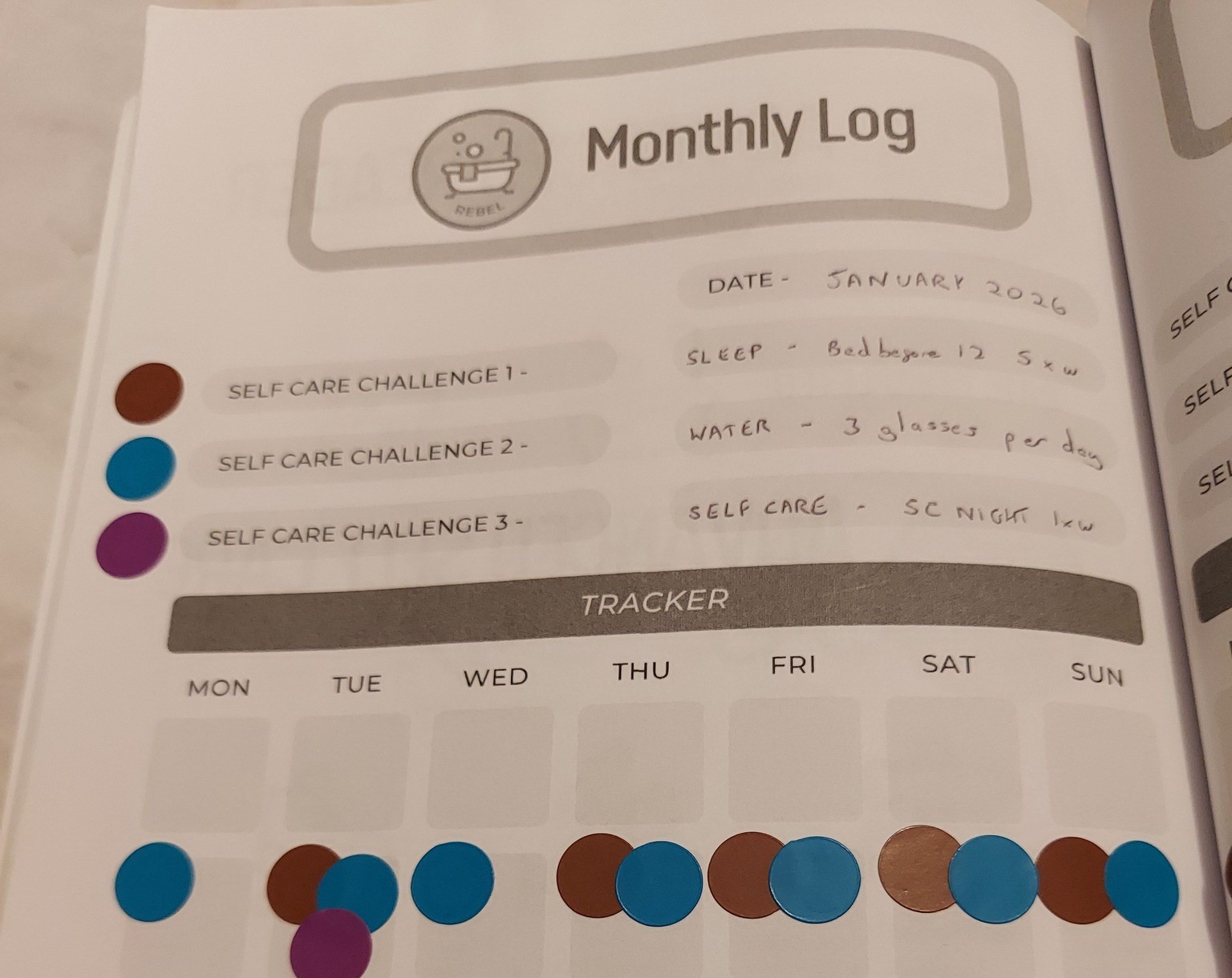
I chose to focus on an early (for me!) bedtime, increasing my water intake, and a self care evening once a week. I’d like to try and carry on with these three things, especially my water intake, as it really does make me feel better.

Advanced Self Care tracker

Date completed: 29 March 2026

Rebel Badge Club: My Heroes

I worked on this badge as part of the Inspire 2026 quarterly challenge. None of my heroes are perfect, they are all human and flawed, but all have qualities I admire and/or want to emulate.

I’ve realised the qualities that inspire me are things like resilience, moral courage, independence, intelligence and intellect, but I also have a soft spot for physical feats of endurance, which is quite funny as there’s no way I’d ever be able to emulate those! I could have done the whole badge using just polar explorers, but I’ve stuck to three.

As well as the four badges I chose for the Inspire challenge, I’ve thought of other ways to be more like my heroes.

I’ve used Instagram and YouTube to message my living heroes and celebrate them publicly.

Screenshot from Instagram post celebrating Marina

Date completed: 28 March 2026

Rebel Badge Club: The Rosie Challenge

The Rosie Challenge was the monthly badge for March, and I really enjoyed this one.

Learn about a current matriarchal society.

I learned about the Mosuo. Living in Southwestern China, they possess a distinct culture. Women are their heads of households, and they control property and finance, as well as passing on the family name.

Watch a film directed by a woman.

I watched Margrete: Queen of the North, a 2021 film I found on iPlayer. A Danish historical drama co-written and directed by Charlotte Sieling, it wasn’t the most exciting film but it did make me want to find out more about the historical period.

Create or play a pub quiz where each round has a female twist.

I played a female-focused pub quiz during the Nelson team call.

Read a book about the intersection of misogyny and the witch trials.

I read Witchcraft: a history in 13 trials by Marion Gibson.

Read a book on how language perpetuates sexism.

I read Wordslut by Amanda Montell.

Champion 5 female-owned businesses you love to your network.

Women in Business Screenshots

Jarrow Hall

I visited Jarrow Hall, formerly Bede’s World, in spring. I think I might have visited before in the dim and distant past, but I can’t remember anything about it.

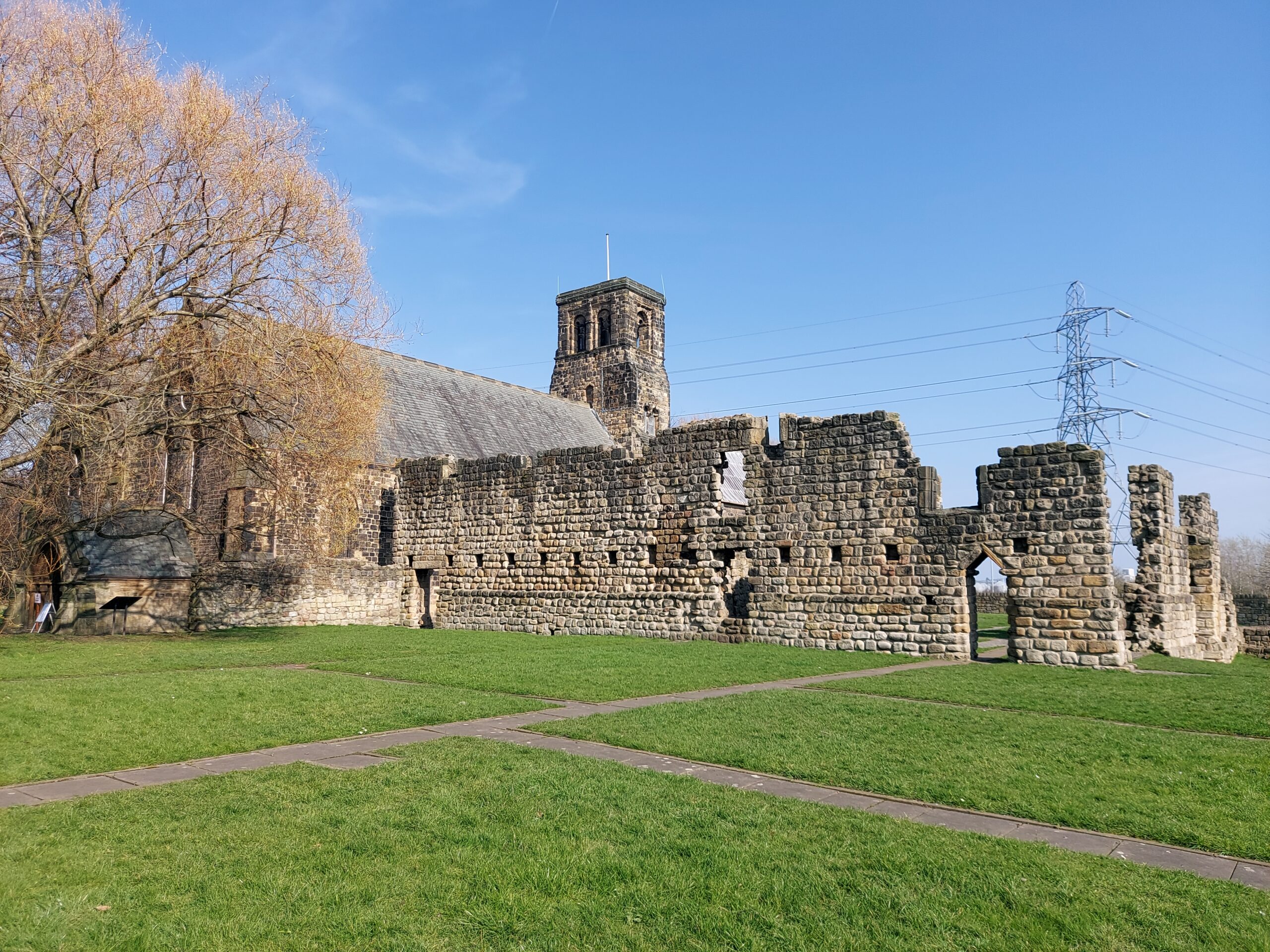
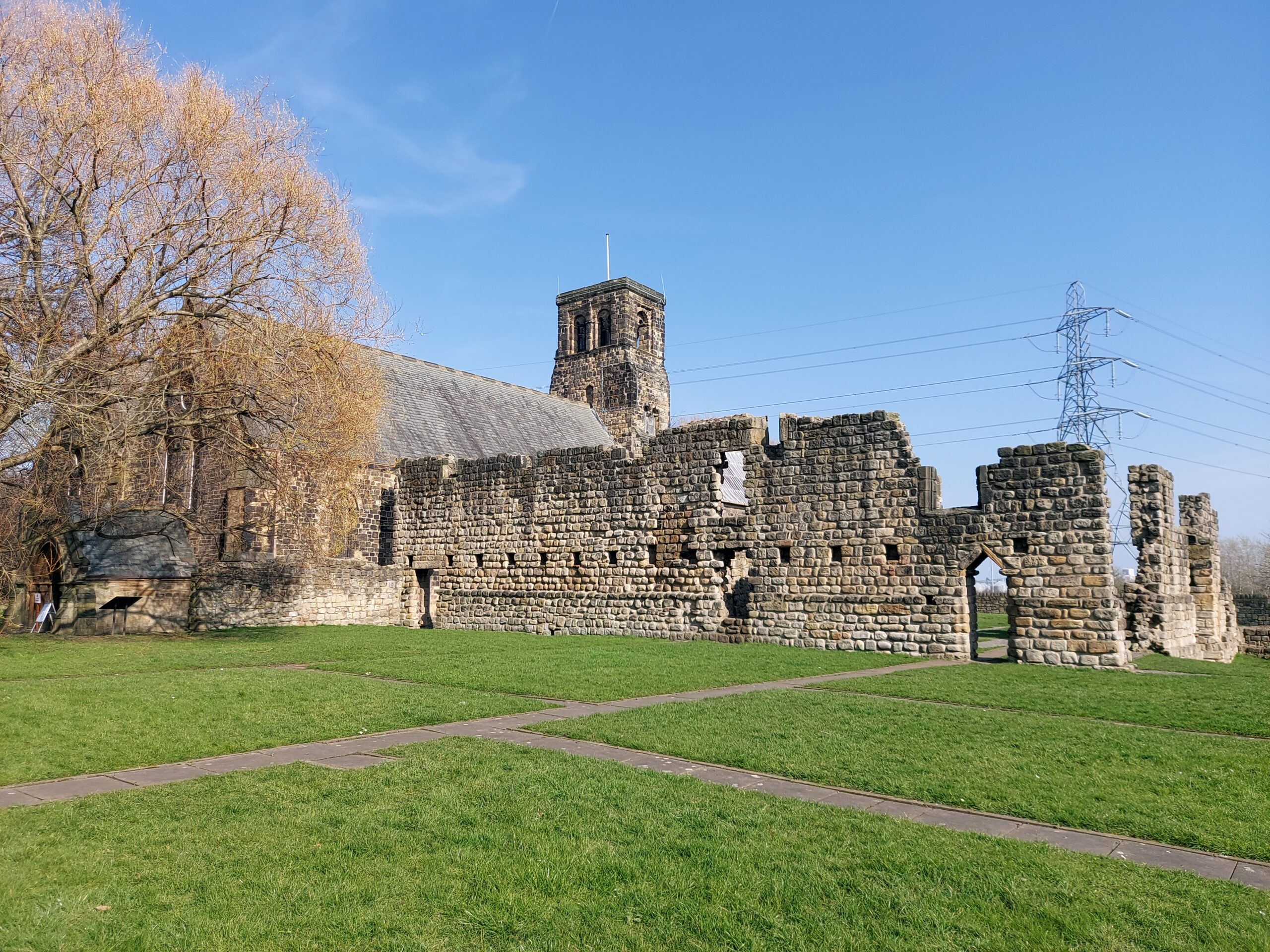
The attraction’s full name is Jarrow Hall Anglo-Saxon Farm, Village and Bede Museum. It sits alongside St Paul’s Church and Monastery which I also visited, forming part of the twin monastery of Wearmouth-Jarrow. Built in 681 AD, the location was home to the venerable Bede, a famous medieval scholar and monk.

St Paul's Church and Monastery

I started my visit by exploring the Bede Museum. The museum tells the story of Bede and his time, alongside the wider Anglo-Saxon period. Known as ‘the father of English history’, Bede was an author, scholar, linguist and translator who also composed works on astronomical timekeeping and the motions of the sun, Earth and Moon. His most famous work is The Ecclesiastical History of the English People, which helped to develop an English national identity.

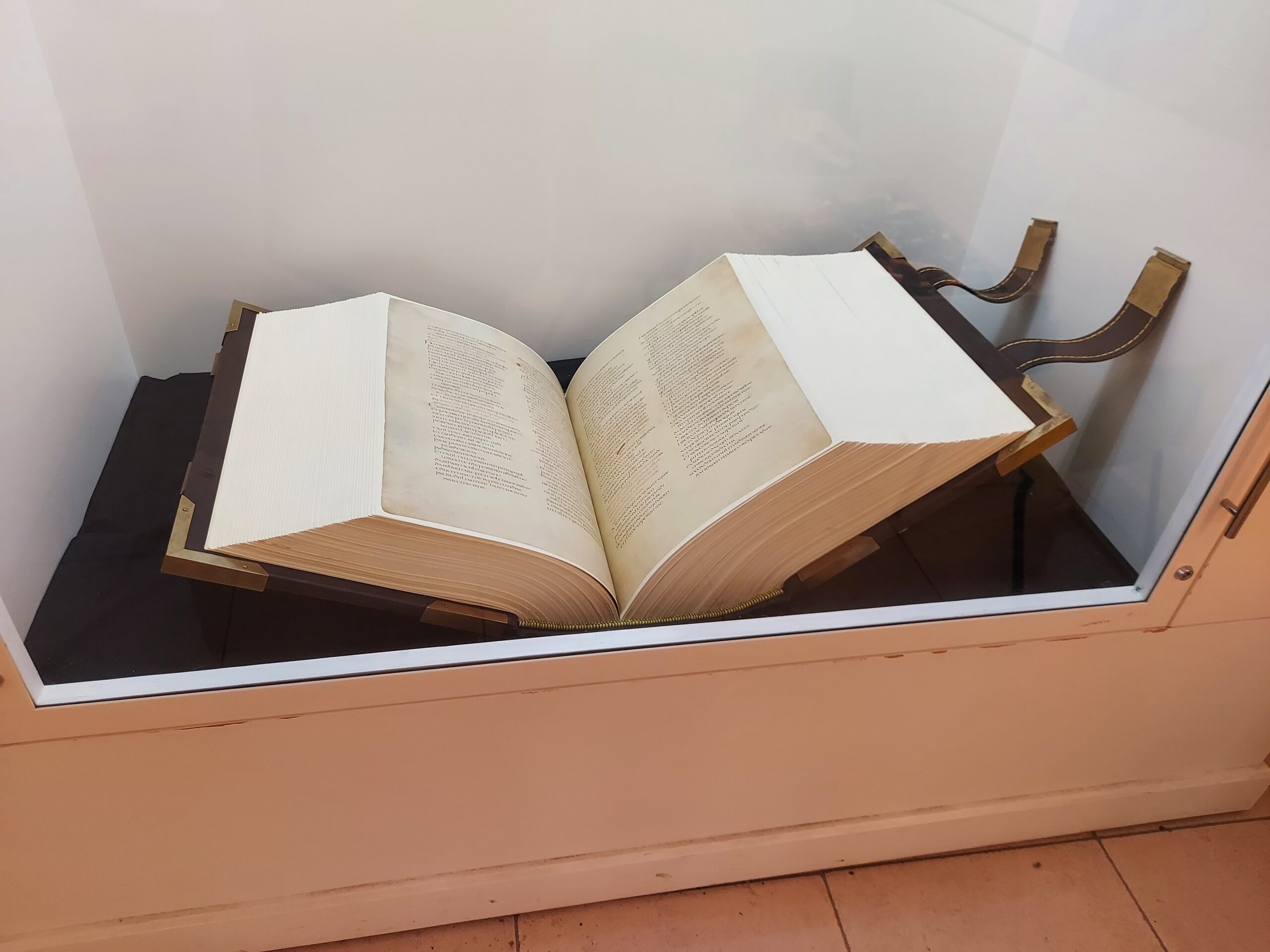
The museum contains artefacts from the location and period, including Europe’s largest collection of coloured glass from the 7th and 8th centuries, as well as stonework, tools and other artefacts. It contains the Abbadia Reliquary and a full-sized reproduction of the Codex Amiatinus, the oldest complete Latin bible in existence.

Codex Amiatinus

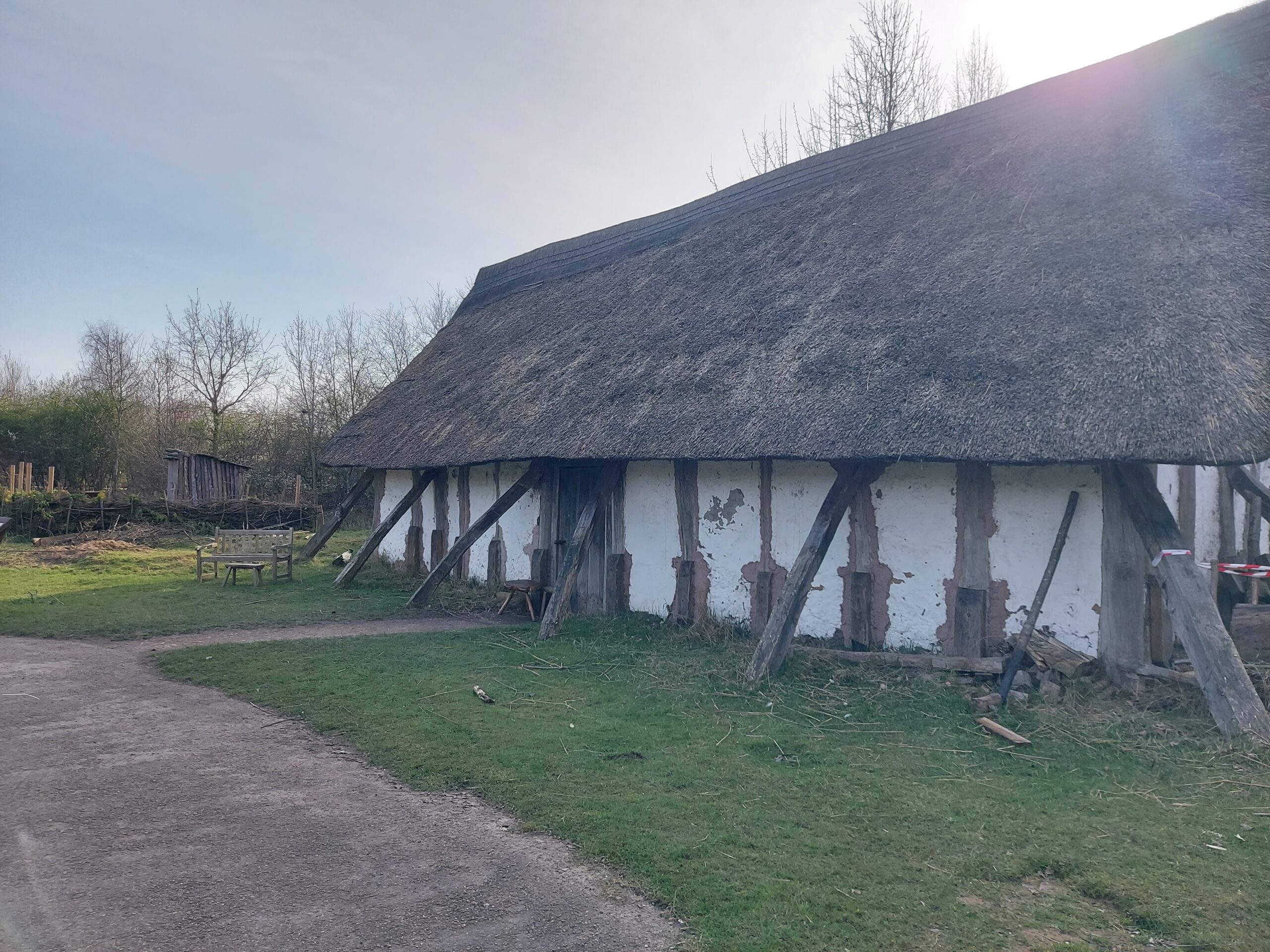
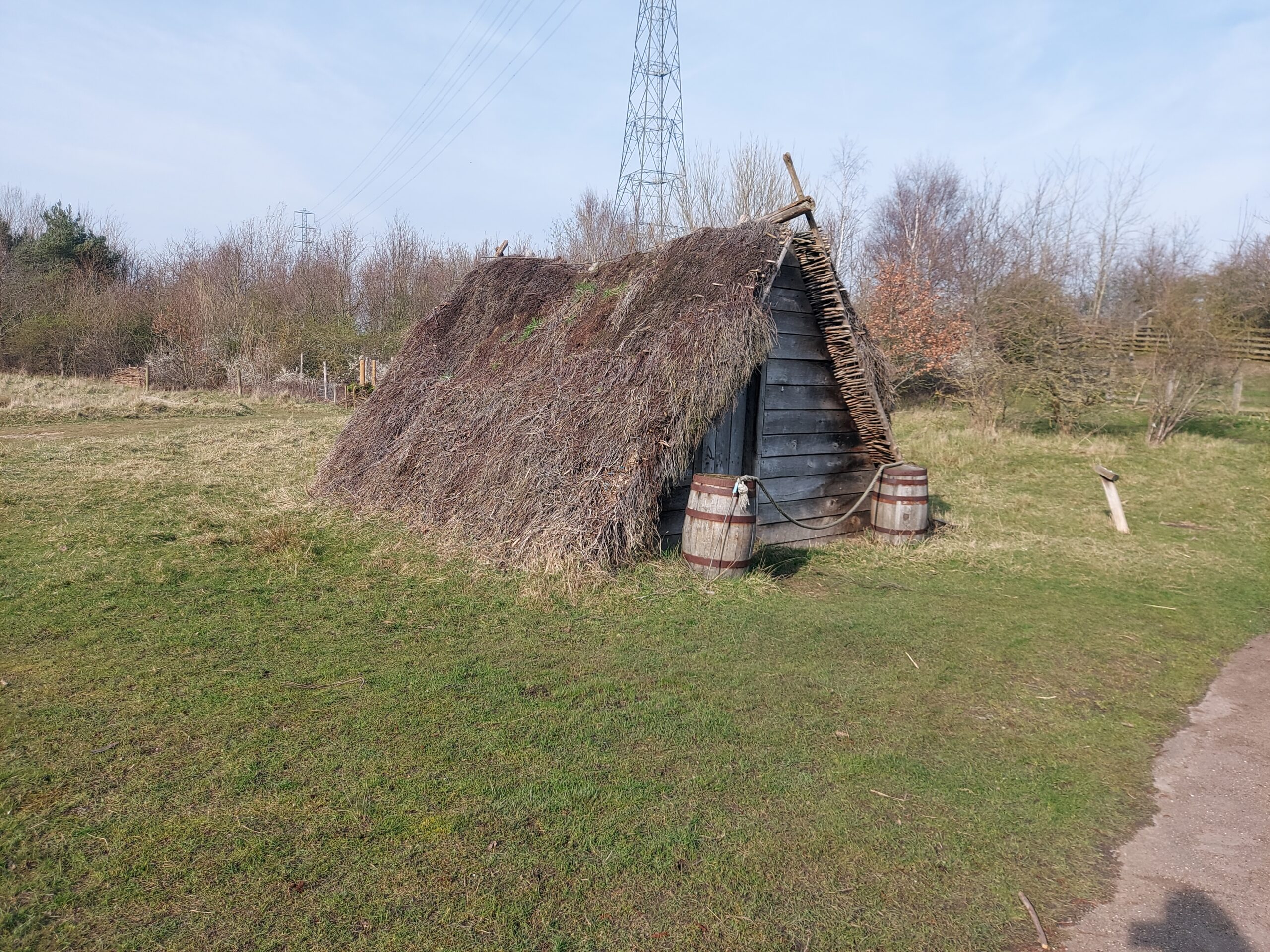
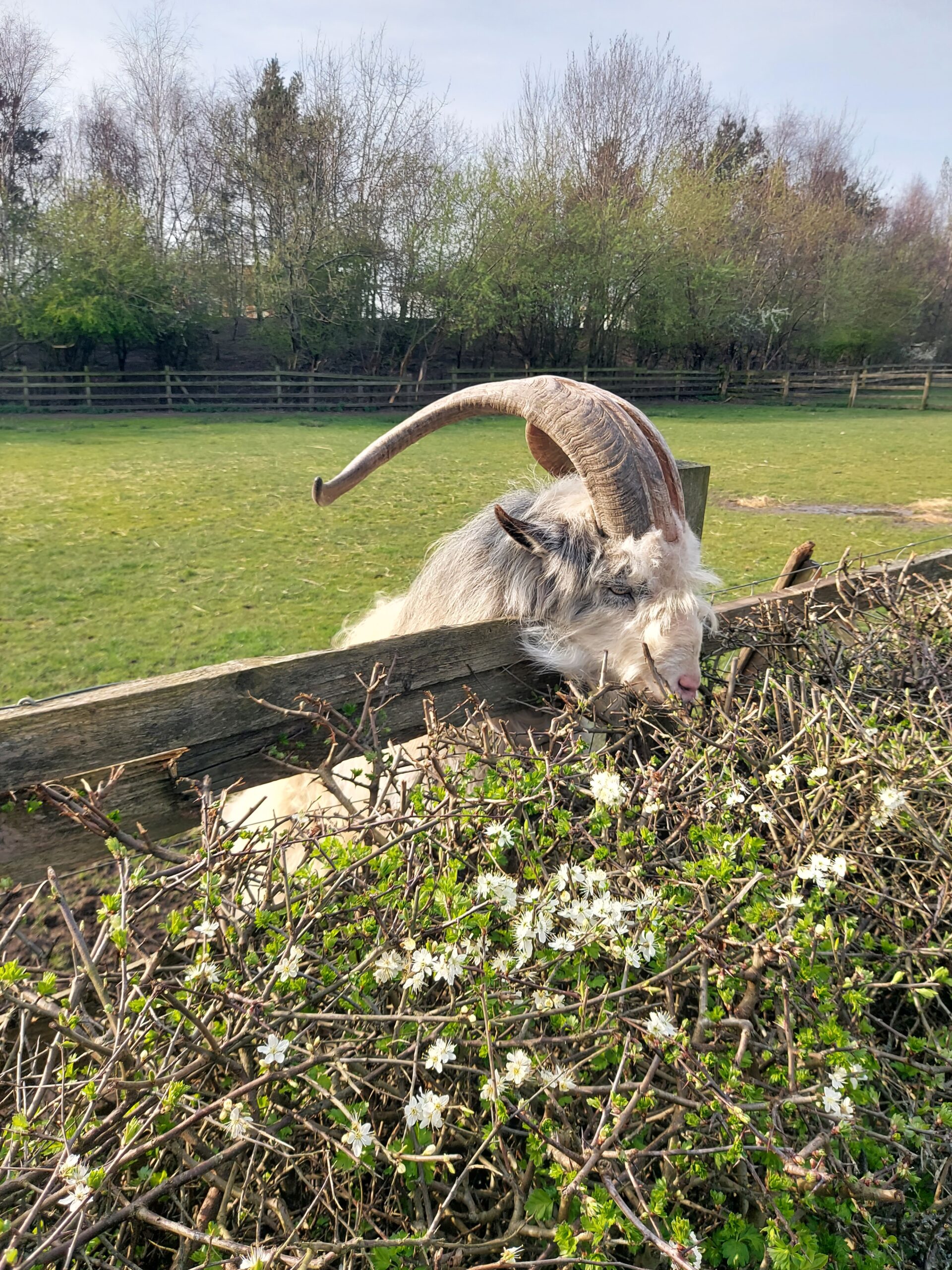
I also wandered around the Anglo-Saxon farm, which features primitive and rare-breed animals close to those that would have been around in Bede’s time. These include Cheviot goats, Iron Age pigs, Dexter bullocks and primitive sheep. Some of the animals were taken in as rescues. Alongside the farm there is a reproduction Anglo-Saxon village, based on excavations carried out in Northumberland. Thirlings Hall represents a large, high-status hall, while the Monastic Workshop cell would have been used for praying and reading, and the Grubenhaus would have been used for grain storage, weaving and sleeping.

Anglo-Saxon Village

Jarrow Hall is definitely worth a visit for anyone interested in history. The animals are also lovely to see. Tickets are valid for twelve months after purchase, so you can make repeat visits.

Goat

FACTS

Address: Jarrow Hall, Church Bank, Jarrow, South Tyneside, Tyne and Wear, NE32 3DY

Website: jarrowhall.com

Opening Hours: School holidays – Tues-Sun 10am-4pm; Term time – Thurs-Sun 10am-4pm.

Price: Adult £11.50, Concession £10.50, Child £8.50. Tickets offer unlimited access for 12 months.

Kesha (Tits Out Tour) at the O2 Academy, Brixton

I randomly got into Kesha during lockdown. I became aware of her issues with producer Dr Luke and was rooting for her. I bought her albums, old and new, and actually preferred the newer ones.

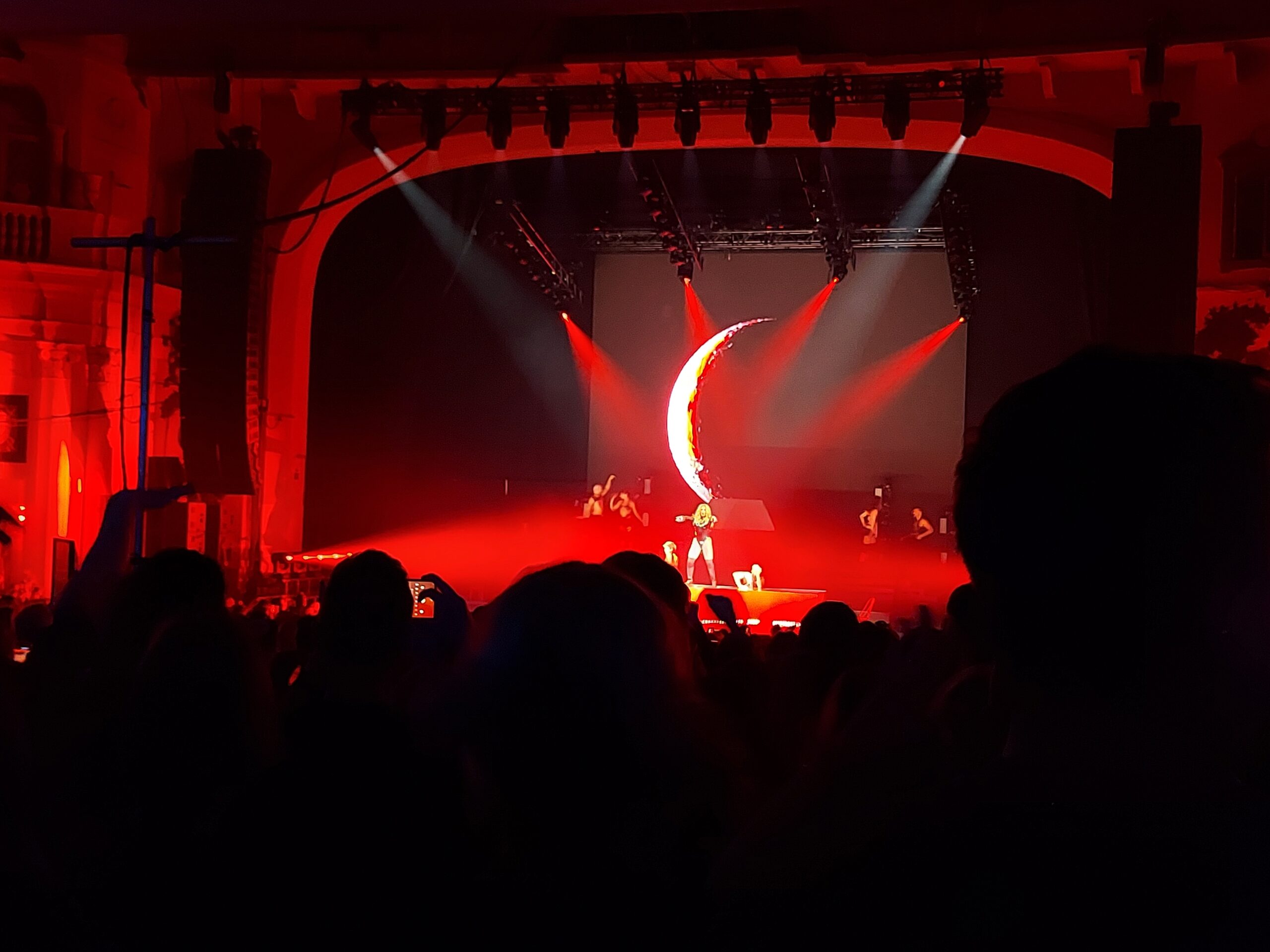
I decided I would like to see her live so went along to her gig at the O2 Academy in Brixton. One thing I noticed was that her fans seemed really lovely – which I think says a lot about her. She seemed lots of fun, but had her serious side too – naturally.

Kesha performed songs from across her career, beginning with her anthem ‘TiKToK’ and continuing with the likes of ‘Warrior’, ‘Cannibal’ and ‘Blow’, as well as songs from her most recent album such as BOY CRAZY. and DELUSIONAL. I was disappointed that ‘Timber’ seemed to be a different version, but happy that the other classics were the versions I know and love. A highlight, towards the end, was ‘Praying’. I do wish she’d performed more songs from her Rainbow and High Road albums, but overall I had a great time.

Kesha on stage

Setlist

  • TiK ToK
  • Only Love Can Save Us Now
  • Warrior
  • Crazy Kids
  • C’Mon
  • Out Alive
  • Blow
  • Sleazy/BOY CRAZY.
  • Cannibal
  • Backstabber/DELUSIONAL.
  • Take It Off
  • Dinosaur
  • YIPPEE-KI-YAY./Timber
  • CATHEDRAL.
  • Praying
  • We R Who We R

Roman Fort gate tour

The Wall


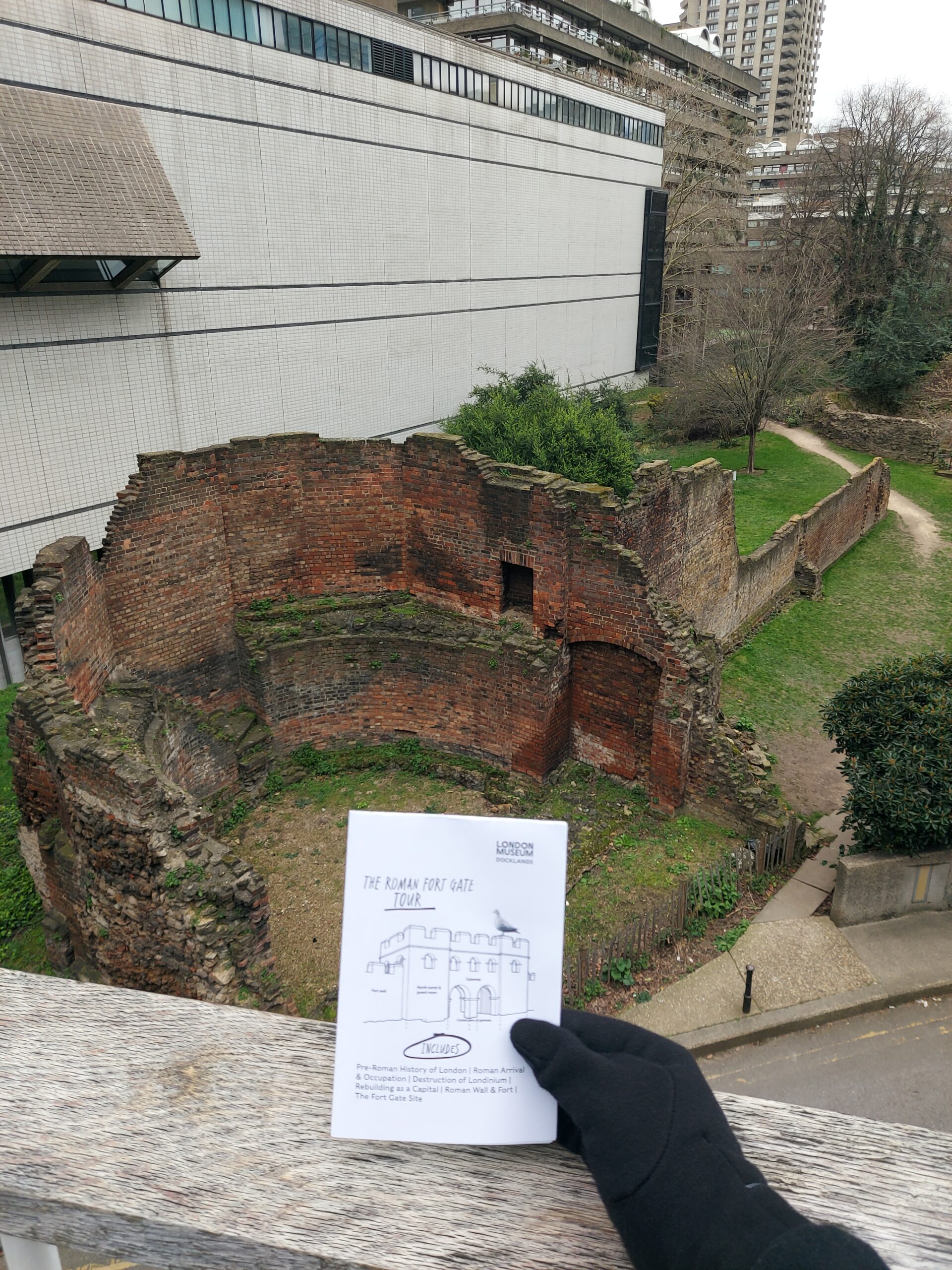
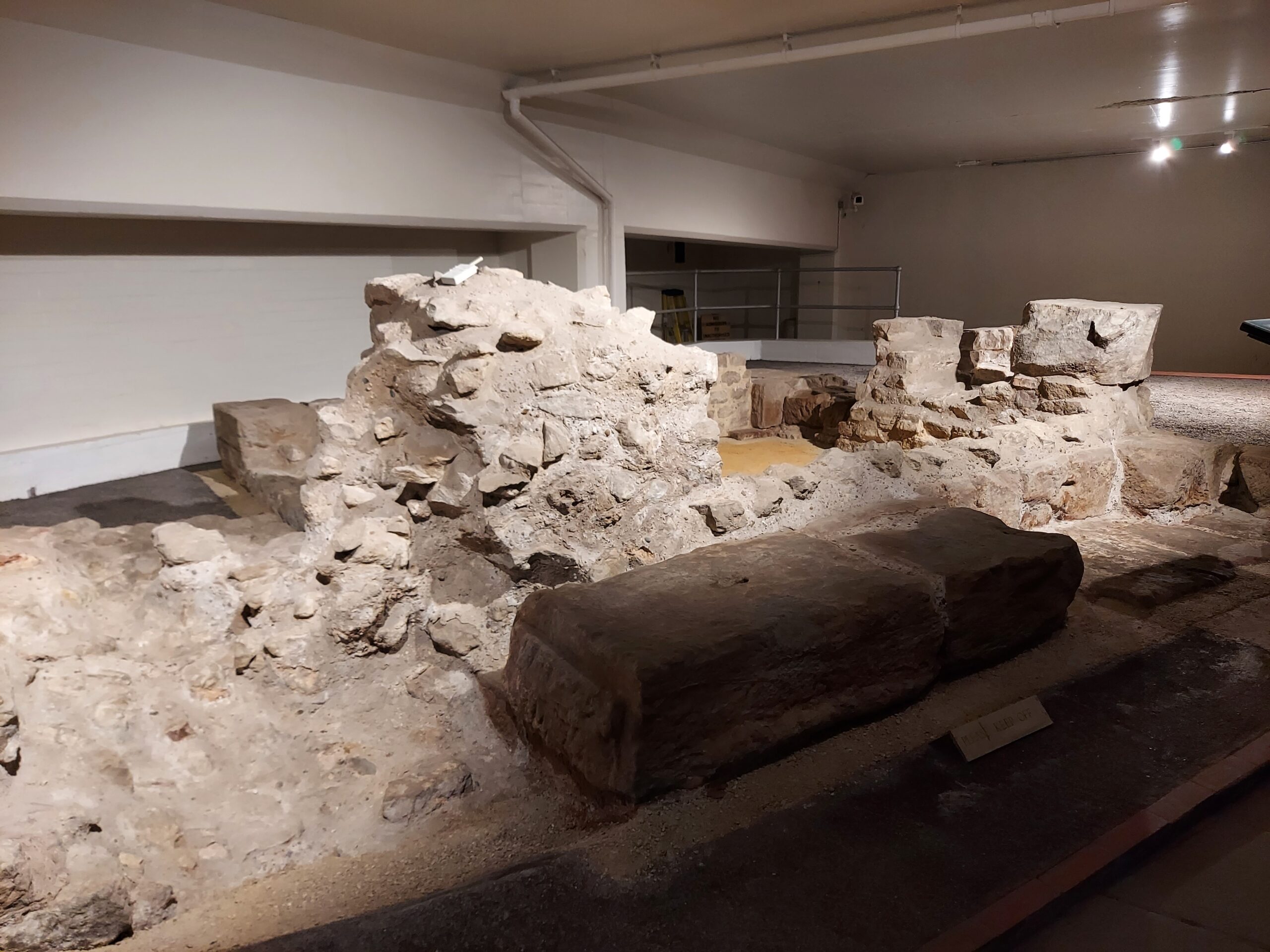
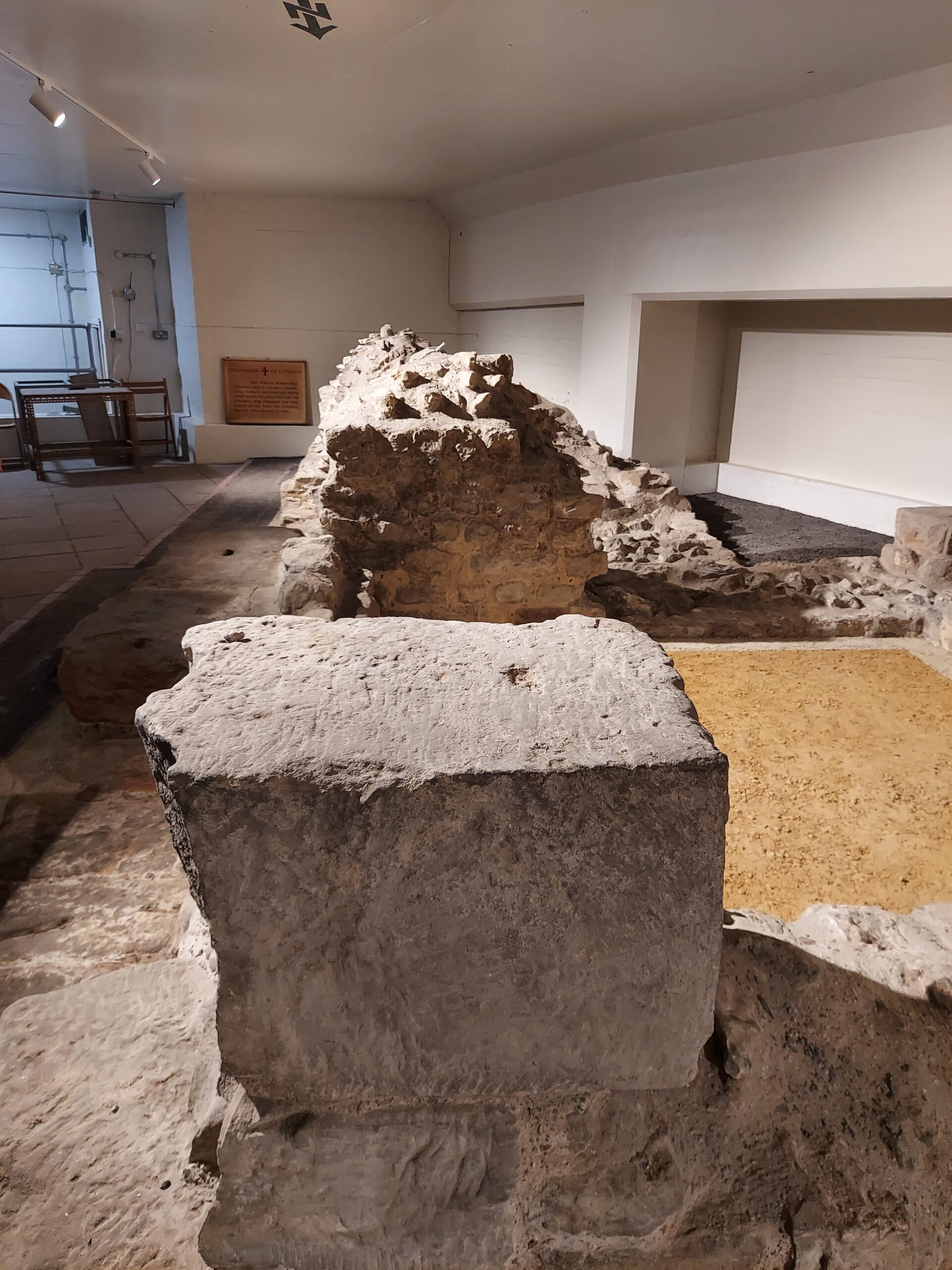
While I was down in London, I signed up for a tour of the west gate of the Roman fort in the City of London. Located near the now-defunct Museum of London, the fort remains are located in an underground car park, a mundane yet oddly exciting site.

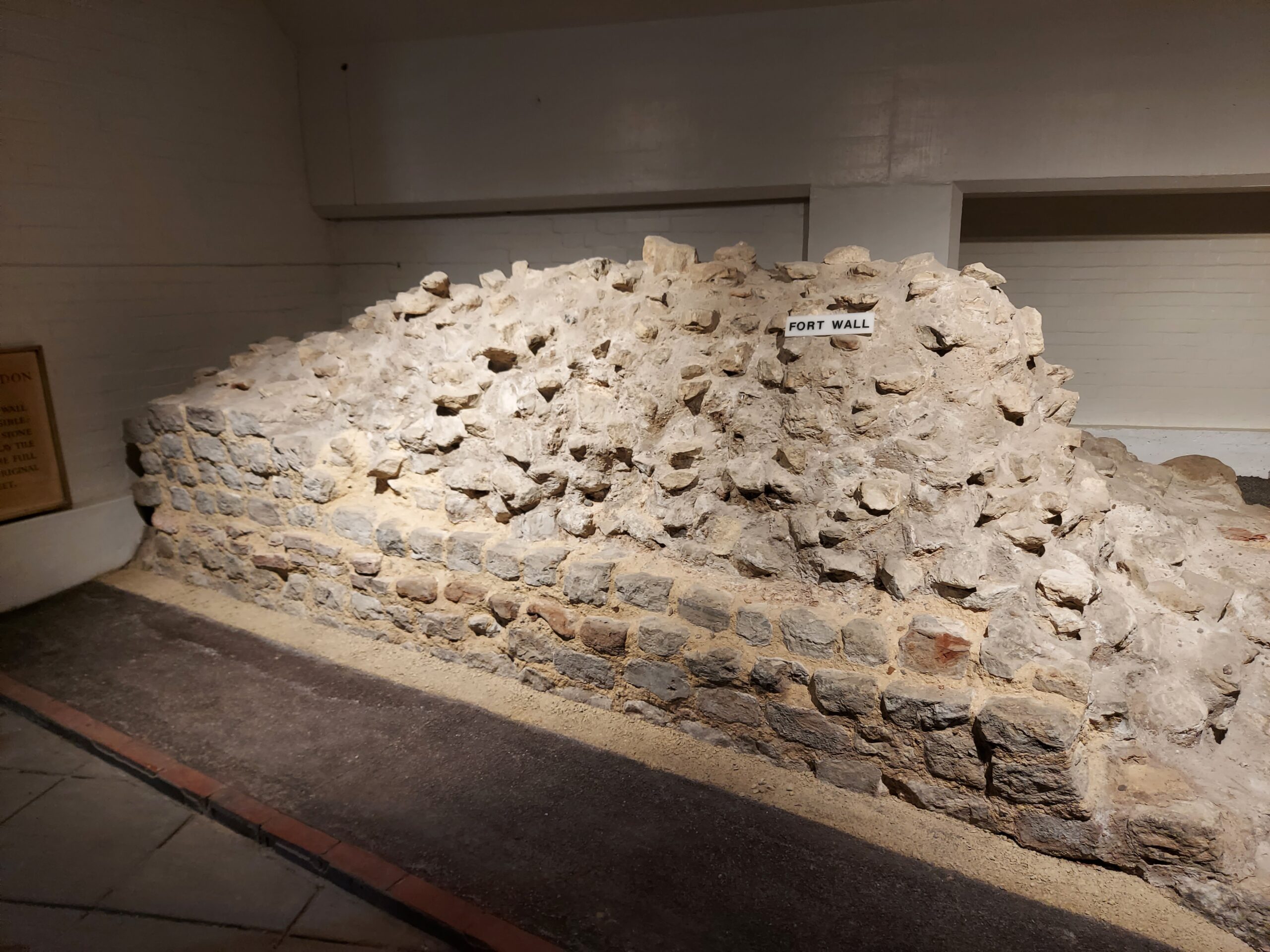
The Cripplegate Roman Fort, built around 110 AD, was rediscovered in the 1950s. It was originally home to a city garrison of approximately 1,000 soldiers and was later incorporated into the London Wall. The stone walls rose to a height of five metres, and the fort covered 12 acres. Square in shape, it measured 200 metres along each length.

Famously, parts of the ancient London Wall have always been visible from the Museum of London, a testament to the city’s Roman past. The walls formed a barrier between the Romans and the native Britons, and along with the gate were fortified during the medieval period to protect the citizens of London. After that, they gradually fell into disrepair.

The different parts of the gate can be made out, from the central piers of the gateway to the north turret and guardroom and even parts of the fort wall. It was fascinating to see these ruins and imagine how they might have looked in their prime.

Big Rebel Whodunnit

I took part in the latest Rebel game at the weekend. The Big Rebel Whodunnit was based on Cluedo and took place in London on Saturday. I was on a team with Ruth, Claire and Katrina – the same team I had for Rebel Monopoly in Cambridge. It was great fun!

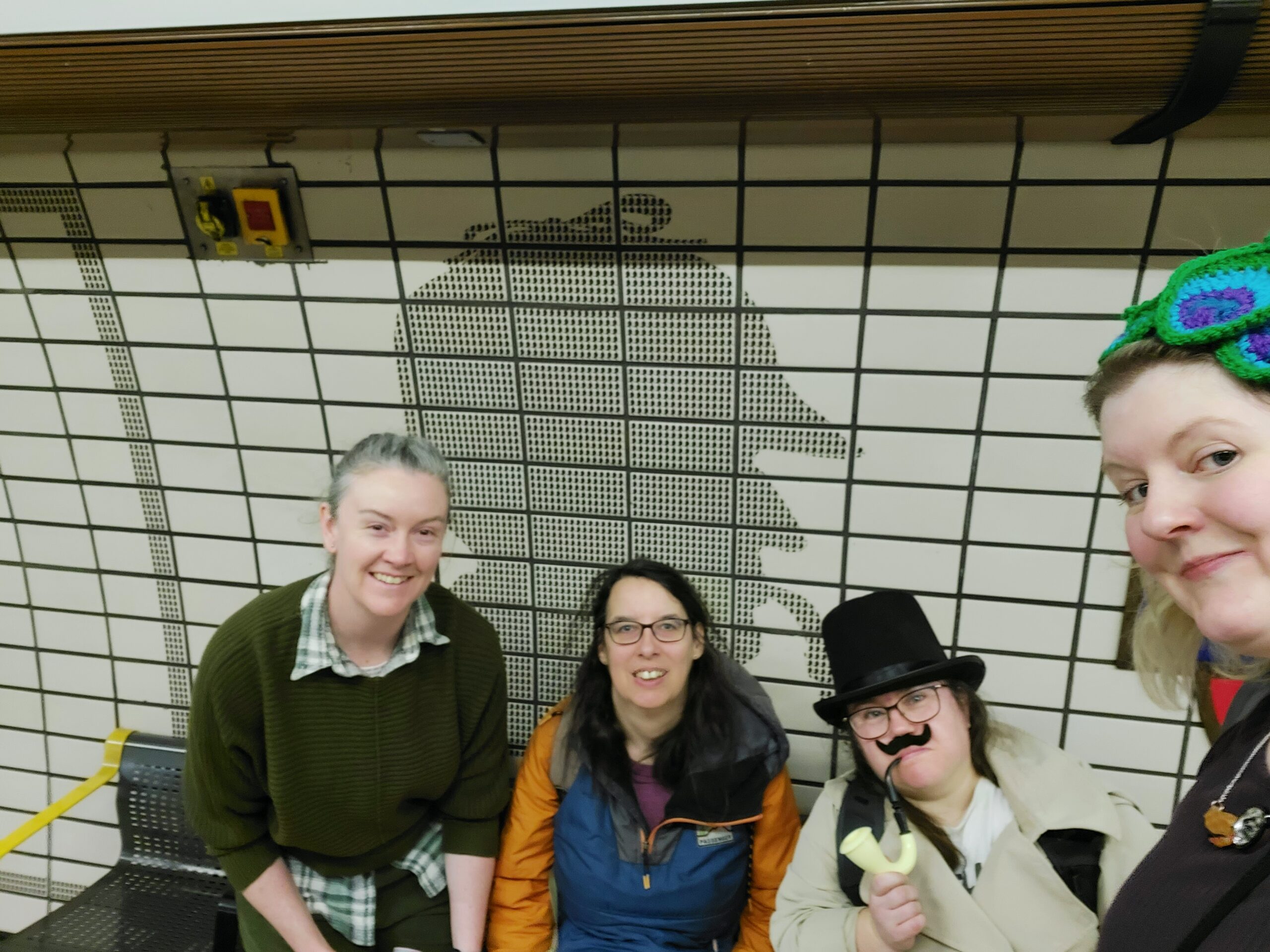
We met at King’s Cross station at the start of the day (after a breakfast at Wetherspoon’s, as is traditional – no pre-event parkrun for me!) and set off around London. We had to complete a number of tasks before travelling to meet each suspect – based on the Cluedo game characters. We found Colonel Mustard at Waterloo and Reverend Green in Green Park, although we struggled to track down Mrs White or Mrs Peacock, and didn’t manage to get to Professor Plum. In the afternoon we also managed to find Miss Scarlett at Liverpool Street, and also caught up with Poirot at Euston and Sherlock Holmes near Baker Street for some much-needed clues.

It was then a mad scramble to get back to Euston to hand in our final guesses. We didn’t win, but successfully named Miss Scarlett as the killer – we enjoyed witnessing her ‘arrest’ by the winning team! There will be another Whodunnit game in Cambridge next year, and I definitely want to take part.

Trina, Ruth, Claire and me at Baker Street station

Tynemouth Aquarium

Entrance to Tynemouth Aquarium


This spring, as part of my Marine Biologist badge I decided to visit Tynemouth Aquarium.

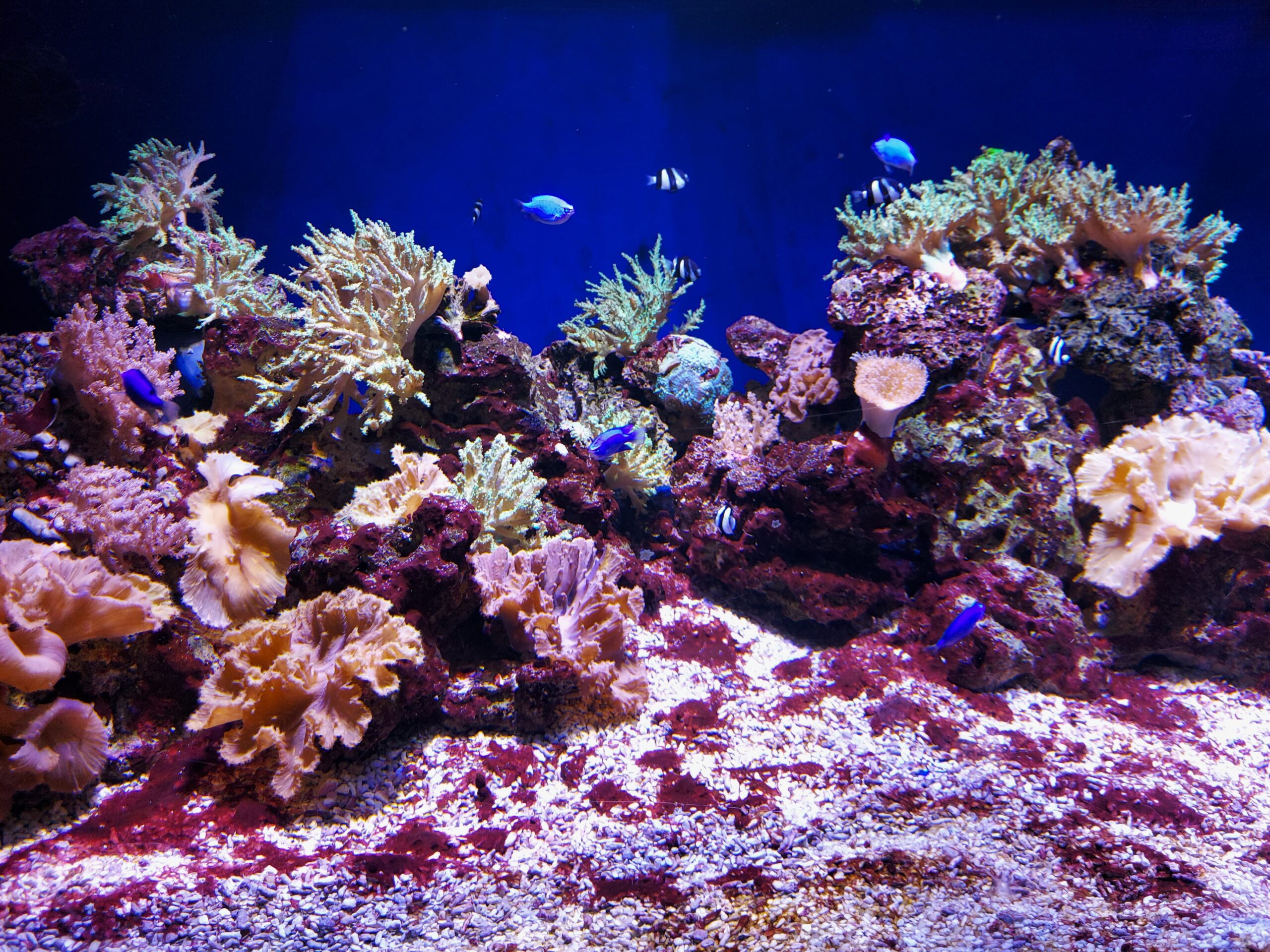
The aquarium is small compared to some similar attractions I’ve visited, but there was still plenty to see. The site is divided into themed sections such as Mississippi River, featuring animals from this part of the world, St Mary’s Island, with creatures from closer to home, Weird and Wonderful, including some of the stranger animals out in the world, and River Giants, with the likes of polka dot stingrays and catfish. I enjoyed seeing fish being fed and learning more about them, but my favourite part was the Seal Cove, featuring several of these beautiful and intelligent creatures.

Fish at Tynemouth Aquarium

FACTS

Address: Tynemouth Aquarium, Grand Parade, Tynemouth, NE30 4JF

Website: tynemouthaquarium.co.uk

Opening Hours: Daily 10-5

Price: £18.90 standard, £14.40 junior, £17.8o concession