
I completed the Archaeologist badge as part of the Inspire 2026 quarterly challenge. I really enjoyed this badge and did a lot more clauses than I had to! I don’t know if I would make a good archaeologist, because I would get bored and tired with all the outdoor excavations and the long periods of finding nothing, but I do enjoy reading about the subject.
Make a beginner’s guide to archaeology.
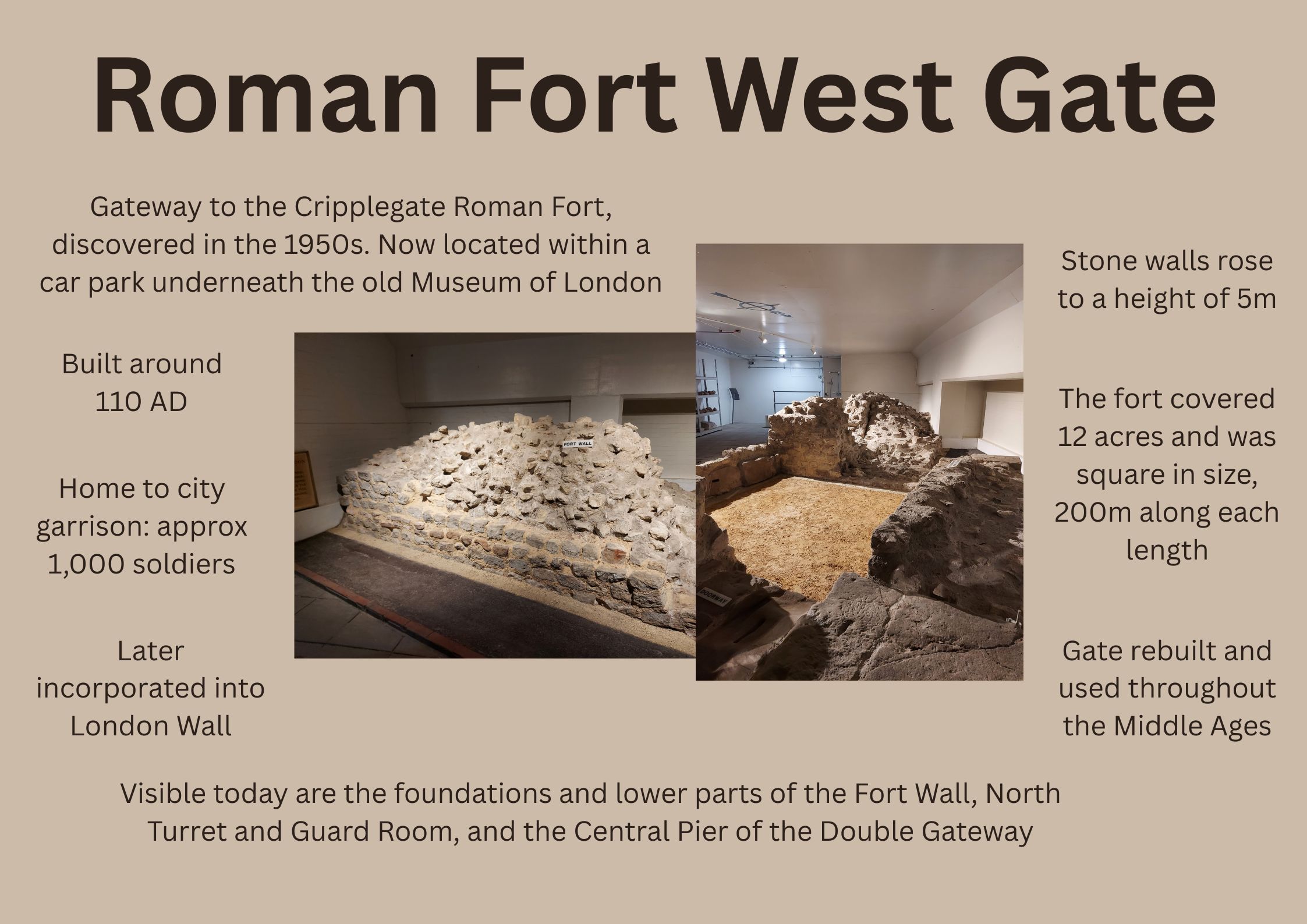
Visit a site where a significant archaeological find was made.
I went on a tour of the Roman Fort West Gate near the old Museum of London, and made a poster about my findings.
Watch a documentary or read a book about a significant archaeological discovery.
I read Howard Carter‘s trilogy about the discovery of Tutankhamun’s tomb.
Research the career of a well known archaeologist.
I made a presentation about the archaeologist Max Mallowan, best known for being the husband of Agatha Christie.
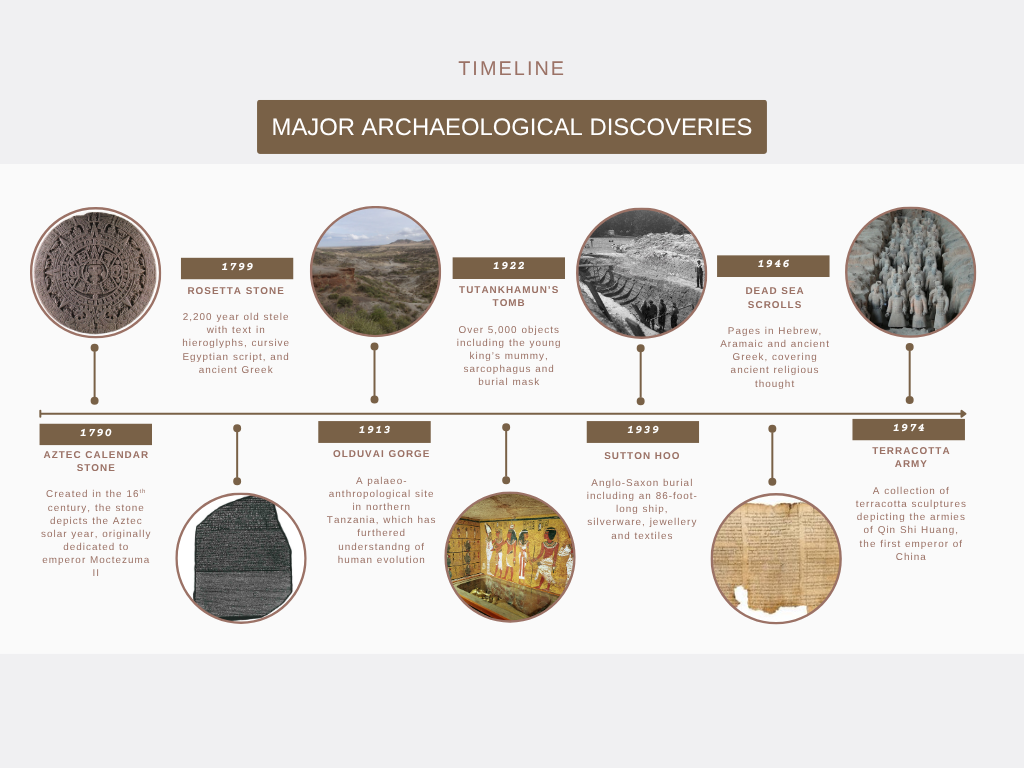
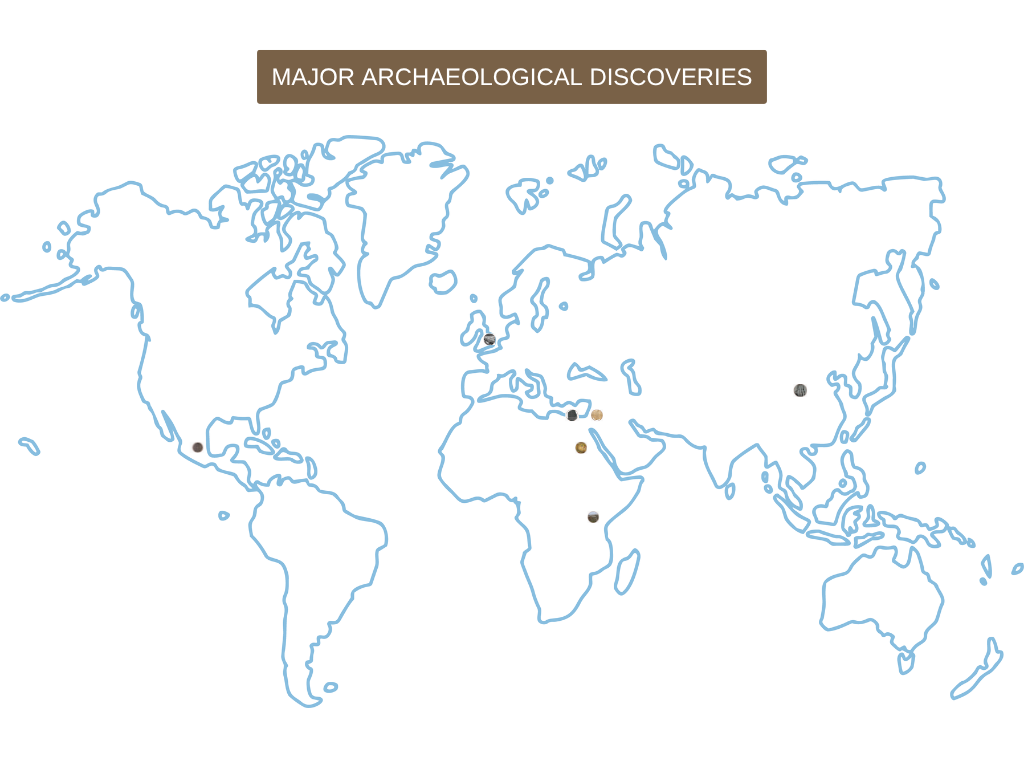
Make a timeline of major archaeological discoveries.
Find out about digs in your local area and what has been discovered where you live.
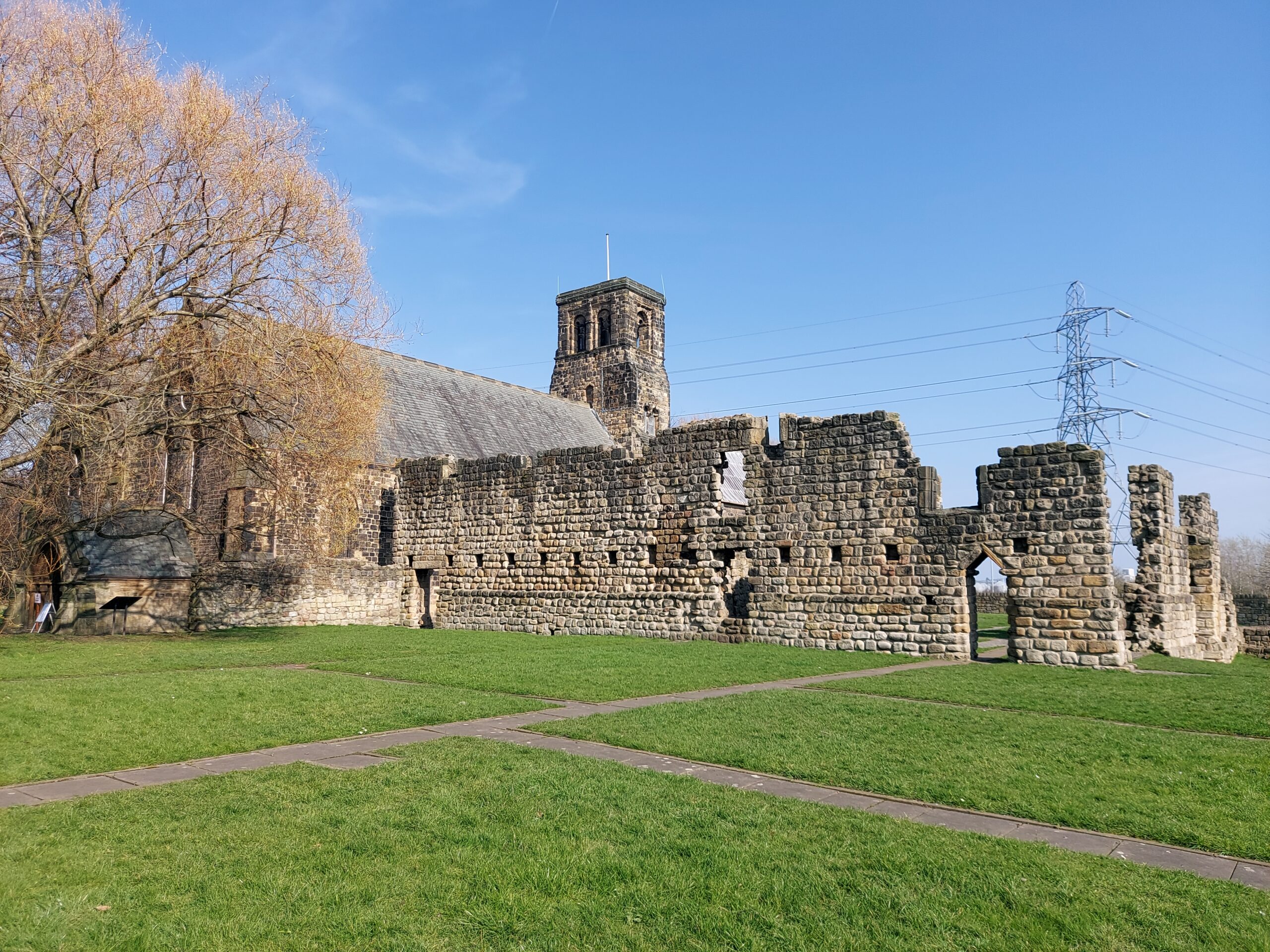
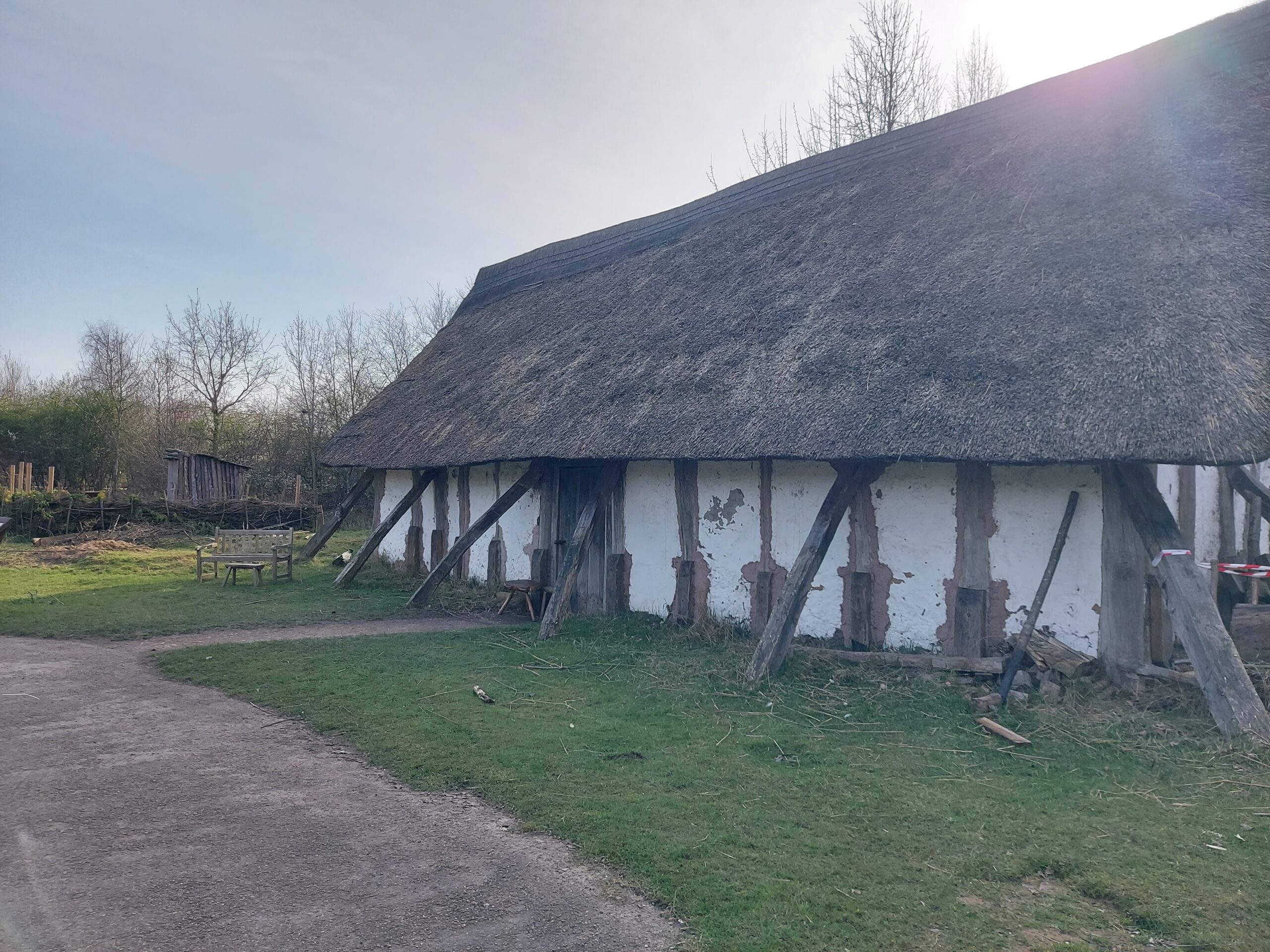
I visited Jarrow Hall: Anglo-Saxon Farm, Village and Bede Museum near Newcastle, Tyne and Wear. Bede Museum displays artefacts relating to medieval monastic life, many found nearby on the site of St Paul’s Monastery. The Anglo-Saxon Farm is an exercise in experimental archaeology, featuring breeds close to those that would have been farmed during the monastery’s heyday, and the Village contains buildings reconstructed from archaeological discoveries and plans.
Attend a talk about an archaeological dig.
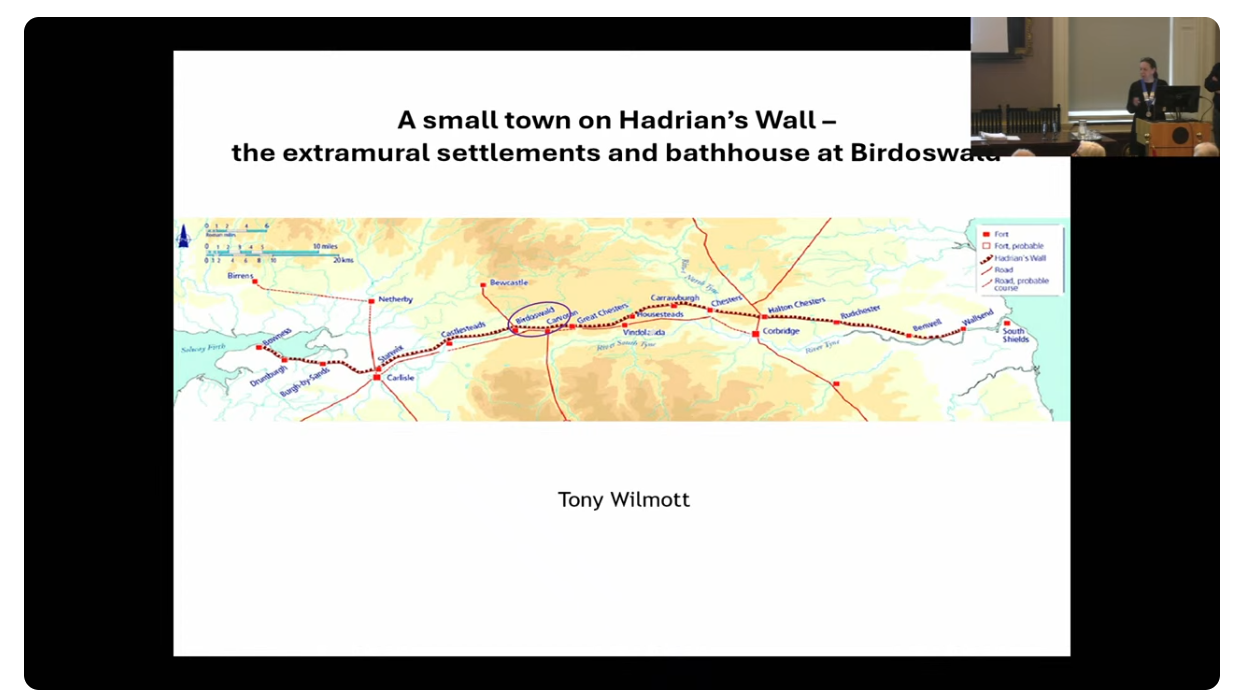
I attended an online talk about Birdoswald Roman fort, A small town on Hadrian’s Wall? by Tony Wilmott.
Look at burial rituals and how they differ geographically and across time.
I read Buried by Alice Roberts, which was fascinating.
Explain the difference between relative and absolute dating.
Relative dating: determines the chronological order of artefacts and features, but does not provide a specific age. Relative dating can be determined by stratigraphy and superposition.
Absolute dating: provides a specific age or age range. It can be established by using various scientific techniques, such as carbon dating or dendrochronology.
Look at different perspectives of an archaeological site.
I looked at different perspectives of Stonehenge over the centuries, which was really interesting.
Learn about at least five archaeological anomalies around the world.
I read an article about archaeological anomalies and found it fascinating.
Complete a short course in archaeology.
I completed an archaeology diploma course with Centre of Excellence.
Learn about the various uses of photography in archaeology.
- Artefact documentation: a visual record that can be used for further study as well as recording exactly where an object was found
- Excavation records: Capturing digs before, during and after excavation to document changes over time
- Fluorescence photography: can detect infrared (IRF), ultraviolet (UVF), and laser-stimulated fluorescence (LSF) techniques to reveal hidden details, chemicals, and conservation on artefacts without causing damage
- Endoscopic photography: using endoscopes to capture images within sealed or contained spaces, such as mummified remains, tombs and other artefacts
- Thermal infrared imagery: non-invasive imaging that can capture temperature variations on landscapes to detect subsurface structures and hidden features
Research an object regularly found on digs.
As I have a considerable collection of brooches (and used them for the My Collection badge!), the brooch was an obvious choice of object for me to research. I found some beautiful examples, most uncovered in the UK but one notable piece was found at Troy.
Date completed: 30 March 2026
One thought on “Rebel Badge Club: Archaeologist”