Rebel Badge Club: The LOVE Challenge

February’s challenge was the LOVE Challenge, appropriately enough since this is the month of Valentine’s Day. I used to hate this day but I am a bit more tolerant of it now! I actually had a lot of fun completing the clauses this month.

Once a week, all month, make a conscious effort to treat yourself

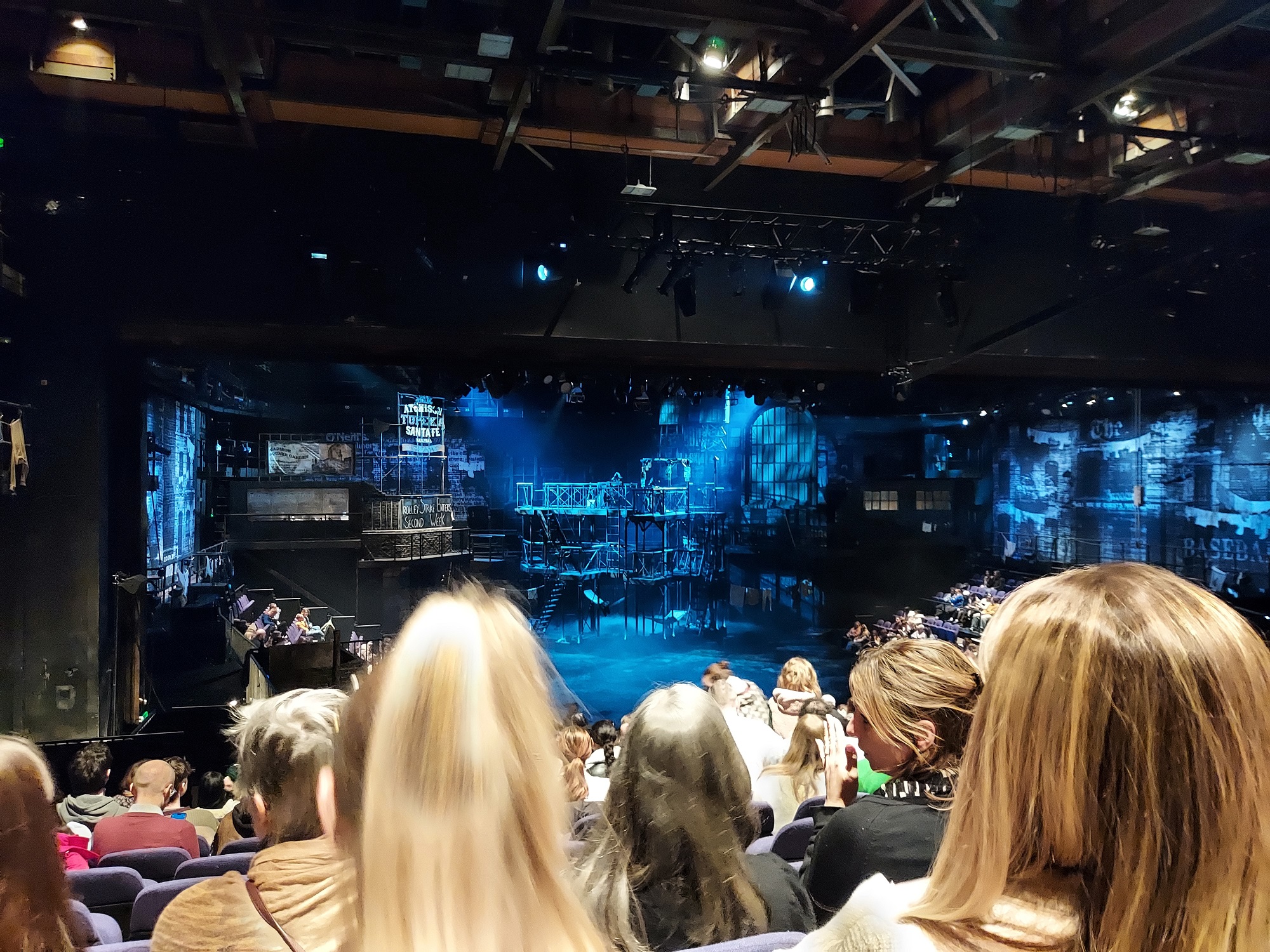
To treat myself this month I chose a trip to the theatre, a PALentine’s Bouquet Workshop with LUSH, a meal out with a friend, and a trip to the Big Rebel Meet Up in Bromsgrove.

I also completed the following six clauses of my choice:

Make a rose from a medium of your choice.

I bought a kit online and made a wire-wrapped rose ring. It was tricky but I’m quite pleased with the final result. I’m going to give it to my mam for Mother’s Day.
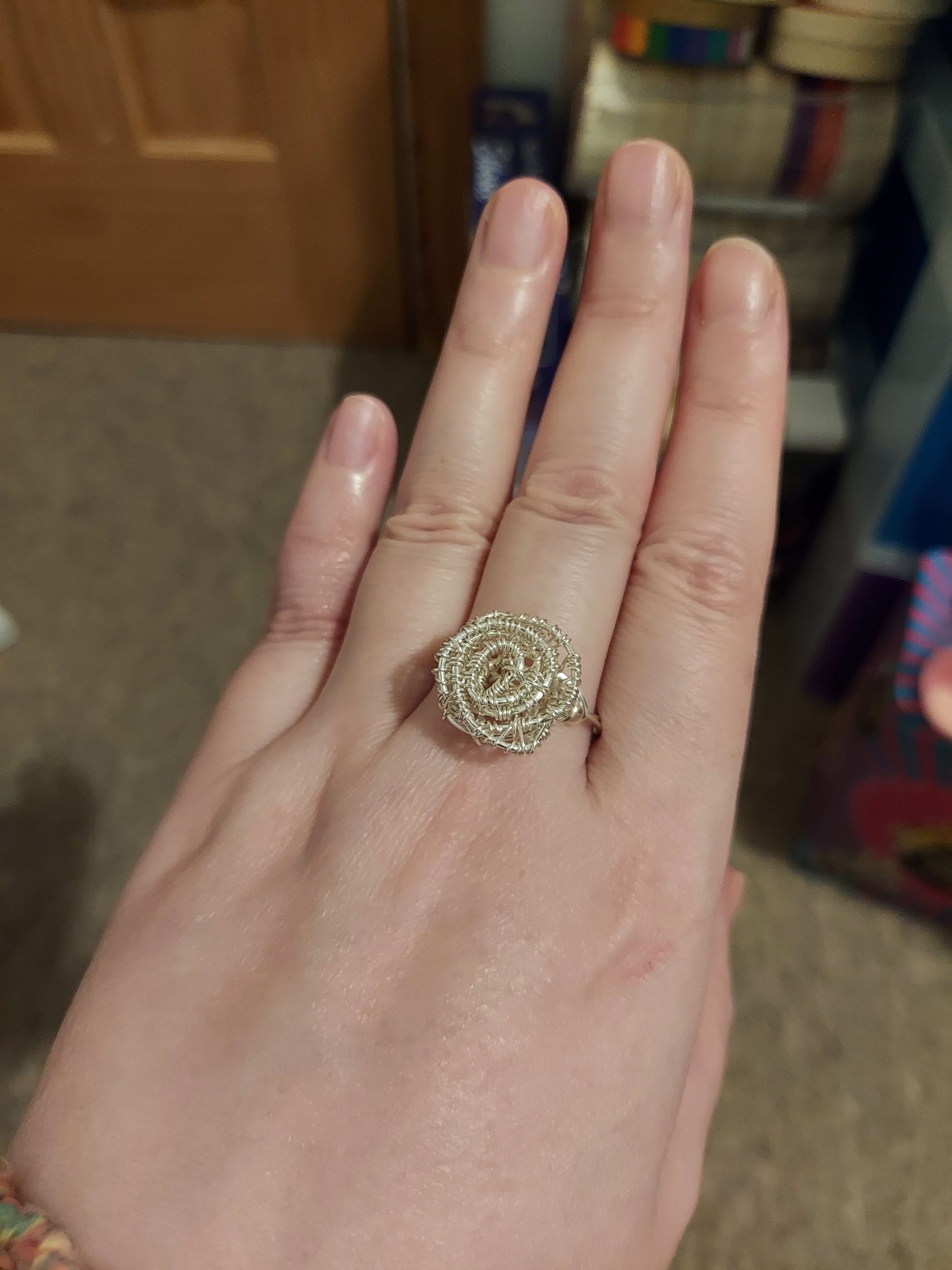
My hand, wearing my silver wire-wrapped ring

Learn about the five love languages and recognise which apply/ies to you.

Another Rebel kindly provided a link to a love languages quiz. My results did not surprise me:
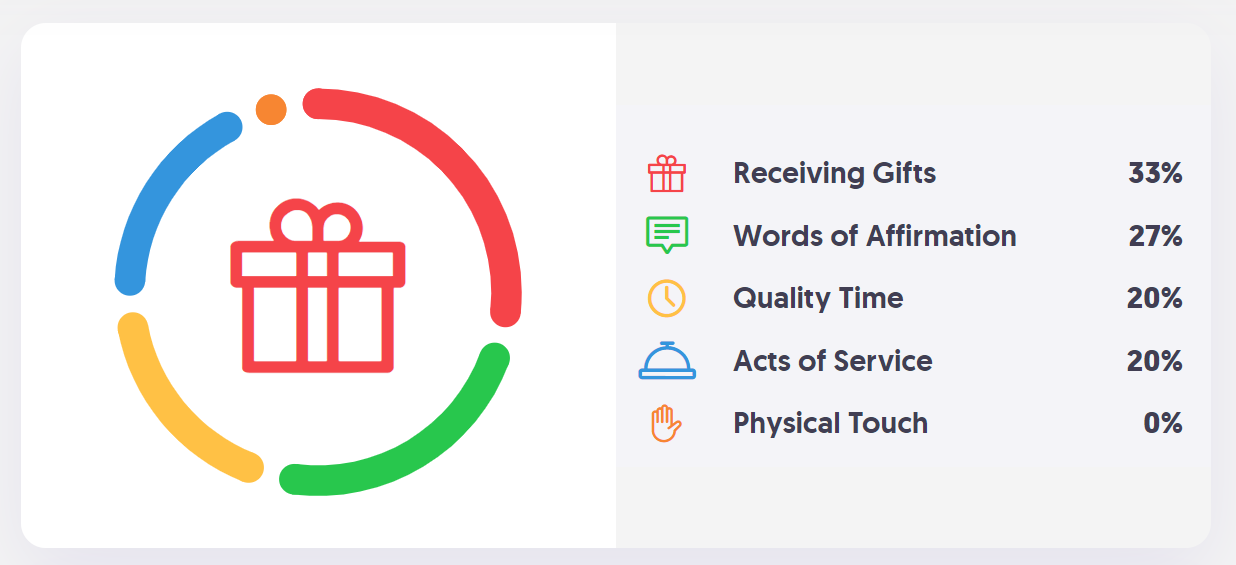
My love languages pie chart
Receiving Gifts: 33%
Words of Affirmation: 27%
Quality Time: 20%
Acts of Service: 20%
Physical Touch: 0%

Learn about the history of Valentine’s Day.

I found this article on the topic which was very interesting.

Draw or paint a picture of Cupid.

Yes, I know it looks like a five-year-old child drew it, but it’s my work, I promise!
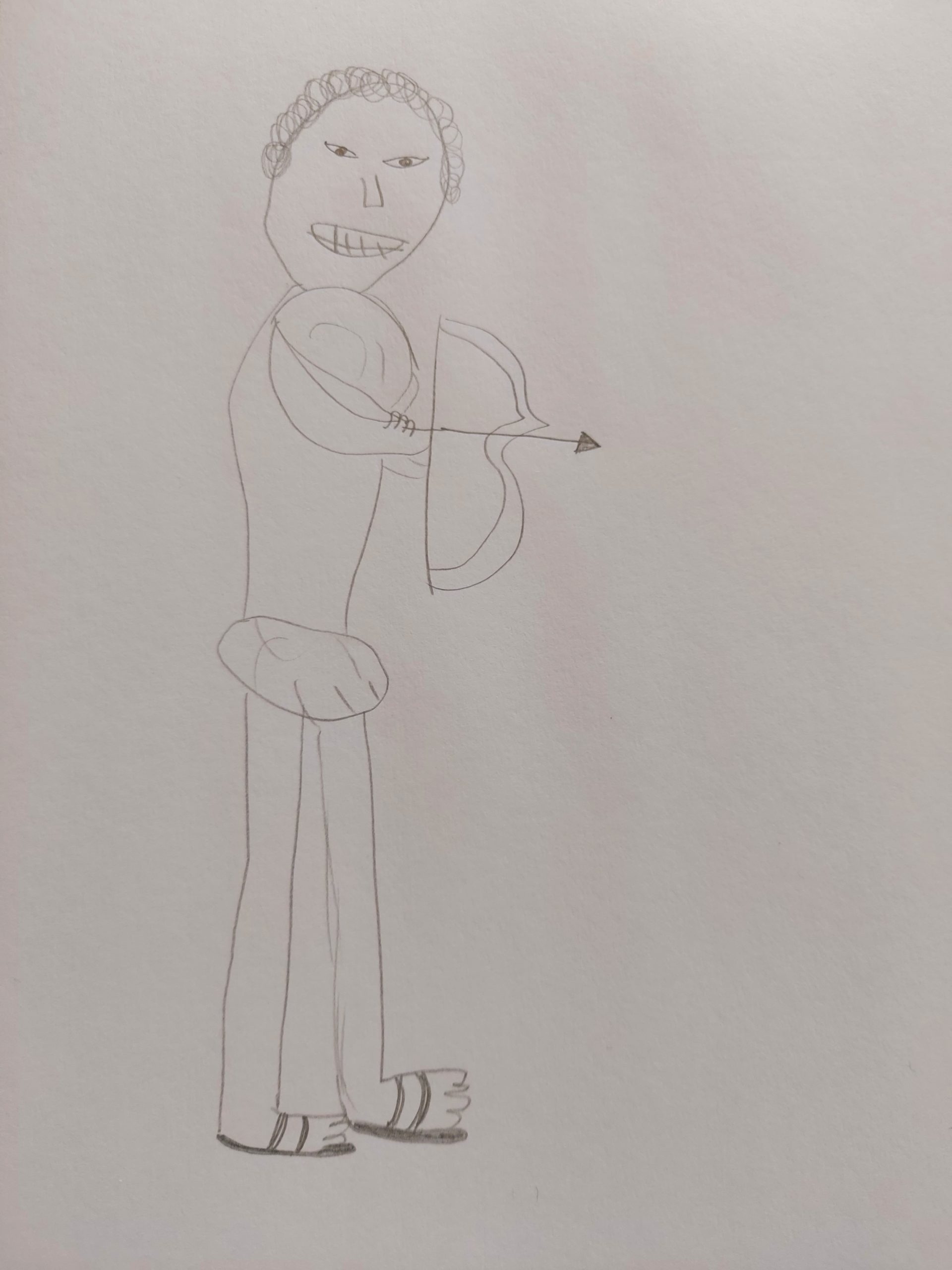
a very bad drawing of Cupid, looking slightly evil

Research the origins of the heart symbol and how hearts came to represent love.

I found this article which was so interesting – I had no idea the shape had such a history!

Create a heart-shaped food.

Here is my beautifully presented spaghetti dish!
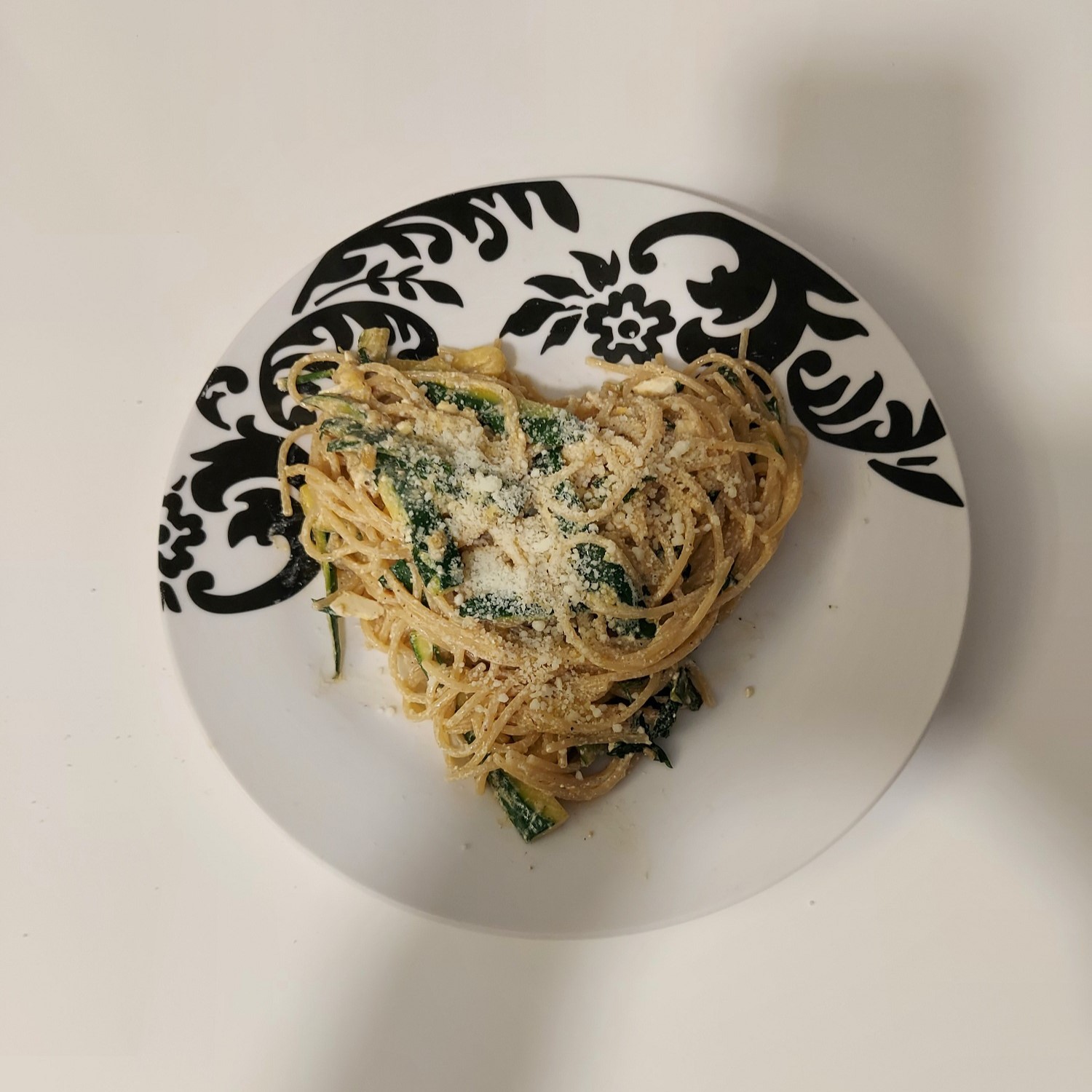
spaghetti arranged on a plate into a heart shape

Hieroglyphs: unlocking ancient Egypt – British Museum

The second exhibition I visited was Hieroglyphs: unlocking ancient Egypt at the British Museum. I love ancient Egypt – who doesn’t? – so I definitely wanted to see this.

Unlike many exhibitions on the topic, there are few mummies and tales of the Pharaohs to be found here – the focus of this show is the struggle to crack the code of Hieroglyphics. The Rosetta Stone, which inspired this breakthrough, is on display here: as it bears the same text, written in three different languages – hieroglyphs, demotic and Greek – it was the key to deciphering the mysterious pictorial language of the ancient Egyptians.

Before this discovery, hieroglyphic writing was thought by many to have magical or occult powers, and artefacts with such writing were often displayed by collectors in cabinets of curiosity. Items on display in the exhibition include a black granite bathtub, inscribed with spells to give bathers relief from lovesickness, and a model of a man’s torso covered with writing and pictures of gods.

The exhibition traces the complex history of how wars, invasions and conflicts both buried the meaning of hieroglyphs and assisted in its rediscovery: the Rosetta Stone was discovered by scholars accompanying Napoleon’s soldiers at a fort they were occupying. It follows the race between British polymath Thomas Young and Frenchman Jean-Francois Champollion to be the first to crack the code; Champollion won, outlining his findings in a letter that was read in public on 27 September 1822.

I really enjoyed the exhibition, but despite all the interesting information outlined above, the best thing I learned from it is that ‘cat’ in ancient Egyptian is ‘mioew’.

Ancient Egyptian statue of a cat

Alexander the Great: The Making of a Myth – British Library

Alexander the Great exhibition poster

I got up earlier than usual to visit the British Library and the exhibition Alexander the Great: The Making of a Myth. The exhibition explores the life of the famous warrior and conqueror and some of the myths surrounding his life that have appeared since then. It is true that Alexander built a huge empire throughout his short life. It is less likely to be true that he rode across the sky on a flying chariot, travelled to the bottom of the sea in a glass bell, or that his horse Bucephalus, strong and powerful as he was, actually ate people.

Alexander the Great was born in Macedonia in 356 BC, the son of King Philip II of Macedon and Queen Olympias. His empire stretched from Greece to India, encompassing Egypt and Persia, though he died at only 32. We are not completely sure why he was called ‘the Great’: the earliest reference is in Mostellaria, a play by Plautus. He has been known by many names, depending on the language and culture of the society referring to him:  some of his names include Iskandar or Sikandar.

One of the key sources for the myths surrounding Alexander’s life is the Alexander Romance. During the ancient and medieval eras, this text was hugely popular, and portrayed Alexander as a mythical adventurer. In the twelfth century, the poet Nizami’s Iskandarnamah (Story of Alexander) told of Alexander’s journey to see Sirens, mythical half-bird or half-fish creatures.

Even today, Alexander’s story is still being reinvented for a modern audience. Reimena Yee publishes an ongoing graphic novel online, entitled Alexander, The Servant and the Water of Life. It is an Alexander Romance for the 21st century and shows how Alexander’s life and mythical status still captures the imagination.

Rebel Badge Club: Theatre Critic

The Newsies stage

It seems fitting that the Theatre Critic badge was the first badge I completed from Volume 2 of the badge book (not counting My Collection, but that syllabus came out last year). I don’t go to the theatre as often as I used to, but I still like to visit fairly frequently, so completed this badge in a fairly short space of time.

Watch at least 5 different plays

Othello, William Shakespeare, National Theatre

Best Of Enemies, James Graham, Noël Coward Theatre

Newsies, Alan Menken, Jack Feldman & Harvey Fierstein, Troubadour Theatre

Mother Goose, Duke of York’s Theatre

Sylvia, Kate Prince & Priya Parmar, Old Vic

Write reviews of three of them

Othello

Best Of Enemies

Newsies

Date completed: 2 February 2023

Rebel Badge Club: Fundraiser

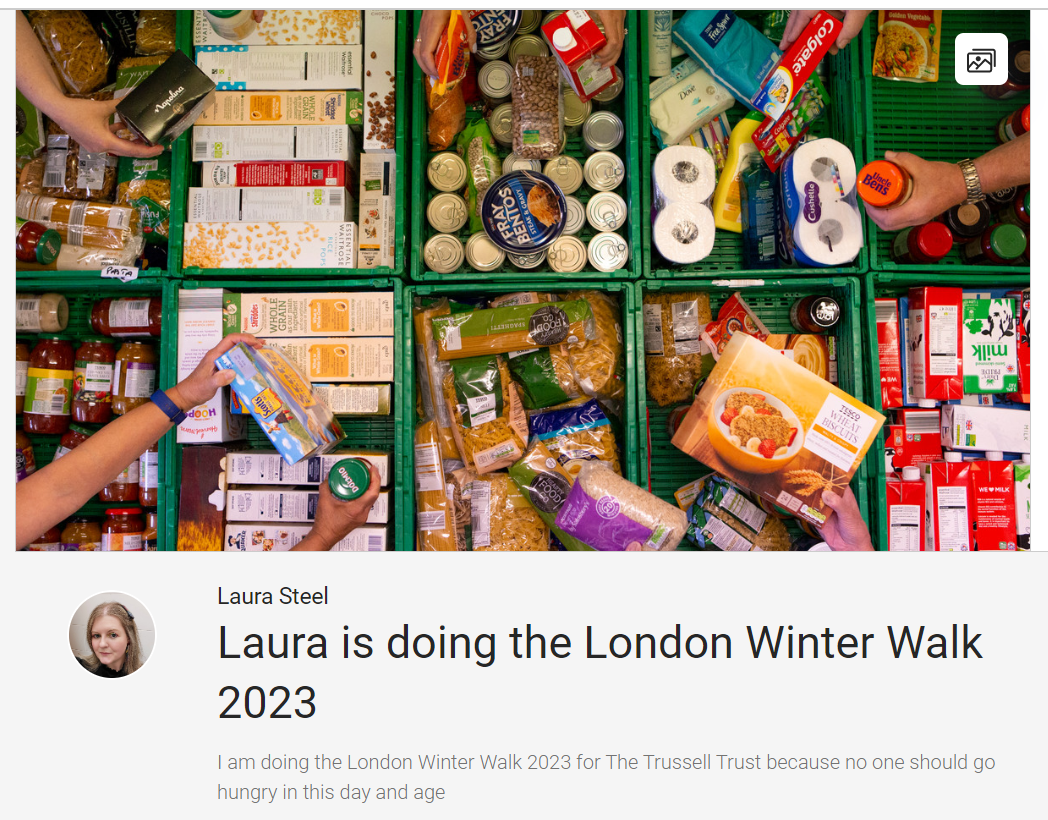
screenshot of Laura's JustGiving page

When I first bought the Rebel Badge Book, I thought the Fundraiser badge would be one of the hardest to get, but I’ve managed to achieve it almost without realising, as many of the clauses fit in to other badges too.

Work out what percentage of your salary you can afford to regularly donate to charity.

I tend to be more of an ad-hoc donater, rather than a regular donater, but this badge has helped me change that.

Over a period of three months, spend at least 24 hours volunteering.

As well as volunteering as a steward at my local theatre (for the Community Service badge), I signed up for Distributed Proofreaders and spent several hours helping to proofread scanned texts.

Take part in a sponsored event.

I was sponsored for the London Winter Walk I completed for the Explorer badge, and raised nearly £200 for The Trussell Trust.

Collect and donate food for a local foodbank at least once a month for three months.

This clause helped me to get into the habit of donating to my local foodbank, which is great.

Research ways you can benefit charities without simply donating money.

I was surprised and impressed that I found loads of different ideas for this clause.

  • Give blood
  • Make things to donate e.g. by sewing, crocheting or knitting
  • Help a neighbour
  • Donate to a charity shop
  • Volunteer, in person or online
  • Raise awareness, e.g. on social media
  • Use an online shopping tool that benefits charities, e.g. Amazon Smile
  • Fundraise
  • Visit freerice.com
  • Gift Aid
  • Charity credit card
  • Online surveys (that allow you to donate the proceeds to charity)
  • Donate bone marrow
  • Raise a guide dog
  • Donate your hair
  • Join The Giving Machine
  • Download a phone app e.g.Give2Charity

Have a spring clean and donate clothes and bric-a-brac to your local charity shop.

I was doing this for the My Style badge anyway so expanded my search to include non-clothes items – I cleared out quite a bit of stuff.

Date completed: 1 February 2023