I’m not a super sporty person, but I was looking forward to this badge, because it has a great variety of clauses on offer. I did want to do more of the active ones, but ran out of time. I still enjoyed the research clauses.
Volunteer at a sporting event which is new to you.
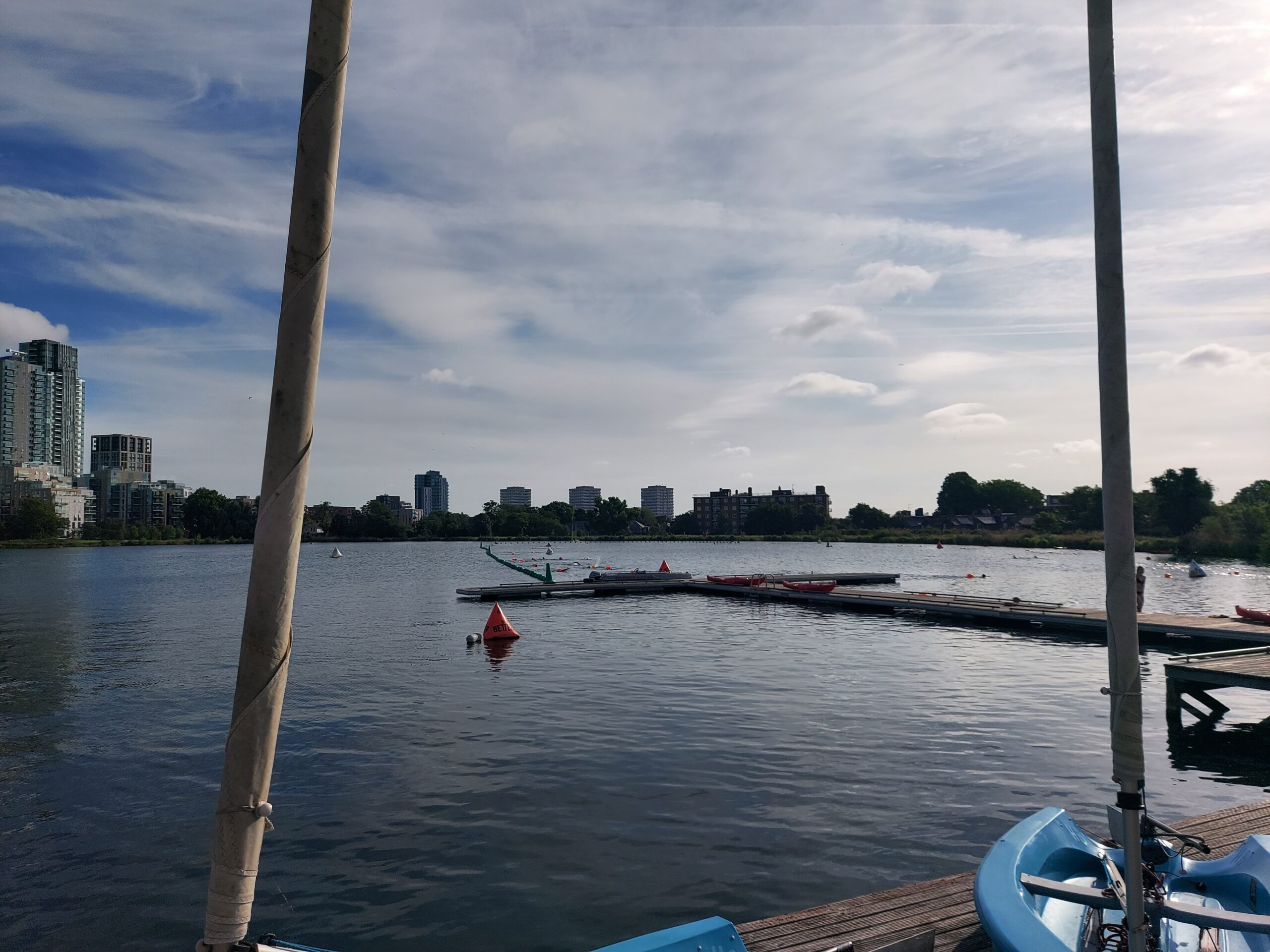
I volunteered at Shrewsbury Parkrun during the Rebel Retreat weekend.
Find out about the history of the Paralympics
Sport for disabled athletes had existed since the 19th century, but after World War II there was a desire to help those who had been injured during wartime, both veterans and civilians. A spinal injuries centre was opened by Dr. Ludwig Guttmann at the Stoke Mandeville Hospital in 1944, and over time, rehabilitation sport evolved into recreational sport and then into competitive sport.
The London 1948 Olympic Games opened on 29 July. On that day, Dr. Guttmann organised the Stoke Mandeville Games: an archery competition for wheelchair athletes. 16 injured servicemen and women took part. The International Stoke Mandeville Games were founded in 1952 when Dutch ex-servicemen joined the Movement.
The first Paralympic Games evolved from the Stoke Mandeville Games, taking place in 1960 in Rome, Italy. 400 athletes from 23 countries took part. The Games have taken place every four years ever since. The first Winter Games were held in 1976 in Sweden, and have also taken place every four years since. Since 1988 (Summer) and 1992 (Winter) the Games have taken place in the same cities and venues as the Olympics.
Research the history of the Commonwealth Games
While a sporting competition bringing together the various countries of the British Empire was first proposed by John Astley Cooper in 1891, the first British Empire Games was not held until 1930 in Hamilton, Ontario, Canada. A forerunner of the Games took place at the Crystal Palace in 1911, to celebrate the coronation of George V, but only Australasia, Canada, South Africa and the UK competed. In 1930, 11 countries took part, while 16 took part in the 1934 Games, held in London. By the fifth edition of the Games in 1954, held in Vancouver, the name had been changed to the British Empire and Commonwealth Games, and it became the British Commonwealth Games in 1970.
The 1978 Games, held in Edmonton, Alberta, Canada, were the first to bear the name of the Commonwealth Games. Almost 1,500 athletes from 46 countries took part.
Find out about historical World Cup controversies
The 2026 World Cup has been notorious for its controversies, but this is nothing new. Previous controversies include:
France 1998: Iraqi footballers were reportedly tortured after performing poorly in qualifying matches, being taken to prison camps, having their heads shaved, being dragged through gravel and immersed in vats of raw sewage.
United States 1994: Colombian player Andrés Escobar scored an own goal during a Colombia-US match, contributing to Colombia’s early exit from the tournament. Days after returning home, Escobar was shot dead – potentially because of the own goal.
Mexico 1986: Diego Maradona’s ‘Hand of God’ – during the England v Argentina quarter-final, Maradona scored a goal using his hand, which was unbelievably not disallowed.
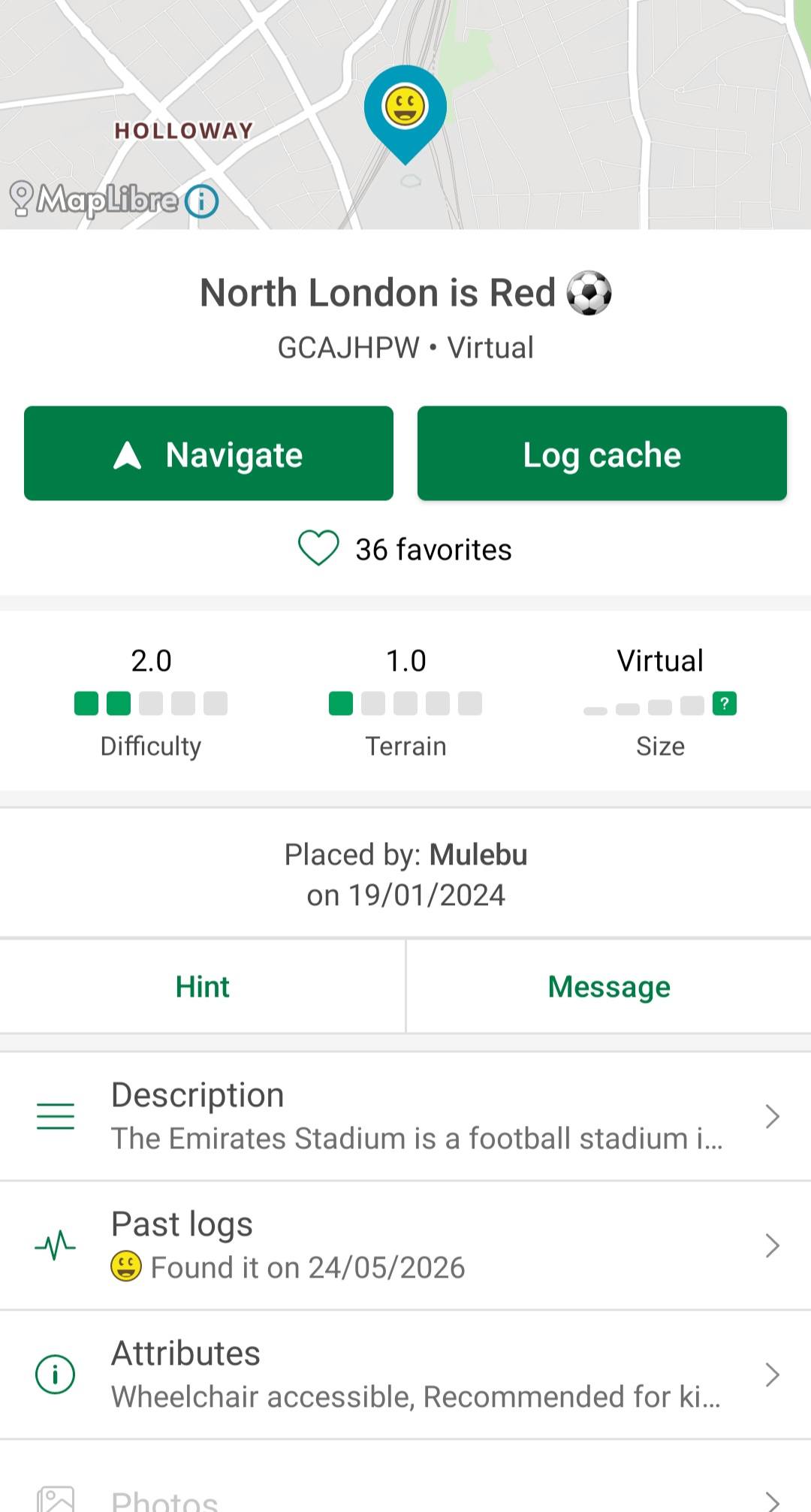
Chile 1962: the group stage match between Chile and Italy was marked with fouls, violent confrontations, two send-offs, and even police interventions.
Italy 1934: under the rule of Mussolini, the Italian team performed fascist salutes at its matches.
Watch a sports documentary
I watched Kevin Bridges: In Search of the Beautiful Game on BBC iPlayer.
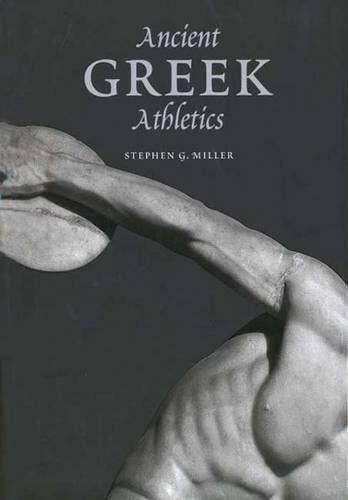
Read a non-fiction book related to sport
I read Ancient Greek Athletics by Stephen G. Miller.
Bonus clause: Fake a creative note from your ‘parents’ explaining why you need to skip this badge!
To whom it may concern,
I am writing to let you know that Laura will not be able to take part in Rebel Sports Day.
By complete coincidence, she has appointments with the optician and the orthodontist at that time – appointments that cannot possibly be rescheduled.
Happily I am sure that her absence will make no difference to her team’s performance. Last Sports Day, her glasses got tangled in netting during the obstacle race, resulting in her coming in last. (Incidentally, she was very proud of her ‘I Ran In A Race’ sticker).
She does not exactly excel in PE. When her class plays rounders, she spends the whole time fielding, making half-hearted attempts to saunter towards the ball in the unlikely event it comes anywhere near her. The beep test nearly gives her a heart attack, and during cross country runs she inevitably comes in towards the end, alongside the students who walk the course while smoking. During shorter runs, any requests for her to ‘go faster’ result in her slowing down due to sheer stubbornness.
Should you ever hold a ‘Sports Day’ featuring the following activities:
-Reading
-Daydreaming
-Composing silly songs
I am sure Laura will be happy to participate and will prove an asset to her team.
Kind regards,
B. A. Steel