Rebel Badge Club: The Chocolate Challenge

I was really looking forward to this one! April’s monthly challenge was the Chocolate Challenge, and in between going on holiday and spending Easter with my parents, I ate more chocolate than I have done for ages! Of course, I managed to complete some other clauses too.

Research the history of chocolate, and how it has changed over the years.

I read The True History of Chocolate by Sophie D. Coe and Michael D. Coe. It was fascinating and I learned a lot.

Try five new flavours of chocolate that you’ve never tried before.

This clause was probably my favourite! I tried the following:

  • Milkybar Mini Eggs Bar (Creamy white choc, mini eggs add texture and more intense milk choc flavour)
  • Montezuma’s Butter Nutter (Yummy peanut butter inside sweet chocolate, like Reese’s but the chocolate is actually good)
  • Tony’s Chocolonely Strawberry Cheesecake (Creamy and sweet with biscuit pieces, but the strawberry was a bit too chewy)
  • Lotus Biscoff Milk Chocolate (Crunchier than expected with that delicious Biscoff taste)
  • Sainsbury’s Taste the Difference Blonde Chocolate (More intense than white chocolate with a rich caramel hit)

Honestly, they were all amazing and I’d give them all 5 stars except for the strawberry cheesecake, as the strawberry bits were a bit chewy and didn’t go too well with the rest of the bar.
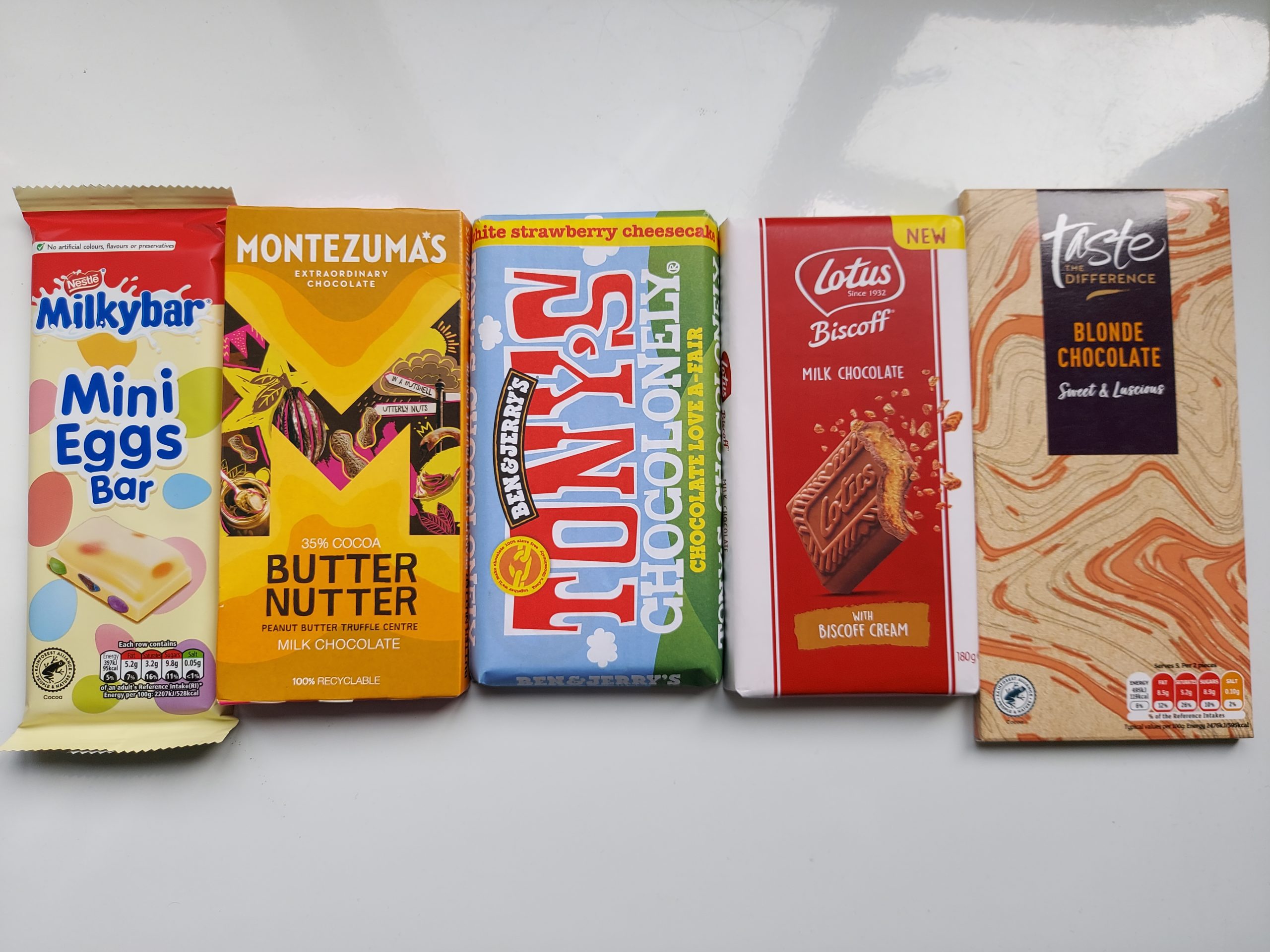
5 bars of chocolate

Find out about the Fairtrade mark and ethical chocolate production.

The Fairtrade mark is a label awarded to a product that meets international Fairtrade standards. These standards include social, economic and environmental requirements that need to be met, as well as progress requirements showing that standards are continuously improving. This webpage explains more about these standards.

I found this article which looked at some of the biggest ethical issues surrounding chocolate production, including poverty, child labour and deforestation, and the ways in which this is being tackled.

Give someone a chocolate bar as a random act of kindness.

I gave chocolate bars to my housemates before I left to go home for Easter.

Learn about chocolate classification.

I found this really interesting. I learned the following:

  • Dark chocolate contains 65% to 99% cocoa mass and 1% to 40% sugar.
  • Dark milk chocolate contains 50% to 70% cocoa mass, 20% to 30% milk powder, and 20% to 30% sugar.
  • Milk chocolate contains 35% to 55% cocoa mass, 20% to 25% milk powder, and 20% to 25% sugar.
  • White chocolate contains 30% to 45% cocoa butter, 25% to 40% milk powder, and 25% to 55% sugar.
  • Ruby chocolate contains 40% to 55% cocoa mass, 15% to 30% milk powder, 15% to 30% sugar, and 1% to 5% citric acid.
  • Gianduja chocolate contains 20% to 40% cocoa mass, 25% to 35% hazelnuts, and 30% to 40% sugar.

I made a chart to demonstrate this:

Chart showing proportions of ingredients in different kinds of chocolate

Donate an Easter egg to a foodbank.

I did this on April 1, the first day of the challenge, to make sure it was done in time for Easter.
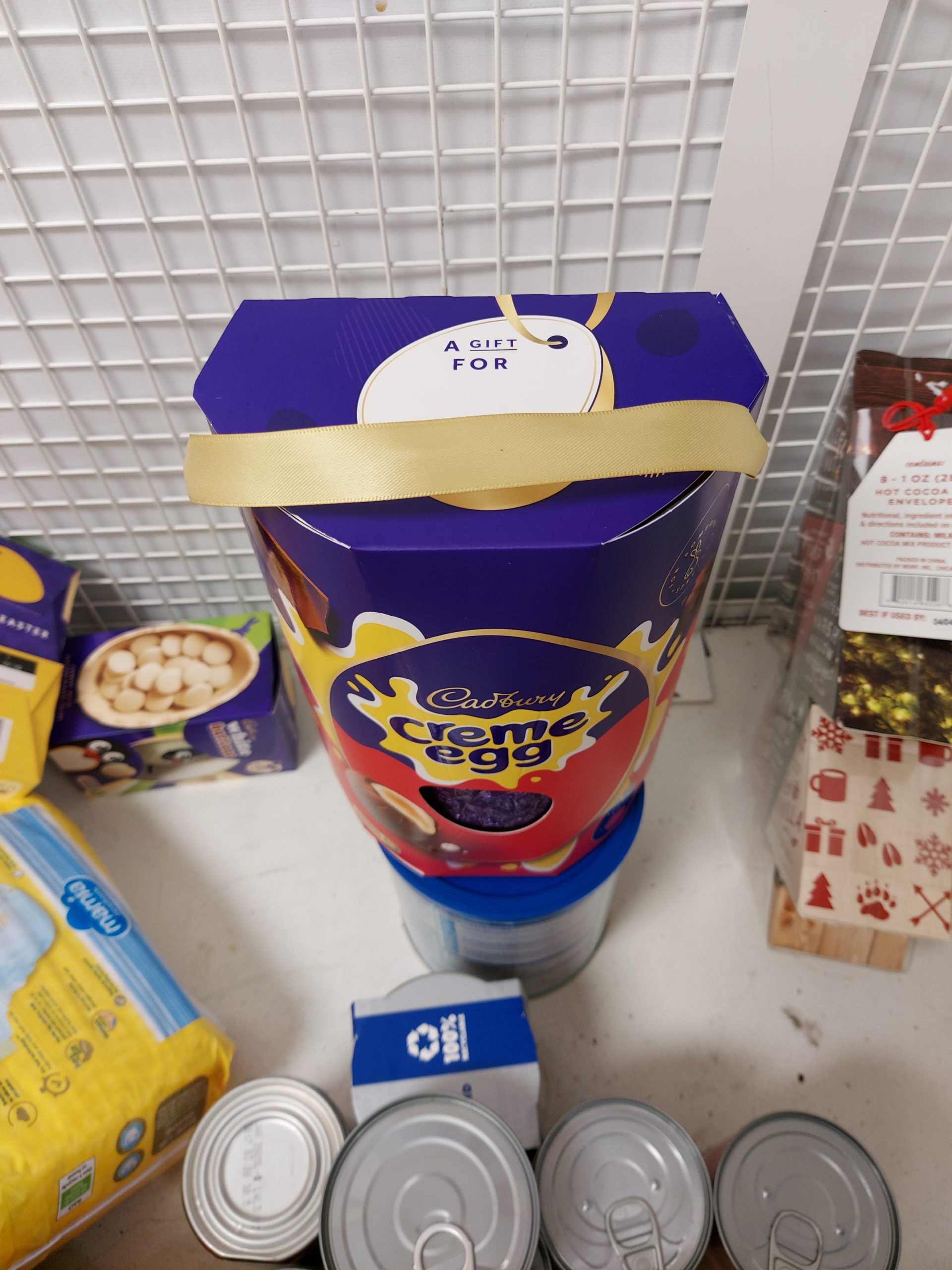
A Creme Egg Easter egg inside a box

Try a chocolate which meets a dietary requirement you don’t have.

I tried the Ombar Oat Milk chocolate. It wasn’t horrible but just didn’t taste as nice as standard milk chocolate, so I don’t think I’ll be eating it again! Also, why is alternative milk chocolate so much more expensive than normal milk chocolate?
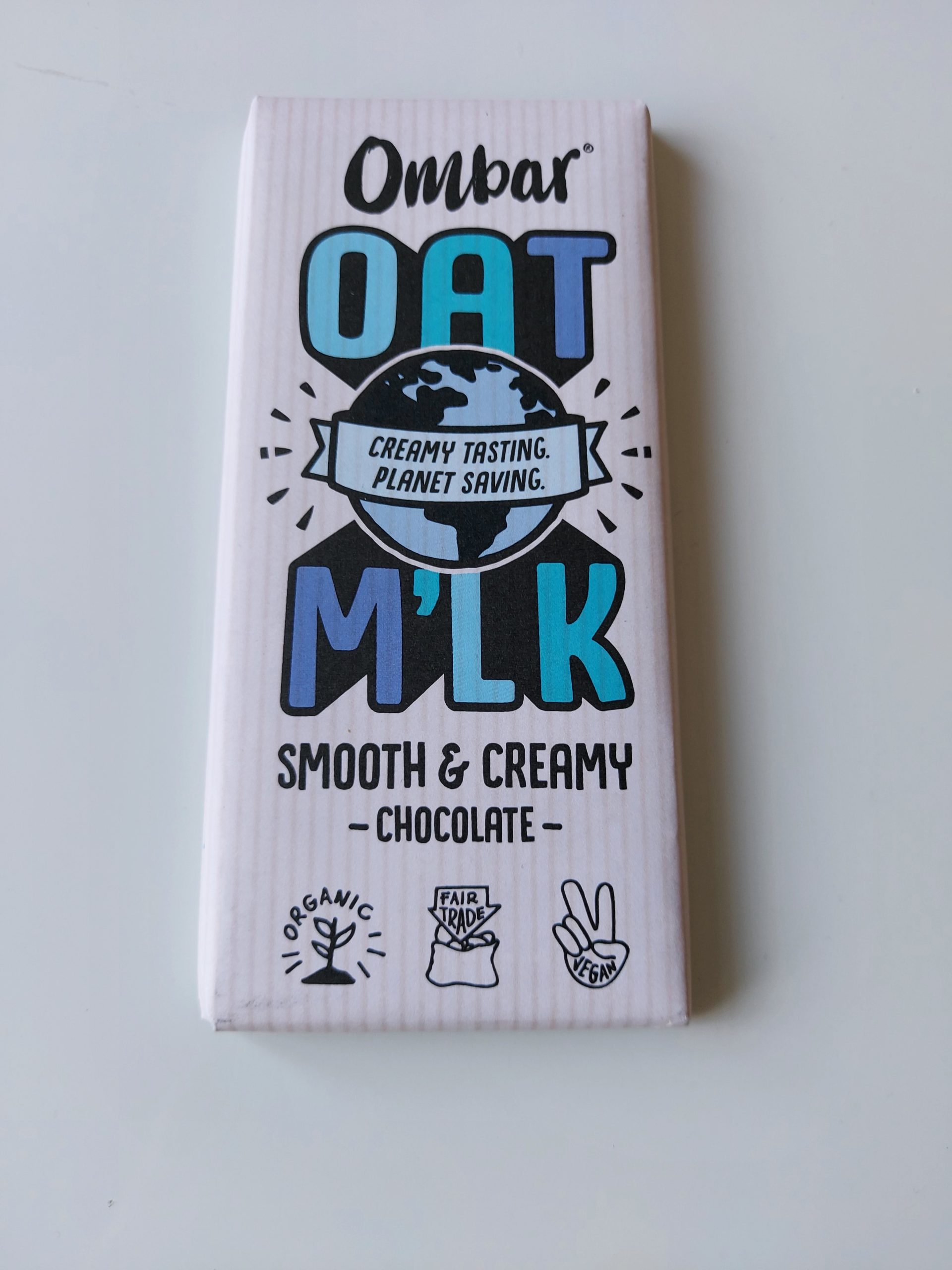
A bar of oat milk chocolate

Blind test five different brands of the same type of chocolate.

I tried five different types of dark chocolate, and would put them in the following order:

  • Venchi 60% Dark
  • E. Wedel 64% Dark Classic
  • Lindt Excellence 70% Cocoa Intense Dark
  • Montezuma’s Fitzroy 74% Cocoa Dark Chocolate
  • Green & Black’s Organic 85% Cocoa Intense Dark

The bad news was that the most expensive bar (Venchi) was my favourite. The good news was that the cheapest bar (E. Wedel) was my second favourite. In fact I think I just prefer dark chocolate that is 60% or so rather than the more intense 80% plus.

5 bars of dark chocolate

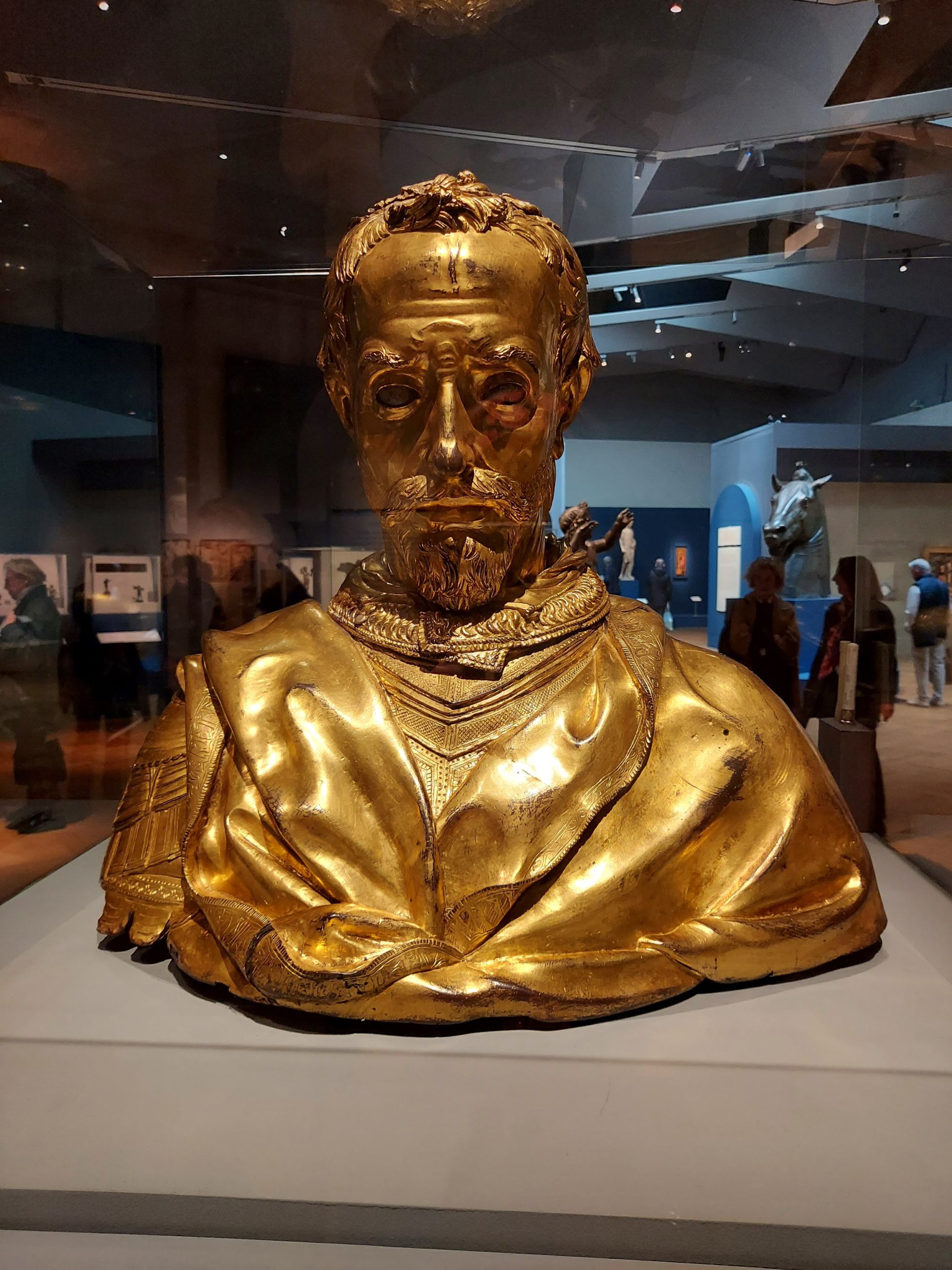
Donatello: Sculpting the Renaissance – V&A

I clearly hadn’t had enough of Italian sculpture after returning home from Italy, because before I went back to work I went along to the Donatello exhibition at the V&A. As a child, like many of my era, I only knew Donatello as a turtle, but now I know better! Florence-born Donatello has been called the greatest sculptor of all time. The exhibition looks at his work as well as the impact he made on subsequent generations of artists.

Donatello's statue of David
Donatello’s ‘David’

I admittedly don’t know all that much about sculpture, but Donatello’s pieces did seem superb, full of detail and humanity. I found his David particularly intriguing, contrasted with Michaelangelo’s version of the same figure. My only real criticism is that too many of the sculptures on display were not by Donatello, but his contemporaries.

Donatello's bronze sculpture of a man
Bronze bust of a man

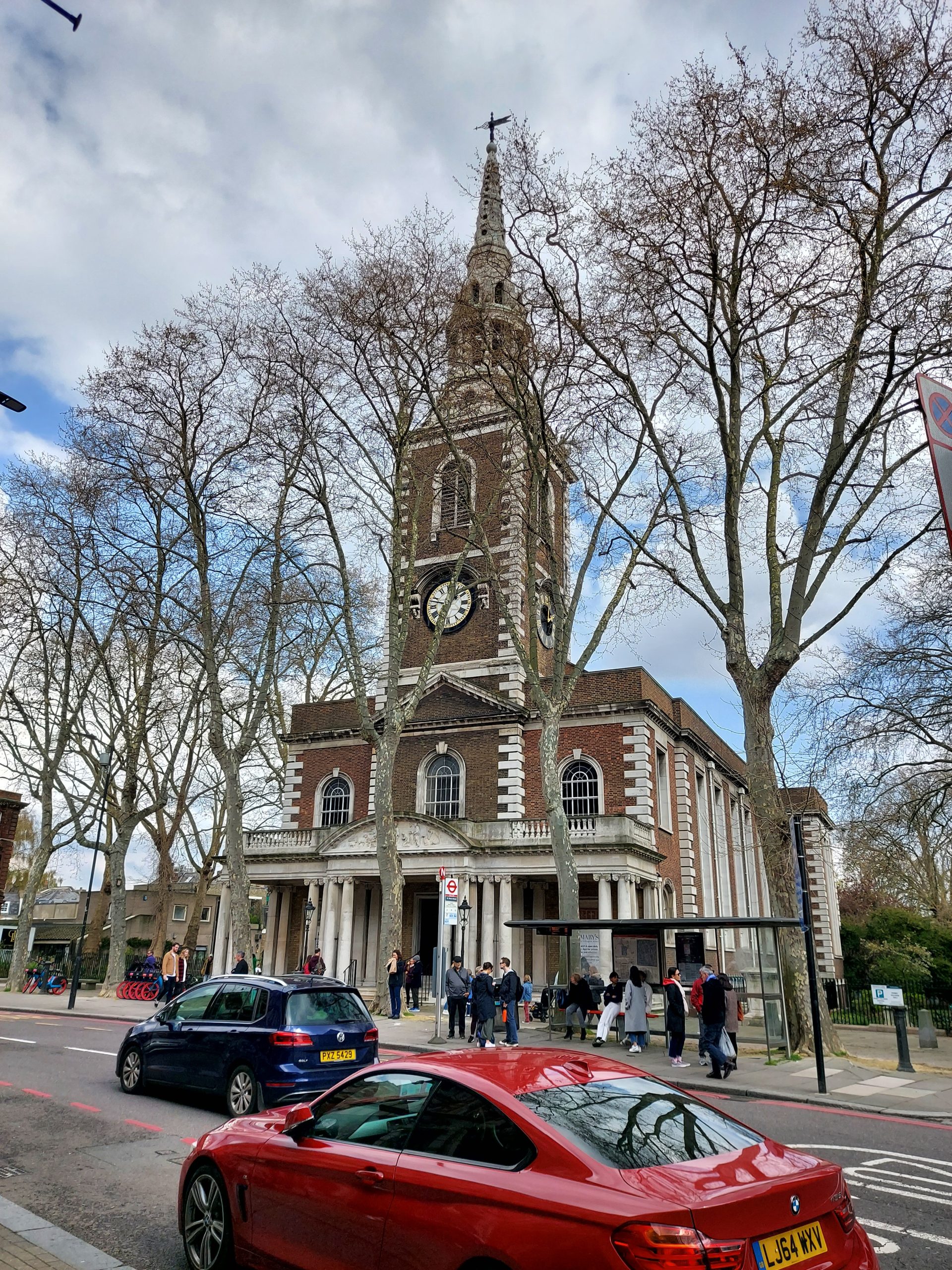
St Mary’s Church, Islington: A Guided Tour

St Mary's Church, Islington

I’ve spent quite a bit of time in Islington – the Almedia and Little Angel theatres are there, plus a couple of pub theatres – and I’ve often walked past St Mary’s Church. I was pleased to get the chance to sign up to a guided tour of the church, organised by Islington Guided Walks.

St Mary's Church, Islington

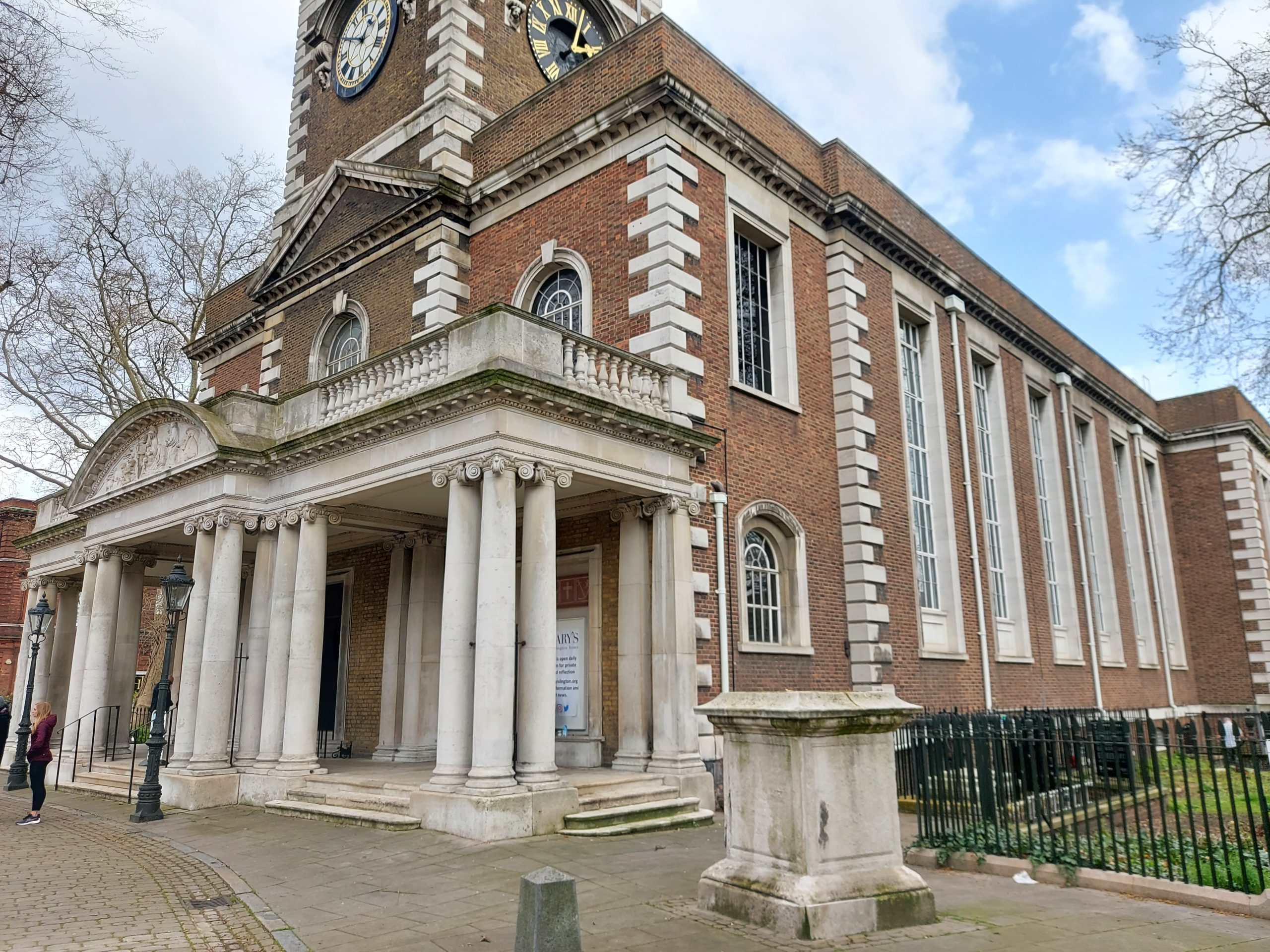
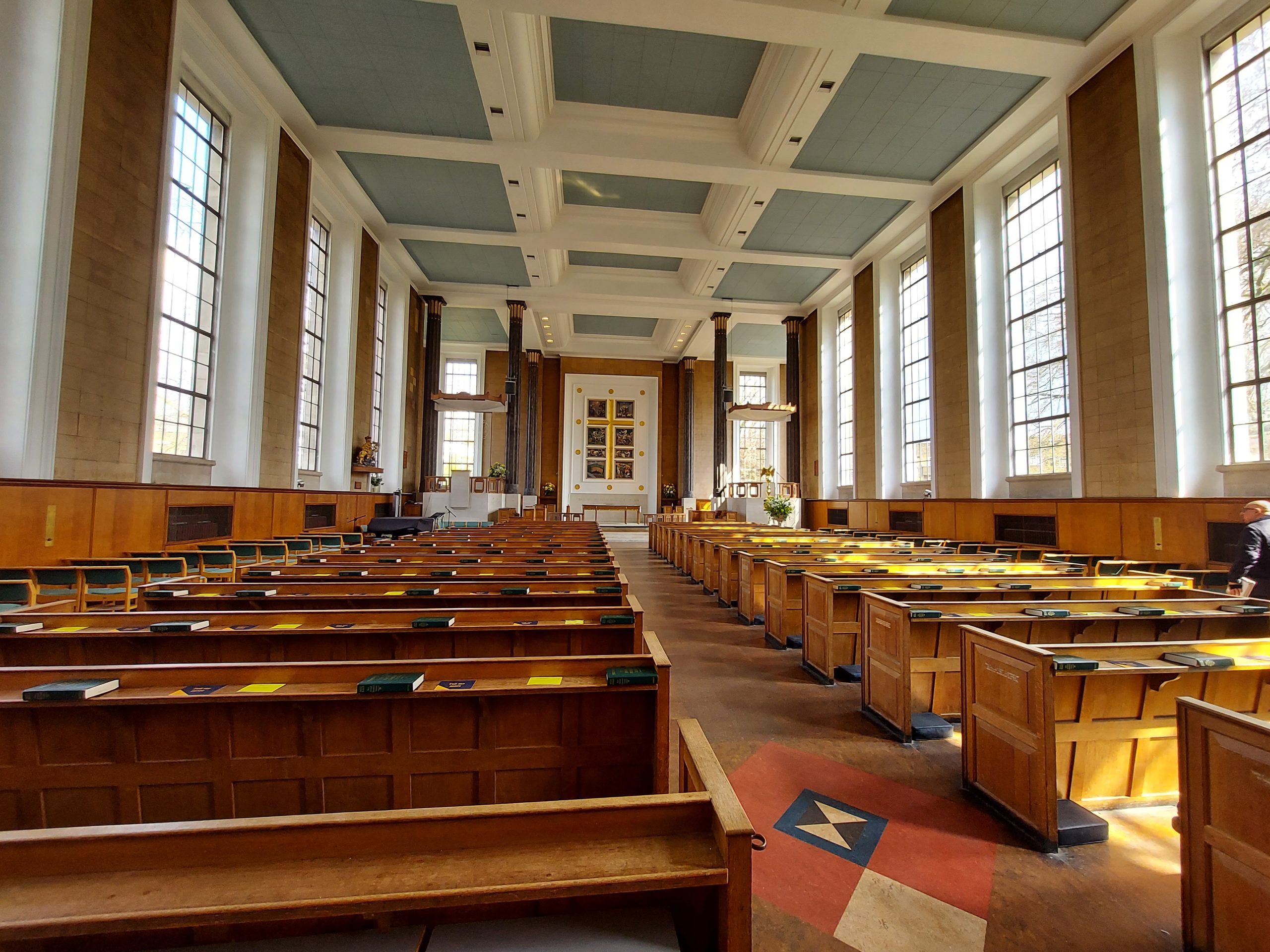
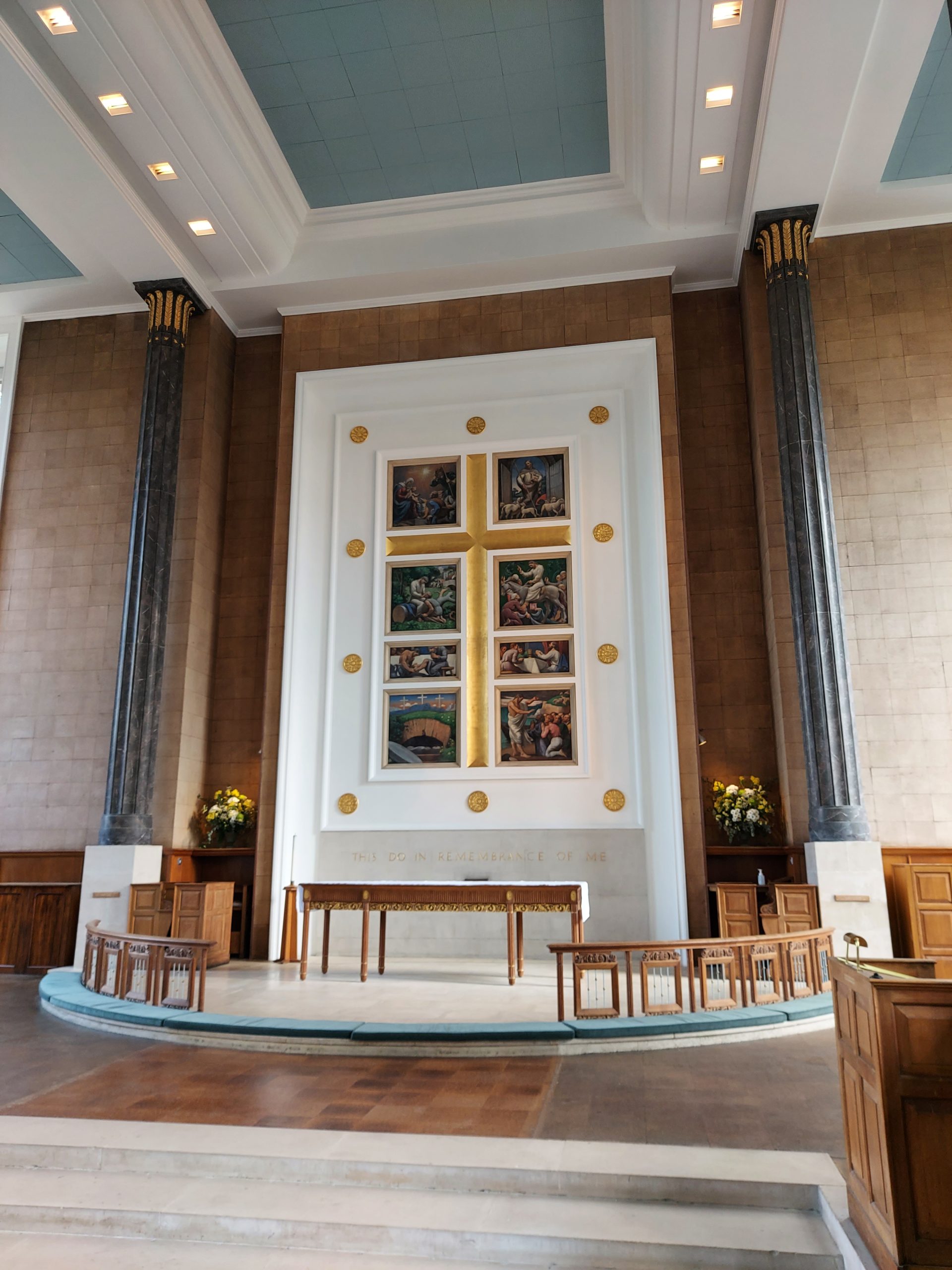
There has been a church on this site since the twelfth century, replaced by a new building in the fifteenth century and again in the 1750s. Maps show the church was at the centre of the parish, even while it was small and surrounded by fields. On the 9th of September 1940, the church was hit by a bomb, destroying everything except the tower and portico. I was surprised when I saw inside: from the outside the church certainly looks like a Georgian creation, and while the rebuilt church in the 1950s resembles a Georgian church in many ways, it is also distinctly modern.

Interior of St Mary's Church, Islington

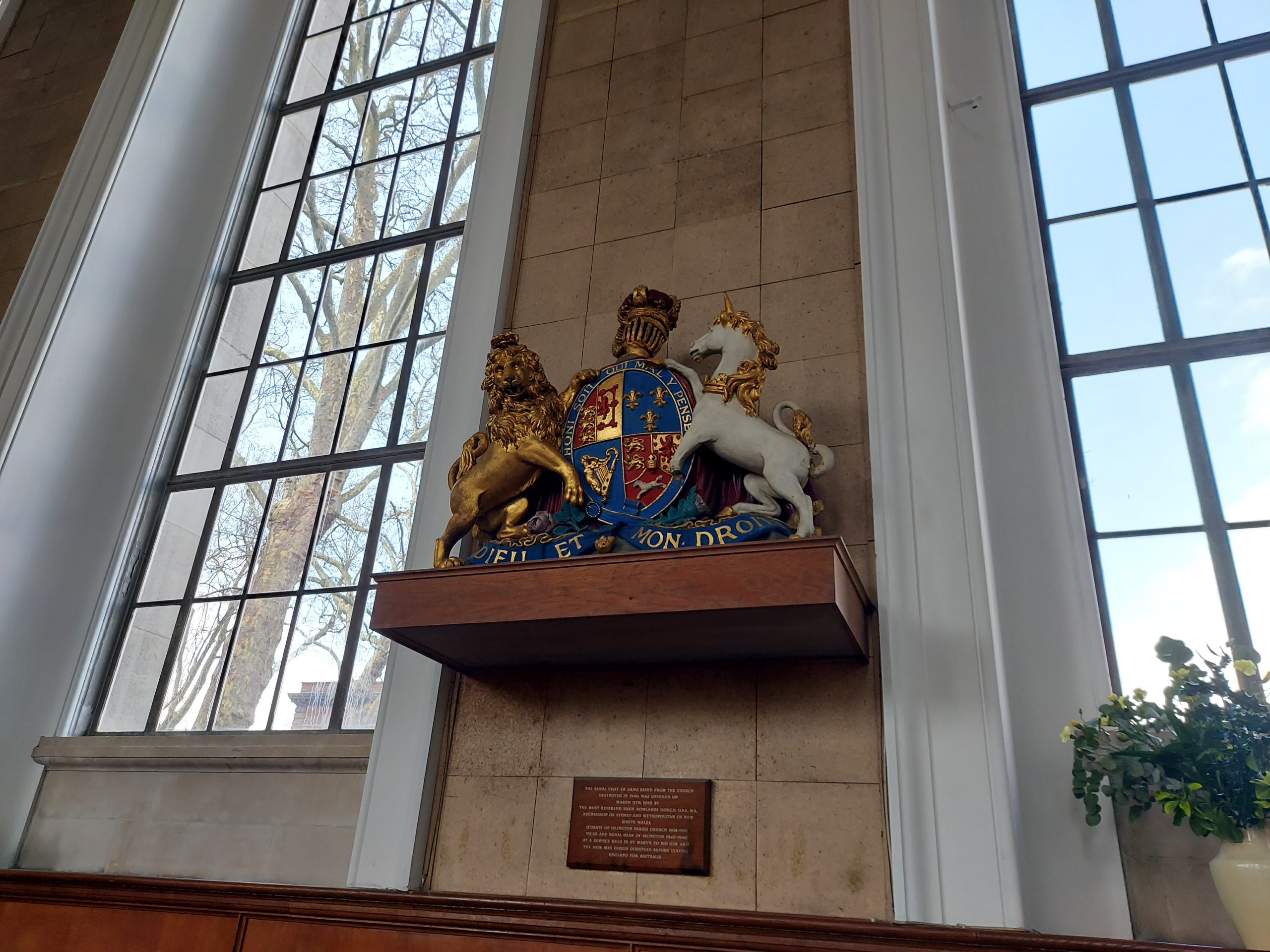
The murals at the east end of the church were painted by Brian Thomas and depict events in Jesus’ life. Pews were donated by various local individuals and groups, including the Arsenal football team. The marble font is the original one from 1754, but the organ pipes decorating the west end came from a church at Berkeley Square. The Royal Arms which hang on the wall of the church are the arms of George II: he was king when the 1754 church was opened. At that time, it was a statutory requirement that all churches displayed the Royal Arms. Miraculously, they survived the World War II bombing.

Front of St Mary's Church, Islington

A small chapel to the right as you enter the church, the Prayer Chapel, contains brasses dating from 1540, originally present in the medieval church. They represent Robert and Alice Fowler and Henry and Margaret Saville (née Fowler), the Fowlers being an influential local family.

Royal Arms inside St Mary's Church, Islington

The crypt, today a rather bland space used for community events, actually dates back to the very first church on the site: one skirting stone has been identified as dating from the twelfth century.

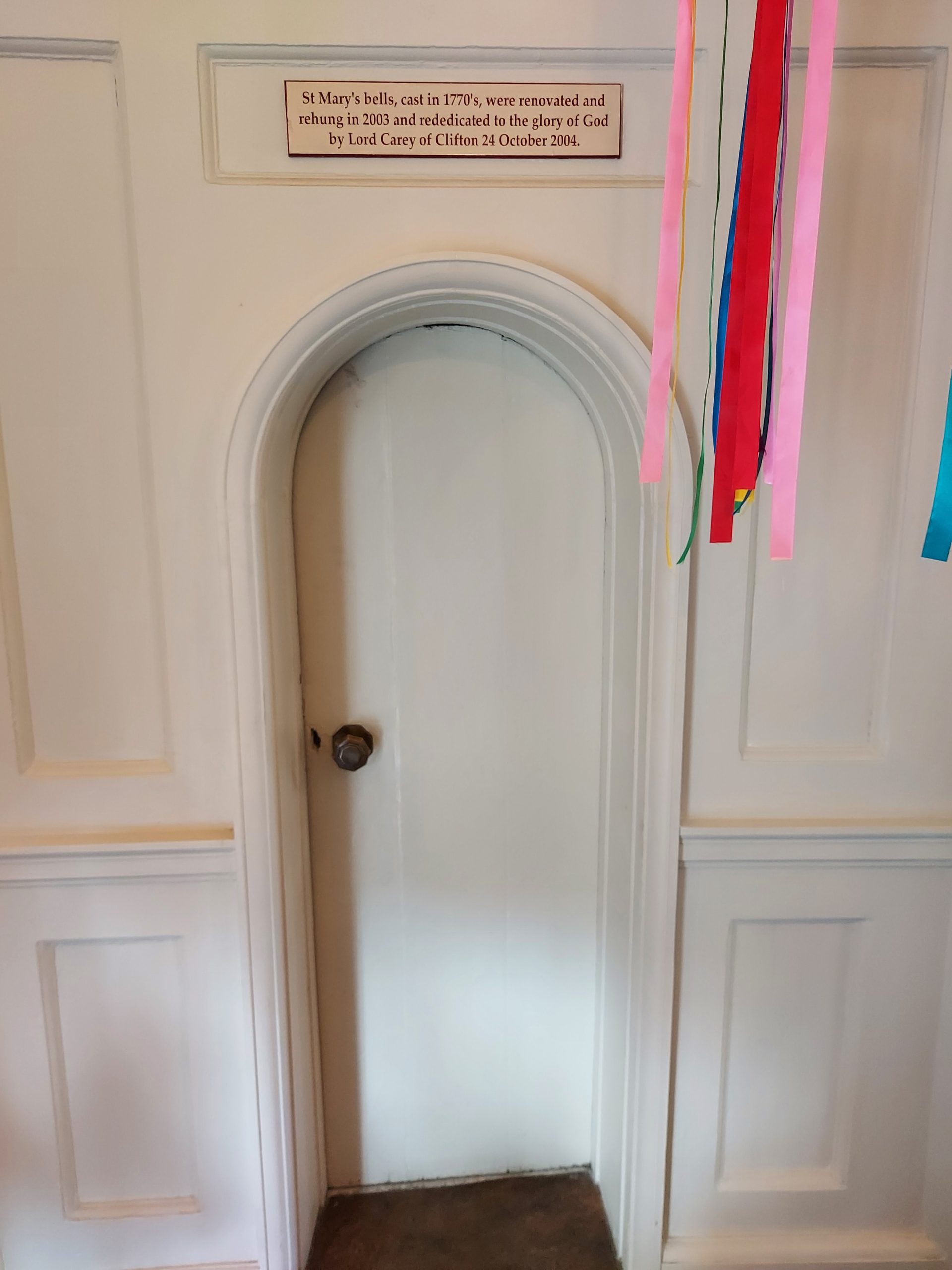
The tower is all that remains of Launcelot Dowbiggin’s eighteenth century church. Inside the winding staircase is an original ship’s mast. The staircase takes you first to the bell chamber, containing bells from the Georgian church.

Entrance to the tower in St Mary's Church, Islington

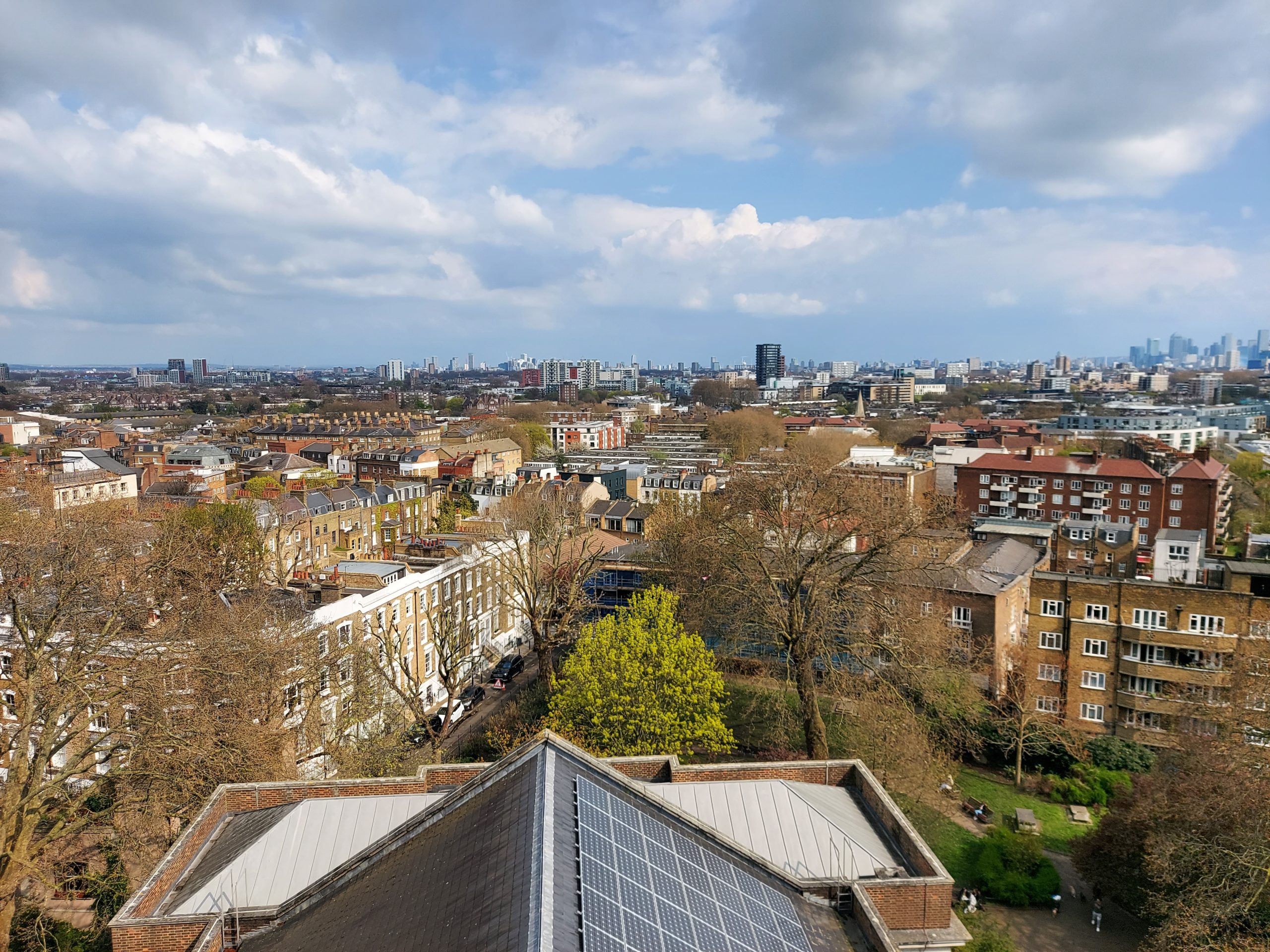
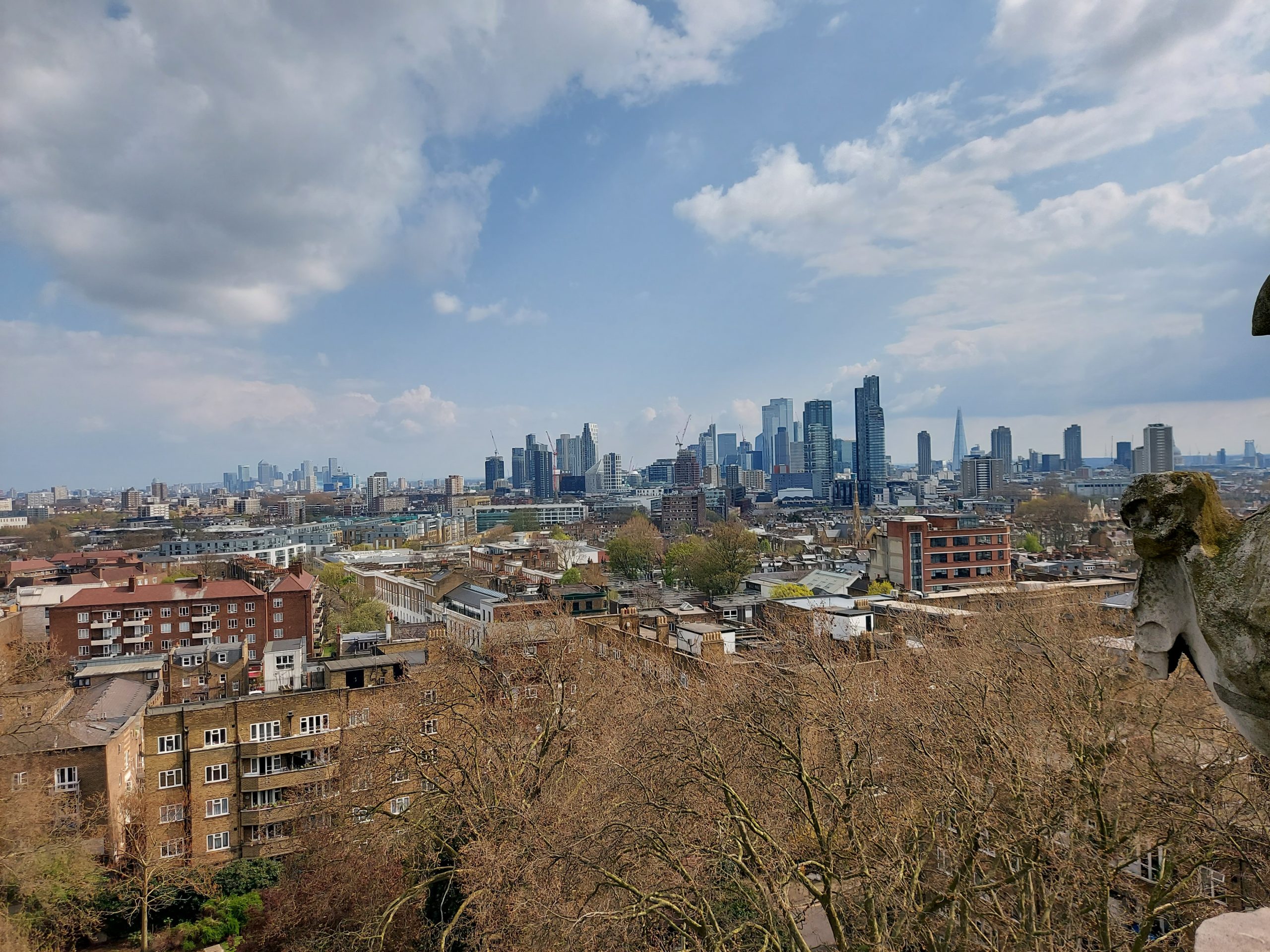
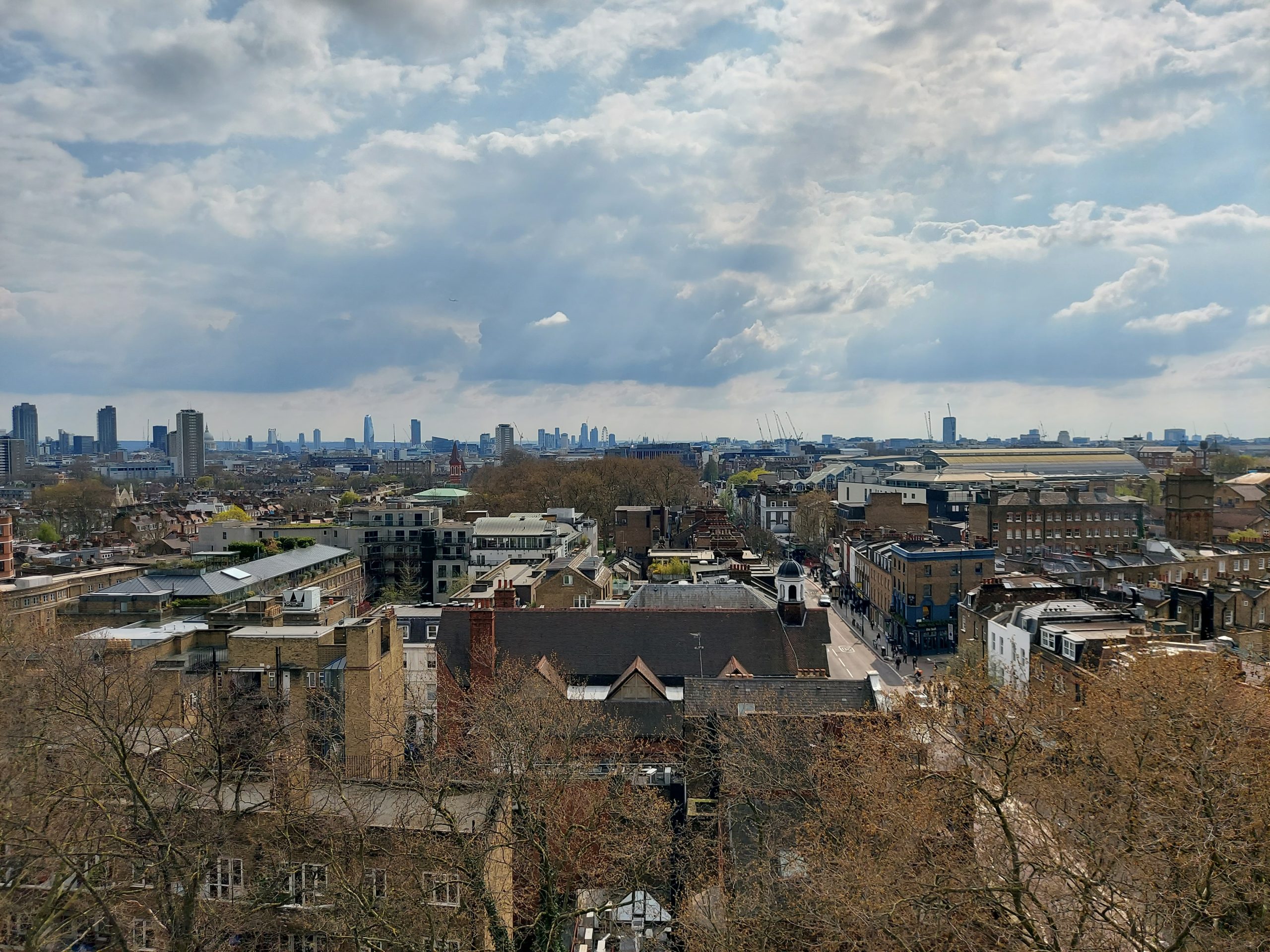
Finally, we arrived at the top of the tower, and enjoyed stunning views over Islington and London as a whole. We could see right down Upper Street.

View from the top of the tower
View down Upper Street

Rebel Badge Club: Rebel Buddy

I’ve completed the Rebel Buddy badge!

To achieve this badge I had to meet up with local Rebels 3 times and work on a badge together.

On 7 August last year I met up with fellow Rebel Laura and we walked part of the Thames Path for our Explorer badge.

On 26 February this year I met some London Rebels at the Southbank Centre for board games (the Board Games badge).

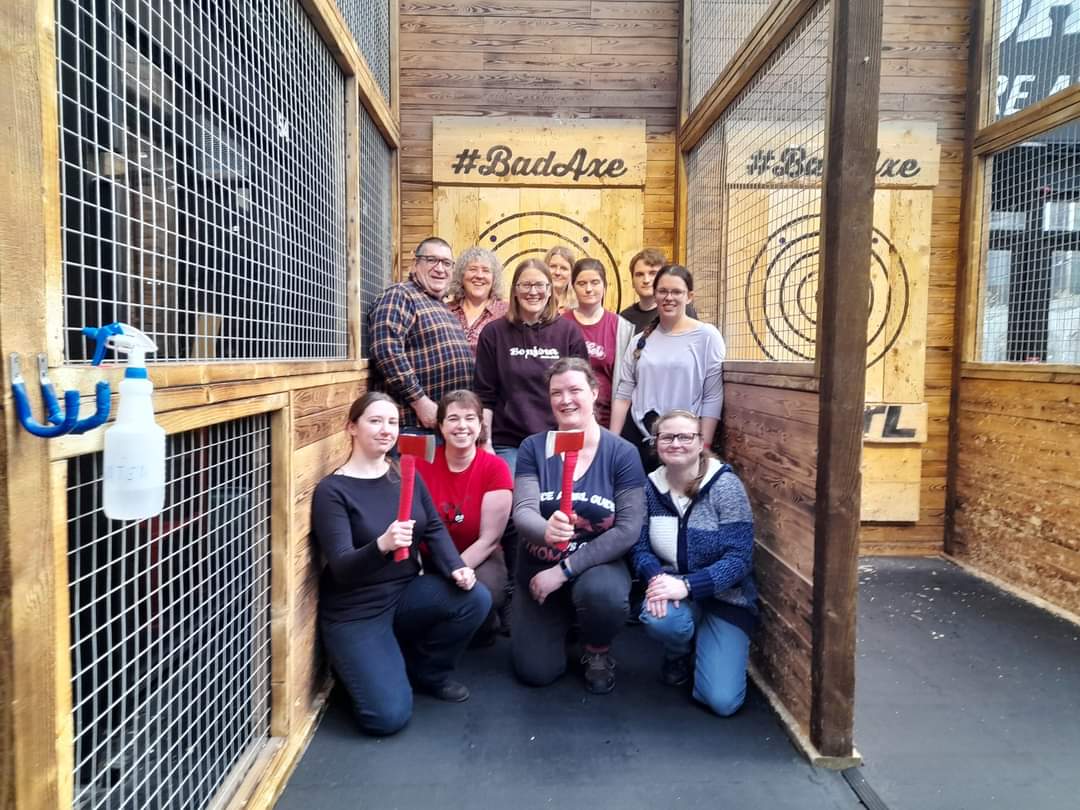
Finally, on 2 April I met some other London Rebels for axe throwing in Croydon, working towards our Adventurer badge.

London Rebels at the axe throwing space
London Rebels at Bad Axe London

I had a brilliant time at all 3 events and hope I can attend many more in future!

Date completed: 2 April 2023

Executions – Museum of London Docklands

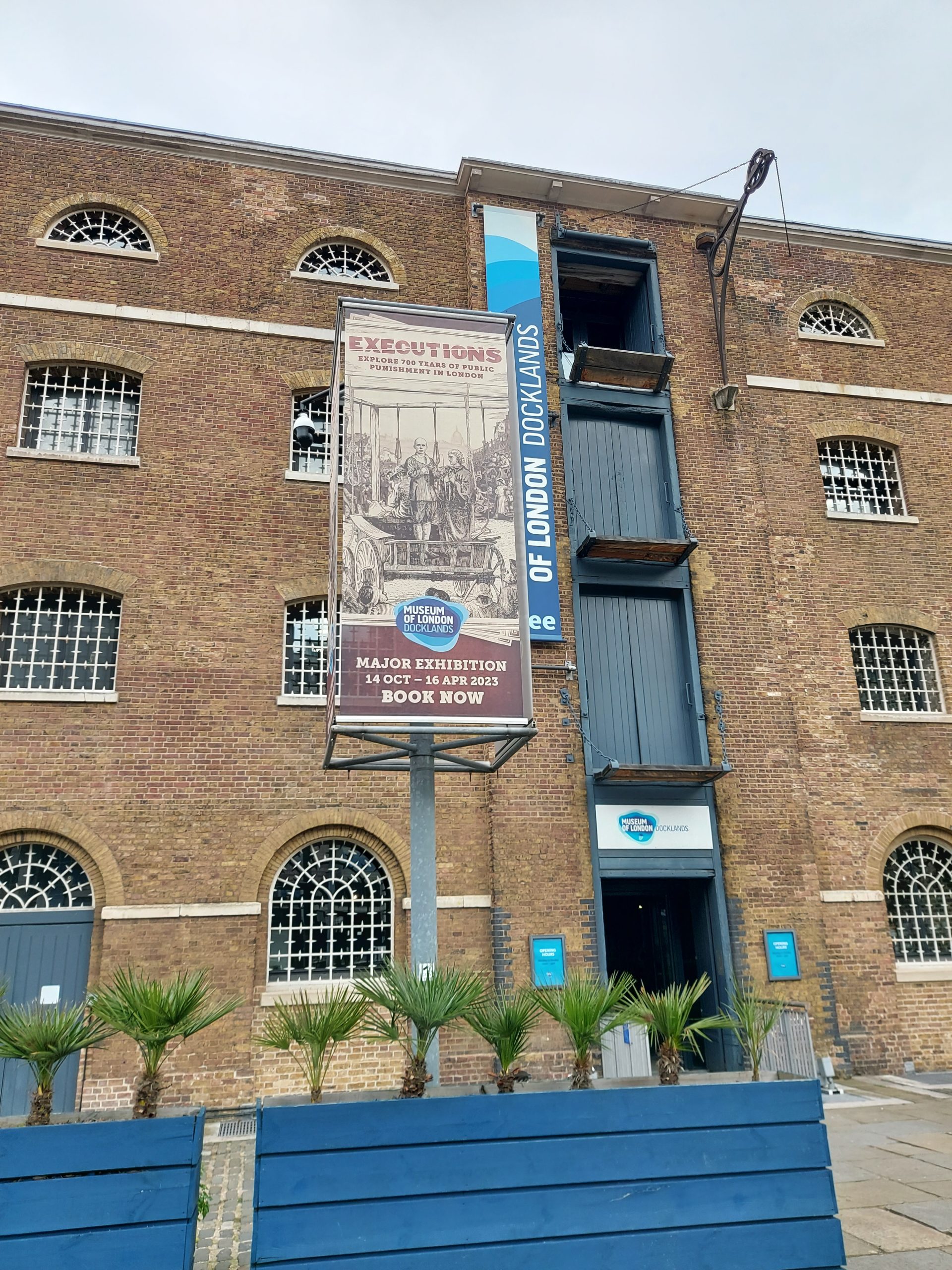
Museum of London Docklands

I visited the Museum of London Docklands to check out the Executions exhibition before it closed. The exhibition looked at the impact that capital punishment had on the history and landscape of London over the last few centuries.

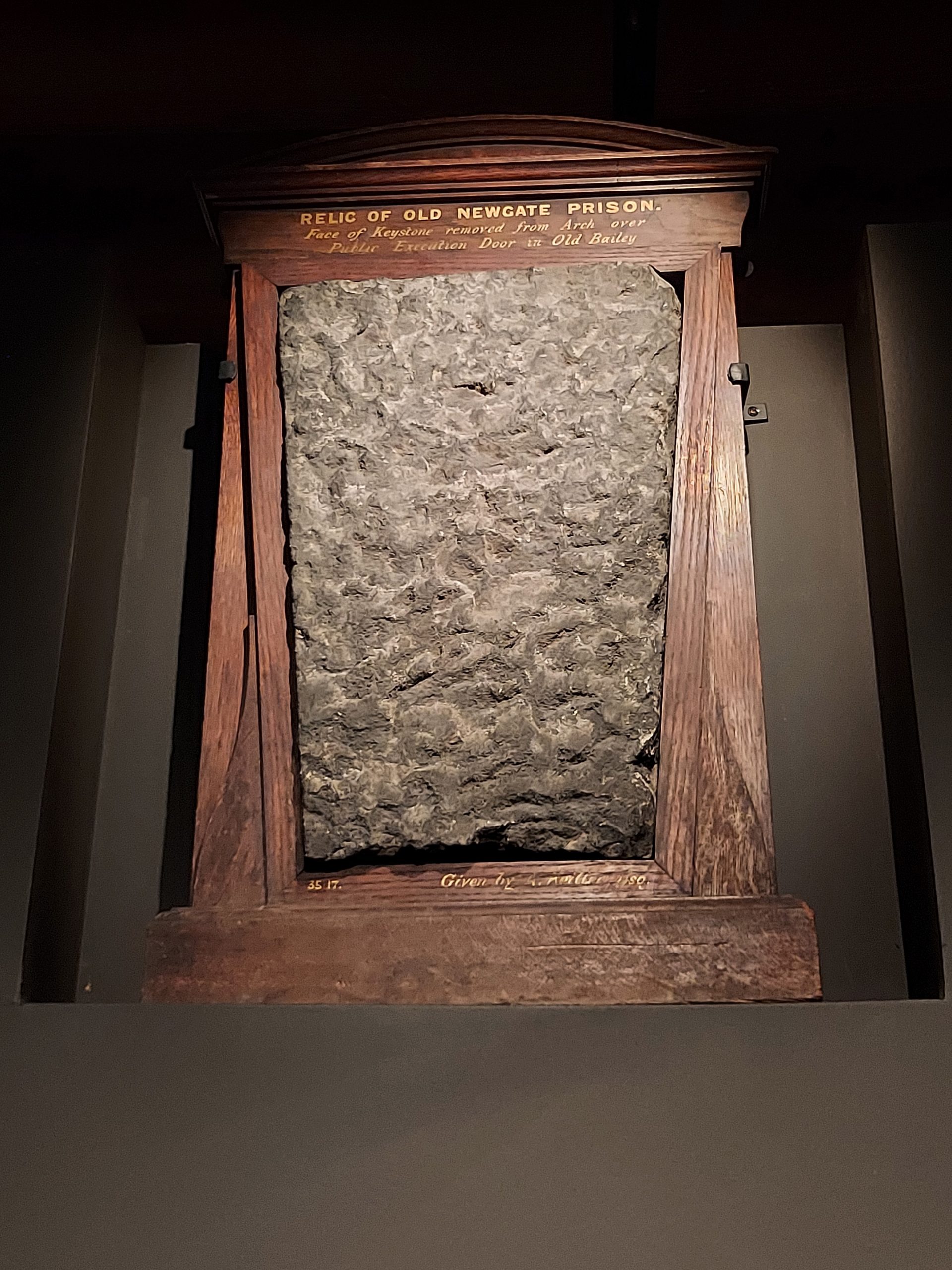
The first public execution took place in 1196, the last in 1868. During this time, these killings – supposedly meant to act as a deterrent to crime – were watched by huge crowds of people. An ‘execution economy’ developed, which was often bloodthirsty and rather chilling. As one map shows, executions became built into the very fabric of London. One of the most famous prisons, from which many prisoners were executed, was Newgate, relics from which are interspersed throughout the museum.

Stone from Newgate Prison

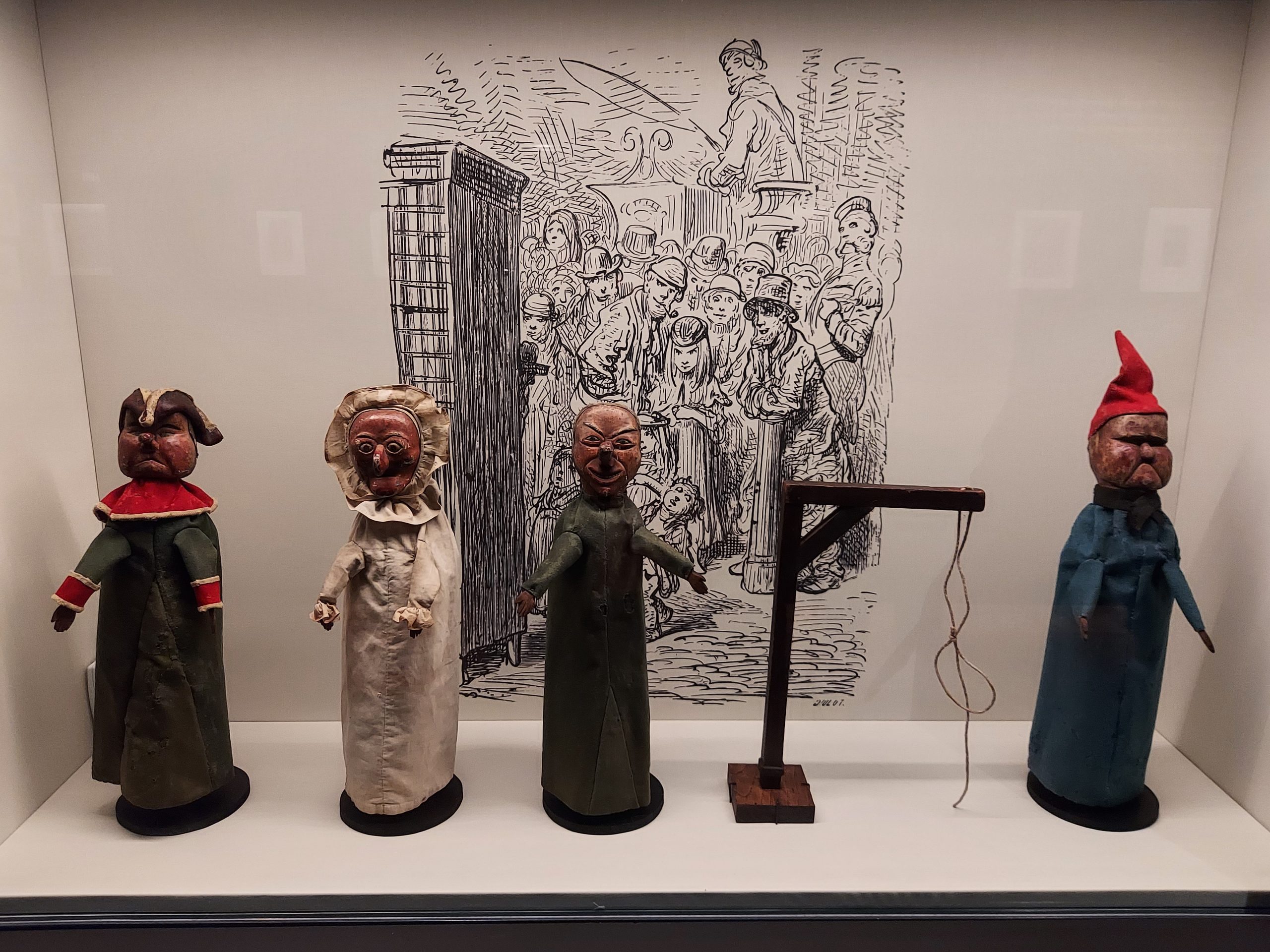
By the end of the eighteenth century, more than 200 crimes were punishable by death. Deaths were ordered in London’s courts more often than the courts of the rest of the country combined. Ballads were written about condemned criminals, papers detailing their horrific crimes did a roaring trade, and puppet shows made fun of executions.

Execution-themed puppets

Methods of execution were not limited to hanging. Traitors were hung, drawn and quartered. Members of the nobility were usually beheaded, while heretics were often burnt at the stake. The exhibition included many letters and pleas for clemency from criminals, which brought home the human aspect to this grisly history.

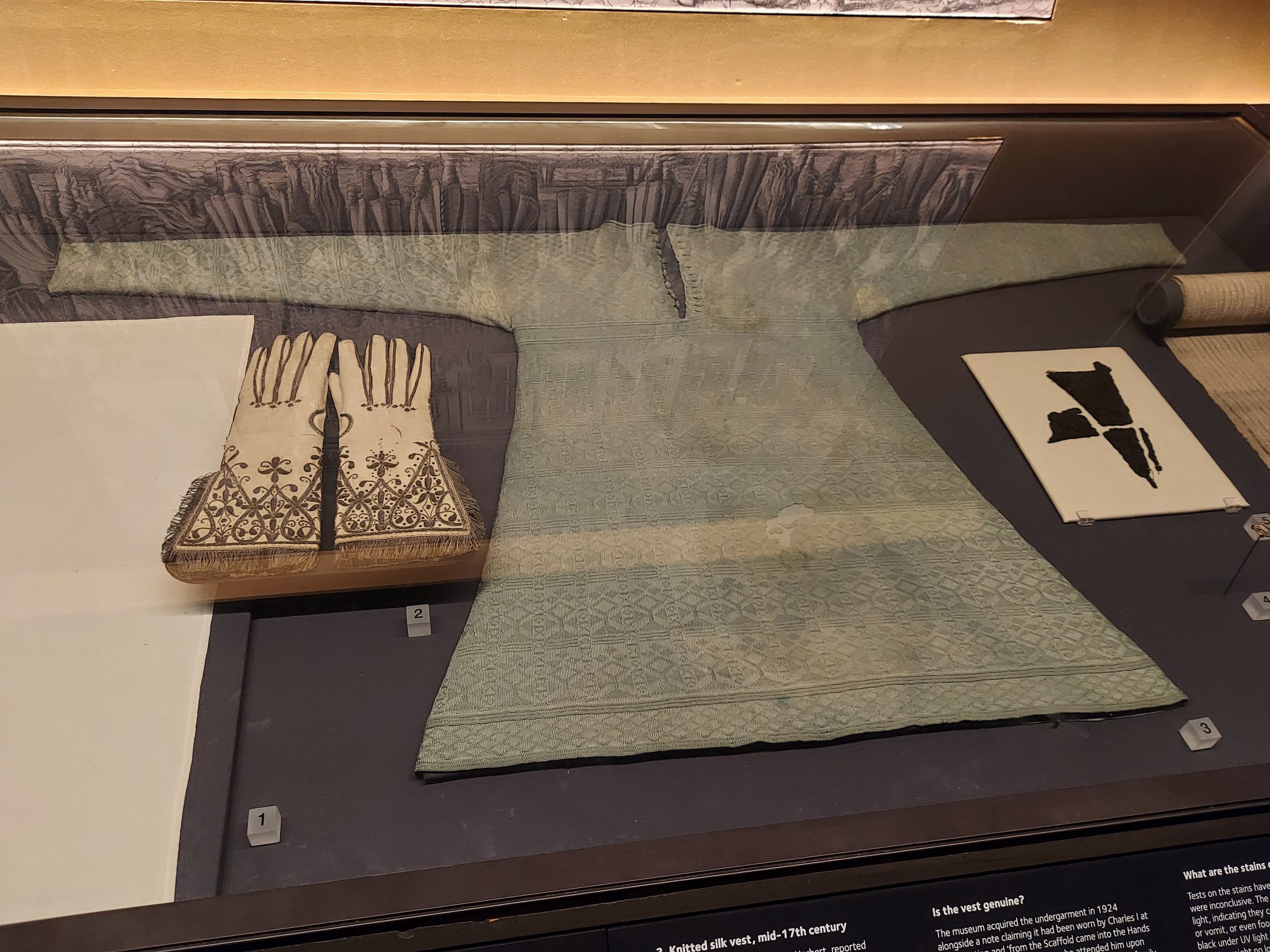
Possibly the most famous execution in London took place when Charles I was beheaded in 1649. The exhibition displayed one of the shirts he supposedly wore at his execution.

Charles I's supposed execution clothes

The exhibition was possibly not for the faint-hearted, but it was sensitively done and certainly worth seeing. It’s important that we confront the most unsavoury and difficult aspects of our past, and the exhibition certainly managed that.

Rebel Badge Club: Environmentalist

I decided to start work on the Environmentalist badge at the beginning of February. It wasn’t a badge that immediately jumped out at me, but as I’ve been working on it, I’ve become aware of how important it is.

For a month, track how much rubbish you generate personally.

I actually don’t think I produce that much rubbish. In February, I tracked my rubbish (I only counted non-recyclable stuff) and this included empty cosmetic bottles, crisp packets and biscuit/chocolate wrappers, as well as empty tablet blister packs.

For a second month, actively reduce your waste.

During March I aimed to reduce my waste. I started using solid shampoo and conditioner in order to reduce waste in this area. I also looked into ways to recycle blister packs.

I decided to try buying larger bags of crisps/chocolate instead of packs of individually-wrapped items in the hope that I could reduce my packaging that way. However, having a large bag open in my kitchen just feels like an invitation to eat the whole thing. I might have to go back to buying packs of individual items and trying to reduce my waste in other ways.

Switch to vegan options one day per week for a month.

I eat a mostly vegetarian diet anyway so it was no hardship to make more of an effort to eat vegan. Some of the meals I made included Thai green curry, nasi goreng, Moroccan tagine, and Japanese seared mushroom steak on rice.

Be more mindful about the amount of water you use.

I don’t think I use too much water, particularly as I don’t have a bath (sob) so have to shower instead. However, I did try to turn the tap off while cleaning my teeth, and in general to be careful about how much I was using.

Take part in at least one litter pick.

I took part in a litter pick at a local park on Saturday 18 March. I had imagined that we would have a nice walk around the park picking up bits of litter. Instead we were down near the river, picking bits of rubbish out of the mud. It was really rewarding, however, especially as we were clearing the area to become a hedgehog habitat. There is a local group of litter pickers that I have joined and I would definitely go along to another event.

Learn about 3 endangered animals. Visit a zoo or animal reserve which is working proactively towards animal protection.

I visited Hanwell Zoo, which is a small local zoo working towards conservation, education and community engagement.

Red-crowned crane
A red-crowned crane

All 3 endangered animals I learned about are kept at Hanwell Zoo.

Bali Starling

  • Bali starlings are classed as Critically Endangered: they have an extremely small range and a tiny population which is still suffering from illegal poaching.
  • They are one of the rarest birds in the world. In the wild they are found only in one forest on the Indonesian island of Bali.
  • They usually live in large flocks, although during the breeding season pairs tend to act aggressively towards one another. When courting, behaviour displayed includes shrieking and head bobbing movements.
  • Bali starlings prefer forested areas so that they can nest in trees, often in old woodpecker holes. They have a mixed diet of fruit, seeds and insects.

Red-Crowned Crane

  • Red-crowned cranes are classed as Endangered. Other names for the bird include the Manchurian crane or Japanese crane.
  • The name comes from the red “cap” on top of the head, which is exposed red skin.
  • On average, this is the heaviest species of crane, weighing up to 25 pounds. Red-crowned cranes live in flocks and their family group is the largest social organisation of cranes.
  • This species of crane can be found in southeastern Russia, northeast China, Mongolia and eastern Japan.
  • Red-crowned cranes are omnivorous, existing on a diet of invertebrates, fish, amphibians, rodents, grasses and berries. In the winter they often move to paddy fields and feed on rice.

Hazel Dormouse

  • Hazel Dormice are rare and vulnerable to extinction in the UK. They are native to the UK, Europe and Asia Minor.
  • They are nocturnal, spending most of the day asleep and coming out at night to hunt for food.
  • They eat foods such as hazelnuts, berries and insects, and hibernate during the winter.
  • Hazel dormice build their own nests out of grass and leaves, and raise up to seven young at a time.

Repair something you would normally have thrown away.

I fixed a tear in my dress when it accidentally got ripped after getting it caught in a chair. You can’t see the fix unless you’re looking – win!

Minimise your spending for a month.

I’ve been doing this as part of the Conscious Consumer badge anyway, so this wasn’t too much of a problem. I chose March as my month to minimise my spending – I’m going on holiday in April anyway, so this is a good time to do it!

Date completed: 31 March 2023

Rebel Badge Club: Conscious Consumer

Conscious Consumer is all about buying less, using what you have and buying more mindfully. I began this badge in October last year and completed it this March.

Over a period of at least three months, actively aim to buy as little as possible.

I need to save money anyway so this clause came at the right time! I really tried to restrain my spending and buy only what I absolutely needed.

Things I “absolutely needed” included items for Rebel Badge Club itself – craft kits, ingredients to make cosmetics, baking equipment. I also bought acrylic jewellery (though much less than usual) where waiting would have meant that they sold out. I also bought a few theatre tickets (again, less than usual) but very little else.

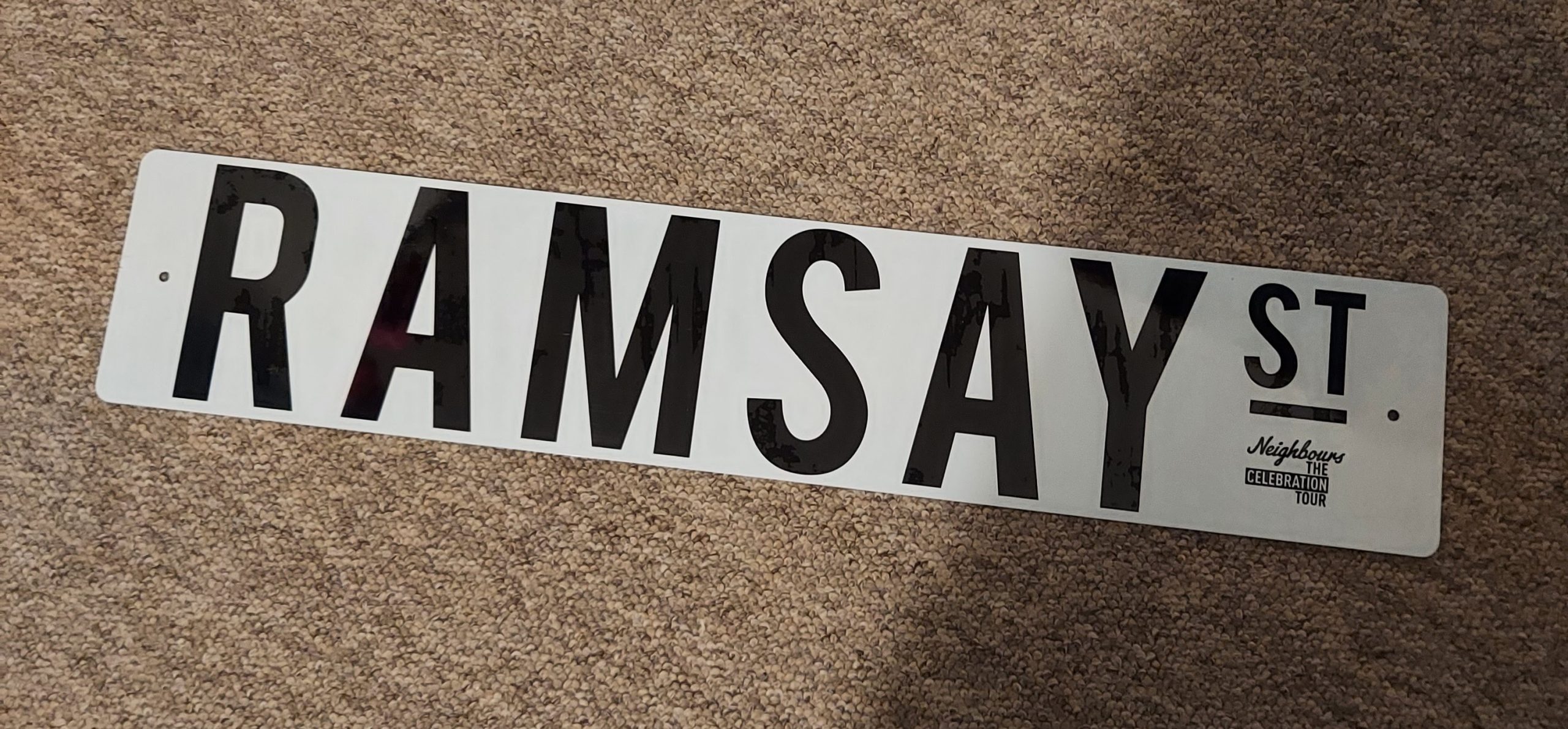
Ramsay Street street sign
Something else I bought and counted as “essential”…

For a period of at least six months, only buy second-hand clothing.

This wasn’t as hard as I had expected, mainly because I have plenty of clothes anyway! The only new clothes I bought during this period were my leggings, sports bra and top for running: I did check Ebay and other second-hand sites but there was nothing suitable on there.

Explore long-term options which reduce your overall spending and wastage.

  • Buy fewer, but better quality, clothes
  • Buy in bulk & portion out instead of separately packaged food items
  • Bake more
  • Use solid cosmetic products e.g. shampoo
  • Be more intentional about jewellery purchases
  • Think about potential purchases before making them
  • Have no-spend days
  • Use a shopping list
  • Avoid single-use containers
  • Buy loose veg where possible

Research ways you can shop more ethically.

  • Buy fewer things
  • Buy eco-friendly products
  • Buy from ethical brands
  • Boycott unethical organisations
  • Look for certifications e.g. Fairtrade
  • Avoid animal products
  • Shop local
  • Buy from companies that give back
  • Buy and sell second-hand
  • Reuse, repurpose, recycle
  • Support Black-owned businesses

Learn how to fix at least three different items which you would normally throw away.

I mended a pair of tights that had developed a hole. I also mended a tear in a dress, which was handy as I love the dress and really didn’t want to throw it away. I also fixed a pair of sunglasses.

Make at least five handmade gifts for friends and family instead of buying things.

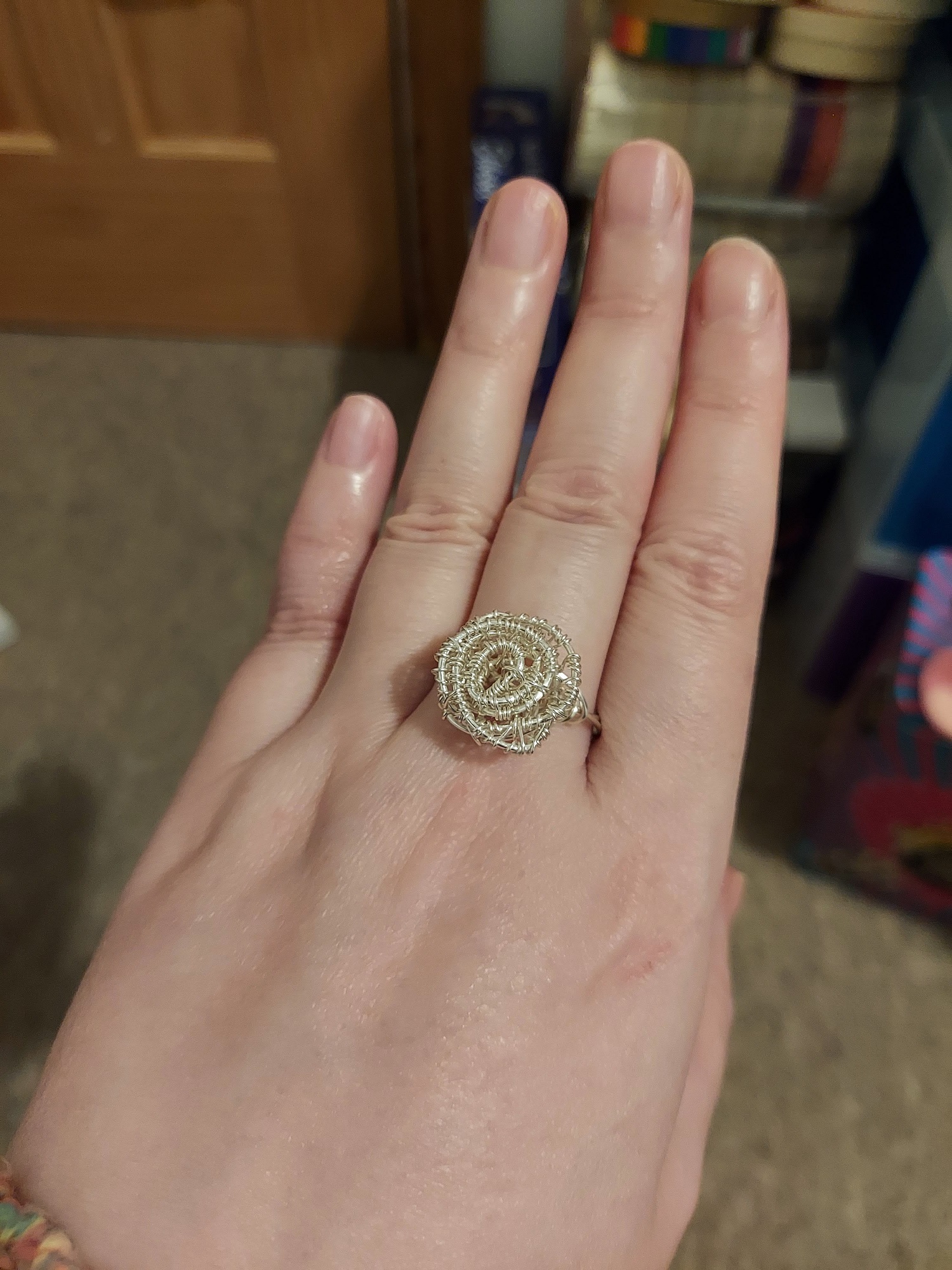
I made cross stitch gifts for my friend, family members, and my friend’s little girl. I also made a rose ring from wire for my mam for Mother’s Day.

A hand with a wire-wrapped rose ring

Date completed: 31 March 2023

Rebel Badge Club: Chef

Chef was one of the more daunting badges for me, mainly because it takes at least six months to complete. I decided to begin it at the start of October, reasoning that I’d be more likely to cook during the colder and darker months.

Over a period of 6 months actively work to improve your cooking skills.

I aimed to improve my cooking skills by trying out new and different recipes. Over the course of the six months I tried recipe boxes from Hello Fresh, Gousto and Simply Cook (making the most of special offers, of course!). I also made meals for my family when I was at home over the Christmas break.

Prepare at least 3 meals each week from scratch.

In practice, this clause usually meant that I was eating home-cooked food six nights out of seven, as I will usually cook one meal and eat it for two nights. The seventh night, I ate something simple, or grabbed a sandwich on the way to the theatre.

Each month experiment with a new cuisine and at least one new ingredient.

This clause was tricky as I’ve made quite a variety of recipes in the past. However I still managed to find new things to cook.

I cooked Korean, German, Brazilian, Iranian and Moroccan cuisine, as well as fish (not strictly a “cuisine” in the same sense but deserves a category of its own!).

I tried new ingredients including paneer, tofu, spelt, filo pastry, pears and banana blossom.

Master basic knife skills.

I signed up for a free online course on Craftsy about knife skills. In all honesty I didn’t expect much from a free course but it was great, and I learned lots of new tips and tricks.

Cook a three-course meal from recipes you’ve never tried before.

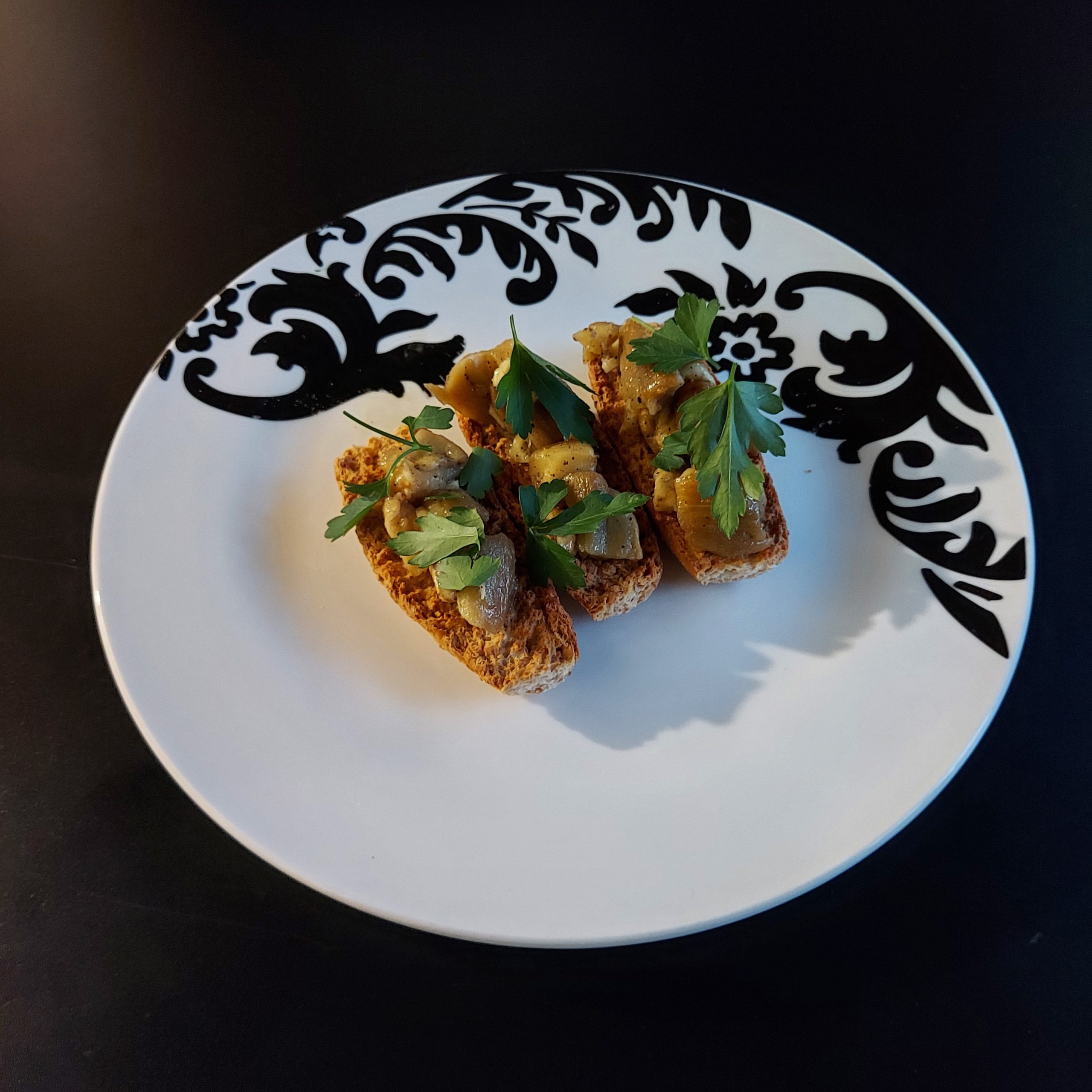
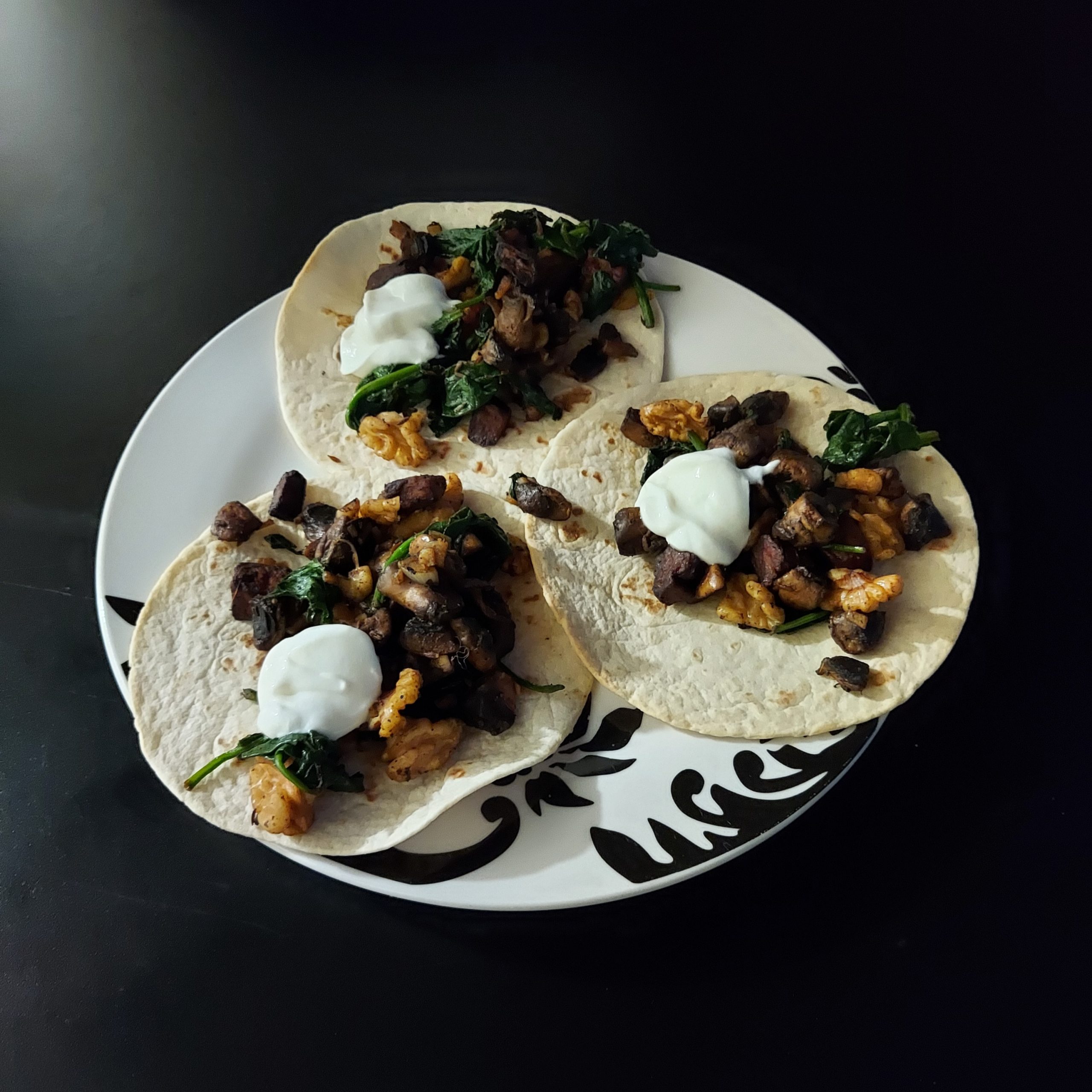
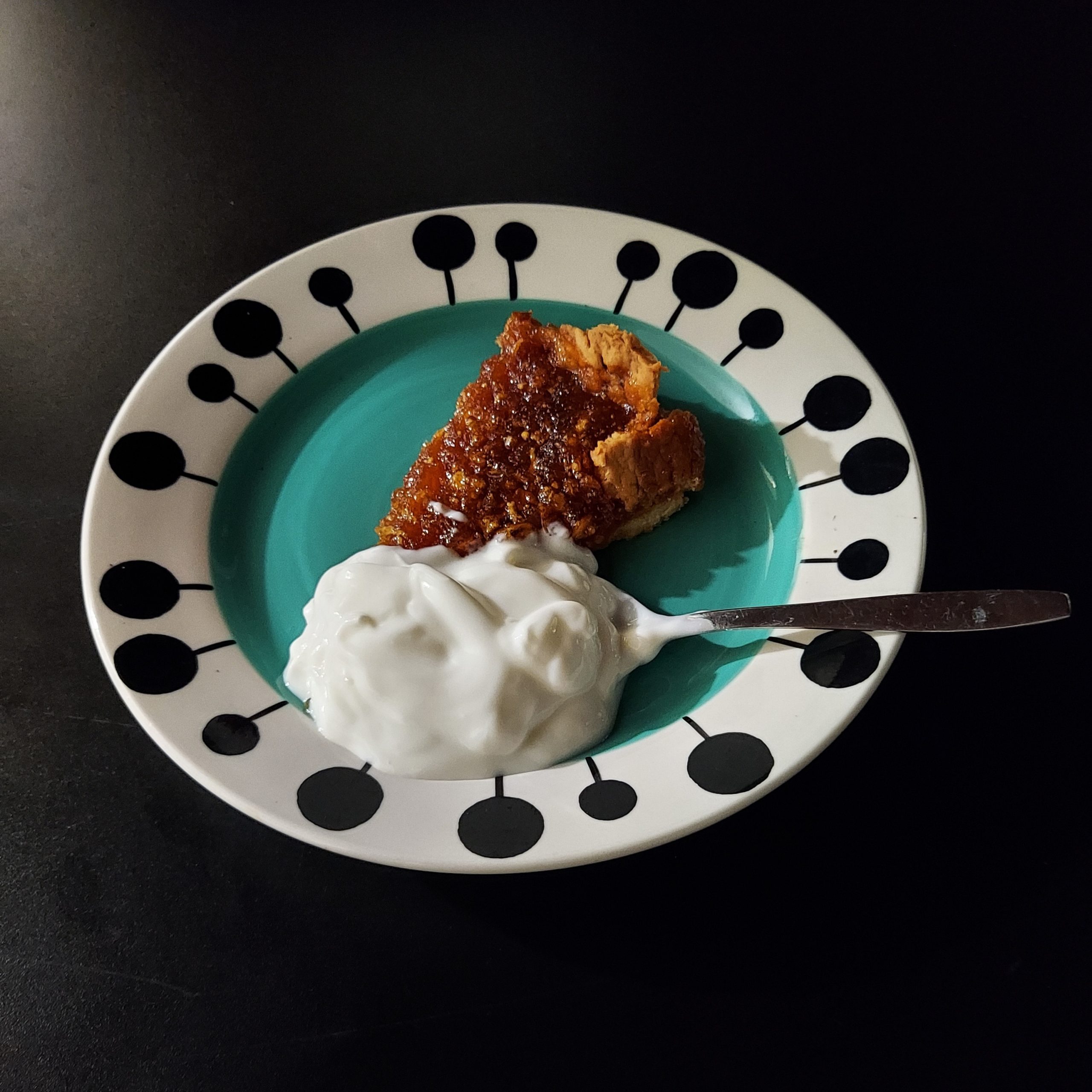
I chose a lazy weekend to make myself a three-course meal, consisting of aubergine pate, butternut squash, spinach & mushroom tacos, and treacle tart.

Modify a recipe to your tastes – add or substitute at least three ingredients.

I didn’t do this specifically for the badge, because I do it a lot anyway – usually because I don’t have the specified ingredient in the house! I’m always using different vegetables, or beans, or seasonings in meals – I have no issues with mixing things up a bit. I also like to avoid food waste so if I have something left over I’ll add it to the recipe so it will still get used.

Cook a dinner party for at least 4 people.

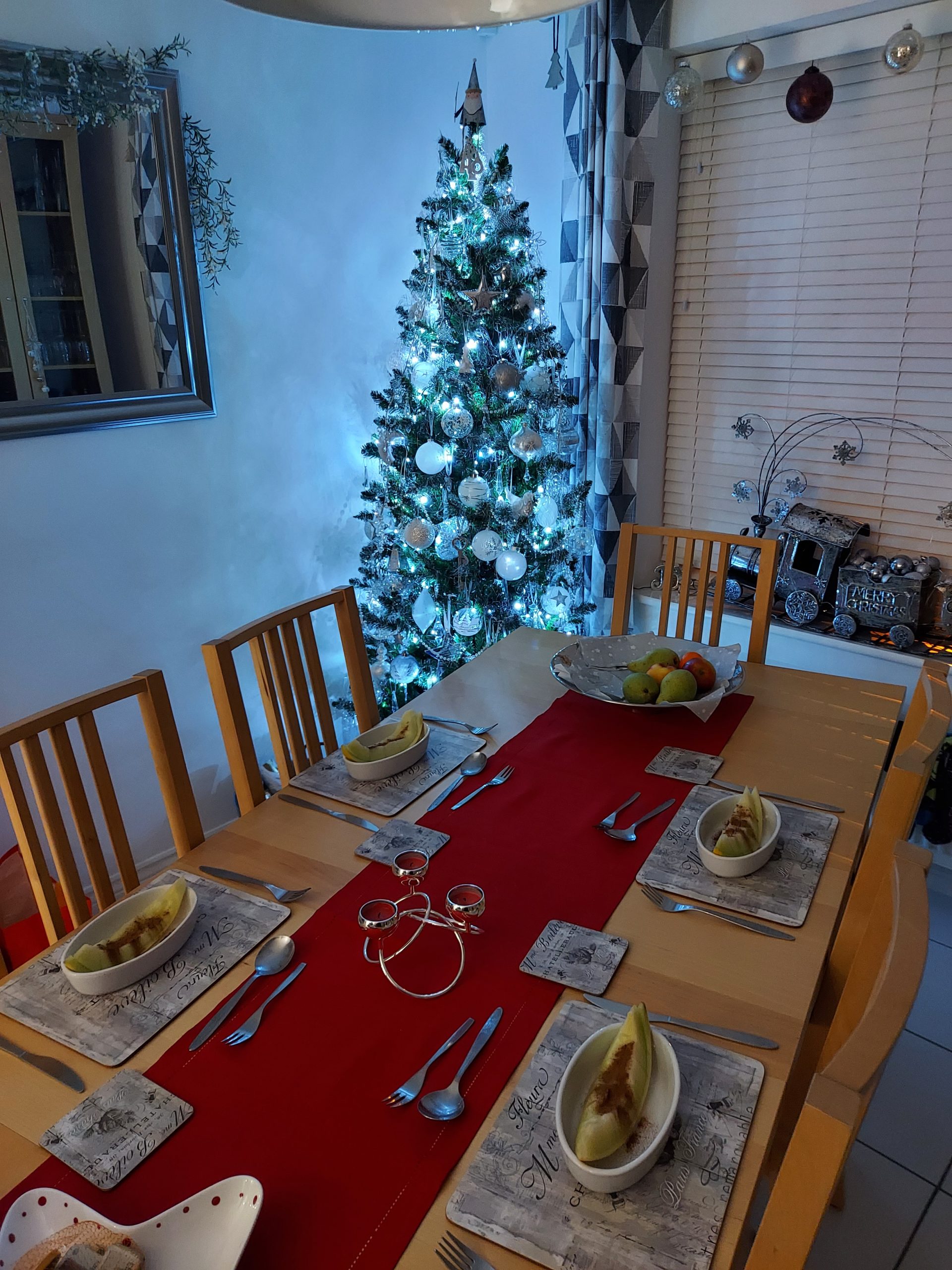
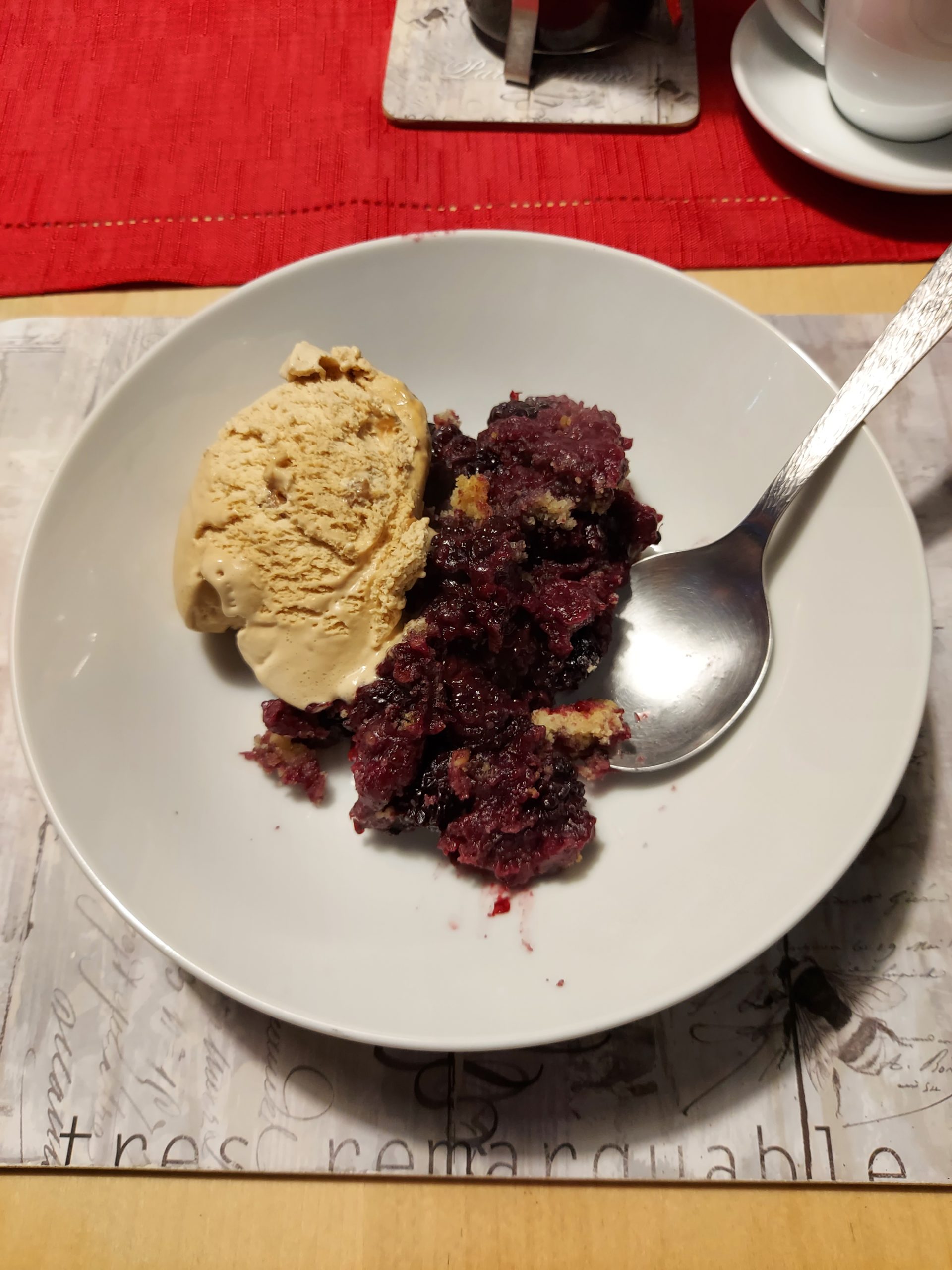
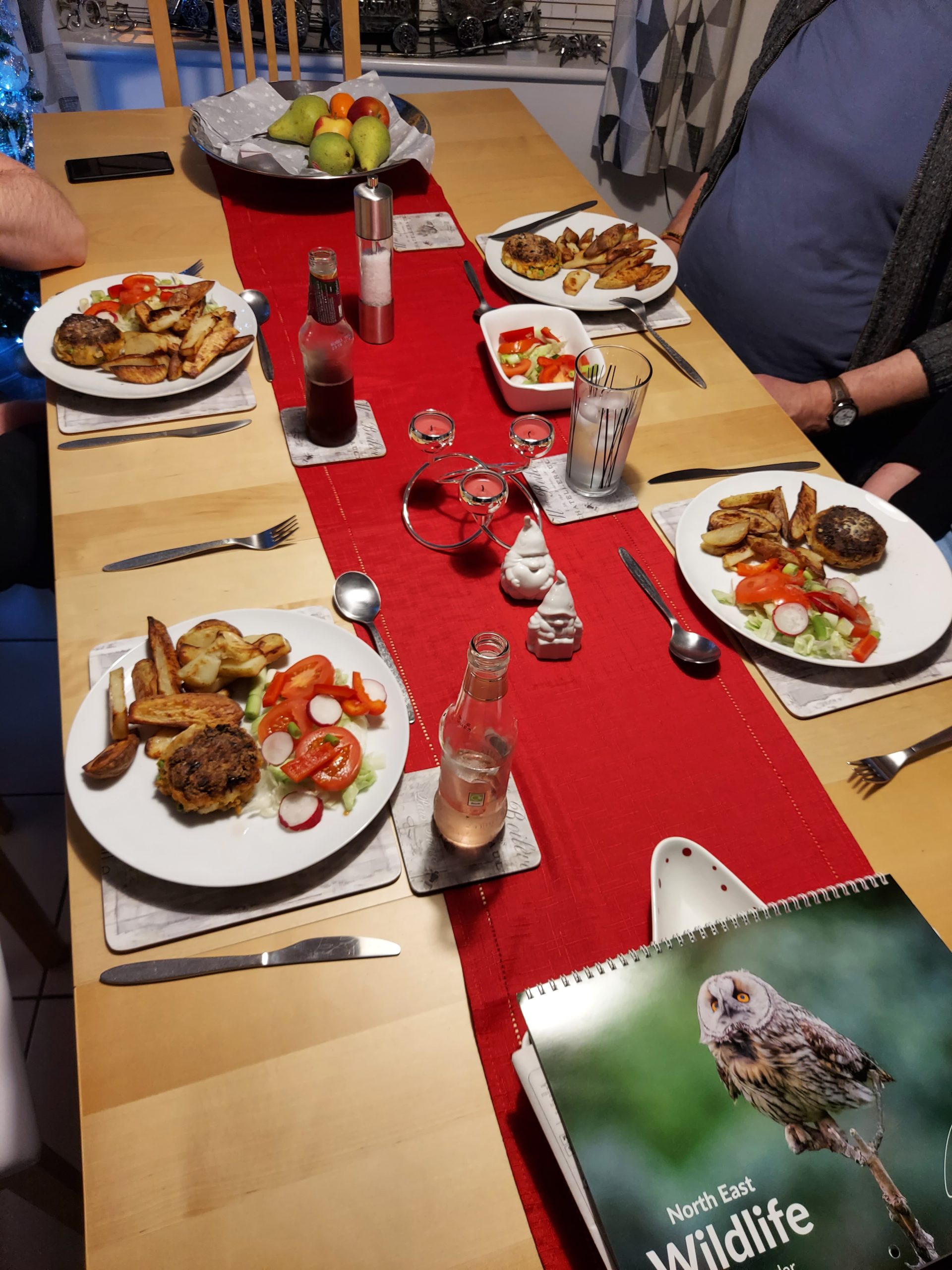
While I was up north for Christmas I made my family (parents and brother) a three-course evening meal. The meal, which included melon, salmon fish cakes and blackberry crumble, went down well with everyone!

Experiment with gluten-free or vegan cooking.

I enjoy vegan cooking – I’m happy to make the effort to make more vegan recipes, and made lots of them over the course of this badge. I didn’t specifically make any gluten-free recipes, as I’ve heard that things like gluten-free pasta aren’t that great – sorry!

Make a recipe book of your 20 favourite recipes.

I had fun making this recipe book on Canva. All the recipes are vegetarian or vegan and are ones that I would be happy to make again and again.

Date completed: 31 March 2023

Rebel Badge Club: Good Habits

Good Habits badge pages

The Good Habits badge was one I’ve had my eye on for a while, and the beginning of 2023 seemed like as good a time as any to begin it. I also chose it as one of my Wellness badges for the Happy 2023 challenge. It is actually the last Wellness badge I had to do (from the first book), which definitely gives me a sense of achievement.

To achieve the badge, I had to choose a positive change to make in four areas of my life: life admin, health and fitness, household chores and self care, and work on these habits regularly for 90 days. I chose the following:

  • Life Admin habit: keep my to-do list updated
  • Health and Fitness habit: drink a glass of water each morning
  • Household habit: have a speed-cleaning or tidying session each day lasting as long as 1 song
  • Self Care habit: read for half an hour each day

I tracked these habits in my journal by using stickers.

I also read a book about habit-making. I went with the suggestion in the badge book, which was The Power of Habit by Charles Duhigg: a really interesting and thought-provoking read.

Date completed: 31 March 2023

Rebel Badge Club: Life Less Ordinary (Quarterly badge 2, 2023)

The second quarterly challenge for 2023 is Life Less Ordinary. When I saw the syllabus for this badge I thought it sounded like a super fun and fulfilling challenge.

To complete this badge, I need to do the following:

  • Complete My Story.
  • Complete 1 Global badge: I’ve chosen Rebel History.
  • Complete a badge from the section of the badge book I’ve completed the least from – for me this is Wild: I’ve chosen Forager.
  • Complete a badge chosen by someone else: I’ve chosen (well, my dad has chosen) Mixologist.

I will link to my posts on the above badges once I’ve completed them.

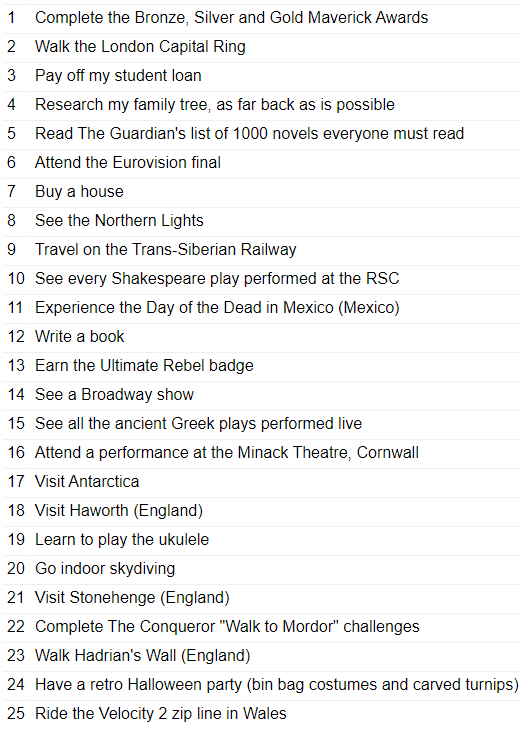
I also have to write a list of 25 things I want to do in my life, and complete one over the next three months. My list is here:

25 things I want to do

Finally, I have to do something I’ve never done before each week over the 12 weeks I’m doing this badge. I did the following:

  • Went axe throwing
  • Climbed the tower of St Mary’s Church in Islington
  • Visited Rome
  • Had a colposcopy
  • Attended a Jack in the Green procession
  • Attended an Avril Lavigne concert
  • Went foraging
  • Made resin jewellery
  • Visited a new coffee shop
  • Did Bollywood dancing
  • Attended an ikebana class
  • Visited Stonehenge (also one of my 25 things!)
Me at Stonehenge