Birdoswald Roman Fort

Birdoswald

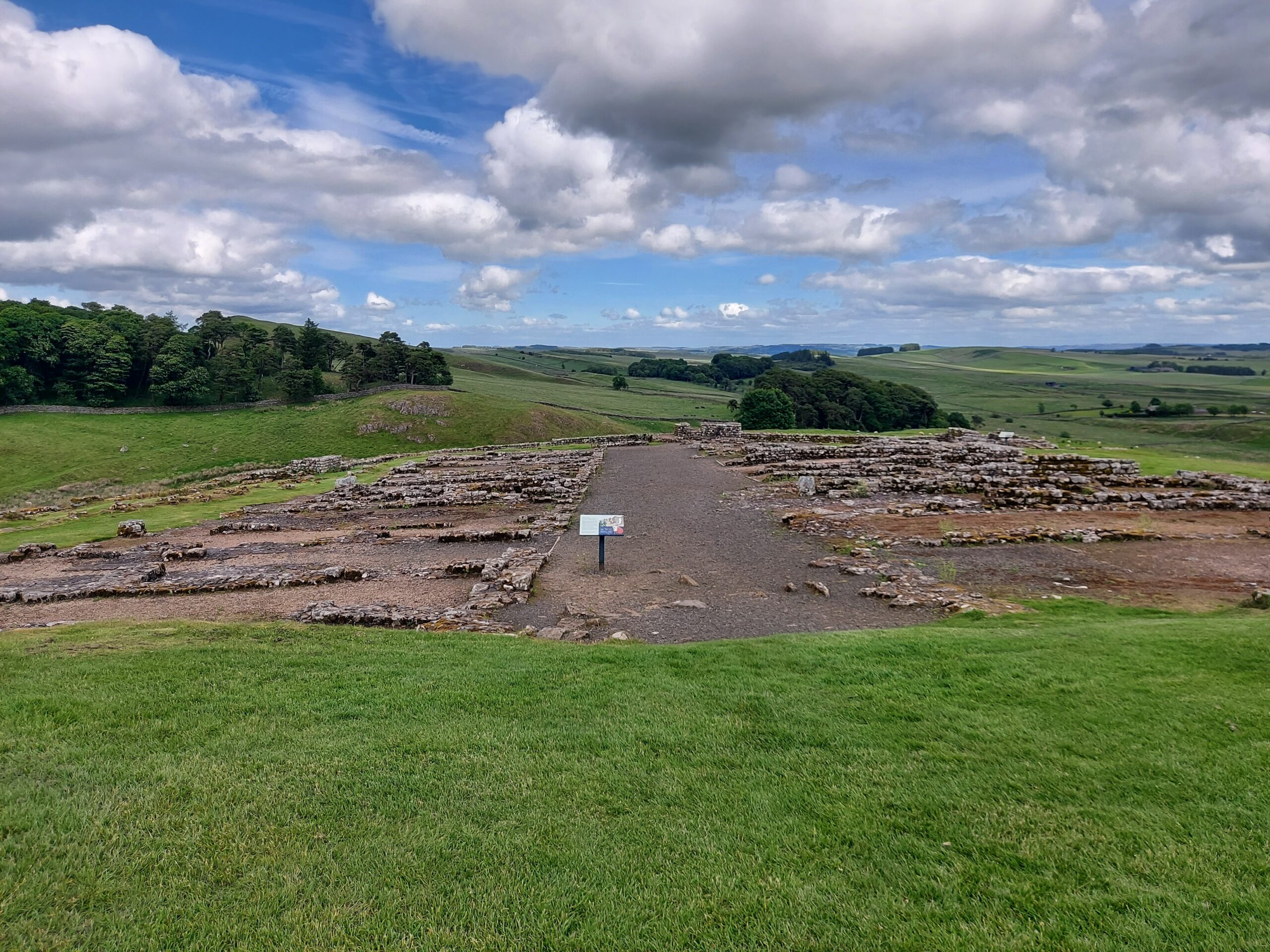
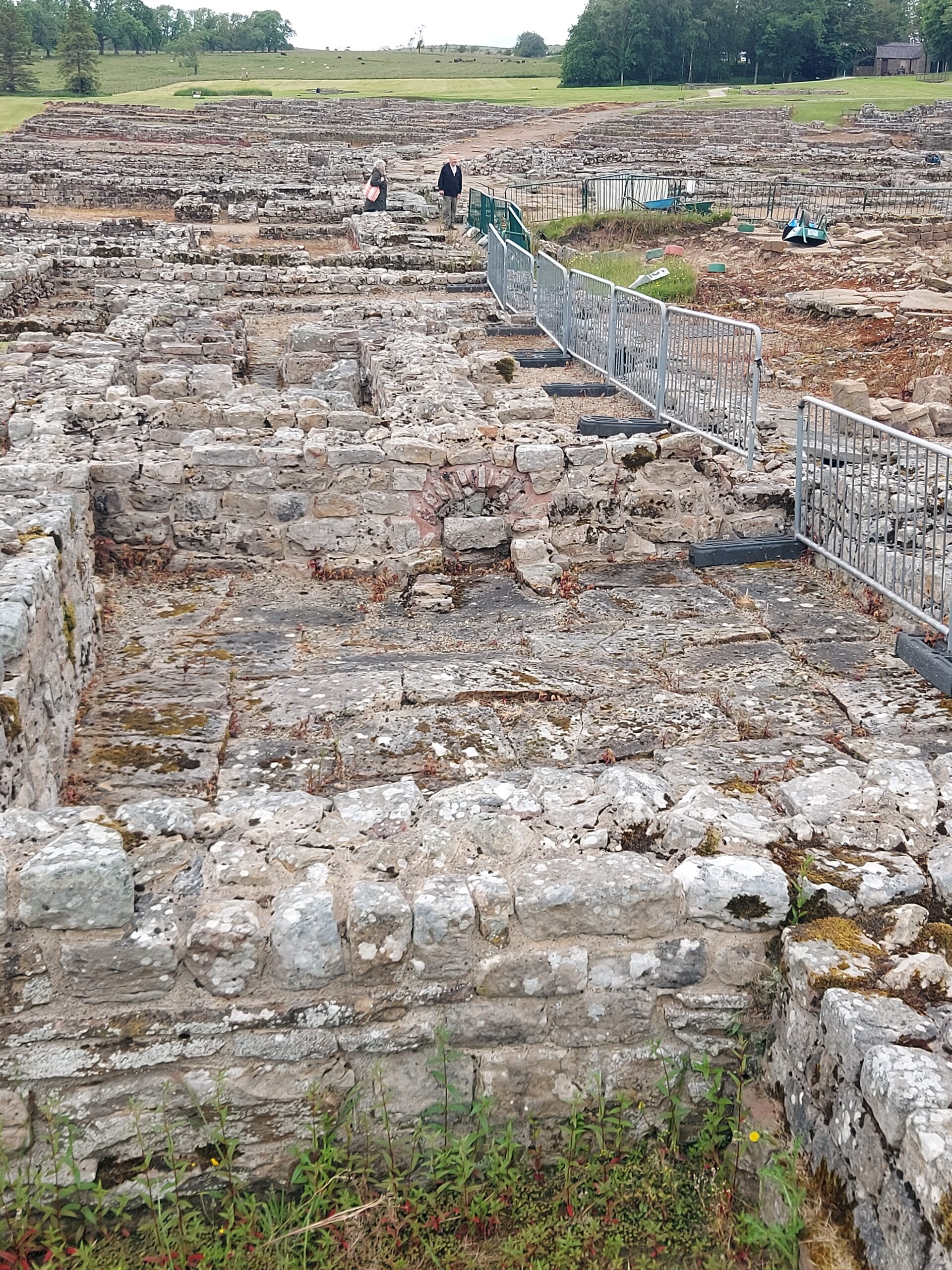
The final fort I visited on my holiday was Birdoswald. I passed through the area on my Hadrian’s Wall walk, and bought a much-needed ice cream at the café, but didn’t get a chance to have a look around at the time.

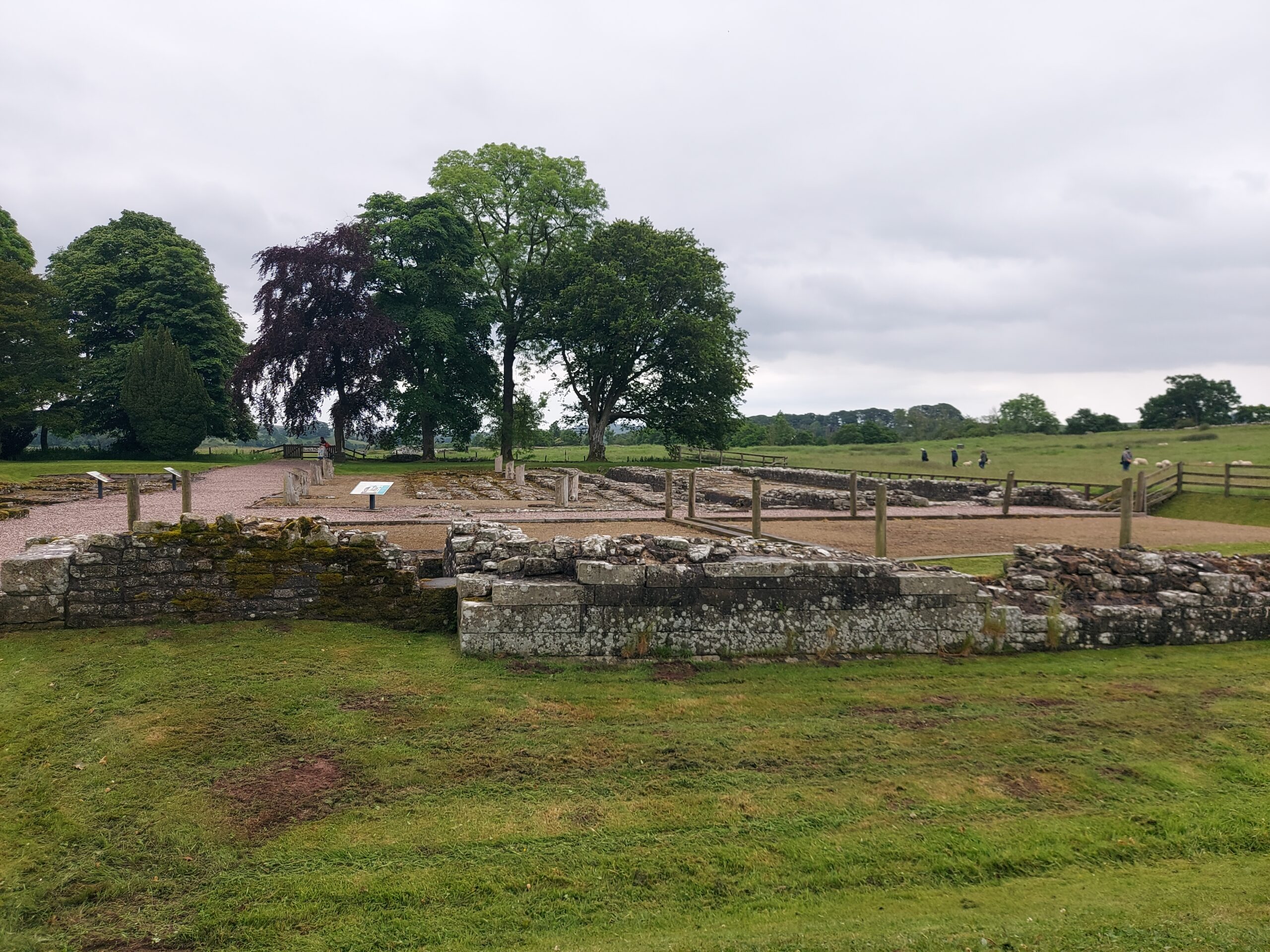
Birdoswald, known to the Romans as Banna, is further west than the other forts I visited – it is in Cumbria, rather than Northumberland. Like Housesteads, it lies along Hadrian’s Wall, and the location is one of the best places to see the first Wall, which was made of turf. The Romans had to clear and drain the land of forest and bog before they could start building.
Birdoswald

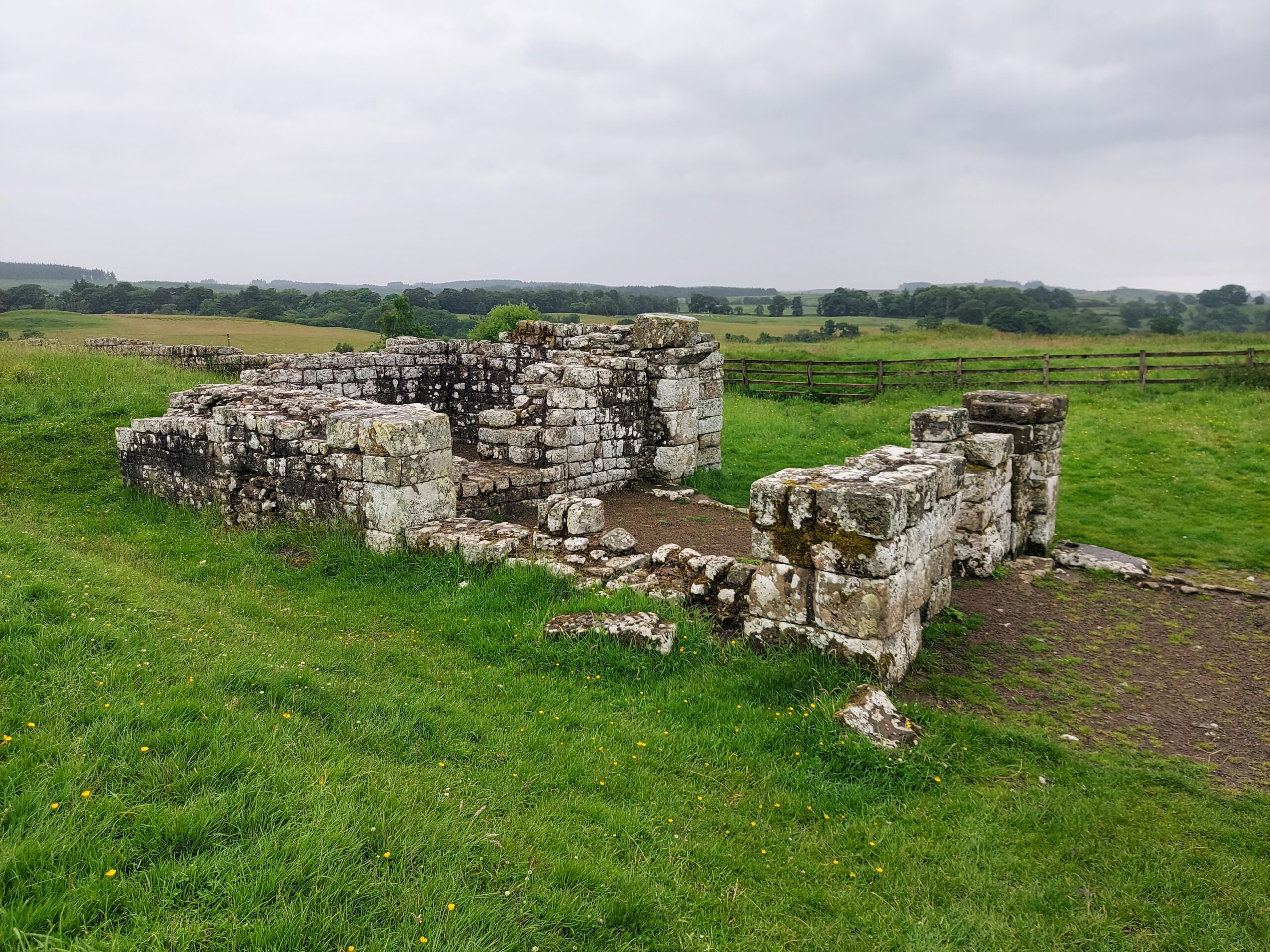
The site has very well preserved defences. The military unit most associated with Birdoswald is the Dacians, who came from modern-day Romania. Symbols from their homeland can be seen in the fort walls, and like many units, worshipped local gods as well as Roman ones. Among the items excavated from the fort are several burial urns, revealing that women and children were buried here as well as military men.

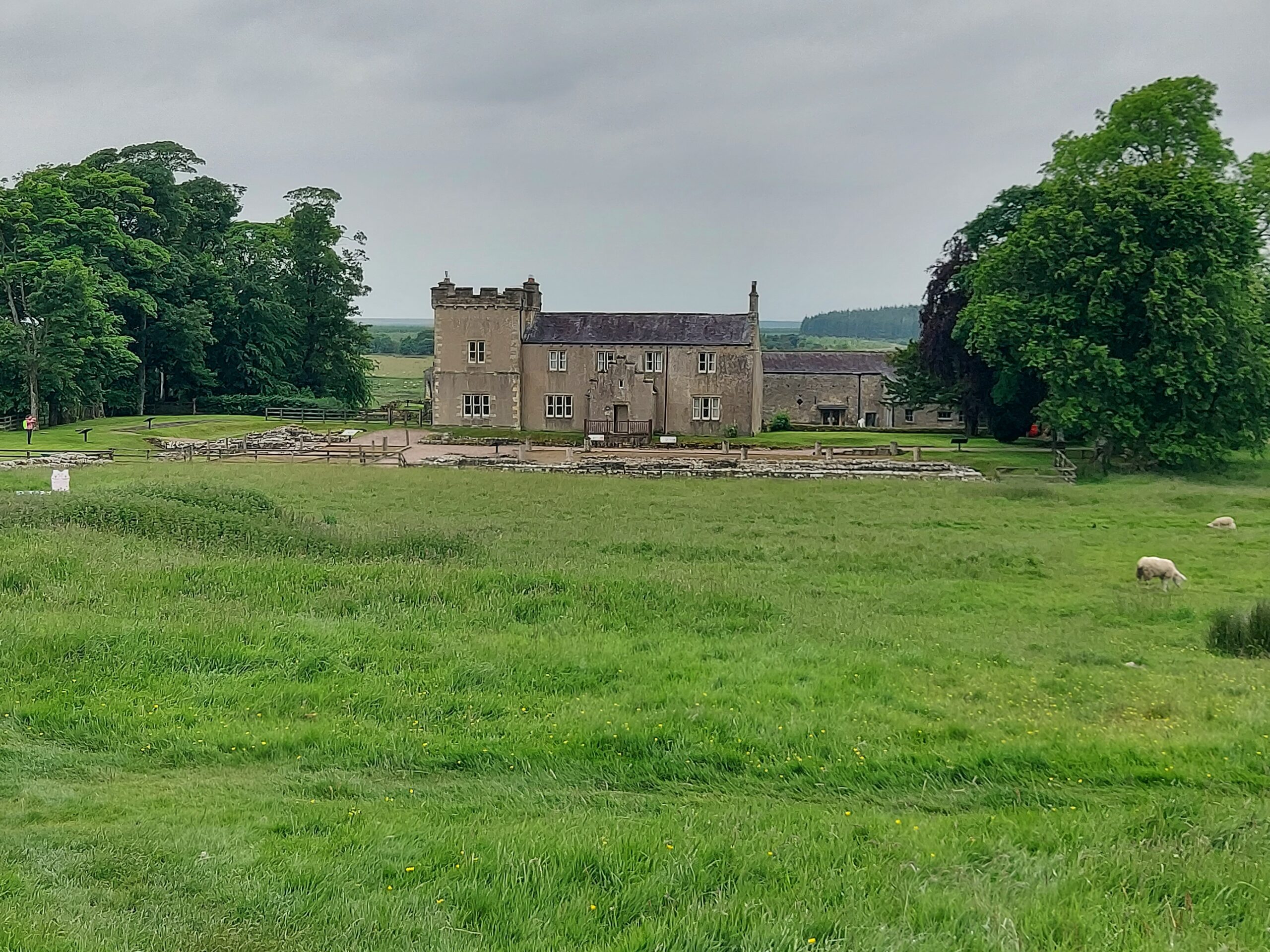
Excavations reveal that the fort carried on after the Romans left. The history of the site continued over the next few centuries, with a bastle house – a fortified farmhouse – built in the 16th century to protect against border raiders. Archaeological research began in the 19th century, and has continued to unearth more and more about Birdoswald and its role in defending the Roman frontier.
Birdoswald

FACTS

Address: Gilsland, Brampton, CA8 7DD

Website: english-heritage.org.uk/visit/places/birdoswald-roman-fort-hadrians-wall

Opening Hours: 10am – 5pm

Price: Adult £14, child £7, concession £13. Discounts are available for booking in advance or visiting at quieter times.
Housesteads Roman Fort

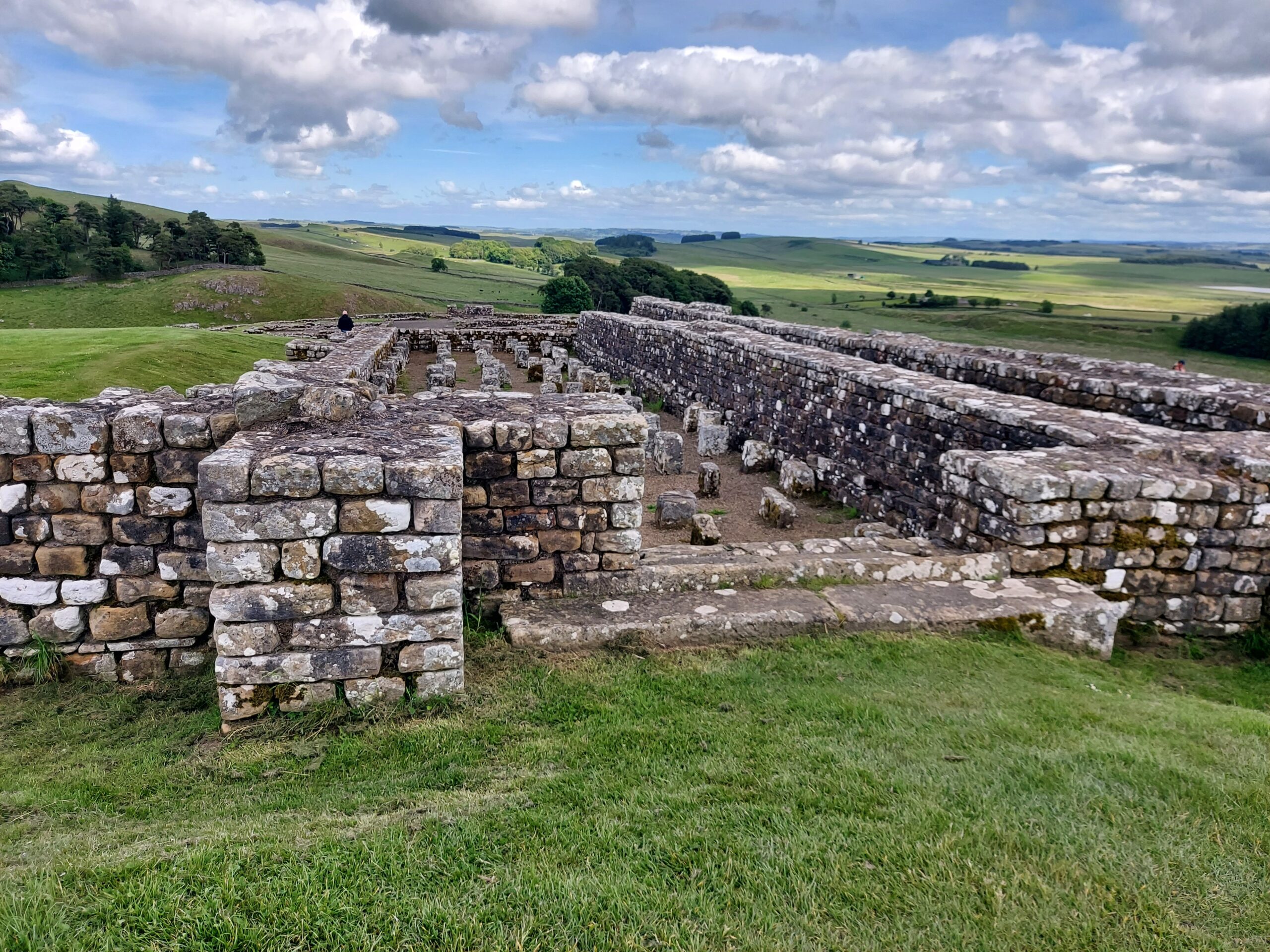
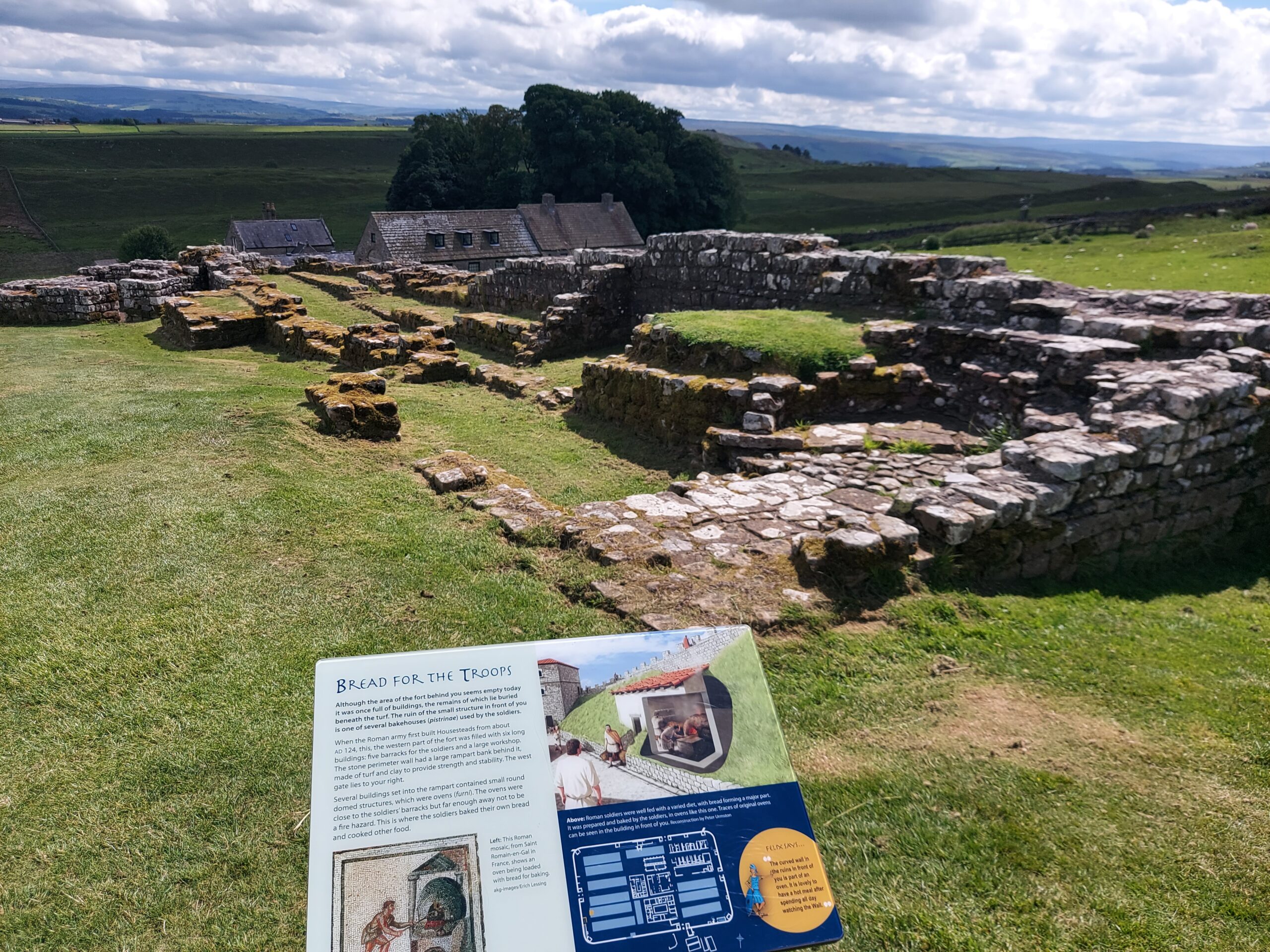
After visiting Vindolanda, I caught the bus to Housesteads. This is Britain’s most complete Roman fort, and I saw it briefly during my Hadrian’s Wall walk, as the fort lies along the Wall. It was nice to go back and explore it in a more relaxed fashion when I actually had the energy to do so.

Housesteads

The Visitor Centre at the bottom of the hill is currently closed, but when you climb the hill to the fort, toilets are available and there is also a small museum and shop. The fort has fantastic views of the surrounding countryside, and would have been an ideal defensive point for the Romans two millennia ago.

Housesteads


Originally named Vercovicium, the 5-acre Housesteads (named after a later farm on site) was home to around 800 soldiers and remained occupied for almost 300 years. The remains of gateways and a turreted wall can clearly be seen, as well as the commandant’s house, a hospital and – famously – a communal toilet block.

Housesteads

A civilian settlement existed on the south side of the fort, outside the boundaries. Here, two skeletons were found, beneath an apparently newly-laid floor, leading the location to be nicknamed the “Murder House”. The settlement – known as the vicus – was abandoned in around AD270, over a century before the Romans left the fort itself, around AD409.

FACTS

Address: Hexham, NE47 6NN

Website: english-heritage.org.uk/visit/places/housesteads-roman-fort-hadrians-wall

Opening Hours: 10am – 5pm

Price: Adult £16.50, child £7.50. Joint tickets available with the Roman Army Museum.

Vindolanda Roman Fort

Vindolanda

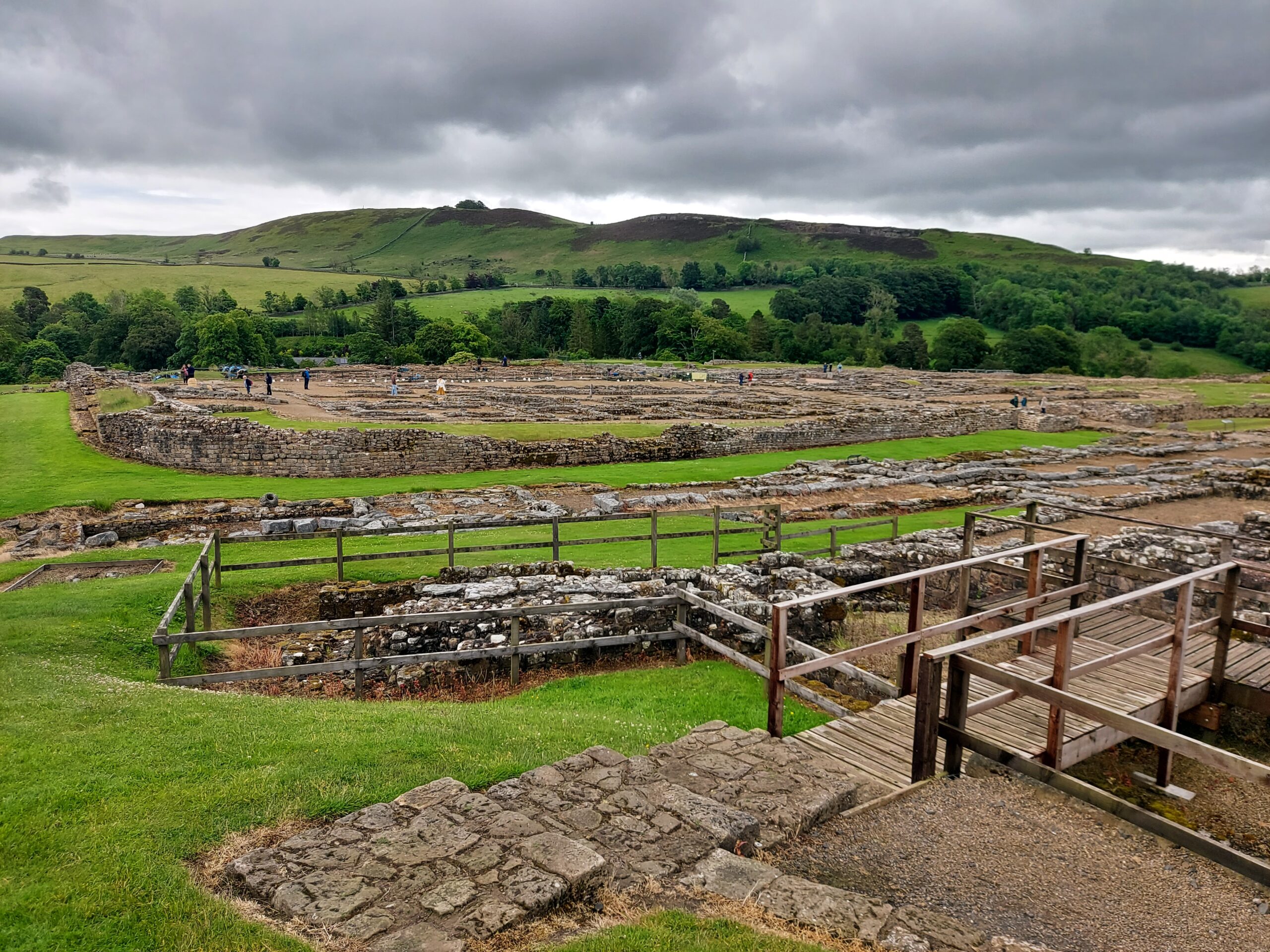
During a holiday at a nearby glamping site, I spent time visiting all the Roman forts and historical attractions in the vicinity of Hadrian’s Wall. The first one I visited was Vindolanda, and it was fantastic – if you can only visit one Roman fort, make it this one.

Vindolanda does not sit alongside Hadrian’s Wall, but next to the Stanegate Road, the first Roman frontier in the north. Occupied for over 300 years, it was founded long before the Wall was constructed. The site is run by the Vindolanda Charitable Trust, founded in 1970. This group was founded in order to excavate and investigate the site, and excavations are ongoing to this day. Some of the discoveries include a bath house, commanding officers’ residences, barracks, civilian houses and workshops, latrines, a strong room and a Roman Celtic temple. There is also a post-Roman mausoleum and Christian church. Small sections of Hadrian’s Wall have been replicated on-site in turf, timber and stone.

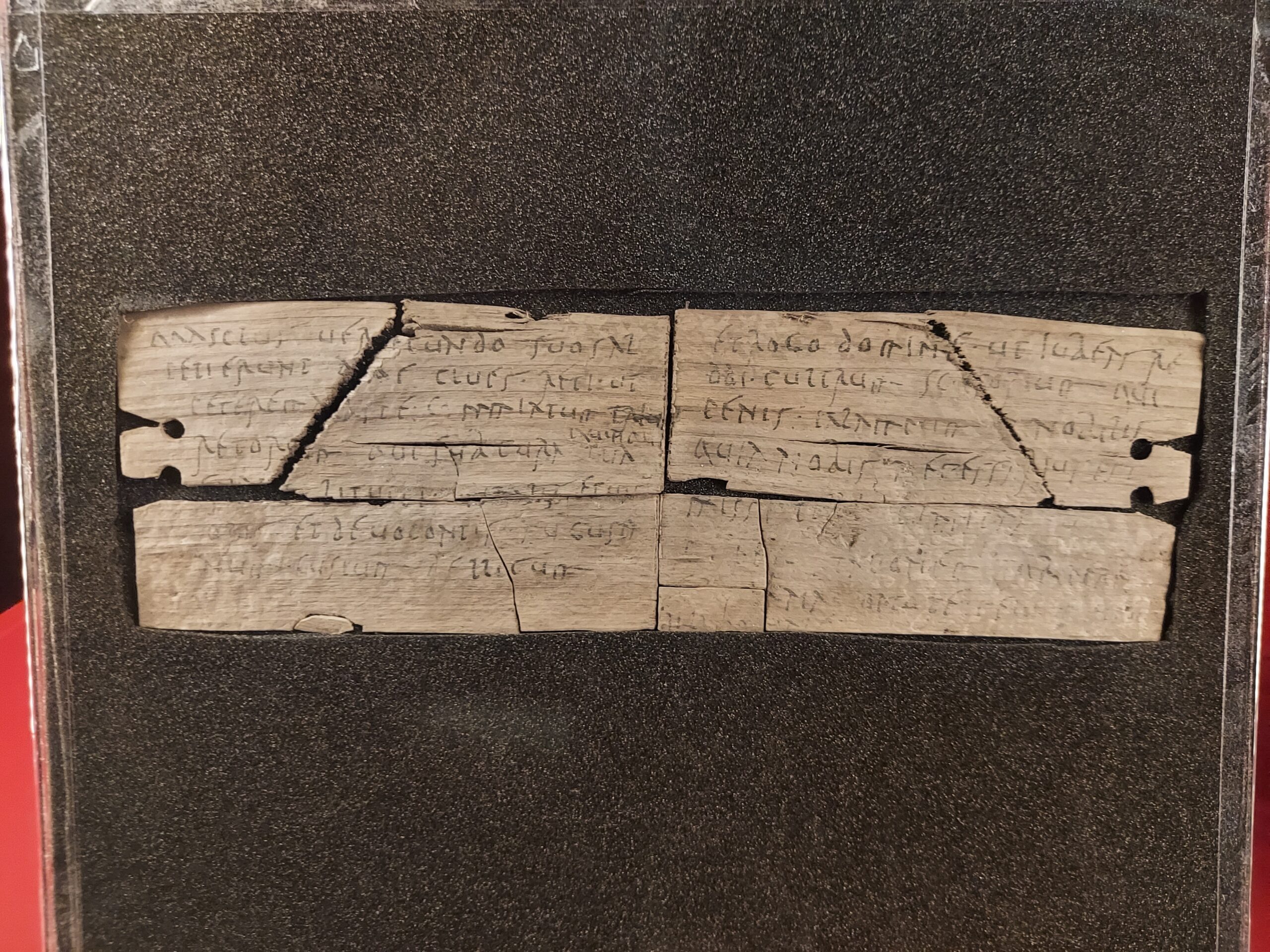
A writing tablet

Probably the most famous discovery from Vindolanda is that of the well-known writing tablets. These are delicate slivers of wood covered in writing, preserved thanks to the oxygen-free environments of buried early wooden forts. The tablets offer insights into everyday life at Vindolanda, and are absolutely fascinating. One commander asks for more beer to be sent, as the soldiers have none; a military wife welcomes a visit from the wife of a nearby camp commander in order to ease her boredom.

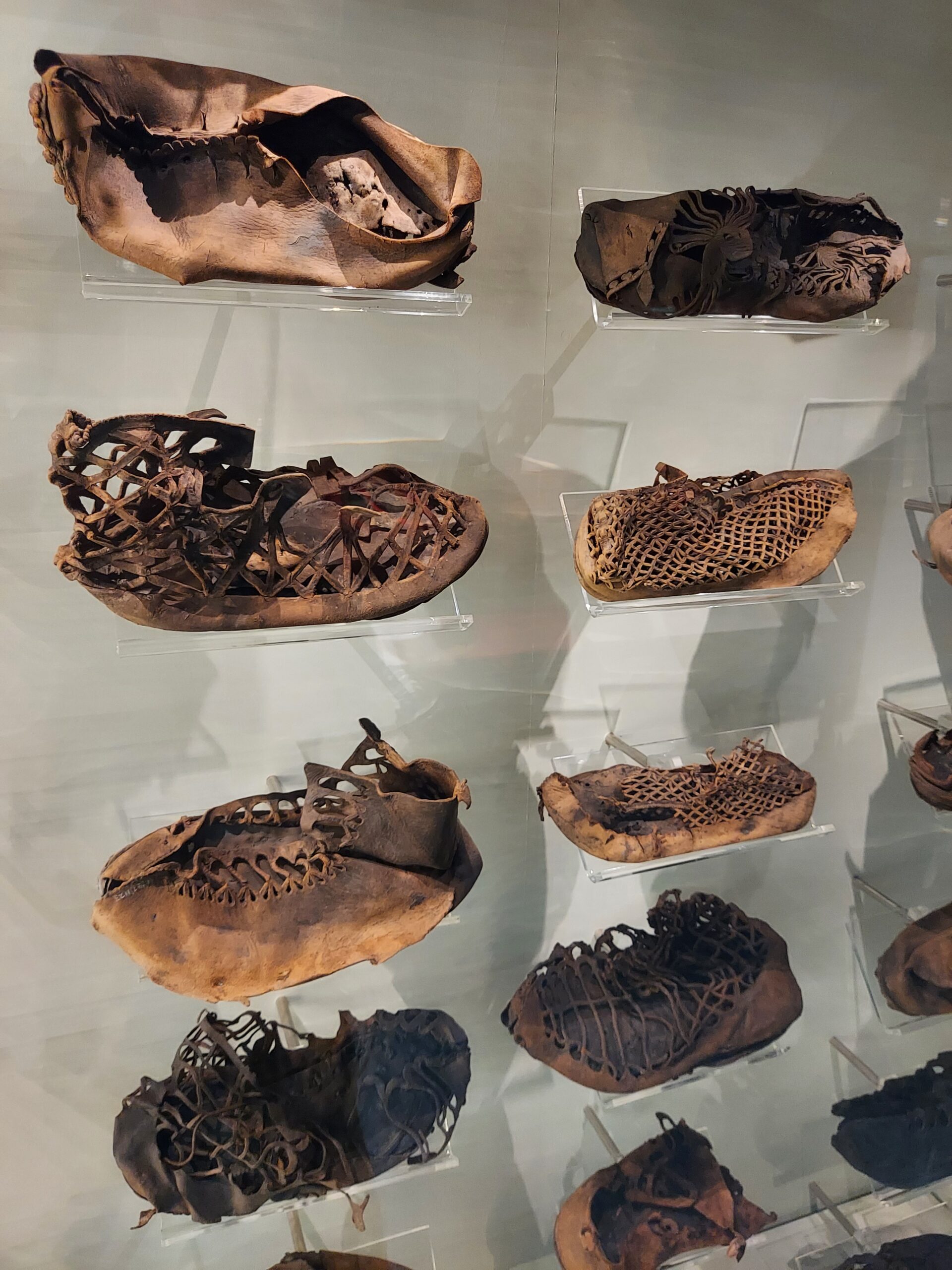
Shoes found at Vindolanda

Other items have been preserved in the unique conditions here, including very many leather shoes, which are displayed in a striking case within the informative museum. Vindolanda actually has the largest collection of Roman leather items anywhere in their historical Empire, including bags and purses as well as shoes. Wooden objects have been discovered too, including parts of furniture, tent pegs and combs, as well as the more usual jewellery, weapons and bones.

I took a guided tour during my visit which was fascinating. Our guide told us about the history of the site and more information about the people who lived and worked there. I was particularly amused to hear about the sausage seller – Roman fast food!

Vindolanda

The site at Vindolanda is large and I think it would be possible to spend an entire day there. Sadly I had to leave in time to get the bus to the next place. There is a lovely café in the same building as the museum, so you can stop for a break.

FACTS

Address: Hexham, NE47 7JN

Website: vindolanda.com

Opening Hours: 9:30am – 5pm

Price: Adult £16.50, child £7.50. Joint tickets available with the Roman Army Museum.

Segedunum Roman Fort

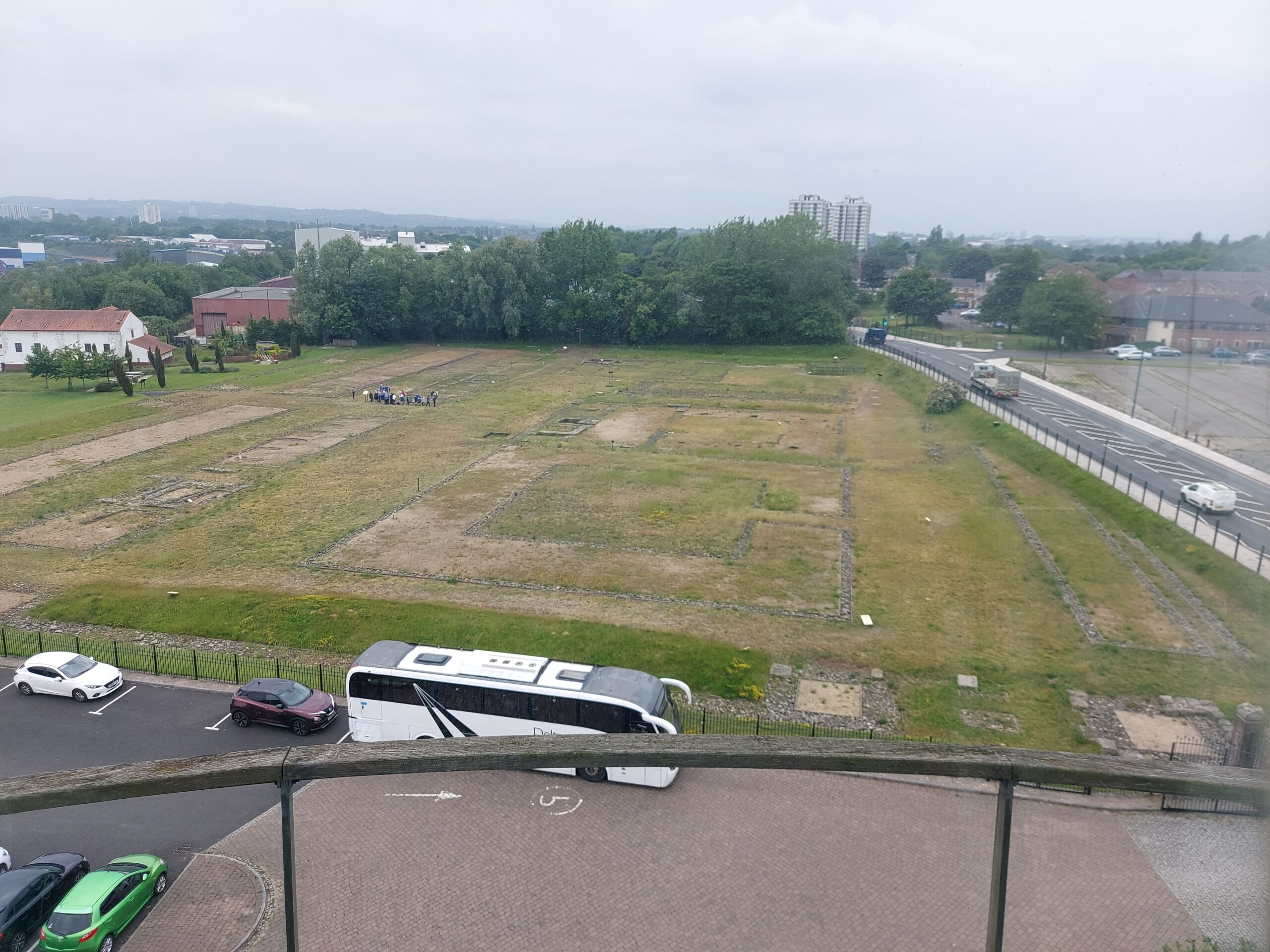
Aerial view of the fort

I took advantage of a day off to visit Segedunum Roman Fort. This was the starting point for last year’s Hadrian’s Wall walk, but we didn’t have time to actually visit, and I wanted to change that.

The fort stood at the eastern end of Hadrian’s Wall, built around AD125, a few years after the construction of the main Wall, and was home to Roman soldiers for nearly 300 years. The site of the fort, on a plateau on the north bank of the river Tyne, was perhaps chosen because of the views eastwards downriver towards South Shields, and upriver towards Newcastle. The name ‘Segedunum’ means ‘strong fort’. 

The museum contains information about the construction of the fort, the people who lived and worked here, and the role the fort played defending the Roman frontier. Before the fort was built, the area was mostly farmland, part of the territories of the Brigantes tribe. People would have lived in farmsteads, around a 15 minute walk apart, made up of roundhouses surrounded by earth banks and ditches. In between the ditches were fields for crops and pasture for animals. Cattle and other animals might have lived on the ground floor, with people living above them. When the Romans arrived to build the fort, they confiscated the land.

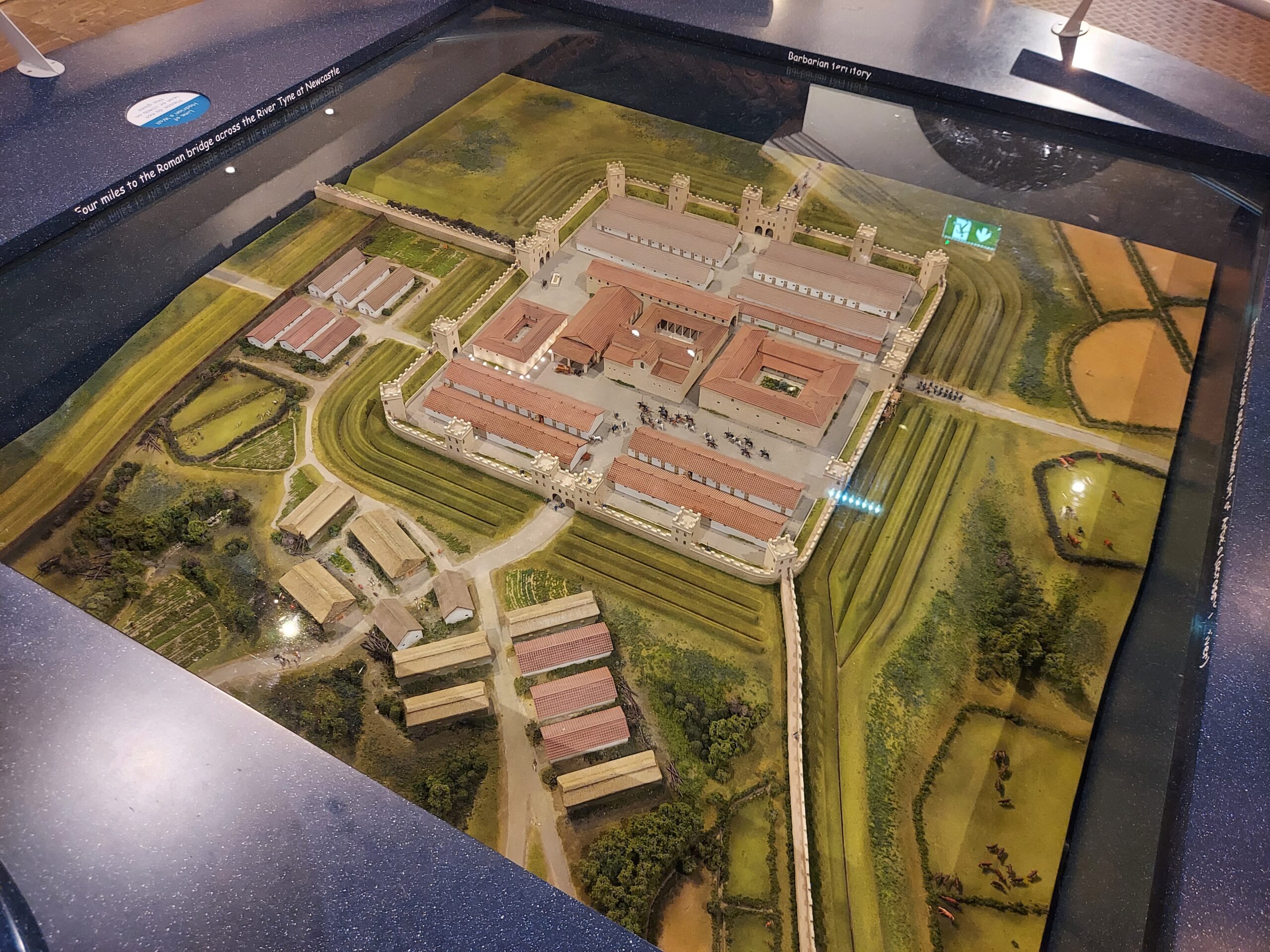
Model of Segedunum

When first built, the barracks were made from timber, though they were later rebuilt in stone. Eventually, these stone buildings were demolished and replaced by new back-to-back barracks. A stone hospital was also demolished at this time. Later, the west gates area seems to have become a marketplace. Use of the site probably ended in around AD380.

The site as it exists today is one of the most completely excavated forts anywhere in the Roman Empire. It is laid out as it would have been in AD200. Visible are walls and gateways, granary stores, barrack blocks and the Commanding Officer’s house. There is also a hospital and, discovered more recently, the foundations of a bath house. Part of Hadrian’s Wall can also be seen here, alongside a reconstruction of the Wall.

FACTS

Address: Buddle Street, Wallsend, Newcastle upon Tyne, NE28 6HR

Website: northeastmuseums.org.uk/segedunum

Opening Hours: Mon-Sat; hours vary depending on season

Price: Adults £7.75* | Concessions £5.50* (*includes £1 voluntary donation) | Young people 21 and under and all NE28 residents FREE

The King’s Observatory

The Royal Observatory

I’ve been trying to get a ticket for a King’s Observatory tour for years. Finally I managed it, as tickets were coincidentally available for a day I was in London.

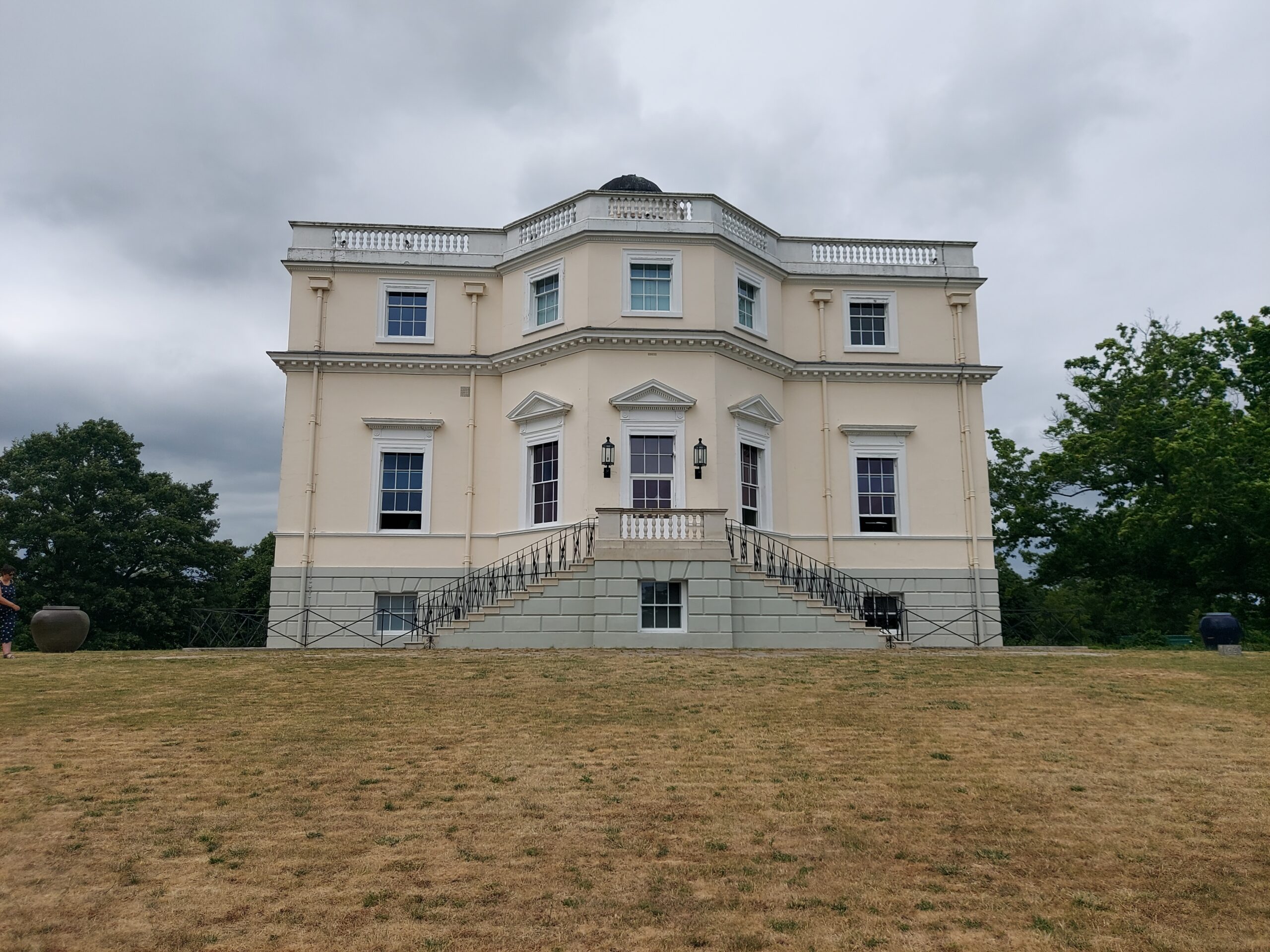
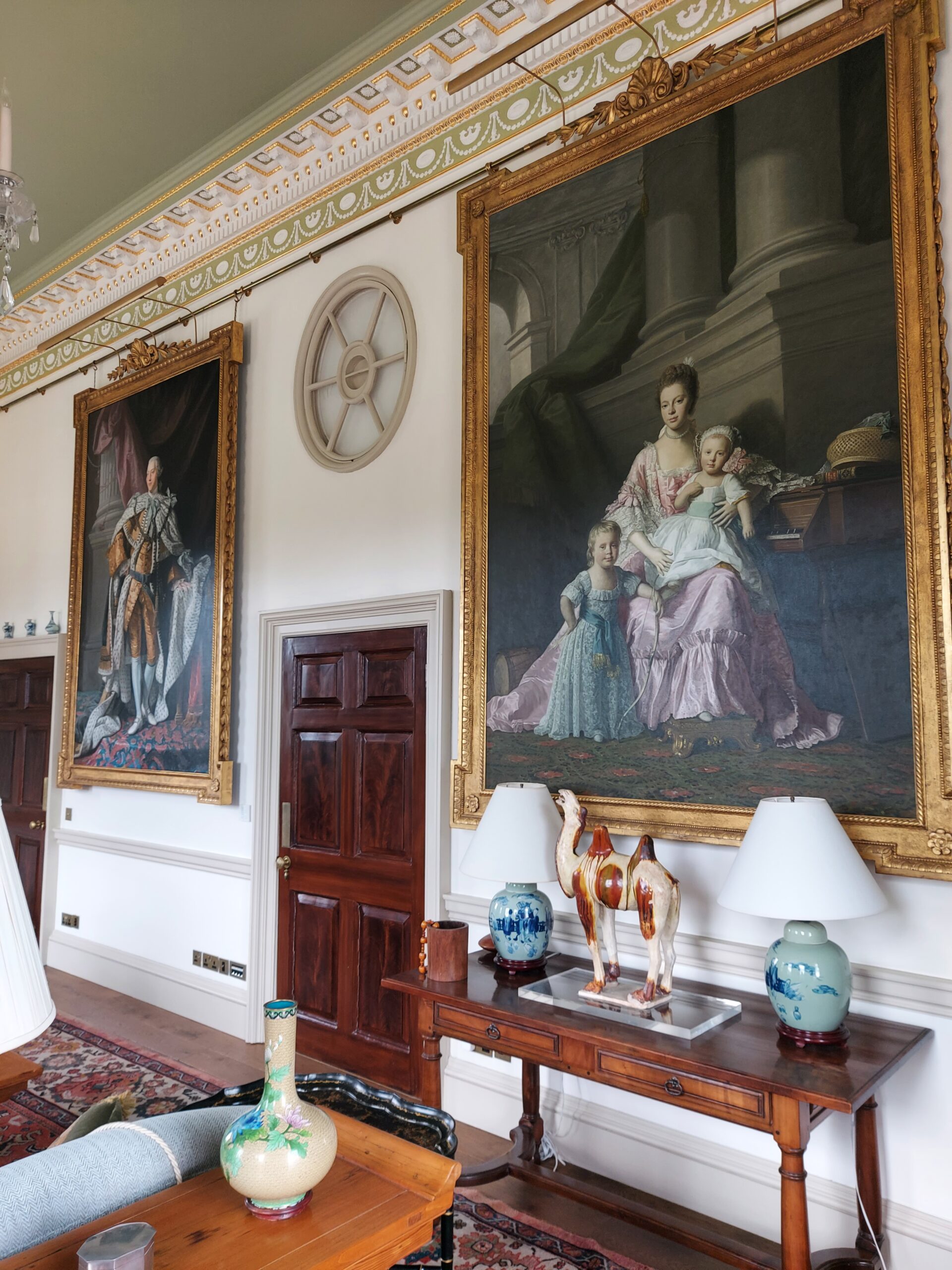
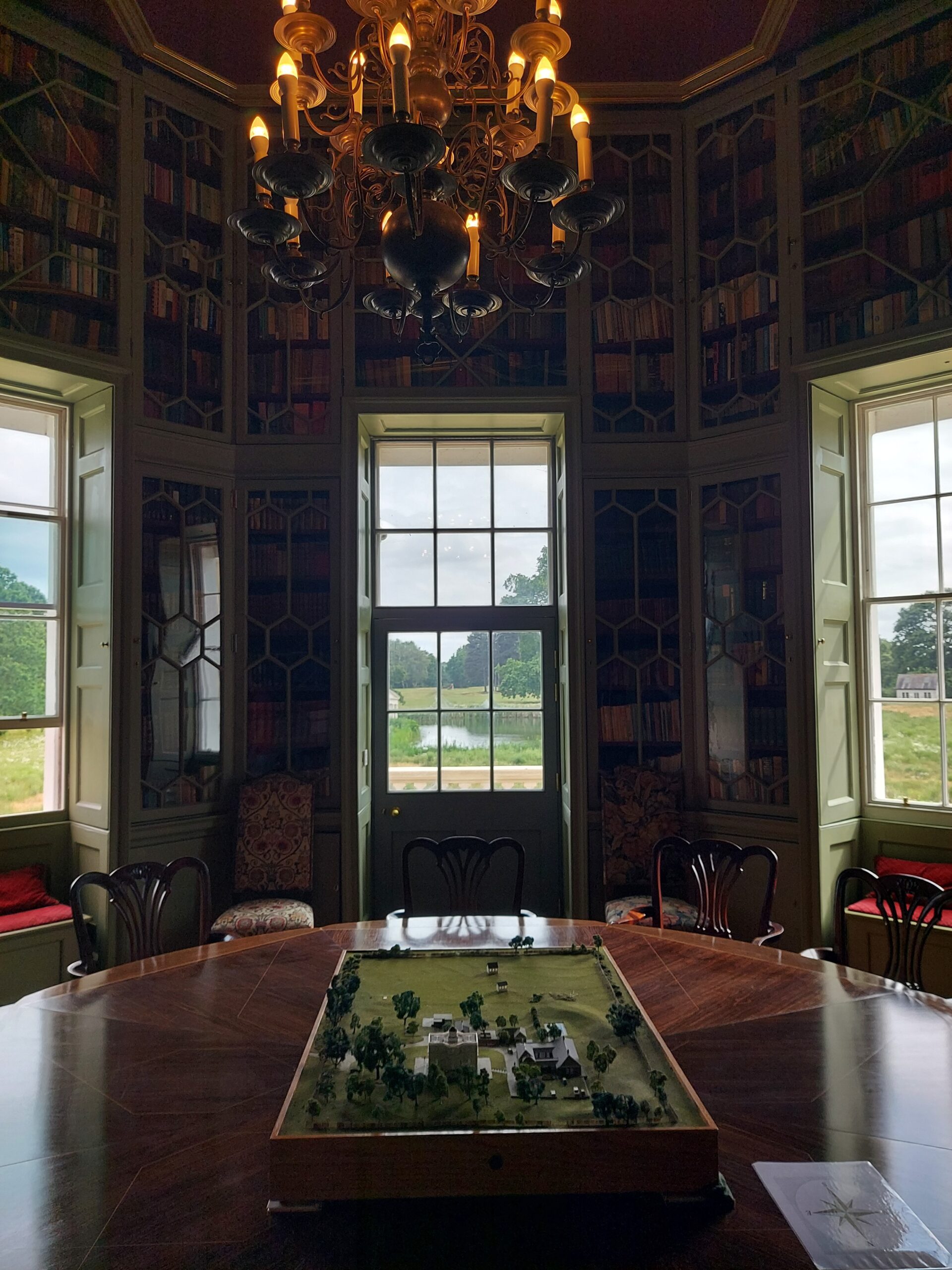
The King’s Observatory is located in Richmond, a Grade 1 listed Palladian house commissioned by King George III in 1769 and designed by architect Sir William Chambers. Originally built to observe the transit of Venus, it holds the world’s oldest surviving revolving observatory dome.

The sitting room

As the building is now a private residence, it is usually out of bounds to the public, but visits are possible on occasional guided tours. It can be reached via the Royal Mid-Surrey Golf Club grounds and is situated in Old Deer Park.

I enjoyed my tour around this beautiful building, with a comprehensive library, stunning artefacts and a grand reception room. The most exciting part of the tour was getting to go upstairs and look closely at the observatory dome.

The library

Roman Fort gate tour

The Wall


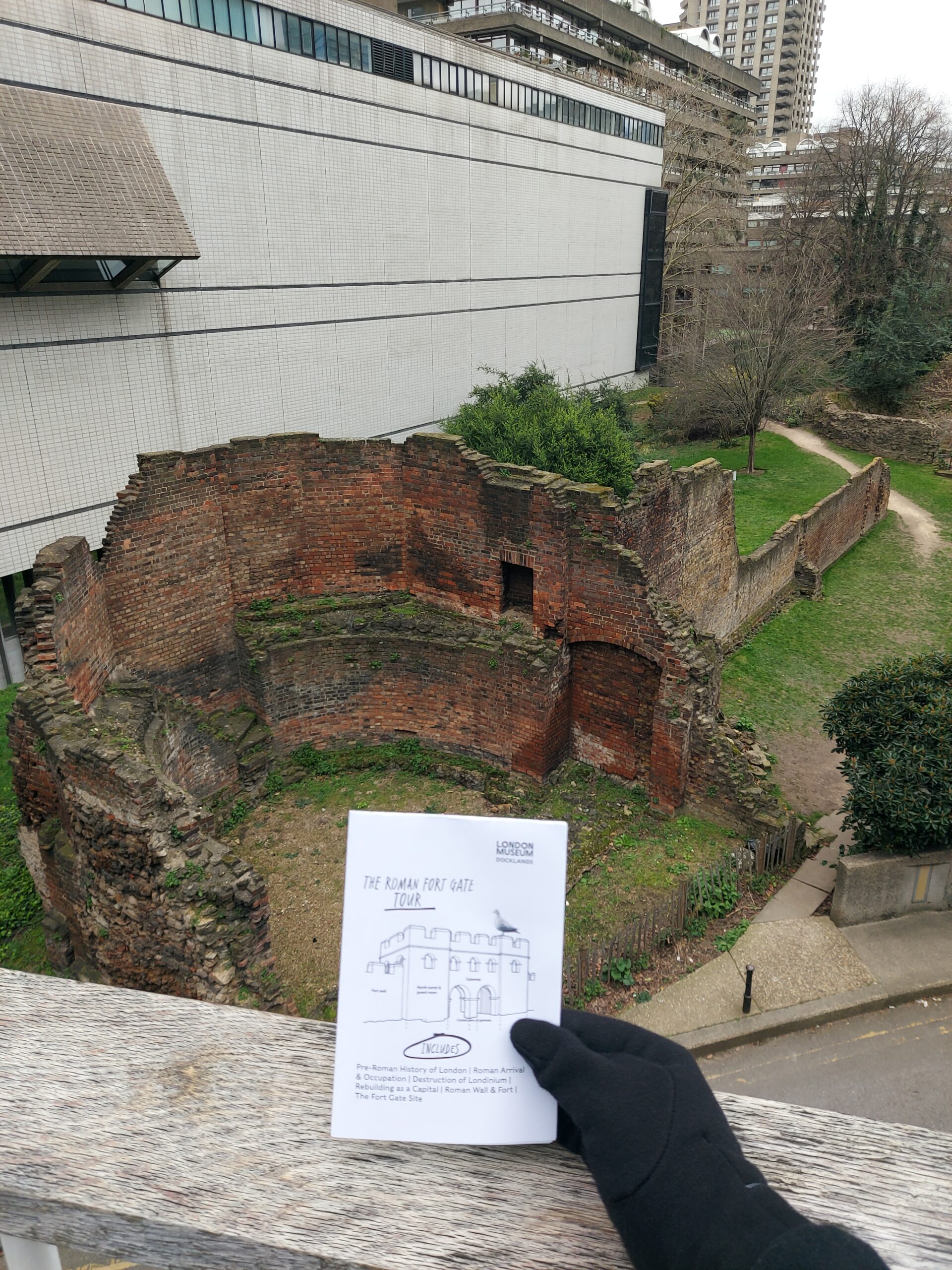
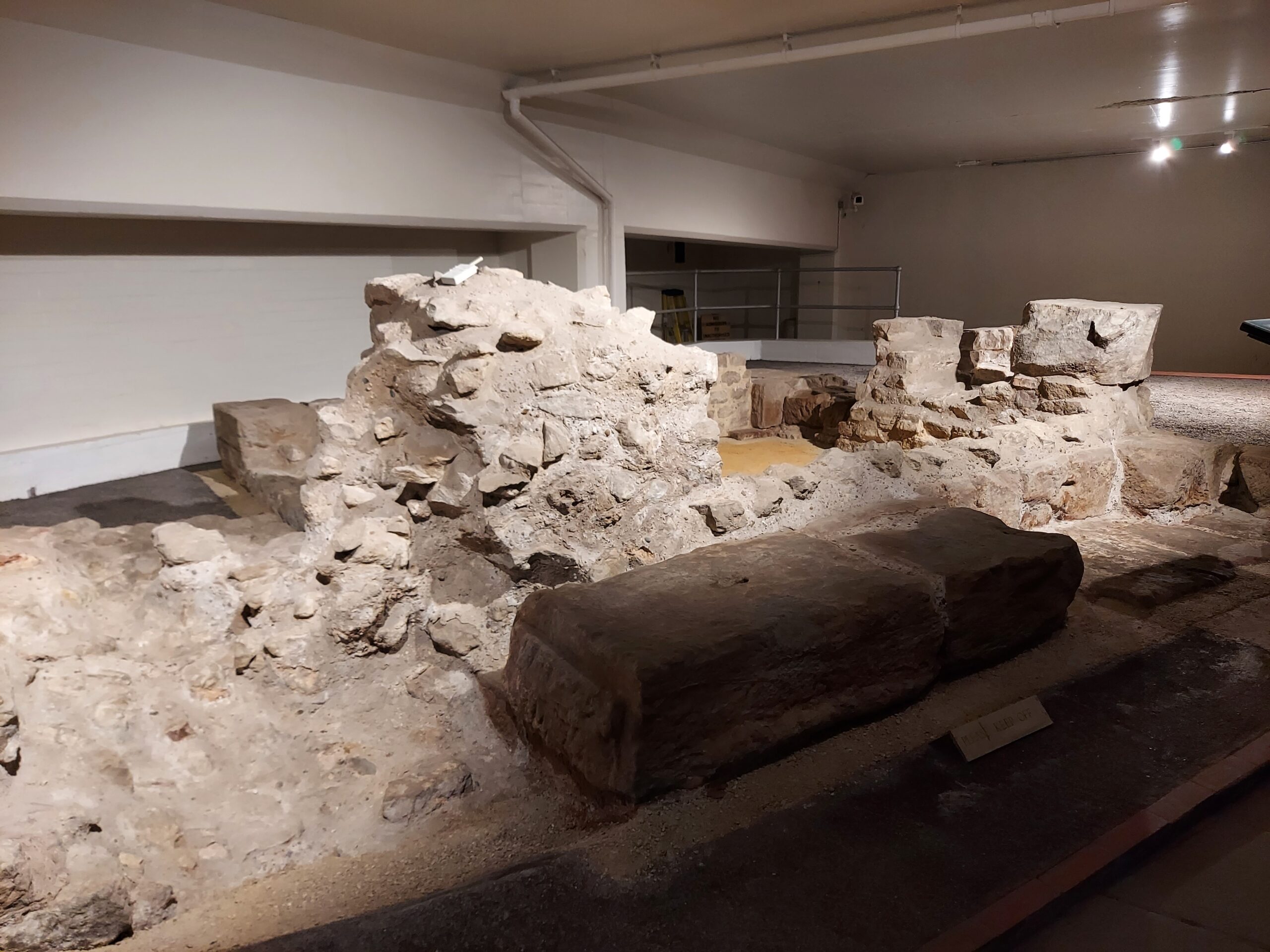
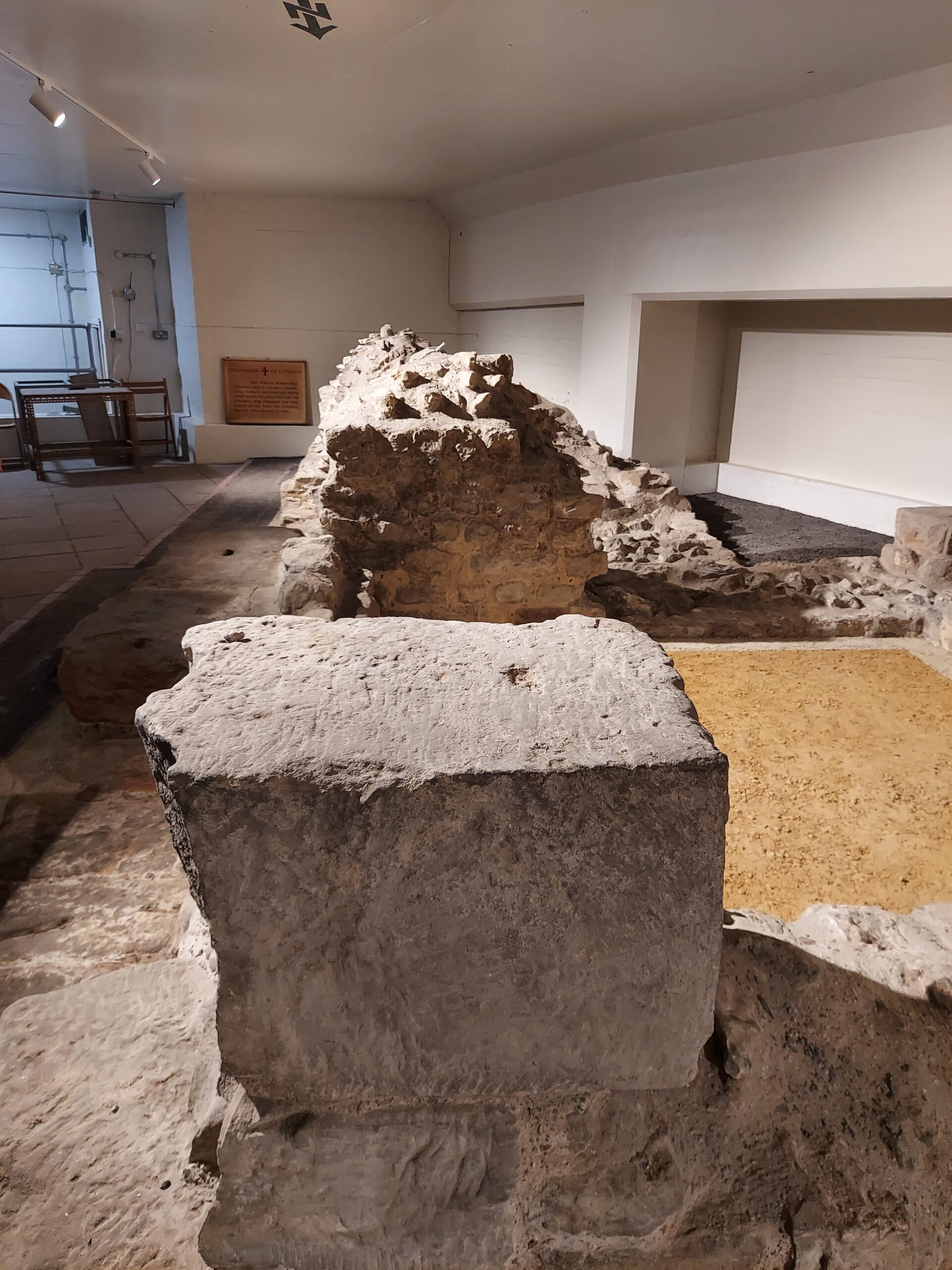
While I was down in London, I signed up for a tour of the west gate of the Roman fort in the City of London. Located near the now-defunct Museum of London, the fort remains are located in an underground car park, a mundane yet oddly exciting site.

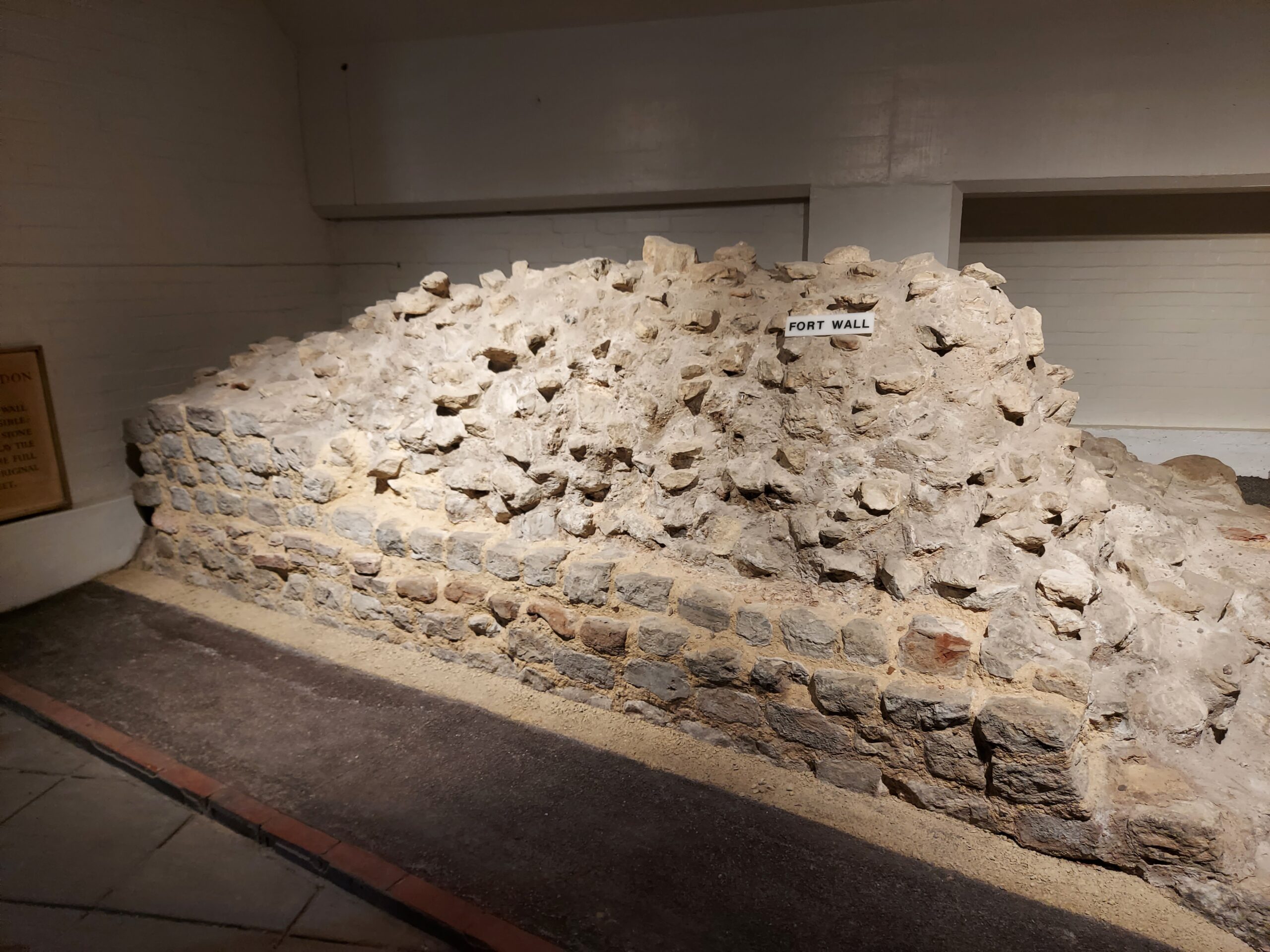
The Cripplegate Roman Fort, built around 110 AD, was rediscovered in the 1950s. It was originally home to a city garrison of approximately 1,000 soldiers and was later incorporated into the London Wall. The stone walls rose to a height of five metres, and the fort covered 12 acres. Square in shape, it measured 200 metres along each length.

Famously, parts of the ancient London Wall have always been visible from the Museum of London, a testament to the city’s Roman past. The walls formed a barrier between the Romans and the native Britons, and along with the gate were fortified during the medieval period to protect the citizens of London. After that, they gradually fell into disrepair.

The different parts of the gate can be made out, from the central piers of the gateway to the north turret and guardroom and even parts of the fort wall. It was fascinating to see these ruins and imagine how they might have looked in their prime.

Medieval Wine Tour

After doing Unreal City Audio‘s Coffeehouse tour, I decided to book onto the Medieval Wine Tour one hot August day. This tour is also run by Dr Matthew Green and we met at the Guildhall before heading off to explore medieval London through the medium of wine. Throughout the tour we got to sample plenty of medieval-style wine, and I ended the tour feeling rather tipsy.

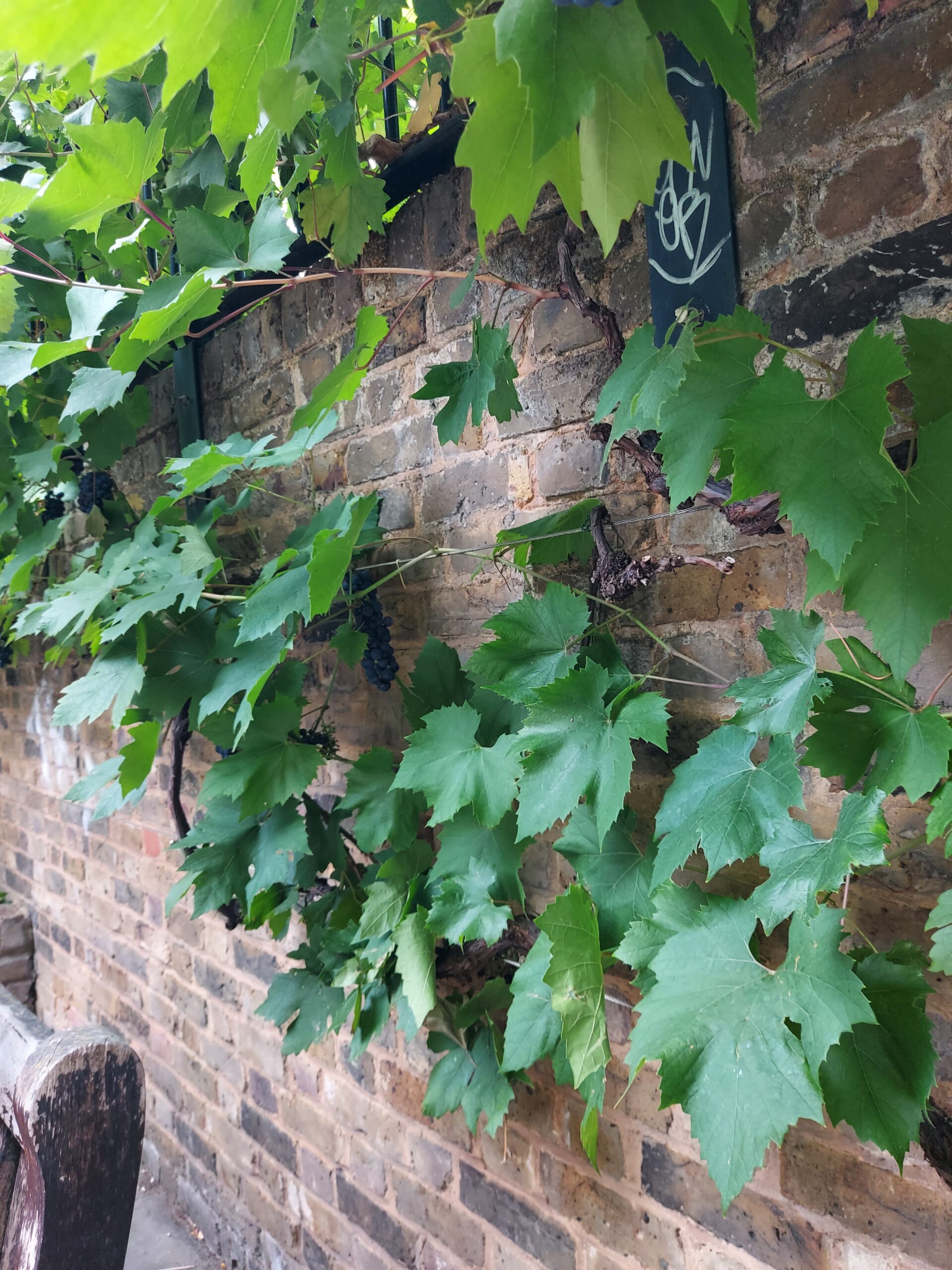
Throughout the tour we explored Roman London, Cheapside and Queenhithe, hearing stories of scheming vintners, bloodthirsty murderers, obsessive anchorites and attempts to grow grapes in the London climate. The tour was very entertaining and thoroughly enjoyable.

vines on a wall

Chesters Roman Fort

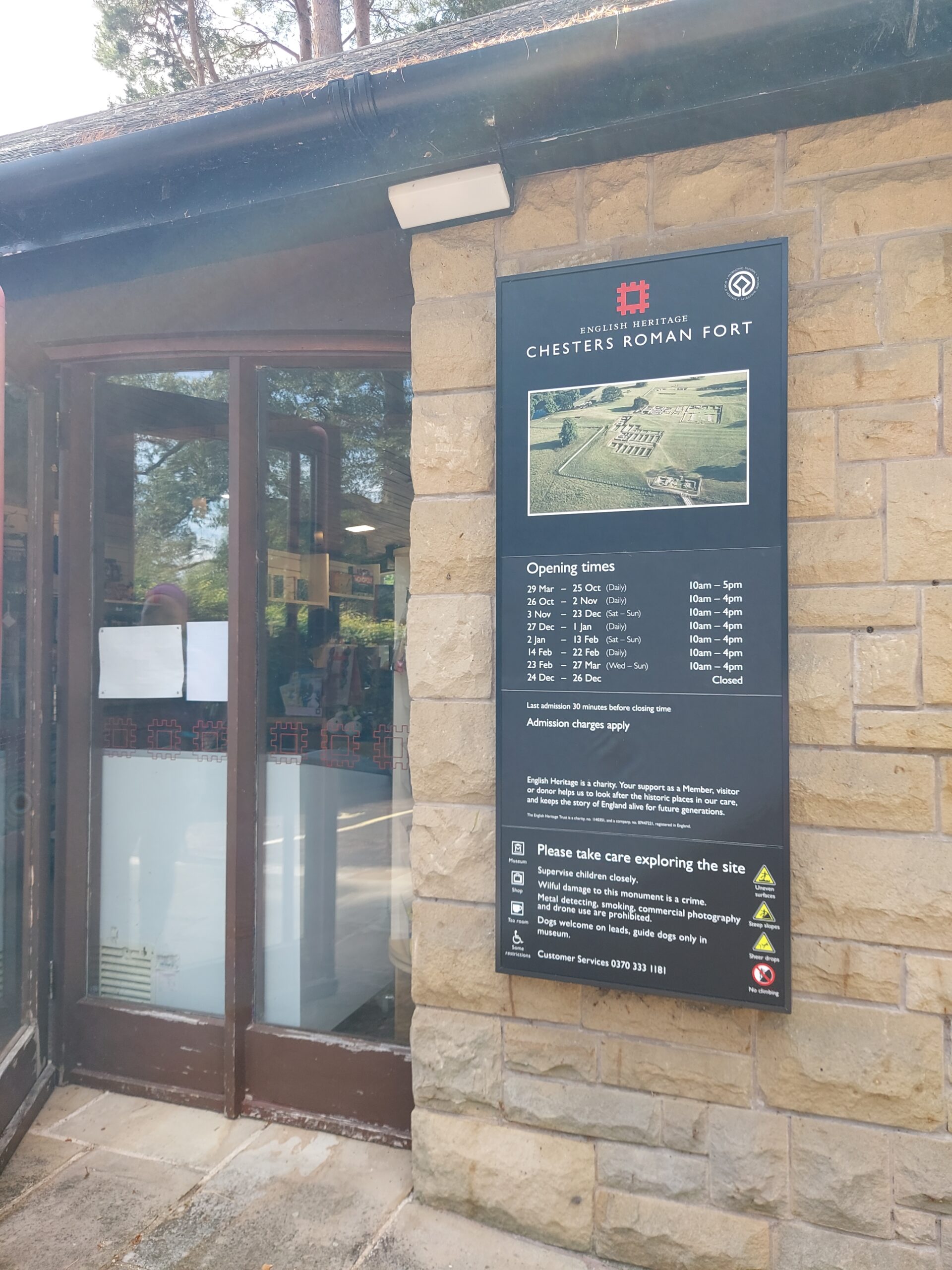
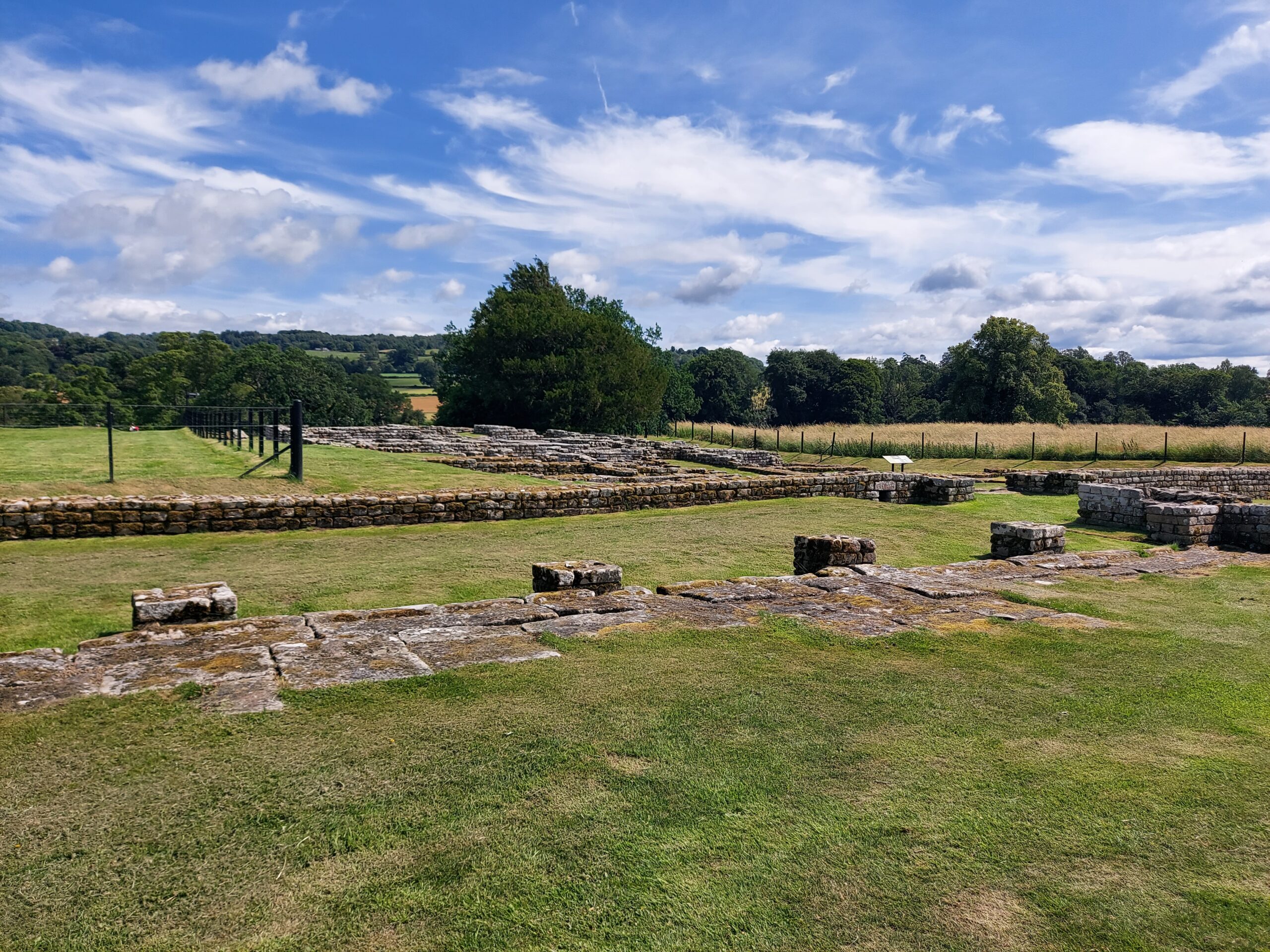
Before embarking on the rest of my Hadrian’s Wall trek, I decided, along with my walking friend Heather, to visit Chesters Roman Fort. Located in the village of Chollerford in Northumberland, it was known to the Romans as Cilurnum and has been called the best-preserved Roman cavalry fort in Britain.

Entrance to Chesters Roman Fort

Cilurnum was built in CE 124 on the banks of the North Tyne. It was home to around 500 cavalry troops for almost three centuries. The fort was originally uncovered by John Clayton, a Victorian antiquarian.

The fort

The fort

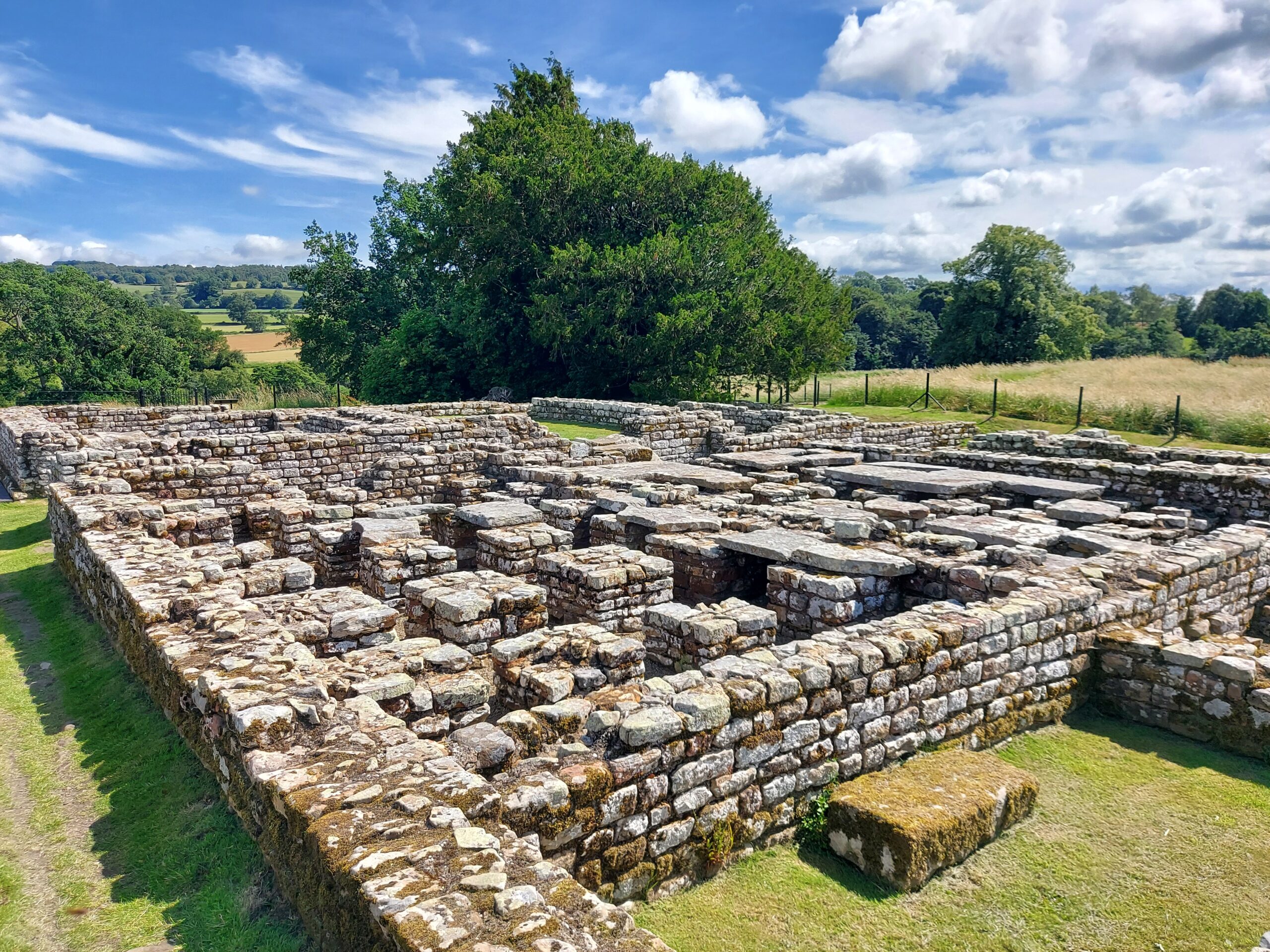
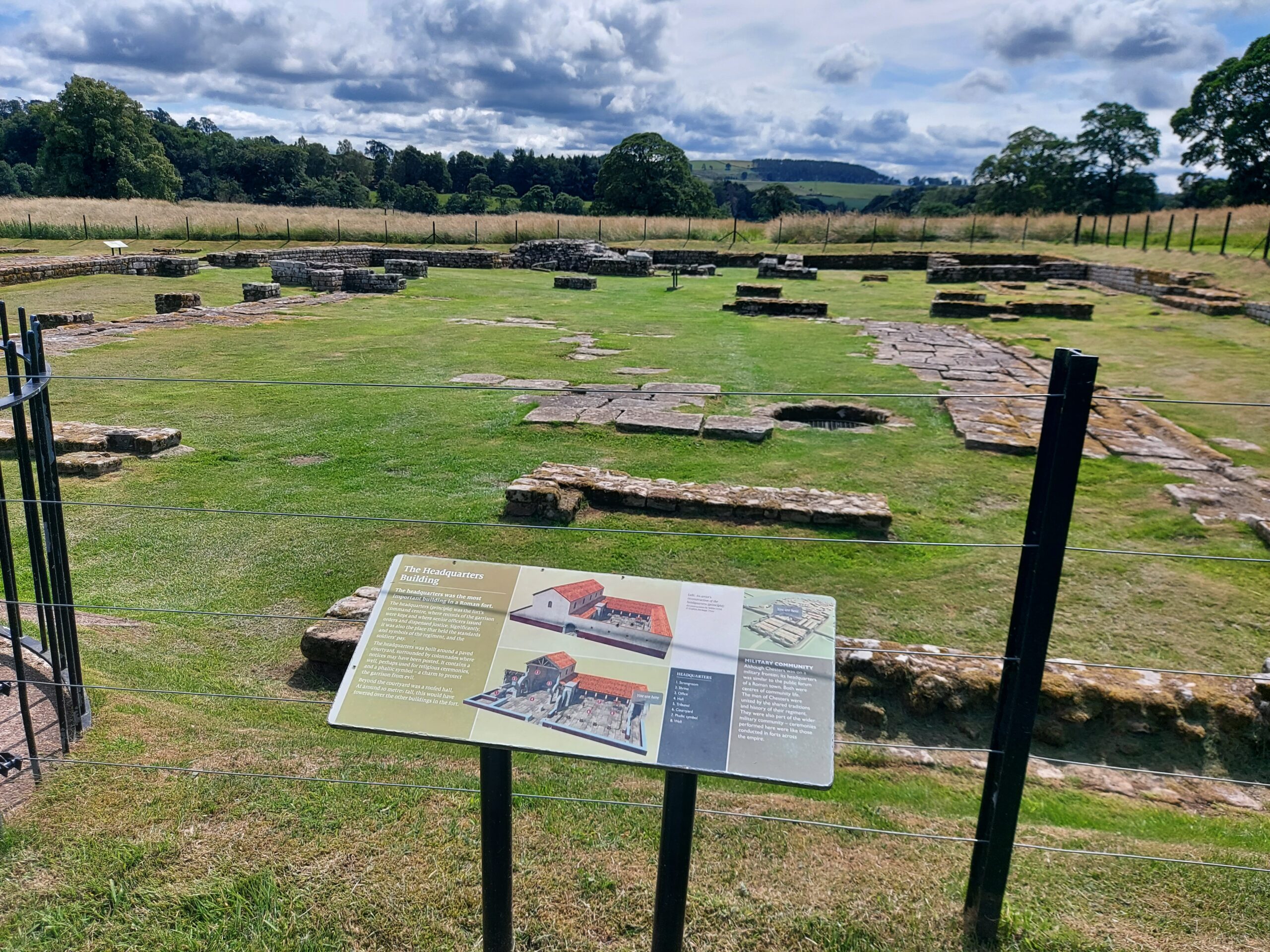
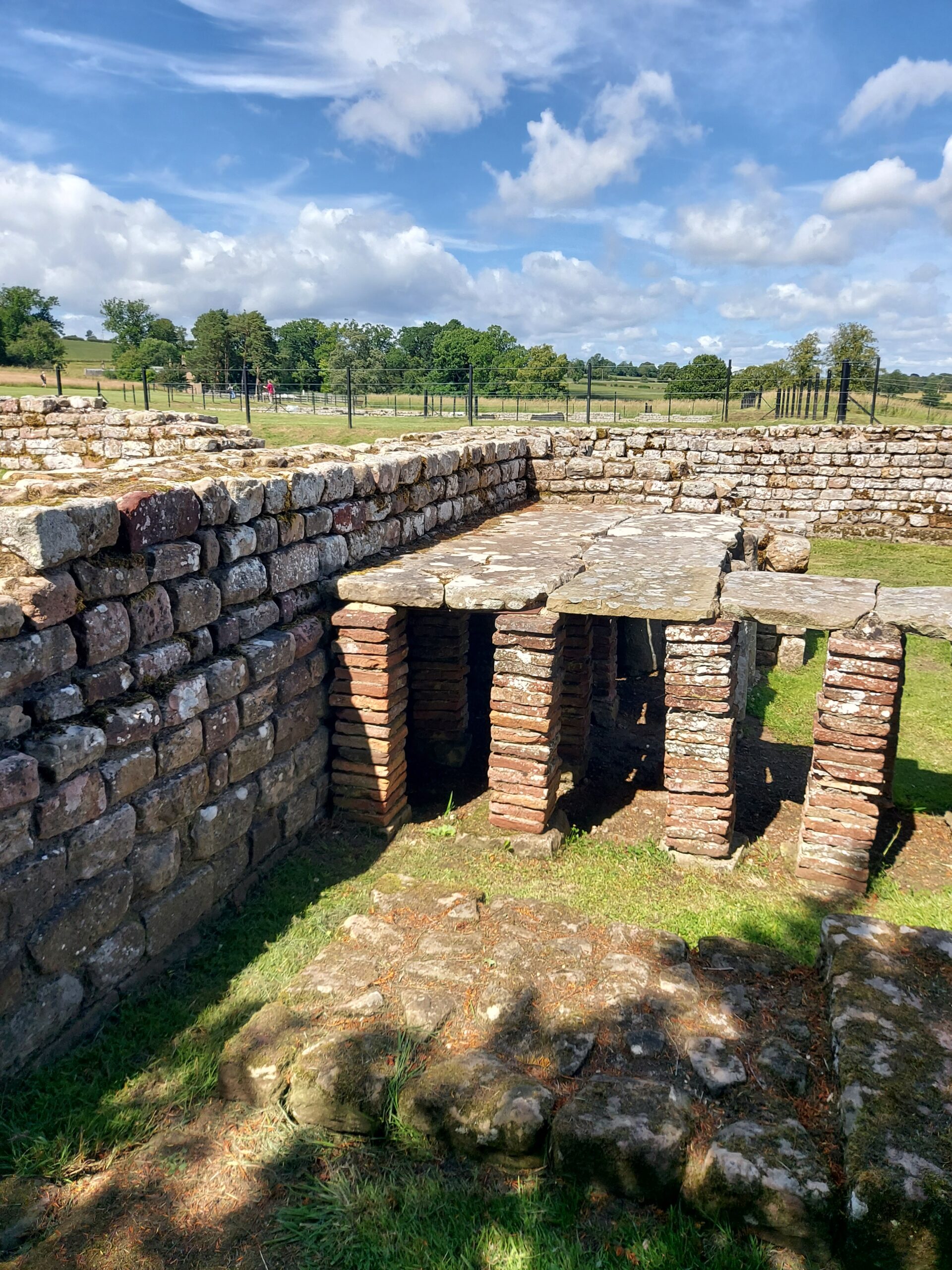
On arriving at Chesters, we first joined a tour of the site. Our guide was really interesting and informative and showed us the principal gates, the headquarters building, the stables and even the external bathhouse, which was particularly impressive.

Headquarters Building

Bathhouse

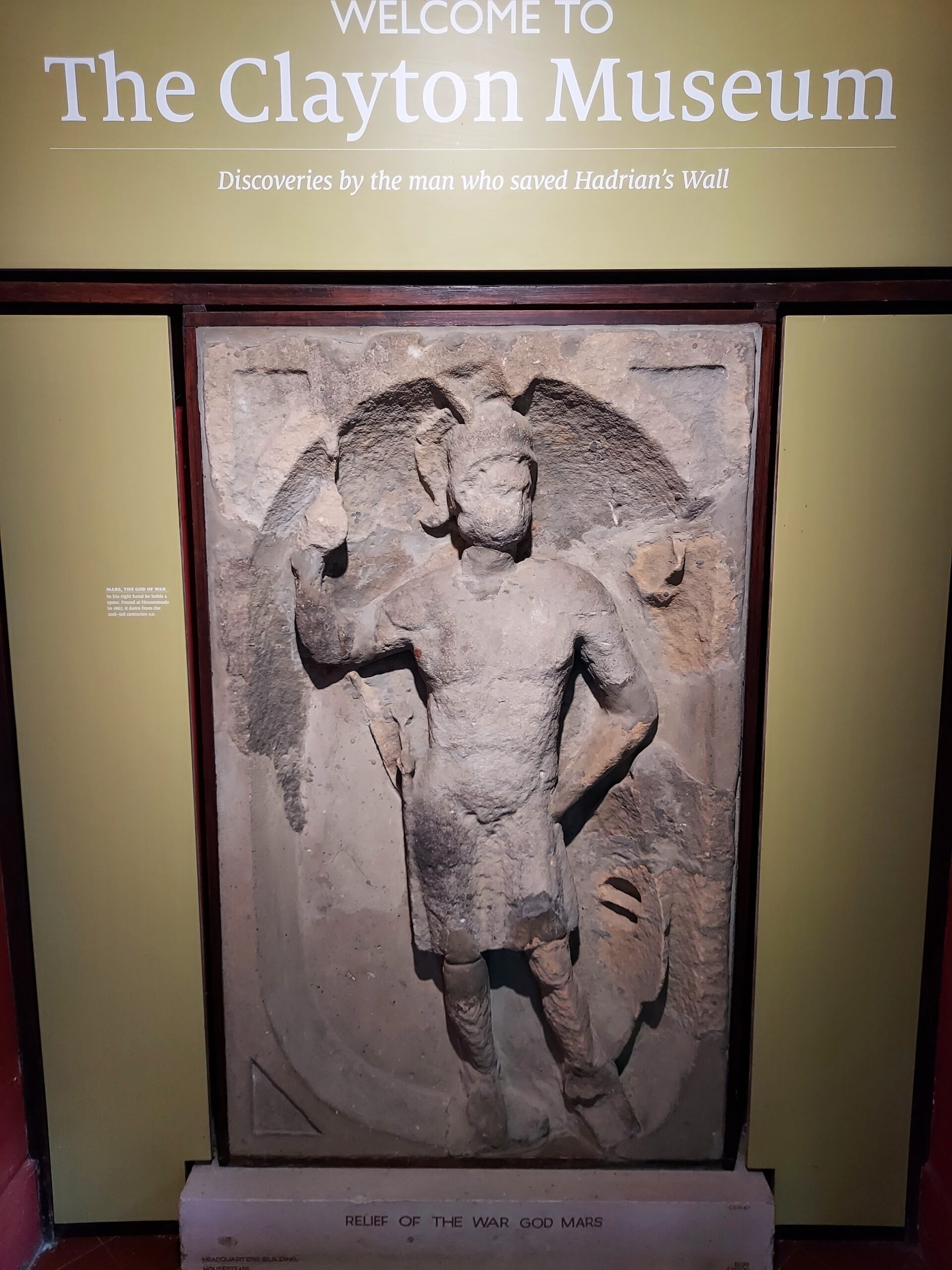
We then visited the Clayton Museum, home to several Roman artefacts from the area and nearby, including Coventina’s Well.

Clayton Museum entrance

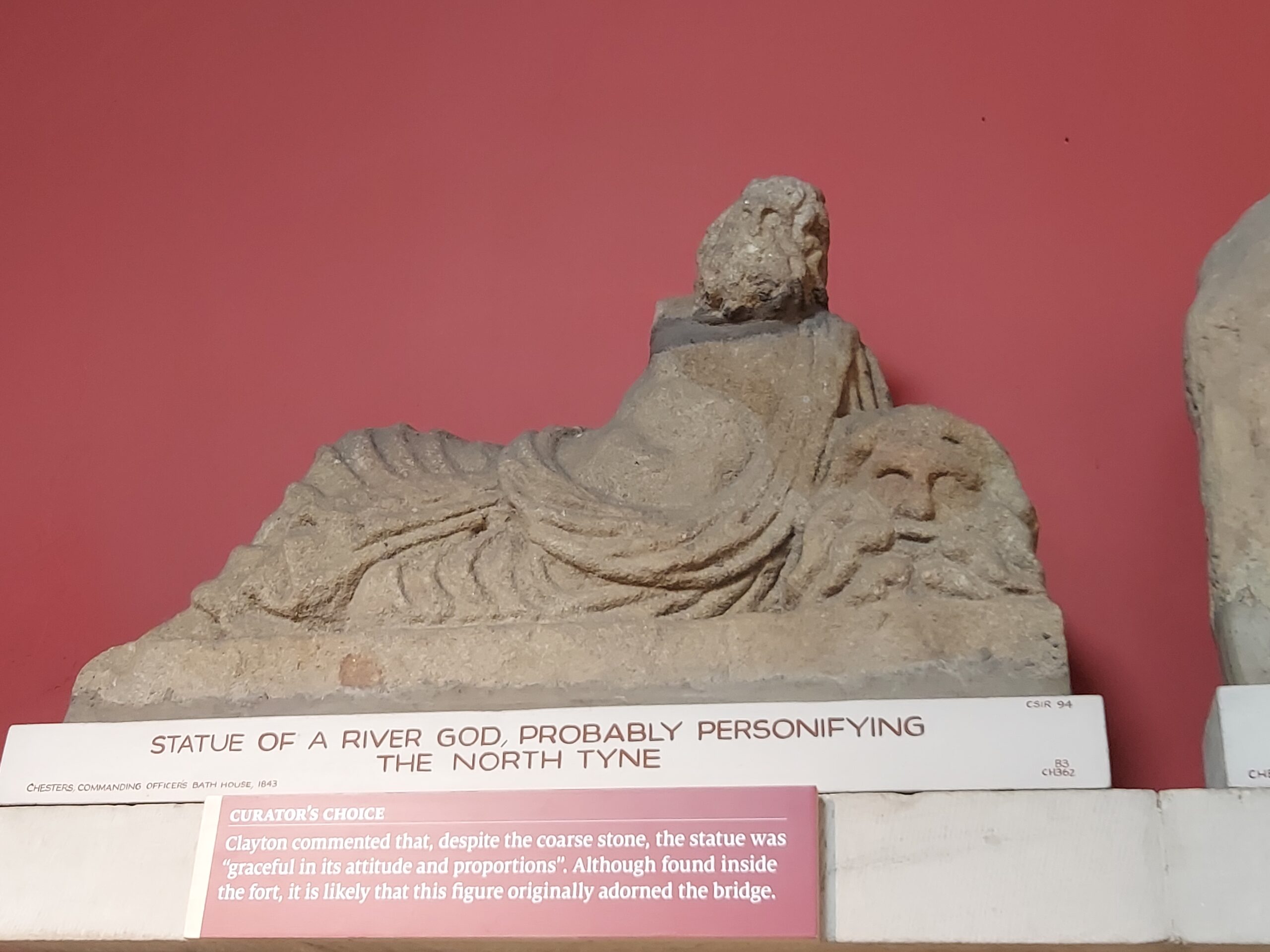
Statue of a river god, possibly representing the North Tyne

We got our passports stamped before heading back to the Hadrian’s Wall path. Our visit was great fun and really helped put the Wall into context, imagining the Roman soldiers who once stayed here and walked the Wall.

FACTS

Address: B6318, Chollerford, Hexham NE46 4EU

Website: english-heritage.org.uk/visit/places/chesters-roman-fort-and-museum-hadrians-wall/

Opening Hours: Daily 10am-5pm

Price: Adult £11.90, child £5.95, concession £11.05

The Coffeehouse Tour

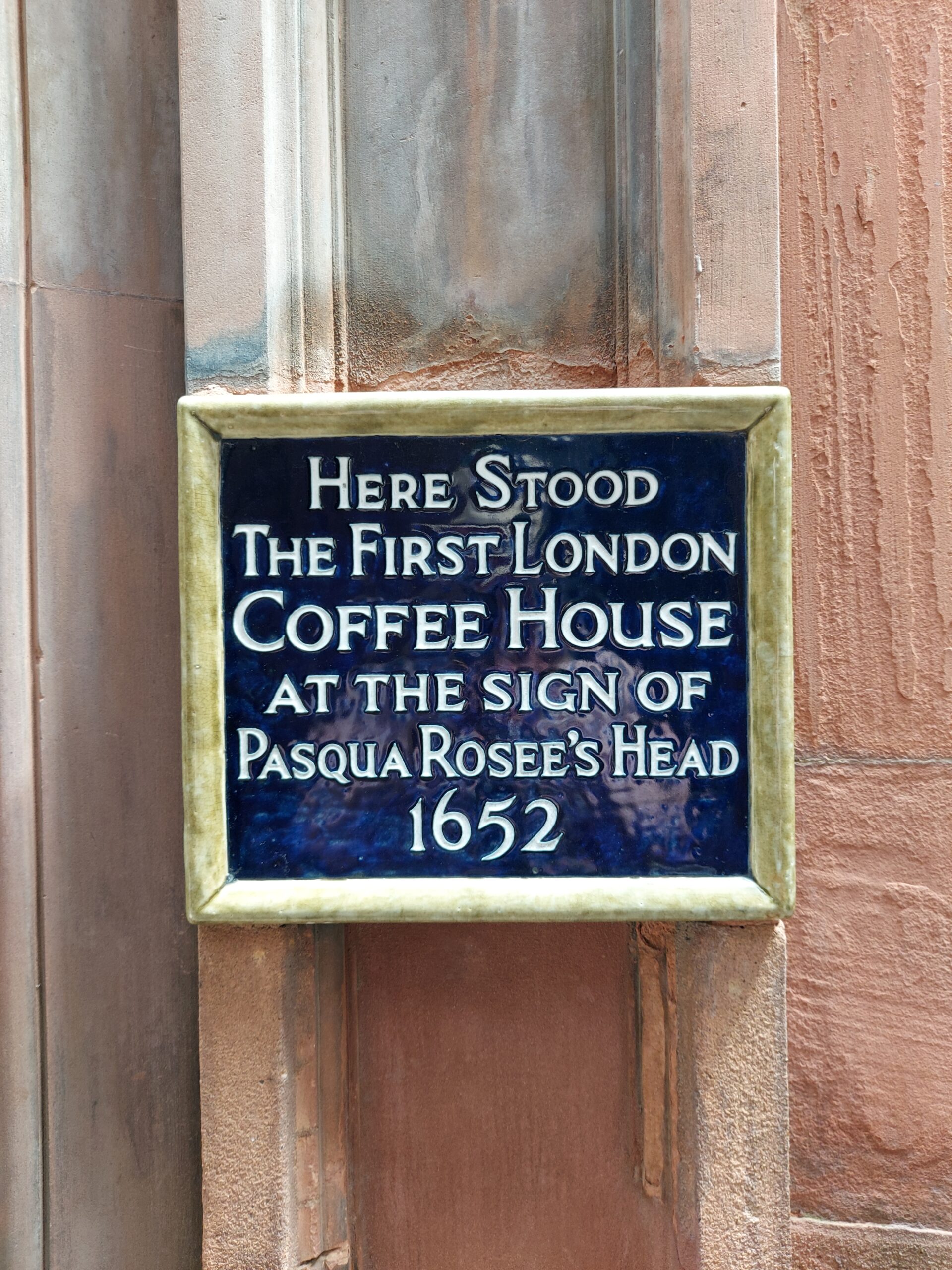
Plaque that reads 'Here stood the first London coffee house at the sign of Pasqua Rosee's Head 1652'

I’ve been meaning to do one of Unreal City Audio‘s tours for a while, and finally got round to it today. I’m currently working on the Rebel Badge Club Barista badge, so it seemed the perfect time to do the Coffeehouse Tour.

The tour is run by Dr Matthew Green and he took us on a fascinating journey of the history of the London coffee house craze of the seventeenth century. We got to see sites of coffee houses, learn about their role as centres of news, gossip and scientific development, the disappointing fact that women were not permitted, and some of the individuals behind these places. At the same time we got to sample some almost-authentic Turkish coffee of the era (I say ‘almost’ because the modern recipe left out some of the more unpleasant ingredients, such as cat wee and spit, much to my relief). Surprisingly it was quite palatable, though thicker, saltier and altogether more savoury than modern coffee.

Overall, I thoroughly enjoyed the tour and I definitely want to do another one.

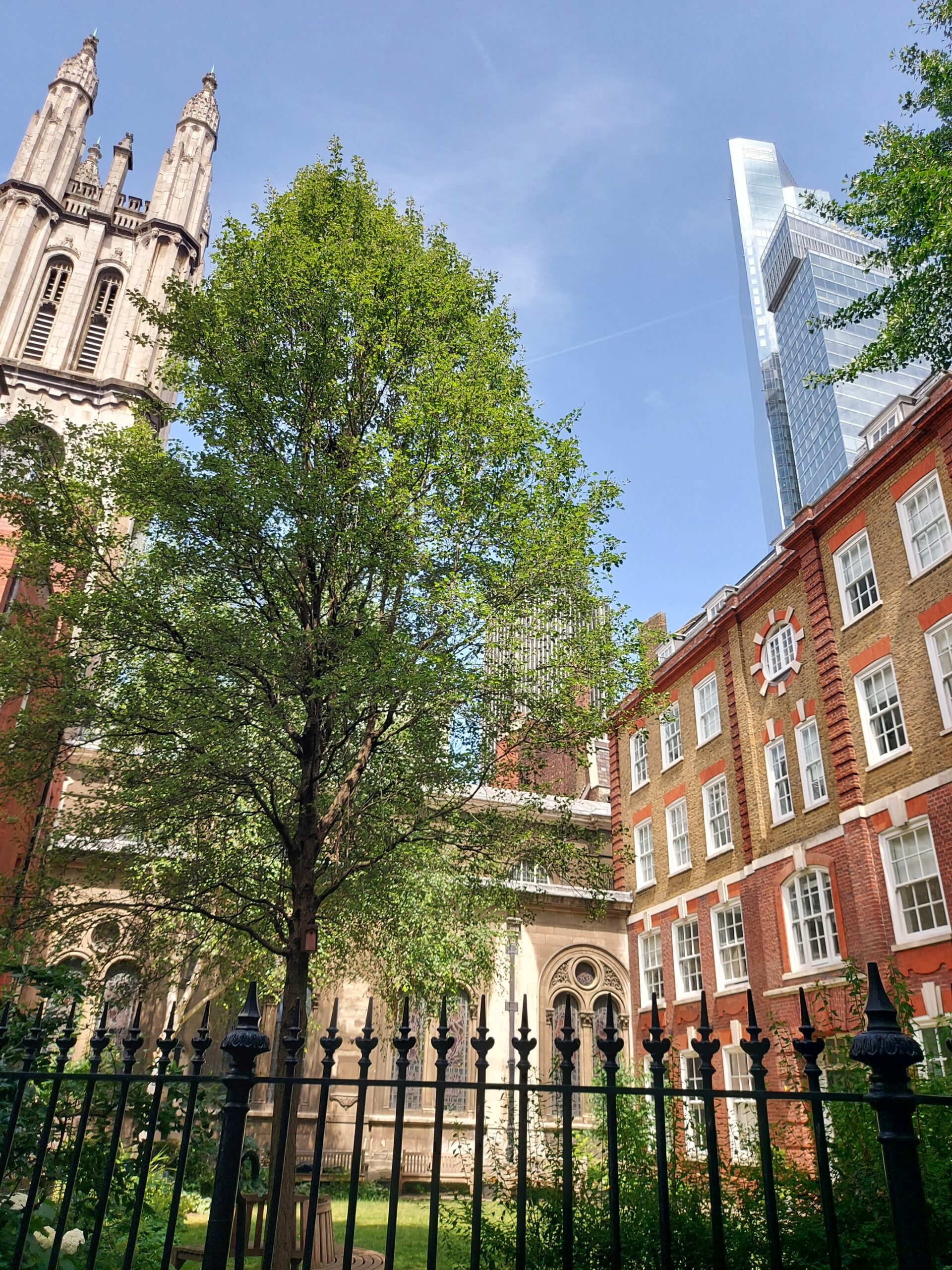
The churchyard of St Michael's Church Cornhill

Medieval Women: In Their Own Words – British Library

The last exhibition I visited before Christmas was Medieval Women: In Their Own Words at the British Library. The exhibition was a fascinating look at the lives of medieval women in Europe, revealing their roles, thoughts and experiences.

Women in the medieval period faced the same issues women have always faced in a patriarchal society, as well as issues that still affect women today, such as the gender pay gap. However, they still led rich and colourful lives, and the exhibition shines a light on their experiences.

Items on display include a letter written by Joan of Arc, the sole existing copy of the Book of Margery Kempe, and the fighting fund of Margaret of Anjou. I was intrigued by the mention of Lidwina of Schiedam, patron saint of chronic pain and ice skating, and the explicit erotic poetry of Gwerful Mechain. There was also mention of a trans woman, Eleanor Rykener, who was arrested for engaging in sex work but who also worked as an embroideress and a barmaid.

I loved the exhibition and would definitely recommend a visit.

Reproduction of a statue of Eleanor of Castile