Behind the Scenes – Secret Dome Tour

View out of the window


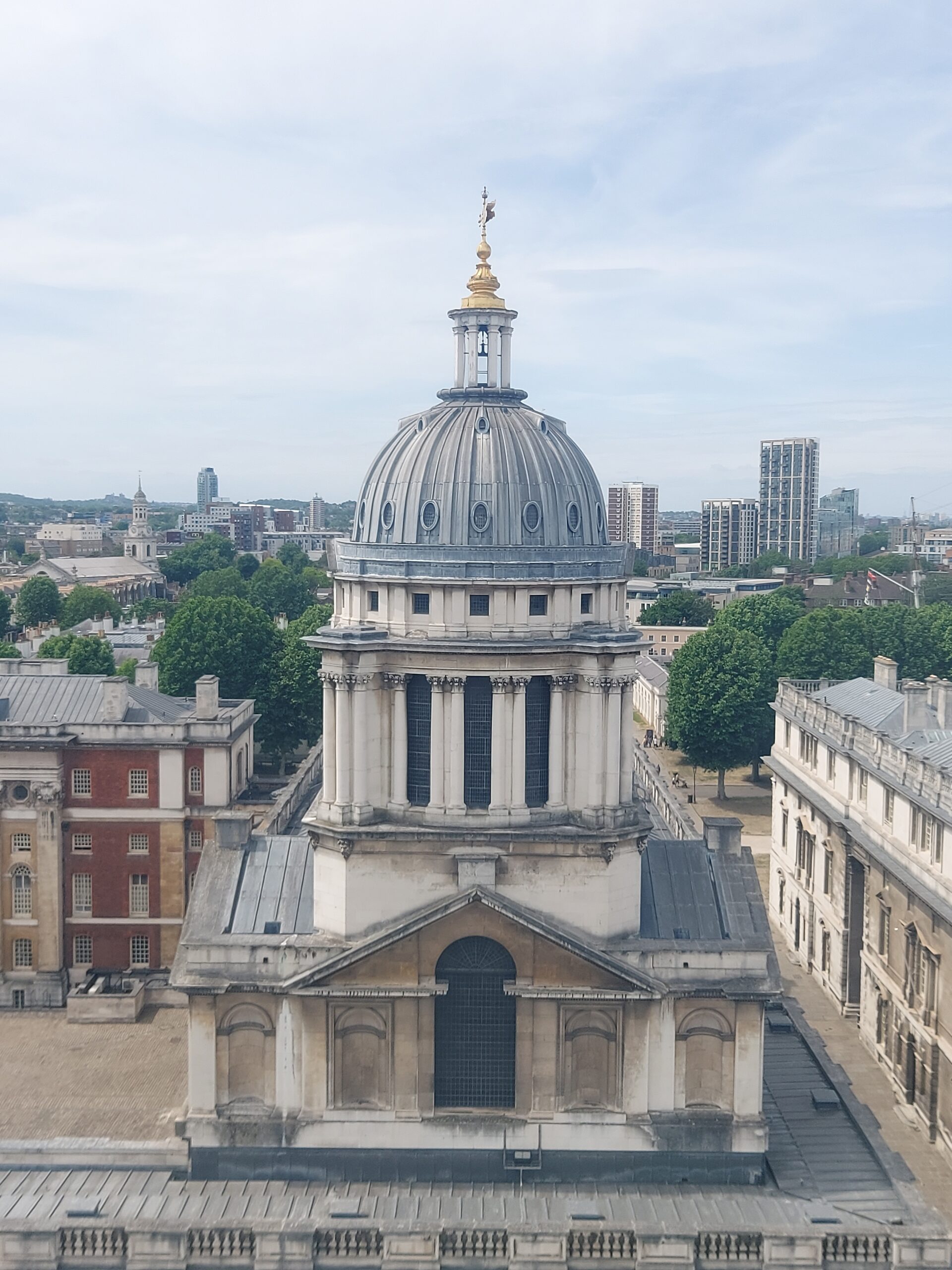
While I was down in London I took part in a Behind the Scenes Secret Dome Tour at the Old Royal Naval College in Greenwich. The tour takes you up to the dome at the Chapel of St Peter and St Paul, offering splendid views of Greenwich and wider London.

The site was designed by Christopher Wren, but he died before it was completed, and it was finished by Thomas Ripley in 1751. Originally, the glass in the chapel was plain – Wren said that one could not improve upon light – but the Victorians changed it to stained glass. After the building sustained damage during World War II, the glass was replaced with plain once more. The décor was made with coadstone, a man-made stone. A fire on 2 January 1779 tore through the chapel, after which it was rebuilt to a new design by James ‘Athenian’ Stuart, decorated in the ‘Greek Revival’ style.
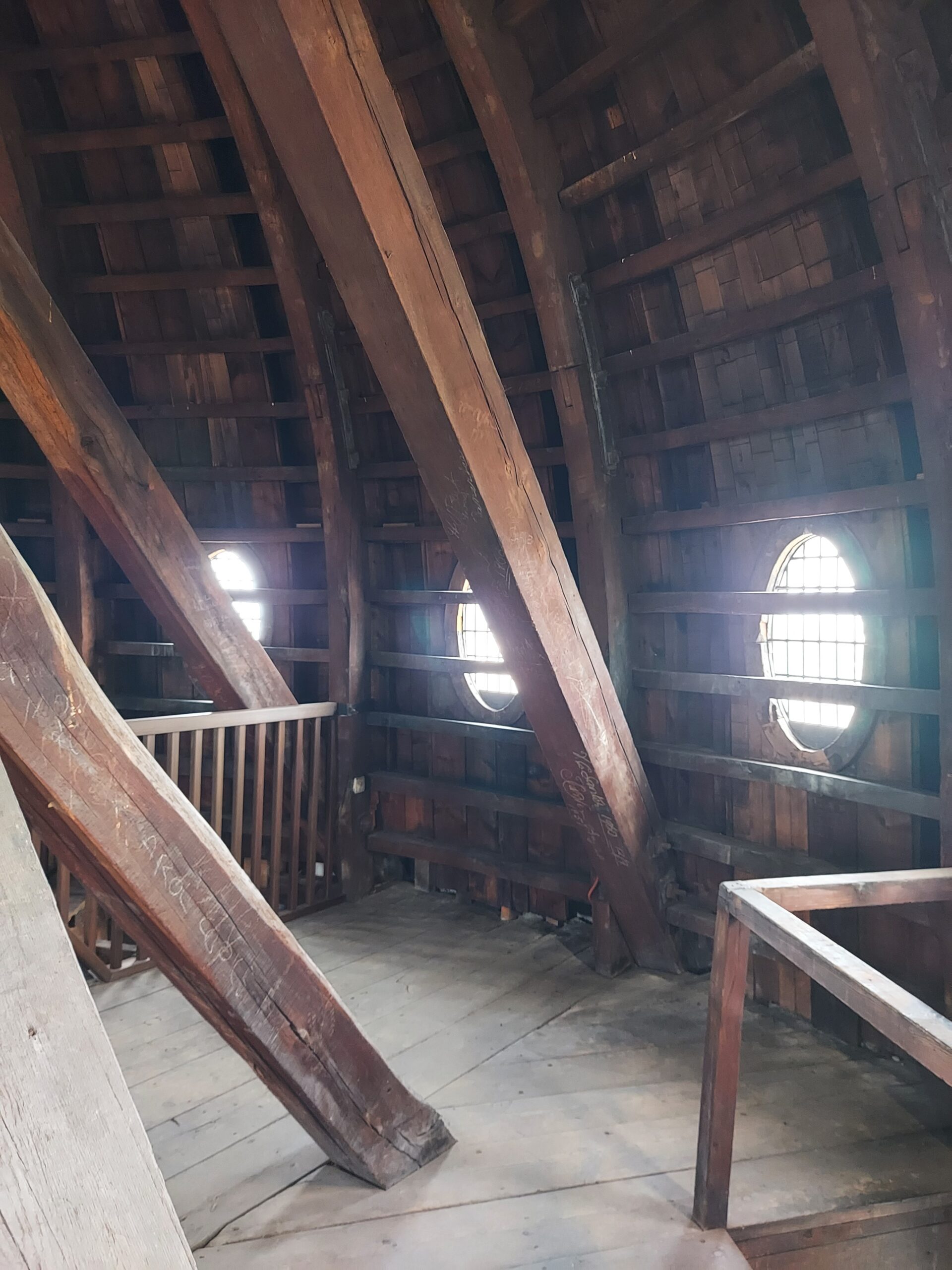
At the top of the dome


Worship in the chapel was compulsory for the pensioners resident at the Royal Hospital for Seamen. The bells in the chapel served different purposes, including calling people to church and notifying them that lunch was ready.
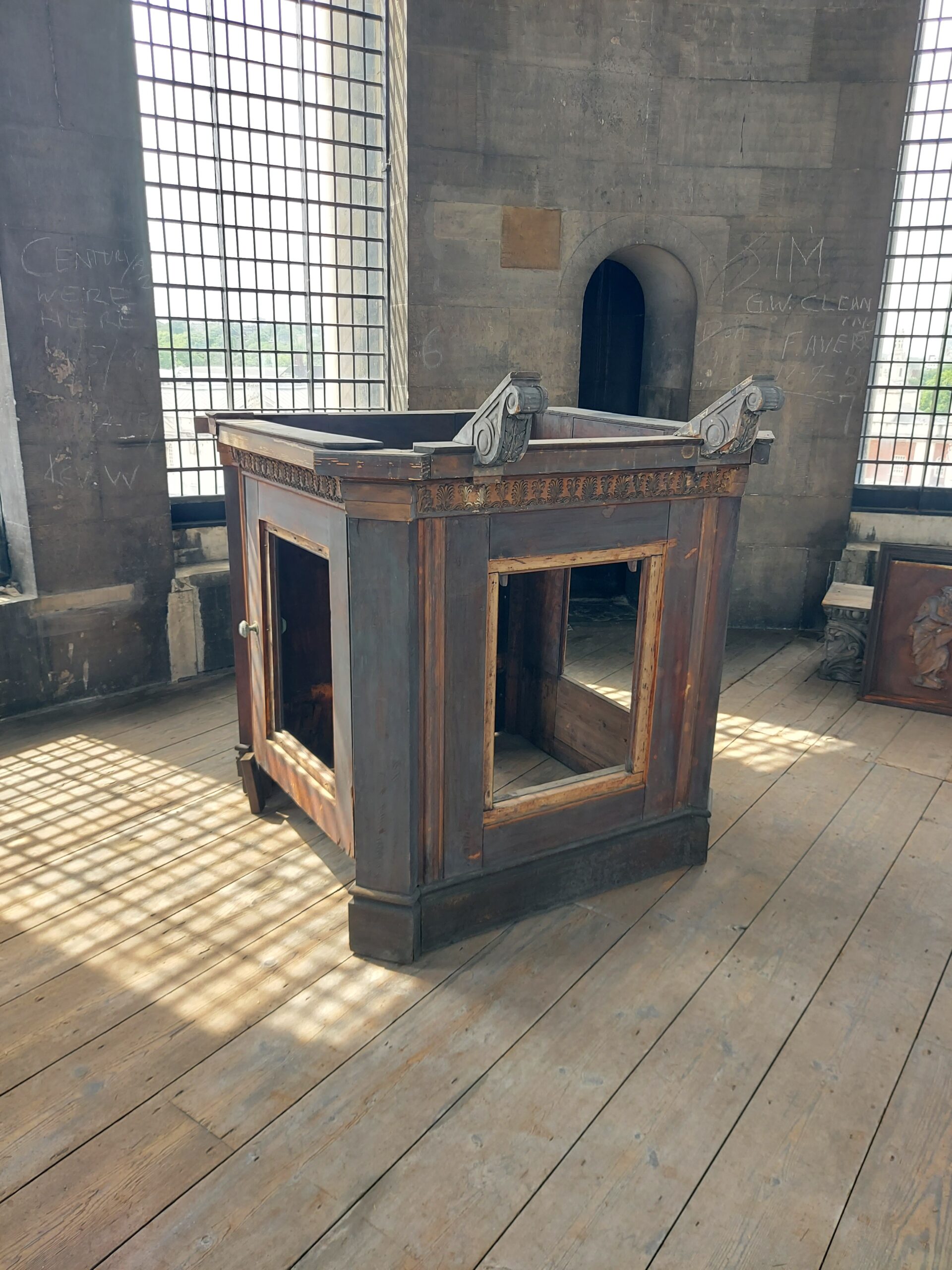
Pulpit


We climbed up the different layers of the dome one by one, pausing at each to note anything of interest. On one level we found the remains of a triple-decker lectern, which had been brought upstairs in sections via the trapdoors in the floor. On another level we got to see the clock close-up. The clock has two faces, and is wound once a week – it loses one minute of time per week. Originally, a pensioner, paid with extra tobacco, was responsible for winding.
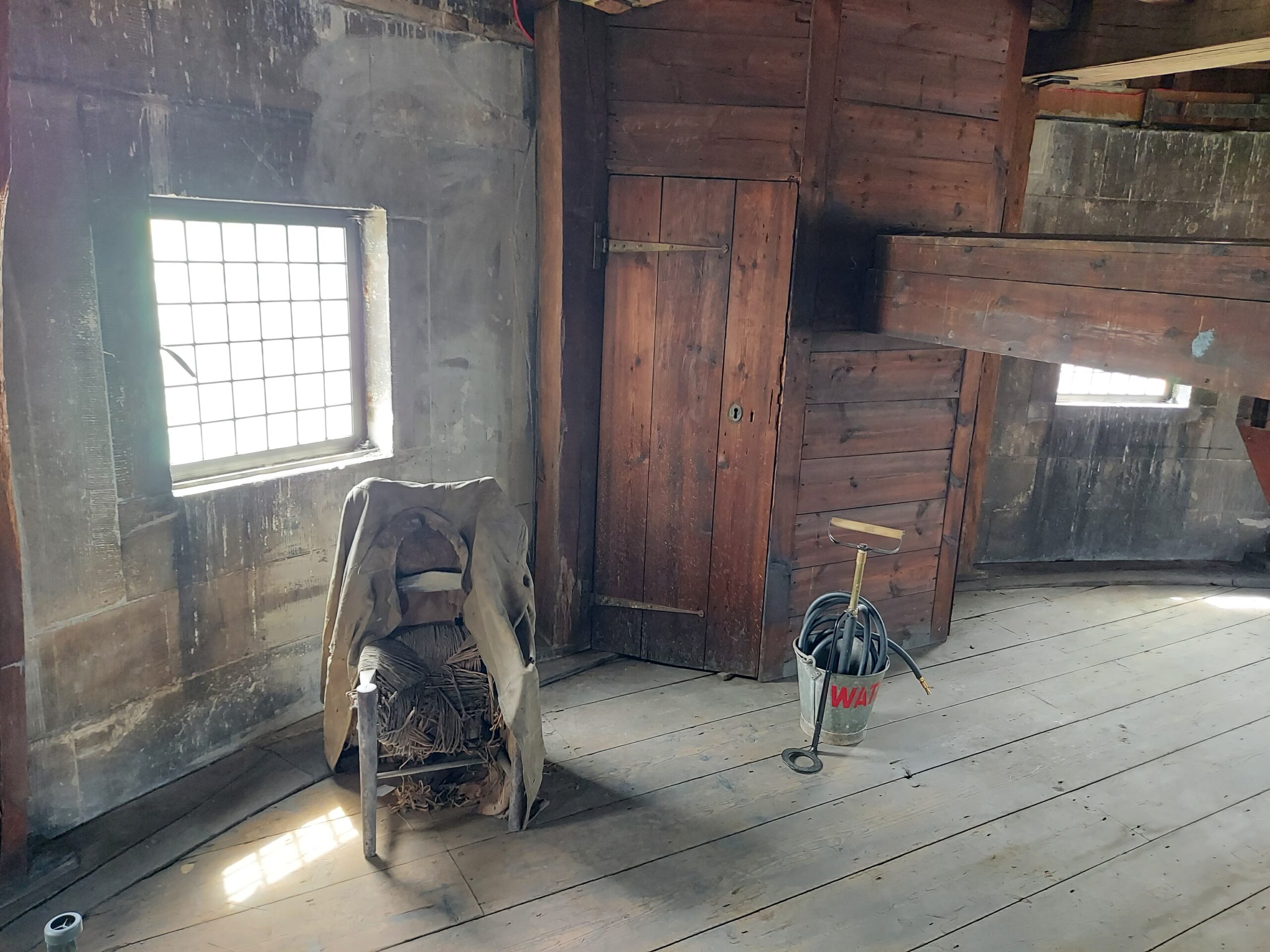
Relics of WW2


During World War II, the dome was used as a fire lookout owing to its excellent views of the surrounding area. Graffiti made by service personnel (as well as workers over the centuries) remains as a sign of their presence. I loved seeing these signs of human activity, as much as I loved looking at the views out of the window.
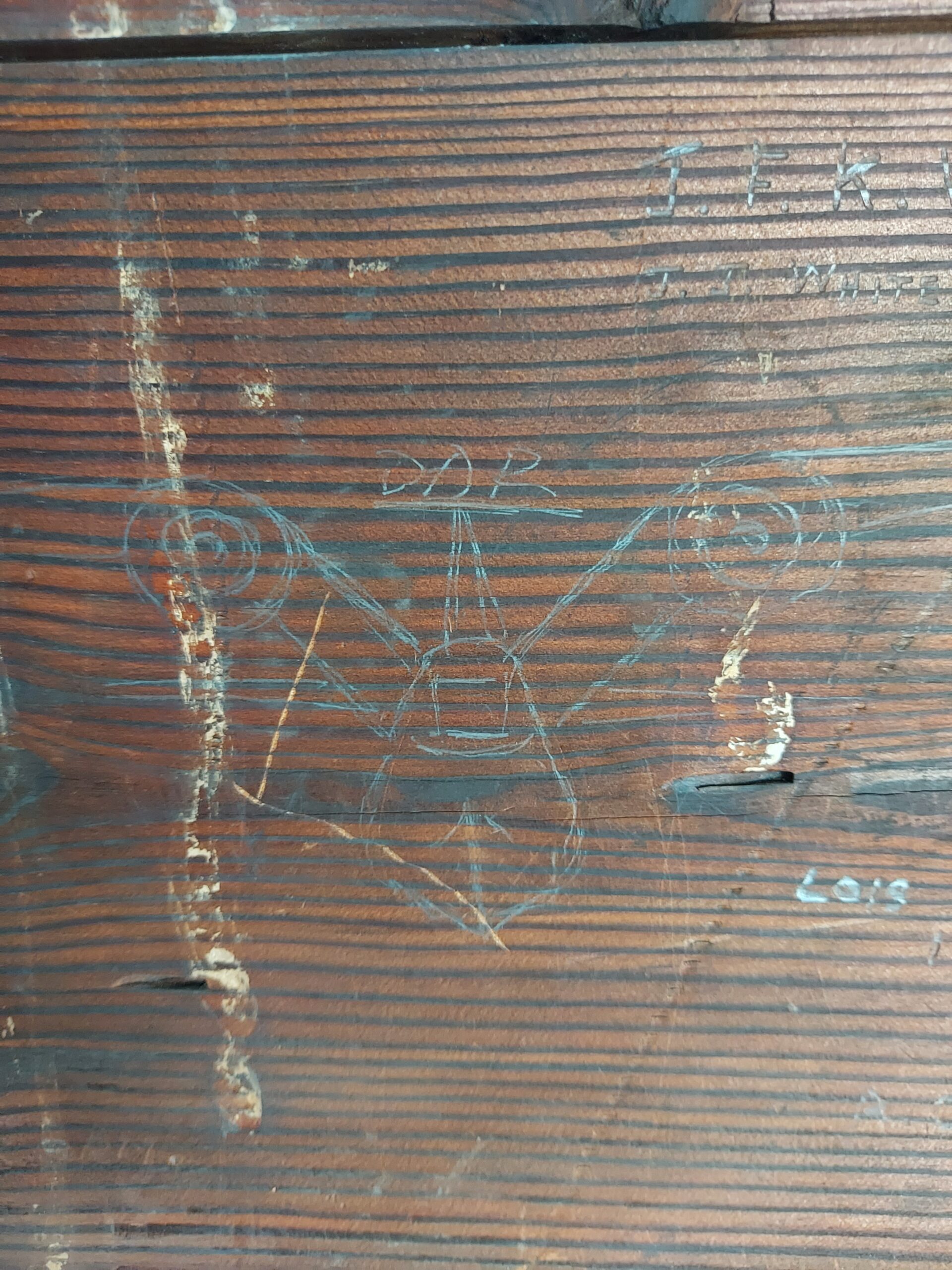
Graffiti


I definitely recommend completing one of these tours. There is a lot to learn and to see, and the experience is well worth it.
Roman Fort gate tour

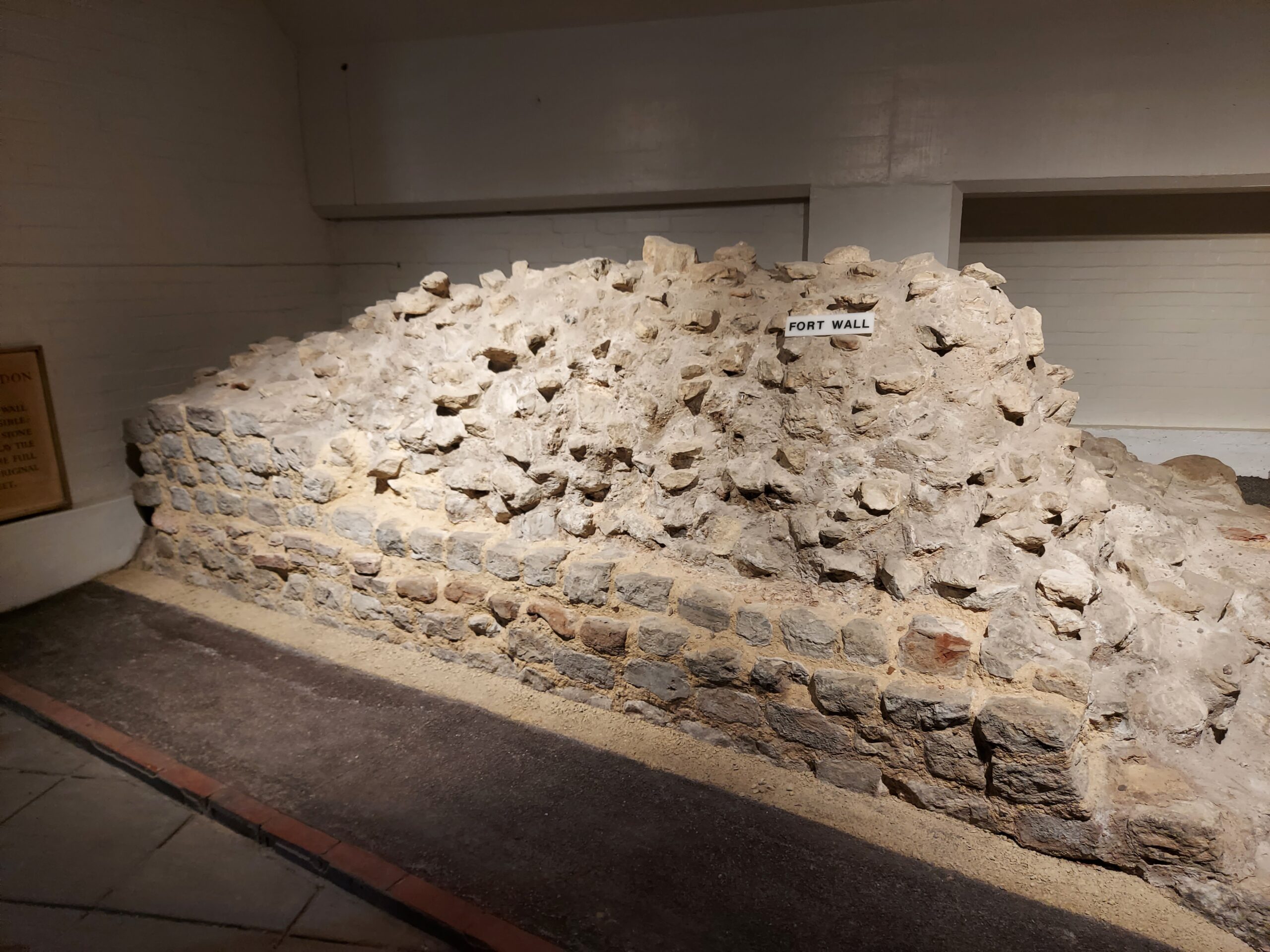
The Wall


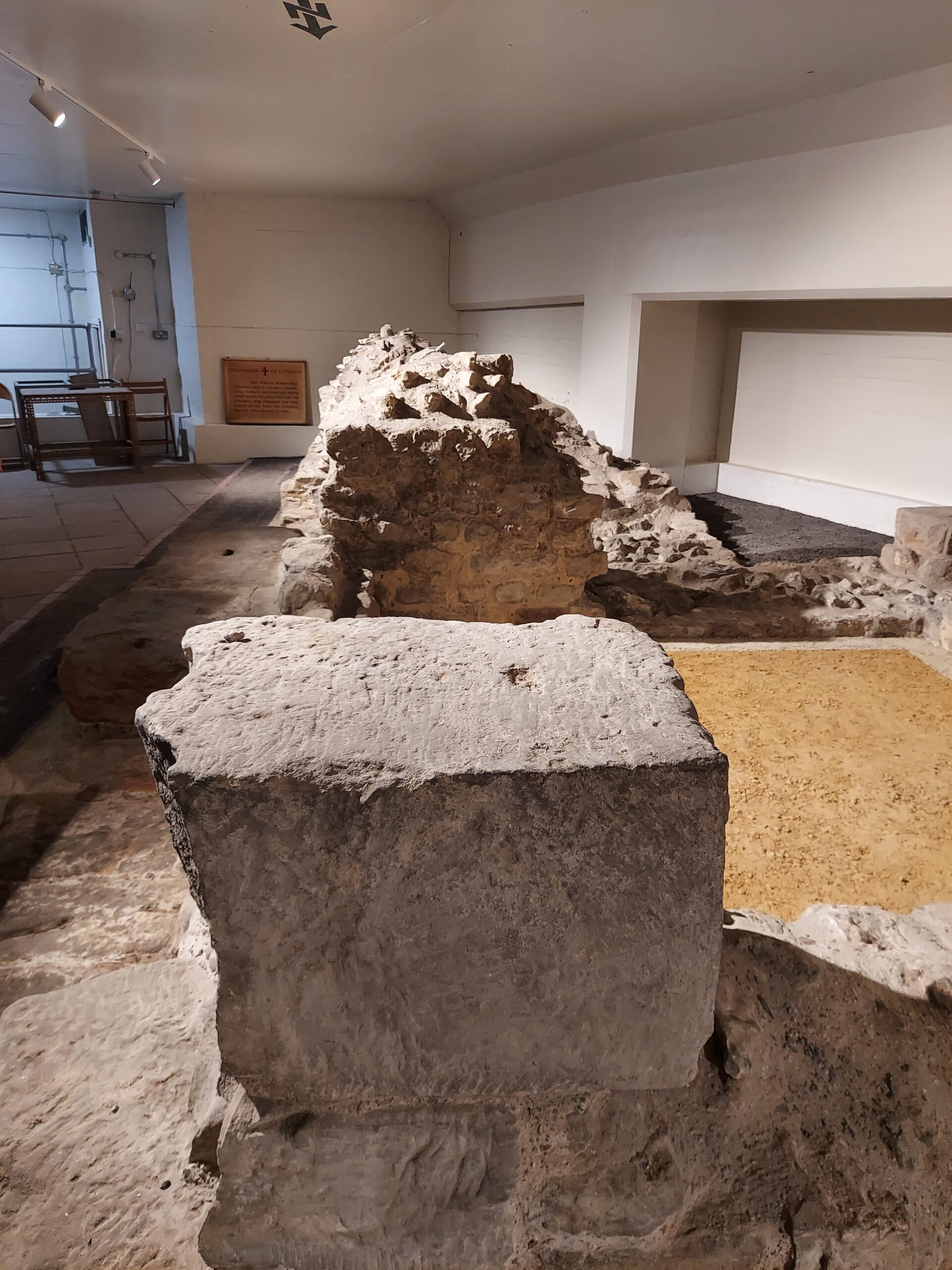
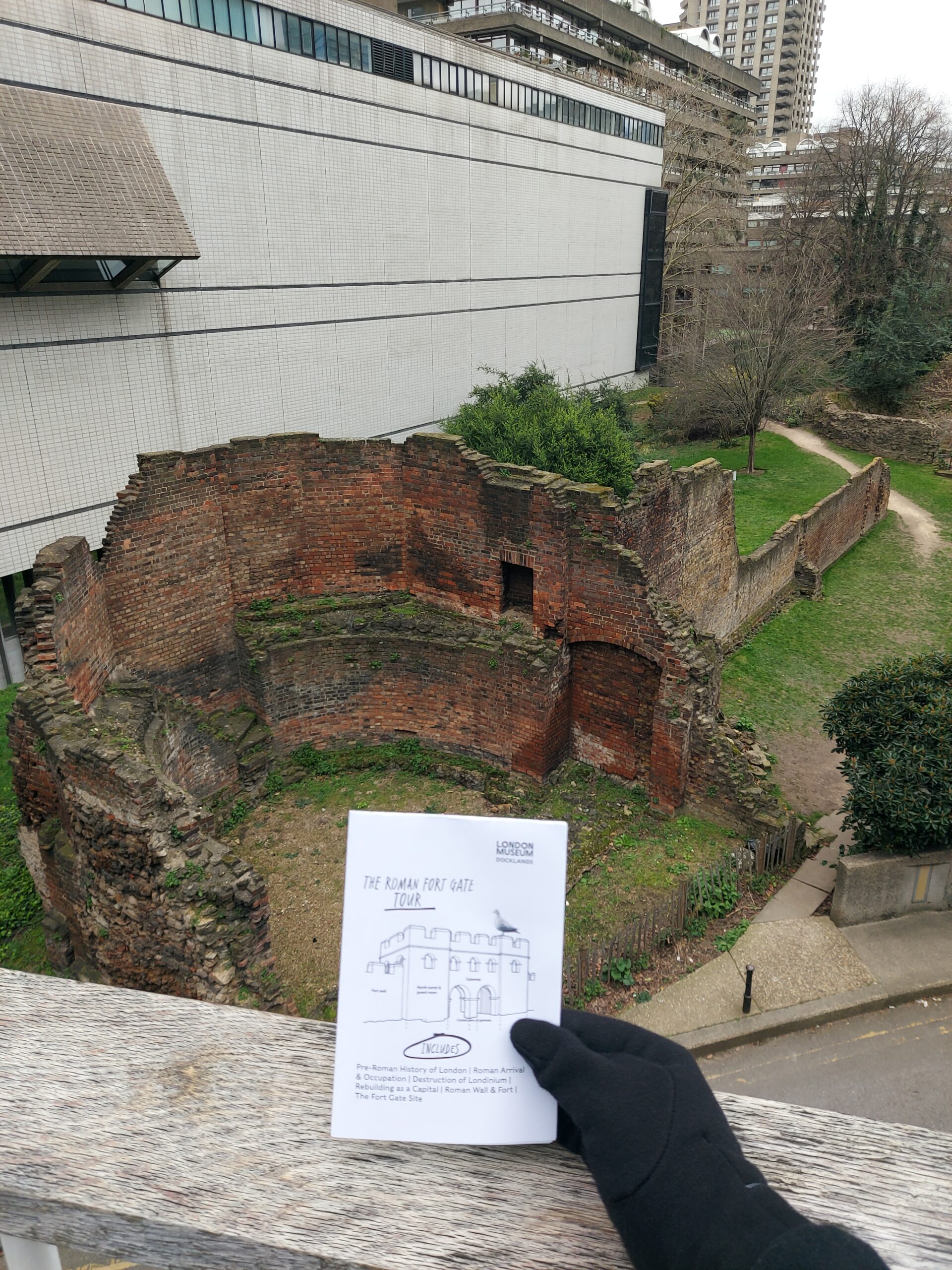
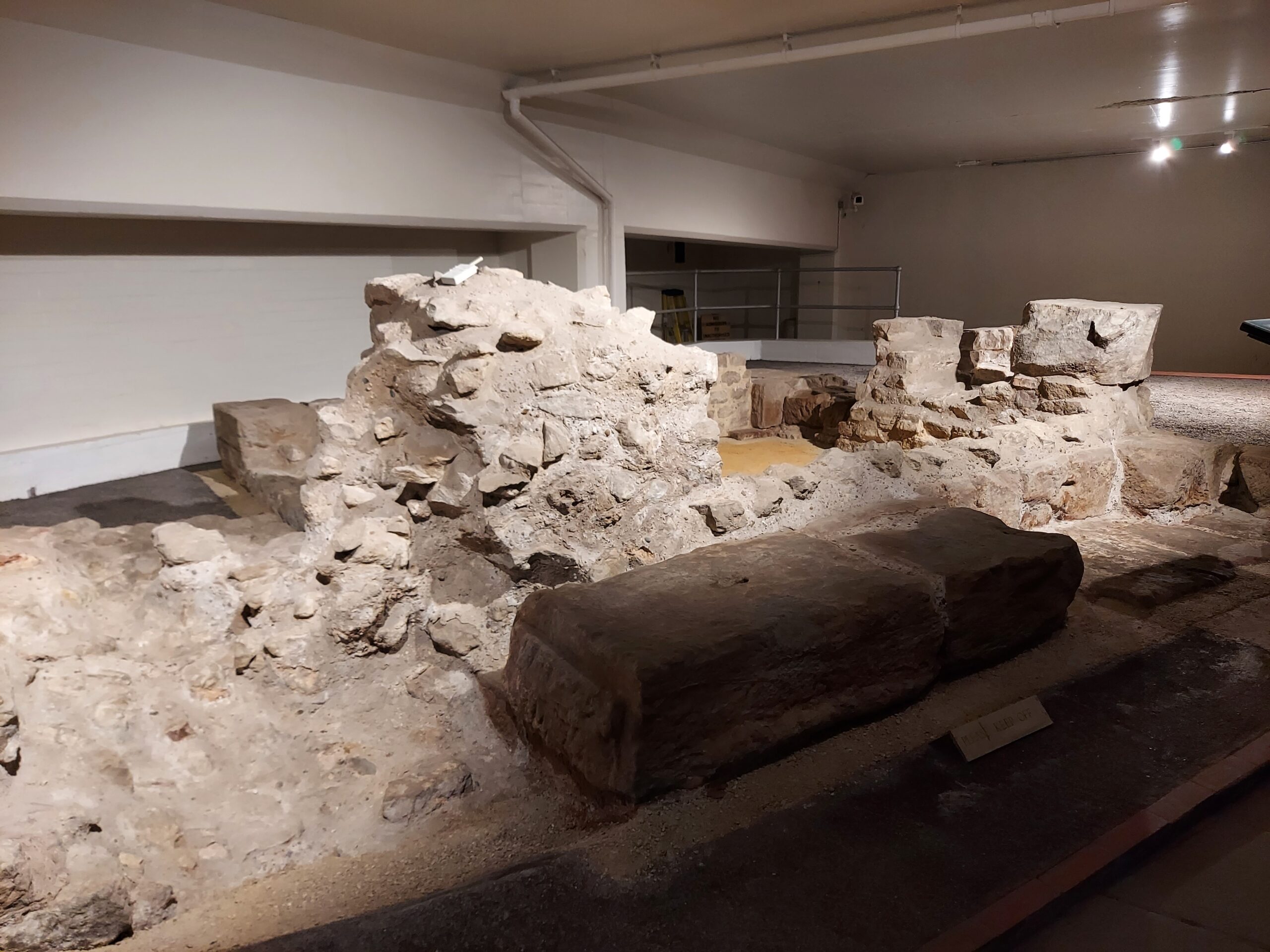
While I was down in London, I signed up for a tour of the west gate of the Roman fort in the City of London. Located near the now-defunct Museum of London, the fort remains are located in an underground car park, a mundane yet oddly exciting site.

The Cripplegate Roman Fort, built around 110 AD, was rediscovered in the 1950s. It was originally home to a city garrison of approximately 1,000 soldiers and was later incorporated into the London Wall. The stone walls rose to a height of five metres, and the fort covered 12 acres. Square in shape, it measured 200 metres along each length.

Famously, parts of the ancient London Wall have always been visible from the Museum of London, a testament to the city’s Roman past. The walls formed a barrier between the Romans and the native Britons, and along with the gate were fortified during the medieval period to protect the citizens of London. After that, they gradually fell into disrepair.

The different parts of the gate can be made out, from the central piers of the gateway to the north turret and guardroom and even parts of the fort wall. It was fascinating to see these ruins and imagine how they might have looked in their prime.

Behind-the-Scenes Tour – Tower Bridge

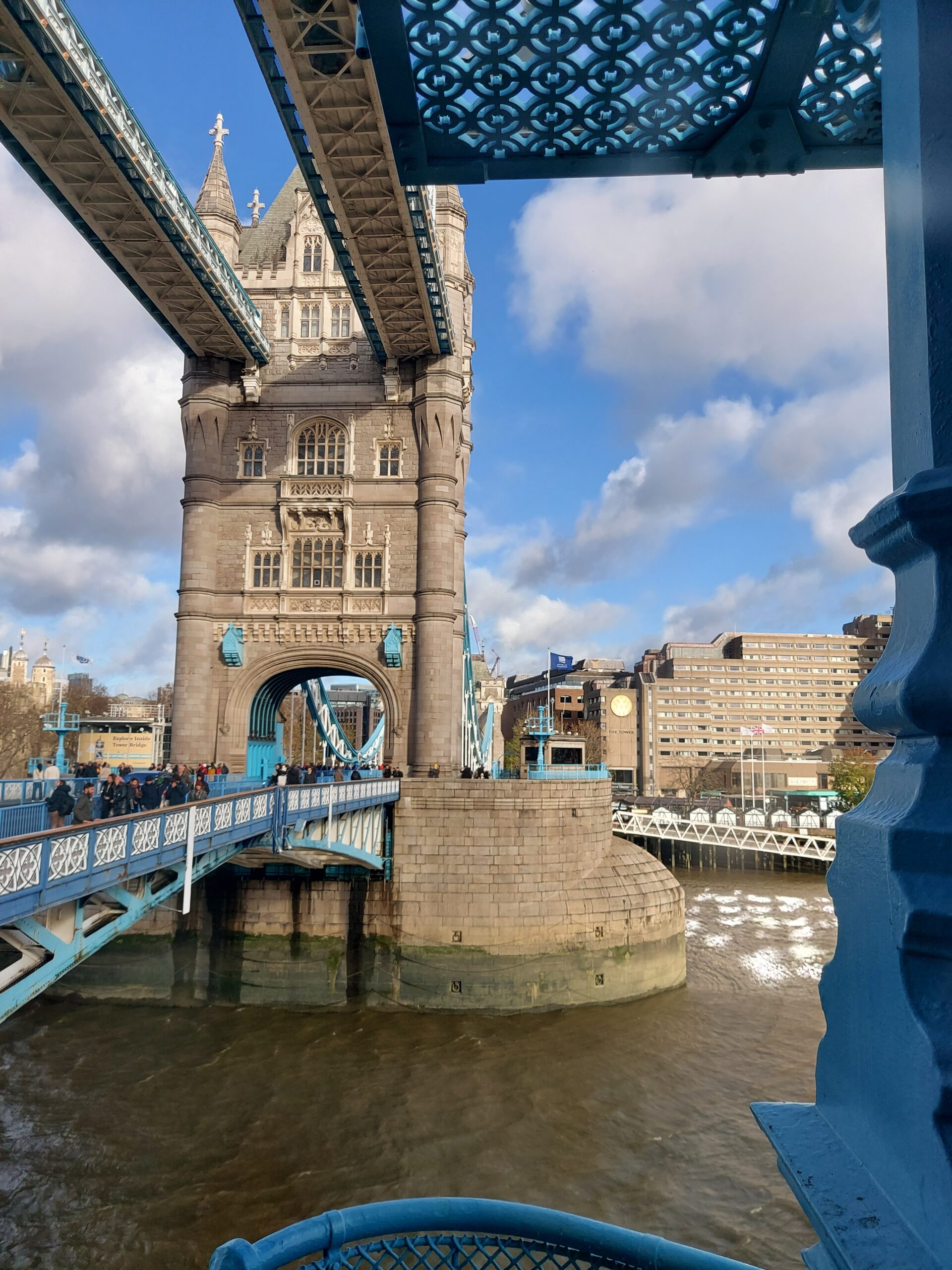
Tower Bridge

I’ve visited Tower Bridge before, but I’ve been wanting to do a behind the scenes tour for ages, and they sell out pretty quickly. Luckily, I managed to book onto one just before I came up north.

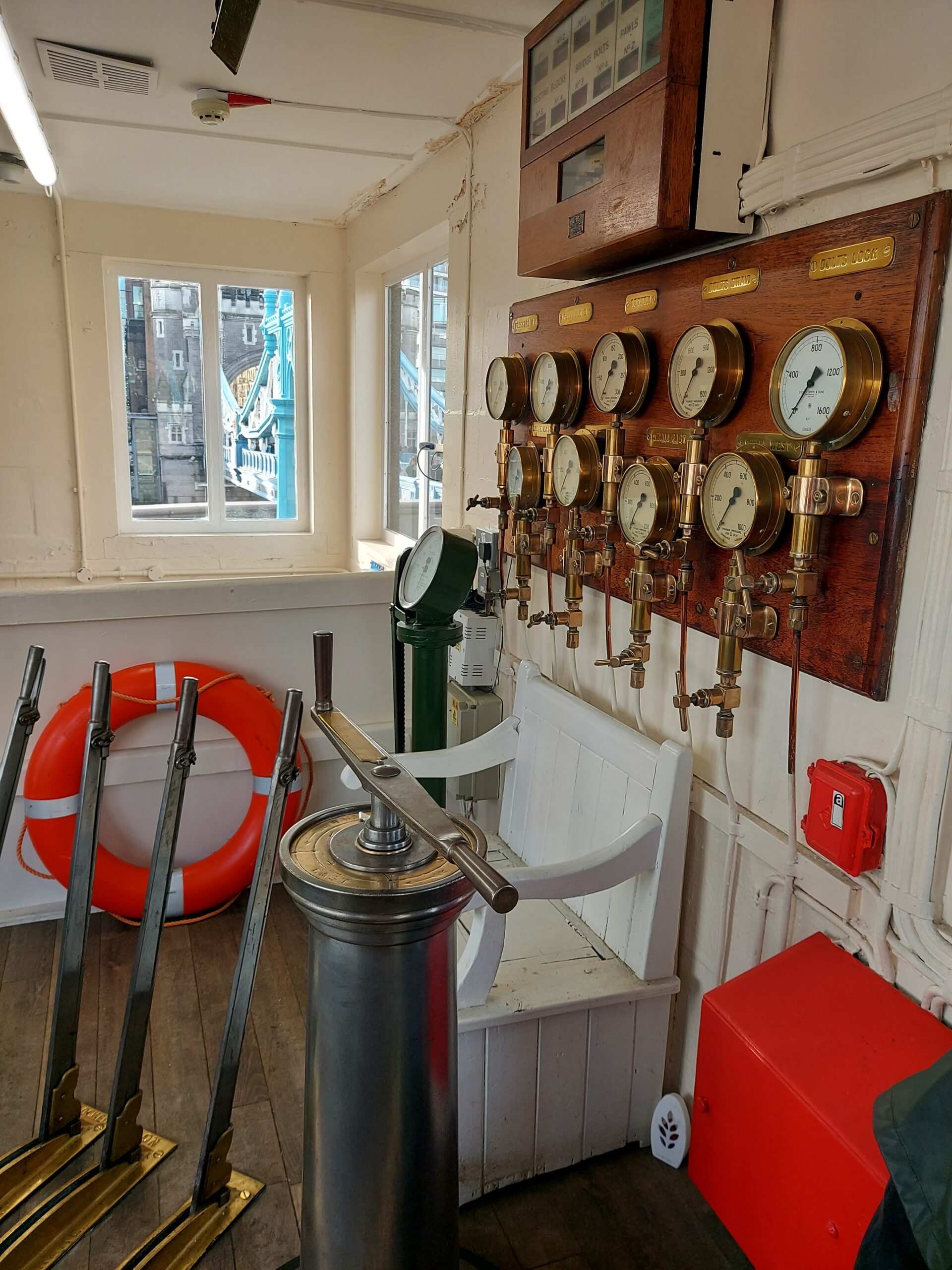
Control Cabin

The tour started at the northern end of the Bridge, and we were taken up to the glass floors and High-Level Walkways that let you look down at the Thames. I was familiar with this area, having visited before, but I enjoyed the refresher on the Bridge’s history. We then went to the south side of the Bridge and got to go into the Control Cabin, from where the bridge lifting was controlled at the time the Bridge was first opened.

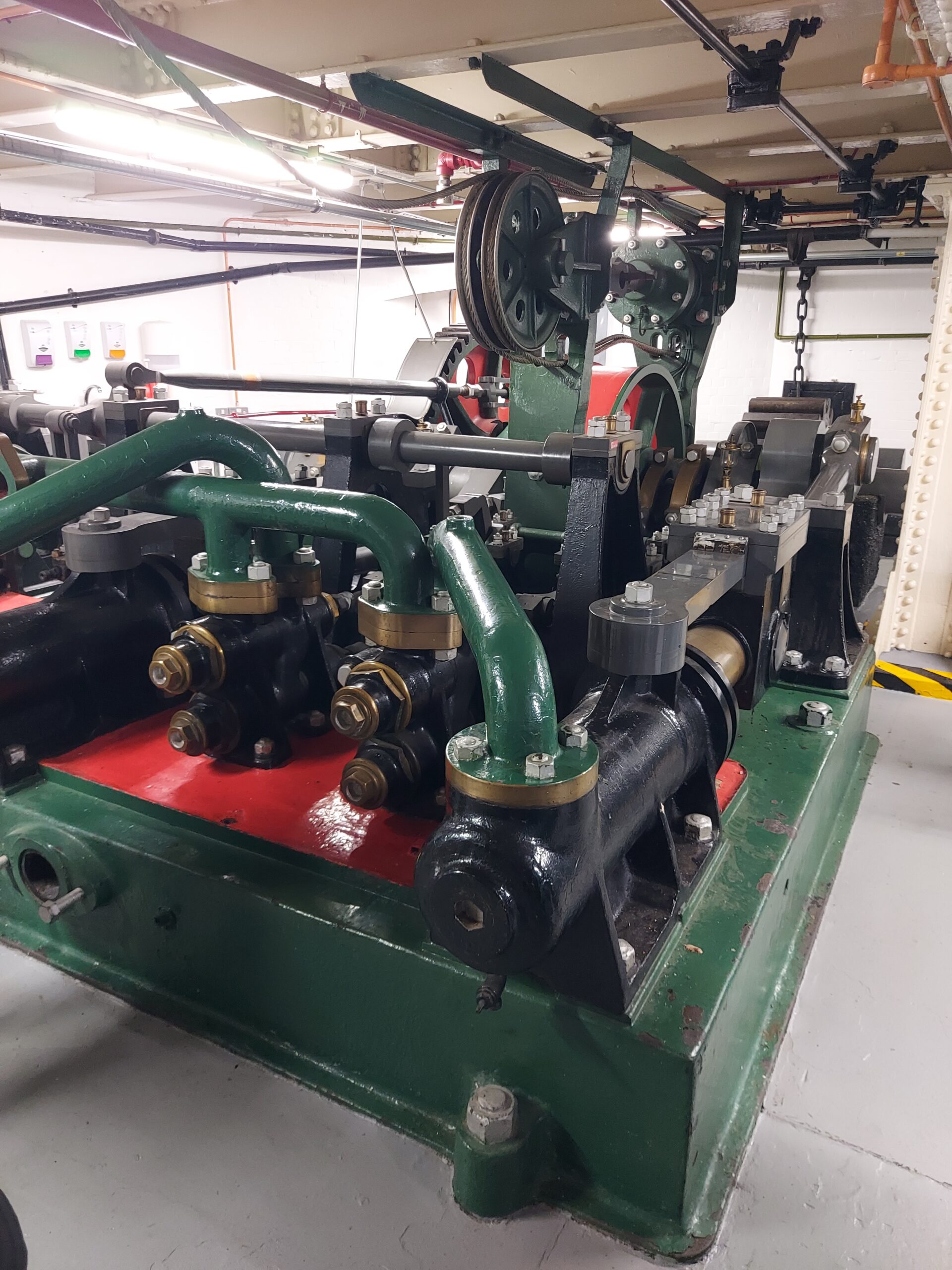
Machinery room

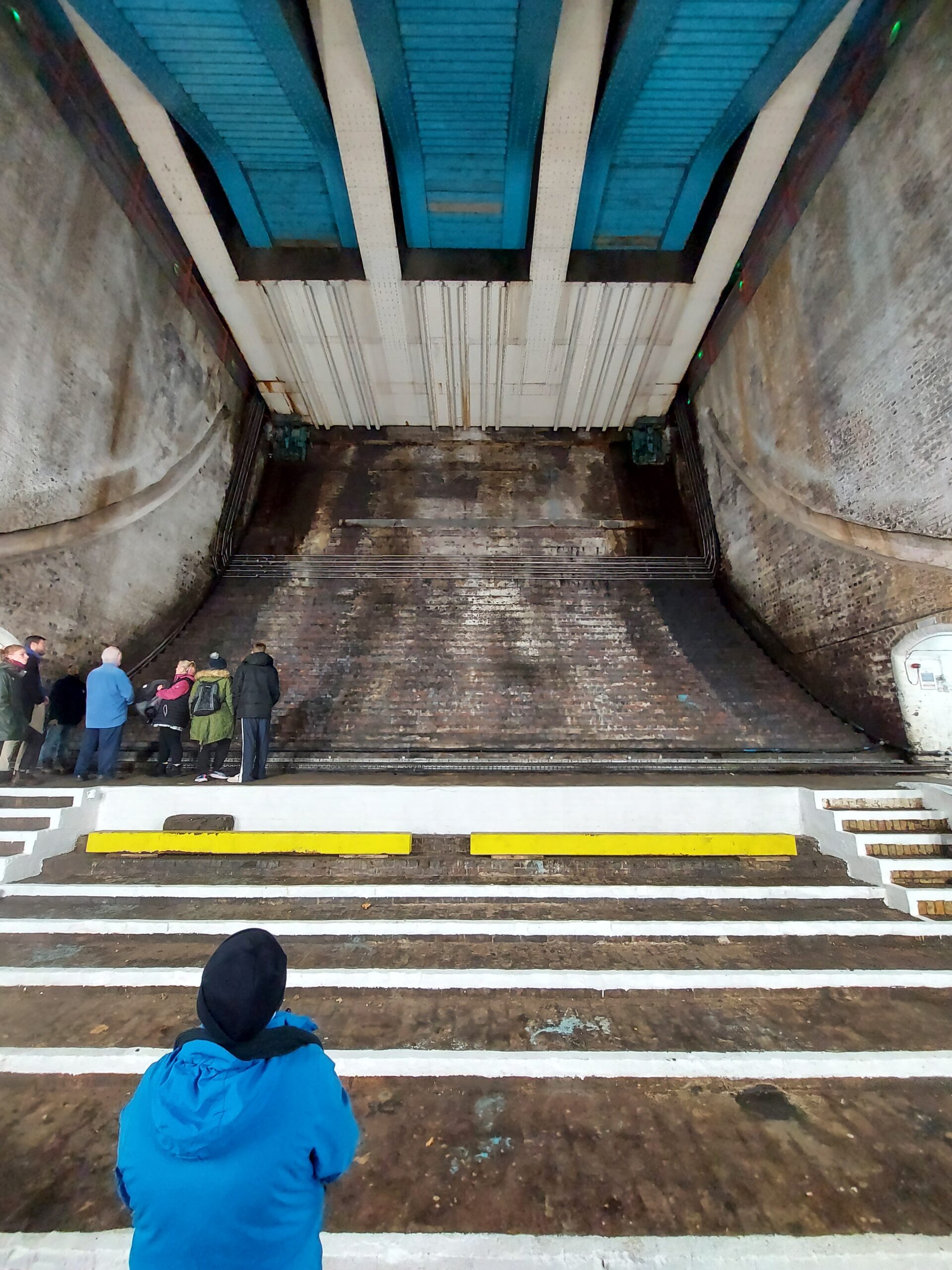
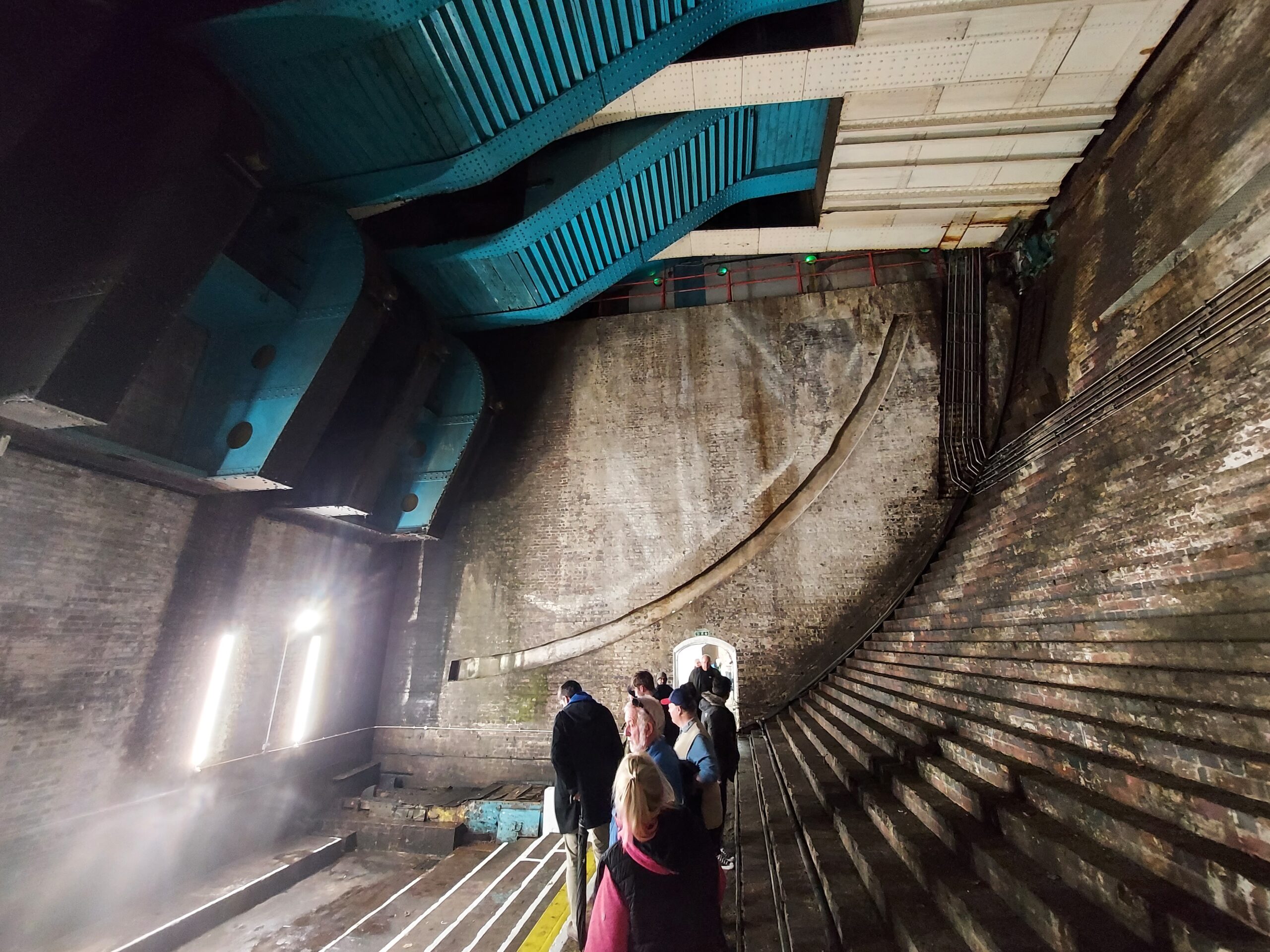
Later we went down some steps to the Machinery Room, to see the machines that powered the bridge lifting at its inception. I won’t pretend to understand how it all works, but it was fascinating to see. From there, we headed further down to the Bascule Chambers. These contain the 420-ton counterweights that form the unseen part of the Bridge Lifts. This was my favourite part: it was amazing to see close-up these marvels of Victorian engineering.

Inside the Bascule Chamber

Inside the Bascule Chamber

I loved the tour and it was a fitting end to my London adventure (for now).

Medieval Wine Tour

After doing Unreal City Audio‘s Coffeehouse tour, I decided to book onto the Medieval Wine Tour one hot August day. This tour is also run by Dr Matthew Green and we met at the Guildhall before heading off to explore medieval London through the medium of wine. Throughout the tour we got to sample plenty of medieval-style wine, and I ended the tour feeling rather tipsy.

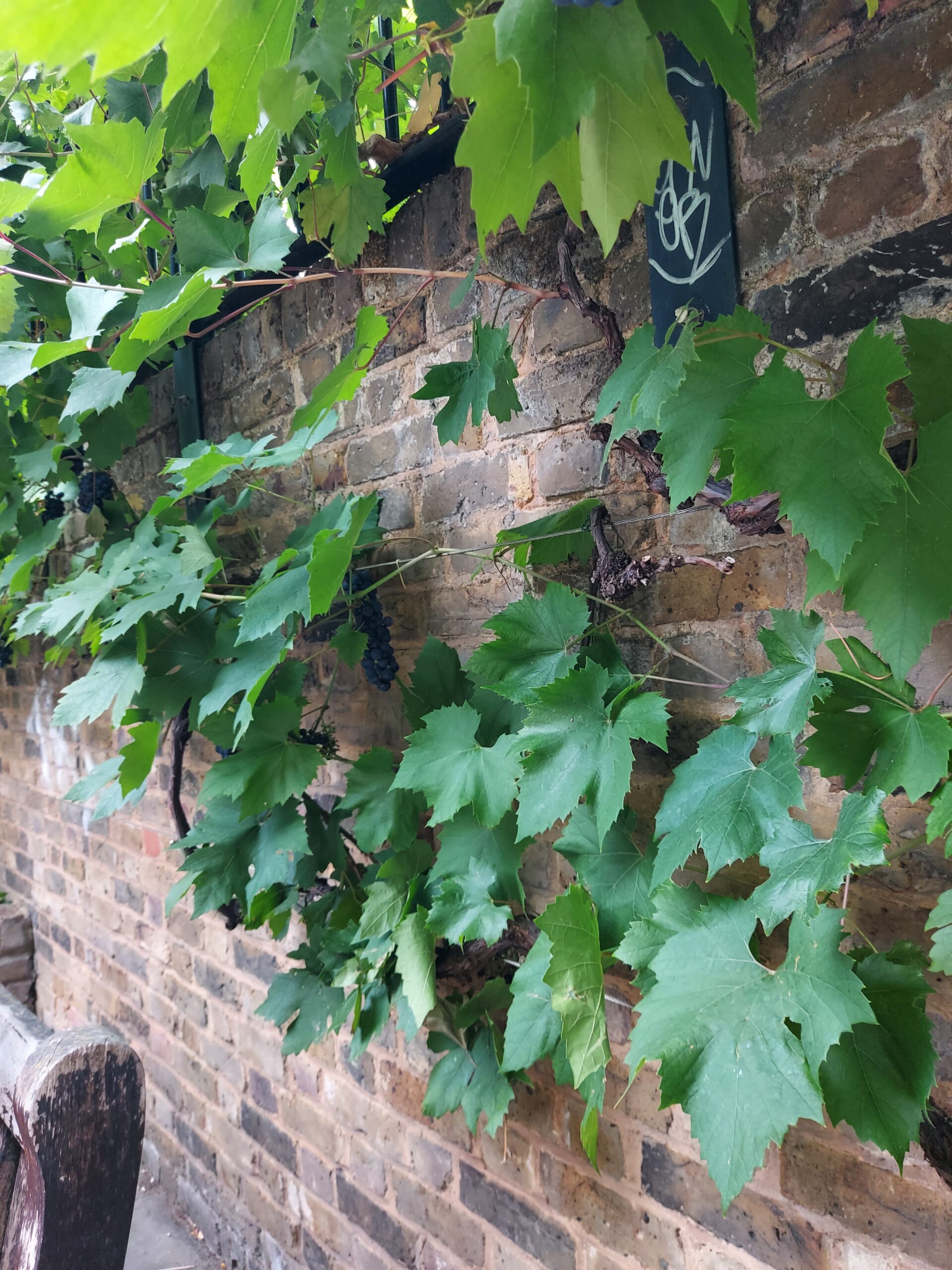
Throughout the tour we explored Roman London, Cheapside and Queenhithe, hearing stories of scheming vintners, bloodthirsty murderers, obsessive anchorites and attempts to grow grapes in the London climate. The tour was very entertaining and thoroughly enjoyable.

vines on a wall

The Coffeehouse Tour

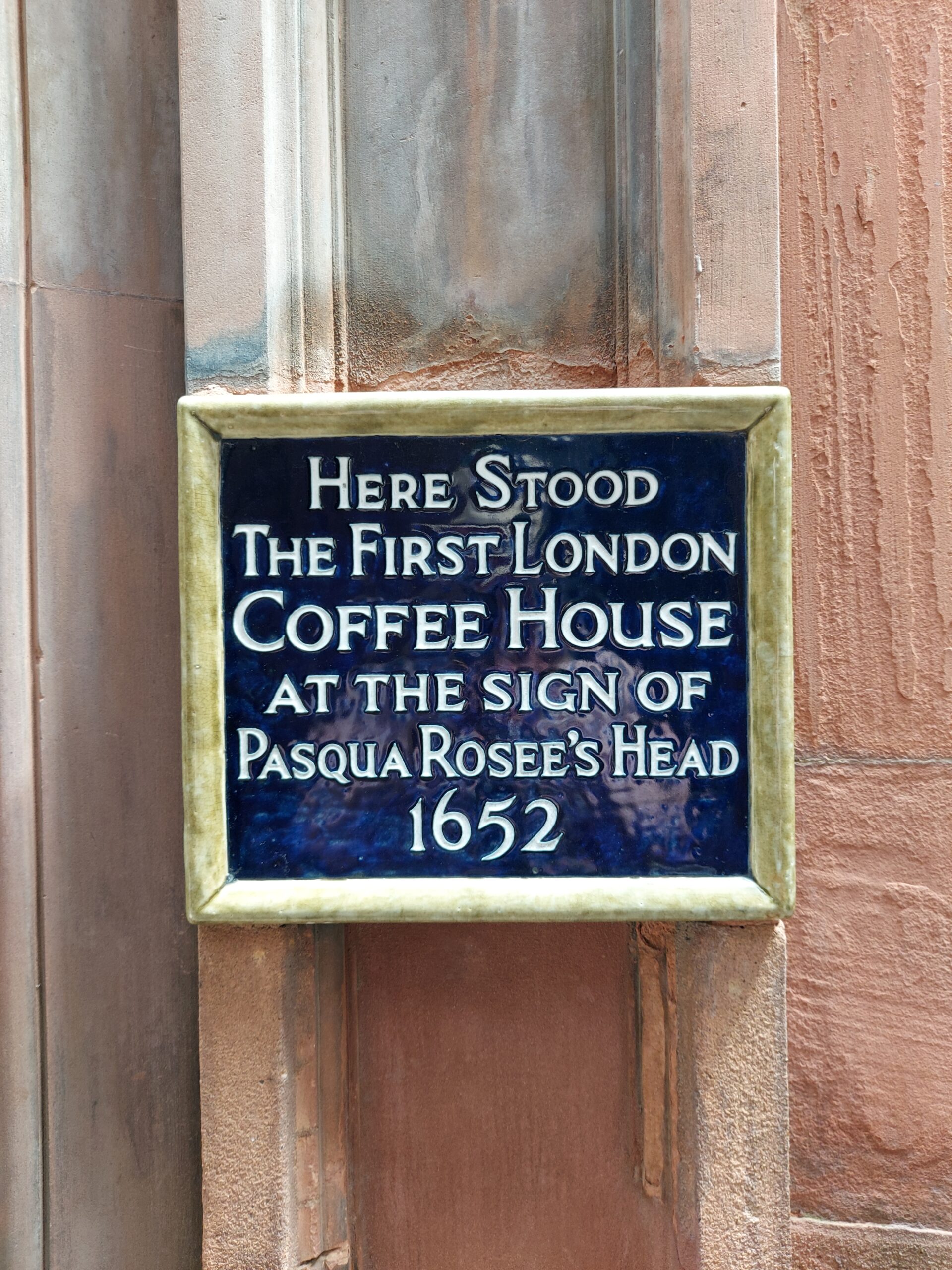
Plaque that reads 'Here stood the first London coffee house at the sign of Pasqua Rosee's Head 1652'

I’ve been meaning to do one of Unreal City Audio‘s tours for a while, and finally got round to it today. I’m currently working on the Rebel Badge Club Barista badge, so it seemed the perfect time to do the Coffeehouse Tour.

The tour is run by Dr Matthew Green and he took us on a fascinating journey of the history of the London coffee house craze of the seventeenth century. We got to see sites of coffee houses, learn about their role as centres of news, gossip and scientific development, the disappointing fact that women were not permitted, and some of the individuals behind these places. At the same time we got to sample some almost-authentic Turkish coffee of the era (I say ‘almost’ because the modern recipe left out some of the more unpleasant ingredients, such as cat wee and spit, much to my relief). Surprisingly it was quite palatable, though thicker, saltier and altogether more savoury than modern coffee.

Overall, I thoroughly enjoyed the tour and I definitely want to do another one.

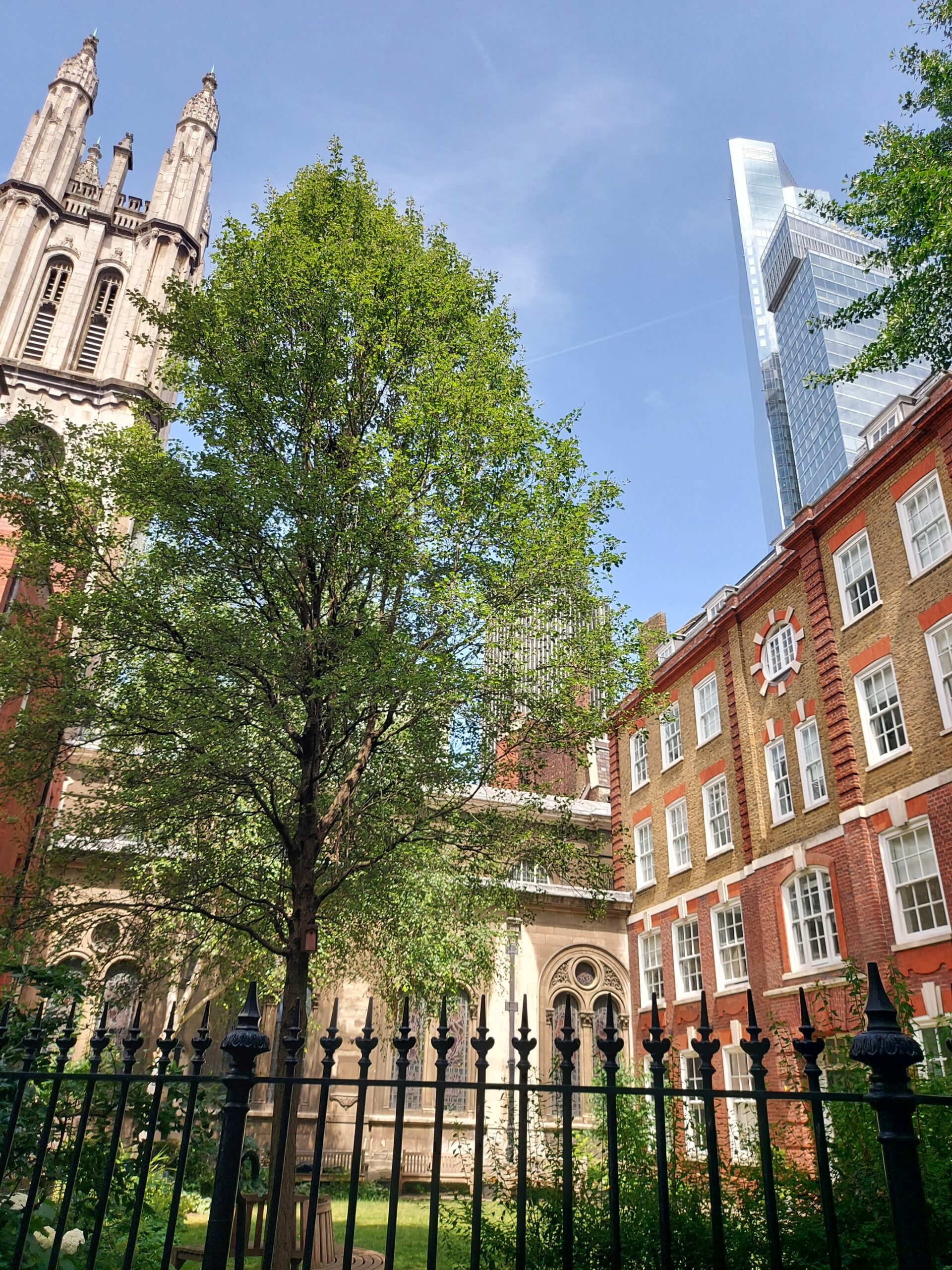
The churchyard of St Michael's Church Cornhill

‘Fighting Spirit’ Distillery Tour & Tasting

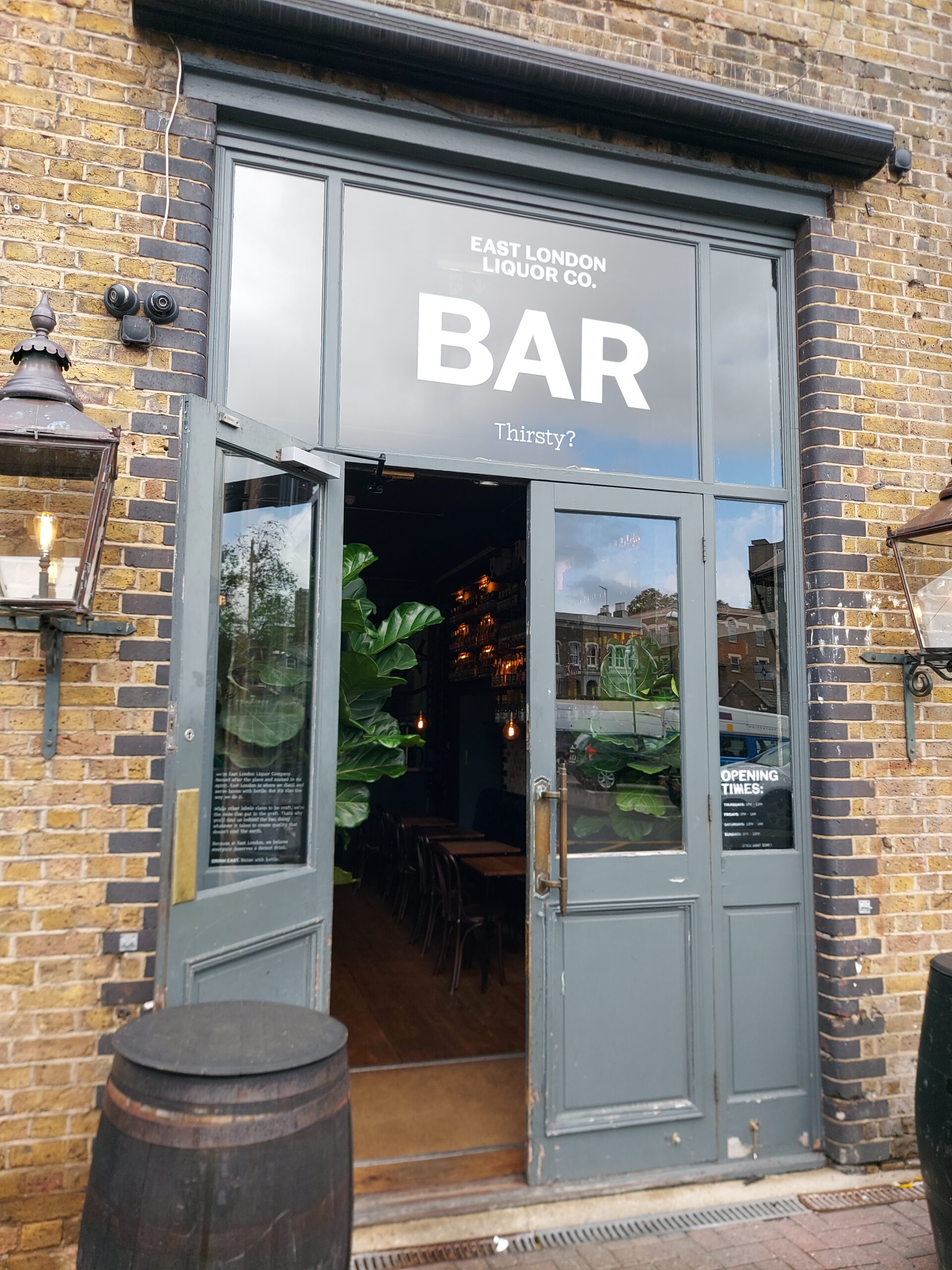
Entrance to the East London Liquor Company

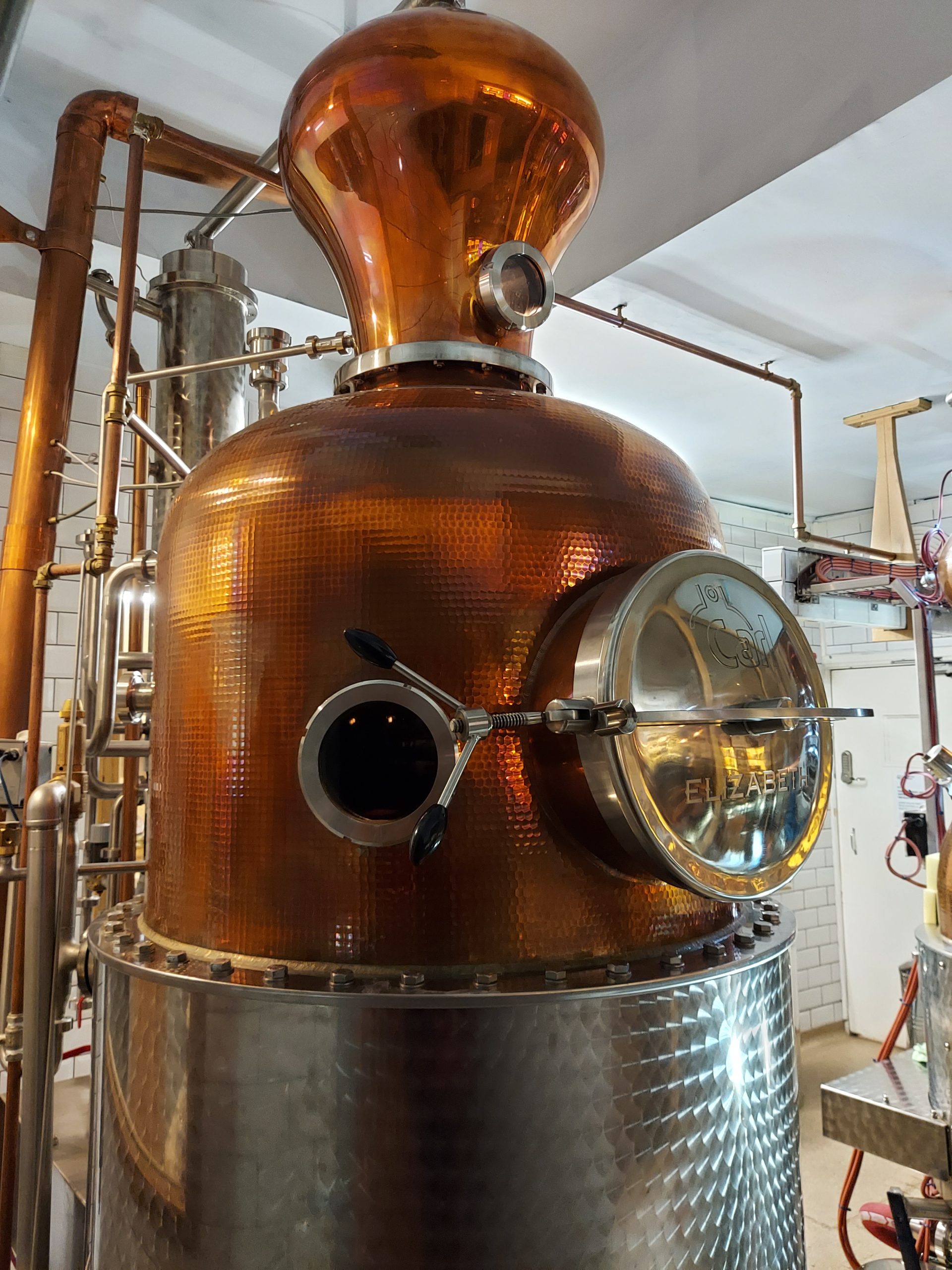
Every time my friend Elisa comes down to London, we go to a gin tasting, and this time was no exception. On this occasion we chose the East London Liquor Company and their ‘Fighting Spirit’ Distillery Tour & Tasting.

The Company makes gin, vodka and whisky, distilling it in Bow, east London. It also imports rum from Jamaica and Guyana. Our tour focused on gin, and we learned about how it is made in the stills. This process is familiar to us from other gin tours we have been on, but it was still interesting.

After this it was time for the tasting. We got a chance to sample the basic ingredients of gin and taste some of their varieties, including their standard gin, Louder Gin, Lighter Gin and Kew Gin. They all had their own merits and it was interesting to compare and contrast. Learning about the label design of the bottles was also really interesting.

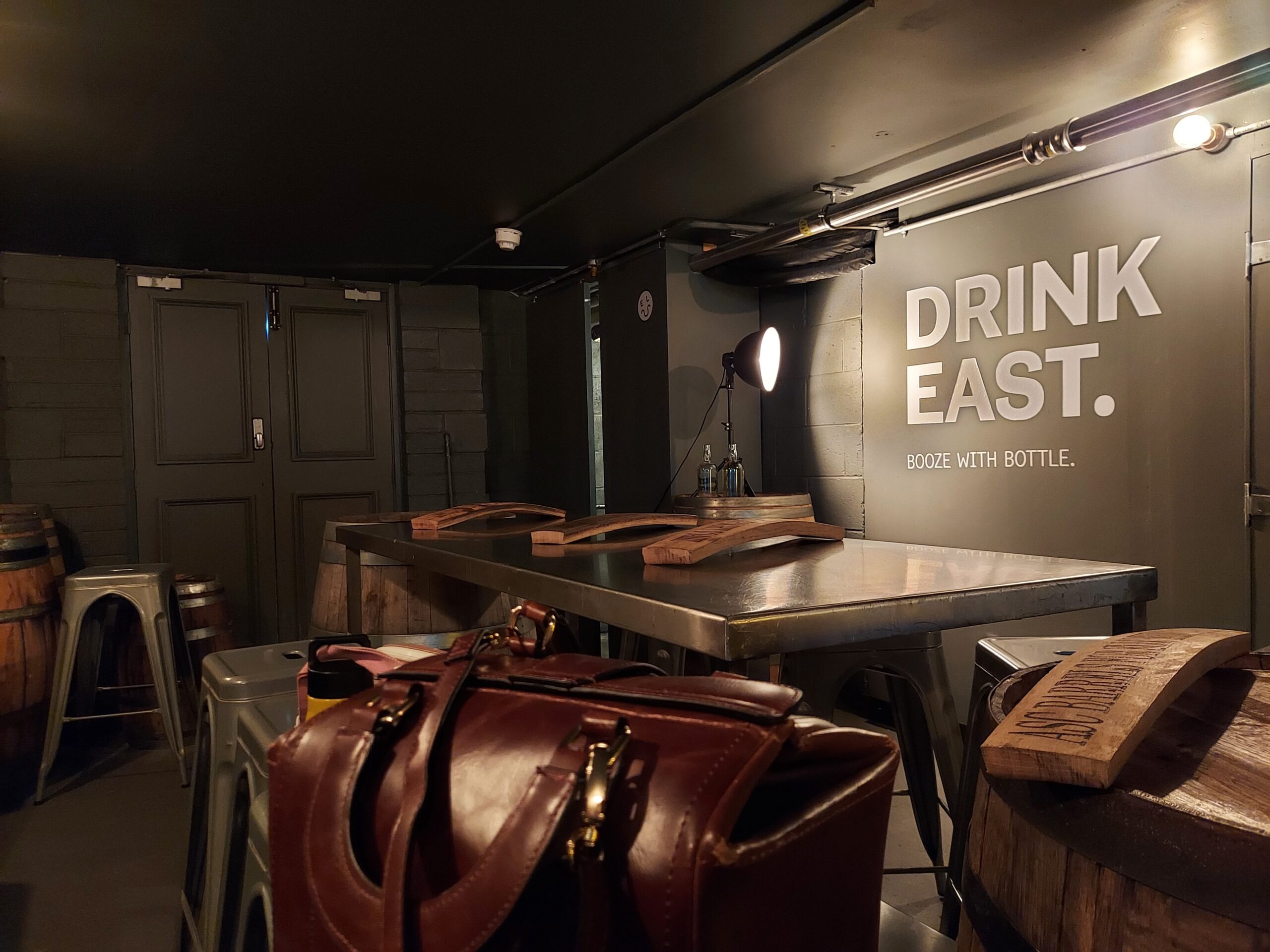
Inside the gin tasting room

Hayman’s Gin Distillery Tour

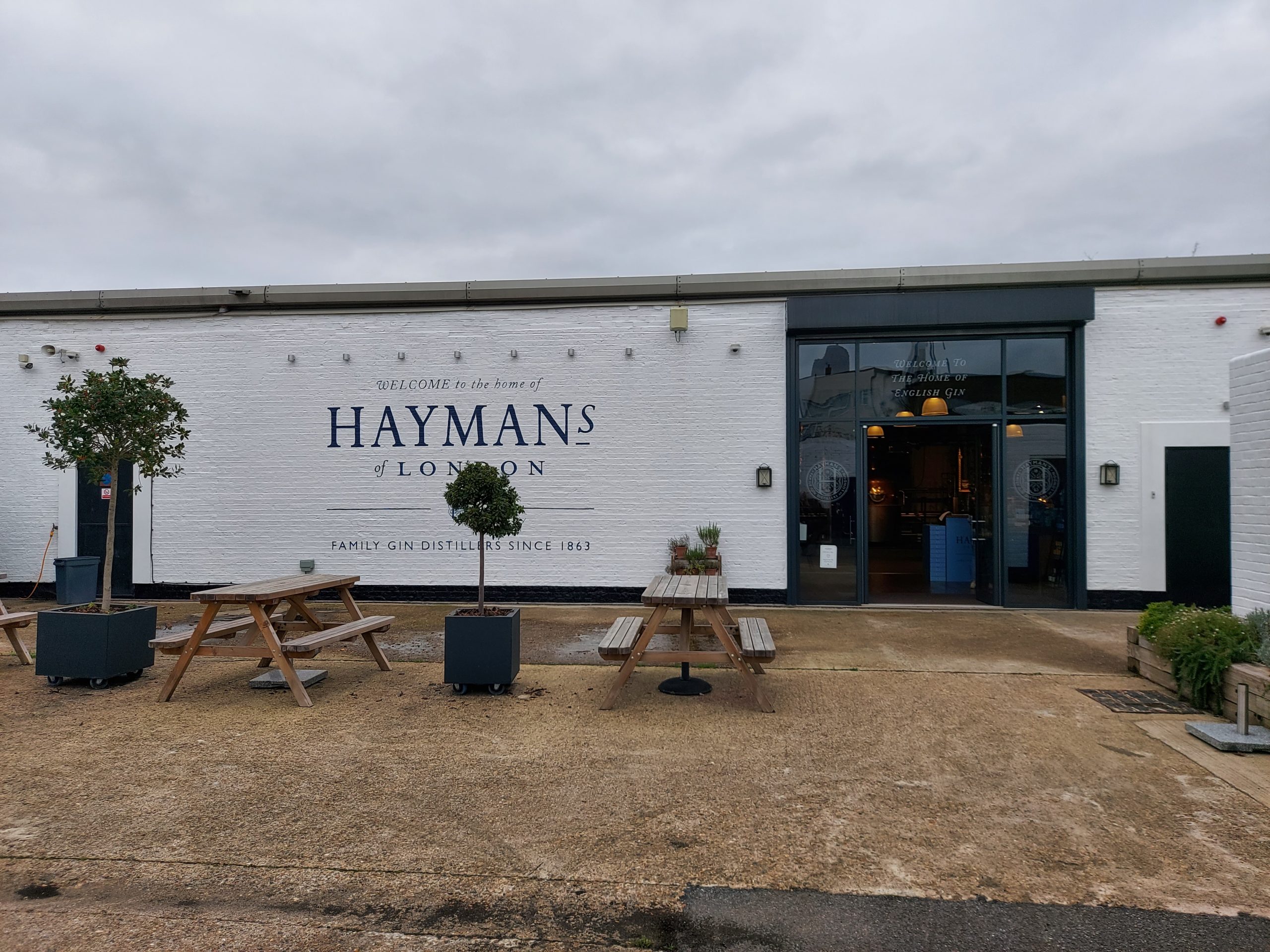
Frontage of Hayman's Gin

It’s become something of a tradition that when my friend comes to visit me in London we visit a gin distillery for a tour and tasting. This time, we booked to visit Hayman’s Gin Distillery in south London (nearest station Balham).

We arrived in good time and enjoyed a complimentary G&T while we waited for the session to begin. I hadn’t had Hayman’s gin before but I have to say it was really lovely – I would definitely drink it again.

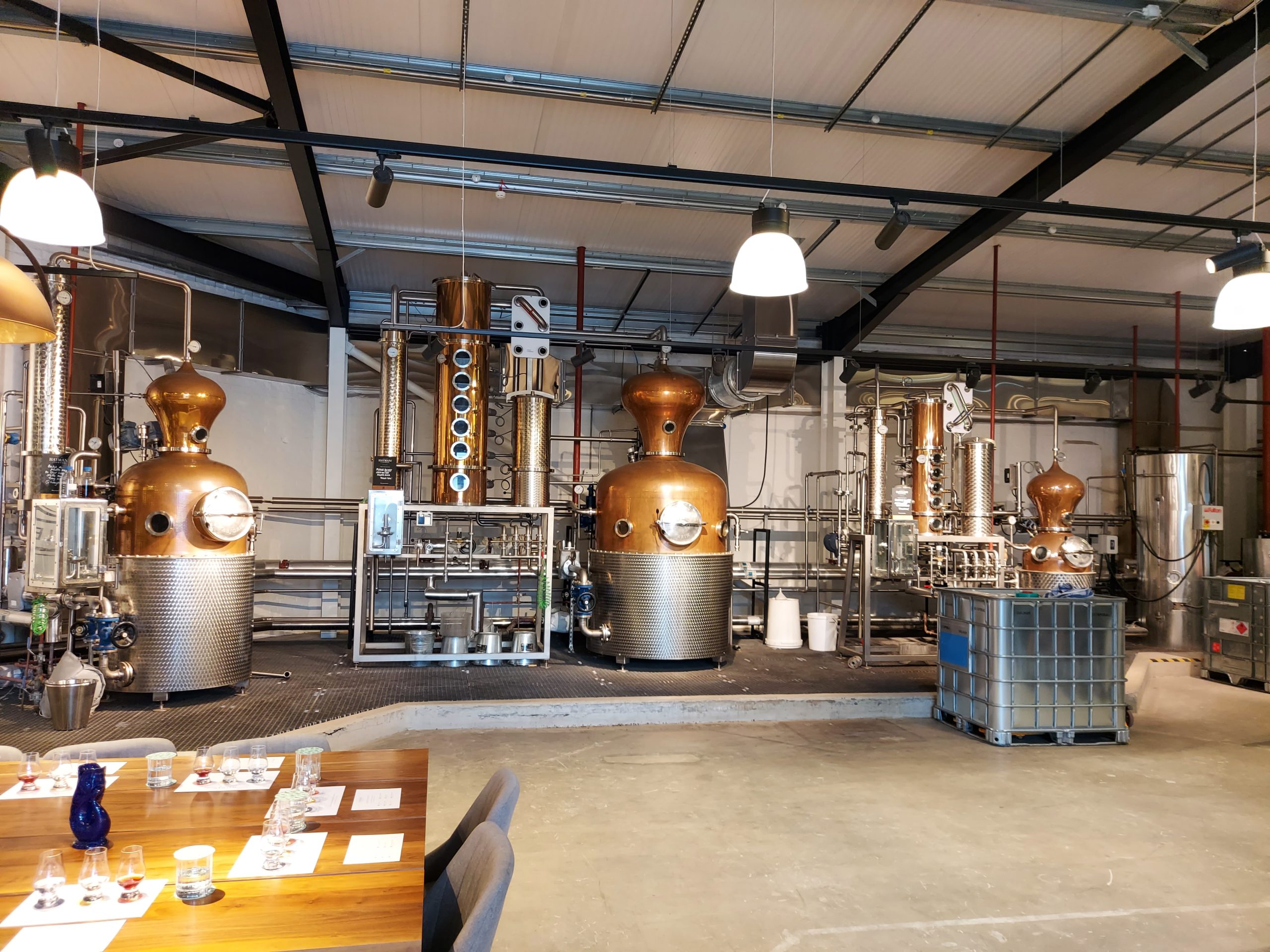
Inside the distillery

Hayman’s is a long-standing distillery in London, founded in 1863 by James Burrough, who pioneered the London Dry style of gin. His descendants Christopher, James and Miranda still run the business today. The current distillery in Balham is relatively new, and the space allows the family to host events celebrating the history and manufacture of gin.

The table set out for us

Our tour began with a short talk about the history of Hayman’s gin, before we headed downstairs to learn more about the botanicals present in the traditional recipe. We got to have a go at mixing our own blends using a pestle and mortar – it was impressive how different all our efforts smelled, showing the importance of creating the perfect blend to finalise the desired taste.

After that we had a look at the copper stills – Marjorie, Karin and Miranda, named after the women in the Hayman family – and learned more about the gin-making process. After that it was time for the gin tasting. We sampled three varieties of gin, traditional, exotic citrus and sloe, and enjoyed experiencing the differences between each one.

Gin ready for tasting

Finally, we made our way out of the distillery in order to find lunch, having had a great experience.

FACTS

Address: 8a Weir Road, London, SW12 0GT

Website: haymansgin.com

Opening Hours: See website for tour & tasting times; the shop is open Mon-Fri and some Saturdays

Prices: £25 for the gin tour & tasting

Prince Philip Maritime Collections Centre

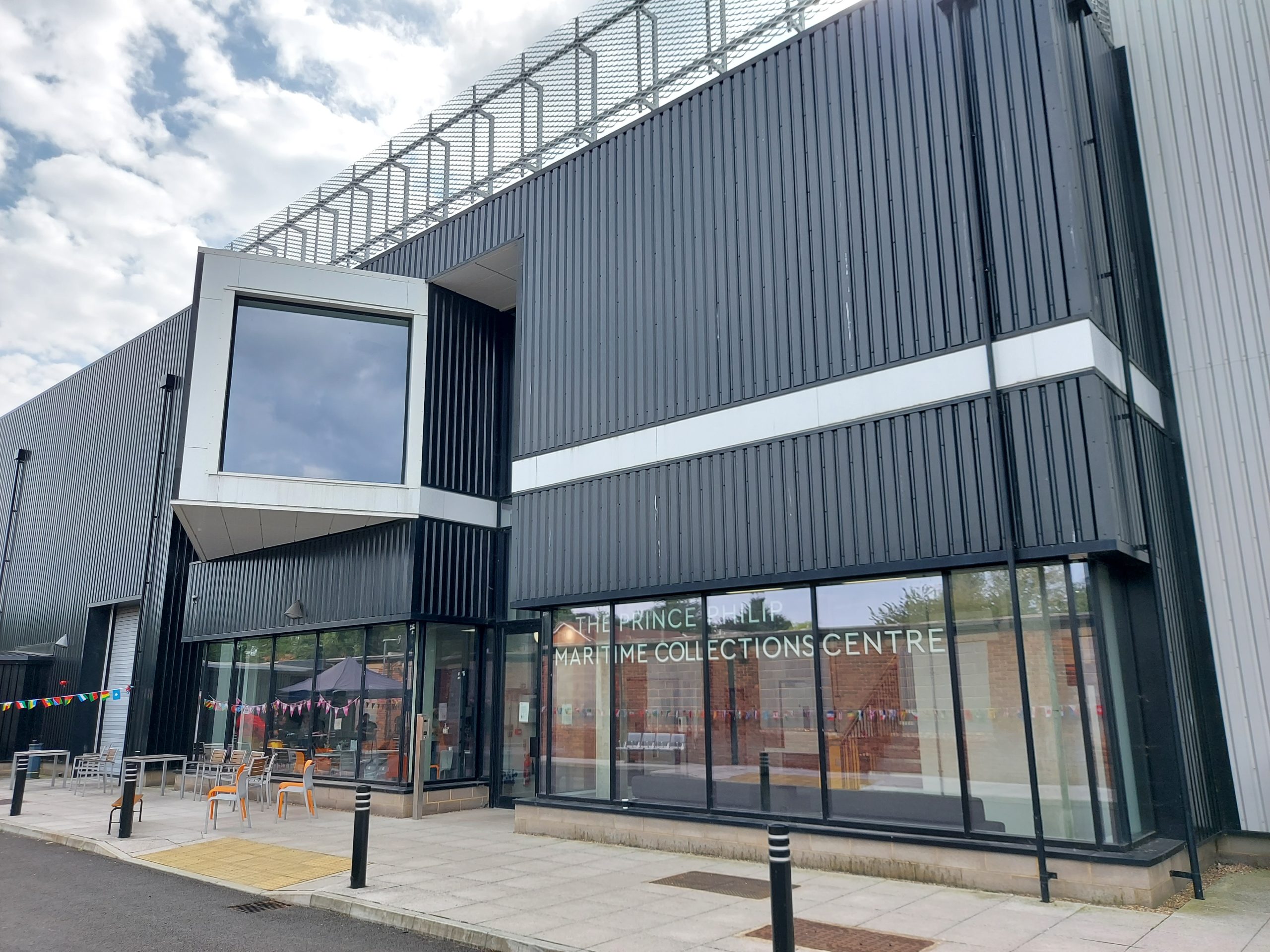
The PPMCC

The Prince Philip Maritime Collections Centre is the archive facility for Royal Museums Greenwich. It is a working facility, but it is also open to the public at certain dates and times.

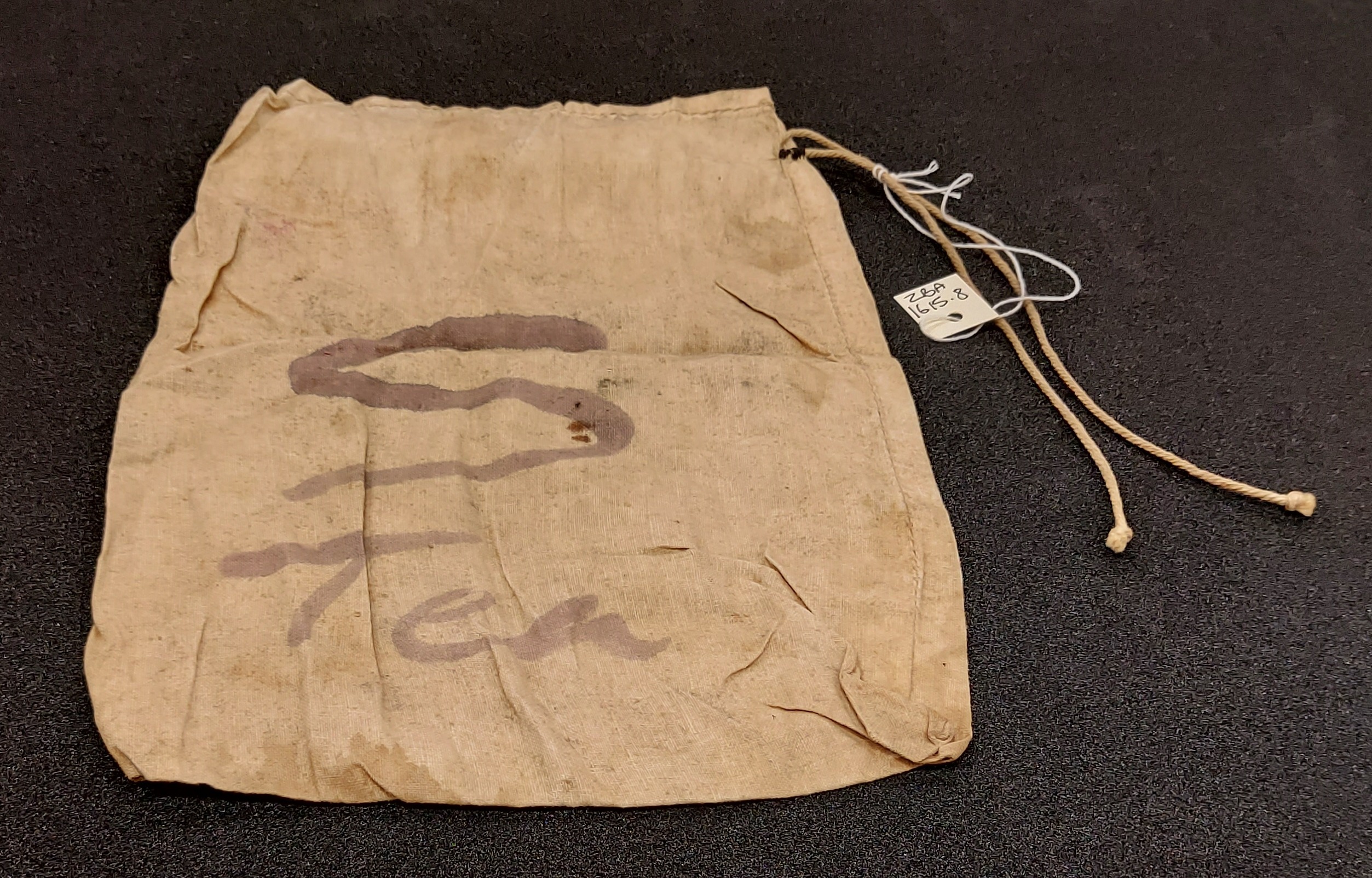
A ration pouch from Scott’s Terra Nova expedition

I went along during the Heritage Open Days weekend, and was interested enough to book on one of their Saturday Super Store tours (a longer Behind the Scenes tour is also available on the first Thursday of every month, and allows you to see what the conservators get up to).

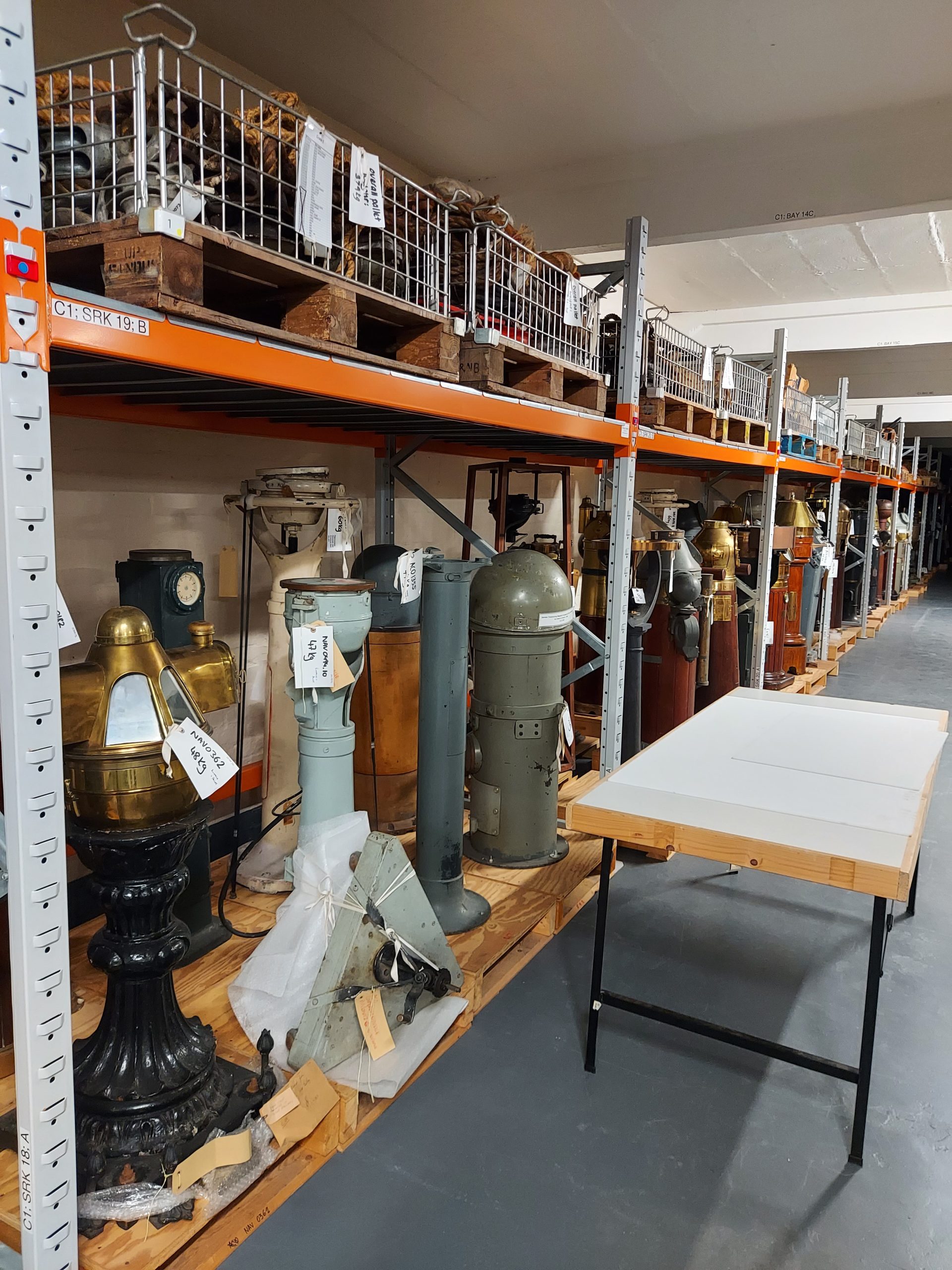
storage shelves
Inside the collections store

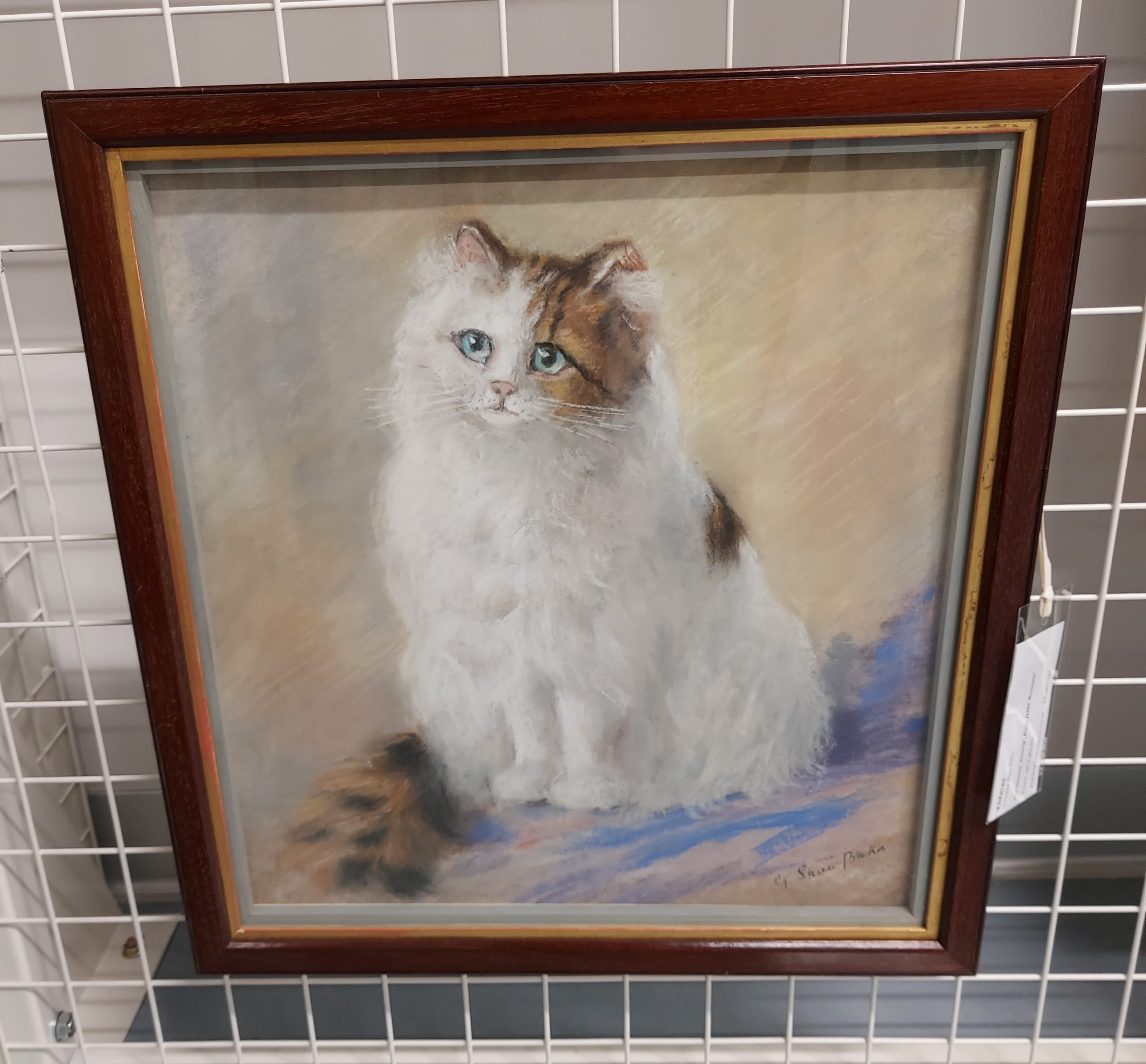
Our tour started in a room full of huge objects taken from ships, including a whale-rendering cauldron, a fireplace from a ship of Queen Victoria’s era that sank, numerous cannon, and other assorted items. We also visited a room that contained several model ships, which were often used to demonstrate to insurers that the ship in question was seaworthy. Another room contained works of art relating to maritime history, including paintings of notable sailors and other figures (including ships’ cats), as well as naval battle scenes. The Museum is actively trying to fill gaps in its collection by seeking out pictures and artefacts relating to women and minorities who have historically been underrepresented in the collection.

painting of a cat
Cat!

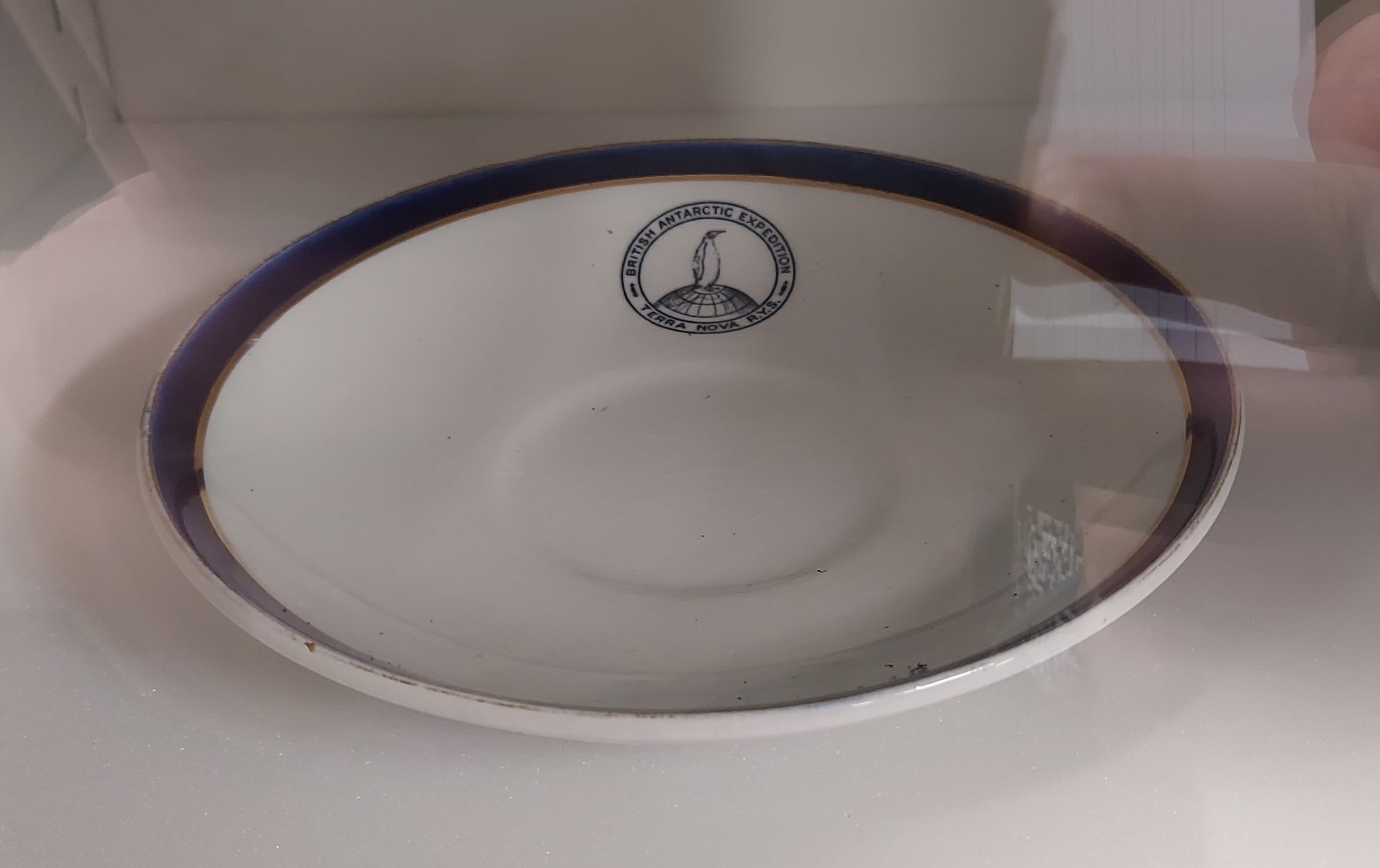
Another room was filled with china, other tableware and small artefacts – there was lots of Nelson memorabilia, but I was particularly excited to see china from Scott’s Terra Nova expedition. I’m particularly interested in polar exploration – during my Heritage Open Days visit I was excited to see ration bags from this same expedition.

China plate
Plate from the Terra Nova expedition

Finally, we got to see one of the most poignant items from the collection: the little toy pig belonged to Titanic survivor Edith Rosenbaum. It was given to her by her mother to aid her recovery after a road accident. Edith was travelling back to America on the Titanic and, of course, took her beloved pig with her. After the collision with the iceberg she was reluctant to get on the lifeboat, but when a crew member grabbed the pig from her and threw it onto the lifeboat, Edith took it as a sign and climbed aboard. While waiting to be rescued, Edith kept the other passengers on the lifeboat amused by winding up the pig – which doubled as a music box – and playing a tune. The little pig is too fragile to photograph, but you can view images here.

FACTS

Address: Nelson Mandela Road, London, SE3 9QS

Website: rmg.co.uk/collections/prince-philip-maritime-collections-centre

Opening Hours: 1:30 pm Sat; 1:30 pm first Thursday of every month

Price: Saturday Super Store tour £12; Thursday Behind the Scenes tour £16 (£12 for members)

Benjamin Franklin House – Architectural Tour

The Benjamin Franklin House has been a visitor attraction in London for years, but I’d never got around to visiting, until now. Looking for something to do during my week off, I found the museum’s website which advised that architectural tours run every Friday. It’s not often I get a Friday off when I’m in London, so I booked straight away.

Benjamin Franklin House

Benjamin Franklin was one of the Founding Fathers of the United States of America. He was a polymath and one of the leading intellectuals of his time. The Grade 1 listed house is at 36 Craven Street, a Georgian side street not far from Charing Cross station and Trafalgar Square – it really is very central. It dates from around 1730, and Franklin lodged there for 16 years between 1757 and 1775 in his role as chief colonial diplomat. The street would have looked very different at the time – this was before the Embankment was built, so the Thames would have been much closer to the house.

brown door
Front door

As it turned out, it was a quiet day and there were only two of us on the tour, but the house had been decorated in red, white and blue in preparation for Independence Day celebrations at the weekend. We were shown around the house starting with the basement: a brown plaque is on display here that was originally on the side of the wrong house on this street. A room here is devoted to the history of the house, which served as a lodging house for much of its life before being converted into a hotel in the 20th century. In the late 1990s, the Friends of Benjamin Franklin House were granted the freehold to 36 Craven Street from the British government, and set about restoring the property.

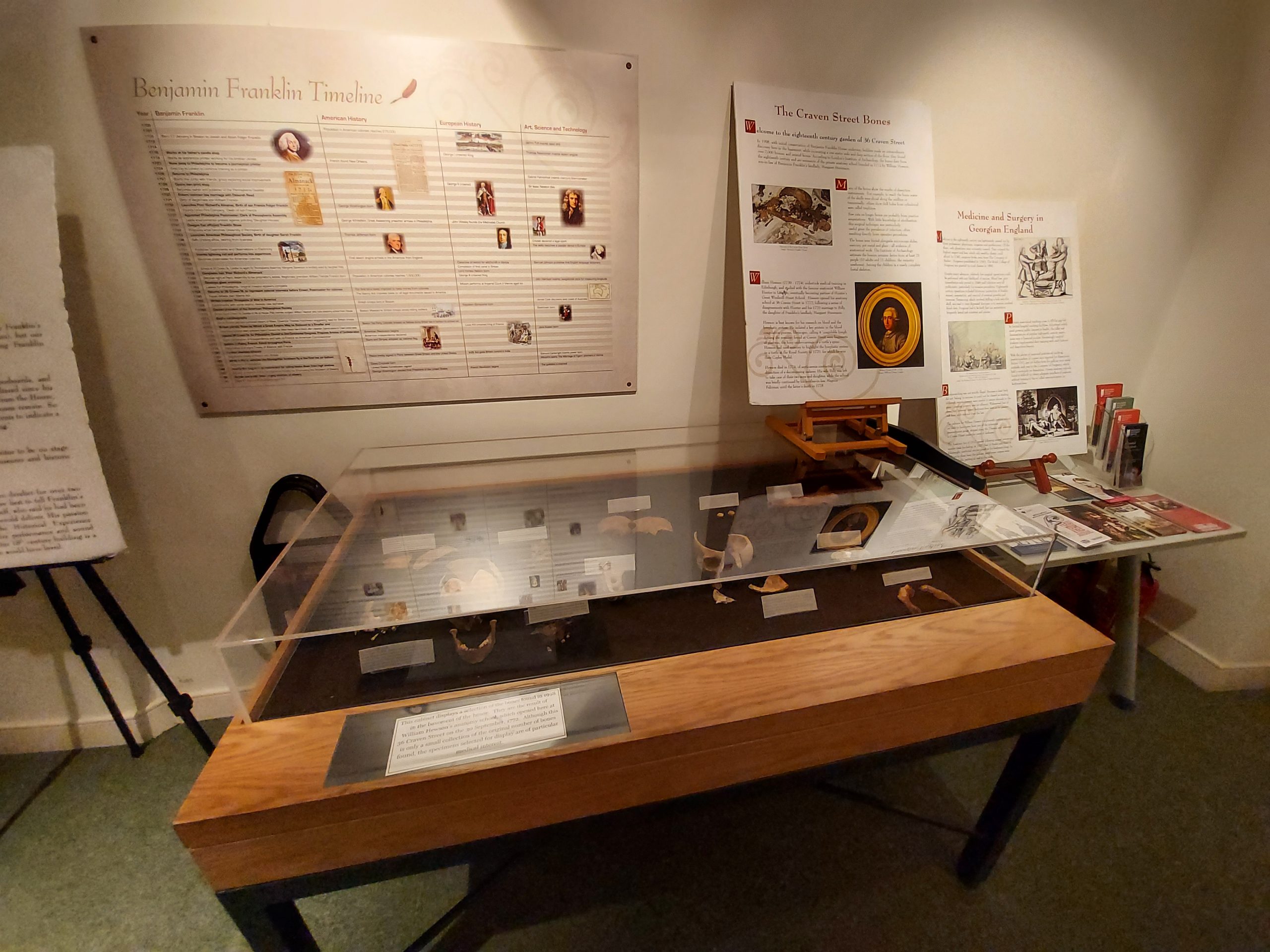
display table
Human bones found during excavation

During the excavation, a number of human bones were found. It is believed that William Hewson, Franklin’s landlady’s son-in-law, was responsible for these remains: an early anatomist, he had been living in the house for two years and working in secret, as well as running an anatomy school. The basement is also where the kitchen is located, where food would be cooked for the landlady, her family and lodgers. The kitchen includes a recess built into the wall – historians aren’t certain what it is, but some believe it may have been a kind of early fridge.

sitting room
Sitting room

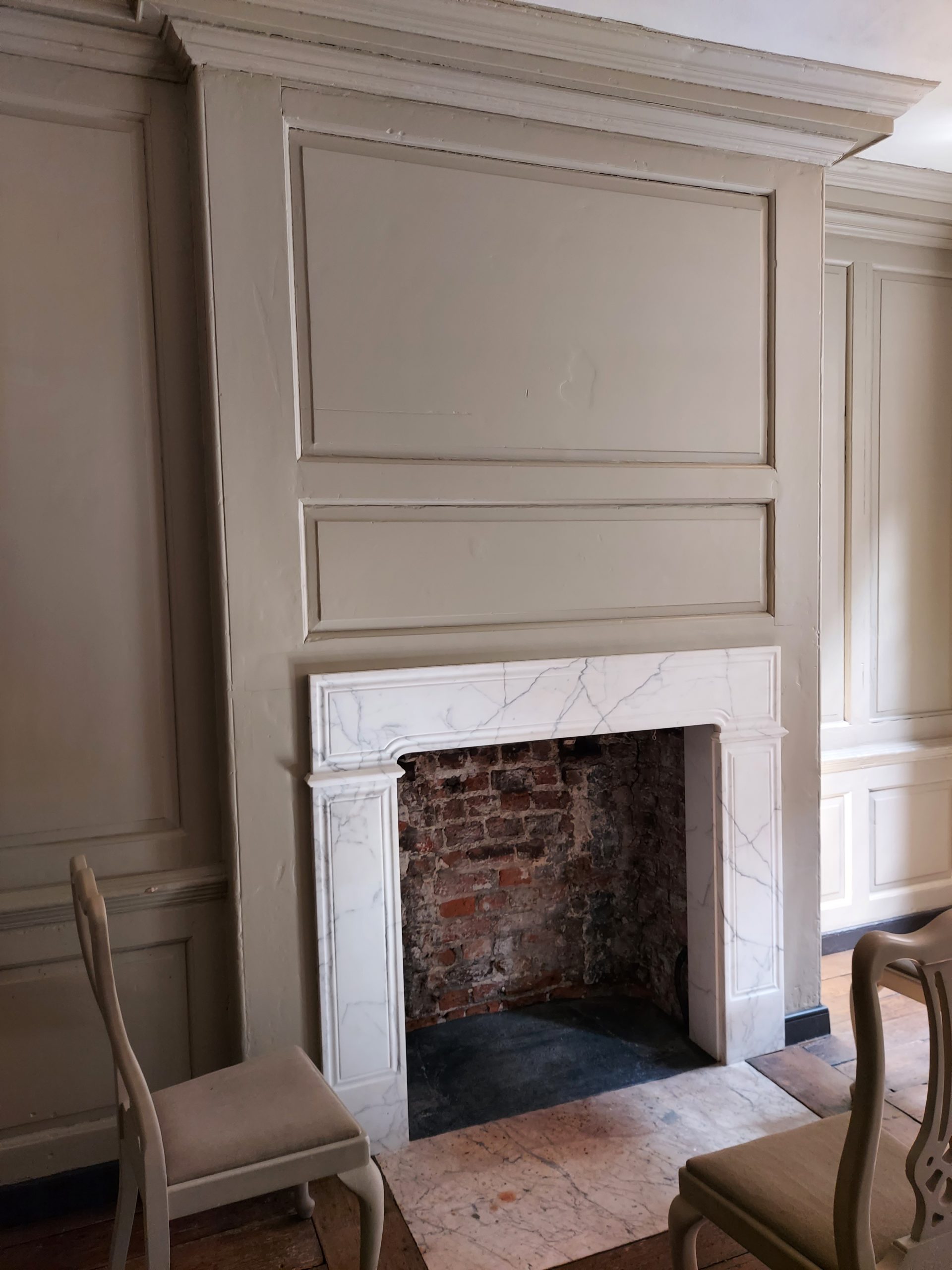
The ground floor was the main sitting room used by the family – as a valued and longstanding guest Franklin was also able to spend time here. The address gained a reputation as the ‘first American embassy’ as he used to invite statesmen and cultural figures to discuss events of the day. Many of the features in this room are original, such as the two-part window shutters, although parts of the fireplace are not. The floor slopes in places, being built on slightly uneven ground. On this floor, our guide also showed us the mechanism by which the door would have been kept shut by means of a chain.

window
Window featuring original shutters

Upstairs is the set of rooms inhabited by Franklin, although at the time it would have been one big room. He apparently used to ‘sunbathe’ naked with the windows wide open – luckily this was early in the morning so no one else would have had to see this sight. Franklin also used to go swimming in the Thames to keep fit – presumably the pollution levels were lower then than they would later become. The back of the house holds a key and kite display in honour of one of Franklin’s most famous experiments, and the fireplace contains a bust of Franklin, currently topped with a jaunty party hat.

large spacious room
Franklin’s room

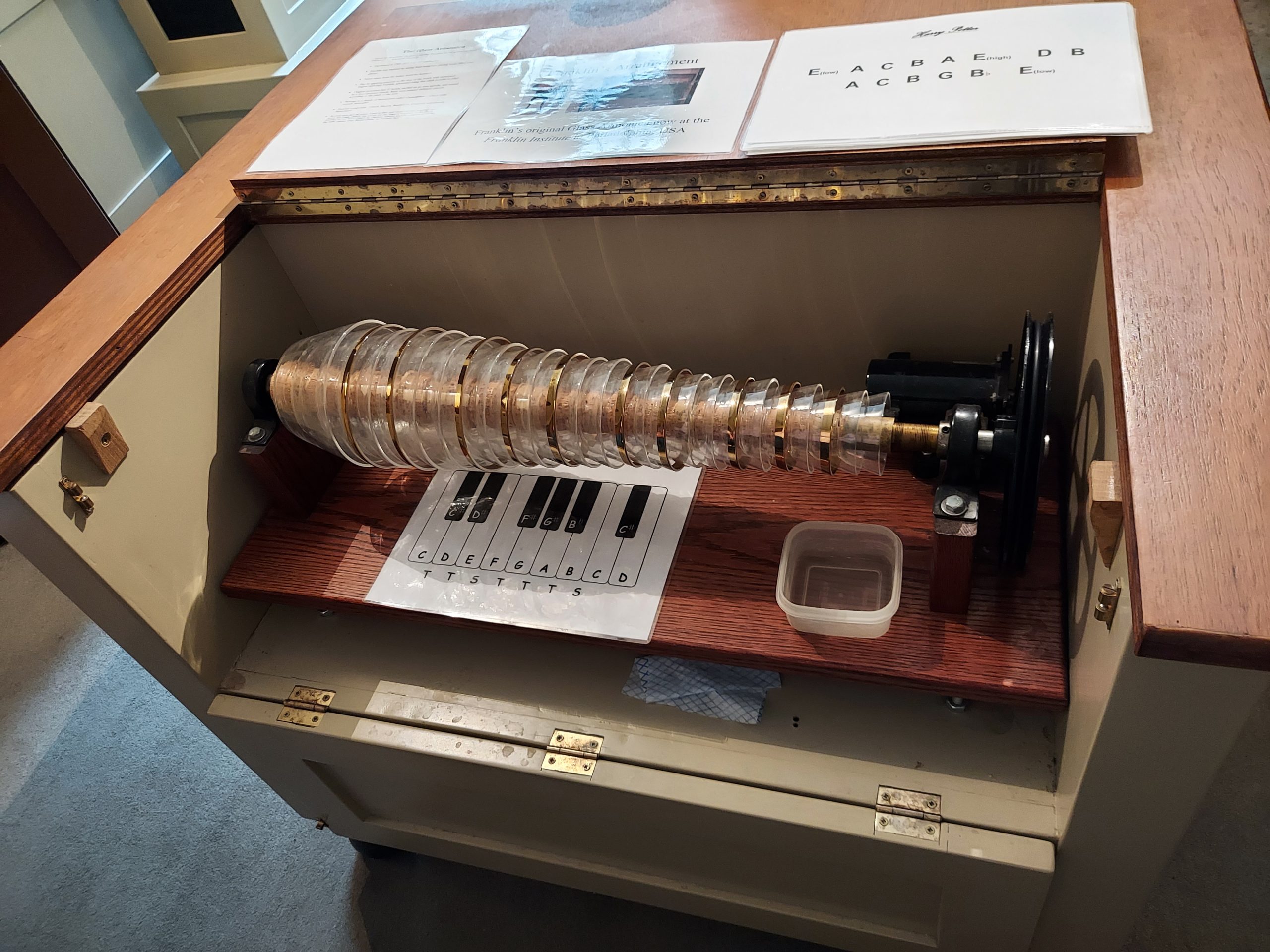
Above this were rooms used by the landlady, similar in style to Franklin’s below, while above this were rooms used by other lodgers. Today these rooms host educational resources, including Franklin’s own invented instrument, a glass harmonica.The tour was fascinating and I definitely plan to return for the Historical Experience.

glass harmonica
Glass harmonica

City of London Distillery Tour & Tasting

Entrance to the City of London Distillery

Struggling to think of something to do when my friend came down for the weekend, I perused my list of ideas gathered from various corners of the Internet, and found something I’d forgotten about – the City of London Distillery. This relatively new distillery offers a tour & tasting experience, and we quickly signed up.

The distillery can be found not too far from St Paul’s, very close to the Bridewell Centre (home to a theatre, library and meeting rooms), down a small alley. Heading down some steps, you enter a welcoming modern bar; we enjoyed a drink while hearing a talk about the history of gin, the ‘gin craze’ and the subsquent fall in popularity. The City of London Distillery is the first gin distillery in the City of London for nearly 200 years.

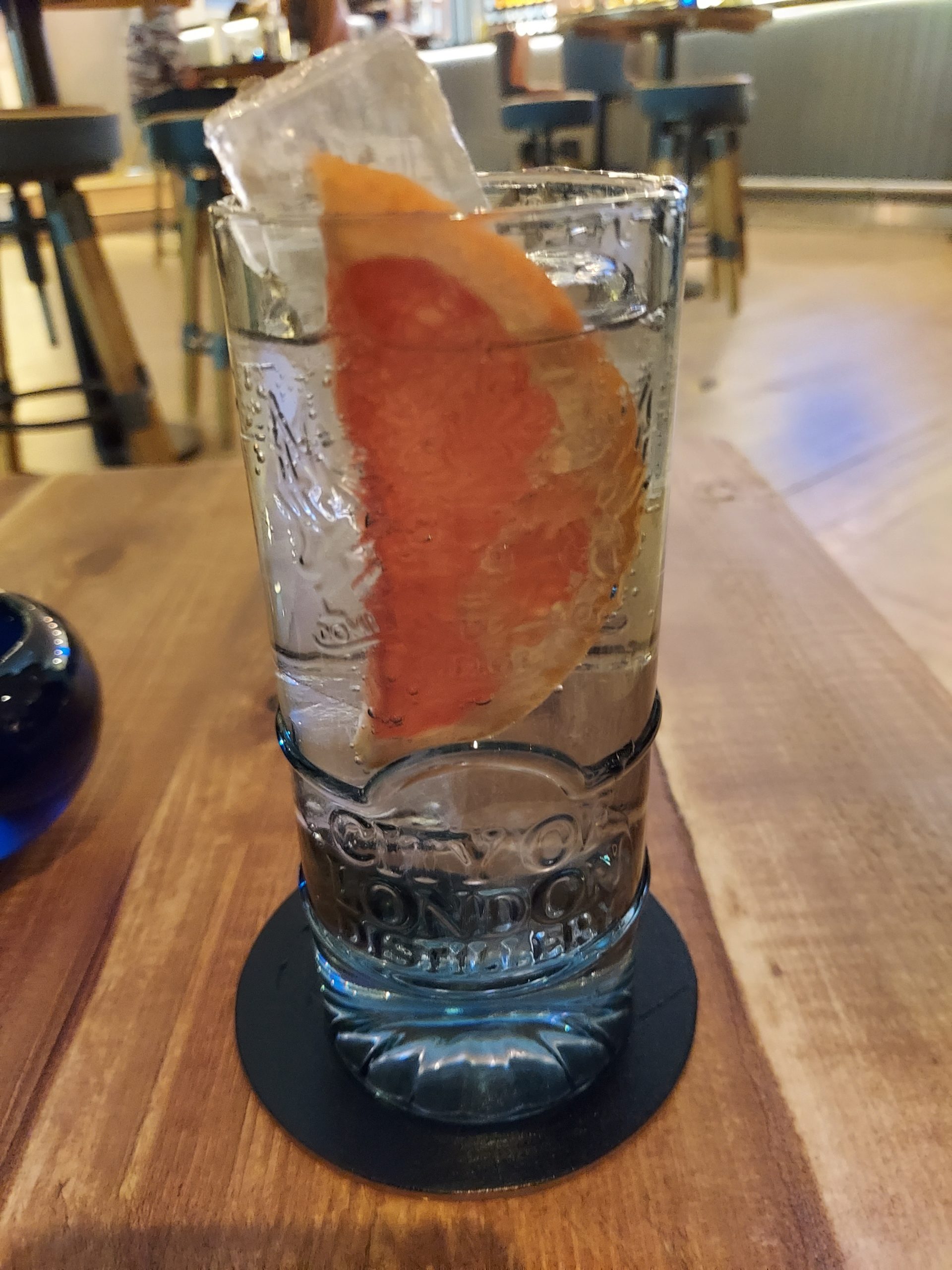
My welcome G&T

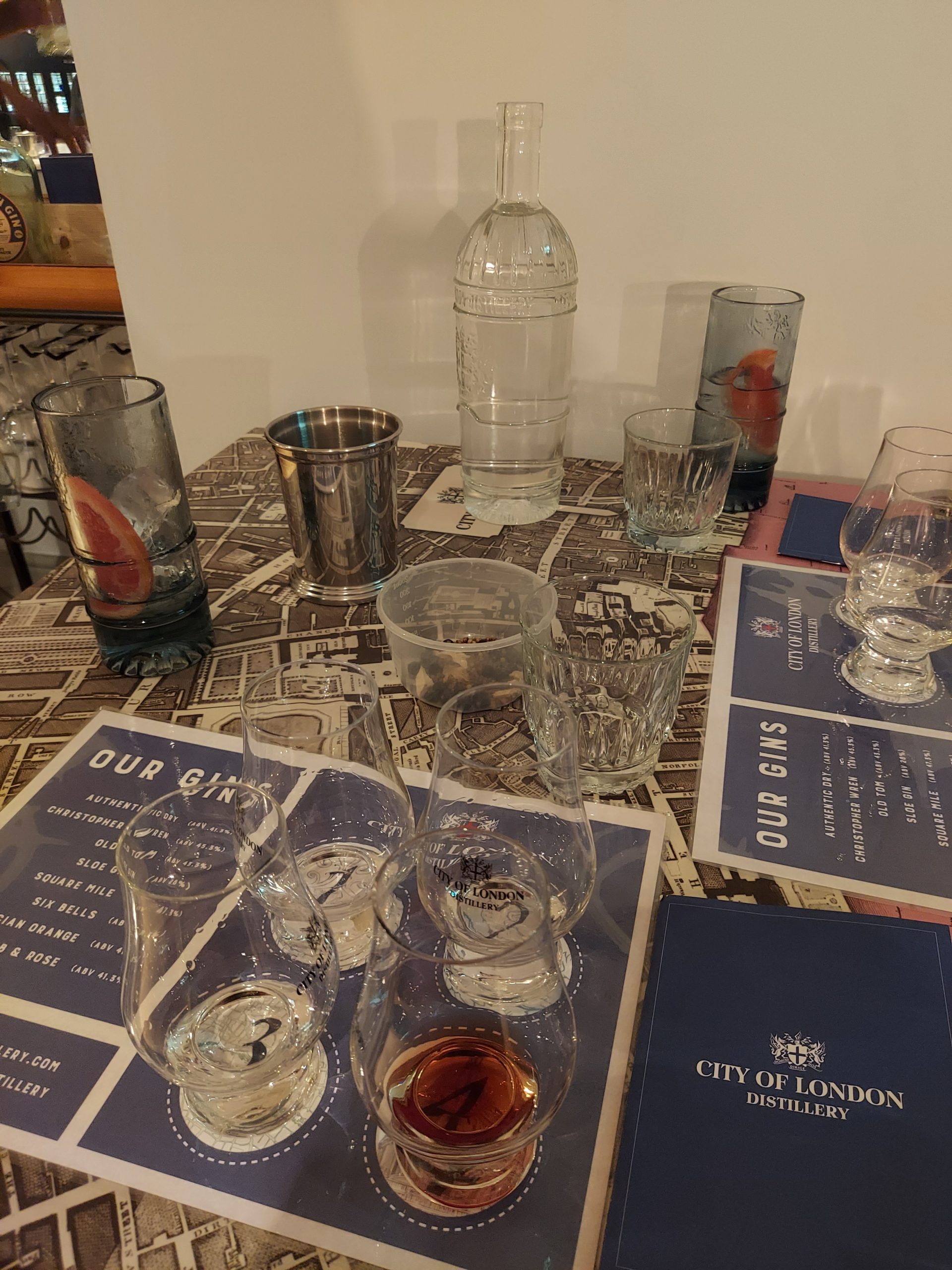
Following the talk, we then tasted four different gins, learning about the ingredients of gin and what goes into each type. The distillery creates some interesting flavours of gin, including a Square Mile Gin, a Christopher Wren gin, and a Six Bells lemon gin, which was my favourite. Finally we got to see the stills and other equipment that helps to create this gin.

Gin tasting

My friend and I had a great time and would definitely recommend a trip to the distillery. If you can’t make a gin tasting, visit the bar and sample one of their delicious G&Ts.

Distillery

FACTS

Address: 22-24 Bride Lane, London, EC4Y 8DT

Website: cityoflondondistillery.com

Opening Hours: See website for tour & tasting times; the bar is open daily

Prices: £25 for the gin tour & tasting