Caledonian Market Clock Tower

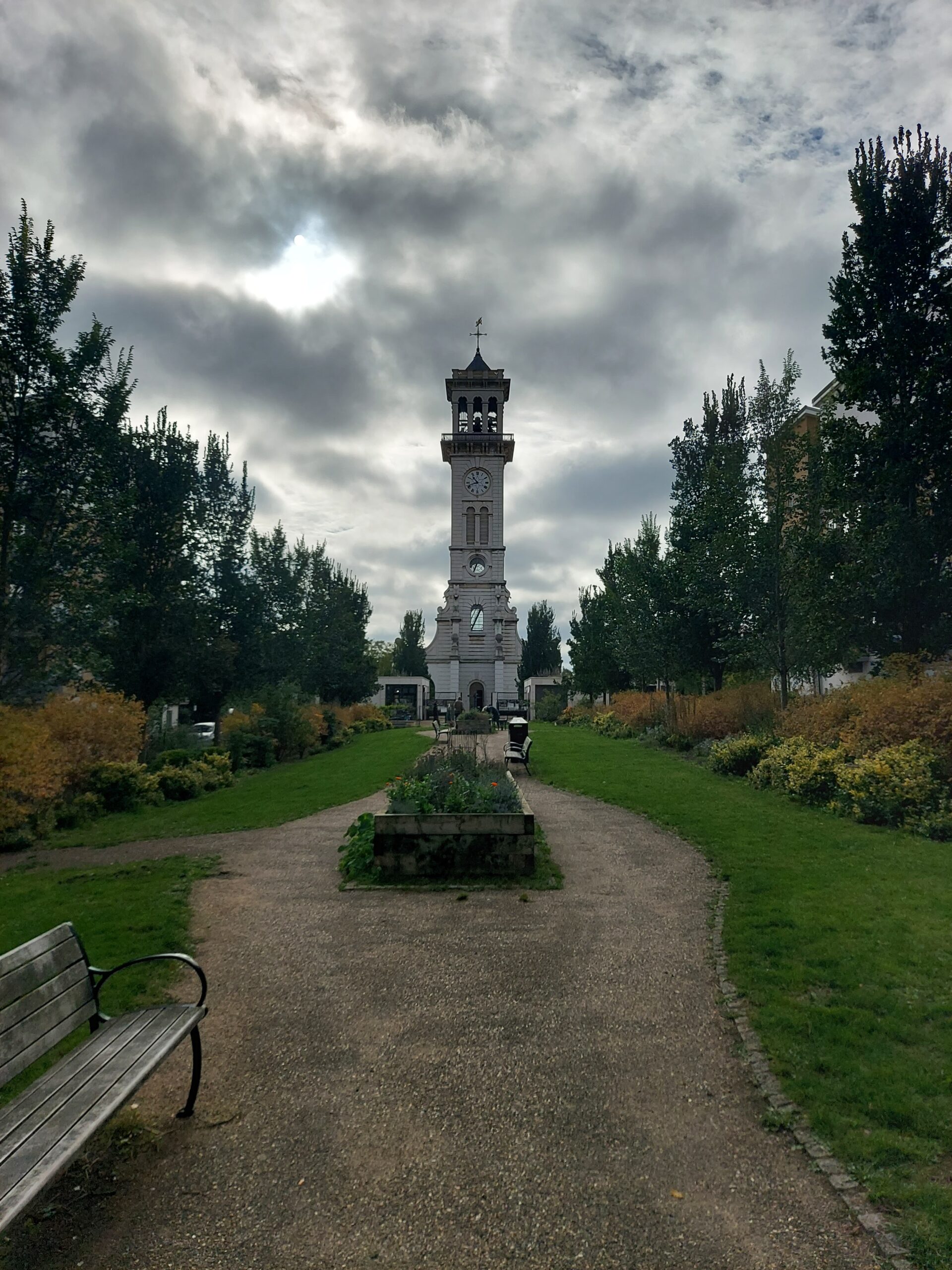
Caledonian Park Clock Tower

When I completed my kickboxing course recently, I kept walking past Caledonian Market Clock Tower, and wanting to know more about its history. I got my wish when I saw that guided tours were taking place allowing people to climb to the top of the tower and learn more about it at the same time.

The tower used to be the centrepiece of the Metropolitan Cattle Market (later Caledonian Market), just off the Caledonian Road in the parish of Islington (now the London Borough of Islington). It was built by James Bunstone Bunning, architect of the City of London Corporation, and was opened in June 1855 by Prince Albert. The market was opened in response to the difficulties of taking live cattle to crowded Smithfield in the City. It covered 30 acres, and was built on the site of the former Copenhagen House, the Ambassador of Denmark’s residence in the seventeenth century.

The market played host to cattle from all around the country, including Scotland, Yorkshire, East Anglia, Wales and the Cotswolds. Sheep, cows, pigs and horses were all sold here. The conditions were much improved from Smithfield: there was more space, animals were better treated, and there was access to water. At each corner of the market, large pubs (some of which still remain) provided accommodation, entertainment and relaxation for traders and visitors.

The clock face seen from the inside

The advent of refrigeration in the early twentieth century removed the need for livestock to be brought to London for slaughter. The market became a well-known bric-a-brac market, and was famous for the variety of goods sold. After World War II, the market transferred to Bermondsey, but it is still known by its old name of the Caledonian Market.

The market here in Islington finally closed in 1963. The area was converted to housing and to Caledonian Park. The clock tower still stands as the magnificent centrepiece of the Park, and is Grade II* listed. It was restored between 2016 and 2019.

Our tour took us up one floor at a time of this fascinating structure. Overall, we climbed quite a lot of steps, but it wasn’t so bad as we only did a small number at a time. Some of the narrower staircases were particularly tricky, but handholds and ropes have been added to help. Most of my party managed to get up OK.

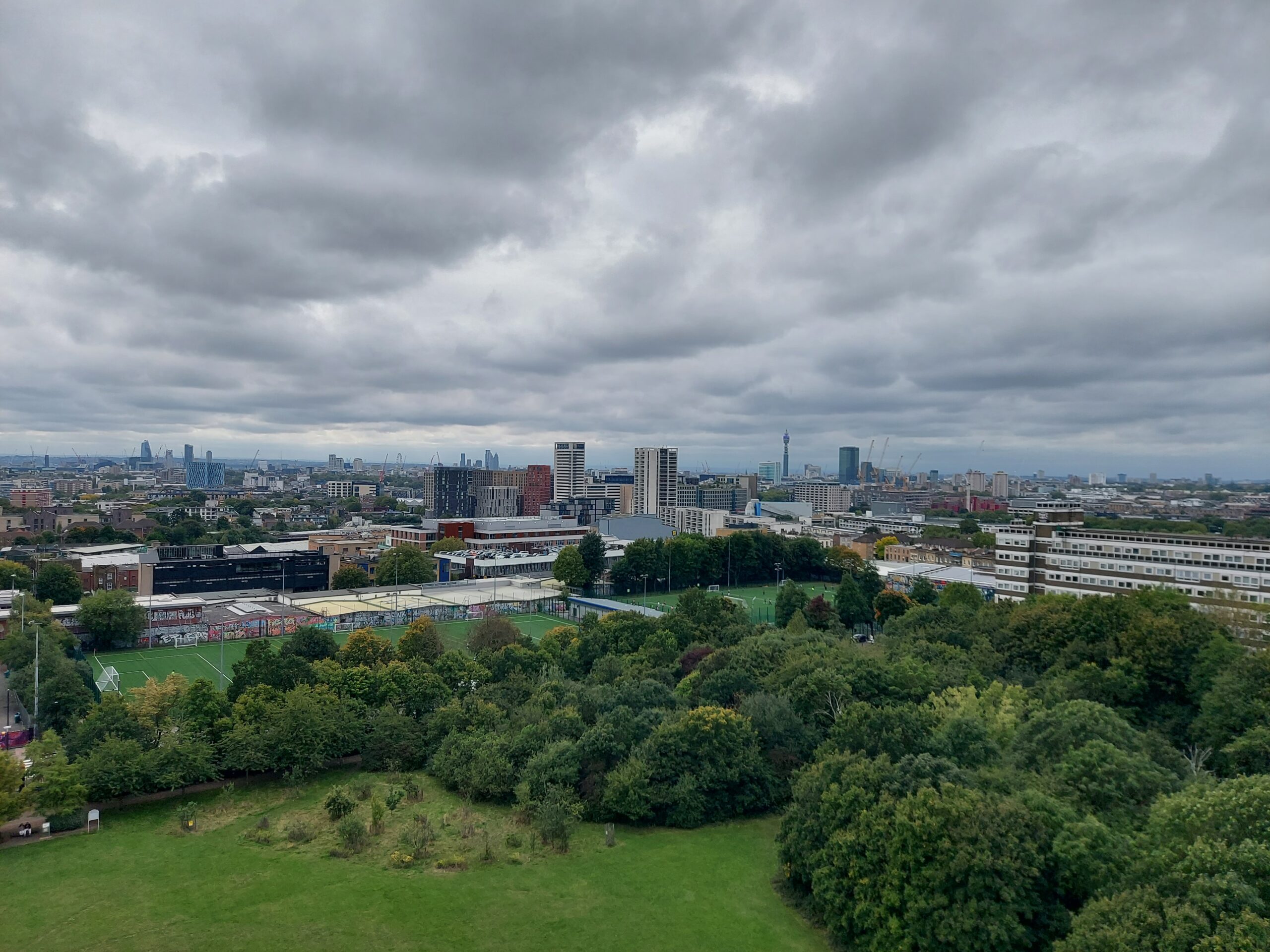
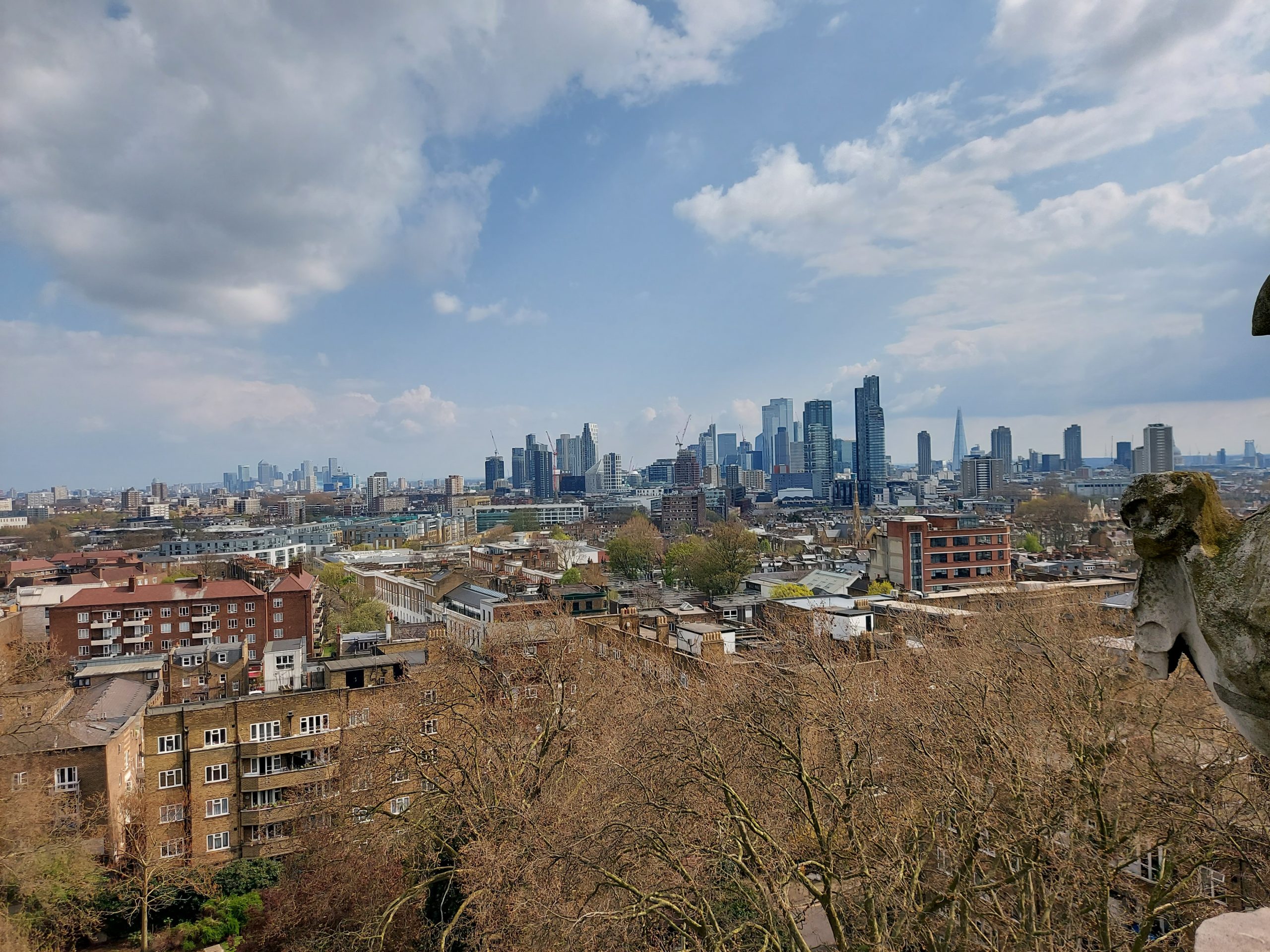
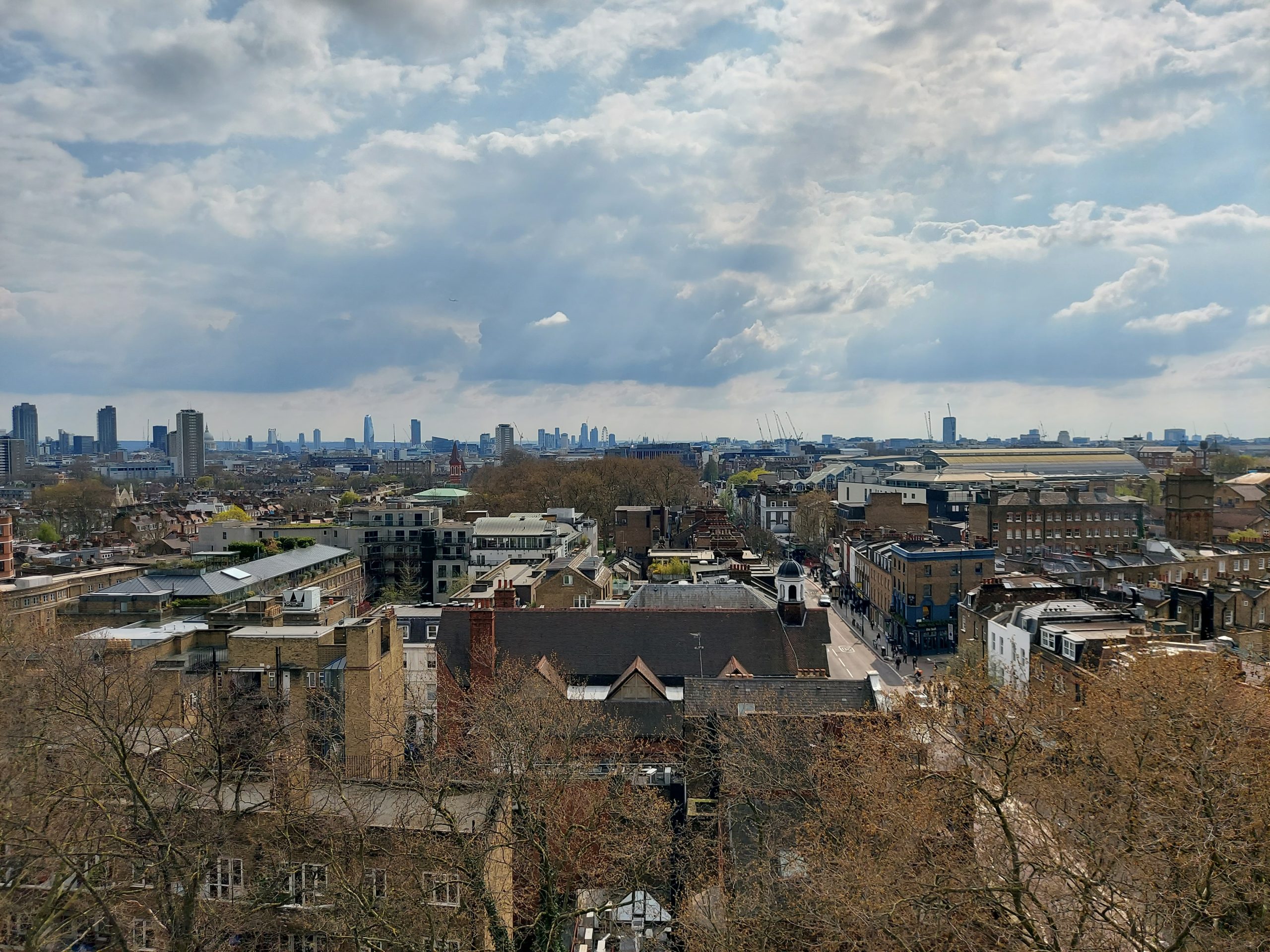
We got to see the workings of the magnificent pendulum clock, and, most excitingly, wonderful views over London. In the north, we could see Alexandra Palace; to the east, the Olympic Park; and to the south, the high-rise buildings of the City and Canary Wharf.

If you have a reasonable level of fitness and are able to manage steep steps, I would definitely recommend booking yourself on a tour. They are run by Islington Guided Walks and can be booked via Eventbrite.
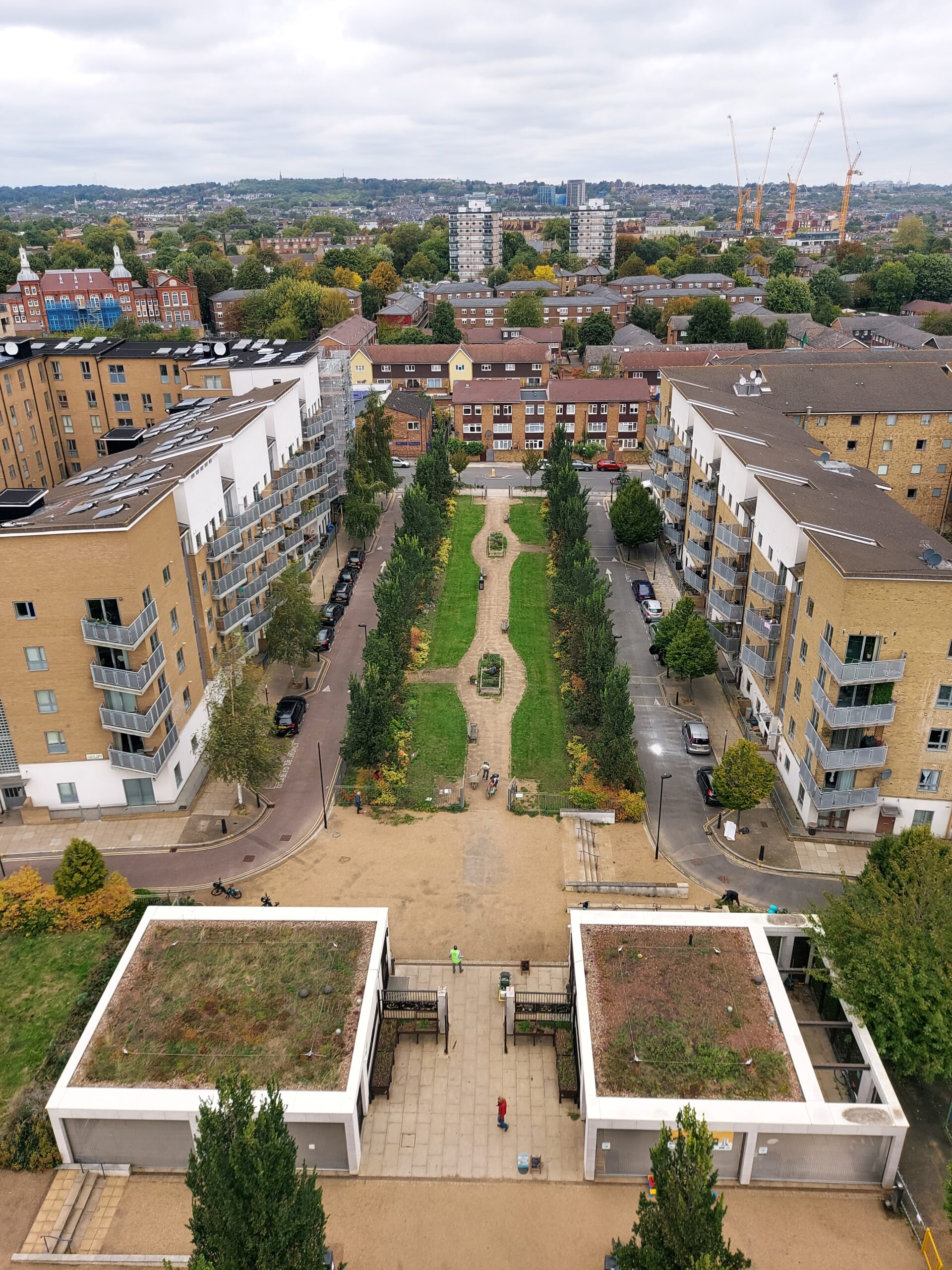
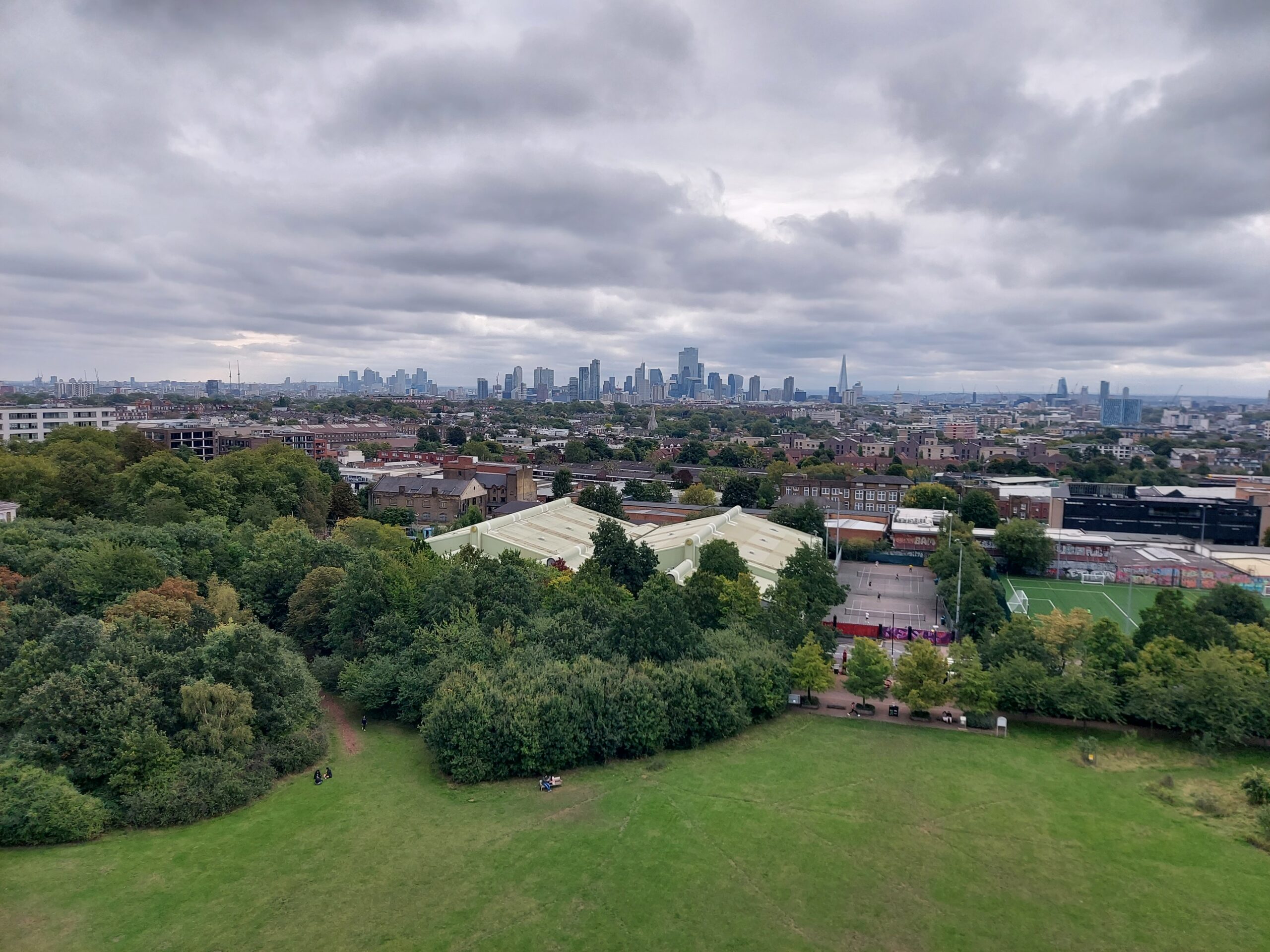
Looking north
Looking north
Looking south towards the City
Looking south east towards the City
South west towards central London

St Mary’s Church, Islington: A Guided Tour

St Mary's Church, Islington

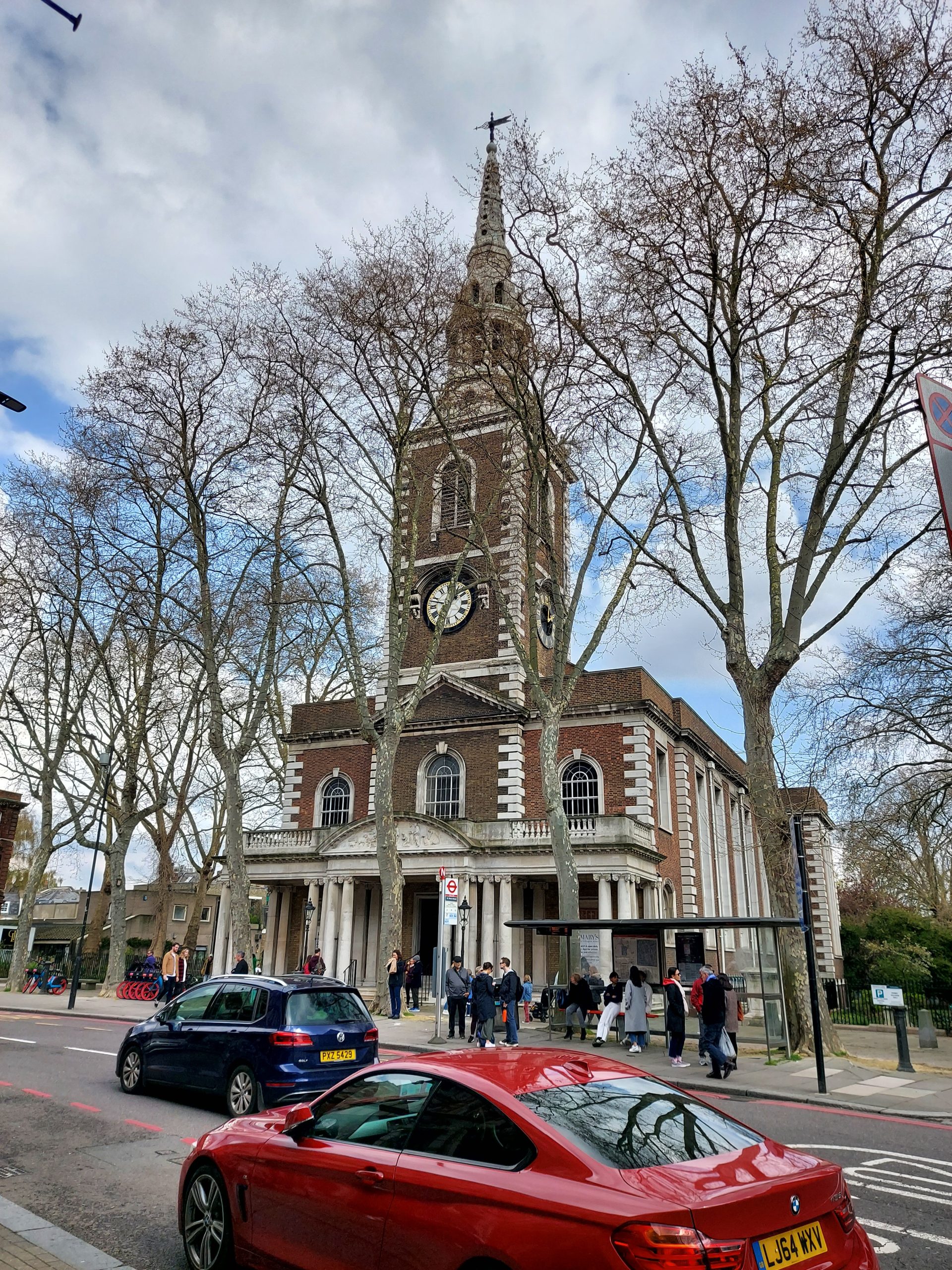
I’ve spent quite a bit of time in Islington – the Almedia and Little Angel theatres are there, plus a couple of pub theatres – and I’ve often walked past St Mary’s Church. I was pleased to get the chance to sign up to a guided tour of the church, organised by Islington Guided Walks.

St Mary's Church, Islington

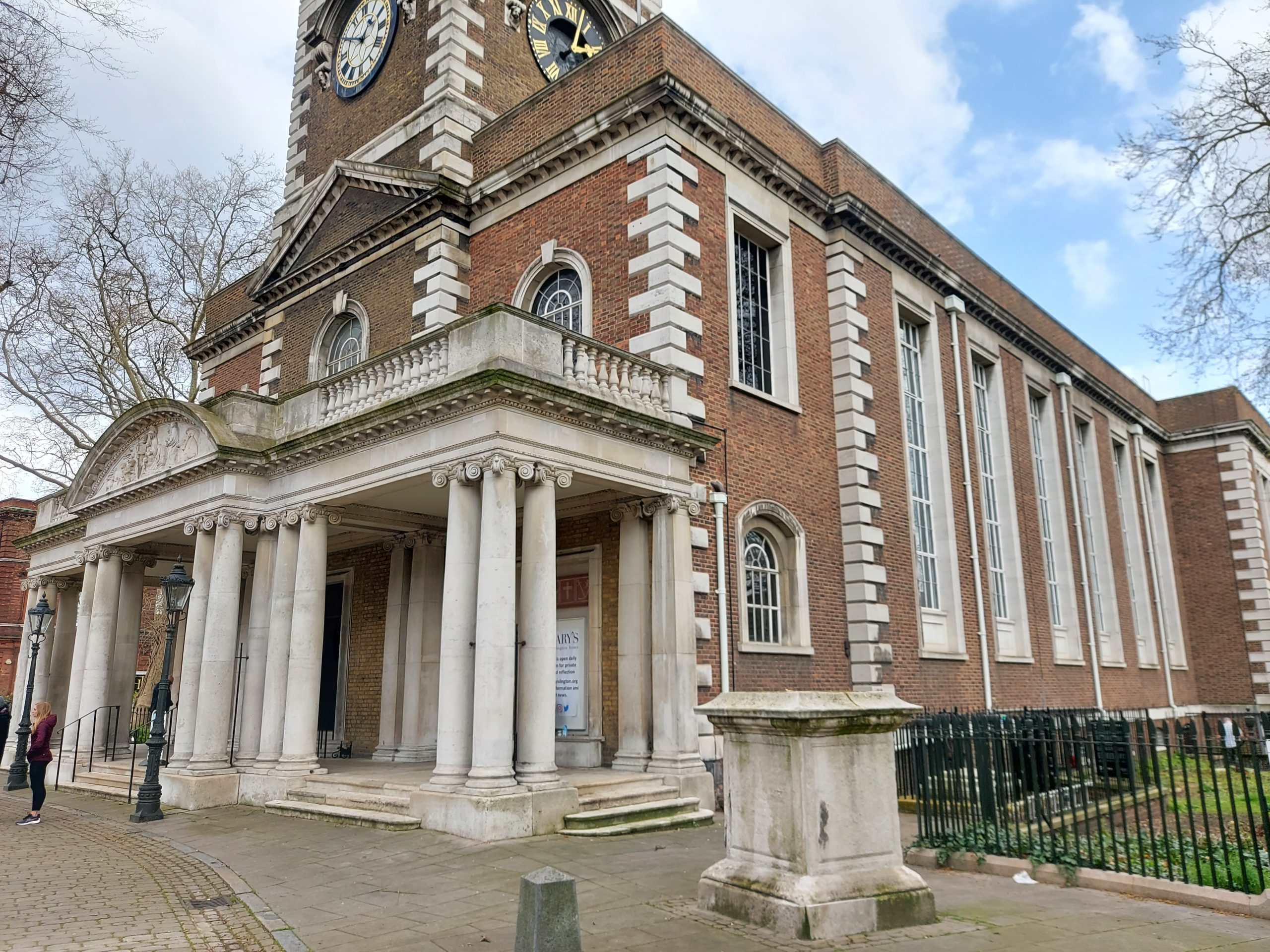
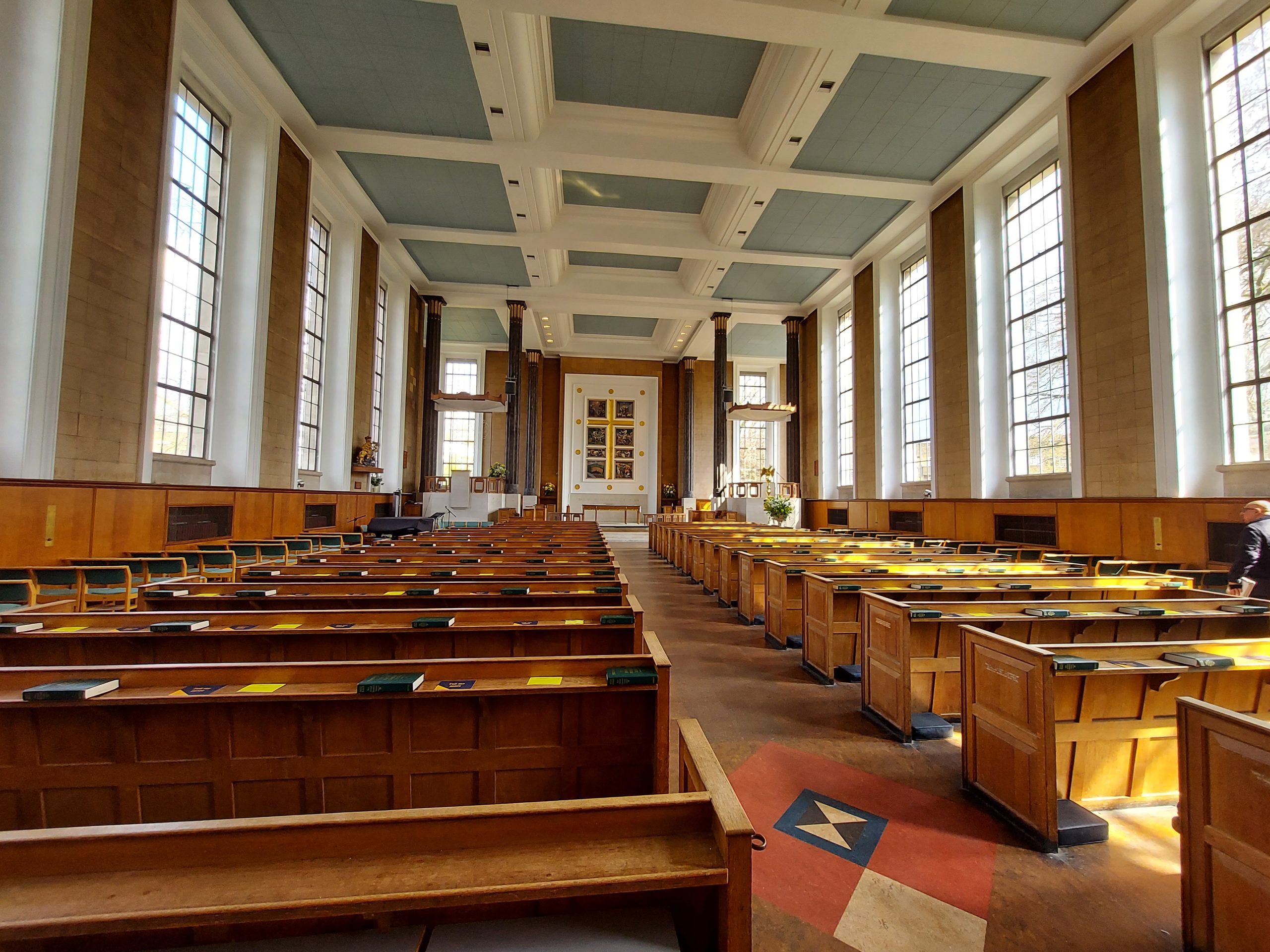
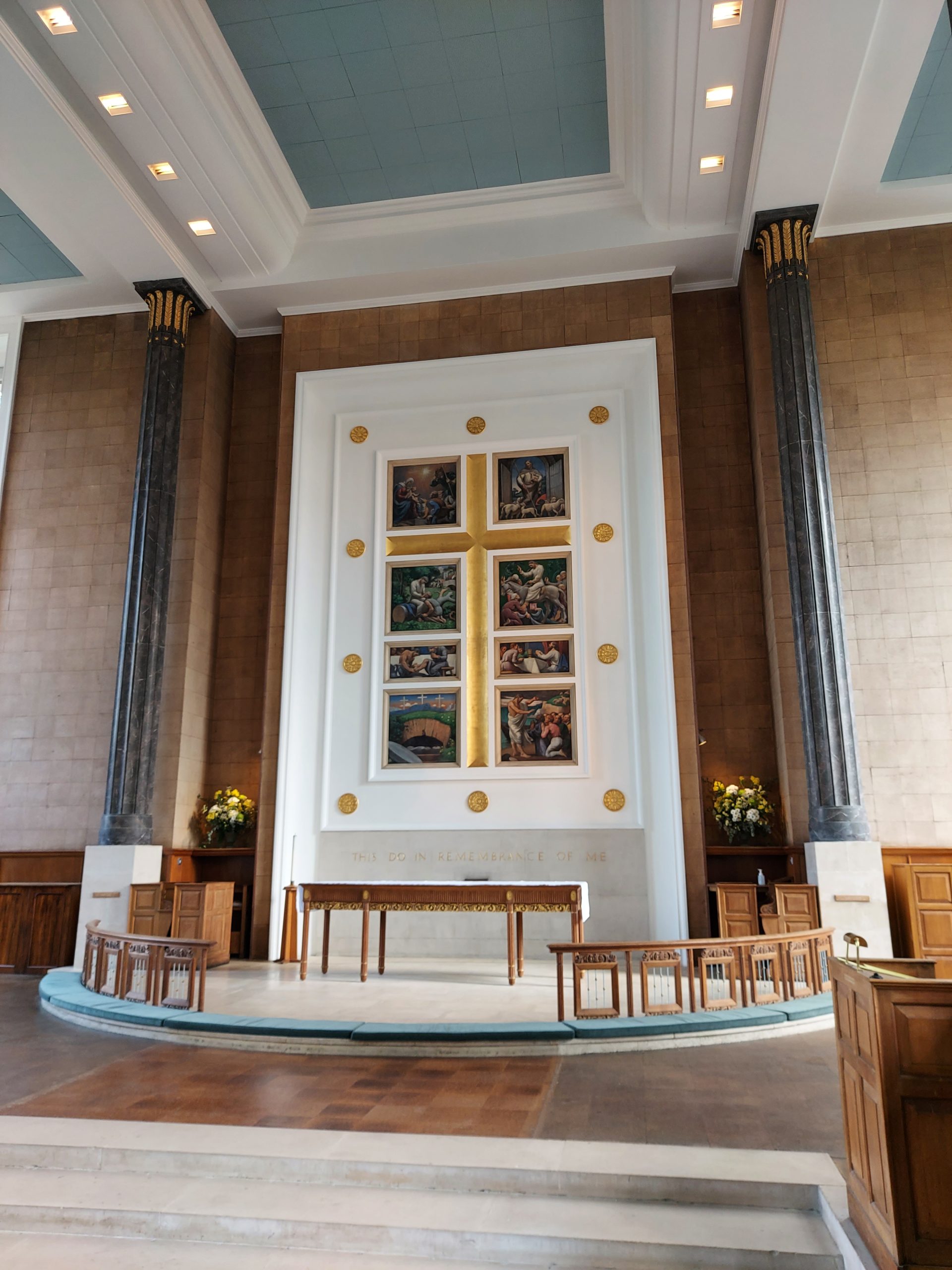
There has been a church on this site since the twelfth century, replaced by a new building in the fifteenth century and again in the 1750s. Maps show the church was at the centre of the parish, even while it was small and surrounded by fields. On the 9th of September 1940, the church was hit by a bomb, destroying everything except the tower and portico. I was surprised when I saw inside: from the outside the church certainly looks like a Georgian creation, and while the rebuilt church in the 1950s resembles a Georgian church in many ways, it is also distinctly modern.

Interior of St Mary's Church, Islington

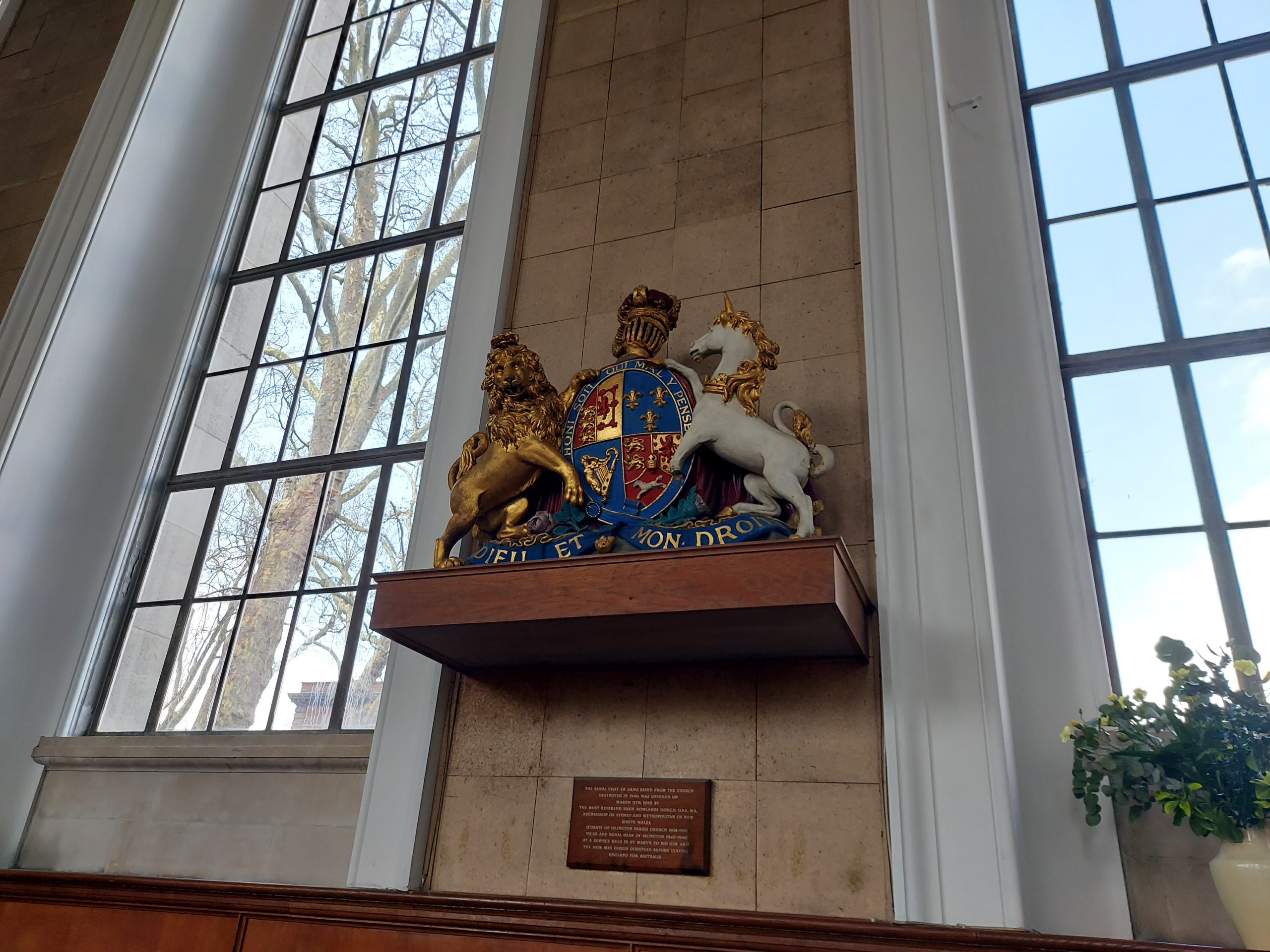
The murals at the east end of the church were painted by Brian Thomas and depict events in Jesus’ life. Pews were donated by various local individuals and groups, including the Arsenal football team. The marble font is the original one from 1754, but the organ pipes decorating the west end came from a church at Berkeley Square. The Royal Arms which hang on the wall of the church are the arms of George II: he was king when the 1754 church was opened. At that time, it was a statutory requirement that all churches displayed the Royal Arms. Miraculously, they survived the World War II bombing.

Front of St Mary's Church, Islington

A small chapel to the right as you enter the church, the Prayer Chapel, contains brasses dating from 1540, originally present in the medieval church. They represent Robert and Alice Fowler and Henry and Margaret Saville (née Fowler), the Fowlers being an influential local family.

Royal Arms inside St Mary's Church, Islington

The crypt, today a rather bland space used for community events, actually dates back to the very first church on the site: one skirting stone has been identified as dating from the twelfth century.

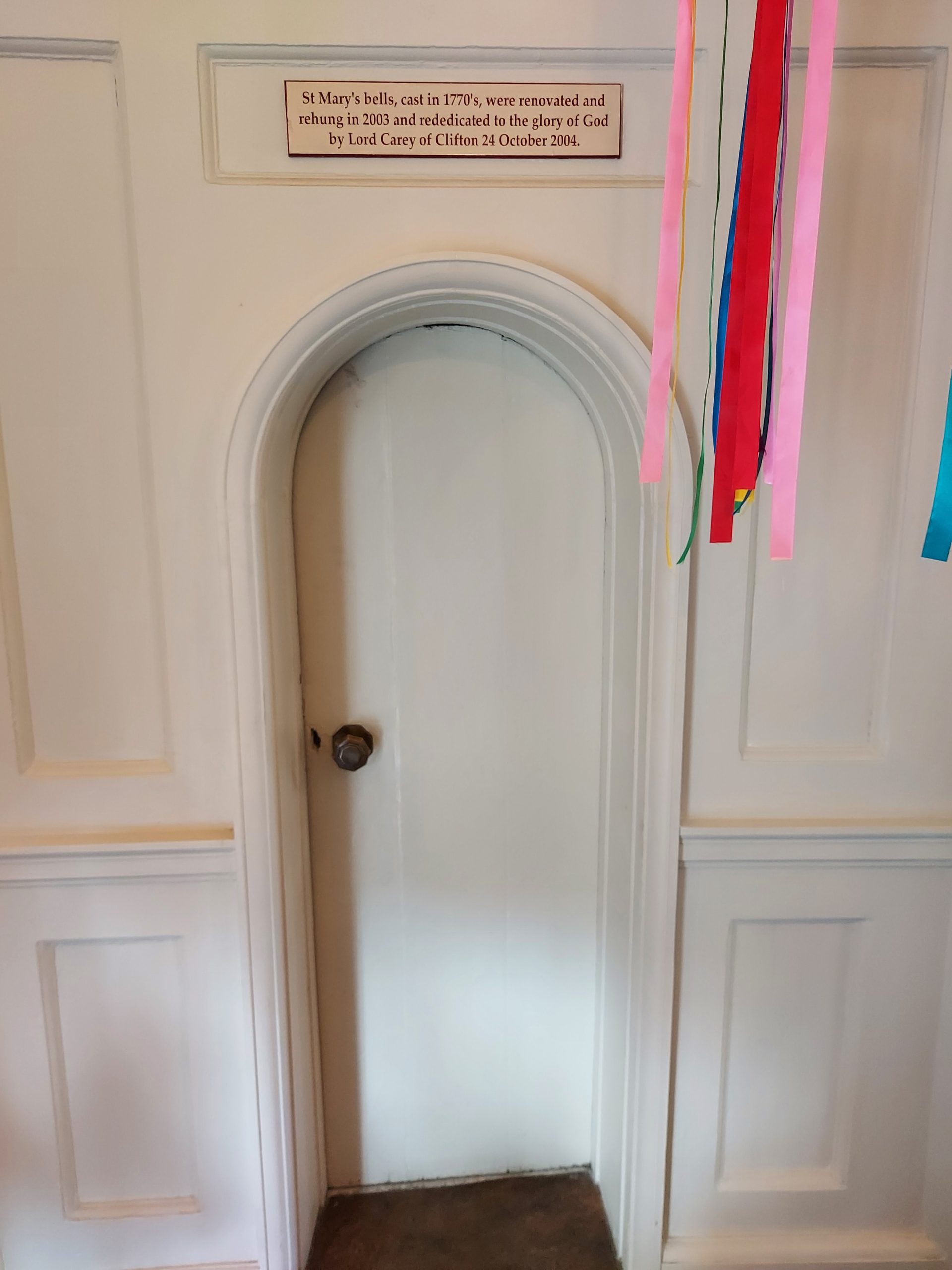
The tower is all that remains of Launcelot Dowbiggin’s eighteenth century church. Inside the winding staircase is an original ship’s mast. The staircase takes you first to the bell chamber, containing bells from the Georgian church.

Entrance to the tower in St Mary's Church, Islington

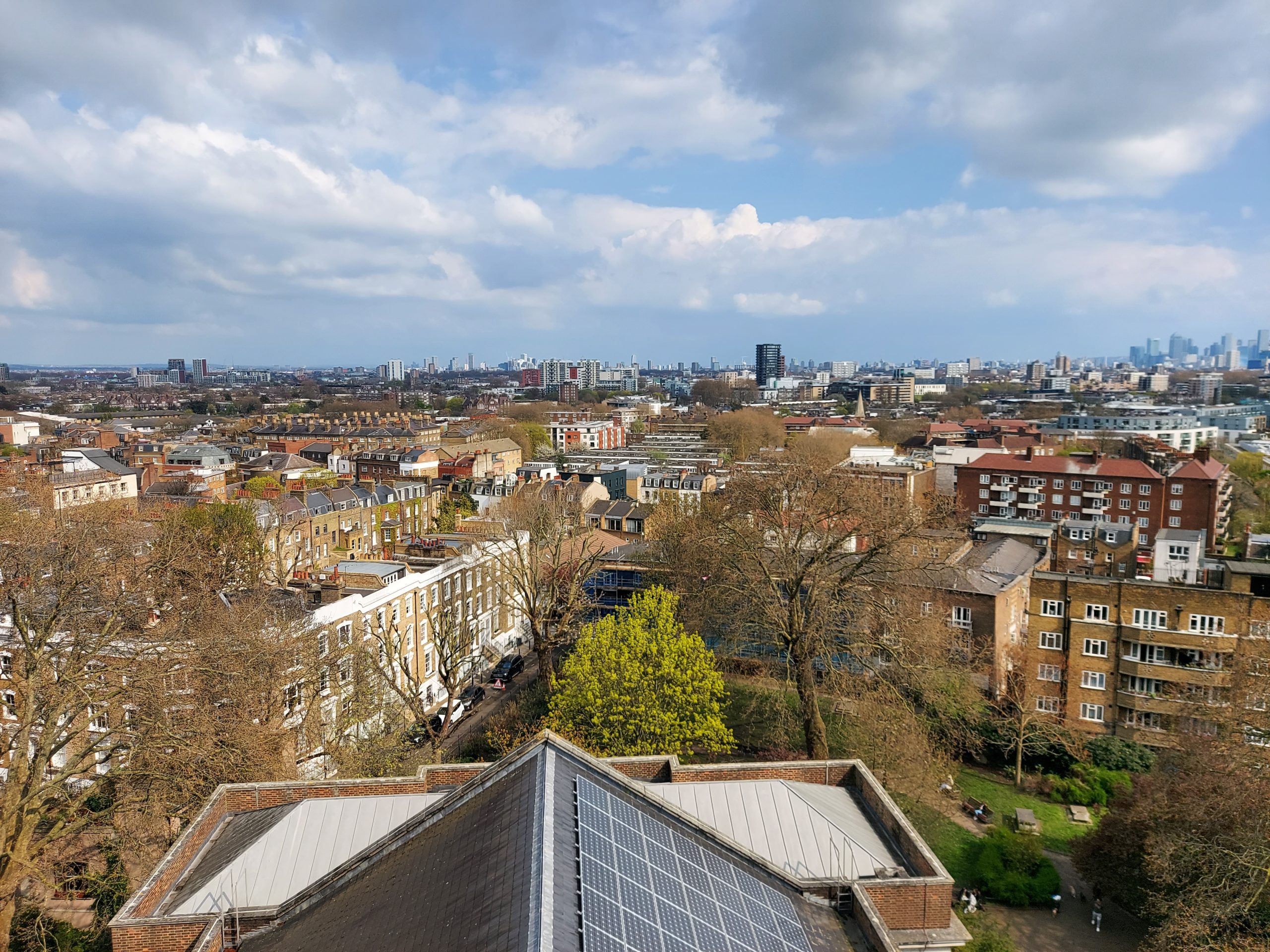
Finally, we arrived at the top of the tower, and enjoyed stunning views over Islington and London as a whole. We could see right down Upper Street.

View from the top of the tower
View down Upper Street