Musician is a badge that always seemed rather daunting to me. When I was about ten I learned the baritone and I absolutely hated it. I didn’t like the sound it made, it was really heavy to carry around, and I couldn’t manage to read sheet music at all. However, I’ll do pretty much anything for a badge, so here we are.
Take time out of your week to practise an instrument for a period of at least 3 months.
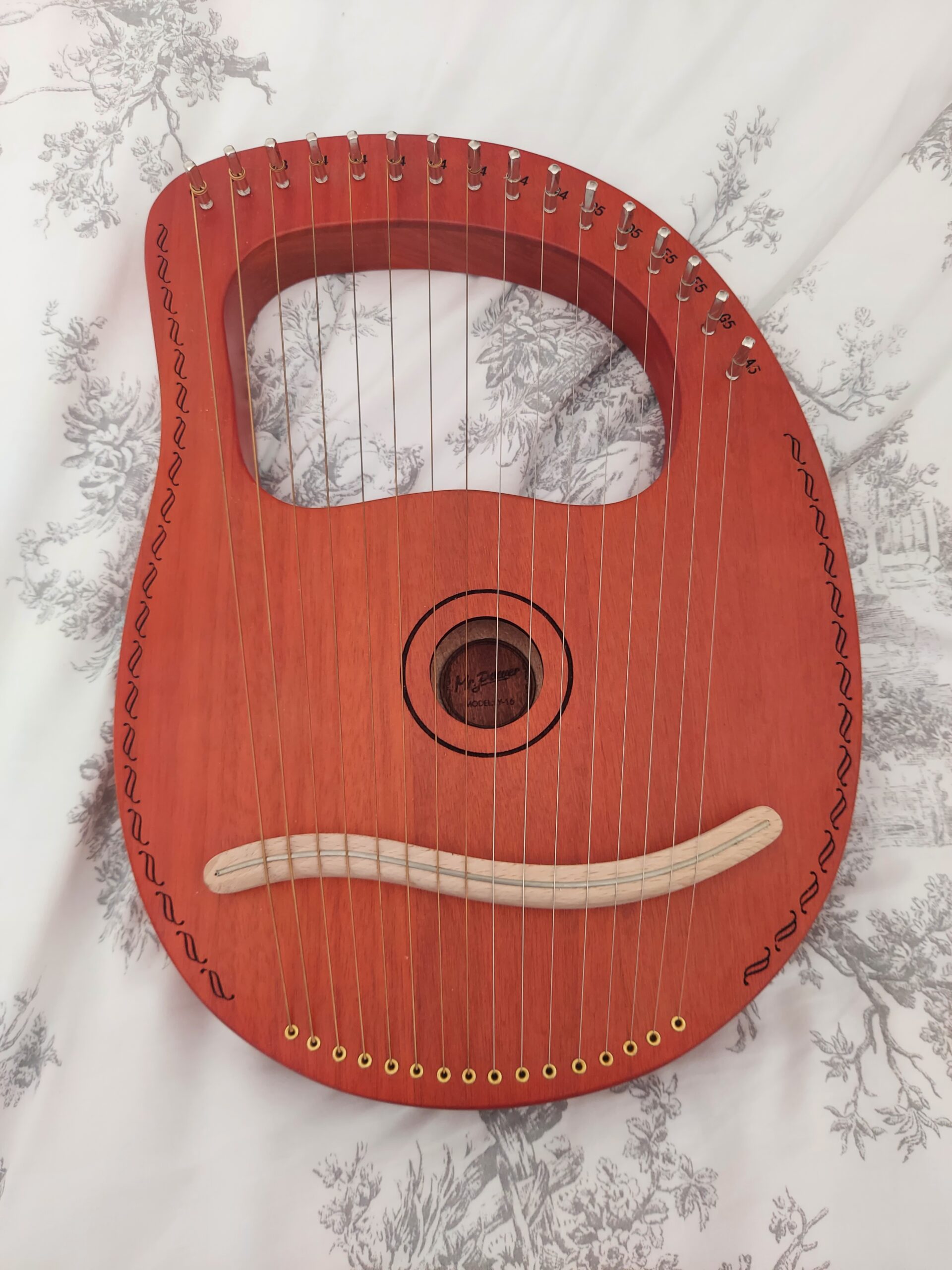
Over the past few months I’ve been learning the lyre harp. I love the sound of it, plus it’s portable.
Find a song or piece of music which you cannot currently play, and set yourself the challenge of learning to play it.
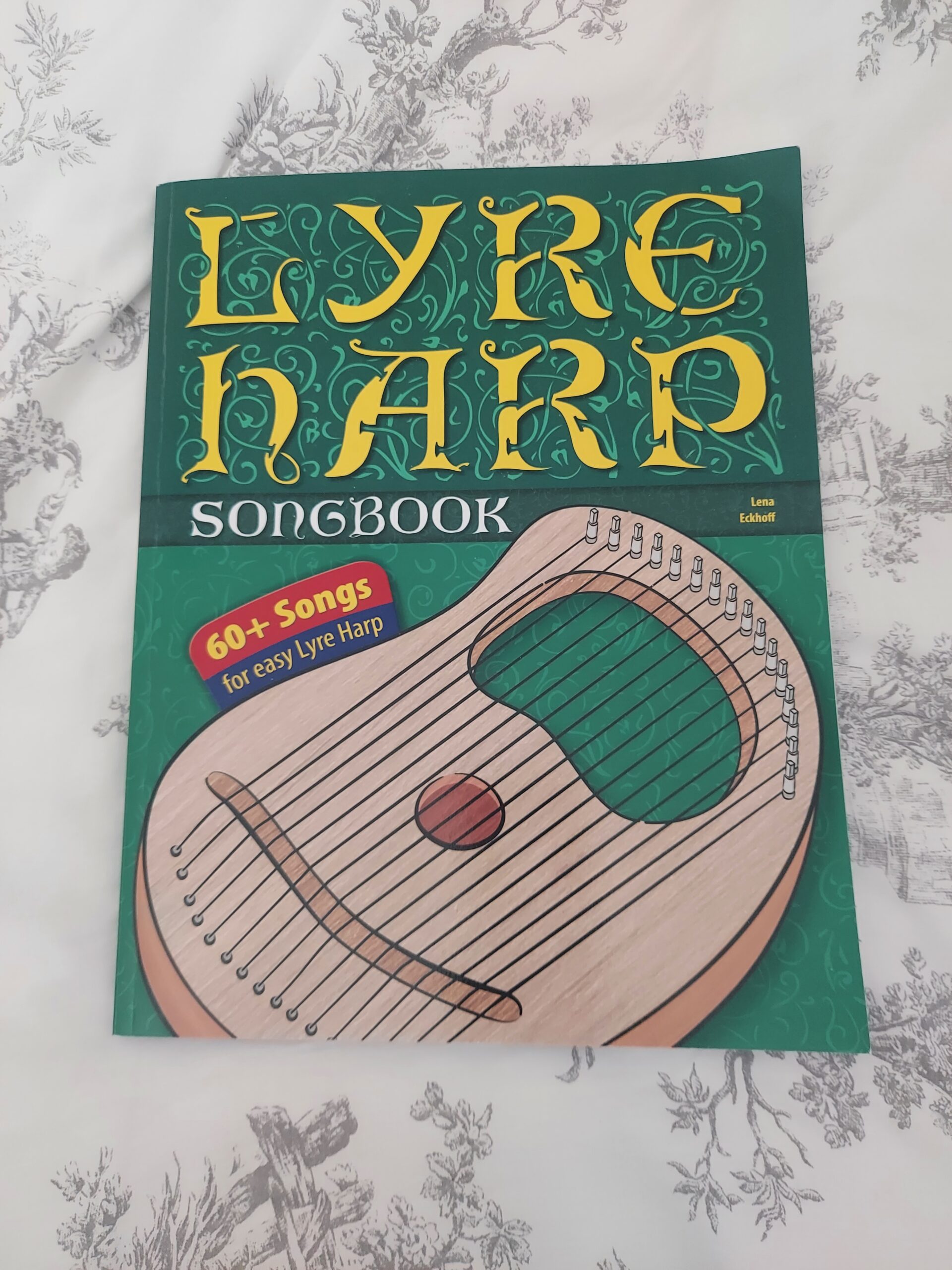
I bought myself a book of lyre harp songs and I’ve been working my way through it. I admit I sometimes find practising tedious but I do get a sense of achievement when I manage to successfully play a song.
Practise sight reading, and play a new piece of music by sight reading.
I worked my way through the Duolingo music course, which was actually a great way to learn about sight reading. As a child I just couldn’t get the hang of it, but the course helped it make sense to me.
The songbook I bought included traditional musical notation alongside lettered notes, so when playing the songs I tried to focus on the notes.
Prepare a 15 minute musical programme to perform to friends or family.
I played a selection of songs from the book to my long-suffering family.
I decided to work on Cake Artist earlier this year, as I’m currently staying with my parents and wanted to take advantage of their kitchen plus all my mam’s baking equipment! I also chose it for one of the badges to work on for the Be Creative quarterly. In these past few months I’ve completed all the clauses below, with varying success. I’m definitely more confident with buttercream frosting and this is my go-to now for cake decorating: ditto with piping and stencils. I love fondant as it’s just like clay modelling. I will certainly use royal icing again to decorate biscuits, and I really enjoyed the flood icing class at Rebel Fest.
Mirror glaze looks good but is a lot of faff and I’m not likely to try it again except for special occasions. I probably won’t bother with spun sugar again, though I will try sugarwork flowers and so on (I’m not entirely sure where you draw the line between fondant and sugarwork). Inedible decoration feels a bit like cheating, but it’s still fun, especially when you make a birthday cake for someone and let them keep the figurines!
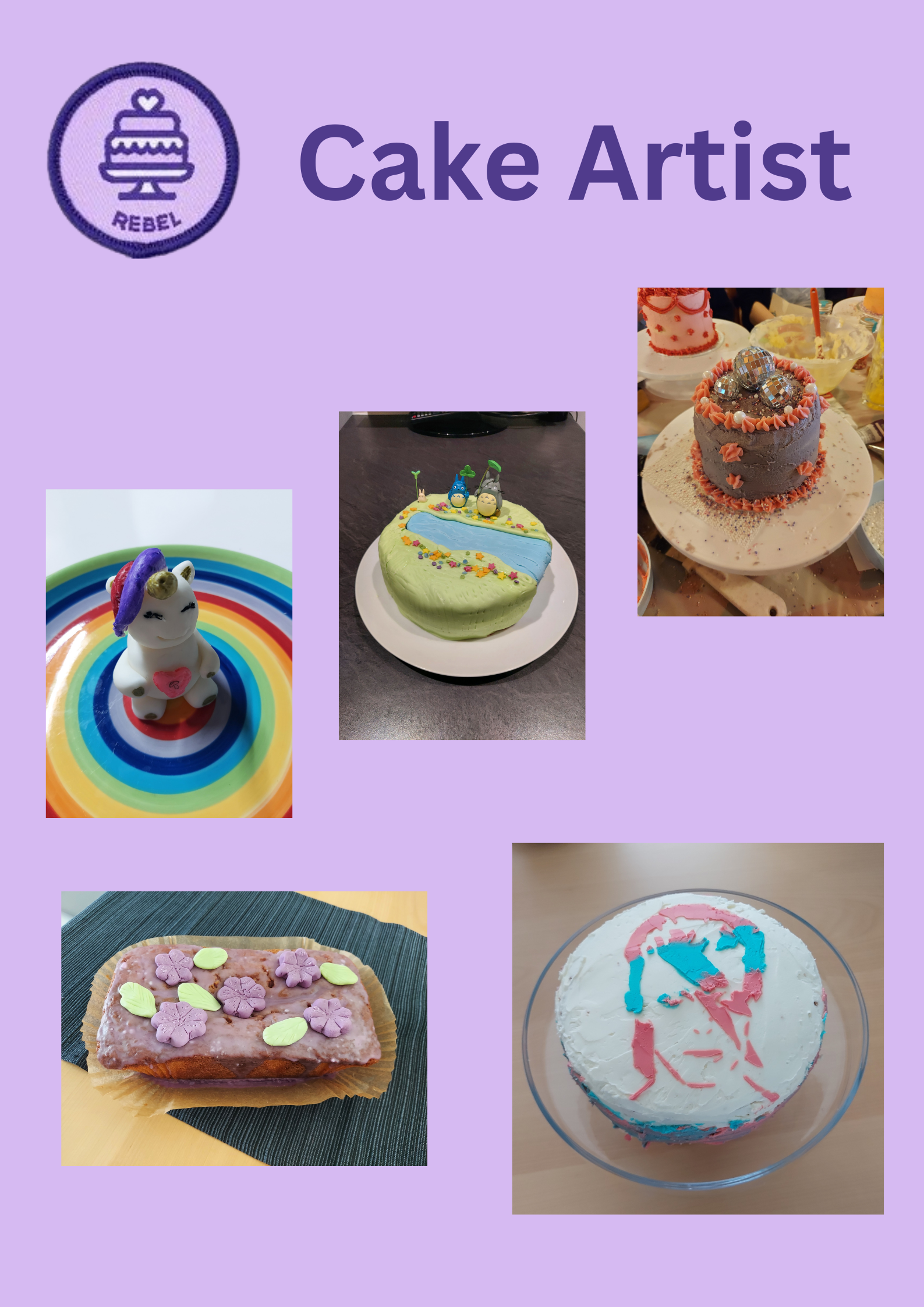
Fondant: I made a fondant unicorn for a challenge several months ago. I also made a fondant base for my brother’s Totoro-themed birthday cake, creating a field with a stream running through it.
Buttercream Frosting: I used this on my dad’s Bowie-themed birthday cake, both for the base and the decoration. I also attended a cake decorating class where I learned about creating a crumb coat.
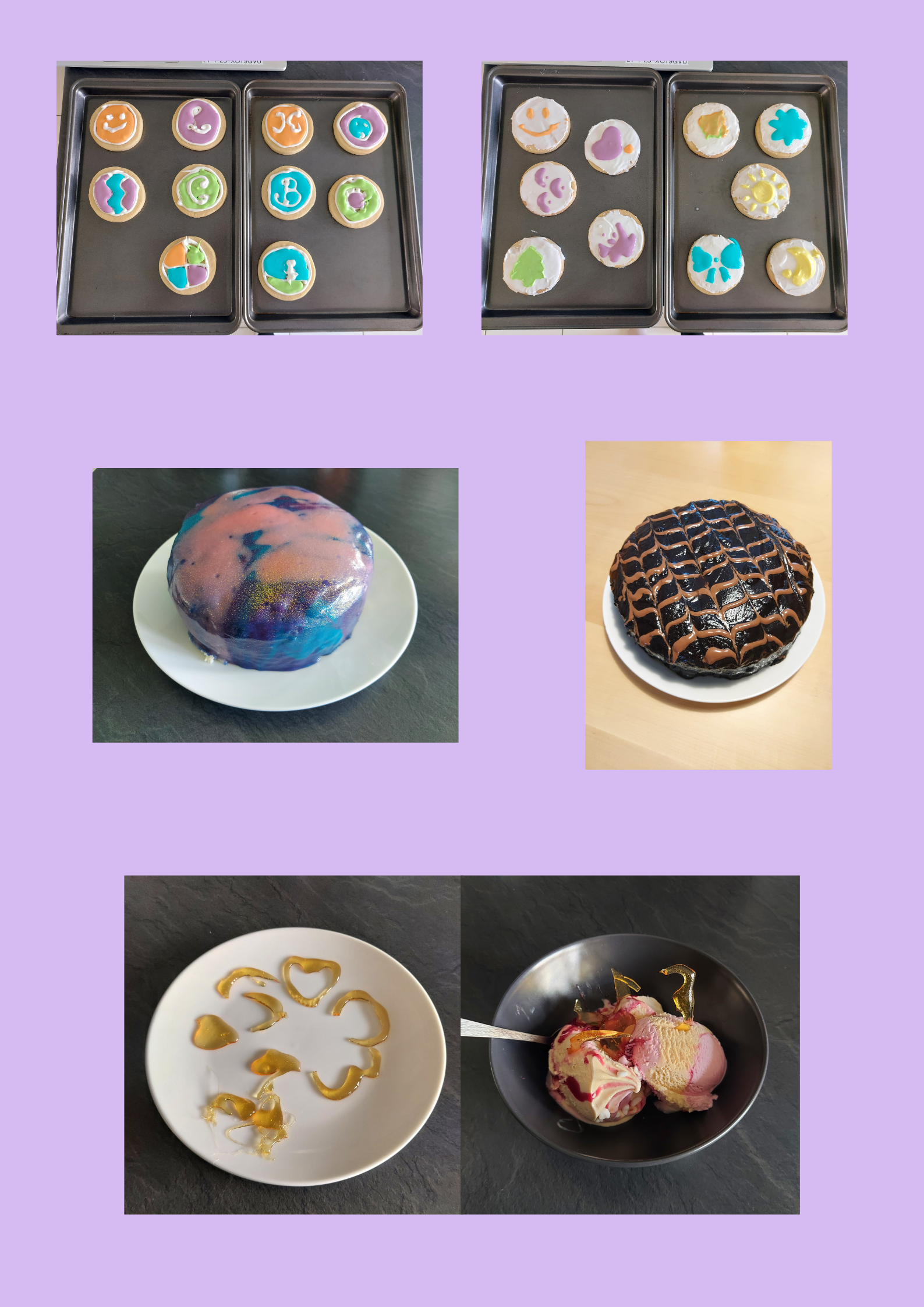
Royal Icing: I know this is normally used on Christmas cakes and fruit cakes, which I hate, so I didn’t know how I was going to manage this one – but I used it to decorate some biscuits instead.
Mirror Glaze: I made a sachertorte with a chocolate mirror glaze coating, and another mirror glaze cake in a space theme.
Piping: I used piping at my cake decorating class, and I also used it to decorate biscuits with royal icing at Rebel Fest.
Stencils: I used a stencil to decorate my dad’s birthday cake with Bowie’s face. I also had a go at using stencils to decorate biscuits.
Sugarwork & Edible Decoration: I made some sugarwork flowers and leaves to decorate the violet-flavoured cake I made for the Colour Me Happy! badge. I also had a go with spun/pulled sugar, but this wasn’t hugely successful!
Inedible Decoration: I put some Totoro figures on my brother’s birthday cake, and some glitter balls on the cake I decorated at the class.
I’m surprised it’s taken me so long to complete the Advanced Writer badge, considering the original Writer was one of the first badges I achieved back in 2022. I completed this one as part of the Rebel 4th Birthday quarterly badge.
Continue to write your blog for a further six months.
I’ve been writing my blog since November 2011, so I think I’ve achieved this clause!
Learn how to improve the SEO of your blog.
I watched several YouTube videos on search engine optimisation, including one created by Google.
Take at least three individual classes related to blogging.
I attended a blogging session delivered by our very own Charly at the first Rebel Fest in 2023.
Use your blog analytics to improve the efficiency of your blog, and be able to explain what you have learned from them.
I use the Jetpack plugin on my blog but admit to rarely looking at it. This badge prompted me to take a closer look. Some of what I learned was unsurprising, such as that most of my visitors are from the UK. The analytics have inspired me to look at them more regularly and more closely in the future.
I decided to work on the Film Critic badge in October and pick films according to a horror theme. I couldn’t pick just five of the ten categories on offer so I reviewed a film for every category. Because it’s Halloween season, I was able to see lots of the films in cinemas, even the older ones, thanks to special screenings.
I don’t give star ratings in my reviews as it stresses me out but my favourite was Train to Busan and least favourite was The Babysitter.
The last badge I completed in 2024 was Scrapbooker. This was also the last badge I got in my Badge Roulette.
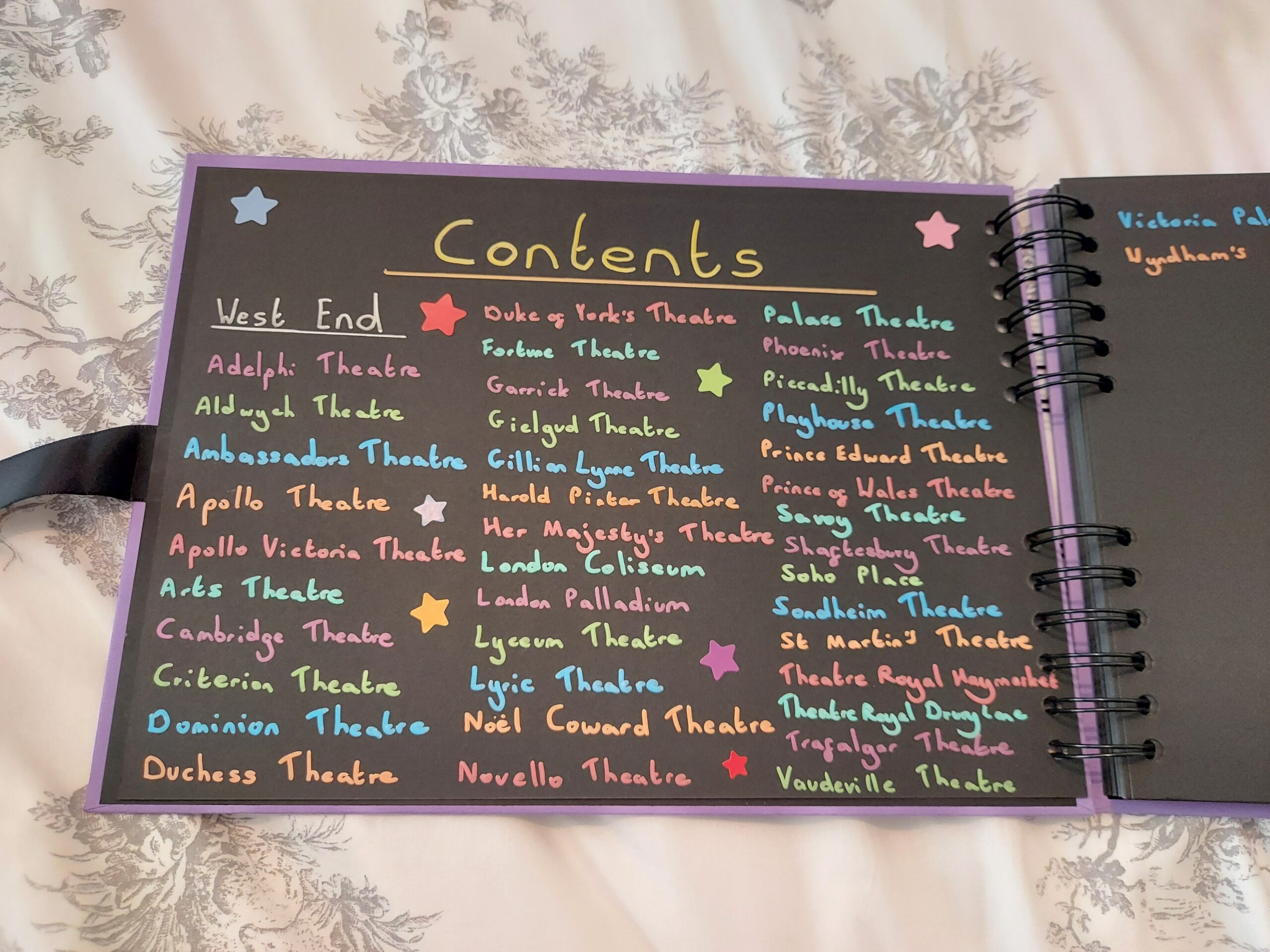
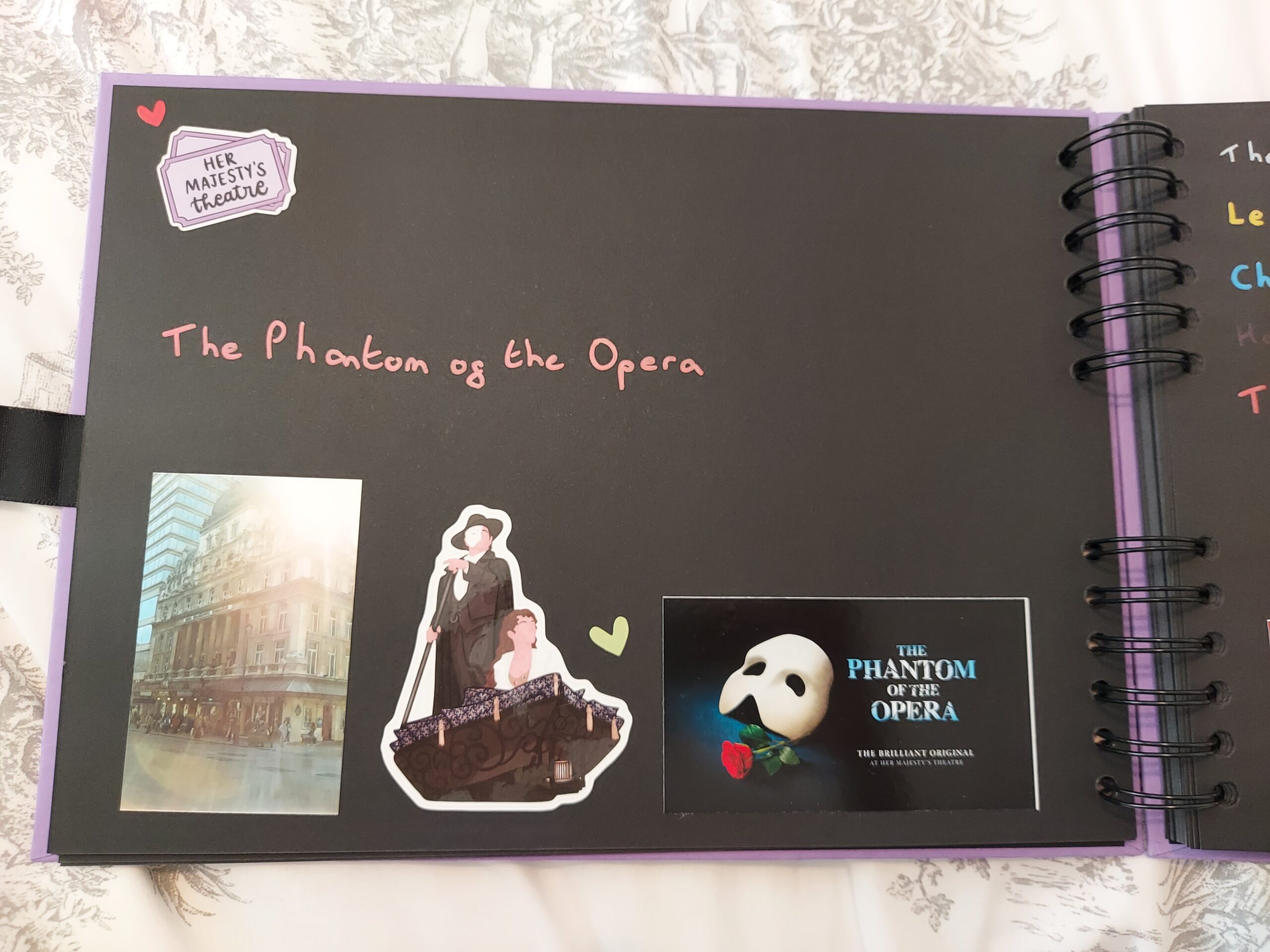
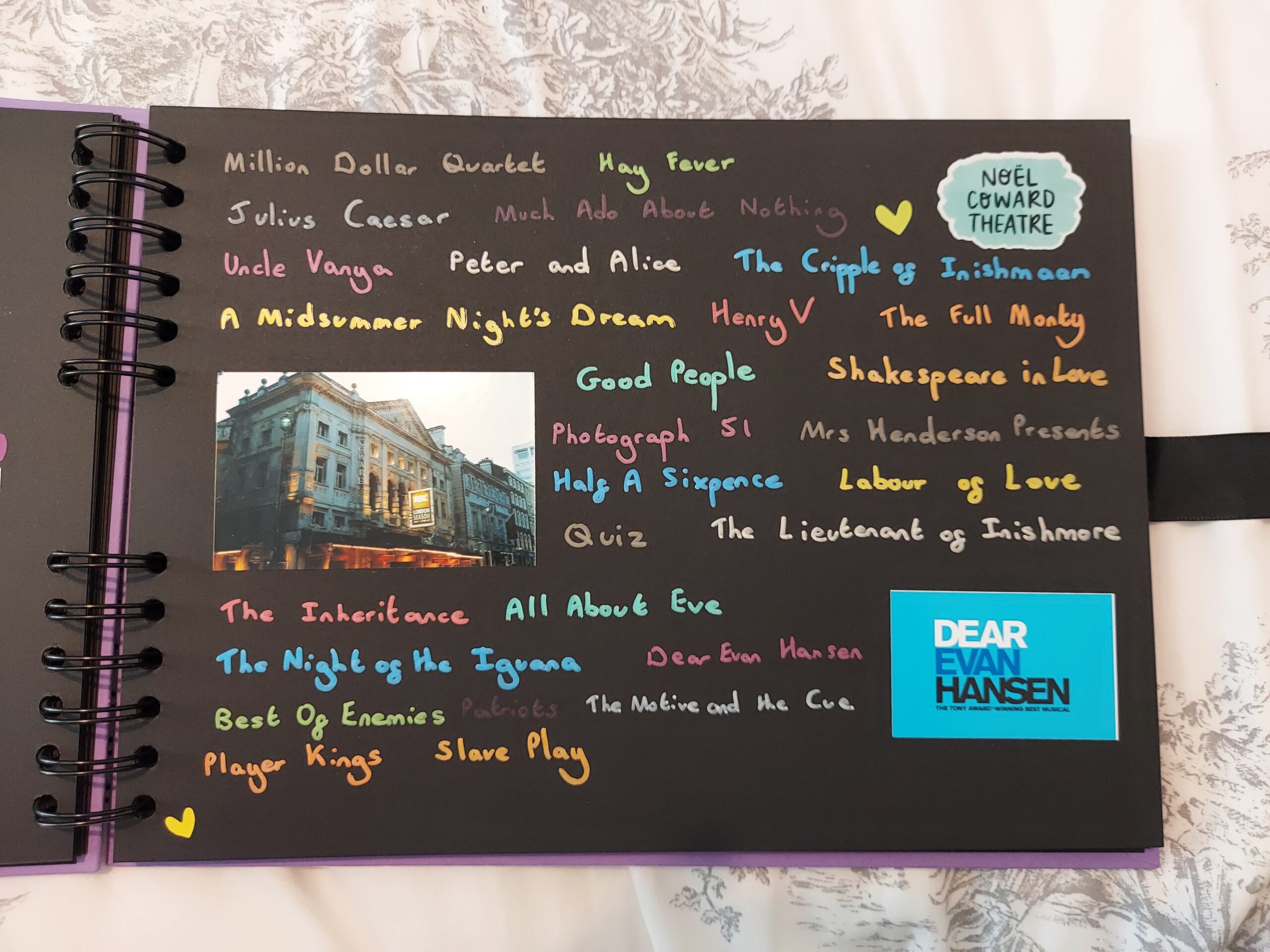
To complete this badge, I had to – wait for it – make a scrapbook. I decided on a theatre theme to capture the 14 or so years I’ve been attending the theatre in London. There is a page for every West End theatre and I’ve added photos, stickers and the names of the shows I’ve seen.
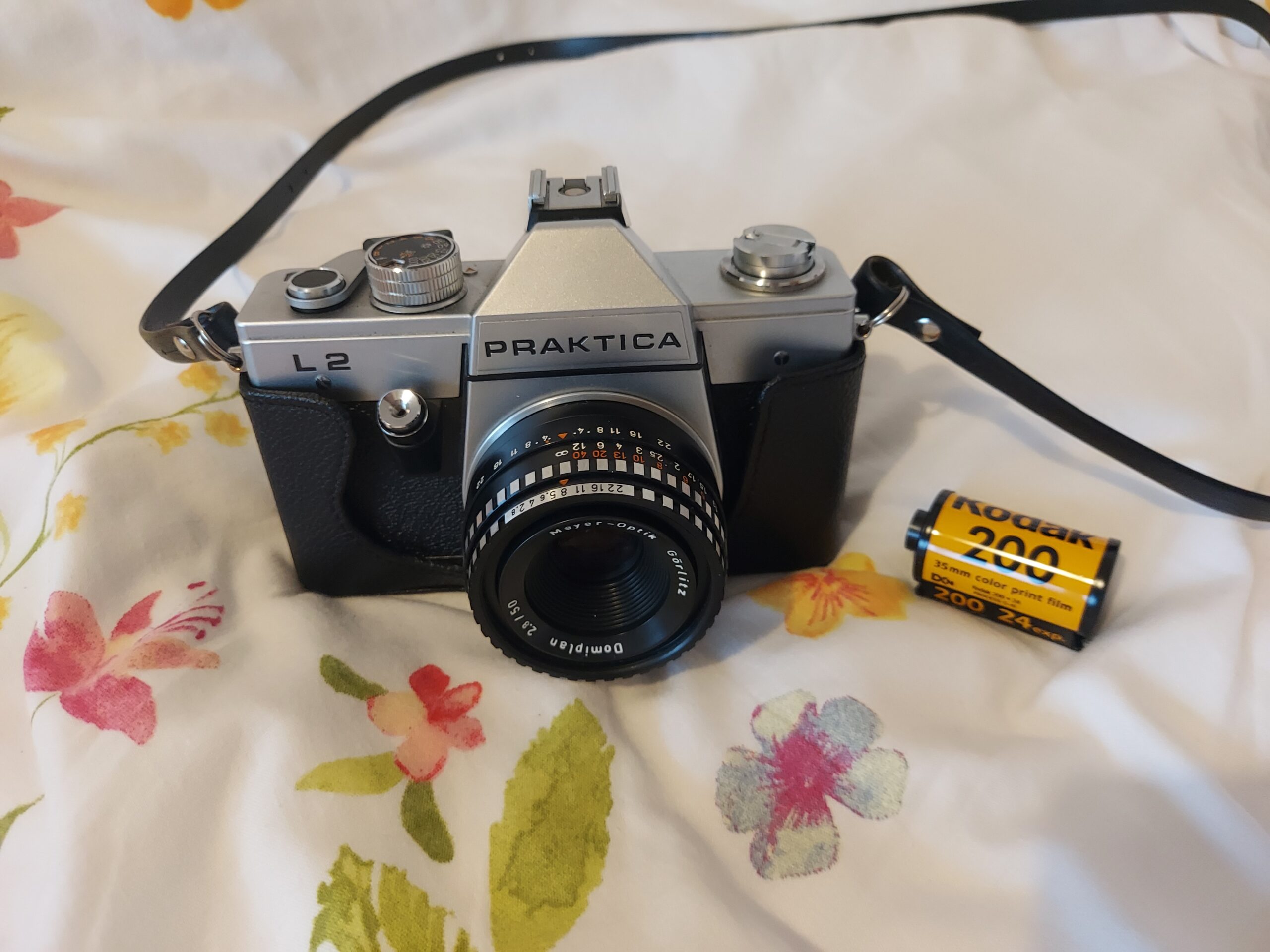
I left the Photographer badge until quite late as I decided I didn’t want to complete it with the camera on my mobile phone. I had vague ideas of getting a digital camera, but in the end my dad lent me my granda’s old film camera. It’s so old it was made in East Germany, but there’s absolutely nothing wrong with how it functions.
I did have a basic film camera when I was a child, but I used to get my dad to load the film for me, and didn’t really try and use any special settings. I replaced this with an APS camera when they came in (for those youngsters who don’t remember those – they were film cameras but it was much easier to load the film as you basically just popped the cartridge into the camera!).
I did find it valuable to try and learn photography on a film camera, as I had to really think about each shot and spend time adjusting the settings. However, it’s pretty expensive: I had to buy the film, then pay to get it developed. I’d still like to get a digital camera eventually.
Take a photography course.
I took an Introduction to Photography Basics course on FutureLearn via the British Academy of Photography, which really helped me understand things like aperture, shutter speed, ISO and the exposure triangle.
Learn how to develop your own photos.
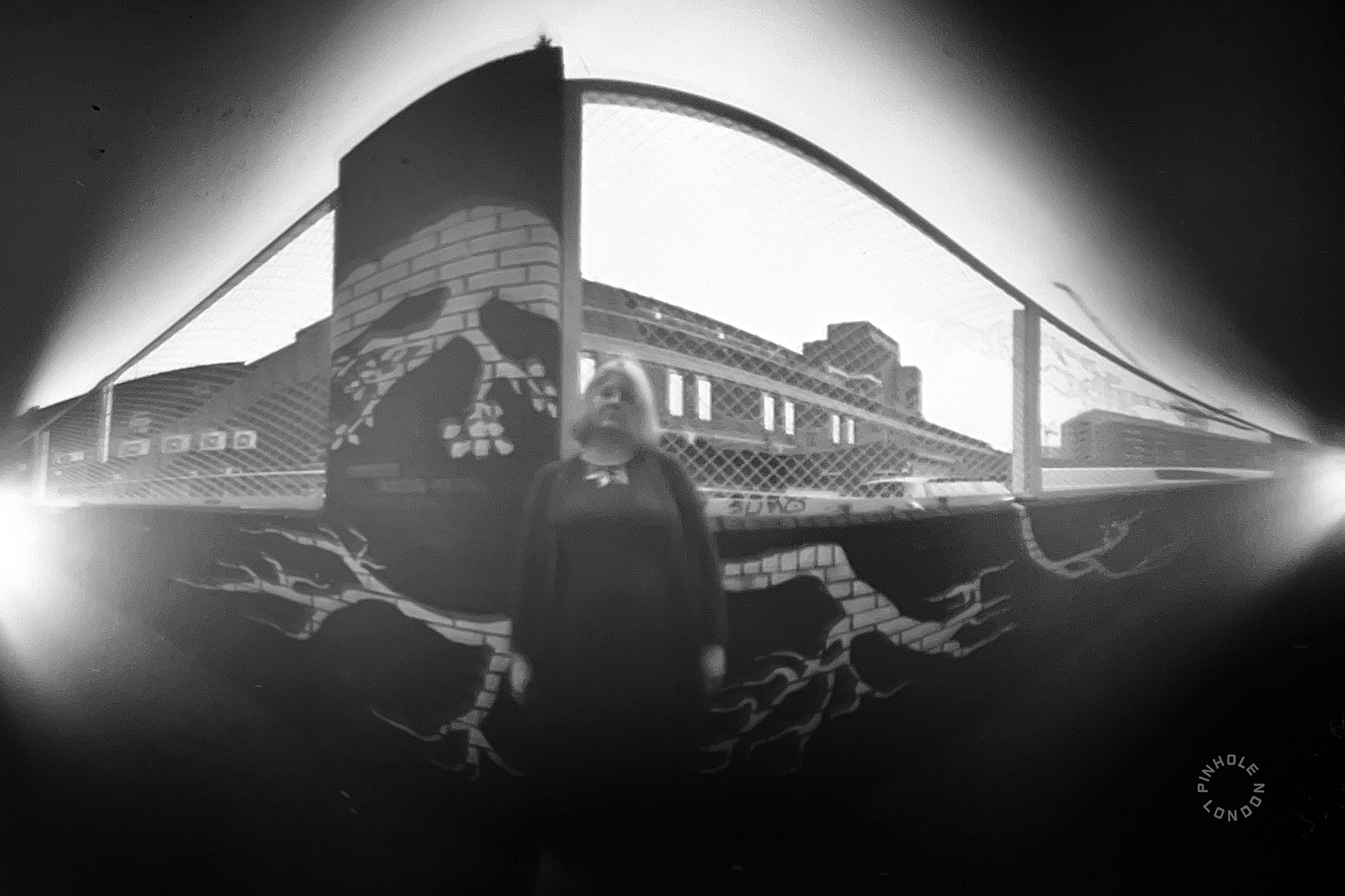
I attended a Pinhole London photography workshop at Wood Green Library in North London, which was super interesting and great fun. We got to make pinhole cameras with old Guinness cans, take photos with them, and learn how they were developed.
Experiment with different types of photography.
I took my granda’s camera out and tried landscape, portrait, macro, motion and sunset photography – with varying results.
My dad taught me about these when he gave me my granda’s camera.
Learn about the main functions of a digital camera.
I learned about these at the Big Rebel Meet Up in Reading in February.
Create a sequence of at least 4 related photos.
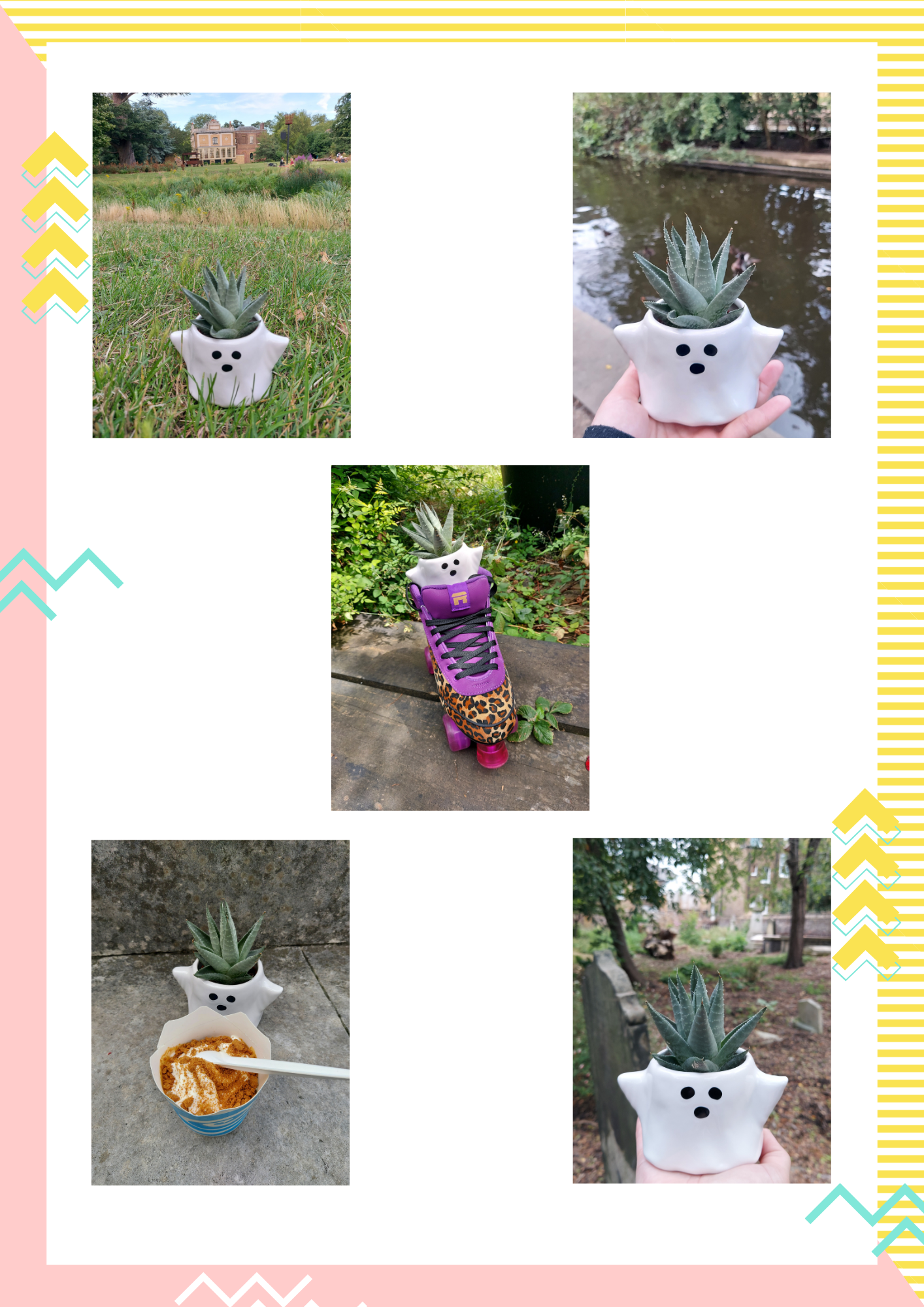
I could have skipped this clause, but I decided, for fun, to include the photos I took when I took my plant for a walk for Rebel Cup points!
Create a book or exhibition of at least 20 prints.
I chose the best of my photographs and made them into a book (Yes, they’re film photos but the book is digital – the service I used, Analogue Wonderland, lets you see digital scans of the photos you take so you can choose the best to print out!).
The Entertainer badge is one I’d dismissed immediately on first reading the second volume of the Rebel Badge Book. However, looking at it later, it didn’t seem quite so scary. I ended up choosing it for the Be Brave quarterly badge, as the badge that pushed me out of my comfort zone.
The first activity I tried was Improv Comedy at the Reading meet up. I enjoyed this a lot more than I thought I would!
The second was Magic, in the form of How Did You Do That? A Magic Workshop at Big Penny Social in Walthamstow.
Finally, I decided to try my hand at Puppetry. I signed up for a weekend marionette puppetry course and performed several short pieces in front of an audience, allowing me to claim the badge.
The Designer badge was the badge I chose to complete for Deeds Not Words which would allow me to learn a practical or manual skill. I actually started the badge during the Big Rebel Sewing Bee monthly badge, when I learned how to use a sewing machine and completed the first clause.
I don’t have room for a sewing machine where I live now, but I plan to practise sewing when I’m up north, and hopefully make a few more things in the future.
Create a garment for yourself using a shop-bought pattern.
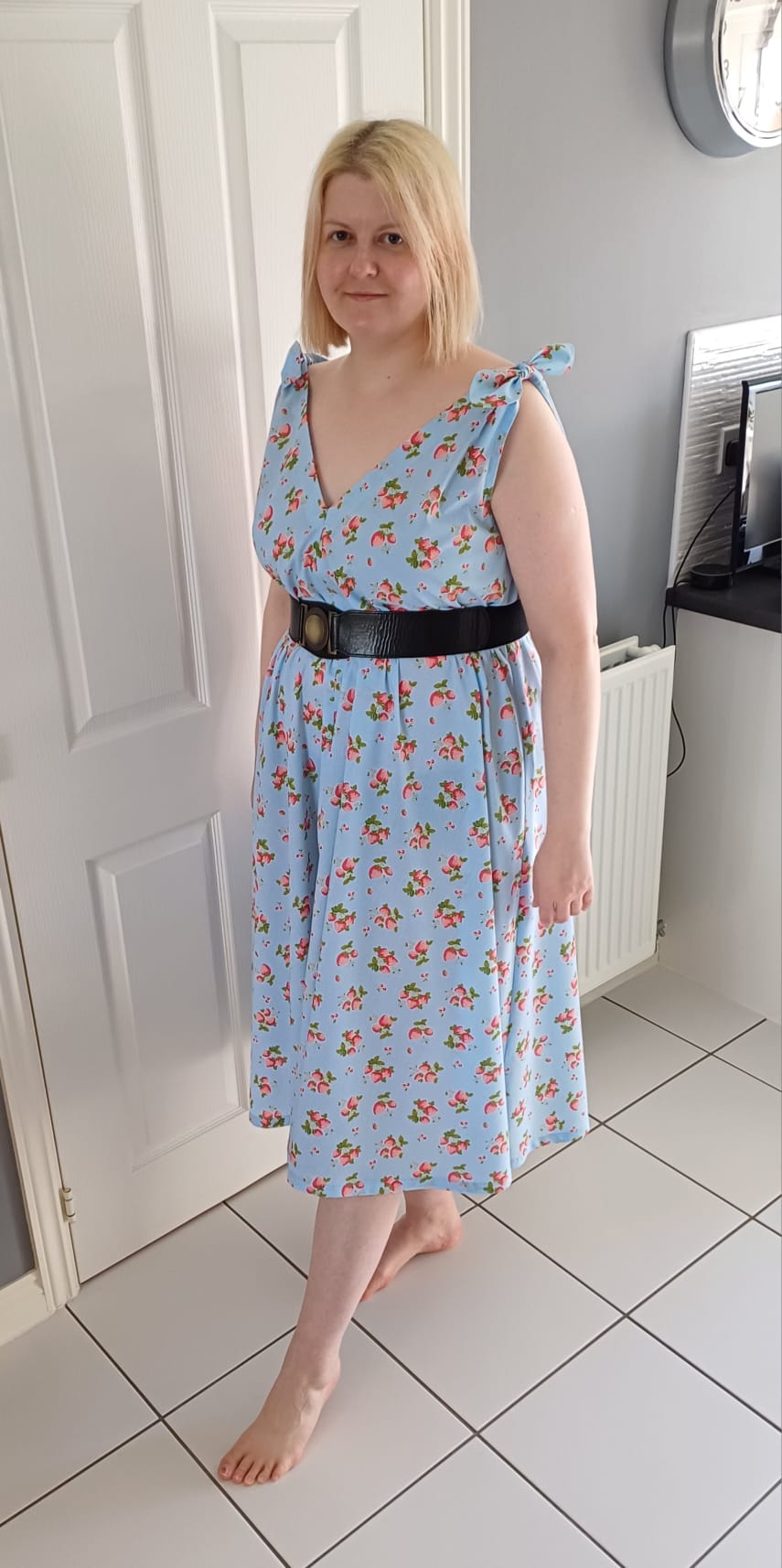
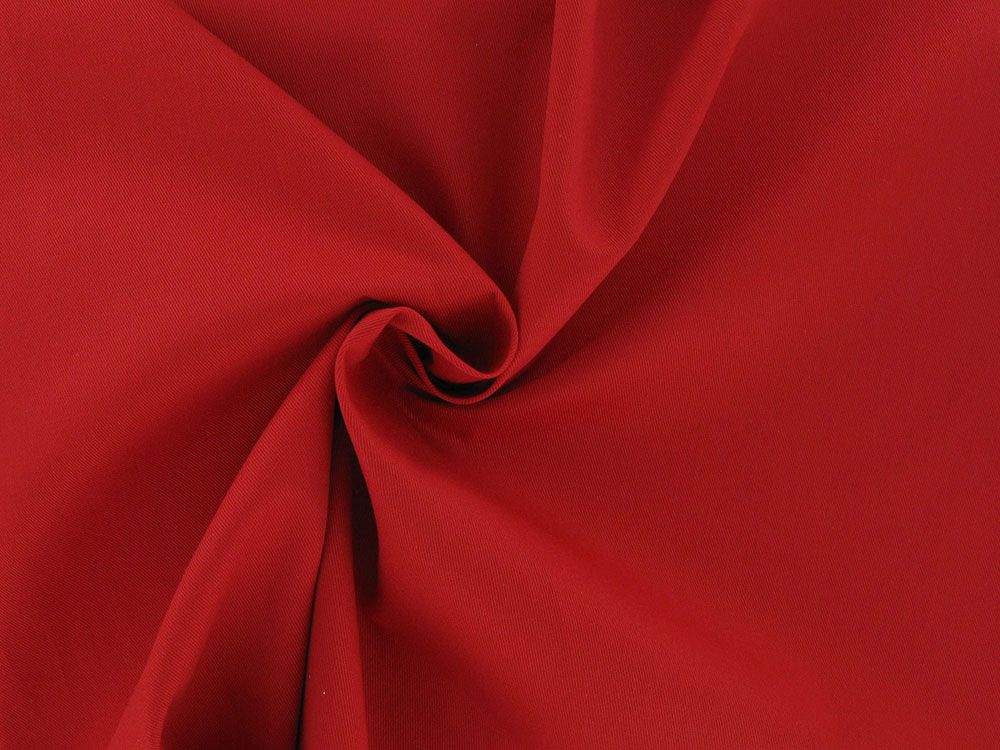
I made the popover dress from Gertie Sews Jiffy Dresses, a vintage-style sewing book. I’m happy with how it turned out, although it wasn’t easy!
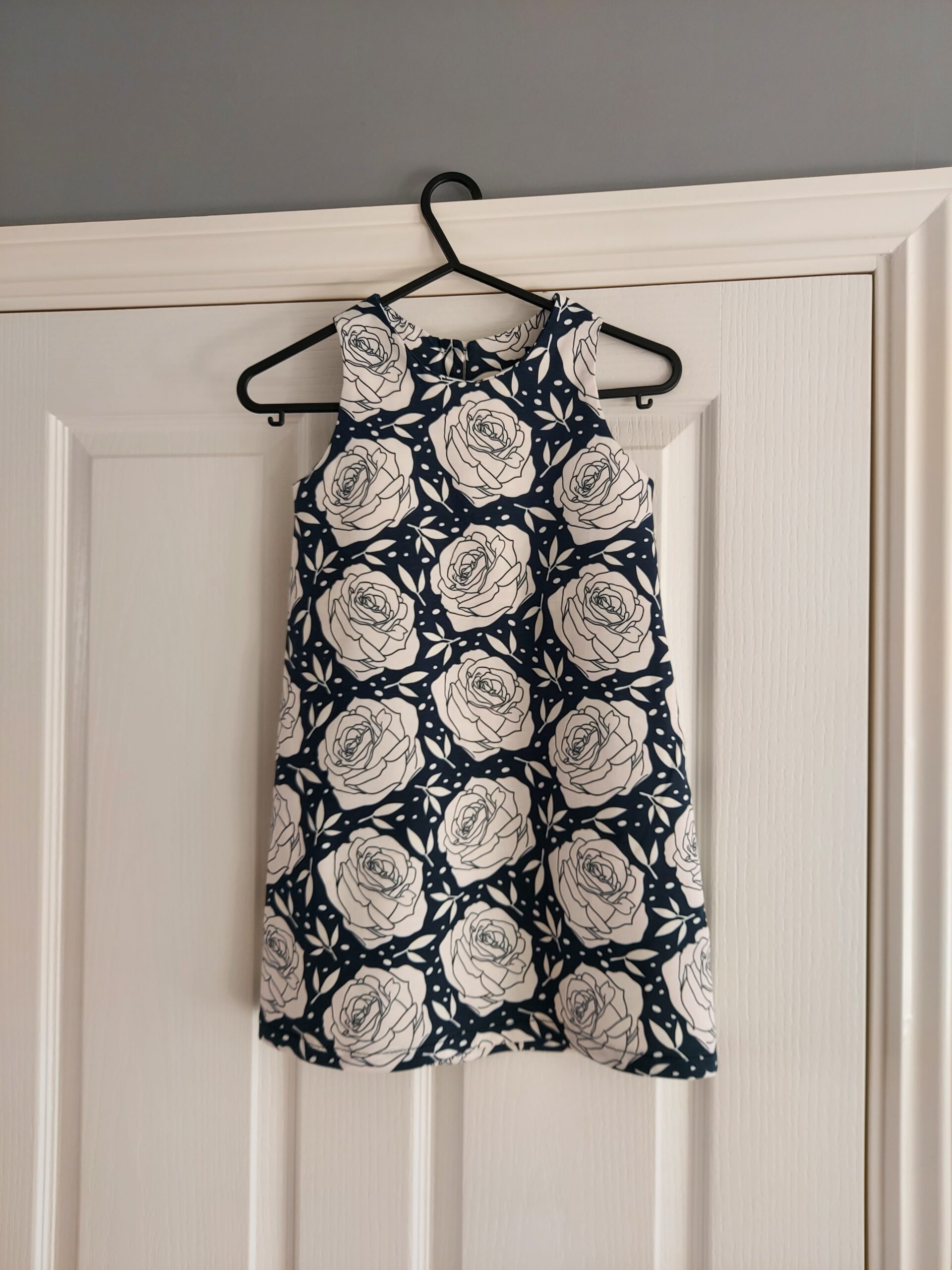
Create a garment for a child or baby following a shop-bought pattern.
I made a dress for my friend’s little girl, the A Line Dress from The Lily Bird Studio on Etsy. It doesn’t look very exciting, but the fabric changes colour in the sunlight!
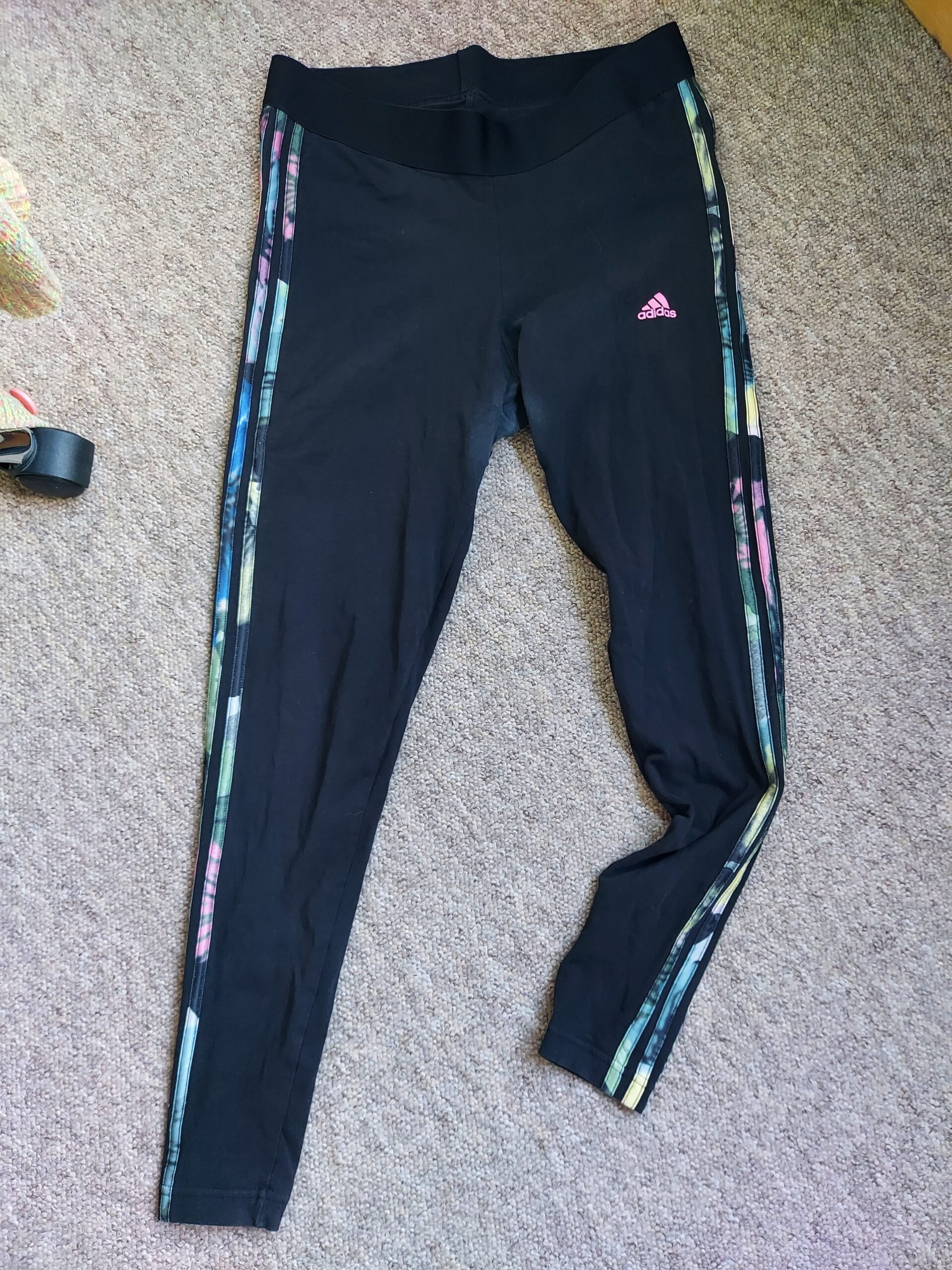
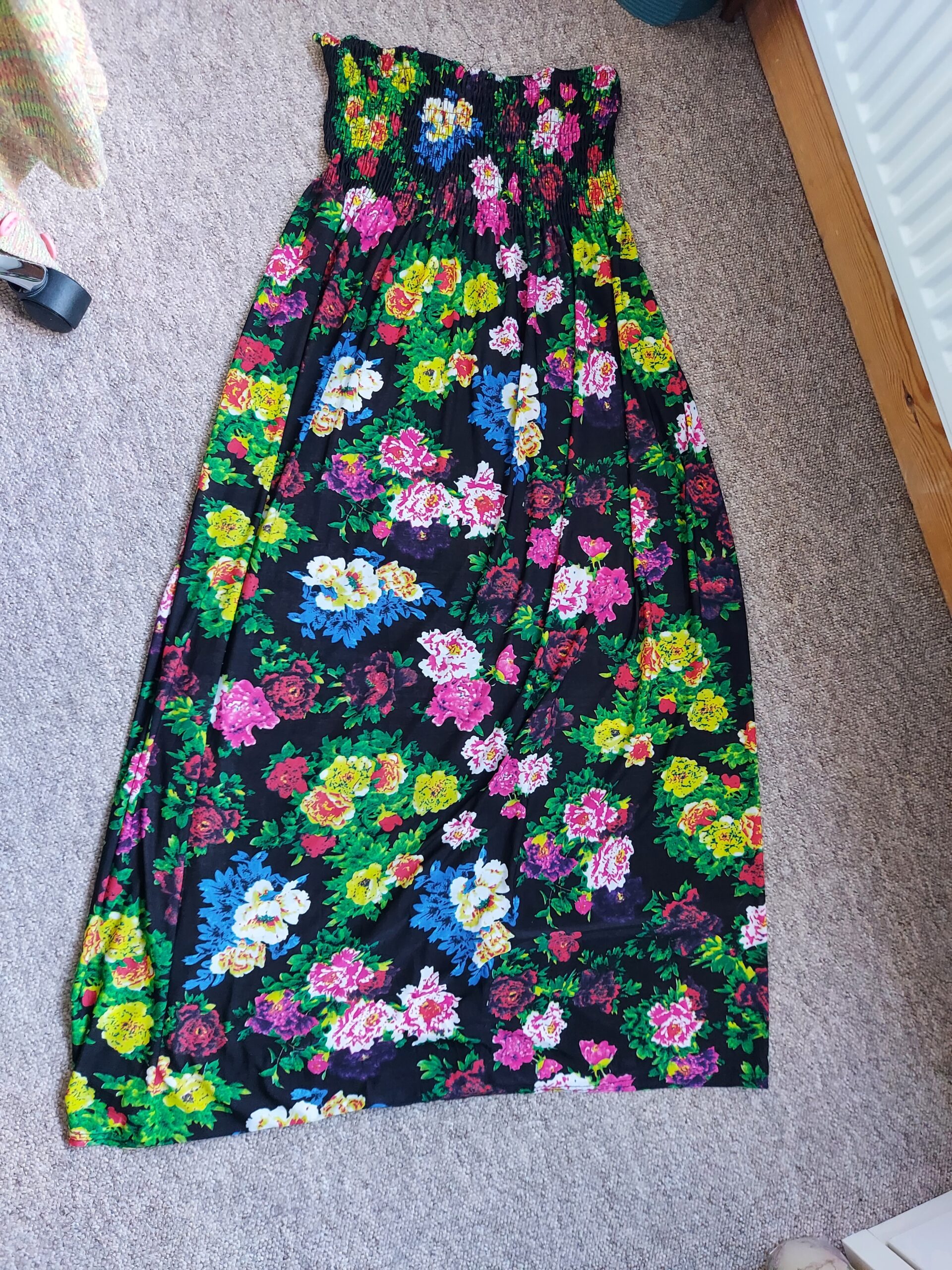
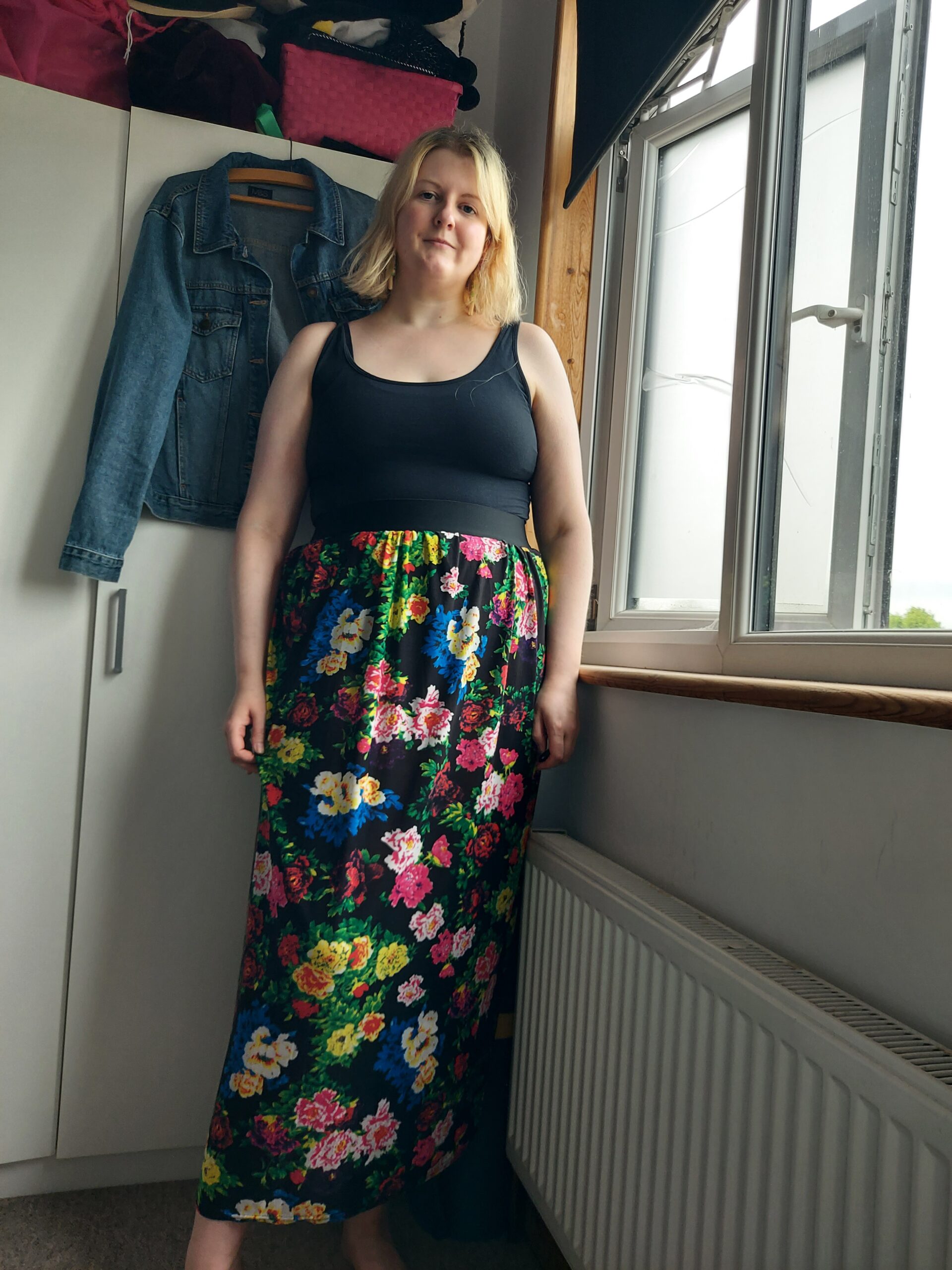
Create a new garment from at least two second-hand garments.
I had an old pair of leggings with a wide elasticated waistband, which I cut off and kept. I bought a cheap second-hand maxi dress on Vinted and removed the shirred bodice. I then combined the two to make a bright summer skirt.
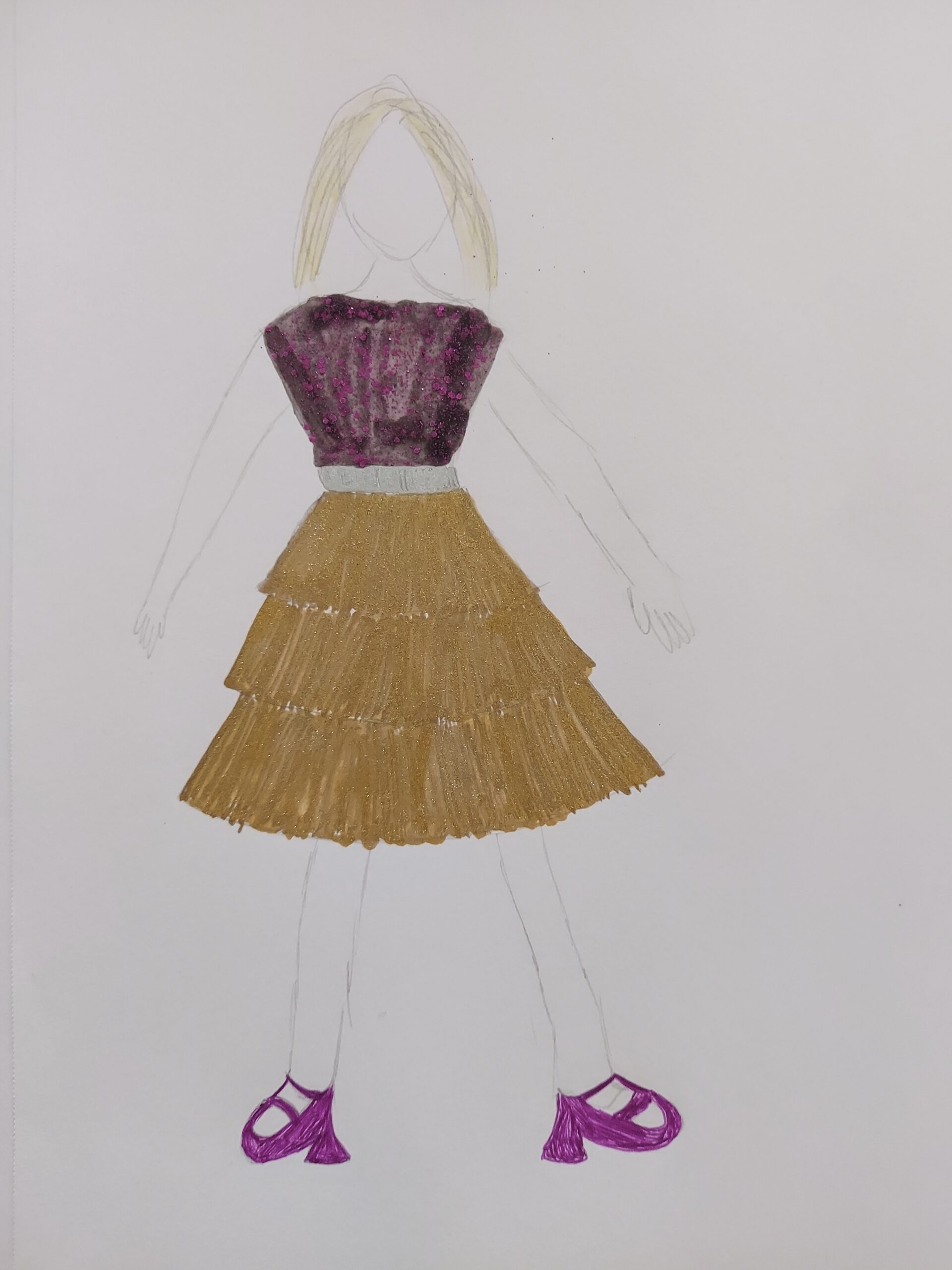
Design a full outfit for yourself, and make at least one of the garments.
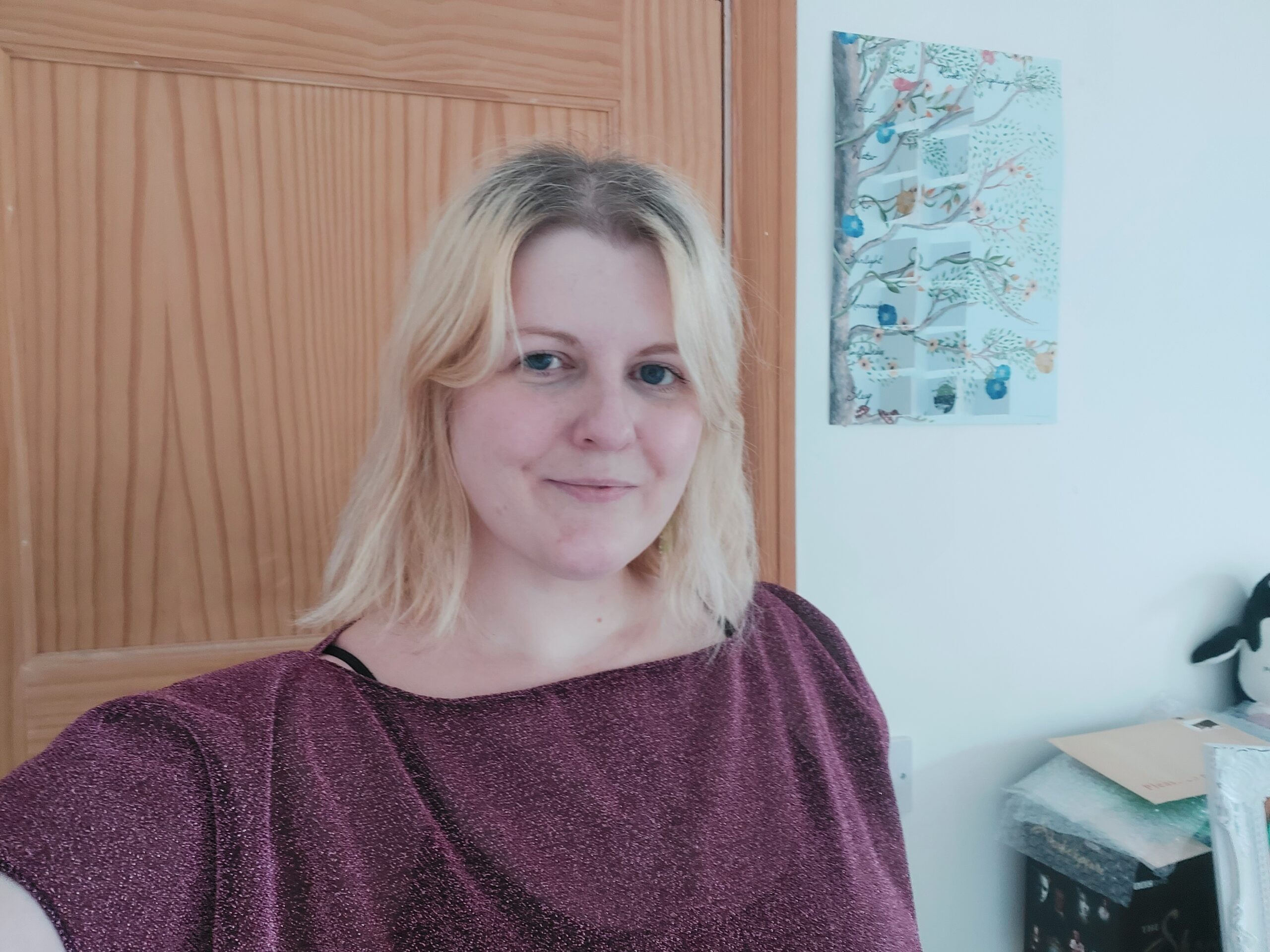
I designed myself a Jem and the Holograms-inspired outfit. Much as I would love to make the tiered gold skirt, I kept it simple and made the purple batwing-style top out of a second-hand scarf.
Make a scrapbook about the designer of your choice.
I chose to make a scrapbook about the French fashion designer Paul Poiret.
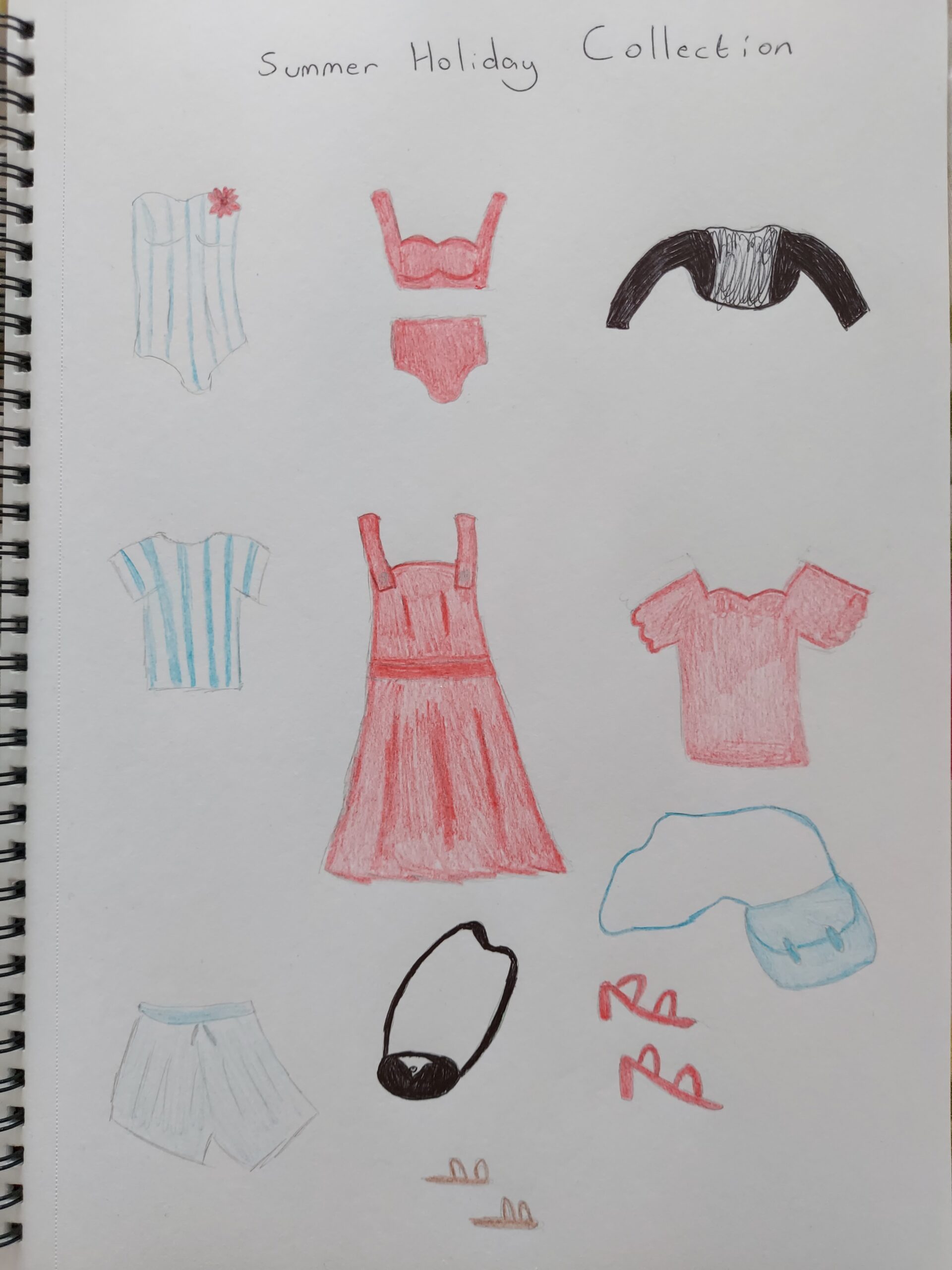
I designed a summer collection, the kind I would want to take on holiday and wear myself. I’m not the greatest artist but I did the best I could (The ‘dress’ in the middle is supposed to have a removable bodice so you can mix and match).
Make a non-clothing item.
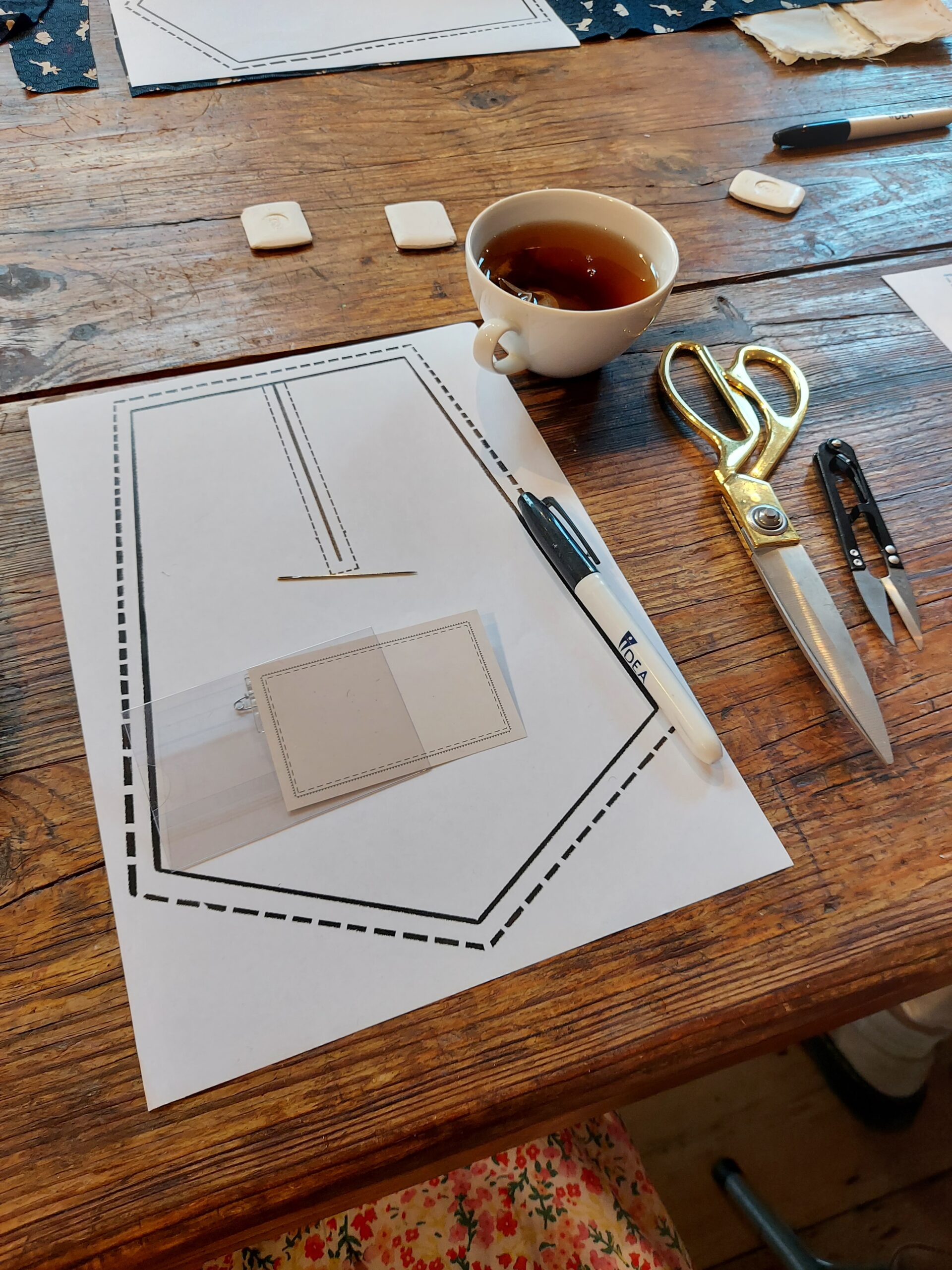
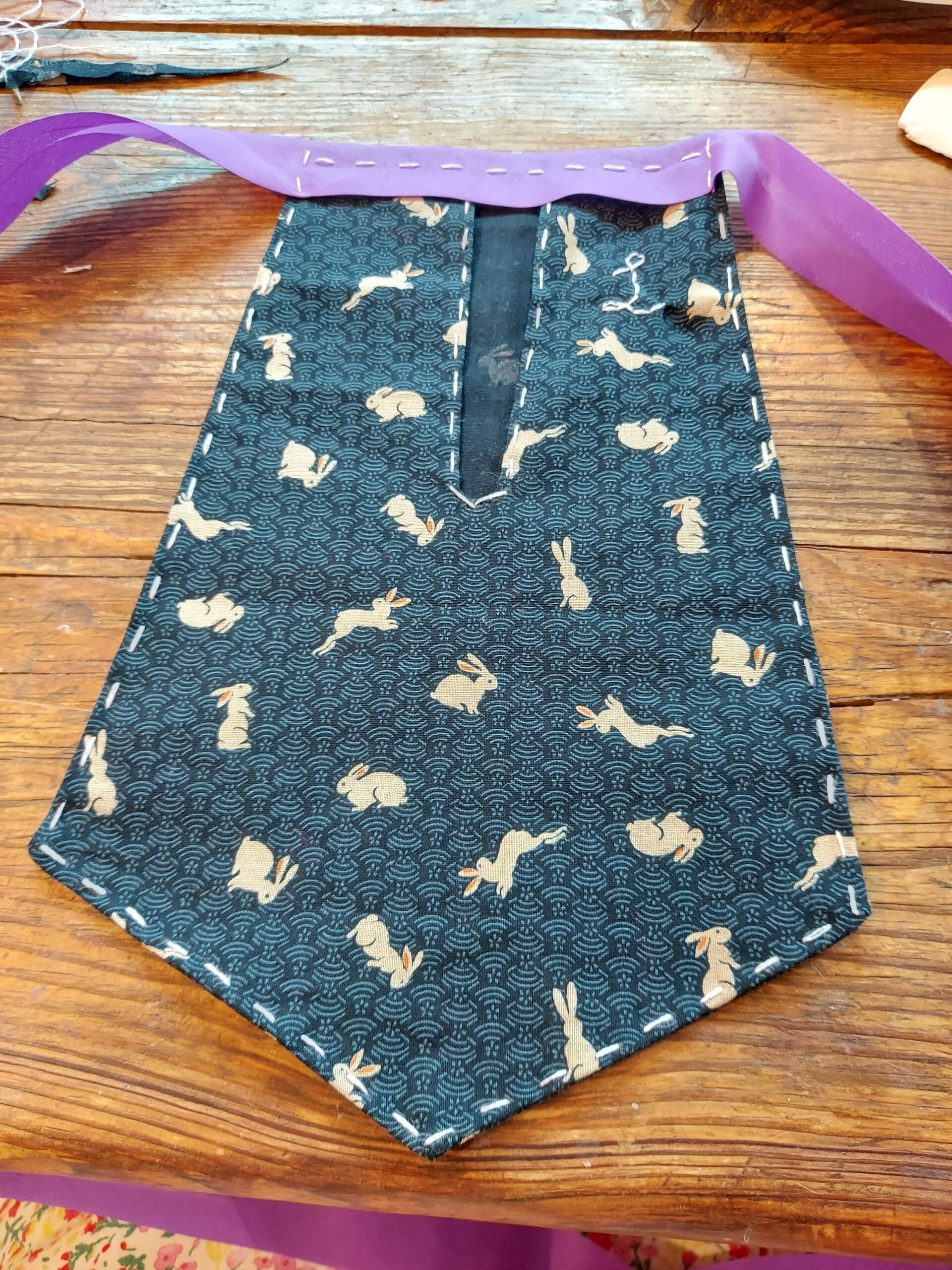
I attended a class run by Synonym Lab and Silkworm Collective to make a Victorian pouch pocket.
I started working on the Music Lover badge at the beginning of the year. I have to admit music isn’t the most important thing in my life – I was always more into books, and I’ve never really made the effort to explore different genres beyond what is popular. So this badge was a challenge for me, but I really enjoyed it.
Over a period of three months explore at least three different genres of music.
I chose the following genres:
Modern Pop: I love pop music but my knowledge largely ends in around 2010. I listened to some of the most popular artists of the last decade or so including Raye, Ed Sheeran, Dua Lipa, Doja Cat, Self Esteem, Harry Styles, Miley Cyrus, Sam Smith, Olivia Rodrigo, Ariana Grande and Billie Eilish. My favourites were Olivia Rodrigo (a Gen Z Avril Lavigne), Dua Lipa (catchy dance tracks) and Harry Styles (I feel like I understand now why he is so acclaimed). I really wanted to like Self Esteem but I just couldn’t get into her.
Heavy Metal: I explored the history of this genre by listening to some of its pioneers such as Led Zeppelin, Black Sabbath, Deep Purple, Alice Cooper, Van Halen, Kiss, Judas Priest, Motörhead, Iron Maiden and Metallica. I also asked my brother (who is really into this kind of music) for recommendations and he sent me his most listened-to songs from last year, including artists such as Bleed From Within and Asking Alexandria. From his playlist, I particularly liked Alter Bridge and Disturbed, but overwhelmingly I preferred older bands from this genre. I love the rock sound and the heavy beats, but am not keen on scream-singing, which modern groups in particular seem to do a lot of.
Country: By contrast, I preferred the more modern singers and acts from this genre. I don’t know a lot about country, except that Dolly Parton is one of the greatest humans alive today, and The Dixie Chicks were blacklisted by American radio stations after speaking out against the Iraq war back in the Noughties – both of which are positives for the genre as far as I am concerned. I listened to The Carter Family, Jimmie Rodgers, Roy Acuff, Bob Willis, Hank Williams, The Stanley Brothers, Dolly Parton, Garth Brooks, Lady Antebellum/Lady A, The Chicks (formerly The Dixie Chicks), Carrie Underwood and Beyoncé’s new album. I like the genre’s focus on storytelling, and it has a rich history, but a lot of the songs have a Christian sensibility I’m personally not keen on. It’s a very ‘American’ genre and being British I don’t think I quite ‘get’ it. However, I would definitely listen to some of the acts again – Carrie Underwood in particular is like a country version of Kelly Clarkson (not surprising as she also rose to fame on American Idol) and Beyoncé’s Cowboy Carter is simply outstanding.
Choose one of the three genres and create a scrapbook showcasing your learning about the genre.
Where possible attend at least three separate concerts. Write reviews of the performances.
I go to quite a few concerts (more than I did when I was younger, anyway!) and for this badge chose a bit of a theme for my concert reviews – older female singers. One of them is in her late thirties and the other two celebrated their 50th birthdays with their concerts – of course thirties is not ‘old’ but in the music industry I feel it can be, so I find the singers concerned inspiring and I love how they have continued to make excellent music and perform it to their loyal fans.
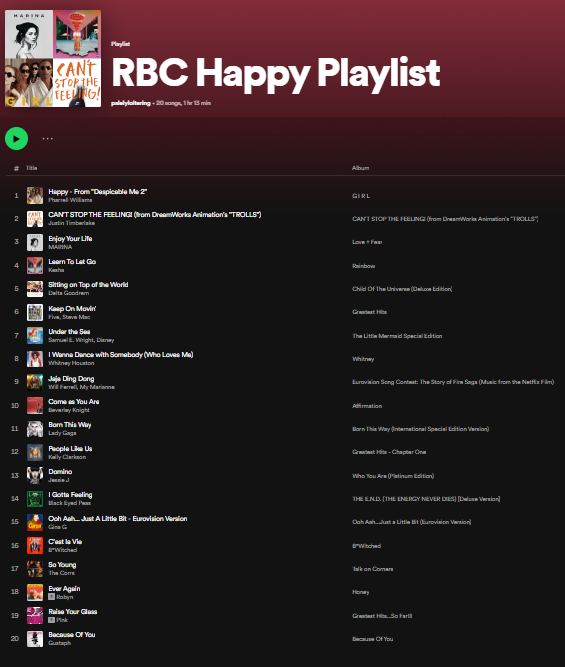
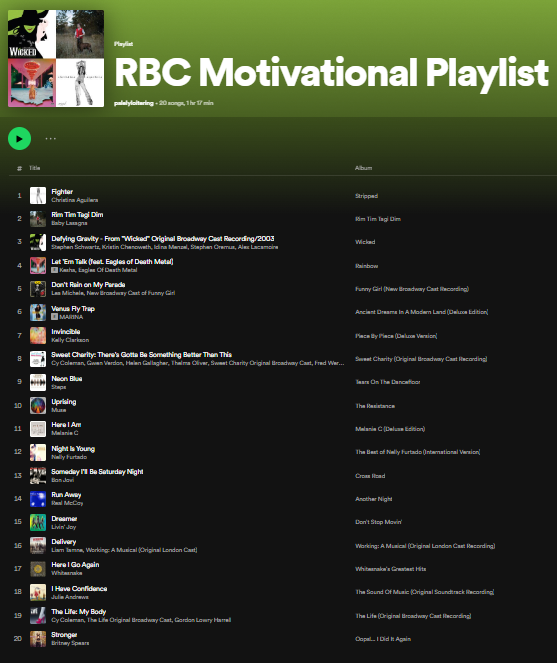
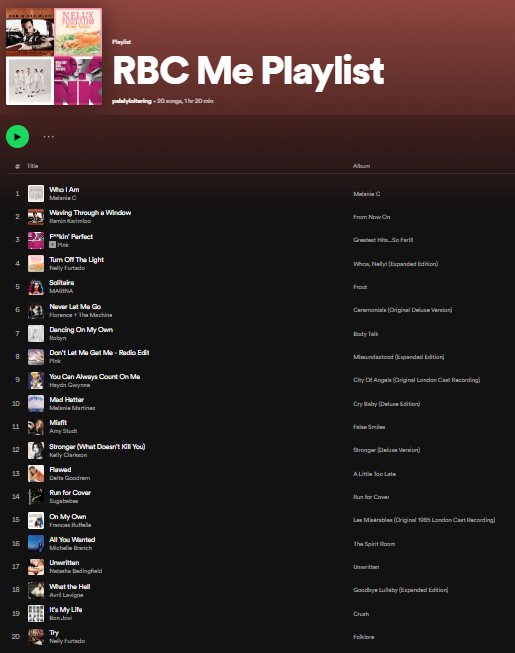
Create three playlists: one which makes you feel happy, one which motivates you, and one which represents you as a person.
This was tough! After a while I was able to make three playlists, with 20 songs on each. They are pictured and linked below.
Research the different technologies which have evolved to help music fans get the most out of music. Write about at least five different innovations designed for the audience rather than the musicians.
I visited the Science Museum exhibition Turn It Up: The Power of Music as I thought it would relate to this badge and help me to answer this question. I enjoyed the exhibition but it didn’t really address this clause – never mind! I did some research myself.
The phonograph: Invented in 1877, this early method of music playback allowed listeners to enjoy recorded music. No longer did they have to play music ‘live’ or attend concerts to listen to music.
Headphones: Created in 1910, these meant that people could listen to music in private. Coupled with later innovations in portability, they were the first step in enabling people to take their music with them anywhere.
The LP: Invented in 1933, the LP was the foremost way of packaging and selling music for decades, and has recently enjoyed a resurgence thanks to its high audio quality when compared to digital music.
The Walkman: this was created in 1979 by Japanese brand Sony as the company’s co-founder Masaru Ibuka wanted to be able to listen to music on long flights. It was small – not much bigger than the cassette tape itself – and light to carry. It also prompted the company to create light headphones designed for walking – previous models were designed to be used while stationary, and were usually very heavy. The Walkman led to a culture shift in society, as wearing headphones became the norm, instead of being seen as antisocial.
File-sharing: Illegal music-sharing sites like Napster were popular in the early 2000s. They enabled listeners to obtain their favourite music and discover different genres, all for free. Understandably, they weren’t popular with musicians, who were not earning any money by this method. However, file-sharing certainly changed the music landscape and paved the way for the popularity of digital music.
Florist is the last badge I completed during 2023, but I’ve actually been working on it for most of the year. I began in February with a bouquet workshop at Lush on Oxford Street, had letterbox flowers delivered throughout the year, attended an ikebana (Japanese flower arranging) workshop, and took part in another workshop at Lush, this time to create a pumpkin posy pot. Finally, I ordered a selection of festive flowers for my family to enjoy at Christmas.
Create a florist’s toolkit and learn how to use each item properly
I obtained some floral tape, pruning shears, mini snippers and florist wire. Other items available include pins and water picks, but I decided against these – though I am tempted to get a kenzan (flower frog) in the future after my ikebana workshop!
Learn about the seven main principles of floristry
There are many online resources, but I found this article particularly helpful.
The seven main principles are:
Balance
Scale
Proportion
Dominance/Emphasis
Rhythm
Contrast
Harmony
Learn how to use floral foam and tape to hold arrangements in place
I watched several YouTube videos about how to use floral foam and tape, including the correct way to soak floral foam and the best ways to use tape. I decided against buying any floral foam to use myself as my research suggested it is really bad for the environment.
What substances can you add to water to preserve flowers longer?
Sugar, white vinegar, aspirin and bleach all help with flower preservation.
Learn which shapes of vase best suit which shapes of bloom
There are so many different shapes and styles of vase that it can be quite confusing! According to my research, long-stemmed flowers can be used in several vases but are best suited to column vases. Flare vases are perfect for more complicated arrangements including both foliage and flowers. Urn vases are ideal for tulips, while bubble vases are ideal for flowers that have been cut clean off the stems. Cylinder vases work best for tall flowers which need some control, while square vases are great for flowers with heavy blooms.
Explore and experiment with different shapes of flower arrangement
I made different kinds of arrangements in vases I picked up on Vinted and in charity shops ( after realising that I didn’t actually own any!). It was interesting to try and decide which vase to use for each collection of flowers.
Spend at least three months practising floral arrangements
I spent about a year on this altogether, spreading out my flower purchases as they are not the cheapest to buy. Overall I made 12 arrangements.
Experiment with a wide range of different blooms, including wild flowers
I used many different kinds of flower over the course of the year, according to what was seasonal. My favourites were my brightly-coloured pumpkin pot and the beautiful red Christmas selection.
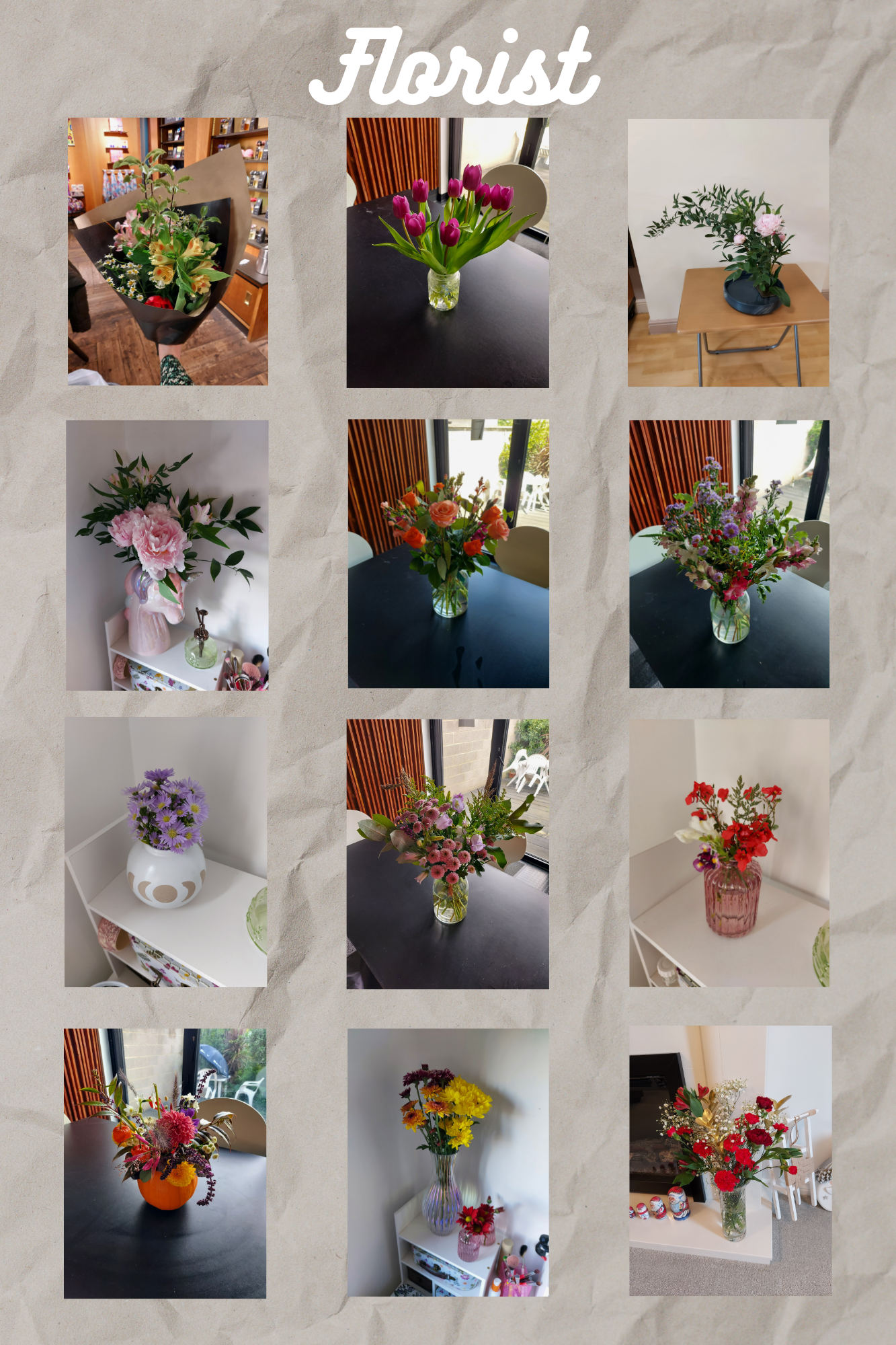
Keep a record of all the different arrangements you make during the course of this badge
I took photos of all my arrangements, and displayed them in a collage at the end of the year.