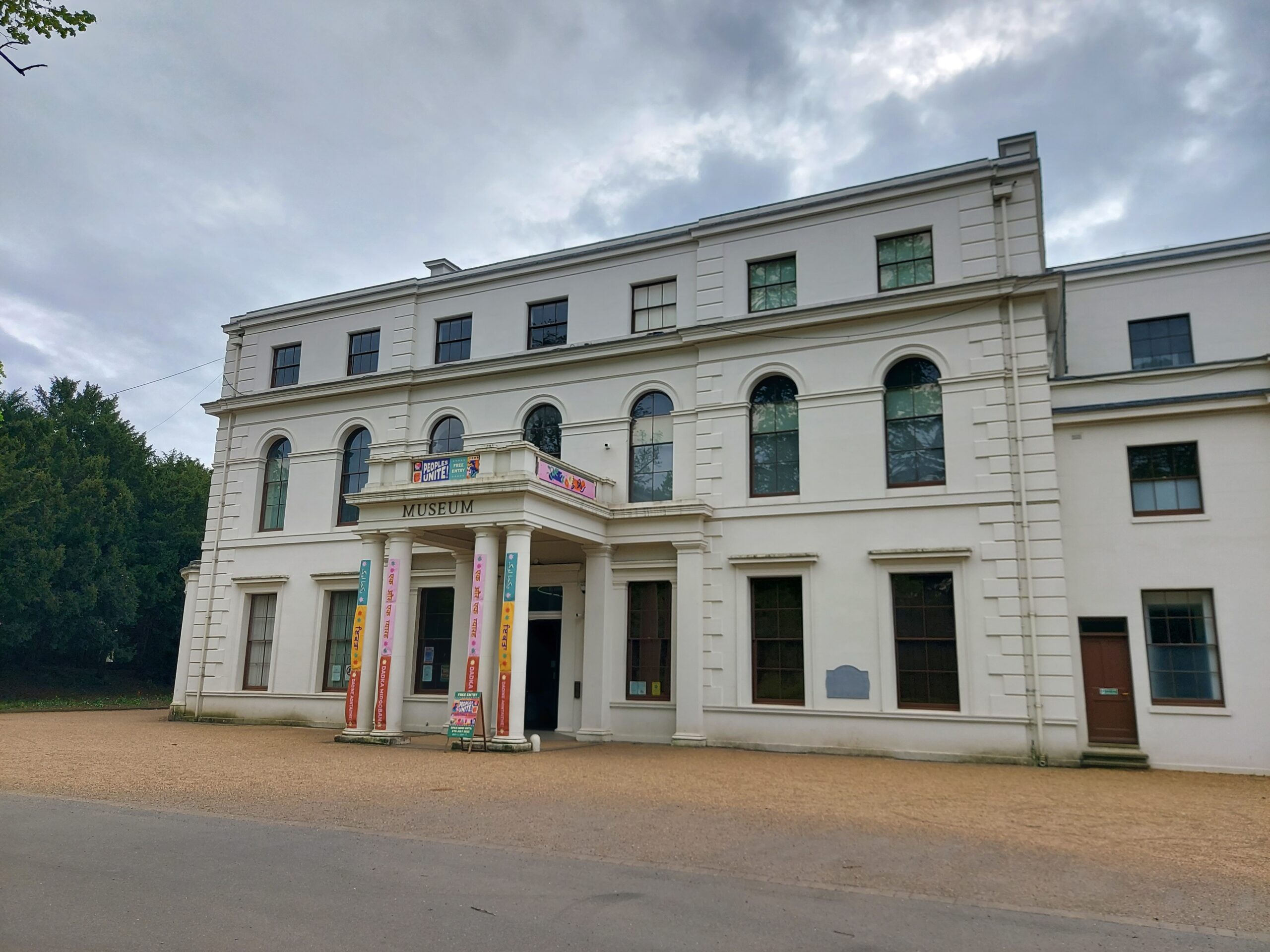
I visited Gunnersbury Park Museum for the first time in several years. The museum is located in Gunnersbury Park, which isn’t far from me, so it’s a shame I hadn’t managed to visit earlier, except for after-hours events.
The museum opened in 1929 and has a varied collection of around 50,000 items, focusing on the heritage of Ealing and Hounslow. For a small museum, it has a wide-ranging series of exhibitions. One focus is on the history of the house and the estate, formerly home to the Rothschilds; another is on the history of the boroughs, from Palaeolithic times to the modern day. There is a childhood collection of toys and games, information about local religion and schools in the area, and artefacts from local businesses and public places. In addition there is a fashion collection, including items as varied as a 1760s court dress and a modern South Asian wedding dress, as well as a restored butler’s pantry.
When I visited I also explored the temporary exhibition, Peoples Unite! How Southall changed the country. Southall is known as the home of a large community made up of people from Britain’s former colonies, especially South Asians. The exhibition explores the richness, diversity and variety of experiences within this neighbourhood, the racism faced by its inhabitants, and how residents have fought back.
Gunnersbury Park is a lovely park in itself, and a visit to the museum is highly recommended. It definitely punches above its weight.
FACTS
Address: Gunnersbury Park, Popes Lane, London, W5 4NH
I’ve been living in Ealing for fourteen years now, and I’ve learned a bit about the history of the area in that time. There’s always room to learn more, however, and the Local History badge (chosen as part of the ‘Curiouser and Curiouser’ quarterly challenge) has helped me to do so.
Visit a local museum to learn more about the history of your local area.
I visited Gunnersbury Park Museum to learn more about the history of Ealing. The main galleries had exhibitions about notable people, industries and fashions of the area, while there was also a special exhibition on the history of Southall specifically which was really interesting.
Visit a local historic attraction.
I visited Pitzhanger Manor, the country home of architect Sir John Soane. I have visited before, but had never done a guided tour. I learnt a lot.
Access the census records for your home.
I accessed the 1939 Register for my home. At this time, there were three single women living here.
I used other resources such as censuses to find out more about them.
Charlotte was born in Leeds but at some point moved to Kensington. Until 1911 she was living there with her parents and siblings.
Hilda was born and also lived in Kensington. The 1921 census shows her living with her mother in Battersea.
Mabel was born in Wandsworth. The 1921 census records her as a servant in Ealing.
I don’t know how these women met or ended up living together in what is now my home. I like to think that they were proto-Rebels, living their best lives and enjoying freedom and companionship.
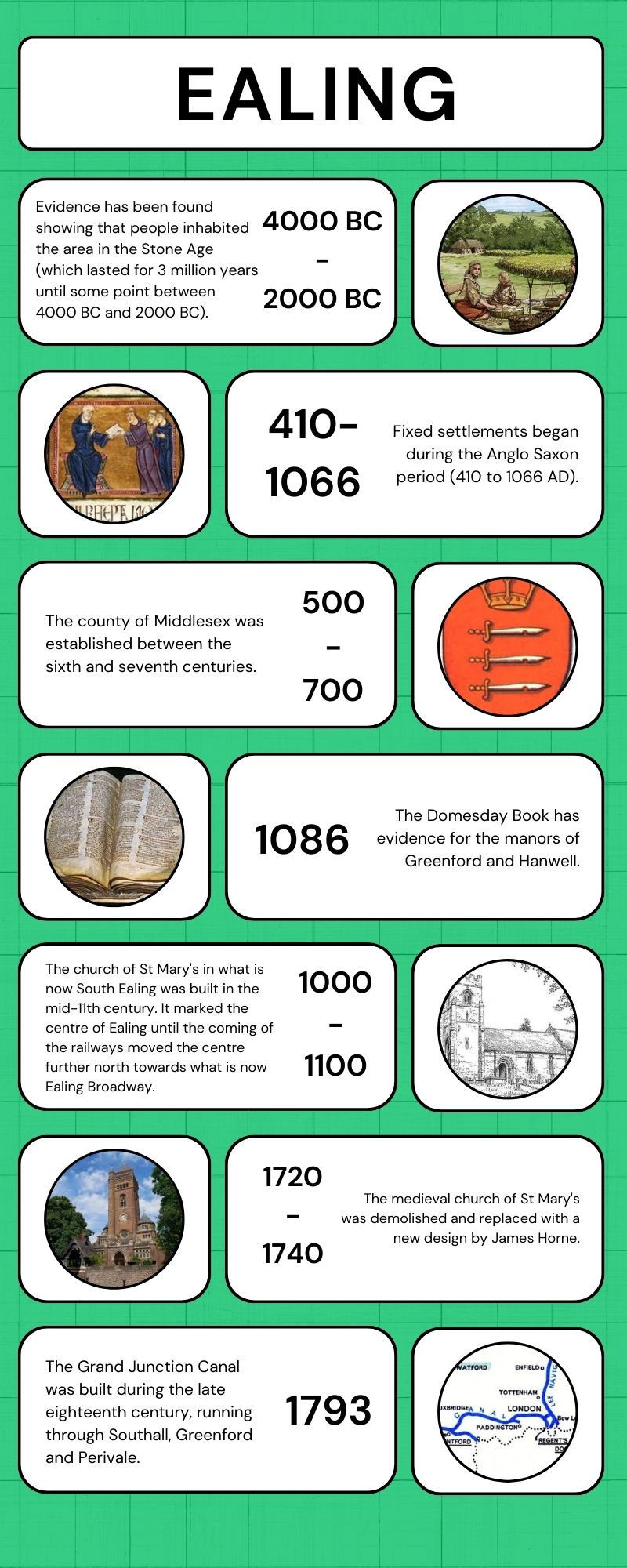
Write a timeline of important dates for your local area.
Learn about key historical figures in your local area. Make a presentation in the medium of your choice about what your area is famous for.
There are quite a few historical figures with links to Ealing.
Lady Byron, born Anne Isabella Milbanke (Lord Byron’s widow) of Fordhook House, Ealing, founded Ealing Grove School in 1834. This was the first industrial school of its type. In 1860 C. N. Atlee, a former headmaster of the Lady Byron school, set up the Byron House School in St. Mary’s Road (South Ealing Road). The site is now the University of West London, and a blue plaque at the entrance is dedicated to Lady Byron.
Thomas Henry Huxley (1825–1895), biologist known as “Darwin’s Bulldog” for his adherence to his theory of evolution, was born in Ealing. His father was a mathematics teacher at Great Ealing School until its closure.
Ho Chi Minh (né Nguyễn Sinh Cung, 1890–1969), revolutionary and politician, worked in the kitchens of the Drayton Court in 1914. He was the founder and the first president of the Democratic Republic of Vietnam.
Spencer Perceval (1762–1812), British Prime Minister from 1809 until his assassination, lived in a large house at Elm Grove, on the south side of Ealing Common.
Dusty Springfield (1939–1999), soul singer, lived in Kent Gardens, West Ealing during the 1950s, attending St Anne’s Convent School in Northfields and later working at Bentalls department store in Ealing Broadway.
Crime novelist Agatha Christie’s parents are buried in South Ealing Cemetery. She herself is listed in the 1911 census at 99 Uxbridge Road as Agatha Miller (her maiden name). She was visiting her great aunt Margaret Miller (supposedly the inspiration for Miss Marple) who had lived in Ealing for more than three decades.
I created a presentation about what the seven towns in the modern London Borough of Ealing are famous for.
I attended a talk on Secret Ealing at my local library. I also bought and read the associated book, which was full of interesting information.
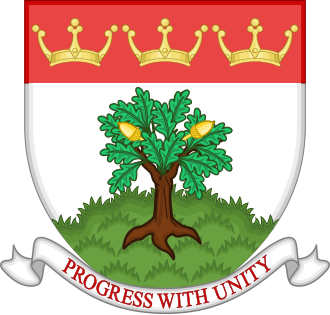
Does your local area have a coat of arms? Research the meaning of each of the different sections.
The coat of arms of the London Borough of Ealing was granted on 1 September 1965. At the top are three golden Saxon crowns, representing the three former Middlesex boroughs of Ealing, Acton and Southall.
At the centre is an oak tree, which was also present in the coats of arms of both Ealing and Acton (Acton is considered to mean “oaktown”), referring to the ancient forest west of London which formed much of what is now Ealing. The oak is also appropriate to the origins of Southall and Norwood (“the southern holt and the northern wood”). Originally there were twenty acorns because they stand for the original twenty wards in the present borough. The grassy base comes from the former Acton coat of arms and the silver field was part of the Ealing coat of arms. The motto is ‘Progress With Unity’.
If your country has listed buildings, find out about a local grade listed building.
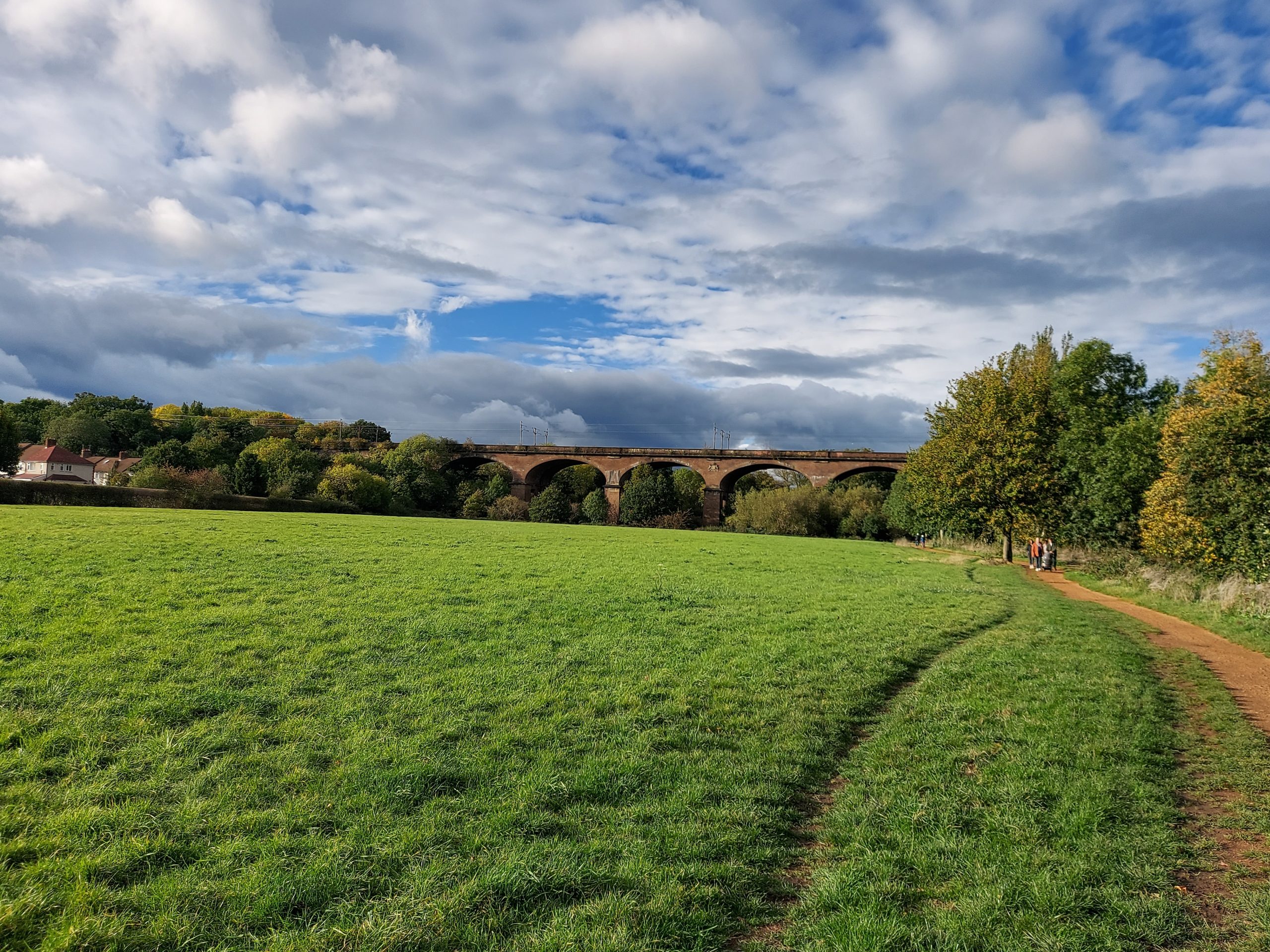
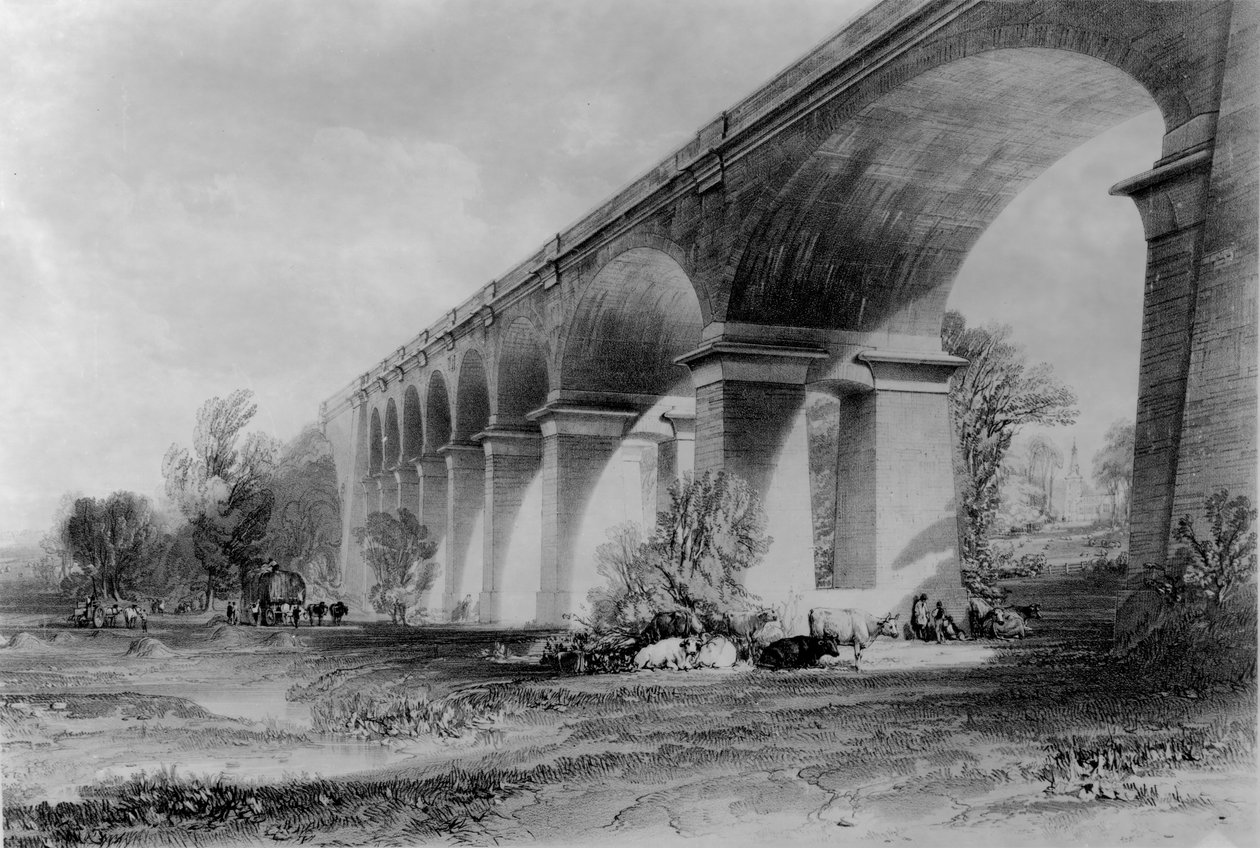
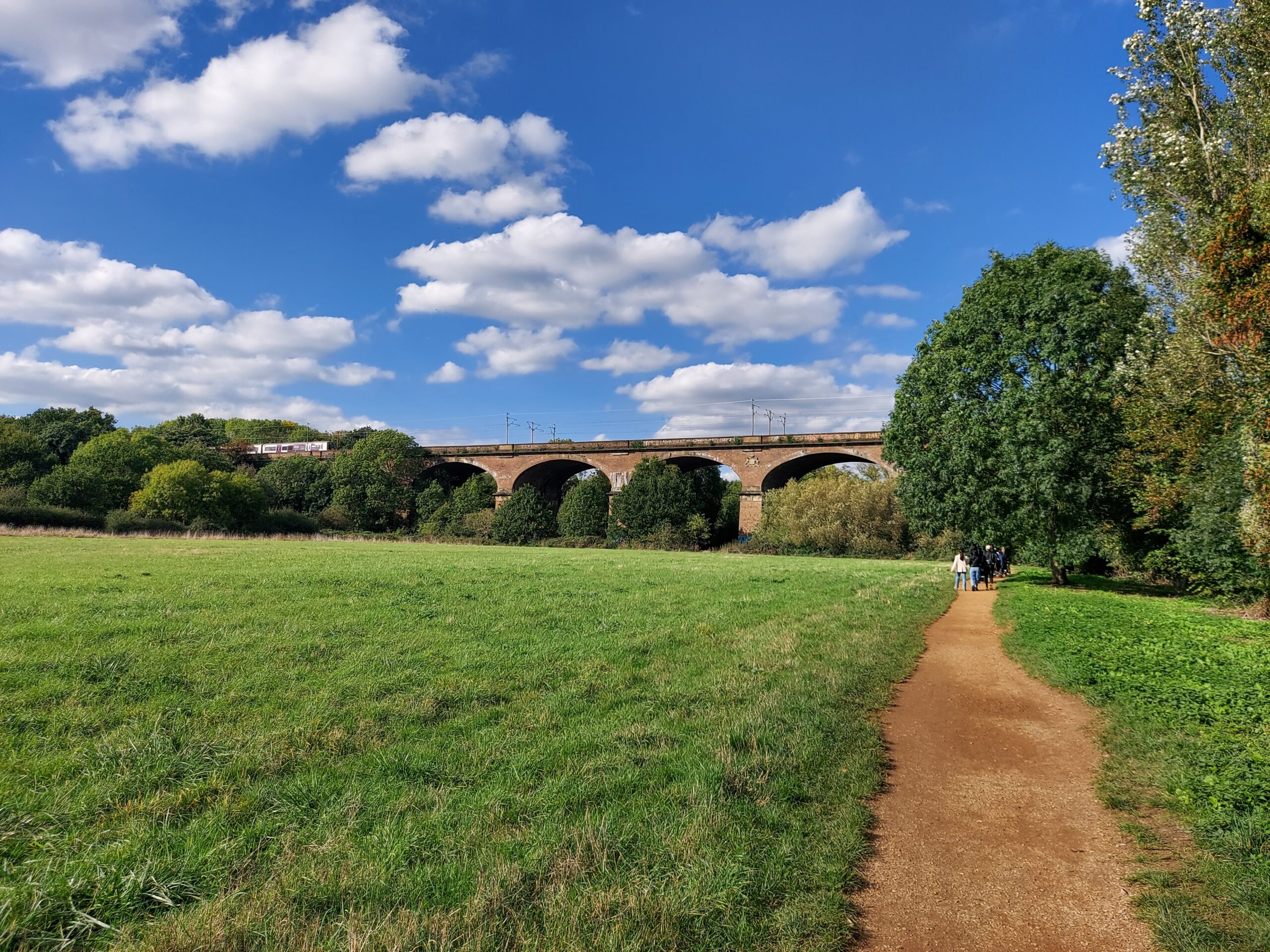
There are six Grade I listed and 18 Grade II* listed buildings in Ealing. The Wharncliffe Viaduct was listed on 8 November 1949.
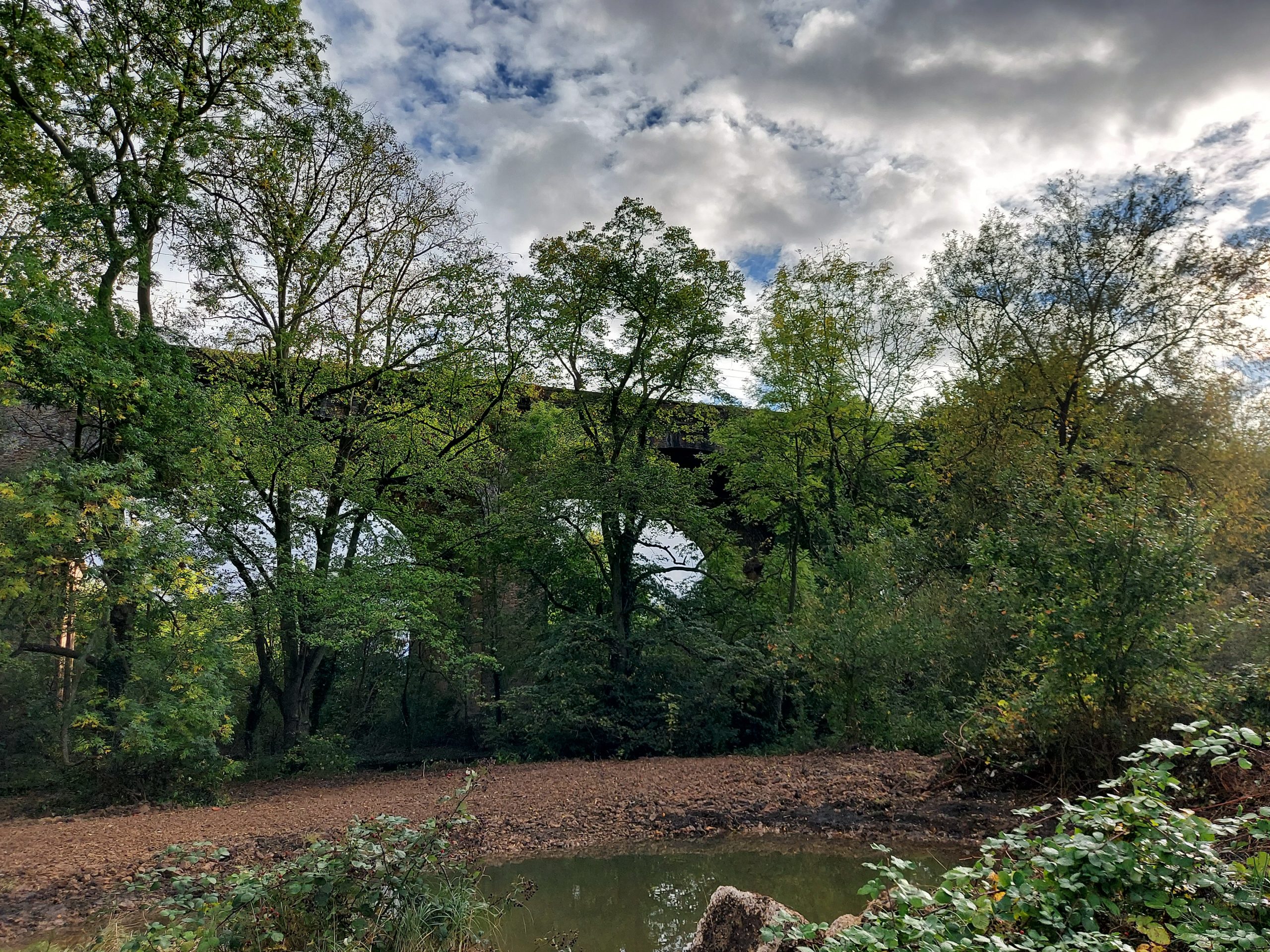
The brick-built viaduct was constructed in 1836-7 for the Great Western Railway at an elevation of 20 metres (66 ft) in order to carry the railway across the Brent Valley. It was the first major structural design by Isambard Kingdom Brunel, the first building contract related to the GWR project, and the first major engineering work to be completed. The 270-metre-long (890 ft) viaduct has eight semi-elliptical arches, each spanning 70 feet (21 m) and rising 5.3 metres (17 ft). It is 17 metres (56 ft) wide.
The viaduct takes its name from James Stuart Wortley Mackenzie, Lord Wharncliffe, who was chairman of the parliamentary committee that steered the passage of the GWR Bill through Parliament. A carving of his coat of arms is visible on the central pier on the south side. In 1839, the viaduct carried the world’s first commercial electrical telegraph.
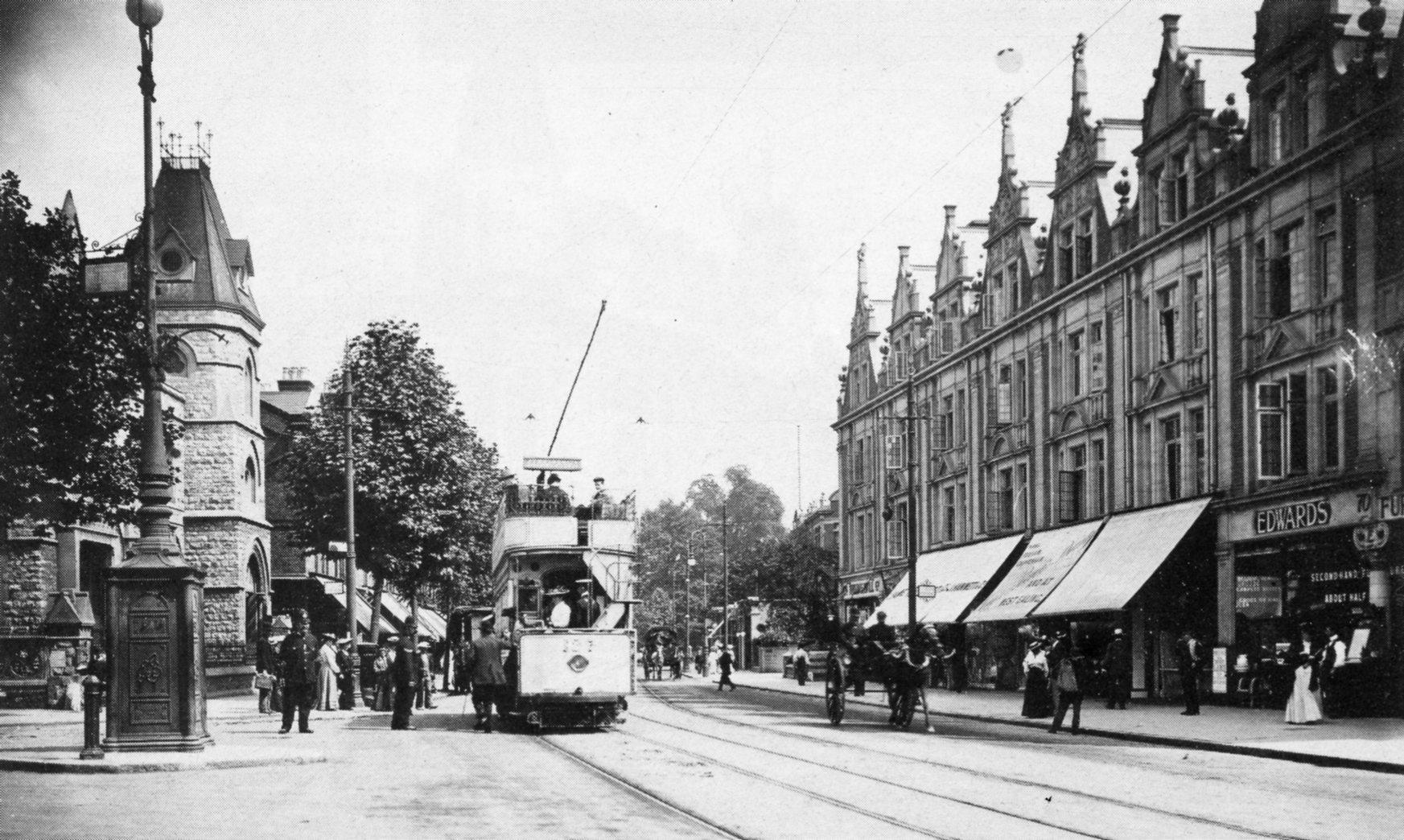
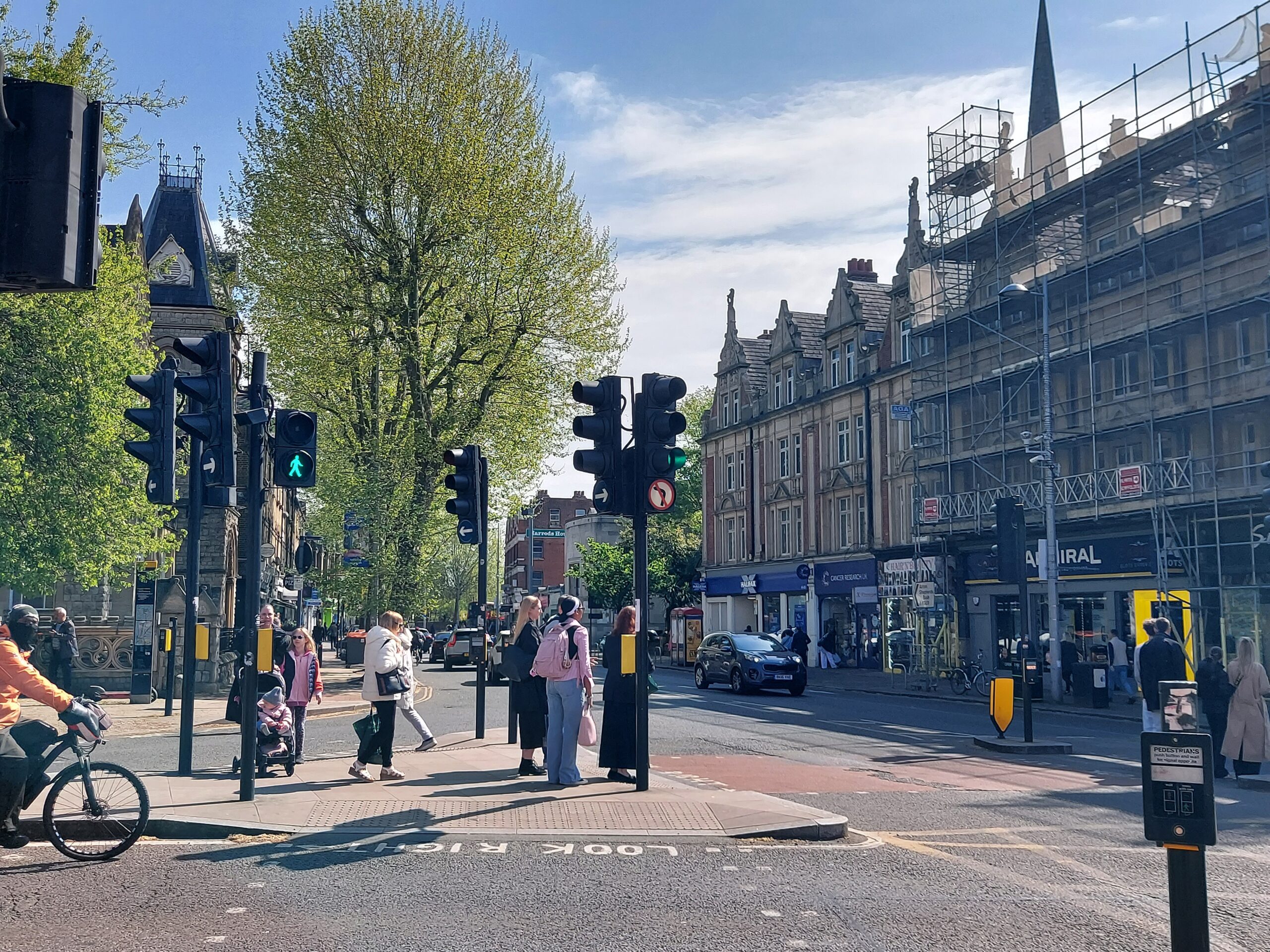
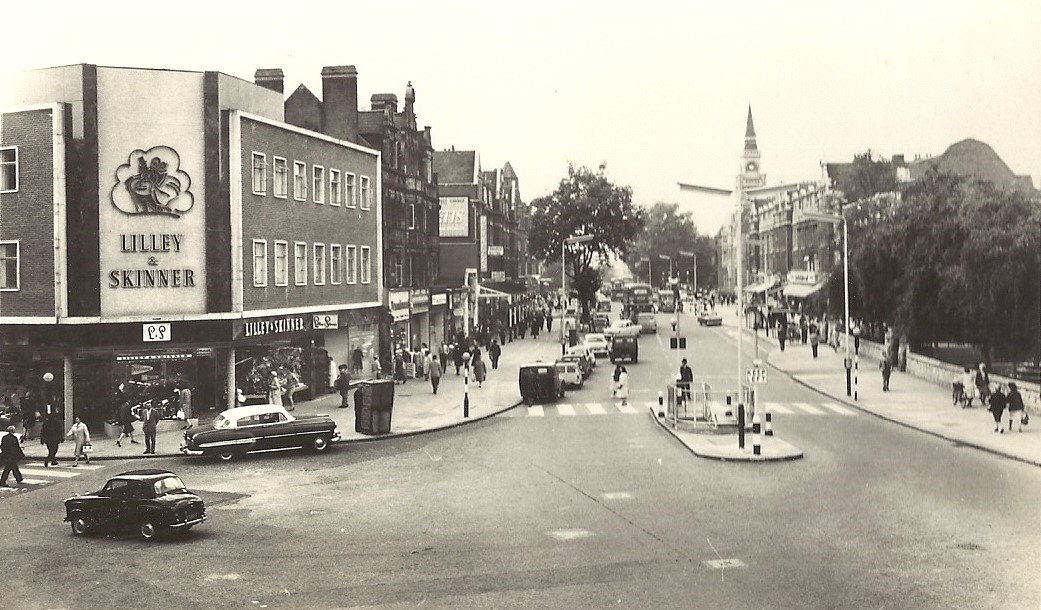
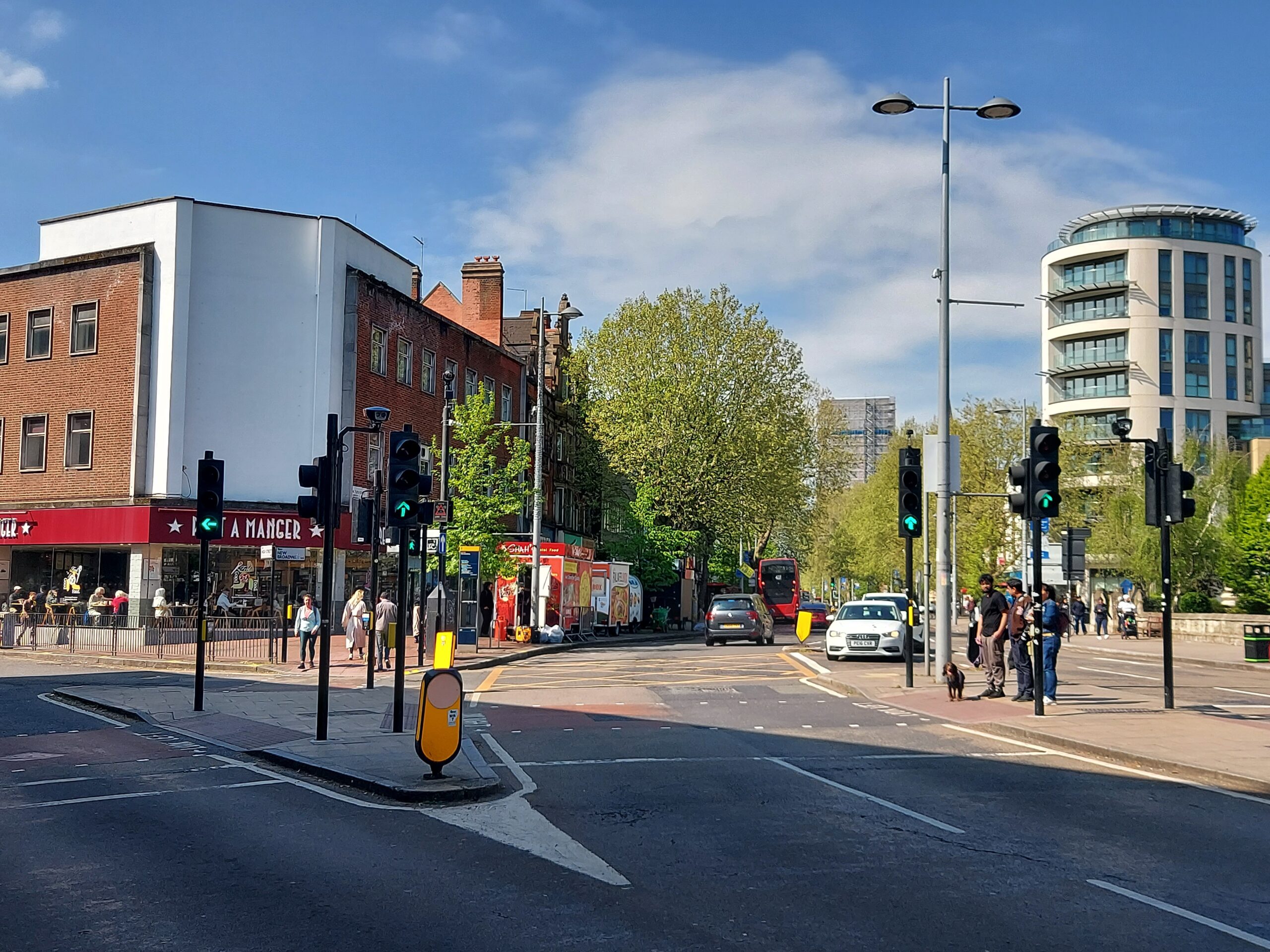
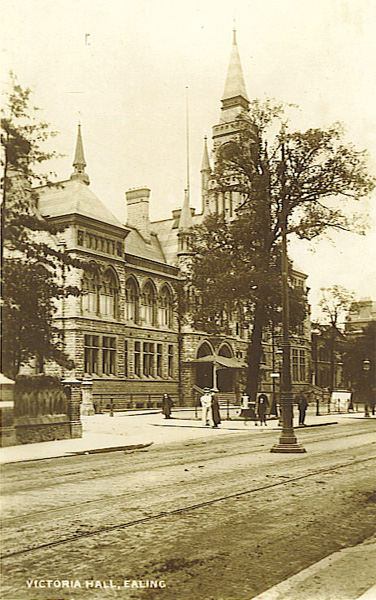
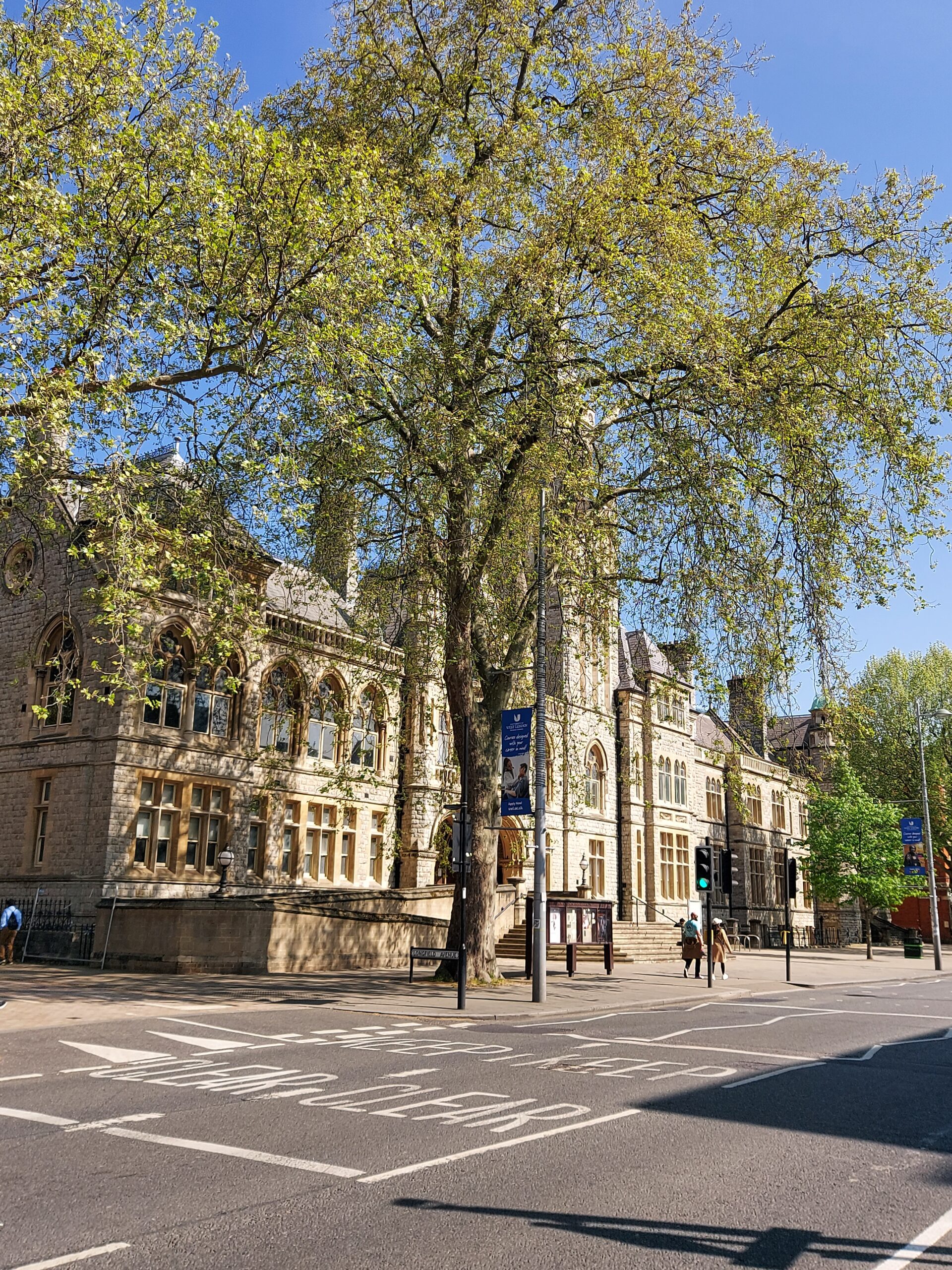
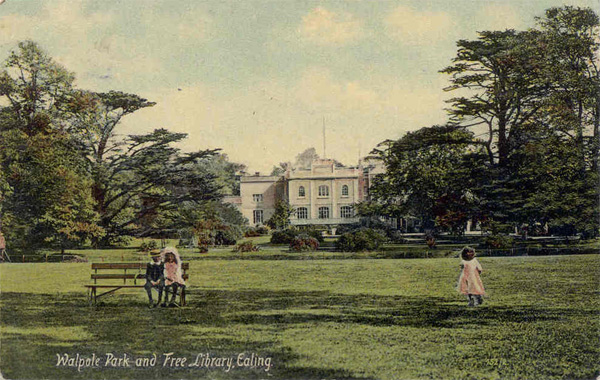
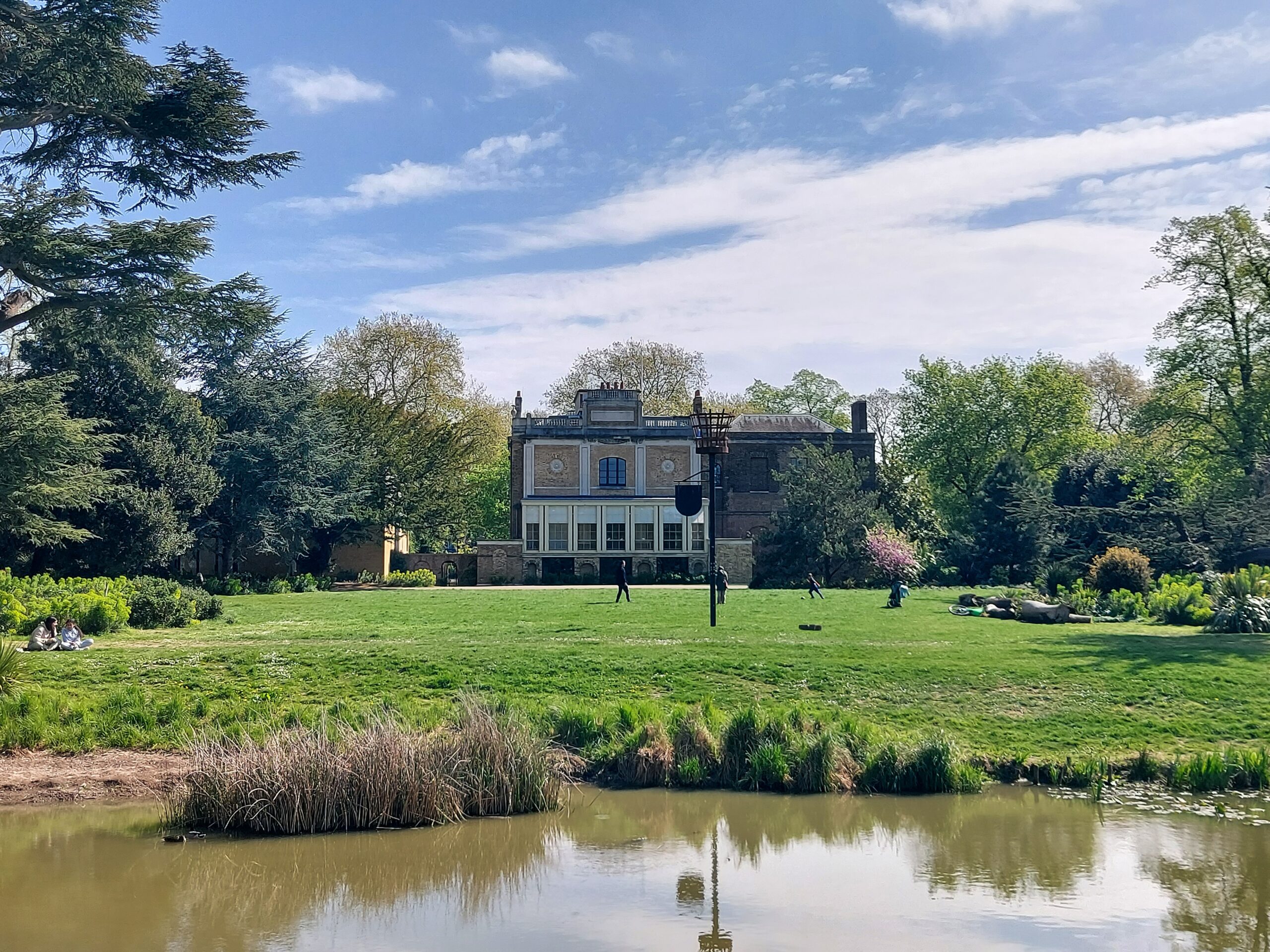
Find historical photos taken in your area. Take new ones in the same places, and compare and contrast them.
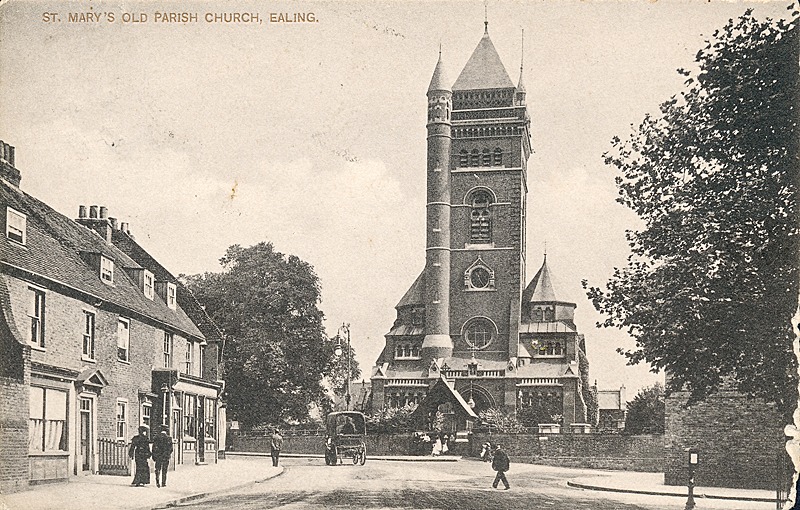
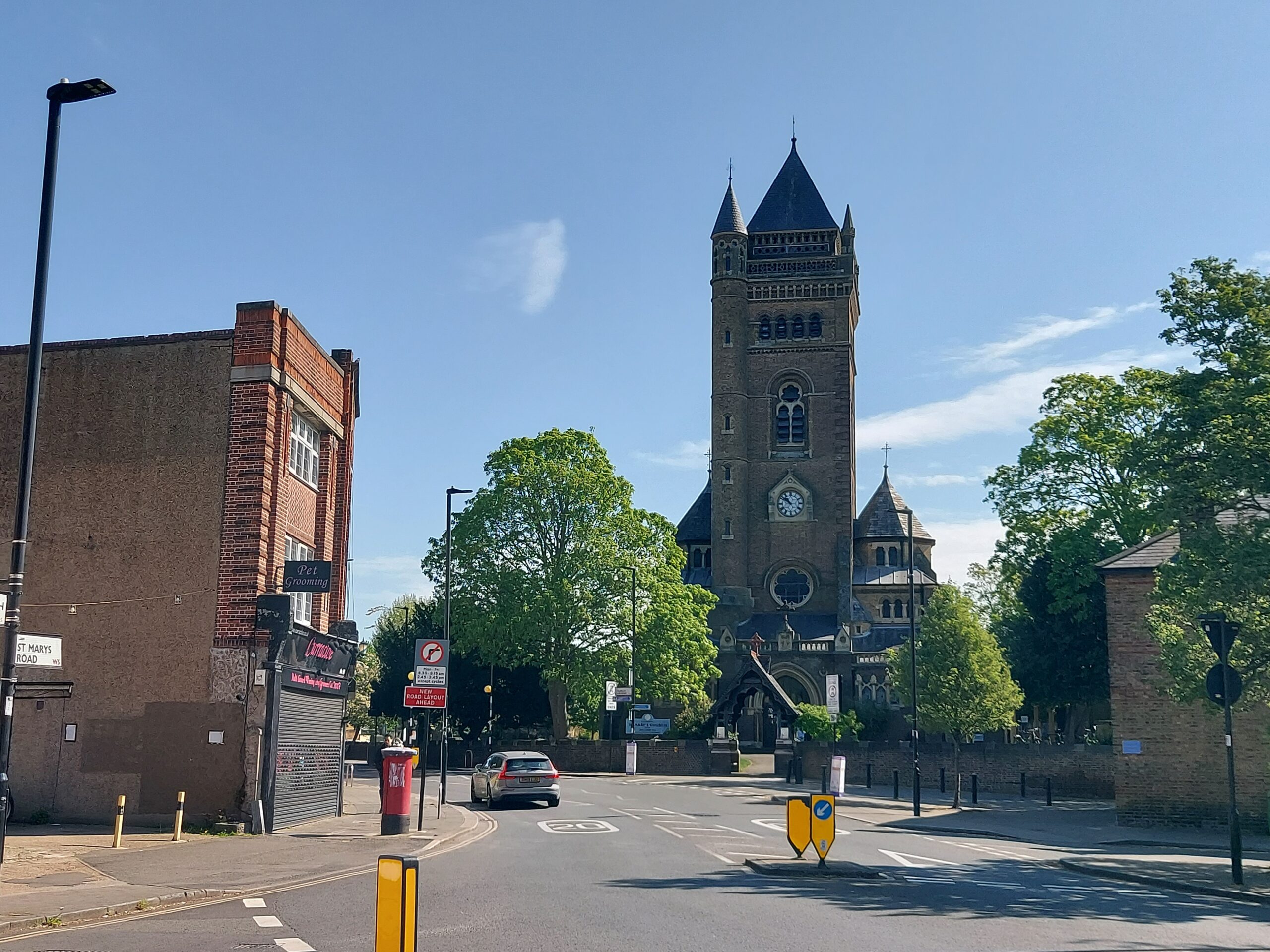
Ealing Broadway, 1905Ealing Broadway, 2025New Broadway, c. 1970New Broadway, 2025Ealing Town Hall, 1910Ealing Town Hall, 2025Walpole Park, 1906Walpole Park, 2025St Mary’s Church, 1906St Mary’s Church, 2025Wharncliffe Viaduct in the 19th centuryWharncliffe Viaduct, 2024
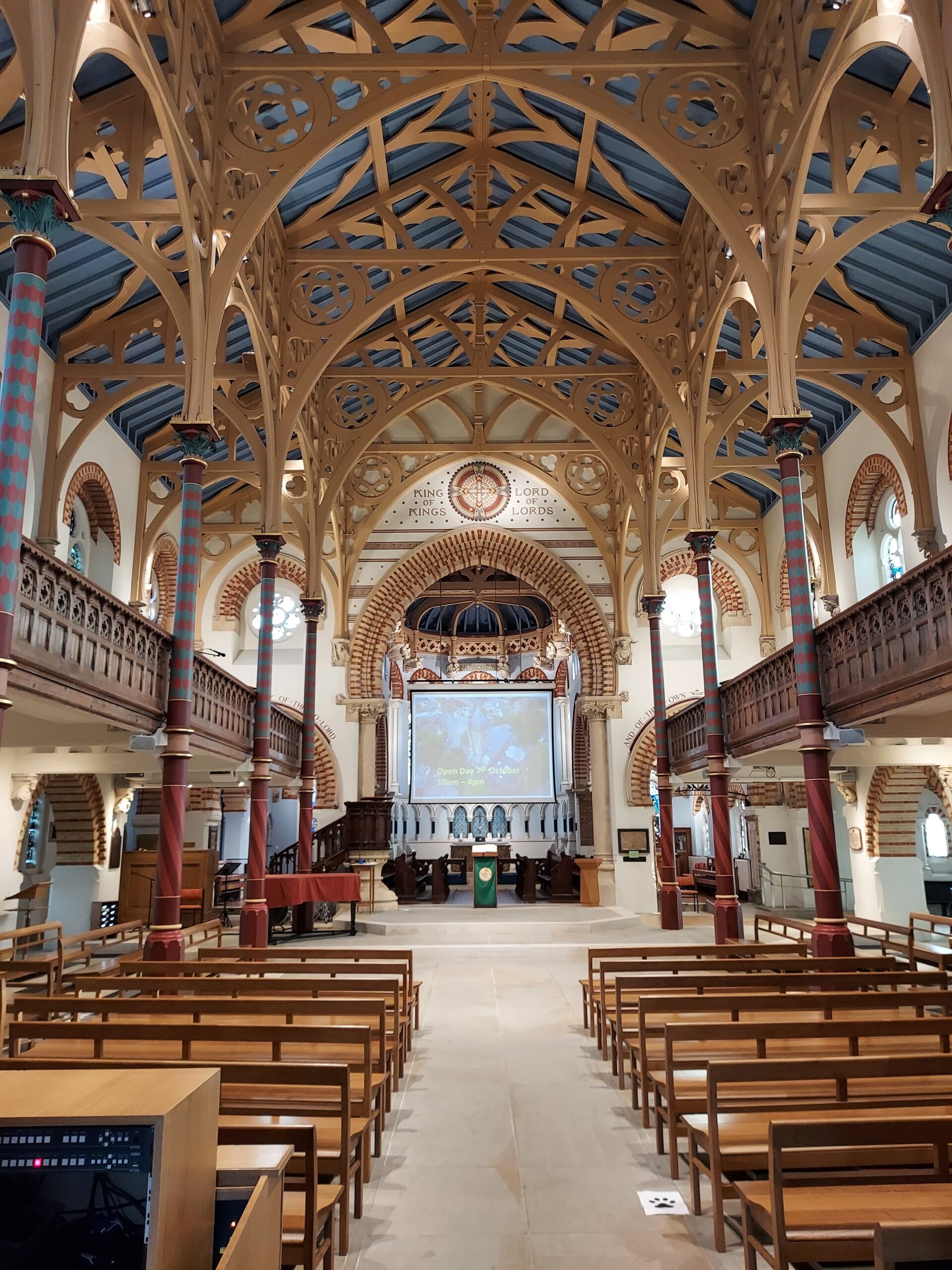
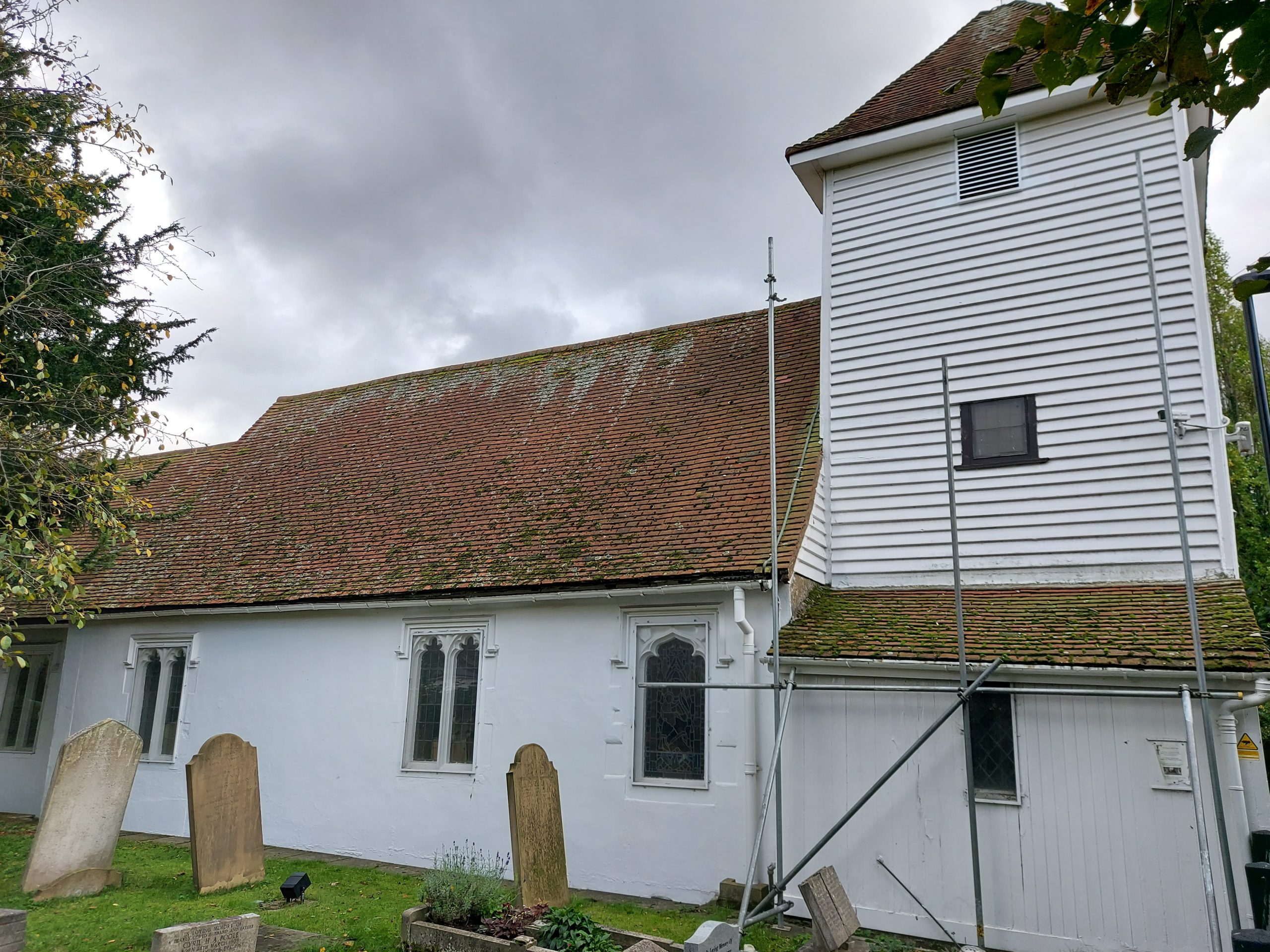
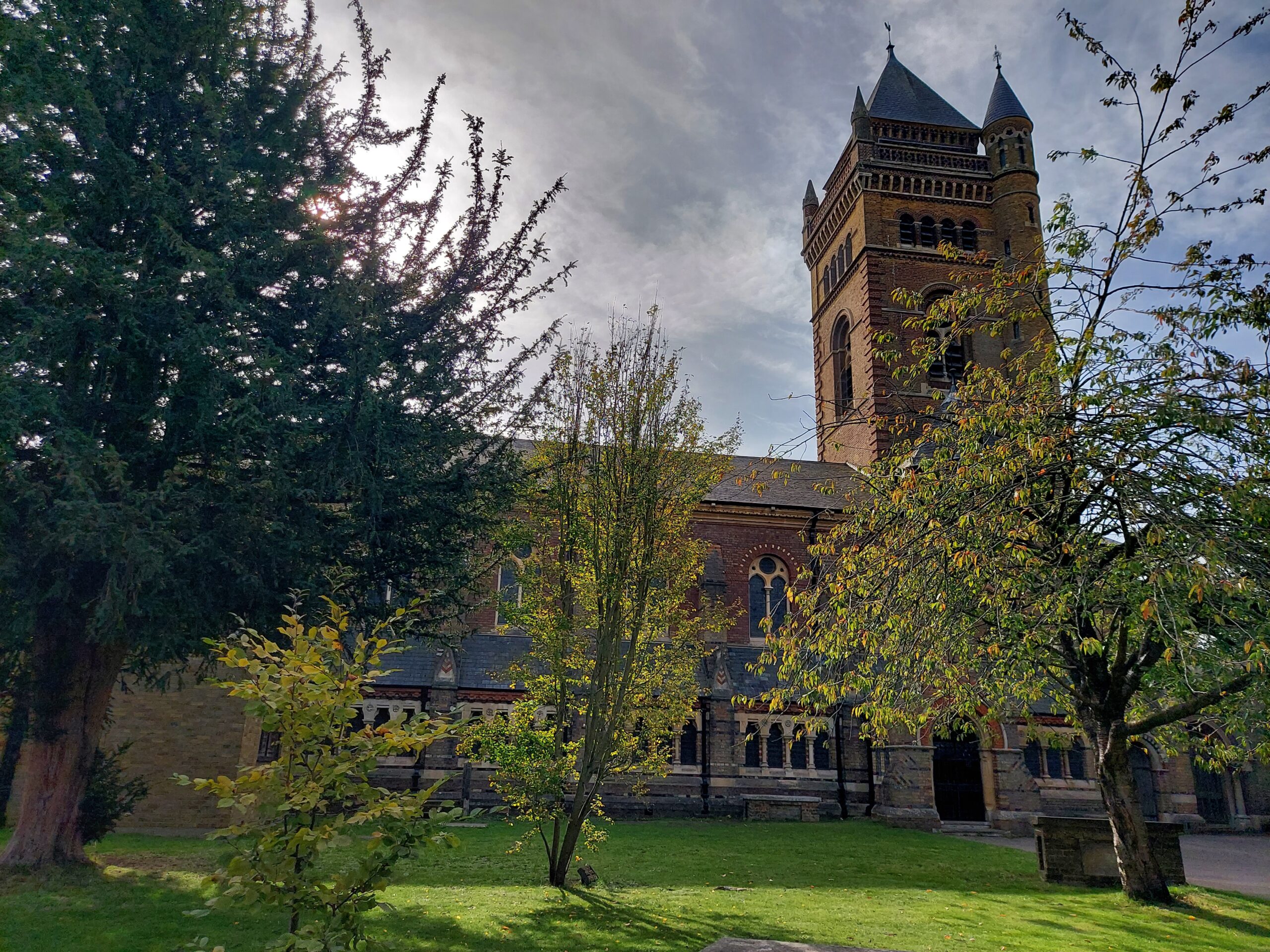
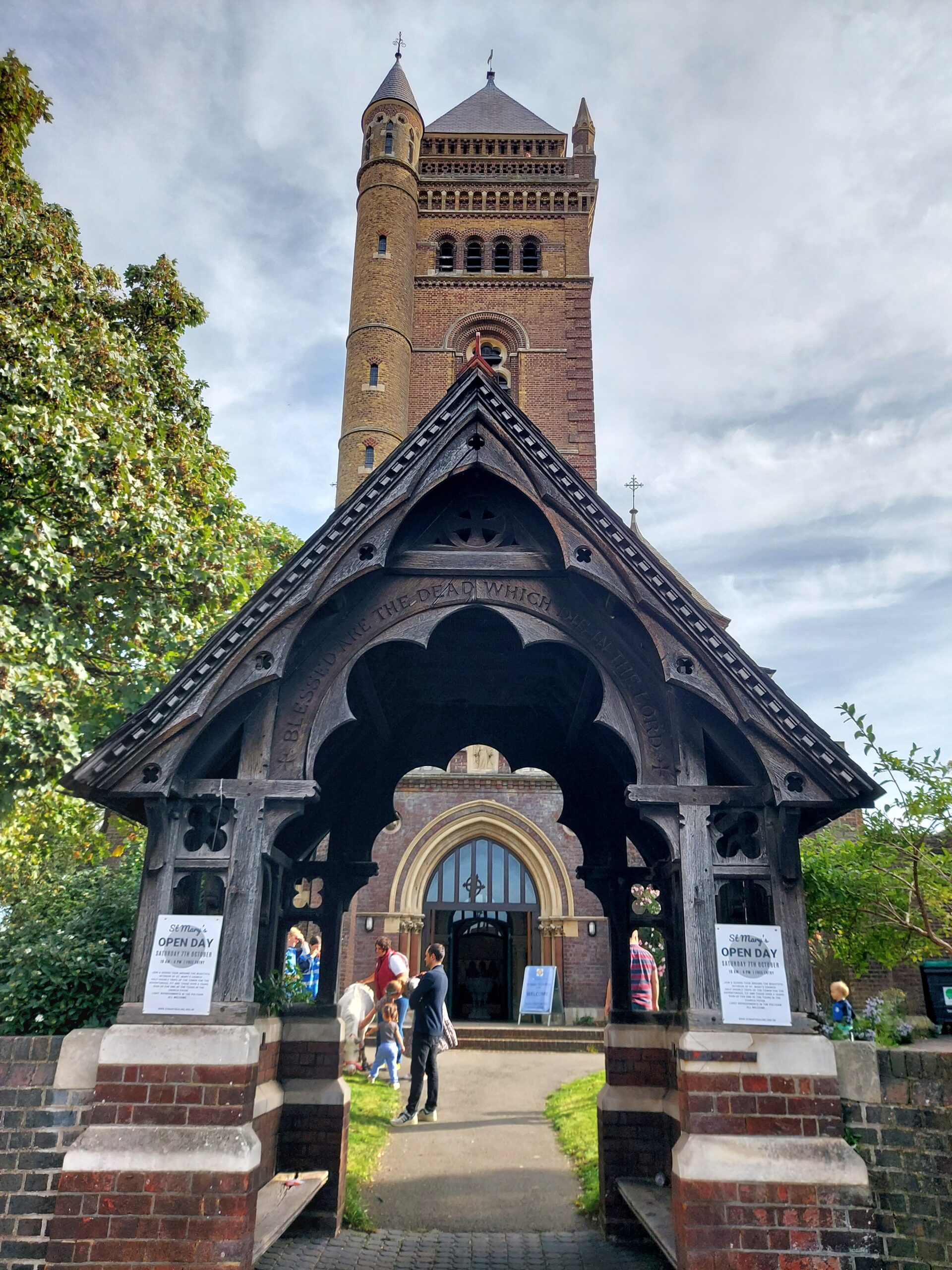
I’m not religious at all, but I find churches interesting from a historical point of view, so when my local church, St Mary’s Ealing, had an open day recently I made sure to go.
There has been a church on the site for almost a millennium. Located on St Mary’s Road on the way from Ealing Broadway to South Ealing, the Grade II listed church originally marked the centre of Ealing. As the only church in a large parish stretching from Brentford towards Wembley, it was a key landmark in the area. Richard Smart, the vicar at the end of the sixteenth century, compiled a census recording a total of 427 inhabitants in the area. The only two roads from London to the West passed through the parish, and travellers often stopped to rest at the parsonage.
In 1642, during the English Civil War, the church was severely damaged by Cromwell’s troops. In 1650, a parliamentary survey described St Mary’s as “ruinated and lying open since the plundering”. The Plague, which followed soon after, did not help, as many parishioners died. The original medieval church – now neglected and of which, sadly, no pictures survive – was demolished in 1720, to be replaced by James Horne’s design in 1740.
The church as it looked in around 1750
Once the railway reached Ealing in 1838, the area’s population began to grow rapidly, and the centre began to shift towards what is now Ealing Broadway.
Between 1865 and 1873, S. S. Teulon adapted and enlarged the Georgian church, so that it resembled a Greek Byzantine basilica. A vestry was added in 1887 and the organ enlarged in 1927, while further redecoration took place in the 1950s and the ‘Polygon’ building – used as a community space – was built in 1978. The church was restored in 2003.
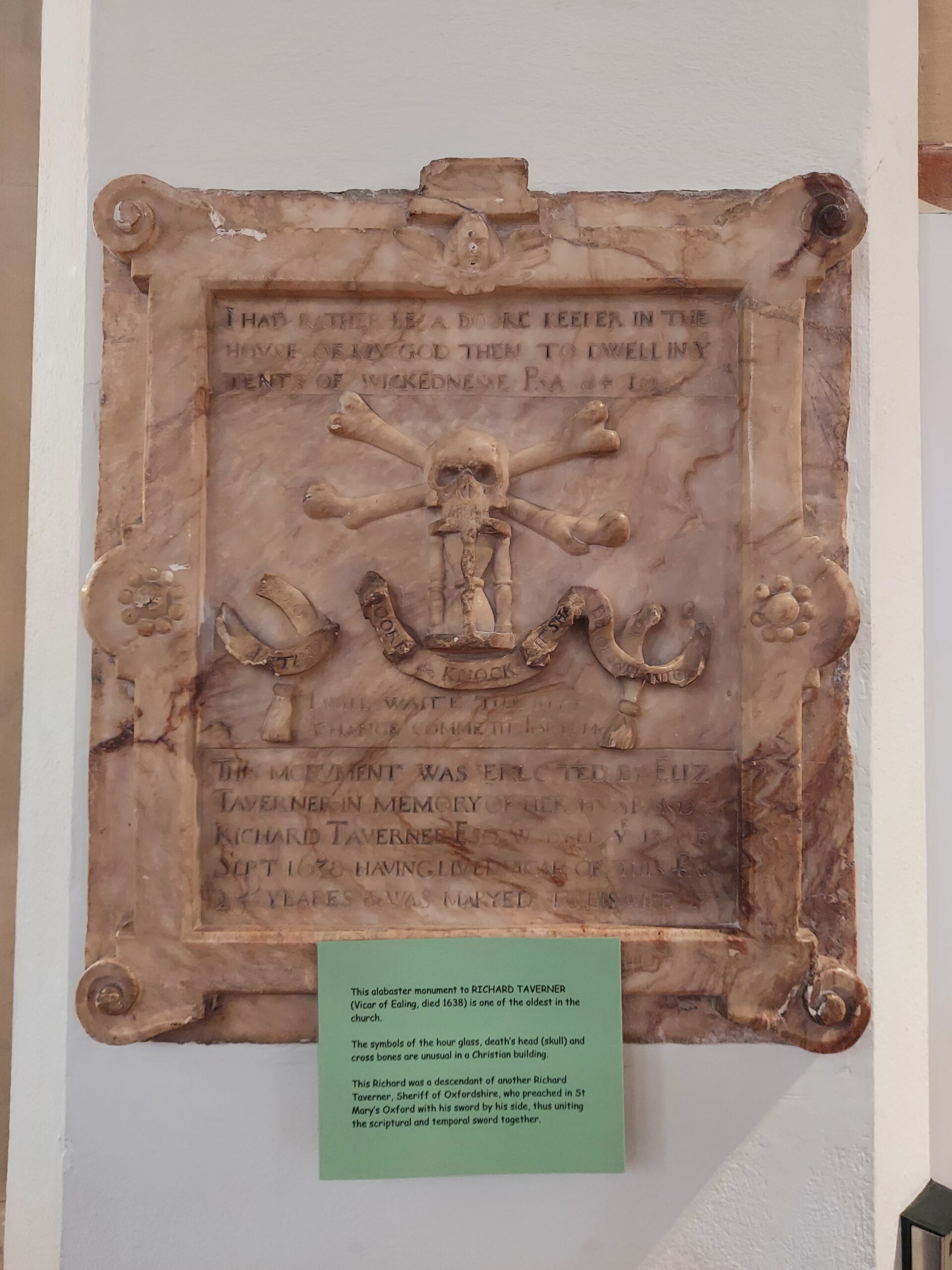
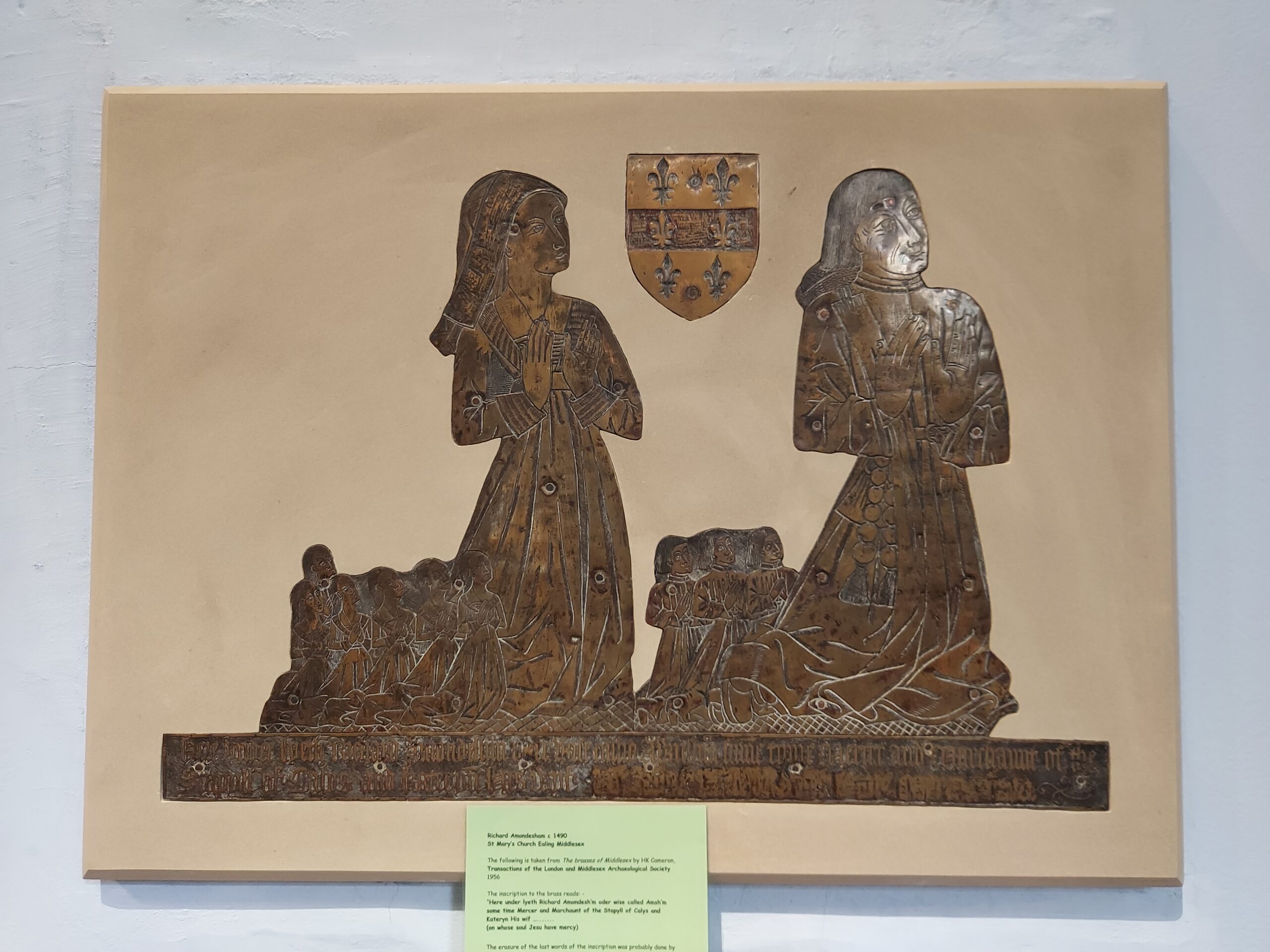
Victorian stained glass windows were commissioned by Thomas Boddington, who lived at Gunnersbury Lodge. From the old church, wall tablets and a medieval brass to Richard and Kateryn Amondesham (around 1490) were retained.
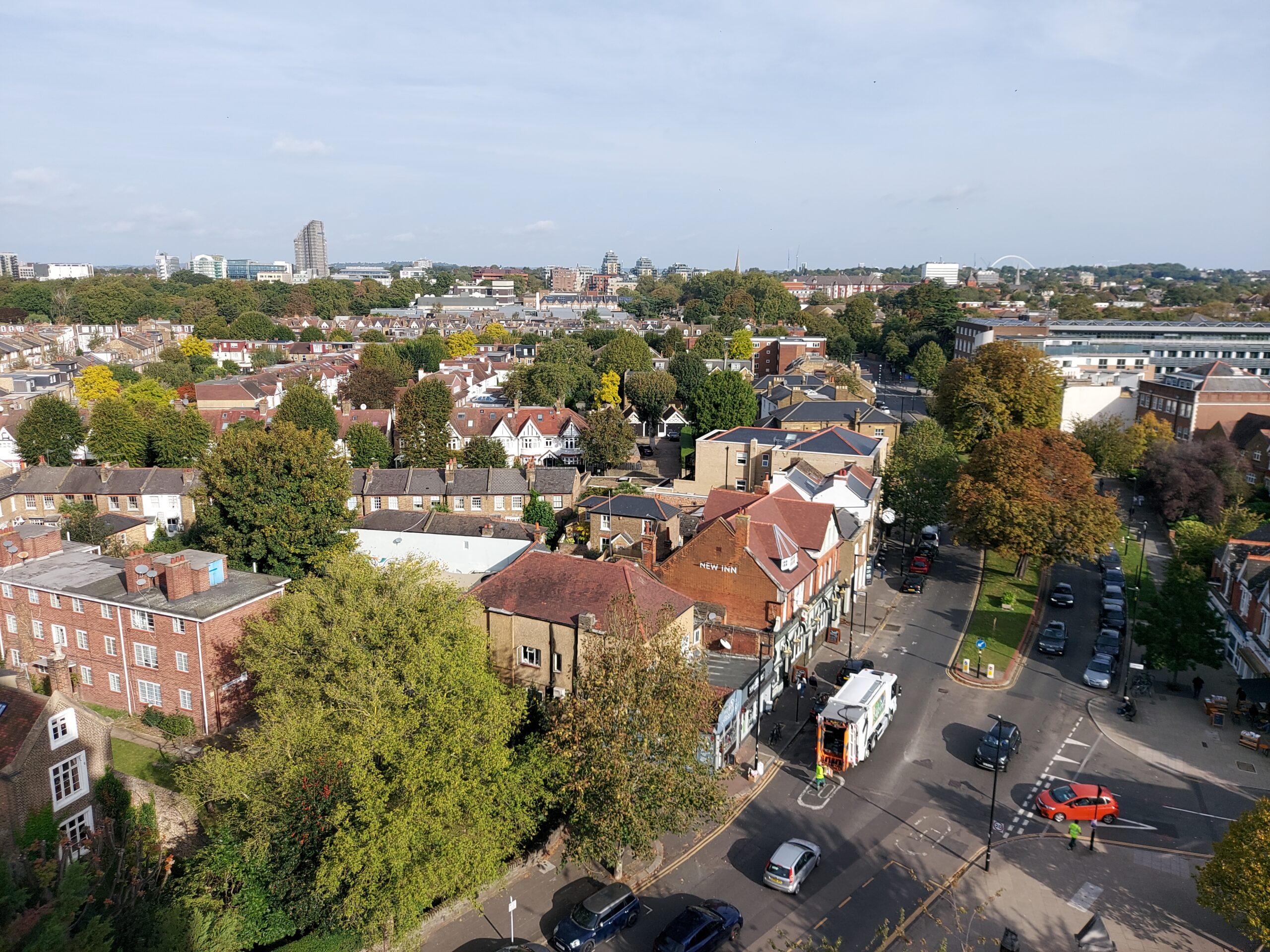
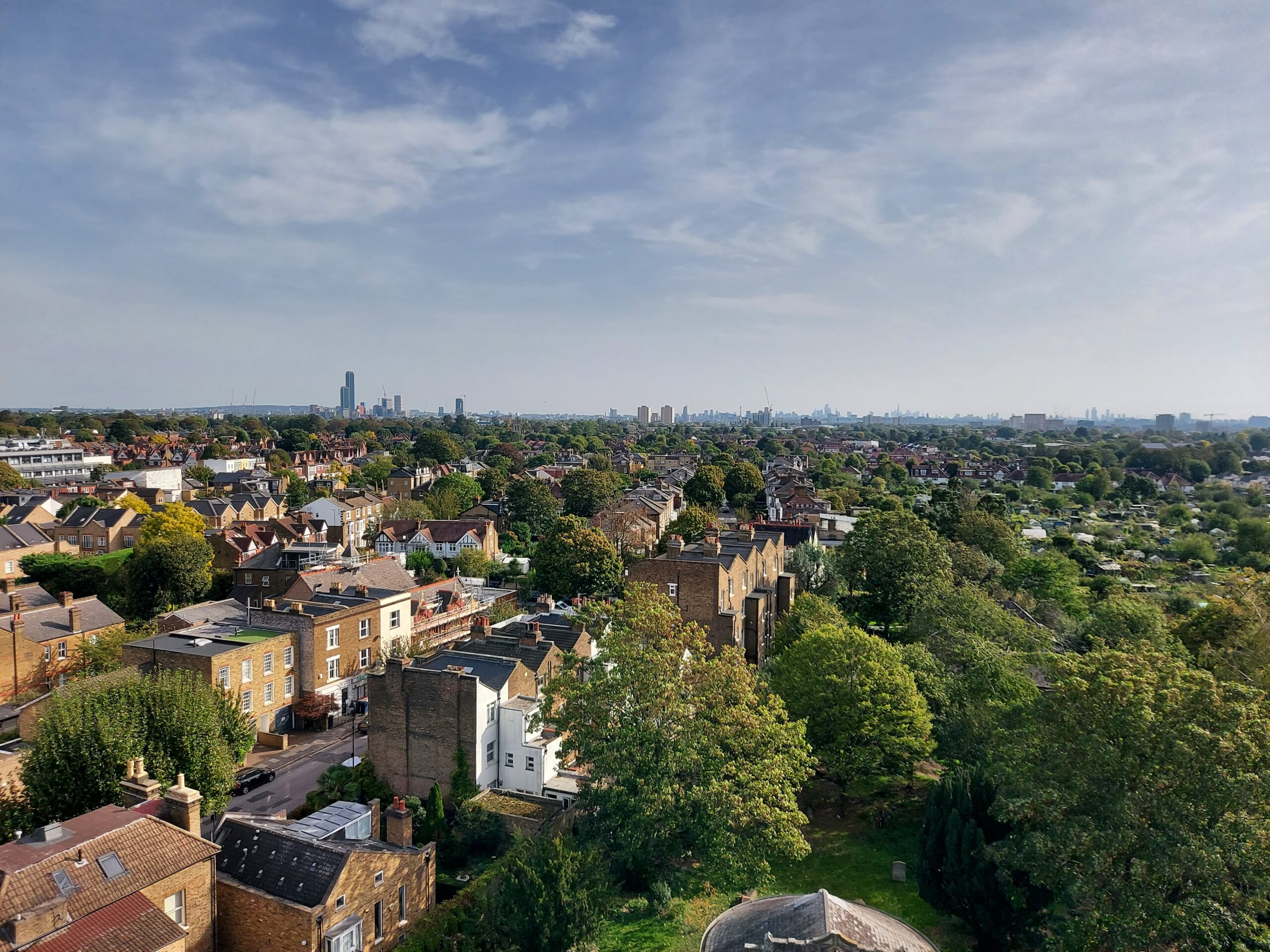
Members of the Church were on hand to take groups of lucky visitors up the tower. It was a hard climb but the beautiful views were worth it.
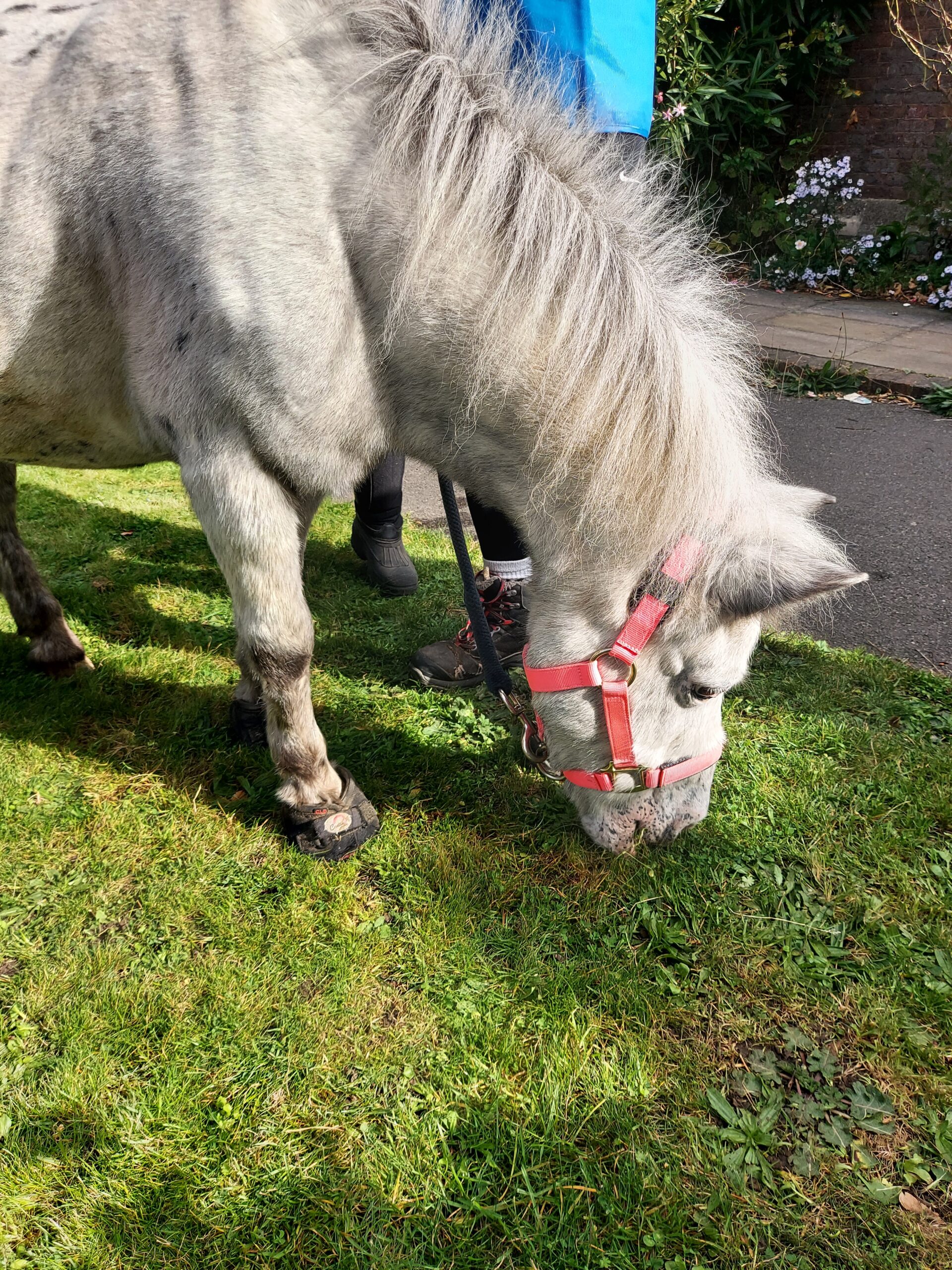
Finally, as part of the open day some gorgeous ponies had been brought over for a visit from a nearby riding school!
I joined Ealing Wildlife Group at the weekend to help release harvest mice into the Marnham Fields meadow. I’d wanted to do this for a while, ever since I saw the events listed on Facebook! The breeding programme has been running for a couple of years now, with volunteers raising baby mice until they are old enough to go out into the world.
I got to carry a box of mice to the release spot and then we all took it in turns to hold a tiny mouse and release it onto a nearby branch. They are the most adorable things. Some of the mice jumped straight onto the branch and headed for their new life with enthusiasm, others were a bit more tentative and stayed looking around before vanishing into the bushes. Overall, a very successful release.
At the weekend I decided to take a trip to Hanwell Zoo. Amazingly, despite having lived in Ealing for a decade, I had never been. I walked there, which took about an hour, but there are also buses available, which shorten the journey time considerably.
Hanwell Zoo is a small zoo that aims to promote education and conservation while ensuring community inclusion. It works with schools, youth and community groups to promote animal welfare as well as other skills such as English, maths and ICT.
The zoo holds a number of animals whose numbers in the wild are declining. The Bali starling, the red-crowned crane, the hazel dormouse, Azara’s agouti and the phantasmal poison arrow frog are all held at the zoo.
I booked my ticket online but I could also have bought one on the day. The entrance to the zoo is located within Brent Lodge Park. It was a cold but bright day when I visited, perfect for walking around.
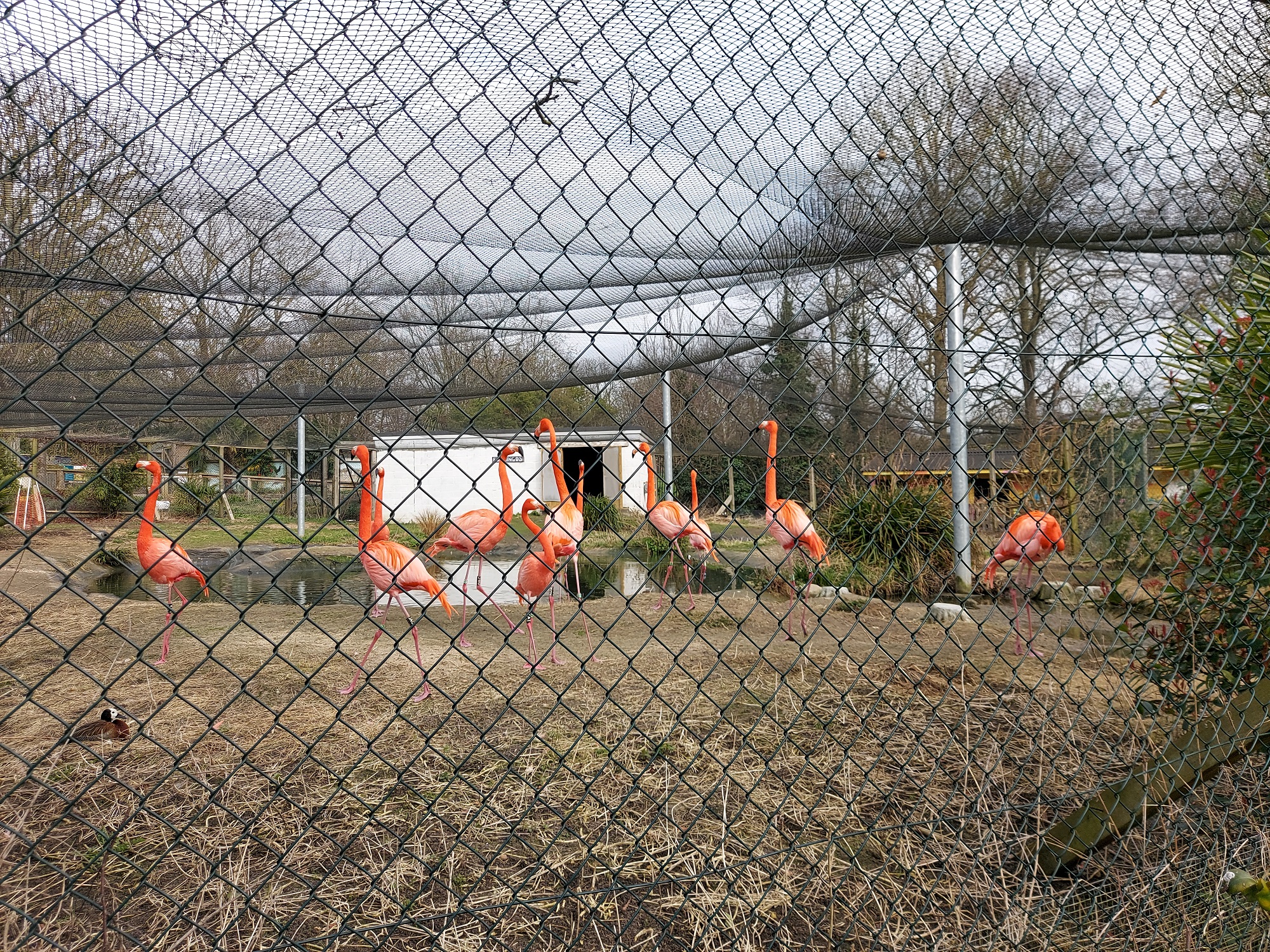
I had a lovely time seeing the different animals at the zoo. I particularly liked the flamingos and the meerkats. There were also donkeys, rabbits, a goat and several species of bird, as well as lemurs, not to mention a couple of very cute alpacas. There are two capybaras but I didn’t manage to see them until I was on my way out!
Hanwell Zoo is a really nice day out for anyone living or spending time nearby. The zoo does a lot of community, education and conservation work which are worth supporting. It’s not very big but great value for money, and there is a cafe nearby if you want to stop for refreshments.
When I went for a walk and ended up at South Ealing Cemetery, I had no idea that Agatha Christie’s parents were both buried here.
Grave of Agatha Christie’s parents
Fred Miller died from pneumonia at the home of his stepmother, Margaret West Miller, in Ealing in 1901. Margaret had lived in Ealing for several decades, often visited by her step-granddaughter (and great-niece) Agatha Miller, later Christie. Fred’s wife Clara was later buried with him, as were his daughter, Madge, and Margaret Miller herself.
During lockdown I came across the site Beyond the End of the Line, which has details of walks that can be undertaken from the end points of various tube lines. I decided to complete the walk starting from Ealing Broadway, ending at Boston Manor.
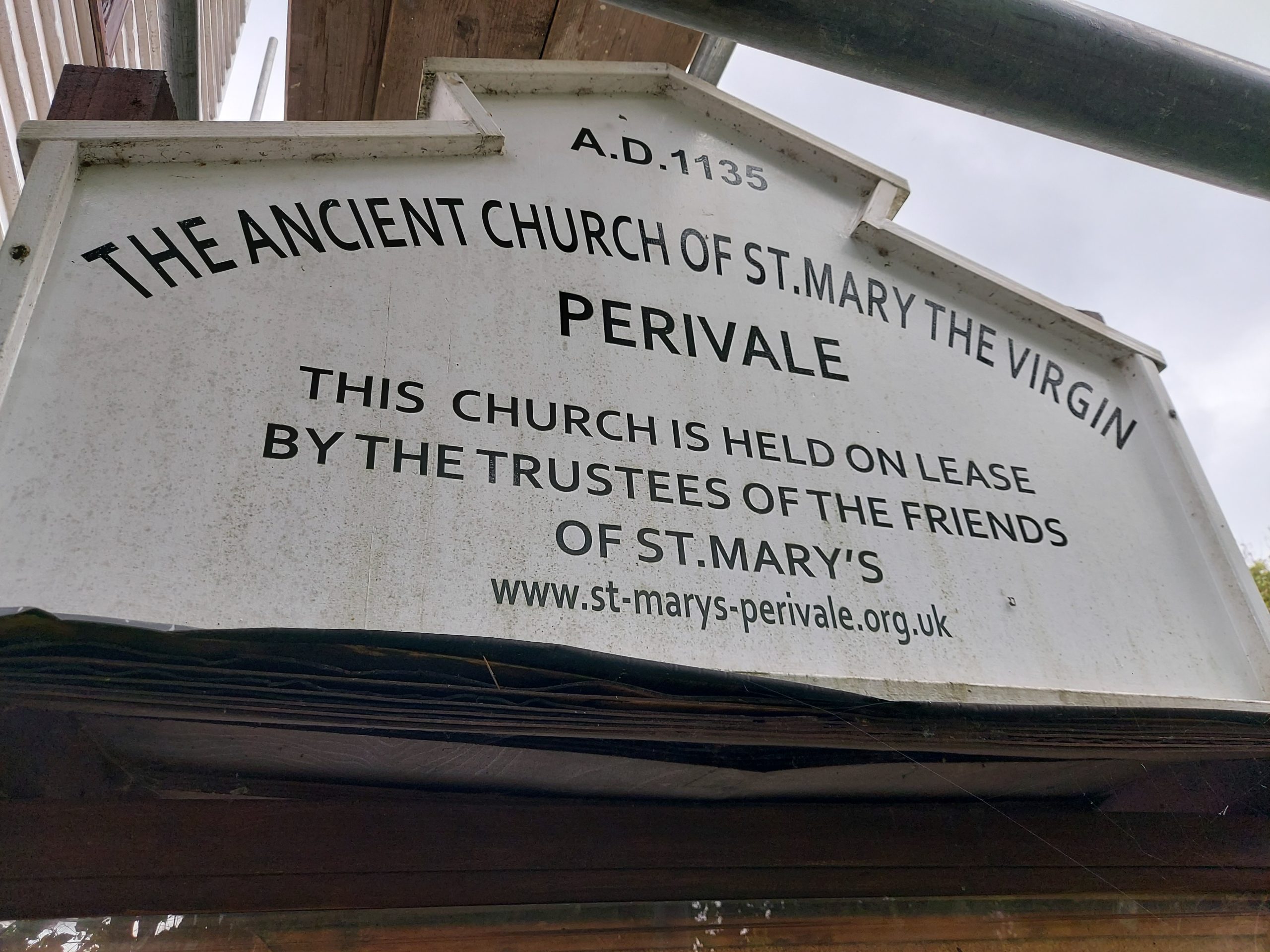
This 13km (8 mile) walk took me north beyond Ealing Broadway station and through Pitzhanger Park. Along the way I passed the Church of St Mary the Virgin in Perivale, which was built in 1135.
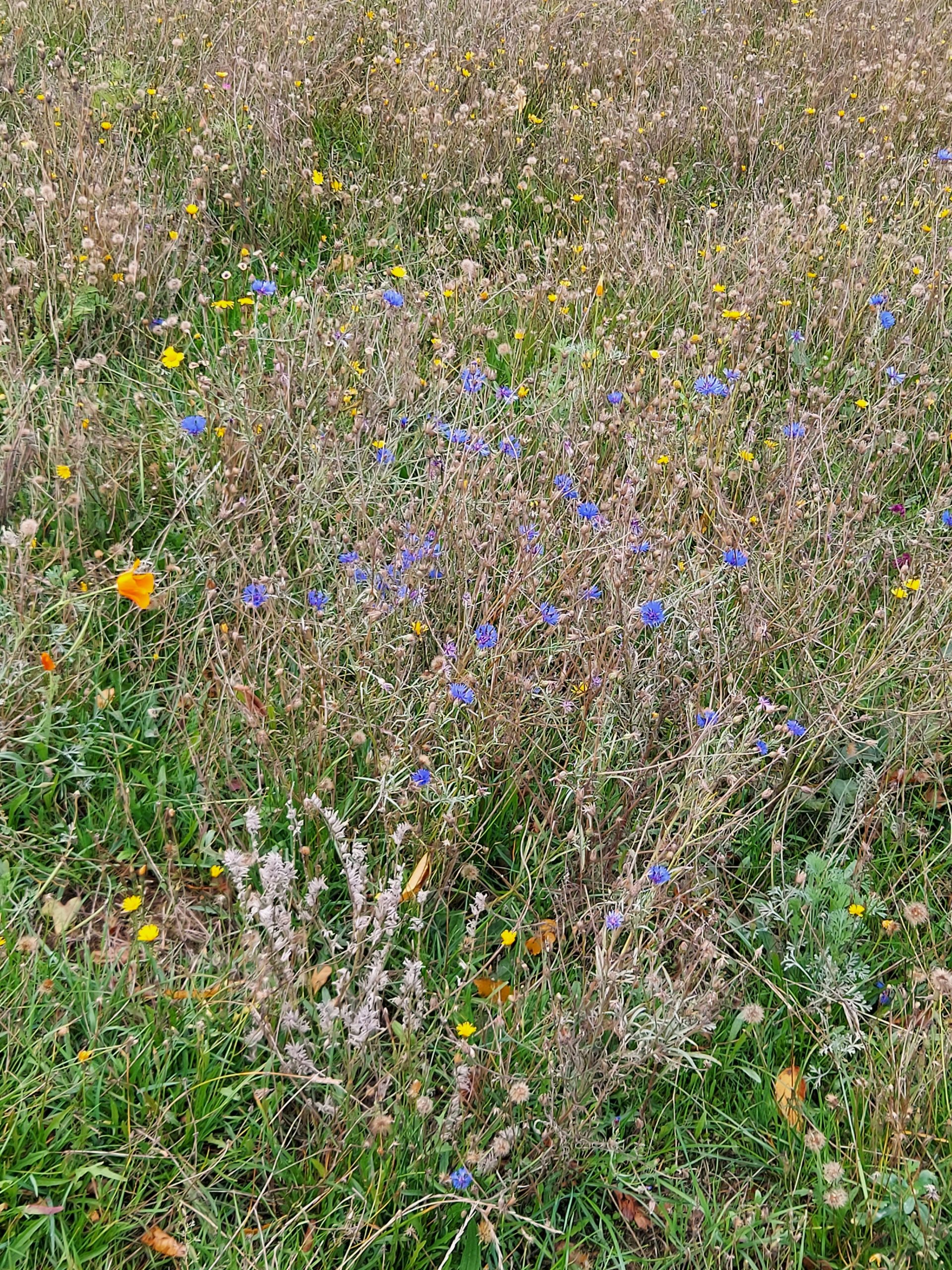
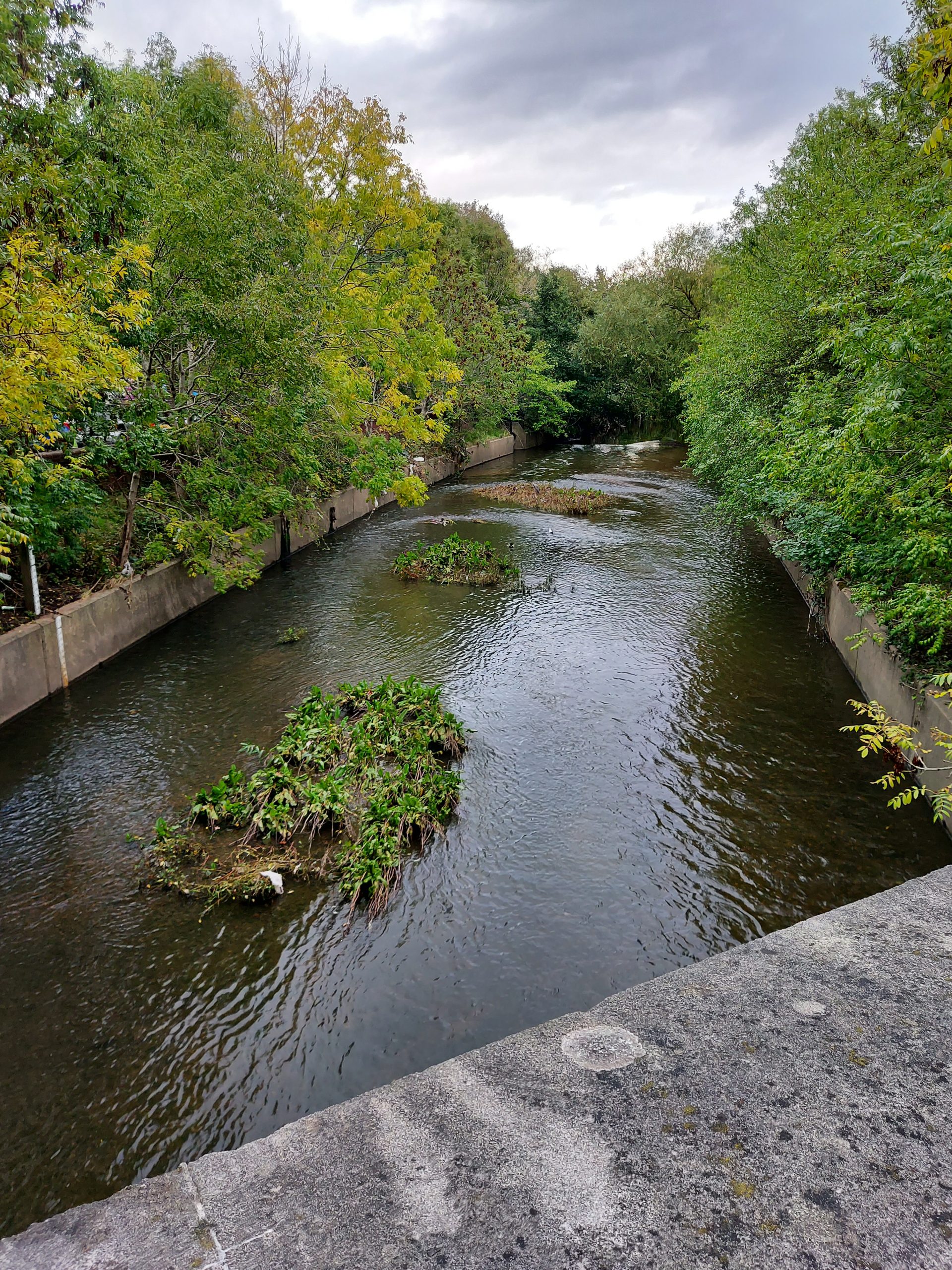
The walk took me past some beautiful meadows and along the path of the Capital Ring. Much of it ran alongside the river.
Eventually I came to Wharncliffe Viaduct, built by Isambard Kingdom Brunel, and passed underneath it on my way.
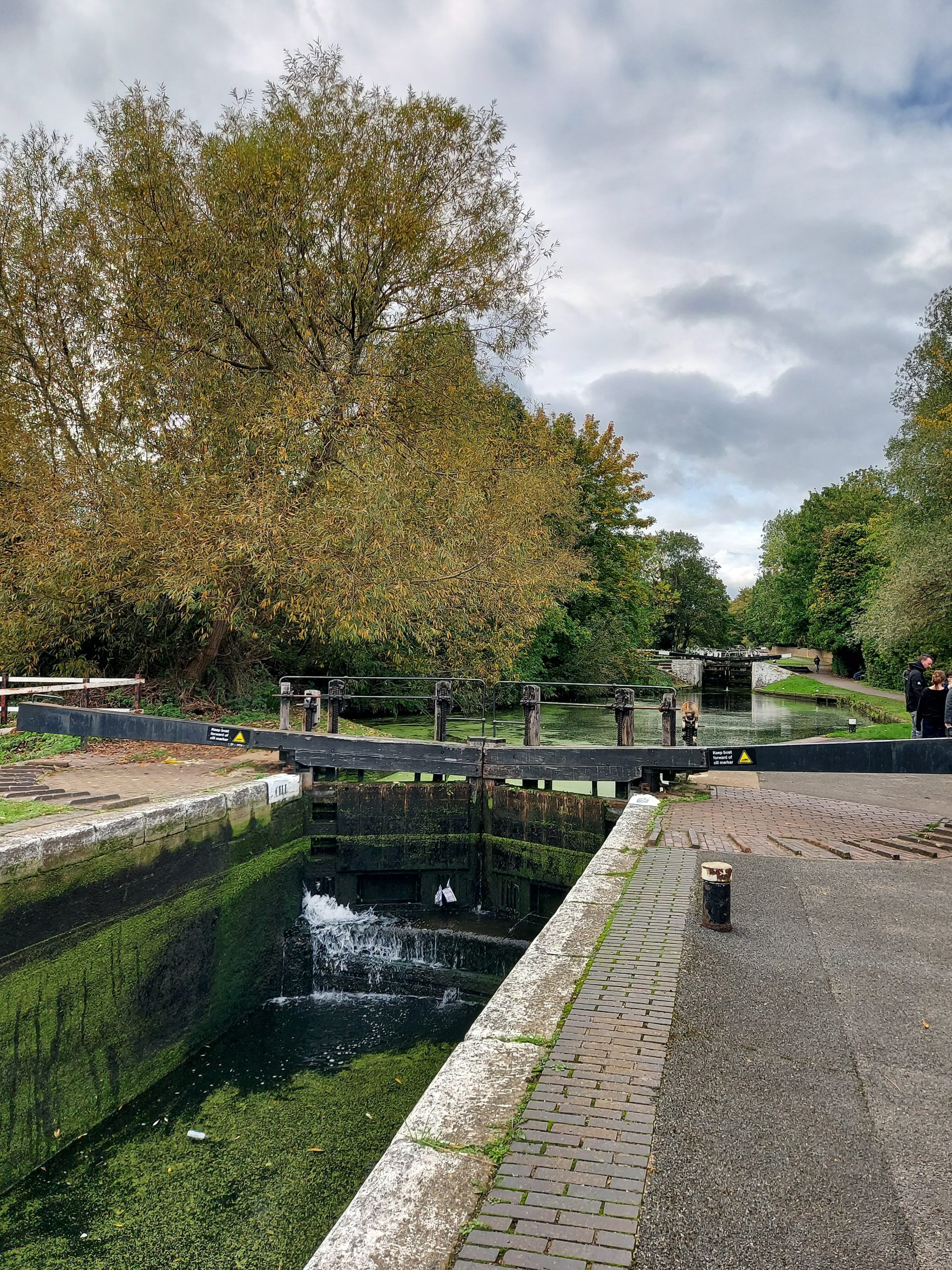
The end of the walk consisted of a short stretch beside the Grand Union Canal, before leaving and heading towards Boston Manor station.
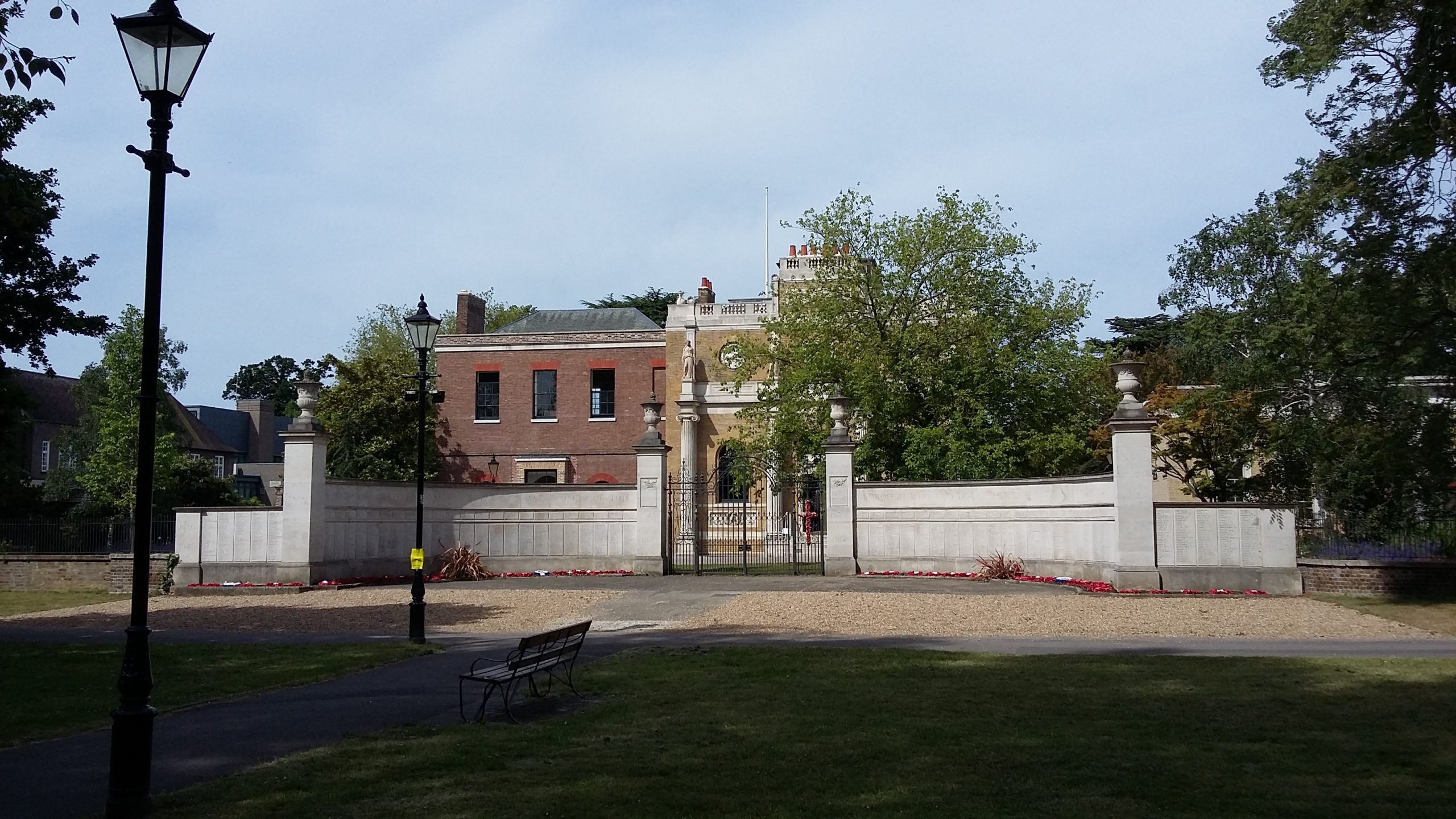
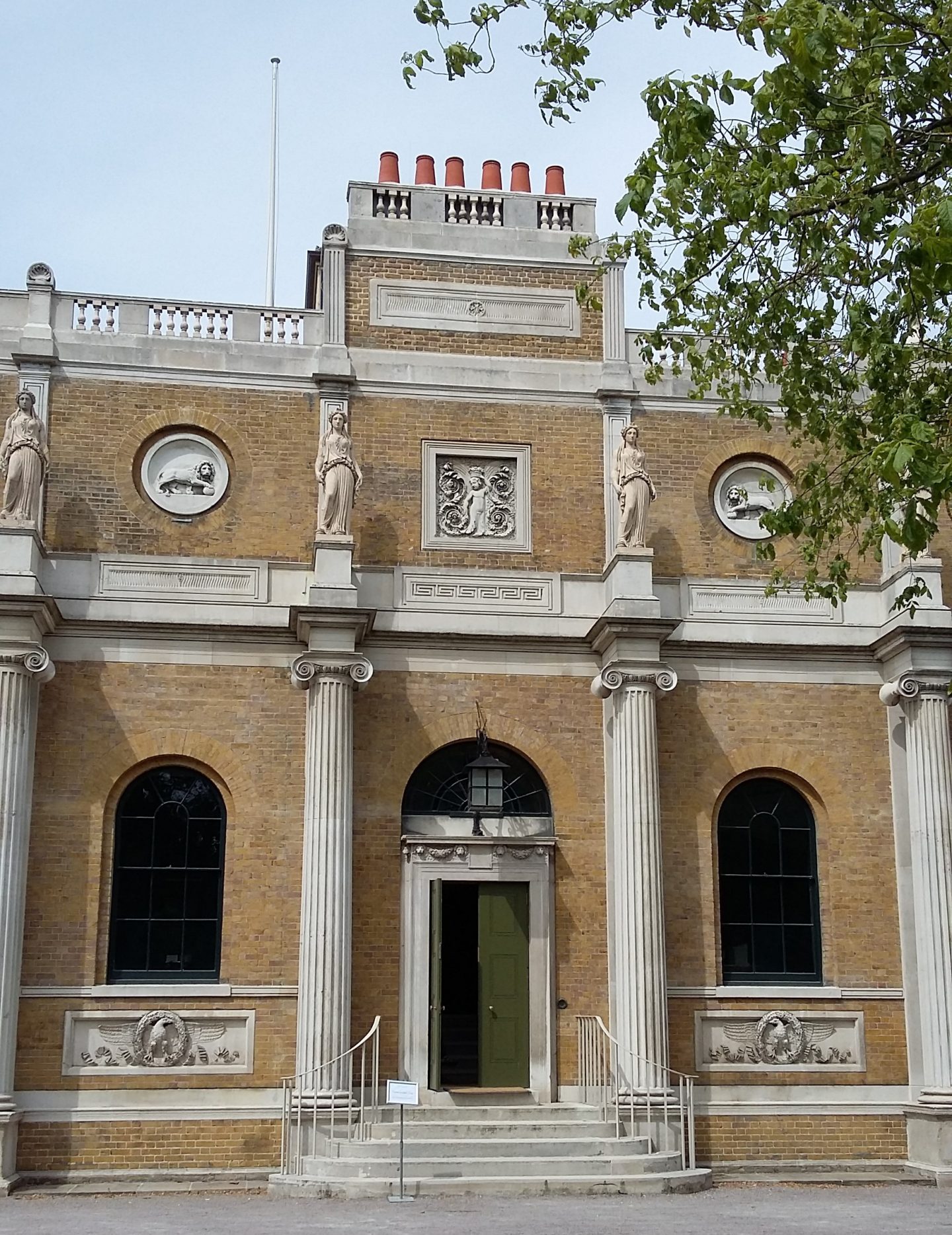
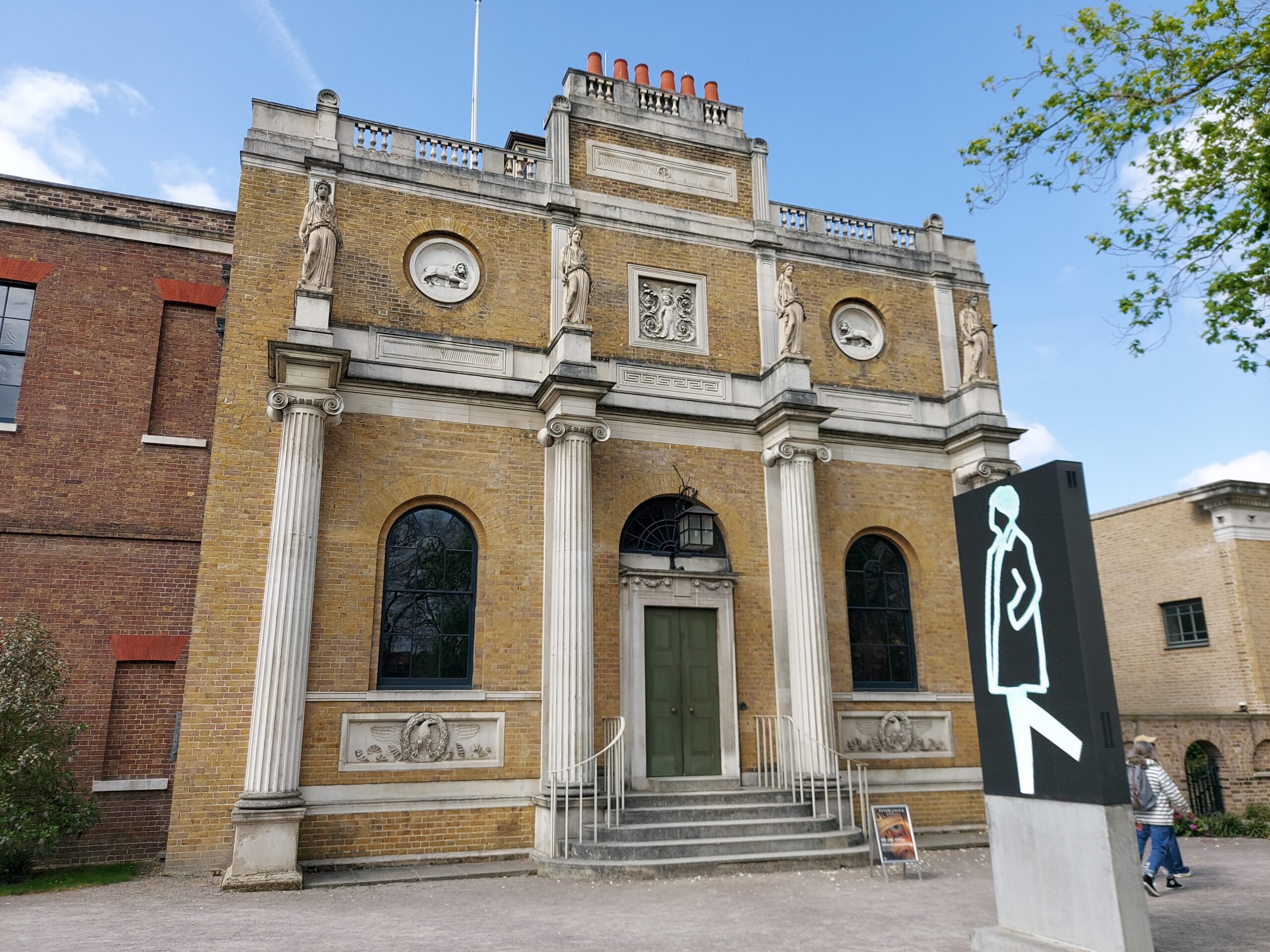
I’ve lived in Ealing for several years now, and did visit Pitzhanger Manor a while ago, but it has been closed for three years for refurbishment, only reopening in March of this year. I was happy to finally get the chance to visit this local landmark again.
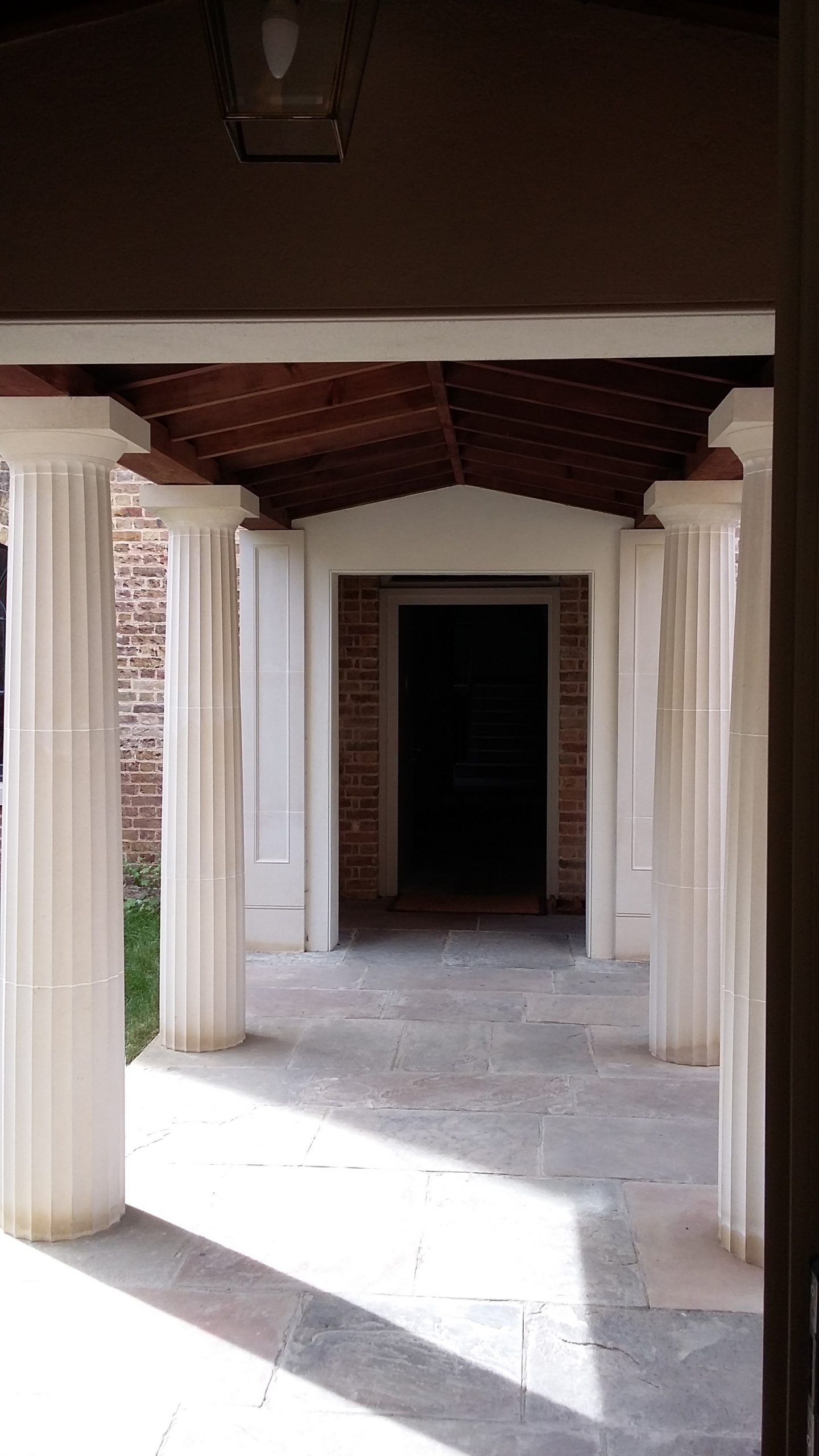
Colonnade
Pitzhanger Manor was designed by Sir John Soane, the architect who designed the Bank of England and whose central London home is now a museum showcasing the many antiquities he collected during his lifetime. In 1800-1804, when Pitzhanger was being designed and built, Ealing was outside of London and considered the countryside: this was well before the Tube and the expansion of the city. Despite this, Soane would often walk for several hours to reach Pitzhanger on foot.
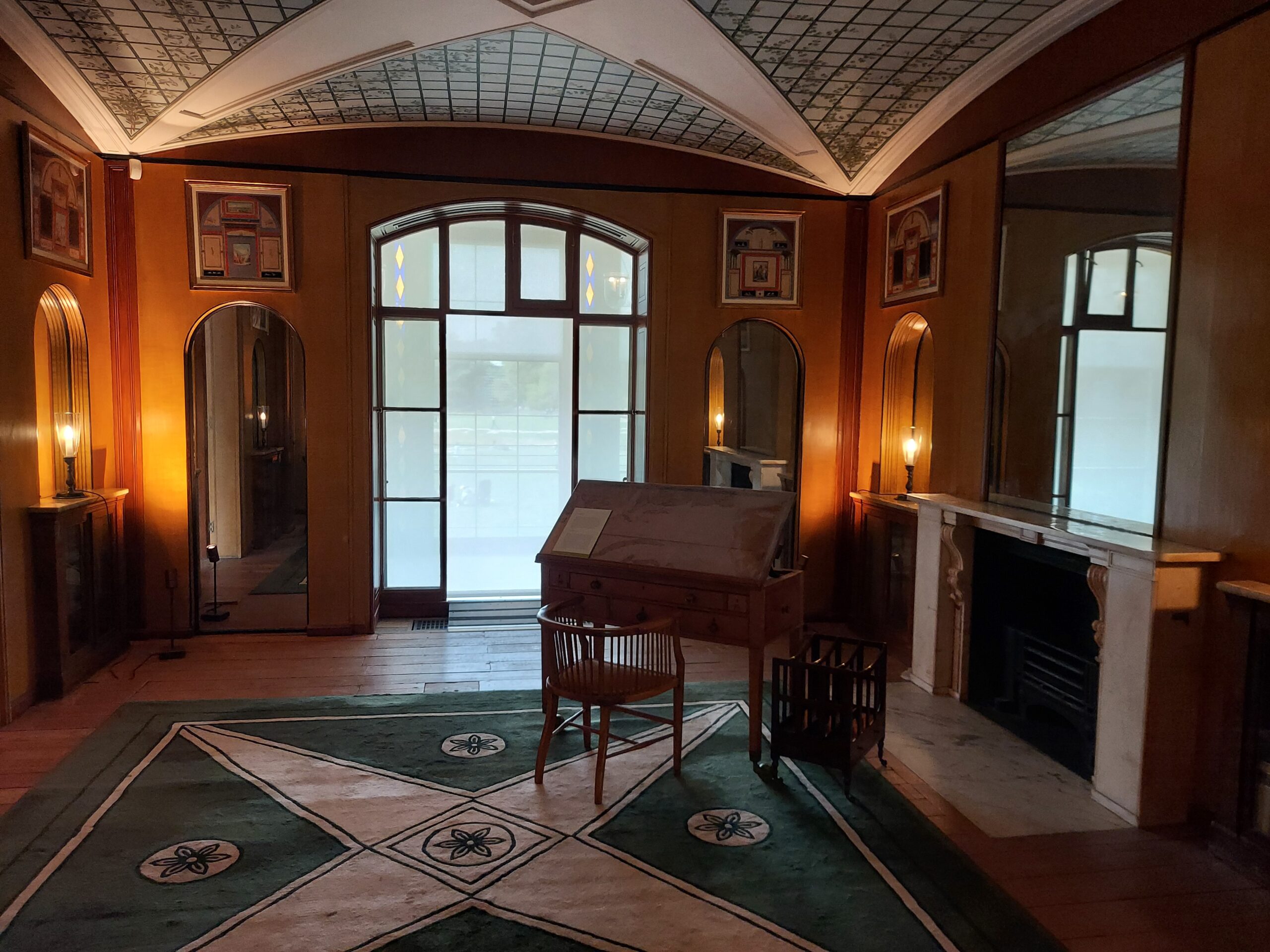
Conservatory
Pitzhanger Manor was a family home that Soane hoped would nurture architectural ambitions in his sons; he harboured dreams of a Soane architectural dynasty. It functioned as a place of entertainment, playing host to clients and friends, as well as a place to display artworks, including Hogarth’s series A Rake’s Progress. Sadly, Soane’s sons proved disappointments to him, and he eventually sold Pitzhanger, moving back to his Lincoln’s Inn home.
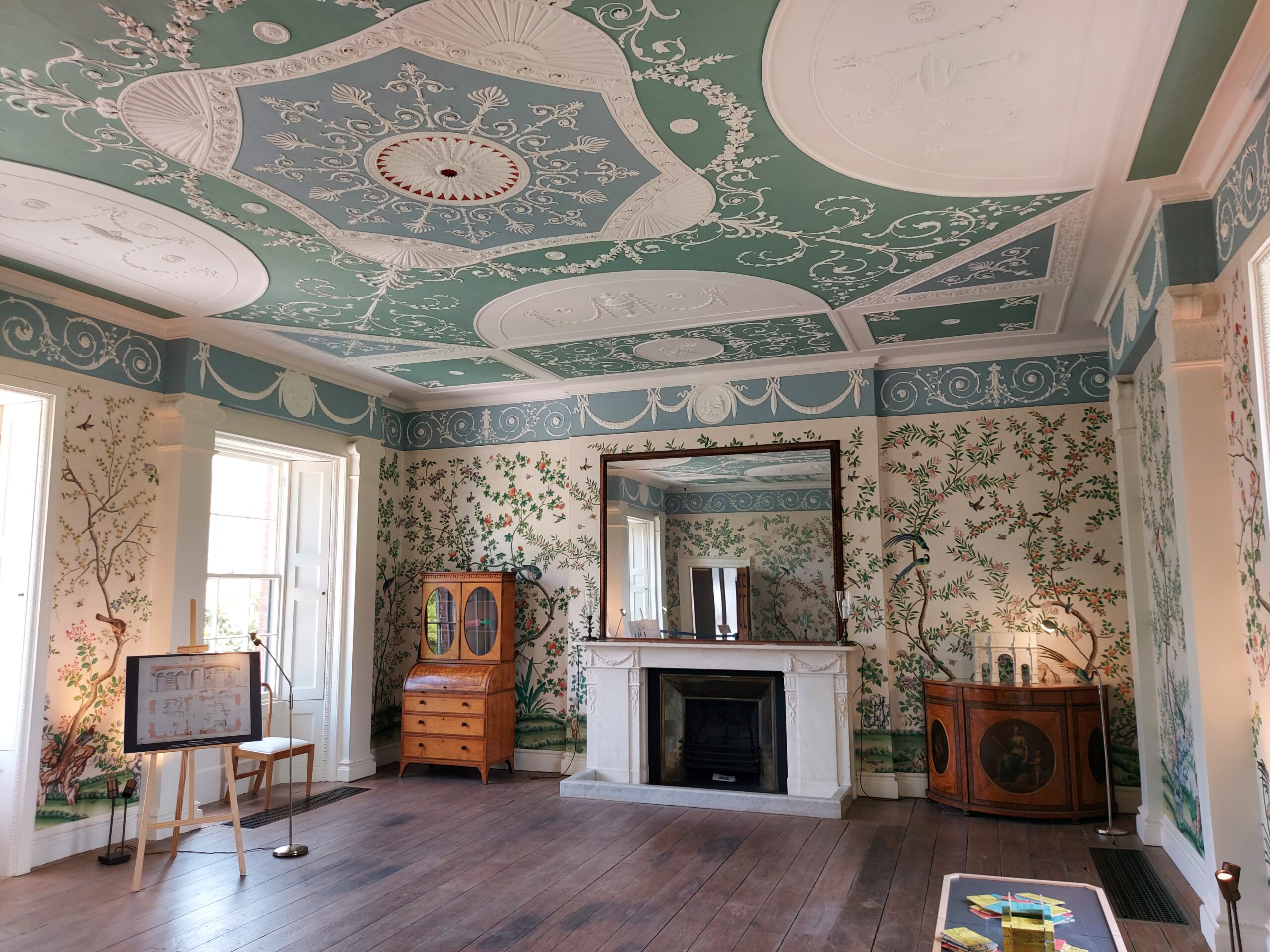
Dining RoomDining Room
The restoration programme has restored important elements of Soane’s original design, such as the conservatory, which has been rebuilt after originally being demolished in 1901, and a colonnade connecting the Gallery and Manor. Historic paint analysis and attention to the original details of the decor has led to the restoration, wherever possible, of Soane’s original vision.
Red roomGallery
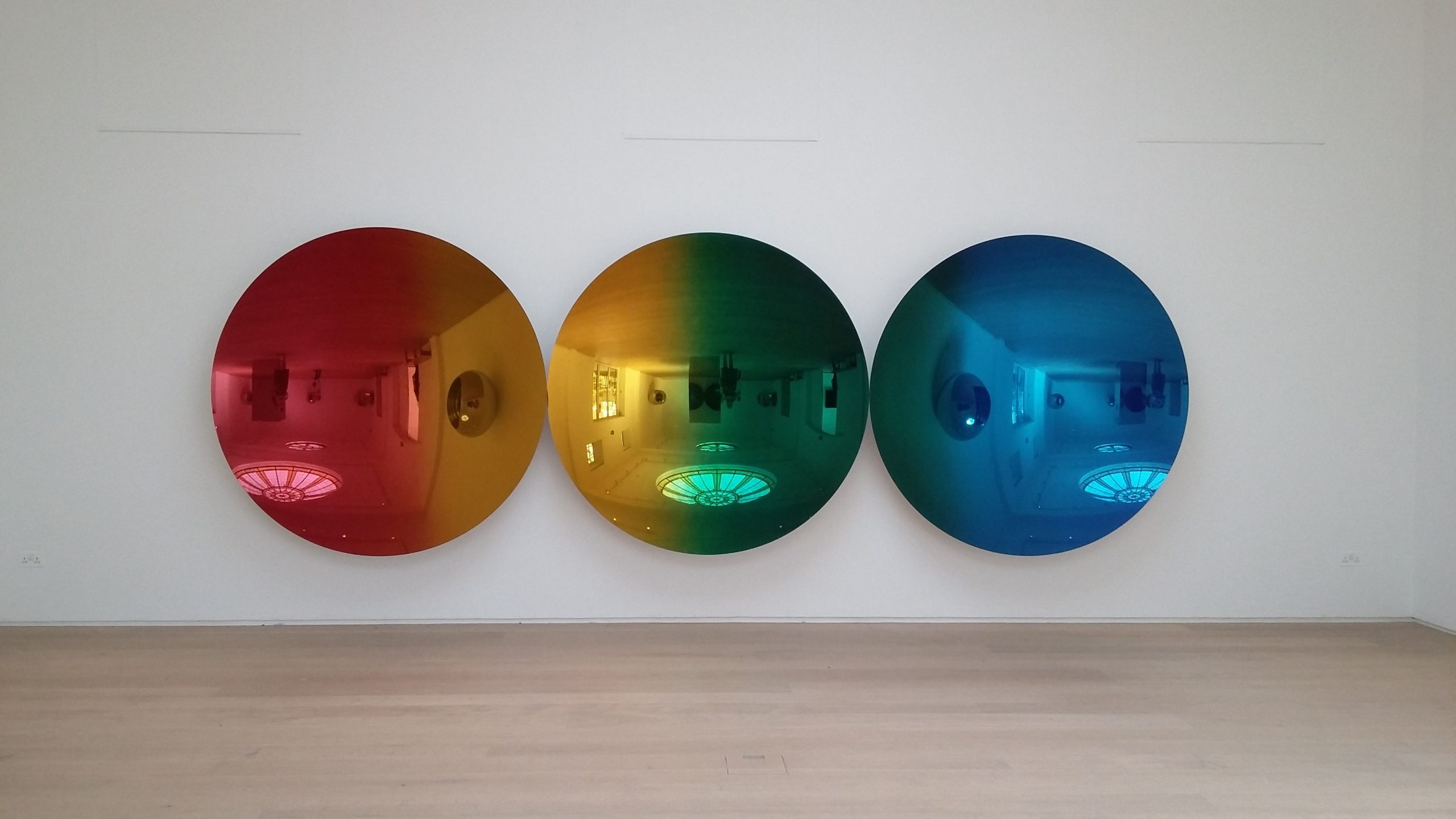
I also attended the inaugural exhibition in the reopened Gallery, featuring works by Anish Kapoor.
Anish Kapoor
Pitzhanger Manor is well worth a visit, not just for Ealing locals. The Gallery exhibition changes frequently and there are often events going on that are certainly worth a visit.
The original entrance to Ealing Studios, with blue plaque dedicated to Michael Balcon
On Friday I was lucky enough to be able to go on a tour of Ealing Studios as part of the Ealing Music & Film Festival. The studios are the oldest continuously working film studios in the world, and have played a huge part in the British film industry for over a century, encompassing silent film, the onset of the “talkies”, the upheaval of two world wars and technological developments such as motion capture.
The site was originally occupied by Will Barker Studios from 1902, later becoming Associated Talking Pictures Ltd. Ealing Studios was built in 1931 and in 1938 Michael Balcon (who gave his name to the local branch of Wetherspoon’s) from MGM took over, issuing films under the Ealing Studios name. Many memorable films were produced in the 1930s and 40s, including documentary war films, but the studio’s heyday was during the post-war 1940s and the 1950s when celebrated Ealing comedies, including Kind Hearts and Coronets and The Ladykillers, were produced.
The studios were purchased by the BBC in 1955, leading to nearly half a century of location filming for television dramas and serials. After a transitional period late in the century, the studios entered new ownership in 2001. The five original sound stages are present, and are now listed. As well as offices and bases for modern production and related companies, the studios produce films and television shows: recent films include The Importance of Being Earnest (2002) and St. Trinian’s (2007), as well as the hugely popular Downton Abbey. In addition, the Imaginarium, a performance capture studio set up by Andy Serkis and Jonathan Cavendish, is based in one of the sound stages: famously it was used to create Gollum in The Lord of the Rings and The Hobbit.
Inside the complex, looking towards reception
To reach the tour meeting point, which was the reception area, I had to go through the security point. There were several of us on the tour and we were taken to see the white building which was the original studio entrance in the 1950s. Famous figures including Michael Balcon and Alfred Hitchcock had offices here. It is looking slightly shabby these days but they are hoping to get the funds to restore it shortly. We were taken around the large complex and saw some of the modern companies, including a casting company and a hair and makeup studio, present on-site. One of the buildings, which includes the original sound stages, is listed but the newer building in front of it is due to be demolished and replaced with up-to-the-minute production facilities.
The original entrance, seen from the back
The most exciting part of the tour was being able to go on to the sound stages. On one, we saw a set being built, consisting of a theatre foyer and a staircase. This set is for a remake of the 1983 film The Dresser, and will star Anthony Hopkins and Ian McKellen. The top of the staircase leads to nowhere: a real theatre is being used for the auditorium (Hackney Empire). Thanks to a question from another person on the tour, I found out that this was the sound stage on which Scott of the Antarctic was shot. It was huge and still had some of the old safety notices on the walls.
Listed building containing sound stages
The second sound stage was even more exciting: crew members and carpenters were preparing for the filming of Downton Abbey. Much of this popular show is filmed at Highclere Castle, but a significant proportion is filmed at Ealing Studios. As they were busy creating the set, we couldn’t see much but I could see into Lady Mary’s bedroom – which was in the process of having wooden “fireplaces” fitted – and had a peek into the servants’ corridor. We also saw the large backdrops used behind the windows, to give the illusion that it is a real room in a real house with a view. I also had a very brief glance into the Dower House sitting room.
Plaque commemorating famous films made here
The tour was fairly short – it is a working studio after all – but very interesting. I was thrilled to have had the opportunity to visit.
I was surprised and intrigued to find a display about my own borough of Ealing at the National Portrait Gallery. Creative Connections is a series that looks at some of the well-known creative people with connections to a particular borough, as well as working with young people to explore creativity. This particular project based in Ealing partners Brentside High School, whose students have created a film installation with artist Eelyn Lee called An Ealing Trilogy.
Ealing has a rich history, growing in popularity since the extension of the Great Western Railway in the mid-1800s and the creation of Ealing Broadway station. Today it is home to people from all over the world, and its history encompasses Ealing Studios, the Ealing Music Club, and Ealing Art College (now part of the University of West London).
The exhibition has some great pictures of local landmarks including Pitzhanger Manor and Ealing Studios, as well as images of the students involved with the project. Famous figures with some connection to Ealing are pictured, with descriptions of their life and work. I knew about some of these people already: the architect Sir John Soane, who bought Pitzhanger Manor in 1801, and Ada Lovelace, daughter of Lord Byron, famed as the first computer programmer, who taught at the Ealing Grove Industrial School for underprivileged children which had been founded by Lady Byron.
Others, however, were new to me. Ballet dancer Margot Fonteyn was brought up in Ealing, while director Steve McQueen grew up near Ealing Studios. Inventors Trevor Baylis and Sir William Henry Perkin had Ealing connections: the latter (who invented the first synthetic dye, mauveine) opened a chemical factory in the area. Singer Dusty Springfield and actor Sid James also spent part of their childhoods in Ealing, while Pete Townshend went to Ealing Art School and The Who played Ealing Club, as did Freddie Mercury.
If you have any connection to the borough of Ealing, this is definitely worth a visit.



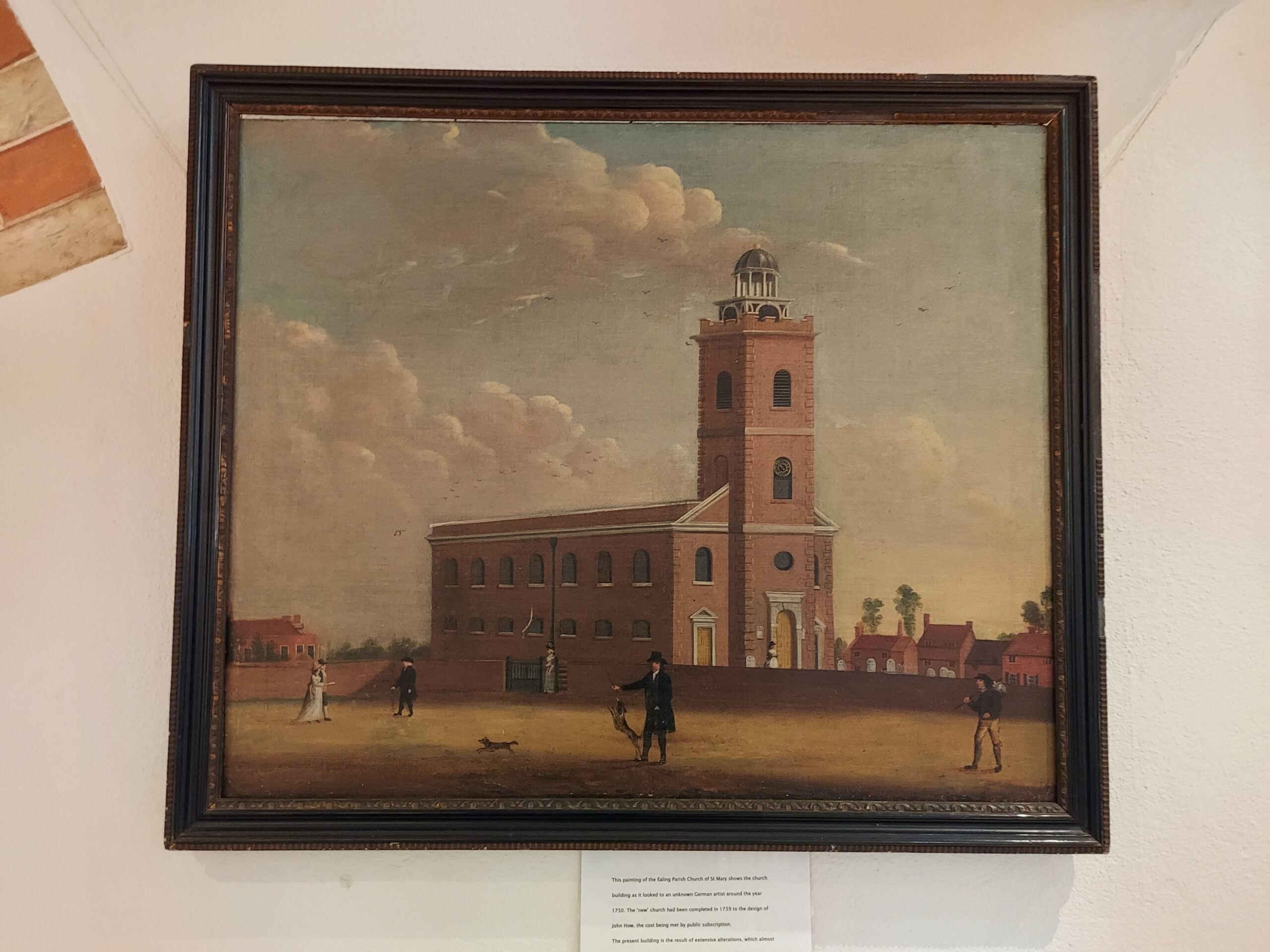 The church as it looked in around 1750