
I’ve been living in Ealing for fourteen years now, and I’ve learned a bit about the history of the area in that time. There’s always room to learn more, however, and the Local History badge (chosen as part of the ‘Curiouser and Curiouser’ quarterly challenge) has helped me to do so.
Visit a local museum to learn more about the history of your local area.
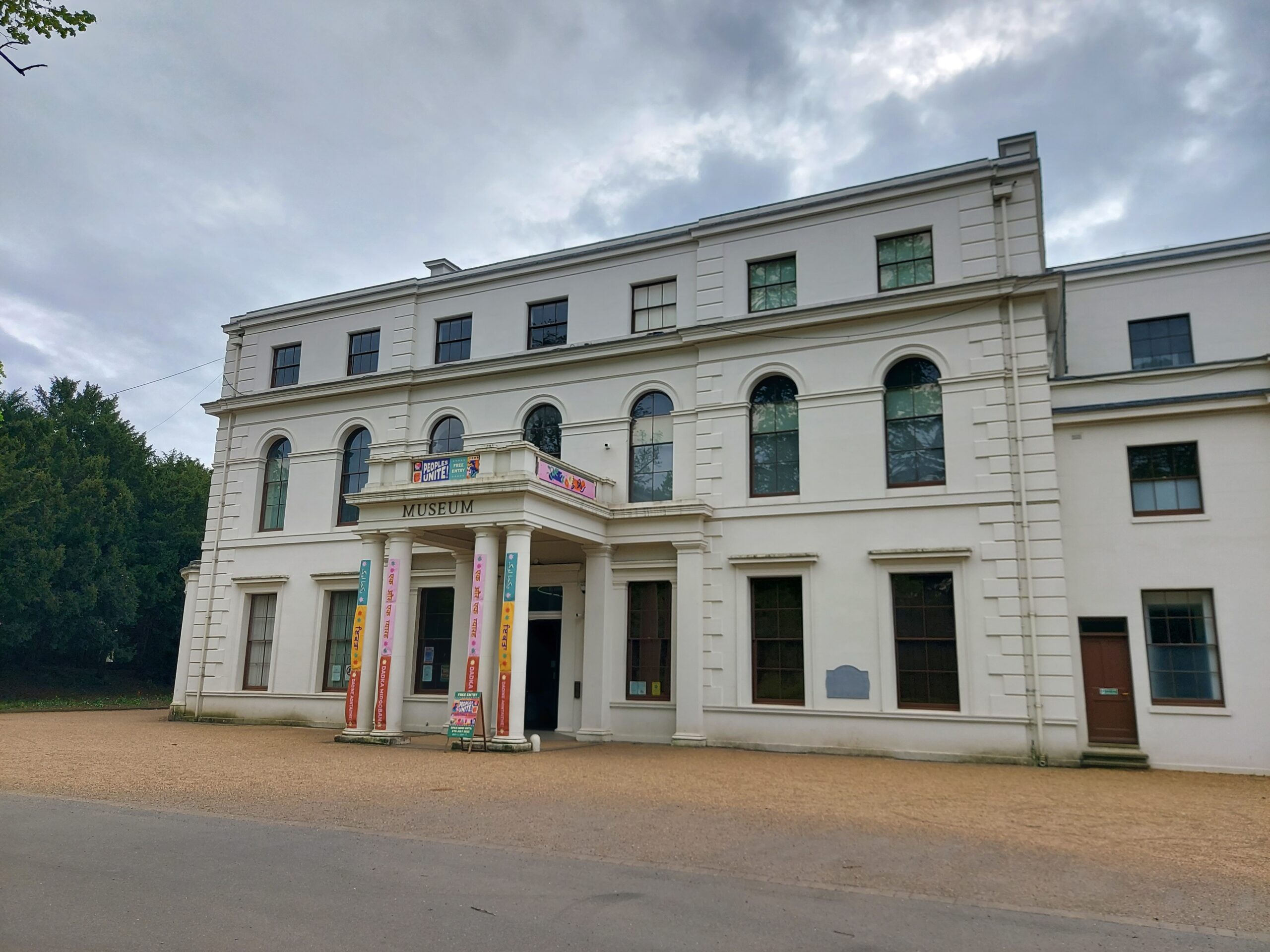
I visited Gunnersbury Park Museum to learn more about the history of Ealing. The main galleries had exhibitions about notable people, industries and fashions of the area, while there was also a special exhibition on the history of Southall specifically which was really interesting.
Visit a local historic attraction.
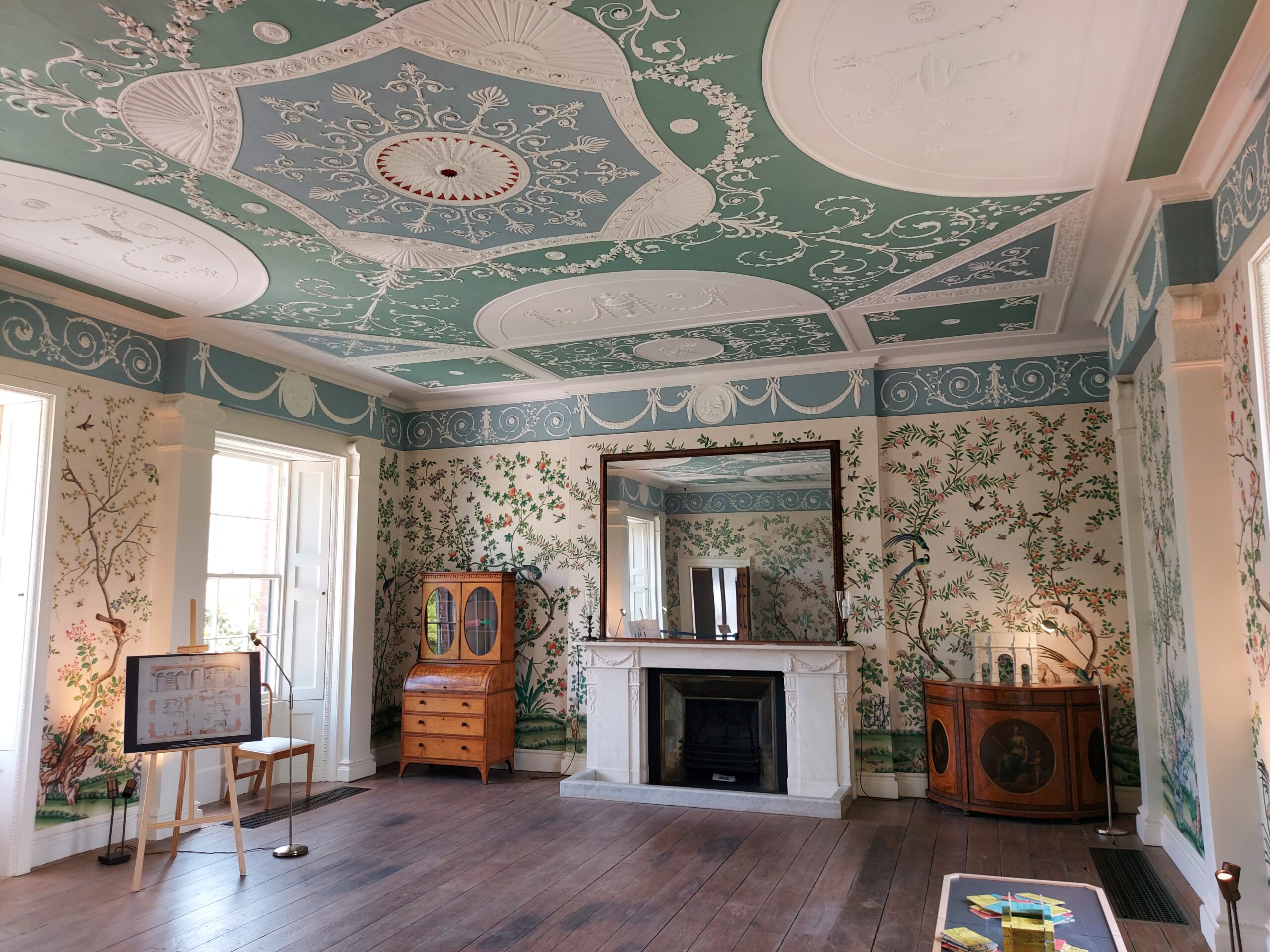
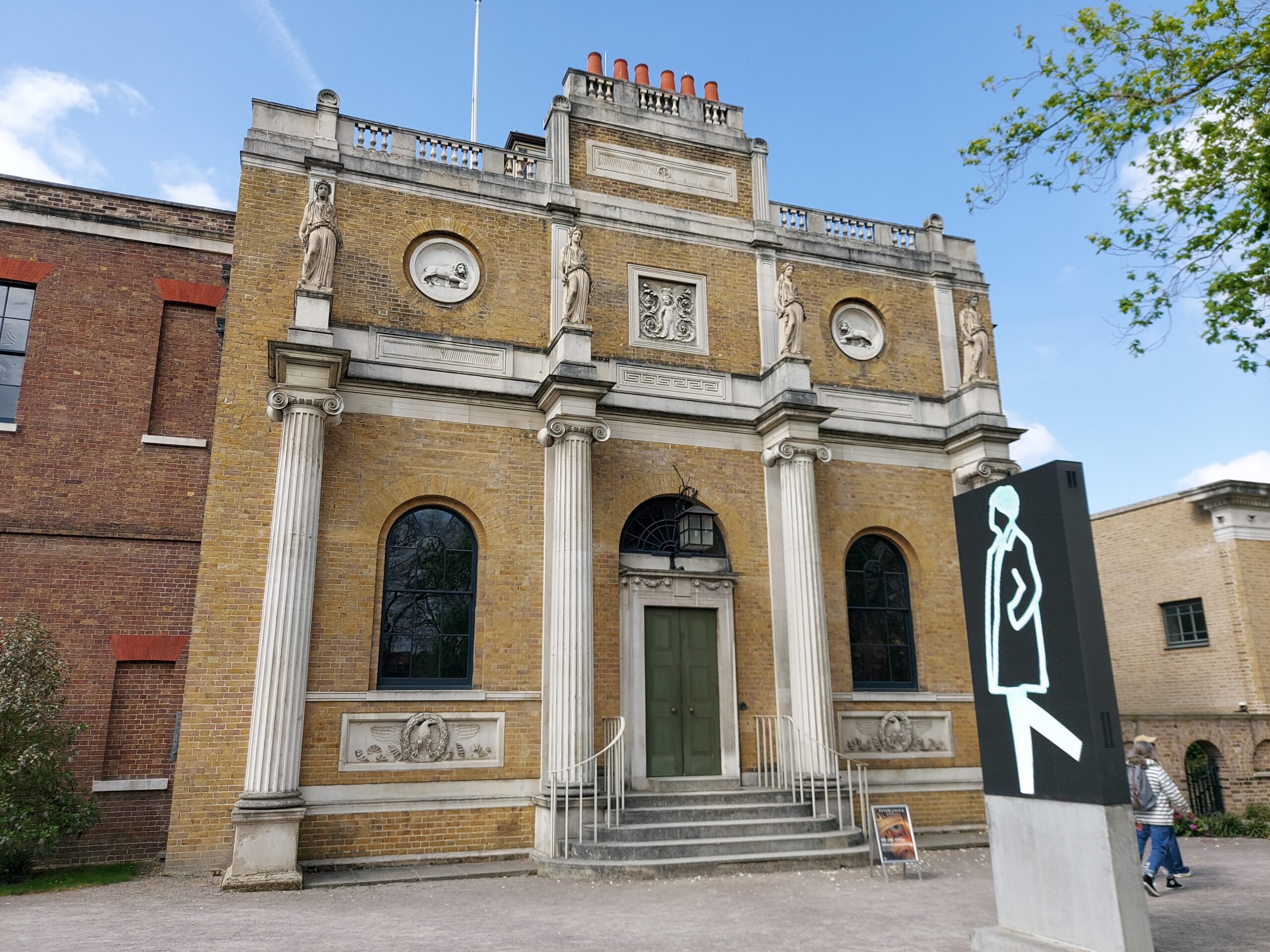
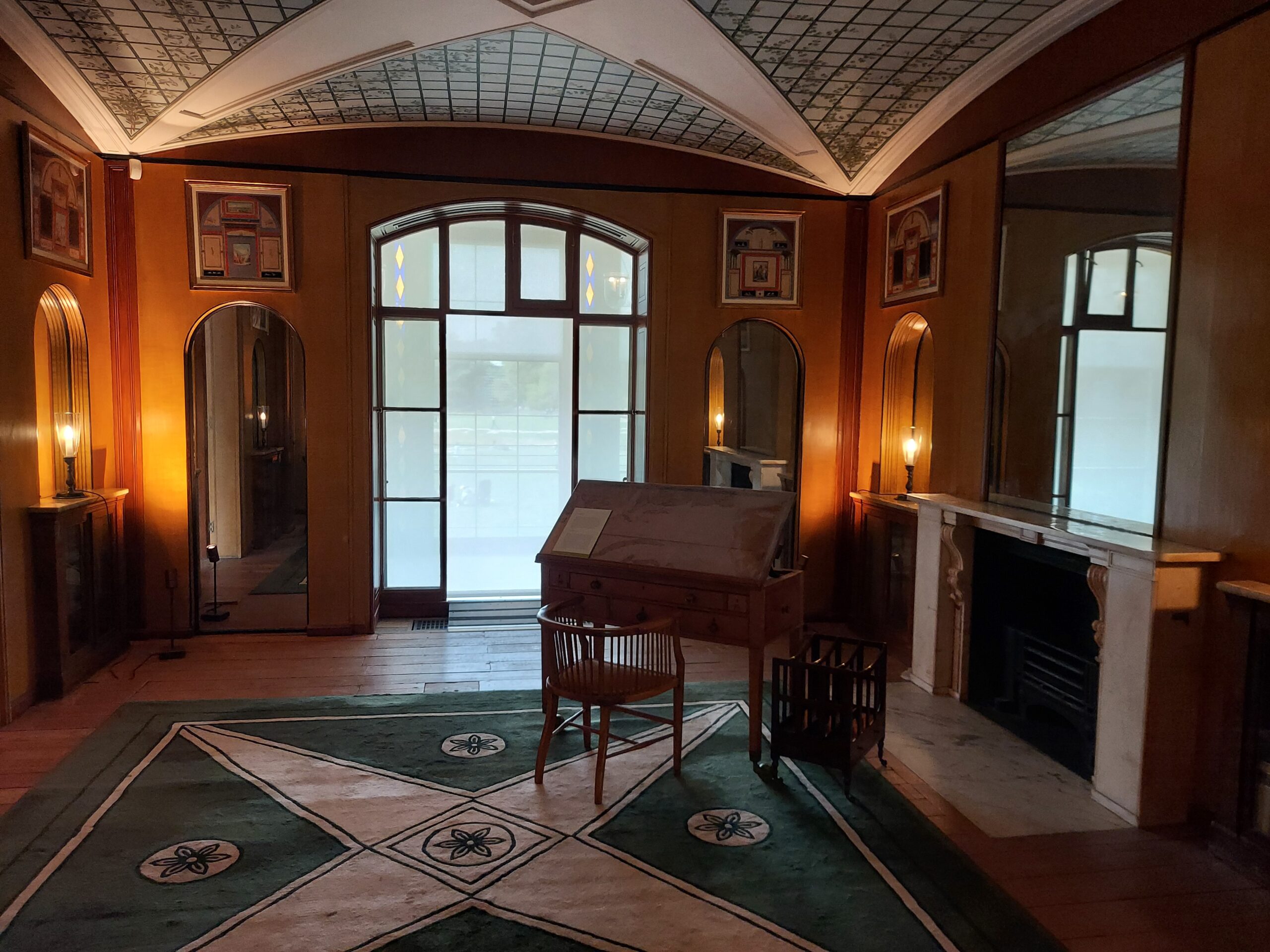
I visited Pitzhanger Manor, the country home of architect Sir John Soane. I have visited before, but had never done a guided tour. I learnt a lot.
Access the census records for your home.
I accessed the 1939 Register for my home. At this time, there were three single women living here.

I used other resources such as censuses to find out more about them.
- Charlotte was born in Leeds but at some point moved to Kensington. Until 1911 she was living there with her parents and siblings.
- Hilda was born and also lived in Kensington. The 1921 census shows her living with her mother in Battersea.
- Mabel was born in Wandsworth. The 1921 census records her as a servant in Ealing.
I don’t know how these women met or ended up living together in what is now my home. I like to think that they were proto-Rebels, living their best lives and enjoying freedom and companionship.
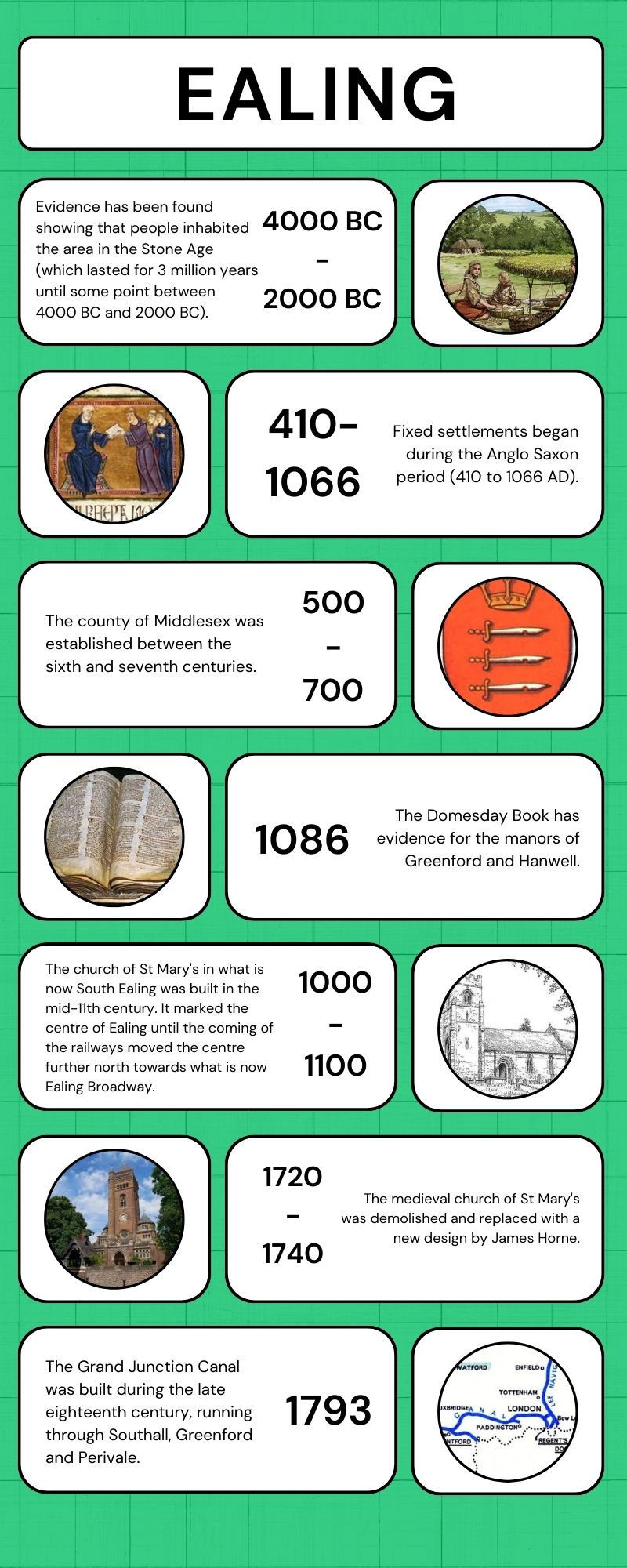
Write a timeline of important dates for your local area.

Learn about key historical figures in your local area. Make a presentation in the medium of your choice about what your area is famous for.
There are quite a few historical figures with links to Ealing.
Lady Byron, born Anne Isabella Milbanke (Lord Byron’s widow) of Fordhook House, Ealing, founded Ealing Grove School in 1834. This was the first industrial school of its type. In 1860 C. N. Atlee, a former headmaster of the Lady Byron school, set up the Byron House School in St. Mary’s Road (South Ealing Road). The site is now the University of West London, and a blue plaque at the entrance is dedicated to Lady Byron.
Thomas Henry Huxley (1825–1895), biologist known as “Darwin’s Bulldog” for his adherence to his theory of evolution, was born in Ealing. His father was a mathematics teacher at Great Ealing School until its closure.
Ho Chi Minh (né Nguyễn Sinh Cung, 1890–1969), revolutionary and politician, worked in the kitchens of the Drayton Court in 1914. He was the founder and the first president of the Democratic Republic of Vietnam.
Spencer Perceval (1762–1812), British Prime Minister from 1809 until his assassination, lived in a large house at Elm Grove, on the south side of Ealing Common.
Dusty Springfield (1939–1999), soul singer, lived in Kent Gardens, West Ealing during the 1950s, attending St Anne’s Convent School in Northfields and later working at Bentalls department store in Ealing Broadway.
Crime novelist Agatha Christie’s parents are buried in South Ealing Cemetery. She herself is listed in the 1911 census at 99 Uxbridge Road as Agatha Miller (her maiden name). She was visiting her great aunt Margaret Miller (supposedly the inspiration for Miss Marple) who had lived in Ealing for more than three decades.
I created a presentation about what the seven towns in the modern London Borough of Ealing are famous for.
Attend a local history talk or workshop.
I attended a talk on Secret Ealing at my local library. I also bought and read the associated book, which was full of interesting information.
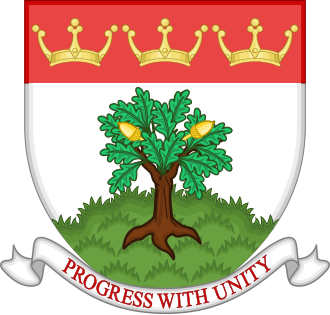
Does your local area have a coat of arms? Research the meaning of each of the different sections.
The coat of arms of the London Borough of Ealing was granted on 1 September 1965. At the top are three golden Saxon crowns, representing the three former Middlesex boroughs of Ealing, Acton and Southall.
At the centre is an oak tree, which was also present in the coats of arms of both Ealing and Acton (Acton is considered to mean “oaktown”), referring to the ancient forest west of London which formed much of what is now Ealing. The oak is also appropriate to the origins of Southall and Norwood (“the southern holt and the northern wood”). Originally there were twenty acorns because they stand for the original twenty wards in the present borough. The grassy base comes from the former Acton coat of arms and the silver field was part of the Ealing coat of arms. The motto is ‘Progress With Unity’.
If your country has listed buildings, find out about a local grade listed building.
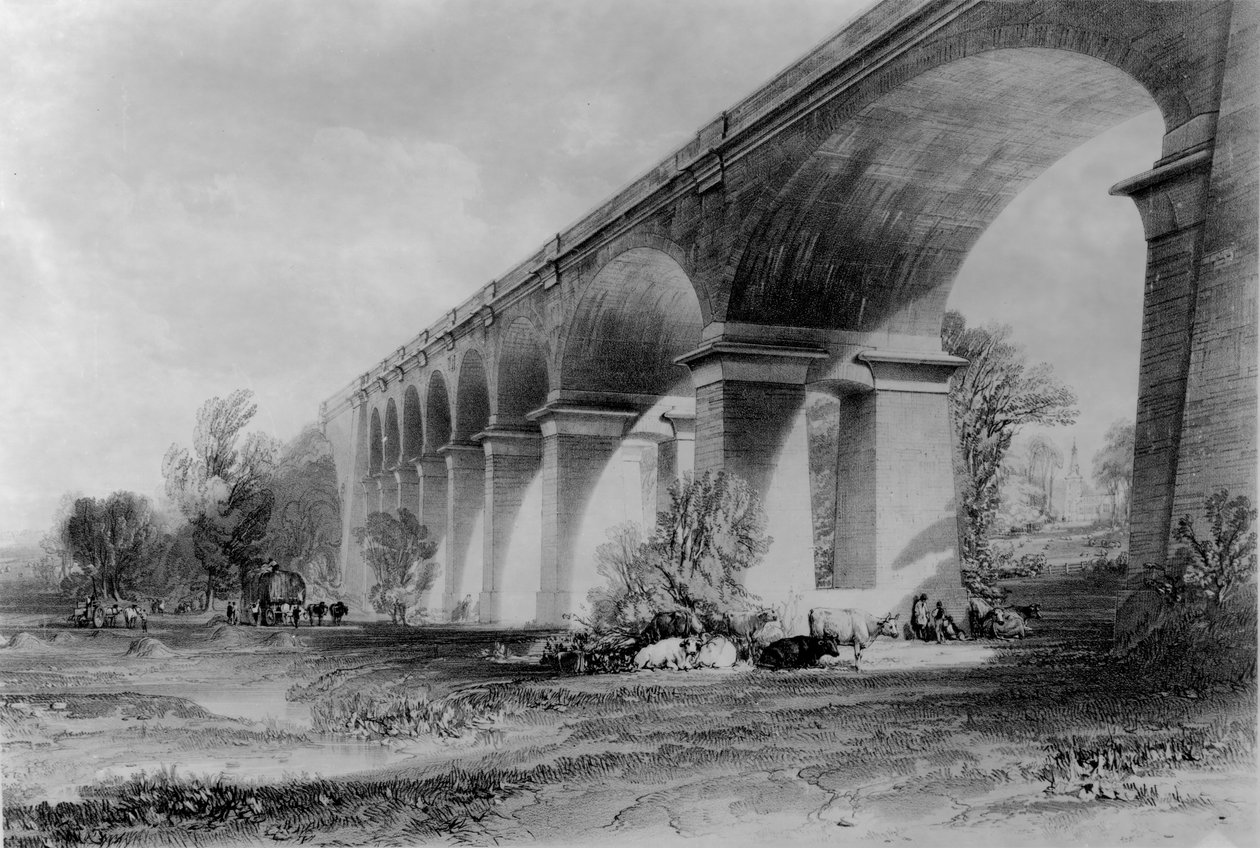
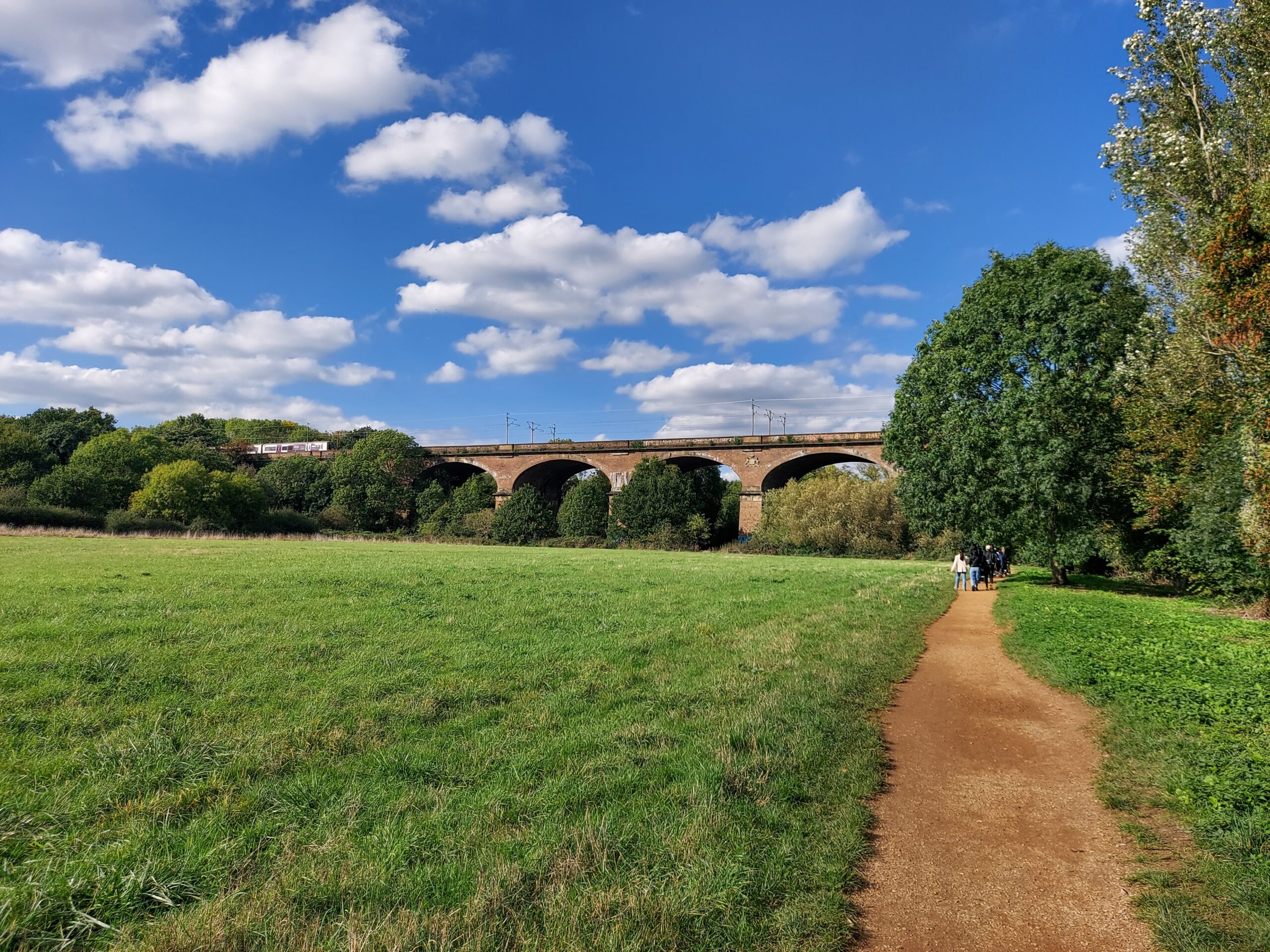
There are six Grade I listed and 18 Grade II* listed buildings in Ealing. The Wharncliffe Viaduct was listed on 8 November 1949.
The brick-built viaduct was constructed in 1836-7 for the Great Western Railway at an elevation of 20 metres (66 ft) in order to carry the railway across the Brent Valley. It was the first major structural design by Isambard Kingdom Brunel, the first building contract related to the GWR project, and the first major engineering work to be completed. The 270-metre-long (890 ft) viaduct has eight semi-elliptical arches, each spanning 70 feet (21 m) and rising 5.3 metres (17 ft). It is 17 metres (56 ft) wide.
The viaduct takes its name from James Stuart Wortley Mackenzie, Lord Wharncliffe, who was chairman of the parliamentary committee that steered the passage of the GWR Bill through Parliament. A carving of his coat of arms is visible on the central pier on the south side. In 1839, the viaduct carried the world’s first commercial electrical telegraph.
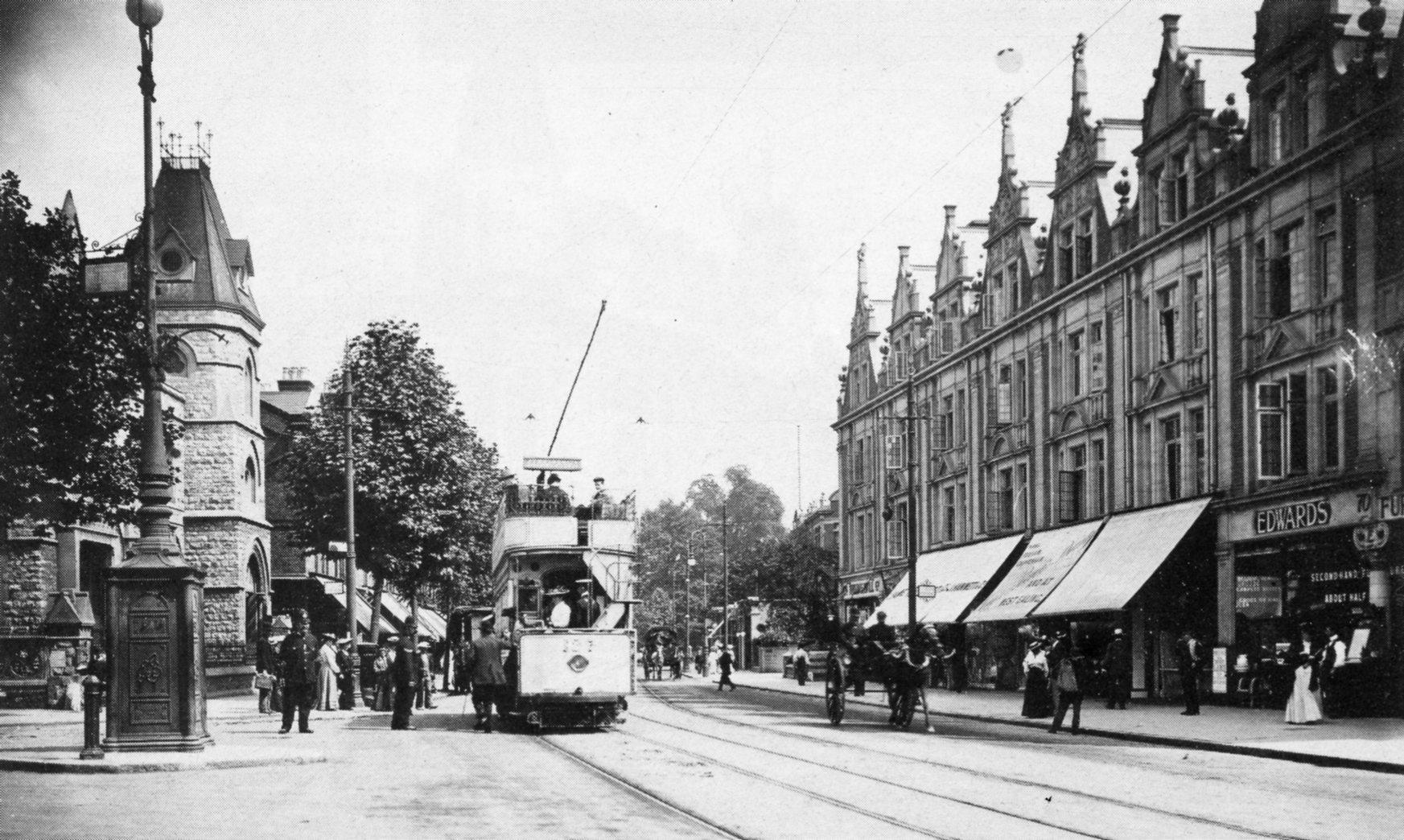
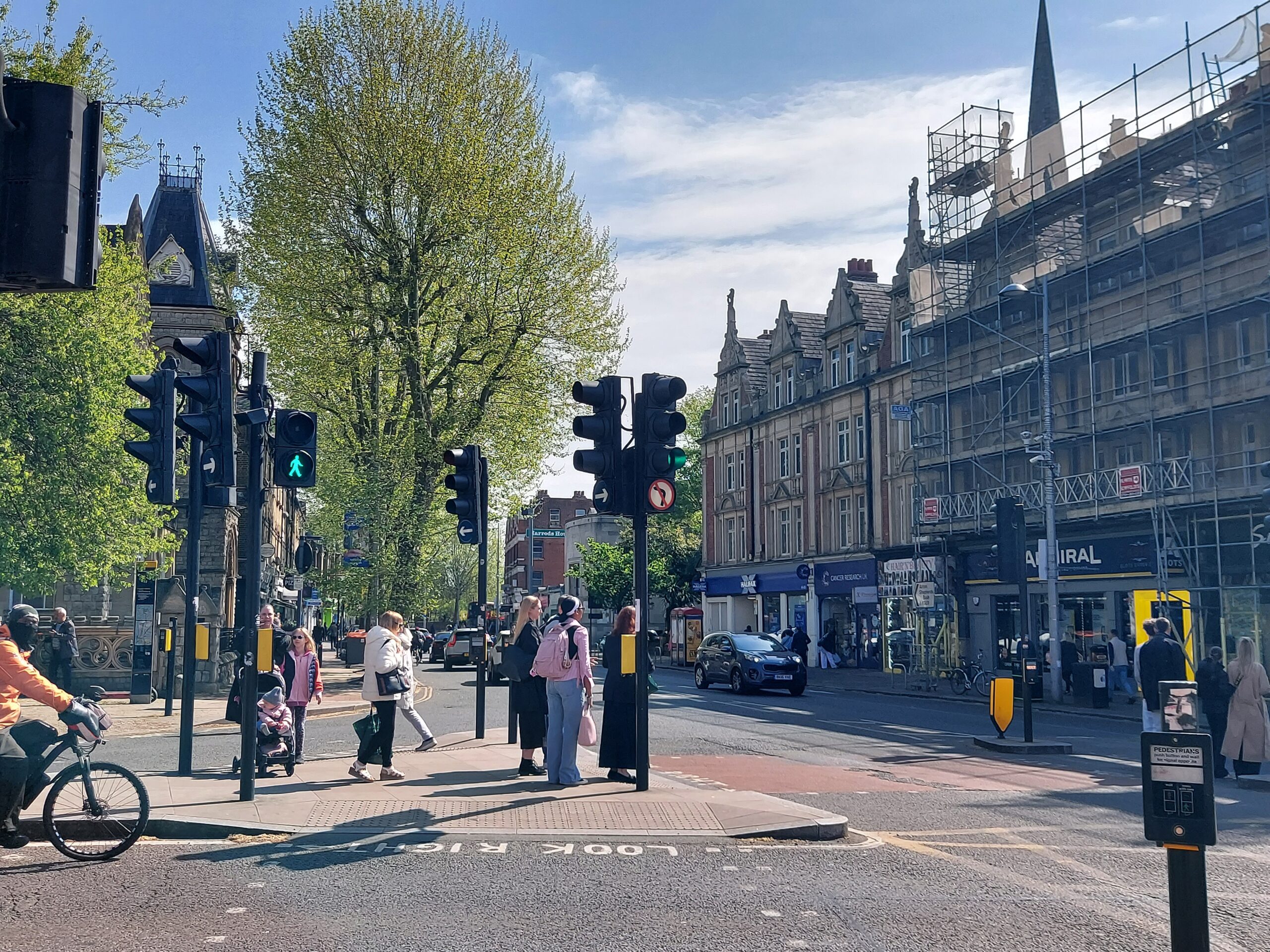
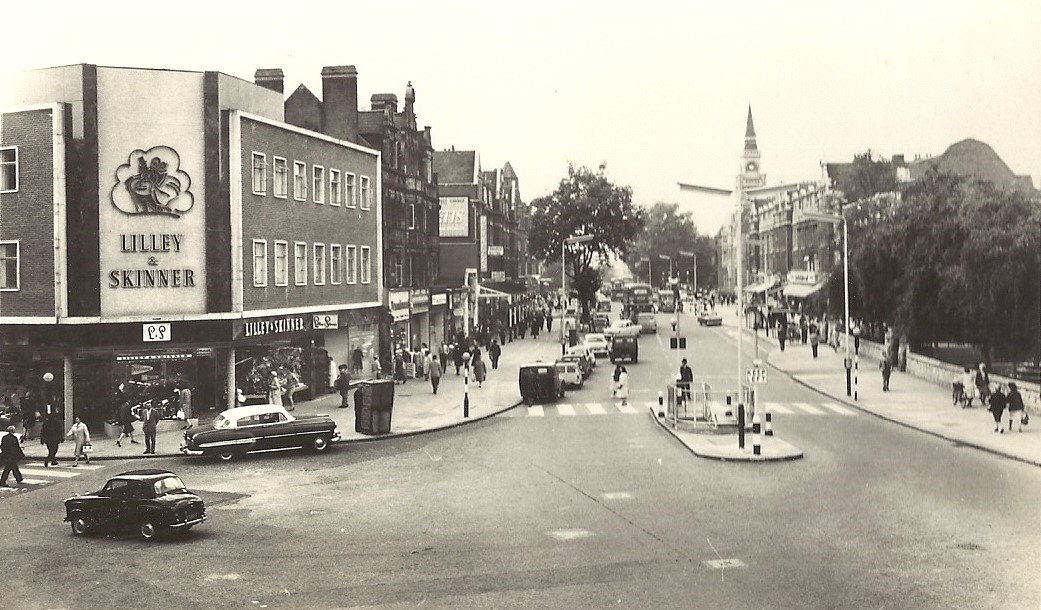
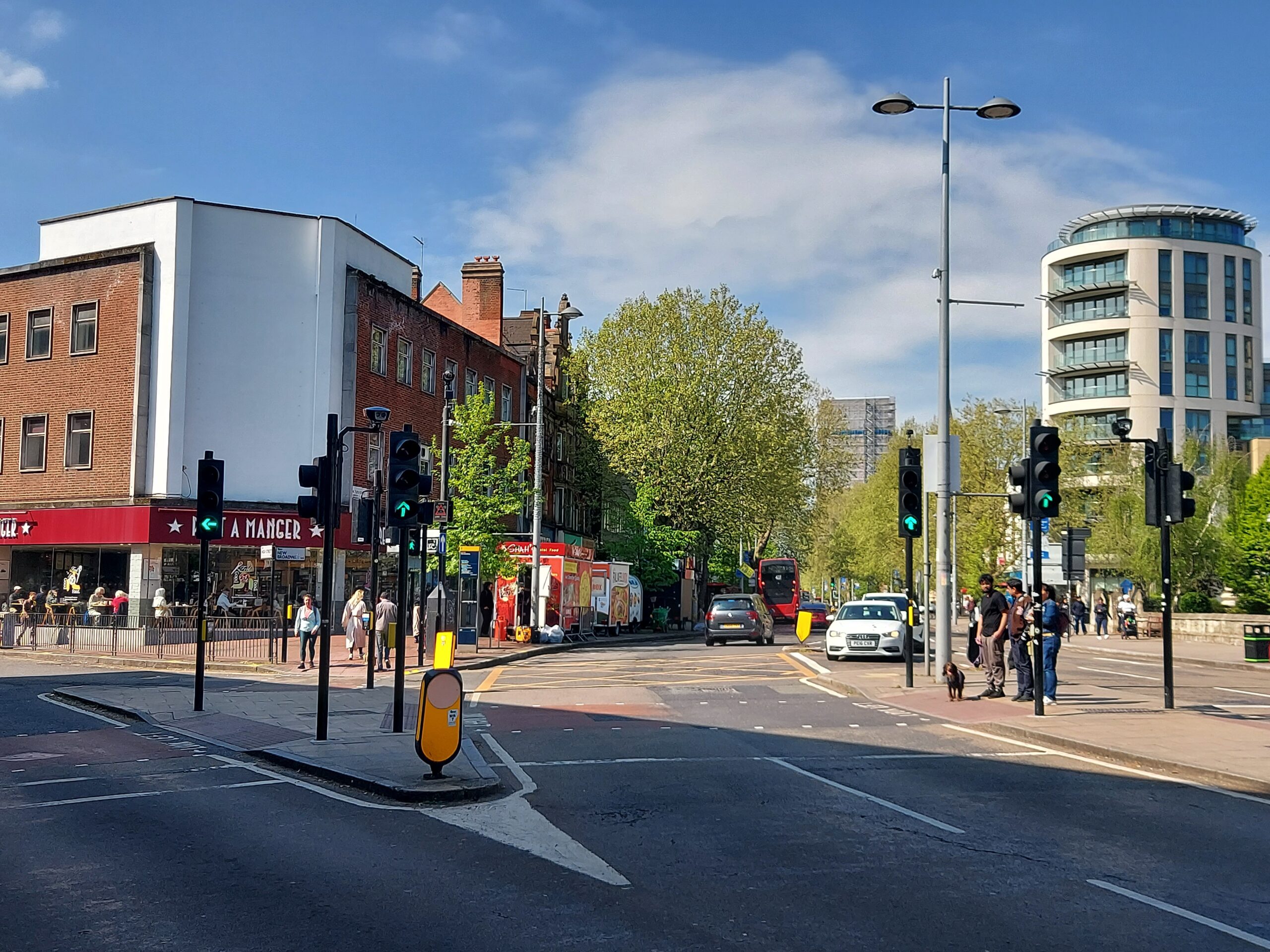
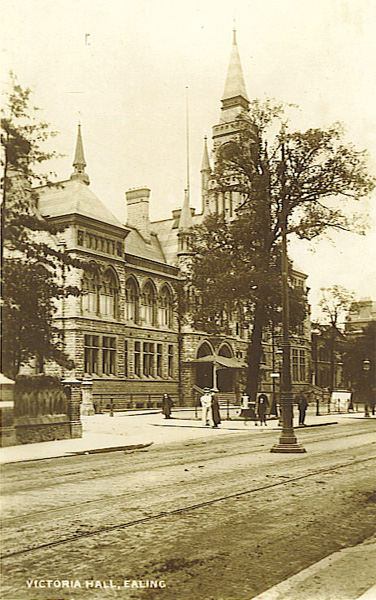
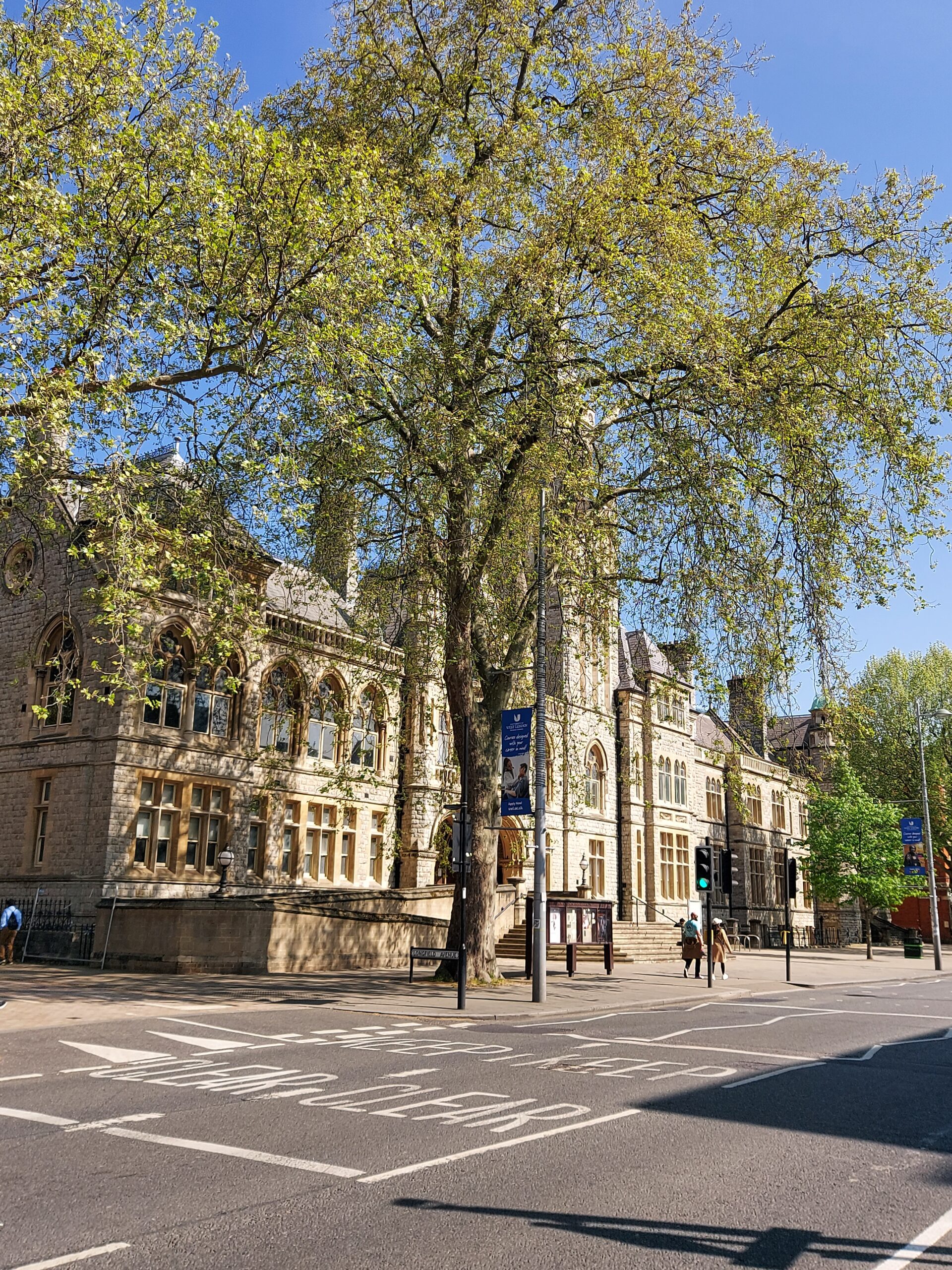
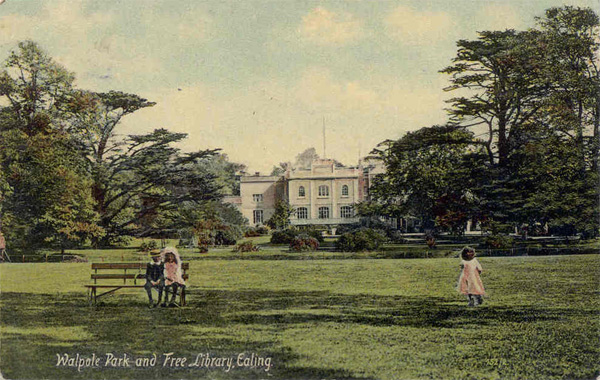
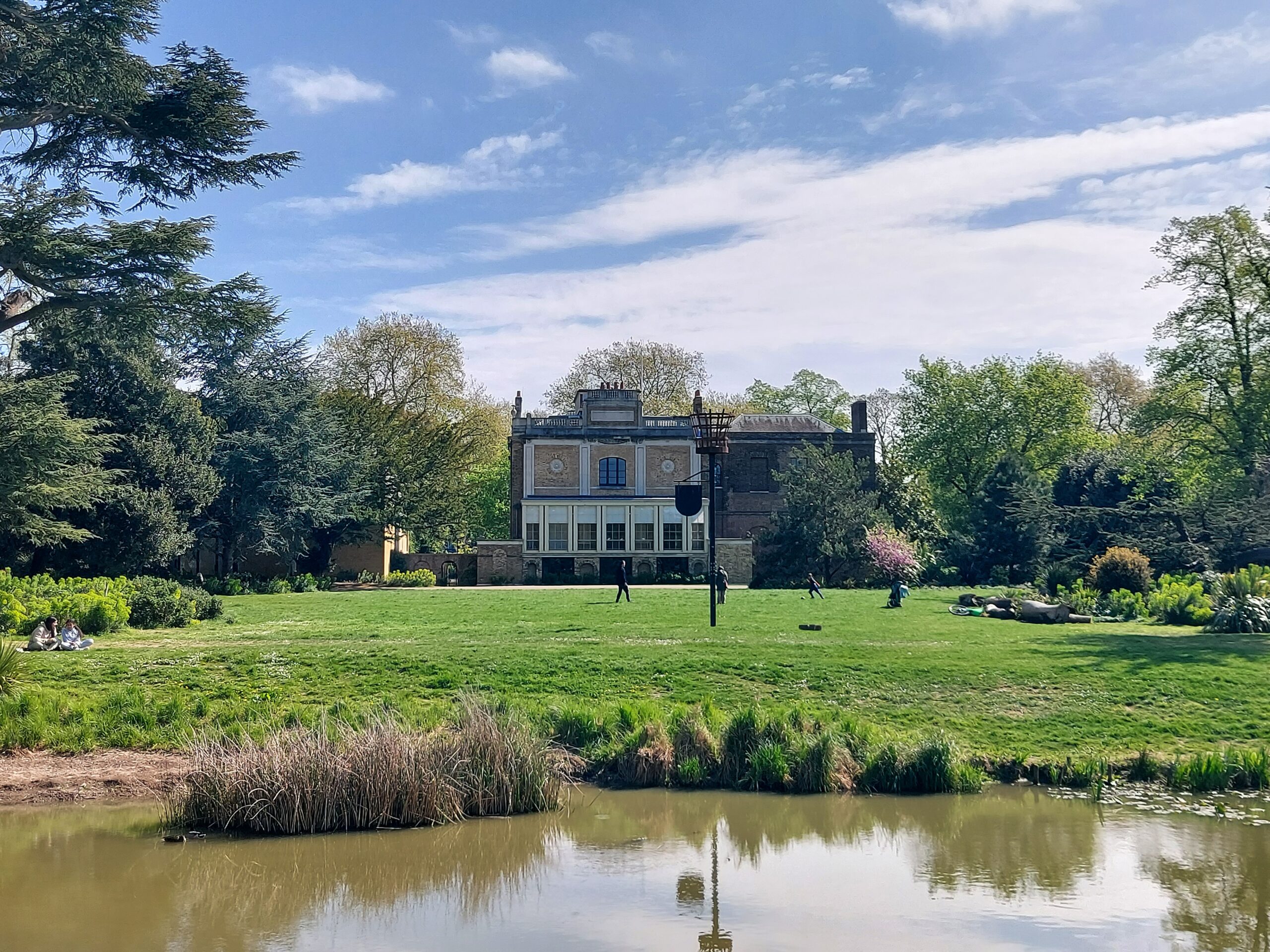
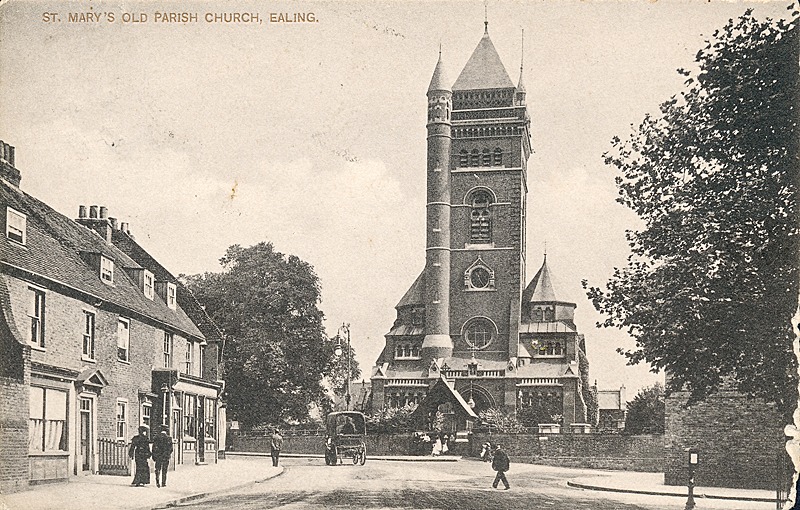
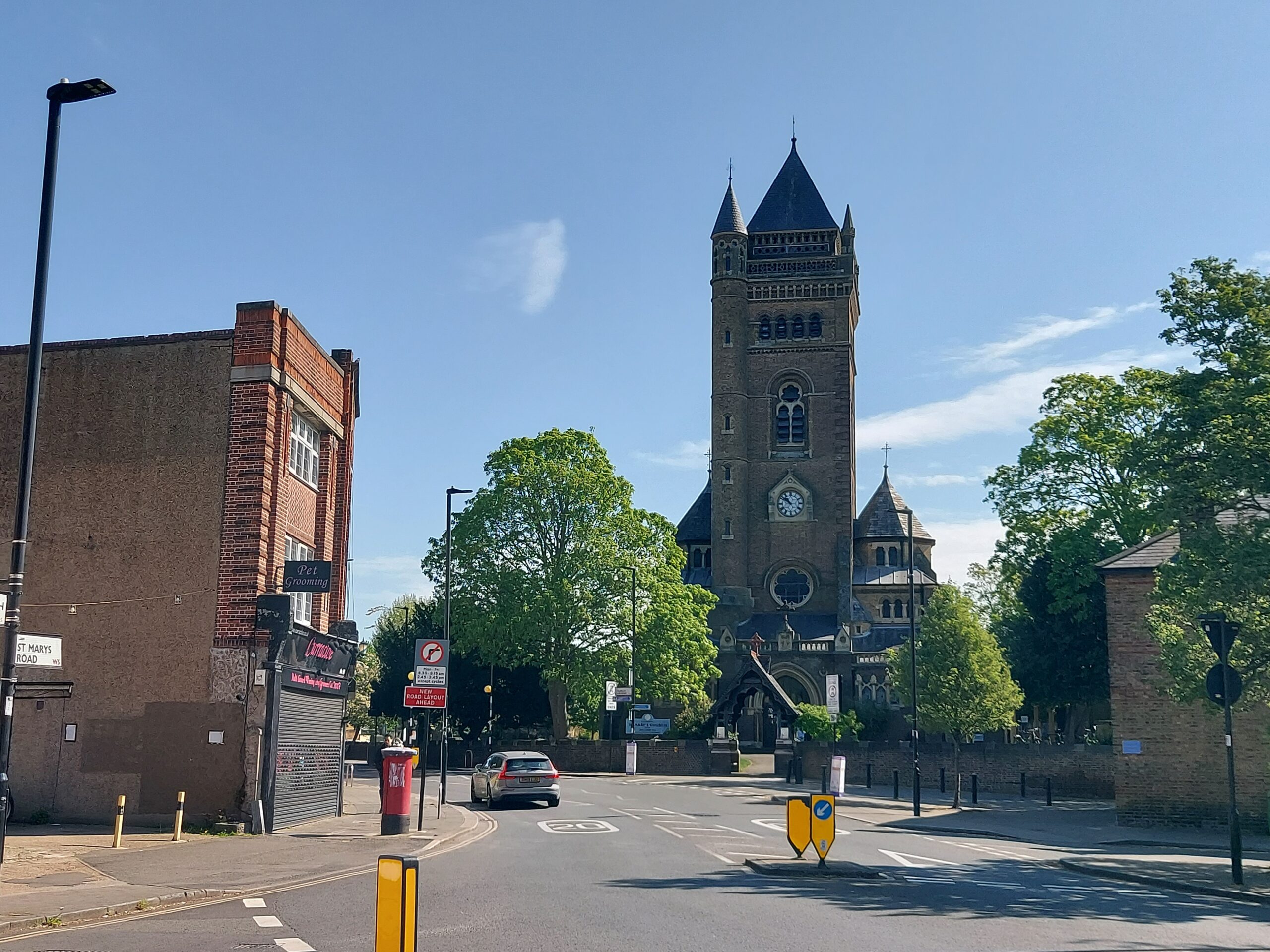
Find historical photos taken in your area. Take new ones in the same places, and compare and contrast them.
Date completed: 20 April 2025


