Brookwood Cemetery

graves

I’d been meaning to visit Brookwood Cemetery for a few years, and finally got round to it on the May bank holiday weekend. It was a warm day when I set off, beginning my journey at Waterloo Station. I followed the Brookwood Cemetery Trail at discoveringbritain.org.

If you’ve visited any of the Magnificent Seven in what were, in the nineteenth century, the outskirts of London, you will probably be familiar with with the context behind the development of new cemeteries. London was growing increasingly crowded and there was increasingly little room for burials in the parish churches. Entrepreneurs founded cemeteries further from the centre of London where there was more space. One example, the London Necropolis Company, went even further: Brookwood Cemetery in Surrey opened in 1854, more than 25 miles from central London, along with the Necropolis Railway that took the dead and their grieving families out of the capital and into leafy Surrey.
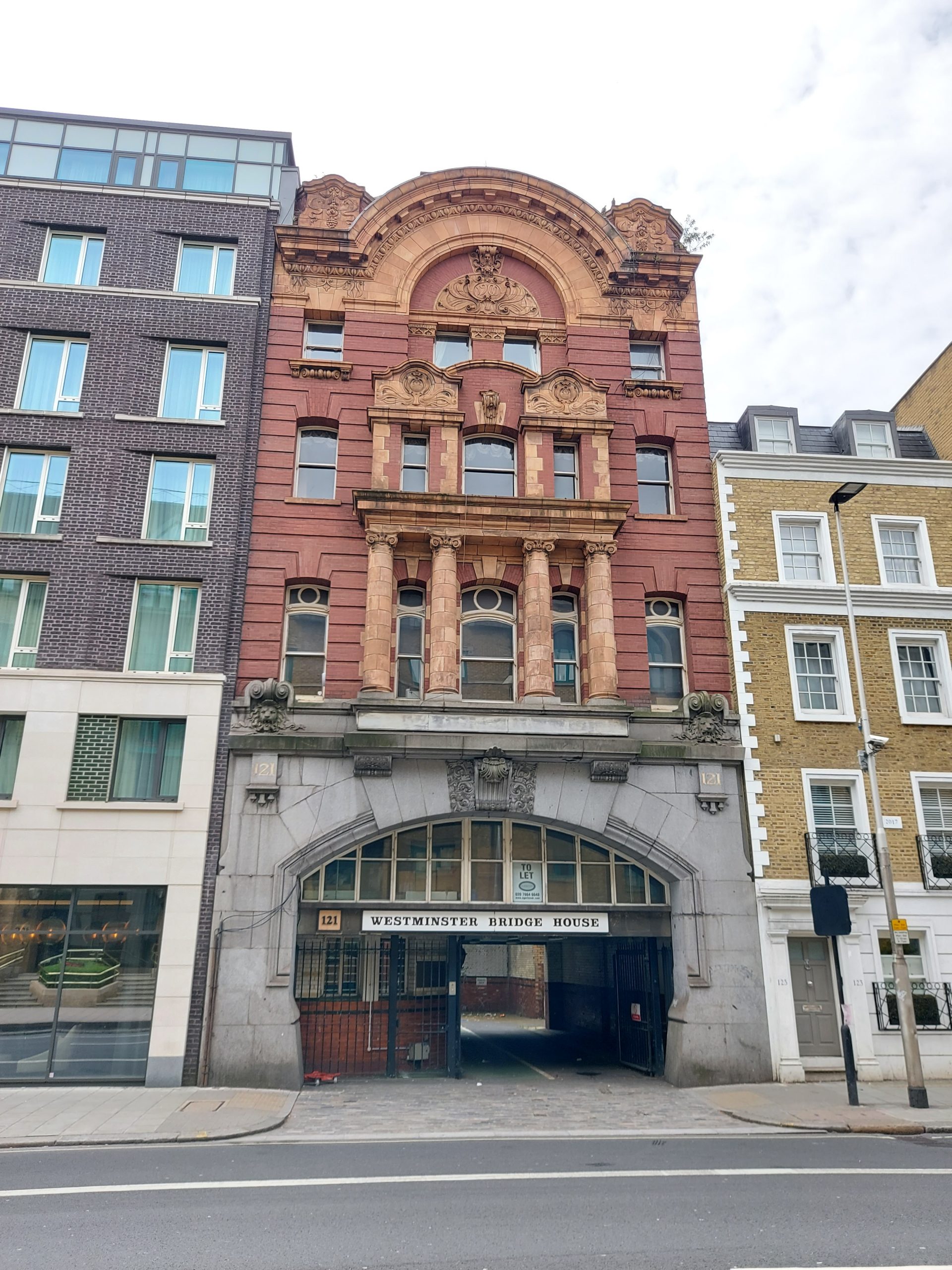
Brown building on Westminster Bridge Road

My walk began near Waterloo Station, on Westminster Bridge Road, where the original entrance to the Necropolis Railway still stands.
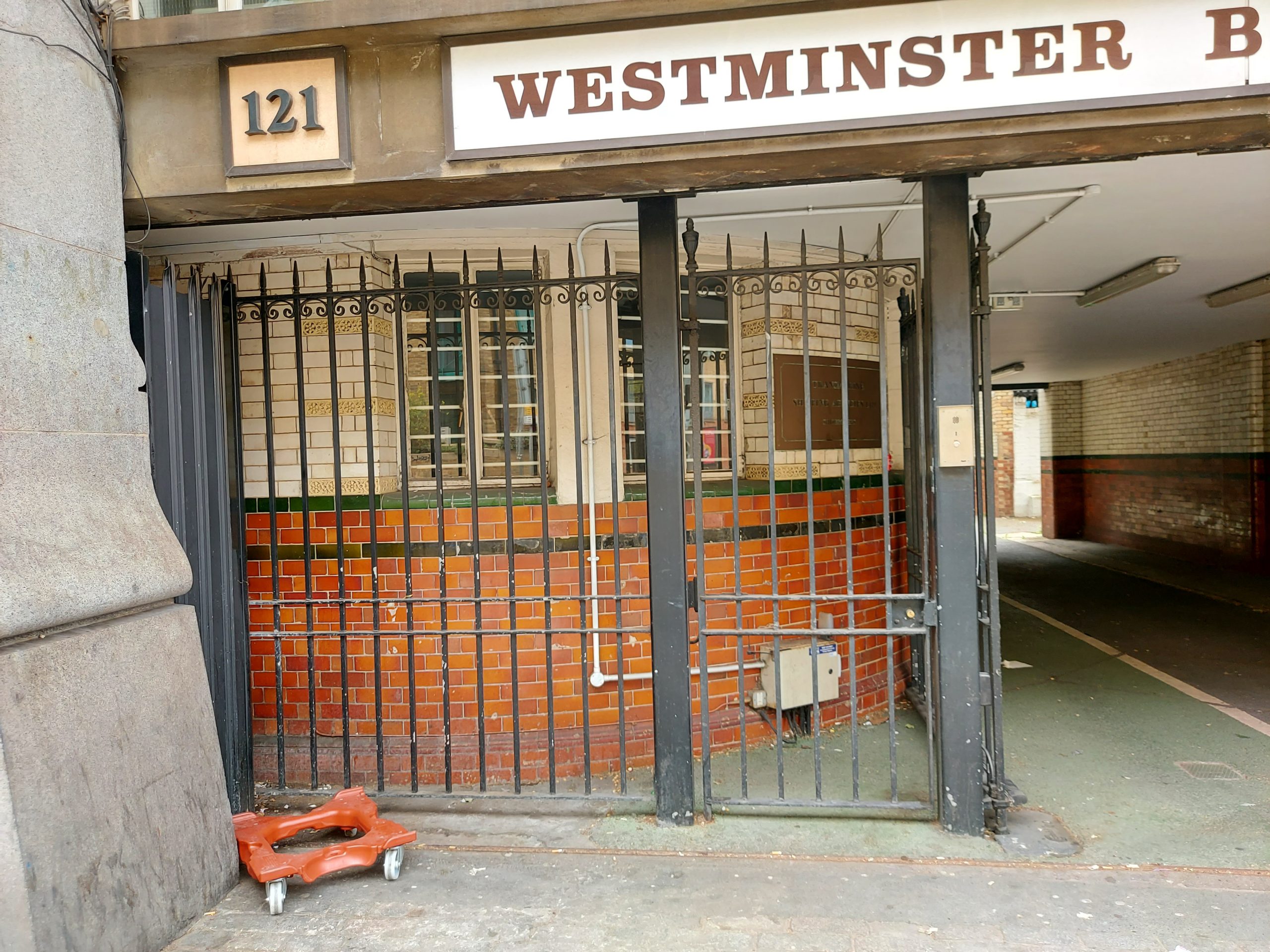
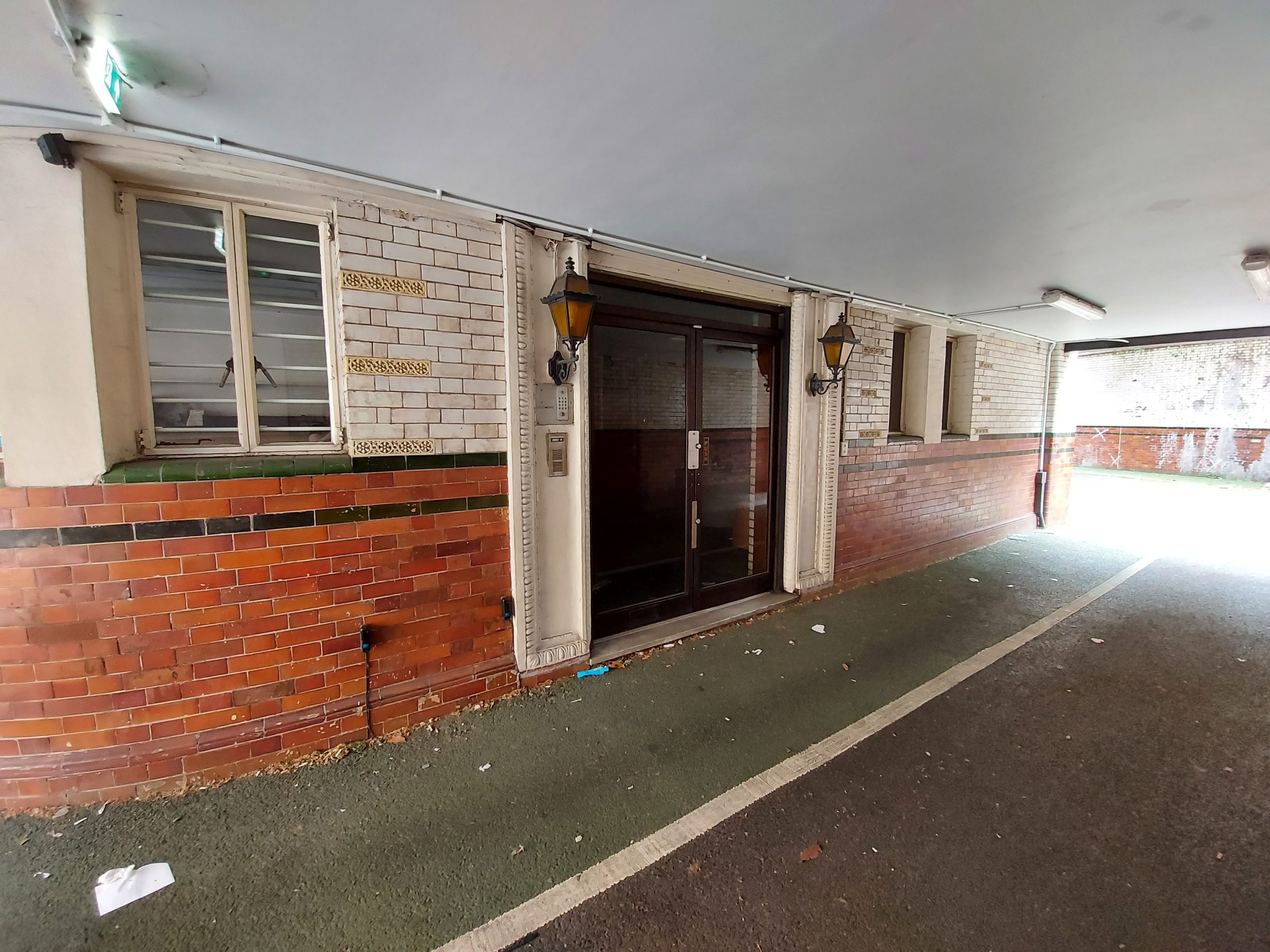
Building entrance
tiled wall

Nearby, on Newnham Terrace, a dead-end street reveals white pillars that once held up the platform from which the train containing coffins and mourners began its journey to Brookwood. The first train ran on 13 November 1854, and ran until 17 April 1941 – when the station was bombed.
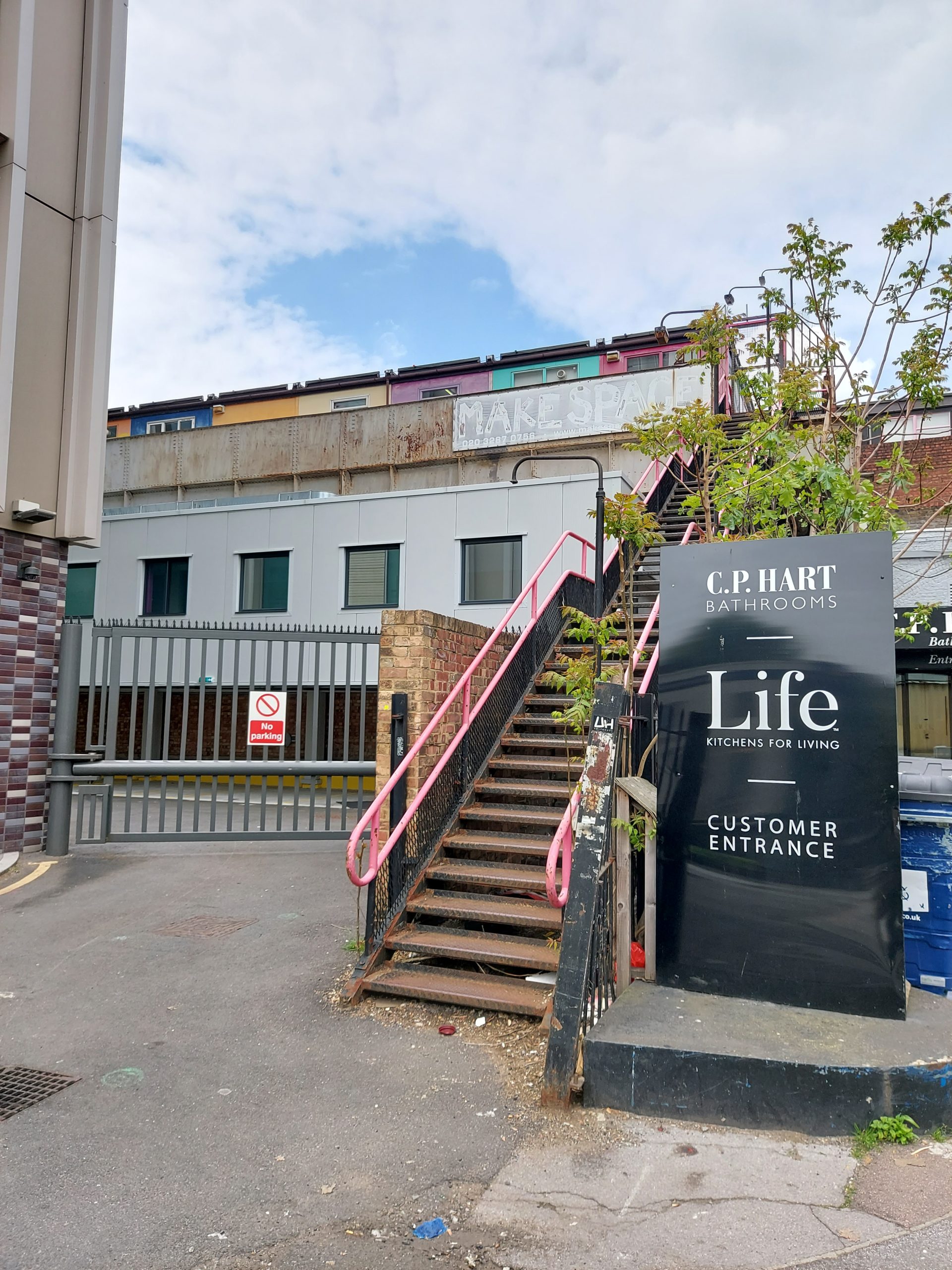
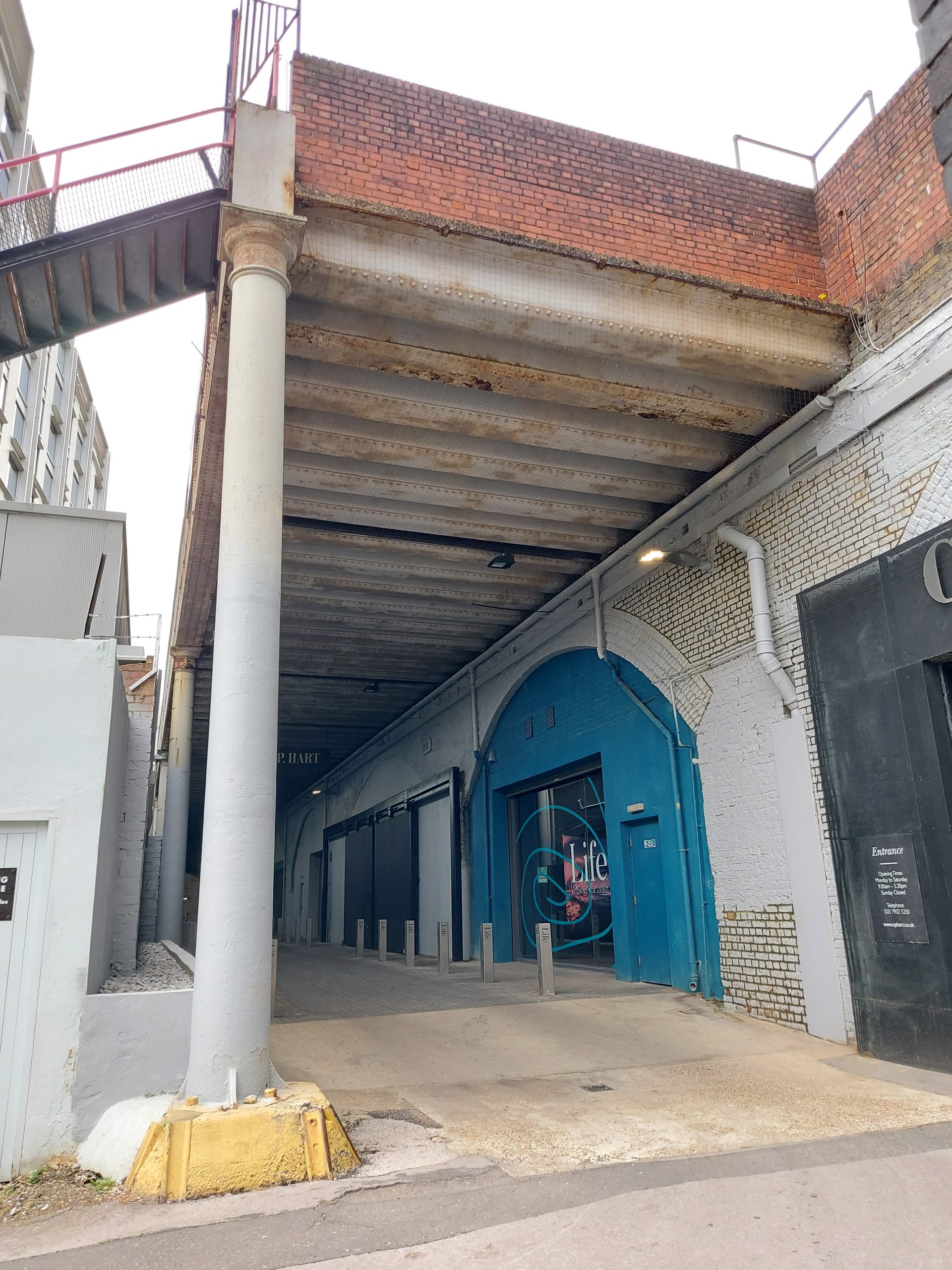
From a nearby junction, trains would join the main London to Woking line to complete their journey. I headed back to Waterloo and boarded a train which stopped at Brookwood. I got off here, ignoring the exit leading towards the village of Brookwood and heading in the opposite direction, where the exit leads directly into the cemetery.
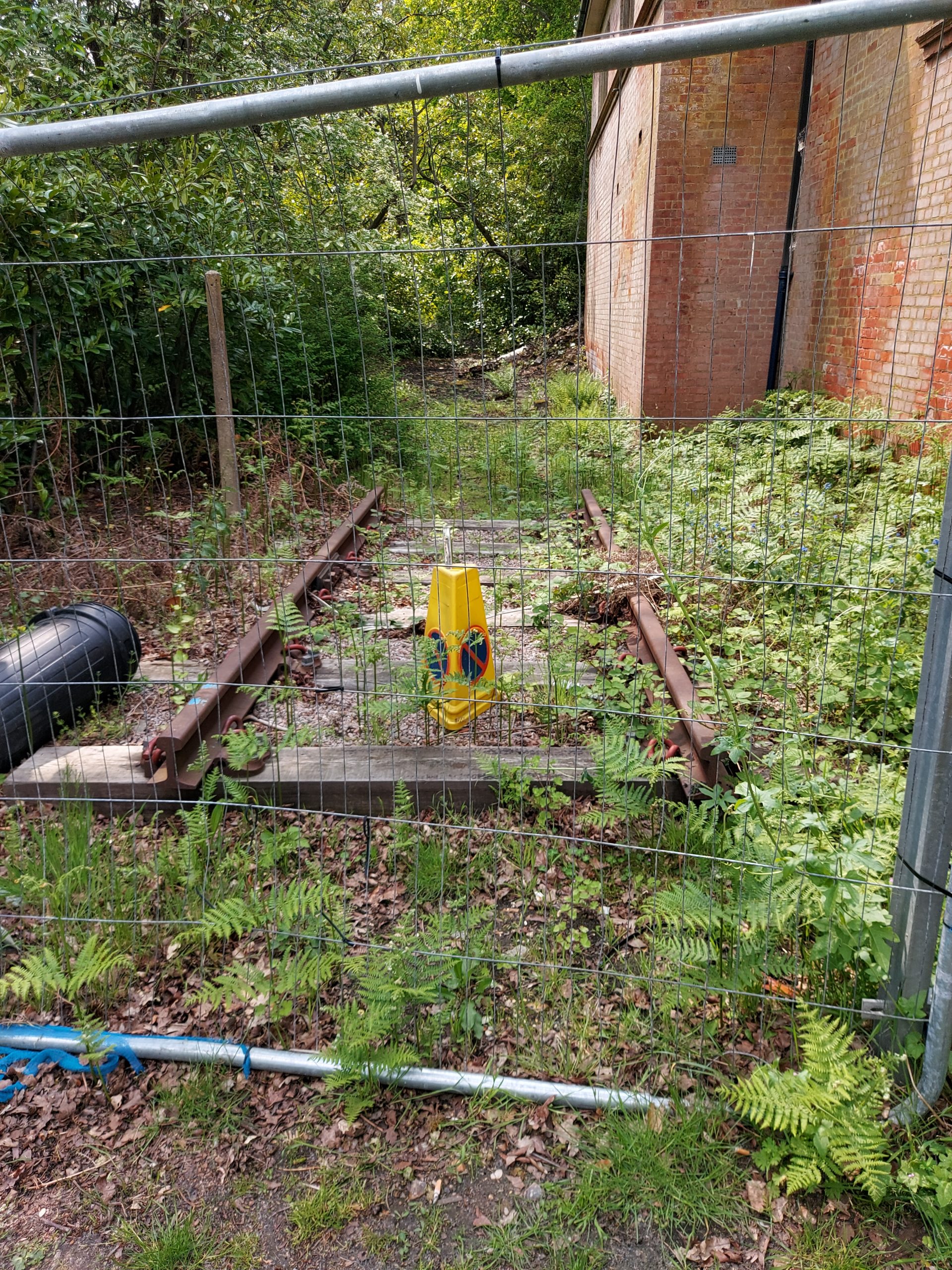
track from the original branch line

The short stretch of track immediately visible on the right as you exit the station commemorates the old Brookwood Cemetery branch line. This line ran from the mainline station to two smaller stations within the cemetery: the North Station for Non-Conformists, the South Station for Anglicans.
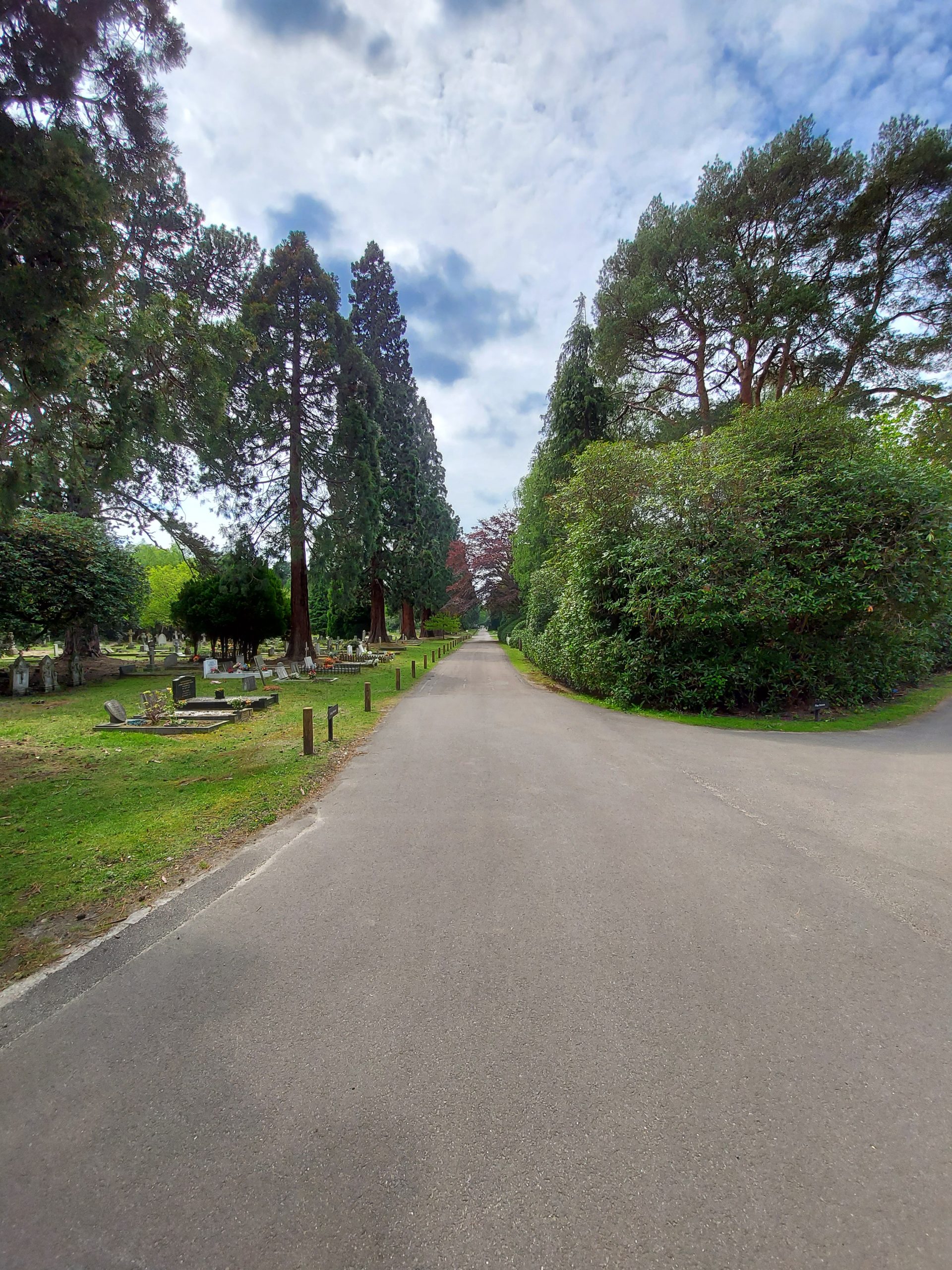
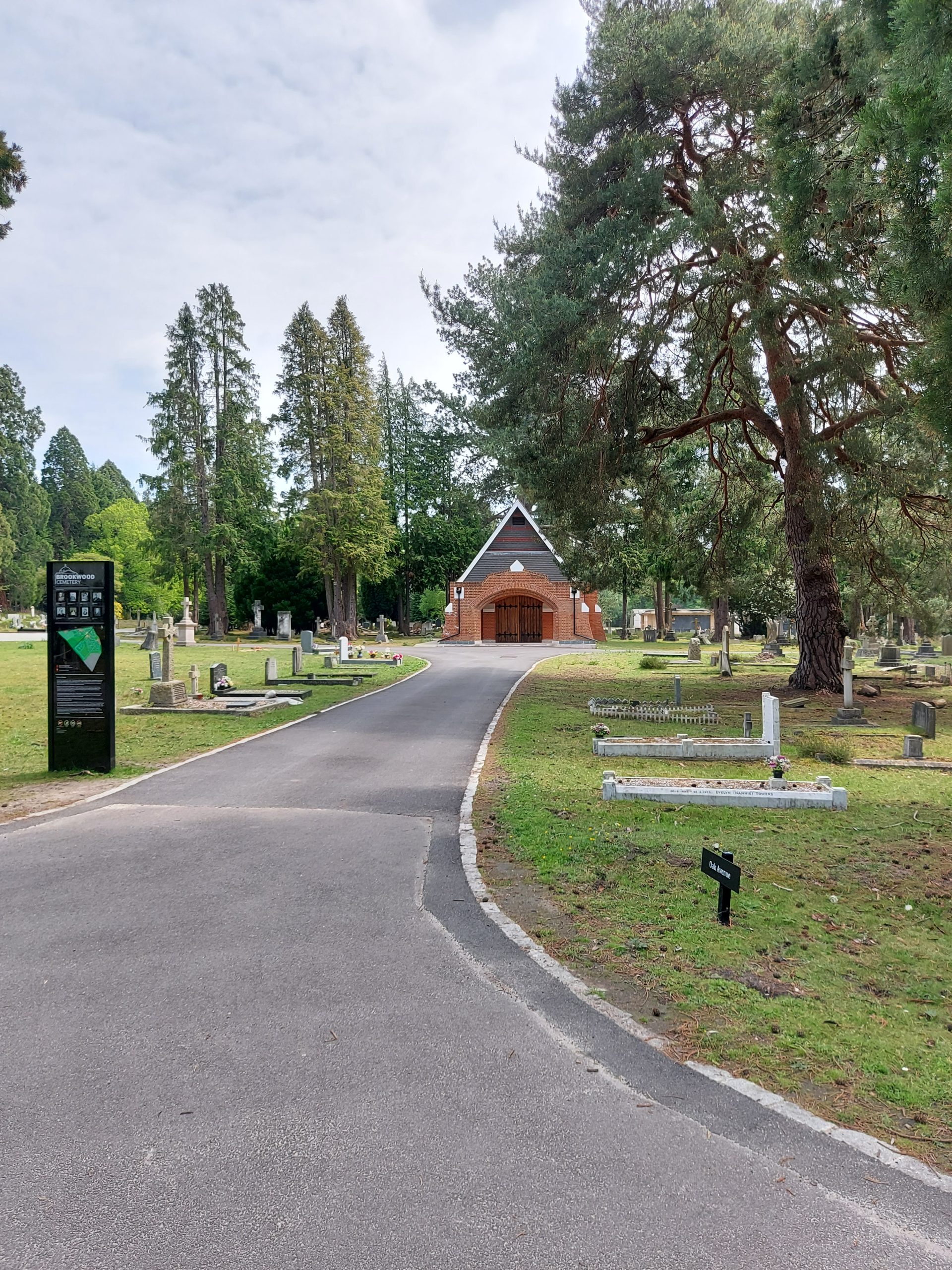
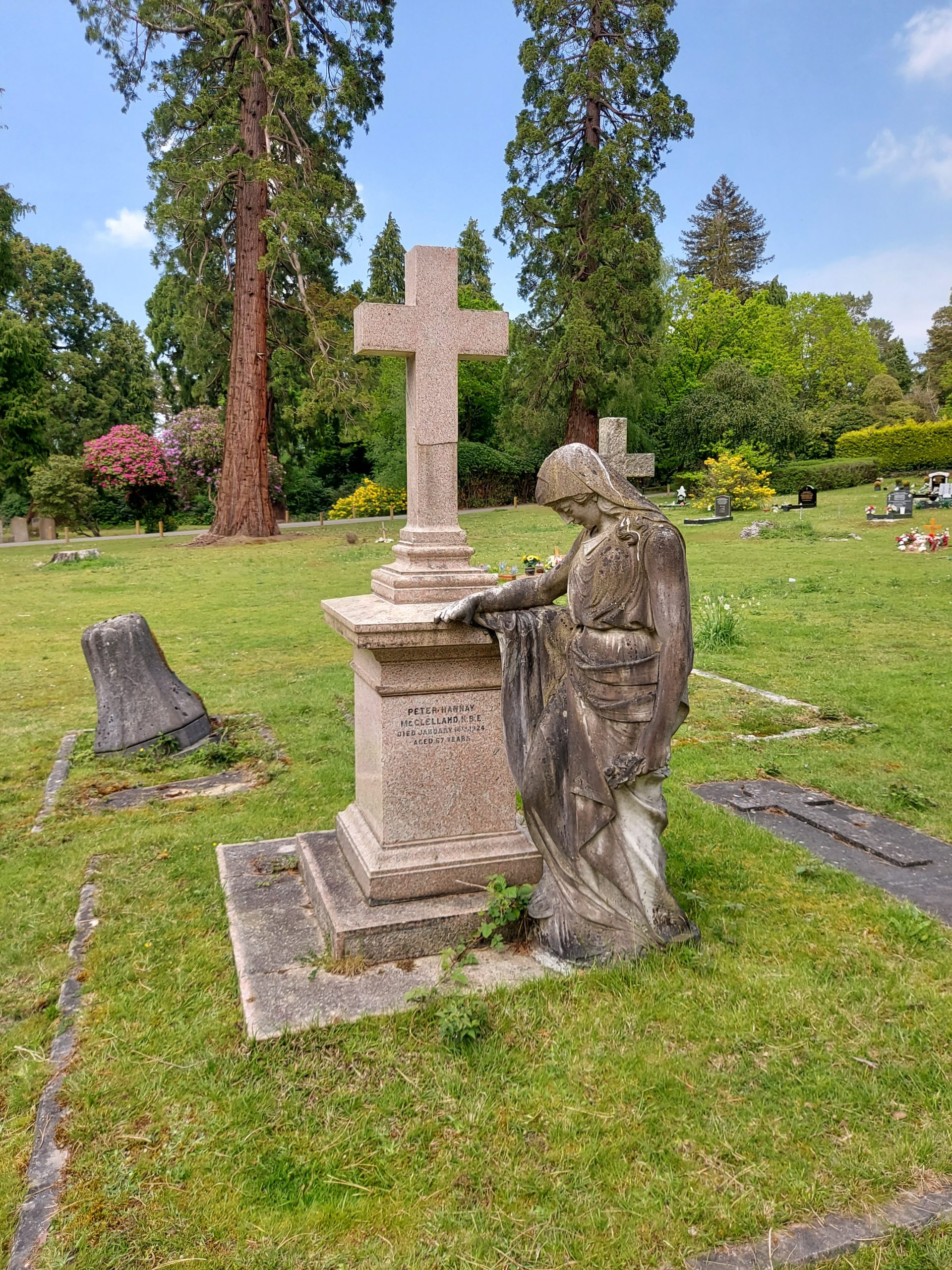
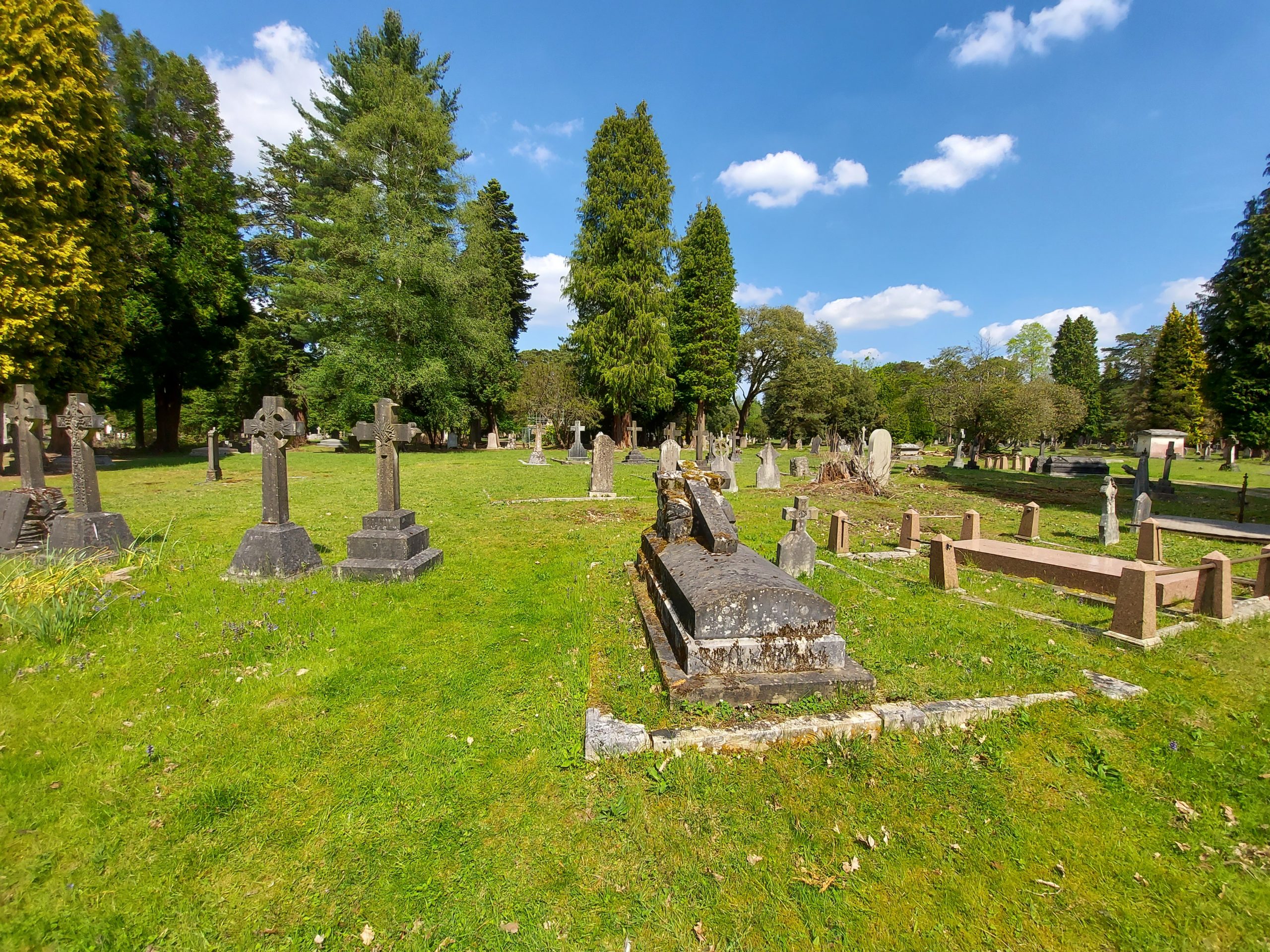
Brookwood is the largest cemetery in the United Kingdom and one of the largest in Europe. As I walked around it I noticed that it was spacious and open, not cramped like some of the Magnificent Seven are. Demand wasn’t as high as forecast back in the nineteenth century, so much of Brookwood’s capacity went unused. However, around two thirds of Brookwood’s burials are in unmarked graves, pauper burials paid for by the parishes of London.
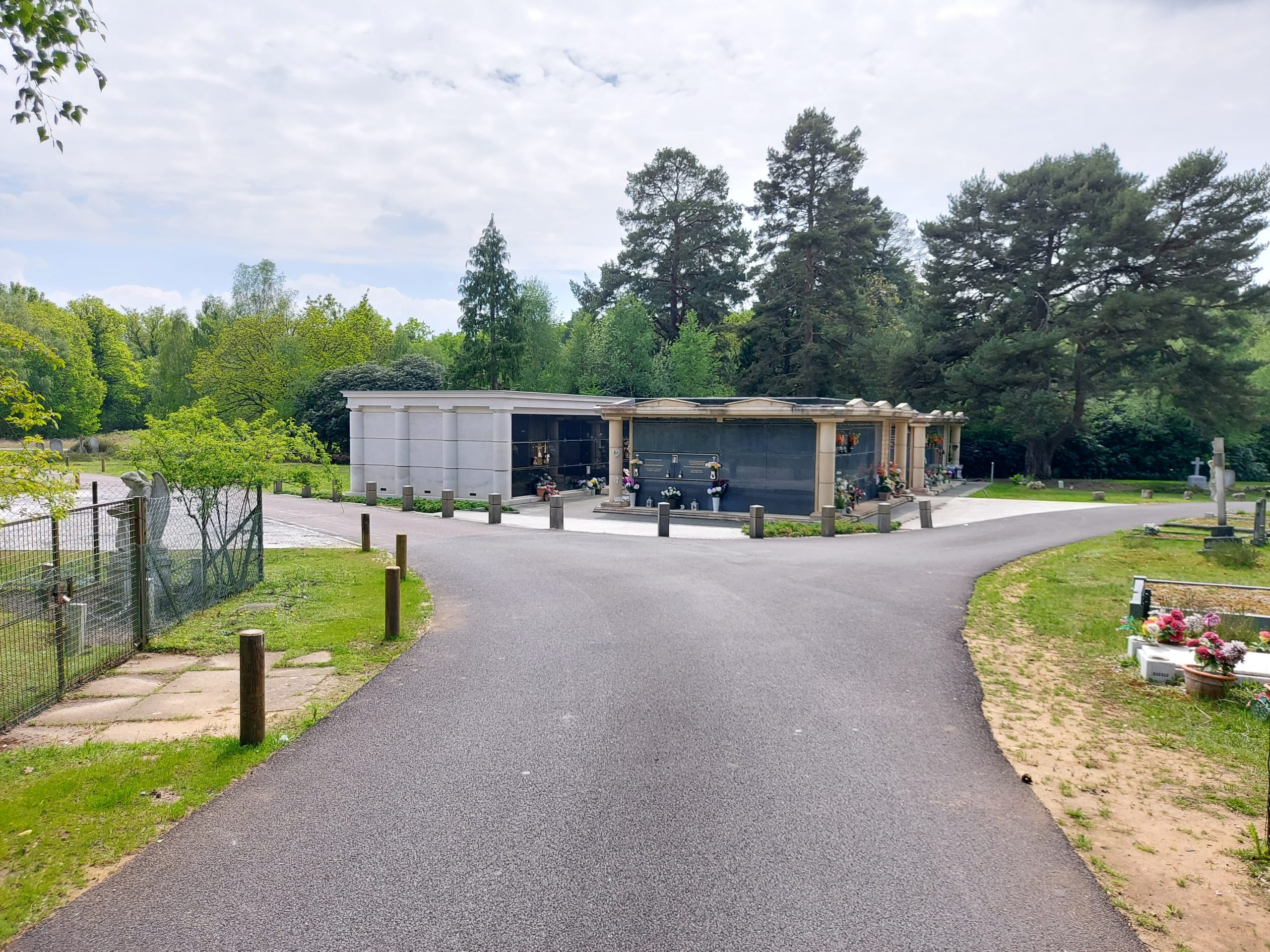
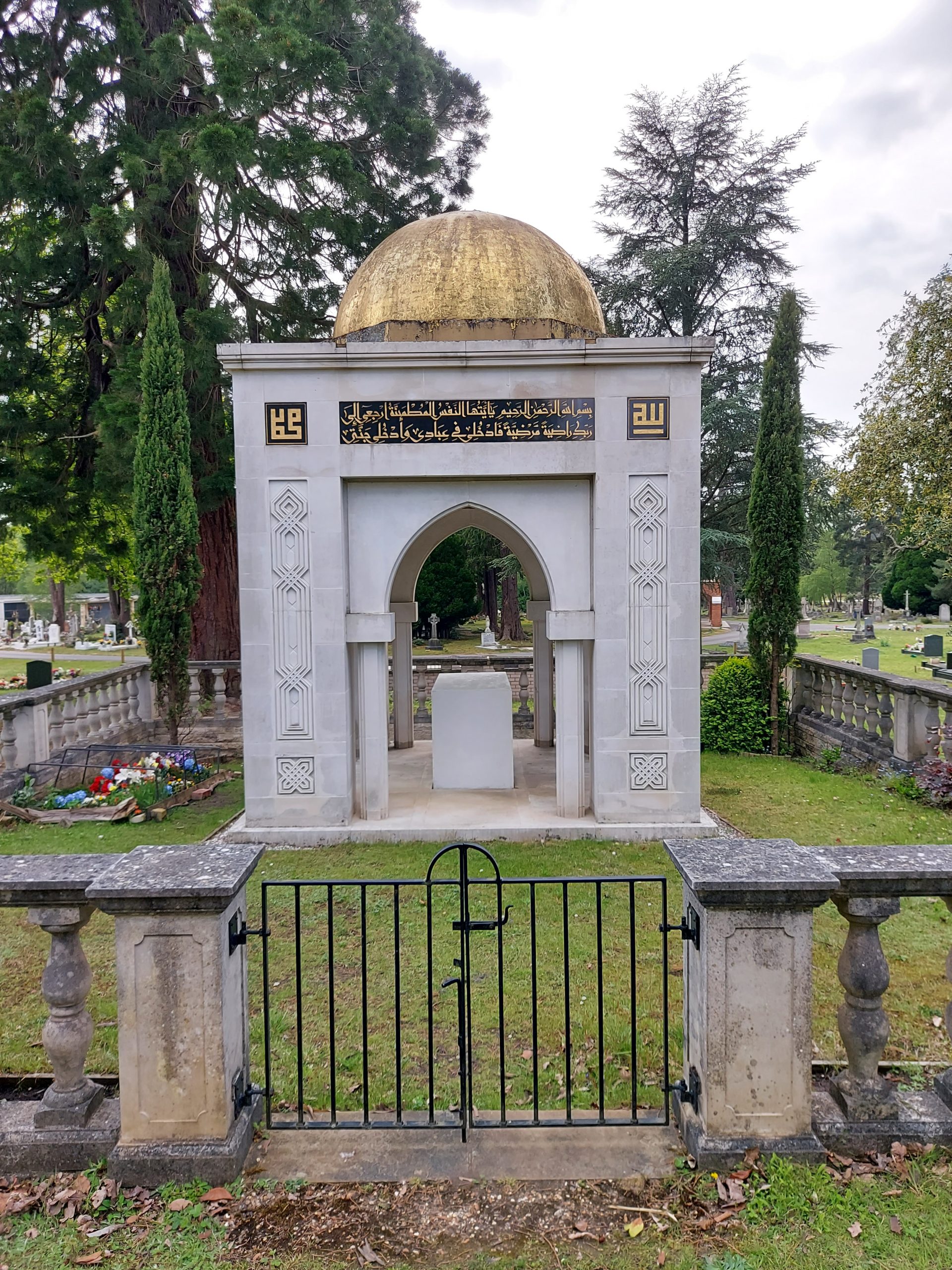
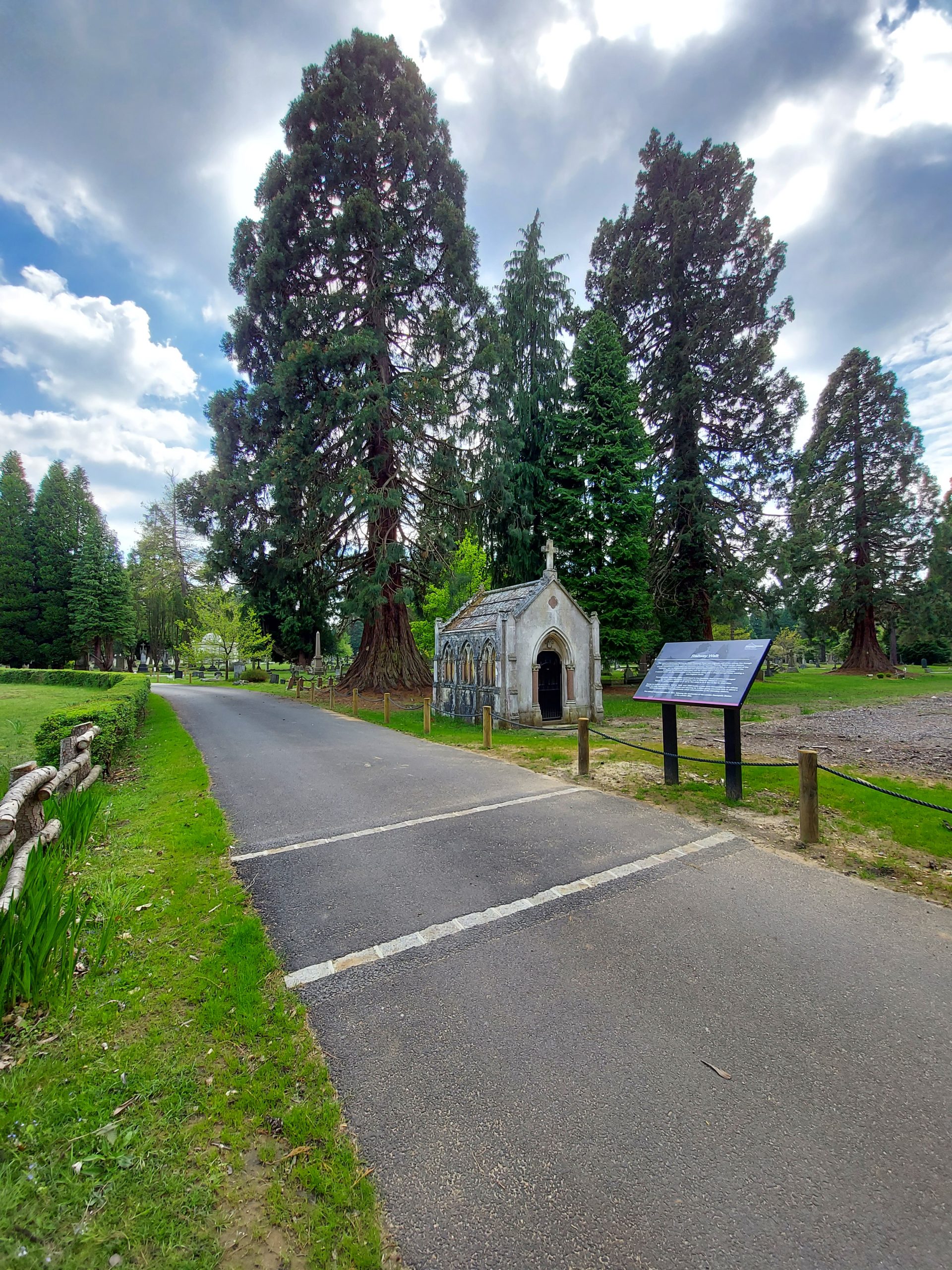
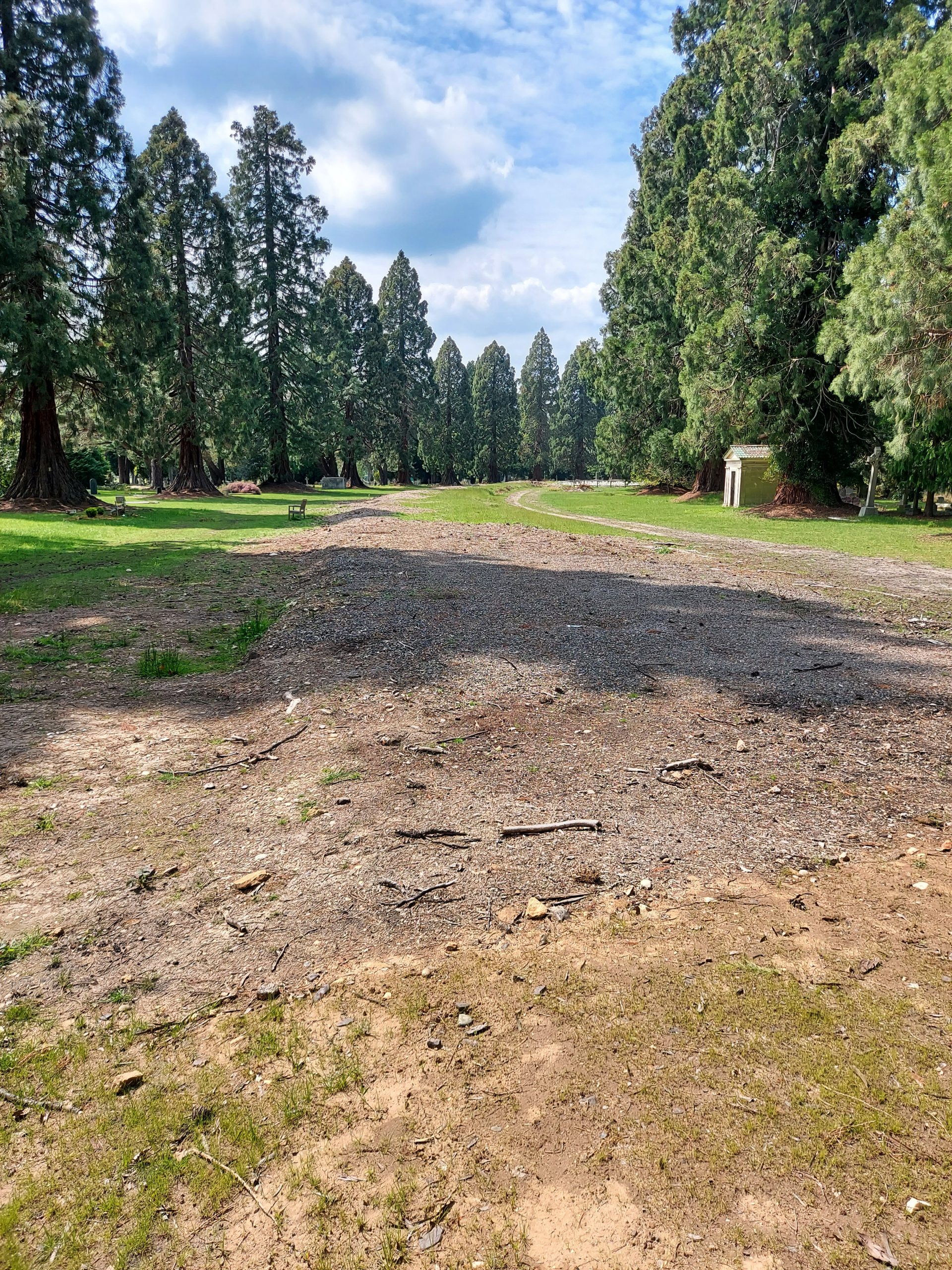
I began my walk in the north part of the cemetery. I was impressed that people of different religions and backgrounds are buried here: as well as all denominations of Christians, the cemetery is a burial place for many Jews and Muslims. There is even a columbarium. I headed down Long Avenue then turned into Railway Avenue, so named because it follows the route of the original branch line train. A low brick wall marks the location of the North Station (the building was demolished in the 1960s).
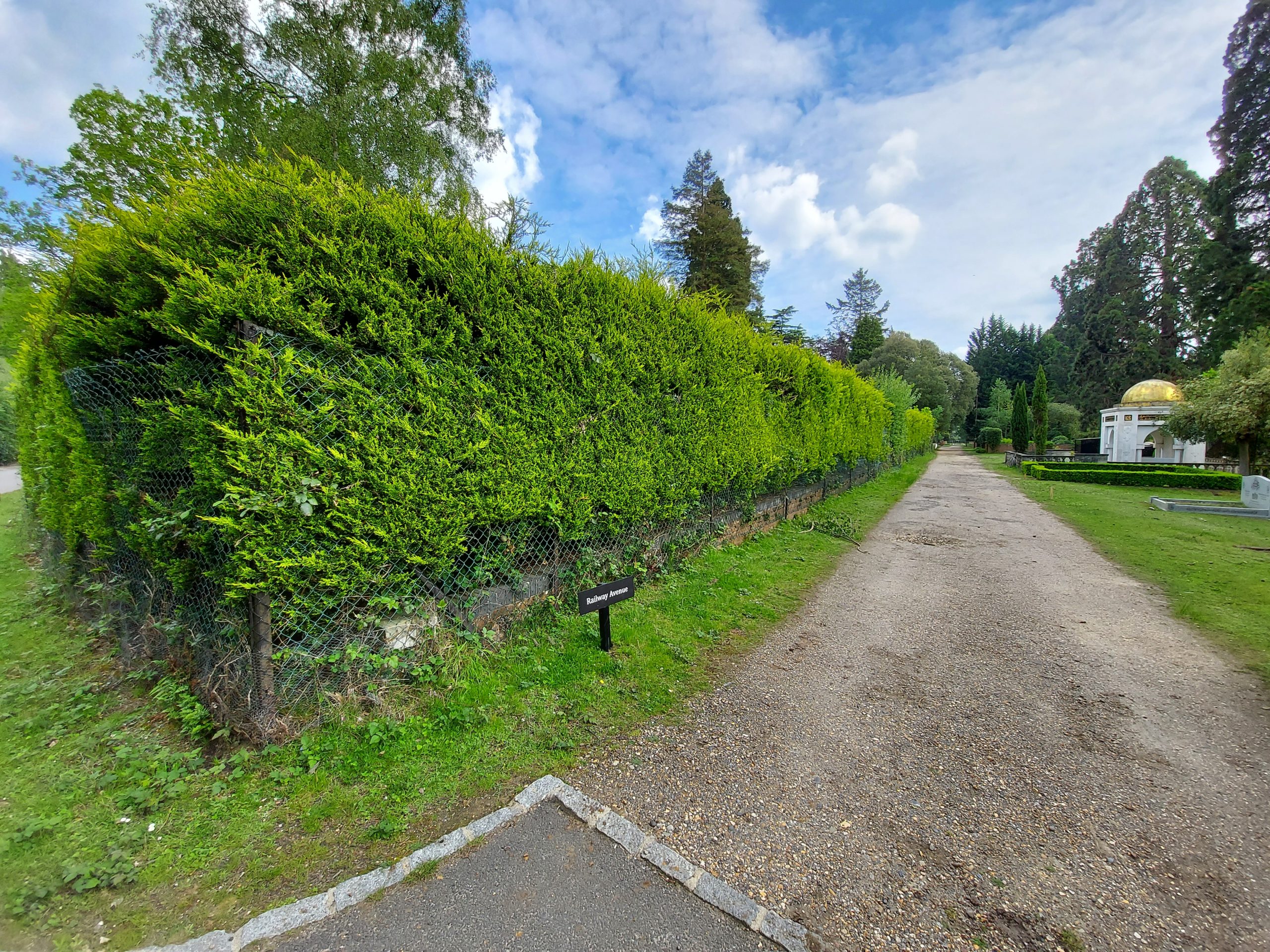
hedge
Location of North Station

The cemetery is divided into two by the public road Cemetery Pales. I crossed the road to reach the south section, following the track of the branch line. In this section can be found the church of St Edward the Martyr, an Anglo-Saxon king of England who was murdered three years into his reign. His remains were buried at Shaftesbury Abbey in Dorset, but were rediscovered in the 1930s and enshrined here as holy relics. The remains of the South Station can be found behind this church.
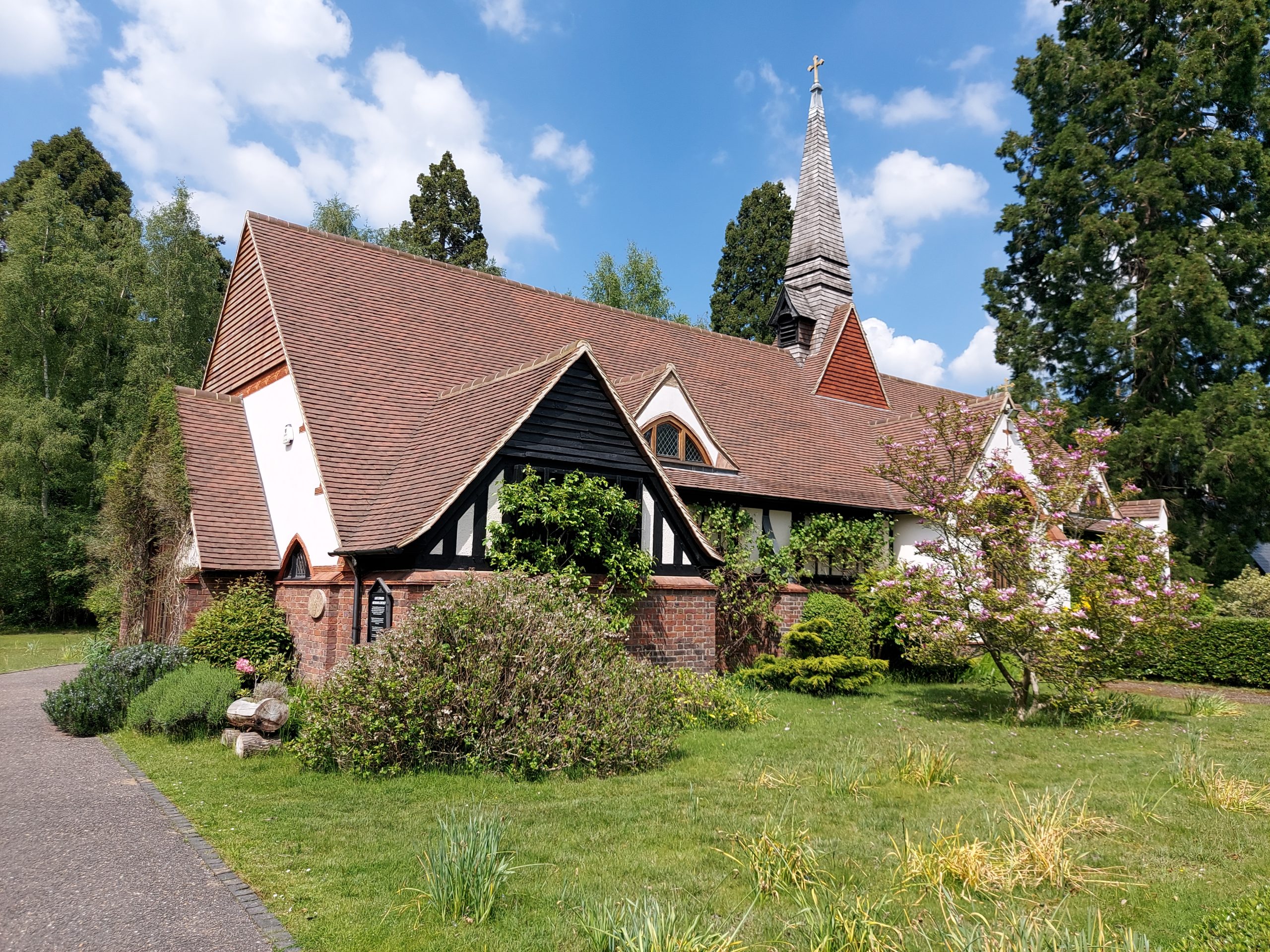
church
Church of St Edward the Martyr

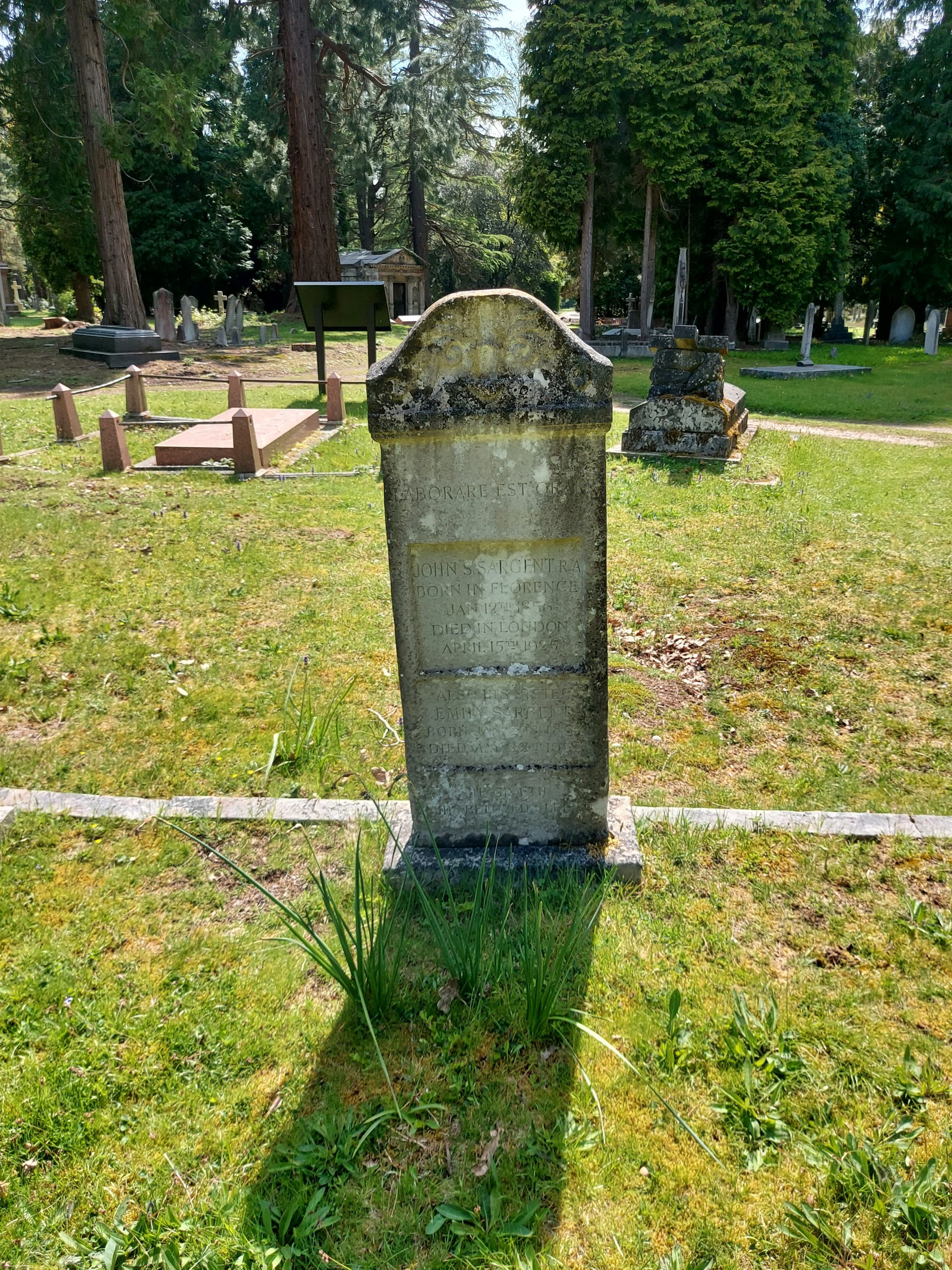
This section of the cemetery was my favourite as it had more of the Victorian monuments and grave markers I love. Some notable individuals are also buried here, such as artist John Singer Sargent and novelist Rebecca West.
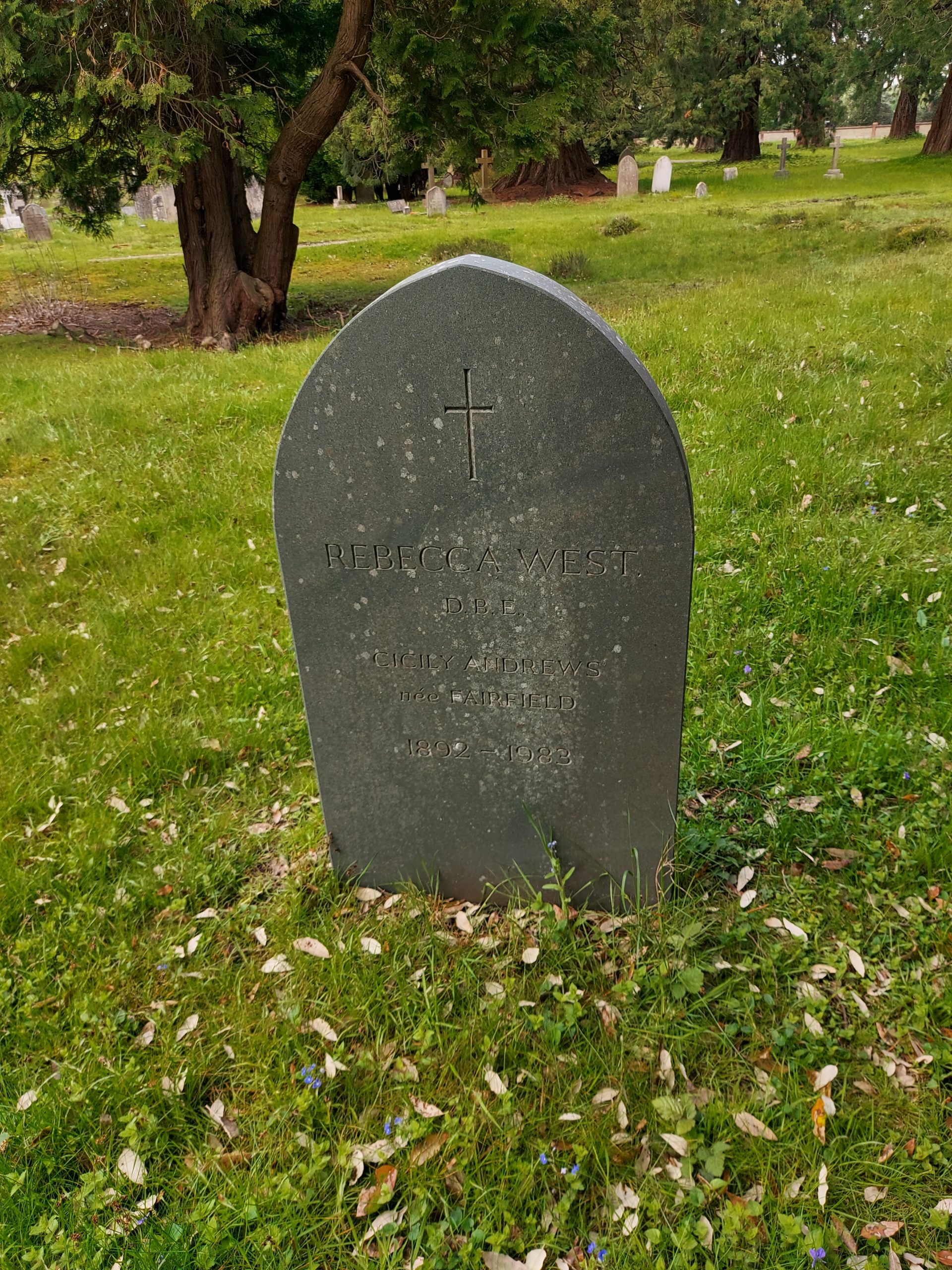
Brookwood is an amazing place to explore and I’m so glad I finally made the trip. If old graveyards are your thing, don’t miss it. Do be respectful though- especially as it is still a working cemetery. It’s a haven of peace and tranquillity which is sorely needed these days.
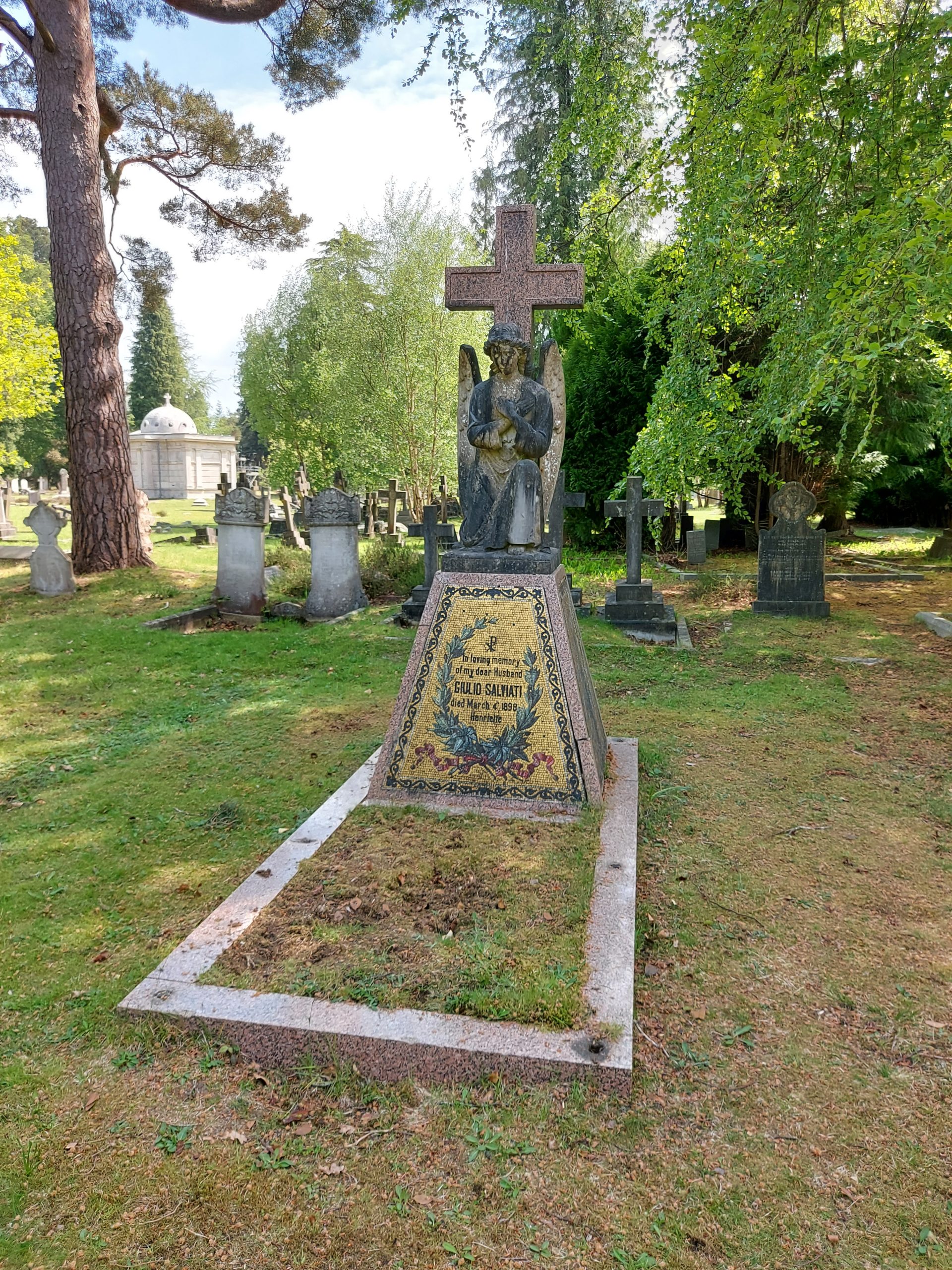
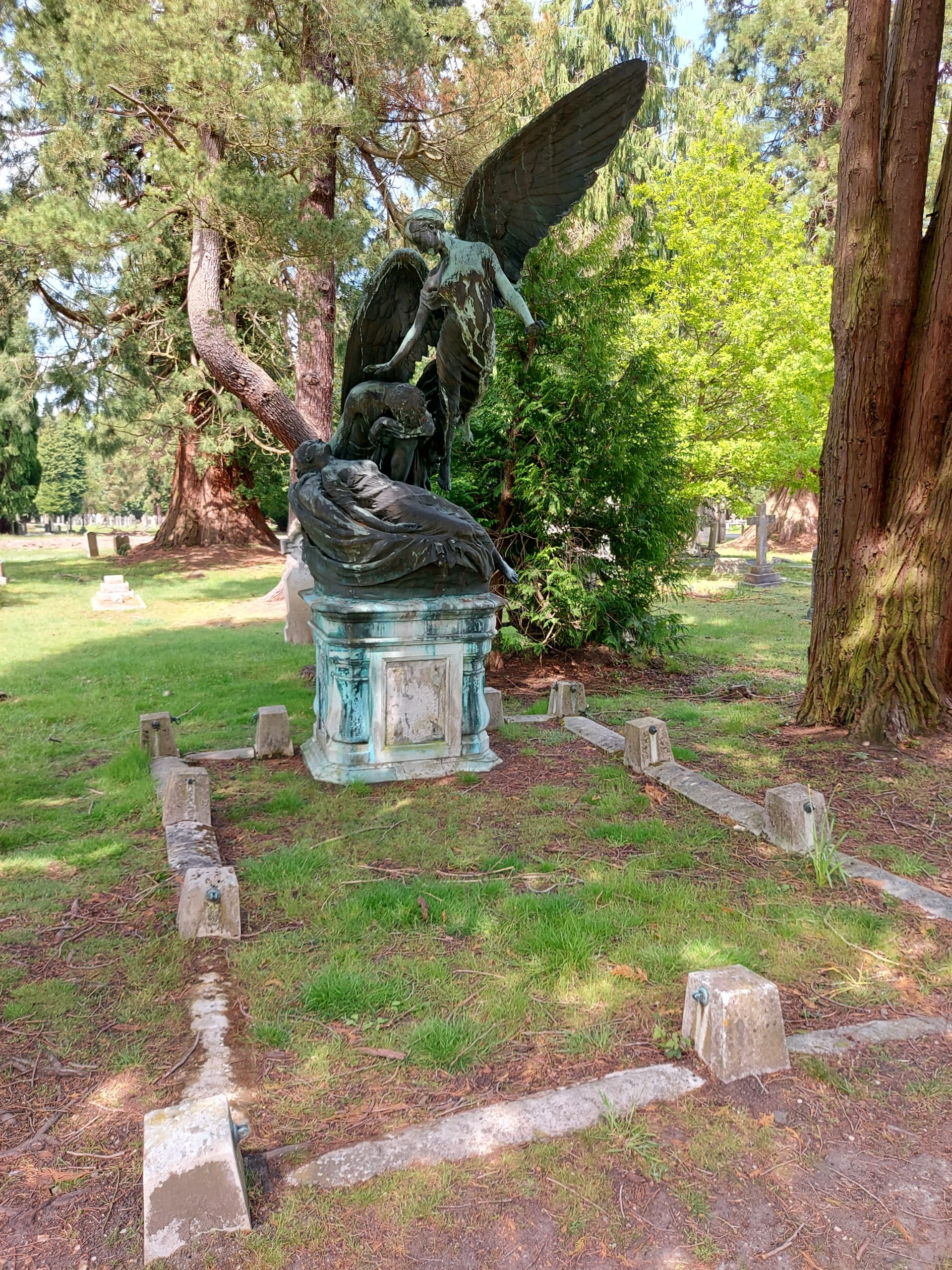
Graves at Brookwood

Bunhill Fields

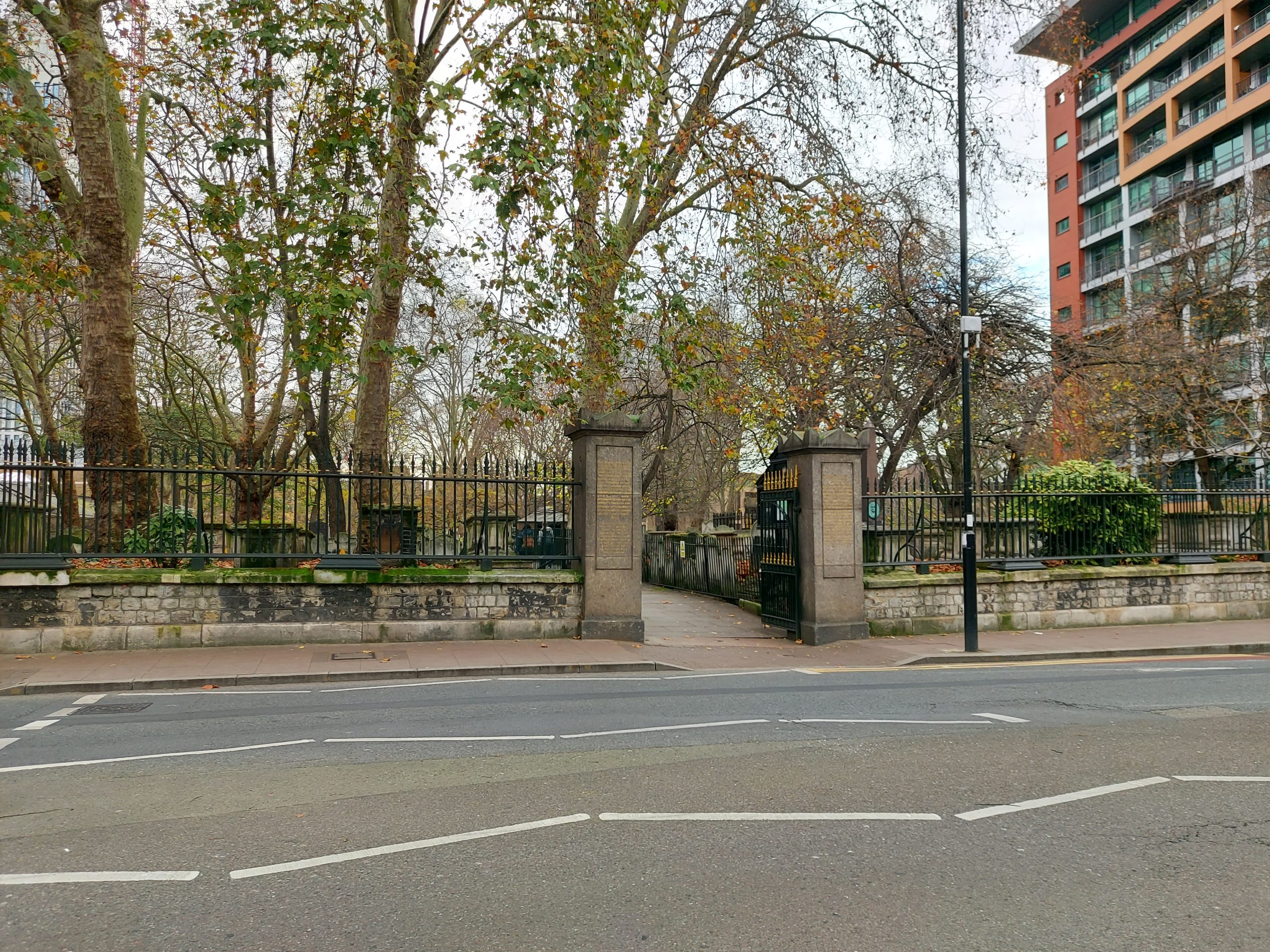
Entrance to Bunhill Fields

I can’t believe I’ve been living in London for nearly a decade and still haven’t visited Bunhill Fields burial ground. This piece of land in the borough of Islington was a burial place for mainly Nonconformists from 1665 until 1854, and is now a pleasant garden for Londoners to walk through and even sit and eat their lunch on a sunny day.

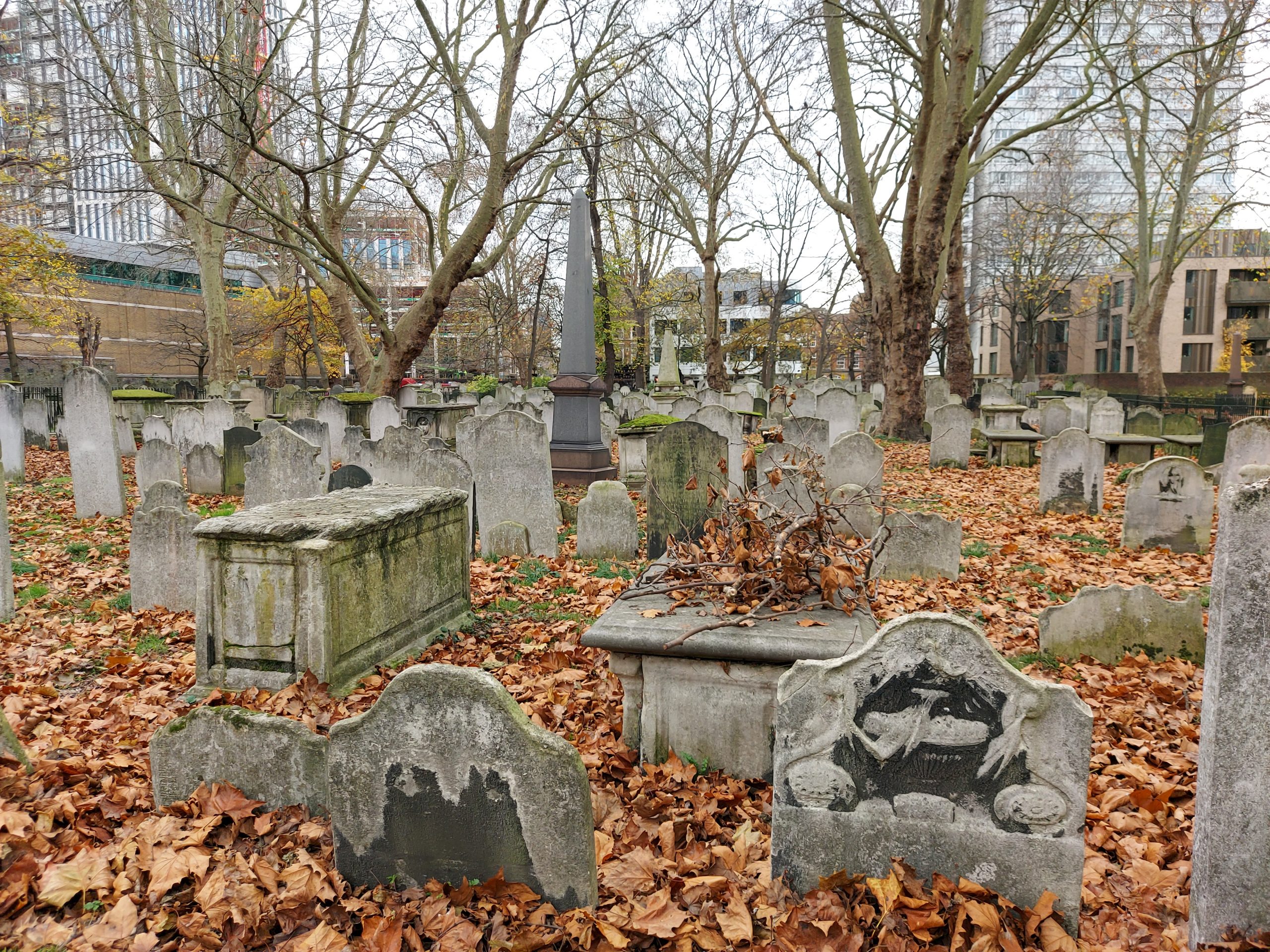
Bunhill Fields

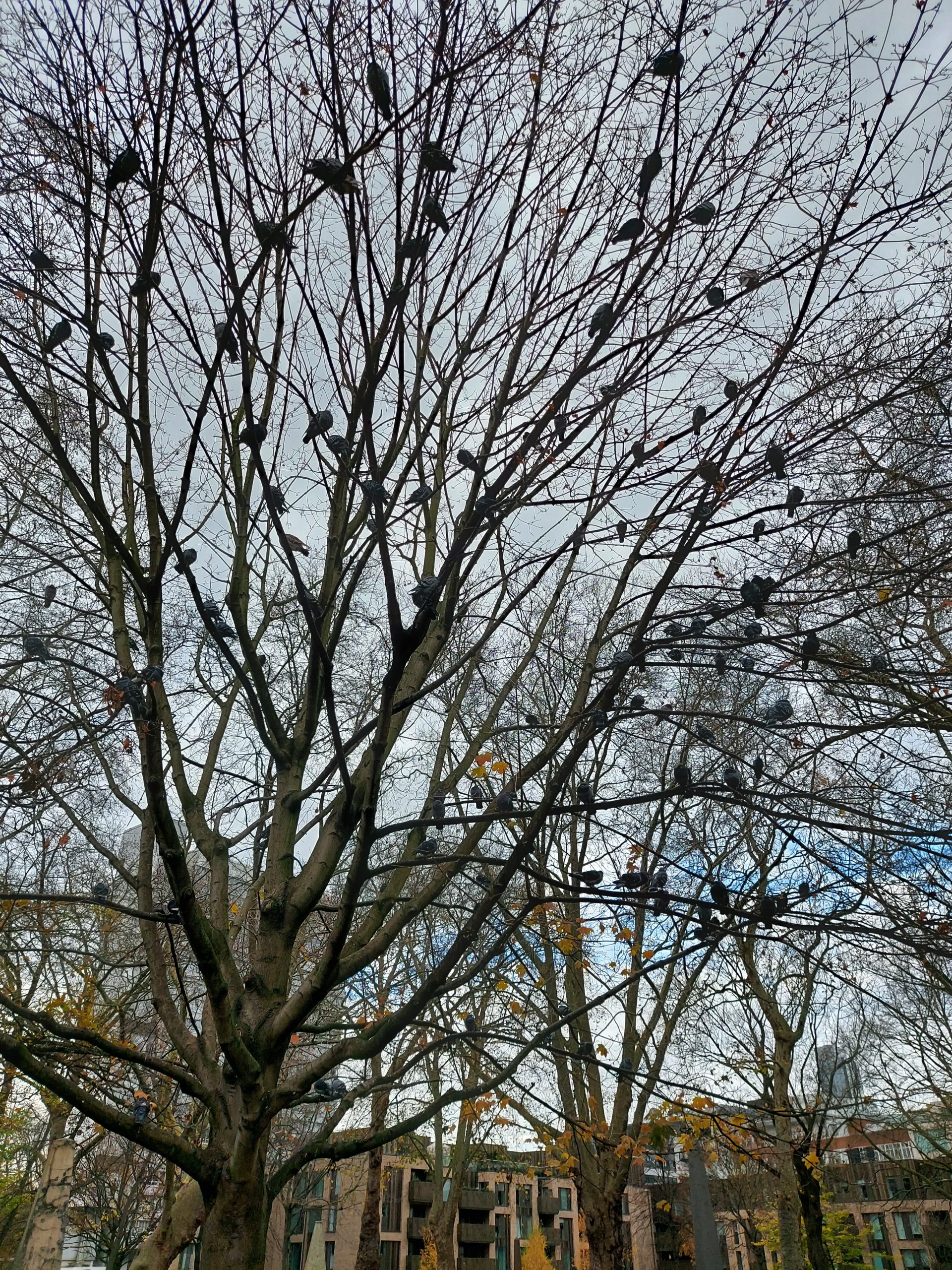
I visited on one of my days off as I was in central London. It was a cold November day, but it was dry, and the orange leaves made the burial ground look delightfully autumnal. A tree on which numerous birds settled made me feel slightly uneasy, but it added to the atmosphere.

Tree of birds

The name ‘Bunhill’ derives from “Bone hill”: the area experienced occasional burials from at least Saxon times, but was used as a mass deposit for human bones (over 1,000 cartloads) brought from St Paul’s charnel house in 1549. These bones, covered with a thin layer of soil, built up a hill across the otherwise flat area.

In 1665, it seemed a natural decision for the City of London Corporation to use some of this land as a common burial ground for those who had died of plague and could not be buried in the churchyards. The ground was never consecrated or used by the Church of England, so when a Mr Tindal took over the lease, and allowed burials, it was popular with nonconformists: Protestant Christians such as Presbyterians, Methodists and Baptists. It was known as ‘Tindal’s Burying Ground’. After closure in the mid-nineteenth century, there was doubt over its future, but it was eventually opened as a public park, and survives as such today, despite extensive damage during World War II.

Bunhill Fields

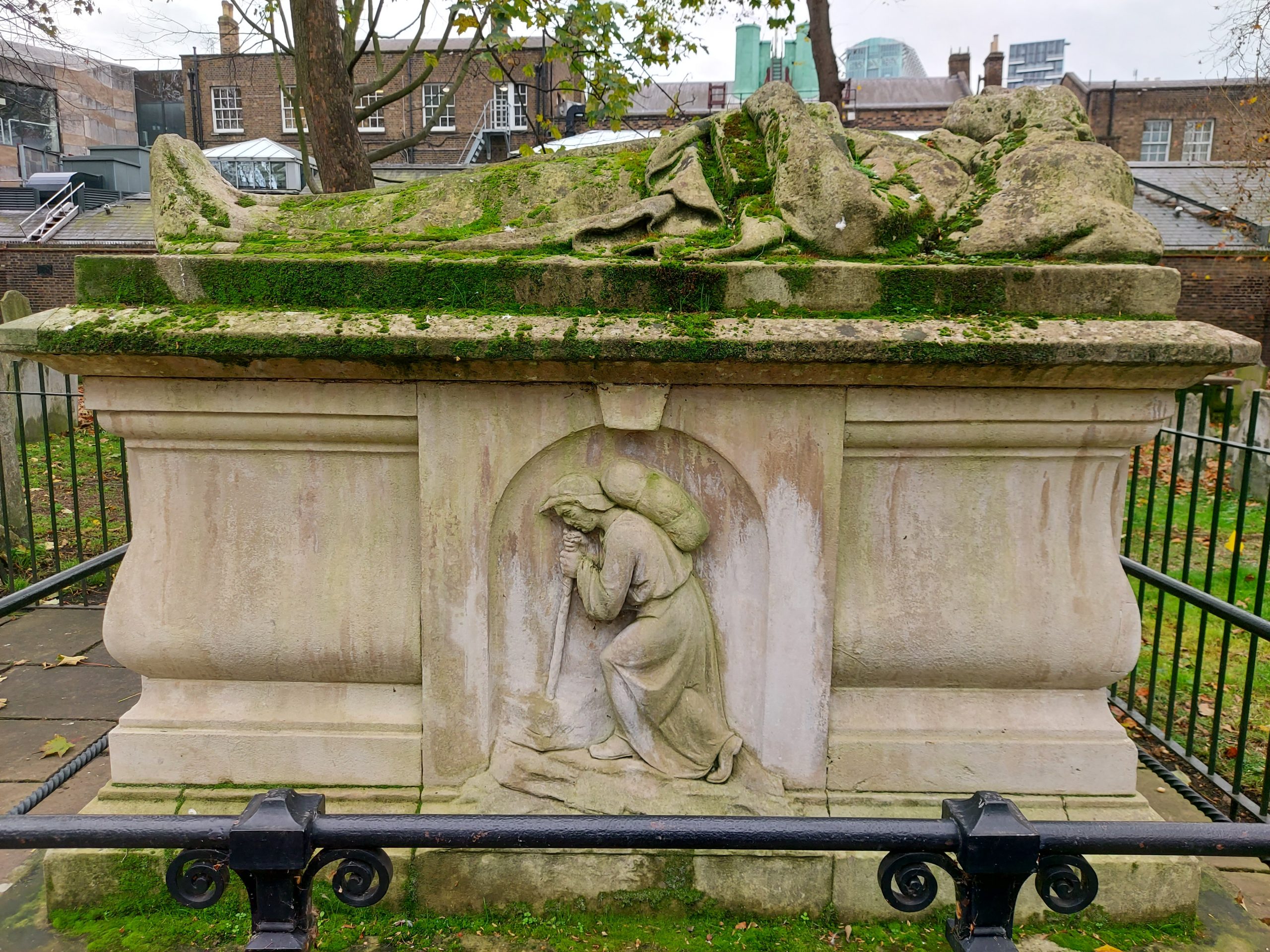
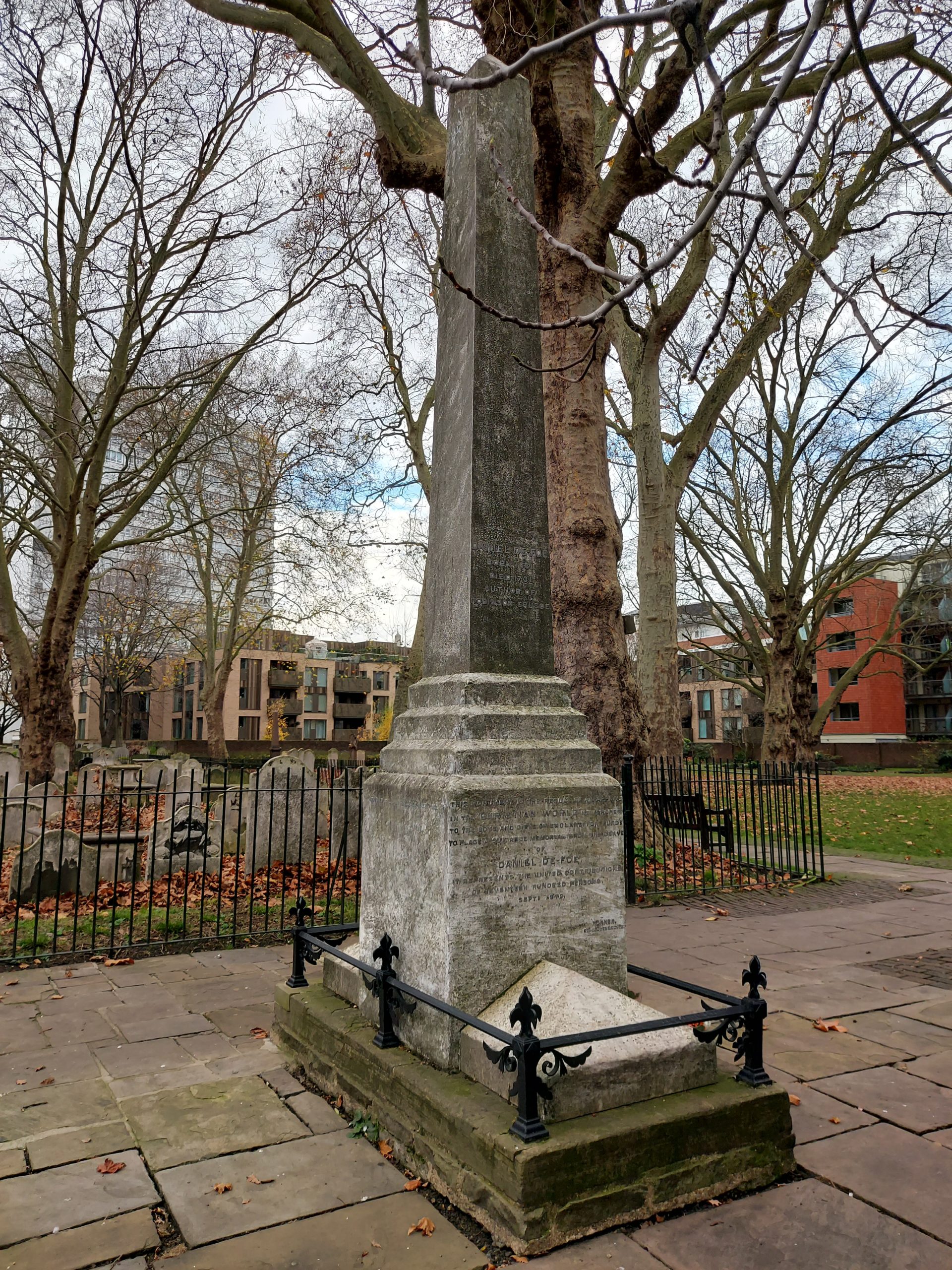
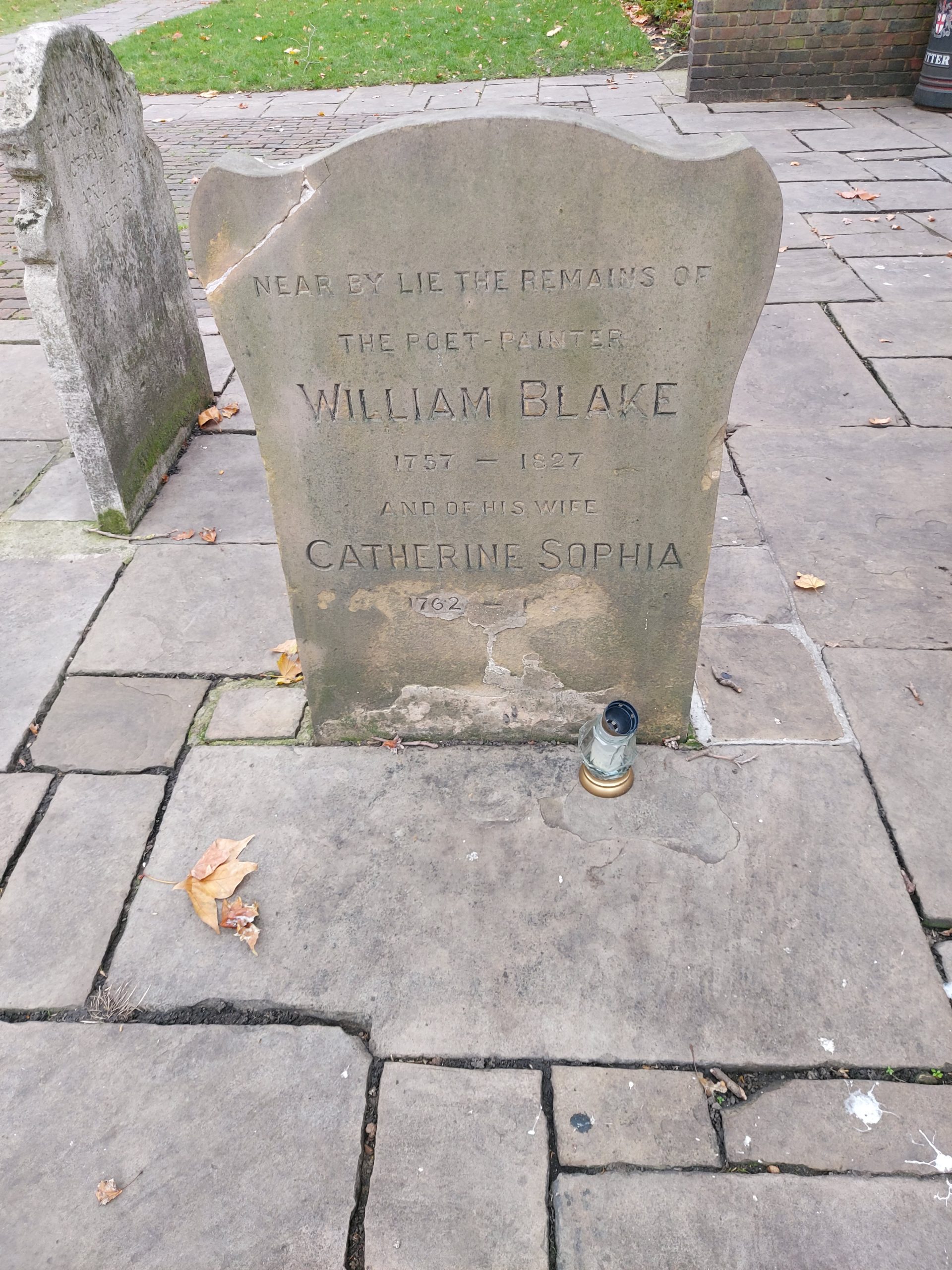
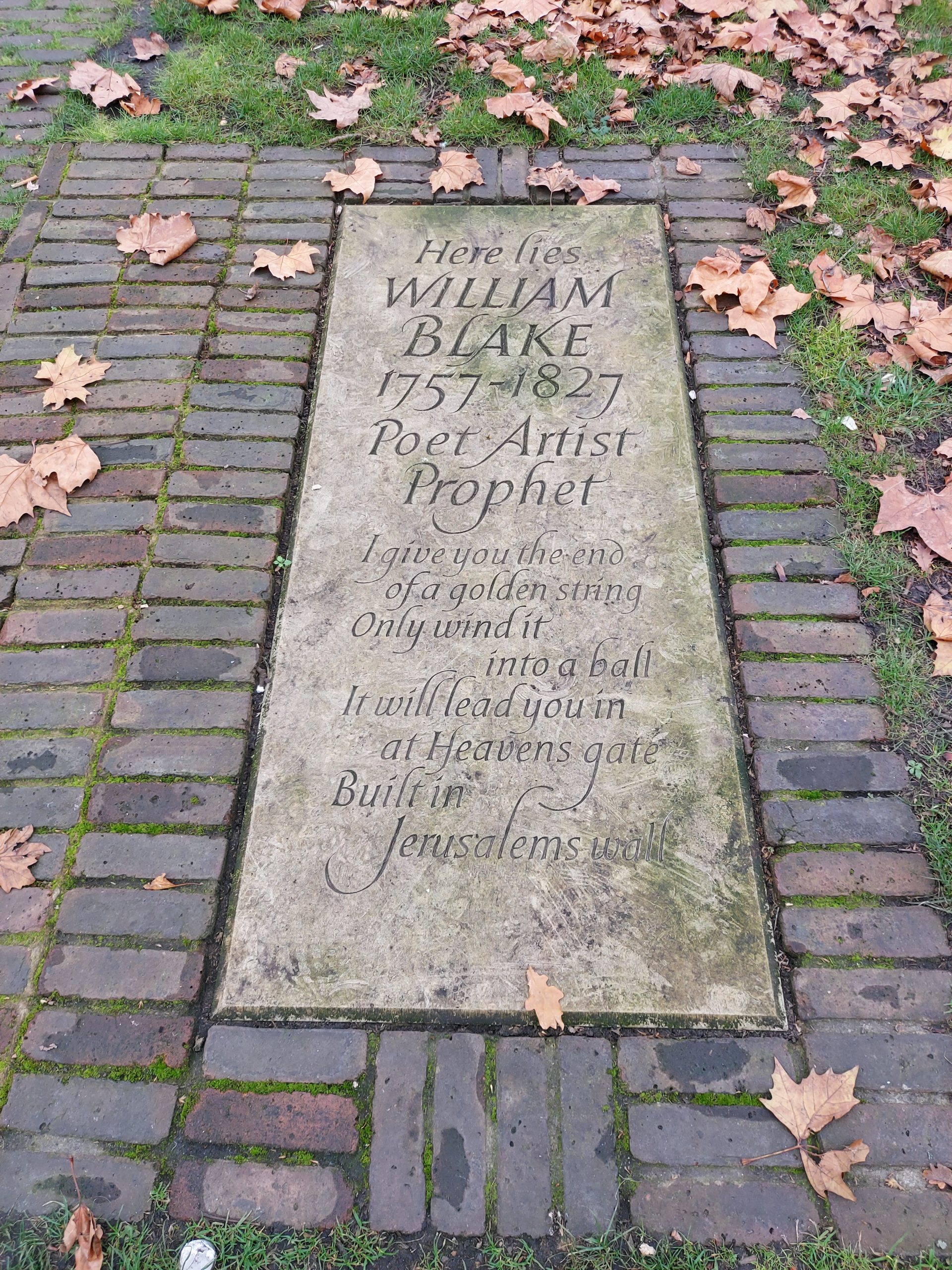
Bunhill is probably best known as the burial place of three of Britain’s most significant literary figures: John Bunyan, Daniel Defoe and William Blake. All three have monuments which were erected after the closure of the cemetery; as Blake’s isn’t actually on his grave, another was erected on the actual site of his burial in 2018. The monuments are very different: Bunyan has a tomb decorated with pictures of his famous Pilgrim, Defoe has an obelisk, and Blake has a simple headstone. Other notable burials include Susanna Wesley (mother of John and Charles) and Isaac Watts (hymn writer).

Obelisk to Daniel Defoe

Bunhill Fields can be found at 38 City Road, London, EC1Y 2BG, and is open daily until 7pm. It is very close to Old Street underground station, and a short walk from Liverpool Street mainline station.

South Ealing Cemetery

South Ealing Cemetery

When I went for a walk and ended up at South Ealing Cemetery, I had no idea that Agatha Christie’s parents were both buried here.

Grave of Frederick Alvah Miller
Grave of Agatha Christie’s parents

Fred Miller died from pneumonia at the home of his stepmother, Margaret West Miller, in Ealing in 1901. Margaret had lived in Ealing for several decades, often visited by her step-granddaughter (and great-niece) Agatha Miller, later Christie. Fred’s wife Clara was later buried with him, as were his daughter, Madge, and Margaret Miller herself.

Glasgow: Day 2 – Cathedral, Necropolis, Willow Tea Rooms and Theatre Royal

Our original plan was to spend our first full day in Glasgow on the sightseeing bus. However, by the time we’d had breakfast and made it to the bus stop, there was a huge queue and we decided just to walk to the Cathedral, which was Stop 2 on the bus route anyway.

2014_0826Scotland004
Glasgow Cathedral

2014_0826Scotland010
Gates leading into the courtyard

2014_0826Scotland011
The Bridge of Sighs

The first thing we did was to explore the Necropolis. Opened in 1833, this huge graveyard on the top of a hill overlooking the city was inspired by the Père Lachaise Cemetery in Paris, and was designed to provide a burial solution for the quickly growing population of Glasgow. It is reached via a “Bridge of Sighs” and it is stunning. My mam and I both loved it.

2014_0826Scotland029
Looking at the Cathedral from the Necropolis

2014_0826Scotland026

2014_0826Scotland014

2014_0826Scotland034

2014_0826Scotland042

Afterwards we paused to take a look around the Cathedral, including the lower level where St Mungo is supposed to be buried. By this time we were completely exhausted so we stopped for a cup of tea at the St Mungo Museum next door.

2014_0826Scotland048
Inside the Cathedral

On our way out Mam noticed an old-looking house called Provand’s Lordship across the road. We decided to go in, which proved a good decision. Entry to this house is free, and it is the oldest building in Glasgow, with a great deal of history.

2014_0826Scotland049
Provand’s Lordship

We walked back into town and went to Buchanan Street to visit the Willow Tea Rooms. These are a reconstruction of the original Willow Tea Rooms designed by Charles Rennie Mackintosh. They consist of the White Tea Room and the Chinese, or Blue, Room, where we were seated. Our tea was yummy but we had to go for a lie down afterwards!

2014_0826Scotland051
Willow Tea Rooms

2014_0826Scotland053
Inside the Chinese Room

2014_0826Scotland054
Inside the Chinese Room

2014_0826Scotland052

2014_0826Scotland055
Our yummy afternoon tea

In the evening we visited Glasgow’s Theatre Royal to see a play called April in Paris. We both enjoyed it – I wrote a review here. Afterwards we went for a drink before heading back to the hotel.

2014_0826Scotland058
Theatre Royal