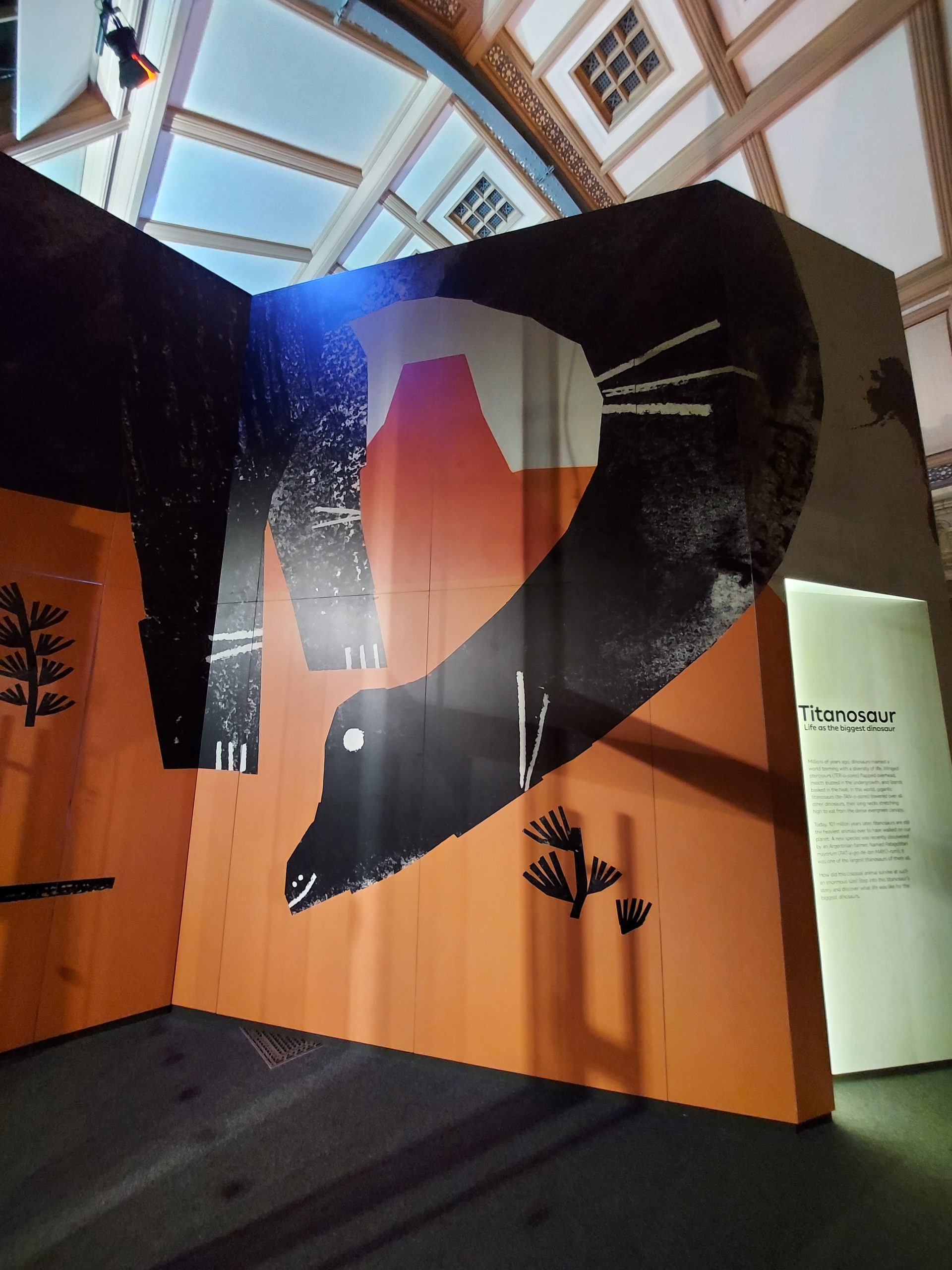
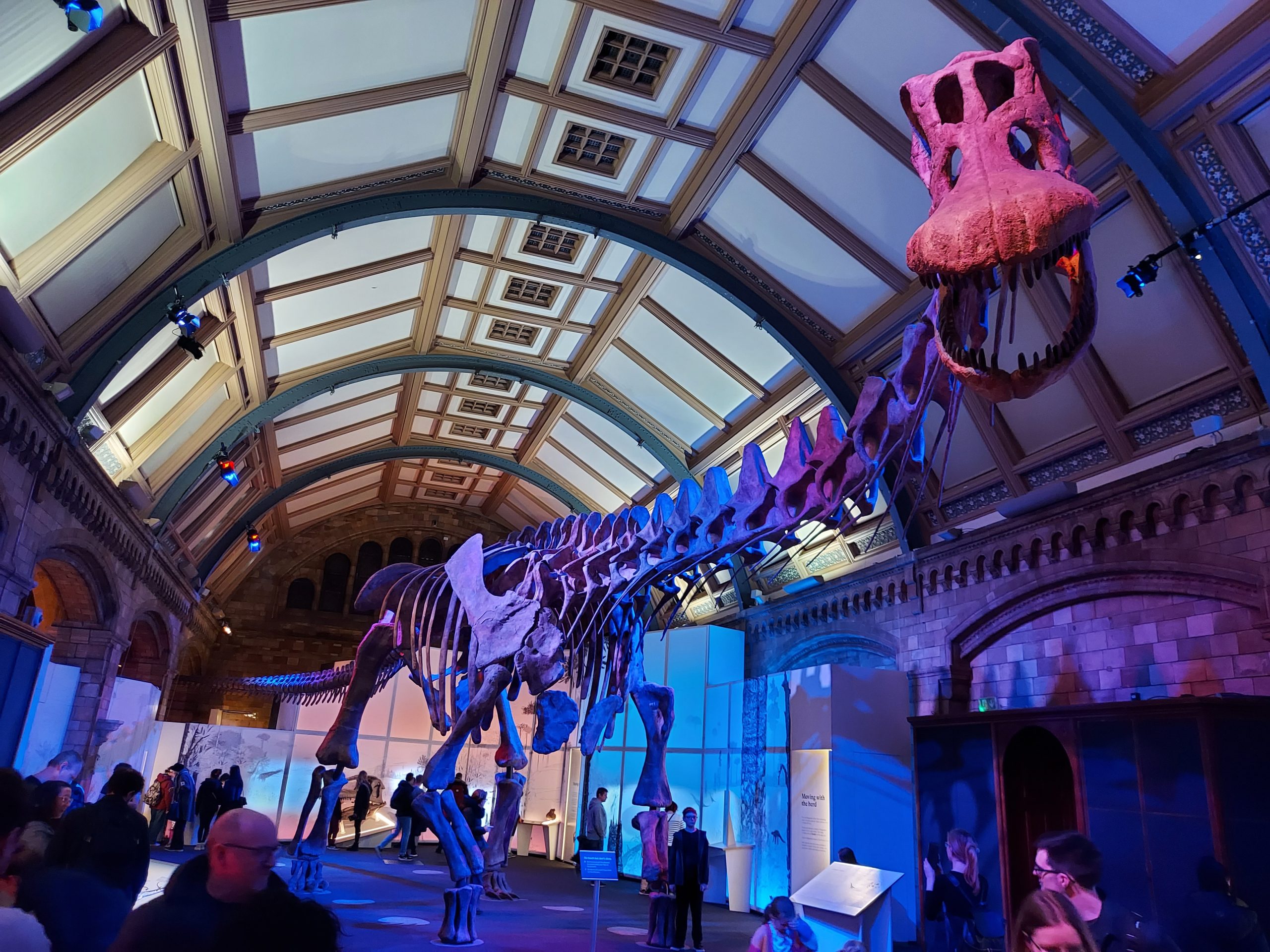
This summer I spent a few nights camping in Lyme Regis (well, it’s more accurate to say I stayed in nearby Uplyme). I wanted a break and thought it would be a good opportunity to work on my Advanced Camper and Palaeontologist badges.
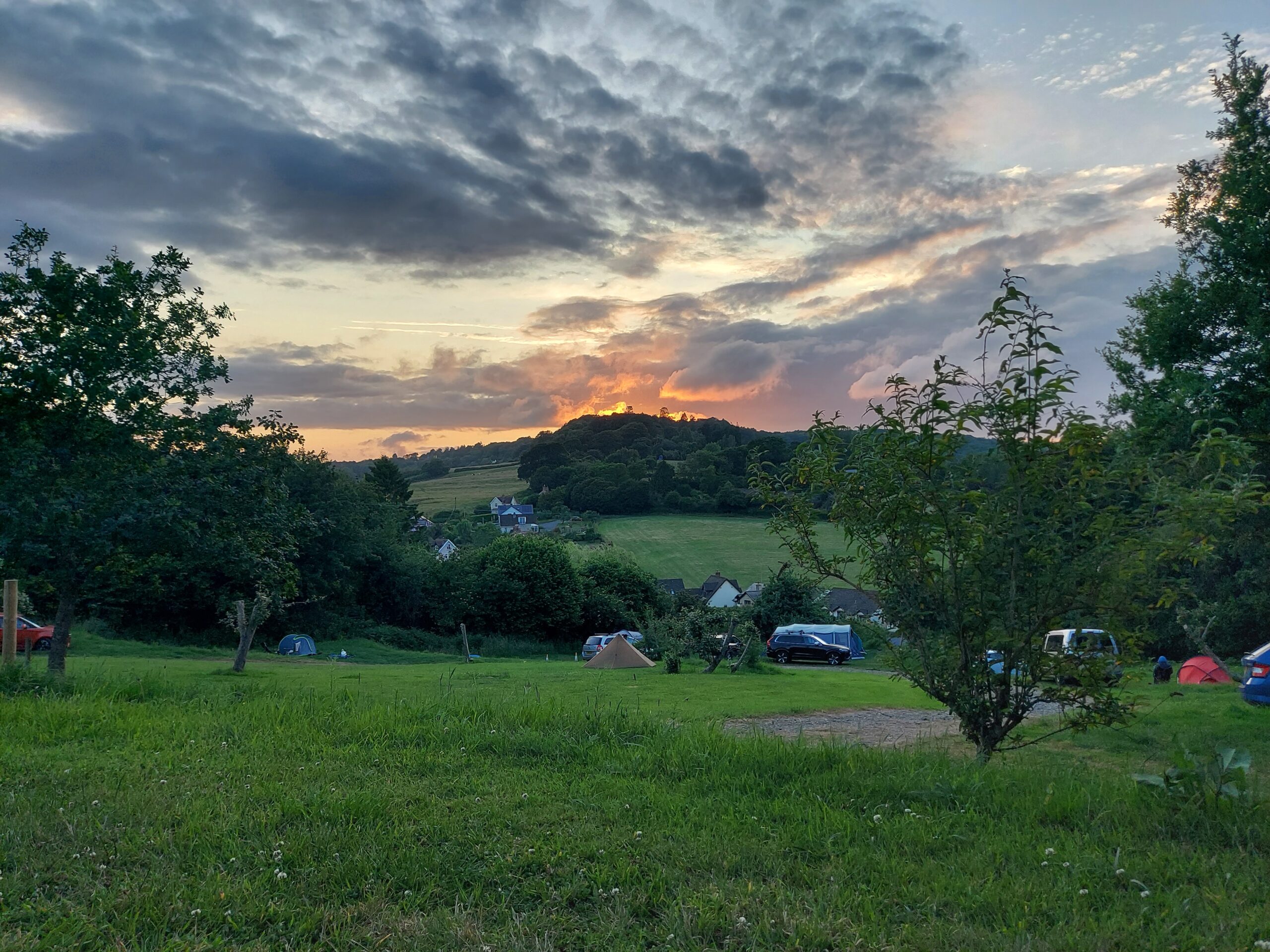
I took the train from Waterloo to Axminster then the Jurassic Coaster bus to Hook Farm Camping & Touring Park. I hadn’t realised there was a walk up a hill from the bus stop to the campsite, but I got there in the end! Once I checked in I was driven to my pitch in a golf buggy, which was fun.
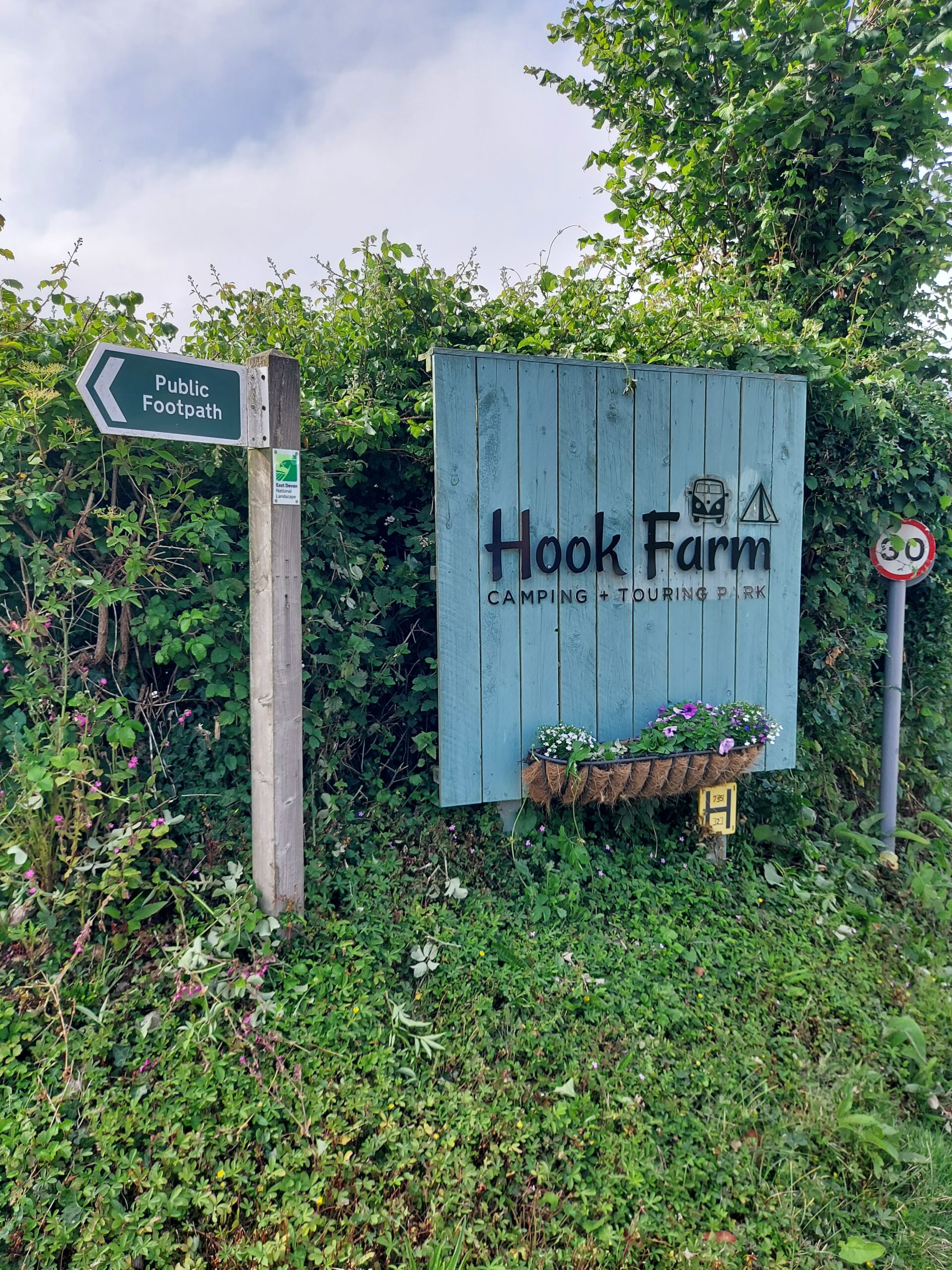
I put up my tent then went to the local pub, the Talbot Arms. I had a couple of pints, but couldn’t get food, so I came back and heated up some macaroni cheese instead. I read for a bit then went to bed.
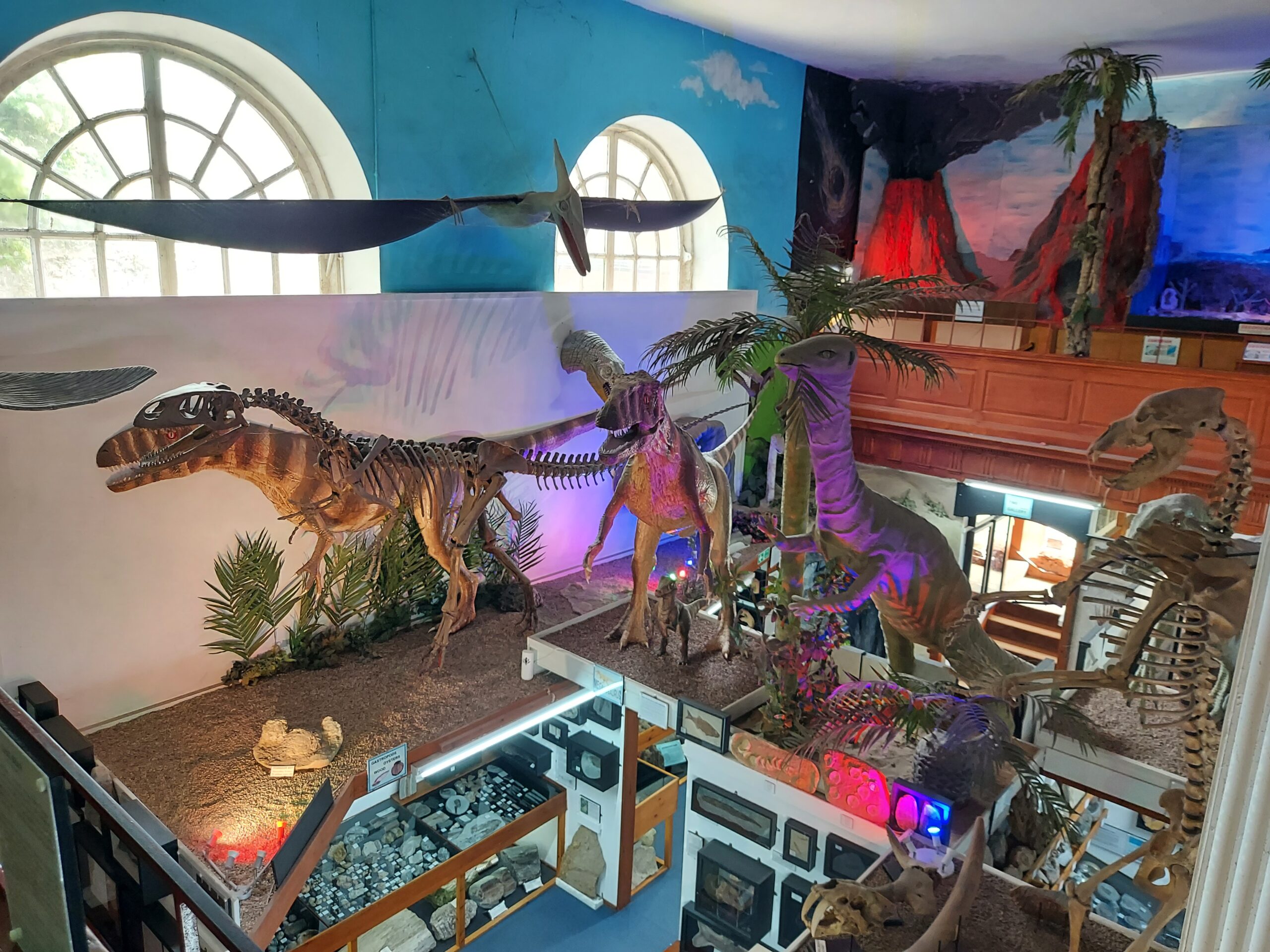
The next day, I showered and walked into Lyme Regis. I stopped for breakfast in a pirate-themed café then visited Dinosaurland which was good fun. Then it was time for my fossil walk with Lyme Regis Museum. First there was a talk where we were told what we would be looking for. Then we went out to the beach, passing the Mary Anning statue on the way. We searched for fossils for a good couple of hours and I managed to find a couple.
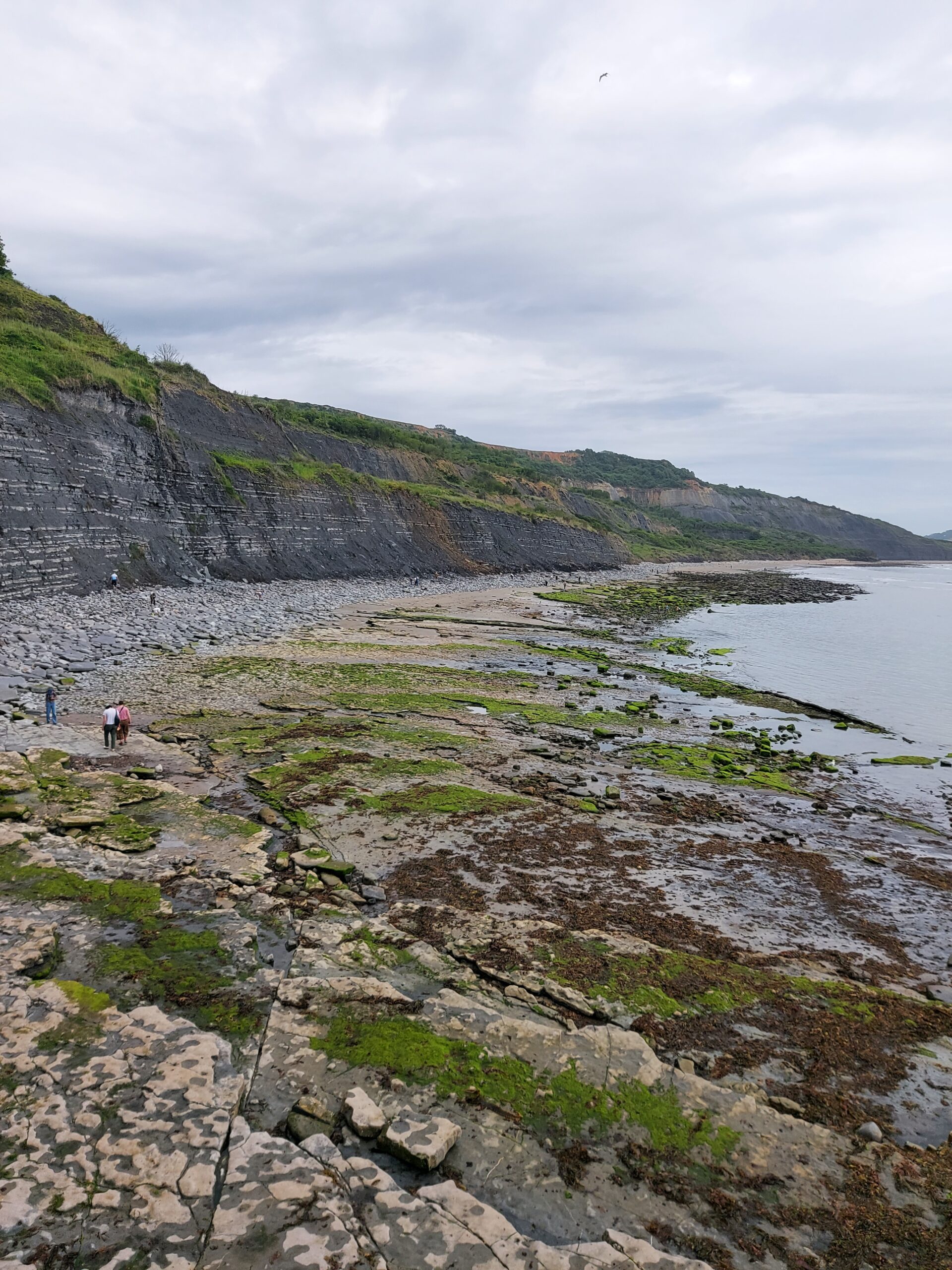
Afterwards, I went into the museum and had a look around. I had an ice cream milkshake and went for a little walk along the seafront before going for a drink at the Lyme Regis Brewery in the Town Mill. I got fish and chips for tea and ate it on the seafront, then visited Mary Anning’s grave.
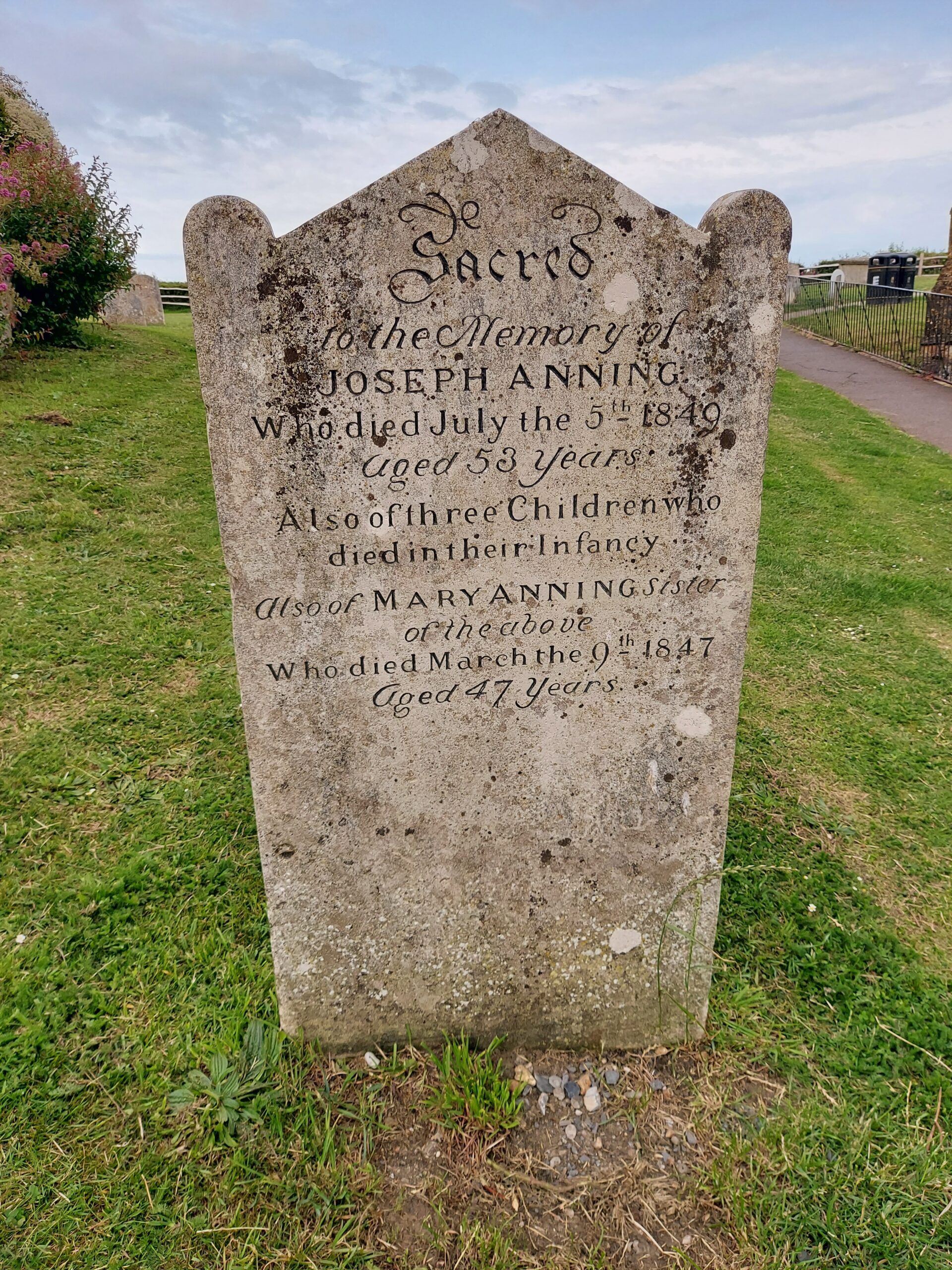
I had a quick drink in a pub then got the bus back to the campsite. I read for ages before going to bed. The campsite was much busier now it was the weekend.
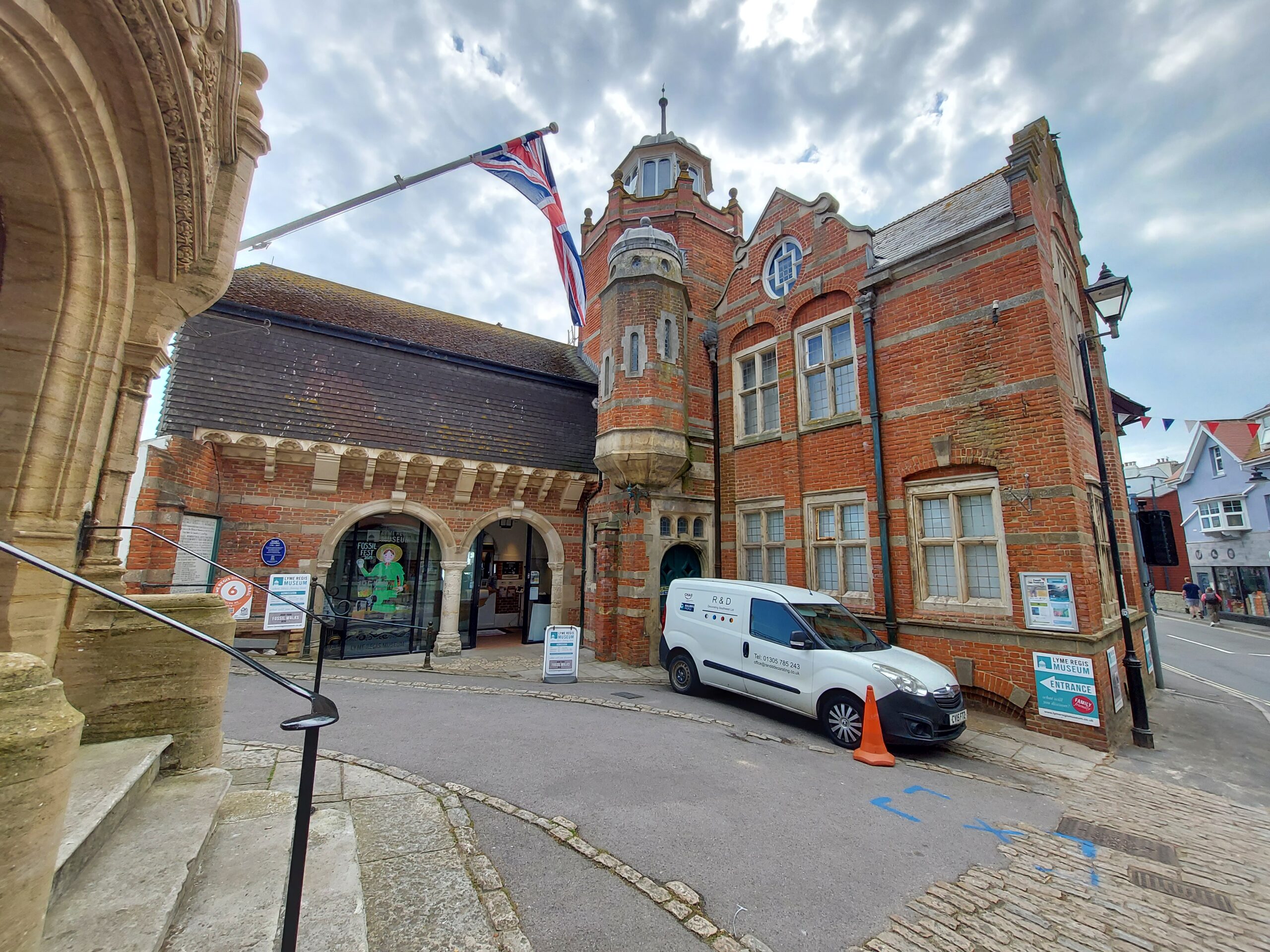
The following day I showered then walked into Lyme Regis again. I had breakfast at a café called ‘Amid Giants & Idols’. I walked down to the Baptist Church for my first talk of the Fossil Festival: King Tyrant: A natural history of Tyrannosaurus rex by Mark P. Witton.
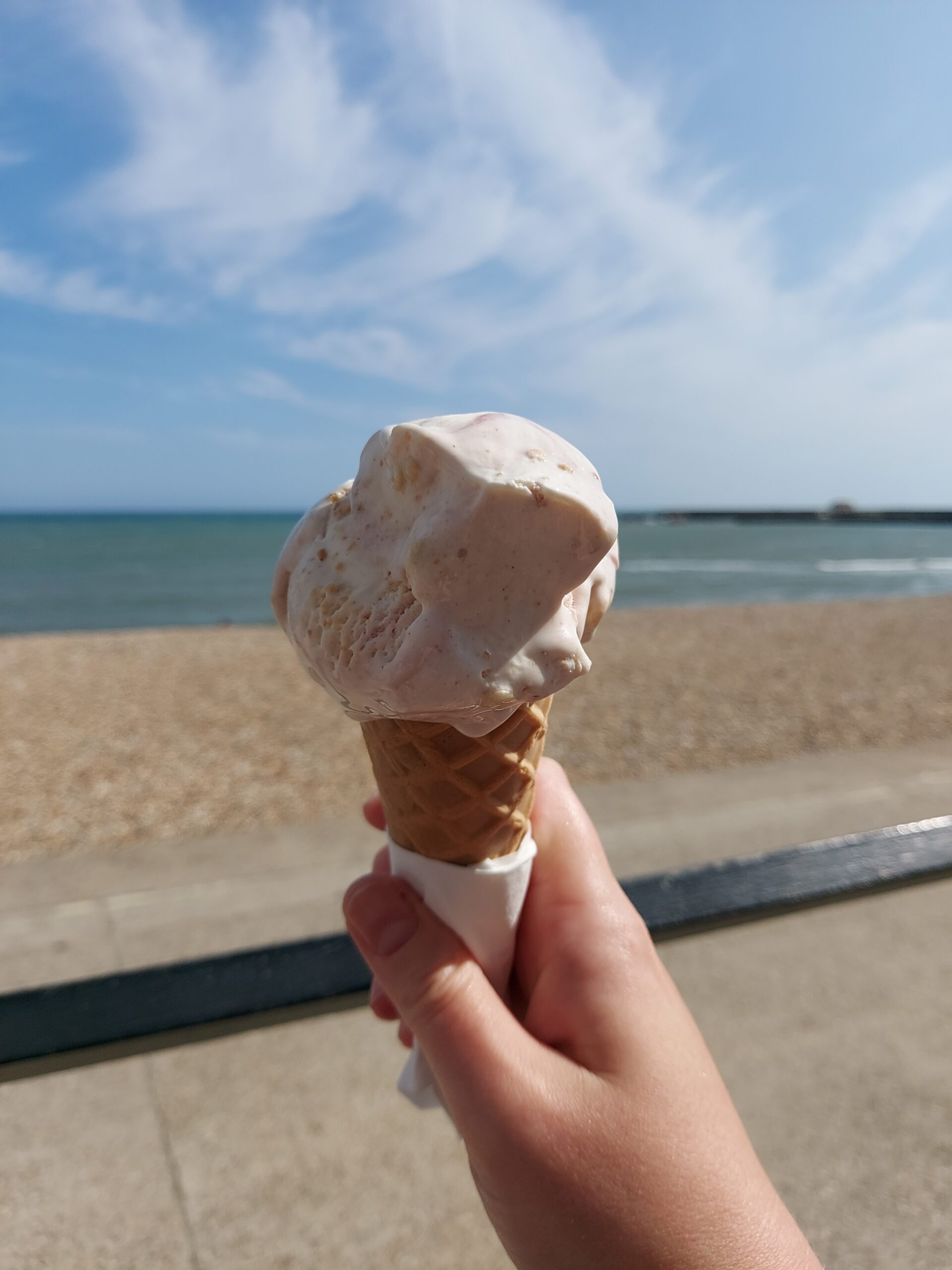
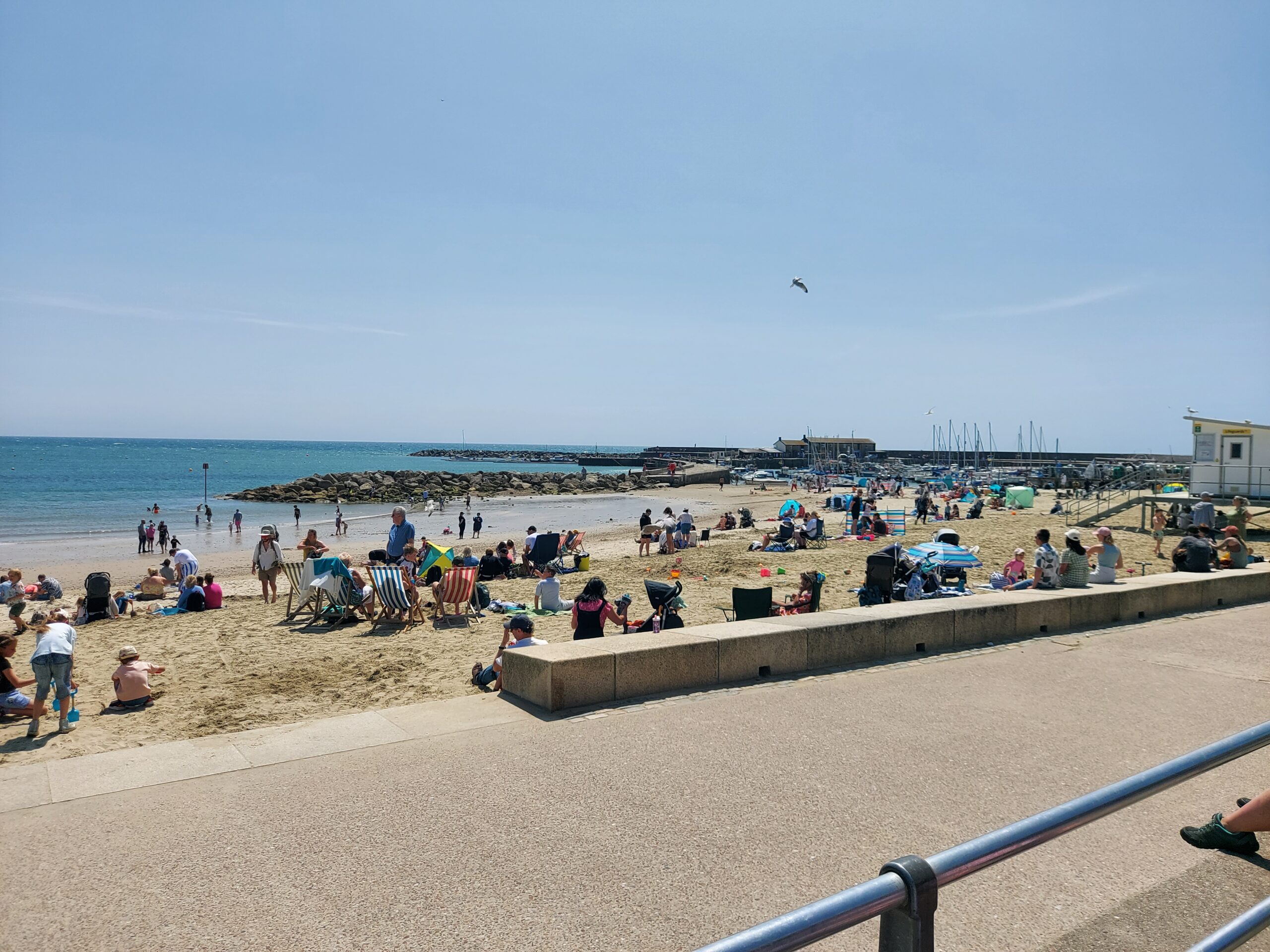
Afterwards I walked down to the seafront, had an ice cream and looked at all the different stands and displays, including the British Antarctic Survey, who had a fossil of a giant penguin bone. I also saw trilobites, which I remember learning about when I was a kid. I went into a few shops and bought a silver ammonite necklace from one of the stalls.
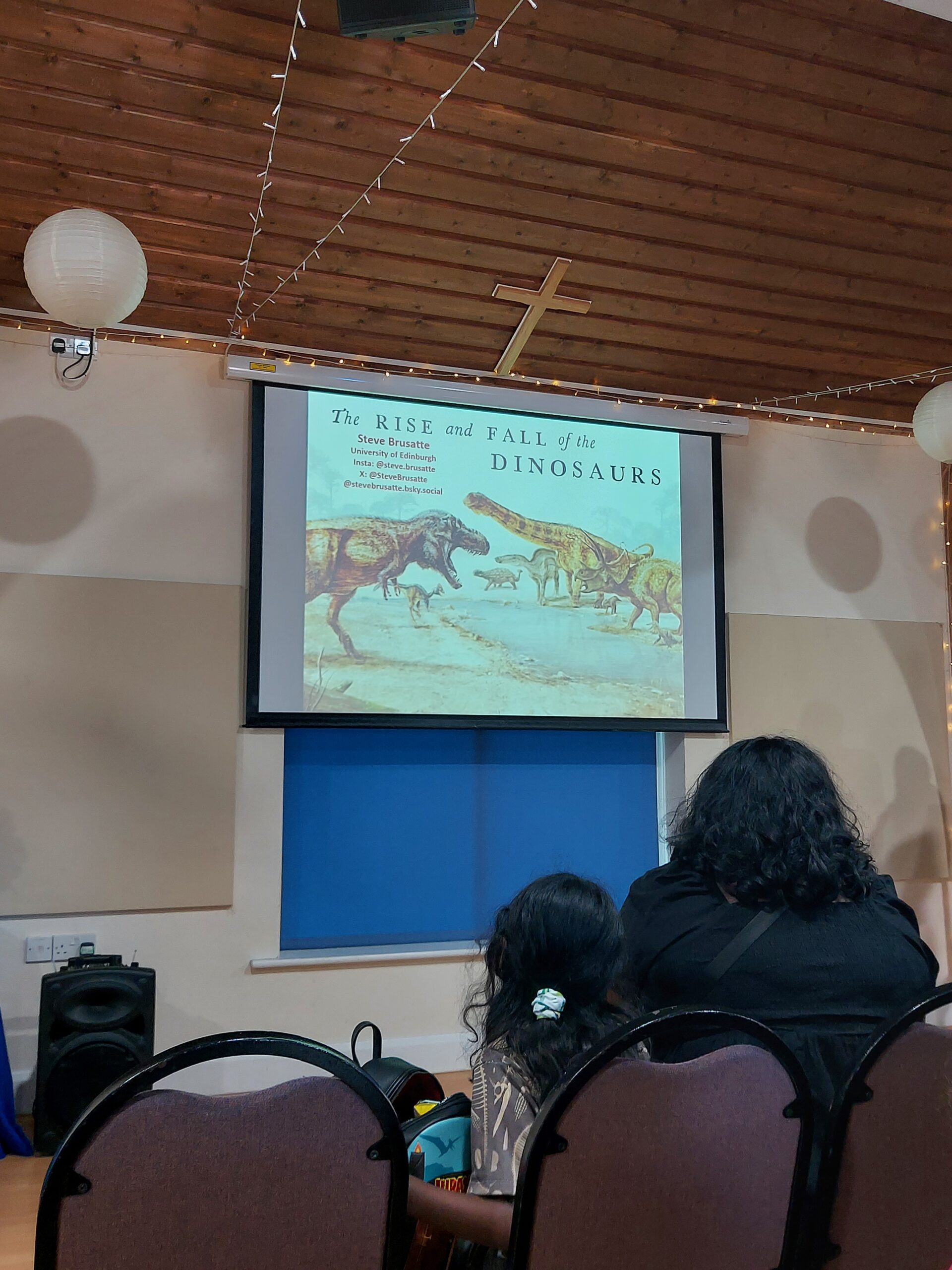
Then I sat in a bar and read for a while before heading back up the hill to the second talk of the festival, The Rise and Fall of the Dinosaurs by Steve Brusatte. I went in a few shops afterwards and had a drink in the pub. Finally I got the bus back to the campsite and bought Indian takeaway from the onsite van.
The next day I showered, packed, and took the tent down. I got a coffee and a croissant from the on-site shop then packed up the tent and got the bus to Axminster station. I had a coffee and a piece of cake while I was waiting for the train. I travelled back to Waterloo and was back home by the evening.
Some quotes from the weekend:
“I could do this all the time!” – a small girl enjoying herself on the fossil walk
“Jurassic Park is my favourite movie!” – another small girl in the queue for the T-Rex talk
“You’re not really going to spend two hours in the fossil shop?!” – older lady to older gentleman, presumably her husband