As part of my trip to Lithuania, I booked a tour to the Hill of Crosses. However, the tour was cancelled the day before it was due to run, owing to low numbers. So I decided to make my own way there. I was worried about the logistics, but thanks to helpful people on the Internet, it was pretty straightforward. Getting there involves taking a train to the city of Šiauliai, a bus a short distance further, then walking the final stretch of the route. If you Google it, you can find all the details, including which bus to get, exactly what to ask for when you board even if you don’t speak a word of Lithuanian, and the bus times for your return journey (which can vary and be a tad arbitrary, so it’s definitely worth doing your research).
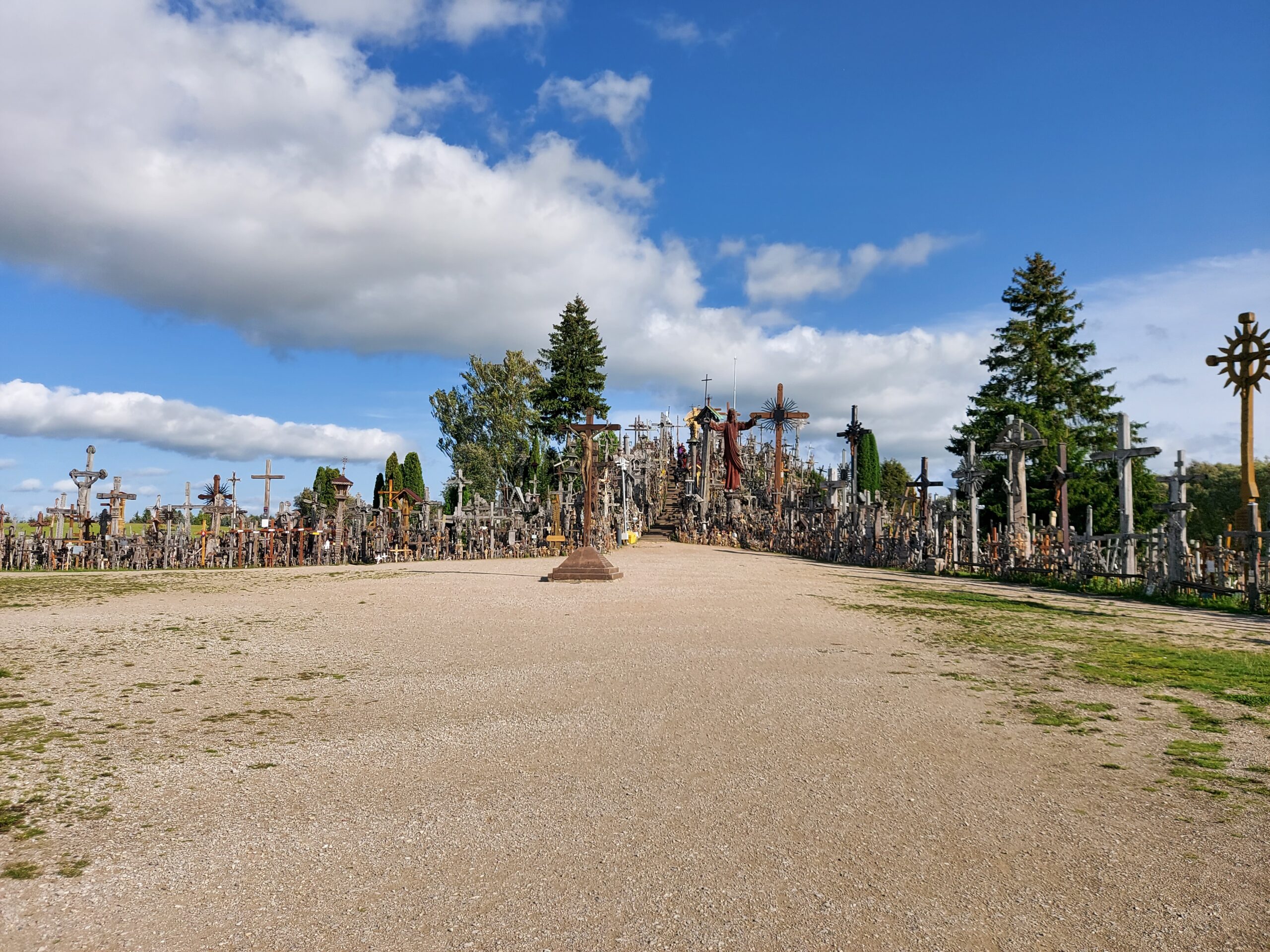
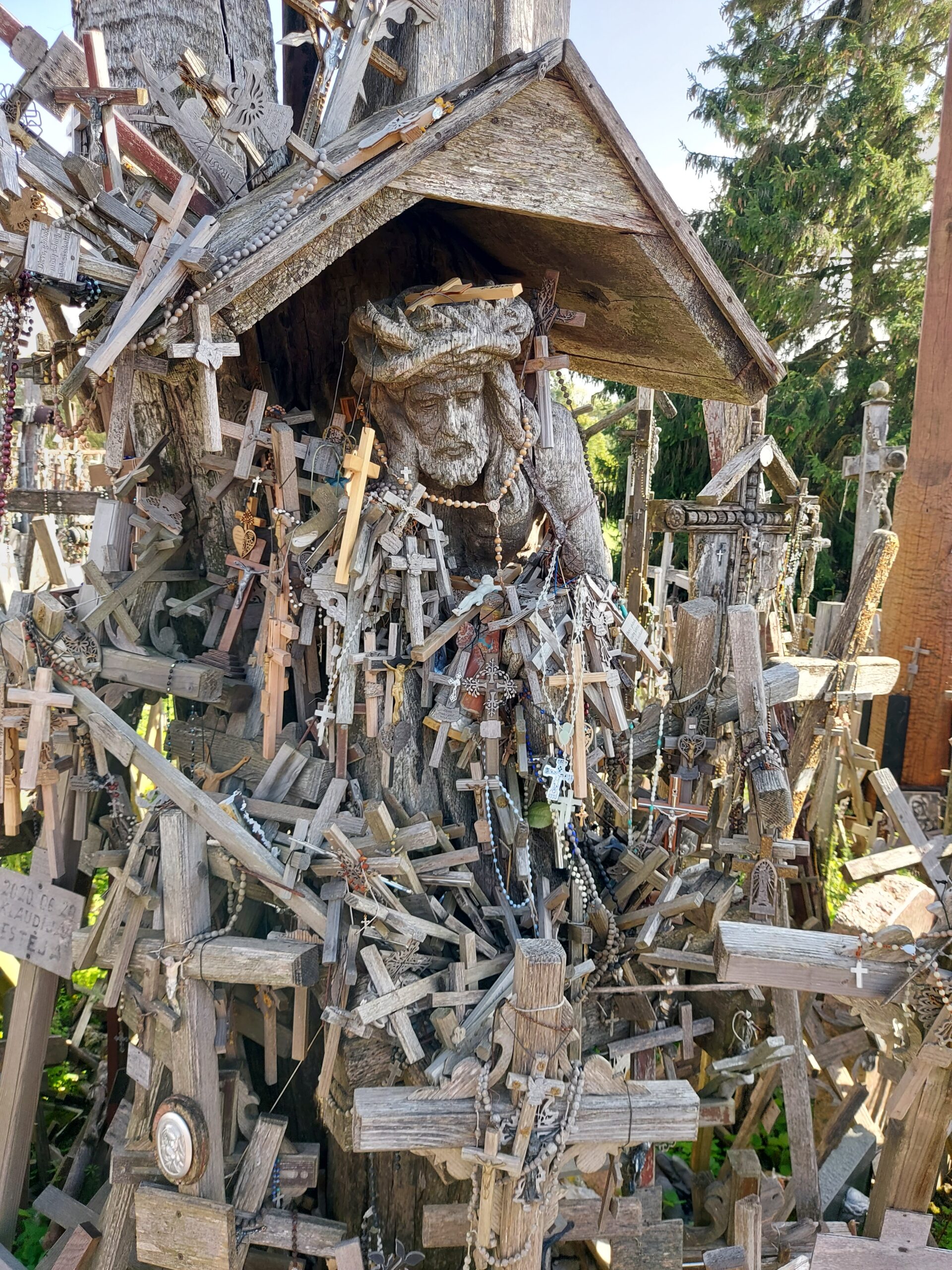
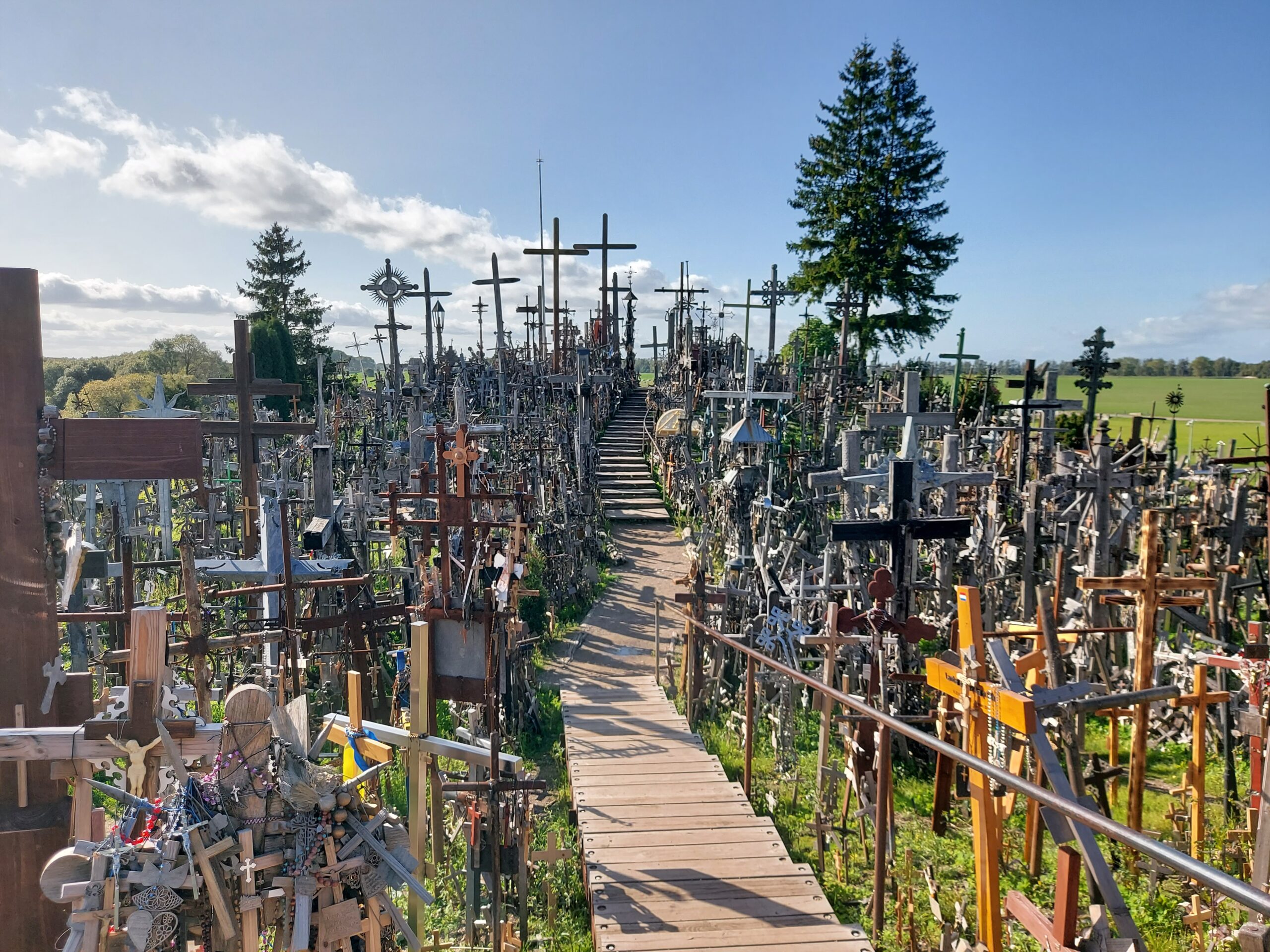
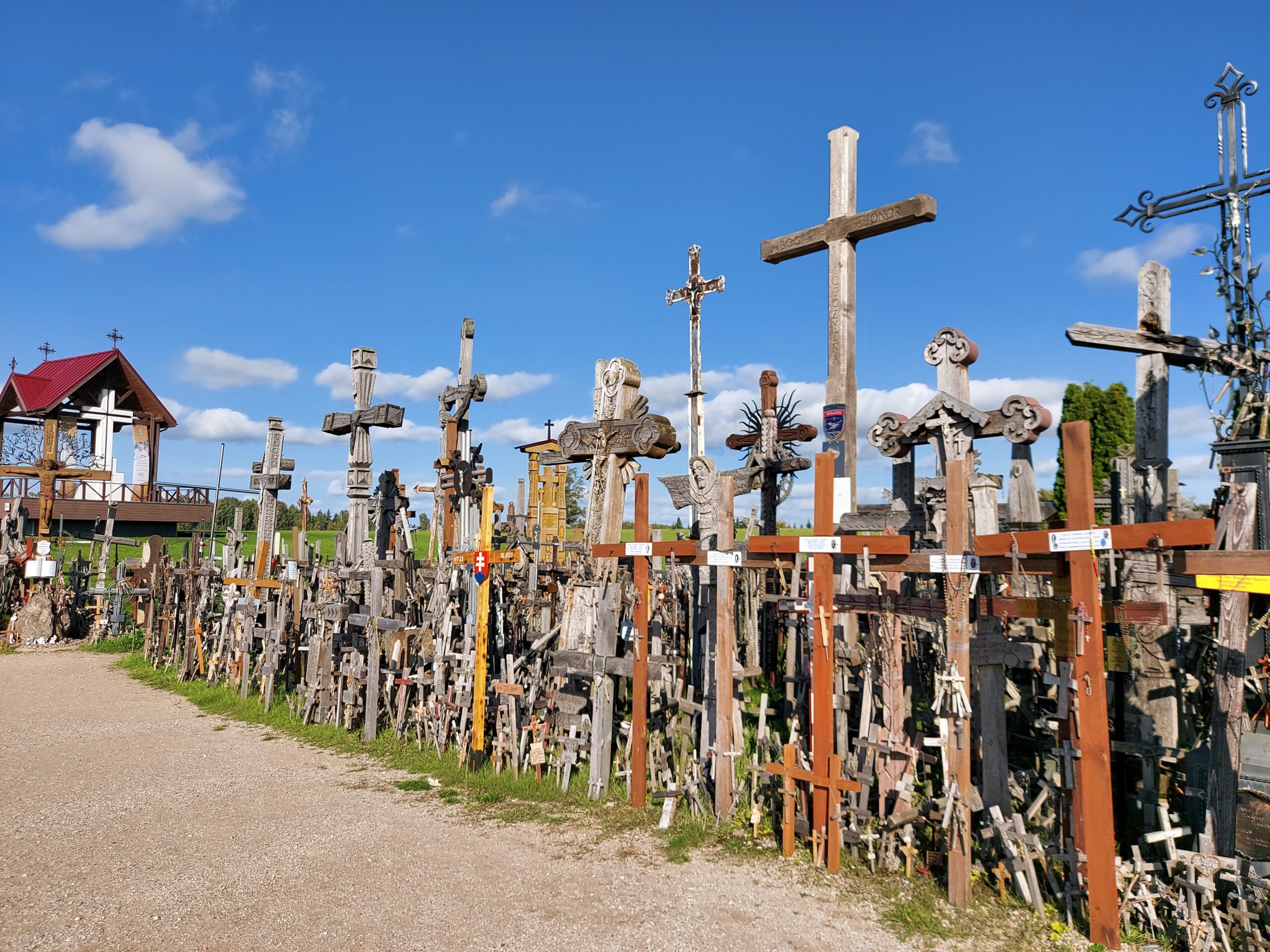
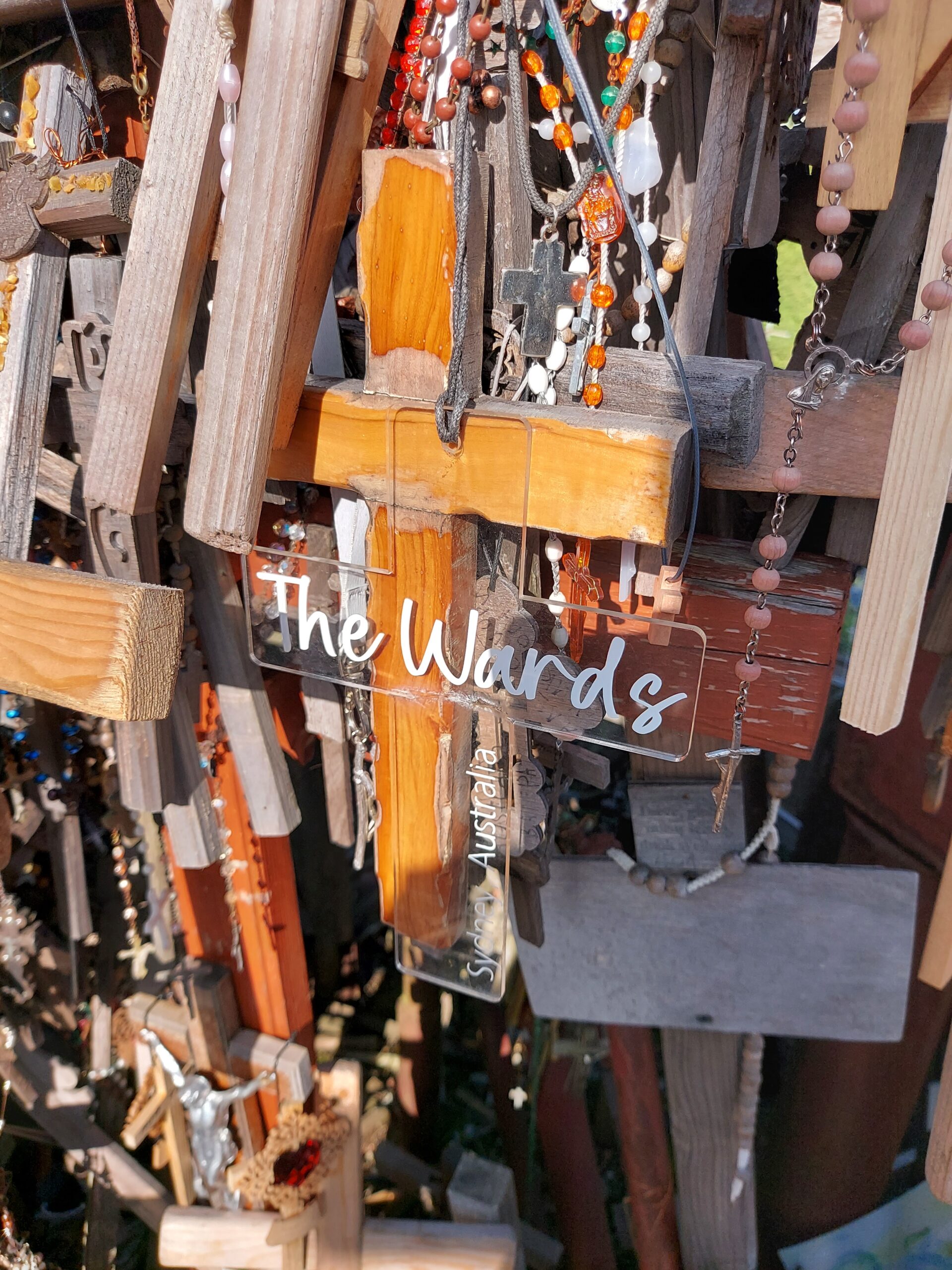
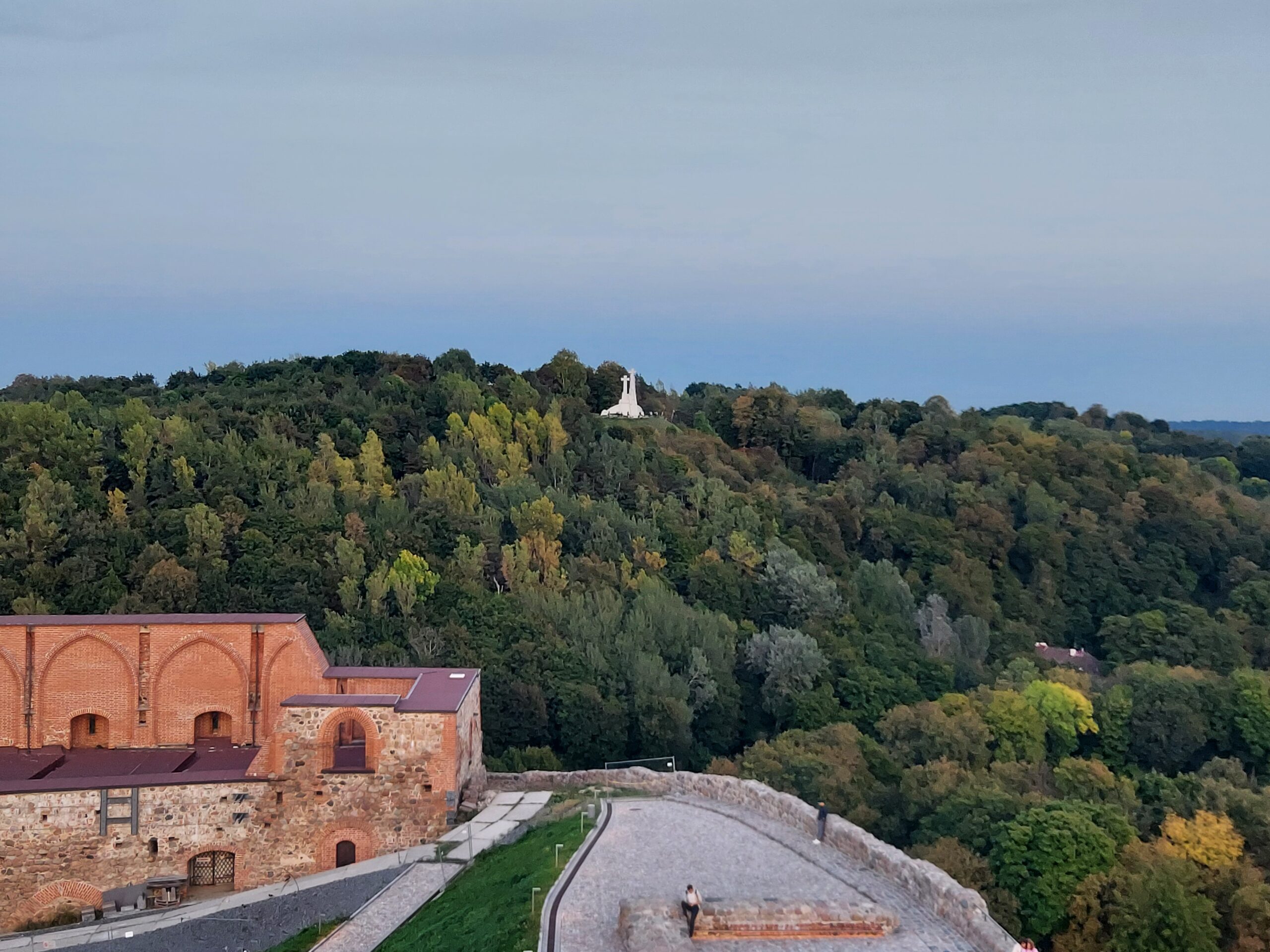
The site is one of the most famous in Lithuania and is a popular place of pilgrimage; it has even been visited by the Pope. Over almost two centuries, crosses, crucifixes and other religious symbols – such as effigies, rosaries and statues of the Virgin Mary – have been placed at the site. The exact number is unknown, but estimates suggest there were around 55,000 in 1990 and 100,000 in 2006. It is uncertain exactly when the practice began, but it is likely that it started after the 1831 Uprising against Russian authorities. As they were unable to find the bodies of their loved ones, families of rebels started to put up symbolic crosses instead.
Over the decades, attempts have been made, particularly by Soviet forces, to remove and destroy the crosses and prevent people from adding any more. However, the people have continued to defy authority, adding more and more crosses. Today, the effect is incredibly powerful, with large and very old crosses displayed alongside smaller and newer crosses. Many who visit bring their own crosses with them.
The whole effect is pretty impressive. From a distance, you can see how all the crosses stand together and when you get close up, you can see individual inscriptions and tiny details on all of the crosses. In the wind, all the metal makes a gentle, jangling sound. I imagine it would be slightly creepy to hear at night.
Having said that – and I am aware that the Hill of Crosses can be found on several “spooky places to visit” lists – I found the overall effect to be a positive one. The continued existence of the hill is a testament to the power of the human spirit and the refusal of the Lithuanian people to submit to tyranny and authority. I’m not religious at all – I would describe myself as an atheist – but I found the whole thing very moving.
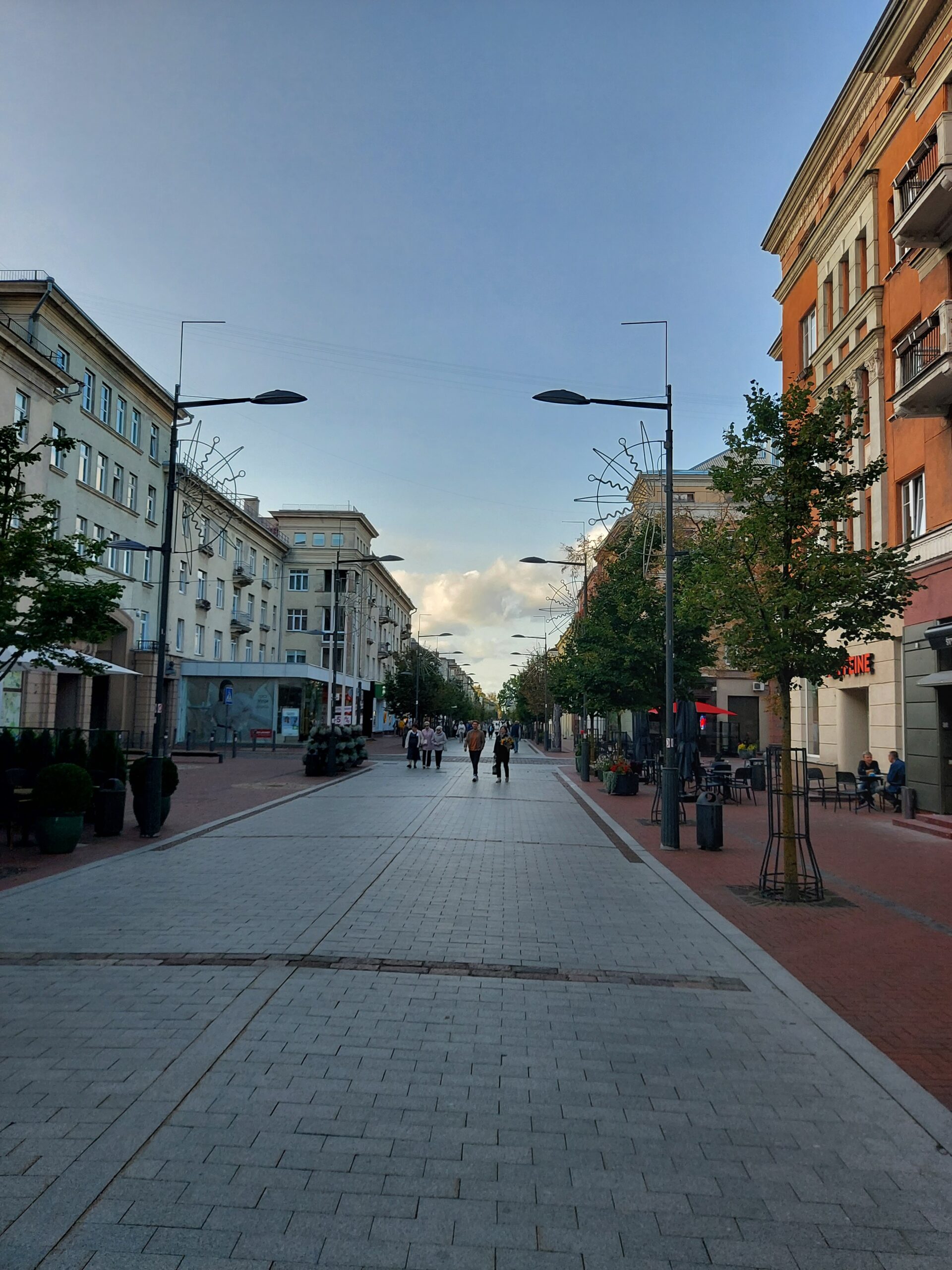
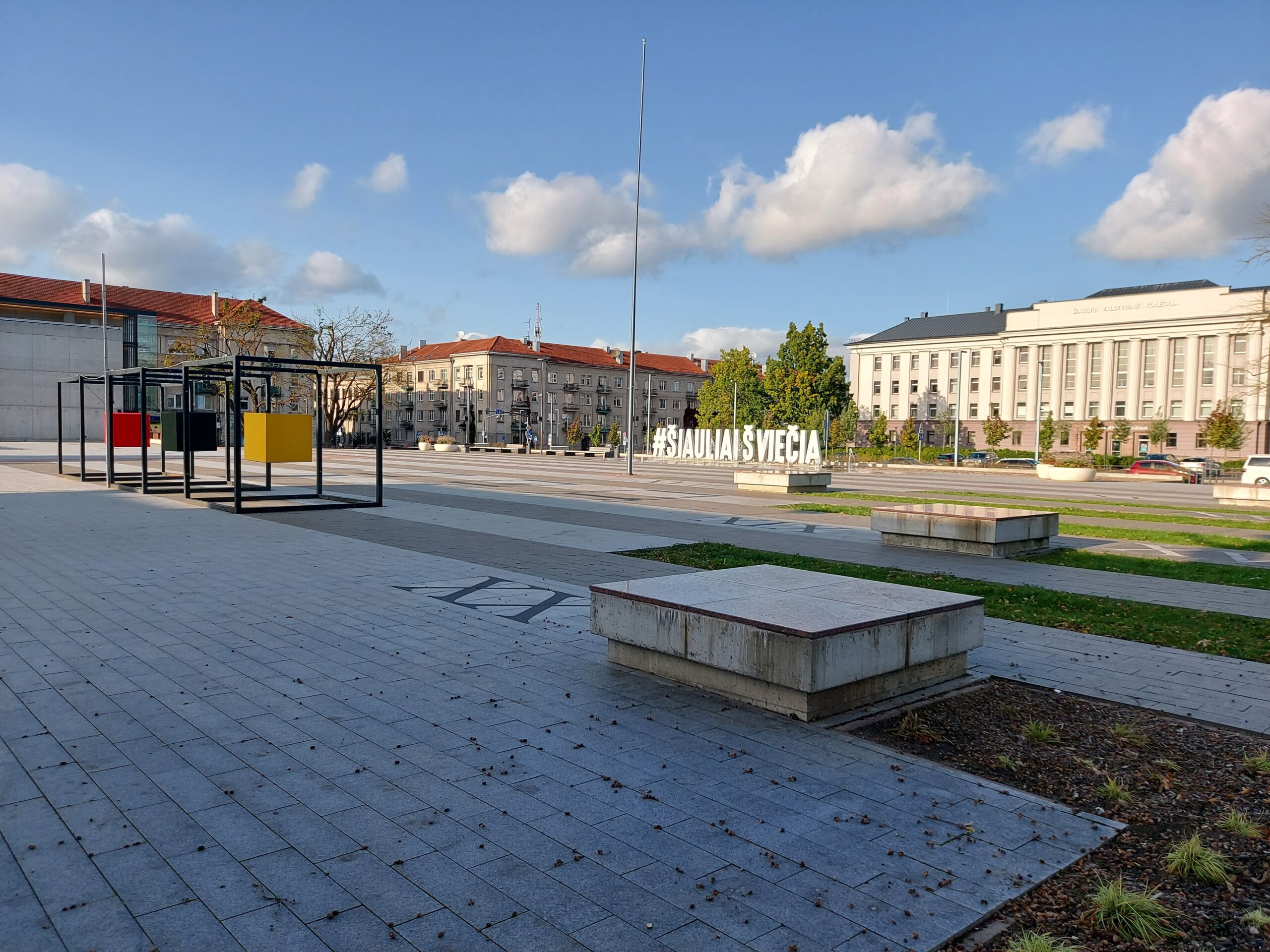
After my visit, I spent some time in Šiauliai before catching the train back to Vilnius. I was sadly too late to visit the chocolate museum, but I did purchase a small box of chocolates from the gift shop, and I enjoyed walking around the city.
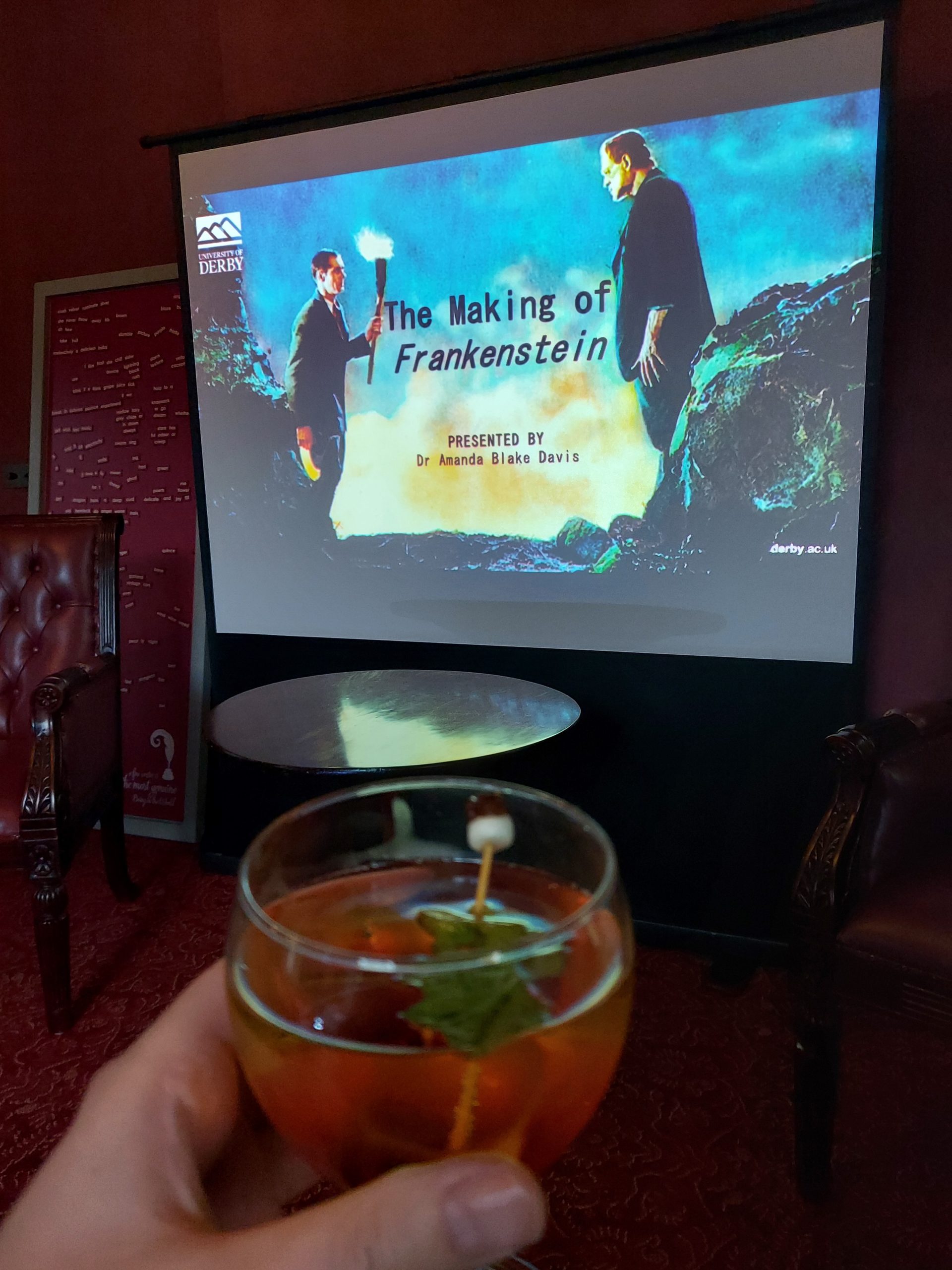
It’s years since I’ve been to Keats House, but I decided to go along one evening in October for a special event inspired by Mary Shelley’s Frankenstein. The highlight of the evening was a talk by Dr Amanda Blake Davis about the making of Frankenstein – the original inspiration and novel and subsequent stage and screen adaptations. It was interesting to hear about the context of the time and the idea of ‘the spark of life’ put forward by Erasmus Darwin.
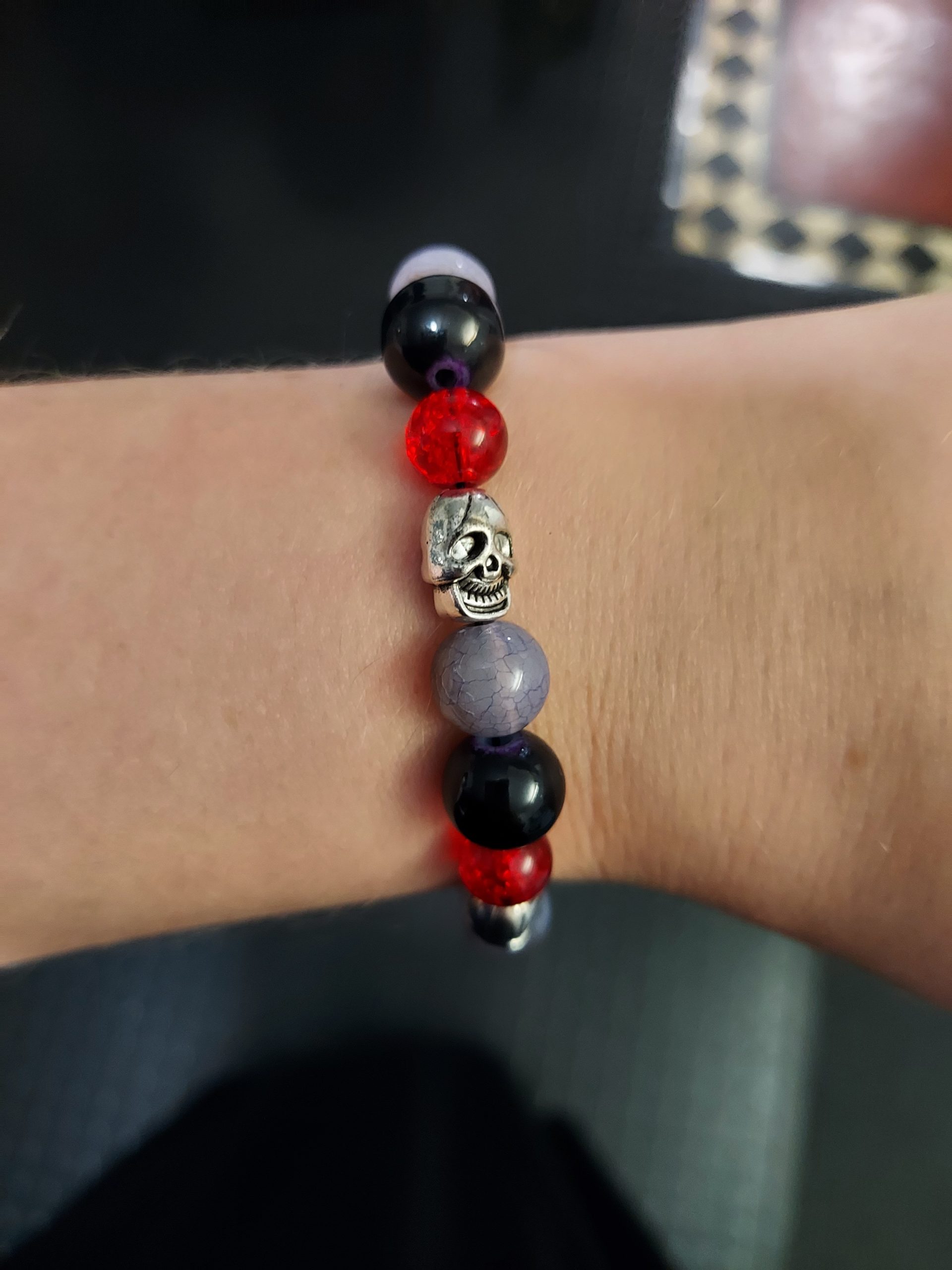
Another fun experience was ‘Mary Shelley’s Literary Salon’, where we got to listen and speak to Mary Shelley herself! I also enjoyed myself making a gothic bead bracelet with spooky colours and skeleton beads.
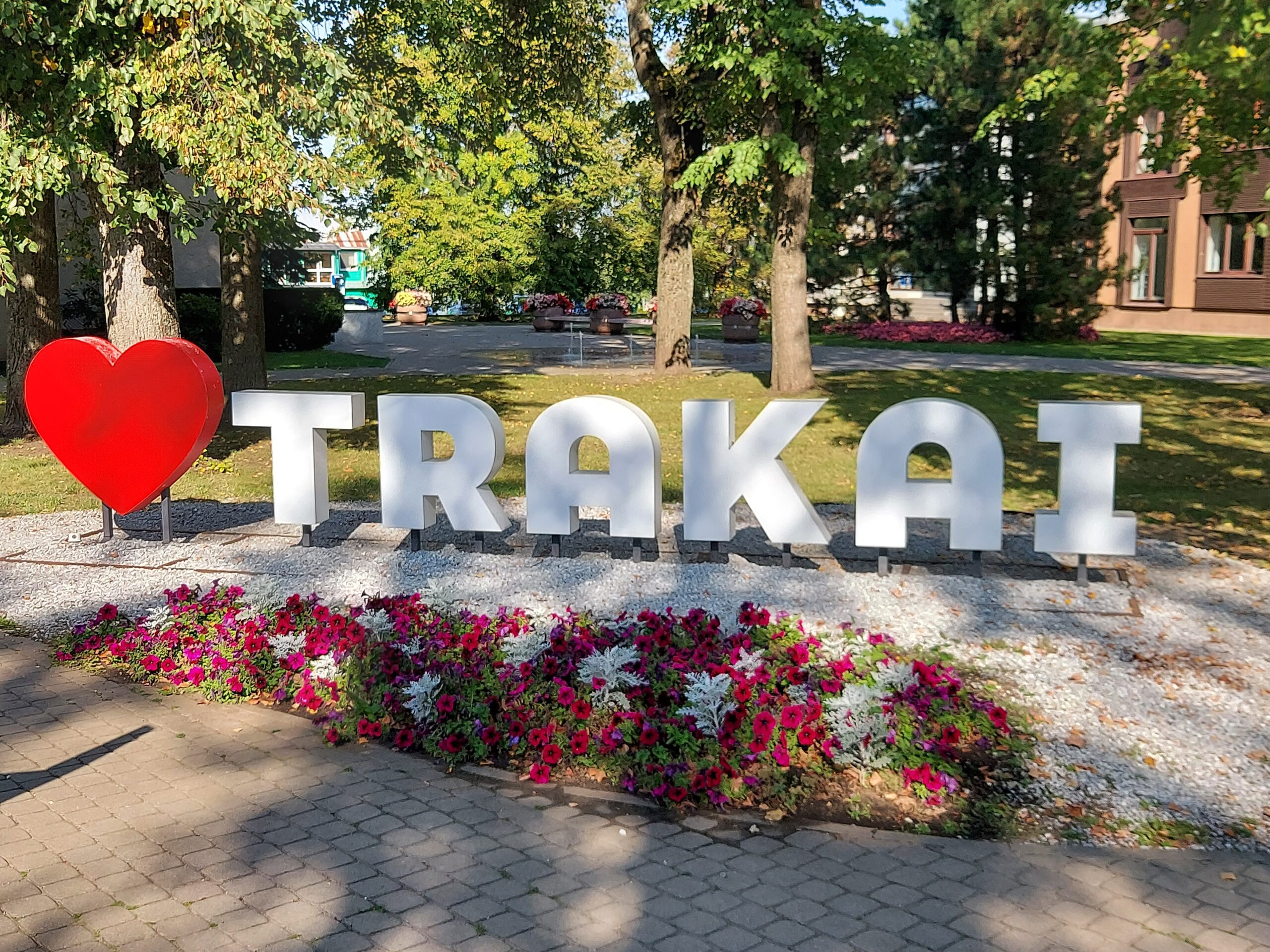
On my first full day in Lithuania, I was up nice and early to catch a train to Trakai, a nearby city, in order to visit Trakai Island Castle.
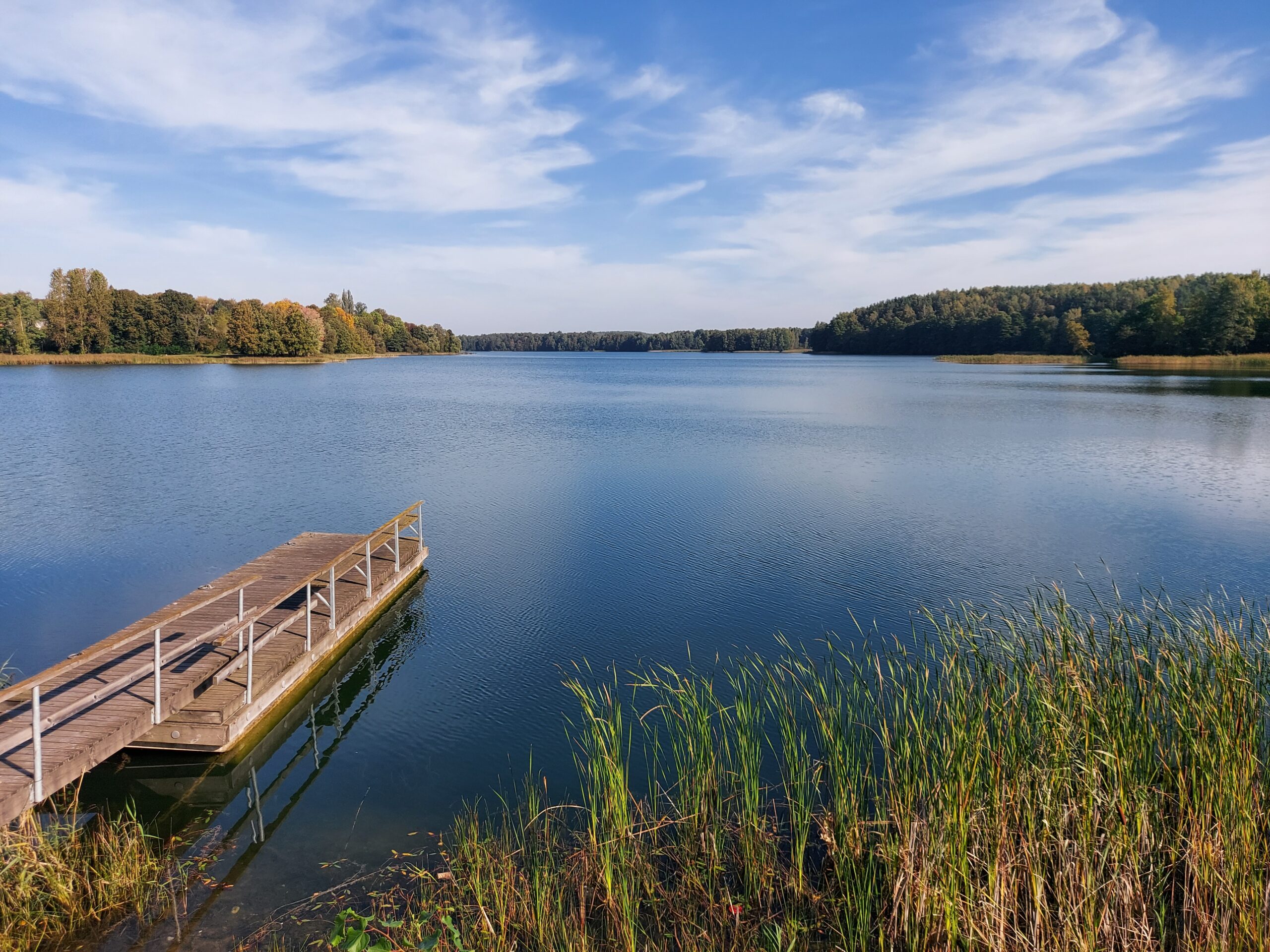
The city itself was beautiful and had an absolutely gorgeous lake. I’ve recently started wild swimming and I was desperate to go swimming here, but for safety reasons decided against it! On the way to the castle I walked past a small market where I bought a floral brooch handmade by the lady who was selling them.
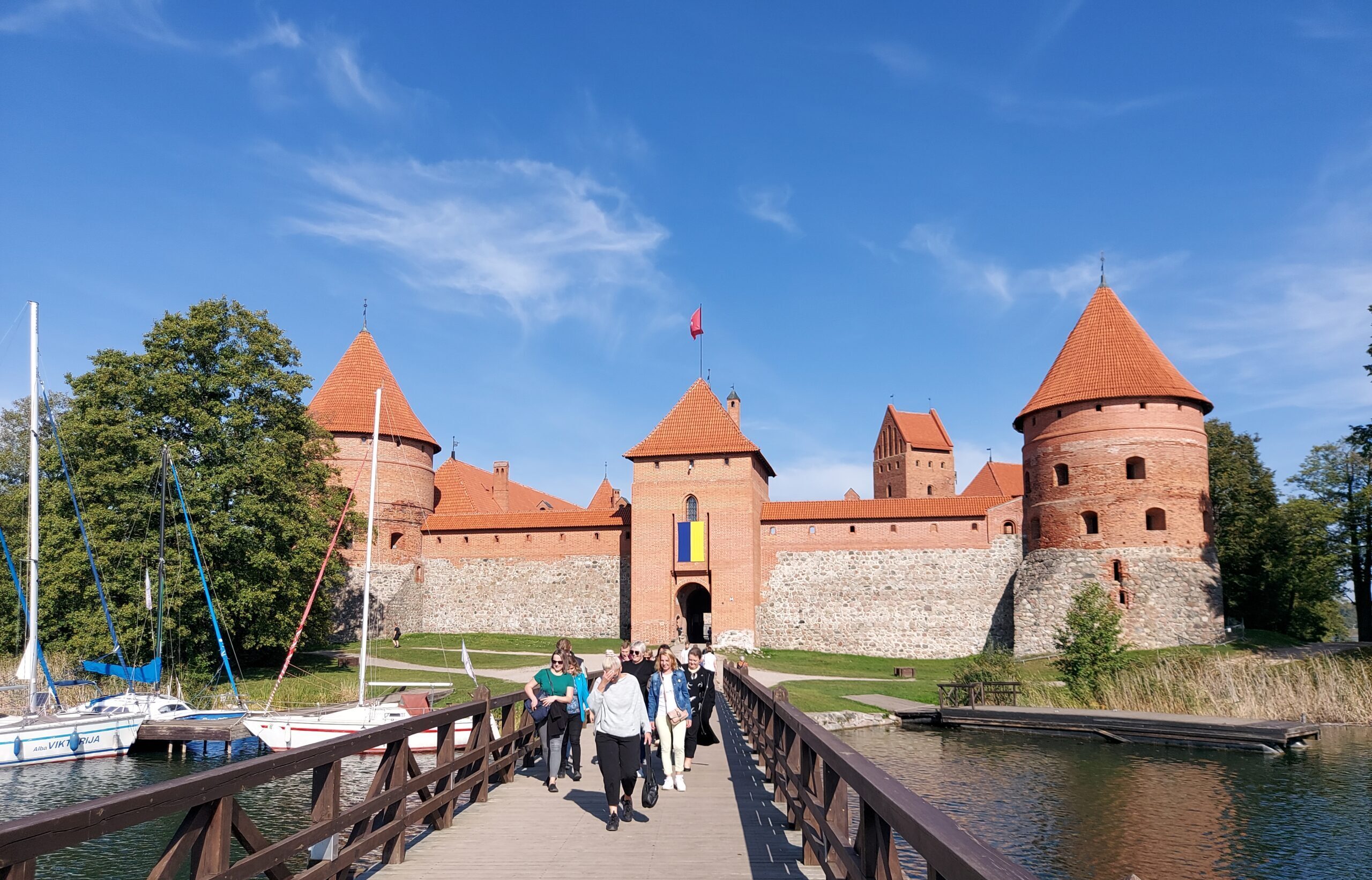
The castle was built in the 14th century and served as a residence for the Grand Dukes of Lithuania. However, the structure fell into disarray in the 17th century and was only rebuilt in 1951. In 1962, the castle became a part of the Trakai History Museum.
It stands on an island on Lake Galve, one of the deepest lakes in Lithuania. To reach it you have to cross a long wooden bridge: approaching it, it looks like something out of a fairy tale. There is lots to explore inside the castle, incuding exhibitions about the Grand Dukes of Lithuania, artworks, archeological findings and other artefacts.
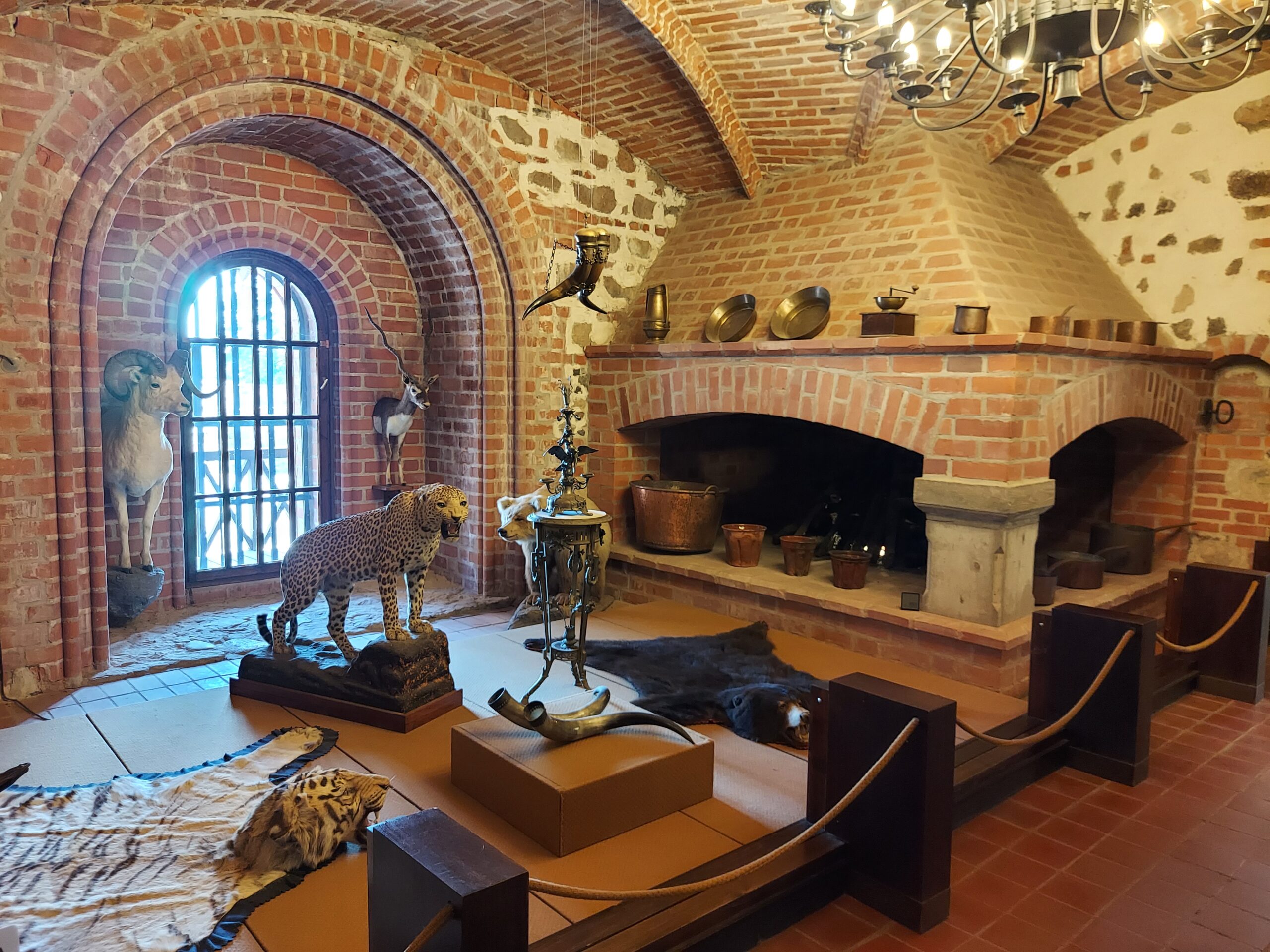
Once I left the castle, I headed back to the railway station, popping into two other museums on the way. Firstly I went into the Karaite Ethnographic Museum, which provides an insight into the culture and history of the ethnic group which moved from Crimea to Lithuania 600 years ago.
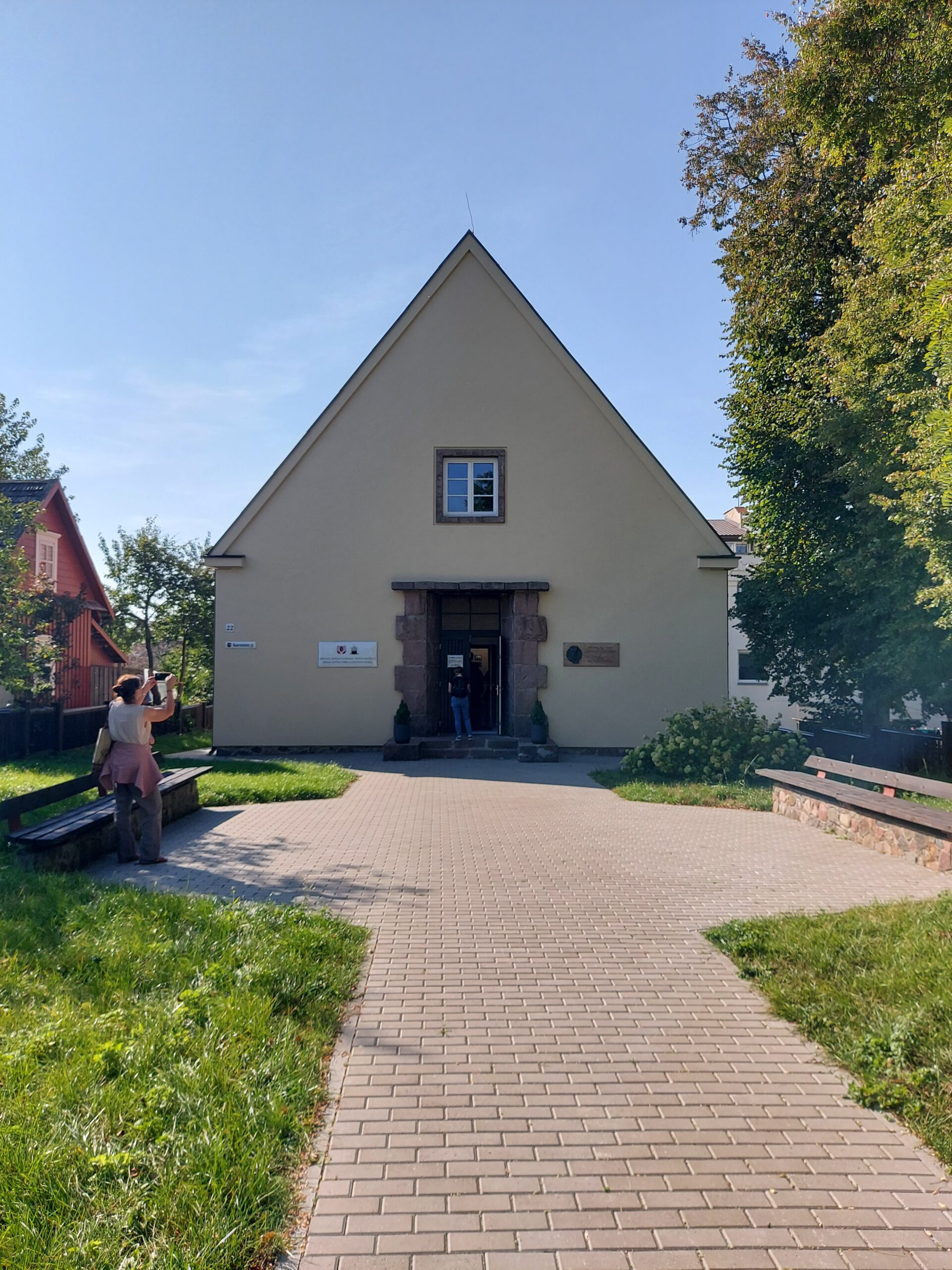
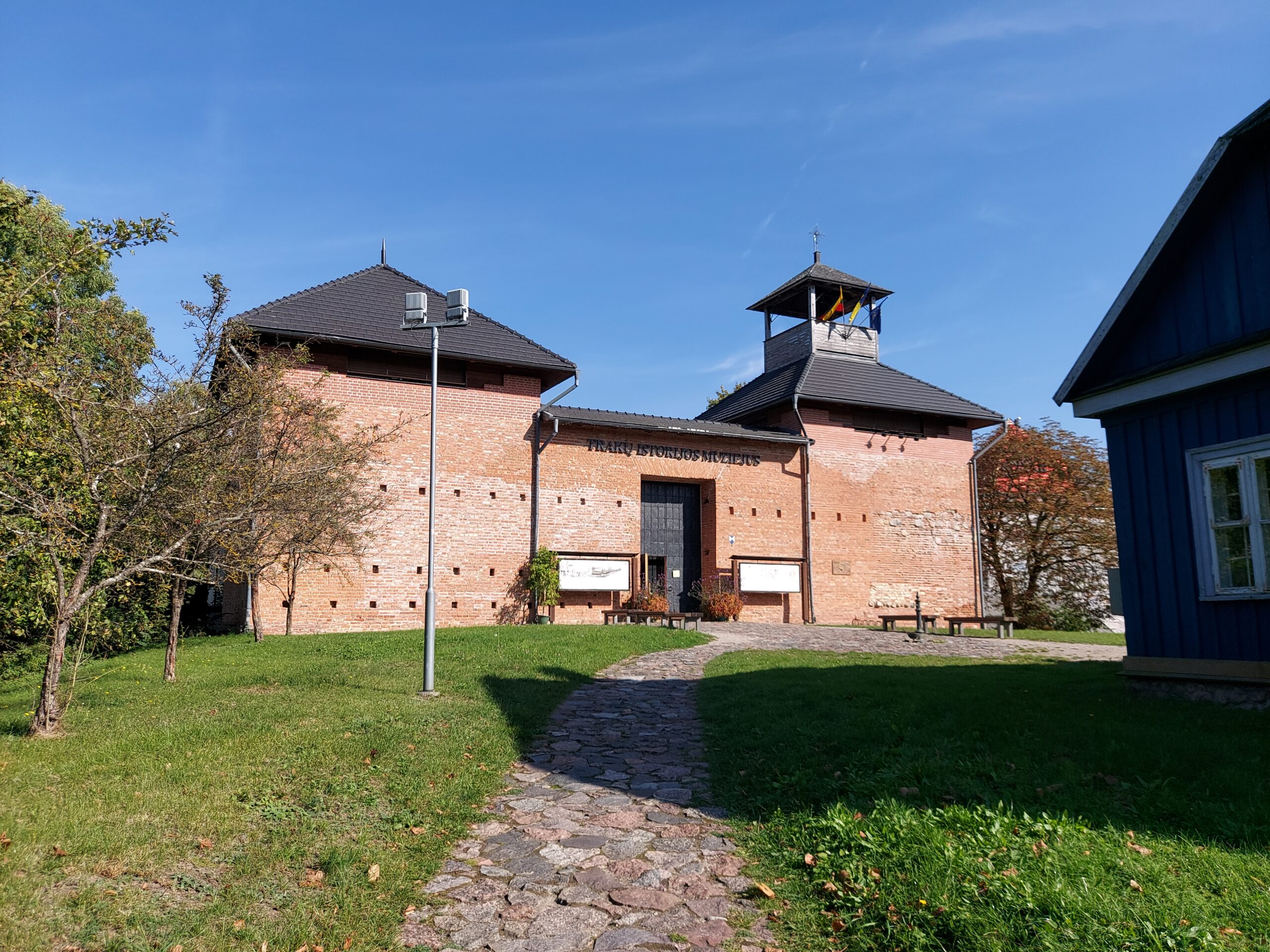
Secondly, I visited a museum called the Trakai History Museum. When inside, the name appeared to be quite misleading as it was actually a small museum of sacred art housed in the chapel of a former Domenican monastery. While not what I was expecting or hoping for, there were a few interesting pieces to see.
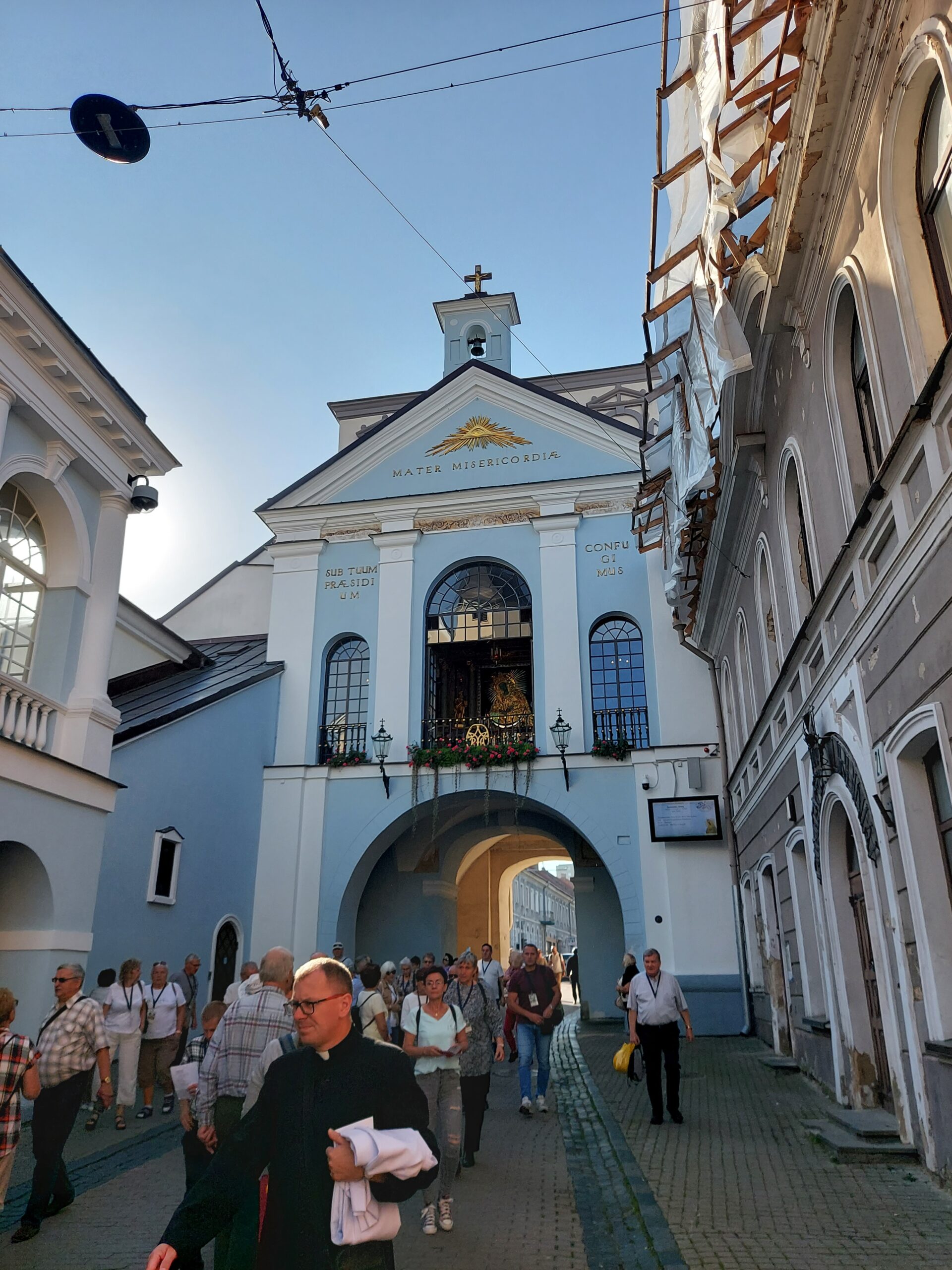
Back in Vilnius, I wandered around the Old Town for a bit, passing the famous Gate of Dawn, and popping upstairs for a closer look. The Gate was built in the early sixteenth century as part of the city’s defensive fortifications, and is the only remaining city gate of the original ten.
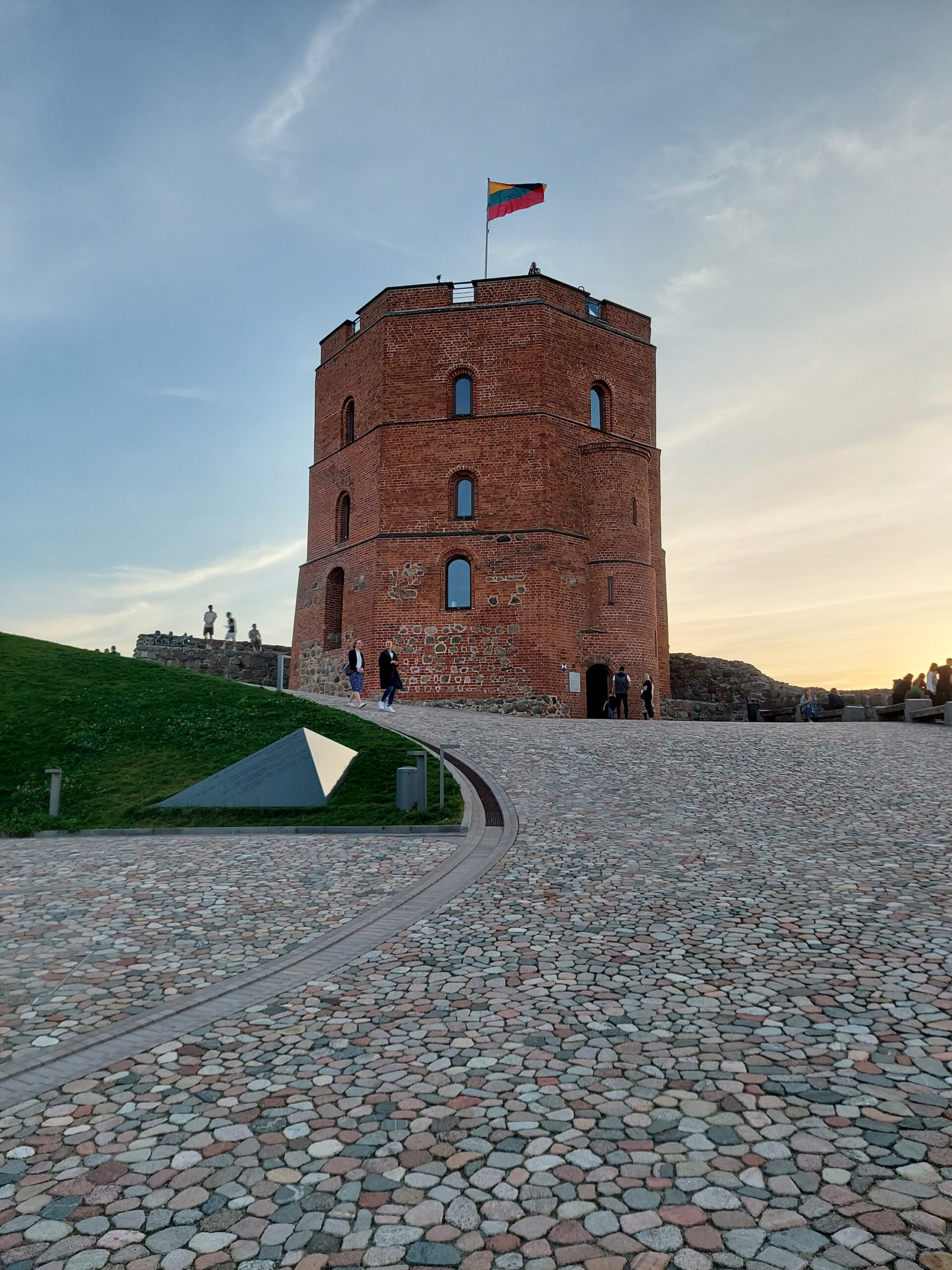
I headed back to the city centre to visit Gediminas Castle Tower. Gediminas’ Tower is the remaining part of the Upper Castle on top of the Gediminas Hill. A legend tells the story of Grand Duke Gediminas who dreamt of an iron wolf howling at the top of this hill. He took it as a prophecy of the city that would one day stand here. Eventually, a wooden castle was built on the hill, followed by a brick castle, built by Grand Duke Vytautas in 1409. The Tower was used as the city’s first telegraph building in 1838, and was opened as a museum in 1960.
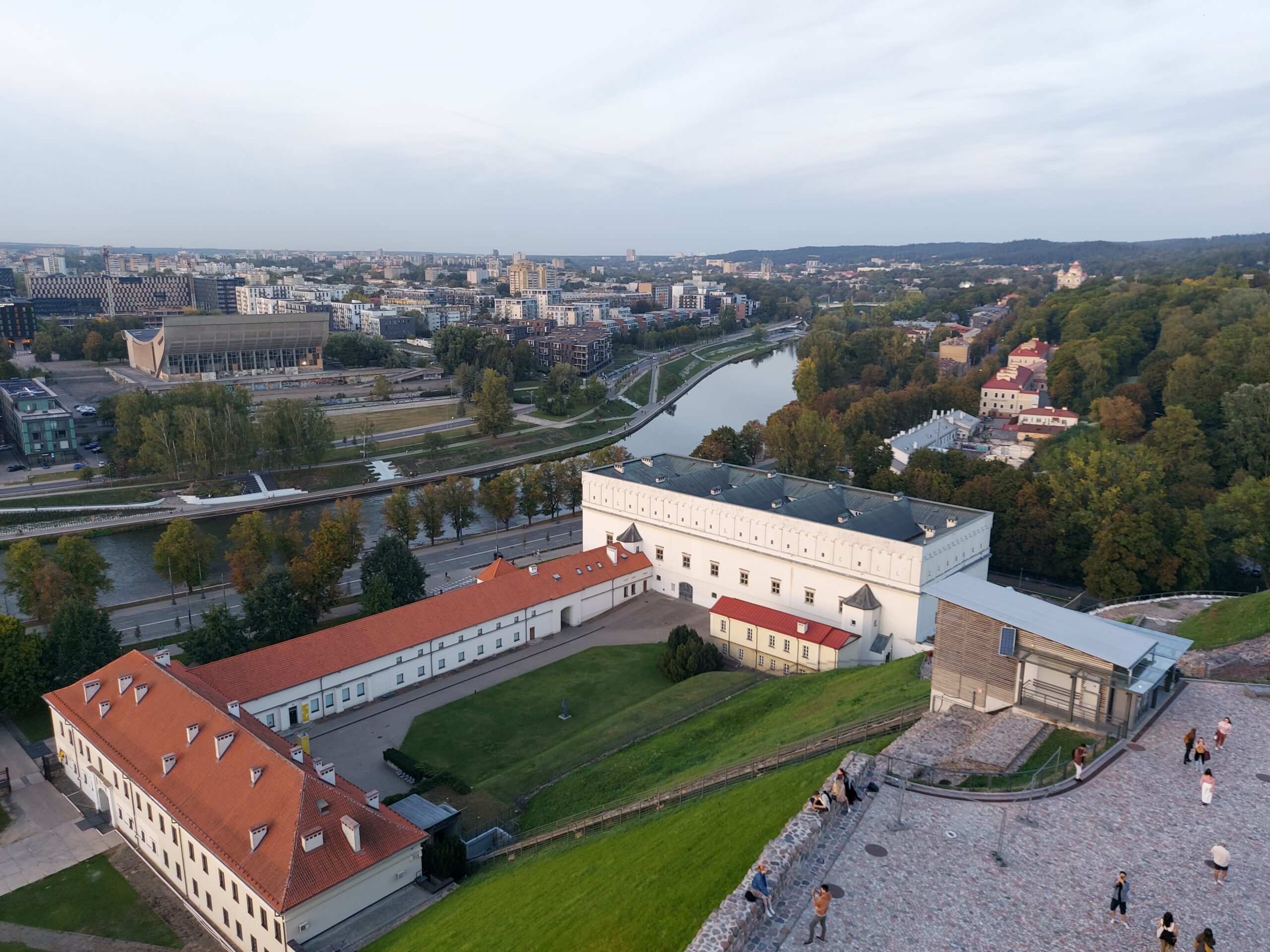
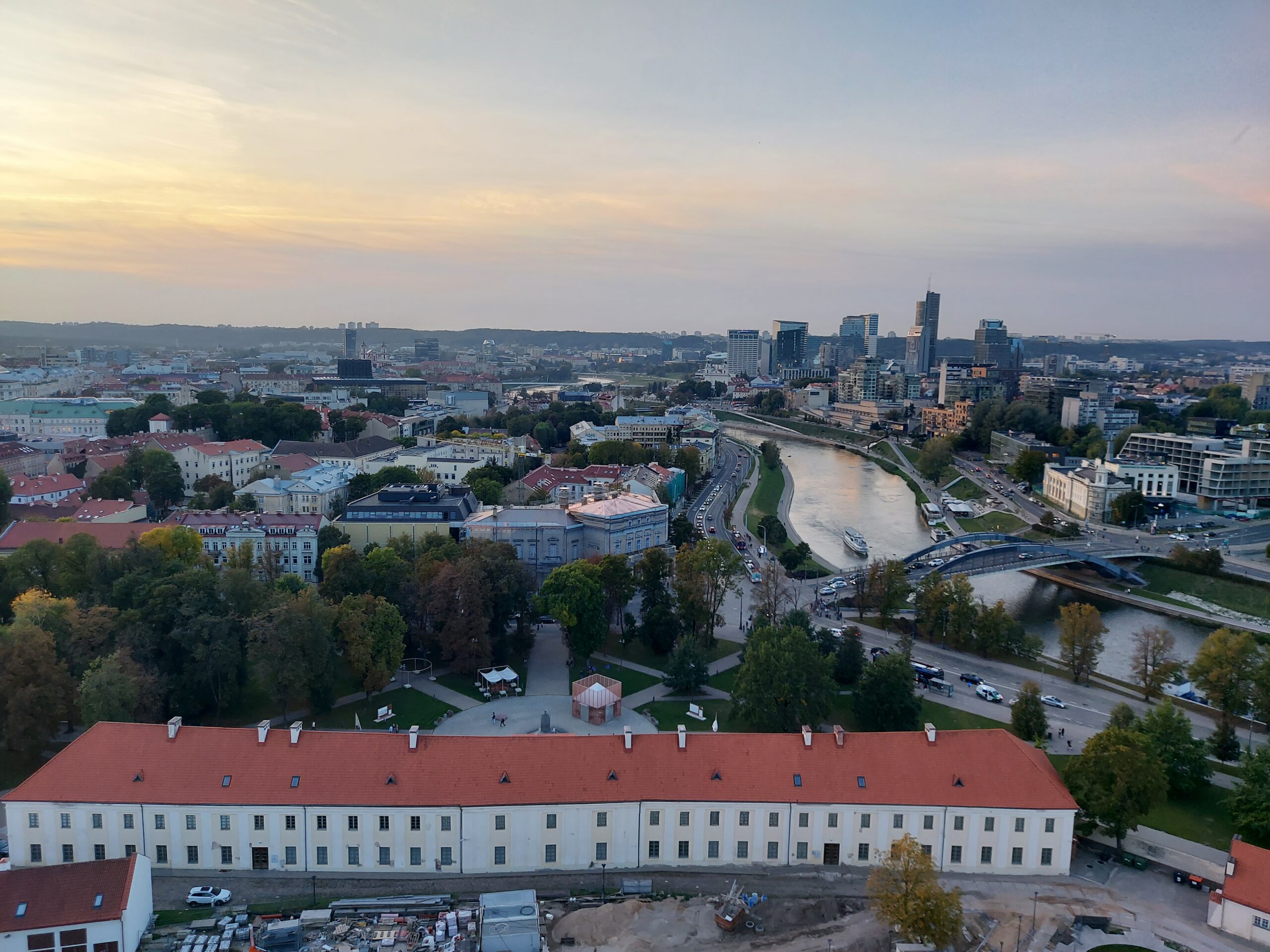
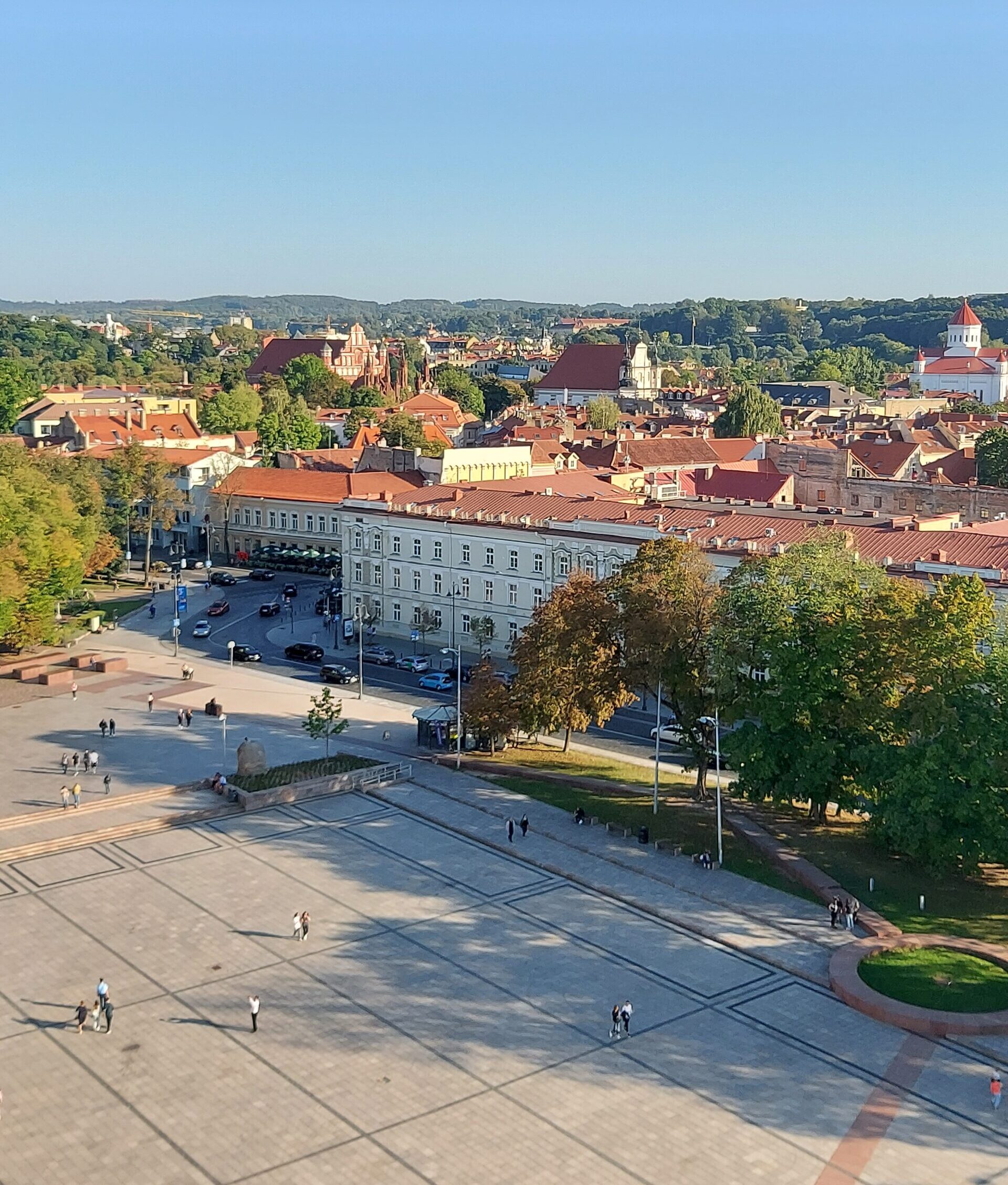
Nowadays it is possible to go up the tower and enjoy spectacular views over Vilnius. The tower has exhibitions on its various floors which are interesting to see. I particularly enjoyed the exploration of Vilnius and the Tower through the years, looking at how the original castles were positioned and how the panorama of the city has changed since the fourteenth century. Other exhibits include Baltic jewellery and military artefacts. Sadly, the third-floor exhibition about the Baltic Way wasn’t open, but I was able to take a look inside. An anti-Soviet demonstration, the Baltic Way took place in August 1989, when almost two million people linked hands from Vilnius to Tallinn.
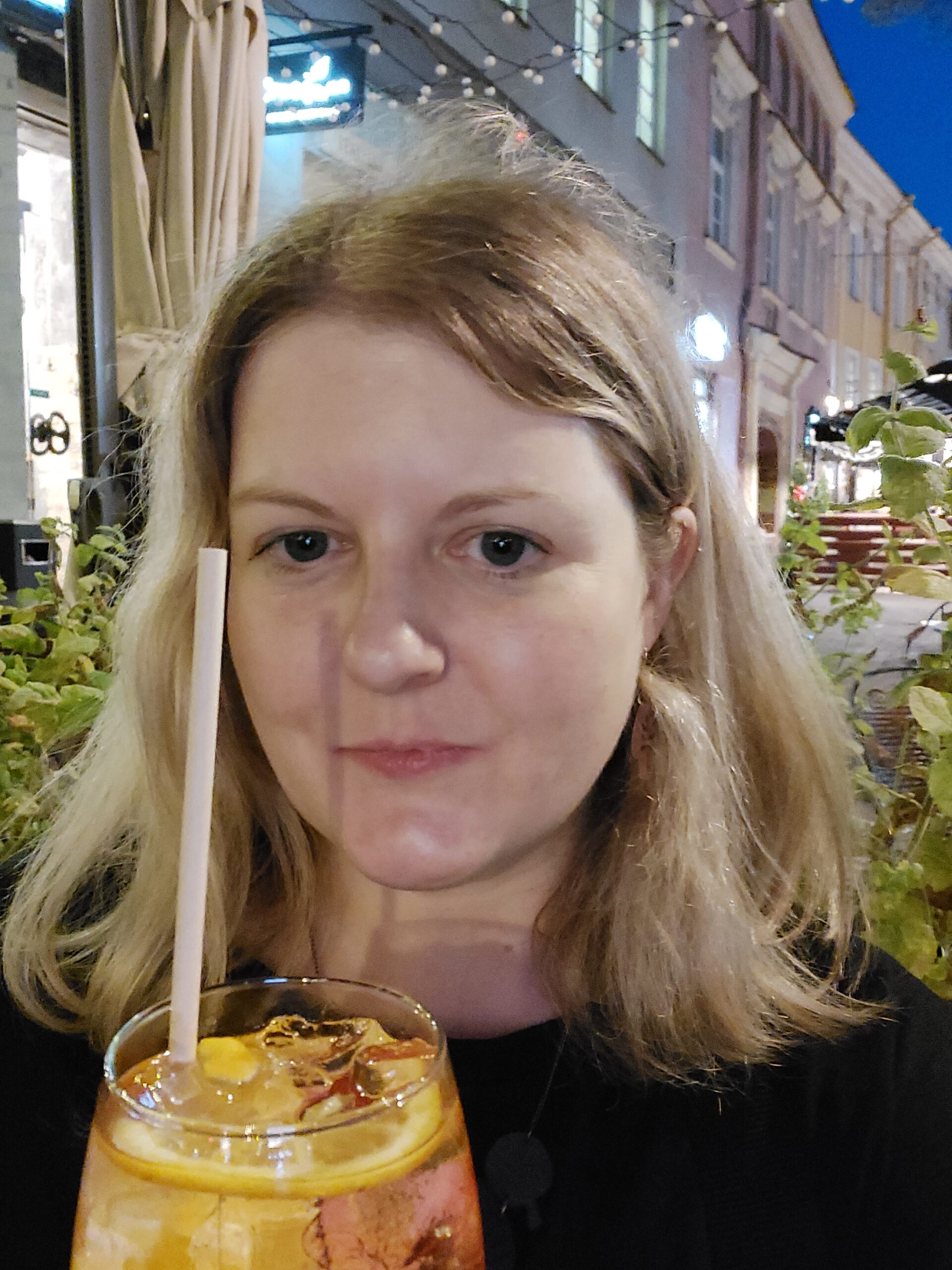
Finally, I had my tea at a restaurant called Grey which was nicer than it sounds! I had what seemed to be potato cakes with mushrooms in. I treated myself to an Aperol Spritz too.
Vilnius Old Town seen from the Cathedral Bell Tower
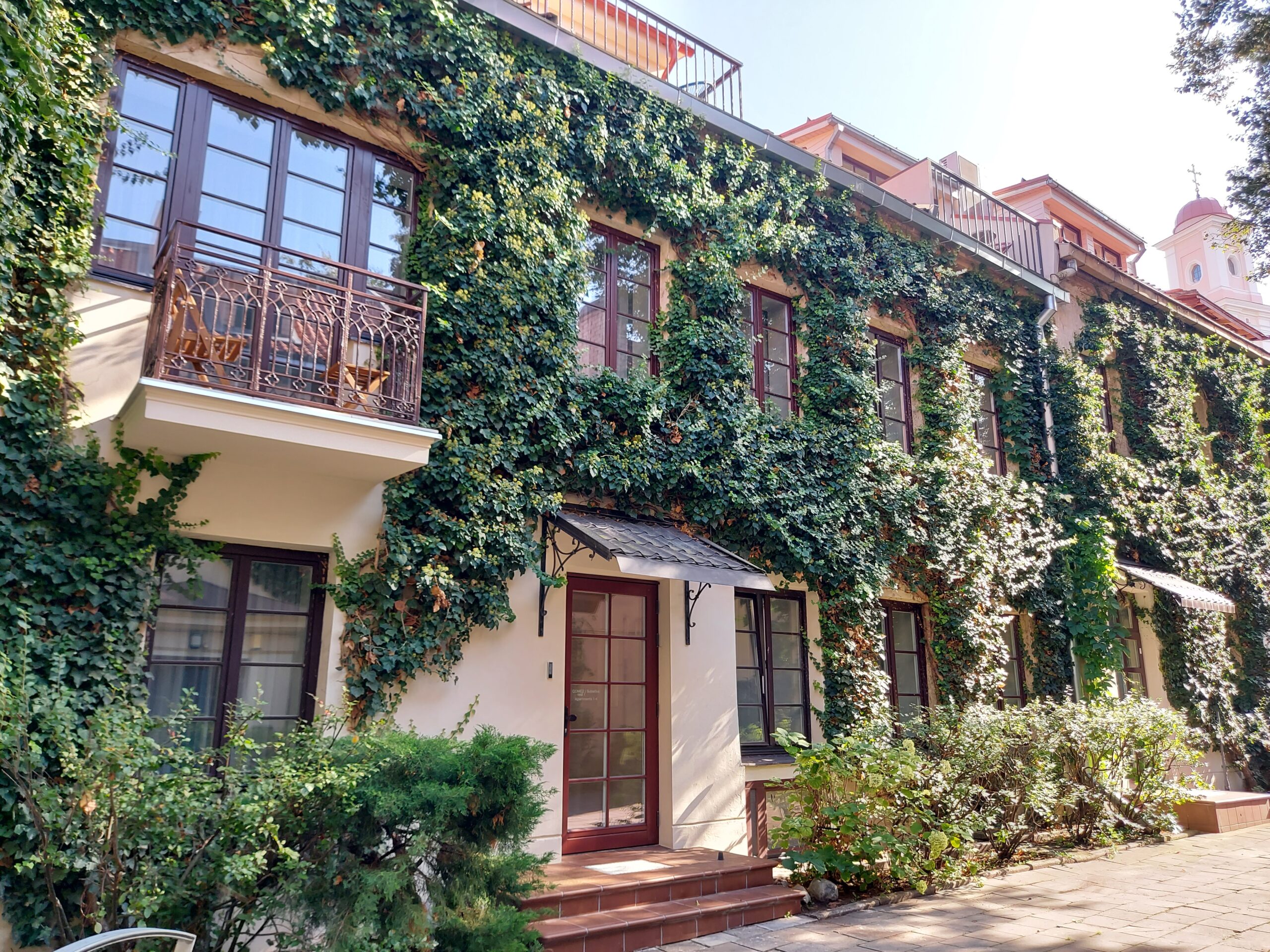
Earlier this year I decided to book a trip to Vilnius, capital of Lithuania. To be honest, what swayed me were the random social media posts from Vilnius’ tourism board. These were quite funny and offbeat so, as I’d wanted to visit all the Baltic states for a while, I booked my trip. My flights were with Ryanair from Stansted and I stayed at COME2rest – Subaciaus 5, a basic but clean and comfortable hotel in the Old Town. At only £115 for three nights, it was a bargain.
My hotel in Vilnius
My flight was early in the morning, so I decided not to book a Travelodge the night before, instead taking the coach from Victoria to Stansted Airport and dozing on the airport floor (along with several others) before the security gates opened. This gave me plenty of time to arrive in Vilnius, take a train from the airport and check in to my hotel and still have almost a full day in the city.
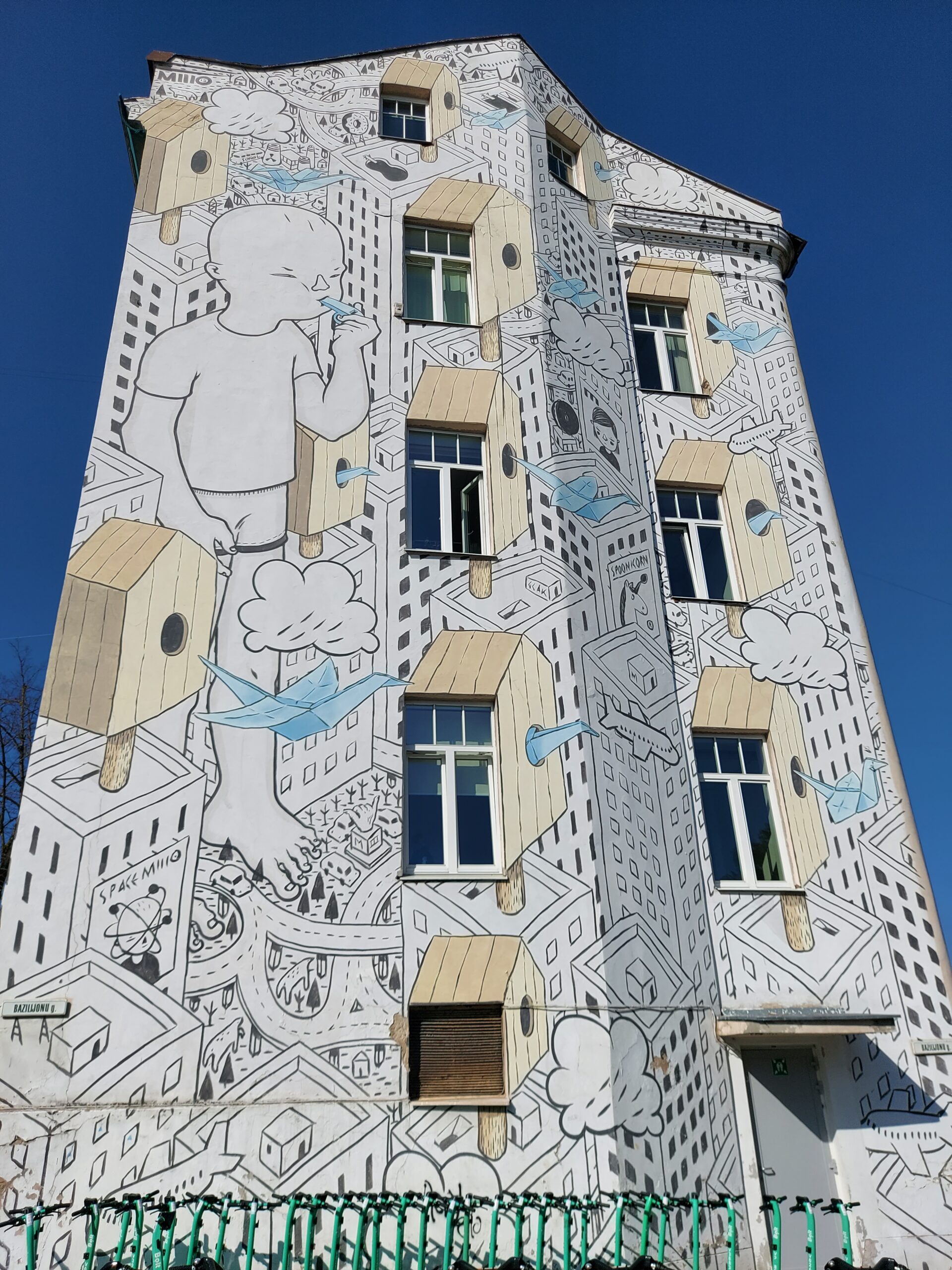
Graffiti on a building in Vilnius
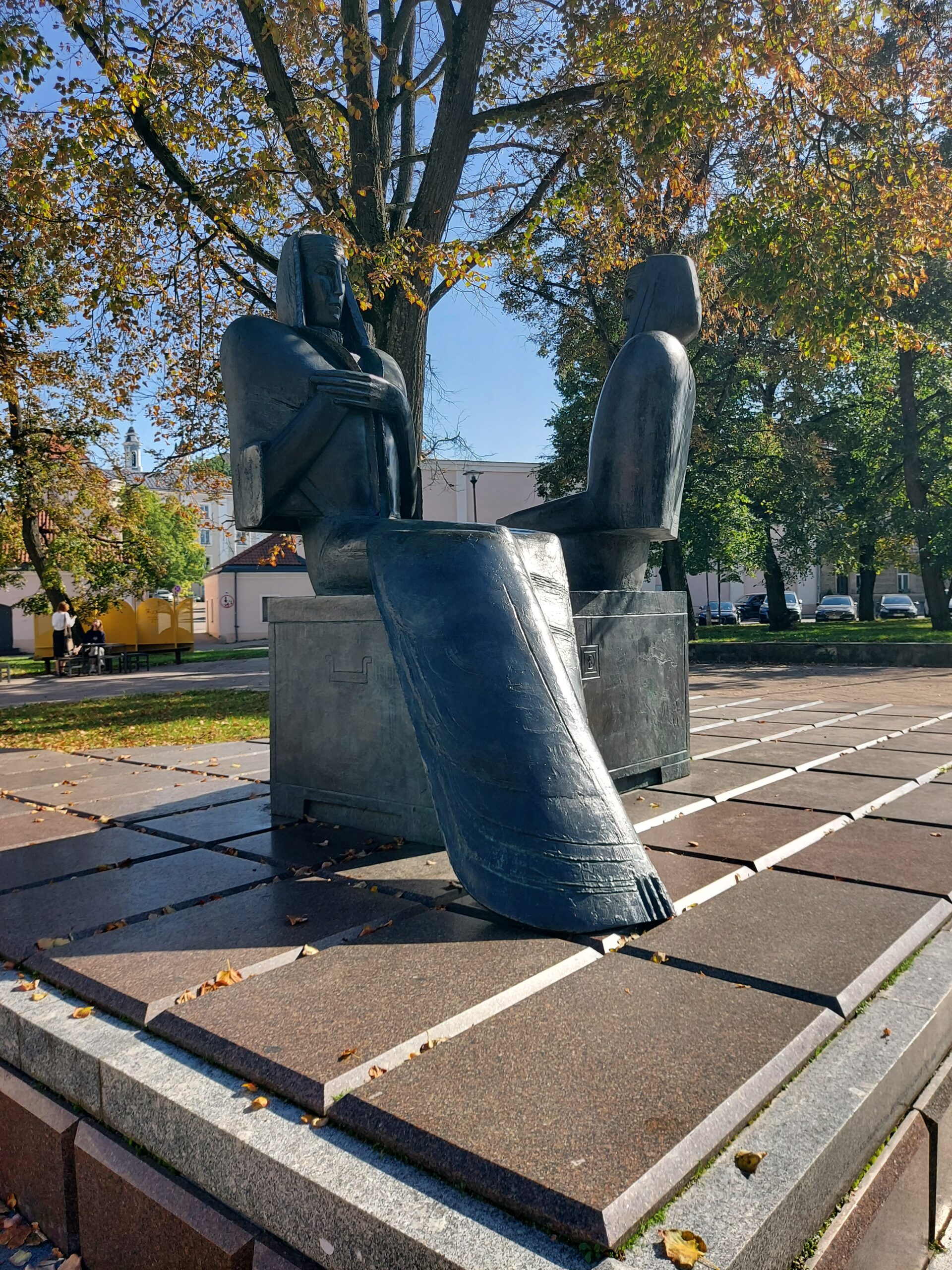
Walking around, I was struck by how clean the streets were, with hardly any litter at all. Modern graffiti art decorated the walls and there were lots of interesting statues and outdoor sculptures to see.
Modern statues in Vilnius
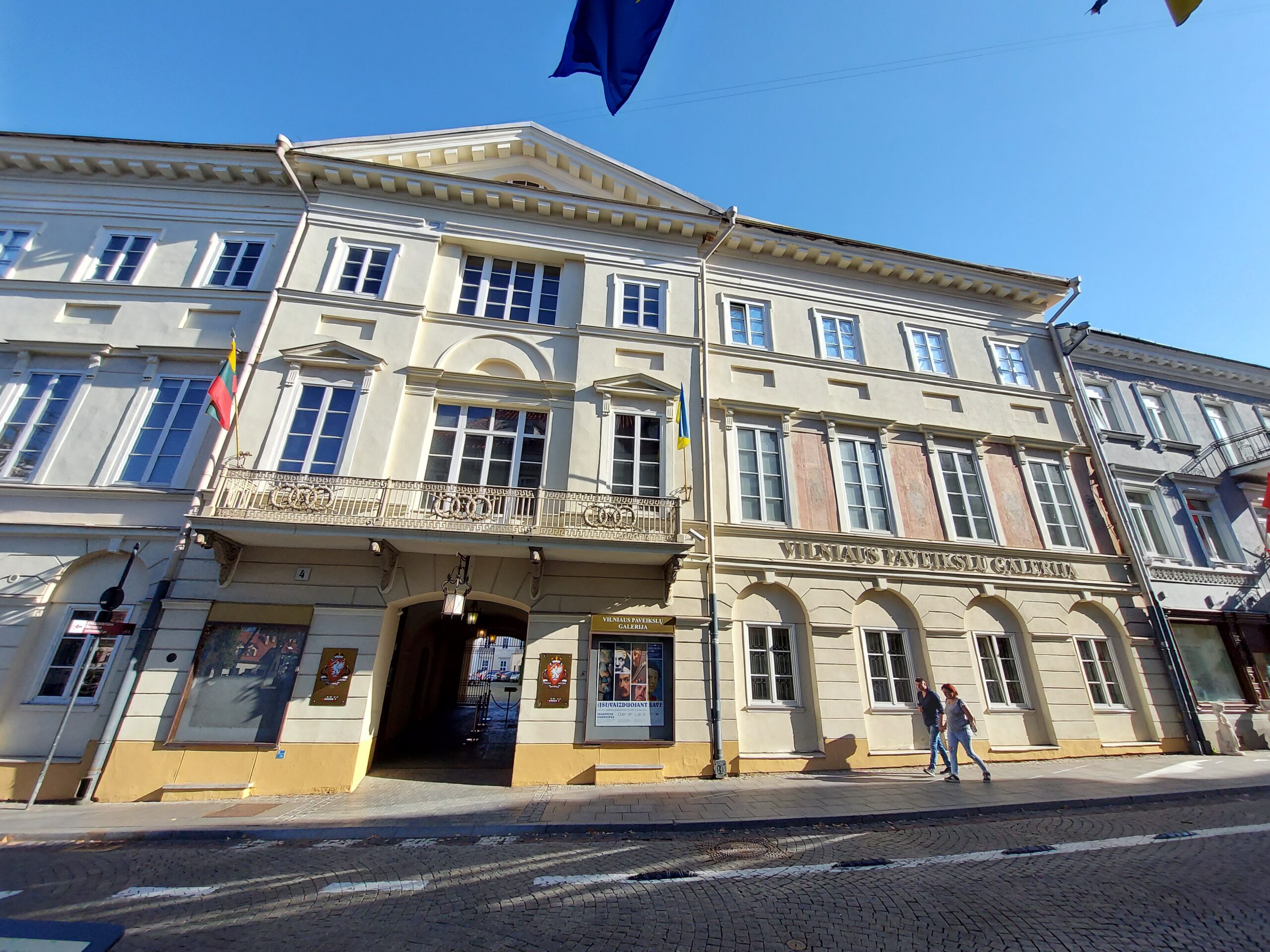
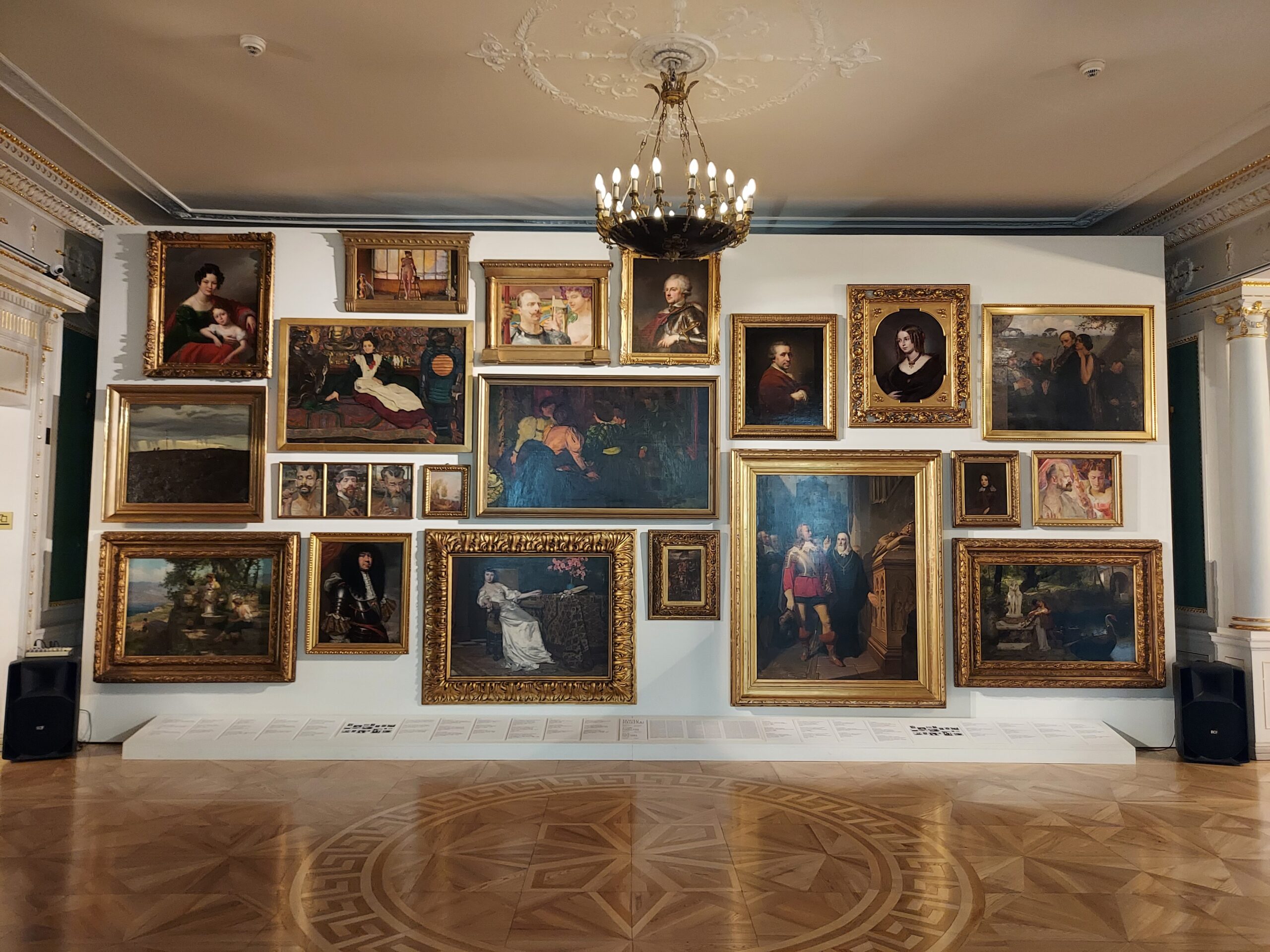
On my wanderings I came across Vilnius Picture Gallery, and I decided to go in. Located in a historic building, the Chodkevičius-Puslovskis Palace, it features artwork from the 16th to the early 20th centuries. There were some interesting things to see, mainly Lithuanian art gathered from manor houses across the country. I always enjoy exploring local culture whenever I go abroad so this art gallery was great.
The Vilnius Picture GalleryArt at the Vilnius Picture Gallery
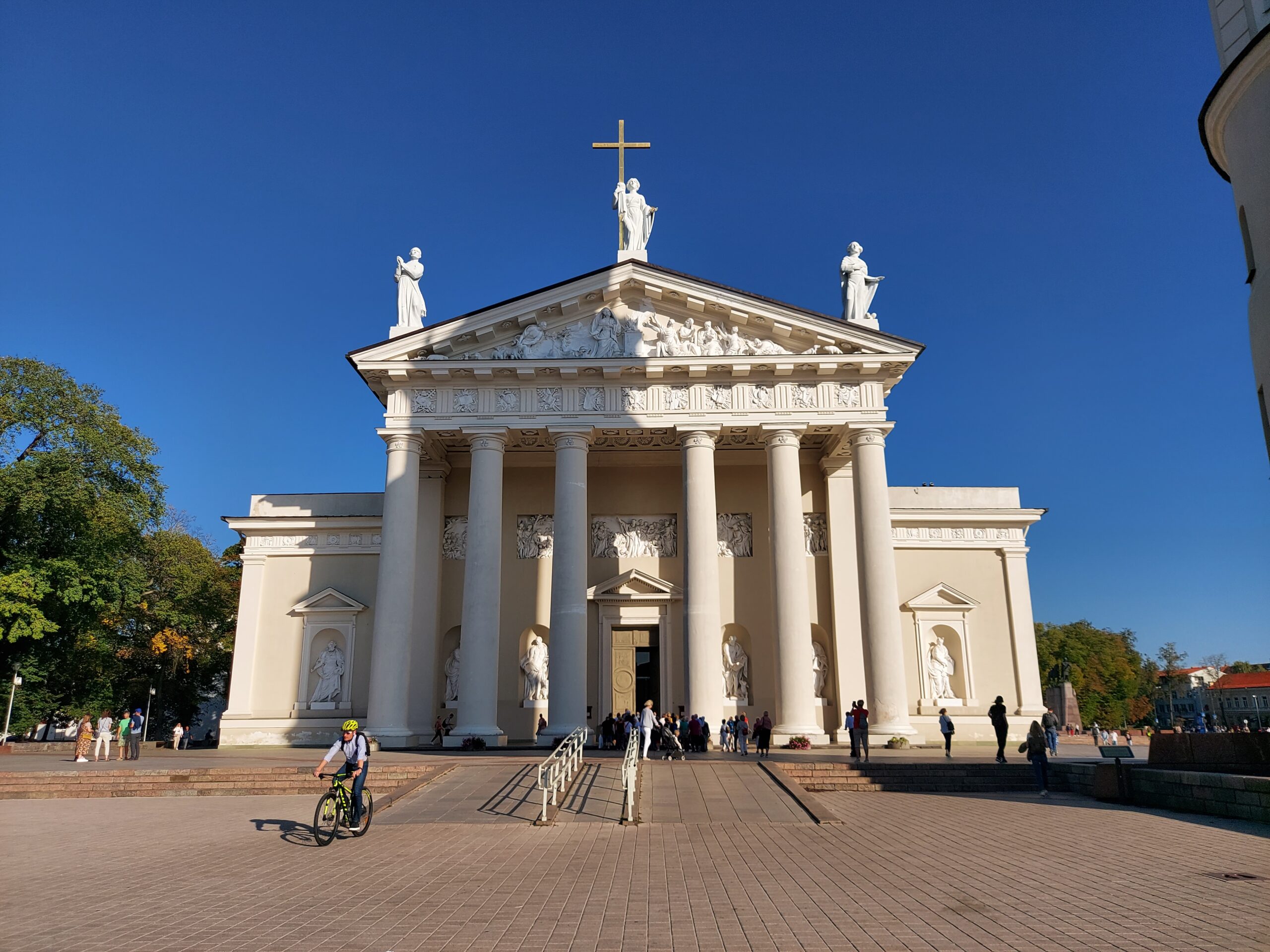
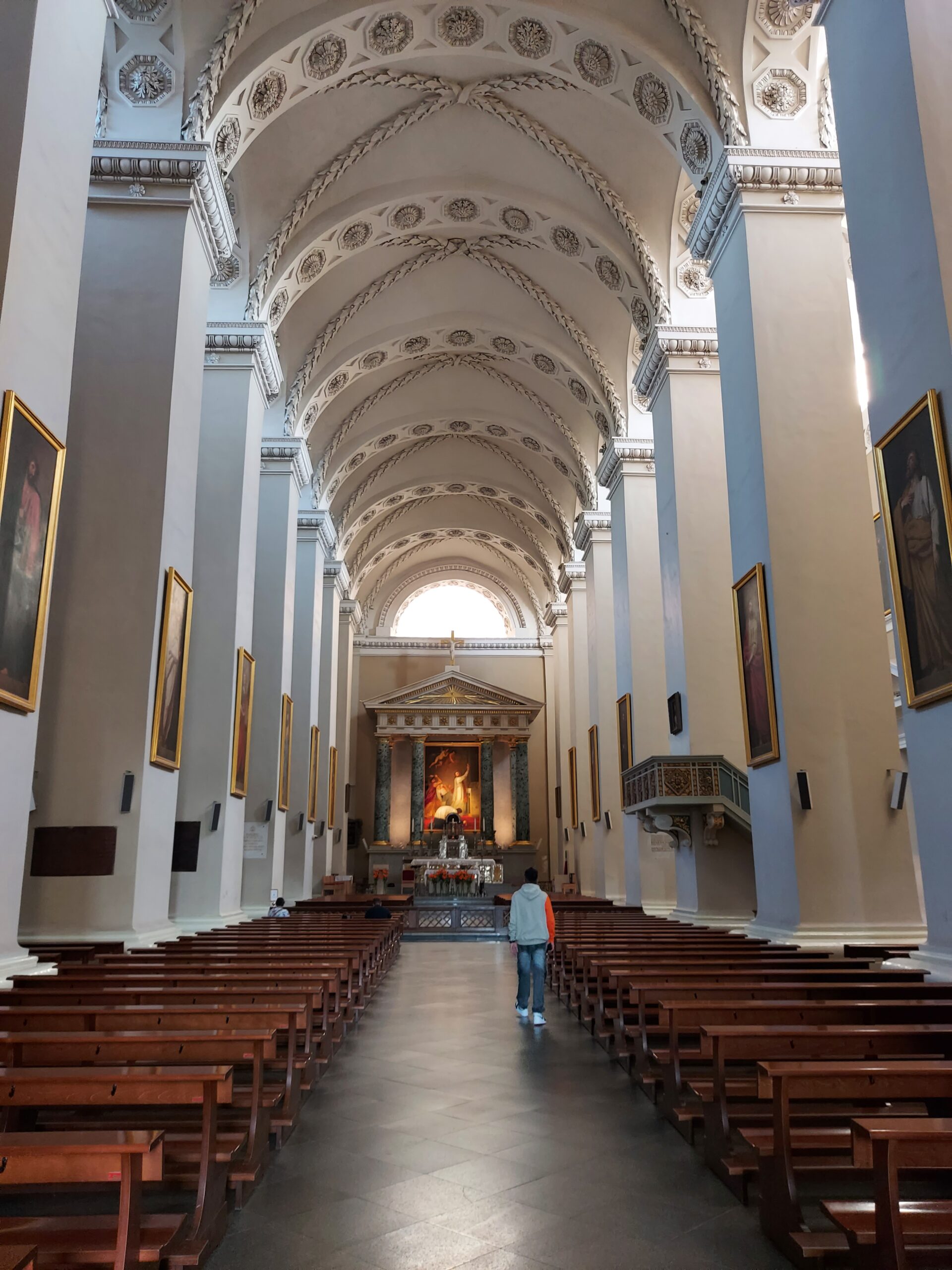
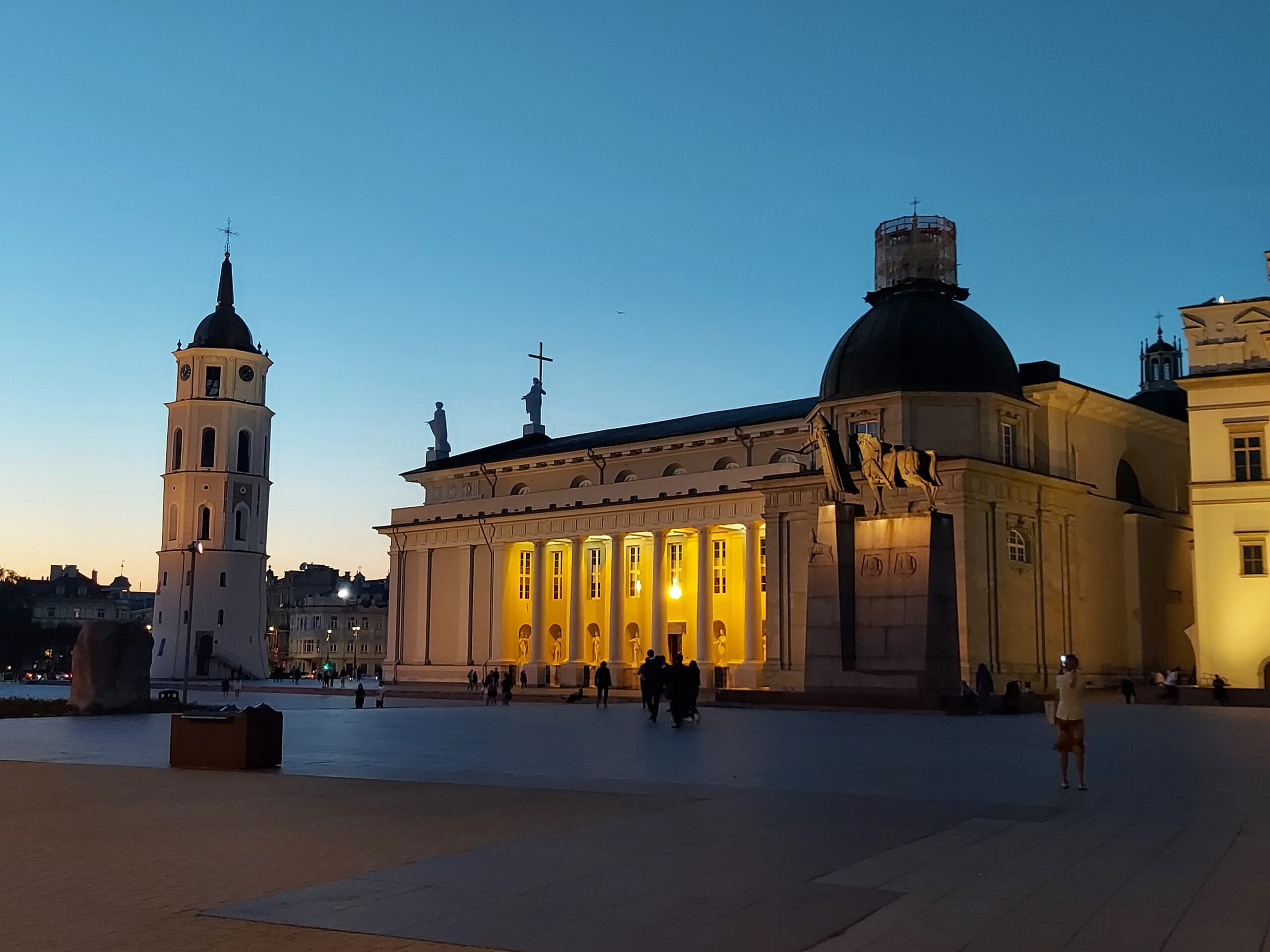
After this I walked down to Cathedral Square to visit Vilnius Cathedral (its full title is the Cathedral Basilica of St Stanislaus and St Ladislaus of Vilnius). The cathedral is unusual in resembling an ancient Roman building more than it does a traditional European cathedral. It was built in the centre of the city on the site of a former pagan temple, next to the castle. Remains of the original 1251 cathedral have been found underneath the current structure; further cathedrals have been built during the last millennium, but they kept burning down and being replaced.
Vilnius Cathedral
The coronations of the Grand Dukes of Lithuania took place within the cathedral, and many famous people from Lithuanian and Polish history are buried in its catacombs. It was converted into a warehouse during the period of Soviet occupation, but had its status as a cathedral restored in 1989.
Inside the cathedral
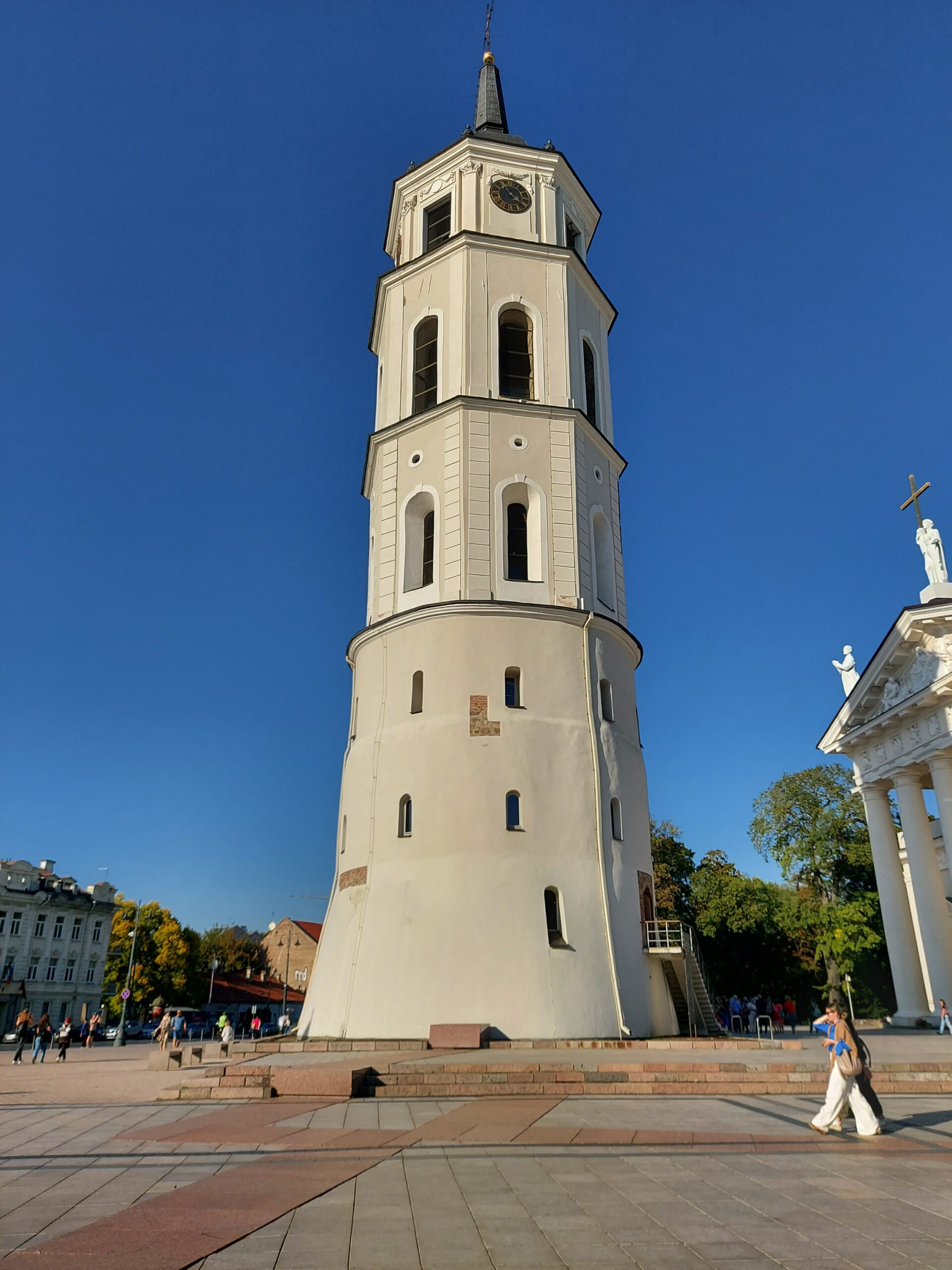
While I was there, I took the time to visit the Bell Tower, located next door. The tower is 57 metres tall (including the cross) and I was able to climb up it and check out the view. The history of the tower dates back to the thirteenth century, although it gained its current appearance in the nineteenth century. Originally a defensive tower, it later became simply a bell tower. Today, it is a symbol of Vilnius and the city’s oldest clock, situated at the top of the tower, chimes its bells to invite people to mass.
The Cathedral Bell Tower
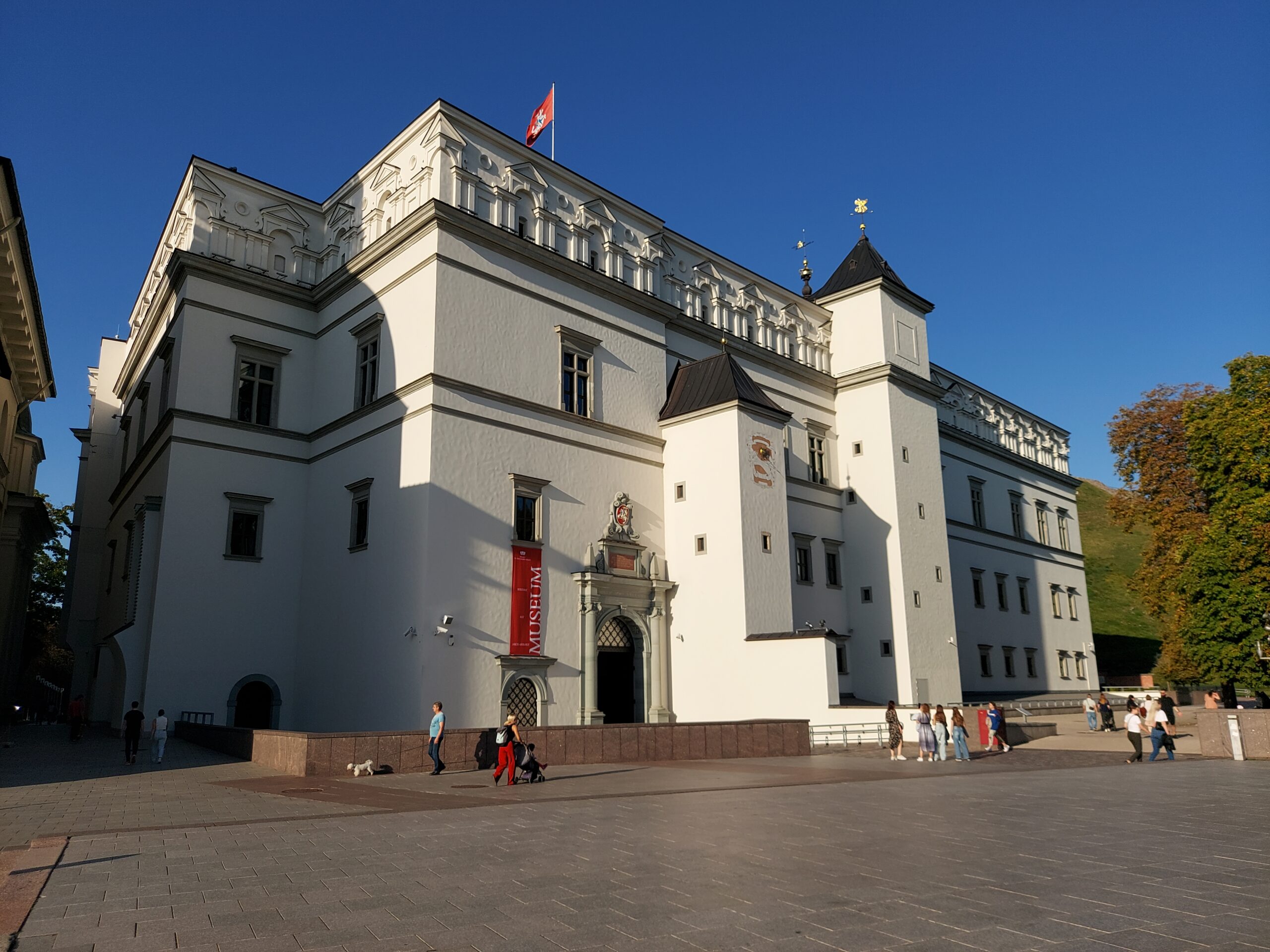
Finally, I visited the nearby Palace of the Grand Dukes of Lithuania. Originally built during the fifteenth century, on the site of a wooden settlement and later stone castle, it was the political, diplomatic, administrative and cultural centre of the Grand Duchy of Lithuania. In the middle of the seventeenth century, the Moscow army destroyed the palace, and it was only restored in 2013. Now acting as the National Museum, there are four main routes you can traverse to uncover the history of Lithuania and the palace (Route IV, home of temporary exhibitions, was closed while I was there).
The Palace of the Grand Dukes of Lithuania
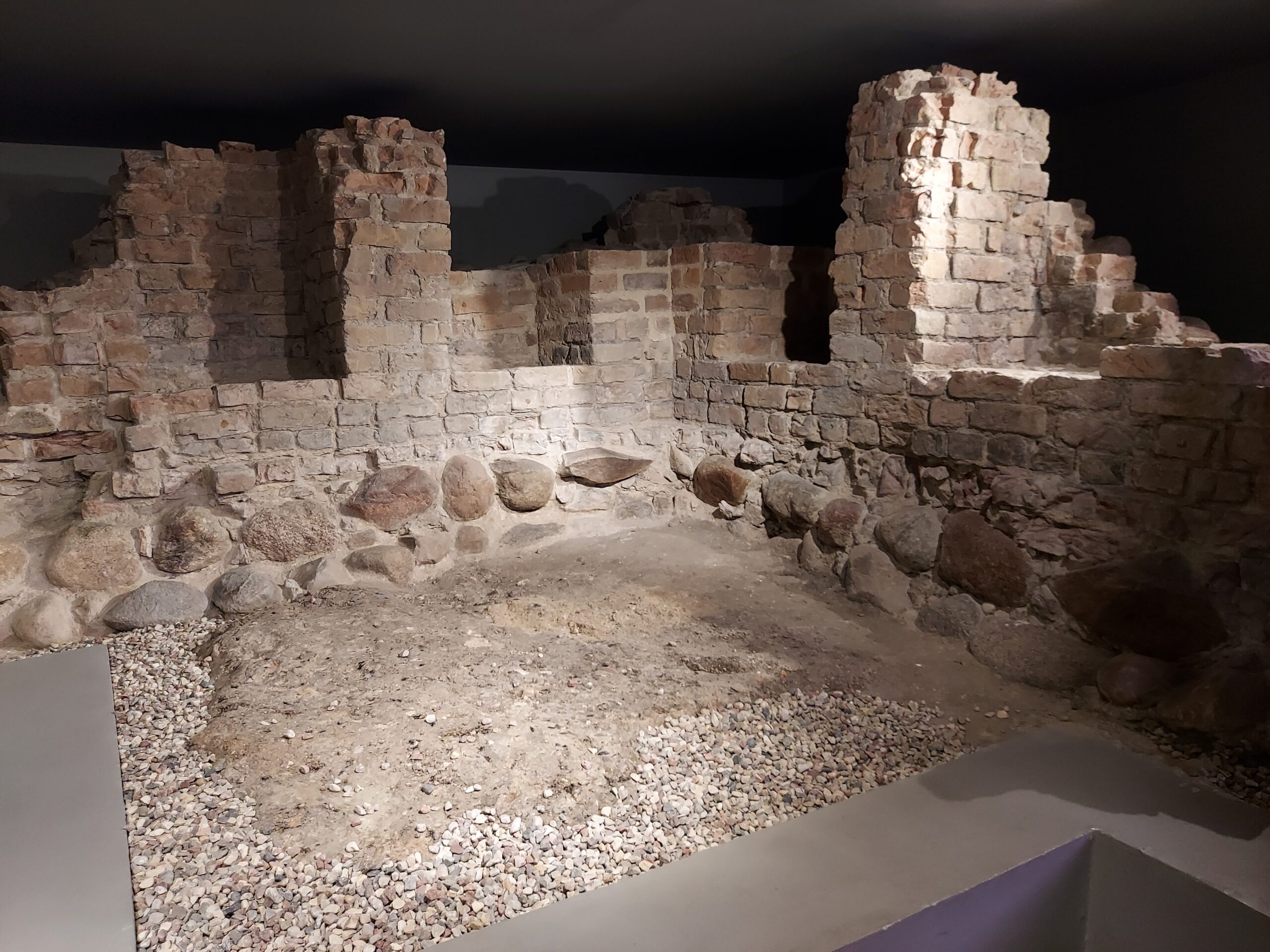
Route I covers historical and architectural development, with elements of archaeology from the palace’s past, models of how it used to look, and other items of interest. This was probably my favourite section as I loved imagining how the palace might have looked.
Ruins of the old palace
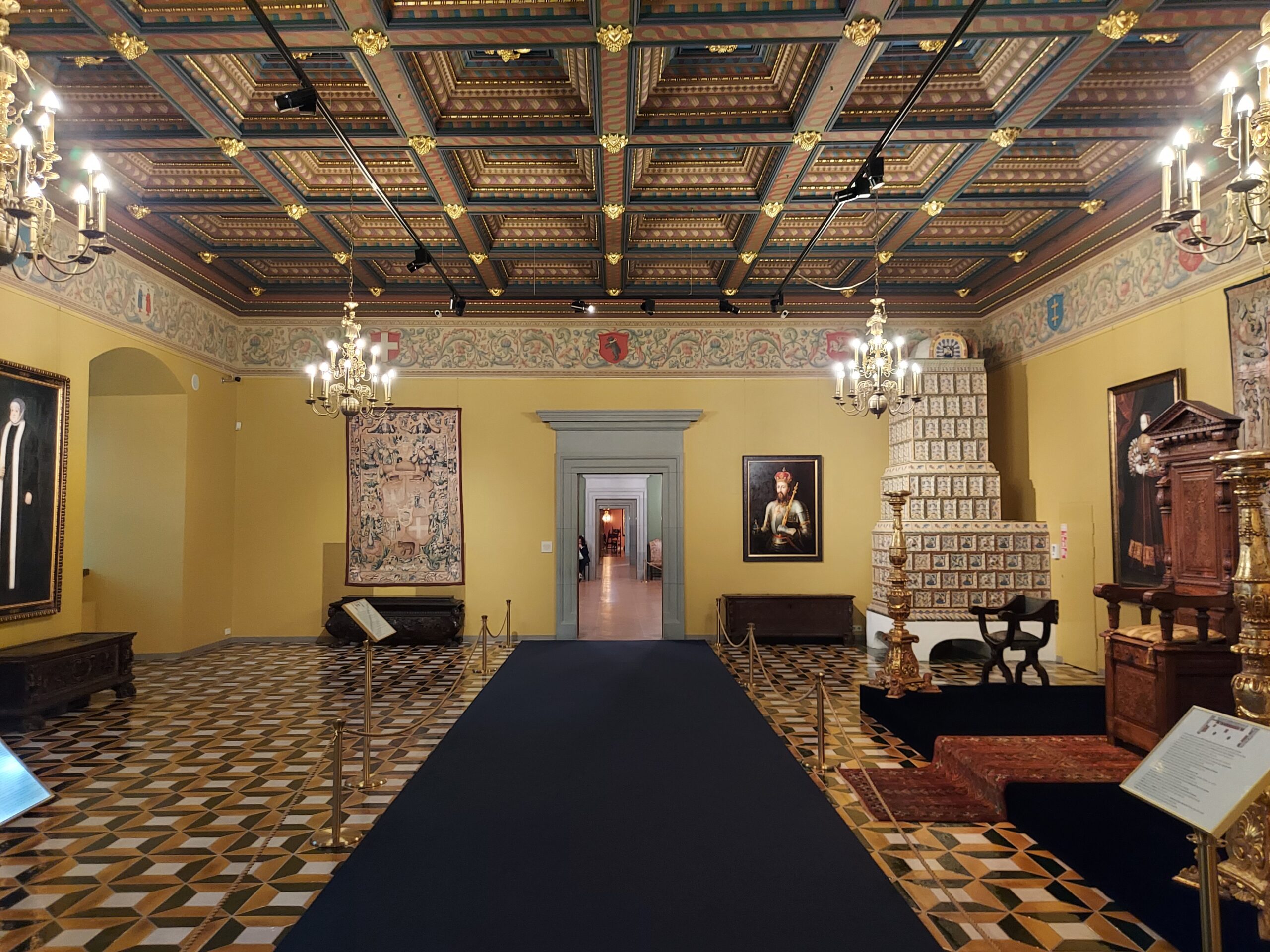
Route II takes you through various historical interiors, showcasing rooms decorated in late Gothic, Renaissance and early Baroque styles. These were also interesting to see.
One of the historical rooms in the palace
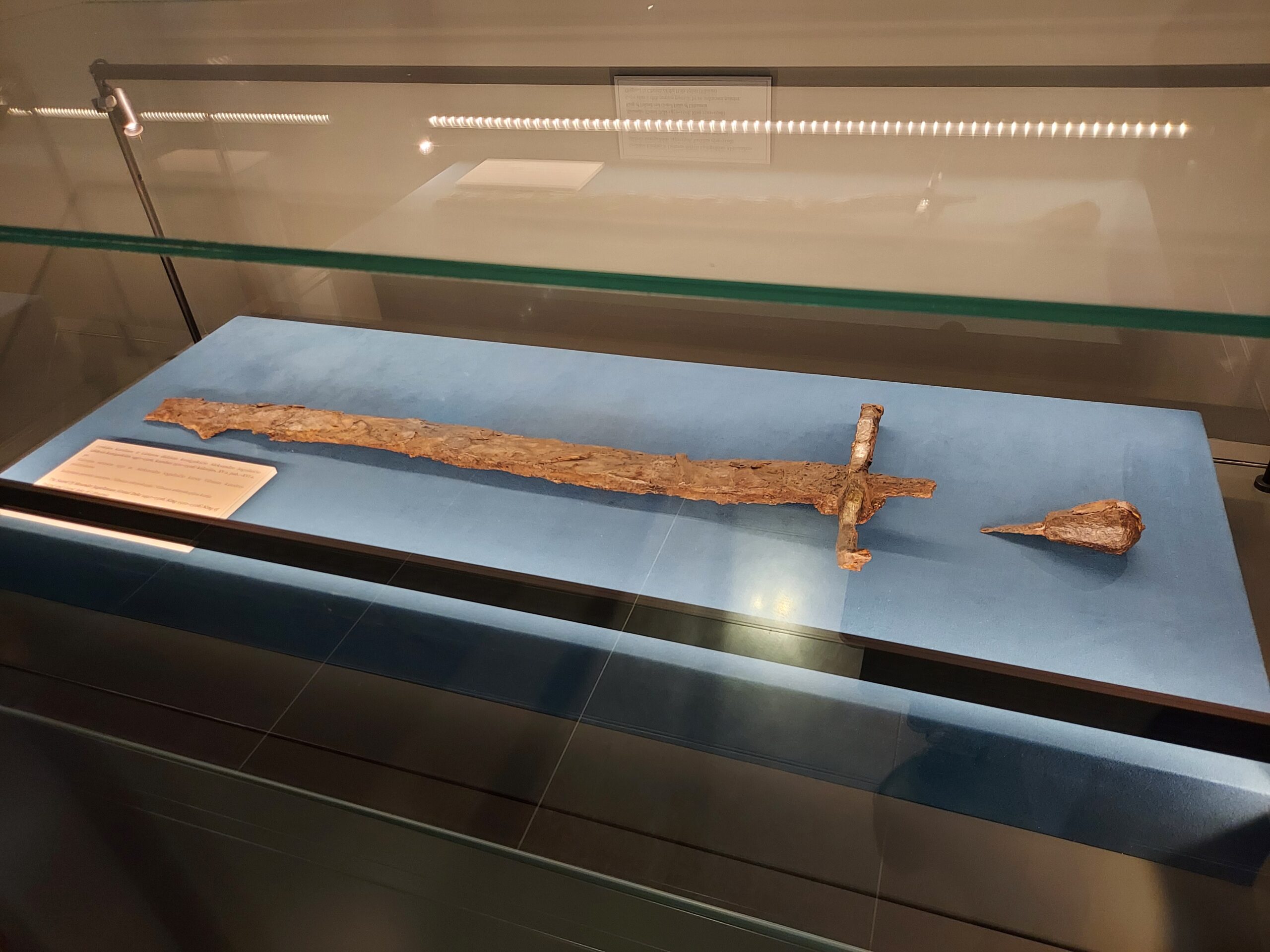
Route III covers armaments, everyday life and music. I wasn’t so interested in armaments, but I enjoyed learning about the everyday lives of the palace’s inhabitants, and the role of music in palace life.
An old, broken sword
After my visit to the museum I was pretty tired, so I headed back to the hotel to get some sleep.
When I decided to work on the Wild Swimmer badge, I certainly didn’t expect to love it as much as I did. I used to be someone who absolutely hated swimming, and open water swimming in particular baffled me.
Well, what can I say? I’ve become a complete convert. I love the feeling of peace a swim gives me. I love spending time in nature, I find the cooler water refreshing, and I’m happy not to have to put up with the horrible chlorine smell of indoor pools.
I plan to continue with my swims over the winter with the Teddington Bluetits as well as occasional dips with Mental Health Swims. I’ve got myself a tow float and a bright swimming hat, and I plan to get myself some neoprene gloves and boots as well. I would love to attend some full moon swims and other special occasion swims.
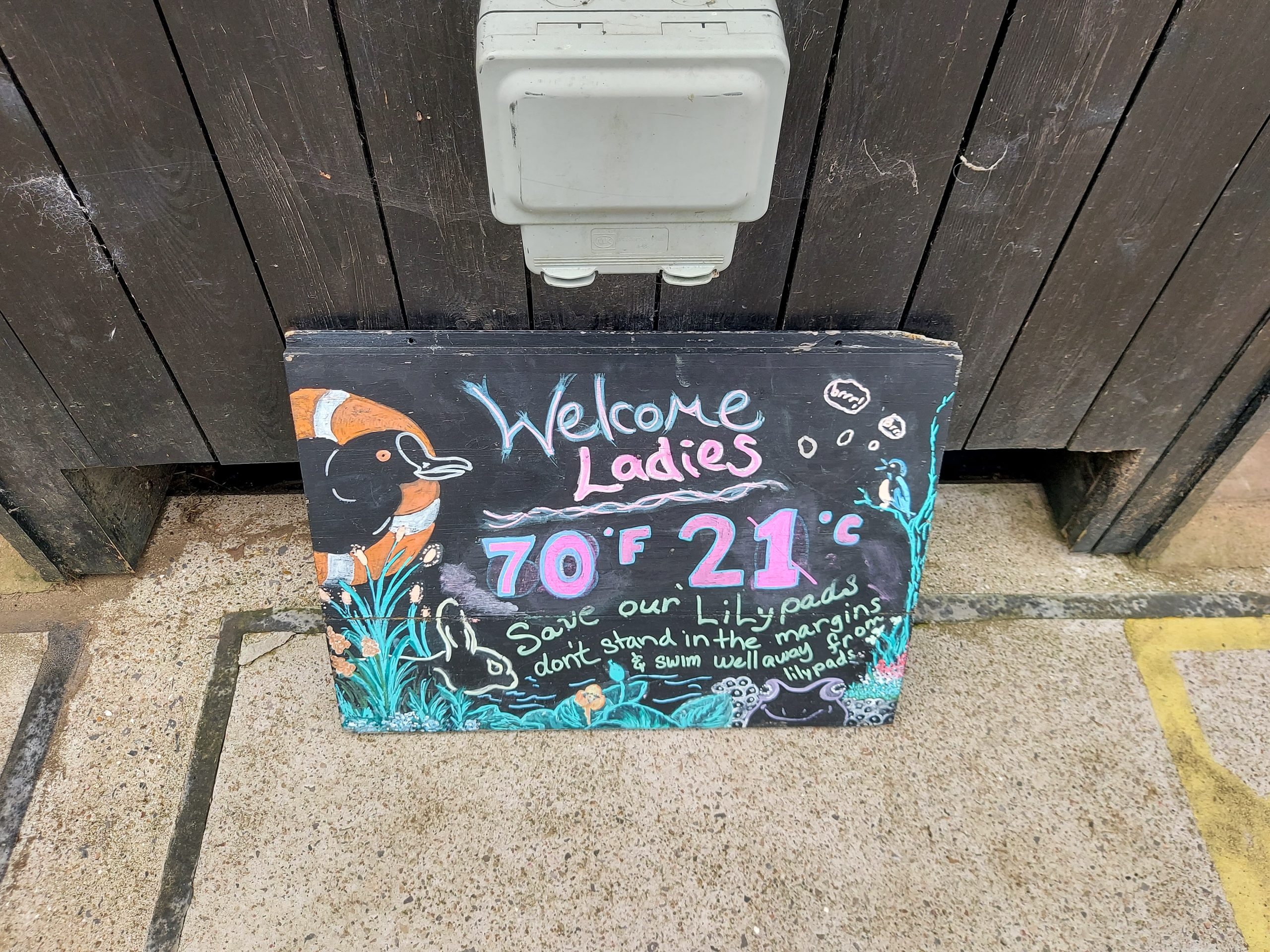
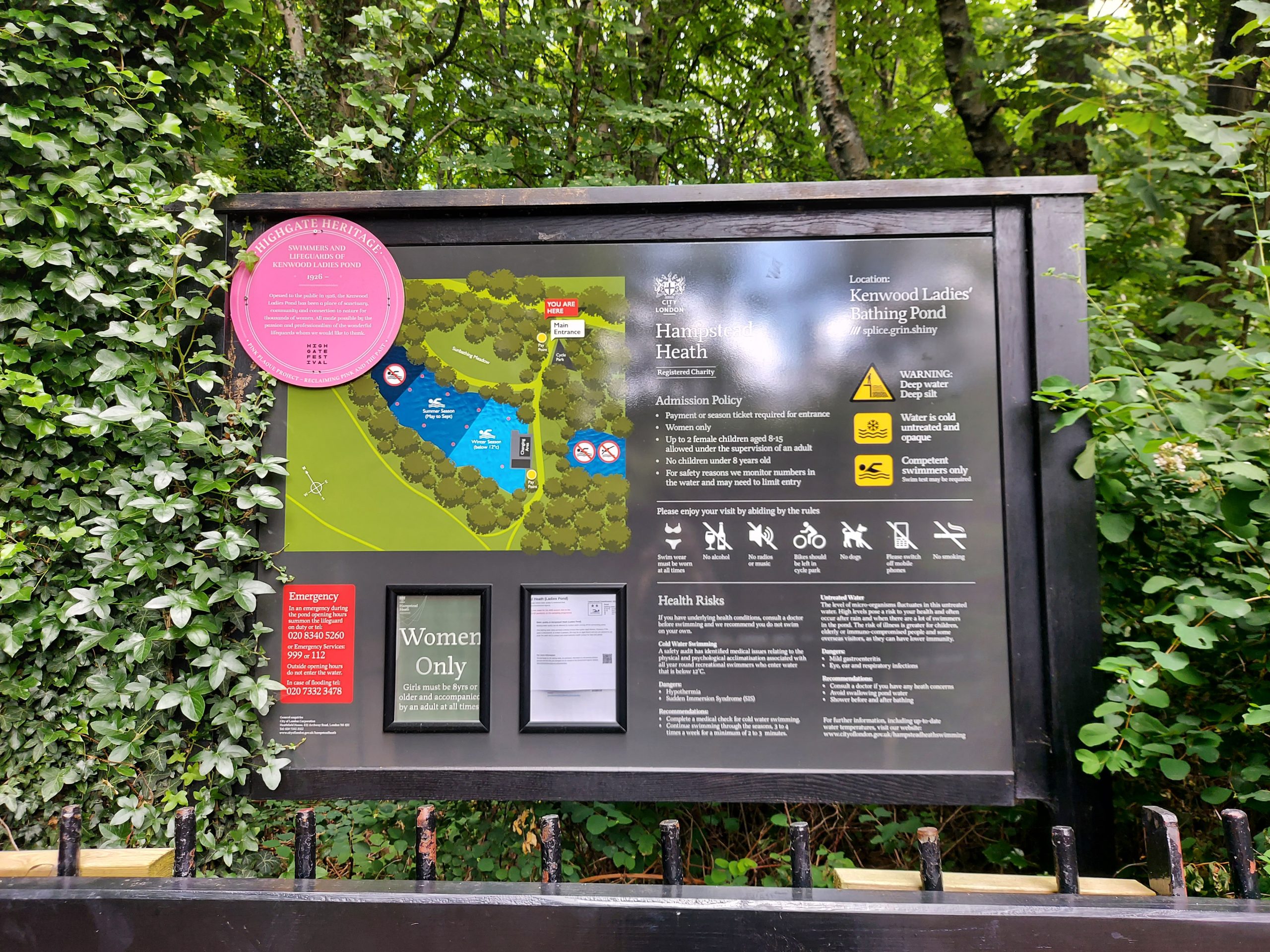
Board at Kenwood Ladies’ Pond
Over a period of three months, swim in open water at least once a week.
I managed to swim on average once a week, although this did mean that some weeks I couldn’t swim and other weeks I managed to swim twice. I can only swim at the weekend so this restricted things somewhat for me. Once I managed two dips in one day!
Sign at Kenwood Ladies’ Pond
Swim in at least three different open water venues.
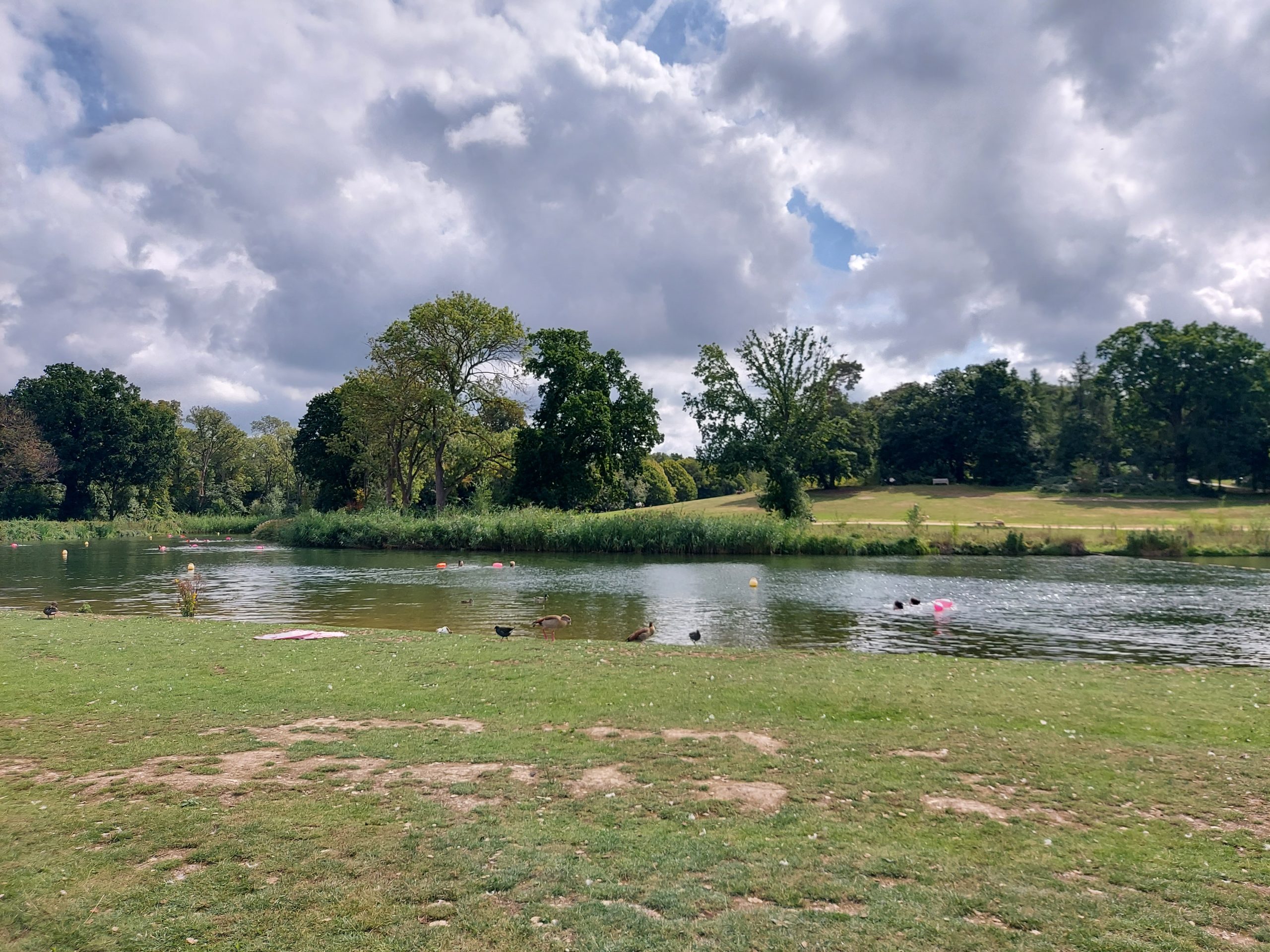
I swam mostly in Kenwood Ladies’ Pond but I also tried out the Hampstead Mixed Pond, the lake at Beckenham Place Park, West Reservoir at Hackney with Mental Health Swims and, when I got more confident, the River Thames with the Teddington Bluetits.
The lake at Beckenham Place Park
Keep a record of water temperatures, who you swam with, time, weather conditions and how far you swam.
02/07 Kenwood Ladies’ Pond, 21°C, my friend Dasa, 30 mins, warm with a breeze, swam to and from various rings
08/07 KLP, 20°C, alone, 20 mins, warm with light rain, a bit more swimming today
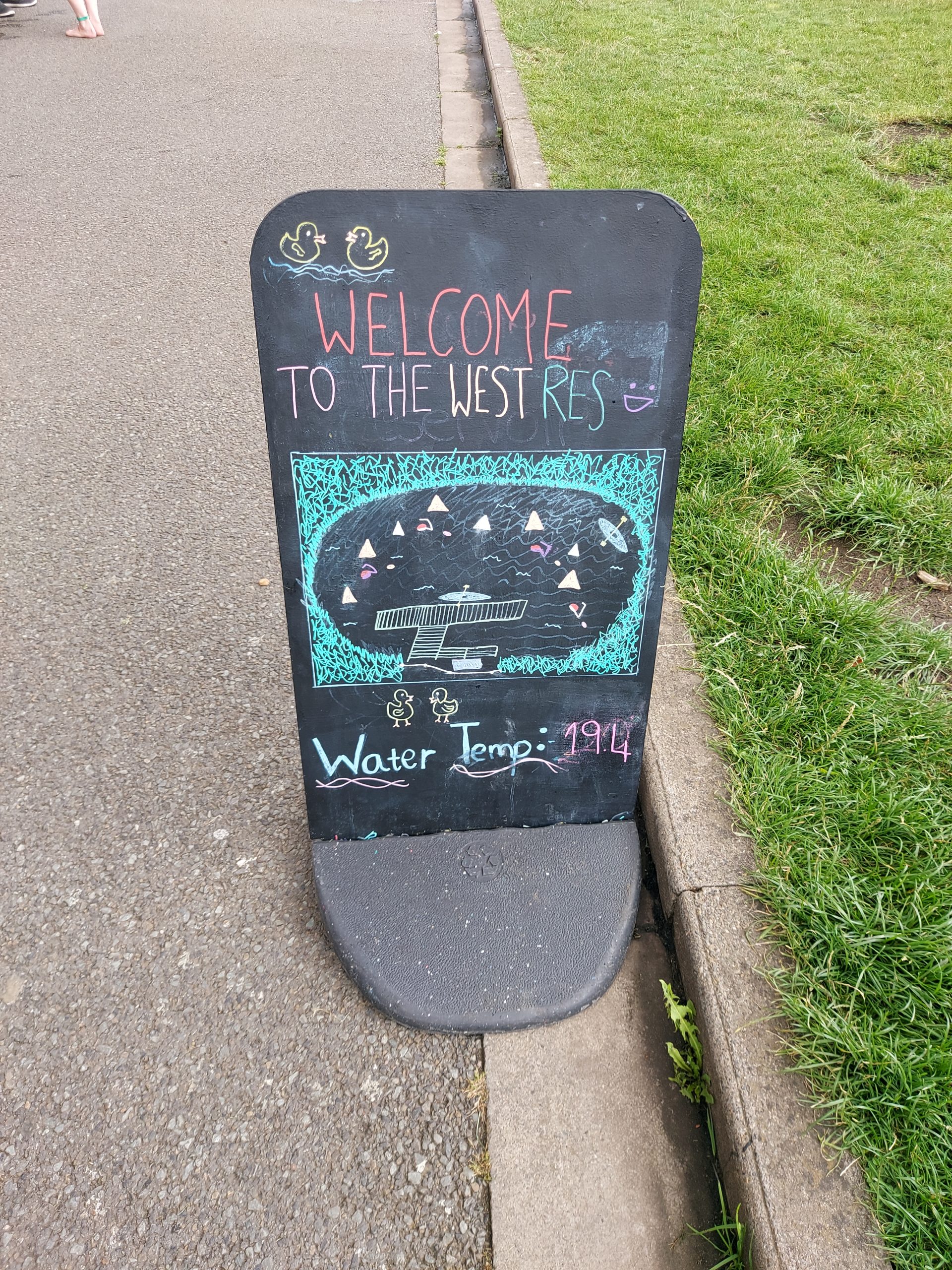
15/07 West Reservoir, 19.4°C, Mental Health Swims, 40 mins, warm but windy, 100m
22/07 KLP, 19°C, alone, 30 mins, warm with light rain, quite a bit of swimming
29/07 KLP, 18°C, alone, 40 mins, warm, quite a bit of swimming, swam to back of pond
12/08 West Reservoir, 20.5°C, Mental Health Swims, 40 mins, warm and a little windy, 150m
13/08 Hampstead Mixed Pond, 19.4°C, my friend Dasa, 40 mins, warm with a breeze and slight rain, swam to the end and back about 3 times
02/09 Beckenham Place Park, 19.5°C, alone, 40 mins, warm but overcast, swam continuously for a good while
03/09 River Thames near Teddington, 17°C, Teddington Bluetits, 30 mins, early morning sunny and getting warm, swam upstream and back
09/09 River Thames near Teddington, 20°C, Teddington Bluetits, 30 mins, hot day, treaded water for a long time
09/09 River Thames near Teddington, 20°C, Teddington Bluetits, 30 mins, hot day, treaded water for a long time
23/09 KLP, 18°C, alone, 30 mins, warm, quite a bit of swimming, swam to back of pond
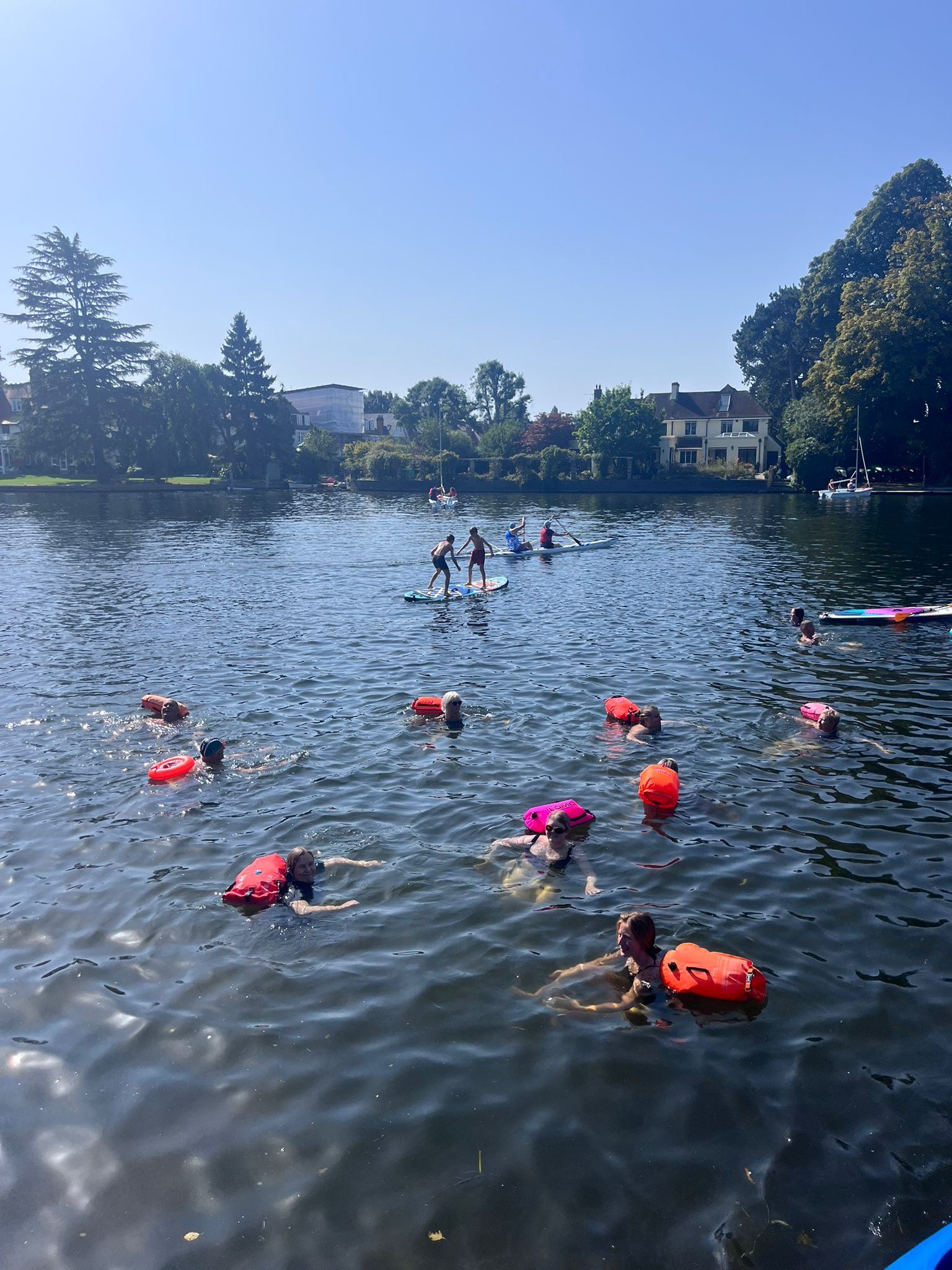
In the Thames with the Teddington Bluetits
Learn how to administer CPR to a victim of drowning.
I learned about CPR in my First Aid course, and noted the following with regards to victims of drowning:
Start with rescue breaths rather than chest compressions.
Many casualties that drown may bring up stomach contents, so be prepared to roll them onto their side to clear their airway.
What equipment do you need to swim in cold water?
For my swims in Kenwood Ladies’ Pond, all I needed was a swimsuit. For many open water swimming venues, tow floats are recommended. I bought my own tow float to use in the Thames.
Brightly coloured swimming hats are recommended (compulsory at some venues) to ensure you are visible in the water.
For cold water below about 14°C, a wetsuit is recommended (plus neoprene gloves, socks/shoes and hat).
If you often swim in an area without changing facilities, a changing robe is recommended, as is a hot drink to warm you up when you get out of the water.
Board at Hackney West Reservoir
How do you care for a neoprene wetsuit?
A neoprene wetsuit should be stored hanging right side out, in a temperate place away from heat sources, and away from sunlight. Do not fold. Storing the wetsuit appropriately can help prevent damage and tears.
To mend a wetsuit, it can be taken to a professional, but small tears can be fixed at home. Neoprene cement or glue can be used to join tears. Larger holes can be covered with neoprene patches and secured with specialist glue.
Describe the differences between a swimming wetsuit and a surfing wetsuit.
Swimming wetsuits are designed for flexibility and speed to help swimmers move through the water more easily. They have more panels, varying thicknesses, buoyancy and thermal protection. They tend to be smoother, easier to remove, and with a lower neck seal to prevent surf rash.
Surfing wetsuits are typically designed for warmth and protection. They often have reinforced knee panels. They come in a variety of styles to suit different watersports and different water temperatures.
Describe how a non-swimmer, weak swimmer and injured swimmer look in the water.
Non-swimmers can thrash their arms, slapping the water trying to keep their heads above the surface.
Weak swimmers use their legs and look like their heads are above water. They may look fine, but could be struggling.
Injured swimmers can be identified by their weak or tired stroke, and diagonal body orientation.
I found this article very useful in terms of potentially identifying someone who is drowning.
Learn how to tow someone in the water.
I completed this clause during the lifesaving session at Rebel Summer Camp.
Take part in a ‘fun’ open water swimming activity.
I attended the ‘Night at the Res’ event at the West Reservoir in Hackney. There was a lovely atmosphere and it was great to be able to swim at the end of the day as the sun was going down.