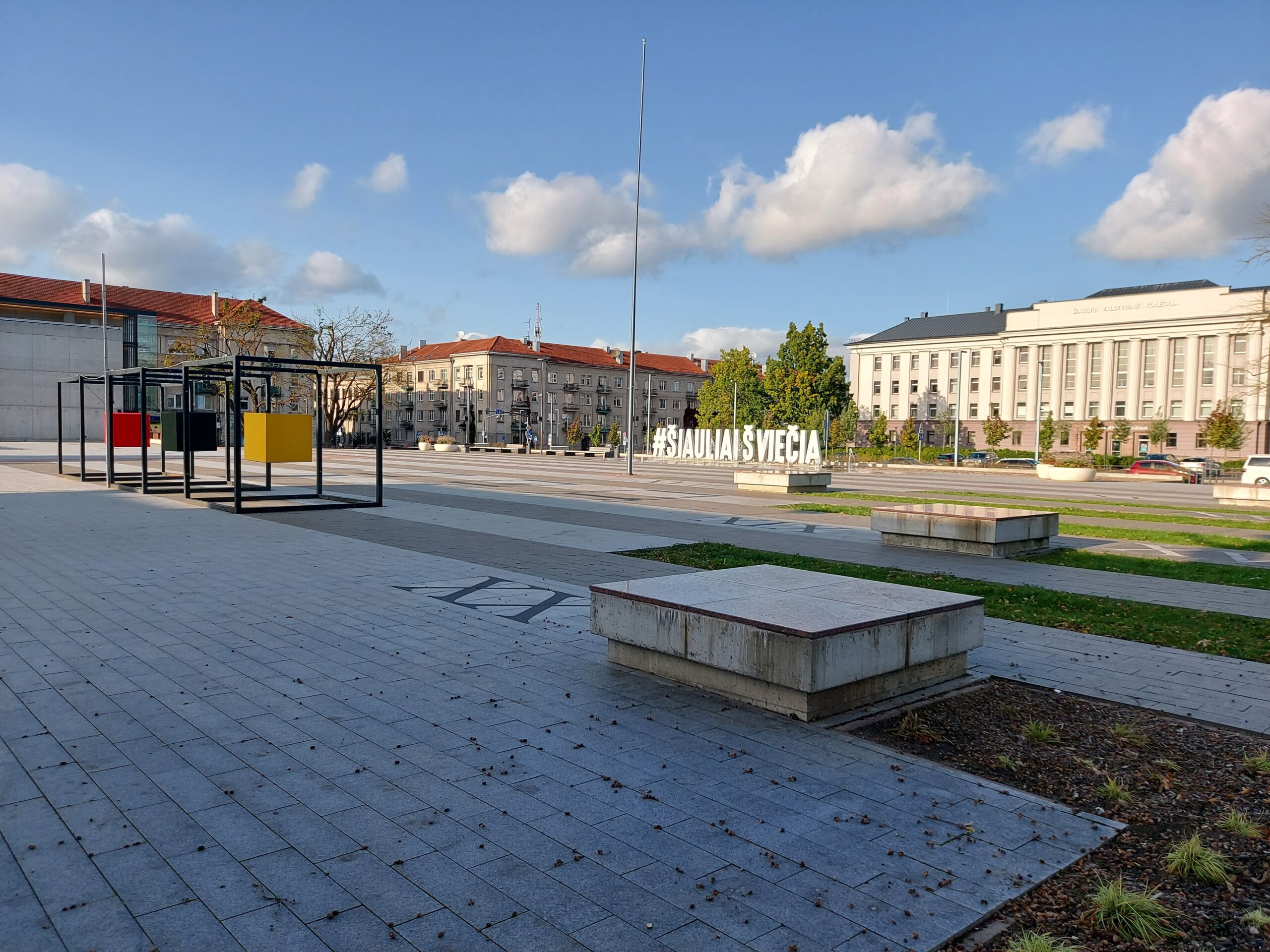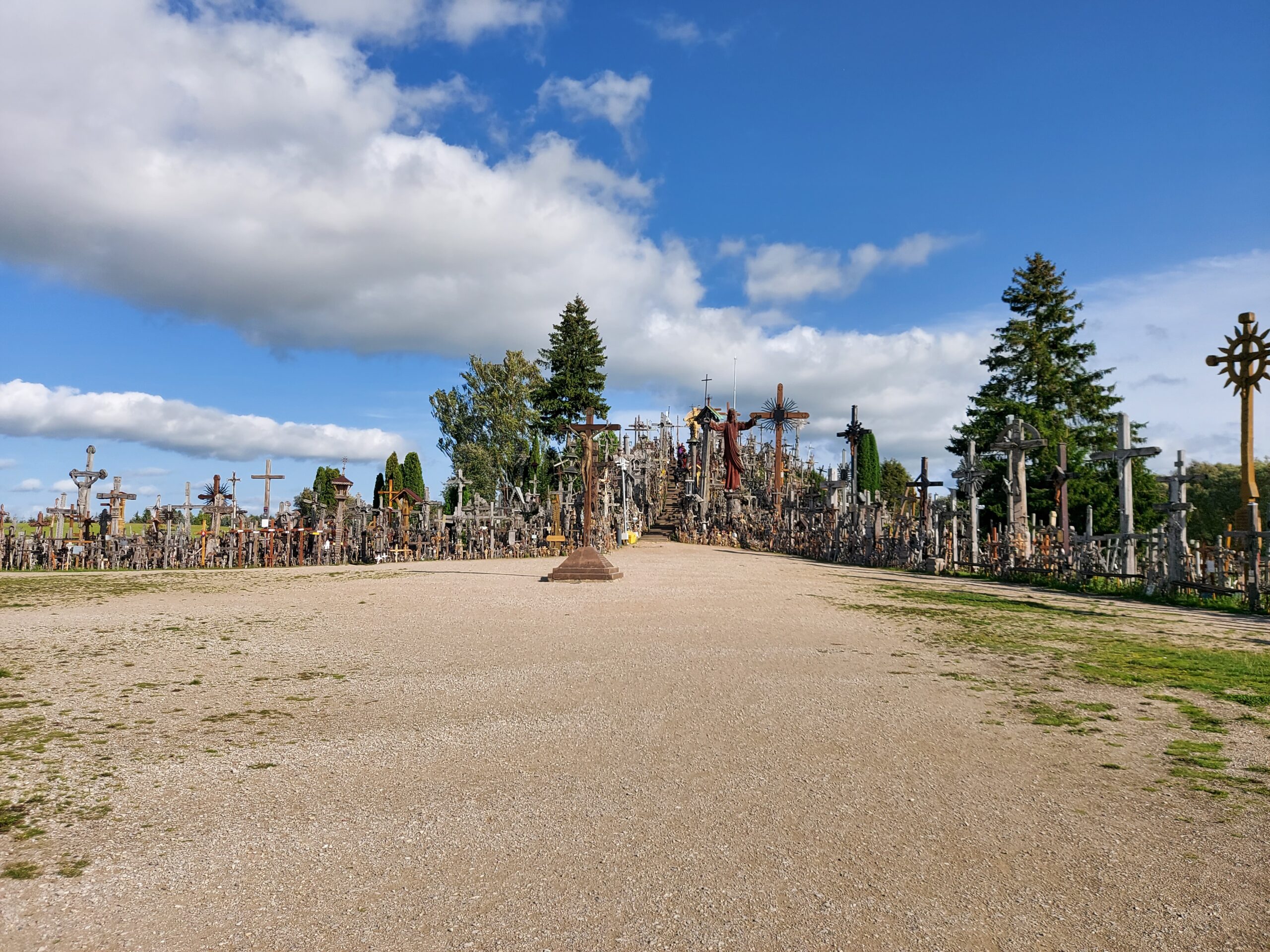
As part of my trip to Lithuania, I booked a tour to the Hill of Crosses. However, the tour was cancelled the day before it was due to run, owing to low numbers. So I decided to make my own way there. I was worried about the logistics, but thanks to helpful people on the Internet, it was pretty straightforward. Getting there involves taking a train to the city of Šiauliai, a bus a short distance further, then walking the final stretch of the route. If you Google it, you can find all the details, including which bus to get, exactly what to ask for when you board even if you don’t speak a word of Lithuanian, and the bus times for your return journey (which can vary and be a tad arbitrary, so it’s definitely worth doing your research).
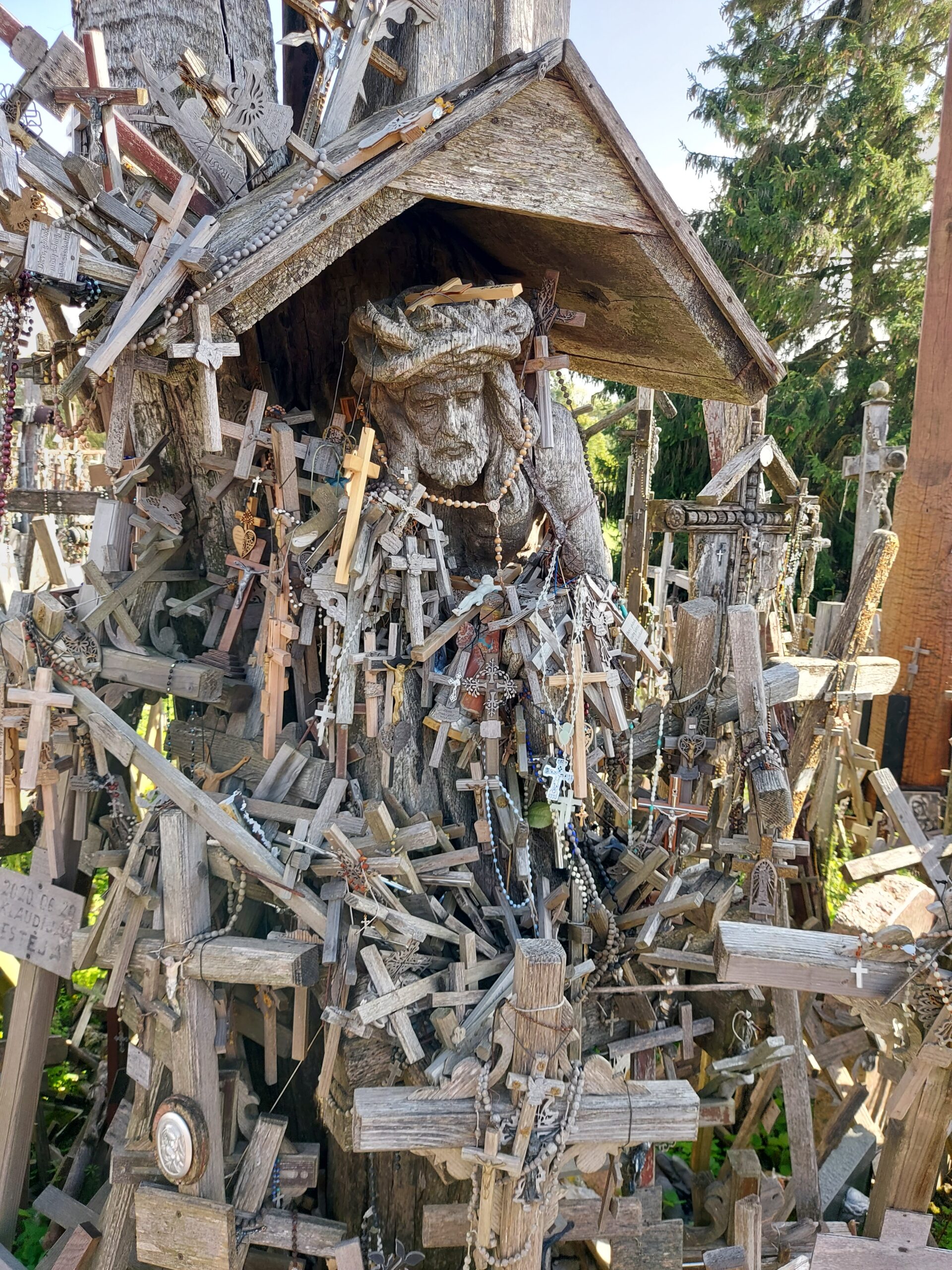
The site is one of the most famous in Lithuania and is a popular place of pilgrimage; it has even been visited by the Pope. Over almost two centuries, crosses, crucifixes and other religious symbols – such as effigies, rosaries and statues of the Virgin Mary – have been placed at the site. The exact number is unknown, but estimates suggest there were around 55,000 in 1990 and 100,000 in 2006. It is uncertain exactly when the practice began, but it is likely that it started after the 1831 Uprising against Russian authorities. As they were unable to find the bodies of their loved ones, families of rebels started to put up symbolic crosses instead.
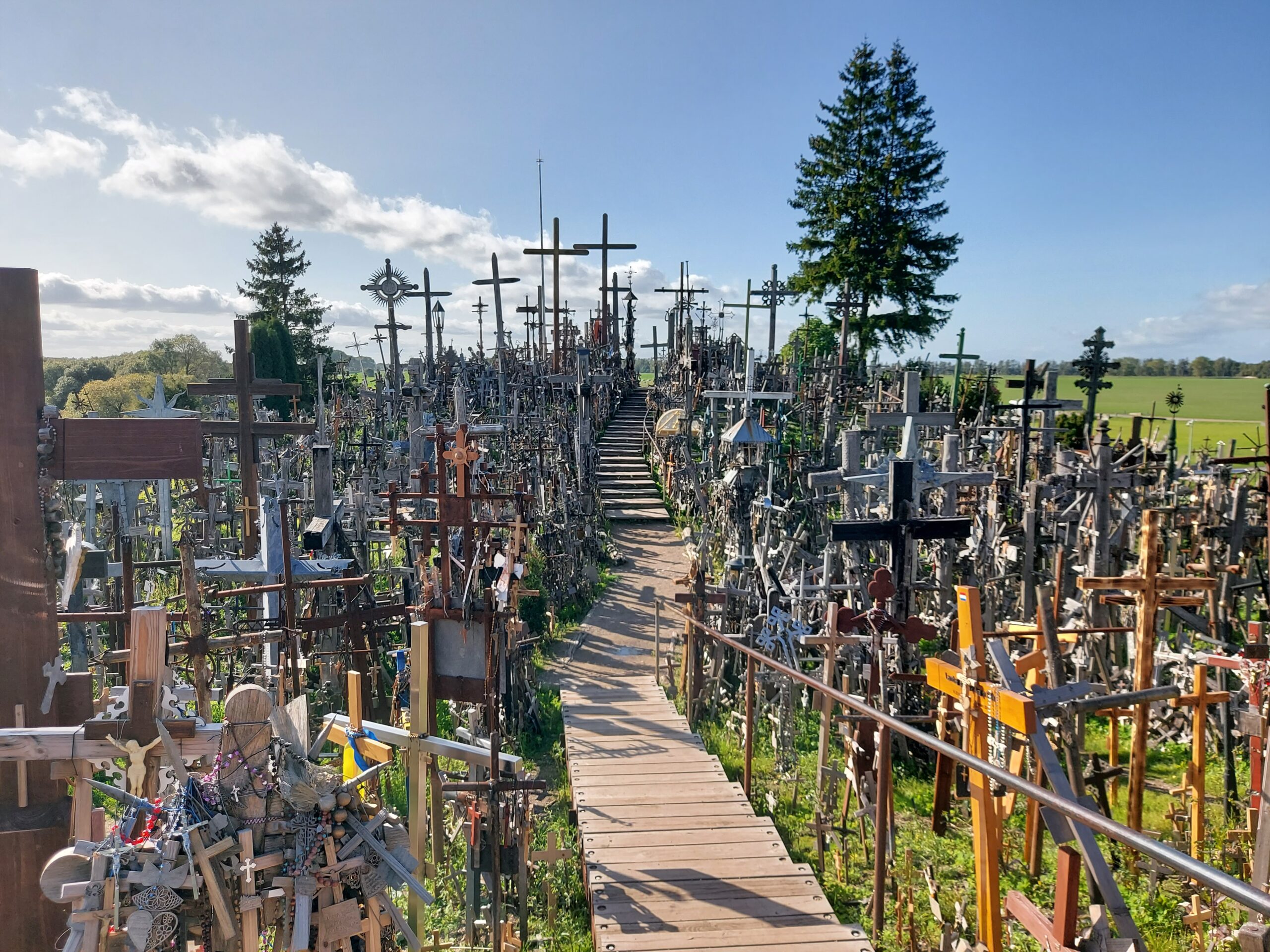
Over the decades, attempts have been made, particularly by Soviet forces, to remove and destroy the crosses and prevent people from adding any more. However, the people have continued to defy authority, adding more and more crosses. Today, the effect is incredibly powerful, with large and very old crosses displayed alongside smaller and newer crosses. Many who visit bring their own crosses with them.
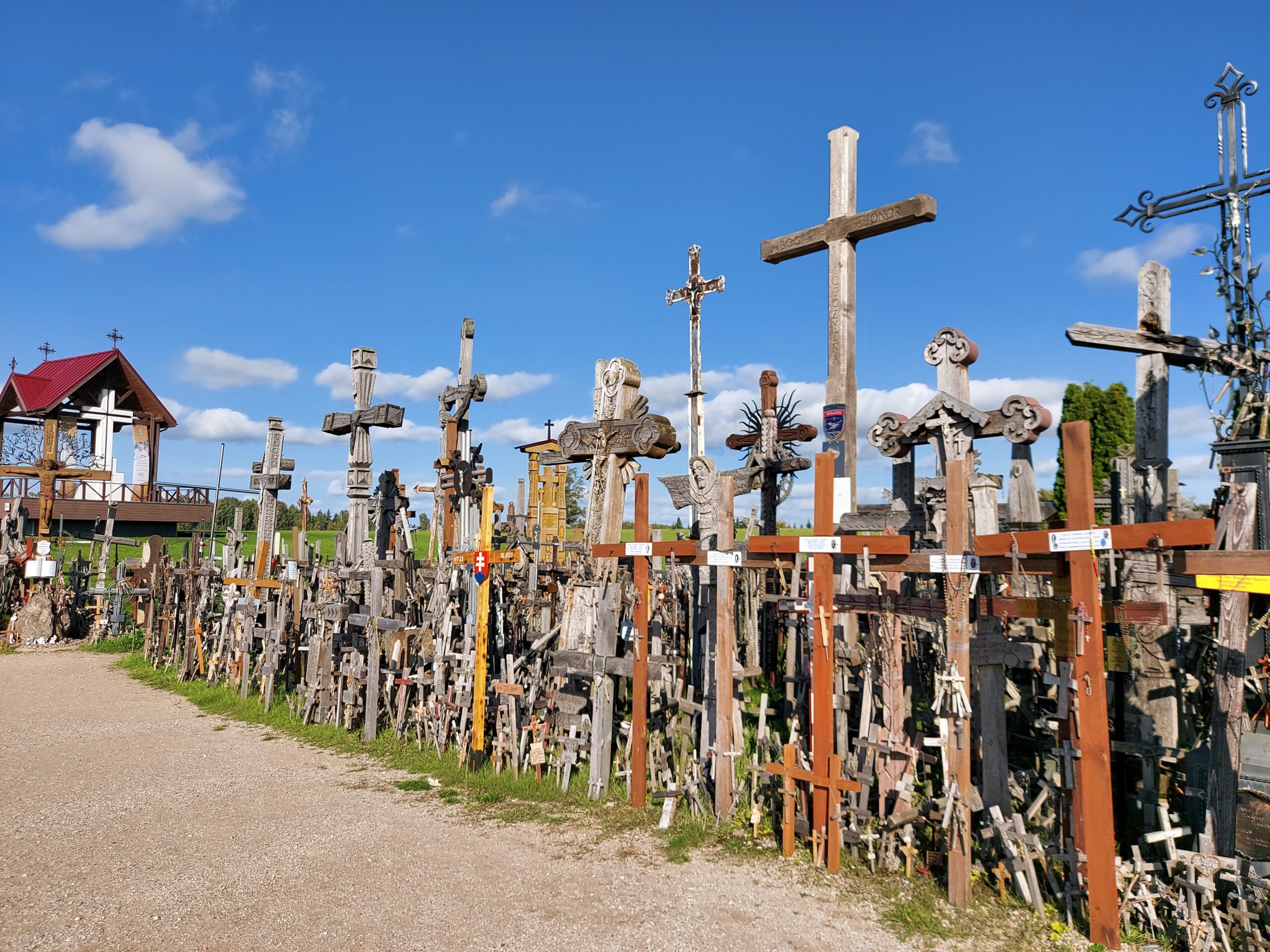
The whole effect is pretty impressive. From a distance, you can see how all the crosses stand together and when you get close up, you can see individual inscriptions and tiny details on all of the crosses. In the wind, all the metal makes a gentle, jangling sound. I imagine it would be slightly creepy to hear at night.
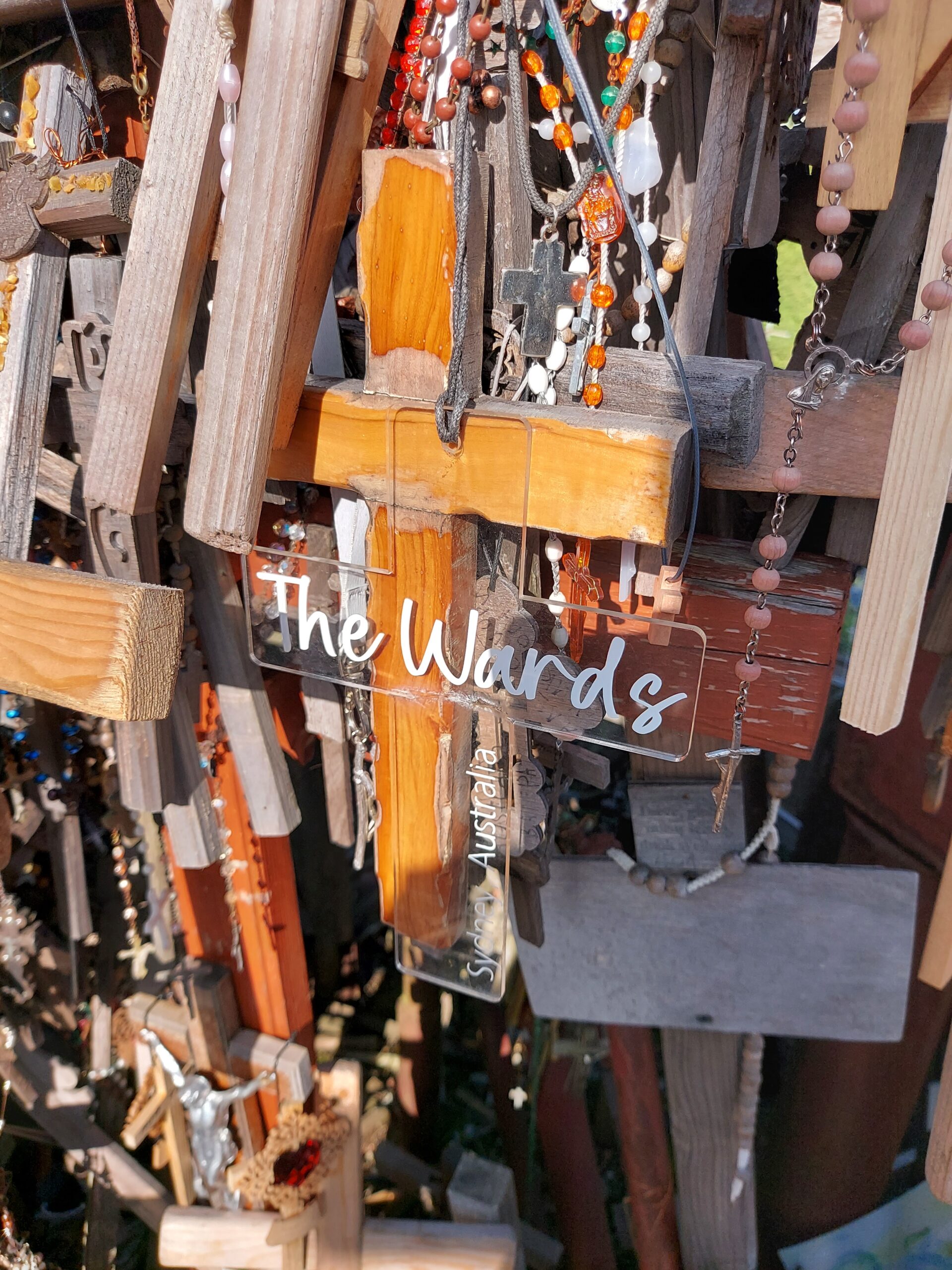
Having said that – and I am aware that the Hill of Crosses can be found on several “spooky places to visit” lists – I found the overall effect to be a positive one. The continued existence of the hill is a testament to the power of the human spirit and the refusal of the Lithuanian people to submit to tyranny and authority. I’m not religious at all – I would describe myself as an atheist – but I found the whole thing very moving.
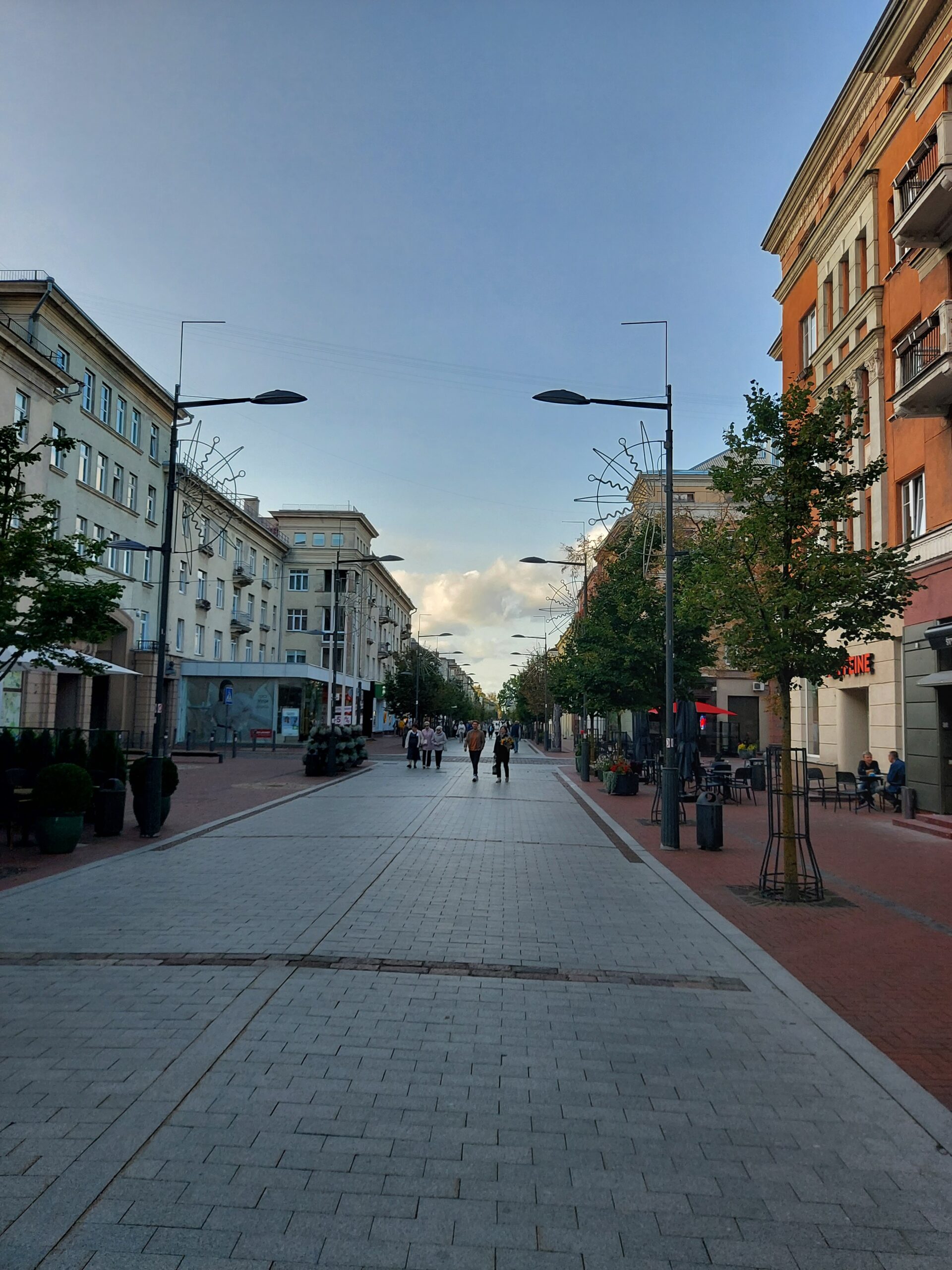
After my visit, I spent some time in Šiauliai before catching the train back to Vilnius. I was sadly too late to visit the chocolate museum, but I did purchase a small box of chocolates from the gift shop, and I enjoyed walking around the city.