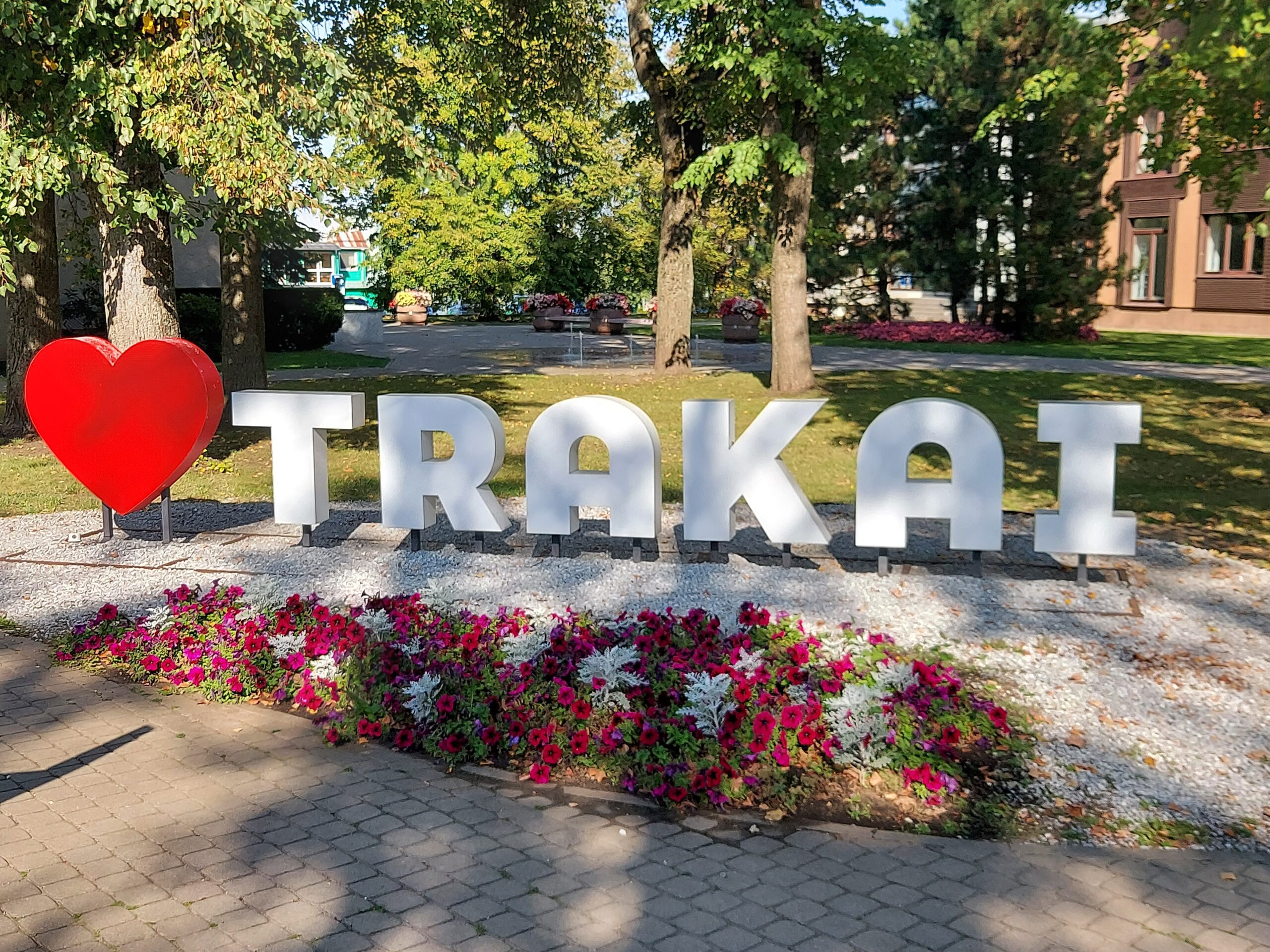
On my first full day in Lithuania, I was up nice and early to catch a train to Trakai, a nearby city, in order to visit Trakai Island Castle.
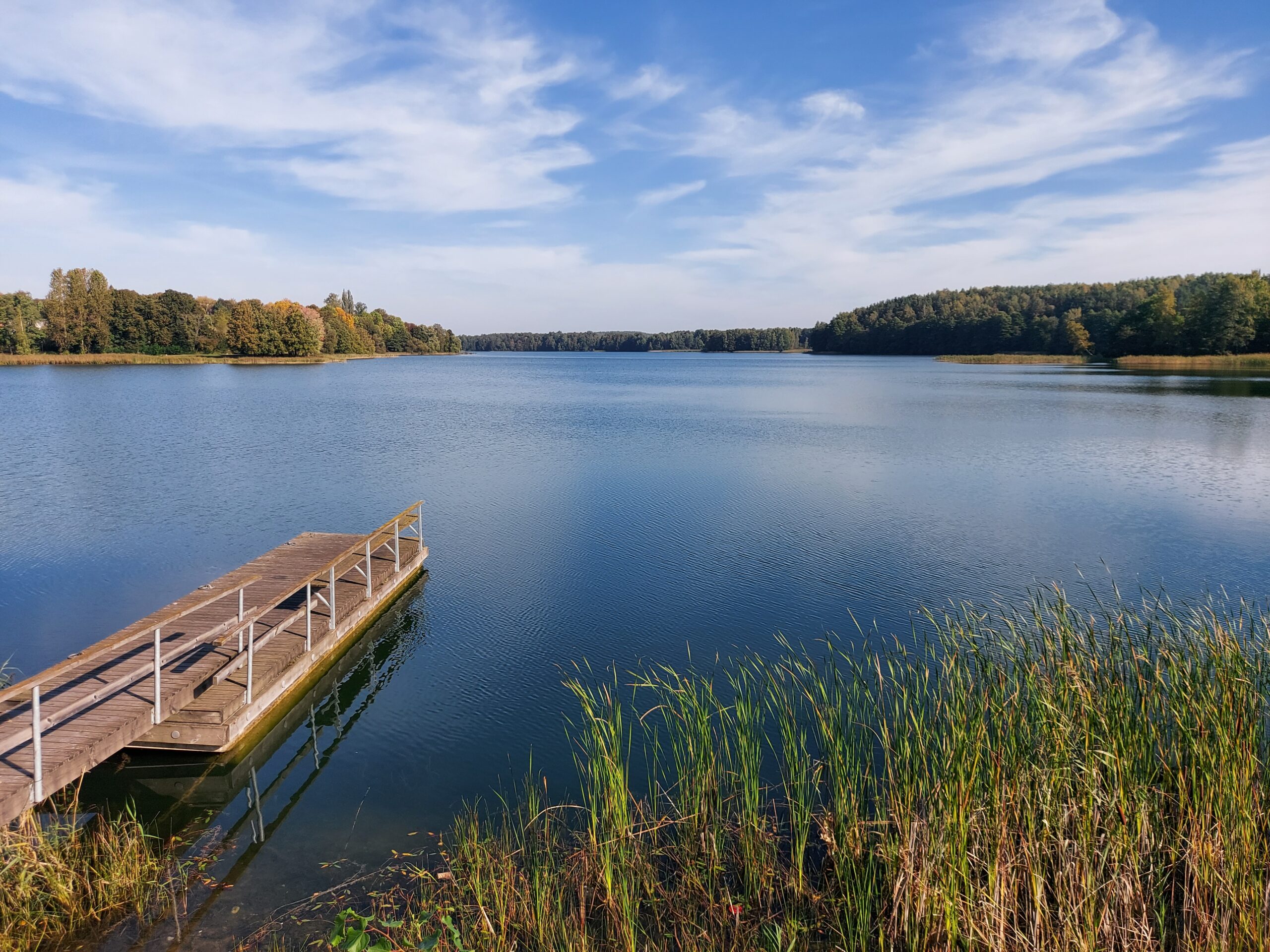
The city itself was beautiful and had an absolutely gorgeous lake. I’ve recently started wild swimming and I was desperate to go swimming here, but for safety reasons decided against it! On the way to the castle I walked past a small market where I bought a floral brooch handmade by the lady who was selling them.
The castle was built in the 14th century and served as a residence for the Grand Dukes of Lithuania. However, the structure fell into disarray in the 17th century and was only rebuilt in 1951. In 1962, the castle became a part of the Trakai History Museum.
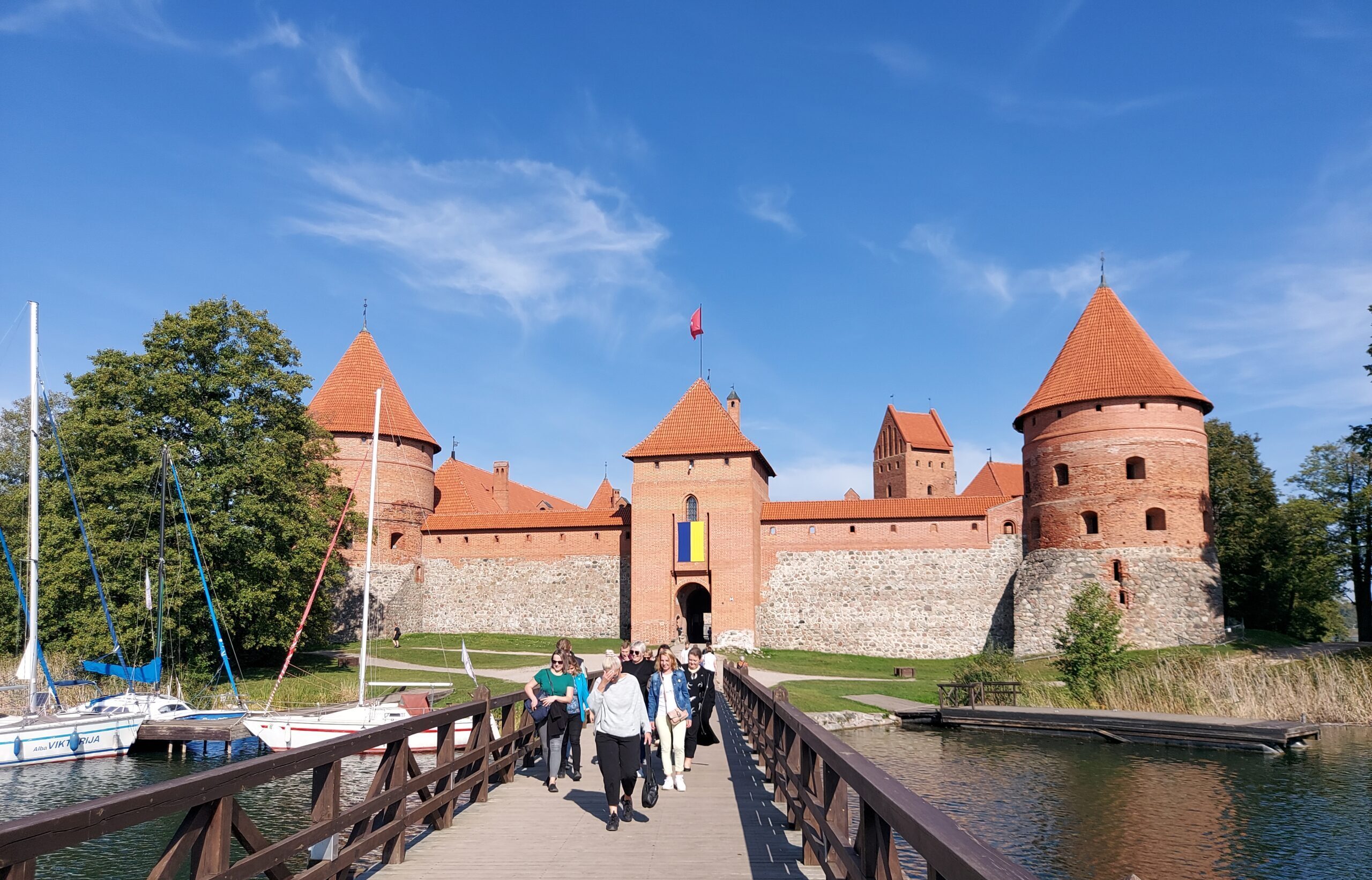
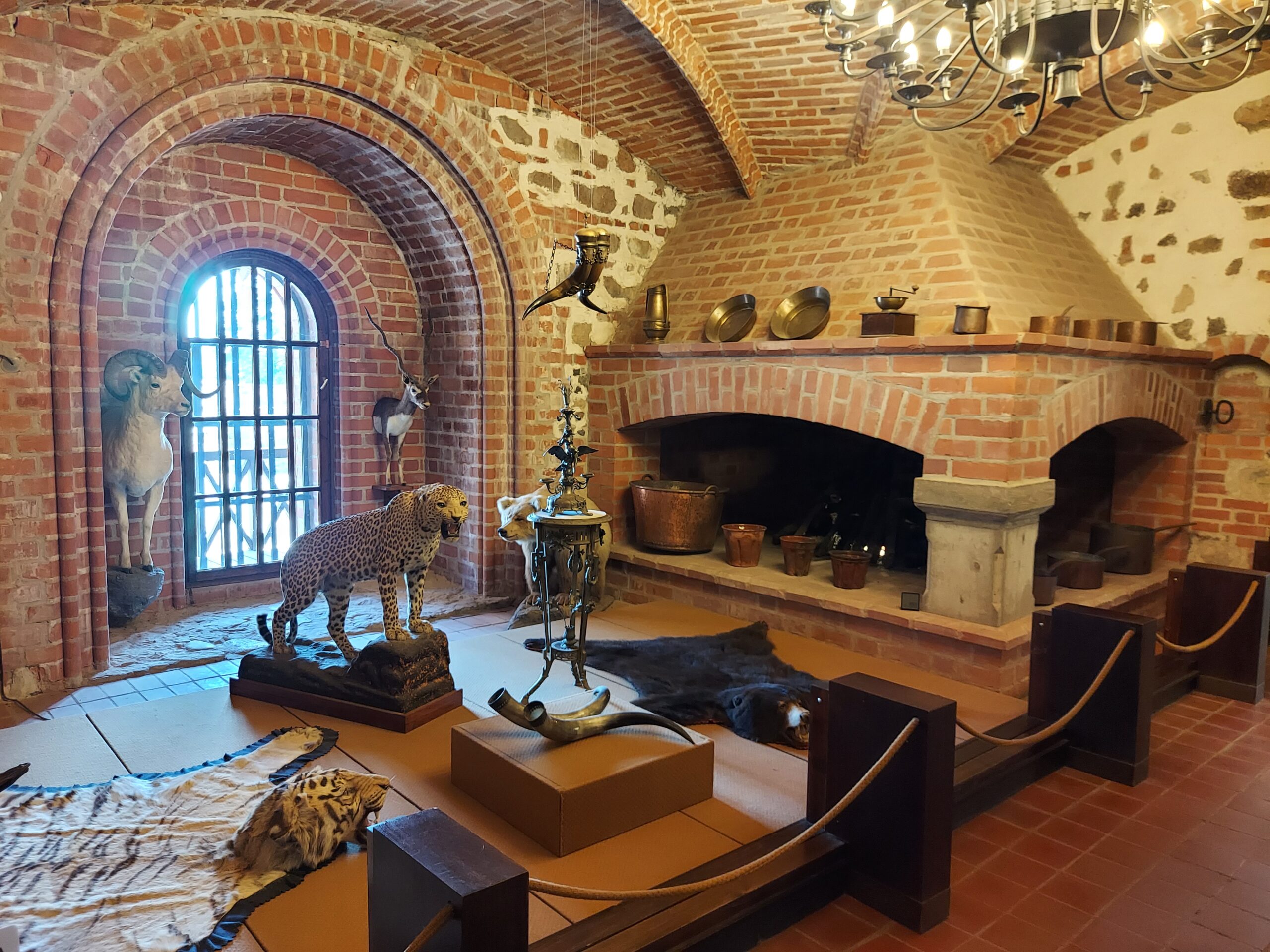
It stands on an island on Lake Galve, one of the deepest lakes in Lithuania. To reach it you have to cross a long wooden bridge: approaching it, it looks like something out of a fairy tale. There is lots to explore inside the castle, incuding exhibitions about the Grand Dukes of Lithuania, artworks, archeological findings and other artefacts.
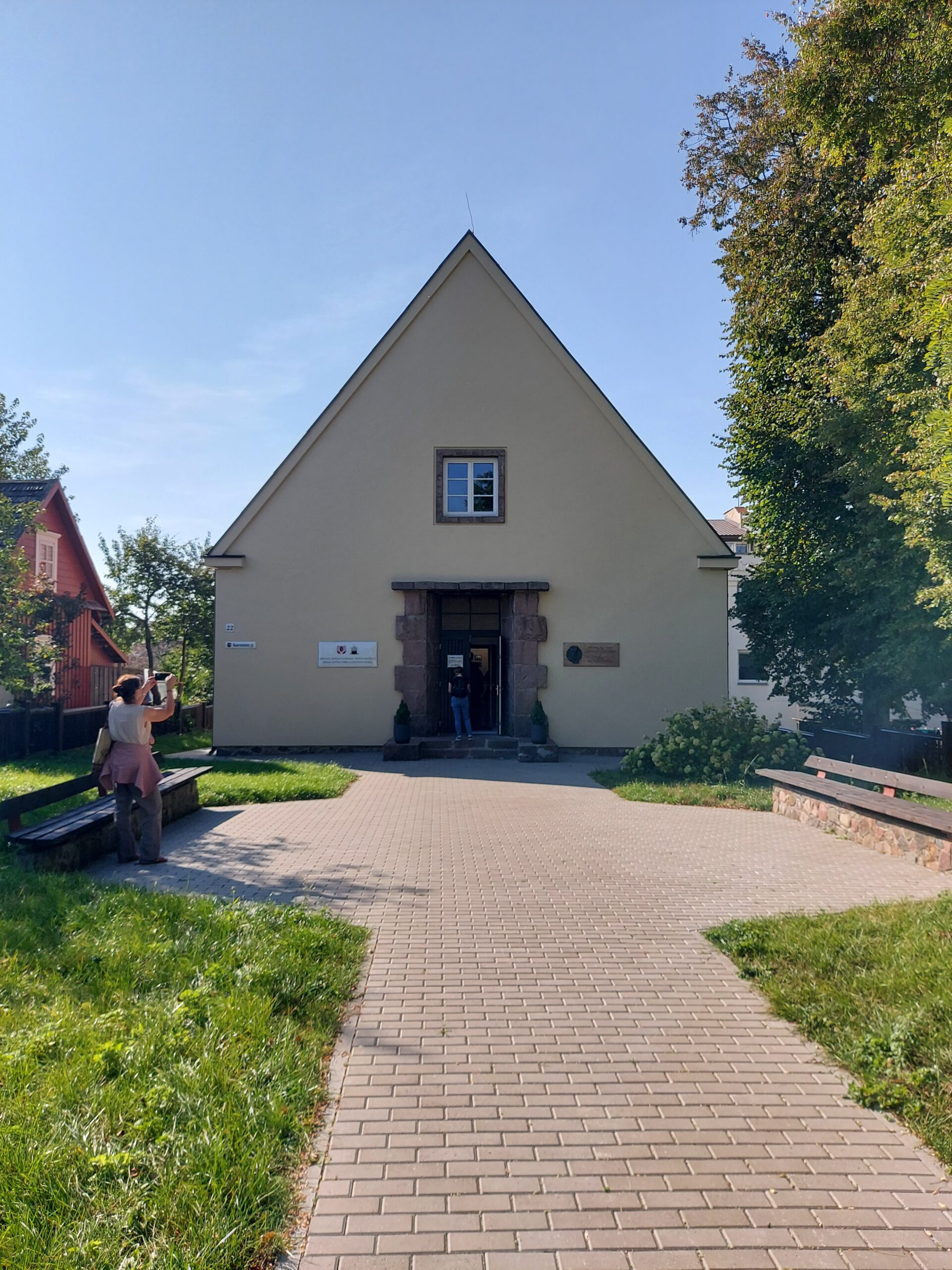
Once I left the castle, I headed back to the railway station, popping into two other museums on the way. Firstly I went into the Karaite Ethnographic Museum, which provides an insight into the culture and history of the ethnic group which moved from Crimea to Lithuania 600 years ago.
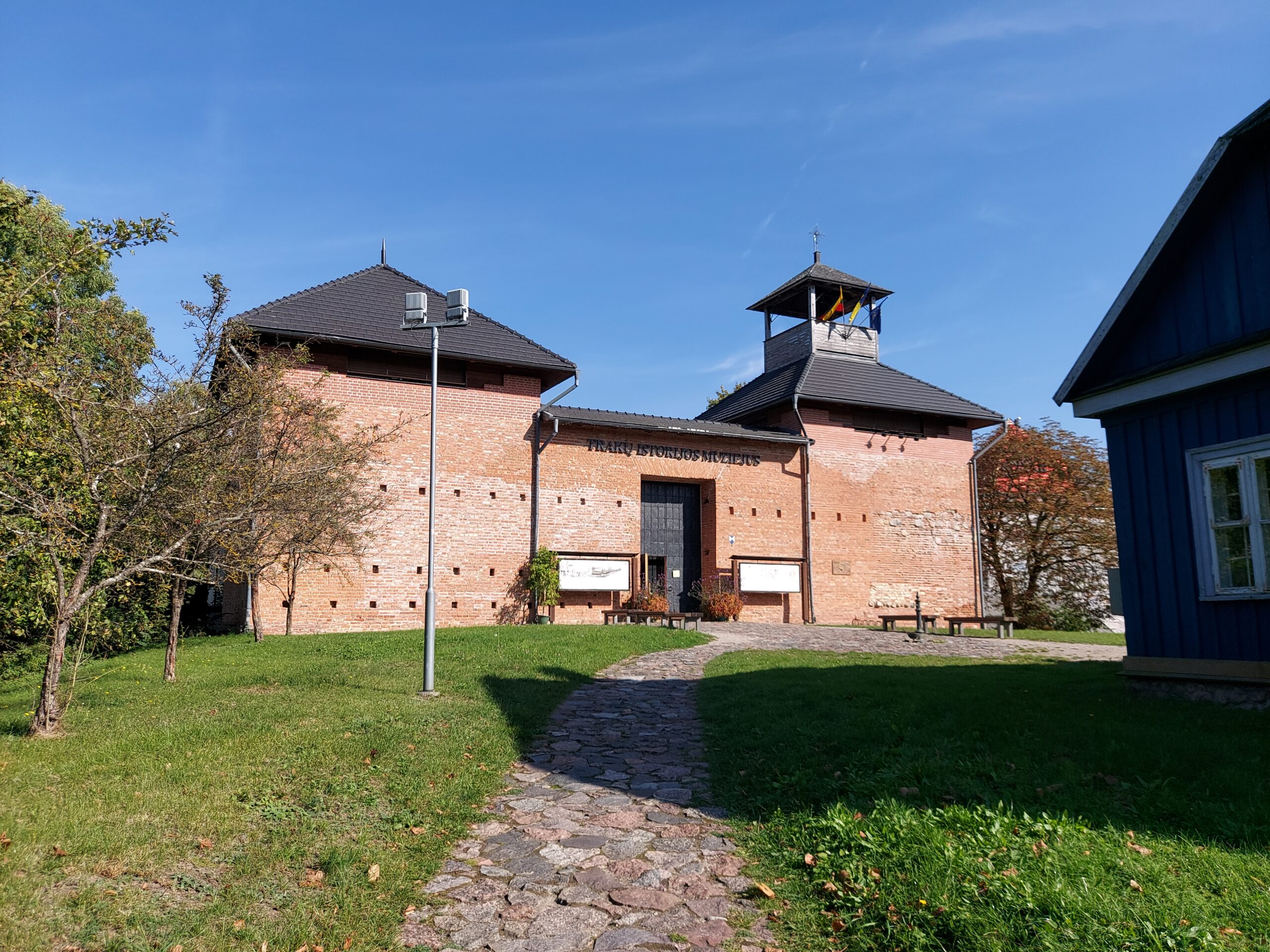
Secondly, I visited a museum called the Trakai History Museum. When inside, the name appeared to be quite misleading as it was actually a small museum of sacred art housed in the chapel of a former Domenican monastery. While not what I was expecting or hoping for, there were a few interesting pieces to see.
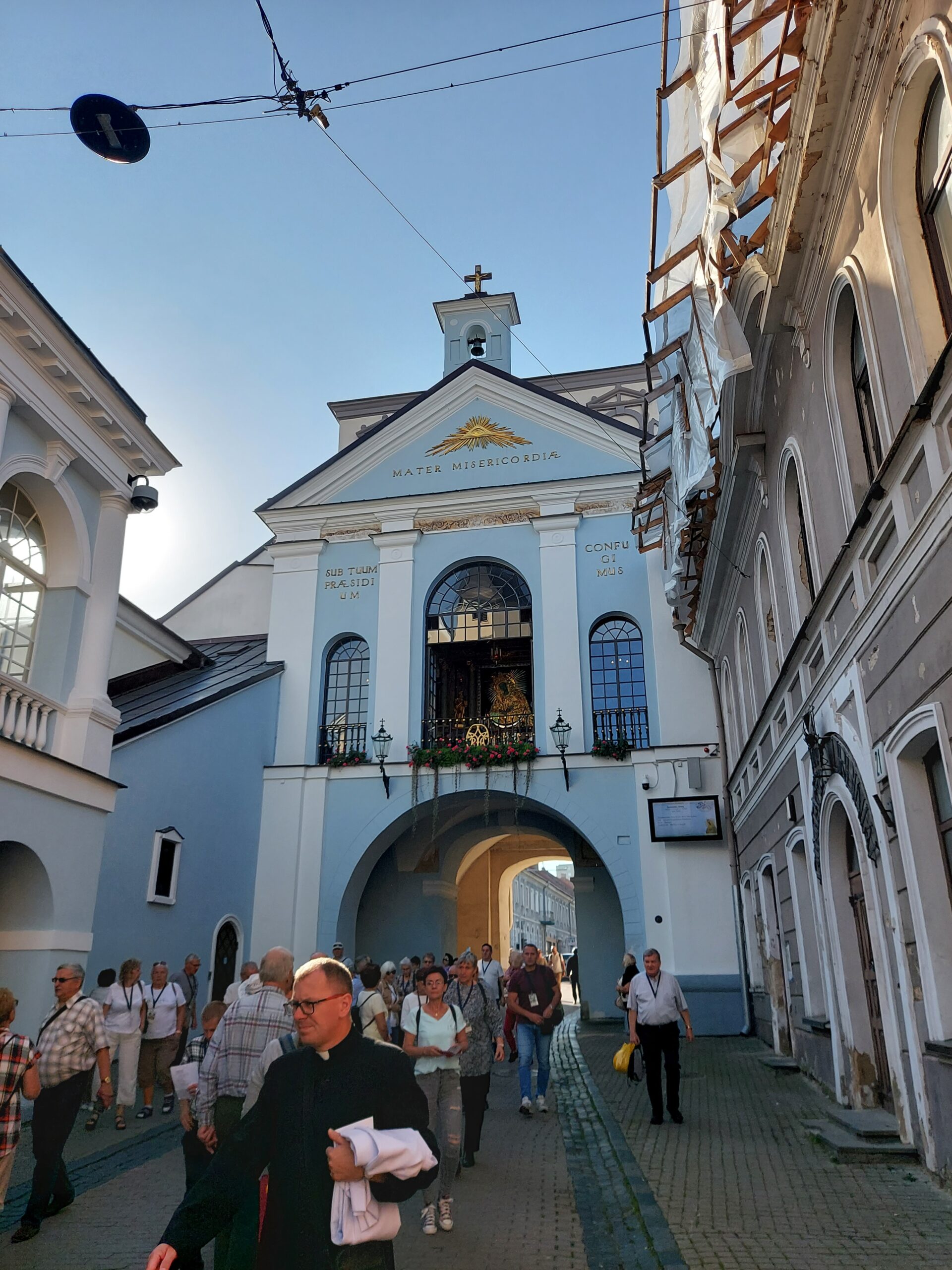
Back in Vilnius, I wandered around the Old Town for a bit, passing the famous Gate of Dawn, and popping upstairs for a closer look. The Gate was built in the early sixteenth century as part of the city’s defensive fortifications, and is the only remaining city gate of the original ten.
I headed back to the city centre to visit Gediminas Castle Tower. Gediminas’ Tower is the remaining part of the Upper Castle on top of the Gediminas Hill. A legend tells the story of Grand Duke Gediminas who dreamt of an iron wolf howling at the top of this hill. He took it as a prophecy of the city that would one day stand here. Eventually, a wooden castle was built on the hill, followed by a brick castle, built by Grand Duke Vytautas in 1409. The Tower was used as the city’s first telegraph building in 1838, and was opened as a museum in 1960.
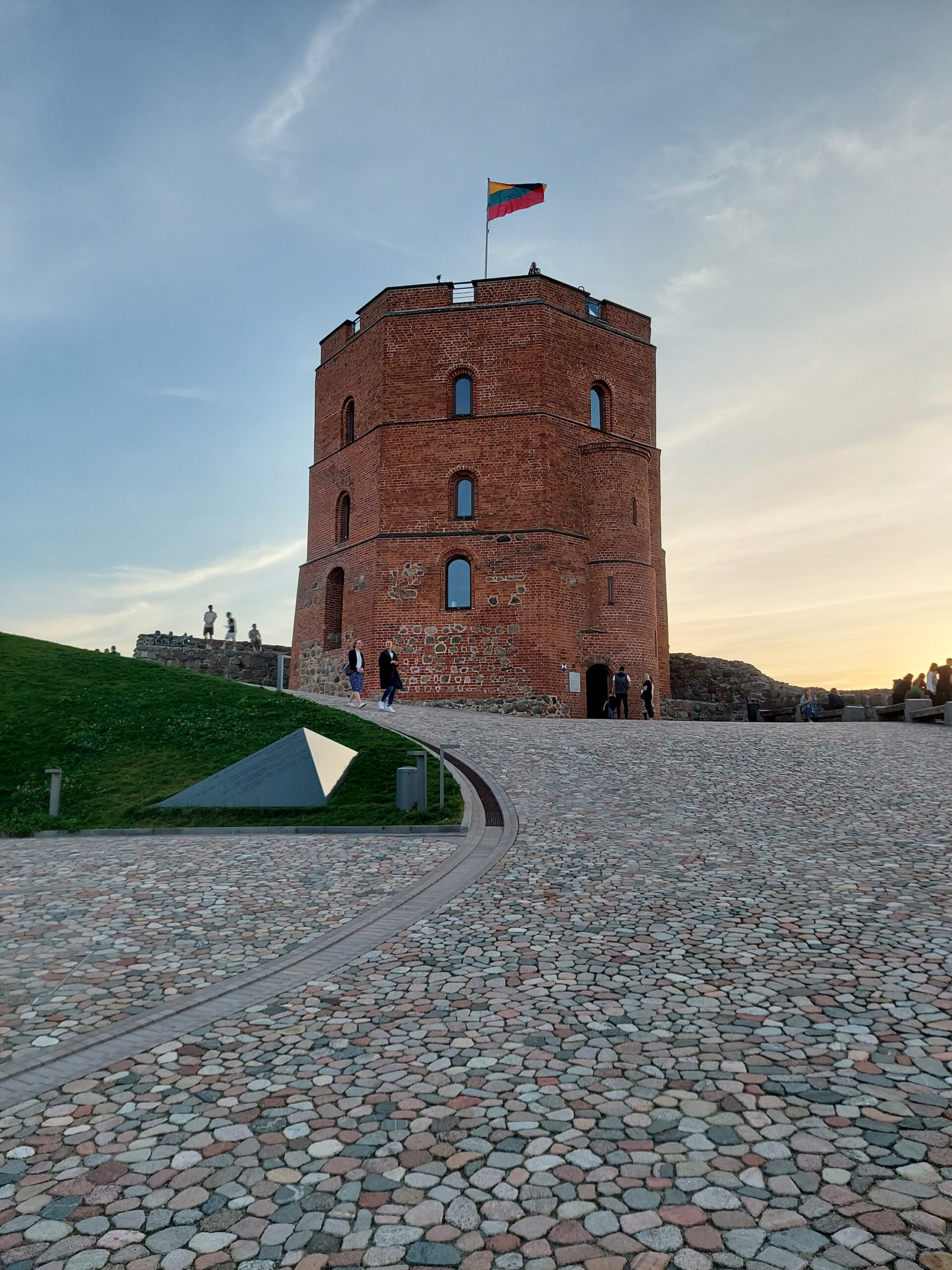
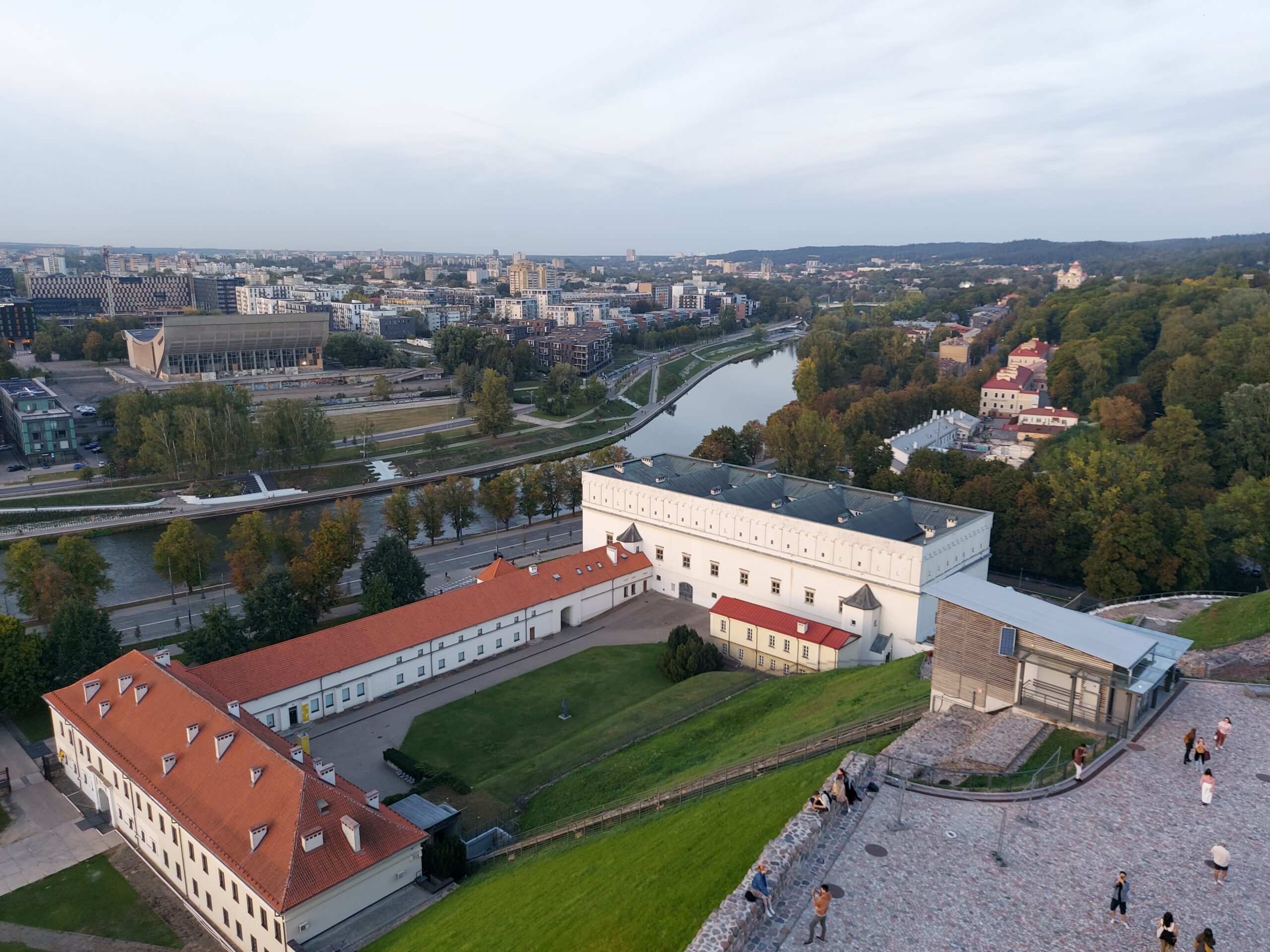
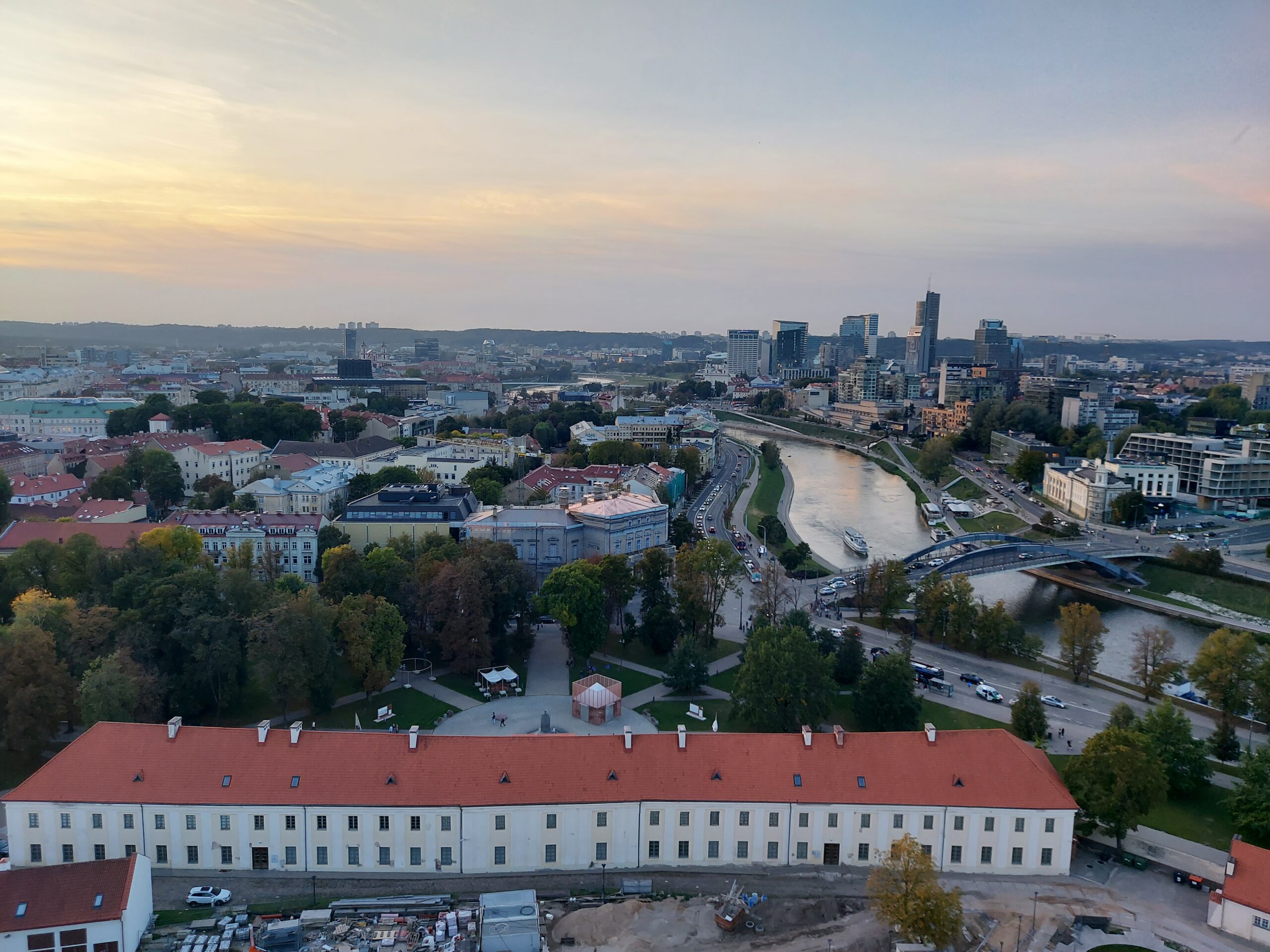
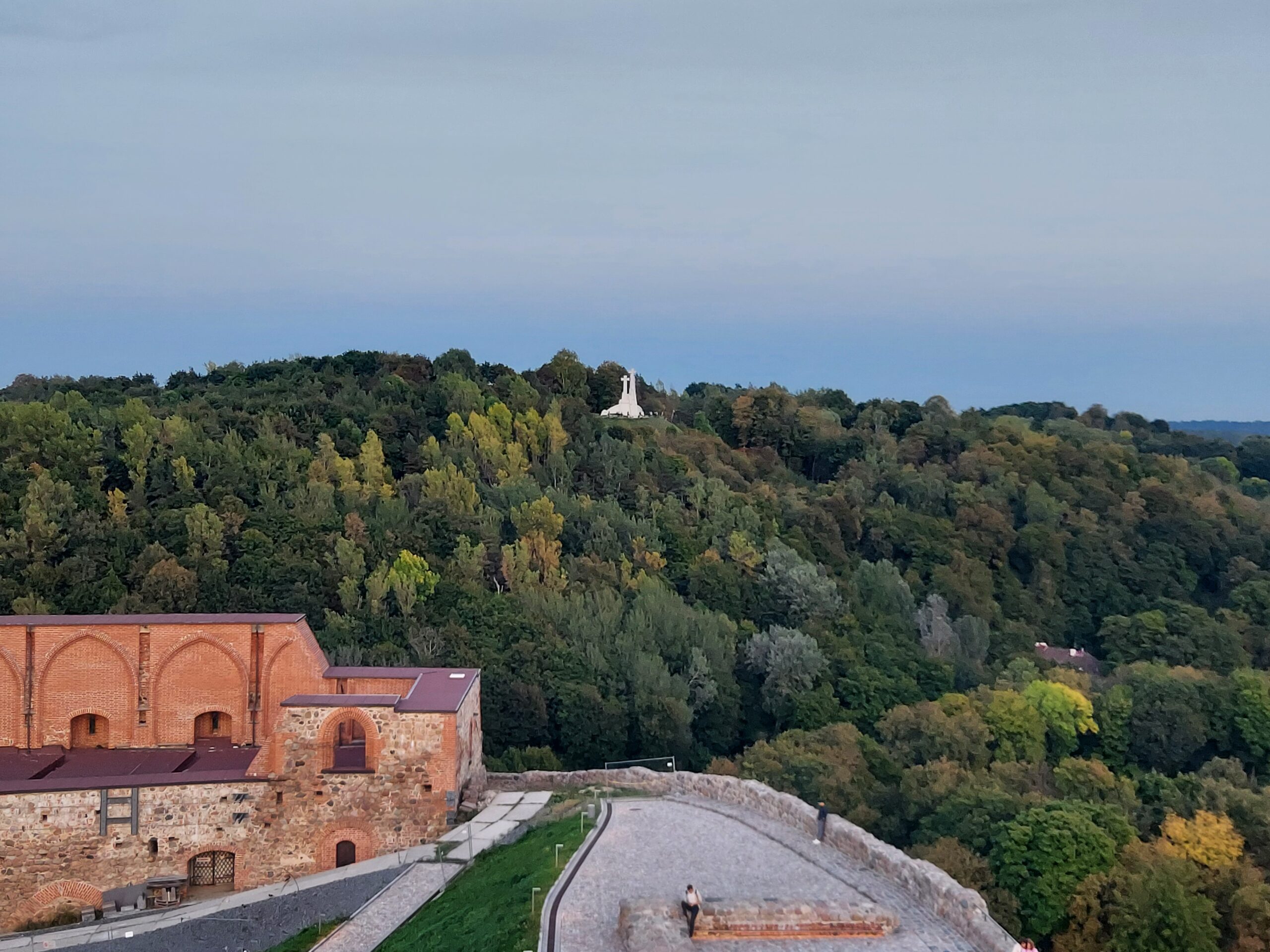
Nowadays it is possible to go up the tower and enjoy spectacular views over Vilnius. The tower has exhibitions on its various floors which are interesting to see. I particularly enjoyed the exploration of Vilnius and the Tower through the years, looking at how the original castles were positioned and how the panorama of the city has changed since the fourteenth century. Other exhibits include Baltic jewellery and military artefacts. Sadly, the third-floor exhibition about the Baltic Way wasn’t open, but I was able to take a look inside. An anti-Soviet demonstration, the Baltic Way took place in August 1989, when almost two million people linked hands from Vilnius to Tallinn.
Finally, I had my tea at a restaurant called Grey which was nicer than it sounds! I had what seemed to be potato cakes with mushrooms in. I treated myself to an Aperol Spritz too.