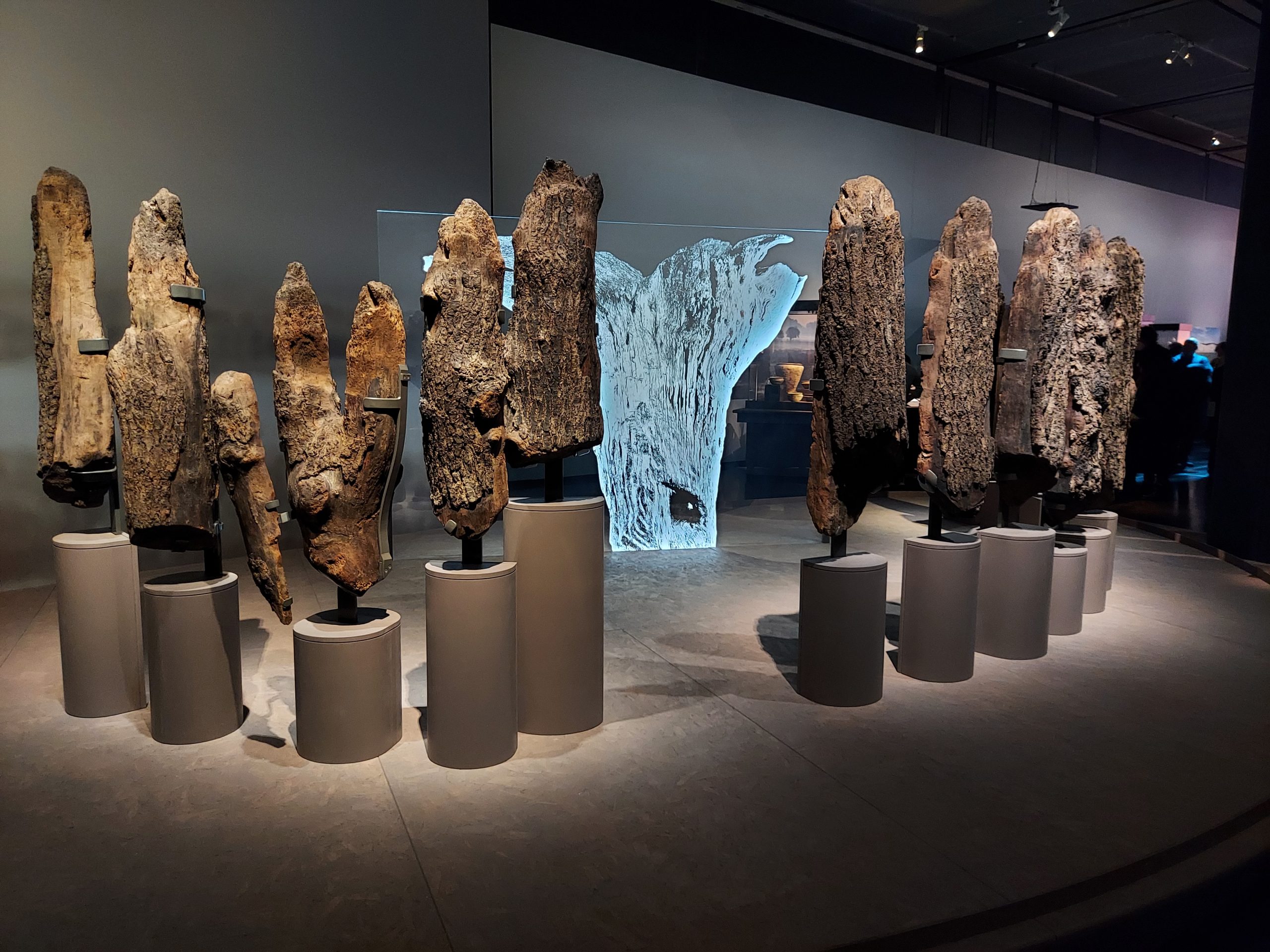
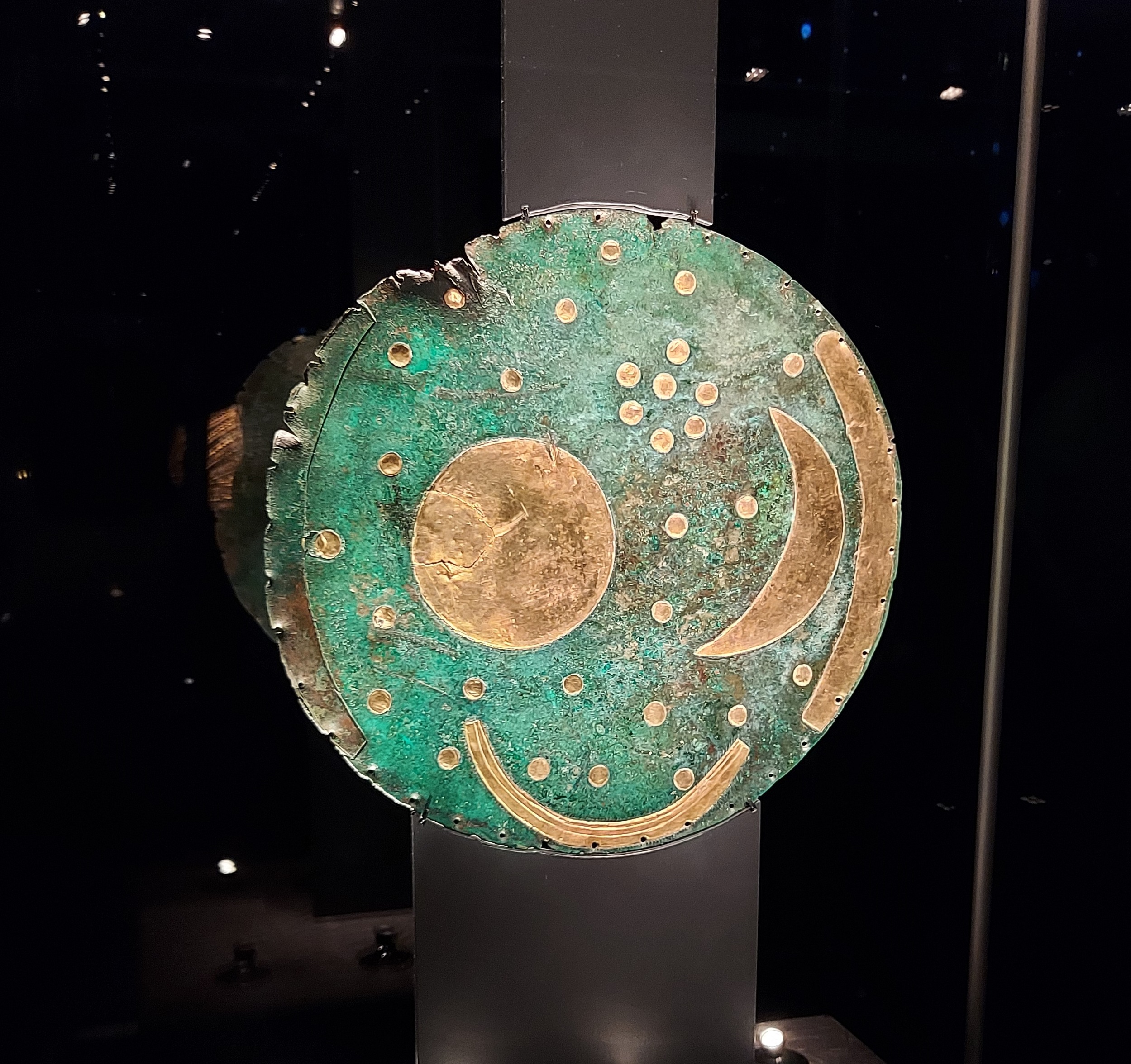
Stonehenge has been on my list of places to visit for years, and I finally got around to visiting this year. I found out that you can sign up for coach trips that take you from central London there and back, so I chose one and arrived bright and early on a Sunday morning.
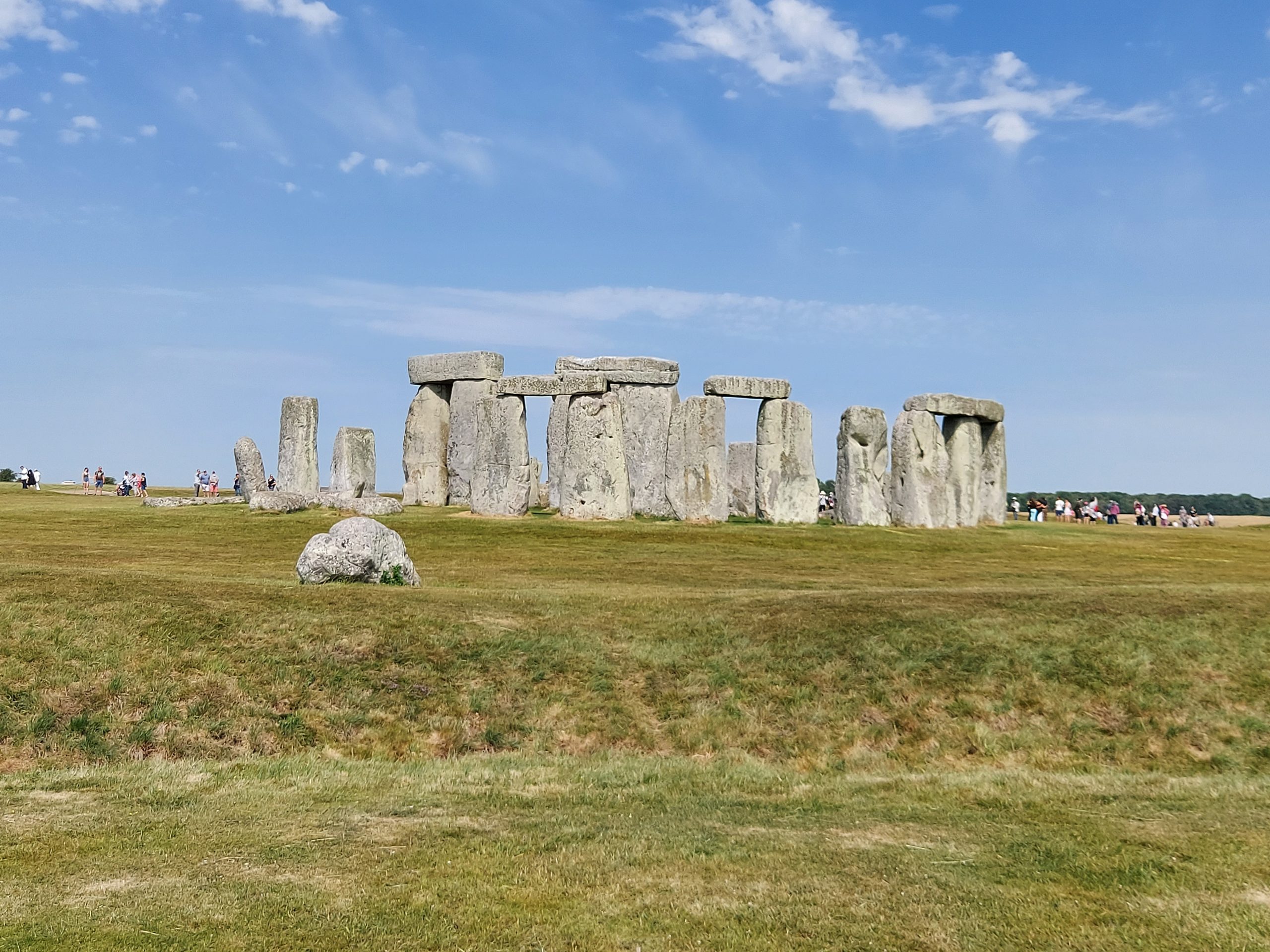
The early start proved worth it when we arrived at the site and there weren’t too many people around (as opposed to the huge numbers who had arrived by the time we left). The first thing I did was to hop on the shuttle bus that takes you from the visitor centre up to the Stones. In other circumstances I might have walked, but we only had a limited time at the site, and I wanted to make the most of it.
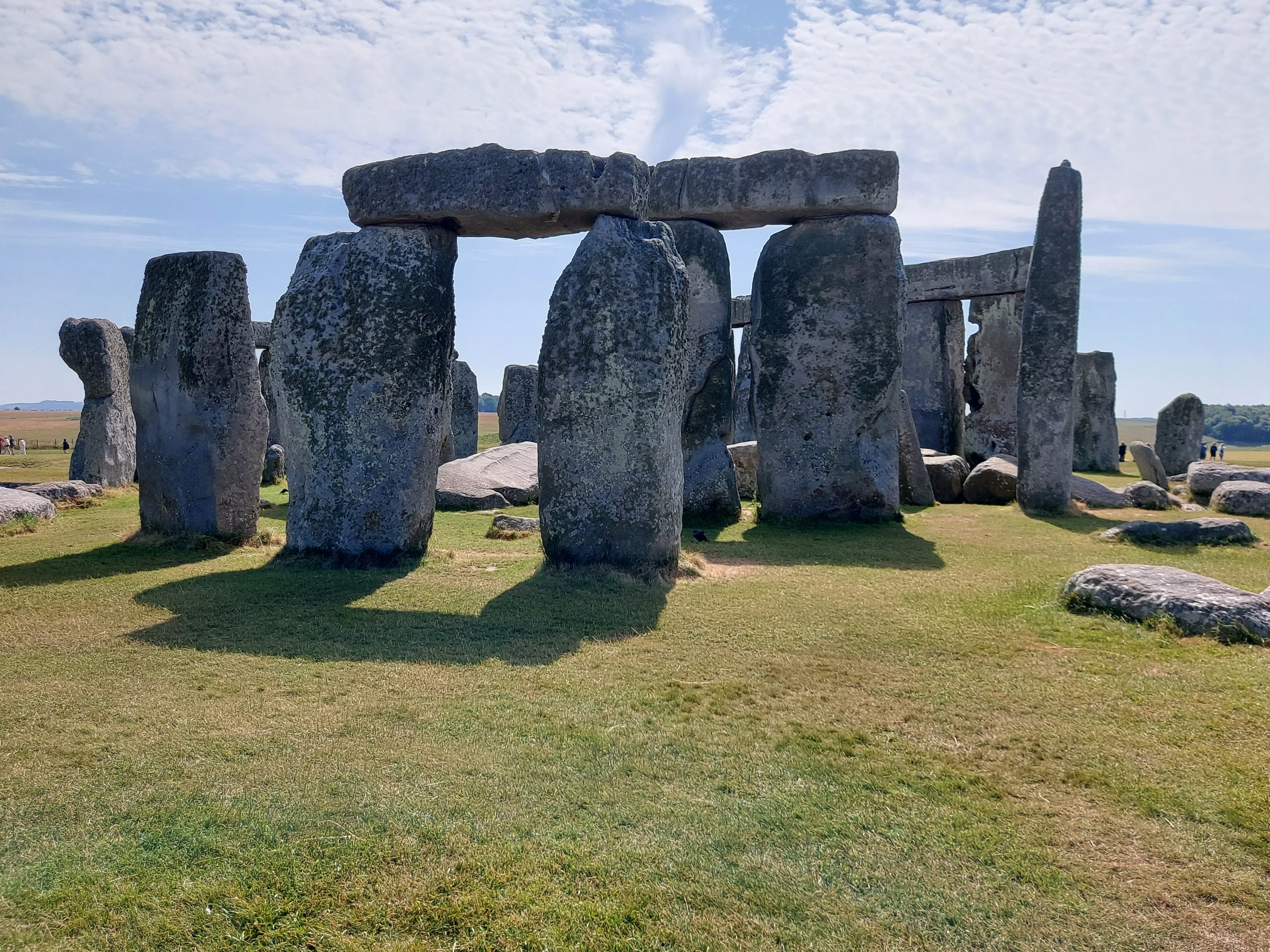
I genuinely found Stonehenge really impressive. There is something magical about a stone circle, in place for millennia on the Salisbury plain. I took my time walking around the site, taking it all in and observing the position of the stones – many have collapsed or been moved since they were originally in place, but it’s still possible to identify the layout as it corresponds to sunrise and sunset during the Solstice.
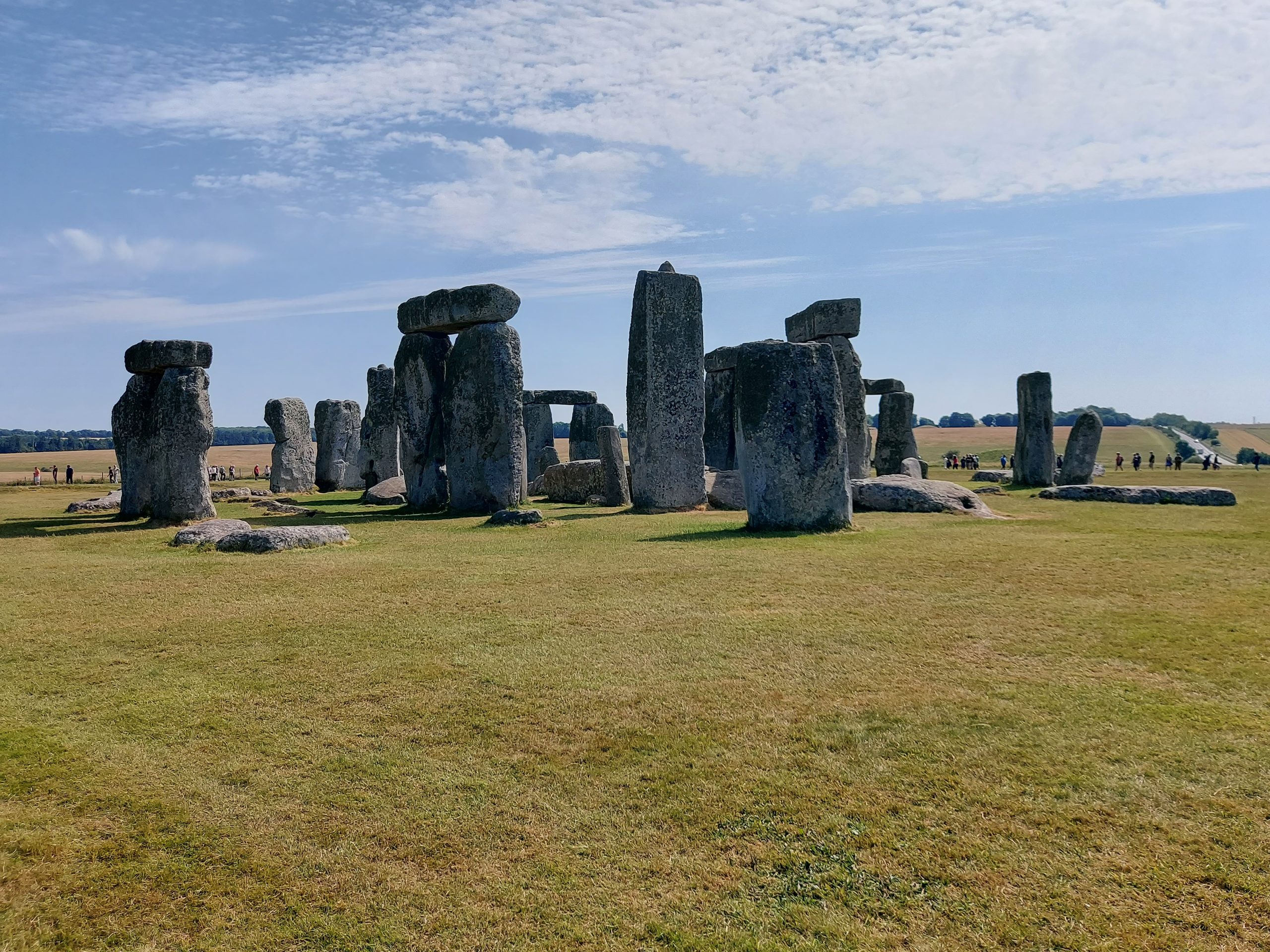
I then caught the bus back down to the visitor centre and spent some time looking around the small Neolithic village that has been built outside. I then headed indoors and explored the exhibition, which looks at the life of Stonehenge over the years and how it might have been used, as well as showcasing some of the finds from the site. My favourite theory is that which suggests Stonehenge was a place for the dead, while nearby Woodhenge was a site for the living.
A temporary exhibition, Circles of Stone: Stonehenge and Prehistoric Japan, was fascinating and compared and contrasted stone circles of prehistoric Japan with Stonehenge, built around the same time.
I spent some time looking around the gift shop, but didn’t have time to visit the cafe. I’d brought my own lunch with me, however, so this was no problem.
Overall I’m so glad I got to tick this place off my list – it’s a must-visit.
FACTS
Address: Near Amesbury, Wiltshire, SP4 7DE
Website: english-heritage.org.uk/visit/places/stonehenge
Opening Hours: Daily 9:30-5
Price: Adult £23, concession £20, child £14