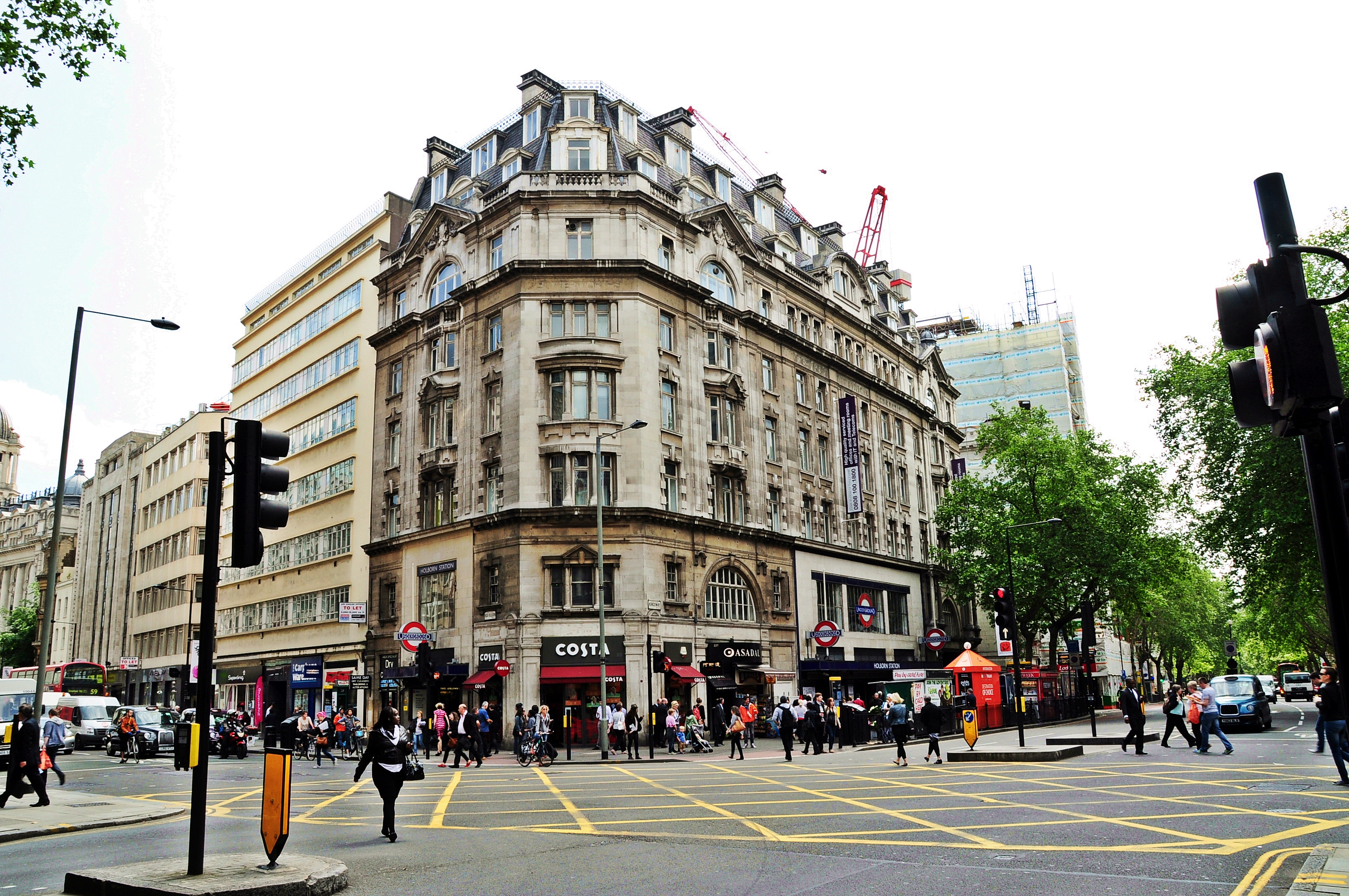
I attended a virtual tour of the Kingsway Tram Tunnel during lockdown, so I was excited to get the chance to attend a real, in-person tour when lockdown eased. I booked the day off work specially, and headed to the entrance ready for the start time.
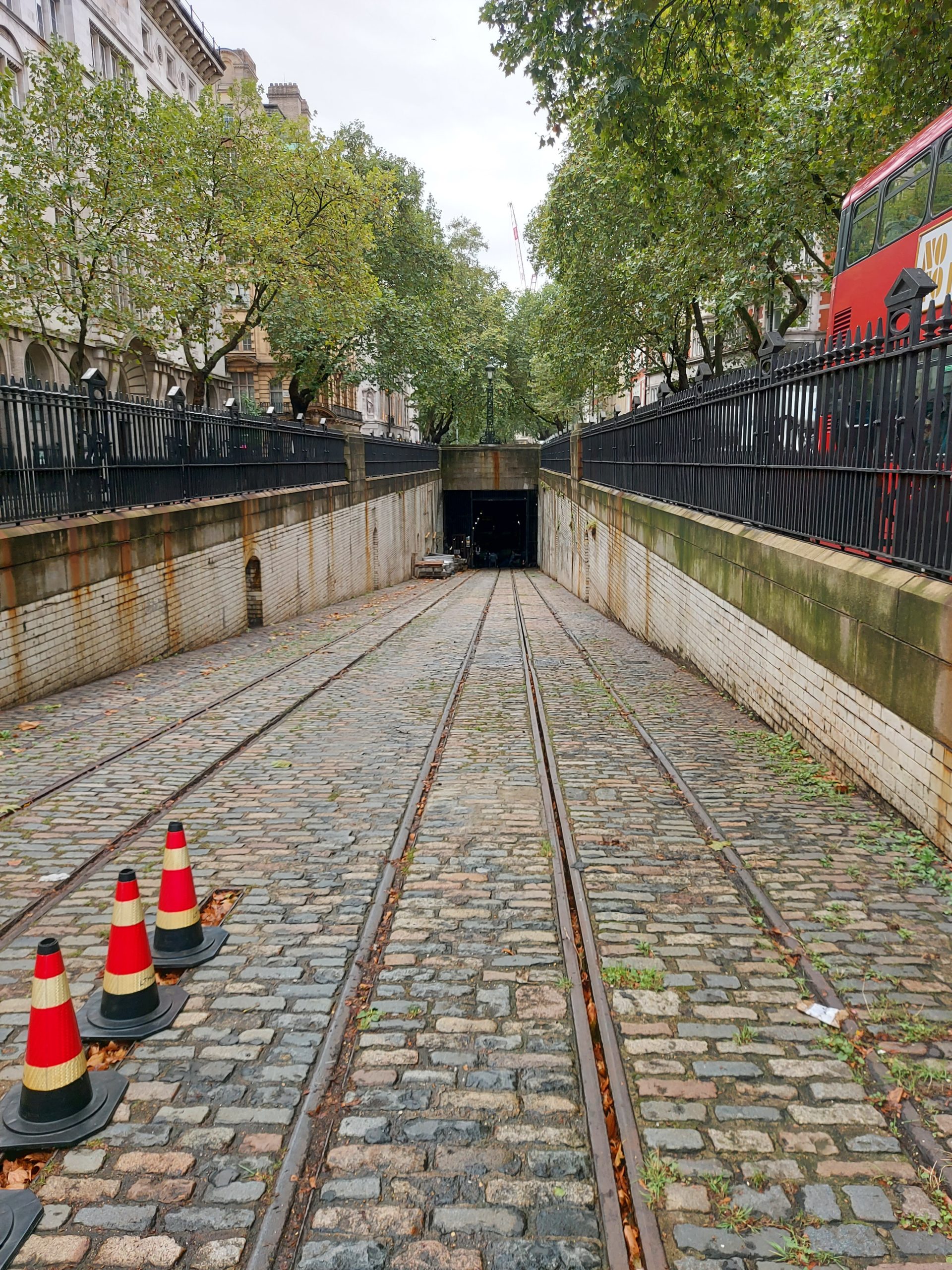
I’ve seen the entrance plenty of times before – a line of tram tracks, heading down into a tunnel, with black railings on either side and lamps marking the beginning of the tunnel. This time, I actually got to go through the gate and see what was hidden in the depths of that tunnel.

We were shown a map of tram routes in London at the beginning of the 20th century, and it became apparent just how necessary the Kingsway tram tunnel was in order to connect north and south. Originally built between 1906 and 1908, the tramway finally closed in 1952.
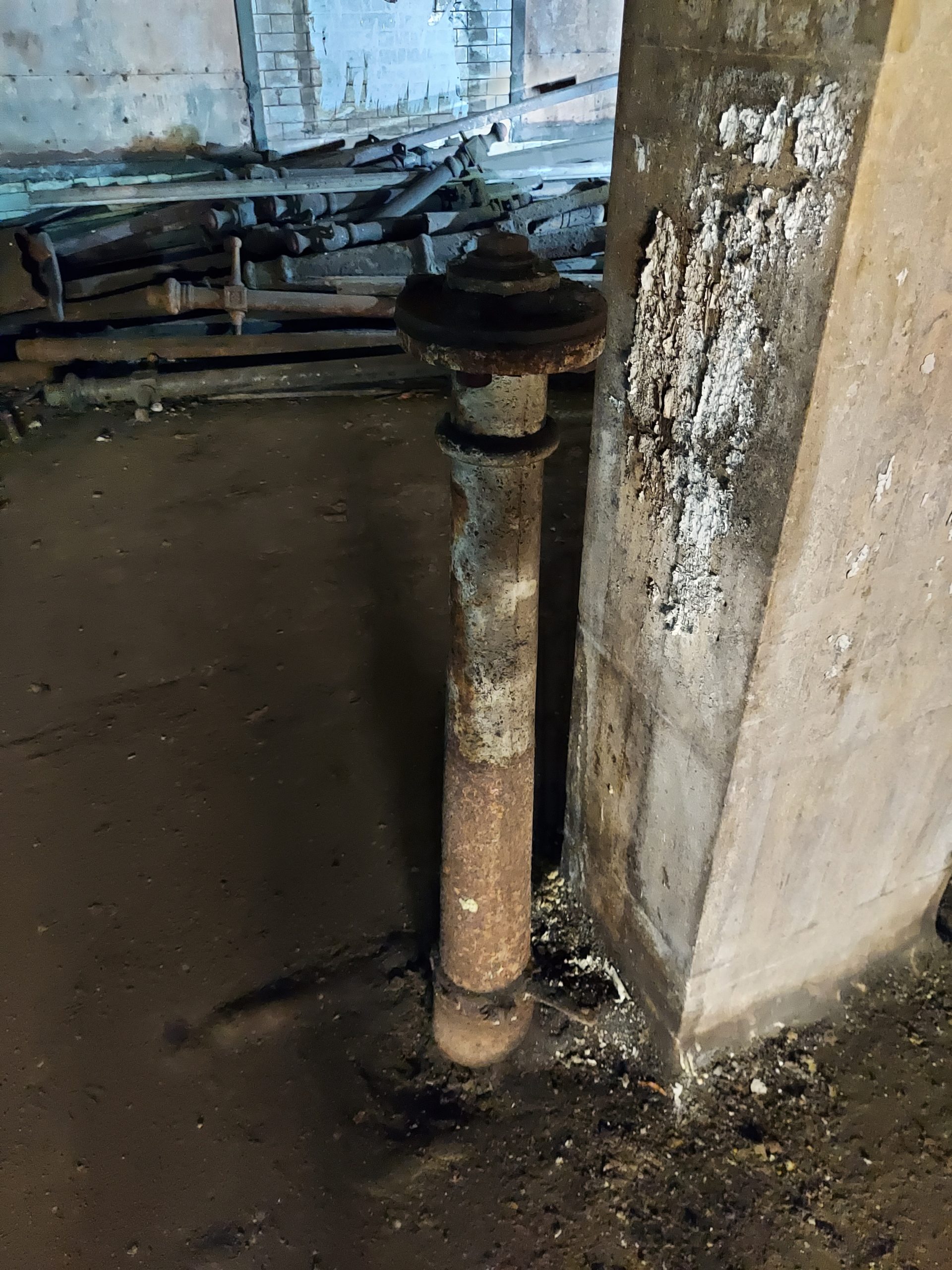
The tunnel is dirty and dusty, and there is plenty of equipment lying about left over from when construction workers used the tunnel as a way in to the Crossrail construction site. The original tram tracks and iron ceiling, however, still remain. In the 1920s the tunnel was made bigger to accommodate double-decker trams, and this was mostly done by lowering the floor – which can be seen at various points along the route (at this northern end the roof was raised, and this can still be seen). The hill down to the tunnel is quite steep, and trams used to speed up at this part, slowing down when they got to the bottom. Alcoves are situated at several points along the tracks, allowing workers to safely hide as the trams were going by.
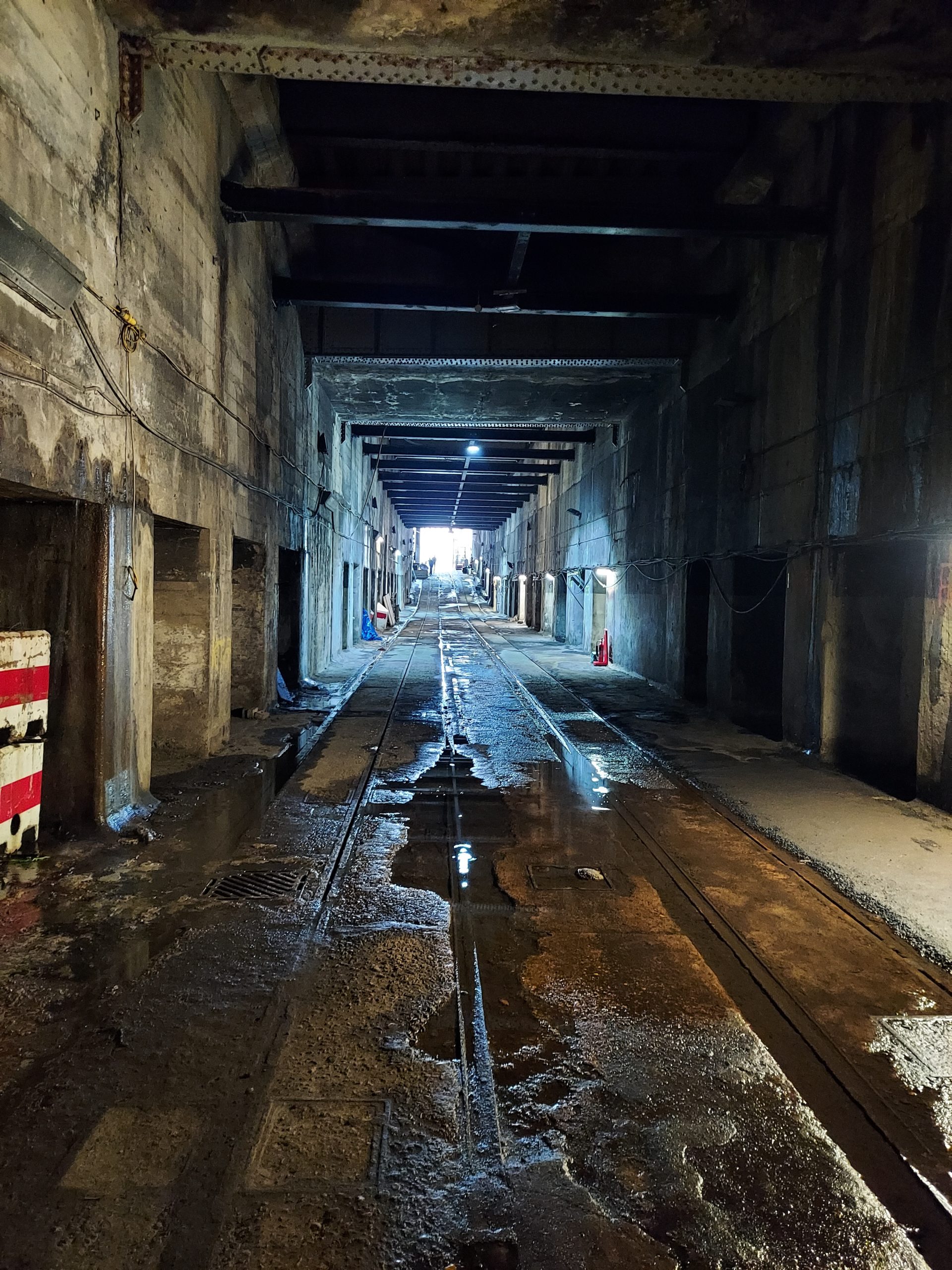
The central point of the tour was the platform itself, with staircases (now closed off above ground) marking the entrance and exit points for travellers. I’ve seen black and white photos of passengers waiting for trams, and it was eerie to be in that very same place, decades later.
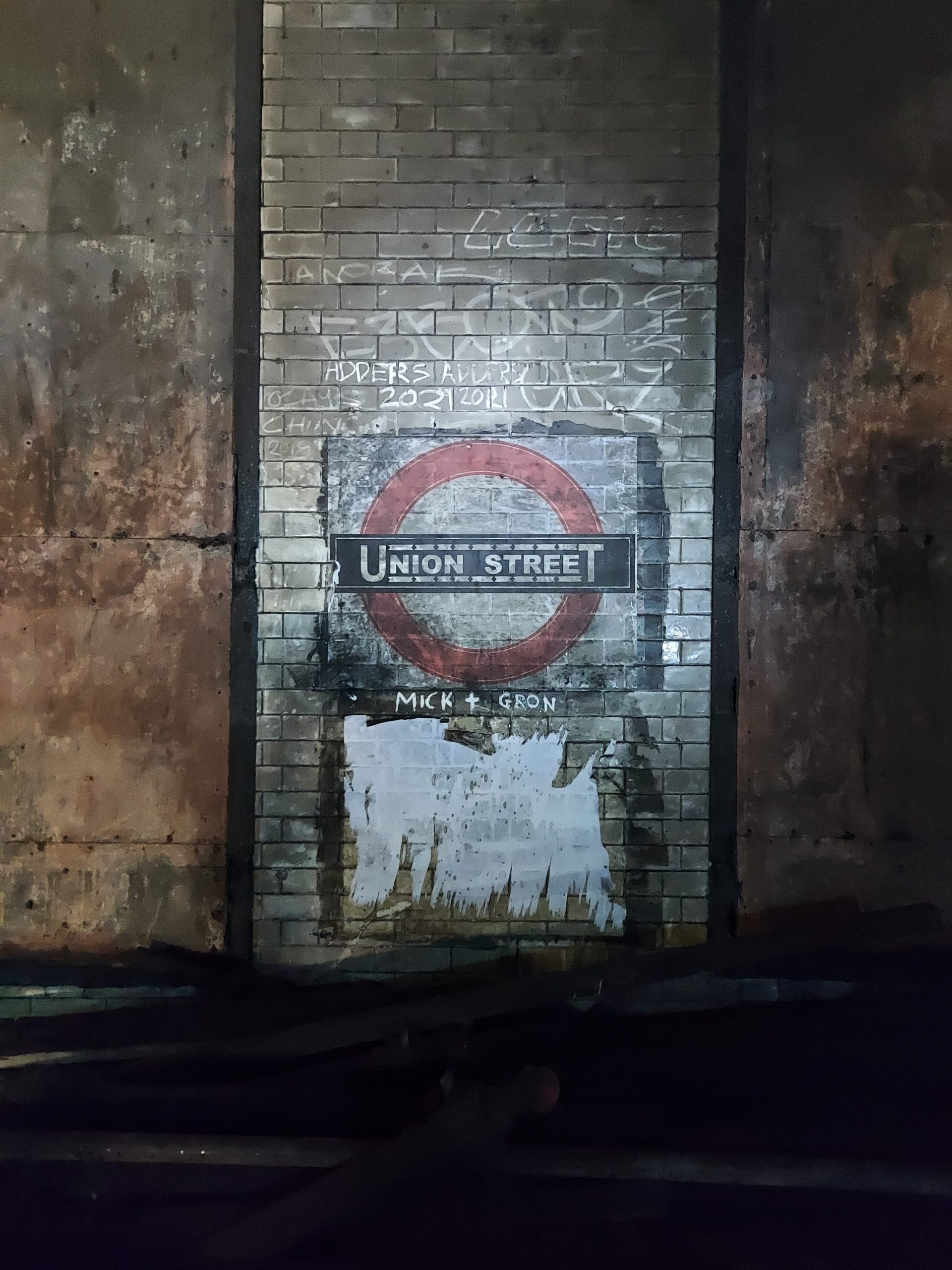
A TfL roundel can be seen on the wall, labelled ‘Union Street’, but this is not original – it is left over from when the tunnel was used as a filming location and stood in for an Underground station. Much of the equipment and other assorted items down here are from Camden Council, who use it for storage – but the poster display rack is probably original.
Our guides regaled us with stories about the trams and the people who used them, including tales from those who remember travelling on the original trams, and those who travelled alongside them – such as cyclists who got their bikes stuck in the tram tracks and were told off by angry drivers! It was fascinating to hear these stories and imagine what it would have been like to travel on these trams all those years ago.