

I’ve wanted to go to Innsbruck for years, ever since I read the Chalet School books as a child. I finally got my chance this December: I planned to celebrate Krampusnacht with a friend (on which more later) and spent a few days in Innsbruck beforehand.
Day 1
I flew from Gatwick early in the morning with my friend Karin. The flight was only a couple of hours. The first thing we did after arriving in Innsbruck and taking the bus to the city centre was to eat lunch in a bakery. An elderly lady who looked just like Queen Elizabeth II heard us speaking in English and came over to talk to us. She said that she cried when the Queen died.
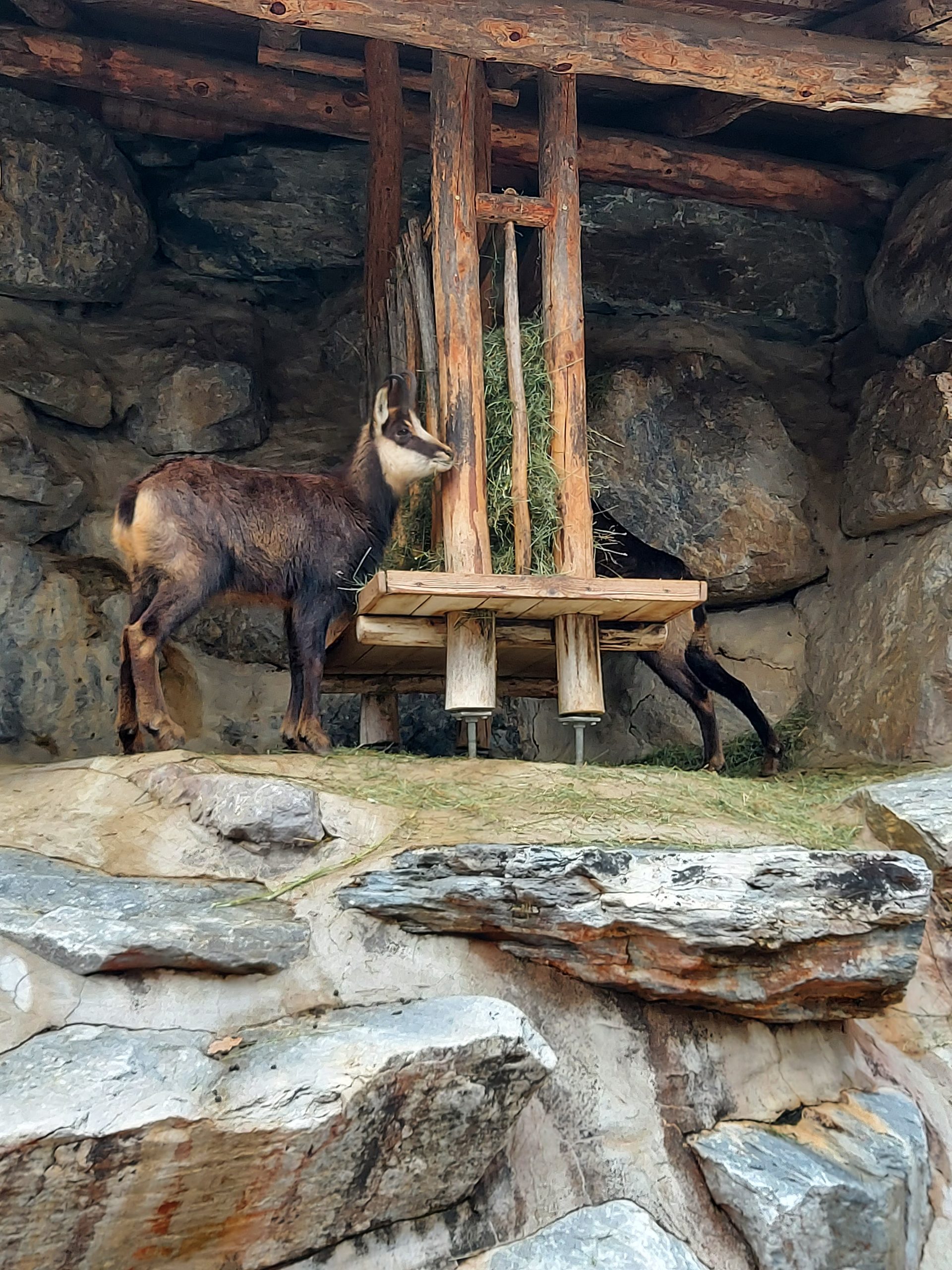
After buying an Innsbruck Card, we visited the Alpenzoo which had loads of cute native Austrian animals including otters, alpine ibex, snow hares, golden eagles and even a brown bear. After this we went for a drink in the Christmas market – we had several glasses of gluhwein. Karin headed home after that and I went to my hotel – I was staying at Quartier 99, which was basic but comfortable.

Day 2
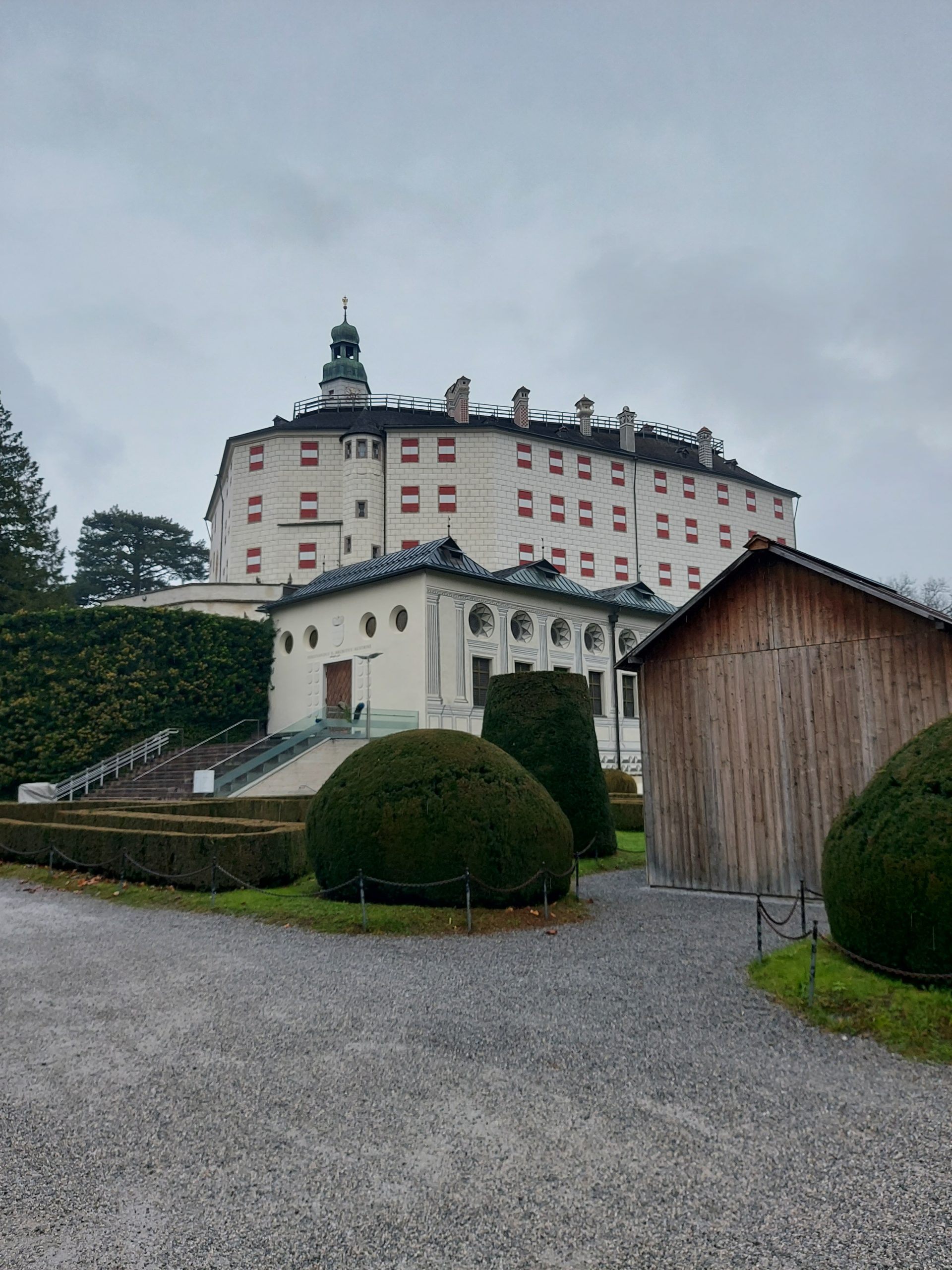
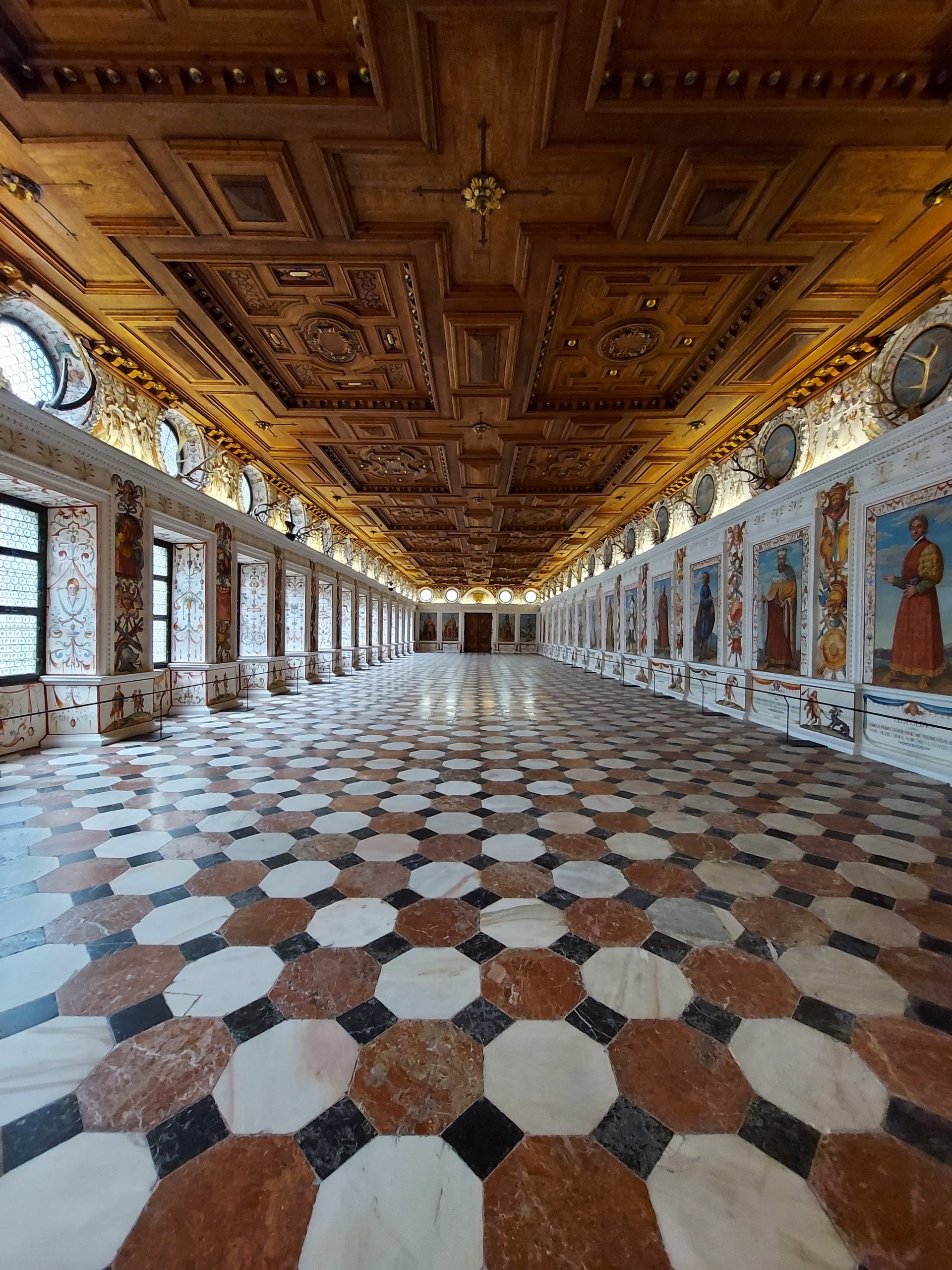
Today I took the tour bus and visited Ambras Castle, which describes itself as the “first museum in the world”. Archduke Ferdinand II of Tyrol turned this medieval fortress into a Renaissance castle as a gift for his wife, Philippine Welser; he displayed his collections in a purpose-built museum on-site, including art, armour and other artefacts. The bathing chambers used by Philippine are elaborate and pretty impressive for the time, and the Spanish Hall is magnificent.
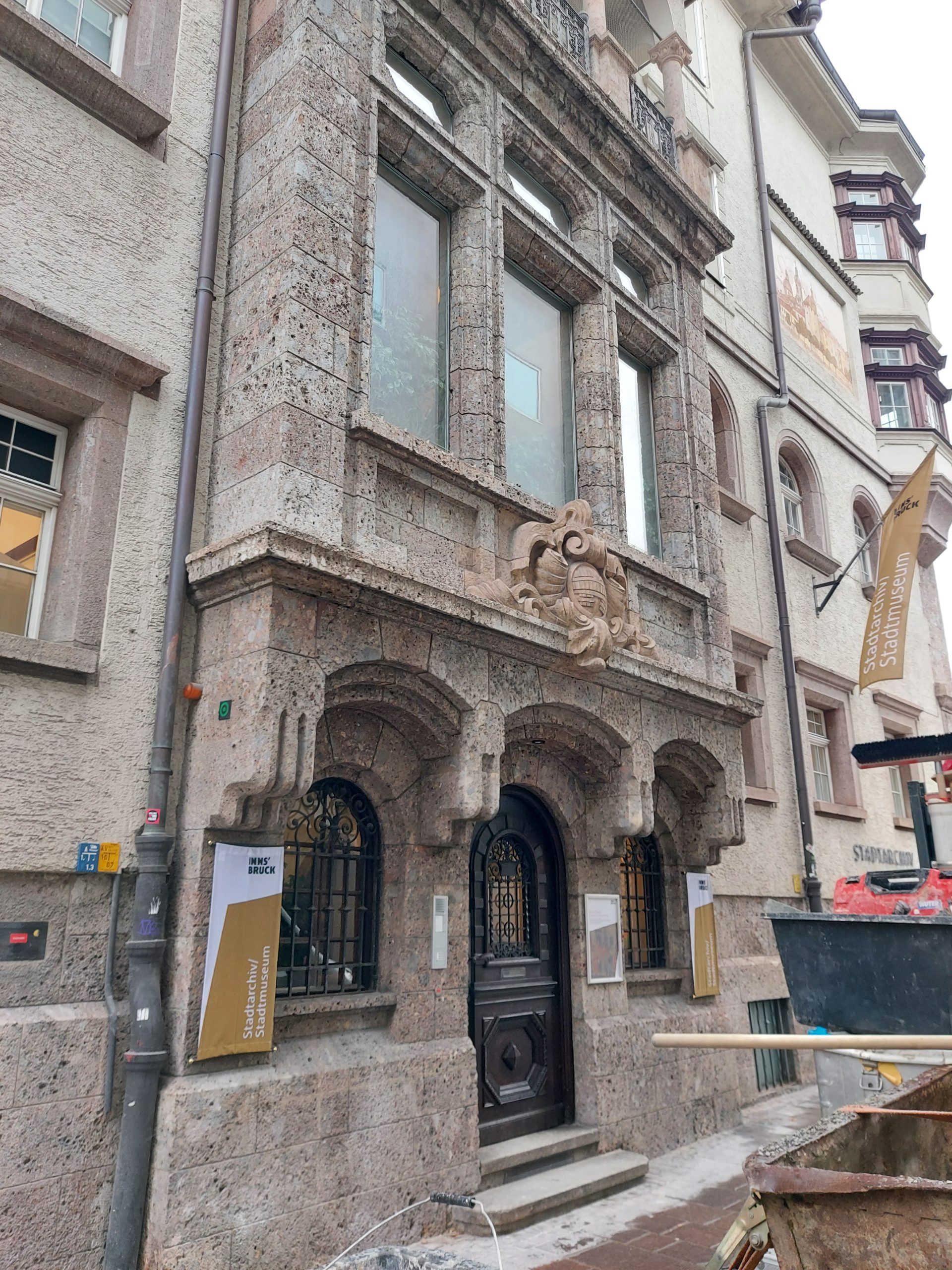
After getting back to Innsbruck I had a wander round the old town. I popped into the Golden Roof Museum which was all about the famous Golden Roof and its history. I also visited the City Archives and City Museum, which had some interesting displays, but all the text was in German.


I then visited the Tyrolean Folk Art Museum and the Hofkirche. The museum was full of fascinating artefacts, consisting of examples of folk art, furniture, interiors and decorations from ordinary people in Tyrol.
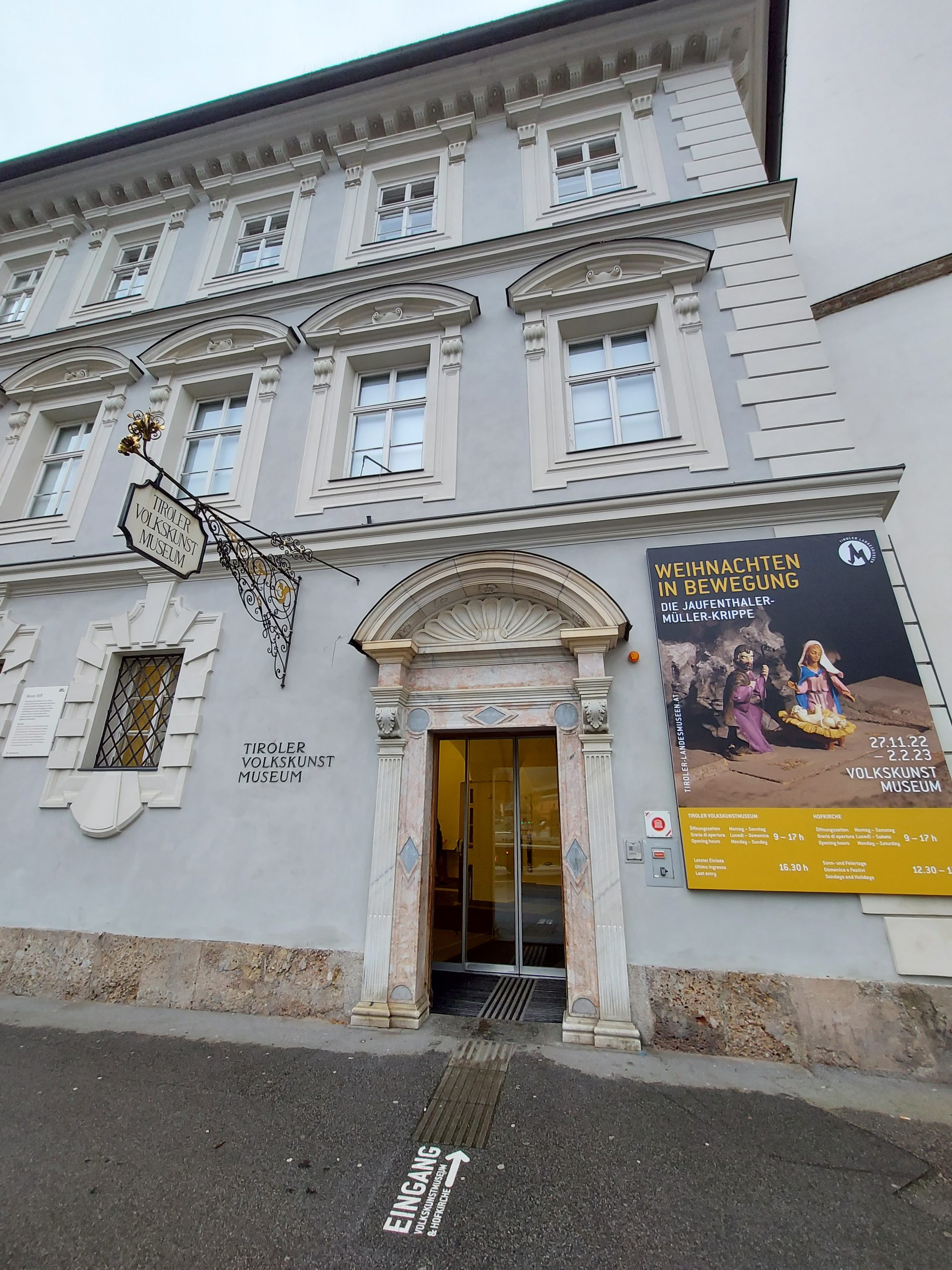

The latter houses the tomb of Emperor Maximilian I and is suitably dramatic, with a cenotaph flanked by 28 statues of his ancestors and role models. On Maximilian’s death in 1519, not all of the statues had been completed, and in any case he stipulated in his will that his body should buried in the chapel of his castle in Wiener Neustadt. However, his grandson Ferdinand I later constructed the Hofkirche, cenotaph and adjoining monastery (now the aforementioned folk art museum), while his son Archduke Ferdinand II completed the tomb and added the Silver Chapel to house his own tomb and that of his wife.

Lastly, I took the bus to Swarovski Crystal Worlds which was a magical experience both indoors and out.

Day 3
On my final full day in Innsbruck, I took the cable car (‘Nordkettenbahnen’) up to the Top of Innsbruck. There were three cable cars in total and three different levels you could get out at to admire the view. The first two were great, with incredible views of Innsbruck and the surrounding mountains, but the highest one was freezing and windy – plus there was snow – so I didn’t fancy being up there for very long!

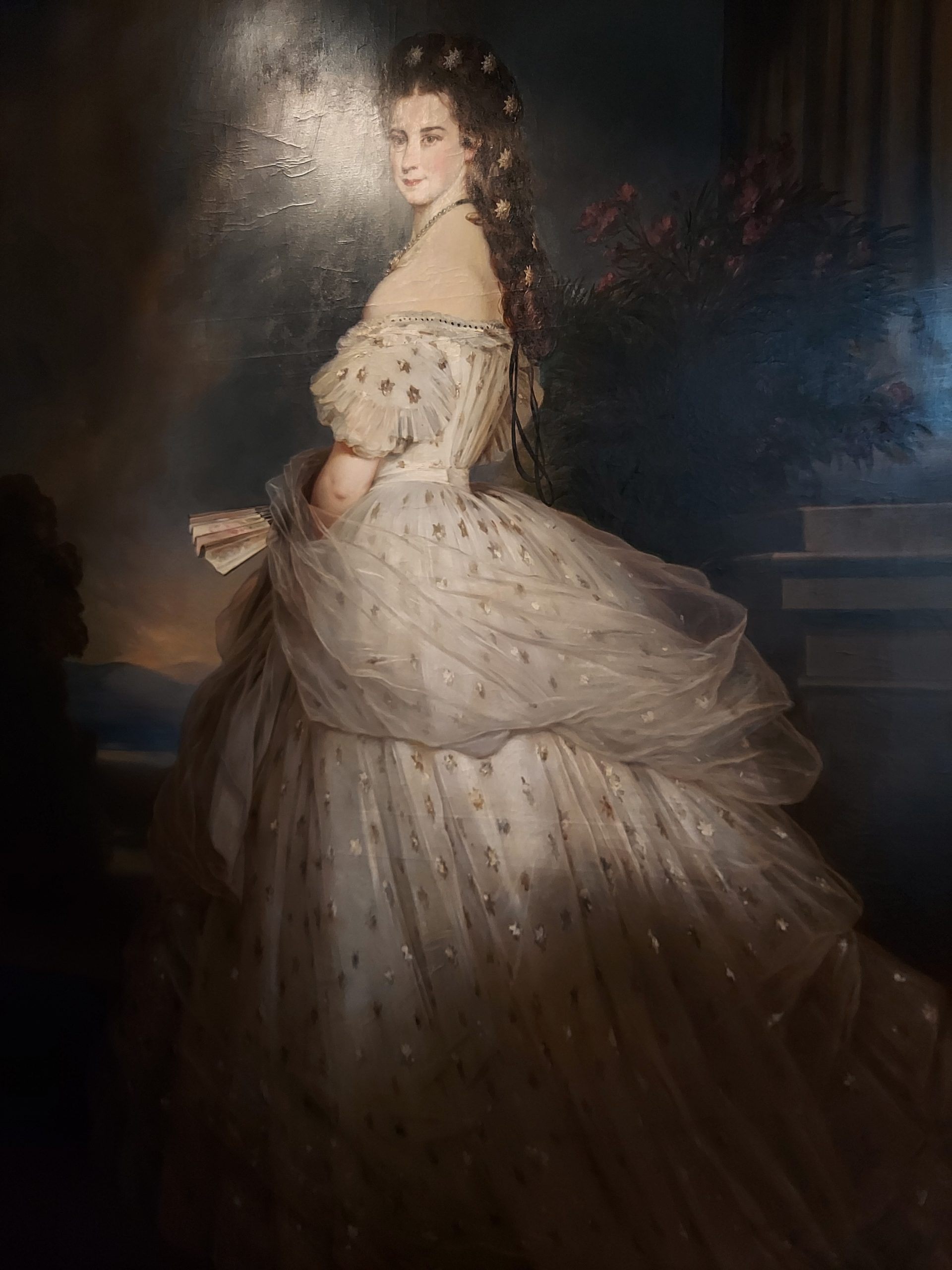
Once back in Innsbruck, I visited the Hofburg, including the exhibition about Maximilian I. The Imperial Apartments as they appear today was largely dictated by Empress Maria Theresa, who converted the south-facing state rooms into a memorial after her husband’s death. The Inner Apartment was refurbished for Empress Elisabeth, aka Sisi, who lived there in the nineteenth century: her portrait is the most striking of the family portraits displayed in the gallery, showing her in a beautiful dress with stars in her hair.

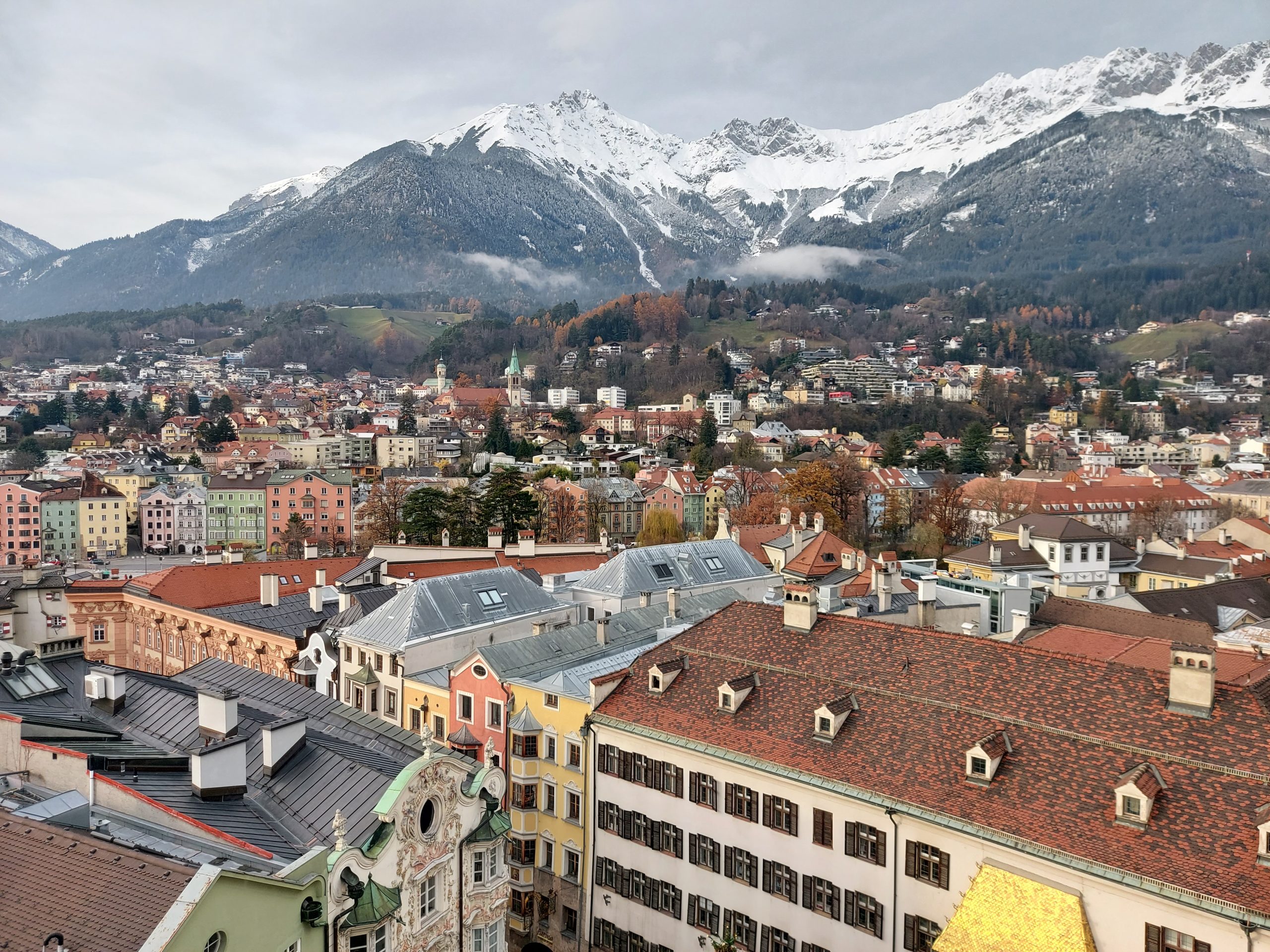
I then went up the City Tower or ‘Stadtturm’ which offered great views of the city. The tower dates from the fifteenth century and used to house a prison.

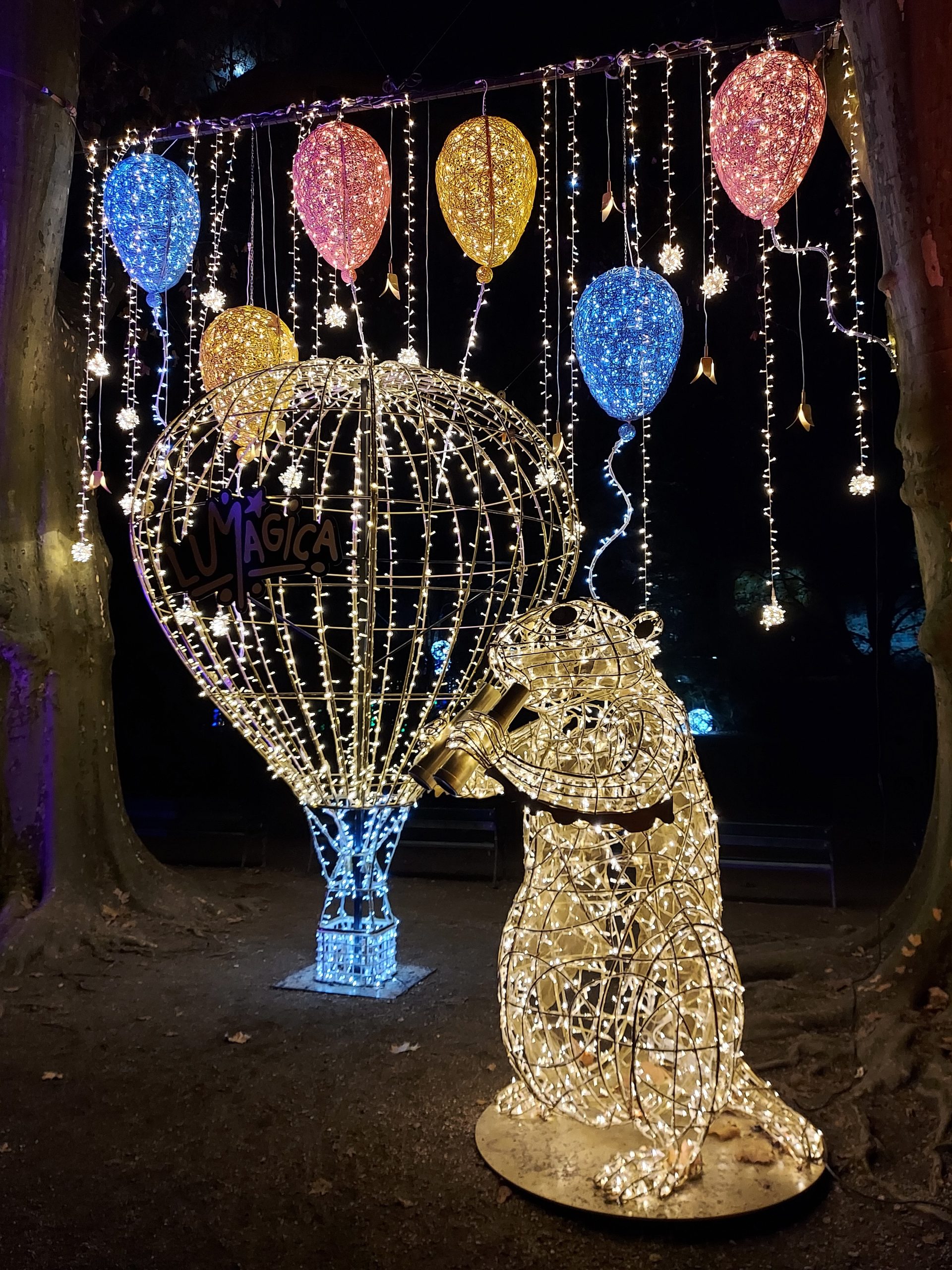
Finally, in the evening I went to Lumagica, a festive light trail around the park featuring animals from all the different continents.
The next day, I was up and out fairly early to catch the train to Bozen/Bolzano for the next part of my adventure.