I’d heard of geocaching before, but never really understood what it was until last year’s Scavenger Hunt when one of the items on the list was a geocache. From there I began to understand more about it, and picked up the odd cache when I was out and about. This summer, I decided to work on the Geocacher badge and took out a Premium subscription to help.
Research the history of geocaching.
I read about the history of geocaching on the Geocaching website.
Learn about the different cache types.
This page on the Geocaching website helped me to learn about the different cache types.
Use a geocaching app or website to find out how many geocaches are in your local area.
I used the official Geocaching site to find out how many caches there are near me. The exact number depends on how ‘local area’ is defined but there are definitely over 50 – the benefits of living in London!
Over a three month period find at least eight different caches.
I managed to find 28 caches over July, August and September, a mix of traditional, virtual, mystery and multi.
Complete a linked series of at least four geocaches.
I had an epic day out completing the virtual London Rainbow Cache series, then solved the puzzle and found the final, physical cache on a later date.

Learn about the guidelines for setting a geocache.
The official Geocaching website has detailed instructions on setting geocaches.
Learn about different types of geocache container.
Again I used the offical Geocaching website to find out about the different types of container.
On a map, locate the oldest cache in the world, and the oldest cache in your country.
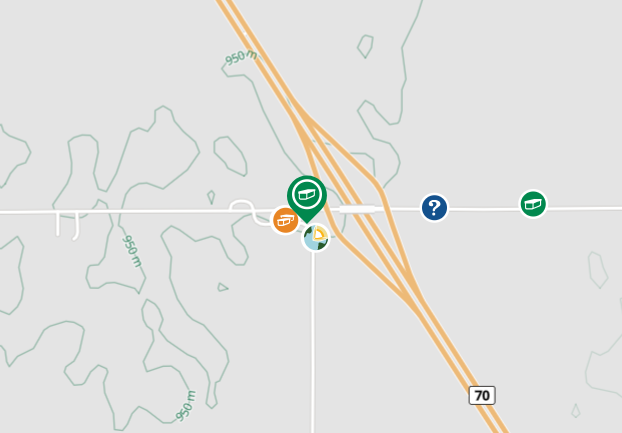
The oldest active cache in the world is Mingo in Kansas, published on 11 May 2000.
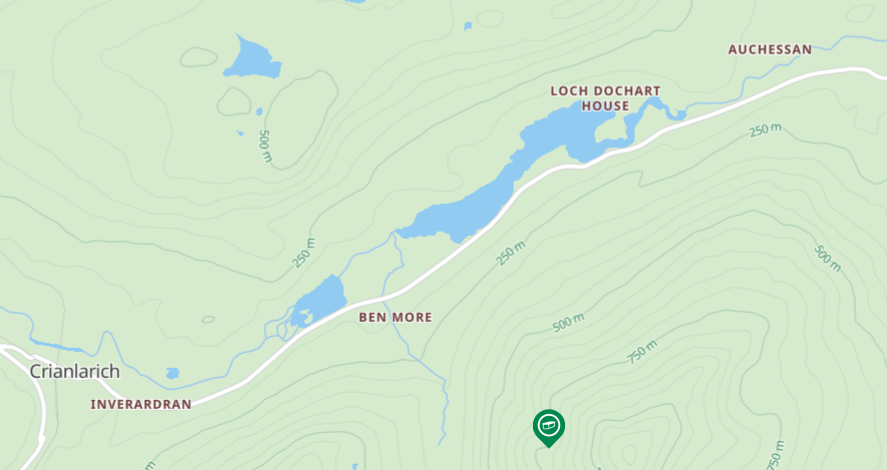
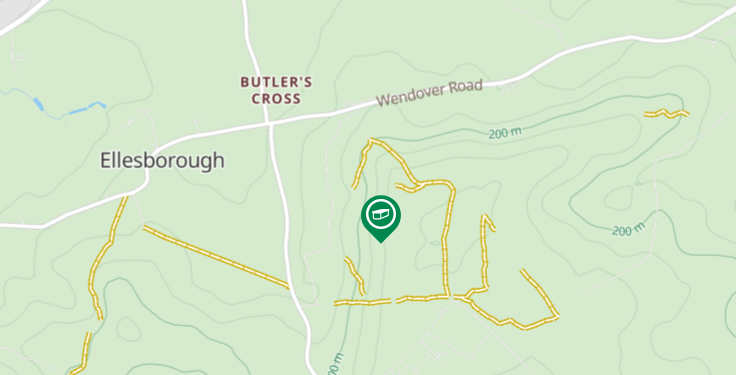
The oldest active cache in the UK is Scotland’s First, and the oldest in England is View from Coombe Hill.
Date completed: 30 September 2024