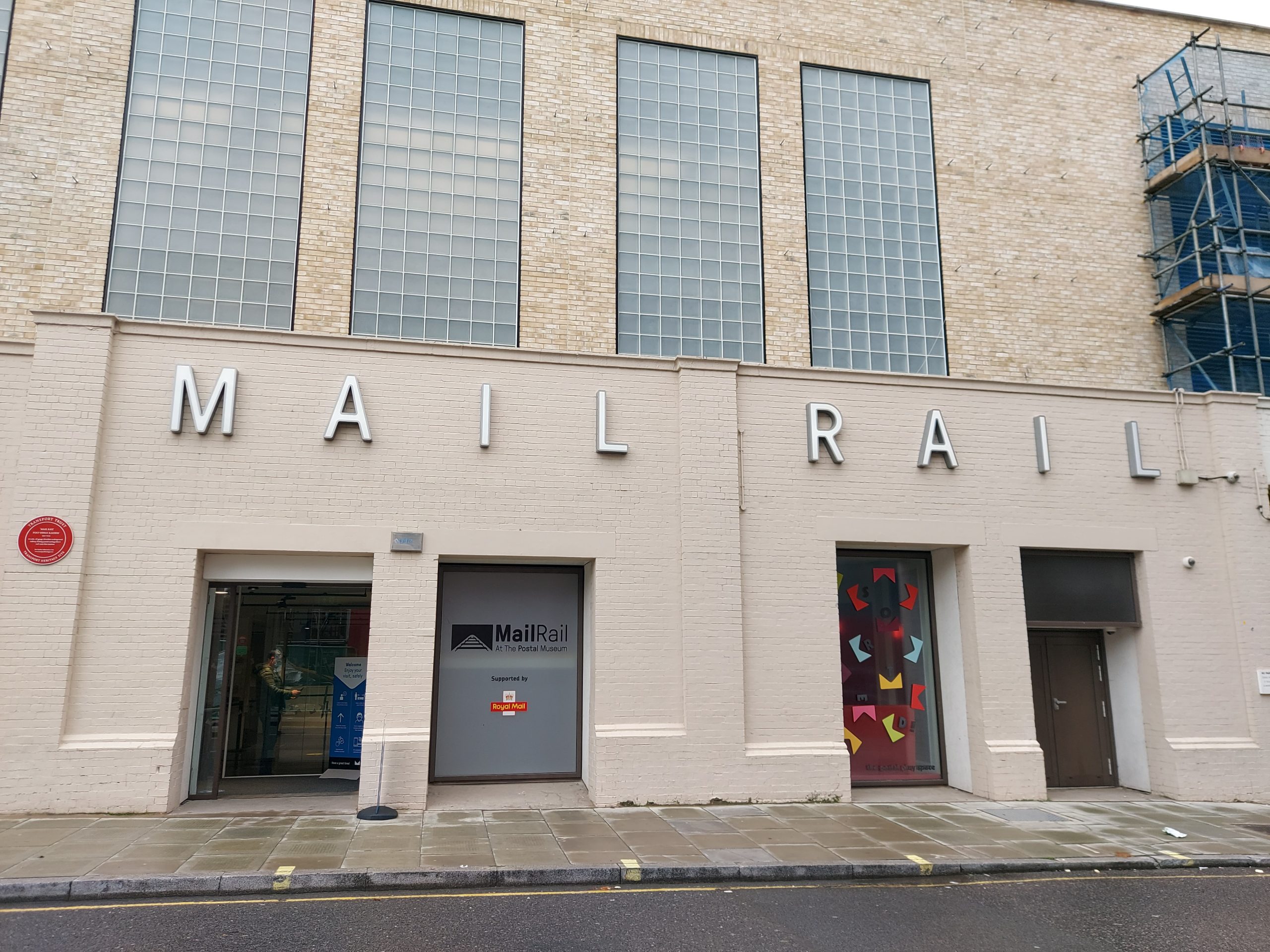
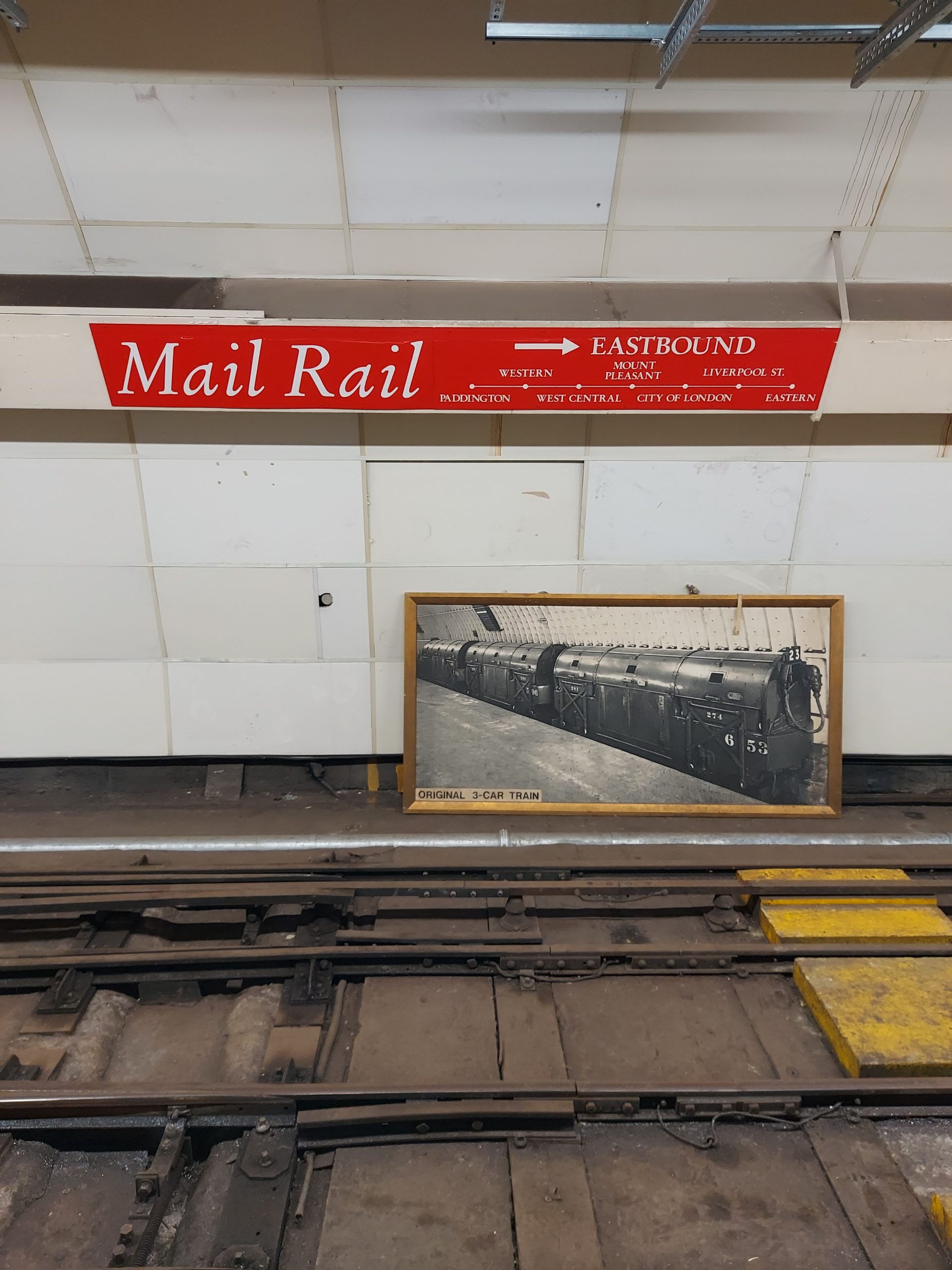
Throughout most of the twentieth century, it wasn’t just passengers that travelled on trains beneath London – it was the mail. The London Post Office Railway opened in 1927 (known as Mail Rail since 1987) and transported letters and parcels between Paddington Head District Sorting Office in the west to the Eastern Head District Sorting Office (based at Whitechapel) in the east. In the centre was the Mount Pleasant Sorting Office, once one of the largest sorting offices in the world. At its peak it had eight stations, but by its closure in 2003 this number had reduced to three.
In 2017, the Mail Rail opened as a visitor attraction alongside the new incarnation of the Postal Museum. In these Covid times, the attraction is currently closed, but it’s possible to book onto a tunnel walk to experience the Mail Rail on foot.
History of Mail Rail
The railway, inspired by a similar construction in Chicago, is a 2ft narrow gauge, driverless underground railway built by the Post Office with assistance from the Underground Electric Railways Company of London. The railway was first planned in 1911 but the outbreak of World War I halted construction, and services did not begin to operate until 1927. The original 1927 stock, which was deemed unreliable, was replaced in 1930 and 1936; this stock lasted until 1980 when it was replaced.

The railway was the second time such a scheme was introduced in London: in the 19th century a pneumatic underground railway was established to take mail to Euston Station, but it did not last long as it proved expensive and unreliable. However, theoretically such a railway was an appealing idea, as it would avoid the traffic congestion of central London. In the event, the London Post Office Railway would last for the rest of the twentieth century.
Tunnel Walk
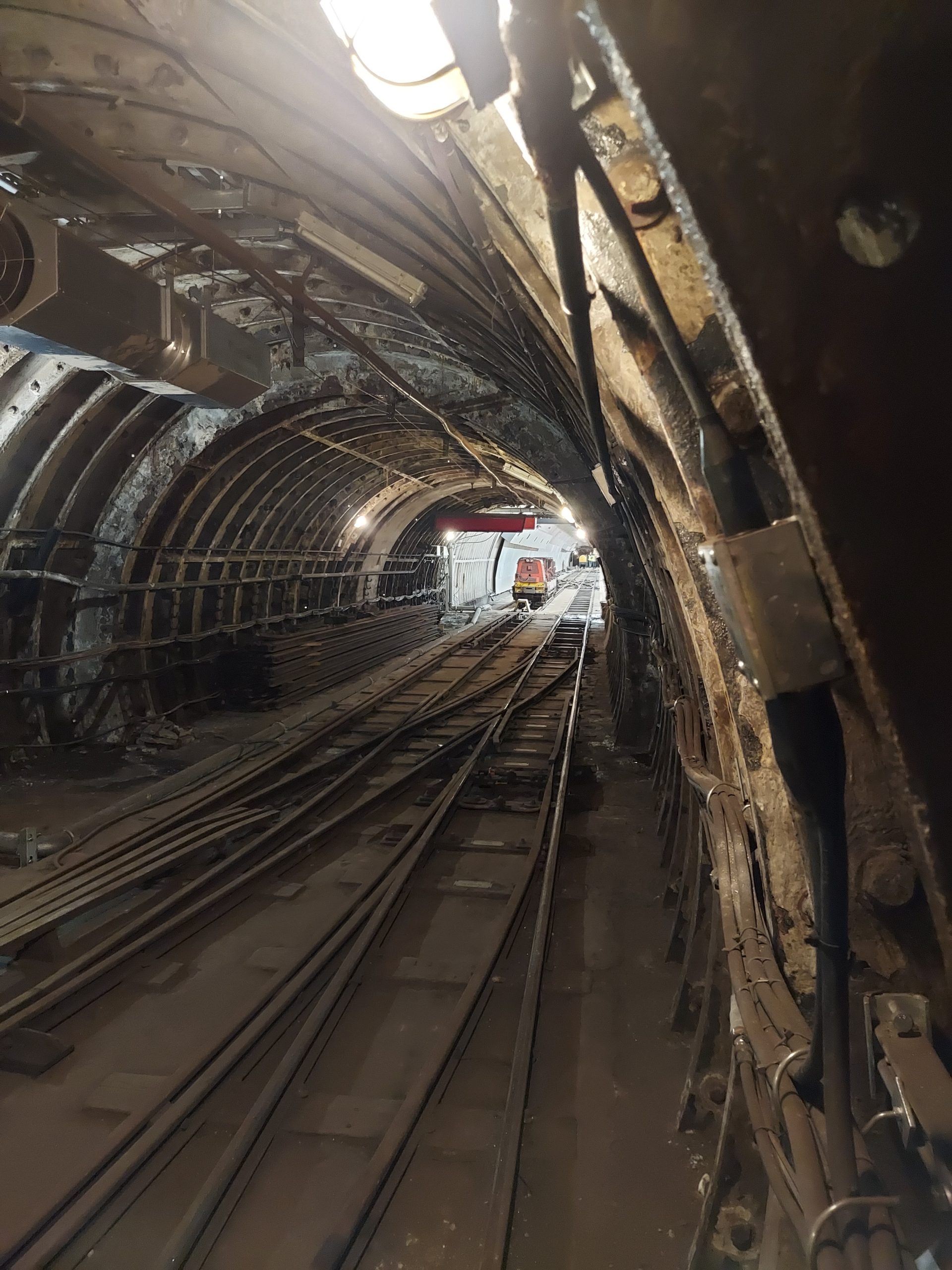

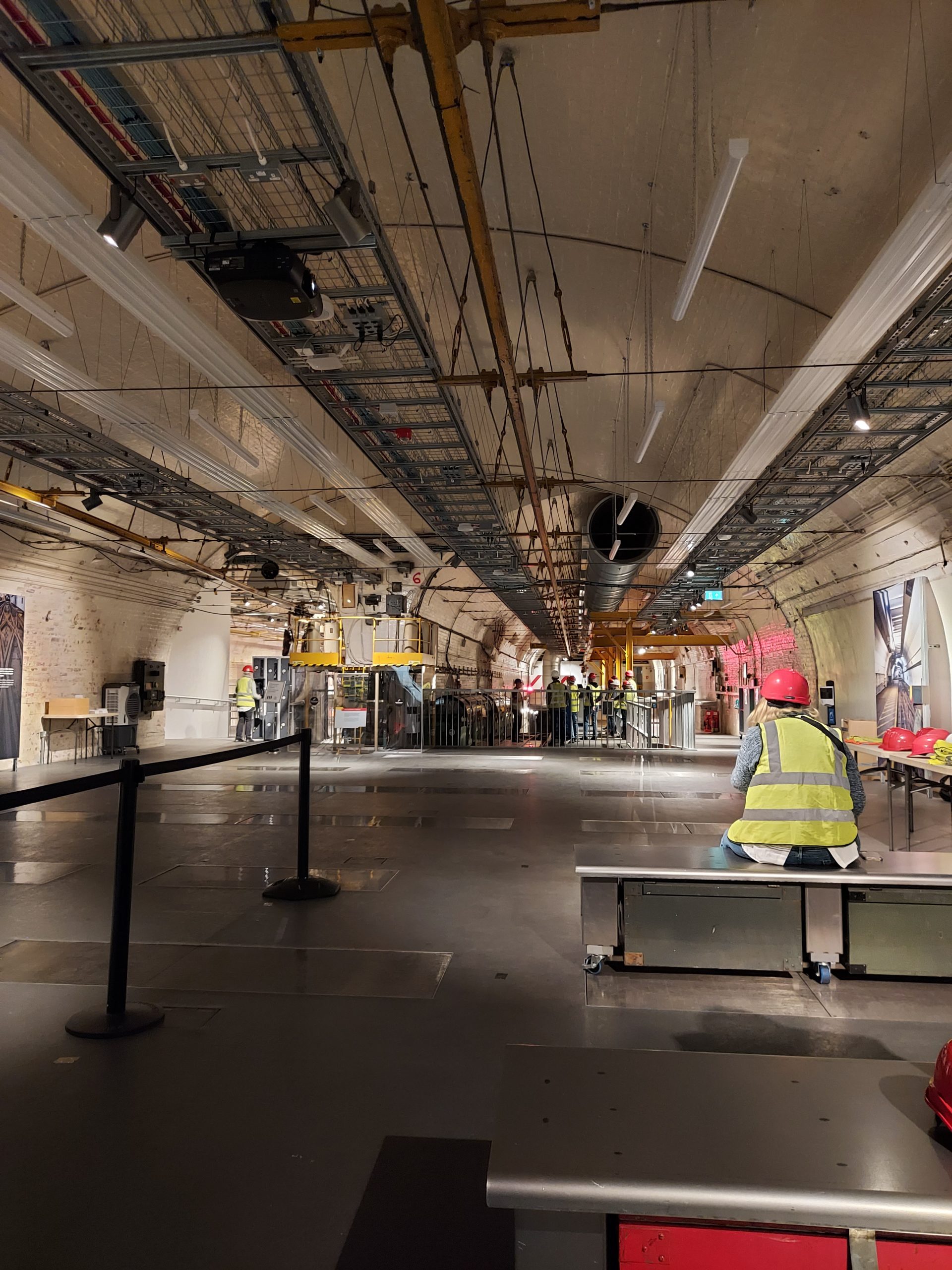
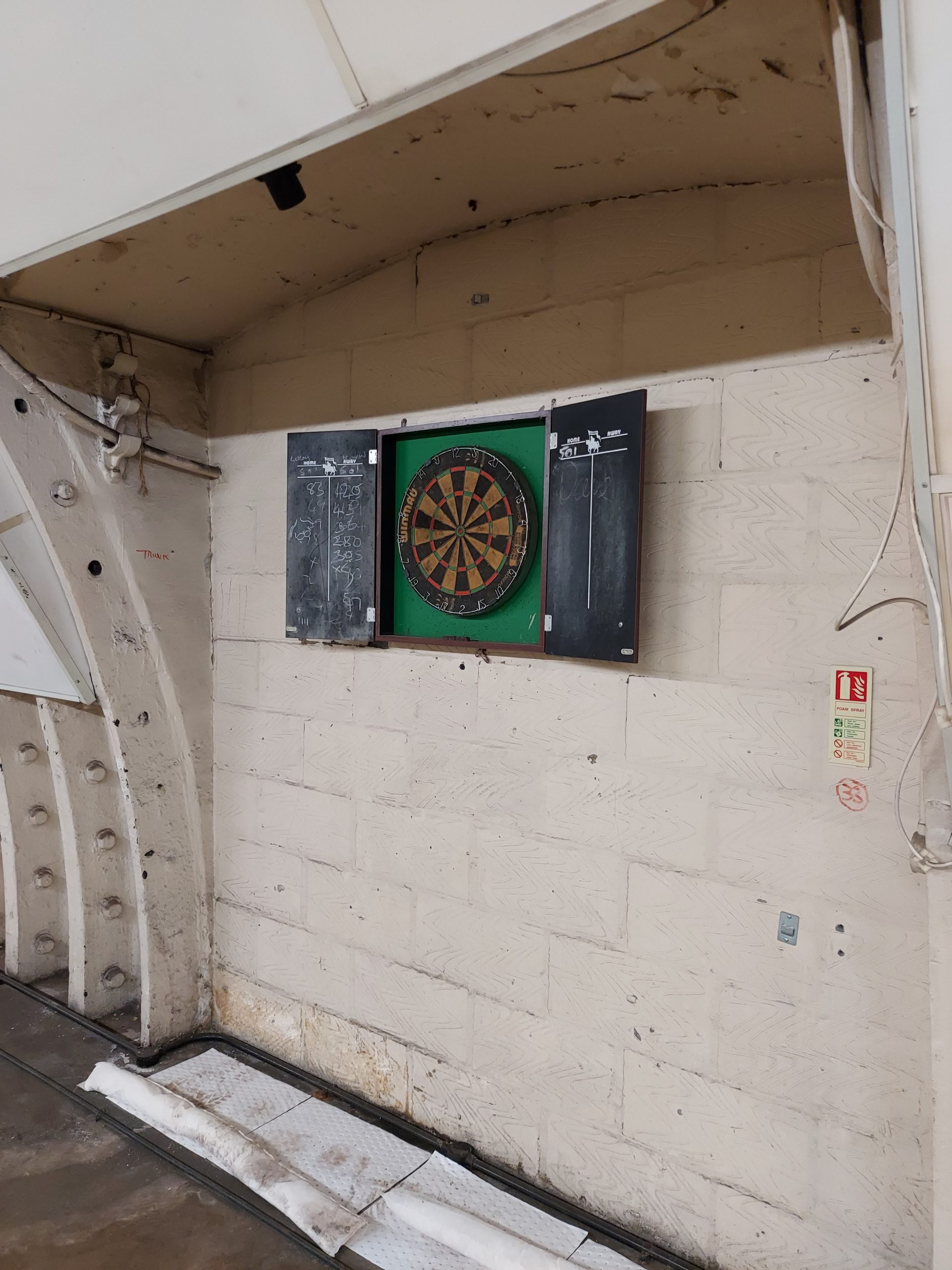
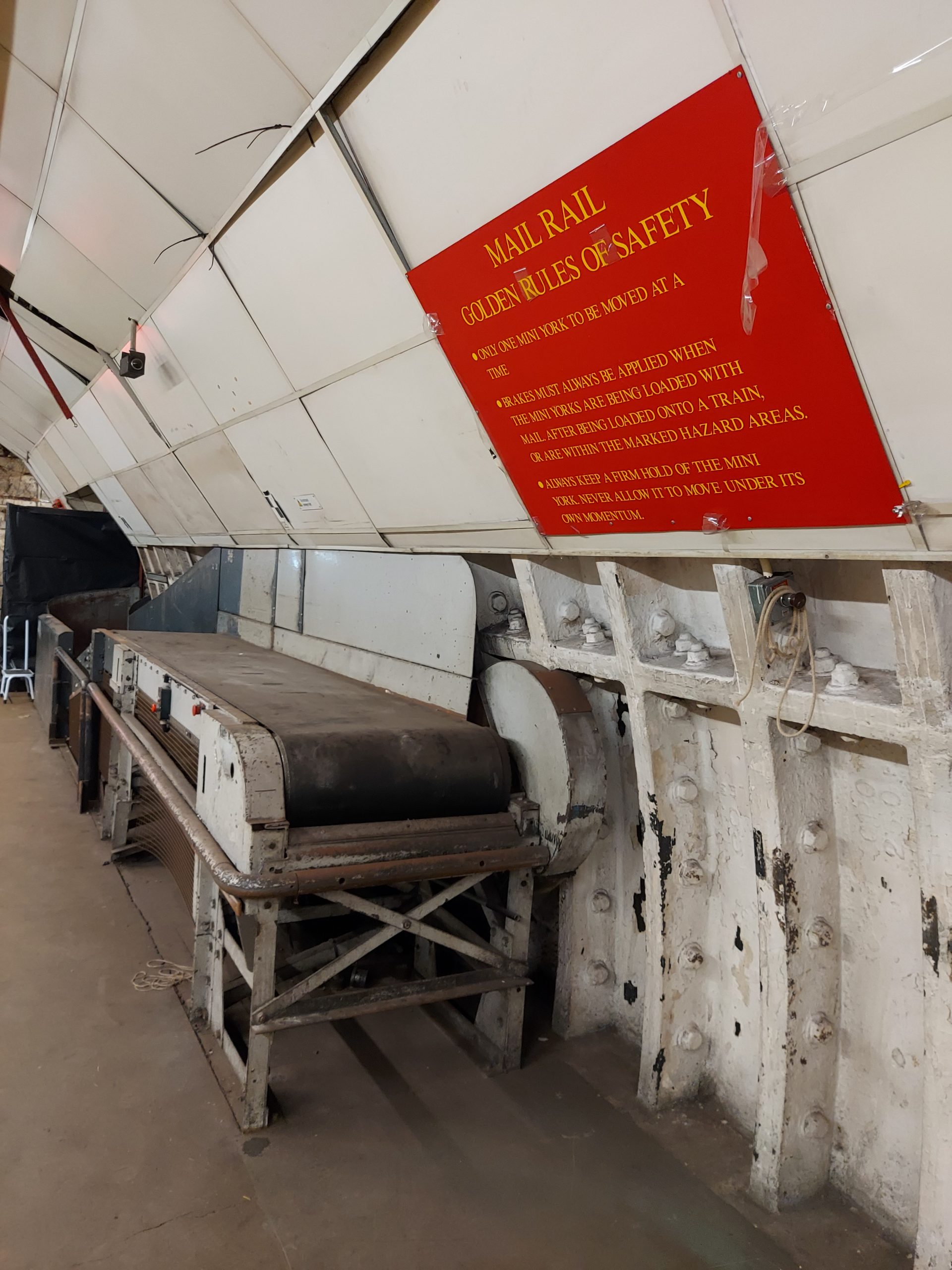
We had been instructed to wear sensible shoes, and on arriving at Mail Rail were provided with a hi-vis jacket and a hard hat. We were then taken into the tunnels and headed west, shortly reaching the Mount Pleasant westbound platform. Along the way we were told something of the history of the Mail Rail, and on reaching the platform we saw how the mail would arrive from the sorting office above via conveyor belt before being taken off and put onto a train. In between trains, railway staff were able to pass the time with activities such as darts.
We walked a little further along the tunnel, passing the eerie ‘train graveyard’ where trains needing repair would be stored. We were also shown the floodgates, thankfully never needed – the railway’s proximity to the Fleet made this a desirable feature.
Over time, Mail Rail began to be used for things other than transporting mail. Children were given a festive treat, taken to meet Santa via the underground railway; wall murals including a partridge in a pear tree evidence this unusual event. The railway was also used for filming, appearing in the movie Hudson Hawk, starring Bruce Willis, as a railway beneath the Vatican.
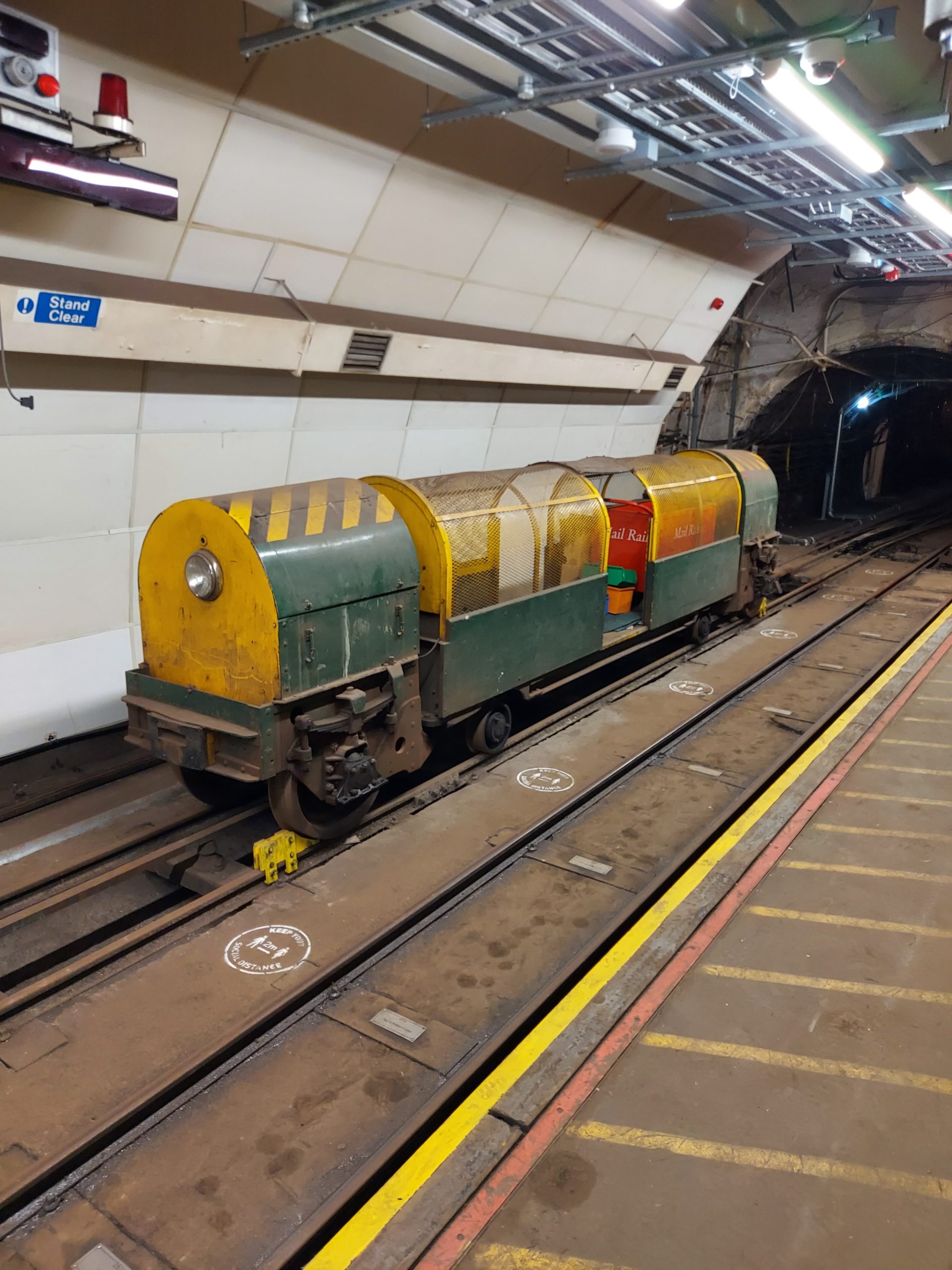

We turned back, passing the eastbound platform before exiting the railway.
Mail Rail Exhibition
After experiencing Mail Rail we exited through an exhibition which looks at the history of the transportation of mail by train. There are examples of mini sorting offices used on trains taking mail up and down the country, as well as some of the nets used at stations so that train staff could throw bags of mail out without needing to slow or stop the train. There were quotes from former Mail Rail staff, as well as examples of some of the equipment they used working on the railway, and displays of stock formerly used on the line. It proved an excellent way to round off the visit.

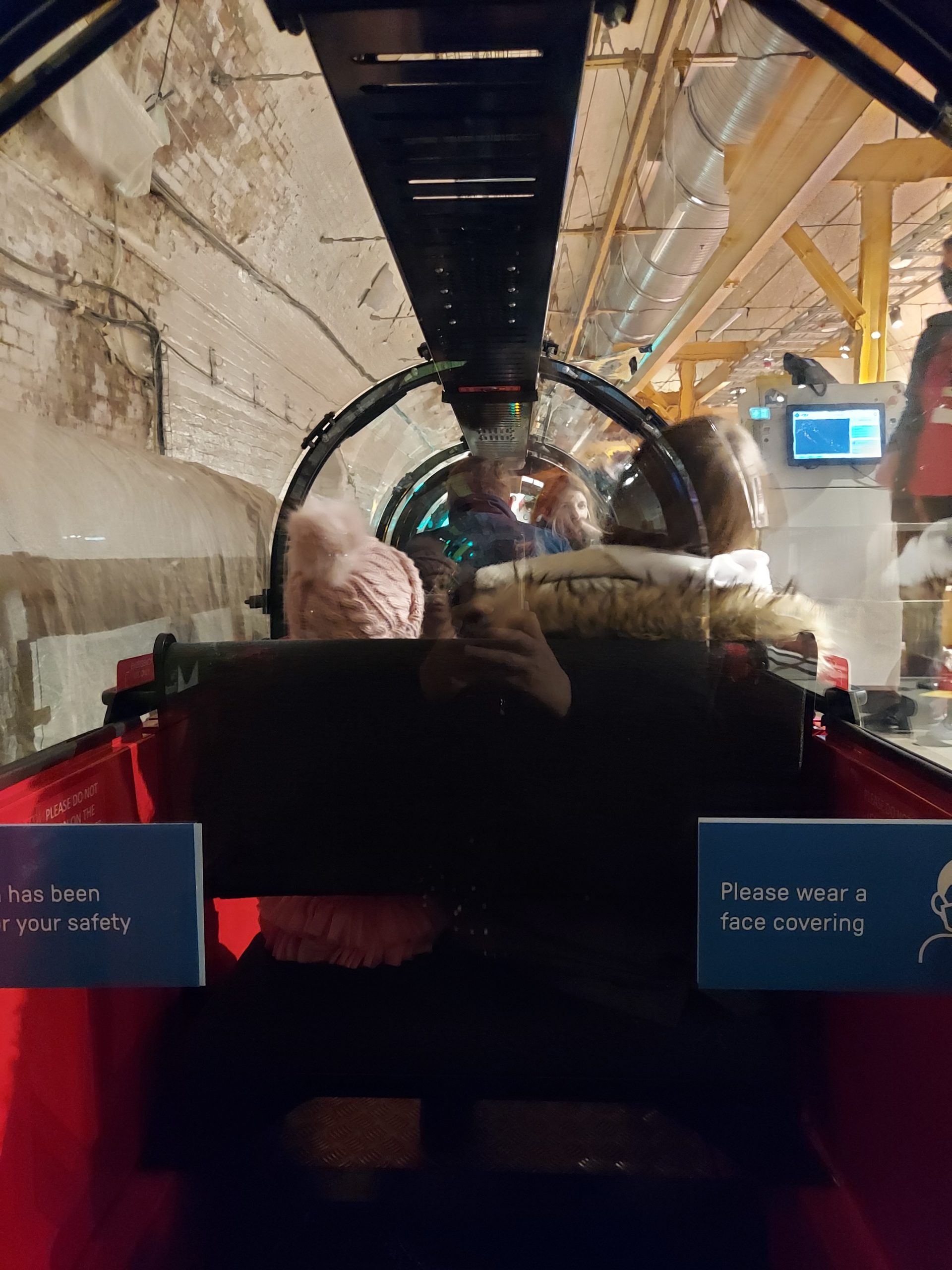
Today’s Mail Rail train for passengers 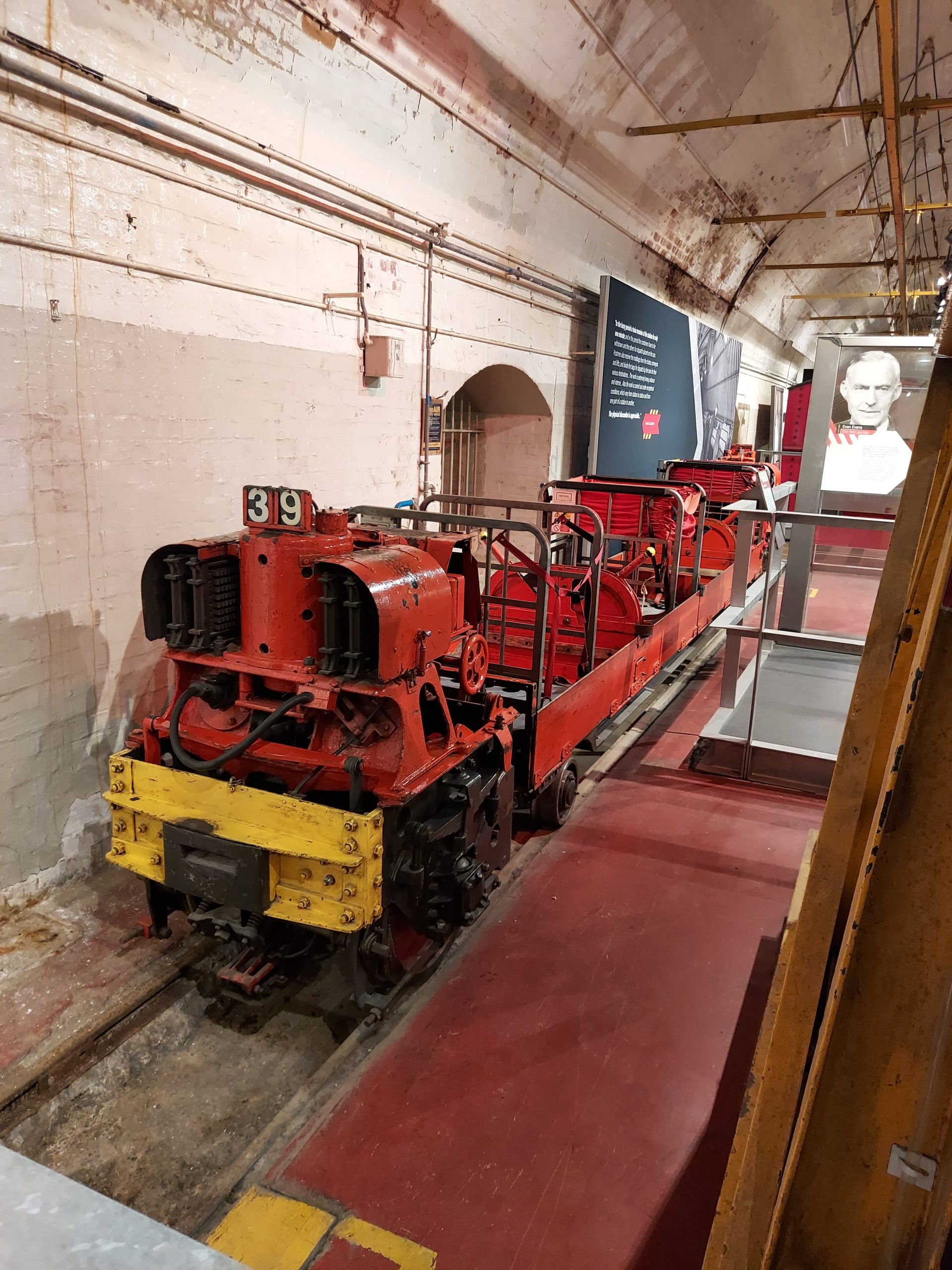
Early Mail Rail stock
Postscript: Mail Rail Ride
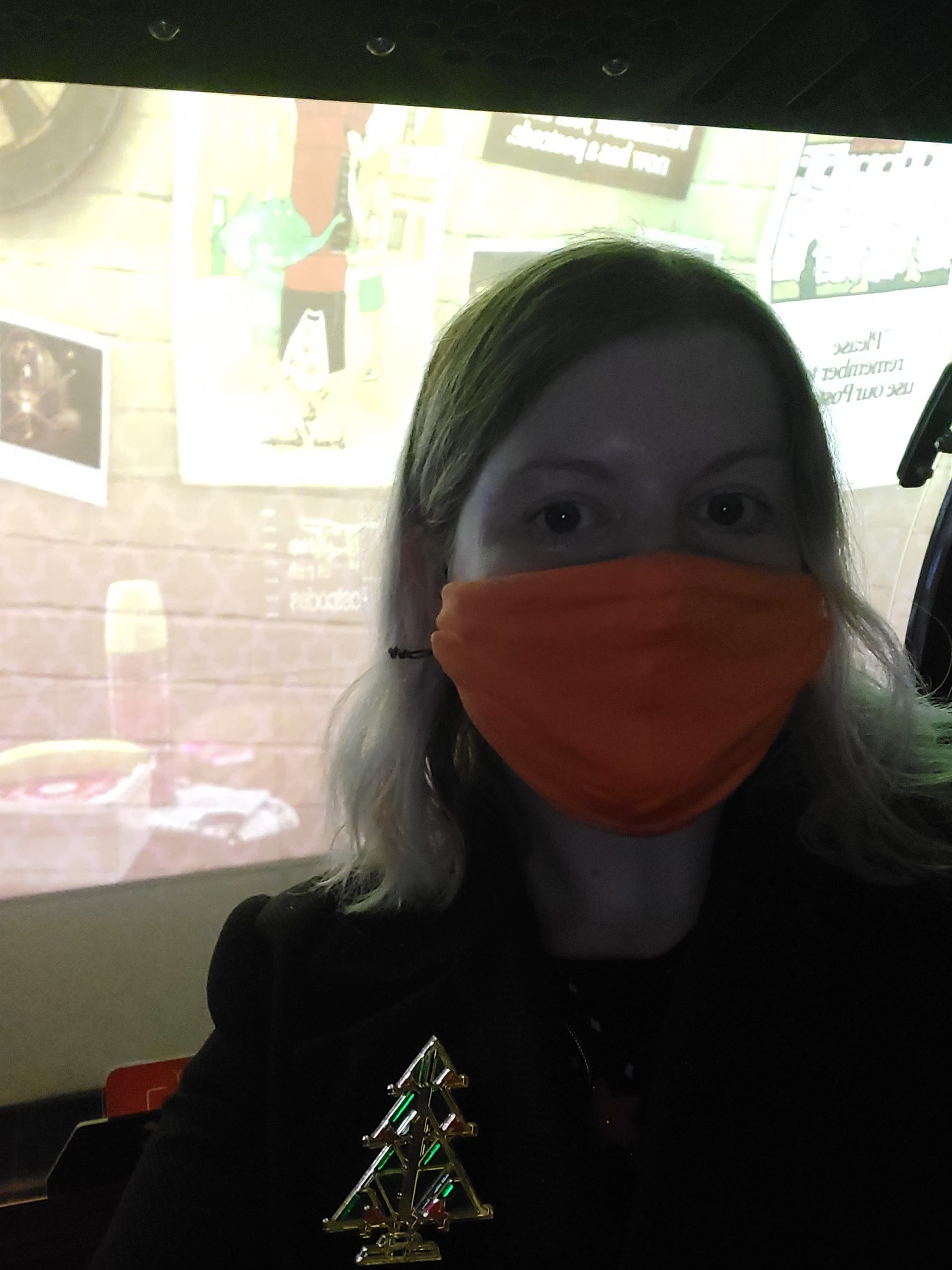
A couple of weeks later, I finally got to ride the Mail Rail! It was great fun. Tickets are available jointly with Postal Museum admission tickets. The Postal Museum and Mail Rail are located in separate buildings across the road from one another, so it makes sense to experience your timed Mail Rail ride first.