
A few days ago, a Buzzfeed article on “19 British Places All Book Lovers Must Visit” prompted my friend Rachel to write about five of her own favourite literary hotspots. I have shamelessly stolen her idea and would like to present a list of my own. Partly this is to get over my feelings of embarrassment at having been to hardly any of the sites in the original list: despite spending four years of my adult life in Yorkshire, I never did get around to visiting the Brontë Parsonage Museum, and although I visited the town of Glastonbury earlier this year, I was too lazy to walk to the top of the Tor. Look, I have been to some literary places, honest!
Newstead Abbey
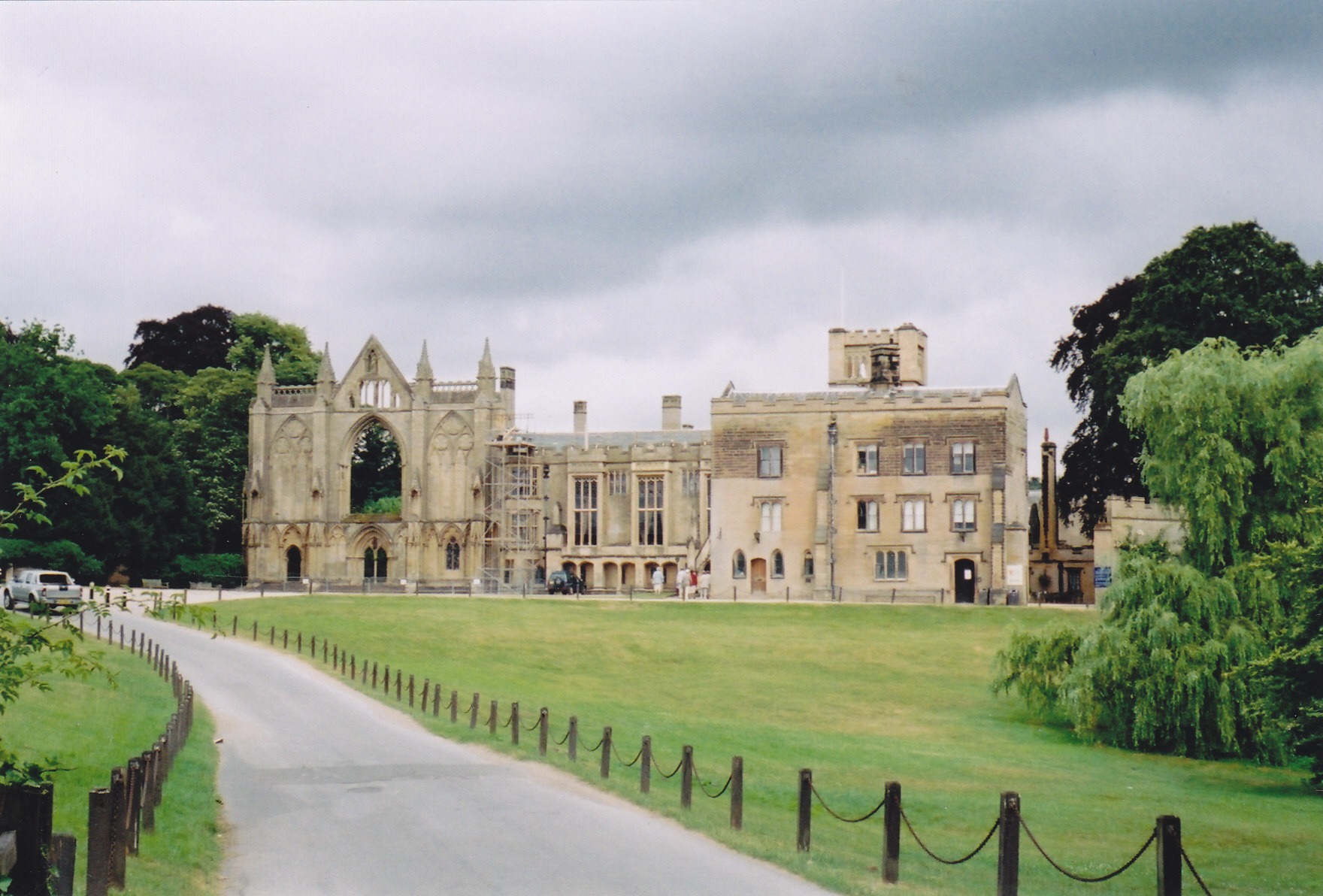
In my late teens/early twenties I was completely obsessed with Lord Byron, and just after I finished my degree at York I made the pilgrimage to his old home near Nottingham. Newstead Abbey is a beautiful place in its own right, but knowing that Byron himself mused, wrote poetry and quaffed wine from a skull within its walls makes it even more special to me. Nowadays Byron’s fame seems to be ebbing, with greater focus on his computer-pioneer daughter Ada Lovelace (who, to be fair, is pretty awesome), but I will always have a place in my heart for the poet who was “mad, bad and dangerous to know”. While some of Byron’s poetry isn’t great, when he is good, he is very, very good. I love Don Juan.
Fitzrovia, London
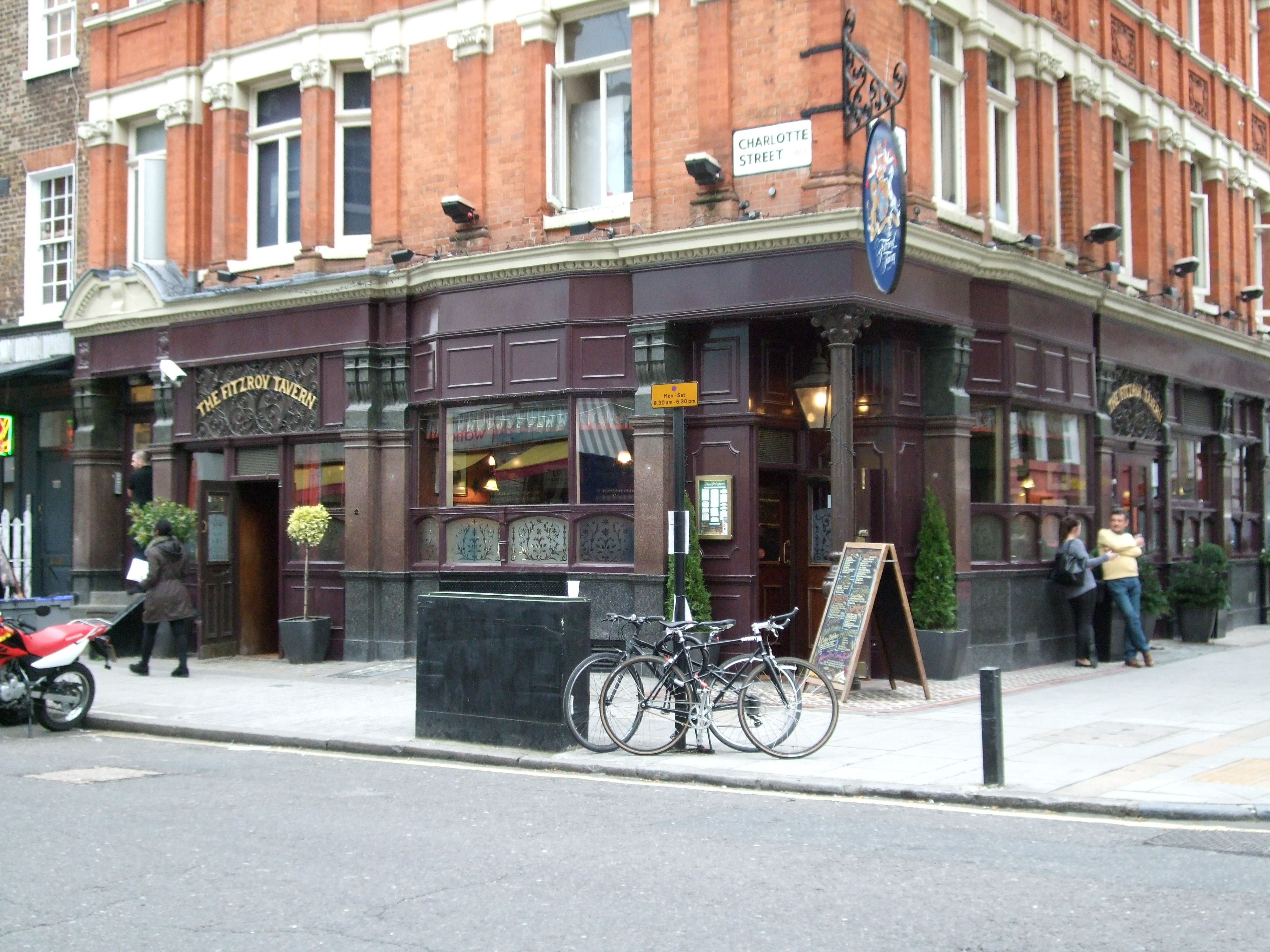
With the centenary of Dylan Thomas’ birth this year, I am surprised Fitzrovia didn’t make it into the list. This area in Bloomsbury was a magnet for artists and writers in the mid-20th century, who spent lots of time hanging out in the local pubs. Thomas is perhaps the most famous of these: he drank in the Fitzroy Tavern and met his wife Caitlin in the nearby Wheatsheaf. However, the area was also frequented by other significant figures: Anthony Burgess, author of A Clockwork Orange, witnessed an altercation in the Duke of York which may have found its way into his novel, while the nearby Newman Arms was supposedly George Orwell’s inspiration for the plebians’ pub in 1984.
If you would like to explore the area further, I recommend the London Literary Pub Crawl: this tour begins at the Fitzroy Tavern and ends in nearby Soho, with numerous beer breaks along the way.
South Tyneside
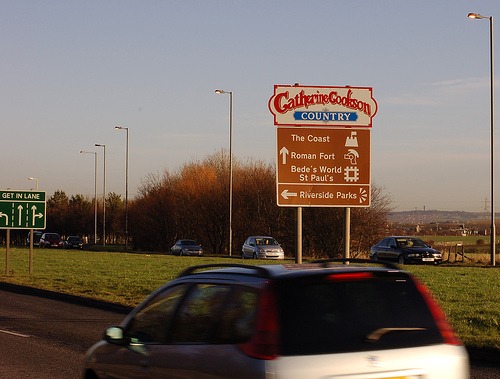
Growing up in the North East of England, I was familiar with the works of Catherine Cookson, the most borrowed author from public libraries for 17 years until 2002. Like many teenagers from the area I grew up reading many of her books, including The Cinder Path and The Branded Man, which were inspired by and set in the region. I’m not sure how popular Cookson is these days, but her hometown of South Shields and the entire Tyneside region still has the “gritty” atmosphere I associate with her books. Further south in County Durham, the open-air Beamish Museum will be recognisable to anyone who has ever watched a Cookson adaptation on television.
Rose Theatre, Bankside, London

The reconstructed Shakespeare’s Globe Theatre on Bankside is a well-known attraction, and it is certainly worth visiting. However, the lesser-known Rose Theatre just down the road is a must-see for anyone interested in Shakespeare and his contemporaries. It was discovered in 1989 during a routine excavation underneath an office block: a campaign to save it was successful, and it has been preserved ever since. The foundations are kept under water to preserve them, and red rope lights mark out the shape of the walls and the stage.
When it was built, the Rose was the first purpose-built theatre on Bankside, and plays are still performed there today, on a platform overlooking the archaeological site.
The Isle of Wight
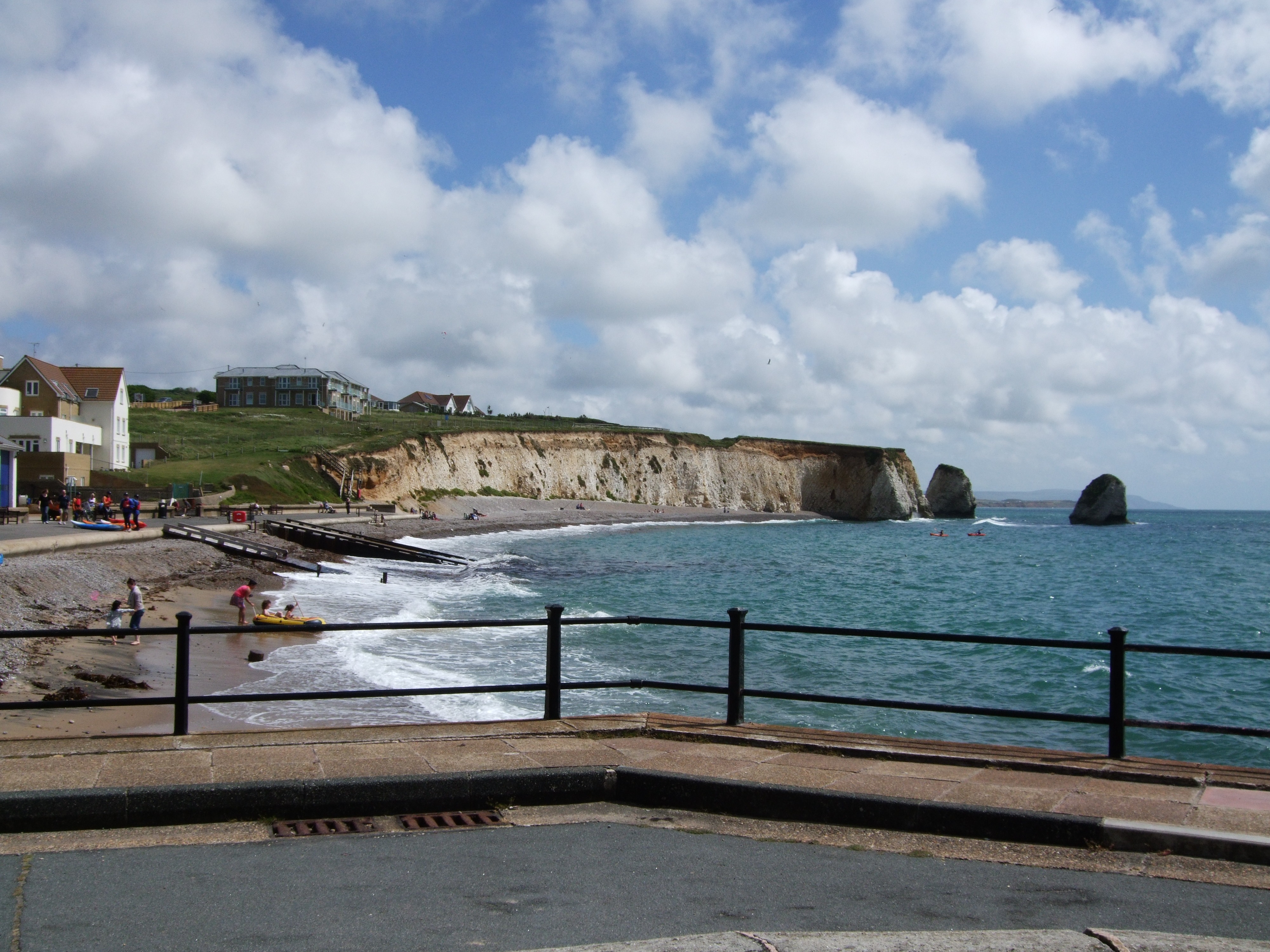
The Isle of Wight has connections with two of my favourite (albeit completely different) writers. Victorian poet Lord Alfred Tennyson lived at Farringford House in the west of the island for many years, and walked every day on Tennyson Down, which was subsequently named after him. He also wrote one of his most famous poems, ‘Crossing the Bar’, while on a ferry crossing the Solent.
Virginia Woolf wrote her only play, Freshwater, about her great-aunt, the photographer Julia Margaret Cameron. The play is set in Dimbola Lodge in Freshwater, not far from Tennyson Down and Farringford, and it is still possible to visit Dimbola, which is now a museum and art gallery dedicated to Cameron.
Also, if this isn’t enough reason to visit the Isle of Wight, the fact that you can go there by hovercraft should be enough to convince you.
Bonus site: Scarborough
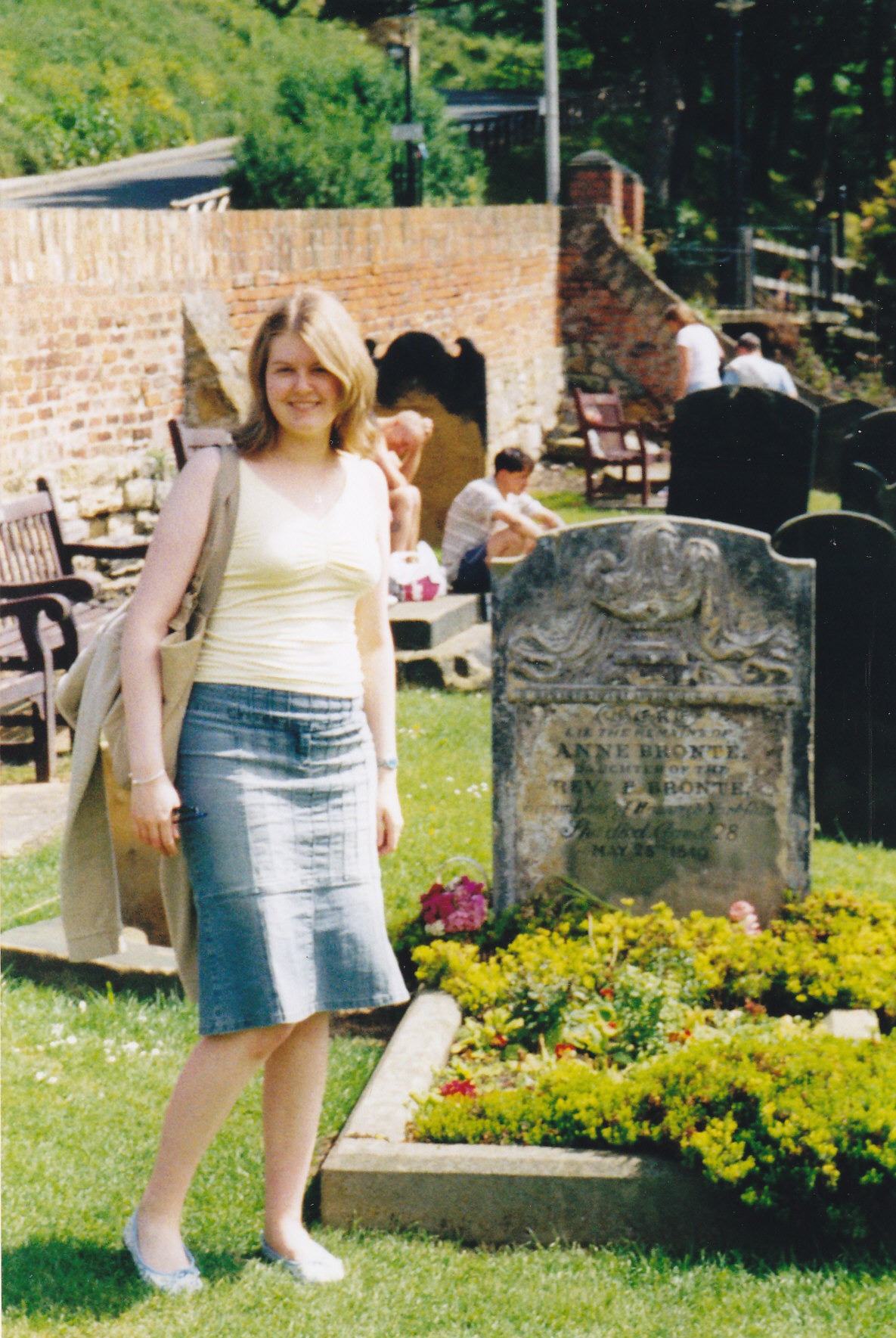
The Yorkshire seaside town of Scarborough might not be an obvious choice for someone looking for places with literary connections, but while the Parsonage Museum in Haworth is the main focus for Brontë aficionados, Scarborough has a claim to fame of its own, as the burial place of youngest Brontë sibling Anne. When she began to show symptoms of the tuberculosis that had killed her brother and sister, Anne travelled to Scarborough with her only remaining sister, Charlotte. Sadly, Anne died there and is buried in St Mary’s burial ground.
If there’s one thing that the Buzzfeed list, Rachel’s choices and my own experiences have shown me, it is that Britain is absolutely chock-full of literary places. I had a really hard time narrowing my own choices down to five, and there are still plenty of places that I haven’t seen. Maybe a trip to Haworth will be on the cards next year?