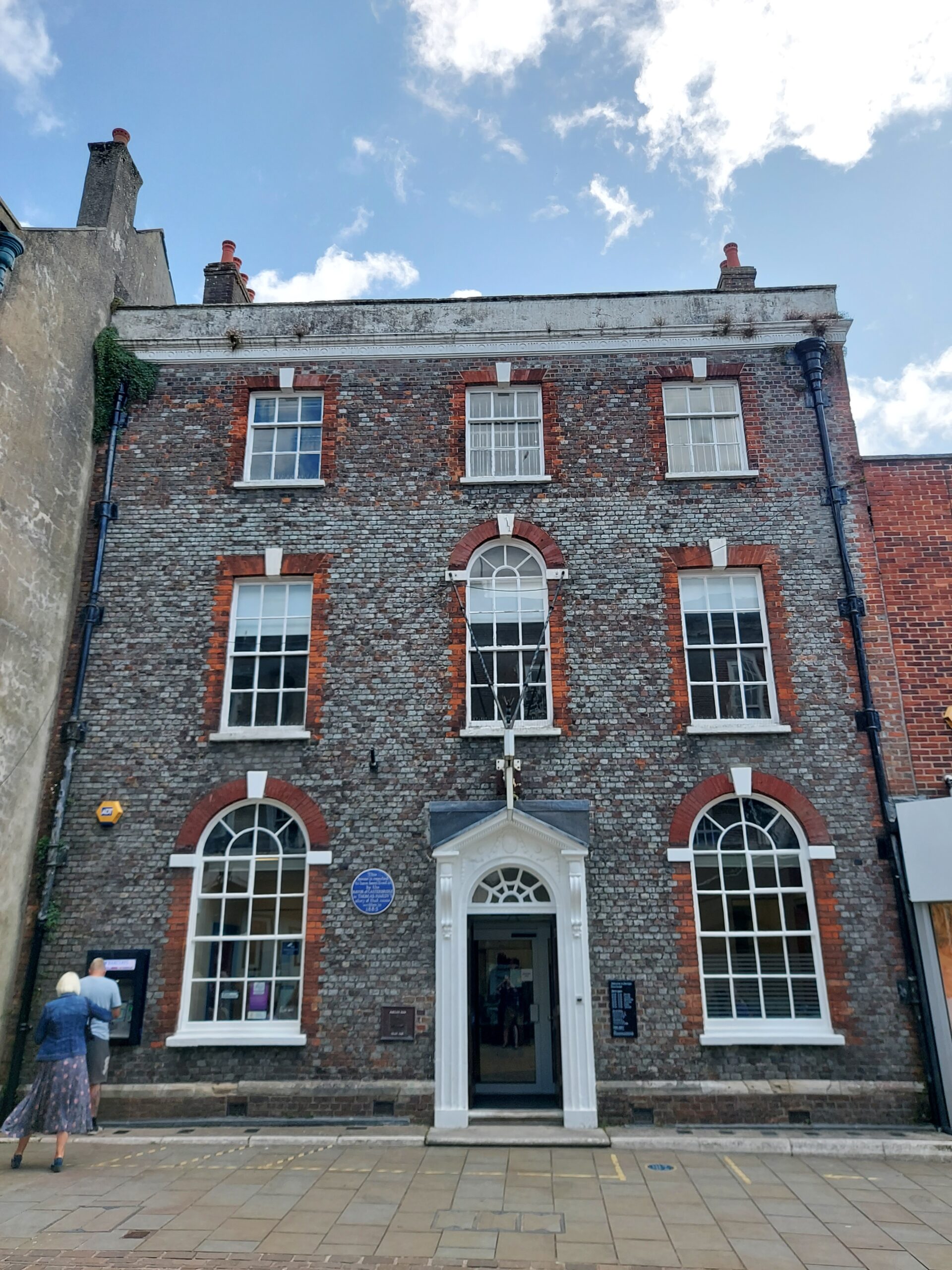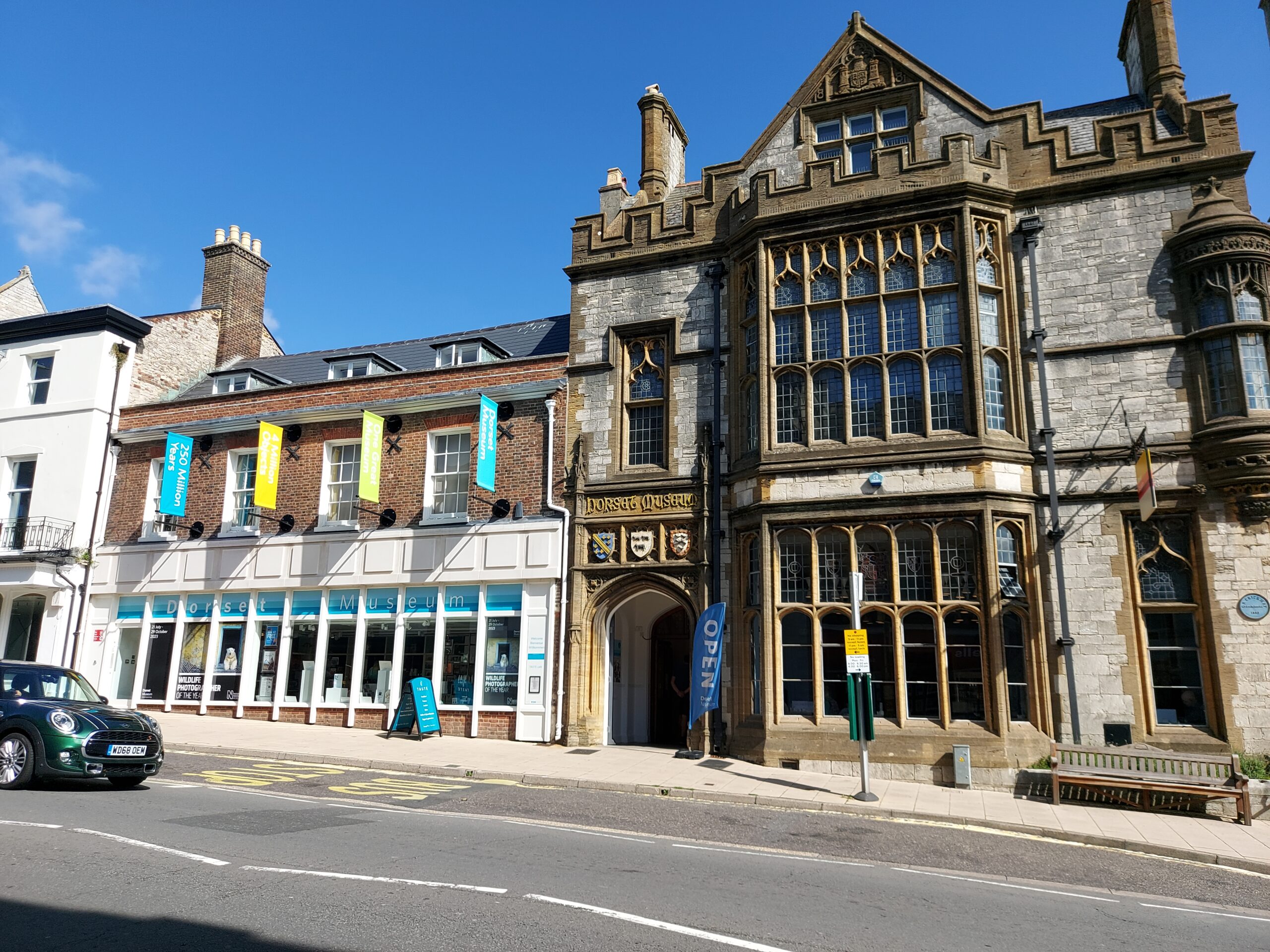
As I mentioned in my last blog post, I only became a fan of Thomas Hardy after I visited Dorchester as a child with my family. I always knew I wanted to visit again and go to all the Hardy-related sights, but never got round to doing that until my recent camping trip.
One day of my holiday was dedicated to Hardy. Hardy’s Cottage, his childhood home, was a short walk from my campsite so I headed there in the morning. I’d pre-booked a guided tour and our guide was lovely and really enthusiastic about Hardy.
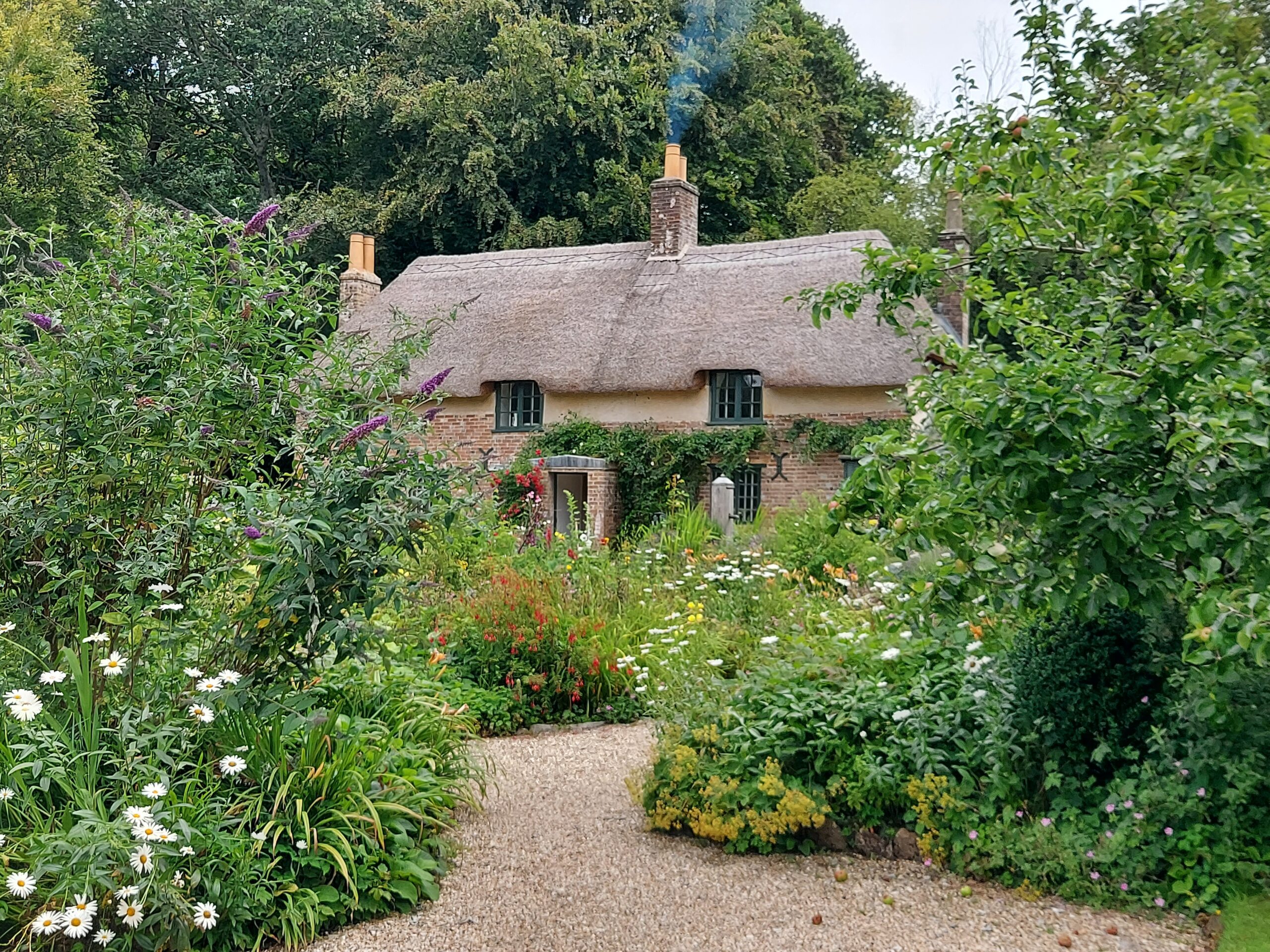
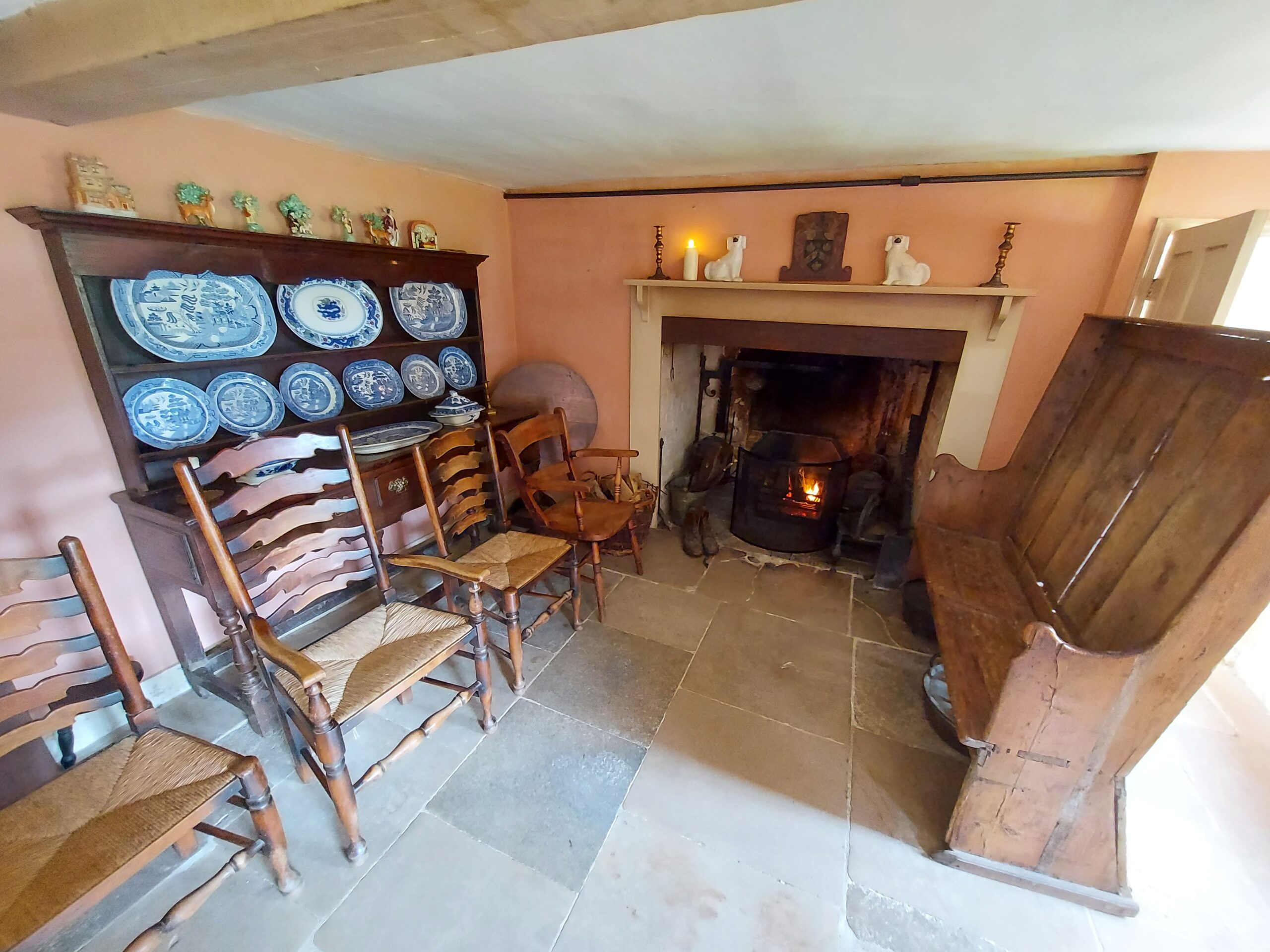
The cottage, built by Hardy’s great-grandfather, is beautiful, with a thatched roof, open hearths and stone floors, and colourful flowers in the front garden. Hardy was born here in 1840 and wrote several early short stories, poems and novels here, including Far from the Madding Crowd. Our guide argued that Hardy was happiest in this cottage and it’s easy to appreciate this. You can imagine how the family pushed back the furniture in the downstairs area to create space for dancing, or sat next to the warm hearth, a den of cosiness in colder weather.
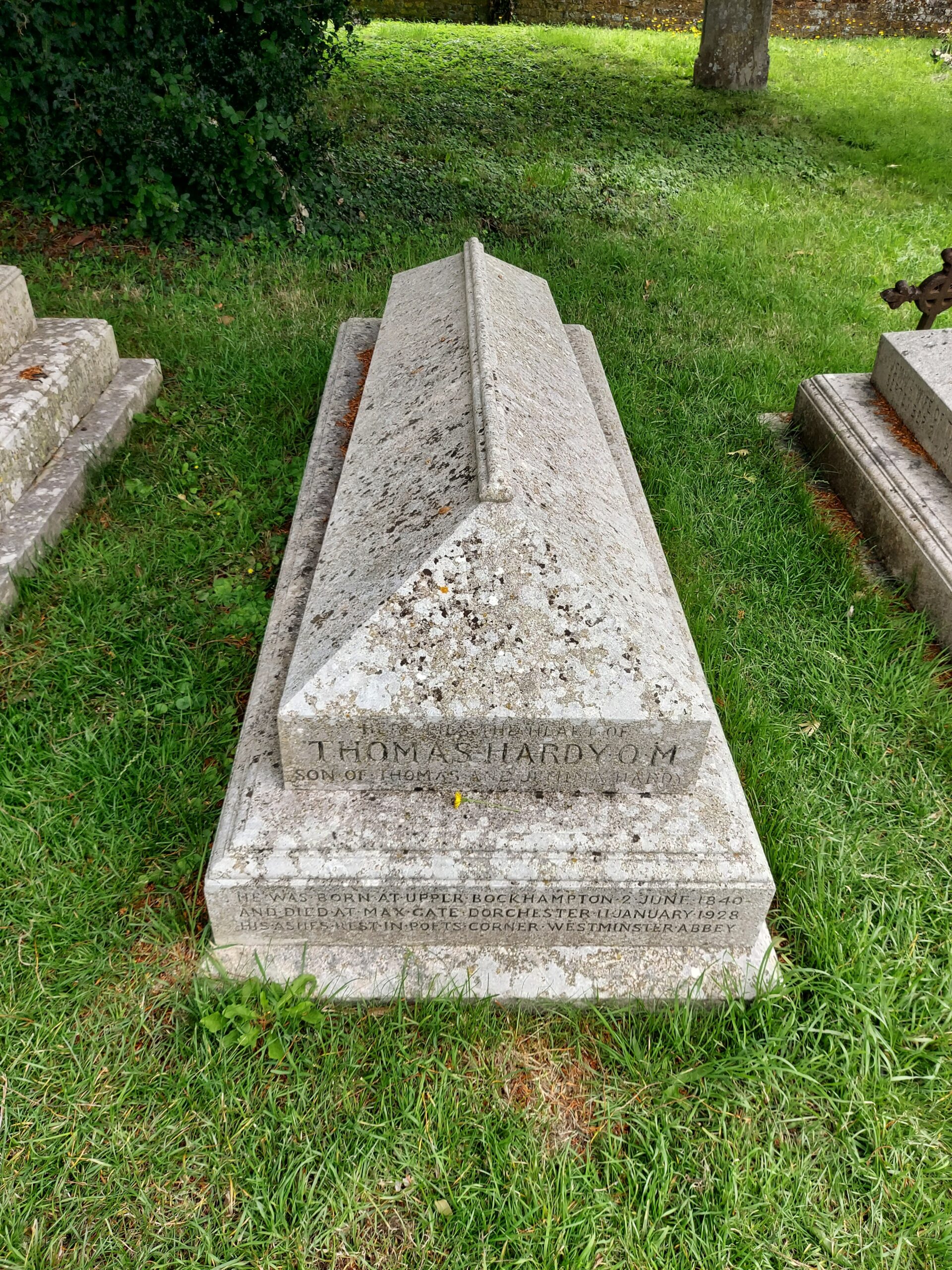
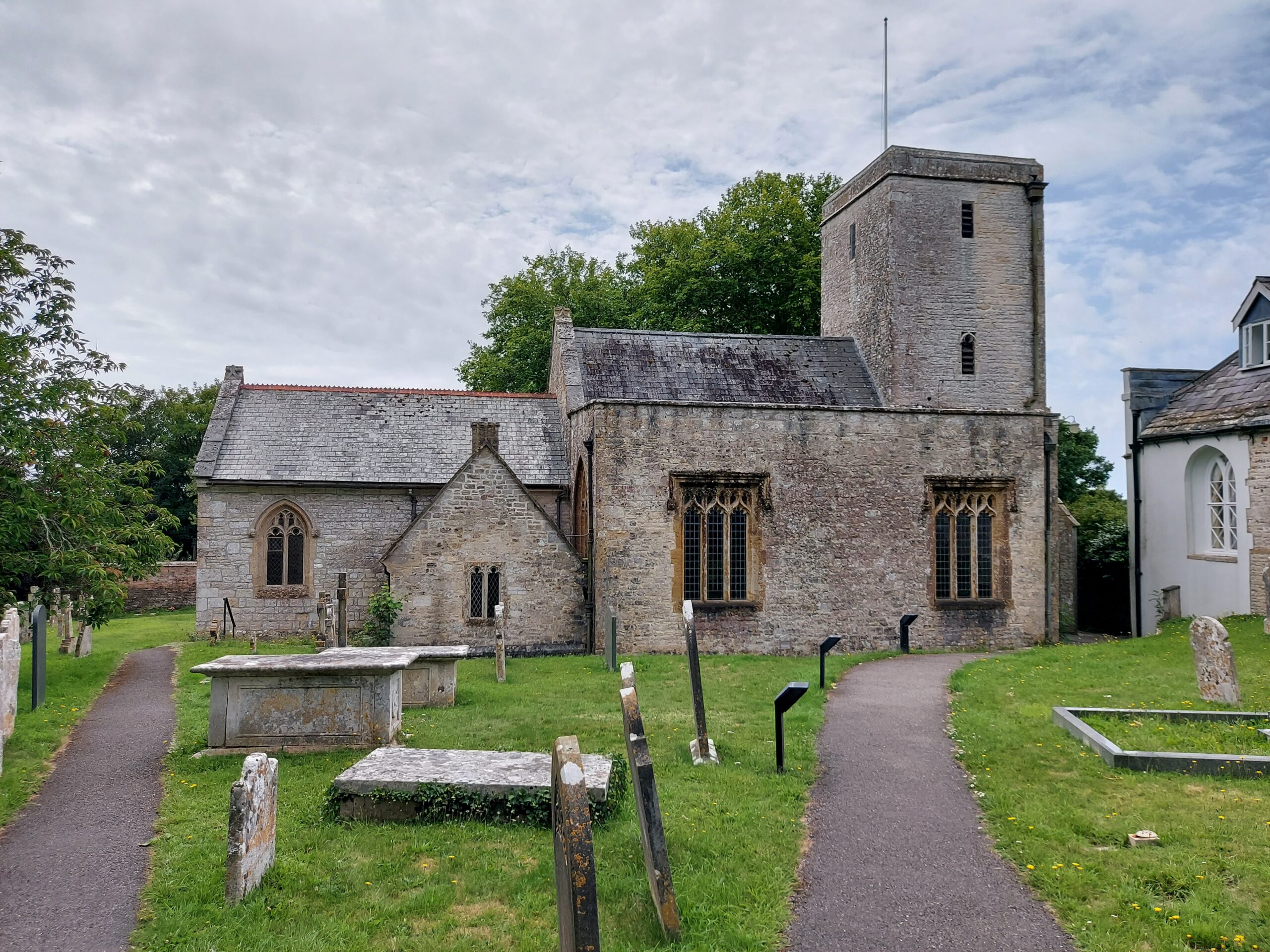
I then walked down to the Hardy’s Birthplace Visitor Centre and had a little rest, before walking to Stinsford via the scenic route – this involved crossing the little stream Angel carries Tess over in Tess of the D’Urbervilles. St Michael’s Church in Stinsford is the ‘Mellstock Church’ featured in Under the Greenwood Tree, and is where Thomas Hardy’s heart is buried (the rest of him is in Westminster Abbey). His two wives are buried with his heart, and several of his family members are also buried nearby. Hardy was baptised here and grew up attending this church. Grade I listed, it is a beautiful historic church, built in medieval times albeit with further adaptations and changes over the centuries.
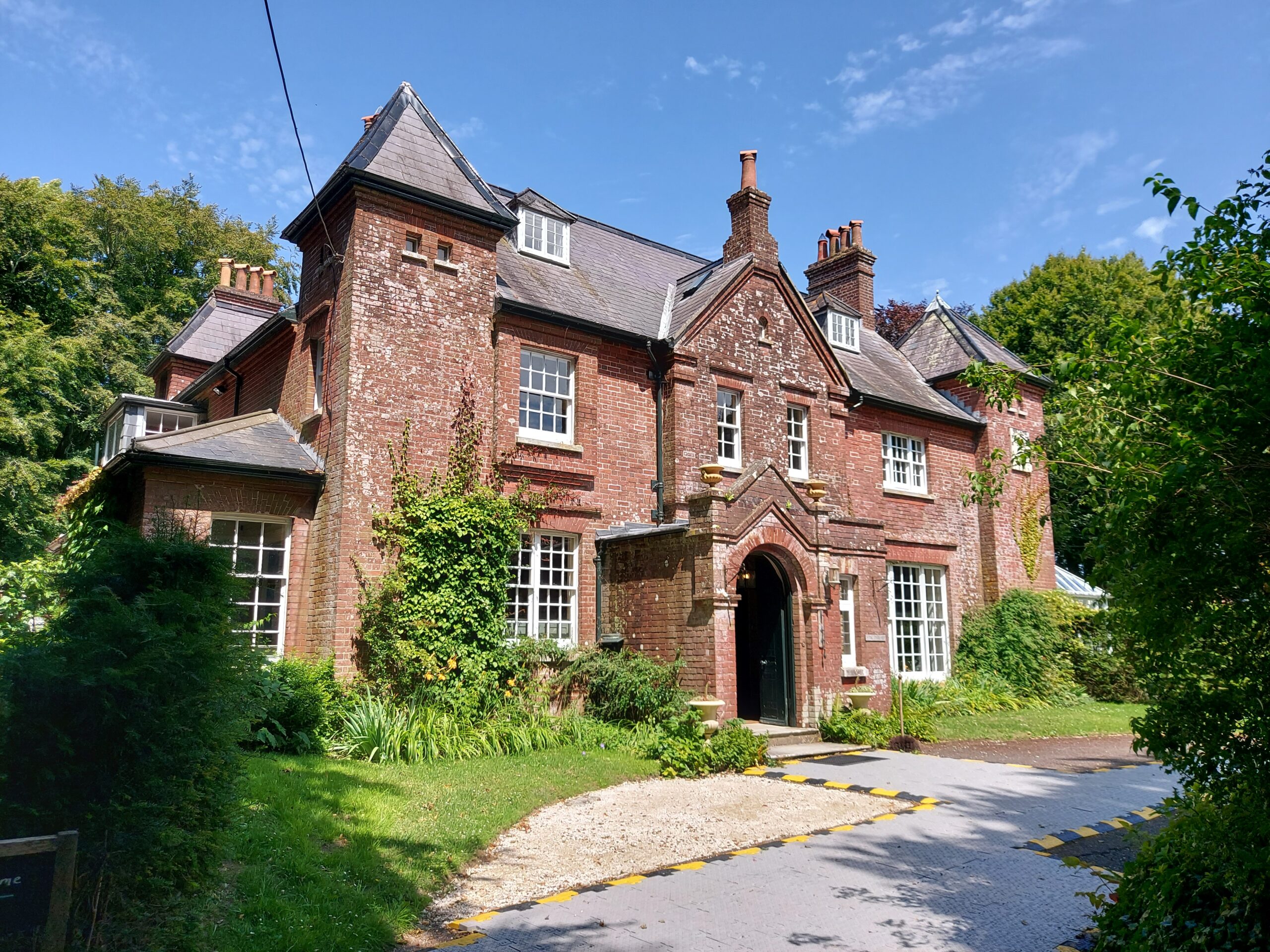
At this point, one of the couples from the earlier tour arrived, and kindly offered me a lift to Max Gate. Hardy, a trained architect, designed this house (built by his father and brother) in 1885, naming it after a local tollgate keeper called Henry Mack. It reflects his desire to be seen as part of society and his role as a successful writer. Here, Hardy wrote his most famous novels, Tess of the D’Urbervilles and Jude the Obscure, as well as a large amount of poetry. He lived here until his death in 1928.
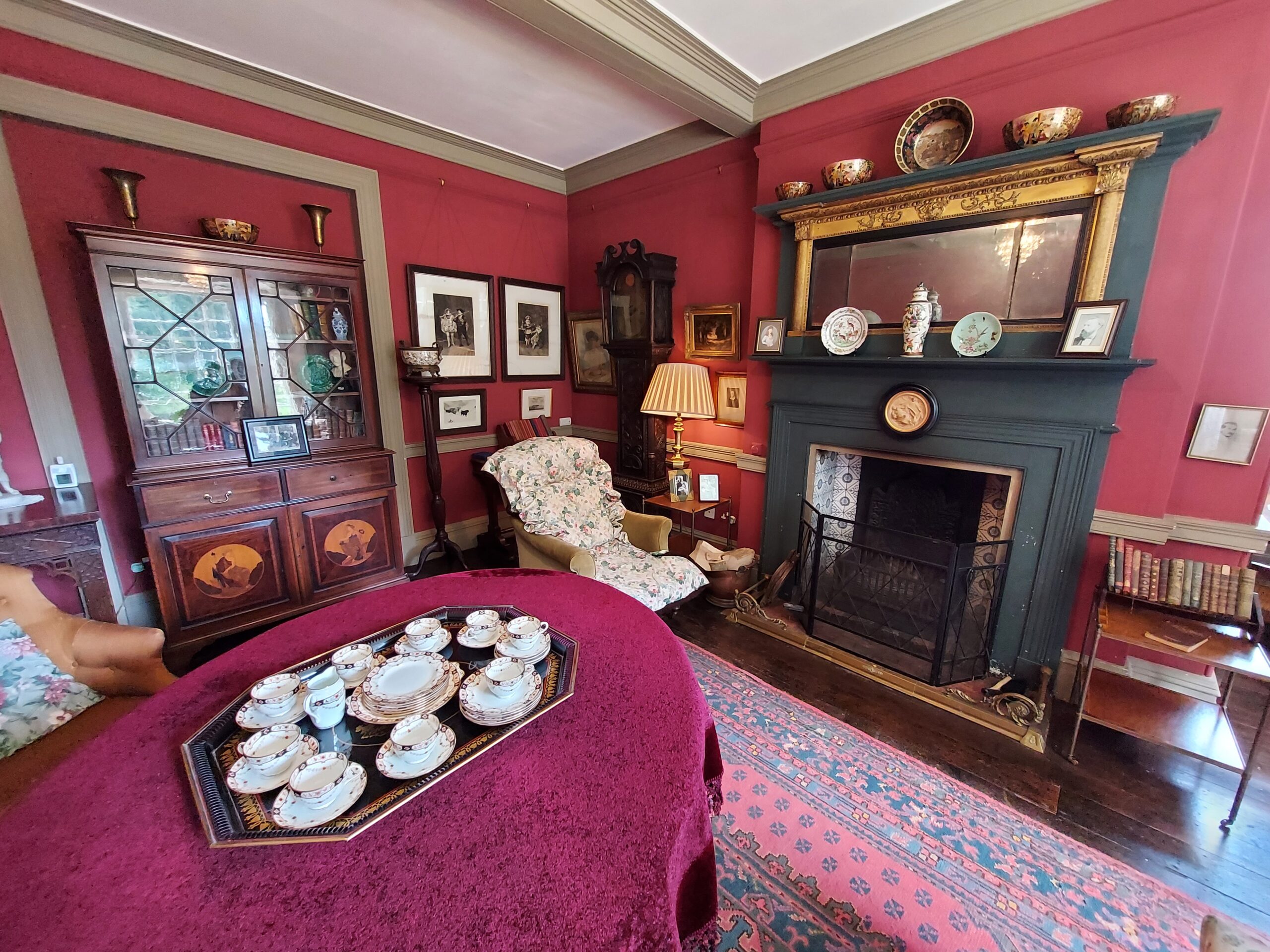
Much of the house’s furniture is sadly not original, as many of Hardy’s possessions were dispersed before the National Trust acquired it. However, rooms have been re-furnished to reflect how they looked in Hardy’s time (his study is now in the Dorset Museum). In this house, his relationship with his wife Emma deteriorated; she eventually came to live more or less separately from him, in some attic rooms which I found incredibly appealing but may have been less so to her, given the circumstances. After her death, and despite his second marriage to Florence, Hardy felt increasingly guilty about his behaviour to Emma, and wrote passionate love poems in her memory.
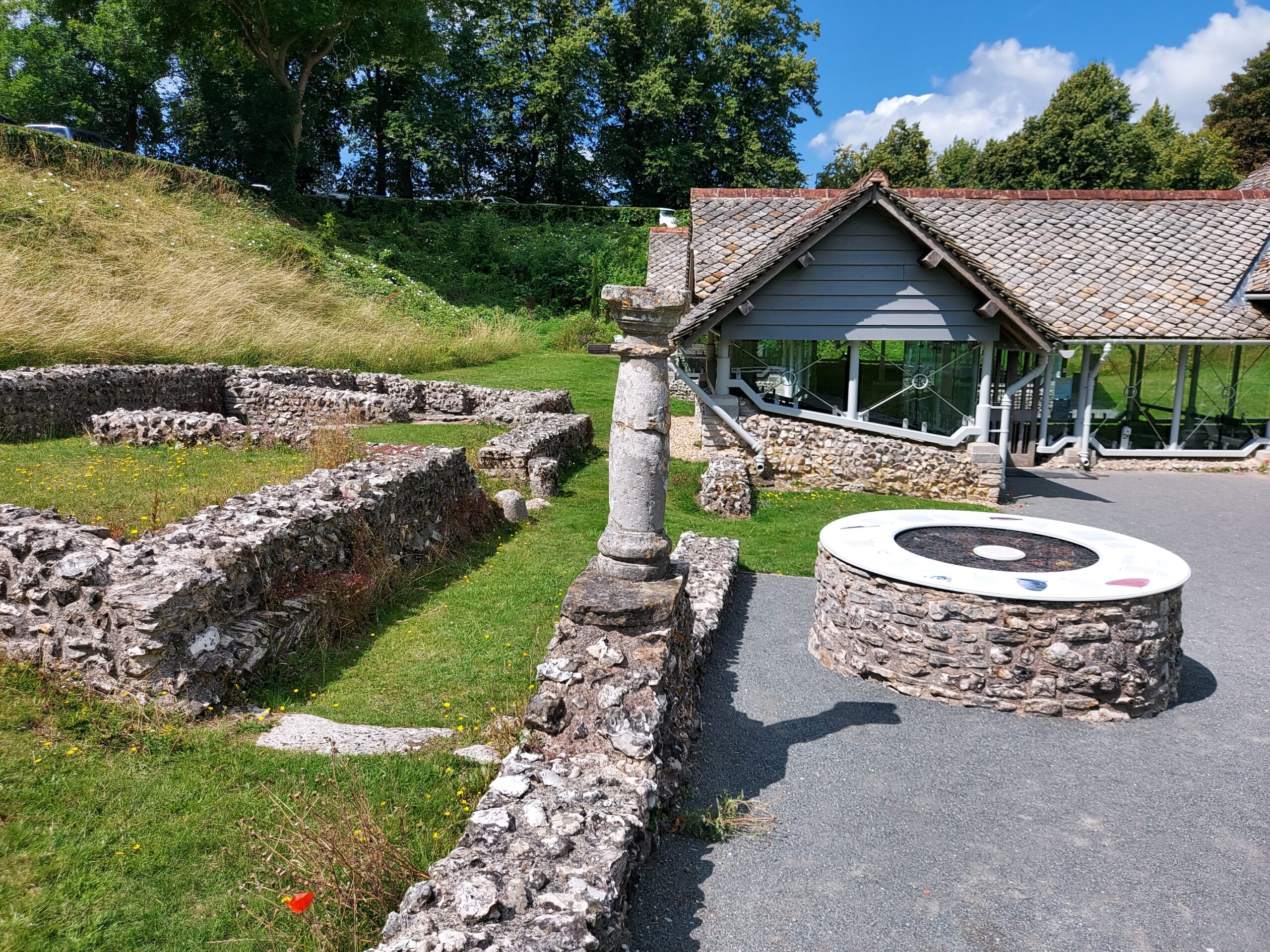
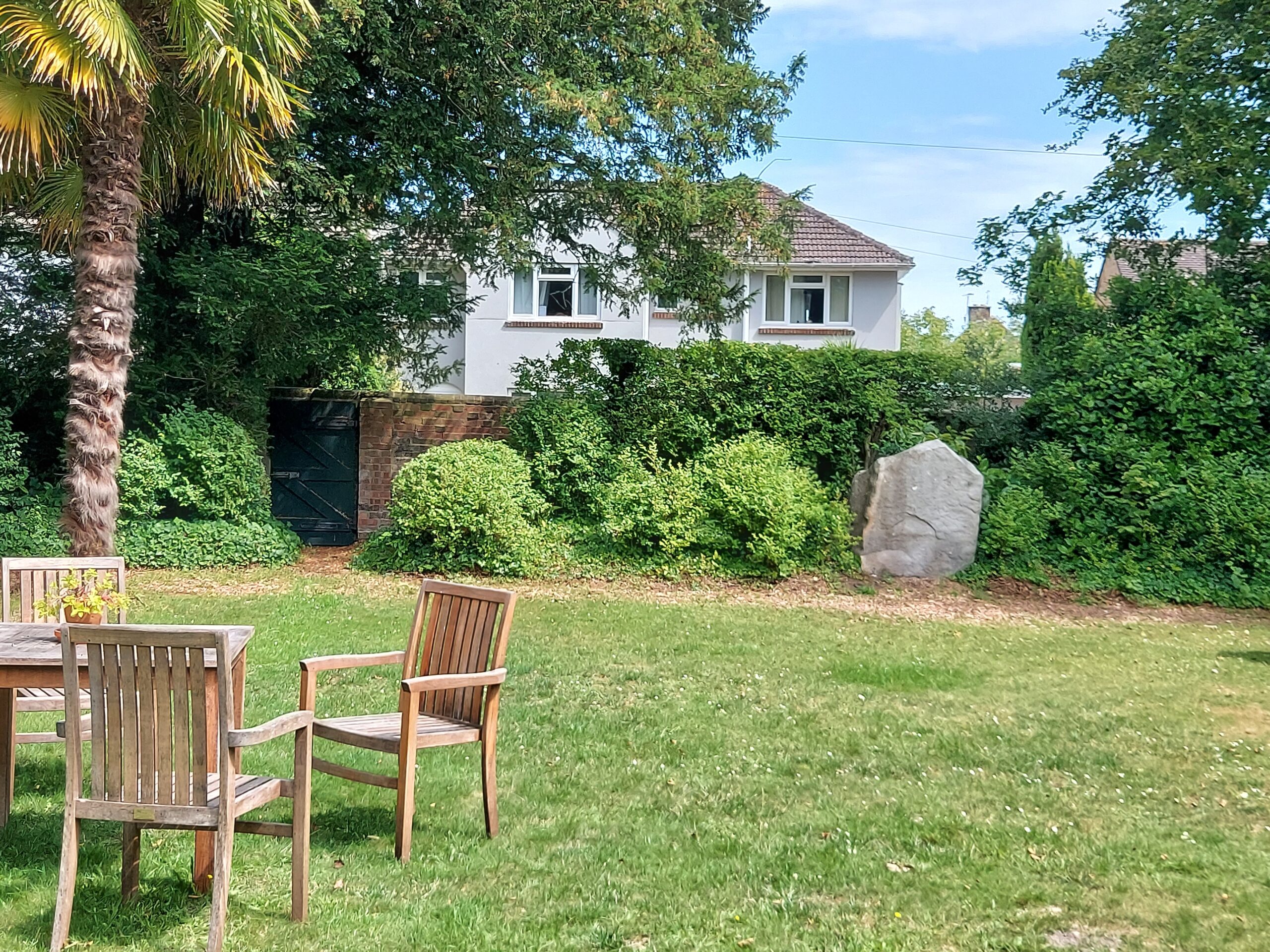
The garden remains much as it was originally designed, with high walls and trees to protect Hardy’s privacy. He apparently used to dart out of the side gate if a visitor arrived whom he did not want to meet. There is a small graveyard in which some of his beloved pets were buried, including his dog. When the house was under construction, Roman relics were found on the land, not to mention half of the Neolithic interrupted ditch enclosure known as Flagstones. This was discovered in the 1980s, many decades after the discovery of one single sarsen stone, which Hardy called ‘the Druid Stone’ and had erected at the edge of his lawn.
My visit to these three locations was the fulfilment of a long-held ambition to see these places so key to Hardy. I enjoyed every part of my holiday in Dorset, but this was my favourite.