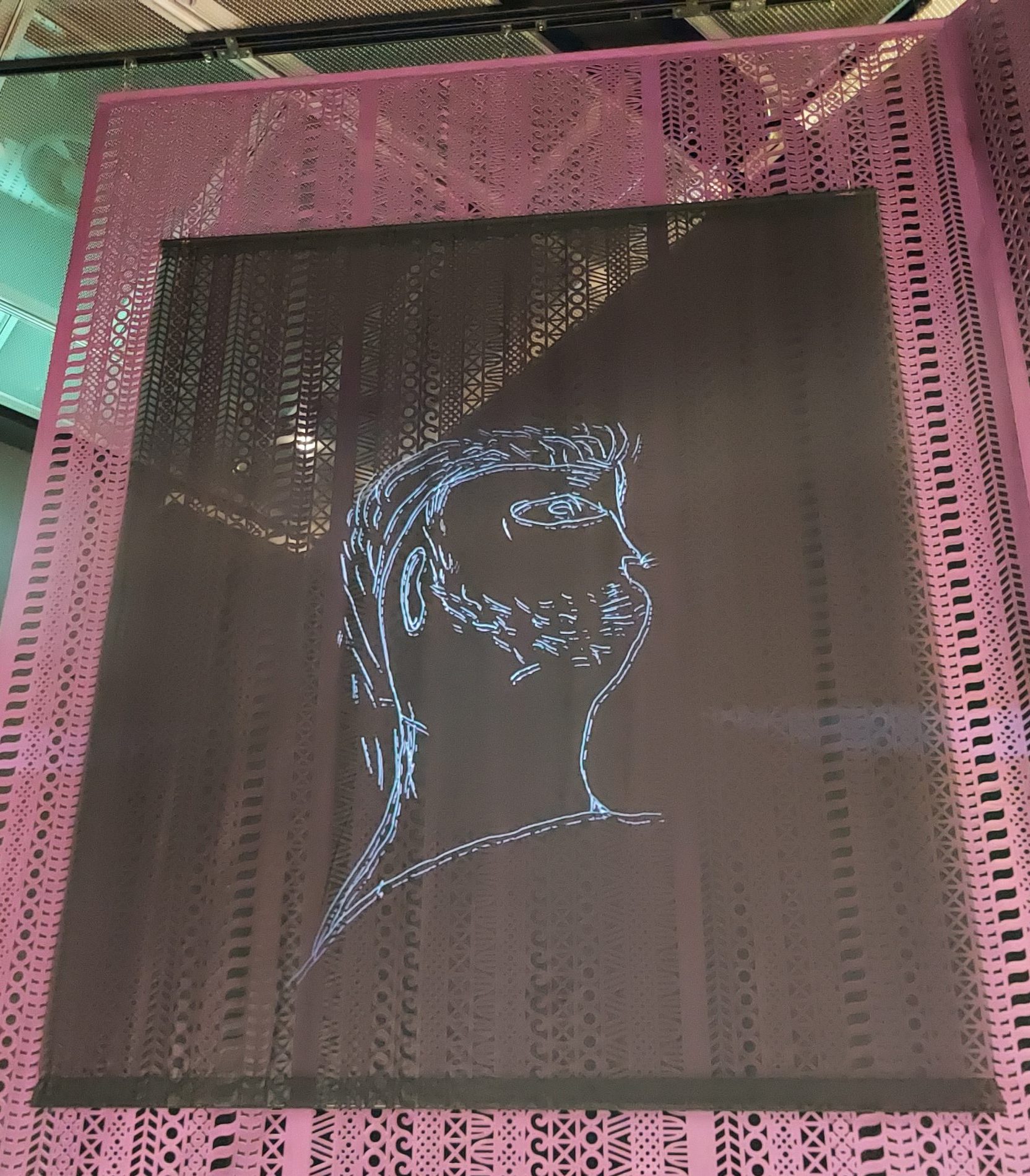
On the first day of my week off work I headed to the British Museum to see the Nero exhibition. Nero: the man behind the myth looks at this infamous Roman emperor and examines whether he really was the villain history remembers him as.
The exhibition began with an illustration of the complex family tree that enabled Nero to take power. He became emperor as a teen, and although close to his mother, later had him executed. He also executed his tutor and possibly his wife, although evidence suggests she was more likely to have died after a miscarriage. It’s worth noting that most of the Roman emperors executed members of their family at some point – it was a cut-throat world and, while not ideal(!), doesn’t necessarily make him any worse than the rest of them.

Part of the exhibition focused on the rebellion of Boudicca, which I found very interesting. After the rebellion Nero put another general in place to implement reforms, suggesting that he listened to those who were discontented. On the other hand, another incident closer to home showed that he could be ruthless – when a slave rebelled Nero ensured the law allowing a slave owner to execute all of their slaves was followed to the letter.
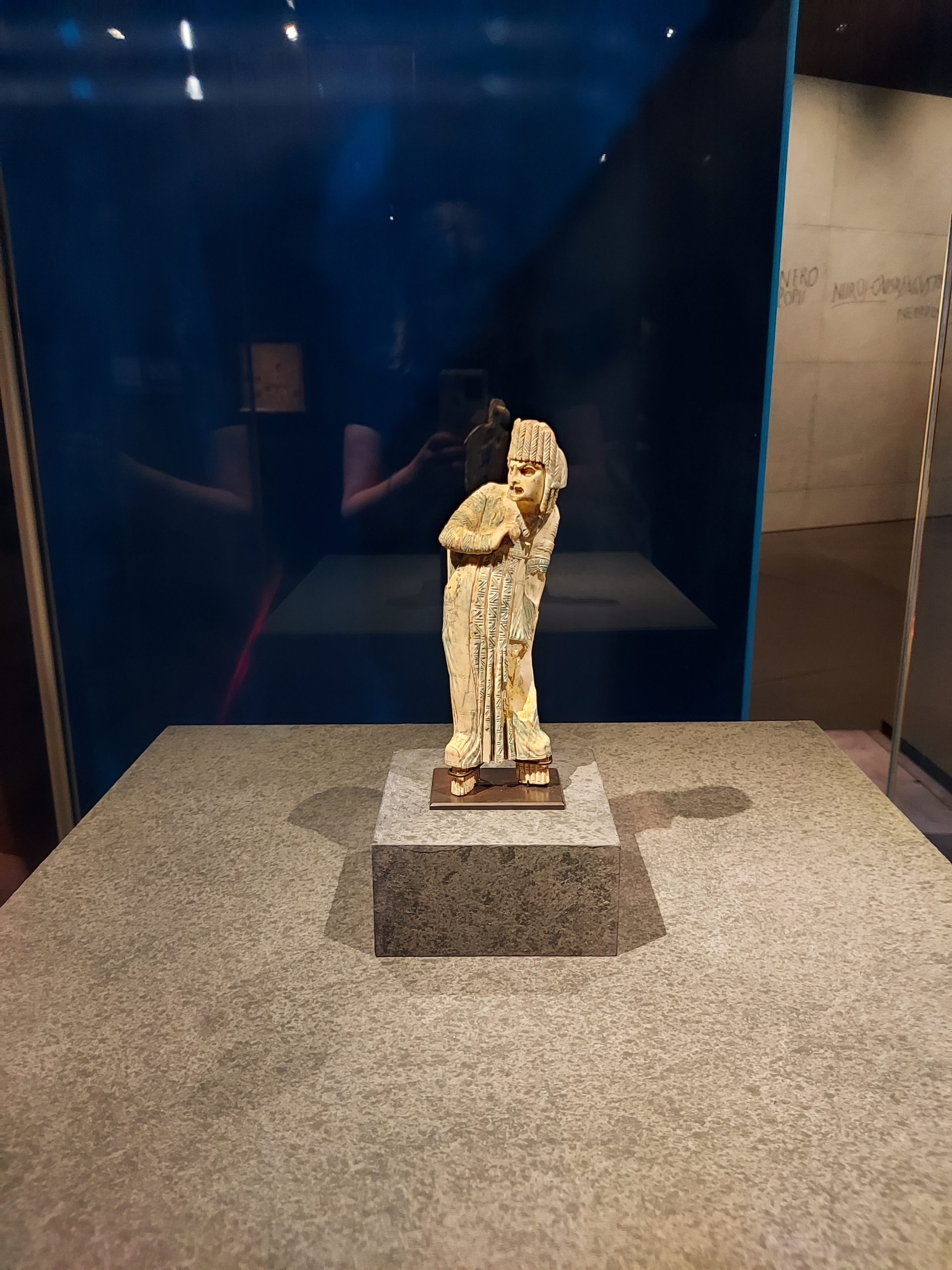
Nero was interested in the arts and enjoyed performing in plays, which some figures criticised him for. I can definitely understand this as should the leader of a people really be spending their time acting on stage?
Nero is probably best remembered for playing the fiddle while Rome burned, but when the infamous fire started he wasn’t even in Rome. He actually came back and put measures in place to house and feed residents displaced by the fire. However, he did unfairly blame members of a new religious sect (later known as Christians) for the blaze. Nero rebuilt his palace in a lavish style, which drew some criticism – although it was no more lavish than the homes of other wealthy Romans. He did try to make events open to people from different classes, and seems to have been popular with ordinary people.
Nero was forced to commit suicide aged 30, and his reign was followed by a year of instability with four different emperors. An expert in Roman history may feel differently, but to me, the exhibition suggests that Nero wasn’t actually as bad as he was made out.