
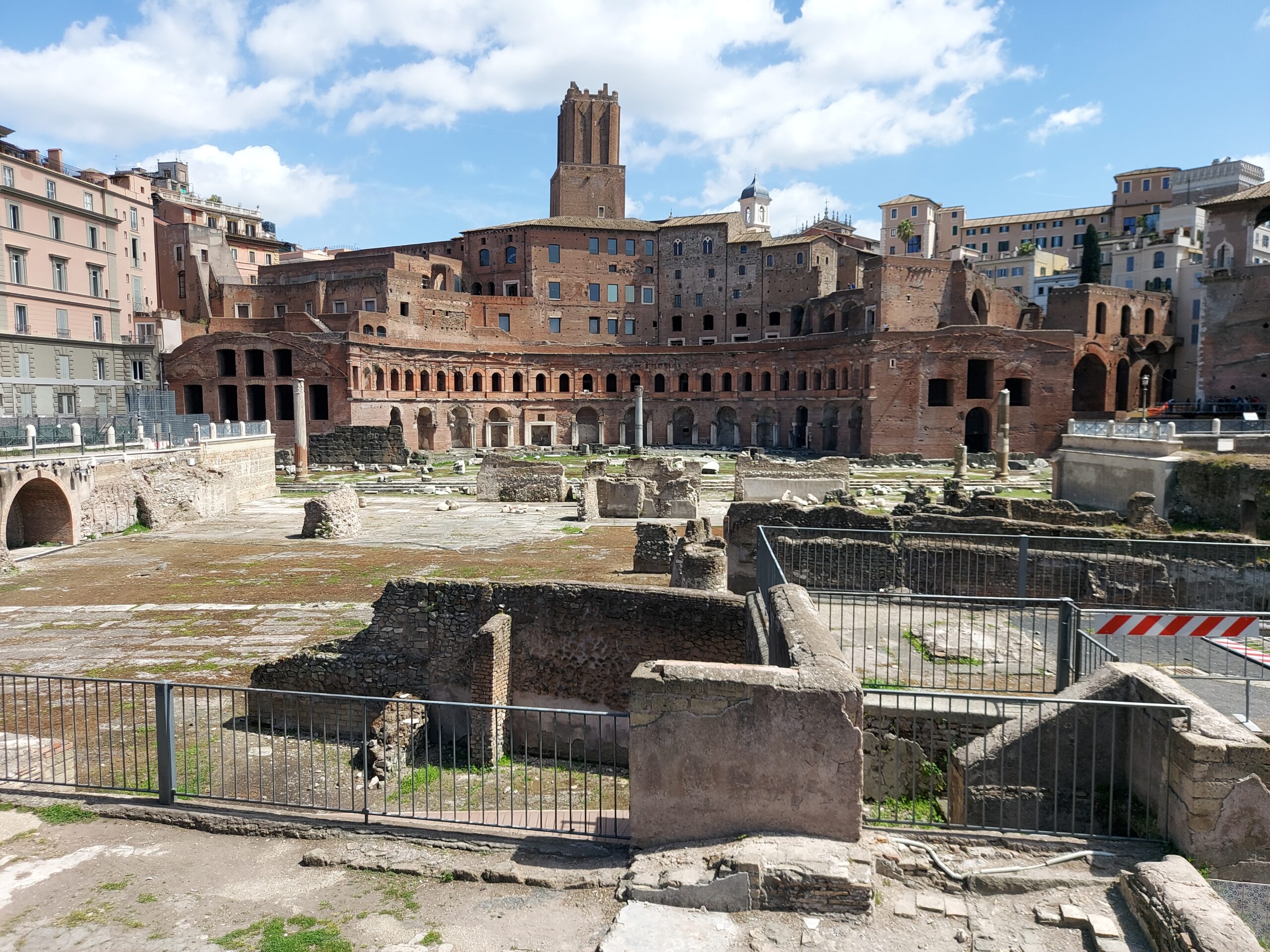
On our final full day in Rome, we headed to the Capitoline Museums, prompted by my mam’s wish to see some original Caravaggios. We did have to do some walking on the way, but this gave us a chance to see more of Rome.
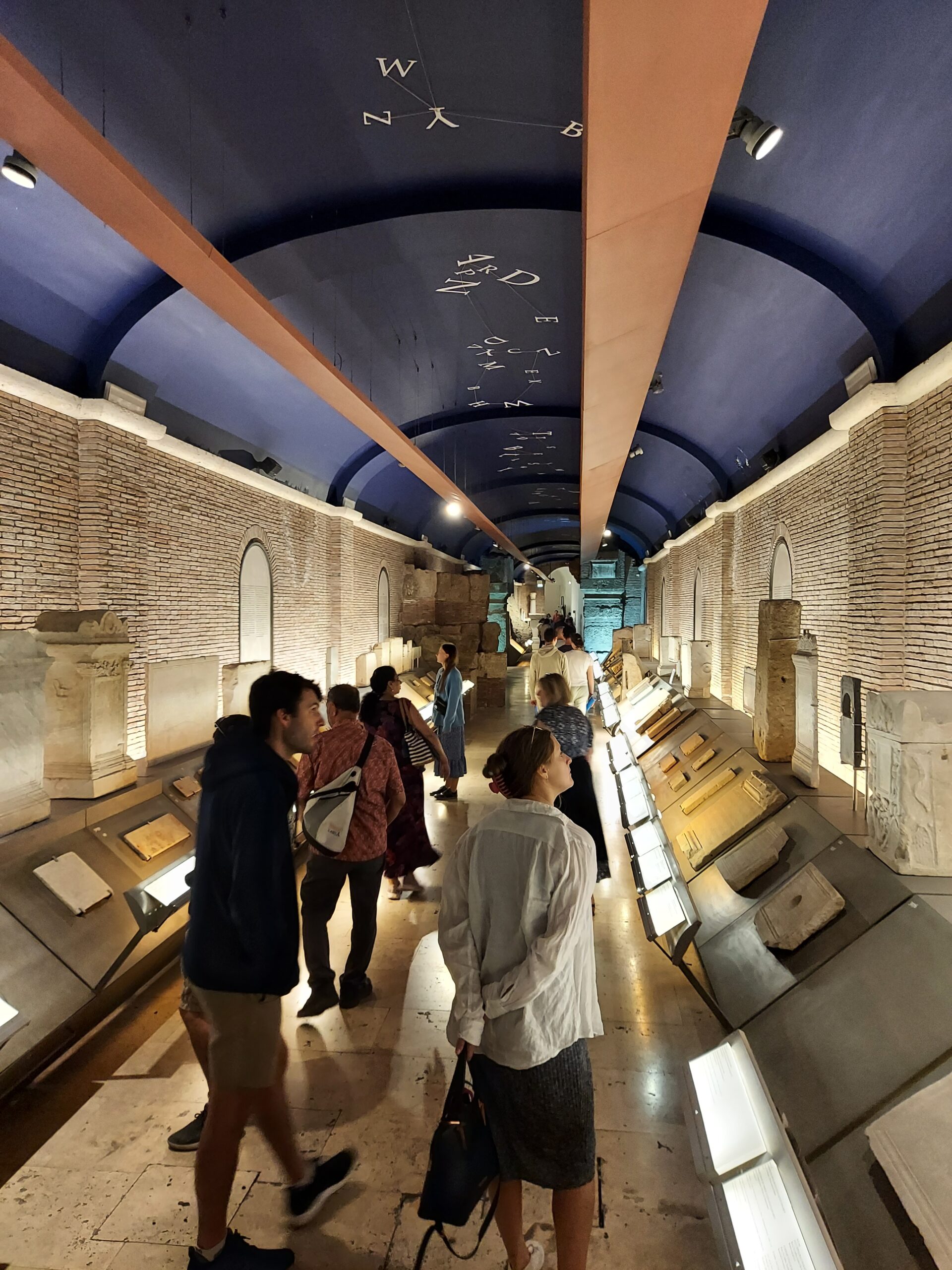
The history of the museums, among the oldest in the world, stems from 1471, when Pope Sixtus IV donated an important collection of ancient bronzes to the Roman people, housing them on the Capitoline Hill. Since then, the collections have grown considerably, though they still retain a focus on Rome and its history. Items include ancient Roman statues, medieval and Renaissance art, and collections of jewels and coins. The buildings are linked by an underground gallery, which itself contains displays of Roman architecture.
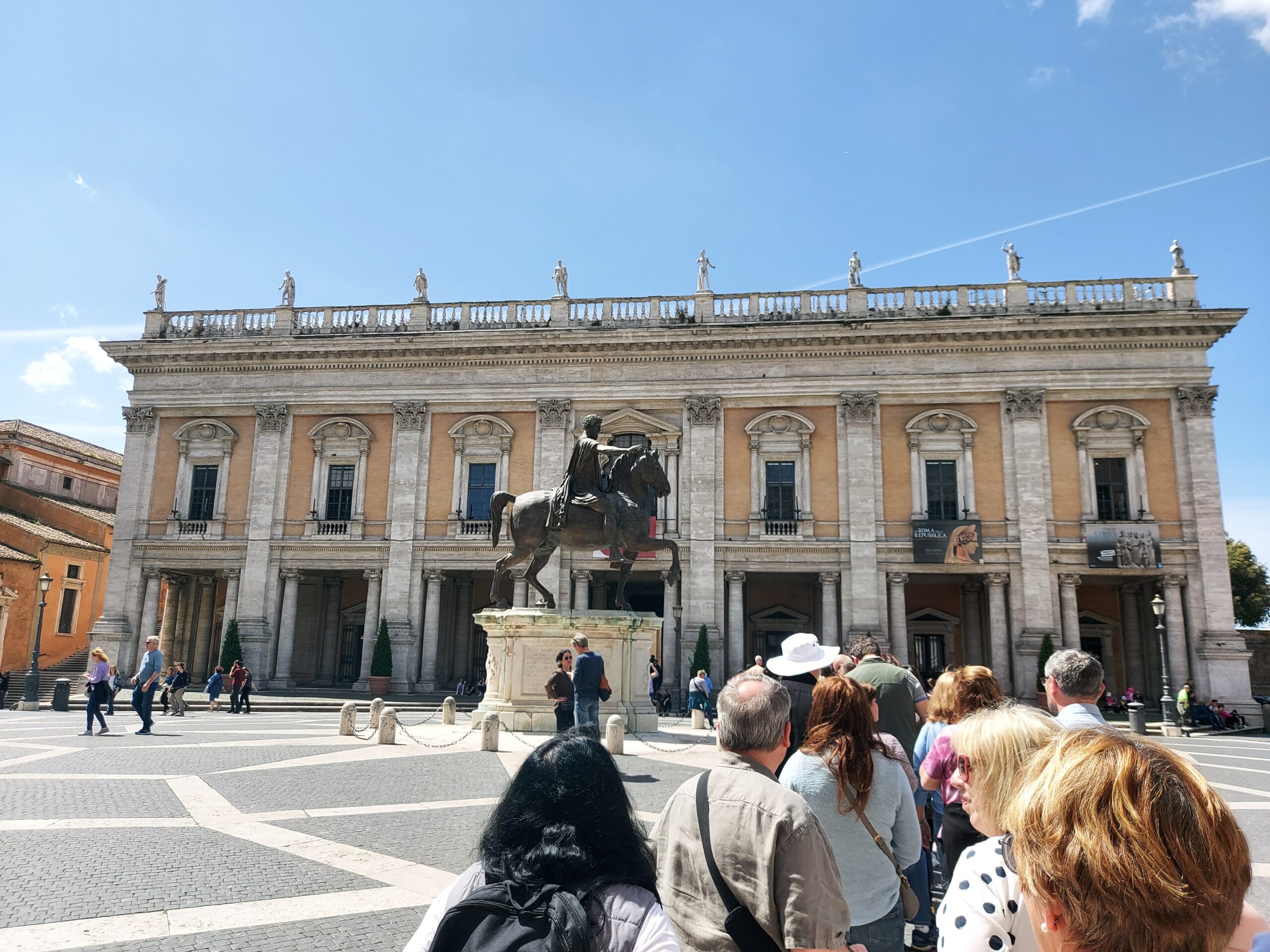
There are three main buildings that make up the museums:
- Palazzo Senatorio: built in the 12th century and modified by Michaelangelo, this now houses the Roman City Hall.
- Palazzo dei Conservatori: built in the mid-16th century and redesigned by Michelangelo.
- Palazzo Nuovo: built in the 17th century with an identical exterior design to the Palazzo dei Conservatori, which it faces across the piazza.
As with every museum in Rome, it was full of fascinating artefacts, but these were some of my highlights:
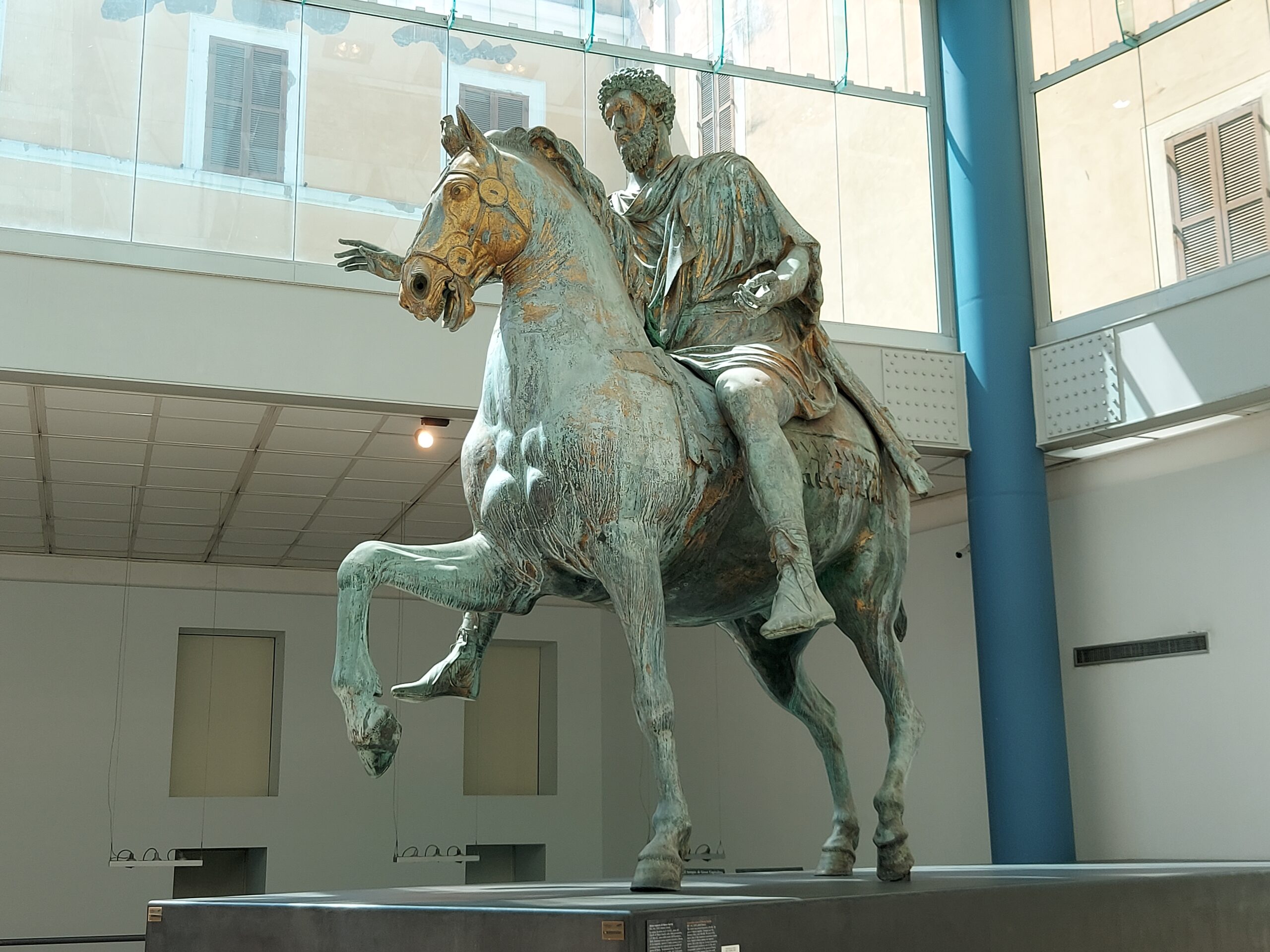
Statue of Marcus Aurelius on horseback. This is believed to have been erected around 161-180 AD. It originally stood outside in the courtyard, but a replica now stands there.
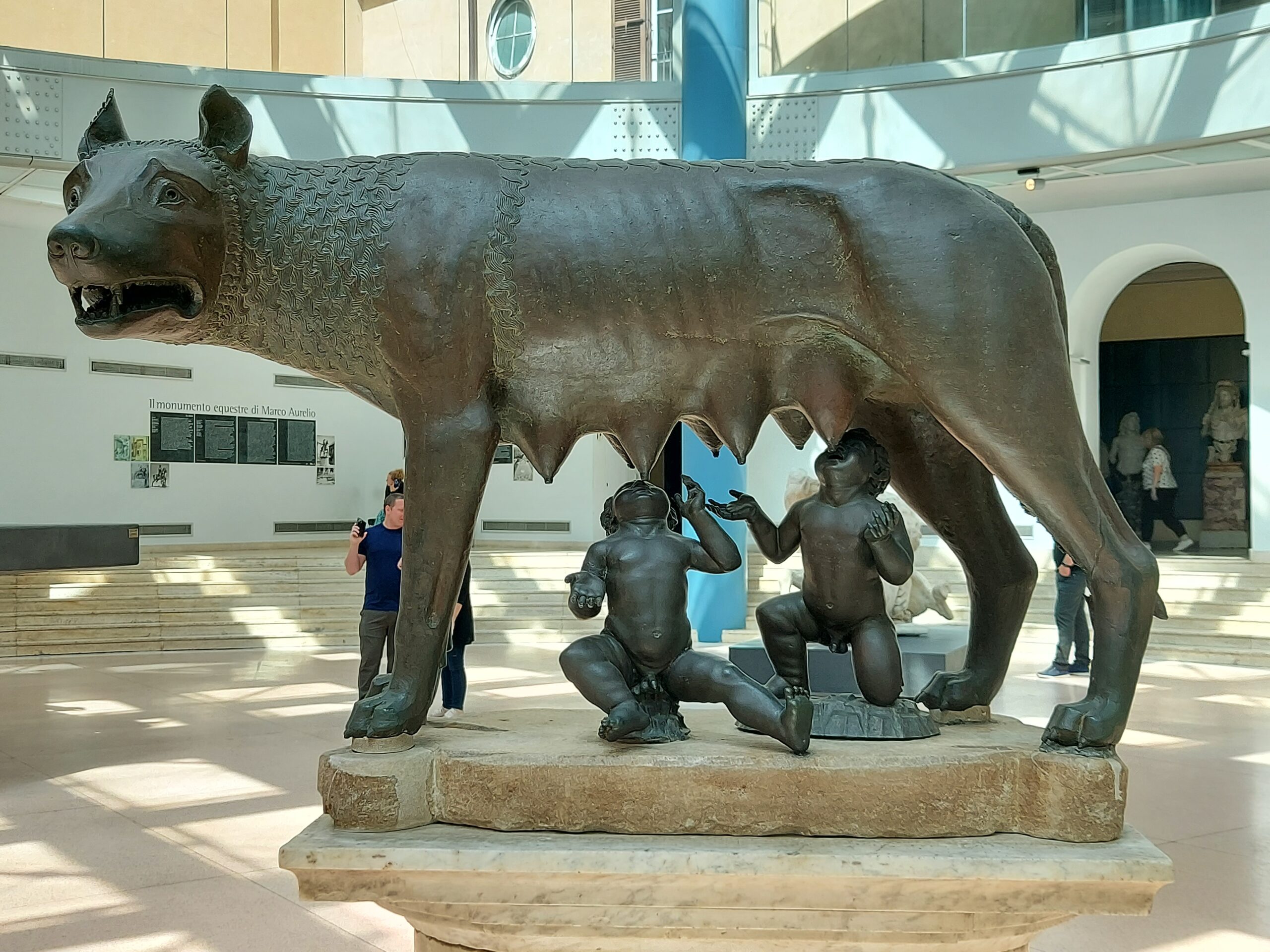
Statue of Romulus and Remus. Created in the Middle Ages, the statue symbolises the legendary founders of Rome.
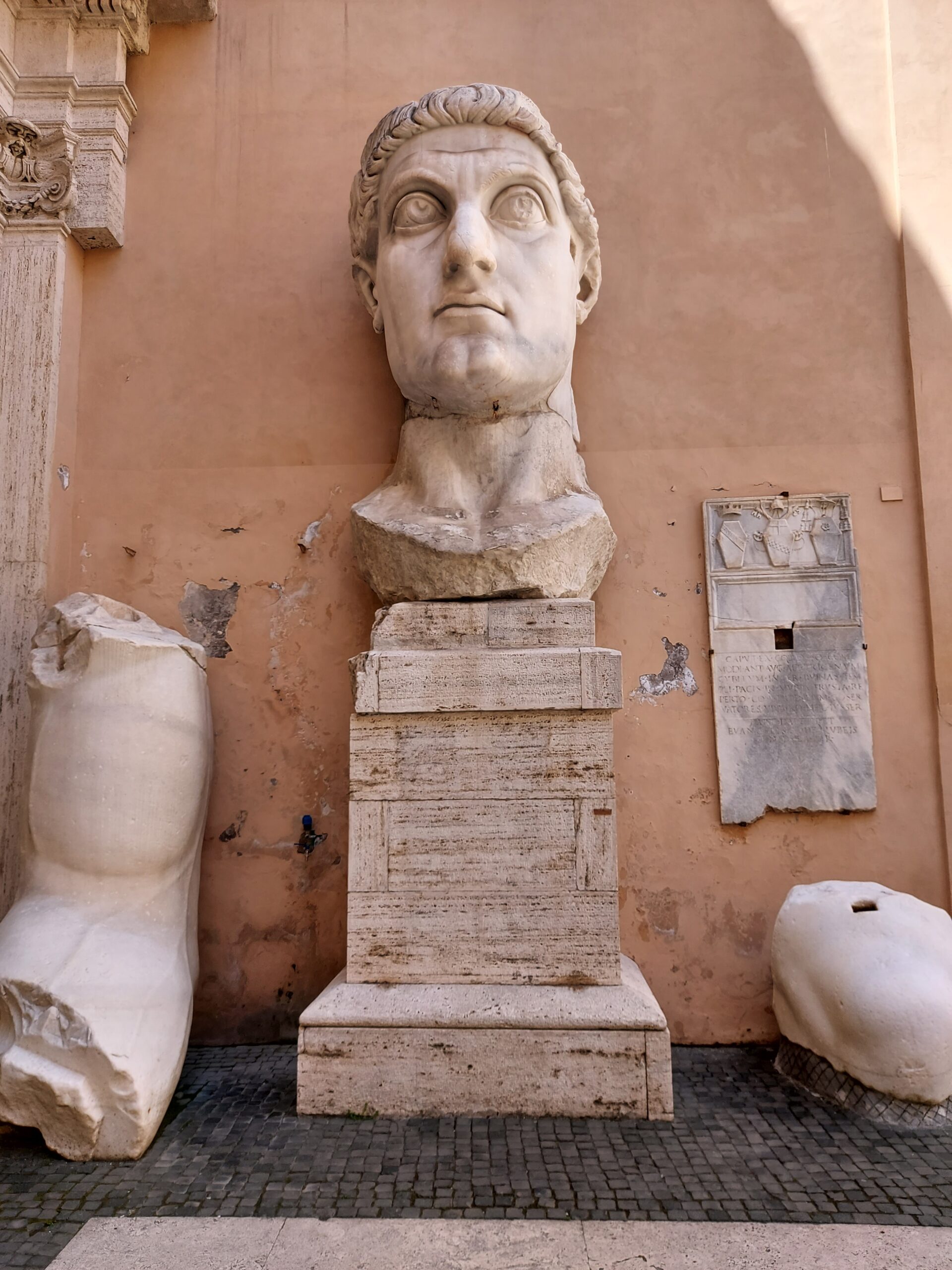
Colossal stone head of Constantine. This and other fragments of huge statues of the Emperor Constantine, in stone, wooden and bronze, were found near the Roman Forum.
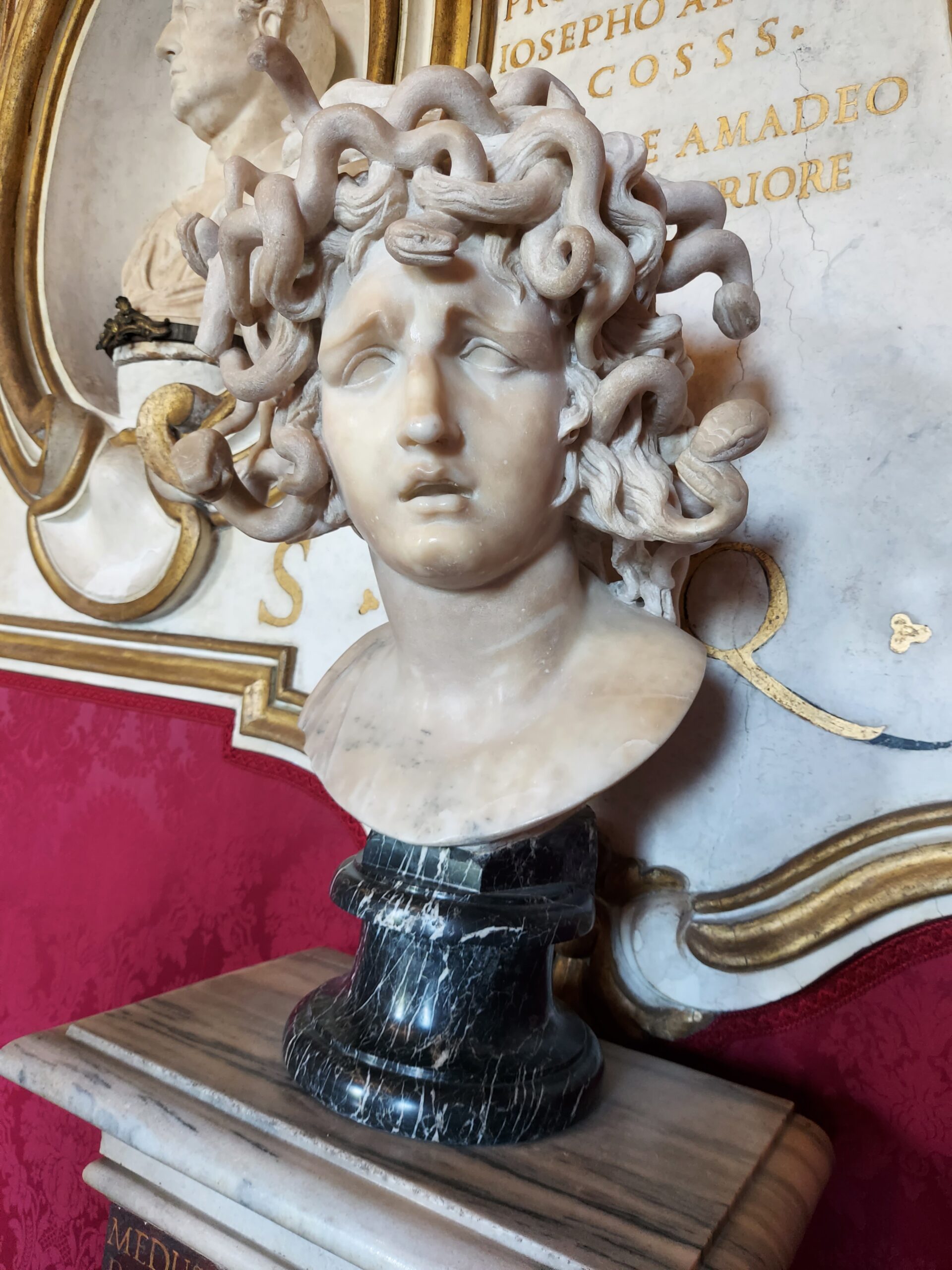
Bust of Medusa. This detailed bust, showing Medusa’s anguish, was made in the seventeenth century.
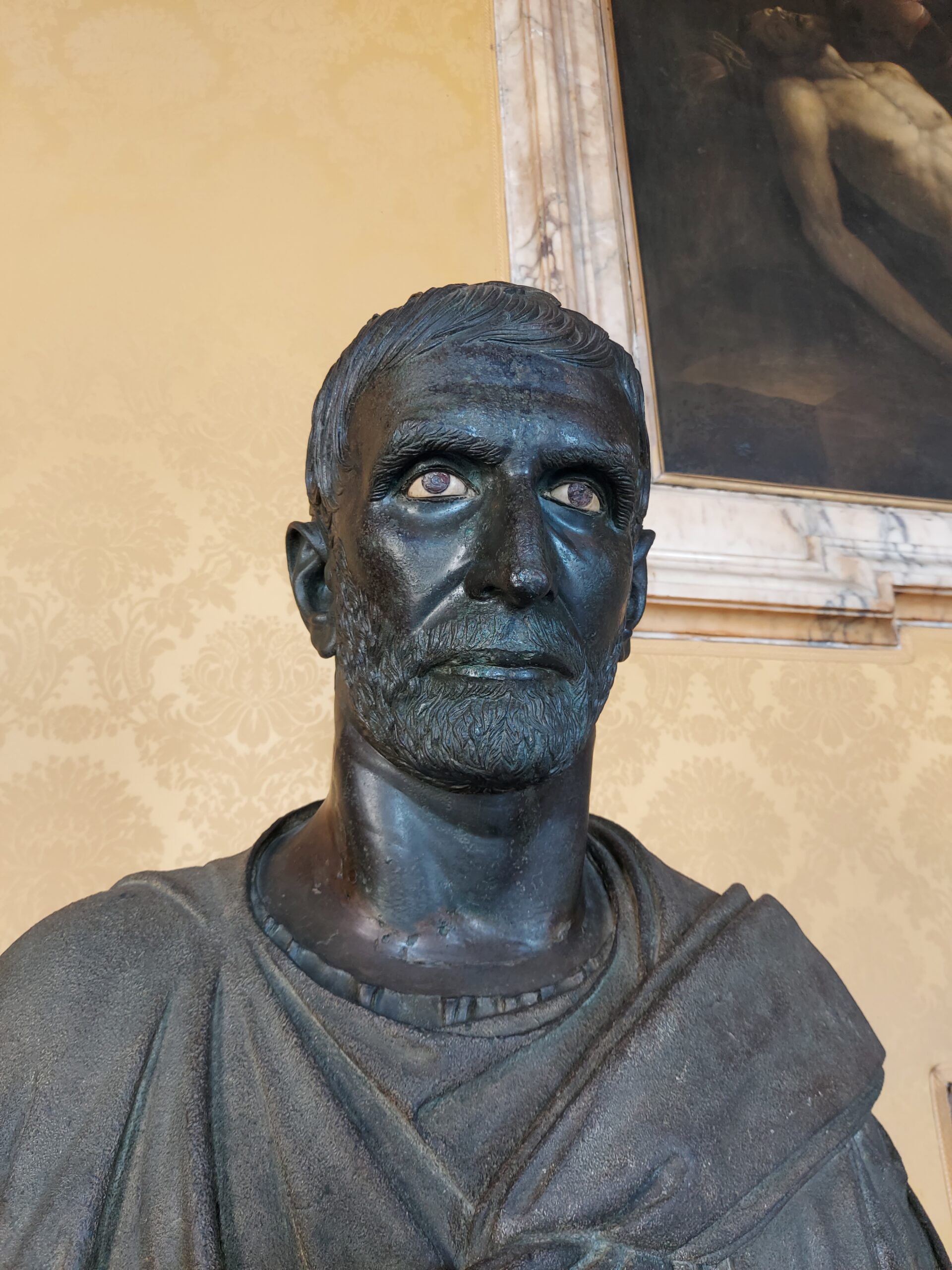
Capitoline Brutus. This ancient Roman bronze bust was thought to be an imagined portrait of the Roman consul Lucius Junius Brutus (d. 509 BC). The bust is usually dated to the late 4th to early 3rd centuries BC, but could be later.
After our visit, we walked back to the Circus Maximus to get the Metro, stopping at a restaurant on the Via dei Cerchi for tea.