
In order to complete the Life Less Ordinary quarterly challenge, I had to complete a badge from the section of the badge book I’d completed the fewest badges from. Forager was a badge that appealed to me, so I went for that one. I know that foraging has really increased in popularity over the course of the last few years, but I wouldn’t have a clue where to start on my own.
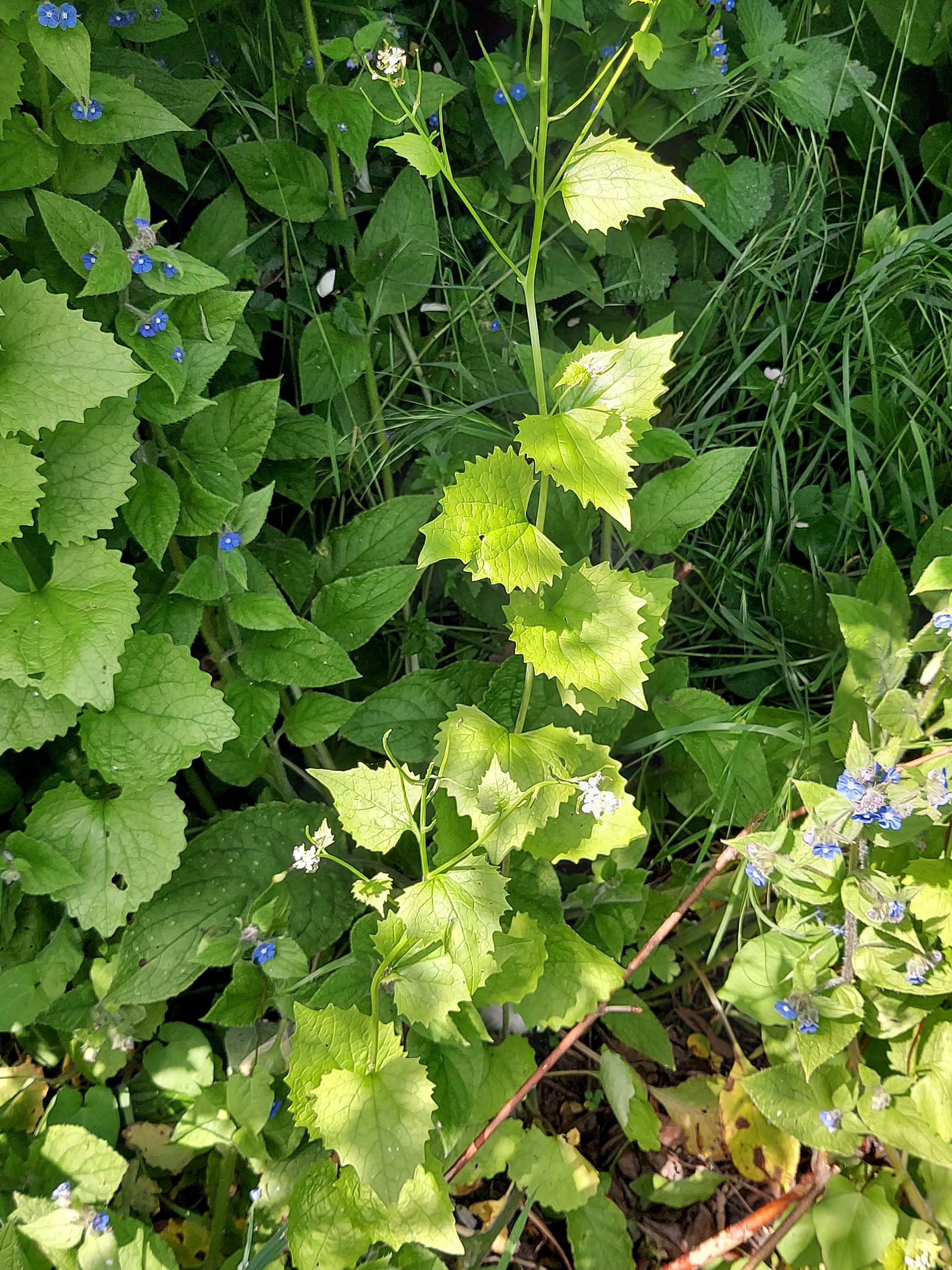
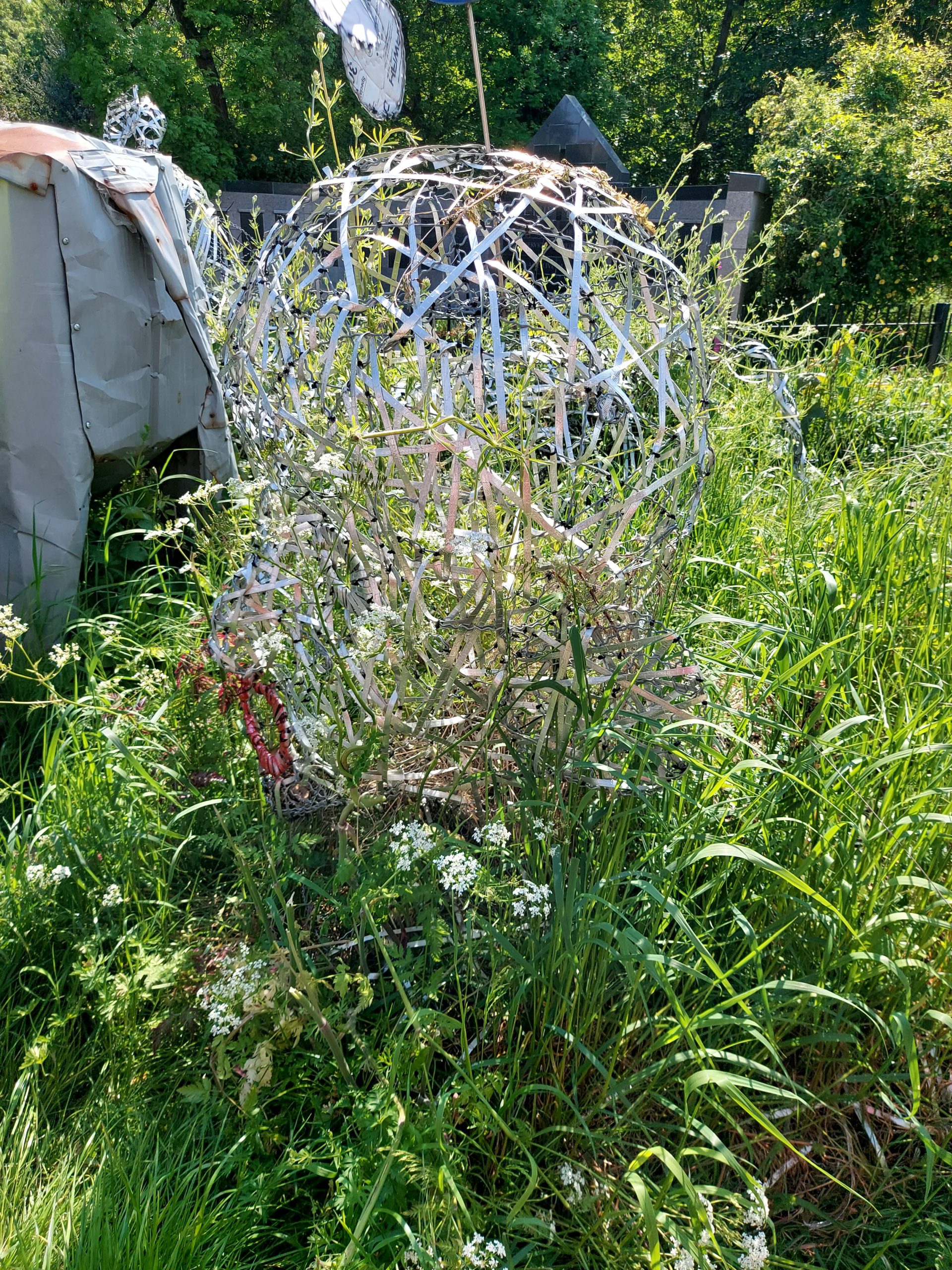
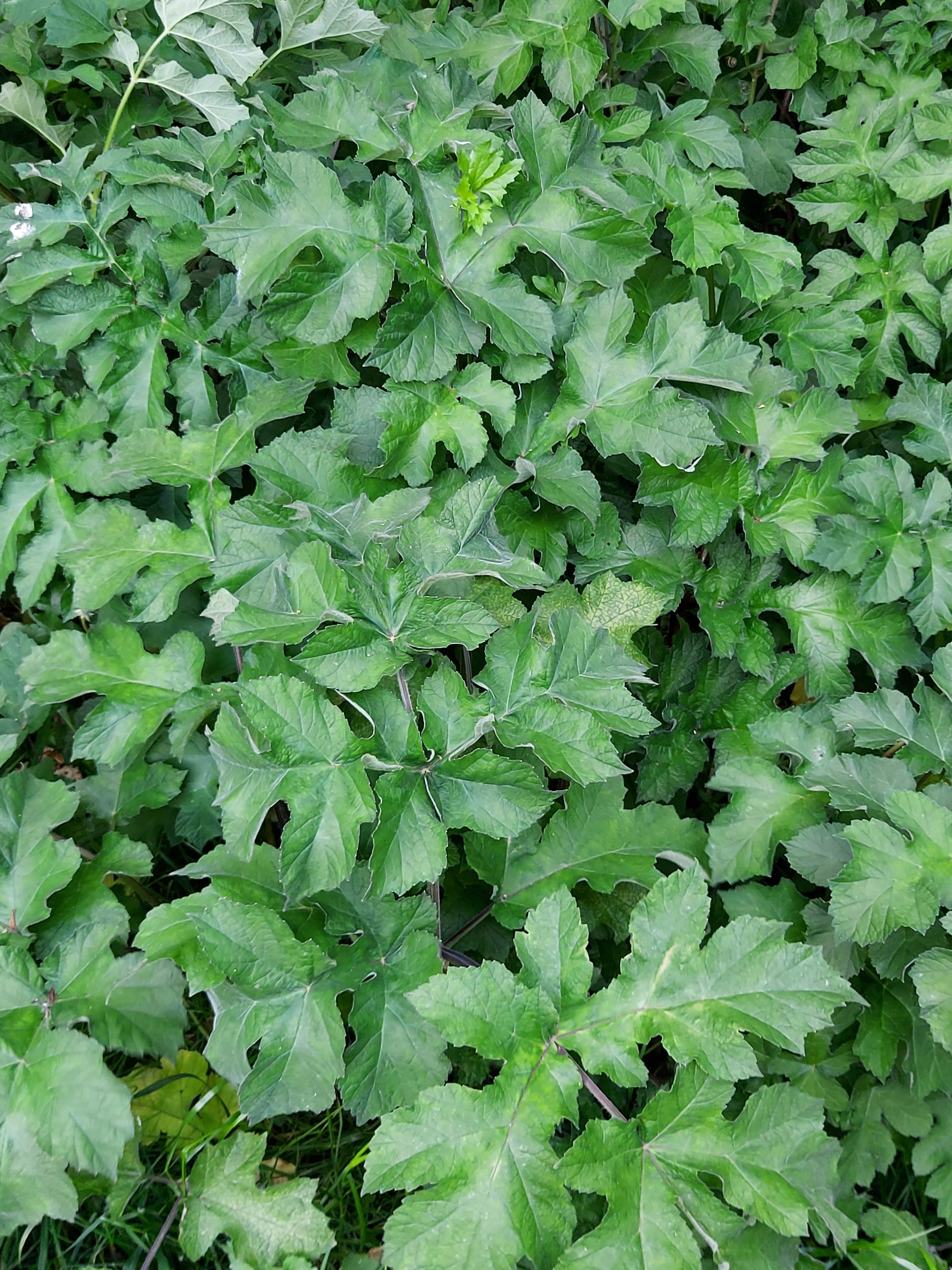
Learn to identify common poisonous mushrooms and poisonous berries in your local area.
I looked up common poisonous mushrooms and berries to learn more about them. To be honest I plan to stay well away from mushrooms until I know much more about them, and I will also be very careful with berries!
Make a foraging calendar listing what can be foraged in your area, and when. Make a map of local places you can forage.
| January Acorns Beech nuts Blackberries Chestnuts Crab apples Hawthorn berry Hazelnuts Pine nuts Rosehips Sloes Whitebeam berries | February Alexanders Chickweed Dandelion Nettle Sweet violet Velvet shank mushroom Wild garlic | March Chickweed Dandelion Goosegrass/cleavers Gorse Hawthorn Nettle Wild garlic |
| April Alexanders Bramble leaves Cow parsley Garlic mustard Hairy bittercress Mallow Wild garlic | May Chickweed Hawthorn Small-leaved lime Mallow Oxeye daisy Red clover Sorrel | June Ash Elder Ground elder Honeysuckle Lime Rose Pineapple weed |
| July Bilberries Chickweed Chanterelle Fat hen Mallow Meadowsweet Wild strawberries Yarrow | August Blackberries Crab apples Elderberries Greater plantain Hazelnuts Rowan berries | September Beech nuts Hawthorn berries Rosehip Sloes Wild raspberries Wild strawberries |
| October Bullace Beech nuts Hazelnuts Rosehip Sloes Sweet chestnuts Walnuts | November Bullace Hairy bittercress Hops Pine Sweet chestnut | December Bullace Hairy bittercress Hops Pine Sweet chestnut |
I made a map on Google Maps, which can be accessed here.
Research ways to filter or find clean water in the wild so it can be drunk.
- Collect rainwater
- Follow your ears to listen for the sound of water
- Look for signs of green vegetation or wildlife
- Melt snow and ice
- Search for signs of water underground
- Trap condensation from plants
I found these articles explaining how to filter and purify water.
- https://www.masterclass.com/articles/how-to-purify-water-in-the-wild
- https://www.outdoorlife.com/survival-skills-ways-to-purify-water/
Attend a foraging course or guided experience and make something with ingredients foraged during the course.
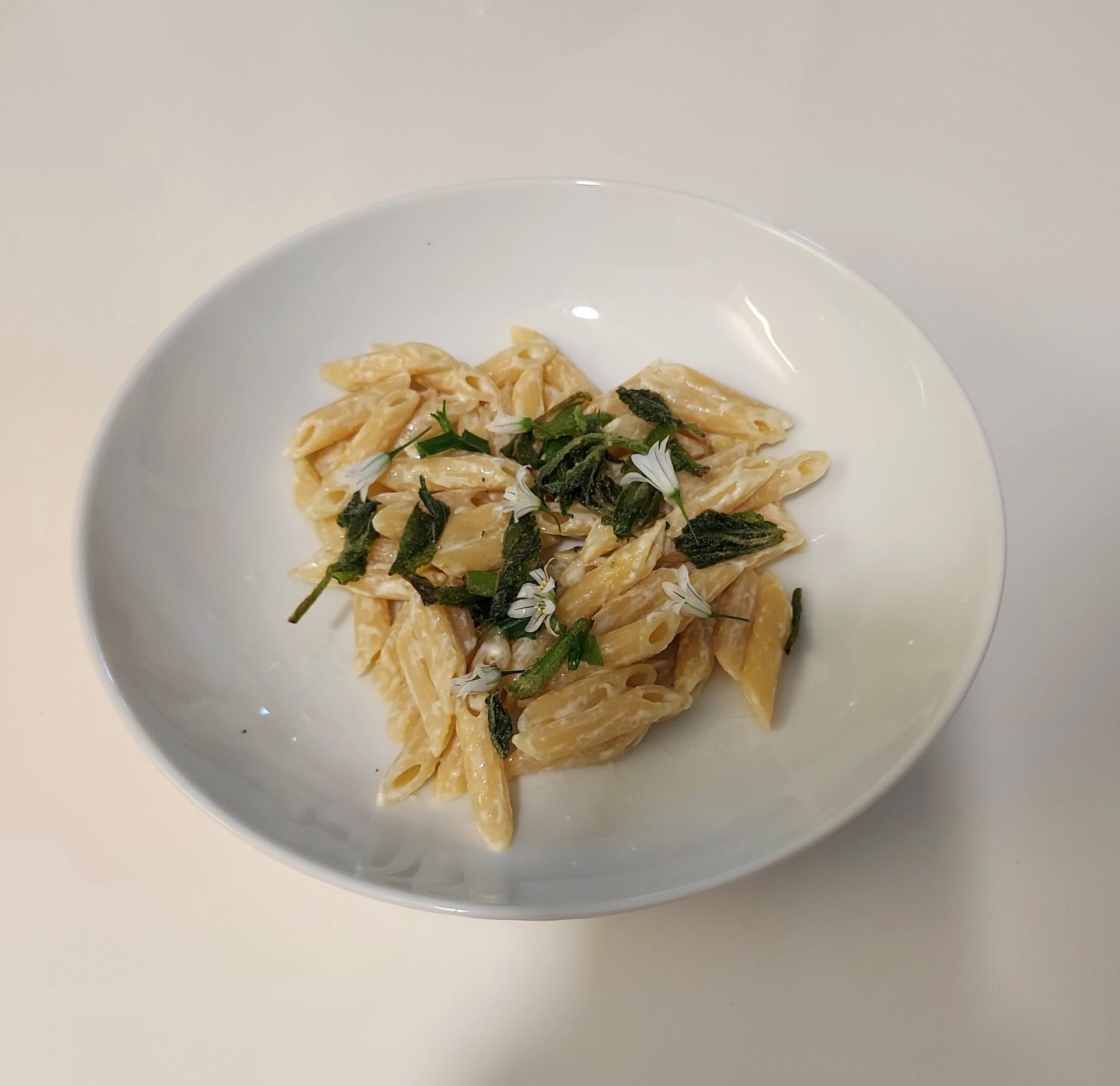
I attended a foraging walk at Tower Hamlets Cemetery Park, run by Made In Hackney and the Friends of the park. The walk was amazing, really informative, and we learned so much about foraging. I got to take home some ingredients and for my tea I made myself some creamy pasta with wild garlic, common hogweed and tri-cornered leek.
Learn to identify at least 10 plants in your area which can be eaten, and anything they are easily confused with.
I learned about multiple plants during my foraging walk, and learned how to recognise them, as well as differentiate them from similar-looking, poisonous plants.
Learn about responsible foraging and any rules or restrictions which apply to foraging in your local area.
- Forage only for yourself and your family
- Focus on common and abundant ingredients
- Know what you are picking
- Take only what you need
- Leave more than you take (e.g. take only 1 in every 20 plants)
- Avoid rare species
- Take care not to trample or damage the environment
- Avoid foraging on protected sites, such as Sites of Special Scientific Interest (SSSIs)
- Get permission from landowners
There are no restrictions in Ealing as far as I know, but foraging is not permitted in nearby places such as Richmond Park and Wimbledon Common.
Learn about the damage which can be caused by irresponsible foraging in sensitive environments.
Irresponsible foraging is usually associated with commercial foragers, however, solo foragers can also have a negative impact. Being careless and disturbing the environment when you forage can damage vegetation and affect wildlife. Taking too much when you forage can upset the balance of local ecosystems by taking food from animals, plants and fungi and leaving gaps for invasive species.
Date completed: 20 May 2023