Rebel Badge Club: Sign Language

The Sign Language badge wasn’t really on my radar, until I had the opportunity to sign up to a beginner course with work. I’ve really enjoyed the badge and learning about all the intricacies of BSL. I’d like to continue with it and perhaps gain a proper Level 1 qualification.

Choose a type of sign language and spend three months learning it.

As mentioned above, I chose BSL and learned it during March, April and May, with my course at work beginning Friday 3 March. I also enrolled onto the Introducing British Sign Language course from british-sign.

Dedicate at least 2 hours a week to practicing your chosen language.

I completed this clause, learning and practicing using the resources available to me, and ended by successfully passing the course assessment.

Download an app to help with your learning.

I downloaded an app called Bright BSL which has lots of free lessons. I found the app really helpful, especially when I was away from my computer.

Be able to have a conversation in your chosen type of sign language.

While studying the course through my work I had the opportunity to connect with other learners online, and practice my new skills with them.

Learn a song in your chosen sign language

Thanks to Rebel Fest I was able to learn Lady Gaga’s ‘Born This Way’ in a session from Karen and Penny from Vision Signing Choir. It was so much fun!

Understand the importance of non-verbal communication

My work course and the british-sign course I completed both covered the importance of facial expressions and gestures, which I found fascinating. I also learned how to approach a D/deaf person and how to communicate more effectively (e.g. make sure you are not standing too close, speak clearly and at normal volume to help with lip reading). I don’t know any D/deaf people in real life so this was really helpful.

Learn more about an area of Deaf culture or identity

I learned about deaf culture in the context of theatre, as theatre is something I’m passionate about anyway. I explored the site of Deafinitely Theatre, a deaf-led theatre company, and researched accommodations made for Deaf patrons at the theatre (e.g. surtitles/captions, including new phone apps that are designed to show these). I also looked at how some theatremakers are going beyond this by integrating sign language into their productions, creating productions from the ground up designed for accessibility, or casting a D/deaf actor who uses sign language in an otherwise speaking production.

Date completed: 10 June 2023

Rebel Badge Club: Rebel History

For the Life Less Ordinary challenge I chose to tackle the Rebel History badge. This was a badge involving a lot of research, but one that was very rewarding, and I really loved doing it.

Read a book or watch a documentary about one of the five ‘Patrol Rebels’.

Since I’m in Rosa patrol for the purposes of this year’s Rebel Cup, I chose to read The Rebellious Life of Mrs. Rosa Parks by Jeanne Theoharis. This was a super interesting book that put Parks’ bus stand in context by citing her quiet radicalism and many years of activism prior to, and following, the act for which she was most famous.

cover of The Rebellious Life of Mrs Rosa Parks by Jeanne Theoharis

Choose a rebel from history who you admire and put together a presentation about them.

I chose to focus on Prudence Crandall, whom I read about in Angela Y. Davis’ Women, Race & Class. You can see my presentation here.

Research different methods of historical rebellion.

Rebellion can be individual or collective, peaceful (civil disobedience, civil resistance, and nonviolent resistance) or violent (terrorism, sabotage and guerrilla warfare). I feel that there are quite a lot of blurred lines within these categories: individual rebellion can grow into collective rebellion, or peaceful rebellion can turn into violent rebellion.

Individual rebellion

  • Prudence Crandall: establishing and maintaining a school for Black girls in the 1830s
  • Joan of Arc: peasant girl who led a French army to victory in 1428

Collective rebellion

  • Stonewall Riots of 1969
  • Taiping Rebellion 1850-64

Peaceful rebellion

  • Montgomery Bus Boycott 1955-56
  • Suffragist lobbying and debates 1870-1884

Violent rebellion

  • Irish Rebellion of 1798
  • Certain acts by suffragettes e.g. attacks on buildings and artefacts in the 1910s

Research modern ways that individuals can rebel in this day and age. Explore acts of modern rebellion which you agree with, and which you disagree with.

  • Craftivism
  • Strike action
  • Protests
  • Social media campaigns
  • Petitions
  • Contacting MPs
  • Performance
  • Clothing
  • Questioning accepted views and beliefs
  • Joining groups or organisations of like-minded people
  • Accepting themselves as they are
  • Choosing their own path in life

Acts of modern rebellion I agree with

Greta Thunberg’s school strike for climate change – it raised awareness and made important points about her generation and their experience of climate change.

The Stansted 15 – they prevented a deportation flight from taking off from Stansted (using non-violent methods).

Acts of modern rebellion I disagree with

Extinction Rebellion – I support their aims and many of their actions but didn’t see the point of them blocking public transport networks. I also think there are issues with their mass arrest policy.

United States Capitol attack of 6 January 2021 – even though I disagree with the participants’ political views, I support their right to vote as they wish, however their actions in attempting to overturn a democratic election are troubling (and I would say so even if I did agree with their views).

Choose a problematic historical figure whose acts are seen as rebellious.

For this clause I chose Gertrude Bell (1868-1926), largely because she was born in my hometown and I’ve always wanted to find out more about her. She was a writer, traveller, political officer, archaeologist, explorer and cartographer in Syria-Palestine, Mesopotamia, Asia Minor, and Arabia.

PositiveNegative
Advocated for Arab nationalismAlso supported British imperialism
From 1917 served as a political officer and as the Oriental Secretary to three High Commissioners in the British administration in Ottoman Mesopotamia (the only woman in such high-ranking civil roles in the British Empire)Did not take enough advantage of her ability to get to know and understand Arab women, instead focusing on meeting the influential men
Supported the cause of the Sunni population in their attempts to modernise Iraq; befriended Iraqis and was a confidante and ally of Iraq’s King FaisalSupported suppression of Kurdish revolts and did not advocate for Kurds
Supported education for Iraqi womenOpposed women’s suffrage: founding member of the Women’s National Anti-Suffrage League
Served as president of the Baghdad library (the future Iraq National Library), and founded the Iraq Museum. As Honorary Director of Antiquities of Iraq,  helped modernize procedures and catalogue findings, helping to prevent unauthorised looting of artefacts

Choose a modern day rebel.

For this clause I have chosen Alok Vaid-Menon: a writer, artist and public speaker who repeatedly challenges the gender binary in their work.

They receive acclaim from an audience supporting their work, largely made up of the LGBTQIA community and allies. However, they face threats and experience attacks from those who do not understand or object to their views on gender.

Date completed: 30 April 2023

Rebel Badge Club: Rebel Buddy

I’ve completed the Rebel Buddy badge!

To achieve this badge I had to meet up with local Rebels 3 times and work on a badge together.

On 7 August last year I met up with fellow Rebel Laura and we walked part of the Thames Path for our Explorer badge.

On 26 February this year I met some London Rebels at the Southbank Centre for board games (the Board Games badge).

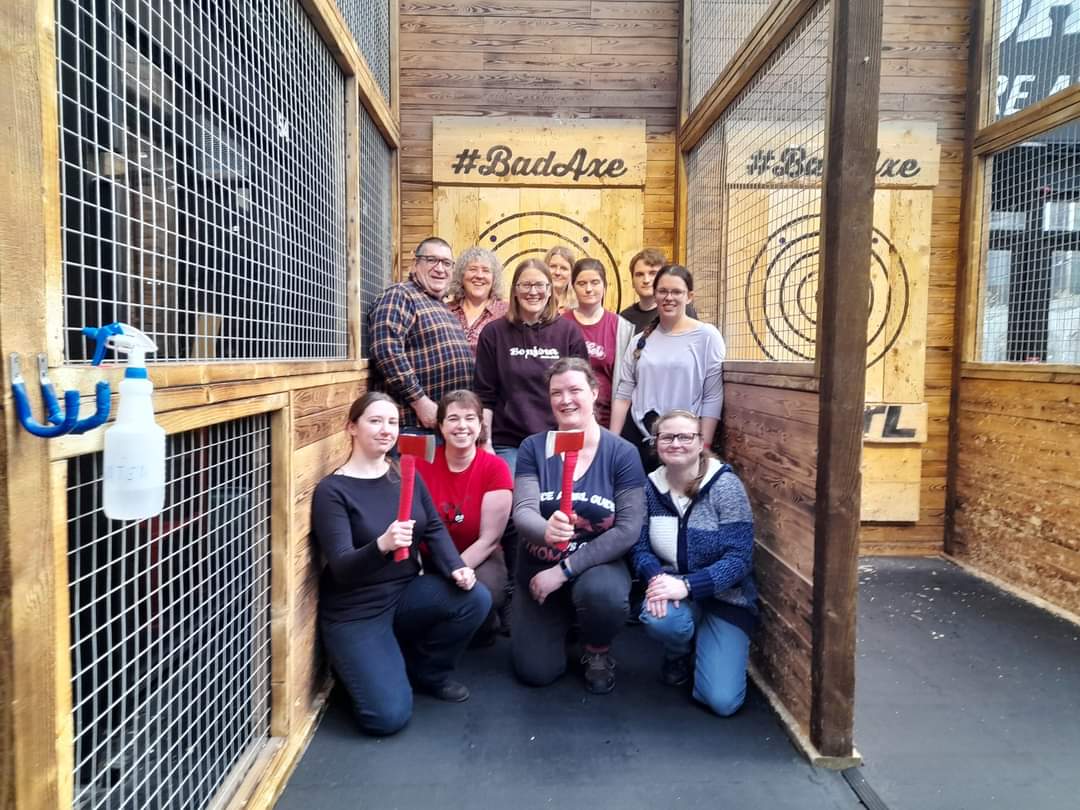
Finally, on 2 April I met some other London Rebels for axe throwing in Croydon, working towards our Adventurer badge.

London Rebels at the axe throwing space
London Rebels at Bad Axe London

I had a brilliant time at all 3 events and hope I can attend many more in future!

Date completed: 2 April 2023

Rebel Badge Club: Environmentalist

I decided to start work on the Environmentalist badge at the beginning of February. It wasn’t a badge that immediately jumped out at me, but as I’ve been working on it, I’ve become aware of how important it is.

For a month, track how much rubbish you generate personally.

I actually don’t think I produce that much rubbish. In February, I tracked my rubbish (I only counted non-recyclable stuff) and this included empty cosmetic bottles, crisp packets and biscuit/chocolate wrappers, as well as empty tablet blister packs.

For a second month, actively reduce your waste.

During March I aimed to reduce my waste. I started using solid shampoo and conditioner in order to reduce waste in this area. I also looked into ways to recycle blister packs.

I decided to try buying larger bags of crisps/chocolate instead of packs of individually-wrapped items in the hope that I could reduce my packaging that way. However, having a large bag open in my kitchen just feels like an invitation to eat the whole thing. I might have to go back to buying packs of individual items and trying to reduce my waste in other ways.

Switch to vegan options one day per week for a month.

I eat a mostly vegetarian diet anyway so it was no hardship to make more of an effort to eat vegan. Some of the meals I made included Thai green curry, nasi goreng, Moroccan tagine, and Japanese seared mushroom steak on rice.

Be more mindful about the amount of water you use.

I don’t think I use too much water, particularly as I don’t have a bath (sob) so have to shower instead. However, I did try to turn the tap off while cleaning my teeth, and in general to be careful about how much I was using.

Take part in at least one litter pick.

I took part in a litter pick at a local park on Saturday 18 March. I had imagined that we would have a nice walk around the park picking up bits of litter. Instead we were down near the river, picking bits of rubbish out of the mud. It was really rewarding, however, especially as we were clearing the area to become a hedgehog habitat. There is a local group of litter pickers that I have joined and I would definitely go along to another event.

Learn about 3 endangered animals. Visit a zoo or animal reserve which is working proactively towards animal protection.

I visited Hanwell Zoo, which is a small local zoo working towards conservation, education and community engagement.

Red-crowned crane
A red-crowned crane

All 3 endangered animals I learned about are kept at Hanwell Zoo.

Bali Starling

  • Bali starlings are classed as Critically Endangered: they have an extremely small range and a tiny population which is still suffering from illegal poaching.
  • They are one of the rarest birds in the world. In the wild they are found only in one forest on the Indonesian island of Bali.
  • They usually live in large flocks, although during the breeding season pairs tend to act aggressively towards one another. When courting, behaviour displayed includes shrieking and head bobbing movements.
  • Bali starlings prefer forested areas so that they can nest in trees, often in old woodpecker holes. They have a mixed diet of fruit, seeds and insects.

Red-Crowned Crane

  • Red-crowned cranes are classed as Endangered. Other names for the bird include the Manchurian crane or Japanese crane.
  • The name comes from the red “cap” on top of the head, which is exposed red skin.
  • On average, this is the heaviest species of crane, weighing up to 25 pounds. Red-crowned cranes live in flocks and their family group is the largest social organisation of cranes.
  • This species of crane can be found in southeastern Russia, northeast China, Mongolia and eastern Japan.
  • Red-crowned cranes are omnivorous, existing on a diet of invertebrates, fish, amphibians, rodents, grasses and berries. In the winter they often move to paddy fields and feed on rice.

Hazel Dormouse

  • Hazel Dormice are rare and vulnerable to extinction in the UK. They are native to the UK, Europe and Asia Minor.
  • They are nocturnal, spending most of the day asleep and coming out at night to hunt for food.
  • They eat foods such as hazelnuts, berries and insects, and hibernate during the winter.
  • Hazel dormice build their own nests out of grass and leaves, and raise up to seven young at a time.

Repair something you would normally have thrown away.

I fixed a tear in my dress when it accidentally got ripped after getting it caught in a chair. You can’t see the fix unless you’re looking – win!

Minimise your spending for a month.

I’ve been doing this as part of the Conscious Consumer badge anyway, so this wasn’t too much of a problem. I chose March as my month to minimise my spending – I’m going on holiday in April anyway, so this is a good time to do it!

Date completed: 31 March 2023

Rebel Badge Club: Conscious Consumer

Conscious Consumer is all about buying less, using what you have and buying more mindfully. I began this badge in October last year and completed it this March.

Over a period of at least three months, actively aim to buy as little as possible.

I need to save money anyway so this clause came at the right time! I really tried to restrain my spending and buy only what I absolutely needed.

Things I “absolutely needed” included items for Rebel Badge Club itself – craft kits, ingredients to make cosmetics, baking equipment. I also bought acrylic jewellery (though much less than usual) where waiting would have meant that they sold out. I also bought a few theatre tickets (again, less than usual) but very little else.

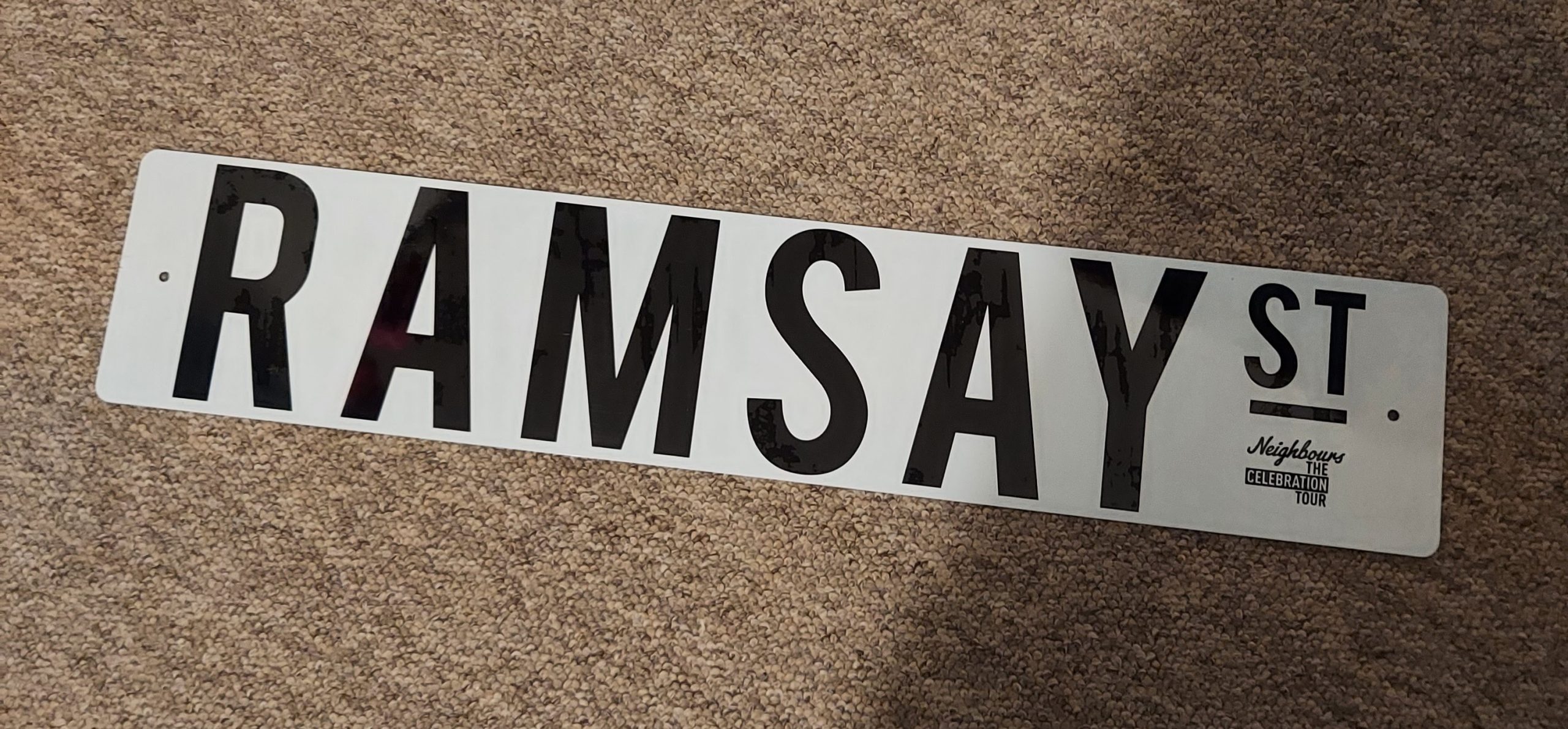
Ramsay Street street sign
Something else I bought and counted as “essential”…

For a period of at least six months, only buy second-hand clothing.

This wasn’t as hard as I had expected, mainly because I have plenty of clothes anyway! The only new clothes I bought during this period were my leggings, sports bra and top for running: I did check Ebay and other second-hand sites but there was nothing suitable on there.

Explore long-term options which reduce your overall spending and wastage.

  • Buy fewer, but better quality, clothes
  • Buy in bulk & portion out instead of separately packaged food items
  • Bake more
  • Use solid cosmetic products e.g. shampoo
  • Be more intentional about jewellery purchases
  • Think about potential purchases before making them
  • Have no-spend days
  • Use a shopping list
  • Avoid single-use containers
  • Buy loose veg where possible

Research ways you can shop more ethically.

  • Buy fewer things
  • Buy eco-friendly products
  • Buy from ethical brands
  • Boycott unethical organisations
  • Look for certifications e.g. Fairtrade
  • Avoid animal products
  • Shop local
  • Buy from companies that give back
  • Buy and sell second-hand
  • Reuse, repurpose, recycle
  • Support Black-owned businesses

Learn how to fix at least three different items which you would normally throw away.

I mended a pair of tights that had developed a hole. I also mended a tear in a dress, which was handy as I love the dress and really didn’t want to throw it away. I also fixed a pair of sunglasses.

Make at least five handmade gifts for friends and family instead of buying things.

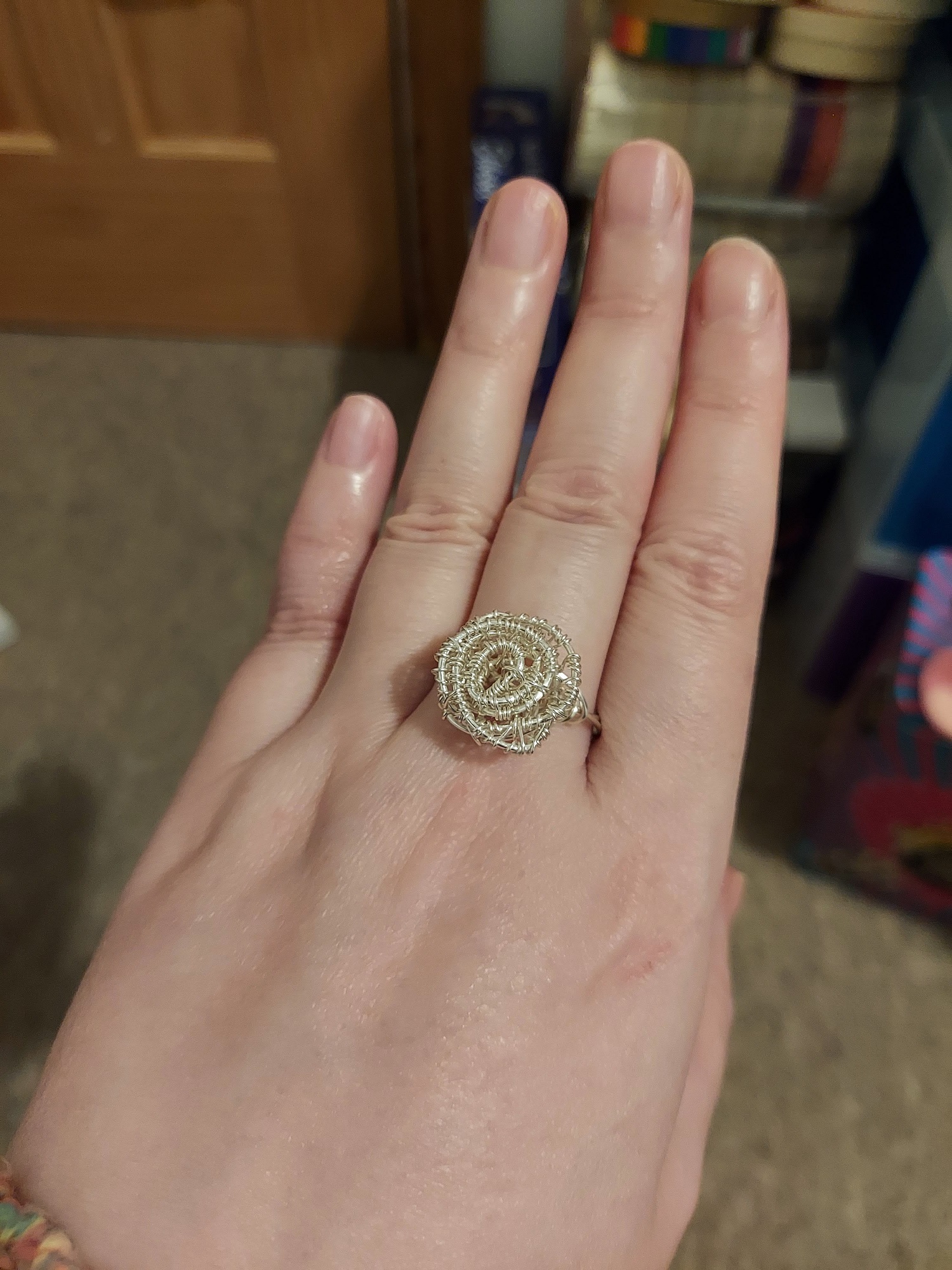
I made cross stitch gifts for my friend, family members, and my friend’s little girl. I also made a rose ring from wire for my mam for Mother’s Day.

A hand with a wire-wrapped rose ring

Date completed: 31 March 2023

Rebel Badge Club: Activist

The Activist badge is something I’ve wanted to work on for a while. Activism is something that both appeals to me and scares me – I’m naturally the sort of person who hates confrontation and likes a quiet life, but I also hate injustice, so wanting to be better at activism is something that means a lot to me.

Identify the change you want to make

The Enough is Enough campaign is something I wanted to get behind. The gap between rich and poor is growing in this country, and the poor are often demonised in our society, as if their poverty is their own fault. This campaign aims to fight back against austerity, and has five demands, all of which I believe in:

  1. A Real Pay Rise.
  2. Slash Energy Bills.
  3. End Food Poverty.
  4. Decent Homes for All.
  5. Tax the Rich.

Educate yourself

I read three books about activism: The Little Book of Activism by Karen Edwards, The War on Disabled People: Capitalism, Welfare and the Making of a Human Catastrophe by Ellen Clifford, and How to Be an Antiracist by Ibram X. Kendi. I also listened to the Poverty Unpacked podcast.

The Little Book of Activism

Immerse yourself

I signed up to the Enough Is Enough mailing list and have stayed up to date with the campaign through social media.

Show up

On 1 October 2022 I attended the Day of Action protest at King’s Cross, one of many protests taking place all across the country.

Be counted

I signed and shared the petition defending the Right to Strike.

Raise funds

I did the London Winter Walk as part of my Explorer badge and raised £175 for the Trussell Trust in the process.

Activism & the arts

I did something a bit different for this clause. Alphonse Mucha is my favourite artist but in the past I’ve only really focused on his Art Nouveau works. For this clause I looked at his work on The Slav Epic, which he felt was his most important work. Here is my online scrapbook.

Date completed: 28 February 2023

Rebel Badge Club: Fundraiser

screenshot of Laura's JustGiving page

When I first bought the Rebel Badge Book, I thought the Fundraiser badge would be one of the hardest to get, but I’ve managed to achieve it almost without realising, as many of the clauses fit in to other badges too.

Work out what percentage of your salary you can afford to regularly donate to charity.

I tend to be more of an ad-hoc donater, rather than a regular donater, but this badge has helped me change that.

Over a period of three months, spend at least 24 hours volunteering.

As well as volunteering as a steward at my local theatre (for the Community Service badge), I signed up for Distributed Proofreaders and spent several hours helping to proofread scanned texts.

Take part in a sponsored event.

I was sponsored for the London Winter Walk I completed for the Explorer badge, and raised nearly £200 for The Trussell Trust.

Collect and donate food for a local foodbank at least once a month for three months.

This clause helped me to get into the habit of donating to my local foodbank, which is great.

Research ways you can benefit charities without simply donating money.

I was surprised and impressed that I found loads of different ideas for this clause.

  • Give blood
  • Make things to donate e.g. by sewing, crocheting or knitting
  • Help a neighbour
  • Donate to a charity shop
  • Volunteer, in person or online
  • Raise awareness, e.g. on social media
  • Use an online shopping tool that benefits charities, e.g. Amazon Smile
  • Fundraise
  • Visit freerice.com
  • Gift Aid
  • Charity credit card
  • Online surveys (that allow you to donate the proceeds to charity)
  • Donate bone marrow
  • Raise a guide dog
  • Donate your hair
  • Join The Giving Machine
  • Download a phone app e.g.Give2Charity

Have a spring clean and donate clothes and bric-a-brac to your local charity shop.

I was doing this for the My Style badge anyway so expanded my search to include non-clothes items – I cleared out quite a bit of stuff.

Date completed: 1 February 2023

Rebel Badge Club: Community Service

feet

When I first signed up for Rebel Badge Club, the Community Service badge was one I assumed I’d struggle to get. However, the requirement to complete some sort of community service for the Bronze Maverick Award meant that I signed up to steward at my local theatre, and six months later, I have managed to complete this badge.

Date completed: 27 January 2023

Rebel Badge Club: Linguist

I’ve had my eye on the Linguist badge for a while. When I was a teenager I hated languages and they were my least favourite subjects at school. As I got older my hatred started to wane and I started to see the potential in language learning. Not to mention that I don’t want to be one of those Brits who can’t speak any language other than English.

Choose a foreign language to improve over the next 3 months.

I’ve been studying Russian on and off since I was eighteen; I’ve probably fulfilled all the clauses of this badge at one time or another. However, I wanted to challenge myself for this badge, so I decided to study German – I do have a GCSE in this language, but haven’t touched it since then (20 years ago!). I have a friend from South Tyrol (the German-speaking part of North Italy) and it would be nice to be able to speak to her in her own language.

Dedicate at least 2 hours a week to practising your chosen language.

I found this fairly straightforward, usually studying for one hour on two separate days within the week.

Download an app to help with your learning.

I tried the apps Babbel and Memrise but I wasn’t keen and ended up sticking with Duolingo, the app I’ve been using to study Russian. I love Duolingo and find it really easy to use.

Have a conversation with a native speaker.

I visited Innsbruck and South Tyrol at the beginning of December and was able to have several, albeit basic, conversations with native speakers. Though I’ve still got a long way to go, I feel quite proud of this!

Choose a book, magazine or article which you will read by the end of the three months. Translate a section of it into English.

As a child I had (probably still have, somewhere) a copy of Shock-Headed Peter by Heinrich Hoffmann, the original German title of which is Der Struwwelpeter. The text is available online, so I thought I would have a go at translating one of the poems in it, a rather satisfying albeit brutal moral tale in which a cruel boy is given a taste of his own medicine by a clever dog. I had to use Google Translate quite a lot, but I understood more than I had expected.

Cook a dish from a country where your chosen language is spoken.

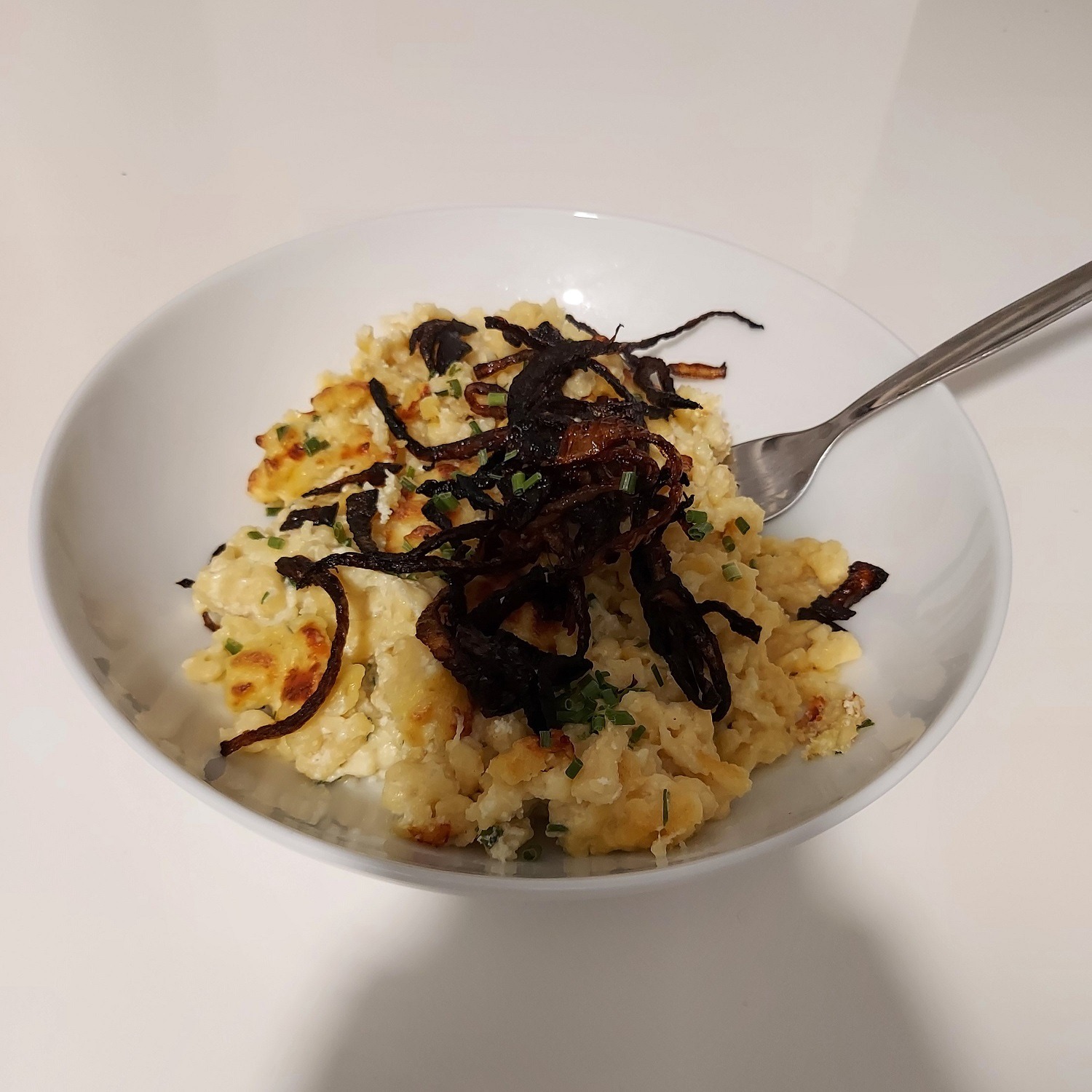
I’m vegetarian, and a lot of German cuisine is meat-heavy, so this clause was tricky. However, I found a dish called spaetzle, or spätzle, which are German egg noodles often served as a side dish. I made Käsespätzle (käse = cheese) using a recipe from Plated Cravings. It’s not something I’d eat every day, as it is full of butter and cheese and isn’t the healthiest meal, but I enjoyed it and it’s perfect comfort food after a day outside in the cold.

My spaetzle

Watch a film or TV show in your chosen language.

I watched a German-language film called Goodnight, Mommy (2015) which was creepy but hugely enjoyable. Because the main characters are children, the speech was a bit simpler than it might have been, so it was easier to follow, although I definitely needed the subtitles!

Date completed: 7 December 2022

Rebel Badge Club: Entrepeneur

Entrepeneur was another badge I never thought I’d get. However, I spent a relaxing Saturday afternoon in a coffee shop armed with a pumpkin spice latte and really enjoyed myself. I have no intention of ever starting a business of my own, but I had fun nevertheless.

Brainstorm at least 5 different business ideas – these could be services or products. Choose your favourite idea to complete the rest of the tasks.

  • Acrylic jewellery – designing & making fun & different acrylic brooches for (mostly but not exclusively) adults to accessorise with
  • Cross stitch patterns/kits – designing  unusual and exciting patterns and selling them, plus kits
  • Yoga classes – offering non-judgemental yoga classes from an enthusiastic practitioner who doesn’t have the “typical” yoga body, focusing on gentle yoga without advanced poses
  • Proofreading – a service offering proofreading for essays, books, articles, CVs and other documents
  • Moneysaving site for singles – tips and tricks to save money when you are single, plus an online community to bring people together

Create a brand name, logo, and colour palette.

So OBVIOUSLY I chose acrylic jewellery because I’ve often thought I’d love to design & make this, except that I lack one extremely necessary skill – artistic talent. This isn’t necessary for a pretend business, though.

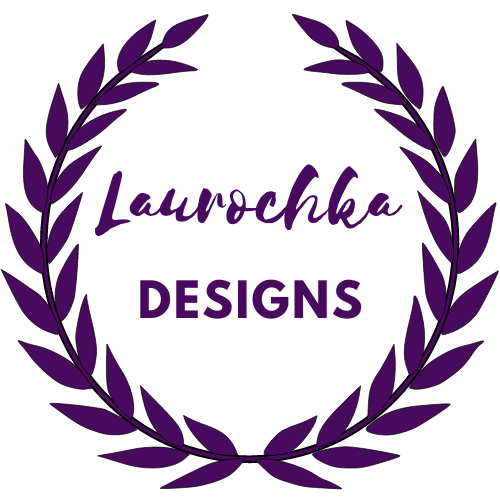
I chose the name Laurochka Designs for my fictional jewellery company. I spent a few months in Russia several years ago and my Russian landlady used to call me Laurochka, which I thought was really sweet. On further reflection I wonder if this name is a bit cultural appropriation-ny, and if it was a real company I might reconsider it, but as this one is fake I will leave it as it is.

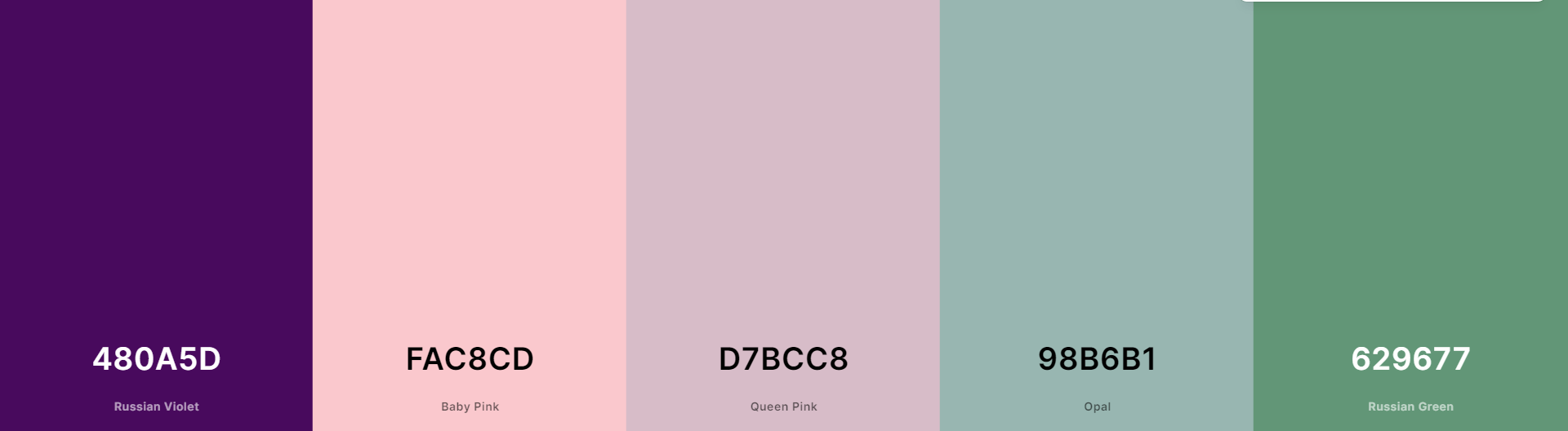
My logo and colour palette incorporate my favourite colour, purple, and the logo is a laurel wreath because of my name.

My brand logo: a laurel wreath with the words 'Laurochka Designs' in the centre
Brand logo
A selection of colours
Colour palette

Write a basic business plan for your idea.

This was tricky, but I found a template online and managed to fill it in. My plan can be found here.

Research the brand name you chose.

Which trademark classes would you need to file for it? Class 14: Precious metals and their alloys; jewellery, precious and semi-precious stones; horological and chronometric instruments.

Check the TM register: are there any existing trademarks which you might be infringing? Nothing found.

Find out how you would register a business with Companies House.

This can be done online at gov.uk/limited-company-formation/register-your-company.

Carry out market research to find out if your idea appeals to your target audience.

I know my idea would appeal to brooch lovers as there are many existing successful companies. If I was creating a real company I would ask questions in the various jewellery groups I’m a member of, but I feel kind of bad doing that for a pretend company. Instead, I asked some questions in the Rebel group about what designs people would like and what sort of connotations my brand name has.

Complete at least 3 tasks from the list provided.

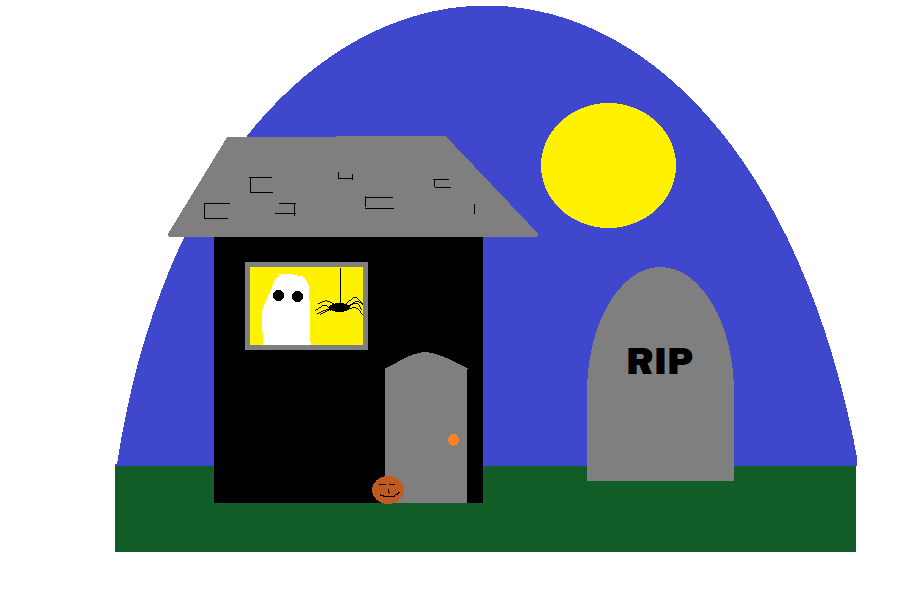
If your idea is a product, create a prototype.

MS Paint design of a haunted house with ghost, pumpkin and gravestone
My brooch design (you can see why I don’t feel able to do this for real)

Listen to at least 6 podcast episodes about entrepeneurship.

I listened to the Side Hustle School podcast, which was pretty interesting.

Read at least 1 book about entrepeneurship.

I read She Means Business by Carrie Green, though I found it a bit wishy-washy, so I also read Big Ideas… For Small Businesses by John Lamerton, which seemed to be of more practical use.

Date completed: 17 October 2022