Eel Pie Island Open Day & Museum

Bridge to Eel Pie Island
Crossing the bridge to Eel Pie Island

Eel Pie Island is a small island in the middle of the Thames, just across from Twickenham. It is currently home to several artists’ studios, and twice a year hosts ‘open days’ where the general public can visit this normally-private island and purchase art if they so wish.
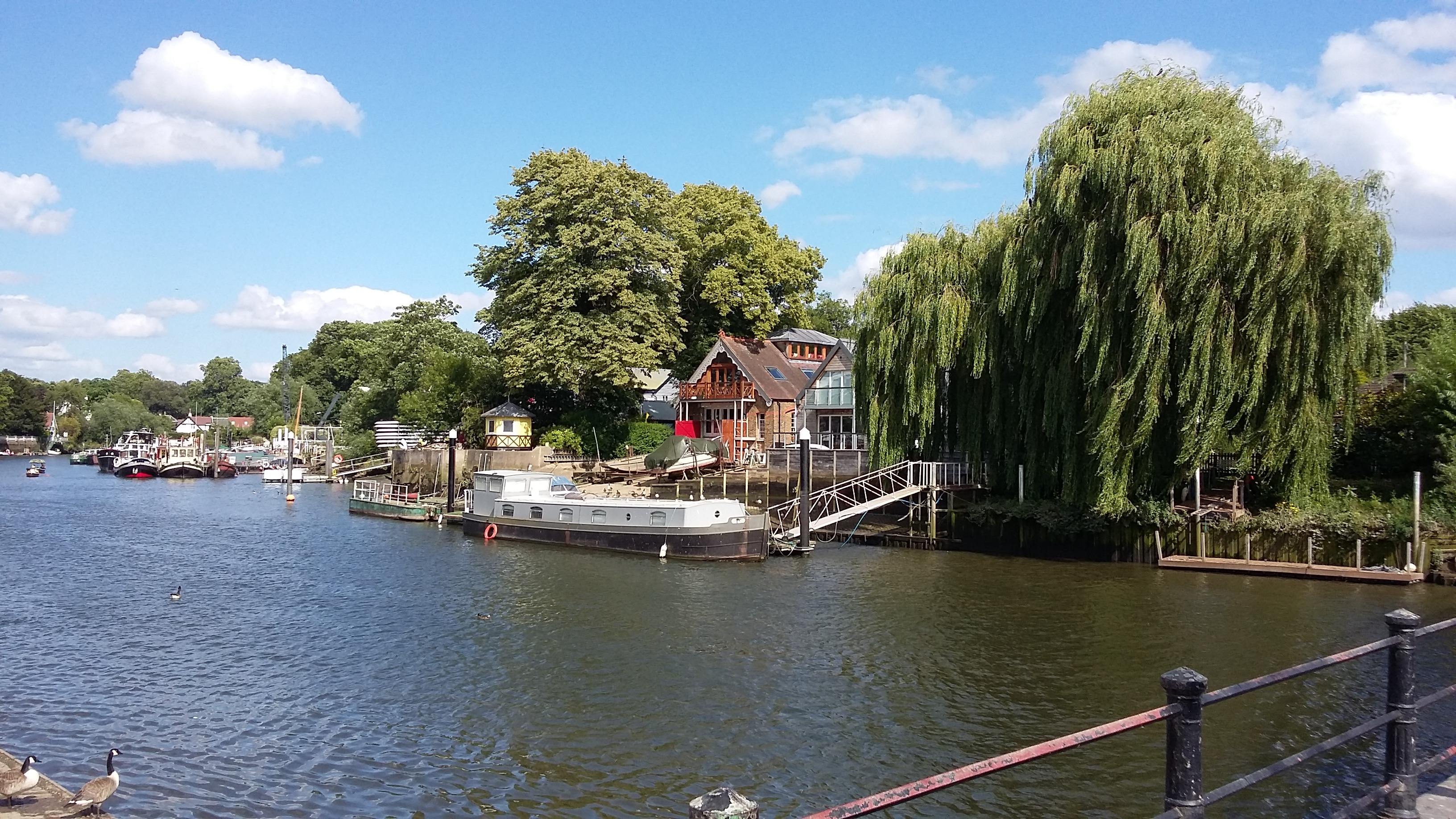
View of the island
Looking across to the island

One of these open weekends was held on 29-30 June and I went along towards the end. The island is reached via a bridge on the bank in Twickenham, and once you reach the other side there’s a winding path that takes you past plenty of weird and wonderful sights. My favourite was the house with an upside-down ice cream on its roof, but there was plenty to see all the way through.

House with ice cream on the roof

I don’t have the budget or the space to indulge in art purchases, but if you do, there’s plenty on offer, both traditional paintings and more modern crafts.

Porthole

After my visit to the island, I headed back over the bridge to visit Eel Pie Island Museum. This small but impressive museum has been open since 2015 and tells the story of the island from its early days as a tourist attraction during Georgian times to its present as a home to artists.
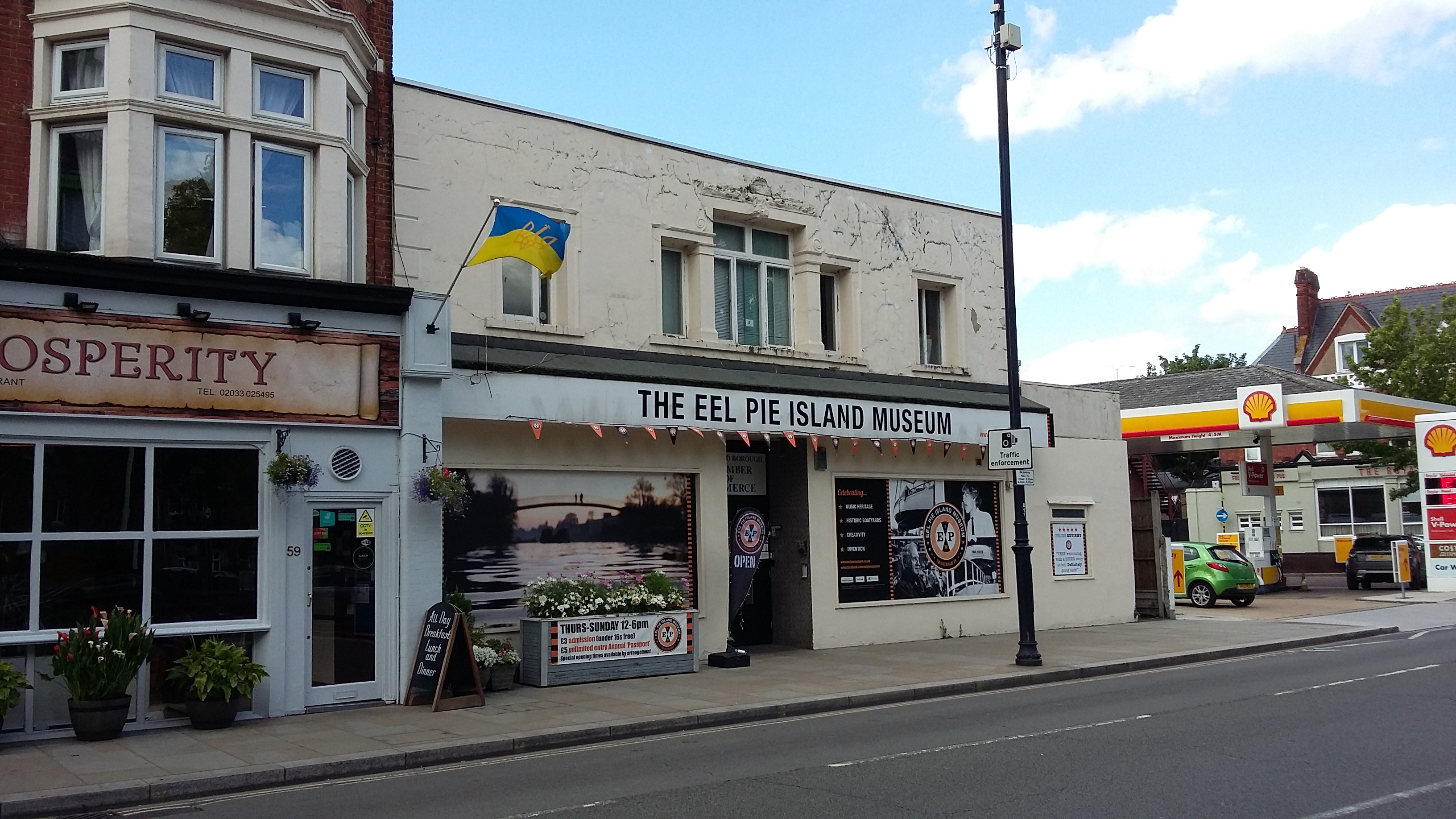
Eel Pie Island Museum

During the era of Alexander Pope, Eel Pie Island was popular as a picnic and refreshment spot. Less congenially, it was also used as a place wealthy men could keep their mistresses out of the way of their wives’ prying eyes.

Music memorabilia

In the 1950s, owing to the efforts of a number of individuals, Eel Pie Island became home to a burgeoning jazz scene and eventually rock n’ roll. Major artists who played here included David Bowie in his early days, the Rolling Stones, Rod Stewart and more. The museum is full of artefacts from this era as well as reminiscences and remembrances from people who remember those days.
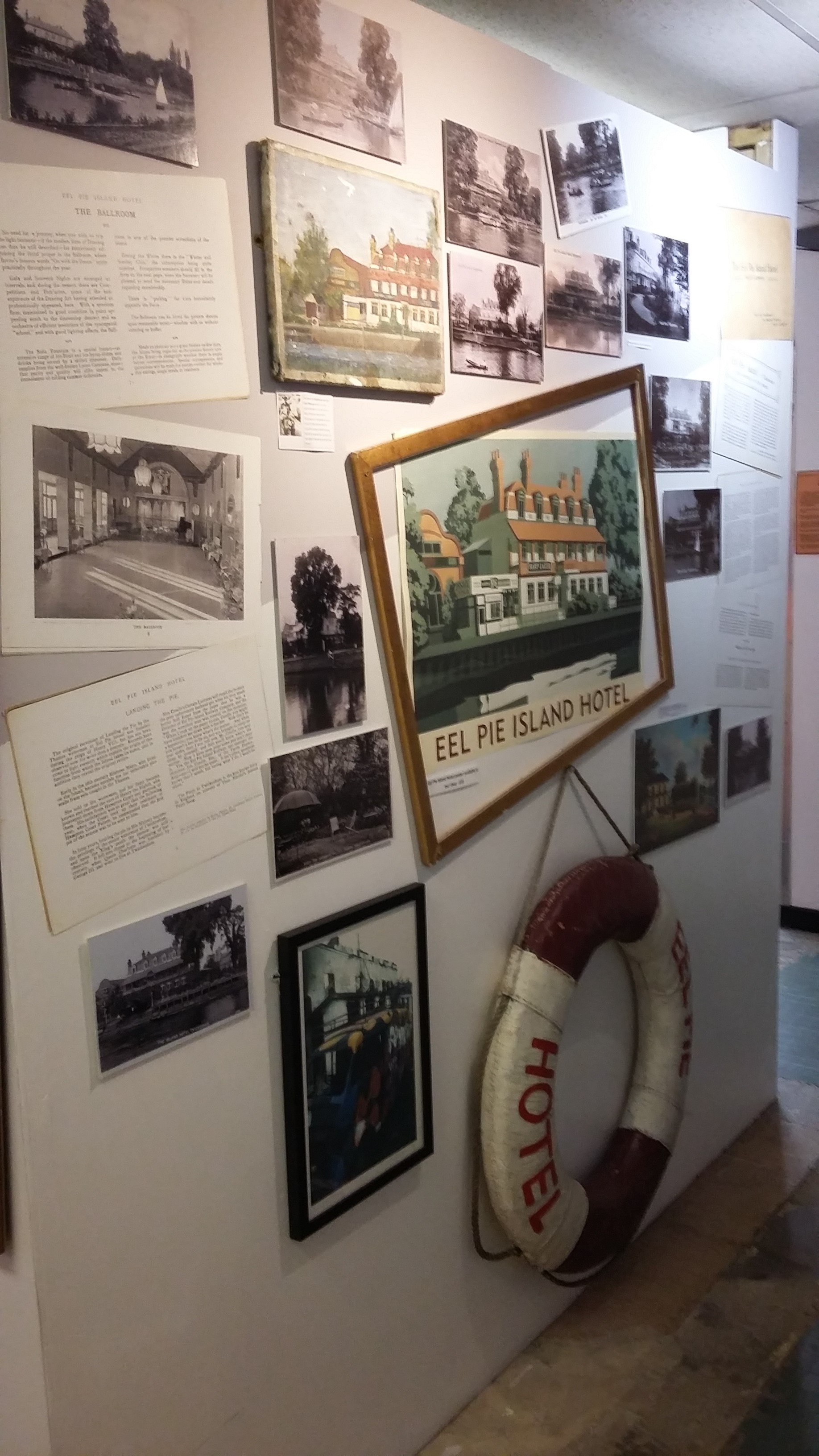
The history of the island

Sadly, the music scene eventually left the island, which became a commune for a short while before the hotel housing members eventually burned down. Nowadays, as I saw on my visit to the island, artists live and work here, meaning it still remains a home for creativity of one kind or another.

FACTS

Address: 1-3 Richmond Road, Twickenham, TW1 3AB

Website: eelpiemuseum.co.uk

Opening Hours: Wednesdays to Sundays 12-6pm

Price: £3 single visit (under 16s free, when accompanied by an adult); £5 Annual Passport (unlimited visits for one calendar year, from date of Membership)

Pope’s Grotto

I can’t even remember where I found out about Pope’s Grotto, but this unique curiosity is well worth visiting and the Pope’s Grotto Preservation Trust, supported by Radnor House School, the owners of this grade 2* listed site, is hoping to repair and conserve it. The grotto is the last remaining part of Alexander Pope’s villa, which he built in 1720 on the banks of the Thames at Twickenham. The villa was demolished in 1808 and the site has been developed numerous times since then – but the grotto still remains.

Entrance to the grotto

Alexander Pope

Alexander Pope was a 18th century poet whose famous works include The Rape of the Lock; he also translated the Iliad and the Odyssey. While not a household name today, he contributed several popular phrases to the English language, including ‘eternal sunshine of the spotless mind’ (the name of one of my favourite films), ‘fools rush in where angels fear to tread’, and ‘a little learning is a dangerous thing.’

History of the Grotto

In 1719, Pope came to live in Twickenham, demolishing one of the houses on the site to build himself a villa. He decided to build a grotto beneath the house, inspired by the interest in classical mythology that had prompted his translations of Homer. In later years, Pope decided to redesign the grotto as a museum of mineralogy and mining, after a visit to the Hotwell Spa on the banks of the Avon. He sought help and donations from people all over the country, and friends and acquaintances sent material too: Sir Hans Sloane donated two small pieces of basalt from the Giants’ Causeway in Ireland.

The Thames
The Thames seen from above the grotto

Inside the Grotto

Inside, it’s an eerie but fascinating experience. You enter through the school and walk outside onto the terrace, with a great view of the river, before heading down some steps and to the entrance of the grotto. The entrance takes you into a long corridor, extending to the other side of the road, lined with stones and minerals. There is even fossilised wood from the Dropping Well in Knaresborough.

Long corridor
Long corridor

Above the archway is a sign, requisitioned from an unknown location.

Sign above the archway
17th-century sign

On either side of the corridor there are chambers. To the left, one chamber has a statue, possibly of St Catherine or the Virgin Mary, as well as a tree trunk in one corner.

Female statue
Female statue

This tree trunk is supposedly from a willow planted by Pope.

Willow branch
Willow branch

Ammonite casts are placed above the archways on each side.

Ammonite cast
An ammonite cast

I spied lots of different minerals on the walls, but I have no idea what they all are.

Mineral
One of the minerals on the wall of the grotto

The second chamber had a statue of St James the Great, and there were lots of boxes of minerals ready to stick on the walls.

Statue of St James the Great

Restoration Project

The project began with a pilot to conserve the South Chamber last summer. The full project, for which funds are currently being sought, will involve careful cleaning, replacement of the cement floor, new lighting and sound effects, and a digital interpretation.

Conclusion

Pope’s Grotto is well worth a visit, if you can catch it on an Open Day (there are two more in June, and the site will also be open for free access in September during Open House London weekend). It’s a fascinating curiosity, whether you have an interest in Pope or not.

FACTS

Address: Radnor House Independent School, 21 Cross Deep, Twickenham, TW1 4QG

Website: popesgrotto.org.uk

Opening Times: Check popesgrotto.org.uk/visits/ for details; you can subscribe to the newsletter for information about open dates/times

Prices: £6, £5 for concessions

Twickenham

Twickenham: home of rugby, and now, home to some of my friends, whom I went to visit recently. I’ve been to the town a couple of times in the past (to go to the theatre, surprise surprise), but I’d never been for a proper look round or visited any of Twickenham’s impressive pubs.

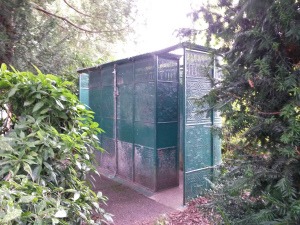
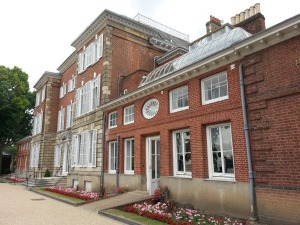
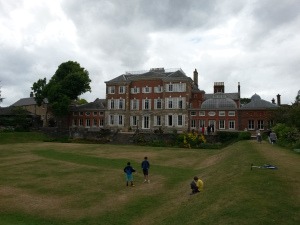
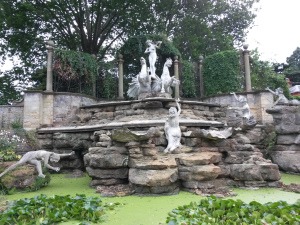
We began with lunch by the river and took a detour to wander through the York House Gardens (passing a working Victorian urinal on the way) and view the Italian Fountain (a.k.a. the “Naked Ladies”). We visited some more pubs and made a doggie friend before heading to comedy in the brewery.

Victorian urinal
Victorian urinal

York House
York House

York House
York House

Naked Ladies
Naked Ladies

Awkward selfie
Awkward selfie

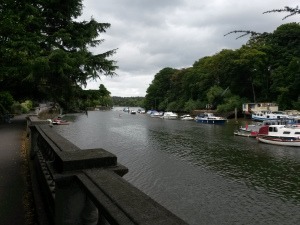
Riverside
Riverside

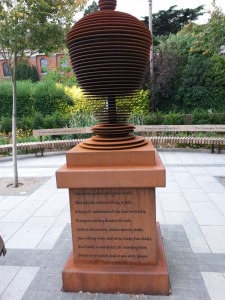
Alexander Pope sculpture

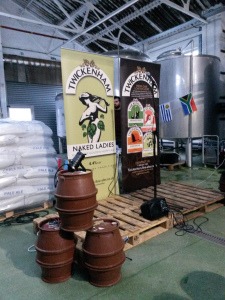
Beer time
Beer time

New friend
New friend

Brewery comedy
Brewery comedy