
On our fourth day – the Saturday – we had made plans to visit Tivoli. It didn’t seem to be possible to book an excursion, so we decided to make the trip ourselves, with mixed results.
We booked train tickets to Tivoli from the main Roma Termini station. We got there no problem, but the station was pretty big and we nearly went to the wrong platform. Eventually we made it and enjoyed a pleasant journey through the countryside.
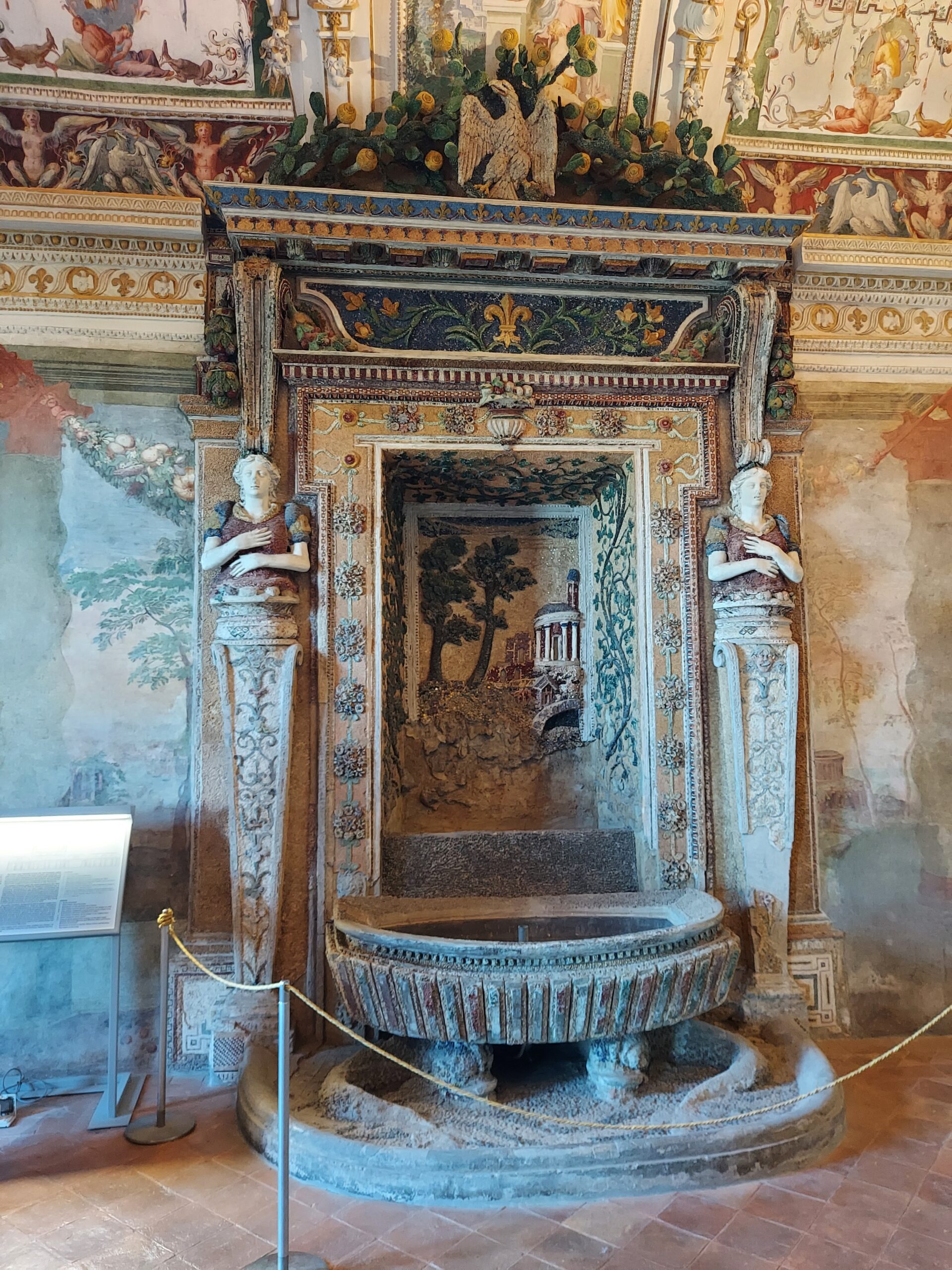
It was very hot in Tivoli and unfortunately we had to walk up a hill. It was a nice little town, but perhaps we couldn’t appreciate it as we were fairly tired! The Villa d’Este, which we visited on the top of the hill, is a UNESCO World Heritage site, interesting and full of history. It was cool indoors, too, which helped. Built on the site of an ancient monastery, the palace and the gardens were laid out by Pirro Ligorio (1500-1583) on behalf of Cardinal Ippolito II d’Este of Ferrara (1509-1572). It is a superb example of Renaissance culture.
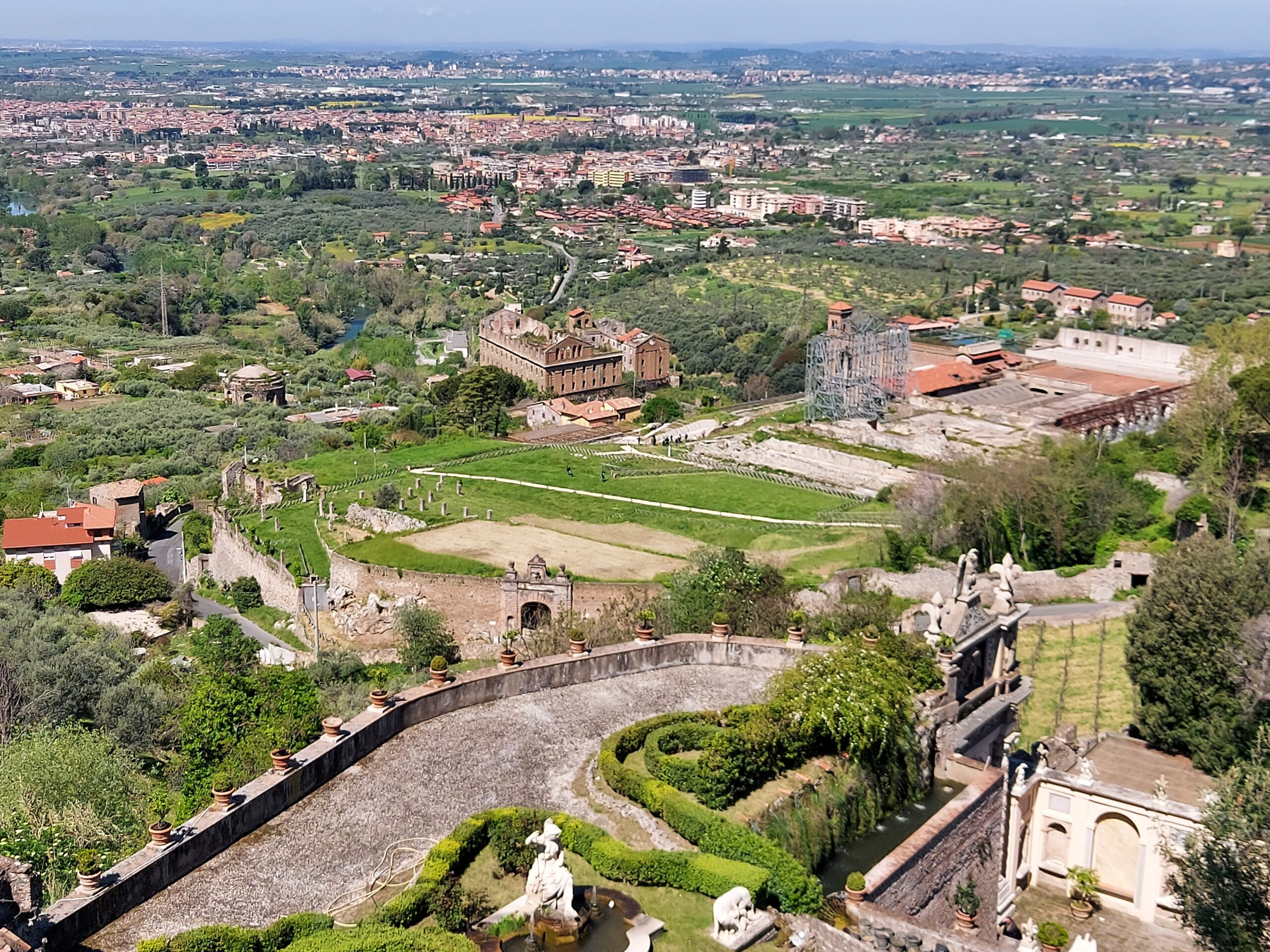
From the garden of the villa we could look down and see the Santuario di Ercole Vincitore, an ancient temple.
Afterwards, we made our way to Villa Adriana, or Hadrian’s Villa. Yes, that’s the same Hadrian who built the wall between England and Scotland. Getting there proved to be tricky as we had to get a bus. In order to catch the bus, we had to buy bus tickets from… a pizza place. We almost got on the wrong bus too. In fact, I’m convinced we did actually get on the wrong bus in the end but I think the driver took pity on us. So did the passengers, who helpfully told us where we needed to get off.
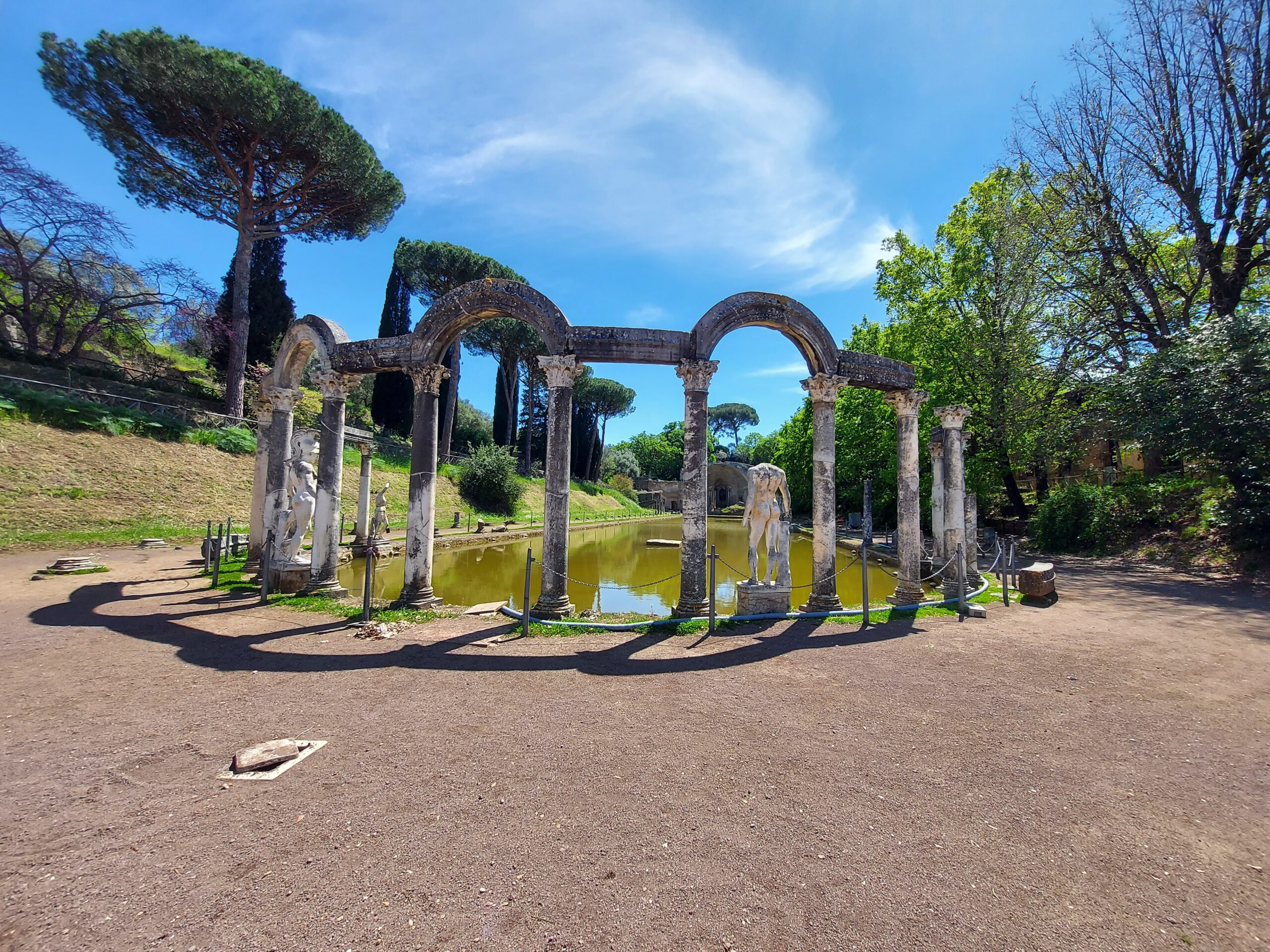
By this time, mam was exhausted so I ended up going over the site by myself. I am glad I did – it was amazing and clearly used to be a majestic place. I just wish mam had been able to enjoy it too. It is also a listed UNESCO World Heritage Site. The villa was built by Roman Emperor Hadrian at the foot of the Tiburtine Hills between 118 and 138 AD. Even in ruins, it’s possible to imagine the grandeur of the palace as it used to be.
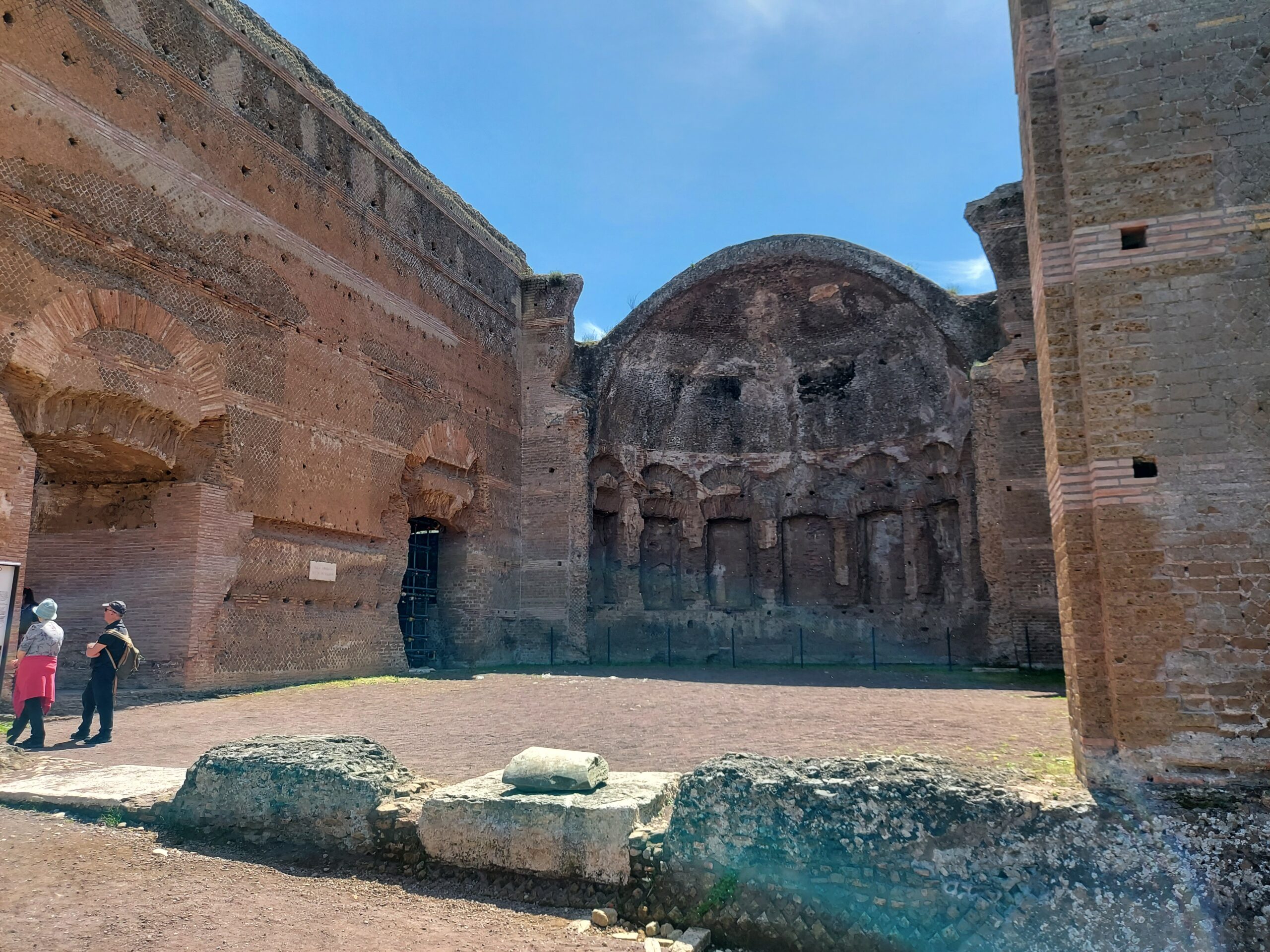
Originally about 120 hectares, only 40 hectares now remain. The site included buildings, baths, temples, barracks, theatres, gardens, fountains and nymphaeums. Today, many parts survive – albeit in ruined form – including the Maritime Theatre, the Great and Small Baths, the Greek Theatre and two libraries.
We had to wait ages for the bus on the way back, but at least we got to have a bit of a rest. Once we got to Tivoli, we went to the station straight away and headed back to Rome. We ate at a restaurant fairly near our hotel called Il Tagliagrana, which was yummy.