As part of Open House London, I was able to sign up to visit Dulwich College. This public school has a long and fascinating history, and there is a particular reason I wanted to visit, which I will discuss below.
History
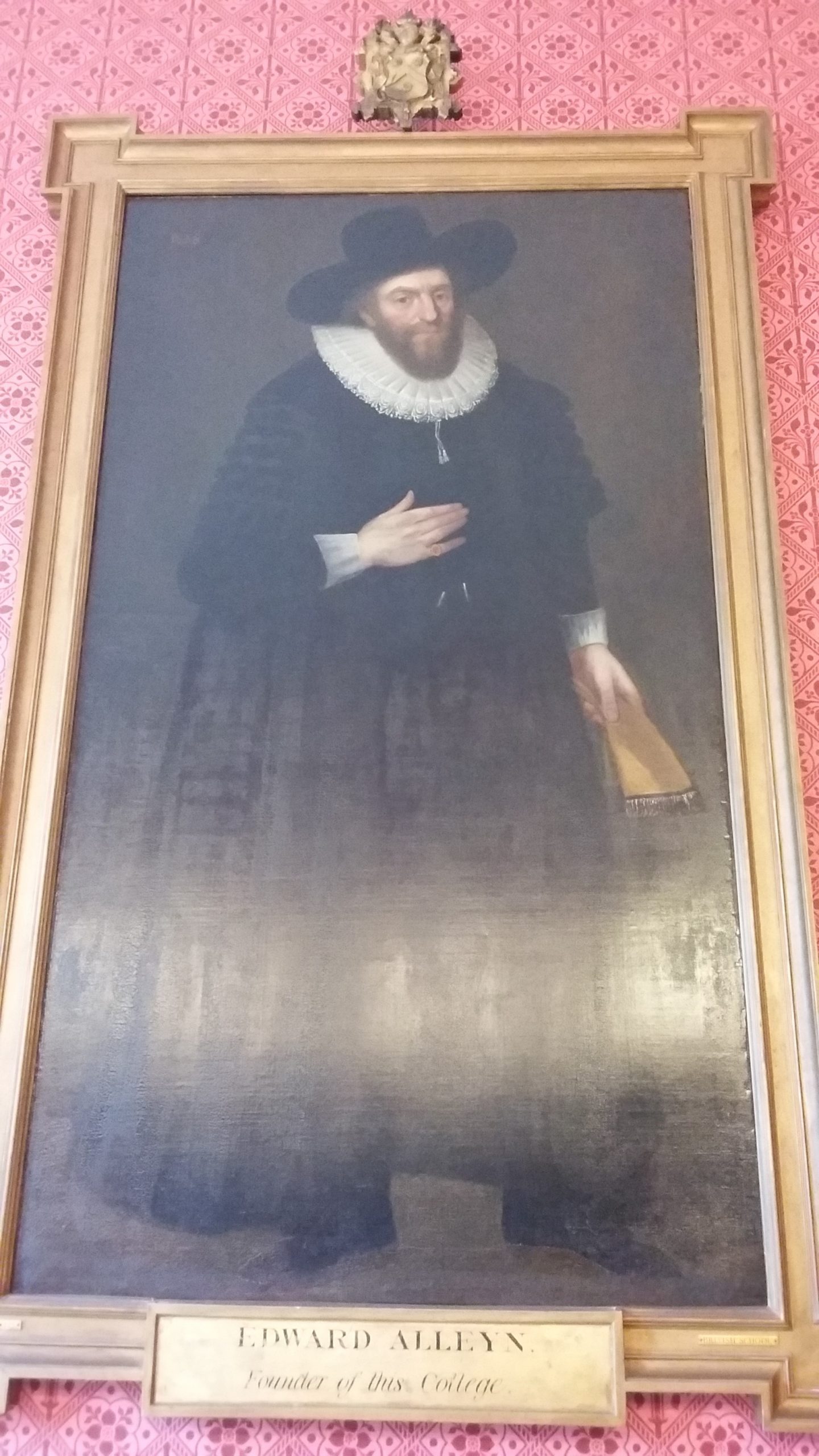
It was founded in 1619 as the ‘College of God’s Gift’ by Elizabethan actor Edward Alleyn, who had performed in Christopher Marlowe’s plays at the Rose Theatre on Bankside. Alleyn possessed great wealth, and had owned the manorial estate of Dulwich since 1605. He decided to found an establishment originally intended for the education of poor boys. Over time the exact location and the purpose of the school changed, and it wasn’t known formally as Dulwich College until 1882. Notable alumni include Ernest Shackleton, P. G. Wodehouse, Raymond Chandler and Chiwetel Ejiofor.
Dulwich College Now
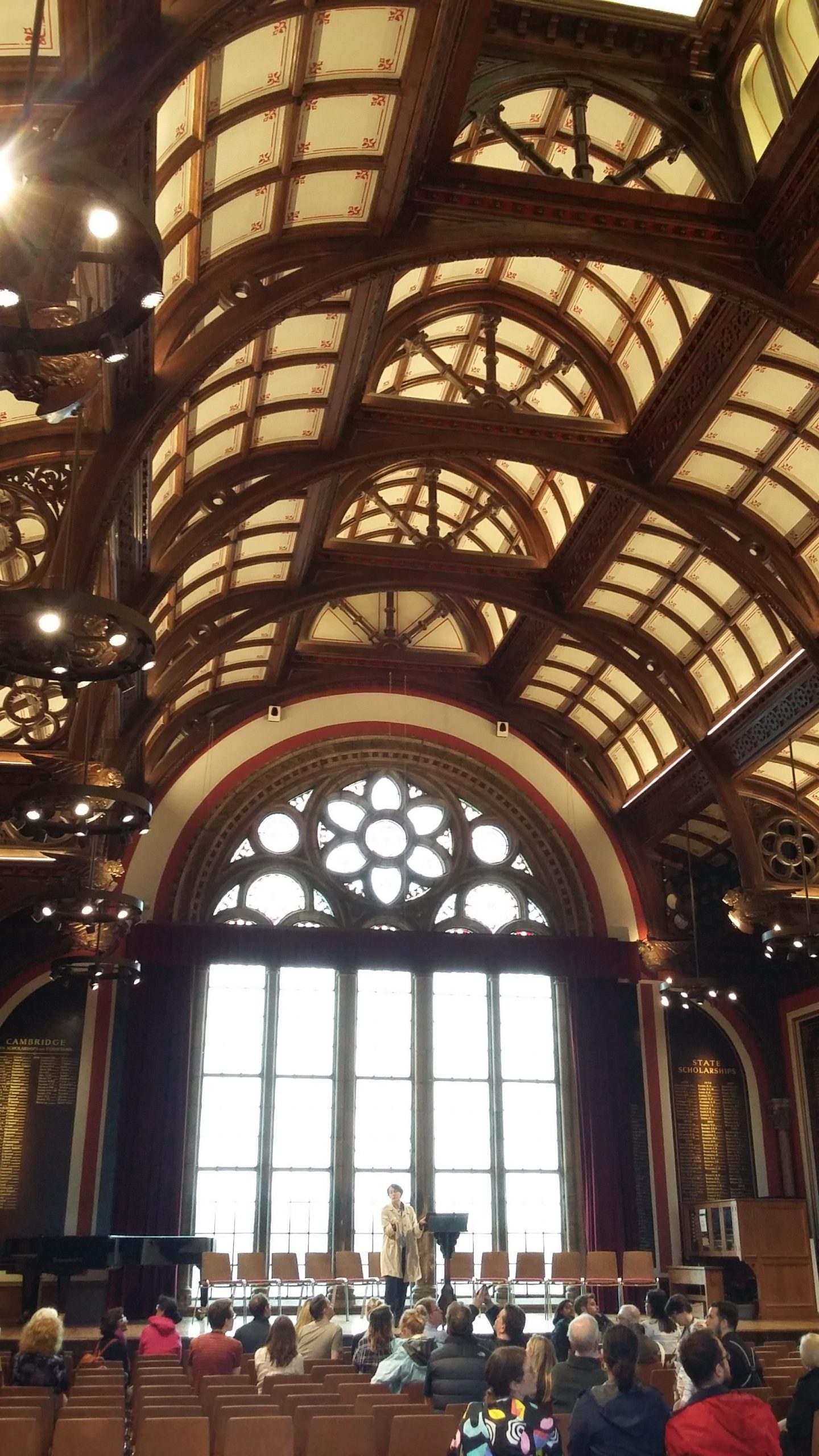
The current site was established in the 1870s; the main building, New College, was designed by Charles Barry Junior (son of the architect of the Houses of Parliament). Loosely based on Palladian architecture, it makes use of features such as triangular gables, turrets and cupolas. Interestingly, Dulwich was the first public school with a dedicated hall for assemblies, with all teaching taking place in the classrooms.
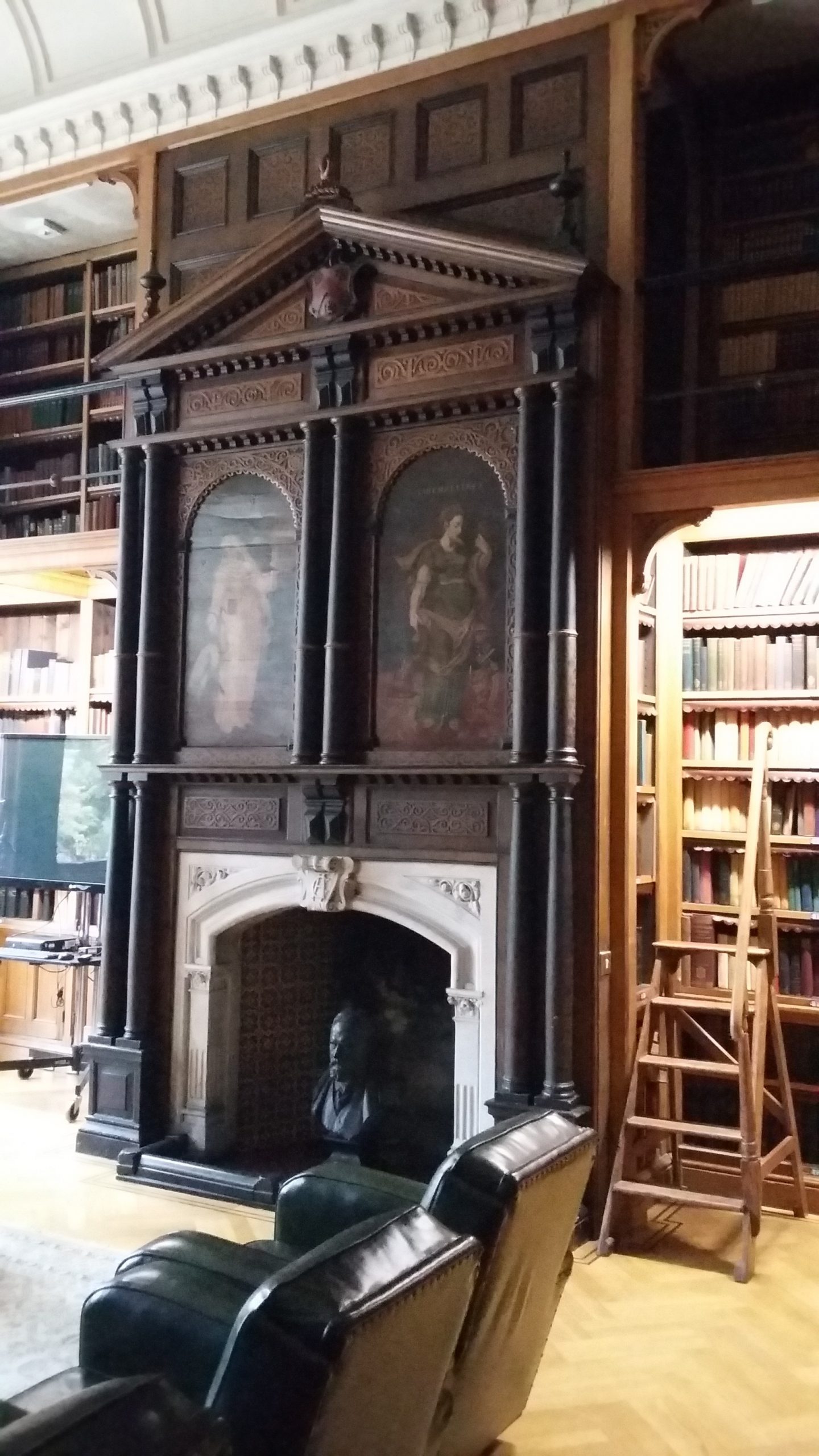
The College holds some impressive archival material, much of which came from Edward Alleyn’s own library, and focuses on drama and the arts. Material includes diaries, two of the three volumes of Shakespeare’s First Folio, a Mercator Atlas, first editions of poetry by John Donne, Edmund Spenser and Dryden. Above the fire in the Masters’ Library are two panels depicting pietas (Duty) and liberalitas (Generosity), which came from Elizabeth I’s state barge. They may have originally come from Francis Drake’s Golden Hinde.
The James Caird
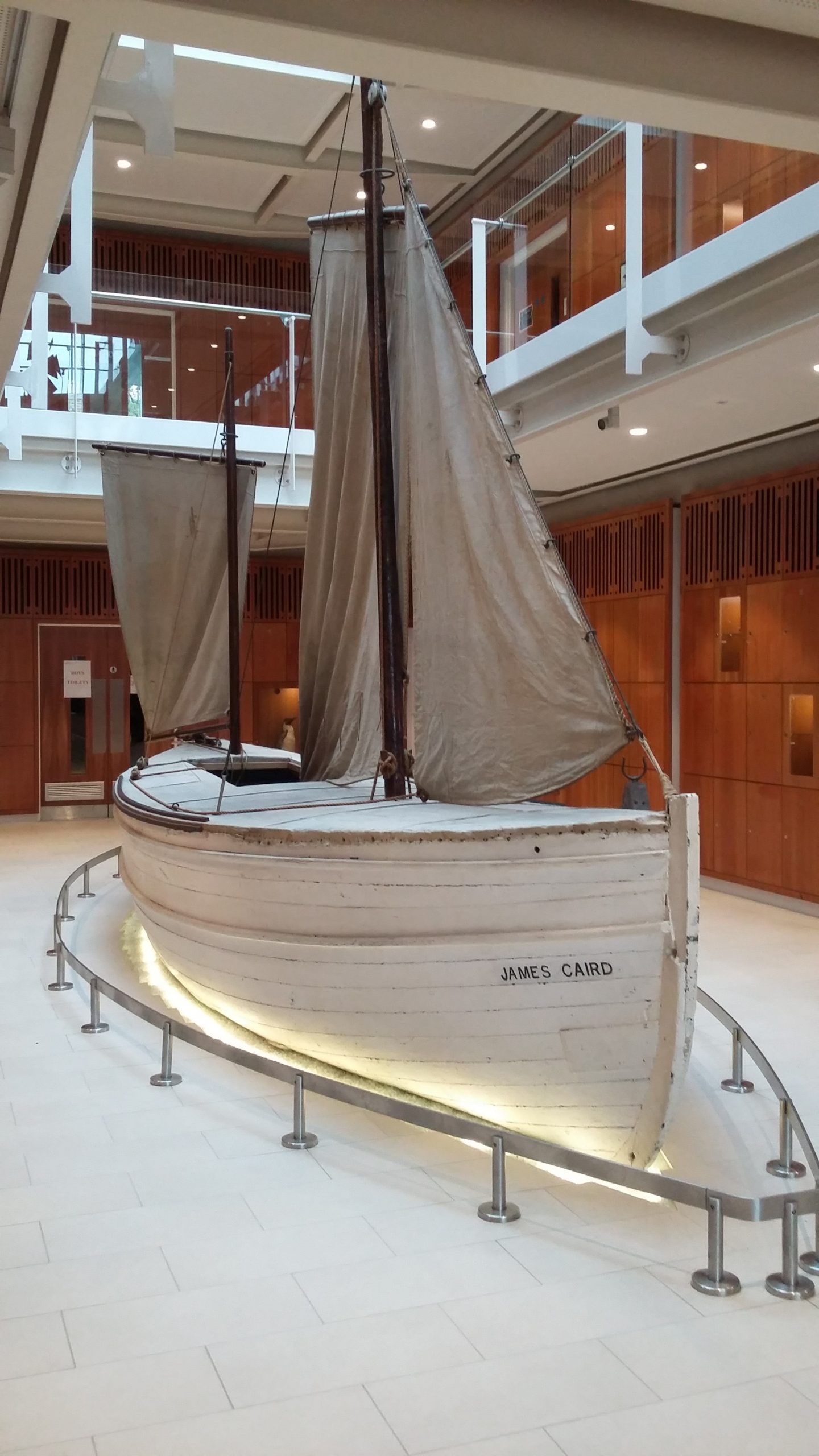
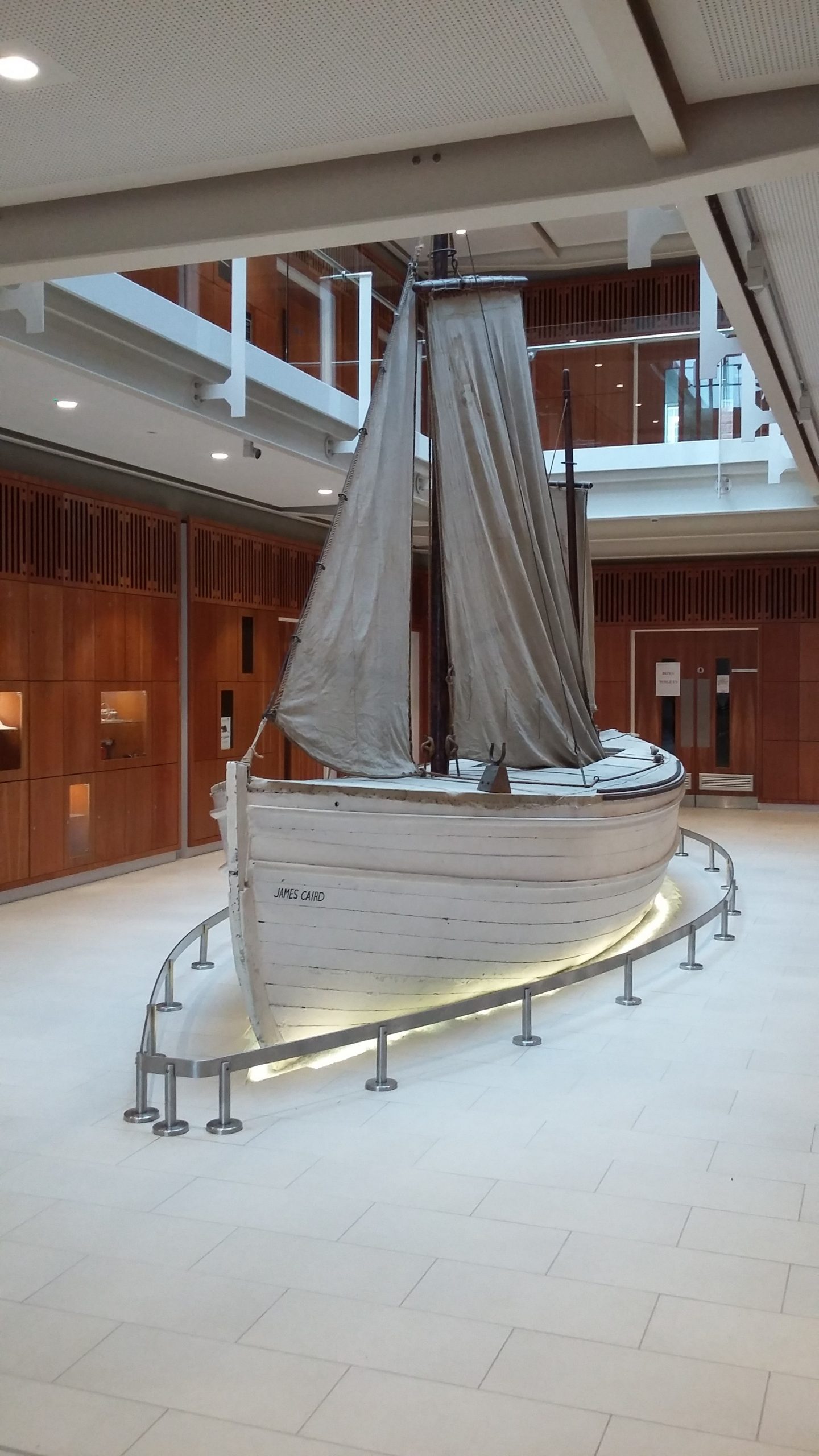
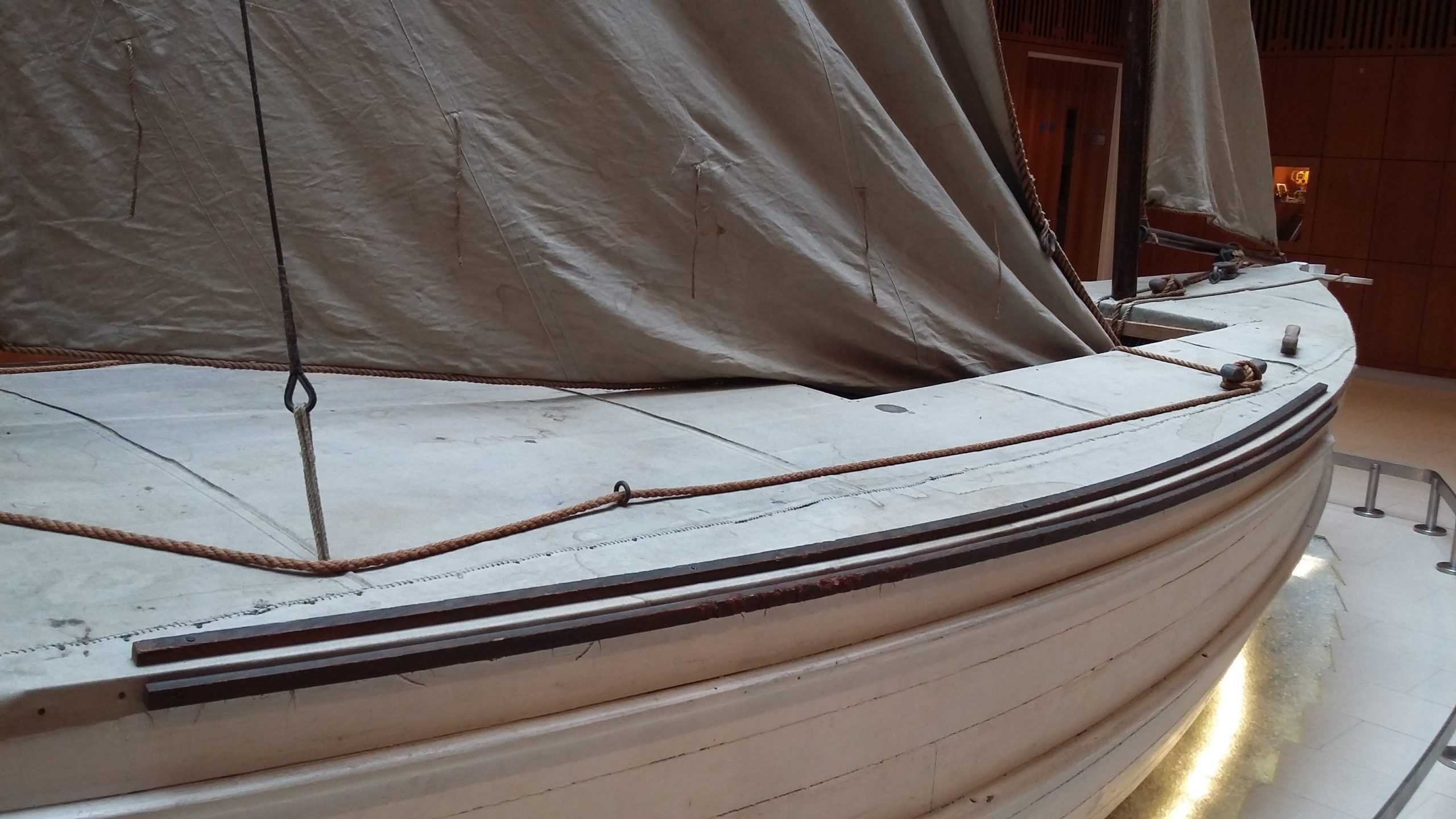
And so to the reason why I wanted to come here in the first place: The James Caird. Donated to his alma mater by Shackleton, this famous lifeboat was the very boat in which Shackleton and five other men made their incredible voyage to South Georgia from Elephant Island in 1916. As someone with a deep interest in polar history, I’ve long wanted to see the boat for myself. It is housed in the purpose-built James Caird Hall, surrounded by other polar artefacts including items from Shackleton’s Nimrod expedition. Now white and gleaming, it’s hard to imagine six tired, hungry, filthy men ensconced in this 23-foot whaler, struggling through treacherous seas for over 800 miles during the Antarctic winter. What is apparent, though, is the superb workmanship of carpenter Harry ‘Chippy’ McNish who made the boat seaworthy enough to withstand the voyage: even Shackleton later admitted they could not have reached South Georgia without his efforts. McNish used wood from packing cases and sledge runners to build up the sides of the boat, caulking it using a mixture of seal blood and flour. The whole was then covered with canvas to protect the men from the elements as much as possible. I won’t lie: I felt quite emotional seeing this boat close up.