
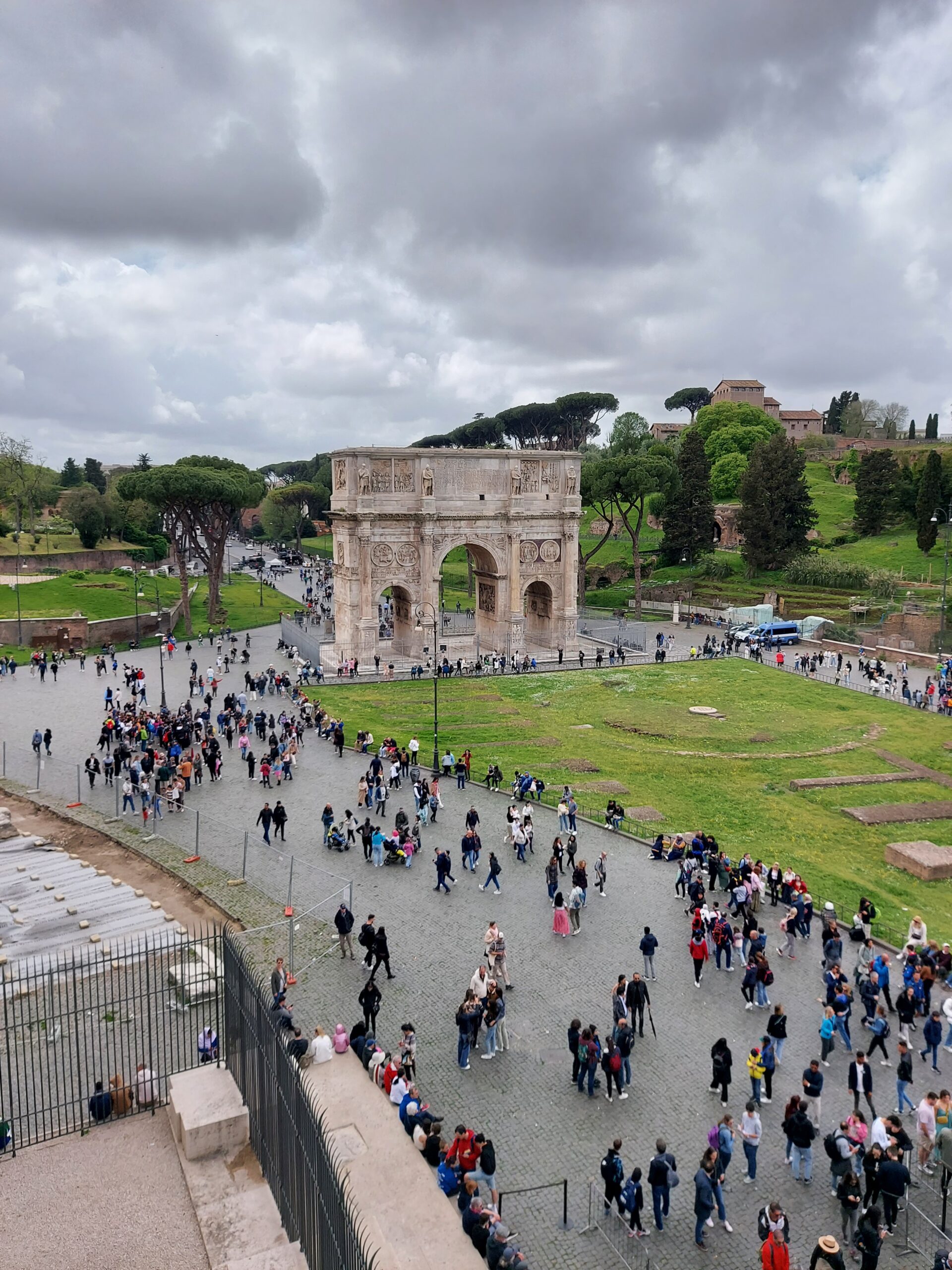
Day 6 was probably my favourite day in Rome. I absolutely adored it from start to finish.
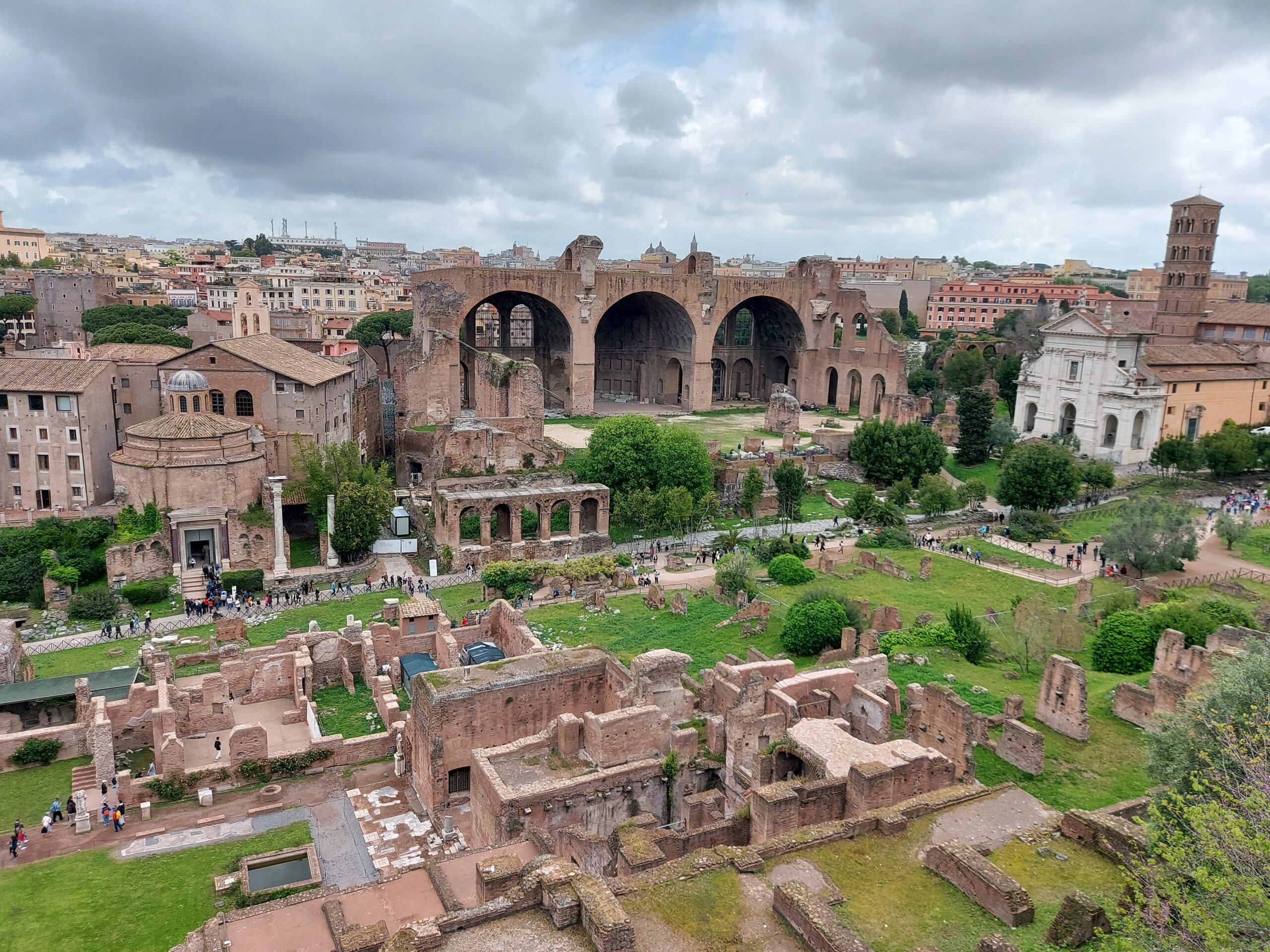
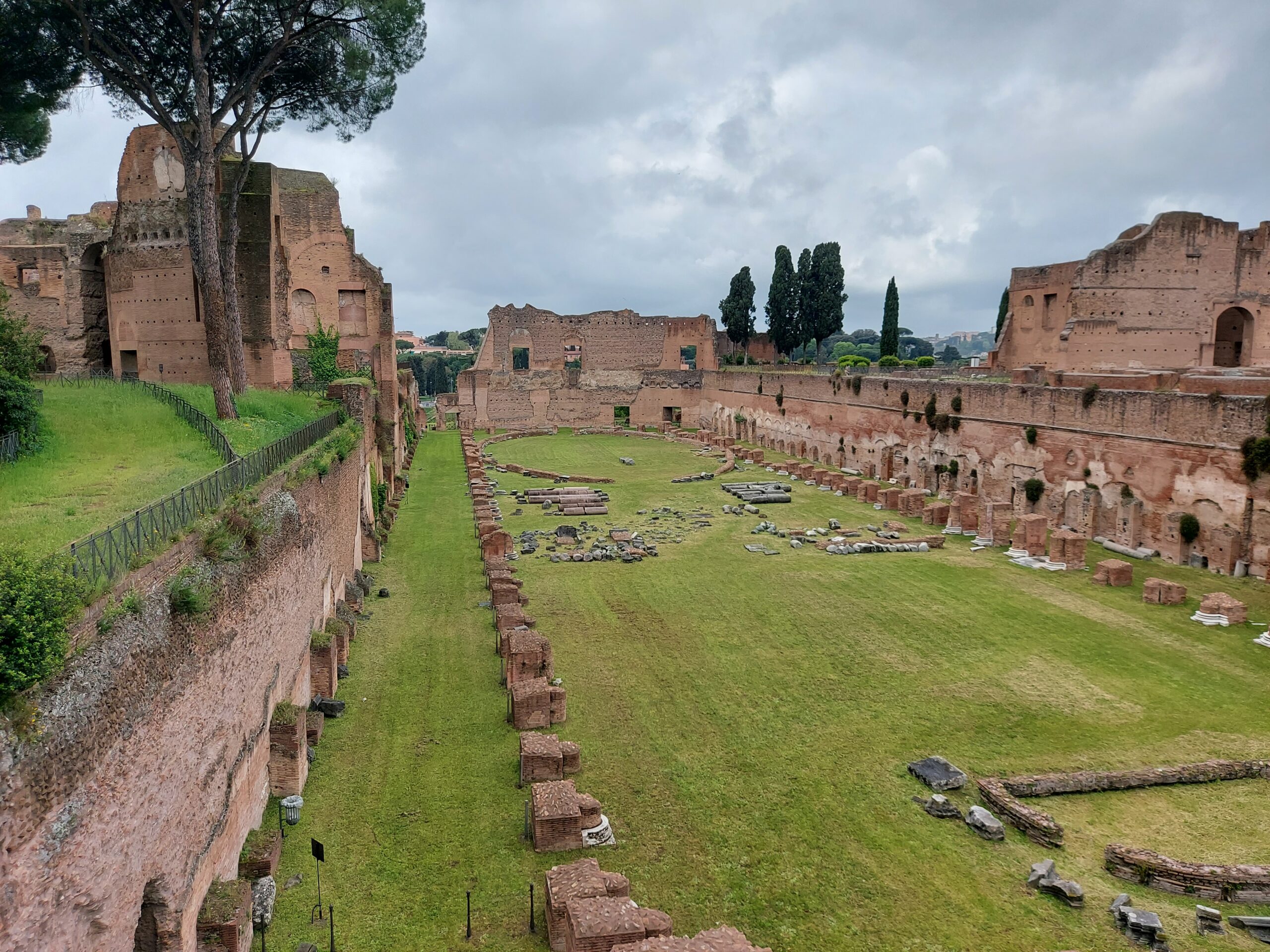
In the morning we went to the Roman Forum. Mam didn’t want to tire herself out too much so I went around the Forum by myself. There was so much to see and I could have spent hours there. The Forum was the centre of daily life in Rome for centuries. Originally a public marketplace, it later hosted numerous government buildings and temples, and was the centre of civic life.
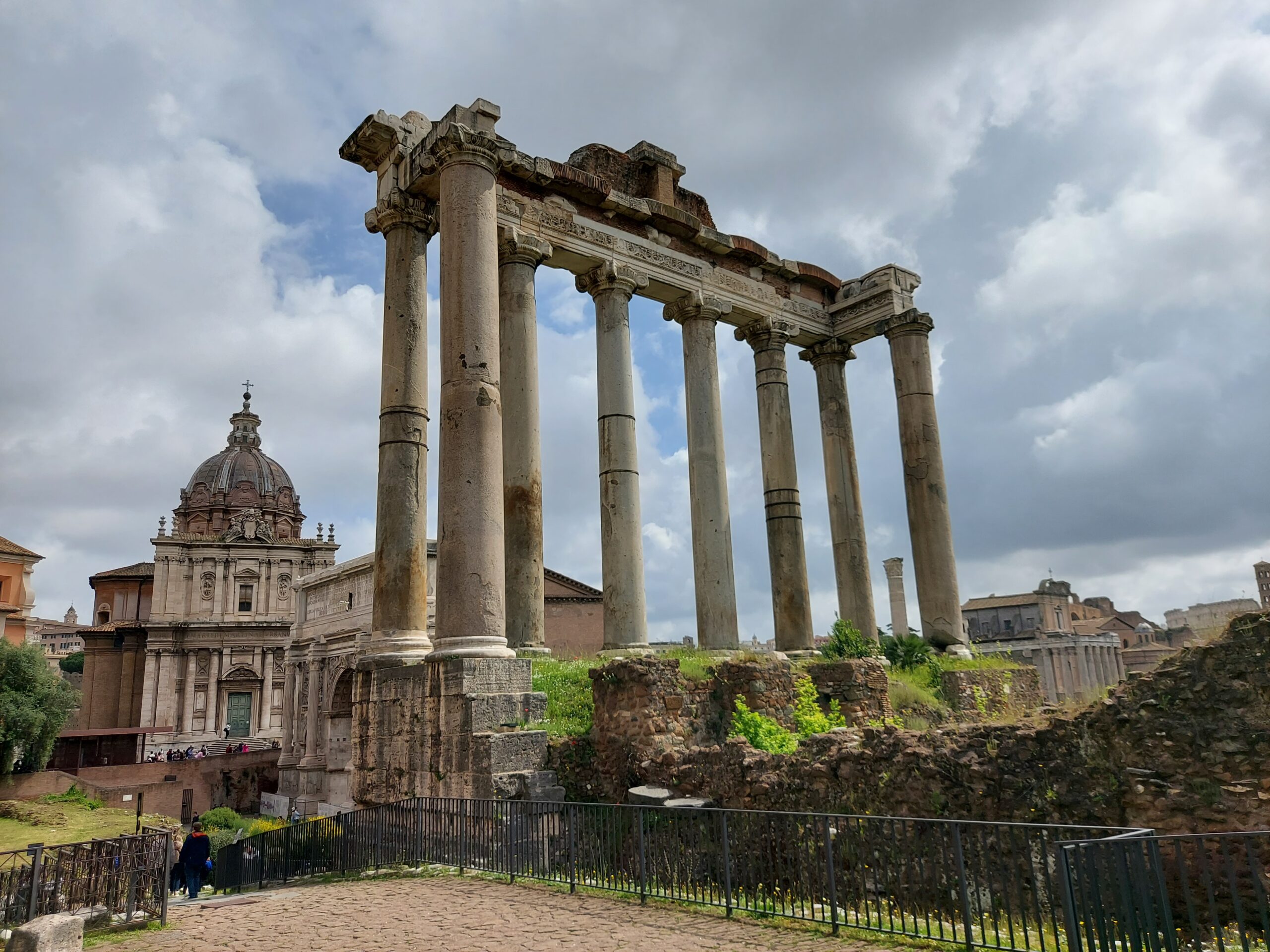
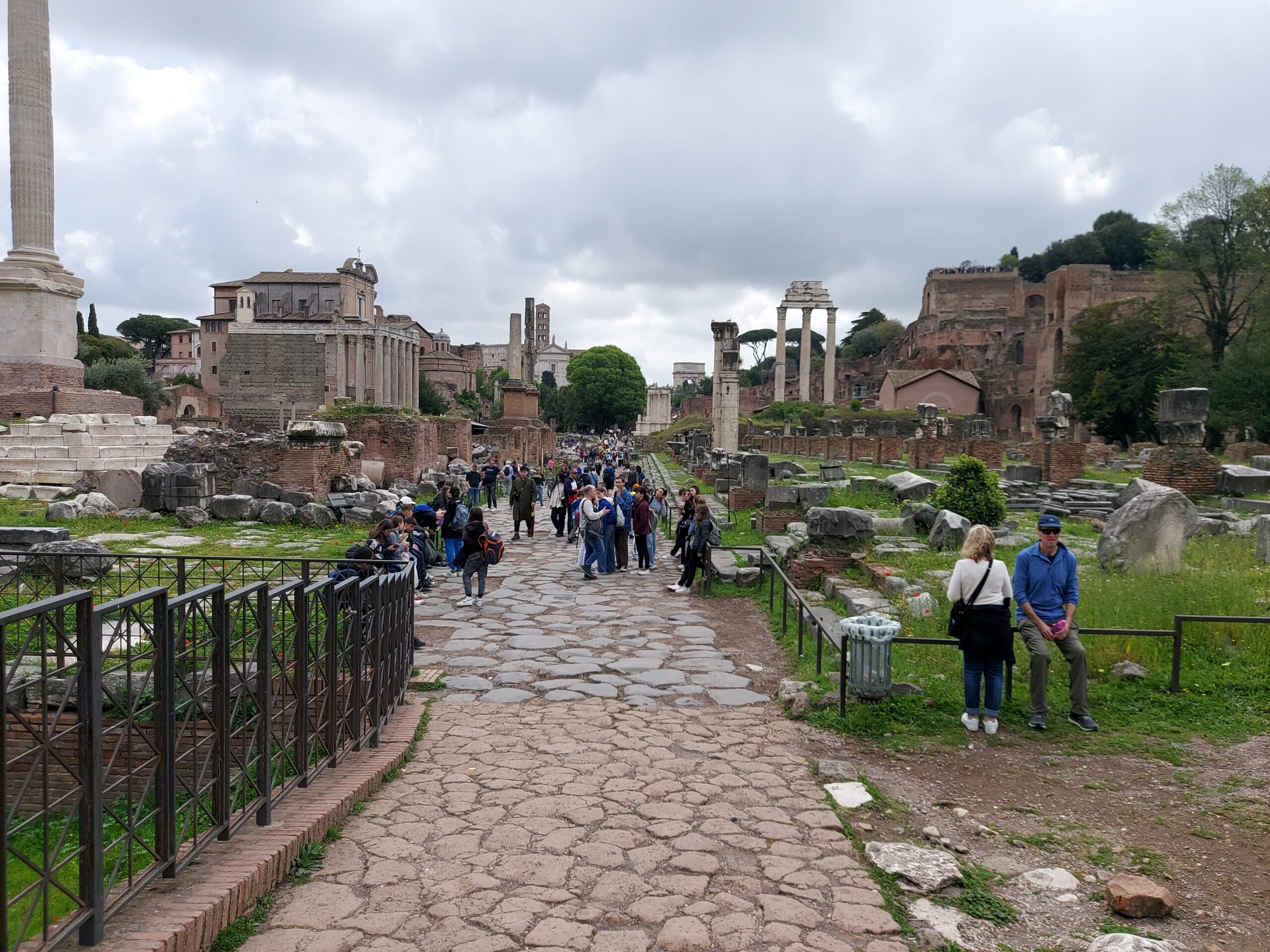
I also explored the Palatine Hill, dominated by the Palace of Domitian and the Houses of Livia and Augustus.
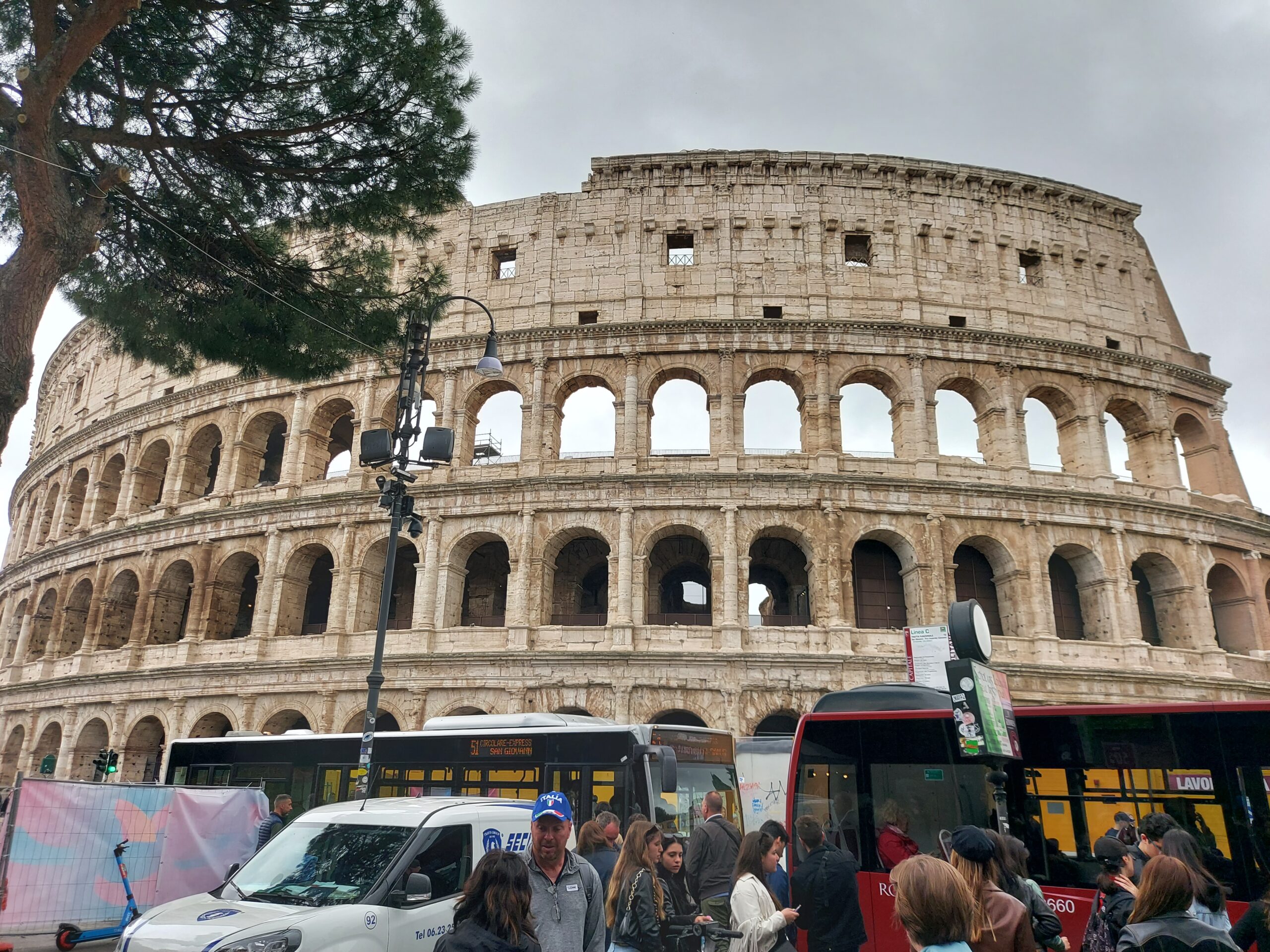
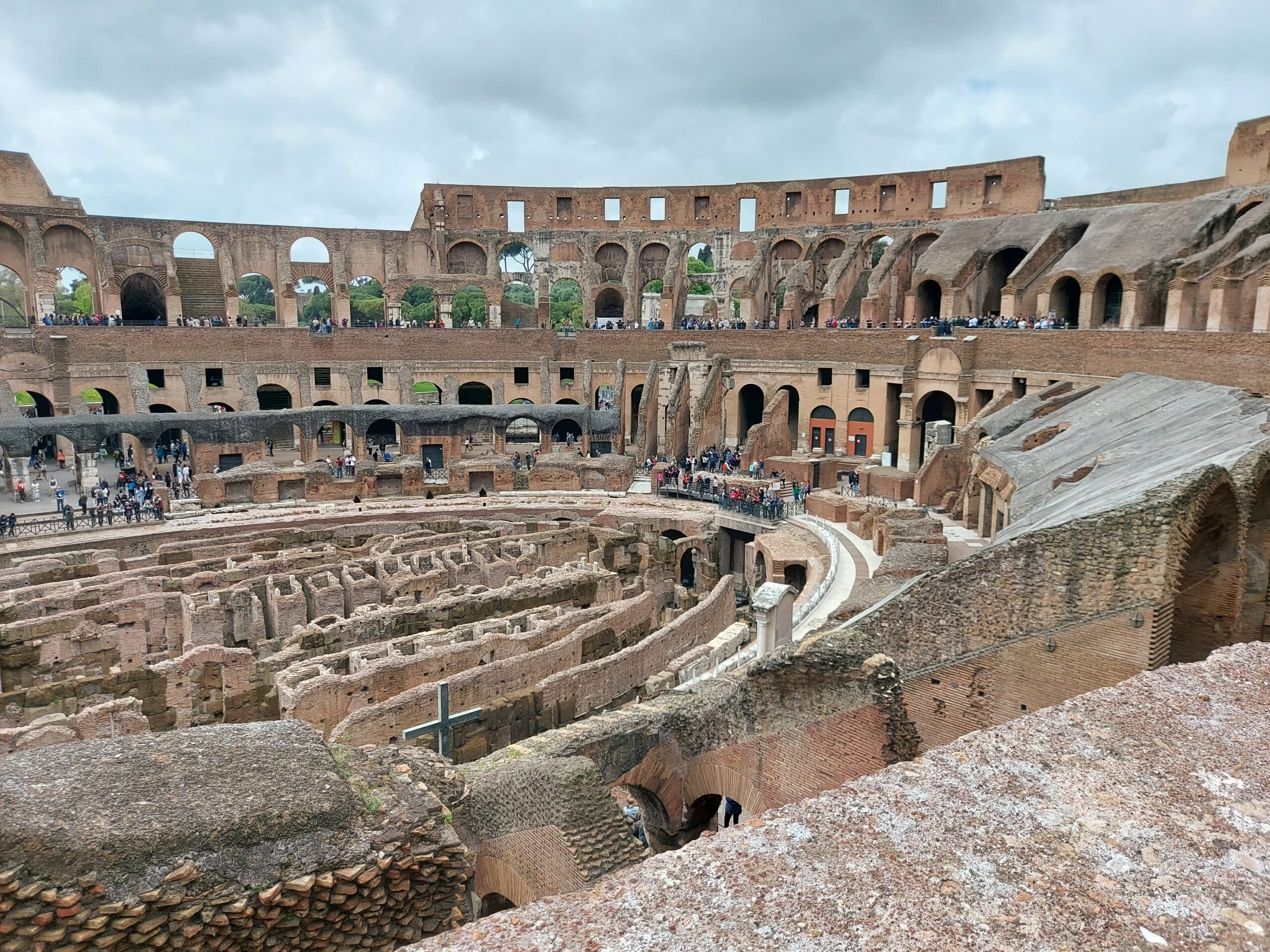
Afterwards, it was time for our visit to the Colosseum. This was another amazing experience. The elliptical amphitheatre is the largest ancient amphitheatre ever built, and is still the largest standing amphitheatre in the world. It was built between AD 72 and AD 80, with further modifications made around twenty years later. Walking around it, it is possible to imagine gladiators battling it out while spectators watched with bated breath. In later years it was used as housing, workshops, a fortress and a Christian shrine.
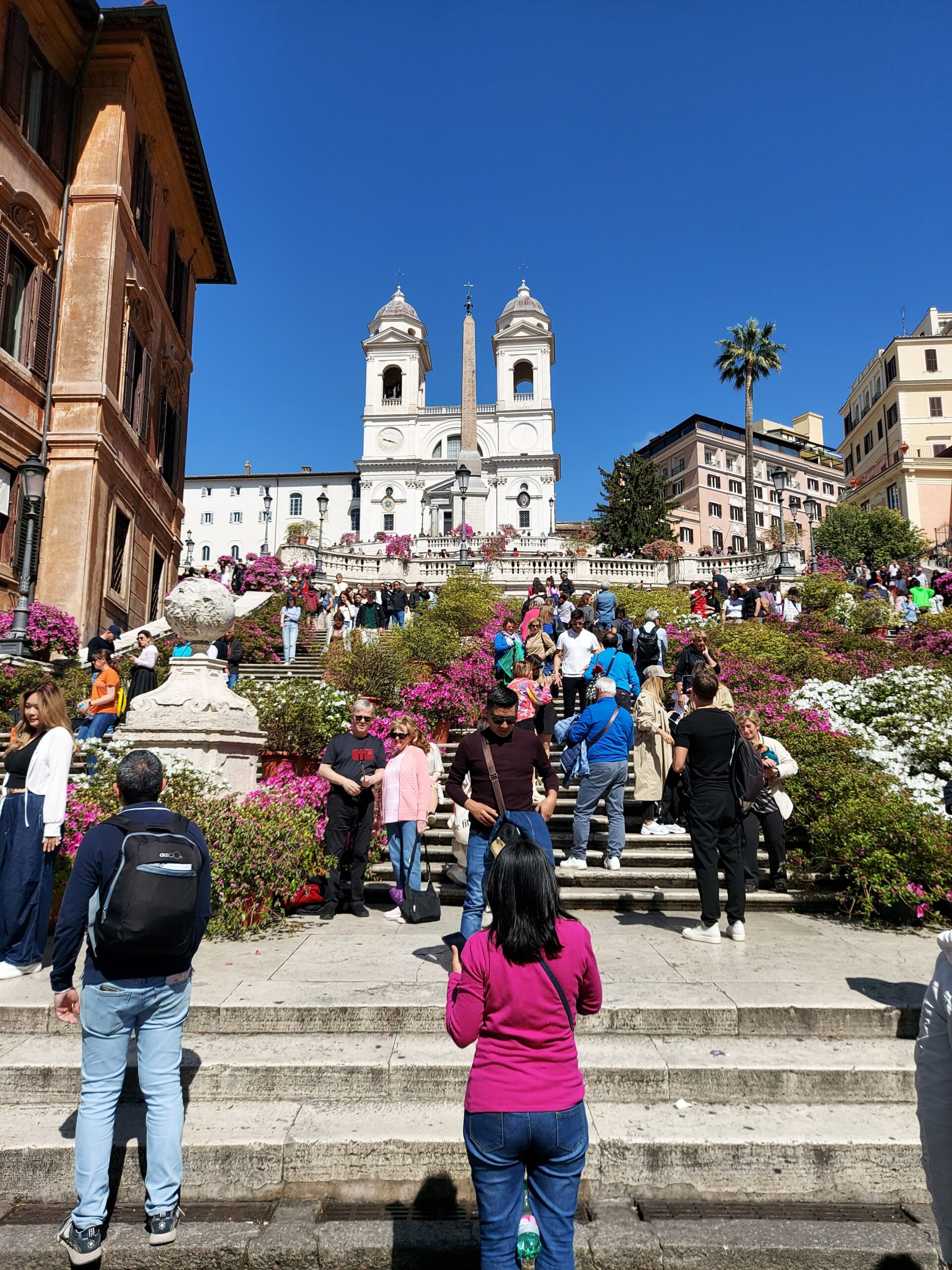
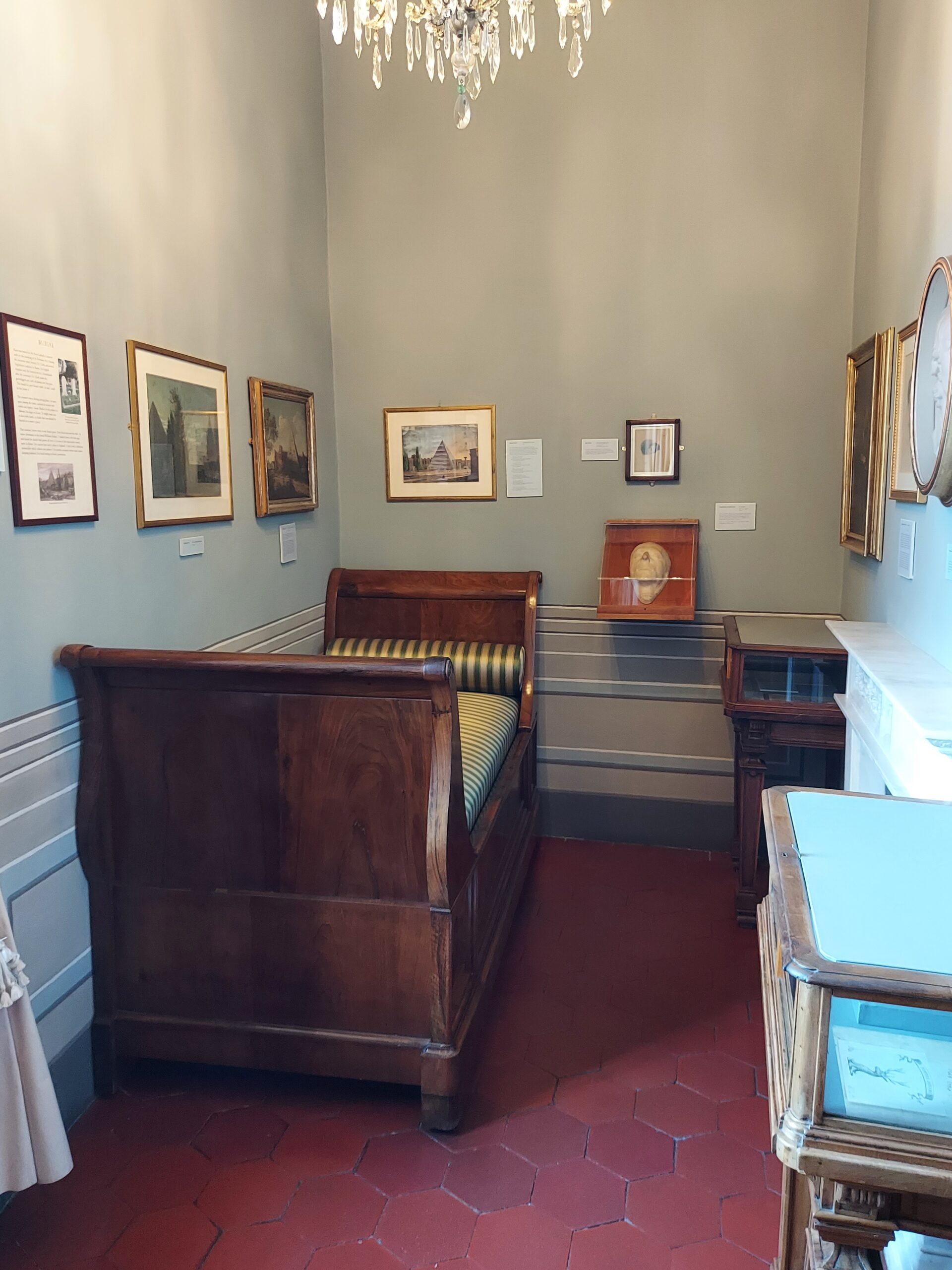
After a light lunch, we got the Metro to the Spanish Steps and visited the Keats-Shelley House. It was a hot day and it was lovely and cool inside the house. This is the place where, in 1821, Keats died from tuberculosis, after visiting the city in an ill-fated bid to recover from his illness. The room in which he died is displayed as it was then, although the furniture is not original as, in line with laws of the time, it was burned after his death. Keats’ death mask is a powerful reminder of the toll his illness took on him. The House contains a rich library of Romantic literature, as well as a collection of manuscripts, paintings, sculpture and memorabilia.
In the gift shop there was a beautiful ring, a replica of the ring Keats gave to his fiancée Fanny Brawne. I ended up buying it – well, mam bought it to keep for me as a Christmas present!
After our visit, we headed back towards the hotel, eating at the same restaurant we’d enjoyed on our first night.