Rome Day 6 | Roman Forum, Colosseum, Keats-Shelley House

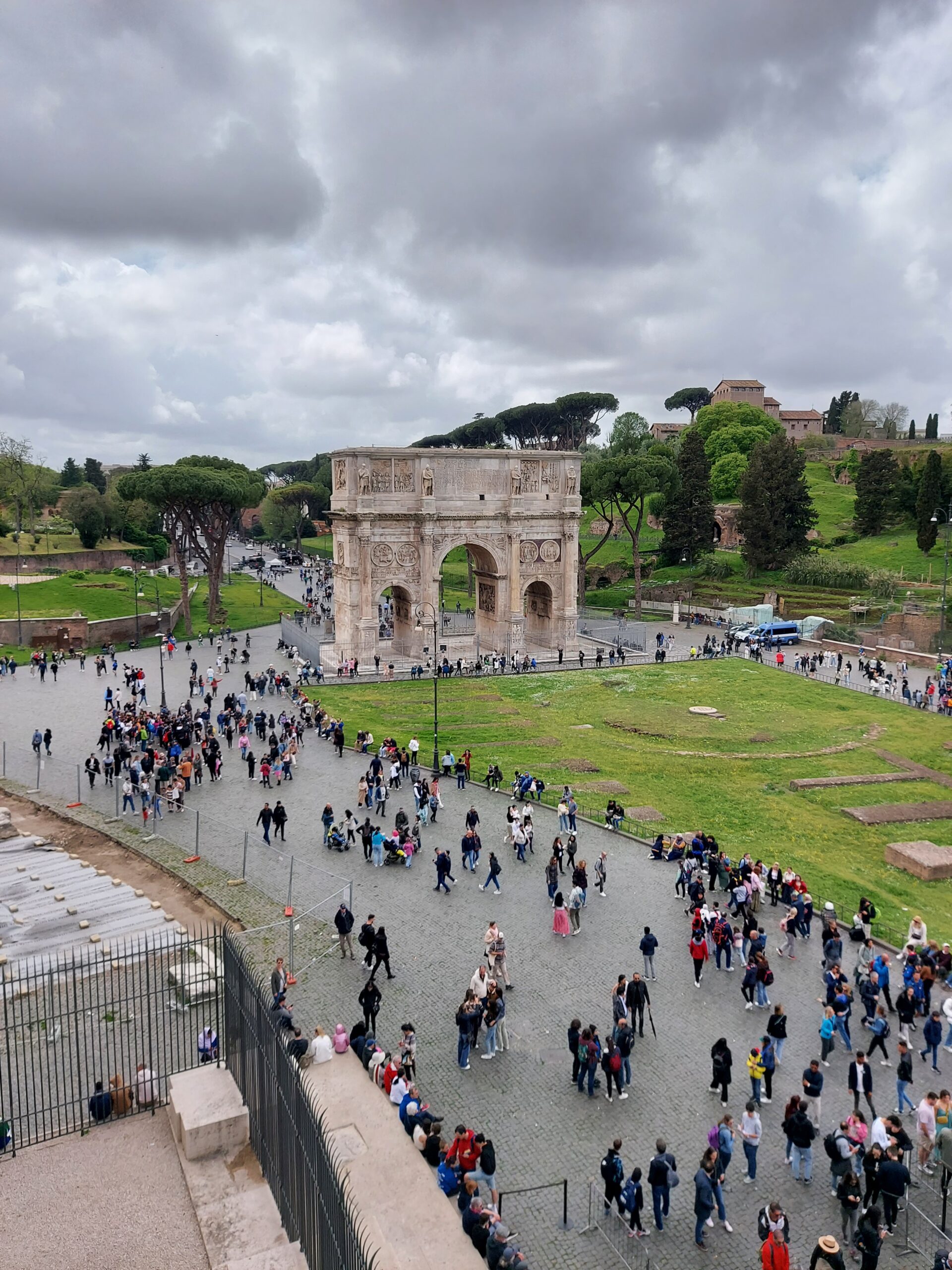
The Arch of Constantine
The Arch of Constantine: a triumphal arch in Rome dedicated to the emperor Constantine the Great. The arch was commissioned by the Roman Senate to commemorate Constantine’s victory over Maxentius at the Battle of Milvian Bridge in AD 312.

Day 6 was probably my favourite day in Rome. I absolutely adored it from start to finish.
The Roman Forum
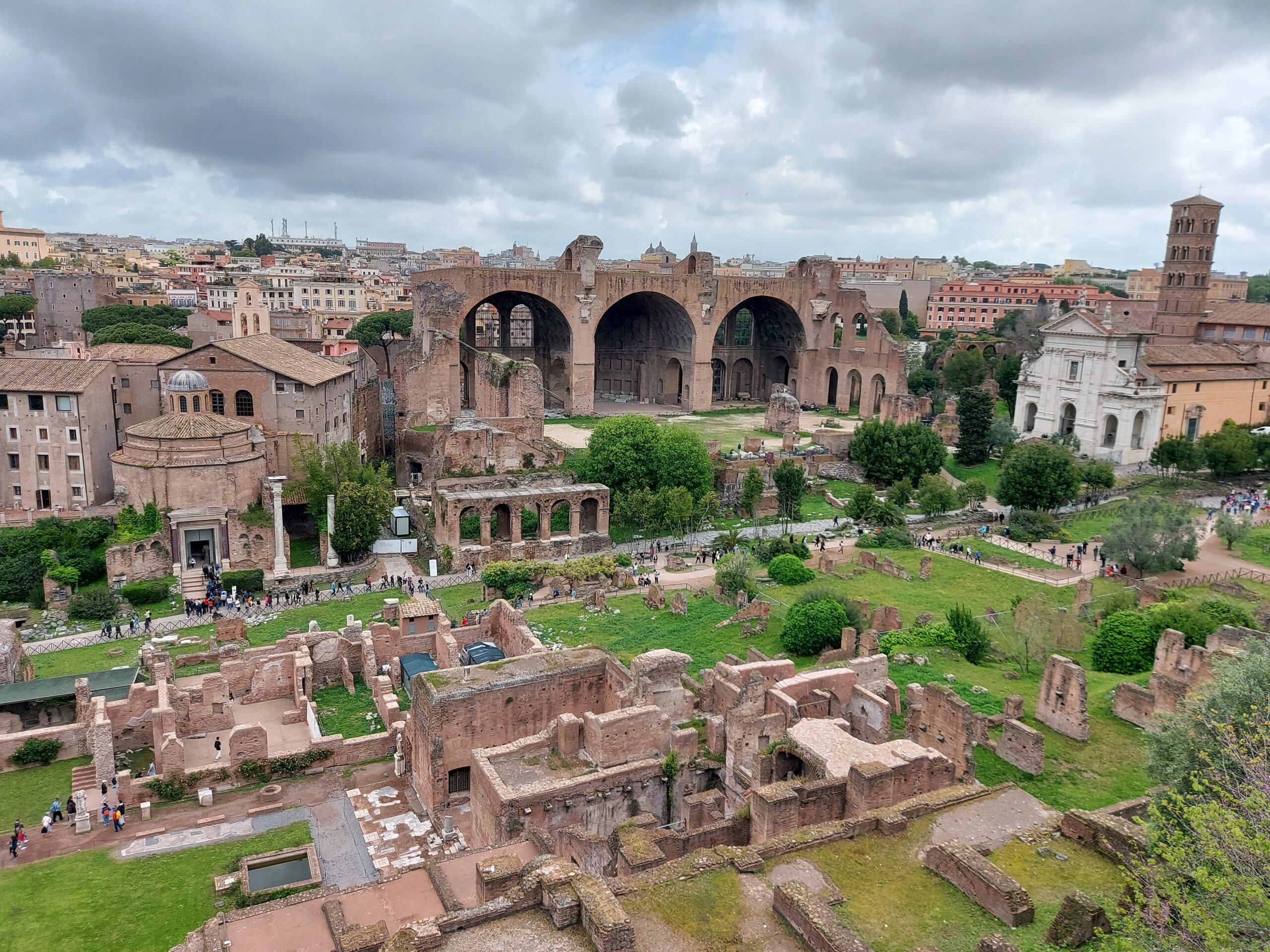
Looking down towards the Roman Forum from Palatine Hill

In the morning we went to the Roman Forum. Mam didn’t want to tire herself out too much so I went around the Forum by myself. There was so much to see and I could have spent hours there. The Forum was the centre of daily life in Rome for centuries. Originally a public marketplace, it later hosted numerous government buildings and temples, and was the centre of civic life.
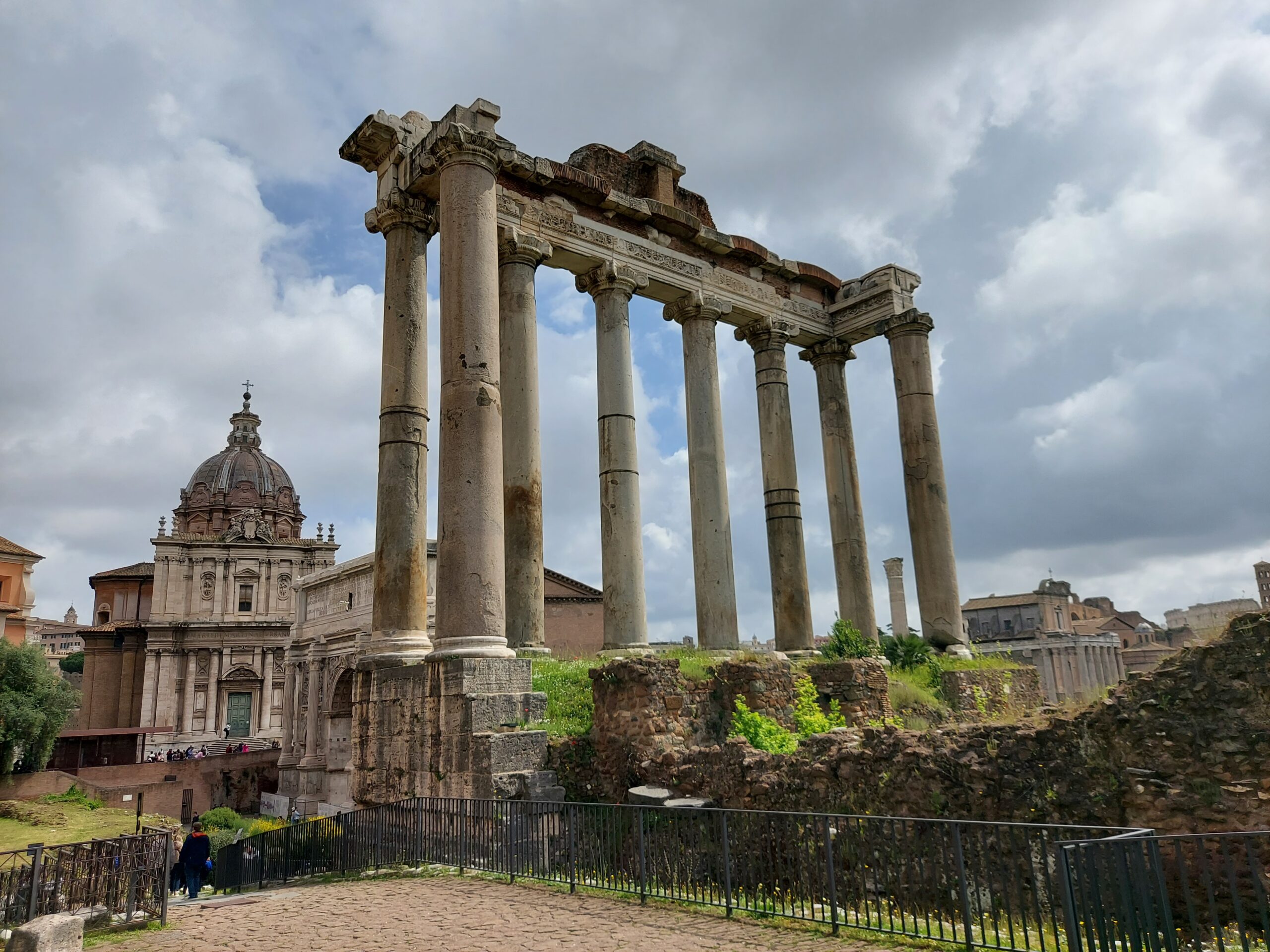
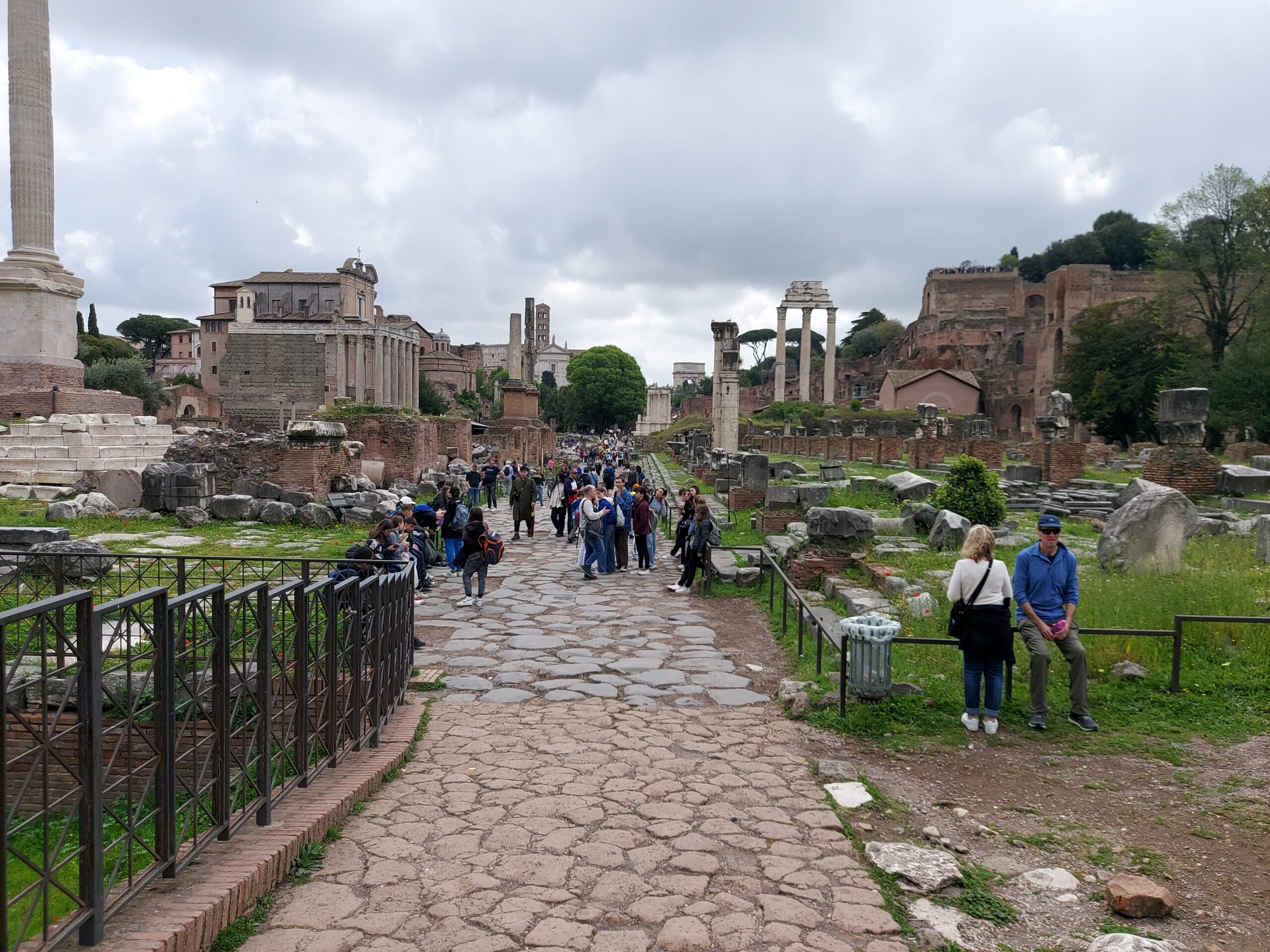
A ruined Roman temple
The Temple of Saturn
The Roman Forum
The Roman Forum

I also explored the Palatine Hill, dominated by the Palace of Domitian and the Houses of Livia and Augustus.
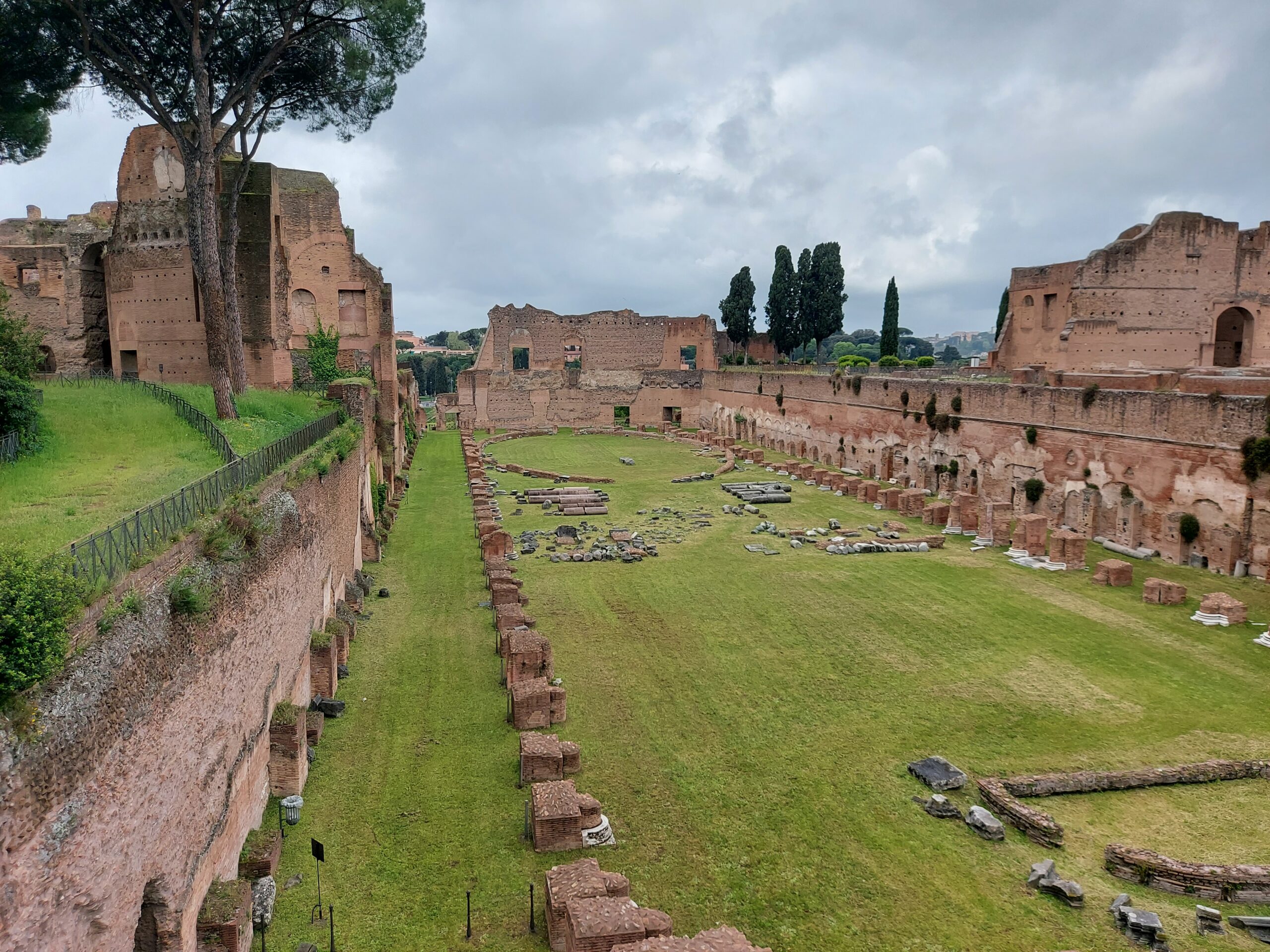
Roman ruins on the Palatine Hill
Garden or “stadium” of the Palace of Domitian

Afterwards, it was time for our visit to the Colosseum. This was another amazing experience. The elliptical amphitheatre is the largest ancient amphitheatre ever built, and is still the largest standing amphitheatre in the world. It was built between AD 72 and AD 80, with further modifications made around twenty years later. Walking around it, it is possible to imagine gladiators battling it out while spectators watched with bated breath. In later years it was used as housing, workshops, a fortress and a Christian shrine.
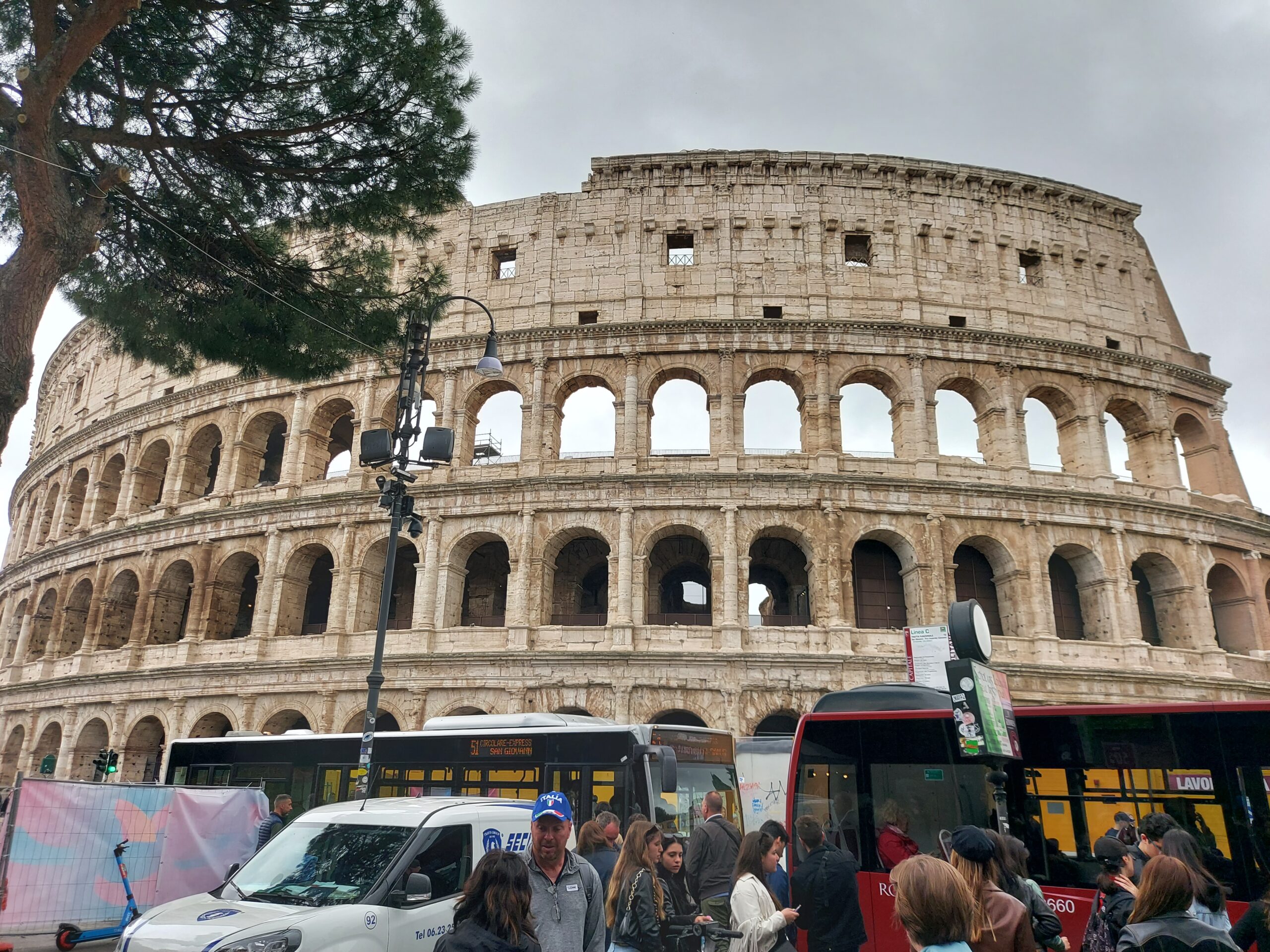
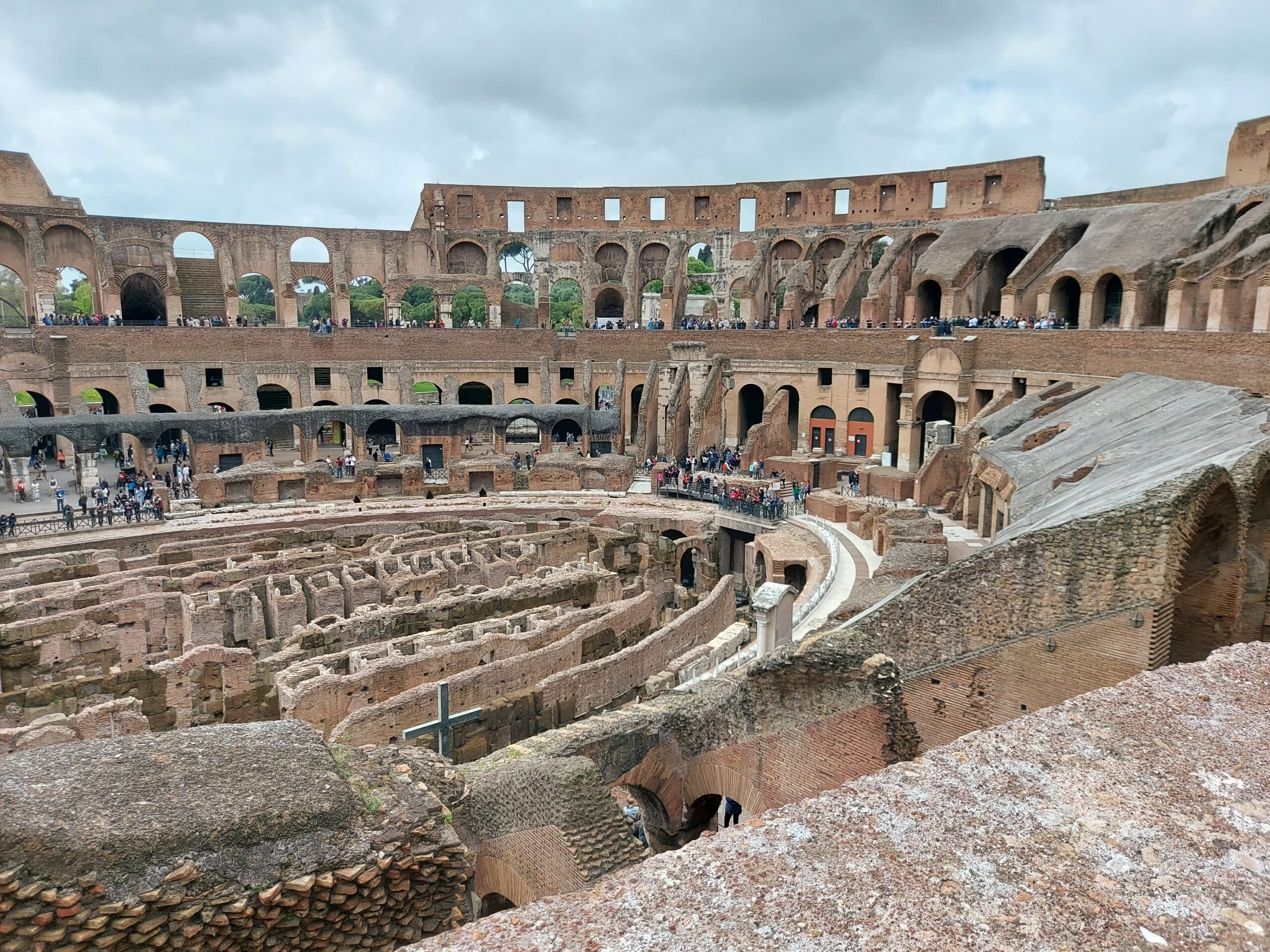
The Colosseum

The Colosseum inside

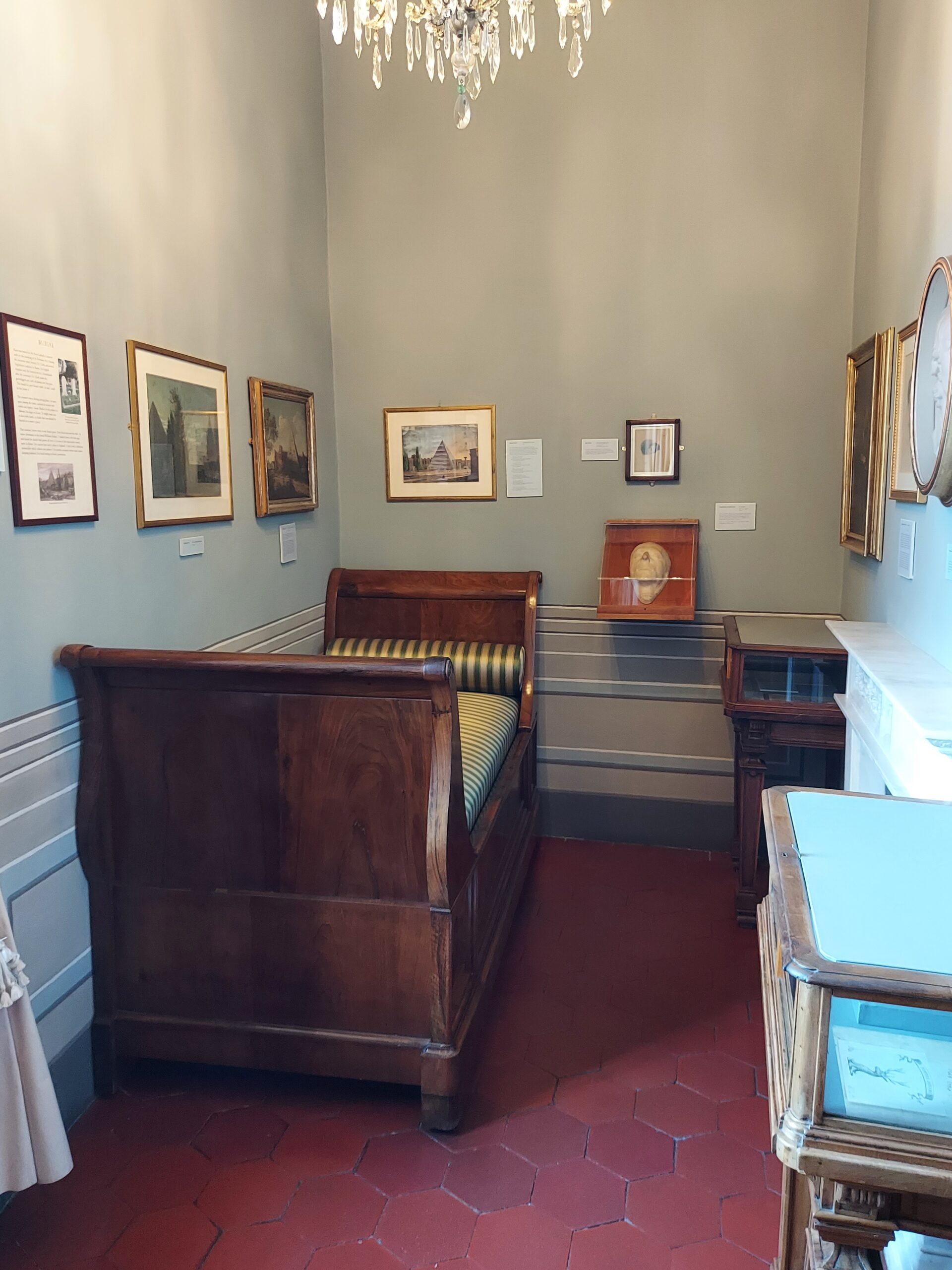
After a light lunch, we got the Metro to the Spanish Steps and visited the Keats-Shelley House. It was a hot day and it was lovely and cool inside the house. This is the place where, in 1821, Keats died from tuberculosis, after visiting the city in an ill-fated bid to recover from his illness. The room in which he died is displayed as it was then, although the furniture is not original as, in line with laws of the time, it was burned after his death. Keats’ death mask is a powerful reminder of the toll his illness took on him. The House contains a rich library of Romantic literature, as well as a collection of manuscripts, paintings, sculpture and memorabilia.
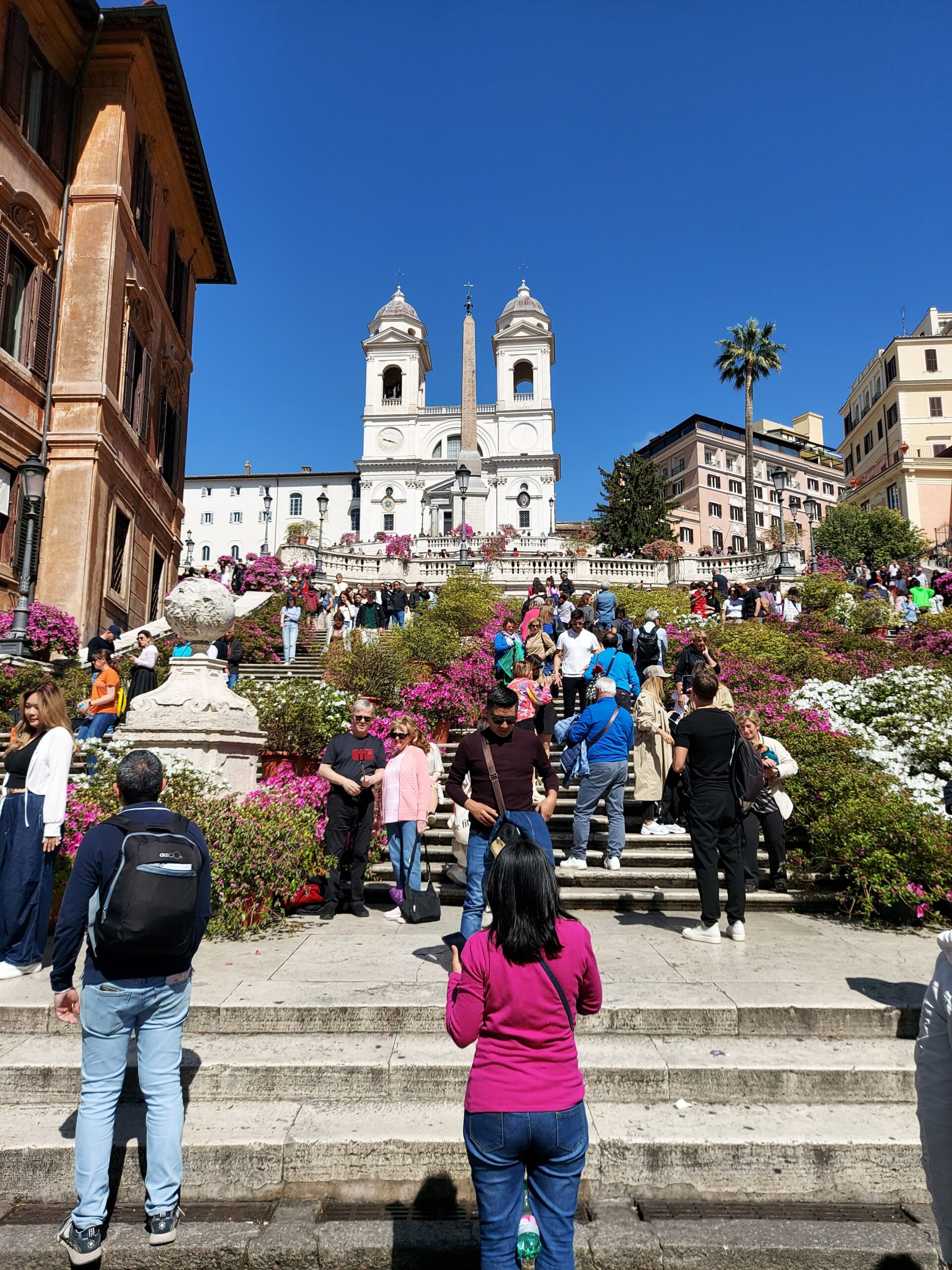
The Spanish Steps
Looking up the Spanish Steps
A small room with a dark brown bed and blue walls
The room in which Keats died

In the gift shop there was a beautiful ring, a replica of the ring Keats gave to his fiancĂ©e Fanny Brawne. I ended up buying it – well, mam bought it to keep for me as a Christmas present!

After our visit, we headed back towards the hotel, eating at the same restaurant we’d enjoyed on our first night.
Rome Day 5 | Non-Catholic Cemetery, City Sightseeing tour bus, Trastevere

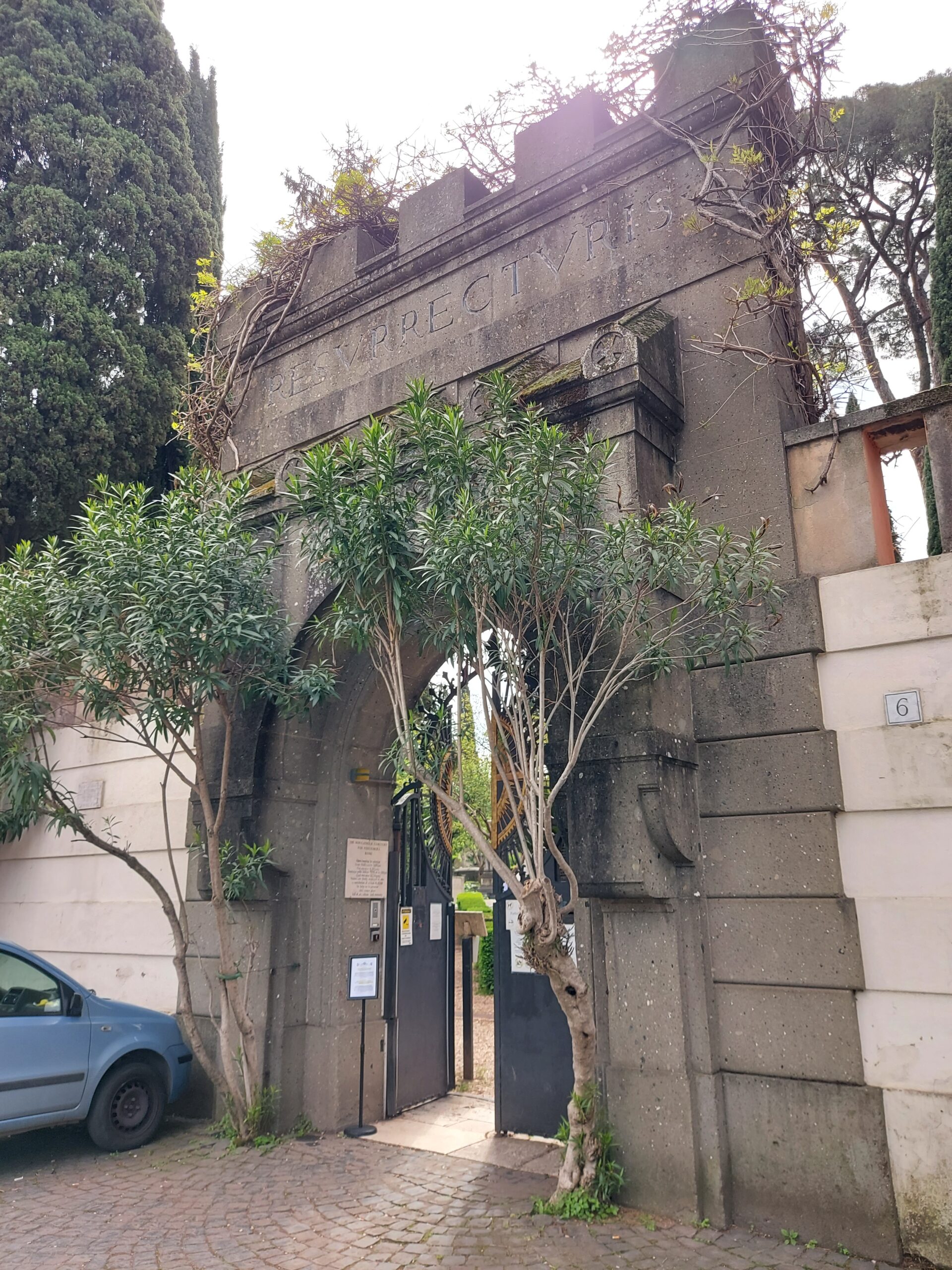
After our exhausting day yesterday, we decided to have a quieter day, but in the morning we did visit the Non-Catholic Cemetery, which was a bucket list place for me. I’ve wanted to visit this cemetery ever since I was a teenager and learned that the poet John Keats, who died in Rome, is buried here.

Entrance to the Non-Catholic Cemetery
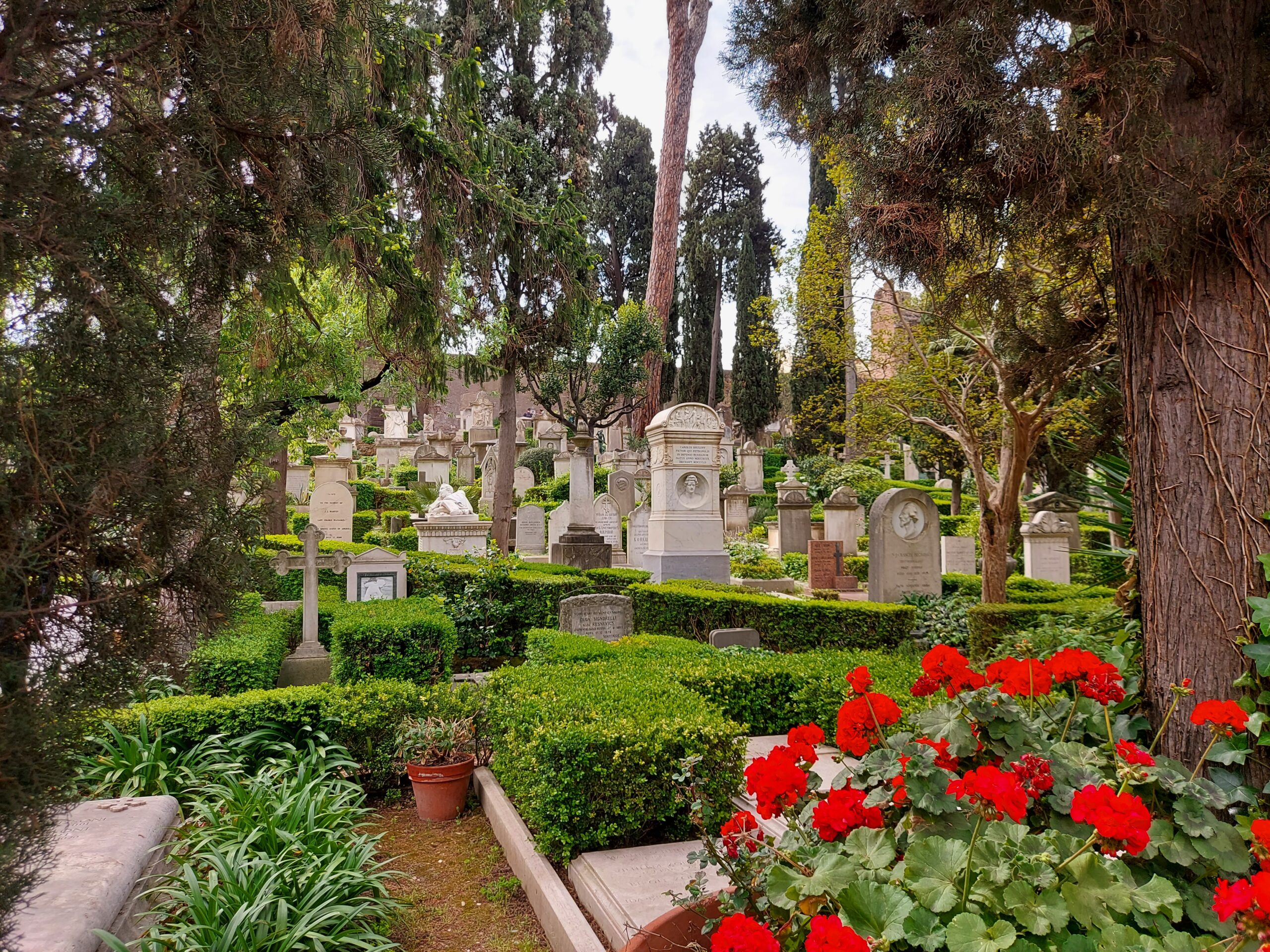
Inside the Non-Catholic Cemetery

Often known as the Protestant Cemetery, although the Non-Catholic Cemetery is its official name (and more accurate), it developed organically without official recognition on an area of cattle-grazing land just outside the city as-was from the early eighteenth century onwards. The first burial was that of William Arthur, a follower of the exiled James VII of Scotland. Gradually the area developed a reputation as a British cemetery, though individuals of other nationalities were also buried here. In the 1820s the Papal government appointed a custodian to oversee the area and the cemetery functions.

Inside the Non-Catholic Cemetery

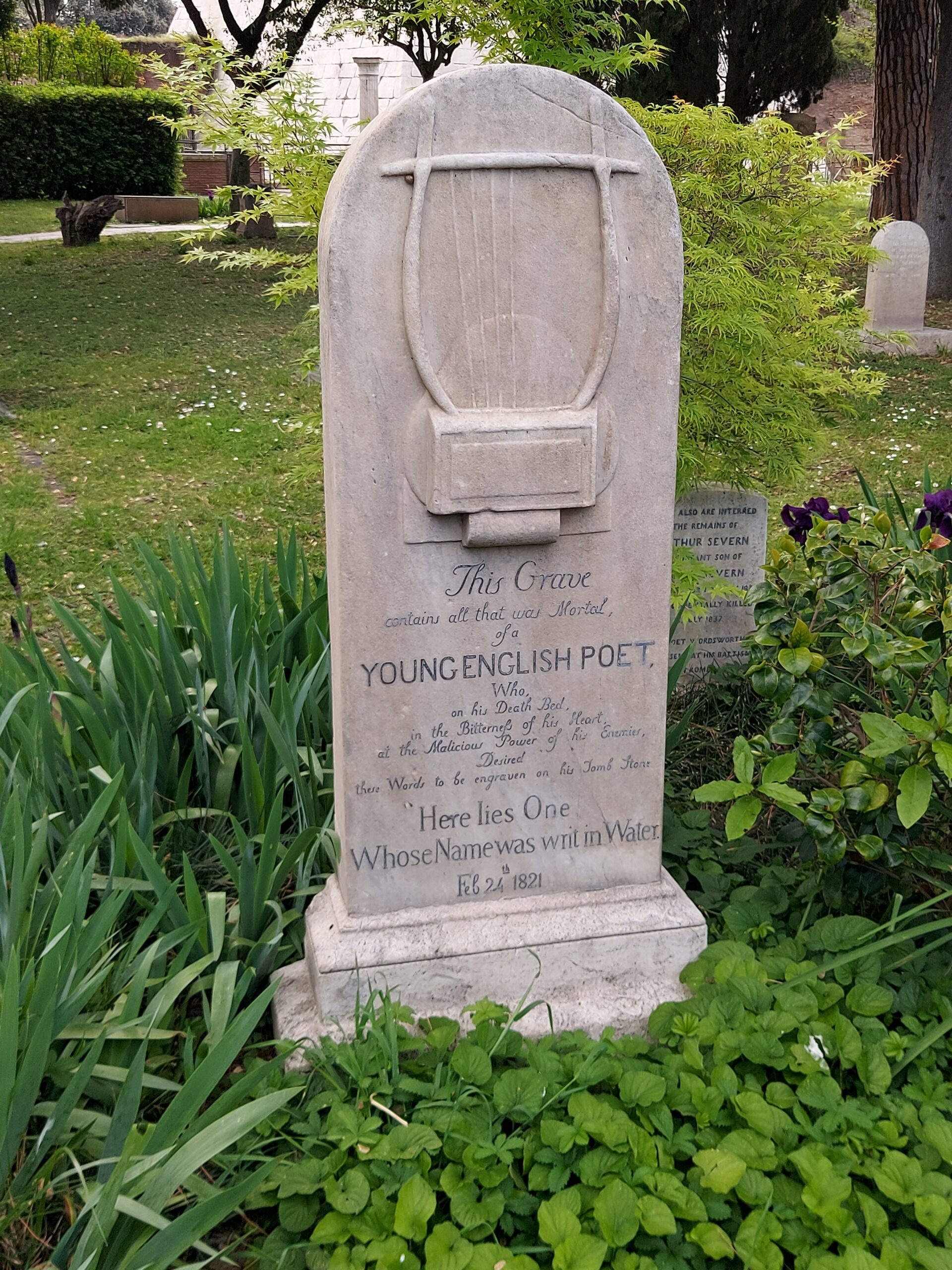
Keats is buried in the older, more spacious part of the cemetery, across from the ancient Pyramid of Caius Cestius. It was quite emotional to finally see for real the immortal words on his tombstone, “Here lies one whose name was writ in water”. Alongside him is buried his loyal friend Joseph Severn, who died in 1879.

A gravestone
Grave of John Keats

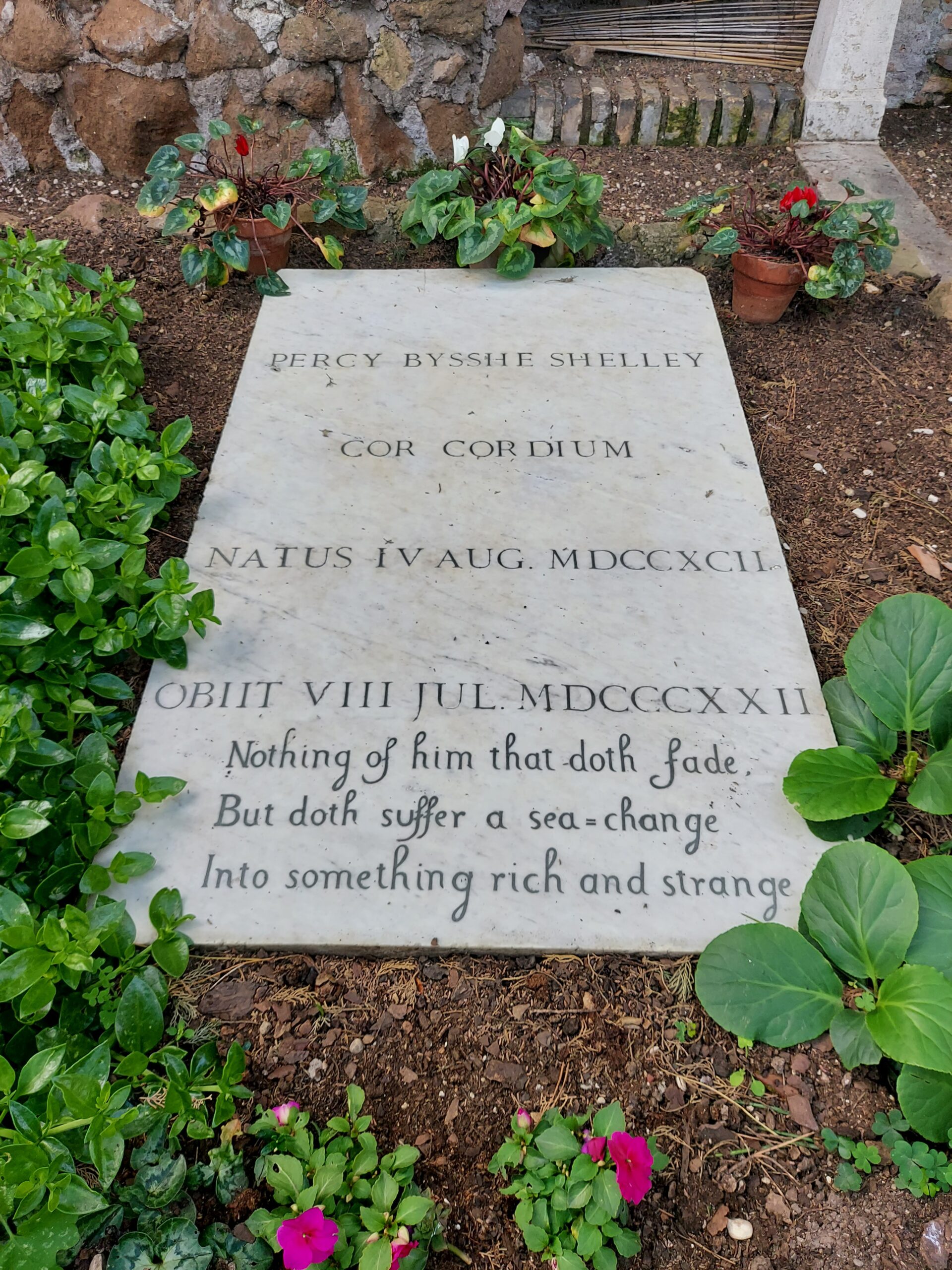
In the newer, more crowded part of the cemetery, we spent a good while wandering among the tombstones. I came across the grave of Percy Shelley: I hadn’t realised his remains (except for his heart, which was taken from the flames at his cremation and given to his widow Mary) were buried here, but they were sent to the British Consulate in Rome, who interred them here. His gravestone has a quotation from Shakespeare’s The Tempest, and alongside him is buried his friend, Edward John Trelawny.

A flat gravestone
Grave of Percy Bysshe Shelley

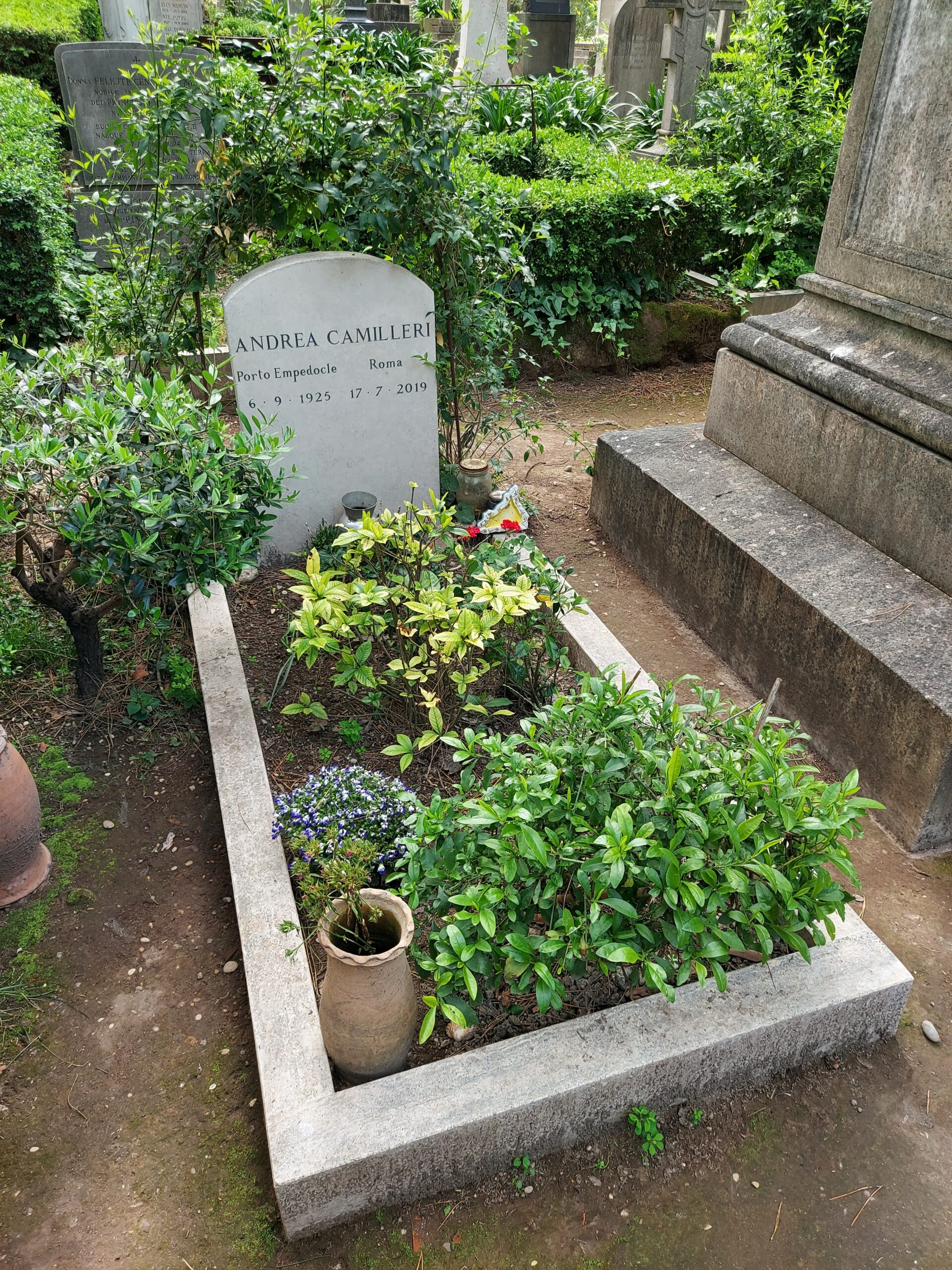
Few Italians are buried in the cemetery, but one of them is Andrea Camilleri, writer and creator of the Sicilian detective Inspector Montalbano. I’m a huge fan of the novels and the TV show, so was glad I came across his grave.

A gravestone with a stone border
Grave of Andrea Camilleri

After our visit, we got the Metro to the Circus Maximus from where we caught the City Sightseeing tour bus. It was lovely to sit and relax after doing so much walking, and we got to see loads too.

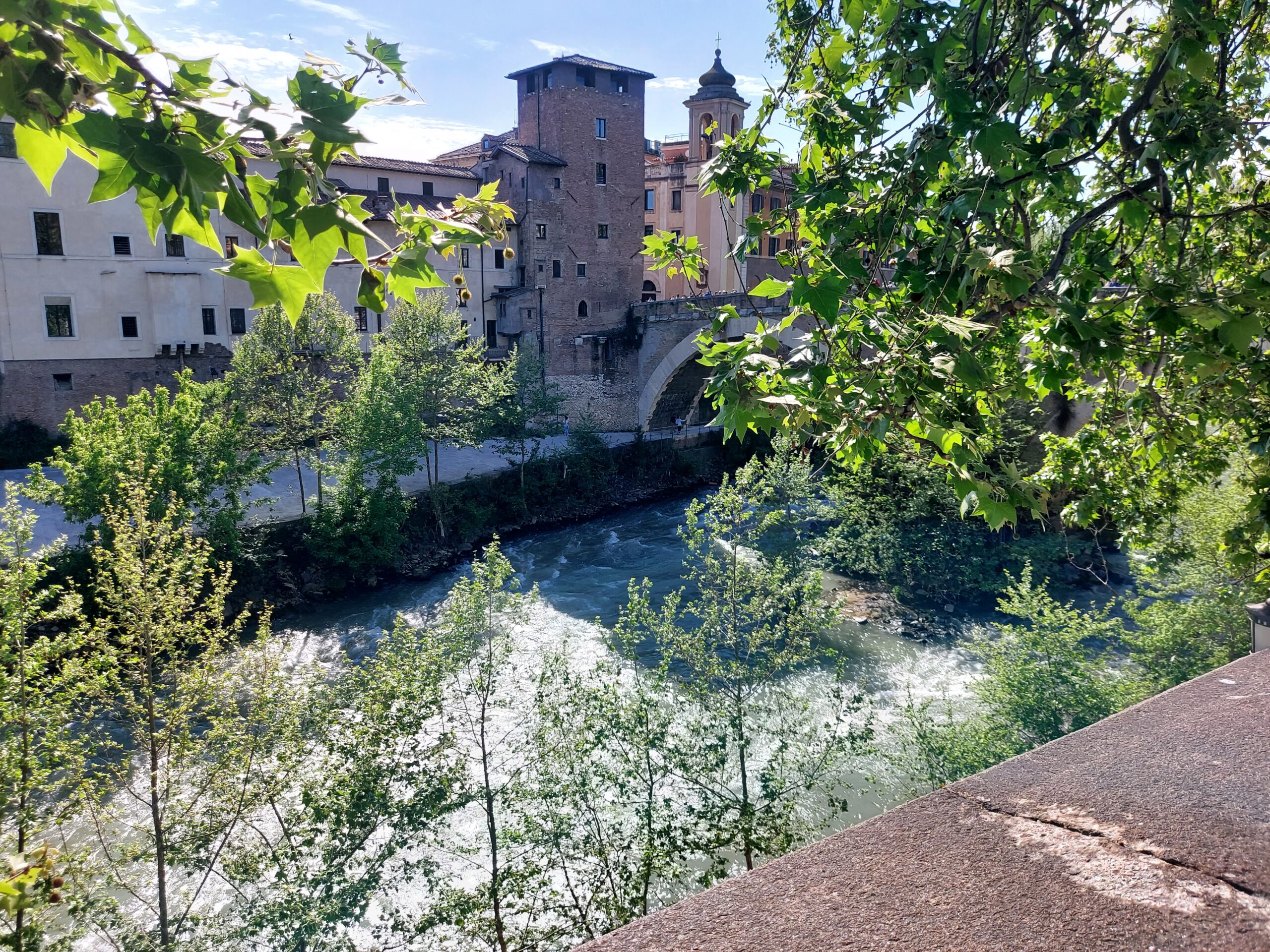
The river Tiber

After about three hours on the bus we got off and walked over to Trastevere, a popular and pleasant part of the city. This was a lovely area and we had a nice meal at the Casetta di Trastevere.

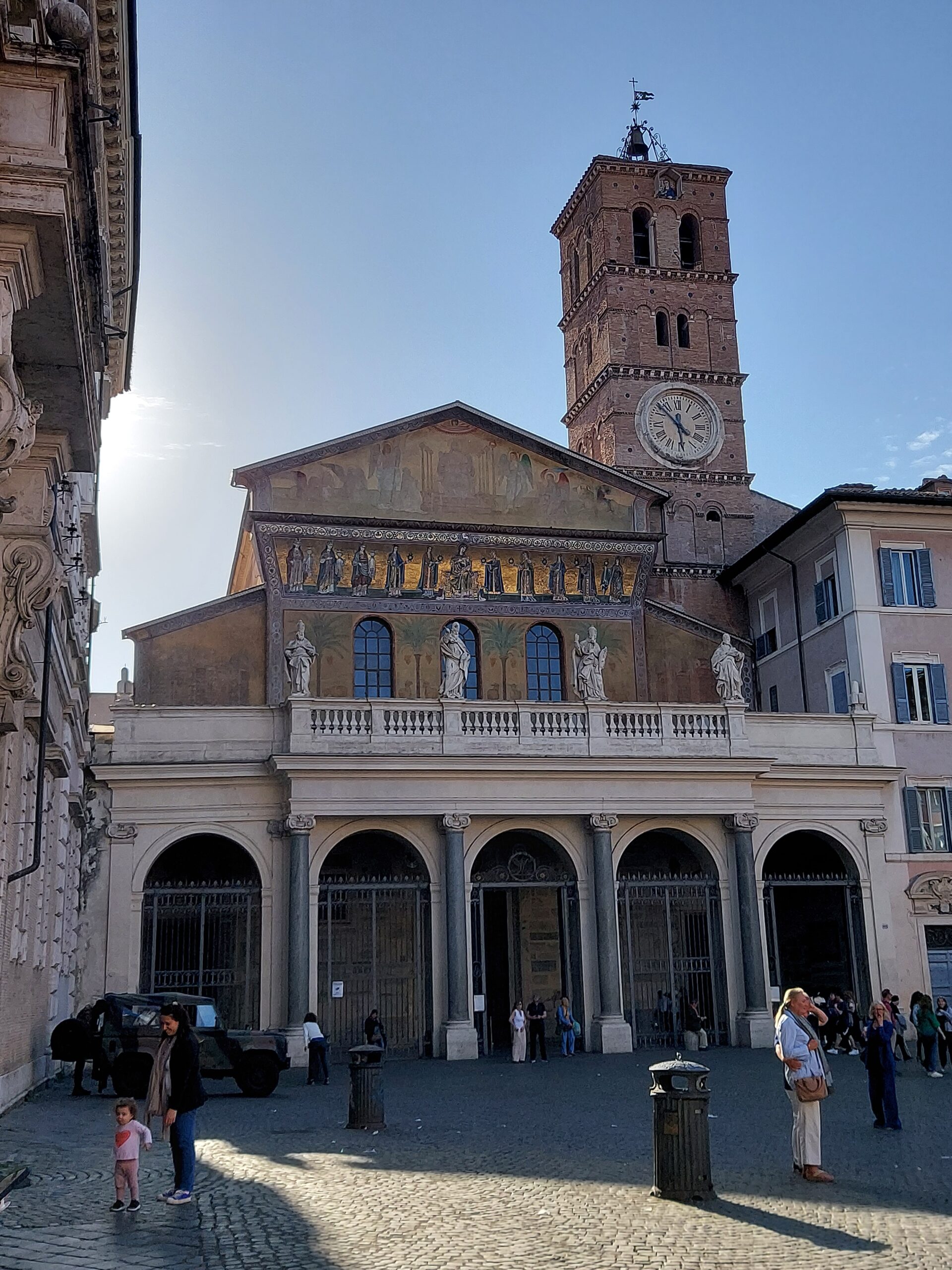
Santa Maria in Trastevere