
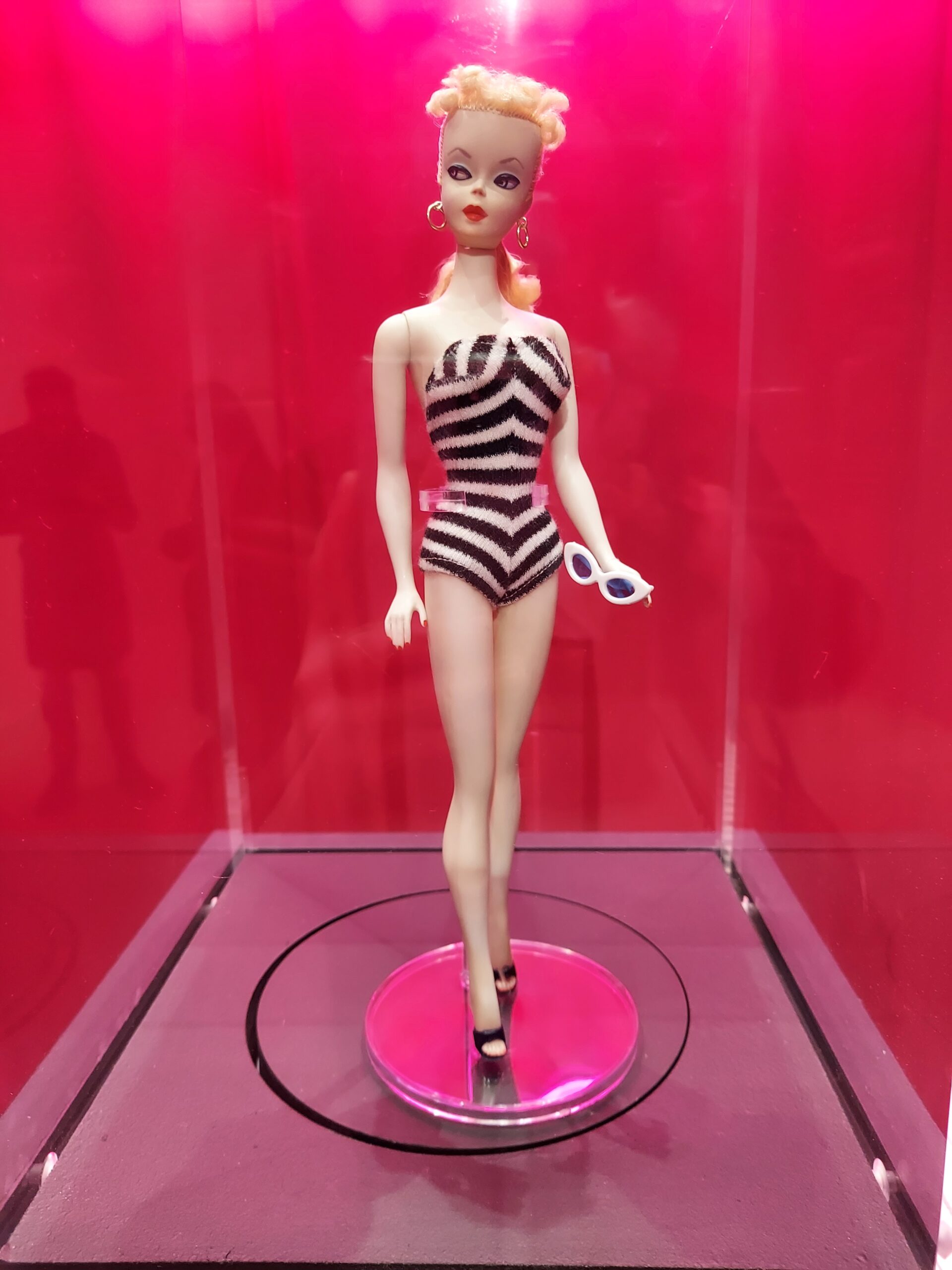
I had a Friday off work so I went along to the Design Museum to see the Barbie exhibition. Like most little girls, I had Barbies when I was a child and the exhibition, featuring over 250 objects, promised to be an interesting look at the evolution of Barbie from 1959 to the present day.
On display was one of the first ever dolls released by Mattel in 1959, as well as other examples including the best-selling Barbie of all time, the Totally Hair Barbie of 1992. I remember seeing this doll advertised at the time, and kind of wanting it, while at the same time knowing that I would never dare to cut her hair so there would be no point.

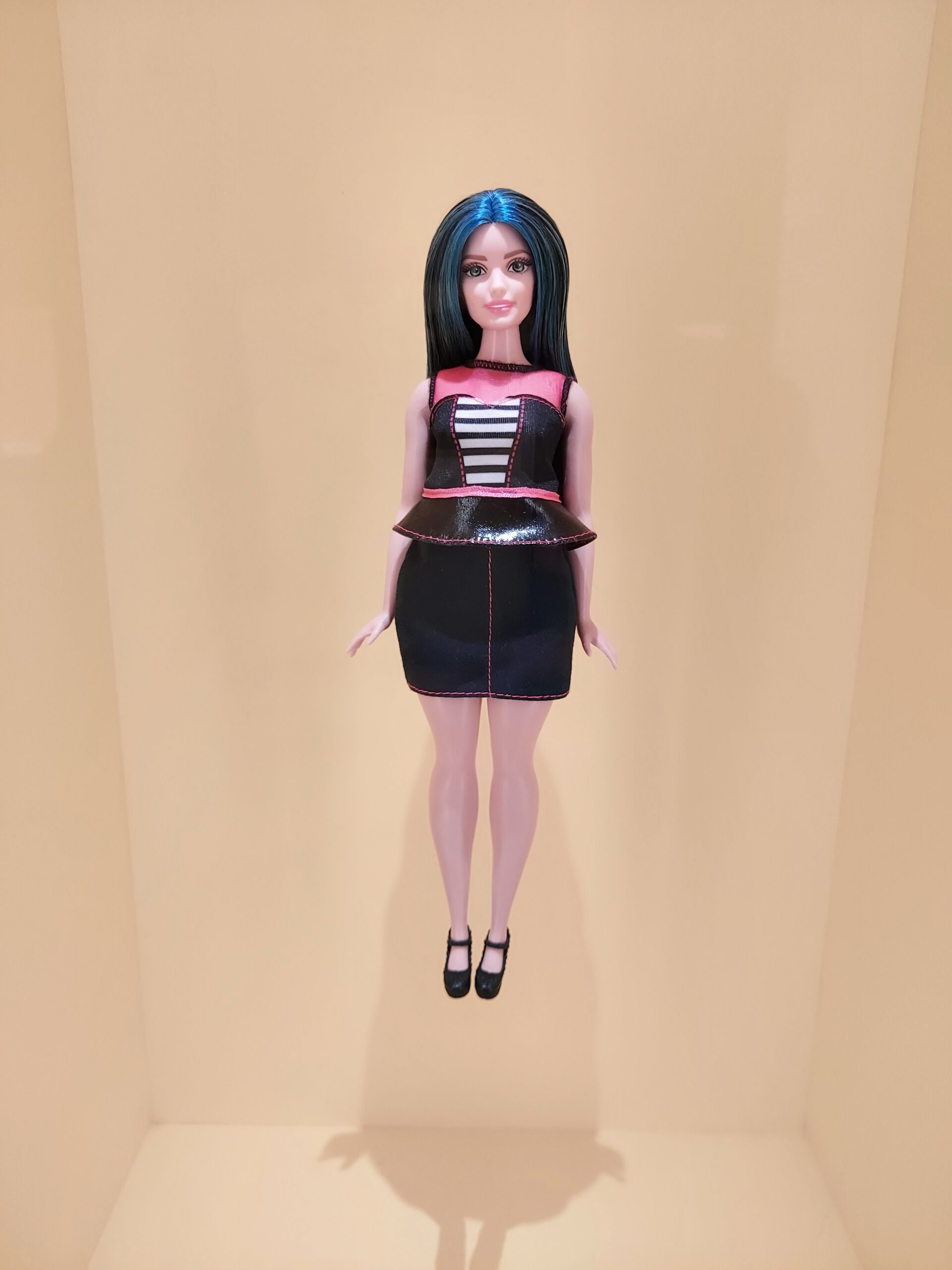
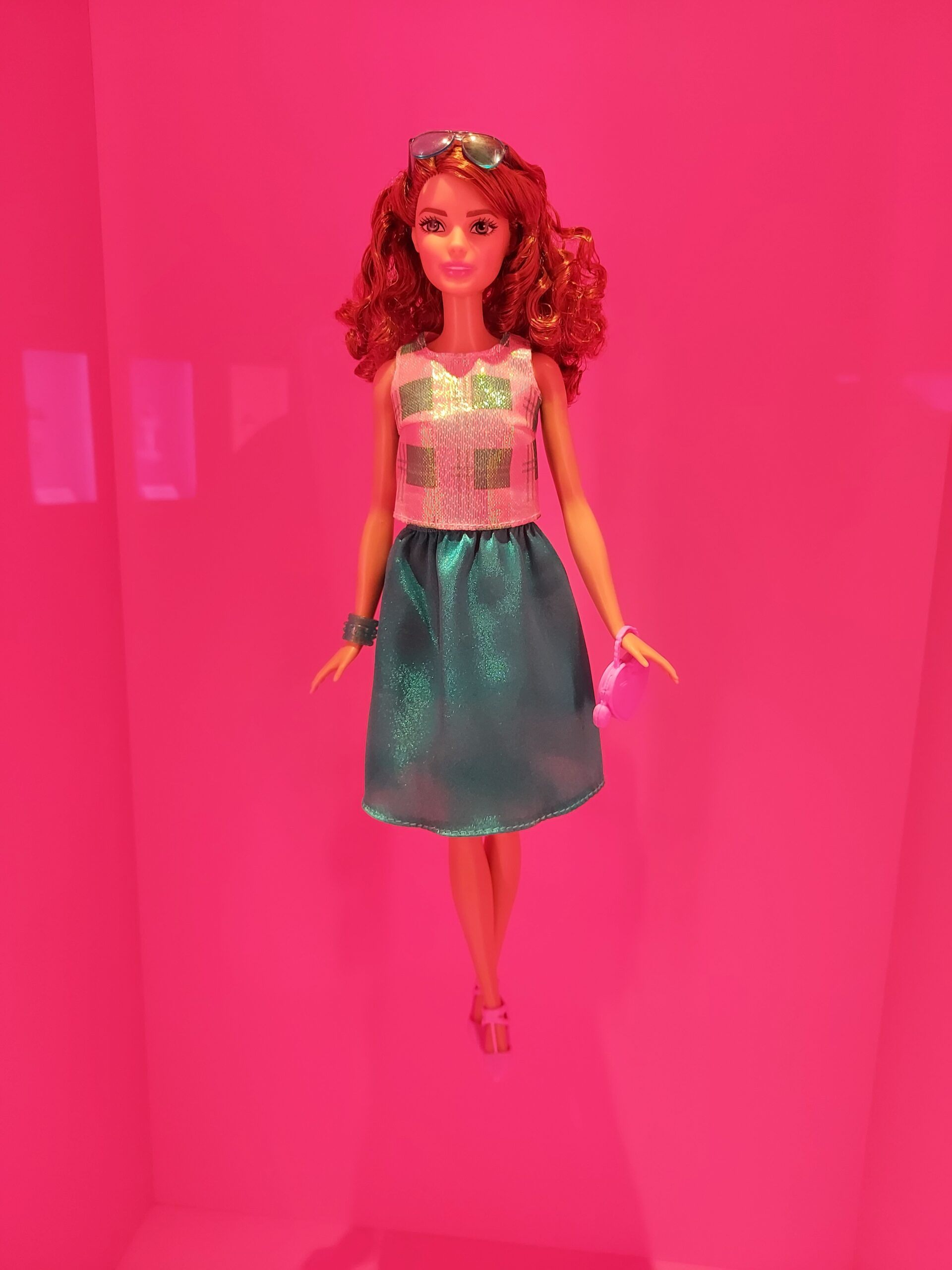
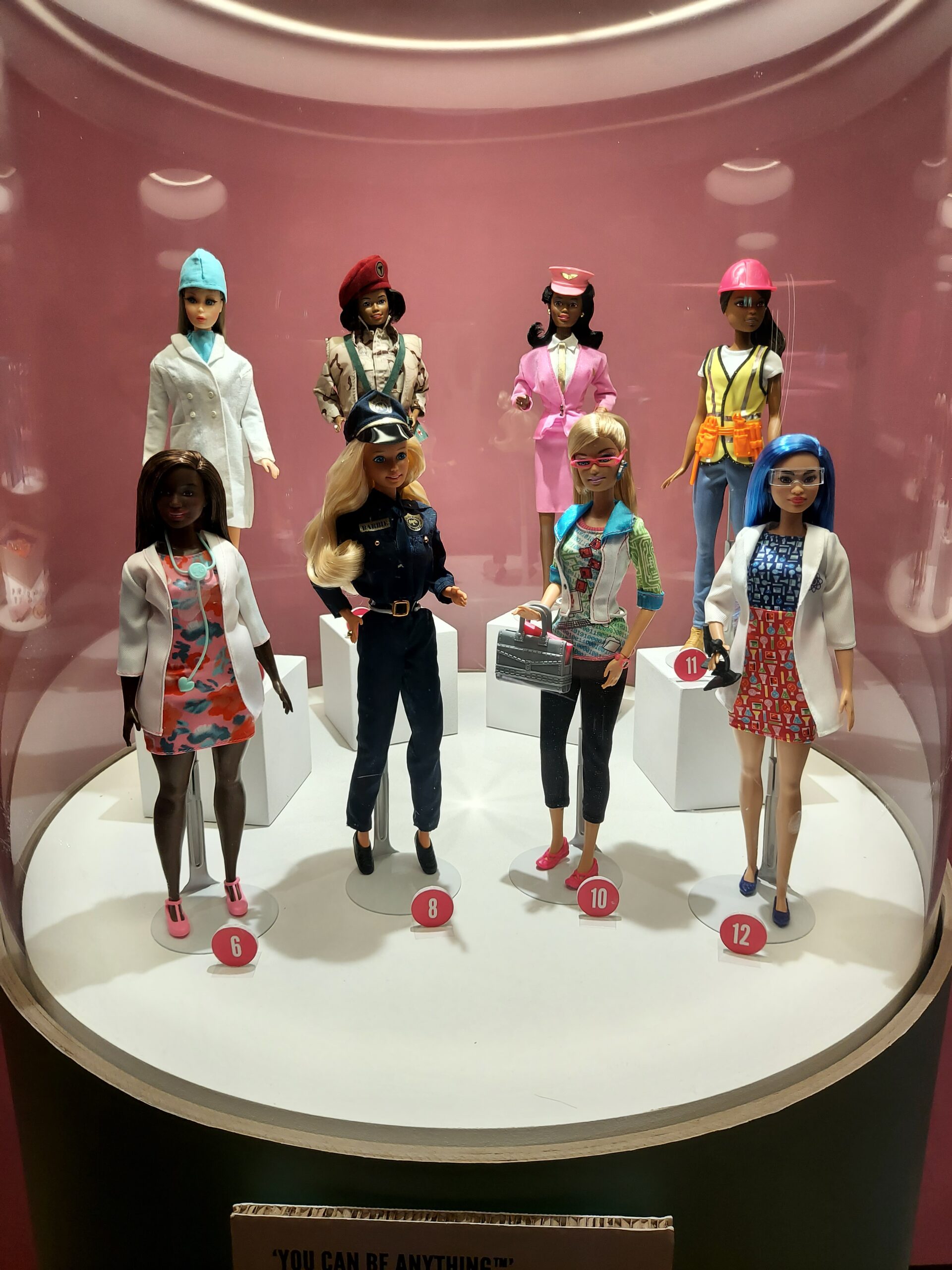
I have never seen so many Barbie dolls in one place. So many different kinds have been released over the years, with countless outfits. I had fun choosing my favourites and recognising the ones I owned. The doll has also reflected changing attitudes and social mores, with Barbie increasingly reflecting and inspiring societal aspirations. Barbies are doctors, teachers and even astronauts.
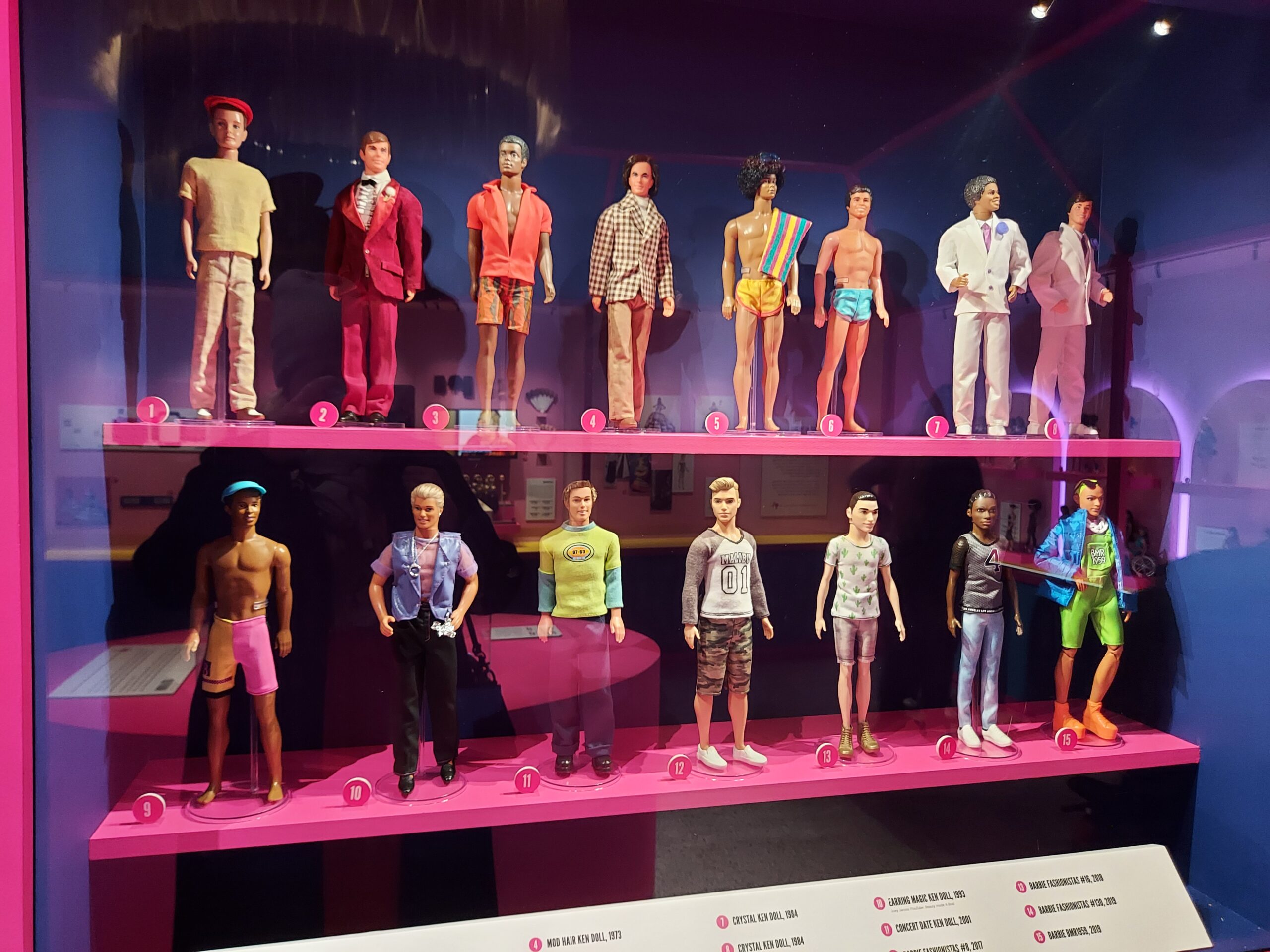
Barbie has had lots of friends over the years, such as Midge, Christie and Teresa, as well as a younger sister, Skipper. And let’s not forget Ken, who has also appeared in various incarnations over the years since his first appearance in 1961.
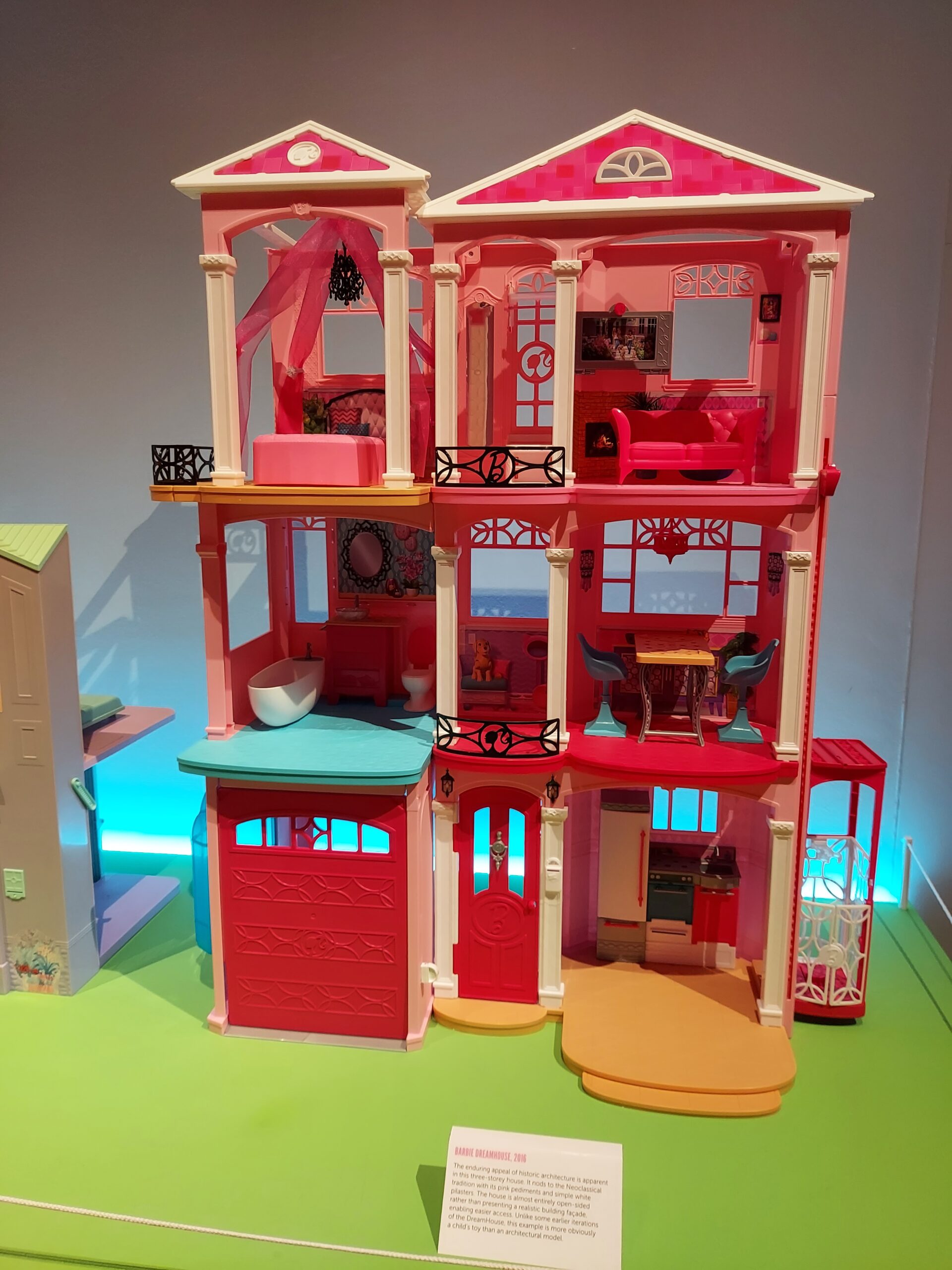
As well as dolls, the exhibition looks at Dreamhouses, vehicles and furniture. These also reflect the times in which they were made and served as aspirational models for children. I have fond memories of my own Barbie campervan, though I can’t say it’s given me a taste for the outdoors.
It’s good to see that Barbie has become much more diverse through the decades. Black, Hispanic and Asian dolls have all been released, as well as those with Down syndrome, dolls that use wheelchairs and Barbies with different body shapes.
This was a fun, nostalgic exhibition that was fascinating to explore and showed how influential Barbie has been for over half a century.